We drove the Renault Arkana E-Tech 145: when hybrid meets elegance…  

Renault is a brand which moves boundaries now and then. It brought a new definition of a roomy and timeless city car with the Twingo, built the legendary 4L and the “Cinq”, its Espace brought nothing less than a revolution in car concepts and design: the “space” car was born.

Then we don’t forget the Avantime. A car which was truly totally ahead of its time. We drove it at its introduction in the streets of modern, united Berlin. When you saw it on the road, you would expect a V6 formula 1 turbo engine under the hood, running on hydrogen of course, with a sweet voice softly telling you what the history is of the street and buildings you driving through, in the language of your choice. That car made us dream. Its stylish panache and the promise it embodied still has to be equalled.

Then Renault embarked on the E-path, opening it up to the masses with the ZOE and recently also putting a very clever full hybrid on the road, culminating in the E-Tech family of cars. Affordable with a touch of genius. And then we don’t forget Dacia…

Now its talented designer Laurens van den Acker took a long hard look at the BMW 4X and brings the stylish silhouette of the iconic fastback SUV to the wider public. The Arkana, a name derived from the Latin Arcanum, meaning secret, first made its entry in the Russian market, based on the Dacia Duster B0 platform. This allows the Russian built Arkana to offer 4WD, a must for the Russian market.

But this is not the E-Tech Arkana we meet on our shores. Renault needed here a platform which allowed electrification. Just read further!

Hans Knol ten Bensel

So “our” Arkana started life in South Korea in January 2020 as the… Renault Samsung XM3, and we find this again a fascinating story in itself, showing how cleverly big groups are combining talents and allocating resources found in their world wide organisations. Showing that they are truly unifying the world, having learned to work, cooperate and thrive across boundaries.

So Renault Samsung Motors is a reality, and they build the Arkana for us in their South Korean factory in Busan.

Renault is maybe also teaching politicians a lesson nowadays: the “Russian” Arkana is built both in Moscow by Renault Russia as well as in… Ukraine, in Zaporizhzhia, in South eastern Ukraine, at ZAZ, the most important (former) Russian Automobile Manufacturer.

The European Arkana runs on the more modern CMF-B platform, which we find also for the Clio V and the Captur II.

Stylish

Approaching the Arkana and walking around it, one is pleased by its excellent proportions and shape, from any angle. We liked also that it stands boldly on its wheels, with a ground clearance of not less than 20 centimeters. This allows you to negotiate sleeping policemen’s with ease of mind, as their dimensions always differ greatly from borough to borough, if not from street to street. The fact that this is not unified on a European scale, let alone not even on a national scale is utterly ridiculous. But the Arkana copes with all that, marvelous!
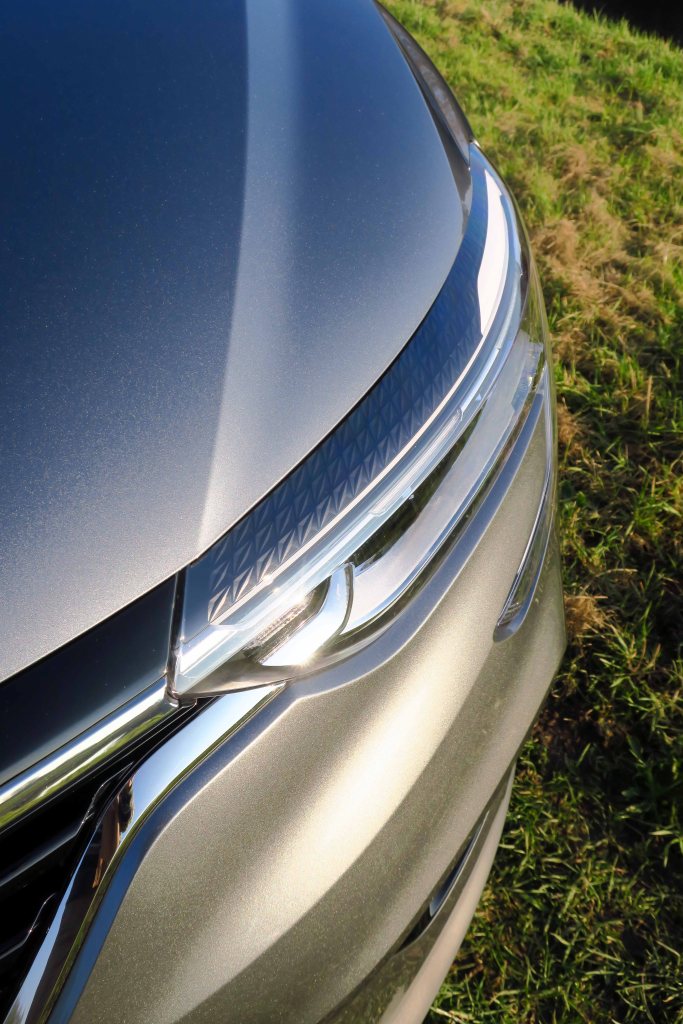
We found also the level of finish and paint quality of the bodywork top notch. The same can be said of the fit, look and feel of the panels in dashboard and cabin.

The layout is similar to what we find in the ZOE and Clio. The seating position is excellent, everything is logically within reach. Also the infotainment system with the large screen on the centre console is a breeze to use, and quite intuitive. Of course instrumentation is digital, and you can have also the road indications right in line with your eyesight if you prefer this.

The Arkana E-Tech is frugal: on the open road merely 4,7 l/100 km…

The learning curve to get acquainted with infotainment in this car is wonderfully short, and it is also very practical and wise to let the heating/airco ventilation system be controlled through three big round manual knobs.

A fully fledged hybrid…

The Renault Arkana uses the Renault “E-Tech” hybrid solution, consisting of a petrol engine delivering 94 HP, a starter generator which delivers 20 HP or15 kW, and last but not least an electric motor incorporated in the transmission, which is good for another 49 HP or 36 kW.

The gearbox has four speeds in store for the combustion engine, and reserves two speeds for the electric motors. These are no synchro rings or clutches, the electric motor within the gearbox synchronises everything. This uniquely clever system is derived from Formula 1 technology, Renault says.

It works wonderfully. Driving away is always on E-power for the first meters at least, the electric motor in the gearbox with its close to 50 HP has more than sufficient zest for its task. If the small 1,2 kW battery runs out of power, the engine sets in smoothly, helps to power the car further forward, and also charges the battery. Total system power is 143 HP.

Depending on the chosen driving mode, the system will also keep the battery more or less constantly charged, and so it happens more than often that when having accelerated on E-power to say a cruising speed of 70 km/h, the petrol suddenly engine starts up and gets eagerly to work recharging the battery. It does this at relatively high revs, and the recharging time is therefore rather short.

The higher revs seem to be a bit out of place, but soon one gets used to it, even more so because everything happens smoothly as the revs between gearbox and engine are exactly matched and you understand why this is happening.

We noticed that in city driving the Arkana runs often on E-power, and indeed, the consumption during our test hovered around the 5 litres/100 km. Performance is more than adequate for everyday driving, with a 0 to 100 sprint in 10,8 seconds and a top speed of 178 km/h.

Comfortable and well balanced

The suspension of the Arkana has a rather firm undertone, but is very well balanced and comfortable, and will never show any hint of harshness. On winding roads, the car stays flat with very little body roll despite its 20 cm ground clearance. Steering is responsive and pleasant. Indeed, the Arkana is an excellent Gran Turismo with also very good urban qualities, and a pleasure to steer and drive.
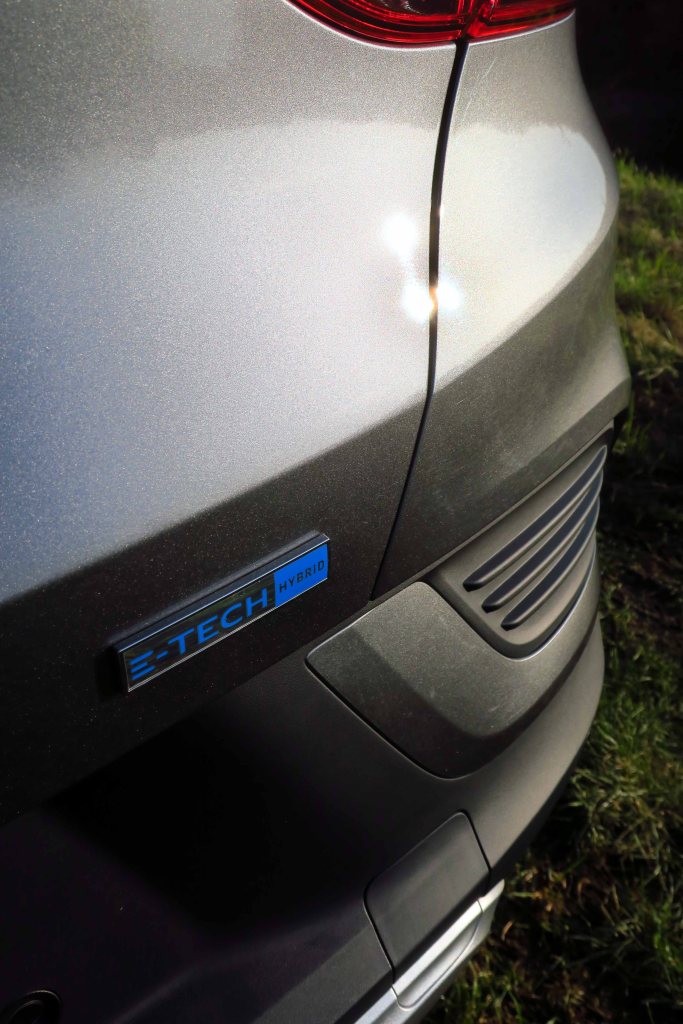
There is sufficient head- and legroom for the rear passengers, and the E-Tech configuration only costs some 33 liters of luggage space, which remains at 480 to 1263 liters, more than adequate we would say. Living with the Arkana is truly nice…
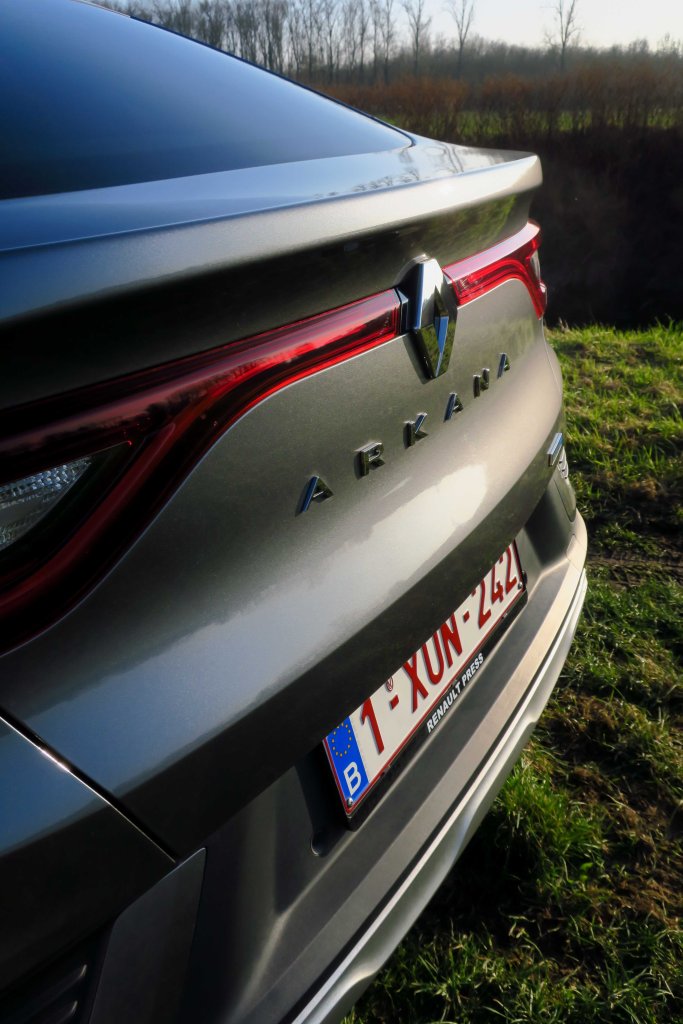
Conclusion

A stylish, frugal, future oriented Renault, roomy, well finished, easy to use and pleasant to drive in everyday life. It offers good interior space despite its elegant coupé silhouette. Indeed, Renault sets again new standards in offering to many car buyers the panache and zest of a modern four dour coupé combined with some distinct SUV touches. And it can be had as a hybrid, which is a strong selling point for today’s environmentally conscious buyers…

Hans Knol ten Bensel

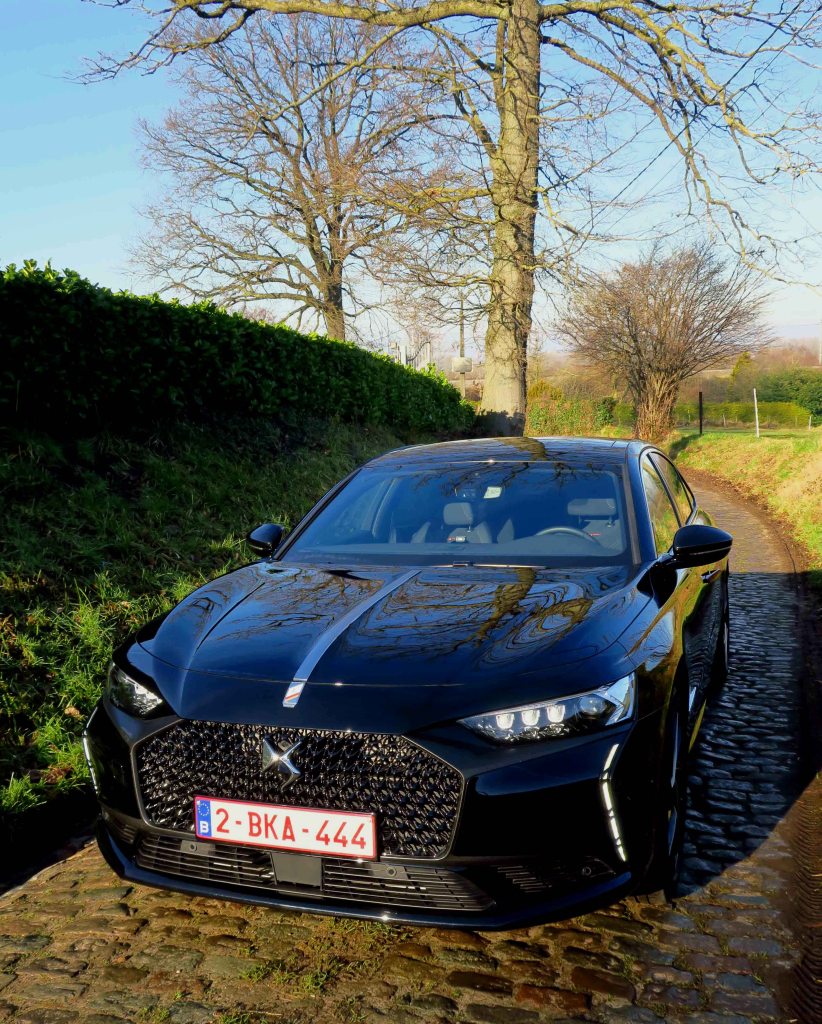
We drove the DS9 E-Tense 225: French elegance and panache…

In the hearts of many, the longing for a sleek, timelessly beautiful French limousine never fades. So when DS Automobiles was born, such a car was a must. The tradition of the original DS, serving as the true “voiture présidentielle” has also to be kept. So here she awakens again, as the noble “savoir vivre” alternative to the established German competition. The DS9. We tested the plug-in-hybrid version of course, fitting to this time and age…

Hans Knol ten Bensel

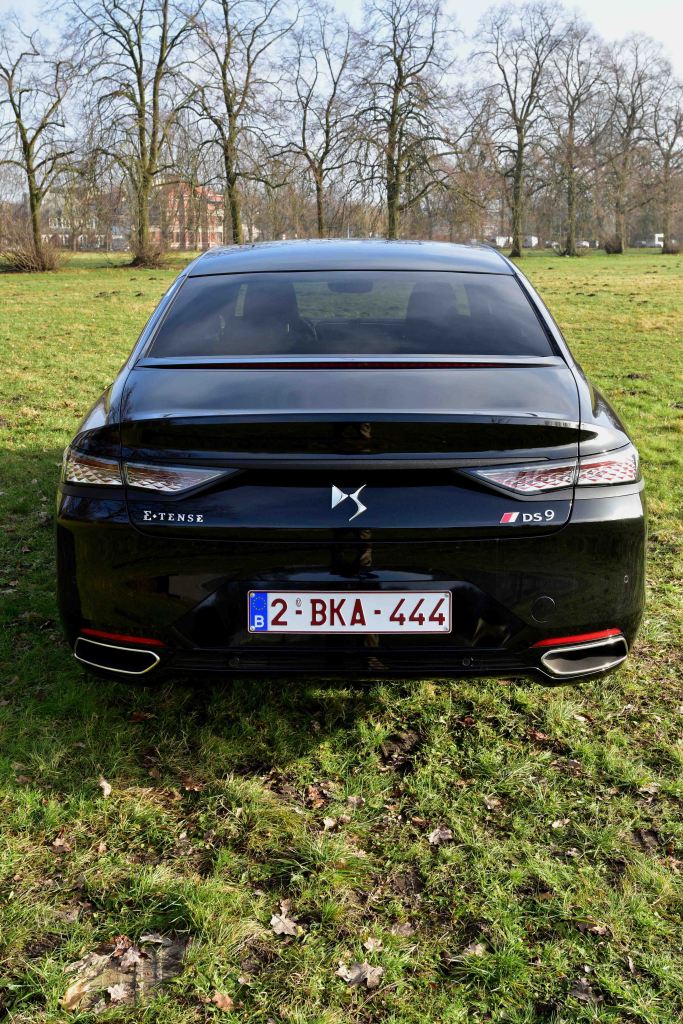
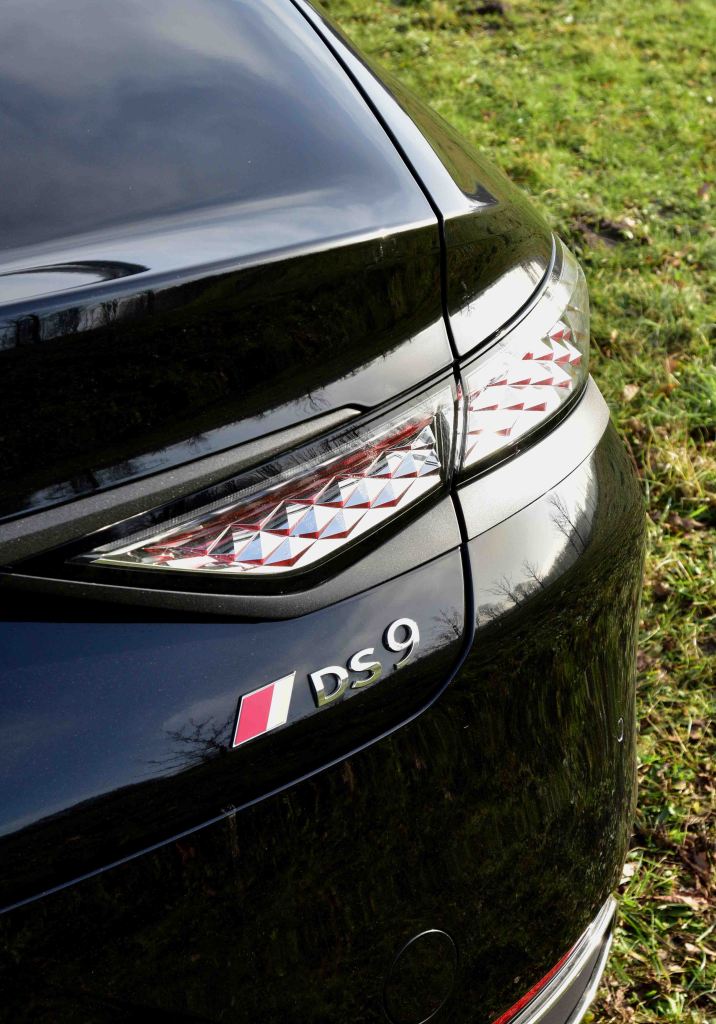
This DS9 is indeed elegant. With a regal wheelbase of 2,9 meters and a total length of 4,93 meters, the stylists were able to draw fluent lines and contours of an uncanny noblesse. The added details are reminiscent of its iconic predecessors, like the position lights close to the roof line.

This regal panache continues in the cabin. Noblesse oblige. Your eyes meet the superb clock in the middle of the dashboard, with the lozenge shaped start/stop button right below it.

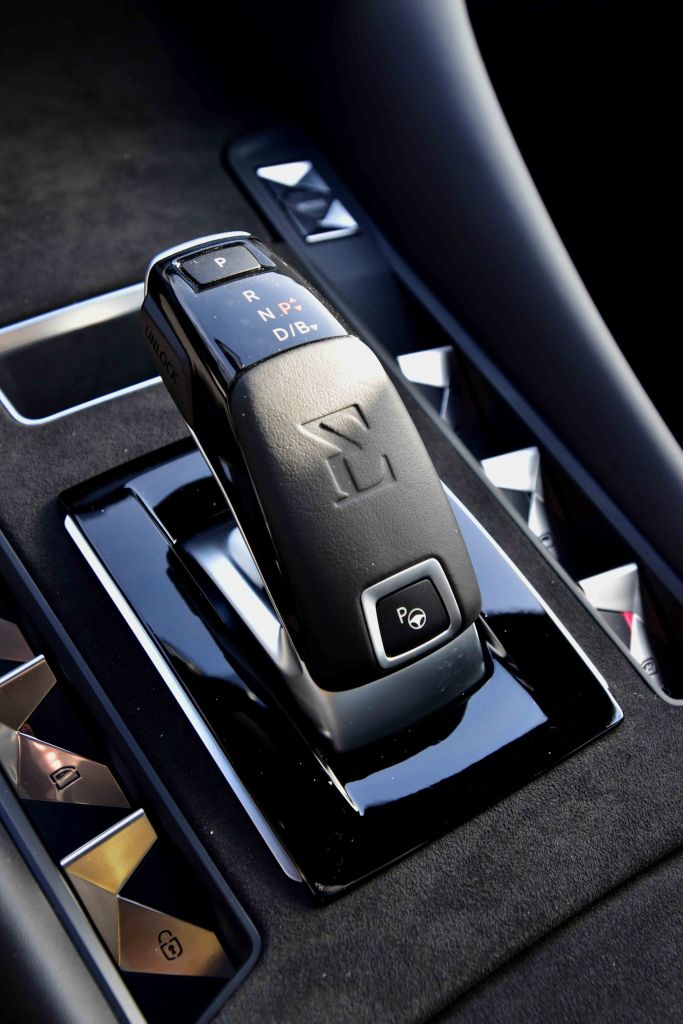
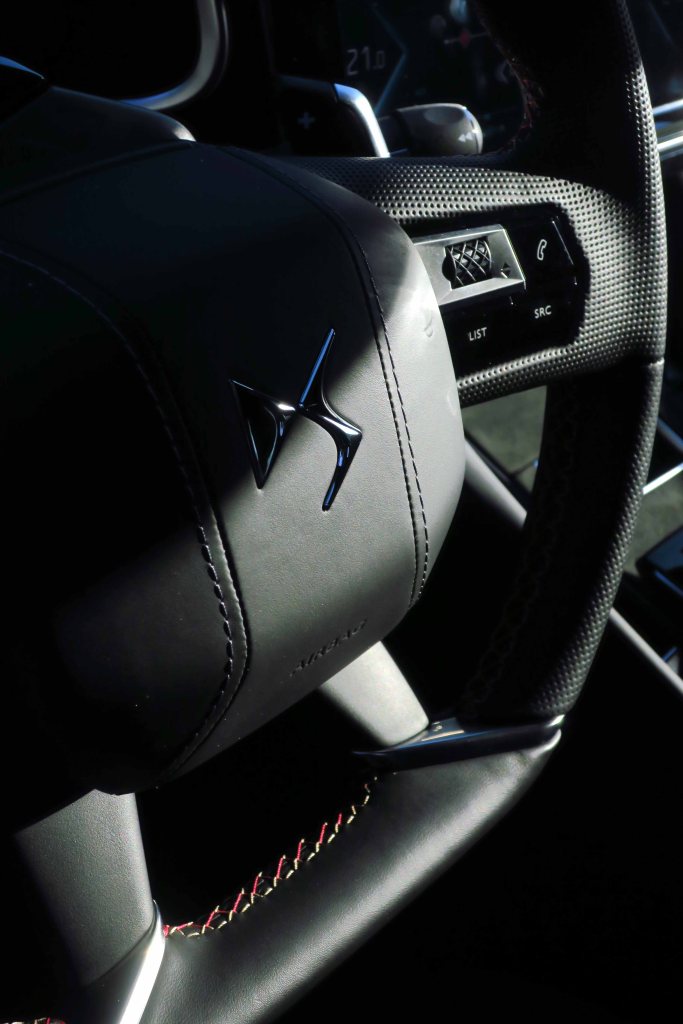
You can select also this lozenge theme for the dials in the electronic screen ahead of you, to add a bit of Art Déco atmosphere to it all. Your servant just loved this, as well as the finely chiseled surfaces of the rotating knobs on the steering wheel and the centre console. We love this tension between rounded shapes and rakish angularity. Voisin also used this in his magnificent automobiles.

The cabin is beautifully finished, with the seats not only looking opulent, but also cocooning you in soothing armchair comfort. Leg room at the rear is of course nothing short of presidential.

The infotainment is top notch, the expertise of the former PSA and now even larger Stellantis group sees to that. Embedded in this now world wide group, for DS automobiles, further future oriented electrification and revolutionary system/software platforms are in the cards. As one knows and has been written already in these columns, DS is very ambitious when it comes to future electrification.

Smooth hybrid power

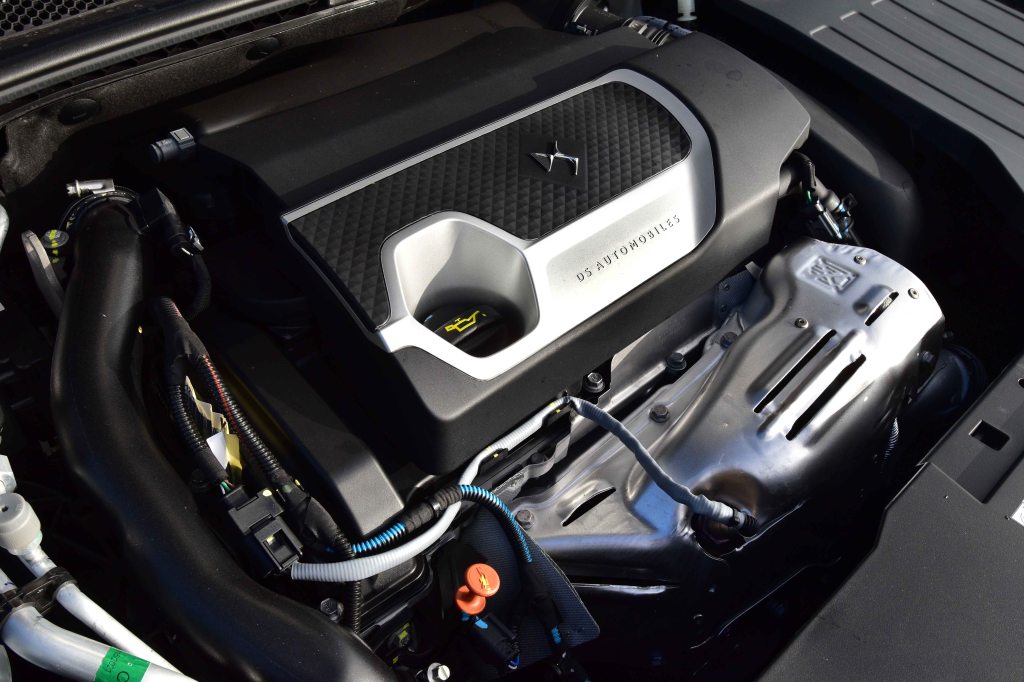
We tested the E-Tense 225 version, with the 181 HP 1,6 litre petrol engine coupled via an 8 speed automatic transmission to a 110 HP electric motor, resulting in a total system power of 225 HP. Sounds familiar? Indeed it does, as we found the same drivetrain on the DS4 E-Tense.

We already applauded the good qualities of this drivetrain, the prompt and vigorous accelerations, the overall smoothness. As the DS9 is somewhat heavier than the DS4 with its 1914 kg, the 0 to 100 km/h acceleration time is slighty slower, some 8,7 seconds, but on the other hand the top speed due to the more slippery limousine bodywork is a solid 240 km/h.

The DS9 will however rather invite you to some leisurely cruising, inspired as you are by the comfortable suspension which like in the higher end versions of the DS4 electronically scans the road surface ahead of you and adapts the active suspension accordingly. DS Automobiles calls it DS ACTIVE SCAN SUSPENSION, and we described it already in our columns.

Sound insulation is magnificent, remember that the doors have not less than three rubber seals to insulate the cabin from its surroundings, and double glazed windows. Needless to say that one truly enjoys the excellent sound system, and can listen delightfully to French chanson or baroque music.

Our test car had an electric radius of about 50 kilometers, thanks to its 11,9 kW battery. In our columns you could already read that there’s now a DS 9 E-TENSE 250 in the showrooms, featuring a 200 hp 4-cylinder PureTech engine, accompanied by the same 80 kW (110 hp) electric motor. The car has a new 15.6 kWh (total capacity) battery, with an unchanged number of cells, delivering now up to 70 kilometers on the WLTP city cycle (EAER City) or 61 kilometers on the WLTP combined cycle with an unchanged vehicle weight. The 7.4 kW on-board charger also allows charging from 0-100% in merely 2 hours and 23 minutes. See our article with the following link: https://autoprova.be/2021/12/03/the-ds-9-e-tense-gets-an-increased-e-range-and-extra-power/

Built in China…

I find it always fascinating to read how the present large automotive groups go about manufacturing their products on a global scale. The DS9 is also typical example. The DS9 runs on the EMP2 modular technical platform of the PSA group, and is built in the Chinese city of Shenzhen by the Baoneng group.

Related (bigger) cars built on this EMP2 platform are the Peugeot 508 and the… Donfeng FengshenA9, an executive sedan produced by the Dongfeng Motor Corporation under the Dongfeng Fengshen sub-brand, until 2019.

Citroën sells a new car named C6 in China on this platform since the end of 2016 and apparently until now, also as an executive saloon. All these cars have the same 2,9 meter wheelbase. This C6 is built in Wuhan, of all places…

Frugal… depending on how you use it.

With PHEV’s it is always the same story. Consumption depends on how you use it. Frequent recharging and short distances will enable you to run it on E-power, if you let the petrol engine do all the work, then it depends on the efficiency of the engine and your driving style. The manufacturer quotes a minimum consumption of 1,5 l/100 km and CO2 emissions of 34 g/km.

Practical

The DS9 is first of all a comfortable limousine, and your excellent companion on long distances or a posh urban drive to restaurant or opera. Boot space is sufficient with 355 litres, as you can fold the rear backrests back to enlarge cargo space to 825 litres.

For the rear passengers, there is a wide central armrest with lots of space for drinking glasses and sundry.

Conclusion

This sleek executive saloon makes a statement in the Executive segment, with its stylish panache and focus on ultimate comfort. It represents a true alternative in design and concept, and its lavish standard equipment makes it also stand out versus the competition.

So we repeat what we said about the DS4, if you want to take a different path in luxurious and refined motoring, grab the leather stitched wheel of this one…

Hans Knol ten Bensel

Seat is putting Spain (and the world) on electric wheels…

The Seat Cupra Born was in September 2021 still built in Mosel / Zwickau at Volkswagen Sachsen .

The electric age has certainly also arrived at Seat. Not that they produce impressive petrol engined cars. I am presently driving a very able Seat Arona 1.0 TSI Xperience, its three cylinder 110 HP 1 litre engine purrs very nicely indeed, coupled to a 7 speed DSG, and feels very well at home on the motorway as in the city. The somewhat higher stance of the Arona proved also a blessing and we would judge it “just right”.  But as said, the electronic age is certainly dawning at Seat.

The SEAT S.A. team is producing working for instance at the Martorell plant the SEAT Leon e-HYBRID, the first hybrid model manufactured in Martorell. But there is more.

Beatriz Matute, head of Project Management for the launch of the CUPRA Born, has spent this year going between Barcelona and Zwickau (Germany). She’s led a team of more than 50 employees from different areas in charge of overseeing the start of series production for the CUPRA Born, CUPRA’s first 100% electric car, in Europe’s largest electric vehicle factory. “It’s been a valuable learning experience that we will certainly build on for the electrification of Martorell” she says.

The international Press Presentation of the Cupra Born was stunning indeed…

The CUPRA Born signals the start of CUPRA’s electric offensive and is a key element in the brand’s international expansion. For this reason, “we knew that the International Press Presentation of the CUPRA Born needed to be different” says SEAT S.A. Global Communications Director Cécilia Taieb. “We made it happen thanks to the help and participation of many of our employees” she continues. The first 100% electric car brought together 440 journalists from 27 countries in Barcelona. In total, 62,000 kilometres of testing were carried out over four weeks by the invited media.

The brand’s marketeers and top experts around the world have been just as dedicated in preparing to sell the CUPRA Born. More than 1,000 CUPRA Masters from 43 markets took part in the CUPRA Master Convention 2021 to deepen their knowledge and transmit their expertise to customers.

The IAA International Motor Show in Munich last September was the backdrop for the world premiere of the CUPRA UrbanRebel concept, the CUPRA team’s unconventional challenger. “The concept laid the foundations for our future 100% electric city car, which will arrive in 2025” says CUPRA Director of Strategy, Business Development and Operations Antonino Labate.

Leading the electric competition. CUPRA made motorsport history this year by winning the first ever electric touring car championship. Along with Mattias Ekström, they have been named “Kings of the season” for the PURE ETCR. With the CUPRA e-Racer, a technical feat of 500 kW (680 hp) of power, the brand successfully completed the challenge it set itself in 2017: to create the first electric racing touring car in history, and win.  “The future of racing is electric, and we have already taken the lead” maintains Xavier Serra, head of CUPRA Racing.

A step forward with 1.3 Megawatts of power…

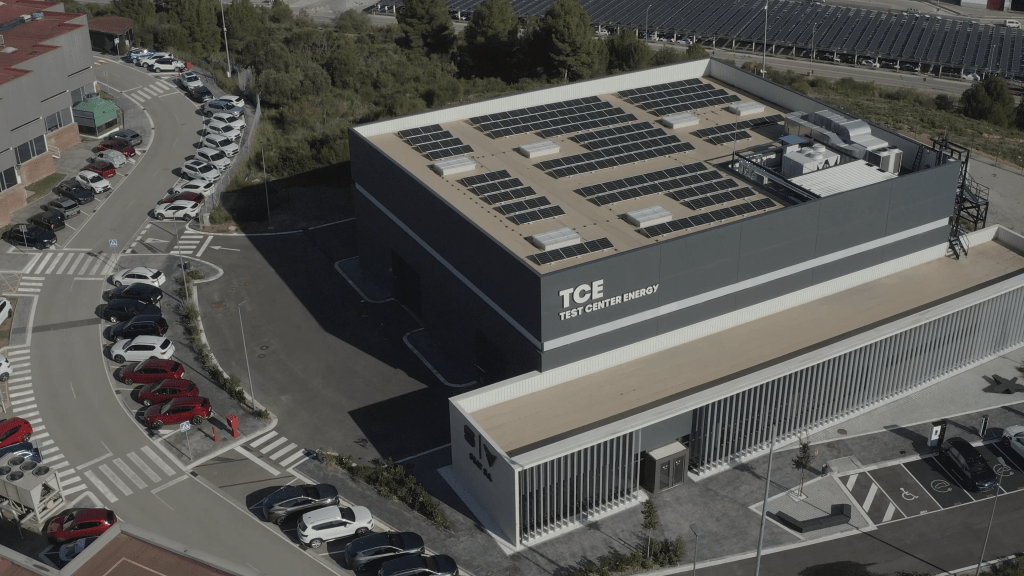
The Test Center Energy (TCE) is another of the company’s major commitments to electrification. “We’ve made a great effort to create this pioneering battery research and development centre in Southern Europe, which will enable us to develop the energy systems for electric  and plug-in hybrid vehicles” says Francesc Sabaté, head of the TCE. To give an example of its testing capacity, 1.3 megawatts is equivalent to the energy consumption of 350 homes operating at maximum power.

Hans Knol ten Bensel

Stellantis Belux holds annual press conference: The merger is successfully settled in Belgium, and the group is investing further in electrification and software for a promising future… 

Stellantis Belux CEO Stéphane Lévi

We attended a very interesting presentation by Stellantis Belux CEO Stéphane Lévi, last but not least about Stellantis Belux itself. We start with this topic in this report. 

But of course, the future of the Stellantis Group holds many different interesting aspects, and this will be covered in further reports. Just stay tuned! 

Hans Knol ten Bensel  

The merger between FCA and PSA leading to the birth of the Stellantis group has been very well managed in Belgium, and is now properly settled indeed. 

Mr. Lévi explained that it was a very good strategic decision to bring the different brands with their respective departments as soon as possible under one single roof, notably at the premises at the Avenue de Bourget in Brussels. Indeed the implementation of Stellantis Belux in this “Stellantis House” in Evere took merely three months after the merger, which was done in January 2021. The organisation of Stellantis Belux was finalised in July this year.  20 % of the employees working in Stellantis Belux have now taken a new position within this organisation. 

“It is important that the staff also feels physically that they belong to one family, and are able to interact and meet on one single work and office space”, stated Mr. Lévi. 

“The staff of the several brands immediately started to figure out not why, but concentrated rather on how they would work together”, he concluded.

New working spaces are being finalised at Stellantis House to adapt to the changing working conditions brought about by the Corona pandemic. 

Strong market position… and investing in the future. 

Stellantis Belux has an enviable market position in Belgium and Luxembourg with a market share of 23,07 %. 

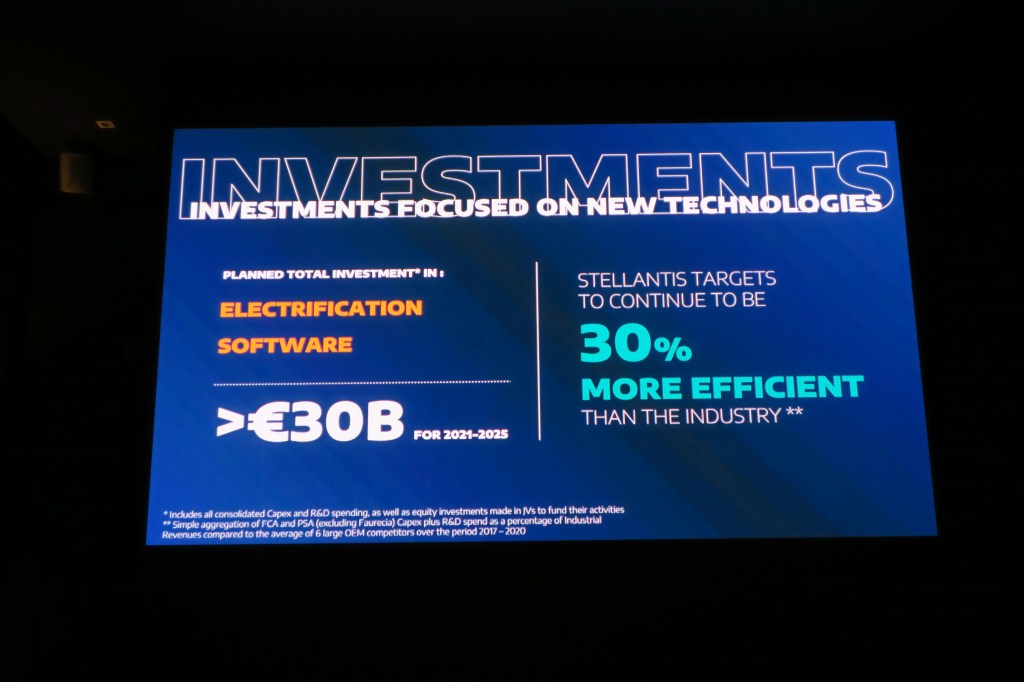
The Stellantis Group is further focused on investing in new technologies: the planned total investment in electrification and software will exceed 30 billion € between 2021 and 2025. 

Stellantis targets to continue to be 30 % more efficient than the industry. This figure is based on the simple aggregation of capital expenditure and R & D spent by PSA and FCA, as a percentage of industrial revenues; this is then compared to the average of 6 large OEM competitors over the period  2017-2020. 

A further EV model offensive in 2022…

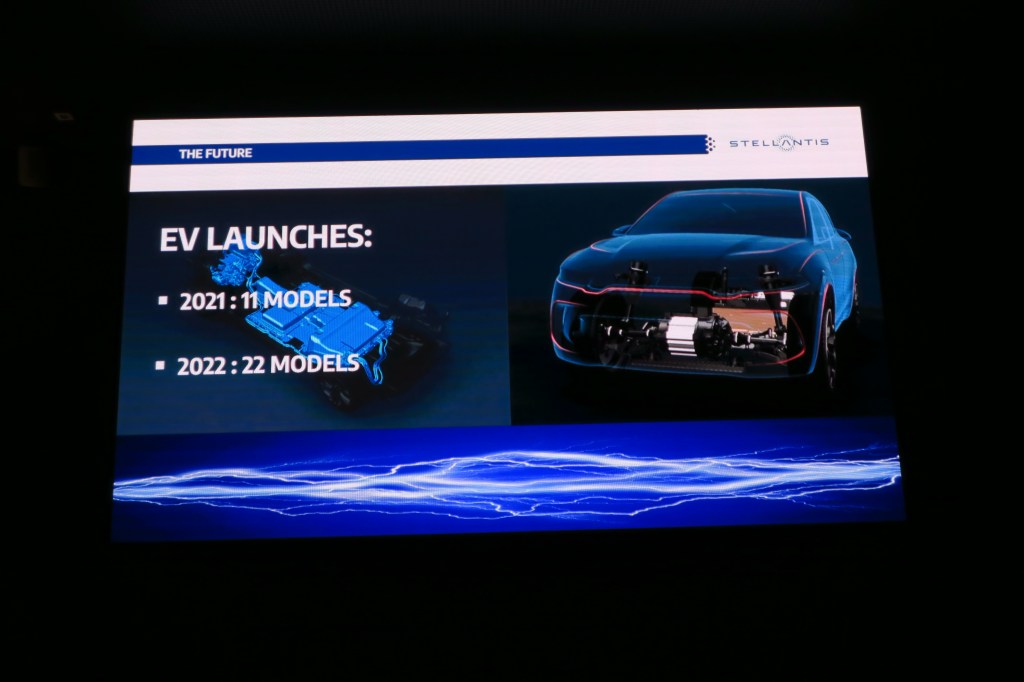
EV launches were 11 models in 2021, and this will be not less than 22 models in 2022… 

It expects also its LEV mix to grow fast. For Europe, it forecasts the LEV share of total passenger car and LCV sales to rise from 14 to not less than 70 %, for the US market, the corresponding figures would be a rise from 4 % to 40 %. 

Earlier this month, actually on December 7, Stellantis announced that it targets about  € 20 Billion in Incremental Annual Revenues by 2030 Driven by Software-Enabled Vehicles. 

Indeed, it mapped out its software strategy to deploy next-generation tech platforms, building on existing connected vehicle capabilities to transform how customers interact with their vehicles, and to generate approximately €20 billion in incremental annual revenues by 2030.

This transformation will move Stellantis’ vehicles from today’s dedicated electronic architectures to an open software-defined platform that seamlessly integrates with customers’ digital lives. It greatly expands the options customers have to add innovative features and services via regular over-the-air (OTA) updates keeping vehicles fresh, exciting and updated years after they have been built.

We will come in detail back on this in a special report later. In the next report about this press conference we will focus on further presentations on what the different Stellantis brands will have in store for 2022… 

Hans Knol ten Bensel 

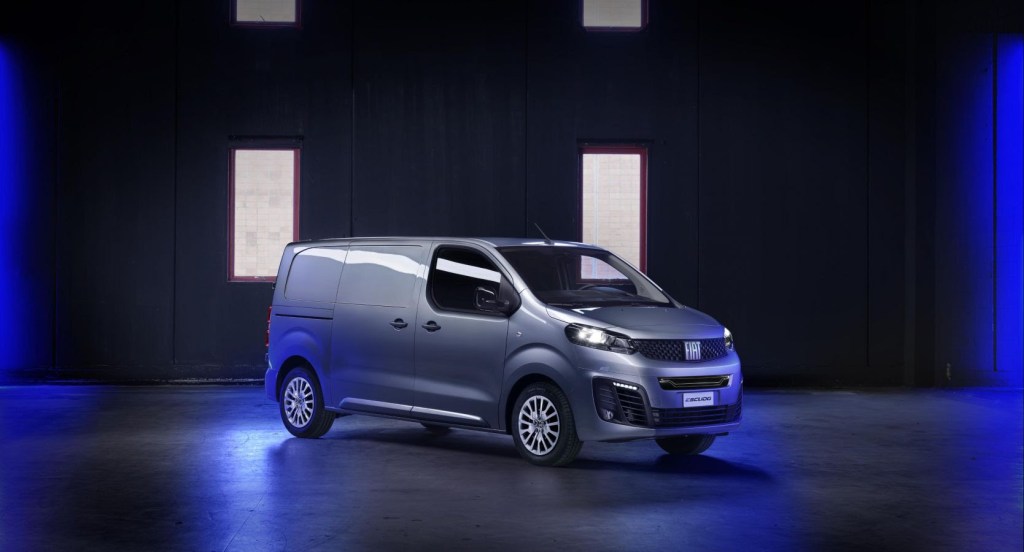
A new Scudo for Fiat Professional…

A new Fiat Scudo is available for ordering. This new Scudo, after the E-Ducato, is the second Fiat Professional commercial vehicle also available in an electric version.

This is another important step in Fiat’s Electric journey. Of course, here we also await a Hydrogen version soon. The Scudo runs on the same platform as the Citroën Jumpy, and is built in the same French factory. So it is certainly in the cards that it will also be converted to Hydrogen in Rüsselsheim…

The Scudo for now has a 50- or 75-kWh battery, and offers a range of up to 330 km (WLTP)

Flexibility is important in the cabin, and thanks to the “Moduwork”, it can commute the double passenger seat bench in a workstation and in a loading bay extension.

The “car-like” driving comfort, the “urban-fitting dimension” (max height 1,9mt), the ergonomic cockpit and complete set of ADAS and safety features delivers to the customer a stress-free, zero-emissions together with outstanding comfort, according to Fiat.

The Scudo is available with full-electric and diesel powertrain with manual or automatic transmission and can now be ordered in four versions and up to three lengths: Van, Crew Cab, Cab with platform, and Combi M1.

By the way, did you know that Stellantis will produce the Fiat Scudo also in Russia and export them to other markets?

Stellantis owns a 70% stake in a car plant in the Russian city of Kaluga, where it plans to produce the vehicle by 2022. Mitsubishi  owns the remaining 30% stake…

Hans Knol ten Bensel

Stellantis also includes Citroën in its LCV Hydrogen strategy…

The development of fuel cell technology is now taking on a new dimension at CITROËN with the production of the first ë-Jumpy Hydrogen. Indeed, the CITROËN ë-Jumpy Hydrogen, assembled in France in the SevelNord-factory, is being adapted to hydrogen in the hydrogen-fuel cell expertise center of the STELLANTIS-group in Russelsheim, Germany…

This ë-Jumpy Hydrogen has therefore the same technical specifications as its Opel sister car, the Vivaro e-HYDROGEN. Like the Opel, it retains a 10.5 kWh lithium-ion battery, which provides dynamic peak power when required, for example, at start-up and under acceleration. Since the battery covers power needs in such situations, the fuel cell can run at optimum operating conditions.

Post-production : Astuce Productions

Citroën also wants their car to be put to the test in daily practice as soon as possible. This first ë-Jumpy Hydrogen will be delivered in the coming days to the SUEZ Group, which is preparing to test this model on a large scale at its Carcassonne site, a pilot site where SUEZ is investing in the production of green hydrogen, an important challenge for the coming years.

Hans Knol ten Bensel

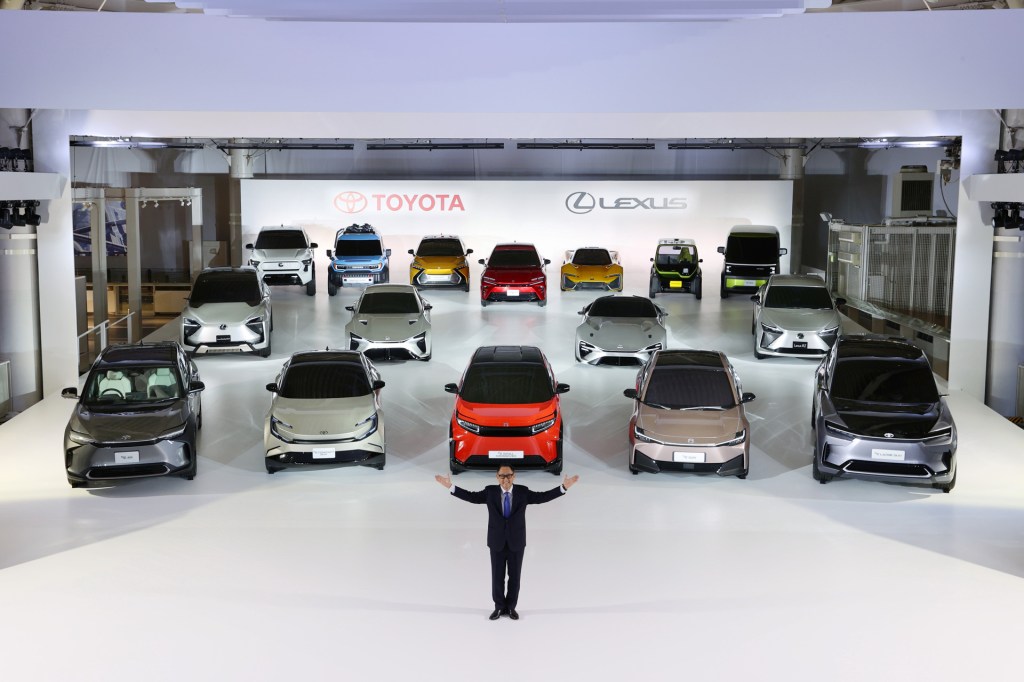
Toyota goes forward with full global battery electric line-up…with Lexus following suit!

Toyota now takes the BEV market very seriously: Akio Toyoda, President of the Toyota Motor Corporation, seen on the photo above, today presented news concerning the company’s carbon neutrality strategy, by outlining its plans to offer 30 battery electric models by 2030 (Toyota & Lexus combined).

The company expects total global battery electric vehicle sales to reach 3.5M by 2030, and this announcement underpins the plan of for a 100% CO2 reduction in all new vehicles sales by 2035 in Western Europe.

Toyota’s bZ (beyond Zero) battery electric family in Europe is also soon to expand with introduction of a compact SUV as follow up to bZ4X launch. Not less than three battery electric ‘Toyota bZ’ vehicles are planned for Europe by 2025.

Toyota will further increase its investment in batteries from the 1.5 trillion yen – which was announced in September – to 2 trillion yen (15 billion euros).

The Lexus electrified sport will have formidable performance and range…

Now let’s turn the spotlight on Lexus:

Lexus aims for 100% battery electric mix in Europe, North America and China by 2030

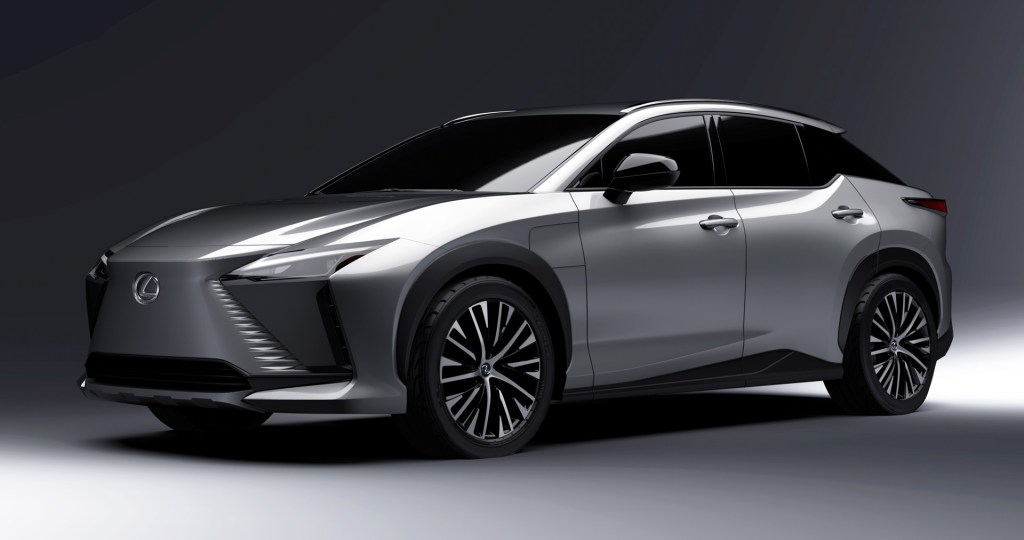
The full name of the new Lexus BEV (that will be launched towards the end of 2022) was revealed: the Lexus RZ450e. See the photo here below…

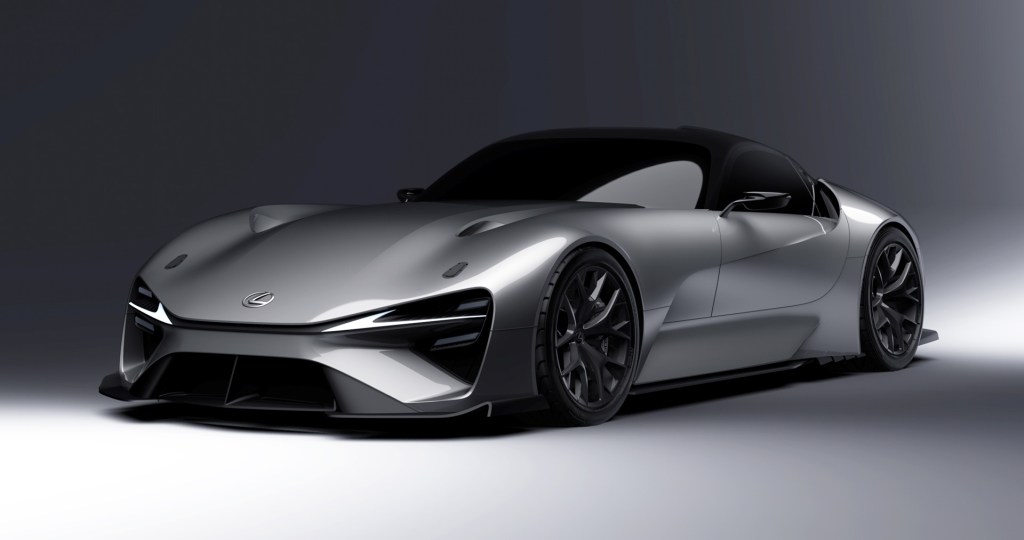
The Lexus Electrified Sport (Sports BEV) concept was also shown: it offers impressive Lexus driving performance, with an acceleration time that will be in the low 2 second range and a cruising range over 700km.

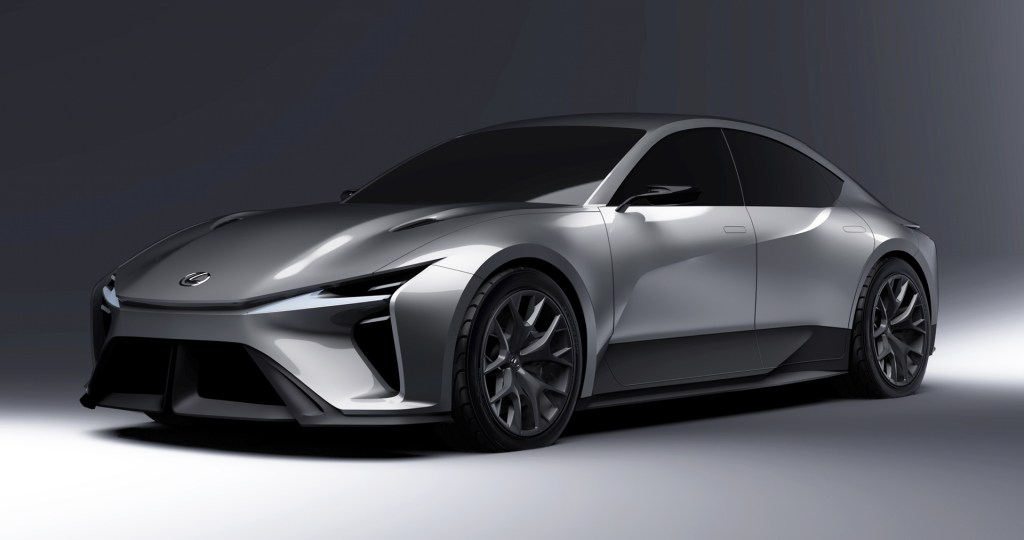
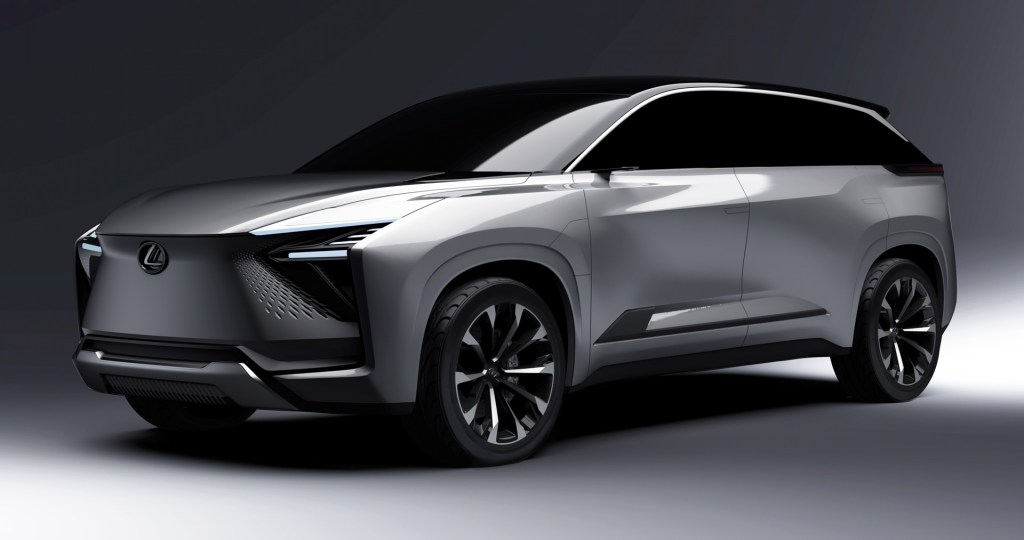
There were also two other future concepts were shown: the Lexus Electrified Sedan (BEV Sedan), and Lexus Electrified SUV (SUV BEV). We show you the photos here.

The Lexus electrified sedan…

More interesting Toyota/Lexus news to come. Faithful readers know that we are the a satisfied owner of a midnight blue Lexus CT 200h, which proves to be not only frugal with an average consumption this year of 4,7 liter/100 km, but also utterly reliable and recently passed the yearly technical inspection with flying colours. A report will follow soon. Stay tuned!

The Lexus electrified SUV…

Hans Knol ten Bensel

Stellantis pioneers in the Hydrogen LCV market with its Opel Vivaro-e HYDROGEN.

Opel Vivaro-e Hydrogen (2021)

Here is some further Opel news, and it is an important feat for Stellantis: the first hydrogen transporter from a vehicle manufacturer which is ready to go. Indeed, the first Opel Vivaro-e HYDROGEN off the production line will begin its emissions-free work in the fleet of the German manufacturer of premium domestic appliances, Miele.

Clever concept: Long driving range, zero emissions, quick refuelling

The Vivaro-e HYDROGEN is based on the existing battery electric Opel Vivaro-e, the “2021 International Van of the Year”. With full tanks of hydrogen, the driving range is more than 400 kilometres (WLTP1). The 45 kW fuel cell is capable of generating enough power for continuous highway driving. It takes only three minutes to refuel with hydrogen – about the same time needed to fill up a conventional diesel or petrol vehicle.

The 10.5 kWh lithium-ion battery provides dynamic peak power when required, for example, at start-up and under acceleration. Since the battery covers power needs in such situations, the fuel cell can run at optimum operating conditions. The battery also enables regenerative braking, while the plug-in capability offers the opportunity to recharge the battery externally if necessary, e.g. at a charging station, providing 50 km of pure battery electric range. The Vivaro-e HYDROGEN features a three-phase on-board charger (11 kW) and a mode 2 charging cable as standard.

The Vivaro-e HYDROGEN demands no compromises on space compared to the combustion engine versions, offering up to 5.3 or 6.1 cubic metres of cargo volume. The fuel cell electric LCV is available in lengths M and L (4.95 and 5.30 metres) with up to 1,000 kilogrammes of payload.

Production takes place at Opel Special Vehicles (OSV) in Rüsselsheim, and, as said, makes Stellantis the first to offer a Hydrogen powered LCV to fleet users…

Hans Knol ten Bensel

Stellantis presents its software strategy of the future…

Times are changing in our electronic age, and fast. Manufacturers will have to build cars with an open software-defined platform, and three new platforms will arrive as early as 2024… says Stellantis.

Indeed, Stellantis N.V. today mapped out its software strategy to deploy next-generation tech platforms, building on existing connected vehicle capabilities to transform how customers interact with their vehicles, and to generate approximately €20 billion in incremental annual revenues by 2030.

This transformation will move Stellantis’ vehicles from today’s dedicated electronic architectures to an open software-defined platform that seamlessly integrates with customers’ digital lives. It greatly expands the options customers have to add innovative features and services via regular over-the-air (OTA) updates keeping vehicles fresh, exciting and updated years after they have been built.

“Our electrification and software strategies will support the shift to become a sustainable mobility tech company to lead the pack, leveraging the associated business growth with over-the-air features and services, and delivering the best experience to our customers,” said Carlos Tavares, Stellantis CEO. “With the three all-new AI-powered technology platforms to arrive in 2024, deployed across the four STLA vehicle platforms, we will leverage the speed and agility associated with the de-coupling of hardware and software cycles.”

Stellantis plans to invest more than €30 billion through 2025 to execute its software and electrification transformation.

The Stellantis software strategy works hand-in-hand with the Company’s vehicle electrification plans, detailed at EV Day in July 2021, which targets that more than 70 percent of its vehicle sales in Europe and more than 40 percent of vehicle sales in the United States will be low emission vehicles (LEV) by 2030. Each of the Company’s 14 iconic brands is committed to offering best-in-class fully electrified solutions.

More about this, and the strategic partnership with suppliers and software companies it implies, will follow soon!

Stay tuned!

Hans Knol ten Bensel
As promised: the one-millionth electrified BMW delivered…

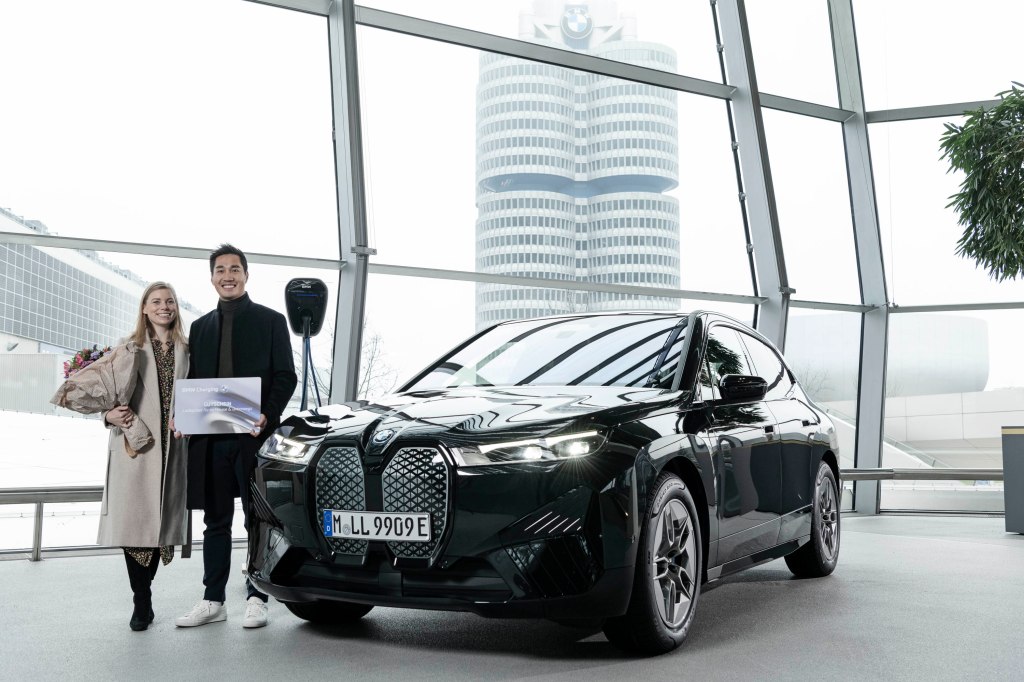
Shortly before the end of the year, the BMW Group celebrated the delivery of its one-millionth electrified vehicle: Pieter Nota, member of the Board of Management of BMW AG responsible for Customer, Brands and Sales handed over the milestone vehicle, a BMW iX xDrive40 (Power consumption in kWh/100 km: 22.5-19.3 WLTP), to its owner at BMW Welt on 6 December.

The company included a special bonus with the delivery: The customer not only received the keys for his new vehicle, but also a BMW Wallbox, including installation, to enable safe and convenient home charging, as well as a credit for public Europe-wide charging with BMW Charging.

“The delivery of our one-millionth electrified vehicle marks a milestone in our transformation – and we already have the next one in our sights: We aim to break through the two-million mark in just two years,” said Nota. “Thanks to our steadily growing product range, we are setting ourselves ambitious sales targets, in particular for fully-electric vehicles: In 2022, we aim to double this year’s sales. By 2025 the BMW Group will have delivered around two million fully-electric vehicles to customers. We expect at least one out of every two BMW Group vehicles sold to be fully electric by 2030,” Nota continued.

The BMW Group released two key innovation flagships, the BMW iX and the BMW i4, onto the market in mid-November. Both models are being very well received by customers worldwide – as reflected in new orders from around the globe

Over the next year, the BMW Group will expand its electrified product line-up to include fully-electric versions of the BMW 7 Series and BMW X1. The high-volume BMW 5 Series will be added to the electric portfolio in 2023. The successor to the MINI Countryman and the all-electric Rolls-Royce Spectre will follow. By 2023, the company will already have at least one fully-electric model on the roads in about 90 percent of its current market segments. Over the next ten years or so, the BMW Group plans to release a total of about ten million fully-electric vehicles onto the roads.

The Neue Klasse, which is uncompromisingly geared towards electric drive trains, will make a significant contribution to BMW Group sales volumes from the middle of the decade.

The MINI product range will already be exclusively all-electric by the early 2030s and Rolls-Royce will be an all-electric brand from 2030 on. All future new models from BMW Motorrad in the field of urban mobility will also be fully electric…brave new world!

Hans Knol ten Bensel