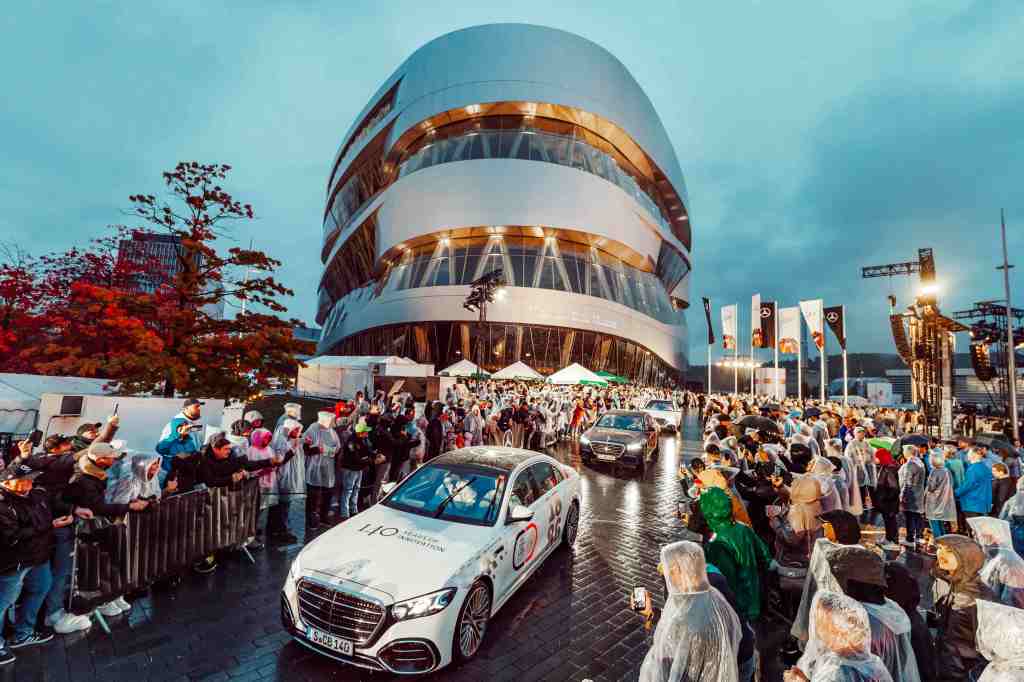
Exactly 140 years after Carl Benz filed the patent for the first automobile, three new Mercedes-Benz S-Class saloons set off on a journey around the world on 29 January 2026: Bertha, Carl and Gottlieb, named after the pioneers of individual mobility, Carl and Bertha Benz and Gottlieb Daimler. On 17 October, the four-wheeled globetrotters returned safely to where their intercontinental journey began – the Mercedes-Benz Museum. See the photo here above.
Over the course of nearly nine months, they covered more than 65,000 kilometres, averaging around 450 kilometres per day. Bertha and Gottlieb travelled from time to time in parallel to reunite again on the road across 55 countries on six continents. The journey involved a total of 67 border crossings, the clocks had to be reset 28 times and the climate control systems in the S-Class vehicles regulated the temperature across 13 climate zones. The ‘140 Years. 140 Places.’ tour was among Mercedes-Benz’s most ambitious activities.
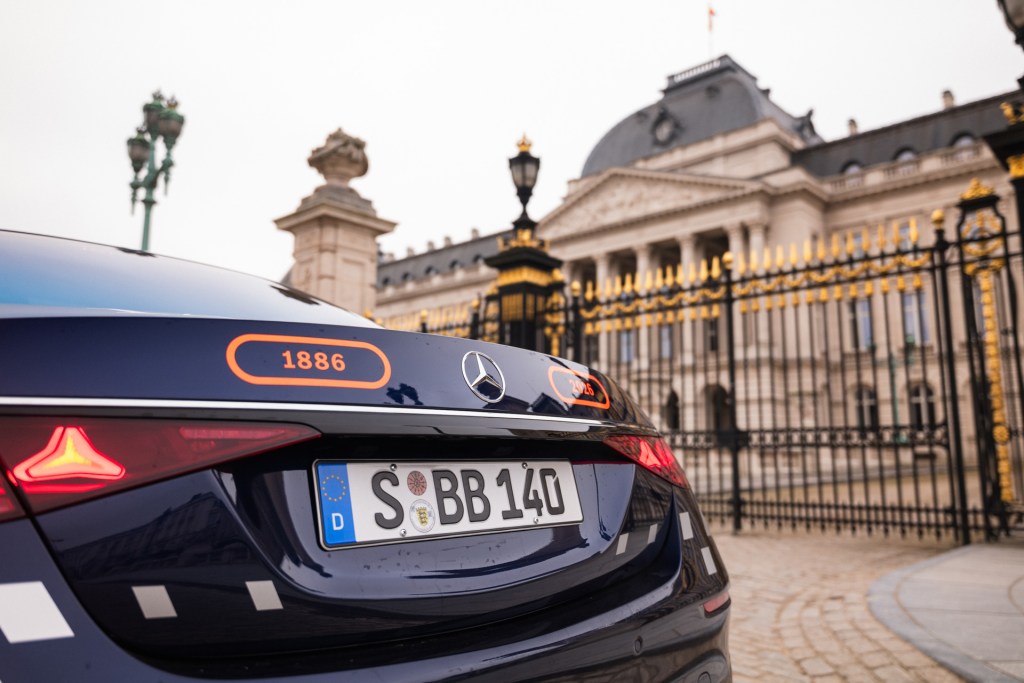
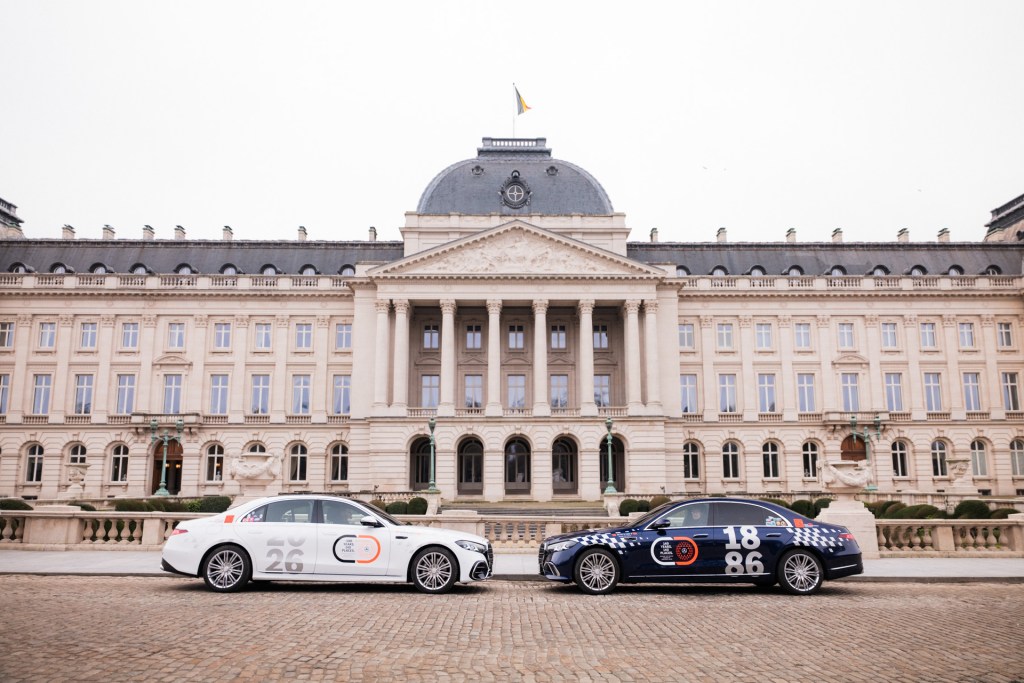
Of course the tour also visited Belgium. You see here Bertha and Gottlieb in front of our royal palace in Brussels…
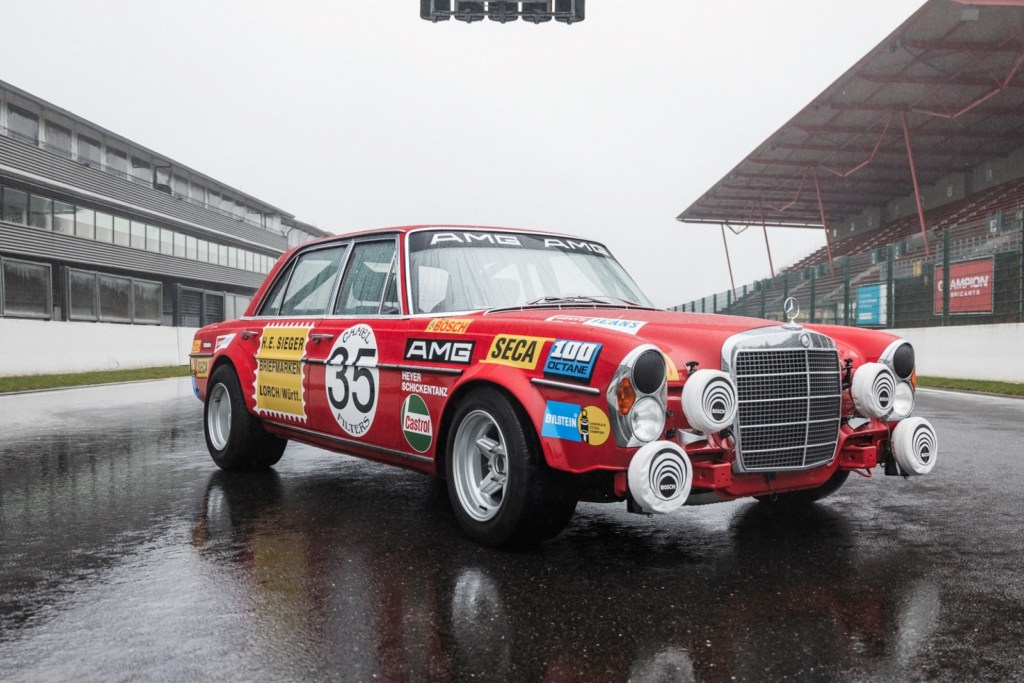
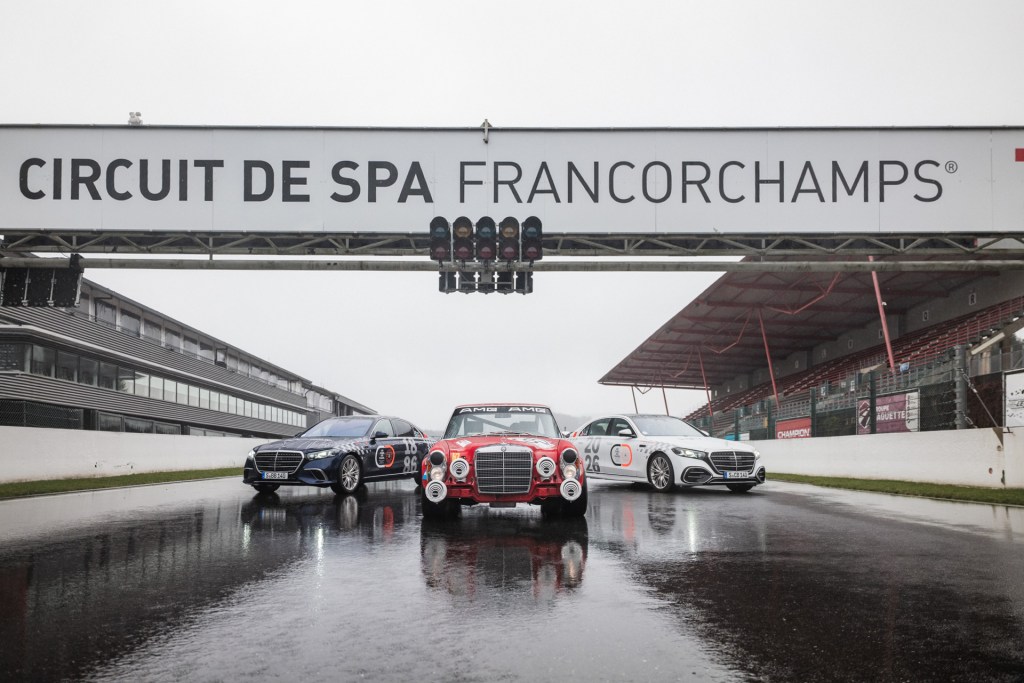
But it was also a good occasion to photograph the travelling S classes along the Mercedes that made a hit in the 24 Hours of Spa-Francorchamps! This was the 1971 Mercedes-Benz 300 SEL 6.8 AMG, affectionately known as the “Red Pig” (Rote Sau). It didn’t take the overall victory but achieved a sensational class win and second place overall, a result that put the then-young AMG tuning company on the map.
The birth of AMG…
In 1971, AMG founders Hans Werner Aufrecht and Erhard Melcher entered this modified luxury sedan. Despite weighing 1,635 kg (already 195 kg lighter than the production version), the car’s immense power on the long straights of the old 14.8 km Spa circuit allowed drivers Hans Heyer and Clemens Schickentanz to compensate for its thirst for fuel and heavy tire wear . While many faster, lighter cars retired, the reliable Mercedes survived the night and crossed the finish line in second place overall.
The original “Red Pig” was eventually sold to … Matra for aircraft tire testing and was later destroyed, so it no longer exists . However, its legacy is secure: this single race transformed AMG from a small engineering firm into a globally recognized performance brand . Mercedes-AMG has since built exact replicas to honor the car, and its spirit lives on in the modern AMG lineup.
The technical specifications of the 1971 “Red Pig” were extraordinary for a touring car of its era: the Engine: a 6.8-liter M100 V8, was enlarged from the production 6.3-liter unit. Its power was 428 hp (315 kW), combined with a massive torque of 620 Nm.
It would sprint from 0–100 km/h in 6.1 seconds, top speed being over 265 km/h… rather sensational then…
But back to the present: we will soon test the new C Class for you, the C 400 4Matic AMG Line Electric. Stay tuned!
My love affair with the Audi’s goes a (very) long way. The first one I drove, when I was a young law student, was the Audi 50. It was a test car, for the car column of the weekly illustration magazine “De Post”, where my father was editor in chief. I vividly remember this “mini Audi”, nimble, vivid, well styled with a fake wood finished dashboard as a touch of luxury. It was developed as early as 1970, when the engineers at Audi NSU Auto Union AG started work on the project, spearheaded by Chief Technical Officer Ludwig Kraus, (who had developed earlier also the Audi 100, which established Audi as a premium brand.)
My father and I found it a vivid and wonderful car. Light it was, the NSU engineers in Neckarsulm, where the car was initially developed, knew everything about “Leichtbau”, or the art of making light cars. This car was also to become the first… VW Polo, rolling off the Wolfsburg production lines in March 1975. The Audi bug continued: I personally owned for many years an automatic Audi 80 S, and yes, I presently own an A5 Cabrio, designed by Walter Da Silva, a beauty with – of course- an Audi Exclusiv leather interior.
But let’s now turn to the present electric age, behind the wheel in the stylish cabin of the face lifted Q4 e-tron. Just read further!
Hans Knol ten Bensel
Facelift brings more for the eye and improved efficiency and range…
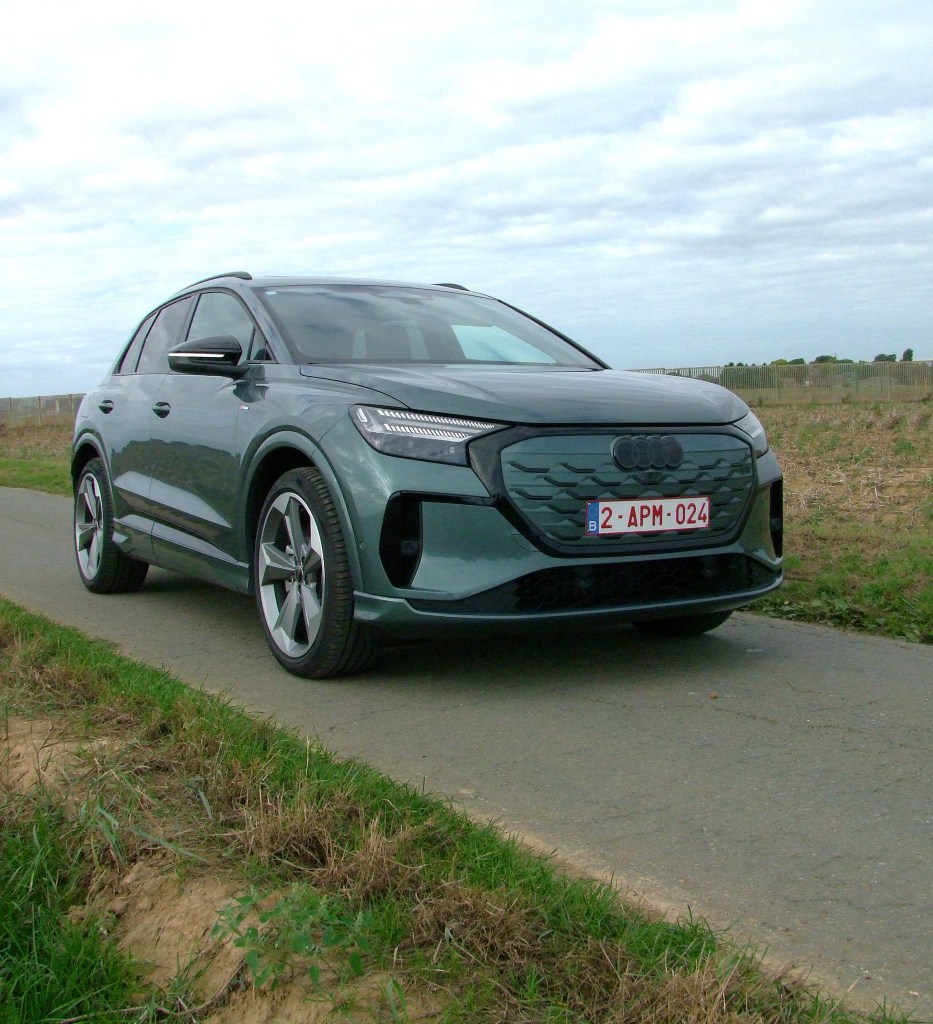
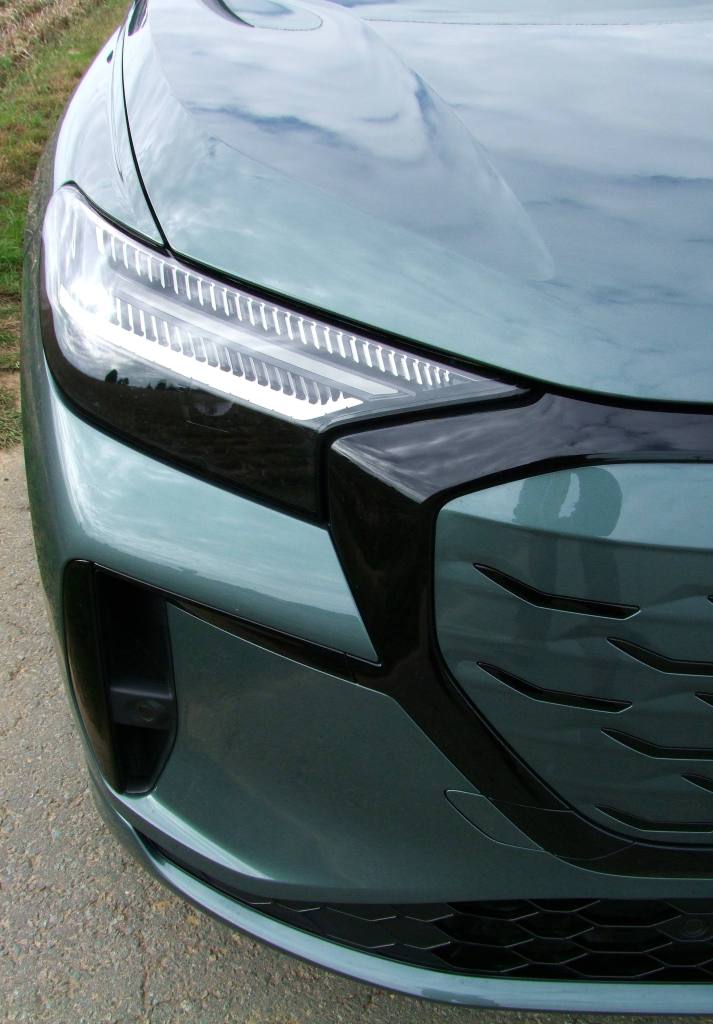
The Q4 e-tron was launched in 2021, and for this bestseller, it was time for a facelift. The grille is now color matched, it carries new LED lights front and rear, and in the superbly designed cabin you can now optionally enjoy a third screen exclusively for the passenger. It also gets an improved version of the permanently excited synchronous motor driving the rear wheels. Better battery efficiency, faster charging, and bi-directional capability. Read more below…
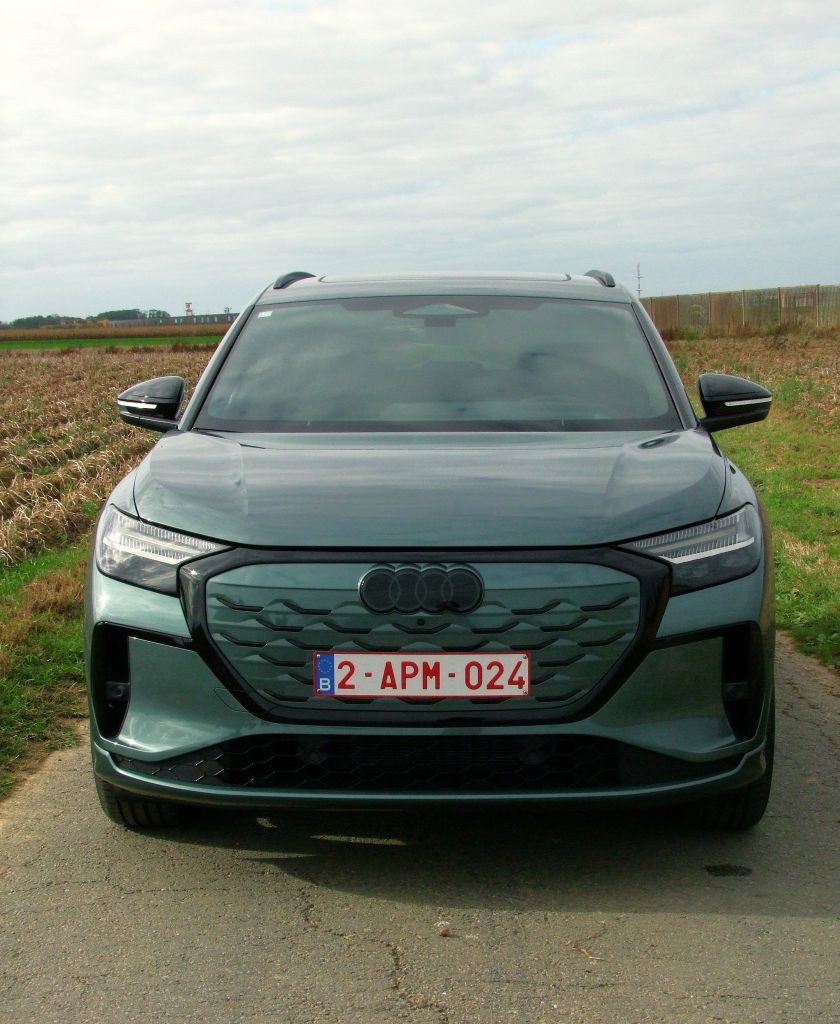
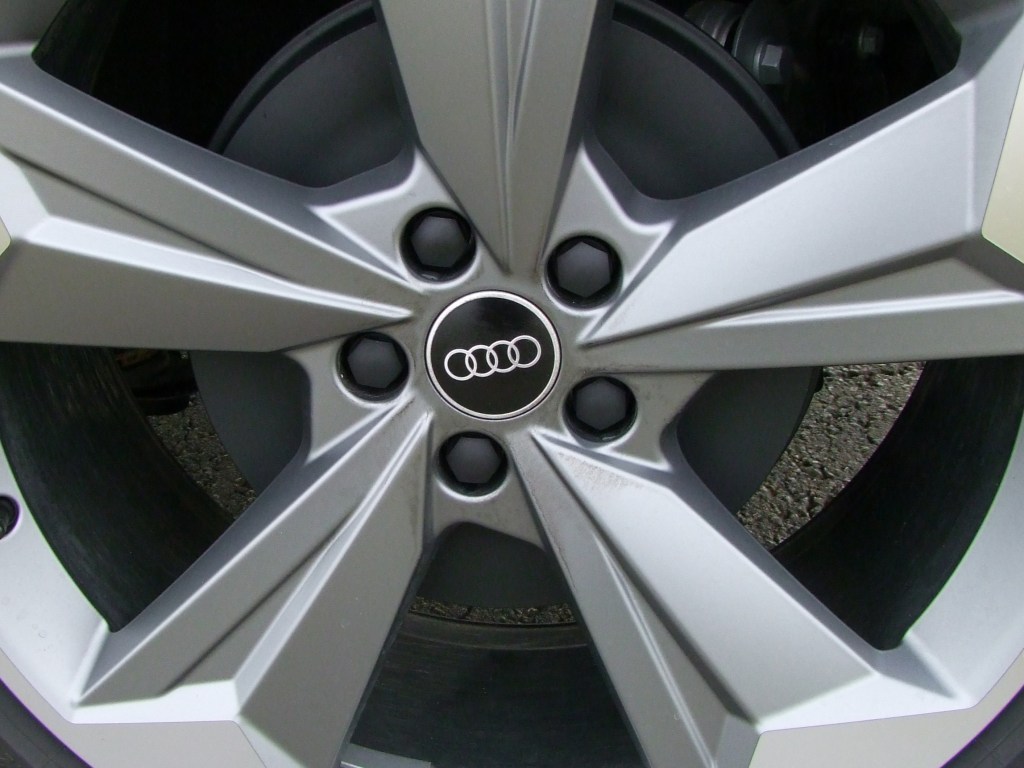
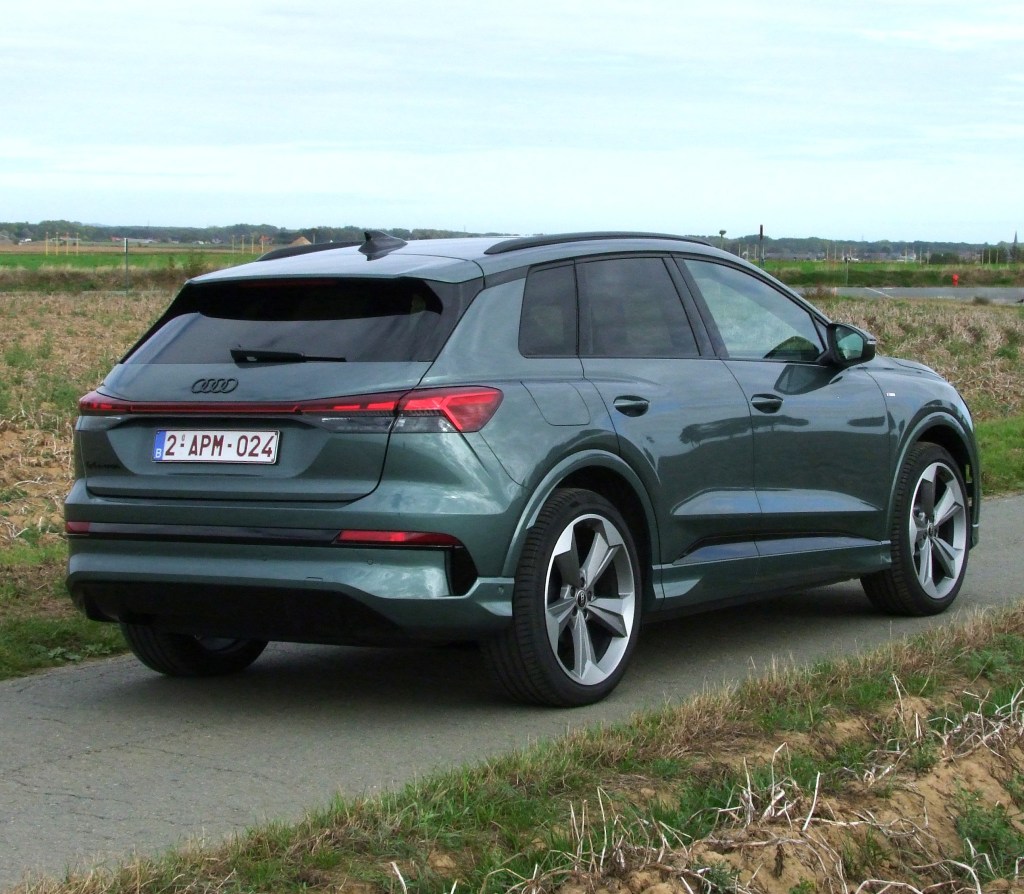
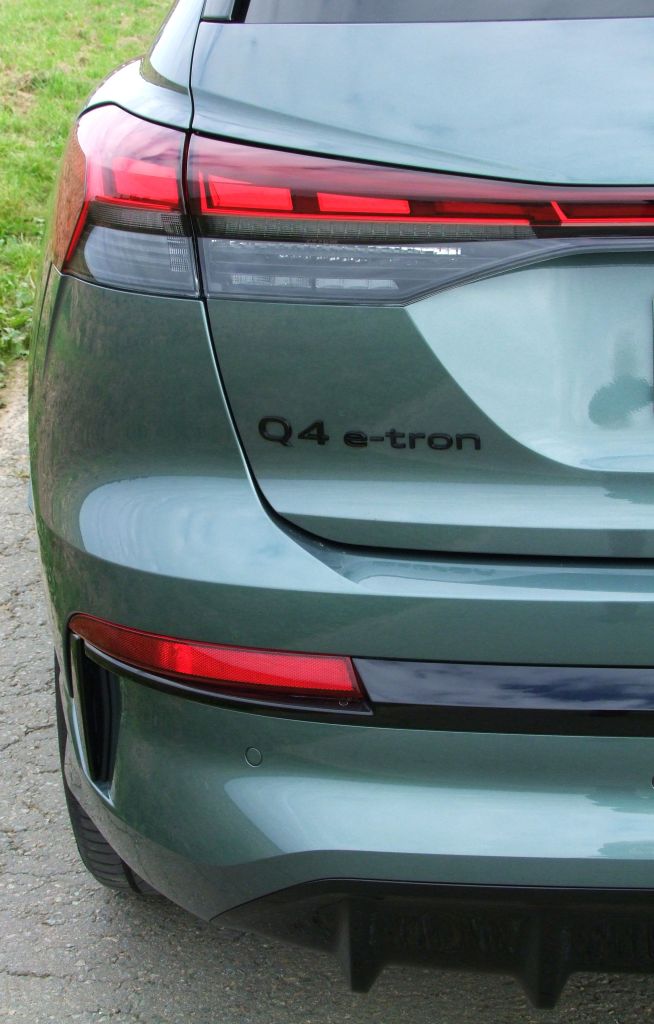
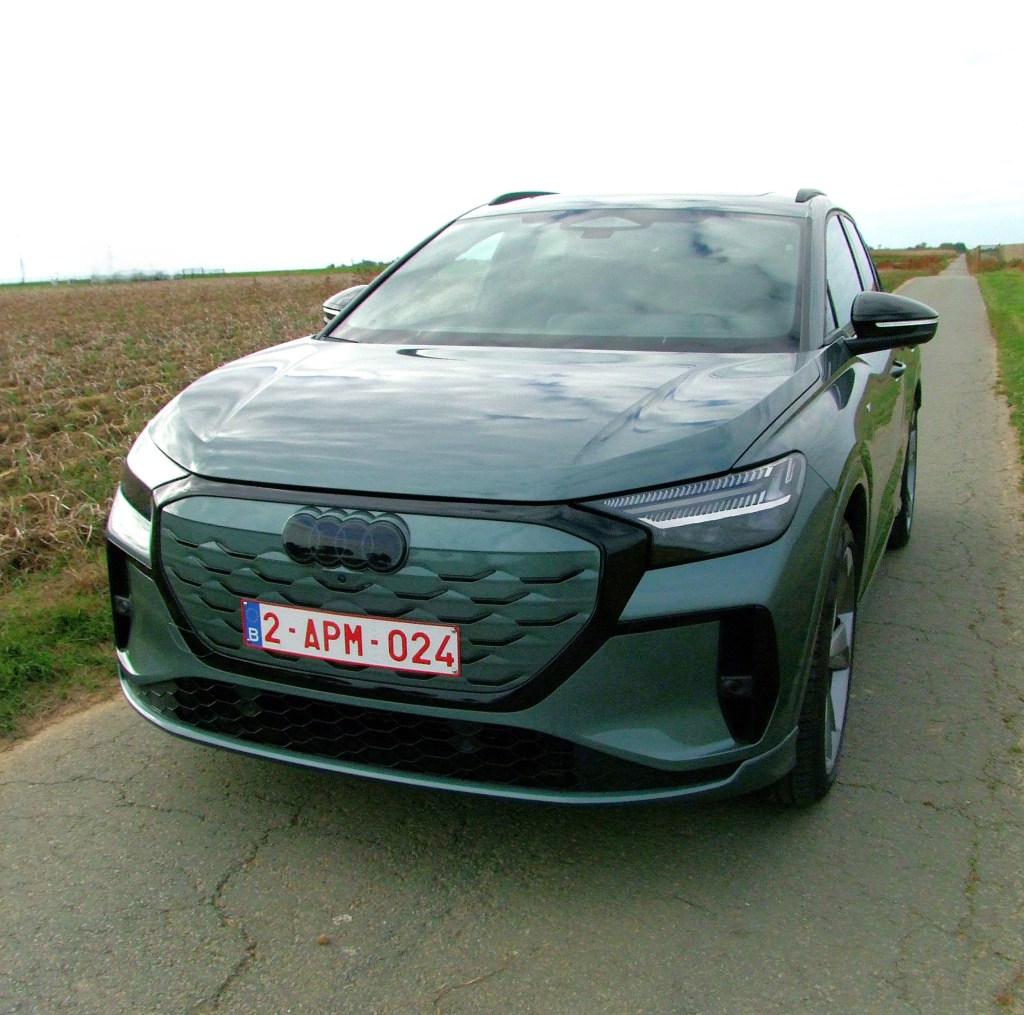
Indeed, externally the car really looks attractive. We like the color match of the grille, with the The S line variant adding vertical blades in Selenite silver matte to the corners of the front and rear bumpers. The whole car looks elegant and also muscular. We love it from every angle, and we liked also the 5 spoke “aero” alloy wheels on our test car.
Interior: stylish panache…
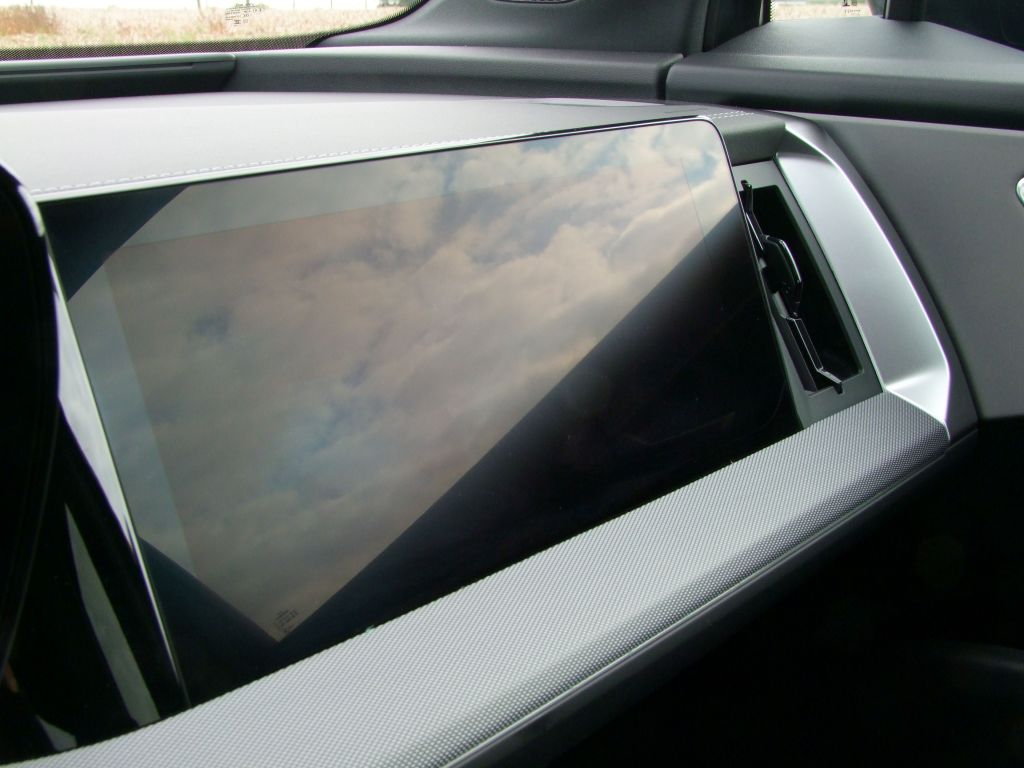
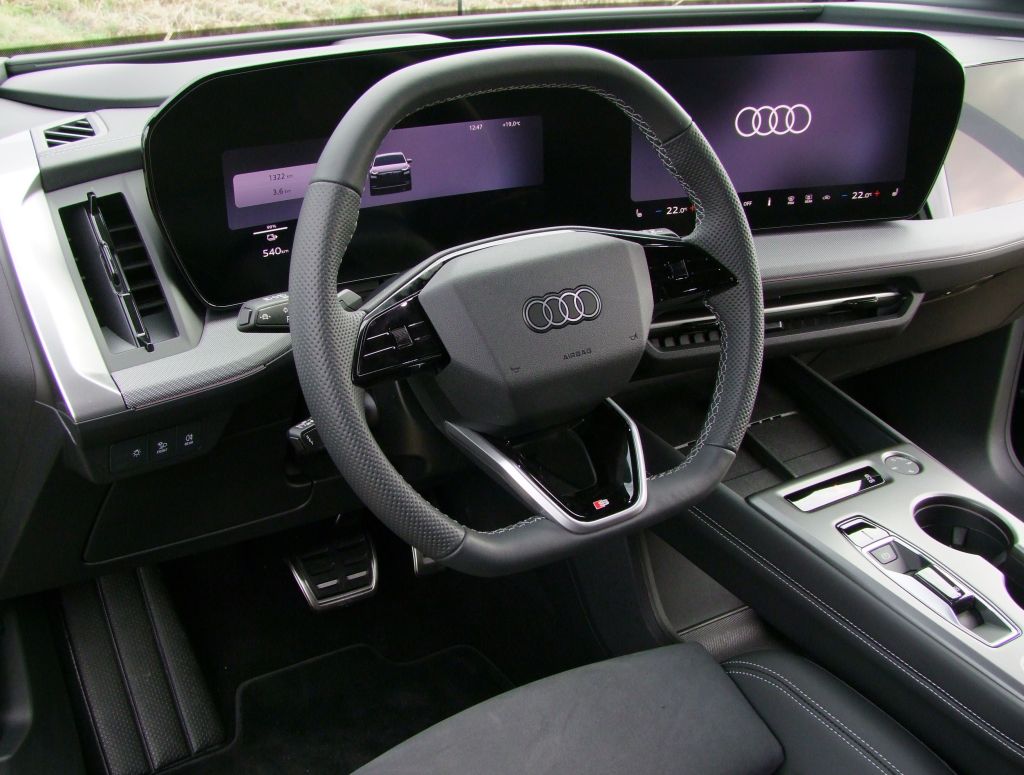
The designers brought true Audi panache into the redesign of the dashboard. It impresses with fit and finish, and gives you this unmistakable premium “Audi” feel. We like the matte aluminum inserts. Its centerpiece is the panoramic display, pairing an 11.9″ instrument cluster and a 12.8″ MMI touch display with large tiles for a quick overview of features and services. Indeed, for the first time in this segment, an optional 12″ passenger display is also available – the largest ever in an Audi, featuring a customizable standby design.
Our test car came with an optional augmented reality head-up display. This projects information onto the windshield in two layers: in the upper layer, turn arrows from the navigation system, starting points and destinations, and prompts from selected assist systems appear in the appropriate position on top of the real environment. Below this, the status layer shows speed, traffic signs, and assistance and navigation icons, visually placed around three meters ahead of the driver. Wonderful and intuitive…
There are four easily accessible charging options for smartphones: two cooled inductive charging trays (up to 15 watts each) and two USB-C ports under the center armrest.
Driving: comfortable and sporting
Our test car came in the 210 kW performance version, and this is synonymous with brilliant performance. It sprints from 0 to 100 km/h in 6,6 seconds, and top speed is limited to 180 km/h. But the beauty lies of course in the whisper smoothness of how all this power is delivered.
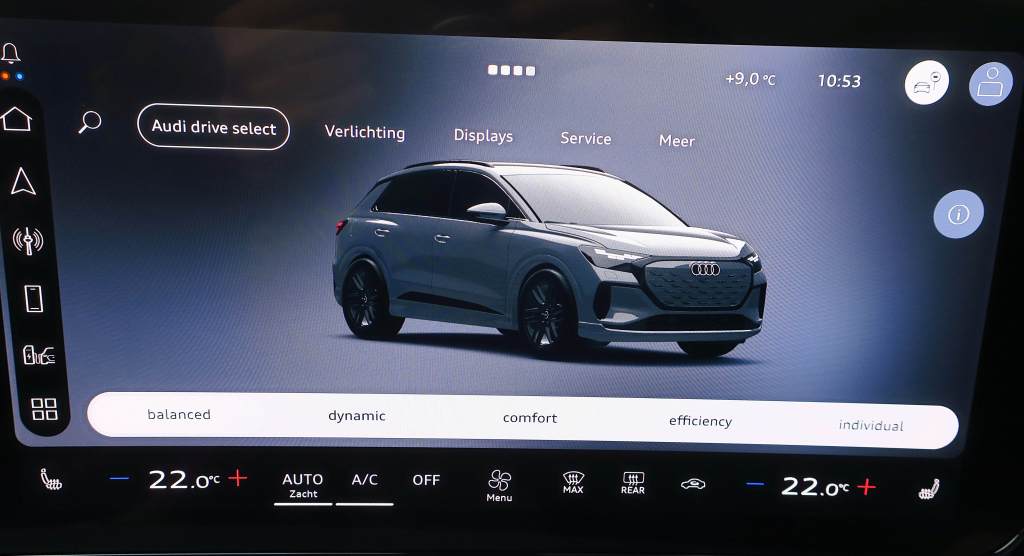
The Q4 offers you the choice of several driving modes, and we chose most of the time the balanced mode, which is an ideal mix between comfort and sportiness. We enjoyed also the three regeneration modes, but were also truly impressed by the “auto” mode, which is fed by navigation and sensors monitoring surrounding traffic.
Besides, our test car came with the Adaptive driving assistant plus is available for additional convenience – it helps with acceleration, braking, maintaining speed and distance, and lane guidance. It works ever so smoothly, gently coasting wherever possible when you lift your right foot, and smoothly slowing down to a full stop when the vehicle ahead does so too.
It makes city driving a wonderfully relaxing affair. Our test car came with a superb Sonos audio system, and you can imagine how I enjoyed every minute behind the wheel.
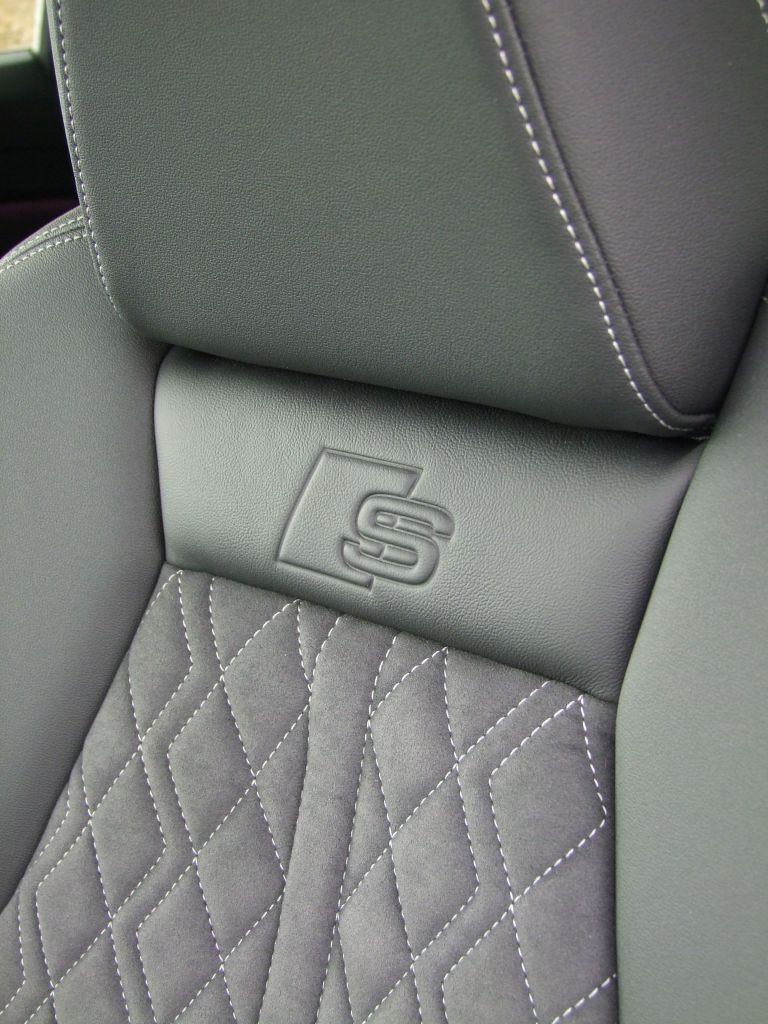
The comfort of the Q4 is outstanding, also the standard sport seats deserve an accolade. Besides boulevard driving and motorway trips in “comfort” mode, the Audi lives also up to its iconic tradition of sportiness. You can really have a go on winding roads. The steering is precise, the point of gravity is quite low with the big 82 kWh battery sitting quite deep in the MEB electric platform that is also used for the VW ID.4 and the Skoda Enyaq.
This means that the Q4 holds the road really well… We also found it quite nimble in town and narrow streets. Of course, the surround view camera’s help when manoeuvring in tight parking spaces, and parking alongside kerbs.
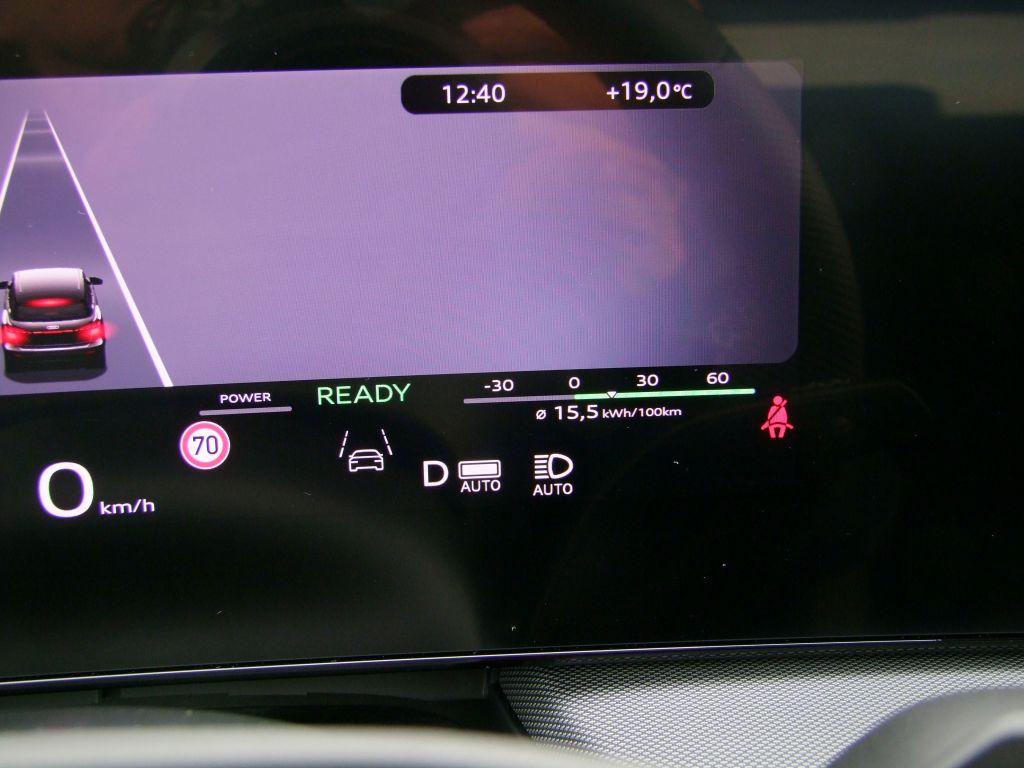
Consumption depends of course on your driving style, weather conditions, you name it. The manufacturer quotes a range of up to 578 km with a combined consumption between 18,4 and 15,6 kWh/100 km, which proved indeed quite realistic and achievable.
The Audi Q4 e-tron is the first Audi with bidirectional charging. With Vehicle-to-Load (V2L), the car directly powers electric devices. It does so via a domestic power socket in the trunk (providing continuous power of 2.3 kW at 230 V AC) or an optional adapter on the side charging port with a domestic power socket (2.3 kW) or a camping power socket (3.6 kW). Ideal for your electric mountain bike!
The DC charging capacity of the 82 kWh battery in the Audi Q4 SUV4 performance increases from 175 kW to up to 185 kW – charging from 10 to 80 percent at a fast-charging station in just 27 minutes. Up to 185 km of range can be added in ten minutes…
The luggace space is quite good, with 520 litres seats up and 1,490 litres seats down. There is a compartment underneath the floor in which you can tuck away the charging cables.
Infotainment: versatile and state of the art…
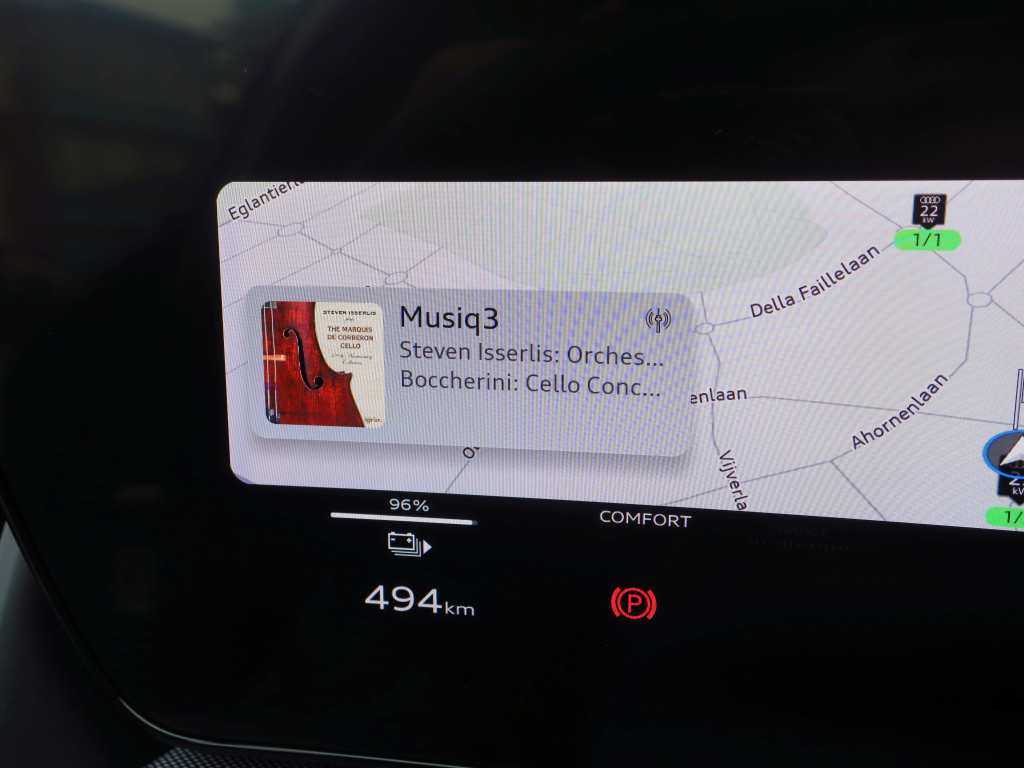
We were also impressed by the quality and layout of the information we got on the touchscreens in front of the driver and in the centre of the dashboard. Chrystal clear maps, superb navigation, clear layout of functions and apps to choose from on the central screen, with functions like for instance the choice between different “ambiance” moods.
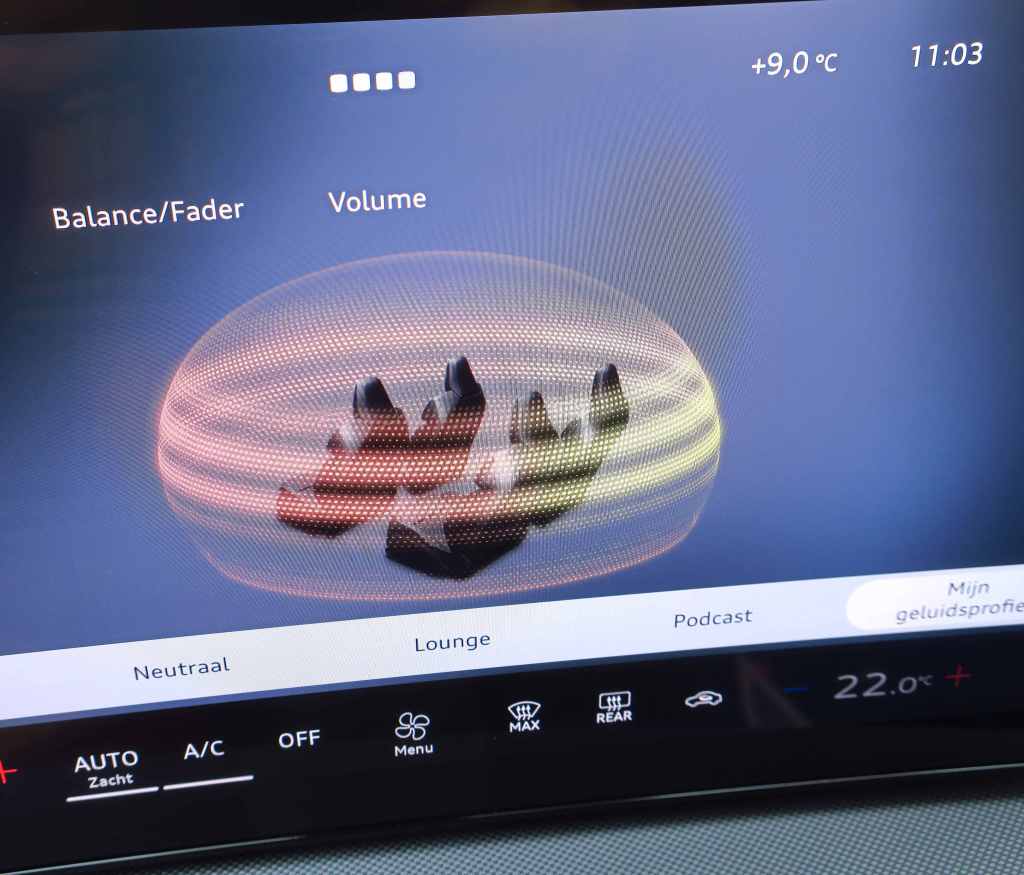
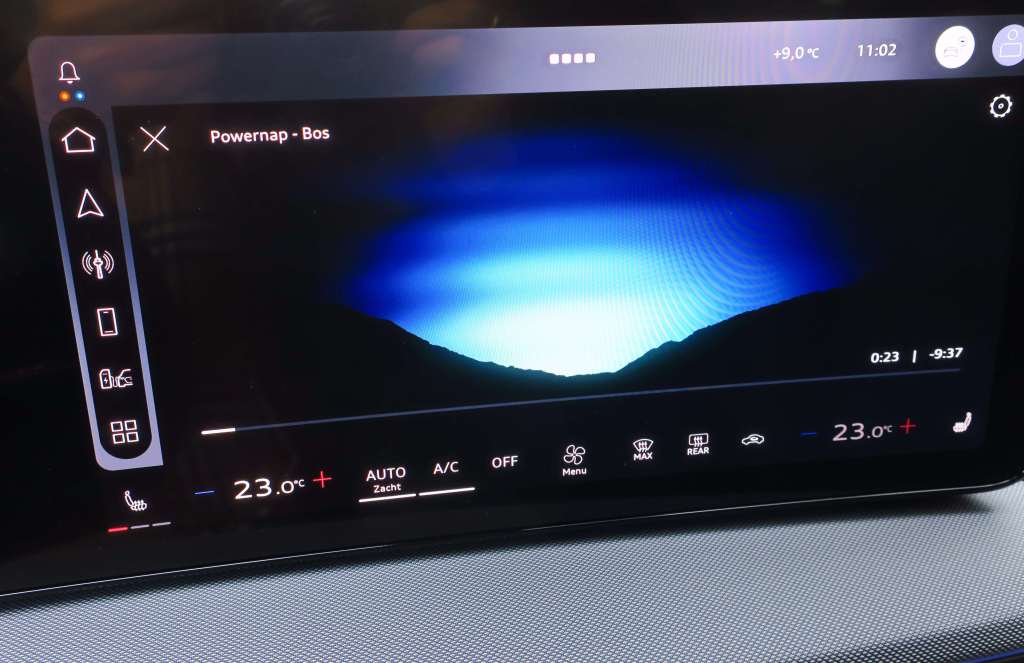
So for example your display will show a forest picture with soothing music when you take a power nap… Of course, you can adjust your optional Sonos system also and choose between concert, lounge, neutral and podcast sound setups…
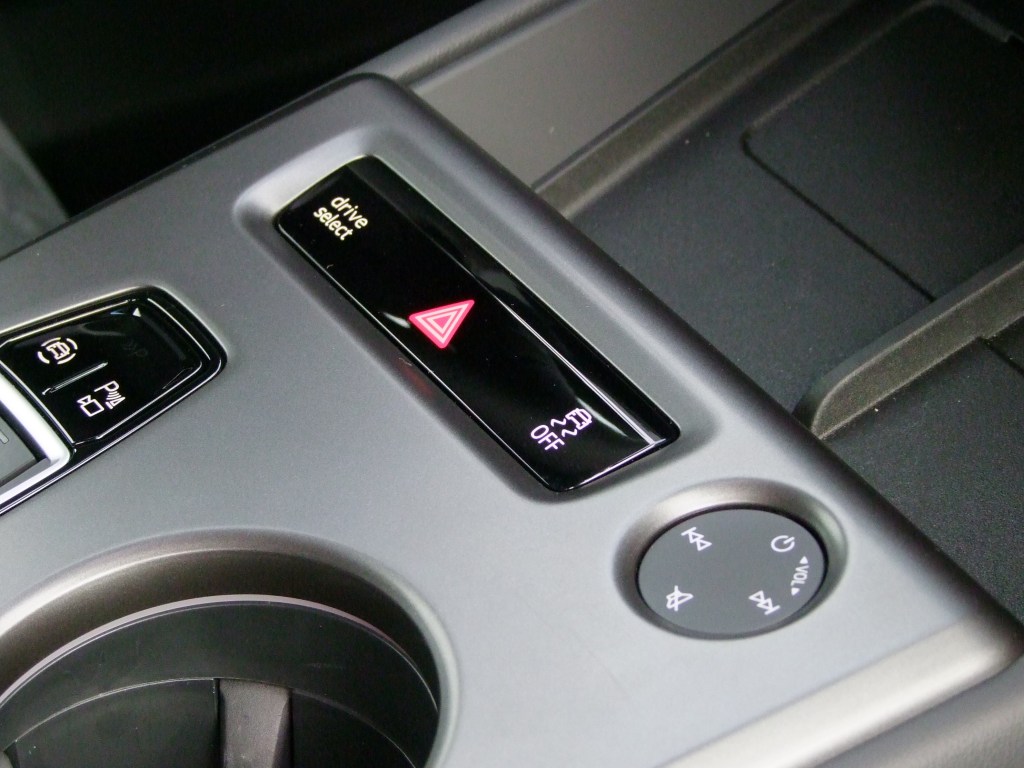
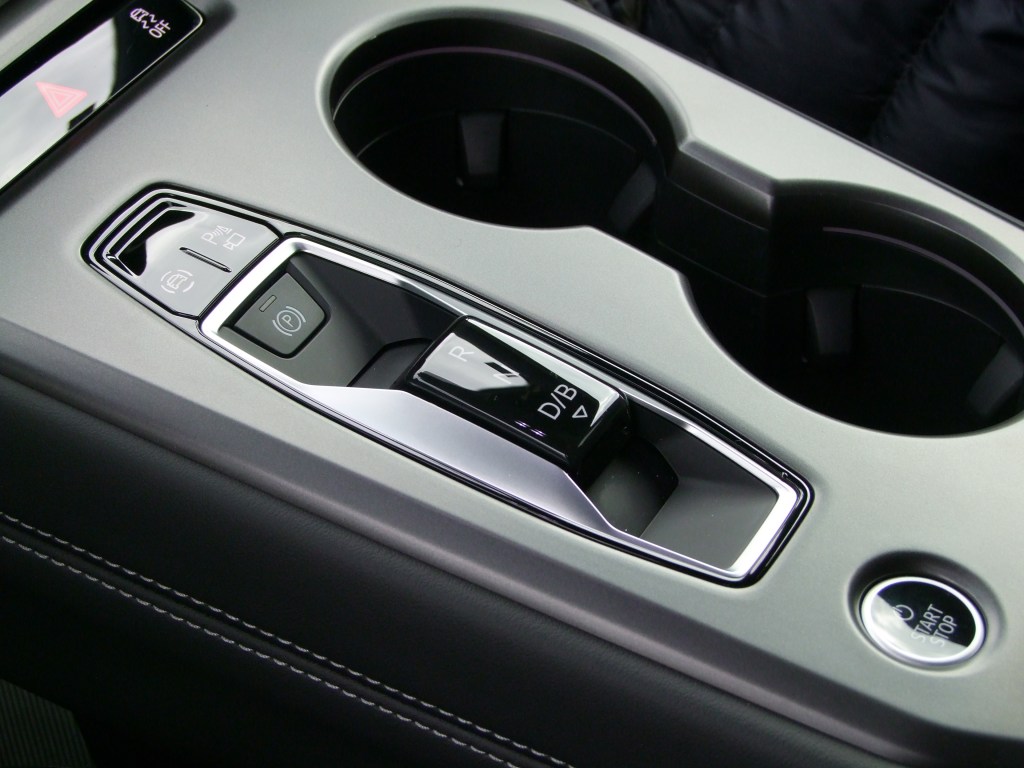
We liked also the simple and clean controls on the central console: intuitive and to the point.
Conclusion
The Q4 hits the mark again, offering an ideal combination between style, size, practicality, build quality, performance and efficiency.
It looks very good, has wonderful colour combinations, exudes the unmistakable Audi panache and aura. It comes with quite a few power combinations, starting with a 150 kW e-motor at the rear wheels and a 63 kW battery, up to a 250 kW and the 82 kWh battery for the top Quattro version. But the performance version we drove was (already) truly impressive…
Hans Knol ten Bensel
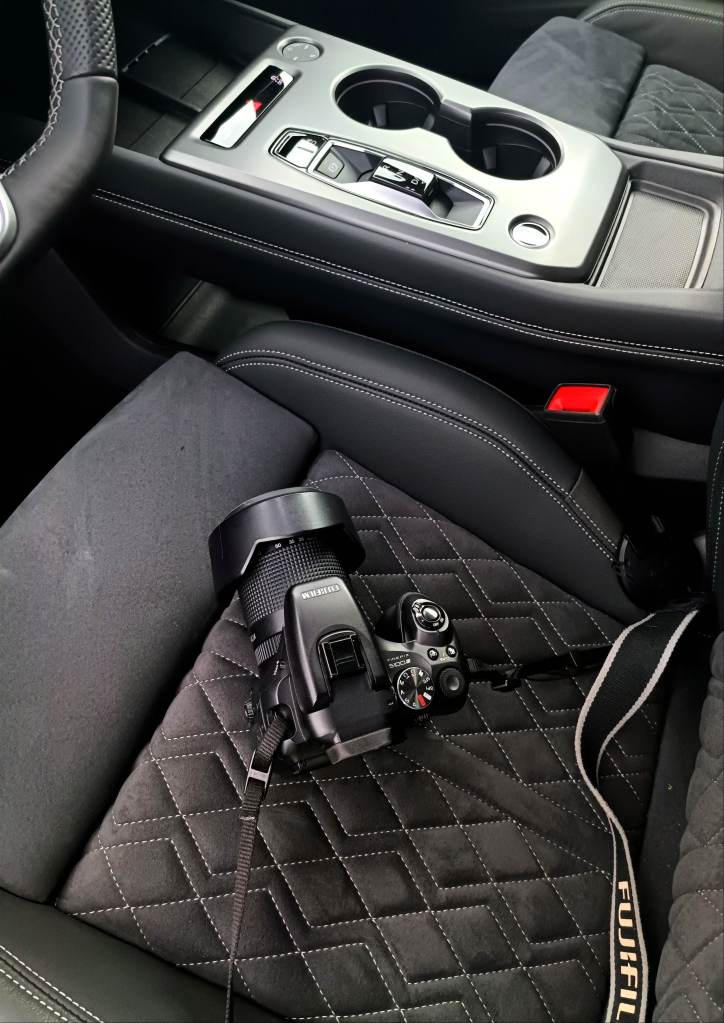
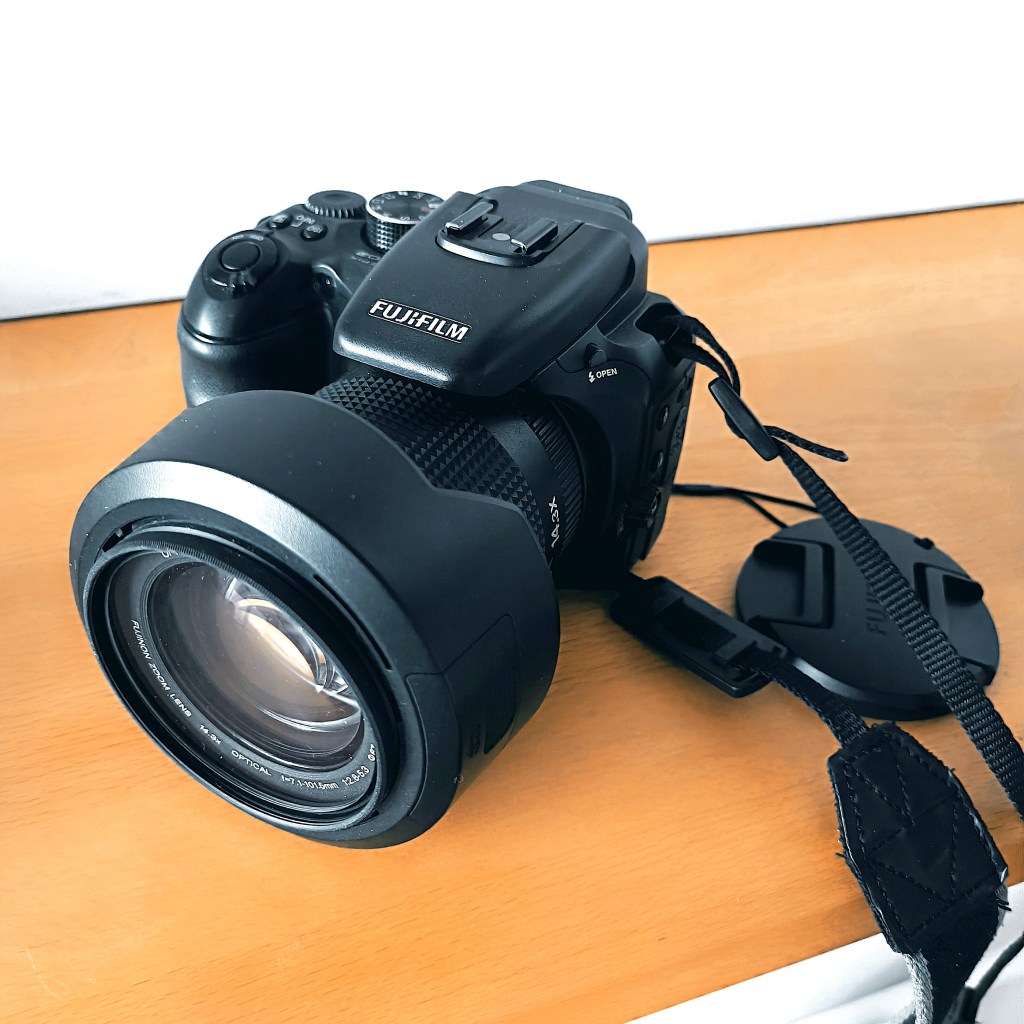
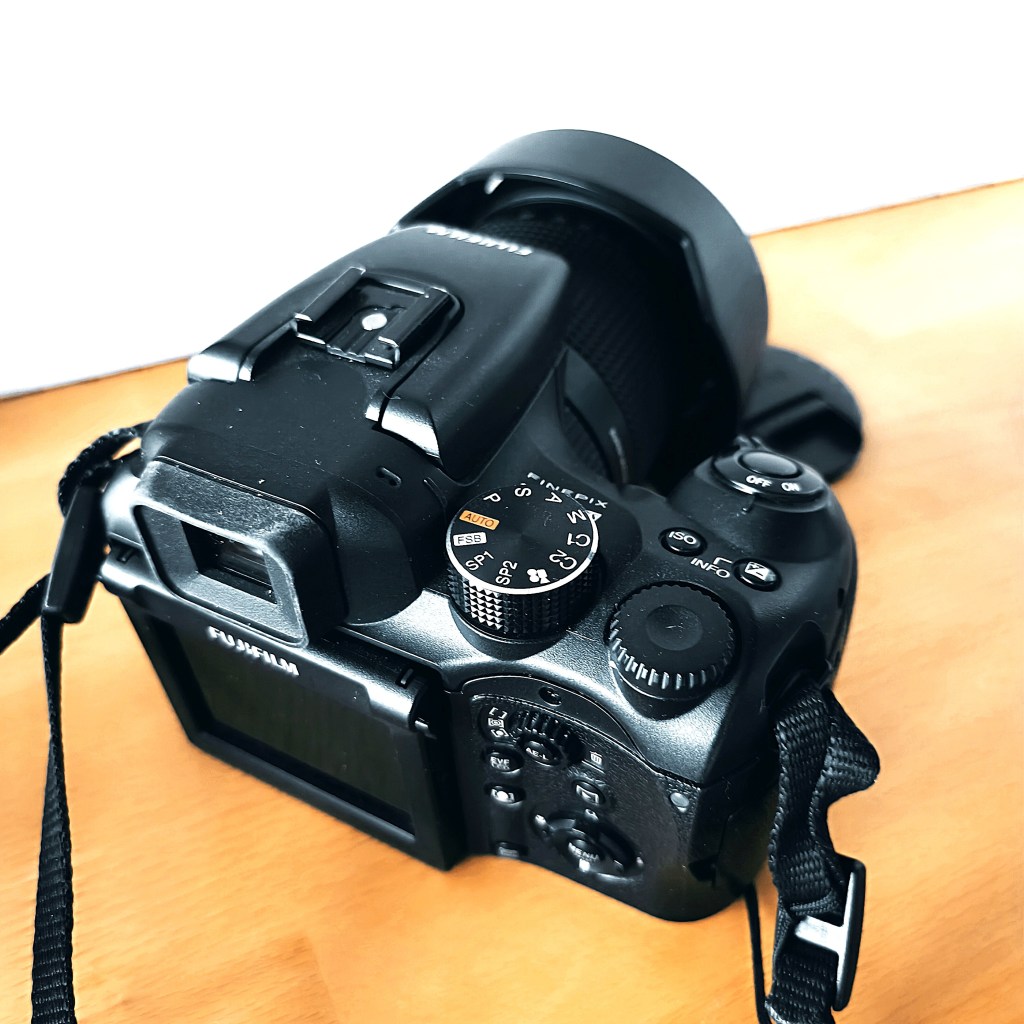
Photographers’ notes: We used here again our Fujifilm Finepix FinePix S100FS, and despite the fact that its design dates back to 2008, now almost two decades ago, it stilldelivers absolutely professional results.
Of course, the definition of the electronic viewfinder as well as the bigger foldable screen is not up to present standards, but the actual sensor and the Fujinon 28-400 mm (35 mm equivalent) lens really mean business. Note that the photos you see here are compressed to cope with the website technical requirements…so the original photos are still more detailed. Remember, I bought this versatile camera used some years ago for just 59 Euros…The photo of the camera here above is taken with my Xiaomi smartphone.
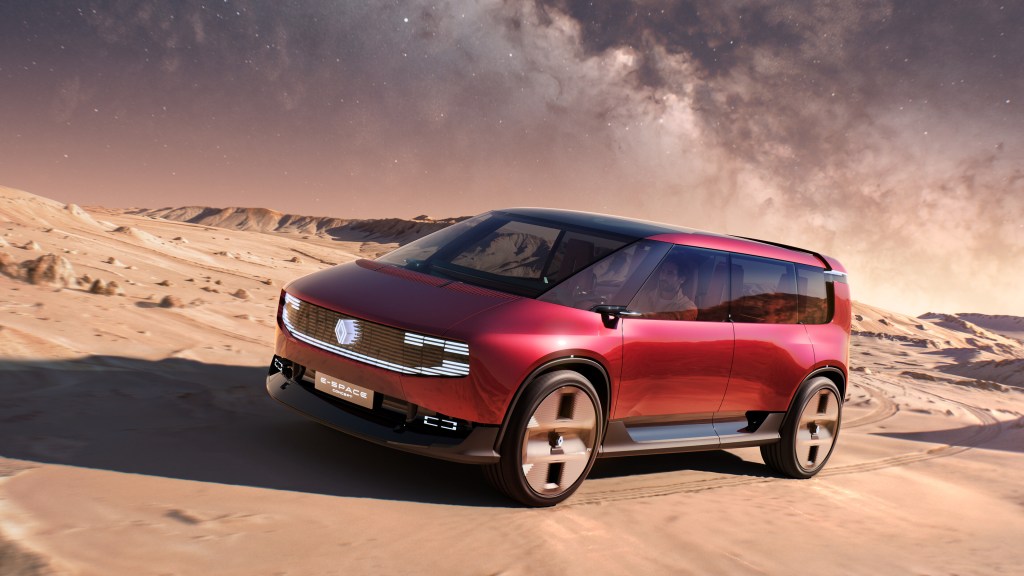
Renault has always had a keen eye for everyday practicality when designing its cars. And it is no surprise that in its ambition to create voitures à vivre, it brings a concept car to the forthcoming Paris Motor show: the E-Space Concept, which is Renault’s contemporary vision of travel and family mobility in the electric age.
With E-Space Concept, Renault is rebooting the spirit of Renault Espace, a model first launched in 1984 that has left its mark on automotive history.
More than 40 years on, E-Space Concept is a future-focused vision of the original, true to the approach that has always set Renault apart: innovating for the benefit of people, human emotion and the in-car experience.
Space Concept embodies the brand’s futuREady strategy: reinventing the automotive experience by placing user needs and the in-car experience at the heart of the design process. This Renault E-Space Concept is a spectacular car, 4.70m long with bodywork in an elegant shade of black rubé.
Alongside E-Space Concept, Renault will be exhibiting two other concept cars: Renault 8 Gordini Concept and Renault 4 JP4x4 Concept.
The Renault 8 Gordini Concept has totally stunning looks and features and we will come back on this concept car also soon in these columns.
The same goes for the Renault 4 JP4x4 Concept, previewed at the 2026 Roland-Garros French Open tennis tournament, this Renault 4 concept car is a fresh take on the Plein Air (1969) and JP4 (1981) versions of the original Renault 4. Also soon more about this iconic “quatre” soon!
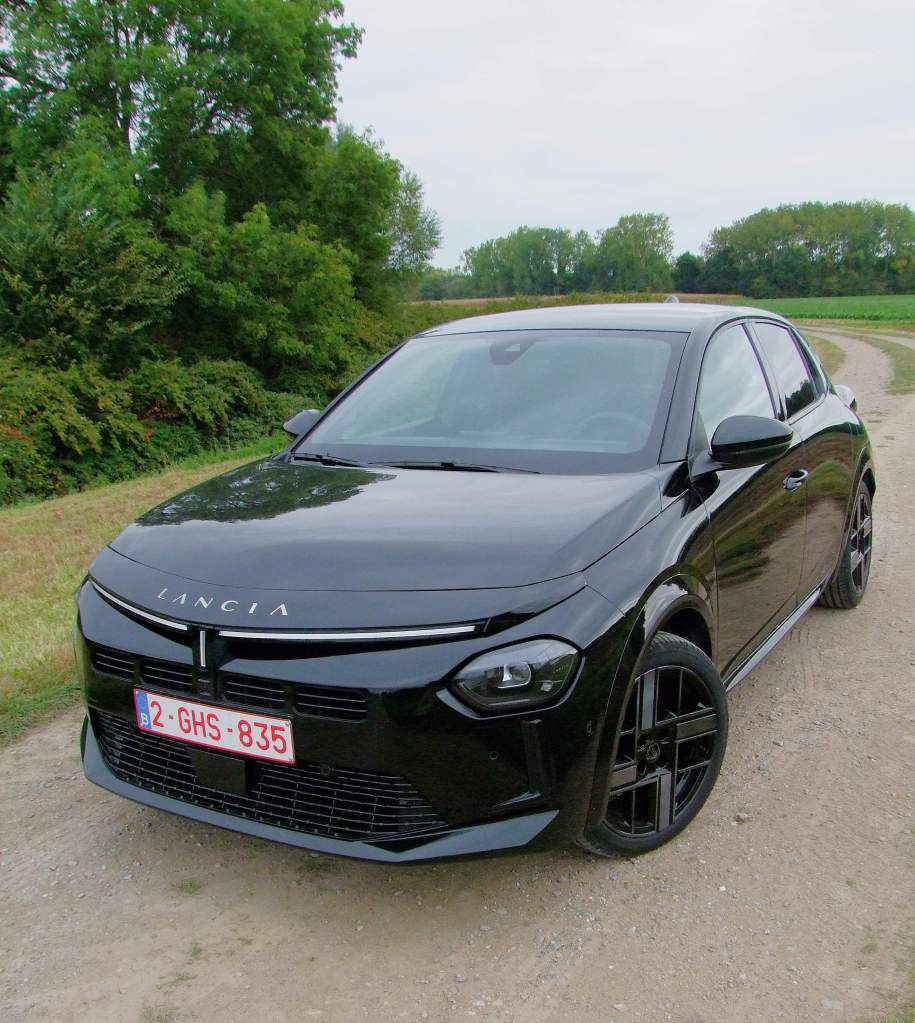
The Lancia Ypsilon has pleased us already when we drove it in the all electric version, but of course we were also curious to drive it with a trusted combustion engine combined with electric propulsion: the Ibrida. Indeed, this version has the well known 1.2-litre three-cylinder petrol unit producing 100 hp, paired with a 21 kW electric motor integrated into a six-speed dual-clutch automatic, for a combined system power of 110 hp or 81 kW and 205 Nm of torque. Technically it’s a mid-hybrid—halfway between mild and full hybrid, although the manufacturer dubs it as a mild hybrid.
The Ypsilon hybrid system runs on 48 Volts, and the battery is very small indeed, 0,43 Kwh. It performs well, but in town it needs a very sensitive right foot and a very smooth driving style to reveal the qualities of its hybrid system and take full advantage of it. More about all this further below.
Design: Distinctive and elegant.
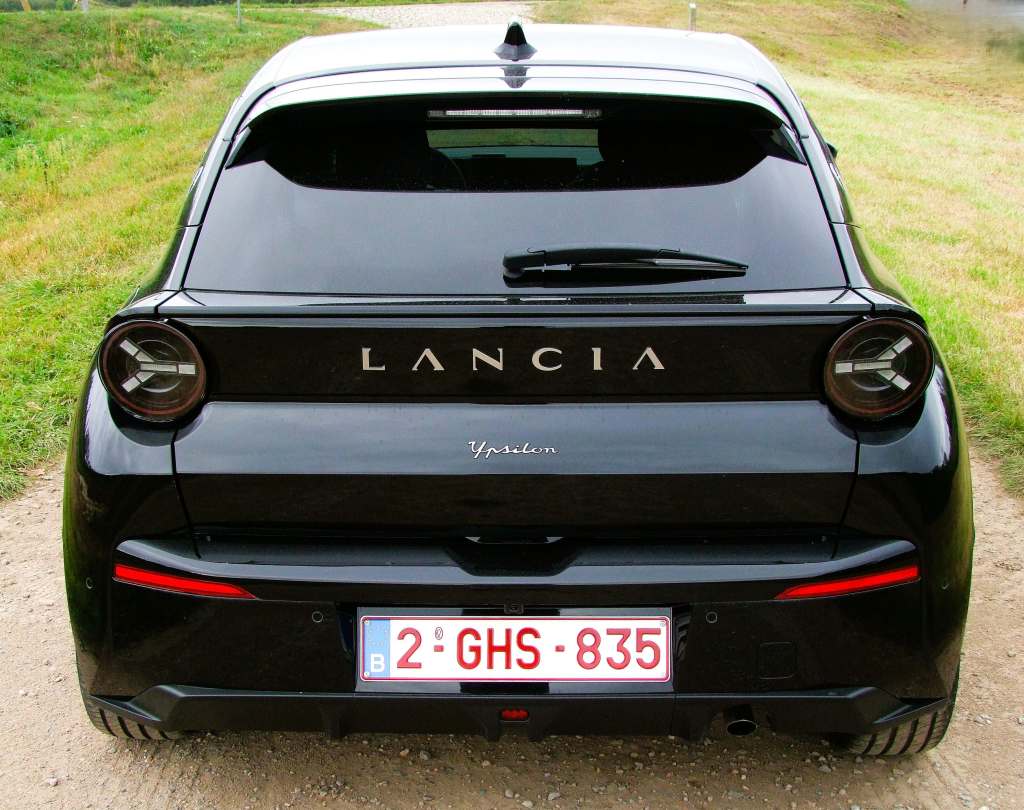
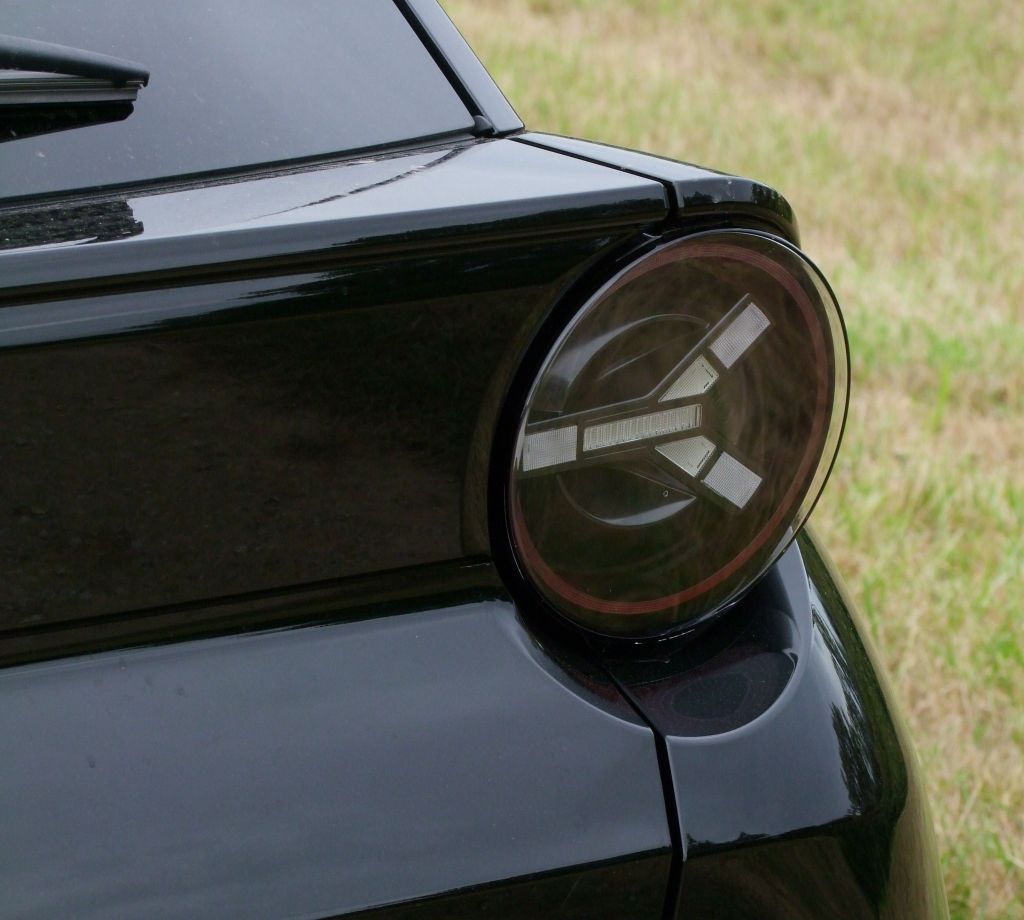
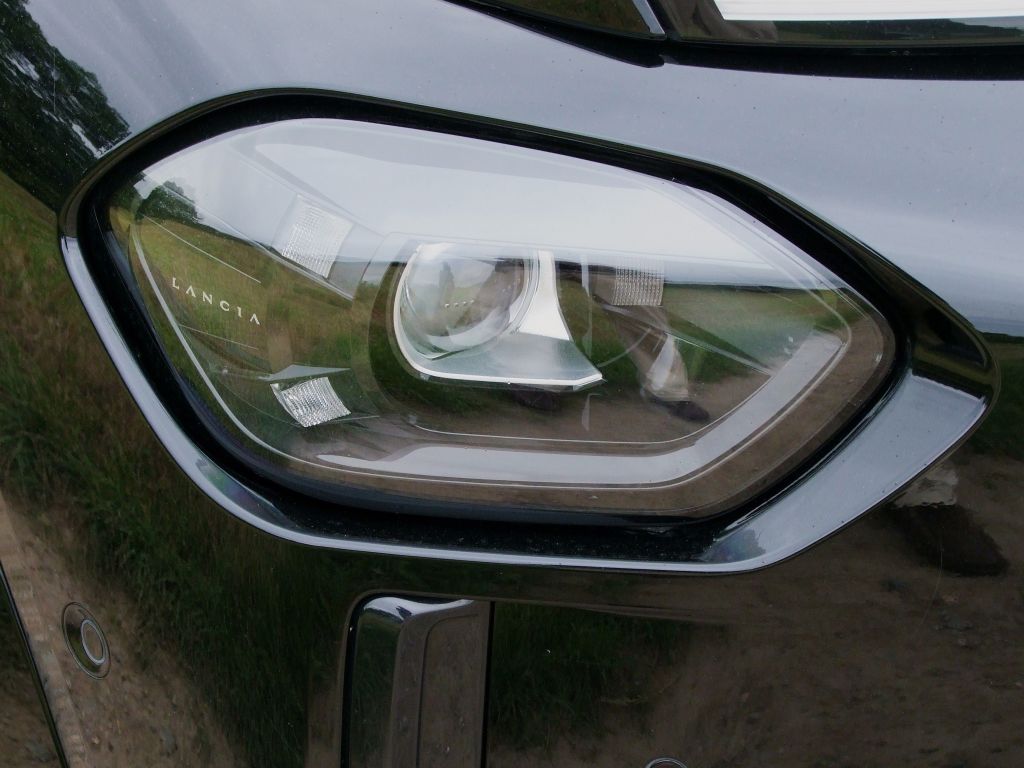
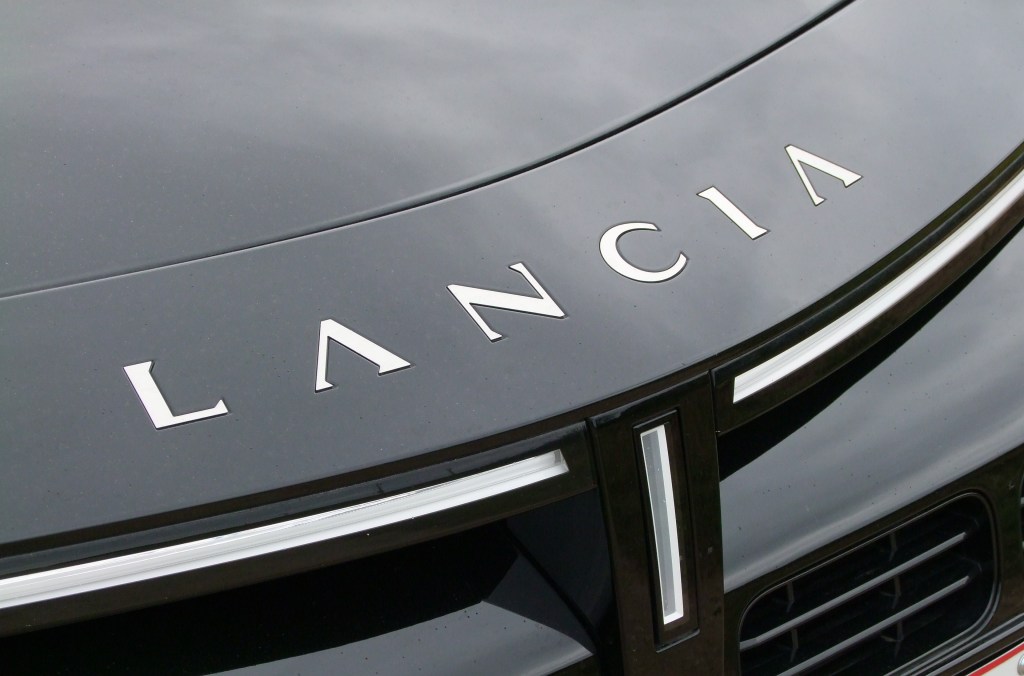
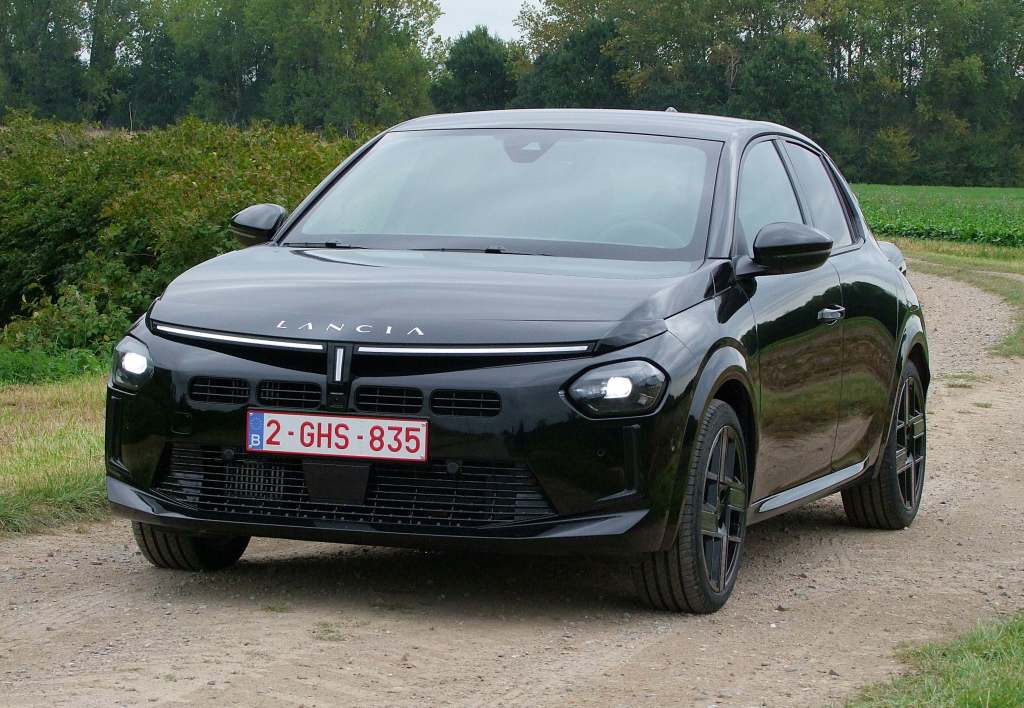
The new Ypsilon certainly attracts attention, and not only from connoisseurs. Of course, part of that is rarity—you don’t see many about—but credit also goes to its genuinely successful styling. The illuminated front signature is modern and distinctive, while the rear respectfully channels the brand’s historic design language: circular LED lights with a “Y” motif inside, a nod to the iconic rally and racing Lancias.
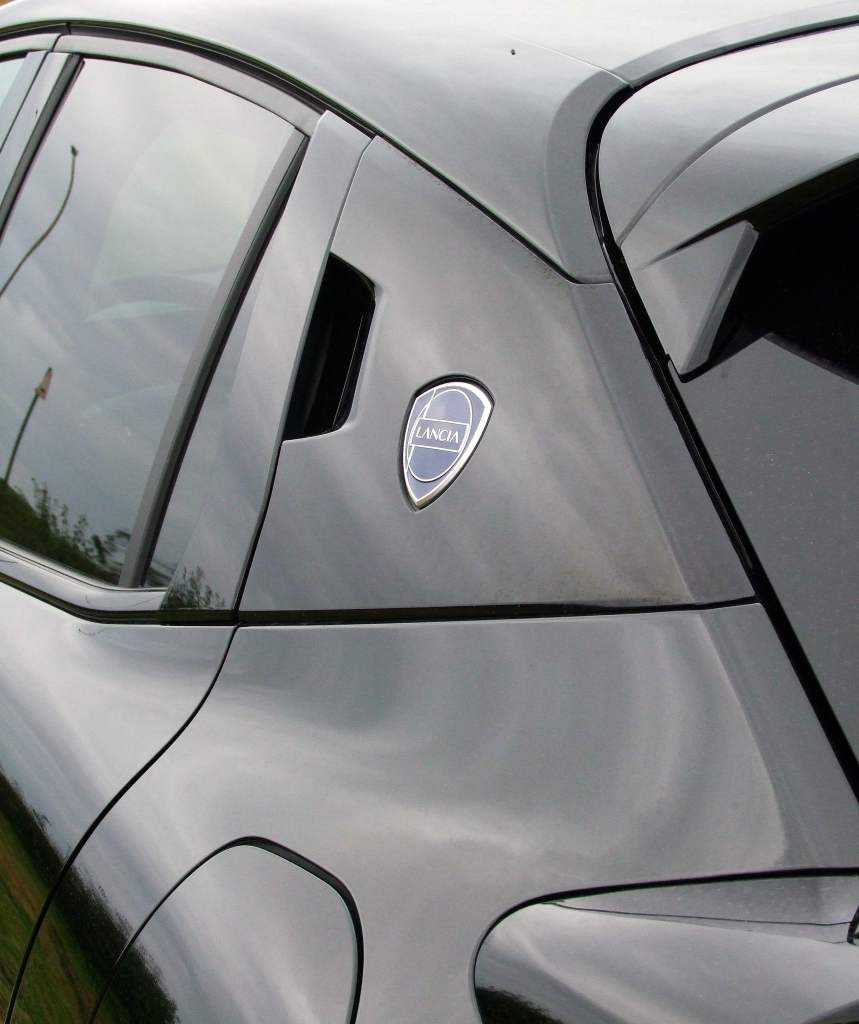
Also deserving praise are the modern wheel designs, the rear door handle, which some might find awkward to use, but we liked it.
Interior: Original and comfortable
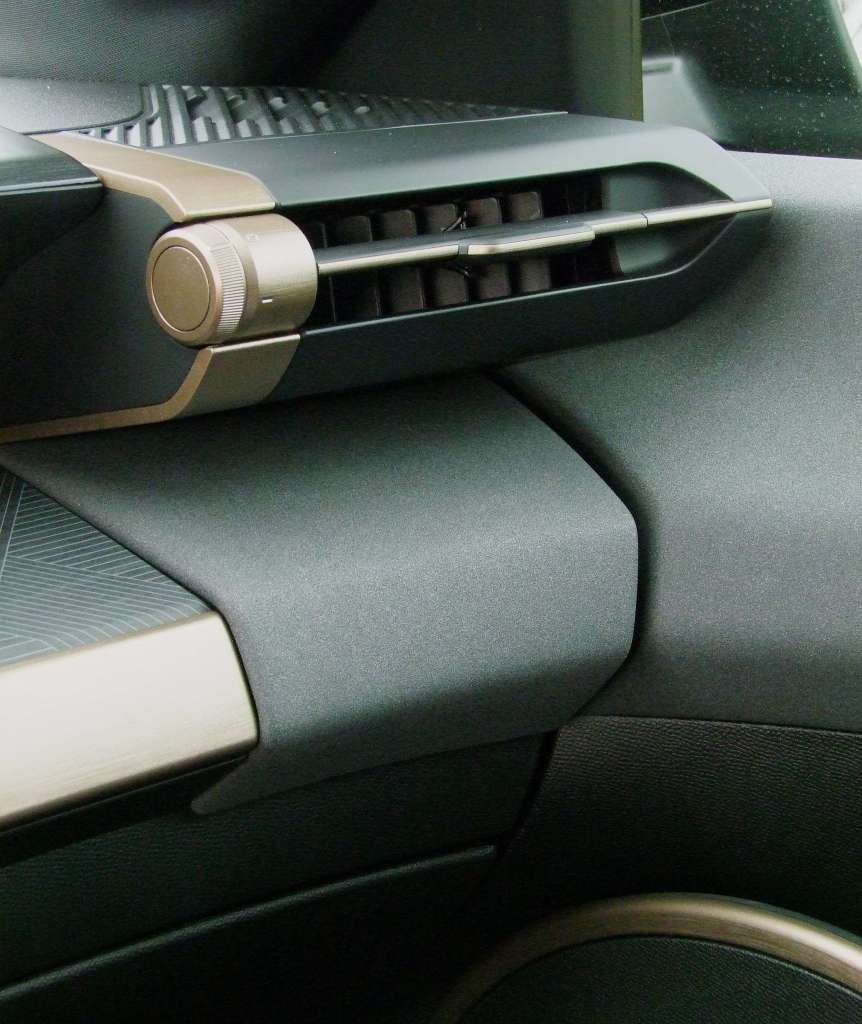
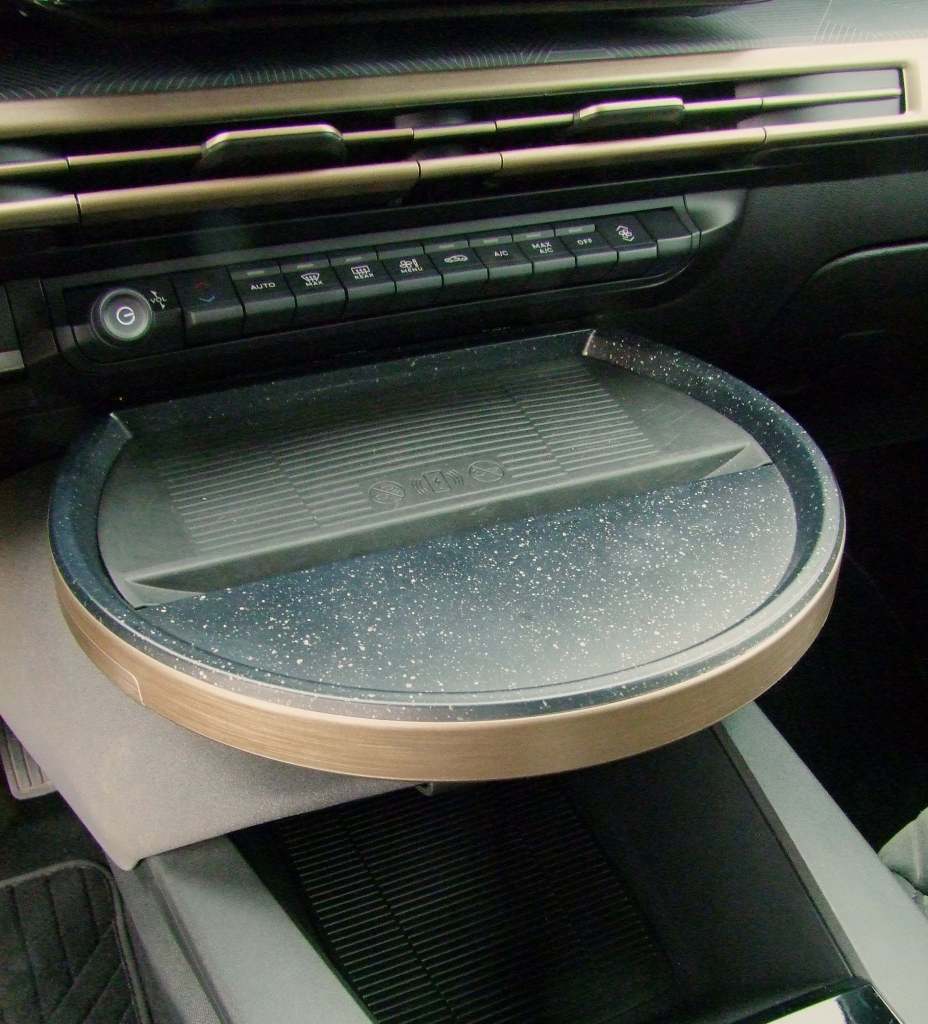
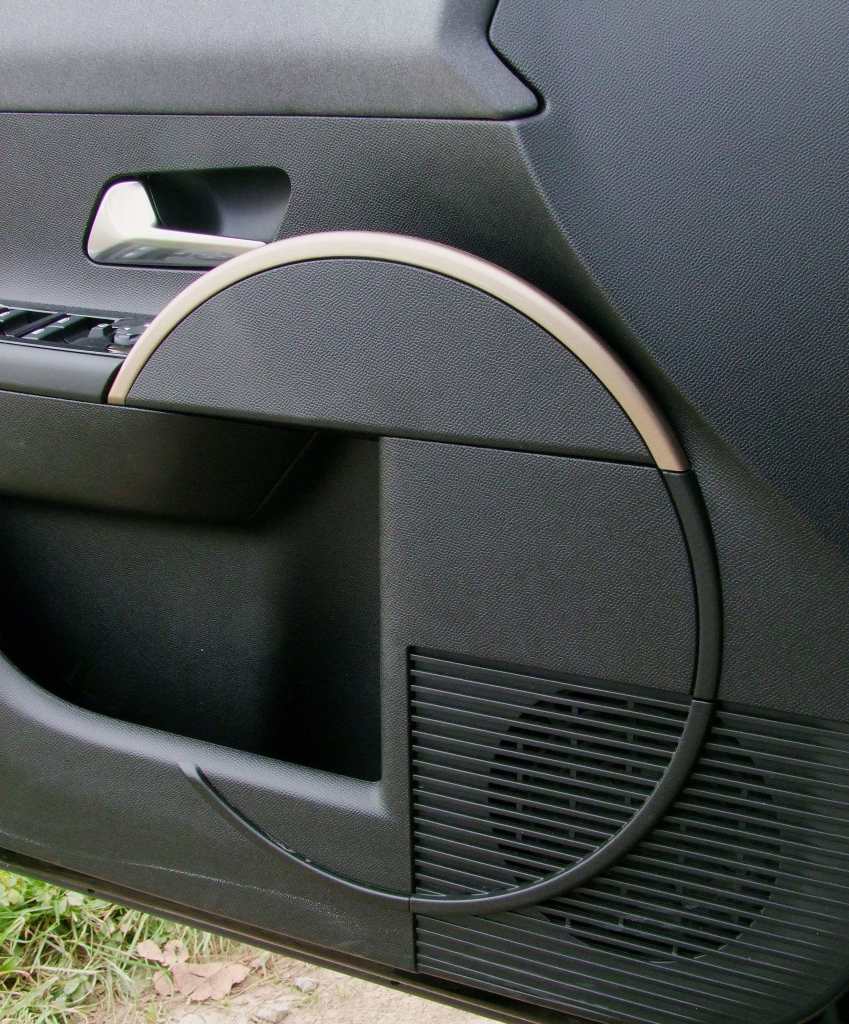
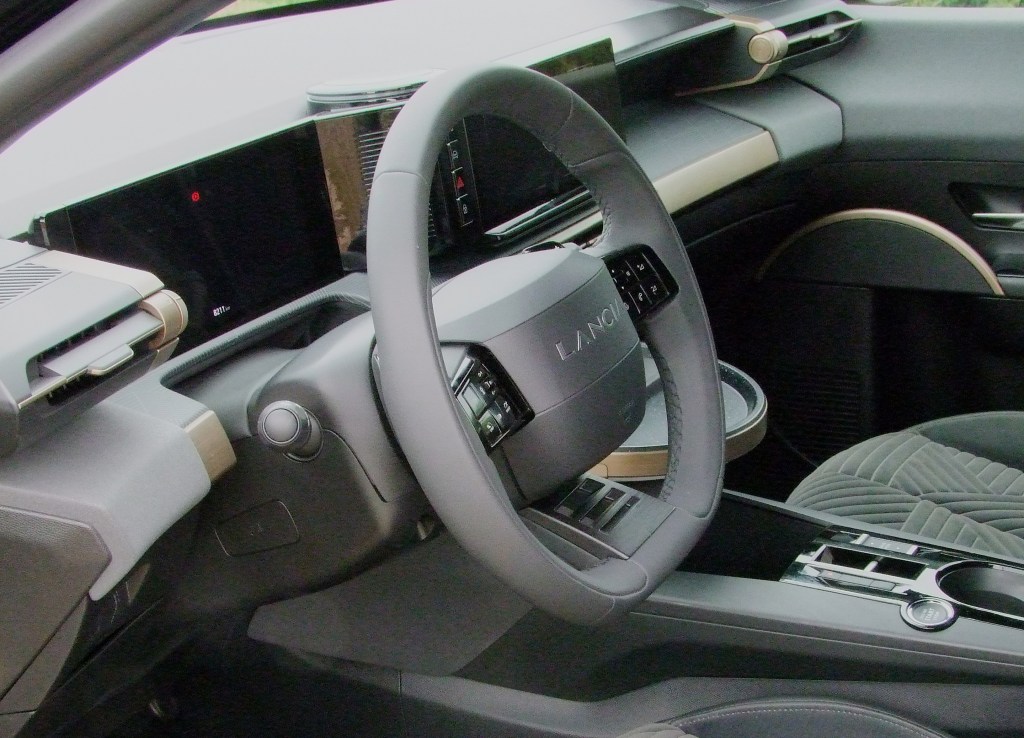
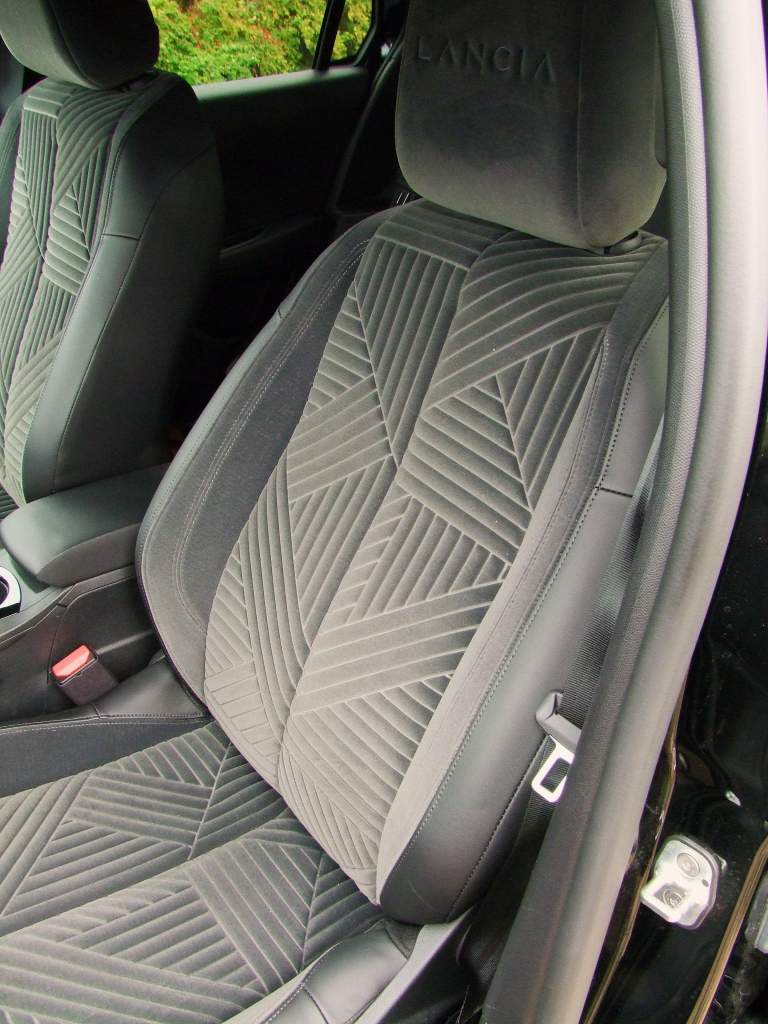
The new Ypsilon measures 4.08 metres and seduces with an original cabin. Bronze accents, a well-drawn dashboard, and comfortable, beautifully upholstered alcantara seats create an upmarket, premium ambience. We liked the tasteful patterns on the dashboard panels, the bronze finishes of ventilation openings and the surrounds of the elegant centrally placed “tavola”.
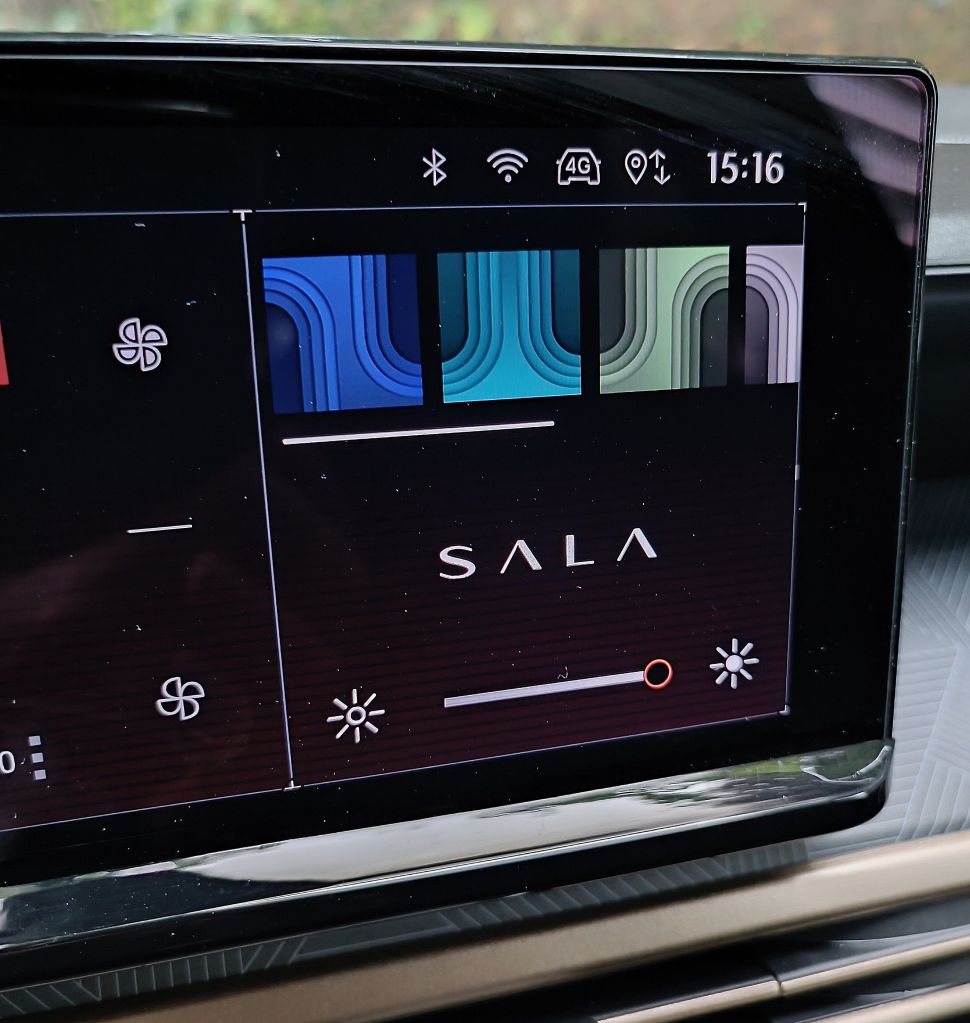
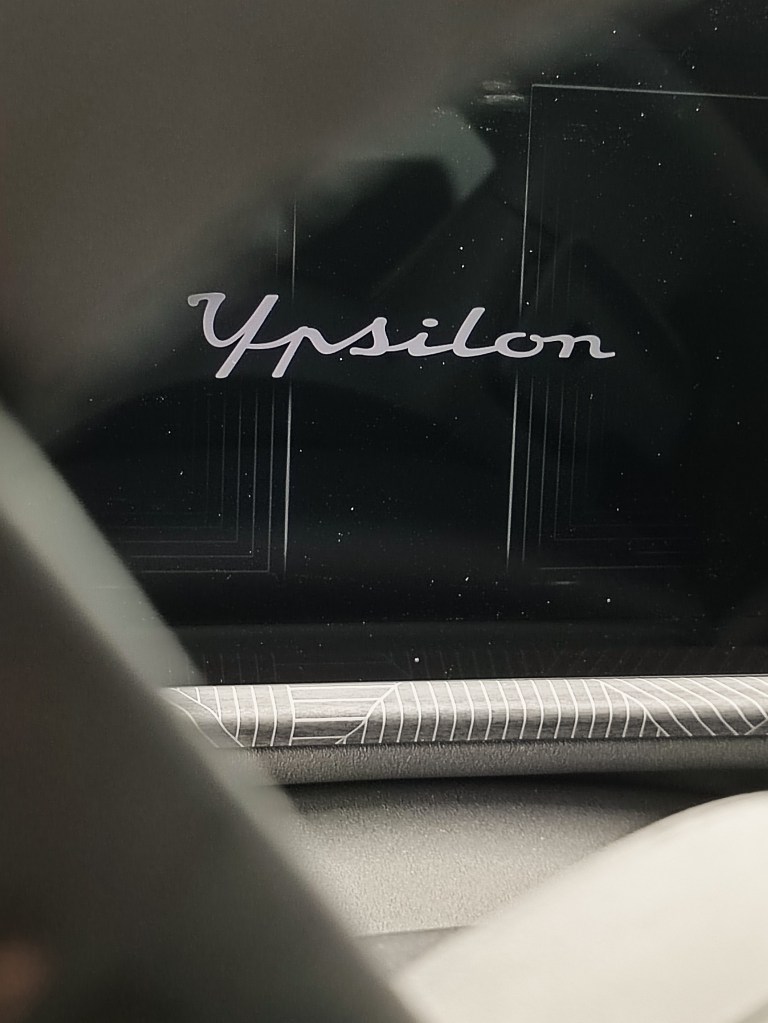
Highlights include the digital instrument cluster and a large central display with wireless Apple CarPlay and Android Auto. The infotainment, is ok, with a physical “L” button, summoning a shortcut screen with all the main functions, we found a good idea.
Indeed, a central “table” separates the front seats and serves as a rest for objects, a wallet, or a phone. It is a hallmark of the car’s cabin, and we think it’s brilliant.
On the road with the Ypsilon Ibrida: full of panache, but needs a delicate experienced hand (or rather foot) in town…
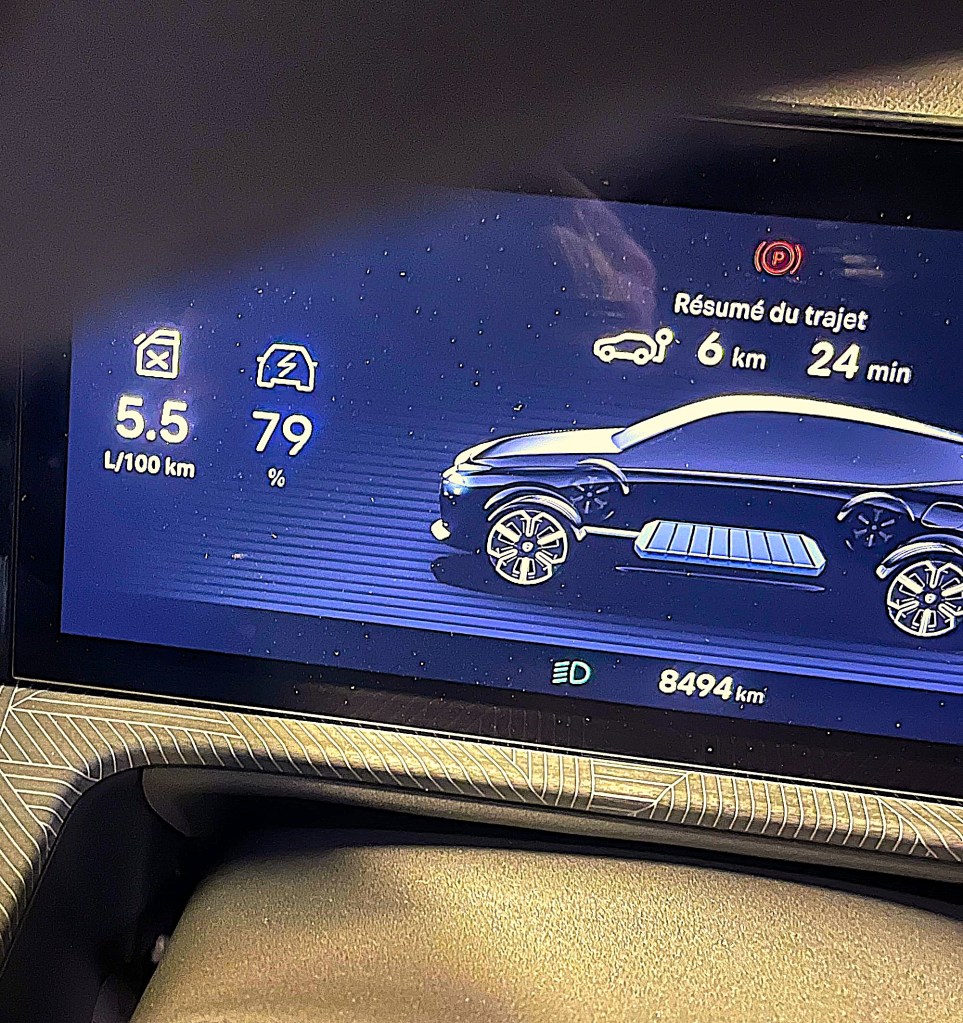
The car DOES run on electric power alone, and when you drive with anticipation and a very smooth right foot, maintaining constant speeds, it is very well possible to drive your town trip for up to 79 % on electric power. When you drive/coast at small throttle openings, the transition between the engine and battery power is smooth and imperceptible. However, when you push the accelerator pedal more deeply, the 3-cylinder petrol engine makes its torque immediately felt when it sets in.
The photo below amply shows what we mean: we drove the Ypsilon for almost half an our over 6 kilometers in very congested urban traffic, which resulted in a consumption of 5,5 liter/100 km and not less than 79% of the distance being driven under silent and silky smooth E-power. It is the Lancia art of driving, we would say, and it is very refined and also quite rewarding not only for your wallet!
According to WLTP standards, the combined fuel consumption is between 4.5 – 4.6 L/100 km. Indeed, we succeeded on a smooth Sunday drive on country roads to achieve an average consumption of 4,1 liters/100 km. Our average consumption hovered between 5 and 6 litres/100 km. CO2 Emissions, according to WLTP, are between 102 – 105 g/km (varies by trim/wheels).
On the open road, the engine is virtually inaudible and silky smooth, which makes the car an excellent motorway cruiser, one of the best we found in the B segment, not in the least because or the Ypsilon’s very good sound insulation. Listening to the well performing sound system, we were able to hear every single note of Beethovens 4th piano concerto when cruising at the 120 kmh legal limit on the motorway. Overall performance leaves nothing to be desired. It will sprint from 0 to 100 km/h in merely 9,3 seconds and the top speed is a good 190 km/h. Indeed, Lancia driving remains a sporting pleasure…
The six speed auto box is alert and smooth, and in Sport mode will hold the gears much longer, so you can enjoy the pleasant throb of the 3 cylinder engine.
When you lift the throttle and you drive with anticipation, it is well possible to accurately judge the amount of regeneration you get at any given speed, and one pedal driving is easy once you get the hang of it all..
Suspension: dynamic and comfortable
The suspension is well calibrated, offers a very comfortable ride, combined with precise steering and good stability. In this respect, the Ypsilon scores very high indeed. It’s a delight to steer on winding roads, and yes, sporting pleasure is to be had…
Space and Practicality
With a 2.54-metre wheelbase, the Ypsilon offers decent front-seat room. In the back, a taller adult has sufficient legroom, but headroom is rather tight. Two USB-C ports are a good thing, and the 352-litre boot is impressive.
State of the art driving assistance
On this front, there’s little to fault: a comprehensive, well-calibrated ADAS suite, with Lane Assist, Autonomous Emergency Braking, Speed Limiter and an efficient parking Assist. We liked also the smoothness of the easy to use adaptive cruise control, and we used it very much indeed on our Belgian roads with draconian and often too restricted speed limits everywhere. Also the calibration of the steering assistance is just right.
Conclusion
The new Lancia Ypsilon Ibrida convinces with pleasant styling and endearing driving manners.
Within the Stellantis range, it offers a more personal alternative, and overall scores high in the B segment . Given a learning curve on how to understand and use the hybrid drive train, its driving smoothness and frugality is all yours to enjoy too…
Hans Knol ten Bensel
Photographers’ notes: the professional quality of Fujifilm bridge cameras…
The photos shot on this test are taken by my trusted Fujifilm FinePix S100FS, a camera which I bought second hand in 2022 for…59 Euros in totally pristine condition (!). Its design dates back to…2008, and it is a so-called bridge camera with an excellent Fujinon 28-400 mm (35 mm equivalent) lens.
The fact is, Fuji took the design of its bridge cameras totally seriously, with a decent sensor size and a superb lens, with a delightfully smooth manual zoom command.You have understood it: this is a camera which delivers totally professional results, despite its age. Just have a look at the photos of our test car above, which are even reduced in size to adjust for web publication. The photos of the camera itself are shot with my Xiaomi smartphone and the photo of the dashboard with the urban consumption are taken with my Apple iPhone.
Back in 2008, FujiFilm had put its latest, eighth-generation, Super CCD HR technology into the S100FS. This uses octagonal photo-sites that are designed to maximize light collecting efficiency. This, combined with clever noise reduction algorithms, helped to produce excellent results still according to today’s standards, as you can admire here…As said, Fujifilm’s bridge cameras were – and still are – of a totally different league…The second hand aftermarket did not discover this at the time I bought this camera, hence the purchase price for which you can only buy a lens shade...
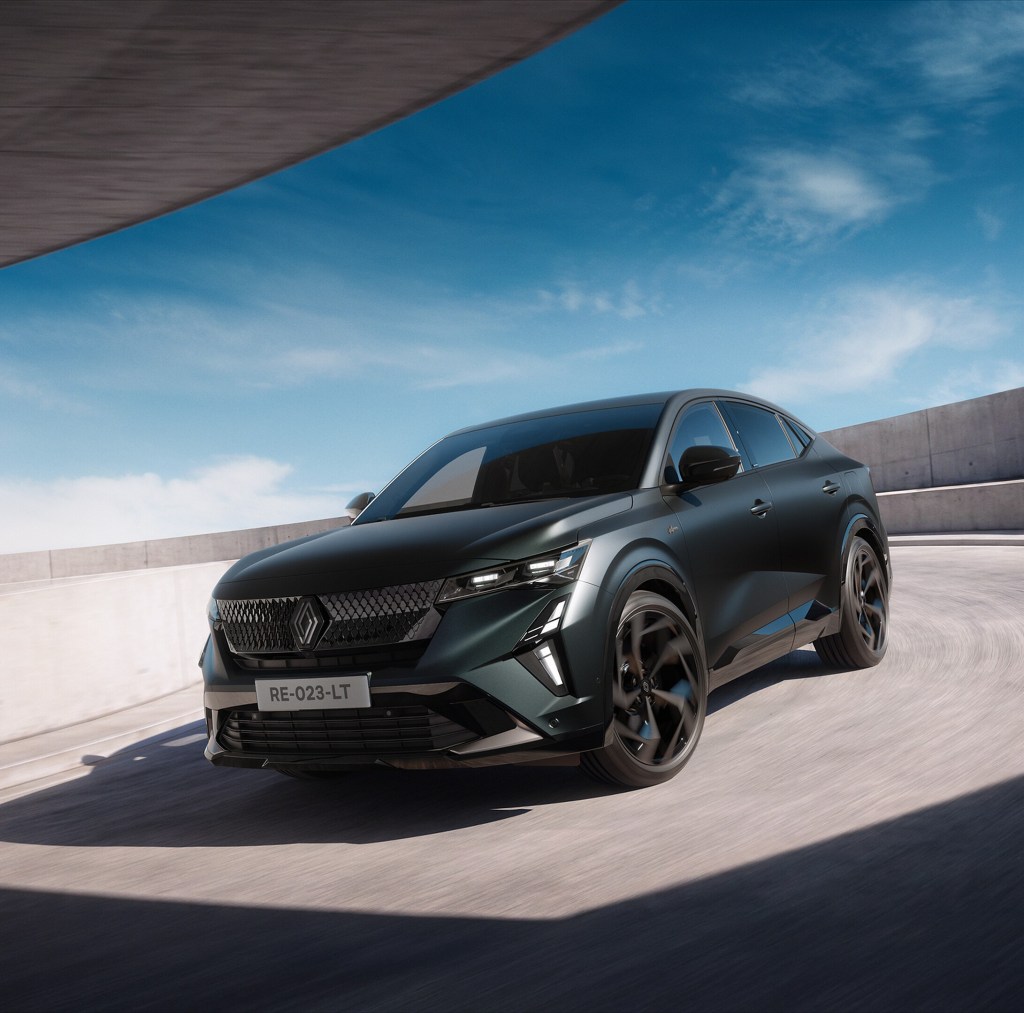
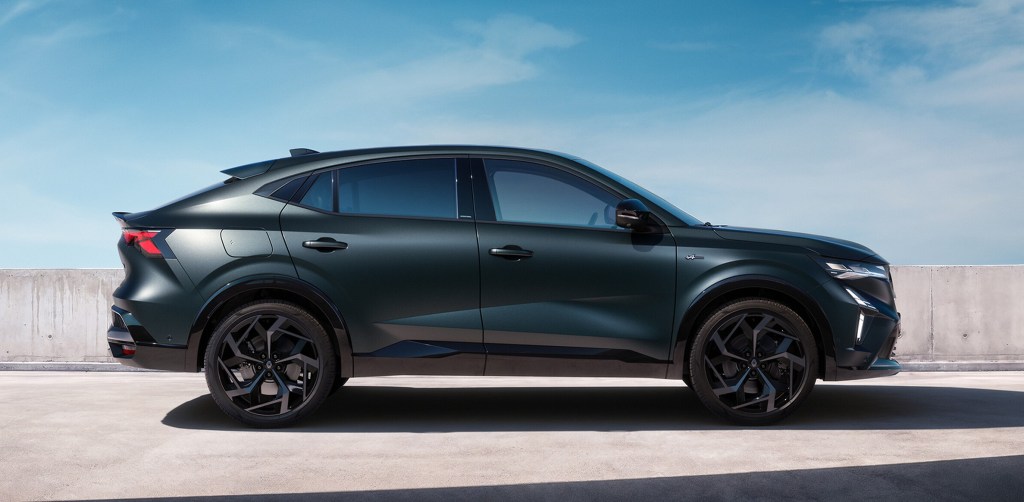
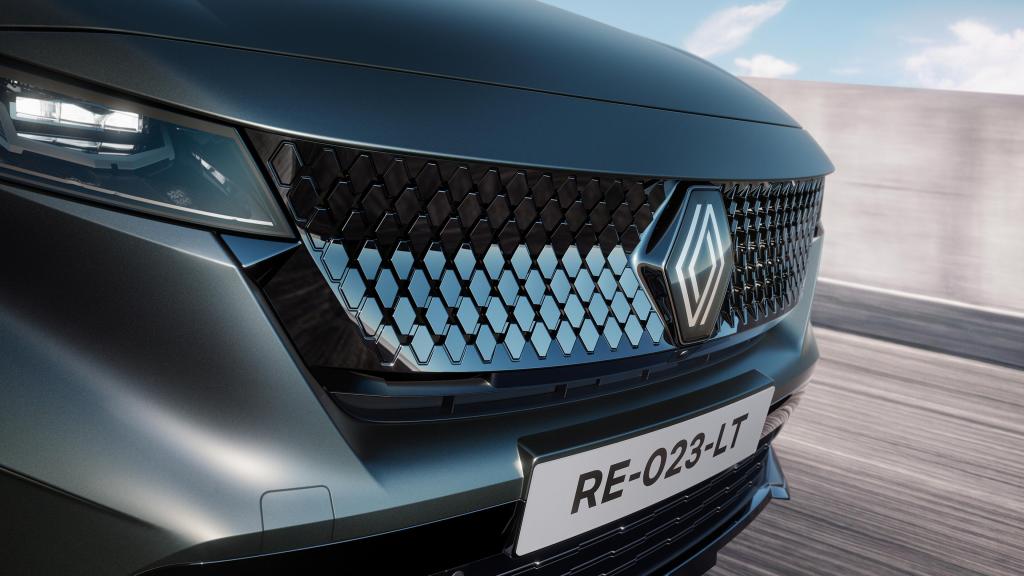
Renault marks its presence on the Paris Motor Show with a special edition of its Rafale flagship model, called ’hypnotic’.
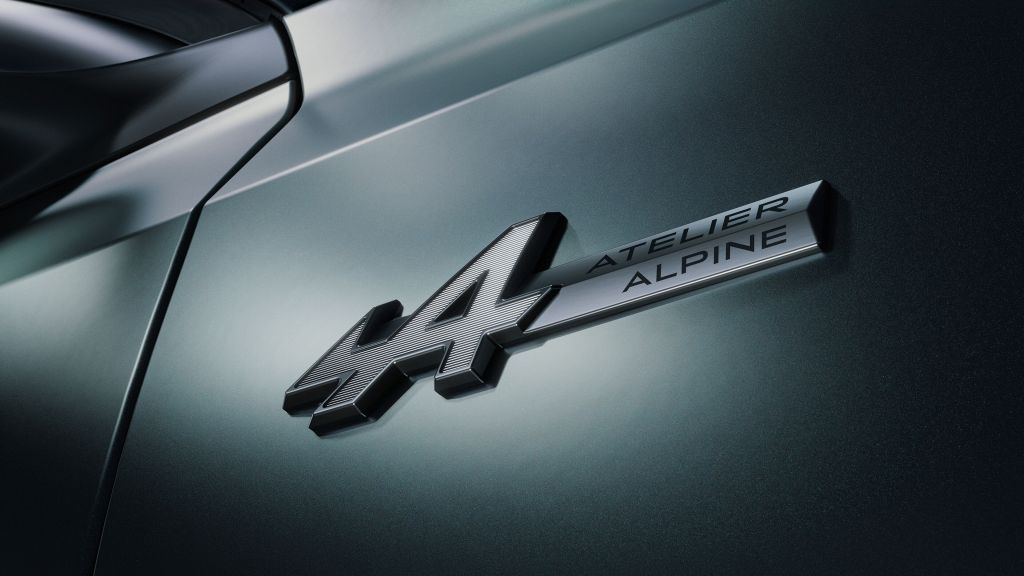
Built in just 1,500 numbered units, this limited edition takes the style cues of Rafale hyper hybrid E-Tech 4×4 300 hp Atelier Alpine.
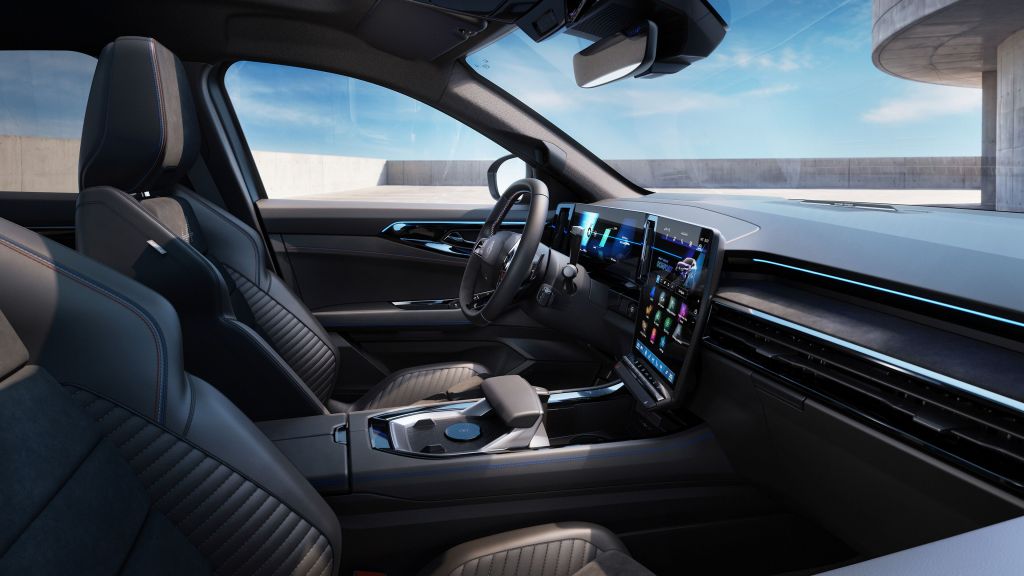
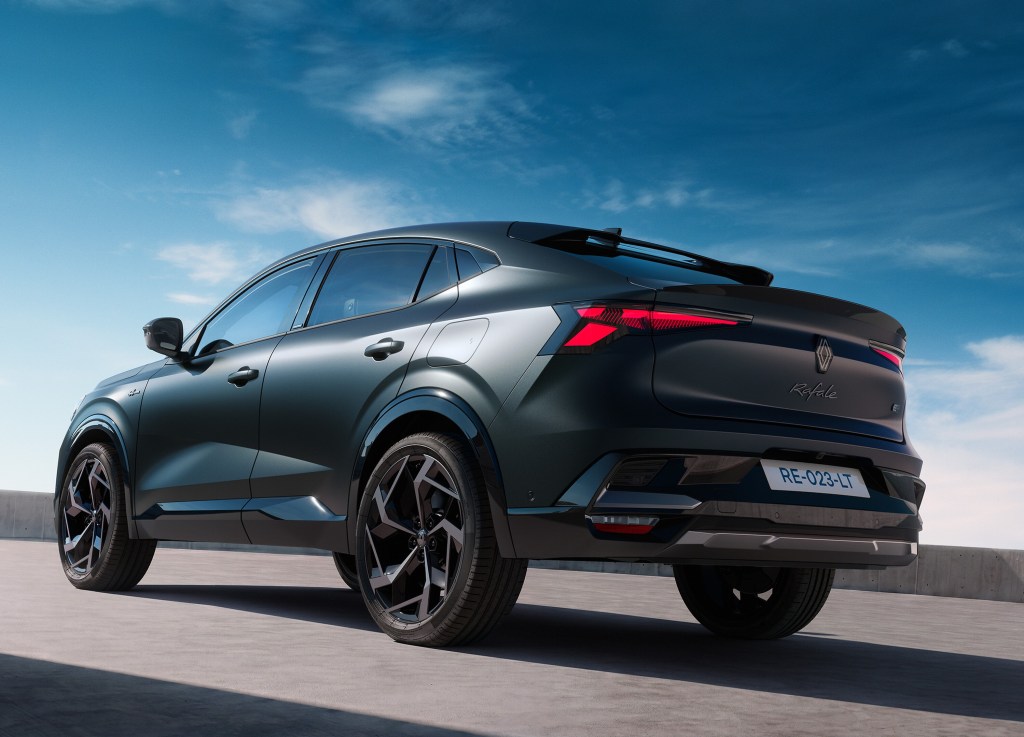
It has an exclusive satin-finish forest black paintwork, gloss black detailing, a specific interior and premium features as standard.
A ’hypnotic’ character both inside and out…
This flagship Rafale has a darker front end with a black grille, 21-inch satin-finish alloy wheels, a gloss black roof trim and boot spoiler
and last but not least a black ’Atelier Alpine’ badge.
A cabin of exceptional quality…
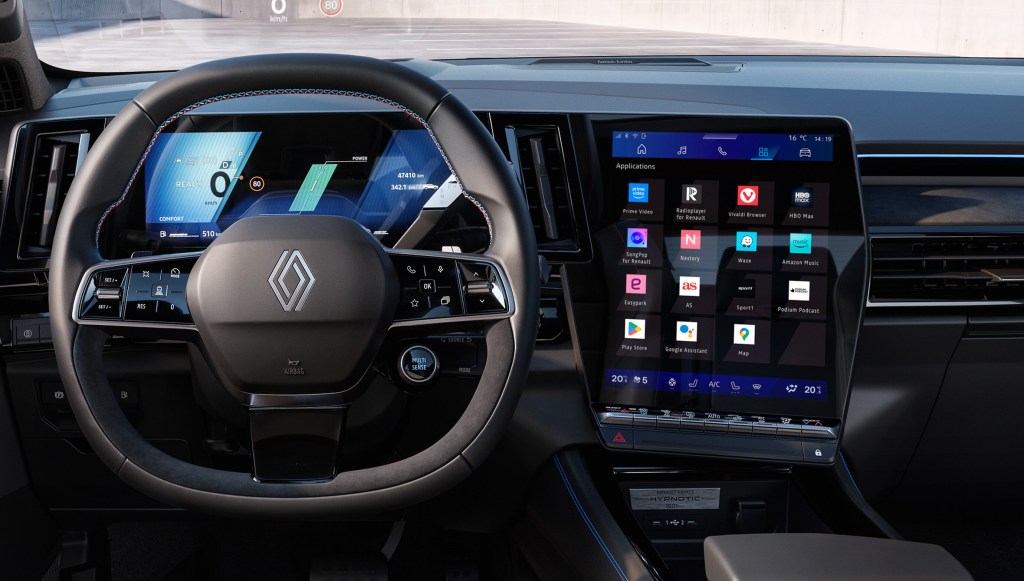
Showcasing the unique character of this limited edition, Renault Rafale hypnotic features special materials and finishes. These distinctive details create an environment that is sporty, sophisticated and also high-tech, with:
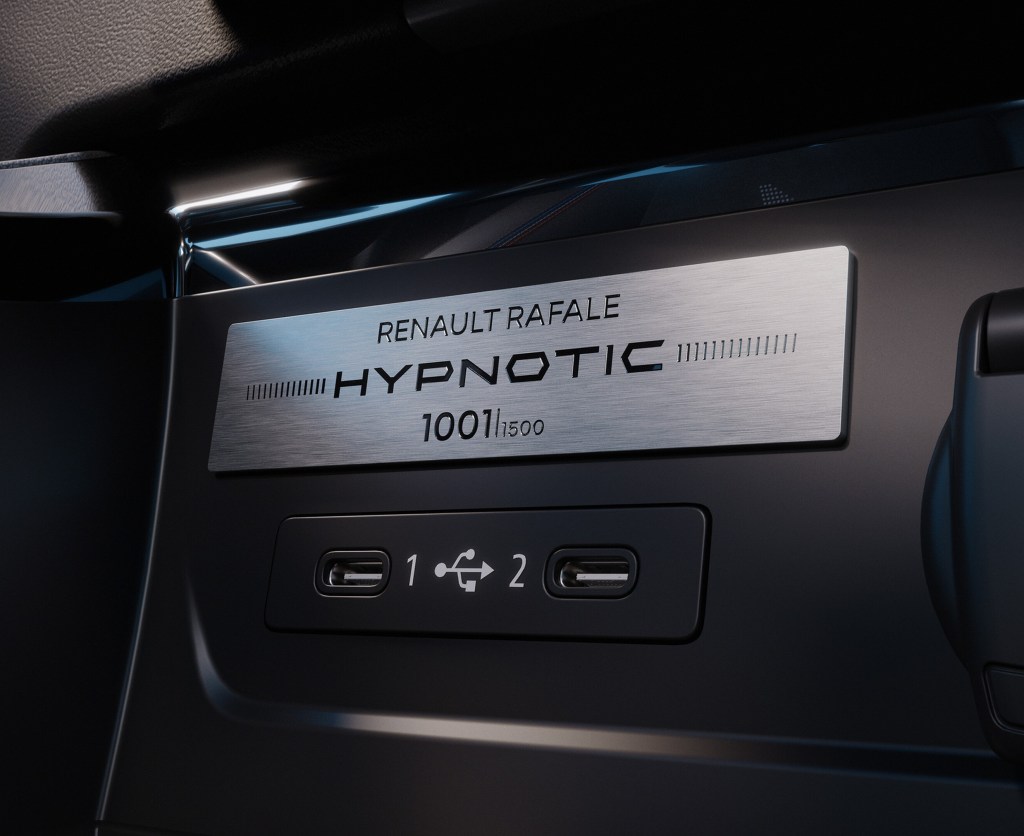
Upholstery mixing titanium black Alcantara® and black textured coated fabric, with blue, white and red top-stitching and a backlit Alpine “A” logo. Also an individually numbered plate.
Front and rear door panels with gloss black inserts and blue, white and red top-stitching and a titanium black Alcantara® trim strip on the upper dashboard, black door compartments matched with a black carpet
To deliver an experience on a par with its positioning, Renault Rafale Hypnotic is expanding the range of standard features. It has the following extras:
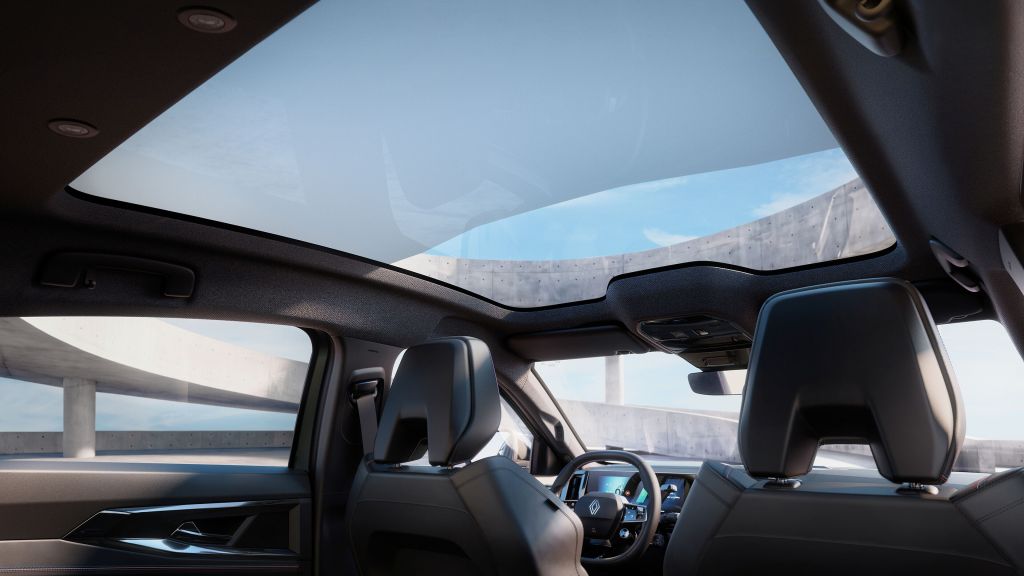
The Solarbay® opacifying glass roof, a heated windscreen, head-up display.
A limited edition of 1,500 numbered examples…
Renault will open orders for the limited-edition Rafale Hypnotic on Thursday 1 October 2026 in 14 European countries: France, Germany, Spain, Italy, Switzerland, Bulgaria, Belgium, Austria, Poland, Romania, Hungary, Slovakia, the Czech Republic and Greece.
In Belgium, a price of €60.500 is set. The first vehicles will be delivered in late 2026.
High-tech plug-in hybrid technology from the ‘Atelier Alpine’.
Behind its design, Renault Rafale hypnotic embodies the high-tech of the Renault Rafale hyper hybrid ETech 4×4 300 hp Atelier Alpine.
The plug-in hybrid powertrain combines an ICE with three electric motors to deliver 300 hp of power, while maintaining efficiency for everyday use with a range of up to 105 km in all-electric mode.
The sport-tuned chassis developed by the engineers of Alpine Cars combines four-wheel drive, “4Control Advanced” four-wheel steering and self-adjusting smart suspension with a camera for predictive control. State of the art, we would say..
Needless to say that we hope to drive this impressive flagship beginning next year!
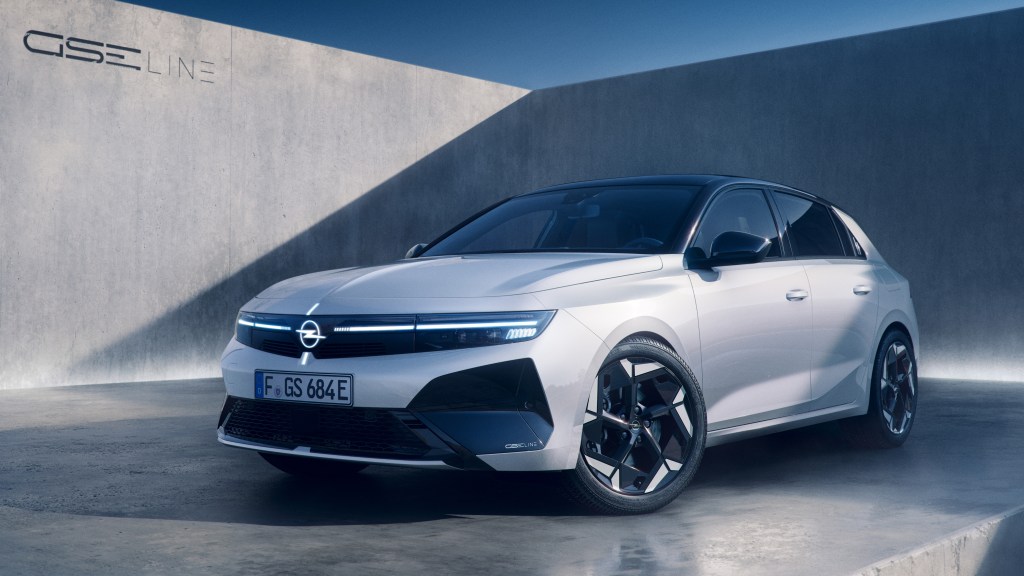
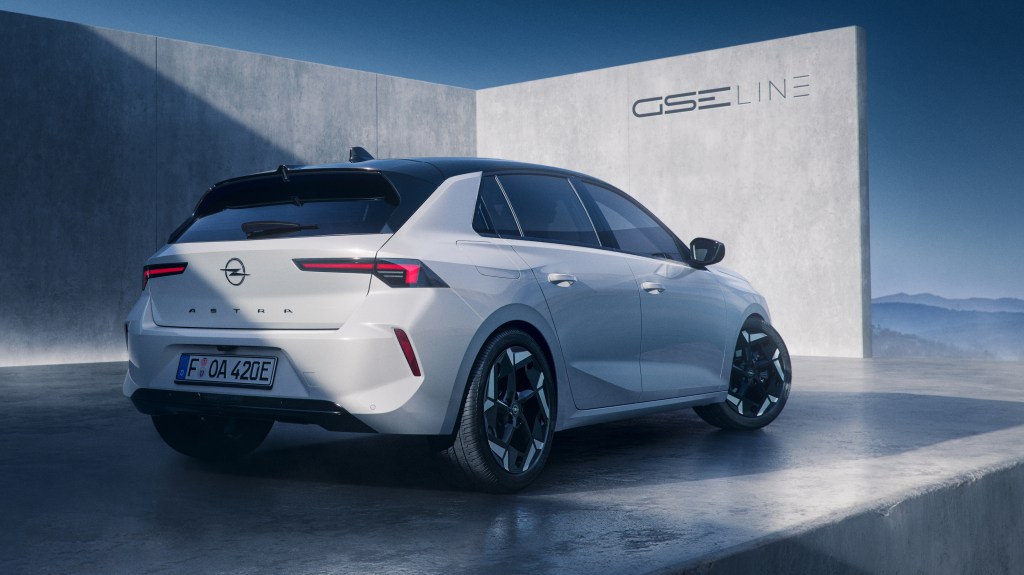
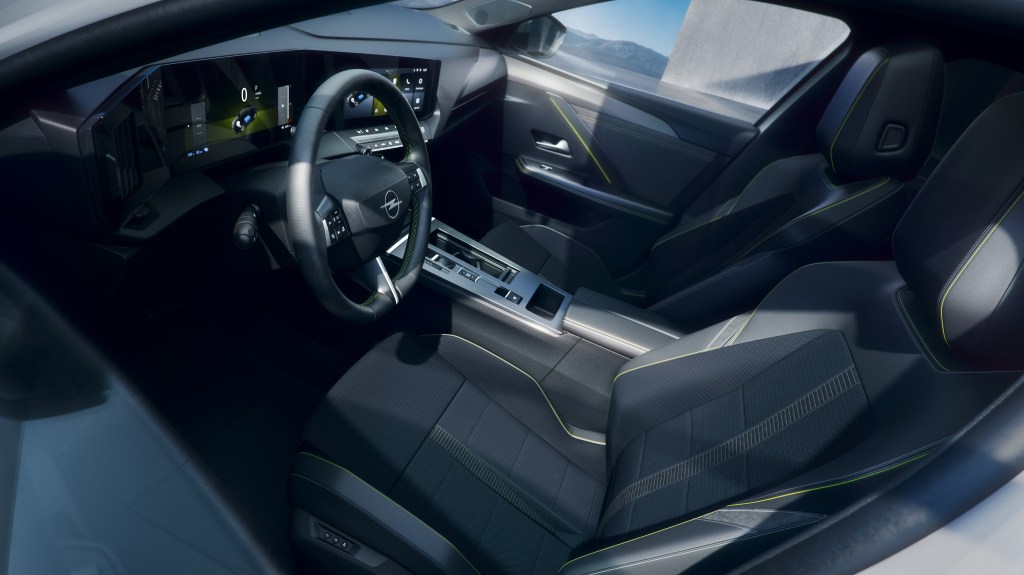
The new all-electric everyday sports cars Opel Mokka and Corsa GSE and are now available since a few days, and Opel is already following up quickly, bringing the GSE experience to other models – with the latest Astra debuting the new trim. The compact class bestseller made in Rüsselsheim will be on display as the Astra GSE line at the Paris Motor Show for the first time.
With the new trim, customers can opt for the GSE design while retaining a full choice of powertrains. GSE stands for ‘Grand Sport Electric’ by the way. The new GSE Line, which will replace the existing GS trim from spring 2027, gives the Astra an even sharper look, and can be combined with battery-electric, plug-in hybrid or hybrid powertrains, as well as conventional internal combustion engines.
There is even more soon: after the official launch of the Astra GSE Line in spring 2027, Opel will introduce a very special variant with an output of 206 kW (280 hp) and additional highlights later in the year!
We would say, fasten your seat belts, and have in the meantime a look at the photos here…
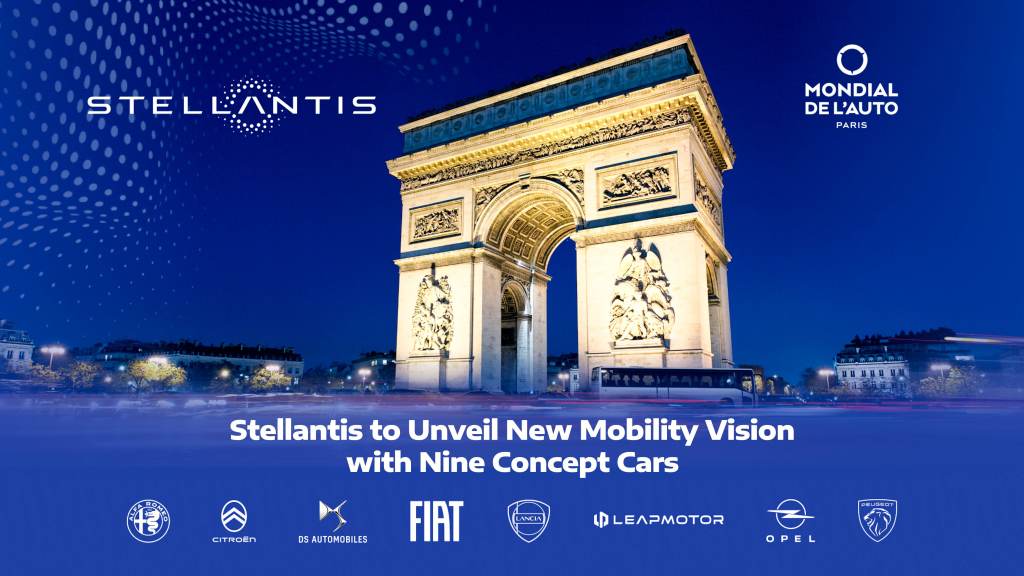
Stellantis will showcase nine concept cars from eight brands, along with over 60 vehicles at the Paris Motor Show.
The iconic brands Alfa Romeo, Citroën, DS Automobiles, FIAT, Lancia, Leapmotor, Opel, and PEUGEOT will welcome visitors in Hall 4.
The largest stand at the show, covering over 5,000 m², will offer an interactive and multisensory experience, highlighting Stellantis’ renewed ambitions.
The show will notably feature the international premieres of the premium compact SUV DS N°7, the brand-new Fiat Grizzly, the new Lancia Gamma marking the brand’s return to the C-segment crossover market (C-SUV), the B-segment compact electric vehicle Leapmotor B03, the D19, Leapmotor’s next-generation flagship SUV, as well as the Opel Corsa GSE.
More soon on the cars and the concept cars… stay tuned!
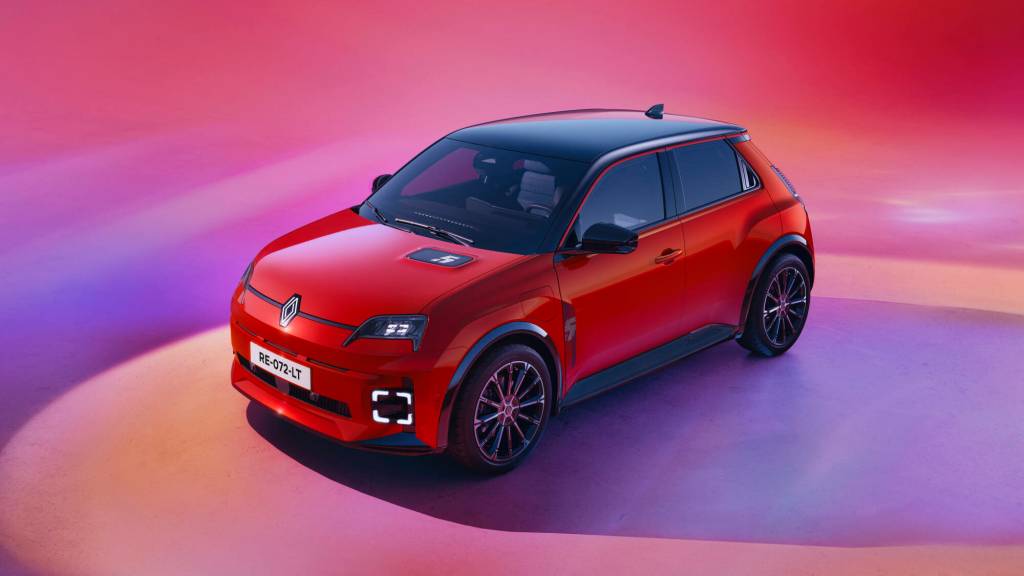
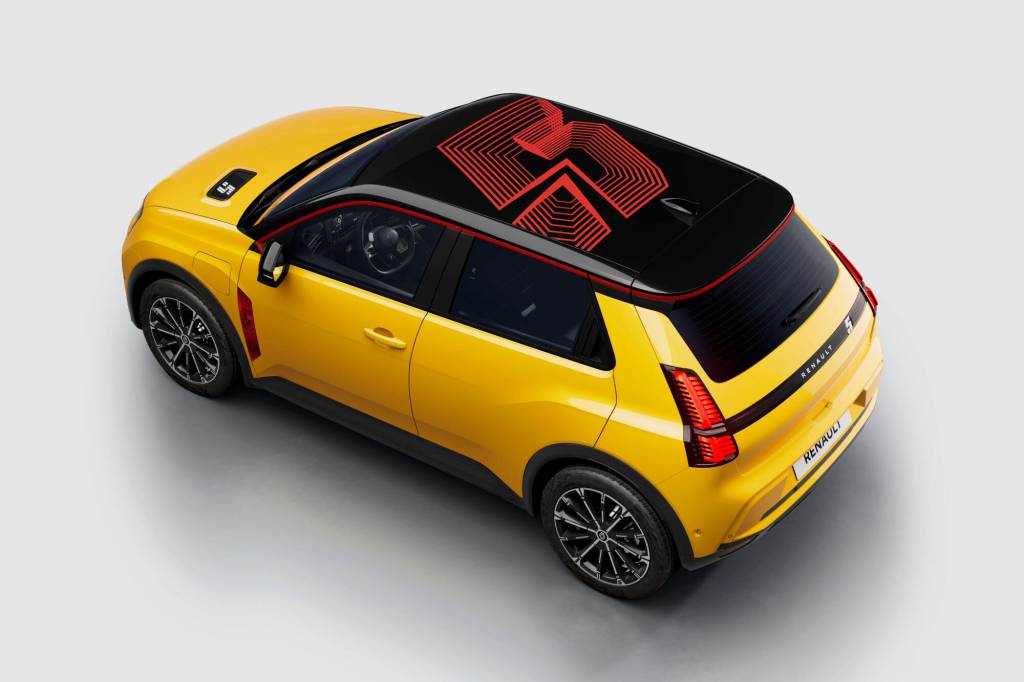
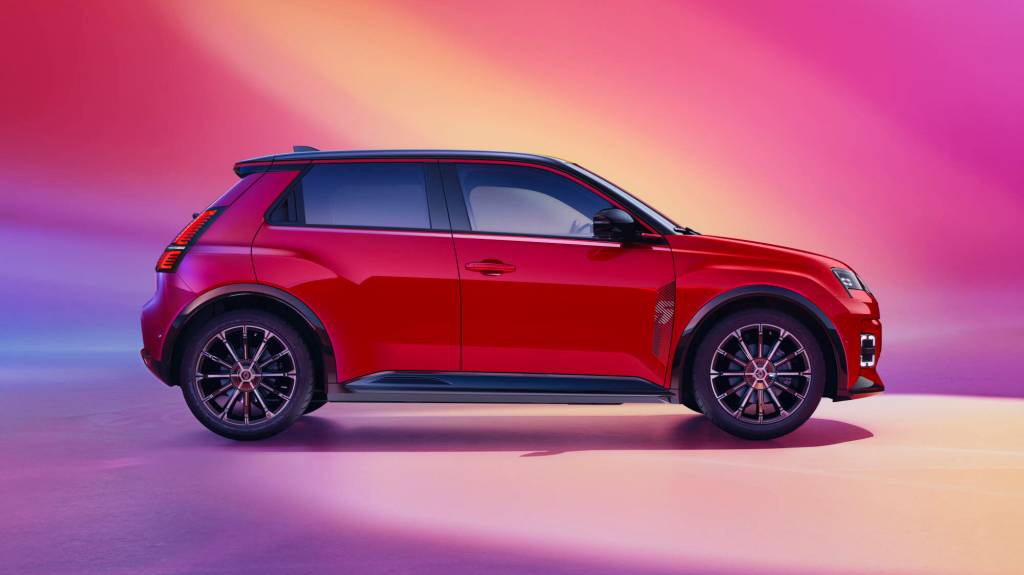
The Renault 5 E-Tech electric range is even more attractive with greater efficiency, range and versatility right from entry-level, along with new colours and features.
Both the 40 kWh Urban Range and 52 kWh Comfort Range versions gain technical and aerodynamic upgrades to achieve new WLTP ranges of up to 315 and 430 km respectively.
Equipped with both an AC charger and a DC charger, a new version of the Five in entry-level trim is making its debut, with an 80 kW / 110 hp motor and a 36,5 kWh LFP battery for a WLTP range of up to 305 km.
Depending on the version, Renault 5 E-Tech electric will be available in new body colours, including Flame Red, a new Warm Titanium finish for the wheels, new wing and roof decals, and new upholstery color, as well as upgrades to onboard technology.
Sales hit…
Renault described the R5 as a major contributor to its EV growth, and one would expect it to finish in 2026 at around roughly 80-90,000 European registrations.
Industry experts say that based on estimated European sales figures this year until late summer, the R5 sells at roughly 3½ times the volume of the R4.
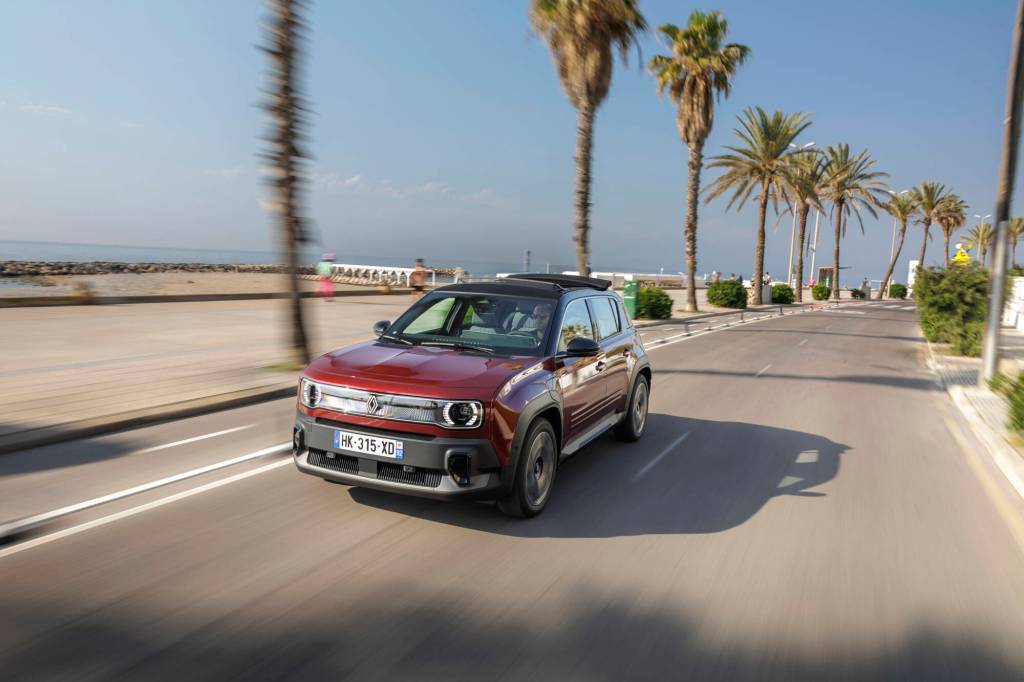
Remarkable, as we know that both cars run on the same Renault Ampere EV architecture. We find the R4 cute enough, and Renault launched for the summer an 4 E – Tech Plein Sud version, with an opening soft roof of class-beating dimensions. Almost one square metre in size, offering the widest opening on the market for an unparalleled feeling of traveling in the great outdoors.
We are keen to have a test spin of both cars soon…
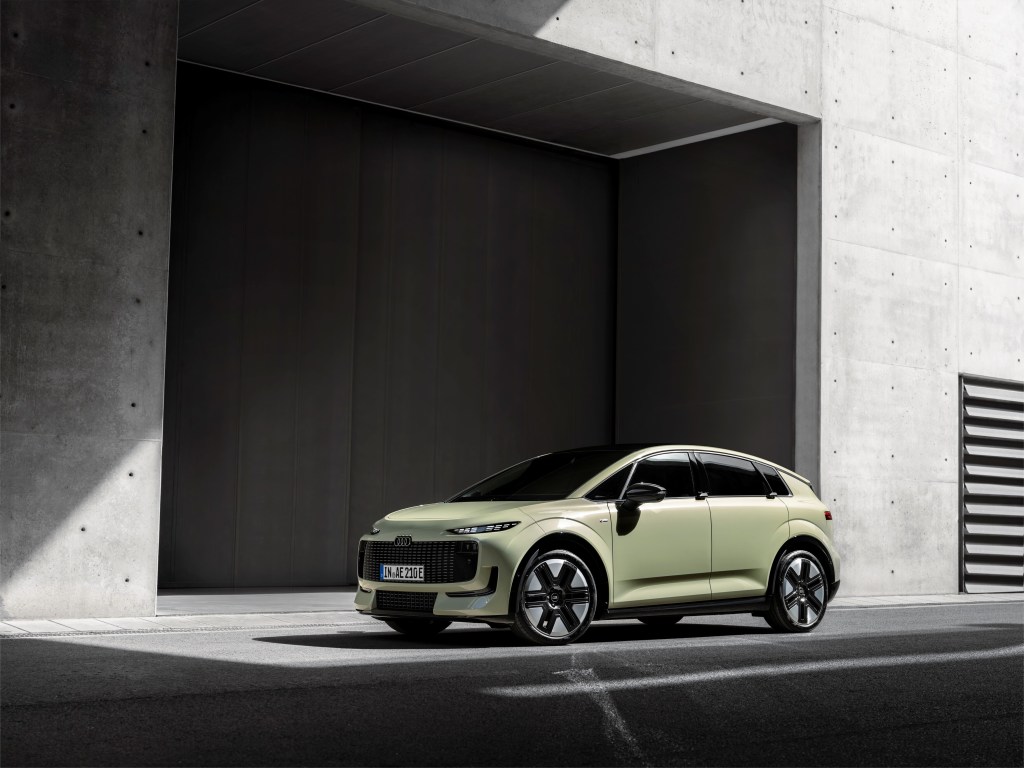
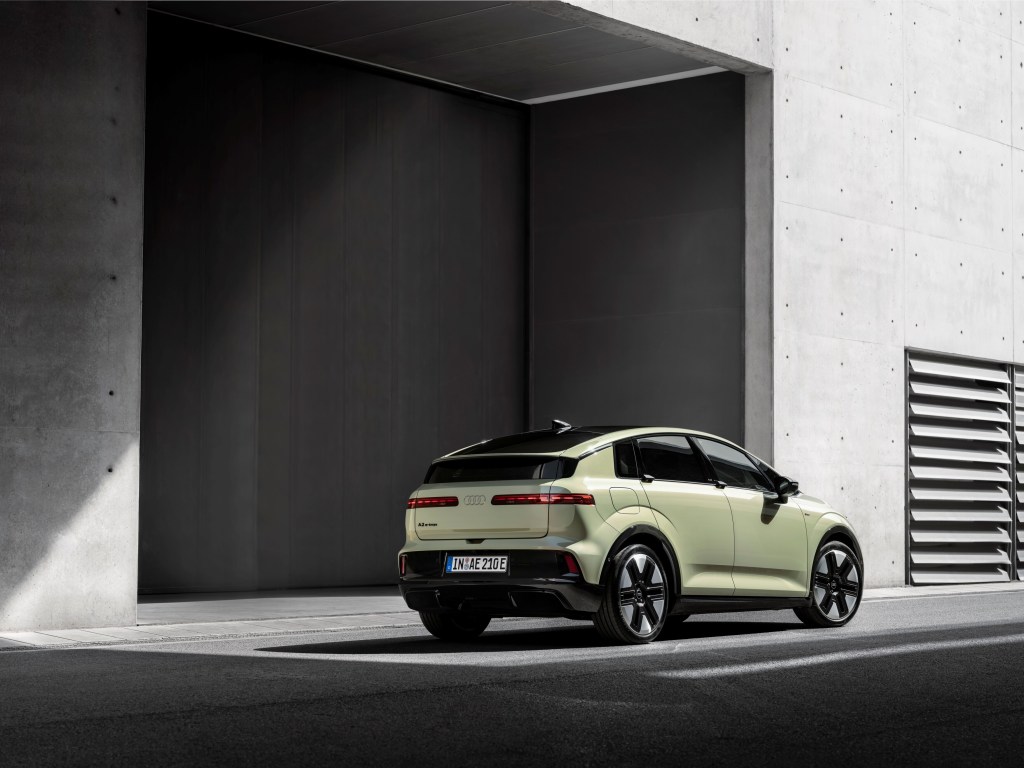
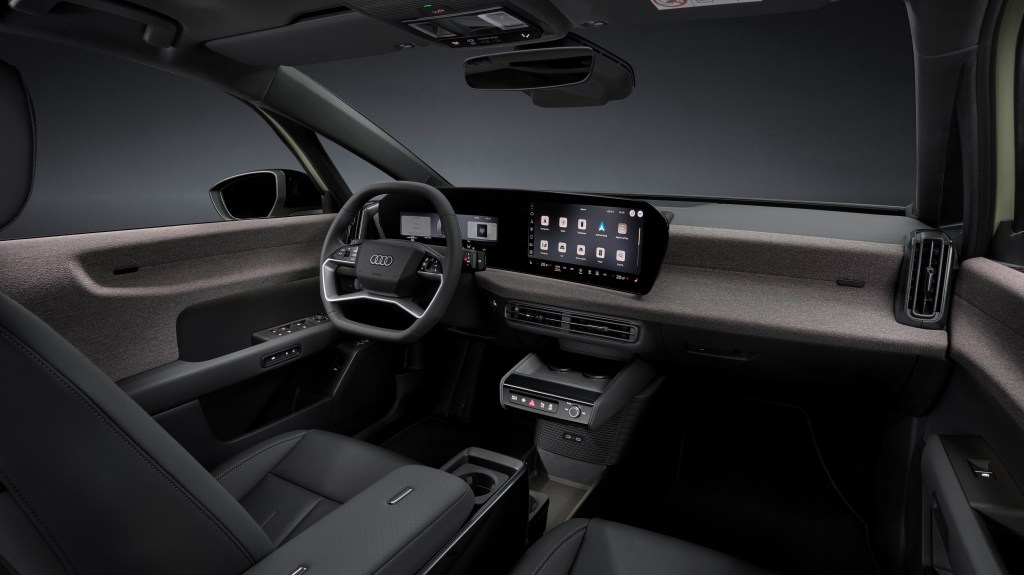
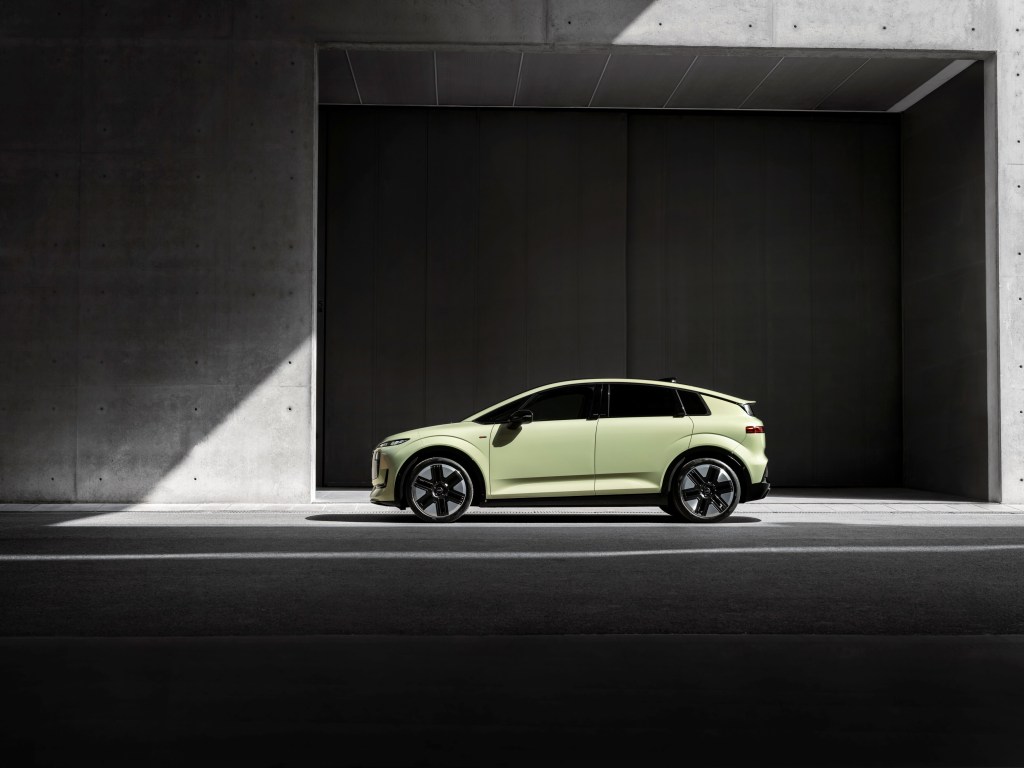
Audi is working hard to carve its niche in the compact EV world with its latest A2 e-tron.
It brings memories of the absolutely genial A2, which was far ahead of its time and been mostly misunderstood.
The overall shape of the new EV is reminiscent of its iconic predecessor, and likewise also reaches new levels of efficiency: just 12.8 kWh/100 km and a range of up to 646 kilometers according to WLTP.
Not only the car is efficient, so is its production process. It is built in Audi’s home plant in Ingolstadt, and we will tell you soon more about its production process…
It has a drag coefficient of 0.24 – the best value in Audi’s compact segment. It has four power levels and three battery sizes, but bi-directional charging is unfortunately only an option. It is spacious on a compact footprint, moreover pleasant with a 1.6-square-meter panoramic glass roof.
It has standard the Audi assistant with artificial intelligence, e-tron route planner, standard MMI panoramic display with 11.9-inch Audi virtual cockpit plus and 12.8-inch MMI curved touch display.
It certainly looks splendid, its market launch is in December 2026, but as a premium brand, it doesn’t come cheap: prices in Germany are starting at 38,200 euros.
Needless to say that we are very keen to see the car “in the flesh” soon, and drive it for you early next year…
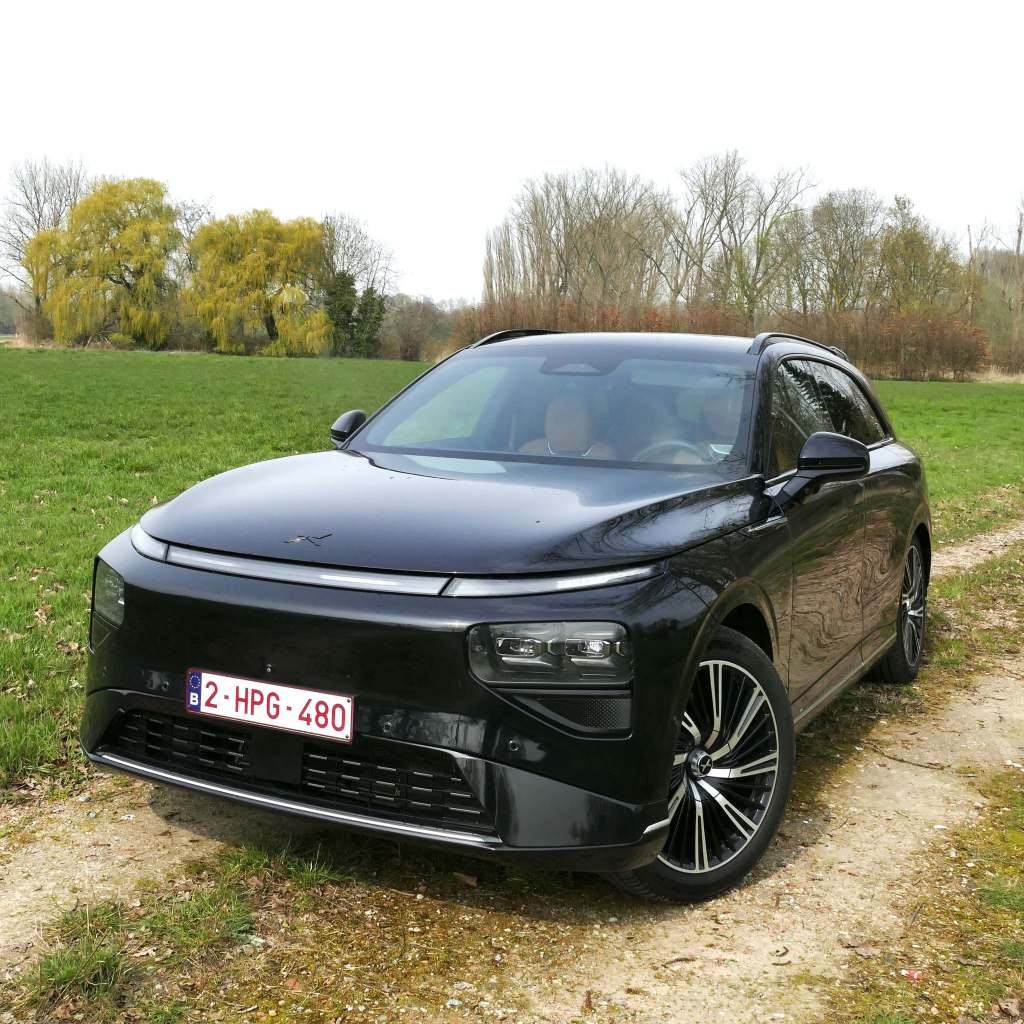
We told you already in our previous test of the Xpeng G6: in the midst of fast developing and competent Chinese car builders, a star is born with Xpeng.
We commented in our columns already about the technological expertise of the brand. It has already substantive corporate relationships with VW, as the Volkswagen group has a 5 % stake in Xpeng and works together with Xpeng in the development of platforms and automotive software. Porsche now also forms a CO2 pool with Xpeng. It left the VW EU emissions pool as Xpeng now sells more and more EV’s in Europe, and could gain regulatory credits from this deal. But now let’s turn to the G9.
Hans Knol ten Bensel
Premium status…
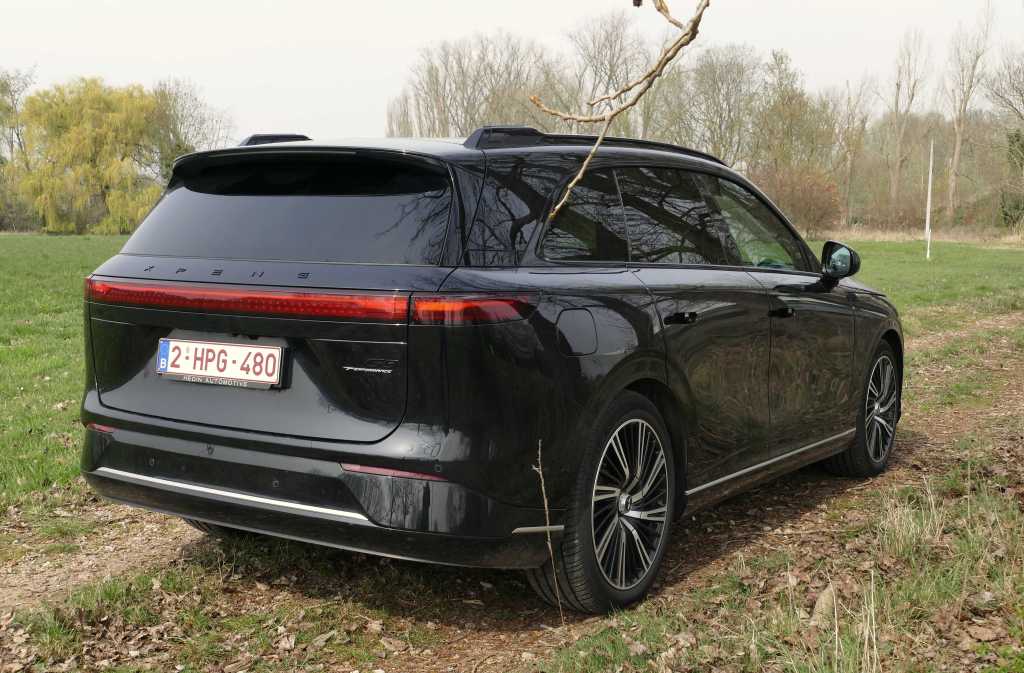
The G9 is a premium SUV in the upper middle class segment, alongside for instance the BMW X5. With its length of almost 4,9 meter, it looks impressive indeed. The G9 can be had below 60.000 Euros when you opt for the standard range version with a 78 kW battery. The long range version has a bigger battery of 98 kW and costs slightly more than 60.000 Euros. There is also a 550 HP performance version with 2 motors and 4WD, the formidable car we tested…
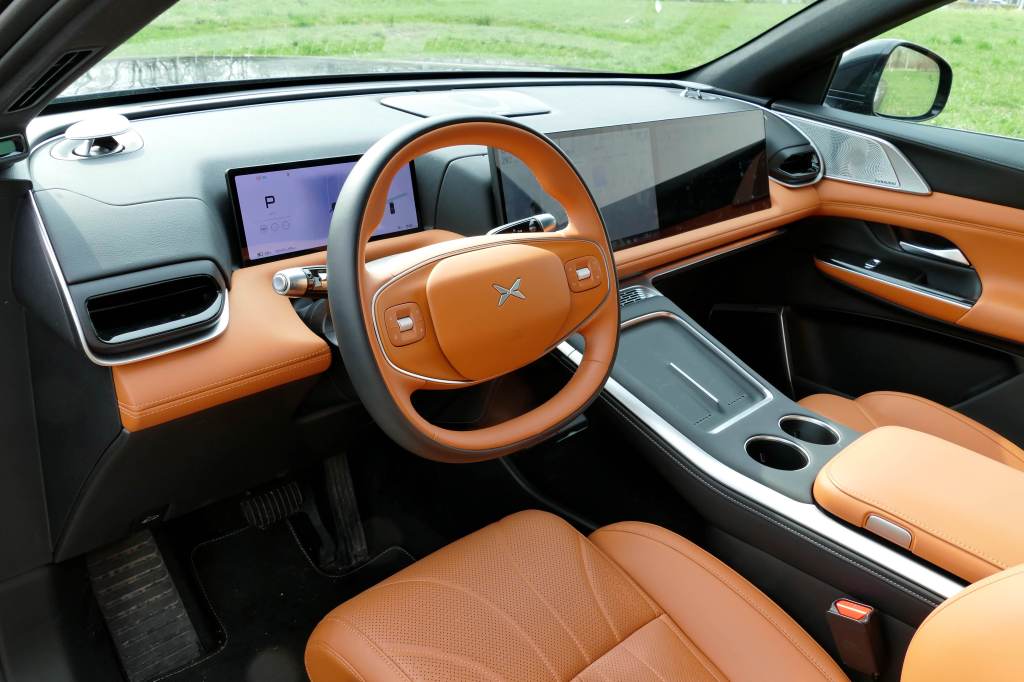
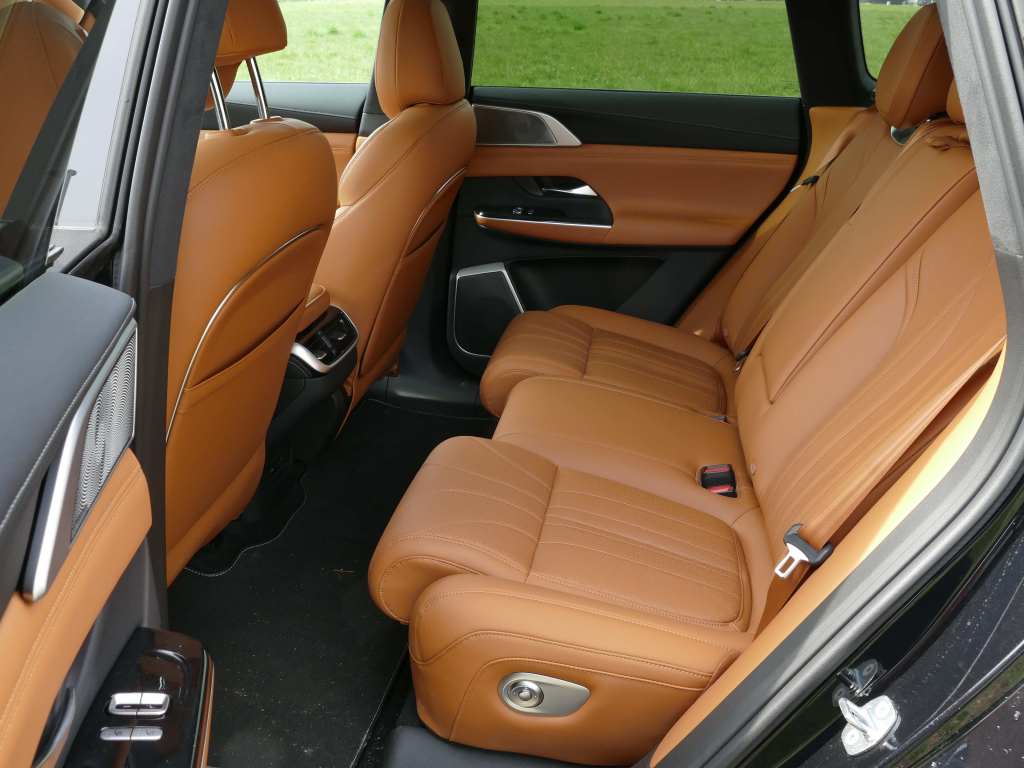
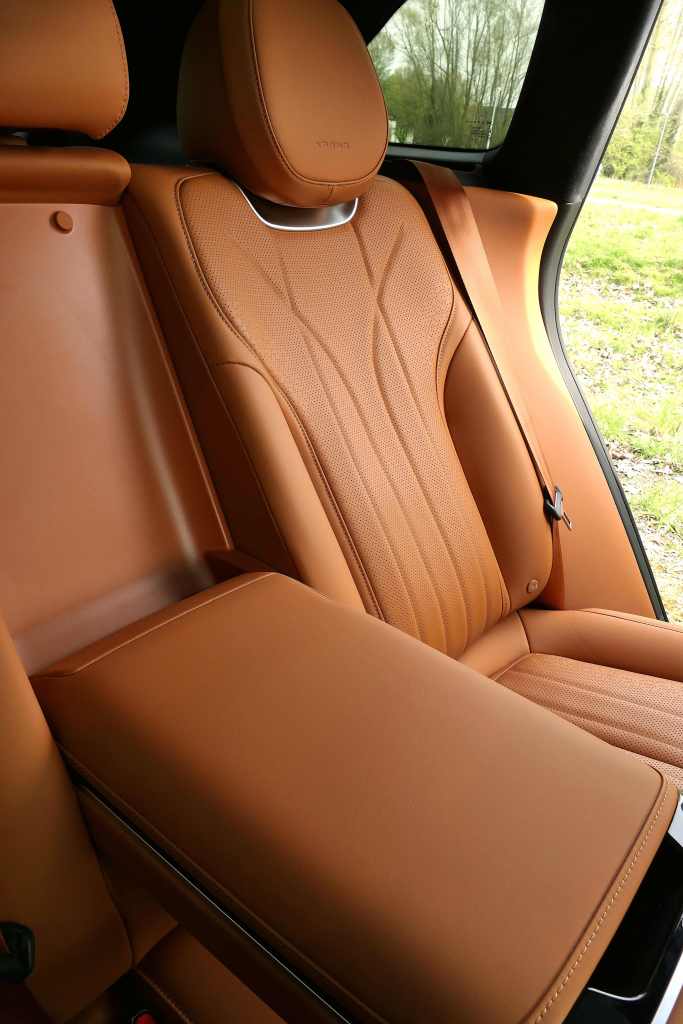
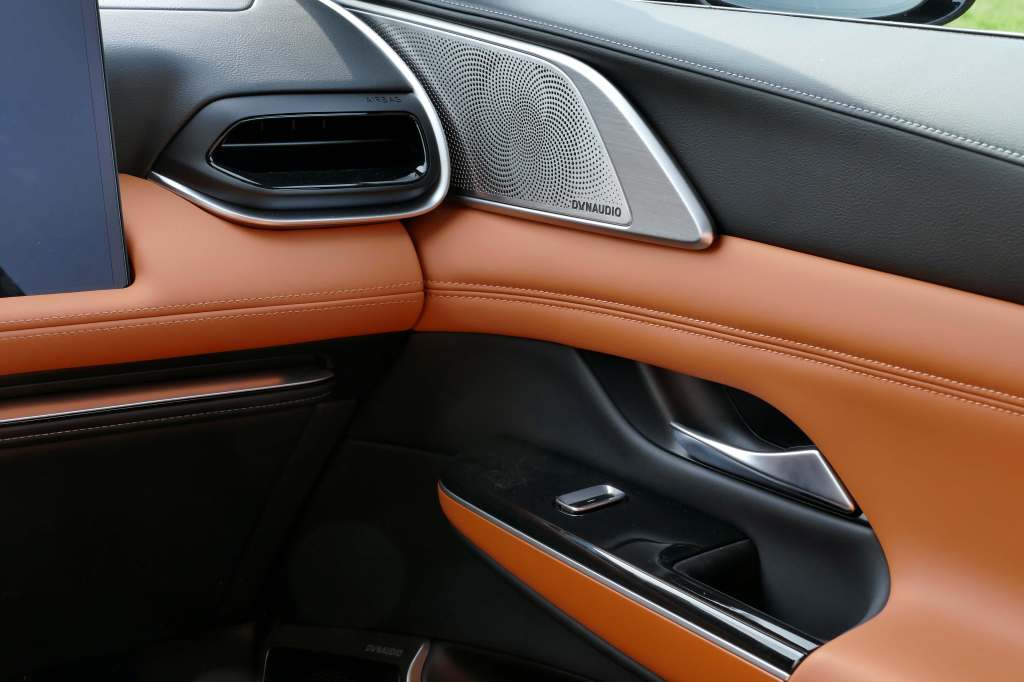
Indeed, the cabin impresses with space and high quality materials, with all the interior panels covered in softly padded artificial leather, giving clearly an upmarket impression. The G9 offers indeed quite a lot of interior space. The front seats offer sufficient head and legroom for the tallest among us, and this goes also in the back. There too you will find ample head- and legroom. The angle of the rear backrests can be adjusted electronically.
The front passenger has also a massive touchscreen in front of her or him. The luggage space is also abundant with 445 liters in standard form, with an extra 45 liters beneath the luggage floor. With all seats folded down, you have 1605 liters at your disposal. There is also a frunk of not less than 71 liters.
Screen time…
When it comes to touchscreens, the G9 offers the lot. There is a 15 inch central screen, and next to it for the front passenger there is another identical one. There also you can adjust ventilation or navigation, but of course you can also watch films.
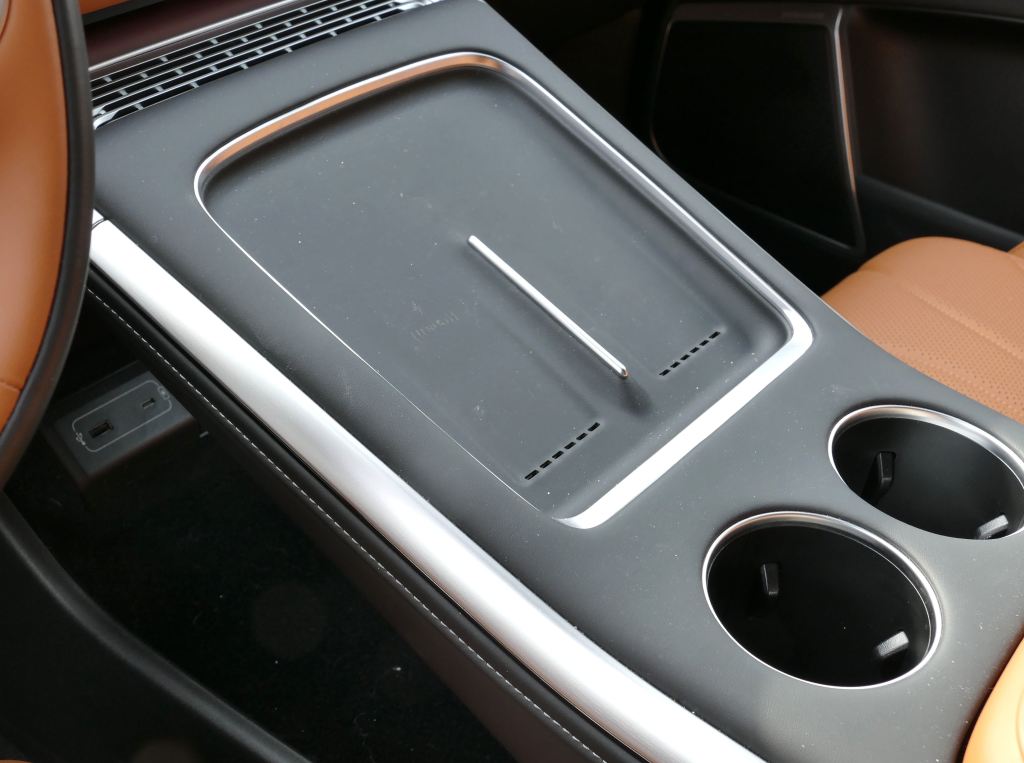
Besides Android Auto and Apple Car play connections, your smart phone is also spoiled with a large charging pad on the centre console, and via the Xpeng-app oln your phone you can monitor and adjust the numerous car functions. You can even steer straightforward parking manoeuvres using your smart phone. Of course, the whole in car software system is kept up to date with over the air updates.
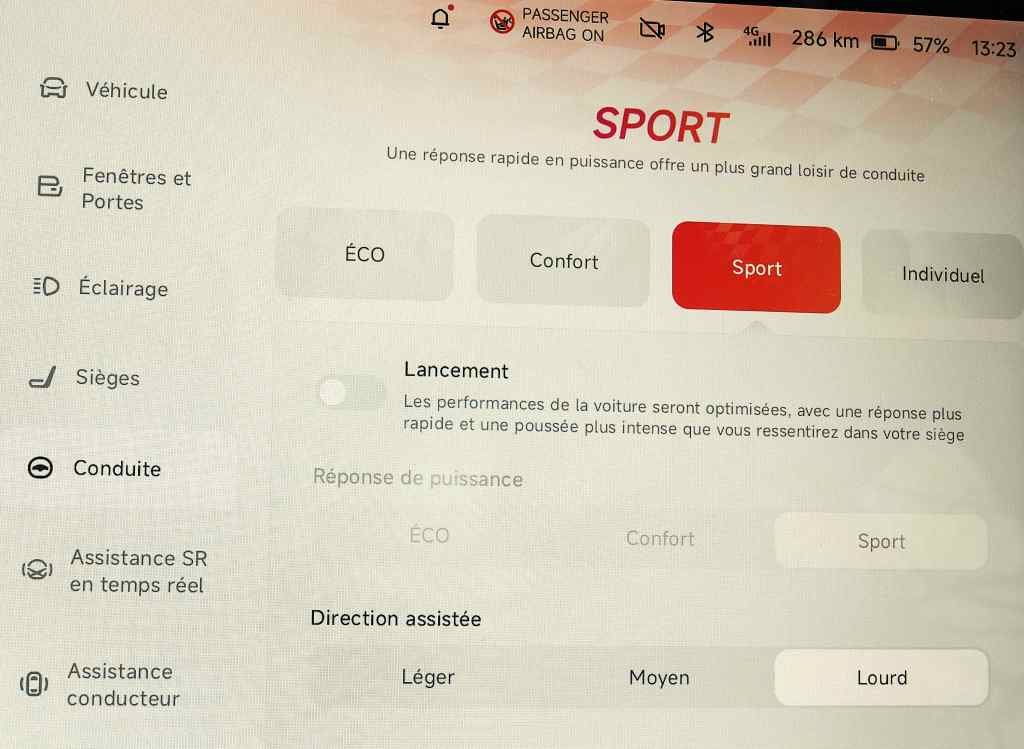
You will find hardly any physical knobs and controls in the cockpit, so the touchscreen is your friend, or enemy…Thankfully the menus are logical and don’t take a lot of time to get acquainted with. For instance, you can adjust a lot, among other things in the chosen drive modes.
You can adjust the responsiveness and amount of the steering assistance level via your touchscreen…
Moving with a whisper
The G9 is silent. The drive train is all but inaudible, and road and wind noise are impressively insulated. The window glass is also thick and the wheel arches are textile covered. The Michelin Pilot V tyres have also a soft inner sound deadening layer.
The air suspension impresses too, delivering besides excellent comfort also decent surefootedness and stable handling. But the big G9 does not invite you to throw it around like a go cart. It is not meant to be, and we notice that in general, Chinese cars are in their setup rather geared towards a safety-oriented driving style, and this G9 is no exception to this rule.
Performance galore…
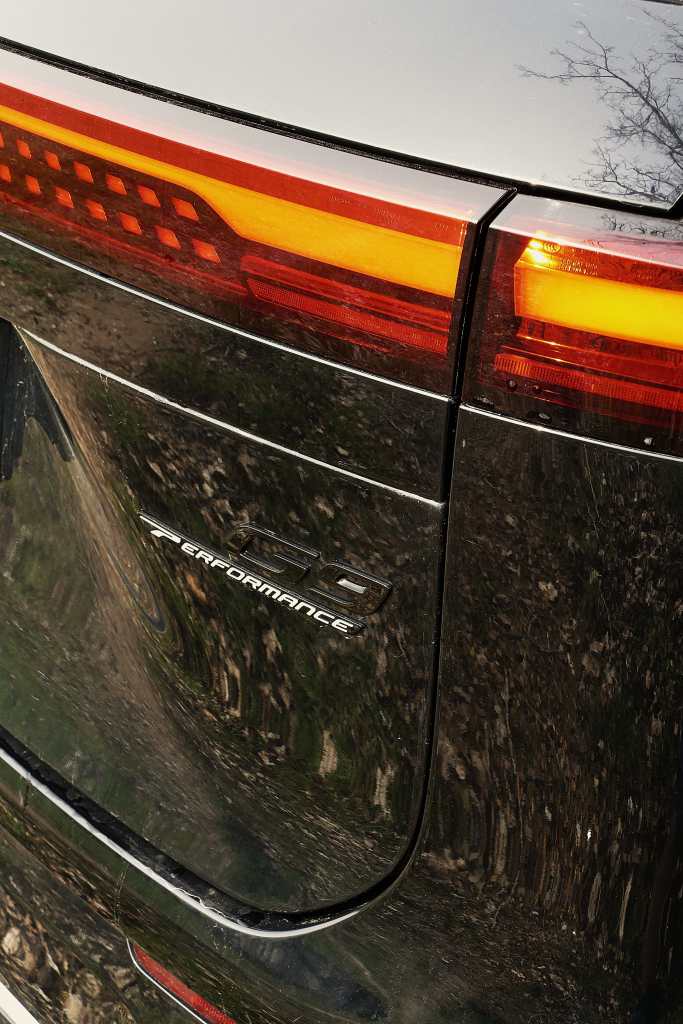
The base version displays with its 313 HP enough liveliness, and indeed a 0 to 100 km/h in 6,4 seconds satisfies also the most performance-hungry enthusiasts. In the Eco function, performance is reduced, but even then it will satisfy most. Top speed of all versions is limited to 200 km/h. Xpeng offers for the G9 also a 4wd two-motor version, and with its 550 HP, it brings total super-car performance with a sprint from 0 to 100 km/h in a breathtaking 3,9 seconds. The aficionados must than choose for “sport” mode of course. As said, we drove this performance version, and it is very impressive to say the least.
Steering wheel response is something you can fine-tune to your wishes, and given the performance of our test car, you are wheel advised to do so.
An 800 V system made for fast charging.
Thanks to the 800 Volt architecture, the Xpeng G9 is built for fast charging in mind. Even the standard version accepts 260 kW, and on other versions up to 300 kW is possible. This means you can charge the battery from 10 to 80 pct in around 20 minutes, just enough to stretch your legs and grab a coffee on your holiday trip on the motorway.
Assisted driving adds comfort
The state of the art driving aids enhance the ease and comfort of this big G9. Sometimes, speed warning signals are a git too eager and frequent, but we expect that via the over the air updates things will improve soon.
The Xpeng G9 is reasonably frugal, where of course much depends on your driving style. The manufacturer quotes 19,4 kWh/100 km for the standard version. The performance version uses 21,3 kWh according to WLTP norm. We managed with some restraint and anticipation to achieve averages between 18-19 kWh. We mention here that all versions can tow 1,5 tonne, and that Xpeng offers a 7 year warranty or 160.000 km.
Conclusion
The G9 certainly offers premium looks, comfort, roominess and performance. The finish and quality of the materials is clearly premium too, and the equipment of this G9 leaves no further wishes open. If you are in the market for a large E-SUV, then take a long, hard look at this sophisticated and elegant Xpeng…