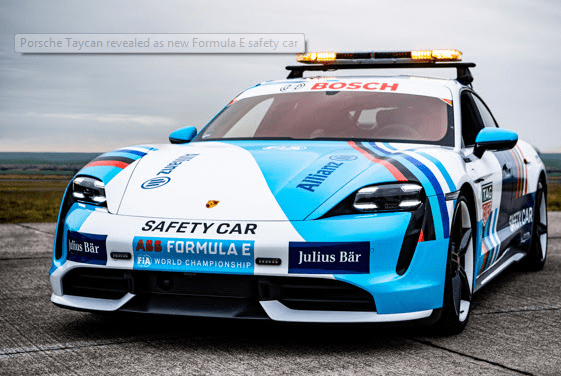
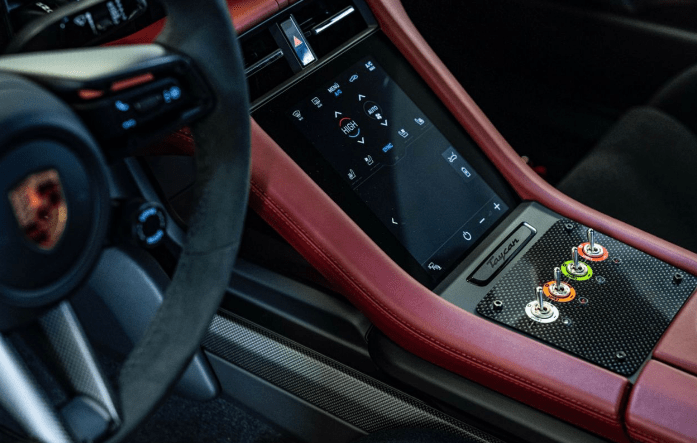
A Porsche with leadership qualities: When the distinctively designed Taycan pulls out of the pit lane and onto the racetrack in the ABB FIA Formula E World Championship, it will quickly take the lead. Porsche’s first all-electric sports car is the new safety car in the innovative electric racing series this season. The vehicle will celebrate its racetrack debut at the opening round of the Formula E season on 28/29 January in Diriyah, Saudi Arabia.
Designed to be more than just the Formula E safety car, the Porsche Tycan Turbo S` striking paintwork flies the colours of all eleven teams competing in the Championship, as well as the colours of the FIA and Formula E. It symbolizes the commitment of everyone involved in Formula E and the common path towards the future of all-electric motor racing.
At the same time, it gives a visual expression of social values such as diversity and community. The number 22 acknowledges the performance of the 22 drivers who contest the series this season.
Thanks to its driveability and safety as well as its output of up to 560 kW (761 PS), the high performance Taycan Turbo S is a very good choice in the critical role of a safety car in the only all-electric motorsport World Championship, racing in the heart of iconic world cities including London, Mexico City, New York City, Berlin, Monaco and Seoul. With Launch Control, the flagship model of the Taycan range accelerates from 0 to 100 km/h in 2.8 seconds and reaches a top speed of 260 km/h.
More Porsche news soon, last but not least about its Museum… Stay tuned!
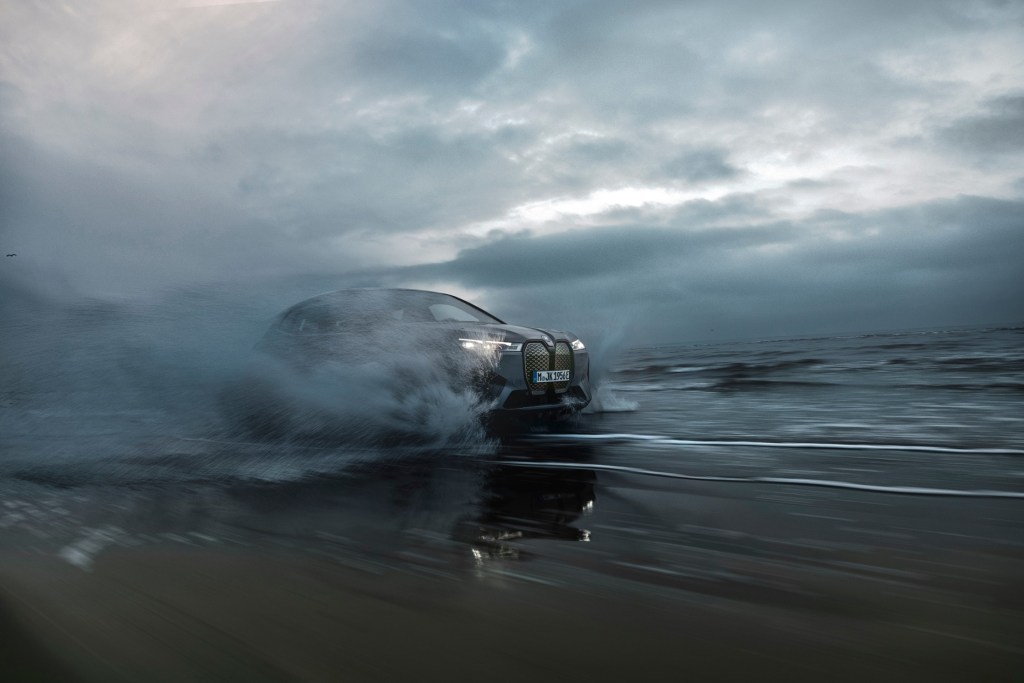
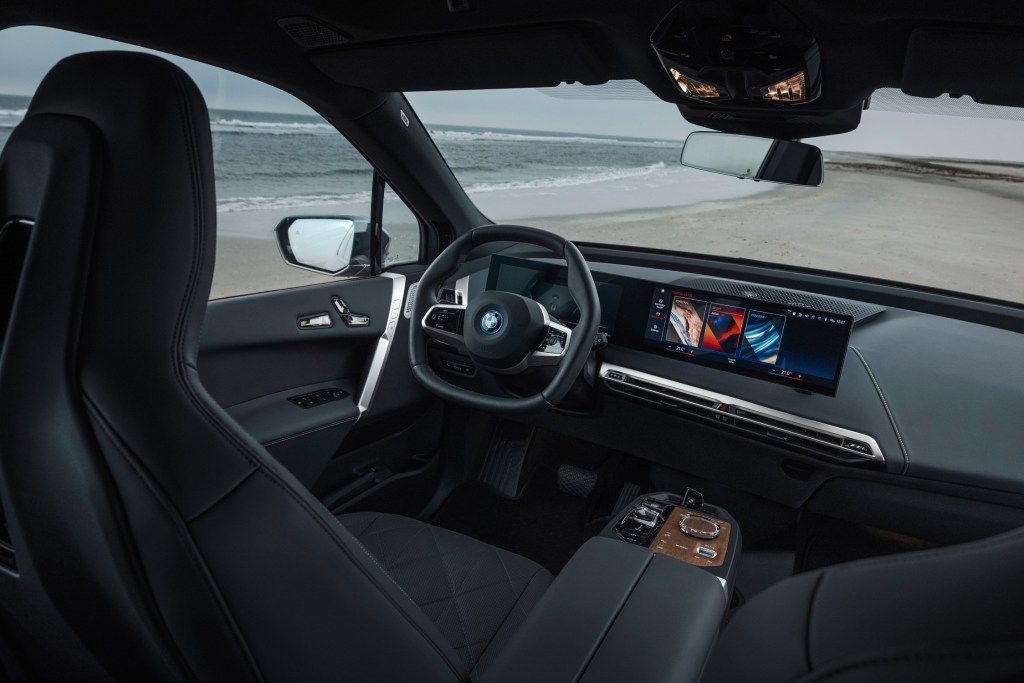
BMW Group reveals for the first time a world premiere of a production vehicle on the CES. It is the new BMW iX M60. It is the first performance automobile from BMW M GmbH developed from the outset for all-electric mobility. And it breathes performance, as a BMW should.
Indeed, the third and even more powerful model of the new technological flagship is at once the most powerful and the fastest electric vehicle the BMW Group has ever produced. With output of 455 kW/619 PS, a maximum torque of 1,015 Nm in Sport mode or even 1,100 Nm when Launch Control is active and with M specific chassis tuning, the BMW iX M60 is bringing a phenomenal performance experience to zero local emissions mobility.
The BMW iX M60 takes just 3.8 seconds* to sprint from a standing start to 100 km/h. The top speed is electronically limited to 250 km/h, making it 50 km/h faster than the BMW iX xDrive50.
The necessary energy for this is supplied by a high-voltage battery with a gross energy content of 111.5 kWh. State-of-the-art battery cell technology permits a range of up to 566 kilometres* according to WLTP and helps to give the BMW iX M60 impressive long distance capability.
There is a lot more BMW news unveiled on the CES, so there is more to come in these columns…
Range and efficiency are set to define the electric era. Outstanding range will make electric cars suitable for every journey and will also speed up the adoption by the public. Exceptional efficiency will create a virtuous circle of battery size and weight reduction, allowing Mercedes to go further with less. Indeed, the men (and women) at Mercedes-Benz are determined to lead the way.
The brand with the star is already leading the charts of real-world range with the EQS with 245 kW (electrical consumption WLTP combined: 19.8-15.7 kWh/100 km; CO2 emissions: 0 g/km)[1], as evidenced by the recent Edmunds test where an EQS 450+ travelled 422 miles on one charge, 77 miles further than any other car previously tested.
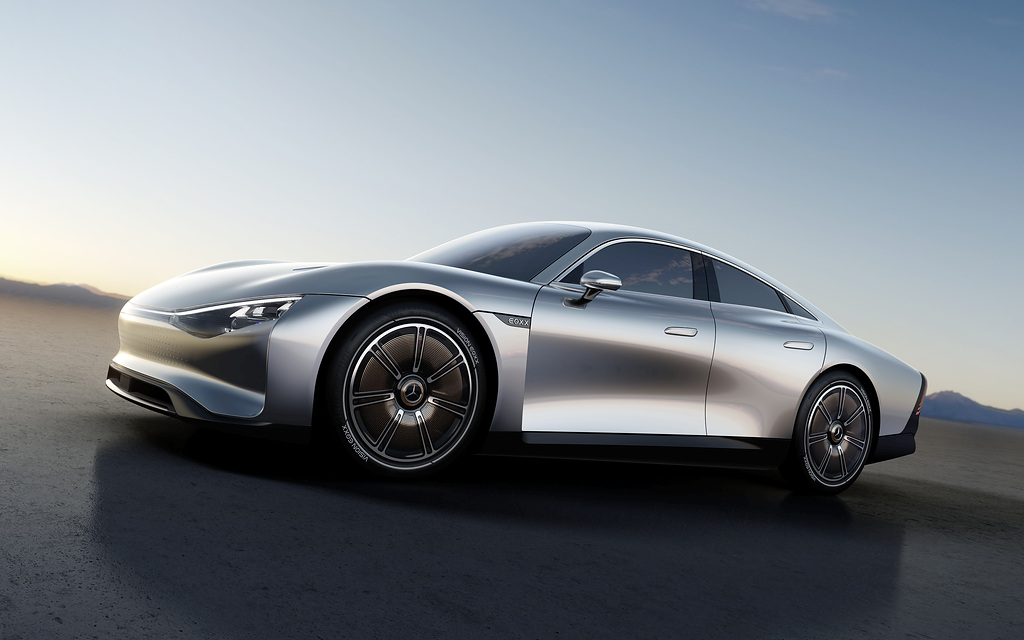
But Mercedes-Benz is not resting. Driven by the idea of zero impact on our planet and a highly responsible use of green energy, the engineers are working intensively to take range and efficiency to a whole new level. The VISION EQXX is the result of a mission to break through technological barriers across the board and to lift energy efficiency to new heights. It demonstrates the gains that are possible through rethinking the fundamentals from the ground up. This includes advances across all elements of its cutting-edge electric drivetrain as well as the use of lightweight engineering and sustainable materials. Complete with a barrage of innovative and intelligent efficiency measures, including advanced software, VISION EQXX allows to explore new frontiers of efficiency.
Mercedes-Benz VISION EQXX, exterior
Ola Källenius, Chairman of the Board of Management of Daimler AG and Mercedes-Benz AG commented: “The Mercedes-Benz VISION EQXX is how we imagine the future of electric cars. Just one-and-a-half years ago, we started this project leading to the most efficient Mercedes-Benz ever built – with an outstanding energy consumption of less than 10 kWh per 100 kilometres. It has a range of more than 1,000 kilometres on a single charge using a battery that would fit even into a compact vehicle. The VISION EQXX is an advanced car in so many dimensions – and it even looks stunning and futuristic. With that, it underlines where our entire company is headed: We will build the world’s most desirable electric cars.”
VISION EQXX – The EV road trip reimagined by Mercedes with a new technology blueprint for series production
There’s a reason why road trips have been a cultural touchstone for at least 70 years, telling stories from the highway in books, movies and music.
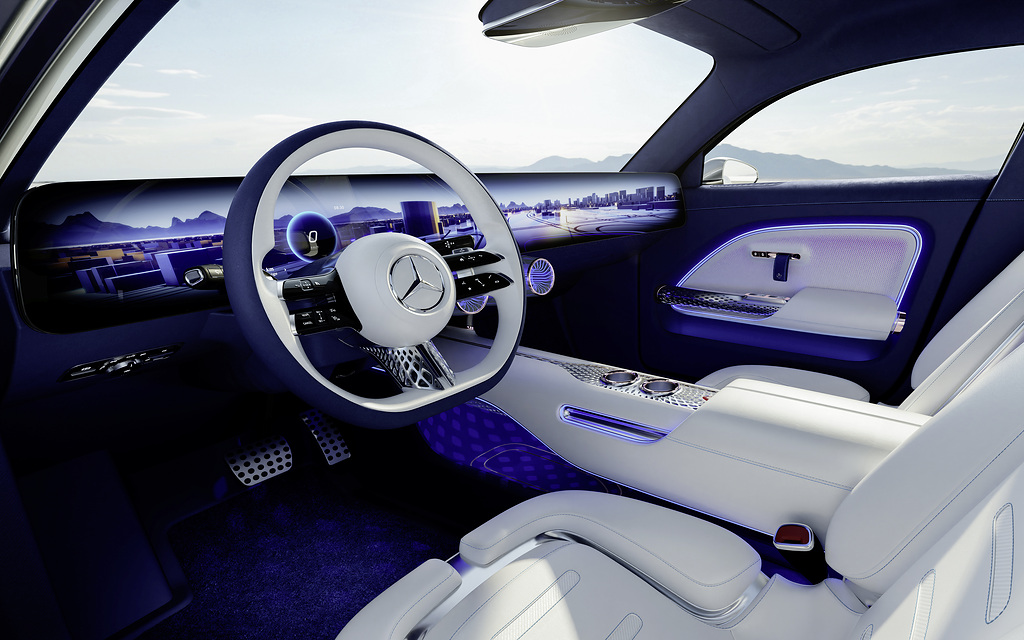
Mercedes-Benz VISION EQXX, interior
The journey to electric mobility is a road trip; as exhilarating as it is challenging, as unknown as it is certain. The Mercedes-Benz VISION EQXX is a vehicle designed for that road trip. It answers the progressive demands of a modern generation of customers for and emotionality through innovation. Part of a far-reaching technology programme, this software-defined research prototype was engineered by women and men with the creativity, ingenuity and determination to deliver one of the planet’s most efficient cars – in every respect. They did so using the latest digital technology, the agility of a start-up and the speed of Formula 1.
The result is an efficiency masterpiece that, based on internal digital simulations in real-life traffic conditions, will be capable of exceeding 1,000 kilometres on a single charge with an outstanding energy consumption of less than 10 kWh per 100 kilometres (efficiency of more than 6 miles per kWh).
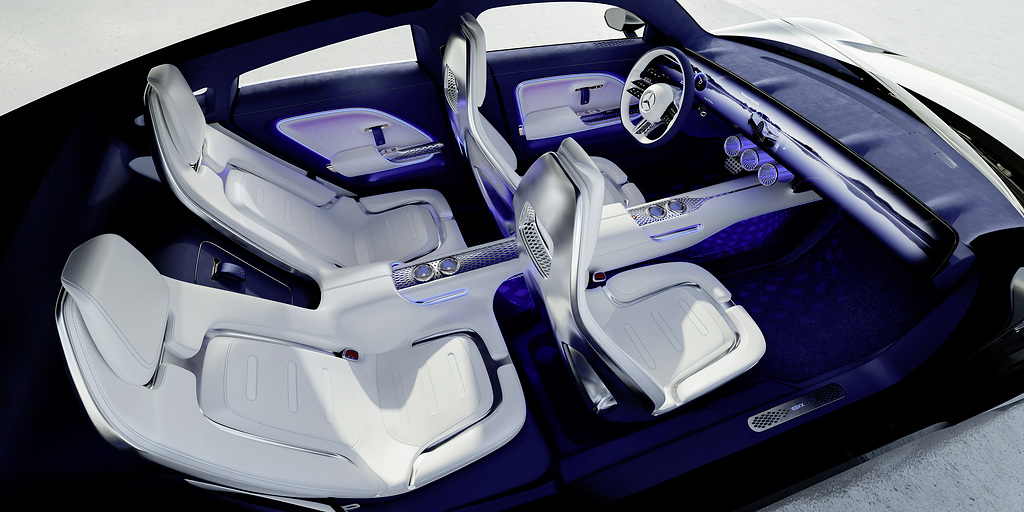
Mercedes-Benz VISION EQXX, interior
By ripping up the automotive engineering rule book, Mercedes-Benz has built a software-driven electric car that re-imagines the road trip for the electric era. At the same time, it presents a highly progressive interpretation of the fundamental Mercedes-Benz principles of modern luxury and Sensual Purity. Rather than simply increasing the size of the battery, the cross-functional, international team focused on maximising long-distance efficiency. They pulled out all the stops in drivetrain efficiency, energy density, aerodynamics and lightweight design.
“The technology programme behind the VISION EQXX will define and enable future Mercedes-Benz models and features,” says Markus Schäfer, Member of the Board of Management of Daimler AG and Mercedes‑Benz AG, Chief Technology Officer responsible for Development and Procurement. “As a halo car, the VISION EQXX firmly establishes Mercedes-Benz as the brand that pairs luxury with technology in the automotive world and beyond. And the way we developed it is as revolutionary as the vehicle itself. VISION EQXX has seen the best minds from our R&D centres work together with engineers from our Formula 1 and Formula E programmes. They are proving that innovations from motorsport – where powertrains are already highly electrified – have immediate relevance for road car development. We are challenging current development processes with innovative spirit and outside-the-box thinking. This truly is the way forward.”
The VISION EQXX is how Mercedes-Benz imagines the future of electric cars.
The VISION EQXX offers meaningful answers to pressing issues. For instance, sustainable materials throughout cut the carbon footprint considerably. Its UI/UX features a radical new one-piece display that comes to life with responsive real-time graphics and spans the entire width of the vehicle. Other elements of the UI/UX help the car and driver work together as one, and even use technology that mimics the workings of the human brain. And the software-led development process that delivered it revolutionises the way electric cars are designed.
This car is one outcome of an ongoing programme that is delivering a blueprint for the future of automotive engineering. Many of its features and developments are already being integrated into production, including the next generation of the MMA – the Mercedes-Benz Modular Architecture for compact and medium-sized cars.
We will come back soon more in detail about this outstanding EQXX…just show you some photos…
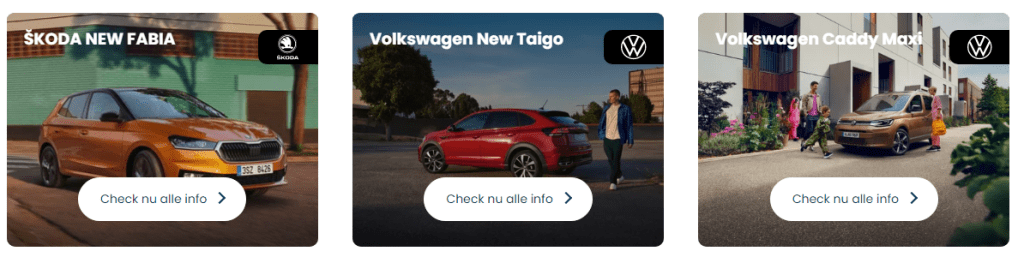
On a special website, D’Ieteren presents Volkswagen, Audi, SEAT, CUPRA, ŠKODA and Porsche, to make buyers choose more easily…
In the first days of this new year, interesting auto news is reaching our desk. Last but not least big Belgian importers are doubling their efforts to reach the car buying public, as there is no Automobile Salon this year due to Covid reasons.
Indeed, the salon period in January is traditionally the time for the Belgian public to think about a new car, even when the Show is not taking place. Today, where the range of models is ever increasing, making the right choice has become more complex. This is how the idea was born at D’Ieteren to offer a comfortable solution in a few clicks by bringing together all the models of the importer and making a ‘short list’ with the ideal model in the first place.
The site suggests these models, but of course the buyer can freely click away and make his personal choice…
D’Ieteren therefore launches for the first time a national multi-brand campaign from January 3 to 31 to coincide with the show period. Volkswagen, Audi, SEAT, CUPRA, ŠKODA and Porsche are joining forces on the new platform Dezewordthet.be/voicimavoiture.be, on which visitors can discover their ideal Top 5 cars based on personal criteria.
Once the visitor has selected their ideal model, they can use the platform to find the contact details of the nearest dealer, request a quote or even book a test drive.
José Fernandez, Chief Marketing & Digital Officer D’Ieteren comments: “This innovative approach takes advantage of the entire model range of the Volkswagen Group and has been designed as simply as possible to guide customers in their choice. It takes into account their criteria of use and the technological developments, especially in the field of hybrid and electric vehicles.”
The launch of the internet platform will be supported by a major communications campaign, including a digital campaign and a major TV and radio campaign.
Manufacturers are working hard to make their cars more sustainable, and certainly the premium cars with an expected long service life have a lot to prove here. So it is only logical that Mercedes for instance is making very big efforts, as they recently communicated. We found it very interesting, as it will become ever more important in the future.
The Mercedes communiqué starts with telling us first how much the new S Class has improved:
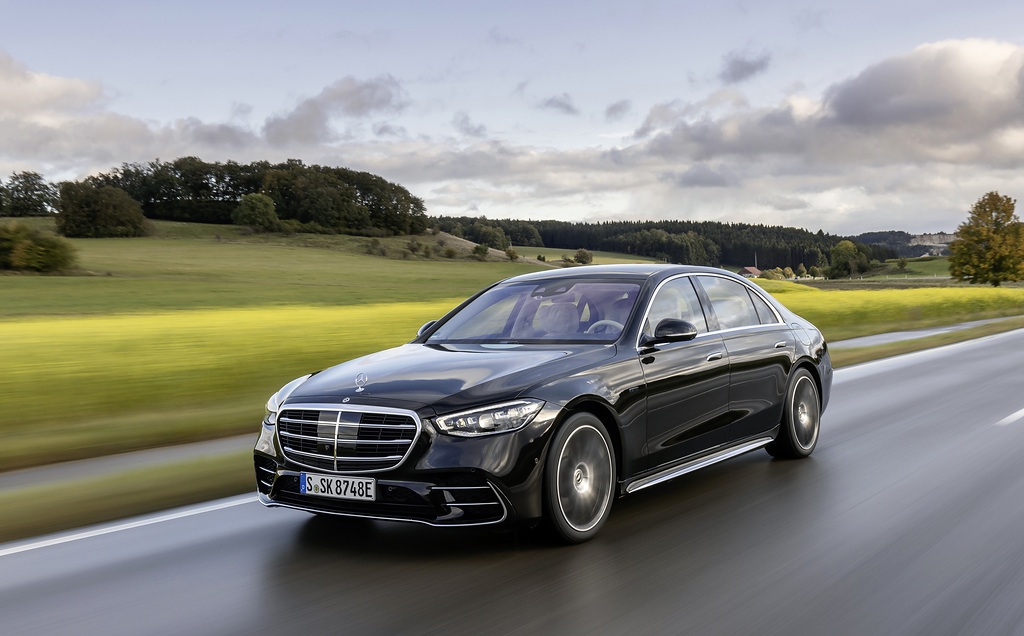
It has twice the electric range with a good 100 kilometres, boasts 110 rather than 90 kW of electric power and a level luggage compartment with through-loading facility: the new plug-in hybrid from Mercedes-Benz, the S 580 e has combined fuel consumption, weighted of 1.0-0.6 l/100 km; combined CO2 emissions are, weighted: 22-15 g/km; combined power consumption, weighted: 24.8-20.7 kWh/100 km.
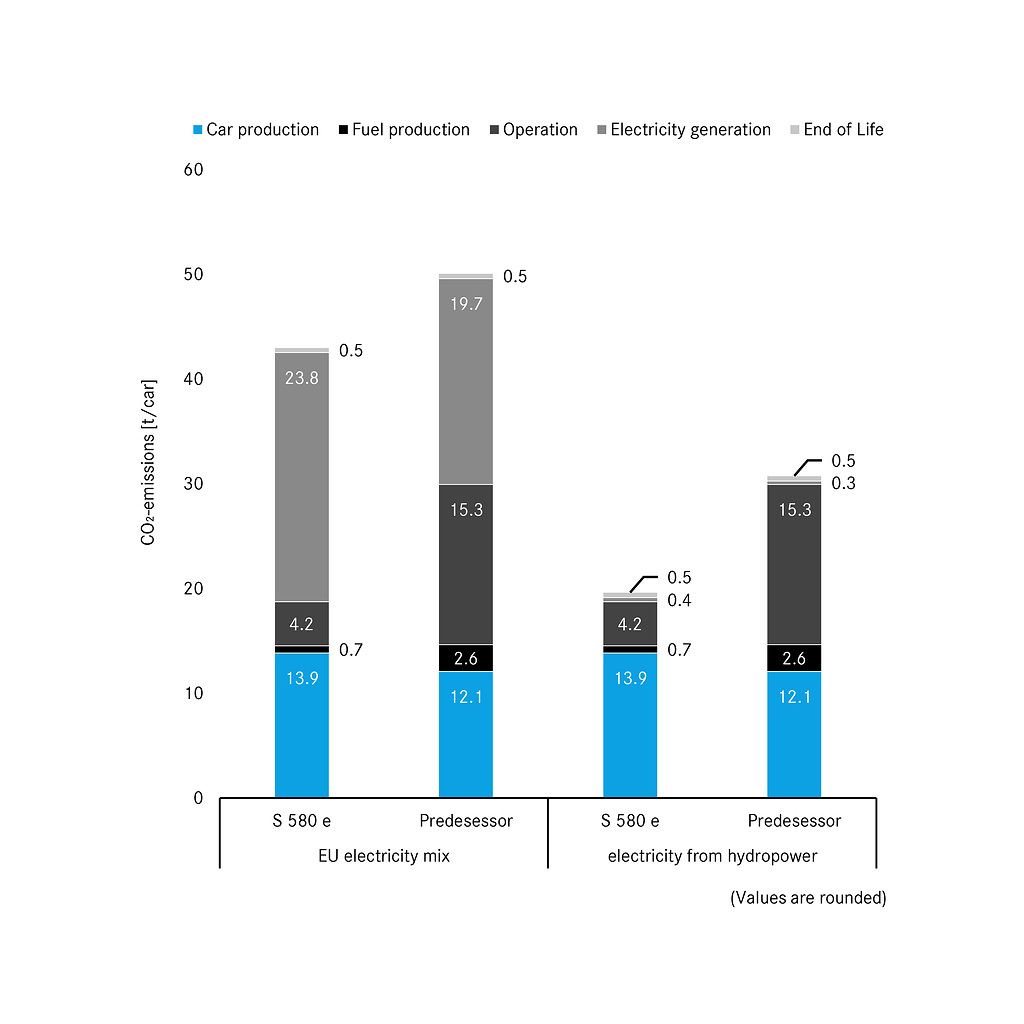
Also very important, over its entire lifecycle, it is more environmentally friendly and therefore more sustainable: if the production, its use over 300,000 kilometres and recycling are taken into account, this model produces around 14.1 % (charging with European power mix) or 36.2 percent (hydroelectric power) lower CO₂ emissions than its predecessor, the S 560 e. This is a result of the Mercedes-Benz 360° environmental check.
“We have accelerated our Ambition 2039 programme to make our vehicles and our company CO2-neutral. We are systematically following this objective, with a comprehensive approach. That is why we look at the entire value chain: from development to the supplier network, our own production, the electrification of our products and the use of renewable energies to recycling at the end of the use phase,” says Markus Schäfer, member of the Board of Management of Daimler AG and Mercedes-Benz AG, Chief Technology Officer, Development & Procurement. “Mercedes-Benz documents these effects precisely, and has the resulting balance sheet checked and confirmed by independent experts The S 580 e has successfully completed this validation audit.”
The S 580 e is produced in the highly flexible Factory 56 in Sindelfingen. Installed on its roof is a photovoltaic system with around 12,000 PV modules and an output of around 5000 kWp (kilowatt peak). This feeds self-generated green electricity to the production shop. The upstream production of materials and components creates more carbon dioxide than for the previous model. This is mainly due to the increased light-alloy content in the bodyshell and the larger high-voltage battery with a capacity of 28.6 kWh. This disadvantage in production can be more than compensated during the service life of the car: doubling the electric operating range leads to a significantly higher proportion of all-electric journeys. Over the entire operating life, there are clear advantages for the S 580 e, especially where CO2 is concerned. This is especially true when renewable electricity is used for charging.
Thanks to the higher proportion of all-electric driving, the consumption of fossil resources (ADP fossil) can be reduced by 16 percent (European power mix) or 59 percent (hydroelectric power) respectively.
More facts are coming out of this 360° environmental check:
A total of 202 components of the new S-Class are made from resource-saving materials. The total weight of these components is 98.9 kilograms.
For example, the floor coverings are made from a regenerated nylon yarn with the trade name Econyl®. This is manufactured by recovering nylon waste destined for landfill, for example old fishing nets and fabric remnants from mills and carpets.
The new S-Class was developed to meet the seal of quality requirements of the European Centre for Allergy Research Foundation (ECARF), and has been awarded this seal. ECARF awards this seal in recognition of products whose allergy-friendliness it has scientifically tested. The requirements are extensive: numerous components from each equipment variant of a vehicle are tested for inhalable allergens, for example. In addition, the pollen filter is tested for correct functioning in both new and used condition. In addition, tests are performed using human subjects.
Dismantling information for ELV recyclers plays an important role in the recycling concept. For the S‑Class too, all necessary information is provided electronically by means of the International Dismantling Information System (IDIS).
Steel/ferrous materials account for about 35.5 percent of the vehicle weight in the new S 580 e. This is followed by light alloys with 27.1 percent and the polymer materials with 18.3 percent.
One sees again that attention to detail and painstakingly thorough development bears its fruits when designing and producing a car, and the oldest car manufacturer in the world certainly has a tradition to uphold…with success!
Just look at the photo and the two graphs, and here we want to point out that on a modern car like the S Class, only 35 % of the whole automobile is still made of steel…
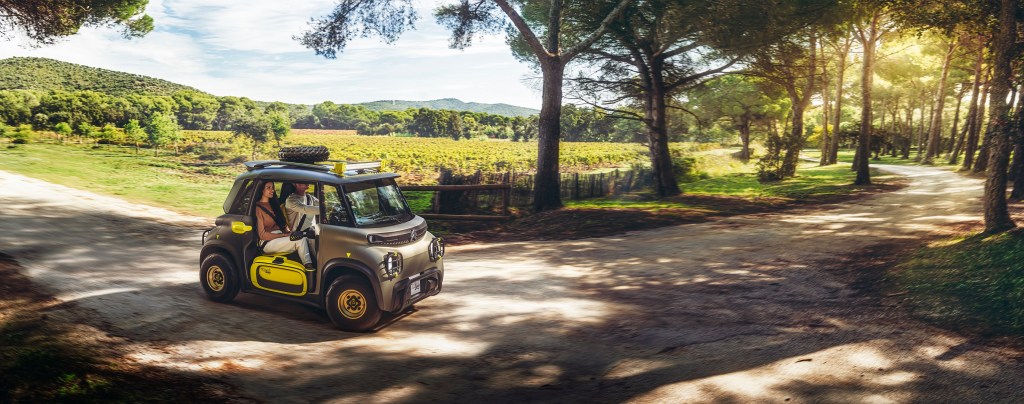
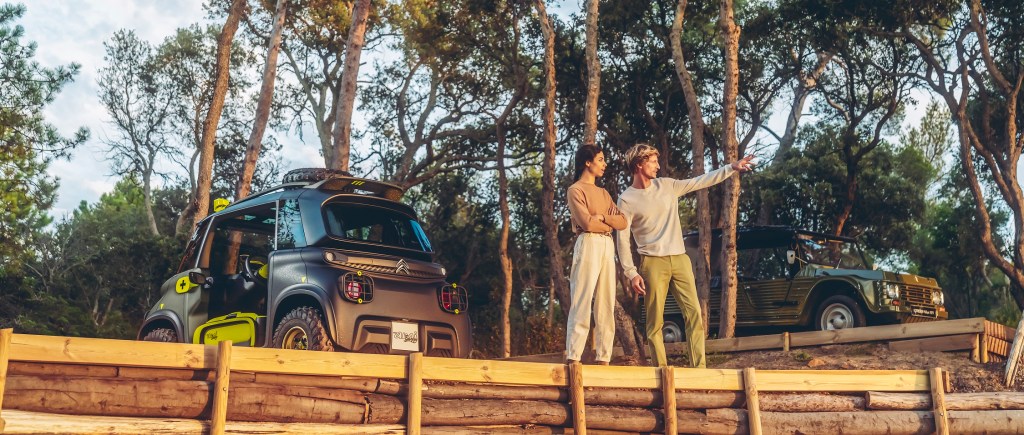
It had to happen: the cute Citroën My Ami city car was due to convert itself in a robust, go-anywhere champion for the outdoor-loving crowd, and here it is… as a concept car.
“This concept expresses without reservation the style of Citroën and draws its inspiration from non-automotive worlds such as building games, industrial design and fashion. The My Ami Buggy Concept” says Citroën, “it has an unbridled style, but remains fully rooted in real life, being at once playful and functional, aesthetic and ergonomic, but also eminently practical and ecological.”
We just cite here its designer, Samuel Pericles:
“The My Ami Buggy Concept is a proposal in line with the philosophy of Ami that is not a car. That is why we have sought inspiration from the world of building games for the playful and functional, industrial design for ergonomics and aesthetics which include everyday objects (furniture, lighting, etc.), fashion accessories (sneakers, sports equipment, glasses, etc.), for example, the camera and smartphone holders with their simple, extruded shapes are inspired by the work of designers who in the second half of the last century created essential and timeless utensils. My Ami Buggy Concept is minimalist, functional, simple, in the purest spirit of iconic contemporary industrial objects.”
My Ami Buggy is indeed a mischievous concept car that every kid from 14 to 77 might want to put on their Santa wish list… more details about this concept car here, and some photos.
Hans Knol ten Bensel
Cute robustness…
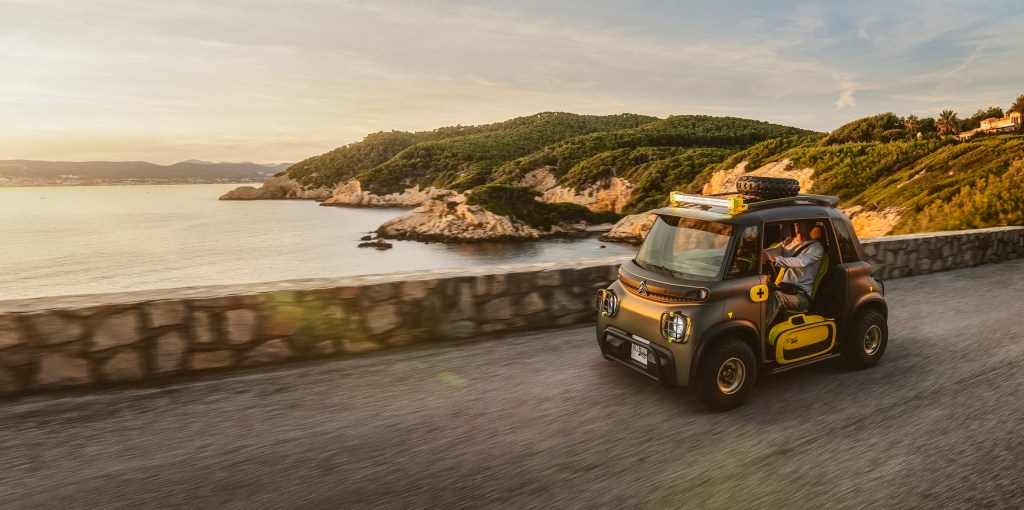
Standing firmly on its large notched wheels, the My Ami Buggy has a distinctly adventurous character, which is emphasized at the front and rear by its bull bars, headlamp shrouds and grilles, bumper panels and front panels with the chevrons in the middle.
On the sides, reworked fender flares and tubular protectors on the undersides of the doors give the car a more muscular appearance. On the roof, the roof rack and spare wheel reinforce the adventurous spirit of the concept. All these decorations are in a single black color, which is dyed directly into the mass.
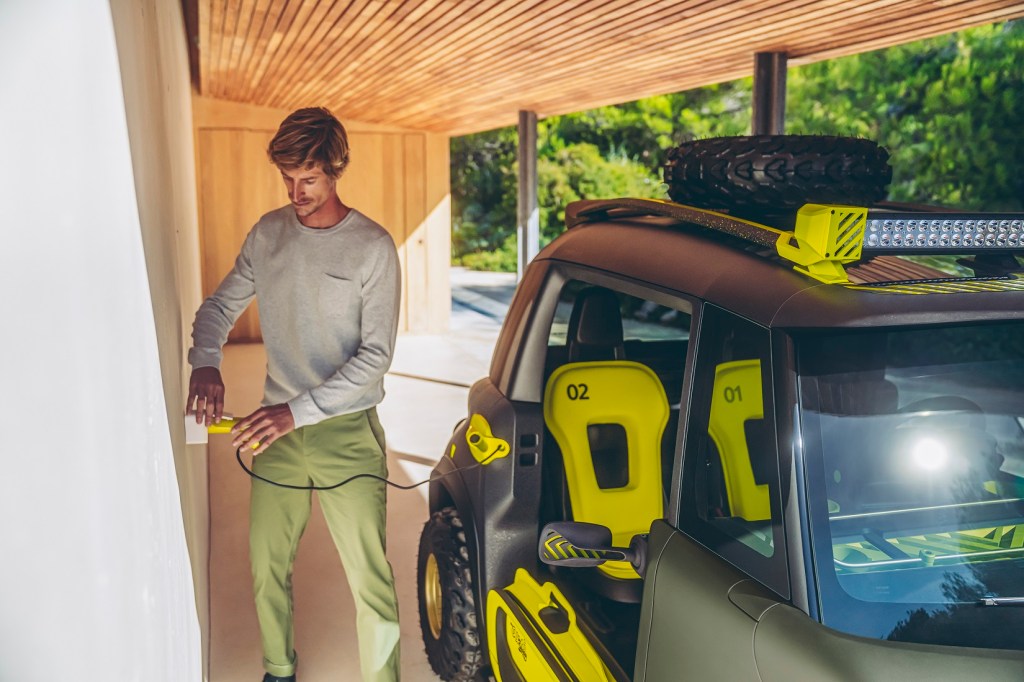
The LED light bar on the front of the roof adds to the sense of adventure when driving at night or in fog. Once the vehicle is stationary, everything is set up for a “campfire atmosphere” thanks to the light diffused by this bar and the sound of its playlist, distilled through the nomadic loudspeaker.
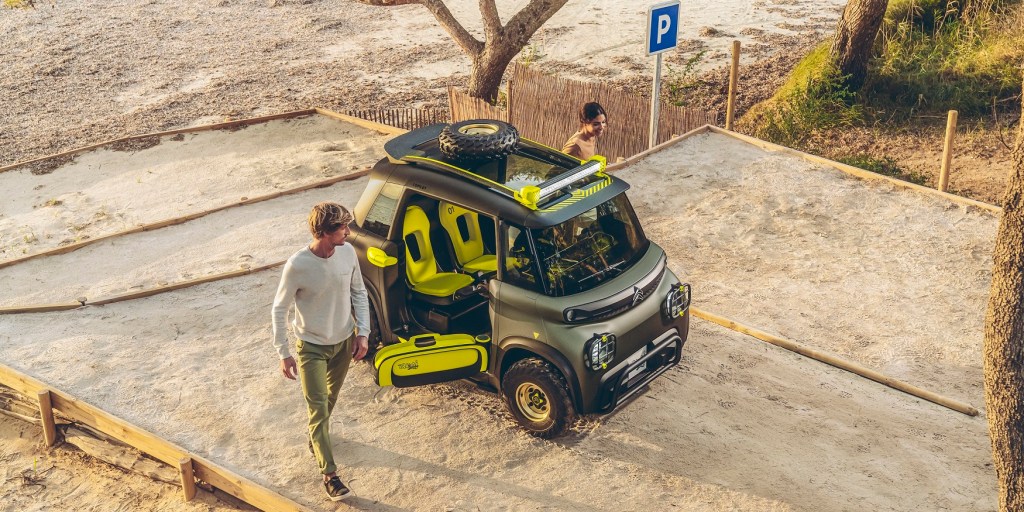
The doors have been removed and replaced with clear watertight covers that can be pulled up in bad weather, a reference to the Mehari. These use sliding latches to close off the cab with a high opening reminiscent of the glass doors of classic vehicles. The practical covers can be removed, rolled up and stored in the backs of the chairs in special covers.
My Ami Buggy Concept is available in a total of three colors: black, khaki and yellow. The black, inspired by camping equipment, enhances the functional and robust character of the vehicle. The different shades of black – anodized black on the wheel arches and roof, textured speckled black for a hammered effect at the rear – match with the anodized khaki and lemon yellow, giving the vehicle a bold look with careful detailing.
My Ami Buggy Concept comes in a two-tone color scheme: Anodized Khaki at the front and Speckled Black at the rear, a play of symmetry that also aims to clearly distinguish the front from the rear of the vehicle.
The color anodized khaki is a nod to nature, because black, synonymous with strength and modernity, catches the light and dramatizes the colors with which it is associated. The choice of black was also motivated by the desire to use a dark, less messy color.
Many key elements of My Ami Buggy Concept are accentuated by a speck of Citric Yellow, such as the seats, the charging cable, the graphics capsule on the doors, all luggage and many accessories. This acidic color also indicates that the articles marked in this way are functional.
It’s all in the details…
The chevron theme, a key Citroën styling feature, is repeated with the same graphic elements on various exterior and interior elements to create a rhythm reminiscent of the Traction’s grille, the center console of the 19_19 concept car, the front roof panels of the Ami One Concept and the design of the Ami’s storage compartments. On the My Ami Buggy Concept they can be seen on the outside of the wheel covers, fascia’s, hood, side skid plates, light rail brackets, underside of bumper and rear of mirrors; and inside on the accessory brackets, storage bins and dashboard.
The word ‘Pilot’ can be seen on the roof on the driver’s side and ‘Copilot’ on the passenger’s side, and in a similar nod to motorsport, the number 01 is engraved on the driver’s seat and 02 on the passenger’s seat to indicate the location of each. Cool!
Yellow arrow stickers under the nose cone indicate the direction of the wind, a reference to aviation. This type of decoration can be found on the wheel arches.
A “+” badge appears on the driver’s side mirror, referring to the electric motor and battery terminals, just like in the parking spaces reserved for electric vehicles.
Originality also continued in the cabin…
The interior design of My Ami Buggy Concept has been meticulously (re)worked on in three areas: the seats, the storage space and the luggage.
The My Ami Buggy Concept has new Advanced Comfort® seat cushions with an increase in foam thickness from 35mm on the “City” Ami to 70mm. The combination of memory foam and seat cushions makes them both light and soft. They are easy to remove from the shell, interchangeable and washable. Their construction, consisting of two shells mounted one above the other, is inspired by the design of a buoy, thus establishing a link with the world of beach accessories.
The storage units are smart and mobile. Each has its own function in the cabin, but can also be taken outside for a picnic or outing.
The storage compartments on the dashboard, accessories already available on My Ami, have been redesigned especially for My Ami Buggy Concept. A matte gold metal gallery is attached above the bins to prevent objects from sliding.
A specific luggage line has also been created, with each piece in harmony with the interior spaces of the vehicle. Storage space is also built into the doors at seat height.
It can hold all kinds of items or a large detachable bag, which is custom and can be opened from the inside. It works like a bag. A nice push button is used to unlock the doors, which, like the Ami, always open in the opposite direction.
The charging cable is attached to the passenger door frame by means of a handle-like element that makes it easier to hold and operate.
Functional, well-designed accessories…
The accessories of My Ami Buggy Concept are not just a mere exercise in style. They had to be also truly functional. The designers adopted the mindset of a leisure enthusiast and came up with functional items to make a trip on board of the My Ami Buggy Concept are both fun and practical.
The design of the interior components was self-explaining to make their use very intuitive. For example, the turning wheel used to hold or adjust objects is used several times, in a spirit of homogeneity. The design instinctively suggests its operation. The fastening mechanisms of many accessories are designed according to the same model and are arranged transversely, so that they can be detached and placed in different places in the passenger compartment, as a mounting kit.
This is for example the case with the support for attaching a camera or camera, a must for capturing and sharing the highlights of a journey or the landscapes you pass… Equipped with a universal screw suitable for all types cameras, it can be retracted thanks to the release button integrated into the part and can thus be placed on the four anchor points located on the vertical moldings of the driver and passenger doors. A touch of genius!
The exterior mirrors can be adjusted by means of the ball joint integrated in the mounting device and can be mounted in the places provided in the door pillars. They are also removable.
The cup or bottle holder can be placed on the dashboard or on the holder instead of the My Ami bag holder.
The smartphone clamp developed for My Ami, located on the right side of the driver’s seat, transforms in the My Ami Buggy Concept into a support in the form of a cylinder with a clamping wheel at the right end of the object to hold the device. The tube can be engraved with the owner’s name and surname, a must for some.
A new conical bracket has been designed to fit the mobile speaker into the rounded shape of the dashboard behind the steering wheel.
Thanks to 3D printing, the step from idea to reality is made quickly. Each of these accessories has been the subject of an original design, as they are 3D printed and can therefore be reproduced at will.
The My Ami Buggy Concept, is for the moment a style study that you might want to put on your Christmas list. It illustrates one of the many faces that Ami could take on, the atypical mobility object developed by Citroën, ready to explore new areas. A runabout that I would love to have in my holiday home, but then, could it be sitting there for several (winter) months without using it? Would the batteries endure this? Hmmmm, wait and see…
Dear reader, I will be driving a BMW Z4 Coupé until the 24th of December, on Christmas eve… so indeed, driving home for Christmas. And I will certainly be listening to the iconic song by the same name… Also the choice of the BMW is fitting, as MINI belongs to the same group.
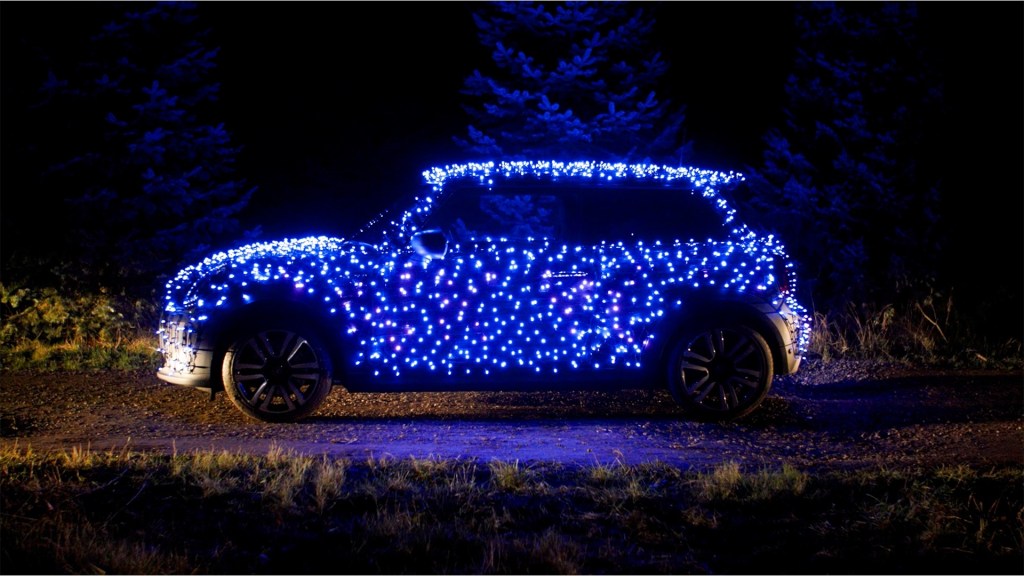
And this because that the all-time classic “Driving home for Christmas” was composed by Chris Rea in 1978 in… the Mini of his wife. MINI is now dedicating a specially produced video clip to the song that gets people all over the world in the mood for the festive season every year, starring the global MINI community.
The production of the video is another highlight in the MINI’s current brand campaign titled BIG LOVE. The motto is, as MINI puts it, “an expression of diversity embraced in practice in all its forms, welcoming fresh thinking and new ideas no matter where they come from.” The MINI community’s characteristic blend of individuality and the sense of belonging together plays a central role here, MINI says too. The diversity of this community is summed up by the slogan “We are all different, but pretty good together”.
With the video clip production initiated by MINI, “Driving Home for Christmas” returns to where it all began: in a very special British automobile. Because the journey that inspired Chris Rea to write his successful song was taken in a classic Mini. In the video clip, the original journey from London to the north of England is reflected upon and combined with scenes showing MINI fans of today on their pre-Christmas journey. You MUST see it, and here is the link: https://www.youtube.com/watch?v=B2we7JdB7iY
We just let you look at some photos to get you in the mood, and enjoy also the sound track!
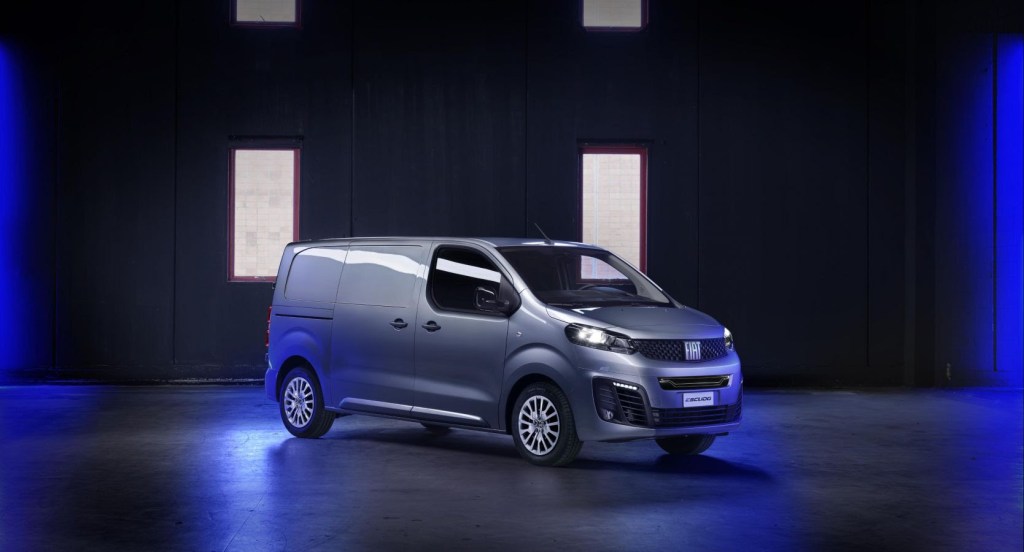
A new Fiat Scudo is available for ordering. This new Scudo, after the E-Ducato, is the second Fiat Professional commercial vehicle also available in an electric version.
This is another important step in Fiat’s Electric journey. Of course, here we also await a Hydrogen version soon. The Scudo runs on the same platform as the Citroën Jumpy, and is built in the same French factory. So it is certainly in the cards that it will also be converted to Hydrogen in Rüsselsheim…
The Scudo for now has a 50- or 75-kWh battery, and offers a range of up to 330 km (WLTP)
Flexibility is important in the cabin, and thanks to the “Moduwork”, it can commute the double passenger seat bench in a workstation and in a loading bay extension.
The “car-like” driving comfort, the “urban-fitting dimension” (max height 1,9mt), the ergonomic cockpit and complete set of ADAS and safety features delivers to the customer a stress-free, zero-emissions together with outstanding comfort, according to Fiat.
The Scudo is available with full-electric and diesel powertrain with manual or automatic transmission and can now be ordered in four versions and up to three lengths: Van, Crew Cab, Cab with platform, and Combi M1.
By the way, did you know that Stellantis will produce the Fiat Scudo also in Russia and export them to other markets?
Stellantis owns a 70% stake in a car plant in the Russian city of Kaluga, where it plans to produce the vehicle by 2022. Mitsubishi owns the remaining 30% stake…
The development of fuel cell technology is now taking on a new dimension at CITROËN with the production of the first ë-Jumpy Hydrogen. Indeed, the CITROËN ë-Jumpy Hydrogen, assembled in France in the SevelNord-factory, is being adapted to hydrogen in the hydrogen-fuel cell expertise center of the STELLANTIS-group in Russelsheim, Germany…
This ë-Jumpy Hydrogen has therefore the same technical specifications as its Opel sister car, the Vivaro e-HYDROGEN. Like the Opel, it retains a 10.5 kWh lithium-ion battery, which provides dynamic peak power when required, for example, at start-up and under acceleration. Since the battery covers power needs in such situations, the fuel cell can run at optimum operating conditions.
Post-production : Astuce Productions
Citroën also wants their car to be put to the test in daily practice as soon as possible. This first ë-Jumpy Hydrogen will be delivered in the coming days to the SUEZ Group, which is preparing to test this model on a large scale at its Carcassonne site, a pilot site where SUEZ is investing in the production of green hydrogen, an important challenge for the coming years.
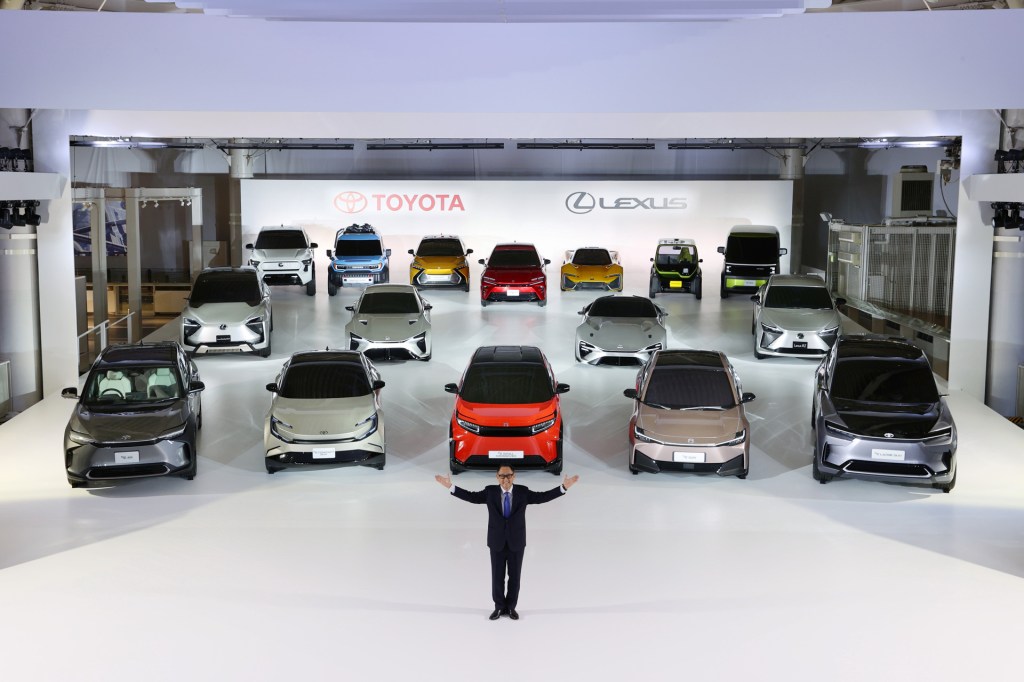
Toyota now takes the BEV market very seriously: Akio Toyoda, President of the Toyota Motor Corporation, seen on the photo above, today presented news concerning the company’s carbon neutrality strategy, by outlining its plans to offer 30 battery electric models by 2030 (Toyota & Lexus combined).
The company expects total global battery electric vehicle sales to reach 3.5M by 2030, and this announcement underpins the plan of for a 100% CO2 reduction in all new vehicles sales by 2035 in Western Europe.
Toyota’s bZ (beyond Zero) battery electric family in Europe is also soon to expand with introduction of a compact SUV as follow up to bZ4X launch. Not less than three battery electric ‘Toyota bZ’ vehicles are planned for Europe by 2025.
Toyota will further increase its investment in batteries from the 1.5 trillion yen – which was announced in September – to 2 trillion yen (15 billion euros).
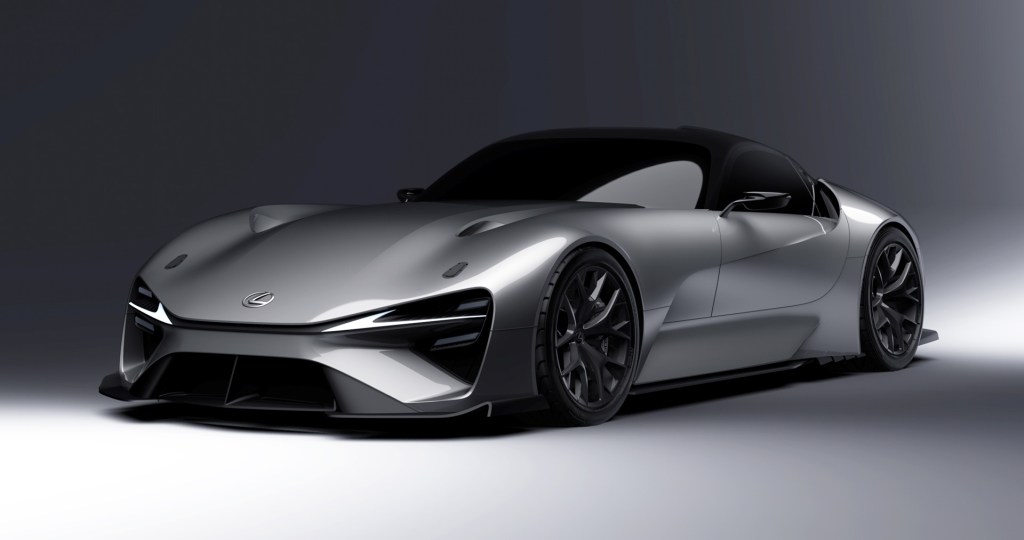
The Lexus electrified sport will have formidable performance and range…
Now let’s turn the spotlight on Lexus:
Lexus aims for 100% battery electric mix in Europe, North America and China by 2030
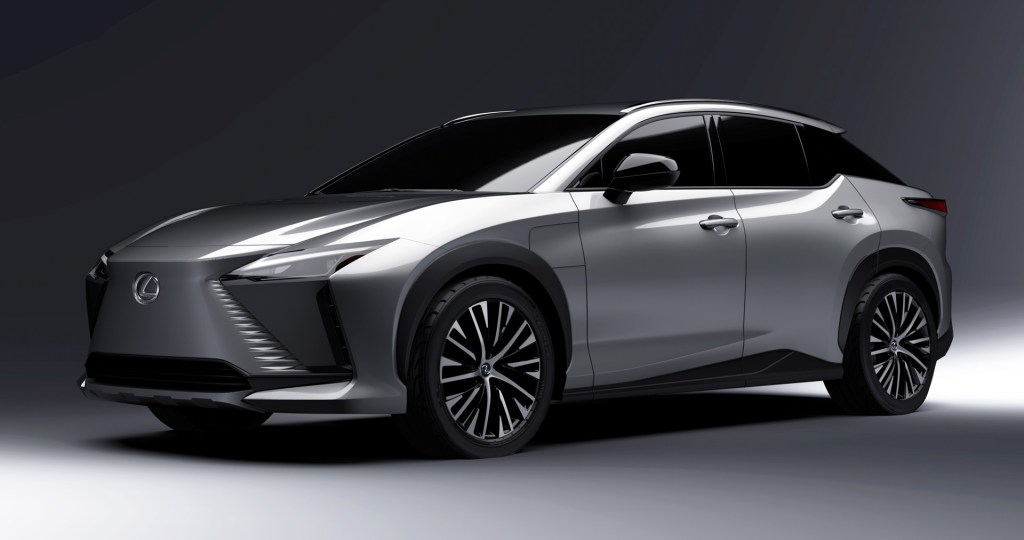
The full name of the new Lexus BEV (that will be launched towards the end of 2022) was revealed: the Lexus RZ450e. See the photo here below…
The Lexus Electrified Sport (Sports BEV) concept was also shown: it offers impressive Lexus driving performance, with an acceleration time that will be in the low 2 second range and a cruising range over 700km.
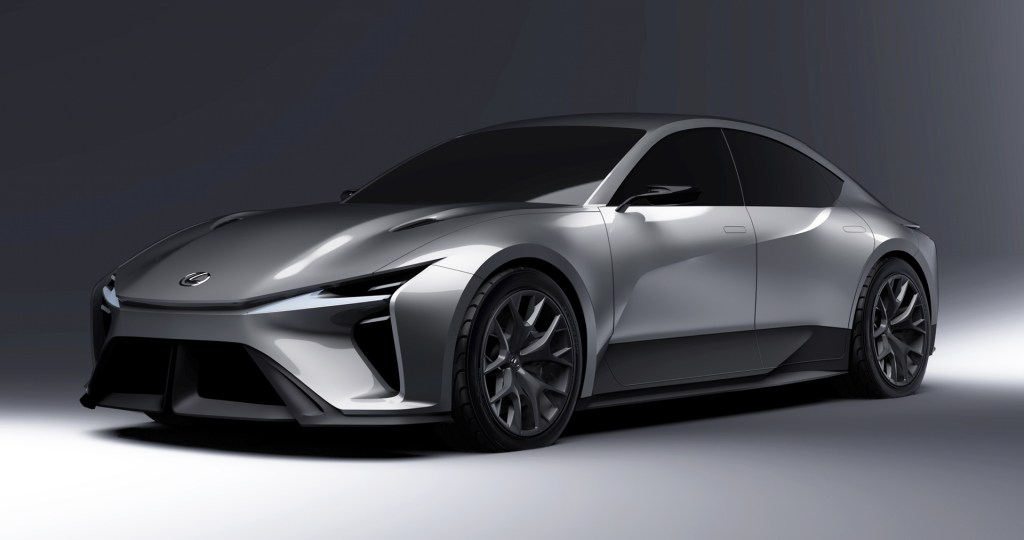
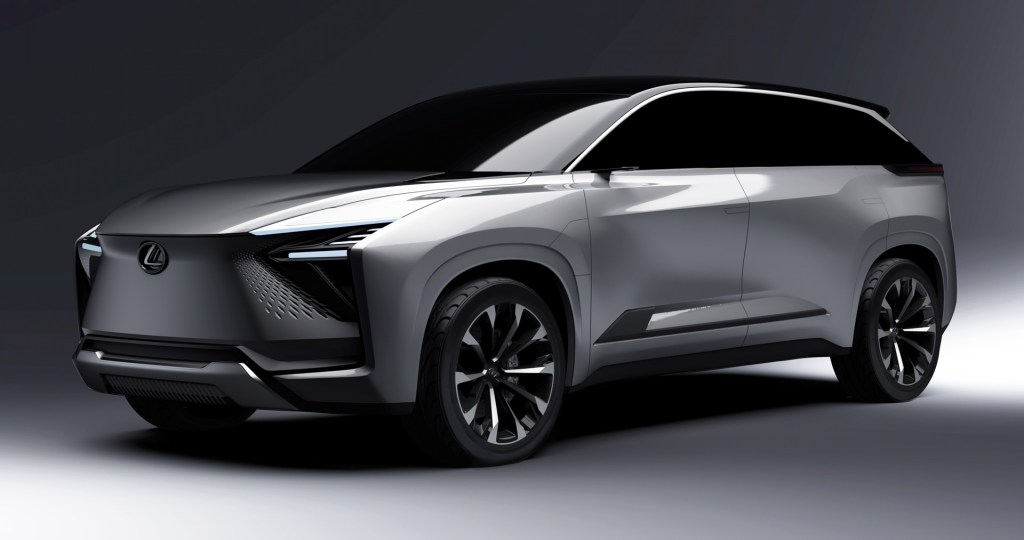
There were also two other future concepts were shown: the Lexus Electrified Sedan (BEV Sedan), and Lexus Electrified SUV (SUV BEV). We show you the photos here.
The Lexus electrified sedan…
More interesting Toyota/Lexus news to come. Faithful readers know that we are the a satisfied owner of a midnight blue Lexus CT 200h, which proves to be not only frugal with an average consumption this year of 4,7 liter/100 km, but also utterly reliable and recently passed the yearly technical inspection with flying colours. A report will follow soon. Stay tuned!




















 Autoprova - for the Connaisseur