BMW rides you into an enhanced real and virtual world at CES Las Vegas…

The BMW Group is sharing its vision of the future digital experience, both inside and outside the vehicle, at the Consumer Electronics Show (CES) 2023 in Las Vegas.

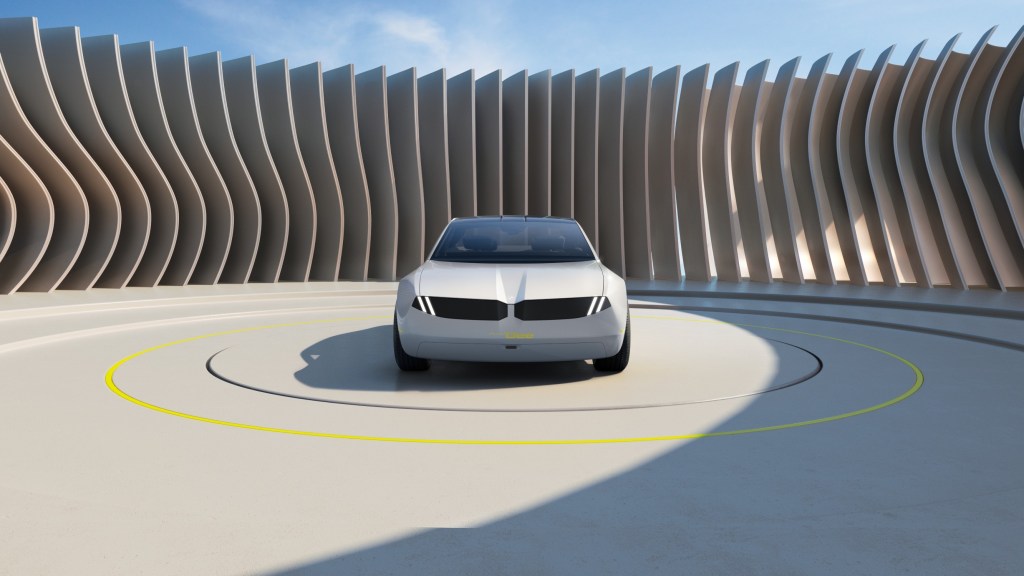
It presented the BMW i Vision Dee, a futuristic mid-size sedan with a new and pared-down design language. The name “Dee” stands for Digital Emotional Experience – and that is precisely its aim: to create an even stronger bond between people and their cars.

This car has future digital functions will go far beyond the level of voice control and driver assistance systems we are familiar with today.

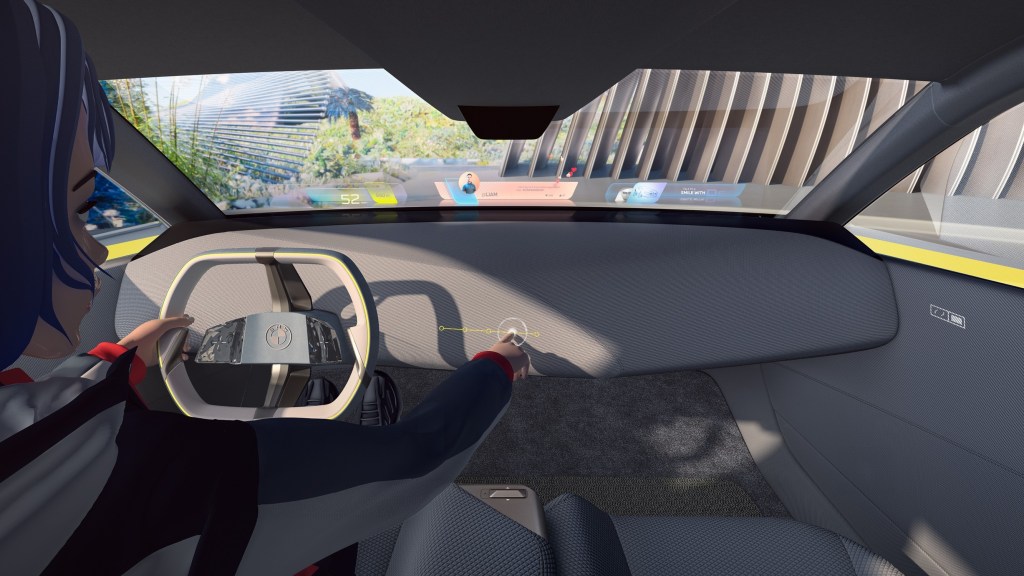
It starts all with a BMW Head-Up-Display extending across the full width of the windscreen, providing a glimpse of the next vehicle generation.

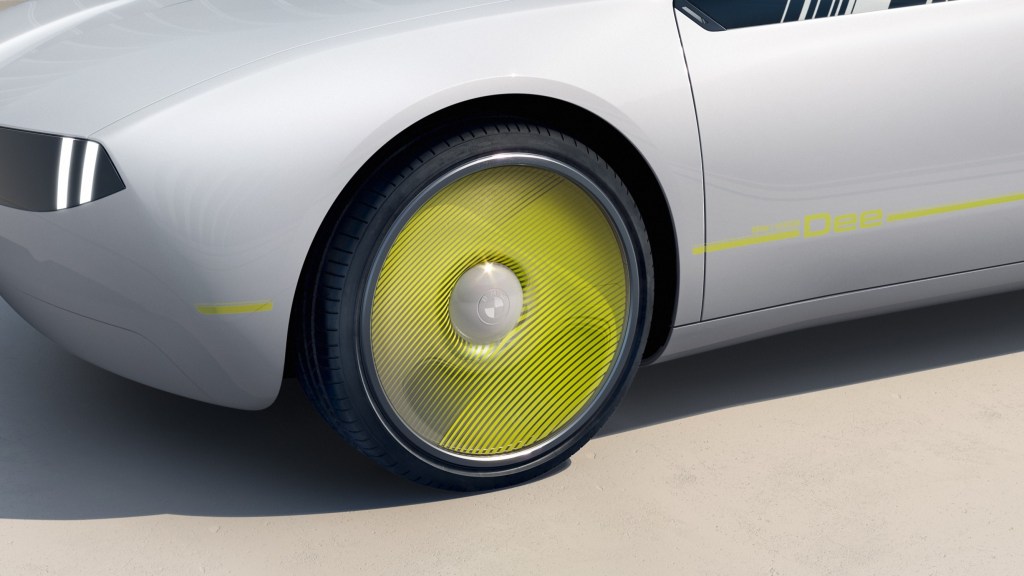
From 2025 onwards, this innovation will be available in the models of the NEUE KLASSE. The BMW Group has also refined its use of colour-change technology. Having unveiled the BMW iX Flow Featuring E Ink, with the ability to change from black to white, at the last CES, BMW i Vision Dee can now curate its exterior in up to 32 colours.

“With the BMW i Vision Dee, we are showcasing what is possible when hardware and software merge. In this way, we are able to exploit the full potential of digitalisation to transform the car into an intelligent companion. That is the future for automotive manufacturers – and, also, for BMW: the fusion of the virtual experience with genuine driving pleasure,” said Oliver Zipse, Chairman of the Board of Management of BMW AG. “At the same time, BMW i Vision Dee is another step on the road to the NEUE KLASSE. With this vision, we are looking far into the future and underlining the tremendous importance of digitalisation for our upcoming product generations.”

With its intelligent, almost human capabilities, BMW i Vision Dee accompanies drivers not only through real-life situations on the roads, but also in their digital environment.

“A BMW lives by its unparalleled digital performance. BMW i Vision Dee is about perfect integration of virtual and physical experiences,” said Frank Weber, member of the Board of Management of BMW AG responsible for Development. “Whoever excels at integrating the customer’s everyday digital worlds into the vehicle at all levels will succeed in mastering the future of car-building.”

BMW Mixed Reality Slider: into the virtual world in five steps

The BMW, in combination with the advanced Head-up Display, is the digital highlight and central operating control of BMW i Vision Dee. The completely virgin and simple dashboard panel shows just a line with dots. This is the Mixed Reality Slider. By using shy-tech sensors on the instrument panel, drivers can decide for themselves how much digital content they want to see on the advanced Head-Up Display. The five-step dot selection ranges from analogue, to driving-related information, to the contents of the communications system, to augmented-reality projection, right up to entry into virtual worlds. In parallel, dimmable windows can also be used to gradually fade out reality. Mixed reality can be experienced in BMW i Vision Dee in an immersive way that engages different senses without requiring any additional tools, creating a new dimension of driving pleasure for the user.

Advanced BMW Head-Up-Display: in NEUE KLASSE from 2025

The BMW Group is known in the automotive sector as a trailblazer for the Head-Up-Display and has systematically refined this technology over the past two decades. In BMW i Vision Dee, projection across the entire width of the windscreen allows information to be displayed on the largest possible surface – which only becomes recognisable as a display once it is activated. In this way, the BMW Group demonstrates the huge potential of projection technology and BMW i Vision Dee visualizes how a advanced Head-Up-Display could also be utilized in the future for the display and operating concept. The standard-production version of the BMW Head-up-Display extending across the full width of the windscreen will be used in the models of the NEUE KLASSE from 2025 onwards.

Welcome scenario with voice and phygital icons

The digital experience already begins outside the vehicle, with a personalized welcome scenario that combines graphical elements, light and sound effects. Natural language serves as the simplest, most intuitive form of interaction, enabling perfect understanding between humans and their vehicles. The headlights and the closed BMW kidney grille also form a common phygital (fusion of physical and digital) icon on a uniform surface, allowing the vehicle to produce different facial expressions. This means BMW i Vision Dee can talk to people and, at the same time, express moods such as joy, astonishment or approval visually. BMW i Vision Dee can also project an image of the driver’s avatar onto the side window to further personalize the welcome scenario.

World premiere for full-colour E Ink technology

Following the spectacular debut of the BMW iX Flow Featuring E Ink at CES 2022, the BMW Group is now unveiling a full-colour version of the E Ink technology in BMW i Vision Dee that will be used as the outer skin of the vehicle for the first time worldwide.

BMW i Vision Dee, rather than simply alternating between black and white, now showcases a multi-coloured, fully variable and individually configurable exterior. An ePaper film from the BMW Group’s cooperation partner, E Ink, is applied to the body to create this magical display of colour. Up to 32 colours can be displayed.

The body surface of the BMW i Vision Dee is divided into 240 E Ink segments, each of which is controlled individually. This allows an almost infinite variety of patterns to be generated and varied within seconds. The laser cutting process used to trim the films and the electronic control design were developed in partnership with E Ink. The adaptation of this technology for curved surfaces and the programming of the animations, were developed by BMW Group’s in-house engineers – enabling a form enabling a form of customisation that is unique throughout the automotive sector worldwide.

Reductive design – inside and out

The design of BMW i Vision Dee has been deliberately pared down to focus attention on the digital experience and the DNA of the BMW brand. The exterior is defined by the classic three-box sedan design that forms the core of the BMW brand. Traditional design elements, like the BMW kidney grille, twin circular headlights and the Hofmeister kink, are reimagined, with phygital icons replacing analogue elements. This gives BMW i Vision Dee its own digital, but human, character.

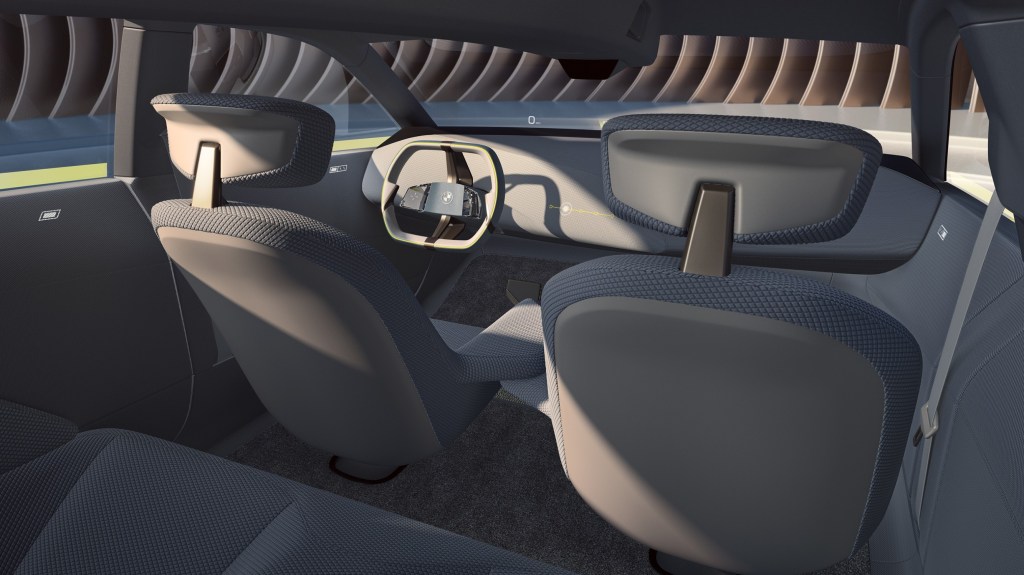
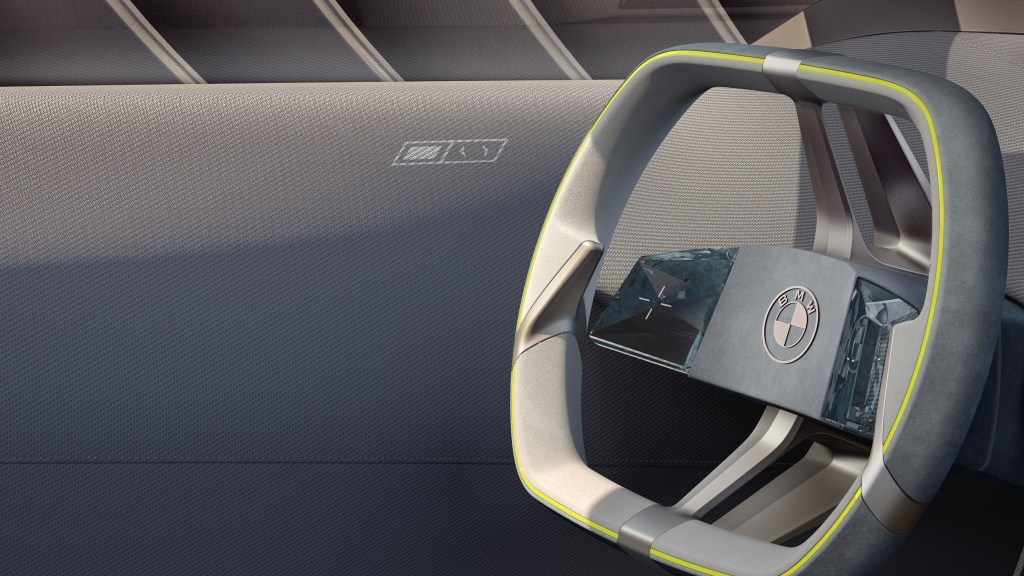
Inside, digitalisation goes hand in hand with reductive use of materials, operating controls and displays to ensure nothing distracts from the digital experience and the new feeling of enhanced driving pleasure. The unconventional design of the steering wheel, with its central vertical spoke, creates touchpoints that come to life when approached or touched and can be operated by moving the thumb. These phygital touchpoints control selection of the content projected onto the windscreen and, together with the Head-Up Display, thus support the principle of “hands on the wheel, eyes on the road”.

“With BMW i Vision Dee, we are showing how the car can be seamlessly integrated into your digital life and become a trusty companion. The vehicle itself becomes your portal to the digital world – with the driver always in control,” said Adrian van Hooydonk, head of BMW Group Design. “Implemented the right way, technology will create worthwhile experiences, make you a better driver and simply bring humans and machines closer together.”

Another milestone on the road to the NEUE KLASSE

The future of the BMW Group is electric, circular and digital. BMW i Vision Dee represents the digital aspect of this trio and will be another milestone on the road to the next vehicle generation, the NEUE KLASSE. The BMW Group will provide further insights and glimpses of the revolutionary vehicle concept of the NEUE KLASSE over the course of 2023. See more news soon!

Hans Knol ten Bensel

Volkswagen Group of America will provide a glimpse of the ID.7…

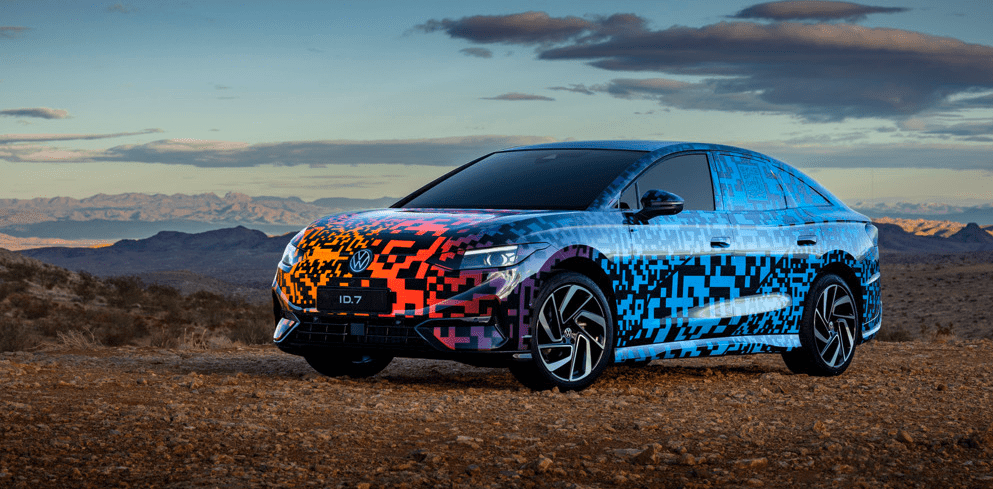
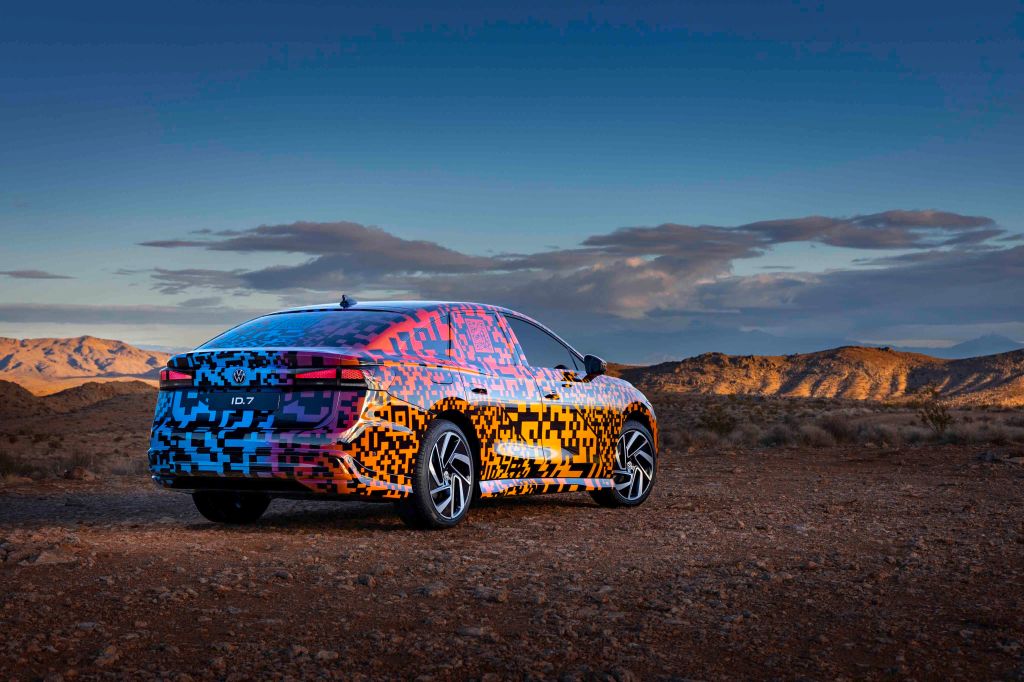
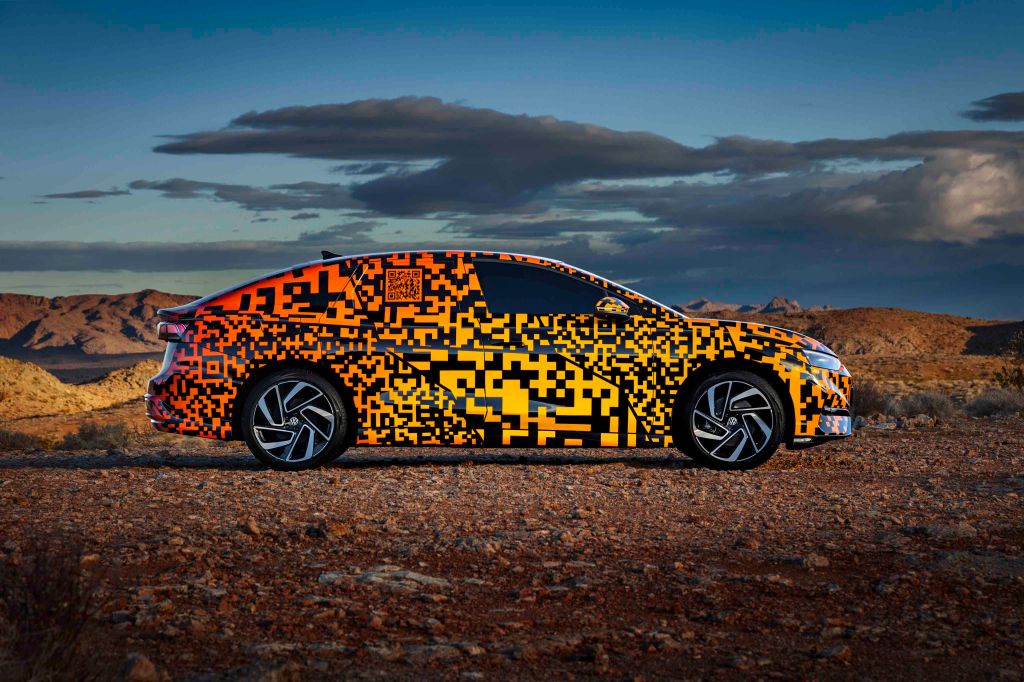
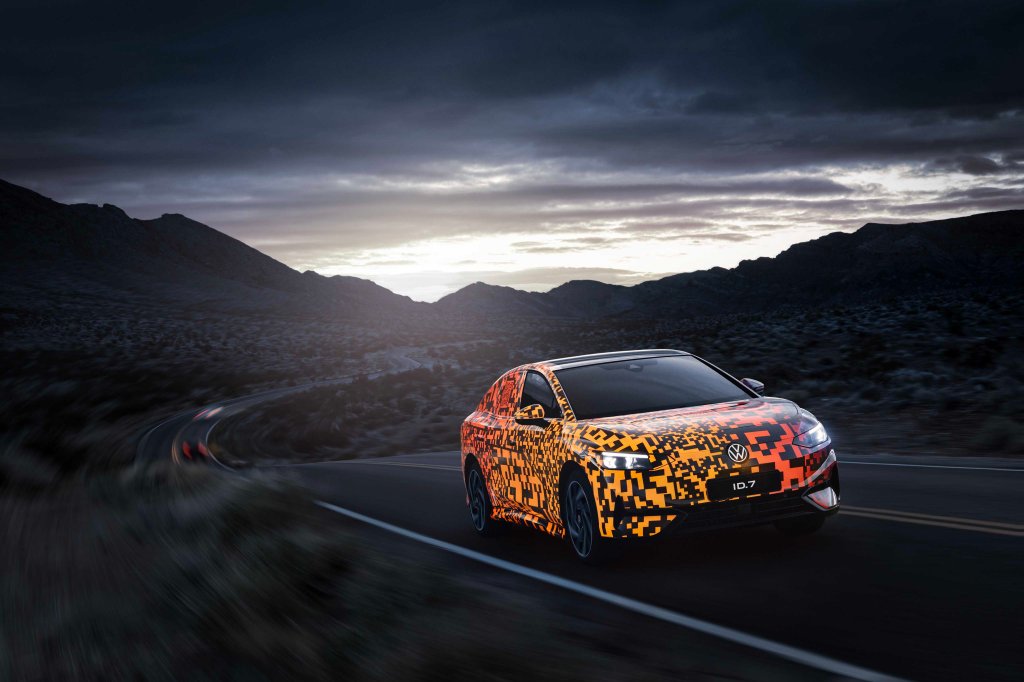
At the CES (Consumer Electronics Show) in Las Vegas between 5 and 8 January 2023, Volkswagen Group of America will showcase its first fully electric sedan based on the modular electric drive matrix (MEB). It will still be seen in a “smart” camouflage, which uses unique technology and multi-layered paintwork to create light effects on parts of the vehicle.

The ID. AERO3 concept vehicle initially presented in China already provided a preview of the new model, which embodies an aerodynamic design concept and is able to achieve ranges of up to 700 kilometers (WLTP).

After a six-year break, Volkswagen Group of America is returning to the CES – the world’s largest trade show for electronics – with a very special product…

With the new ID.7, VW is extending its electric model range into the upper segments. The ID.7 is one of ten new electric models that VW is planning to launch by 2026.

VW seems to have learned some lessons when it comes to the functionality of the various infotainment and dashboard commands. It ofeers a new display concept, an augmented reality head-up display, a 38-centimeter (15-inch) screen and new air conditioning controls integrated into the first level of the infotainment system. Now we also have illuminated touch sliders…

Like all other models in the ID. family, the ID.7 is based on the MEB of the Volkswagen Group. The advantages of the modular matrix with short overhangs and long wheelbase (2.97 meters) provide a large interior.

With its ID.7 sedan, Volkswagen is expanding its successful fully electric ID. family into the upper middle class of the high-volume segment and advancing its electric mobility campaign with the ACCELERATE strategy. VW has already reached a first milestone: Since the first ID.3 models were handed over to customers in September 2020, Volkswagen has delivered 500,000 vehicles from its ID. family worldwide through its subsidiaries – around one year earlier than planned and despite the ongoing difficulties in the supply chain.

After the ID.3, ID.4, ID.5 and ID.6 (only in China) models and the new ID. Buzz7, the ID.7 will be the sixth model from the ID. family and is Volkswagen’s second global car to be based on the MEB after the ID.4. It is planned to launch the electric sedan in the three primary markets of China, Europe and North America. The ID.7 for the European market will be produced at the Volkswagen Emden plant. After the ID.4, it will be the second model based on the modular electric drive matrix to be built in Emden.

More news soon!

Hans Knol ten Bensel

Citroën introduces a bold concept car for family electric mobility: less is more, thanks to the power of genius…

Right after having unveiled its new brand identity, Citroën stunned the international press last Friday, when it presented its OLI concept car in Paris.

You can judge yourself from the photos I took with my flagship Samsung S22 (I am getting increasingly used to it now) how completely groundbreaking the design and the whole concept of the car is actually.

I decided to bring the news of this concept car in different episodes, as thanks to the excellent PR people, I was able to have interviews with not only the CEO of Citroën, Vincent Cobée, but also with Laurence Hansen, Head of Citroën Product Development and Citroën’s Head of Design, Pierre Leclercq. I will bring this extensively in further reports, together with also a further interview with Laurent Barria, responsible for marketing.

So read on, and you can expect much more soon!

Hans Knol ten Bensel

The oli concept car focuses on how more can be achieved with lesssays Citroën CEO Vincent Cobée

In the footsteps of the Ami…now for mobility of the whole family.

Citroën already showed with its Ami (in a few days, we will also attend in Brussels the introduction of the Ami Buggy) that it believes strongly in offering affordable mobility, and it builds further on this concept, taking ‘unconventional’ to a new level with this conceptual oli [all-ë].

The Citroën oli concept is designed to do the same for family mobility that Ami achieved for personal urban mobility. Significantly, oli acts as a precursor to the concepts and innovations that will be available in future Citroën electric models.

The oli concept car focuses on how more can be achieved with less, first and foremost with less weight, how the inventive use of responsible materials and a sustainable production process can lead to inexpensive yet desirable zero-emission vehicles that meet multiple lifestyles.

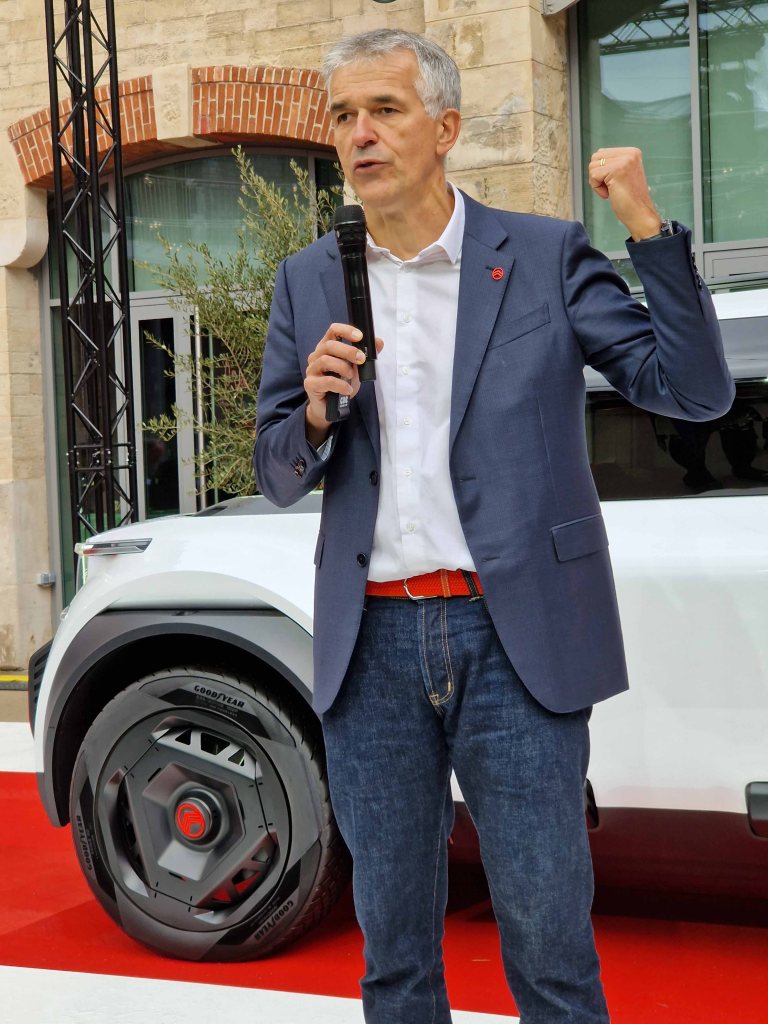
In his introduction speech, CEO Vincent Cobée  stated “Three societal conflicts are happening simultaneously – first is the value of and dependence on mobility, second is economic constraints and resource uncertainty, and third is our growing sense of desire for a responsible and optimistic future.”

Then he commented on the trend that cars are becoming bigger, heavier and more complex…

Styling language which is soon to be seen on new Citroën models…

“A typical mid-70s family car weighed around 800kg and was 3.7 m long and 1.6m wide.” He continued. Today’s equivalents have grown to more than 1200kg, are at least 4.3 m long and 1.8m wide. Some even weigh more than 2500kg. Legal and safety requirements have driven some of this, but if the trend continues and we carry on parking these vehicles 95% of each day and driving 80% of journeys with a single occupant, the conflict between the need to protect our planet and the future promise of sustainable, electrified mobility will not easily be resolved.”

He concluded: ““Citroën believes electrification should not mean extortion, and being eco-conscious should not be punitive by restricting our mobility or making vehicles less rewarding to live with.  We need to reverse the trends by making them lighter and less expensive and find inventive ways to maximize usage.”

So true we would say, and it is this unerring vision which inspired Citroën to build this concept car.

They focused instead on creating a pure, honest vehicle that is above all lighter, less complicated and truly affordable, as well as inventive and joyful.

With oli, Citroën is raising the stakes for future family mobility by re-thinking every detail to reduce resources and needed materials without compromising on quality or versatility.

A car conceived and built for a (very) long life

Laurence Hansen, Head of Citroën Product Developmentnow we choose a lifestyle, and the car which responds to it…

Who does not crave for a car which becomes your classic, beloved, (life)long companion? Well, that’s the beauty of it, the oli will be at your side, no matter what or how long. This conceptual multi-activity family vehicle has  sustainability at its heart and demonstrates how ‘best-in-class’ Life-Cycle-Assessment (LCA) can be achieved, from conception onwards with restrained, optimal use of lightweight and recycled materials, to sustainable production processes, and from durability for an extended ‘life in service’ to responsible end-of-life recyclability. The front and rear end parts can be easily changed, upgraded, customized, and the oli can within the family be passed from one generation to another…

 Thoughtful details…

Clever details are found throughout. The seats, for example, are simply constructed and use 80% less parts than a traditional seat. They are made of recycled materials and clever ‘mesh’ backrest designs enhance the natural light inside the vehicle.

They can also be easily upgraded or personalized to suit the taste of individual owners. It’s indeed the result of a chosen and adopted lifestyle, and the concept  car reflects that. Your servant also suggested to Citroën Head of Design Pierre Leclercq that in the aftermarket, a company like Ikea could offer their version of the seats to rejuvenate the interior after many years of use, for instance. Pierre Leclercq liked the idea…

Less weight means less power needed and more range…

 The oli offers reasonable, useable performance for many. Through the use of lightweight materials, oli can extend the range of the 40kWh battery on board to up to 248 miles between charges. Citroën has also limited the top speed of the oli to 68mph to maximise efficiency, while rapid charging capability ensures a charge from 20% to 80% takes just 23 minutes.

Extraordinary looks, harbinger of a total revolution…

The reasonable performance – read top speed – gave extra room for the designers to shape the concept car. Striking and clearly making a statement, oli’s unconventional stance and silhouette exude personality, productivity and positivity in a footprint similar to a compact SUV at 4.20m long, 1.65m high and 1.90m wide.

It defies traditional labelling. oli can be whatever it needs to be – family limo, urban explorer, adventure vehicle, workmate, or even an extension to the family home thanks to its ability to power everyday appliances.

The oli was presented in the stunning setting of a caserne de sapeurs pompiers in Paris…

Pierre Leclercq, believes oli embraces purity and geniality for families who don’t care for automotive status and stereotypes. I couldn’t agree more…

In the oli, the aesthetic approach has been deliberately exaggerated to reinforce functionality and versatility. And, like Ami, it is not afraid to show its simple and intuitive approach and distinguishes itself with its playful use of colour highlights, bright trim materials and vivacious patterns that advocate opportunities for personalisation.

Versatile

The oli truly threads new paths here. Oli’s flat bonnet, roof and rear ‘pick-up bed’ panels, as well as driving the vehicle’s unique silhouette, were chosen to meet the objectives for low weight, high strength and maximum durability.

Made from recycled corrugated cardboard formed into a honeycomb sandwich structure between fibreglass reinforcing panels, they have been co-created with partner BASF. They are coated in Elastoflex® Polyurethane resin covered in a protective layer of tough, textured Elastocoat®, which is often used on parking decks or loading ramps, and painted with innovative, waterborne BASF R-M Agilis® paint.

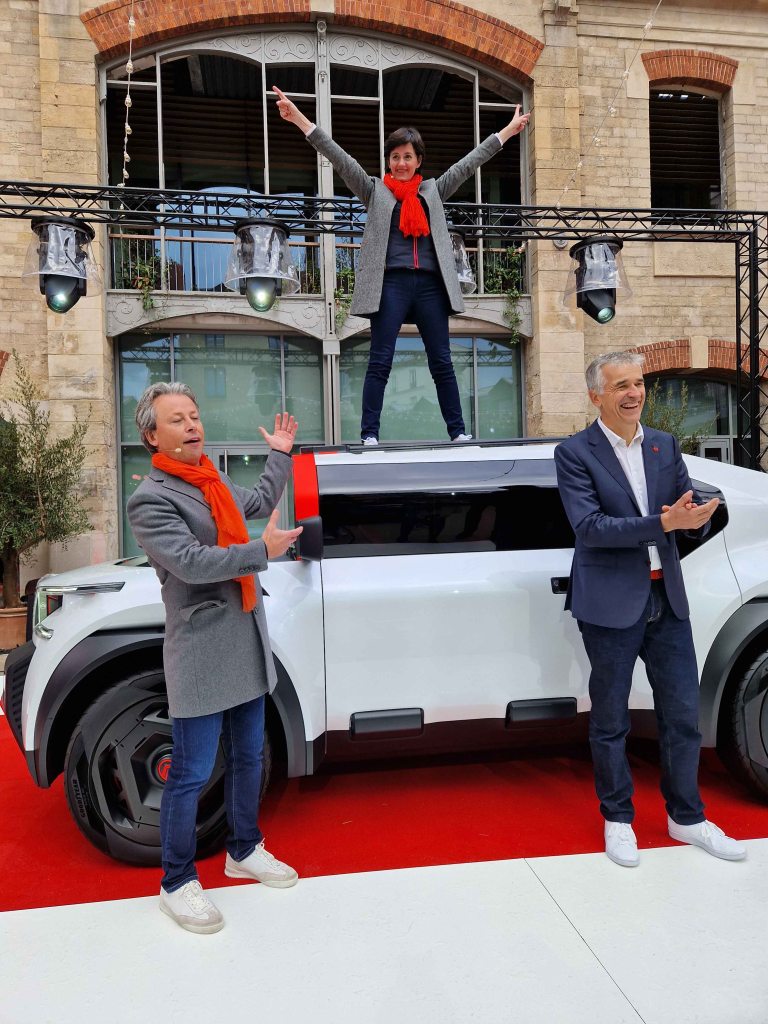
The panels are very rigid, light and strong – so strong that an adult can stand on them – and weight is reduced by 50 per cent when compared to an equivalent steel roof construction.

The roof is quite strong, as is amply demonstrated by Laurence Hansen, with Pierre Leclercq and CEO Vincent Cobée applauding…

Load carrying versatility is not compromised either, as roof rails each side of the roof panel allow owners to attach accessories like bicycle racks and roof boxes for family vacations, while below the bonnet panel are neatly detailed storage areas including compartments for charging cables plus personal and emergency items.

Not afraid to go vertical…

All of the key design elements on oli are perfectly horizontal or vertical, indeed, Citroën is looking for honesty and efficiency in the form language.

 The windscreen is vertical because it’s the shortest distance between top and bottom and uses the smallest amount of glass. As well as reducing weight and complexity, the smaller screen is less expensive to produce or replace.

To aid aerodynamic efficiency, oli features an experimental “Aero Duct” system between the front section of the bonnet and the flat top panel which blows air towards the screen, creating a curtain effect to smooth airflow over the roof.

The eye-catching windscreen frame is finished with a bright ‘infra-red’ wrap – a new signature colour Citroën will use in conjunction with its new brand identity.

The contrast between horizontal and vertical is evident in the rationally thought-through side panels and glass.

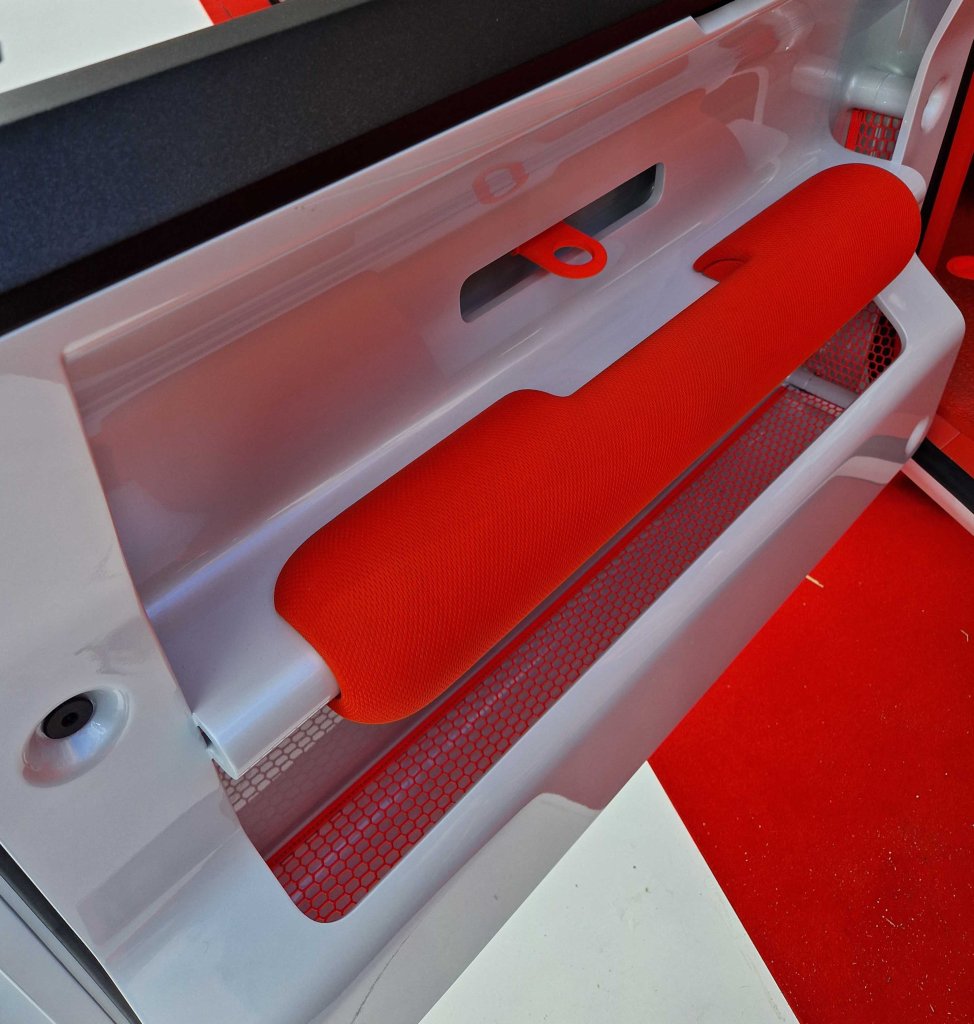
The front doors follow the example set by Ami and are identical on each side, though mounted differently. They are lighter, yet still strong, and much easier to make and assemble.

Reducing complexity and simplifying construction saves 20% in weight per door compared to a typical family hatchback. Half the number of components is required, and around 1.7kg per door is saved by the removal of the loudspeaker, soundproofing material and electrical wiring.

The external door panel is simpler to stamp and is designed to maximize interior storage. Gentle curvatures flow up the sides of the vehicle, and into the top of the side glass as it tumbles home to the roof.

Large, horizontal windows are tilted slightly towards the ground to help to reduce the effects of the sun, and manual, easy-to-operate “flip up” pantograph opening sections, similar to those used on Ami, provide fresh air ventilation.

The narrower rear doors are hinged at the rear of the vehicle and use vertical glass to give rear passengers more light and visibility. The change in form between the front and rear doors also gave an opportunity to add a passive air intake providing ventilation for rear seat passengers.

Access to the spacious cabin is wide, uncluttered and unhindered with both side doors open – ideal for when the driver needs to get straggling family members loaded efficiently.

Front and rear lighting modules are, again, uncomplicated but highly distinctive, and also play with the contrast between two horizontal lines and one vertical section. This approach will be evolved further as a distinctive Citroën lighting signature in future production vehicles.

A pick-up (load)bed in the boot…

Instead of a conventional boot, oli features an unexpected, inspired exercise in useful product design, and comes with a pick-up bed inside the boot for added practicality. The independent rear seat headrests pop up into the roof, the rear screen glass opens upwards, with the flat 994mm wide removable load bed expanding in length from 679mm to 1050mm.

The tailgate folds down and with the load bed panel removed there is up to 582 mm height between the vehicle floor and the rear glass. With the panel in place, 330 mm height of useful and secure trunk space is available below. The removable bed panel is light and flat, and made from the same recycled cardboard structure as the bonnet and roof panels.

But there is more, on the bodywork, the interior, the wheels and drivetrain. More soon!

Hans Knol ten Bensel

Lancia announces bold renaissance…

Lancia launched last week a ten-year strategic plan, which includes three new models, one every two years, starting in 2024, for an attractive and iconic model range to cover 50% of the market.

The plan will begin in 2024 with the new Lancia Ypsilon, which will be around 4-meters long, belonging to the B segment and will be launched with a 100% electrified powertrain. In 2026, the new flagship will arrive, 4.6-meter long and will allow the brand to enter into the largest segment in Europe. 2028 will be the year of the new 4.4-meters long “Delta”, a sculpted and muscular car, with geometric lines, which will attract car enthusiasts throughout Europe.

These three new models will cover 50% of the market and will have the duty to contribute to the improvement of Stellantis performance in its premium and luxury cluster, as laid out in the “Dare Forward 2030” Stellantis strategic plan.

“Today is an important day,” declared Luca Napolitano, CEO of Lancia brand, “Lancia is now ready for Europe, taking a first step to become a credible and respected brand in the premium segment.

Lancia’s ten-year plan has also a clear electrification strategy: from 2026 the brand will only launch 100% electric models and from 2028 will solely sell 100% electric models.

In addition, a wide use of innovative materials will make Lancia the Stellantis brand with the highest percentage of recycled material, with 50% of touchable surfaces made from eco-sustainable materials in order to contribute to building a better world for future generations.

Inside the new vehicles, Lancia customers will be welcomed in a typical Italian elegance style. Inspired by the exclusive materials of its past iconic vehicles, like the Gamma, Thema and Flavia, the next-generation Lancia vehicles will provide a comfortable environment with simple and intuitive on-board technology which is in line with its DNA.

The S.A.L.A., Sound Air Light Augmented (sala in Italian means living room), will be a minimalist and intelligent virtual interface which will give the customer total control of the vehicle’s cabin from the sound system to the air conditioning and lighting, with the use of a single button.

Lancia also introduces an innovative distribution model with 50% of online sales, and will establish a presence in 60 major cities with a network of 100 dealerships.

In unfolding the country strategy outside Italy, Lancia uses three criteria:

The first is love and passion for the “Made in Italy”, with Spain, Belgium and France leading the way.

The second is the relevance of online sales, with The Netherlands and Germany in pole position.

The third is the dimension of the B premium segment, with all these countries ranking in the top five.

These five countries represent the first step in the internationalization process of the brand, which will be present in Europe in and 50% of sales online.

 More Lancia news soon!

Hans Knol ten Bensel

Istituto Europeo di Design (IED) and Alpine create a hydrogen concept car…  

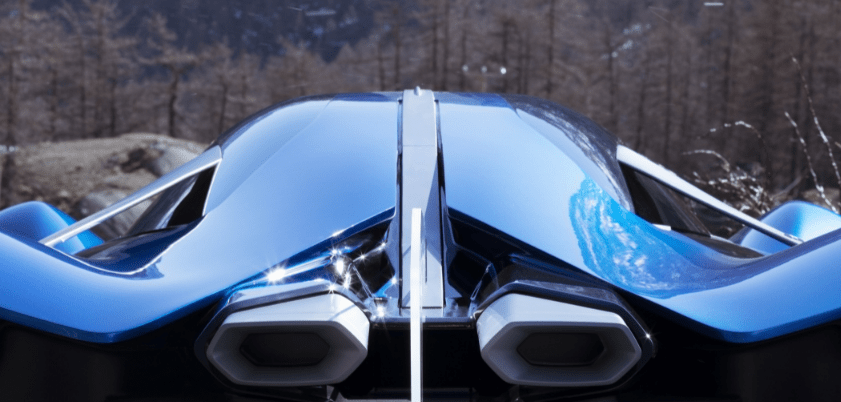
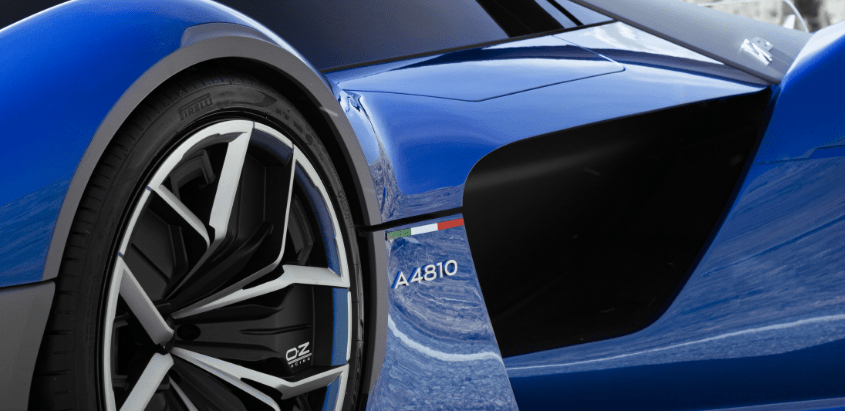
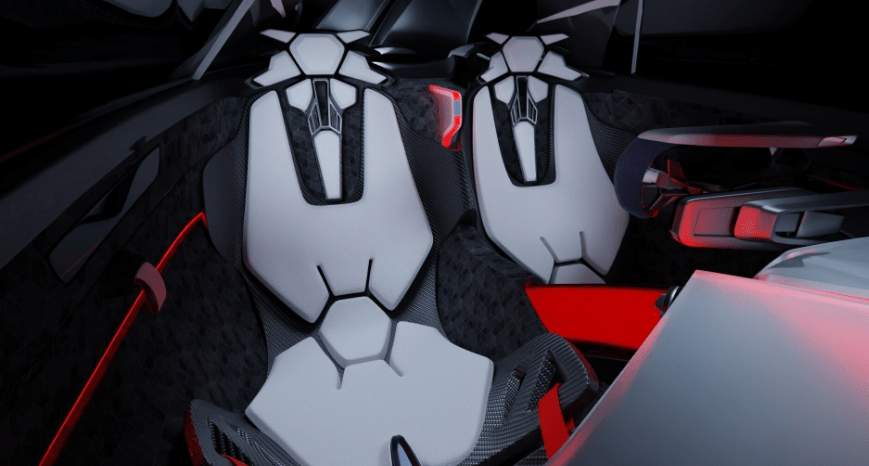
Students at the Italian Istituto Europeo di Design (IED) presented the ‘A4810 Project by IED’, their new concept car made in collaboration with Alpine. The result of this collaboration between the Italian design school and Alpine is a hydrogen-powered two-seater supercar.

Twenty-eight Masters students studying Transportation Design at IED worked on the project.

Alpine proposed the students to design a ‘super berlinette’ for the year 2035. The two-seater supercar was designed to be a high-performing vehicle both in terms of performance and environmental impact.

After the brief was given last autumn, students worked individually to come up with their own interpretation and present it to the Alpine designers. Alpine then selected a combination of two main ideas. Based on the two selected proposals, the young designers created the ‘A4810 Project by IED’: a light yet powerful and agile concept car that boasts pure driving pleasure.

During the design phase, the students sought to combine vision and innovation, without losing sight of the traditional roots of the French car manufacturer.

Furthermore, they chose a name that conveyed the brand’s legacy. In fact, ‘4810’ is the height (in meters) of the Mont Blanc: the highest and most emblematic peak in the Alps that sits at the border between Italy and France, like a bridge connecting IED and Alpine. The car manufacturer is named after the very same mountains and evokes the joy of driving along their winding roads.

A STUNNING LOOKING CONCEPT CAR

The Alpine A4810 Project by IED (length 5,091 mm – width 2,010 mm – height 1,055 mm – wheelbase 2,717 mm) is a two-seater supercar with the experimental combination of the shape of a berlinette with a hydrogen powertrain.

While the engine and fuel tanks are built like those on a typical hypercar, the subtraction process is proof of considerable innovation. The design alternates between empty and full spaces, giving the vehicle a lightweight look and aerodynamic features inspired by Formula 1 models. Furthermore, the A4810 Project by IED was tasked with bringing the brand to the cusp of the sports car category.

The team of students used digital tools to design the interior through sketches, 3D models, renderings, animations, and HMI (Human Machine Interface) development.

The A4810 Project by IED was presented on Friday, 18th March with a livestream broadcast from OGR Tech in Turin. For more info, please visit www.iedA4810.makeitlive.it.

Just click your way to Alpine’s sporty future, and in the meantime, have a look at the photos…!

Hans Knol ten Bensel

Kia presents 2030 roadmap to become global sustainable mobility leader

Kia announced its key targets to transform into Sustainable Mobility Solutions Provider. This corporate vision is supported by three key pillars – ‘people’, ‘planet’ and ‘profit’. It did this in presenting the roadmap to 2030 at the company’s 2022 CEO Investor Day virtual event.

Under these pillars, Kia will strive to enhance customer value and nurture talents, reduce carbon emissions in consideration for the environment, and generate profits while working as a responsible corporate citizen.

Kia also announced its four key business targets for 2030. These core business aims include: accelerating electrification and achieving annual sales of 1.2 million battery electric vehicle (BEV) units by 2030; reaching 4 million annual vehicle sales by 2030, including over 2 million eco-friendly models; expanding the application of connected car feature and autonomous driving technologies to all new vehicles; and become the number one brand in the global purpose-built vehicle (PBV) market by 2030.

Kia to establish a line-up of 14 BEV models by 2027. Indeed, starting in 2023, Kia plans to launch at least two BEVs per year. Compared to its previous plan to release 11 models by 2026, Kia will add two electric pickup trucks – a dedicated electric pickup truck and a strategic model for emerging markets – and an entry-level BEV model.

 ‘AutoMode’, Kia’s new autonomous driving technology, to be launched in 2023 with first application in EV9…

Kia’s range of autonomous driving technologies, branded ‘AutoMode’, will be rapidly expanded throughout the line-up starting with the EV9 in 2023.

Kia AutoMode supports performance optimization through wireless updates and will be improved as the technology develops. It will also include Highway Driving Pilot feature which would enable driving without driver intervention on highway sections. Kia aims to expand connected car features to all vehicle lineup by 2025

Aims to become No.1 global PBV brand by 2030···first dedicated PBV model in 2025.

Indeed, As a customer-centered company, Kia will provide flexible mobility services that reflect the diverse needs of people and businesses. A core part of Kia’s work in this area will focus on PBV. (Purpose Built Vehicle)

Kia is the one of the first movers in the global PBV market and plans to become a market leader. The demand for delivery and logistics services has increased significantly following the acceleration in e-commerce during the Covid-19 pandemic. In the mid-to long term, Kia will develop dedicated PBVs. The dedicated PBV will be developed as flexible structure that sits on a flat, skateboard EV platform, so that the size and shape can be adjusted according to the purpose and customer needs.

Kia will launch its first dedicated model in 2025 when the PBV market is expected to mature. The first dedicated PBV will be similar in size to a medium-sized vehicle, with inherent scalability.

Company announces financial targets for 2026···gross revenue of KRW 120 trillion; operating profit margin of 8.3%

The company plans to garner 39 percent of operating profit from BEVs in 2026 with the reduction of fixed costs through volume expansion and cost reduction from technology development.

Furthermore, Kia expects that by 2026, the contribution to operating profit from all eco-friendly models will reach 52 percent, exceeding that of internal combustion engine models.

To achieve these goals, Kia will not only expand sales of its eco-friendly models but also greatly improve profitability, securing additional sales and profit structures due to the commercialization of new businesses and technologies.

Kia will also actively participate in Hyundai Motor Group’s next-generation projects, such as Advanced Aviation Mobility (AAM), robotics. Specifically, Kia plans to focus on creating synergy between the Group’s AAM efforts and its own PBV business.

We keep you posted further on Kia soon as next week we will test the Kia EV6!

Hans Knol ten Bensel

Jeep® Brand Reveals Images of First-Ever Fully Electric Jeep SUV…

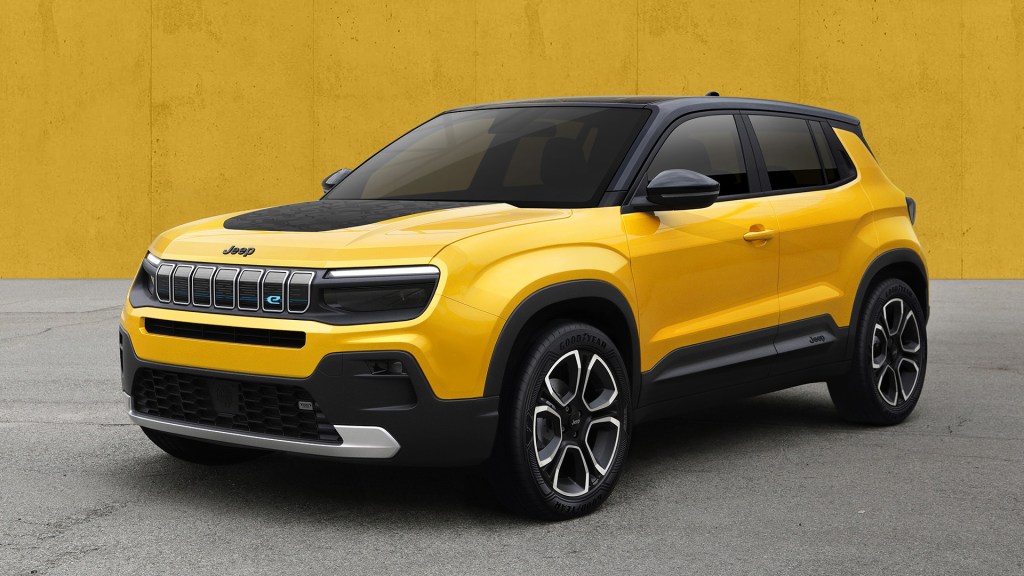
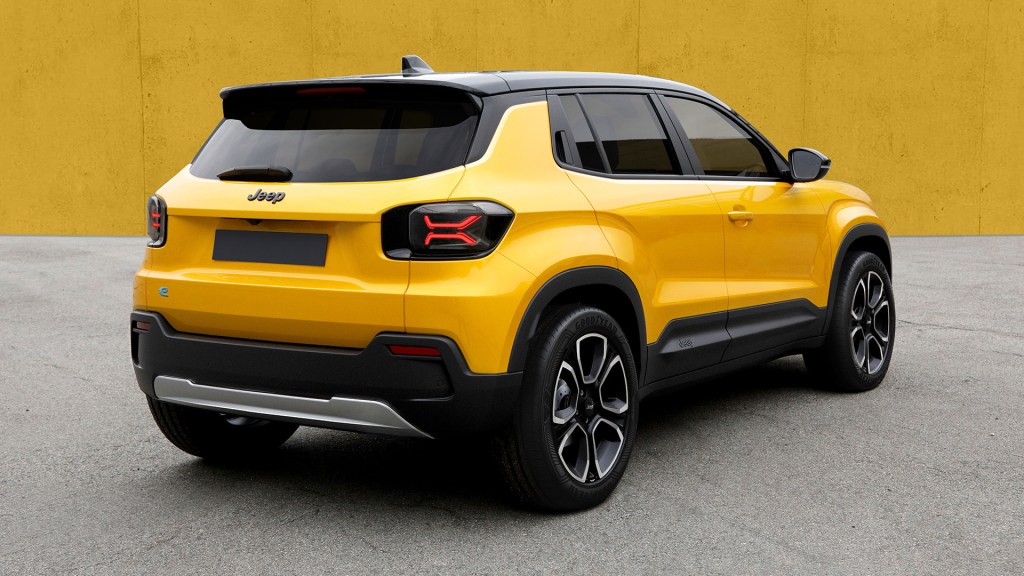
News from Stellantis comes thick and fast: Today, during Stellantis’ Dare Forward 2030 strategic plan presentation, Carlos Tavares, the chief executive officer (CEO) of Stellantis, revealed images of the first-ever 100% battery-electric Jeep SUV, as the brand continues its global initiatives toward the full electrification of its SUV portfolio.

This new fully electric Jeep vehicle will be launched early next year, expanding the brand reach and taking the next step to the achievement of Jeep brand’s vision of Zero Emission Freedom. More information on the Jeep BEV will be released in the coming months.

We will also bring a full report on the Dare Forward 2030 strategic plan presentation soon. Stay tuned!

Hans Knol ten Bensel

We drove the 360 HP DS9 E-Tense 4×4 in Nice… and witnessed the launch of the DS Supercar!

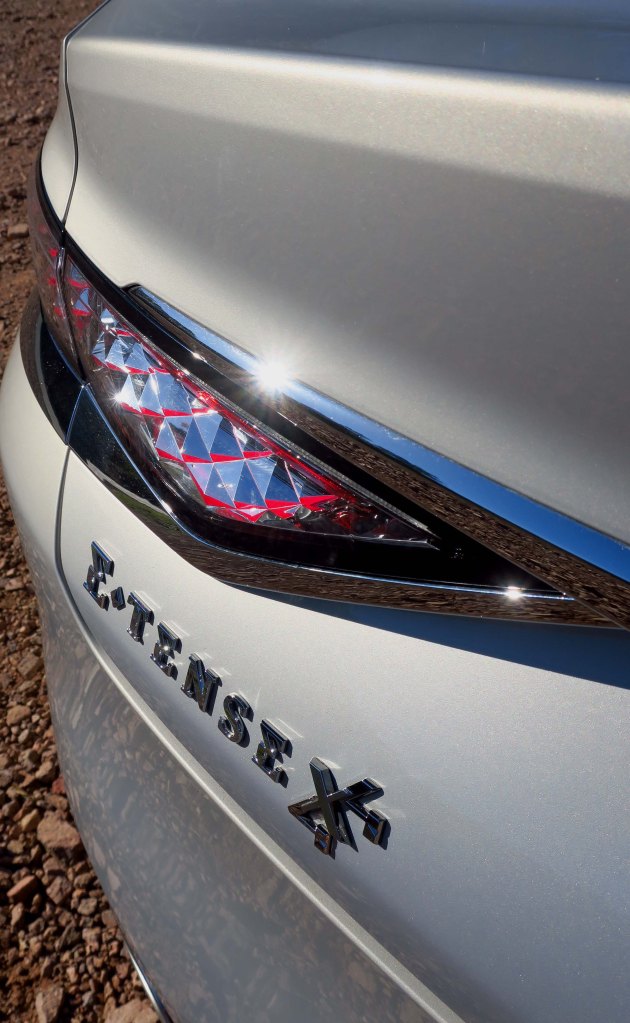
Arriving late last night from Nice, we report you here immediately about the wonderful driving experience with the most powerful DS9, enjoying its pure GT talents over the winding roads around Grasse and the iconic Côte d’Azur. We will soon tell you more about it.

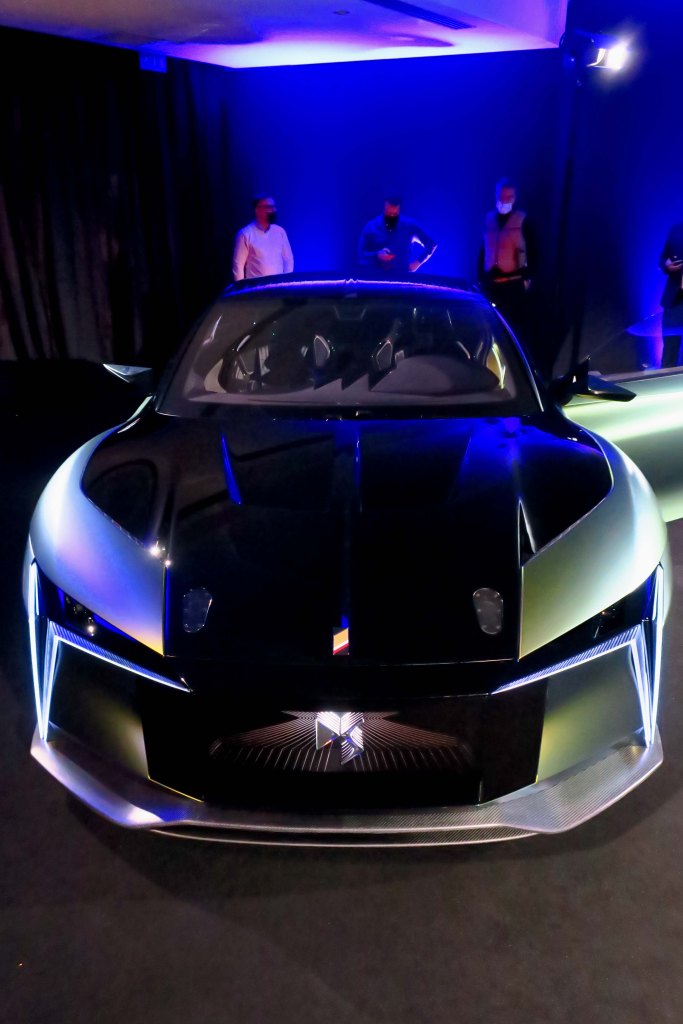
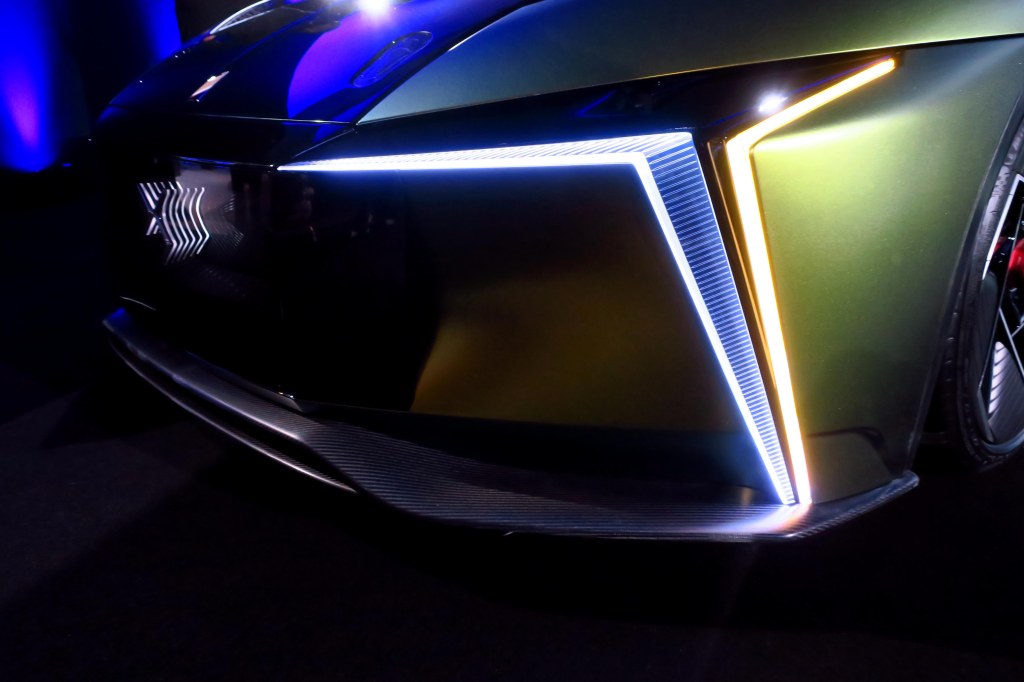
But the gentlemen of DS Automobiles did even more than just letting us have a drive in their flagship DS9, they also unveiled in the flesh at their press conference a wonderful Supercar, with absolutely stunning looks and performance.

DS Automobiles puts their E-Formula racing experience into practice on our roads… What to think of 815 HP or 600 kW, developed by two electric motors of 250 kW in the front, and 350 kW driving the rear wheels.

Acceleration from 0 to 100 km/h is done in a fantastic 2 seconds…and the car is a beauty too!

Much more about this superfast E-“bolide” and the impressive top-level DS9 soon on these pages!

Hans Knol ten Bensel    

Lexus lifts a veil of its BEV Sport Concept car: formidable!

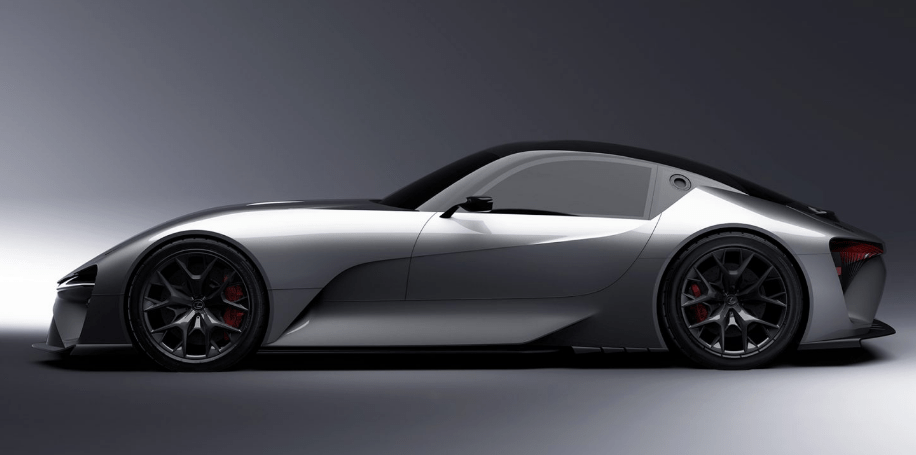
Lexus has released a gallery of new pictures and animations of its possible next-generation BEV Sport, Sedan and SUV concepts. The models were first revealed on December 14, 2021, in the corporate battery electric vehicle (BEV) announcement made by Akio Toyoda, Toyota Motor Corporation President and Lexus Brand Holder. The new Sedan, Sport and SUV concepts are proposed to be part of a full line-up of BEVs Lexus recently unveiled under the collective vision known as “Lexus Electrified.”

We show you here already some photos of the absolutely stunning all electric sports car…

It has bold proportions and low ride height, and of course all the sophisticated aerodynamics typical for a high-performance sports car.

According to Lexus, the Lexus BEV Sport concept symbolizes the future of the luxury brand, while also reviving the spirit of the iconic Lexus LFA.

The performance is nothing short of sensational. What to think of acceleration from 0-60 mph in the low two-seconds bracket, with at the same time a cruising distance which could exceed 430 miles, thanks to the possible use of solid-state batteries.

More news to come, also on the BEV Sedan an SUV Concept cars, but just admire already the breathtaking shape of this BEV Sport “Bolide”…

Hans Knol ten Bensel
Renault Group, Valeo and Valeo Siemens eAutomotive join forces…to produce a new electric motor

When testing the Arkana Hybrid, we already mentioned the clever way Renault sources know how and expertise across boundaries. With the electric age coming upon us, further cooperation is growing to develop and produce ever more efficient drivetrains, using ever less resources. The news came that Renault is now joining forces with Valeo and Siemens… interesting!

Indeed, Renault Group, Valeo and Valeo Siemens eAutomotive have signed on February 10th a memorandum of understanding to form a strategic partnership for the design, co-development and manufacture in France of a new-generation automotive electric motor, eliminating the use of rare earths.

Under this partnership, each of the three partners will contribute to the development and production of the two key parts of the electric motor: the rotor and the stator.

Overall architecture comes from Renault…

Renault will develop and produce the EESM (electrically excited synchronous motor) rotor technology, designed without the use of rare earths, it offers enhanced energy performance.

In addition to the supply of components based on each company’s best expertise, the overall architecture of the all-in-one motor for Renault Group will also be designed by Renault.

Valeo and Valeo Siemens eAutomotive will develop and produce the stator, which is based on Valeo’s technological expertise in copper wire assembly. Thanks to its unique know-how in this field, which allows it to use a higher density of copper in the stator, Valeo is able to generate more power without having to use more electrical energy.

Renault Group, Valeo and Valeo Siemens eAutomotive will be the first to mass produce a 200kW electric motor without using rare earths, starting in 2027. Production of the motor for the automaker’s own needs will be based at Renault Group’s Cléon plant in Normandy, France.

More Renault news soon!

Hans Knol ten Bensel