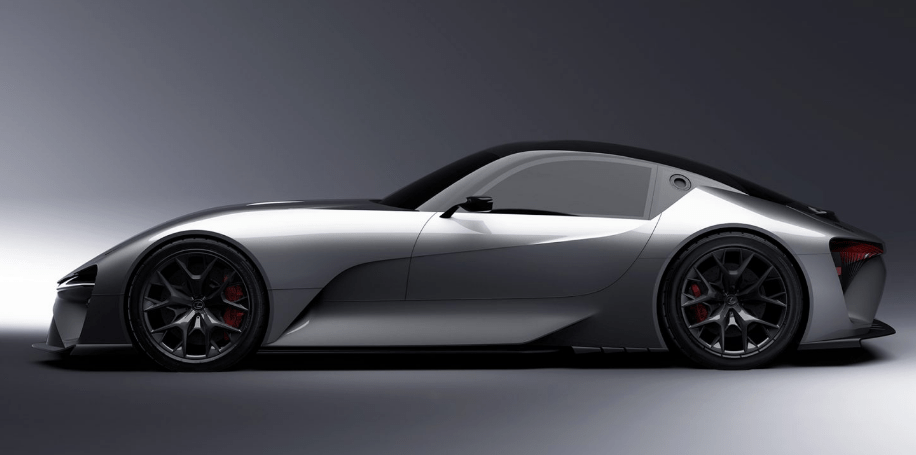
Lexus has released a gallery of new pictures and animations of its possible next-generation BEV Sport, Sedan and SUV concepts. The models were first revealed on December 14, 2021, in the corporate battery electric vehicle (BEV) announcement made by Akio Toyoda, Toyota Motor Corporation President and Lexus Brand Holder. The new Sedan, Sport and SUV concepts are proposed to be part of a full line-up of BEVs Lexus recently unveiled under the collective vision known as “Lexus Electrified.”
We show you here already some photos of the absolutely stunning all electric sports car…
It has bold proportions and low ride height, and of course all the sophisticated aerodynamics typical for a high-performance sports car.
According to Lexus, the Lexus BEV Sport concept symbolizes the future of the luxury brand, while also reviving the spirit of the iconic Lexus LFA.
The performance is nothing short of sensational. What to think of acceleration from 0-60 mph in the low two-seconds bracket, with at the same time a cruising distance which could exceed 430 miles, thanks to the possible use of solid-state batteries.
More news to come, also on the BEV Sedan an SUV Concept cars, but just admire already the breathtaking shape of this BEV Sport “Bolide”…
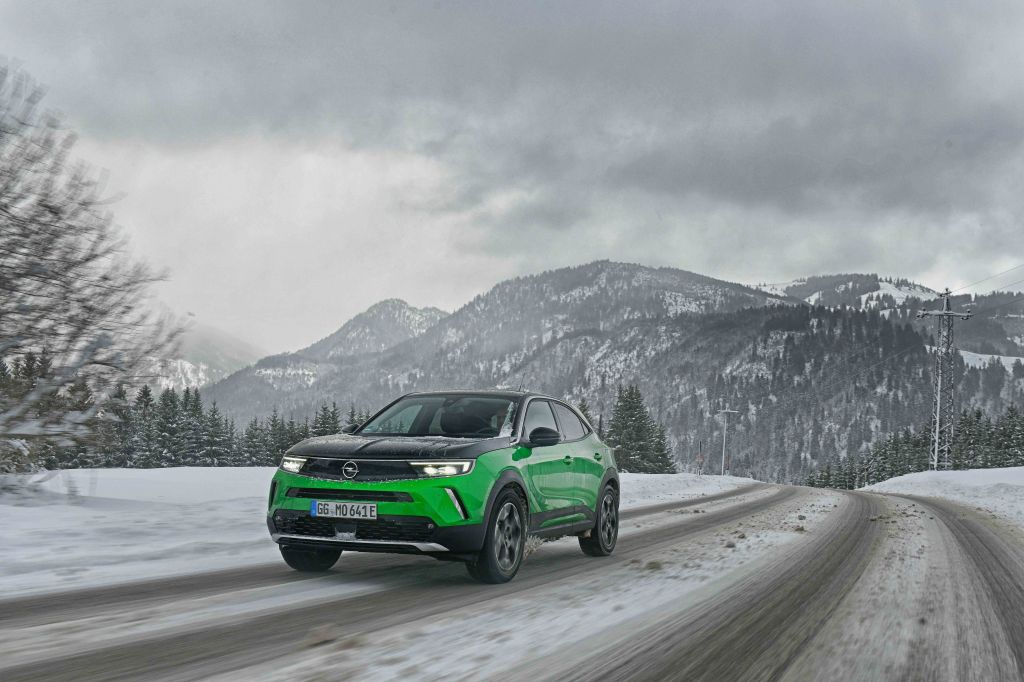
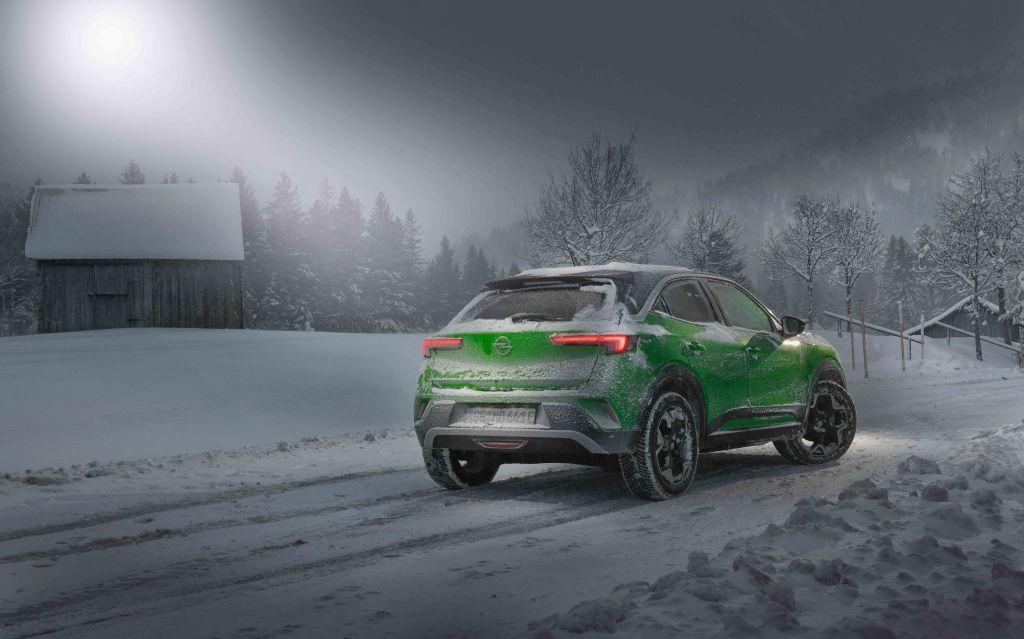
After the interesting presentation of the Astra Sports Tourer, Opel turns to the winter sports, with a Mokka-e, which, they say, keeps your warm and safe…
Indeed, would you choose an electric car to head for the snow-covered mountains? Opel is convinced that the Opel Mokka-e offers you plenty of cosy comfort, even in frosty weather. According to them, it’s the right electric car for a trip into the snow of the Allgäu or the Alps. Because the Mokka-e has numerous heating systems on board.
(Pre)heating made easy: Via app and heat pump
It starts even before the journey: if you want to climb straight into a comfortably preheated car and drive off in winter, Mokka-e owners can use the myOpel app to programme the pre-heating of the interior from the comfort of their home before setting off. Within a few minutes, the car cabin not only reaches a comfortable temperature, but the windows are also ice-free in frosty conditions.
At the same time, efficient energy management is necessary, especially in winter, to keep the Mokka-e’s energy consumption low and the range high. To do this, simply switch on the pre-temperature control while the Opel e-car is connected to the external power supply via a household socket, a wallbox or a fast charger. This way, the energy required for heating comes from the external power supply and the full electric range of up to 338 kilometres (according to WLTP1) is available at the start. Thanks to the heat pump fitted as standard, the waste and lost heat generated can be used to heat the interior without having to switch on a conventional heating, which would compromise range.
On-the-road comfort and safety: heating technologies in Mokka-e
You can simply sit back and enjoy the drive. The multi-adjustable, optionally heated comfort seats are a feel-good, health and safety feature all in one. Thanks to the optional seat heating for driver and front passenger, the winter jacket can be taken off even before the journey begins. This means that no thick clothing restricts freedom of movement and the seat belt can be fitted snugly to the body without any slack – this is the only way it can develop its full protective effect in the event of a collision. Safety is also enhanced by the heated steering wheel, which warms the fingers in just a few seconds. This means the driver no longer needs to wear annoying gloves and always has everything firmly under control. And standard footwell heating in the rear ensures that passengers’ feet stay warm during the journey.
Use the descent: Generate energy with braking recuperation system
In addition to the feel-good arguments offered by the Opel Mokka-e, there is also responsible driving pleasure with the compact electric model – especially in the mountains. The battery is installed in the underbody for a particularly low centre of gravity. So the car seems to corner as if on rails. The “Golden Steering Wheel 2021” winner is powered by a 100 kW (136 hp) electric motor. While internal combustion engine models first have to get back up to speed out of tight hairpin bends, the electric SUV has 260 Nm of torque at its disposal even from a standstill – guaranteeing driving fun on serpentine roads.
The Mokka-e also distinguished by its talents for energy recuperation and deceleration. The electric motor becomes a generator and converts the kinetic energy of descent into electricity. If the driver shifts into drive mode B, recuperation and deceleration is increased. The 50 kWh battery is recharged at zero cost – and energy saved for the next ascent.
So, an electric car might be a wise choice, also in wintery alpine conditions…
But we have to wait a bit to test drive this one. We will first drive for you the Opel Grandland.
When testing the Arkana Hybrid, we already mentioned the clever way Renault sources know how and expertise across boundaries. With the electric age coming upon us, further cooperation is growing to develop and produce ever more efficient drivetrains, using ever less resources. The news came that Renault is now joining forces with Valeo and Siemens… interesting!
Indeed, Renault Group, Valeo and Valeo Siemens eAutomotive have signed on February 10th a memorandum of understanding to form a strategic partnership for the design, co-development and manufacture in France of a new-generation automotive electric motor, eliminating the use of rare earths.
Under this partnership, each of the three partners will contribute to the development and production of the two key parts of the electric motor: the rotor and the stator.
Overall architecture comes from Renault…
Renault will develop and produce the EESM (electrically excited synchronous motor) rotor technology, designed without the use of rare earths, it offers enhanced energy performance.
In addition to the supply of components based on each company’s best expertise, the overall architecture of the all-in-one motor for Renault Group will also be designed by Renault.
Valeo and Valeo Siemens eAutomotive will develop and produce the stator, which is based on Valeo’s technological expertise in copper wire assembly. Thanks to its unique know-how in this field, which allows it to use a higher density of copper in the stator, Valeo is able to generate more power without having to use more electrical energy.
Renault Group, Valeo and Valeo Siemens eAutomotive will be the first to mass produce a 200kW electric motor without using rare earths, starting in 2027. Production of the motor for the automaker’s own needs will be based at Renault Group’s Cléon plant in Normandy, France.
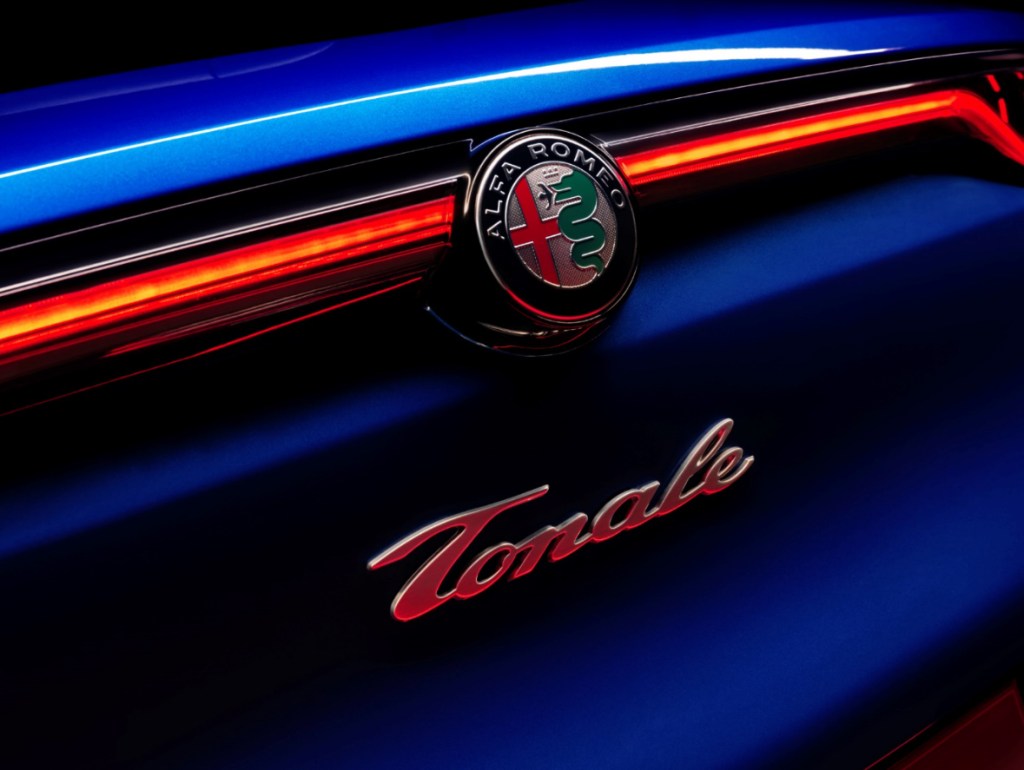
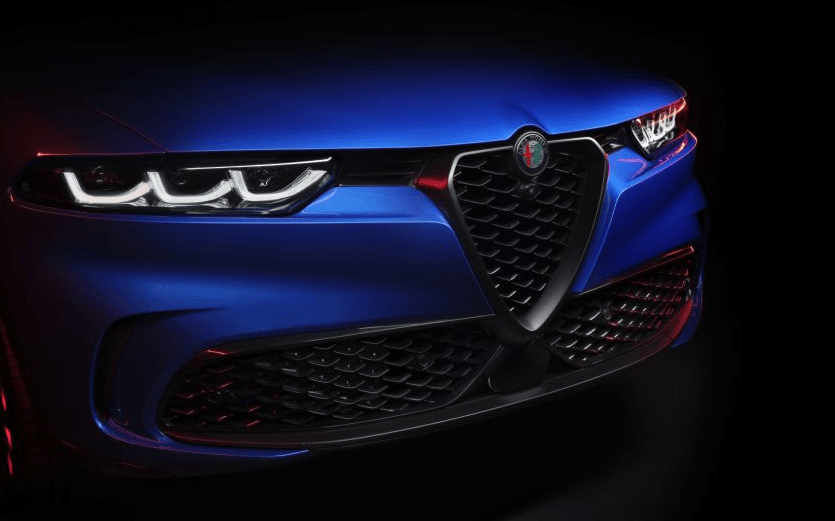
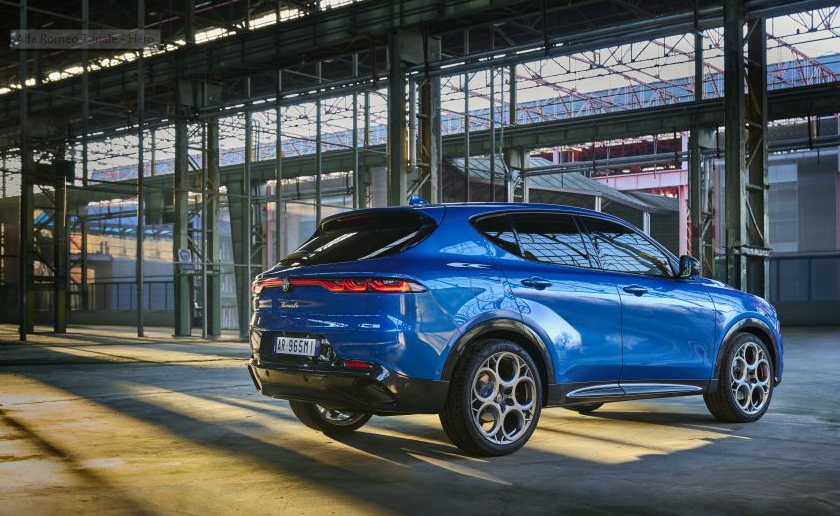
Alfa Romeo presented on February 8th its Tonale, the model that marks the Brand’s metamorphosis. Of course Alfa remains true to its DNA of noble Italian sportsmanship since 1910, but the Tonale a radical evolution is taking place at Alfa Romeo. It enters a new era of connectivity and electrification.
We bring you here in this first report the main points, of course, more will follow when we see the car ‘in the flesh’ at further presentations.
The Tonale breathes unique Italian design, being extraordinarily faithful to the concept model which you see here on the photo above, which we could admire feel and touch at the Centro Stile.
The car embodies state-of-the-art technology, Alfa says, with software and electrification systems enhancing the Brand’s DNA. With the launch of this car, Alfa also deploys a universe of innovative, customer-focused services. See more below…
The Tonale has a clear mission: reinventing sportiness for the 21st century. The name marks the evolutionary continuity with Stelvio, a fascinating new road that leads to a new destination: the future.
The car is made in Italy, at the revamped “Giambattista Vico” plant in Pomigliano d’Arco, according to Alfa one of the most advanced production plants in the automotive world, where a dedicated assembly line has been built with cutting-edge technology and high levels of automation.
The technology in the Tonale is aimed at enhancing the unique Alfa driving experience, but not only that: it also wants to bring the customer experience at another level and sets steps to protecting its residual value.
Indeed, in a a world exclusive, Tonale is the first car on the market equipped with a NFT (non-fungible token) digital certificate. Based on blockchain technology and uniquely linked, the Tonale NFT certifies the car upon purchase, then evolves to represent its use during the car’s life cycle, with major benefits in terms of protecting its residual value. With the customer’s consent, the NFT will record vehicle data, generating a certificate that can be used as a guarantee that the car has been properly maintained, with a positive impact on its residual value. On the pre-owned car market, NFT certification represents an additional source of credibility for owners or dealers to count on. In the meantime, buyers will be reassured in their choice of car.
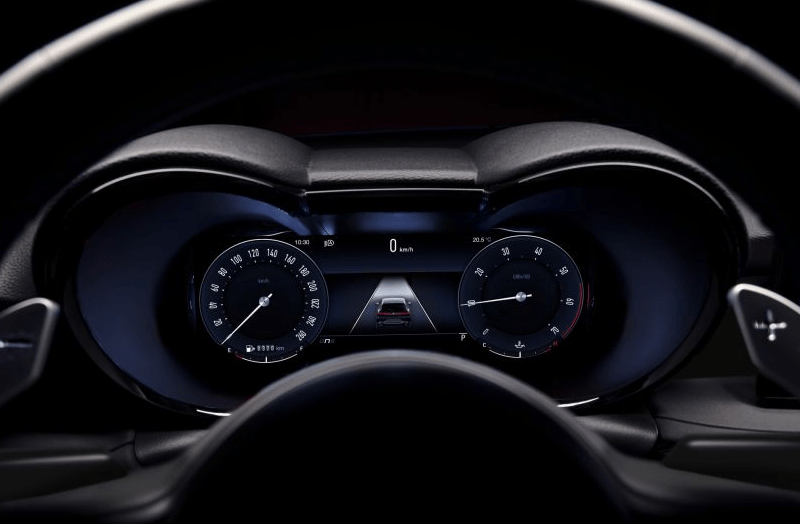
The Tonale also sports an all-new infotainment system. Totaling 22.5”, the two large Full TFT screens are installed.
The world of Amazon in your Alfa…
The infotainment system is designed to offer Over-the-Air updates and integration with Amazon Alexa.
There is a complete integration with Amazon: courtesy of the “Secure Delivery Service”, you can choose the Tonale as the place to deliver the packages you are expecting, by unlocking the doors and letting the courier leave them inside the car, all completely safely.
You can also receive constant updates on vehicle status from the comfort of your home, find out the level of charge and/or fuel, search for points of interest, find your car’s latest location, send remote locking and unlocking commands, and much more. “Alexa” can also be used to ask to add products to your shopping list, to search for a restaurant nearby or to adjust lights or heating connected to your home automation system, all while remaining focused on the road.
The technology is also focusing on safety, with level 2 ADAS systems.
Cabin comfort is of course not neglected. Alfa tells us that the cabin environment is designed for and around the occupants, with meticulous attention to detail, paired with a constant quest for the highest quality.
Two levels of electrification – Hybrid and Plug-in Hybrid Q4, developed by Alfa Romeo.
State-of-the-art electrification: this electrification serves the Brand and its DNA, with the mission of reinventing sportiness for the 21st century, Alfa announces.
The Tonale debuts the 160-hp Hybrid VGT (Variable-Geometry Turbo) engine, an exclusive for Alfa Romeo. Its variable-geometry turbocharger paired with 7-speed Alfa Romeo TCT dual-clutch transmission and the 48-volt 15-kW, 55-Nm “P2” electric motor makes it possible for the 1.5-liter gasoline engine to propel the wheels even when the internal combustion engine is turned off.
Alfa Romeo has opted for this technical solution to offer an authentic electrified experience. The transmission enables startup and travel in electric mode at low speeds and when parking and cruising. At launch, the 130-hp Hybrid version is also available, again paired with 7-speed Alfa Romeo TCT and 48-volt “P2” electric motor.
The 275-hp Plug-in Hybrid Q4 version with all-wheel drive is has an expected range in electric mode of up to 80 km in the city cycle. It is the most powerful and efficient version in the line-up.
To complete the engine range, there is also a new 1.6-liter, 130-hp diesel engine with 320 Nm of torque, paired with 6-speed Alfa Romeo TCT dual-clutch automatic transmission and front-wheel drive.
Customers at the center of the Alfa Romeo universe…
With Tonale, Alfa Romeo launches a series of new services, which redefine the customer experience and will cover the brand’s entire line-up.
A digital experience: the customer purchase experience can take place online from the comfort of home, in three simple steps, by accessing an interface identical to the one used in dealerships.
Extended warranty: Efforts to improve the quality of the end product have resulted in the availability of an innovative Alfa Romeo extended warranty, lengthening the protection of the vehicle’s main components to 5 years. The warranty for the batteries in the hybrid Tonale versions has also been extended to 8 years or 150,000 km traveled, becoming the best offer in the segment.
Alfa Romeo Certified is the dedicated to customers in the pre-owned car market. The aim is to ensure a shopping experience that is identical to that of buying a new vehicle. The main features of the service are as follows:
Warranty coverage equivalent to that of a new car.
“Satisfaction or your money back”, within 10 days or 1,000 km
No maintenance costs, for 15,000 km or 1 year
120 vehicle checks
Customized after-sales and financing services
Test drive
24/7 roadside assistance in Europe during the warranty period
Finally, Alfa Romeo Videocheck is the service dedicated to after-sales, created in consideration of the special relationship its customers have with their car. One sole aim: service quality and transparency for customers. When at a workshop, if a car is found to need more work than agreed with the customer, the technicians will be required to follow a procedure via mobile app to certify the work, with a video to accompany the related repair costs. The customer will then be free to partially or fully accept or reject the new quote.
Driving dynamics…
Rather impeccable, according to Alfa. It has the best weight distribution and the most direct steering in its segment (13.6), and the fact it is the only model in its class to be equipped with the Integrated Brake System (IBS). The adoption of fixed calipers by Brembo, with 4 pistons and self-ventilated discs at the front and full discs at the rear, contributes to the improved braking performance.
The Tonale opts for the fully independent MacPherson suspension system, with Frequency Selective Damping (FSD) shock absorbers. The new Tonale offers two drive solutions: Q4 all-wheel drive in the Plug-in Hybrid e-Q4 version, and front-wheel drive in the Hybrid and diesel versions. The latter are also equipped with Alfa Romeo electronic self-locking differential. The specifications are completed with a “Dual Stage Valve” active suspension with electronically controlled damping.
New line-up strategy
The Alfa Romeo Tonale introduces a new line-up strategy.
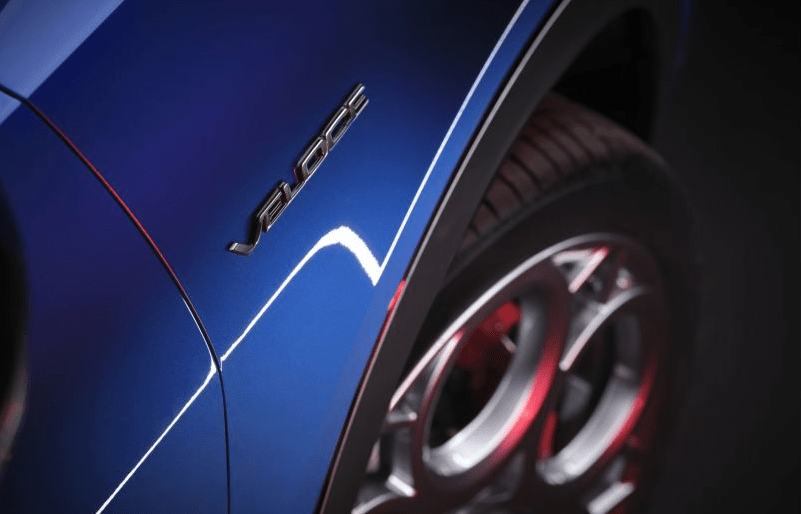
Two trim levels are available – Super and Ti, both with clearly defined specifications. The Super trim can be customized with the Sprint pack, which includes numerous options with a strong sporty connotation. Alternatively, the Ti trim can be added to with the Veloce pack, to reach the peak in terms of performance and sportiness.
Renault is a brand which moves boundaries now and then. It brought a new definition of a roomy and timeless city car with the Twingo, built the legendary 4L and the “Cinq”, its Espace brought nothing less than a revolution in car concepts and design: the “space” car was born.
Then we don’t forget the Avantime. A car which was truly totally ahead of its time. We drove it at its introduction in the streets of modern, united Berlin. When you saw it on the road, you would expect a V6 formula 1 turbo engine under the hood, running on hydrogen of course, with a sweet voice softly telling you what the history is of the street and buildings you driving through, in the language of your choice. That car made us dream. Its stylish panache and the promise it embodied still has to be equalled.
Then Renault embarked on the E-path, opening it up to the masses with the ZOE and recently also putting a very clever full hybrid on the road, culminating in the E-Tech family of cars. Affordable with a touch of genius. And then we don’t forget Dacia…
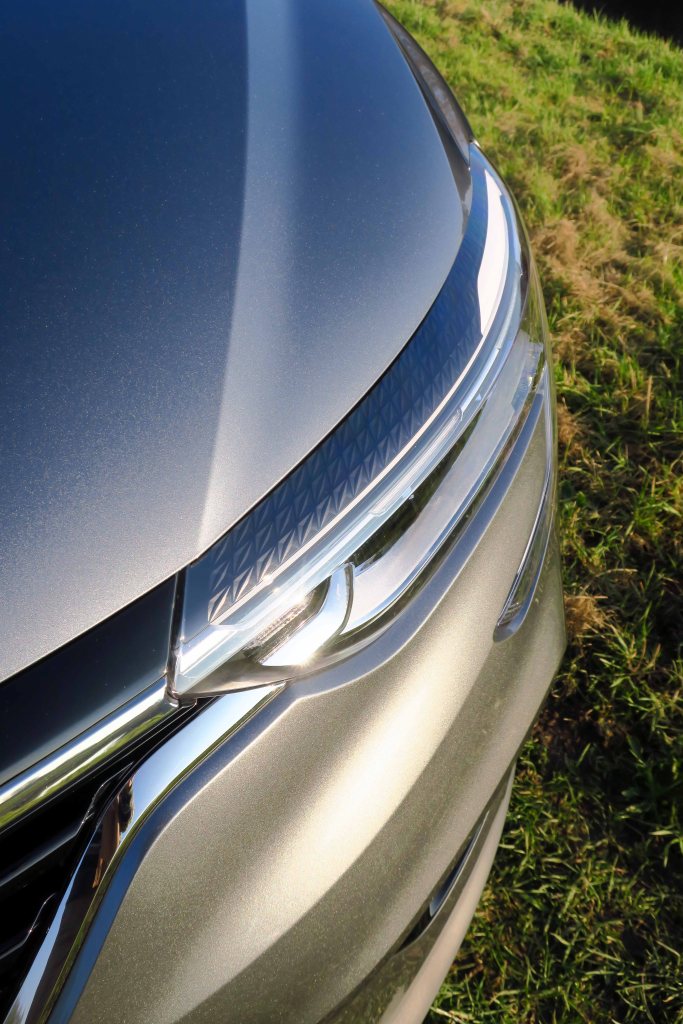
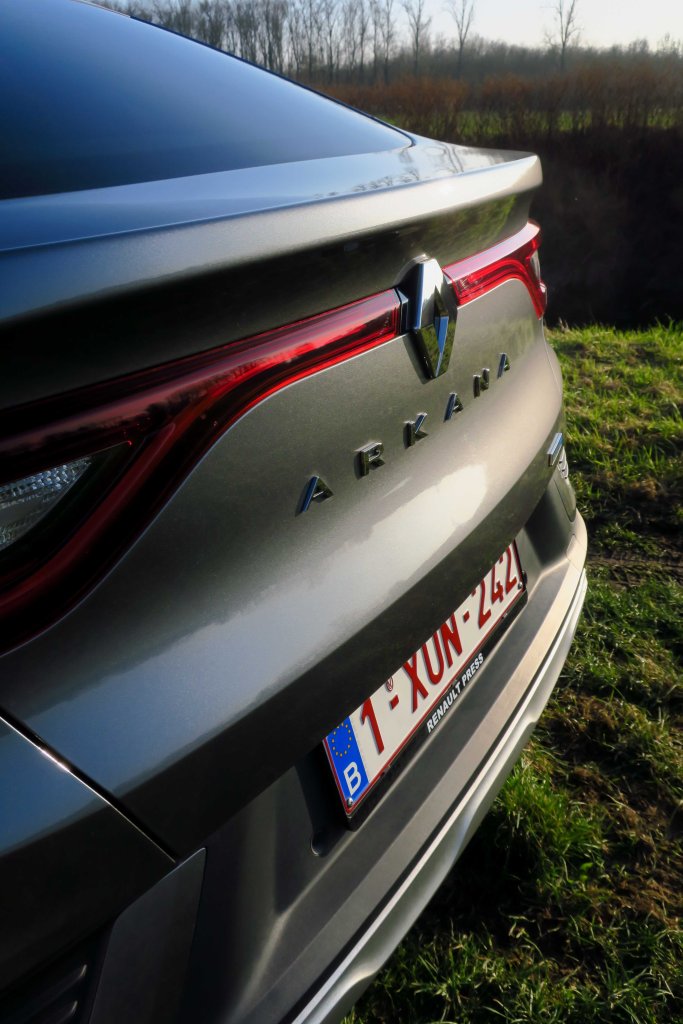
Now its talented designer Laurens van den Acker took a long hard look at the BMW 4X and brings the stylish silhouette of the iconic fastback SUV to the wider public. The Arkana, a name derived from the Latin Arcanum, meaning secret, first made its entry in the Russian market, based on the Dacia Duster B0 platform. This allows the Russian built Arkana to offer 4WD, a must for the Russian market.
But this is not the E-Tech Arkana we meet on our shores. Renault needed here a platform which allowed electrification. Just read further!
Hans Knol ten Bensel
So “our” Arkana started life in South Korea in January 2020 as the… Renault Samsung XM3, and we find this again a fascinating story in itself, showing how cleverly big groups are combining talents and allocating resources found in their world wide organisations. Showing that they are truly unifying the world, having learned to work, cooperate and thrive across boundaries.
So Renault Samsung Motors is a reality, and they build the Arkana for us in their South Korean factory in Busan.
Renault is maybe also teaching politicians a lesson nowadays: the “Russian” Arkana is built both in Moscow by Renault Russia as well as in… Ukraine, in Zaporizhzhia, in South eastern Ukraine, at ZAZ, the most important (former) Russian Automobile Manufacturer.
The European Arkana runs on the more modern CMF-B platform, which we find also for the Clio V and the Captur II.
Stylish
Approaching the Arkana and walking around it, one is pleased by its excellent proportions and shape, from any angle. We liked also that it stands boldly on its wheels, with a ground clearance of not less than 20 centimeters. This allows you to negotiate sleeping policemen’s with ease of mind, as their dimensions always differ greatly from borough to borough, if not from street to street. The fact that this is not unified on a European scale, let alone not even on a national scale is utterly ridiculous. But the Arkana copes with all that, marvelous!
We found also the level of finish and paint quality of the bodywork top notch. The same can be said of the fit, look and feel of the panels in dashboard and cabin.
The layout is similar to what we find in the ZOE and Clio. The seating position is excellent, everything is logically within reach. Also the infotainment system with the large screen on the centre console is a breeze to use, and quite intuitive. Of course instrumentation is digital, and you can have also the road indications right in line with your eyesight if you prefer this.
The Arkana E-Tech is frugal: on the open road merely 4,7 l/100 km…
The learning curve to get acquainted with infotainment in this car is wonderfully short, and it is also very practical and wise to let the heating/airco ventilation system be controlled through three big round manual knobs.
A fully fledged hybrid…
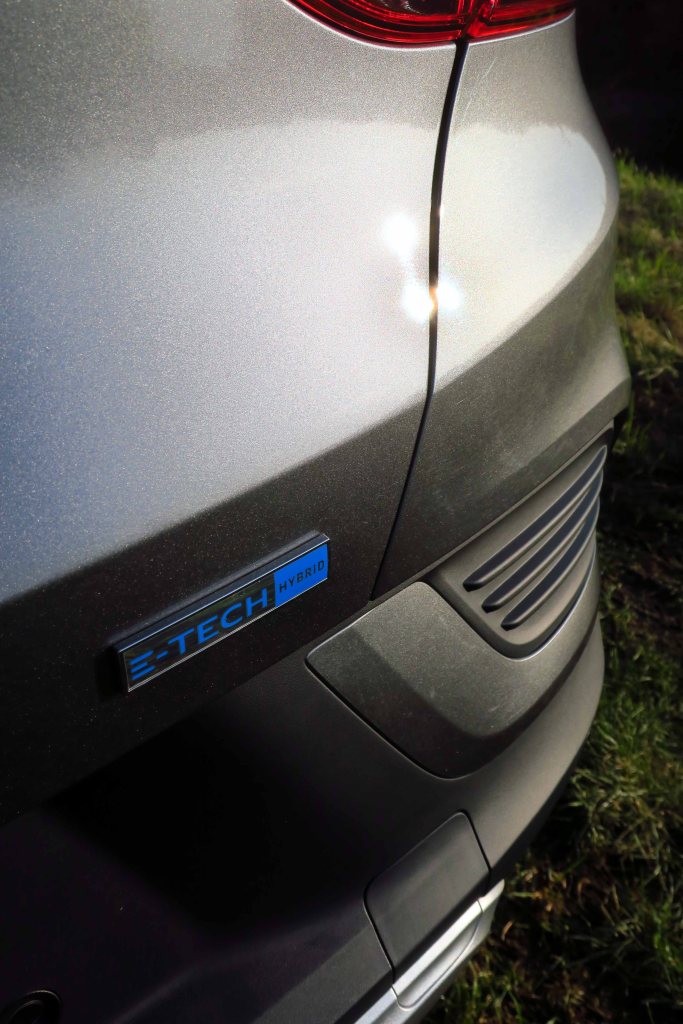
The Renault Arkana uses the Renault “E-Tech” hybrid solution, consisting of a petrol engine delivering 94 HP, a starter generator which delivers 20 HP or15 kW, and last but not least an electric motor incorporated in the transmission, which is good for another 49 HP or 36 kW.
The gearbox has four speeds in store for the combustion engine, and reserves two speeds for the electric motors. These are no synchro rings or clutches, the electric motor within the gearbox synchronises everything. This uniquely clever system is derived from Formula 1 technology, Renault says.
It works wonderfully. Driving away is always on E-power for the first meters at least, the electric motor in the gearbox with its close to 50 HP has more than sufficient zest for its task. If the small 1,2 kW battery runs out of power, the engine sets in smoothly, helps to power the car further forward, and also charges the battery. Total system power is 143 HP.
Depending on the chosen driving mode, the system will also keep the battery more or less constantly charged, and so it happens more than often that when having accelerated on E-power to say a cruising speed of 70 km/h, the petrol suddenly engine starts up and gets eagerly to work recharging the battery. It does this at relatively high revs, and the recharging time is therefore rather short.
The higher revs seem to be a bit out of place, but soon one gets used to it, even more so because everything happens smoothly as the revs between gearbox and engine are exactly matched and you understand why this is happening.
We noticed that in city driving the Arkana runs often on E-power, and indeed, the consumption during our test hovered around the 5 litres/100 km. Performance is more than adequate for everyday driving, with a 0 to 100 sprint in 10,8 seconds and a top speed of 178 km/h.
Comfortable and well balanced
The suspension of the Arkana has a rather firm undertone, but is very well balanced and comfortable, and will never show any hint of harshness. On winding roads, the car stays flat with very little body roll despite its 20 cm ground clearance. Steering is responsive and pleasant. Indeed, the Arkana is an excellent Gran Turismo with also very good urban qualities, and a pleasure to steer and drive.
There is sufficient head- and legroom for the rear passengers, and the E-Tech configuration only costs some 33 liters of luggage space, which remains at 480 to 1263 liters, more than adequate we would say. Living with the Arkana is truly nice…
Conclusion
A stylish, frugal, future oriented Renault, roomy, well finished, easy to use and pleasant to drive in everyday life. It offers good interior space despite its elegant coupé silhouette. Indeed, Renault sets again new standards in offering to many car buyers the panache and zest of a modern four dour coupé combined with some distinct SUV touches. And it can be had as a hybrid, which is a strong selling point for today’s environmentally conscious buyers…
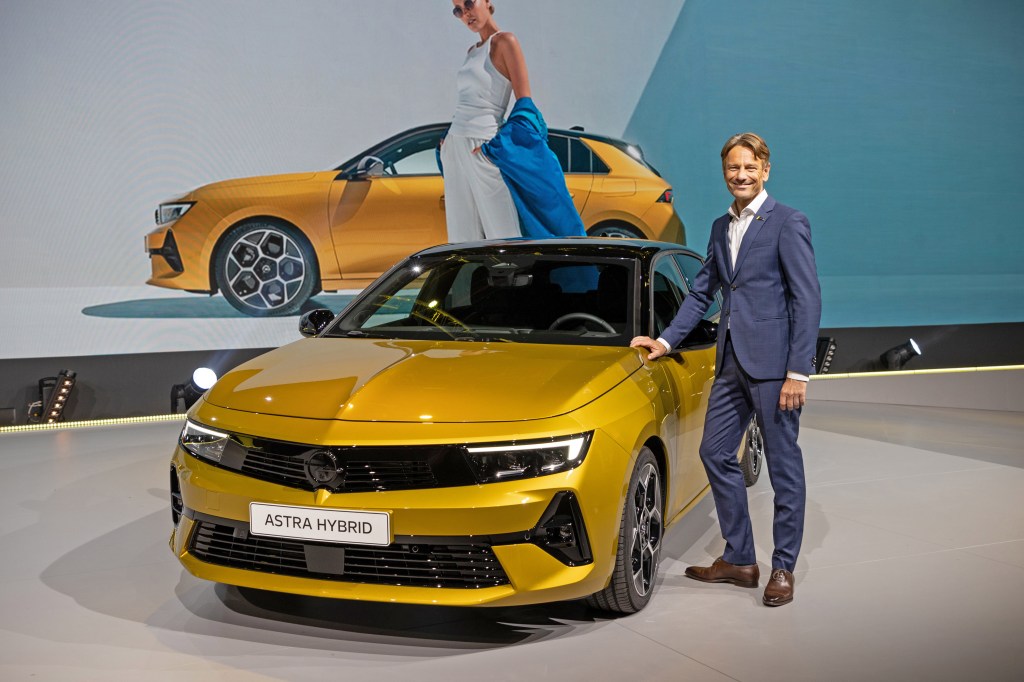
Opel CEO Uwe Hochgeschurtz presented in world premiere the new Astra Sports Tourer
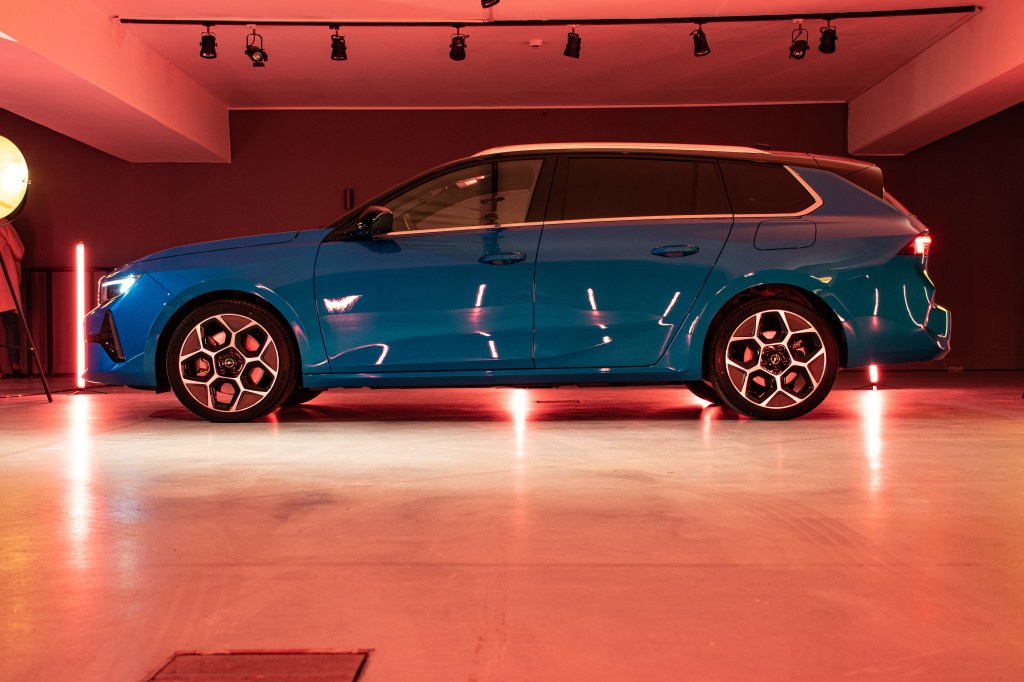
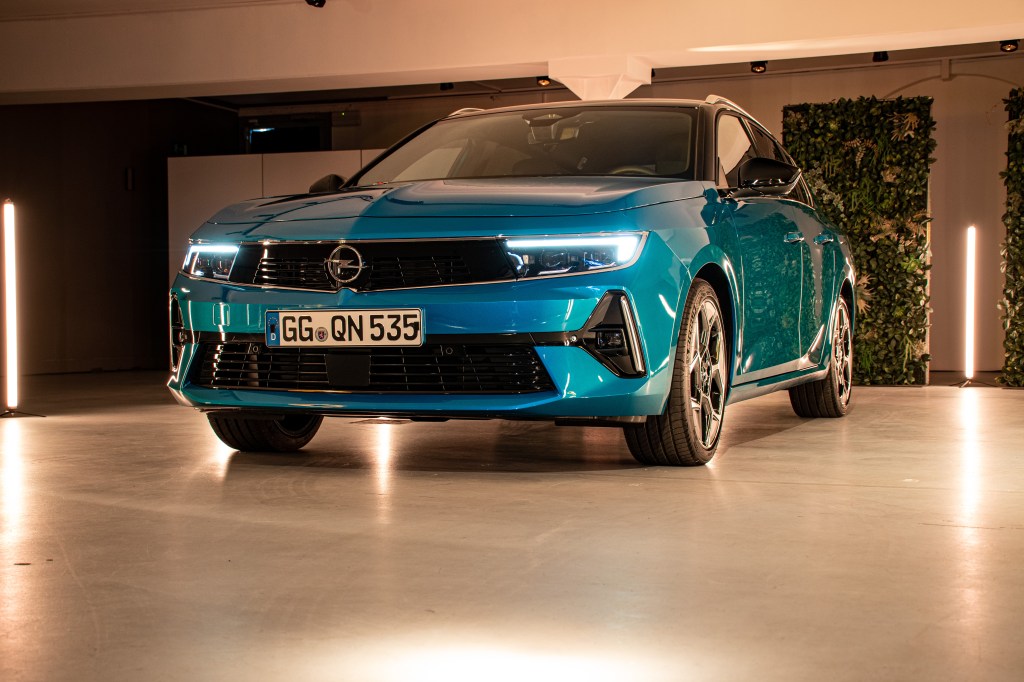
The Opel Astra Sports Tourer would have its world premiere at the Brussels Motorshow 2022. This car is, after the new Astra Hatchback, the first Opel estate car with the new expressive Opel Vizor front and the Pure Panel, the digital dashboard. As you can see from the photos, it combines a number of distinctive features: functionality, elegance, sportiness and generous, modular interior space.
Opel therefore organized a press conference at the stylish The Merode in Brussels on Tuesday 1 February, to present the two variants of this new generation Opel Astra.
Hans Knol ten Bensel
Mr. Uwe Hochgeschurtz, the new Opel CEO, lifted the veil of this new Astra. This is the first Opel estate to be electrified. In addition, the sports estate from Rüsselsheim will be optionally available in stylish two-tone paint. Like that of the five-door model soon to make its debut at dealerships, the Sports Tourer’s interior is also thoroughly redesigned.
For the first time, drivers will find the fully digital Pure Panel cockpit in front of them – the next generation of the fully connected and intuitively operable Human Machine Interface (HMI). Utilising the integrated Snapdragon® Cockpit Platform from Qualcomm Technologies, the Pure Panel cockpit features enhanced graphics, multimedia, computer vision and artificial intelligence (AI) capabilities to provide a more integrated, contextually aware and constantly adaptive cockpit system that evolves to its passengers’ preferences.
There is no need for cables in the new Astra Sports Tourer either, since the new generation of multimedia infotainment systems can be connected as standard on all model variants to wireless Apple CarPlay and Android Auto via compatible smartphones. Here, too, the maxim was to create a clear, fully functional high-tech design that does not appear cold and impersonal, but rather conveys a feeling of security.
Efficient estate…
The Astra Sports Tourer with vital statistics of 4,642 x 1,860 x 1,480 millimetres (L x W x H) and a loading height of around 600 mm, displays the brand’s typical talent for efficient packaging.
To keep the loading sill low, the number plate, for example, is not located in the bumper – unlike in the five-door model – but in the tailgate. This makes it easier to load the completely flat rear compartment with luggage or equipment. And despite the considerably longer wheelbase of 2,732 mm (+70 mm) that is even 57 mm longer than that of the new Astra hatchback and increases cabin comfort for passengers, the new Astra Sports Tourer is 60 mm shorter than the previous model, thanks to the particularly short front overhang.
Opel will soon open the order books for the new Astra Sports Tourer so that customers can configure their dream vehicle.
A bold electrified future…
Opel is also embarked on an electrification offensive in this New Year. Eleven Opel models will be electrified by mid-2022 – including Opel’s entire light commercial vehicle (LCV) range. En route to an emissions-free fleet, some models will exclusively be offered as battery-electric variants this year already.
Indeed, customers can now order the Opel Combo Life, Vivaro Combi and Zafira Life exclusively with an electric drive.
“There is no alternative to electrification. In the future, Opel will gain even more traction with environmentally friendly innovations. And what shows us the rapid change again very clearly: From 2024, we will offer an electrified version of every Opel model, without exception. In other words, the successors to Crossland and Insignia will also be electrified. Our statement is clear: From 2028, we will exclusively sell battery-electric vehicles in Europe,” stated Opel CEO Uwe Hochgeschurtz. (See photo above).
In the coming months, the new generation of the Opel Astra will be the linchpin of the Rüsselsheim-based brand’s electrification offensive. After celebrating its premiere in September 2021, the new Astra five-door will arrive at customers in the spring – and will be available as a plug-in hybrid right from the start. In 2023, the purely battery-electric Astra-e will complete the range. The emissions-free product portfolio with the Blitz already ranges from the Opel Rocks-e lightweight vehicle to the large Opel Movano-e van.
The plug-in hybrid versions of the Audi Q7 and Q8 stand for power, efficiency and comfort. But there is always room for improvement. From now on, the Audi Q7 and Q8 plug-in hybrids are available with better consumption figures, bringing CO2 emissions also below the fiscally attractive limit of 50 g/km.
In the plug-in hybrid versions, the 3.0-litre V6 turbo petrol engine with 340 hp interacts with a powerful electric motor. The lithium-ion battery can now store net 14.4 kWh of energy (gross: 17.9 kWh) – more than before.
Audi combines here the efficient plug-in hybrid technology with the quattro permanent all-wheel drive and an 8-speed tiptronic automatic transmission. The Q7 and Q8 55 TFSI e quattro still have a system output of 381 hp and a combined maximum torque of 600 Nm. The powerful Q7 and Q8 60 TFSI e quattro delivers 462 hp and 700 Nm.
The CO2 emissions for the Audi Q7 55 TFSI e quattro are now brought down to 46 g/km. The powerful 60 TFSI e quattro records 47 g/km. In the Audi Q8, with the same engine versions, this is successively 49 g/km and 52 g/km.
Driving with anticipation improves the useable range…
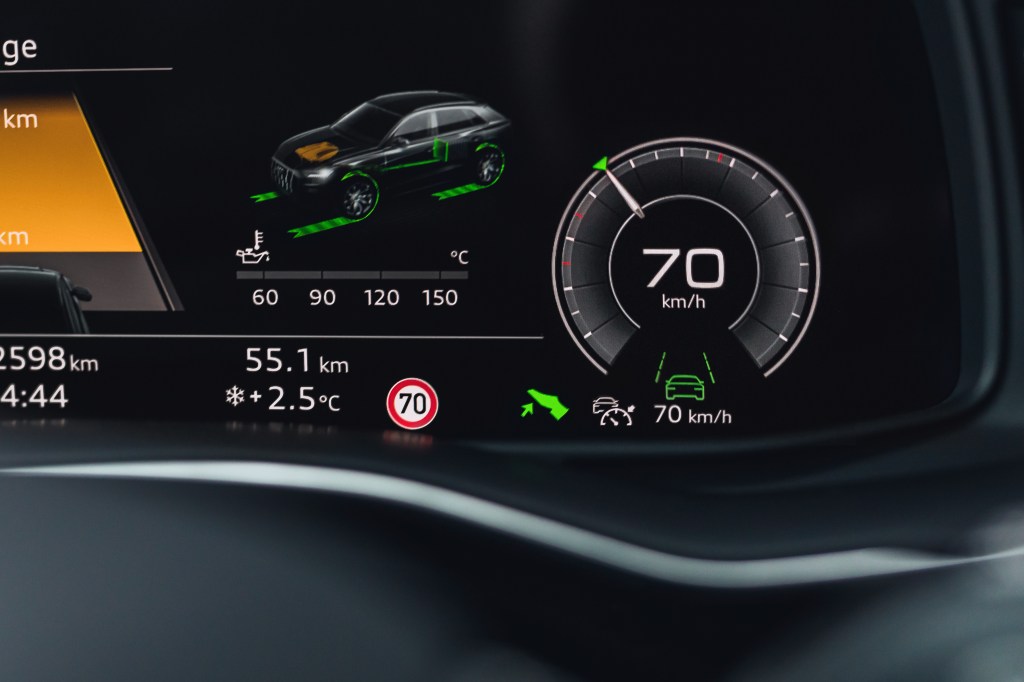
The electric range of the plug-in hybrids is increased. The advanced battery cell technology now offers up to 55 km of purely electric driving range in the Q7 TFSI e. The Audi Q8 achieves 54 km as a 55 TFSI e quattro, and 52 km for the powerful 60 TFSI e quattro. In most cases, this is sufficient to cover your daily commute completely on E-power…
The new Enyaq Coupé in RS version will be first in the showrooms….
Also Škoda is convinced that the future is electric. On January 31st they presented for us the all electric Škoda Enyaq iV Coupé. It will be initially only available in the RS version, which promises to be rather formidable if one reads the figures: an acceleration form 0 to 100 km/h in 6,5 seconds, charging time from 10 to 80 % in under 30 minutes, a range of 545 km.
Oliver Stefani, Head of Designshows the sleek roofline of the new Skoda…
At the same time, this new version remains typically Škoda: spacious and practical. The luggage compartment is a massive 570 liters… and of course it has lots of “Simply Clever” features.
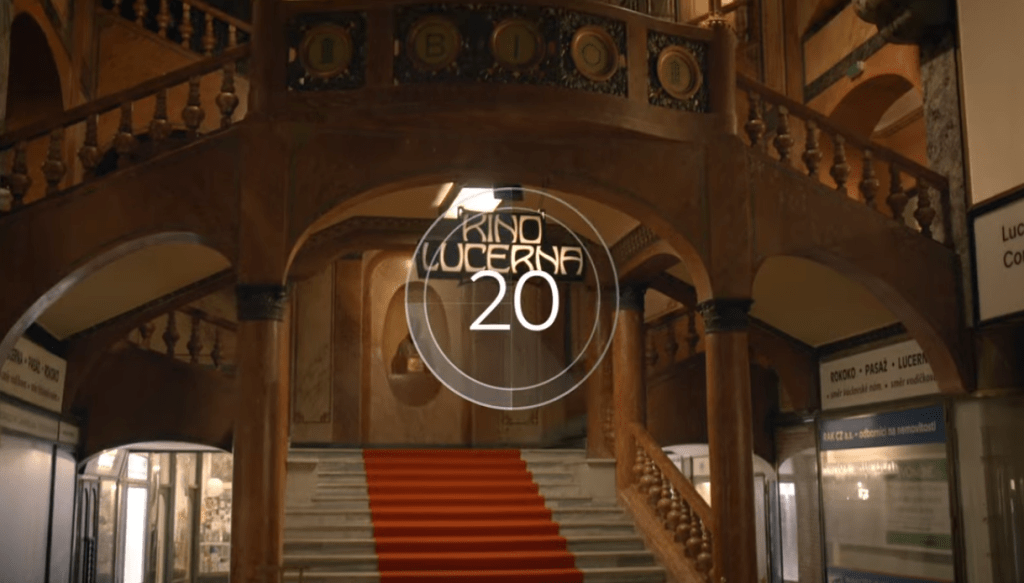
At the virtual presentation, we saw Jens Katemann, Head of Communications of Škoda Auto leading us into the Kino Lucerna,
the oldest still operating cinema theatre in the Czech Republic, and introducing us to the actress driving the Enyaq iV Coupé in the film, Ana Geislerova, and Thomas Schäfer, CEO of Škoda Auto. (Photo below, from left to right).
Jens Katemann, Head of Communications of Škoda Auto, Ana Geislerova, and Thomas Schäfer, CEO of Škoda Auto.
The film starts with the CEO Thomas Schäfer running in the woods towards a vantage point, embodying the will to go (ever) forward, and looking into the (electrical) future.
CEO Thomas Schäfer running…
and looking out into the future…
Then we are introduced to Johannes Neft, board member Technical development, and further to Oliver Stefani, Head of Design.
Inspiration through perspective…Olivier Stefani, Head of Design.
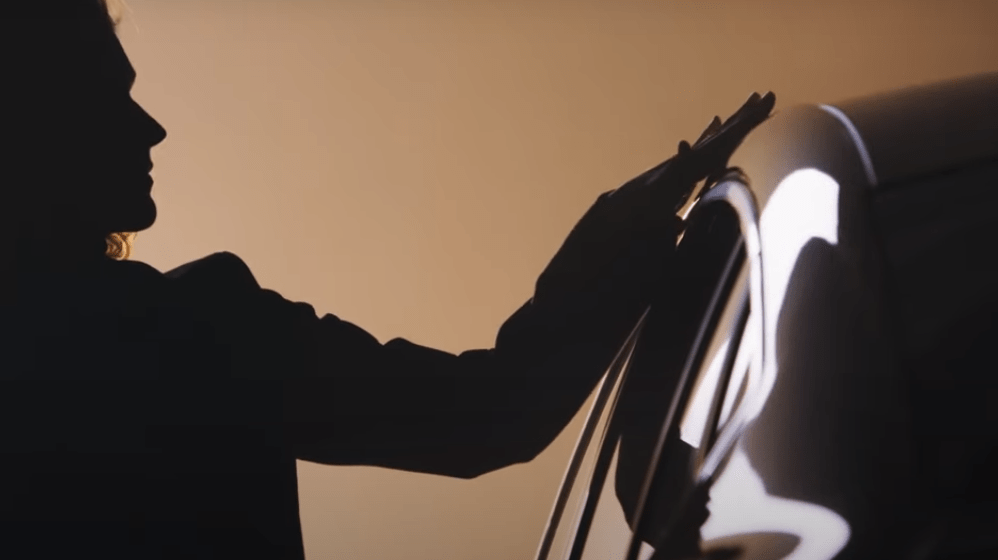
Actress Ana Geislerova then lovingly caresses the roofline of the sleek coupé,
and takes the wheel… for an exhilarating drive;
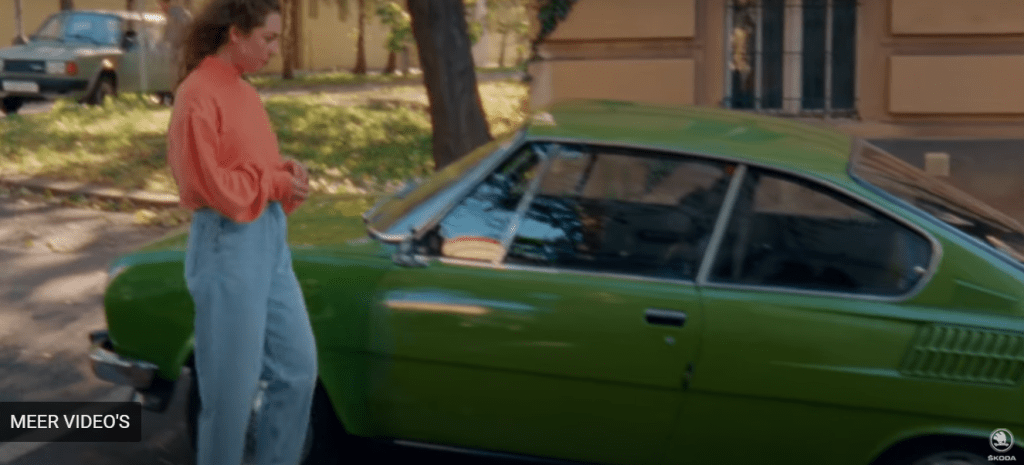
The second part of the film presents the RS version, which will be offered first to the eager customers, and it tells the story of a Czech teenage girl who drives the first RS Coupé, based on the rear engined MB 1000.
The person is now is some decades older, but remains in love wih life and freedom,
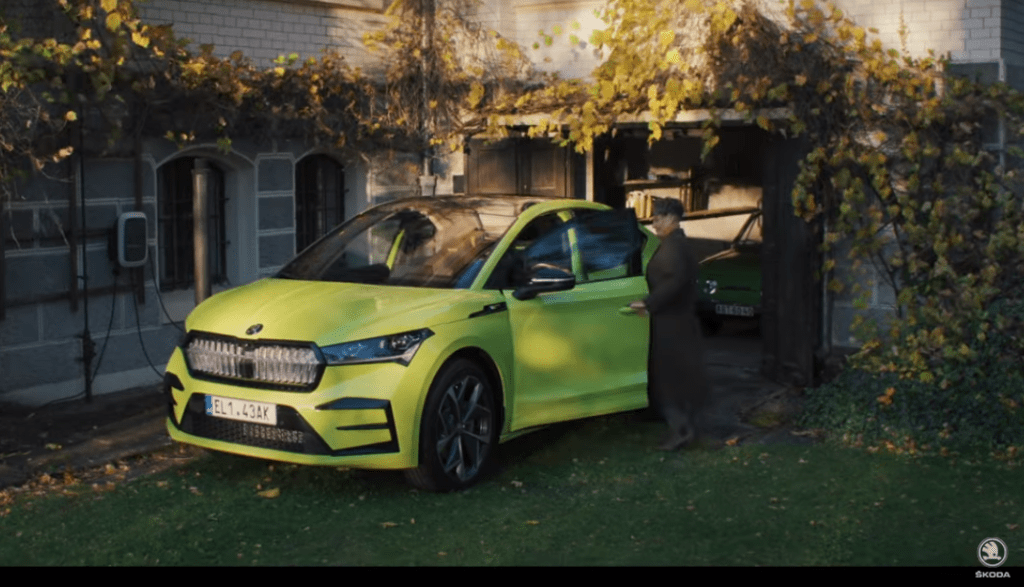
and of course drives now the new coupé…
I couldn’t resist showing you here some clips of this film…
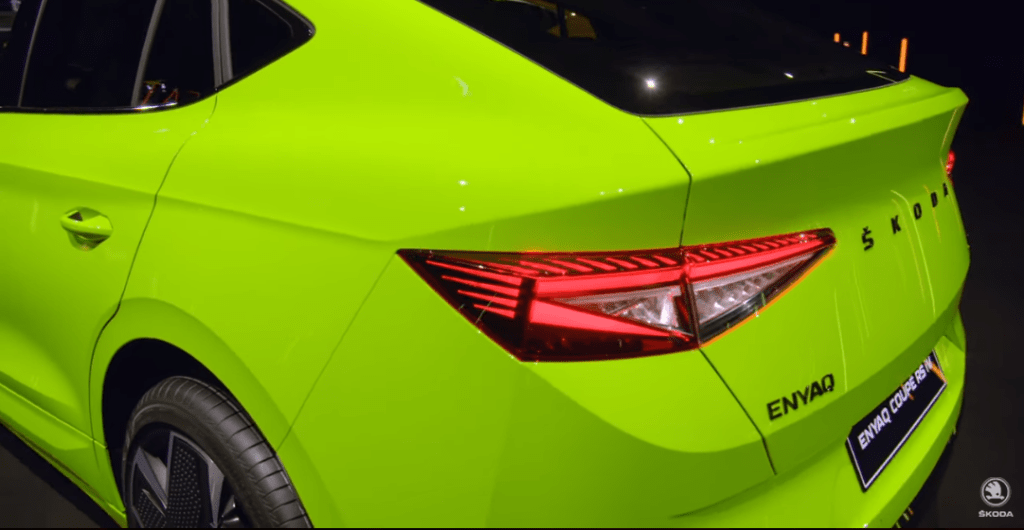
The bold green colour is exclusive to the RS version…
The cars themselves are then presented in more detail by CEO Thomas Schäfer and his team. We show you here also some clips, revealing the car more in detail…
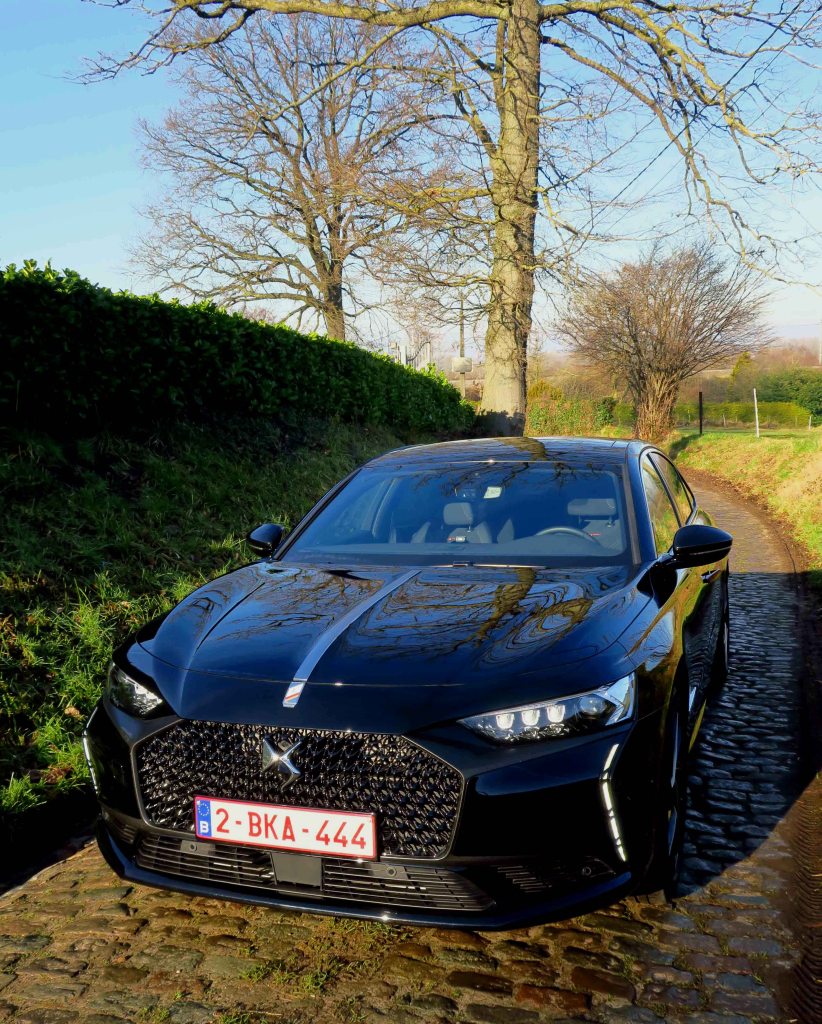
In the hearts of many, the longing for a sleek, timelessly beautiful French limousine never fades. So when DS Automobiles was born, such a car was a must. The tradition of the original DS, serving as the true “voiture présidentielle” has also to be kept. So here she awakens again, as the noble “savoir vivre” alternative to the established German competition. The DS9. We tested the plug-in-hybrid version of course, fitting to this time and age…
Hans Knol ten Bensel
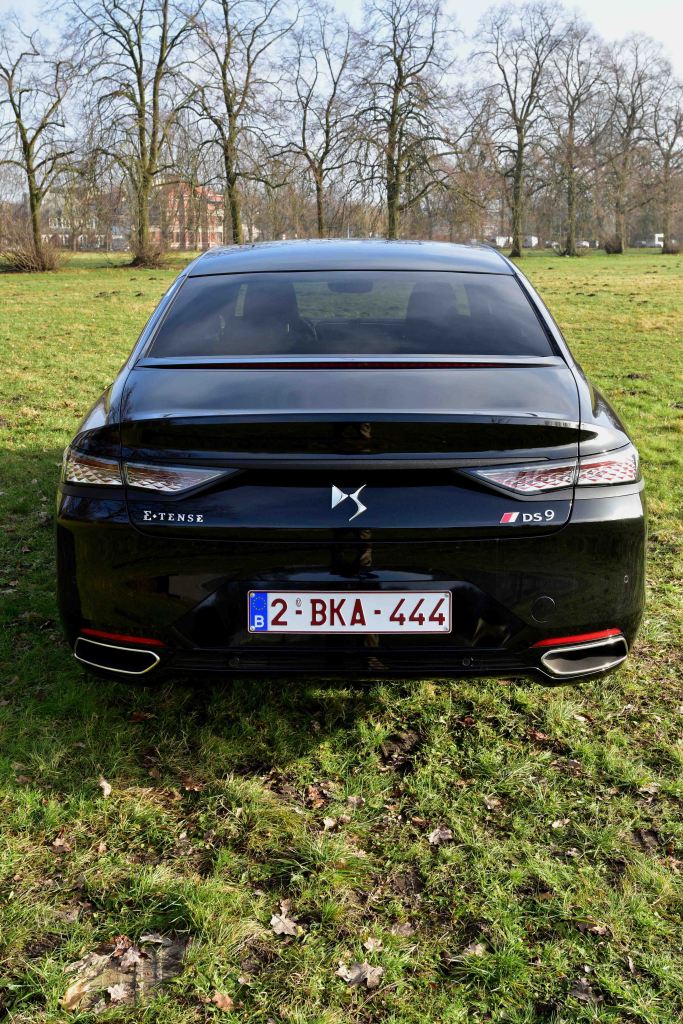
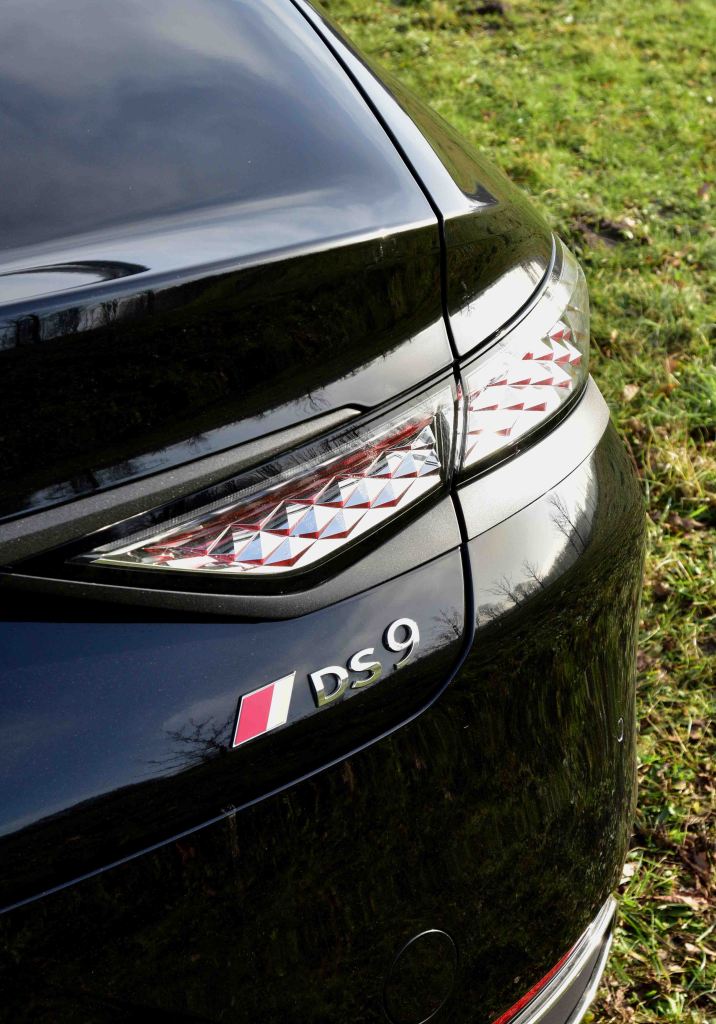
This DS9 is indeed elegant. With a regal wheelbase of 2,9 meters and a total length of 4,93 meters, the stylists were able to draw fluent lines and contours of an uncanny noblesse. The added details are reminiscent of its iconic predecessors, like the position lights close to the roof line.
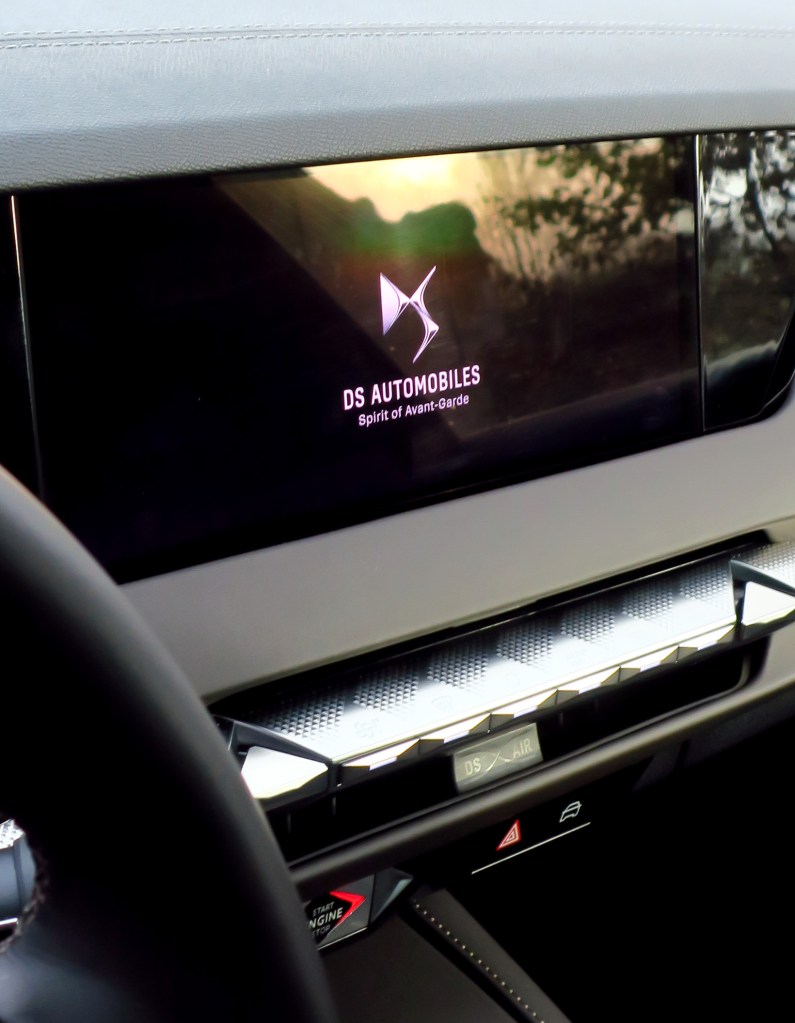
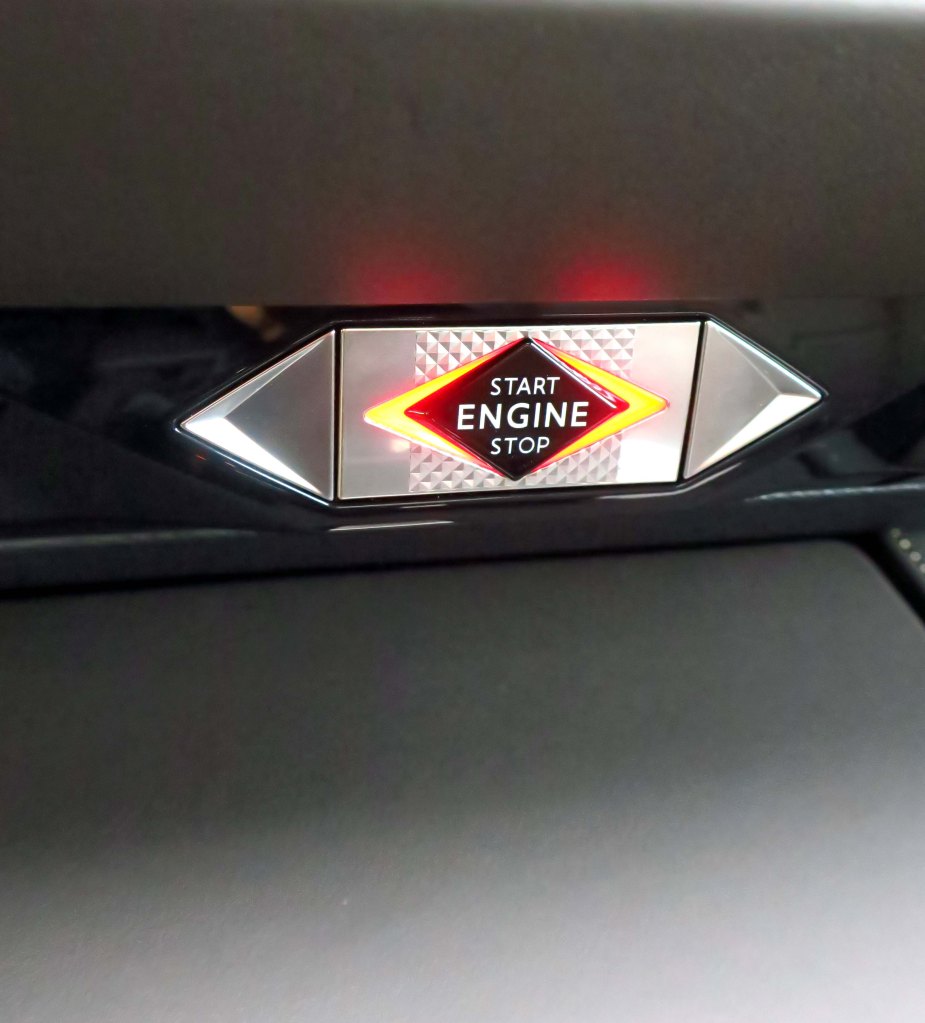
This regal panache continues in the cabin. Noblesse oblige. Your eyes meet the superb clock in the middle of the dashboard, with the lozenge shaped start/stop button right below it.
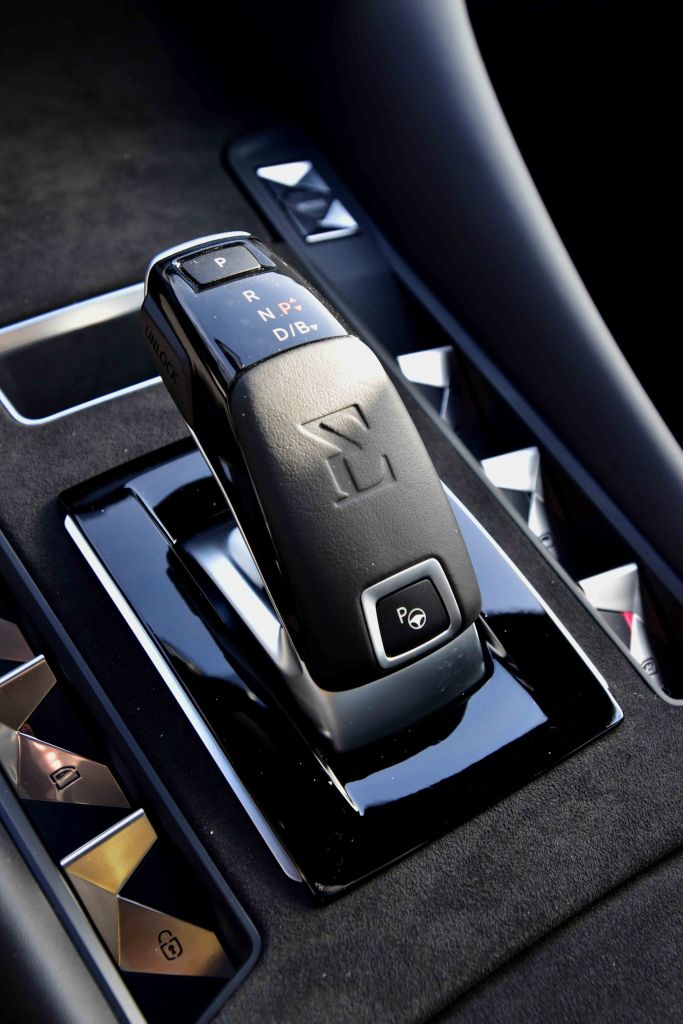
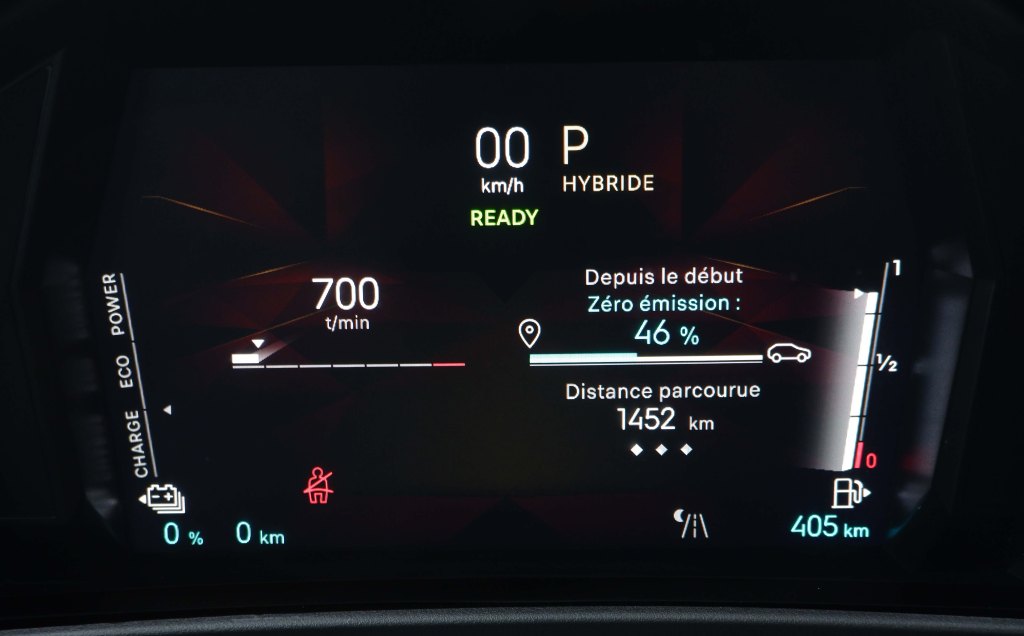
You can select also this lozenge theme for the dials in the electronic screen ahead of you, to add a bit of Art Déco atmosphere to it all. Your servant just loved this, as well as the finely chiseled surfaces of the rotating knobs on the steering wheel and the centre console. We love this tension between rounded shapes and rakish angularity. Voisin also used this in his magnificent automobiles.
The cabin is beautifully finished, with the seats not only looking opulent, but also cocooning you in soothing armchair comfort. Leg room at the rear is of course nothing short of presidential.
The infotainment is top notch, the expertise of the former PSA and now even larger Stellantis group sees to that. Embedded in this now world wide group, for DS automobiles, further future oriented electrification and revolutionary system/software platforms are in the cards. As one knows and has been written already in these columns, DS is very ambitious when it comes to future electrification.
Smooth hybrid power
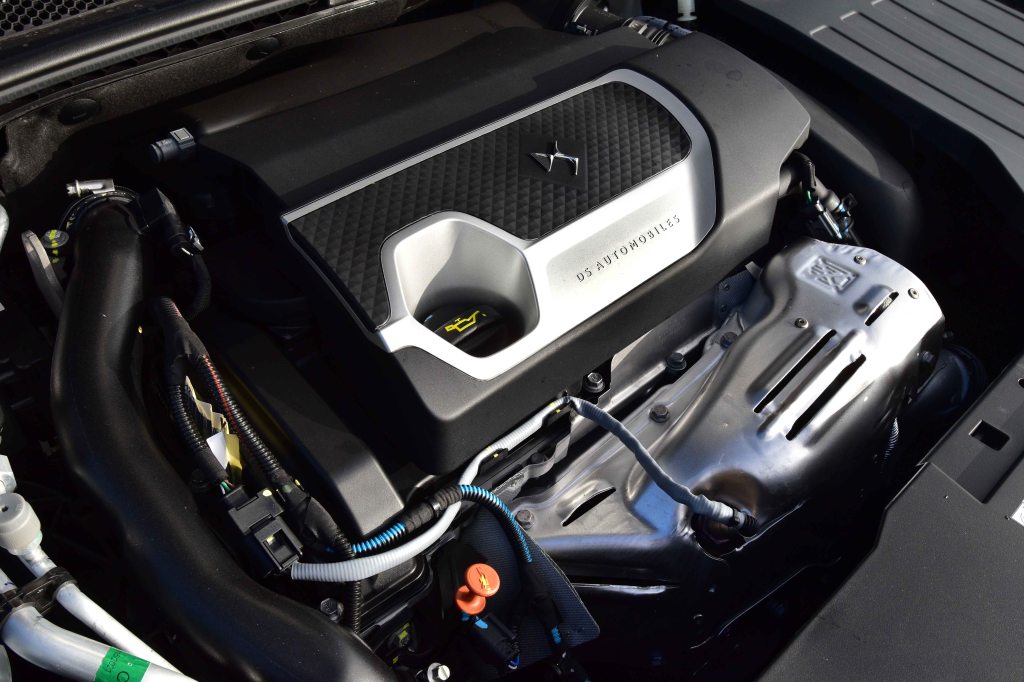
We tested the E-Tense 225 version, with the 181 HP 1,6 litre petrol engine coupled via an 8 speed automatic transmission to a 110 HP electric motor, resulting in a total system power of 225 HP. Sounds familiar? Indeed it does, as we found the same drivetrain on the DS4 E-Tense.
We already applauded the good qualities of this drivetrain, the prompt and vigorous accelerations, the overall smoothness. As the DS9 is somewhat heavier than the DS4 with its 1914 kg, the 0 to 100 km/h acceleration time is slighty slower, some 8,7 seconds, but on the other hand the top speed due to the more slippery limousine bodywork is a solid 240 km/h.
The DS9 will however rather invite you to some leisurely cruising, inspired as you are by the comfortable suspension which like in the higher end versions of the DS4 electronically scans the road surface ahead of you and adapts the active suspension accordingly. DS Automobiles calls it DS ACTIVE SCAN SUSPENSION, and we described it already in our columns.
Sound insulation is magnificent, remember that the doors have not less than three rubber seals to insulate the cabin from its surroundings, and double glazed windows. Needless to say that one truly enjoys the excellent sound system, and can listen delightfully to French chanson or baroque music.
Our test car had an electric radius of about 50 kilometers, thanks to its 11,9 kW battery. In our columns you could already read that there’s now a DS 9 E-TENSE 250 in the showrooms, featuring a 200 hp 4-cylinder PureTech engine, accompanied by the same 80 kW (110 hp) electric motor. The car has a new 15.6 kWh (total capacity) battery, with an unchanged number of cells, delivering now up to 70 kilometers on the WLTP city cycle (EAER City) or 61 kilometers on the WLTP combined cycle with an unchanged vehicle weight. The 7.4 kW on-board charger also allows charging from 0-100% in merely 2 hours and 23 minutes. See our article with the following link: https://autoprova.be/2021/12/03/the-ds-9-e-tense-gets-an-increased-e-range-and-extra-power/
Built in China…
I find it always fascinating to read how the present large automotive groups go about manufacturing their products on a global scale. The DS9 is also typical example. The DS9 runs on the EMP2 modular technical platform of the PSA group, and is built in the Chinese city of Shenzhen by the Baoneng group.
Related (bigger) cars built on this EMP2 platform are the Peugeot 508 and the… Donfeng FengshenA9, an executive sedan produced by the Dongfeng Motor Corporation under the Dongfeng Fengshen sub-brand, until 2019.
Citroën sells a new car named C6 in China on this platform since the end of 2016 and apparently until now, also as an executive saloon. All these cars have the same 2,9 meter wheelbase. This C6 is built in Wuhan, of all places…
Frugal… depending on how you use it.
With PHEV’s it is always the same story. Consumption depends on how you use it. Frequent recharging and short distances will enable you to run it on E-power, if you let the petrol engine do all the work, then it depends on the efficiency of the engine and your driving style. The manufacturer quotes a minimum consumption of 1,5 l/100 km and CO2 emissions of 34 g/km.
Practical
The DS9 is first of all a comfortable limousine, and your excellent companion on long distances or a posh urban drive to restaurant or opera. Boot space is sufficient with 355 litres, as you can fold the rear backrests back to enlarge cargo space to 825 litres.
For the rear passengers, there is a wide central armrest with lots of space for drinking glasses and sundry.
Conclusion
This sleek executive saloon makes a statement in the Executive segment, with its stylish panache and focus on ultimate comfort. It represents a true alternative in design and concept, and its lavish standard equipment makes it also stand out versus the competition.
So we repeat what we said about the DS4, if you want to take a different path in luxurious and refined motoring, grab the leather stitched wheel of this one…
The new DS4 is styled to make its mark in the competitive C segment, to bring a touch of French refinement and panache in its class.
Already at the first presentation of the DS4 in Chantilly, we were impressed. We now had the chance to drive this elegant Crossover SUV on our roads for a longer test, and we must admit that it was a very convincing experience indeed. Just read further…
Hans Knol ten Bensel
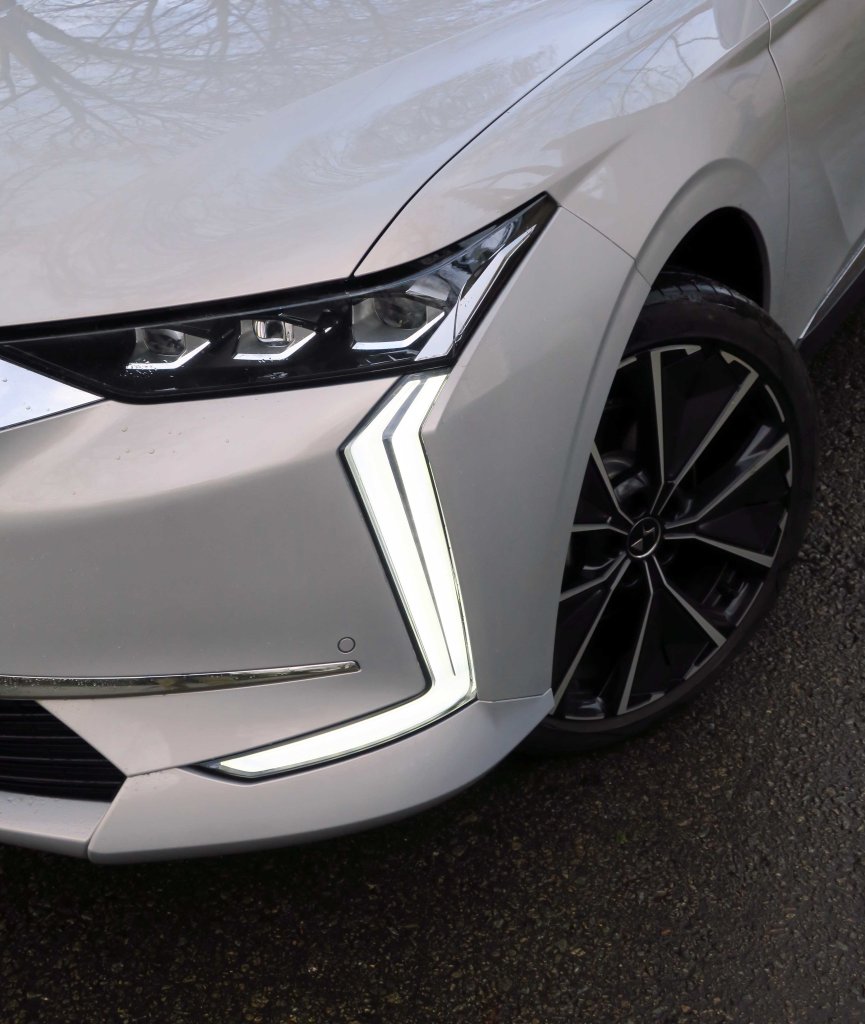
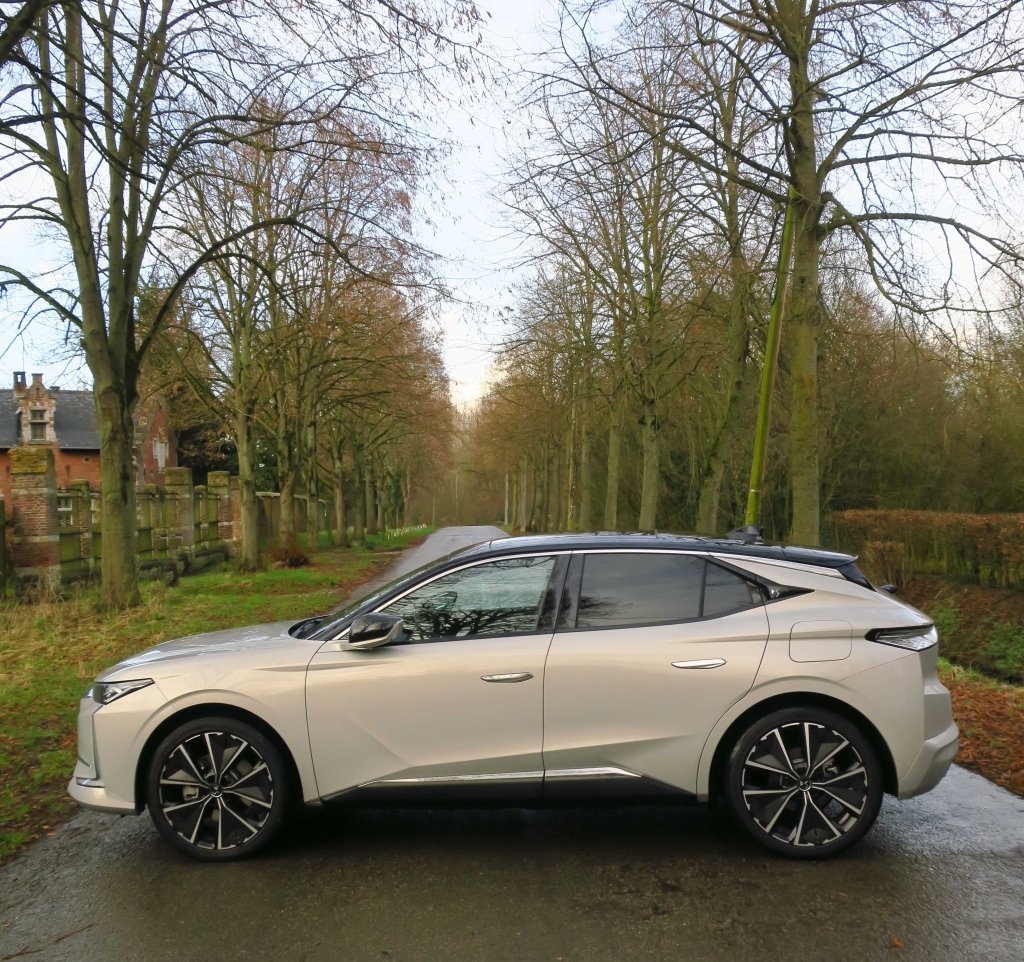
Seeing the new DS4 and walking around it, one has to admit: this is a well proportioned, timelessly styled car, with unique contours and styling elements, clearly showing that its designer wanted this DS4 to really stand out.
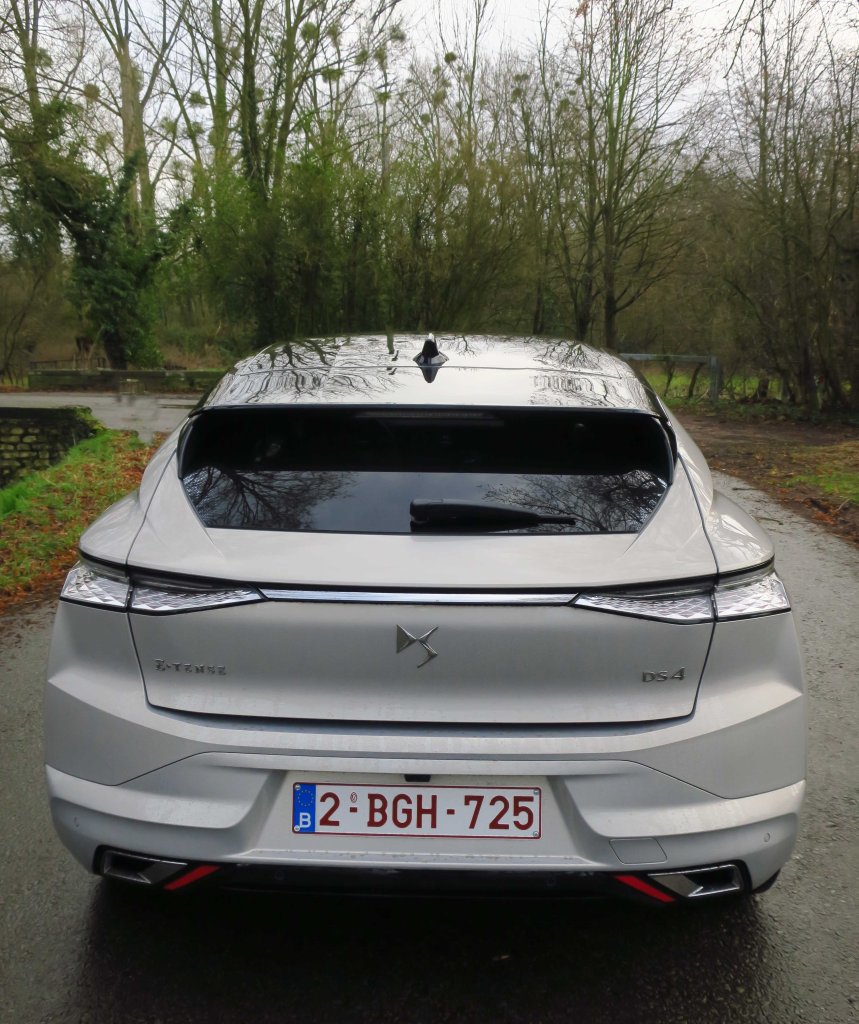
The volumes are carefully balanced, front, side or rear, the DS4 shows character and elegance. The grille and sidelights at the front, the elegantly chiseled rear lights, the flush door handles, popping up when one approaches, the up to 20 inch wheels, this DS4 has the elegant and refined shapes which are appealing. The DS4 recently won also accolades for its styling…
This French couture-like “savoir faire” continues in the interior. Dashboard, centre console and seats breathe distinction, with styling never interfering with functionality.
The higher waistline of the whole car, being a crossover SUV, results also in cabin proportions which invariably invite you to cocoon in its interior, with the DS (and Citroën) extra thick foam-padded seats enveloping you.
The well finished panels of the dashboard and console awake your senses, and you invariably enjoy the refinement of it all, finding it a pleasure to touch and look at.
Take your time to familiarize yourself with its sculpted controls, from the lozenge shaped starting button to the writing pad above the gear selector, and of course the latest generation infotainment which the Stellantis group now offers in its cars.
Besides the clean and to the point driving information displayed by the instrument panel in front of the driver, our test car came in its posh Rivoli equipment level also with an informative and well to read overhead display with augmented reality.
Refined power…
The E-Tense PHEV drivetrain is nothing less than top notch. Shared with other brands and models within the Stellantis Group, it impresses with its smooth, feline power. Driving the front wheels through an 8 speed automatic is a 1,6 petrol engine combined with an electric motor. Total system power is more than enough, with not less than 165 kW/225 PS and maximum torque of 360 Nm. This results in very lively performance: accelerating from standstill is quite powerful, and 100 km/h is thanks to the assistance of the electric motor effortlessly reached in just 7,7 seconds.
Delightful indeed, and the fun doesn’t stop there, as this DS4 is also quite formidable on the motorway: it top speed is not less than 233 km/h.
But besides all this power, it is also the smoothness and the overall silence and refinement of the drivetrain which really stands out. Your servant also considers this to be far more important than outright performance in our modern everyday traffic, and found it a strong point that the DS4 also delivers in this respect.
The combination of performance with the refined charms of electrification and on top of that the absence of any lengthy refueling worries will make me opt for the hybrid solution for the time being, considering the present state of the charging infrastructure on our shores. The DS4 proved again to be a case in point.
DS Automobiles, or rather Stellantis Group for that matter, succeeded in developing a drivetrain with a very smooth and fluent power delivery, with imperceptible gear changes, instant responsiveness and overall very good mechanical quietness. Just when the battery is almost depleted and in kick-down situations, the pleasant roar of the high performance four cylinder is briefly heard, being not obtrusive at all.
Consumption of this PHEV is totally determined by how you use it. Frequent recharging of its 12,4 kW battery via plug-in and driving frequently short distances will of course let you drive with E-power most of the time, with fuel consumption consequently dropping below 2 litres/100 km. Driving briskly with a depleted battery will push the consumption to the other hand of the scale, as the petrol engine is doing almost all the work. Suffice to say that sitting snugly in the comfortable DS, driving with restraint and enjoying fully the good sound insulation of this refined car and its silent drivetrain, we achieved typically a consumption between 5 and 6 litres/100 km.
Divine comfort
The forte of the DS4 is of course its comfort. It will come as no surprise to you that we drove our test car in the comfort mode most of the time. The DS scans the road ahead for irregularities with a camera, and adapts the active suspension accordingly. Impressive to say the least, and we enjoyed the resulting comfort indeed. It is not so soft as the legendary hydropneumatic suspension of the DS 19, but it doesn’t have to be.
This is an active suspension, and it combines a more dynamic setup, necessary to contain the impressive power and torque, with nevertheless stunning “souplesse” and comfort, which makes this DS also the long legged cruiser able to maintain high speeds completely effortlessly on miserable, wet roads.
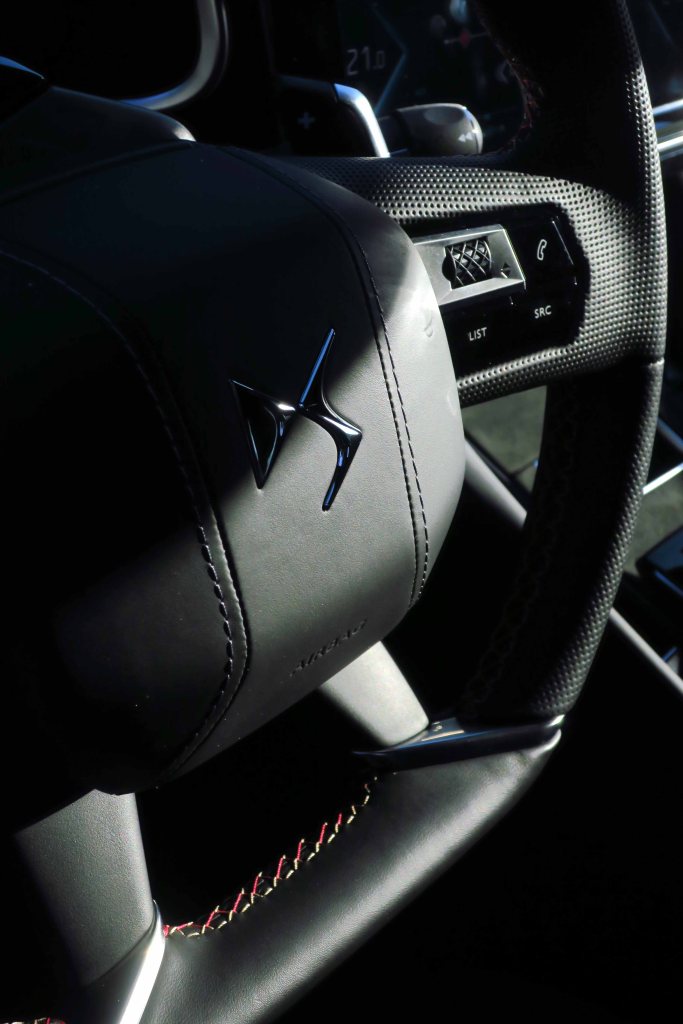
The steering is light, well insulated from road irregularities and the steering wheel is also a delight to touch, delicately covered by hand stitched leader. We saw one of the craftsmen at work at the DS4 inaugural presentation at Chantilly, and it was truly stunning to see.
I could not resist to show you a photo of this demonstration here. The DS philosophy behind it is right: the steering wheel is what your hands feel and touch; it is your main contact with the car, so it better be a work of art and craftsmanship…
Seating comfort is excellent fore and aft, (very) tall persons will find leg- and headroom in the rear somewhat restricted. If more limousine space is wanted, the DS lover can opt for the majestic DS9, which we drove too, and we will tell you our impressions also soon…
The DS4 will offer you all the thinkable driving aids, and of course also the necessary camera’s to safely maneuver the car. Boot space is still a useable 390 liters in the PHEV version, and of course the backrests of the rear seats can be folded back, so the trip to the “antiquaire” can be crowned with success.
Conclusion
The DS4 has all the endearing French style, character and panache to win your car loving heart. Well designed with lots of “génie Francais”, it is expertly built in German Rüsselsheim.
It has the soothing comfort and road manners of its iconic and legendary DS19 predecessor, which in my eyes makes it even more attractive. It is also timelessly styled, and will be your elegant companion for years to come.
So you want to make a statement in the C segment? Slide behind the hand stitched wheel of this electrified goddess…

































 Autoprova - for the Connaisseur