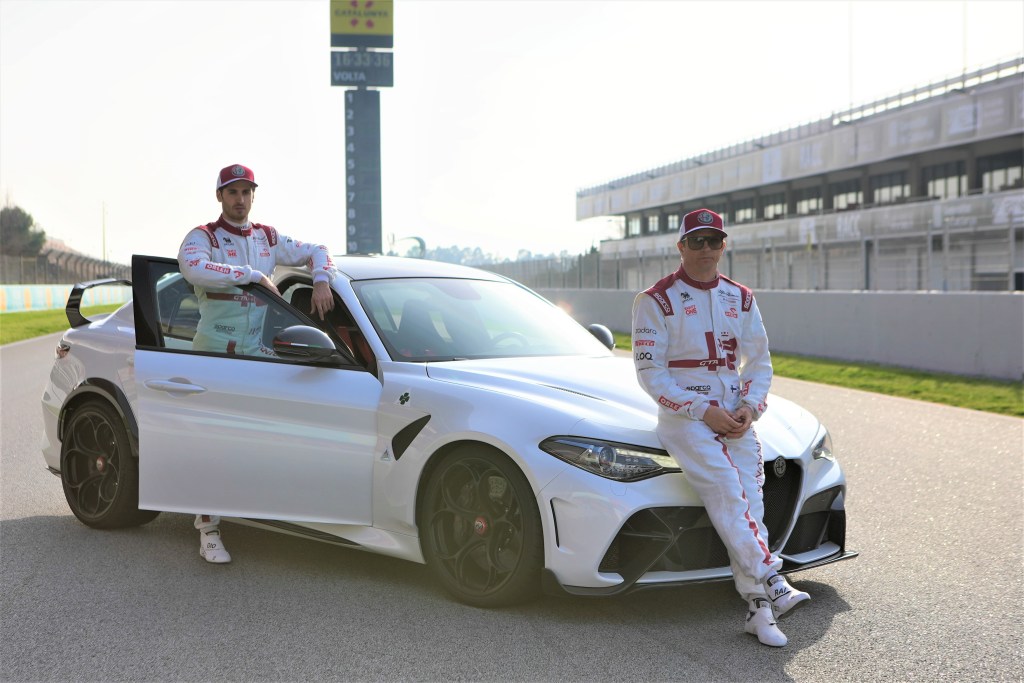
The 2021 F1 World Championship kicks off on Sunday, March 28th, at the Bahrain Grand Prix. Behind the wheel of the C41, unveiled in Warsaw in February, will be the proven Italian-Finnish pairing of Antonio Giovinazzi and Kimi Räikkönen.
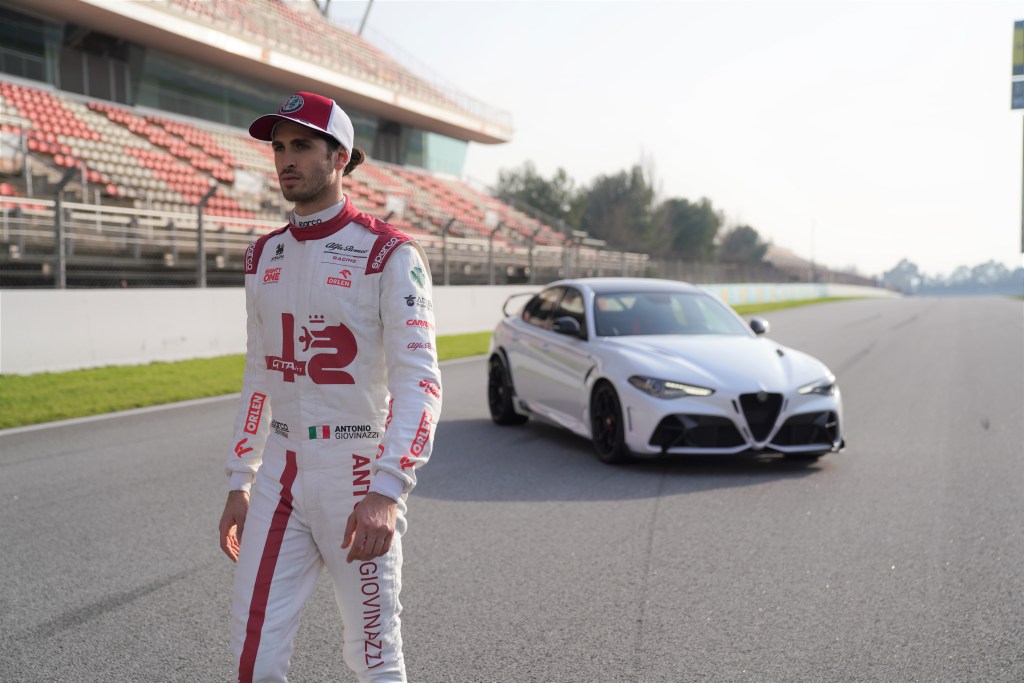
But there is more: The two champions are involved in fine tuning the Giulia GTA project. The racing suits of both champions feature the acronyms GTA and GTAm, evoking this project that draws all its inspiration from the 1965 Giulia Gran Turismo Alleggerita, a car that racked up so many successes on circuits all over the world.
Antonio Giovanazzi showing the GTAm logo on his suit…
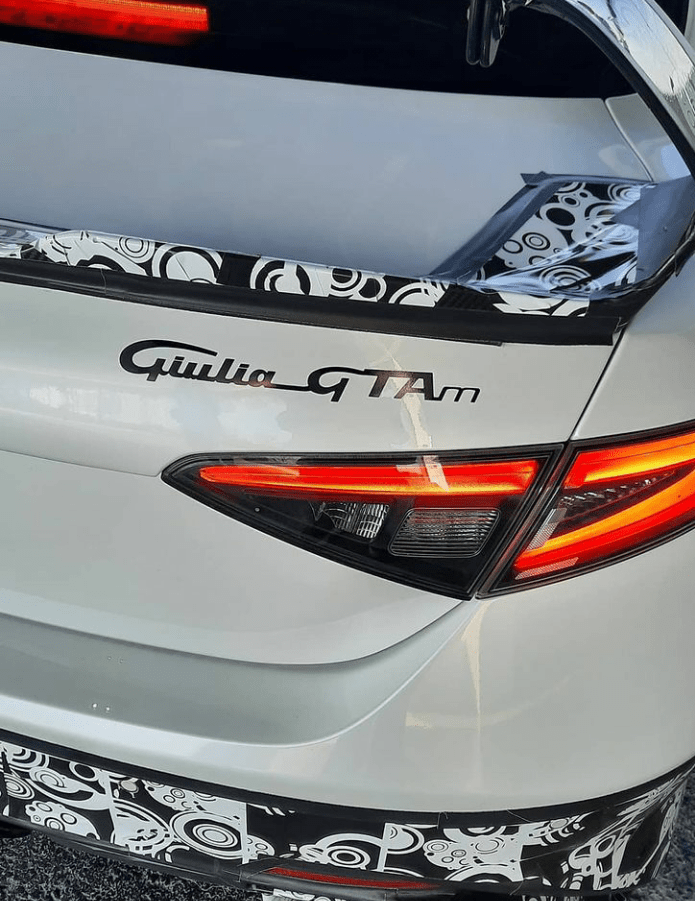
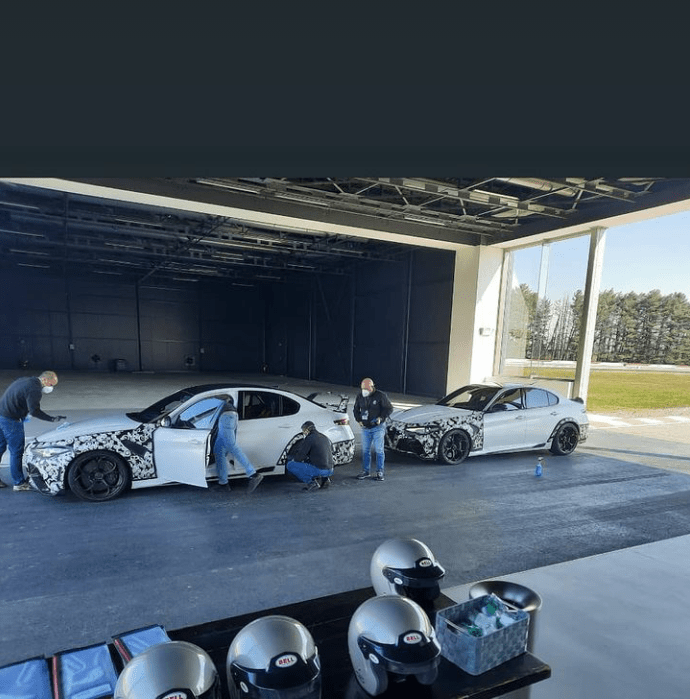
The Giulia GTA project has benefited greatly from the partnership with the Swiss Sauber team, using their Engineering know-how in the prototyping and development of carbon fiber components with a bold aerodynamic impact: the new front bumper, side skirts, extractor, the GTA spoiler and the GTAm aerowing. You see here two photos taken by dynamic press officer Wim Willems of the test sessions, showing clearly the aerodynamic body parts on the cars.
The aerodynamic parts were still camouflaged during the test sessions… Test session in full swing…
Indeed, the two drivers have also actively contributed to the project development, having completed a testing session at the Balocco Proving Ground.
Kimi and Antonio focused on the specific solutions taken up in terms of aerodynamics and handling, analyzing in depth all the changes made to the car and giving an account of their feeling on the track to the engineering team, resulting in a joint assessment of the effects on vehicle dynamics to complete its fine-tuning.
You see the champions and the here on the photo’s, at the test drives on the legendary Balocco circuit…
Nissan has made some research lately about what makes for both driver and passengers a harmonious journey. First of all, using the phone whilst driving is something passengers hate the most. It can indeed cause in-car arguments… Nissan points out of course than NissanConnect helps greatly here, as it integrates the phone seamlessly with the car. Also the compatibility with Apple Play and Android Auto will let you digest safely incoming calls and messages…
Good Music
Not less than 55 % of Europeans believe that good music is the most important ingredient for an enjoyable trip. Of course, you have to agree on a playlist before you start off… The NissanConnect infotainment system helps greatly here…
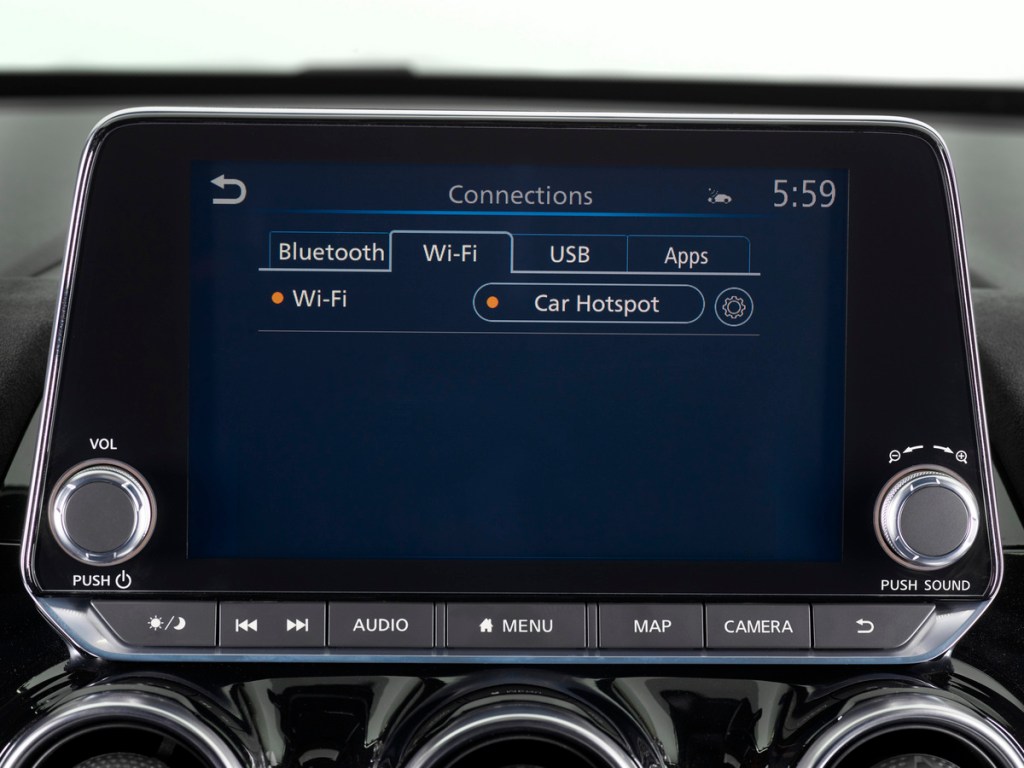
In the Juke, front seat passengers can enjoy the good sound of the Bose Personal Plus System. You can even select your music via the in Car Wi-Fi Hotspot…
Passengers hate tailgating, and it is one of the worst things a driver can do. 46 % of the passengers find it very annoying. At least two seconds should be between you and the car in front of you. Nissan suggests using its ProPilot system which keeps you at a safe distance, whatever the speed…
Nearly one in five drivers admit that tiredness is a problem. So take a break, and don’t continue for too long. A chime and a coffee cup symbol will warn you when you drive a Nissan…
Risky overtaking
Indeed, not less than 56 % of European passengers just hate that. It makes them feel very uneasy. Nissan drivers can make good use of JUKE’s Blind Spot Intervention for instance, which returns the car back to its original lane if the driver doesn’t intervene…
Good seating
This is for many passengers even more important than room, and we can agree…
To conclude, a smooth, cool drive with good music is what passengers want, and their happy faces will also turn a broad, relaxed smile on your face…
Our smartphone follows us everywhere. So why not use it as a multimedia screen in the car? That would be smart. For Dacia it was self-evident, albeit on the condition that it was fully integrated into the driving experience. This is how Media Control was born.
Nicolas Legros, Director of Transversal Operations for Dacia, explains the philosophy and advantages of this system, which is introduced in New Dacia Sandero.
“At Dacia, we are committed to redefining the essence of the car. For that we had to find a smart, simple and attractive multimedia solution. Moreover, customer studies show that the buyers of the brand prioritize simplicity in this area. That is an important point raised by members of the Dacia community as well. Our engineers and designers have worked closely together to create Media Control, a system that places our customers’ favorite screen – their smartphone – at the center of the multimedia experience in the interior. ”
Indeed, taking your smartphone out of your pocket to make it your travel companion without having to place a hard-to-attach support on your ventilation grilles? That ease of use would appeal to many people. And this is well understood at Dacia. To make life easier for drivers with smart, affordable and contemporary solutions, the brand’s engineers and designers have pooled their talents and came up with a very practical solution…
What is Media Control?
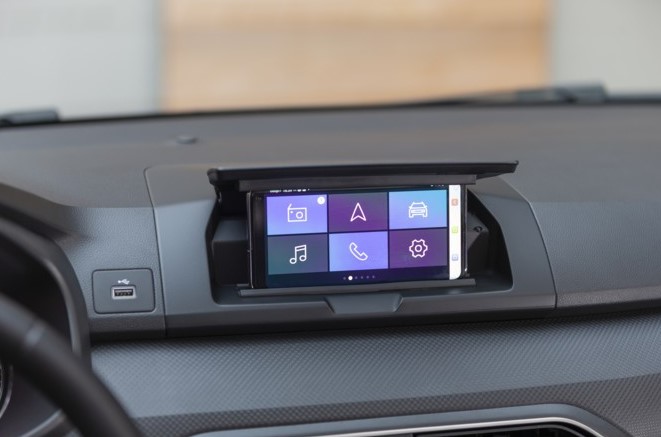
Nicolas Legros explains the system: “Media Control is a complete multimedia system. It includes a radio, two speakers, a USB connection, Bluetooth connectivity, steering wheel controls and, above all, a docking station for smartphones integrated into the dashboard. From the start of the project, this station was fully integrated into the design of the dashboard. In this way we guarantee comfort and user-friendliness for our customers. ”
The smartphone, which is placed in the universal housing in the center of the dashboard of New Dacia Sandero and held firmly in place, integrates perfectly into the driving experience. The strategic placement, at the top of the dashboard and slightly turned towards the driver, guarantees readability of the data, which improves safety. All you need to do is download the Dacia Media Control app on your smartphone. A simple Bluetooth connection then turns your smartphone into a full-fledged addition to the dashboard, replacing the integrated multimedia system.
Navigation, radio, music, telephone and even access to vehicle information – all essential functions are at your fingertips. Even the voice control is present, thanks to the voice recognition of the smartphone.
And when the phone is not in the holder, the latter disappears into the dashboard for more discretion.
A smart system with sophisticated functions
However, all this is not enough to turn Media Control into a 100% smart multimedia system. Thanks to the customizable app, the system also adapts to the needs of each user and even connects to the car’s on-board computer.
However, all this is not enough to turn Media Control into a 100% smart multimedia system. Thanks to the customizable app, the system also adapts to the needs of each user and even connects to the car’s on-board computer.
This makes it possible to create shortcuts to your favorite widgets and apps and even to frequently called contacts. To navigate, each driver chooses his own preferred app thanks to the wide choice of maps and guidance systems. Choose multimedia à la carte. Radio, playlists from your telephone, subscription to music platforms, USB stick or MP3 player … There is no shortage of choice. In addition to calls, the phone has all the essential functions: a hands-free mode to look up contacts in the phone book, consult the call history or consult scheduled events in the calendar. With Android devices, and soon also on iOS, the SMS function even reads out messages. In terms of vehicle functions, Driving ECO provides real-time access to consumption data and gives the driver personalized driving tips at the end of each journey.
Upon arrival, more distracted drivers will appreciate the phone alert and the Go To My Car feature, which guides them back to the car’s last parking spot.
We will bring you in several reports some further details about the latest iDrive, which is a further step into improved vehicle interaction in this era where things get increasingly smarter.
BMW’s operating system equips the vehicle to actively engage in its relationship with those on board. As BMW states, a natural dialogue is created with the aim of precisely tailoring all the functions controlled via BMW iDrive to the driver’s needs and preferences as the situation demands.
Underpinning the unique user experience are the new BMW Operating System 8, a new generation of displays, controls and software, and extremely powerful connectivity and data processing. The new iDrive will be rolled out gradually across all vehicle classes, making its debut later this year in the BMW iX before also featuring in the BMW i4.
The BMW Intelligent Personal Assistant adjusts to the driver’s individual needs and routines, as well as the situation at hand, and this makes it – more than ever – a central operating channel of human-machine interaction.
The operating system is designed with a clear focus on dialogue-based interaction using natural language and touch operation via the BMW Curved Display.
But there is more. BMW speaks of “Great Entrance Moments”, bringing emotionality to the relationship between driver and vehicle even before the driver climbs on board.
This new customer experience welcomes the driver and invites him or her into the vehicle with a thoroughly choreographed routine. During the journey, the new “My Modes” use an all-encompassing interplay of various functions to conjure special moments from a combination of vehicle characteristics and the interior ambience adapted to the situation at hand.
Processing data leading to further personalisation…
The new BMW iDrive constantly processes a large quantity of self-generated data, information available online and data imported from the BMW Group vehicle fleet to implement the driver’s wishes in a context-related way.
This is paving the way for even greater personalisation, and this system is called the “BMW ID.”
This system recognises repetitive situations, learns from them and provides suggestions on how functions can be activated accordingly. There is even more to keep the system up to date: Remote Software Upgrade allows the new BMW iDrive to benefit from regular over-the-air improvements, integrate additional functions and stay up to date at all times.
Design approach and operating concept.
The BMW iX all-electric Sports Activity Vehicle was developed from the inside out. It’s the same story with the user experience for the new BMW iDrive. The wishes of those travelling in the iX underpin how the user experience is designed – in all its facets and for all the senses.
Advances made in the field of digital design are likewise reflected in the design of a user interface which not only fulfils its functional role but is also clear, aesthetically pleasing and rich in detail.
This artistic approach creates surprising moments, with graphic presentation on the displays precisely designed, down to the last pixel.
The interaction between driver and vehicle becomes a unique experience in which the boundaries between the digital and analogue worlds melt away.
The digital design’s use of form fits in neatly with the geometric structures of the analogue elements in the new BMW design language. A prime example is the use of clear, minimalist design in both the exterior and interior of the car, which is reflected in the pure, reduced design of the digital elements of BMW iDrive.
The Curved Display takes centre stage…
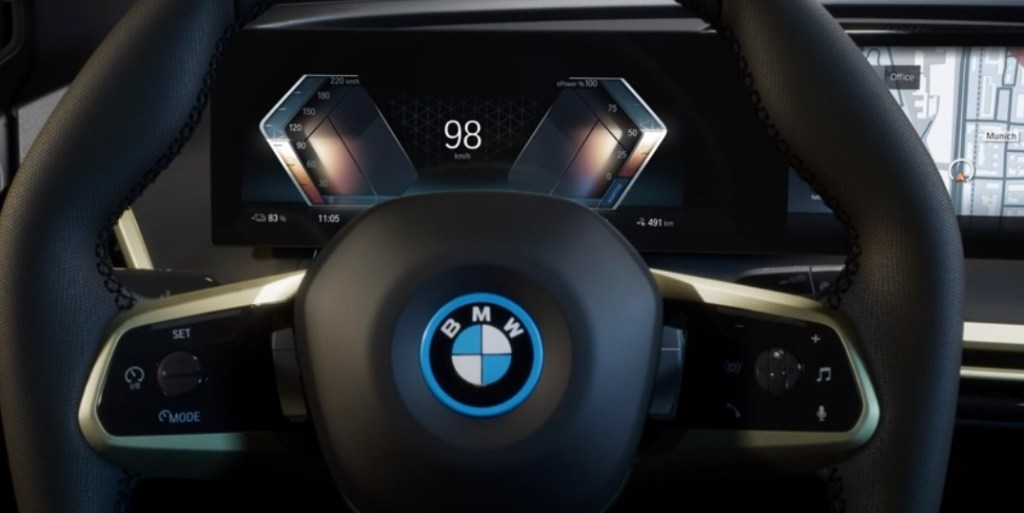
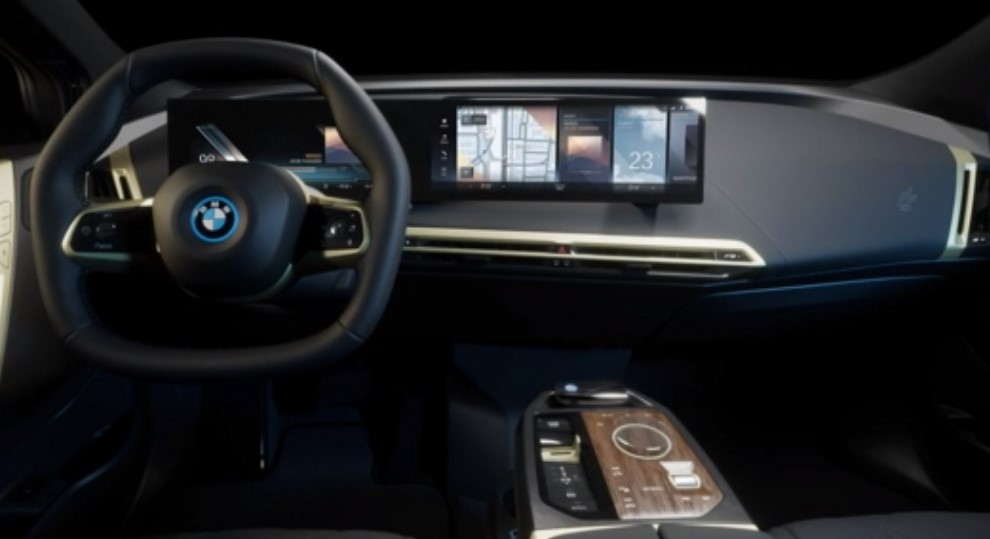
The most distinctive new addition to the physical components on board is the BMW Curved Display, which groups together the information display and control display. This curving screen offers a futuristic interpretation of the traditional driver orientation in the cockpit design of BMW models. The BMW Curved Display is angled clearly towards the driver , making the intuitive touch control even more straightforward. In this new BMW Curved Display, the screen areas of the 12.3-inch information display and 14.9-inch control display merge together into a single unit.
The “Act, Locate and Inform” principle, which ensures information is distributed clearly and screen redundancy is avoided, takes the signature BMW driver orientation of the cockpit design to a new level. Pre-filtering ensures that only information relevant to the driving situation is presented to the driver – and always shown where they can absorb it as quickly and easily as possible.
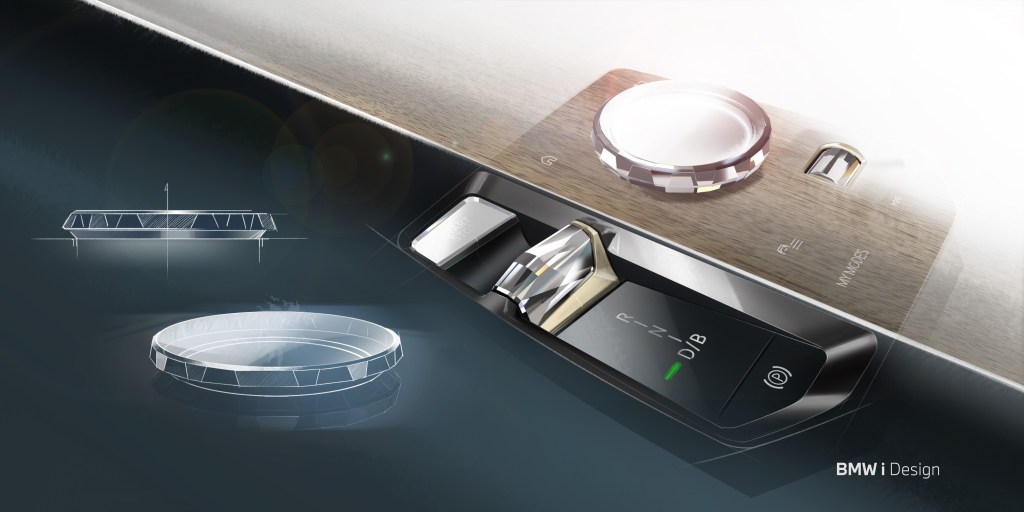
Voice control and the touch function of the BMW Curved Display were prioritized as usage options in the development of the new BMW iDrive. The number of buttons and switches has been reduced by almost half. At the same time, control clusters for relevant and frequently used basic functions are retained where customers expect to find them. The control panels on the centre console and instrument panel have an all-new, minimalist design. The familiar iDrive Controller is the central control element on the centre console. The Touch Controller, designed in an extremely smart glass-effect finish for the BMW iX, is encircled by a bezel painted in Gold Bronze.
The upgraded BMW Intelligent Personal Assistant performs the role of a digital character which can engage in natural dialogue with the driver and front passenger – similarly to a relationship between humans.
More about the Graphical User Interface in a following report…
Last but not least, we are looking forward to drive some BMW and Mini products in June, and maybe get a first “real” experience of the iDrive also in the coming months…
We just witnessed the presentation, and of course we will come back on this with more details, but we can say already that BMW again produced a breakthrough in car to driver communication…
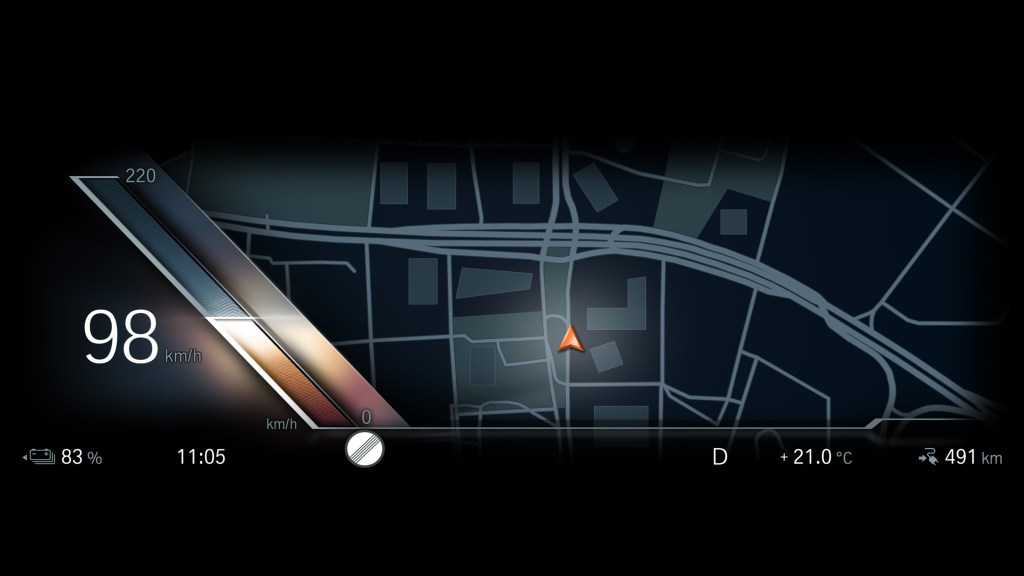
We show you here some screenshots of the presentation, but, as said, there is more to come about this very convincing approach…
BMW stunned the automotive world 20 years ago with their iDrive BMW opened a new era of in-car operating technology.
Keen to get a grip on the constantly expanding array of functions in vehicle interiors, in 2001 BMW instigated a paradigm shift in the then new BMW 7 Series.
Today, BMW developers and designers focusing on user interaction and user experience have faced up to a new set of challenges. The 8th generation of BMW iDrive brings about another paradigm shift – this time to a new kind of relationship between driver and their vehicle. Needless to say, we are very intrigued and will certainly follow the premiere online!
Indeed, You can follow the world premiere live at www.live.bmwgroup.com, on Monday, 15 March 2021, 15:30 GMT.
You can also follow the @BMWGroup social media channels for the live broadcast.
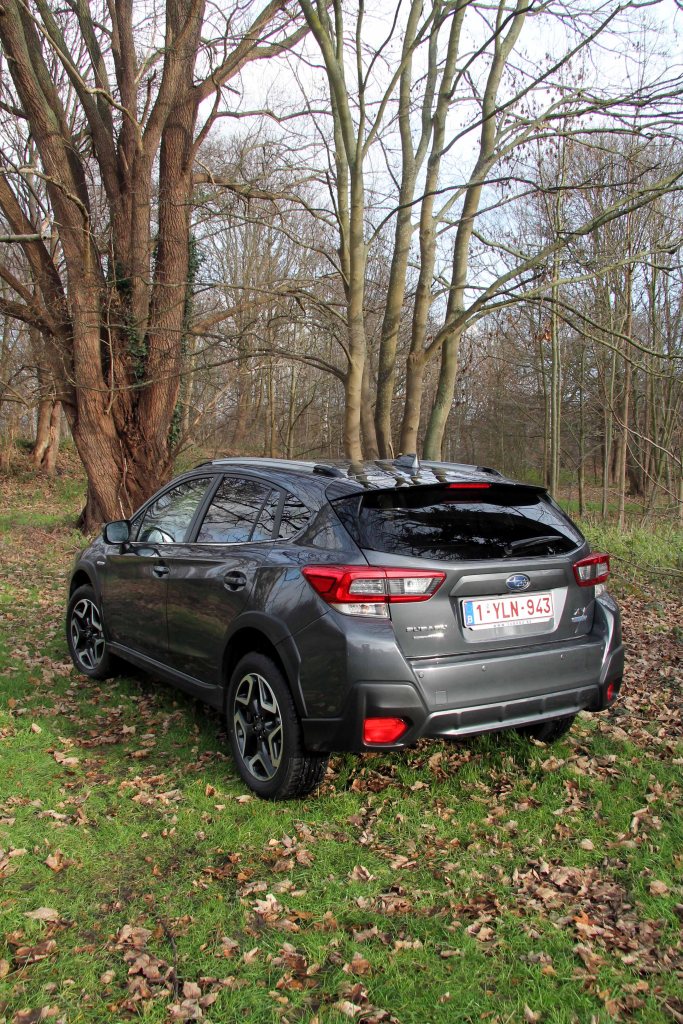
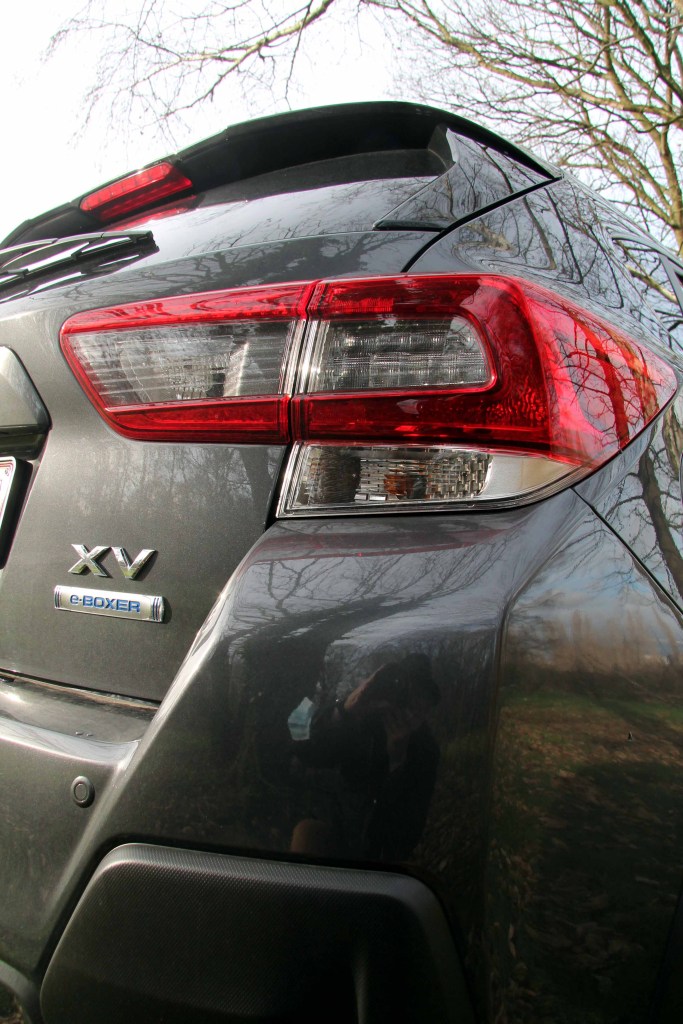
The XV embodies perfectly what a Subaru stands for: it is compact, styled with zest and panache, versatile, rugged and of course crammed from bumper to bumper with state of the art, innovative and exclusive technology. This legendary Subaru boxer technology, combined with unique 4WD capability comes now to you with additional e-power, to make this Subaru fit for the E future which is coming upon us.
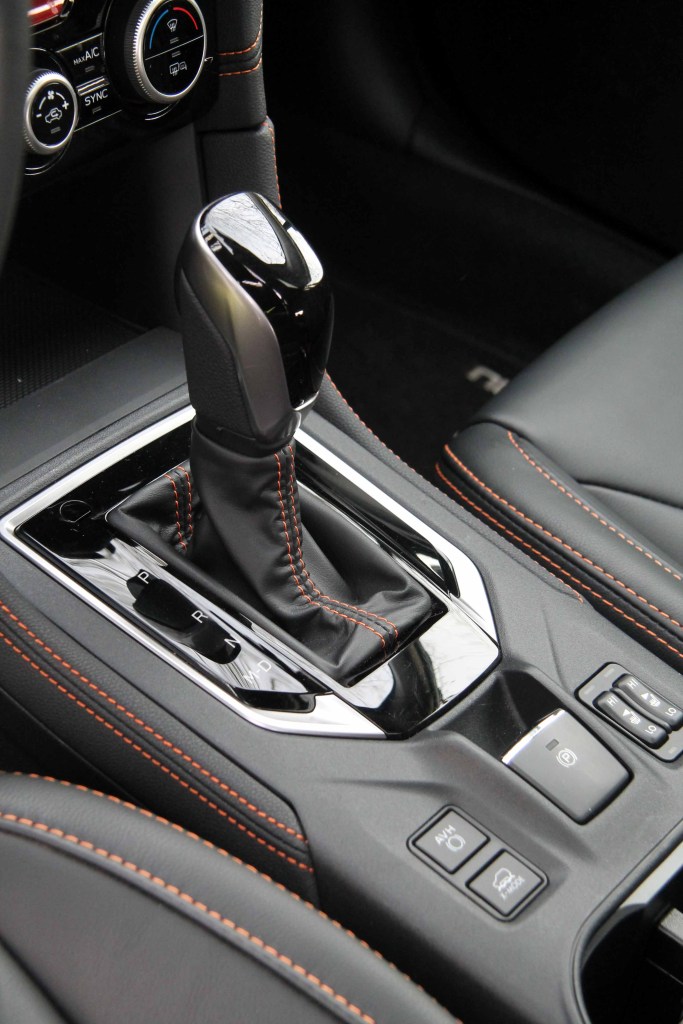
Subaru prefers rugged no-nonsense go anywhere capability, and therefore opts for hybrid technology: the 2 litre direct injected boxer engine is coupled via a Lineartronic CVT Transmission to a 12.3 kW e-motor which sits right behind the engine and is fed by a 13.5 kWh battery pack which sits behind the rear wheels. E power is available at slow speeds up to 40 km/h. Subaru describes this as the EV driving mode. Depending on the enthusiasm of your right foot and the state of charge of the battery pack, you could drive on E power over distance of up to 1,6 kilometers at speeds, as we said earlier, of up to 40 km/h. In practice, the battery and motor just assist the combustion engine when driving away from traffic lights and in slow stop and go traffic.
When you really keep your right foot very calm, a lot can be gained here. As you servant is well trained with his Lexus 200 CTH, it was no trouble at all to eke out a consumption of 6 litres/100 km in tightest urban traffic. It just takes a good amount of concentration and anticipation.
The Subaru changes very smoothly from E- to petrol power and vice versa at varying speeds above 40 km/h in the “engine assist function.” Nice too is that the CVT transmission has 6 “steps” or ratios if you want to, so you can avoid that the willing boxer revs too high for your liking when you really put your foot down and accelerate hard on a motorway entrance for instance.
At higher speeds, the petrol engine takes over fully and charges also the battery. The beauty of hybrids is that you can use them anywhere, anytime, for any distance, just like any other petrol engined car. With a significant reduction in petrol consumption if you understand them and know how to drive them…
We averaged between 6 and seven litres/100 km on our regular routes. The manufacturer quotes 6,5 litre/100 km as average consumption, and 149 g/km in CO2 emissions.
Off road capability…
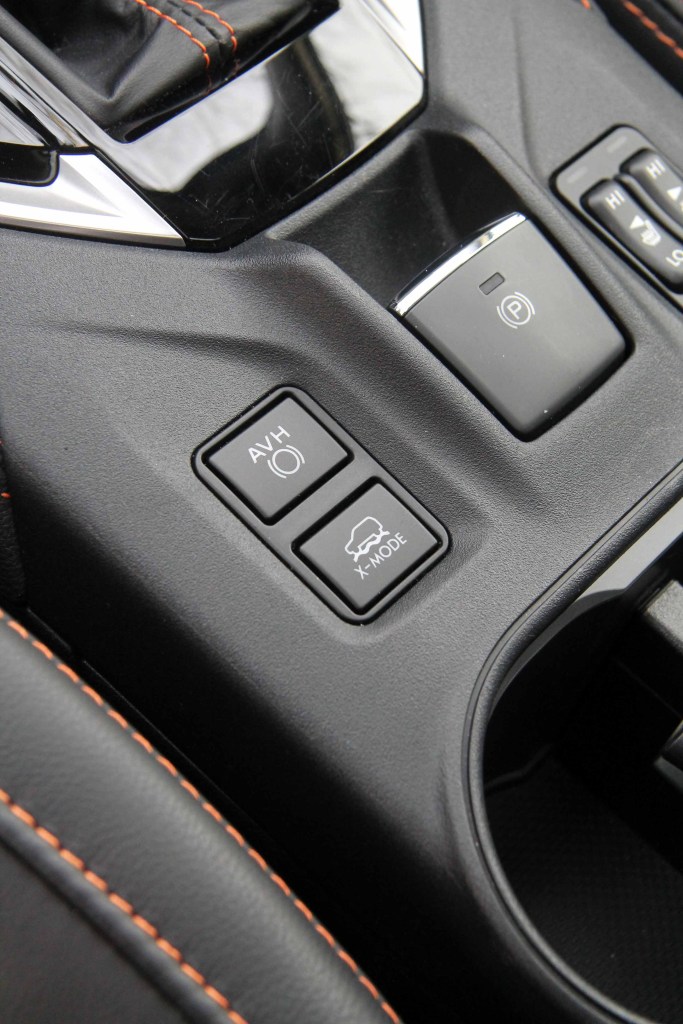
But then, this car is a Subaru. This means king of the road, off-road. The XV offers go anywhere capability with its Symmetrical AWD, and its further developed X Mode. This mode effectively remaps the 4WD system, using the E motor to modulate the traction on all 4 wheels even more finely. Taking the family out on a weekend skiing or having fun in the snow: this Subaru gets you there and back… and how!
Good performer
Although it will not invite you to throw it around corners, it certainly has the rally-bred stamina to do it. This XV has legendary on-road handling, and remains controllable and neutral no matter in what situation you put it in. The hazards of winter season and/or slippery roads simply do not exist for the XV.
Outright performance leaves nothing to be desired: 0 to 100 km/h is reached in 10.3 seconds, top speed is a healthy 193 km/h.
Of course the Subaru is an excellent motorway cruiser. The suspension is comfortable, the XV rolls on the brand new Subaru Global Platform which added considerably more body stiffness, but then a very stiff body is also prone to resonances, and there is some road/tyre/wheel noise noticeable.
Subaru’s EyeSight keeps you safe
Another point we cannot miss to mention is the superb EyeSight Driver Assist Technology. Driving in thick fog on motorways, winding forest roads has no collision risk for you anymore. Two stereocamera’s sit on both sides of the rear view mirror and keep an eye on the road ahead. Coupled with the adaptive cruise control, the system will assist in keeping a safe distance and adapt speed automatically to the car in front of you over a very wide speed range between 0 and 180 km/h.
Well-equipped and pleasant cabin
The XV dashboard has three screens, two on the centre console, and one between the nicely finished round instruments for speed and revs. Infotainment is intuitive and easy to use, and leaves nothing to be desired. The whole cabin is well finished, quality of materials used is very good, sturdy and fit for no nonsense practical use for years to come, in the good Subaru tradition.
Boot space is not enormous, due also partially to the rear battery pack, but the standard 355 litres can be easily enlarged when the rear seats are folded down. On the other hand, the Subaru still has a healthy 1270 kg braked trailer pulling power, and if you have any doubts about Subaru’s mettle, just have a look at the numerous You Tube films where Subaru’s are pulling stranded trucks out of snowy ditches…
Conclusion
Together with the Forester, Subaru now has two (partially) E-powered models in its range, and the ever so popular XV has become even more desirable now. Embodying all the traditional legendary Subaru qualities, the XV now offers excellent economy and the “Zen” driving style which comes with electric propulsion. Definitely have a long hard look at thisone when you consider buying a crossover in this segment. This car has so many unquestioned and unique talents, you shouldn’t miss it for anything in this automotive world.
Mercedes-Benz Drive Systems Campus, Stuttgart-Untertürkheim
German automakers are very serious about it. Getting as competent about E-power technology and drive systems as they are in petrol engined technology. So they are making the essential and necessary structural changes.
Mercedes for instance is transforming its Mercedes-Benz Drive Systems unit and its Stuttgart-Untertürkheim site for an “Electric First” future in the context of its “Ambition 2039” strategy.
Untertürkheim is to become a technology competence centre with a campus focusing clearly on electric drive and battery technology, including the production of lithium-ion cells. The Untertürkheim site has always been an integral part of the Mercedes-Benz powertrain production network – as an innovation centre and as a hub of Mercedes-Benz powertrain expertise.
Mercedes-Benz Drive Systems
A three-digit million euro amount is invested to transform Untertürkheim, the largest site in the company’s global powertrain production network, which will in future be known as the “Mercedes-Benz Drive Systems Campus”.
The site will focus on research, development and production ramp-ups of drive systems.
A new factory for the small-series production of future battery cells, and a dedicated battery safety lab, will complement Mercedes-Benz’s existing research and development activities in the field of battery technology.
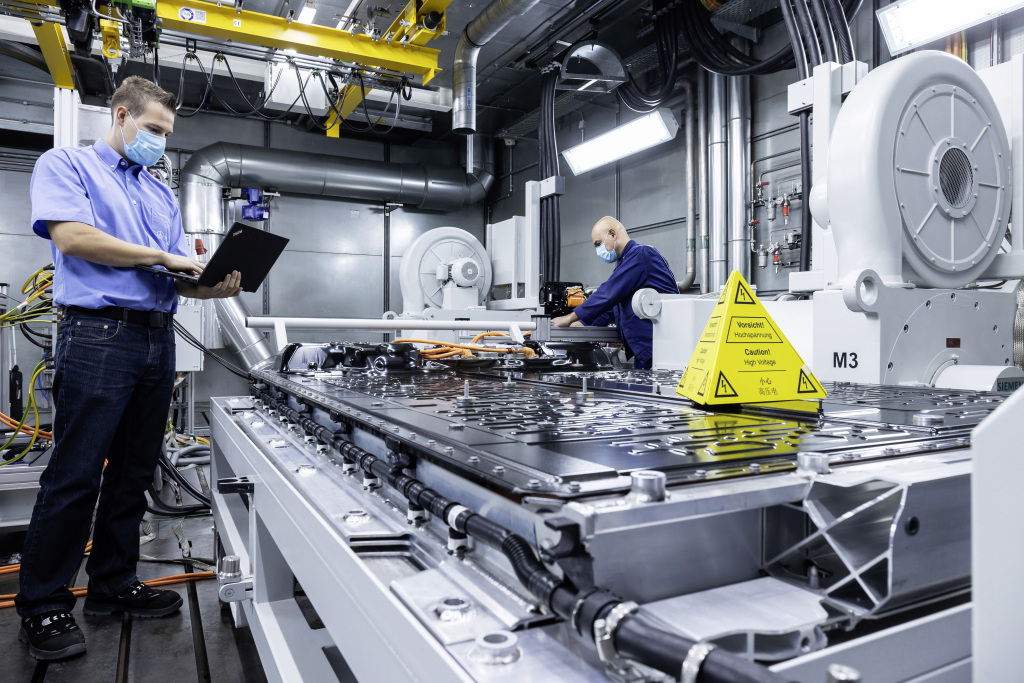
eATS test benches at the Mercedes-Benz Drive Systems Campus Untertürkheim
The company strives for a holistic approach which ranges from basic research and development to manufacturing of battery systems. In terms of series production, the site will focus increasingly on electric drive components – battery and electric drive systems, while conventional engine, transmission and component production will gradually be phased out, which will affect employment profiles and scopes.
Vertical integration is essential…
The Mercedes-Benz Drive Systems Campus is a crucial development step regarding the sustainable transformation of the Untertürkheim site. At the same time, this requires substantial adjustments in its production program and processes. In this context, the existing competence centres will be restructured or systematically expanded. The close link of research, development and production at the same location will create important preconditions for synergies and unique know-how, strengthening the vertical integration in house as a key pillar.
The Mercedes-Benz battery factory in Untertürkheim – plant annex Hedelfingen – will produce battery systems for the Mercedes-EQ model EQS from 2021
Focus on battery technology and electric drive systems.
The bundling and extension of its battery activities is of paramount mportance. Widespread research and development activities are already anchored at the Untertürkheim location, such as the e-technology centre and cell technology centre, where, among other things, prototypes for the electric drive system are built and cell technologies are researched and tested. Additionally, the battery research and development activities currently located at the Nabern part of the plant, including various test benches, are to be relocated on the campus in the future.
Further investments are planned in the significant expansion of the current cell technology centre in order to be able to cover the entire value chain of battery technology. In addition to basic research, pre-development and design of battery cells, a new factory for the small-series production of lithium-ion battery cells is being planned, starting operations in 2023. The sustainability factor, transparent cell development through to recyclability, plays a major role in this. Moreover, a dedicated battery safety lab will complement Mercedes-Benz’s activities.
Mercedes-Benz Untertürkheim plant to produce electric powertrain in the future
In the future, the company will cover almost the entire field of battery technology at its Untertürkheim location – right down to battery systems which are manufactured at the site. The battery factory in Brühl nearby will produce batteries for plug-in hybrid vehicles from 2022. Starting this year, battery systems for the Mercedes-EQ model EQS – the all-electric member of the S-Class family – will roll off the assembly line at the Hedelfingen part of the plant. The EQS will be manufactured at Factory 56 in Sindelfingen some 20 km away starting in the first half of 2021. The battery system for the EQE will also be produced in Hedelfingen.
In just a few months, battery systems for the Mercedes-Benz EQS – the all-electric member of the next S-Class family – will roll off the assembly line at the Hedelfingen battery factory, which will be manufactured at Factory 56 in Sindelfingen some 20 km away. The battery factory relies on state-of-the-art systems and uses a wide range of Industry 4.0 technologies. The extensive production tests are already in full swing.
The company moreover is setting a clear focus on the development of the highly efficient electric drive system, the intelligent combination of electric motor, battery system, power electronics and software through to series maturity including testing.
The next generation of electric motors are being developed in house and will feature inverter and high voltage technology. The manufacturing and assembly of electric drive systems parts for future vehicle models of the Mercedes-EQ brand will start at the end of 2024 and round off the product portfolio with the battery factories in Hedelfingen and Brühl. The previously planned production volumes of electric drive systems will double.
Flexible powertrain production network…with protected employment.
With regard to the series production volumes of conventional powertrains at the Untertürkheim location, Mercedes-Benz will even more benefit from the flexibility of its global powertrain production network in the future.
The eATS is the engine unit of electric vehicles. The eATS consists essentially of the three subsystems: an electric motor, its power electronics and the transmission part for power-transmission.
New production volumes are being examined in detail in order to maximize efficiency and profitability. On the employment side, this leads in the medium term to changes in employment profiles, for which the company prepares its employees with targeted qualification measures. The reduction of series production volumes of conventional powertrains will also lead to adjustments of personnel at the Untertürkheim location. The company is preparing for this with various measures and the top priority is to implement structural and personnel measures in a socially acceptable manner with regard to the jobs affected.
Another prestigious award for the Alfa Romeo Giulia, the car magazine “auto motor und sport” having named it “Best Car 2021”. Readers voted for the Italian sports sedan as the winner in the mid-size/import category – for the fourth time in the past five years. With a share of 22 percent of the vote, the Alfa Romeo Giulia prevailed against 14 competitors. The Alfa Romeo Giulietta and Alfa Romeo Stelvio, second and third in their respective categories, complete Alfa Romeo’s success in the “Best Car 2021” awards.
More than 101,000 readers took part in the 45th edition of the “Best Cars” competition, held by the magazine “auto, motor und sport”. They had the choice between 387 models divided into 11 categories, including separate acknowledgments for import vehicles. The awards ceremony took place virtually for the first time…
Maserati’s successful Ghibli has already won several prizes and awards, and on February 11 recently today it has received a very special one as it won the “Upper Middle Class – Import” category at BEST CARS 2021. Initiator of this readers’ choice is the leading German car magazine AUTO MOTOR UND SPORT. More than 100,000 readers had followed the call and picked their favourites from 378 vehicles in eleven categories. This is the 45th time that these prestigious awards have been held.
Of course, this led to smiling faces at Maserati. Davide Grasso, CEO Maserati, said: “Ghibli is an iconic Maserati model. With over 100,000 units produced since its launch in 2013, this model perfectly embodies our DNA and the Brand’s values. For this reason we have also chosen the Ghibli to ignite the spark of electrification which projects the Brand into the future: last year we revealed the new Ghibli Hybrid, the first hybrid vehicle in Maserati’s history.”
We will return in these columns on this Hybrid version of the iconic Ghibli, and hope to lay our hands on one for you the coming months. The new Ghibli Hybrid has a 2.0 litre 4 cylinder engine that is coupled with BSG, eBooster and 48 volt battery. It is certainly no sluggard: it has an output of 330 hp, which ensures a top speed of 255 km/h and a sprint from 0 to 100 km/h in 5.7 seconds.
For the current MY 2021, Ghibli received comprehensive technical and stylistic enhancements. Among other things, there is the completely new infotainment system MIA (Maserati Intelligent Assistant) with a 10.1” screen in 16:10 format. Furthermore, the new Maserati Connect program enables the owner to stay connected to their vehicle and, for example, to be informed about the cars condition in detail.
A 580 HP V8 engine makes its debut…
For the first time a V8 engine is also available in the Ghibli’s range. The 580 hp 3.8 litre twin turbo unit accelerates the Ghibli Trofeo from 0 to 100 km/h in just 4.3 seconds and provides a top speed of 326 km/h – a Maserati sedan has never been faster. The exclusivity of this version is also underlined by the new “Corsa” driving mode and stylistic elements that make the uniqueness clearly recognizable.