BMW stunned the automotive world 20 years ago with their iDrive BMW opened a new era of in-car operating technology.
Keen to get a grip on the constantly expanding array of functions in vehicle interiors, in 2001 BMW instigated a paradigm shift in the then new BMW 7 Series.
Today, BMW developers and designers focusing on user interaction and user experience have faced up to a new set of challenges. The 8th generation of BMW iDrive brings about another paradigm shift – this time to a new kind of relationship between driver and their vehicle. Needless to say, we are very intrigued and will certainly follow the premiere online!
Indeed, You can follow the world premiere live at www.live.bmwgroup.com, on Monday, 15 March 2021, 15:30 GMT.
You can also follow the @BMWGroup social media channels for the live broadcast.
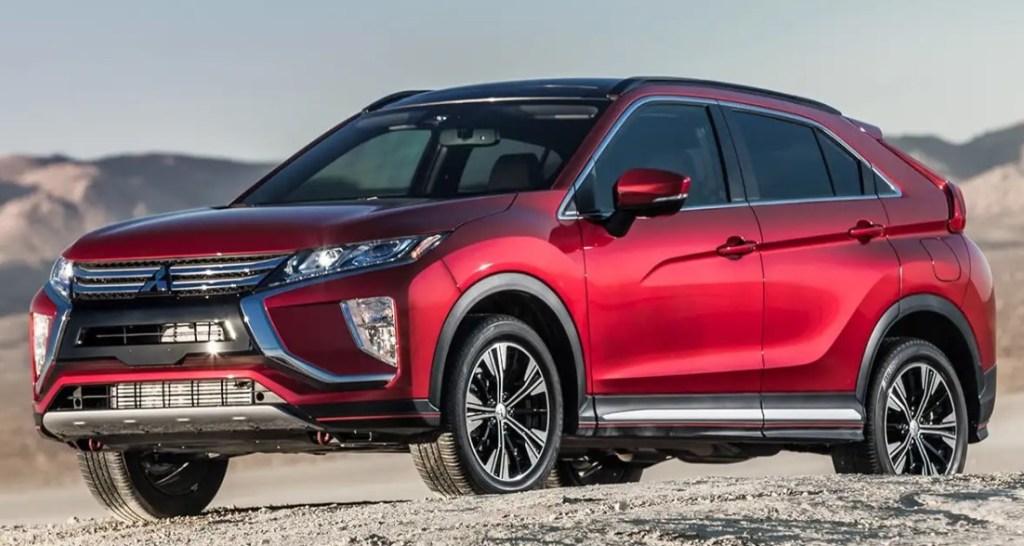
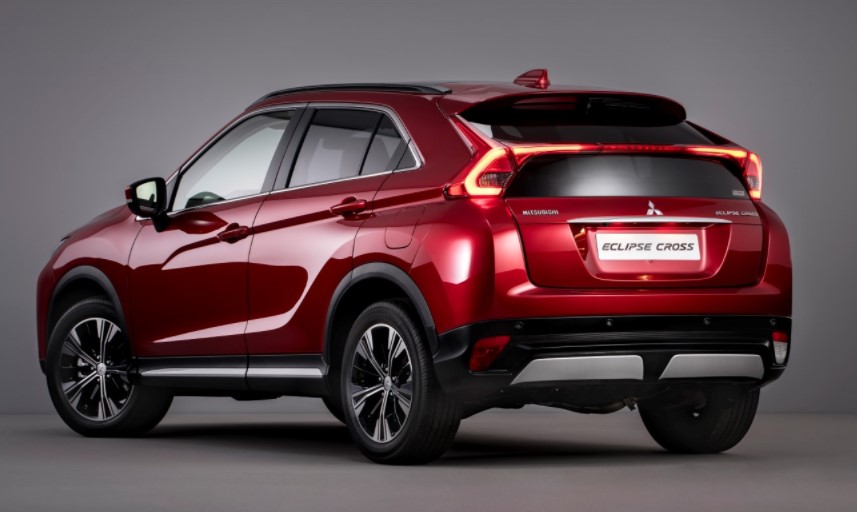
The Mitsubishi Eclipse PHEV will get the company soon of Renault designed models in selected European markets….
Mitsubishi Motors has decided to procure OEM-model vehicles from Renault, best-sellers on the European market which already meet regulatory requirements, for selected major markets in Europe. Starting 2023, Mitsubishi Motors will thus sell two “sister models” produced in Groupe Renault plants, which are based on the same platforms but with differentiations, reflecting the Mitsubishi brand’s DNA.
A model mix of the newly launched Mitsubishi Eclipse Cross PHEV and the Renault-developed sister models will enable Mitsubishi Motors to be more competitive in the market.
The comments of the CEO’s both at Renault and Mitsubishi are quite positive:
“Mitsubishi Motors welcomes Renault’s OEM models for the European market, and ultimately new customers. Mitsubishi Motors has been implementing structural reforms in Europe and our decision to freeze new car development for the European Market, announced in July 2020 in our mid-term business plans, remains.
However, the OEM supply agreement will provide us with a solution to offer new products developed and manufactured in Europe– alongside our ongoing after sales business,” said Takao Kato, CEO Mitsubishi Motors.
“Our new approach within the Alliance, focusing on impactful and meaningful projects, is turning into reality. This pragmatic, value-driven initiative will make a difference in our plants, in our partner’s footprint and on the European streets. This beautiful project meets all partners’ expectations from a design, regulatory and business perspective.
This is what the Alliance is meant for and we are very happy, at Groupe Renault, to contribute to this new step in its history of cooperation.” said Luca de Meo, CEO Groupe Renault.
So we can look forward to interesting “European” Mitsubishi models in the forthcoming future…
Mercedes-Benz Drive Systems Campus, Stuttgart-Untertürkheim
German automakers are very serious about it. Getting as competent about E-power technology and drive systems as they are in petrol engined technology. So they are making the essential and necessary structural changes.
Mercedes for instance is transforming its Mercedes-Benz Drive Systems unit and its Stuttgart-Untertürkheim site for an “Electric First” future in the context of its “Ambition 2039” strategy.
Untertürkheim is to become a technology competence centre with a campus focusing clearly on electric drive and battery technology, including the production of lithium-ion cells. The Untertürkheim site has always been an integral part of the Mercedes-Benz powertrain production network – as an innovation centre and as a hub of Mercedes-Benz powertrain expertise.
Mercedes-Benz Drive Systems
A three-digit million euro amount is invested to transform Untertürkheim, the largest site in the company’s global powertrain production network, which will in future be known as the “Mercedes-Benz Drive Systems Campus”.
The site will focus on research, development and production ramp-ups of drive systems.
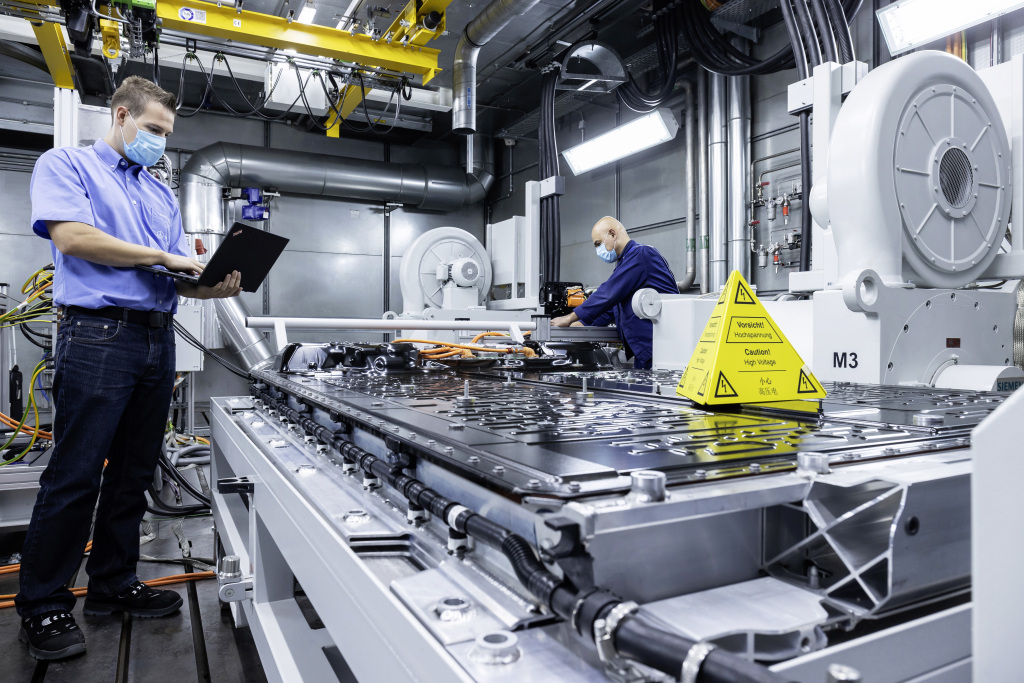
A new factory for the small-series production of future battery cells, and a dedicated battery safety lab, will complement Mercedes-Benz’s existing research and development activities in the field of battery technology.
eATS test benches at the Mercedes-Benz Drive Systems Campus Untertürkheim
The company strives for a holistic approach which ranges from basic research and development to manufacturing of battery systems. In terms of series production, the site will focus increasingly on electric drive components – battery and electric drive systems, while conventional engine, transmission and component production will gradually be phased out, which will affect employment profiles and scopes.
Vertical integration is essential…
The Mercedes-Benz Drive Systems Campus is a crucial development step regarding the sustainable transformation of the Untertürkheim site. At the same time, this requires substantial adjustments in its production program and processes. In this context, the existing competence centres will be restructured or systematically expanded. The close link of research, development and production at the same location will create important preconditions for synergies and unique know-how, strengthening the vertical integration in house as a key pillar.
The Mercedes-Benz battery factory in Untertürkheim – plant annex Hedelfingen – will produce battery systems for the Mercedes-EQ model EQS from 2021
Focus on battery technology and electric drive systems.
The bundling and extension of its battery activities is of paramount mportance. Widespread research and development activities are already anchored at the Untertürkheim location, such as the e-technology centre and cell technology centre, where, among other things, prototypes for the electric drive system are built and cell technologies are researched and tested. Additionally, the battery research and development activities currently located at the Nabern part of the plant, including various test benches, are to be relocated on the campus in the future.
Further investments are planned in the significant expansion of the current cell technology centre in order to be able to cover the entire value chain of battery technology. In addition to basic research, pre-development and design of battery cells, a new factory for the small-series production of lithium-ion battery cells is being planned, starting operations in 2023. The sustainability factor, transparent cell development through to recyclability, plays a major role in this. Moreover, a dedicated battery safety lab will complement Mercedes-Benz’s activities.
Mercedes-Benz Untertürkheim plant to produce electric powertrain in the future
In the future, the company will cover almost the entire field of battery technology at its Untertürkheim location – right down to battery systems which are manufactured at the site. The battery factory in Brühl nearby will produce batteries for plug-in hybrid vehicles from 2022. Starting this year, battery systems for the Mercedes-EQ model EQS – the all-electric member of the S-Class family – will roll off the assembly line at the Hedelfingen part of the plant. The EQS will be manufactured at Factory 56 in Sindelfingen some 20 km away starting in the first half of 2021. The battery system for the EQE will also be produced in Hedelfingen.
In just a few months, battery systems for the Mercedes-Benz EQS – the all-electric member of the next S-Class family – will roll off the assembly line at the Hedelfingen battery factory, which will be manufactured at Factory 56 in Sindelfingen some 20 km away. The battery factory relies on state-of-the-art systems and uses a wide range of Industry 4.0 technologies. The extensive production tests are already in full swing.
The company moreover is setting a clear focus on the development of the highly efficient electric drive system, the intelligent combination of electric motor, battery system, power electronics and software through to series maturity including testing.
The next generation of electric motors are being developed in house and will feature inverter and high voltage technology. The manufacturing and assembly of electric drive systems parts for future vehicle models of the Mercedes-EQ brand will start at the end of 2024 and round off the product portfolio with the battery factories in Hedelfingen and Brühl. The previously planned production volumes of electric drive systems will double.
Flexible powertrain production network…with protected employment.
With regard to the series production volumes of conventional powertrains at the Untertürkheim location, Mercedes-Benz will even more benefit from the flexibility of its global powertrain production network in the future.
The eATS is the engine unit of electric vehicles. The eATS consists essentially of the three subsystems: an electric motor, its power electronics and the transmission part for power-transmission.
New production volumes are being examined in detail in order to maximize efficiency and profitability. On the employment side, this leads in the medium term to changes in employment profiles, for which the company prepares its employees with targeted qualification measures. The reduction of series production volumes of conventional powertrains will also lead to adjustments of personnel at the Untertürkheim location. The company is preparing for this with various measures and the top priority is to implement structural and personnel measures in a socially acceptable manner with regard to the jobs affected.
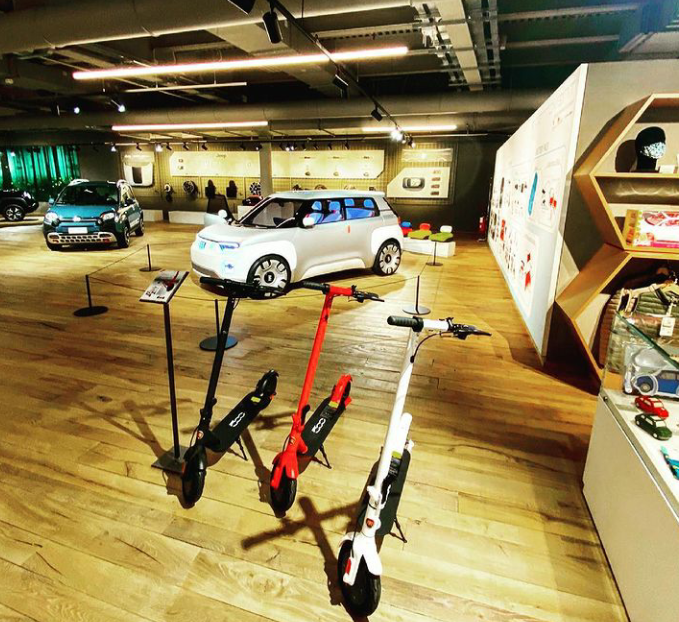
Dynamic Stellantis PR Manager Dominique Fontignies sent us yesterday his photo of the Fiat Centoventi concept displayed at the “e-Village” in the Green Pea building in Torino.
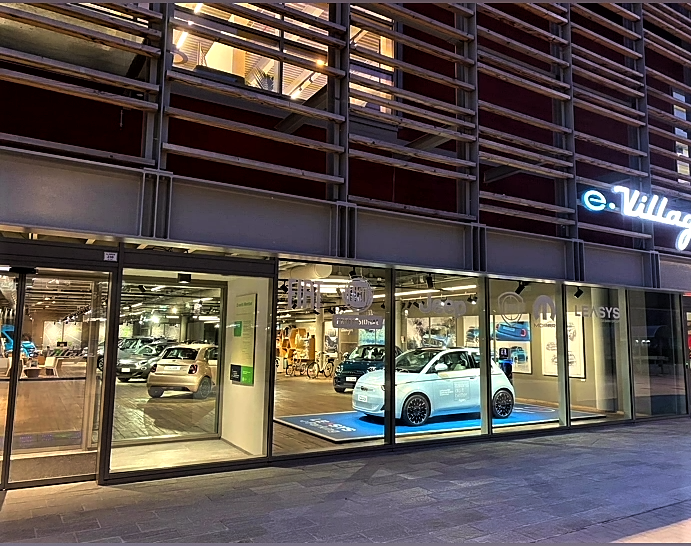
What is this e-Village? It is a branch of Mirafiori Motor Village in Turin and it’s the biggest sales point of electrified cars in Europe.
It’s located in an area of 1300 square meters inside Green Pea and showcases all FCA technologies related to electrification, including hybrid and all-electric vehicles on the market, as well as prototypes of upcoming models.
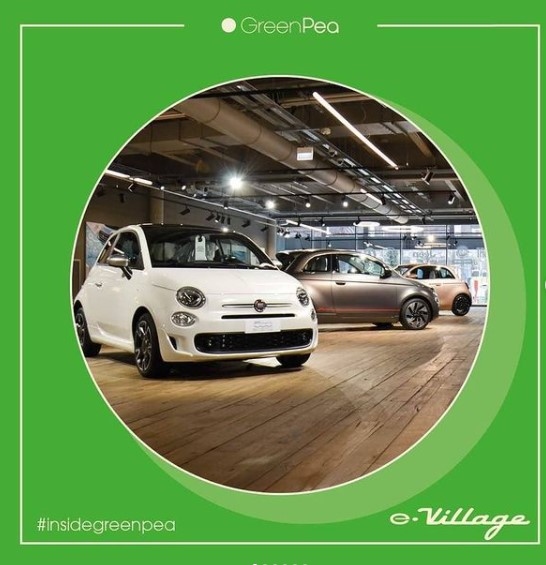
Another photo made by Dominique Fontignies…
It’s a zero-impact space that adopts the “reuse, reduce, recycle” philosophy and it can be considered the fulfillment of the efforts made by FCA to promote the future of mobility.
At Floor 0 – move, energy & connect, inside the e-Village: the space entirely dedicated to the sustainable future of mobility wanted by Stellantis, the fourth automotive group in the world.
In e-Village halls you can find all solutions of the Group’s for the avant-garde mobility, such as the Electric New 500, Panda Mild Hybrid and Jeep and Ducato’s electric vehicle range.
Mercedes is in this new electrical age going from strength to strength, and is also doing quite well globally. Recently, the company posted a 2020 profit for its shareholders of 3,6 billion Euro. This was 1,2 billion Euro or 50 % more than the previous year. Asian markets are friendly for the brand with the famous, iconic star.
Your servant has now left hospital after two major operations mid-February and within a few weeks will again be legally allowed to sit behind the wheel. Soon enough, at the end of April, I will be testing the new and highly interesting EQA, followed by the impressive G 400 d J. Good times ahead!
Mercedes-Benz has opened an online reservation system for the EQS. Interested customers can reserve the fully electric luxury limousine via the link http://www.mercedes-benz.be/eqsreservatie. When making the reservation, a reservation amount of € 1,500 is requested. The reservation entitles the holder to a production location of the EQS, but the customer always has the option to cancel – if necessary. As soon as the sale of the EQS starts, the customer will compile his own EQS and convert the reservation into an order.
The online reservation system offers customers the opportunity to be the first to drive in the EQS. With its progressive design, the new MBUX Hyperscreen and interesting specifications – such as a range of up to 700 km (WLTP) and a 250 km range recharging in just 15 minutes – the EQS offers all the advantages of a full electrical architecture. The camouflaged prototypes reveal key design features that are revolutionary for the luxury segment, such as the “cab forward” design and the coupé-like “one bow” styling.
Ambition 2039…
The introduction of the EQS and the consistent electrification of the entire model range are important parts of the strategic plan “Ambition 2039”. As part of Ambition 2039, Mercedes-Benz is working to offer a CO2 neutral model range in less than twenty years. In 2022, the portfolio will include eight fully electric Mercedes-EQ models.
Needless to say, the global production network of Mercedes-Benz is ready for the company’s electro-offensive and is consistently integrating the EQ models into the series production of existing plants. From the start of production, the EQS in Factory 56 in Sindelfingen is producing on a CO2-neutral basis. The batteries of the EQS are also produced in a CO2 neutral fashion by CATL (Contemporary Amperex Technology Co. Limited)…. Brave and very Green New World!
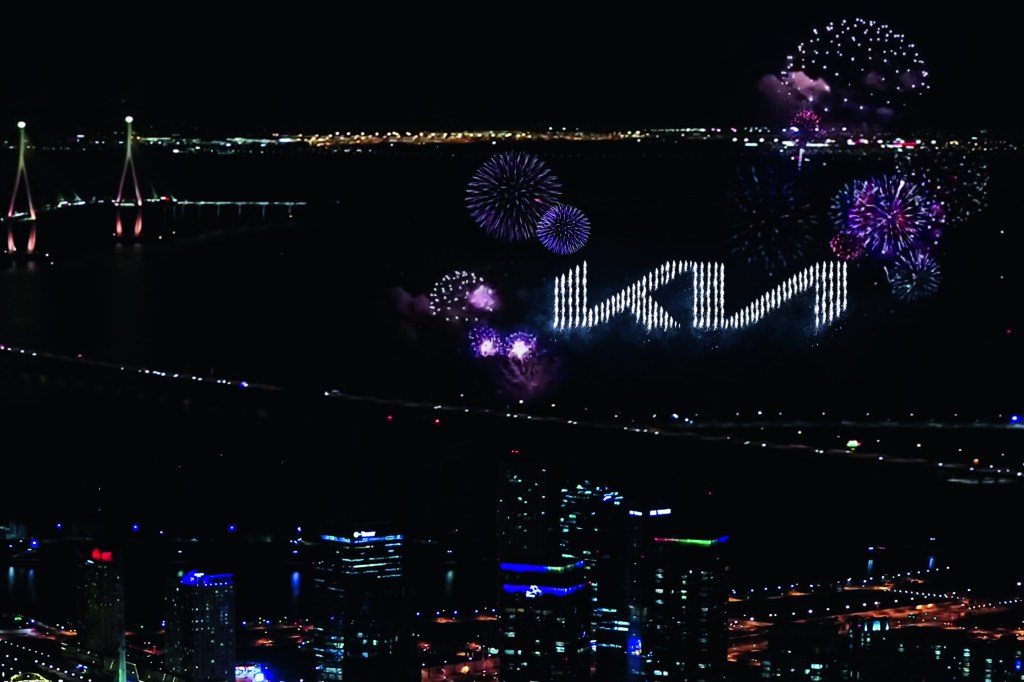
The new logo features ‘symmetry’, ‘rhythm’ and ‘rising’ elements that embody Kia’s confidence and commitment to customers.
The logo is a symbol of Kia’s new brand purpose and the values it promises to offer customers through future products and services, and the experiences these enable. Kia seals its brand promise by developing the new logo to resemble a handwritten signature. The rhythmical, unbroken line of the logo conveys Kia’s commitment to bringing moments of inspiration, while its symmetry demonstrates confidence. The rising gestures of the logo embody Kia’s rising ambitions for the brand, and, more importantly, what it offers to customers.
Dazzling show of pyrodrones…
The new logo was unveiled during a record-breaking pyrotechnic display in the skies above Incheon, Korea. The event saw 303 pyrodrones launching hundreds of fireworks in a synchronized artistic display, igniting and celebrating Kia’s new beginning. This set a new Guinness World Record for ‘Most unmanned aerial vehicles (UAVs) launching fireworks simultaneously’. The dazzling display can be seen on the Kia Global YouTube channel: https://youtu.be/s61_IsjqLzc
Kia discloses new brand slogan: ‘Movement that inspires’
In addition to an all-new logo, Kia revealed its new global brand slogan, ‘Movement that inspires’.
Details on Kia’s new brand strategy, including brand purpose and philosophy as well as application to Kia’s future product line-up, will be shared through the digital ‘New Kia Brand Showcase’ event to be held at 01:00 AM CET, January 15. The event can be viewed on the Kia Global YouTube channel.
Hyundai and Kia are participating in the IONITY charging network…
As the E-powered cars are decidedly coming of age, we will keep you regularly abreast with more EV news….so here is one, and many more will follow! Soon we will also report about our driving impressions with the VW ID.3…
Hyundai Motor Group has joined IONITY, Europe’s leading high-power charging network, as a strategic partner and shareholder. Through its participation in this joint venture, Hyundai Motor Group – including Hyundai and Kia brands – will drive the expansion of the high-power charging network along Europe’s highways, promoting the further adoption of zero-emission mobility.
The IONITY charging network uses the European CCS (Combined Charging System) charging standard. Since the network uses 100 percent renewable energies, thanks to IONITY, drivers of electric vehicles are not only able to travel emission-free, but also CO2-neutral. This is an important step when it comes to making electric mobility a success in Europe.
New Sorento plug in hybrid can be ordered in Belgium…
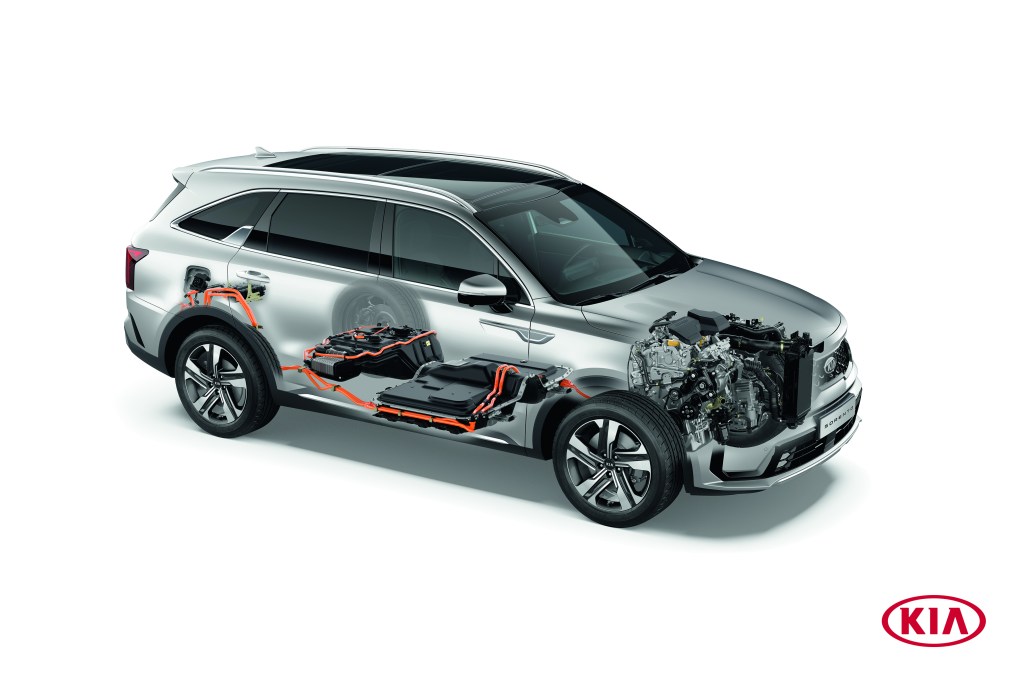
In the meantime, Kia Motors has released a ‘cutaway’ image revealing the packaging of the new three-row, seven-seat Kia Sorento Plug-in Hybrid.
The photo reveals how the large battery pack, fuel tank, engine and electric motor are integrated within the vehicle’s structure, retaining maximum space for luggage and up to seven occupants.
The Sorento can be ordered in our country (Belgium) from next week onwards…
In episode seven of a very interesting series of “Inside E” podcasts, Michael Steiner speaks about changes in the automotive industry, the future of the sports car manufacturer, and technical innovations ranging from motor racing to production development. Michael Steiner is a member of the Executive Board, Research and Development, and is responsible for series production and Porsche Motorsport’s racing projects.
Definitely a podcast to listen to. It is about seeing new opportunities for Porsche in this rapid changing global mobility, where this brand has always embraced technical progress with its core values of quality and sporting agility. The keen interest in electrified mobility dates back now more than a century with Porsche, and the brand remains at the forefront of E-developments. “We see the transformation in the automotive industry as an opportunity. Together with our employees, we are constantly driving this shift, with the clear goal being to link the traditional values of Porsche with the technology of tomorrow,” said Steiner. The first step into the electric future was taken back in 2015, with the “Mission E” project. The manufacturer then definitively heralded a new era with the launch of its first fully-electric sports car, the Porsche Taycan, in September 2019.
Of course Porsche is aware that the future of electric mobility is coupled with sufficient range and the presence of a dense high powered rapid charge infrastructure/network, and is working together with other important manufacturers to build this up.
“With electric cars, it not only comes down to the range of the cars, but also primarily the existing charging infrastructure,” Steiner explained. “For this reason, we are investing in E-mobility, both in our development and in an extensive rapid charging network.”
Motorsport remains important…
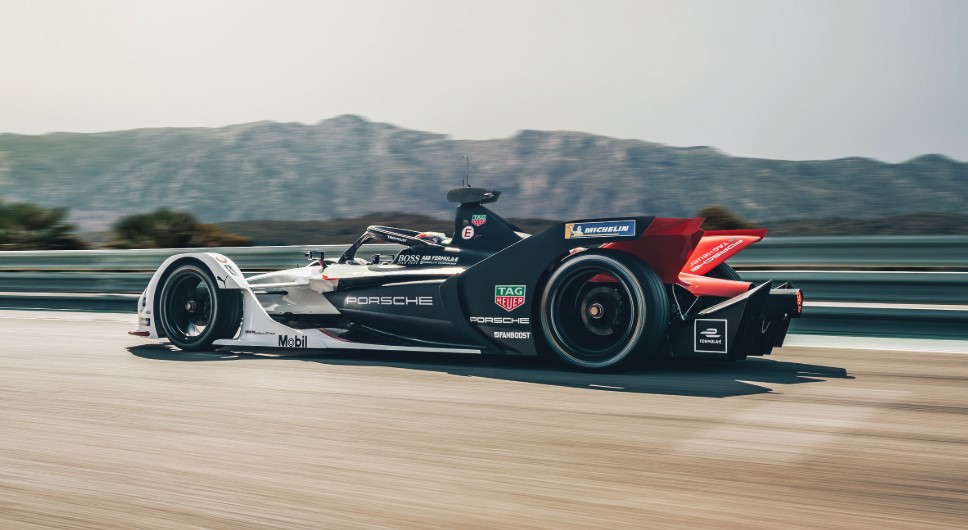
Motorsport has always been the driving force behind series production at Porsche – and that remains the case in Formula E. “The experience gained in the LMP1 project had a significant influence on the development of the Porsche Taycan. We expect similar synergies from the Formula E project, as well as inspiration for future sports cars,” said Steiner.
The whole series of these very interesting “Inside E” podcasts is available in English on several platforms, including Apple Podcasts, Spotify and Google Podcasts.
Large-scale electric-drive test on the island of Rügen in 1992: Mercedes-Benz contributed ten 190 cars and ten MB 100 D vans.
Electric vehicles have progressed with leaps and bounds over the last few years. Developments in battery technology have helped massively to make E-vehicles now a practical proposition. But this doesn’t mean that our European car manufacturers didn’t focus on it since decades…
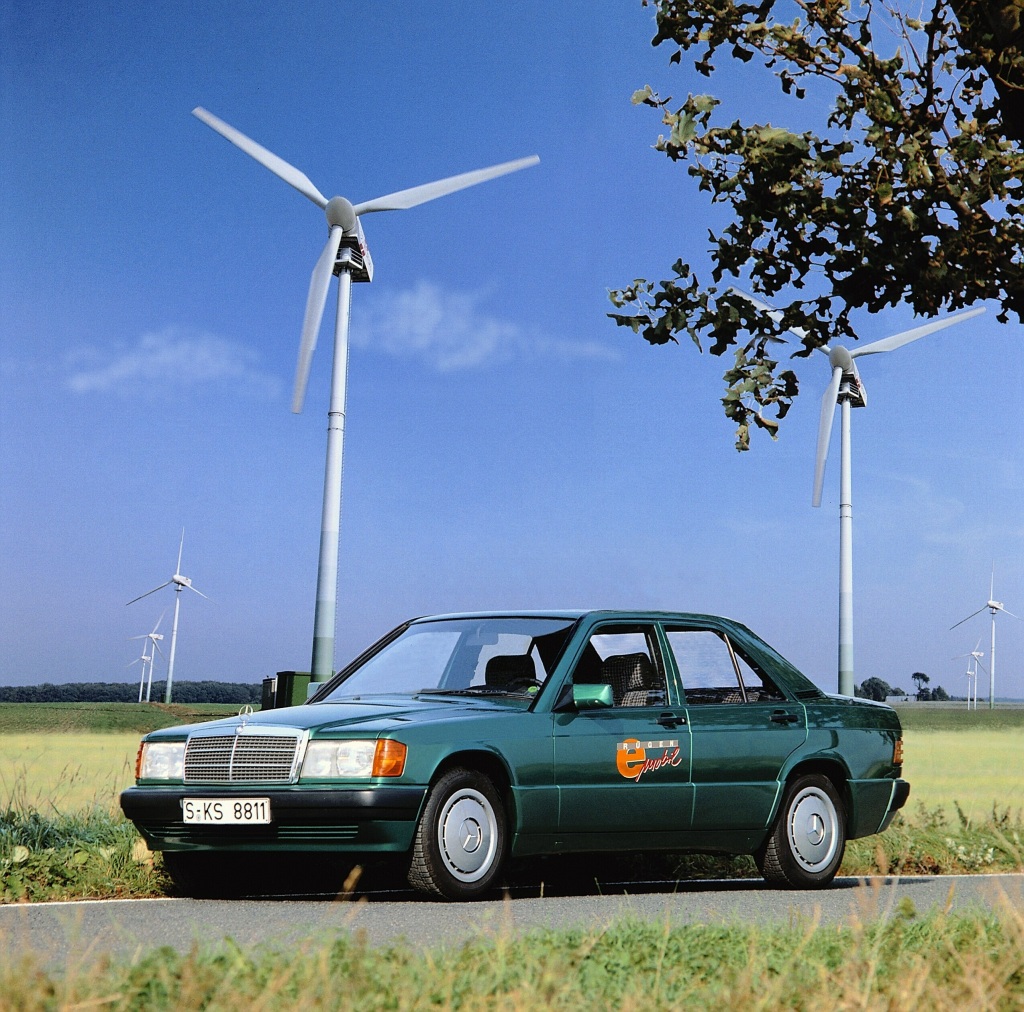
Mercedes is of course no exception. They had a fully fledged, 100 % electrified 190 sedan running around on the German Baltic Coast island of Rüge. Recharged with sustainable wind power. Fully practical. One of the fleet of 10 cars even functioned as a taxi and clocked not less than 100.000 kilometers in one short year. All this almost 3 decades ago…
Just read on!
Hans Knol ten Bensel
Mercedes-Benz 190 model, experimental vehicle (W 201) with electric drive, 1991.
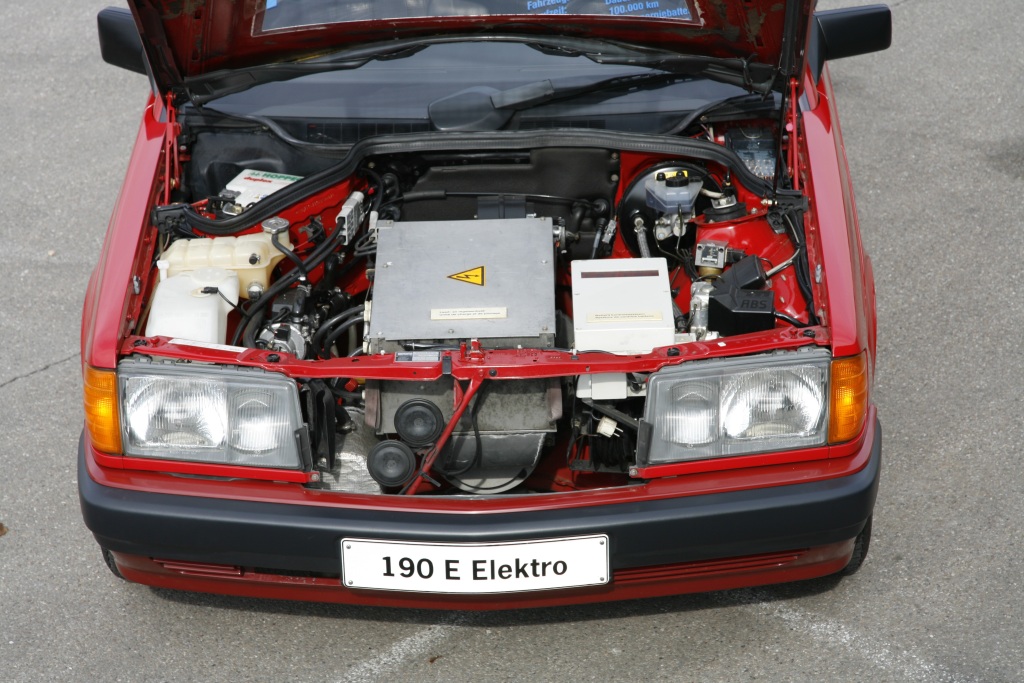
One such story is set in 1990: in May of that year, Mercedes-Benz exhibited a model 190 (W 201) converted to electric drive in the innovation market section at the Hanover Fair.
A (literally) very hot car…
The electric 190s were used to test different drive configurations and battery systems. The energy storage devices tested were mainly sodium-nickel chloride or sodium-sulphur high-energy batteries which had a significantly higher energy density than classic lead batteries.
However, the working temperature of both systems was around 300 degrees Celsius. The group expressing the greatest interest at this industrial fair were representatives of the trades.
Further development went fast…
There was a considerable shift in this just under a year later, when, in March 1991, Mercedes-Benz displayed a more advanced vehicle on the Geneva Motor Show.
Each of the rear wheels of the vehicle presented in Geneva was powered by its own DC motor energized by permanent magnets with a peak power of 16 kW (22 hp) each, so the total power output was 32 kW (44 hp).
Energy was supplied by a sodium-nickel chloride battery, and regenerative braking returned energy to the power pack during braking actions.
A particular advantage of the concept was the elimination of weight-intensive mechanical components, so the additional weight compared to a series-production vehicle with a combustion engine was only 200 kilograms.
The issue of electric cars experienced an upswing at that time as a result of the laws passed in California, for example, to introduce zero emission vehicles.
This led the German government to fund a project to the tune of 60 M DM (now some 30 M Euros), and this led to several manufacturers, including Mercedes-Benz, to participate in a large scale field trial was conducted on the island of Rügen in 1992 and continued through to 1996.
The aim of the exercise was to test electric vehicles and energy systems including their batteries in everyday practice. A total of 60 passenger cars and vans of several brands were involved.
Among other things, Mercedes-Benz sent ten W 201 model series saloon cars, which had previously been fitted by hand with drive components in various electric motor-and-battery combinations in Sindelfingen, to Rügen. Special recharging stations using solar collectors were available during the field test with a view to testing the environmental concept in a consistent manner because only electricity from renewable sources can be considered completely CO2 neutral.
100,000 kilometres in one year with an electric test vehicle
The pioneering 190s were driven by test participants on the island of Rügen: these various individuals, including taxi drivers, used them in normal everyday life. There were hardly any problems – the W 201 cars went about their work completely inconspicuously and reliably. One of the vehicles was used particularly intensively and achieved a peak usage rate of around 100,000 kilometres in one year.
Why did it take so long to adopt E-power for the masses?
The obvious question is why we waited so long to put E-powered cars into practice in larger numbers?
Mercedes-Benz 190 (W 201) test vehicle with an electric drive unit during the large-scale test series on the island of Rügen, 1992 to 1996.
The problems then – and now – were: battery service life, range, recycling, charging infrastructure and vehicle price. Many of the answers to these questions have only become available today, as can be seen by the range of hybrid vehicles offered by Mercedes-Benz and, of course, the EQ electric brand. Projects like the 190 with the electric drive have helped to provide these answers…and it is very interesting to look into them here once again!
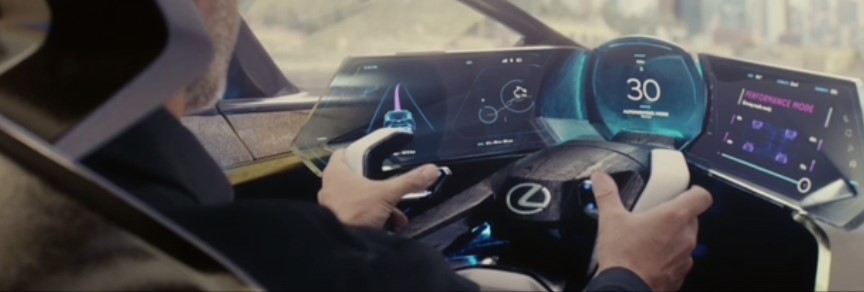
In an exclusive interview with Lexus Electrified Chief Engineer, Lexus has recently unveiled its vision for an upcoming generation of electrified vehicles, under the banner “Lexus Electrified”.
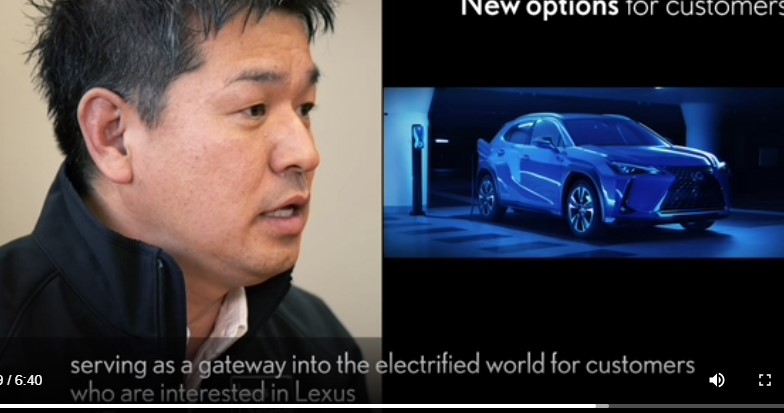
The “Lexus Electrified” vision targets a fundamental leap in vehicle performance, handling, control and driver enjoyment – even as mobility within our society continues to change with autonomous driving and vehicle electrification.
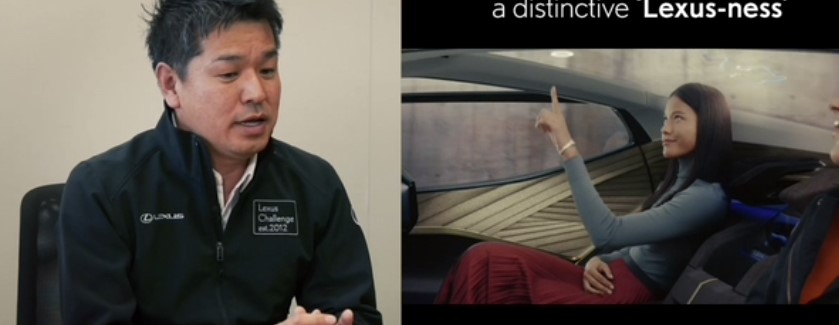
Evoking the original fun of driving, Lexus intends to use its 15 years of experience in electrification technologies to further evolve driving pleasure, and to fundamentally transform the essence of luxury vehicles of the future – creating a unique Lexus driving signature with exceptional ride comfort, quietness and craftsmanship.
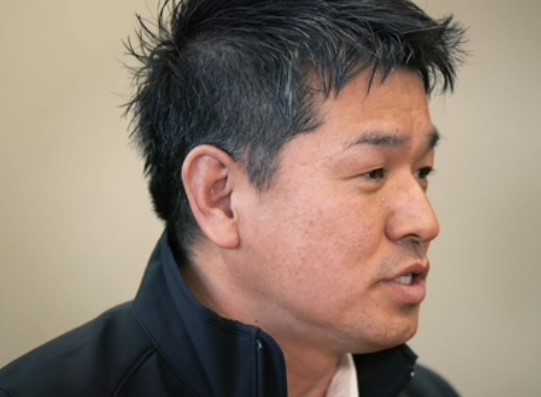
Takashi Watanabe, Chief Engineer at Lexus, takes us through the key aspects of this “Lexus Electrified” strategy in an exclusive interview.
The man behind it all…
Takashi Watanabe started his career with Toyota in 1993 with engine systems development. He has worked on many different types of engines and exhaust systems. Since 2012, he has worked also on the development of several Lexus vehicles and became in 2017 leader of the Lexus Electrified Project.
Just watch and listen, and be transported into the electric future…by Lexus, using their unique “Lexus-ness.”