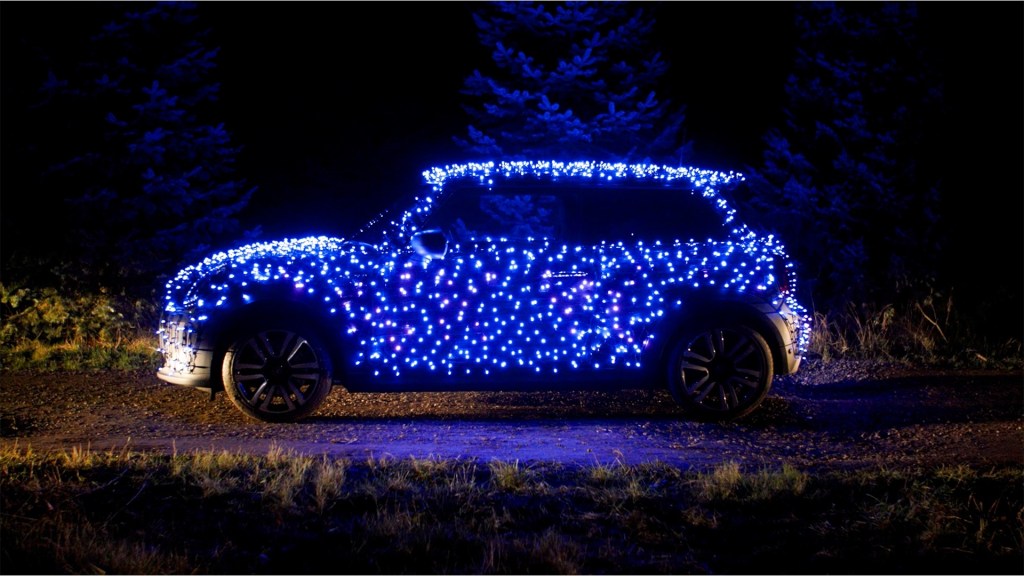
Dear reader, I will be driving a BMW Z4 Coupé until the 24th of December, on Christmas eve… so indeed, driving home for Christmas. And I will certainly be listening to the iconic song by the same name… Also the choice of the BMW is fitting, as MINI belongs to the same group.
And this because that the all-time classic “Driving home for Christmas” was composed by Chris Rea in 1978 in… the Mini of his wife. MINI is now dedicating a specially produced video clip to the song that gets people all over the world in the mood for the festive season every year, starring the global MINI community.
The production of the video is another highlight in the MINI’s current brand campaign titled BIG LOVE. The motto is, as MINI puts it, “an expression of diversity embraced in practice in all its forms, welcoming fresh thinking and new ideas no matter where they come from.” The MINI community’s characteristic blend of individuality and the sense of belonging together plays a central role here, MINI says too. The diversity of this community is summed up by the slogan “We are all different, but pretty good together”.
With the video clip production initiated by MINI, “Driving Home for Christmas” returns to where it all began: in a very special British automobile. Because the journey that inspired Chris Rea to write his successful song was taken in a classic Mini. In the video clip, the original journey from London to the north of England is reflected upon and combined with scenes showing MINI fans of today on their pre-Christmas journey. You MUST see it, and here is the link: https://www.youtube.com/watch?v=B2we7JdB7iY
We just let you look at some photos to get you in the mood, and enjoy also the sound track!
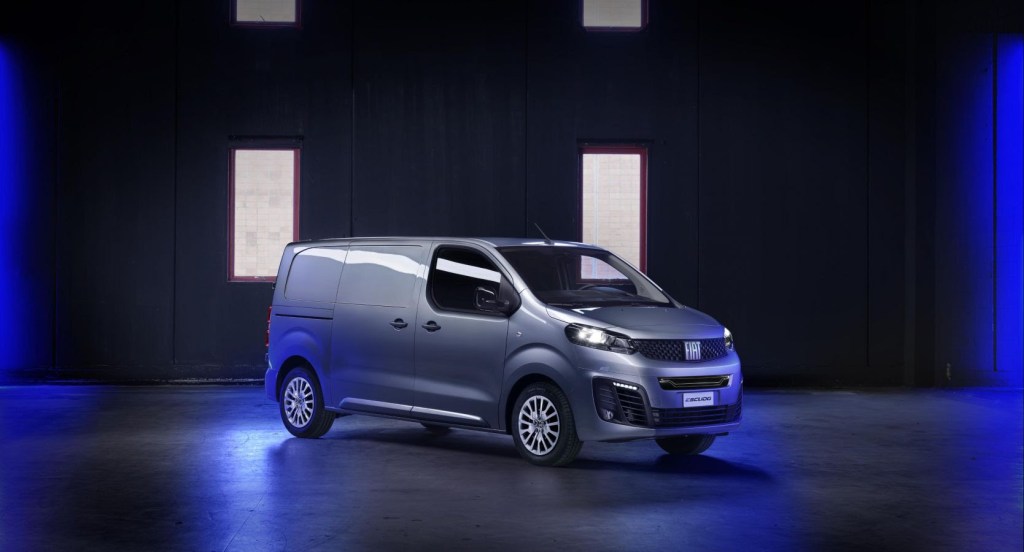
A new Fiat Scudo is available for ordering. This new Scudo, after the E-Ducato, is the second Fiat Professional commercial vehicle also available in an electric version.
This is another important step in Fiat’s Electric journey. Of course, here we also await a Hydrogen version soon. The Scudo runs on the same platform as the Citroën Jumpy, and is built in the same French factory. So it is certainly in the cards that it will also be converted to Hydrogen in Rüsselsheim…
The Scudo for now has a 50- or 75-kWh battery, and offers a range of up to 330 km (WLTP)
Flexibility is important in the cabin, and thanks to the “Moduwork”, it can commute the double passenger seat bench in a workstation and in a loading bay extension.
The “car-like” driving comfort, the “urban-fitting dimension” (max height 1,9mt), the ergonomic cockpit and complete set of ADAS and safety features delivers to the customer a stress-free, zero-emissions together with outstanding comfort, according to Fiat.
The Scudo is available with full-electric and diesel powertrain with manual or automatic transmission and can now be ordered in four versions and up to three lengths: Van, Crew Cab, Cab with platform, and Combi M1.
By the way, did you know that Stellantis will produce the Fiat Scudo also in Russia and export them to other markets?
Stellantis owns a 70% stake in a car plant in the Russian city of Kaluga, where it plans to produce the vehicle by 2022. Mitsubishi owns the remaining 30% stake…
The development of fuel cell technology is now taking on a new dimension at CITROËN with the production of the first ë-Jumpy Hydrogen. Indeed, the CITROËN ë-Jumpy Hydrogen, assembled in France in the SevelNord-factory, is being adapted to hydrogen in the hydrogen-fuel cell expertise center of the STELLANTIS-group in Russelsheim, Germany…
This ë-Jumpy Hydrogen has therefore the same technical specifications as its Opel sister car, the Vivaro e-HYDROGEN. Like the Opel, it retains a 10.5 kWh lithium-ion battery, which provides dynamic peak power when required, for example, at start-up and under acceleration. Since the battery covers power needs in such situations, the fuel cell can run at optimum operating conditions.
Post-production : Astuce Productions
Citroën also wants their car to be put to the test in daily practice as soon as possible. This first ë-Jumpy Hydrogen will be delivered in the coming days to the SUEZ Group, which is preparing to test this model on a large scale at its Carcassonne site, a pilot site where SUEZ is investing in the production of green hydrogen, an important challenge for the coming years.
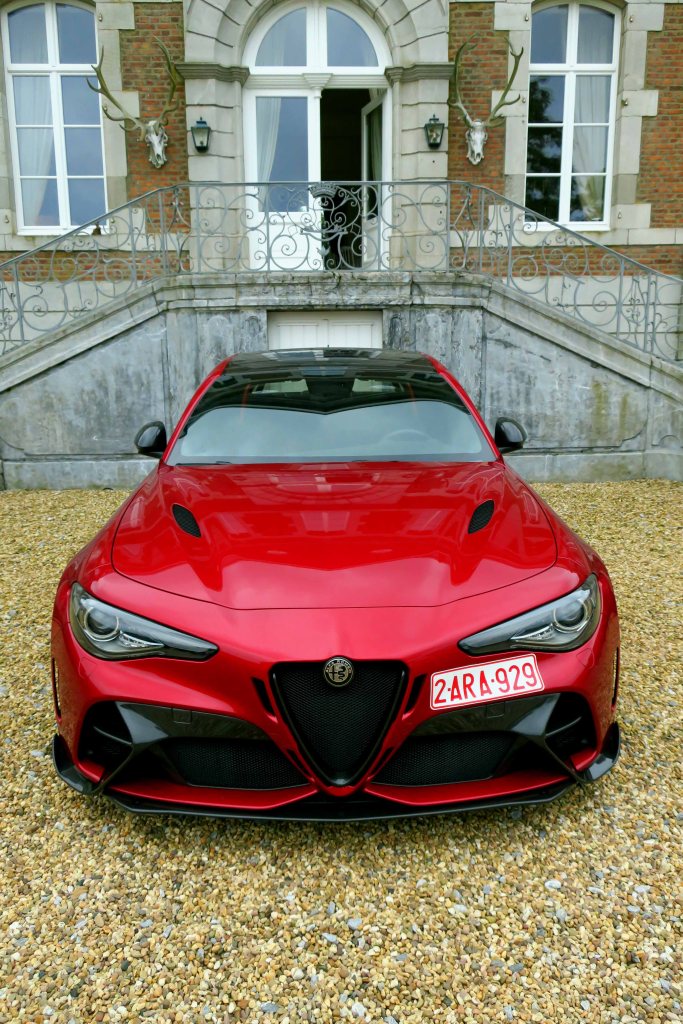
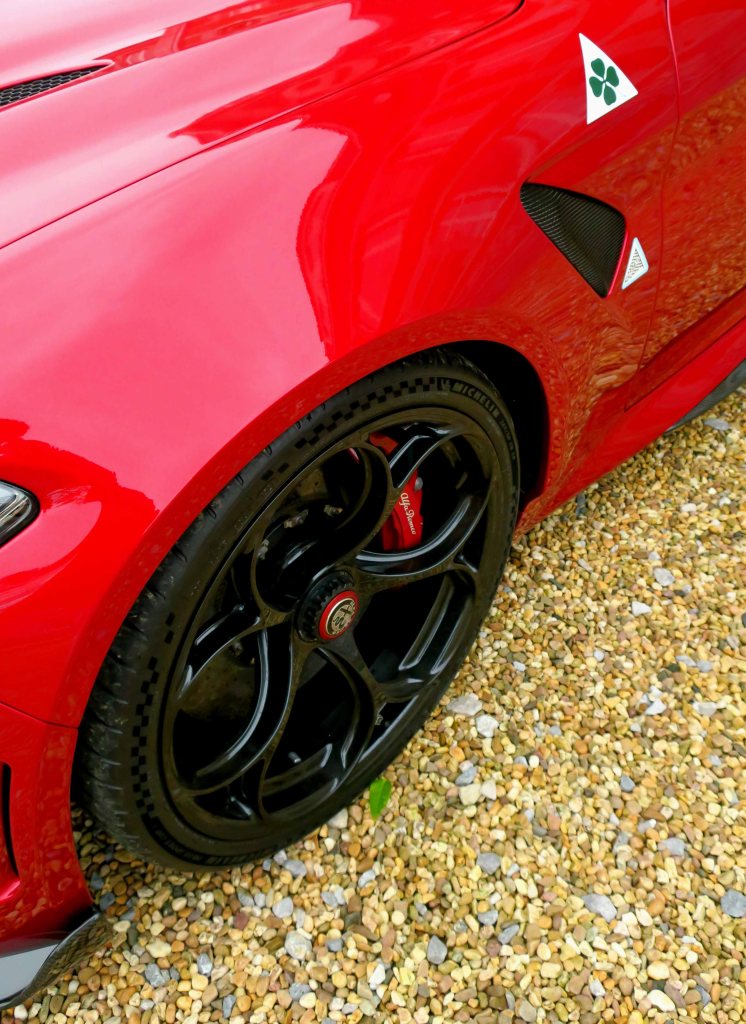
We photographed the GTAm for you this summer at the Chateau of Princess Lea in Humain…
The Giulia GTAm certainly stole our car loving heart, and apparently we are not alone. The iconic Italian design, combined with 540 hp engine power, convinced also the readers of AUTO BILD SPORTSCARS.
They elected the Giulia GTAm, the most powerful car ever produced by Alfa Romeo, “AUTO BILD SPORTSCAR of the Year 2021”. A total of 109 current sports car models were put to the readers’ vote. The Giulia GTAm won topped the import rankings in the category “Sedans & Station Wagons”.
Who wouldn’t like to be behind the wheel of this Alfa…
Last year, the readers of AUTO BILD SPORTSCARS elected Alfa Romeo Stelvio Quadrifoglio as the winner. This year, it was the turn of the Giulia GTAm to be chosen for the award. A major achievement and a source of great pride for the Italian brand. Both awards embody the high regard in which Alfa Romeo is held by German sports car fans.
As you know, the GTAm is built in just 500 numbered units. The Giulia GTA’s well-known acronym stands for “Gran Turismo Alleggerita” (‘lightened grand tourer’), paying tribute to one of the most legendary cars in the brand’s glorious history: the 1965 Giulia Sprint GTA. With the widespread use of ultralight materials, the Giulia GTA’s weight is reduced by up to 100 kg compared to the Giulia Quadrifoglio, and is equipped with an upgraded version of the 540-hp Alfa Romeo 2.9 V6 Bi-Turbo engine with a best-in-class specific output of 187 hp/L.
Times are changing in our electronic age, and fast. Manufacturers will have to build cars with an open software-defined platform, and three new platforms will arrive as early as 2024… says Stellantis.
Indeed, Stellantis N.V. today mapped out its software strategy to deploy next-generation tech platforms, building on existing connected vehicle capabilities to transform how customers interact with their vehicles, and to generate approximately €20 billion in incremental annual revenues by 2030.
This transformation will move Stellantis’ vehicles from today’s dedicated electronic architectures to an open software-defined platform that seamlessly integrates with customers’ digital lives. It greatly expands the options customers have to add innovative features and services via regular over-the-air (OTA) updates keeping vehicles fresh, exciting and updated years after they have been built.
“Our electrification and software strategies will support the shift to become a sustainable mobility tech company to lead the pack, leveraging the associated business growth with over-the-air features and services, and delivering the best experience to our customers,” said Carlos Tavares, Stellantis CEO. “With the three all-new AI-powered technology platforms to arrive in 2024, deployed across the four STLA vehicle platforms, we will leverage the speed and agility associated with the de-coupling of hardware and software cycles.”
Stellantis plans to invest more than €30 billion through 2025 to execute its software and electrification transformation.
The Stellantis software strategy works hand-in-hand with the Company’s vehicle electrification plans, detailed at EV Day in July 2021, which targets that more than 70 percent of its vehicle sales in Europe and more than 40 percent of vehicle sales in the United States will be low emission vehicles (LEV) by 2030. Each of the Company’s 14 iconic brands is committed to offering best-in-class fully electrified solutions.
More about this, and the strategic partnership with suppliers and software companies it implies, will follow soon!
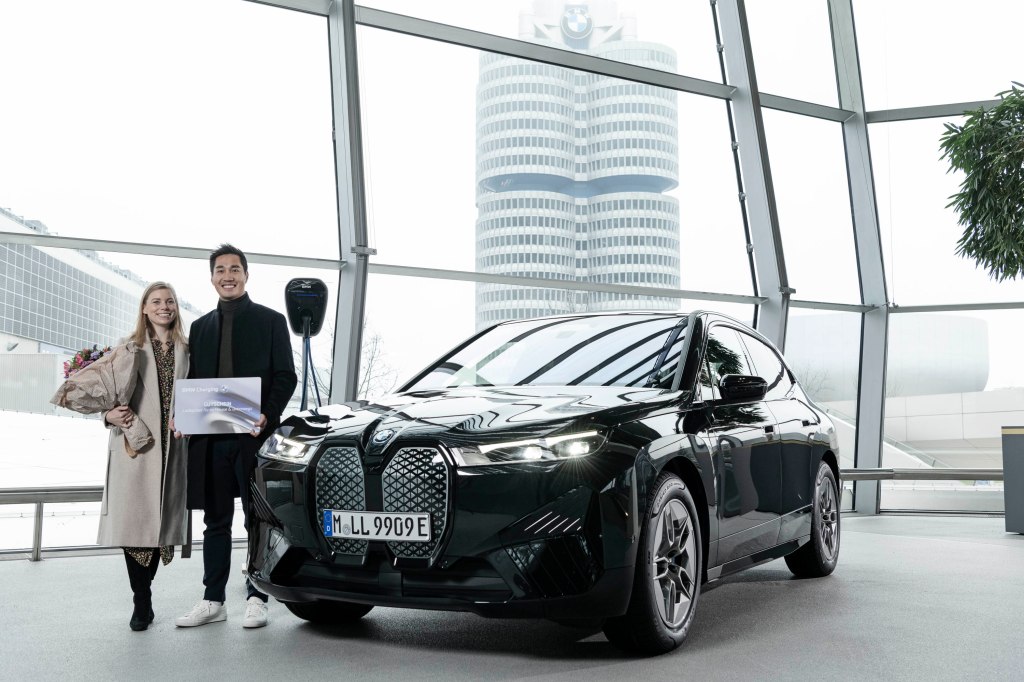
Shortly before the end of the year, the BMW Group celebrated the delivery of its one-millionth electrified vehicle: Pieter Nota, member of the Board of Management of BMW AG responsible for Customer, Brands and Sales handed over the milestone vehicle, a BMW iX xDrive40 (Power consumption in kWh/100 km: 22.5-19.3 WLTP), to its owner at BMW Welt on 6 December.
The company included a special bonus with the delivery: The customer not only received the keys for his new vehicle, but also a BMW Wallbox, including installation, to enable safe and convenient home charging, as well as a credit for public Europe-wide charging with BMW Charging.
“The delivery of our one-millionth electrified vehicle marks a milestone in our transformation – and we already have the next one in our sights: We aim to break through the two-million mark in just two years,” said Nota. “Thanks to our steadily growing product range, we are setting ourselves ambitious sales targets, in particular for fully-electric vehicles: In 2022, we aim to double this year’s sales. By 2025 the BMW Group will have delivered around two million fully-electric vehicles to customers. We expect at least one out of every two BMW Group vehicles sold to be fully electric by 2030,” Nota continued.
The BMW Group released two key innovation flagships, the BMW iX and the BMW i4, onto the market in mid-November. Both models are being very well received by customers worldwide – as reflected in new orders from around the globe
Over the next year, the BMW Group will expand its electrified product line-up to include fully-electric versions of the BMW 7 Series and BMW X1. The high-volume BMW 5 Series will be added to the electric portfolio in 2023. The successor to the MINI Countryman and the all-electric Rolls-Royce Spectre will follow. By 2023, the company will already have at least one fully-electric model on the roads in about 90 percent of its current market segments. Over the next ten years or so, the BMW Group plans to release a total of about ten million fully-electric vehicles onto the roads.
The Neue Klasse, which is uncompromisingly geared towards electric drive trains, will make a significant contribution to BMW Group sales volumes from the middle of the decade.
The MINI product range will already be exclusively all-electric by the early 2030s and Rolls-Royce will be an all-electric brand from 2030 on. All future new models from BMW Motorrad in the field of urban mobility will also be fully electric…brave new world!
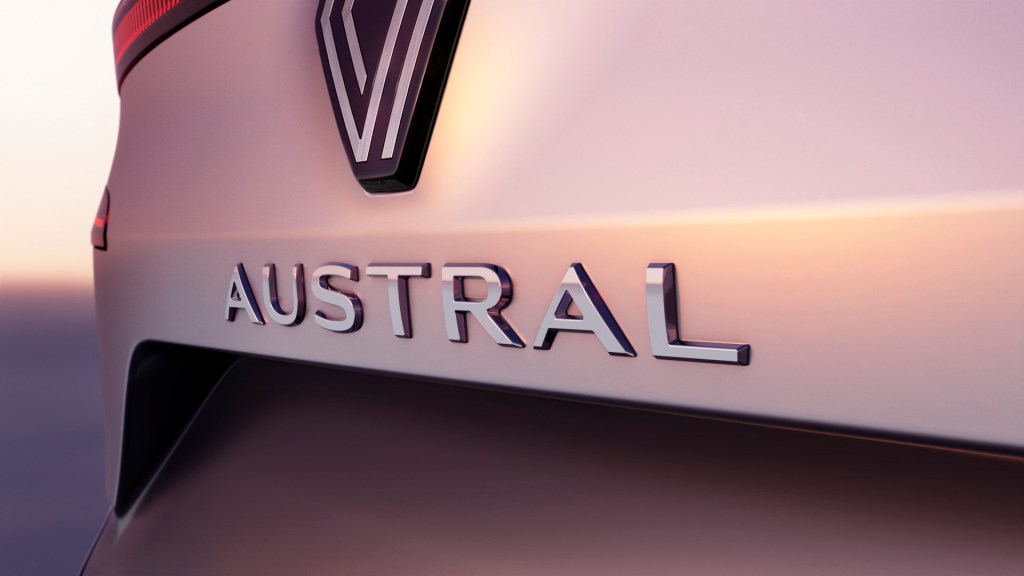
Austral, which comes from the Latin word “australis”, is a commonly used word in many European countries languages It is written in full and refers to the French roots of the constructor.
Sylvia Dos Santos, Name Strategy Manager of the Global Marketing Directorate of the Renault brand, clarifies: “Austral” also refers to the colors and warmth of the southern hemisphere. It is a name that invites you to travel and that fits perfectly with an SUV. The phonetics of Austral are harmonious, balanced and easy to pronounce by everyone and at the same time internationally.”
Austral is the new range of the Renault brand in the segment of compact SUVs with new connected technologies and responsible driving pleasure. Austral also offers comfortable seats 5 passengers with a total length of 4.51m.
With this new model, Renault continues its offensive to retake the C-segment, launched with Arkana and New Mégane E-TECH Electric.
Austral will replace the current Kadjar in the range and will be introduced in the spring of 2022…
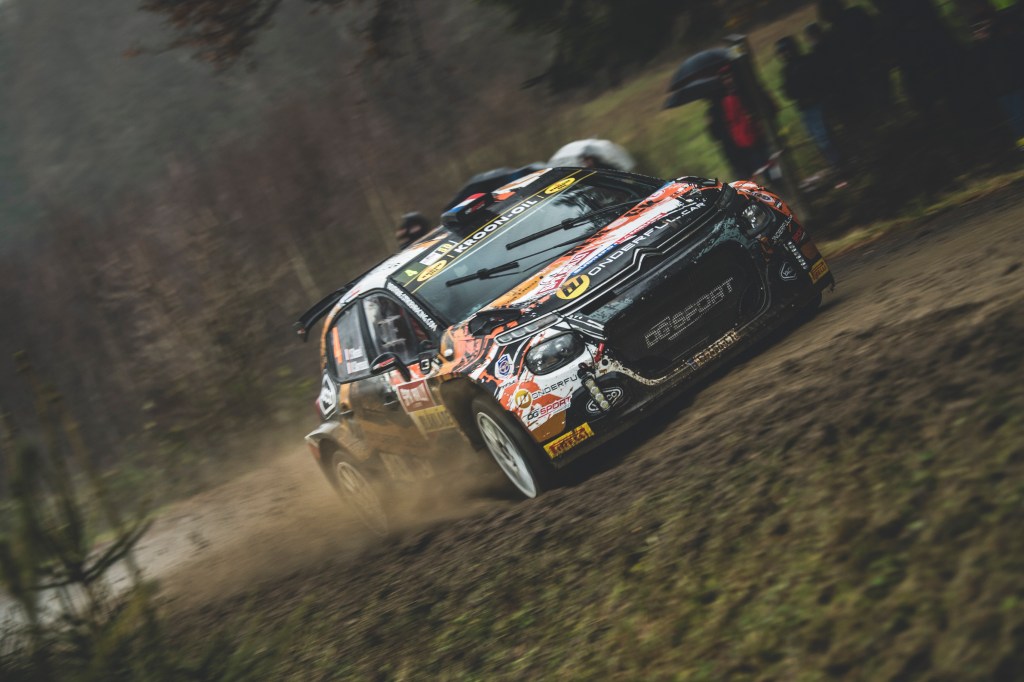
The 2021 sports season ended with magnificent fireworks for DG Sport Compétition. After the victory of Stéphane Lefebvre and Renaud Jamoul in the Condroz Huy Rally, it was now the turn of Yohan Rossel, fresh WRC3 world champion, and Valentin Sarreaud with the Citroën C3 Rally2, to win the Spa rally…
The DG Sport Compétition armada was impressive at the start of the 2021 edition of the Spa Rally, with not fewer than three Citroën C3 Rally2s for Rossel-Sarreaud, Lefebvre-Jamoul and De Cecco-Humblet. Two French top drivers, but with a lack of knowledge of the ‘Spadoise’ specials, a possible handicap compared to the other top names in the Belgian competition. Add to that the difficult weather conditions, typical of December, and the challenge was formidable to say the least…
Yohan Rossel admitted to being surprised by the slippery surfaces and lack of grip in the first stages. But as conditions continued to deteriorate, the pilot from the French Gard region started to attack, taking advantage of the delicate WRX section on the Circuit de Spa-Francorchamps to take the lead. And he never abandoned this lead position during this Spa Rally …
This time we are entering the fascinating world of gaming. Did you know for instance that Gran Turismo™ is a video game developed by Polyphony Digital Inc., a subsidiary of Sony Interactive Entertainment Inc? It was launched in Japan first in 1997, and is now regarded as the best and most authentic driving simulator due to true-to-life graphics, authentic physics technology and careful attention to detail. Addictive it must be. Your servant was decades ago already crazy about the first versions of flight simulator. Imagine this…
The news is that Porsche and the Japanese video game development studio Polyphony Digital Inc., present a spectacular virtual vehicle concept. Porsche has been a partner of Polyphony already a few years now.
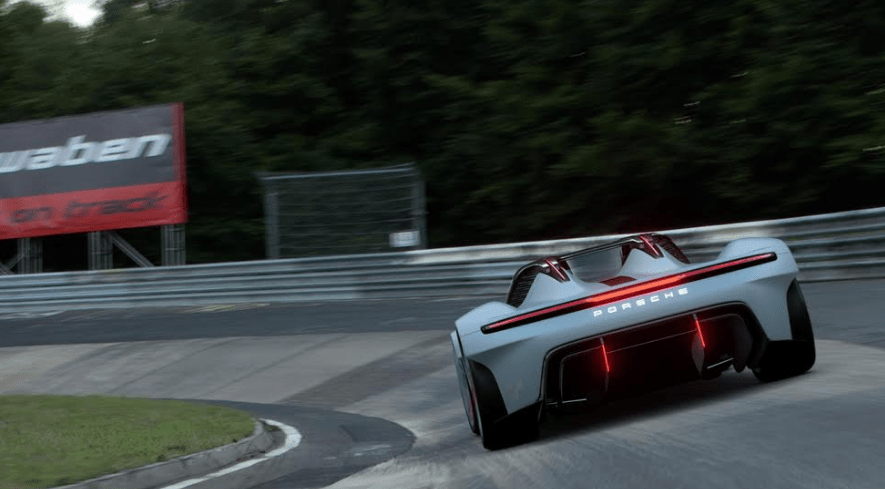
Indeed, the ‘Gran Turismo’ game series has featured Porsche sports cars since 2017, most recently the Taycan Turbo S. For the launch of the game’s seventh edition, Porsche has, for the first time, developed a vehicle purely for the virtual world. The Porsche Vision Gran Turismo is the sports car manufacturer’s first concept study created specifically for use in a computer game. It will be available exclusively in Gran Turismo 7, which will be released on 4 March 2022 for PlayStation 4 and PlayStation 5.
Exciting freedom for Porsche designers…
By partnering with Polyphony Digital, Porsche is not only demonstrating its special visionary approach, but is once again also demonstrating the high level of expertise among its designers. Freed from the constraints of developing models for series production, they were able to put their own ideas for a Gran Turismo concept car into practice.
“A vehicle designed purely for the virtual world opens up exciting possibilities for us that are otherwise heavily regimented in a regular design process for a series production car,” says Michael Mauer, Vice President Style Porsche. “Projects such as the Porsche Vision Gran Turismo are particularly valuable for us in the creative process. Further developing our clearly defined Porsche Design DNA and exchanging with designers from other industries is an important part of our work.”
The Vision Gran Turismo indeed features future-oriented versions of familiar Porsche design elements. The concept car exhibits the brand’s typical proportions with a sporty height-to-width ratio, a low-set bonnet and very pronounced wings. The lights in the purist front and the integrated air intakes create a visual link to the design language of the Taycan – a nod to the car’s purely electric drive.
The rear is adorned with a markedly narrow light strip – a further development of the light signature that is familiar from the 911 and Taycan models. The clear emphasis of the brand identity continues in the interior, with the curved hologram display, tailored to the driver, which appears to float above the steering wheel. The low seating position underscores the car’s dynamic feel. The realistic surface appearances in the interior also play a major role. “We spent a long time considering the right material design consisting of carbon and titanium. The aim was to reduce weight while increasing performance,” says Markus Auerbach, Head of Interior Design at Porsche. “In addition, sustainable aspects also play a role in forward-looking projects. For example, we only used entirely vegan materials in the concept car.”
“The appeal of a Porsche comes from its purist design,” says Kazunori Yamauchi, President, Polyphony Digital. “And in terms of engineering expertise, both we and Porsche follow the same perfectionist philosophy. We share the same passion for racing and are looking to the future of the car.”
In addition to purely design-related themes, there are also new functions that contribute to a strong sports car feeling, with players experiencing haptic feedback via the controller, which mimics the feel of the steering wheel. This fast and direct feedback is reminiscent of a real racing car.
Strategic for Porsche…
Expanding its gaming activities also has strategic significance for Porsche. “We can engage young and digital target groups in the place where their automotive dreams are born: the world of gaming,” says Robert Ader, Vice President Marketing at Porsche AG. “The partnership with Polyphony Digital and ‘Gran Turismo’ is a perfect fit for Porsche, because motorsport – whether real or virtual – is part of our DNA.” The integration of the first Porsche sports car developed purely for the virtual space is an important milestone in the strategic partnership between Porsche and Polyphony Digital Inc.
Actually, Porsche has been cooperating with various companies from the gaming industry for several years and these activities are now an integral part of the marketing mix. The overriding goal is to create a lasting brand experience…
We show you the photos here… and I look forward to a Polyphony Gaming experience!
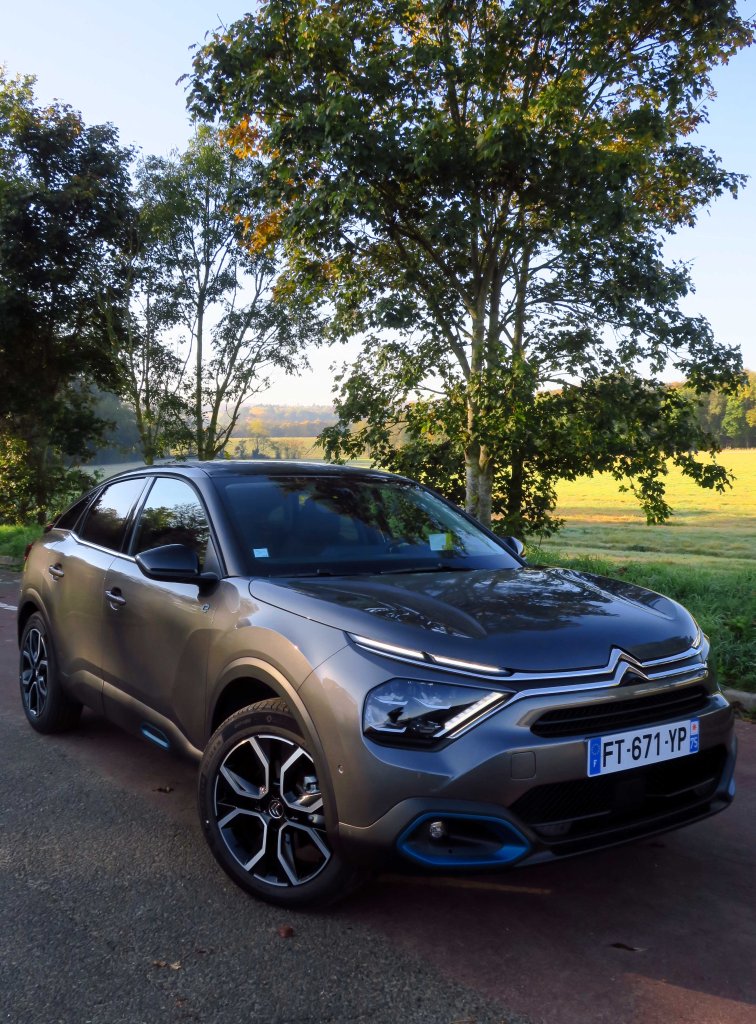
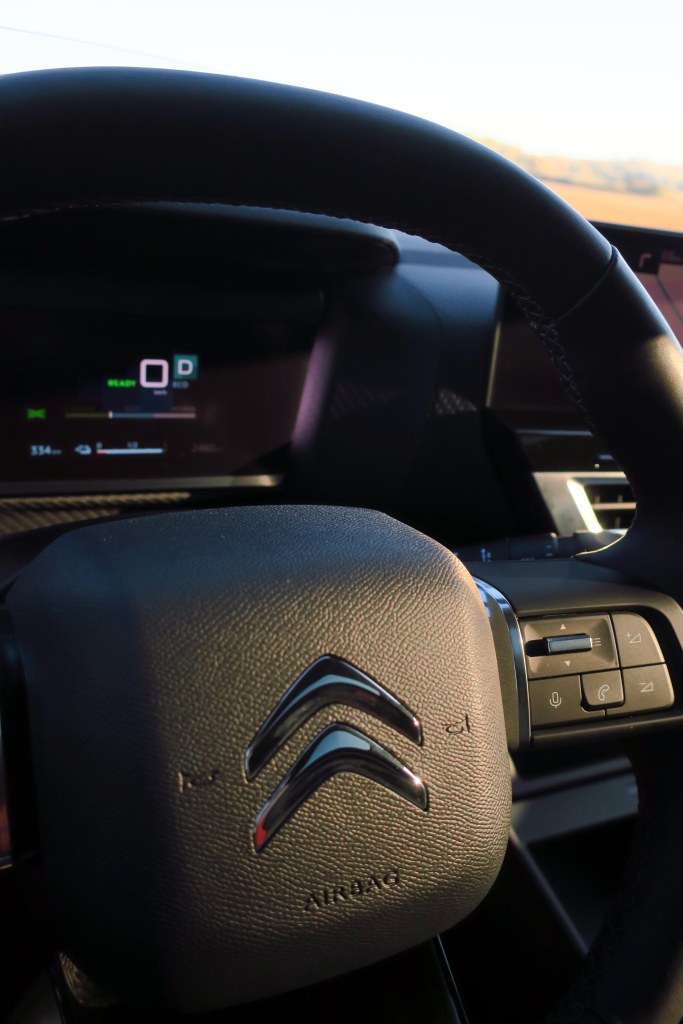
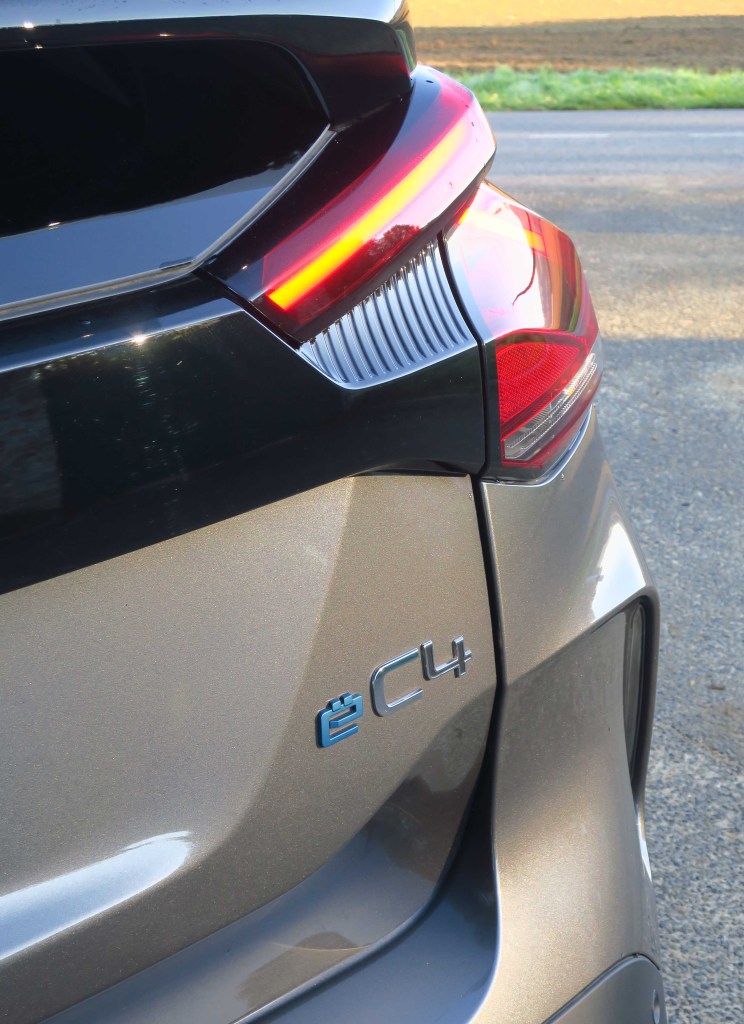
Alongside the E-powered Berlingo, we also had our first drive in the electric version of the C4 in the scenic surroundings of Paris. To tell you right away, with this velvety smooth e-power, the C4 really comes into its own. You get the impression, only after a few kilometers behind the wheel, that this car is actually built for this.
Because, as we told you already in our test of the C4 diesel, this car is all about superb comfort. Add to this the refinement of the electric drive, and subjectively, a sort of noble Rolls Royce feeling invades you.
Indeed, the progressive hydraulic cushions, like we explained, irons out the road ahead for you. Meanwhile, you sink with a smile in the advanced comfort seats. They give you just the right amount of support and comfort to let you almost feel you are in four wheeled superlimousine heaven. The superlight steering still underlines this impression. You can literally steer this C4 with your fingers…
With its 136 HP electric motor, this C4 is indeed meant to let you taste the exquisite joys of just quiet, unhurried motoring. It invites you to do this, but this does not mean that this car is sluggish at all. With 260 Nm of torque always there whenever you need it, it certainly responds eagerly at the slightest movement of your right foot. 0 to 100 km/h is absolved in 9,7 seconds. Top speed is limited wisely to 150 km/h. Add to this the unerring sure footedness of Citroën handling, whatever the road and the weather, and you will agree that it is a very nice experience to be behind the wheel of this car.
We told you here in these columns that due to the heat pump sensor changes and a modified final gearing, the WLTP cycle range is now 357 km.
Charging times are very reasonable indeed; On a 7 kWh wallbox, you can charge the ë-C4 overnight in 7,5 hours. When you are in a hurry, it is good to know that it accepts 100 kW fast charging, and will charge in 30 minutes from 0 to 80 pct charge.
We look forward for a longer test of this smooth goddess of the road soon!