BMW stunned the automotive world 20 years ago with their iDrive BMW opened a new era of in-car operating technology.
Keen to get a grip on the constantly expanding array of functions in vehicle interiors, in 2001 BMW instigated a paradigm shift in the then new BMW 7 Series.
Today, BMW developers and designers focusing on user interaction and user experience have faced up to a new set of challenges. The 8th generation of BMW iDrive brings about another paradigm shift – this time to a new kind of relationship between driver and their vehicle. Needless to say, we are very intrigued and will certainly follow the premiere online!
Indeed, You can follow the world premiere live at www.live.bmwgroup.com, on Monday, 15 March 2021, 15:30 GMT.
You can also follow the @BMWGroup social media channels for the live broadcast.
The Women’s World Car of the Year is the first time a Land Rover has won the top prize at the awards and is the latest in a series of international honours for the most capable Land Rover ever made.
The new Defender remains true to the pioneering spirit that has been a Land Rover hallmark for over 70 years and redefines adventure for the 21st century. Iconic in name, shape and capability, it is available in a choice of body designs and can be personalised with a choice of four Accessory Packs to help owners make more of their world.
The Women’s World Car of the Year (WWCOTY) awards are the only car awards in the world with a jury comprised exclusively of woman, with 50 motoring journalists from 38 countries on 5 continents recognizing the best new models available.
The New Defender was named Best Medium SUV 2021 at the awards before being awarded – to coincide with International Women’s Day – the headline WWCOTY prize.
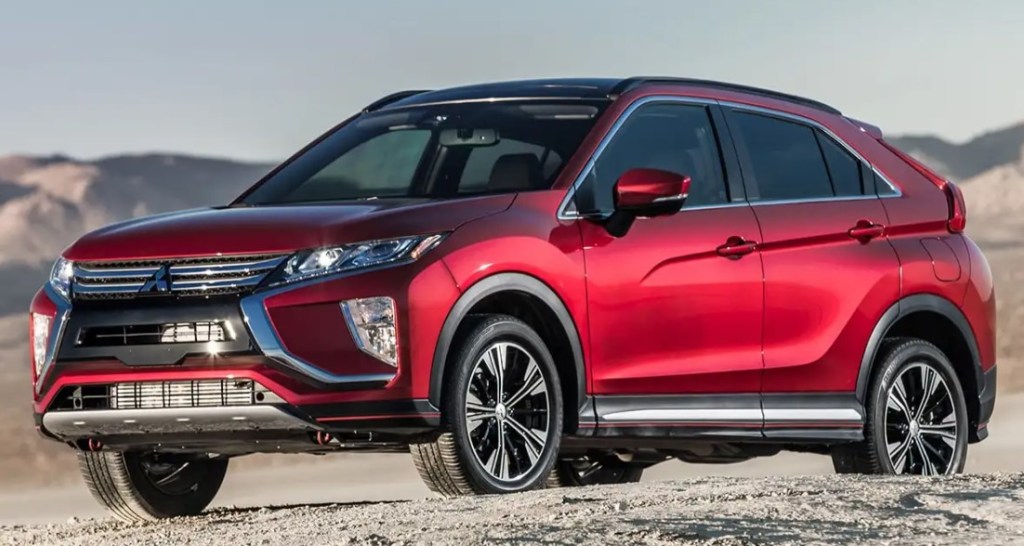
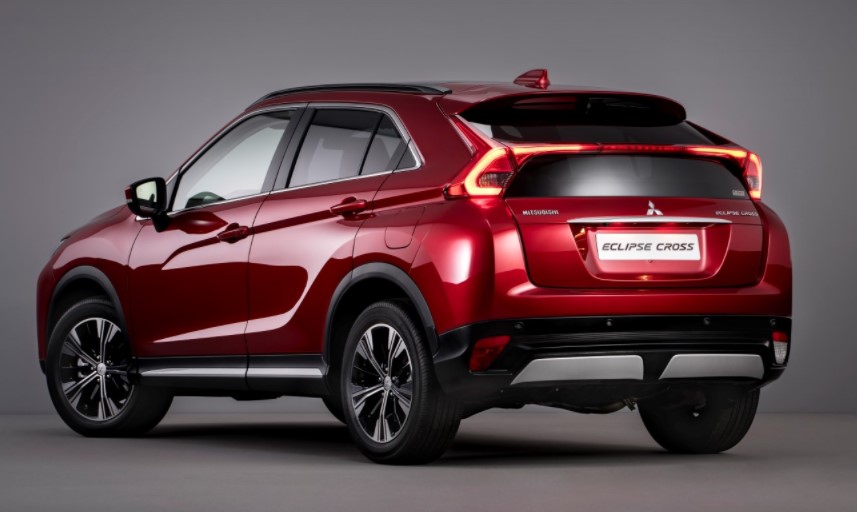
The Mitsubishi Eclipse PHEV will get the company soon of Renault designed models in selected European markets….
Mitsubishi Motors has decided to procure OEM-model vehicles from Renault, best-sellers on the European market which already meet regulatory requirements, for selected major markets in Europe. Starting 2023, Mitsubishi Motors will thus sell two “sister models” produced in Groupe Renault plants, which are based on the same platforms but with differentiations, reflecting the Mitsubishi brand’s DNA.
A model mix of the newly launched Mitsubishi Eclipse Cross PHEV and the Renault-developed sister models will enable Mitsubishi Motors to be more competitive in the market.
The comments of the CEO’s both at Renault and Mitsubishi are quite positive:
“Mitsubishi Motors welcomes Renault’s OEM models for the European market, and ultimately new customers. Mitsubishi Motors has been implementing structural reforms in Europe and our decision to freeze new car development for the European Market, announced in July 2020 in our mid-term business plans, remains.
However, the OEM supply agreement will provide us with a solution to offer new products developed and manufactured in Europe– alongside our ongoing after sales business,” said Takao Kato, CEO Mitsubishi Motors.
“Our new approach within the Alliance, focusing on impactful and meaningful projects, is turning into reality. This pragmatic, value-driven initiative will make a difference in our plants, in our partner’s footprint and on the European streets. This beautiful project meets all partners’ expectations from a design, regulatory and business perspective.
This is what the Alliance is meant for and we are very happy, at Groupe Renault, to contribute to this new step in its history of cooperation.” said Luca de Meo, CEO Groupe Renault.
So we can look forward to interesting “European” Mitsubishi models in the forthcoming future…
Faithful readers know that we reported already about the e-Ducato and the dynamic people behind this project, notably Madame Angelica Carapezza, who we interviewed back in 2019. Now the e-Ducato is fully available…
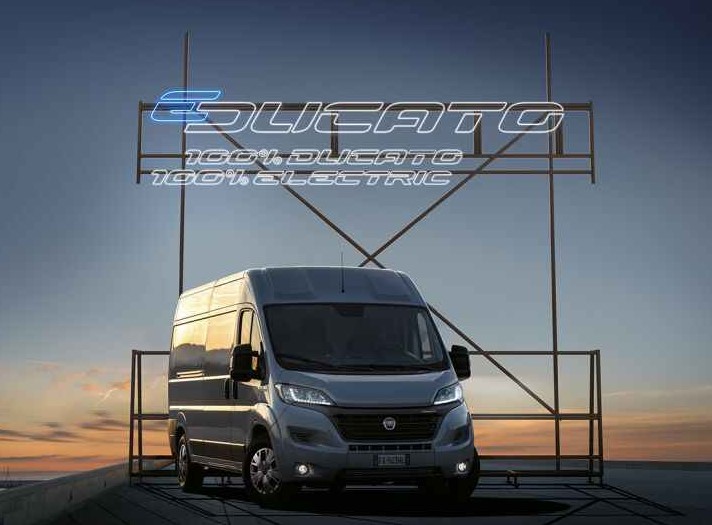
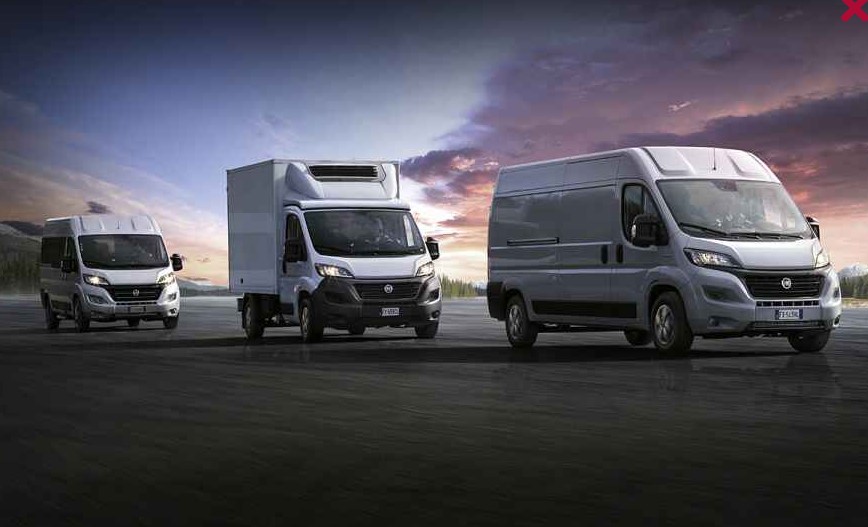
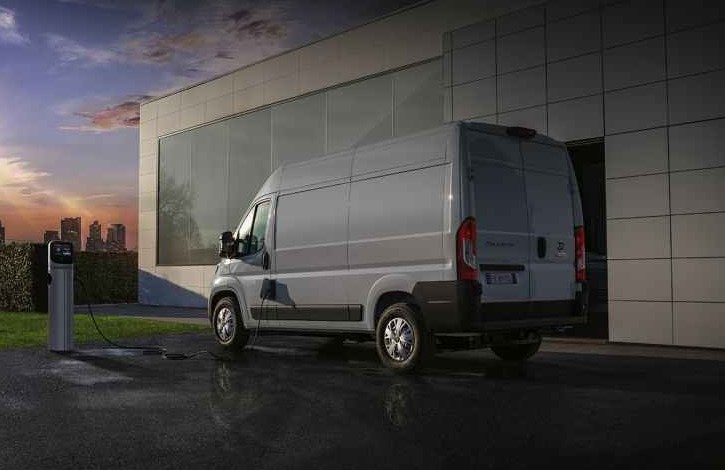
Indeed, orders are open for the new E-Ducato, the full-electric, fully connected version of the Fiat Professional best seller, It guarantees continuity in the technology transition with similar performance, at a comparable cost.
The line-up of configurations meets every need: vans from 10 to 17 m3, cab vehicles in 4 different lengths, plus people-carrying capabilities to cover any business need.The Ducato has best-in-class load volume from 10 to 17 m3, payload of up to 1,910 kg.
There is a modular choice of batteries, with ranges from over 230 to 370 km in the urban cycle; 2 different AC chargers at launch, with DC Fast Charge available as an option.
The exclusive Pro Fit by E-Ducato app is available, for the ideal E-Ducato configuration based on real-world usage data, to best meet every specific need.
A wide range of benefits are included in the price: Vans from €60,800 for the 3.5-ton Medium Wheelbase version (10 m3 load volume); Cab vehicles from €60,300 in the 3.5-ton Medium Wheelbase version.
The line-up extends all the way to a 4.25-ton van.
At launch, 5 years of routine maintenance and a 5-year vehicle warranty and up to 10-year battery warranty are included. Three packs with the most sought-after optional extras are available on request.
To support the launch and the “electric project”, Fiat Professional and the Sapient agency have developed the “Numbers” digital campaign. Of which more in detail later.
The vehicle’s arrival in dealerships and early deliveries are scheduled from late March onwards.
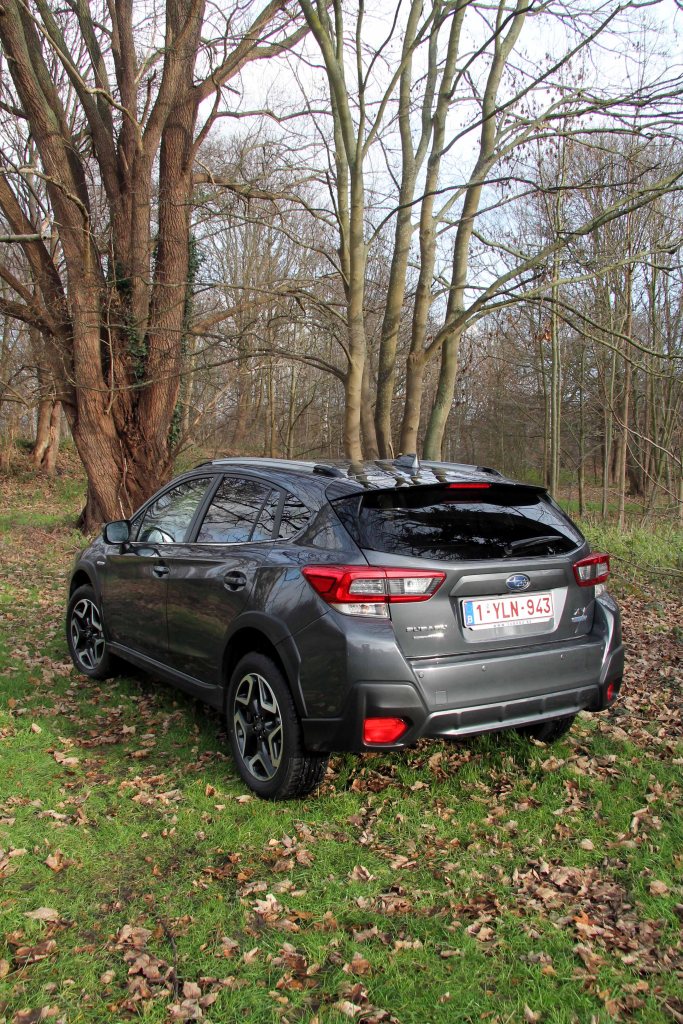
The XV embodies perfectly what a Subaru stands for: it is compact, styled with zest and panache, versatile, rugged and of course crammed from bumper to bumper with state of the art, innovative and exclusive technology. This legendary Subaru boxer technology, combined with unique 4WD capability comes now to you with additional e-power, to make this Subaru fit for the E future which is coming upon us.
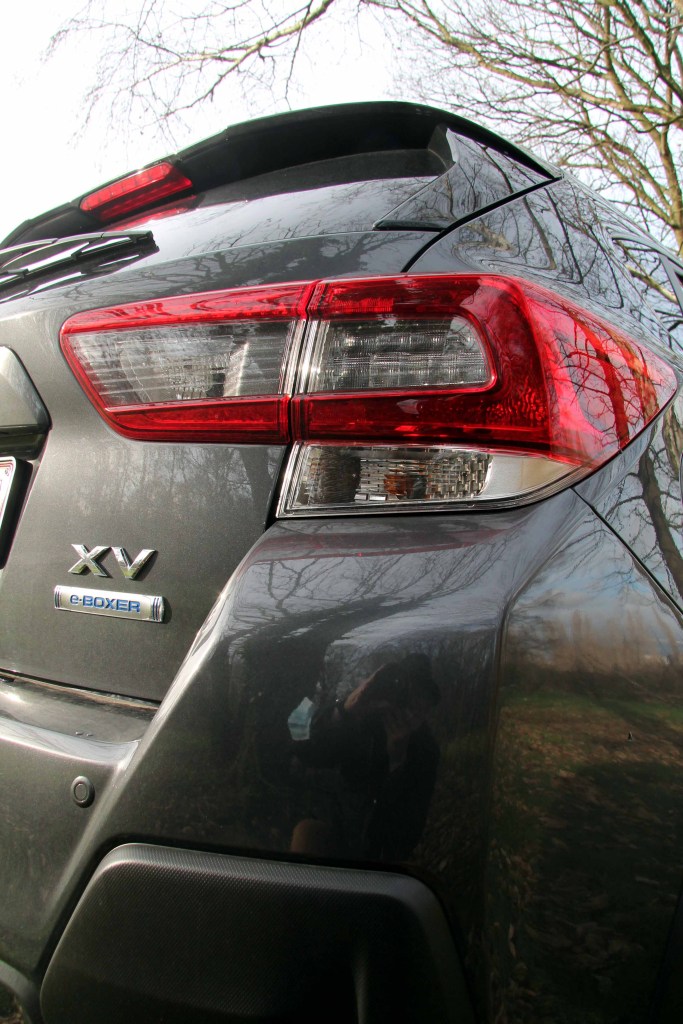
Subaru prefers rugged no-nonsense go anywhere capability, and therefore opts for hybrid technology: the 2 litre direct injected boxer engine is coupled via a Lineartronic CVT Transmission to a 12.3 kW e-motor which sits right behind the engine and is fed by a 13.5 kWh battery pack which sits behind the rear wheels. E power is available at slow speeds up to 40 km/h. Subaru describes this as the EV driving mode. Depending on the enthusiasm of your right foot and the state of charge of the battery pack, you could drive on E power over distance of up to 1,6 kilometers at speeds, as we said earlier, of up to 40 km/h. In practice, the battery and motor just assist the combustion engine when driving away from traffic lights and in slow stop and go traffic.
When you really keep your right foot very calm, a lot can be gained here. As you servant is well trained with his Lexus 200 CTH, it was no trouble at all to eke out a consumption of 6 litres/100 km in tightest urban traffic. It just takes a good amount of concentration and anticipation.
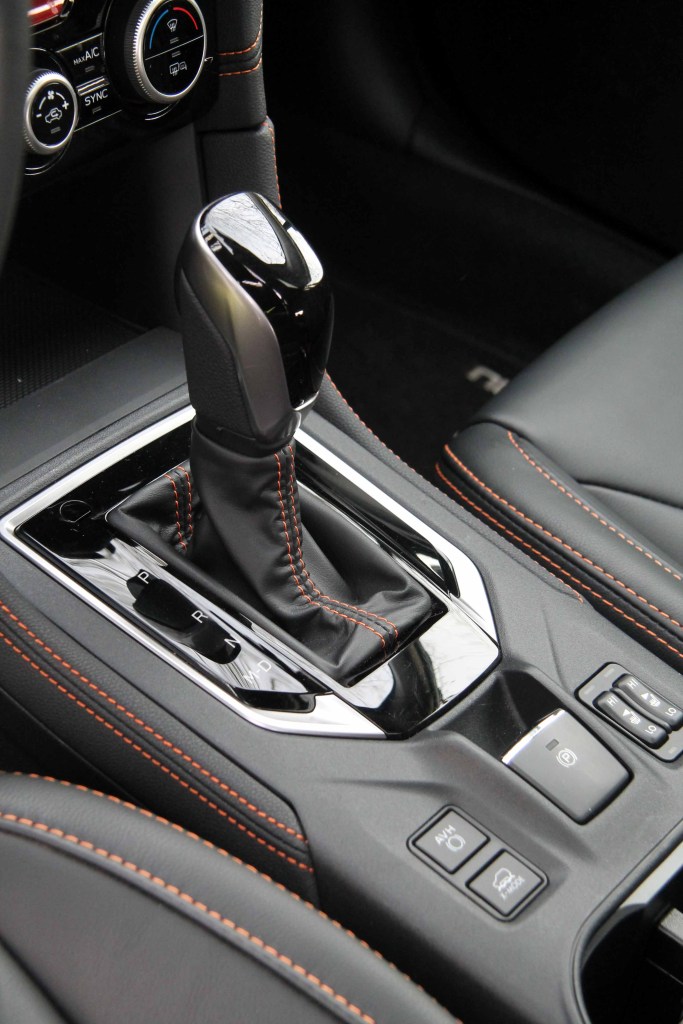
The Subaru changes very smoothly from E- to petrol power and vice versa at varying speeds above 40 km/h in the “engine assist function.” Nice too is that the CVT transmission has 6 “steps” or ratios if you want to, so you can avoid that the willing boxer revs too high for your liking when you really put your foot down and accelerate hard on a motorway entrance for instance.
At higher speeds, the petrol engine takes over fully and charges also the battery. The beauty of hybrids is that you can use them anywhere, anytime, for any distance, just like any other petrol engined car. With a significant reduction in petrol consumption if you understand them and know how to drive them…
We averaged between 6 and seven litres/100 km on our regular routes. The manufacturer quotes 6,5 litre/100 km as average consumption, and 149 g/km in CO2 emissions.
Off road capability…
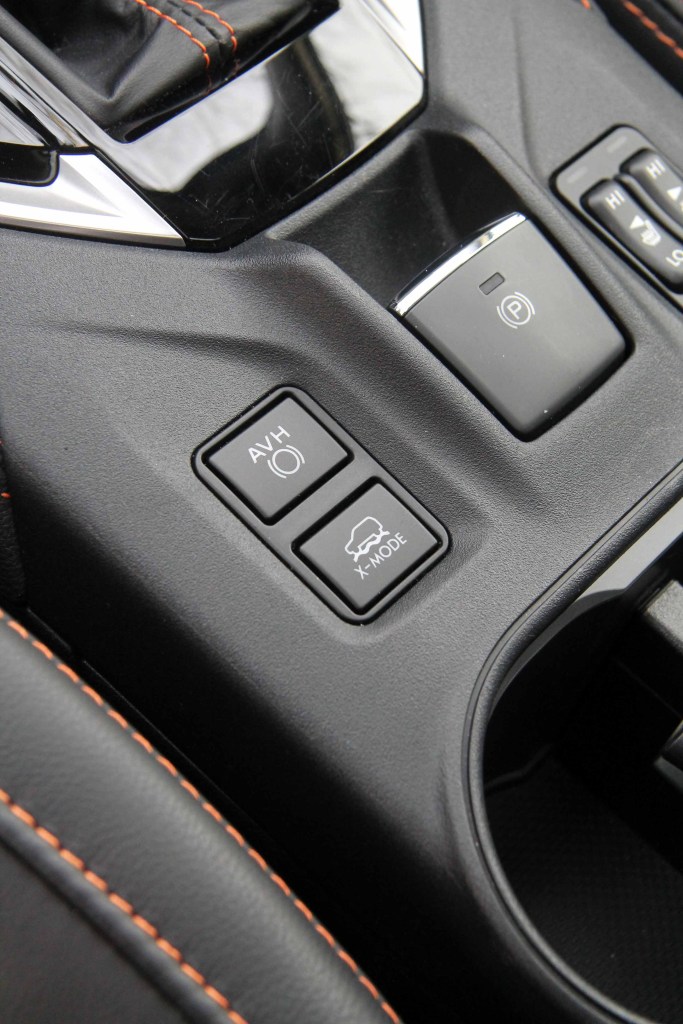
But then, this car is a Subaru. This means king of the road, off-road. The XV offers go anywhere capability with its Symmetrical AWD, and its further developed X Mode. This mode effectively remaps the 4WD system, using the E motor to modulate the traction on all 4 wheels even more finely. Taking the family out on a weekend skiing or having fun in the snow: this Subaru gets you there and back… and how!
Good performer
Although it will not invite you to throw it around corners, it certainly has the rally-bred stamina to do it. This XV has legendary on-road handling, and remains controllable and neutral no matter in what situation you put it in. The hazards of winter season and/or slippery roads simply do not exist for the XV.
Outright performance leaves nothing to be desired: 0 to 100 km/h is reached in 10.3 seconds, top speed is a healthy 193 km/h.
Of course the Subaru is an excellent motorway cruiser. The suspension is comfortable, the XV rolls on the brand new Subaru Global Platform which added considerably more body stiffness, but then a very stiff body is also prone to resonances, and there is some road/tyre/wheel noise noticeable.
Subaru’s EyeSight keeps you safe
Another point we cannot miss to mention is the superb EyeSight Driver Assist Technology. Driving in thick fog on motorways, winding forest roads has no collision risk for you anymore. Two stereocamera’s sit on both sides of the rear view mirror and keep an eye on the road ahead. Coupled with the adaptive cruise control, the system will assist in keeping a safe distance and adapt speed automatically to the car in front of you over a very wide speed range between 0 and 180 km/h.
Well-equipped and pleasant cabin
The XV dashboard has three screens, two on the centre console, and one between the nicely finished round instruments for speed and revs. Infotainment is intuitive and easy to use, and leaves nothing to be desired. The whole cabin is well finished, quality of materials used is very good, sturdy and fit for no nonsense practical use for years to come, in the good Subaru tradition.
Boot space is not enormous, due also partially to the rear battery pack, but the standard 355 litres can be easily enlarged when the rear seats are folded down. On the other hand, the Subaru still has a healthy 1270 kg braked trailer pulling power, and if you have any doubts about Subaru’s mettle, just have a look at the numerous You Tube films where Subaru’s are pulling stranded trucks out of snowy ditches…
Conclusion
Together with the Forester, Subaru now has two (partially) E-powered models in its range, and the ever so popular XV has become even more desirable now. Embodying all the traditional legendary Subaru qualities, the XV now offers excellent economy and the “Zen” driving style which comes with electric propulsion. Definitely have a long hard look at thisone when you consider buying a crossover in this segment. This car has so many unquestioned and unique talents, you shouldn’t miss it for anything in this automotive world.
Liane Engeman, from the race track to photo modelling for Alfa…
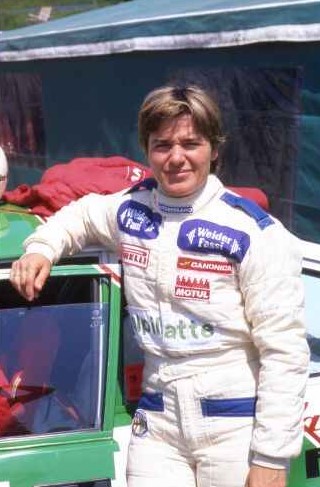
In the first part of our story where Alfa Romeo pays tribute to its glorious queens of speed, we took you back to the ‘30s, but now we guide you to more recent times. First we start off with a good looking racing driver, who later became even a …photo model for Alfa: The super-fast Dutch driver Liane Engeman, she excelled herself in the Toine Hezemans team’s Alfa Romeo 1300 Junior.
Liane Engeman with Toine Hezemans…
The photo here above let’s you understand fully why she became later an iconic model for Alfa…
Then there is Christine Beckers, who I came to know personally. Her heroic days were in the ‘60s, the era of the Alfa Romeo Giulia Sprint GTA. Its results, victories and importance in Alfa Romeo’s history are well-known. Less known, however, are the events of the (supercharged) Alfa Romeo GTA-SA. Prepared in ten units for Group 5, it was equipped with two hydraulically operated centrifugal compressors that boosted output to 220 hp, resulting in a top speed of 240 km/h.
It reached peak performance, but as historical test driver from Autodelta Teodoro Zeccoli explained, the GTA-SA had “an unpredictable boost of power would kick in suddenly without notice, making the SA an unpredictable vehicle, hard to govern on curves or when maneuvering.” One able to govern this ill-tempered vehicle better than any other was the young Belgian driver Christine Beckers, who won in Houyet in 1968 and went on to achieve excellent results the following year: in Condroz, at the “Tre Ponti”, at Herbeumont and at Zandvoort. But there are more heroines…
Maria Grazia Lombardi & Anna Cambiaghi
To follow Maria Teresa de Filippis in the 1950s, the second Italian woman to drive in a Formula 1 race – in as many as 13 GPs – was Maria Grazia Lombardi, known as “Lella”.
Between 1982 and 1984, she took part in the European Tourism Championship with the Alfa Romeo GTV6 2.5, together with Anna Cambiaghi, Giancarlo Naddeo, Giorgio Francia and Rinaldo Drovandi, and helped to bring in multiple titles. She remains the only female Italian driver to have improved her standing in a Formula 1 race.
Tamara Vidali
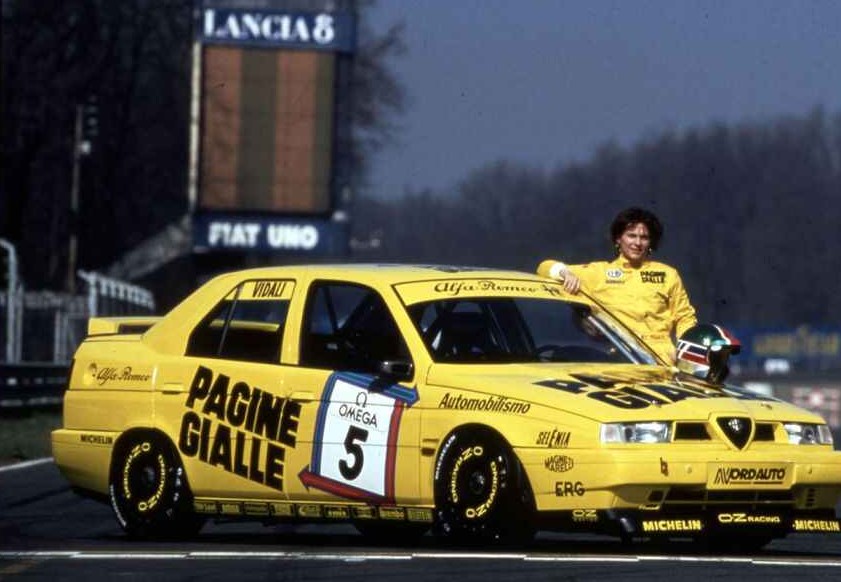
In 1992, Vidali won the Italian Tourism Championship (Group N) in an Alfa Romeo 33 1.7 Quadrifoglio Verde, set up by the brand’s newly established Racing Department. Just as unforgettable is the fully yellow livery of the Alfa Romeo 155 that she drove in the Italian Superturismo Championship (CIS) in 1994.
Last but not least there is Tatiana Calderon.
Born in 1993 in Bogotá, Colombia, Calderon took her first steps in motorsport in 2005, winning a National Championship in the Easy Kart Pre-Junior series. Just three years later, she would become the first woman to win the JICA class of the Stars of Karting Championship East Division in the United States.
In 2017, Calderon became a development driver for the Sauber Formula One team. One year later, Sauber promoted her from F1 development driver to F1 test driver for Alfa Romeo Racing.
We enjoyed reading about all these (very) fast women, and we trust you did too…
International Women’s Day is an ideal occasion, Alfa Romeo found, to put its female racing champions behind an Alfa sportscar wheel into the spotlight. The material they put forward is so abundant and interesting, that we make (at least) a two-part series of it.
We start here with the early, very elegant protagonists, who combined female elegance with panache and excellent racing qualities…
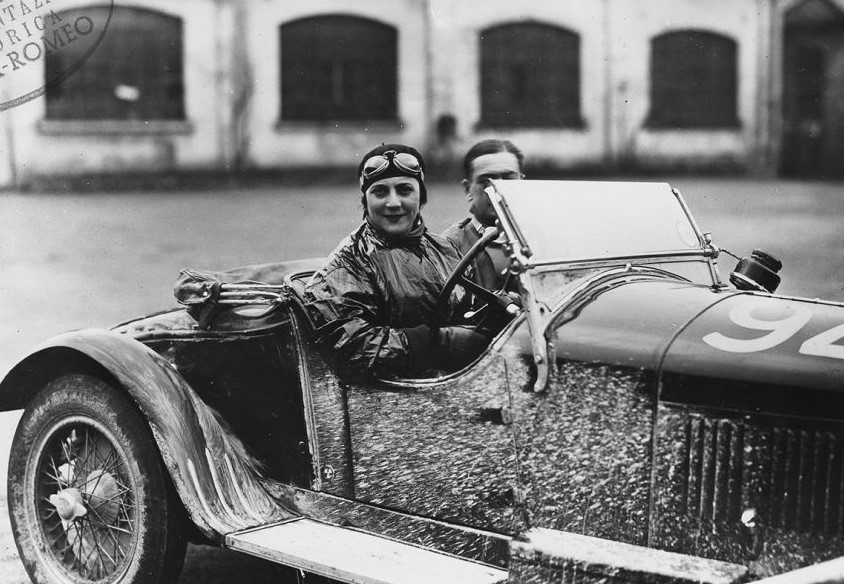
We start here with Odette Siko, you see her elegantly here in the photo above.
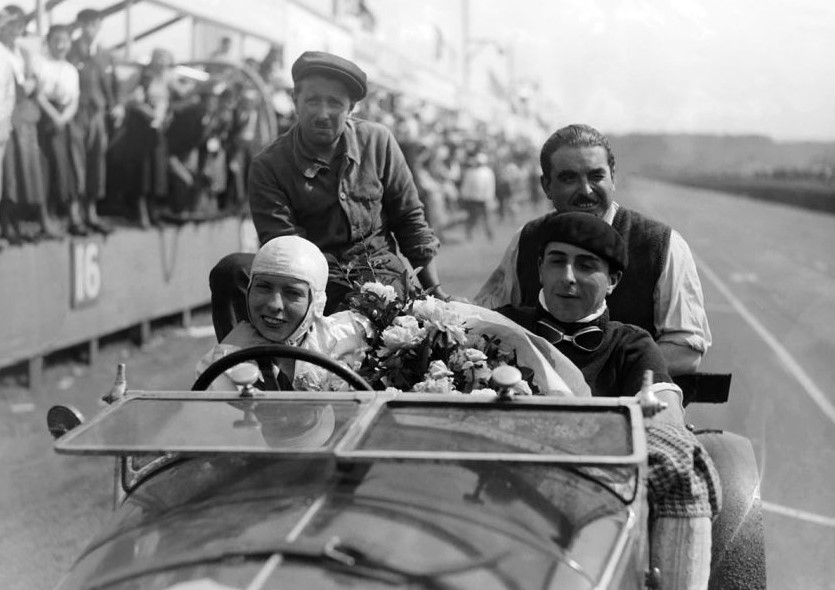
She takes you back to the 1930s, where Alfa Romeo asserted itself as one of the main protagonists in motorsport. This was partly down to extraordinary vehicles, but also to drivers who became part of the legend: these were the years of Nuvolari, Varzi, Caracciola and Sommer. The latter won the 24 Hours of Le Mans in 1932 behind the wheel of an Alfa Romeo 8C 2300, but the Alfa Romeo 6C 1750 SS driven by the striking Odette Siko finished fourth overall and won the 2.0-liter category! A young Parisian, Siko quickly became one of the stars on the track, displaying her elegance both in the paddock and in her racing performance, often accompanied by another female French racer whose path also crossed Alfa Romeo’s several times: Hellé Nice.
Hellé Nice, see the photo here, was a model, acrobat, and dancer. Her real name was Mariette Hélène Delangle, but was more commonly known as Hellé Nice. Renowned for her outgoing personality, Nice was good friends with the Rothschilds and the Bugattis. She raced in Europe and America and became one of the first drivers to display the logos of her sponsors on the bodywork of a single-seater racing car.
She took part in the 1933 Italian Grand Prix at Monza in her own 8C 2300 Monza; in the same race, Campari, Borzacchini and Czaikowski tragically lost their lives. In 1936, she won the Ladies Cup in Monte Carlo and took part the São Paulo Grand Prix in Brazil, where she fell victim to a dreadful accident, then miraculously came out of her three-day coma.
Further on, there was Anna Maria Peduzzi. In her time, the years of Scuderia Ferrari marked a crucial chapter in Alfa Romeo’s history. The drivers of the “Prancing Horse” included Como-born Anna Maria Peduzzi, the wife of driver Franco Comotti, who was nicknamed the “Moroccan”.
After her debut aboard her own Alfa Romeo 6C 1500 Super Sport, which she had purchased from Ferrari himself, Peduzzi almost always raced alone and only occasionally with her husband. In 1934, she won the 1500 Class at the Mille Miglia and, in the post-war period, raced in the Alfa Romeo 1900 Sprint and the Alfa Romeo Giulietta.
We conclude our first part here with Maria Antonietta d’Avanzo.
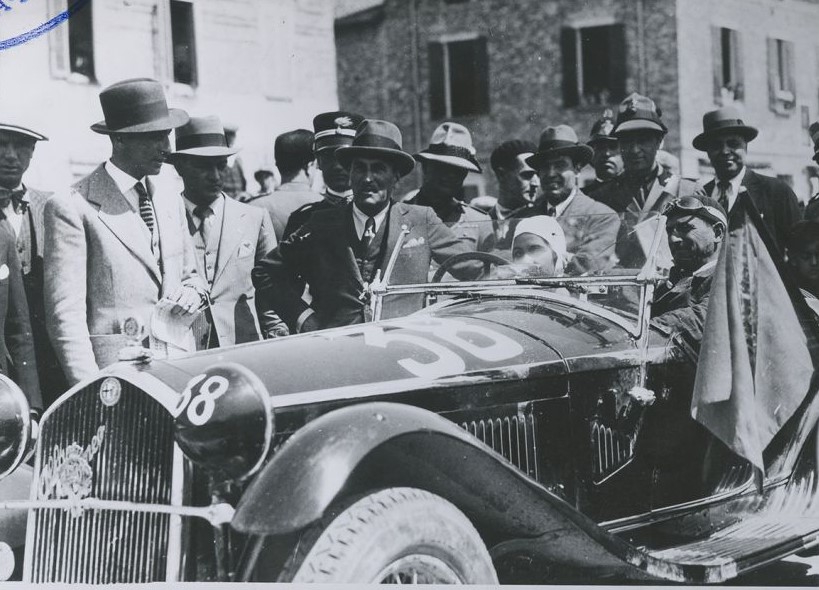
The forerunner of female Alfa Romeo drivers, Baroness Maria Antonietta d’Avanzo made her debut in the interwar years. A pioneer of Italian motorsport, aviator and journalist, d’Avanzo won third place in the Alfa Romeo G1 at Brescia in 1921, and proved her worth in many competitions as a formidable opponent for the best drivers of the time, including a young Enzo Ferrari.
Baroness d’Avanzo in her Alfa 20-30 ES
Baroness d’Avanzo raced until the 1940s in a variety of vehicles and races, traveling all over the world to do so…
In the next part we will tell you more about our national champion Christine Beckers and her more contemporary colleagues… Stay tuned!
Klaus Busse presented the Alfa Romeo Tonale two years ago in Geneva…
Klaus Busse is the talented head of design for Alfa Romeo, Fiat and Chrysler, and he is also quite active on social media. We read today a post from his hand on his Instagram page about the presentation of the Tonale at the Geneva Show two years ago, together with some stunning photos showing how the Tonale was sculpted out of plaster and other materials to become a real looking car, to be shown as a styling model at the salon.
Craftsmen working on the clay model, succeeding into making it a real looking car…
The photos show how elements of the car were formed and made by hand. Some pieces were 3D printed, I believe, but personally I find it truly amazing how these craftsmen put the car together, and finished it to become a design model with gleaming paint and shiny elements, the result being indistinguishable from a “real” car.
I believe, 3D printed elements were used… Also here 3D printed elements abound…
I found the photos so interesting that I want to show them here to you on these pages.
The steering wheel gets a “real” feel…Craftsmen sculpting the rear end…
On the fourth of May 2019, I visited the Centro Style in Turin, and met Klaus Busse. You see me standing proudly beside the Tonale prototype, and also in a group photo with Klaus Busse himself on the left.
Sweet memories, and of course your servant would love to witness once how these craftsmen work to create such an unbelievably finished prototype…
Mercedes-Benz Drive Systems Campus, Stuttgart-Untertürkheim
German automakers are very serious about it. Getting as competent about E-power technology and drive systems as they are in petrol engined technology. So they are making the essential and necessary structural changes.
Mercedes for instance is transforming its Mercedes-Benz Drive Systems unit and its Stuttgart-Untertürkheim site for an “Electric First” future in the context of its “Ambition 2039” strategy.
Untertürkheim is to become a technology competence centre with a campus focusing clearly on electric drive and battery technology, including the production of lithium-ion cells. The Untertürkheim site has always been an integral part of the Mercedes-Benz powertrain production network – as an innovation centre and as a hub of Mercedes-Benz powertrain expertise.
Mercedes-Benz Drive Systems
A three-digit million euro amount is invested to transform Untertürkheim, the largest site in the company’s global powertrain production network, which will in future be known as the “Mercedes-Benz Drive Systems Campus”.
The site will focus on research, development and production ramp-ups of drive systems.
A new factory for the small-series production of future battery cells, and a dedicated battery safety lab, will complement Mercedes-Benz’s existing research and development activities in the field of battery technology.
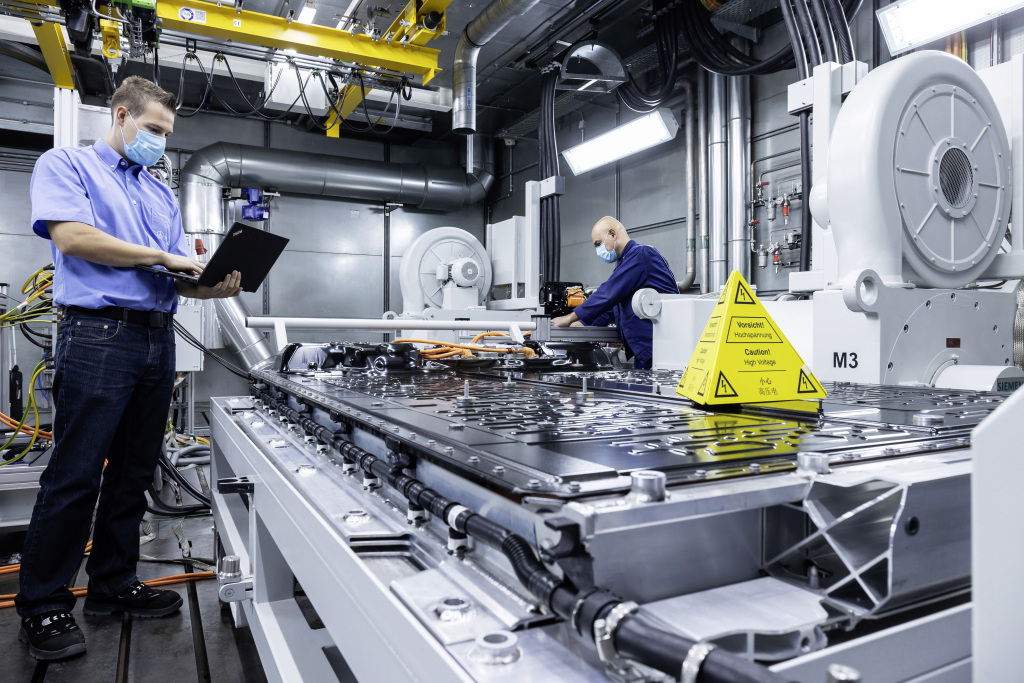
eATS test benches at the Mercedes-Benz Drive Systems Campus Untertürkheim
The company strives for a holistic approach which ranges from basic research and development to manufacturing of battery systems. In terms of series production, the site will focus increasingly on electric drive components – battery and electric drive systems, while conventional engine, transmission and component production will gradually be phased out, which will affect employment profiles and scopes.
Vertical integration is essential…
The Mercedes-Benz Drive Systems Campus is a crucial development step regarding the sustainable transformation of the Untertürkheim site. At the same time, this requires substantial adjustments in its production program and processes. In this context, the existing competence centres will be restructured or systematically expanded. The close link of research, development and production at the same location will create important preconditions for synergies and unique know-how, strengthening the vertical integration in house as a key pillar.
The Mercedes-Benz battery factory in Untertürkheim – plant annex Hedelfingen – will produce battery systems for the Mercedes-EQ model EQS from 2021
Focus on battery technology and electric drive systems.
The bundling and extension of its battery activities is of paramount mportance. Widespread research and development activities are already anchored at the Untertürkheim location, such as the e-technology centre and cell technology centre, where, among other things, prototypes for the electric drive system are built and cell technologies are researched and tested. Additionally, the battery research and development activities currently located at the Nabern part of the plant, including various test benches, are to be relocated on the campus in the future.
Further investments are planned in the significant expansion of the current cell technology centre in order to be able to cover the entire value chain of battery technology. In addition to basic research, pre-development and design of battery cells, a new factory for the small-series production of lithium-ion battery cells is being planned, starting operations in 2023. The sustainability factor, transparent cell development through to recyclability, plays a major role in this. Moreover, a dedicated battery safety lab will complement Mercedes-Benz’s activities.
Mercedes-Benz Untertürkheim plant to produce electric powertrain in the future
In the future, the company will cover almost the entire field of battery technology at its Untertürkheim location – right down to battery systems which are manufactured at the site. The battery factory in Brühl nearby will produce batteries for plug-in hybrid vehicles from 2022. Starting this year, battery systems for the Mercedes-EQ model EQS – the all-electric member of the S-Class family – will roll off the assembly line at the Hedelfingen part of the plant. The EQS will be manufactured at Factory 56 in Sindelfingen some 20 km away starting in the first half of 2021. The battery system for the EQE will also be produced in Hedelfingen.
In just a few months, battery systems for the Mercedes-Benz EQS – the all-electric member of the next S-Class family – will roll off the assembly line at the Hedelfingen battery factory, which will be manufactured at Factory 56 in Sindelfingen some 20 km away. The battery factory relies on state-of-the-art systems and uses a wide range of Industry 4.0 technologies. The extensive production tests are already in full swing.
The company moreover is setting a clear focus on the development of the highly efficient electric drive system, the intelligent combination of electric motor, battery system, power electronics and software through to series maturity including testing.
The next generation of electric motors are being developed in house and will feature inverter and high voltage technology. The manufacturing and assembly of electric drive systems parts for future vehicle models of the Mercedes-EQ brand will start at the end of 2024 and round off the product portfolio with the battery factories in Hedelfingen and Brühl. The previously planned production volumes of electric drive systems will double.
Flexible powertrain production network…with protected employment.
With regard to the series production volumes of conventional powertrains at the Untertürkheim location, Mercedes-Benz will even more benefit from the flexibility of its global powertrain production network in the future.
The eATS is the engine unit of electric vehicles. The eATS consists essentially of the three subsystems: an electric motor, its power electronics and the transmission part for power-transmission.
New production volumes are being examined in detail in order to maximize efficiency and profitability. On the employment side, this leads in the medium term to changes in employment profiles, for which the company prepares its employees with targeted qualification measures. The reduction of series production volumes of conventional powertrains will also lead to adjustments of personnel at the Untertürkheim location. The company is preparing for this with various measures and the top priority is to implement structural and personnel measures in a socially acceptable manner with regard to the jobs affected.
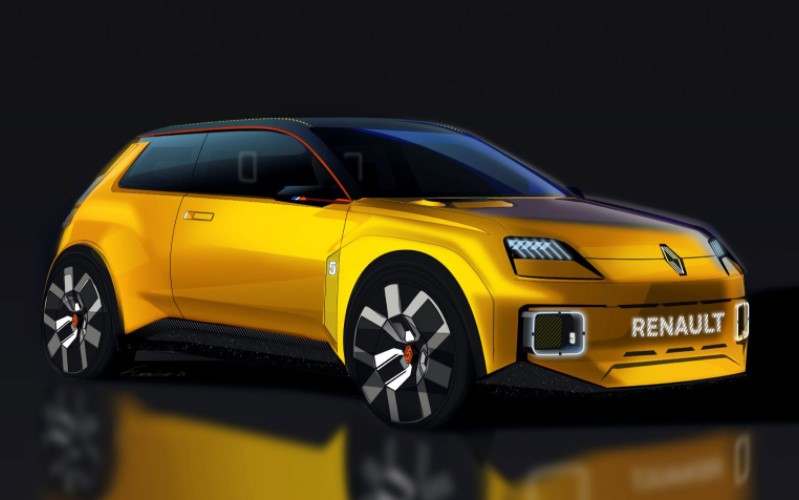
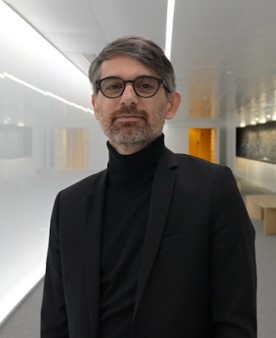
The brand new Renault 5 Prototype has already stolen the hearts of many, as was the case with the original R“Cinq”. François Leboine, Director of Design Concept and Show-Cars at Renault explains here how to succeed in the retro-futuristic exercise carried out on the cute Renault 5 Prototype.
Revive good memories, “provoke a smile”, that’s what François Leboine wanted with the Renault 5 Prototype. Responsible for concept cars and show cars at Renault, he looks back at the development of the prototype’s headlights, which, he confides to us, embody all the work done on the car. To do this, he used a well-oiled method that he agreed to unveil to us.
“If I had to choose a particular element that symbolizes all the work done on the Renault 5 Prototype, it’s definitely the headlights.”
Before starting any creative process, you need material, explains François Leboine.
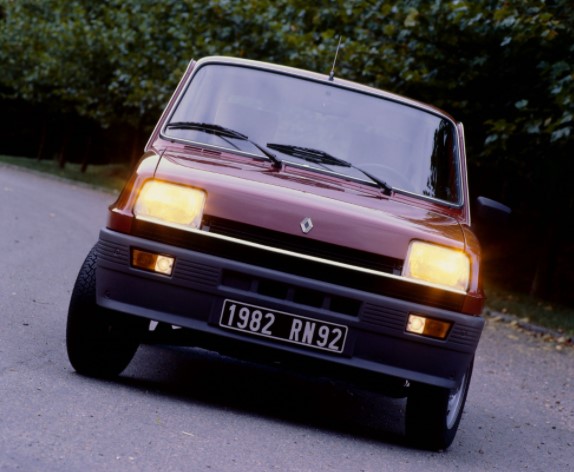
The first step, called analytical, was to gather archives to analyze, understand, decompose the original vehicle. To grasp its very essence. Photos, sketches by the original designer Michel Boué, period magazines, fascicles and brochures, made it possible to study the mythical R5 from all angles. A vehicle loaned by Renault Classic also helped to better understand certain elements such as the famous headlights.
We really capitalized on the history of Renault and the R5 in particular, which had this special sympathy with people and this perfectly recognizable mischievous look.
Then the designers draw the first sketches on paper, like cartoonists who try to capture what makes a face’s personality.
“The sketches captured the fundamental elements that needed to be retained to reproduce the mischievous look of the original R5,” explains François Leboine.
Getting the proportions right…
Then, the designers moved on to a graphic palette to define proportions, contours, the distance between the headlights, to find the expression, the smiling look of the 1970s R5.
After analyzing graphic characteristics and working on proportions, designers operate what is called a shift: a method that consists of taking an object and tilting it into another world. “They’re going to use all the graphic work from previous research, mixing it with the mood board research and codes from today’s objects to project the design details into a futuristic world.”
Inspired by the worlds of aeronautics, architecture, product design and even electronics…
Thanks to this method of shifting visual codes, the prototype’s headlights have become true technological and futuristic elements. As for the fog lights that were often added at the time, they took a leap into the future. They were transformed into daytime running lights fully integrated into the front bumper.
“It was really important that the Renault 5 Prototype was not just a slavish copy of the past, but that it really was a vehicle that contained the elements of the future.”, explained François Leboine.
The final test: meeting the public
Finally, comes the encounter, the ultimate step for designers. The one that allows them to know if their work is successful. “Everything we’ve done, it’s the reaction of the people around us which determines if we’ve hit the bull’s eye, if we’ve brought the R5 back to life or if it was a failure”, says François Leboine.
The reaction of the internal people was already telling us that the car was going to be a success, but in the end it exceeded our expectations.
The Renault 5 Prototype has indeed received a very warm and unanimous welcome. Whether on the headlights or on the whole vehicle, the treatment of the lines and the futuristic details were very much appreciated. With the Renault 5 Prototype, the emblematic model of Renault’s heritage now has a worthy heiress. A modern car, full of charm and in tune with the times. Renault’s DNA respected, a successful projection into the future: mission accomplished
We can only agree…
Within 5-6 weeks, we will be able to take the wheel again, also anxious to get acquainted again with Renault’s latest E-powered products and hybrids… Stay tuned!



















 Autoprova - for the Connaisseur