The Seat Cupra Born was in September 2021 still built in Mosel / Zwickau at Volkswagen Sachsen .
The electric age has certainly also arrived at Seat. Not that they produce impressive petrol engined cars. I am presently driving a very able Seat Arona 1.0 TSI Xperience, its three cylinder 110 HP 1 litre engine purrs very nicely indeed, coupled to a 7 speed DSG, and feels very well at home on the motorway as in the city. The somewhat higher stance of the Arona proved also a blessing and we would judge it “just right”. But as said, the electronic age is certainly dawning at Seat.
The SEAT S.A. team is producing working for instance at the Martorell plant the SEAT Leon e-HYBRID, the first hybrid model manufactured in Martorell. But there is more.
Beatriz Matute, head of Project Management for the launch of the CUPRA Born, has spent this year going between Barcelona and Zwickau (Germany). She’s led a team of more than 50 employees from different areas in charge of overseeing the start of series production for the CUPRA Born, CUPRA’s first 100% electric car, in Europe’s largest electric vehicle factory. “It’s been a valuable learning experience that we will certainly build on for the electrification of Martorell” she says.
The international Press Presentation of the Cupra Born was stunning indeed…
The CUPRA Born signals the start of CUPRA’s electric offensive and is a key element in the brand’s international expansion. For this reason, “we knew that the International Press Presentation of the CUPRA Born needed to be different” says SEAT S.A. Global Communications Director Cécilia Taieb. “We made it happen thanks to the help and participation of many of our employees” she continues. The first 100% electric car brought together 440 journalists from 27 countries in Barcelona. In total, 62,000 kilometres of testing were carried out over four weeks by the invited media.
The brand’s marketeers and top experts around the world have been just as dedicated in preparing to sell the CUPRA Born. More than 1,000 CUPRA Masters from 43 markets took part in the CUPRA Master Convention 2021 to deepen their knowledge and transmit their expertise to customers.
The IAA International Motor Show in Munich last September was the backdrop for the world premiere of the CUPRA UrbanRebel concept, the CUPRA team’s unconventional challenger. “The concept laid the foundations for our future 100% electric city car, which will arrive in 2025” says CUPRA Director of Strategy, Business Development and Operations Antonino Labate.
Leading the electric competition. CUPRA made motorsport history this year by winning the first ever electric touring car championship. Along with Mattias Ekström, they have been named “Kings of the season” for the PURE ETCR. With the CUPRA e-Racer, a technical feat of 500 kW (680 hp) of power, the brand successfully completed the challenge it set itself in 2017: to create the first electric racing touring car in history, and win. “The future of racing is electric, and we have already taken the lead” maintains Xavier Serra, head of CUPRA Racing.
A step forward with 1.3 Megawatts of power…
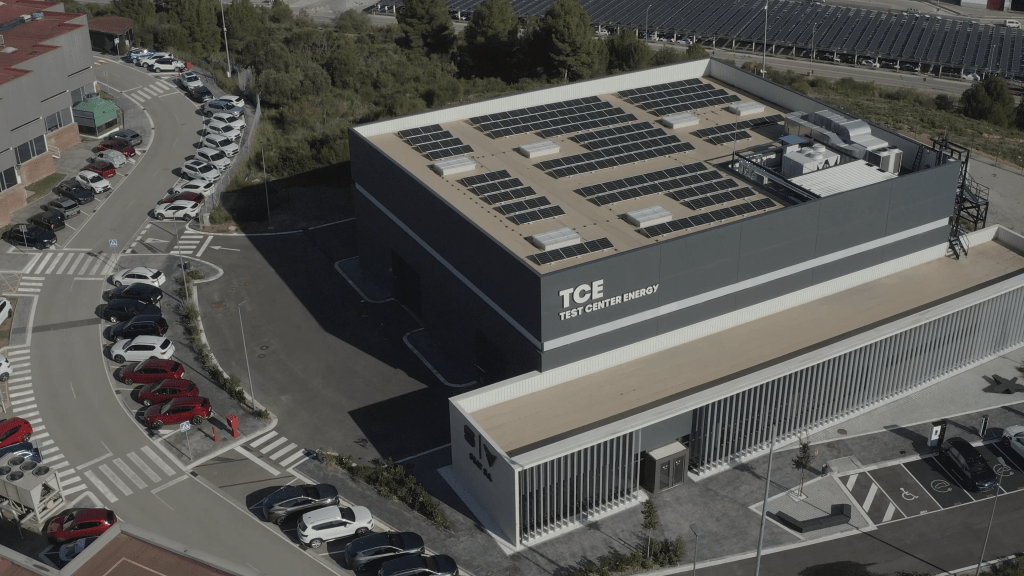
The Test Center Energy (TCE) is another of the company’s major commitments to electrification. “We’ve made a great effort to create this pioneering battery research and development centre in Southern Europe, which will enable us to develop the energy systems for electric and plug-in hybrid vehicles” says Francesc Sabaté, head of the TCE. To give an example of its testing capacity, 1.3 megawatts is equivalent to the energy consumption of 350 homes operating at maximum power.
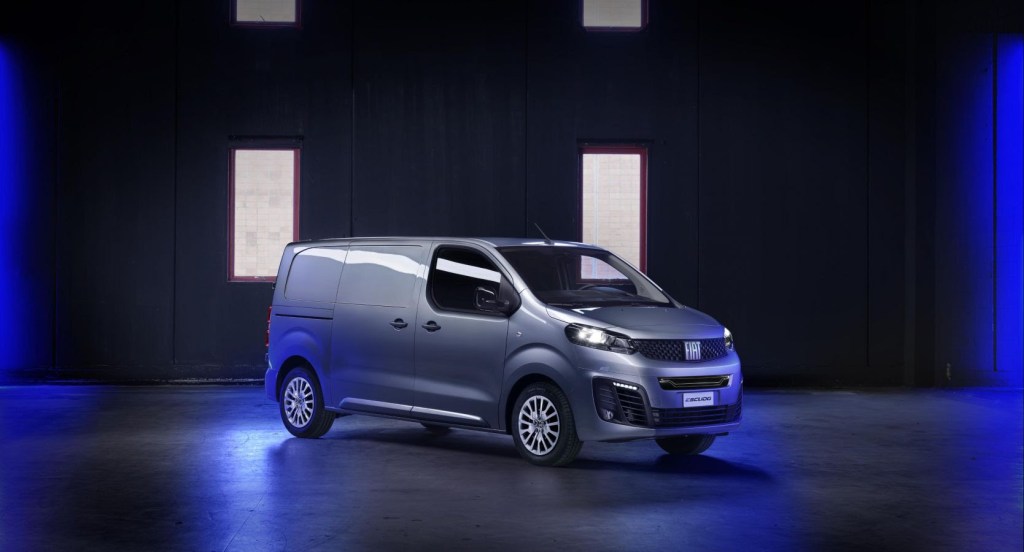
A new Fiat Scudo is available for ordering. This new Scudo, after the E-Ducato, is the second Fiat Professional commercial vehicle also available in an electric version.
This is another important step in Fiat’s Electric journey. Of course, here we also await a Hydrogen version soon. The Scudo runs on the same platform as the Citroën Jumpy, and is built in the same French factory. So it is certainly in the cards that it will also be converted to Hydrogen in Rüsselsheim…
The Scudo for now has a 50- or 75-kWh battery, and offers a range of up to 330 km (WLTP)
Flexibility is important in the cabin, and thanks to the “Moduwork”, it can commute the double passenger seat bench in a workstation and in a loading bay extension.
The “car-like” driving comfort, the “urban-fitting dimension” (max height 1,9mt), the ergonomic cockpit and complete set of ADAS and safety features delivers to the customer a stress-free, zero-emissions together with outstanding comfort, according to Fiat.
The Scudo is available with full-electric and diesel powertrain with manual or automatic transmission and can now be ordered in four versions and up to three lengths: Van, Crew Cab, Cab with platform, and Combi M1.
By the way, did you know that Stellantis will produce the Fiat Scudo also in Russia and export them to other markets?
Stellantis owns a 70% stake in a car plant in the Russian city of Kaluga, where it plans to produce the vehicle by 2022. Mitsubishi owns the remaining 30% stake…
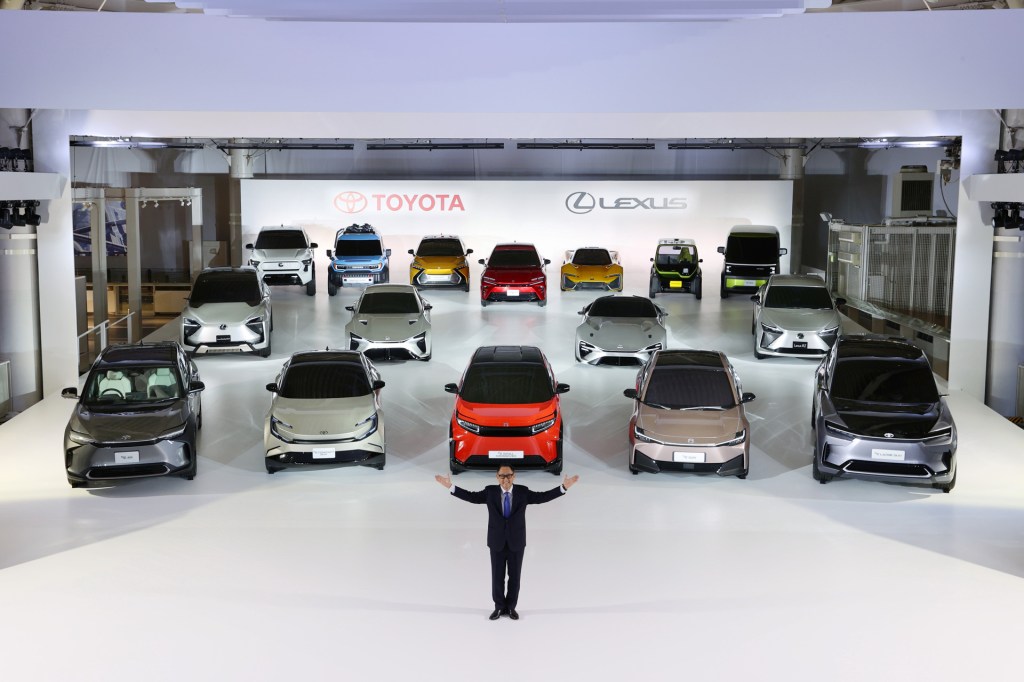
Toyota now takes the BEV market very seriously: Akio Toyoda, President of the Toyota Motor Corporation, seen on the photo above, today presented news concerning the company’s carbon neutrality strategy, by outlining its plans to offer 30 battery electric models by 2030 (Toyota & Lexus combined).
The company expects total global battery electric vehicle sales to reach 3.5M by 2030, and this announcement underpins the plan of for a 100% CO2 reduction in all new vehicles sales by 2035 in Western Europe.
Toyota’s bZ (beyond Zero) battery electric family in Europe is also soon to expand with introduction of a compact SUV as follow up to bZ4X launch. Not less than three battery electric ‘Toyota bZ’ vehicles are planned for Europe by 2025.
Toyota will further increase its investment in batteries from the 1.5 trillion yen – which was announced in September – to 2 trillion yen (15 billion euros).
The Lexus electrified sport will have formidable performance and range…
Now let’s turn the spotlight on Lexus:
Lexus aims for 100% battery electric mix in Europe, North America and China by 2030
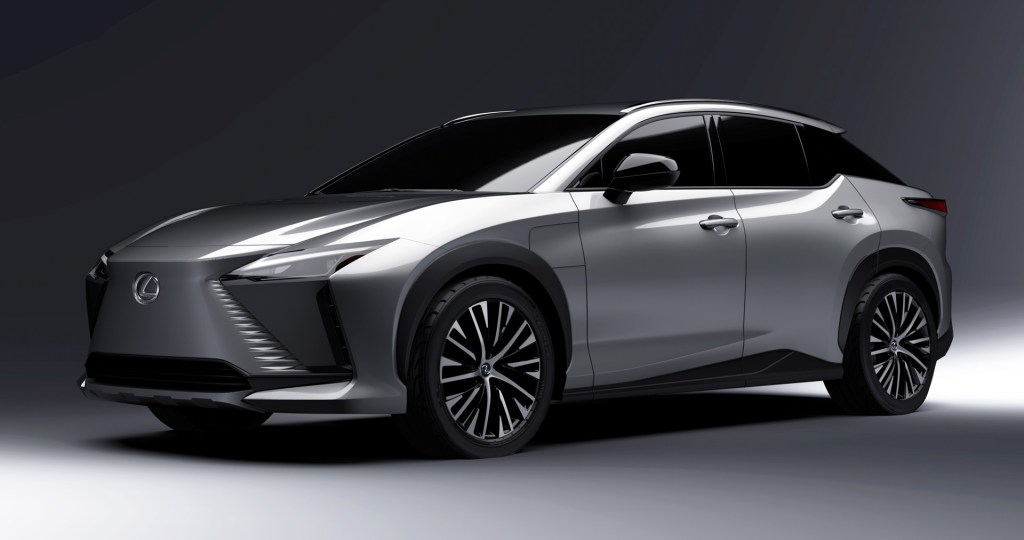
The full name of the new Lexus BEV (that will be launched towards the end of 2022) was revealed: the Lexus RZ450e. See the photo here below…
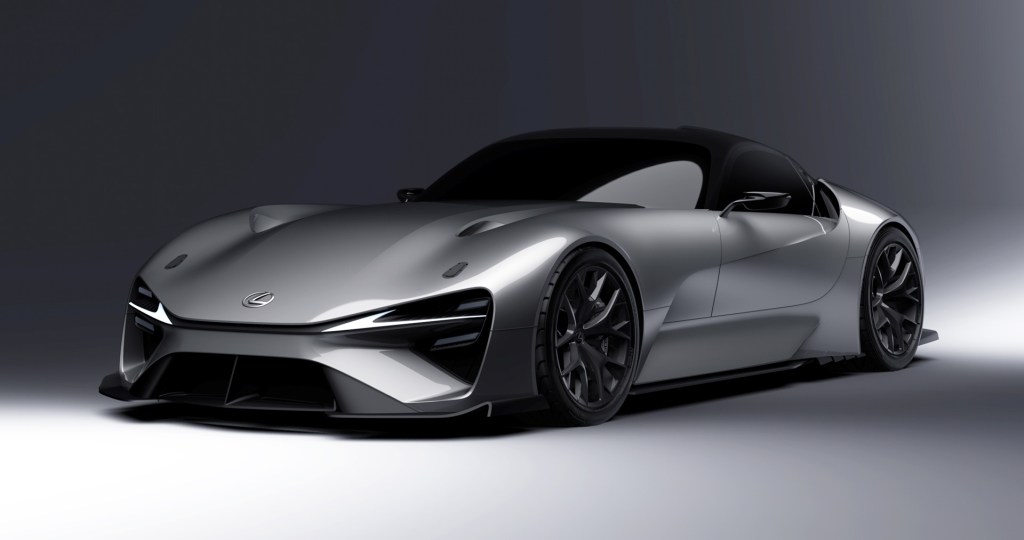
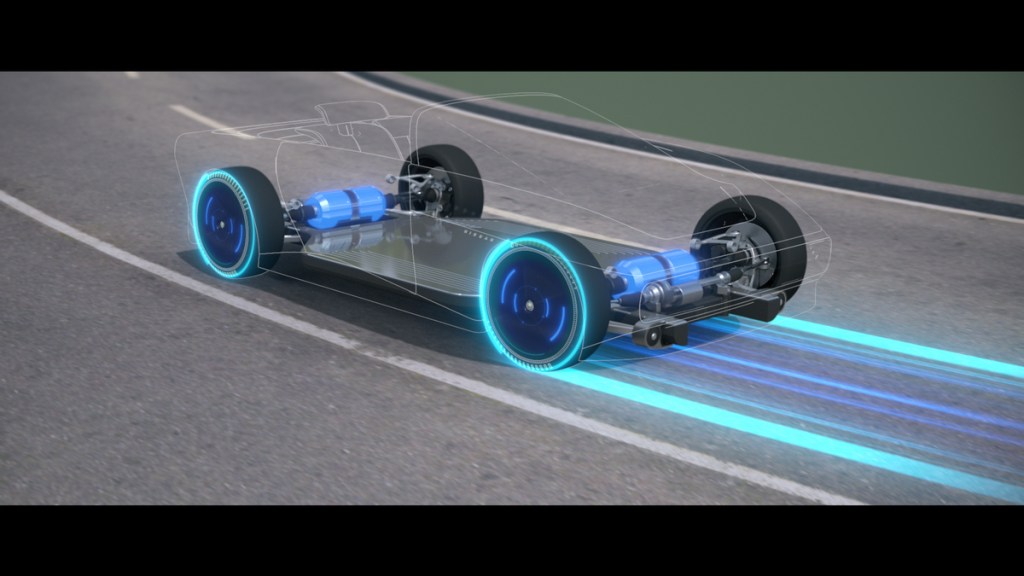
The Lexus Electrified Sport (Sports BEV) concept was also shown: it offers impressive Lexus driving performance, with an acceleration time that will be in the low 2 second range and a cruising range over 700km.
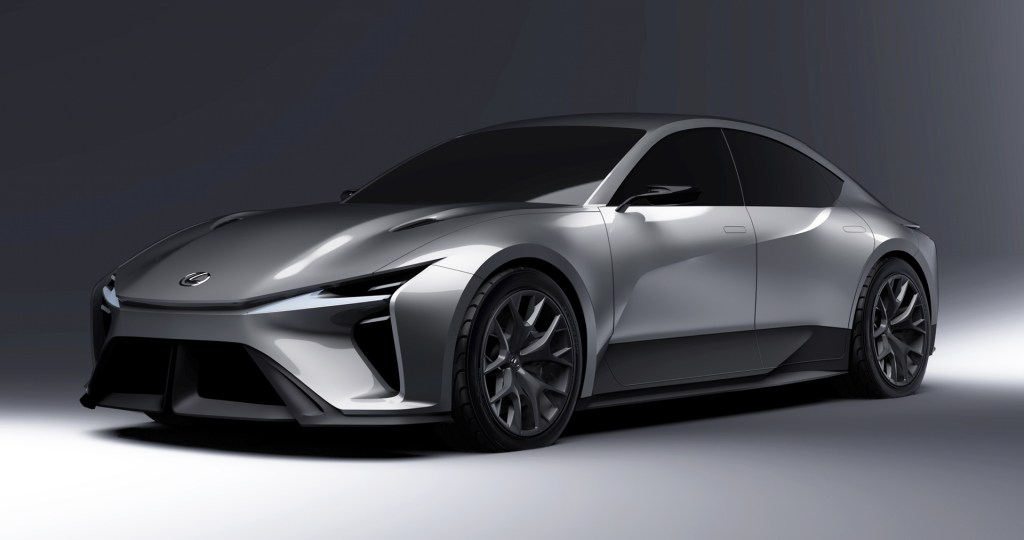
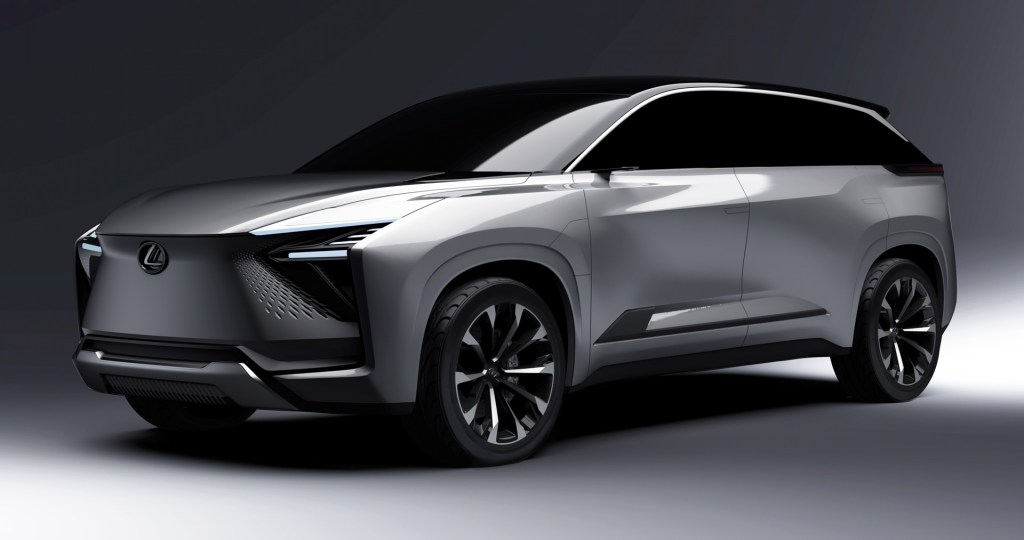
There were also two other future concepts were shown: the Lexus Electrified Sedan (BEV Sedan), and Lexus Electrified SUV (SUV BEV). We show you the photos here.
The Lexus electrified sedan…
More interesting Toyota/Lexus news to come. Faithful readers know that we are the a satisfied owner of a midnight blue Lexus CT 200h, which proves to be not only frugal with an average consumption this year of 4,7 liter/100 km, but also utterly reliable and recently passed the yearly technical inspection with flying colours. A report will follow soon. Stay tuned!
Here is some further Opel news, and it is an important feat for Stellantis: the first hydrogen transporter from a vehicle manufacturer which is ready to go. Indeed, the first Opel Vivaro-e HYDROGEN off the production line will begin its emissions-free work in the fleet of the German manufacturer of premium domestic appliances, Miele.
Clever concept: Long driving range, zero emissions, quick refuelling
The Vivaro-e HYDROGEN is based on the existing battery electric Opel Vivaro-e, the “2021 International Van of the Year”. With full tanks of hydrogen, the driving range is more than 400 kilometres (WLTP1). The 45 kW fuel cell is capable of generating enough power for continuous highway driving. It takes only three minutes to refuel with hydrogen – about the same time needed to fill up a conventional diesel or petrol vehicle.
The 10.5 kWh lithium-ion battery provides dynamic peak power when required, for example, at start-up and under acceleration. Since the battery covers power needs in such situations, the fuel cell can run at optimum operating conditions. The battery also enables regenerative braking, while the plug-in capability offers the opportunity to recharge the battery externally if necessary, e.g. at a charging station, providing 50 km of pure battery electric range. The Vivaro-e HYDROGEN features a three-phase on-board charger (11 kW) and a mode 2 charging cable as standard.
The Vivaro-e HYDROGEN demands no compromises on space compared to the combustion engine versions, offering up to 5.3 or 6.1 cubic metres of cargo volume. The fuel cell electric LCV is available in lengths M and L (4.95 and 5.30 metres) with up to 1,000 kilogrammes of payload.
Production takes place at Opel Special Vehicles (OSV) in Rüsselsheim, and, as said, makes Stellantis the first to offer a Hydrogen powered LCV to fleet users…
We will drive for you at the end of this year the latest Qashqai, and look forward to have a go next year at their new (EV powered) products; In the meantime, there is some interesting Nissan news.
Did you know that by 2026, this is merely within some four years, more than 75% of all Nissan passenger cars sold in Europe will be electrified?
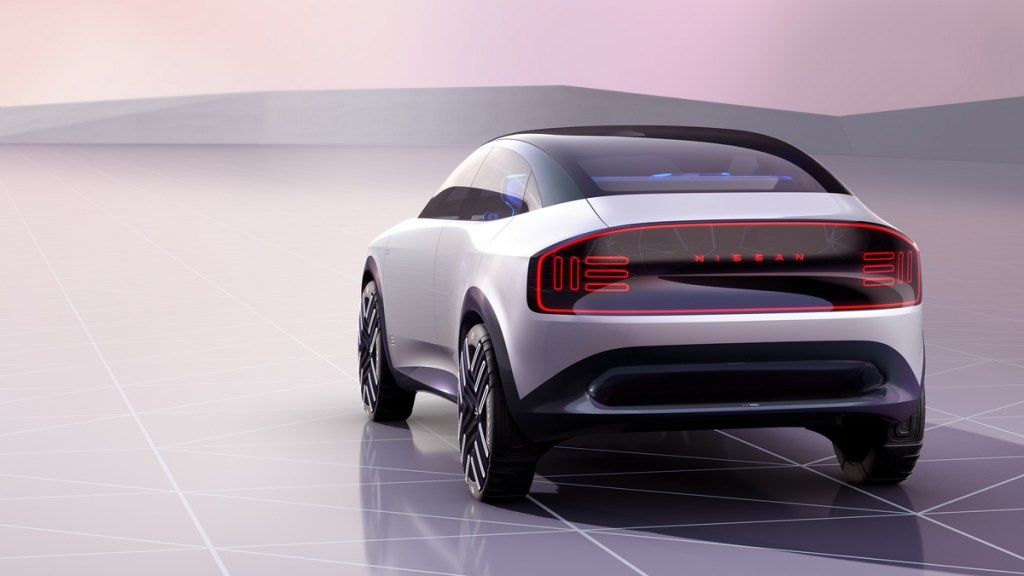
Nissans “CHILL OUT” concept foreshadows the future 100% electric crossover to be built in Sunderland, and there is a new battery recycling facility planned in Europe…
Just read further!
Hans Knol ten Bensel
Nissan Motor Co. Ltd. Unveiled the Nissan Ambition 2030, the brand’s new long-term strategy that goes beyond mobility.
Earlier this year, Nissan launched the EV36Zero concept, the world’s first fully integrated EV production ecosystem, which connects mobility and energy management to help achieve carbon neutrality for Nissan. The future hub is centered around the production facility in Sunderland, UK, and will include the production of an EV, a new giga production facility and use of 100% renewable electricity. Initially, £1 billion will be invested.
The AMIEO Region, centered on the EV36Zero, will play a leading role in realizing the “Ambition 2030” vision, which will help Nissan achieve carbon neutrality across the entire lifecycle of its products by fiscal year 2050. Here are some key points:
By the end of fiscal 2023, Nissan will offer electrified versions of all models offered in Europe, and by fiscal 2026, more than 75% of all Nissans sold are expected to be electrified.
The now-unveiled CHILL OUT crossover concept, as announced in Sunderland in July as part of the EV36Zero project, uses the Renault-Nissan Alliance CMF-EV platform to deliver the European handling and performance customers expect. The model has a sleek and modern design, is both attractive and aerodynamically optimized, fun-to-drive, has advanced safety technologies and has a practical and comfortable interior, according to Nissan.
Nissan plans to expand battery recycling and reuse facilities outside of Japan with a new location in Europe during fiscal year 2022. This infrastructure will support a circular economy for energy management. Nissan plans to fully market its ‘vehicle-to-everything’ and ‘home battery’ systems in the coming years.
Building on the success of the Nissan LEAF, Nissan will soon introduce innovative e-POWER technology in the all-new Qashqai and X-Trail. With the 100% electric crossover Ariya and the future all-electric Townstar Van on the way, an electrified European model program is in the works.
‘In the past period, Europe has been leading in the transition to electrification. Our goal for the next decade is to accelerate this development, with new products and technologies that will enhance the driving experience for Nissan’s customers,” said Guillaume Cartier, President of Nissan AMIEO Region.
Not only will we be offering an electrified version of every Nissan model in Europe, our 360-degree vision of sustainable mobility also means using 100% renewable electricity in our EV Hub in the UK. New battery recycling and reuse facilities will also be built in Europe.
To spearhead the transition to full electrification and carbon neutrality, our teams and products in Europe will serve as a source of information and support for our plans for electrified cars in the rest of the AMIEO Region and other markets.”
Bold new plans… we will report on them regularly as they unfold!
The Kia Sportage fifth generation, specifically designed and developed for Europe, is available from €30,990 onwards. Orders can be taken from December 10 with delivery in January. This is one of the most comprehensive offers in the segment in terms of drive technologies: petrol, MHEV petrol, diesel, MHEV diesel, HEV, PHEV, 2X4, 4X4, manual and DCT.
Thanks to its new ‘N3’ architecture, driving behavior and handling are further improved, especially tuned for our European roads. Kia states that the Hybrid and rechargeable hybrid models provide excellent efficiency and lower consumption.
The advanced “DriveWise” driver assistance systems were developed to seamlessly support the driver in difficult driving situations and parking maneuvers. We are keen to get our hands on this new Sportage, and find out soon!
Faithful readers know that we were very impressed when testing the Jeep® Wrangler 4xe, which’s propulsion system combines two electric motors, a 2.0-liter I-4 engine and 8-speed automatic transmission for nearly silent propulsion and enhanced 4×4 off-road capability, without EV range anxiety.
For 2022, the Wrangler 4xe range is further enhanced with advanced technology content and a full set of last generation ADAS features including Automatic High Beam Headlamp Control, Full Speed Forward Collision Warning Plus with Advanced brake assist and Adaptive Cruise Control with Stop Function.
You can enjoy a sunrider fliptop…
All this is offered as standard on the 2022 model year models alongside standard Blind Spot Monitoring with Rear Cross-Path Detection, rearview camera and front and rear Park Assist on the previous model year.
There are also new paint colors and a factory Jeep® Performance Parts (JPP) Gorilla Glass windshield
More Authentic Jeep open-air adventures are to be had with the new Sunrider Flip top by Mopar® joining the several top combinations offered on Wrangler (three-piece hardtop, soft top, power soft top and topless).
With the introduction of the 2022 model year, 100 percent of the Wrangler range in Europe is offered in the 4xe plug-in hybrid variant only.
This is fully in line with the brand’s strategy towards sustainable mobility and its commitment to sell 70 percent of the Jeep range as electrified vehicles worldwide by 2025!
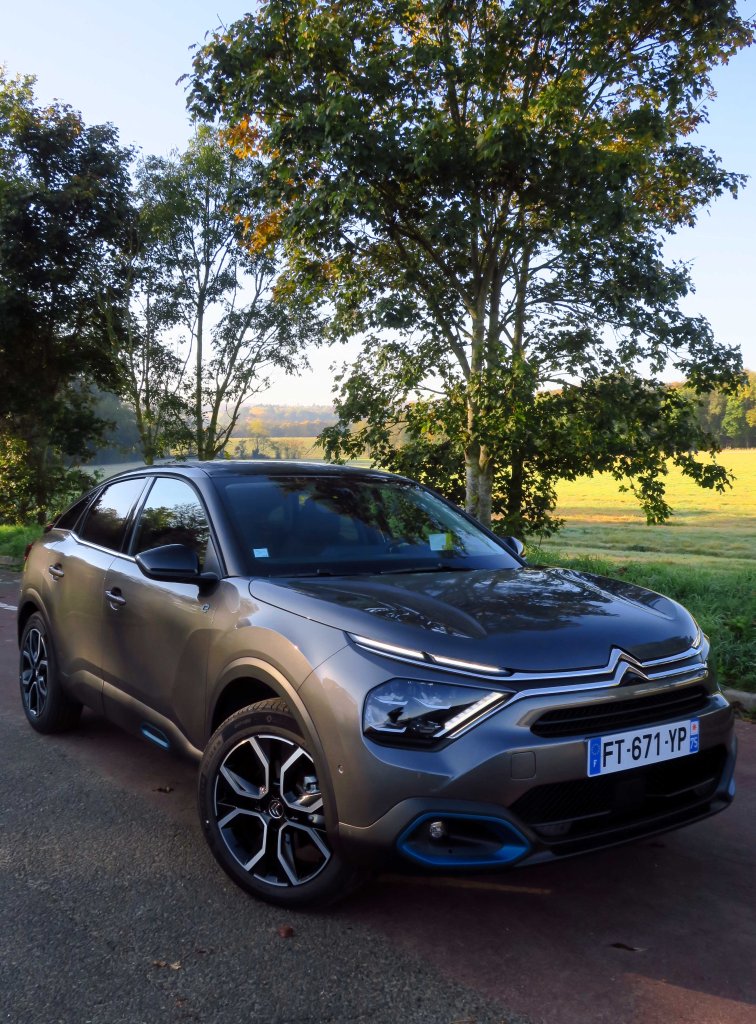
Alongside the E-powered Berlingo, we also had our first drive in the electric version of the C4 in the scenic surroundings of Paris. To tell you right away, with this velvety smooth e-power, the C4 really comes into its own. You get the impression, only after a few kilometers behind the wheel, that this car is actually built for this.
Because, as we told you already in our test of the C4 diesel, this car is all about superb comfort. Add to this the refinement of the electric drive, and subjectively, a sort of noble Rolls Royce feeling invades you.
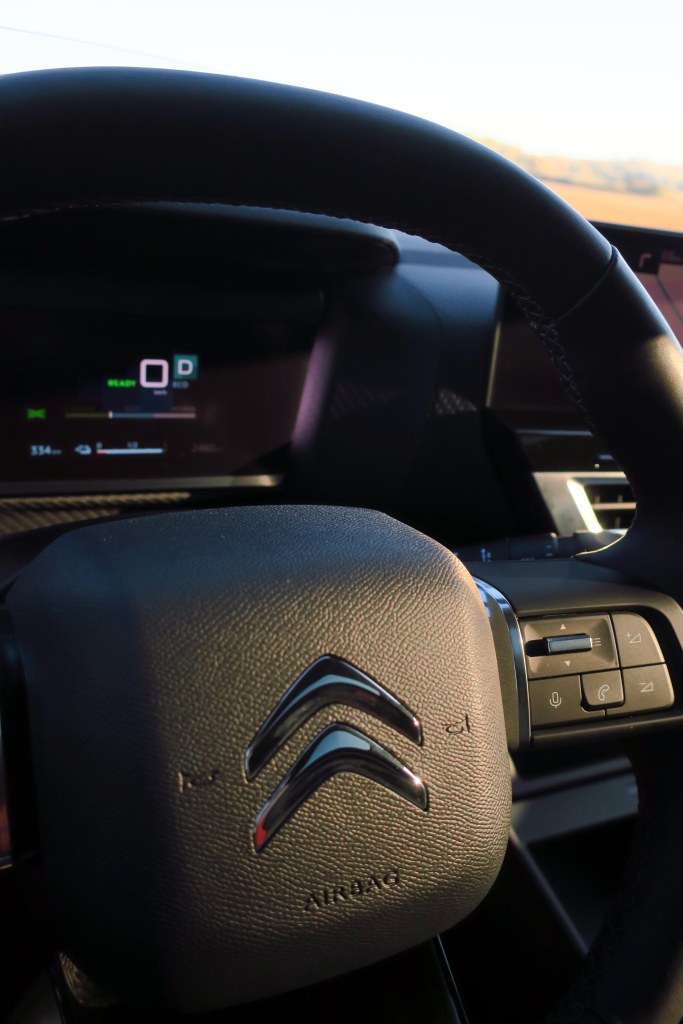
Indeed, the progressive hydraulic cushions, like we explained, irons out the road ahead for you. Meanwhile, you sink with a smile in the advanced comfort seats. They give you just the right amount of support and comfort to let you almost feel you are in four wheeled superlimousine heaven. The superlight steering still underlines this impression. You can literally steer this C4 with your fingers…
With its 136 HP electric motor, this C4 is indeed meant to let you taste the exquisite joys of just quiet, unhurried motoring. It invites you to do this, but this does not mean that this car is sluggish at all. With 260 Nm of torque always there whenever you need it, it certainly responds eagerly at the slightest movement of your right foot. 0 to 100 km/h is absolved in 9,7 seconds. Top speed is limited wisely to 150 km/h. Add to this the unerring sure footedness of Citroën handling, whatever the road and the weather, and you will agree that it is a very nice experience to be behind the wheel of this car.
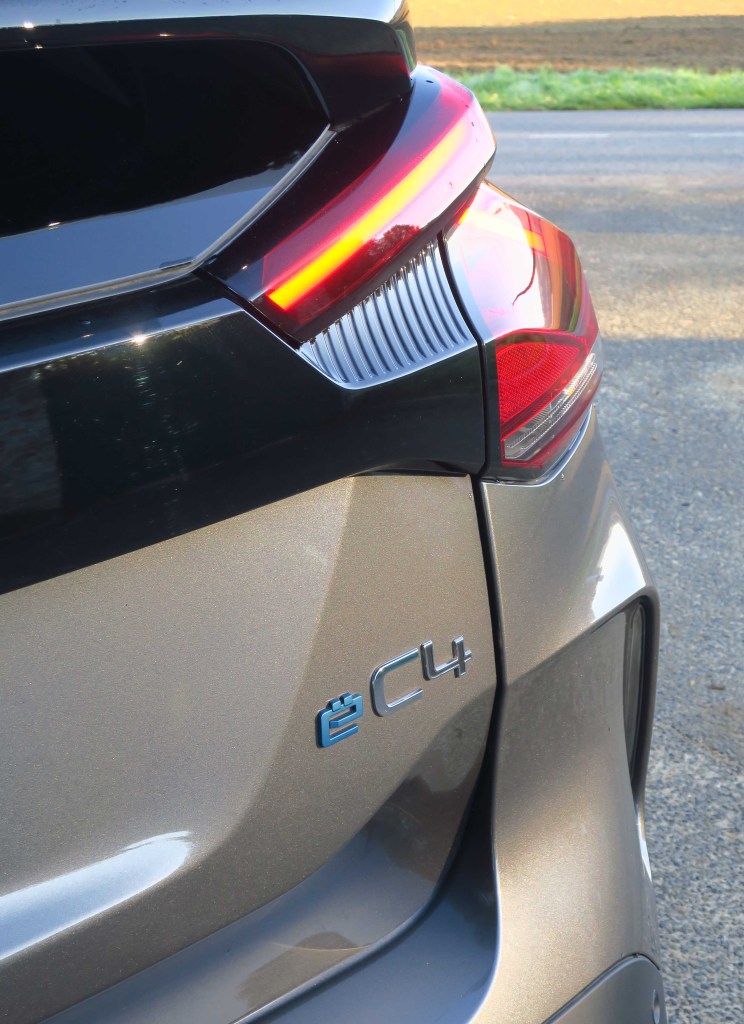
We told you here in these columns that due to the heat pump sensor changes and a modified final gearing, the WLTP cycle range is now 357 km.
Charging times are very reasonable indeed; On a 7 kWh wallbox, you can charge the ë-C4 overnight in 7,5 hours. When you are in a hurry, it is good to know that it accepts 100 kW fast charging, and will charge in 30 minutes from 0 to 80 pct charge.
We look forward for a longer test of this smooth goddess of the road soon!
We told you that the ë-C4 shares its platform with the DS3 amongst others, and the E-range improvements are therefore also implemented for the ë-C4.
Indeed, since October, the ë-C4s have benefited from the same technological developments, resulting in an increase of the approved range in the WLTP cycle to 357 km; This represents a longer field range by almost 30 km, depending on the conditions of use.
Manufactures are also helping their fleet customers via software (updates) to optimize the cost management and use of their car fleets.
Therefore, Citroën has been helping its C5 Aircross Plug-In Hybrid customers in France and the United Kingdom with the Plug-in-Reminder system to reduce their fuel consumption and environmental impact by displaying messages on the car’s screen that invite them to charge the car. The ideal time for charging is set by the on-board computer when it registers that the fuel consumption of the car can be optimized based on the number of trips made and the number of times the car has been charged. This system will be extended to Europe in early 2022 and will be fitted in the C5 X. With PHEV Connect, Citroën helps fleet managers manage their plug-in hybrid fleet and optimize their costs. PHEV Connect has been deployed in Europe since March 2021 and already covers more than 7,400 vehicles…
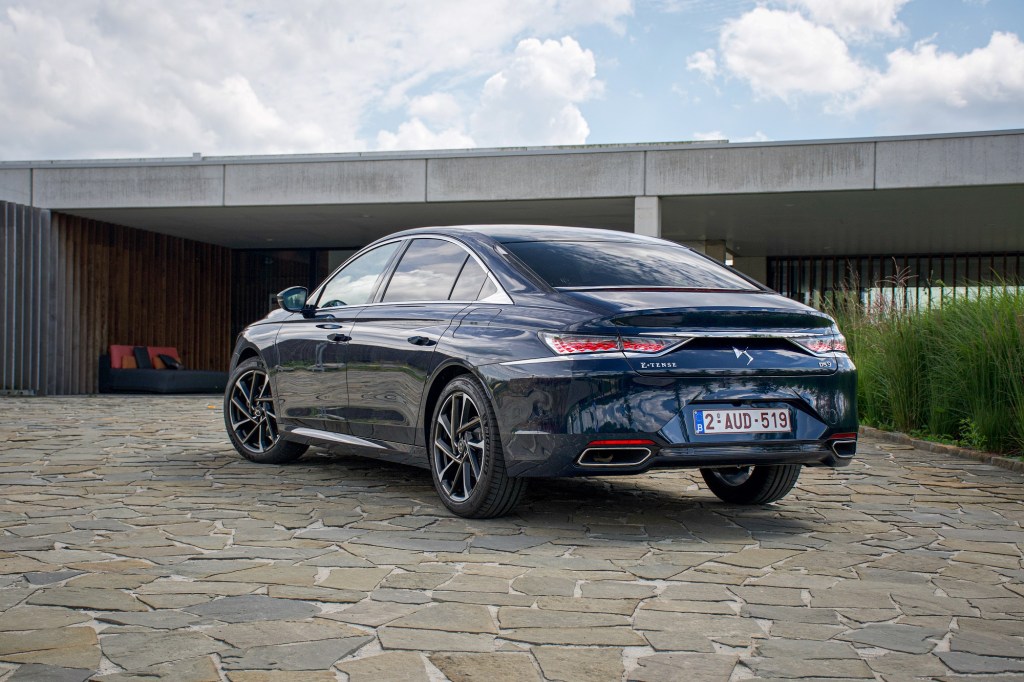
Continuing its electrification strategy which was already established when the brand was founded in 2014, DS Automobiles is continuing its energy transition with the launch of a new plug-in hybrid package for the flagship DS 9. We will drive the new DS9 for you mid January, and we are certainly looking forward to it!
The DS 9 E-TENSE 250 features a 200 hp 4-cylinder PureTech engine, accompanied by an 80 kW (110 hp) electric motor. A new 15.6 kWh (total capacity) battery, with an unchanged number of cells, delivers up to 70 kilometers on the WLTP city cycle (EAER City) or 61 kilometers on the WLTP combined cycle with an unchanged vehicle weight. The 7.4 kW on-board charger allows charging from 0-100% in merely 2 hours and 23 minutes.
CO2 emissions drop to merely 26 g/km, with a certified fuel consumption of 1.1 litres/100 km according to the WLTP combined cycle.
Performance leaves nothing to be desired: top speed of the DS 9 E-TENSE 250 is electronically limited to 240 km/h, with the possibility of reaching 135 km/h on electric drive only.
The DS 9 E-TENSE 250 costs €55,990 (incl. VAT) in Belgium in its PERFORMANCE LINE + version and €59,990 (incl. VAT) in Belgium in its RIVOLI + version.
More on this stylish flagship DS9 here below. Just read further!
Hans Knol ten Bensel
Refinement for the eye and touch… in different equipment levels
As its top of the range model, the DS9 stands out, as you could expect, in sheer refinement.
The DS 9 PERFORMANCE LINE + has chrome front door badges with the DS PERFORMANCE LINE logo, DS WINGS and a chrome boot lid. The radiator grille in brilliant black is topped off by the DS PERFORMANCE LINE emblem. The 19″ aluminum MONACO Black wheels are enhanced up by a Carmine wheel core.
In the interior, one finds mixed Alcantara®/black leather seats with Carmine and gold stitching complementing the Alcantara® center console and dashboard.
On the dashboard, your eyes rest on a DS PERFORMANCE LINE badge executed in turned aluminum.
A crystal insert on the control panel below the central screen adds a further touch of sophistication. The multifunction steering wheel is crafted in perforated full-grain leather with a leather-wrapped airbag cushion and handmade Carmine and Gold stitching.
The DS 9 RIVOLI + is inspired by the Tuileries district and combines noble materials with high-quality diamond-shaped decorations. Three different interiors are offered: Basalt Black in grained leather or OPERA with a choice of two shades of Nappa leather, highlighted by Ruby Red or Black strap-on seats.
The elegance of the OPERA version is illustrated by the use of nappa leather on the seats, rear seat, center console, door panels and upholstered instrument panel.
A high-quality rear center armrest and adjustable Lounge headrests complete the comfort package for the rear seats.
The nobility of materials sooths your senses with an all-leather steering wheel, smooth leather-covered gear knob, leather-wrapped grab handles, aluminum accents on the pedals and center console, Alcantara® headliner, sun visor and parcel shelf, and haute-couture-inspired mother-of-pearl stitching.
Building on the research carried out since the brand’s inception, acoustic insulation is also further enhanced.
Acoustic and laminated glazing is combined with a state of the art welded body which dampens vibrations. You can also enjoy the sound of a 515 W FOCAL Electra® Hi-Fi system, developed especially for the DS 9, with stainless steel tweeter grilles beneath the fourteen speakers, ideally placed throughout the cabin for an auditorium-like audio experience.
Behind the wheel, you are safely assisted by the latest tech…
The DS 9 benefits from the advanced technologies that make the other models in the DS range so outstanding. With DS ACTIVE SCAN SUSPENSION, a camera at the top of the windshield scans the road, while four position sensors and three accelerometers record all movements and transmit the information to a computer that can react to each wheel individually to improve safety, comfort and ease of use.
With DS DRIVE ASSIST, the DS 9 allows its driver to enjoy a level 2 semi-autonomous driving behavior.
The speed is controlled according to the environment in which the DS 9 is driven. The system uses sensors to precisely position the car in its lane of the driver’s choice by acting on the steering. DS DRIVE ASSIST can be used at speeds of up to 180 km/h and controls speed and trajectory under the driver’s supervision to ensure comfort and peace of mind.
The speed is controlled by an adaptive controller, which makes it possible to manage the driving conditions in traffic jams: the car restarts automatically after a stop of less than three seconds. If the car is stationary for a longer period of time, the DS 9 is restarted in traffic with a simple push of a button or a touch on the accelerator pedal.
DS DRIVE ASSIST’s on-board camera detects solid and broken lines. While driving, it constantly analyzes the image and deciphers situations. It keeps the vehicle in its lane, or even in the part of the lane desired by the driver. If the driver prefers to regain control of the steering, he or she cancels the correction by holding the steering wheel firmly. The change is also interrupted when the direction indicators are activated. The system can be activated from 30 km/h.
When parking, the DS PARK PILOT function detects parking spaces when driving at a speed of up to 30 km/h. The driver then indicates on the touchscreen that he or she wants to park in a stroke or a slot. Then there’s only one thing to do: press the Park button and wait for the technology to work. Acceleration, braking and steering are controlled automatically. DS PARK PILOT also makes it possible to leave a parking space.
On long journeys, DS SAFETY combines a series of key functions: DS NIGHT VISION, DS DRIVER ATTENTION MONITORING, DS ACTIVE LED VISION, blind spot monitoring, automatic emergency braking, comprehensive traffic sign recognition and active lane departure warning.
DS NIGHT VISION offers an exceptional view of the road at night. The infrared camera, located in the radiator grille, detects pedestrians, cyclists and animals on the road up to 150 meters away. The driver sees the scene of the accident on the large digital handset, with hazards displayed in yellow and then red depending on the degree of hazard. He can then respond.
DS DRIVER ATTENTION MONITORING uses an infrared camera on the top of the steering column and a camera on the top of the windshield to continuously monitor the driver’s eyes for fatigue (blinking), face (direction of gaze) and head movement for distractions, as well as the trajectory of the driver. car on the road, especially driver anomalies or steering inputs. For example, it can identify any drop in vigilance due to an anomaly in any of the factors – blinking, non-linear and erratic movements – and automatically trigger an audible and visual alarm on the central screen, day and night.
In addition to the visual pleasure provided by the modules that light up and rotate 180° at the counter, the DS ACTIVE LED VISION can be adapted in width and reach to the driving conditions and the speed of the car. Different lighting modes are automatically activated: Parking, Town Beam (increased beam from the third second of driving), Country Beam (focused on the front from 50 km/h), Motorway Beam (increased range from 110 km/h), Adverse Weather (activated when the windscreen wipers are on, increased module power and reduced high beam intensity) and High Beam (maximum illumination combined with automatic high beam switching). The “revolving headlamps” function completes the offer. By illuminating the road better and further, or with a wider beam of light, the driver – and the passengers – gain in safety.
Needless to say that we are looking forward to sample driving impressions of this new version of this refined “grande routière”, and as said, we can tell you already that we will drive the new DS9 for you mid January, so stay tuned on these columns!
We will unveil also soon some more Citroën news, a bigger range for the ë-C4 and Citroën informs its B2C and B2B clients to make still better use if their plug-in hybrid C5 aircross…














 Autoprova - for the Connaisseur