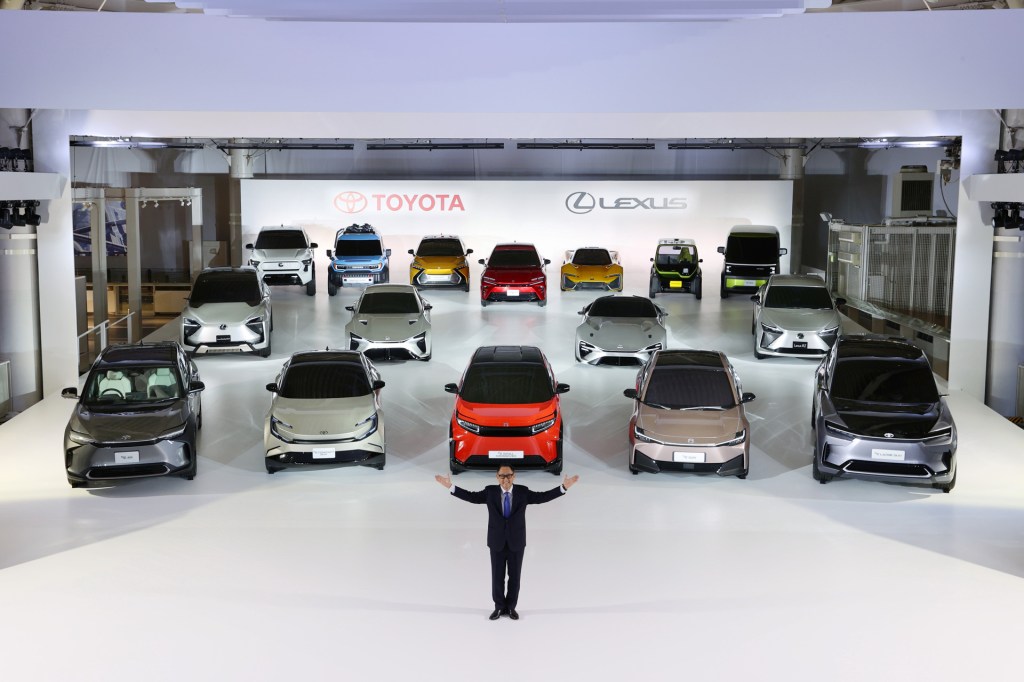
Toyota goes forward with full global battery electric line-up…with Lexus following suit!

Toyota now takes the BEV market very seriously: Akio Toyoda, President of the Toyota Motor Corporation, seen on the photo above, today presented news concerning the company’s carbon neutrality strategy, by outlining its plans to offer 30 battery electric models by 2030 (Toyota & Lexus combined).

The company expects total global battery electric vehicle sales to reach 3.5M by 2030, and this announcement underpins the plan of for a 100% CO2 reduction in all new vehicles sales by 2035 in Western Europe.

Toyota’s bZ (beyond Zero) battery electric family in Europe is also soon to expand with introduction of a compact SUV as follow up to bZ4X launch. Not less than three battery electric ‘Toyota bZ’ vehicles are planned for Europe by 2025.

Toyota will further increase its investment in batteries from the 1.5 trillion yen – which was announced in September – to 2 trillion yen (15 billion euros).
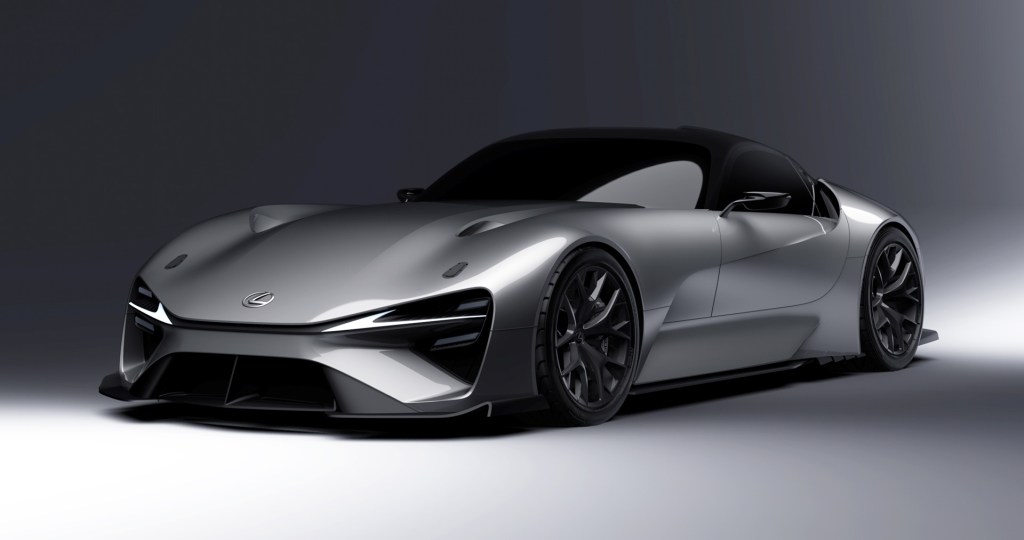
The Lexus electrified sport will have formidable performance and range…

Now let’s turn the spotlight on Lexus:

Lexus aims for 100% battery electric mix in Europe, North America and China by 2030

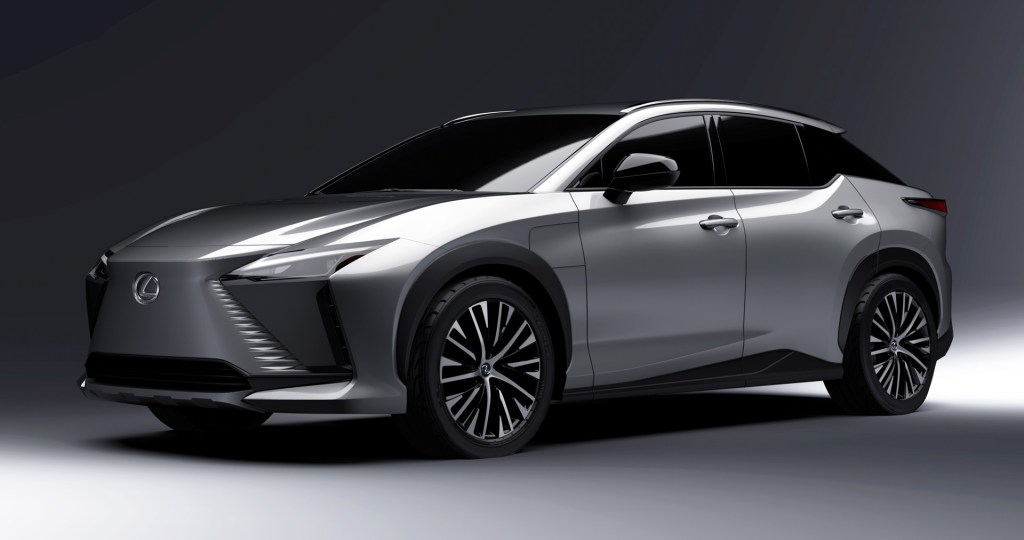
The full name of the new Lexus BEV (that will be launched towards the end of 2022) was revealed: the Lexus RZ450e. See the photo here below…
The Lexus Electrified Sport (Sports BEV) concept was also shown: it offers impressive Lexus driving performance, with an acceleration time that will be in the low 2 second range and a cruising range over 700km.

There were also two other future concepts were shown: the Lexus Electrified Sedan (BEV Sedan), and Lexus Electrified SUV (SUV BEV). We show you the photos here.
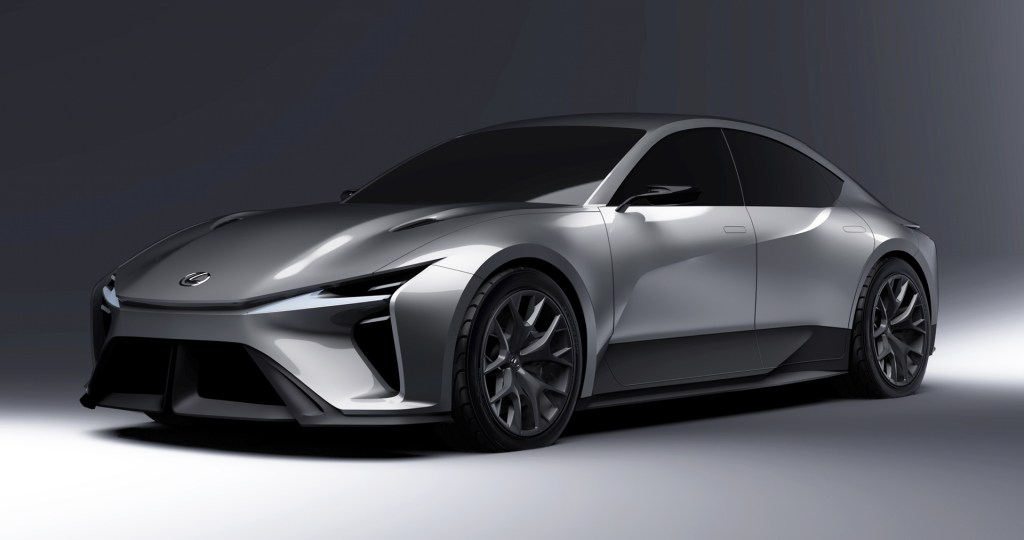
The Lexus electrified sedan…

More interesting Toyota/Lexus news to come. Faithful readers know that we are the a satisfied owner of a midnight blue Lexus CT 200h, which proves to be not only frugal with an average consumption this year of 4,7 liter/100 km, but also utterly reliable and recently passed the yearly technical inspection with flying colours. A report will follow soon. Stay tuned!
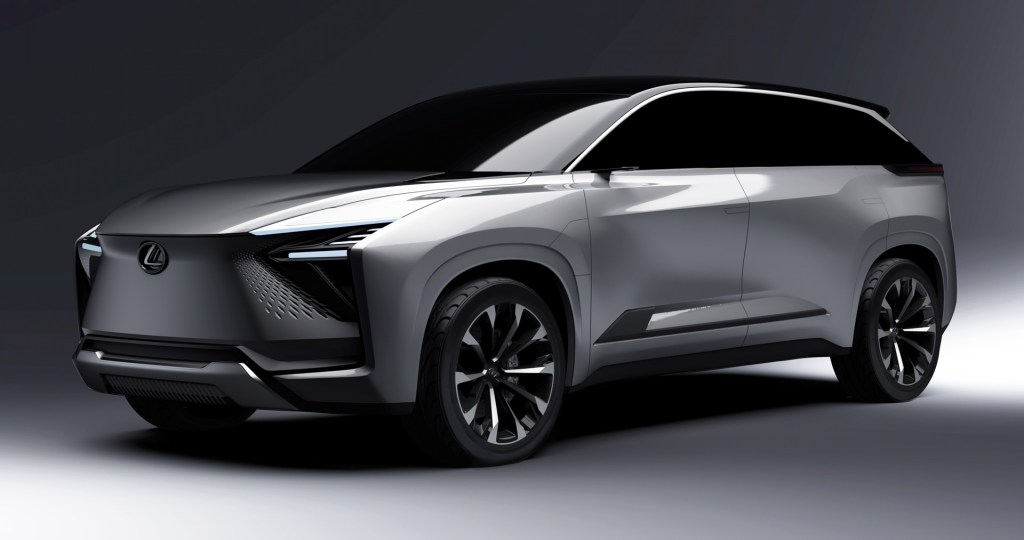
The Lexus electrified SUV…

Hans Knol ten Bensel

Stellantis pioneers in the Hydrogen LCV market with its Opel Vivaro-e HYDROGEN.

Opel Vivaro-e Hydrogen (2021)

Here is some further Opel news, and it is an important feat for Stellantis: the first hydrogen transporter from a vehicle manufacturer which is ready to go. Indeed, the first Opel Vivaro-e HYDROGEN off the production line will begin its emissions-free work in the fleet of the German manufacturer of premium domestic appliances, Miele.

Clever concept: Long driving range, zero emissions, quick refuelling

The Vivaro-e HYDROGEN is based on the existing battery electric Opel Vivaro-e, the “2021 International Van of the Year”. With full tanks of hydrogen, the driving range is more than 400 kilometres (WLTP1). The 45 kW fuel cell is capable of generating enough power for continuous highway driving. It takes only three minutes to refuel with hydrogen – about the same time needed to fill up a conventional diesel or petrol vehicle.

The 10.5 kWh lithium-ion battery provides dynamic peak power when required, for example, at start-up and under acceleration. Since the battery covers power needs in such situations, the fuel cell can run at optimum operating conditions. The battery also enables regenerative braking, while the plug-in capability offers the opportunity to recharge the battery externally if necessary, e.g. at a charging station, providing 50 km of pure battery electric range. The Vivaro-e HYDROGEN features a three-phase on-board charger (11 kW) and a mode 2 charging cable as standard.

The Vivaro-e HYDROGEN demands no compromises on space compared to the combustion engine versions, offering up to 5.3 or 6.1 cubic metres of cargo volume. The fuel cell electric LCV is available in lengths M and L (4.95 and 5.30 metres) with up to 1,000 kilogrammes of payload.

Production takes place at Opel Special Vehicles (OSV) in Rüsselsheim, and, as said, makes Stellantis the first to offer a Hydrogen powered LCV to fleet users…

Hans Knol ten Bensel

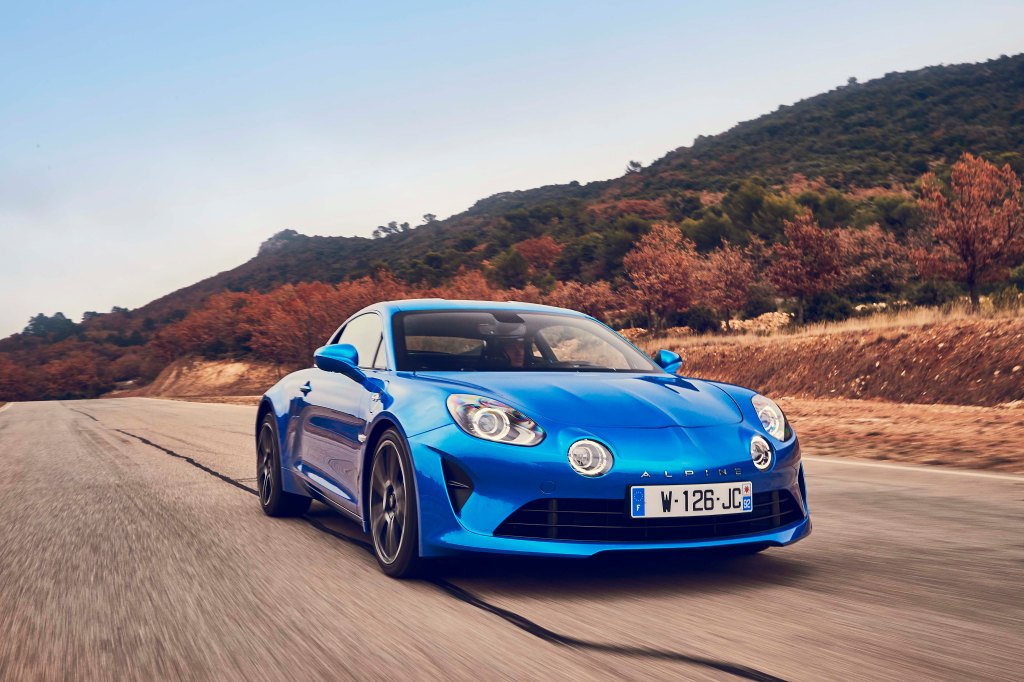
The iconic blue of an Alpine…

All car enthusiasts have the image of a drifting blue Alpine “berlinette” in a corner of their memory. The A110’s heroic performances in the rallies of the 1960s and 1970s left a deep impression for generations and contributed to an instinctive association between the brand and this colour.

“For Alpine, blue is more than a color. It’s territory!” exclaims Antony Villain, Director of Design at Alpine. We can only agree. But blue was not always used on Alpine bolides…

A varied palette

Indeed, the first Alpines were not exactly blue. When Jean Rédélé presented his first productions in the courtyard of the Billancourt factory to Pierre Dreyfus, General Manager of Renault, in the summer of 1955, Jean Rédélé used a varied color palette: a blue, a white and a red car. And when he entered the car in races, the little A106 is sometimes white or light blue, but not yet metallic blue. Also, Alpine street versions were more often ordered in red, white or yellow, instead of in blue.

The birth of a legendary color combination

It is only with the A110 “Berlinette” that metallic blue, which soon becomes iconic, makes its appearance. It seems that this happened at the request of a customer who wanted to see his A110 painted in a blue color called Panama. Jacques Cheinisse, then a regular commercial employee at Alpine and also an amateur pilot in his free time, would have seen it blue and also asked for the A110 that he ordered in early 1963 and used in rallying. A viral choice that was soon applied to all of the official team’s berlinettes. This is to allow the national colors to shine in races, as was formally done at Grand Prix until 1967 (blue for France, red for Italy, green for Great Britain, white and then silver for Germany, etc.). A legendary color combination was born…

Hans Knol ten Bensel

“Detox to the Max” or human friendly infotainment at Opel…

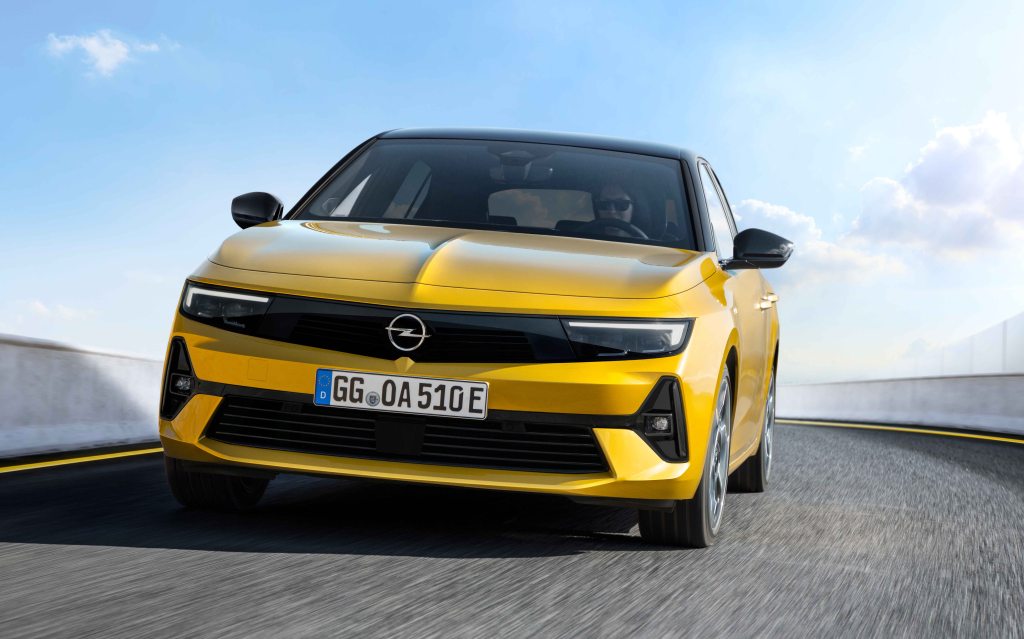
The new 2021 Opel Astra

Opel CEO Uwe Hochgeschurtz explains:  “With the new Astra, we are starting what we will consistently continue in all upcoming models – intelligent software applications for the maximum benefit of our customers. We call this ‘Detox to the max’. Drivers and passengers are not overwhelmed with nonsensical information and unnecessary functions. Instead, we offer the best ease of use with innovative technologies such as the new voice control and personalization of customer profiles,” explains.

Indeed, The German car manufacturer has access to top technologies from the parent company Stellantis. Stellantis already presented trend-setting innovations at its Software Day, on which we will also report further soon…We will also be driving the Opel Grandland next year, so look out for our Opel driving impressions!

Opel Astra Sports Tourer (2021)

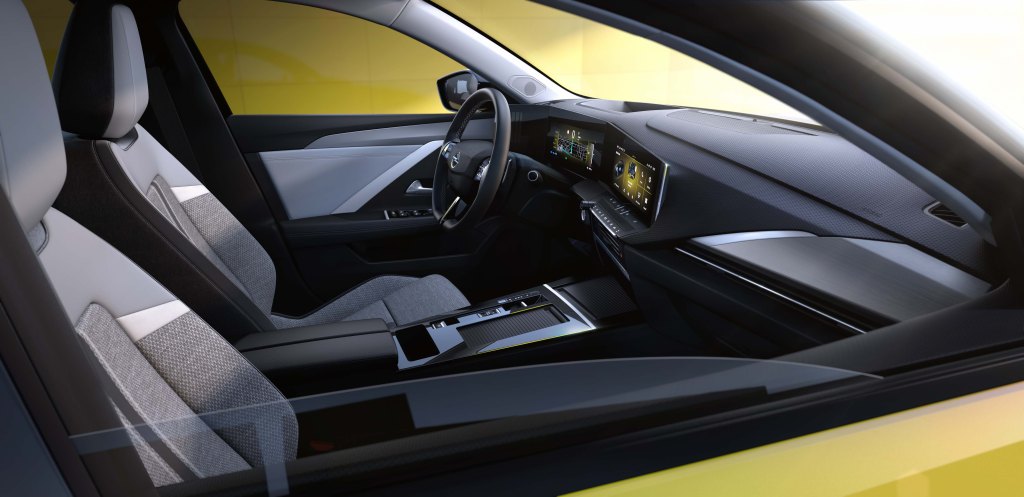
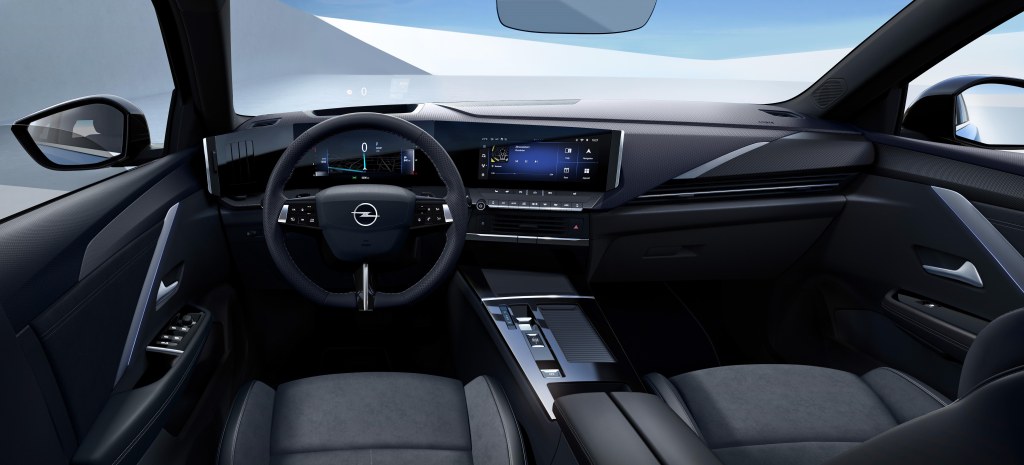
For the moment, “Hey Opel” – two words are all it takes and the new Opel Astra is all ears to what the driver and passengers want. The new natural voice recognition works fully networked like the entire infotainment of the latest generation. “Detox to the max” is the motto against any form of digital stress. The basis is the unique “Pure Panel” cockpit with its intuitive operability, which is already available in the Opel Mokka, the new Grandland and the Astra. Now the manufacturer from Rüsselsheim is igniting the next stage of digitalisation.

Save your preferences…

The new 2021 Opel Astra

Personal preferences can be saved in future as profiles. The infotainment recognises drivers or passengers by their smartphone. Different people can thus activate their individual settings with a touch on the widescreen. The Opel designers have created avatars for different characters. When navigation is called up in the Pure Panel, it is supported online in real time (Connected Navigation Plus), which means that traffic jams, for example, can be detected as they occur. Map updates are also available “over the air”, so that the latest version is always made seamlessly available to customers. The new Astra also features the latest generation of fully networked assistance systems for even more comfort and additional safety… we all like this very much!

Hans Knol ten Bensel

Mercedes-Benz receives world’s first approval for conditionally automated driving

We are driving now the magnificent CLS 220 d. This sleek limousine embodies all the good qualities of the cars with the star. By the way, its diesel engine is also superb. But Mercedes gears up for the future. And takes now a major step towards automated driving…

Indeed, Mercedes-Benz is the first automotive company in the world to meet the demanding legal requirements of UN-R157 for a Level 3 system. SAE Level 3 means that the automated driving function takes over certain driving tasks. However, a driver is still required. The driver must be ready to take control of the vehicle at all times when prompted to intervene by the vehicle. But nevertheless, the driving elements which it takes over become more important…

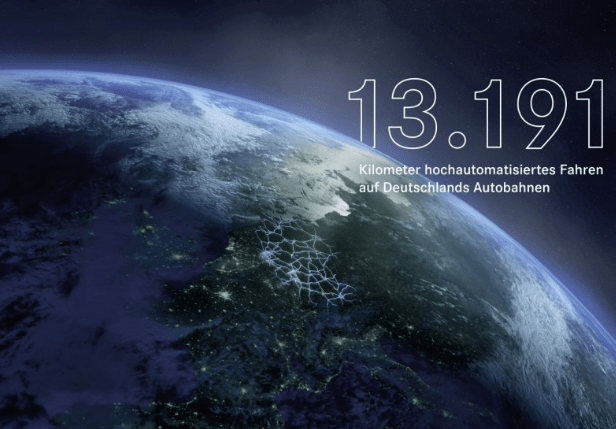
13,191 kilometers of highly automated driving on Germany’s iconic Autobahnen…

The German Federal Motor Transport Authority (KBA) has granted system approval for this on the basis of the technical approval regulation UN-R157, thus paving the way for offering such a system internationally, provided that national legislation allows it. The ECE contracting states (57) incl. states of the EU, GB, Japan, Korea, Australia…

Germany has taken a pioneering role in this with the opening of the Road Traffic Act (StVG) for Level 3 systems already in 2017. This is why the first customers will be able to buy an S-Class with DRIVE PILOT in the first half of 2022, enabling them to drive in conditionally automated mode at speeds of up to 60 km/h in heavy traffic or congested situations on suitable stretches of motorway in Germany! The special DRIVE PILOT equipment takes the strain off the driver and allows him or her to perform ancillary tasks on the central display such as online shopping or processing e-mails in the in-car office. Which secondary activities of the driver are legally permissible depends on the respective national road traffic regulations. Important to note that the system approval also applies to the EQS.

A milestone reached, says the management…

“For many years, we have been working to realize our vision of automated driving. With this LiDAR based system, we have developed an innovative technology for our vehicles that offers customers a unique, luxurious driving experience and gives them what matters most: time. With the approval of the authorities, we have now achieved a breakthrough: We are the first manufacturer to put conditionally automated driving into series production in Germany,” says Markus Schäfer, Member of the Board of Management of Daimler AG and Mercedes-Benz AG, Chief Technology Officer responsible for Development and Purchasing. “With this milestone, we are once again proving our pioneering work in automated driving and also initiating a radical paradigm shift. For the first time in 136 years of automotive history, the vehicle takes over the dynamic driving task under certain conditions. At the same time, we are pleased that Germany is continuing its pioneering role in automated driving with this approval.”

The technical approval regulation with which such a system can be certified did not come into force until the beginning of 2021. Since then, it can be implemented in Europe – an opportunity that Mercedes-Benz was quick and the first manufacturer to seize. With the opening of the Road Traffic Act (StVG) for Level 3 systems in 2017, Germany was the first country to create a legal basis for the intended use of these systems.

Mercedes-Benz is initially offering DRIVE Mercedes-Benz is initially offering DRIVE PILOT on 13,191 kilometres of motorway in Germany. Extensive test drives for this systems are already underway, for example in the USA and China. As soon as there is a national legal framework for conditionally automated operation in additional markets, the technology will be rolled out step by step! Again, we repeat ourselves, brave new world!

Hans Knol ten Bensel

Auto Bild readers elect the Giulia GTAm as Auto Bild Sportscar of 2021…

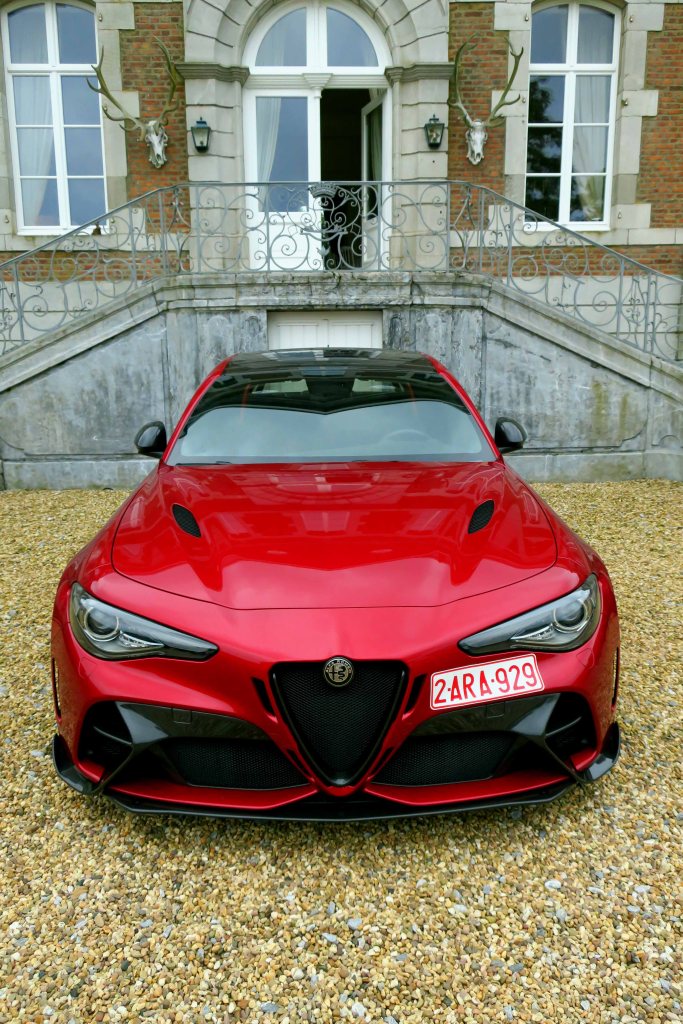
We photographed the GTAm for you this summer at the Chateau of Princess Lea in Humain…

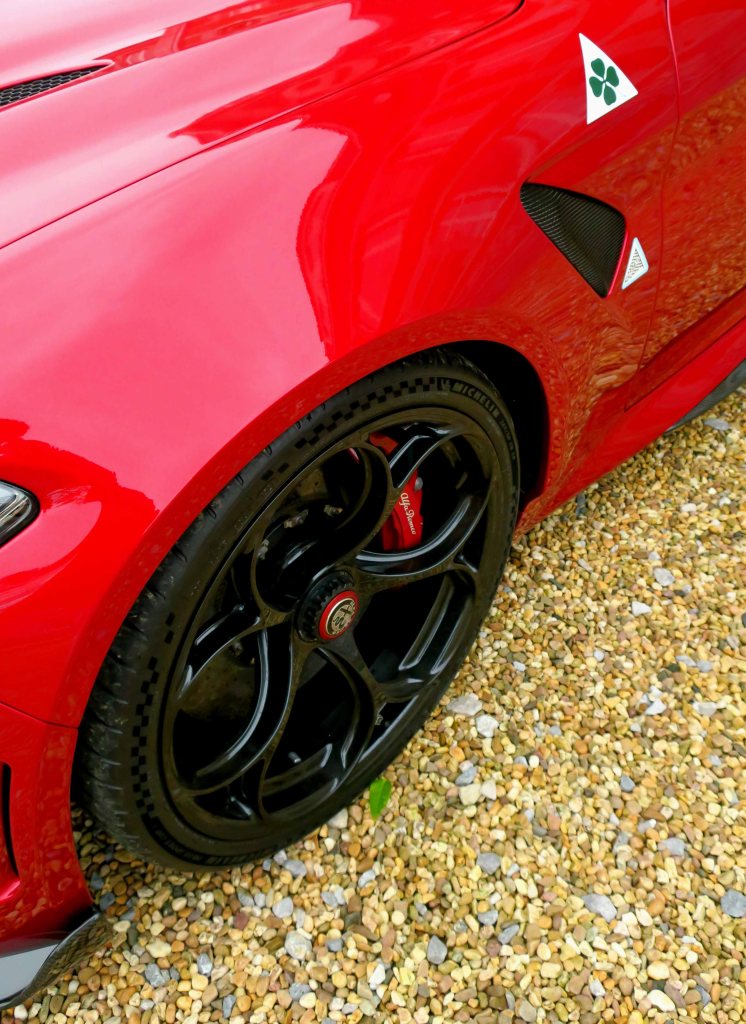
The Giulia GTAm certainly stole our car loving heart, and apparently we are not alone. The iconic Italian design, combined with 540 hp engine power, convinced also the readers of AUTO BILD SPORTSCARS.

They elected the Giulia GTAm, the most powerful car ever produced by Alfa Romeo, “AUTO BILD SPORTSCAR of the Year 2021”. A total of 109 current sports car models were put to the readers’ vote. The Giulia GTAm won topped the import rankings in the category “Sedans & Station Wagons”.

Who wouldn’t like to be behind the wheel of this Alfa…

Last year, the readers of AUTO BILD SPORTSCARS elected Alfa Romeo Stelvio Quadrifoglio as the winner. This year, it was the turn of the Giulia GTAm to be chosen for the award.  A major achievement and a source of great pride for the Italian brand. Both awards embody the high regard in which Alfa Romeo is held by German sports car fans.

As you know, the GTAm is built in just 500 numbered units. The Giulia GTA’s well-known acronym stands for “Gran Turismo Alleggerita” (‘lightened grand tourer’), paying tribute to one of the most legendary cars in the brand’s glorious history: the 1965 Giulia Sprint GTA. With the widespread use of ultralight materials, the Giulia GTA’s weight is reduced by up to 100 kg compared to the Giulia Quadrifoglio, and is equipped with an upgraded version of the 540-hp Alfa Romeo 2.9 V6 Bi-Turbo engine with a best-in-class specific output of 187 hp/L.

Hans Knol ten Bensel

A piece of Bentley under your Christmas tree…

Bentley celebrates the holiday season with a campaign inspired by magical fusion of craftsmanship, innovation and sustainability. Indeed, an eagle-eyed group of crafty apprentices, designers and artisans avert a Christmas decoration catastrophe in Crewe by leaving nothing to waste; they handcrafted a set of 12 unique Christmas decorations that could only be made by Bentley. The decorations feature beautiful wood veneers and leather offcuts, reclaimed straight from the factory floor…

Under the guidance of Bentley’s Head of Design Collaboration, Brett Boydell, the 12 beautiful jewel-like decorations were covertly designed by Bentley’s in-house apprentices and crafted with help of the artisan craftspeople based at the factory in Crewe.

From a delicate bauble inspired by ombré effect stitching in the Odyssean special edition, which incorporates an interior air vent and a range of thread, to a beautifully designed to a leaping reindeer precision lasered from a selection of veneer offcuts – alongside an elegant Christmas trees cut from open pore Koa veneer finished with Danish oil – the designs showcase the range of natural materials used at Bentley.

We just let you admire the photos!

Hans Knol ten Bensel
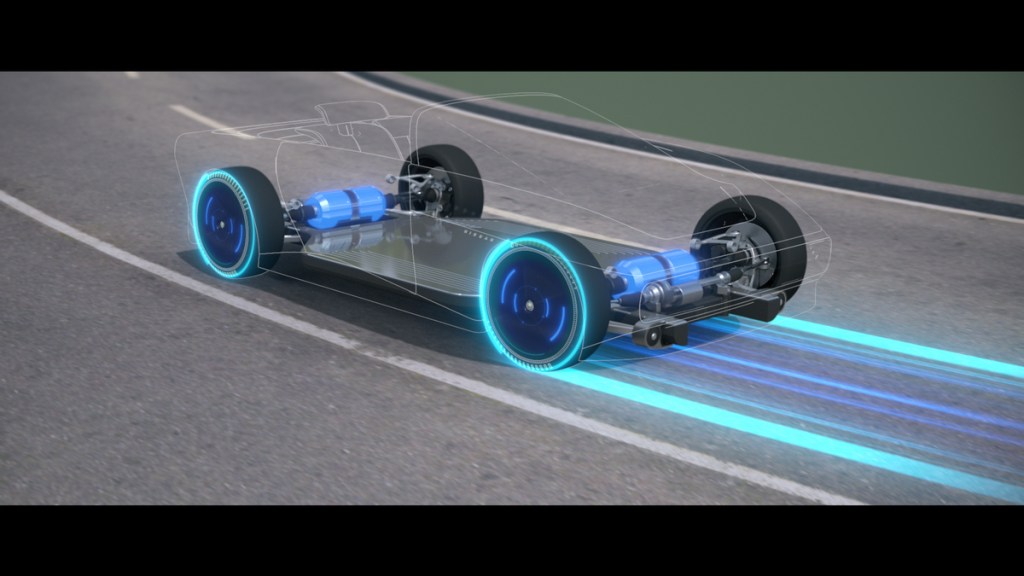
Europe pioneers the electrification within Nissan Ambition 2030 vision…

We will drive for you at the end of this year the latest Qashqai, and look forward to have a go next year at their new (EV powered) products; In the meantime, there is some interesting Nissan news.

Did you know that by 2026, this is merely within some four years, more than 75% of all Nissan passenger cars sold in Europe will be electrified?

Nissans “CHILL OUT” concept foreshadows the future 100% electric crossover to be built in Sunderland, and there is a new battery recycling facility planned in Europe…

Just read further!

Hans Knol ten Bensel
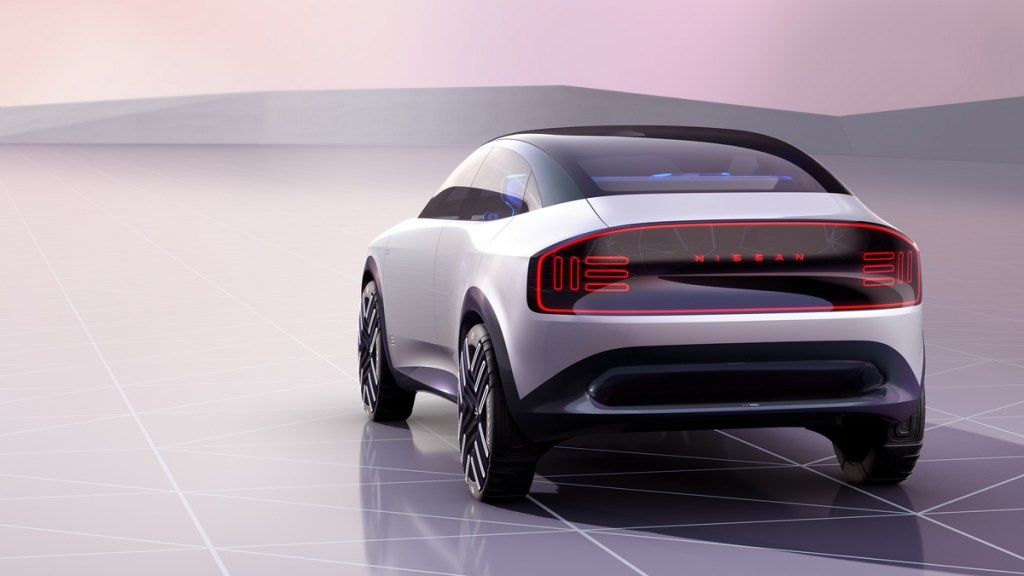
Nissan Motor Co. Ltd. Unveiled the Nissan Ambition 2030, the brand’s new long-term strategy that goes beyond mobility.

Earlier this year, Nissan launched the EV36Zero concept, the world’s first fully integrated EV production ecosystem, which connects mobility and energy management to help achieve carbon neutrality for Nissan. The future hub is centered around the production facility in Sunderland, UK, and will include the production of an EV, a new giga production facility and use of 100% renewable electricity. Initially, £1 billion will be invested.

The AMIEO Region, centered on the EV36Zero, will play a leading role in realizing the “Ambition 2030” vision, which will help Nissan achieve carbon neutrality across the entire lifecycle of its products by fiscal year 2050. Here are some key points:

By the end of fiscal 2023, Nissan will offer electrified versions of all models offered in Europe, and by fiscal 2026, more than 75% of all Nissans sold are expected to be electrified.

The now-unveiled CHILL OUT crossover concept, as announced in Sunderland in July as part of the EV36Zero project, uses the Renault-Nissan Alliance CMF-EV platform to deliver the European handling and performance customers expect. The model has a sleek and modern design, is both attractive and aerodynamically optimized, fun-to-drive, has advanced safety technologies and has a practical and comfortable interior, according to Nissan.

Nissan plans to expand battery recycling and reuse facilities outside of Japan with a new location in Europe during fiscal year 2022. This infrastructure will support a circular economy for energy management. Nissan plans to fully market its ‘vehicle-to-everything’ and ‘home battery’ systems in the coming years.

Building on the success of the Nissan LEAF, Nissan will soon introduce innovative e-POWER technology in the all-new Qashqai and X-Trail. With the 100% electric crossover Ariya and the future all-electric Townstar Van on the way, an electrified European model program is in the works.

‘In the past period, Europe has been leading in the transition to electrification. Our goal for the next decade is to accelerate this development, with new products and technologies that will enhance the driving experience for Nissan’s customers,” said Guillaume Cartier, President of Nissan AMIEO Region.

Not only will we be offering an electrified version of every Nissan model in Europe, our 360-degree vision of sustainable mobility also means using 100% renewable electricity in our EV Hub in the UK. New battery recycling and reuse facilities will also be built in Europe.

To spearhead the transition to full electrification and carbon neutrality, our teams and products in Europe will serve as a source of information and support for our plans for electrified cars in the rest of the AMIEO Region and other markets.”

Bold new plans… we will report on them regularly as they unfold!

Hans Knol ten Bensel

The iconic Jeep® Wrangler 4xe: what’s new for 2022…

Faithful readers know that we were very impressed when testing the Jeep® Wrangler 4xe, which’s propulsion system combines two electric motors, a 2.0-liter I-4 engine and 8-speed automatic transmission for nearly silent propulsion and enhanced 4×4 off-road capability, without EV range anxiety.

For 2022, the Wrangler 4xe range is further enhanced with advanced technology content and a full set of last generation ADAS features including Automatic High Beam Headlamp Control, Full Speed Forward Collision Warning Plus with Advanced brake assist and Adaptive Cruise Control with Stop Function.

You can enjoy a sunrider fliptop…

All this is offered as standard on the 2022 model year models alongside standard Blind Spot Monitoring with Rear Cross-Path Detection, rearview camera and front and rear Park Assist on the previous model year.

There are also new paint colors and a factory Jeep® Performance Parts (JPP) Gorilla Glass windshield

More Authentic Jeep open-air adventures are to be had with the new Sunrider Flip top by Mopar® joining the several top combinations offered on Wrangler (three-piece hardtop, soft top, power soft top and topless).

With the introduction of the 2022 model year, 100 percent of the Wrangler range in Europe is offered in the 4xe plug-in hybrid variant only.

This is fully in line with the brand’s strategy towards sustainable mobility and its commitment to sell 70 percent of the Jeep range as electrified vehicles worldwide by 2025!

Hans Knol ten Bensel

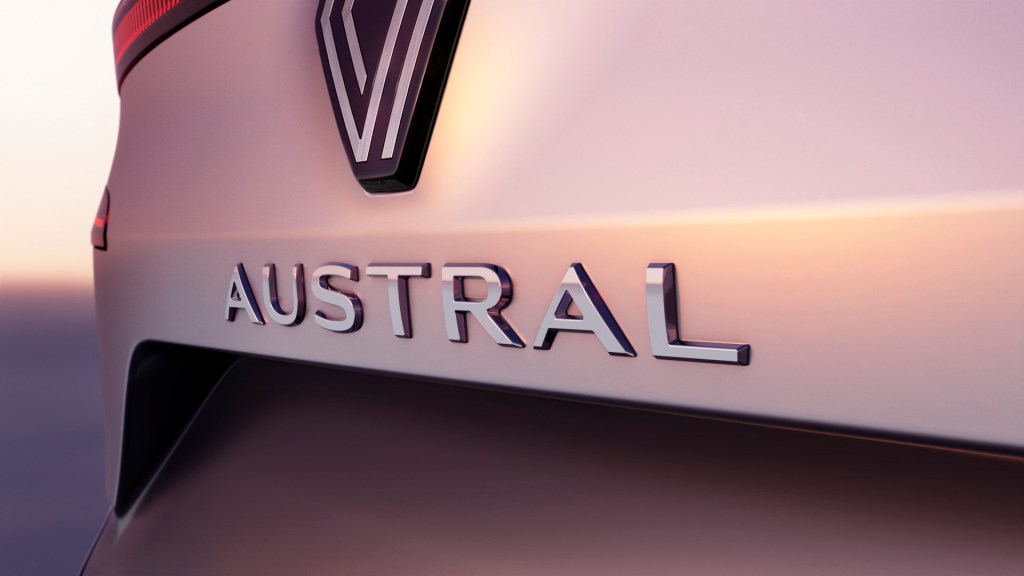
Renault reveals the name of its new SUV: Austral

Austral, which comes from the Latin word “australis”, is a commonly used word in many European countries languages ​​ It is written in full and refers to the French roots of the constructor.

Sylvia Dos Santos, Name Strategy Manager of the Global Marketing Directorate of the Renault brand, clarifies: “Austral” also refers to the colors and warmth of the southern hemisphere. It is a name that invites you to travel and that fits perfectly with an SUV. The phonetics of Austral are harmonious, balanced and easy to pronounce by everyone and at the same time internationally.”

Austral is the new range of the Renault brand in the segment of compact SUVs with new connected technologies and responsible driving pleasure. Austral also offers comfortable seats 5 passengers with a total length of 4.51m.

With this new model, Renault continues its offensive to retake the C-segment, launched with Arkana and New Mégane E-TECH Electric.

Austral will replace the current Kadjar in the range and will be introduced in the spring of 2022…

Hans Knol ten Bensel