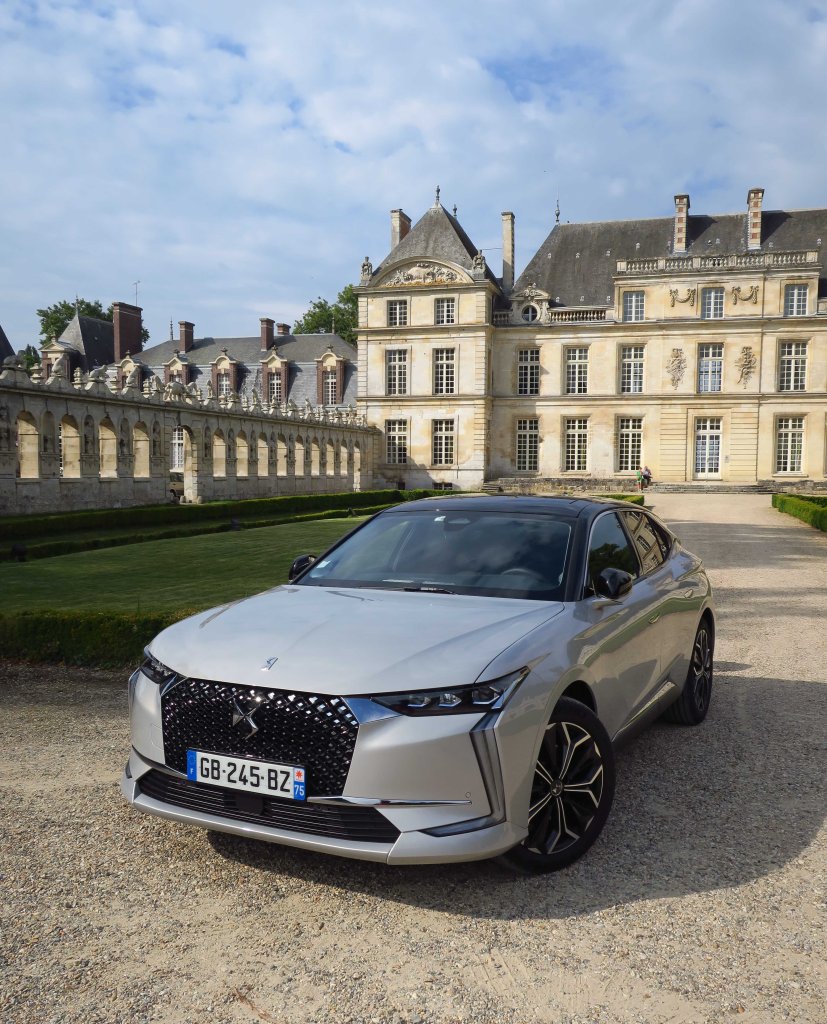
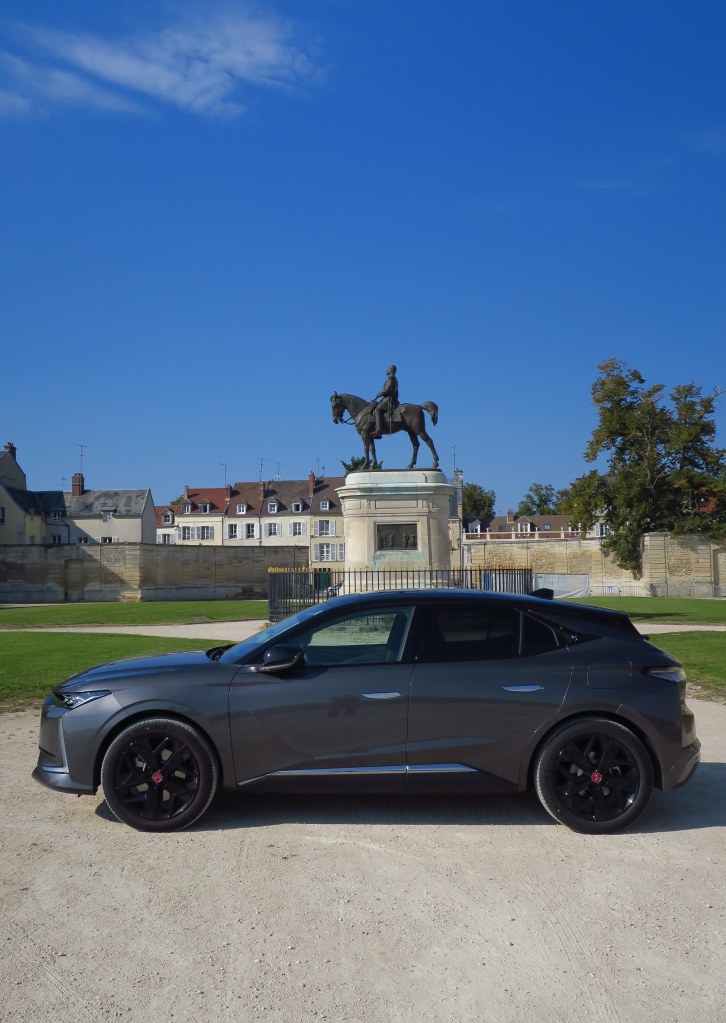
We drove the DS 4 in Chantilly…

Driving is believing, the saying goes, and this is especially so for the latest model of DS automobiles, which is built by the brand to be a benchmark in the C-Segment in terms of comfort and dynamic refinement.

We started our extended test drive with the E-TENSE plug-in hybrid version, combining exhilarating performance with smooth responsiveness and interesting economy. Just read further…

Hans Knol ten Bensel
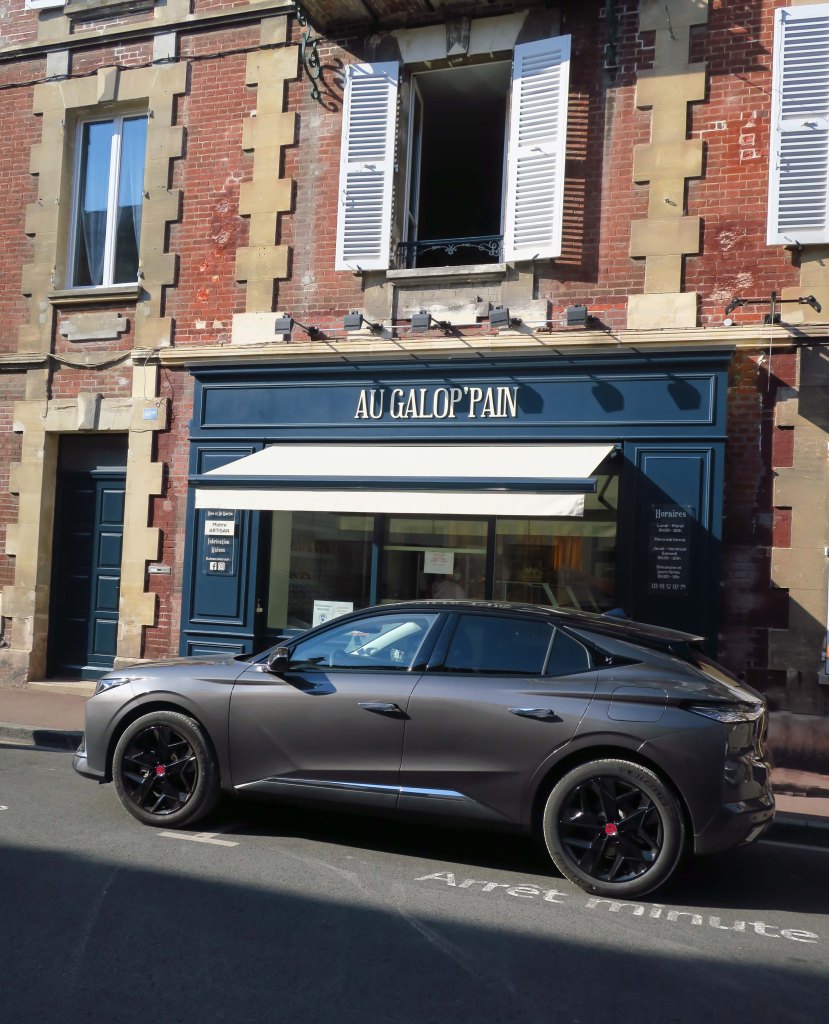
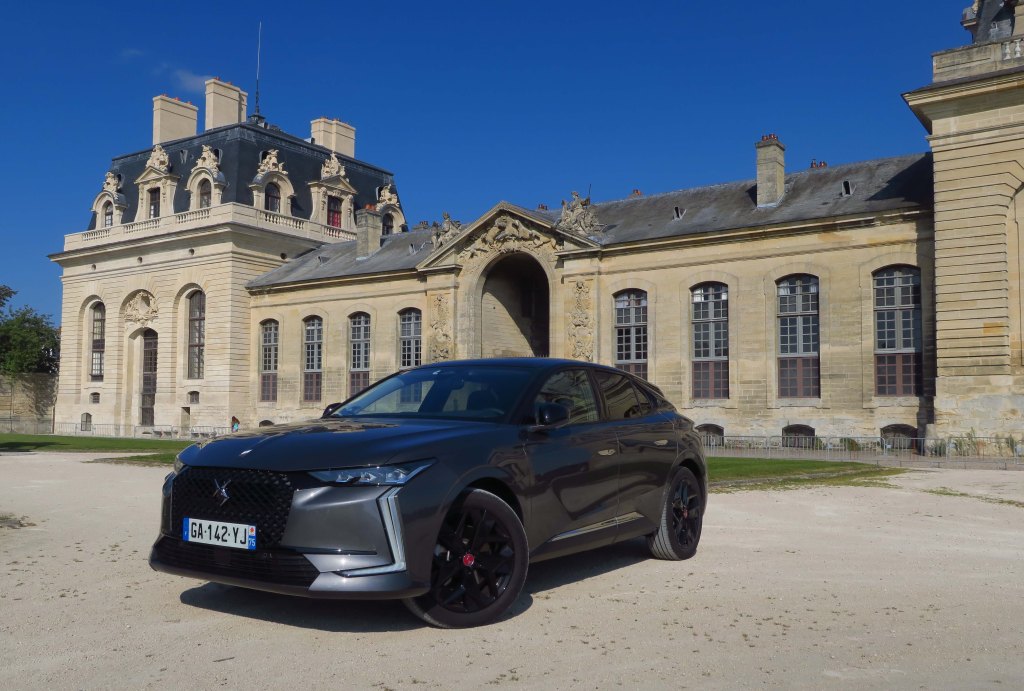
The DS4 shows its elegance in front of the shops in Chantilly, the town of the horse…

This second generation DS4 is indeed geared to offer a maximum of creature comfort. It starts of course with a good position behind the wheel, and indeed for your 1,70 m servant an excellent driving position was soon found. We tested the Performance Line+ DS4 which came with very comfortable Alcantara/leather seats, and a very tasteful interior.

The overhead display proved also eminently visible. DS automobiles calls it “DS extended head up display”, and with the use of an optical illusion, data are displayed four metres ahead of the windscreen to follow the driver’s gaze diagonally at 21-inches. We found it very useful, and indeed, it kept our eyes on the road.
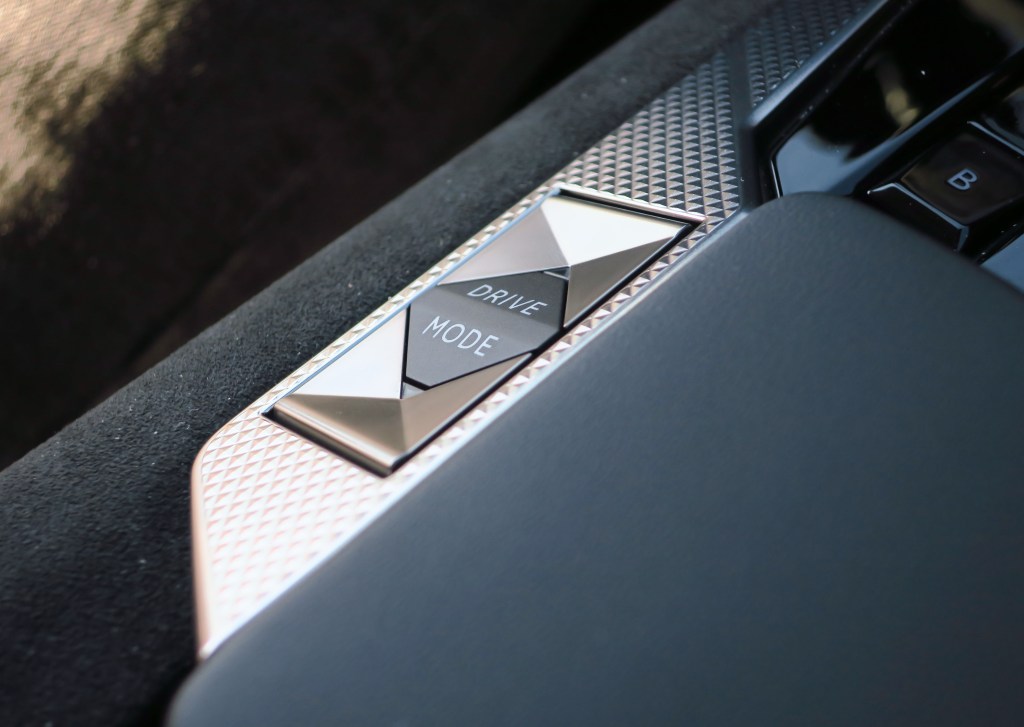
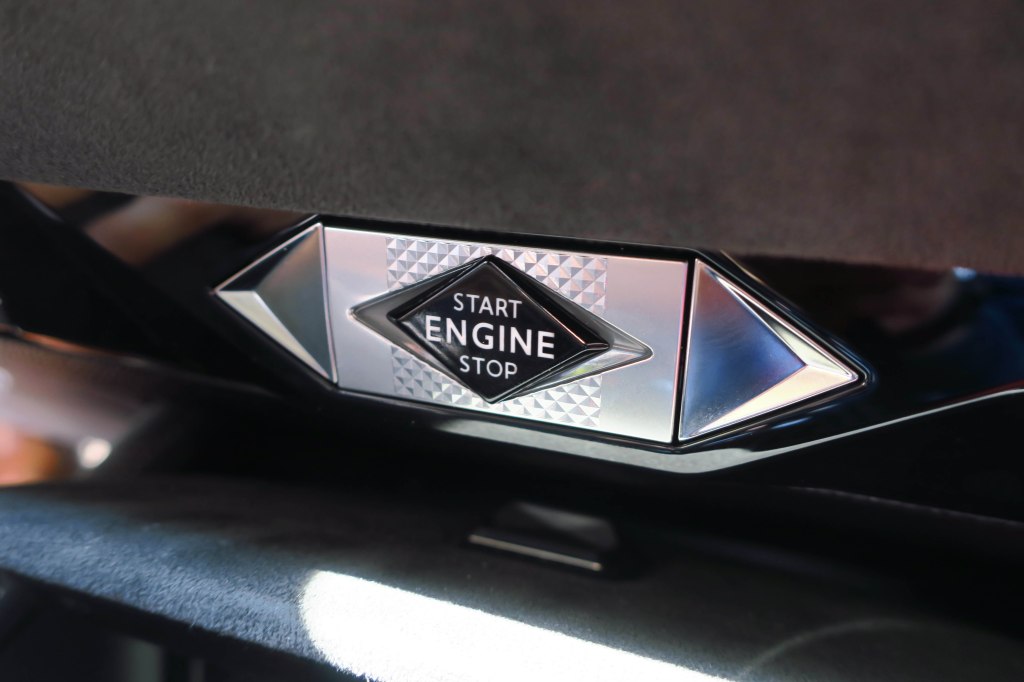
With a magnificently styled mode selector button (more about the interior design when we talk about the styling of this car in a separate report, incorporating then also the designer’s comments) you can choose your driving mode. We chose the modes “normal”, “comfort” and “sport”, to check the handling, comfort and steering precision of this DS4.

In all modes, we found that the comfort level remained top notch. It proved definitely very important for engineers and designers, and we can only applaud their choice. The DS4 ranks therefore with panache amongst the iconic “Grandes Routières”, totally in line with the tradition set in by the original DS. Steering is also very precise in all the chosen modes.

The DS4 runs on a new version of EMP2 platform and uses technical solutions such as bond-welding (almost 34 metres of adhesive bead and welding points used on the car’s body) as well as completely redesigned suspension and steering components. This indeed delivers driving comfort through optimal body rigidity with exceptional responsiveness and precision in the handling department.

The suspension has also been redesigned with the new platform version… but there is more.

The engineers have taken things even a step further by introducing the so-called DS ACTIVE SCAN SUSPENSION , which controls the damping by using a camera. It is positioned at the top of the windscreen, views and anticipates irregularities in the road surface and transmits the data to a computer. With the four attitude sensors and three accelerometers, the system controls each of the wheels independently. Using the information it receives, it makes the suspension harder or softer depending on what’s required. The result is indeed excellent comfort whatever kind of (winding) road you’re on. We were truly impressed by the overall dynamic serenity of the car, whatever the driven speed…

Smooth and powerful

In the E-TENSE version, a turbocharged 180 horsepower 4-cylinder engine is paired with a 110 horsepower electric motor and an EAT8 gearbox, for a combined 225 horsepower. As we said earlier in our first report, the combination is fed by a more efficient battery with new more compact and larger capacity cells. This battery is situated behind the deformable beam and providing a useable a range of more than 50 kilometres in zero emissions mode (WLTP combined cycle).

The drivetrain is supersmooth, and the transition from battery to engine power is not noticeable. When driven with restraint and anticipation, the system will use the kinetic energy to recharge the batteries while you drive, and indeed, in tight heavy and slow traffic we managed to recharge the battery from 14 % to a good 28 % just using the kinetic energy as much as we could, which of course asks for some concentration, but this is well rewarded! The system will regenerate the energy irrespective of the chosen driving mode, and we achieved these results in the “Sport” mode.

Depending how much E-power you use during your drive, fuel consumption will vary accordingly, and the manufacturer quotes a fuel consumption of 1,3 litre/100 km and CO2 emissions of 29 g/km on the combined WLTP cycle. Running on the petrol engine only will get you anything between 6-8,5 litres/100 km, greatly depending on your driving style.
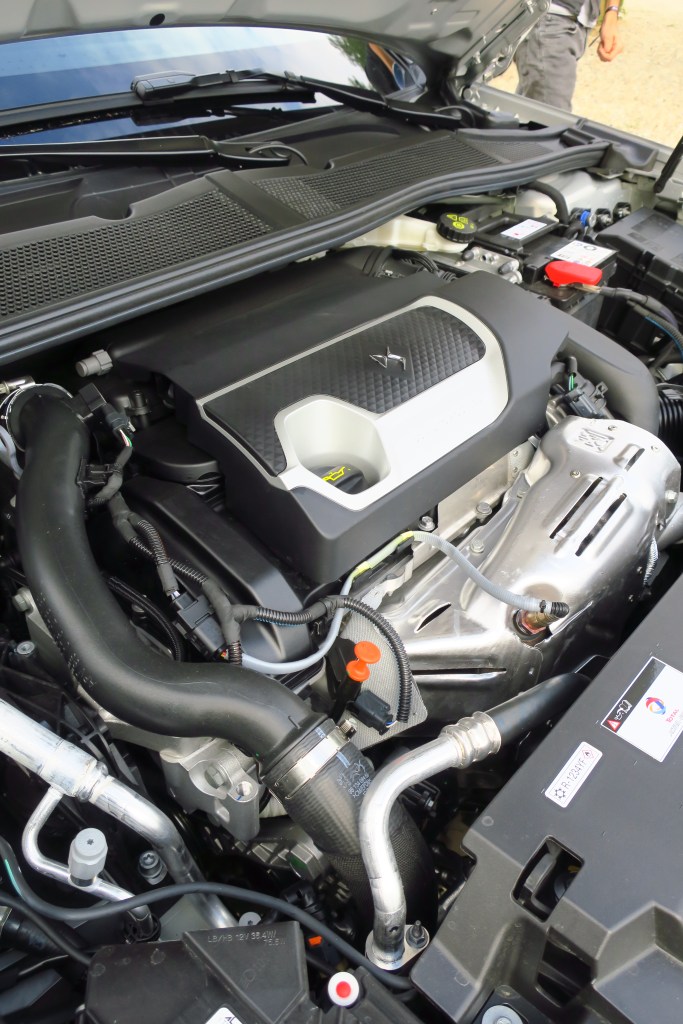
On the second day of our extended test drive we drove the DS4 with top of the range “Rivoli” trim and the PureTech 225 HP petrol engine version with the same 8-speed automatic gearbox. Driving in normal or comfort mode delivered very much the same smoothness as the E-TENSE drivetrain, and we were surprised by the very low noise level of this engine, certainly when you are adopting a relaxed driving style. Putting your right foot down will let the engine rev harder, but this gets never obtrusive. When you want to add some smooth panache to your spirited driving style, it is best to use the gearchange paddles at the steering wheel, so you have better control over engine revs under heavy braking or acceleration. The DS4 takes a fast pace over curvy and undulating roads very well in its stride, as a “Grande Routière” befits.

The DS4 is a car designed to travel on long journeys, as well as performing comfortable city errands. It is build to cocoon you in relaxing and silent comfort. Indeed, its tire to road noise is also eminently filtered. The seats are just marvelous, and the soft padding of armrests and surfaces of centre console and dashboard just give you that sense of well-being which comes close to cocooning. The dashboard layout is just an icon of good taste, and its controls are soon learned… and are not overwhelming. It is advisable to take some time to get acquainted with your DS 4, it has a lot to offer.

Having said this, your servant is as a journalist always very cautious to give an opinion about the practicality of functions or controls, as we spend only a week or at a presentation even only a few days with a test car, whereas the owner will have months and years to learn all the functions. But he has to learn them, and in the beginning spend some useful time reading the manual, sitting behind the wheel and trying everything out, and repeating this! One never learns enough, and indeed note that bis repetita placet…

As a photographer, I still look at the manuals and YouTube films about the camera I use, be it compact or DSLR, and still learn…after months!

A host of useful functions…

Coming to the subject of functions, the DS4 has a lot of them, to make your journey safer and more relaxing.

First of all, we were much ten by the excellent ventilation It has been developed with very compact vents, positioned high up and fitted with invisible vanes.

The principle behind DS AIR is a flow of air that’s aimed by a cone giving the best possible direction upwards and downwards. All while operating like a classic vent. Thanks to its upright compactness, it appears discreet and tucked away which enables a purity of design in DS 4’s cockpit. Impressive and well done!

Then there is the DS IRIS SYSTEM can be controlled by voice and gesture. This System features a personal assistant capable of recognising what’s said to it so that the system can carry out requests.

For gestures, there is DS SMART TOUCH, located on the centre console, it is an elegant small screen below the big central screen, which you can command with your fingertips. Gesturing towards one of the pre-entered functions on the big screen is enough. The smaller screen also identifies normal movements such as zooming in, zooming out and has handwriting recognition. Just try it, it avoids having to reach out to the big screen, and soon enough you get he hang of it.

Level 2 automated driving also had a major update for DS 4 with DS DRIVE ASSIST 2.0.

This translates into the precise car positioning itself in the lane of the driver’s choice, supplemented by new functionality such as semi-automatic overtaking, speed adjustment for corners and anticipated speed recommendations from signposts.
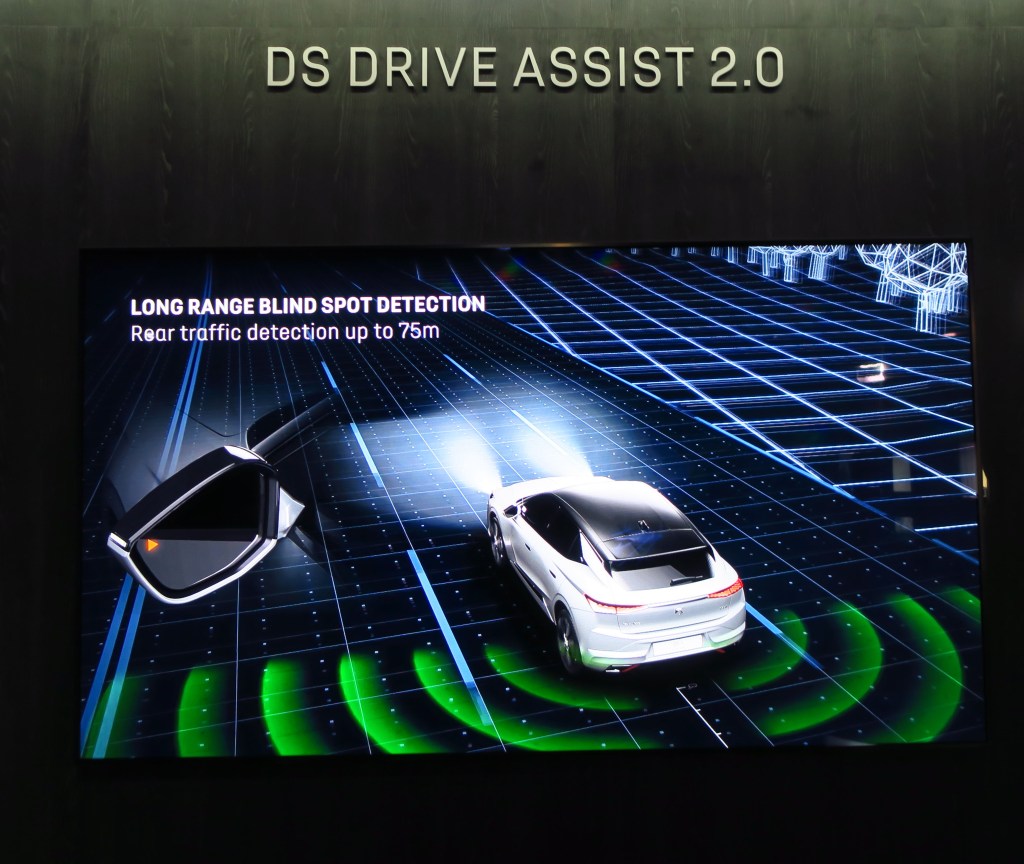
DS DRIVE ASSIST 2.0 includes sensors that record everything that happens in and around the car to help the driver. It sports frontal radar, radar at the four corners of the car, and a camera at the top of the windscreen, DS 4 positions itself where its driver wants through artificial intelligence which analyses information gathered in real time.

DS NIGHT VISION: An infrared camera, located in the grille, spots pedestrians and animals up to 200 metres away at night and in poor light. The driver views the road in their digital instrument display and sees hazards appear as warnings in the DS EXTENDED HEAD UP DISPLAY enabling them to react.

Let there be light: the DS light signature

With a new generation of DS MATRIX LED VISION headlamps that are narrower and more modern, the Matrix Beam and Dynamic Bending Light technology have been combined in the same system.
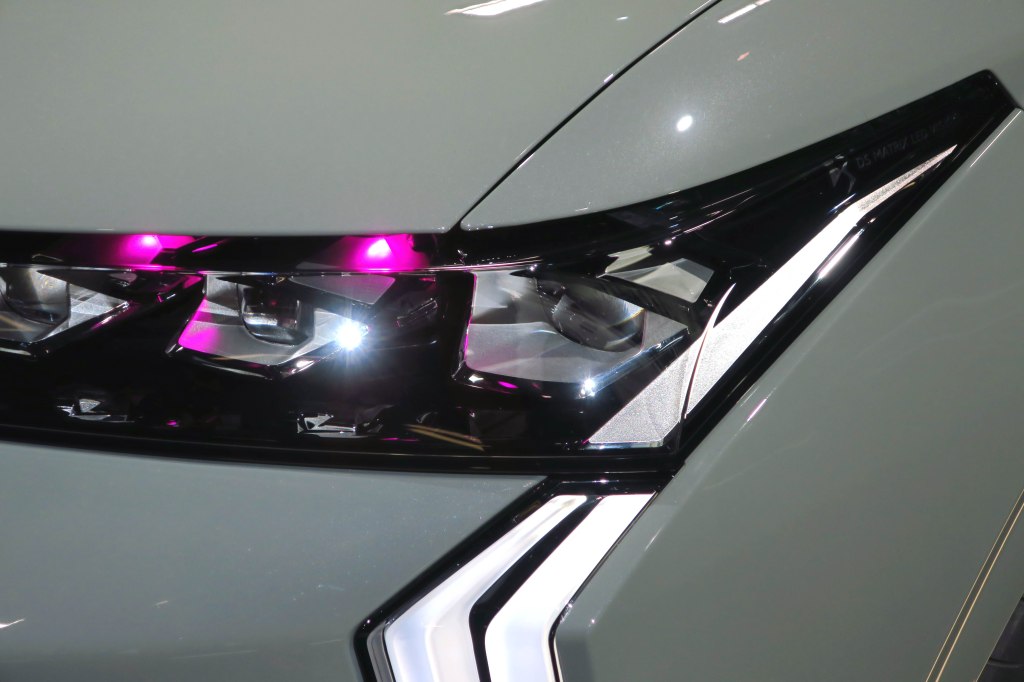
The DS MATRIX LED VISION headlamps are still made up of three LED modules which are the DS Automobiles signature:

The inner module of the headlight is used for the dipped function.

The rotating central module can turn to an angle of 33.5°. It illuminates the sides of the road and follows where you’re looking in corners. The system adapts to traffic conditions, the angle of the steering wheel, speed and weather conditions with five pre-set modes: town, country, motorway, poor weather and fog. This is also a nod to the directional headlamps of the 1967 DS…

The outside Matrix Beam module turns on for driving, split into fifteen segments which turn on and off independently, depending on the driving conditions it senses.

The projector headlamps adapt to traffic conditions, steering wheel angle, speed and weather conditions with five preset modes: city, country, highway, harsh weather and fog. They enable you to drive constantly on main beam without ever dazzling other road users. Using the camera located in the top part of the windscreen, these intelligent headlamps adapt their light beam automatically with a reach of 300 metres, depending on traffic conditions, without ever dazzling others. Need we say more?
The DS MATRIX LED VISION headlamps are complemented by extended daytime running lights made up of 98 LEDs. As well as the recognisable vertical light signature, these daytime running lights perform a new high-technology welcome routine.

The first drive of this DS4 was impressive indeed, comfortable, relaxing, smooth, powerful, and full of style…

In these columns you will soon read more about the design of the car and the hand made craftsmanship it has been built. Stay tuned!

Hans Knol ten Bensel

We had a first drive with the elegant DS 4: the (electrified) future has arrived at DS Automobiles…

At DS Automobiles, the art of designing and building the avant-garde automobile has been celebrated again since 2015, the birth of this unique premium brand.

In stylish Chantilly, we stood eye to eye with their latest creation, the DS 4. Stunning in style, gracious elegance and technology, this premium C segment car did not fail to impress your servant.

The DS 4 has eye-catching proportions. With a benchmark width of 1.83 metres and large diameter 720-millimetre wheels (alloys up to 20 inches, 19 inches as standard from TROCADERO and PERFORMANCE LINE up), for a compact length of 4.40 metres and a roof height of 1.47 metres, the dimensions are striking indeed.

Also the entire press presentation of this noble automobile was in line with its qualities: we were not only able to meet Mme Béatrice Foucher, the CEO of DS Automobiles personally at dinner, together with the communications people of the brand at lunch, we had also interesting workshops with the designers, engineers and last but not least the craftsmen and artists who make the DS 4 into the hand made four wheeled gem it is.

Mme Béatrice Foucher also presented the bold electrification strategy of the brand: in 2022-2023 it will increase the electrified mix with more E-TENSE sales, and from 2024 onwards it will only launch models which are battery only EV’s, with only electrified models presented for sale in Europe.

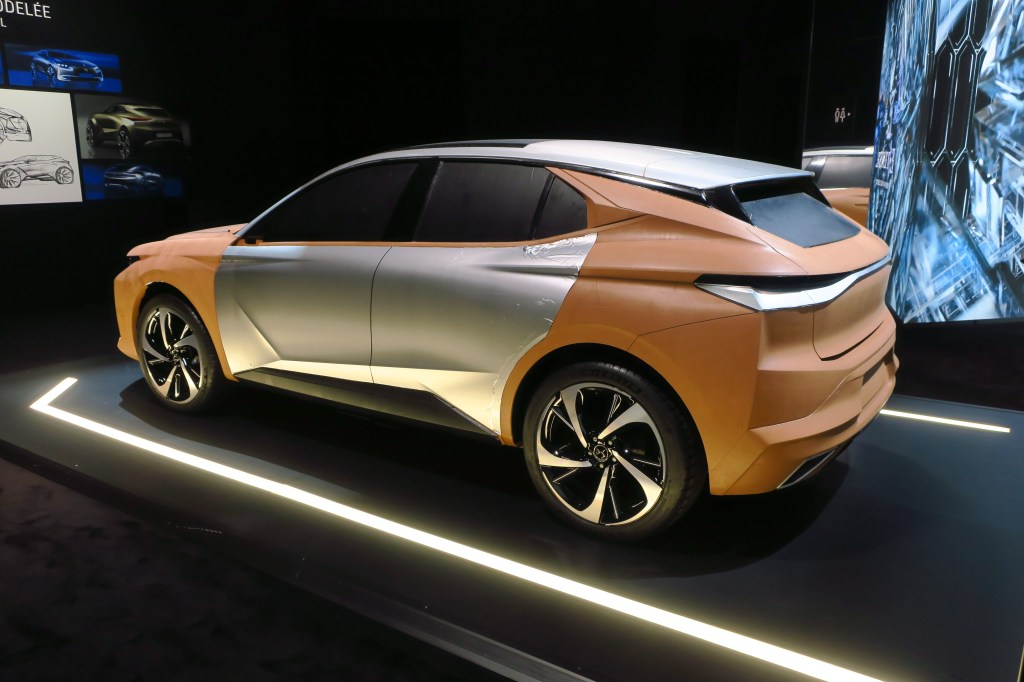
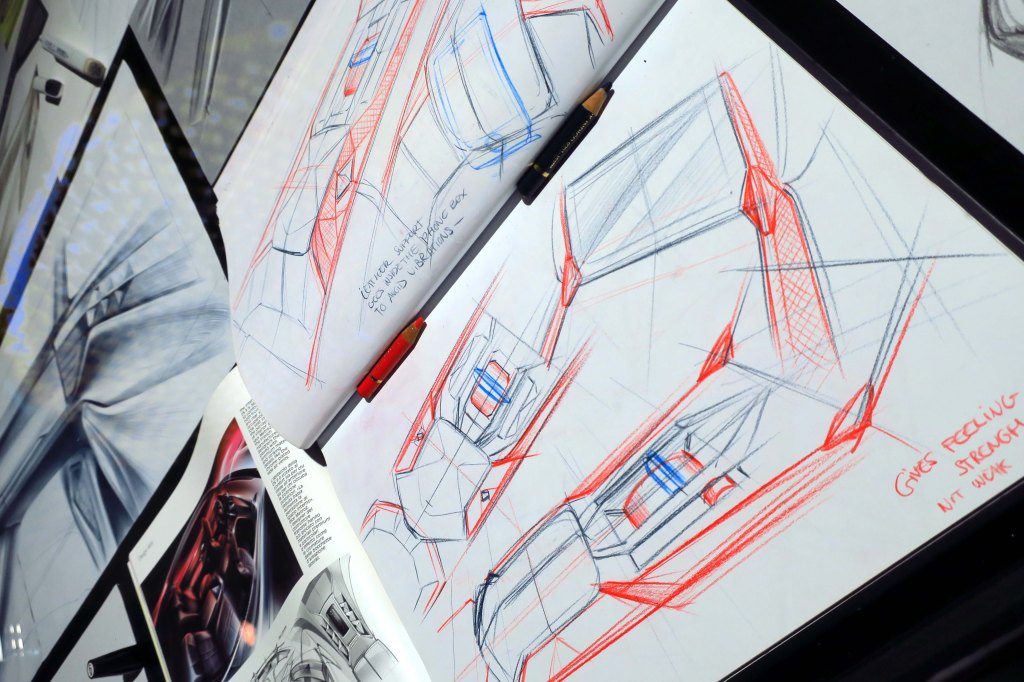
The designers also presented their drawings and a fully fledged clay model too, and the craftsmen presented their tools and unique hand made items of the car, of which much more later.

We were able to drive the entire range of the DS 4 on a 245 km circuit around scenic Chantilly, and we can tell you already that we were very taken by the plug-in hybrid version, the E-TENSE. Not surprisingly, as one knows that DS Automobiles puts great value on electrification, as does their avant-garde clientele, by the way.

For the DS4, a new version of the EMP2 platform was conceived to accommodate a new generation plug-in hybrid drive train without compromising cockpit space. It is important to note here that, being an important premium brand for Stellantis, the choices DS Automobiles are making in terms of proportions and styling of their cars and last but not least their technology are important signals for the engineers in the group wo develop the respective platforms. Noblesse oblige… Here you see the naked bodywork displayed on its platform.

The E-TENSE sports a turbocharged 180 horsepower PureTech 4-cylinder engine, which is paired with a 110 horsepower electric motor and an EAT8 gearbox, for a combined 225 horsepower.

The combination is fed by a more efficient 12,4 kW battery with new more compact and larger capacity cells situated behind the deformable beam and giving a range of 55 kilometres in zero emissions mode (WLTP combined cycle). The E-TENSE impressed your servant not only with its uncanny smoothness, it delivered also all the performance you could wish for: The 360Nm of torque enables 100km/h to be reached in 7.7 seconds with fuel consumption of just 1.3 litre/100km and emissions from 29g/km of CO2 on the WLTP combined cycle.

A wide range with a broad choice of interior equipment levels…  

We will tell you soon more about the driving impressions of this DS 4 in their different engine configurations, we just present here the model and equipment line-up. Besides the E-TECH, three petrol engine models, PureTech 130 Automatic, PureTech 180 Automatic and PureTech 225 Automatic plus a BlueHDi 130 Automatic Diesel will be offered.

In terms of body styles, the range is made up of three versions: DS 4, DS 4 CROSS et DS 4 PERFORMANCE LINE, with each version enjoying multiple trim levels:

– Four trim levels for the DS4: BASTILLE, BASTILLE +, TROCADERO and RIVOLI, as well as a Limited Edition “LA PREMIÈRE” for the launch, offering exclusive touches above and beyond the existing trims.

– For the DS 4 CROSS body version, we have the CROSS TROCADERO and CROSS RIVOLI trim levels,

– PERFORMANCE LINE and PERFORMANCE LINE + trims for the DS 4 PERFORMANCE LINE.

More soon, stay tuned on these columns!

Hans Knol ten Bensel
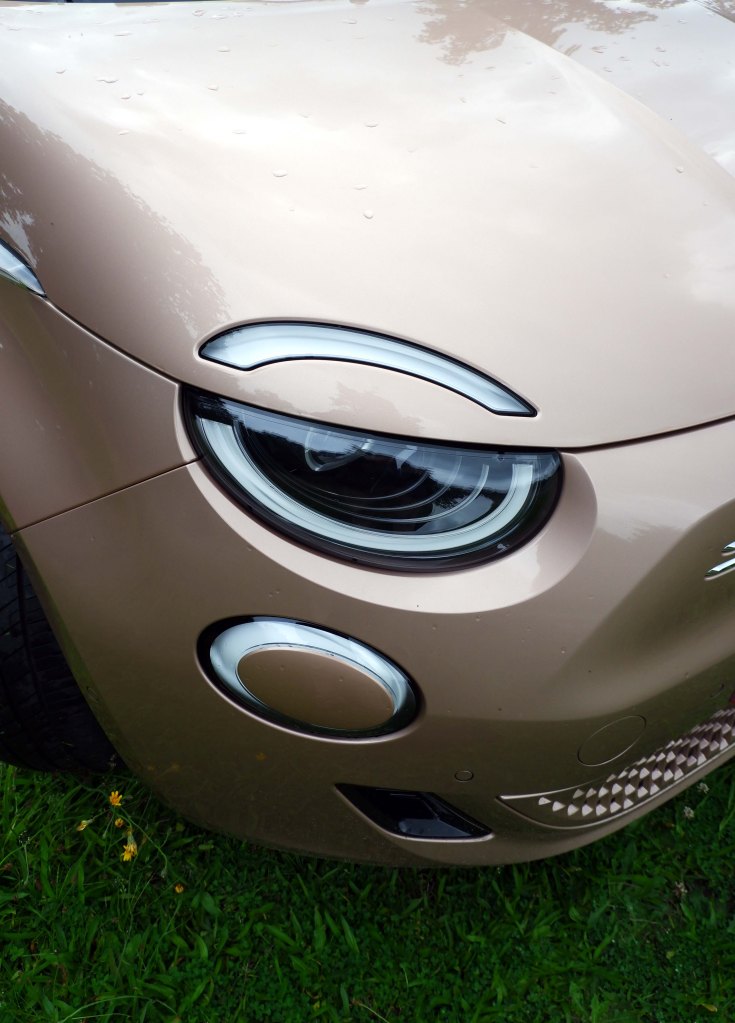
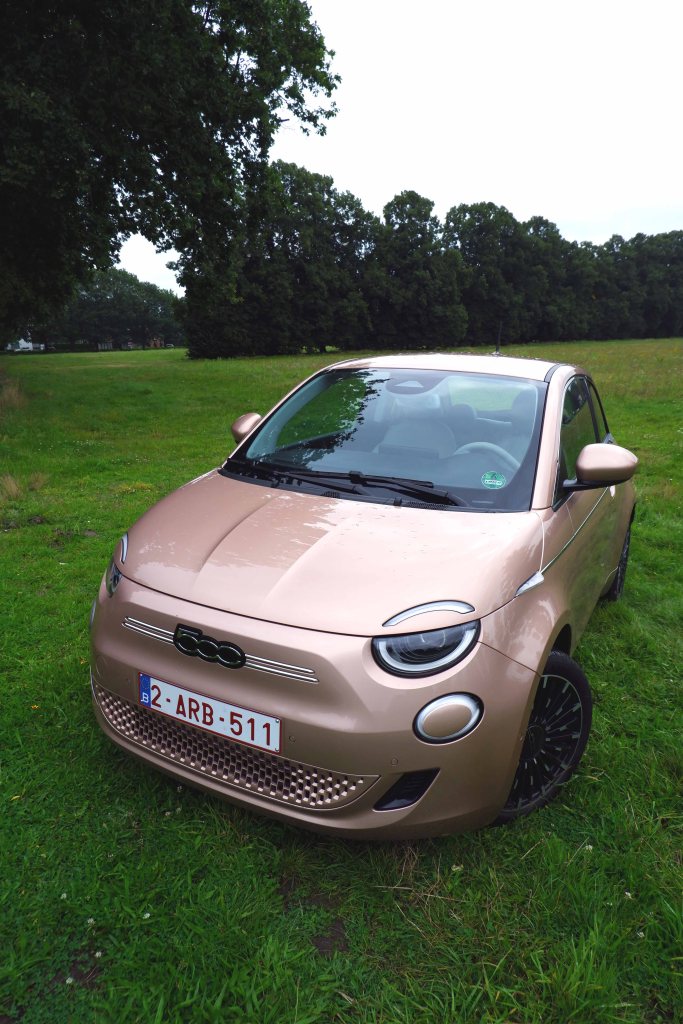
We drove the new Fiat 500 electric…an icon with e-power.

The iconic Fiat 500 is entering into the electric era, and it is doing this very convincingly with superb technology and style.

It even has the panache to add a third door to its well-shaped body, to set it apart from the rest.

And indeed, apart from the rest it is. It has a whole new body, and is six centimeters longer and 3 cm taller than the “normal” Cinquecento, yet it retains fully its ideal and iconic proportions.

We drove the “prima” Cinquecento, sprayed in very pleasing Rose Gold, and we liked very much its performance, ride and style, just read further…

Hans Knol ten Bensel

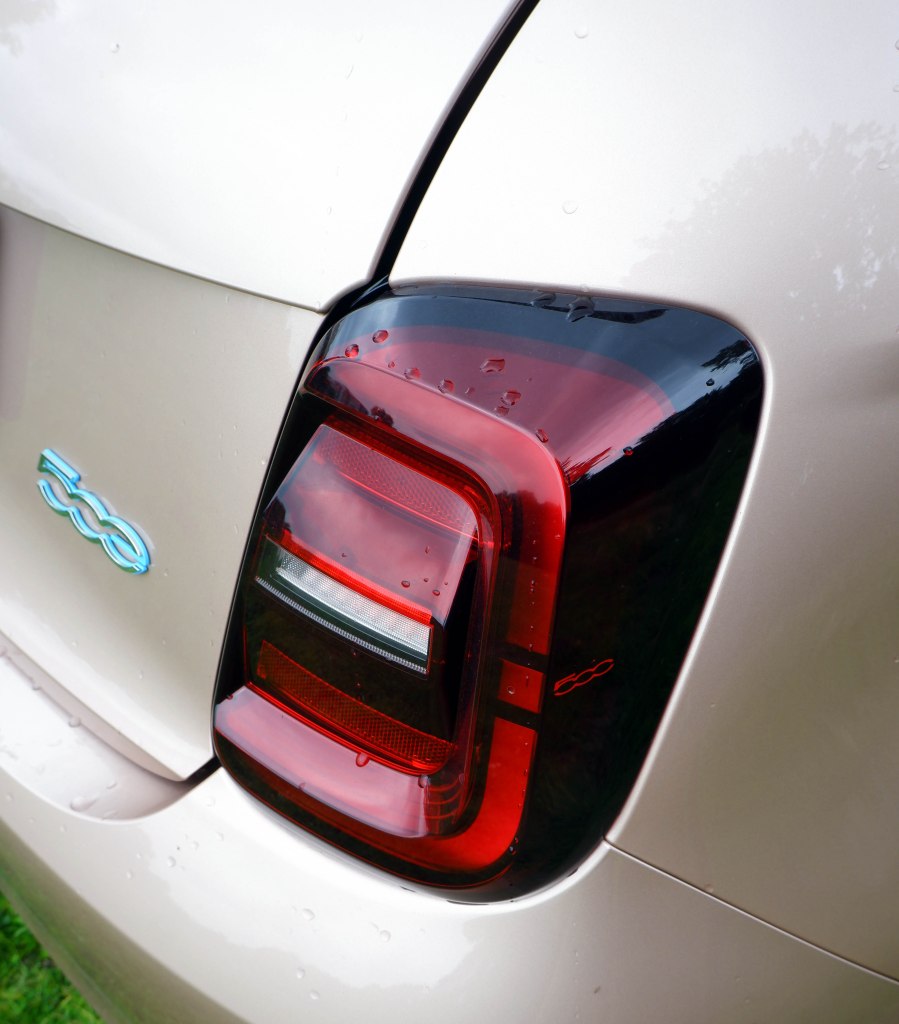
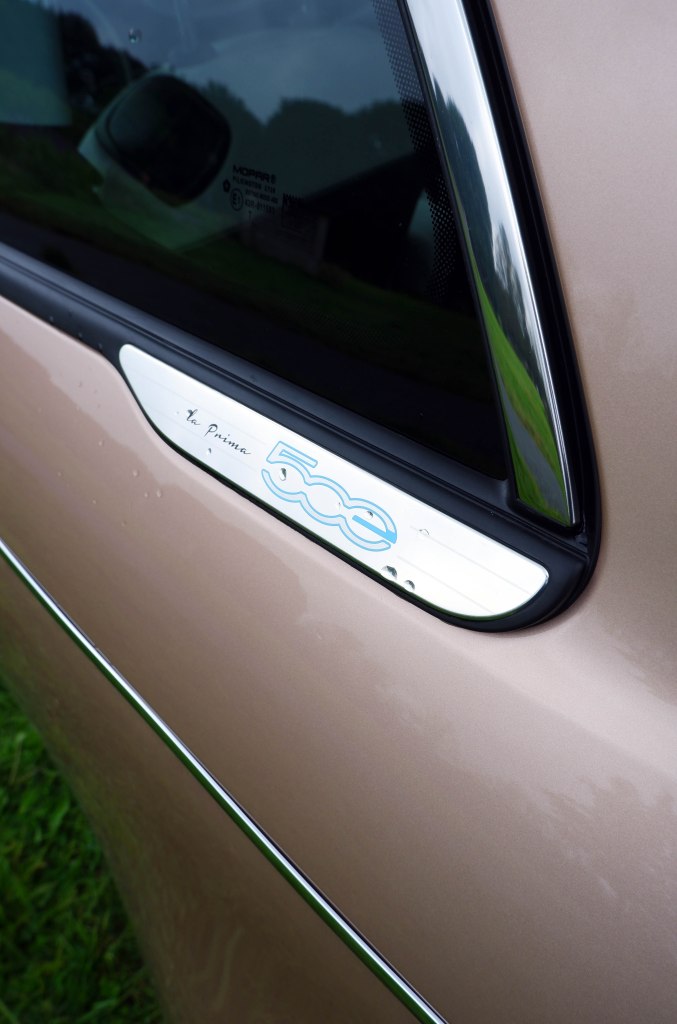
The New 500 3+1 “la Prima” has it all, and stands out with a range of exclusive details: full LED headlights with an ‘Infinity design”, two-tone 17” diamond-cut wheel rims and chrome-plated inserts on the windows and side panels.

In the interior, the pleasant ambiance continues: soft-touch seats studded with Fiat monograms, a two-tone steering wheel flattened at the bottom and an exclusive “la Prima” tag on the console. We also liked very much the finish of the dashboard panels on our test car.

Comfort is also paramount: six-way adjustable front seats, mats, an “electro chrome” internal rearview mirror and 360° ‘drone view’ parking sensors. The steering wheel is also adjustable in height and length over a wide range, so an ideal seating position is soon found. Add to this the spacious glove box, the wide door bins and trays on the center console, and you notice that this New Electric 500 is geared to make your daily life a lot rosier.

“Zen” electric driving is addictive…

But let’s turn now to driving this Torino-built electric icon of style. It is not only constantly pleasing to the eye, it is also a soothing, relaxing experience to move it from A to B.

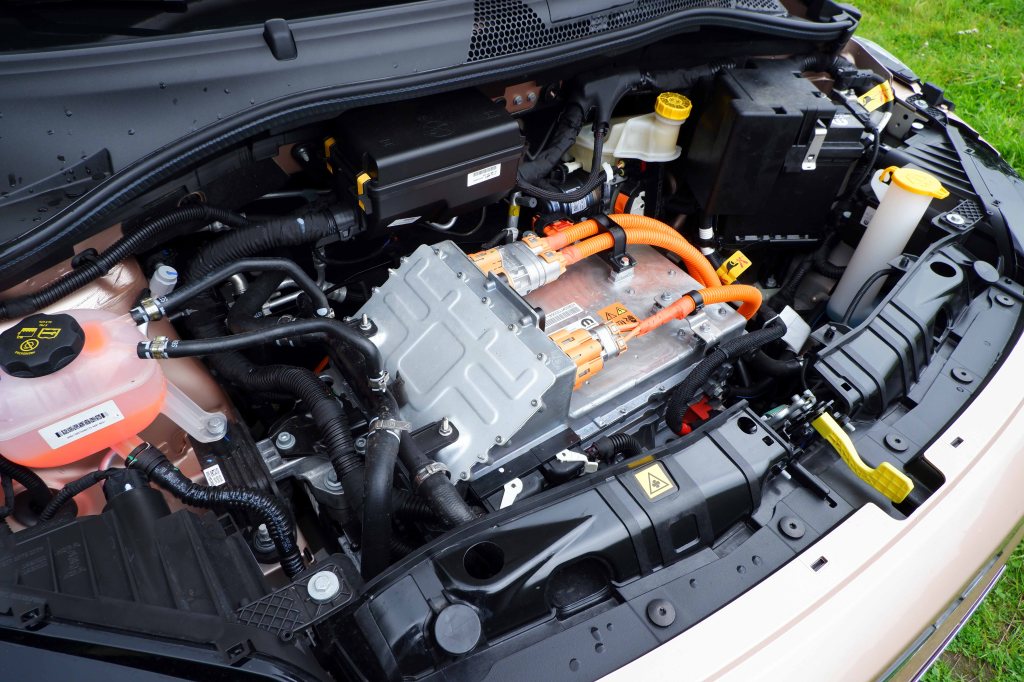
Even if you are driving with kind smoothness, only caressing the right pedal, you feel its whispering power. All 118 HP or 87 kW of it, with 220 Nm of instant torque. Technically very refined, motor and drivetrain being vibrationless and totally inaudible over the whole speed range.

Zesty it is indeed. It will whisk you from 0 to 100 km/h in merely 9 seconds. And when pulling away from standstill, you reach 50 km/h in just 3.1 seconds. But it is the “Zen” character of e-driving which gets you sold, and puts a broad smile on your face.

No frantic revving, no jolts from clumsy gearchanges, just a smooth, utterly silent, silk smooth flow of power. You can fully concentrate on the traffic and everything around you, undisturbed, enjoying the purity and elegance of your progress. Only e-power can convey this feeling, and we have to admit it, it is addictive.

We caught ourselves cruising on urban boulevards even below the 50 km/h speed limit, just to enjoy the ride. Urban driving at the corresponding lower speeds delivers of course also excellent economy, and throughout our test the consumption was a very reasonable 8.1 km/kWh. We have to admit that we drove this “Elettrica” very smooth indeed. On a fully loaded battery, which has a capacity of 42 kWh, the TFT 7 inch instrument panel indicated a 260 km range, which is totally adequate for our country. The 500 Electric can be charged with a fast 85 kW charger, so you can recharge from a flat battery to 80% range in 35 minutes, or to 50 km – the average daily distance driven – in around 5 minutes.

We used the 11 kW standard charger, getting from 40 % to 80 % charge in about 3 hours. In our neighborhood, with only two charging points for a few thousand inhabitants, we are allowed to stay maximum 3,5 hours at the charging point, but this was luckily enough for us.

As everyone knows, the charging infrastructure in Belgium is completely below any standard, and will very probably remain so for considerable time to come. It is therefore almost essential in our country to have a private home and/or garage/driveway, if you want to call an fully electric car your own and use it regularly.

The electric 500 is about 300 kg heavier than its petrol engined counterpart, so the suspension setup is somewhat stiffer, without being uncomfortable however. Despite its 1,3 tons weight, the car still feels quite nimble and agile, and the excellent 9,7 m turning circle and super light steering make it your ideal partner in town.

On the open road, the electric 500 stands very well its own, with a regulated maximum speed of 150 km/h. It doesn’t feel fussy at all when driving at the legal maximum motorway speeds. Of course, look out for fast(er) charging points and plan your trip carefully…

One word about the driving modes. In the “normal” driving mode, the car will coast essentially when you lift the throttle, retaining the kinetic energy for you to use. In the “range” mode, the electric motor will use this kinetic energy to charge the battery, allowing you to use a “one pedal” driving style with ease, as the braking effect of the motor is quite marked. Last but not least there is the “sherpa” mode, where motor and battery are carefully governed to allow you to squeeze a maximum distance out of the remaining battery charge.

Infotainment and driving aids…

“La Prima” is equipped with the most advanced ADAS systems available:

What to think of Intelligent Adaptive Cruise Control (iACC) and Lane Centering, Traffic Sign Recognition, Autonomous Emergency Brake with pedestrian and cyclist recognition, Intelligent Speed Assistant, Lane Control, High-resolution rear camera with dynamic grid, 360° parking and urban blind spot sensors, Automatic twilight and dazzle sensors, Emergency call and Electronic parking brake?

Last but not least it features automatic air conditioning…need we say more?

Connectivity is also hardly neglected.

This electric 500 has the new UConnect 5 infotainment system, which means a 7″ TFT Display, a 10.25″ Touch Screen With navigation, an excellent DAB Radio, Wireless CarPlay / Android Auto, the Uconnect Box (a telematic box enabling the connected services) and a wireless smartphone charger.

We were very impressed by the functionality and computing power of the central touchscreen, with excellent and fast graphics.

Practical

The third door, which can only be opened when the corresponding front door is opened, proved very practical, and allowed much easier access to the rear seats. The rear accommodation is essentially meant for kids or (very) small grown-ups. In a 500, noblesse oblige… this is a car with style. Nevertheless, it has a standard boot space of 185 liters, and of course the backrests of the rear seats can be folded.

Conclusion

The Cinquecento is alive more than ever, and the transplant with an electronic heart has succeeded masterfully. It was a very wise decision – also technically necessary of course to house the batteries in the chassis floor – to build an entirely new body for this car, and it was even more judicious to retain faithfully its iconic proportions too.

Technically, the car is totally mature, providing premium character smooth transport, assisted by driving aids and made to measure top notch infotainment.

If you are looking for attractively priced (urban) electric transport with iconic panache and style, take a long hard look at this car…

Hans Knol ten Bensel

Photographer’s notes: for the photos of this test, we took our recently acquired Fujifilm X-A5 through its paces. We like the excellent contrast and contour sharpness of the Fujinon Apherical Zoom lens, delivering the fine definition you see here on these images. We used the TV or shutter priority mode set at 1/125 s, to avoid any eventual motion blur. We found the autofocus a bit on the slow side compared to our Nikon DSLR, but this was not much of an issue as the car was stationary anyway.

We drove the VW Tiguan 1.4 TSI eHybrid R-Line: an electrifying bestseller…

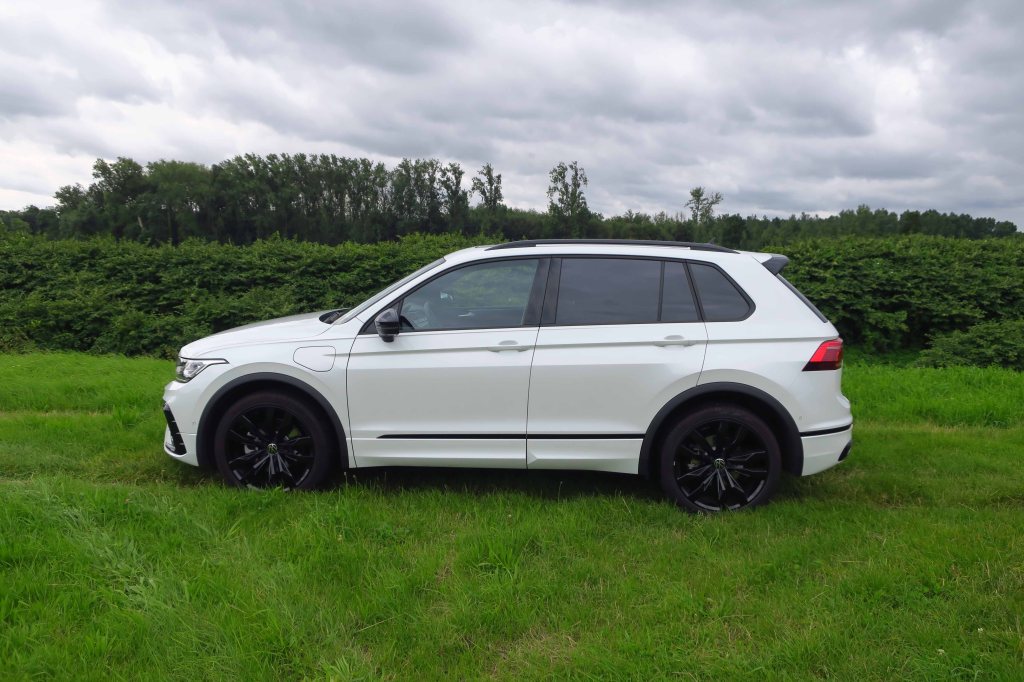
The VW Tiguan is Europe’s best-selling SUV since its launch, and VW wants obviously to continue this succes. As the competition has come to the market with plug-in hybrid versions, notably the Peugeot 3008 and the Opel Grandland X, VW decided to bolt the drivetrain of the Golf GTE on the Tiguan platform, which is actually still the one of the previous generation Golf. The result is a smooth and very frugal performer, which will convince many crossover buyers to take the step towards electrified transport. Indeed, this Tiguan plug-in Hybrid stole our hearts with its state-of-the-art technology, honed to perfection already on the Golf GTE. Just read further…

Hans Knol ten Bensel

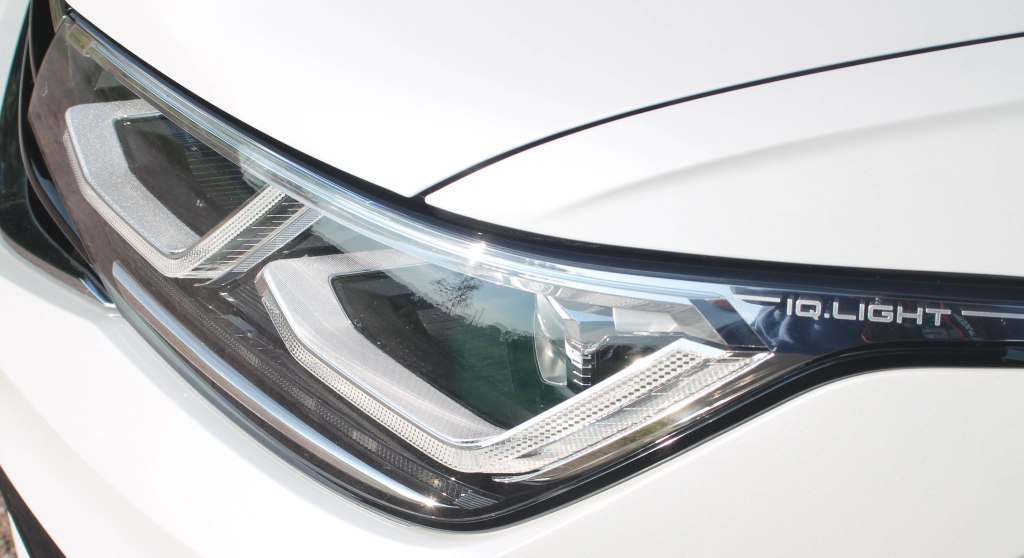
Our stylish R version seduced us, both inside and out. The previous Tiguan generation had already good looks, and VW just brought the grille in line with the angular styling we see in the Golf 8. The front is bolder, the hood is a bit higher, the lower bumper has also been reorganized. Led lighting is now standard and includes now also the more tech style tail lamps.

Photographers’s note: we used besides the trusty Canon G9 X also our big digital Canon DSLR with an older generation Canon 35-80 zoom lens used on an analogue (film) Canon DSLR. We were astonished with the result. The contour sharpness is truly top notch. Canon does an excellent job, seeing that the older generation autofocus lenses are completely compatible with their newest generation digital DSLR camera’s…

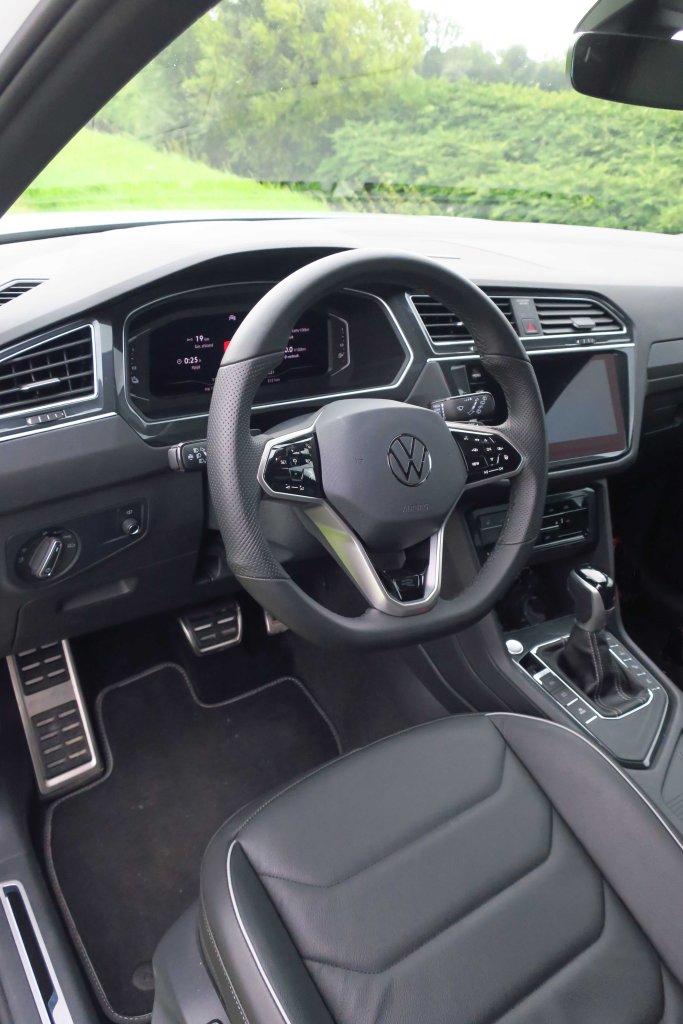
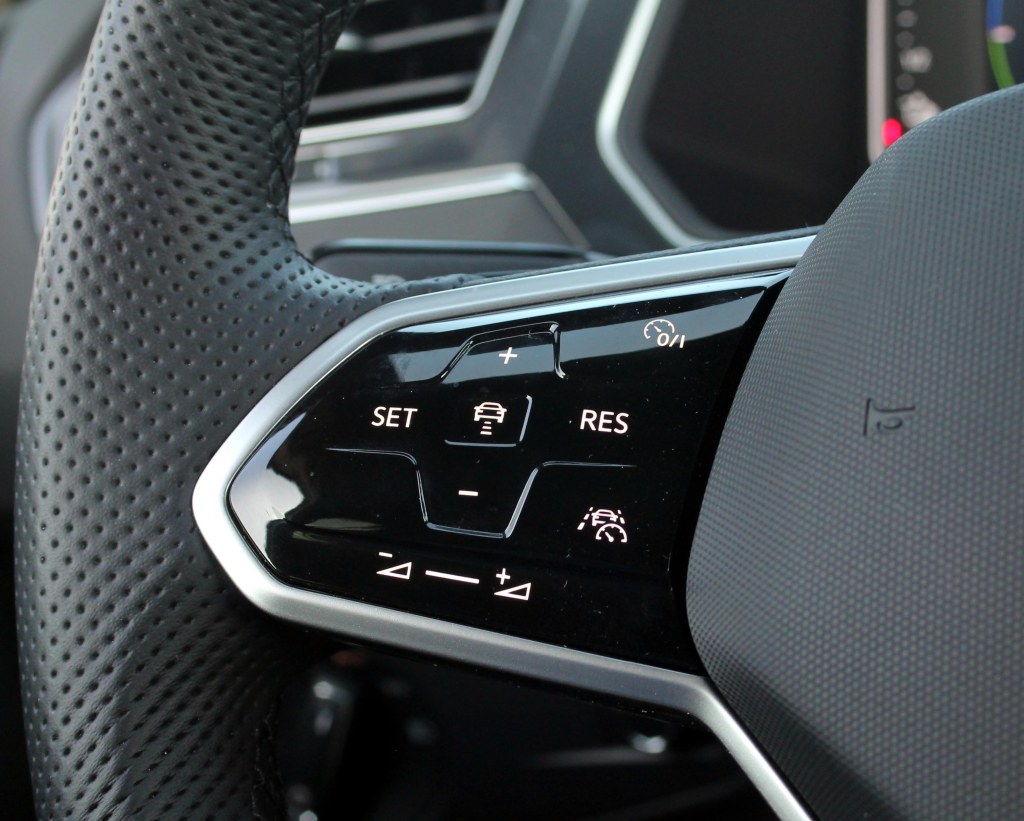
In the interior the digital age has certainly made further headway. Virtually all the controls are now of the electronic slide and touch type. This takes some getting used to, but we already familiarized ourselves with these capacitive controls in the Golf Alltrack, and soon enough one starts to like it even.

Again taken with the older generation Canon 35-80 zoom…

It is a rather bold step for VW to introduce this type of touch commands, but it makes very much sense and indeed documents the readiness of VW to make their mark in this all electronic age. One also finds a new steering wheel, adopting also these capacitive buttons on the R equipment level of our test car, and it has now a flattened bottom.

On this R Line equipment level, the infotainment offered leaves nothing to be desired, as you can guess. Here we have the optional 9,2 inch screen in the center, with even gesture control. All the functions, down even climate control, can be controlled to the touch screen. Just familiarize yourself with it and a world opens for you.

Smooth and state-of-the-art drivetrain

The drivetrain of the eHybrid Tiguan is strictly similar to the GTE Golf. A 30 kWh battery is located in the platform floor ahead of the rear wheels, giving the Tiguan a pure electric range of about 50 km. We achieved some 45 km of mostly motorway driving on a full battery load. Alongside the 85 HP electric motor sits the well proven 150 HP 1,4 liter TSI petrol engine, resulting in a total system power of 245 HP or 180 kW. Both drive units together generate a maximum system torque of 400 newton meters.

This means brisk performance, with a 0 to 100 km/h acceleration time of 7,5 seconds. Top speed is also a rather impressive 205 km/h, far outclassing most of the pure EV’s. In pure electric mode, the top speed is still a very creditworthy 130 km/h.

On the center console, you can push the E mode button for pure electric driving, or push the same button again and shut it off, allowing you to enjoy optimal hybrid driving.

Last but not least you have the GTE mode button which gives maximum E assistance to achieve maximum performance. With all this avalanche of power, the front wheels will spin on wet tarmac, however soon brought under control by the electric driving aids.

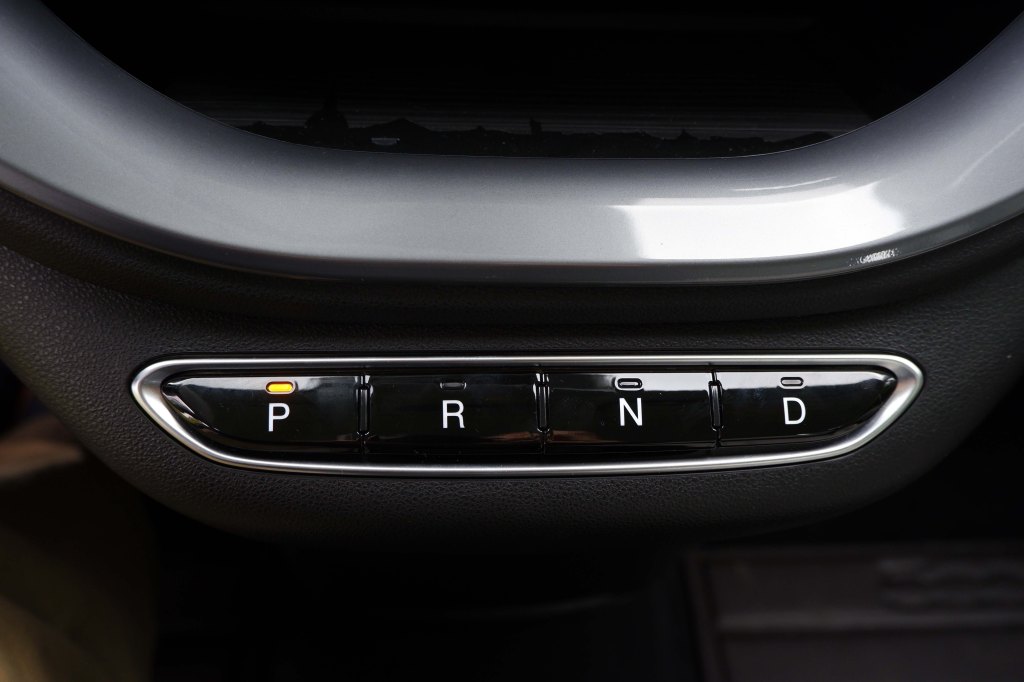
When driving, you can select with the gear lever to be in “D” or “B” mode. In the “D” mode it will coast when you lift the throttle, in the “B” mode, it will recuperate the kinetic energy to charge the battery, and therefor decelerate more. This mode seems more logical, as you want usually to decelerate anyway when one lifts the throttle.

Frugal, when you want it to be…

Fuel/E-power consumption depends of course on how you use your Tiguan. When the battery is depleted, one reverts of course to using only the petrol engine, and average fuel consumption is rather around 7 litres/100 km. In hybrid mode, the drivetrain acts quite judiciously, and balances very well between E and petrol engine power. With some restraint in your driving style, you can achieve also about 7-8 liters/100 km in tight urban traffic with an empty battery. On a 100 km trip on the open road with very sedate driving, we achieved 5,8 l/100 km.

The Tiguan eHybrid will start its trip on ePower, giving you about 50 km range…

VW quotes the fuel consumption in l/100 km (NEDC) combined as 1.7–1.5, power consumption in kWh/100km: combined 14.1-13,5. CO2 emissions in g/km are quoted combined 33-38.

When your daily driving distance is less than 50 km and you charge your Tiguan regularly, it is actually used as an all-electric vehicle, and has all its advantages, not in the least its absolute “Zen” smoothness. It is fiscally also treated very well in our country, as it is 100 pct deductible…

A breeze to use daily…

Electric charging via the flap on the drivers’ side is 3,6 kW maximum. Charging speed is not such a big issue with this or any other hybrid, as most of it is done mostly overnight anyway. Charging time takes a few hours, but if you are in a hurry, you can simply interrupt it and drive away, as you have always the petrol engine to get you to your destination.

Again a shot with the older Canon lens…

All the creature comfort you could wish for…

Seating comfort has always been top notch in the Tiguan, and there is ample head and legroom, also for the rear passengers. There is very good stowing room in the doors, as there is also a fair amount of luggage space, to be further enlarged using the split foldable rear backrests. This Tiguan is a very practical companion in your busy and varied daily life, and its popularity has very good reasons indeed.

Predictable handling

In the R version, we enjoyed the adjustable suspension, giving either a very comfortable or sporty ride. Handling is everything you would expect from a modern SUV, and the older Golf platform still does a very good job here. Very sure footed and predictable, the front wheel drive Tiguan will hardly surprise its owner, also thanks to the electronic handling controls built in. Steering is sensitive, direct and precise, and a joy to use on winding roads.

Still the older 35-80 Canon zoom…

We were very impressed by the utter smoothness and progressivity of the ACC, or automated cruise control. It kept the distance to preceding traffic very smoothly, and was a joy to use. It has been honed to perfection, to say the least.

Conclusion

A stylish, mechanically very matured SUV or crossover, roomy, very well built, optimally prepared for an electrified future mobility. You can enjoy the restfulness of a pure EV when you drive short urban distances, which is the case for many of us anyway. Keep it charged overnight if you are so lucky to have a home E-socket on your driveway or private garage, and this Tiguan is an absolute E-dream.

Driving longer distances in hybrid mode with (intermittent) use of the smooth petrol engine is no punishment either.

Taking into account that a plug-in hybrid still enjoys very advantageous fiscal treatment in most European countries is an extra reason to take a long hard look at this eHybrid Tiguan, and make it soon your own…

Hans Knol ten Bensel
We drove the Golf Alltrack 200 HP 2.0 TDI

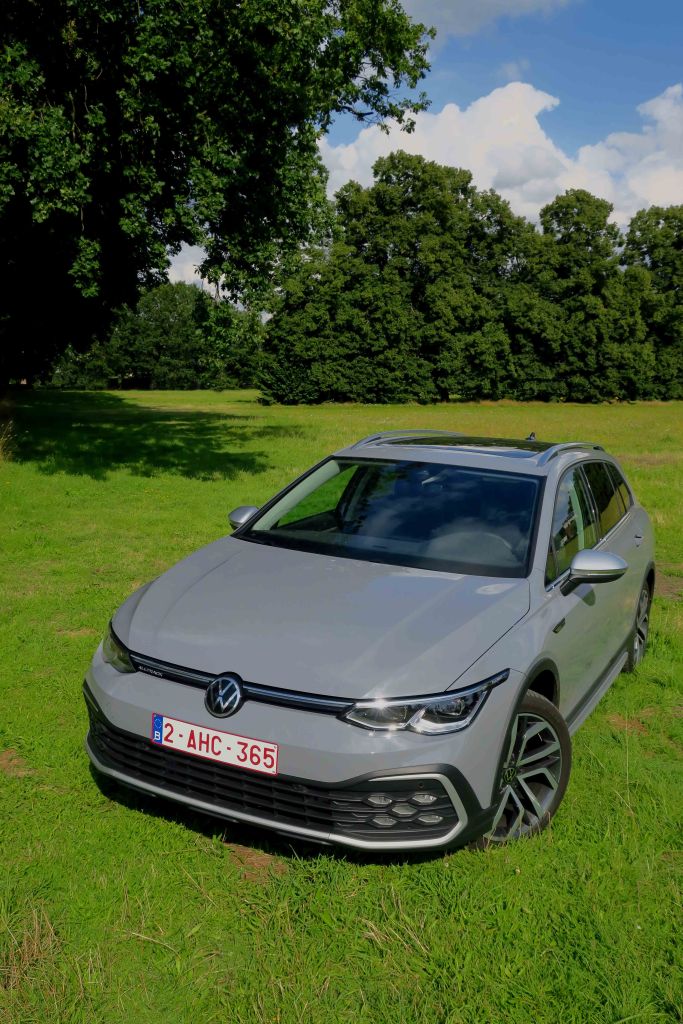
The eighth generation of the iconic Golf has it all. This goes also for lovers of station wagons, as VW offers the Variant with a wide range of drivetrains, and on top of that the so-called Alltrack, which can be defined as a fully equipped of the Variant with AWD, a higher stance for mild offroad driving and a 147 kW/200 PS 2 litre Diesel engine coupled to a 7 speed DSG. The result is superb performance, handling, roominess, comfort, all in still a rather compact and very stylish package.

We drove this Moonstone coloured beauty, and were very impressed indeed…

Hans Knol ten Bensel
Fast and frugal

Volkswagen defines the Golf Alltrack is a crossover of Golf Variant and SUV. Admittedly, it has a higher ground clearance, and it actually handles still a bit sharper than an SUV. On the motorway, it is also aerodynamic, and offers plenty of speed: not less than 229 km/h.

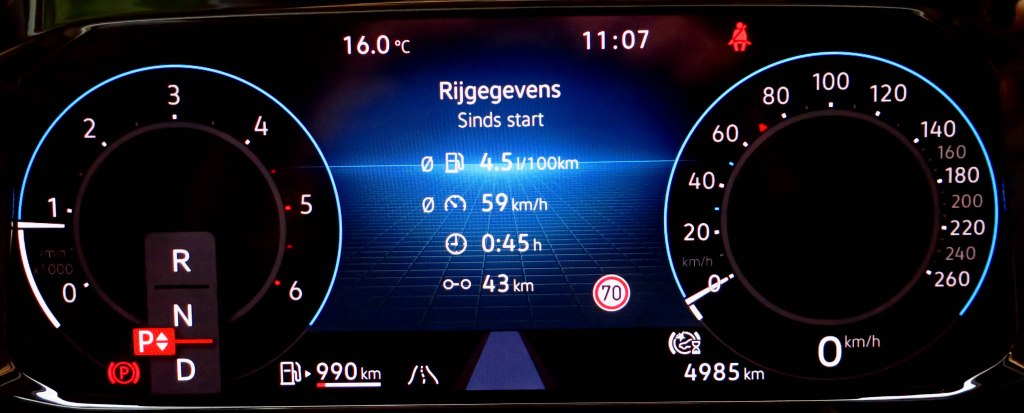
All this with very good overall economy, showing what modern diesels can do. NEDC fuel consumption is only 4.9 to 4.8 l/100 km. This means that ranges of around 1,000 kilometres are possible between two refuelling stops. Indeed, on our first motorway drive when collecting the car, we achieved without trouble an average consumption of 4,5 litres/100 km. CO2 emissions are quoted at 130 g/km.

Modern this engine truly is. This TDI engine (400 Nm torque) is one of the cleanest of its kind worldwide. This is achieved by the use of innovative twin-dosing technology: here, double AdBlue injection in two SCR catalytic converters arranged one after the other convert nitrogen oxides (NOx) into hydrogen and harmless nitrogen. What surprised us most was the utter silence and smoothness of this engine. Even when starting from cold, it is inaudible almost without the slightest hint of the usual diesel clatter. It just shows how perfect diesel engines have become.

Just wait friends, diesel fuel will still be around for a very, very long time. World trade is still powered by diesel trucks, and they will drive even when there is an electricity power collapse…

So it still makes sense to offer a Diesel engine in a do-all versatile 4WD compact like the Alltrack? It certainly does, and for the moment, it is offered even exclusively with a diesel engine, with its excellent towing capacity in mind. It seems however that for markets outside Germany petrol engined versions will be available with the Alltrack configuration.

Stylish

As the flagship of the Golf Variant models, the Alltrack offers exclusive standard equipment that cannot be configured in this combination for other models in the product line. The all-round all-terrain cladding is finished in matt black. Accents in matt chrome look are also used on the side sills and in the front bumper. These visually match the alloy wheels and the silver roof railings. As the only Variant model, the Alltrack is also equipped as standard with an LED light strip in the radiator grille (between the LED Plus headlights) and LED fog lights in an X formation. Looks very nice indeed!

Fully equipped

The other standard equipment of the Golf Alltrack includes interior background lighting (adjustable in 30 colours), elegant interior accents (Nature Cross Brushed), the so-called “Discover Media”navigation system including App-Connect Wireless (smartphone integration) and DAB+ (digital radio reception), heated comfort seats at the front with Alltrack lettering in the backrests, a multifunction steering wheel in leather and stainless steel pedals.

Our test car was also equipped with a panoramic opening roof, which however stopped to function during our test, luckily in a tilted backward position, so the car was not too vulnerable to eventual pouring rain.

In addition, all Golf Variant models feature details such as the lane keeping system Lane Assist, Autonomous Emergency Braking Front Assist with City Emergency Braking System and Pedestrian Monitoring, an oncoming vehicle braking when turning function, Driver Alert System, the electronic differential lock XDS and the Car2X local warning system.

Also always on board: the Digital Cockpit Pro (digital instruments), the We Connect and We Connect Plus online services and functions, the Air Care Climatronic automatic air conditioner, the keyless comfort start function Keyless Start, a Bluetooth mobile phone interface, comfort seats as well as LED headlights and LED tail light clusters including automatic headlight control. Need we say more?

Driving impressions…

Behind the wheel, one is impressed by the premium feeling this Golf exudes. The engine and drivetrain are supersmooth as they are silent and powerful, the steering is precise, the handling is agile, with slightly more roll as the Alltrack stands 15 mm higher on its wheels.

The seating position is superb, with plenty of adjustment fore and aft, and one enjoys the excellent seats which give very good lateral support. Also in the back there is ample room for passengers and their luggage. Standard the boot size with the rear backrests up is already over 600 liters, and it is well over 1600 litres with both backrests folded down.

As we hinted earlier, the Alltrack is also quite useful as a towing vehicle: you can pull up to 2000 kg, and the 4WD comes in very fitting when pulling your trailer over offroad terrain.

All these excellent dynamic qualities put this Alltrack in a top position when compared to SUV’s, and it is quite judicious for VW to offer in the Golf range this versatile and usefully spacious Alltrack and Variant range.

Conclusion

A very impressive car indeed, with premium class performance, spaciousness, superb finish and equipment, and excellent agility and handling. It combines genuine driving pleasure with outstanding versatility, considering its excellent towing abilities and vast useable boot space.

Last but not least there is the excellent economy, with a state of the art and very “clean” diesel engine, which seems to have solved the NOx pollution problem. Who knows, these “clean” diesels might be still the proper (intermediate) answer in the rocky path towards zero emission mobility, as these diesels have lower CO2 emission values than their petrol engined counterparts, and on top of that, possess greater thermal efficiency…

Hans Knol ten Bensel

Alfa ensures top quality for their new all electric Tonale SUV…

Alfa Romeo wants to build a top quality gem: the beautiful and striking Tonale, which will be Alfa’s first all electric vehicle. Beautiful it is, we sat personally behind the wheel of the clay model at the Centro Stile under the watchful eye of head of design Klaus Busse, and now Alfa also wants its finish and quality also to be legendary.

So the Alfa Romeo CEO Jean-Philippe Imparato and Alfa Romeo senior management met up recently with not less than 150 Italian and international suppliers at the G.B. Vico plant in Pomigliano d’Arco.

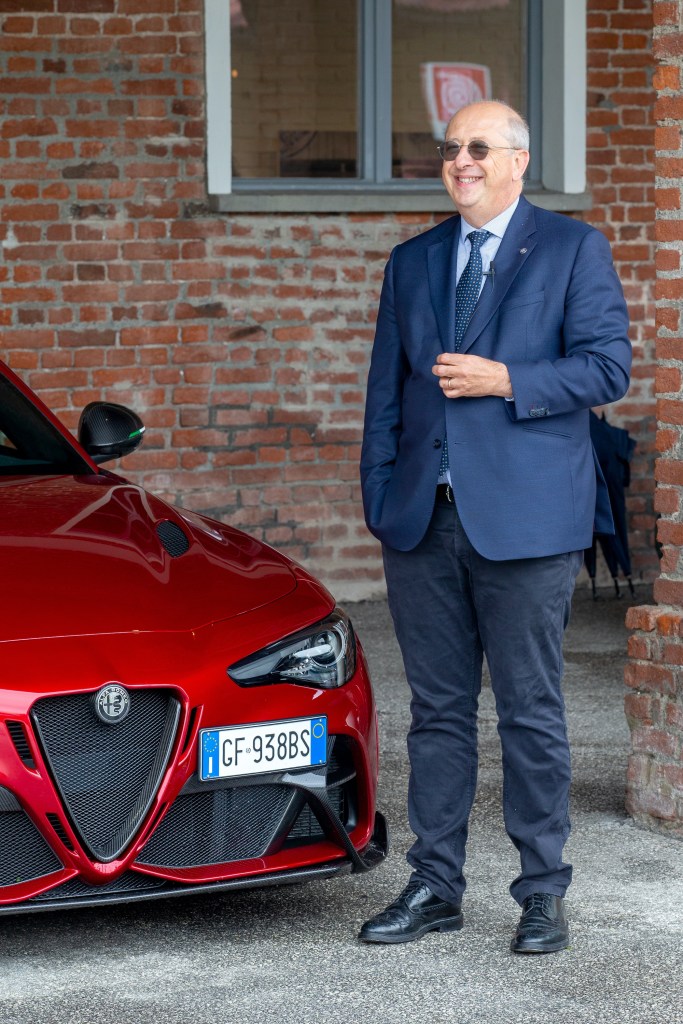
Alfa Romeo CEO Jean-Philippe Imparato seen here above

Quality was on the agenda, and virtually only that.

Having specifically focused on this goal ever since his appointment, new CEO Imparato has taken part in monthly meetings at the Pomigliano and Cassino plants.

And Again at the meeting – with about 60 suppliers in attendance and others linked up by a livestream – he strongly reiterated that quality is a major priority. The goal is excellence.

“To achieve it, Imparato told, the starting point is the selection of materials. Our suppliers, the companions on a journey the destination of which is the brand’s first electrified car, embodying Alfa Romeo’s DNA with the highest quality standards.

Plant manager Alessio Leonardi adressing the audience of suppliers at the plant...

Joining the CEO at the meeting were the Stellantis Chief Customer Experience Officer, Richard Schwartzwald, and the plant manager, Alessio Leonardi.

During the meeting, the project targets were shared with the suppliers, considered fundamental stakeholders in the achievement of the qualitative objectives set.

If you are eager to see, drive and make this car your own, we tell you here that the Tonale will be marketed in Europe from June 2022 onwards… we will keep you posted on the further developments concerning this masterful Alfa, stay tuned on these columns!

Hans Knol ten Bensel

We drove the new Jeep Compass: a true Jeep with a European touch

The Jeep Compass 2021 is now a completely new model, with changes to the features which are close to the hearts of European customers: stylish inside and out, with state-of-the-art technology under the hood, besides being also sustainable and functional.

This is also the first Jeep launched (and developed) by the Stellantis Group, and it is also produced exclusively in Melfi, Italy. This is only logical when you know that in Europe, the Compass accounts for more than 40% of Jeeps sales and today one in four Compass vehicles sold is a plug-in hybrid model.

An important car therefore, with plenty of good reasons to put it here through its paces for you. Just read further…

Hans Knol ten Bensel

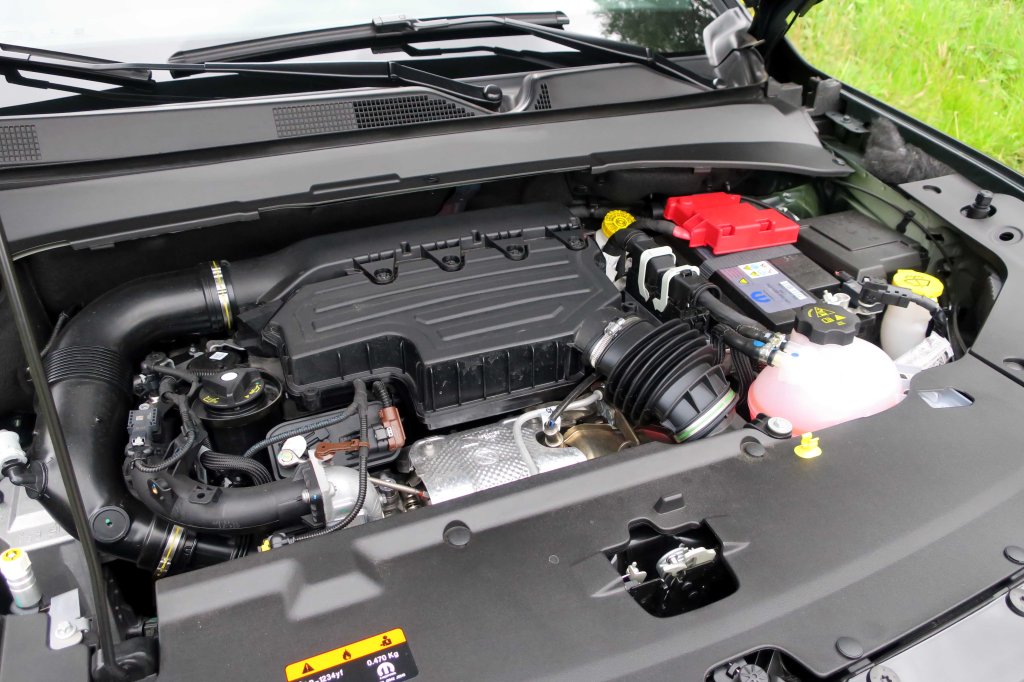
We drove the Compass fitted with the new GSE four-cylinder 1.3-litre turbo petrol engine, and we immediately selected on the configurable digital instrument display the consumption indicator function, to show us permanently average and immediate consumption. More about the results later…

This new engine develops 150 HP in our test car, and is therefore paired to a 7 speed Dual Dry Clutch Transmission (DDCT).

A very smooth engine it is indeed, almost inaudible both at urban and motorway speeds. The gearbox is also ultra smooth, and mates perfectly with the engine. The level of silent sophistication and smoothness a thoroughbred 1,3 litre petrol engine can offer nowadays is truly stunning. Of course the excellent transmission helps here too. The same engine, the 4-cylinder 1.3-litre turbo unit, comes in the Compass models with plug-in hybrid technology with even more power, 190 hp or 240 hp and 270 Nm of torque, coupled then to a six-speed automatic transmission. Last but not least eAWD powers the 4xe versions and completes the New Compass engine range.

Performance

The 150 HP version offers more than adequate performance with a sprint from 0 to 100 km/h in 9,2 seconds and a top speed of 199 km/h. Accelerations in intermediate speeds are excellent, and one hardly needs higher revs to enjoy the pulling power this drivetrain offers. There is also a “sport” mode for dynamic driving, letting the engine rev longer and higher in the gears and making the gearbox more alert to throttle movements.

The manufacturer quotes 5,5 litres as combined consumption, with an urban average of 6,6 litres/100 km. One needs a very prudent foot on the throttle and much anticipation in one’s driving style to achieve this, and the average during our test was 7.2 litres/100 km on the open road, cruising at the legal speed limits on the motorway, with spirited accelerations in between and motorway congestions and slowdowns thrown in too.

In urban driving, a sensitive right foot works wonders, the gearbox settling in at the highest possible gear when cruising at 30 or 50 km/h, with the engine running at 1200 rpm, and immediate consumption hovering around the 4-5 litre mark. Caressing the throttle will keep it there, a more vigorous blip will send it swiftly above 10 litres. An average of 7.8 litres/100 km in urban conditions was however rather easily achievable. The very clever and readable consumption display will soon teach you the consumption difference between a more spirited and a relaxed driving style… CO2 emissions are quoted as 153 g/km in the WLTP cycle.

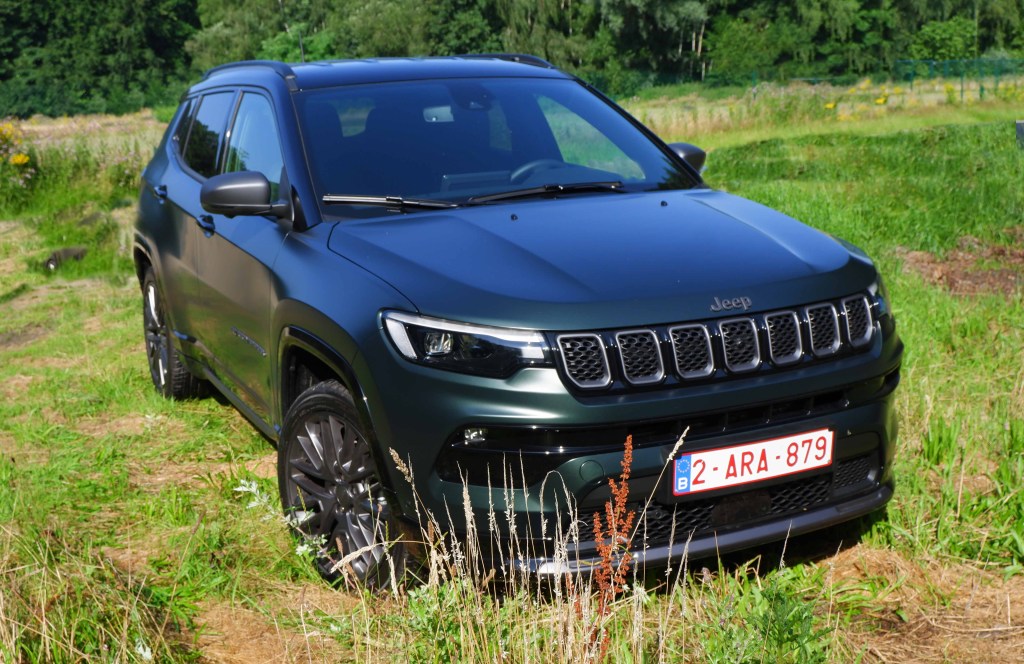
In this drivetrain configuration, the Compass has only front wheel drive, which doesn’t mean however that you cannot steer this Compass on off-road terrain and country roads. For our photo session, where we tried out our Fujifilm X-A5 which we had recently bought used for less than 300 €, we went on open terrain which was still rather wet and soggy from the torrential rains which have devastated many towns and villages in Wallonia, parts of Germany and Holland. It proved no problem at all for our Compass to turn tightly and move from standstill without any loss of adhesion or slippage of the front wheels on the rain-sogged grass.

Connected and practical

The vocation of our Compass is, as Stellantis puts it, to address the wishes and needs of rational, factual people, which are also fascinated by the possibility of getting away from their daily routines: Stellantis calls them “pragmatic dreamers”.

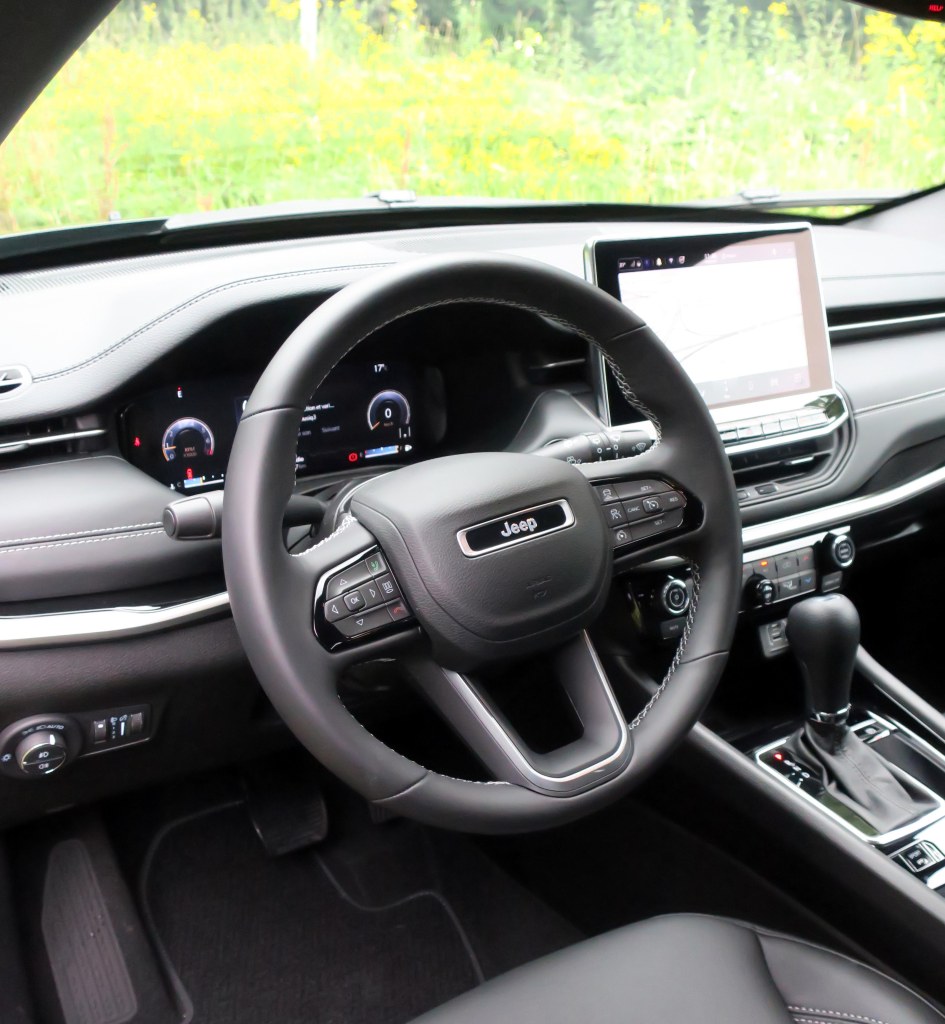
Besides stronger aesthetics, with good capabilities off road as well as on the open road, the new Compass offers features an all-new cabin, designed to improve comfort and life on board, and to make the urban driving experience smarter.

Major highlights include the full-HD digital 10.25-inch instrument cluster, DAB radio, Uconnect 5 system with touchscreens from 8.4-inch to 10.1-inch, moved to the middle of the dashboard in a higher position so the driver can remain focused on the road, a five times faster processor, Android operating system with wireless Apple CarPlay and Android Auto smartphone integration, interactive 3D TomTom navigation and natural voice recognition, and last but not least Uconnect Services.

The interior has also been made even more functional with a new arrangement of the central console and augmented storage compartment space (providing nearly 4.4 litres of additional storage – a three-fold increase versus the 2.8 litres of the previous version, now with a total of 7.2 litres).

Still more safety features…

The New Compass is the first Jeep vehicle in Europe to offer level 2 autonomous driving and is equipped with the latest generation ADAS, as standard across the range. These include: Traffic Sign Recognition, which reads and interprets the road signs; Intelligent Speed Assist, to automatically keep the car within the speed limit advertised; Drowsy Driver Alert, to alert the drivers when their attention falters or if they drop off for a moment; and Automatic Emergency Braking with pedestrian and cyclist recognition, which slows the vehicle down to a complete stop, to avoid (or mitigate) accidents that could occur.

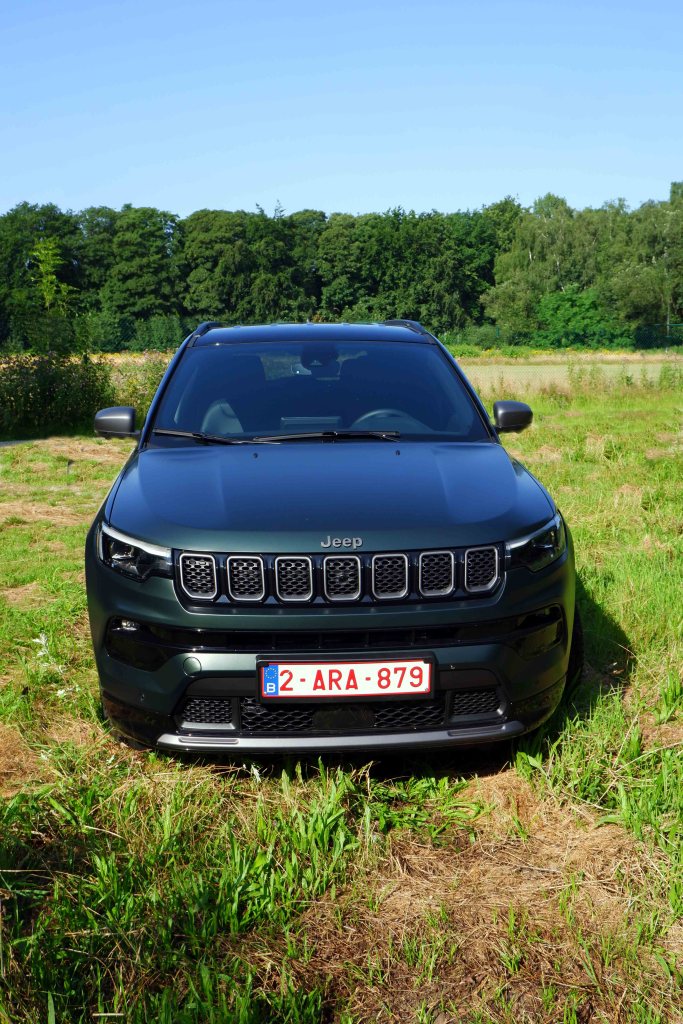
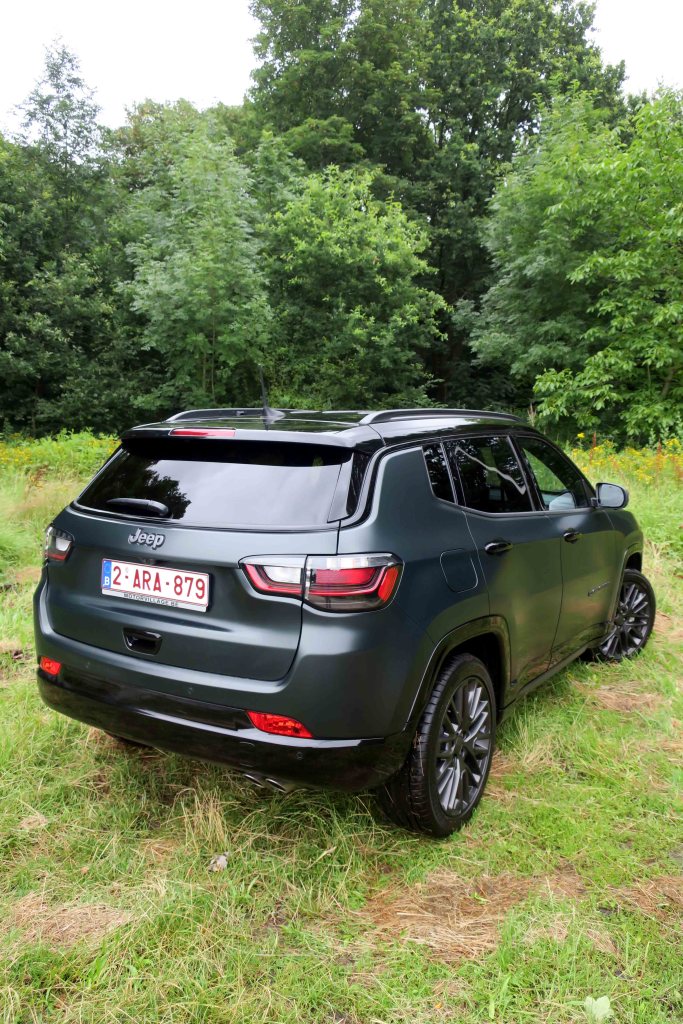
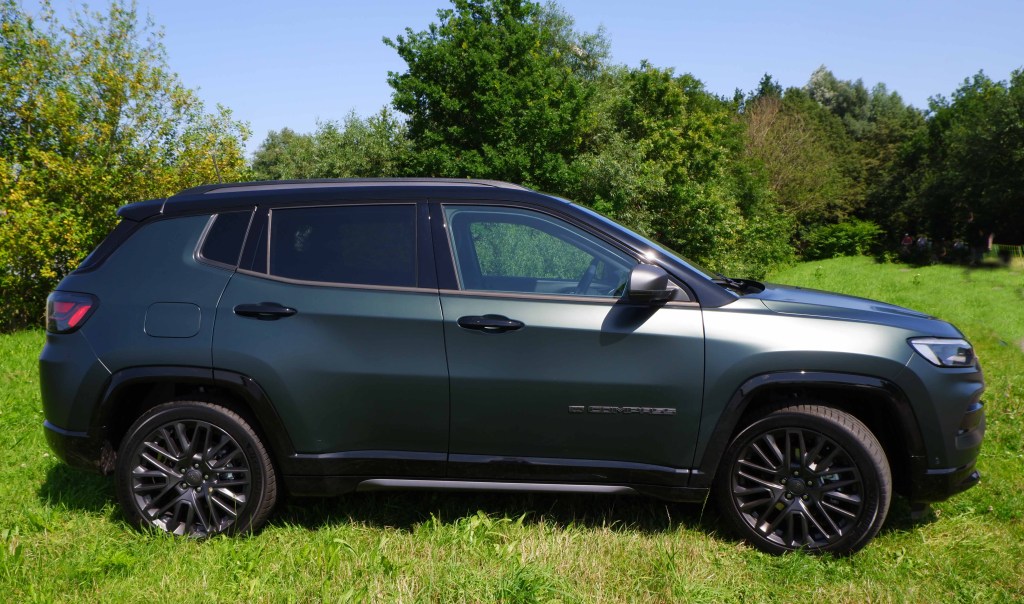
Our test car was sprayed in a beautiful matte green…

But the biggest new feature is the Highway Assist, combining Adaptive Cruise Control and Lane Centering, to automatically adjust the vehicle’s speed and trajectory. The vehicle therefore automatically stays in the middle of the lane, at a sensible distance from the vehicle in front, for a driving experience with total peace of mind.

Comfort…

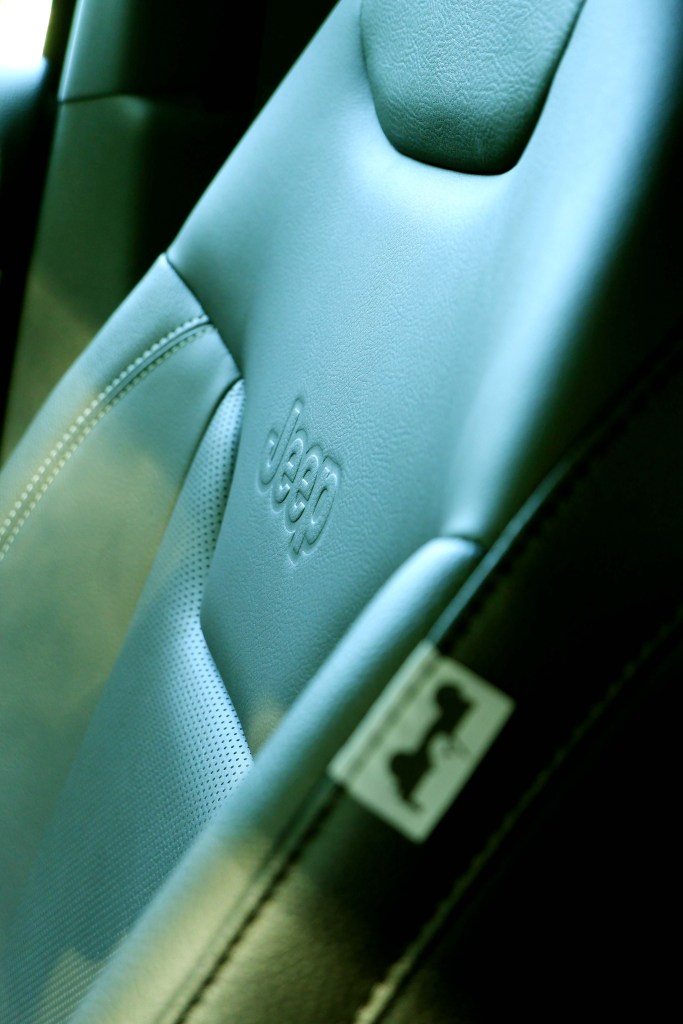
Driving long distances or making short urban errands are a breeze in the new Compass. Seats are well contoured and comfortable, the suspension is overall rather firmish, but irons out potholes and ridges very well. Noise levels are low, with any mechanical noises virtually absent at any speeds.

Conclusion

This new Compass indeed marries very well both worlds: that of urban sophistication as well as the ruggedness and bewildering attraction of the freedom of on- and offroad. The power and refinement of the 150 HP engine coupled to the 7 speed DDCT transmission is convincing, as well as the overall stylishness of body and cabin.

Of course we look forward to testing the 4xe variant, but let you enjoy the photos of this new Compass already here…

Hans Knol ten Bensel

Photographers’ notes:

For the photo’s of this test, we put our recently acquired used but pristine Fujifilm X-A5 through its paces. We just love the velvety sharpness and contrast of the Fujinon lenses, one of the reasons we bought this camera. It also looks very good, and has some Leica aura over it. We studied its manual thoroughly, as it has many clever features… just look at the photos. We will use this camera also extensively in the future…so you will see soon a lot more of what this good looking camera can do.

We drove the Fiat Panda Sport: your agile and stylish City Car…

The stylish Panda in its proper place: before the premises of the Royal Golf Club du Zoute…

If there is a type of car where the know how of car builder Fiat truly excels, then it is the compact city car. Indeed, both the iconic 500 and the endearing Panda are undisputed leaders in the segment A. Deservedly so. This Panda Sport with its 1 litre three cylinder FireFly engine coupled to a Belt Generator Starter motor is a very clever hybrid, which, driven with intelligence, puts down some pretty astonishing consumption figures.

It is also masterfully equipped, comfortable both in city driving as well as on long stretches, being a very entertaining and pleasing all-rounder which we were sorry to part with, and that alone says a lot…

Hans Knol ten Bensel
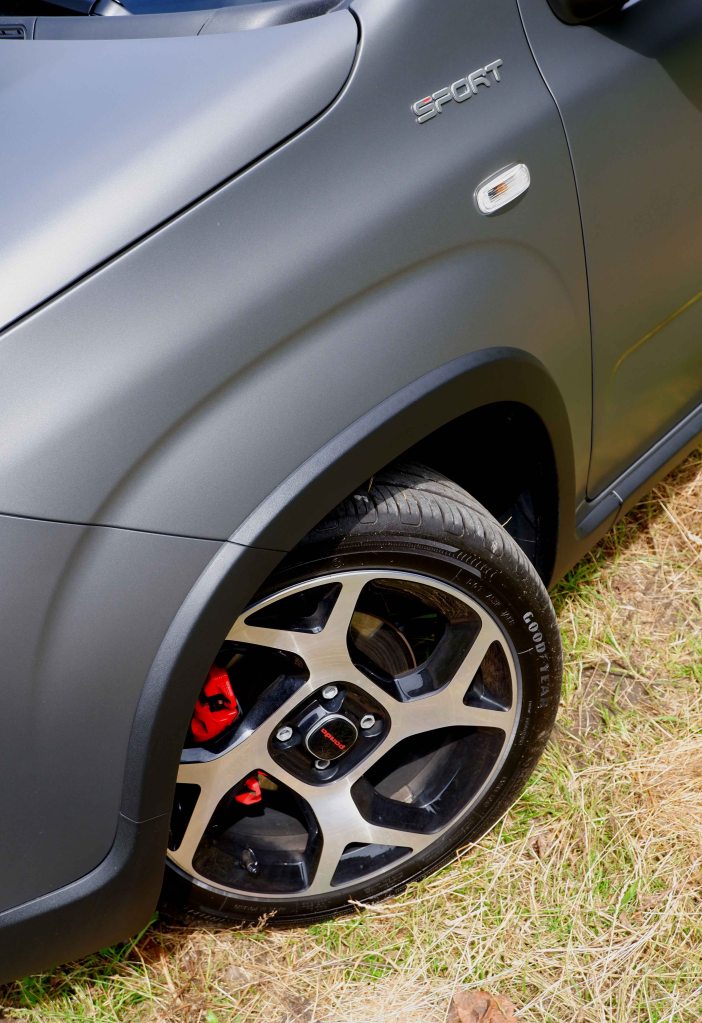
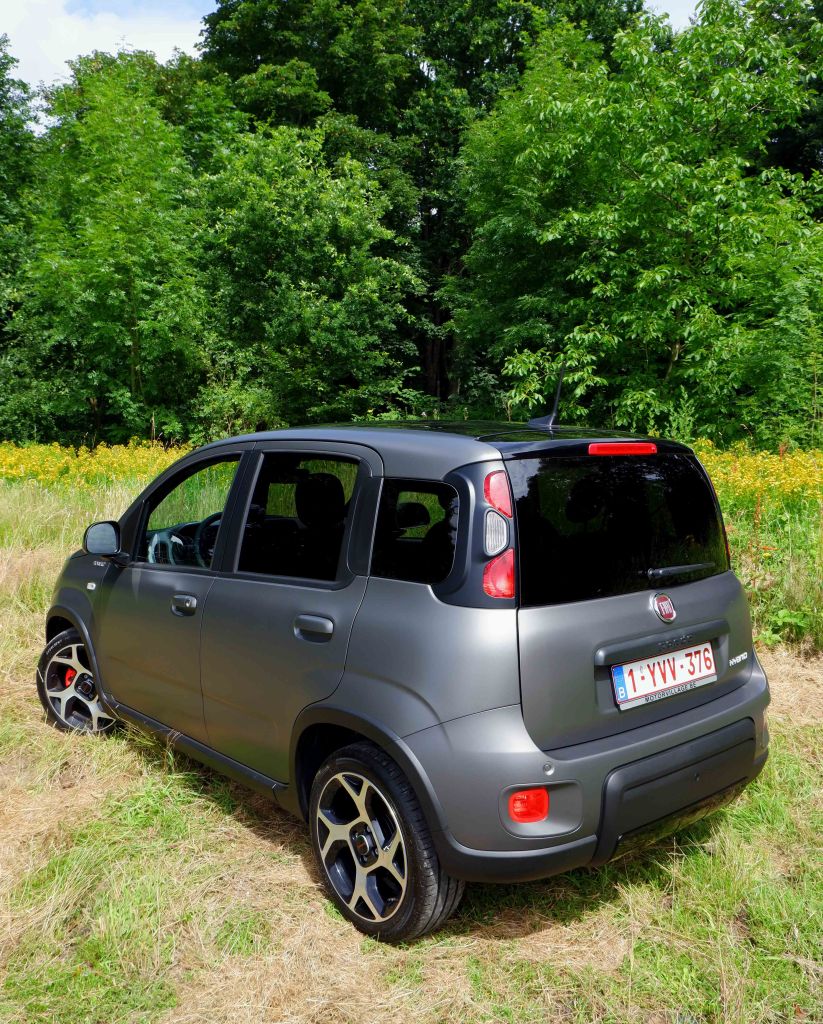
The most interesting part of this good looking Sport version of the in 2020 revamped Panda is its style and equipment. Our test car was sprayed in a very elegant matte grey, actually called unsurprisingly “Matte Grey.“ It is shod with elegant 16 inch “Sport” alloys with black and red accents.

If that was not enough, our test car came with the Pandemonio Pack, an hommage to the 100 HP Panda which saw the light of day in 2006. Red brake calipers, dark tinted rear windows, a technoleather steering wheel with red stitching are the most important hallmarks of this Pack.

In the interior, the stylish approach continues. The dashboard has a titanium finish, the door panels are executed in so-called eco leather, one finds a black roof lining and new grey coloured seats, which are surprisingly comfortable for hours on end.

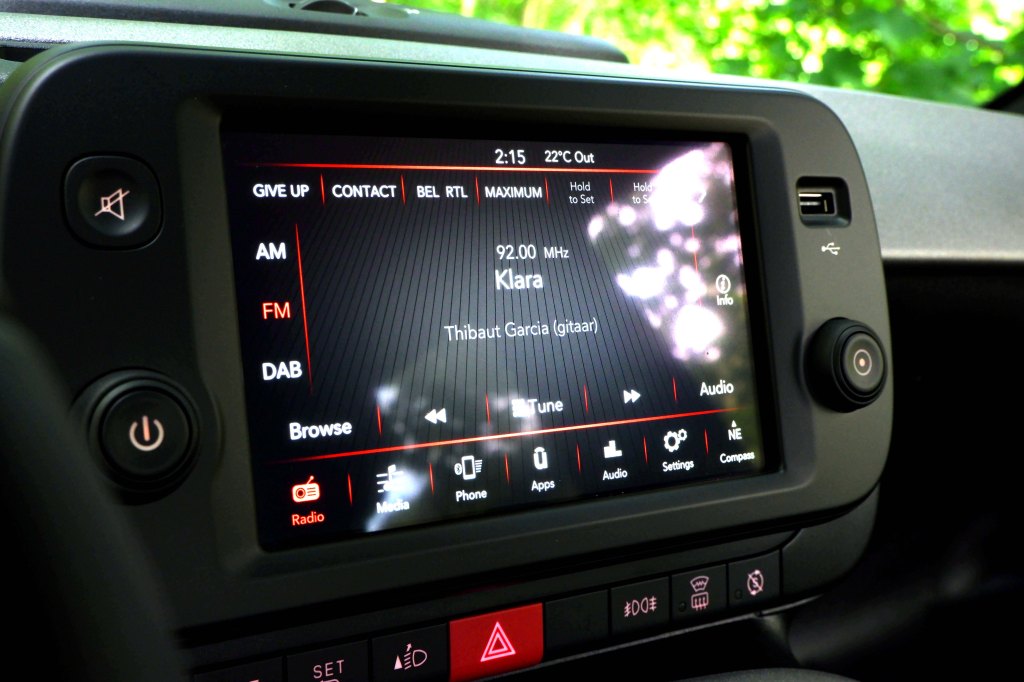
Infotainment is also well cared for. The 7” touchscreen with digital DAB is configured for Apple CarPlay and Android Auto, and you can place your smartphone in a handy slot right behind the touchscreen so the integration is also very practical indeed.

A drivetrain built for intelligent drivers

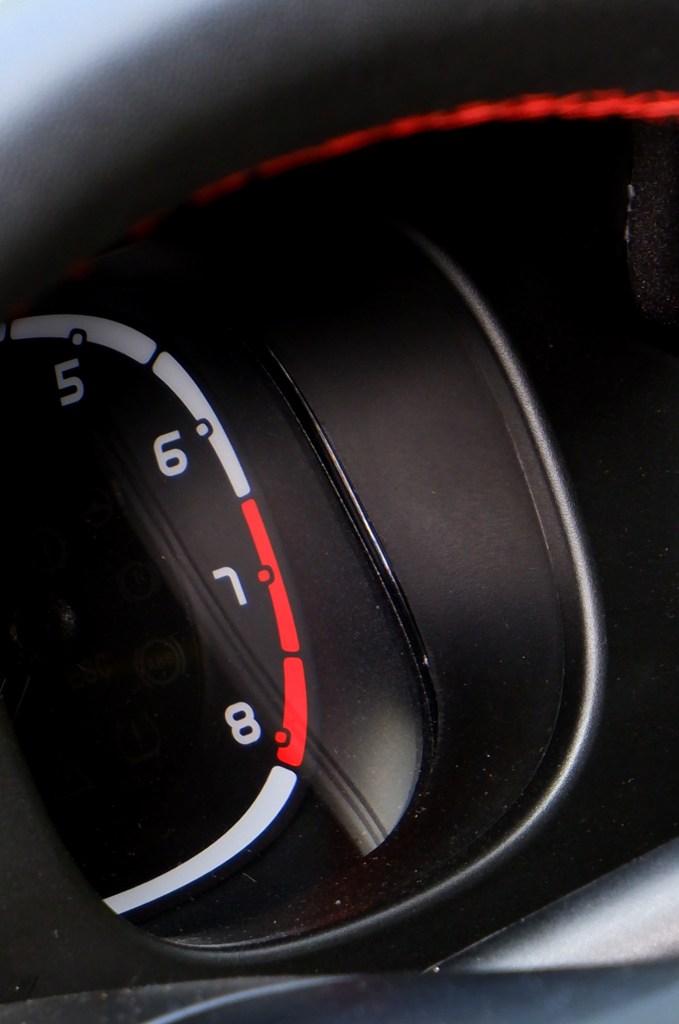
The Panda harbours some very intelligent technology. First of all there is the state-of-the-art 1 litre 7O HP three cylinder engine of the FireFly family, which is vibrationless, flexible and will – if called for – rev with beautiful staccato to its 6500 rpm redline. But this is not how this Panda should be driven of course when you want to achieve those wonderful consumption figures.

The engine works in pair with a BSG electric motor (Belt Integrated Starter Generator), which recuperates the kinetic energy when you lift the throttle or brake, and charges the 11 Ah lithium battery. The motor has a power of 3,7 Kw, and uses the available battery power to restart the engine in the start-stop system and assist the engine when accelerating.

The fact that the engine is assisted when picking up speed allows also the selection of higher gears at slow urban speeds, and that is where the cleverness of the system really comes into play. You can potter along at the legal 30 km/h in third gear, and when you drive on boulevards at a constant speeds of 50 km/h, fifth gear is suggested by the eco assistant. When more pulling power is required, the engine is helped by the electric motor to climb in revs and speed. Soon you learn to estimate correctly the deceleration caused by the generator when lifting the throttle and you recuperate the kinetic energy fully, hardly braking at all. The six speed manual gearbox is also a delight to use.

The instrument cmuster between rev counter and speedometer indicates consumption (averaging still the results of previous testers) and the state of charge of the battery as well as the petrol gauge…

You understand that this results in some astonishing consumption figures. In urban driving, we managed to stay around 5 litres/100 km, in all smoothness and comfort. The manufacturer quotes 5,5 litres/100 km as average consumption. CO2 emissions according to the WLTP cycle are quoted as 121 g/km. As said, 70 HP is developed at 6000 rpm, and when you rev the engine fully in the gears, the sprint from 0 to 100 is absolved in 14,4 seconds. Top speed is a very creditable 164 km/h.

Comfortable and practical

Where else: the Panda at the Place m’as tu vu in Knokke…

The suspension of the Panda is very comfortable indeed, and urban pavés and tram ridges are taken are taken very well. Also on the open road, the Panda remains very comfortable with excellent straight line stability. Roadholding is everything it should be, and you can steer the Panda with confidence through the worst weather and slippery roads.

The four doors prove immensely practical and take the pain out of having a compact car. There is even adequate luggage space, 225 litres of it, and of course the rear seats can be folded back for more room, up to 870 litres.

Conclusion

A very endearing, compact all rounder, which showed during this test all its very good qualities. The hybrid system makes a lot of sense when you approach and use it cleverly, providing also the smoothness and comfort in urban driving, besides chalking up these impressive consumption figures.

The Panda is also surprisingly comfortable, making it also a car fit for long trips on Europe’s motorways. It is also surefooted and stable.

Add the four doors, the adequate head- and legroom as well as boot space, and you understand that the Panda scores very high in the A segment, and will continue to do so for years to come…

Hans Knol ten Bensel
We drove the Subaru Outback: a refined go anywhere companion…

If we have to summarize our driving impressions of the new Subaru Outback after our test, the terms mechanical refinement, capability and space and comfort come first to our mind.

Well honed and refined, the latest version of the Outback certainly is. Technically extensively revamped and rolling on the Subaru Global Platform (SGP) for increased safety, driving performance and ride comfort, is has a super smooth engine and transmission, perfectly geared to glide around town in vibrationless silence, that is what this Subaru offers the urban dweller daily. But he or she can take the Outback elsewhere when nature calls. The legendary Subaru symmetrical AWD sees to that.

The new Outback is also on top of all that also more stylish and its interior has had a thorough makeover. Just read further…

Hans Knol ten Bensel

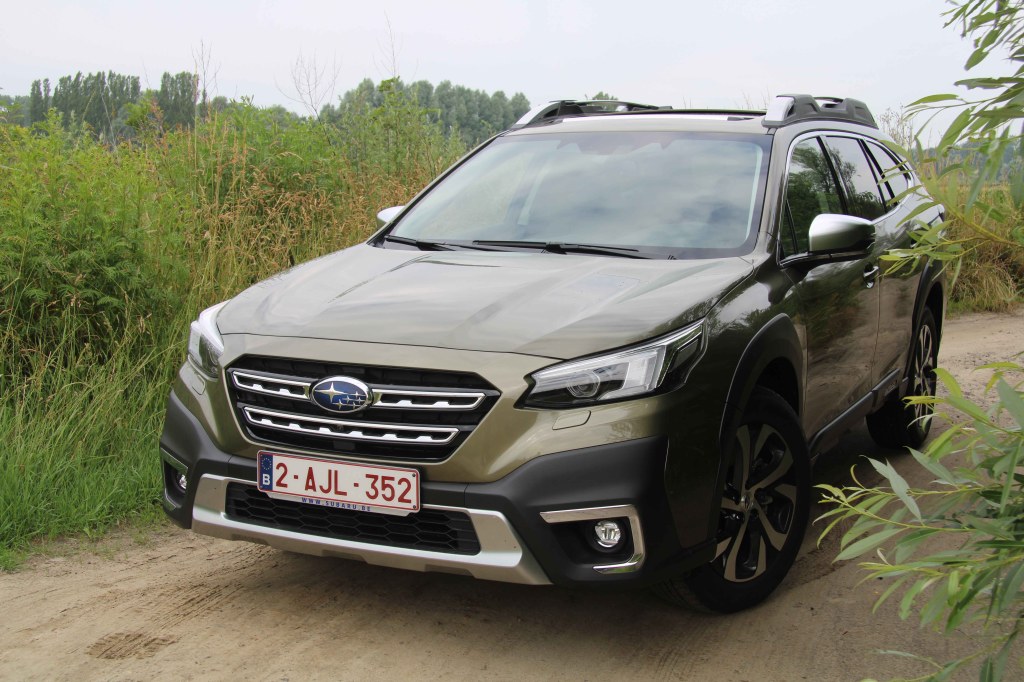
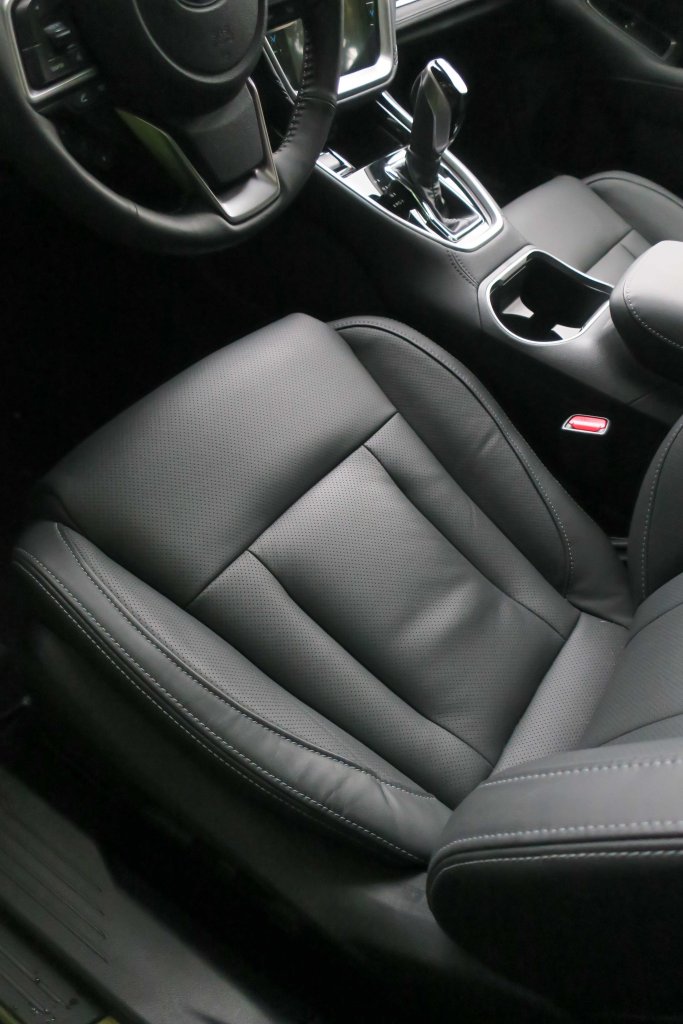
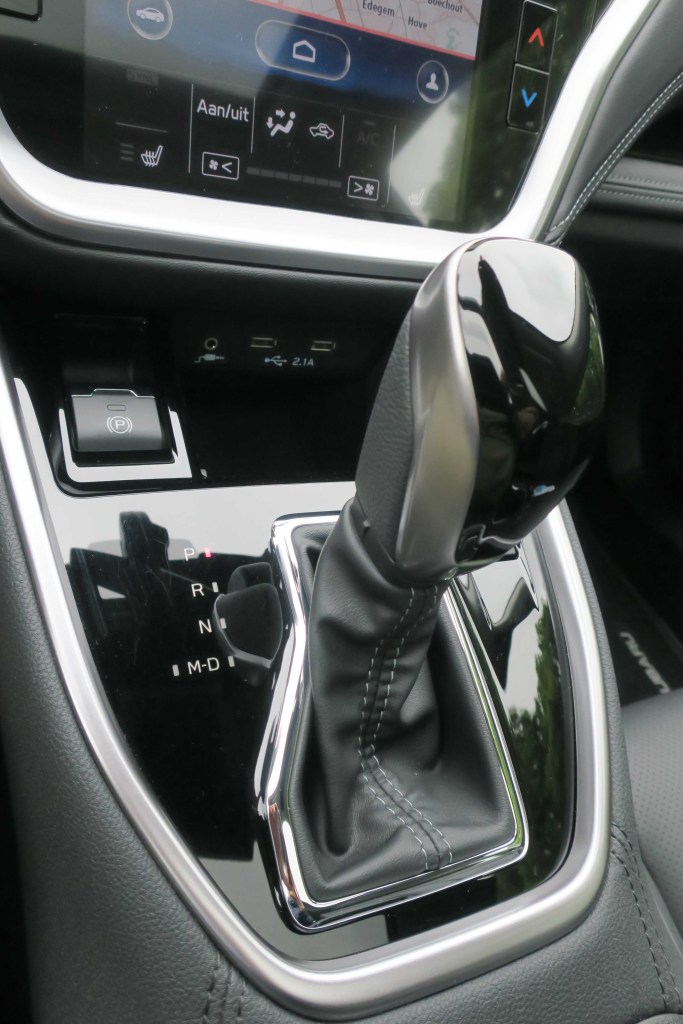
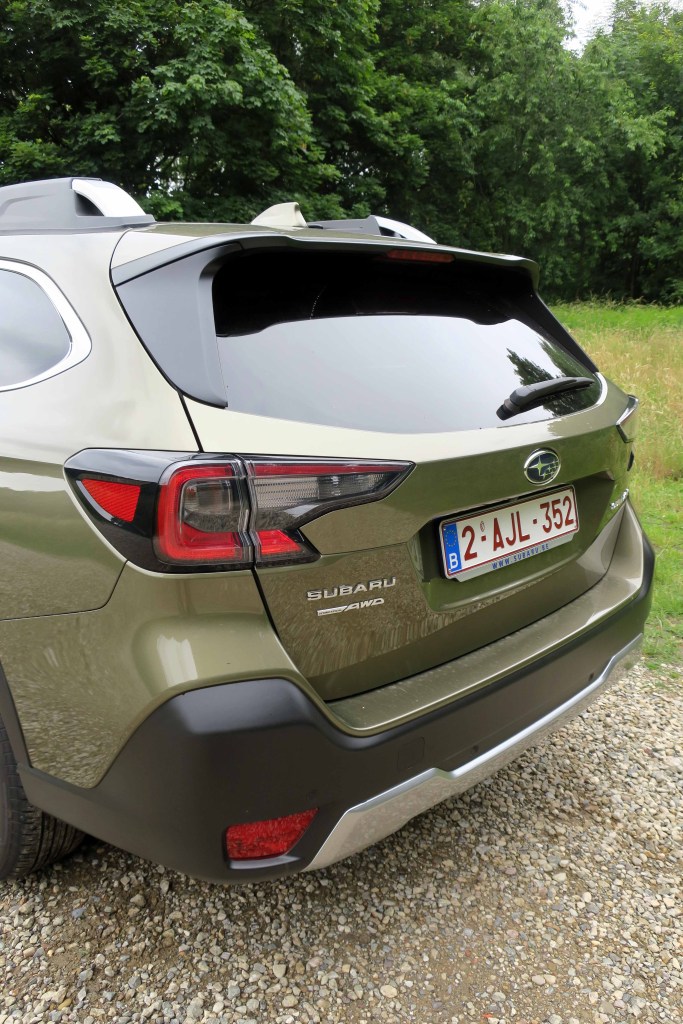
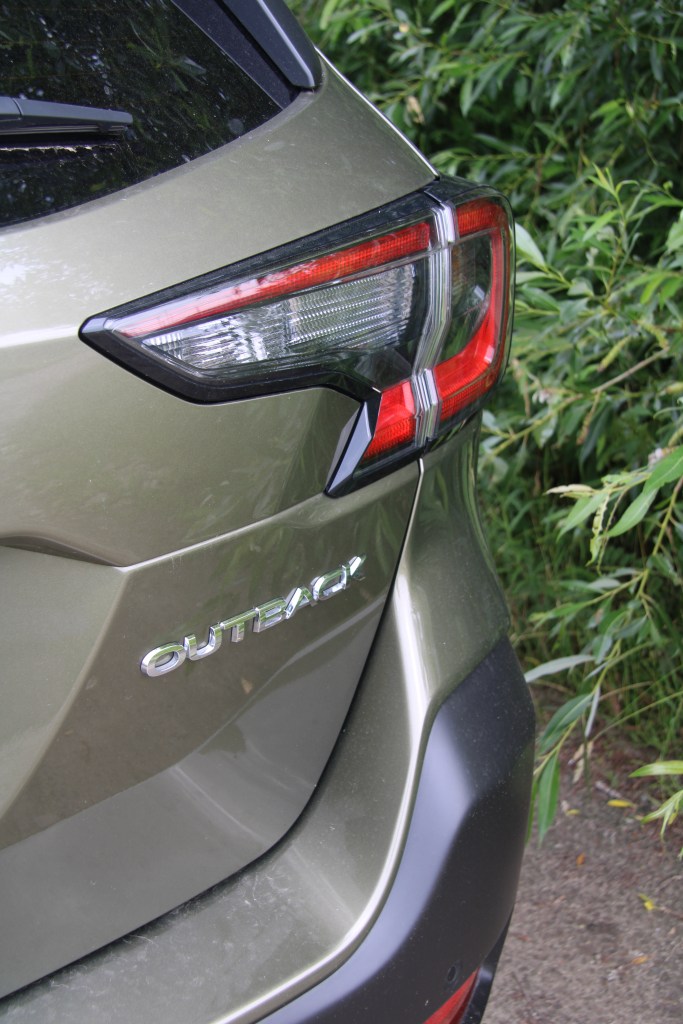
The Subaru Outback has a quite pleasing exterior, with fluent, stretched lines, with an excellent choice of paint colors too, as the photos amply show. When you step in, a posh cabin awaits you, certainly in the premium version we tested here for you. Your eyes are immediately drawn to the large centrally placed touch screen, which is a delight to use, with all the controls well placed and self explaining. Infotainment and connectivity is well cared for, as you will read further.

Seats are supportive and excellent, and soon a good position behind the wheel is found.


Drive train brought to perfection…

Pushing the starting knob one hears the trusted boxer engine coming to life. We said trusted, but it is good to know that the direct-injection 2.5-liter NA horizontally opposed four-cylinder engine, has about 90% of its engine parts redesigned and boasts a higher compression ratio. Idling at 2000 rpm or thereabouts when cold, it soon drops to 1000 rpm when you shift the smooth CVT transmission in D or R. The Lineartronic CVT has been renewed with the gear ratio coverage expanded to a wide range equivalent to 8-AT. The hydraulic system has been revised and the oil viscosity lowered, which reduces horsepower loss by 22% compared to the previous model.  

So the result is that when you then are cautious with the throttle, this Subaru will smoothly pick up speed keeping revs down to just above idling speed, say 1200 rpm or so. The engine is inaudible and perfectly vibration free here, giving the impression one drives on E power. This enables you to drive at the now usual 30 km/h urban speed limit with utmost ease, also with very little fuel coming out if the injection ports. Driving in slow urban traffic in this relaxed manner cost us merely 7,3 to 7,8 liters/100 km, and this is no small feat.


The Subaru engineers did a very good job here, and it amply shows also what a good internal combustion engine coupled to a state of the art transmission can do nowadays. In our opinion, it again proves the point that a good petrol engined car has certainly not said its last word. Indeed, with the presently still abysmal state of the charging infrastructure in our country and also many other European countries too by the way, it is still a very attractive practical proposition indeed.

As said, we can only applaud the Subaru engineers here. Of course, hybrid and plug-in hybrid and full electric solutions will be on the cards in the coming years, as many (mega) cities will be imposing exclusively E-powered mobility in their inner city centers within not even a decade. Subaru wil soon have also a full EV vehicle, named the SOLTERRA.

This excellent economy is of course only reached when you adopt a relaxed and anticipative driving style. Putting the throttle deeper will result in higher revs, more power and more fuel consumed. The 169 HP/124 kW boxer engine guarantees zesty performance: 0 to 100 km/h is reached in 10,2 seconds, top speed is a good 189 km/h.
The manufacturer quotes 7,3 l/100 km as average consumption, with CO2 emissions being 166 g/km. The CVT transmission is very responsive as well as smooth, and will let run the engine in the ideal rev zones under full load, resulting in very brisk accelerations.

Predictable handling, with excellent comfort

The Outback with its symmetrical AWD is your ideal companion on wet and muddy roads, and the suspension is well laid out to cope with potholes and rough country roads. This means that well ridden urban pavés are also very well negotiated, and the Subaru is under every road condition a very comfortable car indeed. The Outback does not necessarily invite you to throw it around corners, but this said it responds well to spirited driving, and its handling is precise and predictable.

The standard S-AWD provides all-weather capability paired with a standard active torque vectoring for improved handling and cornering performance.

We mention here too that the Subaru is an excellent towing car, up to two Tonnes (!). It can then also throw in its excellent traction capacity, and is the preferred mount for horse owners who want to ferry their horses off and on the grounds at jumping events and the like.


When going off road or when negotiating slippery surfaces, the Outback driver has life made quite easy with a new X-Mode with dual functions of “snow/dirt” mode and “Snow/mud” mode for additional off-road capability.

It offers good road clearance for a wider range of activities, with an increased ground clearance of now 213mm, and an approach of 19.7° and of 22.6° departure angles (JIS) and ramp break over angle of 21.0°.

The new SGP platform brings significant enhancement to the body and chassis rigidity (front lateral flexural rigidity +90%, torsional rigidity +70%, front suspension rigidity +70%, rear sub frame rigidity +100%).

A rear view camera washer has been added so that the camera lens is always clear of dirt, mud and grime…

Practical


The Outback is a roomy station wagon, seating five with comfort. Luggage space is of course also leaving nothing to be desired. The cargo space opening width has been enlarged by almost 30mm, the space floor length is longer by 23.9mm, and the cargo capacity is increased with 10L, of now 522L (with the seats up). The Outback also offers standard roof rails with integrated and retractable cross bars, now enhanced with tie-down holes so ropes can be tied directly on the roof rails.

There is also plenty of stowage room in the door bins for large bottles and sundry. There are also several USB points, up to even 2,1 Amp charging power.

Safety first…

Indeed, safety is written very big at Subaru. We all now have become very familiar with Subaru’s safety vision, i.e. featuring the next generation EyeSight Driver Assist Technology, Subaru’s stereo camera prevention collision system, now with an expanded angle of view, nearly doubled, and new image recognition software, available with 11 safety functions, among which new ones were added:

Advanced Adaptive Cruise Control with Lane Centering Function, Emergency Lane Keep Assist, Speed Sign Recognition with Intelligent Speed Limiter, Lane Departure Warning with steering wheel vibration, Lane Departure Prevention, recognizing also dividing line like grass or road edge and Pre-Collision Braking System with expanded support for collision avoidance at intersections.


The Subaru tells you also for instance to keep your eyes on the road as it is able to notice that you are looking sideways for a moment.
It also reminds you to take a look in the back seat just in case you would forget your (sleeping) toddler there…

Conclusion


This Subaru certainly merits your attention. It is refined, roomy, comfortable, at home on and off the beaten track, a reliable companion for work and pleasure, taking the whole family or your friends wherever they want to go.

Hans Knol ten Bensel

We drove the Jaguar E-Pace R-Dynamic P 300e

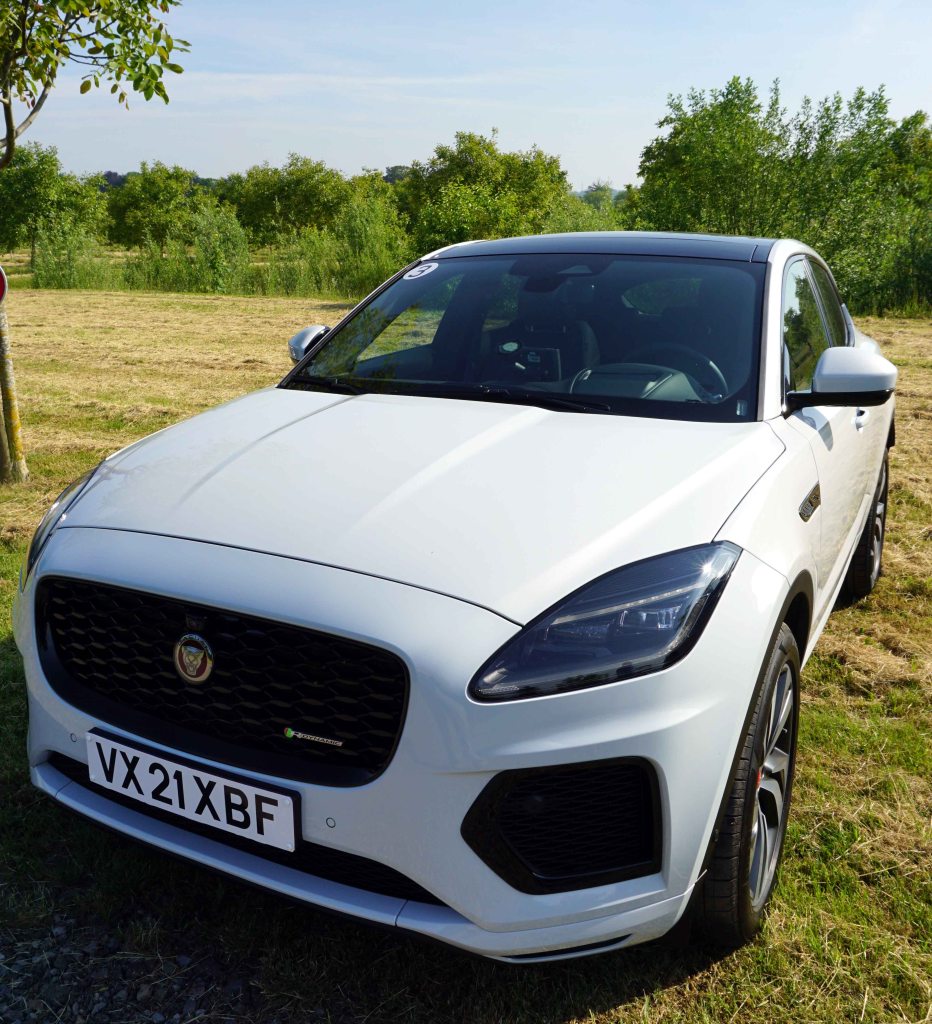
On the Jaguar Media Drive Day we sampled driving impressions of the exhilarating E-PACE…

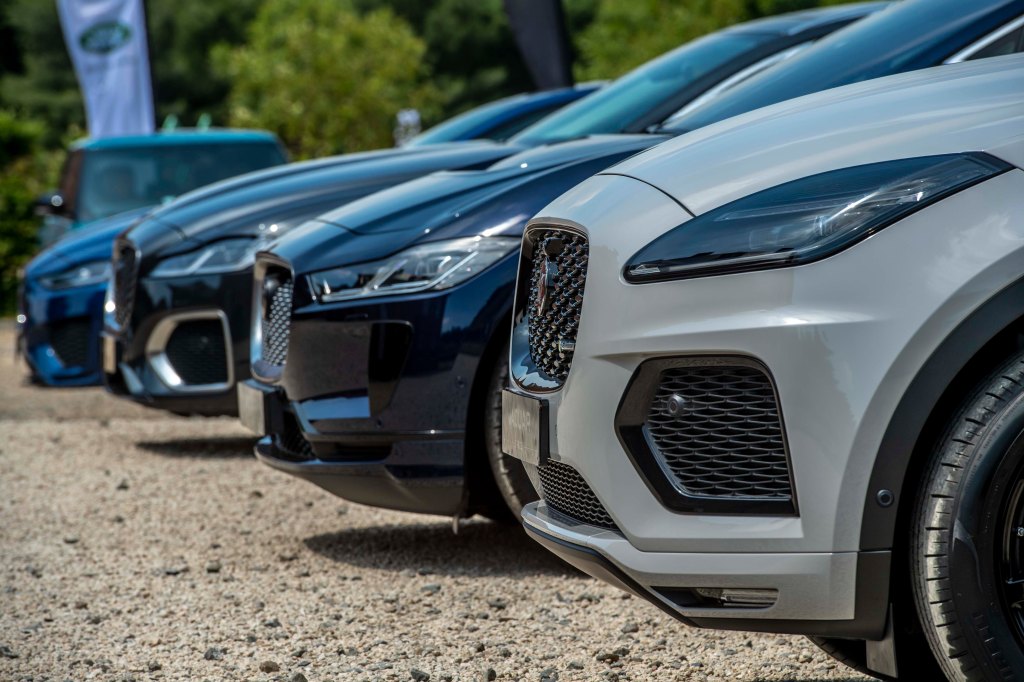
We told you earlier on our pages that we put the entire Jaguar Range (literally) through its paces, and it proved to be a unique experience indeed. (To read it, just click the link https://autoprova.be/2021/06/15/we-put-the-whole-range-of-jaguars-and-land-range-rovers-through-their-paces/)

We start our overview of the more detailed driving impressions with – in our opinion at least – one of the most interesting cars of the range: the E-Pace, here in the most dynamic version. We find this Jag good looking, of ideal dimensions, and of course wonderfully dynamic. Just read further…

Hans Knol ten Bensel

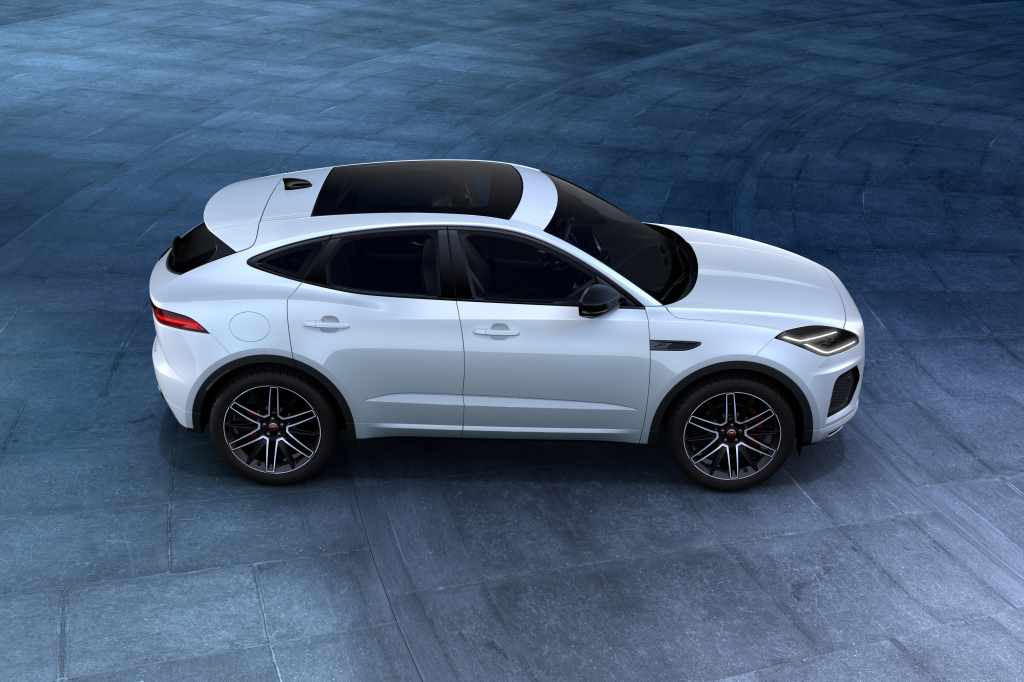
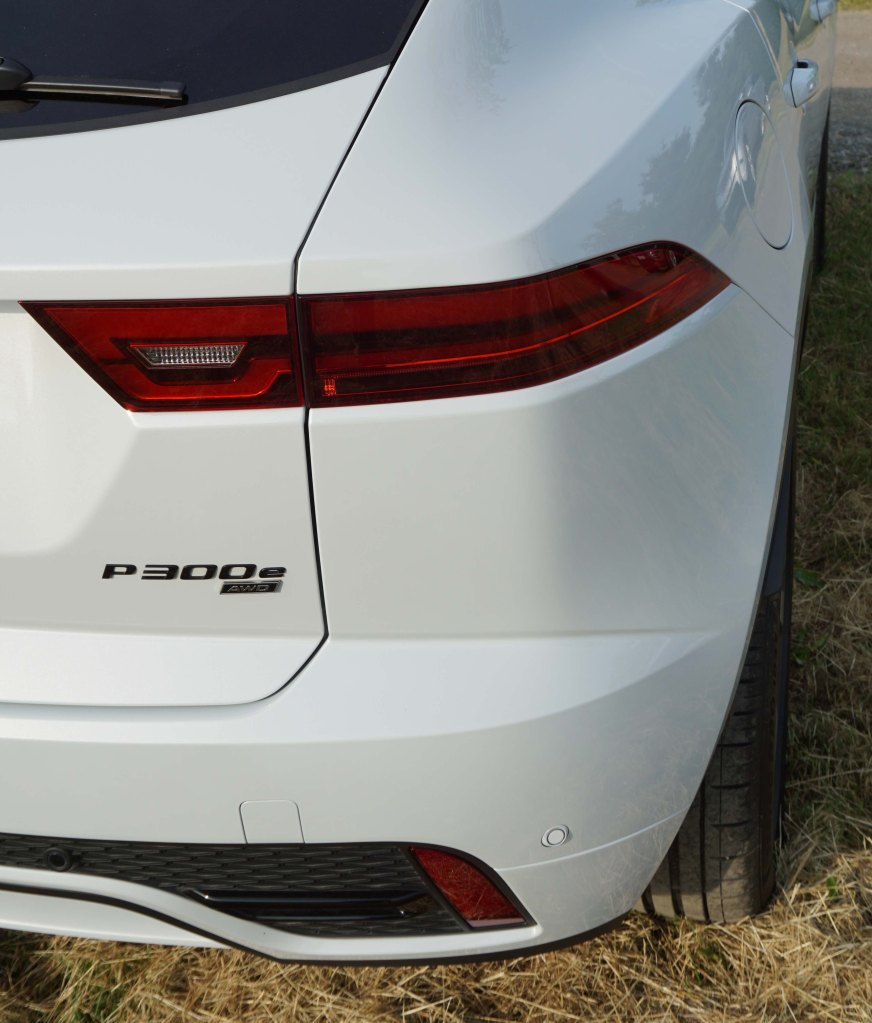
Our (UK registered) test car came with the so-called “Black Pack”, with unique black mirror caps, panoramic roof, privacy glass and red brake calipers, which complement Satin Grey 19-inch alloy wheels. There is Gloss Black detailing to the front bumper and lower grille surround, main grille surround and grille tips. The side window surround and side vent – complete with the Jaguar leaper – also feature a Gloss Black finish, along with the Jaguar script and rear badging. The R-Dynamic Black is available with all E-PACE exterior colours, including new Ostuni White. Our test car came with the latter colour.

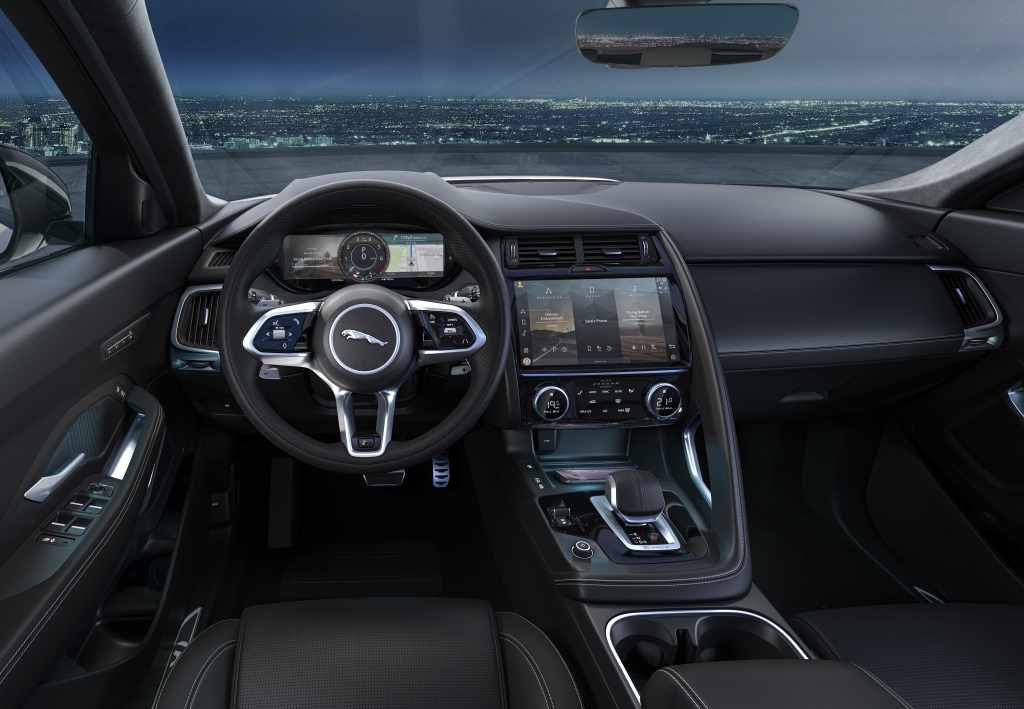
Also the interior is up to date with the curved 11.4-inch HD touchscreen integrated into the central instrument panel.

The large touchscreen operates the intuitive Pivi Pro infotainment system, which provides greater clarity and allows the driver to carry out 90 per cent of common tasks within two taps from the home screen thanks to its simplified menu structure.

But besides the good looks, there is of course state-of-art technology awaiting you.

Jaguar Land Rover’s Premium Transverse Architecture (PTA) ensures the E-PACE has the latest electrified powertrain technologies, as well as delivering improved ride comfort with the performance and handling agility Jaguar customers expect. Indeed, the handling and agility of the E-PACE is nothing short of superb, as we found out on the winding roads near Namur.

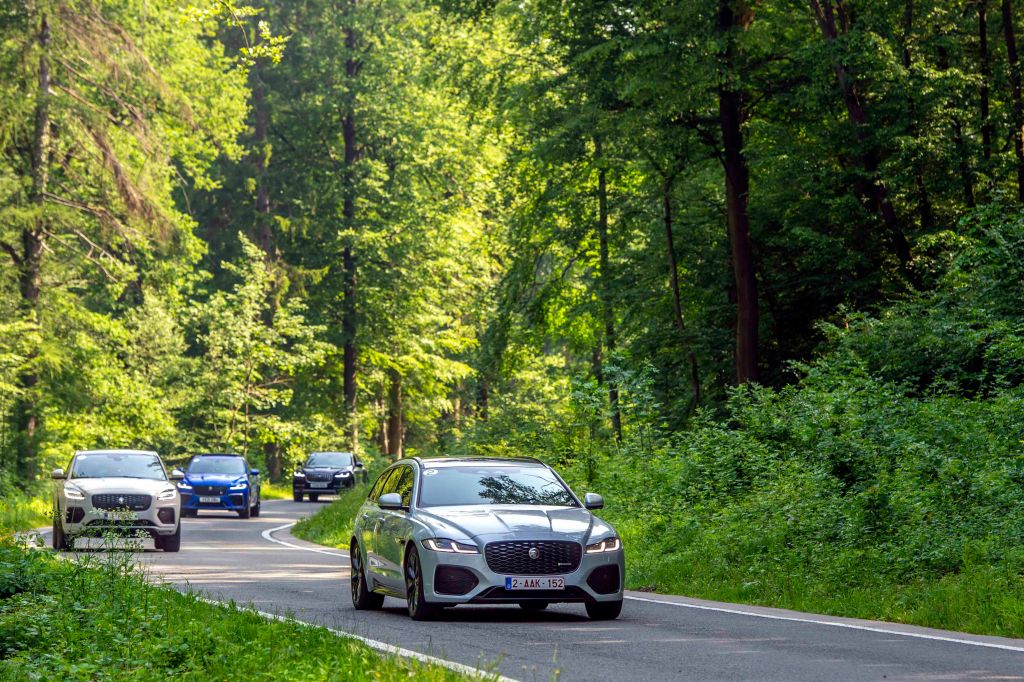
We drove the whole Jaguar Range on the scenic winding roads near Namur….on June 15, 2021 Press Day JLR Belgium

New engine mounts contribute to enhanced throttle response, while the suspension layout ensuring indeed a comfortable ride.

The Jaguar E-PACE is available with an efficient three-cylinder P300e PHEV powertrain, plus the most advanced four-cylinder petrol and diesel Ingenium engines, utilising MHEV technology to deliver enhanced performance, refinement and efficiency.

The current engine line-up includes:

Diesel

·163PS 2.0-litre four-cylinder turbo, six-speed manual, FWD

·163PS MHEV 2.0-litre four-cylinder turbo, nine-speed automatic, AWD

·204PS MHEV 2.0-litre four-cylinder turbo, nine-speed automatic, AWD

Petrol

·160PS MHEV 1.5-litre three-cylinder turbo, eight-speed automatic, FWD

·200PS MHEV 2.0-litre four-cylinder turbo, nine-speed automatic, AWD

·249PS MHEV 2.0-litre four-cylinder turbo, nine-speed automatic, AWD

·300PS MHEV 2.0-litre four-cylinder turbo, nine-speed automatic, AWD

·309PS PHEV 1.5-litre three-cylinder turbo, eight-speed automatic, AWD

The P300e PHEV powertrain of our test car combines a 200PS 1.5-litre three-cylinder Ingenium petrol engine and a 109PS (80kW) Electric Rear Axle Drive (ERAD) motor to deliver 0-60mph in 6.1 seconds (0-100km/h in 6.5 seconds) with CO2 emissions from 44g/km and fuel efficiency of up to 143.1mpg (2.0l/100km) (WLTP TEH combined).

We were indeed utterly impressed by the liveliness of this E-Pace.

The  P300e powertrain operates in one of three modes: Hybrid, EV or Save:

·HYBRID mode uses both the petrol engine and the electric motor in the most responsive and efficient way, intelligently switching between pure EV driving and using the petrol engine

·EV mode provides zero-emissions driving for up to 34 miles (55km)

·SAVE mode enables the driver to recover up to 85 per cent of battery charge, which can be deployed later in a journey, for example in urban areas.  

Enhanced connectivity

The latest E-PACE comes with even greater technology and connectivity options, with wireless Apple CarPlay® becoming available soon as standard*. Wireless Android Auto™ will also become available as standard at the same time,* with both available via a SOTA update for all Pivi and Pivi Pro equipped E-PACE models – seamlessly replicating the customer’s smartphone display on the central touchscreen and giving drivers multiple methods of controlling infotainment and phone functions. The E-PACE is also available with wireless device charging.

The Jaguar Range was neatly lined up on the Media Drive JLR Belgium

Jaguar’s advanced Pivi Pro infotainment system has a range of embedded apps, fast start-up from its own dedicated power source and dual-SIM technology so you can stream media and download updates simultaneously.

Pivi Pro technology is complemented by the 12.3-inch HD Interactive Driver Display that features enhanced graphics, a fully configurable layout with digital dials, media information, phone functions or full-screen mapping for the navigation system. With the optional Head-Up Display, the E-PACE’s interior technology ensures the driver is provided with numerous ways of configuring the set-up in the most convenient way possible.

Pure cabin ambiance…

The Cabin Air Purification system improves interior air quality through Nanoe technology.  The advanced system features PM2.5 filtration, which captures ultra-fine particles – including PM2.5 particulates – to improve occupant health and well being and is activated by pressing the ‘Purify’ button within the central touchscreen.

The latest enhancements ensure Auto High Beam Assist is fitted as standard on E-PACE S models, previously standard on SE and HSE derivatives, while the seating options have been simplified, ensuring customers can specify the perfect E-PACE with ease. High-quality Meridian Audio Sound is now standard from SE specification and memory functions for the door mirrors and seats are now standard on S models.

The E-PACE we drove on the sunny roads near Namur on the Media Drive JLR Belgium…

All R-Dynamic models feature Configurable Dynamics as standard, allowing drivers to hone detailed aspects of the E-PACE’s driving dynamics, including throttle and gearbox responses, as well as steering settings and suspension (where Adaptive Dynamics is specified) to tailor the driving characteristics to suit individual driver preferences. We just loved it!

More driving impressions of the Jaguar range to follow soon…

Hans Knol ten Bensel