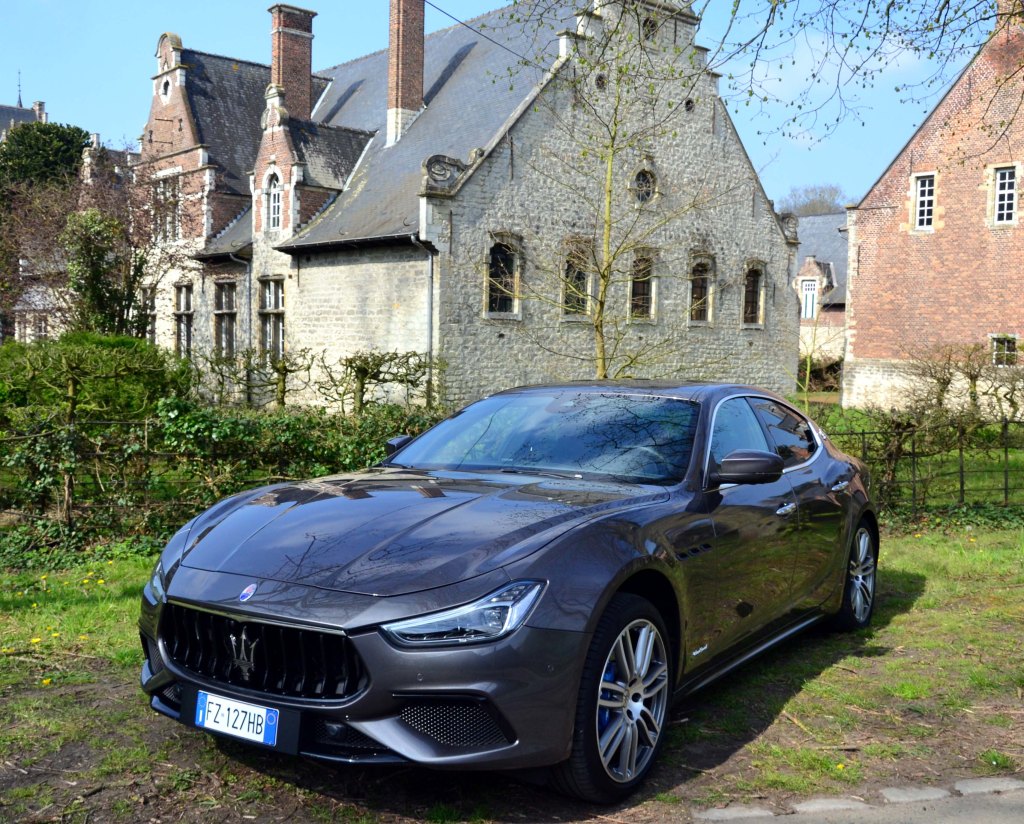
We drove the Maserati Ghibli Hybrid: an electrifying thoroughbred…

When a “pur-sang” four door Gran Turismo car gets electrified to carry it into our “green” age, one has to do this cleverly. For Maserati engineers, the challenge was to retain the character, performance and panache of the brand. This meant retaining a sporting typical sound and presence of a combustion engine, “la macchina” so to say, in every driving situation. Typical for every Maserati built so far.  This also meant at least maintaining the present performance and handling levels, all this combined with of course a marked difference in consumption and CO2 emissions.

As the Ghibli marks the brand’s first entry into electrification, it was very important to get it right.

Well, after this test we can say, the about 100 engineers and developers involved in the Ghibli Hybrid project, did a marvelous job. Just read further.

Hans Knol ten Bensel

Choosing the right engine…

From the beginning it was clear the efficiency of a smaller volume four cylinder engine was called for. Within FCA, a true gem was waiting in the Alfa Romeo stable: a two litre four cylinder petrol engine, with a state-of-the art cylinder head and excellent thermal efficiency. But for the Ghibli, more power was needed, as the present performance level had to be retained. This meant a maximum power of 330 HP.

The internal mechanical components of the two litre 4 cylinder Alfa engine derived from FCA have been completely reworked by the Maserati Innovation Lab in Modena, to achieve greater torque and enable the turbocharger and e-booster to deliver the required extra power. The engine’s electronic control system is also totally different, with a switch to a Bosch new-generation ECU. Practically, all that remains of the original engine are the dimensions and part of the cylinder head: this four cylinder has been transformed into a true Maserati engine. The engine is built by the way at the big powertrain & engine production plant at Termoli. This plant builds various engines and drivetrains for the brands of the (now merged) FCA group.

…and coupling it to the ideal hybrid drivetrain.

Keeping the weight down to achieve equal or even better performance, whilst retaining an ideal weight distribution to preserve the excellent handling, excluded a solution using a large battery and a separate electric motor.  

Preserving the kinetic energy of this dynamic Maserati was the key focus. We point out here that the Ghibli Hybrid is built around a modified version of the chassis and bodywork of the Ghibli V6.

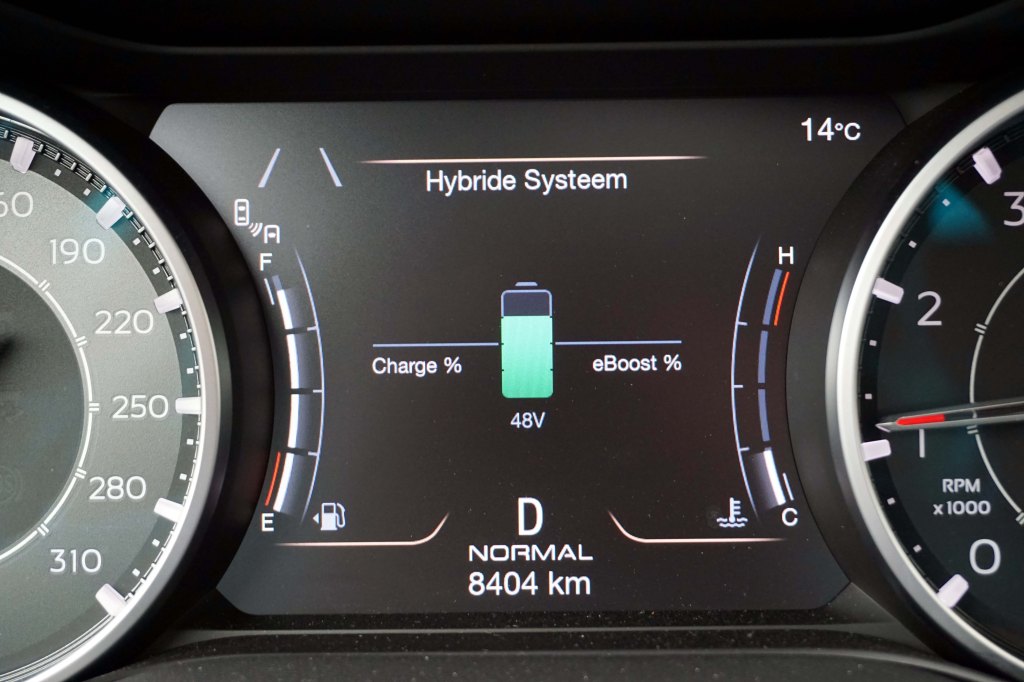
So Maserati opted for a 48 volt hybrid system, which has four parts: the BSG (Belt Starter Generator), the battery, eBooster and a DC/DC converter. The BSG does the job of an alternator, recovers energy during braking/deceleration and charges the battery in the boot, which in turn powers the engine’s eBooster. The reason for installing an eBooster on the car is to back up the conventional turbocharger, working in tandem with it, to sustain the engine’s power output at low rpm. The hybrid system’s operating strategy ensures that the eBooster is always available, with current delivered via battery or BSG, whenever it is needed.

The result is an immensely tractable power unit, with torque delivery equal to the previous V6 Diesel, and guaranteeing brilliant acceleration performance. What to say of an acceleration from 0 to 100 km in merely 5,7 seconds, with the Ghibli Hybrid hurting smoothly further to a top speed of 255 km/h?

Smooth 8 speed transmission…

And of course, all this performance is delivered smoothly and effortlessly. Not least thanks to the excellent ZF transmission. Like the other Ghibli versions, the Hybrid is equipped with the same eight-speed ZF automatic transmission, which is used on the Quattroporte and Levante models. This unit is a true gem. It caters for all demands, from comfort to fast gear shifting, and from minimized fuel consumption to low noise, vibration and harshness (NVH). The car also recognizes a variety of conditions, such as uphill or downhill driving, hard braking or driving through a corner, and selects the optimal gear and the most suitable gearshift style accordingly.

In Manual Normal mode the system automatically shifts up as the red line approaches, while in Manual Sport, gearshifts are quicker and sharper and the engine can be pushed to the red line without the system intervening.

The true Maserati sound retained…

Here the Maserati engineers performed some miraculous work. Even on small throttle openings at urban crawling speeds, the unit has the hum of a multicylinder thoroughbred. Indeed, this Ghibli Hybrid still has the distinctive growl of every Trident model, and all this is achieved without resorting to amplifiers, by just tweaking the fluid dynamics of the exhausts and adopting resonators, tuned to deliver the typical roar.

Driving is believing…

Indeed, driving this Ghibli Hybrid is an exquisite experience. Ultrasmooth at slow speeds, reacting with thoroughbred staccato when you put your foot down. This Hybrid has retained the agility and responsiveness of a true Maserati. As it recuperates kinetic energy, an anticipative (urban) driving style will greatly reward you with good economy. It was no trouble to stay well below the 10 litre/100 km mark in dense city traffic, cruising at constant legal speeds on the open road will get consumption down to around 8 litres/100 km. The high gearing and the thermal efficiency of the engine see to that, along with the good aerodynamic qualities of the body of course. Typically at 120 km/h, the engine turns over at 1500 rpm. By the way, the manufacturer quotes for the WLTP combined cycle (l/100 km) 8.1 – 9.4, for the WLTP combined cycle (g/km) 183 – 213.

But using the exhilarating performance is an undisturbed pleasure. Our test car was executed in the GranSport trim. (The Ghibli Hybrid is available in both GranLusso and GranSport trims) and this meant that our car came standard with the Skyhook suspension system, where all four dampers can be electronically controlled independently of each other.

The default mode of the Skyhook suspension system prioritizes comfort, and is more sporty if the driver presses the suspension button. This extra damping stiffness, which was developed in both extreme test scenarios and on the racetrack, pushes the Ghibli’s handling characteristics to even higher levels. Essentially, the Skyhook system drastically reduces both longitudinal and lateral load transfers and minimizes body roll to bring out the sportiest side of the car’s character. The computer system in control of the Skyhook dampers monitors a vast array of parameters, including speed, lateral and longitudinal acceleration, individual wheel movements, body movement and damper dynamics. Adjusting to suit the suspension mode selected by the driver, the system delivers the perfect damping mode for each wheel almost instantly. We can tell you, it has to be experienced to be believed…

The well-balanced handling of this Ghibli is of course mainly due to its weight distribution and the general layout of its suspension. The battery in the back actually improves the weight distribution, whilst the double-wishbone suspension layouts are a race-bred tradition at Maserati. The Ghibli continues with this heritage but also incorporates some new technologies, featuring high-mounted all-aluminium double wishbones at the front to guarantee light and precise handling characteristics. The system’s geometry has delivered a quadrilateral architecture, which has enabled Maserati’s handling team to deliver a precise, communicative and comfortable steering feel.

The rear suspension employs a five-bar multi-link system with four aluminium suspension arms, and ensures exceptional ride comfort on the one hand and sports performance on the other. The Ghibli’s suspension package is based around a fixed-rate damping system to control the movement of its steel springs and anti-roll bars.

Superb stopping power…

Dual Cast technology, pioneered by Maserati, combines the strength of cast iron with the lightness of aluminium to reduce unsprung mass and, therefore, increase handling prowess. These brakes have a large swept area, highly efficient cooling and are designed for consistent performance in sports driving situations.

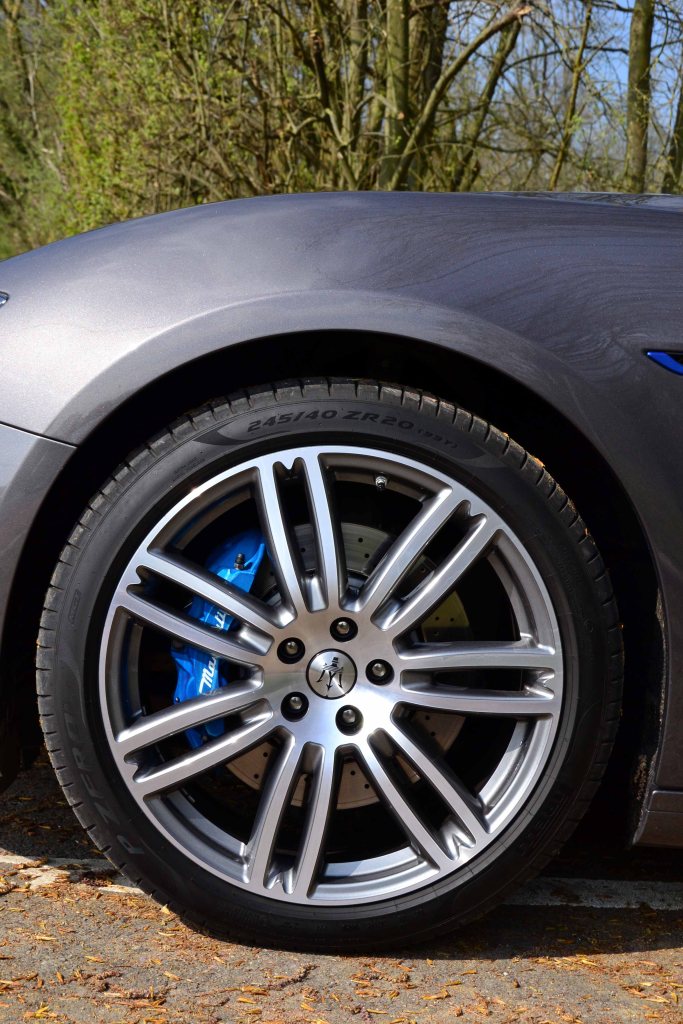
The Ghibli Hybrid is fitted with Dual Cast 360×32 mm ventilated and cross-drilled brake discs with six-piston fixed alloy Brembo calipers on the front axle, while the rear axle is fitted with four-piston fixed alloy 345×28 mm Brembo calipers.

Electrifying elegance and comfort, both inside and out…

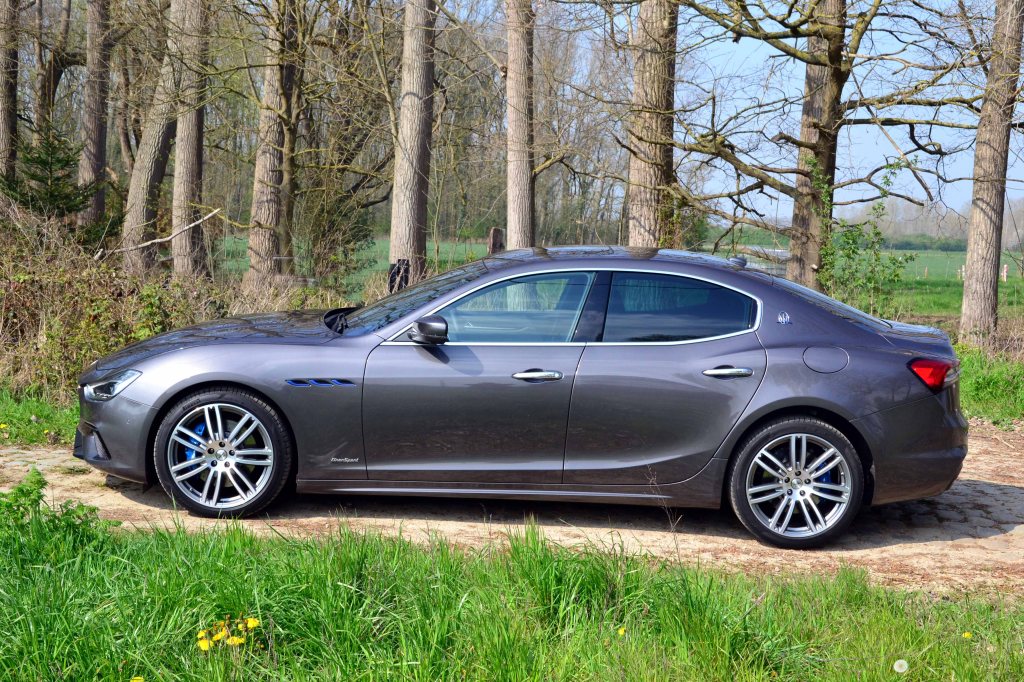
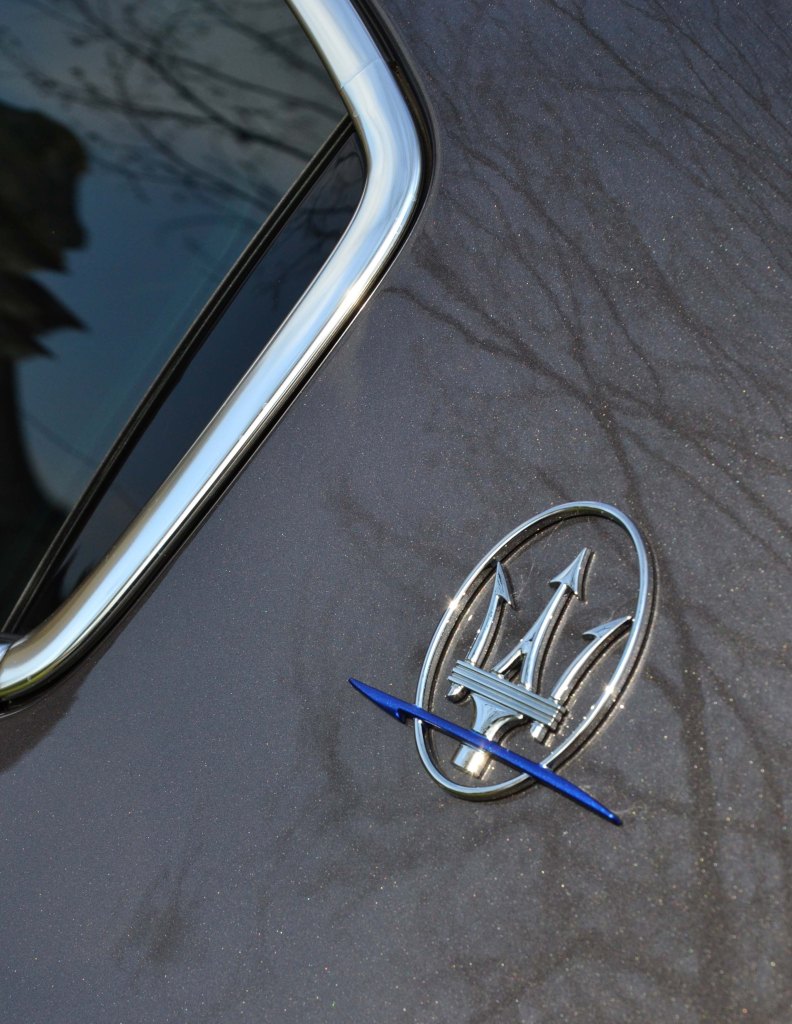
The hybrid version of Ghibli features a number of details in dark blue, the colour universally adopted as the symbol of clean mobility. The three traditional air ducts on the front mudguard have a blue trim, and the Brembo brake calipers and the thunderbolt in the pillar logo are in the same colour.

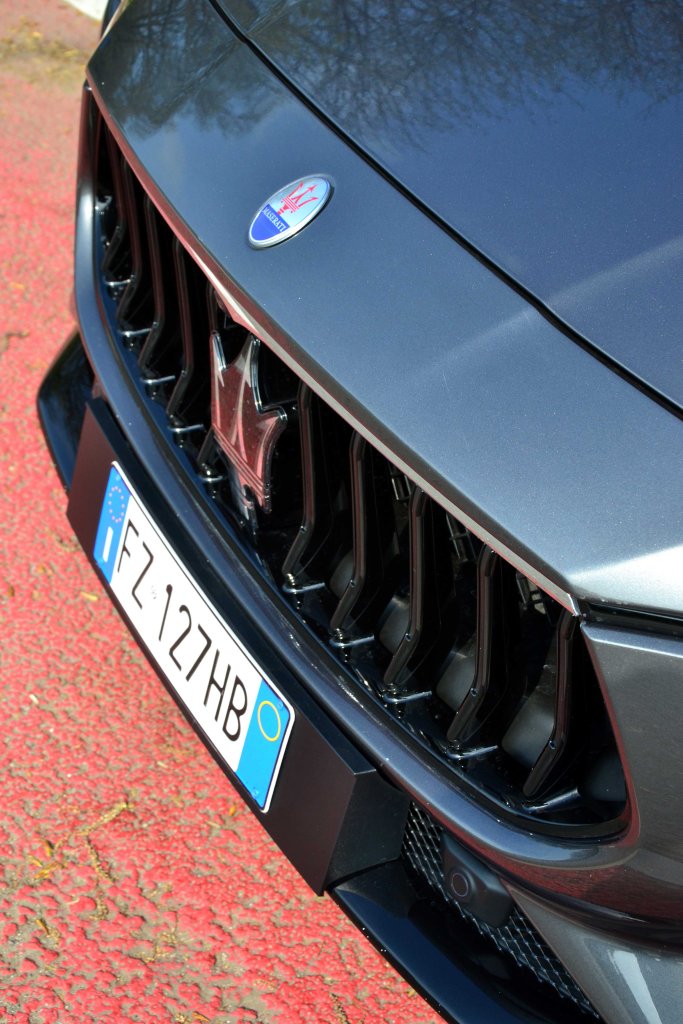
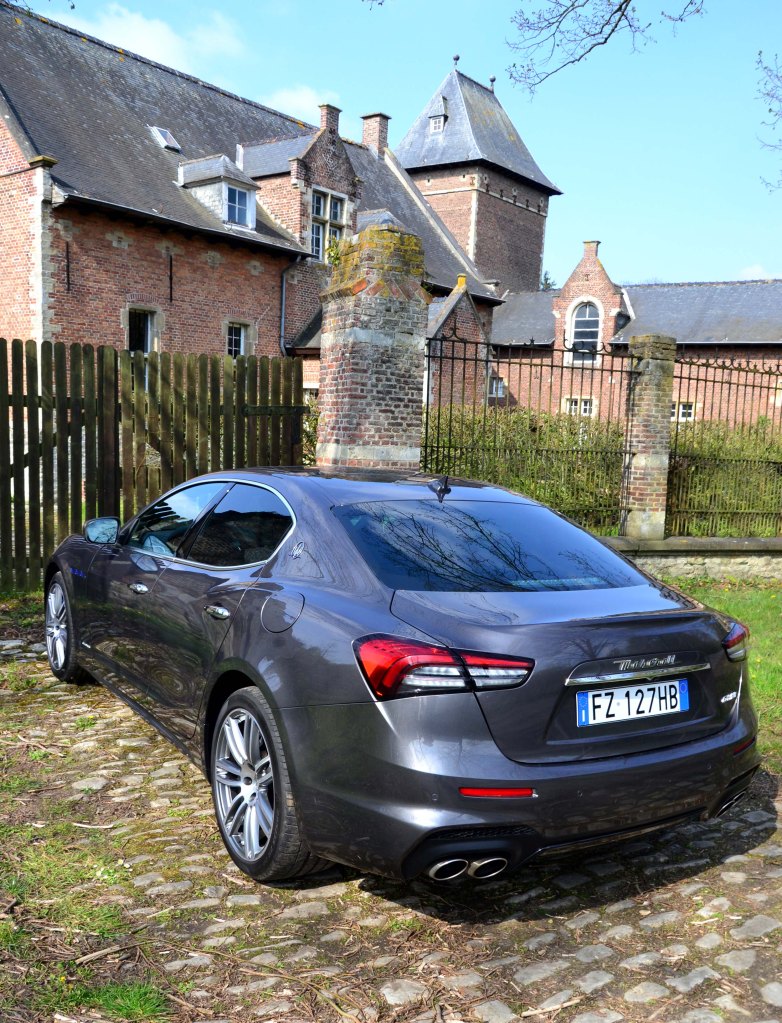
Ghibli Hybrid makes its debut with a new front grille, characterized by a distinctive feature: the Maserati tuning fork. In fact, the updated front grille is based on this shape, and is finished in chrome in the GranLusso trim and in an even more aggressive, sportier Black Piano in the GranSport trim. Like the other cars in the Trident Brand’s range, Ghibli also transforms its rear look, with the development of a new light cluster with a style known as boomerang design, inspired by many Maserati models from history and typical of the Brand’s genetic identity

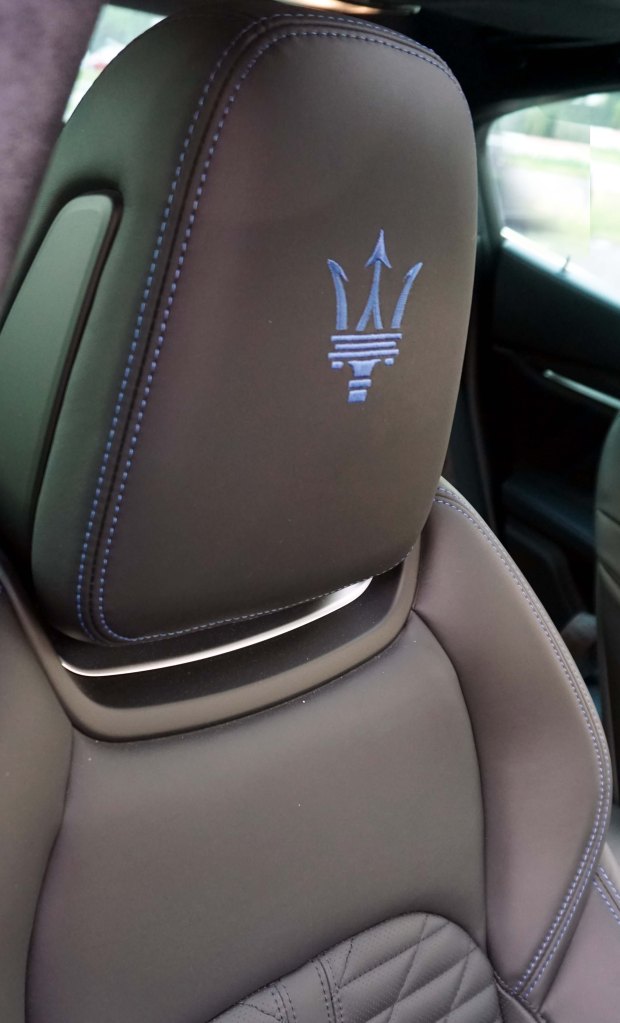
In the interior, the Maserati panache prevails more than ever. The sculpted sport seats are upholstered with a premium full-grain “Pieno Fiore” natural leather, with contrasting dark blue stitching and an embroidered Trident on the headrests. The same styling is repeated on the door panels and instrument cluster.

The driver’s seat offers 6-way electric adjustment, while the GranLusso and GranSport trims both have standard 12-way power front seats. Needless to say, an ideal seating position is soon found…

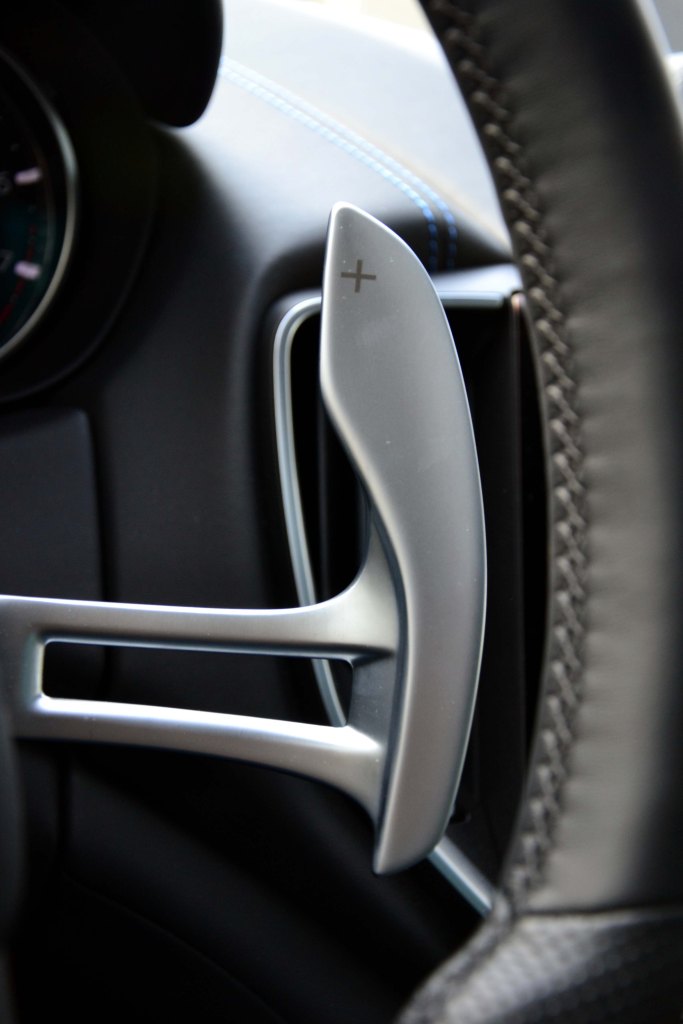
The sport steering wheel fitted with aluminium gearshift paddles, and the Inox sport pedals are also typical for the GranSport trim.

Infotainment and connectivity up to scratch…

The Ghibli Hybrid is complete with all the technology upgrades featured on MY21 models, and thus also the new generation MIA (Maserati Intelligent Assistant) multimedia system. The heart of the MIA is the powerful Android Automotive operating system, with full personalization to the driver’s use preferences. The HD screen of the MIA system is enlarged from 8”4 with a ratio of 4:3 to 10”1 with a ratio of 16:10 and is now frameless for a more contemporary look, with the surrounding bezel almost removed.

With effect from MY21 all Maserati cars are connected thanks to the new Maserati Connect program. Having the Maserati connected at all times enables an eye to be kept on the car’s health, and Maserati Connect will alert the driver when a service is due. With a Smartphone or Smartwatch, drivers can always stay in contact with their Maserati thanks to the Maserati Connect app; this is also possible from home via their virtual personal assistant (Amazon Alexa & Google Assist).

Last but not least we enjoyed the stunning Bowers & Wilkins Premium Surround Sound System, with 15 speakers, a 1,280 W amplifier and QuantumLogic™ Surround.

Driving aids galore…

The Integrated Vehicle Control (IVC) function is incorporated in the Maserati Stability Program control for enhanced active safety and driving dynamics, while the optional active Advanced Driver Assistance Systems provide Level 2 autonomous driving technology.

IVC uses a smart, feed-forward controller that predicts driving situations in advance and adapts the engine speed and brakes accordingly. IVC intervenes more smoothly and with less noise than a traditional ESP, ensures better car balance and traction at the limits of the car’s dynamics and employs intelligent torque vectoring to optimize lateral dynamics in a natural way even when MSP is off. In dynamic test maneuvers, like slalom and lane change, IVC has demonstrated higher drive-through speed and improved racetrack lap times. Wow!

Conclusion

The step towards electrification of its range has been done very harmoniously with this Ghibli Hybrid. Whilst completely retaining the original undistilled thoroughbred character of the Trident brand, it succeeded in putting very reasonable economy in place, in combination of course with a corresponding anticipative (urban) driving style, in line with modern times.

All this packed in a timelessly styled, elegant body which exudes elegance and style for the coming decades, this Ghibli Hybrid is a perfect companion, and is also an ambassador for how you understand motoring and individual mobility, for years to come…

Hans Knol ten Bensel

Maserati unveils its Levante Hybrid


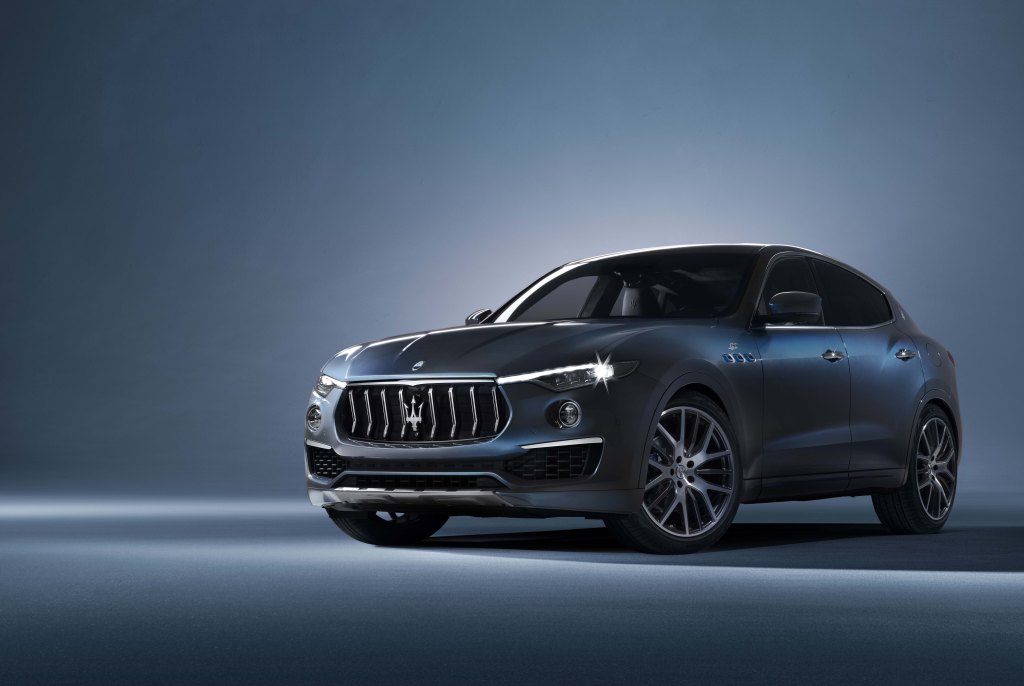
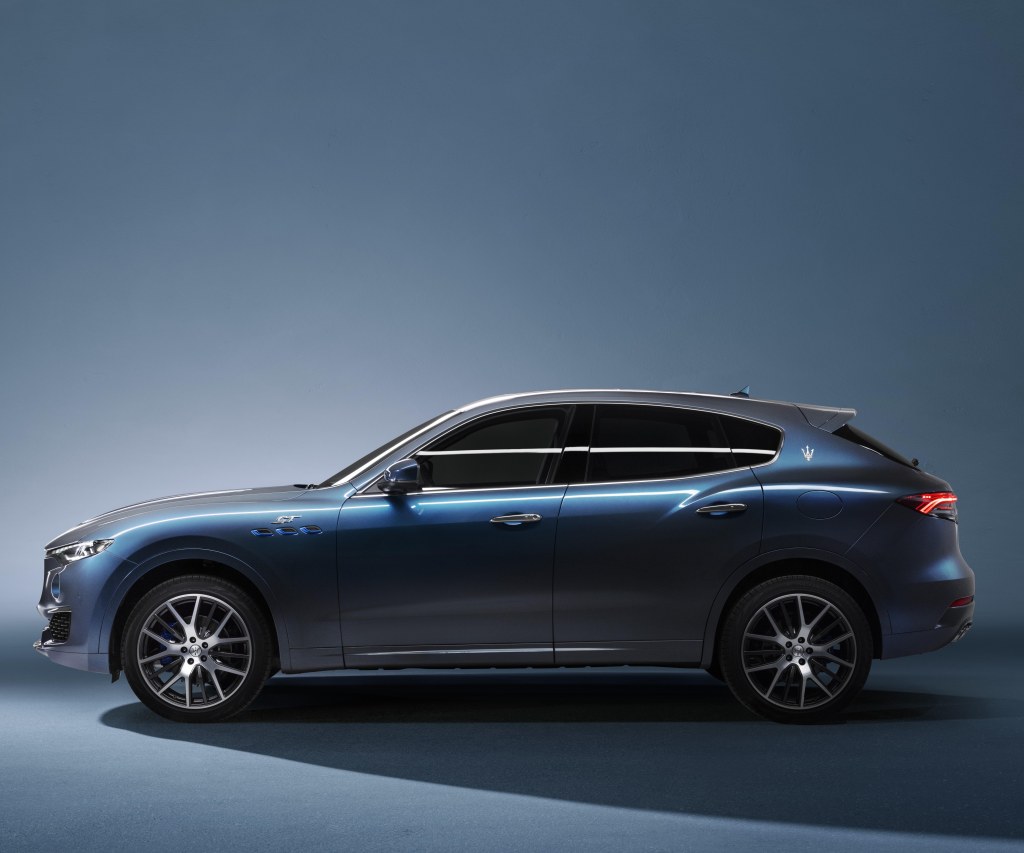
The Levante Hybrid was presented at ist launch in Azzuro Astro color. This metallic paint consists of three layers and is available through the Maserati Fuoriserie personalization program.

The Maserati Levante Hybrid has today experienced both a physical and a digital world premiere. At the time of the car’s unveiling at the Shanghai Auto Show, a virtual presentation has taken place simultaneously on the houseof.maserati.com website.

With its first electrified SUV, Maserati is taking another important step in the future plan launched last year with the Ghibli Hybrid, which will lead to the electrification of all new Maserati models.

“Faster. Cleaner. Unique ” is the motto at the launch: the Levante Hybrid is faster than a diesel, more durable than a car with an internal combustion engine and unique thanks to specific features and details.

The Levante Hybrid combines a two-liter four-cylinder engine with a 48-volt hybrid system that recovers energy during engine deceleration and application of the brakes. The hybrid SUV is lighter than the six-cylinder version (petrol and diesel) and also has a more balanced weight distribution because the battery – without sacrificing luggage space – is placed in the rear of the car. One of the goals during the development of the Levante Hybrid was to take the dynamics and driving pleasure to an even higher level.

 With a maximum power of 330 hp and a torque of 450 Nm, which is available from just 2,250 rpm, the four-wheel drive Levante Hybrid delivers impressive performance: the car has a top speed of 240 km/h and accelerates from 0 to 100 km in 6 seconds.

The Levante Hybrid was presented at ist launch in Azzuro Astro color. This metallic paint consists of three layers and is available through the Maserati Fuoriserie personalization program.

The Levante Hybrid is immediately recognizable by the unique details in the exterior and interior. Several elements are finished in blue, a color specifically chosen for Maserati hybrid models. Like the brake calipers and trident on the C-pillars, the iconic side vents are finished in this shade of blue. The same color returns in the interior, including the stitching of the seat upholstery.

With Maserati Connect, the Levante Hybrid is always connected to the outside world. The driver remains fully informed about the technical condition of the car: Maserati Connect alerts the owner when maintenance is required, thus improving the quality of the service. The owner is in contact with the car via the Maserati app on the smartphone or smartwatch. You can also contact the car from home with a virtual assistant such as Amazon Alexa or Google Assist.

The digital world premiere of the Levante Hybrid on houseof.maserati.com has been attended by Maserati’s global brand ambassador David Beckham and Italian songwriter and producer Dardust, who has composed an exclusive soundtrack for the unveiling of the Levante Hybrid.

More soon about this Levante in technical detail. Stay posted!

Hans Knol ten Bensel      

Audi unveils its first all-electric compact SUV’s: the Audi Q4 e-tron and the Q4 Sportback e-tron…

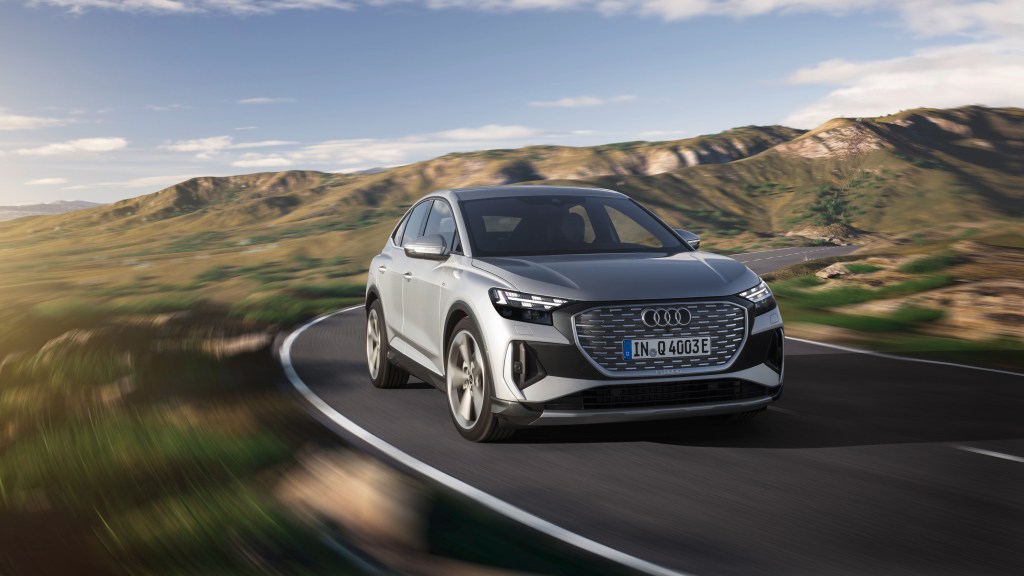
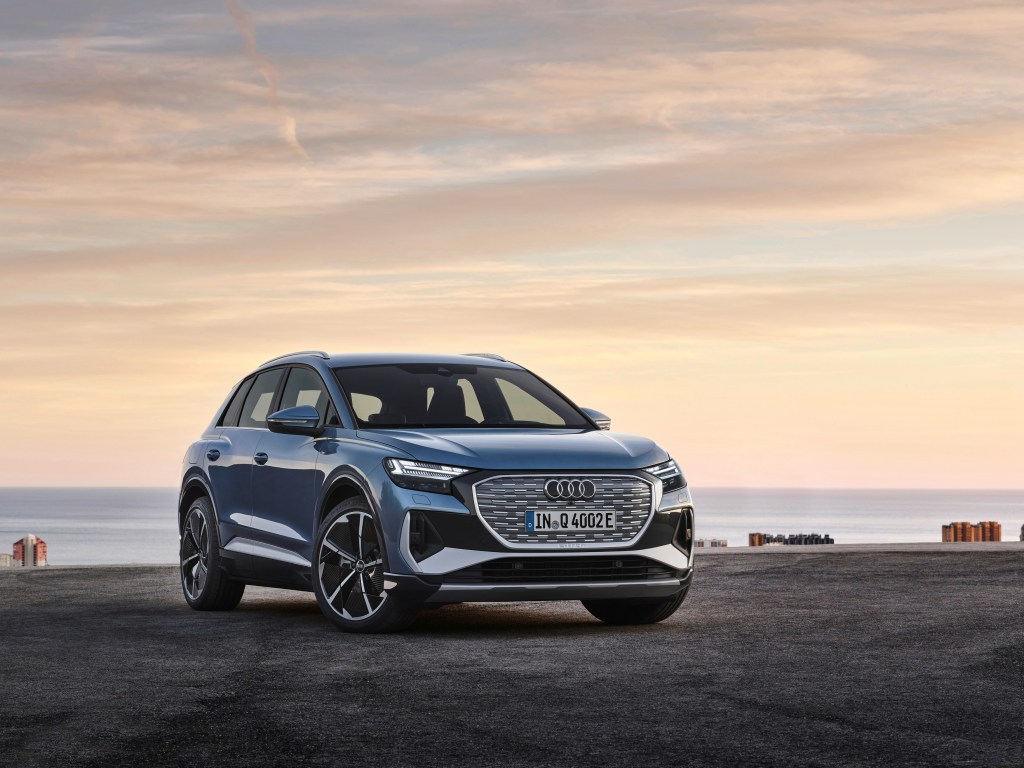
Audi Q4 50 e-tron quattro Colour: Geyser blue, metallic and Audi Q4 50 e-tron quattro Edition One Colour: Typhoon gray

Versatile all-rounders for everyday use that transfer the progressive design of the concept cars into series production and that can be driven locally without any emissions: The Audi Q4 e-tron and the Q4 Sportback e-tron are the first compact electric SUVs from the brand with the Four Rings.

Both of them impress with a new spacious dimension in the interior and pioneering solutions when it comes to operation, display, and assist systems. The augmented reality head-up display connects the virtual and the real worlds in a totally new way.

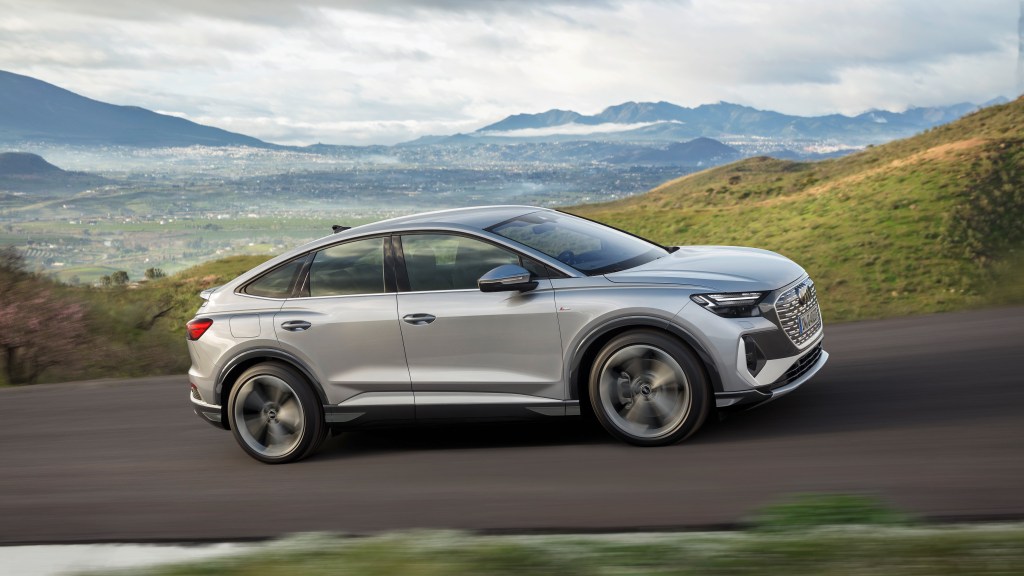
Q4 50 Sportback e-tron Quattro Colour: Florett silver

The range comprises three drive versions, spearheaded by a quattro model with a maximum output of 220 kW (299 PS). Attributes that they all share are zero local emissions driving  and high ranges, charging times of around ten minutes for sufficient power to travel about 130 kilometers (80.8 mi) in ideal conditions (WLTP) and convenient charging with the e-tron Charging Service. The rear-wheel drive Q4 40 e-tron achieves a range of up to 520 kilometers (323.1 mi) in the WLTP cycle. It goes on sale in Europe in June 2021, with prices in Germany starting at EUR 41,900 – where the customer can claim a subsidy of EUR 9,000 (net).

Audi’s next step: the exterior design

With the Q4 e-tron and the Q4 Sportback e-tron, Audi is taking the next step in the design language of its electric models.

The two compact SUVs bring into series production the body line that the Audi Q4 concept and Audi Q4 Sportback e-tron concept show cars demonstrated at the beginning of 2019.

In the Audi Q4 Sportback e-tron, the especially low coupé-style roofline ends in an expressively designed rear where the spoiler sits deep on the two-part window.

On request, both of these compact electric SUVs can be driven off the assembly line with Matrix LED headlights. What’s more, the driver can switch between four signatures in the MMI touch operating system. At the rear, a light strip links the taillight units to each other. A choice of eight colors is available for the paint finish, including the new metallic shade aurora violet. In addition to the basic version, there are the two advanced and S line exteriors.

E-mobility for everyone…

Audi wants its new Q4 line to be an all-round car which offers everything for everyone. The available space in the interior is comparable with the full-size SUV class; there is no center tunnel. The feeling of spaciousness is not just confined to the front seats – with the generous legroom, passengers in the rear also benefit from the advantage of the technological platform, which is designed as electric-only.

Depending on the positioning of the rear seat backs, the volume of the luggage compartment is 520 to 1,490 liters in the Q4 e-tron and 535 to 1,460 liters under a power trunk lid in the Sportback. Both models can tow trailers with a weight of up to 1,000 kilograms (braked, at 12% incline), with the quattro versions even able to pull up to 1,200 kilograms.

Another strength for everyday use is the high range – the Q4 40 e-tron travels up to 520 kilometers (323.1 mi) (WLTP) on a single battery charge. Thanks to a maximum charging capacity of 125 kW, in ideal conditions it can charge enough power for about 130 kilometers (80.8 mi) (WLTP) in around ten minutes. Using the myAudi app, the owner can activate charging at home and pre-entry climate control from their smartphone.

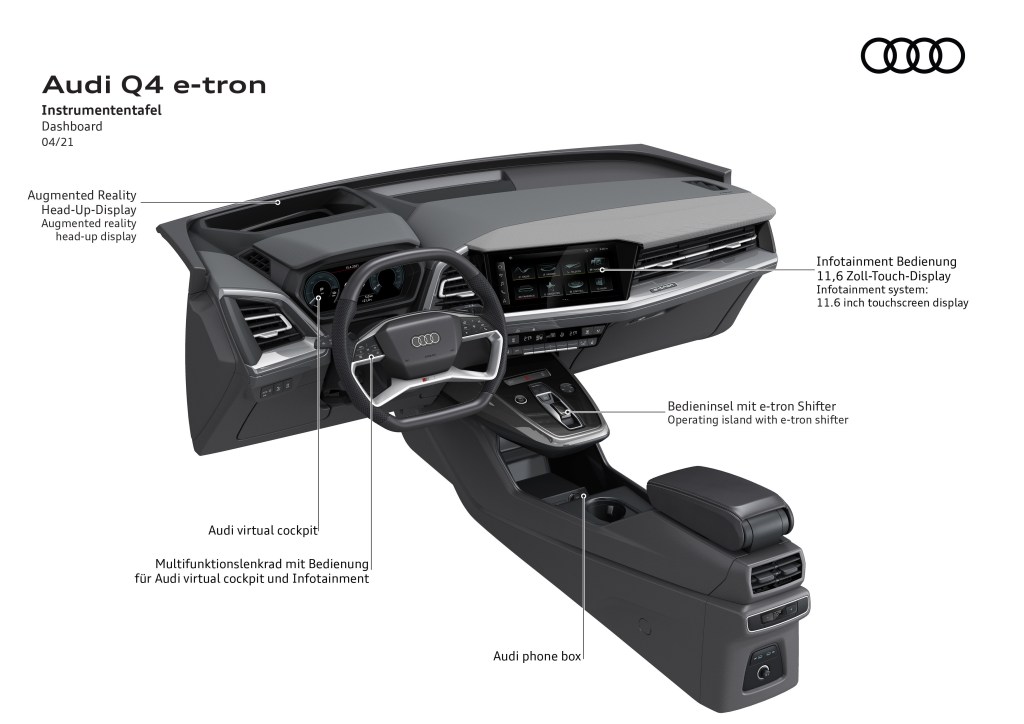
In the interior, there are also quite a few innovations. For instance totally new is the steering wheel with its seamless touch surfaces, which the driver uses to control the digital instrument cluster.

Infotainment and navigation are operated primarily using the central MMI touch display, which will also be available in the largest configuration level of 11.6 inches towards the end of the year. Natural voice control provides the third operating interface.

On request, the Audi Q4 e-tron and the Q4 Sportback e-tron can be equipped with another innovation on board – the augmented reality head-up display.

Fully digital: the Q4 e-tron is an e-mobility device

The Q4 e-tron models offer a fully digital user experience. The infotainment package in the electric compact SUV is structured in three levels – from MMI through MMI plus to MMI pro.

Different functions are provided depending on the configuration level, including the augmented reality head-up display and the Audi virtual cockpit plus. The optional levels provide the online services of Audi connect, including the intelligent e-tron route planner for working out the optimal route that stays close to the public charging infrastructure. For premium sound, the Sonos sound system which combines lifestyle, technology and design in a new dimension.

Audi Q4 50 e-tron quattro Static photo, Colour: Geyser blue, metallic Audi Q4 50 e-tron quattro Edition One Static photo, Colour: Typhoon gray

For urban commuters and long-distance drivers: battery, drive and charging options

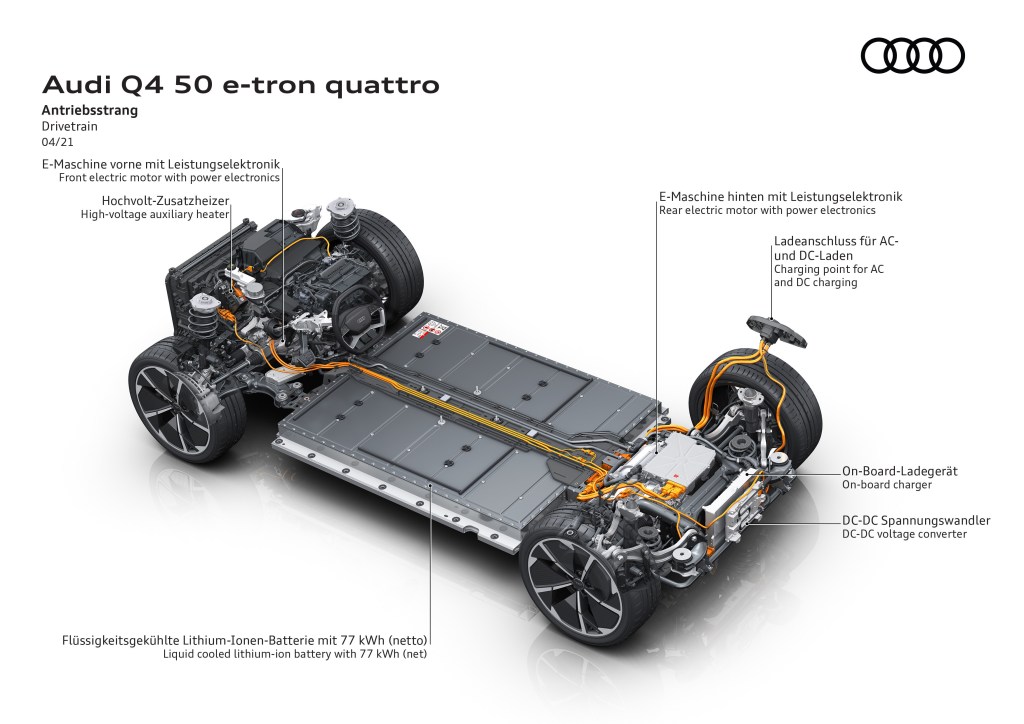
The drive portfolio of the two compact electric models lives up to the expectations of very different groups of customers – from the urban commuter to the long-distance driver. It includes two battery variants and three drive variants. The compact battery for the Q4 35 e-tron has a net energy content of 52 kWh (55 kWh gross), while the figures for the large battery in the Q4 40 e-tron and Q4 50 e-tron quattro are 77 (82) kWh.

The Q4 35 e-tron and the Q4 40 e-tron have an electric motor that drives the rear wheels, with an output of 125 kW (170 PS) and 150 kW (204 PS) respectively. The top-of-the-range version Q4 50 e-tron quattro has two electric motors for the electric all-wheel drive. They give it a maximum output of 220 kW (299 PS) – sufficient for a sprint from 0 to 100 km/h in 6.2 seconds and an electronically limited top speed of 180 km/h. For efficiency, the motor on the front axle comes into action only when high power or a strong grip is needed.

Another important factor in energy-saving driving is intelligent recuperation, which also incorporates navigation and topographical data.

Dashboard

Audi’s two new electric SUVs can be charged with different outputs using alternating current (AC) and direct current (DC) depending on the battery. The compact battery can get up to 7.2 kW with AC charging and up to 100 kW when using HPC charging (high-power charging) with direct current. As standard, the larger battery allows for up to 11 kW with AC and up to 125 kW with HPC.

Audi e-tron Charging Service…

Drivetrain

The Audi e-tron Charging Service provides access to around 210,000 public charging points in 26 European countries, 4,400 of which are HPC fast-charging points (as of April 2021), using just one charging card. In the transit tariff, customers buying the Q4 e-tron do not pay any basic fee in the first year. They benefit here especially from the preferential conditions in the IONITY network: The charged kilowatt hour costs 31 cents, which corresponds to the price level when charging at home in Germany.

The Audi Q4 e-tron will appear in June 2021 on European markets, with the Q4 Sportback e-tron following in the late summer. Of course we are keen to sample driving impressions this summer!

Hans Knol ten Bensel

New ŠKODA ENYAQ iV earns five stars in Euro NCAP test.

The new ŠKODA ENYAQ iV truly scores: The new electric SUV has achieved the highest classification of five stars in tests conducted by the independent European New Car Assessment Programme (Euro NCAP).

It now ranks among the safest vehicles currently available with a total of 86% of the possible points.

And there is more: The ŠKODA ENYAQ iV achieved the best result ever in the Euro NCAP test for occupant protection, with 94% for adult passengers and 89% for children.

ŠKODA’s first model based on the Volkswagen Group’s Modular Electrification Toolkit thus continues the string of top scores for ŠKODA vehicles in the crash safety reference test, even with the now stricter assessment criteria. ŠKODA’s bestseller, the OCTAVIA, the compact model SCALA and the SUV models KODIAQ, KAROQ and KAMIQ, among others, have all been awarded the coveted five star rating.

Needless to say that the ENYAQ iV inspires, with its styling and build quality, and we will be keen to sample driving and test impressions in the coming months…

Hans Knol ten Bensel

First round for the European Ferrari Challenge has started at Monza…

In the opening act of the first round for the European Ferrari Challenge at the Monza circuit, the Passione Ferrari Club Challenge 2021 has started. During this exclusive circuit event, owners of the Ferrari 488 Challenge and 488 Challenge Evo were given the opportunity to perfect their racing technique and record a personal fastest lap time.

The Passione Ferrari Club Challenge was created to give Ferrari owners the opportunity to get to know their cars – without a competitive element – on the track. The program of these exclusive club meetings is aimed at both beginners and drivers with more track experience. The cars are equipped with telemetry thanks to which the lap times and track data can be read. These data allow the participants to analyze their performance and improve their driving technique. Professional Ferrari instructors personally supervise the participants, conduct driving technique workshops and assist with the analysis of the telemetry data.

The Ferrari 488 Challenge and 488 Challenge Evo are extreme sports cars, but their performance remains very accessible. With these cars, drivers experience the same sensations and excitement as a professional driver. For Ferrari owners who want to take part in the Ferrari Challenge, the Passione Ferrari Club Challenge is an ideal springboard. Drivers who dream of taking part in an official FIA Championship are being guided in the right direction.

Driving on six European circuits…

From April to September, owners of the Ferrari 488 Challenge and 488 Challenge Evo will be able to drive on six legendary circuits in Europe. In addition, they have the opportunity to start during the Finali Mondiali 2021, where all international Challenge series will ride the final race of their championship, according to tradition.

Hans Knol ten Bensel

Leasys and FCA Bank launch from 12 to 30 of April the “Electric Days”…

Electric mobility is growing more popular worldwide, and even more so in Europe where the growth of electric and hybrid cars has been in three figures recently.

Leasys and FCA Bank want to play a leading role in this trend, and therefore they launched the “Electric Days”, three weeks of special offers dedicated to electric mobility, all entirely in digital fashion.

The offers will be active from the moment of writing until the end of April and they are designed to make the services offered by the Group and its rental company Leasys even more accessible and convenient.

Digital offers range in Europe from mobility to financial and banking products: from personal loans to GO4xe financing, from CarCloud to Leasys Miles, to Clickar.

Leasys and FCA Bank launch a cross-country commercial promotion that includes 10 European countries simultaneously dedicated to electric mobility and sustainability. Italy, France, Germany, Spain, UK, Netherlands, Poland, Portugal, Denmark and Belgium will offer their customers the best digital solutions to satisfy every green mobility and financial needs in every different market.

For Belgium, PR & Communication Director Dominique Fontignies announced that the first offer of this campaign gives professional clients the opportunity to drive a Jeep Compass 4xe Plug-in Hybrid from € 319/month (excl. VAT) in the financial renting formula.(60 months). Leasys offers this model in operational leasing from € 589/month (incl. VAT).

Leasys also offers the Fiat 500e Business Edition. This 500e is available from € 469/month (incl. VAT) in operational leasing. Finally, the Fiat 500C Hybrid Lounge is available in operational leasing from € 269/month (incl. VAT).

There is more news to come from Jeep, we will soon present here the new Compass…

Hans Knol ten Bensel
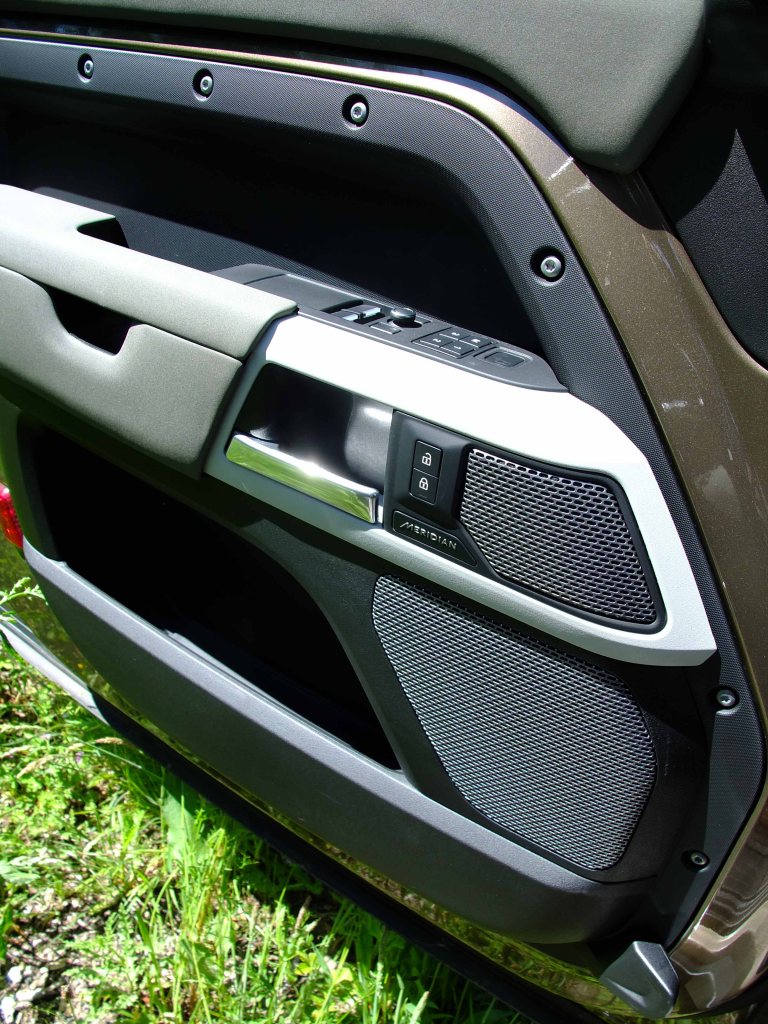
Jaguar launches a stunning “R-Dynamic” version of their elegant F-Type…

Jaguar launches a mouth-watering version of their elegant F-TYPE: the Exclusive F-TYPE R-Dynamic Black. It boasts additional equipment as standard and is offered in Coupé and Convertible body styles

There is an even more desirable version: the so-called “Black Pack”, with 20-inch gloss black wheels, and choice of Santorini Black, Eiger Grey or Firenze Red metallic paint.

Refinement…

The driver-focused interior is equipped with 12-way adjustable Windsor Leather Performance Seats in Ebony with Light Oyster stitch or in Mars with Flame Red stitch. An Ebony coloured suede cloth headliner enriches the iconic ‘1+1’ cabin.  

The R-Type comes with many appealing details: A heritage-inspired monogram pattern is used for seat and door trim stitching and also embossing of the suede cloth wrap for the instrument cluster.

And abundant power…

The F-Type comes with what it takes: the 300PS Ingenium four-cylinder and 450PS supercharged V8 with rear- or all-wheel drive and eight-speed ‘Quickshift’ transmissions deliver engaging, exploitable performance and outstanding driver reward.

The new R-Dynamic Black models add to the purity and presence that already sets Jaguar’s definitive sports car apart.

The F-TYPE’s shape is further accentuated by the Black Pack and 20-inch, five split-spoke wheels with gloss black finish. Known as ‘Style 5039’, these wheels are not available on any other model in the range. Complementing these perfectly is the choice of three metallic paints: Santorini Black, Eiger Grey or Firenze Red.

Performance galore…

Exclusively rear-wheel drive, the 300PS, 2.0-litre turbocharged Ingenium four-cylinder engine generates maximum torque from just 1,500rpm, delivering exceptional throttle response throughout the rev range. It also provides the performance expected from F-TYPE and enables acceleration from 0-60mph in only 5.4 seconds and a top speed of 155mph. 

The 450PS, 5.0-litre supercharged V8 has been developed to offer exploitable, useable and rewarding performance – maximum torque of 580Nm is generated from 2,500rpm. It is offered with a choice of all-wheel drive with Intelligent Driveline Dynamics or – for purists – rear-wheel drive. Both 450PS powertrains feature an electronic active rear differential to optimise traction, and both enable 0-60mph in just 4.4 seconds and a maximum speed of 177mph.

The 300PS and 450PS units are also available in other F-TYPE models, but for truly exceptional performance in all weathers and on any kind of road there is the F-TYPE R. Offered exclusively with all-wheel drive, its supercharged V8 delivers 575PS and 700Nm: the benchmark sprint to 60mph takes just 3.5 seconds, while maximum speed is an electronically-limited 186mph. 

Tailoring your Jaguar to your personal driving style…

The F-TYPE R and P450 models are equipped as standard with Jaguar’s Adaptive Dynamics system with Configurable Dynamics. Using electronically-controlled, continuously-variable dampers, Adaptive Dynamics optimizes both low speed comfort and high-speed control, while Configurable Dynamics enables the driver to tailor the settings for suspension stiffness, steering weight, throttle response and gearshifts. All 300PS four-cylinder F-TYPEs use meticulously tuned passive monotube dampers to deliver the ride and handling attributes which give these models their unique character.

Needless to say that we are keen to sample test driving impressions from these wonderful, sporting and elegant Jaguars soon…

Hans Knol ten Bensel
We personally witnessed the unfolding of the Audi Quattro (Rally) Saga…

We were there: your servant in conversation with Michèle Mouton in Sankt Moritz, on December 8, 1982…

Your servant was already active as a freelance car journalist from the mid-seventies of last century, so we witnessed up close the birth of the Audi 5-cylinder engines and the (rally) cars powered by it were quite familiar. When we were telling you the long career of Audi’s 5 cylinder engine, we told you how your servant remembered a drive behind the wheel of the Audi 80 Quattro with this magnificent engine. Just look at our pages on this site, and more especially https://autoprova.be/2016/09/18/sweet-memories-our-drive-with-the-5-cylinder-audi-80-5e-quattro-in-sankt-moritz/

This memorable test drive of this Audi 80 5E Quattro took place in Sankt Moritz, on 8 and 9 December 1982. For the assembled international journalists, Audi had also organized a demonstration run with the Quattro Rally Cars, and had brought Michèle Mouton and Stig Blomquist to the venue.

You see me here chatting with Michèle Mouton before having a demo drive with her at the wheel in her Quattro Rally machine…

Sweet memories!

Hans Knol ten Bensel
Maserati MC20 wins “Best of the Best” at the Red Dot Awards with its outstanding design…

The new Maserati MC20 receives the prize for “Best of the Best” at the Red Dot Awards 2021 in the Product Design category.

Competition run by a German design center…

The Red Dot Awards is well known, although not everyone is aware that this international design competition is run by Design Zentrum Nordrhein Westfalen in Germany, which has been assessing and selecting the most aesthetically exciting, functional, intelligent, innovative products from all over the world since 1955.

Every year, this prestigious competition rewards excellence in the field of product and brand design and communication at the global level, with criteria constantly updated to the socio-cultural context.

A jury of 50 international experts chooses products in almost fifty different categories, from fashion to accessories and from furnishings to vehicles.

This reward puts of course a smile on the faces at Maserati…

We cite a few comments:

Maserati CEO Davide Grasso: “Our mission was to develop a car that would be remembered in the future as the model that launched the Maserati New Era. And I think we’ve achieved our goal with MC20. Maserati is innovative by nature, powered by passion and unique by design: the new super spots car embodies all these values and is a watershed, the founding model of this new phase in the Brand’s history.”

Klaus Busse, Head of Maserati Design, added: “We are honoured to receive this coveted accolade, which recognises the work of an entire team who have worked hard on this unique project, creating a car that opens a new chapter in Maserati’s history.”

Truly Italian

MC20 is designed by the Centro Stile Maserati in Turin and inaugurates a new Era for the Trident Brand.

The new super sports car represents the pure form of speed, with Maserati style: a work of sculptural engineering, showing the way to the Brand’s aesthetic future.

Developed by the Maserati Innovation Lab and built at the historic Modena plant, Maserati MC20 is genuinely an all-Italian car.

Besides its innovatige, good looks, it is also fast…

With the new 630 hp V6 Nettuno engine the MC20 catapults from 0 to 100 km/h in under 2.9 seconds and reaches a top speed of over 325 km an hour. The patented engine was conceived, developed, designed and built entirely by Maserati, and uses a pre-chamber combustion technology derived from Formula 1 engines… wow!

Hans Knol ten Bensel
My unforgettable drive with the Giulia Super over the Alps on the way to the Monza Grand Prix in September 1970…

Here I stand proudly as a 23 year old behind the driver’s door of the Alfa Giulia Super, with my nephew looking into the ravine of the Great Saint Bernard pass…

There are epic moments, already in the young life of a car enthusiast. I was barely 23 at the time, when I accompanied my father on a drive to attend the 1970 Monza Grand Prix. My father had a Olive Metallic Green 1,6 Giulia Super press test car for the occasion, and I have been smitten for Giulia’s and Alfa’s ever since, as the drive was so magnificent.

My father had his faithful Leicaflex with the 90 mm Summicon – R f 1:2  lens along, and this is the perfect camera to make impressive shots. You see them here.

My father and I had also taken my nephew along, and so we went on our drive, with me doing most of the driving, as my father found that I understood the car very well. Of course we were keen to let the Alfa perform. This meant cruising on  the German Autobahnen and the A27 through Switzerland and the Italian Autostradas at speeds between 150-160 km/h in fifth gear, when the law allowed it of course.

On our route, we decided not to take the Simplon Tunnel, but take the historic road winding over the Great St. Bernard pass itself, which lies a few hundred metres from the Swiss border with Italy, and is only passable from June to September.

Not only was the old classic pass road a dream for the Giulia, with its pleasantly short second and third gears, and I gladly helped the somewhat weaker synchromesh of the gearbox with expert double declutching. Descents were also epic, as this Giulia had already four disk brakes…

I still recall the eager sound and crisp exhaust roar of the 1,6 litre twin cam engine, and, as said, am totally smitten by Alfa’s ever since.

The Monza Grand Prix was rather dramatic. We arrived in Monza on the fifth of September, going down to the track after having got our press permits and parking voucher for our dear Alfa. Only to hear that Jochen Rindt had killed himself during the practice session on that day. He spun into the guardrails after a failure on his car’s brake shaft. He was killed owing to severe throat injuries caused by his seat belt. He was way ahead in points over the rest of the F1 field, so he became the only driver to be posthumously awarded the Formula One World Drivers’ Championship.

The Great Saint Bernard Pass was gruesome in winter, so prayer to our Lord was certainly appropriate…

We show you the photos, and dream away with you on the joys of holding the wheel of this magnificent four door Gran Turismo, which the Giulia was and still is right to this day…

Your servant would love to make a repeat edition of this drive on the Great Saint Bernard Pass with today’s Giulia… that would be truly great!

Hans Knol ten Bensel