We drove the Renault Arkana E-Tech 145: when hybrid meets elegance…  

Renault is a brand which moves boundaries now and then. It brought a new definition of a roomy and timeless city car with the Twingo, built the legendary 4L and the “Cinq”, its Espace brought nothing less than a revolution in car concepts and design: the “space” car was born.

Then we don’t forget the Avantime. A car which was truly totally ahead of its time. We drove it at its introduction in the streets of modern, united Berlin. When you saw it on the road, you would expect a V6 formula 1 turbo engine under the hood, running on hydrogen of course, with a sweet voice softly telling you what the history is of the street and buildings you driving through, in the language of your choice. That car made us dream. Its stylish panache and the promise it embodied still has to be equalled.

Then Renault embarked on the E-path, opening it up to the masses with the ZOE and recently also putting a very clever full hybrid on the road, culminating in the E-Tech family of cars. Affordable with a touch of genius. And then we don’t forget Dacia…

Now its talented designer Laurens van den Acker took a long hard look at the BMW 4X and brings the stylish silhouette of the iconic fastback SUV to the wider public. The Arkana, a name derived from the Latin Arcanum, meaning secret, first made its entry in the Russian market, based on the Dacia Duster B0 platform. This allows the Russian built Arkana to offer 4WD, a must for the Russian market.

But this is not the E-Tech Arkana we meet on our shores. Renault needed here a platform which allowed electrification. Just read further!

Hans Knol ten Bensel

So “our” Arkana started life in South Korea in January 2020 as the… Renault Samsung XM3, and we find this again a fascinating story in itself, showing how cleverly big groups are combining talents and allocating resources found in their world wide organisations. Showing that they are truly unifying the world, having learned to work, cooperate and thrive across boundaries.

So Renault Samsung Motors is a reality, and they build the Arkana for us in their South Korean factory in Busan.

Renault is maybe also teaching politicians a lesson nowadays: the “Russian” Arkana is built both in Moscow by Renault Russia as well as in… Ukraine, in Zaporizhzhia, in South eastern Ukraine, at ZAZ, the most important (former) Russian Automobile Manufacturer.

The European Arkana runs on the more modern CMF-B platform, which we find also for the Clio V and the Captur II.

Stylish

Approaching the Arkana and walking around it, one is pleased by its excellent proportions and shape, from any angle. We liked also that it stands boldly on its wheels, with a ground clearance of not less than 20 centimeters. This allows you to negotiate sleeping policemen’s with ease of mind, as their dimensions always differ greatly from borough to borough, if not from street to street. The fact that this is not unified on a European scale, let alone not even on a national scale is utterly ridiculous. But the Arkana copes with all that, marvelous!
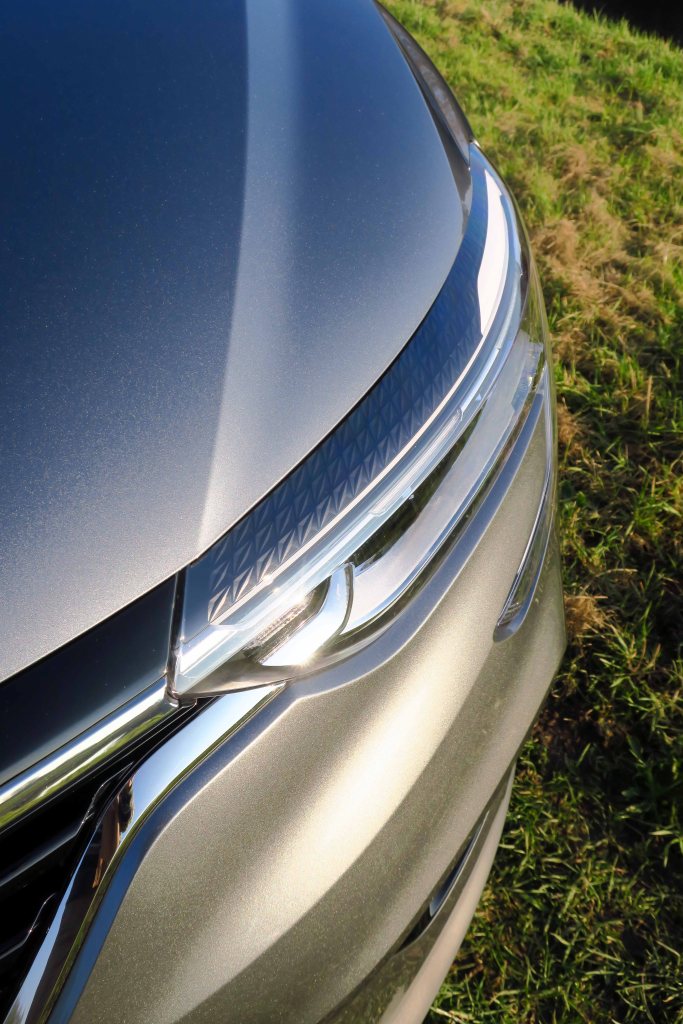
We found also the level of finish and paint quality of the bodywork top notch. The same can be said of the fit, look and feel of the panels in dashboard and cabin.

The layout is similar to what we find in the ZOE and Clio. The seating position is excellent, everything is logically within reach. Also the infotainment system with the large screen on the centre console is a breeze to use, and quite intuitive. Of course instrumentation is digital, and you can have also the road indications right in line with your eyesight if you prefer this.

The Arkana E-Tech is frugal: on the open road merely 4,7 l/100 km…

The learning curve to get acquainted with infotainment in this car is wonderfully short, and it is also very practical and wise to let the heating/airco ventilation system be controlled through three big round manual knobs.

A fully fledged hybrid…

The Renault Arkana uses the Renault “E-Tech” hybrid solution, consisting of a petrol engine delivering 94 HP, a starter generator which delivers 20 HP or15 kW, and last but not least an electric motor incorporated in the transmission, which is good for another 49 HP or 36 kW.

The gearbox has four speeds in store for the combustion engine, and reserves two speeds for the electric motors. These are no synchro rings or clutches, the electric motor within the gearbox synchronises everything. This uniquely clever system is derived from Formula 1 technology, Renault says.

It works wonderfully. Driving away is always on E-power for the first meters at least, the electric motor in the gearbox with its close to 50 HP has more than sufficient zest for its task. If the small 1,2 kW battery runs out of power, the engine sets in smoothly, helps to power the car further forward, and also charges the battery. Total system power is 143 HP.

Depending on the chosen driving mode, the system will also keep the battery more or less constantly charged, and so it happens more than often that when having accelerated on E-power to say a cruising speed of 70 km/h, the petrol suddenly engine starts up and gets eagerly to work recharging the battery. It does this at relatively high revs, and the recharging time is therefore rather short.

The higher revs seem to be a bit out of place, but soon one gets used to it, even more so because everything happens smoothly as the revs between gearbox and engine are exactly matched and you understand why this is happening.

We noticed that in city driving the Arkana runs often on E-power, and indeed, the consumption during our test hovered around the 5 litres/100 km. Performance is more than adequate for everyday driving, with a 0 to 100 sprint in 10,8 seconds and a top speed of 178 km/h.

Comfortable and well balanced

The suspension of the Arkana has a rather firm undertone, but is very well balanced and comfortable, and will never show any hint of harshness. On winding roads, the car stays flat with very little body roll despite its 20 cm ground clearance. Steering is responsive and pleasant. Indeed, the Arkana is an excellent Gran Turismo with also very good urban qualities, and a pleasure to steer and drive.
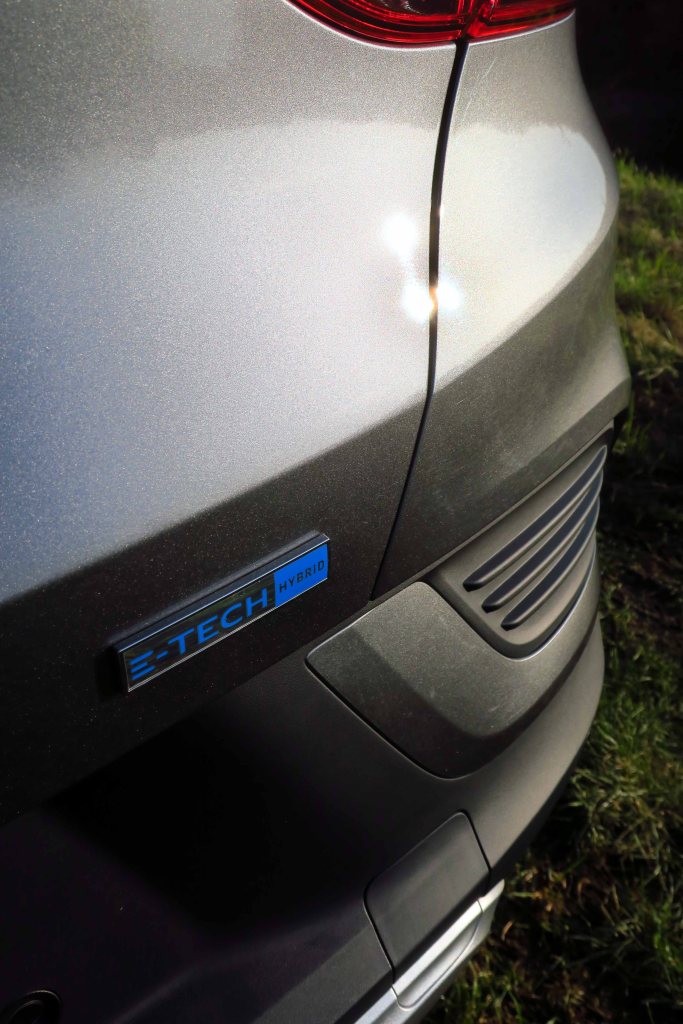
There is sufficient head- and legroom for the rear passengers, and the E-Tech configuration only costs some 33 liters of luggage space, which remains at 480 to 1263 liters, more than adequate we would say. Living with the Arkana is truly nice…
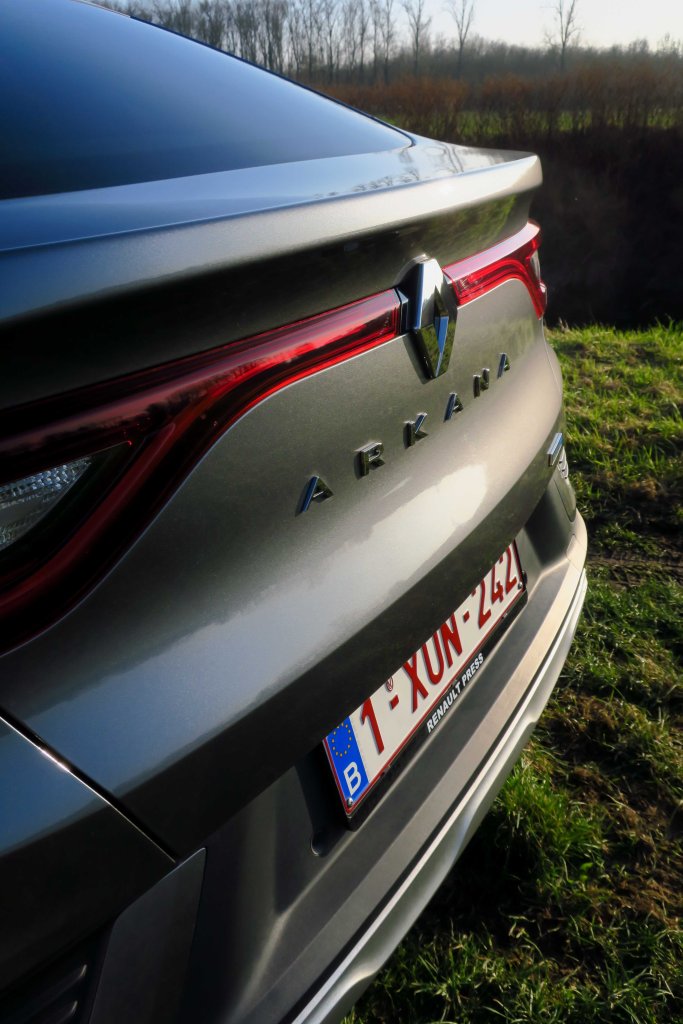
Conclusion

A stylish, frugal, future oriented Renault, roomy, well finished, easy to use and pleasant to drive in everyday life. It offers good interior space despite its elegant coupé silhouette. Indeed, Renault sets again new standards in offering to many car buyers the panache and zest of a modern four dour coupé combined with some distinct SUV touches. And it can be had as a hybrid, which is a strong selling point for today’s environmentally conscious buyers…

Hans Knol ten Bensel

Opel presented new Opel Astra Sports Tourer in Brussels…

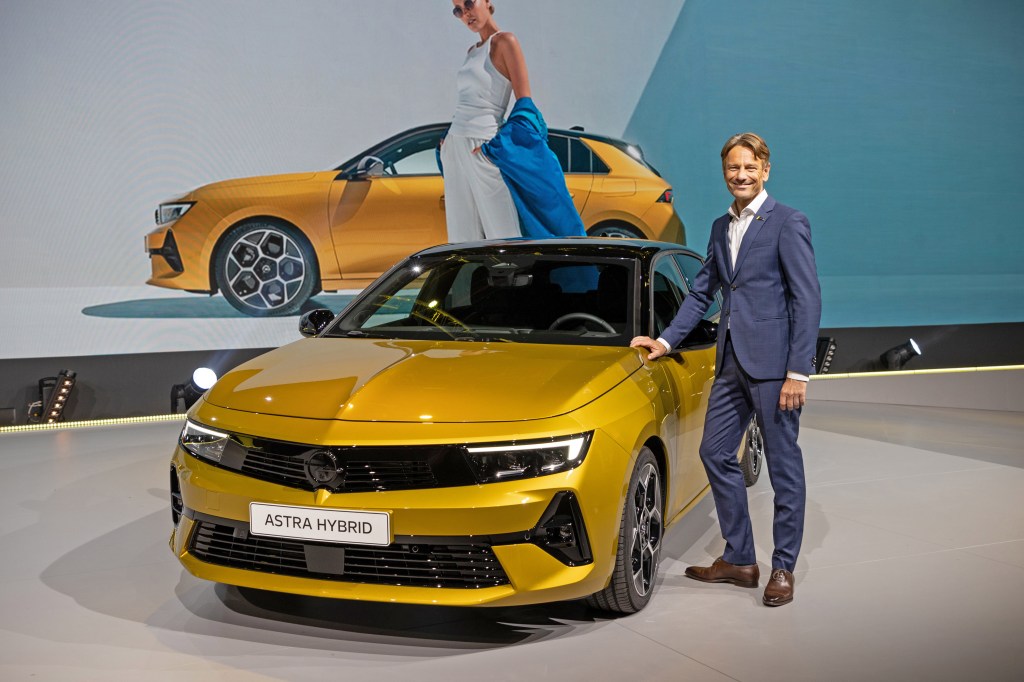
Opel CEO Uwe Hochgeschurtz presented in world premiere the new Astra Sports Tourer

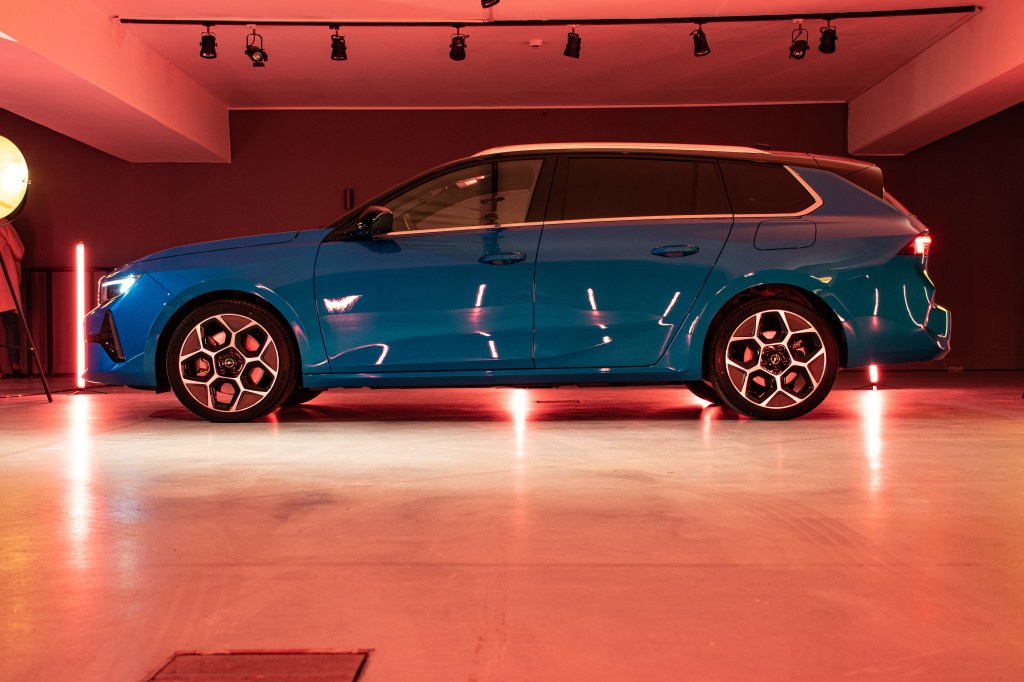
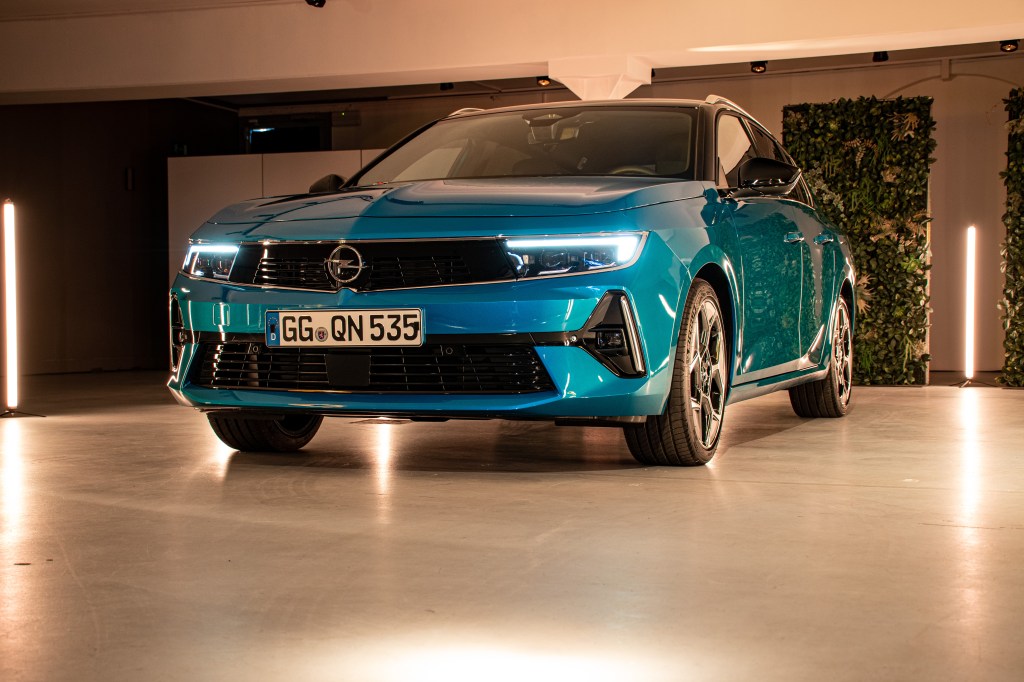
The Opel Astra Sports Tourer would have its world premiere at the Brussels Motorshow 2022. This car is, after the new Astra Hatchback, the first Opel estate car with the new expressive Opel Vizor front and the Pure Panel, the digital dashboard. As you can see from the photos, it combines a number of distinctive features: functionality, elegance, sportiness and generous, modular interior space.

Opel therefore organized a press conference at the stylish The Merode in Brussels on Tuesday 1 February, to present the two variants of this new generation Opel Astra.

Hans Knol ten Bensel

Mr. Uwe Hochgeschurtz, the new Opel CEO, lifted the veil of this new Astra.  This is the first Opel estate to be electrified. In addition, the sports estate from Rüsselsheim will be optionally available in stylish two-tone paint. Like that of the five-door model soon to make its debut at dealerships, the Sports Tourer’s interior is also thoroughly redesigned.

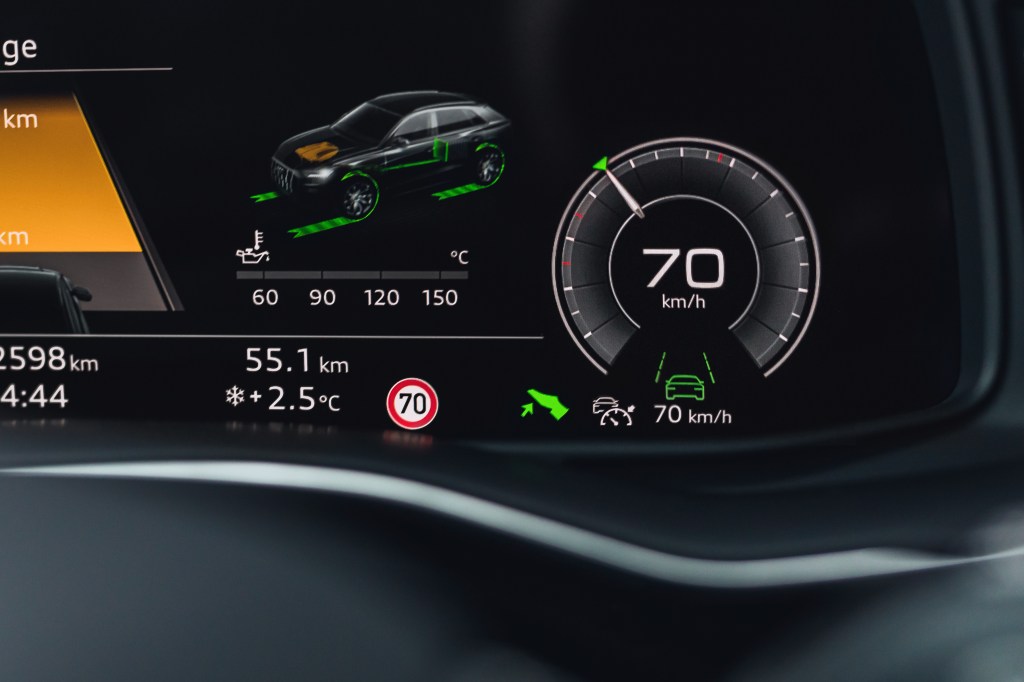
For the first time, drivers will find the fully digital Pure Panel cockpit in front of them – the next generation of the fully connected and intuitively operable Human Machine Interface (HMI). Utilising the integrated Snapdragon® Cockpit Platform from Qualcomm Technologies, the Pure Panel cockpit features enhanced graphics, multimedia, computer vision and artificial intelligence (AI) capabilities to provide a more integrated, contextually aware and constantly adaptive cockpit system that evolves to its passengers’ preferences.

There is no need for cables in the new Astra Sports Tourer either, since the new generation of multimedia infotainment systems can be connected as standard on all model variants to wireless Apple CarPlay and Android Auto via compatible smartphones. Here, too, the maxim was to create a clear, fully functional high-tech design that does not appear cold and impersonal, but rather conveys a feeling of security.

Efficient estate…

The Astra Sports Tourer with vital statistics of 4,642 x 1,860 x 1,480 millimetres (L x W x H) and a loading height of around 600 mm, displays the brand’s typical talent for efficient packaging.

To keep the loading sill low, the number plate, for example, is not located in the bumper – unlike in the five-door model – but in the tailgate. This makes it easier to load the completely flat rear compartment with luggage or equipment. And despite the considerably longer wheelbase of 2,732 mm (+70 mm) that is even 57 mm longer than that of the new Astra hatchback and increases cabin comfort for passengers, the new Astra Sports Tourer is 60 mm shorter than the previous model, thanks to the particularly short front overhang. 

Opel will soon open the order books for the new Astra Sports Tourer so that customers can configure their dream vehicle.

A bold electrified future…

Opel is also embarked on an electrification offensive in this New Year. Eleven Opel models will be electrified by mid-2022 – including Opel’s entire light commercial vehicle (LCV) range. En route to an emissions-free fleet, some models will exclusively be offered as battery-electric variants this year already.

Indeed, customers can now order the Opel Combo Life, Vivaro Combi and Zafira Life exclusively with an electric drive.

“There is no alternative to electrification. In the future, Opel will gain even more traction with environmentally friendly innovations. And what shows us the rapid change again very clearly: From 2024, we will offer an electrified version of every Opel model, without exception. In other words, the successors to Crossland and Insignia will also be electrified. Our statement is clear: From 2028, we will exclusively sell battery-electric vehicles in Europe,” stated Opel CEO Uwe Hochgeschurtz. (See photo above).

In the coming months, the new generation of the Opel Astra will be the linchpin of the Rüsselsheim-based brand’s electrification offensive. After celebrating its premiere in September 2021, the new Astra five-door will arrive at customers in the spring – and will be available as a plug-in hybrid right from the start. In 2023, the purely battery-electric Astra-e will complete the range. The emissions-free product portfolio with the Blitz already ranges from the Opel Rocks-e lightweight vehicle to the large Opel Movano-e van.

More Opel news soon!

Hans Knol ten Bensel

Audi Q7 and Q8 plug-in hybrid with improved emissions, larger battery and better range.

The plug-in hybrid versions of the Audi Q7 and Q8 stand for power, efficiency and comfort. But there is always room for improvement. From now on, the Audi Q7 and Q8 plug-in hybrids are available with better consumption figures, bringing CO2 emissions also below the fiscally attractive limit of 50 g/km.

In the plug-in hybrid versions, the 3.0-litre V6 turbo petrol engine with 340 hp interacts with a powerful electric motor. The lithium-ion battery can now store net 14.4 kWh of energy (gross: 17.9 kWh) – more than before.

Audi combines here the efficient plug-in hybrid technology with the quattro permanent all-wheel drive and an 8-speed tiptronic automatic transmission. The Q7 and Q8 55 TFSI e quattro still have a system output of 381 hp and a combined maximum torque of 600 Nm. The powerful Q7 and Q8 60 TFSI e quattro delivers 462 hp and 700 Nm.

The CO2 emissions for the Audi Q7 55 TFSI e quattro are now brought down to 46 g/km. The powerful 60 TFSI e quattro records 47 g/km. In the Audi Q8, with the same engine versions, this is successively 49 g/km and 52 g/km.

Driving with anticipation improves the useable range…

The electric range of the plug-in hybrids is increased. The advanced battery cell technology now offers up to 55 km of purely electric driving range in the Q7 TFSI e. The Audi Q8 achieves 54 km as a 55 TFSI e quattro, and 52 km for the powerful 60 TFSI e quattro. In most cases, this is sufficient to cover your daily commute completely on E-power…

More Audi news soon!

Hans Knol ten Bensel

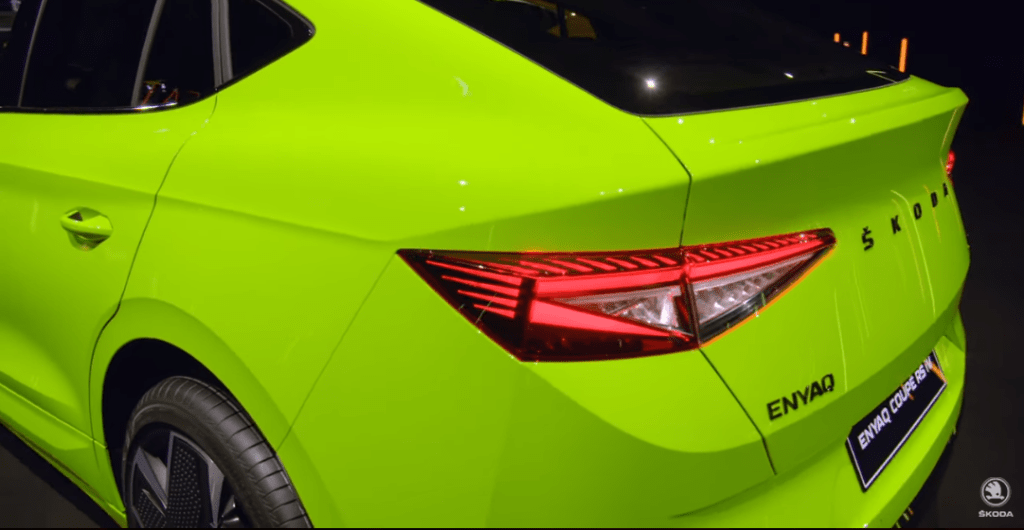
The new Škoda Enyaq iV Coupé virtually unveiled…

The new Enyaq Coupé in RS version will be first in the showrooms….

Also Škoda is convinced that the future is electric. On January 31st they presented for us the all electric Škoda Enyaq iV Coupé. It will be initially only available in the RS version, which promises to be rather formidable if one reads the figures: an acceleration form 0 to 100 km/h in 6,5 seconds, charging time from 10 to 80 % in under 30 minutes, a range of 545 km.

Oliver Stefani, Head of Design shows the sleek roofline of the new Skoda…

At the same time, this new version remains typically Škoda: spacious and practical. The luggage compartment is a massive 570 liters… and of course it has lots of “Simply Clever” features.

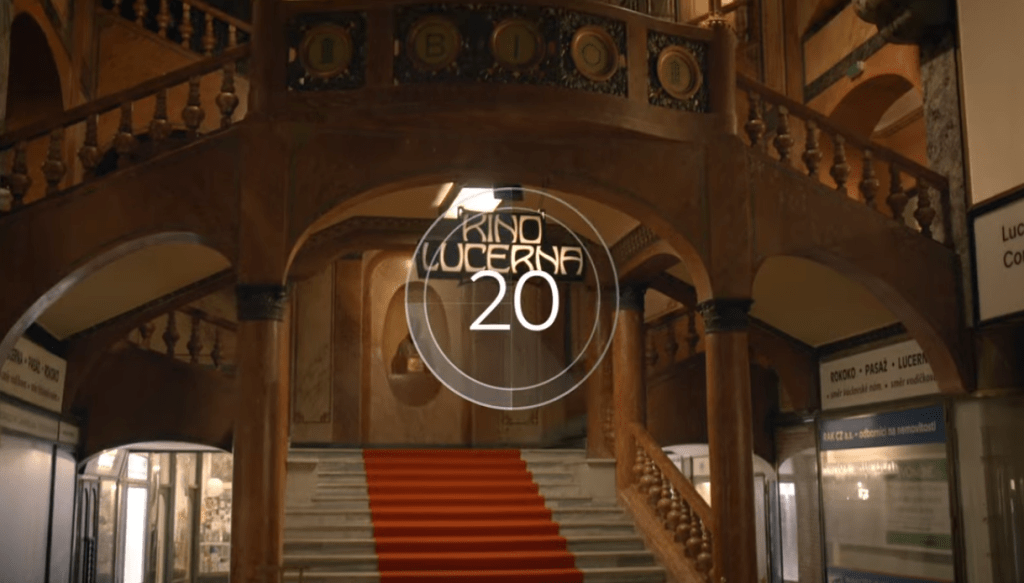
At the virtual presentation, we saw Jens Katemann, Head of Communications of Škoda Auto leading us into the Kino Lucerna,

the oldest still operating cinema theatre in the Czech Republic, and introducing us to the actress driving the Enyaq iV Coupé in the film, Ana Geislerova, and Thomas Schäfer, CEO of Škoda Auto. (Photo below, from left to right).

Jens Katemann, Head of Communications of Škoda Auto, Ana Geislerova, and Thomas Schäfer, CEO of Škoda Auto.

The film starts with the CEO Thomas Schäfer running in the woods towards a vantage point, embodying the will to go (ever) forward, and looking into the (electrical) future.

CEO Thomas Schäfer running

and looking out into the future…

Then we are introduced to Johannes Neft, board member Technical development, and further to Oliver Stefani, Head of Design.

Inspiration through perspective…Olivier Stefani, Head of Design.

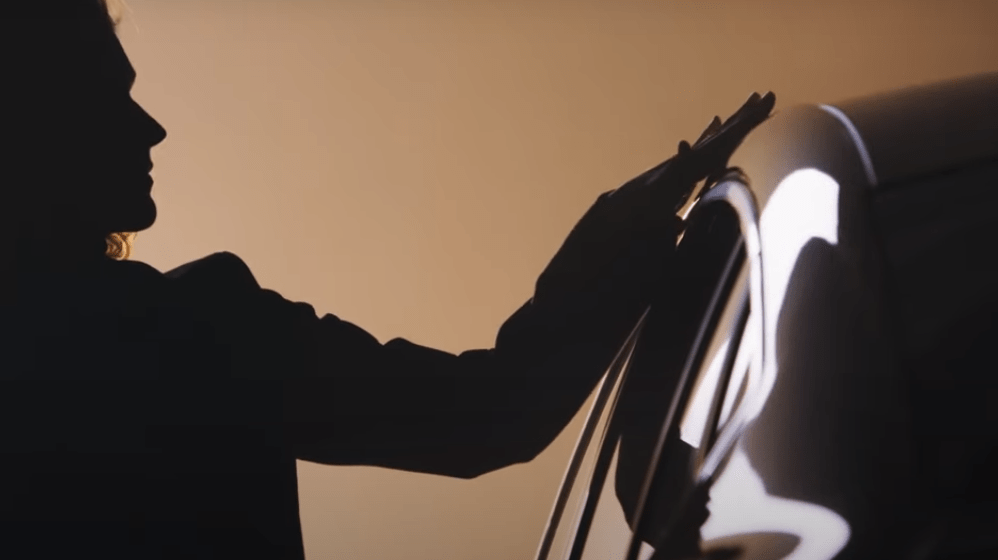
Actress Ana Geislerova then lovingly caresses the roofline of the sleek coupé,

and takes the wheel… for an exhilarating drive;

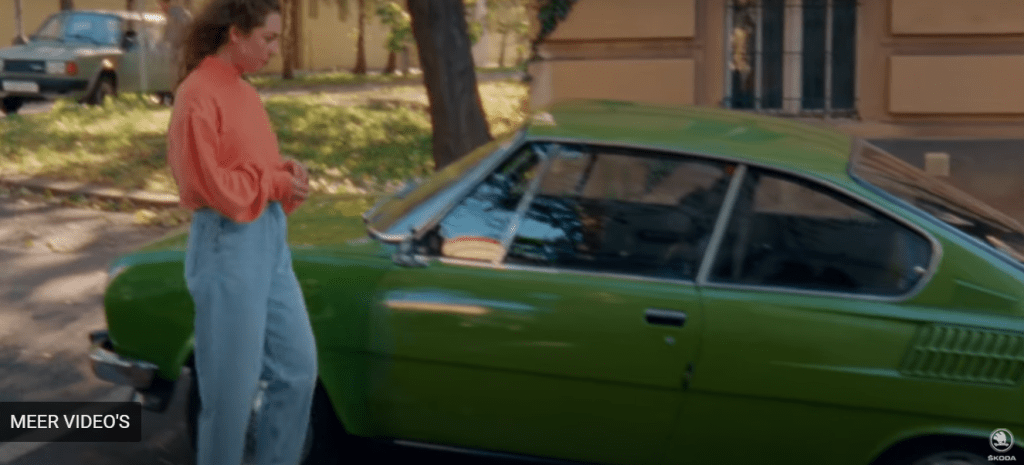
The second part of the film presents the RS version, which will be offered first to the eager customers, and it tells the story of a Czech teenage girl who drives the first RS Coupé, based on the rear engined MB 1000.

The person is now is some decades older, but remains in love wih life and freedom,

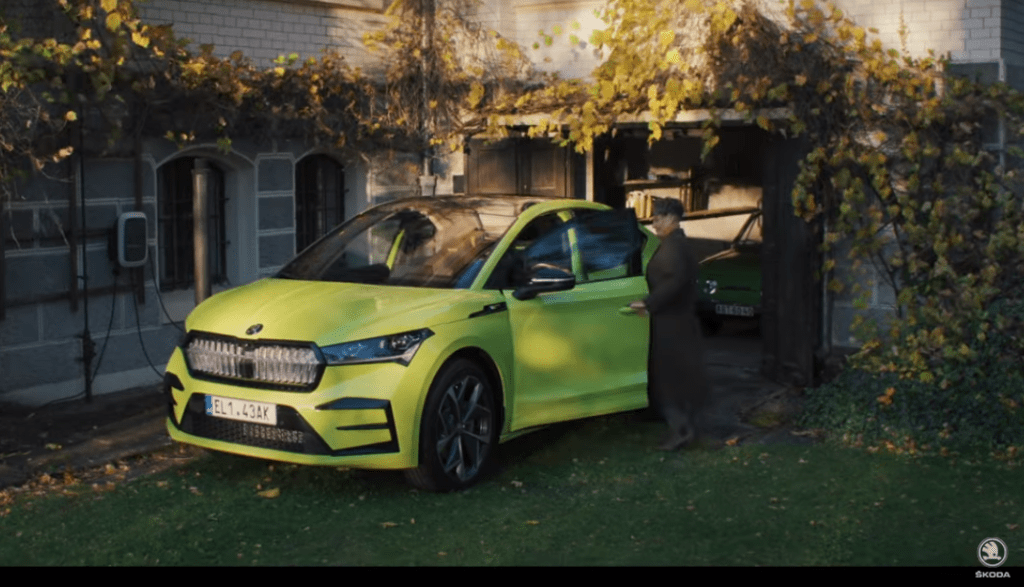
and of course drives now the new coupé…

I couldn’t resist showing you here some clips of this film…

The bold green colour is exclusive to the RS version…

The cars themselves are then presented in more detail by CEO Thomas Schäfer and his team. We show you here also some clips, revealing the car more in detail…

More soon!

Hans Knol ten Bensel

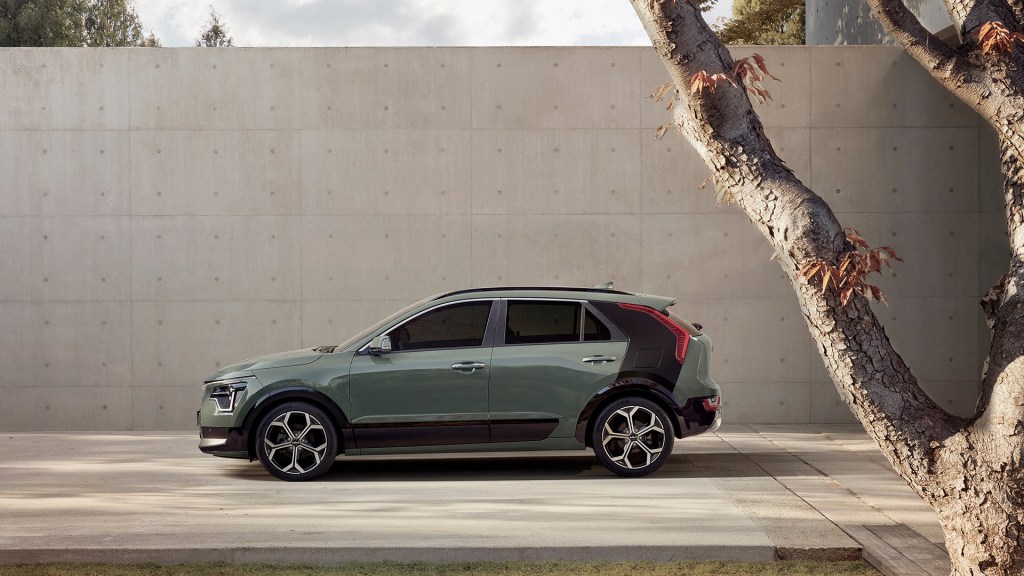
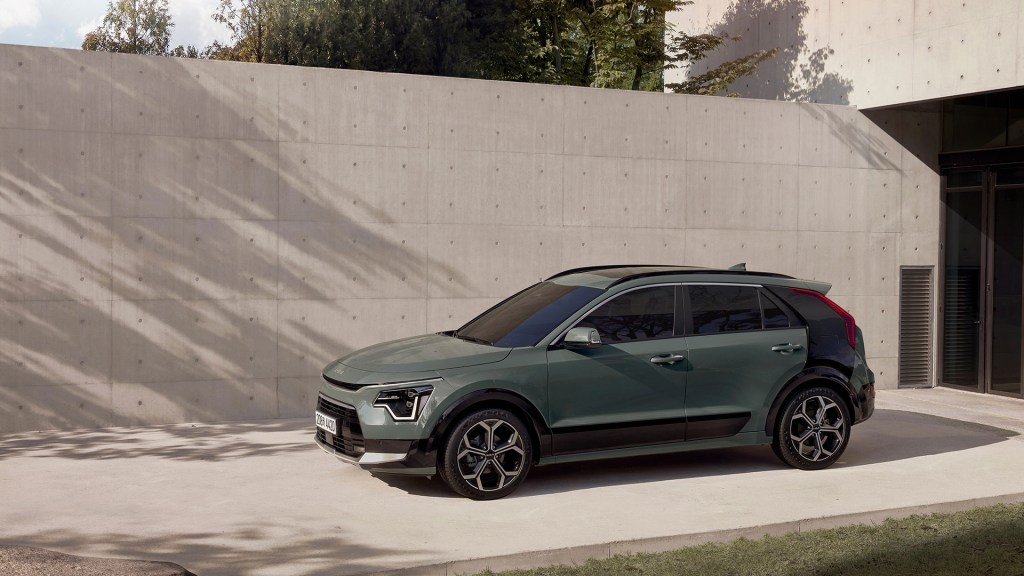
Kia announces a sustainable future with the all-new Niro…

The new Niro also pleases with clean, rather rectangular lines…

The new year also brings a lot of news for Kia. It has revealed its all-new Niro on January 17. Kia calls it “a next-generation state-of-the-art model that further demonstrates the company’s rapid progress in becoming a global sustainable mobility solutions provider.” Wow!

An integral part of Kia’s growing eco-friendly model line-up, the next-generation Niro has been designed from the ground up to meet the complex and varied needs of today’s sustainability-conscious consumers, that’s for sure.

Based on the third generation platform, the new Niro benefits from a larger body. One will find also more premium and eco-friendly materials which, according to Kia, “combine to create a minimalist avant-garde feel”

The photo of the dashboard indeed shows rather modernistic digital displays and interior controls.

At the heart of all-new Niro’s eco-friendly credentials are a trio of electrified powertrains, comprising hybrid electric (HEV), plug-in hybrid (PHEV) and battery electric (BEV) options. PHEV and BEV models will be revealed at a later date, closer to market launch.

A so-called “Smartstream” 1.6-liter GDI engine featuring improved cooling, friction and combustion technologies helps power the HEV model. The powerplant ensures competitive fuel efficiency, with the all-new Niro HEV capable of achieving 20.8km/L or 4,80 l/100 km. (based on Korean standard).

“The all-new Kia Niro heralds the next step in our journey to become a sustainable mobility solutions provider,” said Artur Martins, Senior Vice President and Head of Global Brand and Customer Experience Division at Kia Corporation. “From the outset, our ambition was to create a car that makes it easier for people to practice a sustainable lifestyle. With its eco-friendly materials, advanced technology and range of highly efficient electrified powertrains, the all-new Niro truly delivers on its goal.”

Sales of the all-new Kia Niro HEV will commence in Korea this month, with sales in selected global markets due to follow later this year.

We will come back later with more technical details about the Kia Niro, stay tuned!

Hans Knol ten Bensel

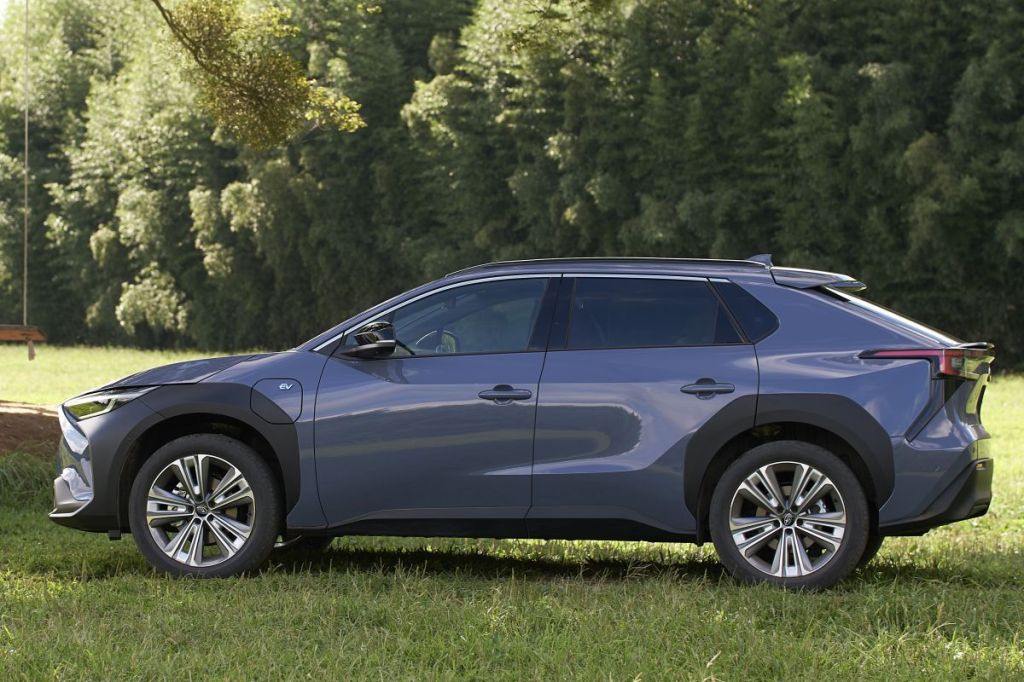
Subaru’s First Global All-Electric Vehicle SOLTERRA was presented on our shores…

Having made its world debut already last November, it was presented this week in Belgium. Subaru wants it to be, well, a true Subaru. This means that the SOLTERRA (from the latin Sol = soil, and Terra = earth) has been built as an authentic SUV, and provides the value of “enjoyment and peace of mind” – as Subaru puts it – that Subaru have cultivated over many years.

The e-SUBARU Global Platform…

Using the know-how cultivated with the highly recognized Subaru Global Platform, Subaru has jointly developed the e-Subaru Global Platform together with Toyota Motor Corporation as a BEV-dedicated platform.

The e-Subaru Global Platform enables a driving experience with superior driving dynamics, that brings high stability and handling linearly responds to driver’s steering operation, says Subaru.

High capacity battery packs are placed under the floor as it is a BEV, and by utilizing that battery as a part of the structure, a low center of gravity and high body strength and rigidity are realized.

An AWD System with two motors…

The SOLTERRA has adopted a new system that drives the front and rear wheels with separate motors. Taking advantage of the expertise in AWD technology precisely controlling the four tires that SUBARU has accumulated over many years, the agile response of the electric motors and the flexible driving force distribution between front and rear, SOLTERRA offers a driving with confidence.

Like the other SUBARU SUV models, SOLTERRA features the X-MODE AWD control system that enhances the sense of security on rough roads. By adding the new Grip Control function, which enables the vehicle to run at a constant speed while stabilizing the vehicle even on rough roads, the all-terrain capability is further improved.

Developed together with Toyota…

The SOLTERRA is the vehicle which takes an important role for SUBARU.

The vehicle has been jointly-developed by Toyota and SUBARU, which entered into a new business and capital alliance in September 2019. They brought together technologies and knowledge’s that are expertise of each under the slogan “Let’s make ever-better cars together” and the engineers of both companies developed it together “while engaging in a friendly rivalry” according to Subaru.

The launch of the SOLTERRA will start by the middle of 2022 in the markets including Japan, the United States, Canada, Europe and China.

We hardly can wait to sit behind the wheel of one!

Hans Knol ten Bensel

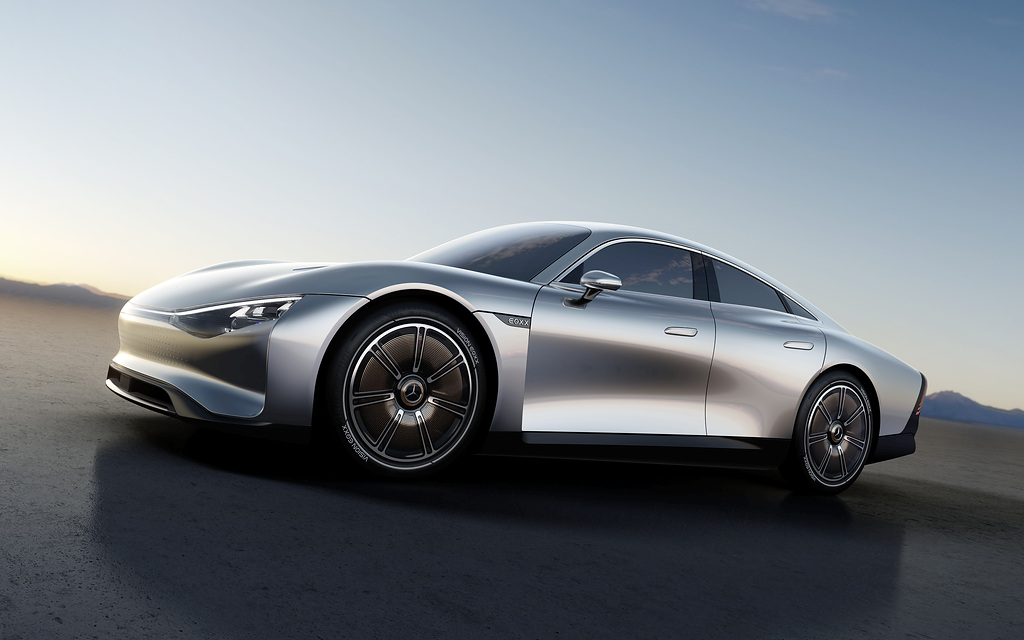
VISION EQXX – taking electric range and efficiency to another level…

Mercedes-Benz VISION EQXX, exterior

Range and efficiency are set to define the electric era. Outstanding range will make electric cars suitable for every journey and will also speed up the adoption by the public. Exceptional efficiency will create a virtuous circle of battery size and weight reduction, allowing Mercedes to go further with less. Indeed, the men (and women) at Mercedes-Benz are determined to lead the way.

The brand with the star is already leading the charts of real-world range with the EQS with 245 kW (electrical consumption WLTP combined: 19.8-15.7 kWh/100 km; CO2 emissions: 0 g/km)[1], as evidenced by the recent Edmunds test where an EQS 450+ travelled 422 miles on one charge, 77 miles further than any other car previously tested.

But Mercedes-Benz is not resting. Driven by the idea of zero impact on our planet and a highly responsible use of green energy, the engineers are working intensively to take range and efficiency to a whole new level. The VISION EQXX is the result of a mission to break through technological barriers across the board and to lift energy efficiency to new heights. It demonstrates the gains that are possible through rethinking the fundamentals from the ground up. This includes advances across all elements of its cutting-edge electric drivetrain as well as the use of lightweight engineering and sustainable materials. Complete with a barrage of innovative and intelligent efficiency measures, including advanced software, VISION EQXX allows to explore new frontiers of efficiency.

Mercedes-Benz VISION EQXX, exterior

Ola Källenius, Chairman of the Board of Management of Daimler AG and Mercedes-Benz AG commented:  “The Mercedes-Benz VISION EQXX is how we imagine the future of electric cars. Just one-and-a-half years ago, we started this project leading to the most efficient Mercedes-Benz ever built – with an outstanding energy consumption of less than 10 kWh per 100 kilometres. It has a range of more than 1,000 kilometres on a single charge using a battery that would fit even into a compact vehicle. The VISION EQXX is an advanced car in so many dimensions – and it even looks stunning and futuristic. With that, it underlines where our entire company is headed: We will build the world’s most desirable electric cars.”

VISION EQXX – The EV road trip reimagined by Mercedes with a new technology blueprint for series production

There’s a reason why road trips have been a cultural touchstone for at least 70 years, telling stories from the highway in books, movies and music.

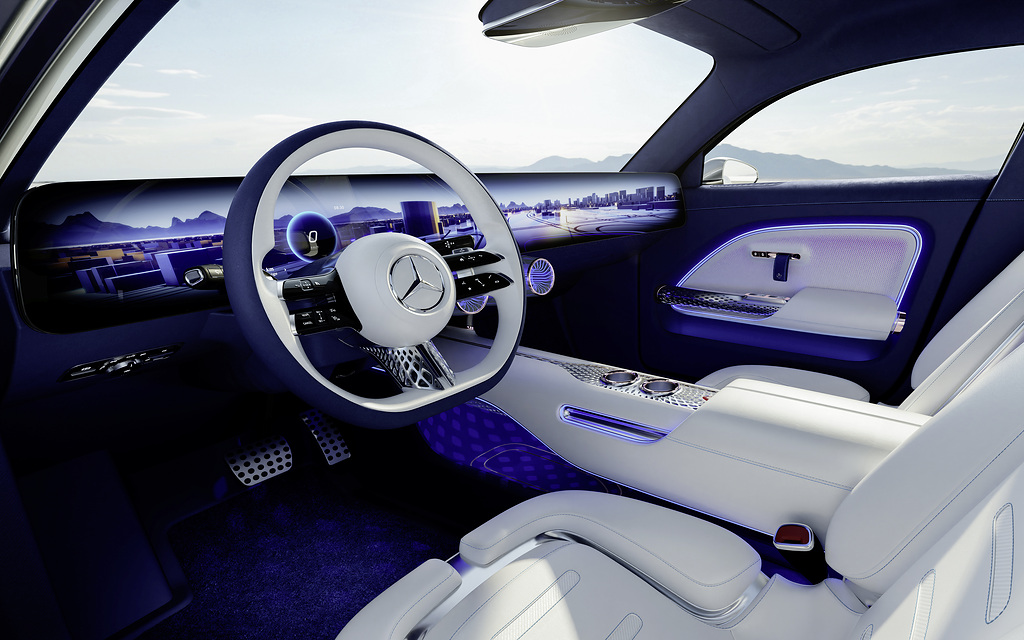
Mercedes-Benz VISION EQXX, interior

The journey to electric mobility is a road trip; as exhilarating as it is challenging, as unknown as it is certain. The Mercedes-Benz VISION EQXX is a vehicle designed for that road trip. It answers the progressive demands of a modern generation of customers for and emotionality through innovation. Part of a far-reaching technology programme, this software-defined research prototype was engineered by women and men with the creativity, ingenuity and determination to deliver one of the planet’s most efficient cars – in every respect. They did so using the latest digital technology, the agility of a start-up and the speed of Formula 1.

The result is an efficiency masterpiece that, based on internal digital simulations in real-life traffic conditions, will be capable of exceeding 1,000 kilometres on a single charge with an outstanding energy consumption of less than 10 kWh per 100 kilometres (efficiency of more than 6 miles per kWh).

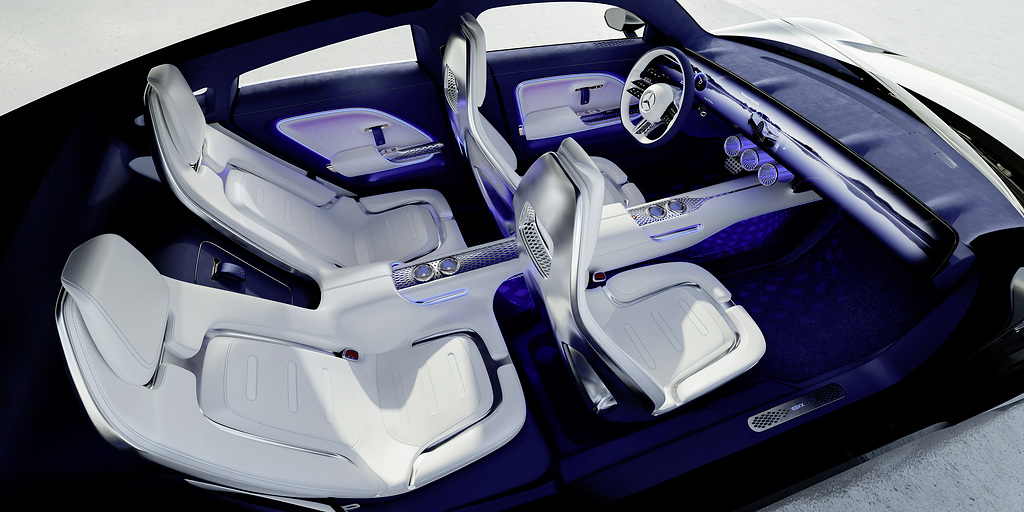
Mercedes-Benz VISION EQXX, interior

By ripping up the automotive engineering rule book, Mercedes-Benz has built a software-driven electric car that re-imagines the road trip for the electric era. At the same time, it presents a highly progressive interpretation of the fundamental Mercedes-Benz principles of modern luxury and Sensual Purity. Rather than simply increasing the size of the battery, the cross-functional, international team focused on maximising long-distance efficiency. They pulled out all the stops in drivetrain efficiency, energy density, aerodynamics and lightweight design.

“The technology programme behind the VISION EQXX will define and enable future Mercedes-Benz models and features,” says Markus Schäfer, Member of the Board of Management of Daimler AG and Mercedes‑Benz AG, Chief Technology Officer responsible for Development and Procurement. “As a halo car, the VISION EQXX firmly establishes Mercedes-Benz as the brand that pairs luxury with technology in the automotive world and beyond. And the way we developed it is as revolutionary as the vehicle itself. VISION EQXX has seen the best minds from our R&D centres work together with engineers from our Formula 1 and Formula E programmes. They are proving that innovations from motorsport – where powertrains are already highly electrified – have immediate relevance for road car development. We are challenging current development processes with innovative spirit and outside-the-box thinking. This truly is the way forward.”

The VISION EQXX is how Mercedes-Benz imagines the future of electric cars.

The VISION EQXX offers meaningful answers to pressing issues. For instance, sustainable materials throughout cut the carbon footprint considerably. Its UI/UX features a radical new one-piece display that comes to life with responsive real-time graphics and spans the entire width of the vehicle. Other elements of the UI/UX help the car and driver work together as one, and even use technology that mimics the workings of the human brain. And the software-led development process that delivered it revolutionises the way electric cars are designed.

This car is one outcome of an ongoing programme that is delivering a blueprint for the future of automotive engineering. Many of its features and developments are already being integrated into production, including the next generation of the MMA – the Mercedes-Benz Modular Architecture for compact and medium-sized cars.

We will come back soon more in detail about this outstanding EQXX…just show you some photos…

Hans Knol ten Bensel

Stellantis also includes Citroën in its LCV Hydrogen strategy…

The development of fuel cell technology is now taking on a new dimension at CITROËN with the production of the first ë-Jumpy Hydrogen. Indeed, the CITROËN ë-Jumpy Hydrogen, assembled in France in the SevelNord-factory, is being adapted to hydrogen in the hydrogen-fuel cell expertise center of the STELLANTIS-group in Russelsheim, Germany…

This ë-Jumpy Hydrogen has therefore the same technical specifications as its Opel sister car, the Vivaro e-HYDROGEN. Like the Opel, it retains a 10.5 kWh lithium-ion battery, which provides dynamic peak power when required, for example, at start-up and under acceleration. Since the battery covers power needs in such situations, the fuel cell can run at optimum operating conditions.

Post-production : Astuce Productions

Citroën also wants their car to be put to the test in daily practice as soon as possible. This first ë-Jumpy Hydrogen will be delivered in the coming days to the SUEZ Group, which is preparing to test this model on a large scale at its Carcassonne site, a pilot site where SUEZ is investing in the production of green hydrogen, an important challenge for the coming years.

Hans Knol ten Bensel

Toyota goes forward with full global battery electric line-up…with Lexus following suit!

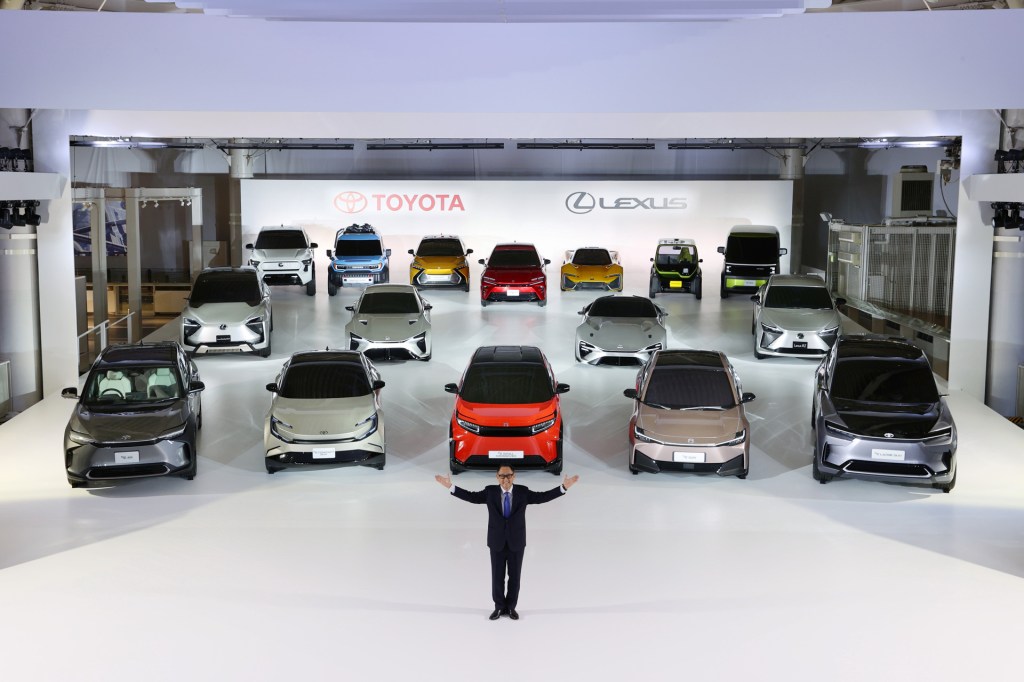
Toyota now takes the BEV market very seriously: Akio Toyoda, President of the Toyota Motor Corporation, seen on the photo above, today presented news concerning the company’s carbon neutrality strategy, by outlining its plans to offer 30 battery electric models by 2030 (Toyota & Lexus combined).

The company expects total global battery electric vehicle sales to reach 3.5M by 2030, and this announcement underpins the plan of for a 100% CO2 reduction in all new vehicles sales by 2035 in Western Europe.

Toyota’s bZ (beyond Zero) battery electric family in Europe is also soon to expand with introduction of a compact SUV as follow up to bZ4X launch. Not less than three battery electric ‘Toyota bZ’ vehicles are planned for Europe by 2025.

Toyota will further increase its investment in batteries from the 1.5 trillion yen – which was announced in September – to 2 trillion yen (15 billion euros).

The Lexus electrified sport will have formidable performance and range…

Now let’s turn the spotlight on Lexus:

Lexus aims for 100% battery electric mix in Europe, North America and China by 2030

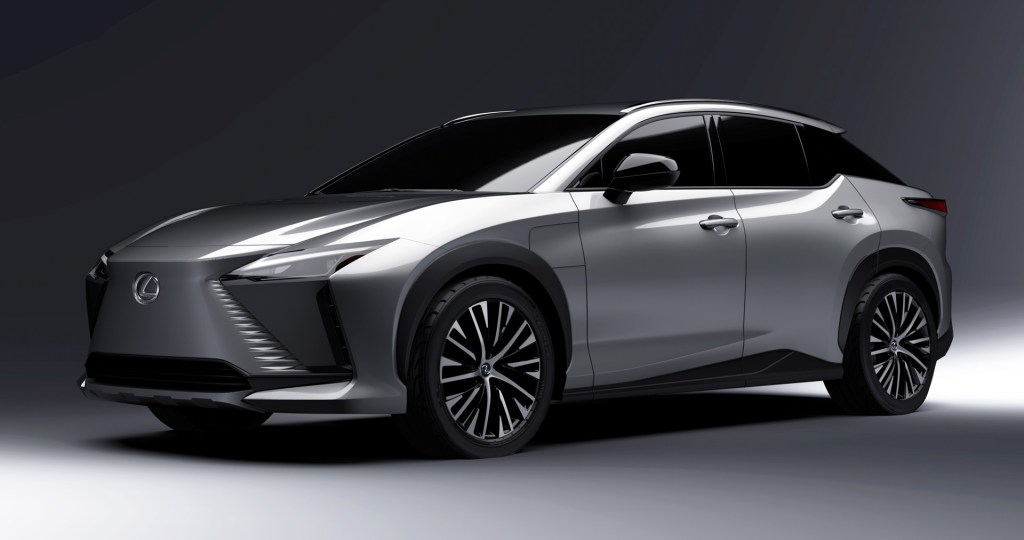
The full name of the new Lexus BEV (that will be launched towards the end of 2022) was revealed: the Lexus RZ450e. See the photo here below…

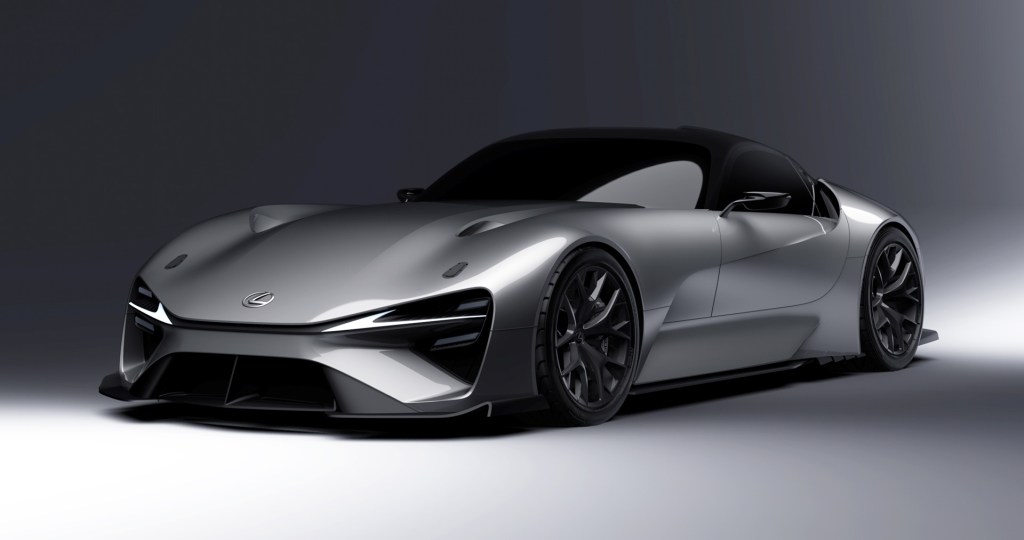
The Lexus Electrified Sport (Sports BEV) concept was also shown: it offers impressive Lexus driving performance, with an acceleration time that will be in the low 2 second range and a cruising range over 700km.

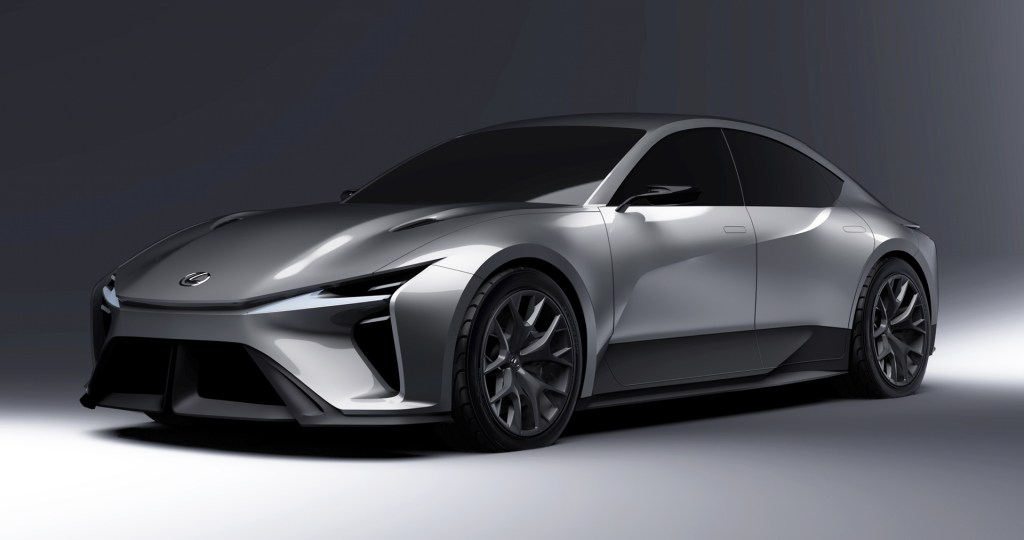
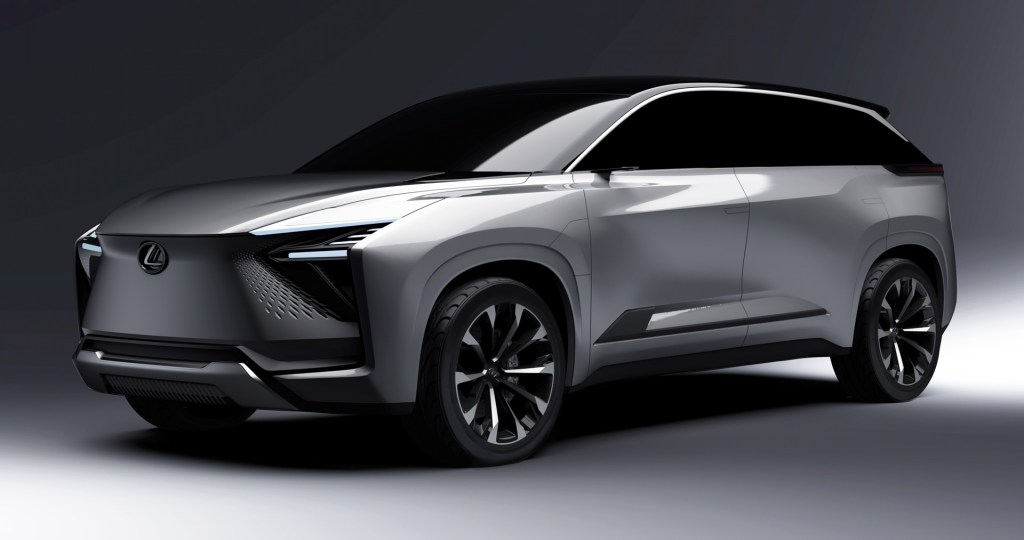
There were also two other future concepts were shown: the Lexus Electrified Sedan (BEV Sedan), and Lexus Electrified SUV (SUV BEV). We show you the photos here.

The Lexus electrified sedan…

More interesting Toyota/Lexus news to come. Faithful readers know that we are the a satisfied owner of a midnight blue Lexus CT 200h, which proves to be not only frugal with an average consumption this year of 4,7 liter/100 km, but also utterly reliable and recently passed the yearly technical inspection with flying colours. A report will follow soon. Stay tuned!

The Lexus electrified SUV…

Hans Knol ten Bensel

Stellantis pioneers in the Hydrogen LCV market with its Opel Vivaro-e HYDROGEN.

Opel Vivaro-e Hydrogen (2021)

Here is some further Opel news, and it is an important feat for Stellantis: the first hydrogen transporter from a vehicle manufacturer which is ready to go. Indeed, the first Opel Vivaro-e HYDROGEN off the production line will begin its emissions-free work in the fleet of the German manufacturer of premium domestic appliances, Miele.

Clever concept: Long driving range, zero emissions, quick refuelling

The Vivaro-e HYDROGEN is based on the existing battery electric Opel Vivaro-e, the “2021 International Van of the Year”. With full tanks of hydrogen, the driving range is more than 400 kilometres (WLTP1). The 45 kW fuel cell is capable of generating enough power for continuous highway driving. It takes only three minutes to refuel with hydrogen – about the same time needed to fill up a conventional diesel or petrol vehicle.

The 10.5 kWh lithium-ion battery provides dynamic peak power when required, for example, at start-up and under acceleration. Since the battery covers power needs in such situations, the fuel cell can run at optimum operating conditions. The battery also enables regenerative braking, while the plug-in capability offers the opportunity to recharge the battery externally if necessary, e.g. at a charging station, providing 50 km of pure battery electric range. The Vivaro-e HYDROGEN features a three-phase on-board charger (11 kW) and a mode 2 charging cable as standard.
The Vivaro-e HYDROGEN demands no compromises on space compared to the combustion engine versions, offering up to 5.3 or 6.1 cubic metres of cargo volume. The fuel cell electric LCV is available in lengths M and L (4.95 and 5.30 metres) with up to 1,000 kilogrammes of payload.

Production takes place at Opel Special Vehicles (OSV) in Rüsselsheim, and, as said, makes Stellantis the first to offer a Hydrogen powered LCV to fleet users…

Hans Knol ten Bensel