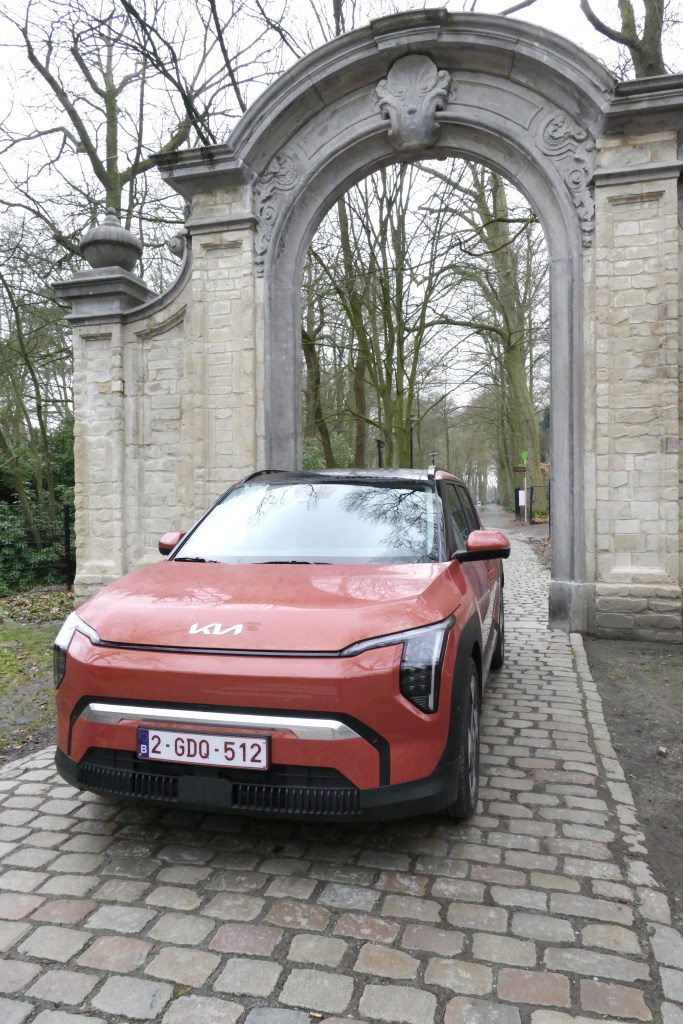
We drove the Kia EV3: steering into the EV future…

Kia has not only adopted a new logo, it is now building cars with an avant-garde touch and style. Their EV3 has continued this new path with success, as it had been chosen European Car of the Year 2025.

For all the good reasons: not only does it run on the same dedicated, bespoke EV tech platform as its bigger sister, the also award winning EV9, it offers style, practicality, roominess, and range which put it at the top of its segment.

Needless to say,our expectations were high when we crept behind the wheel of this EV3 and admired the clean yet superbly well-designed dashboard… just read further.

Hans Knol ten Bensel

Aiming higher…

We have always believed that this Korean brand would reach the top, when we drove its cars almost a decade ago. They learned very fast, and their commitment towards innovation was unseen, while offering affordable quality, technical sophistication, and style.   

Now we drive the result of this strategy, with this EV3. Just look at its overall contours and one sees that it breathes with its angular looks the styling language of today. This is a car for NOW and the years ahead.

We liked its boxy contours, its wheel contours and the styling treatment fore and aft. Also, the angular styling of the LED headlamps and rear lights are adding to a distinct lighting signature. The proportions are well chosen, and even the 19 inch alloys do not disturb the balanced contours of the car. It truly stands out, and the result is that soon the wide public will recognize it as a new generation Kia.
Modern and clever…

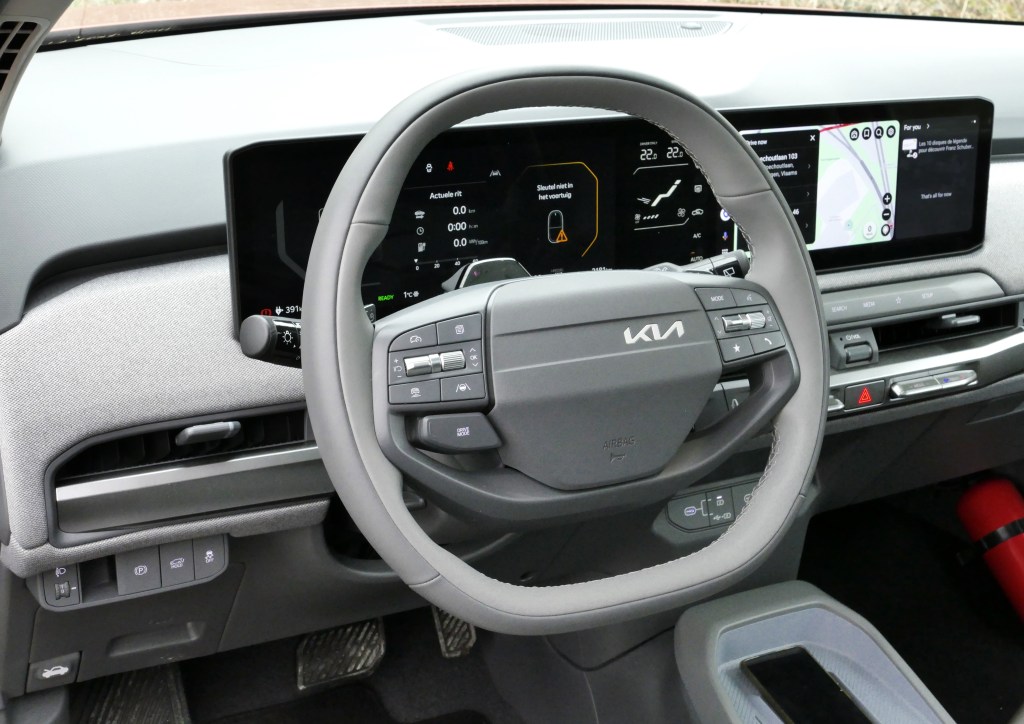
The same can be said of the interior. When you step in the car for the first time, you have the distinct impression that you are entering the future. A 30 inch wide display dominates the dashboard, and combines seamlessly instrumentation, infotainment and connectivity functions. Of course you can adjust heating and ventilation via the screen menus, but thankfully there are analog switches and button controls beneath the screen, which let you adjust all the functions manually. We also liked the centrally placed roll-shaped volume control, so that the front passenger can also use it. The driver has of course the same roller-styled volume control on the steering wheel…

Everything is well thought out, and indeed one can find its way and expertly use all the controls and functions of this Kia without having to use a manual, although it is ALWAYS very wise to read it…it is time very well spent!

We also liked the leather-like seat upholstery, which had a very pleasant feel and touch, with the seats also being comfortable indeed. The front seats also fully recline, so you can take a restful nap while recharging the battery.

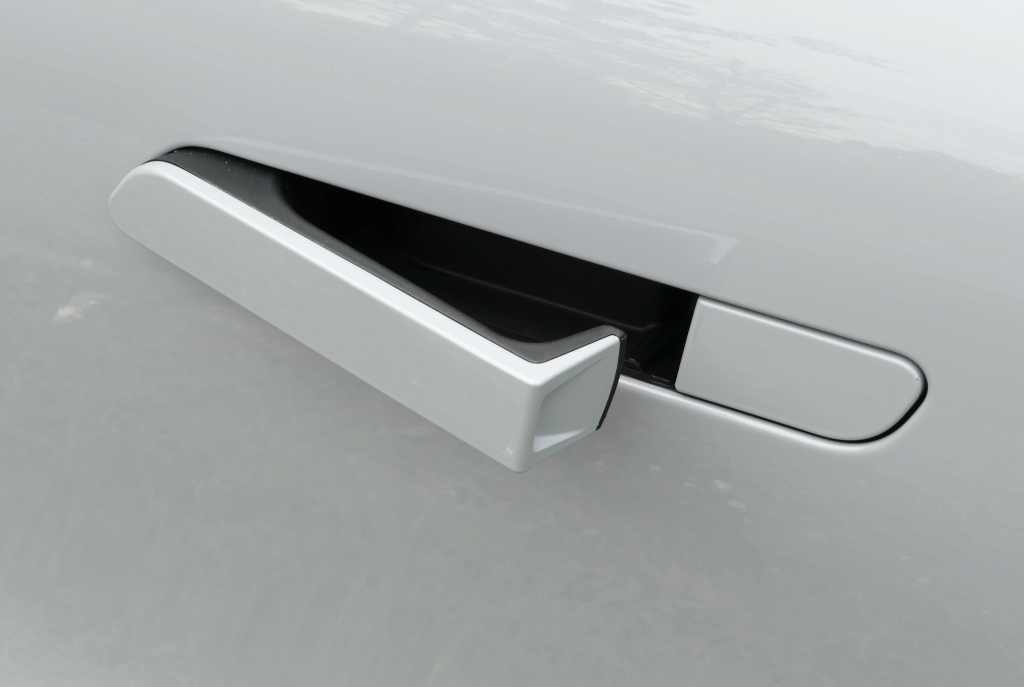
There are also a lot of nice details on this EV3 Kia. It has aerodynamic door handles, which flip open when you press the remote key to open the car. It has a central armrest with a sliding table underneath which fits your portable PC.

After you have locked the car,  you can still move the car fore and aft into tight spaces with your remote key. The sun visors can also be extended when flipped sideways to block lateral sunlight, and the central screen has a small separate cluster of symbols on its left side to make climate control a breeze. The backs of the front seats are styled to be used as coat hanger, which is indeed so practical…  

Comfort put first…

The EV3 offers plenty of legroom, and this is thanks to its relatively long wheelbase of not less than 2,68 meters. The luggage space is also more than adequate for an EV, varying between 460 and 1251 liters. No worries about charging cables lying around, they are neatly tucked away in the frunk, which holds 25 liters.

The EV3 has a very comfortable suspension, and this you notice from the first meters you drive it. Its ride feels like a (very) large SUV, one is cocooned in comfort, and well insulated from potholes and rough roads. The whole cabin has also an excellent sound insulation, with virtually no tire noise entering the cabin. This allows easy listening to classical music, even at cruising speeds.

Good driving range…

This Kia invites you to drive in absolute “Zen” mood to your destination, and it is indeed a very restful car. Peace of mind abounds, also when one considers the very good driving range. Consumption according to WLTP standard is 14,9 kW/100 km, which is quite efficient for a car with a kerb weight of a good 1,8 tonnes.

The EV3 has an 150 kW/204 HP  electric motor driving the front wheels, and you can choose between a standard 58,3 kW or a larger 81,4 kW battery. This means that in summer temperatures around 20 C°, a motorway range of over 400 kilometer is very well possible. Of course this range shrinks rather drastically in winter temperatures.

Say that you are cruising at 100 km/h, the range then dwindles from 401 km at 20 C° to 341 km at 0 C°. We find this still quite reasonable. When you drive somewhat slower on wintry roads, at 90 km/h, the range is then still a good 378 km at 0 C°. The manufacturer quotes higher ranges, but we consider these figures as more realistic.

When you opt for the bigger battery, the picture gets of course even more rosier. Driving at 100 km/h at 0 temperature will give you a range of 473 km, and in summer conditions at 20 C° this raises to 557 km.

In normal, everyday use, the smaller battery might be sufficient, we would think. Because the EV3 can take up to 100 kW fast charge, and this means that it will cost less than 30 minutes to recharge the battery from 10 to 80 pct, and these figures are almost reached in wintry conditions, provided one pre-conditions the battery.

Lively performance…

The 150 kW of the engine and the ample torque of 283 Nm make this EV3 truly sprint. Accelerating from 0 to 100 km/h costs merely 7,6 seconds, top speed is electronically limited to 170 km/h. More than enough for everyday driving, we would say. Maybe it is good to know that the Kia EV3 can tow up to 500 kg with the smaller battery, and even up to 1 tonne with the larger 81,4 kW battery.

Conclusion

The Kia EV3 has won its accolade as “Car of the Year” for all the good reasons. Spacious, styled for the future, practical and well equipped, with excellent efficiency and range and more than adequate performance, it offers smooth transport from A to B. It is well built and finished, it is attractvely priced and enjoys the 7 year Kia guarantee, need we say more?

Hans Knol ten Bensel

We drove the Renault Megane E-Tech Iconic EV60 220 hp

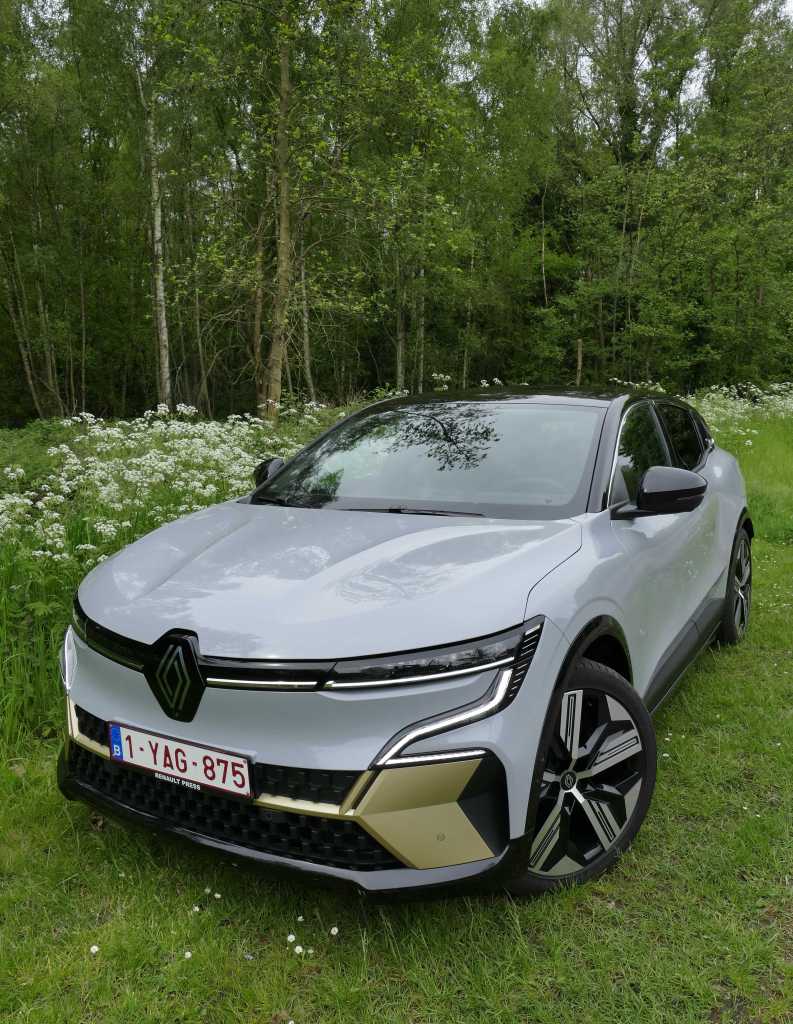
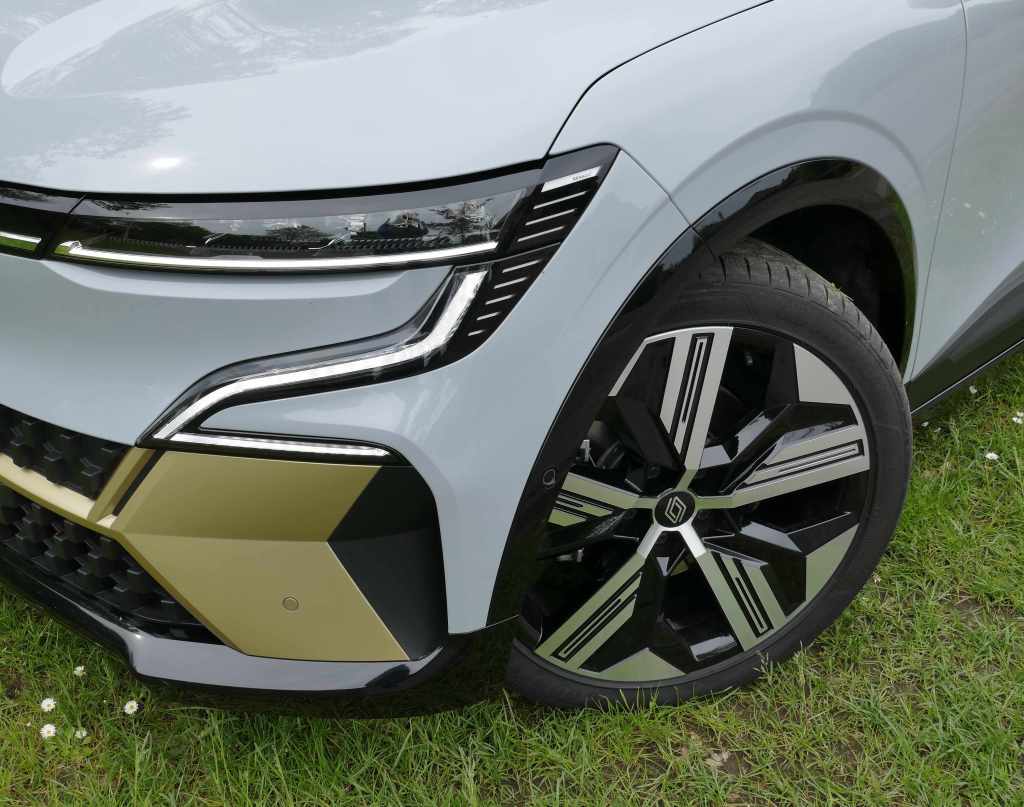
Renault has been very early in the EV game, with its fittingly called ZOE, which has been for years an absolute bestseller. The new Megane has been completely redesigned and is the first Renault model to run on the new so-called CMF-EV platform, co-designed with Nissan. The new Megane is compact with its 4,20 meters, which is almost identical with the previous, fourth generation Megane, but that’s were any similarity ends. The new Megane stands proudly on its big wheels (20 inch in the version we tested) and its proportions are beautiful indeed. The longer weelbase of some 2,70 meters clearly shows that this is a latest generation EV. It certainly has style and panache. Will it also convince as an EV? Just read further…

Hans Knol ten Bensel

Modern times…

The Megane has not only a contemporary flair, it also offers quite enough room for four adults and their luggage. They are greeted by a pleasant and premium interior, with impeccable styling. On the top version we tested, your eyes wander over a well finished dashboard and meet with a crisp 12 inch central screen which offers state of the art infotainment and connectivity. Of course, Apple Car Play and Android Auro are provided. But this is also standard in the base model. Indeed, the latest Megane generation comes very well equipped. Then you get a 9 inch screen, but a rear camera and speed limit recognition combined with cruise control are also standard.

Cocooning

Indeed, the digitalized instrumentation leaves nothing to be desired. Renault has integrated Google functions in its OpenR link, and offers very good information for the EV driver. First of all it uses the chrystal clear Google maps, and when plotting the chosen route for you, it will take into account the charging situation of your battery, and even indicate the estimated remaining charge status at your destination.

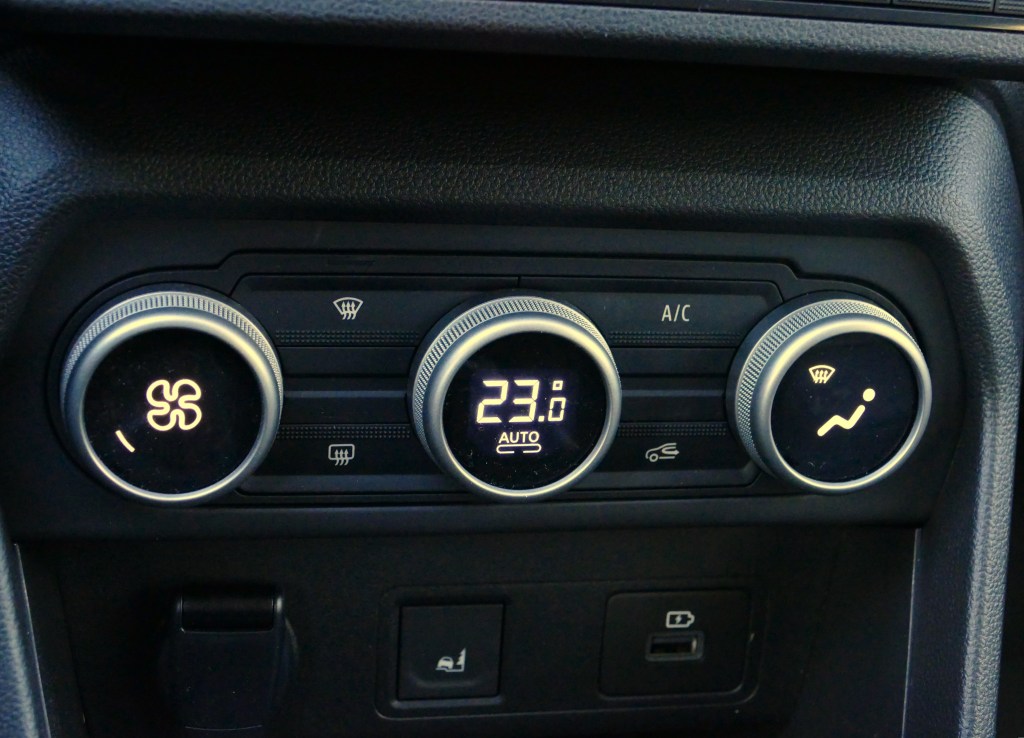
Of course it will also suggest stops and places where you can recharge your battery. The layout of the dashboard is quite practical, and it is good to see that the commands for heating and ventilation are placed on a separate physical touchboard below the central screen. One also finds the legendary and iconic audio command stick on the right side of the steering column, which is typical for every Renault since the R 25 sedan, launched way back in the seventies…

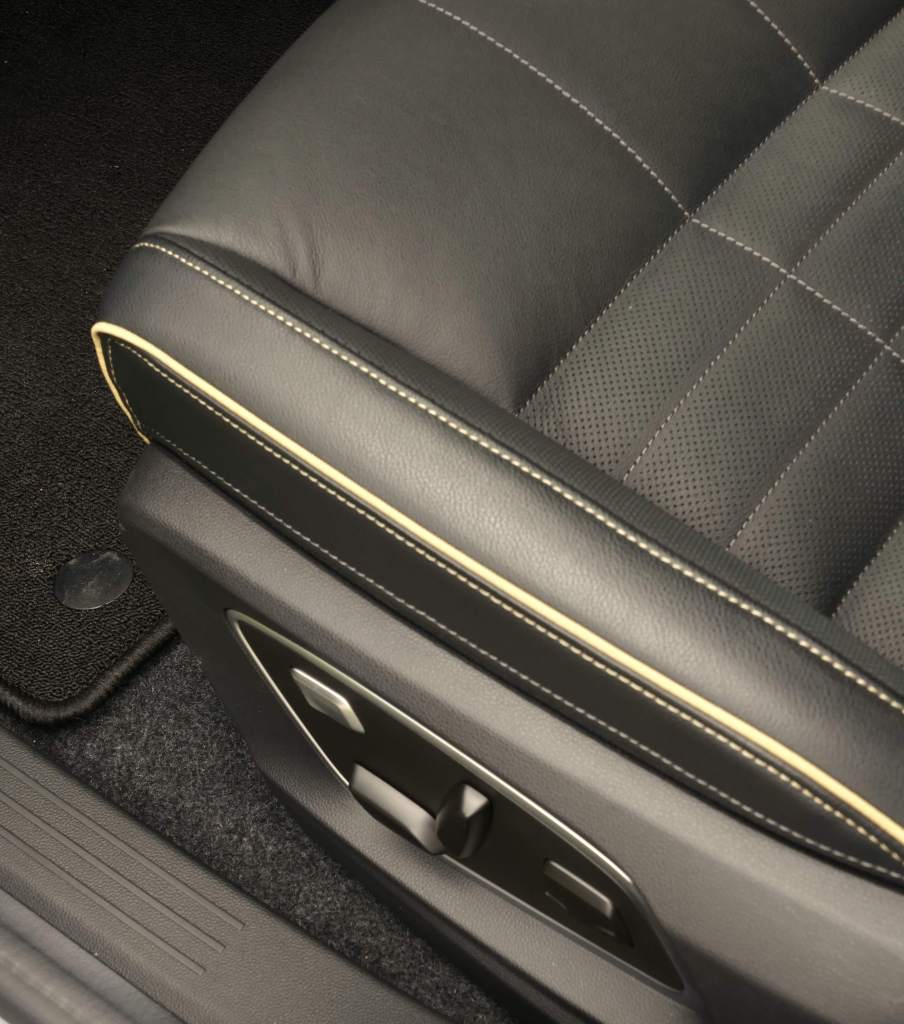
The finish level of the  cabin and seats is high indeed. In the top “Iconic” version we tested, Renault has also provided electric powered front seats with memory and massage functions. The seats are very comfortable and the upholstery is firm.

Smooth power

We tell you nothing new when I tell you that EV’ s spoil you with lots of super-smooth power. With its 300 Nm and 220 HP you can expect very sporting performance. Not only is this Renault very quick off the mark with a sprint from 0 to 100 kmh in merely 7,5 seconds, it excels in traffic with very brisk accelerations. From 60 to 100 kmh costs merely 3,6 seconds, which makes overtaking or joining faster traffic the proverbial breeze. Besides the silence and smoothness, it is this permanent presence of this abundance of power which makes an EV truly delightful to drive. The pleasure stops at 160 kmh, as the electronic limiter sets in quite sensibly. Indeed, high cruising speeds wreck havoc to the range of your EV.

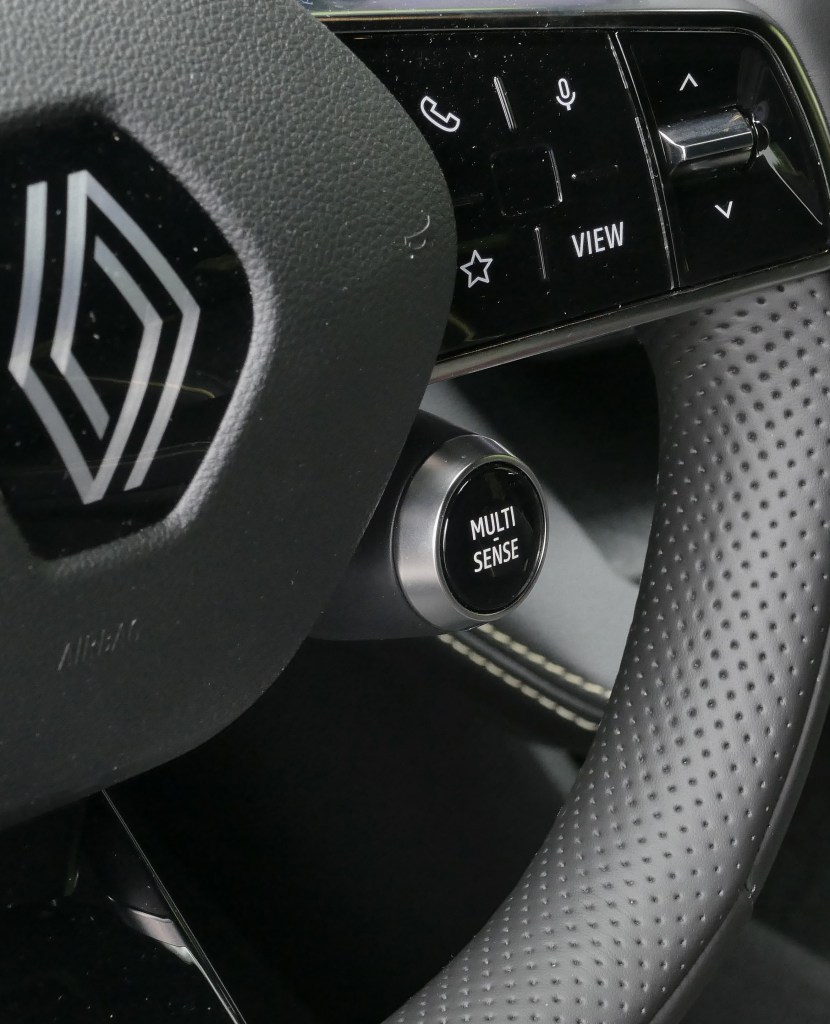
There is a round knob at the steering wheel column where you can choose the different driving modes from eco to sport, and with the paddles on both sides of the steering wheel you can select the amount of energy recuperation you want on your drive. 

Despite being only front wheel drive, the drivetrain copes well with all this power. When it comes to consumption, the slower you accelerate and cruise, the better your range will be. We learned to drive EV’s with restraint, despite their abundant power, and this is the only way  to achieve a consumption which comes close to the official WLTP figures. We regularly achieved values between 15 kW in urban traffic and 17 KW on the open road, at moderate cruising speeds. When you use this Renault more briskly, you have to reckon with 19-20 kW, which is still a very good value indeed.

The battery has 60 KW capacity, and this means a range between 370 and 400 km is quite realistic and achievable when you drive it with restraint and achieve a consumption of around 15-16 kW. It accepts up to 130 kW fast charging, and this means that you can charge it from 10 to 80 pct in merely 41 minutes. The battery is guaranteed to deliver 70 pct of its capacity for a period of 8 years or 160.000 km.

Practical

We already applauded the excellent infotainment and good cabin layout. The boot space is adequate with some 330 liters, with the rear backrests down this raises to some 750 liters. The boot floor lies very deep, and this makes loading heavy objects a bit cumbersome. One minus point in everyday life might be the rather poor backward visibility, due to the small rear window, high waistline and the large C pillar. But then the Megane has a rear camera as standard equipment, and in the top version we were spoiled with an electronic rear view mirror.

Comfort and handling

The Megane is in good French tradition laid out for comfort, it is also at home on winding roads and offers excellent stability at motorway speeds. We already applauded the comfortable seats, and getting in and out of the car is also easy due to its higher stance.

Conclusion

A well styled car, well built and finished, powerful and reasonably frugal, the Megane betrays the excellent ”savoir faire” of the French car builder in making EV cars. It is full of panache, both inside and out, and certainly deserves a good look if you are looking for an EV in this segment.

Hans Knol ten Bensel

Thoughts about the future of our automotive mobility and our energy resources…  

Mr. Philippe Dehennin pleaded passionately for a change in EU Commission decarbonization policies in the interest or European car industry, its workers and its consumers…

Recently I assisted at an interesting luncheon conference held by Philippe Dehennin, Chairman of BEHVA and honorary Chairman of Febiac after a lifelong career at BMW, at the premises of Autoworld and organised by the dynamic Royal Historical Vehicle Club. 

He talked about the one-sided approach of the present EU commission and parliament in drafting the path to carbon neutrality of our automotive mobility.

He passionately pleaded for a neutral stance by the EU political decision makers concerning the technologies which are to be used in reducing carbon emissions. This is in the interest of both consumers and the European automotive industry, which is under pressure and economical risk due to one sided technological solutions (i.e BEV) which distort competitive balances in the global economy. Here I present to you an extensive report of his conference.

On the subject mentioned in our title, we will regularly report on what the captains of automotive industry have to say, and the adjustments they bring to their corporate strategies in these turbulent times of energy transition… Just read further!

Hans Knol ten Bensel   

The lunchean conference was held at Brussels Autoworld…and organised by the Royal Historical Vehicle Club.

After illustrating the broad evolution of our (Belgian and European) mobility from the early fifties to the present day, Mr. Dehennin described, amongst others, the positions of ecologists on our future mobility.

In terms of preference, these ecologists adhere to the following pecking order: walking, biking, metro, bus, and finally the individual car. They see further carpooling and car sharing as the only viable use for cars. They see the latter solution also ideal for bikes, like cargo- or tandem bikes for example.

However, all studies show clearly that in all everyday life situations, the car remains the preferred means of transport. This situation is somewhat less outspoken in cities, but the preference is even more outspoken on the countryside and suburbs. For many families and households, the car remains an outright necessity.

In terms of reducing the ecological footprint, car manufacturers have made a quite remarkable progress over the years and have convinced many car owners and users not to give up what they have acquired in terms of individual mobility. The car will have a bright future ahead, unless the EU commission maintains its stance to forbid the sale of cars with IC engines from 2035 onwards.

The private car buyer hesitates…

Do we have to fear that this will happen? Studies on the behavior of average, modest households, which represent the majority of our consumer base, clearly show  that they are largely opposed to the electrification of their cars. This situation now starts to have an impact on our politicians.

In the EU, only 1 in 10 of private car buyers opt for an electric vehicle. In Belgium, this is only one household on 20. The EV’s are just too expensive for the majority of average households. Many would just be forced to postpone the purchase of a new car and face the consequences of driving around illegally in (urban) low emission zones. Cities are aware of this and are starting to mitigate and loosen their emission regulations.  

But the trend is changing. There are also several countries who do not forbid anymore the sale of IC engine cars within their borders. The same goes for the use of heat pumps, etc. EU countries are now more than ever on the issue of decarbonization.

No place for climate skepticism…

I want to stress here that I am not a climate skeptic. I am convinced that reducing carbon emissions is an absolute necessity, but it has to be done with the support of the larger public, within the boundaries and limitations of their purchasing power. Now, EU and national politicians are increasingly becoming aware of this.

The actual and invasive consequences of the socially utopian obligations and regulations are seen and felt by the EU public, and one can indeed ask oneself whether these measures are deemed necessary, taking into account that Europe represents merely 8 pct. of global CO2 emissions. Since 1990, these EU emissions have dropped by 50 %, whereas the emissions of China and India have increased over the same period by 300 %.  

Saving the European car industry… through adopting a wider array of technologies.

Of course, the BEV is useful for many applications, notably in cities. But I also believe in the future of “thermal” or IC engine cars. 8 European countries, housing the majority of the not less than 13 million jobs tied to the automotive industry, have not said their last word. Nobody wants to open a free road to chinese imports. Germany obtained formal guarantees to be able to develop and use synthetic fuel for IC engines from 2026 onwards.

Jean Dominique Sénard, Chairman of the Board of Directors of the Renault Group, has repeated the strategy of Renault to go further on the path of electrification, but he thinks also that the combustion engine has still many good years ahead of it, thanks to the use of synthetic fuels, which he expects to go down in price in the coming years.

Oliver Zipse, chairman of the board of management of BMW AG, sees also hydrogen having a place in a diversified energy strategy to meet the varied needs of users the world over. In his latest statement, Zipse said “There is no “one size fits all” when it comes to mobility. Markets, customer wishes and conditions develop differently. This is a fact. As a global company, we take this into account. We are continuing to develop all powertrain technologies, including further researching the potential of hydrogen with our BMW iX5 Hydrogen pilot fleet.” (Added by editor).

Of course, hydrogen offers freedom of mobility with very short recharging times. BMW also believes in the future of thermal engines. Because the IC engine will live on for at least a century…And indeed, thermal engines are a crucial sector of European engineering excellence, whereas battery technology is a sector of Chinese engineering prowess.  

If we are driven by the political authorities in only one direction, i.e. BEV, without certainty of the geopolitical developments, nor the certainty of access to the necessary raw materials, without having the necessary “green” E-power and the corresponding adequate charging infrastructure, we will not be able to offer what the customer wants, nor will we be able to guarantee employment in the automotive sector.

A brief for the new EU commission: to adopt a neutral technological stance…

We need to convince the EU Commission to adopt a neutral stance on the technological level. The commission cannot dictate to the industry the technological path to follow. This has never been done in the past and should not be done now.

The CO2 neutral mobility has to be adapted to the diversified realities of the broad consumer base. Also the Diesel engine has not told its last word with the appearance of “clean” synthetic fuels on the market..

The new commission has to steer our European industry in an intelligent manner through this energy transition. If we need EV’s for our needs, we should also invite Chinese manufacturers to open  factories also on our shores; because only employment will generate the necessary prosperity and purchasing power.

Of course, the challenge for our manufacturers lies in offering also models for the average consumer besides the premium segment, where our European presence is already well established.

Only a combination of technologies will offer the proper solutions to the very diverse mobility needs of the EU consumer. The consumer should have the necessary freedom of choice, the liberty of selecting the ideal technology for his purposes.

Europe is a continent of liberties, the result of the declaration of human and citizen’s rights, like the freedom of speech, thought, opinion, property, the freedom to move when and how he or she wishes.

It is difficult to understand the complacency of a part of public opinion for those who seek to constrain us towards a single solution, i.e. the BEV and the bycicle. We need a technologically neutral, ecologically responsable mobility, respecting and preserving our economical prosperity. This will allow us to co-finance, together with the major powers, the decarbonization of the African continent.   

Europe has to be again the home of automobiles with passion and style…

One last word about design. It is time that the European car industry starts to offer intense and passionate automobiles, incarnating a (design) culture proper to each brand. This trend is now (thankfully) growing… concluded the speaker.

Hans Knol ten Bensel

We drove the Dacia Jogger Hybrid 140: your (price) winner…

Hans Knol ten Bensel

Stellantis Belux unveils cars and future plans in a multi-brand car show …  

Indeed, the  Management and PR team of Stellantis Belux, welcomed recently the Press and B2B to a, called ‘House of Innovation’.

A fitting initiative, set up in the absence of the Brussels Motor Shows, keeping the tradition in our country of a traditional show period and at the same time providing a platform for unveiling the latest innovations, concept cars and the future direction of the Stellantis brands.

Needless to say we were very keen to attend this event, giving your servant also the opportunity to have several interviews with the managers of several brands, which we will present soon on our columns. Here in this first report about this “Kickoff Press conference” we will focus on the future strategy of Stellantis and its plans for the Belux market. Just read further!

Hans Knol ten Bensel
The event started with an inspiring introduction by Florian Kraft, CEO of Stellantis Belux

…followed by interactive brand presentations and workshops. “This event symbolizes our continued pursuit of innovation and progress in the automotive world. We are excited to share our latest developments and our vision for the future with the press and our valued customers and partners,” said Florian Kraft, CEO.

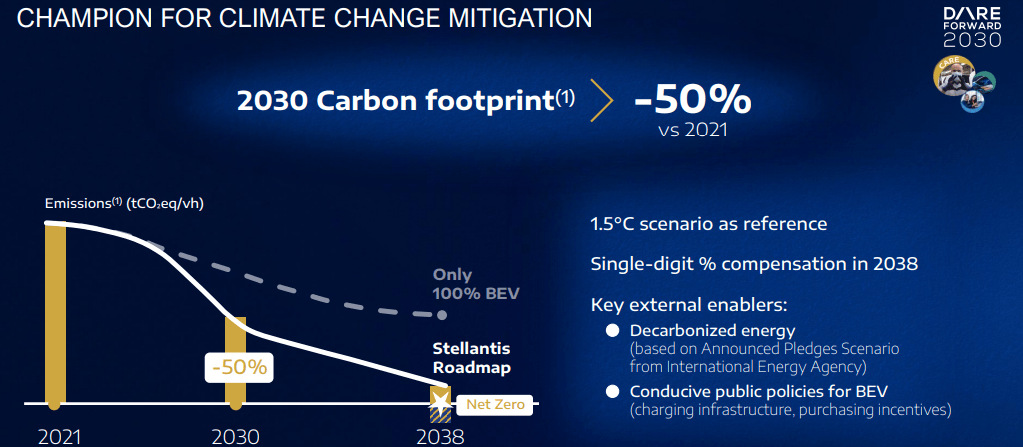
Florian Kraft first pointed out the four core targets of the Stellantis “Dare Forward strategic plan 2030.” This plan will move Stellantis into a sustainable mobility tech company.

The first target is reducing its carbon footprint by 50 % in total CO2 emissions per vehicle compared with 2021, on the path to achieving carbon net zero in 2038. This then includes not only from well to wheel, but also throughout the entire supply chain. 

The second target is setting the course for 100% BEV sales in Europe and 50% in the United States in 2030. The third is achieving number one position in customer satisfaction. The fourth is doubling net revenues while transforming our business models and sustaining double-digit operating margins. How Stellantis will achieve this, will be the subject of a future report in our columns. Stay tuned!

Ambitions for 2024…

Looking ahead to 2024, Stellantis Belux has set itself several goals. In terms of network, the company aims to ensure a successful transition to the New Retailer Model using its existing network. Indeed, Stellantis is progressing at full speed in the execution of its Dare Forward 2030 Strategic Plan, with the ambition to be #1 in customer satisfaction in all markets, in products and services. Indeed, the customer experience will be at the core of this retailer model.

Customers will be able to take advantage of a multi-brand and multi-channel approach with a wider range of services. Dealers will have a new and efficient business model aimed at benefitting from Stellantis’ 14-brand portfolio, creating synergies, optimizing distribution costs and offering additional sustainable mobility solutions, says Stellantis. So far for the aims, let’s explain this further in more concrete terms.

In September last year, Stellantis launched the reorganization of its European dealer network, starting with four specific markets before extending it further across Europe in 2024. Stellantis announced it was ending its previous sales and services contracts with European dealers for its 14 brands and moving toward a new distribution framework based on an agency model. What is this agency model?

Under this model, the manufacturer becomes the retailer while the dealer remains the physical touchpoint with the customer. The agent/dealer receives a commission on each sale and no longer individually sets prices or discounts.

As the dealer does not have to purchase the cars from the manufacturers anymore, he does not carry significant commercial risks and has less administrative costs as billing and payment towards the customer is done by the manufacturer. It protects also the profitability of the retailer. Because, as everybody knows, profit margins on new car sales can fluctuate.

With the Lancia Pu+Ra HPE, the Lancia journey towards the future begins, drawing inspiration from the past

The advantage for the car manufacturer is a direct contact with the customer, which it did not have so far….

The manufacturer can now determine end-customer discounts themselves, in this way achieving price consistency and avoiding  competition between dealers of the same brand. They can optimize costs through centralization, and profit from the scale effect of transferring responsibilities from individual dealerships to the bigger sales organizations on national levels.

The new Alfa Romeo Stradale: the future is already a pur-sang reality…

It also is more in line with today’s consumer preferences, which would rather see fixed prices and an equally simple buying process as they experience in e-commerce.

Stellantis is moving towards this model in big steps now. In September last year, Stellantis announced that the revised retail model will be fully effective from Sept. 4, starting with Austria, Belgium, Luxembourg and the Netherlands. Stellantis is not the only one to prefer this agency sales model. BMW and Mercedes opt for it too…

The BEV line up at Peugeot: towards a leading position in the B and C segment…

Stellantis market position in Belux …

In terms of sales, Stellantis Belux aims to regain the lost market share in 2024 and further strengthen its position. In 2023, Stellantis Belux achieved a global market share of 17.2%, with more than 100,000 units sold. On the LEV (Low Emission Vehicles) market, Stellantis Belux occupies a fourth place with an 11.6% market share. The BEV (Battery Electric Vehicle) and the PHEV (Plug-in Hybrid Electric Vehicle) occupy a fourth place with respectively 10.5% and 12.8%.

Stellantis Belgium confirms its strong position with a pole position in the segment A and with not less than six models of Stellantis (Peugeot e-208, Peugeot e-2008, Opel Corsa Electric, Jeep Avenger, Opel Mokka Electric, DS3 E-tense) in the TOP 10 of the segment B (BEV), representative 66% of the part of the segment.

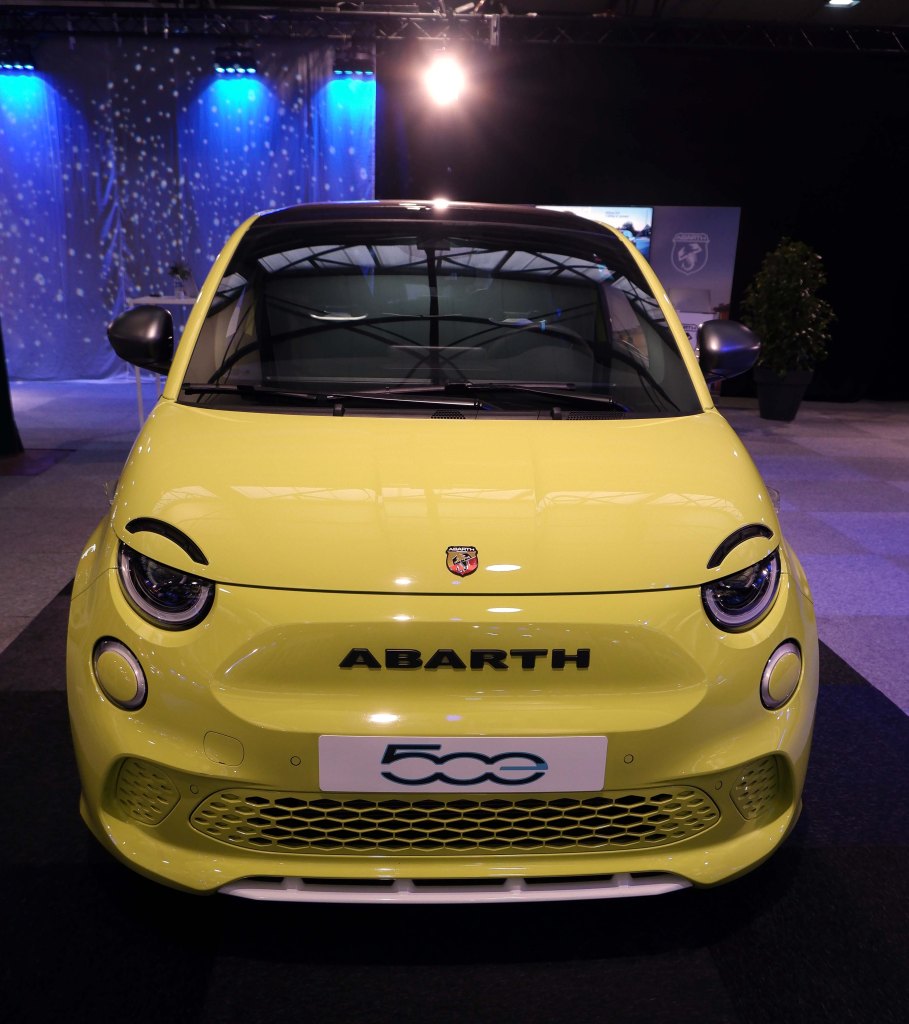
Introducing petrolheads to the joys of E-power: the Abarth 500 E, waiting for the imminent 240 HP 600 E…

Last but not least, Stellantis Belux is the leader in the segment of the LCV (Light Commercial Vehicle) with more than 30% of market share, of which more than 50% is electrified!

In terms of product innovation, Stellantis Belux will continue its electrification, where it currently leads in the A-B segment and LCV, and further expand it to the C segment with models such as the Opel Astra, Peugeot 308 and 3008 and Citroën C4.

As is tradition in January, the Stellantis brands start the year with super attractive “salon conditions” on their range. This applies to both private and professional customers and to electric and ‘thermal’ vehicles.

We made on this event interviews with Pierre Voineau, Managing Director Citroën Belgium & Luxemburg, (see photo here above), Asterio Perez, Managing Director of Fiat, Abarth and Fiat Professional in Belgium and Luxemburg, and last but not least Eric Laforge, Head of Jeep Brand Enlarged Europe.

This will be followed by a special report on the magnificent prototypes which were displayed amongst the 36 cars on this conference.

So stay tuned for (much) more soon!

Hans Knol ten Bensel

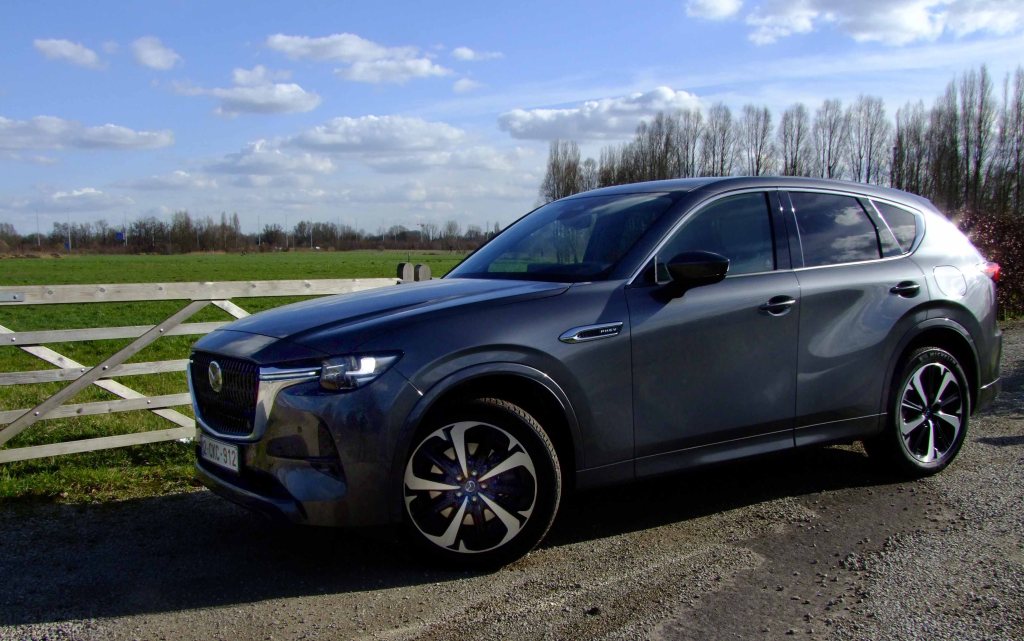
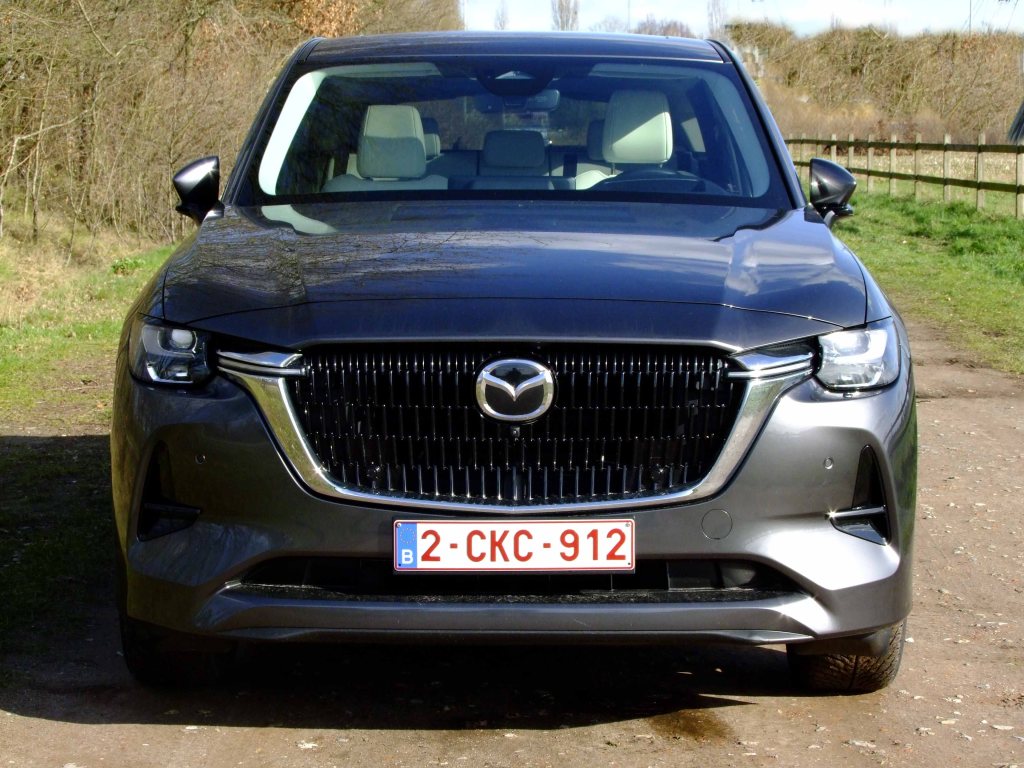
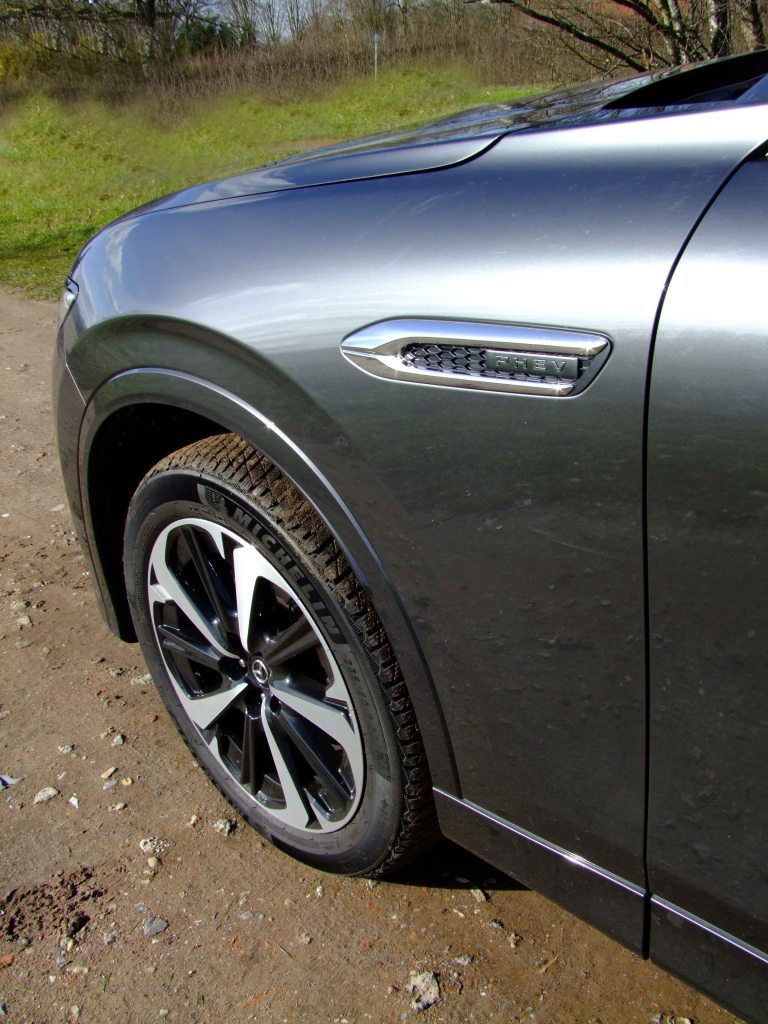
We drove the Mazda CX-60 e SkyActiv PHEV : a flagship SUV the Mazda way…

Mazda has bold ambitions. It wants to be an absolute premium manufacturer within a few years, and it is building up its model range accordingly. Looking at its latest SUV, the CX-60, it is definitely succeeding. This PHEV Mazda impressed us. Read further…

Hans Knol ten Bensel

Mazda elegance and style

Mazda’s are well proportioned and styled, and have indeed a distinct, proper styling language which makes them stand out from the rest. The lines of this bigger SUV are not too busy, instead they are fluent and exude a distinct sportiness together with a quest for simplicity and elegance. The front end and radiator grille carry also the distinct Mazda DNA, which is now becoming well established and is quite pleasing.

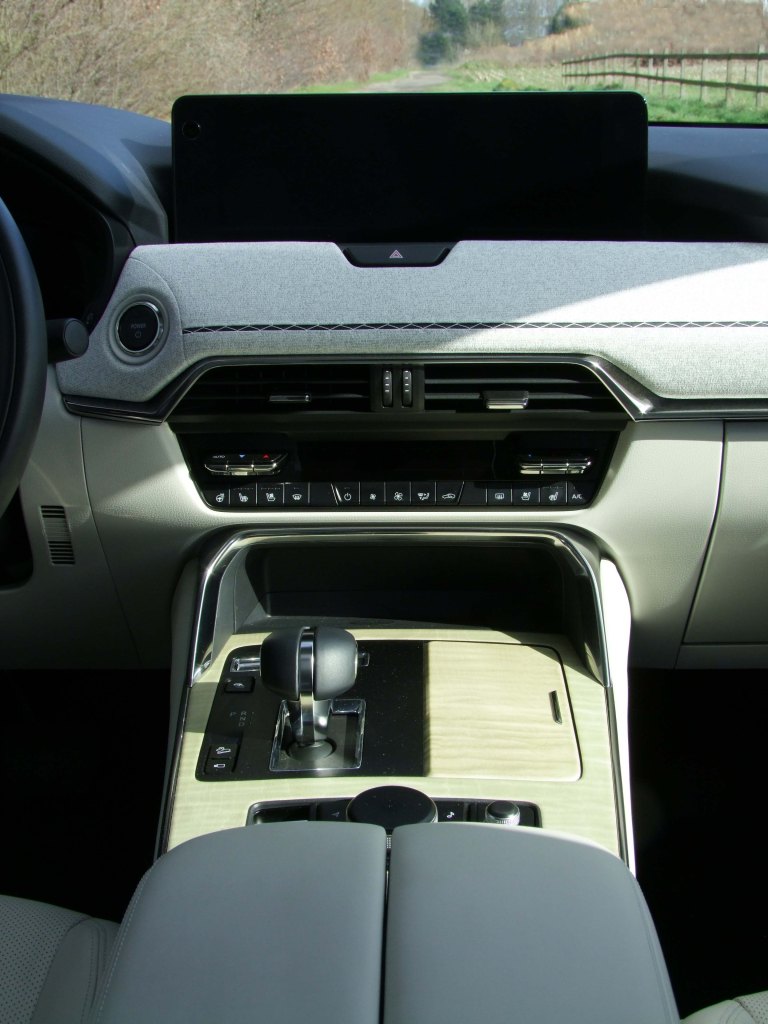
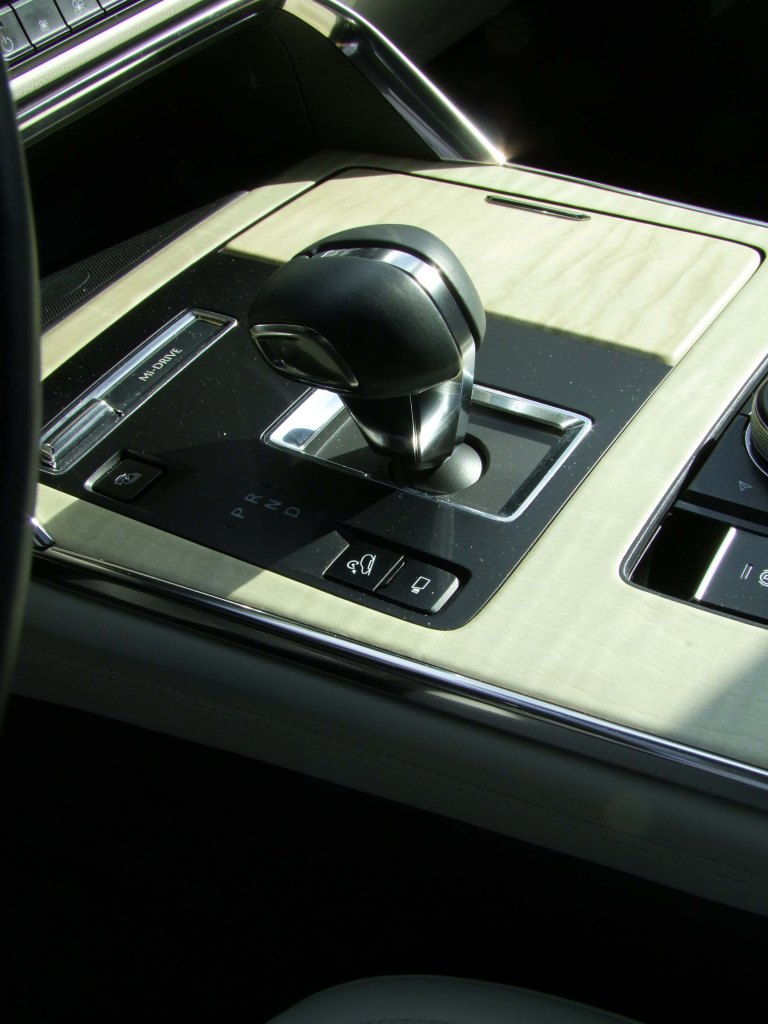
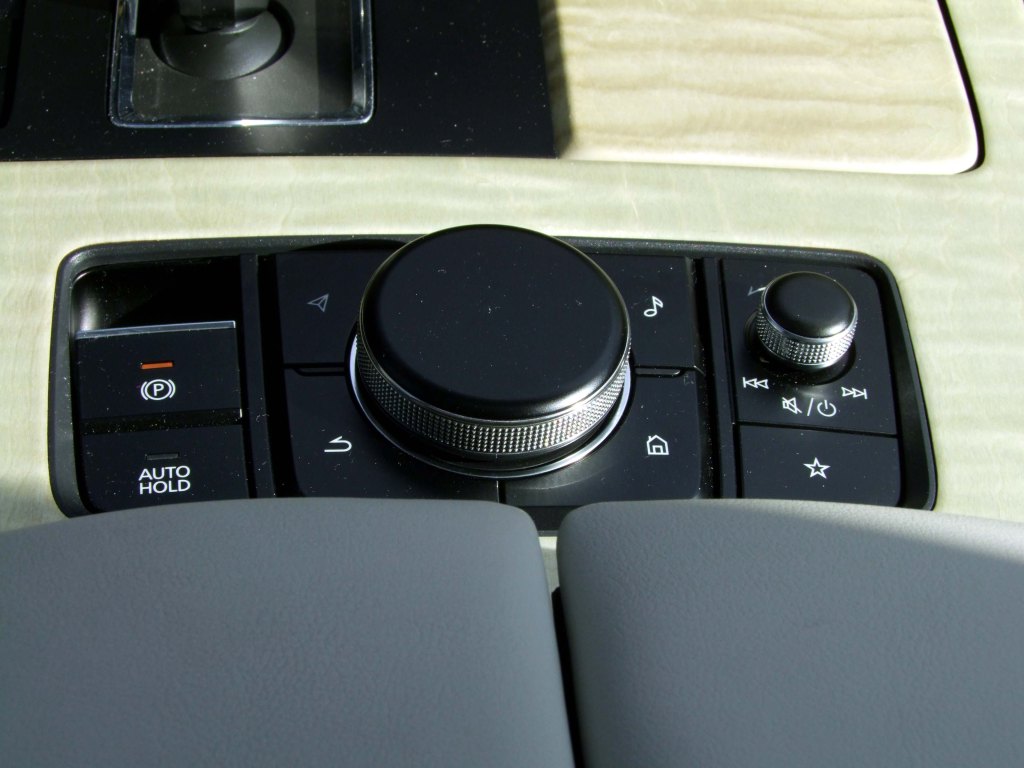
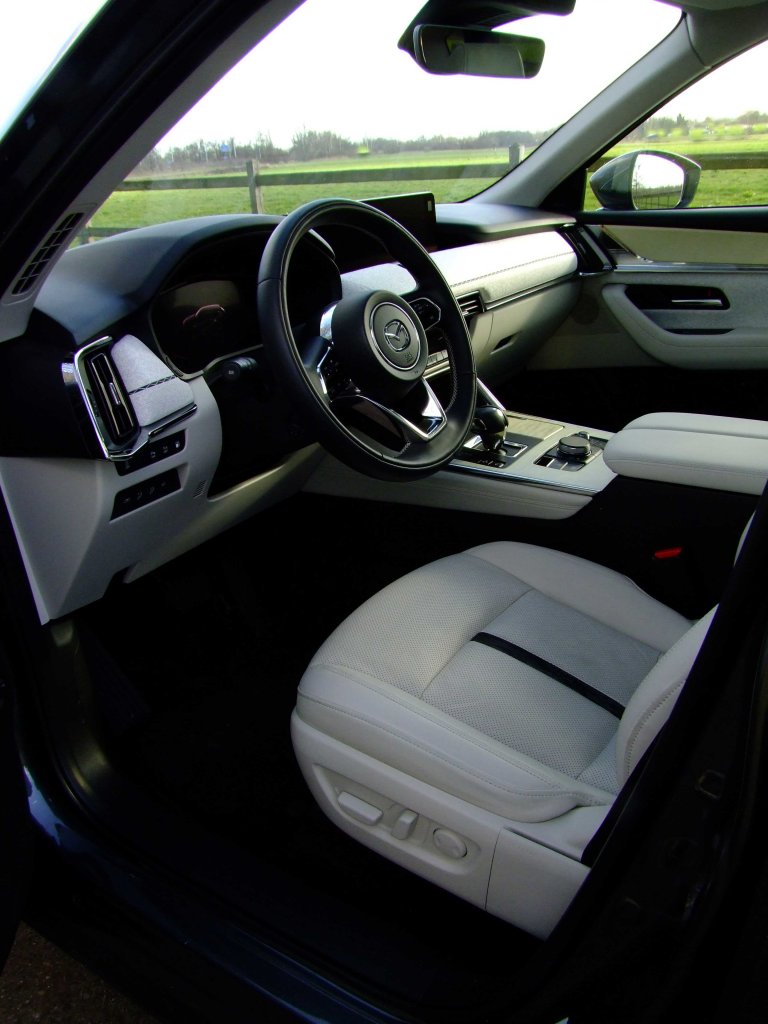
The style and sophistication is also found in the interior. We absolutely loved the white colour of the surface panels, upholstery and seats, and the lavish use of chrome around the edges of the lateral vents. On the wide central console, which is impressive due to the simple fact that a transmission runs through it, one finds even a tropical white wood veneer finish. Very oriental, we would say, and a refreshing departure from the all black colour schemes we so often encounter.

The elegant interior design introduces the ideas of Kaichou – an element of disruption which mixes different materials and textures. With the flagship Takumi grade, which was the top equipment version found in our test car, materials such as maple wood, nappa leather combine with uniquely worked Japanese textiles and chrome details, and Musubu – the art of binding which was the inspiration for a specially detailed instrument panel stitching. We liked that also very much.

The treatment of the maple wood trim reflects the Japanese aesthetic of Hacho – asymmetrical balance, or intentional unevenness. The woven fabrics’ diverse patterns and yarns respond sensitively to changes in light, and a Japanese stitching technique called Kakenui creates ‘hanging stitching’ seams with spaces between the trim fabrics revealing a glimpse of the material beneath. As we said, very elegant indeed…

Very powerful

The Mazda CX-60 comes with several engines, and even a six cylinder in line Diesel in world markets, but for the time being, in our country it’s a 2,5 litre four cylinder “Sky Active” petrol engine which is doing part of the work, as the CX-60 is a PHEV. The electric motor sits between the engine and the gearbox, and even has its own clutch, so this Mazda remains a 4WD also when in EV mode. Power galore with this Mazda. What to say of an electric motor which develops already 134 hp, and which is able to propel this two tonne SUV with the inboard 17.8 kWh battery on EV power alone for a range of 62 km.

Indeed, when you have charging possibilities at home and the office, and if your daily commute is rather short, it is totally feasible to use your Mazda as an EV. Just choose with the “I mode” sliding lever on the console the EV mode and you’re ok. You can expect then formidable economy, as the engine then is hardly used. The benchmark and crucial WLTP CO2 emissions value is set 33g/100 km. The WLTP combined fuel consumption is just 1.5l/100 km.

Combined with the petrol engine total power is an impressive 327 PS/241 kW. This makes it the most powerful Mazda ever, having also not less than 500 Nm torque, with performance to match: this SUV sprints in 5,8 seconds from 0 to 100 km/h, and top speed is not less than a limited 200 km/h. For your information, the petrol engine develops a maximum power output of 141 kW at 6000 rpm and 261 Nm of torque. The electric motor delivers 129 kW of power and 270 Nm of torque at 400 rpm.

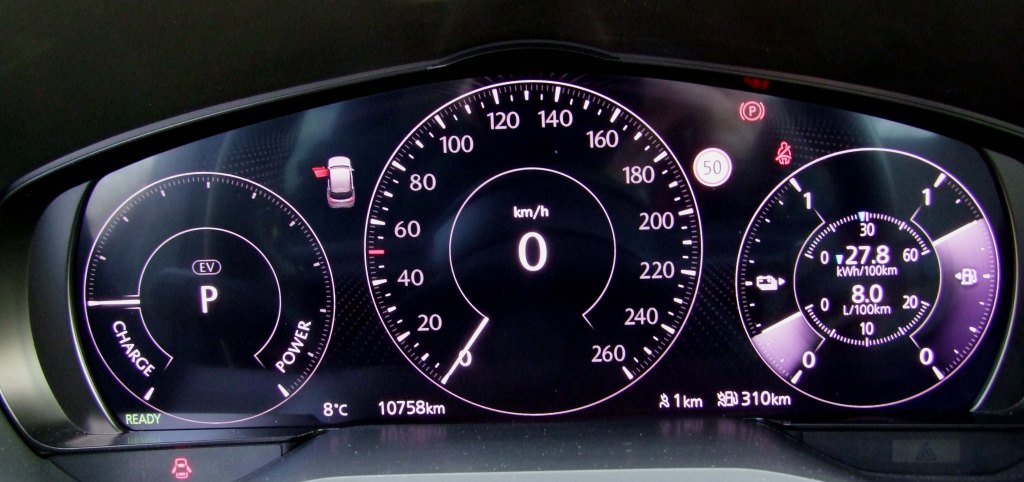
Does this CX-60 invite you to use all this power? Not quite, where I have to admit that we are a bit economy buffs, and seeing the cleverly designed instant consumption dial hovering fiercely in the red zone, with consumption well above 20 liters/100 km when we press our right foot a bit deeper, we tended intuitively to slow things down a bit.

Add to this that the engine makes itself well heard when called to duty, and you understand that we rather avoided using the “sport” mode. This Mazda will also use its engine rather often when the battery is low, which is understandable since one needs power to move this 2 tonne SUV around. Driving this CX 60 with restraint when the battery is depleted, one achieves an average consumption of some 7,8 litres/100 km as we registered during our test, which is a very good score considering the size and weight of this 4WD CX 60. The efficient 2,5 litre Skyactiv unit is coupled to an all new 8 speed automatic, which doesn’t use a classic hydraulic converter, but a multi-plate clutch as well as an integrated electric motor/generator.

Mazda claims that by replacing the torque converter with a clutch, the torque of the engine and motor is transmitted directly, with fast and rhythmic shifting much like a manual transmission. A little bit of the Mazda MX-5 “Zoom zoom” philosophy is still felt here. Nowadays, Mazda is aiming to become a premium manufacturer more than ever. The larger public should only be more aware of this…

The transmission is indeed very smooth when driving away from standstill, some jerkiness is felt when the transmission changes down when coasting and slowly decelerating. But under power, everything just feels great.

Driving dynamics

Mazda put a great effort in the handling and agility of this big Mazda. It wants it to be nimble, responsive and engaging. Not a small brief for a big SUV. First of all, it should be noted that the CX-60 The new Mazda CX-60 is based on Mazda’s Skyactiv Multi-Solution Scalable Architecture, designed to be compatible with the SUV’s longitudinal front-engine rear-wheel drive mechanical layout.

The Skyactiv Multi-Solution Scalable Architecture features numerous enhancements to improve as Mazda calls it, the Jinba-Ittai driving.

The feeling of Jinba-ittai (oneness between car and driver) that can be experienced when driving the CX-60 in varied day-to-day situations, remains the same even on challenging off-road paths during weekend outdoor activities or on slippery winter roads covered in snow and ice.

The i-Activ AWD and Mazda Intelligent Drive Select (Mi-Drive) allow the car to maintain responsive on-road driving while also offering a safe and secure driving experience even on various off-road surfaces thanks to its high controllability.

The bodyshell rigidity lets you feel the car’s handling and movements without lag. We should also mention here the Mazda-unique vehicle posture control system – Kinematic Posture Control (KPC). This stabilizes vehicle posture when cornering, braking the inside rear wheel to mitigate roll and draw the car body downwards.

How does all this translate in practice? The suspension revealed itself as rather firm, understandably so if you have to balance a 2,1 tonne SUV. Steering is precise, but rather busy. Yes, the CX-60 could indeed be thrown around corners, is up to the job, but it doesn’t exactly invite you to do so. The CX-60 sports double wishbones at the front and a multi-link rear suspension.

Driving aids

This Mazda of course incorporates all the usual driving aids and then some. We greatly appreciated the so-called “see through” function, which enhances even the 360 degrees camera function in this sense that it projects an image on the screen which lets the driver see through the front and rear corners of the car. Advanced Smart City Brake Support uses a front camera to show cars and pedestrians ahead.

Command comfort…

We greatly appreciated also the large central armrest and the command knob to, steer the functions displayed on the screen. Mazda is in my opinion only to, be applauded for maintaining this circular command knob, which is so much easier and stable to use when on the move on bouncy roads and avoids the unhygienic, finger prints on the screen. COVID-19 times made us aware of this ever more…

There is also the so-called Driver Personalisation System, which detects with a camera the eye position of the driver and his physique, then automatically adjusts the seat and steering wheel, Active Driving Display and the door mirrors.

And practicality

The boot space is 570 litres, increasing to 1148 litres with the rear seats folded flat. The load space is equipped with a 12 V 150 watt outlet, which can be raised in the PHEV to 230 V with not less than 1500 watts…

The CX-60 is also excellent for towing, as it can pull a weight of not less than 2500 kg…

Conclusion

Mazda succeeds in making this CX-60 an absolute premium SUV, certainly when it comes to styling, finish and opulent elegance, especially in the interior. As a PHEV, it offers its EV qualities when it can be frequently recharged. On the other hand, when the battery is depleted, it remains reasonably frugal. It certainly handles well, but a fluent, relaxed driving style suits it most.

It is lavishly equipped, and this goes for all the equipment versions you choose. The top version we tested leaves strictly nothing to be desired, with 20 inch alloys and panorama roof included, and this makes the CX-60 also attractive…

Hans Knol ten Bensel
Photographers notes

We shot the Mazda here entirely with our Fujifilm Finepix S100 FS , which was bought, as you know, for less than 70 Euros. We erroneously left the Dynamic Range at 100. Given the strong sunlight, we should have set it at least at 200 or 400. But there you are. The results are still pretty decent, considering also that we were also still shooting in JPEG. The sensor produces 11,1 megapixel images, which is plenty for our work. The 28-400 mm zoom lens even has a macro function and an ultra macro function, making close ups a breeze…

Hans Knol ten Bensel
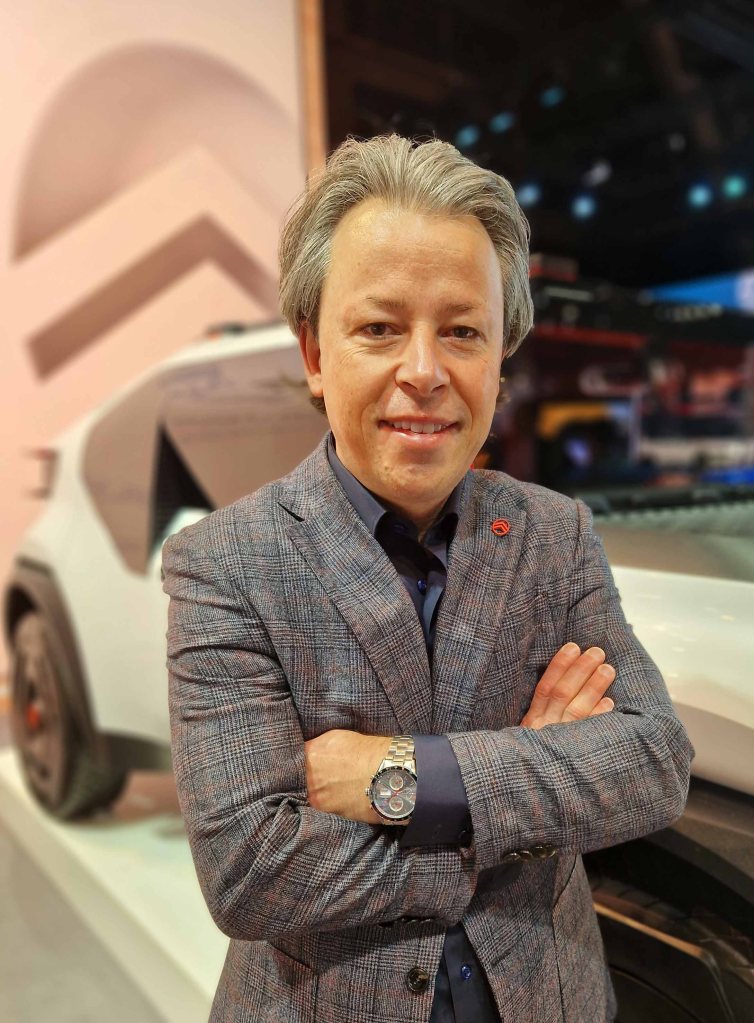
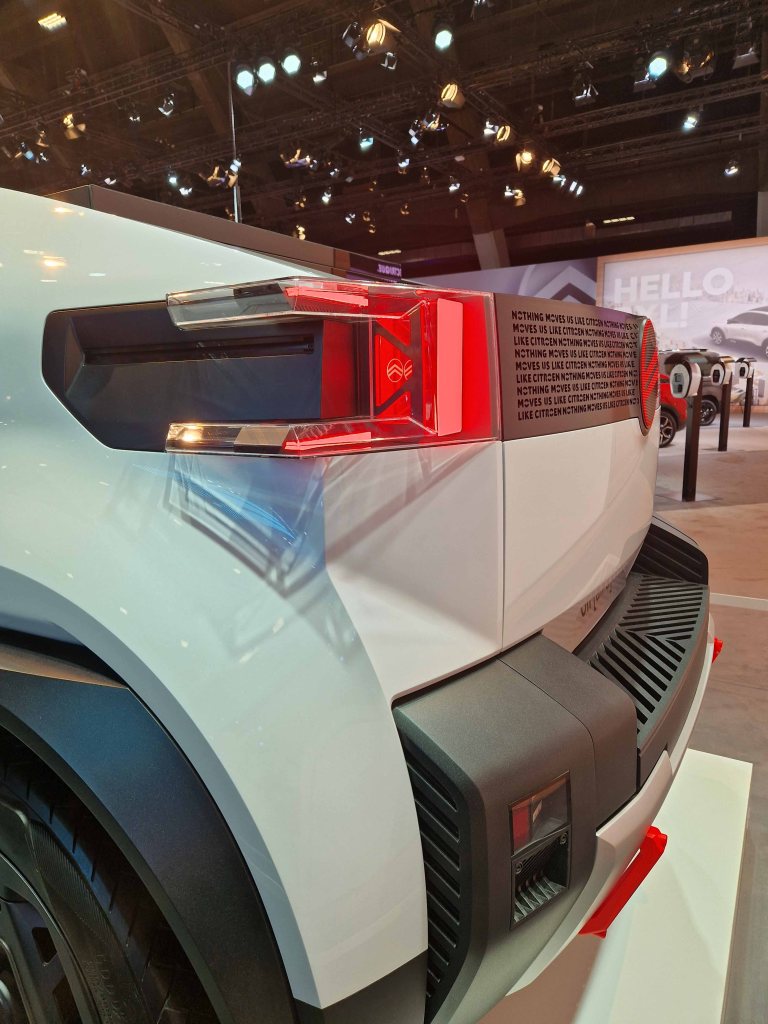
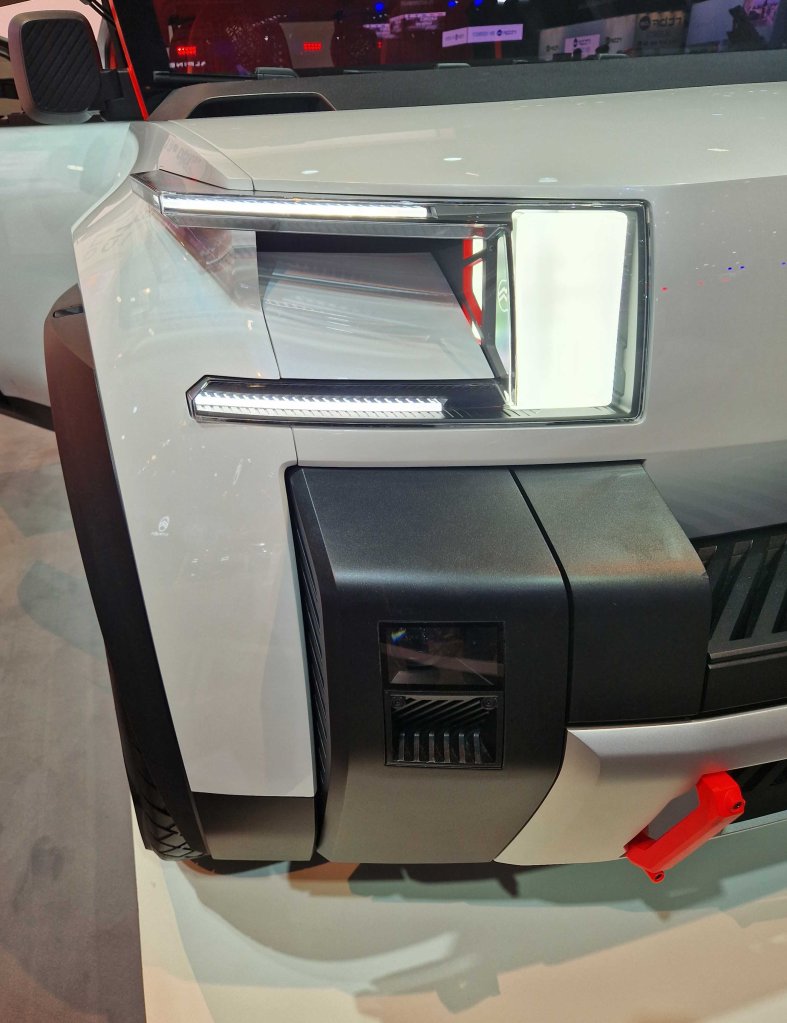
We spoke with Pierre Leclercq: “our Citroën Oli is not only style. It is French Design.”  

On the Brussels Salon, Citroën showed its already iconic Oli prototype, a harbinger of things to come in the Citroëns which will be in the showrooms already this and next year. Reason enough for your servant to have a talk with its head of design, Pierre Leclercq, about the design philosophy of the progressive brand with the “double chevron”, and so much more…

Hans Knol ten Bensel

I started this interview asking indeed about this new design philosophy of the brand, striving towards simplicity, practicality, lightness, durability and sustainability in a very bold and original package.

PL: “With the Oli, there are two things. First there is the brand identity, as we show with the Oli styling elements which we will bring to the market as soon as this year. The front end, the new logo, the head- and rear lamps, also the coherence between the front and rear end. The latter is a very important element in our brand identity. (We have seen this already in the Ami – editor’s note).

The form language, the simplicity of the edges and the curves will also be seen on our future production cars, but then also the contrasting vertical elements will be present. Our designers will deviate here from the strictly automotive styling which you see in the other brands of the group, we have a non-automotive touch which will be a distinctive element in our future styling.

The magic goals of French Design…

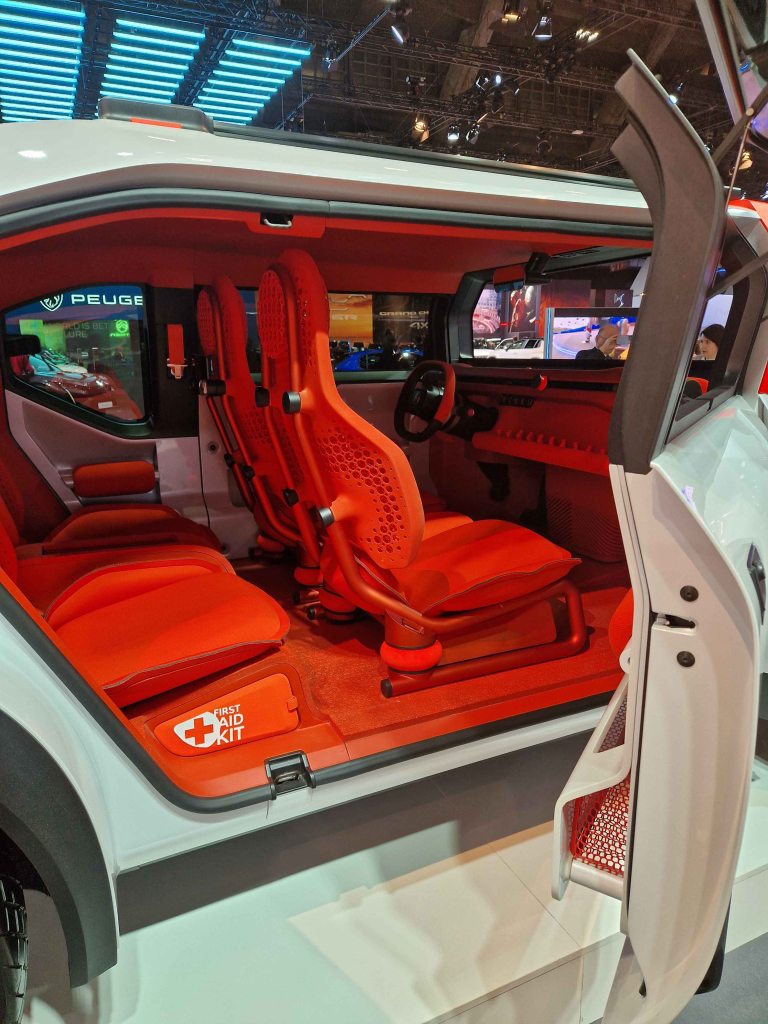
The second fact is that the Oli is not just a styling exercise. It is not only style. It is really French Design. We work together with our engineers to reduce weight, the cost, we are striving for intuitive and simple solutions.

For instance the seats. It’s very important, we work with a whole team to get a seat which is very distinctive, which we can put into production. We discovered with the Oli that our clients are ready for these things. We see that our clients are ready to take bold steps together with us, because we have an image that we will bring something more on the road than just a nice looking car.

HKtB: This translates also into the choice of the materials, the dialogue with the suppliers about the substance and texture of the elements and their surfaces, their unique touch and feel, the atmosphere and character this gives to the car…

PL: We will be a zero carbon company in 2038, and this has a huge impact on materials. Not so long ago, the choice of the materials came very late in the process of building a car. The exterior and interior, the colors, it was seen as pure decoration. Here and there, one started to use recycled materials for some items, but that was it. This process is now completely turned around at Citroën. We now ask first to tell us which materials we can use, as we want recycled materials, unpainted, and we will go from there and adopt them. This is most interesting. And I think that our clients are also ready for this.

HKtB: These elements and this approach we also see in the Ami. The French, as even Mr. Tavares recently put it, love their individual mobility. The Ami is fit for the (mega)city… will there be other models geared for a new City Mobility in the spirit of the Oli?

We always search for new solutions…

PL:  We have many projects running now. It’s a bit like a funnel. When there is one project hitting the road, we have already other proposals in the pipeline. We are always searching for new solutions. If you remember, two years ago, we showed a rather disruptive project of robotized platforms, which is an intelligent use of the present day autonomous technology, in controlled urban areas. But I imagine perfectly in 2030 and 2035 that these solutions will be used in our cities. The design will then focus on the interior of the cabins and structures rolling on these platforms, a very interesting evolution.

The Ami represented a big risk for us, indeed, we thought about the city, but in fact, we scrutinized the clients who bought the Ami, age, location, etc, and we noticed that the Ami is not only used in the cities. We have clients who buy the Ami for their children and grandchildren, remember that in France you can drive an Ami at the age of 14, and it is better than a scooter. And in a market where these vehicles cost between 12 and 15.000 Euros, ours is available for 6.000 Euros… No small feat, as we respect the profitability margins of our group! It is now on the market for two years, and it has grown more into a lifestyle than a car. This is also what the 2 CV has achieved. It is not easy to create the same phenomenon in this day and age…

HKtB: Can you tell a bit more about your Ami buyers?

We have also many clients who buy an Ami for their holiday homes. And as I said, of course grandparents who buy the Ami for their grandchildren. There are also clients who own a Ferrari and buy an Ami for their third or fourth car…

HKtB: We talked earlier in Paris about your open mindedness towards other designers, in other sectors, who could become involved in offering elements of the car during its life, for example, that in a further future one could offer replacement seats for Oli’s or Citroëns who after years of intensive use get a bit long in the teeth… or, rather, offer parts and items to customize the new Citroëns…

PL: It’s a philosophy I love very much. People more and more want an object which is really theirs. Design is not a luxury anymore. If you go for an Ikea kitchen, you can still choose the finish, styling and colors you want, to make it yours. This is now also true for cars. We have started this with the Ami.

HKtB: It is also true for Jeep. Mopar offers a wide array of accessories.

PL: Indeed, this trend is already more prominent in the States. But with the Ami we started off in Europe with the same trend. Not that we offer many accessories, but we created a desire with the customer to customize his car. It’s like Apple. They don’t offer many accessories themselves, but are produced by Belkin etc. It is a very interesting path for our cars in the future. This will give us for instance incredible interiors. I want the client to appropriate our geometries. Why not share our geometries on the internet Open Space and invite the developers to have fun with it?

Every brand has its own design team to embody its proper DNA

HKtB: What is your relationship or rather dialogue between your styling department and the suppliers? Do they come present you what is possible, or after having established a manifest for yourselves what you want to do in styling in the next five years, let’s say, you ask them to come up with new materials, possibilities?

PL: The dialogue goes both ways. But I want to stress here that the design has become very important. The suppliers are specialized in offering technology, for instance for the platforms we have conceived within the group, but over the last 30 years, what have we done? Instead of asking PininFarina or Bertone to style all the cars in the world, we have all established our design centers which carry truly our DNA, and every brand has its own equipe or team of designers. This is génial, because we have cars within the group which don’t resemble each other at all…

HKtB: With the new materials comes also repair friendliness, durability…

PL: Indeed, we want our cars to have a longer lifespan, and we will refresh them within our network. We need of course more control as nowadays we don’t see the car anymore after it has been produced. We have to control the recyclability of the car. Otherwise it’s no use to build the car with recyclable materials.

HKtB: It think it is necessary to tell the client that his car now has a long life and that you as the manufacturer will follow the car throughout its life.

PL: Indeed, a lifelong car, staying with you the rest of your life.

HKtB: Indeed, that as a brand policy you commit yourself to the clients that your Citroën model, Type A, B, or whatever, that you will always follow this car for decades to come…

PL: Ca serait génial, that would be a stroke of genius. It is our goal. It would be very interesting and it would completely change the idea of the automobile of today.

HKtB:  The youth is already there. They support and adopt the circular economy. I think Citroën is the right brand to do this. 

PL: Indeed, we push within the Stellantis group for these concepts, and I think that our clients are far more inclined to make these choices than the buyers of other brands.

HKtB: I thank you for this interview. Thinking out of the box is always interesting.

PL: I thank you, always lovely to exchange these ideas, thank you for the conversation. I also think that every car we build has to make the life of our clients better. These are not empty words. The Ami improves lives. We offered a new service; in Paris, people smiled when they saw the car. It takes something to convince a Parisien!

Hans Knol ten Bensel

A look at Peugeot’s future products and electrification strategy with the INCEPTION CONCEPT…

Featuring a revolutionary exterior and interior design, including the next-generation PEUGEOT i-Cockpit® and innovative Hypersquare control system with steer-by-wire technology, the INCEPTION CONCEPT will inspire PEUGEOT’s future products from 2025 onwards. The better news is that Peugeot plans to bring most of its innovations to production (!)

Based on the STLA Large platform, the fully electric INCEPTION CONCEPT is powered by a 100kWh battery providing a range of 497 miles. With two electric motors, the INCEPTION CONCEPT produces almost 680hp and accelerates from 0-62mph in under three seconds. The model also features 800V technology, enabling it to add 93 miles of range in just five minutes, and is capable of wireless induction charging.

Linda Jackson, CEO of the PEUGEOT brand, said: “PEUGEOT is committed to the electrification of its range. In 2023, our entire line-up will be electrified and in the next two years, five new 100% electric models will be launched. Our ambition is simple: to make PEUGEOT the leading electric brand in Europe by 2030. This objective and ambitious vision pave the way for a radical transformation for the brand, as represented by the INCEPTION CONCEPT.”

Indeed, PEUGEOT will reduce its carbon footprint by more than 50% by 2030 in Europe and to become fully Carbon Net Zero by 2038.

Over the next two years, PEUGEOT will launch five new 100% electric models and by 2030, all PEUGEOT cars sold in Europe will be electric.

Dramatic design

The PEUGEOT INCEPTION CONCEPT introduces a new, simpler and more refined design language for the brand, which will be introduced on future models from 2025. At the front, it features an all-new light signature incorporating PEUGEOT’s distinctive claw design, which is merged with the front grille to create a single object that also houses the sensors. This is made up of a single piece of glass with the logo in the centre, magnified by the 3D luminescent effect.  The front grille and headlamps are in my opinion a bit reminiscent of the ‘70s 504… 

A TECH BAR runs horizontally through the door layer. This flush screen emits different messages to the outside of the car when the driver and passengers approach it. The artificial intelligence equipped on the PEUGEOT INCEPTION CONCEPT makes it possible to recognize the driver in order to set up the comfort settings (seat posture, temperature, driving mode and multimedia preferences) desired by each occupant. In addition, the TECH BAR also displays the battery charge level and houses many sensors and radars, leaving the bodywork completely smooth.

The INCEPTION CONCEPT’s bold design incorporates 7.25m2 of glazing to create a glass capsule for the passenger compartment that plunges to the driver and front passenger’s feet. All the glazing (windscreen, side windows and quarter windows) is made from glass designed for architecture. Adapted to the PEUGEOT INCEPTION CONCEPT, it retains its exceptional thermal qualities and benefits from a multi-chrome treatment (treatment with metal oxides), a process initially used for the visors of astronauts’ helmets by NASA.

Completing the car’s unique design is an exclusive body colour, which highlights the shapes in the bodywork and interacts, like the glazing, by tinting according to the external environment. The paint is single-coated, meaning far less energy is consumed during its application.

‘BEV-by-design’ platform

The INCEPTION CONCEPT has been given the silhouette of a low (1.34m) and efficient saloon and is 5m in length. It is based on the STLA Large platform, one of four future Stellantis Group “BEV-by-design” platforms. The arrival of this new range of platforms from 2023 will revolutionize the PEUGEOTs of tomorrow. Specifically created for electrification, they offer major differences in terms of architecture which enabled designers to completely reshape the PEUGEOT INCEPTION CONCEPT’s passenger compartment.

The new “BEV-by-design” native electric platforms will also introduce technological modules powered by artificial intelligence: STLA Brain, STLA SmartCockpit and STLA AutoDrive. Like the INCEPTION CONCEPT, future PEUGEOT models will be equipped with STLA Brain artificial intelligence and will be fully connected.

Powertrain

The 100% electric PEUGEOT INCEPTION CONCEPT is equipped with 800V technology. Its 100kWh battery enables it to travel 497 miles on a single charge, with extremely low consumption of just 12.5kWh per 100 km. The INCEPTION CONCEPT is capable of adding 19 miles of range in one minute, or 93 miles in five minutes, and can also be recharged wirelessly by induction.

Two compact electric motors, one at the front, the other at the rear, make the PEUGEOT INCEPTION CONCEPT a four-wheel drive vehicle. The combined power is close to 680hp (500kW), enabling it to accelerate from 0-62mph in under three seconds.

Next-generation i-Cockpit®

With its new Hypersquare control system, the PEUGEOT INCEPTION CONCEPT offers an agile driving experience and an all-new, more intuitive i-Cockpit®. Inspired by video games, the Hypersquare control system does away with the conventional steering wheel in favour of digital electric controls and steer-by-wire technology.

The centre of the Hypersquare is a tablet-type screen dedicated to the distribution of control information. The pictograms for the different features (air conditioning, radio volume, ADAS etc.) are displayed on the two side panels to facilitate access to the chosen control. The latter is located inside the circular recesses and can be accessed by moving the thumb only, without taking your hands off the steering control.

The next generation i-Cockpit also includes the Stellantis STLA SmartCockpit technology platform and STLA AutoDrive, enabling Level 4 autonomous driving. When driving is delegated, Hypersquare retracts and a large panoramic screen slides out from the floor to offer a new passenger compartment experience.

 PEUGEOT’s goal is to introduce the Hypersquare on a next generation vehicle in the range before the end of the decade.(!)

Interior

The PEUGEOT INCEPTION CONCEPT features a minimal cockpit dedicated to the driver alone, which does without a dashboard, crossbar and the bulkhead, providing a completely open view of the road.

Sustainable ‘moulded textiles’ are also used throughout the interior. Scraps of 100% polyester fabric from the design centre’s prototyping workshops or from suppliers are re-used to make load-bearing or trim parts. The seats are covered with a velvet made from 100% recycled polyester, which extends onto the floor and features 3D patterns to act as a floor mat.

More Peugeot news soon…

Hans Knol ten Bensel

Nissan press conference 2023: more than ever offering clever and future-oriented electrification with a renewed range…

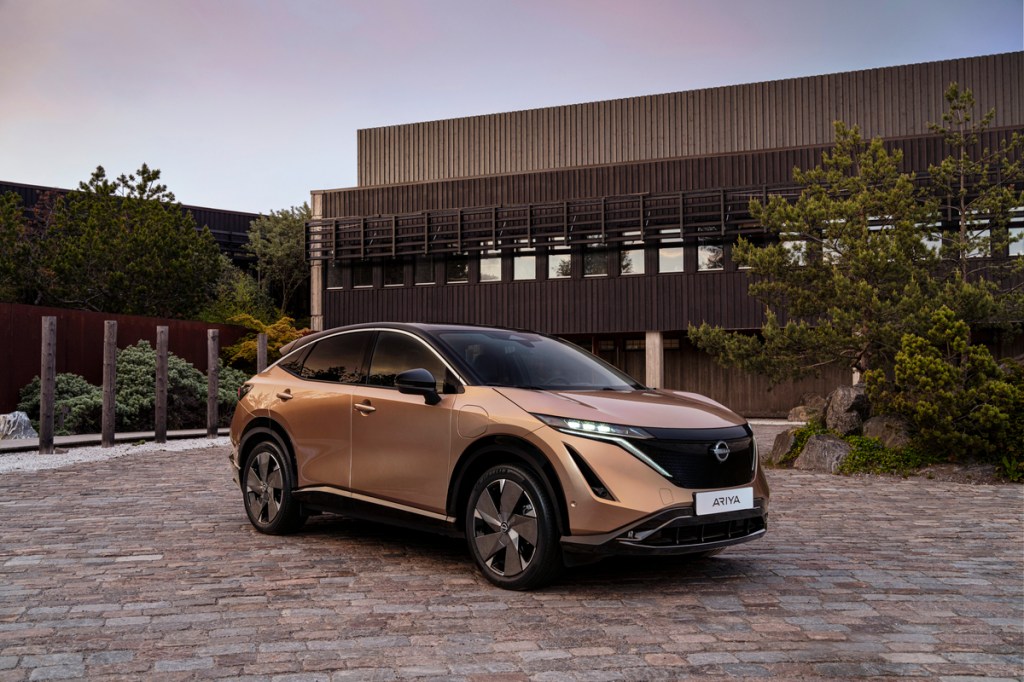
Nissan Belux was the first to hold a press conference prior to the Brussels Auto Show 2023, and organized it at the magnificent premises of Quartier Papier in Zaventem. On the photo below you see the Nissan Ariya, which according to Nissan, redefines E-Driving…

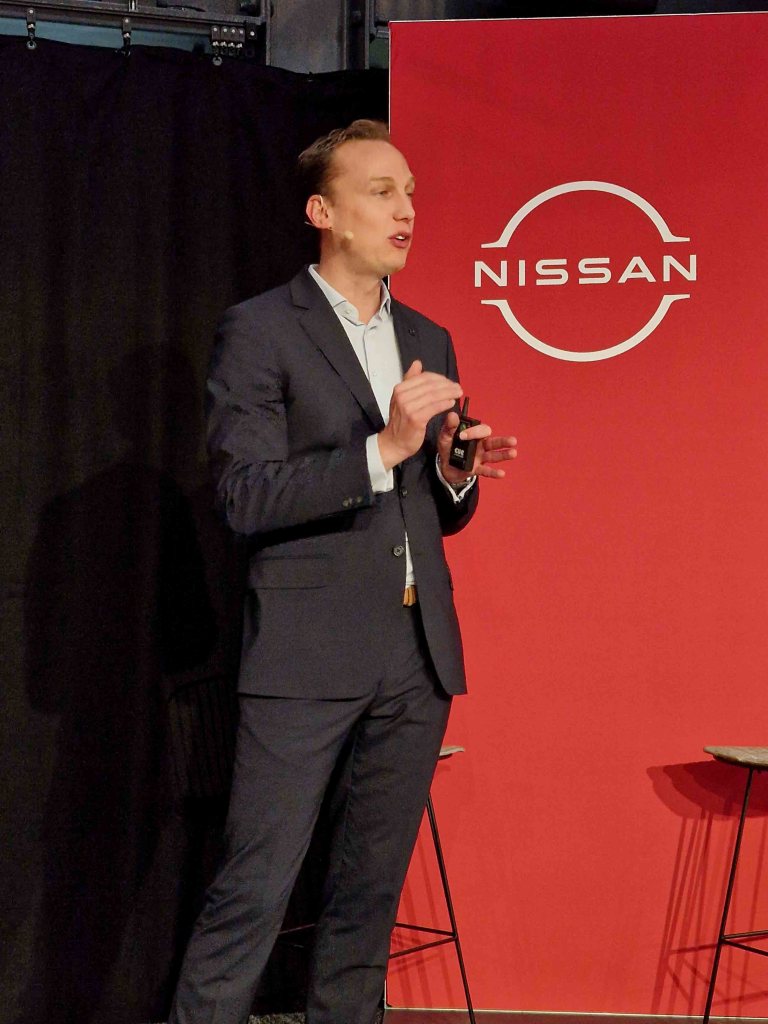
At the start of the conference, Jerôme Saigot, Managing Director of Nissan Belux, stated that with the Ariya, LEAF and Townstar EV models, Nissan has a very nice range of e-vehicles. But consumers are still not fully ready for a 100% electric range of cars. With the new Qashqai e-POWER and the X-Trail e-POWER, they can experience the pleasure of a 100% electric transmission without having to recharge the car via a socket, thanks to a second gasoline engine that produces electricity, he said. Indeed, Nissan goes a step further than the competition with new technologies such as e-POWER. So Nissan reaffirms its role in the fields of crossovers and electric cars. But read further…

Hans Knol ten Bensel

Jerôme Saigot, Managing Director of Nissan Belux, presented the new Nissan electrified range and the environmental strategy of the brand towards 2030…

Nissan’s green strategy for 2030…

Jerôme Saigot also stressed that sustainability is at the core of Nissan’s long-term vision, Ambition 2030. Responding to critical environmental, societal and customer needs, this strategy sets out to deliver electrified models and technological innovation in key markets globally, empowering mobility and beyond. Ambition 2030 supports Nissan’s goal which is to be carbon neutral across the life cycle of its products and operations by 2050. 

Nissan JUKE Hybrid: new advanced powertrain offers efficiency and responsive performance

Indeed Nissan is embarking further on the 100 % electrification of its range. We have the Juke, the popular compact crossover, offered with hybrid technology. Key to the driving pleasure at the heart of the Nissan JUKE Hybrid is an advanced low friction multi modal gearbox, using  dog clutches instead of conventional synchronizer rings to shift the 4 “ICE” gears and 2 “EV” gears. Additionally, to reduce friction, this gearbox does not use a clutch. All vehicle starts are 100% electric, and the 2 EV motors are used in combination to synchronize the gears, delivering smooth and responsive acceleration. We will be keen to drive a hybrid Juke soon, and tell you about our driving experience with it.

A car which will please many is the Nissan Qashqai  e-Power, said Mervin Keuter, Communications Director at Nissan Belux, offering 100 % electric power without the need for recharging externally. Indeed, a combustion engine coupled to a generator provides the electricity. The e-POWER system consists of a high-output battery, complemented by a variable compression ratio 1.5-litre three-cylinder turbo-charged petrol engine generating 156hp, a power generator, inverter and 140kW electric motor of similar size and power output as found in Nissan’s electric vehicles. The petrol engine generates electricity, which can be transmitted via the inverter to the battery pack, the electric motor or both, according to the driving scenario.

Melvin Keuter, Communications Director at Nissan Belux, highlighted the qualities of the Nissan Qashqai  e-Power…

What sets this powertrain apart is that the electric motor is the sole source of power for the wheels, so its response is instant and linear. Needless to say that also here we are looking forward to gets our hands on one to experience how all this actually works. It certainly is clever and responds certainly to what modern-day drivers want… we also want to see how economical and environment friendly all this still is.

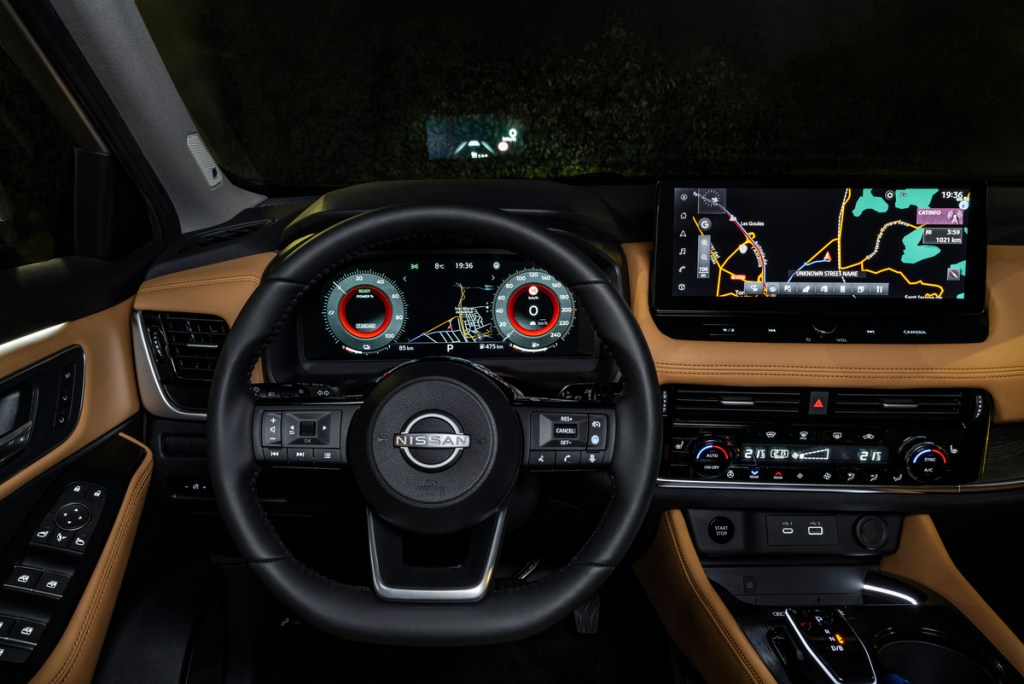
The dashboard of the new Nissan X-Trail with e-POWER and e-4ORCE…

Another important novelty for Nissan is the revamped X-Trail with its e-4ORCE  system on X-Trail and fully electric Ariya. The innovative e-4ORCE all-wheel drive system was conceived for use on either Nissan’s pure electric powertrains or with its e-POWER system, mentioned above. In both cases, the driven wheels are powered purely by electric motors fed by the battery.

In the case of the X-Trail, the dual e-motor system has a total output of 157kW (213PS) with a 150kW front motor and a rear 100kW motor. This generates lively acceleration from 0-100km/h in 7 seconds. Nissan proudly announces that a rear electric motor has its advantages: it has a 10,000 times faster rear torque response than a mechanical 4WD system(!).

Rémy Le Gall, Marketing Director of Nissan Belux, commented also on the electrified Nissan range and last but not least dealer organisation and client approach, of which more later in a separate report!

Now, on the X-trail, you can also opt for the turbocharged 1.5-litre variable compression ratio powering the wheels in the traditional fashion. Generating 120kW (163PS) and 300Nm of torque, it will be offered only in two-wheel drive configuration, with power to the wheels being transmitted via Xtronic stepped continuously variable transmission. In driving scenarios with relaxed driving and light acceleration, the engine switches to high compression ratio for optimised fuel efficiency, while in situations where more performance is needed, the compression ratio is adjusted to a low level.

The powertrain is also equipped with 12v mild hybrid technology. The system provides torque assist, extended idle stop, quick restart and coasting stop, with benefits to both fuel economy and CO2 output.

The Nissan X-Trail e-4ORCE offers 100 % electric power without the need for recharging externally…

Driving the future: the Ariya

Staying true to Nissan’s heritage of fun-to-drive, exciting vehicles, the Ariya is built on the all-new Alliance-developed CMF-EV platform that’s optimized to deliver unparalleled performance.

The Ariya’s all-electric platform combines excellent power delivery, charging capabilities and range, with a carefully tuned balance between ride comfort and handling agility. Available in three versions (Ariya 2WD 63kWh, Ariya 2WD 87kWh, Ariya e-4ORCE AWD 87kWh) and a range of up to 533 km, Ariya can confidently meet a variety of customer needs.

The Ariya 87kWh can recover up to 350 kilometres with a 30-minute quick charge using a CCS charging system. The battery pack sits at the base of the chassis to ensure 50/50 weight distribution on the e-4ORCE version and near-equal weight distribution on the 2WD versions. During benchmarking, engineers placed great emphasis on striking the ideal balance between handling agility, secure feeling and ride comfort, something not all EV rivals are known for.

Subtle regional differences exist for Ariya, as well. For example, European consumers demand responsive steering and high manoeuvrability, but also require additional stability at higher speeds, so damping forces were increased to improve body control. Nissan Europe engineers also adjusted spring rates and retuned steering feedback to increase on-centre definition at higher speeds.

A timeless Japanese design language…

Incorporating Nissan’s Japanese DNA, Ariya’s striking exterior and interior reimagines EV potential by embodying Nissan’s Timeless Japanese Futurism philosophy of powerful design that fuses aesthetics with functionality while creating an upscale, open atmosphere.

The all-new EV platform and compact nature of powertrain components made it possible for Nissan to position Ariya’s climate-control system under the hood. This allowed designers to use the whole length of the cabin and create a flat, open floor with a lounge-like space inspired by premium futurism.

For the LCV market: the new Townstar…

The Townstar EV builds on the success of the e-NV200. Built on a shared CMF-C platform, the new vehicle will be manufactured at the Alliance centre of excellence for small vans in Maubeuge, France.

The fully electric version of the all-new Townstar EV features a powertrain optimised with intelligent energy management and battery thermal cooling. The Townstar EV is able to achieve a superior range autonomy of up to 300km (WLTP cycle). Delivering 122 PS and 245Nm of torque, the Townstar EV’s  45kWh battery can accept AC charging (11 kW or 22 kW) or DC quick charging (CCS format). The latter of which enables users to charge the battery from 15% to 80% in as little as 37 minutes.

Lots of interesting news from Nissan, keep posted for further Nissan news and driving reports of their interesting new cars!

Hans Knol ten Bensel

The Alfa Romeo Tonale Plug-In Hybrid Q4: the full story of a modern, electrified thoroughbred…

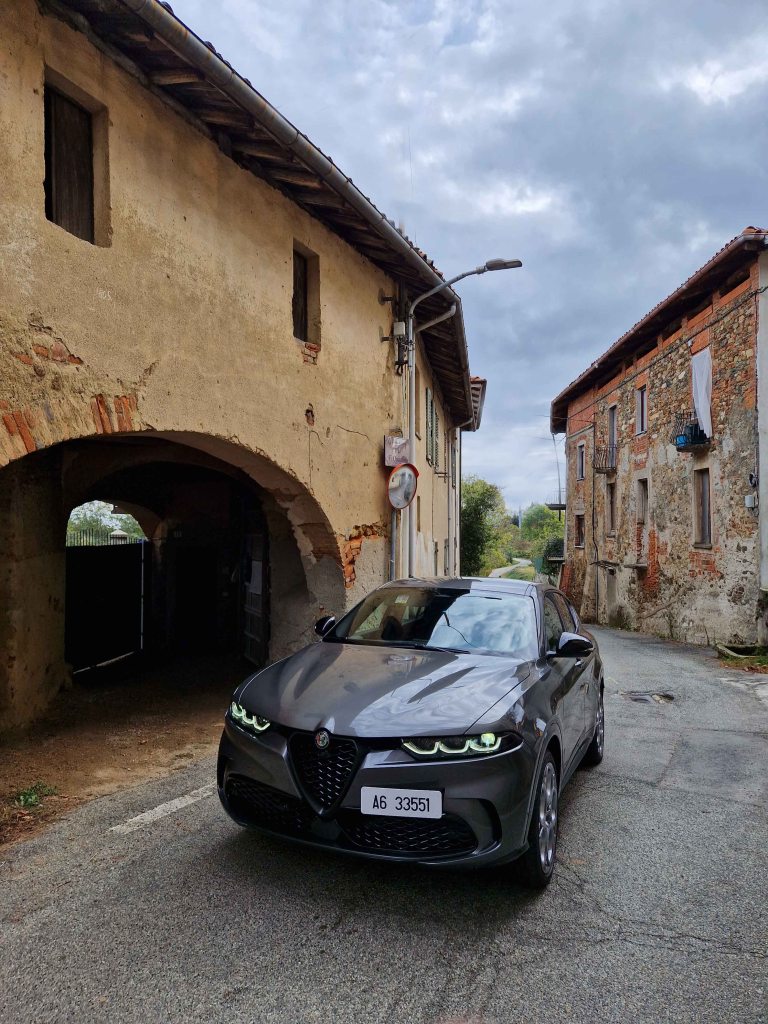
We drove the Alfa Romeo Plug-in Hybrid Q4 Veloce in the historic roads near Biella…

Alfa Romeo is at an important turning point of its long history. With the Tonale, this potent, 280 HP stylish compact SUV, it wants to make a fundamental transition. It is the first milestone on the way to zero emission(s) – within 5 years the brand wants to see all its Alfa’s electric. It makes us shiver, quite frankly, and hopefully not literally, when a cold winter will bite us all in conflict ridden Europe nowadays.

But indeed, a positive mind and hope should fulfill our hearts, and looking at the mechanics of this Tonale, there is still plenty to let it beat a bit faster.

Hans Knol ten Bensel

An excellent and very convincing thoroughbred hybrid.

The Tonale is conceived when the merger between FCA and PSA was not yet achieved, and this is one of the (main?) reasons we find a so-called FCA “GSE” or Global Small Engine, also marketed as Firefly, under the hood as its combustion engine. This is a family of engines produced by Fiat Chrysler Automobiles or (FCA) starting in 2016, and subsequently Stellantis.

The unit in the Alfa is also dubbed as the “FCA e-engine” and is to be seen in slightly different power versions now also in the Jeep Renegade 4xe, in the Jeep Compass 4xe. It is being produced in the Brazilian Betim plant, now the largest vehicle plant in Latin America and one of the largest in the world. It was the production unit with the largest capacity installed of the entire Fiat Chrysler Automobiles (FCA) group. The Tonale itself rolls of the production lines at the Stellantis plant in Italian Pomigliano d’Arco, a municipality of the Metropolitan City of Naples in Italy, located north of Mount Vesuvius.

Of course, this engine embodies the very latest state of the art technology. Indeed, this new generation MultiAir III, present in the GSE family, has even more flexible valve control. The new cam profile with pre-lift allows the opening of the suction valves during the exhaust phase, aiming at the realization of the internal EGR, with reduction of nitrogen oxides and increase of the efficiency of the engine in the partial load. Besides, the lifting profile of the MultiAir III intake valve is more extensive and makes it possible to manage the effective compression ratio of the engine, keeping the tendency to detonation under control regardless of the fuel used. Wow!

The unit produces 180 HP or 132 kW, and is coupled to a 6-speed automatic transmission, which provides traction to the front axle. We must say that the unit is not only smooth and very willing, it also produces the unmistakable, typical throb of a classic Alfa; the sound engineers did truly excellent work!

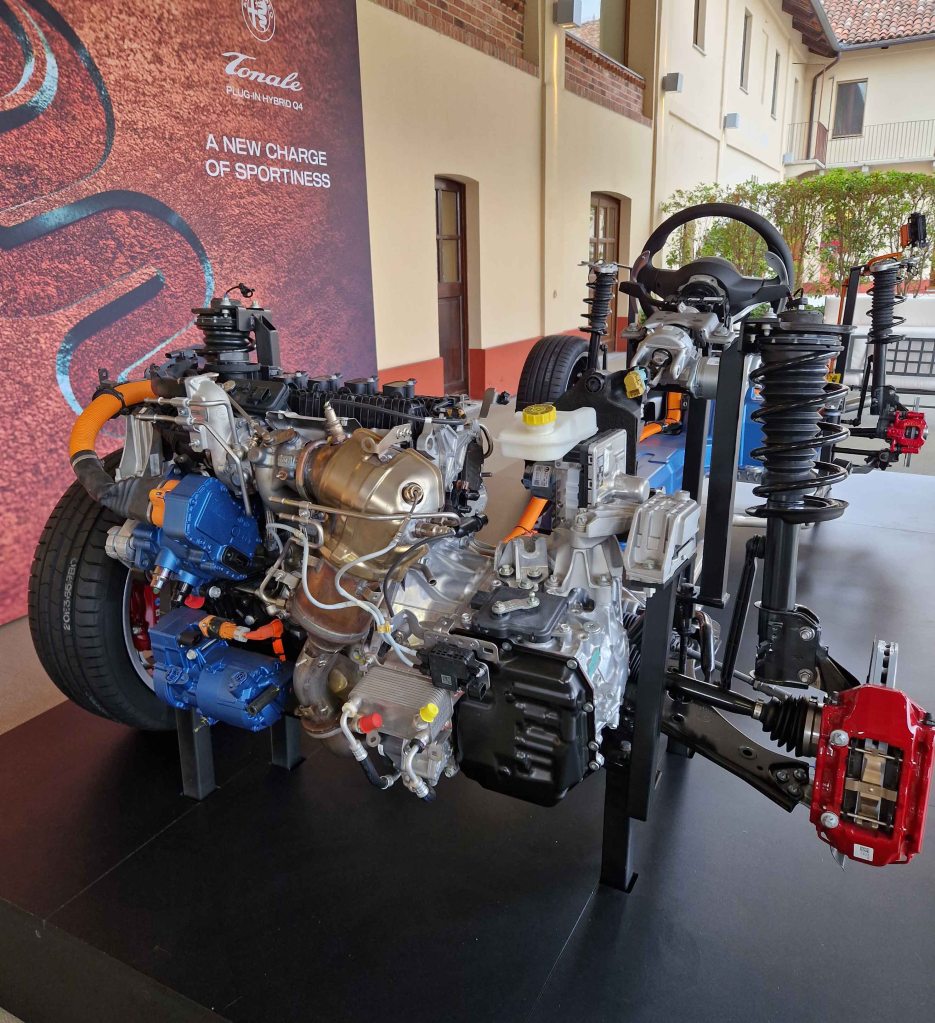
But then, this is a fully fledged hybrid, and this Tonale Q4 has an electric motor capable of supplying 90kW of max peak power and 250 Nm of torque to the rear axle.

The battery at the centre and the electric motor and its battery junction control box at the rear warrant an excellent weight distribution…

The 306-volt, 15.5 kWh lithium-ion battery supplies an electric range of over 80 km in the urban cycle and more than 600 km of total range. It is also excellent in terms of sustainability thanks to the new hybrid drivetrain which reduces Co2 emissions to 26kg/km, bringing the range’s total emissions down by 40%. A reduction has also been made in fuel consumption, which has been brought down to 1.14 liters per 100 km in the WLTP cycle. Plus, with the aim of providing maximum efficiency, it takes less than 2.5 hours to fully charge the battery when the 7.4 kW onboard charger is in use.

Driving is believing…

We took the Tonale “Q4” -as we shorten its name here – on an interesting 102 km road circuit laid out by the Alfa people in the surroundings of the Balocco proving ground. It led us via an interesting picturesque city Ricetto di Candelo and its beautiful Castello di Castellengo towards Biella, then took us on a nice curvy stretch back to the Autostrada direction Balocco. Endearing is the precision of its steering, and the feedback of the road surface in your hands at the wheel. You can really place this Alfa on the ideal line and adopt some razor sharp driving, even in the “natural” or “N” mode. We found the steering a bit too light however, except in the “D” or Dynamic mode, where the steering is more direct, even more responsive and feels a bit heavier.

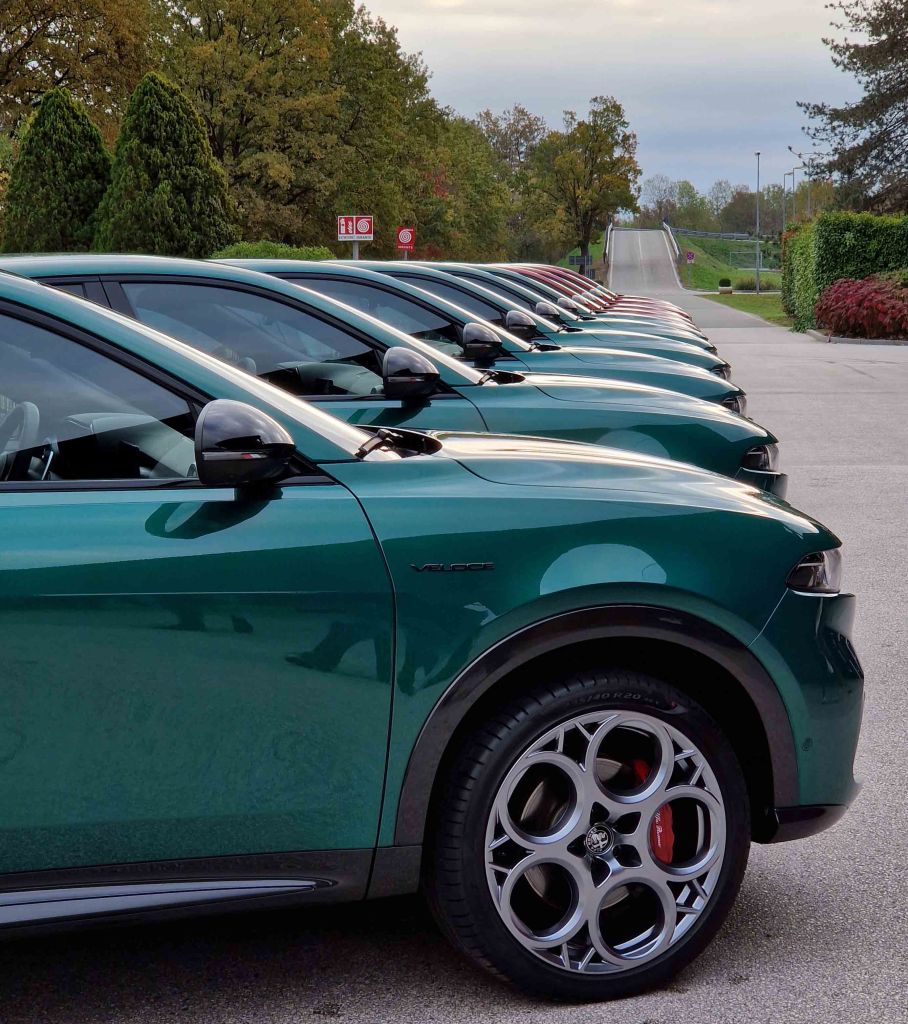
The gleaming row of Alfa’s ready for the road test, aligned in front of the Balocco Proving Ground headquarters…

But pleasure at the wheel is to be had every inch of the way, and we found the Alfa also display excellent neutral handling, also thanks to its ideal weight distribution. Icing on the cake was a stint on the curvy circuit section of the proving ground, behind a Giulia Quadrifoglio pace car. It gave us the opportunity to drive flat out and (safely) close to the limits of this endearing Tonale, and the car could prove its qualities masterfully. Remember, the four wheels are driven, the front wheels being powered by the internal combustion engine and the rear wheels driven by the electric motor. Your servant could thanks to the e-AWD system, enjoy the instantaneous deployment of 100% of available torque from the electric motor, with a rear axle responding as soon as one steps on the throttle, and this resulted in excellent and stable out of corner acceleration, truly exhilarating indeed!

The performance is of course nothing short of astonishing. On the short straights of the circuit speeds well over 170 km/h were easily achieved, with stopping power to match. The “Q4” Tonale shoots from 0 to 100 km/h in merely 6,2 seconds and hurtles further to a top speed of 206 km/h. On e-power alone, the Tonale can achieve 135 km/h.

The suspension is well calibrated. For technical buffs we tell you here that the Tonale, as a result of its development history, runs on the FCA Small Wide platform of the Jeep Compass of the second generation.

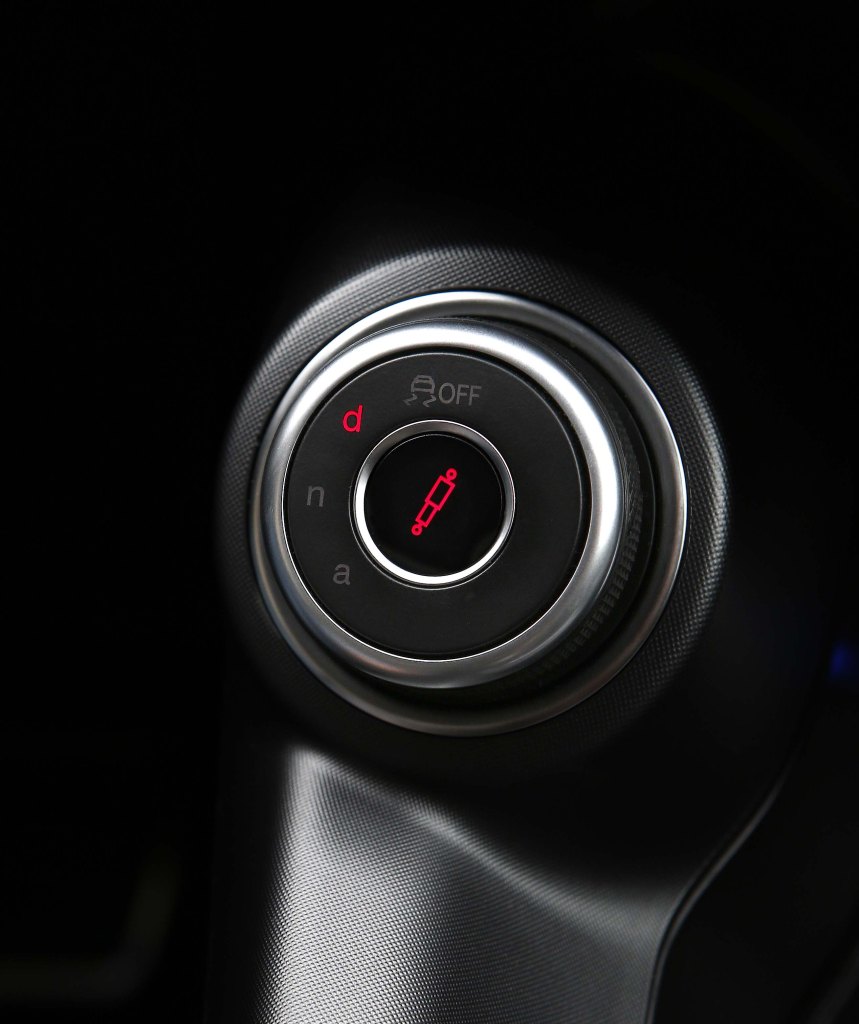
The D.N.A. selector at the centre of action…

You can drive this Alfa exactly how you feel. We already applauded its qualities in the Dynamic mode, and the subdued but sporting roar of the engine still rings in our ears. But then you can also enjoy the agility, responsiveness and nimbleness of the Alfa Tonale in a more refined, “zen” way, which Alfa calls “modern sportiness”. We do agree, as the transgression between engine and E-power is ever so smooth as to becoming completely imperceptible, and that is no small feat. So when you select “N” or “Natural” mode, it keeps hybrid driving to all-wheel drive to optimize performance. The use of combustion engine and electric motor is automatically managed and allows for energy and fuel savings without giving up on performance.

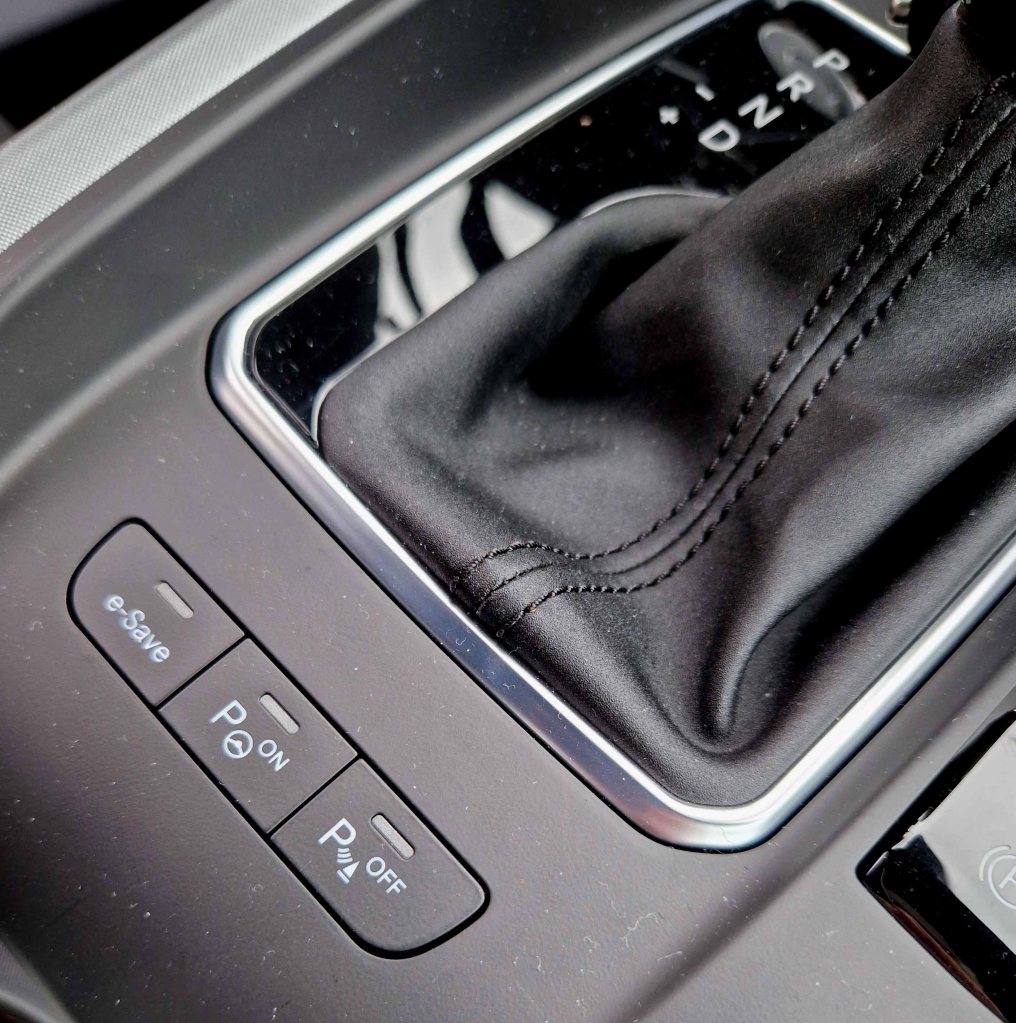
Last but not least there is the “Advance Efficiency” mode, calibrated to obtain maximum energy efficiency in full-electric driving mode. It is the ideal driving mode in urban traffic. When you lift the throttle, the car continues driving in “Sailing.” Meanwhile, when one is going downhill, the new eCoasting Descent Control is activated to maintain a constant speed of 50 km/h, which is however adjustable with a light dab on the throttle or brake. Specifically, “E-Save” allows one to recharge or maintain the battery level when the internal combustion engine is on, and there is also the regenerative braking system.

Premium comfort and safety

The Tonale is quite roomy, remember, it rolls on the second generation Jeep Compass platform. Sound insulation is also quite good, enhancing the “zen” driving experience. Moreover, on-board comfort is also ensured by dual-zone climate control, pleasing ambient light, a sophisticated Infotainment system, ventilated and heated front seats, and a 14-speaker Harman Kardon sound system.

It also includes ADAS systems for level 2 automatic driving, a hi-res camera which provides a 360° view of the car, a Blind-Spot Detector and Rear Cross-Path Detector, as well as superior structural and industrial quality which earned it a 5-star NCAP rating.

Software connectivity…

Amazon Alexa allows one to remain constantly updated on the state of the vehicle from the comfort of one’s home, as it provides useful information like the charge Tonale Plug-In’s battery. The built-in Infotainment system comes standard and offers contents, functionalities, and services which are constantly being updated via its customizable Android operating system and 4G connectivity with “Over The Air” (OTA) updates.

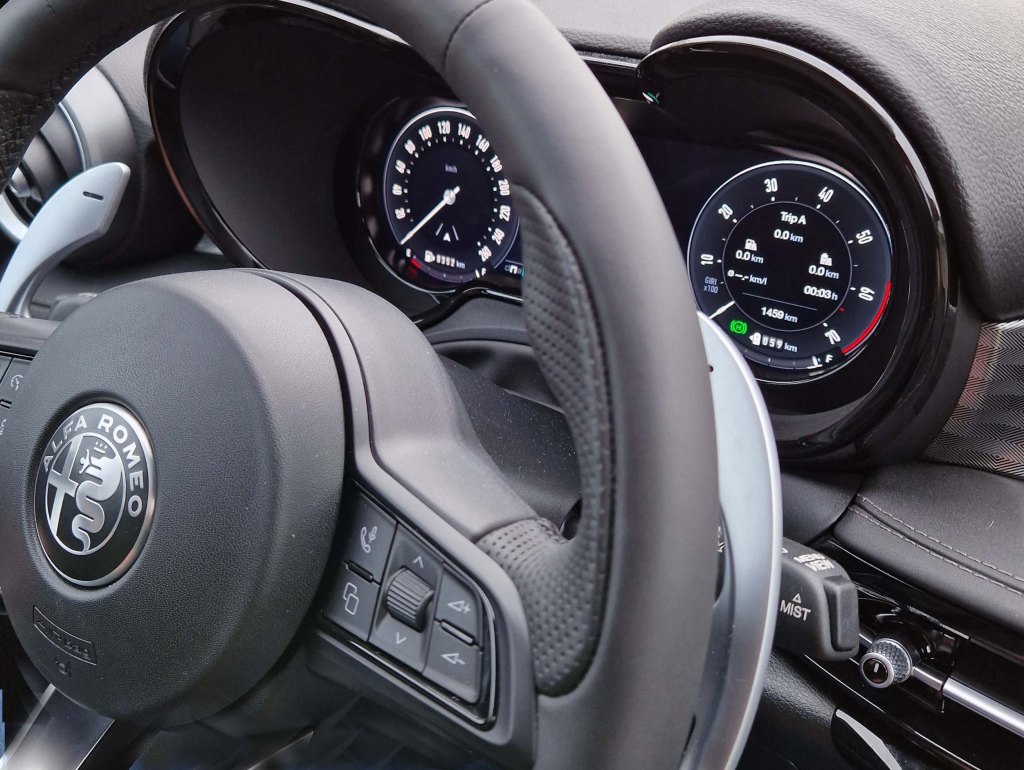
Thanks to a hi-res screen whose overall dimensions are 22.5”—a 12.3” totally digital screen and a 10.25” main touchscreen unit, the Tonale Plug-In ensures easy-to-use connection. The centre 10,25” screen is also seen by the way in the 500e. The Tonale Plug-in Hybrid Q4’s circular dials include ad-hoc upgrades like the electro-biscione in the lower part of the right dial which changes color based on the electric motor’s status (off, on, on and charging) and so provides all the information related to power and charging. Clever!

Four new functionalities of Alfa Connect Services make their debut on the Tonale Plug-in Hybrid Q4:

E-control: it allows the customer to control various functionalities based on the EV features—like charging and the climate control system—at a distance directly from the My Alfa Connect App, which you have to install on your phone.

Dynamic Range Mapping: it allows drivers to travel with peace of mind as it shows them the destination they can reach based on the battery charge both on the navigation system map and the My Alfa Connect app.

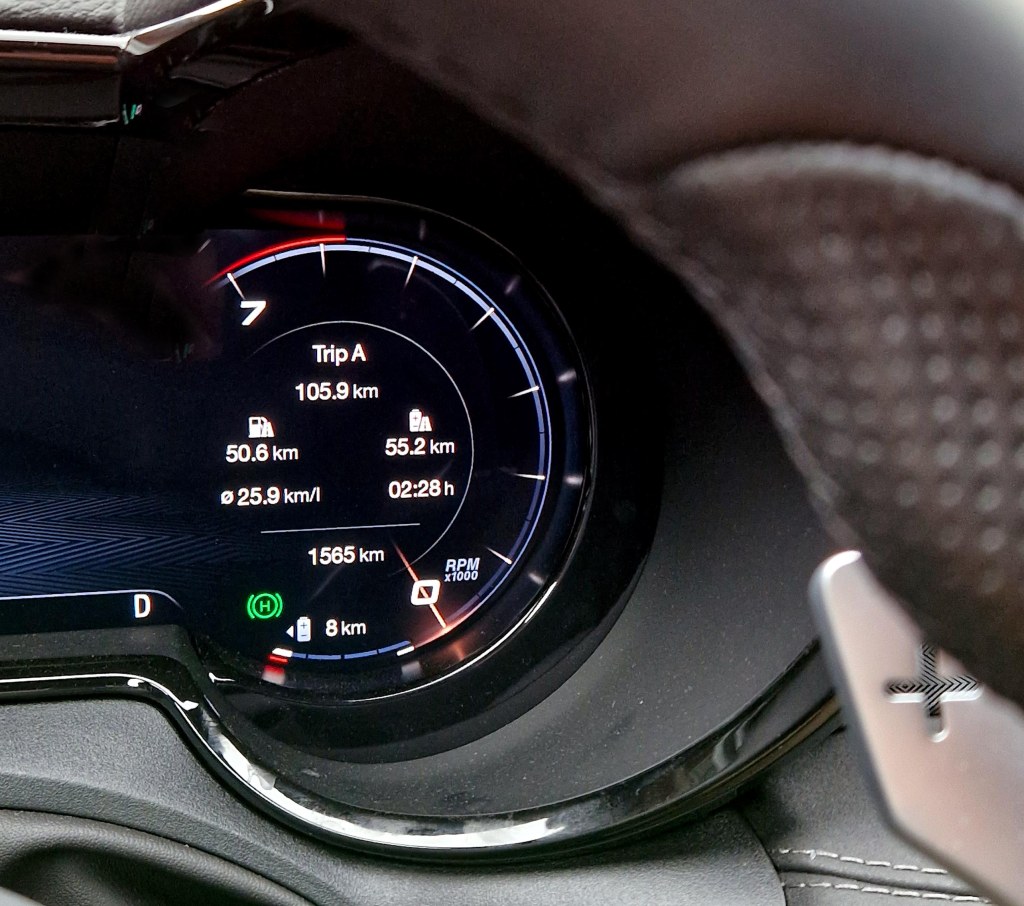
At the end of our 105,9 km road trip, the instruments tell the story: we drove 50,6 km on engine power, 55,2 km on batter e-power. This resulted in a consumption of 3,86 litres/100 km, but then with 8 km left in the battery, so we estimate some 14 kW consumed…

Charging Station Finder: it allows the customer to see the nearest public charging stations both on the navigation system map and the My Alfa Connect app.

My eCharge: it allows for the use of the My Alfa Connect app to directly access Free2Move eSolutions services to manage public and private charging. In fact, it is possible to locate the public charging stations, check the charging methods, make payments, visualize the charge history, manage one’s own Wallbox to decide how much electricity to use and even increase, decrease, suspend, and reactivate the charge.

Your Tonale has an NFT which lets you generate a certificate…

This means that specifically, based on the customer’s selection, the NFT generates a certificate which guarantees the identity and good maintenance of the vehicle, and thus supports its residual value. The NFT certificate provides a further source of credibility on the used car market and is even more valuable on the Tonale Plug-In Hybrid Q4 as it contains even more information.

A special “Edizione Speciale” at the launch…

The Tonale Plug-in Hybrid Q4 is the top-of-the-range model and is in line with the simplification and rationalization of Alfa Romeo’s lineup strategy. In fact, it can already be ordered in the exclusive EDIZIONE SPECIALE launch version and in the VELOCE trim which has been made to reach the most in terms of performance and sportiness.

The EDIZIONE SPECIALE offers inserts on the titanium body, a special badge on the fenders, and a “Tonale” black badge, 20” alloy wheels, metallic pedals, red Brembo brake calipers and aluminum shift paddles which are integrated into the steering column. Later on, customers will be able to order the Tonale Plug-In Hybrid Q4 in the Ti trim for a more elegant and distinctive character.

We have to wait a bit to get our hands on this remarkable Alfa for a more extended test, but stay tuned for more Alfa news soon!

Hans Knol ten Bensel