We drove the Skoda Kamiq 150 HP 1,5 TSI DSG: the beauty of agile power…

Who does not dream about it? Owning and driving a compact and practical hatch with the power to weight ratio of an early Porsche 911? A car which comfortably seats four and has all the comfort, infotainment and driver assistance amenities we come to expect from modern mid-size cars, yet has the handling and agility of an early Audi TT?

A car which is well built and reliable, and besides all these qualities doesn’t break the bank? Well, such a car is this Skoda …

Hans Knol ten Bensel
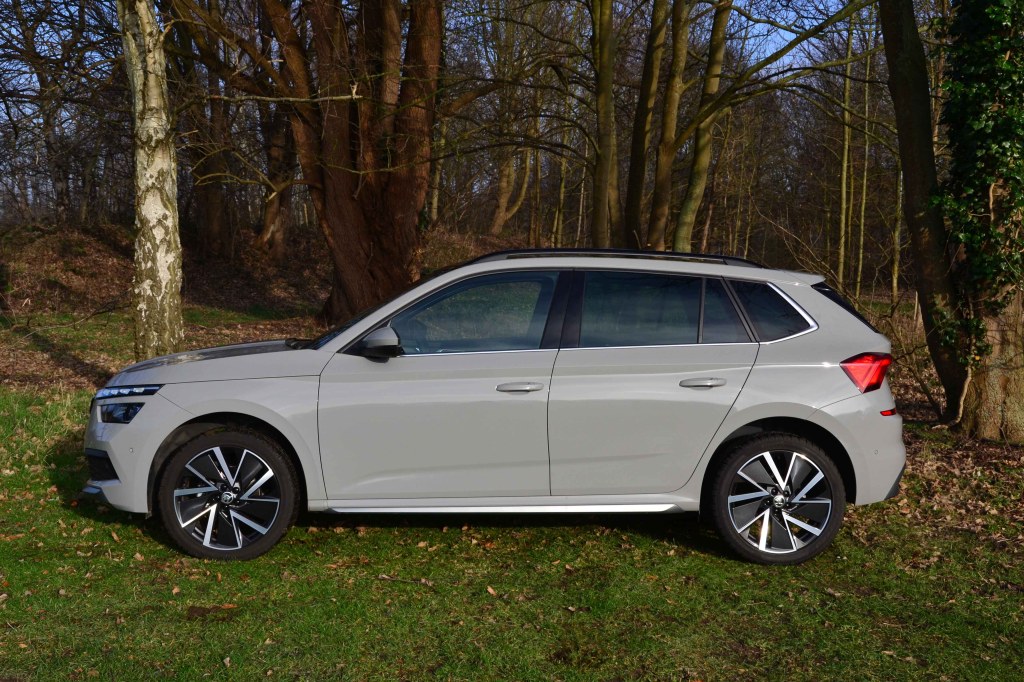
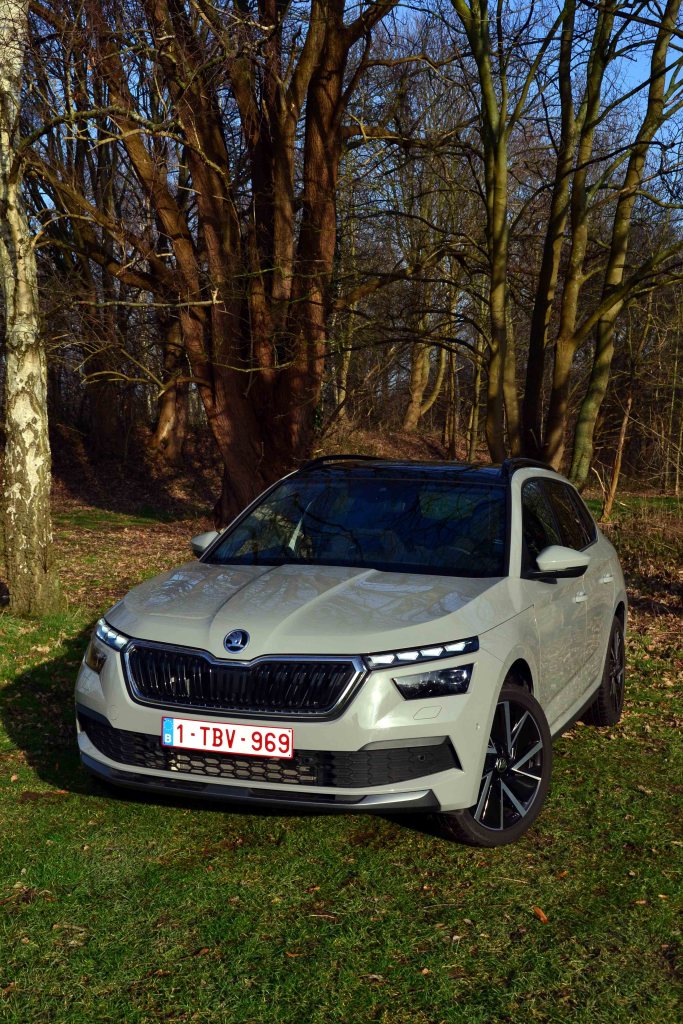
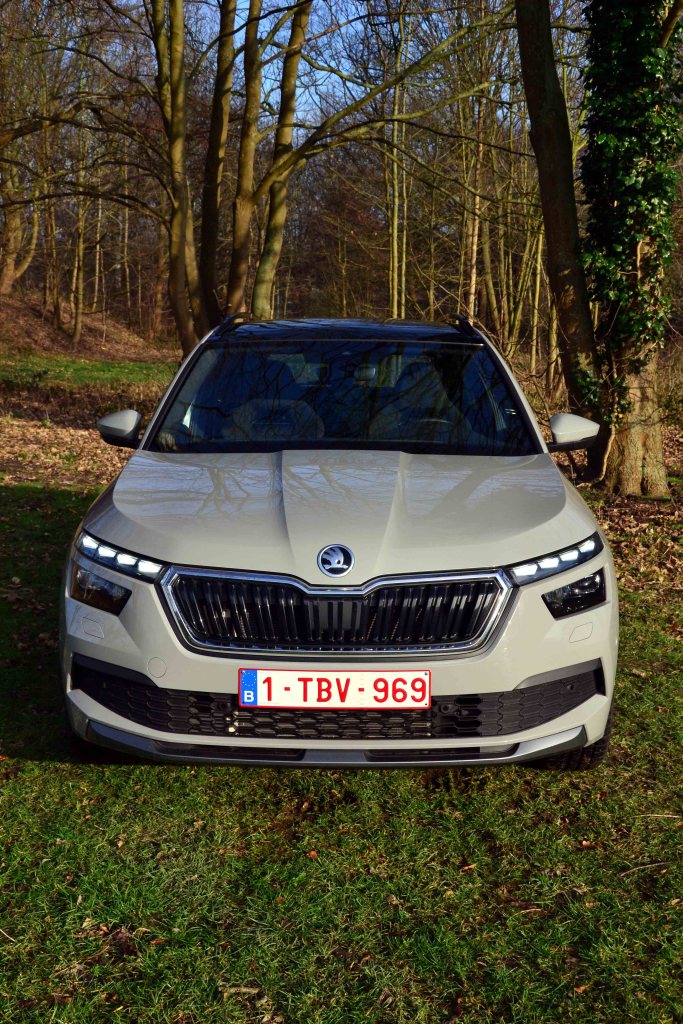
Walking to and around the car, this Kamiq shows to you it’s a true Skoda. The angular contours of the bodywork are typical for the Skoda styling language, the overall body shape betrays the intention of the designers to offer excellent use of available space. They succeeded: its compact, 4241 mm long body, offers for four to five grown ups enough leg- and headroom, and there is not less than 400 – 1395 liters reserved for their luggage. Actually, did you know that the word KAMIQ comes from the language of the Inuit people living in northern Canada and Greenland?
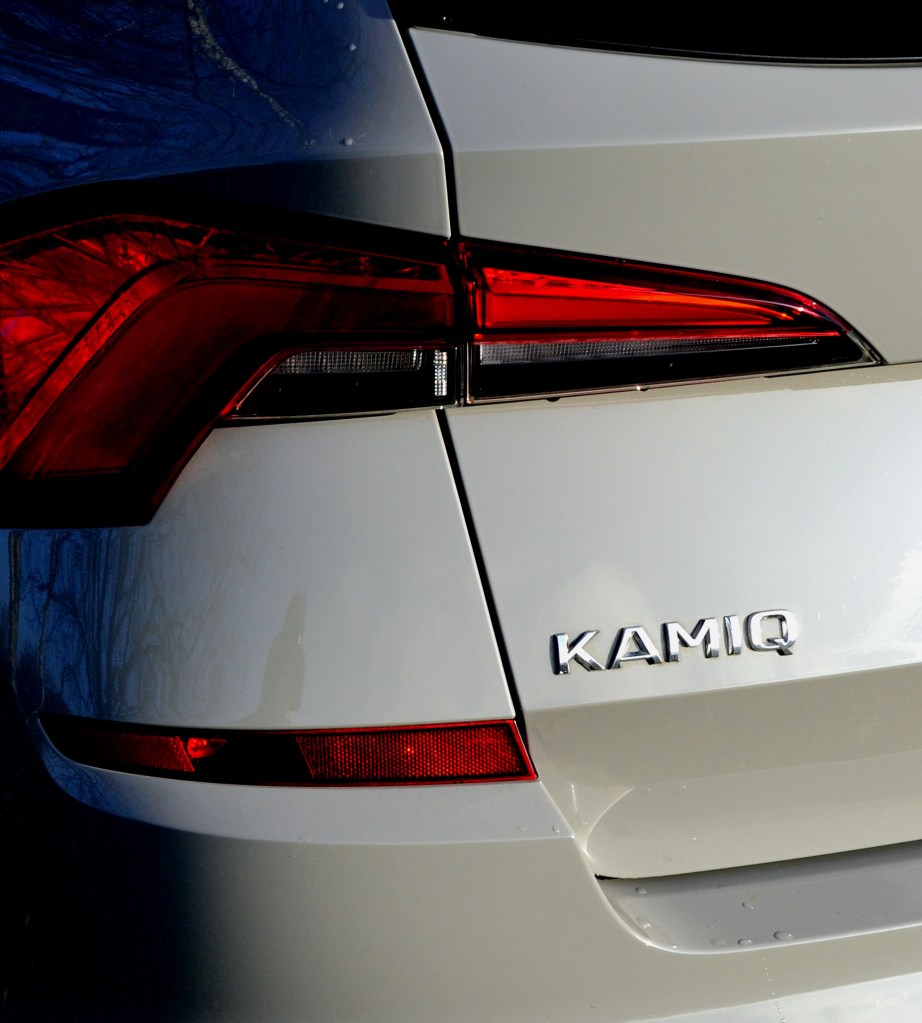
It describes something that fits as perfectly as a second skin in every situation. Well this is certainly true for this Skoda…

The cabin is more than pleasant, albeit with a no nonsense Skoda flair, but being nevertheless far from spartan. On the centre of the well designed dashboard sits a large 9,2 inch touchscreen, offering all the modern state of the art infotainment one could wish for. Using the “Amundsen” navigation is a breeze, one can pinpoint a chosen destination with your fingertips, and pinch the map size with a brief finger movement. Ventilation, audio, hooking up your phone, everything is intuitive and immediate.
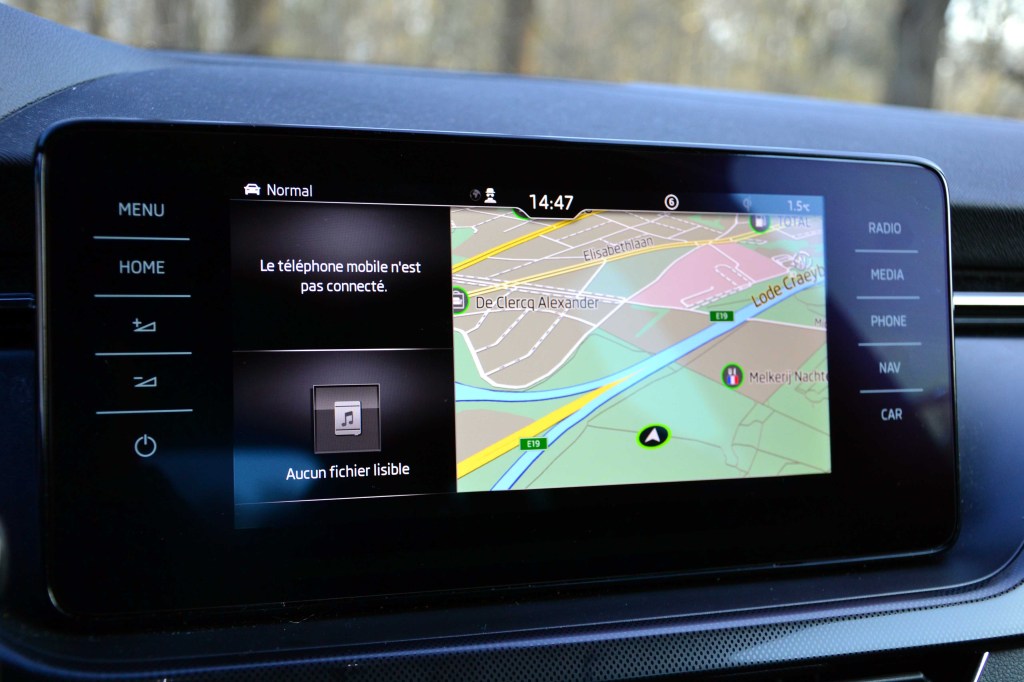
Driving assistance systems were in abundance present in our test car, such lane assist, ACC to name a few. It made driving this Kamiq both in town and the open road a totally “zen” and effortless experience. Driving at night is enhanced with Full LED headlights with curve illumination and dynamic indicators. Seats are excellent, and for long drives there is also Driver Activity Assistant, so it warns you when it detects any fatigue.  

Formidable engine and drivetrain

Good modern petrol engines coupled to superb automatic transmissions are still hard to beat when it comes to sheer performance and driving pleasure.
The smoothness and panache of the 150 HP 1,5 litre 16 valve direct injection petrol engine has to be experienced to be believed. It offers maximum its maximum power between 5 and 6000 rpm, its maximum torque of 250 Nm is delivered between 1500 and 3500 rpm. It revs beautifully with a smooth staccato up to 6500 rpm, and is marvelously coupled to a superb 7 speed DSG transmission, which marries alertness with velvety and fast changes.

The pulling power which unfolds immediately at the slightest hint of your right foot is abundant to say the least, and the objective performance figures amply show it: the sprint from 0 to 100 is swiftly done in 8,4 seconds, and top speed is an impressive 212 km/h. Needless to say that this Kamiq is a good companion on long, fast Autobahn trips as well as tours on curvy mountain and country roads.
But also town driving is a pleasure. Its compact dimensions, the ample torque, the smooth engine and superb transmission see to that. Of course it takes a very gentle right foot to keep consumption down in urban driving, but every soul knows that power costs money, and this is also true for E-cars, by the way. Average consumption is quoted at 5,1 liters/100 km, and it was no trouble at all for us to stay around the 6 litre mark and below it per 100 km. CO2 emissions are quoted at 116 g/km CO2.

Infotainment and driving aids…

The Kamiq in the tested Style equipment version has what it takes to keep you happy behind the wheel. As we said, you are looking at a 9,2 inch touchscreen with easy and very intuitive to handle and excellent “Amundsen” navigation.
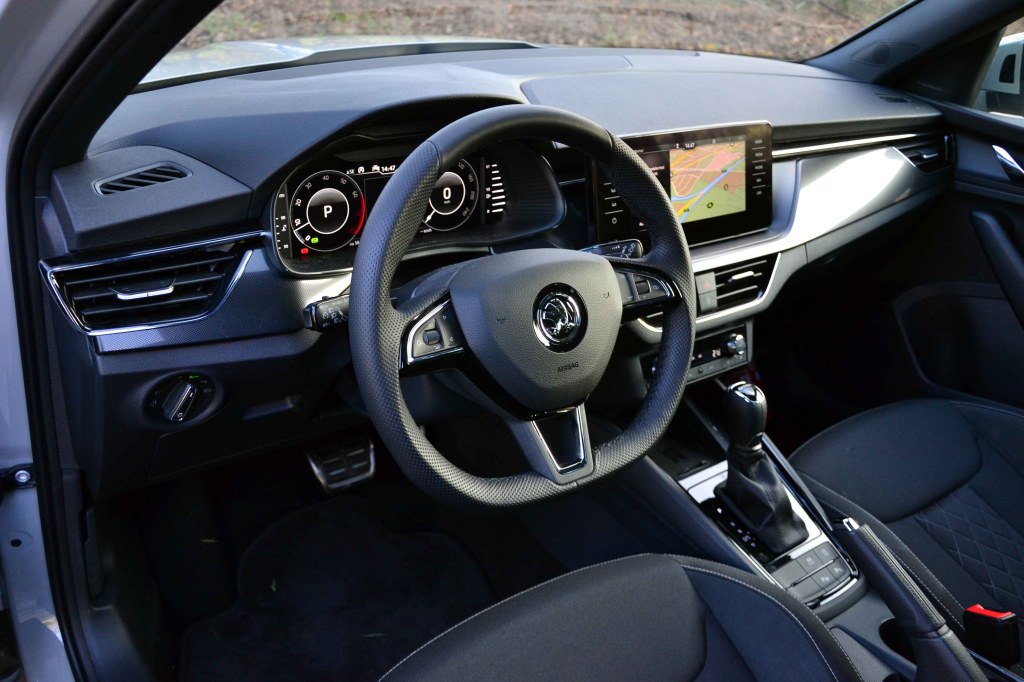
Impressive for its class is also the digital instrumentation with a choice of different views, ŠKODA Sound System with 9 speakers, subwoofer and amplifier, DAB+ digital radio, just to name a few. We already mentioned the lane, park assist and Adaptative Cruise Control.

Conclusion

A compact but astonishingly roomy four/five seater, which handles beautifully, has with this 150 HP thoroughbred engine plenty of character and panache and offers tons of driving pleasure. On top of that it superbly built, timelessly styled and last but not least is reliable and offers very good value for money.

So of yo are looking for a practical car which drives like an agile “pur sang”, make this Skoda your own…

Hans Knol ten Bensel  

We drove the Panda and 500 Mild Hybrid: mildfullness gets you going…

One would indeed create a new “mildful” English word for it: the o so clever way Fiat sees hybrid propulsion as a mild mobility solution for everybody.

Mild for nature, and also gentle for your purse. The Fiat engineers found the simple, straightforward solution of using a Belt-integrated Starter Generator to capture the kinetic energy you want to reduce and give it back the moment you want to build it up again.

Indeed, in urban stop and go traffic, reducing and gaining speed is actually the main thing you do. And this is where Fiat helps you with mild cleverness.

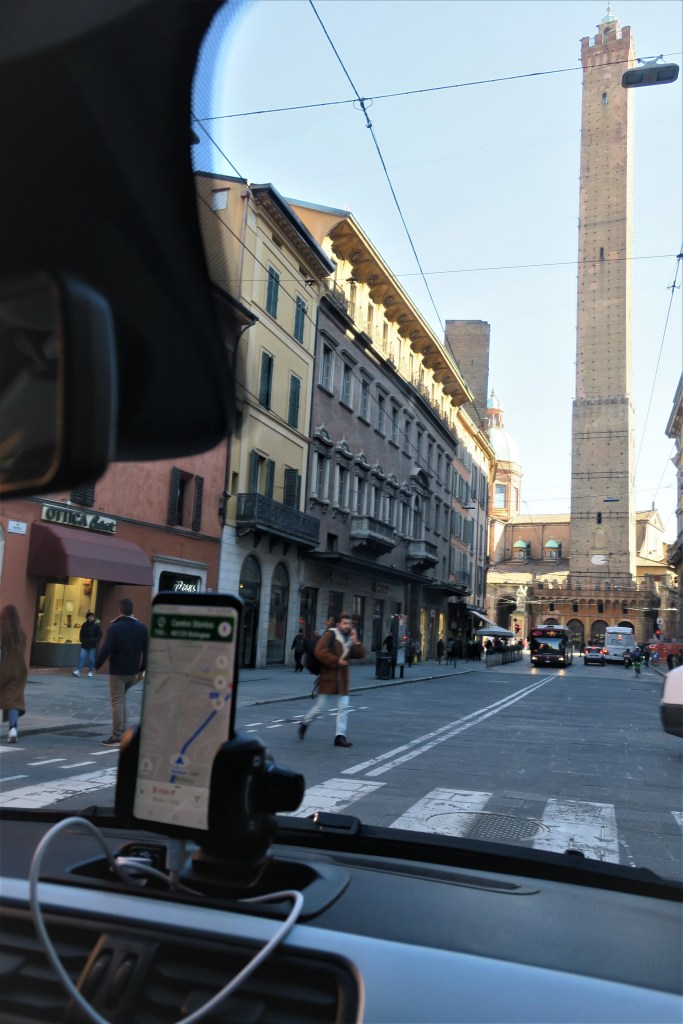
We tested it all for you in the medieval city center of Bologna. And were convinced. Just read on…

Hans Knol ten Bensel

Gentle technology with a touch of genius.  

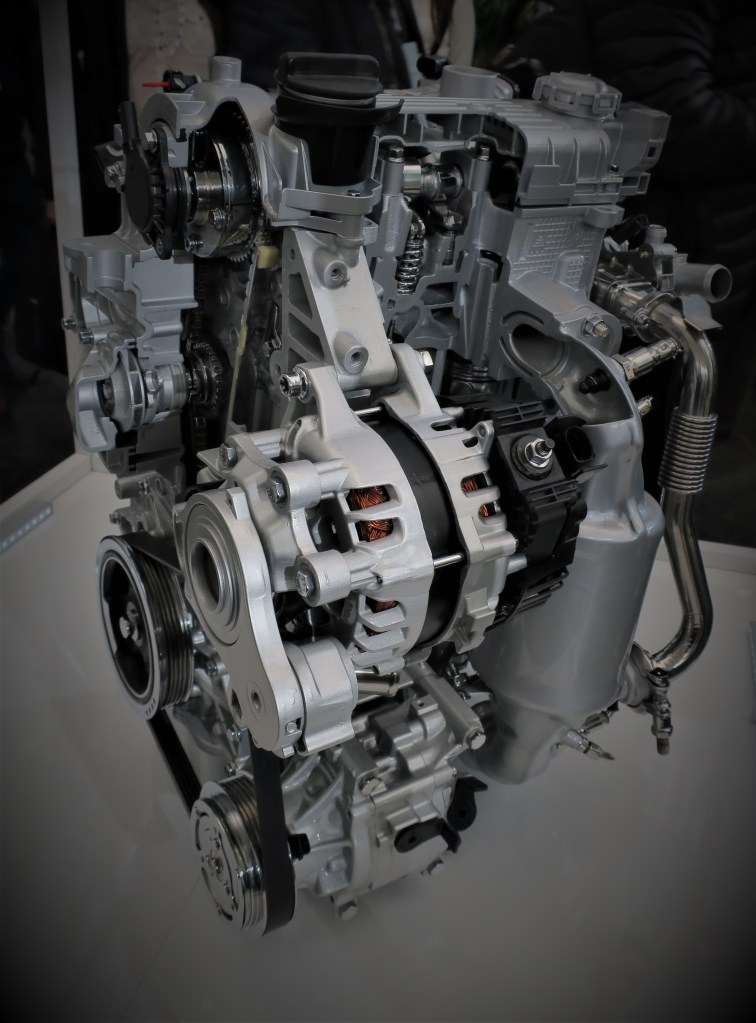
We heard it all at the presentation in Bologna. Carlo de Marino, global engineer of the Firefly Engine Family (see photo above) explained us in detail the merits of this 999 cc three cylinder engine and the hybrid system coupled to it.

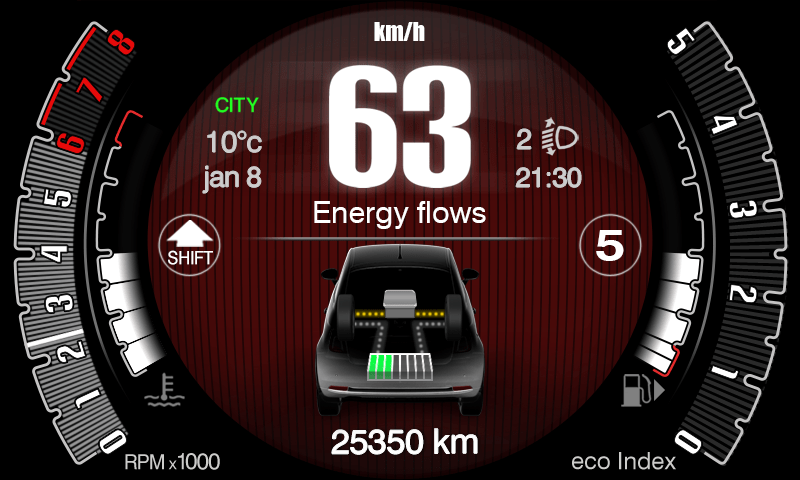
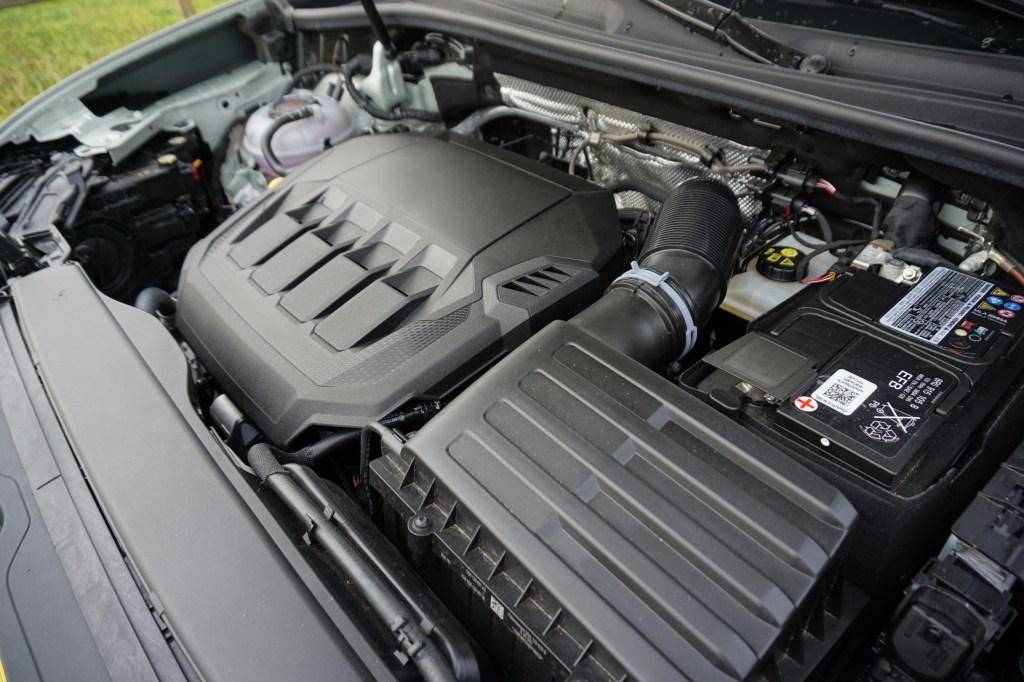
First let’s focus on the hybrid system. The BSG (Belt-integrated Starter Generator) system is mounted directly on the engine (see photo above) and is operated by the belt that also drives the auxiliaries. The system recovers energy during braking and deceleration, stores it in a lithium battery with a capacity of 11 Ah, and uses it, at a peak power of 3,6 kW, to restart the engine in Stop&Start mode and to assist it during acceleration.

This technology allows the internal combustion engine to switch off, even at speeds below 30 km/h, simply by shifting into neutral (the dashboard, which displays information on the hybrid system, prompts the driver when to do so). In coasting mode, the lithium battery powers all services, ensuring the driver has full control of the vehicle.

The Mild Hybrid propulsion unit is combined with a 6-gear C514 manual transmission “evolution”, which has new low-friction bearings and gaskets, uses a specific high-efficiency lubricant. The gearbox sits 45 mm lower and is better supported, making for supersmooth gearchanges, which we indeed experienced during our drive.

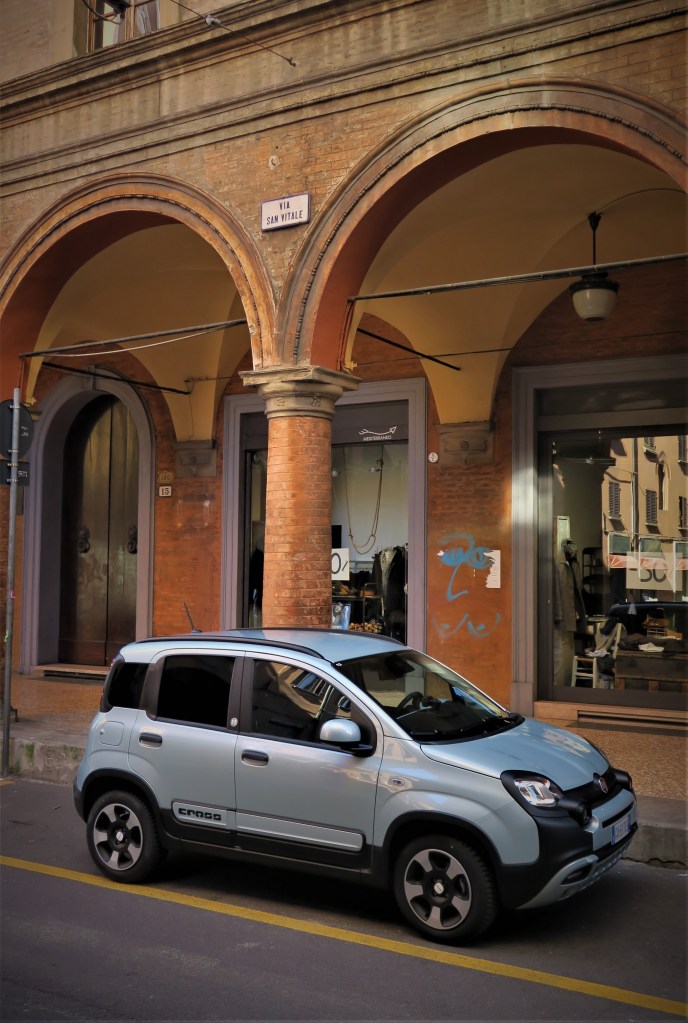
The FireFly engine itself is tuned for utter docility, and develops 70 HP and 92 Nm of torque, the latter at a mild 3500 rpm. But as said, the starter generator helps at low revs when driving away and restarting. We drove the Panda Cross during most our test drive, keen to test out the hybrid system and get good photos of the car in the beautiful Bologna inner city, with a short stint behind the wheel of the Cinquecento.  

Indeed, we were impressed by the silence and velvety smoothness of this engine, and the slick gearbox where gearchanges could be done with your fingertips. The whole system also tempts you into adopting a fluent, quiet driving style, with the engine remaining totally vibrationless from 1200 rpm or so. The gearchange indicator also invites you to stay below 1700 rpm or thereabouts, and the driving experience is then one of silent mildness indeed.

When driving gently through city streets and boulevards, with the engine being barely audible both to bystanders and occupants, the instrumentation tells you about the merits of coasting, and indeed, shifting the slick gearchange lever into neutral will stop the engine and let you coast gently along, doing exactly what all the environmentally conscious tell you to do: recuperate kinetic energy by gently rolling to a stop, adopting good anticipation and judicious driving.

If you still have to use the brakes, it is then nice to see how the generator recuperates the energy, and gives it back when starting away again. Of course, this has its good results: Fiat claims a reduction of 30 % in your average fuel consumption, and indeed, it took no effort at all to reach values between 4 and 5 litres/100 km in the Bologna streets. Of course, it takes a fluent driving style at low revs, that goes without saying. The manufacturer quotes 3,9 l/100 km as average consumption , and emissions are as low as 89 g CO2/km.

Performance is more than adequate with a quoted top speed of 155 km/h and 14,7 seconds from 0 to 100 km/h.

Durability and low service costs…

The designers of the FCA Mild Hybrid System not only kept the Hybrid system efficient and simple, also the 3 cylinder “evergreen” FireFly engine underwent some changes to enhance serviceability. The unit has here a single overhead camshaft, two valves per cylinder with continuously variable timing and last but not least chain driven timing.  

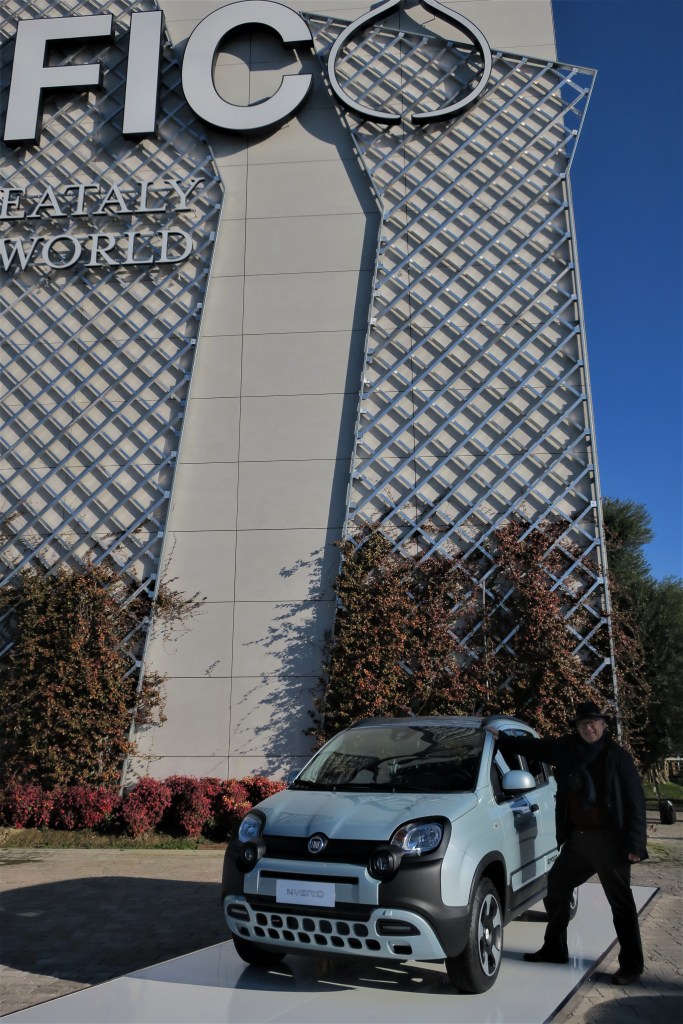
Your servant with the Panda Hybrid in front of the stunning Eataly Fico Food Show Fair…

But also other aspects of running costs are kept low.

Customers also benefit from all the advantages of going hybrid (the car is Euro 6D Final-compliant, for instance), which, depending on local regulations, include freedom of access and movement in city centers, cheaper parking in town centers and tax breaks.

The philosophy of designing and building a Hybrid system for everybody is also reflected in the very moderate extra cost of the Hybrid system compared to the standard layout(s). Indeed, the Panda Mild Hybrid Launch Edition is available in our country for slightly over 13.000 Euros…  

A Hybrid Launch Edition with a distinct “green” touch…

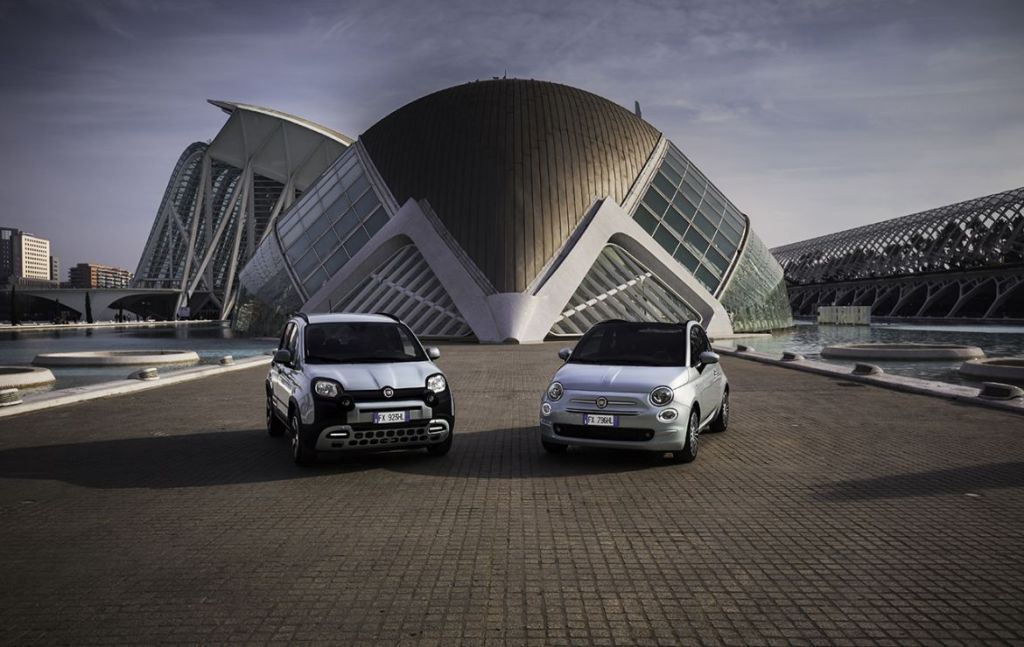
The 500 and the Panda are today, for the first time, together in a single special series: the Hybrid Launch Edition.

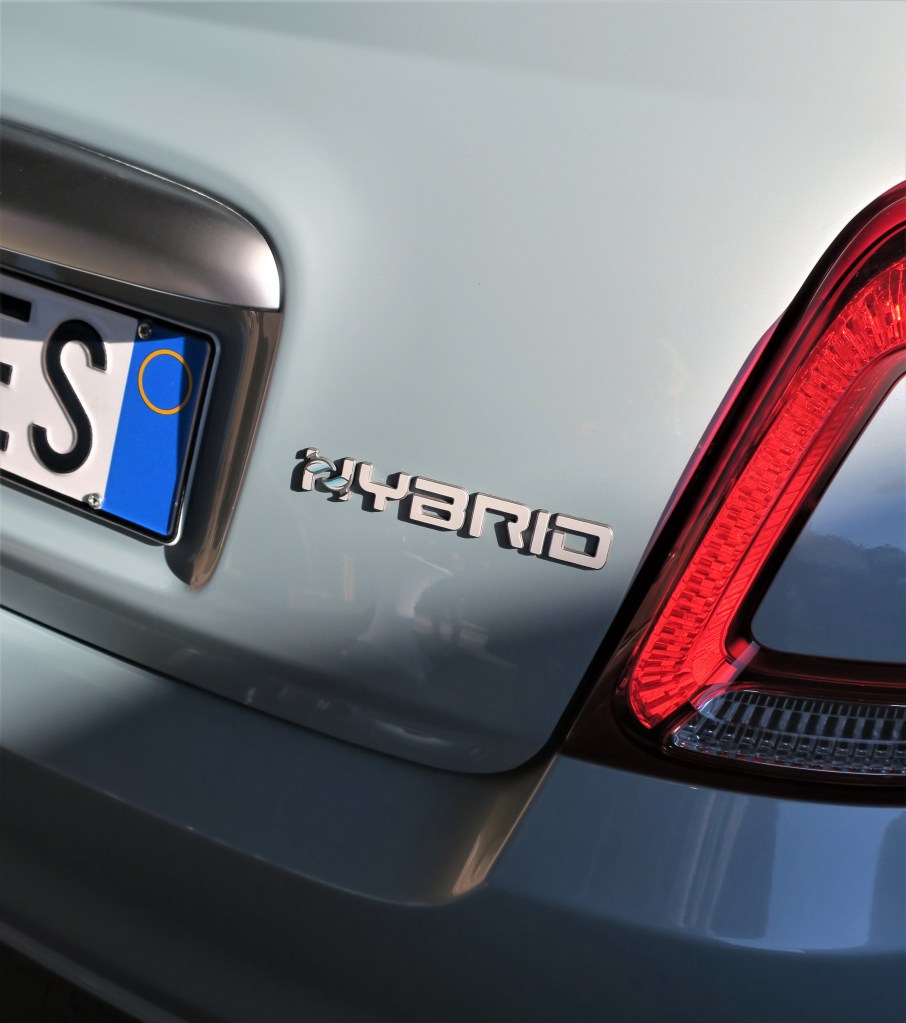
The special series can be recognized by the “Hybrid” sign written on the rear and the exclusive “H” logo, formed by two leafs with dew drops, on the center panel. Dew – the symbol of the light of dawn and therefore of the beginning of a new era – has been used also as inspiration for the “Dewdrop Green” exterior on both cars.

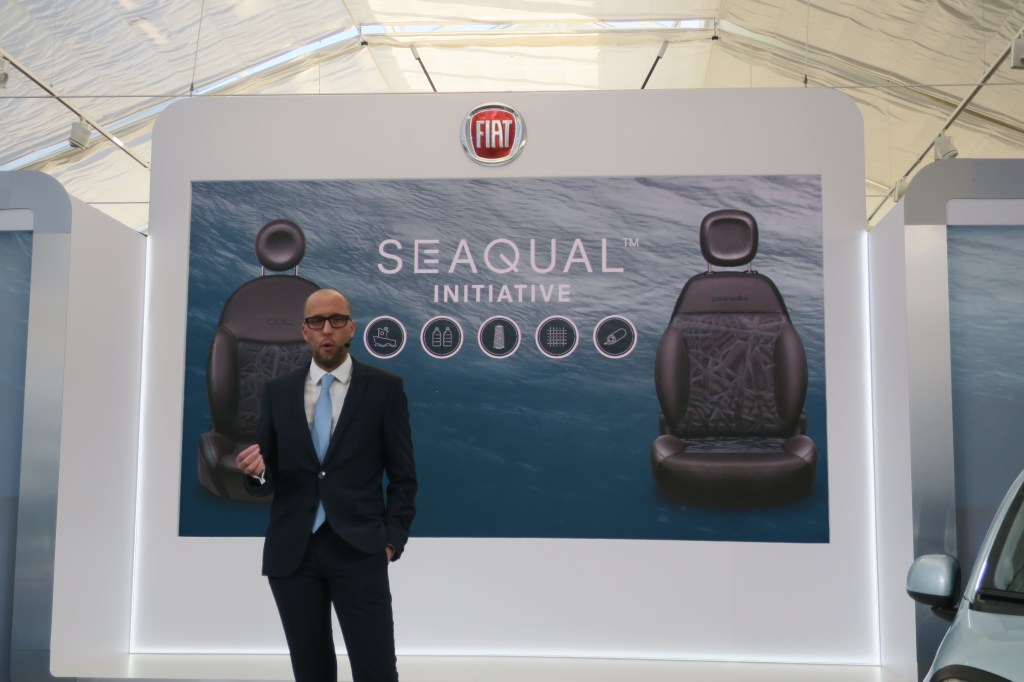
Charles Fuster, EMEA region marketing manager explaining the Seaqual initiative…

On the inside, the seat upholstery is faithful to the sustainable philosophy of the entire project. The Launch Edition seats are the first in the automotive sector to be partly made with SEAQUAL® YARN, the weaving of which produces a special material, certified by SEAQUAL INITIATIVE, derived from recycled plastic: 10% of which originates from the sea and 90% from land.

This SEAQUAL® YARN is produced by transforming plastics collected from the sea into flakes of polyethylene terephthalate. These flakes are then used in the yarn from which the fabrics are made. In the weaving phase, marine polyester is mixed with other environmentally friendly, natural, recycled or recovered fibers. This green process is completed by the application of dyes and environment-friendly finishes based on the saving of water and energy. Fiat is collaborating with SEAQUAL INITIATIVE to support ocean clean-ups to take action against marine litter.

Conclusion

The philosophy of designing this Mild Hybrid System certainly took hold with us. It is clever, effective, smooth and last but not least comes at a very small extra cost. All this completely in line with the unique talent Fiat has well honed over decades: to build small, compact cars which are simply among the best in the world in their class.

They now take this art a “green” step further with these Mild Hybrids, and there is even more to come. Just watch out for the next Geneva Motor Show: it will see the birth of the first “full electric” 500…

Hans Knol ten Bensel     
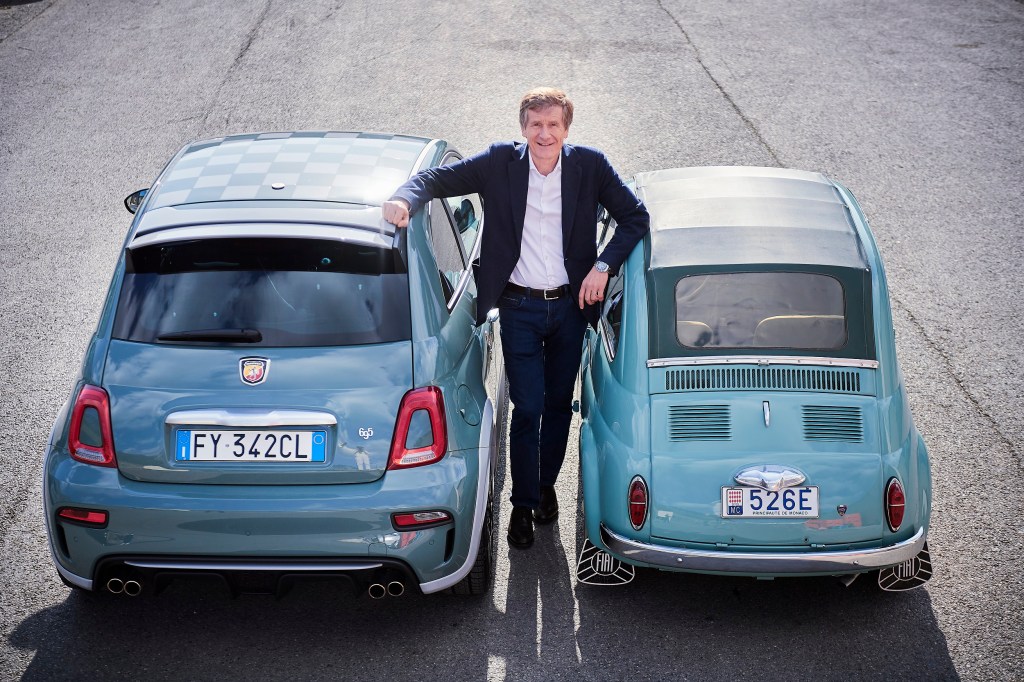
Unique “Abarth Stories” tell about Abarth driving passion for the Belux market…

FCA journalists launch gripping Abarth short stories series, starting with a visit to Thierry Boutsen in Monaco…

The dynamic PR and marketing people of FCA Belgium come up with an unique formula to keep the passion for the “Scorpione” alive. They launch mini-video stories that testify to the Abarth passion. The first episode shows the Belgian pilot Thierry Boutsen at the wheel of the Abarth 695 70 ° Anniversario…

This “Abarth Stories” concept was specifically devised for the Belux market. With good reason: since the launch of the brand in 2008, Abarth has achieved increasing success in Belgium and the Grand Duchy of Luxembourg, and is even about to become a reference in our shores when it comes to sporting cars.

The first «Abarth Story» of 2020 brings viewers to the principality of Monaco, where they meet Belgian pilot Thierry Boutsen. He was so impressed with this latest creation from Turin, the Abarth 695 70 ° Anniversario, that he decided to buy one!

Thierry Boutsen has lived in Monaco with his family for years. The Festival du Cirque De Monte Carlo is in full swing, and with a bright blue sky outside, the FCA journalist meets Thierry Boutsen in the lobby of the Columbus hotel. Boutsen has devoted more than 23 years of his life to car racing and motor sport, a man with a true passion for cars.

In the original Cinquecento, Thierry Boutsen taught his mother to drive…

“I taught my mother to drive,” he tells our journalist quietly. “It was aboard a Fiat 500.” This undoubtedly explains his enthusiasm for the thoroughbred version the current model, sold under the brand name Abarth. «I have purchased this special edition in honor of the brand’s 70th anniversary, and it has been finished in the same color scheme as the 1957 Fiat 500 that I also own. So the circle is round! » he smiles.

Following him in the narrow streets of Monaco towards the corniche that takes us to the motorway towards Menton, one immediately sees that Boutsen has immense driving talents as a pilot, and they amply show behind the wheel of these new toys. «This new Abarth has everything one could wish for: it is light, agile, powerful, has perfect handling and powerful brakes. Everything was developed to achieve the best », Thierry smiled.

For more than 20 years, Thierry Boutsen has been involved in aircraft mediation with his company Boutsen Aviation, which is also based in Monaco. But his passion for cars is still well alive. “I still remain a car enthusiast,” he adds. «That is why I recently set up a new company specializing in the sale of collection cars, cars suitable for public roads and competition cars. Our specialty? Find rare vehicles that meet the specific criteria of the customers, from a Lancia Stratos or Porsche 904 to a Ferrari F1 in running order! » And now he relives also the passion for Abarth…

A thriving market for the cars with the “Scorpione” in Belgium…

With 1,700 cars sold in Belgium in 2019 and around 21,000 in Europe, Abarth is the sporting jewel in the Fiat Chrysler Automobiles group. Born from the heritage of Carlo Abarth, the newest 695 70 ° Anniversario is a unique model that complements the range of models 595, available in the Turismo and Competizione versions. This Abarth 695 70 ° Anniversario impresses with its new rear spoiler, which is manually adjustable,and this “Spoiler ad Assetto Variabile” can be adjusted in twelve positions, with a slope of 0 to 60 degrees…

Abarth remains active in the competition, for example through the participation of the Abarth 124 Rally in the ERC Championship, and also takes part in the F4 Championships in Italy and Germany.

This is how new pilots are discovered, such as the young Arthur Leclerc, brother of F1 pilot Charles Leclerc, who started his career at Alfa Romeo, before making the switch to Ferrari.

We just let you enjoy further the photos here…

Hans Knol ten Bensel

We will be going to Bologna to test the Fiat 500 and Panda Mild Hybrid…

It had to come. The electrification of the Fiat brand. The first step is here: The Fiat 500 and Fiat Panda, always European leaders in their segment, are the first FCA city cars fitted with the new gasoline Mild Hybrid technology.

The Hybrids are powered by the new 3-cylinder engines from the FireFly family which will deliver 70 HP, combined with the 3,6 kW BSG (Belt-integrated Starter Generator).

CO2 consumption and emissions are reduced by up to 30% depending on the model, in addition to the tax and traffic benefits of hybrid vehicles in densely populated areas, based on local regulations.

The new 500 and Panda Hybrid will be available from February and March 2020 respectively, are set to become a new European benchmark for electrified urban mobility.

The anchor year 2020 will further continue with the start of production in Turin of the new 500. This model will be 100% electric and therefore will play a key role in the e-Mobility by FCA strategy.

But now the coming days we will set sail to Bologna. Keen to drive these two new hybrids…

Stay tuned!

Hans Knol ten Bensel

We drove the Audi Q3 Sportback 45 TFSI Quattro: enjoy elegance and thoroughbred performance…

We all know the Audi adage “Vorsprung durch Technik” and this is indeed what the brand masterfully embodies through its products.

The elegant Q3 we tested makes no exception to this rule. It brings you the ultimate in state of the art classic, non electrified technology, and with its 230 HP makes driving this elegant 4WD a true feast… just read further.

Hans Knol ten Bensel
Living in style.

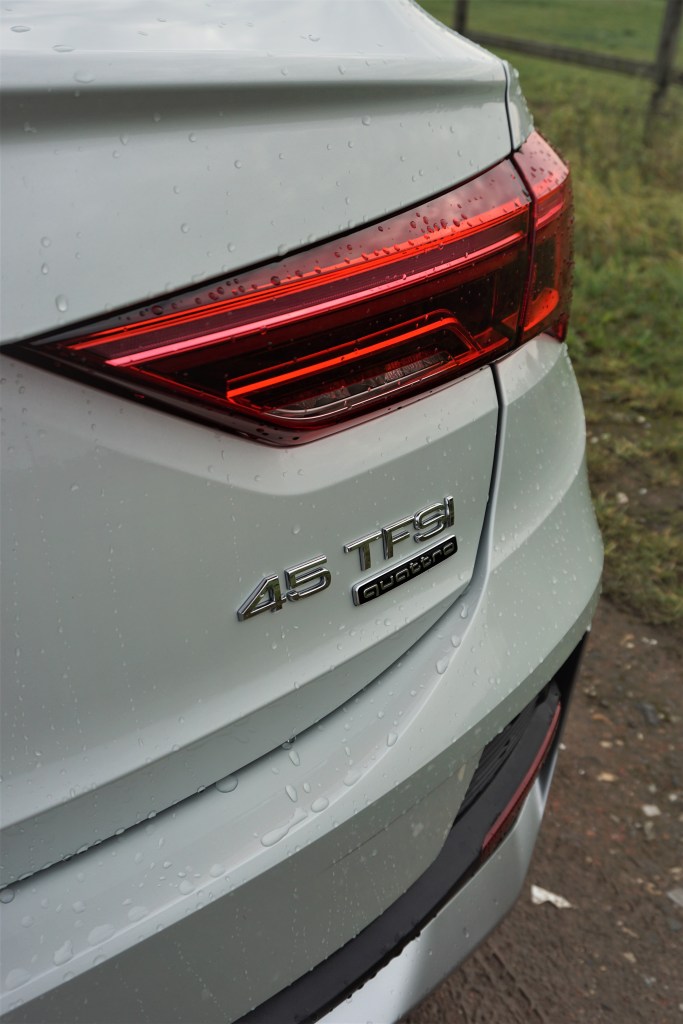
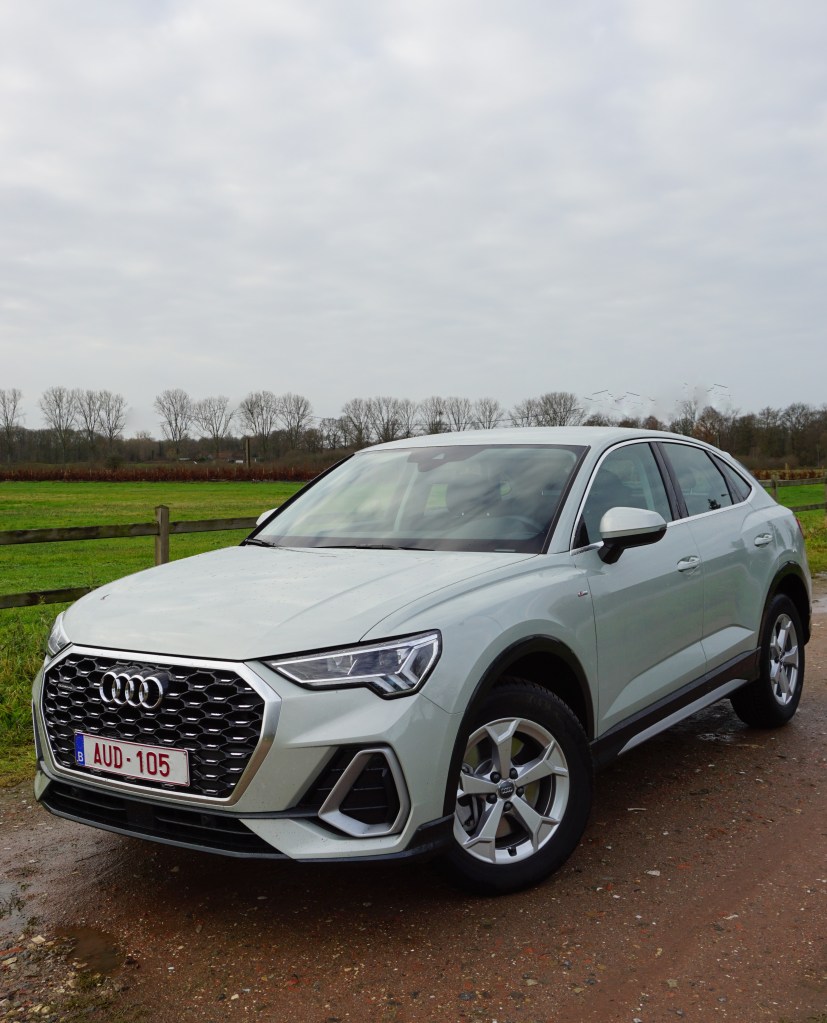
Audi cars breathe style. Their designers carefully honed the already well proportioned Q3 to a distinct, elegant, coupé-like SUV/Crossover, with the good dimensions further enhanced by bigger wheels in the S line Quattro version we tested. The front end is angular and decidedly masculine, as Audi puts it, underlined by the trapezoidal air inlets, which are connected to each other by a narrow blade in the bumper. The sloping roof-line makes the car appear considerably longer than its sister model, the Q3, although the difference is just 16 millimeters. The Audi designers positioned the roof frame lower by 29 mm, and indeed, this Q3 looks sleek. In the S line exterior, the bumpers, the wheel arch trims, and sill trims are distinctively colored.

Here just one word about the Matrix LED headlights: Nine LEDs generate the low beam light and ten more LEDs create the high beam light.  

When the camera detects other road users, they are masked out of the light beam in a targeted fashion.

The matrix LED headlights also feature front and rear dynamic turn signals.

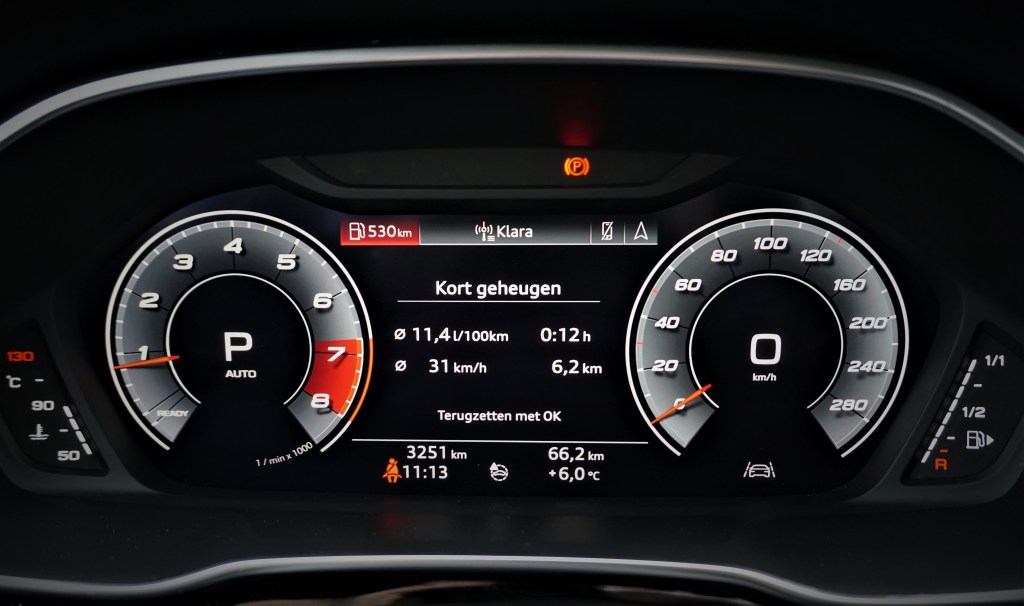
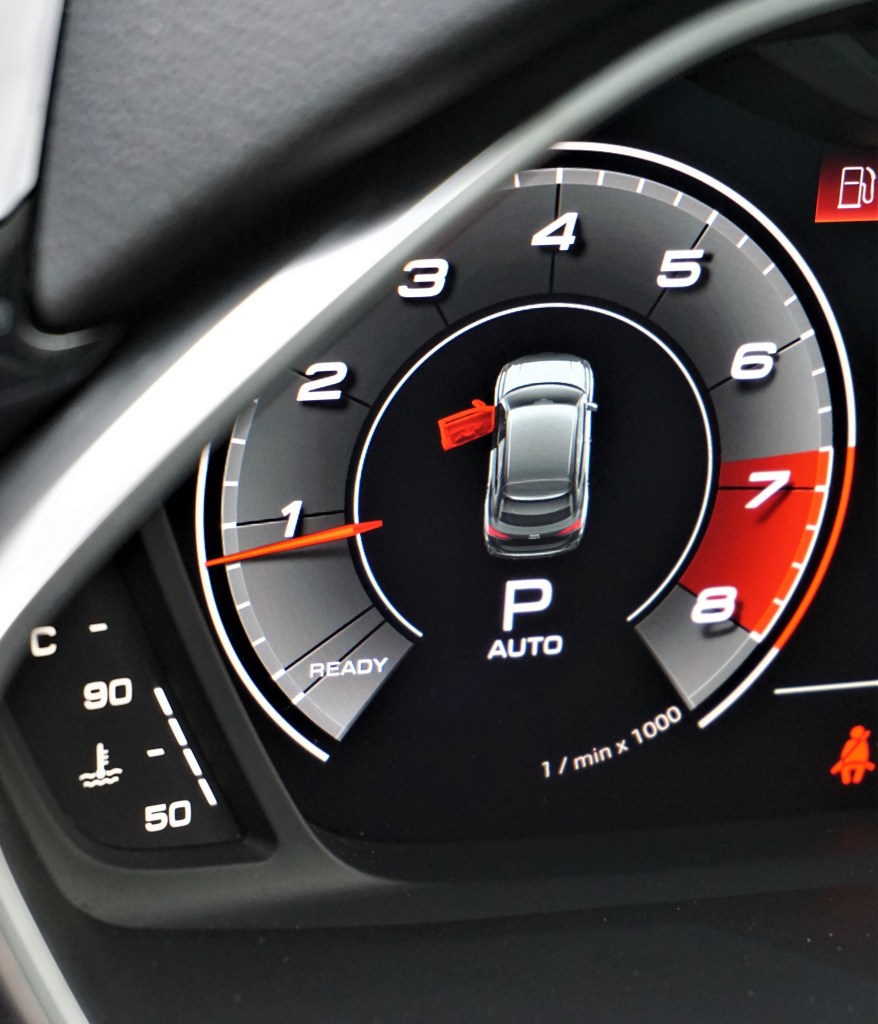
The cabin and dashboard also breathe the cherished Audi design language and philosophy. Clean, rakish yet fluid contours dominate the dashboard layout, and we find of course the virtual instrumentation, which is clear to read and stylish.

The instrument panel is designed in two zones, which makes it appear particularly wide. The upper zone integrates the air vents while the lower zone constitutes the operating level.

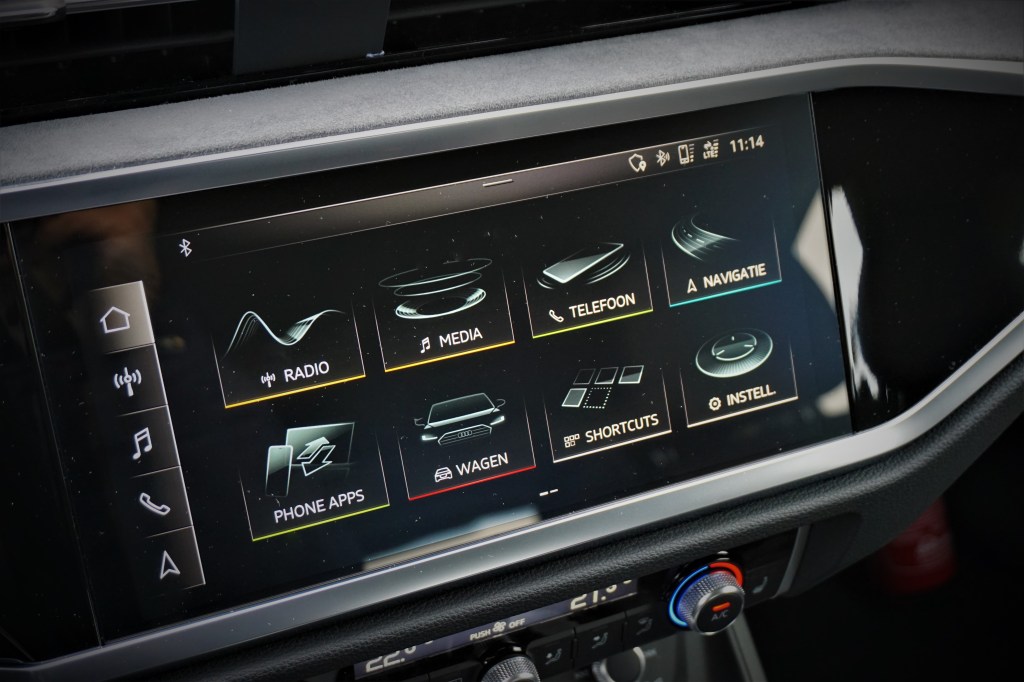
We tell you more later about the lavish array of infotainment functions, just suffice to say here that the central element here is the centre console with optional MMI touch display in our test car, which is together with the climate control unit tilted toward the driver by ten degrees.

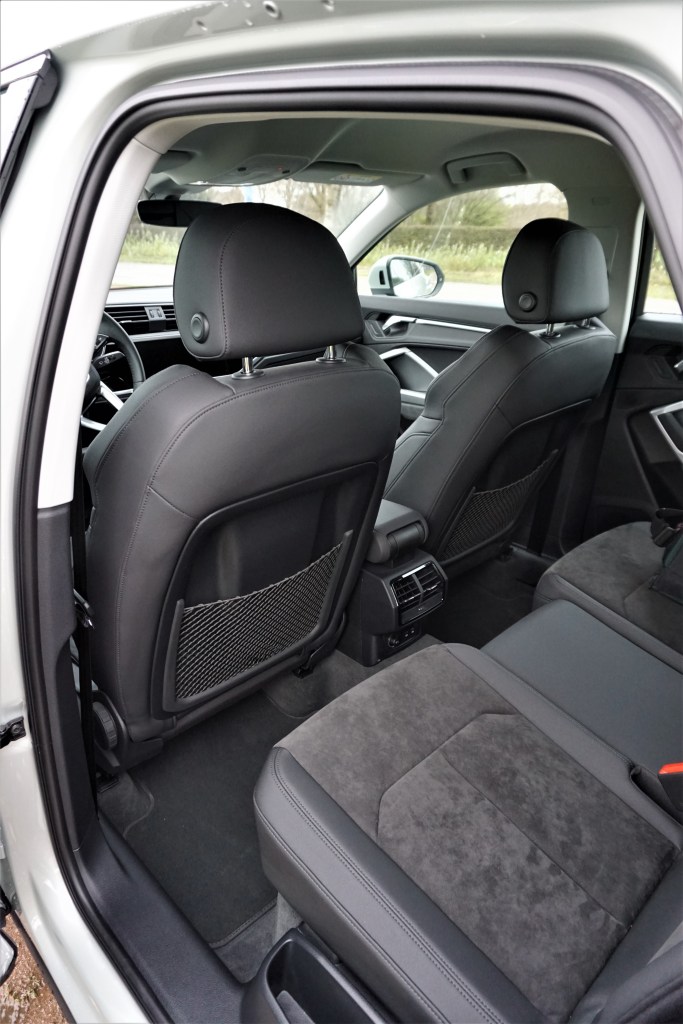
In “our” S line, the seat backrests feature the embossed S logo, and the sport leather steering wheel bears a corresponding emblem. There is ample room for four if not five adults, the rear seats can be moved 130 mm (5.1 in) longitudinally as standard; their backrests are divided into three sections, and their inclination can be adjusted in seven stages. The volume of the luggage compartment ranges from 530 l (18.7 cu ft) to 1,400 l (49.4 cu ft). The loading floor can be adjusted to two levels, and the rear shelf is located beneath it. Our test car had the electric tailgate that can also be opened and closed with a foot motion.  

Driving is believing.

Pushing the starting knob revealed the feline smoothness of the 2 litre TFSI petrol engine. State of the art responsiveness is what you can expect from this unit: it delivers 169 kW (230 metric hp) at 5,000–6,200 rpm and 350 Nm (258.1 lb-ft) of torque between 1,500 to 4,300 rpm. Coupled to the 7-speed S-Tronic, you can expect some serious performance. And indeed, this Q3 truly delivers.

In supersmooth staccato the engine redlines and catapults the Q3 in 6,5 seconds to 100 km/h, hurtling further to a top speed of 233 km/h. Close to supercar performance, let this be said. And the beauty here is again, as befits a well engineered thoroughbred, that all this is achieved completely effortlessly, with chassis and drivetrain being always well mannered, keeping the driver in complete control. The engine is never obtrusive, and the S-Tronic always changes judiciously and at lightning speed. Of course one has the choice over different driving modes, and the consumption changes distinctly according to the selected mode and driving style. The manufacturer quotes between 7.7–7.3 l/100 km as combined fuel consumption, with CO2 emissions being 174–166 g/km.

It takes a very gentle foot indeed to stay between 8 and 9 litres/100 km in urban traffic, driving at legal limits on the open road will bring your consumption down to the 7 litres level. But of course, power costs fuel. We witness now an intensive “hybridisation” of the Audi range, and soon we will be able to drive the first Audi hybrids on the road. Suffice to say here for those enthusiasts keen on economy that the 1.5 TFSi in the Q3 Sportback 35 TFSI uses the cylinder on demand technology, which switches off two cylinders at low and medium loads.

Later this engine will follow with S tronic and 48 volt mild hybrid system. During deceleration, it recovers energy; during acceleration from low speeds, it supports the engine. In real-life driving, it can save up to 0.4 l of fuel per 100 km.

At the moment of writing, we are driving the new Passat Hybrid GTE, and to tell you right away, it is an impressive plug-in hybrid indeed, with VW manifestly knowing very well what engineering and building a state of the art hybrid is all about.

Superb agility and balance

This SUV/Crossover coupé has also all what it takes to shine on curvy roads. First of all, it’s a Quattro, so it will certainly stand its own on wet and snowy roads, but it is also a very fine handling sporty companion on dry tarmac, being able to handle effortlessly all the power you unleash with your right foot.

At the limits of performance, the quattro drive works closely together with the wheel-selective torque control, It makes handling even more dynamic and stable by gently applying the brake to the inside wheels with the quattro drive and the inside front wheel with the front drive. The central element of the quattro drive system is a hydraulic multi-plate clutch on the rear axle. Its electronic management combines outstanding stability and strong traction with driving pleasure, the manufacturer tells us, and right they are.

The Audi digital world…

Our top of the range Q3 took us convincingly into the wonders of digital infotainment, and it is intuitive and easy to use. The flat menu structure is complemented by a control unit that uses natural language and can also understand free-form communication. Entering a navigation destination and the MMI search are based on free-form text input.

The system recognizes the driver’s most frequent destinations based on previous journeys, allowing it to generate suitable suggestions. When doing so, it takes into consideration statistical empirical values regarding the traffic load and time of day. Wow!  

…and being connected

The future doesn’t stop here of course. Together with MMI navigation plus, the online services of Audi connect are made available on board at LTE Advanced speed via a permanently installed SIM card.

This includes, for example, online traffic information and the online points of interest service, which complements route guidance with photos, opening hours and user evaluations.

Thanks to the inter-connectivity of the Audi fleet, the Q3 Sportback receives and provides information about parking spaces on the roadside, hazard areas and speed limits, which are detected via the on-board camera and vehicle sensors.

Navigation with Google Earth and the hybrid radio, which automatically switches between FM, DAB and online streaming depending on the reception conditions, also form part of the Audi connect navigation & infotainment plus package. The voice control system uses the detailed knowledge in the cloud to answer the driver’s questions and commands. The future has arrived with this package!

Of course, this Audi also takes care of your smart phone. The free myAudi app and the Audi smartphone interface ensure interconnectivity between the car and smartphone. This integrates Android and iOS cell phones into the on-board infotainment system.

The content of the smartphone is shown on the MMI display via Apple CarPlay or Android Auto, and no cables are required if the top infotainment system is used with an iPhone. The Audi phone box and the Bang & Olufsen Premium Sound System with virtual 3D sound complete this comprehensive offer.

Of course, there is the whole array of electronic driving aids, which makes both urban and long distance touring a true pleasure…

Conclusion

A stunning compact yet roomy SUV, offering in this powerful version tons of driving pleasure, yet remaining utterly sophisticated and docile.

With its superb styling, workmanship and finish, this Audi is a car to love and behold, and care for during its long, reliable life, if you have the pleasure and privilege to own it for some time. It constitutes undoubtedly the pinnacle what classic medium size petrol engined drivetrains can offer, and as such constitutes a benchmark indeed.

Hans Knol ten Bensel   

The Concept Alfa Romeo Tonale is to be seen on the press and gala day of the Brussels Show…

Faithful readers will remember that we stood in the FCA Centro Stile eye to eye with the stunning design concept car, the Alfa Romeo Tonale. For those lucky ones who will be invited to the gala evening and attend the press day on January 9, we have good news : it will be on show on that day in the Hall 7 of the Brussels Salon…

Hans Knol ten Bensel
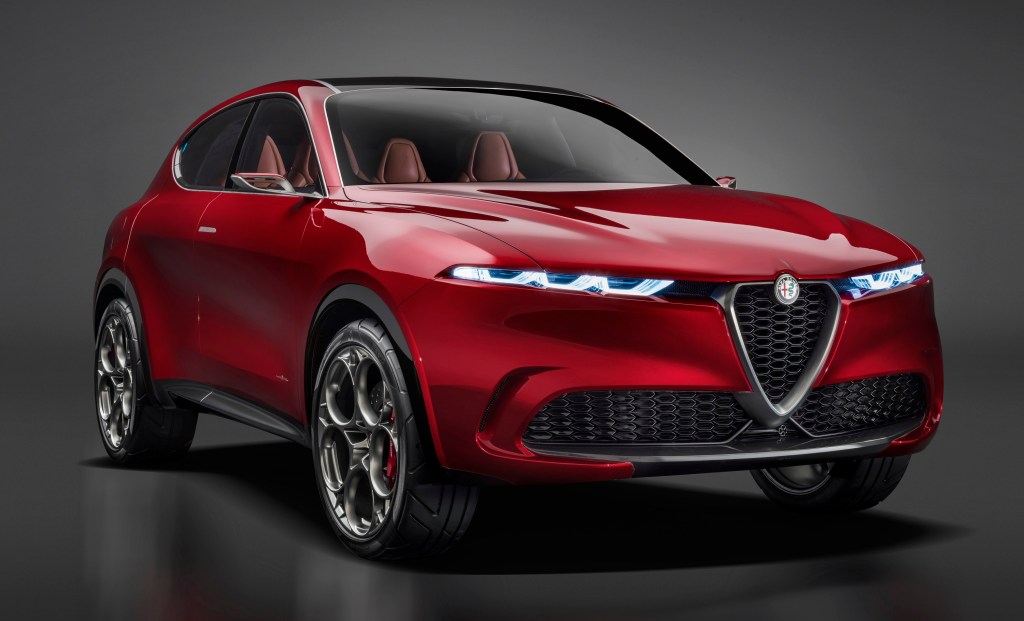
Indeed, you can admire it for one day in Hall 7 of the Motor Show buildings, and you will see its design language close up. This is rather important, as its shapes will be seen back in the second SUV which will bear the Alfa Romeo badge.

Its expressive design and compact shape bode well for the future styling of Alfa’s, whilst maintaining and even rather enhancing and accentuating further the organic Alfa styling DNA of the past. One only has to look at the formidable 21-inch alloy wheels, which evoke the “telephone dial”, a pure execution of the circular theme of the wheel itself. It was first seen in the 60’s and proudly carried by the Alfa 33 stradale. The wheel design has been further enhanced by special custom-made Pirelli’s…

The lateral profile of the car is reminiscent of the shapes of the Duetto and Disco Volante Spider, and the “Linea GT” profile of the Tonale is a modern day interpretation of the shapes seen on the GT Junior.

The “Trilobo” front end bears proudly the “Scudetto” grille, and the “3 + 3” headlights remember proudly the SZ and the Brera.

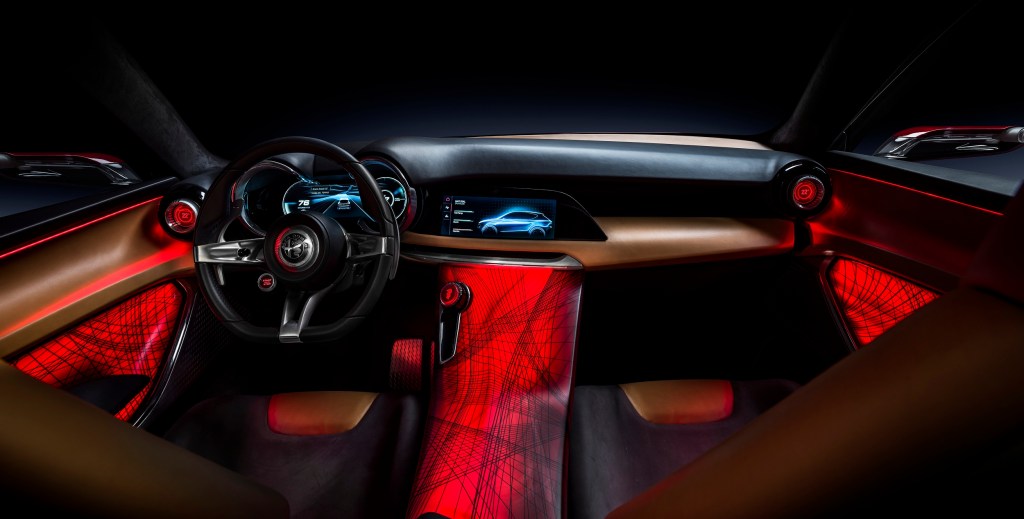
The cabin shapes have a distinct thoroughbred touch, and the materials are rich and inviting, with transparent panels in the centre console, and of course the DNA driving mode elector is a prominent element.

The Tonale is named after the Tonale mountain pass, which lies not far from the iconic Stelvio pass, and is equally breathtaking with eternal snow and water falls. Just come to admire it in Brussels…on the 9th of January. If you missed it, there is always a nice consolation for you: you can admire on the following days instead the new Giulia MY 2020…

Hans Knol ten Bensel

We drove the Kia XCeed 1.4 T: above and beyond your expectations…

There are cars which indeed exceed what you would think of them. Such a car is the latest Kia XCeed. We know that at the moment of writing there are already hybrid and electrified versions being built and they are to be seen on the Brussels show. Just read our comments elsewhere in these columns.

Intrigued as we were about this bestselling Kia, we tested it for you in the 140 HP 1,4 litre petrol engine version, and to tell you right away, we were stunned by its mechanical refinement and smooth manners…

Hans Knol ten Bensel

Continue reading “We drove the Kia XCeed 1.4 T: above and beyond your expectations…”

Volkswagen on the Brussels show…

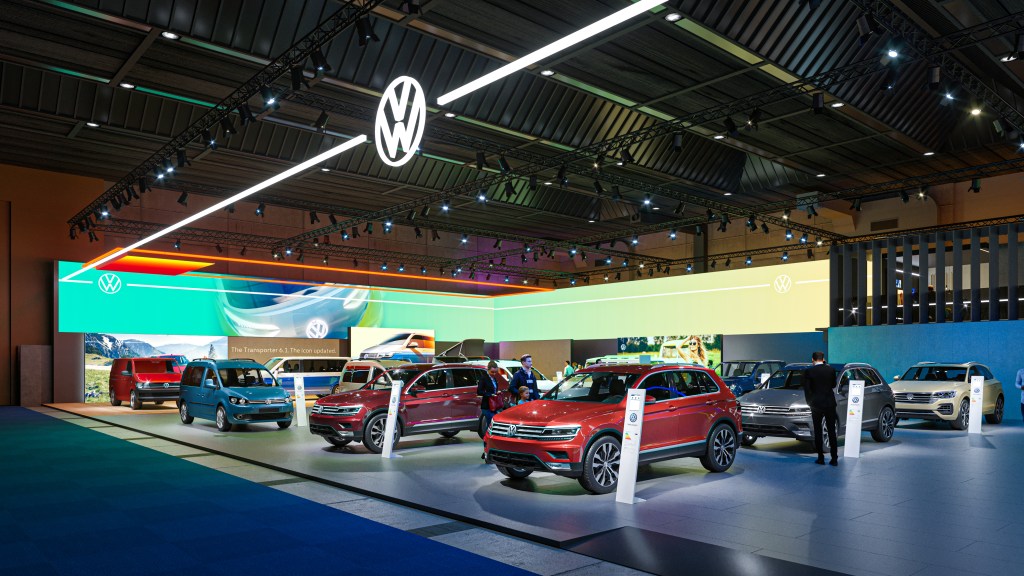
Volkswagen will of course be quite present at the show in palace 11 with a very impressive stand, under the new VW logo, reminiscent of its early beginnings, and we must admit we like its style.

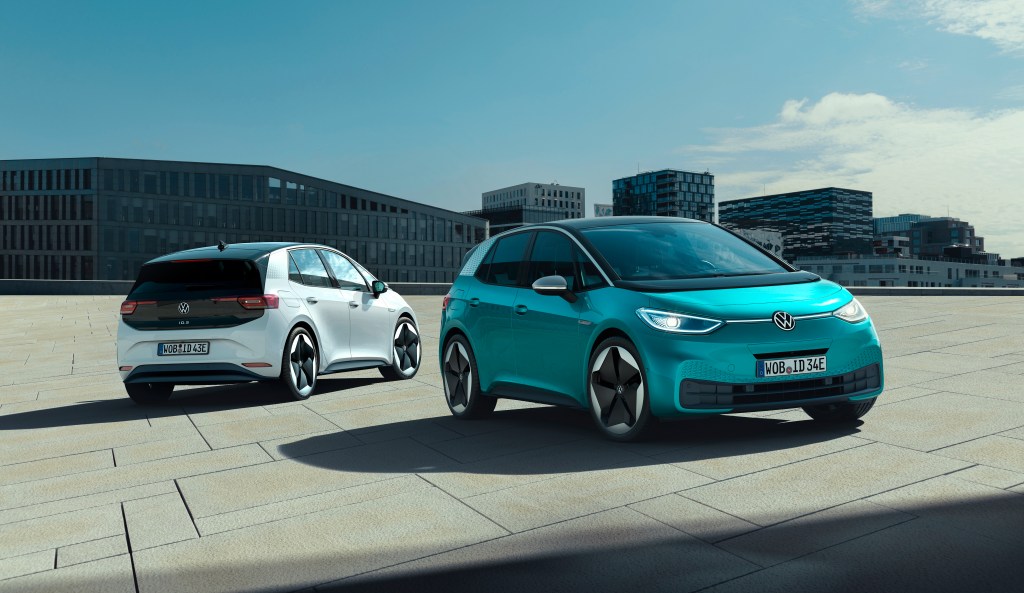
There is a lot to see: in the first place the brand new Golf, the iconic bestseller and of course the electric ID.3. We will be very keen to admire it “in the flesh.”

At launch, a special range of ID.3 1ST will be available in three trim levels and with an electric driving range of up to 420 kilometers (WLTP). All ID.3 1ST versions are equipped with the most popular battery variant, which has a useful energy content of 58 kWh.

The series models will later also be available with a smaller battery (45 kWh), with a driving range of up to 330 kilometers, and a larger battery (77 kWh), with a maximum driving range of 550 kilometers.

VW is also presenting some fun cars, like the T-Roc Cabriolet and the sporting version of the range, the T-Roc R.

On the new Golf, not less than five hybrid versions are offered. Three eTSIs (mild hybrids) make their debut. A belt-driven 48 V starter generator, a 48 V lithium-ion battery and the latest generation of the groundbreaking efficient TSI engines offer performance but also significantly reduce fuel consumption.

The mild-hybrid powertrains, which are always combined with a 7-speed DSG, have a powerful energy recovery and deliver power of 81 kW (110 hp), 96 kW (130 hp) and 110 kW (150 hp). The 48 V system also makes it possible to roll out with the engine switched off completely and to save fuel.

Of course, there are also Plug-in Hybrid (eHybrid) versions. The eHybrid program is divided into a 150 kW / 204 hp version optimized for driving range and a performance-oriented GTE version with 180 kW / 245 hp (system power each time). The plug-in hybrid drive line consists of a 1.4 TSI, the hybrid module with electric motor, a six-speed DSG and a lithium-ion battery. The new battery is distinguished by a 50 percent larger storage capacity (13 kWh) and therefore a larger electric driving range: almost all daily journeys in the city can be done locally without emissions.

The family of the Multivan, Caravelle and California 6.1 with a nod to the first-born, the T1, is also to be seen at the show.

The T-Roc Cabriolet is already a classic with its foldable cabrio roof which can be opened in merely 9 seconds and which is powered by a choice of two petrol engines, the 1 litre 110 HP 3 cylinder and the 1,5 litre 150 HP four cylinder. 

T-Roc R, fun, sporty and safe with the integral transmission

The modern 2.0 engine with TSI technology and the 4MOTION intelligent four-wheel drive gives the new T-Roc R quite some zest. Pressure feed and direct injection ensure an impressive torque of 400 Nm even at low speeds.

You can also admire two electric concept cars: the ID. BUGGY and the ID. BUZZ Cargo.

Here the basis is formed by the new and already much discussed MEB platform. The high-voltage battery in housed in the floor of the vehicle. This lithium-ion battery provides in the case of the ID. Buggy a capacity of 62 kWh to power the 150 kW / 204 hp electric motor in the rear for a driving range of approximately 250 kilometers (WLTP).

Last but not least the importer D’Ieteren is showing electric charging solutions. With Electric D’Ieteren Solutions, or EDI for short, D’Ieteren Auto wants to expand a portfolio of intelligent charging and energy solutions.

The EDI range includes charging stations for home and work, but also a charging card for charging on the road, which offers access to more than 100,000 charging points in 25 European countries. In addition, EDI provides a range of services for both private customers and professional accounts.

As you see, a lot of interesting news to see in hall or “palace” 11 of the Brussels Motor Show on the Heysel…  

Hans Knol ten Bensel

We drove the Alfa Romeo Giulietta 1,4 120 HP: a very refined sporting thoroughbred…

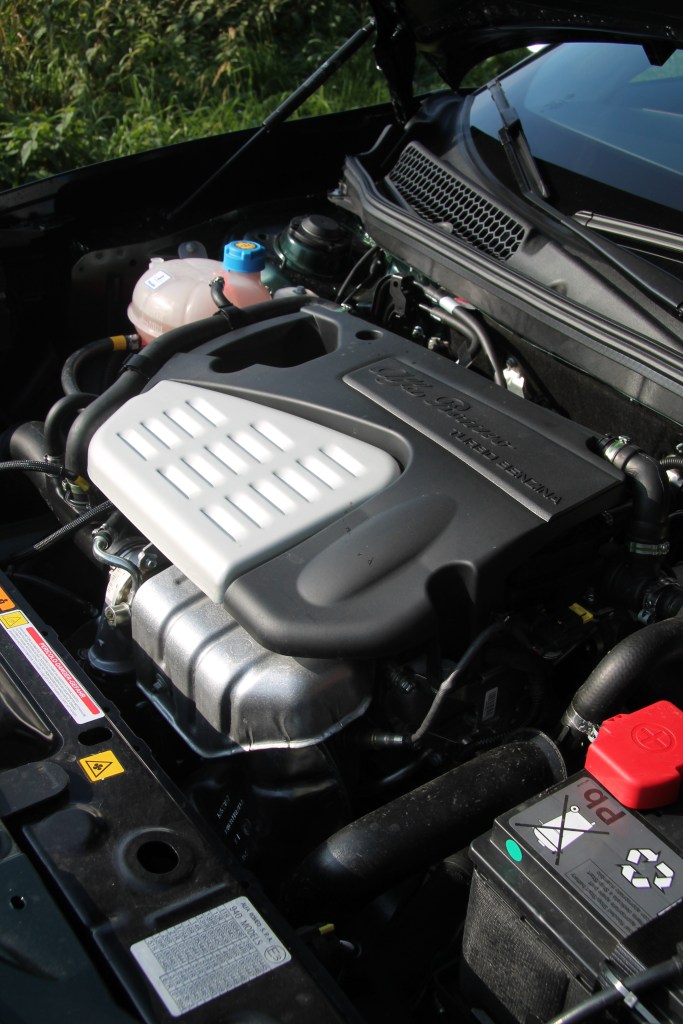
Cuore Sportivo” This is the iconic adage of Alfa Romeo. It evokes the thoroughbred heart which throbs in their cars. And in this latest Giulietta it is a well sounding heart too. Indeed, the well proven 1,4 litre four cylinder unit does its well sounding work here, and it finds also a home in a wide range of models in the FCA stable. It develops here 120 HP, and this warrants undistilled driving pleasure. Just read on…

Hans Knol ten Bensel
It is a well matured unit, and this amply shows in its superb mechanical refinement. Even after the first meters we noticed the turbine smoothness of this engine, even at lowest revs, with both gearbox and clutch – we drove the six speed manual version – being progressive and slick too. All this makes this Giulietta a total pleasure to drive in urban traffic, and frankly the Giulietta proved totally “zen” in daily use. The process of making this marvelous unit comply with the 6D emission standards will have helped also in giving it impeccable manners.

Of course this Giulietta is a true delight to drive with spirit, the engine revs up beautifully in the most well sounding staccato. The gearbox is expertly low geared to suit the torque characteristics of this thoroughbred engine, and the Alfa Romeo pilot has always enough power to move his Alfa with panache and zest through every traffic situation.

Agile and predictable

The Giulietta runs on a state of the art platform, and this guarantees superb handling. Indeed, steering the Giulietta with abandon over curvy stretches is an undistilled pleasure. Remaining neutral up to very high cornering speeds, the chassis and suspension is very forgiving and this Giulietta can be driven sportingly with confidence. Of course, the relatively moderate power of 120 HP helps too here, and we did not meet a driving situation where the suspension and chassis ran out of breath.

The Alfa steers with adequate precision, with the steering not transmitting too much information of the road surface through your fingertips. Some would like to have more feel, but your servant personally prefers a quieter and more stable steering wheel, so this was very much OK for me.

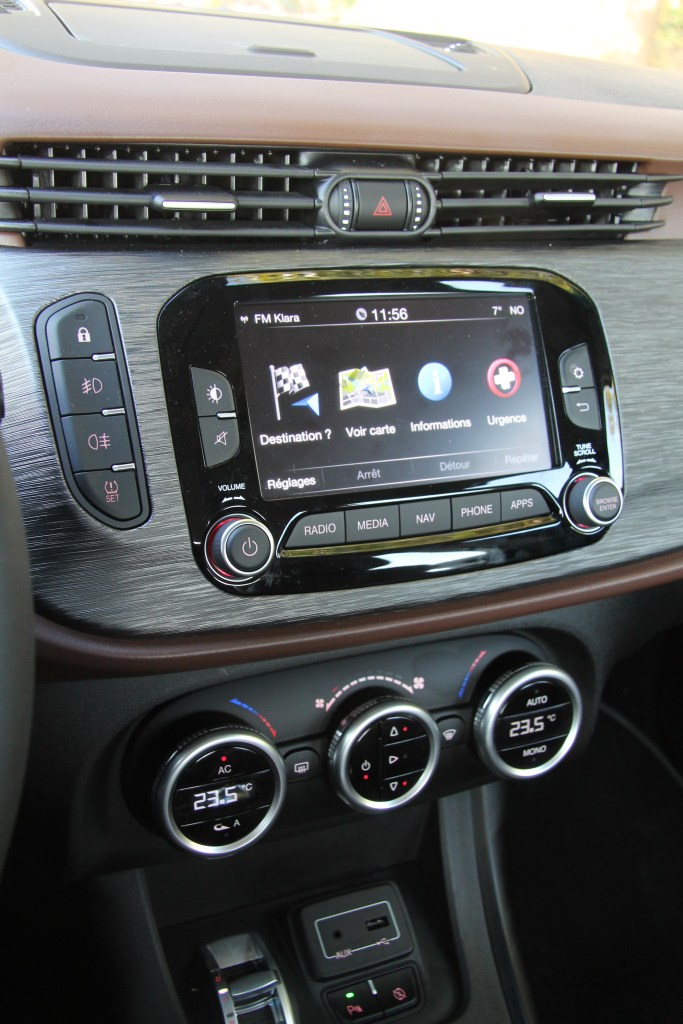
Last but not least, there is also the Alfa DNA driving mode selector. You can adjust the car’s dynamic handling, by modifying the engine torque, the brakes (via the Pre-Fill device), the accelerator response, the ESC control system.

Lively and remarkably frugal

Outright performance is quite up to the mark, with a 0 to 100 sprint absolved in 9,5 seconds, and a top speed of 195 km/h. Pulling power with torque of 215 Nm at 2500 rpm, staying high throughout the rev range, is quite good as the gearbox ratios are also quite well chosen.

Fuel consumption will depend as everybody knows, very much on your driving style, and charmed as we were by the superb smoothness and flexibility of the drivetrain, we adopted a cool, “zen” driving style, and when staying below 3000 rpm, we were hugely rewarded with an average consumption hovering between 6 and 6.5 litres/km over part of the test distance, with quite a bit of urban driving included, as well as heavy motorway traffic. In town, it takes a very gentle right foot to let consumption stay below the 9 liter mark.

But with the excellent engine flexibility and drivetrain smoothness, this is no difficult exercise indeed. The manufacturer quotes 7.2-7.4 l/100 km as overall average.

The suspension also strikes a very good balance between sporting responsiveness and comfort, and this makes this Giulietta a very good Gran Turismo.

Sound deadening and insulation is excellent too, at high cruising speeds the engine is never obtrusive, tire/road noise can impair listening to classical music however on specific road surfaces.

Alfa ambience both inside and out.

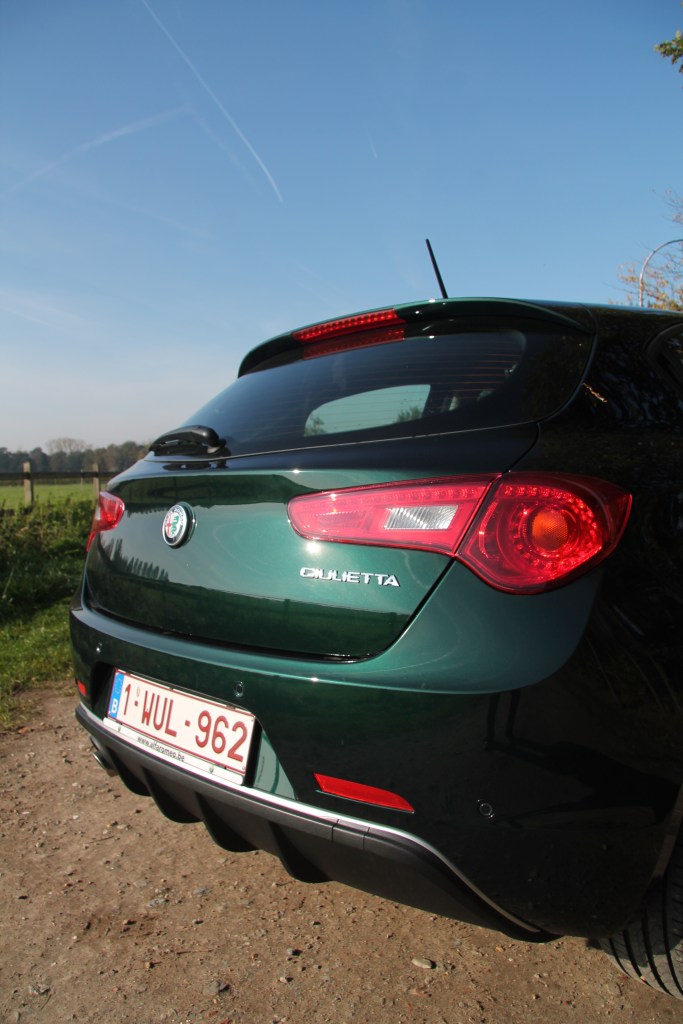
Alfa styling has always embodied a unique sporting panache, and this is translated by the curvy body lines as well as the instrumentation and the interior and dashboard layout. The new range features five trim levels – Giulietta, Giulietta Super, Giulietta Sport, Giulietta Executive and Giulietta Veloce – and each one responds to specific requirements.

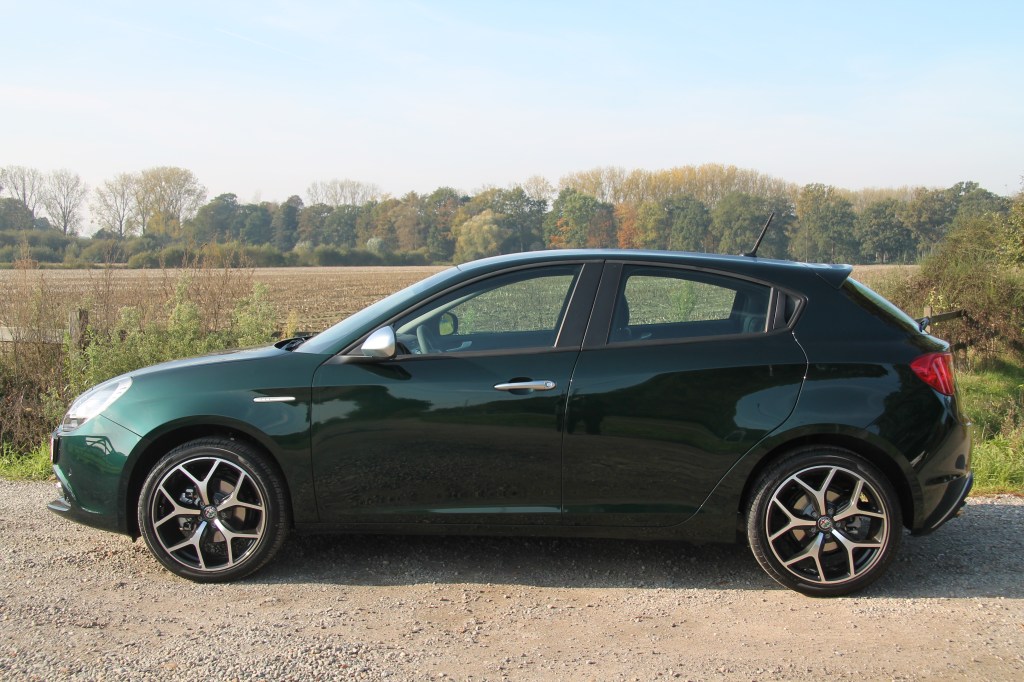
On the exterior, we were very much charmed by the Visconti Green livery of our test car, the one-of-a-kind alloy wheel rims.

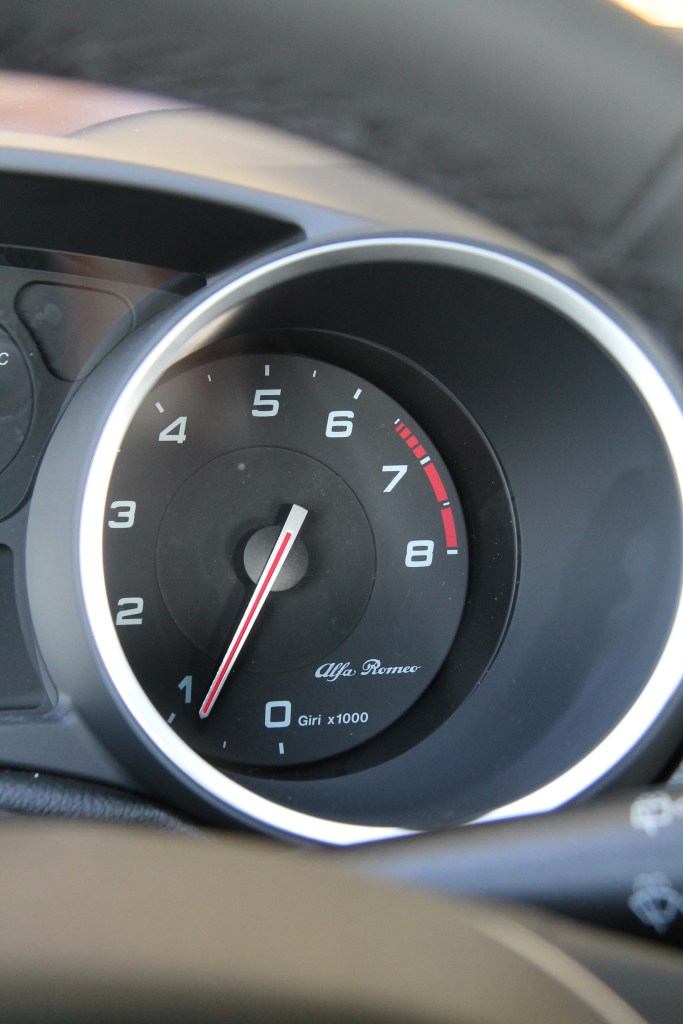
When it comes to instruments, this Giulietta continues the good tradition, although we still miss the bold instrumentation and dials of the Duetto for instance, but the dials here hark faithfully back to the ones we saw in the later Giulia Supers, and the dashboard finish is also reminiscent of wood inlays and wood grained surfaces of the beloved Giulia Super.

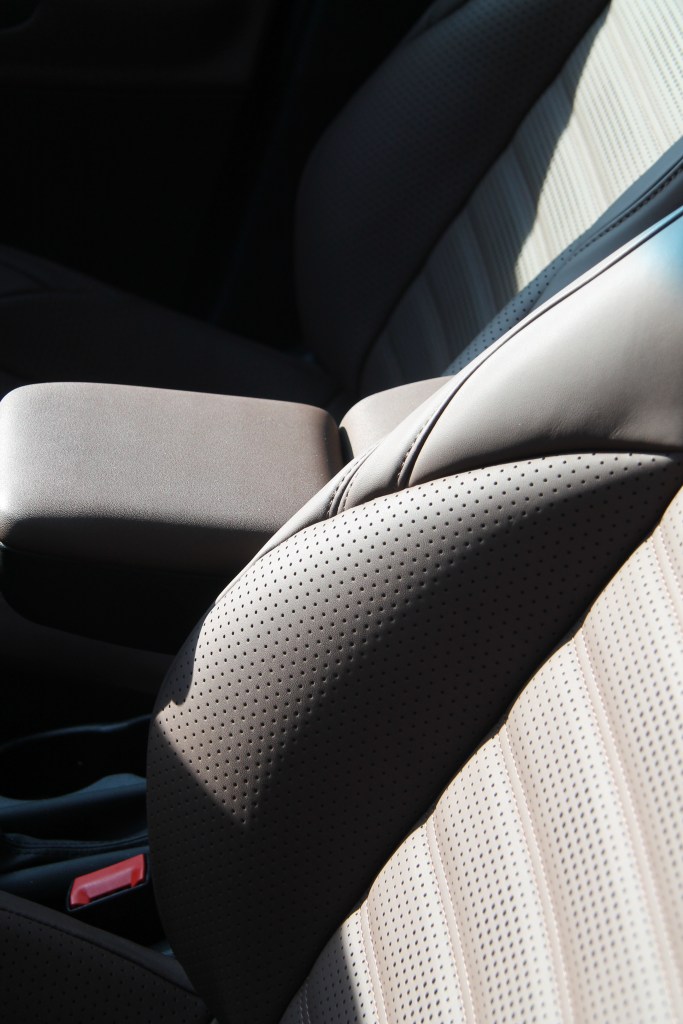
Overall, we just love it and we beg Alfa stylists to continue this good tradition. The same can be said of the seat upholstery. Indeed, the new Giulietta Veloce has new Alcantara and beige fabric seats, with leather seats optional, like in our test car. Need we say more?

Everyday practicality

This is your daily Alfa par excellence, not only with its excellent drivetrain and comfort, but also with the host of driving aids and the excellent connectivity you can enjoy throughout. Apple Car play and Android AutoTM are provided for, when you choose the Tech Pack, which offers the Alfa Connect 7″ from by Alpine infotainment system.

The Business Pack, for instance, has DAB radio with navigator and 6.5-inch screen, rear parking sensors and height-adjustable passenger seat.

The Convenience Pack includes rain sensor, the dusk sensor, electrochromic interior rear-view mirror, front and rear parking sensors, central rear armrest and electrically operated door mirrors. 

Boot space is more than adequate with 350 liters.

Conclusion 

This Giulietta has everything what it takes to steal your car loving heart. It has indeed the sporting character and style which is so unique to Alfa. Add to this the total smoothness of the drivetrain, the willingness of this thoroughbred engine, the stylish curves of the car, looking well balanced from every corner, the panache of the cabin and the charming handling, and you can understand we were quite impressed. We would suggest, knowing that the competition is fierce in this segment, that you take this Giulietta for a spin. This Alfa could then win you over…

Hans Knol ten Bensel
EQ power for Mercedes in Brussels…

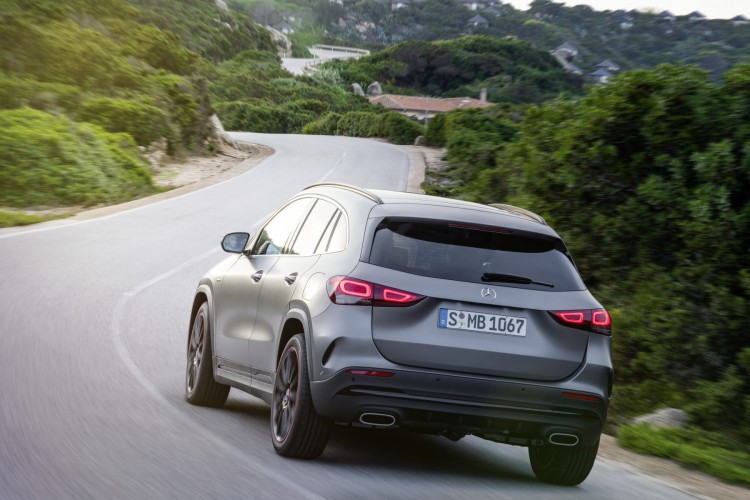
Mercedes-Benz is launching at the Brussels Motor Show with a scoop: after the digital premiere of the GLA in mid-December, the youngest member of the Compact Car segment makes its very first worldwide physical appearance in Brussels.

The brand new GLA will be joined by the Belgian premieres of the CAP and the GLS – both available as seven-seater.

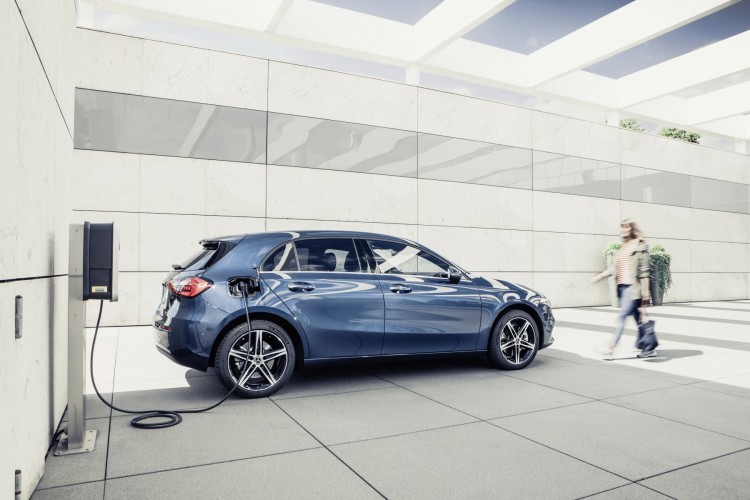
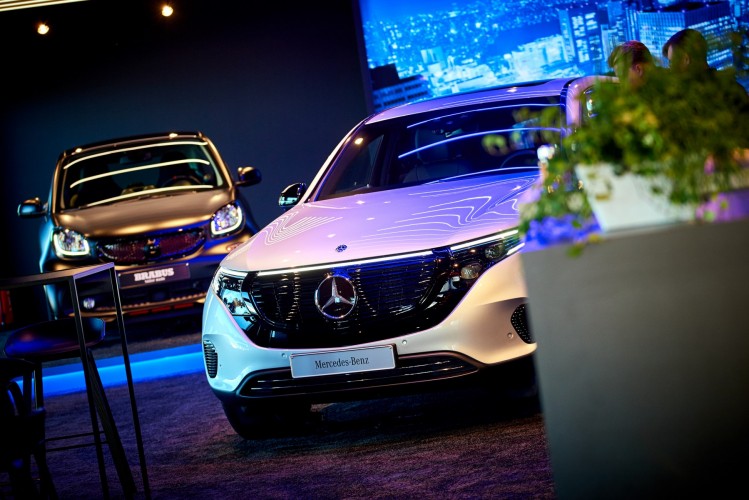
In addition, the EQ offensive from Mercedes-Benz is gradually coming up at full speed: from the newest and therefore most efficient generation of diesel engines and EQ Boost on petrol engines to the EQ Power Plug-In Hybrids from A-Class to S-Class to fully battery-powered EQC, the smart EQ facelift and the EQV in Belgian premiere.

In the next year we will drive the E-300, and indeed, as you can read in our columns, the EQC has greatly impressed us…

Hans Knol ten Bensel