A new series on pen drawings of famous engines… The Jaguar D-type

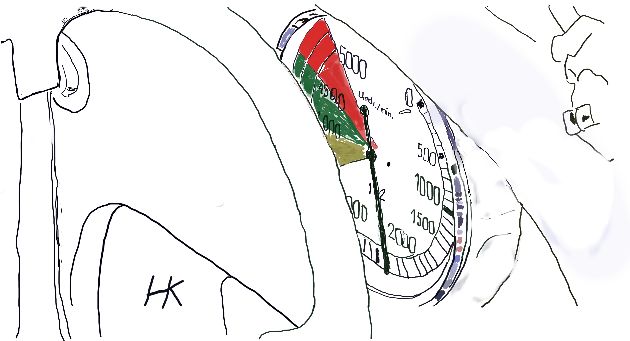
After having made a pencil drawing of the Jaguar XK engine, we got more and more carried away so to speak, and decided to start with a series of famous racing engines, which made automotive history. Of course, we continued first with the D-type theme, as we felt it deserved further attention.

So here it is…

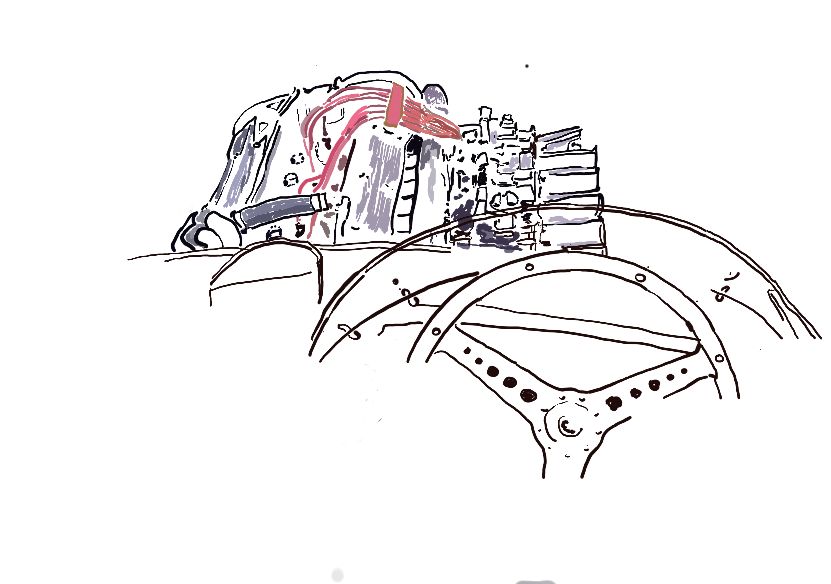
Jaguar D type motor en cockpit

Engine capacity of this XK engine in this racing version is still the original 3442 cc, with also the original bore and stroke dimensions of 83 x 106 mm.

With triple Weber carburetors and a 1:9 compression ratio it developed 253 PS or 186 kW at 6000 rpm. Torque was very impressive for a normally aspirated engine, being 328 Nm at 4000 rpm.

It had dry sump lubrication, as the superb roadholding  of the D-type triggered G forces which would let the engine starve for oil had the original sump been retained. It also allowed a larger oil quantity, lowering oil temperature on the grueling long Mulsanne straight at Le Mans, where the D-type would run at speeds in excess of 170 mph, or 270 km/h. There was also another practical reason, which might have been even more important: the D-type is very low, so to reduce the engine height, a dry sump layout was chosen.

The D-type itself was structurally designed by Jaguar’s William Heynes Technical Director and Chief Engineer. It applied aeronautical technology. The cockpit section was of monocoque construction, mostly comprising sheets of aluminum alloy. It was about five years later that John Cooper started to use the same concept for his Formula 1 cars…

The aerodynamic bodywork was largely the work of Malcolm Sayer, who had joined Jaguar following a stint with the Bristol Aeroplane Company during the Second World War and later worked on the C-Type. The D-Type required a minimal frontal area. To further reduce the XK engine’s height, the engine was canted at 8½° from the vertical, which made the typical offset bonnet bulge necessary.  It might also have been needed, according to Philip Porter, in his book Jaguar Sports Racing Cars, to provide extra space for the ram pipes feeding the three twin-choke Weber carburetors….

You can see clearly in the drawing the rampipes of the Webers, and the fact that the engine is canted…

Just enjoy the drawing. The next one will be the famous Auto Union V16 engine…

Hans Knol ten Bensel


DS X E-TENSE: a designer’s dream to drive in 2035…

aCL 0.18..019.001s

DS designers were asked what their dream car would look like within 17 years. New forms, new materials, new technologies. The team came up with a truly stunning result: The fruit of their collective fantasy and out of the box thinking is DS X E-TENSE, a car with stylish refinement and very bold solutions indeed…

Just look at the photos and read further, and be amazed…

Hans Knol ten Bensel

Continue reading “DS X E-TENSE: a designer’s dream to drive in 2035…”

BMW Group Classic and its new Centre…

aP90212631-highRess

Of course, BMW also has a magnificent museum, but here we focus first on their new Centre, which was opened in 2016. We present you here some factory photos; needless to say that we are keen to visit the centre, and bring you then an extensive report with own interviews and images, but in the meantime, we shouldn’t already keep this from you…

aP90226295-highRess

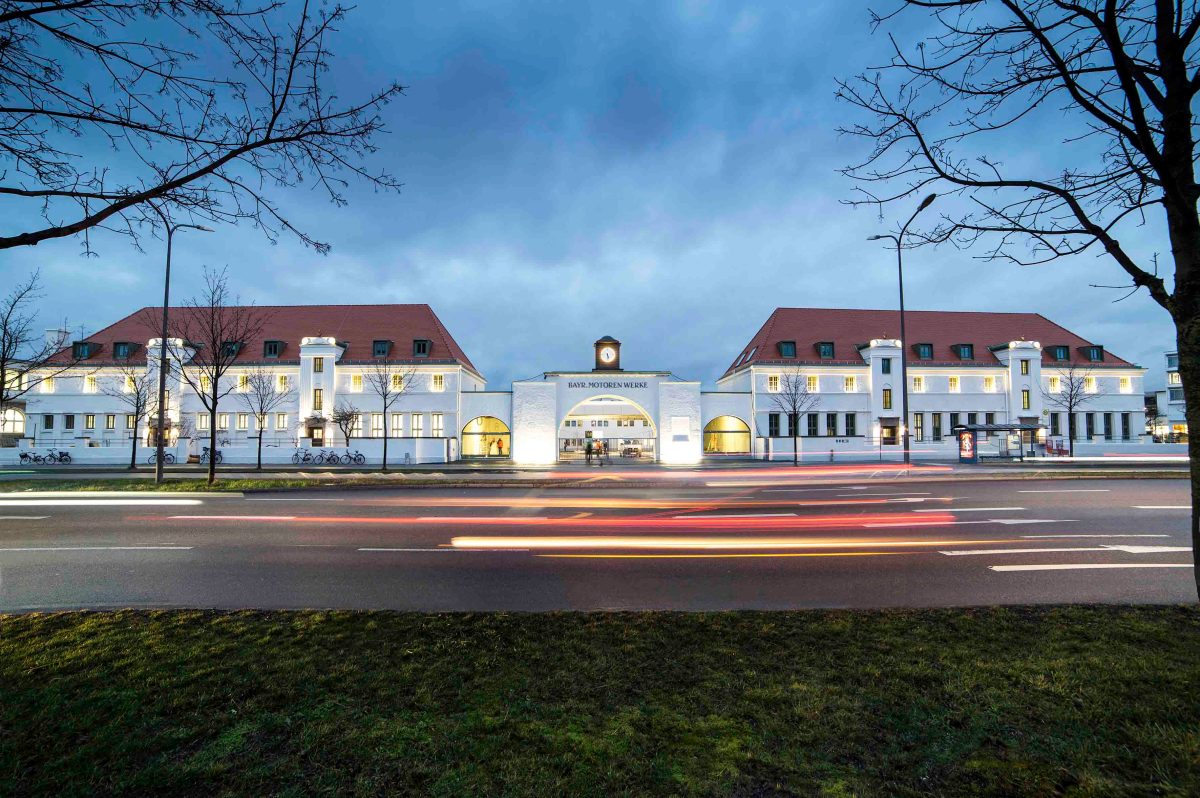
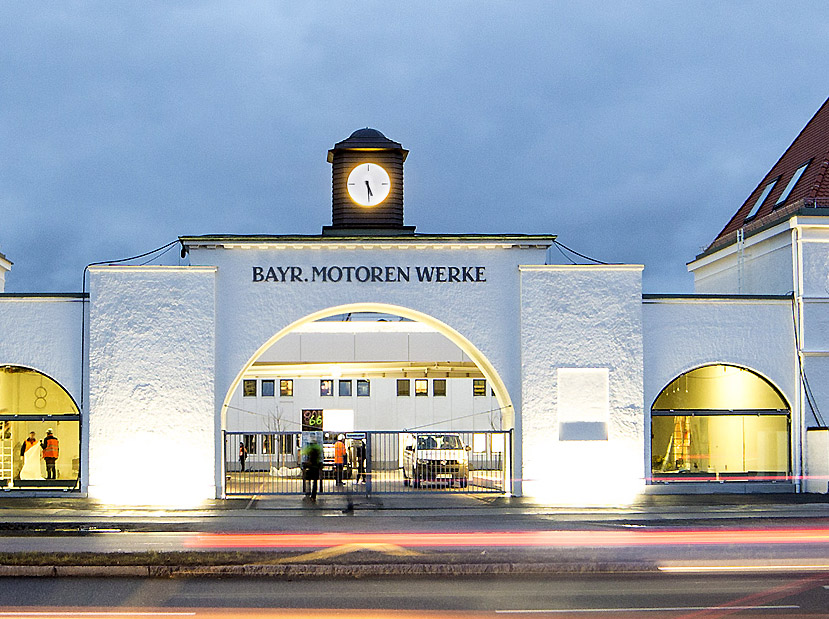
The company archive and the vehicle collection, the workshop and the customer centre together with the parts service for classic automobiles and motorcycles are now located together in an ensemble of buildings in the district of Milbertshofen in Munich.

aP90212631-highResscrop

The site at Moosacher Straße 66 measuring around 13,000 square meters includes one of the first production buildings of what was at that time still a fledgling company.

aP90212688-highResscrop

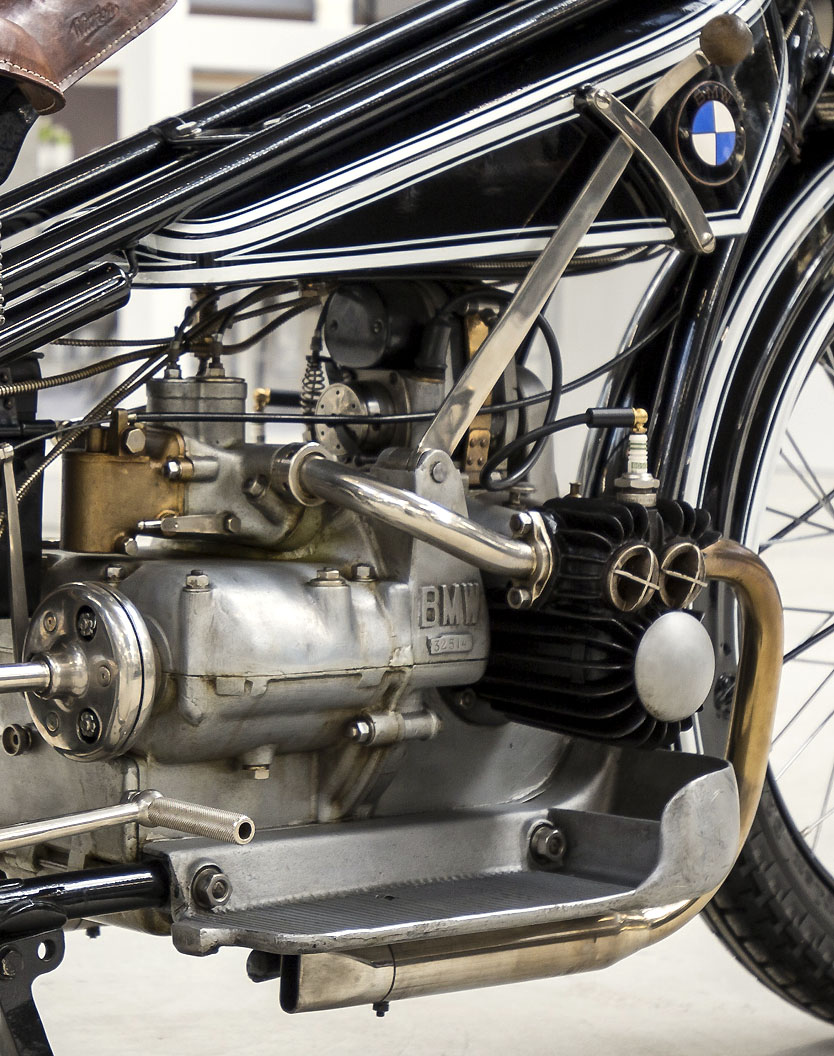
In this building, magnificent BMW motorcycles are also displayed, what to think of this iconic and timeless boxer? 

It was preserved during the restoration work, as was the heritage gatehouse, which is today a listed building, and now forms the entrance to the history of the BMW Group.

aP90226290-highRescrop

The new location for BMW Group Classic also provides a touch point for owners and fans of classic vehicles of the brands BMW, MINI und Rolls-Royce with information and services relating to the preservation and care of their automobiles and motorcycles.

aP90212689-highResscropcrop

Vehicles and numerous other exhibits from the comprehensive collection of BMW Group Classic are presented in the historic production hall, like their fantastic aircraft engines. (see photo above). The facilities and event spaces created there can also be booked for events. Guided tours are offered to give participants an overview of the new venue and provide information about the history of the company.

aP90226291-highResscrop

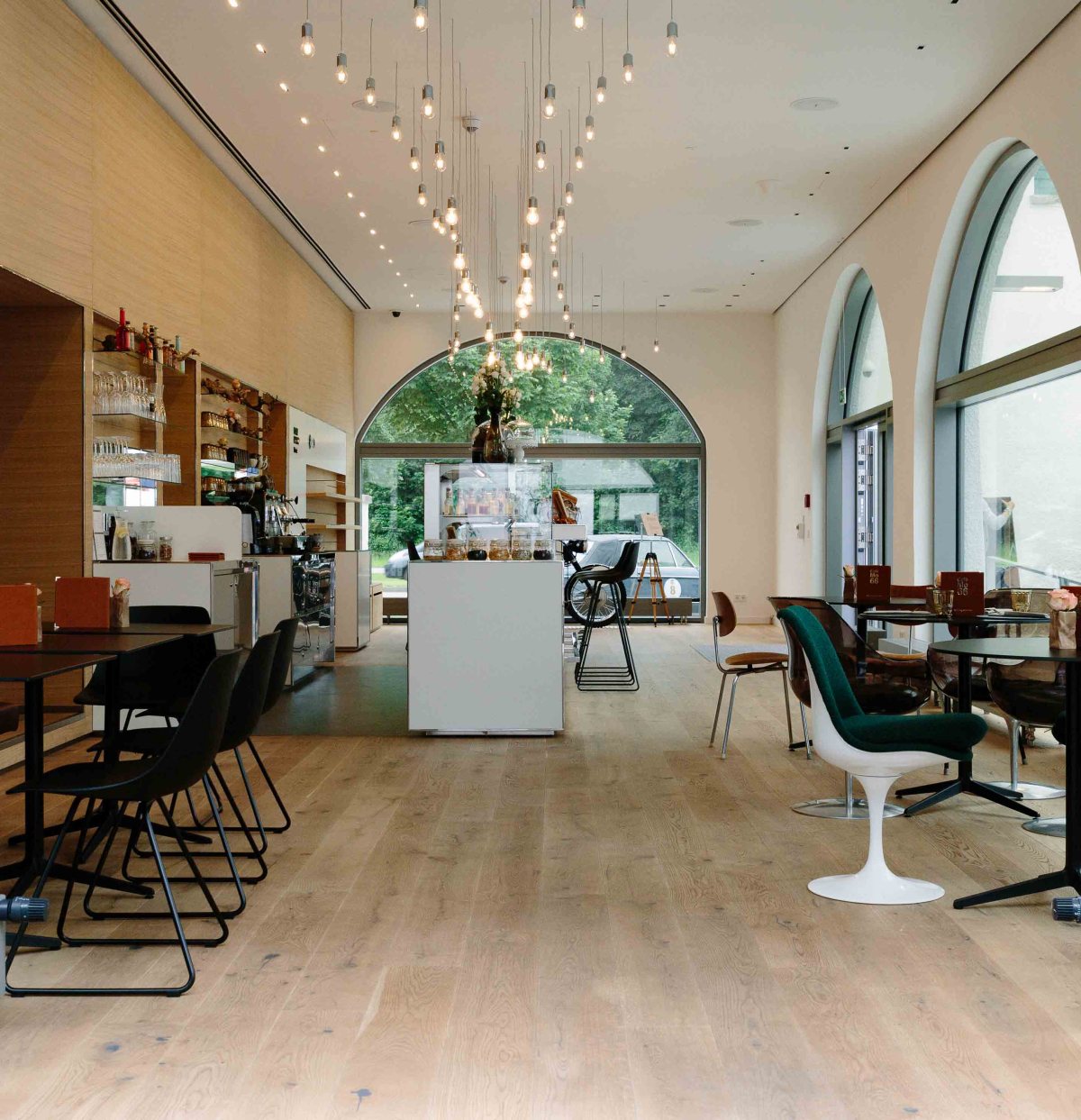
Café “Mo 66” is open to visitors and gives them a vantage point looking directly into the glass covered vehicle workshop of the BMW Group Classic Centre.

aP90212645-highRess

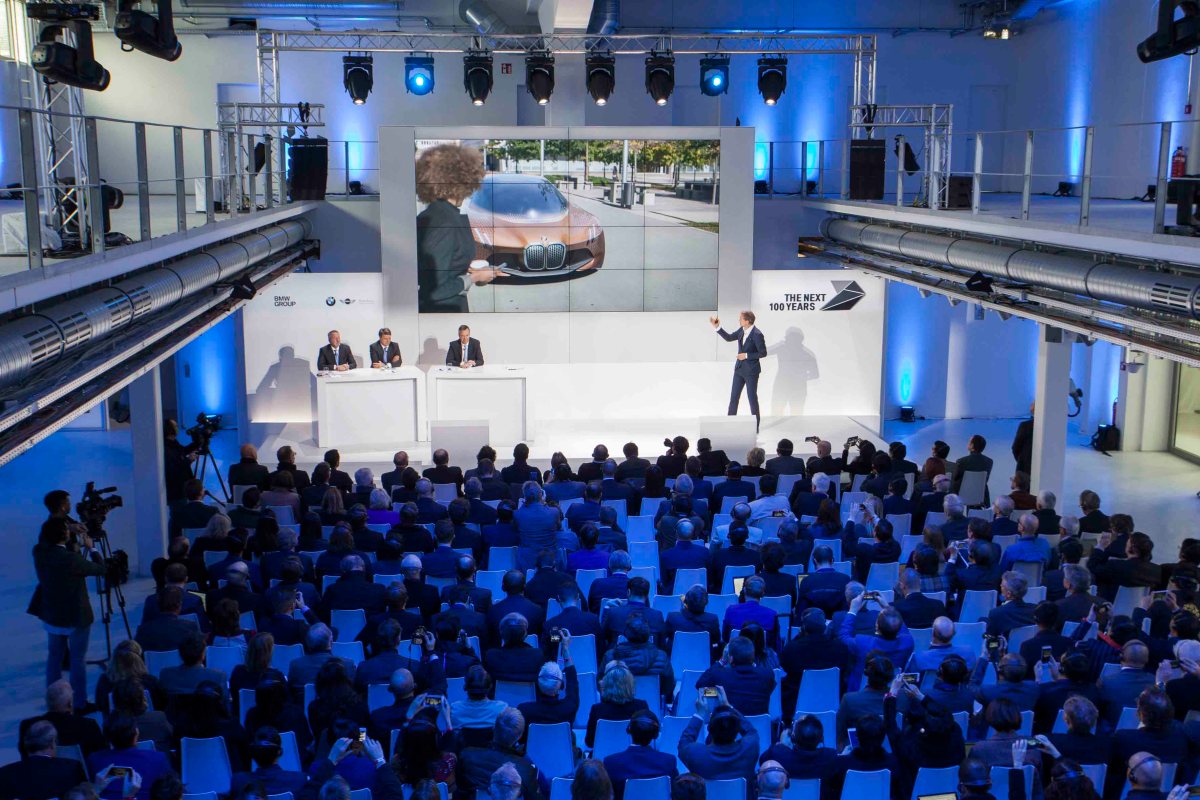
At its new location, BMW Group Classic has now better facilities for staging activities relating to the history of the company and its three brands BMW, MINI and Rolls-Royce. Questions about the history of the company, brands and products are answered by using the vast BMW Group Archives. The teams responsible for communication with the media and for marketing now also carry out their work in the new centre alongside the specialists involved in organizing events and exhibitions.

aP90226293-highResscrop

The staff of the BMW Group Classic Centre have a long track record of experience, expertise and passion. They work on the preservation and restoration of historic automobiles and motorcycles, and offer support for purchasing or selling a classic vehicle. We are keen to meet them and present you then an in depth report about their work. The offering of BMW Group Classic also includes the loan of classic vehicles and the parts shop. The range of parts offered comprises more than 55 000 items and it is continuously growing. Of course, the happy owners of collectables on four wheels and two will benefit from this supply of original spare parts…

Hans Knol ten Bensel

A new series on Car Museums and Classic Heritage Centers…

aDSC_0067sels

Soon we will start here with a new series on the heritage activities of car manufacturers, as the interest in preserving their heritage in historic sites, buildings and cars is ever growing. The same can be said for the increasing love and interest for vintage and classic cars by the greater public, and therefore a comprehensive series on the subject is long overdue.

aDSC_0033sels

Besides the plethora of museums, there are also the services which manufacturers with a keen interest in their mobile heritage are offering to their customers, in the form of Classic Cars Service Centers.

aDSC_0074sels

We will first start off with two main German pioneers in the latter concept, Daimler and BMW. But of course there is more to come, just think of Porsche, and not to forget the British museums and heritage centers

Untitled picture

and their activities like the Land Rover Series I Reborn programme executed in their Classic Works.Indeed, there is Jaguar Land Rover Classic… And a lot more.

Just stay posted!

Hans Knol ten Bensel

The star and the four rings: a marriage which happened 60 years ago…and led to the post-war renaissance of Audi

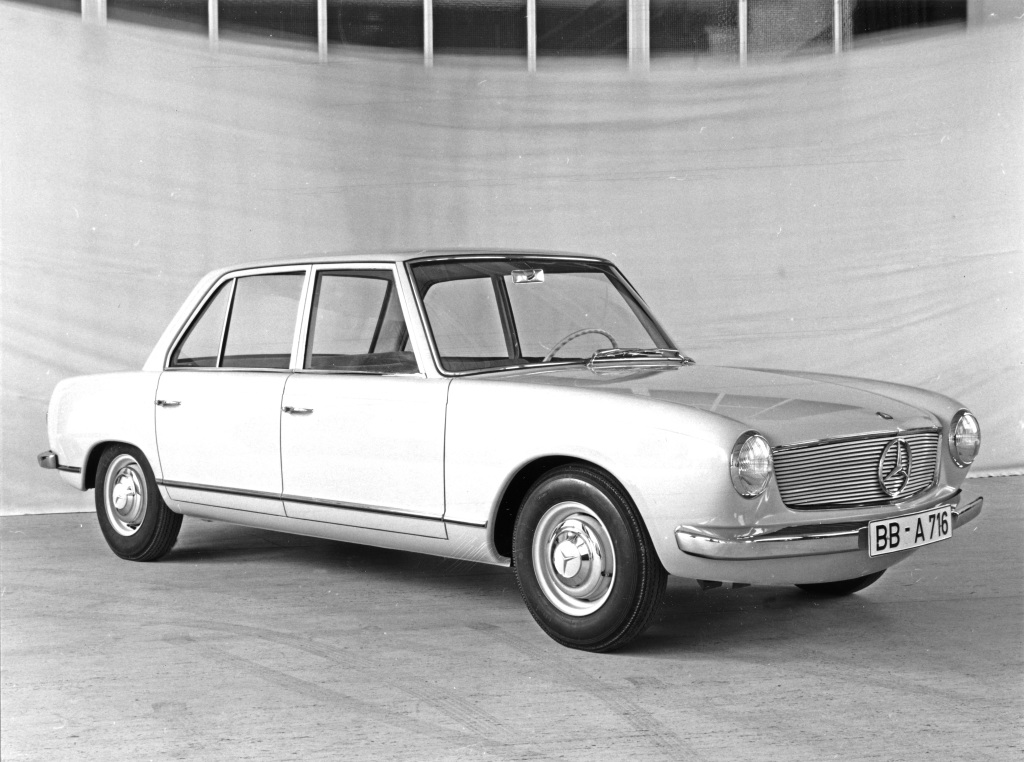
Prototyp eines kompakten Mercedes-Benz Personenwagens (W 119), 1962. Exterieur, Sicht von rechts vorne. Zu einer Serienfertigung kommt es nicht. 955 Mille Miglia: Mercedes-Benz senior engineer Ludwig Kraus (far left) with Rudolf Uhlenhaut, Denis Jenkinson, Stirling Moss and Dr. Hans Scherenberg (left to right).
Prototype of a compact Mercedes-Benz Passenger car(W 119), 1962. It will not make it into series production. 

In the spring of 1958, decisive motor history was written: In april of that year, the then Daimler-Benz AG acquired a majority in Auto Union GmbH. All the remaining shares followed on 31 December 1959.

By 1960, Auto Union was therefore a wholly-owned subsidiary of Daimler-Benz. This meant that all the brands of Auto Union, which included Audi, now could be revived.

And so Daimler did, to let the public forget the two stroke image of Auto Union and DKW. Of course, they had one small car adventure with the two stroke engined DKW Junior, wich actually proved quite popular.

But Mercedes rather more loved the four cylinder engines and the nobler Audi image, which would fit perfectly. So they made efforts – which we will explain here further – to bring a revolutionary four srtoke engine into the existing Auto Union/DKW  F103, and started work on the development of an all new Audi.

Daimer strategy changed however, and so they sold on 1 January 1965 the majority of the shares of Auto Union to Volkswagen, and offered  them Audi on a plate…in the form of a already extensively developed Audi four dour model, and they even sold the engineer who developed this car with it!

Das Mercedes-Benz Werk Düsseldorf ist das größte Transporterwerk der Daimler AG. Rund 6.600 Mitarbeiter produzieren dort heute den Mercedes-Benz Sprinter. Historisches Foto der Montage des Transporters T1 aus den 1980er-Jahren. The Mercedes-Benz plant in Düsseldorf is the largest van plant of Daimler AG. Around 6,600 employees produce the Mercedes-Benz Sprinter at the plant. Historical photo of T1 van assembly in the 1980s.

The Mercedes-Benz plant in Düsseldorf is the largest van plant of Daimler AG. Around 6,600 employees produce the Mercedes-Benz Sprinter at the plant. Historical photo of T1 van assembly in the 1980s.

In the meantime, from 1961 onwards, the major Mercedes-Benz plant in Düsseldorf was constructed on a site previously operated by Auto Union. With a workforce of some 6600 and an annual output of around 150,000 vans, Düsseldorf is now Daimler AG’s main factory for vans. All the closed variants of the Mercedes-Benz Sprinter – i.e. panel vans and crewbuses – roll off the production line there. Just read further…

Hans Knol ten Bensel

Continue reading “The star and the four rings: a marriage which happened 60 years ago…and led to the post-war renaissance of Audi”

When I fell in love with Jaguar…

aIMG_3899ss

This is where it all began: as a teenager, I stood eye to eye with the Jaguar D Type at the speed trials in Brecht… 

The announcement of this years’ presence again of Jaguar Classic at the Le Mans Classic 2018 – just read soon our following report in these columns – made me think back to the time when I grew fond of these feline cars. As a teenager, I devoured the British car magazines, and read everything about the powerful post war Jaguars with their fantastic XK six cylinder engine. I still adore this classic, double overhead cam six, with hemispheric combustion chambers and of course crossflow cylinder head.

With my father, I attended in those days the flying – or standing – I do not remember exactly anymore – kilometer speed trials in Brecht, near Antwerp. I stood there eye to eye – as the photo shows – with a D Type. Here, the growling XK was fed by a battery of three double Webers and had dry sump lubrication.

The styling, the shape, the curves, the sound, the speed, it was all fantastic to me and I felt this was all “just right”.

Also the road holding and overall handling was just fantastic, and that this car had the latest technical miracle, disk brakes. Looking at the chassis and suspension, this D type was so much ahead of its time, sporting an ideal weight distribution and aerodynamics. But what seduced me also greatly was the fact that the engine, gearbox, the very heart of the car, stemmed from the series production Jaguars, with that XK engine, with its typical beautiful growl, mated with the very same Moss gearbox which was also found in the Jaguar sports and saloon cars of the day, with the typical whine of the long first gear when they accelerated away.

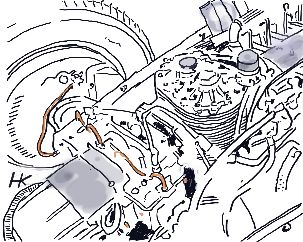
XK Jaguar engine drawing

I added my drawing here of the Jaguar XK engine, seen from the rear and the right hand side, with one of the big SU carburetors just being visible…

That was and is Jaguar to me, and still is for me today, as a happy owner of the Mk II Type S, which has the Jaguar E type independent rear suspension and the rear styling reminiscent of the fantastic Mark 10. This was actually the first car I bought when I started to earn money professionally.

I recently rediscovered the Ektachrome slide which my father took of me with his 2.8 Rolleiflex. At the time when I first fell in love with these cars, and rest assured, I am still bitten today…

Hans Knol ten Bensel

Lexus design event at the 2018 Milan Design Week: focusing on limitless co-existence


500_believeinlimitless-longshot-05

The rays representing each individual form a magnificent “together”, underlining the philosophy of limitless “co”existence…

The Milan Design week, held until 22nd of April, holds also a remarkable event from Lexus, in the framework of their annual Lexus Design Award in Milan. The venue is at CAVALLERIZZE, the Museo Nazionale della Scienza e dellaTecnologia Leonardo da Vinci Via Olona, 6, 20123 Milano MI, Italy.

500_lda-longshot-2

The exhibits are “CO-” created by featured designers, actually the 12 finalist designs of the Lexus Design Award 2018 (4 prototypes and 8 panel displays). The visitor is taken on a unique experience trip through the building to evoke “Co”togetherness and community…

Just read further…

Continue reading “Lexus design event at the 2018 Milan Design Week: focusing on limitless co-existence”

The Z Story continues – images of an exhibition

a1DSC00456s

Early this year BMW Belux organized a remarkable exhibition in its BMW Brand Store in Brussels.

a3DSC00457s

It was the 11th edition of the BMW Art & Design Sessions, and this time it focused on the iconic roadster age which changed automotive history forever since 1955.

a2DSC00451s

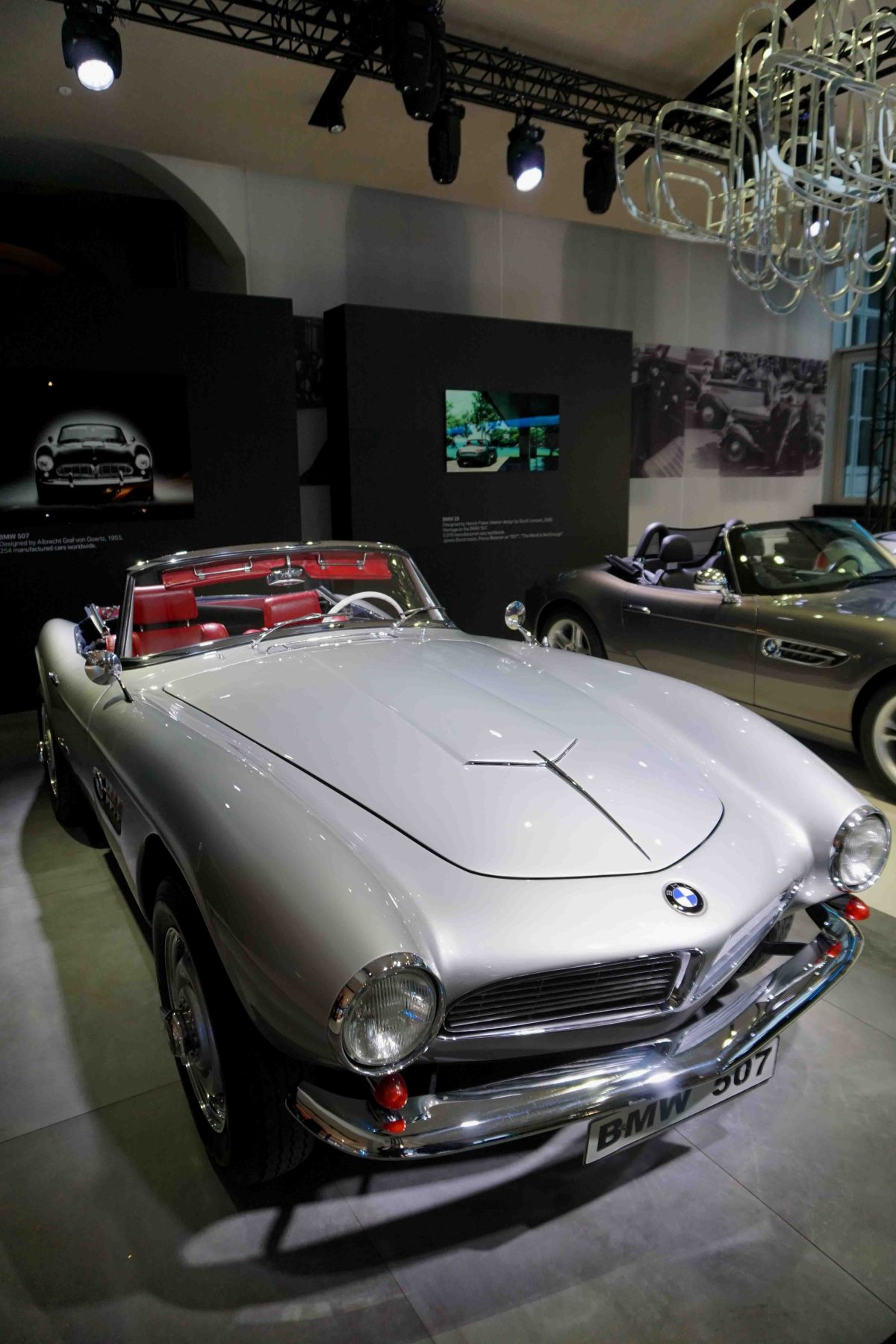
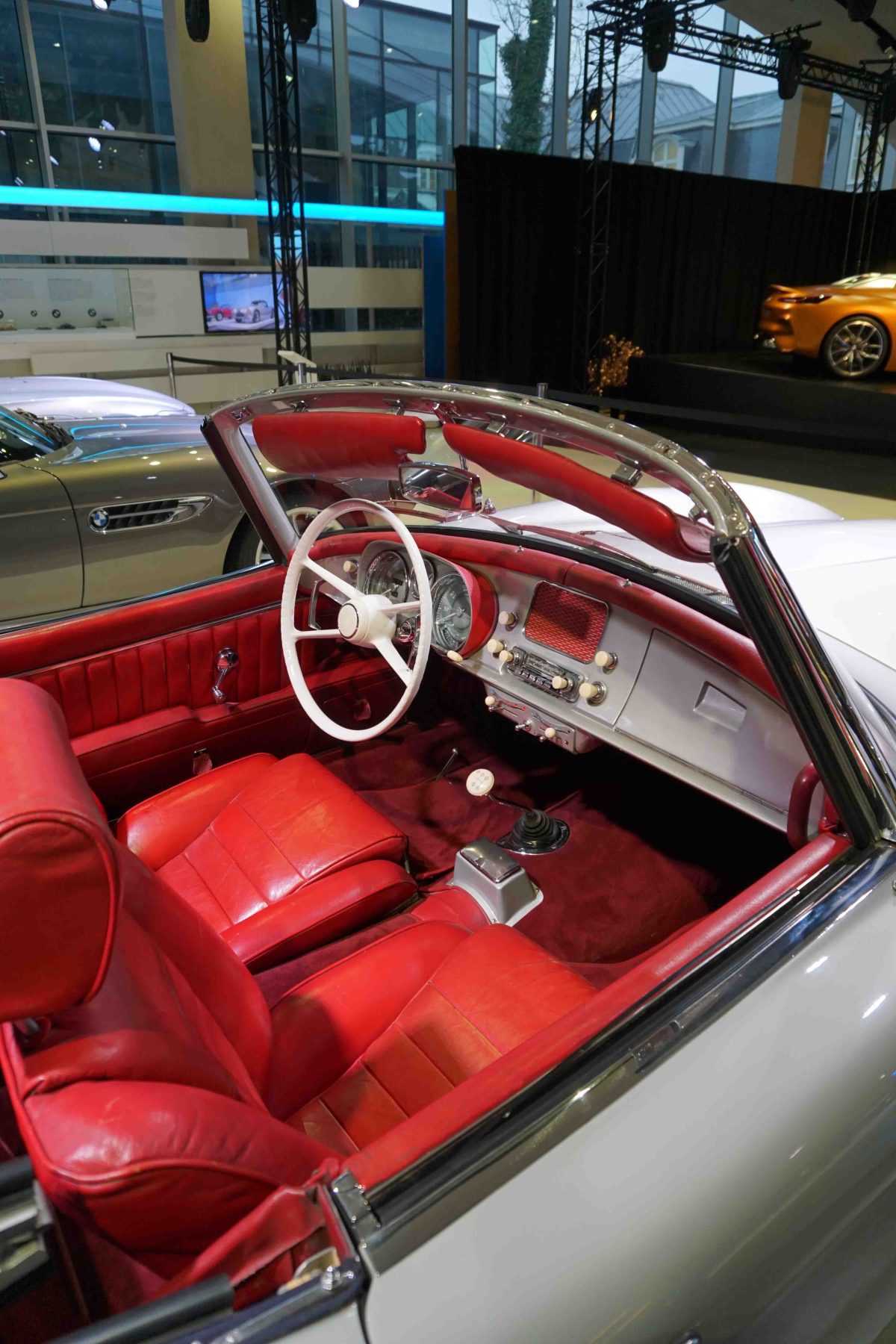
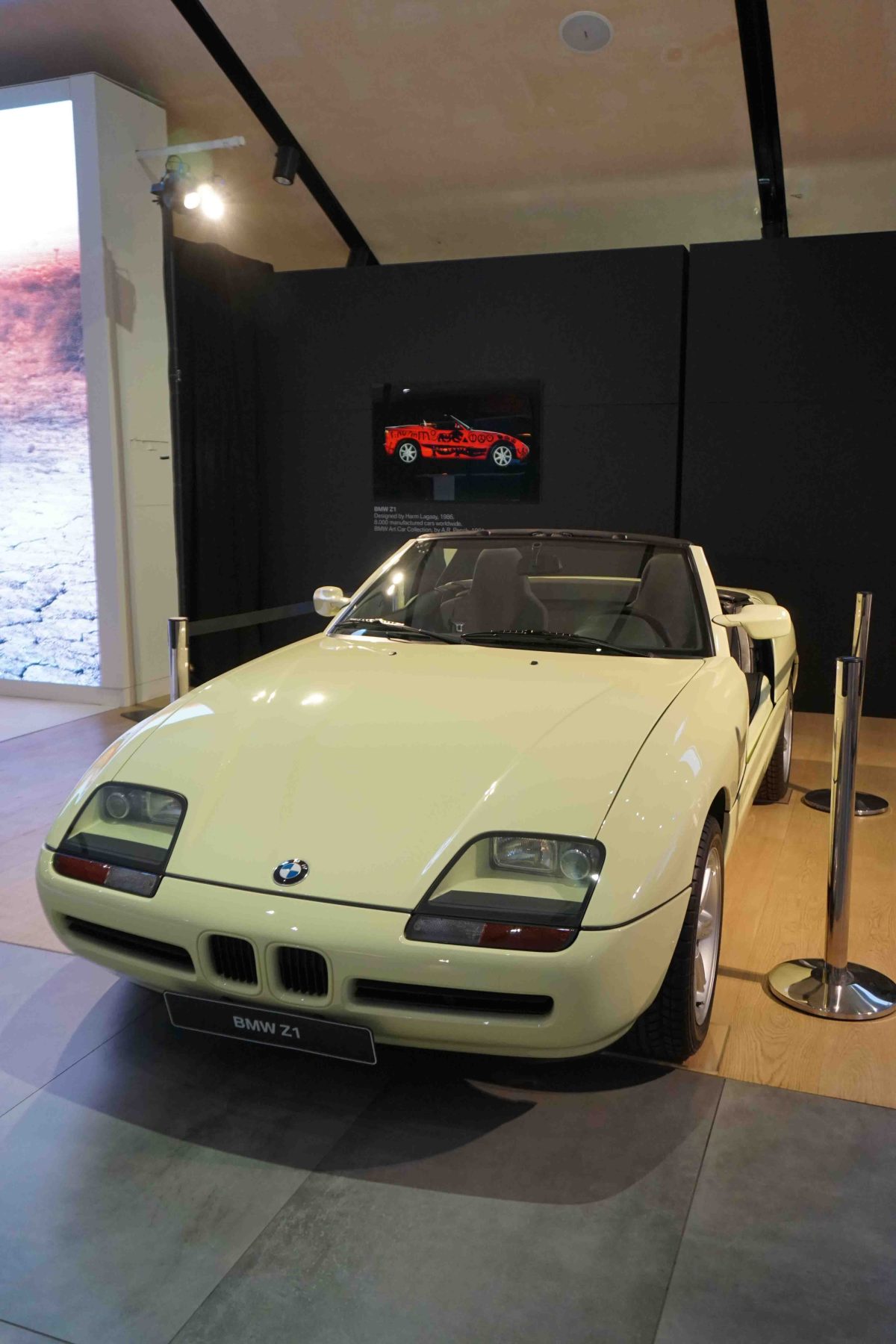
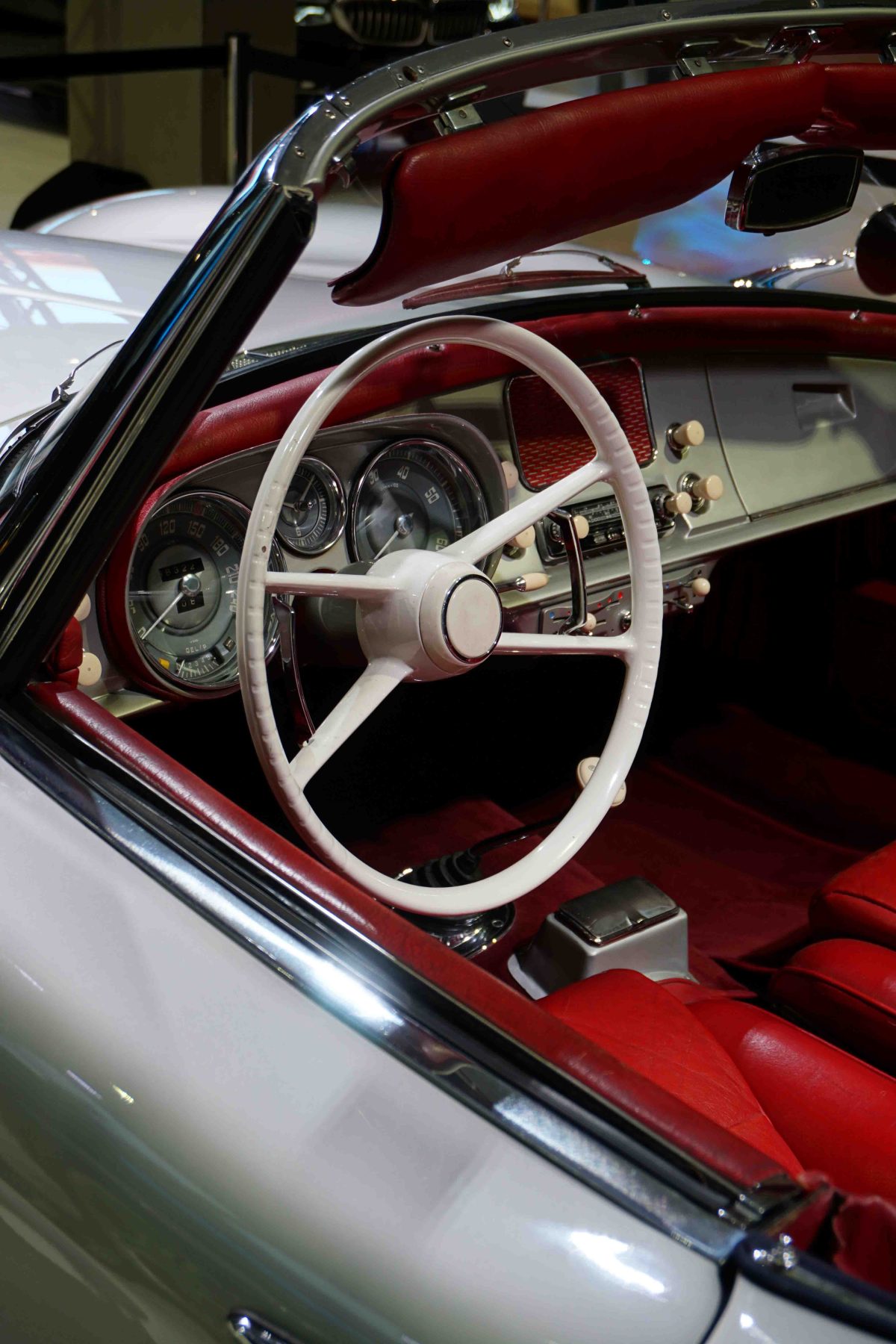
The show was close to breathtaking with on display the very exclusive BMW 507, a pristine Z1, (see photo here above)

a7DSC00506s

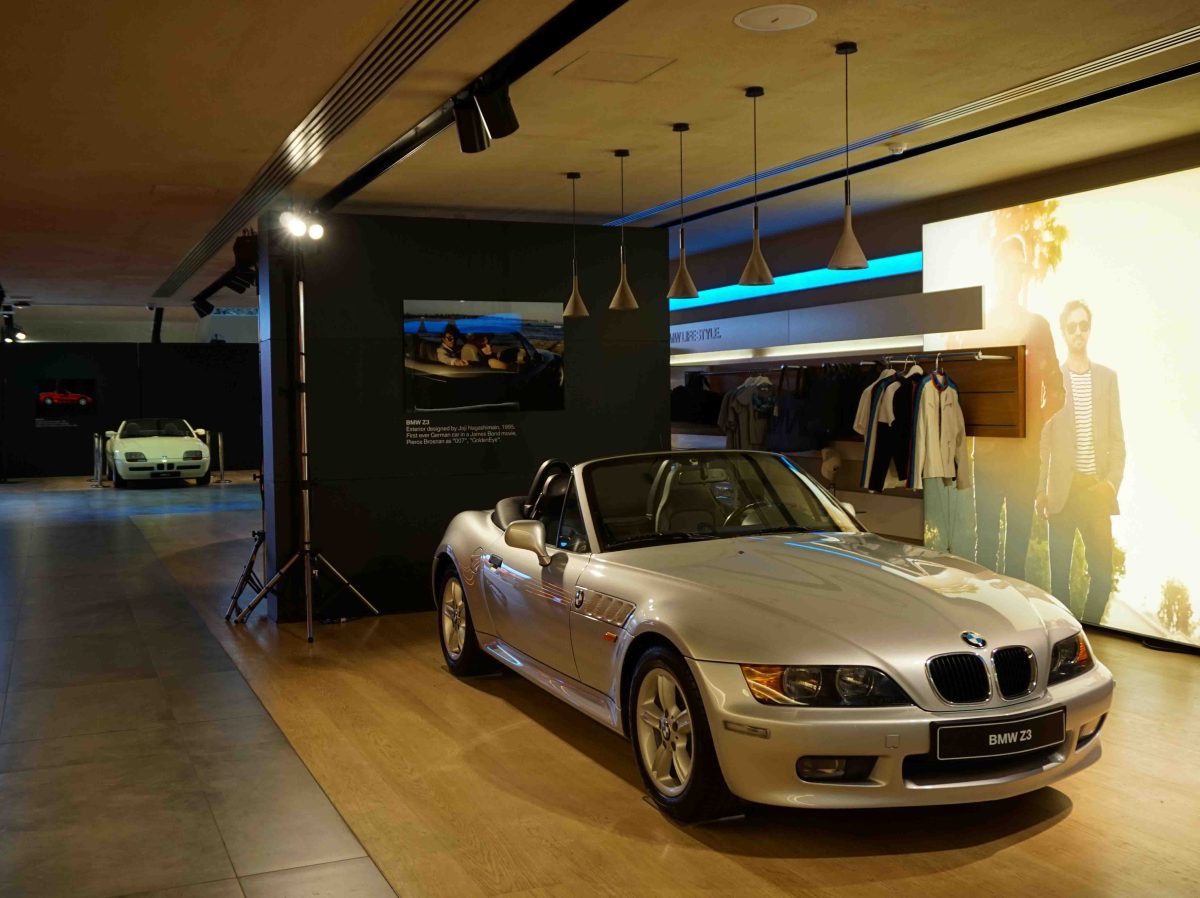
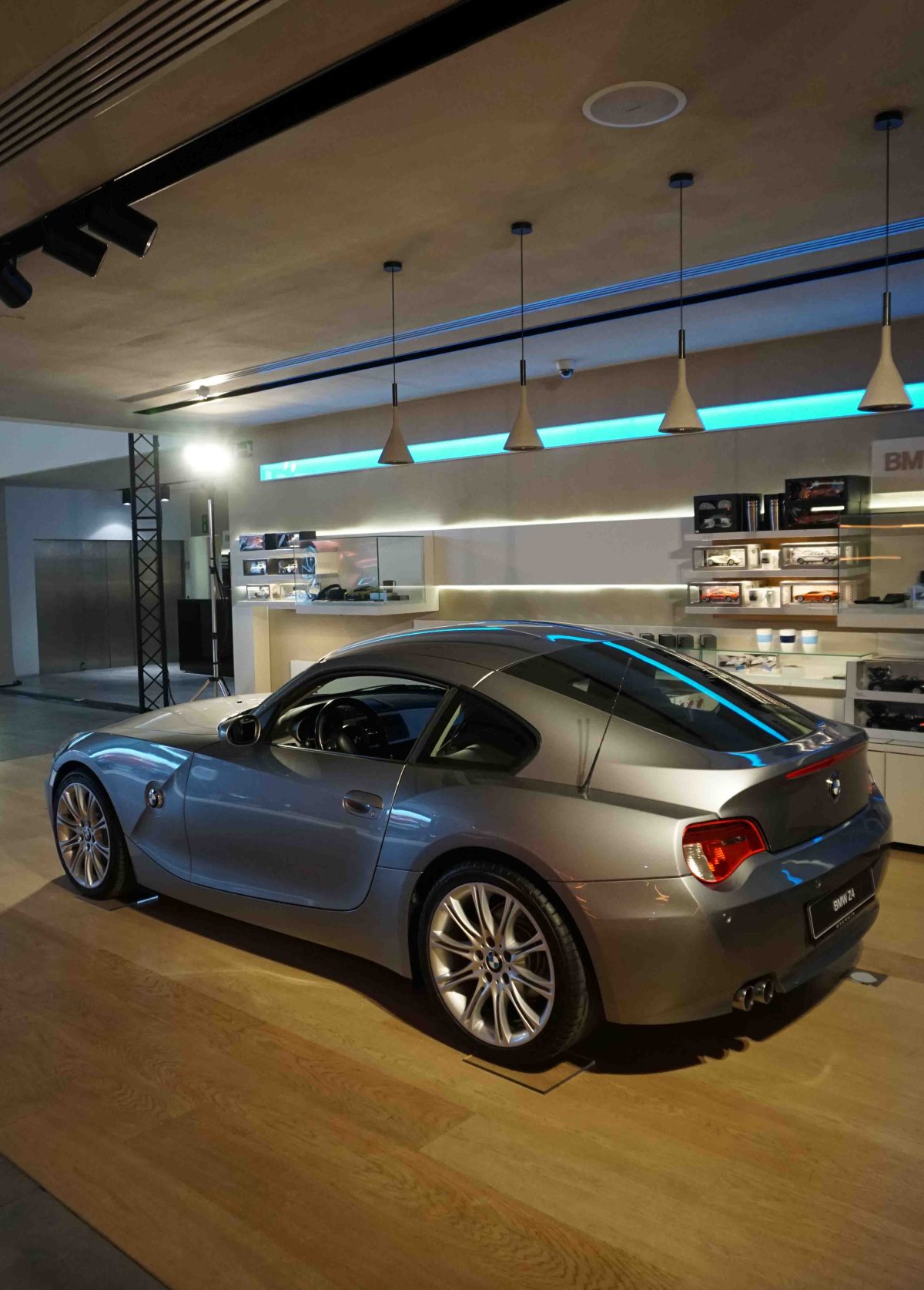
a BMW Z3, a Z4 cabrio and coupé, and last but not least a BMW Z8 (well known from the James Bond films).

a4DSC00469s

Of course, one looked also to the future, with an exclusive presentation of the BMW Concept Z4.

a5DSC00483s

We just let you admire our photos here…

Art and design in the BMW Brand Store

Just a few words more about this Brussels BMW Brand Store, situated at the Boulevard de Waterloo. It started life as an Experience Center of the German premium brand, and on January 21 2015 this BMW Brand Store launched the concept ‘Art & Design Sessions’.

a8DSC00448s

Within this concept, an artist or designer presents his work and meets invited people in an exclusive event. The Antwerp photographer Marc Lagrange, designer Xavier Lust, artists Yann Guitton and Hervé Poulain, Nicolas Destino and last but not least iconic photographer Terry O’Neill filled the first editions of the Art & Design Sessions in the BMW Brand Store.

aDSC00461s

Just for the record, Hervé Poulain is the retired French racing driver and professional auctioneer who instigated the BMW Art Project, where artists could use BMW automobiles as their canvas. In 1975 he commissioned Alexander Calder to paint the first BMW Art Car…

As said, enjoy my photos!

Hans Knol ten Bensel

Masters of the automobile: Roberto Giolito

aaIMG_1740s

We met Roberto Giolito at the presentation of FCA Heritage at the Rétromobile Show in Paris lately. You can read our report about this presentation and the FCA heritage activities in these columns. Here we focus on the man behind it all, who started in high school as a jazz bass player…and brush him here a short portrait.

Hans Knol ten Bensel

Continue reading “Masters of the automobile: Roberto Giolito”

Volvo wins international prizes with its XC60 and XC40…

Volvo XC60 wins World Car Of The Year 2018
Volvo XC60 wins World Car Of The Year 2018…

The new Volvo XC60 midsize SUV has been named World Car of the Year 2018 at the New York Auto Show, and it also scooped the prestigious North American Utility of the Year Award earlier this year, while the XC40 small SUV was named European Car of the Year at the Geneva Motor Show earlier this month.

The World Car of the Year win is the first in this competition for Volvo Cars, and you can understand that this brought some very smiling faces…

XC60 T8 Inscription
The powerful XC60 T8 Inscription…delivering 407hp and acceleration from 0-100 km in just 5.3 seconds.

These two accolades come hot on the heels of Mr Samuelsson’s World Car Person of the Year recognition, awarded by the same panel of international media in Geneva earlier this month. Mr Samuelsson was given this inaugural award in recognition of his work in driving the success of Volvo Cars in recent years.

Volvo Car Group President & CEO Håkan Samuelsson at the European Car of the Year award ceremony
Volvo Car Group President & CEO Håkan Samuelsson proudly posing with the coveted prize at the European Car of the Year award ceremony.

The 2018 European Car of the Year award for the XC40 follows other recent recognition, including the Car of the Year award by leading UK automotive publication “What Car?”

The XC40 is the first model on Volvo Cars’ new compact modular vehicle architecture (CMA), which will underpin all upcoming cars in the 40 Series, including fully electrified vehicles. Co-developed together with Geely, CMA provides the company with the necessary economies of scale for this segment.

New Volvo XC40 - exterior
New Volvo XC40 has pleasing proportions and will be offered with a wide range of drivetrains.

In 2017, the company announced its commitment to electrify all Volvo Cars launched from 2019. In line with this leadership position in electrification, a hybridised as well as a pure electric powertrain option for the XC40 will be added later.

Hans Knol ten Bensel