
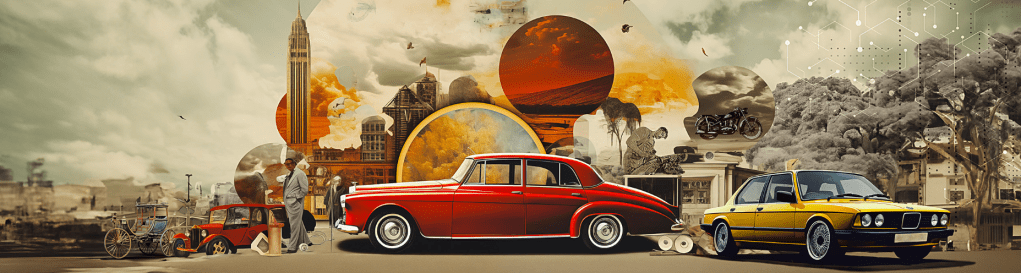
Do you know “Automechanika” ? It is actually one of the pillars in the “Messe Frankfurt” organization, which generally offers tailor-made trade fair formats worldwide with an international target audience. Of course, the automotive sector is an important part of their activity. Therefore, they organise automotive events, and also automotive aftermarket events.
Automechanika, being the leading trade fair brand, is its most important platform with 16 events worldwide. Not only is it the international meeting place for the manufacturing industry, repair shops and automotive trade, it also represents the entire automotive aftermarket value chain like no other trade fair brand.
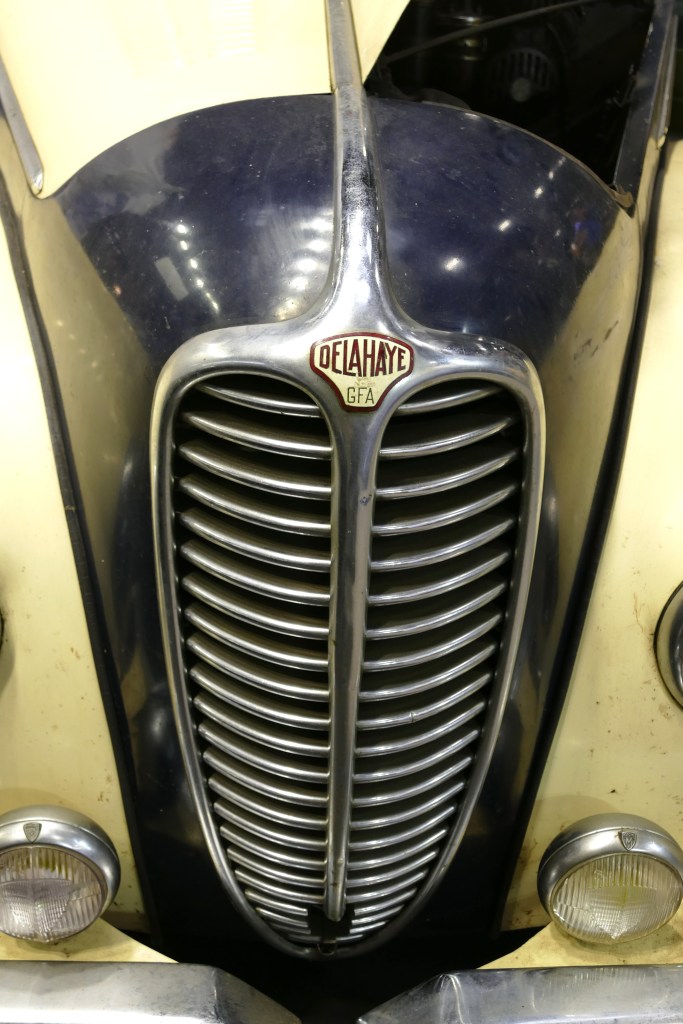
Now they have launched a new B2B Classic Car Network, and are working to establish a comprehensive network between the automotive aftermarket and the classic car sector.
As we all know, classic and collectible cars and supercars represent a market worth billions – and a key goal of this initiative is to bring clarity to this fragmented sector.
Members of the new network will receive industry insights and exclusive invitations to classic and collectible car events, while also enjoying the opportunity to discover new business models and make new contacts in the worlds of industry, retail, workshops and services. Just read further…
Hans Knol ten Bensel
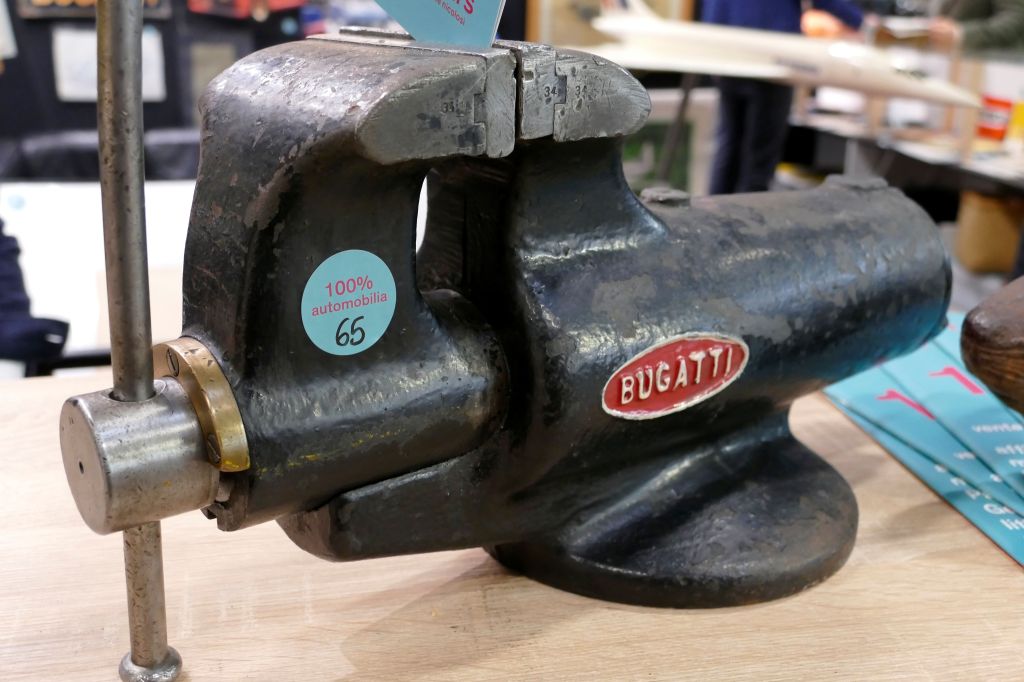
Put Frankfurt 8-12 September in your diary…
During the trade fair from 8 to 12 September 2026, the new community will be gathering in Hall 11 for a daily happy hour where they can network and share ideas. There will also be a captivating supporting programme organised by Jürgen Book, a classic car aficionado and paintwork expert with more than 45 years of experience in the automotive industry. One highlight will be the presentation of the ‘Golden Classic’ award by Auto BILD Klassik on the evening of 8 September 2026.
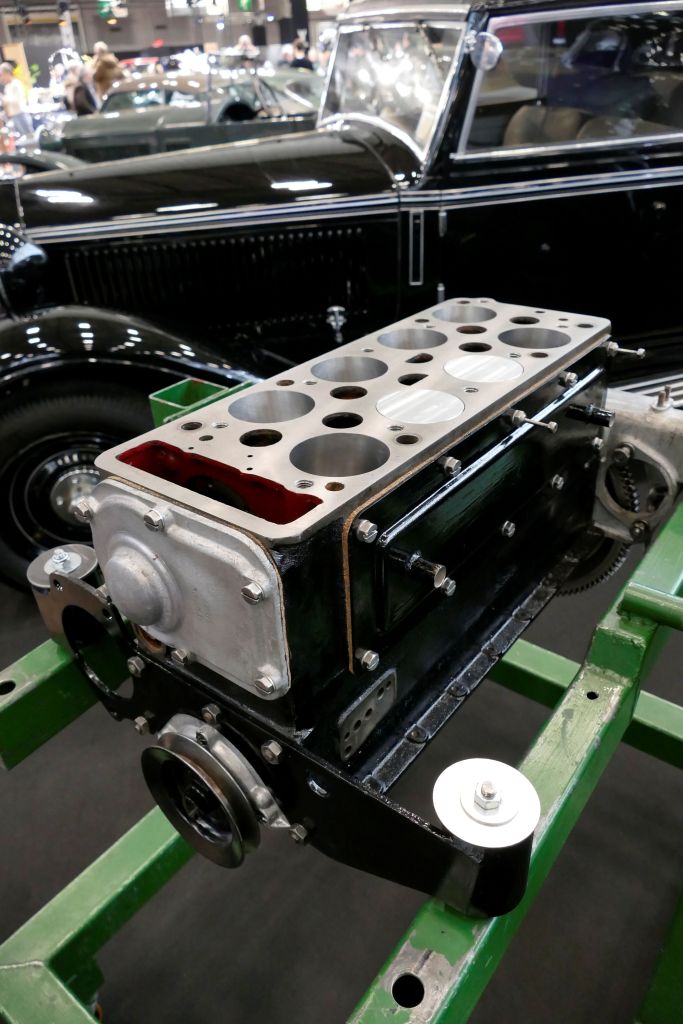
Bringing together leading players from industry, workshops and retail to address topics throughout the automotive value chain is part Automechanika’s DNA. This is also true for Automechanika’s network concept for the classic car business.
Automecahnika has taken this step in response to growing global interest in classic cars and associated challenges such as spare parts supply, the retention and transfer of expertise (increasingly important as many experienced specialists retire), and, also very important, a distinct lack of specialised training formats.
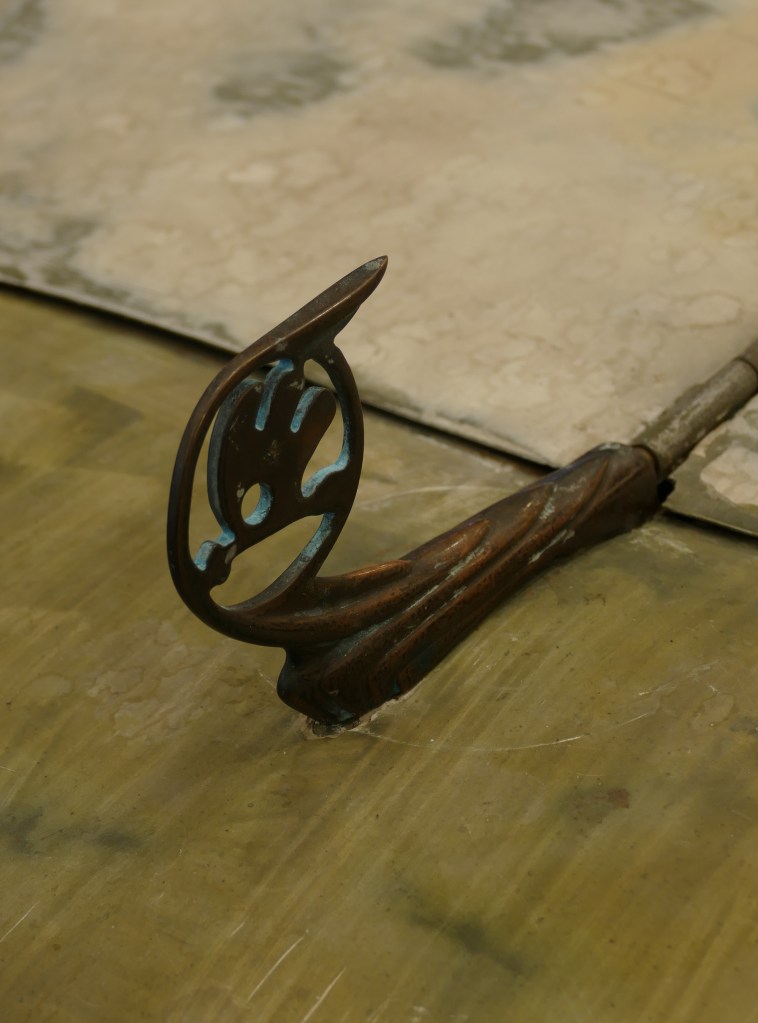
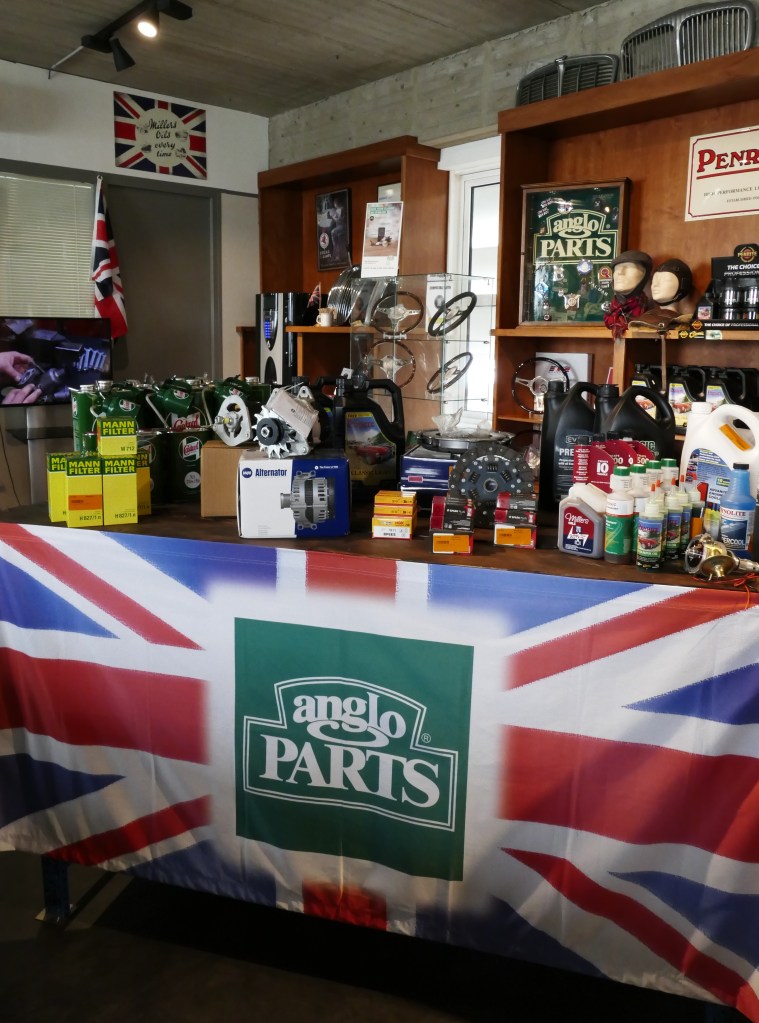
For many workshops, classic cars have been little more than a sideshow to date, yet they offer numerous automotive businesses a lucrative additional source of income – in restoration, maintenance, spare parts supply and specialised services for classic vehicles.
The network specifically strengthens the visibility and networking of professionals in this sector while helping them to network. This includes not only industry companies exhibiting at the event, but also international associations and institutions, as well as trade visitors with business ties in the classic car business.
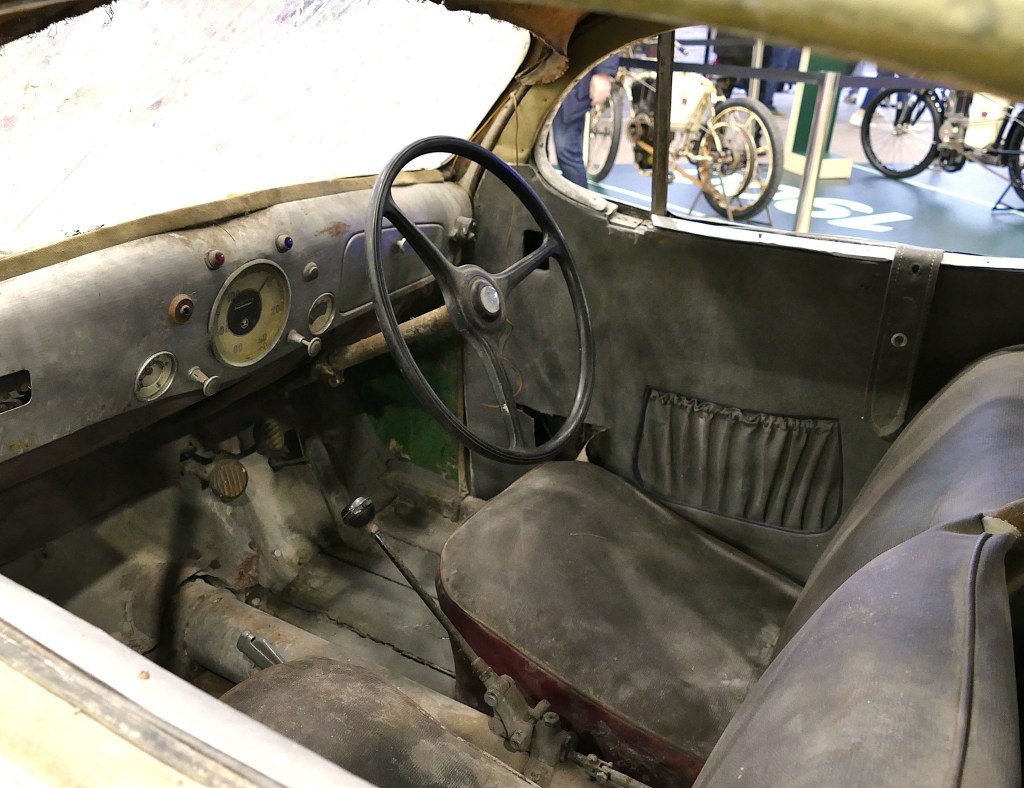
Automechanika Frankfurt’s organisers will be getting support from their new strategic partner FIVA (Fédération Internationale des Véhicules Anciens), the well known international association for classic cars.
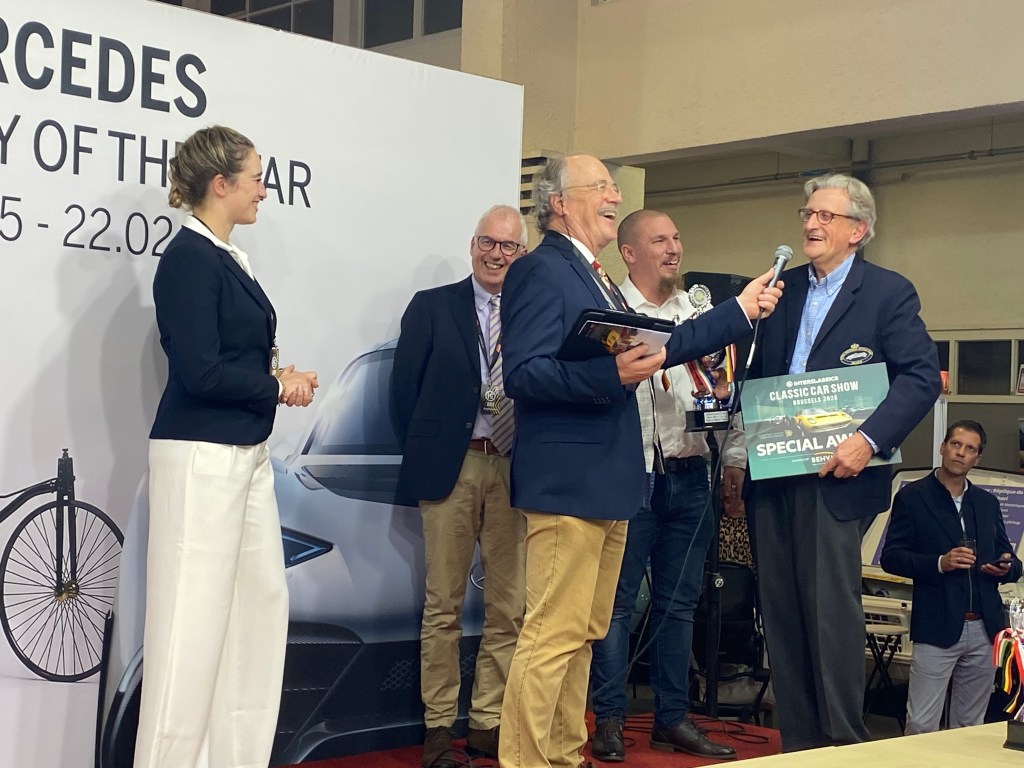
FIVA represents clubs in more than 70 countries with over two million members and has one of the largest international networks in the world of classic cars. We will discuss also more at length the role and acivities of the FIVA organisation when we present you here on this site the conference organised by the Belgian Historic Vehicle Association (BEHVA), titled “Motoring Heritage, History in Motion.” You can read a first short comment of this event on my Instagram Site autoprova.be. But more to come soon on this site here.
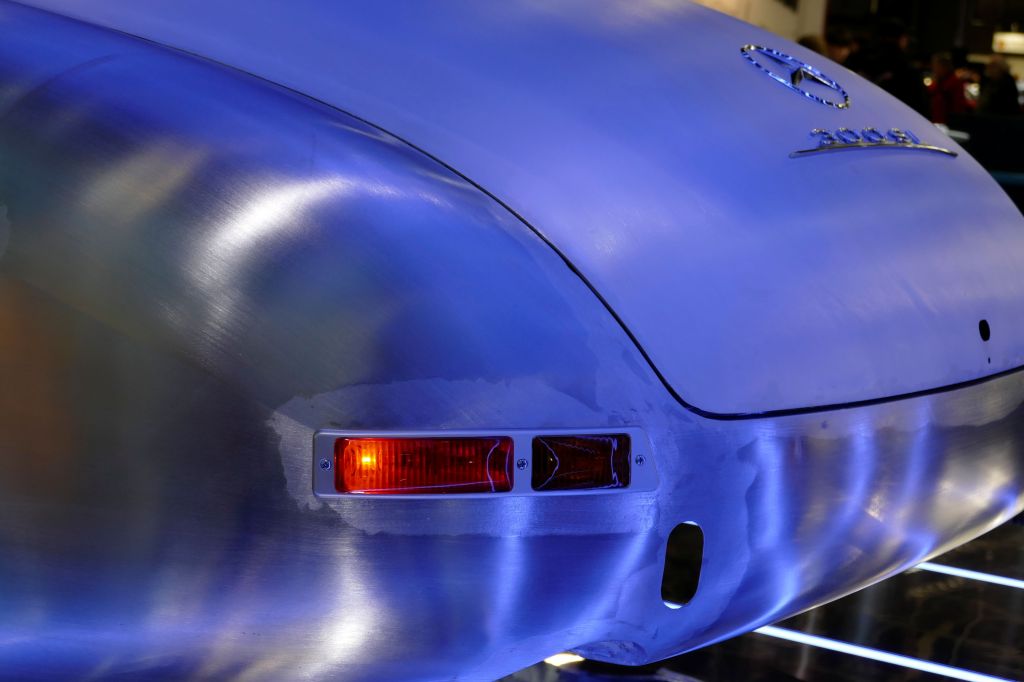
Tiddo Bresters, President of FIVA commented on the B2B Classic Network: “Our strategic partnership with Automechanika, a global player in the B2B automotive supply exhibition industry, demonstrates confidence in the growth potential of the historic vehicle business and the opportunities it also offers young people for a career in this market.”
Supported by industry…
Automechanika’s initiative is besides FIVA also supported by its partners Bosch, DAT (Deutsche Automobil Treuhand), Eucon and ROWE.
Bosch Classic comes here in the picture. Michael Mack, Director of Bosch Classic commented: “Bosch Mobility Aftermarket has had a strong presence at Automechanika for many years now. We are delighted to be adding Bosch Classic’s portfolio of products and services to the mix in 2026 and relish the opportunity to present these to a broad international audience. Automechanika Frankfurt’s B2B Classic Car Network promises to make a valuable contribution to the classic car community in future.”
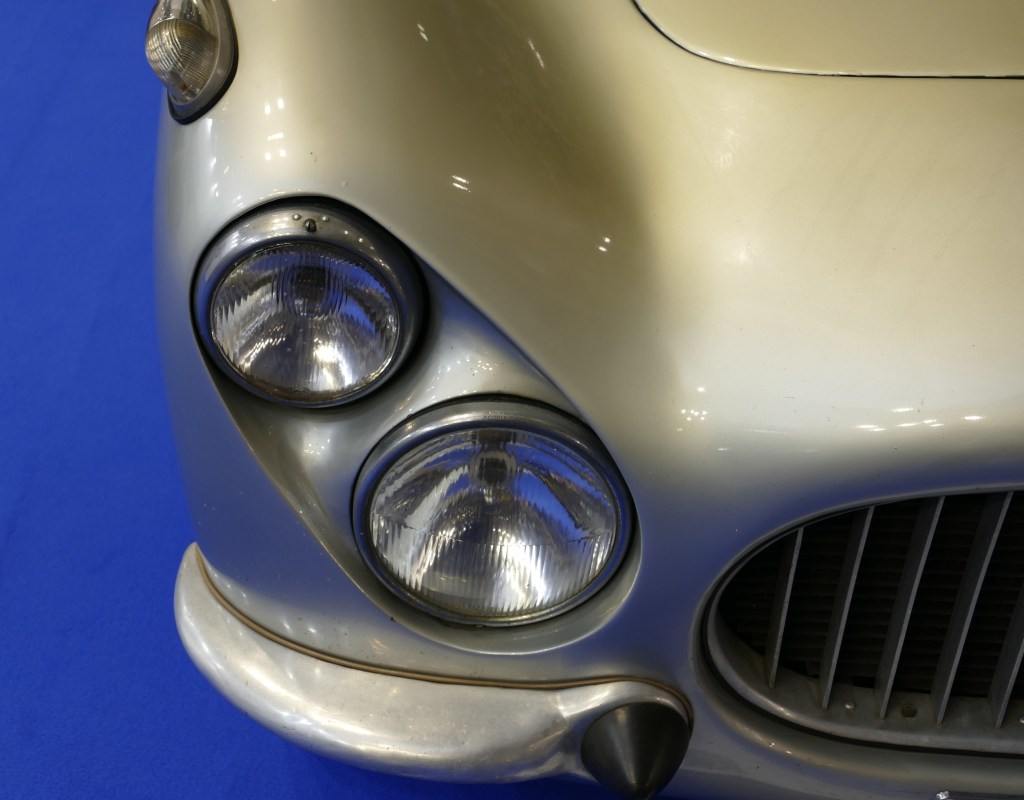
Osvaldo Celani, Managing Director of Eucon: “The dynamics of the classic car market are presenting the industry with new challenges. Factors such as increasing technical complexity, growing market diversity and higher expectations among stakeholders mean that classic cars can no longer be viewed merely as a hobby, but rather as a professional business area. Reliable data and strong partnerships are crucial in this regard. With our data service for classic cars, we at Eucon are increasing transparency and efficiency in this segment – an important contribution to sustainable growth and the future viability of the classic car industry.”
Raphael Dammann, DAT Head of Sales Strategy: “DAT has been an integral part of the automotive industry since 1931. We help our experts, workshops and dealers with data and values that help keep our automotive heritage moving throughout the vehicle lifecycle. We welcome the additional opportunity that the Automechanika B2B Classic Car Network gives us to come into contact with highly specialised providers.”
Stefan Wermter, CEO of ROWE Mineralölwerk GmbH: “Our participation in the B2B Classic Car Network is a clear commitment to our involvement in the field of classic and modern classic cars. Historic vehicles exude pure fascination, but also require particularly intensive care from their owners to protect them and maintain their value. The interests and needs of the classic car scene are as diverse and exciting as our high-quality full range of products.
Our product solutions thrive on the exchange with connoisseurs. With the classic oils in our vintage product range, ROWE already offers a wide selection that meets the special requirements of young and oldtimers. The coming together of the automotive aftermarket with professionals from the scene offers enormous potential for establishing contacts, expanding our portfolio in a targeted manner and thus contributing to ensuring that enthusiasts can enjoy their classic cars for as long as possible.”
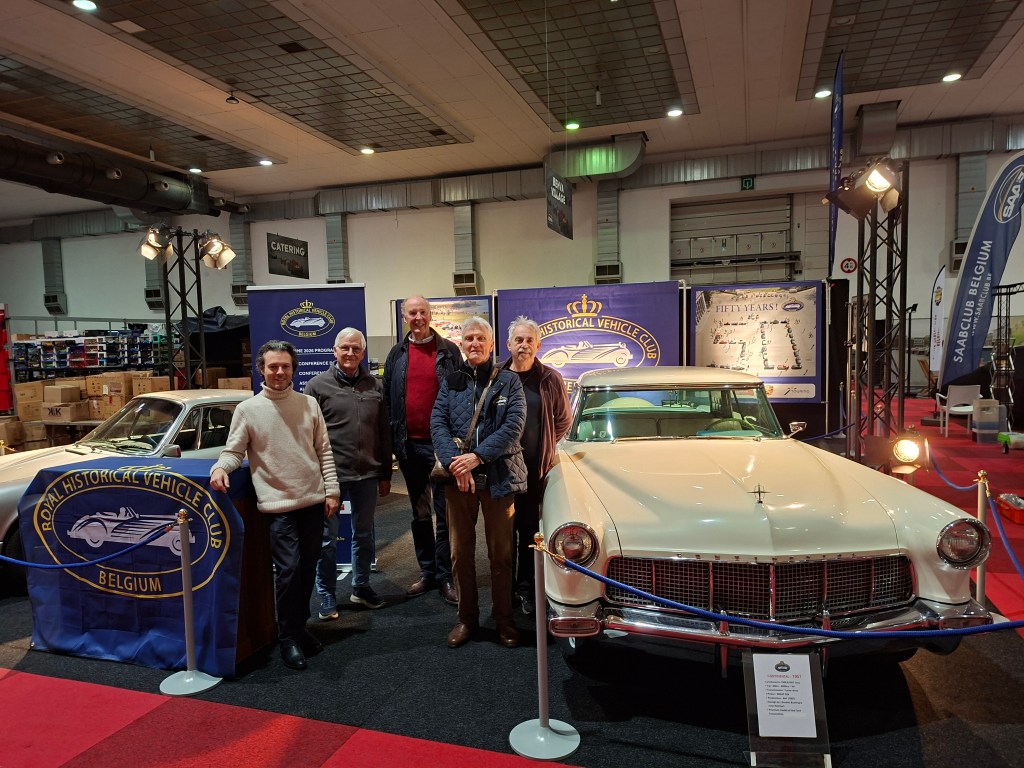
We will keep you posted on further developments of this laudable initiative of Automechanica. Stay tuned for the report of the conference held by BEHVA on the latest Brussels Motor Show!
Hans Knol ten Bensel





















 Autoprova - for the Connaisseur