

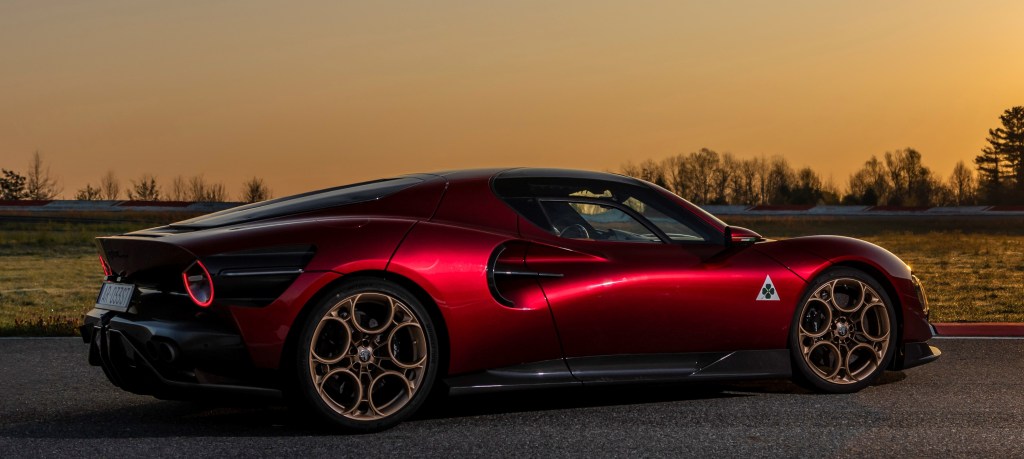
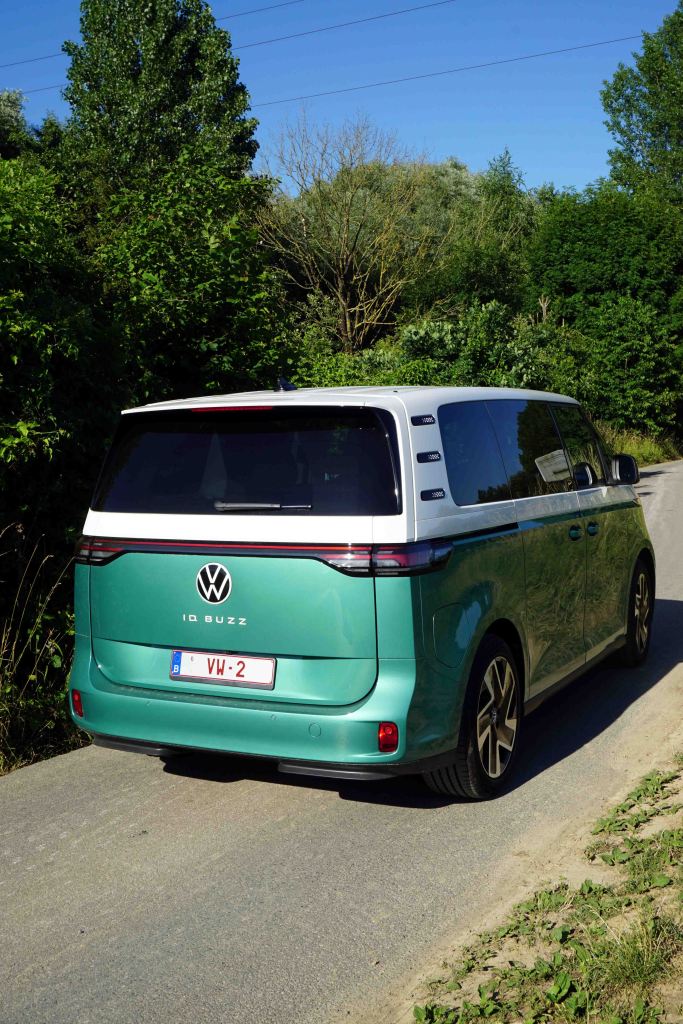
At a three quarter view the car reveals its proper proportions, a wide angle lens and a lower standpoint will make the car look more impressive. An overcast sky combined with a quiet background and natural surroundings are ideal…
Car lovers as we are, we all would like to photograph our car(s). But how do we master the art? Here we give you a few useful tips, which will let you avoid mistakes and lead you right away to achieve impressive results…
Photography is all about light, so indeed choosing the right lighting is very important.
So avoid midday sun, but choose rather, if you can, the “golden hour”, which is at sunrise or sunset, when the light is warm and soft, enhancing the contours and reflections of the car.
Overcast days are also good, as it avoids harsh shadows and renders the colors of the car very well.. When you cannot avoid the sun, look for shadow spots, certainly when you are photographing details of the car.

When shooting details, try to evoke the character of the car. This Jaguar D Type is all about speed. When looking at this photo, You hear the straight six roaring down the Mulsanne straight at Le Mans…
Very important also is choosing your best angle. Ideal is kneeling down to the height of the headlamps, but of course this is a matter of taste. Try it out… Three quarter shots will show best the overall design of the car, but profile shots are also a good starting point. When you have photographed front and back of the car, it is time to shoot the details. Your (classic) car has many…
Very useful, and we would say a must, is the use of a polarizing filter. For your smartphone, there are simple clip-on versions available. It avoids reflections of windscreen and painted surfaces. Shooting from an angle can also minimize the reflections of these surfaces.

I tried to catch the atmosphere of rallying with this shot. I took the reflection of the chequered flag in the door window into the composition of the image.
Use your hand to shield the lens from sunlight, or use a lens hood on your camera.
Look for a quiet, non distracting background. That is, choose a quiet country road, foliage, or an empty parking lot (the marks on the ground can be quite disturbing however). Leave enough room around the car. It shows then something about the setting around it. Indeed, it tells a story…
In the composition, look for leading lines, like the road, drawing attention to the car. Just have a look at https://www.masterclass.com/articles/how-to-use-leading-lines-in-photography.
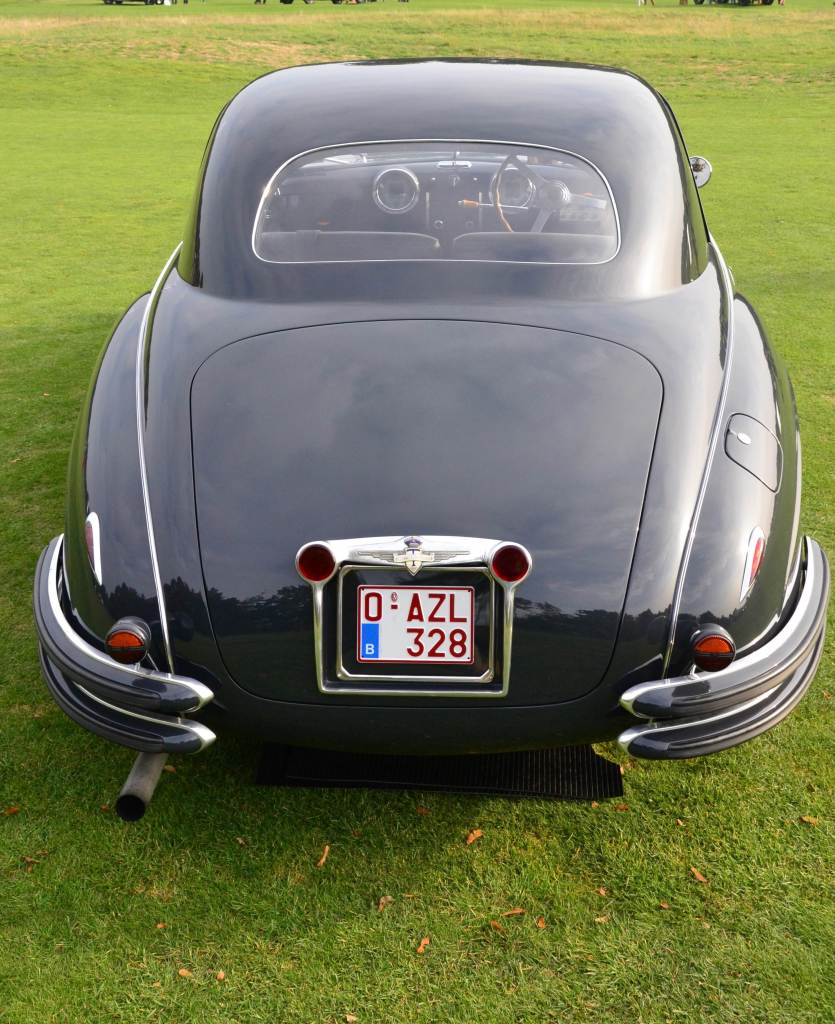
Use also the rule of thirds. The rule of thirds is a fundamental photography guideline suggesting that images are more pleasing when subjects are placed along imaginary lines that divide the frame into thirds, both horizontally and vertically, or at their intersections. Your smartphone has this grid most probably, so put it on. Then position your main subject along these lines or at their 4 intersections (often called “power points”).

Never forget “human interest” photos. The face of the young woman is at an upper “power point” of the rule of thirds grid, leading your eyes to her face.
If your photo includes a horizon line, position it along the upper or lower third line, rather than dead center, to create a more balanced image.
You will see how this really works… Just have a look at https://m.youtube.com/watch?v=UrCM4_NRmvA, but there are many YouTube videos to show you.. just practice!
You can also be creative when shooting a moving car: choose the burst mode on your camera or phone. Also try a slow shutter speed, it also gives surprising results…

This photo of the Volvo 122 S evokes the memory of legendary champion Tom Trana, throwing his Volvo along the gravel roads at a Swedish Midsummer rallye…
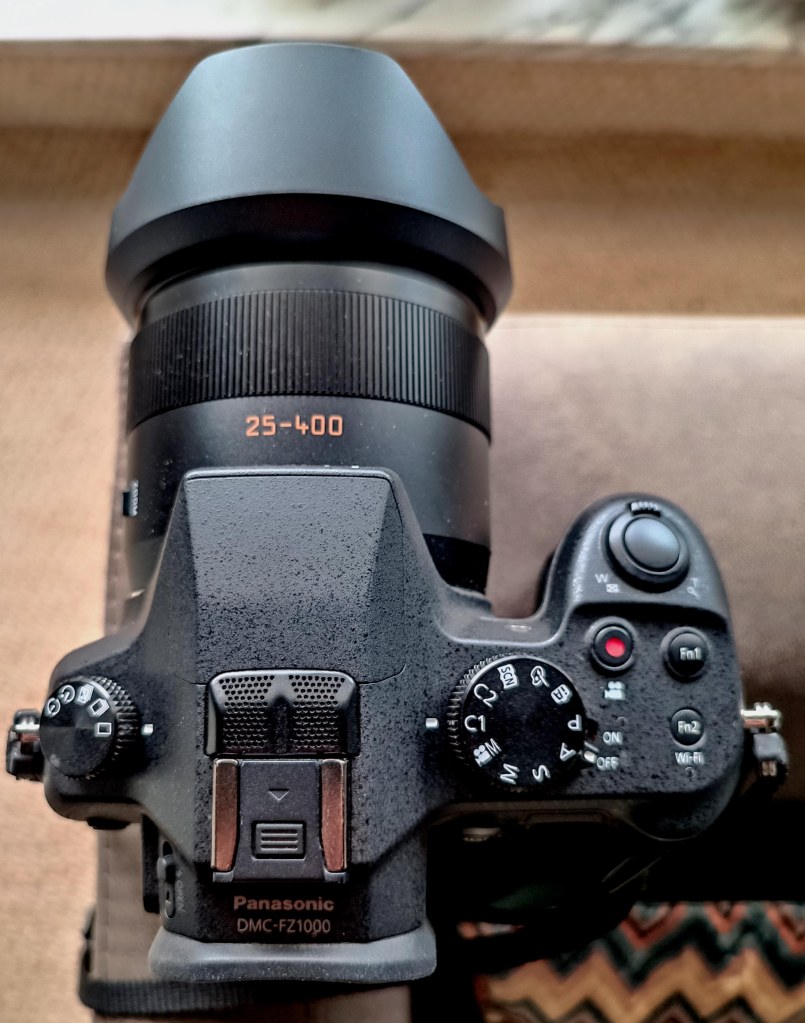
Our modern smartphones offer quite impressive quality, so for many there is no need for a proper camera. But then again, many find the use of a “real” camera more engaging and pleasant, as your servant does. Try a wide angle lens, which gives excellent results, but know that a 35 mm film equivalent lens or a 28-90 film equivalent zoom lens will do everything you would ever want, except of course when you are on the racing circuit taking action photos. That is a completely different matter, and this will be the subject of another article.
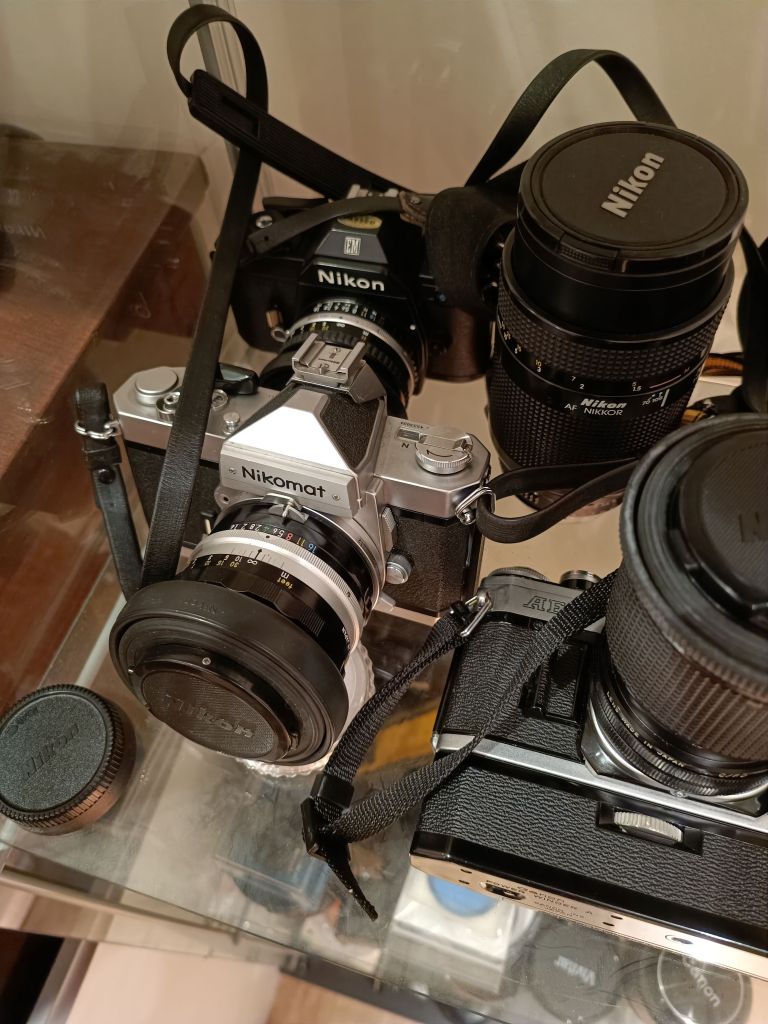
My very first camera, back in 1974: a Japanese bought Nikomat with the 1,4 50 mm Nikon lens, alongside the Canon AE-1 with motor drive.
Mirrorless cameras are more compact, but a good trusted (second hand) DSLR will do everything you would ever want marvelously. It is however rather heavy, so keep this in mind when you carry it along for hours on end. A shoulder harness which would allow to carry without effort even two big DSLRs would then be the thing to wear…
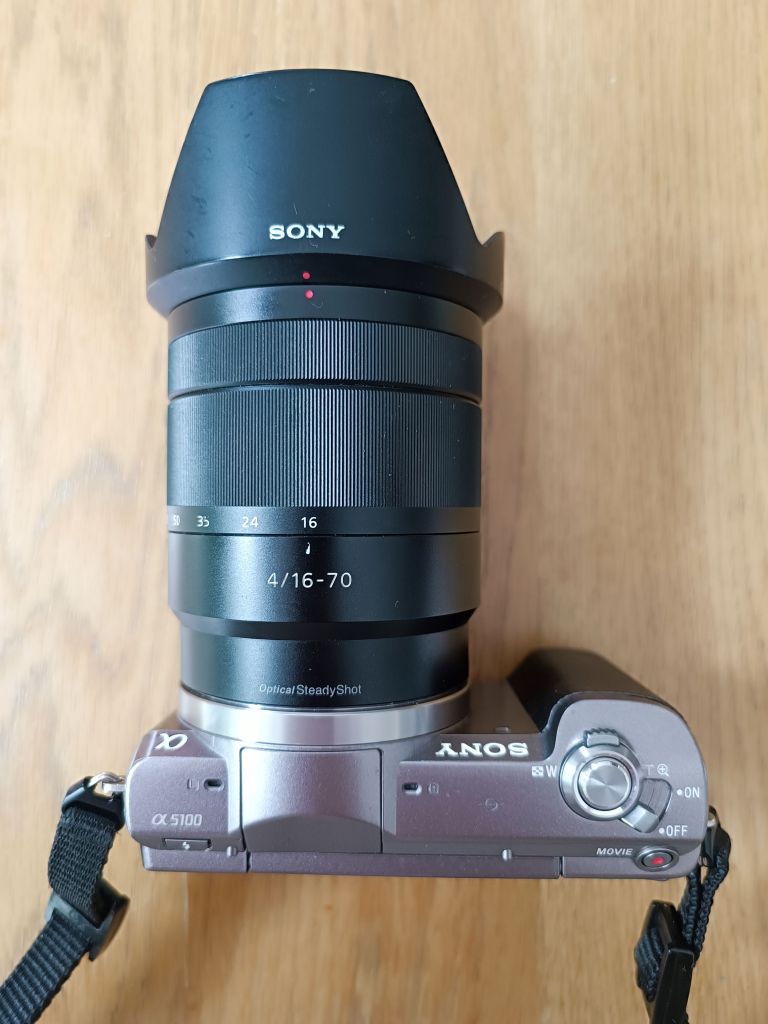
Mirrorless cameras are superb. Light, yet with excellent sensors, offering 24 m pixels here, combined with an F 4 Zeiss Vario-Tessar T E 16-70 mm.

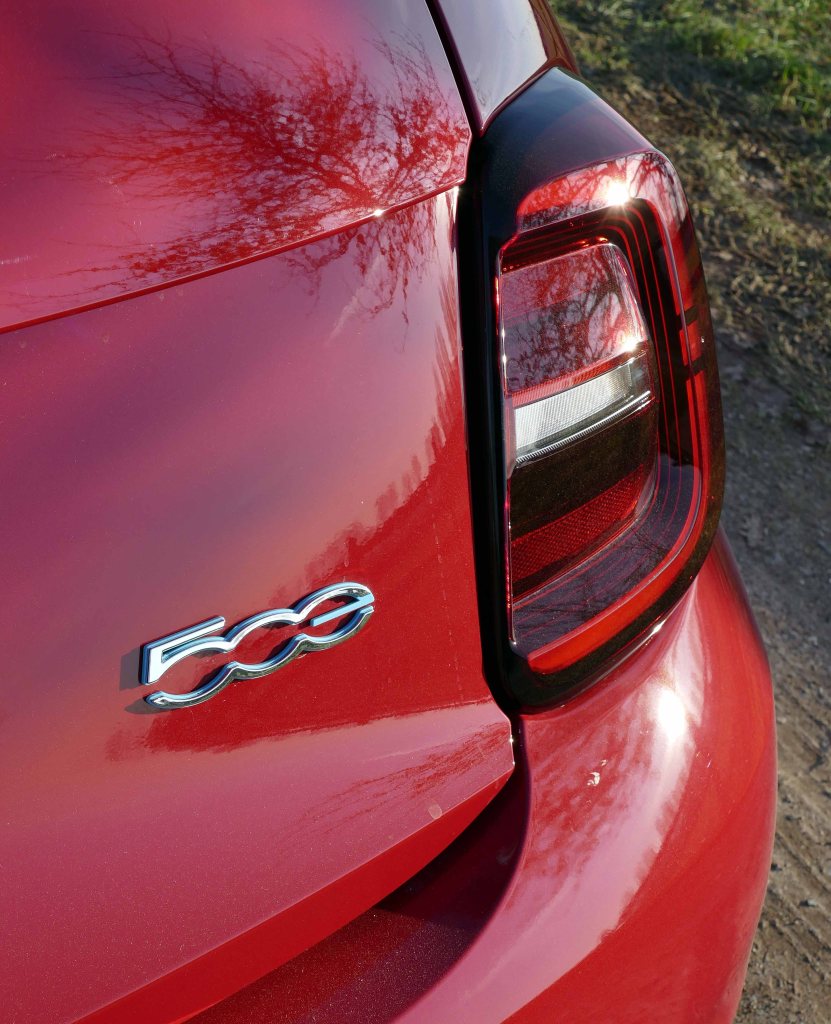
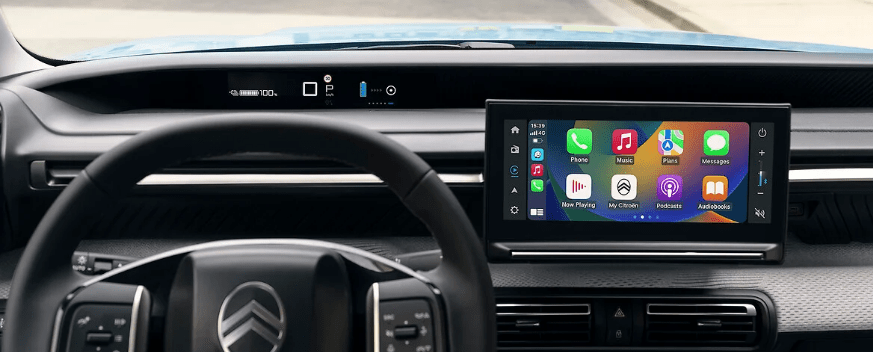
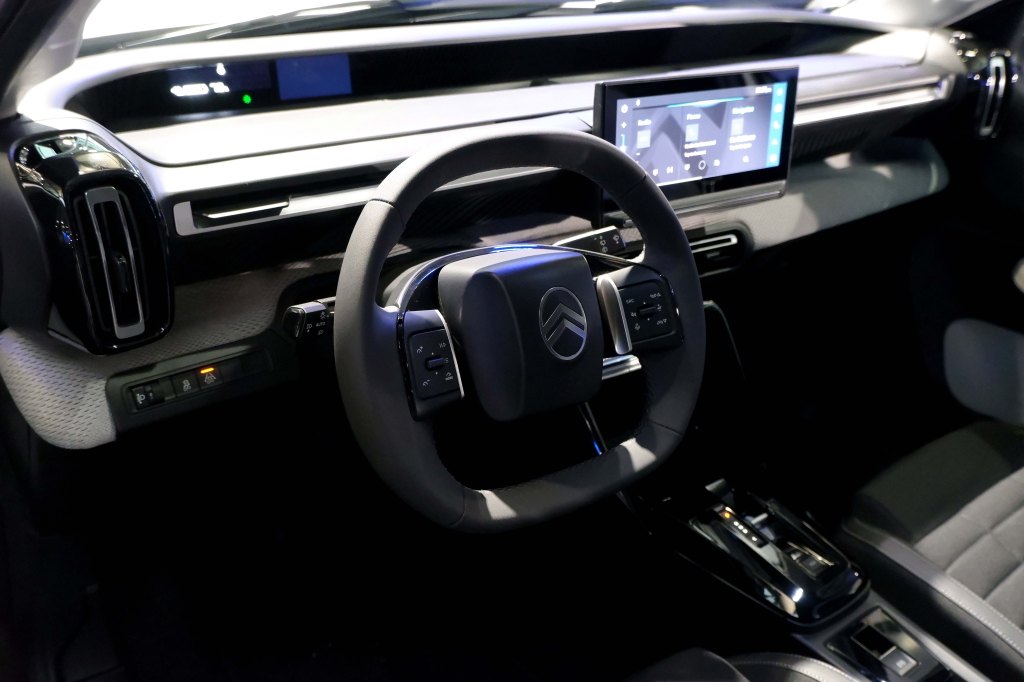
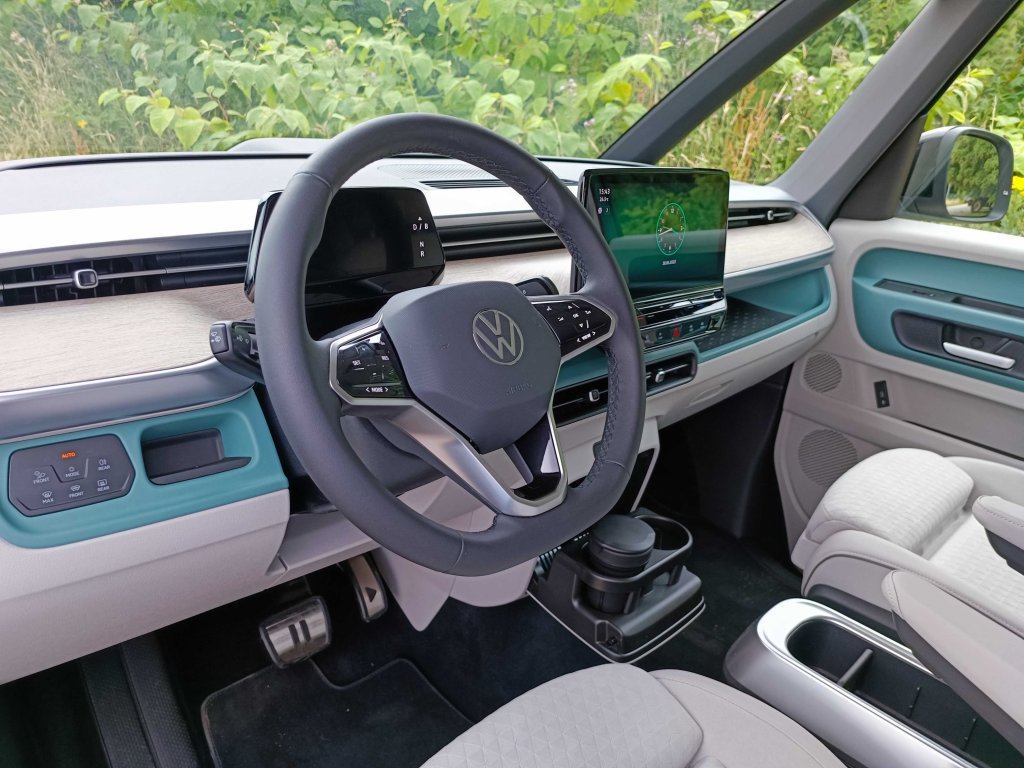
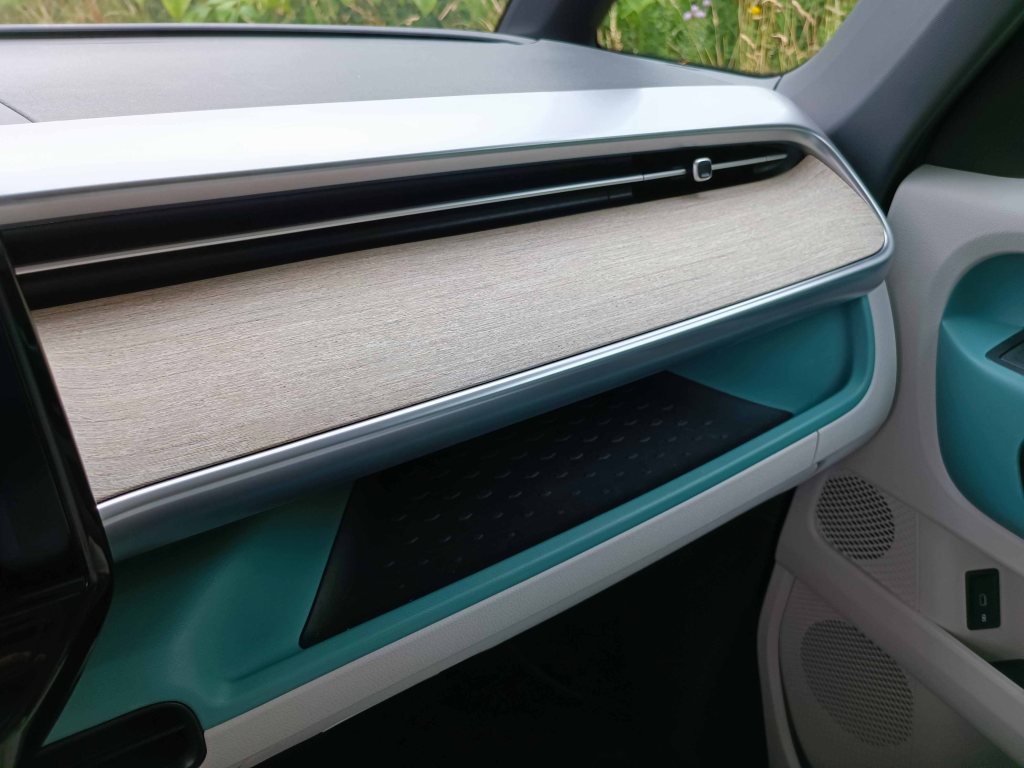
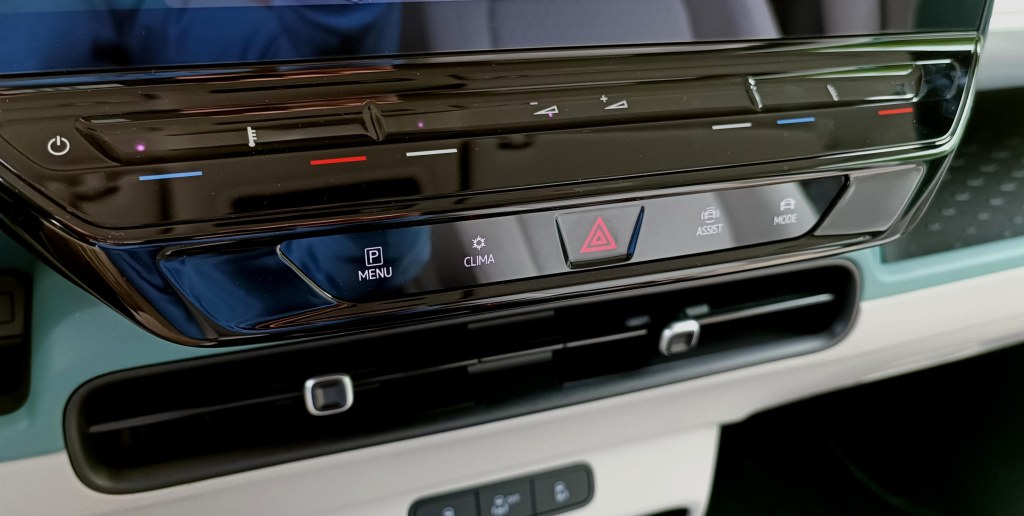
Dashboards always make you dream away. Look for even light conditions, avoid strong contrasts and reflections.
Of course, the now iconic and much wanted compact mirrorless analog vintage look cameras like the Fujifilm X100 which I have been using for years now earn you much sympathy and open many doors for you at events…
Advantages of the camera are, besides the pleasure of using it, the longer battery life when you are taking many photos, for instance at a classic car event or rally.

The same can be said about classic engines…
When using your smartphone, make sure to choose highest quality, and RAW format if you have a RAW editor to edit your photos afterwards. Also choose the HDR setting, or high dynamic range. If your smartphone allows you to choose portrait mode, then select it to have a shallow depth-of-field effect.

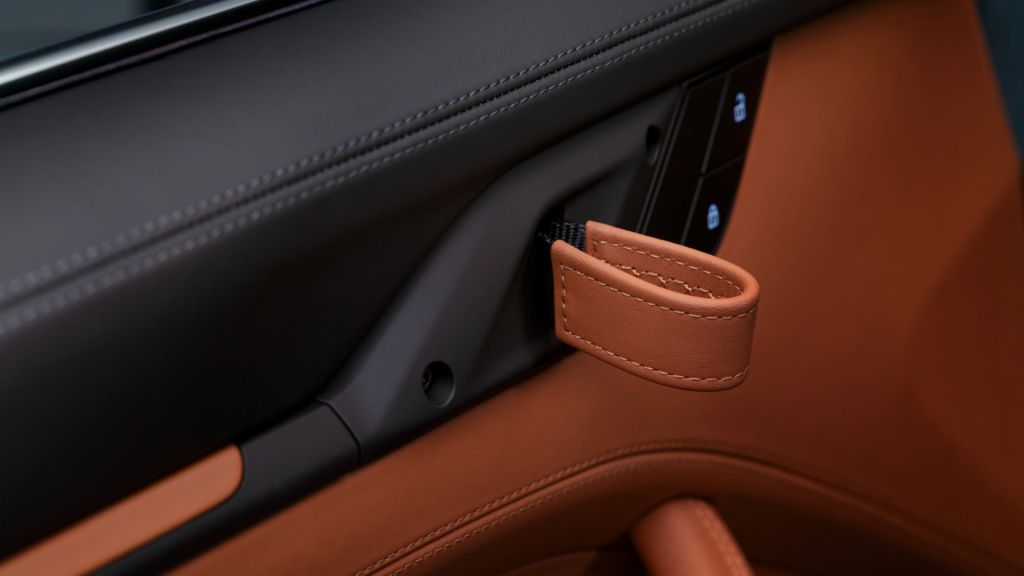
Photos of car details can tell the whole story: You would like to sit in this seat, driving through the Alps…
Tap the screen for focus and exposure adjustment, and you are all set. Of course you can use the post processing filters your smartphone software offers you, but don’t overdo things. Just work on your style, and keep trying. Even full professional photographers take some two years to perfect their style in post processing.
You are all set, now get behind that lens and shoot!
Hans Knol ten Bensel



























 Autoprova - for the Connaisseur