Subaru unveils the Forester MY22…

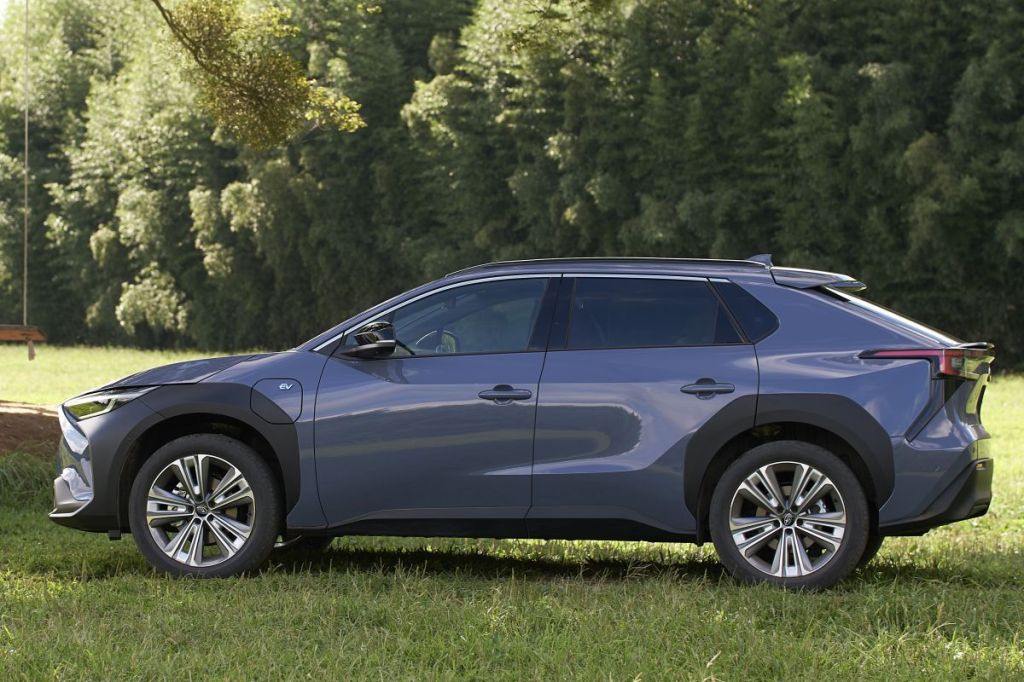
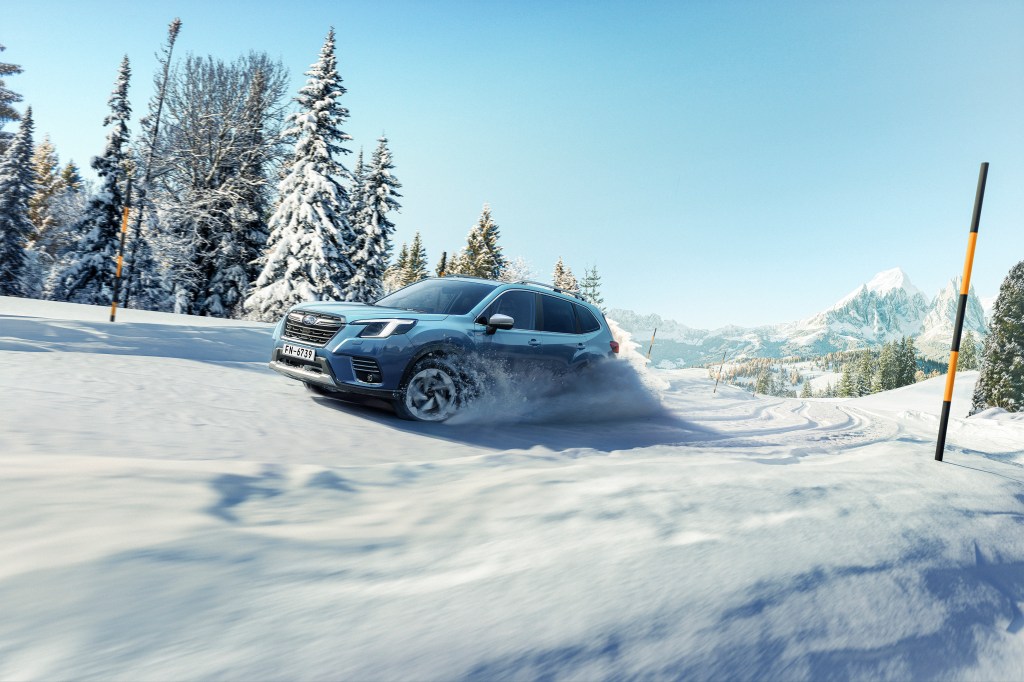
Subaru announces the availability of the Forester MY22. The versatile, compact SUV with standard four-wheel drive is not only getting a makeover, it now comes with an improved suspension, even more comfort, and the latest generation EyeSight safety system.

Bolder looks…

The front bumper was redesigned with a new grille, a revised design for the headlamps and fog lamps The new fog lamp housings (in chrome or black, depending on the trim level) are better integrated with the contours of the bumper and give the Forester extra character.

At the rear only some subtle changes were made to the rear bumper protection. The roof rails will now be given a silver color and the Premium version will be fitted with new 18-inch rims. Finally, the consumer can choose from three additional colours, namely Autumn Green Metallic, Cascade Green Silica and Brilliant Bronze Metallic.

Focus on safety and comfort…

The Forester now has the latest generation EyeSight that was previously introduced on the new Outback. Thanks to Subaru’s stereo camera collision prevention system, the Forester now has a wider viewing angle (almost double) and new image recognition software along with a number of safety features, including some new functions: Advanced Adaptive Cruise Control with Lane Centering function, Autonomous Emergency Steering, Lane Departure Prevention including recognition of dividing lines such as grass or road edges, Preceding Vehicle Adaptive Steering Control (following the center line of the vehicle in front of the vehicle in the lane) and Pre-Collision Braking System with comprehensive support for collision avoidance at intersections.

For even more comfort, the suspension has been further optimized, making rides even more comfortable in all conditions and on any surface. The possibilities of the X-MODE were also further refined. Once X-MODE is activated, it will automatically go into standby mode from 40 km/h and will automatically reactivate once the vehicle speed drops below 35 km/h.

Airco Gesture Control

From the Luxury version, an Airco Gesture Control is also added. Via two simple hand movements that are registered via the Driver Monitoring System, the driver can quickly and safely adjust the temperature of the air conditioning system to the desired temperature. This way the driver will not be distracted by pressing the buttons and/or looking at the screen.

The Forester MY22 is available immediately from all dealers in the Subaru network from €35,995 (€34,805 in Lux)

More news very soon to be expected, last but not least Subaru’s First Global All-Electric Vehicle SOLTERRA!

Stay tuned!

Hans Knol ten Bensel

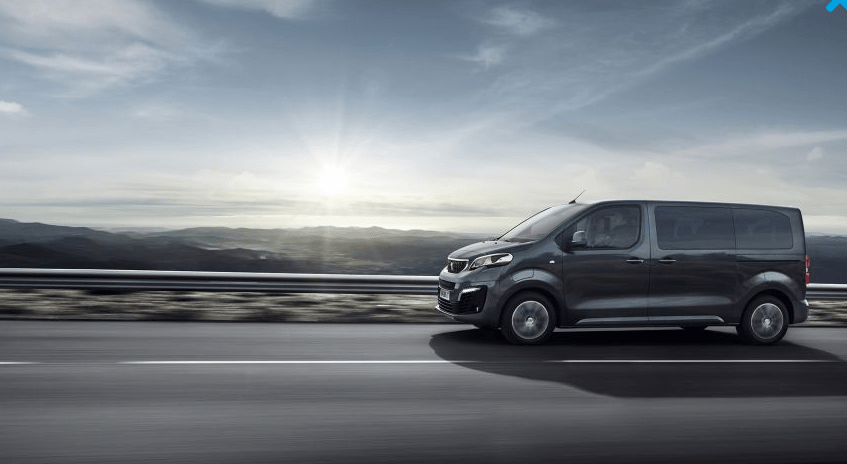
e-RIFTER & e-TRAVELLER : PEUGEOT focuses its people mover offer on purely electric versions

The Peugeot e-RIFTER…

PEUGEOT is accelerating its electrification and, starting in January 2022 in Europe, focusing its People Mover offer – embodied by the compact Rifter and the medium Traveller/Expert Combi – solely on purely electric vehicles.

 Linda JACKSON, CEO of the PEUGEOT Brand, commented: “PEUGEOT is already at the spearhead of electric mobility: 75% of our passenger cars and 100% of our commercial vehicles are already available with an electrified powertrain. In 2021, every sixth vehicle sold by PEUGEOT in Europe was electrified and, in November, this reached one electrified PEUGEOT vehicle out of every five sold.

With room for 5 or up to 7 passengers, the PEUGEOT e-Rifter is fitted with a 100 kW/136 hp electric motor and a 50 kWh lithium-ion battery allowing a range of 280 km (according to the WLTP cycle).

As for the PEUGEOT e-Traveller, it is available in three body lengths and with a choice of two batteries of 50 and 75 kWh which power the 100 kW/136 hp electric motor, making it possible to transport up to 9 persons in great comfort with a range of up to 330 km (75 kWh battery, WLTP cycle).

For customers needing a simpler People Mover with similar capacity, the PEUGEOT e-Expert makes shared electric mobility even more accessible. To enable faster shuttle rotations or to ease longer distance travelling, the 50 kWh battery of all PEUGEOT people movers can be charged to 80% in only 30 minutes at a public DC fast charging station.

At PEUGEOT, electrification takes the shape of both plug-in hybrid technology – in the SUV 3008 or the top of the line 508 sedan and SW – and pure battery-based set-ups – like in the e-Rifter and e-Traveller, but also in the e-208 and e-2008.

The new 308, just being launched in the market, will be the first PEUGEOT to display the full scope of electrified technologies: plug-in hybrid versions, already available from launch, and full-electric battery versions coming as early as 2023 for both body styles: the sedan and the SW.

More Peugeot news soon… We are keen to test several Peugeot’s this year!

Hans Knol ten Bensel

Citroën exhibits its vision of mobility at the CES…   

At the heart of the Stellantis experience at the 2022 Consumer Electronic Show (CES) in Las Vegas, which had opened its doors from 5 to 8 January, Citroën shared its vision of current and future mobility with an original innovation, the Citroën Skate and of course, its mind-blowing Citroën Ami.

 Citroën exhibited its “Skate”, an essential part of its concept of autonomous and shared mobility, Citroën Autonomous Mobility Vision.

The concept combines an autonomous technology platform, Citroën Skate, with pods purposed for a range of services and uses designed by partners (local authorities, service companies). The “Skates” will transport users from one point to another in the city, offering them a singular on-board experience”e.

The aim of this autonomous open-source concept is to free up urban traffic and bring users an original experience that takes care of all their needs.

To optimise urban traffic flows, a fleet of autonomous and interconnected robots, “Citroën Skates”, dissociated from the pods that they transport, will circulate in special lanes seamlessly integrated into the urban landscape. The Skates are mobility vectors which enable the pods, created by various service companies, to position themselves on their platform.

Users enjoy 24-7 access to the service of their choice. For example, they can benefit from a relaxed environment to read a book, watch a video, listen to music while sipping a drink, or practice sports while travelling from A to B.

Of course, focusing on the present, the Citroën Ami was also in the spotlight in its playful and sporty My Ami “Pop” version. Accessible, electric, ultra-compact and agile, Ami responds to new micro-mobility needs, rounding out our range of electric vehicles for individuals and professionals alike.

More interesting Citroën news soon, stay tuned!

Hans Knol ten Bensel
BMW launches new BMW iX M60 at Consumer Electronics Show at Las Vegas…

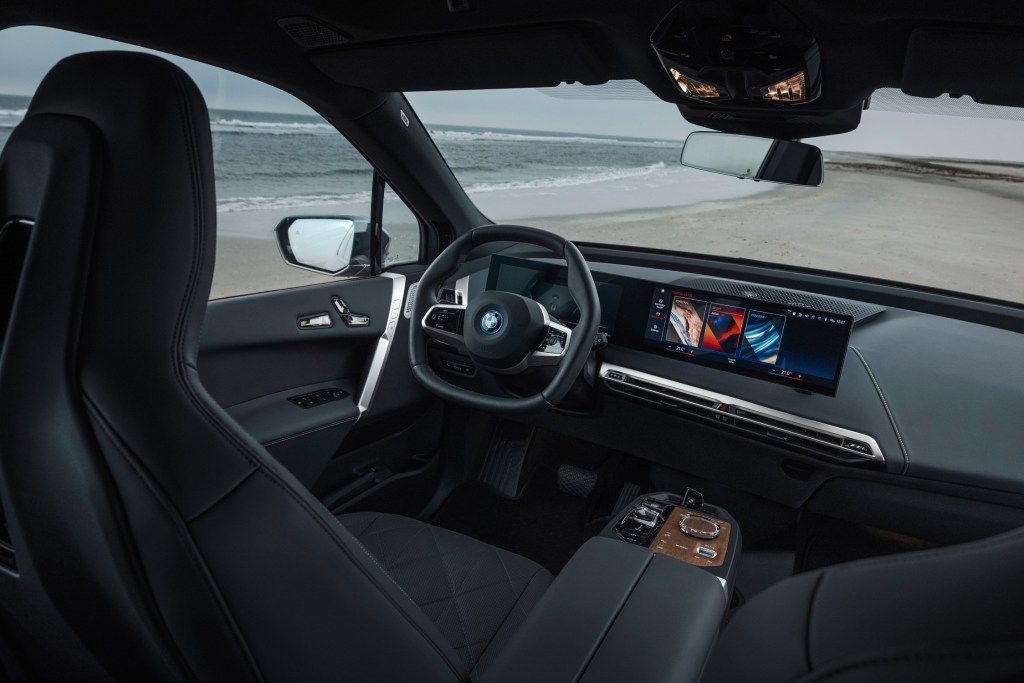
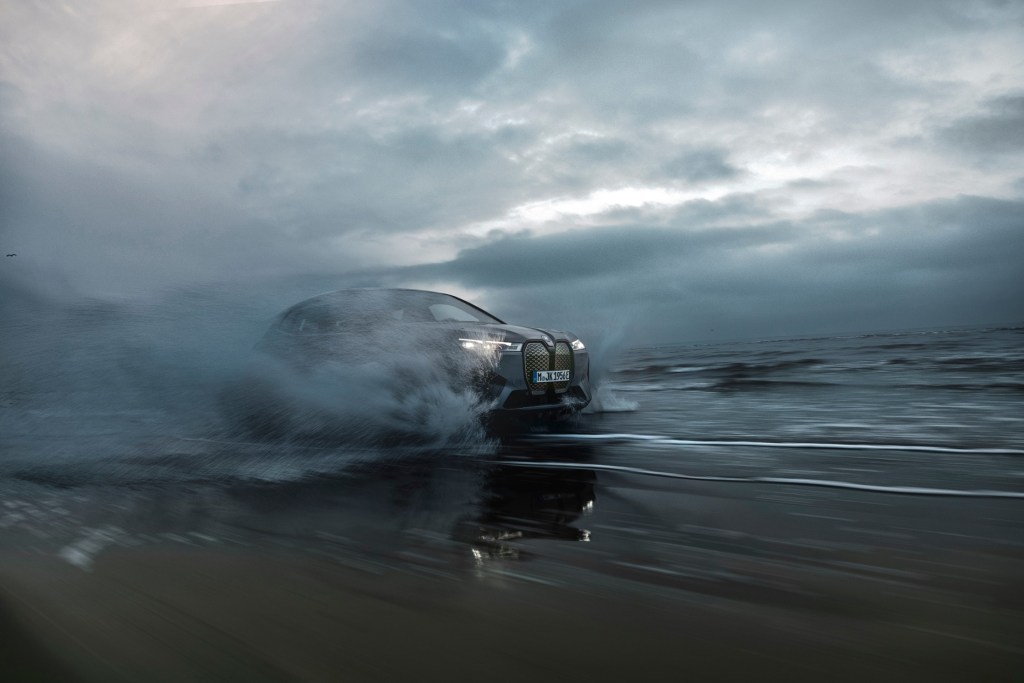
BMW Group reveals for the first time a world premiere of a production vehicle on the CES. It is the new BMW iX M60. It is the first performance automobile from BMW M GmbH developed from the outset for all-electric mobility. And it breathes performance, as a BMW should.

Indeed, the third and even more powerful model of the new technological flagship is at once the most powerful and the fastest electric vehicle the BMW Group has ever produced. With output of 455 kW/619 PS, a maximum torque of 1,015 Nm in Sport mode or even 1,100 Nm when Launch Control is active and with M specific chassis tuning, the BMW iX M60 is bringing a phenomenal performance experience to zero local emissions mobility.

The BMW iX M60 takes just 3.8 seconds* to sprint from a standing start to 100 km/h. The top speed is electronically limited to 250 km/h, making it 50 km/h faster than the BMW iX xDrive50.

The necessary energy for this is supplied by a high-voltage battery with a gross energy content of 111.5 kWh. State-of-the-art battery cell technology permits a range of up to 566 kilometres* according to WLTP and helps to give the BMW iX M60 impressive long distance capability.

There is a lot more BMW news unveiled on the CES, so there is more to come in these columns…

Stay tuned!

Hans Knol ten Bensel

VISION EQXX – taking electric range and efficiency to another level…

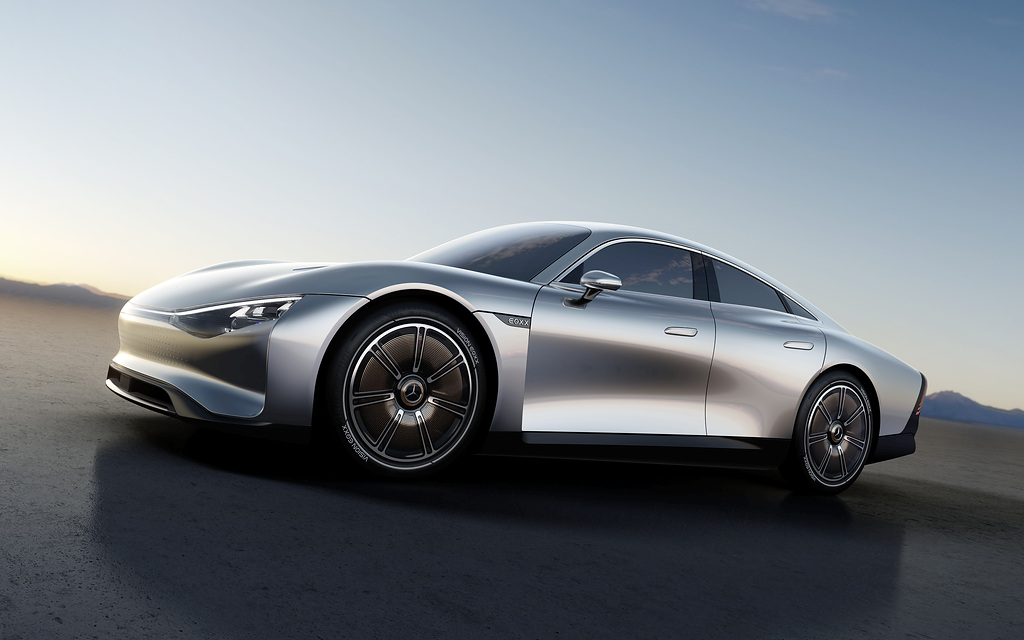
Mercedes-Benz VISION EQXX, exterior

Range and efficiency are set to define the electric era. Outstanding range will make electric cars suitable for every journey and will also speed up the adoption by the public. Exceptional efficiency will create a virtuous circle of battery size and weight reduction, allowing Mercedes to go further with less. Indeed, the men (and women) at Mercedes-Benz are determined to lead the way.

The brand with the star is already leading the charts of real-world range with the EQS with 245 kW (electrical consumption WLTP combined: 19.8-15.7 kWh/100 km; CO2 emissions: 0 g/km)[1], as evidenced by the recent Edmunds test where an EQS 450+ travelled 422 miles on one charge, 77 miles further than any other car previously tested.

But Mercedes-Benz is not resting. Driven by the idea of zero impact on our planet and a highly responsible use of green energy, the engineers are working intensively to take range and efficiency to a whole new level. The VISION EQXX is the result of a mission to break through technological barriers across the board and to lift energy efficiency to new heights. It demonstrates the gains that are possible through rethinking the fundamentals from the ground up. This includes advances across all elements of its cutting-edge electric drivetrain as well as the use of lightweight engineering and sustainable materials. Complete with a barrage of innovative and intelligent efficiency measures, including advanced software, VISION EQXX allows to explore new frontiers of efficiency.

Mercedes-Benz VISION EQXX, exterior

Ola Källenius, Chairman of the Board of Management of Daimler AG and Mercedes-Benz AG commented:  “The Mercedes-Benz VISION EQXX is how we imagine the future of electric cars. Just one-and-a-half years ago, we started this project leading to the most efficient Mercedes-Benz ever built – with an outstanding energy consumption of less than 10 kWh per 100 kilometres. It has a range of more than 1,000 kilometres on a single charge using a battery that would fit even into a compact vehicle. The VISION EQXX is an advanced car in so many dimensions – and it even looks stunning and futuristic. With that, it underlines where our entire company is headed: We will build the world’s most desirable electric cars.”

VISION EQXX – The EV road trip reimagined by Mercedes with a new technology blueprint for series production

There’s a reason why road trips have been a cultural touchstone for at least 70 years, telling stories from the highway in books, movies and music.

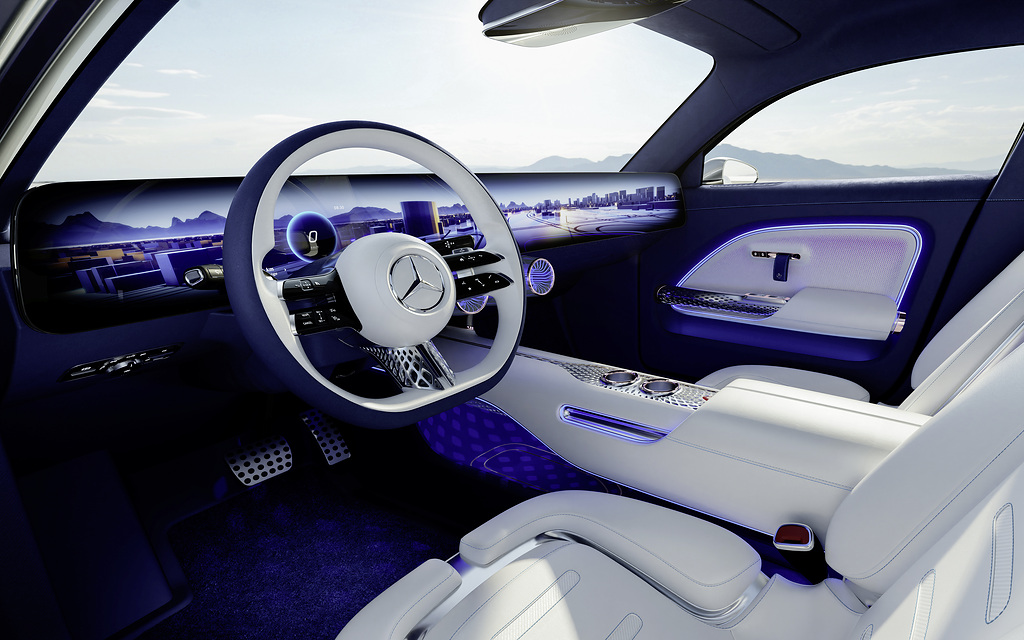
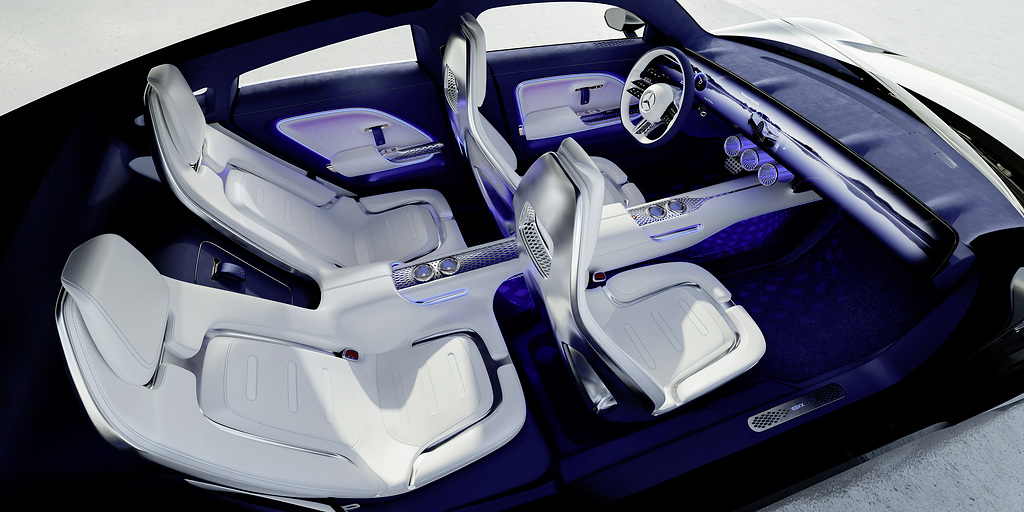
Mercedes-Benz VISION EQXX, interior

The journey to electric mobility is a road trip; as exhilarating as it is challenging, as unknown as it is certain. The Mercedes-Benz VISION EQXX is a vehicle designed for that road trip. It answers the progressive demands of a modern generation of customers for and emotionality through innovation. Part of a far-reaching technology programme, this software-defined research prototype was engineered by women and men with the creativity, ingenuity and determination to deliver one of the planet’s most efficient cars – in every respect. They did so using the latest digital technology, the agility of a start-up and the speed of Formula 1.

The result is an efficiency masterpiece that, based on internal digital simulations in real-life traffic conditions, will be capable of exceeding 1,000 kilometres on a single charge with an outstanding energy consumption of less than 10 kWh per 100 kilometres (efficiency of more than 6 miles per kWh).

Mercedes-Benz VISION EQXX, interior

By ripping up the automotive engineering rule book, Mercedes-Benz has built a software-driven electric car that re-imagines the road trip for the electric era. At the same time, it presents a highly progressive interpretation of the fundamental Mercedes-Benz principles of modern luxury and Sensual Purity. Rather than simply increasing the size of the battery, the cross-functional, international team focused on maximising long-distance efficiency. They pulled out all the stops in drivetrain efficiency, energy density, aerodynamics and lightweight design.

“The technology programme behind the VISION EQXX will define and enable future Mercedes-Benz models and features,” says Markus Schäfer, Member of the Board of Management of Daimler AG and Mercedes‑Benz AG, Chief Technology Officer responsible for Development and Procurement. “As a halo car, the VISION EQXX firmly establishes Mercedes-Benz as the brand that pairs luxury with technology in the automotive world and beyond. And the way we developed it is as revolutionary as the vehicle itself. VISION EQXX has seen the best minds from our R&D centres work together with engineers from our Formula 1 and Formula E programmes. They are proving that innovations from motorsport – where powertrains are already highly electrified – have immediate relevance for road car development. We are challenging current development processes with innovative spirit and outside-the-box thinking. This truly is the way forward.”

The VISION EQXX is how Mercedes-Benz imagines the future of electric cars.

The VISION EQXX offers meaningful answers to pressing issues. For instance, sustainable materials throughout cut the carbon footprint considerably. Its UI/UX features a radical new one-piece display that comes to life with responsive real-time graphics and spans the entire width of the vehicle. Other elements of the UI/UX help the car and driver work together as one, and even use technology that mimics the workings of the human brain. And the software-led development process that delivered it revolutionises the way electric cars are designed.

This car is one outcome of an ongoing programme that is delivering a blueprint for the future of automotive engineering. Many of its features and developments are already being integrated into production, including the next generation of the MMA – the Mercedes-Benz Modular Architecture for compact and medium-sized cars.

We will come back soon more in detail about this outstanding EQXX…just show you some photos…

Hans Knol ten Bensel

Our Lexus had its yearly service…and we show some clever details!  

Still going strong… and eminently reliable!

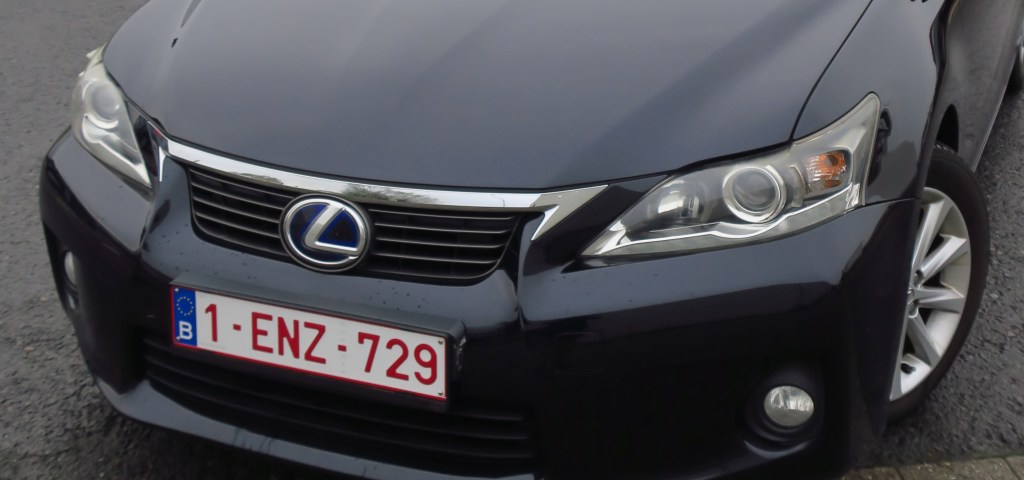
Our Lexus CT 200h had as we told you already its yearly service on the 22nd of December, and indeed, there are no mechanical problems to be reported. The Lexus proves eminently reliable indeed…

The oil filter and oil was changed, 0,5 liter of brake fluid was added, and the air refiner element for the ventilation was replaced. All this was done, parts, fluids and work, for a total amount of 262,80 Euro, including VAT. So we are all set for another year!

We already mentioned the clever mouse knob or lever to command the info/navigation screen, and another smart solution is found in the instrument layout.

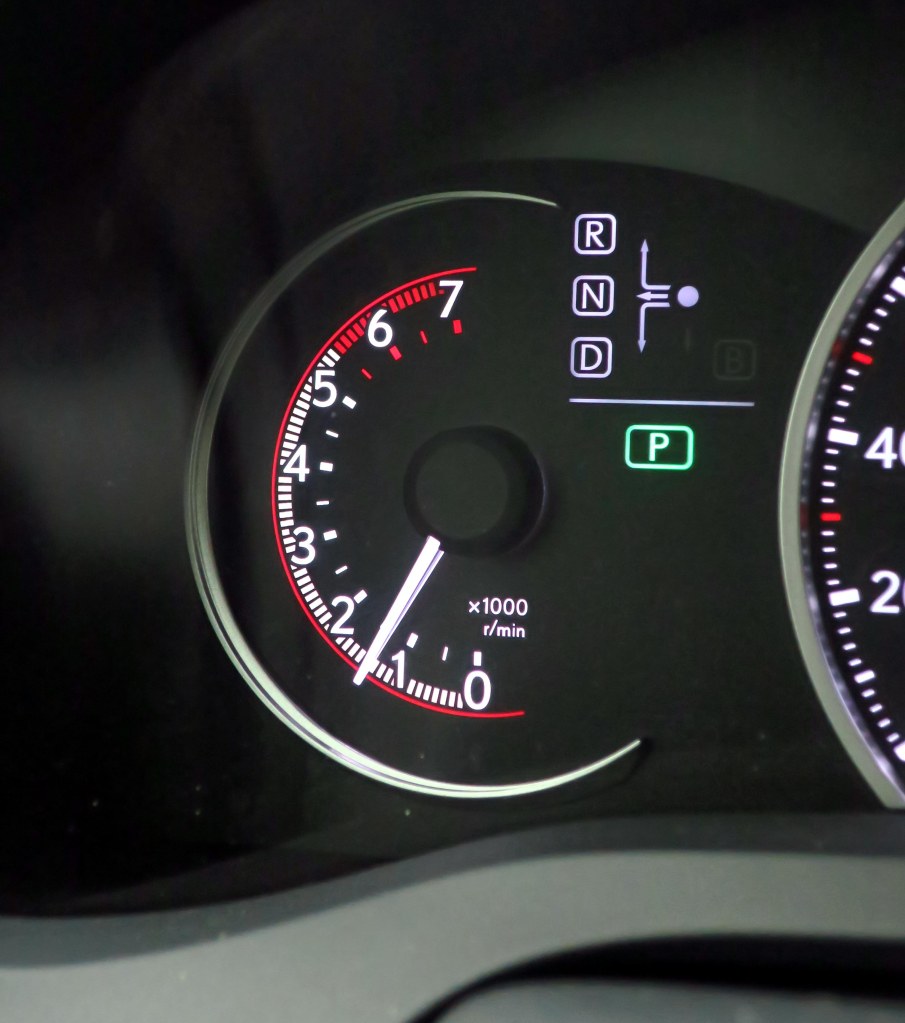
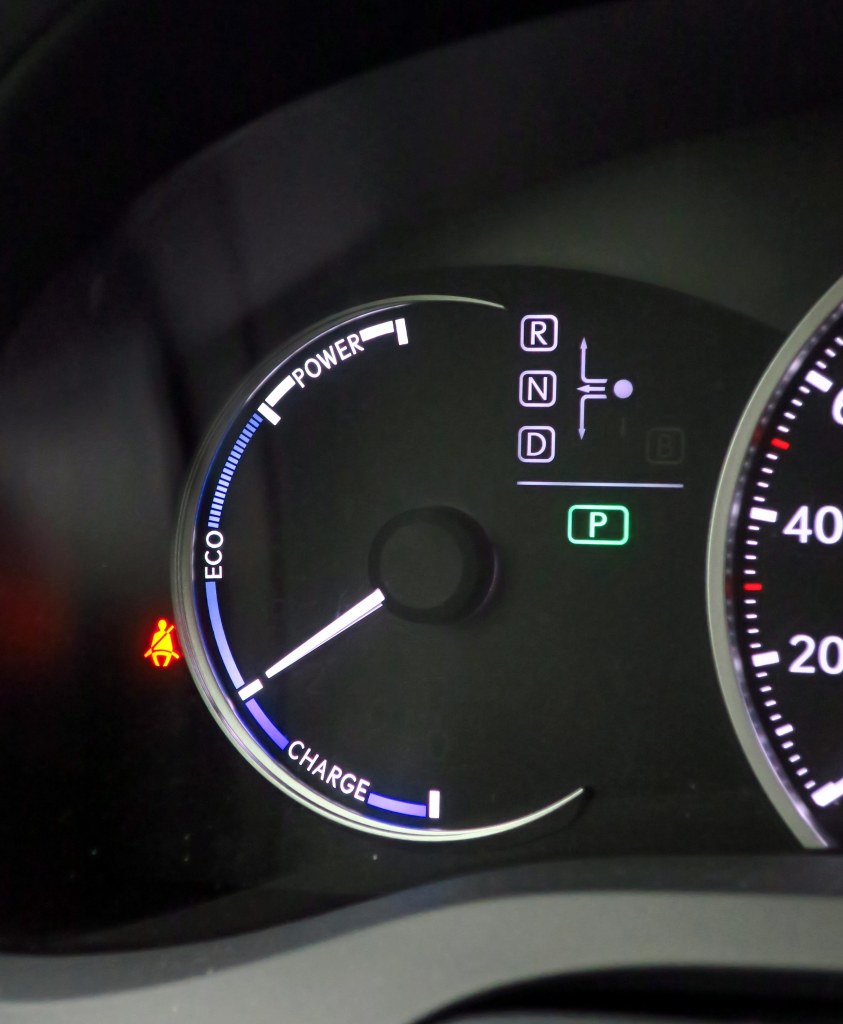
When you choose the “eco” mode, one normally has on the left side of the instrument cluster the gauge which tells you whether you charge the battery when decelerating or braking, whether you drive economically or use much power. This dial is transformed into a rev counter when you choose the “sport” mode. See photo here below.

Well, the Lexus engineers have seen to it that also when you drive in “normal” or “eco” mode, which I do most of the time, you can also use the rev counter. You just go through the instrument settings with button on the steering wheel, and presto, there the rev counter dial setting appears when you restart your Lexus again.

This rev counter transforms again in the power/eco/charge indicator as soon as you engage the cruise control. Disengaging the cruise control will let appear the rev counter again. You have to disengage the cruise control with the cruise control button. If the cruise control is automatically disengaged by touching the brake pedal, the power/eco/charge layout of the dial will remain on. Indeed, only after pushing the cruise control lever at the steering column to formally and manually disengage the cruise control, the rev counter will (re)appear. Sooo clever!

In “eco” mode, we achieved 4,8 l/100 km, and not only the last trip, also the average over the whole year!

Looking at the rev counter we also understood how this Atkinson cycle engine chalks up its astonishing consumption figures. Driving with anticipation and some restraint in the “eco” mode, the revs will hardly move above 1500 rpm, choosing the highest ratios offered by the CVT transmission.

The batteries of our Lexus, first registered in January 2012 and which we bought used now already 3 years ago, still hold admirably well… so all this puts a broad smile on our face!

(Much) More Lexus and Toyota news soon!

Hans Knol ten Bensel

We drove the Seat Arona 1.0 TSI 110 Hp Xperience :  an allround pleasure…

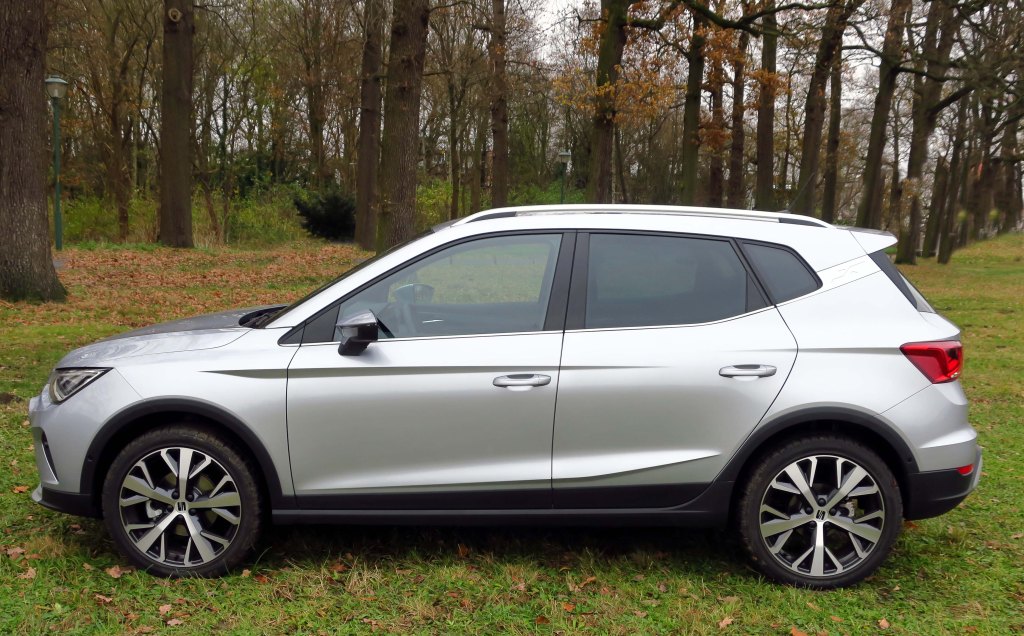
The segment of the compact Crossover SUV’s is very popular in Europe, and it sales have over the last seven years not less than quadrupled. Of course Seat wants to have its piece of the cake in this niche of the B segment. Seat builds therefore the Arona since 2017 in its Martorell factory, and this Crossover rolls on the VW Group MQB-A0 platform. This means that the Arona is technically very close to the fifth generation of the Ibiza, the Polo Mk6, the Skoda Kamiq and last but not least the VW T-Cross.

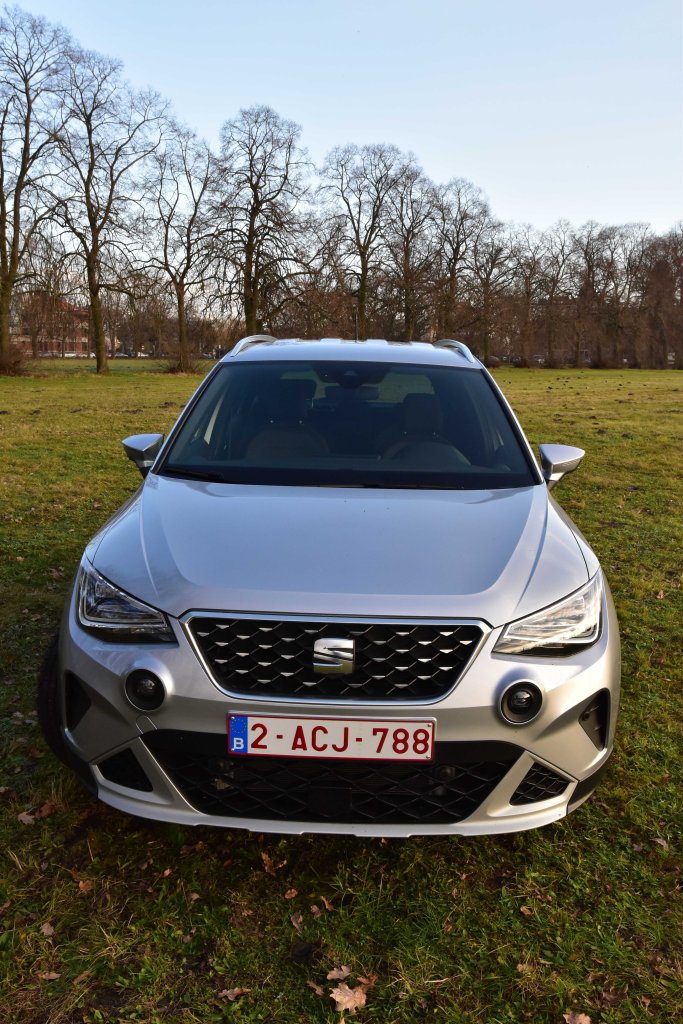
We tested here the Arona in its latest facelift, which saw some major changes mostly at the front end, and even more so in the interior. Just read further!

Hans Knol ten Bensel

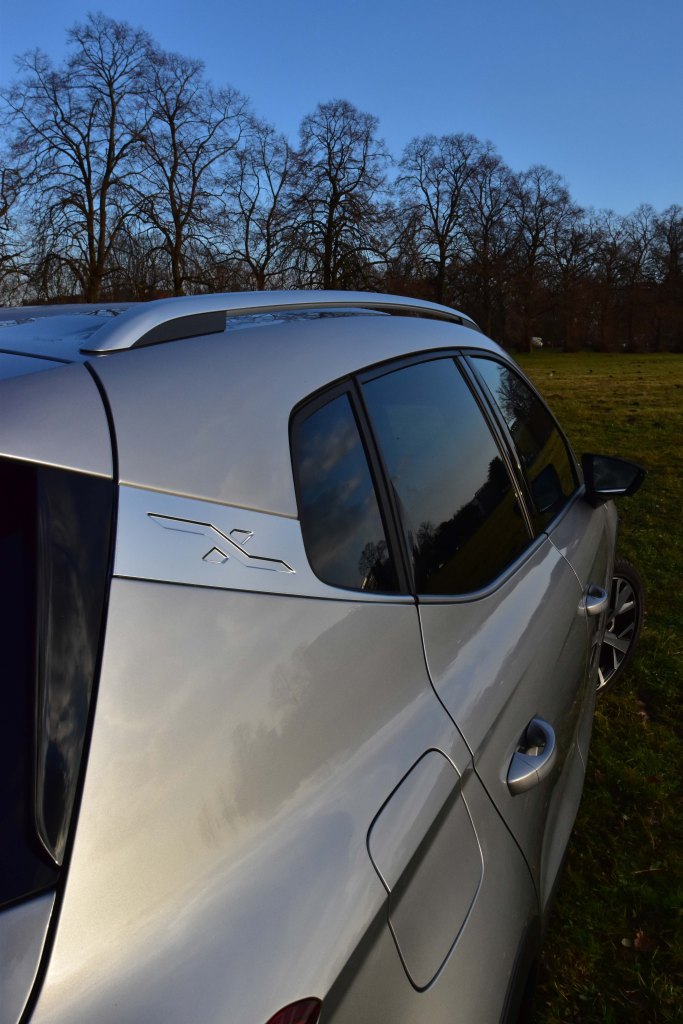
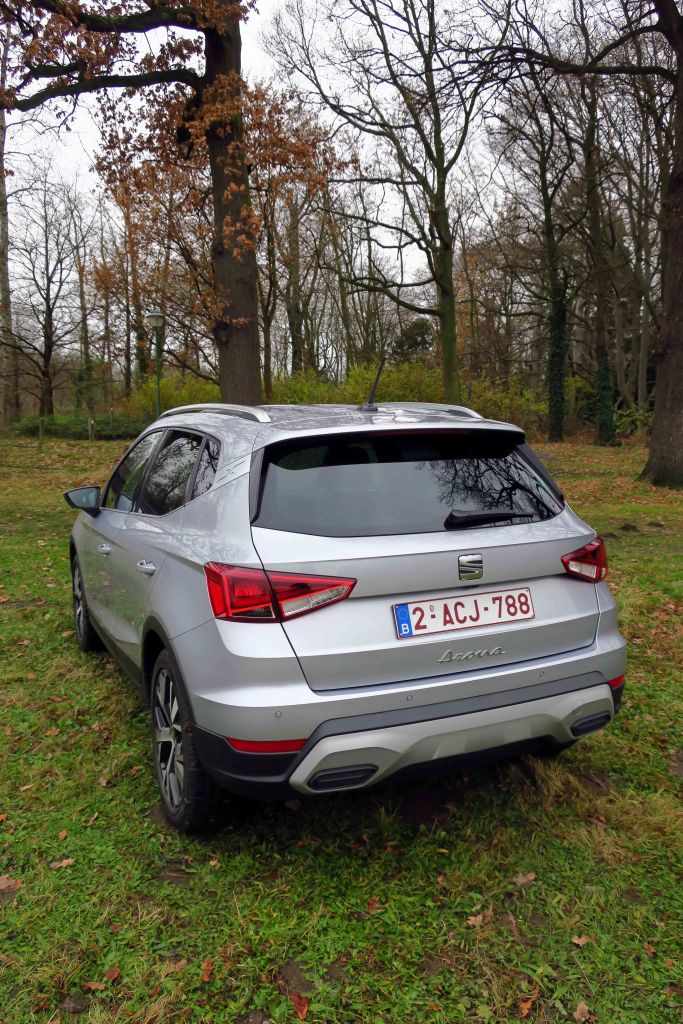
The grille has now moved a bit higher, and the front skirt is now more expressive with even a special reflex silver paint finish. The top equipment line Xcellence is now replaced with Xperience. The Arona has now also LED headlights as standard equipment. It has received also quite an array of extra colours, and its roof, which now ends in a newly shaped spoiler, is also available three colours.

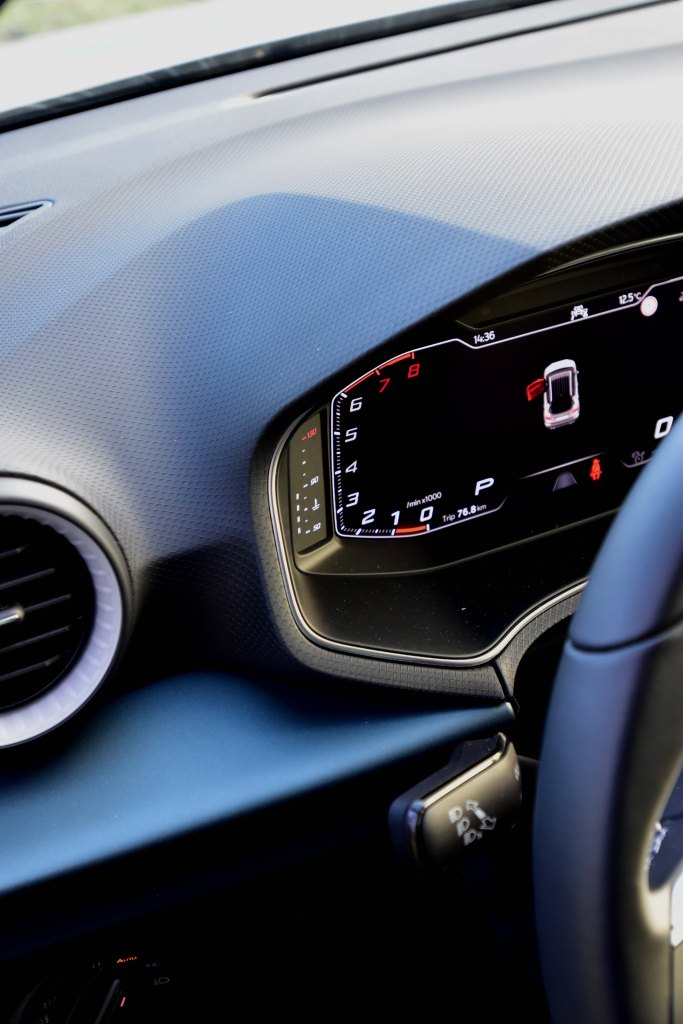
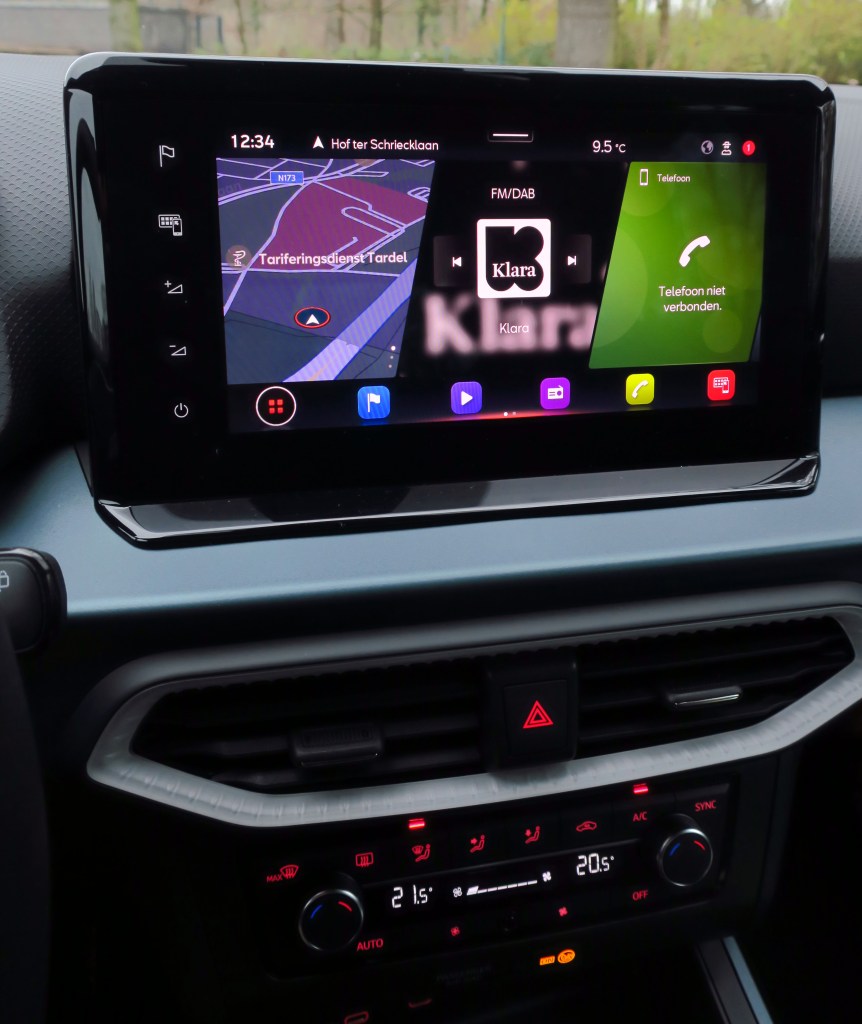
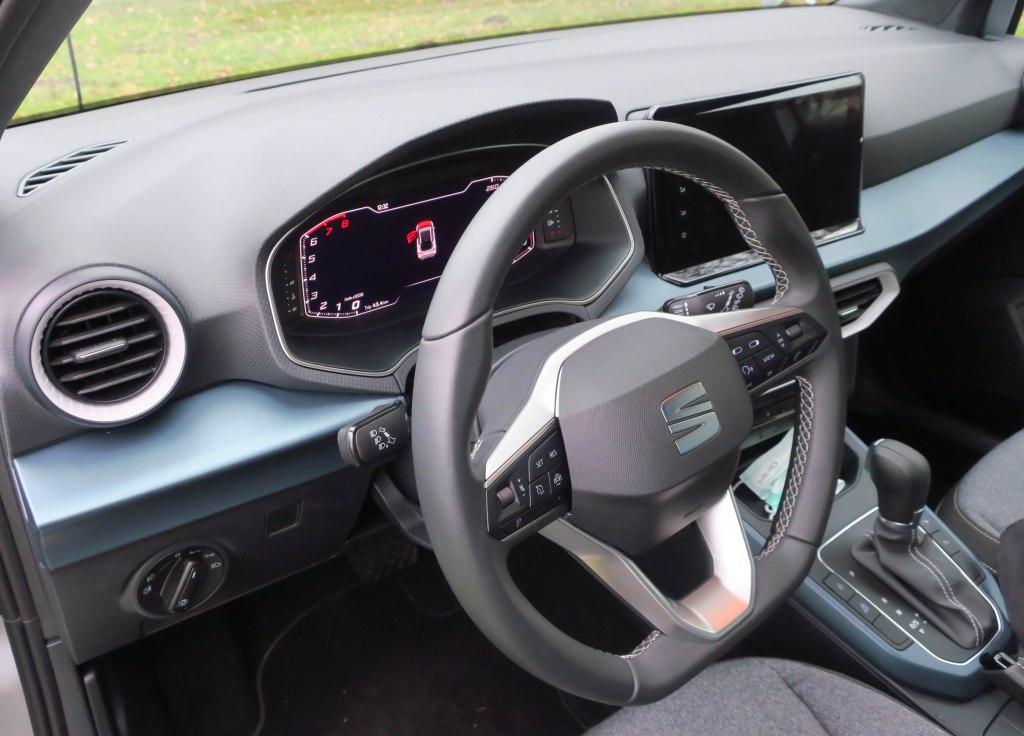
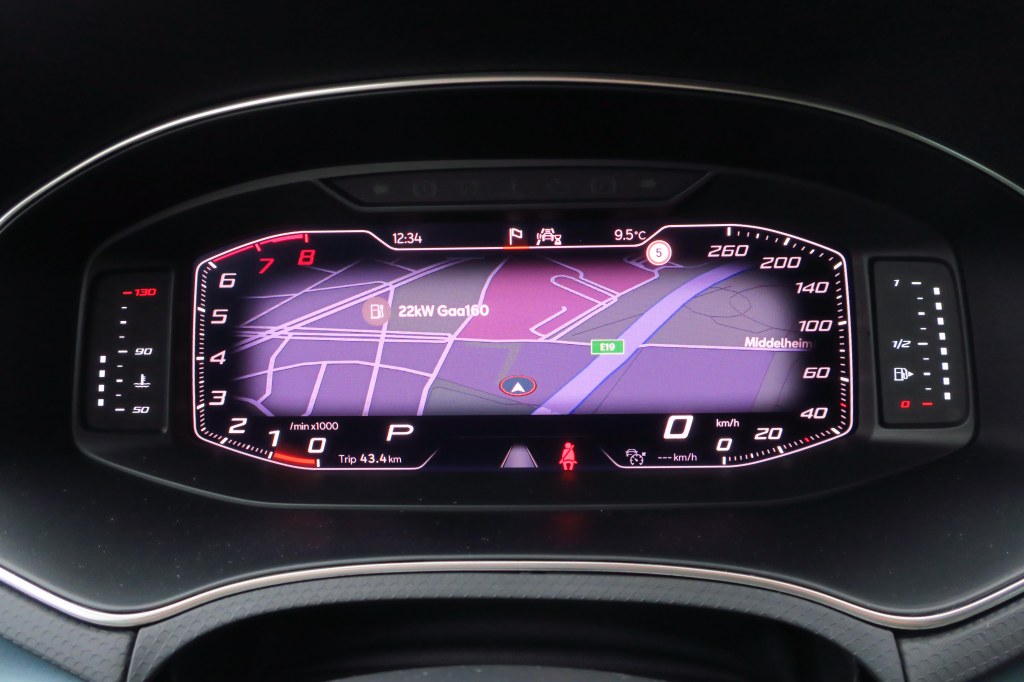
The cabin and dashboard underwent the same changes as the Ibiza, and has now a central touchsreen angled towards the driver. Standard the touchscreen measures some 8,25 inches, but can be had in 9,2 inch size, and in combination with the digital instrument panel it gives the Arona a distinctly modern look and aura. We liked very much the angular instrument display, very legible indeed.

The overall finish of the dashboard is also improved, with soft touch top panelling, and behind the screens sits now the latest wireless version of Volkswagen’s Infotainment building block, with Full-Link, Apple Car Play and Android Auto of course.

Add to this the Smartphone App and the voice command function, which can be triggered by “Hola! Hola!”

Extremely well balanced…

We mentioned in our title “allround”, and that is exactly what this Arona is. Just big enough to offer pleasant roominess, it is ideally compact for the city, and due to its higher stance as a Crossover, it feels “adult” and safe on the motorway and open road. The higher seating position makes it also very easy to get in and out of, and also improves visibility, which is ideal for its urban life.

We applauded already the layout of the dashboard, and the controls are placed just right. One feels immediately at home in this Arona. With a wide range of seat adjustments and the pleasantly high seating position itself, a commanding and comfortable position behind the wheel is soon found.

Driving is believing

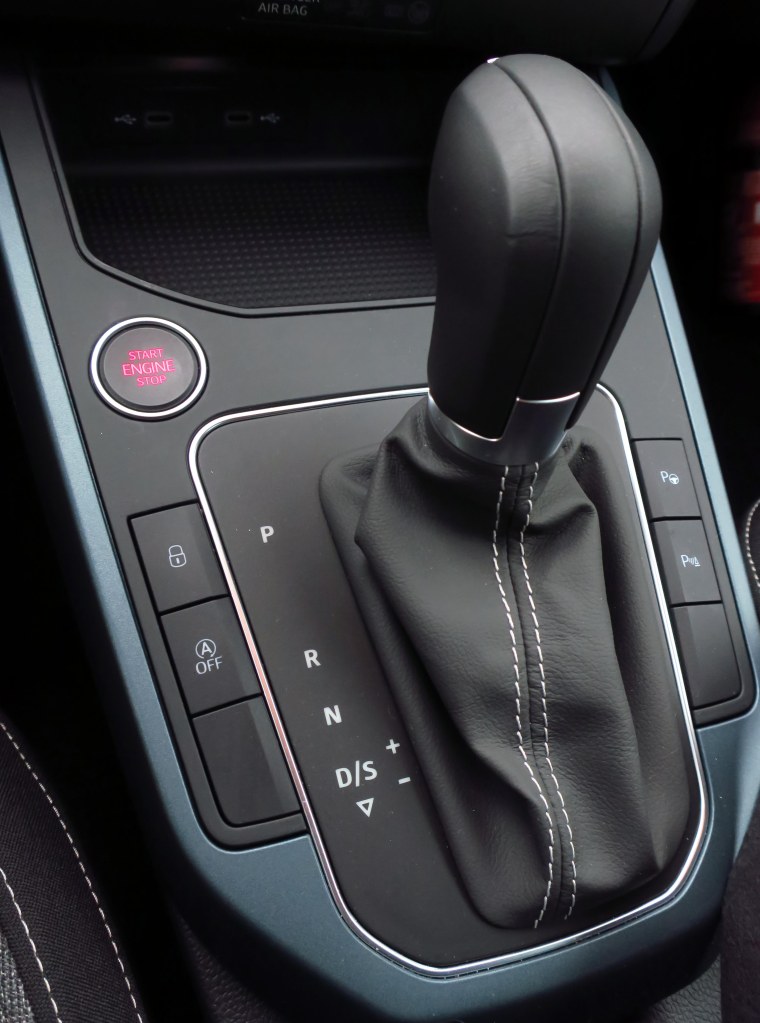
But the Arona really reveals its qualities when you push the start button. The 3 cilinder 1 litre unit from the VW concern purrs into life. Smooth, vibrationless and emitting a subdued, pleasant growl when you push it, this TSI version develops a healthy 110 HP. Ideally mated to a super smooth and alert 7 speed DSG, it has also ample pulling power, with 200 Nm of maximum torque at a low 2000 rpm. This means that the DSG gearbox will hardly rev the engine higher than some 2500 rpm in normal driving situations. The engine then remains also barely audible, which adds to the pleasant experience of effortless, comfortable driving.

The Arona TSI has more than enough zest with a 0 to 100 sprint absolved in 10,1 seconds and a top speed of not less than 190 km/h. So the Arona is a little Autobahnmeister too, fit for comfortable high speed long distance driving. No small wonder, its technical brother is the Polo, and VW saw to it that it’s very important car scores on all points in any driving situation.

As said, the Arona rolls on the MQB-A0 platform, and its excellent qualities are felt from the first meter you drive it. Rock solid construction and showing admirable stiffness, which results in a very precise steering and handling, also thanks to the impeccably balanced suspension, all this adds to a wonderful dynamic experience, akin to… driving an early Porsche.

The Arona has a higher ground clearance, and this means you can tackle country roads of all sorts with success.

This German engineering excellence adds to the charm of this Arona. You will smile also at the pump: with restrained, anticipative urban driving, it was no trouble at all to stay below 7 litres in urban traffic, and on the open roads driving at the legal limits was rewarded with just over 6 litres/100 km.

Good practical qualities abound in this Arona, with also some 400 litres of available luggage space. We already mentioned the excellent infotainment, and let it be known that two USB ports and inductive smartphone charging are available on the centre console.

The Arona offers more than adequate head- and legroom for four, and its hatchback configuration makes it also your allround transport.

Conclusion

Well styled and engineered, this Arona Crossover SUV has many qualities indeed. It’s an outright pleasure to use daily, is practical, its drivetrain is very refined, offers plenty of performance and is frugal. In this day and age, it offers the simple efficiency of a state of the art modern engine and smooth automatic DSG gearbox, providing a care free action range of well over 500 km.

It carries VW top concern technology, and it does this in style. On top of that, it is well equipped, well finished and sports the latest generation infotainment. So have a long hard look at this one…

Hans Knol ten Bensel

Seat is putting Spain (and the world) on electric wheels…

The Seat Cupra Born was in September 2021 still built in Mosel / Zwickau at Volkswagen Sachsen .

The electric age has certainly also arrived at Seat. Not that they produce impressive petrol engined cars. I am presently driving a very able Seat Arona 1.0 TSI Xperience, its three cylinder 110 HP 1 litre engine purrs very nicely indeed, coupled to a 7 speed DSG, and feels very well at home on the motorway as in the city. The somewhat higher stance of the Arona proved also a blessing and we would judge it “just right”.  But as said, the electronic age is certainly dawning at Seat.

The SEAT S.A. team is producing working for instance at the Martorell plant the SEAT Leon e-HYBRID, the first hybrid model manufactured in Martorell. But there is more.

Beatriz Matute, head of Project Management for the launch of the CUPRA Born, has spent this year going between Barcelona and Zwickau (Germany). She’s led a team of more than 50 employees from different areas in charge of overseeing the start of series production for the CUPRA Born, CUPRA’s first 100% electric car, in Europe’s largest electric vehicle factory. “It’s been a valuable learning experience that we will certainly build on for the electrification of Martorell” she says.

The international Press Presentation of the Cupra Born was stunning indeed…

The CUPRA Born signals the start of CUPRA’s electric offensive and is a key element in the brand’s international expansion. For this reason, “we knew that the International Press Presentation of the CUPRA Born needed to be different” says SEAT S.A. Global Communications Director Cécilia Taieb. “We made it happen thanks to the help and participation of many of our employees” she continues. The first 100% electric car brought together 440 journalists from 27 countries in Barcelona. In total, 62,000 kilometres of testing were carried out over four weeks by the invited media.

The brand’s marketeers and top experts around the world have been just as dedicated in preparing to sell the CUPRA Born. More than 1,000 CUPRA Masters from 43 markets took part in the CUPRA Master Convention 2021 to deepen their knowledge and transmit their expertise to customers.

The IAA International Motor Show in Munich last September was the backdrop for the world premiere of the CUPRA UrbanRebel concept, the CUPRA team’s unconventional challenger. “The concept laid the foundations for our future 100% electric city car, which will arrive in 2025” says CUPRA Director of Strategy, Business Development and Operations Antonino Labate.

Leading the electric competition. CUPRA made motorsport history this year by winning the first ever electric touring car championship. Along with Mattias Ekström, they have been named “Kings of the season” for the PURE ETCR. With the CUPRA e-Racer, a technical feat of 500 kW (680 hp) of power, the brand successfully completed the challenge it set itself in 2017: to create the first electric racing touring car in history, and win.  “The future of racing is electric, and we have already taken the lead” maintains Xavier Serra, head of CUPRA Racing.

A step forward with 1.3 Megawatts of power…

The Test Center Energy (TCE) is another of the company’s major commitments to electrification. “We’ve made a great effort to create this pioneering battery research and development centre in Southern Europe, which will enable us to develop the energy systems for electric  and plug-in hybrid vehicles” says Francesc Sabaté, head of the TCE. To give an example of its testing capacity, 1.3 megawatts is equivalent to the energy consumption of 350 homes operating at maximum power.

Hans Knol ten Bensel

The “City” My Ami goes off the beaten track… in style!

It had to happen: the cute Citroën My Ami city car was due to convert itself in a robust, go-anywhere champion for the outdoor-loving crowd, and here it is… as a concept car.

“This concept expresses without reservation the style of Citroën and draws its inspiration from non-automotive worlds such as building games, industrial design and fashion. The My Ami Buggy Concept” says Citroën, “it has an unbridled style, but remains fully rooted in real life, being at once playful and functional, aesthetic and ergonomic, but also eminently practical and ecological.”

We just cite here its designer, Samuel Pericles:

“The My Ami Buggy Concept is a proposal in line with the philosophy of Ami that is not a car. That is why we have sought inspiration from the world of building games for the playful and functional, industrial design for ergonomics and aesthetics which include everyday objects (furniture, lighting, etc.), fashion accessories (sneakers, sports equipment, glasses, etc.), for example, the camera and smartphone holders with their simple, extruded shapes are inspired by the work of designers who in the second half of the last century created essential and timeless utensils. My Ami Buggy Concept is minimalist, functional, simple, in the purest spirit of iconic contemporary industrial objects.”

My Ami Buggy is indeed a mischievous concept car that every kid from 14 to 77 might want to put on their Santa wish list… more details about this concept car here, and some photos.

Hans Knol ten Bensel
Cute robustness…

Standing firmly on its large notched wheels, the My Ami Buggy has a distinctly adventurous character, which is emphasized at the front and rear by its bull bars, headlamp shrouds and grilles, bumper panels and front panels with the chevrons in the middle.

On the sides, reworked fender flares and tubular protectors on the undersides of the doors give the car a more muscular appearance. On the roof, the roof rack and spare wheel reinforce the adventurous spirit of the concept. All these decorations are in a single black color, which is dyed directly into the mass.

The LED light bar on the front of the roof adds to the sense of adventure when driving at night or in fog. Once the vehicle is stationary, everything is set up for a “campfire atmosphere” thanks to the light diffused by this bar and the sound of its playlist, distilled through the nomadic loudspeaker.

The doors have been removed and replaced with clear watertight covers that can be pulled up in bad weather, a reference to the Mehari. These use sliding latches to close off the cab with a high opening reminiscent of the glass doors of classic vehicles. The practical covers can be removed, rolled up and stored in the backs of the chairs in special covers.

My Ami Buggy Concept is available in a total of three colors: black, khaki and yellow. The black, inspired by camping equipment, enhances the functional and robust character of the vehicle. The different shades of black – anodized black on the wheel arches and roof, textured speckled black for a hammered effect at the rear – match with the anodized khaki and lemon yellow, giving the vehicle a bold look with careful detailing.

My Ami Buggy Concept comes in a two-tone color scheme: Anodized Khaki at the front and Speckled Black at the rear, a play of symmetry that also aims to clearly distinguish the front from the rear of the vehicle.

The color anodized khaki is a nod to nature, because black, synonymous with strength and modernity, catches the light and dramatizes the colors with which it is associated. The choice of black was also motivated by the desire to use a dark, less messy color.

Many key elements of My Ami Buggy Concept are accentuated by a speck of Citric Yellow, such as the seats, the charging cable, the graphics capsule on the doors, all luggage and many accessories. This acidic color also indicates that the articles marked in this way are functional.

It’s all in the details…

The chevron theme, a key Citroën styling feature, is repeated with the same graphic elements on various exterior and interior elements to create a rhythm reminiscent of the Traction’s grille, the center console of the 19_19 concept car, the front roof panels of the Ami One Concept and the design of the Ami’s storage compartments. On the My Ami Buggy Concept they can be seen on the outside of the wheel covers, fascia’s, hood, side skid plates, light rail brackets, underside of bumper and rear of mirrors; and inside on the accessory brackets, storage bins and dashboard.

The word ‘Pilot’ can be seen on the roof on the driver’s side and ‘Copilot’ on the passenger’s side, and in a similar nod to motorsport, the number 01 is engraved on the driver’s seat and 02 on the passenger’s seat to indicate the location of each. Cool!

Yellow arrow stickers under the nose cone indicate the direction of the wind, a reference to aviation. This type of decoration can be found on the wheel arches.

A “+” badge appears on the driver’s side mirror, referring to the electric motor and battery terminals, just like in the parking spaces reserved for electric vehicles.

Originality also continued in the cabin…

The interior design of My Ami Buggy Concept has been meticulously (re)worked on in three areas: the seats, the storage space and the luggage.

The My Ami Buggy Concept has new Advanced Comfort® seat cushions with an increase in foam thickness from 35mm on the “City” Ami to 70mm. The combination of memory foam and seat cushions makes them both light and soft. They are easy to remove from the shell, interchangeable and washable. Their construction, consisting of two shells mounted one above the other, is inspired by the design of a buoy, thus establishing a link with the world of beach accessories.

The storage units are smart and mobile. Each has its own function in the cabin, but can also be taken outside for a picnic or outing.

The storage compartments on the dashboard, accessories already available on My Ami, have been redesigned especially for My Ami Buggy Concept. A matte gold metal gallery is attached above the bins to prevent objects from sliding.

A specific luggage line has also been created, with each piece in harmony with the interior spaces of the vehicle. Storage space is also built into the doors at seat height.

It can hold all kinds of items or a large detachable bag, which is custom and can be opened from the inside. It works like a bag. A nice push button is used to unlock the doors, which, like the Ami, always open in the opposite direction.

The charging cable is attached to the passenger door frame by means of a handle-like element that makes it easier to hold and operate.

Functional, well-designed accessories…

The accessories of My Ami Buggy Concept are not just a mere exercise in style. They had to be also truly functional. The designers adopted the mindset of a leisure enthusiast and came up with functional items to make a trip on board of the My Ami Buggy Concept are both fun and practical.

The design of the interior components was self-explaining to make their use very intuitive. For example, the turning wheel used to hold or adjust objects is used several times, in a spirit of homogeneity. The design instinctively suggests its operation. The fastening mechanisms of many accessories are designed according to the same model and are arranged transversely, so that they can be detached and placed in different places in the passenger compartment, as a mounting kit.

This is for example the case with the support for attaching a camera or camera, a must for capturing and sharing the highlights of a journey or the landscapes you pass… Equipped with a universal screw suitable for all types cameras, it can be retracted thanks to the release button integrated into the part and can thus be placed on the four anchor points located on the vertical moldings of the driver and passenger doors. A touch of genius!

The exterior mirrors can be adjusted by means of the ball joint integrated in the mounting device and can be mounted in the places provided in the door pillars. They are also removable.

The cup or bottle holder can be placed on the dashboard or on the holder instead of the My Ami bag holder.

The smartphone clamp developed for My Ami, located on the right side of the driver’s seat, transforms in the My Ami Buggy Concept into a support in the form of a cylinder with a clamping wheel at the right end of the object to hold the device. The tube can be engraved with the owner’s name and surname, a must for some.

A new conical bracket has been designed to fit the mobile speaker into the rounded shape of the dashboard behind the steering wheel.

Thanks to 3D printing, the step from idea to reality is made quickly. Each of these accessories has been the subject of an original design, as they are 3D printed and can therefore be reproduced at will.

The My Ami Buggy Concept, is for the moment a style study that you might want to put on your Christmas list. It illustrates one of the many faces that Ami could take on, the atypical mobility object developed by Citroën, ready to explore new areas. A runabout that I would love to have in my holiday home, but then, could it be sitting there for several (winter) months without using it? Would the batteries endure this? Hmmmm, wait and see…

Hans Knol ten Bensel

Stellantis also includes Citroën in its LCV Hydrogen strategy…

The development of fuel cell technology is now taking on a new dimension at CITROËN with the production of the first ë-Jumpy Hydrogen. Indeed, the CITROËN ë-Jumpy Hydrogen, assembled in France in the SevelNord-factory, is being adapted to hydrogen in the hydrogen-fuel cell expertise center of the STELLANTIS-group in Russelsheim, Germany…
This ë-Jumpy Hydrogen has therefore the same technical specifications as its Opel sister car, the Vivaro e-HYDROGEN. Like the Opel, it retains a 10.5 kWh lithium-ion battery, which provides dynamic peak power when required, for example, at start-up and under acceleration. Since the battery covers power needs in such situations, the fuel cell can run at optimum operating conditions.

Post-production : Astuce Productions

Citroën also wants their car to be put to the test in daily practice as soon as possible. This first ë-Jumpy Hydrogen will be delivered in the coming days to the SUEZ Group, which is preparing to test this model on a large scale at its Carcassonne site, a pilot site where SUEZ is investing in the production of green hydrogen, an important challenge for the coming years.

Hans Knol ten Bensel