Groupe Renault unveiled its new strategy for China, building on two of its key pillars: Electric Vehicles (EV) and Light Commercial Vehicles (LCV).
For the Internal Combustion engined car market in China, Groupe Renault has entered into a preliminary agreement with Dongfeng Motor Corporation under which Renault transfers its shares to Dongfeng. DRAC (Dongfeng Renault Automotive Company) will stop its Renault brand-related activities.
Of course, Renault will continue to provide after sales service ot its existing customers in this market, and Renault and Dongfeng will continue to cooperate with Nissan on new generation engines like components supply to DRAC and diesel license to Dongfeng Automobile Co., Ltd. Renault and Dongfeng will also engage in innovative cooperation in the field of intelligent connected vehicles.
Booming LCV market…
The LCV market in China reached 3.3 million in 2019 and is forecasted to maintain a steady upwards path. Renault Brilliance Jinbei Automotive Co., Ltd. (RBJAC), launched in December 2017, is Groupe Renault’s sword arm for its LCV business in China. Jinbei is a well-established Brand with 1.5 million customers in China and close to 162,000 sales in 2019.
With Renault expertise and technologies, RBJAC is modernizing Jinbei models and extending the line-up with a total of 5 core models by 2023. The joint venture will also export in the future.
The joint venture operates in Shenyang, Liaoning Province and aims to deliver 150,000 units of upper medium commercial vehicles and new energy commercial vehicles annually by 2022.
The Alliance launched a mid size Jibei SUV…
In addition, the company will roll out a series of new models in local market, including the Renault-branded Trafic, the Master (including BEV version) and the Jinbei-branded F70, the F50 BEV version as well as some LCV (light commercial vehicle) models under the Jinbei brand.
A massive Chinese EV market
With 860,000 electric vehicles sold in China in 2019, China is by far the largest EV market in the world. EV sales are expected to reach 25% of the Chinese market by 2030.
Groupe Renault was a pioneer on EV and has sold close to 270,000 electric vehicles world wide since 2011. It gives a strong competitive advantage in China as shown by the successful launching of Renault City K-ZE, the first joint venture EV car competing in A segment with the best local automakers.
Groupe Renault expect to reinforce its partnership with Nissan and Dongfeng within eGT to make K-ZE a worldwide car. A derivative for Europe based on “Dacia Spring” concept will be sold from 2021.
JMEV is known as an agile and efficient EV player since its creation in 2015. With Renault support in terms of quality and technologies, JMEV will cover 45% of Chinese EV market in 2022 with 4 core models.
Our everyday cars achieve standards of finish which some time ago were only the realm of expensive and exclusive cars.
So what about the supercars of today? Are they finished at a still higher level? Indeed they are, and they are the playground of the engineers of large(r) groups like for example Volkswagen to test out and achieve what is technically possible now in car engineering and production.
On these exclusive cars they can experiment and reach levels of engineering perfection and finish which they can apply in these smaller production series with higher margins.
Within time, these new techniques will then again find their way into the production methods of larger volume cars, and the cycle starts again, with the supermodels and exclusive cars again in their turn putting the boundaries further.
We turn our attention here to Bentley. Bentley Motors is the most sought after luxury car brand in the world. The company’s headquarters in Crewe is home to all of its operations including design, R&D, engineering and production of the company’s four model lines, Continental, Flying Spur, Bentayga and Mulsanne. 4,000 people work there, and it is an example of high-value British manufacturing at its best.
We introduce you here to the 26-strong team capable of measuring every component of each Bentley model when in full factory operation…
Just read further !
Hans Knol ten Bensel
The Metrology team…
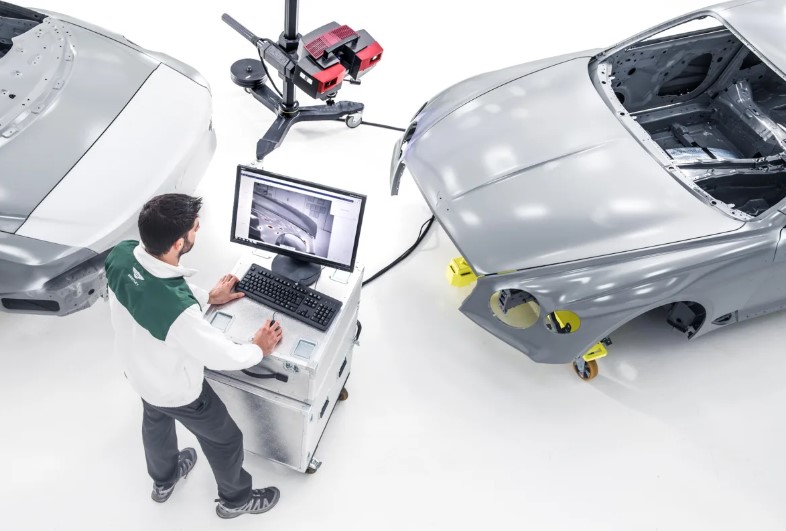
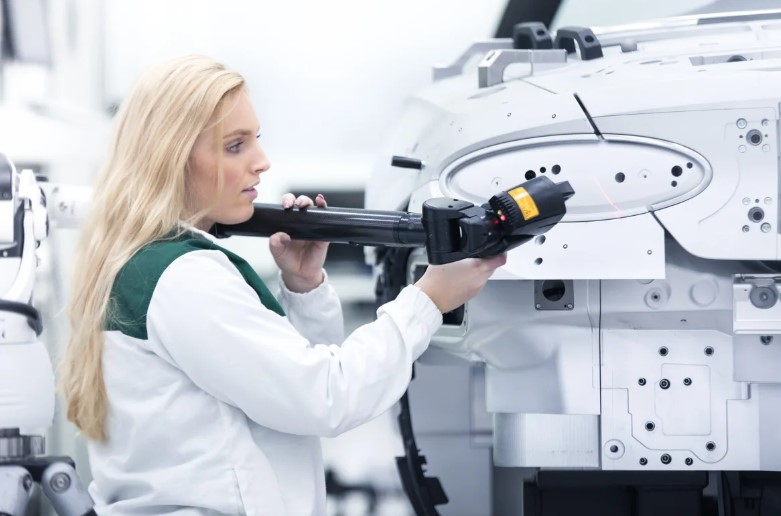
Deep in the heart of the Bentley factory in Crewe is a large, airy and air-conditioned workshop that visitors, even out of a government lockdown, will never see. It’s packed with the kind of precision instruments you’d expect to find in a space agency facility or university science lab. It’s here that Head of Metrology Michael Stockdale and his 25 colleagues measure every part of a Bentley to the highest standards of precision.
Metrology is the science of measurement, and it’s fundamental to the quality, performance and longevity of every Bentley that each component is made to consistently precise dimensions. Stockdale and his colleagues can measure every part of each model Bentley makes, from the smallest washer to body panels and interior trim, and ensure that no component strays from the close tolerances prescribed for it. “We have the tools to measure everything from the graining of leather to the surface of a cylinder bore, down to fractions of a micron” explains Stockdale.
Having measured components individually, they are measured again as sub-assemblies and once more as part of the finished vehicle. Thus, the Metrology team plays a vital role in ensuring that near perfection is repeatable.
Flying Spur retractable bonnet mascot system measured to as low as 0.15 mm tolerance
Measuring and enforcing the highest standards of dimensional accuracy is especially important for a vehicle, where multiple components become sub-assemblies. To take just one example, the retractable Flying B mascot that adorns the bonnet of the Flying Spur, which smoothly deploys and retracts only because each component in its complex control assembly is made to close and consistent dimensions. It is illuminated and linked to the keyless entry system as the driver approaches the car, yet it must also retract automatically in the event of an accident. To achieve this precise choreography and to ensure that it sits perfectly centred within its plinth, elements of the Flying B system have tolerances as low as 0.15 millimetres.
Sophisticated tools measure in fractions of a micron
Laymen use ‘a hair’s breadth’ as a description of the tiniest imaginable measure, but such a term would be too imprecise for Bentley’s Metrology team. As Stockdale points out, a human hair can be anything from seventeen microns to over one hundred and fifty microns thick. In contrast, there are instruments within Metrology that can measure down to 0.5 microns.
A micron is one millionth of a metre, and a human red blood cell is 5 microns in diameter. Not every component of a Bentley needs to be measured to tolerances of less than a micron, but there are some.
As an example, Stockdale cites the crankshaft at the heart of Bentley’s 6.0-litre W12 engine, the most advanced 12-cylinder engine in the world which powers the new Flying Spur. Spinning at up to 6,000 rpm, the crankshaft converts the immense downward forces generated by the pistons into rotary movement that powers the wheels. Though invisible to the naked eye, each of the twelve machined bearing journal surfaces in which the crankshaft sits features minute grooves that hold a microscopic film of oil.
By using a high accuracy Perthometer (a tool designed to measure surface finishes) the Metrology team can verify that those minute grooves are within their defined tolerances, in turn ensuring that each W12 engine produces both the immense power and lifelong durability its owners would expect.
A Flying Spur carved from solid aluminium
As well as measuring individual surfaces and components to microscopic levels of accuracy, the Metrology team measures entire vehicles. The department is home to what are termed ‘cubing’ reference vehicles; an entire vehicle body machined out of solid aluminium that acts as a template against which panels and interior components are measured. The cubing Flying Spur is the ideal Flying Spur against which all others are measured, every millimetre of its body scanned using high accuracy digital cameras to create a complete and precise map of the car.
“Imagine an issue at the prototype stage where the panel gap between grille and bonnet is a millimetre too large, “explains Stockdale. “Does the fault lie with the grille, or the bonnet? The cubing reference vehicle provides the answer, because it’s made to the precise dimensions of the CAD data.”
Optical laser scanning
Different materials call for different measuring techniques. The unique three-dimensional diamond quilted leather inserts in the doors and rear quarter panels of the Flying Spur cannot be measured by a tactile device because to touch the surface would distort the reading. Instead, an optical laser scanner is used to chart and check the precise contours of each diamond.
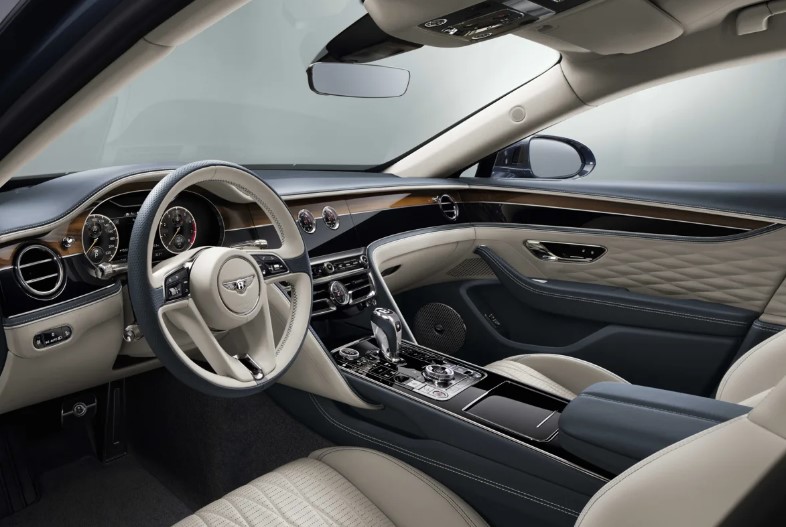
The cabin of the Flying Spur posed a fresh challenge, because of the range of functionality built in for every seat. The rear seats alone offer 14-way adjustment, five massaging modes and the two outer seats are both heated and ventilated. Everything from the seamless fit of the one-piece headlining, wood trim and sumptuous leather upholstery depends upon achieving close tolerances between a variety of different materials, from wood and metal to fabric and leather.
Precise temperature control
Materials expand when warm and shrink when cold, so it’s essential that measurements are taken at a consistent reference temperature. Within the Metrology area, air conditioning keeps the area at a steady 20°C. But for components that demand the highest levels of precision, there’s an inner sanctum called the High Accuracy Measurement area, where a dedicated climate control system ensures that the temperature never deviates by more than half a degree Celsius. Within this area are three gigantic granite blocks to which components can be clamped for the ultimate in stability, essential for an accurate reading. But first, the components to be measured have to soak in the atmosphere – literally. “A large component like an engine block might have to soak at a consistent temperature for up to a week, so we can be sure that it’s 20°C all the way to the core” explains Stockdale.
An unseen contribution
Visitors to Crewe will never visit the Metrology department, nor will the owner of a Flying Spur, Continental GT or Bentayga ever be able to point to the handiwork of its team in their vehicles. Yet the way a Bentley looks, performs and lasts owes everything to the accuracy with which each of its components measures up to the ideal. And for that, the Metrology team are the hidden heroes, custodians of the continuing quest for dimensional perfection. Every Bentley that leaves the factory is a tribute to their unseen contribution.
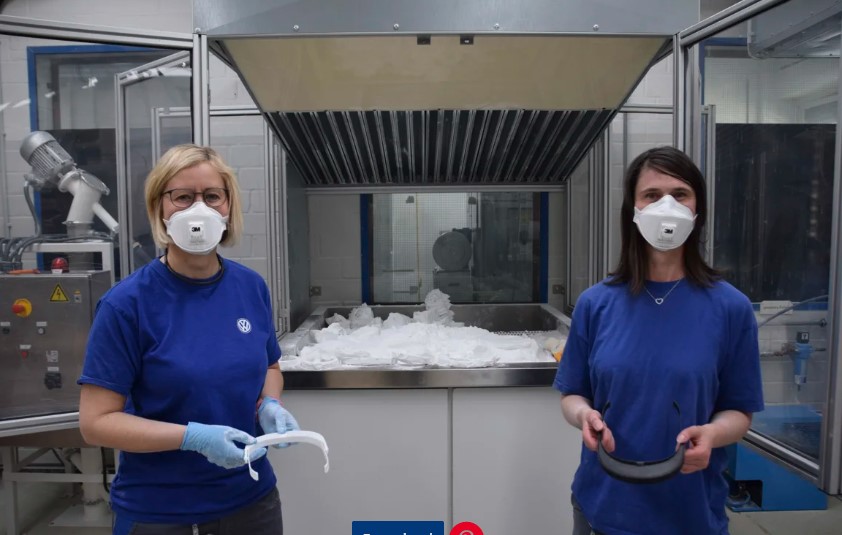
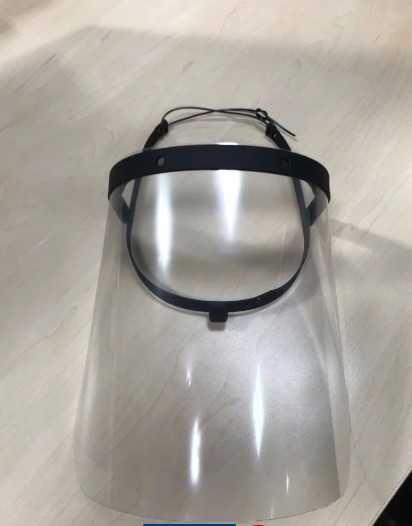
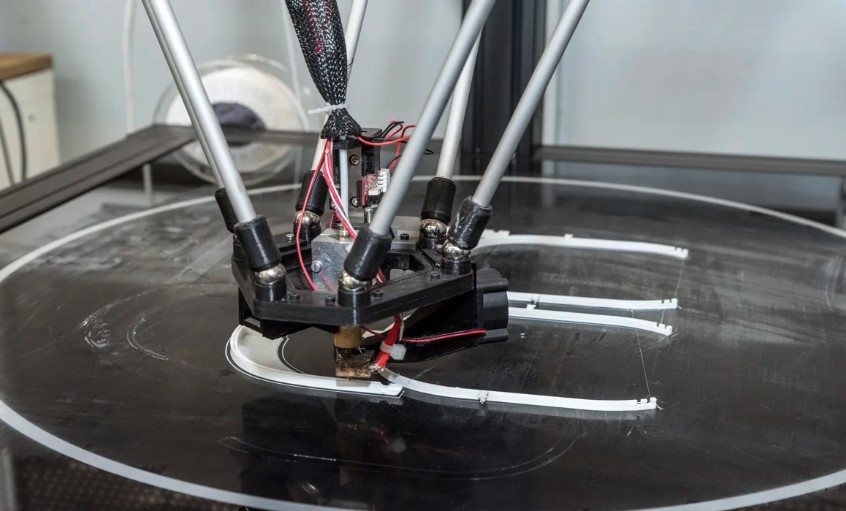
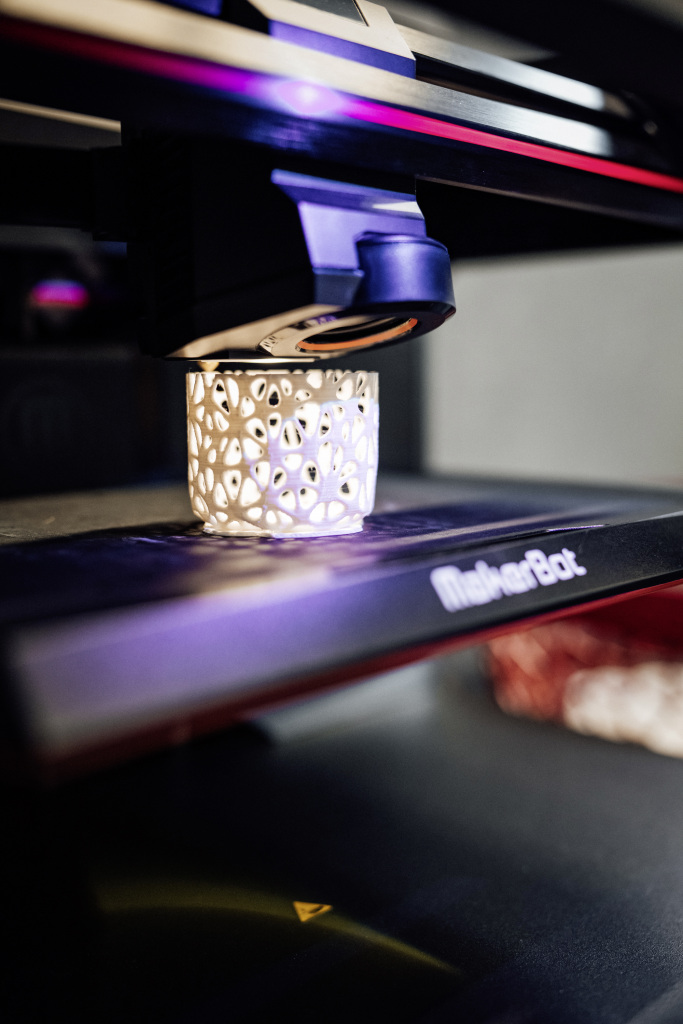
In response to the corona crisis, the Volkswagen Group has started to produce face shield holders by 3D printing. This is part of a joint transnational initiative with Airbus and the 3D printing network “Mobility goes Additive”, which includes about 250 companies.
The products developed by Airbus will be used in Spain and will be flown from Hamburg to Madrid by Airbus. In addition, there are a number of other initiatives by Volkswagen Group brands to produce medical supplies.
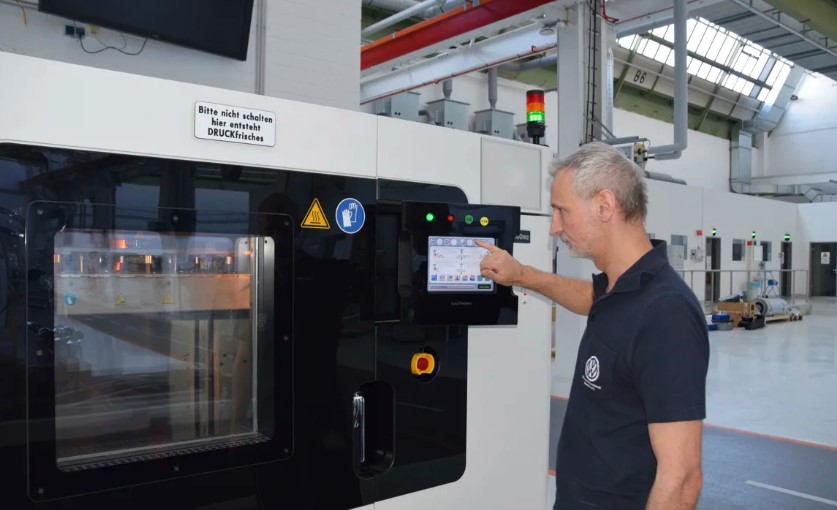
Production is in progress not only at the large 3D printing centers in Wolfsburg and Ingolstadt, but also at other plants of Audi, Bentley, Bugatti, MAN Truck & Bus, Porsche, Volkswagen Passenger Cars, Volkswagen Group Components and Volkswagen Motorsport. The Group currently uses more than 50 3D printers at its plants continuously adding additional printers for this project.
Lamborghini, SEAT, ŠKODA and Volkswagen Passenger Cars are also working on other medical supplies: Volkswagen Navarra (Spain) has already started last week to produce face shields and has handed about 1,000 units to the Navarra Government.
In collaboration with the Technical University in Prague, ŠKODA has developed a 3D printing process to produce reusable FFP3 respirators. The Czech Ministry of Health is now distributing these to doctors, hospitals and nursing staff.
Skoda is printing in 3D reusable FFP3 respirators…
Lamborghini is converting departments of its super sports car production plant in Sant’Agata Bolognese in order to produce surgical masks and protective plexiglass shields. The masks will be donated to a hospital in Bologna.
Lamborghini is stitching face masks…
SEAT is currently working on several initiatives to collaborate, including the production of a mechanical ventilator that will be assembled in Martorell and various models of face masks which are still pending official approval. See our story elsewhere. Volkswagen South Africa is also printing masks and face shields which are pending official approval.
Lamborghini Research and Development technicians and engineers are producing 200 medical face shields per day…
To date, Volkswagen has already donated several hundred thousand medical face masks for the public health system in Germany. The Volkswagen Group has also decided to donate additional medical supplies such as face masks and protective clothing for medical centers and hospitals with a total value of about €40 million. This is intended as a contribution to maintaining the functioning of the health system in Germany. As a global group, Volkswagen is also using its international supplier and logistics network to provide support for the procurement of medical equipment and supplies.
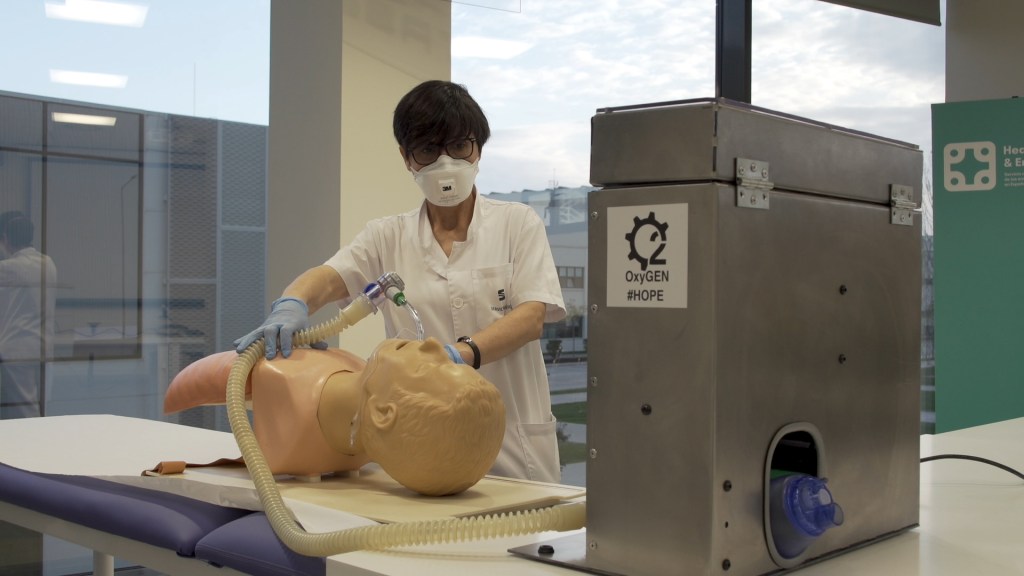
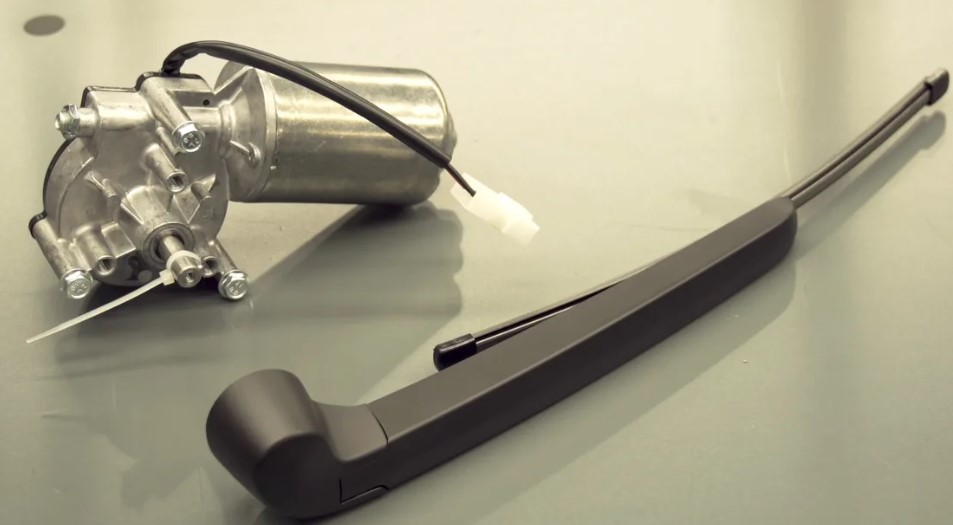
SEAT is supporting healthcare by making automated ventilators, using….adapted windscreen wiper motors!
150 employees from several areas of the company have done the unique job to come out after merely a week on the definitive model after designing not less than 13 prototypes.
A ventilator is currently undergoing prolonged testing as part of the approval process
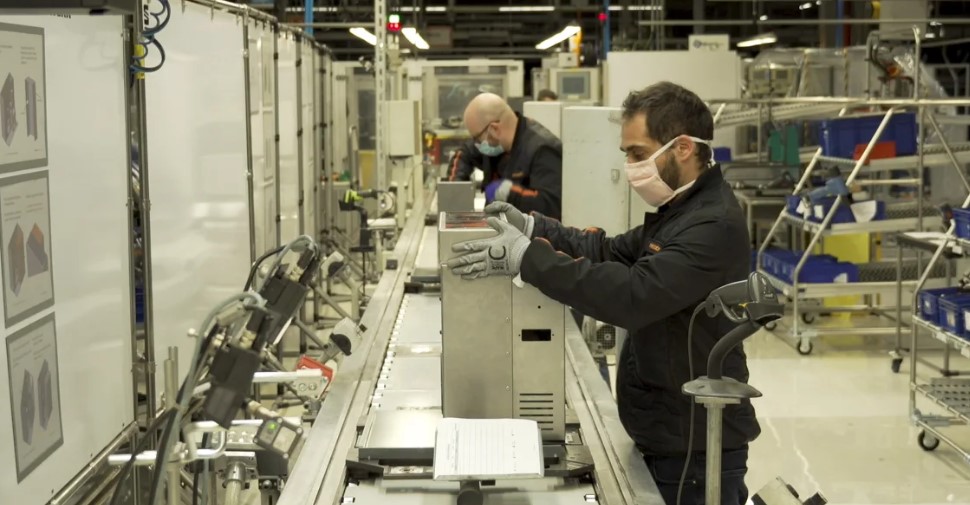
The SEAT Leon line at the Martorell plant is almost unrecognisable. Today, cars are no longer being made; instead, automated ventilators are being produced to collaborate with the healthcare system in the midst of the COVID-19 crisis.
The key lies in the windscreen wiper. The project is taking shape with gears printed at SEAT, gearbox shafts and the adapted motor of a windscreen wiper.
The aim was to make ventilators of the highest quality, and the result is the OxyGEN. Designed in collaboration with Protofy.XYZ, they are being assembled at the SEAT facilities.
Reshaping the assembly line
150 employees from different areas have changed their usual workstation to put together the ventilators where parts of the SEAT Leon used to be assembled.
“Taking an assembly line that manufactures subframes, a car part, and adapting it to make ventilators has been a lengthy, difficult job involving many areas of the company, and we managed to do it in the record time of one week”, says Sergio Arreciado from the Process Engineering area of SEAT. Each ventilator has more than 80 electronic and mechanical components and undergoes a thorough quality control with ultraviolet light sterilisation.
The project is taking shape with gears printed at SEAT, gearbox shafts and the adapted motor of a windscreen wiper.
Thoroughly tested…
A ventilator is currently undergoing prolonged testing as part of the approval process. Meanwhile, the line continues to operate thanks to many employees who have worked tirelessly on this project. “Just knowing that we’ve tried to help save a life makes all this work we’ve done worthwhile”, says Francesc Sabaté of R&D at SEAT.
Joint effort.
The result of this project has been possible thanks to the solidarity of its employees and the collaboration of many companies and entities that SEAT would like to thank for their involvement, especially the Spanish Agency of Medicines and Healthcare Products. Other companies which have participated in the project have been Protofy.XYZ, CMCiB, University of Barcelona, Recam Laser
Doga Motors, Luz Negra, Ficosa, Bosch, IDNEO, Secartys and LCOE.
This just shows how resilient our (automotive) companies and industries are…
A part of the professional machinery: the Fused Deposition Modeling (FDM) process.
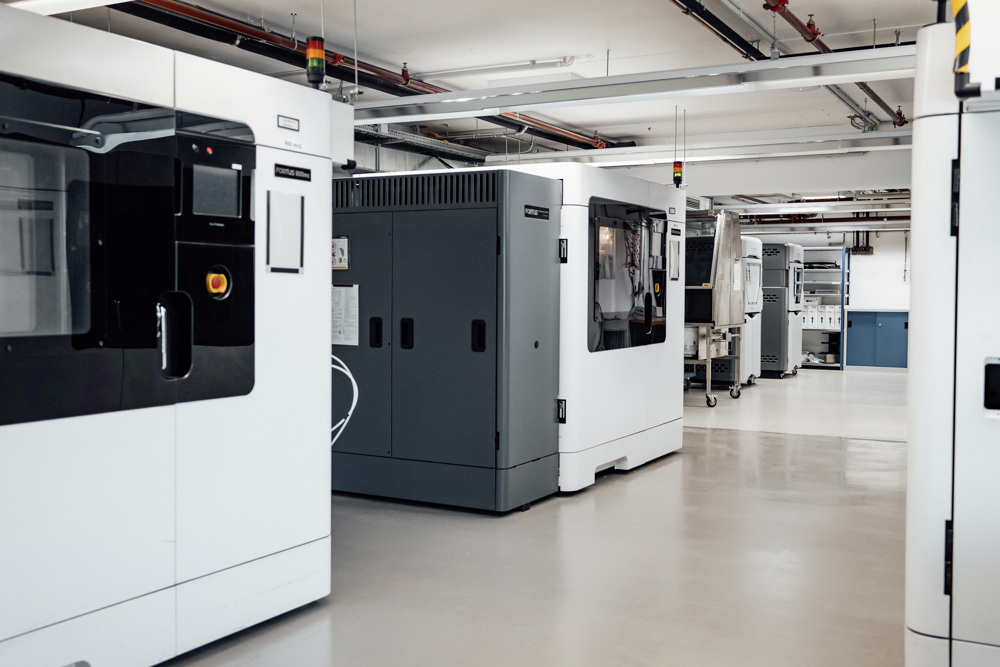
In usual times, the 3D printers at Mercedes-Benz produce automobile components. Now Daimler is making its machines, know-how, and trained specialists available for the production of medical equipment.
As many as 150,000 components are 3D-printed annually at Daimler’s car production plants. In usual times these components are primarily used in prototype construction and small-series production. This capacity is now used in full for the production of medical equipment. See the film on https://youtu.be/GjTNernMVfk.
The Formula One Team is developing and producing breathing aids.
Many of the competing F1 teams have joined their forces and are now working at high speed to produce breathing aids. The Mercedes-AMG Petronas Formula One Team is working together with six other Formula One teams in order to help. So-called CPAP breathing aids, which have been developed in record time by the University College London and Mercedes-AMG High Performance Powertrains, are already in use in hospitals; the company’s experts are currently producing more of these machines.
Typical desktop printer: FDM process for smaller applications. Representation of a bionic component structure – an advantage of additive manufacturing.
In France, the PSA Group and Valeo are contributing volunteer workers, factory space and technical expertise to help France ramp up domestic production of ventilators to help coronavirus victims.
The Mercedes factory printer is running: layered application of the sinter fill powder on a professional SLS machine.
This venture, led by ventilator maker Air Liquide Medical Systems, seeks to produce 10,000 units by the middle of May.
PSA said it would build mechanical components of the ventilators in its factory in Poissy, west of Paris. There 50 volunteers will be involved, a further 50 at PSA’s technology center in Velizy. Final assembly of the units will be in Air Liquide’s nearby factory in Antony.
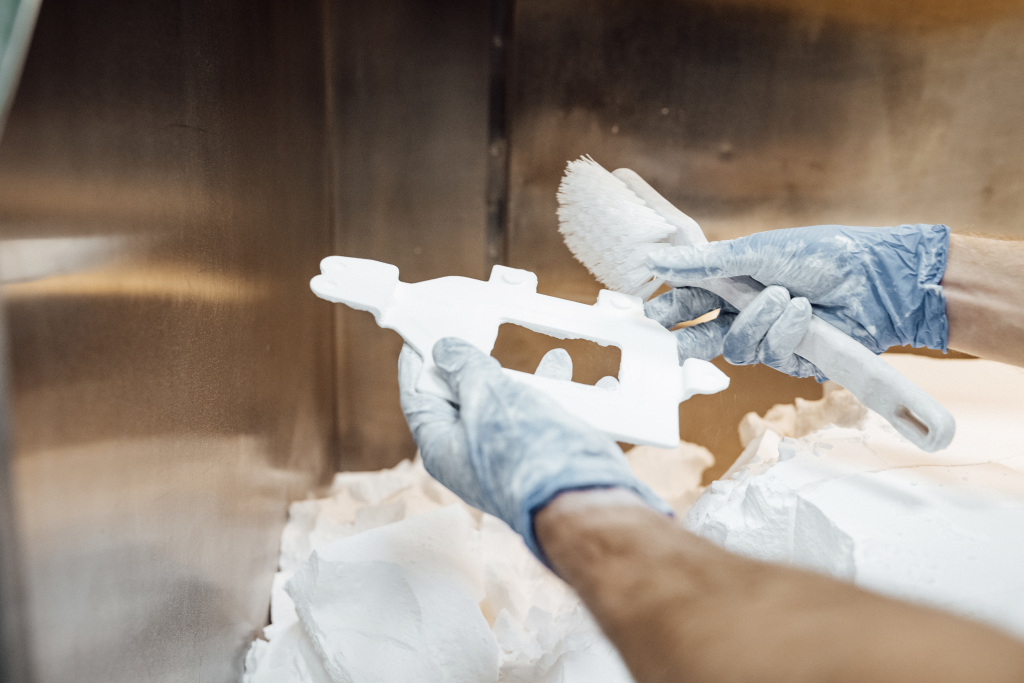
At Mercedes, the printing is finished. The component is “unpacked” and cleaned.
Valeo will lend its expertise by putting some of its purchase department staff in charge of supplier management and working out the procurement process. It will provide R&D support, and expertise in plastics and mechanical and electronic technologies. Valeo production engineers will help set up processes and training.
The effort is widespread: some 100 other French companies have been enlisted to provide parts and technical support.
Worldwide efforts…
Other carmakers and suppliers in China, Europe and the US have announced plans to build medical equipment and face masks. Among them are BYD, Fiat Chrysler Automobiles, Ford, GM, McLaren, Tesla and Volkswagen.
For example, Lamborghini has started making face shields and face masks at its plant in Sant’Agata Bolognese, Italy.
Ralf Brandstätter, Chief Operating Officer of the Volkswagen Brand, presents here the ID. CROZZ showcar
We are living in digital times. So even when the Corona virus limits (temporarily, as we all hope) our present mobility, and led to the cancellation of the Geneva Motor Show, we can still see all the automotive news via our PC’s, Phones, Tablets.
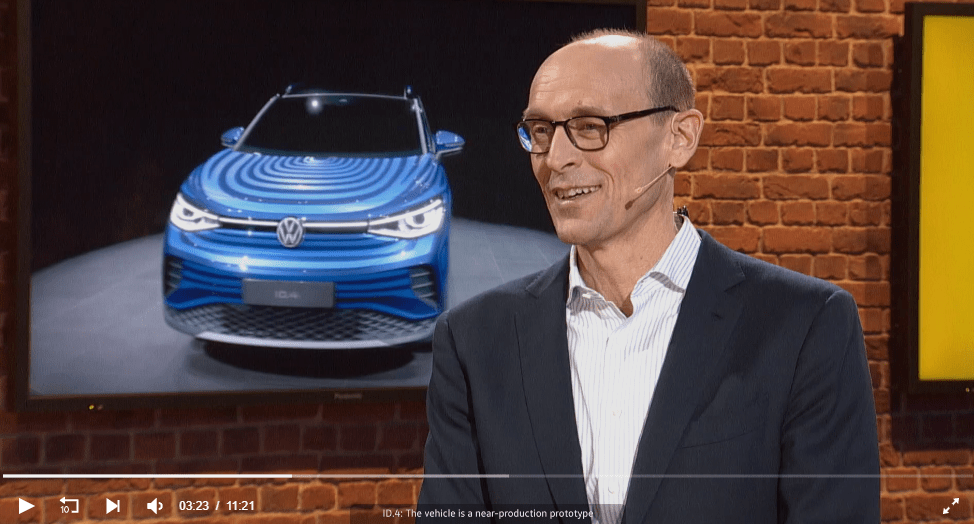
Ralf Brandstätter, Chief Operating Officer of the Volkswagen Brand, presents here the ID. CROZZ showcar, which now evolves into its series production version, the ID.4.
Volkswagen is forging ahead with its electric mobility strategy by providing a detailed insight into the brand’s first all-electric SUV. The new ID.4 will be launched this year. Following in the tracks of the ID.3, the countdown has already begun for the second model based on the new modular electric drive matrix (MEB). “Just like the ID.3, the ID.4 will also come onto the market as a carbon-neutral vehicle”, explains Ralf Brandstätter, Chief Operating Officer of the Volkswagen brand. “We will produce and sell the ID.4 in Europe, China and the U.S..”
Just read on for more VW news…
Hans Knol ten Bensel
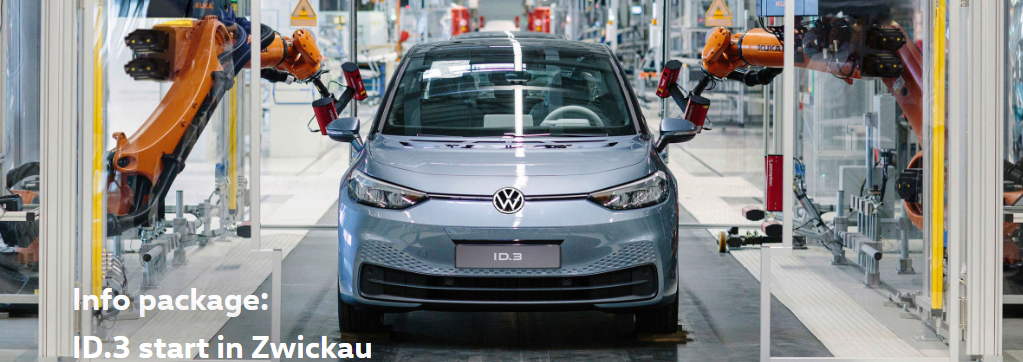
The ID. 3 started production in Zwickau, the ID.4 now follows…
The ID.4 will initially be launched with rear-wheel drive, while an electric all-wheel drive version will be added to the portfolio at a later date. The high-voltage battery is positioned near the center of the underbody to create a low centre of gravity and an optimum in terms of driving dynamics, along with an extremely well-balanced axle load distribution.
Also new mild and plug-in hybrid drives…
For Volkswagen, the ID.4 and ID.3 represent important milestones in the brand’s bid to become entirely carbon-neutral by 2050 – in line with the Paris climate agreement. Plans have been put in place to reduce the Volkswagen fleet’s CO2-emissions by a third by as early as 2025.
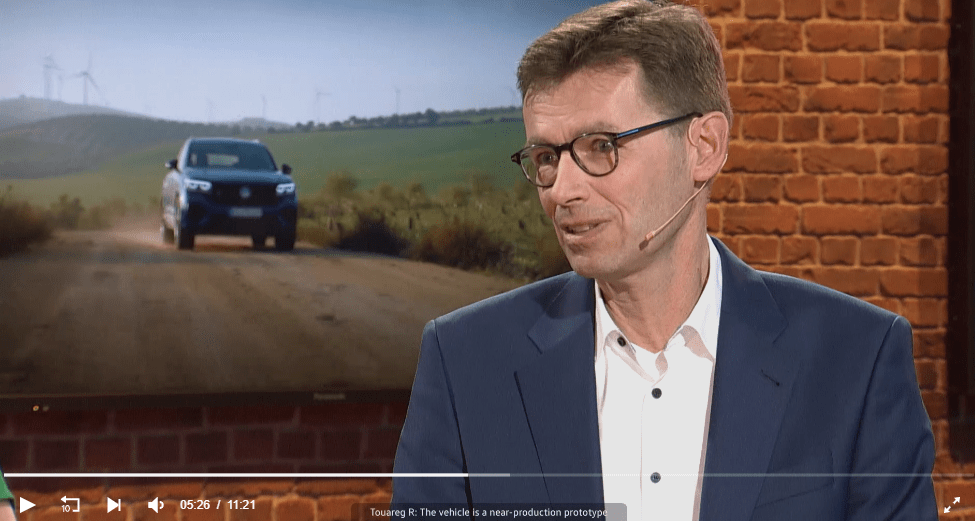
Dr. Frank Welsch, Member of the Board of Management of the Volkswagen Passenger Cars Brand with responsibility for Technical Development, presents in the webcast the new Touareg R
Volkswagen is currently investing one billion euro to electrify its model range while also offering an increasing number of hybrid vehicles. This is based on the fact that, just like electric powertrains, new mild and plug-in hybrid drives in large-scale product lines such as the all-conquering Golf will significantly help to reduce fleet emissions in the future.
New Touareg R
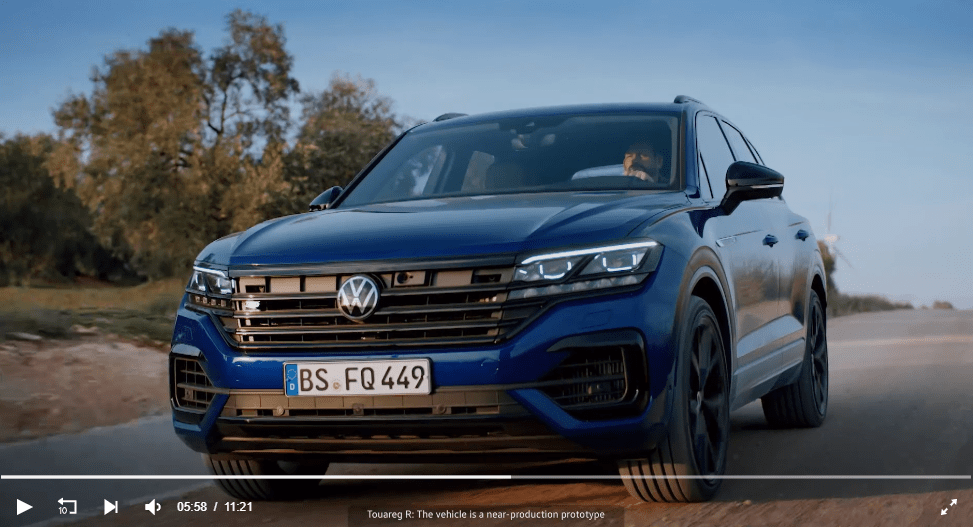
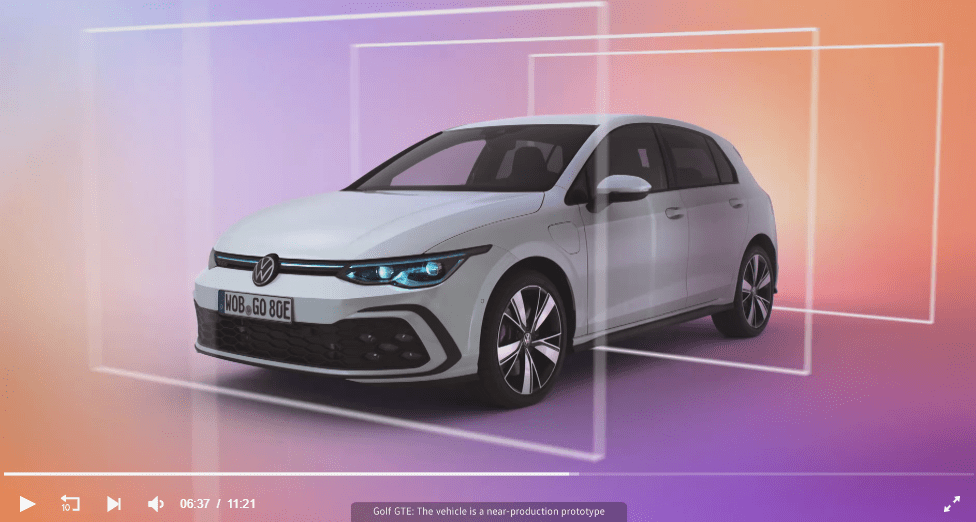
This is why the company’s focus during the webcast is not only on ID. models, but also on new Volkswagen models with hybrid drive. Dr. Frank Welsch, Member of the Board of Management of the Volkswagen Passenger Cars Brand with responsibility for Technical Development, presents in the webcast the new Touareg R with plug-in hybrid technology and the the Golf GTE 2 for the very first time.
The Touareg R,the most powerful Volkswagen model will in future also be powered by an efficient plug-in hybrid system. The alliance between an electric drive motor generating 100 kW (136 PS) and a V6 turbocharged petrol engine (TSI) with an output of 250 kW (340 PS) develops a system output of 340 kW (462 PS). The battery capacity of the Touareg R with a top speed of 140 km/h in all-electric E-MODE has been designed so that most average daily commuting distances can be covered with zero emissions.
Golf GTE with stronger battery…
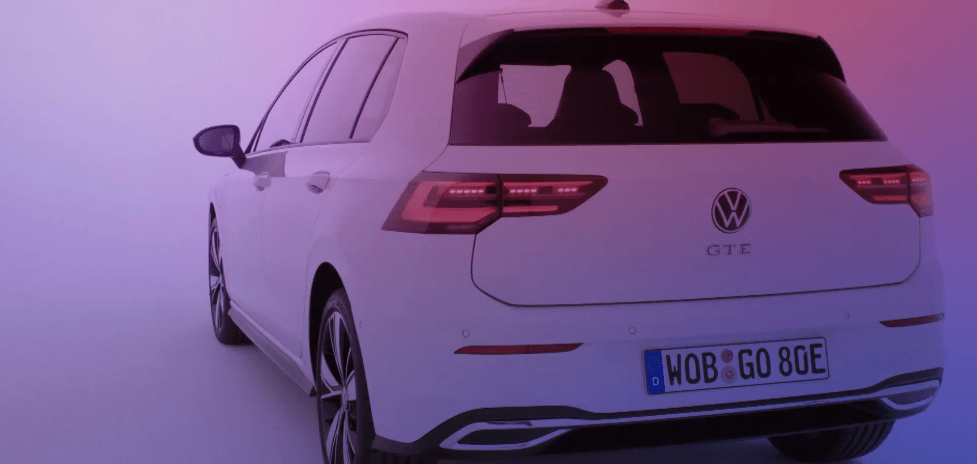
The same applies to the new Golf GTE – its plug-in hybrid drive has been geared towards performance and consists of an electric drive motor with 85 kW (115 PS) and a four-cylinder turbocharged petrol engine (TSI) generating 110 kW (150 PS). As a unit, the electric drive motor and the TSI develop a system output of 180 kW (245 PS). The new Golf GTE’s top speed in all-electric mode is 130 km/h.
Further Volkswagen highlights include the new Golf GTD, which generates significantly lower nitrogen oxide emissions compared with its predecessor thanks to innovative twin dosing technology, plus the eighth generation of the Golf GTI, produced more than 2.3 million times. The most recent version is powered by a 180 kW (245 PS) 2.0-litre turbocharged direct injection engine. The maximum torque is 370 Nm. The four-cylinder engine is coupled with a 6-speed manual gearbox as standard.
Last but not least, the eight generation of the GTI takes the central stage, presented again by Ralf Brandstätter, Chief Operating Officer of the Volkswagen brand. It is a formidable performer, this GTI, and A 7-speed dual clutch gearbox (DSG) is optionally available.
Digital instruments for the GTI for maximum performance…
We include here some screenshots of the webcast, and stay tuned for more!
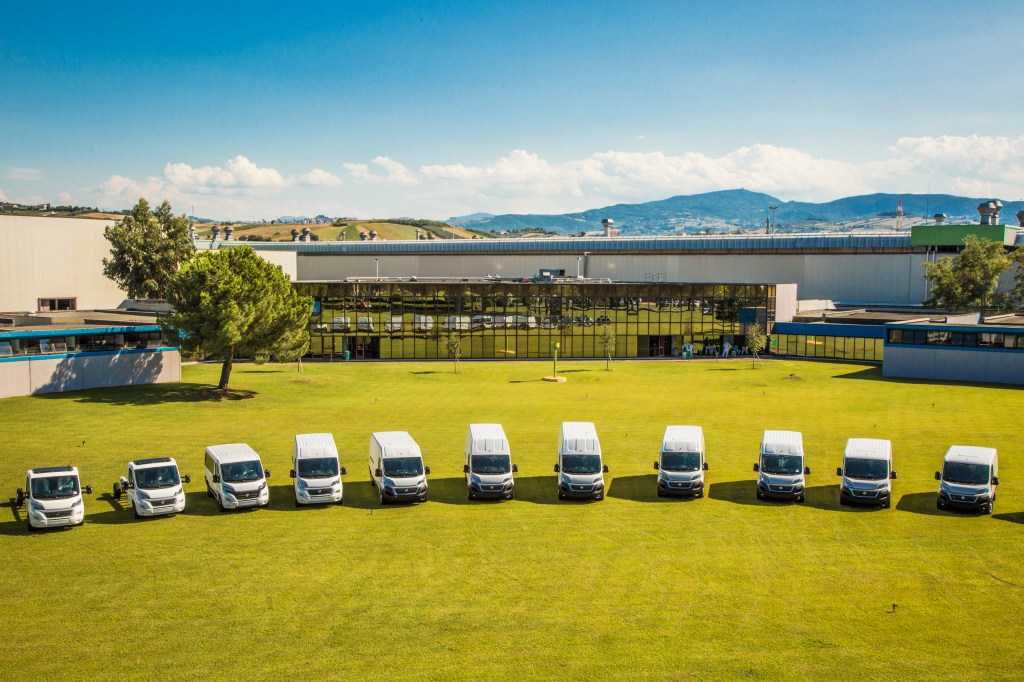
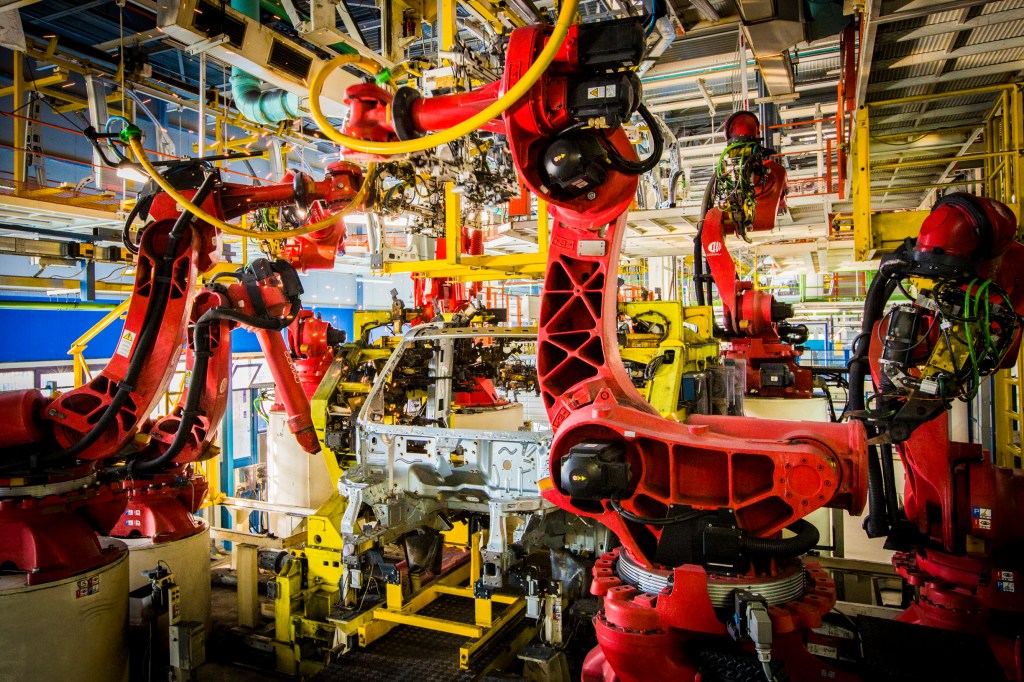
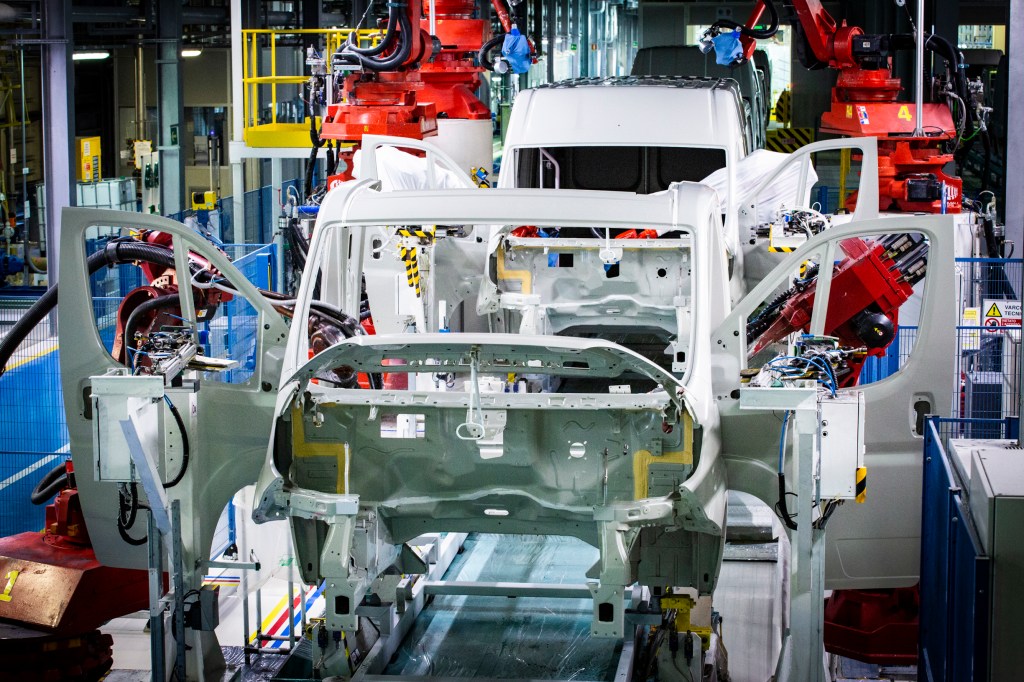
In this Sevel Sud factory, Fiat Ducato, Citroën Jumper and Peugeot Boxer are built on the same assembly line…
Did you know that in the Light Commercial Vehicle segment, Fiat and Peugeot/Citroën are long lasting friends? Did you know that the Citroën Jumper and the Peugeot Boxer are rolling shoulder to shoulder with the Fiat Ducato from the same production lines since decades in the Sevel plant, inaugurated in 1981 in Val di Sangro (Atessa Italy)?
FCA Italy and Groupe PSA have signed an agreement to extend until 2023 their successful LCV cooperation, which started not less than 40 years ago.
This new agreement also includes continued manufacture by the JV of Fiat Ducato, Peugeot Boxer and Citroën Jumper large vans as well as additional versions to cover the needs of Opel and Vauxhall brands.
The agreement also foresees the complementary use of Groupe PSA manufacturing capacity to assemble certain versions of the large vans for the Peugeot, Citroën, Opel and Vauxhall brands in the medium-term.
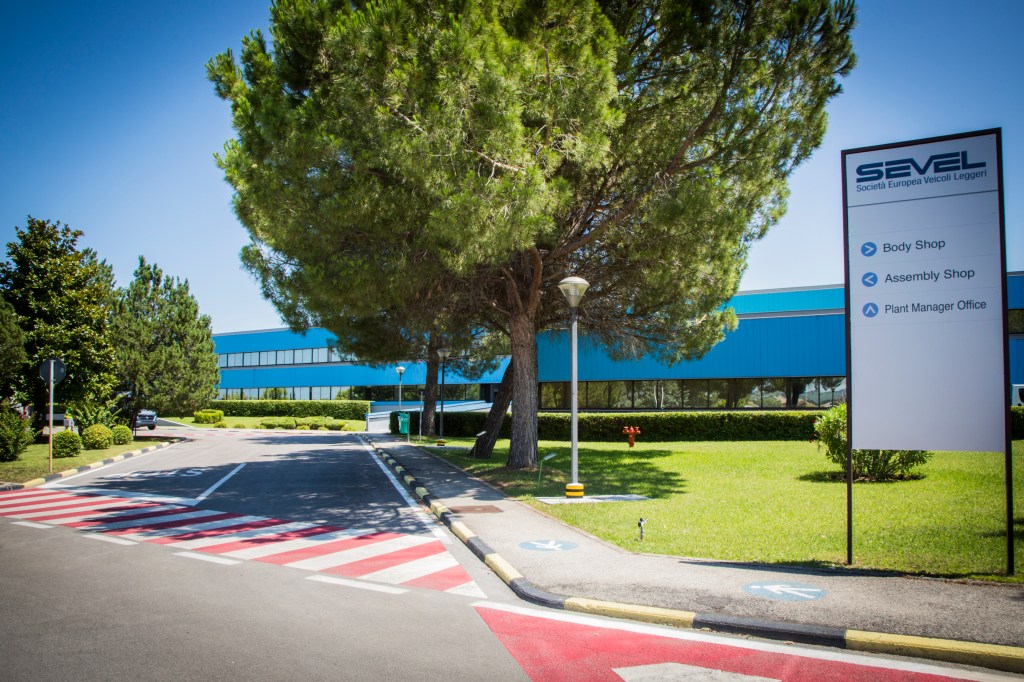
The Sevel Sud factory…
To soon to tell what will happen with the larger LCV Opel model range now. The Opel Movano was actually a version of the Renault Master, but now has to find a new (Ducato/Boxer/Jumper?) platform, as the cooperation with Renault has been ended on amicable terms.
The Sevel (from Società Europea Veicoli Leggeri) plant, was inaugurated in 1981 in Val di Sangro ( in Atessa Italy), and has now a surface area of more than 1.2 million square meters and employs around 6,200 employees. It is now the biggest and most flexible light commercial vehicle plant in Europe.
It started production of the Ducato in ‘81, together with the Peugeot J5 and the Citroën C25. In also included in those days the Talbot Express and the Alfa Romeo AR6 on the same technical platform basis. This first generation lasted until 1993, followed then by further generations of Ducato, Jumper and Boxer until today.
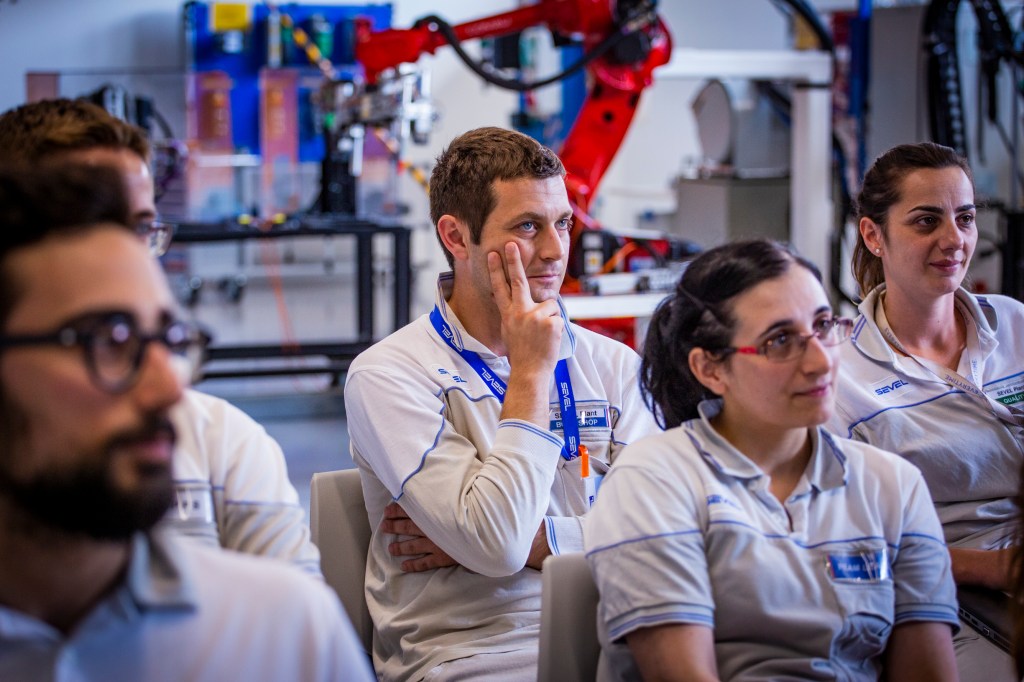
The plant also houses an on-site Academy, a center of excellence where employees have the opportunity to receive training and improve their skills, as well as to undertake simulations and create innovation.
Astonishing all this, and we show you here some photos of the plant. We are keen to know more about the further electrification of LCV family built in Sevel Sud, and whether besides the E-Ducato, where FCA now focuses on, there will be other larger LCVs which will also be electrified on this basis.
For the moment, too soon to tell, according to the dynamic PR people of FCA Belgium. We keep you posted on further synergies and further steps in adopting E-power to their LCV’s!
At the Brussels press conference, the new Juke was under cover… before its premiere
The Brussels Motor Show approaches at a rapid pace, and in the coming weeks the car world is receiving the automotive media community to have a look at the new year and the models it will exhibit at the show.
Nissan Belux was the first to hold its annual reception, and also took the occasion to present the new Juke.
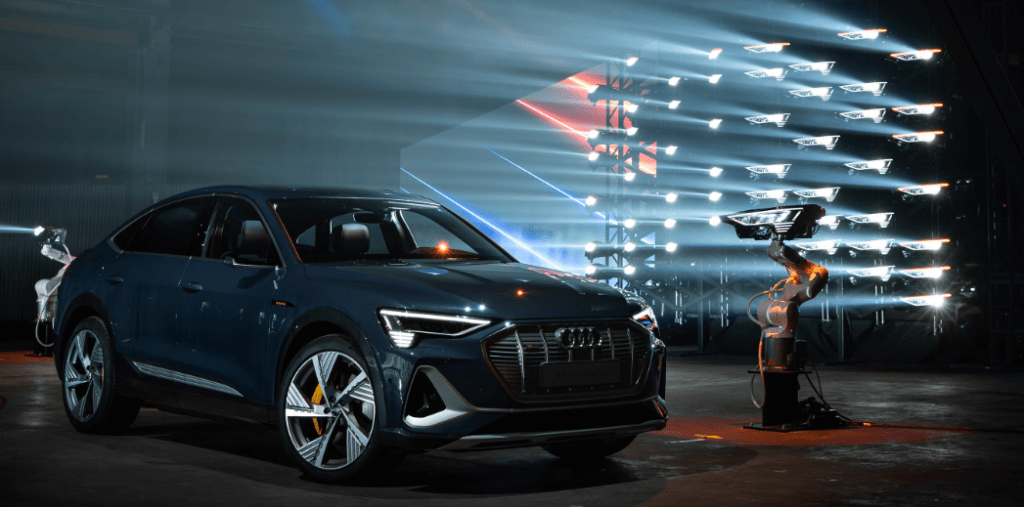
Indeed, an extra zest of sportiness is added to the already iconic Audi e-tron. The Sportback version looks and is more dynamic, as it offers up to 300 kW of power and a range of up to 446 kilometers (277.1 miles). A new feature, and for the first offered on a in a mass-production vehicle, are its digital matrix LED headlights.
This was also clearly visible at the Los Angeles presentation of this elegant SUV Coupé, where the rakish and elegant contours of the Sportback were lit by an array of LED headlights in the background, and mounted on a robot alongside the car.
Just read on for more details…
Hans Knol ten Bensel
The Audi e-tron Sportback looks very good in the typical Audi design language. The roof drops down steeply to the rear—in typical coupé style— and is flowing into the steeply raked D-pillars. The lower edge of the third side window rises towards the rear—also a typical Sportback feature.
The designers also varied the signature at the broad diffuser, drawing attention to the absence of exhaust tailpipes. A light strip connects the LED lights to one another.
Announcing even more colour…
A total of thirteen paint finishes are available for the all-electric drive SUV coupé, including the new colour plasma blue, metallic, which is exclusive to the e-tron Sportback. The logo on the electric charging flap features the eye-catching high-voltage signal colour orange, which can also be applied to the brake callipers on request.
The S line model emphasizes the sporting
DNA of the Audi e-tron Sportback, and is standard equipped with 20-inch wheels
and sport air suspension. At the rear end, the spoiler as well as a striking
diffuser which extends across the entire vehicle width, contributes to the
outstanding vehicle aerodynamics. In contrast to the basic model, the
attachments on the S line exterior are painted in the exterior body colour –
including the wheel arch trims, door sills, bumpers and exterior mirrors.
For those who want more contrast, Audi also
offers the so-called black styling package that accentuates the area of the
Singleframe, the side windows, and the bumper. The exterior mirror housings are
also available in black as an option.
A drag coefficient of merely 0.25…
In conjunction with the S line exterior and virtual exterior mirrors, the Sportback achieves an drag coefficient value of just 0.25. This is primarily due to the coupé body shape and the associated lower aerodynamic drag behind the car. The high separating edge of the Sportback minimizes swirl in the air flow in this area.
Global innovation in a production vehicle: The digital matrix LED headlights
With the digital matrix LED headlights as top-of-the range equipment, Audi presents a worldwide first in a production vehicle: Broken down into minute pixels, their light can illuminate the road in high resolution. The design is based on a technology abbreviated as DMD (digital micromirror device) and is also used in many video projectors.
Audi e-tron Sportback: digital matrix LED headlight
At its heart is a small chip containing one
million micromirrors, each of whose edge length measures just a few hundredths of
a millimeter. With the help of electrostatic fields, each individual
micromirror can be tilted up to 5,000 times per second. Depending on the
setting, the LED light is either directed via the lenses onto the road or is
absorbed in order to mask out areas of the light beam.
Revolution ahead: just follow the light…
These LED lights will be seen on the e-tron Sportback mid 2020, and they can perform multiple tasks. It can generate dynamic leaving- and coming-home animations that appear as projections on a wall or on the ground. This presentation transforms the area in front of the car into a carefully illuminated stage. Not only does the digital light system deliver cornering, city, and highway lighting as versions of the low-beam light with exceptional precision, it also supplements the high-beam light by masking out other road users with even greater accuracy.
Above all, however, it offers innovative
functions such as lane light and orientation light. On freeways, the lane light
creates a carpet of light that illuminates the driver’s own lane brightly and
adjusts dynamically when he or she changes lane.
In this way, it improves the driver’s
awareness of the relevant lane and contributes to improved road safety. In addition,
the orientation light uses darkened areas masked out from the light beam to predictively
show the vehicle’s position in the lane, thereby supporting—especially on
narrow roads or in highway construction zones—the safe lane centering assist.
The marking light function is also used in conjunction with the optional night vision assist. The light automatically draws attention to any pedestrians it detects, thereby reducing the danger of overlooking pedestrians in the immediate vicinity of the lane.
Detail
On the second part of this report, we will
tell you more about the dynamic qualities, the drivetrain, i.e. batteries and
engines, interior and connectivity of this e-tron Sportback…
On May 1, Audi opened the doors of a three month pop-up “The Place To-e” at Desguinlei 100 in the heart of Antwerp. Until the end of July car fans and cosmopolitans can enjoy themselves in the e-scape room, discover electric mobility, enjoy a culinary spectacle at the rolling table and discover a hidden part of Antwerp in the rooftop bar ONTOP. Visitors can also book a test drive with the Belgian-tinted Audi e-tron; as you already know, it is built at Audi Brussels…
We made a visit last weekend, and were
impressed! Of course we also took the occasion to make a test drive with the impressive
e-tron. More about this in the next report…
Hans Knol ten Bensel
The entrance hall of the complex…
The demand for viable and sustainable mobility solutions will only grow in the future in and around major cities. D’Ieteren, the importer of Audi, chose Antwerp for this pop-up “Place to be”- a city that is strongly committed to new, environmentally friendly mobility. “All with the purpose to better inform the general public and make them enthusiastic about electric mobility by offering a range of experiences and activities, ”explained Stefan Kerckhoven from, Director Audi Import.
Displaying the e-tron, charged by Belgian muscle power…
It is all about living the “e”-adventure
Experience is central to The Place To -e. Adventurous visitors can have a go in the “e-scape room” with an area of 80m², where players can help free the imprisoned engineer of the Audi e-tron while discovering electric mobility in a playful way.
The 80 m2 escape room…
The Audi e-tron and its optional virtual exterior mirrors are an essential key in the ultimate solution to the adventurous puzzle. A lot of attention was paid to the use of technology: holograms, interactive projections, mechanical installations … elements that we have not seen so often in an escape room. For nearly an hour, the participants puzzle, where they must use logic to solve the various riddles and go through a series of tests; only then will they be able to solve the mystery.
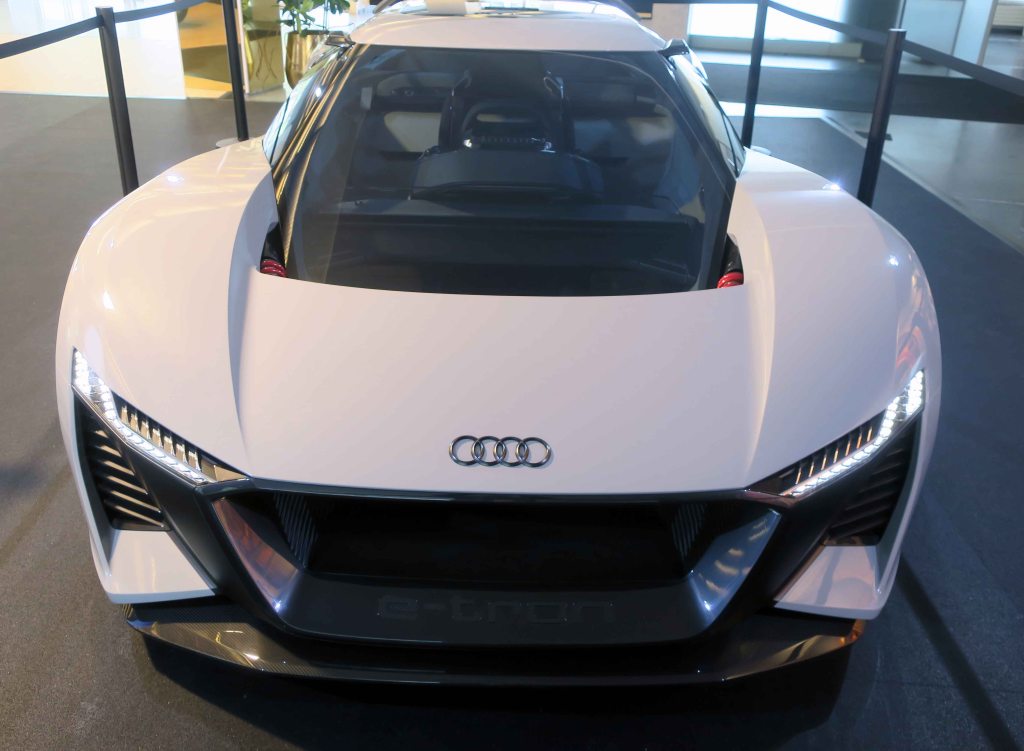
A changing exhibition will introduce the public to future electric Audi models in their concept form, including the Audi PB18 e-tron you see here above, an electric high-performance sports car which will be on display and the Audi e-tron Vision Gran Turismo developed from a racing game.
Play the racing football game…
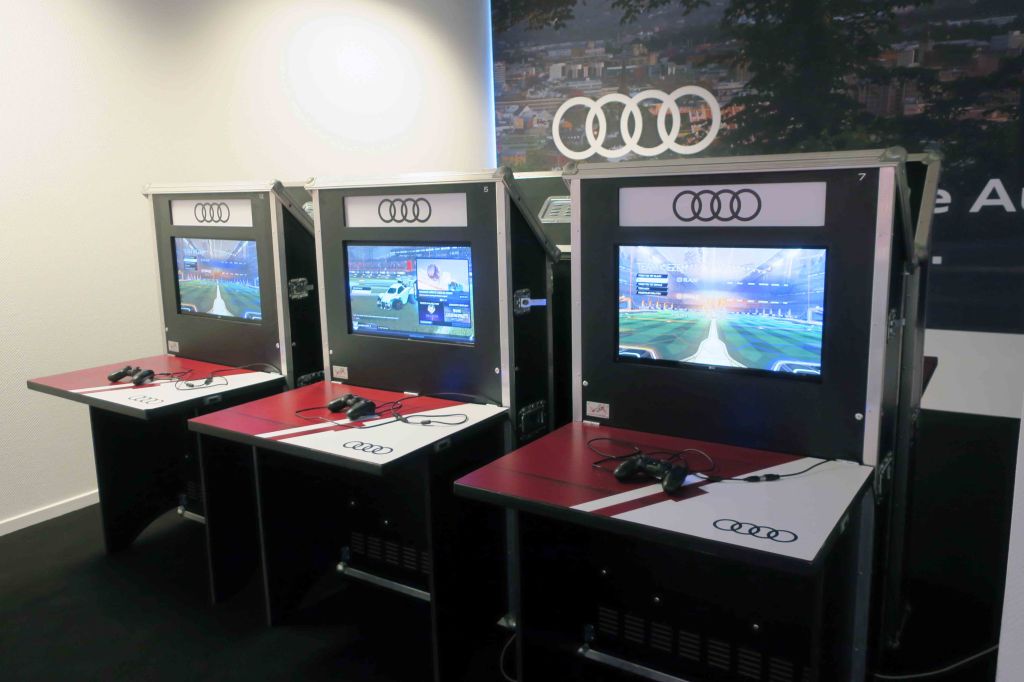
In the e-arena, esporters can play the
“Rocket League” virtual racing football game on a real field. In this
game, participants control an electric car developed for the occasion and try
to score goals on a kind of soccer field.
A test drive is offered…
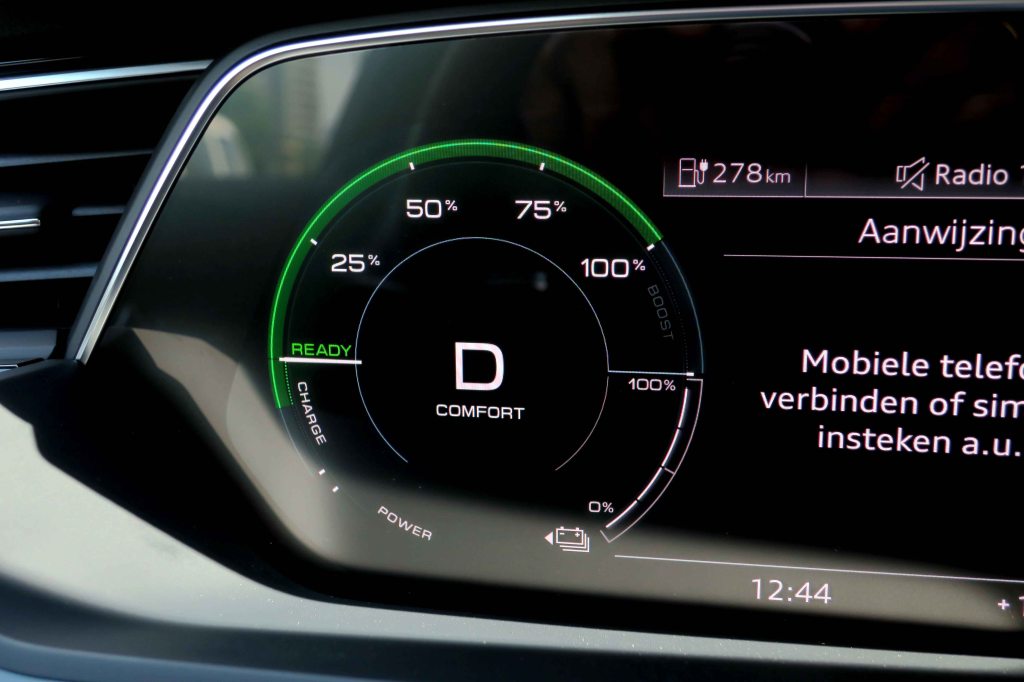
Electric driving can best be experienced during a test drive. The Audi e-tron is equipped with an ingenious recovery system that contributes 30 percent to the driving range of the Audi e-tron. Visitors can test this energy recuperation themselves during a test drive along a predefined test route, of course we took the occasion to put the e-tron briefly through its paces…
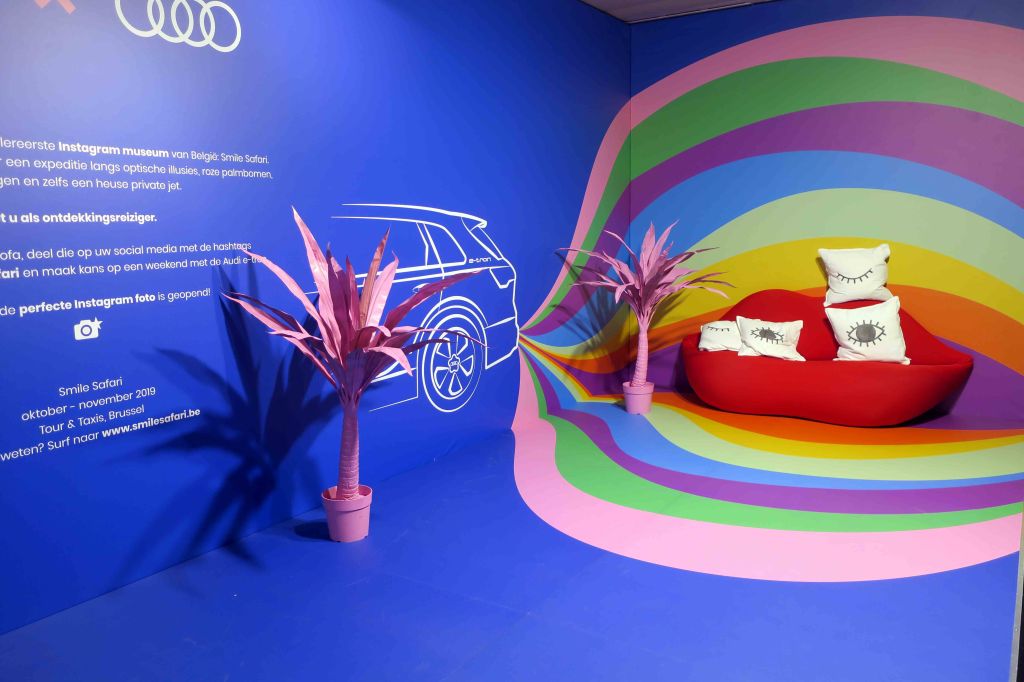
To have a chance to win a weekend with the Audi e-tron, and to preserve an unforgettable memory of his visit, every visitor is invited to take a nice photo in the sofa of Smile Safari, the very first Instagram museum in Belgium.
The visitor can then satisfy his hunger in an original way during a unique private dining concept and scoop in Belgium, where a culinary top experience literally comes to the guests via a … rolling table. Each dish is presented in its own decor and to stay completely in the theme is consciously worked with sustainable ingredients.
You can end the interactive day at the
beautiful rooftop bar ONTOP on the roof terrace where you can enjoy a unique
view.
Conferences too…
The Place To -e will be a meeting place in the coming three months where there is always something going on. In addition to the wide range of daily experiences, special events and interesting expert talks on topics such as fashion, styling, design, sustainable travel, urban mobility and technology will also be organized.
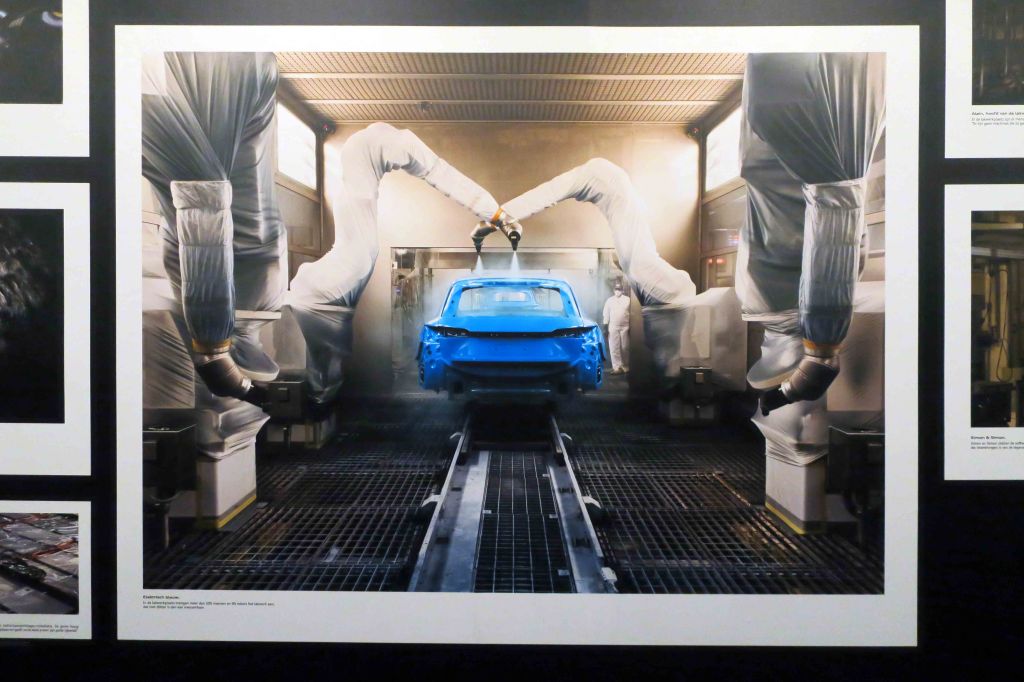
Last but not least the visitors can come and admire the Magnum photo exhibition: a breathtaking series of photos from the renowned agency Magnum Photos that was allowed to shoot images for five days at the Audi Brussels factory.
The two renowned photographers Paolo Pellegrin and Gueorgui Pinkhassov captured the power and elegance of robots and the dedication and passion of the factory employees in an intriguing way. In the photo series the innovation, quality and attention to detail come to the fore that also characterize the technology of the Audi e-tron.
Audi and Antwerp: together in sustainable mobility
The Place To -e also includes e-lectrify & mobility: an exhibition displaying the vision of sustainable urban mobility of Audi, the city of Antwerp, and their partners of “Antwerp tomorrow” and “Smart to Antwerp” such as Poppy , Scooty and Velo.
Some practical information:
Opening hours: every Thursday and Friday from 12 h to 20 h and each Saturday and Sunday from 10 h tot 18 h.