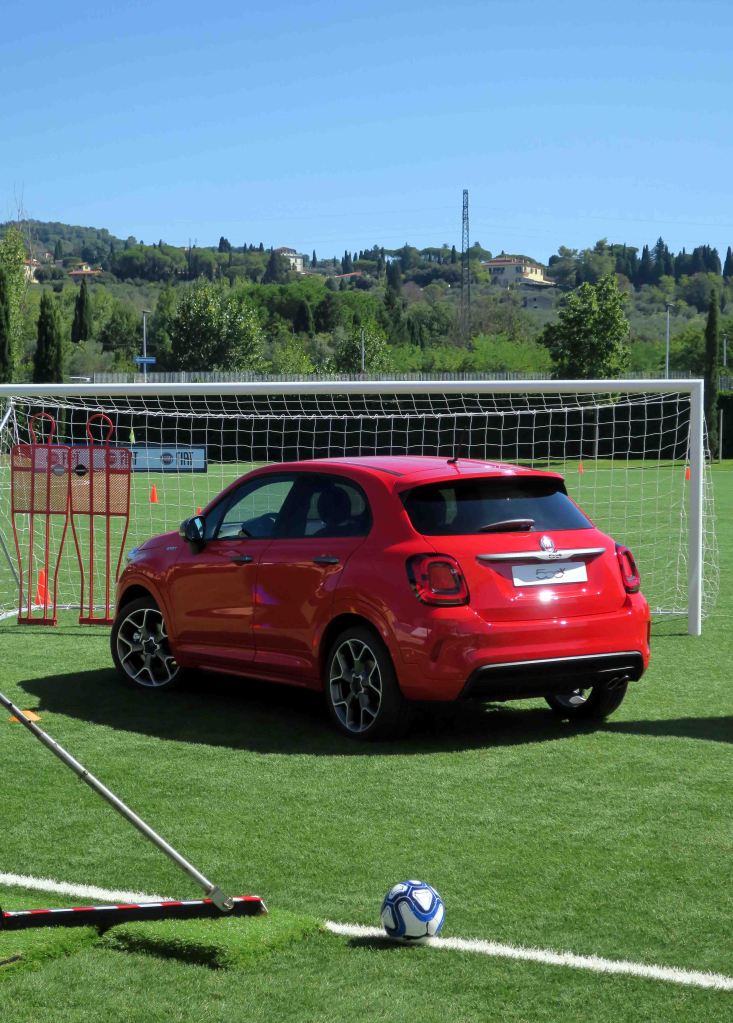
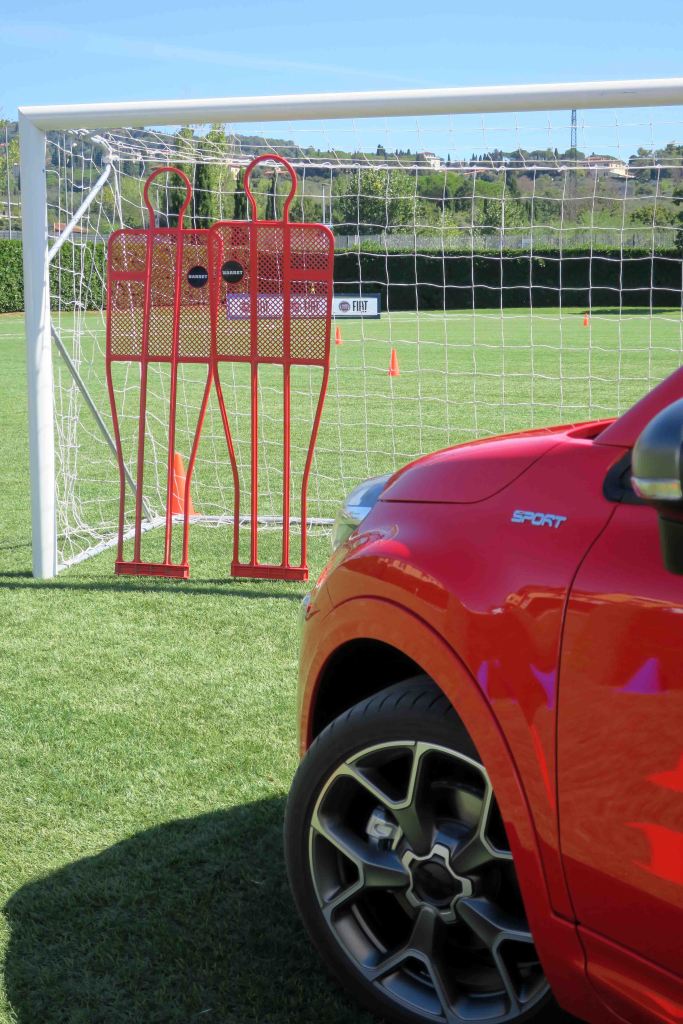
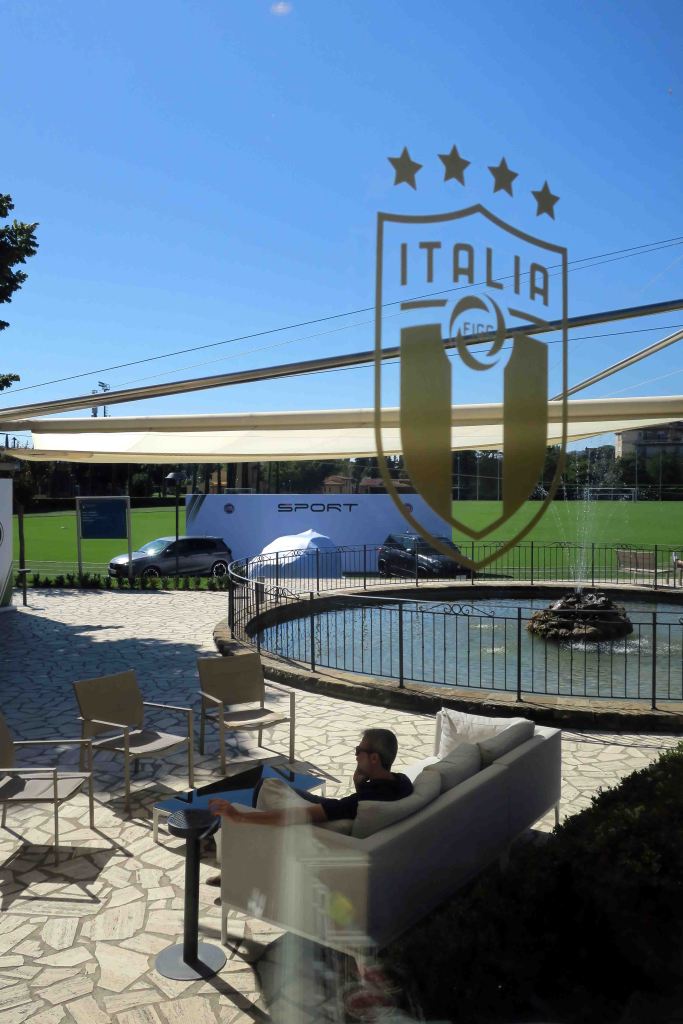
When you launch a sporting version of your crossover bestseller, you want it to be somewhere (very) special. And so the dynamic PR department of Fiat did. They invited us to nowhere less than the “Luigi Ridolfi” Federal Technical Centre in Coverciano (FIorence), a centre of excellence for teaching, training and sport, as well as the historic seat of the Italian Football Federation.
This had its good reasons. First of all, the
FIGC Federation headquarters was chosen to honour the 20-year cooperation
between the Fiat brand and the Federation, as well as to express the shared
values uniting the new Fiat 500X Sport with sport in general.
Indeed, what better location could there be for displaying “in the field” the qualities of dynamism, precision, control and Italian style highlighted in this new version of the already iconic 500X, a car which has won the hearts in all parts of the globe.
We will soon tell you more here
about the excellent sporting qualities of this 500X Sport, and we will also
bring you again some interviews, notably with Charles Fuster, the product
marketing manager of the 500 X, and Alessandro Grosso, Head of Fleet and
Business Sales, EMEA.
We are driving presently the Jeep Renegade with its brand new state of the art 1,3 litre 150 HP “Firefly” engine, and we can tell you it is very impressive indeed.
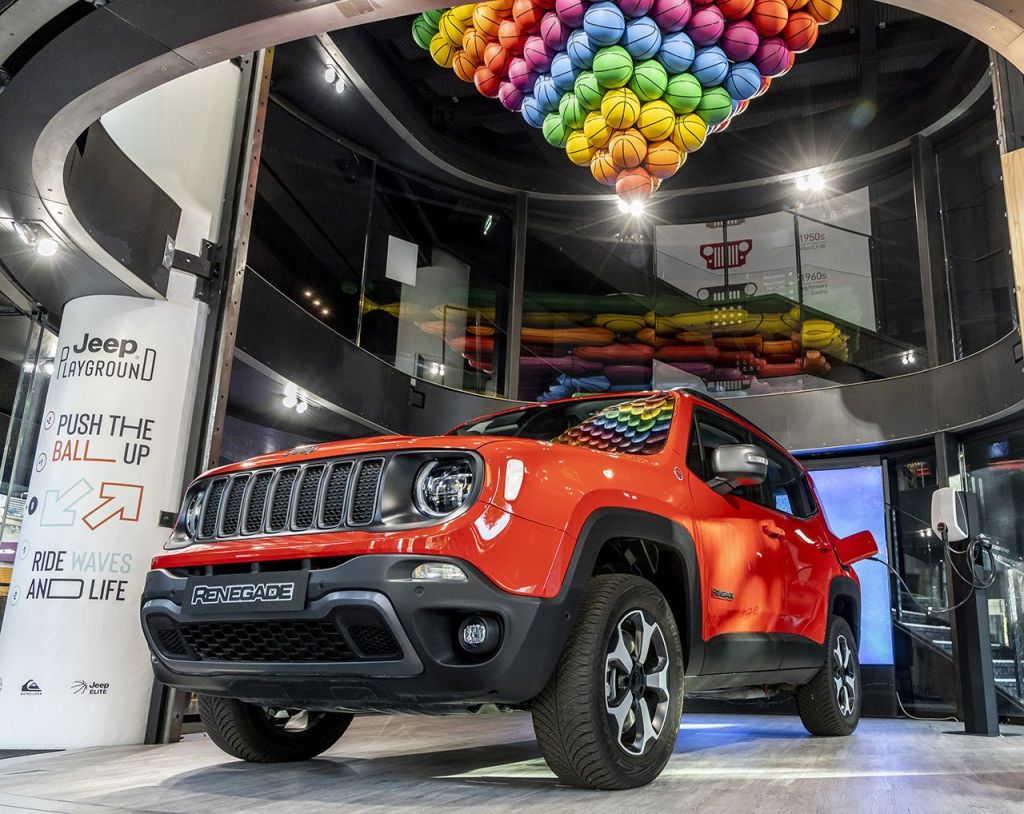
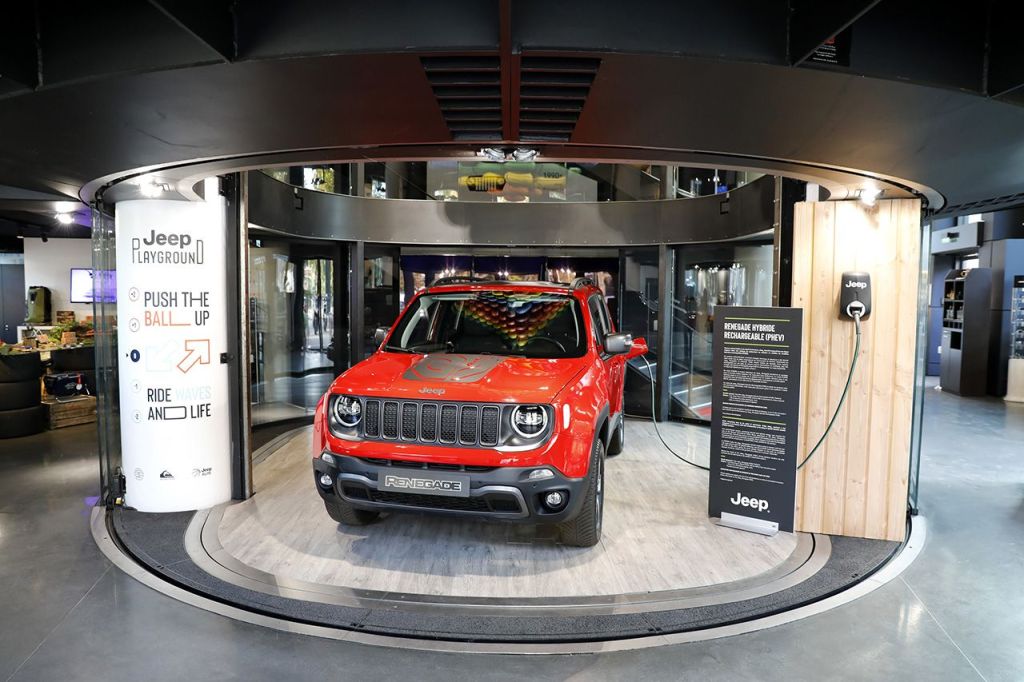
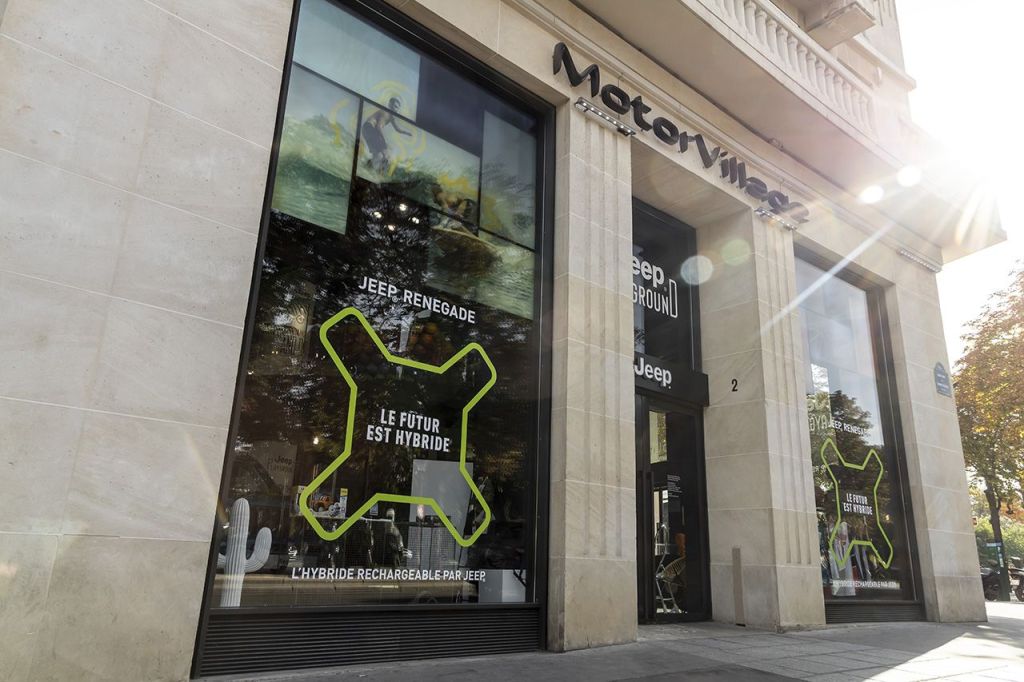
This leads us to bring you the news that the Jeep Renegade PHEV can be previewed at the MotorVillage Champs-Elysées until the 25th of September.
Following its world premiere at the Geneva motor show last March and its international on-road debut at Turin’s Parco del Valentino motor show in June, the new Jeep® Renegade Plug-in Hybrid (PHEV) has arrived in the heart of Paris to be showcased at the exclusive Jeep showroom on the Champs-Elysées.
The PHEV Renegade will take centre stage in
the Playground expo, which is dedicated to Jeep’s affinity with sports and
includes partnerships with WSL (World Surf League), LNB (Ligue Nationale de
Basket) and JeepELITE.
New hybrid technology…with plenty of punch
Displayed in Trailhawk specification, the
Renegade PHEV has a pure electric range of approximately 50 kilometres and of
course no CO2 emissions in full-electric mode. In order to deliver these
figures, the Renegade combines a 1.3-liter GSE turbo gasoline engine with an
electric motor located between the rear wheels, powered by a set of batteries
that can be recharged while driving or by using an external power outlet: at
home with the domestic plug, using the efficient Wallbox, or with a public
charge point. Recharging times can vary from an hour and a half to three hours
depending on the type of outlet.
The combination of both internal combustion engine and the electric motor delivers outstanding performance and driving pleasure: 0-100 km/h is reached in approximately seven seconds, CO2 emissions are lower than 50g/km (NEDC2) and the full electric top speed is 130 km/h. The combined power output sits in the 190 and the 240 horsepower range, depending on the trim level.
Most of all, thanks to the new hybrid
technology, the Jeep Renegade further improves its legendary off-road
capability courtesy of the greater torque offered by the combination between
the two power sources. Thanks to the new electric all-wheel-drive technology
(eAWD), traction to the rear axle is not provided by a prop shaft but through
the dedicated electric motor. This allows the two axles to be separated and
control the torque independently in a more effective way than a mechanical
system.
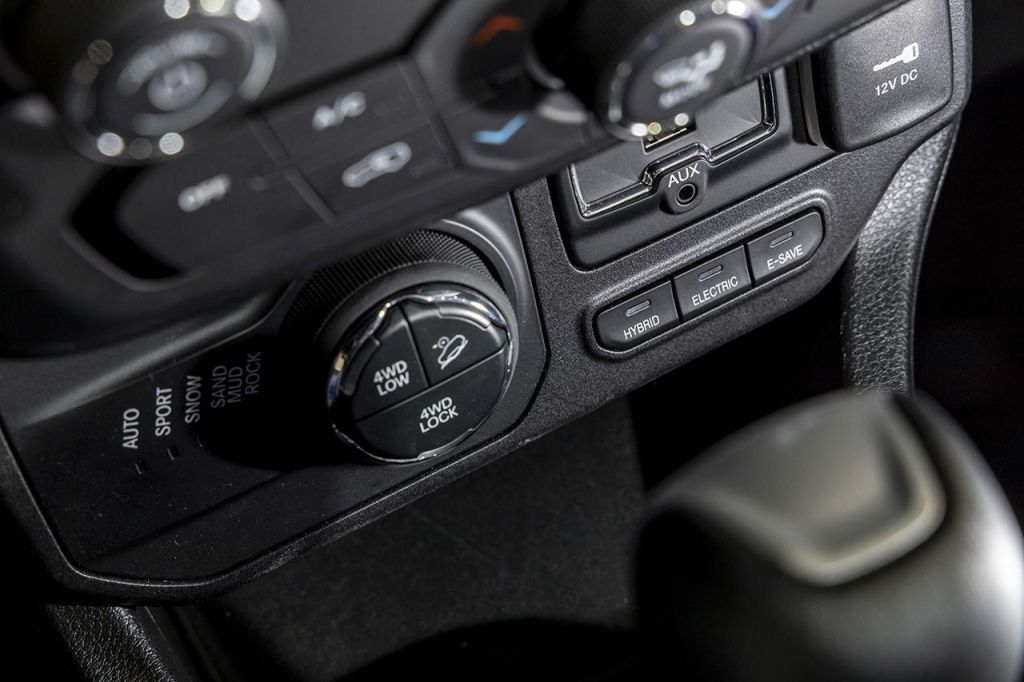
The Jeep Renegade PHEV features a unique interior and dashboard, plus an 8.4″ HD Uconnect system with specific pages to allow for the driver to control its day-to-day hybrid driving operation. The Selec-Terrain maintains its location in front of the gear shift lever, while the Hybrid selector appears right next to it allowing the driver to select between the following driving modes: (see photo below)
Hybrid: the mode that optimises power to
minimise fuel consumption. Internal combustion engine and electric motor work
together depending on the road type, with energy recovery phases when braking
eSave: the internal combustion engine can
maintain or recharge the battery while driving (driver’s selectable options)
Electric: full-electric mode which allows
for a pure electric range of approximately 50 kilometers.
The new 7″ TFT colour display shows
new information in front of the driver’s eyes: the battery charge level, range
in electric, combustion and combined modes, power percentage and recharge
levels. The 8.4″ Uconnect colour screen features new tabs such as power
flow, driving history, charging times, eSave and the different charge settings.
Needless to say that we are keen to take a
test drive soon in this interesting hybrid!
If you want to experience what Lexus really stands for, than get behind the wheel of this sleek and stylish ES300h: smooth comfort and roominess, technical perfection, sleek and velvety power, a full luxury cabin, and totally stunning economy. It embodies it all, in a masterful and very attractive way.
Of course, you must like sedans. We still
do, and let us tell you right away, we were totally sold on this Lexus. We
drove it extensively, and took it also to the French capital of light. We
couldn’t think of a more appropriate transport to the city of elegance and
savoir vivre…
Driving the future. Now. Literally, without any strings or plugs attached. That is what Lexus driving is all about. Superbly engineered, dramatically styled. With an eye for quality and modern day luxury: this is what Lexus’s most compact SUV offers you.
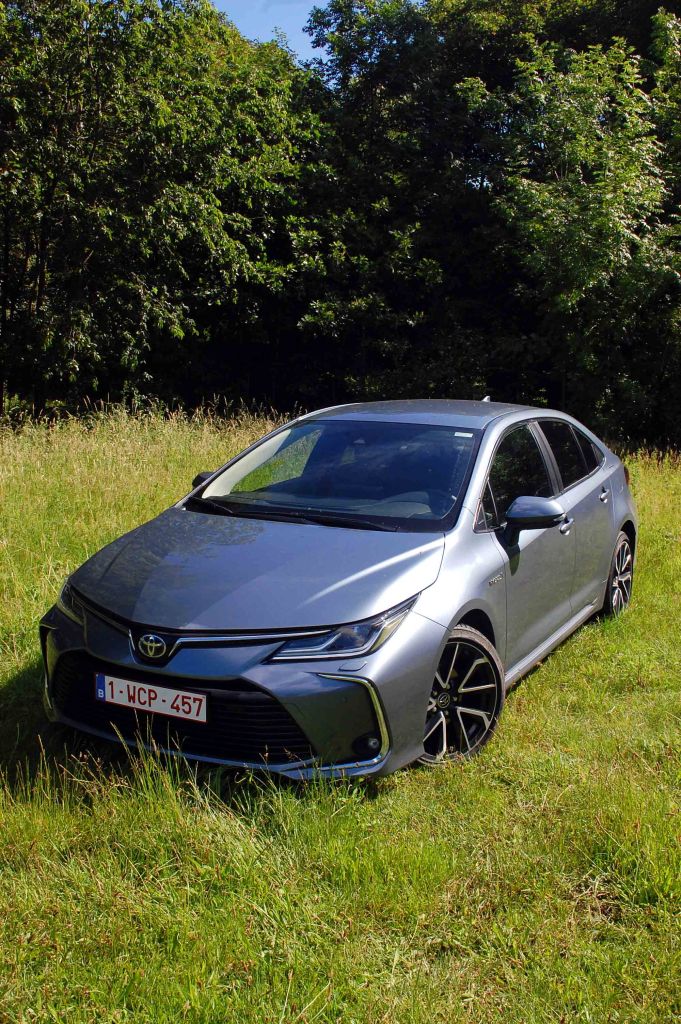
It runs on the new GA-C-platform, which is also seen in the new
Corolla. It shares also (most) of its drivetrain. Indeed, the well known 2
litre Atkinson Cycle four cylinder plays here the fiddle in harmony with its
electric cousin under the bonnet, in clever hybrid fashion, just like in the
Corolla. This means absolute technical perfection and utmost reliability is
yours to enjoy. But that is not all. The bodywork of this SUV has what it takes
to please you, both inside and out. Just read further…
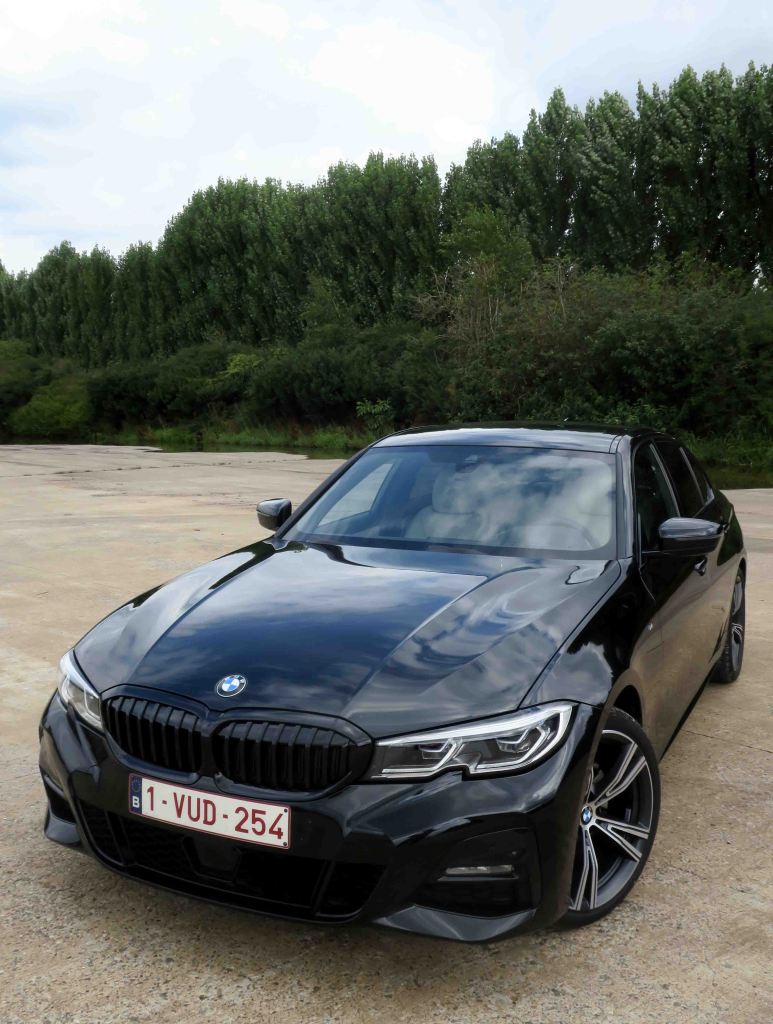
There are cars which are true benchmarks,
and when it comes to a dynamic sedan, then the BMW 3 series is the absolute
standard to which all others are judged. It embodies all BMW stands for, and it
is also their most successful model. Therefore it is carefully honed to
perfection by its maker with every new generation they build. The 3 series is now
in its seventh generation, introduced at the Paris Salon last year. We can tell
you, it is and remains a true joy to drive and own.
We drove the economical and smooth 2 litre Diesel
unit, which has with 190 HP enough zest to let the car display its sportiness
and handling.
There are splendid examples where the European economic market really pays off. Where manufacturers can develop and build commercial vehicles which are just ideal and fitting for our European roads, countries and economies.
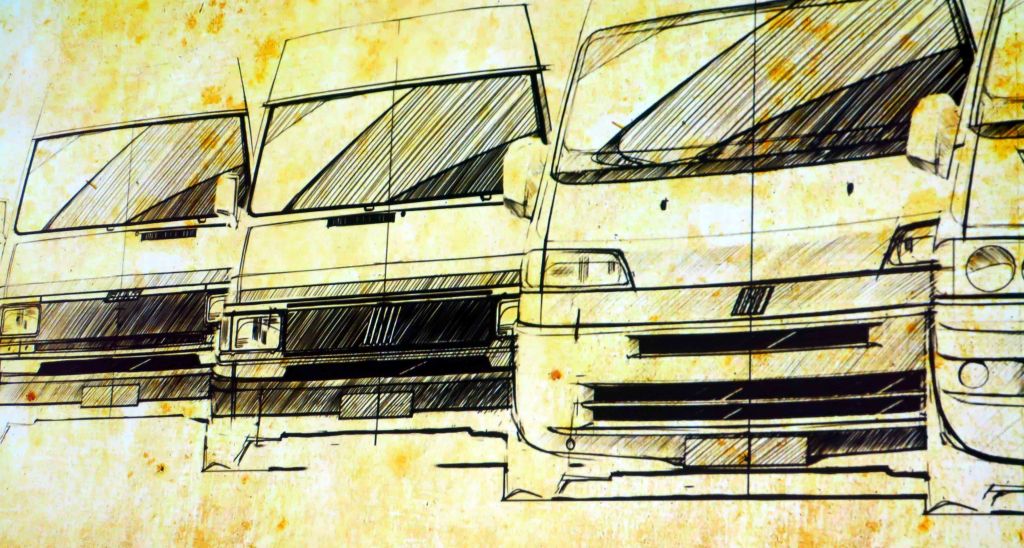
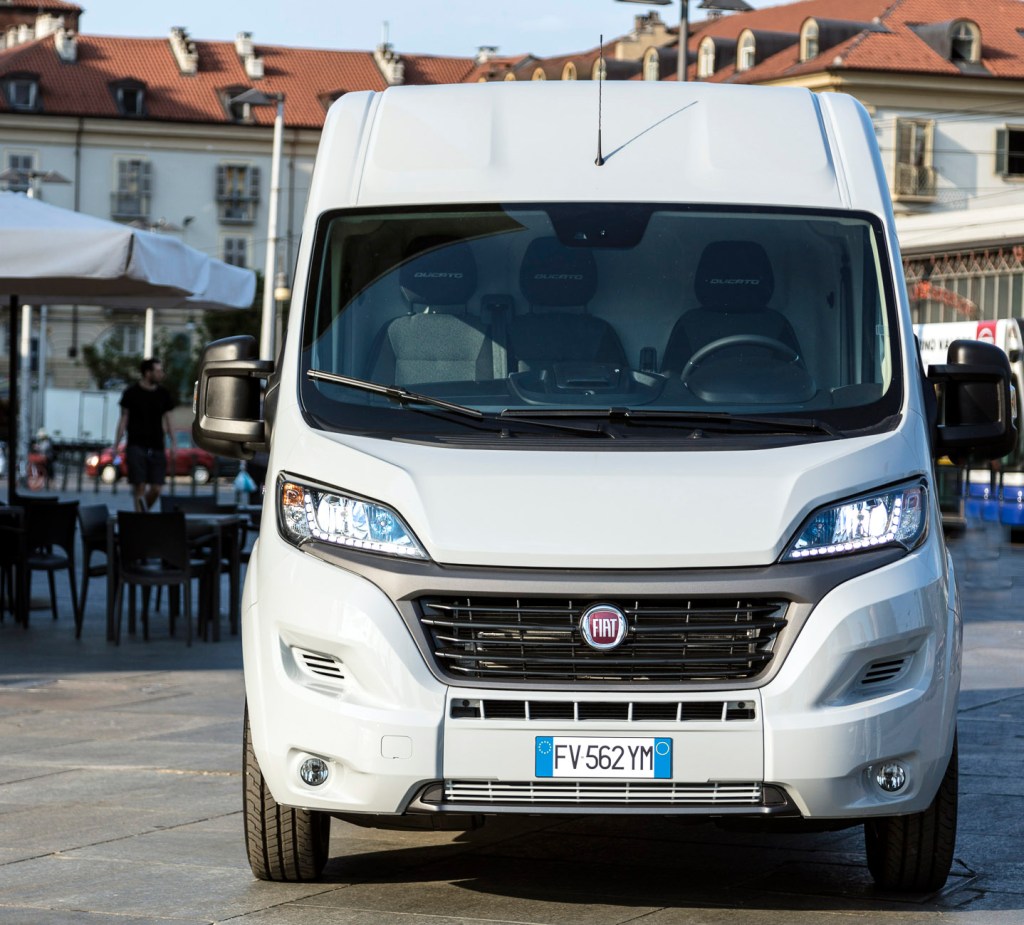
Such a car is the Fiat Ducato. Since 1981 it has made its mark. And now it has grown into the European leader for the fifth year running, number one in terms of sales in 12 different countries. European vacation goers have put the Ducato since many years on top of their list.
A bestseller and a familiar face on our roads since 1981…
Indeed, it is the absolute leading vehicle serving as a base for motorhomes in Europe: approximately 3 in every 4 motorhomes sold are Fiat Ducato.
Success has its reasons. And for the new Ducato there are many. It is versatile, thanks to technical features, such as the payload, volume and axle loads, which are record-breaking among front-wheel drive vehicles, teamed with the most extensive choice of wheelbase, length and height variants.
The new Ducato has been perfected further.
The engines are all 6D, even more efficient, eco-friendly and high-performing,
with various fuel types – even down to the Ducato Natural Power methane-powered
version – to the benefit of the environment. The new “9Speed”
automatic transmission is also being launched. This is a latest-generation
torque converter, capable of best exploiting all the engine’s torque points. It
is the best transmission in its category in terms of weight. Last but not
least, there is no shortage of the most advanced ADAS driving assist devices
and a latest-generation infotainment system.
State of the art engines…
To tell you right away, all the Ducato 2,3 Diesels are industrial type engines, built exclusively for the very heavy work. The entire MultiJet 2 range now boasts a variable geometry compressor, for a smoother drive and the most flexible engine ever from the lowest speeds, with an ensuing reduction in consumption levels in the real usage cycle.
The new turbocharger, thanks to the electronic control, is in a position to adapt its fluid dynamics to the speed of the engine and to the driving style, to provide the right supercharging at all times. This is possible thanks to the implementation of a series of mobile blades situated along the radius of the turbine, which controls the flow of exhaust gas and consequently the speed and force of the compressor.
Access to the Ducato world begins with the 120 HP 2.3-litre MultiJet 2 engine at 2750 rpm with a maximum torque of 320 Nm at 1400 rpm, teamed with the manual gearbox, which improves power and torque by 10% compared to the previous 2.0-litre engine. The 140 HP 3500 rpm drive train constitutes the heart of the range, versatile and flexible with its 350 Nm torque (+9% compared to the 130 MultiJet) at just 1400 rpm, and available with both manual gearbox and the sophisticated “9Speed” nine-speed automatic transmission.
Environmentally-friendly construction and superior performance levels with the 160 HP at 3500 rpm, which distributes up to 400 Nm at 1500 rpm in the automatic transmission version. This power unit implements a specific engine shaft with oversized bearings, special pistons and a specific turbocharger, to the benefit of improved performance and engine durability. The top-end of the range boasts the 180 HP 2.3 MultiJet at 3500 rpm: a torque of 400 Nm with manual gearbox and 450 Nm – + 12% compared to the previous model – with the new nine-speed automatic transmission.
Last but not least there is the Natural
Power variant with a 3000 cm3 single-fuel methane engine with 136 HP max power
at 2730 rpm and a maximum torque of 350 Nm at 1500 rpm. It is part of a
complete range of methane-powered commercial vehicles ranging from Car Derived
Vans, to the Fiorino including the Doblò Short Wheelbase and the Long
Wheelbase.
9 speed automatic…
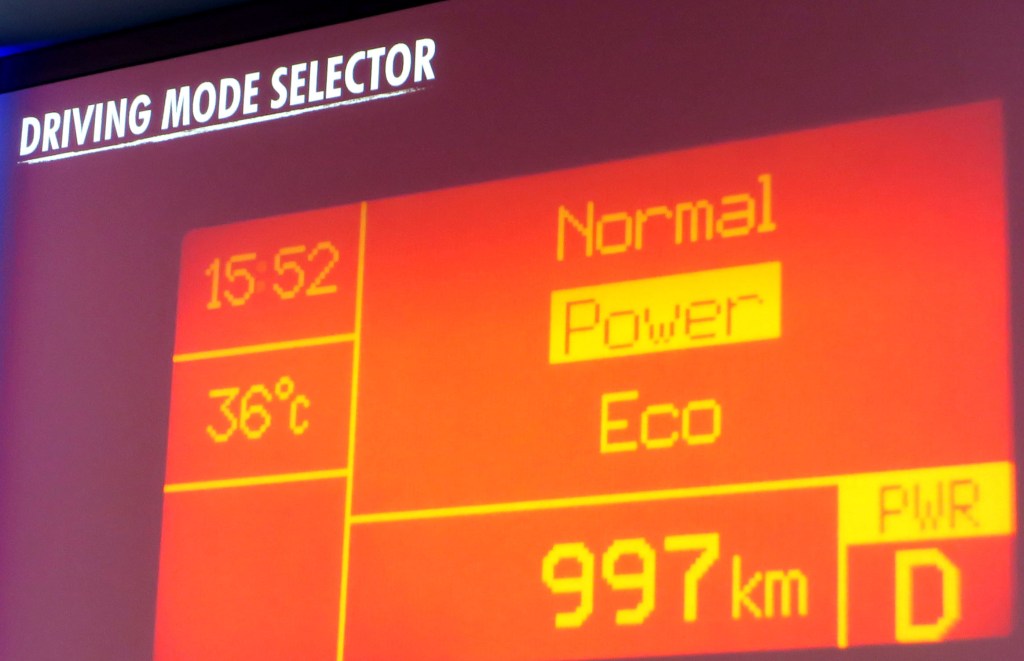
The new transmission lets you choose
between three driving modes, eco, normal and sport, and there are two operating
modes, “D” and the so-called “Autostick” mode. The latter is activated by
shifting the gear lever to the left, and then you have simply to put the lever
backwards and forwards to change up or down. Ideal for tackling these steep
hills under full load…
An EcoPack comes standard…
EcoPack includes the Start & Stop system, the smart alternator; the electronically-controlled fuel pump, which guarantees energy savings and greater combustion efficiency. Last but not least there is an ECO switch that supports the driver in saving fuel.
Top notch drive assist and infotainment…
As a professional vehicle befits, it offers a full range of driver assist systems: Blind spot assist (BSA), Rear Cross Path detection (RCP), Full brake control (FBC), alerting the driver and intervening by automatically triggering an emergency braking. Lane departure warning system (LDWS), Traffic sign recognition, High beam recognition, Rain and dusk sensor, Tyre pressure monitoring system (TPMS).
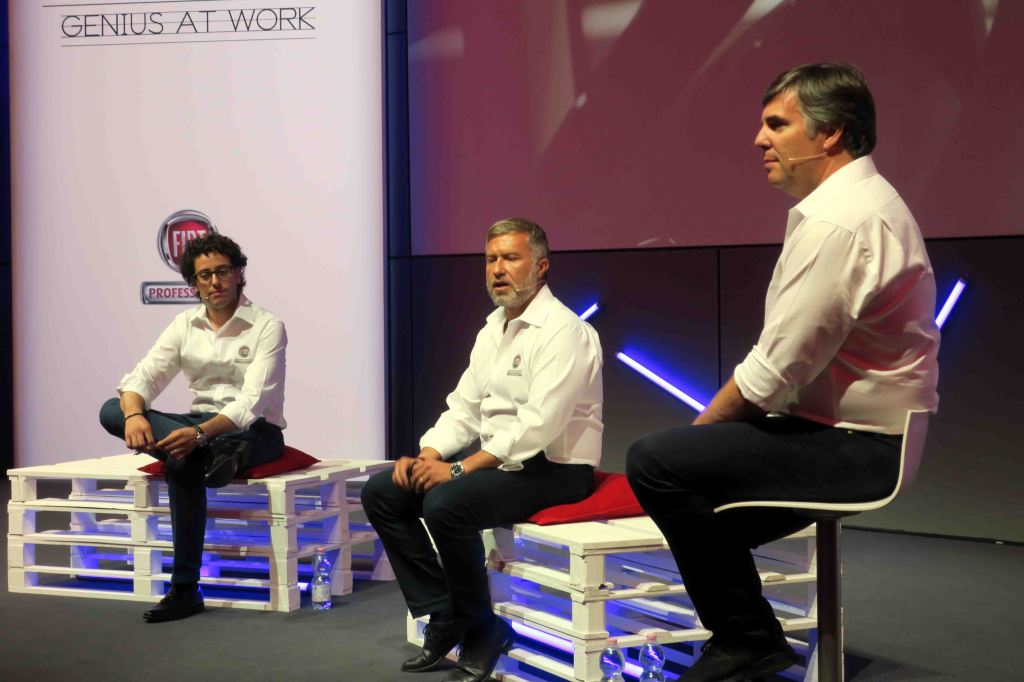
Made a gripping presentation: from left to right, Luca Marengo, head of product marketing LCV EMEA, Davide Valzan, Head of Product Planning LCV EMEA and Stéphane Guigou, head of professional brand EMEA .
An interesting and clever feature is the
Engine Idle Preset, which is designed to increase the engine’s minimum revs to
power any additional electrical equipment installed on-board.
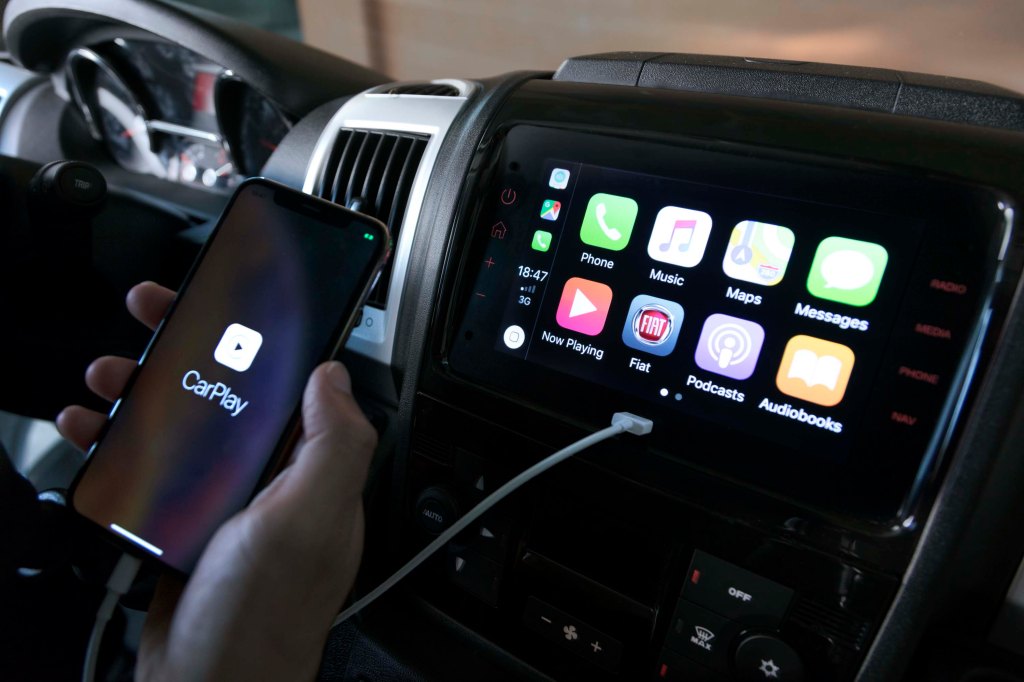
From the second half of the year, the Ducato MY2020 range will further extend the range of on-board infotainment systems. The new infotainment system is now available: with a 7-inch touchscreen by Mopar®, USB port and Radio DAB tuner and the possibility of specifying the dimensions of the vehicle and possibly trim version to provide indications that avoid streets which are not sufficiently wide or low passages. A real professional feature that addresses other professionals and motorhome drivers.
The new system includes the integration of
Apple CarPlay and the compatibility with Android AutoTM.
Last but not least there are very clever and practical finance systems offered by the FCA Bank subsidiary Leasys, serving corporates, small and medium enterprises, self-employed professionals and retail customers.
You can see your servant making a few
interviews, and indeed this report will be followed soon by further information
about the people behind the new Ducato, last but least the full electric
version…
The truth is now known to us all: to save our planet we need a lot more trees. We would add, we also need a good car to go with it: and this could very well be the clever and superbly built Subaru Forester…
It is a car which continues to surprise and
amaze us. The engineering is top notch, it performs like a dream, has terrific
4WD, gets you wherever you want to go, in all seasons, in all circumstances and
weather conditions, is indestructible and getting ever more frugal too.
Toyota and Lexus are friends of the earth since decades. They offer E power in hybrid form across their whole range now, and this started already back in 1997 with the Prius, a car which has been a star on Californian (and many other) roads worldwide ever since.
The hybrid drivetrain of this car is
nothing short of a stroke of genius, and therefore hardly surprising that it is
also seen on the Lexus range. Faithful readers know that I am the happy owner
of a Lexus CT 200h, a car which is running around with an average consumption
between 3.9 and 4.6 litres/100 km.
The subject of this test is also to find out whether the continuously further developed hybrid system brings further gains in efficiency compared to my faithful Lexus.
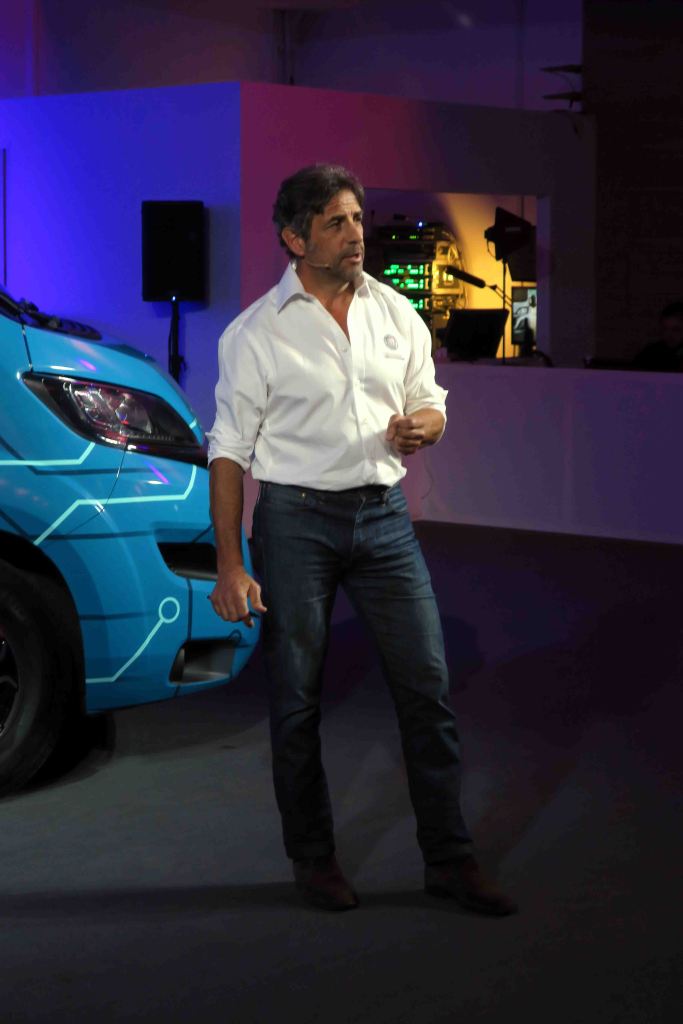
Domenico Gostoli, Head of Fiat Professional Electrification Programs, presented the E-Ducato in Turin…
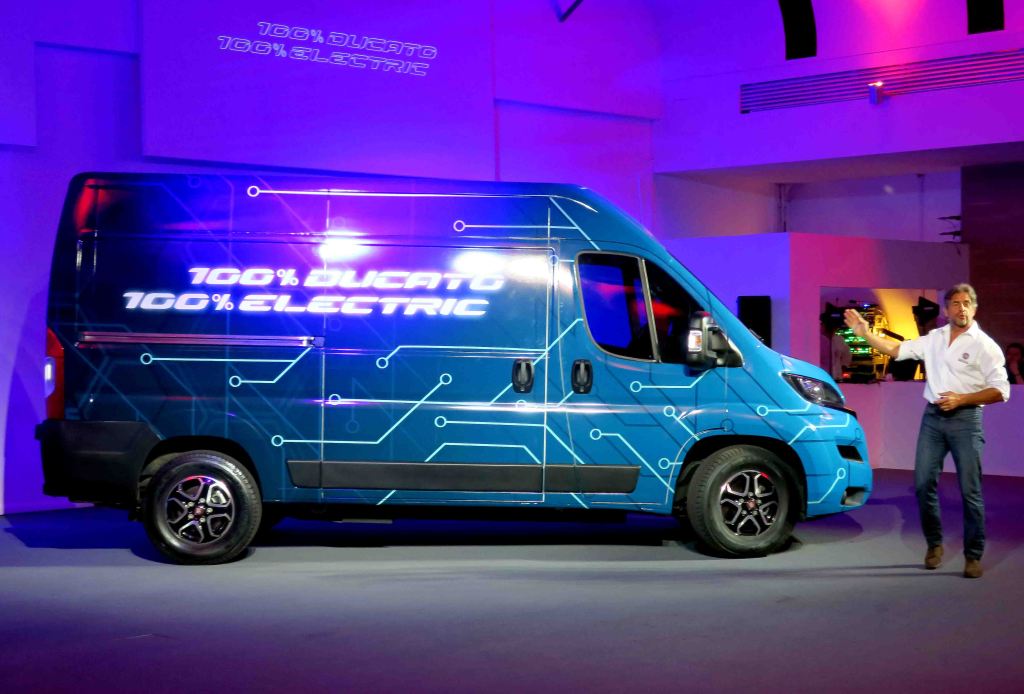
At the presentation of the new Ducato MY2020, Fiat Professional brand gave the world its very first glimpse of the Ducato Electric – an all-electric BEV (Battery Electric Vehicle) version – which will go on sale during 2020 and team up with the natural gas Ducato Natural Power to complete the alternative fuel offering.
In conceiving and developing the Ducato electric, the 2 person team responsible for the project, led by Domenico Gostoli, Head of Fiat Professional Electrification Programs with Angelica Carapezza managing and coordinating the implementation of such electrification programs, started with a “bottom up”, client-based approach, and focused first on building up a database with a specific, detailed study of customers’ real use of their vehicles, which involved a year of data gathering.
This confirmed that more than 25% of the market already has a “BEV Attitude” in terms of use, routes, dynamics and performances, and is therefore ready and waiting for a mobility change.
Indeed, professionals working in specific business areas are keen to adopt E-technology, considering the growth in online commerce, postal and courier services, home ready-to-eat food deliveries, hub-spoke local transport, and the widespread need to ensure access to city centres, with their ever-increasing traffic restrictions on conventional fuel vehicles.
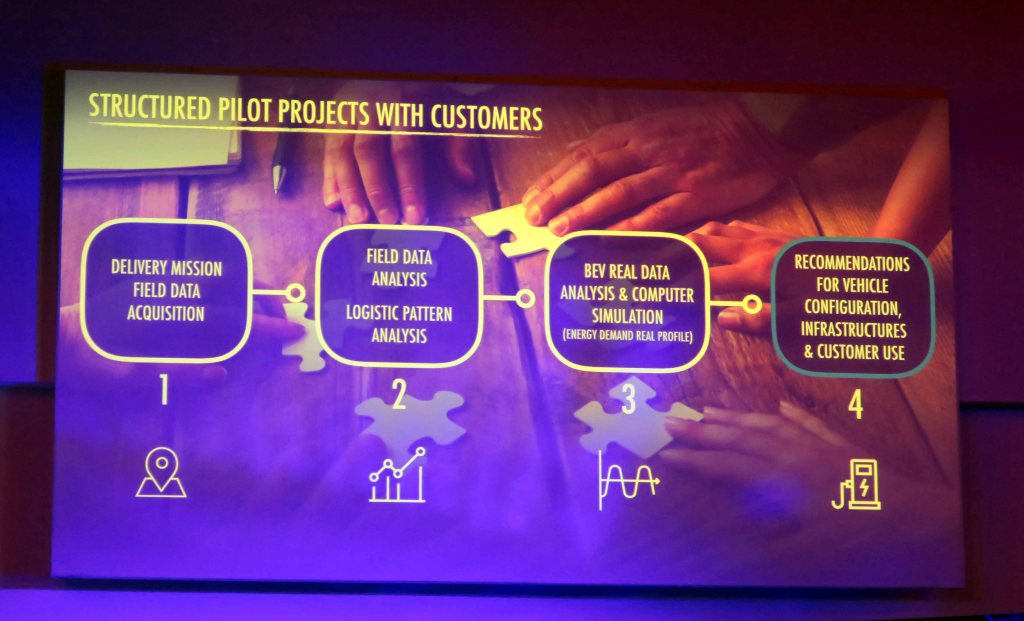
Finding the ideal use pattern of a Ducato Electric van is supported by pro-active cooperation with the customer, through Pilot Projects involving some large industry players, to fully exploit all their knowledge base, and identify all specific use demands to be borne in mind during individual customisation and configuration for every application.
The image here shows the unique approach of
these structured pilot projects with customers. It first involves sitting down
with the customer to evaluate his delivery mission, gathering the field data,
which are then analysed and further structured in a logistical pattern. Real BEV
data are then analysed and put in a computer simulation to establish a real
profile of the specific energy demand of the customer from his vehicle. This is
then followed by recommendations for the final vehicle configuration, the
necessary charging infrastructures and the use of the customer.
With this approach, Fiat Professional intends to offer complete electric mobility solutions, based on the study of energy needs, able not only to cover every single mission but also to offer solutions ranging from vehicles to infrastructures, not forgetting any aspect of the whole world of services increasingly required by today’s new, constantly evolving mobility scenarios.
So as well as offering a complete range of
versions, Ducato Electric will also feature modular battery size options, with
range from 220 to 360 km (NEDC cycle) and different charging configurations .
All combined with impressive performances: speed limited to 100 km/h to
optimise energy use, maximum power of 90 kW and maximum torque of 280 Nm.
What’s more, the new electric powerplant
does not penalise Ducato’s strong point: best-in-class load volumes from 10 to
17 m3, and a payload of up to 1,950 kg, the best in its category.
We made extensive interviews with the two
managers behind the project, which is a cornerstone in the transition we see
nowadays from the traditional “choice of vehicle” to a “choice
of mobility”. Indeed, in the
present day business environment, Total Cost of Mobility determines now your
purchase decision, instead of Total Cost of Ownership…
More on the new Ducato range and the series of video interviews – done with the kind assistance of Helena Menten – of the inspiring people of Fiat Professional soon!
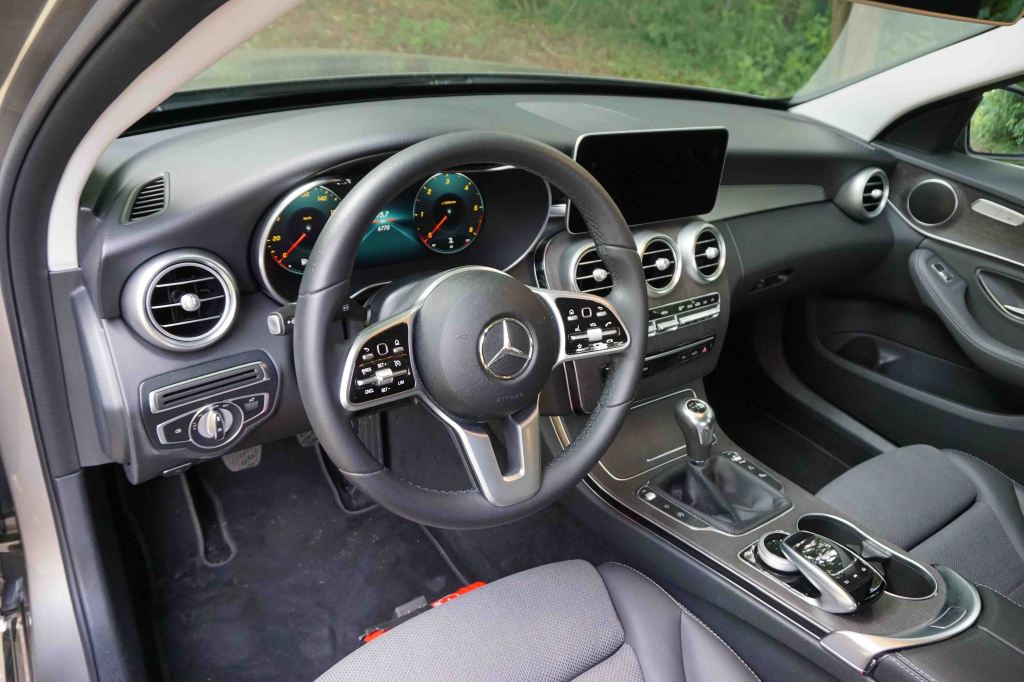
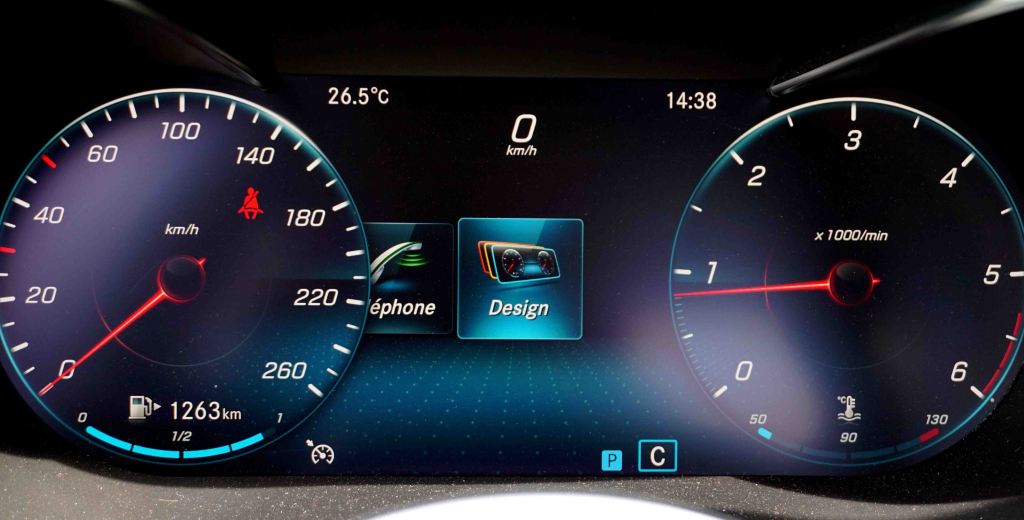
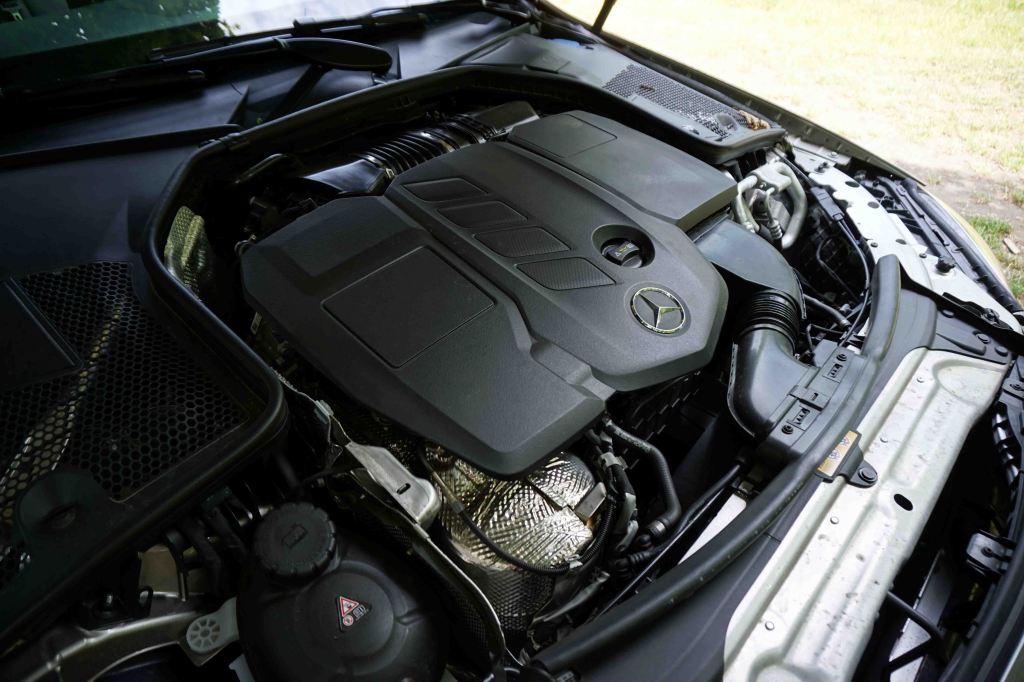
Never change a winning team, the saying goes. At the house of the good star, people know this all too well. So the Mercedes engineers and production specialists hone their cars to perfection, and bring them to top quality over the years. Such a car is the bestseller of the Mercedes range, the C-Class. It is entering its fifth year in production and the design of the exterior and interior benefits from a makeover. The electronic architecture is completely new. The customer now enjoys an optionally fully digital instrument display, combined with state of the art multimedia systems. The assistance systems are now at the level of the S‑Class, no less. New petrol engines and state of the art Diesel engine(s) combined with hybrid propulsion are now also on the cards. Soon we will present these new drivetrain versions to you, but here we drove the more “classic” 1,6 litre 160 HP Diesel, mated to a six speed manual. And a part of the future had arrived nonetheless: our test car was equipped with the full digital instrumentation…
Hans Knol ten Bensel
A new face
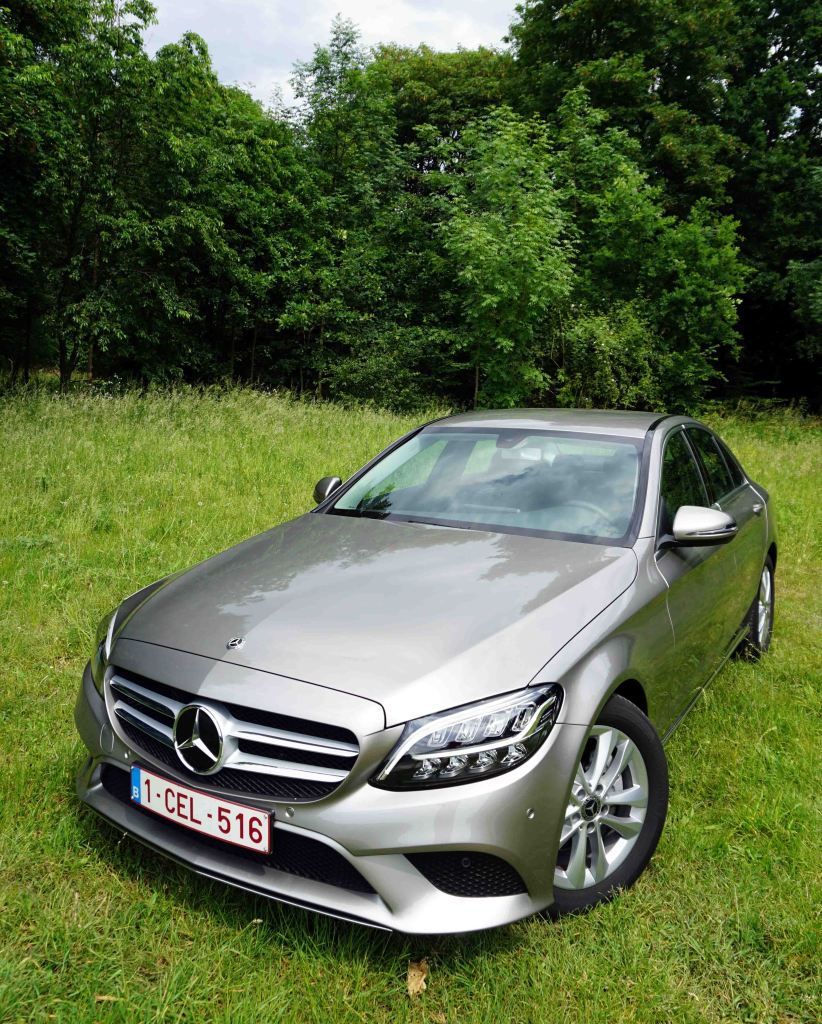
The elegant, classic lines of the C-Class have been cautiously improved, notably the front bumpers have been redesigned for all lines. In combination with AVANTGARDE exterior of our test car, this now features a chrome-plated trim strip.
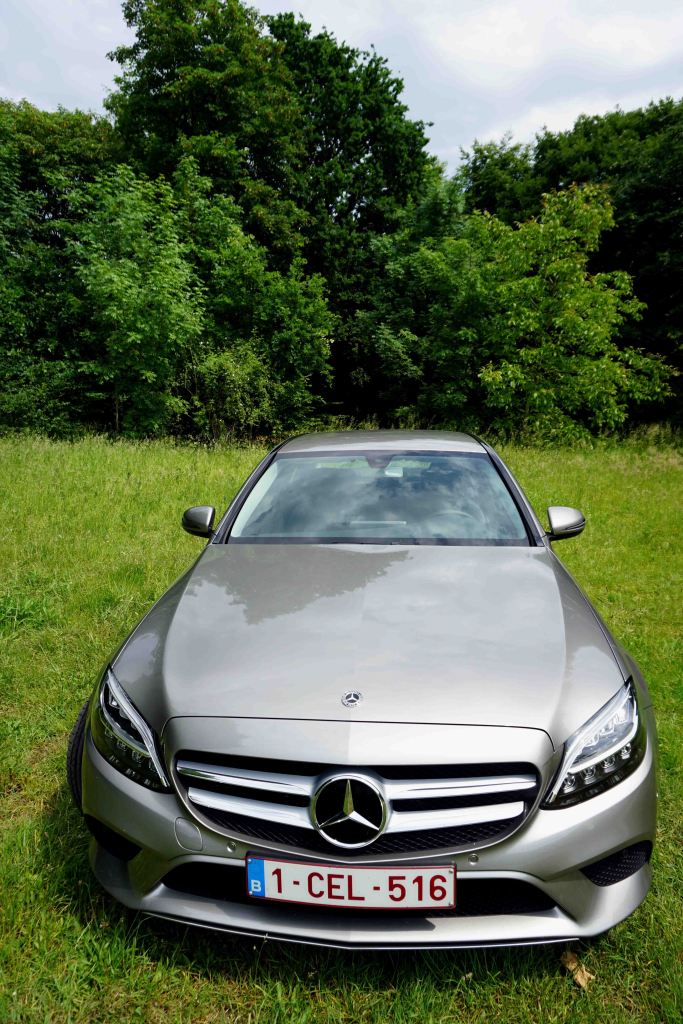
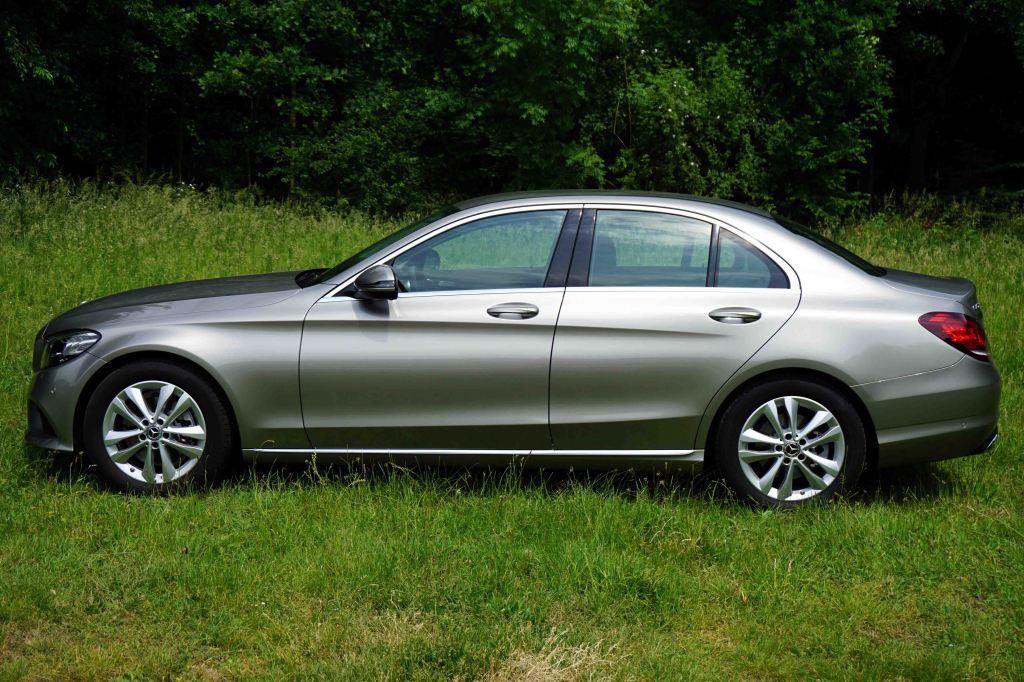
The C-Class comes standard also with halogen headlamps, which incorporate LED daytime running lamps. LED High Performance headlamps are optionally available. Also for the first time in this model series, MULTIBEAM LED headlamps with ULTRA RANGE high beam are additionally available. The colour palette has been broadened by the addition of Mojave silver metallic and emerald green metallic for Saloon and Estate. Our test car had the Mojave silver metallic, and as the photos show, this suited it rather well…
And enhanced interior
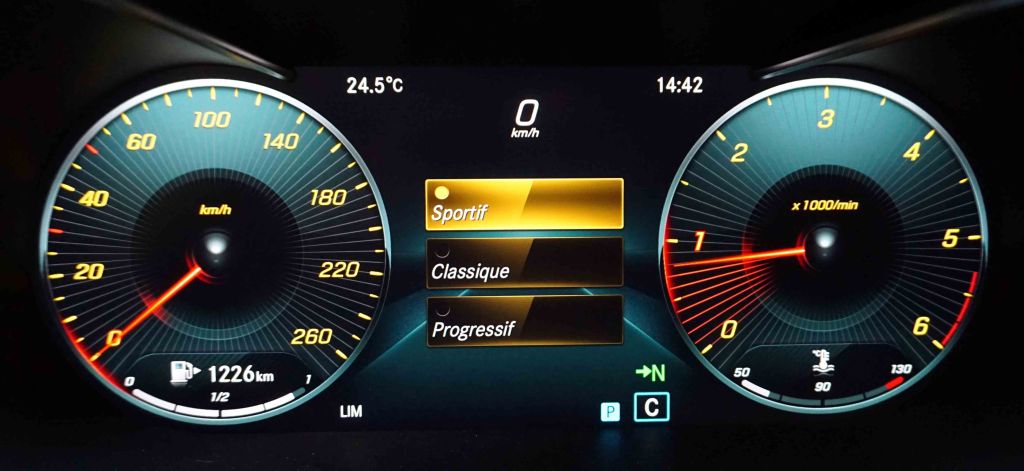
In the cabin, the optionally available full digital display takes centre stage. It has three visually distinguishable styles “Classic”, “Sport” and “Progressive”. Basically, we liked the “Sport” display best. Alongside certain menu items such as trip data or consumption figures, the driver can now additionally view the navigation display data or the ECO display in the instrument cluster. In combination with Audio 20, a high-resolution central display in 16:9 format is available for the first time, with a 10.25-inch screen diagonal.
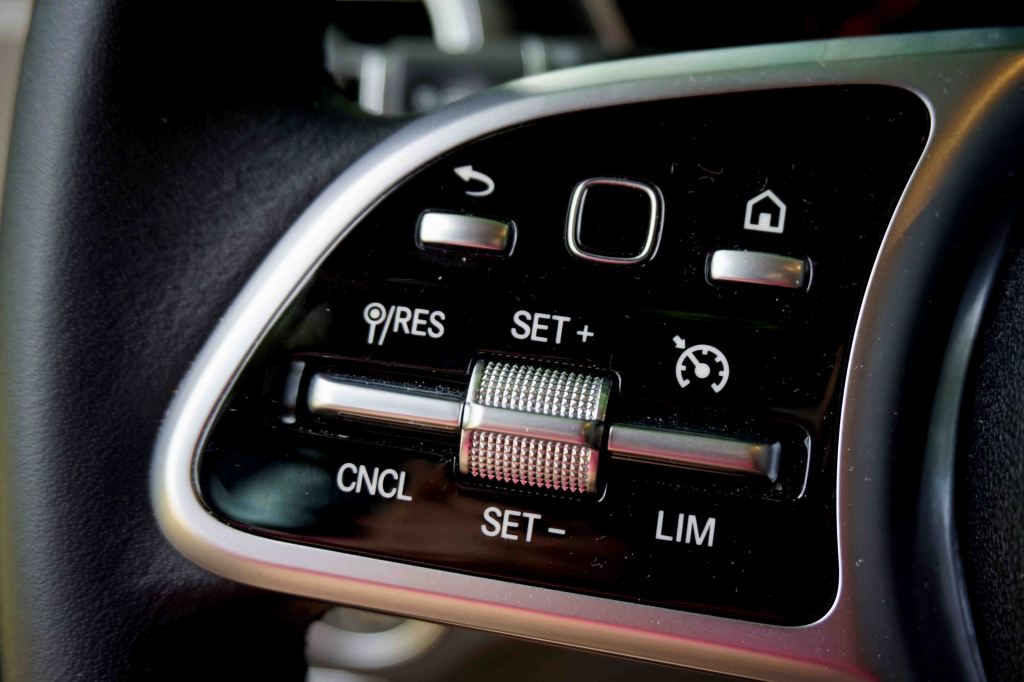
The C-Class has now touch-sensitive controls in the steering wheel. They respond to swiping motions like the screen of a smartphone, and the buttons remember your old Samsung or Blackberry.
The advantage is that you can control the functions of the instrument cluster and the entire infotainment system without having to take their hands off the steering wheel. DISTRONIC and cruise control are now also operated with controls directly on the steering wheel.
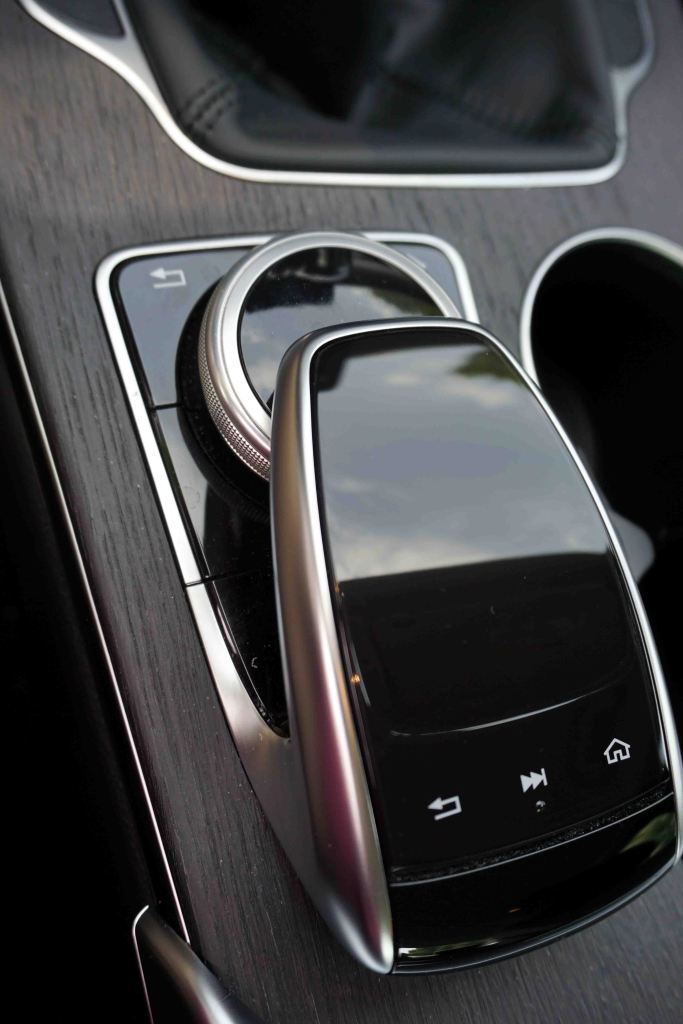
The infotainment system can also be operated via the touchpad in the centre console with the controller, which has a haptic feedback, or by means of LINGUATRONIC voice control.
A (long distance) driver’s car
A comfortable workhorse, that is how we
would define this C-Class. It is built to serve you, to get you in comfort and
safety from A to B, for years on end.
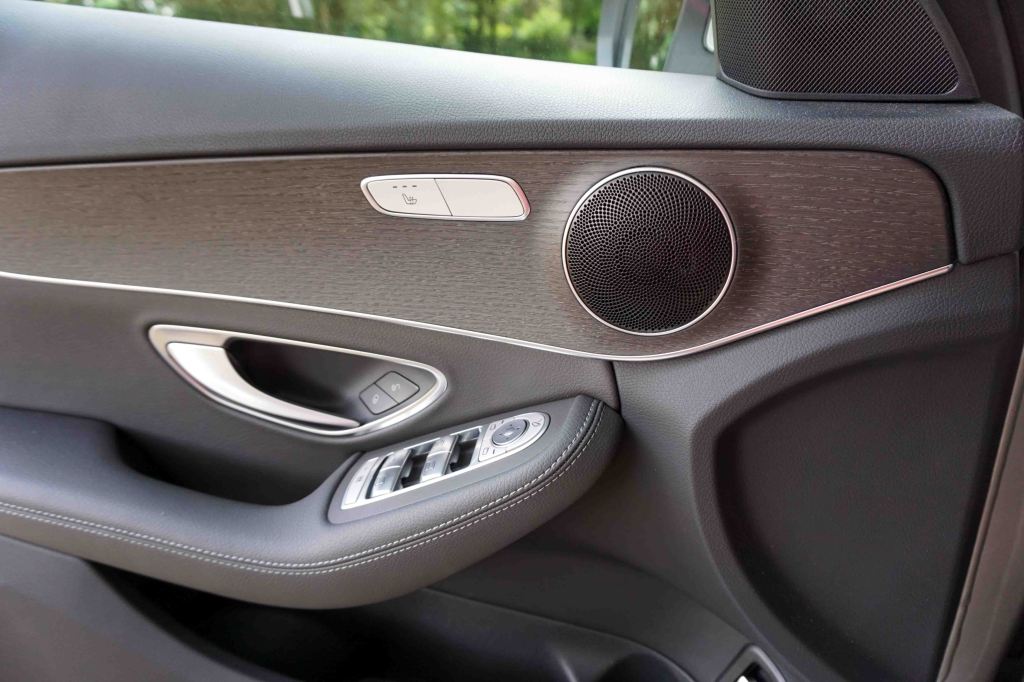
Driving a “classic” Mercedes sedan is always a unique experience, typical for the brand, we would say. The seats are built to withstand the test of time, firm but relaxing and comfortable; all the controls are judiciously placed and ideal for intensive, everyday no-nonsense use.
The dashboard layout and styling emphasizes
the quality “feel” of the whole car, the superb overall finish truly impresses.
Pushing the starting knob, the 1,6 litre Diesel jumps faithfully to life. Supersmooth, with all the characteristics of sound diesel: lots of zest and pulling power, hardly any need to rev it up, made for frugal transportation in all circumstances. Coupled to a six speed manual gearbox, it couldn’t be more classic here.
The gearing of the box is quite high, and
third gear is just slightly too high for cruising at the now frequent legal
urban 30 km/h limit, forcing you to potter around in second, which on the other
hand gives you of course rather more power to respond to unforeseen situations.
As we said, torque is quite healthy with 360 Nm being available between 1600-2600
rpm. Just give that turbo the change to build up power, and that’s why you
shouldn’t stay in third in slow urban traffic.
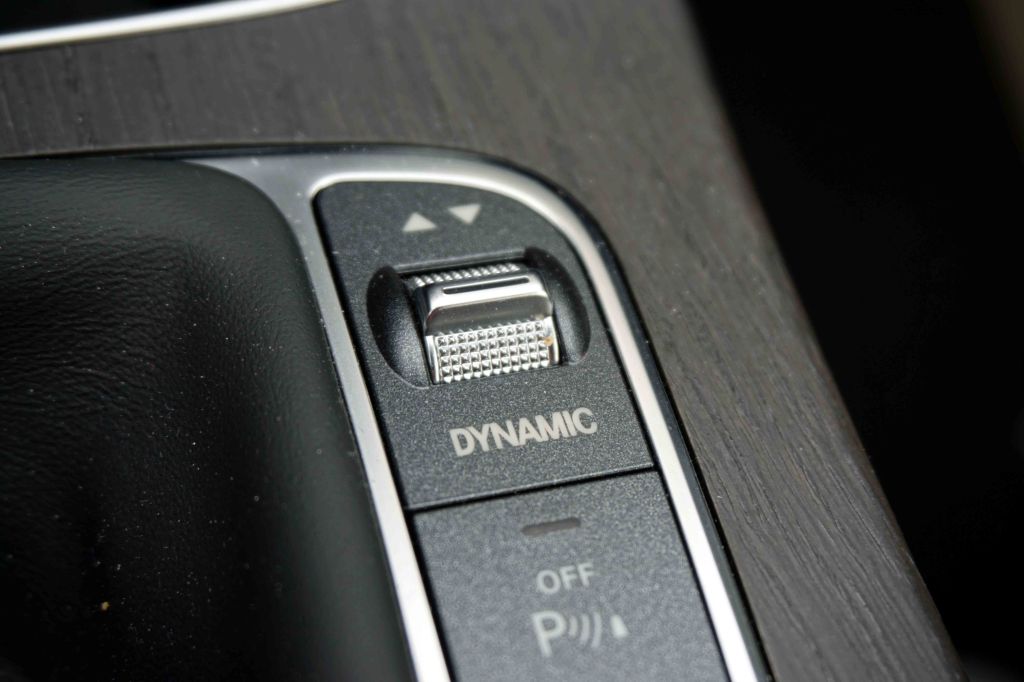
With the turbo on song, it is all quite lively. In-gear accelerations are impressive, as the 0 to 100 km/h sprint also clearly shows: it is absolved in 8,5 seconds. Mind you, there is a drivers’ mode selection, and when you select dynamic, things really start to happen…
This C –Class is built for speed, and indeed, this Mercedes is also a true master on the Autobahn. Top speed is not less than 226 km/h. Wind and road noise, drivetrain, you name it, everything is suppressed, and Gran Turismo driving is in this sedan a very effortless and soothing affair.
The high gearing and efficiency of this
Diesel make this C-Class chalk up very impressive consumption figures. It was
no trouble at all to stay between 5 and 6 liters/100 km during our test, and
even closer to five l/100 km on average. The manufacturer quotes a combined
consumption between 4.1-4.5 l/100 km. CO2 emissions are quoted between 108-118
g/km.
This economy is of course a formidable
forte of this C-Class Diesel.
Handling and comfort are top of the range,
and here the vast experience of a long standing manufacturing of premium sedans
truly shows.
Besides comfort, passive and active safety
have always been top priority.
The
new C-Class now comes with extended Active Brake Assist as standard. Depending
on the situation, this can help to mitigate the consequences of rear-end
collisions with slow-moving, stopping or stationary vehicles ahead, and even
with crossing pedestrians and cyclists, or prevent them altogether.
Audio comfort and entertainment too…
The C-Class comes as standard with the Audio 20 multimedia system featuring two USB ports, an SD card reader, Bluetooth connection and media interface. So you are well entertained in your Merc, and one is just as spoilt as the drivers of the larger models.
Conclusion
This Mercedes embodies all the legendary and outstanding qualities of the brand. High build quality, comfort, performance, economy and durability. All this packed in a well styled body with timelessly good proportions, offering adequate room for five.
Its safety, both active and passive, as well as the massive array of (optional) driving aids make it a very wise and safe choice. We are keen to drive for you the larger petrol engine and diesel versions, try out the automatic and enjoy the further comfort and safety options Mercedes has in store for this car. But already in the tested version, this C-Class proved impressive indeed…