Bentley cars are measured to absolute perfection…

Our everyday cars achieve standards of finish which some time ago were only the realm of expensive and exclusive cars.

So what about the supercars of today? Are they finished at a still higher level? Indeed they are, and they are the playground of the engineers of large(r) groups like for example Volkswagen to test out and achieve what is technically possible now in car engineering and production.

On these exclusive cars they can experiment and reach levels of engineering perfection and finish which they can apply in these smaller production series with higher margins.

Within time, these new techniques will then again find their way into the production methods of larger volume cars, and the cycle starts again, with the supermodels and exclusive cars again in their turn putting the boundaries further.

We turn our attention here to Bentley. Bentley Motors is the most sought after luxury car brand in the world. The company’s headquarters in Crewe is home to all of its operations including design, R&D, engineering and production of the company’s four model lines, Continental, Flying Spur, Bentayga and Mulsanne. 4,000 people work there, and it is an example of high-value British manufacturing at its best.

We introduce you here to the 26-strong team capable of measuring every component of each Bentley model when in full factory operation…

Just read further !

Hans Knol ten Bensel
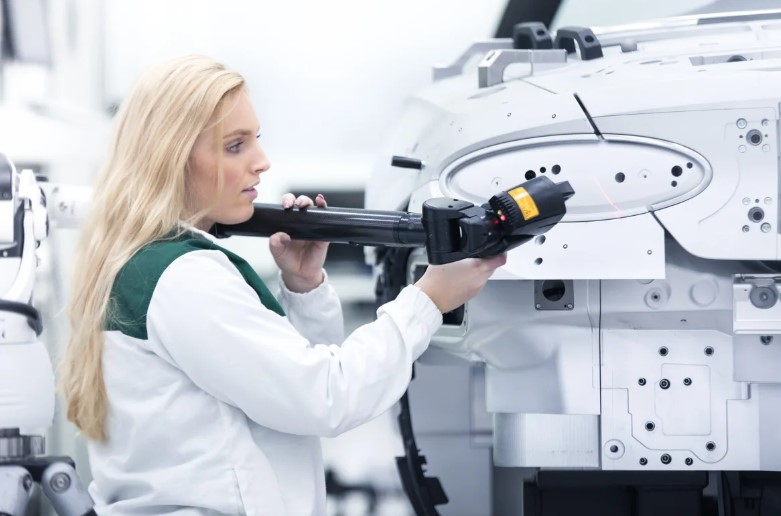
The Metrology team…

Deep in the heart of the Bentley factory in Crewe is a large, airy and air-conditioned workshop that visitors, even out of a government lockdown, will never see. It’s packed with the kind of precision instruments you’d expect to find in a space agency facility or university science lab. It’s here that Head of Metrology Michael Stockdale and his 25 colleagues measure every part of a Bentley to the highest standards of precision.

Metrology is the science of measurement, and it’s fundamental to the quality, performance and longevity of every Bentley that each component is made to consistently precise dimensions. Stockdale and his colleagues can measure every part of each model Bentley makes, from the smallest washer to body panels and interior trim, and ensure that no component strays from the close tolerances prescribed for it. “We have the tools to measure everything from the graining of leather to the surface of a cylinder bore, down to fractions of a micron” explains Stockdale.

Having measured components individually, they are measured again as sub-assemblies and once more as part of the finished vehicle. Thus, the Metrology team plays a vital role in ensuring that near perfection is repeatable.

Flying Spur retractable bonnet mascot system measured to as low as 0.15 mm tolerance

Measuring and enforcing the highest standards of dimensional accuracy is especially important for a vehicle, where multiple components become sub-assemblies. To take just one example, the retractable Flying B mascot that adorns the bonnet of the Flying Spur, which smoothly deploys and retracts only because each component in its complex control assembly is made to close and consistent dimensions. It is illuminated and linked to the keyless entry system as the driver approaches the car, yet it must also retract automatically in the event of an accident. To achieve this precise choreography and to ensure that it sits perfectly centred within its plinth, elements of the Flying B system have tolerances as low as 0.15 millimetres.

Sophisticated tools measure in fractions of a micron

Laymen use ‘a hair’s breadth’ as a description of the tiniest imaginable measure, but such a term would be too imprecise for Bentley’s Metrology team. As Stockdale points out, a human hair can be anything from seventeen microns to over one hundred and fifty microns thick. In contrast, there are instruments within Metrology that can measure down to 0.5 microns.

A micron is one millionth of a metre, and a human red blood cell is 5 microns in diameter. Not every component of a Bentley needs to be measured to tolerances of less than a micron, but there are some.

As an example, Stockdale cites the crankshaft at the heart of Bentley’s 6.0-litre W12 engine, the most advanced 12-cylinder engine in the world which powers the new Flying Spur. Spinning at up to 6,000 rpm, the crankshaft converts the immense downward forces generated by the pistons into rotary movement that powers the wheels. Though invisible to the naked eye, each of the twelve machined bearing journal surfaces in which the crankshaft sits features minute grooves that hold a microscopic film of oil.

By using a high accuracy Perthometer (a tool designed to measure surface finishes) the Metrology team can verify that those minute grooves are within their defined tolerances, in turn ensuring that each W12 engine produces both the immense power and lifelong durability its owners would expect.

A Flying Spur carved from solid aluminium

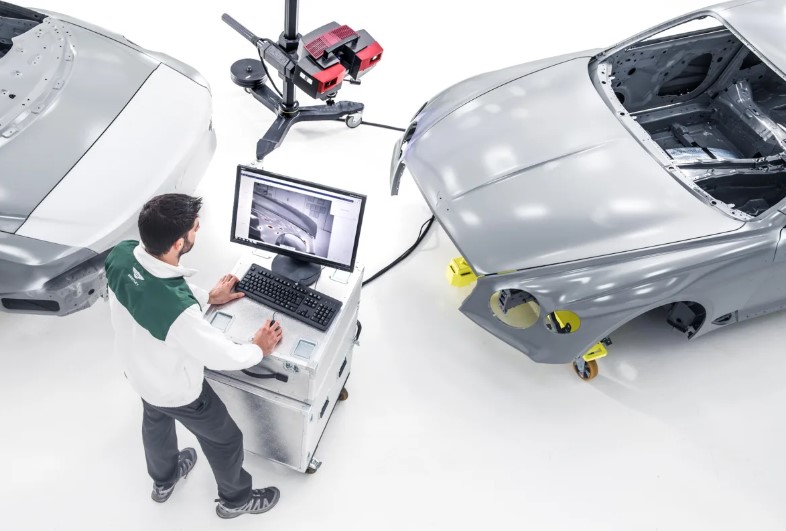
As well as measuring individual surfaces and components to microscopic levels of accuracy, the Metrology team measures entire vehicles. The department is home to what are termed ‘cubing’ reference vehicles; an entire vehicle body machined out of solid aluminium that acts as a template against which panels and interior components are measured.  The cubing Flying Spur is the ideal Flying Spur against which all others are measured, every millimetre of its body scanned using high accuracy digital cameras to create a complete and precise map of the car.

“Imagine an issue at the prototype stage where the panel gap between grille and bonnet is a millimetre too large, “explains Stockdale. “Does the fault lie with the grille, or the bonnet? The cubing reference vehicle provides the answer, because it’s made to the precise dimensions of the CAD data.”

Optical laser scanning

Different materials call for different measuring techniques. The unique three-dimensional diamond quilted leather inserts in the doors and rear quarter panels of the Flying Spur cannot be measured by a tactile device because to touch the surface would distort the reading. Instead, an optical laser scanner is used to chart and check the precise contours of each diamond.

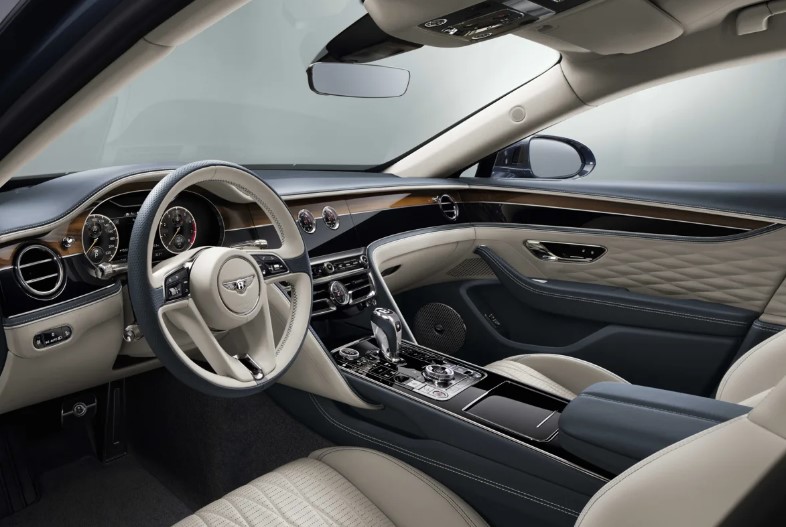
The cabin of the Flying Spur posed a fresh challenge, because of the range of functionality built in for every seat. The rear seats alone offer 14-way adjustment, five massaging modes and the two outer seats are both heated and ventilated. Everything from the seamless fit of the one-piece headlining, wood trim and sumptuous leather upholstery depends upon achieving close tolerances between a variety of different materials, from wood and metal to fabric and leather.

Precise temperature control

Materials expand when warm and shrink when cold, so it’s essential that measurements are taken at a consistent reference temperature. Within the Metrology area, air conditioning keeps the area at a steady 20°C. But for components that demand the highest levels of precision, there’s an inner sanctum called the High Accuracy Measurement area, where a dedicated climate control system ensures that the temperature never deviates by more than half a degree Celsius. Within this area are three gigantic granite blocks to which components can be clamped for the ultimate in stability, essential for an accurate reading. But first, the components to be measured have to soak in the atmosphere – literally. “A large component like an engine block might have to soak at a consistent temperature for up to a week, so we can be sure that it’s 20°C all the way to the core” explains Stockdale.
An unseen contribution

Visitors to Crewe will never visit the Metrology department, nor will the owner of a Flying Spur, Continental GT or Bentayga ever be able to point to the handiwork of its team in their vehicles. Yet the way a Bentley looks, performs and lasts owes everything to the accuracy with which each of its components measures up to the ideal. And for that, the Metrology team are the hidden heroes, custodians of the continuing quest for dimensional perfection. Every Bentley that leaves the factory is a tribute to their unseen contribution.

Hans Knol ten Bensel  

Support in Corona times: Fiat Chrysler Automobiles Belgium presents its dealers the CAR @ HOME project

In order to enable dealers to maintain the essential relationship with customers and prospects in these restricted Corona times, Fiat Chrysler Automobiles developed the CAR @ HOME project to support its network.

How is it done? Video conferencing seems to be the best way to establish a link between a customer / prospect and a network dealer. “We offer this original solution to meet a need and demand from our dealers to stay in touch with their clients,” said M. Yann Chabert, CEO of Fiat Chrysler Automobiles for the Benelux. “We offer them this tool, of course insofar as every employee involved is legally allowed to work. Our primary concern today remains of course the health of our employees and customers »

For distributors interested in this project, FCA Belgium will acquire the Google Hangouts Meet license, which will allow them to organize video conferences for a period of one year, as well as organize the training of the sales staff in virtual class situations.

This initiative will be promoted by a digital campaign with the slogan “Our vehicles may be standing still, we will remain at your service!” to emphasize once again the importance of staying at home, but staying proactive and looking to the future with optimism.

The simple and easy to use system is also an additional tool for the FCA factories in Europe as the orders generated allow for a quicker return to normal once the crisis is over.

This project is presented to concessionaires who wish to participate. They will be asked to contact their respective zone manager for their region and for their brands, who will in turn direct this digital activity to the dealership.

A remarkable initiative, and indeed, it provides professional support those considering buying a car during these difficult times.

Hans Knol ten Bensel

Opel and E-power: a very long tradition

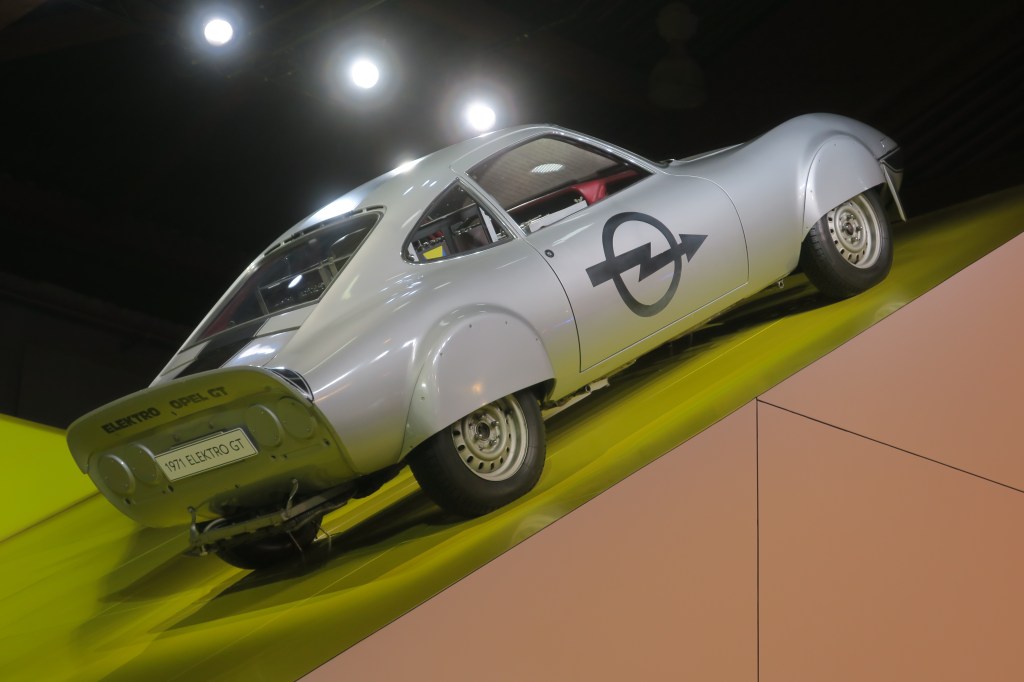
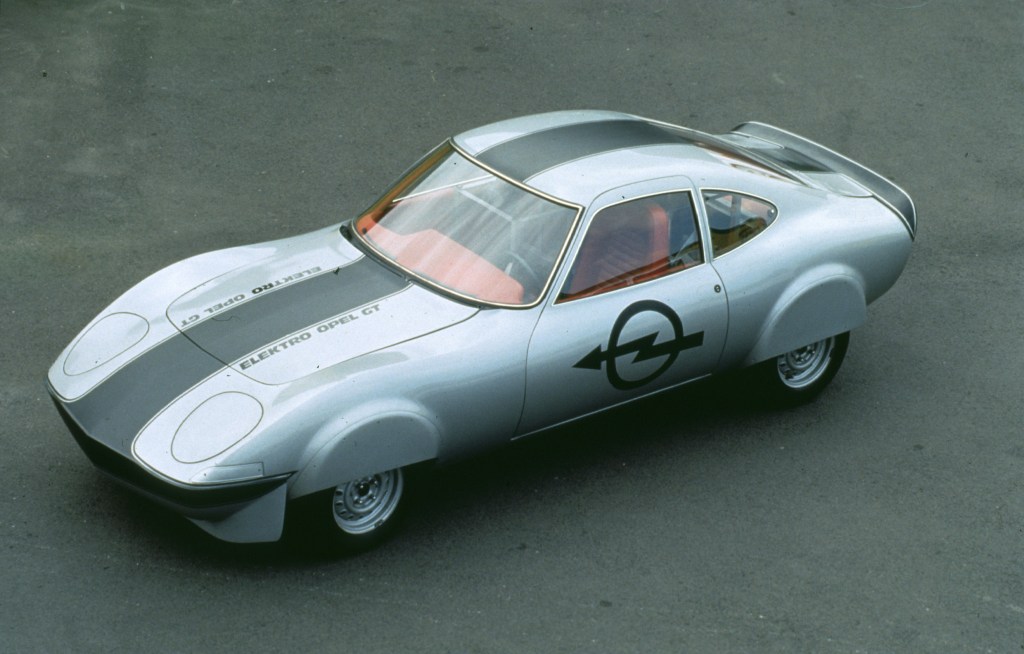
A stunning E-Opel at the latest Brussels show, with a remarkable logo…

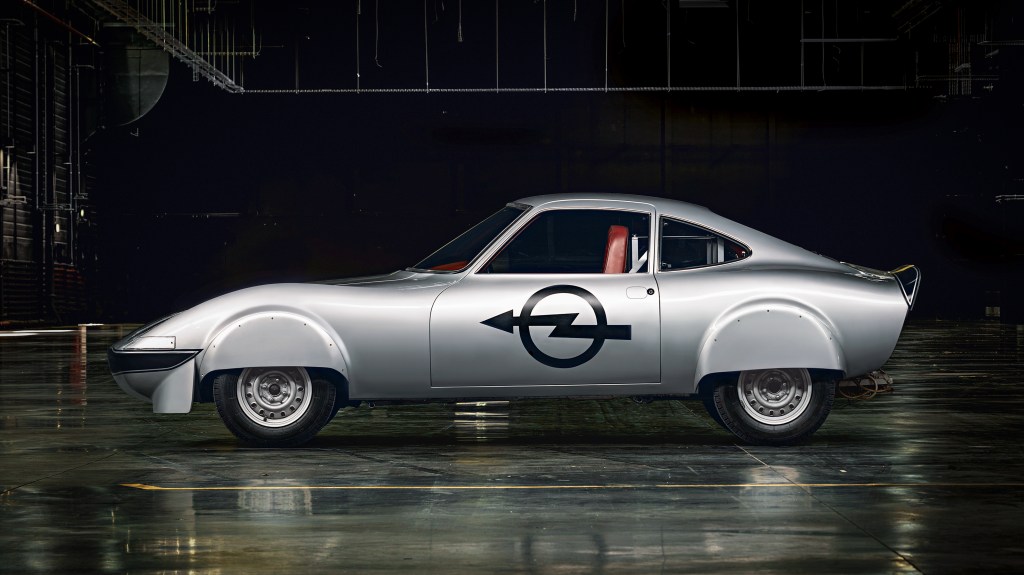
We stood on the latest Brussels Salon eye to eye with not only the latest Opel electric cars like the Corsa-e and Grandland X plug-in hybrid, but also with a stunning looking 1971 Opel Electro GT. Clearly, Opel has been dabbling with electric cars already since five decades. At the presentation on the Brussels show by Opel CEO Michael Lohscheller of the entire Opel range, we asked him why the very photogenic “E-power” Logo on the Opel Electro GT was not used for Opel’s present E-models.  

Opel Electro GT

But this aside, the early electric Opels were more than intriguing we found. So we delve a bit more in their history here…

Hans Knol ten Bensel

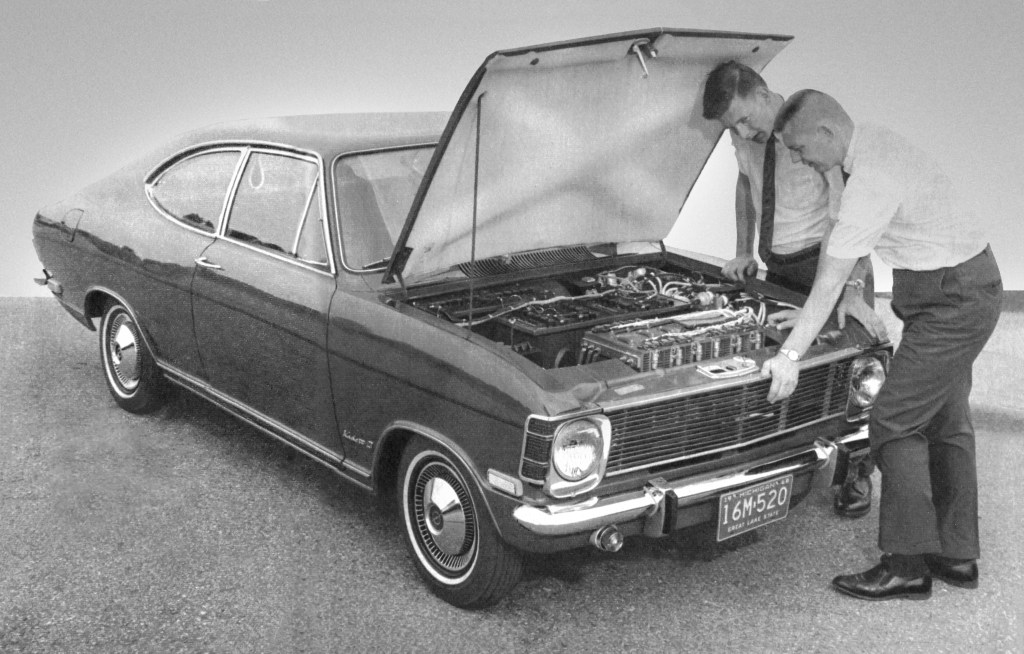
It is indeed a very long and interesting story, so we will come back on it several times. It all started back in 1968, when the Kadett B “Stir-Lec” I featured the principle of the “range extender” that would later go into production with the Opel Ampera. The “Stir-Lec” study was powered by 14 lead-acid batteries and the electricity that kept the batteries constantly charged was generated by a rear-mounted Stirling combustion engine.

Only three years later, Georg von Opel, the grandson of the company founder, broke six electric vehicle world records at the wheel of this stunning looking 188 km/h Opel Electro GT powered by two coupled electric motors producing 88 kW/120 hp. Energy was supplied by a 590 kilogramme nickel-cadmium battery pack and at a constant speed of 100 km/h, the car had a range of 44 kilometres.

I have personally sweet memories of the Opel GT. As a student but already dabbling in automotive journalism, I assisted at the presentation of the Opel GT 1900 in Port Grimaux, and was impressed by its agility on the winding roads in the Alpes Maritimes.

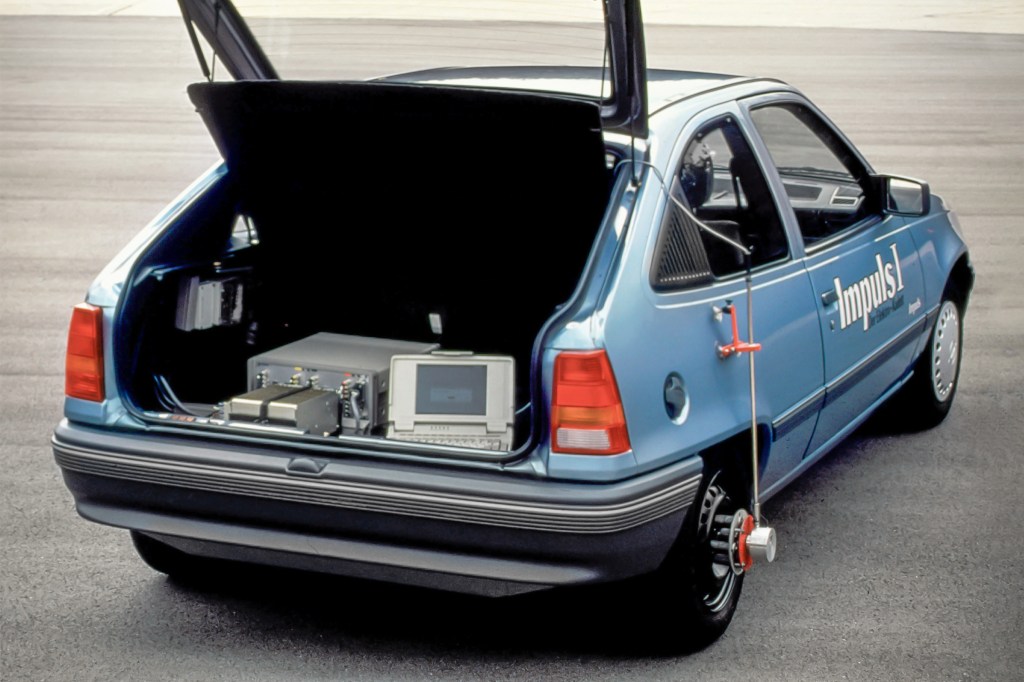
Research took a step forward with the Opel Impuls programme during 1990-97. The Impuls I was a Kadett-based vehicle powered by a 16 kW direct-current electric motor using nickelcadmium battery cells with a liquid electrolyte. It had a range of around 80 km and a top speed of 100 km/h. But more about the impuls programme later.

Opel also was keen on developing hydrogen propulsion.

In 2000, Opel’s fuel-cell development took to the streets with the Zafira-bodied HydroGen1. Its hydrogen fuel cell supplied electricity for a three-phase asynchronous motor giving 55 kW/75 hp and 251 Nm of torque. A buffer battery covered power peaks.

Arriving in Lisbon, Avenida da Torre de Belem…

In 2001, a fleet of 20 HydroGen3 models was driven by test customers. Power was increased to 60 kW/82 hp, giving a top speed of 160 km/h. In the 2004 Fuel Cell Marathon, two HydroGen3 vehicles covered nearly 10,000 km across Europe, from Hammerfest in Norway to Lisbon in Portugal. (See photo here above) At the wheel of a HydroGen3, Grand Prix and Opel DTM driver Heinz-Harald Frentzen also won the 2005 Monte Carlo Rally for cars with alternative propulsion.

A well styled gem… 13 years ago…

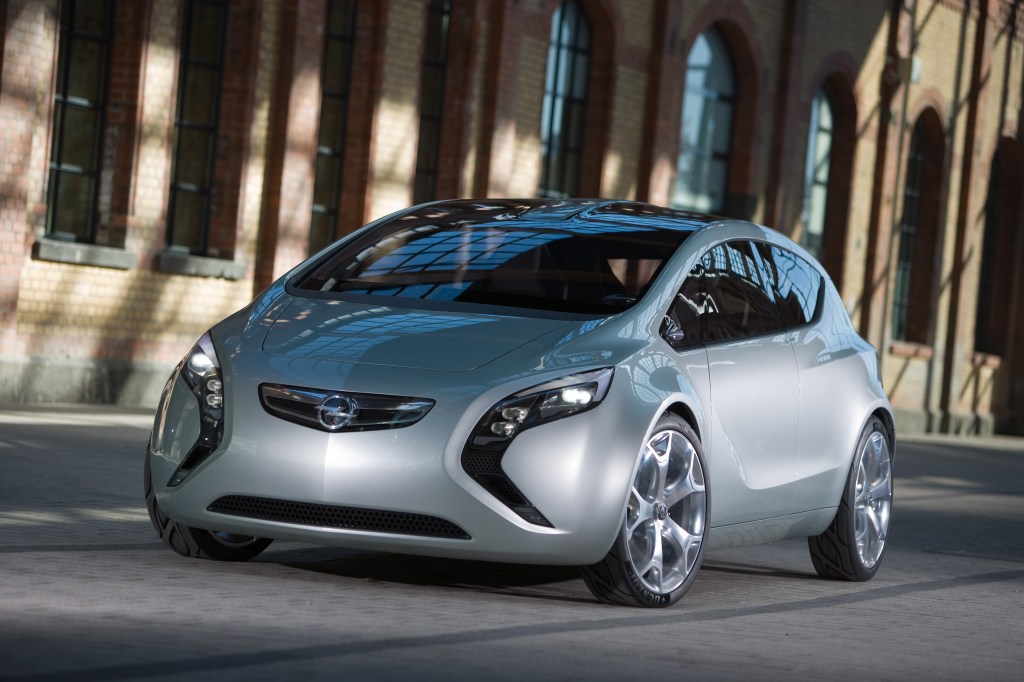
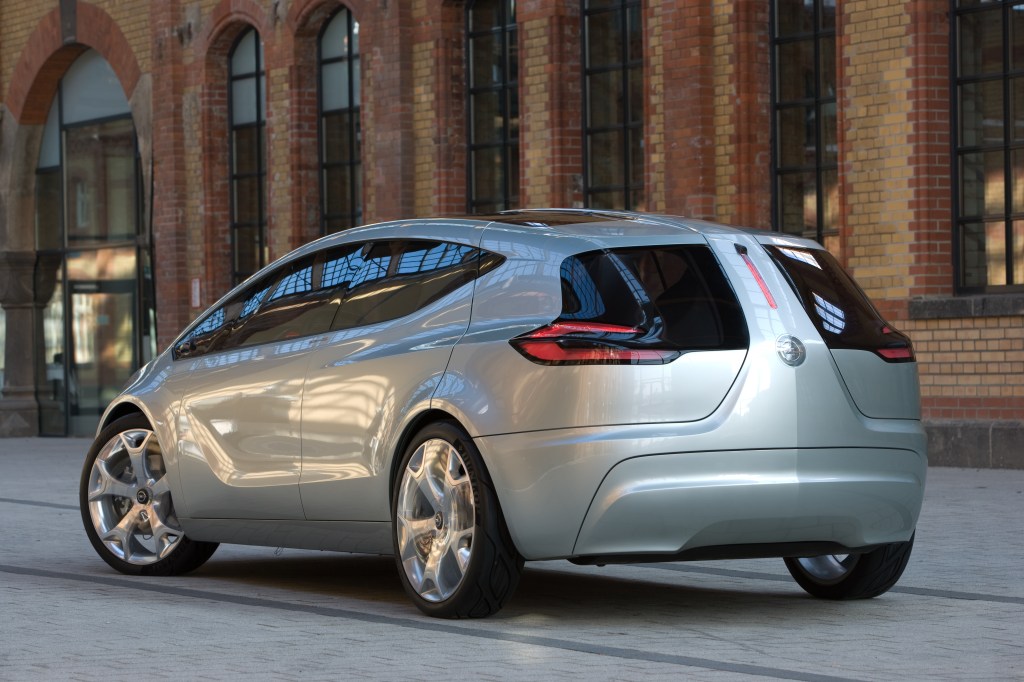
But we stumbled also on some surprisingly advanced and stylish E-cars. Indeed, Opel also pursued the development of battery-powered vehicles and presented the innovative Flextreme Concept at the 2007 IAA in Frankfurt, which featured the Voltec extended-range electric propulsion.

A harbinger of the Ampera, but more of that car in a following report.

In the meantime, just be surprised at the stunning elegance of the Flextreme…

Hans Knol ten Bensel

Citroën’s “AMI” brings E-power to all of us…

Citroën changes the world once again, after its post war 2 CV. Now in (and after) Corona times, it launches an E-powered runabout, which will make the world think differently about affordable, urban electric mobility.

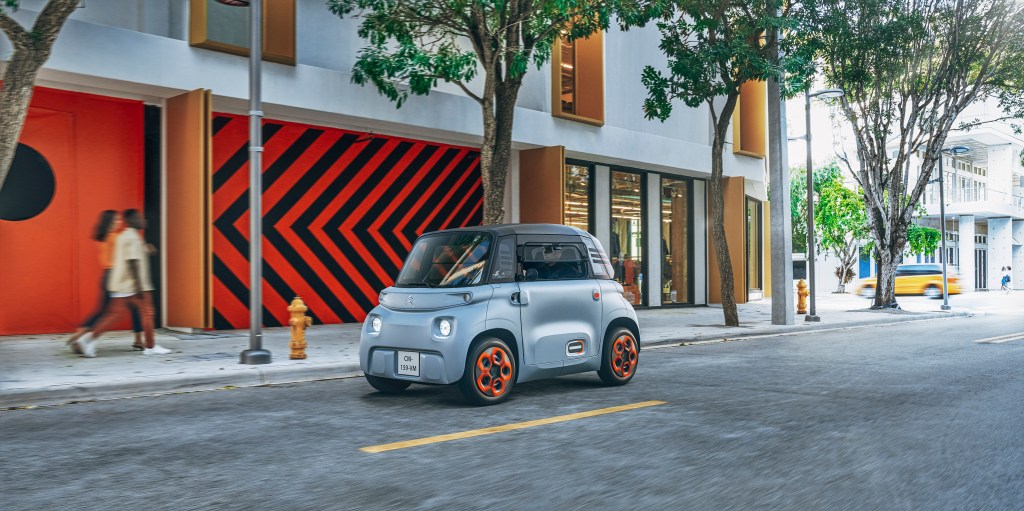
The “AMI”is non-conformist, with 2 seats, 100% electric, comfortable and protective, compact and agile, of course to be customized at will.

As a direct descendant of AMI ONE Concept introduced at the Geneva Motor Show in March 2019 and following the strong interest it generated, Ami has become a reality in barely a year.

Ami is a practical response to new mobility expectations for short journeys: enabling easier access to city centres, finding micro-mobility means for everyone, and presents a real alternative to scooters, bicycles, mopeds, public transportation at reasonable cost.

Nimble and simple, E power for all…

The AMI is ultra-compact: set on its specially designed 14″ wheels located at all four corners for easy handling, Ami is 2.41m long, 1.39m wide and 1.52m high.It has a 7.20m turning diameter.  It is a light quadricycle, which benefits from a smooth clutch-less ride and an instant acceleration from a stand-still , capable of speeds of up to 45km/h. Ideal for multiple short trips in the city – such as going to a meeting, to work, running an errand or going out for the evening – Ami has a range of up to 70 kilometres.

Copyright maison-vignaux @ Continental Productions

Its 5.5 kWh lithium-ion battery, housed flat under the floor, can be charged via the on-board electric cable located in the passenger-side doorway. Once the cable is plugged in, 3 hours are enough for a full charge on a conventional 220 V socket. The use of Ami is as simple as any everyday electric object. Ami – 100% electric can also be charged at a public terminal or Wall Box using a suitable cable.

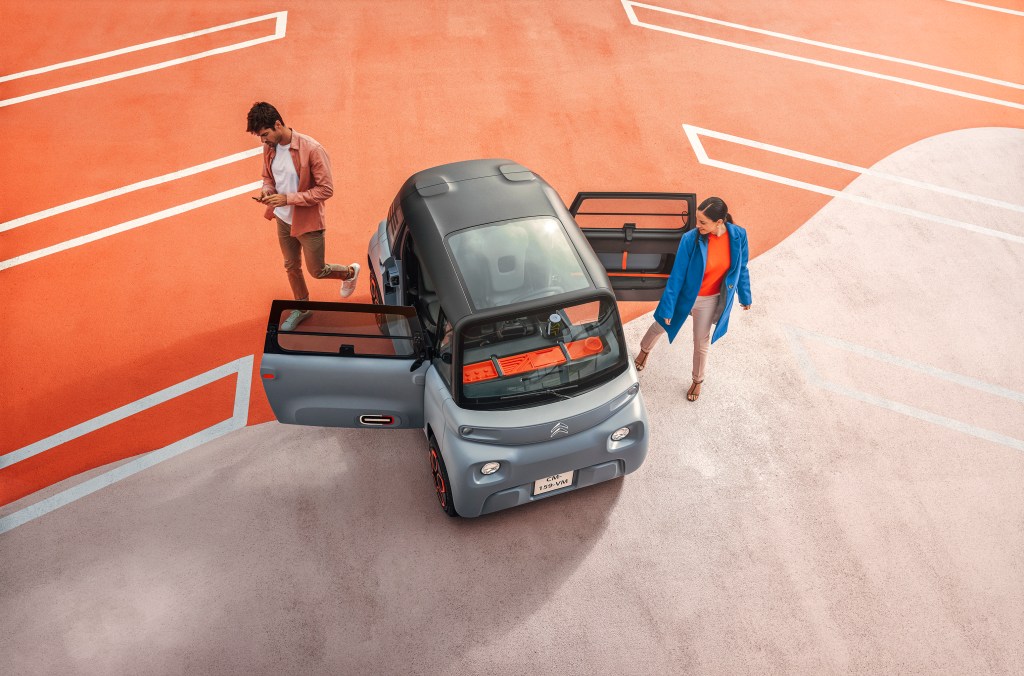
The AMI has a standard panoramic roof. In a nod to Citroën’s history, the side windows open by manually tilting upwards like the 2 CV.6 coloured accessory packs are available. Bright and pleasant, it is symmetrically designed. The wide doors that are completely identical on the right and left and open in the opposite direction: rear-hinged on the driver’s side to benefit from better on-board accessibility and increased comfort, and traditionally front-hinged on the passenger side.

Make your own mark…  

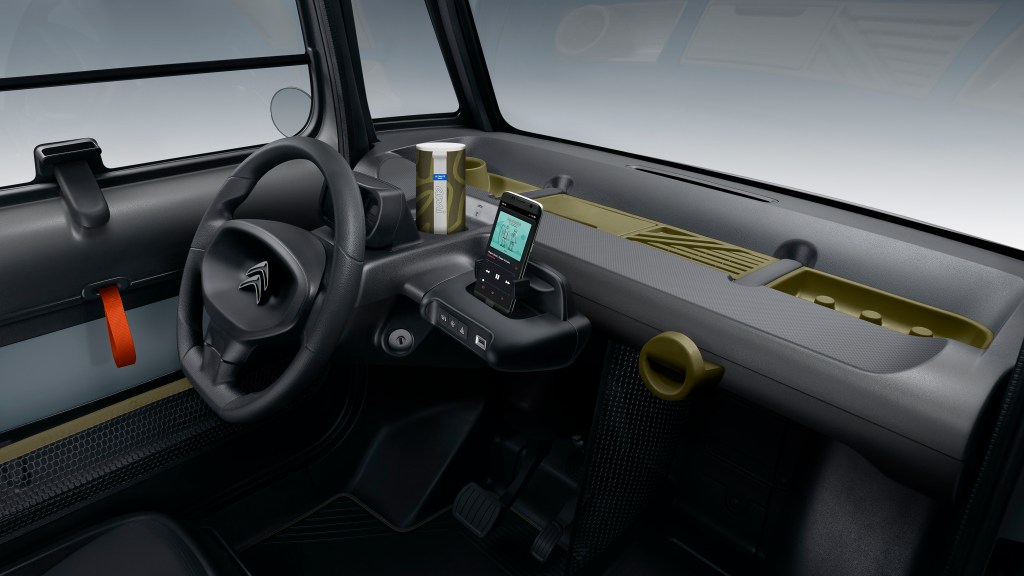
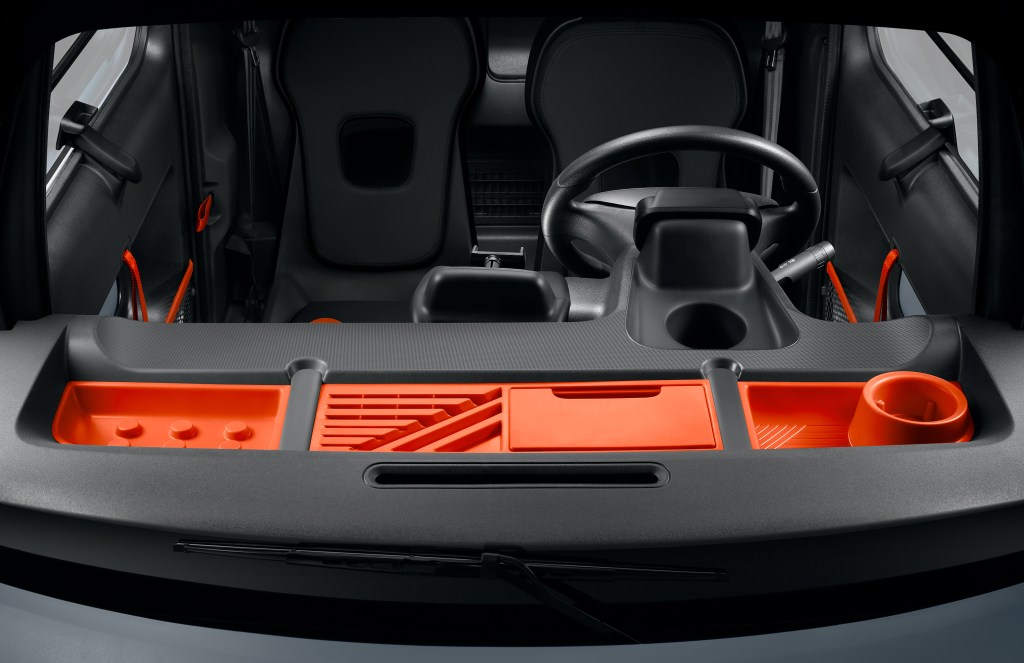
In a “Do It Yourself” fashion, the possibility of creating the object that suits each customer’ tastes through a kit of accessories that can easily be installed yourself. This kit incorporates functional decorative items: a central separation net, a door storage net, mat, storage tray on the top of the dashboard, small hook for a handbag, smartphone clip, DAT@MI box (dongle device) connected to the My Citroën app to retrieve essential information from Ami on the smartphone.

Post-production : Astuce Productions

There is harmony between the interior and the exterior with touches of colour on the wheel trims, quarter-panel stickers or even a capsule at the bottom of the door. 4 main shades are available: MY AMI GREY, MY AMI BLUE, MY AMI ORANGE, and MY AMI KHAKI. This accessory kit allows everyone to create their own mood and tailor the functionalities to their needs.

Post-production : Astuce Productions

Another and even higher level of customisation offers 2 packs combining all the aforementioned decorative elements as well as large stickers that dress up the exterior of Ami giving it a style all of its own:

My Ami POP with the Orange customisation and a fun, young and sporty design, with a rear spoiler

My Ami VIBE with the Grey colour and more upscale, chic and graphic accessories that incorporate roof trims to complement the stickers.

The installation of these higher level customisation packs is entrusted to professionals before delivery.

No driver’s license needed…

Copyright maison-vignaux @ Continental Productions

The AMI is in its home country AM licenced, i.e. for engines under 50 cm3. Any 14 year old can drive it. In most European countries, a 16 year old can do too. Ami also makes life easier for its customers in accessing mobility by offering them several formulas through digital solutions: car sharing, rental or purchase. The rates are very low indeed, will of course vary from country to country. But let it be known that you can purchase an AMI for around 6,000 Euros…  

Post-production : Astuce Productions

Ami is offered in France at a rent of €19.99 including VAT per month with an initial payment of €2,644 including VAT (Ami Ami version; long-term rental of 48 months, ecological bonus of €900 including VAT deducted in France).

Buy it from home…

It is therefore possible to acquire Ami – 100% ëlectric 24 hours a day, 7 days a week. Everything, from discovery to order, can be done from your sofa using your tablet or smartphone in just a few clicks via citroen.fr website, which is the entry point for finding out about Ami, which provides information on the product and on solutions adapted to the needs dictated by each person’s needs.

Digital is present in using Ami – 100% ëlectric with My Citroën mobile app via DAT@MI connected box. The application allows drivers to access essential information about Ami at any time via a smartphone, including: range, charge status and time remaining for a 100% charge, mileage, maintenance alerts and after-sales appointment scheduling. The app also makes it easy to locate nearby public charging stations, a feature offered by Free2Move Services.

More details to come soon, the opening of orders is scheduled for 30 March in France, and a few months later in Spain, Italy, Belgium, Portugal and then Germany. The first deliveries to customers are scheduled for June in France. Car-sharing at Ami’s wheel will start in Spring in Paris with versions bearing the “Free2Move” logo. Of course we are eagerly awaiting to see and drive the AMI “in the flesh”!

Hans Knol ten Bensel
Volkswagen uses 3D printing to produce face shields to fight Coronavirus…

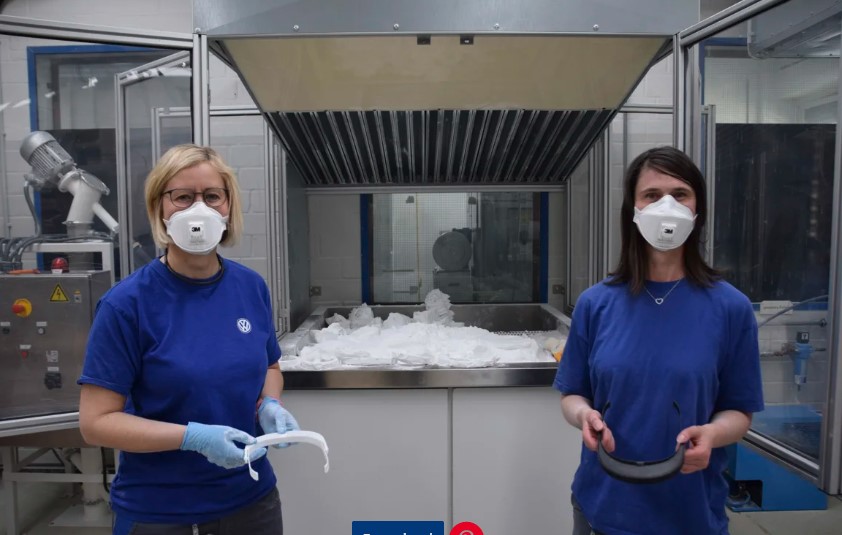
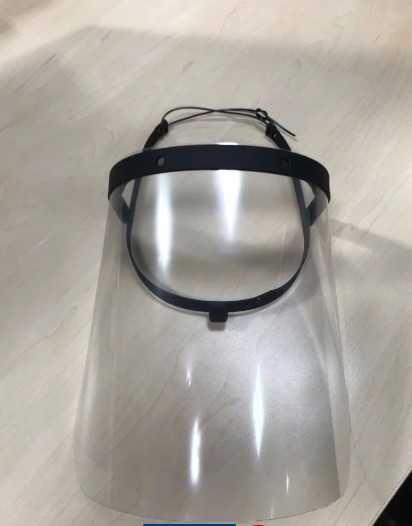
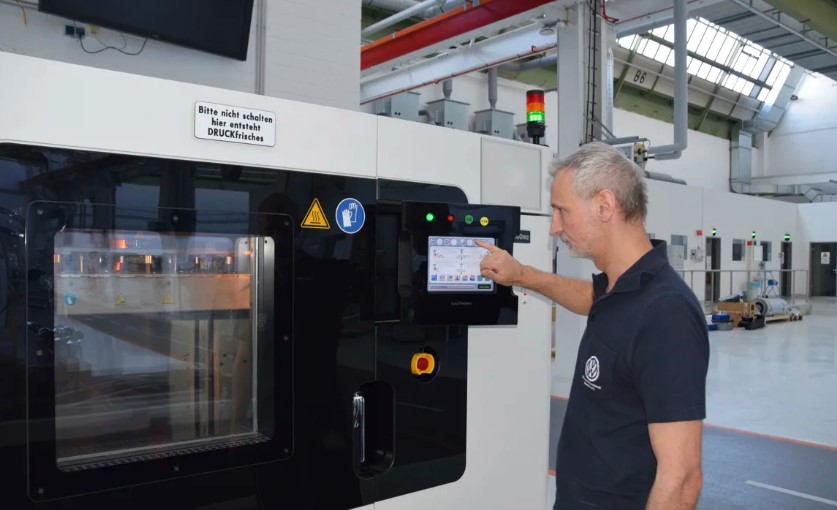
In response to the corona crisis, the Volkswagen Group has started to produce face shield holders by 3D printing. This is part of a joint transnational initiative with Airbus and the 3D printing network “Mobility goes Additive”, which includes about 250 companies.

The products developed by Airbus will be used in Spain and will be flown from Hamburg to Madrid by Airbus. In addition, there are a number of other initiatives by Volkswagen Group brands to produce medical supplies.

Production is in progress not only at the large 3D printing centers in Wolfsburg and Ingolstadt, but also at other plants of Audi, Bentley, Bugatti, MAN Truck & Bus, Porsche, Volkswagen Passenger Cars, Volkswagen Group Components and Volkswagen Motorsport. The Group currently uses more than 50 3D printers at its plants continuously adding additional printers for this project.

Lamborghini, SEAT, ŠKODA and Volkswagen Passenger Cars are also working on other medical supplies: Volkswagen Navarra (Spain) has already started last week to produce face shields and has handed about 1,000 units to the Navarra Government.

In collaboration with the Technical University in Prague, ŠKODA has developed a 3D printing process to produce reusable FFP3 respirators. The Czech Ministry of Health is now distributing these to doctors, hospitals and nursing staff.

Skoda is printing in 3D reusable FFP3 respirators…

Lamborghini is converting departments of its super sports car production plant in Sant’Agata Bolognese in order to produce surgical masks and protective plexiglass shields. The masks will be donated to a hospital in Bologna.

Lamborghini is stitching face masks…

SEAT is currently working on several initiatives to collaborate, including the production of a mechanical ventilator that will be assembled in Martorell and various models of face masks which are still pending official approval. See our story elsewhere. Volkswagen South Africa is also printing masks and face shields which are pending official approval.


Lamborghini Research and Development technicians and engineers are producing 200 medical face shields per day…

To date, Volkswagen has already donated several hundred thousand medical face masks for the public health system in Germany. The Volkswagen Group has also decided to donate additional medical supplies such as face masks and protective clothing for medical centers and hospitals with a total value of about €40 million. This is intended as a contribution to maintaining the functioning of the health system in Germany. As a global group, Volkswagen is also using its international supplier and logistics network to provide support for the procurement of medical equipment and supplies.

Hans Knol ten Bensel

BMW does not forget hydrogen propulsion…

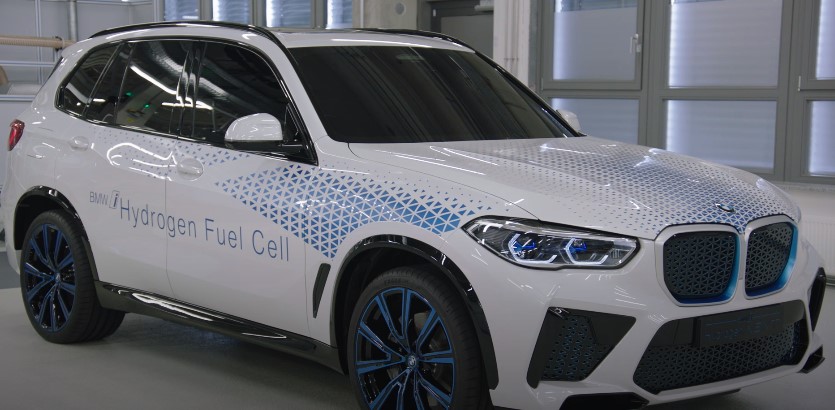
The second generation of the BMW fuel cell powertrain with a total system output of 275 kW will be piloted in the BMW i Hydrogen NEXT from 2022

BMW continues to look at alternative powertrain technologies. Did you know that the BMW Group is teaming up with the Toyota Motor Corporation as part of a successful partnership that dates back to 2013?

The two manufacturers have joined forces to work on fuel cell powertrain systems and scalable, modular components for hydrogen fuel cell vehicles under a product development cooperation agreement.

Fuel cells from the cooperation with Toyota will be deployed in the BMW i Hydrogen NEXT, alongside a fuel cell stack and overall system developed by the BMW Group.

As well as partnering on the development and industrialization of fuel cell technology for the mass market, the two companies are also founding members of the Hydrogen Council. A wealth of other leading companies in the energy, transport and industrial sectors have joined the Hydrogen Council since 2017, swelling its ranks to over 80 members.

According to Klaus Fröhlich, Member of the Board of Management of BMW AG, Research and Development, the hydrogen fuel cell technology could quite feasibly become the fourth pillar of our powertrain portfolio in the long term. The upper-end models in the extremely popular X family would make particularly suitable candidates here.

Not for the immediate future…

A customer offer powered by hydrogen fuel cell technology will be brought to market at the earliest in the second half of this decade. There are many good reasons for this cautious but realistic approach. “In our view, hydrogen as energy carrier must first be produced in sufficient quantities at a competitive price, using green electricity. Hydrogen will then be used primarily in applications that

cannot be directly electrified, such as long-distance heavy duty transport,” said Klaus Fröhlich. The requisite infrastructure, such as an extensive, Europe-wide network of hydrogen filling stations, is also lacking at present.

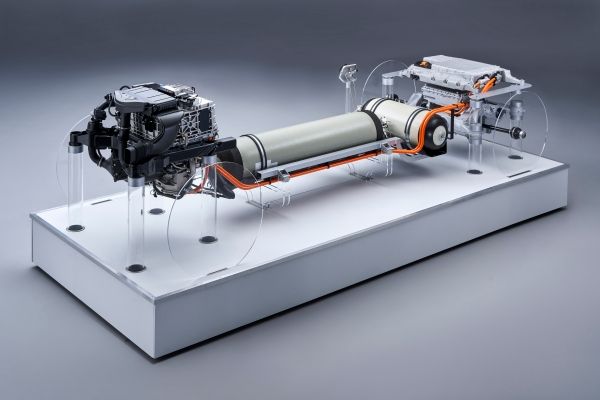
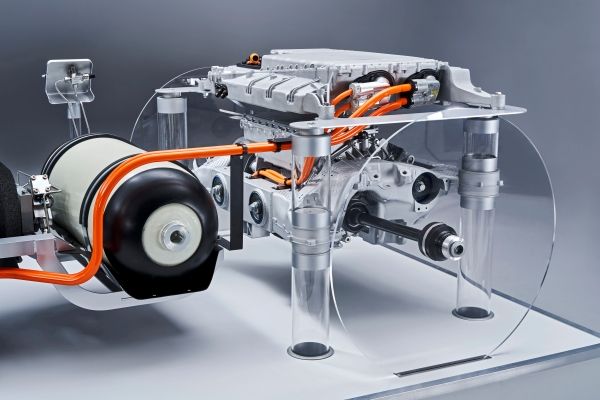
Initial technical details of the powertrain for the BMW i Hydrogen NEXT.


The BMW i Hydrogen NEXT will be propelled by the 5th generation e-machine, which will first be launched in the BMW iX3. The peak power battery located above the e-drive unit can supply boost power for additional dynamics, e. g. when overtaking. The total system output is 275 kW.

“The fuel cell system for the powertrain for the BMW i Hydrogen NEXT generates up to 125 kW (170 hp) of electric energy from the chemical reaction between hydrogen and oxygen from the ambient air,” explains Jürgen Guldner, Vice President of Hydrogen Fuel Cell Technology and Vehicle Projects at the BMW Group.

This means the vehicle emits nothing but water vapour. The electric converter located underneath the fuel cell adapts the voltage level to that of both the electric powertrain and the peak power battery, which is fed by brake energy as well as the energy from the fuel cell.

The vehicle also accommodates a pair of 700 bar tanks that can together hold six kilograms of hydrogen. “This guarantees a long range regardless of the weather conditions,” notes Guldner. “And refuelling only takes three to four minutes.”

The fifth-generation eDrive unit set to make its debut in the BMW iX3 is also fully integrated into the BMW i Hydrogen NEXT.

The peak power battery positioned above the electric motor injects an extra dose of dynamics when overtaking or accelerating. The total system output of 275 kW (374 hp) fuels the typical driving dynamics for which BMW is renowned. This hydrogen fuel cell electric powertrain will be piloted in a small series based on the current BMW X5 that the BMW Group plans to present in 2022.


The BMW i Hydrogen NEXT will be propelled by the 5th generation e-machine, to be seen first in the BMW iX3.

We just let you look at the photos here, giving you a detailed look into the hydrogen future…

Hans Knol ten Bensel
Mercedes puts 3D printers and F1 team at work against Corona virus…

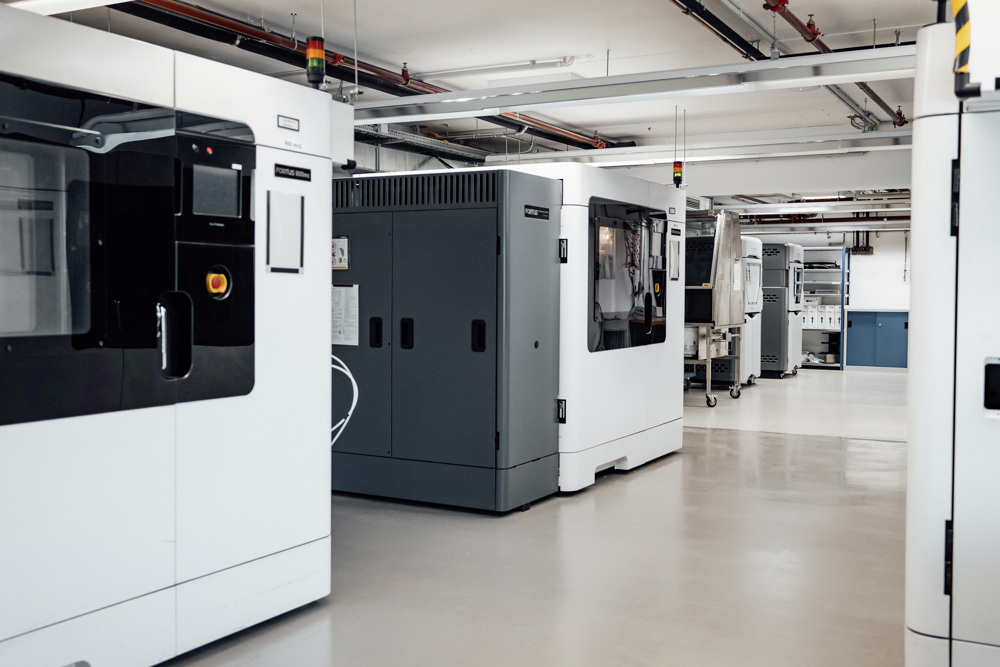
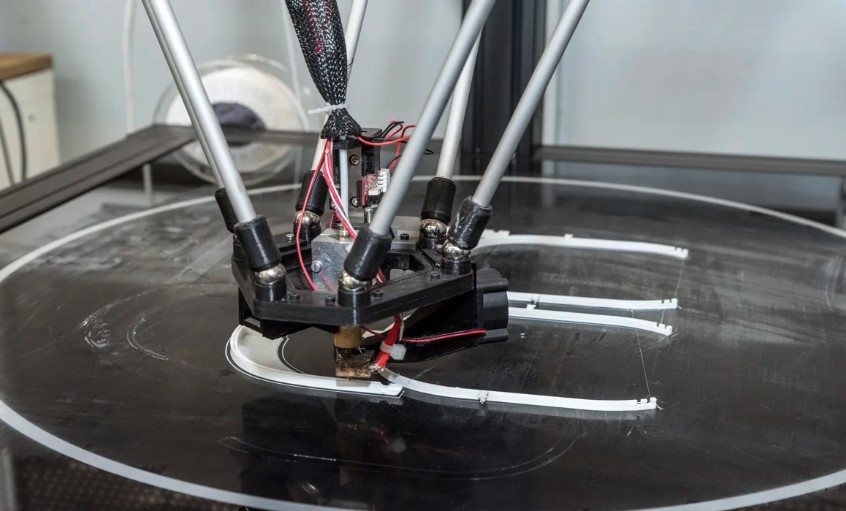
A part of the professional machinery: the Fused Deposition Modeling (FDM) process.

In usual times, the 3D printers at Mercedes-Benz produce automobile components. Now Daimler is making its machines, know-how, and trained specialists available for the production of medical equipment.

As many as 150,000 components are 3D-printed annually at Daimler’s car production plants. In usual times these components are primarily used in prototype construction and small-series production. This capacity is now used in full for the production of medical equipment. See the film on https://youtu.be/GjTNernMVfk. 

The Formula One Team is developing and producing breathing aids.

Many of the competing F1 teams have joined their forces and are now working at high speed to produce breathing aids. The Mercedes-AMG Petronas Formula One Team is working together with six other Formula One teams in order to help. So-called CPAP breathing aids, which have been developed in record time by the University College London and Mercedes-AMG High Performance Powertrains, are already in use in hospitals; the company’s experts are currently producing more of these machines.

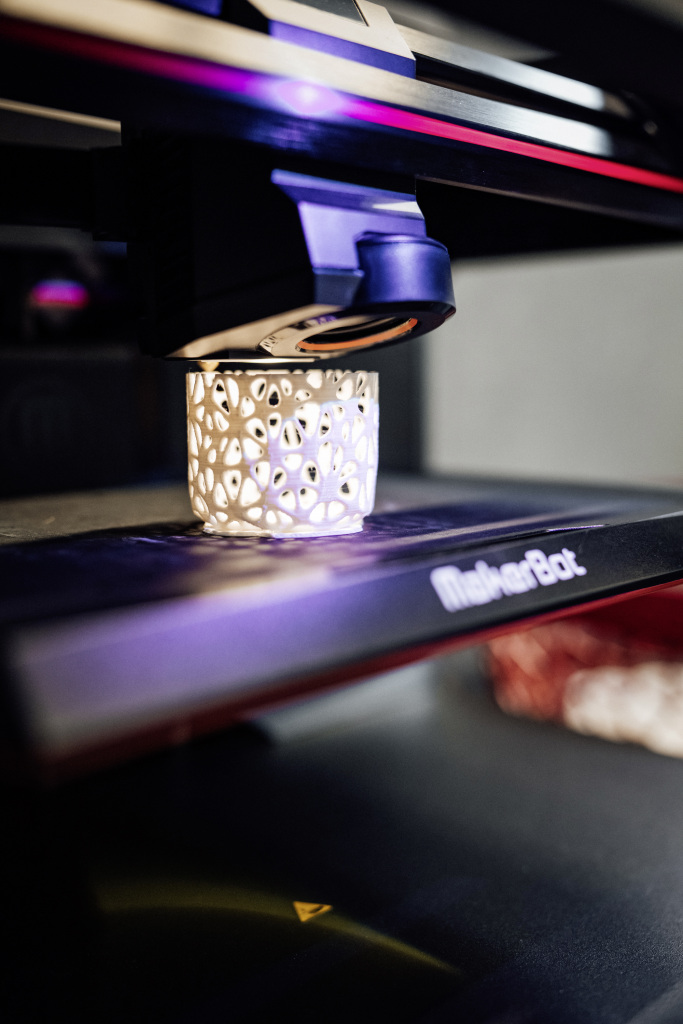
Typical desktop printer: FDM process for smaller applications. Representation of a bionic component structure – an advantage of additive manufacturing.

In France, the PSA Group and Valeo are contributing volunteer workers, factory space and technical expertise to help France ramp up domestic production of ventilators to help coronavirus victims.

The Mercedes factory printer is running: layered application of the sinter fill powder on a professional SLS machine.

This venture, led by ventilator maker Air Liquide Medical Systems, seeks to produce 10,000 units by the middle of May.

PSA said it would build mechanical components of the ventilators in its factory in Poissy, west of Paris. There 50 volunteers will be involved, a further 50 at PSA’s technology center in Velizy. Final assembly of the units will be in Air Liquide’s nearby factory in Antony.

At Mercedes, the printing is finished. The component is “unpacked” and cleaned.

Valeo will lend its expertise by putting some of its purchase department staff in charge of supplier management and working out the procurement process. It will provide R&D support, and expertise in plastics and mechanical and electronic technologies. Valeo production engineers will help set up processes and training.

The effort is widespread: some 100 other French companies have been enlisted to provide parts and technical support.

Worldwide efforts…  

Other carmakers and suppliers in China, Europe and the US have announced plans to build medical equipment and face masks. Among them are BYD, Fiat Chrysler Automobiles, Ford, GM, McLaren, Tesla and Volkswagen.

For example, Lamborghini has started making face shields and face masks at its plant in Sant’Agata Bolognese, Italy.

Hans Knol ten Bensel
Renault Morphoz: the boldly flexible E future as seen by Renault…

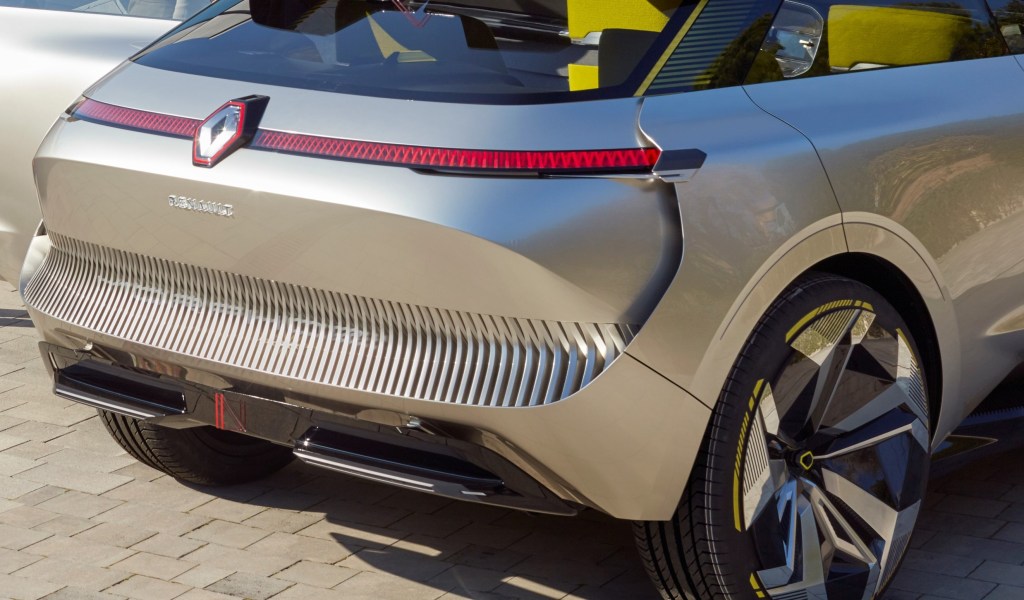
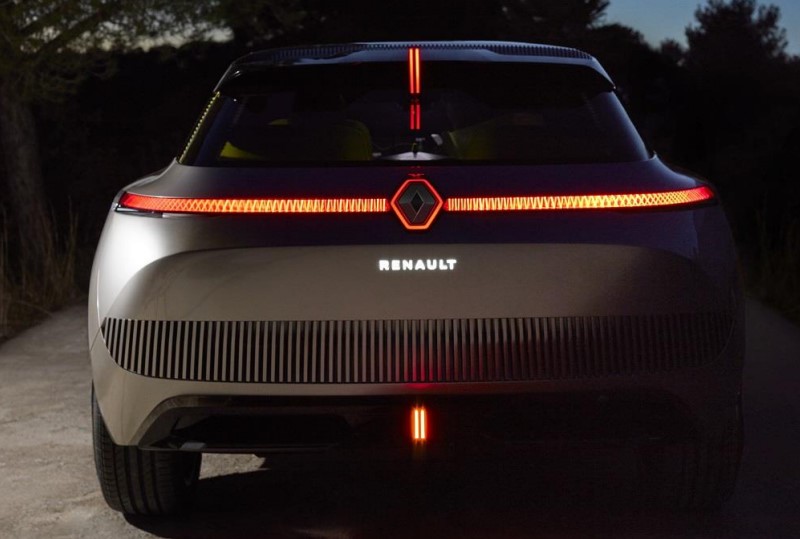
The futuristic car on the photo here embodies Renault’s vision of personal, shareable electric mobility in the years beyond 2025. It’s called the MORPHOZ.

It draws on the Alliance’s new modular CMF-EV electric platform to offer several configurations not only of power, capacity and range, but also of user options and boot space too.

Faithful to the brand’s DNA, the MORPHOZ concept embodies the Family petal of Renault’s ‘Life Flower’ design strategy, which is based around the stages within a person’s life.

However, it is not only just a vision of mobility. In its design, details and interior presentation, this MORPHOZ also heralds a new family of Renault electric models for the coming years. 

The Renault MORPHOZ uses a brand new 100% electric modular platform

that we call CMF-EV.

Like the CMF-B platform which was inaugurated last year by the Clio and used on the New Captur, CMF-EV has been developed by the Alliance. It allows us to design, build, adjust and fine-tune electric vehicles more easily than with a platform designed for internal combustion engines (ICE) or for mixed ICE/electric applications. 

The platform’s architecture allows a long wheelbase with wheels at the very corners of the vehicle, reduced overhangs and a flat floor. With a streamlined battery, the CMF-EV platform allows to design vehicles that are closer to the ground, with a lower roof and the all-important improvement in aerodynamic performance. The low centre of gravity is also a bonus thanks to the location of the batteries below the rear floor.

MORPHOZ, a personal vehicle that can be tailored to requirements

Renault MORPHOZ is a 100% electric adaptable crossover concept car which charges by induction even as it is being driven.

It is connected and equipped with level 3 autonomous driving functions. Like the SYMBIOZ concept unveiled in 2017, this is a personal vehicle which now boasts specific sharing functions.

2020 – Renault MORPHOZ

The high adaptability of the MORPHOZ concept-car is demonstrated by the physical transformation that occurs between its two versions: the short “City” one and the long “Travel” one.

The vehicle is in fact capable of adapting itself to the way its users live, be it for daily use or, for example, holiday travel. To achieve this, the City version is fitted with just the right battery capacity to meet day-today requirements, while the Travel version can accommodate the extra capacity needed for long distances on motorways, for example.

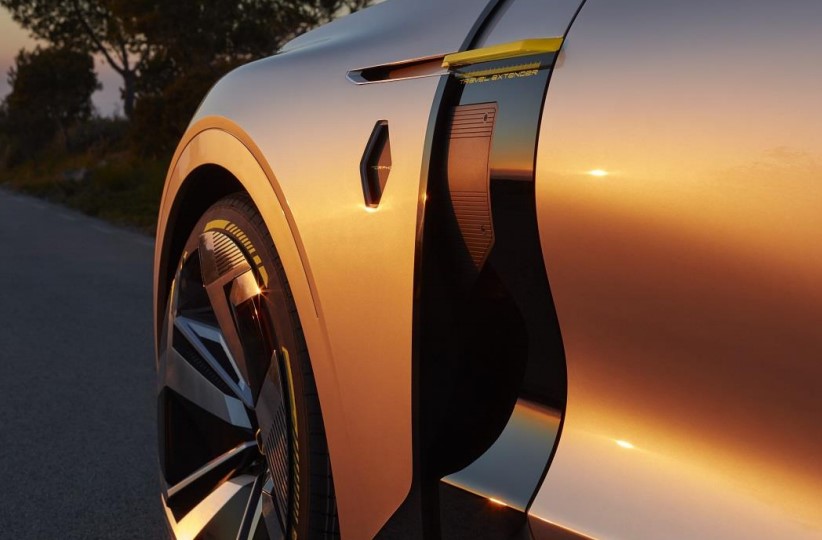
Although it is very slender in the City version, the vertical section of the front wing on the MORPHOZ expands in the Travel version as the vehicle’s bodywork and wheelbase lengthen.

Although its primary role is to display the capacity meter of the onboard batteries, its black and yellow finish also makes it stand out from the rest of the bodywork.

The City version

The short City version of the Renault MORPHOZ is 4.40 metres long. At 2.73 metres, its wheelbase is a record for such a vehicle length,so that it can easily house the 40 kWh of batteries that are fitted as standard.

The long Travel version of the Renault MORPHOZ is 4.80 metres long. Its wheelbase is proportionately longer at 2.93 metres to allow it to accommodate the additional battery capacity and provide a spacious interior. It can thus carry extra batteries that provide 50 kWh of power (total capacity of 90 kWh) and offer more leg room for the passengers, along with enough space for two more suitcases. In addition, this version – which benefits from a specific light identity – has a specific tapered

front-end and profile to improve its aerodynamic performance for long distances.

A very clever car, brimming with further smart solutions for its passengers, more about this in a next report…

Hans Knol ten Bensel
Volkswagen news to admire via webcast, and not in Geneva…


Ralf Brandstätter, Chief Operating Officer of the Volkswagen Brand, presents here the ID. CROZZ showcar

We are living in digital times. So even when the Corona virus limits (temporarily, as we all hope) our present mobility, and led to the cancellation of the Geneva Motor Show, we can still see all the automotive news via our PC’s, Phones, Tablets.

Volkswagen presents therefore its important news on a special webcast, for you to admire via the following link: https://www.volkswagen-newsroom.com/en/live-stream-5455.

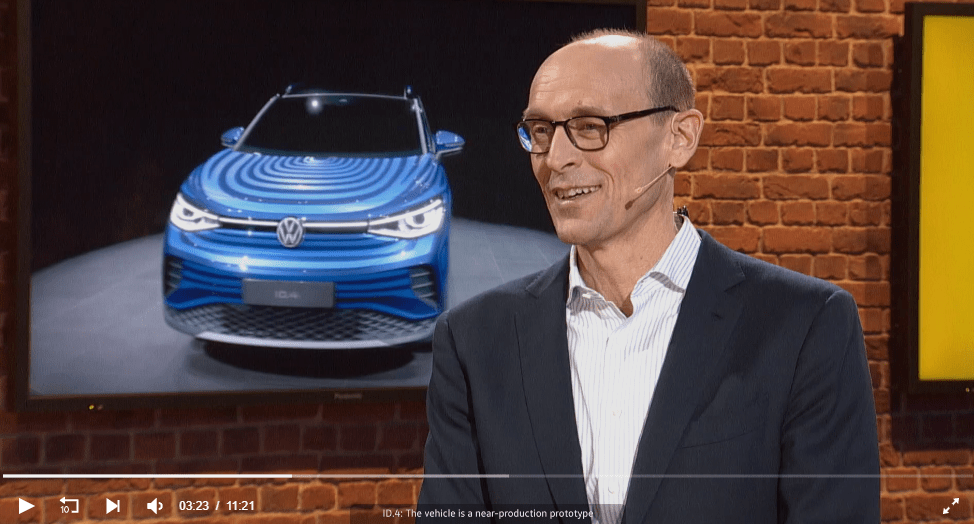
Ralf Brandstätter, Chief Operating Officer of the Volkswagen Brand, presents here the ID. CROZZ showcar, which now evolves into its series production version, the ID.4.

Volkswagen is forging ahead with its electric mobility strategy by providing a detailed insight into the brand’s first all-electric SUV. The new ID.4 will be launched this year. Following in the tracks of the ID.3, the countdown has already begun for the second model based on the new modular electric drive matrix (MEB). “Just like the ID.3, the ID.4 will also come onto the market as a carbon-neutral vehicle”, explains Ralf Brandstätter, Chief Operating Officer of the Volkswagen brand. “We will produce and sell the ID.4 in Europe, China and the U.S..”

Just read on for more VW news…

Hans Knol ten Bensel
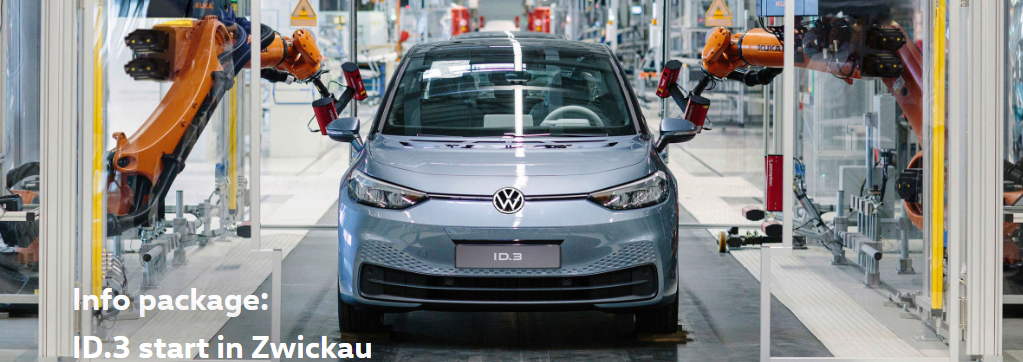
The ID. 3 started production in Zwickau, the ID.4 now follows…

The ID.4 will initially be launched with rear-wheel drive, while an electric all-wheel drive version will be added to the portfolio at a later date. The high-voltage battery is positioned near the center of the underbody to create a low centre of gravity and an optimum in terms of driving dynamics, along with an extremely well-balanced axle load distribution.

Also new mild and plug-in hybrid drives…

For Volkswagen, the ID.4 and ID.3 represent important milestones in the brand’s bid to become entirely carbon-neutral by 2050 – in line with the Paris climate agreement. Plans have been put in place to reduce the Volkswagen fleet’s CO2-emissions by a third by as early as 2025.

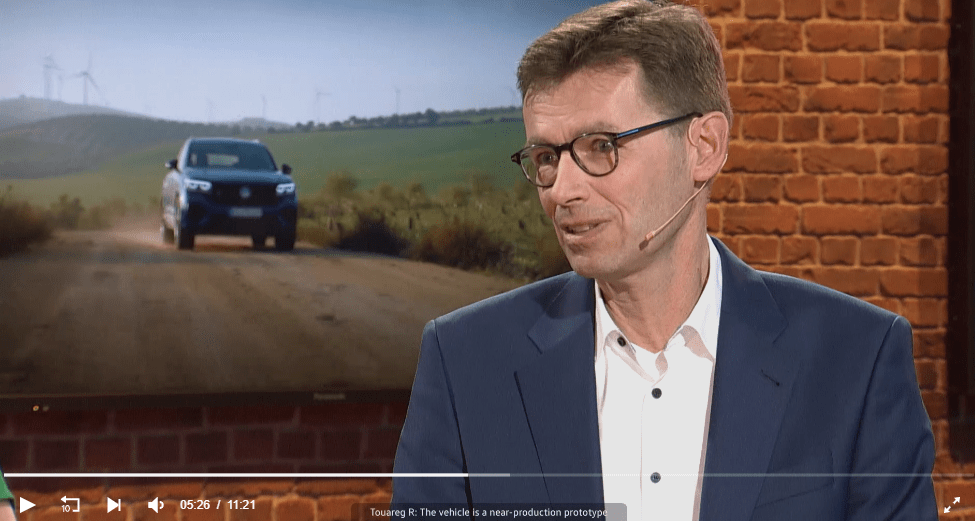
Dr. Frank Welsch, Member of the Board of Management of the Volkswagen Passenger Cars Brand with responsibility for Technical Development, presents in the webcast the new Touareg R

Volkswagen is currently investing one billion euro to electrify its model range while also offering an increasing number of hybrid vehicles. This is based on the fact that, just like electric powertrains, new mild and plug-in hybrid drives in large-scale product lines such as the all-conquering Golf will significantly help to reduce fleet emissions in the future.

New Touareg R

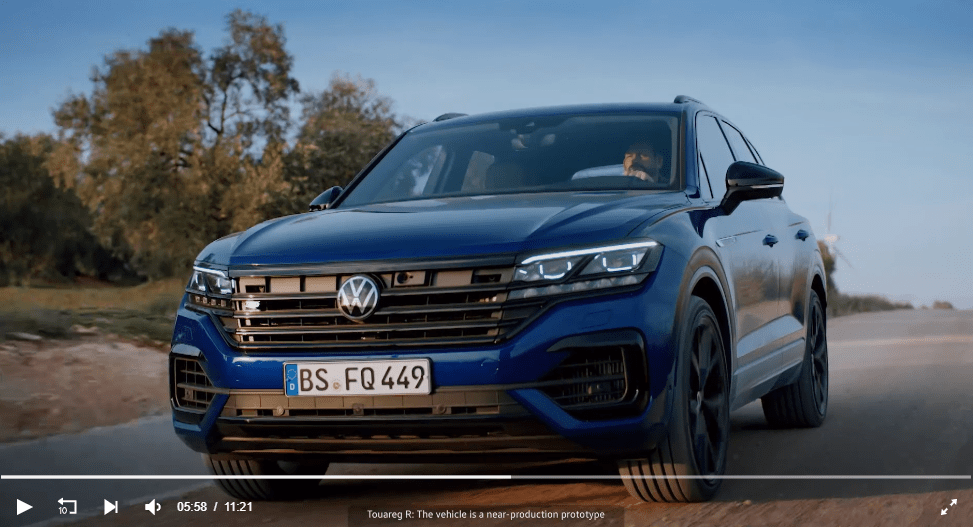
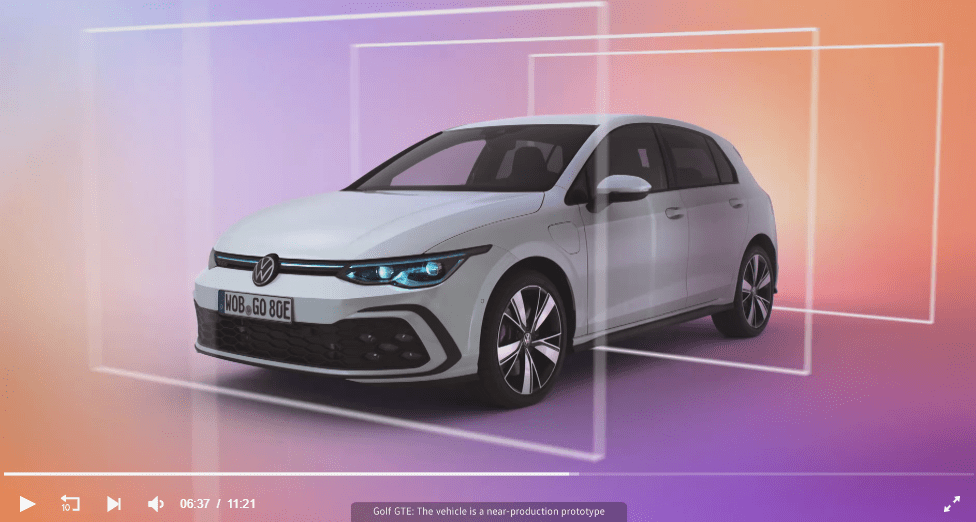
This is why the company’s focus during the webcast is not only on ID. models, but also on new Volkswagen models with hybrid drive. Dr. Frank Welsch, Member of the Board of Management of the Volkswagen Passenger Cars Brand with responsibility for Technical Development, presents in the webcast the new Touareg R with plug-in hybrid technology and the the Golf GTE 2 for the very first time.

The Touareg R,the most powerful Volkswagen model will in future also be powered by an efficient plug-in hybrid system. The alliance between an electric drive motor generating 100 kW (136 PS) and a V6 turbocharged petrol engine (TSI) with an output of 250 kW (340 PS) develops a system output of 340 kW (462 PS). The battery capacity of the Touareg R with a top speed of 140 km/h in all-electric E-MODE has been designed so that most average daily commuting distances can be covered with zero emissions.

Golf GTE with stronger battery…

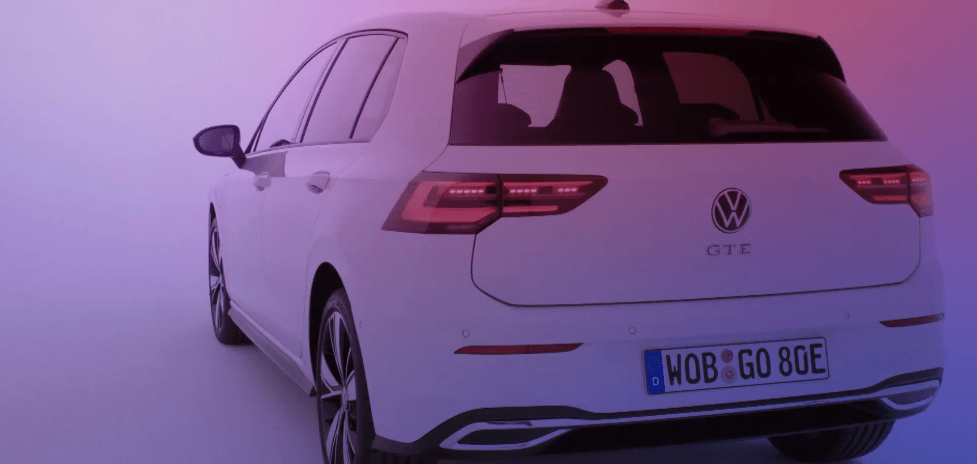
The same applies to the new Golf GTE – its plug-in hybrid drive has been geared towards performance and consists of an electric drive motor with 85 kW (115 PS) and a four-cylinder turbocharged petrol engine (TSI) generating 110 kW (150 PS). As a unit, the electric drive motor and the TSI develop a system output of 180 kW (245 PS). The new Golf GTE’s top speed in all-electric mode is 130 km/h.

Further Volkswagen highlights include the new Golf GTD, which generates significantly lower nitrogen oxide emissions compared with its predecessor thanks to innovative twin dosing technology, plus the eighth generation of the Golf GTI, produced more than 2.3 million times. The most recent version is powered by a 180 kW (245 PS) 2.0-litre turbocharged direct injection engine. The maximum torque is 370 Nm. The four-cylinder engine is coupled with a 6-speed manual gearbox as standard.

Last but not least, the eight generation of the GTI takes the central stage, presented again by Ralf Brandstätter, Chief Operating Officer of the Volkswagen brand. It is a formidable performer, this GTI, and A 7-speed dual clutch gearbox (DSG) is optionally available.

Digital instruments for the GTI for maximum performance…

We include here some screenshots of the webcast, and stay tuned for more!

Hans Knol ten Bensel

Renault launches its electric offensive…

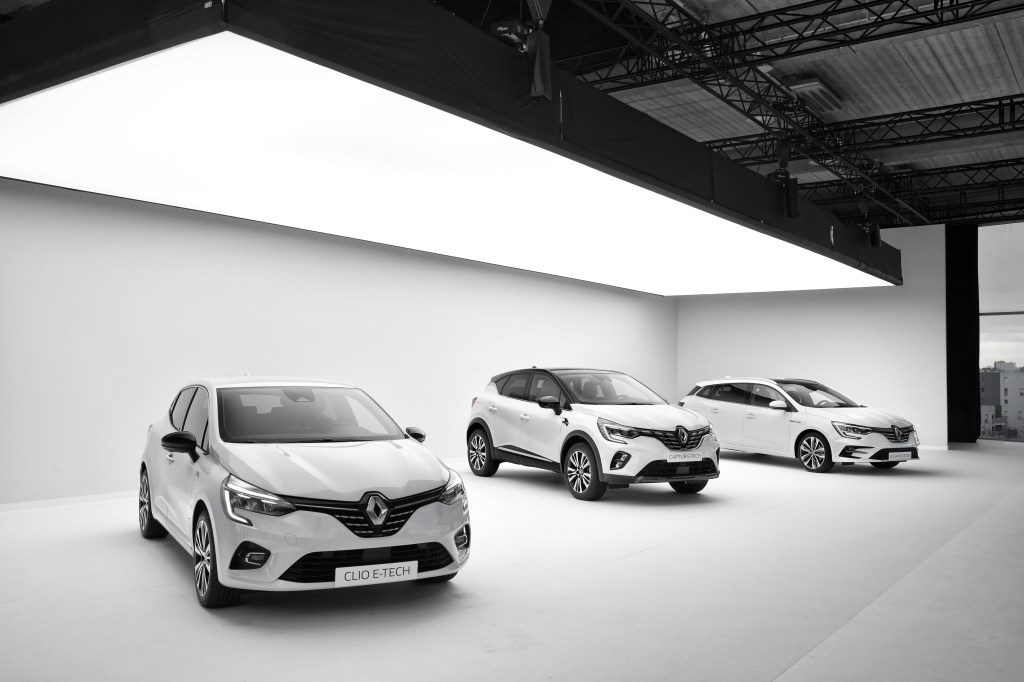
2020 – E-TECH Family: New Clio, Captur and Mégane Estate…

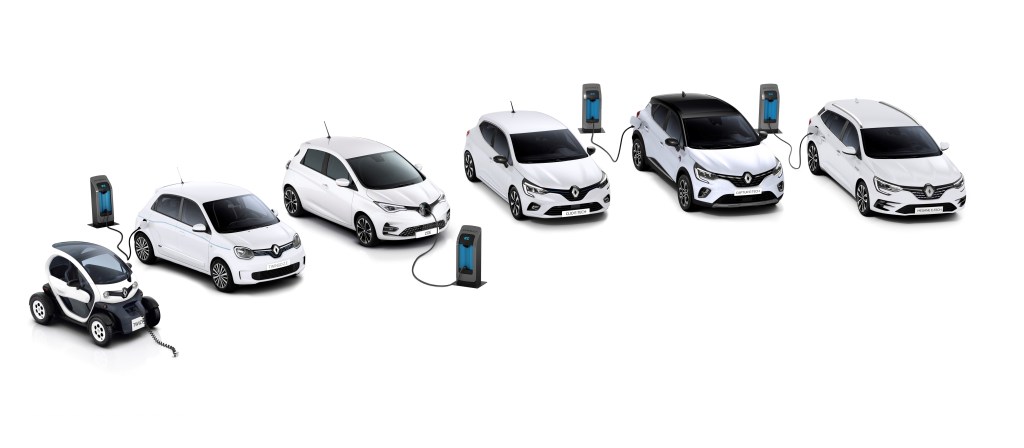
Renault has an ever wider choice of electric and electrified models in store now.

First of all the clever E-TECH, offering hybrid and plug-in hybrid powertrains on the new Clio, new Captur and new Mégane Estate. Renault drew on its vast Formula 1 experience as well as its know how in electrification to develop this E-TECH system. We will explain this very interesting system in a separate report.
2020 – Range E-TECH / Z.E.

There is also the new Twingo Z.E., also becoming 100% electric, and the new ZOE is now also available in a “Riviera” limited series.

Last but not least there is also A MORPHOZ electric concept car, of which more soon in a separate report. Renault announces here that it (re)invents the future of family mobility, with a car which adapts to the changing needs of everyday life and integrated into the electric ecosystem. Stay tuned!

Hans Knol ten Bensel