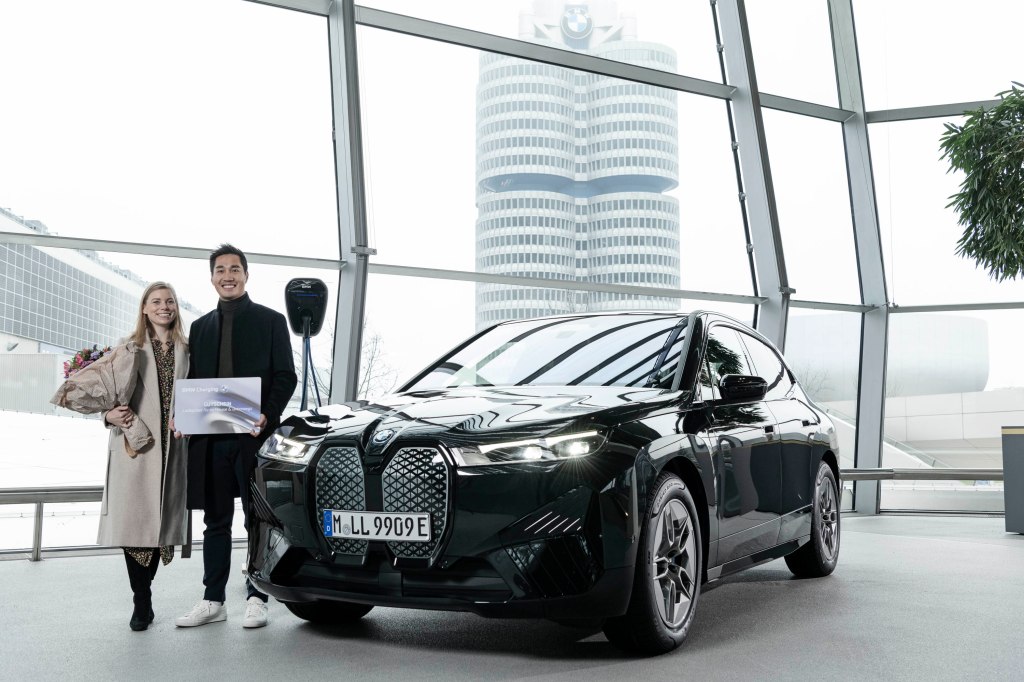
Shortly before the end of the year, the BMW Group celebrated the delivery of its one-millionth electrified vehicle: Pieter Nota, member of the Board of Management of BMW AG responsible for Customer, Brands and Sales handed over the milestone vehicle, a BMW iX xDrive40 (Power consumption in kWh/100 km: 22.5-19.3 WLTP), to its owner at BMW Welt on 6 December.
The company included a special bonus with the delivery: The customer not only received the keys for his new vehicle, but also a BMW Wallbox, including installation, to enable safe and convenient home charging, as well as a credit for public Europe-wide charging with BMW Charging.
“The delivery of our one-millionth electrified vehicle marks a milestone in our transformation – and we already have the next one in our sights: We aim to break through the two-million mark in just two years,” said Nota. “Thanks to our steadily growing product range, we are setting ourselves ambitious sales targets, in particular for fully-electric vehicles: In 2022, we aim to double this year’s sales. By 2025 the BMW Group will have delivered around two million fully-electric vehicles to customers. We expect at least one out of every two BMW Group vehicles sold to be fully electric by 2030,” Nota continued.
The BMW Group released two key innovation flagships, the BMW iX and the BMW i4, onto the market in mid-November. Both models are being very well received by customers worldwide – as reflected in new orders from around the globe
Over the next year, the BMW Group will expand its electrified product line-up to include fully-electric versions of the BMW 7 Series and BMW X1. The high-volume BMW 5 Series will be added to the electric portfolio in 2023. The successor to the MINI Countryman and the all-electric Rolls-Royce Spectre will follow. By 2023, the company will already have at least one fully-electric model on the roads in about 90 percent of its current market segments. Over the next ten years or so, the BMW Group plans to release a total of about ten million fully-electric vehicles onto the roads.
The Neue Klasse, which is uncompromisingly geared towards electric drive trains, will make a significant contribution to BMW Group sales volumes from the middle of the decade.
The MINI product range will already be exclusively all-electric by the early 2030s and Rolls-Royce will be an all-electric brand from 2030 on. All future new models from BMW Motorrad in the field of urban mobility will also be fully electric…brave new world!
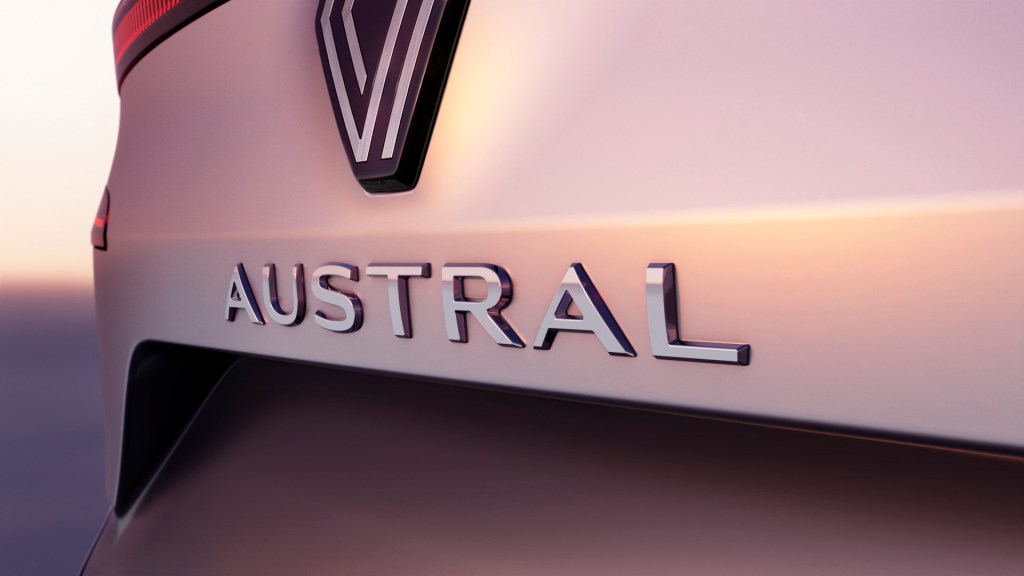
Austral, which comes from the Latin word “australis”, is a commonly used word in many European countries languages It is written in full and refers to the French roots of the constructor.
Sylvia Dos Santos, Name Strategy Manager of the Global Marketing Directorate of the Renault brand, clarifies: “Austral” also refers to the colors and warmth of the southern hemisphere. It is a name that invites you to travel and that fits perfectly with an SUV. The phonetics of Austral are harmonious, balanced and easy to pronounce by everyone and at the same time internationally.”
Austral is the new range of the Renault brand in the segment of compact SUVs with new connected technologies and responsible driving pleasure. Austral also offers comfortable seats 5 passengers with a total length of 4.51m.
With this new model, Renault continues its offensive to retake the C-segment, launched with Arkana and New Mégane E-TECH Electric.
Austral will replace the current Kadjar in the range and will be introduced in the spring of 2022…
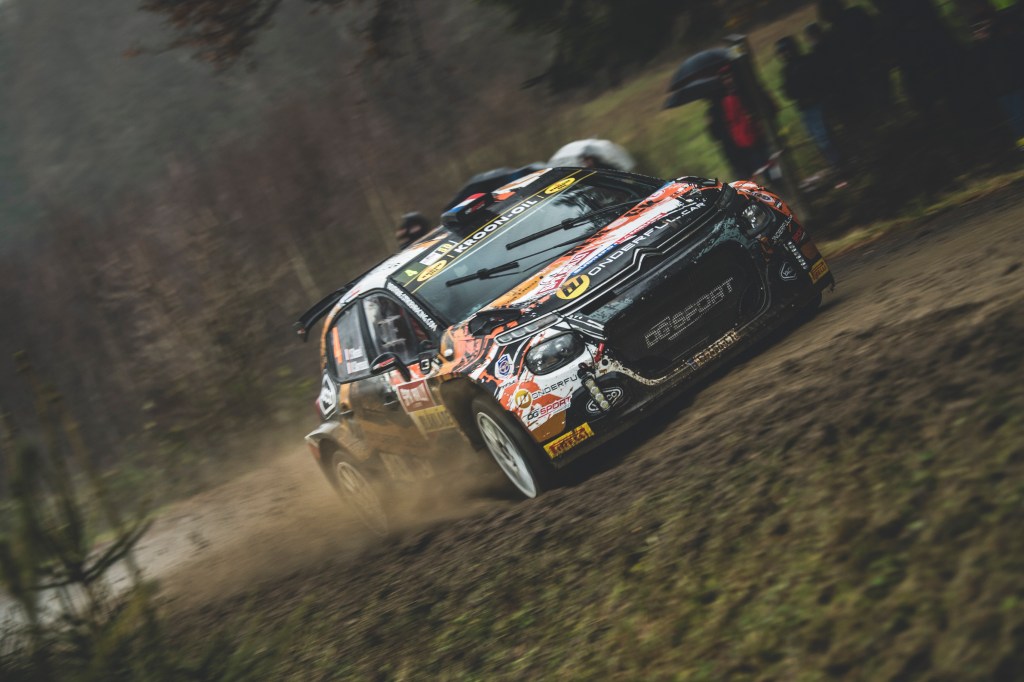
The 2021 sports season ended with magnificent fireworks for DG Sport Compétition. After the victory of Stéphane Lefebvre and Renaud Jamoul in the Condroz Huy Rally, it was now the turn of Yohan Rossel, fresh WRC3 world champion, and Valentin Sarreaud with the Citroën C3 Rally2, to win the Spa rally…
The DG Sport Compétition armada was impressive at the start of the 2021 edition of the Spa Rally, with not fewer than three Citroën C3 Rally2s for Rossel-Sarreaud, Lefebvre-Jamoul and De Cecco-Humblet. Two French top drivers, but with a lack of knowledge of the ‘Spadoise’ specials, a possible handicap compared to the other top names in the Belgian competition. Add to that the difficult weather conditions, typical of December, and the challenge was formidable to say the least…
Yohan Rossel admitted to being surprised by the slippery surfaces and lack of grip in the first stages. But as conditions continued to deteriorate, the pilot from the French Gard region started to attack, taking advantage of the delicate WRX section on the Circuit de Spa-Francorchamps to take the lead. And he never abandoned this lead position during this Spa Rally …
This time we are entering the fascinating world of gaming. Did you know for instance that Gran Turismo™ is a video game developed by Polyphony Digital Inc., a subsidiary of Sony Interactive Entertainment Inc? It was launched in Japan first in 1997, and is now regarded as the best and most authentic driving simulator due to true-to-life graphics, authentic physics technology and careful attention to detail. Addictive it must be. Your servant was decades ago already crazy about the first versions of flight simulator. Imagine this…
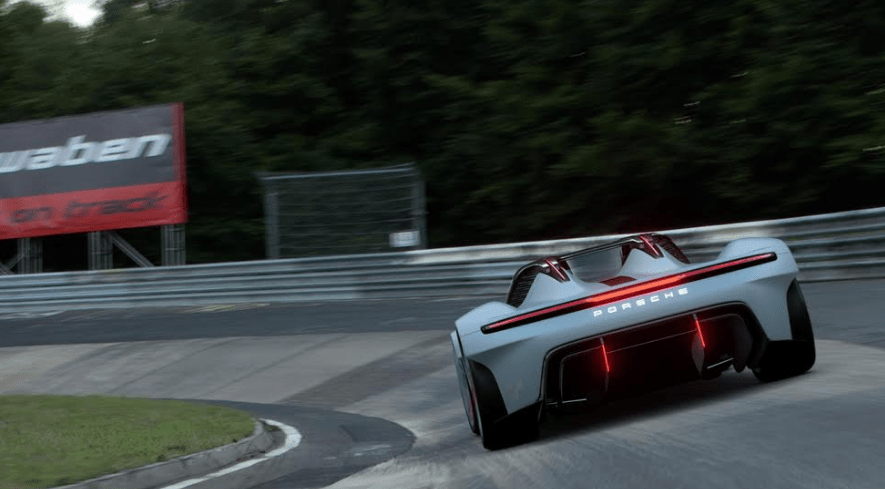
The news is that Porsche and the Japanese video game development studio Polyphony Digital Inc., present a spectacular virtual vehicle concept. Porsche has been a partner of Polyphony already a few years now.
Indeed, the ‘Gran Turismo’ game series has featured Porsche sports cars since 2017, most recently the Taycan Turbo S. For the launch of the game’s seventh edition, Porsche has, for the first time, developed a vehicle purely for the virtual world. The Porsche Vision Gran Turismo is the sports car manufacturer’s first concept study created specifically for use in a computer game. It will be available exclusively in Gran Turismo 7, which will be released on 4 March 2022 for PlayStation 4 and PlayStation 5.
Exciting freedom for Porsche designers…
By partnering with Polyphony Digital, Porsche is not only demonstrating its special visionary approach, but is once again also demonstrating the high level of expertise among its designers. Freed from the constraints of developing models for series production, they were able to put their own ideas for a Gran Turismo concept car into practice.
“A vehicle designed purely for the virtual world opens up exciting possibilities for us that are otherwise heavily regimented in a regular design process for a series production car,” says Michael Mauer, Vice President Style Porsche. “Projects such as the Porsche Vision Gran Turismo are particularly valuable for us in the creative process. Further developing our clearly defined Porsche Design DNA and exchanging with designers from other industries is an important part of our work.”
The Vision Gran Turismo indeed features future-oriented versions of familiar Porsche design elements. The concept car exhibits the brand’s typical proportions with a sporty height-to-width ratio, a low-set bonnet and very pronounced wings. The lights in the purist front and the integrated air intakes create a visual link to the design language of the Taycan – a nod to the car’s purely electric drive.
The rear is adorned with a markedly narrow light strip – a further development of the light signature that is familiar from the 911 and Taycan models. The clear emphasis of the brand identity continues in the interior, with the curved hologram display, tailored to the driver, which appears to float above the steering wheel. The low seating position underscores the car’s dynamic feel. The realistic surface appearances in the interior also play a major role. “We spent a long time considering the right material design consisting of carbon and titanium. The aim was to reduce weight while increasing performance,” says Markus Auerbach, Head of Interior Design at Porsche. “In addition, sustainable aspects also play a role in forward-looking projects. For example, we only used entirely vegan materials in the concept car.”
“The appeal of a Porsche comes from its purist design,” says Kazunori Yamauchi, President, Polyphony Digital. “And in terms of engineering expertise, both we and Porsche follow the same perfectionist philosophy. We share the same passion for racing and are looking to the future of the car.”
In addition to purely design-related themes, there are also new functions that contribute to a strong sports car feeling, with players experiencing haptic feedback via the controller, which mimics the feel of the steering wheel. This fast and direct feedback is reminiscent of a real racing car.
Strategic for Porsche…
Expanding its gaming activities also has strategic significance for Porsche. “We can engage young and digital target groups in the place where their automotive dreams are born: the world of gaming,” says Robert Ader, Vice President Marketing at Porsche AG. “The partnership with Polyphony Digital and ‘Gran Turismo’ is a perfect fit for Porsche, because motorsport – whether real or virtual – is part of our DNA.” The integration of the first Porsche sports car developed purely for the virtual space is an important milestone in the strategic partnership between Porsche and Polyphony Digital Inc.
Actually, Porsche has been cooperating with various companies from the gaming industry for several years and these activities are now an integral part of the marketing mix. The overriding goal is to create a lasting brand experience…
We show you the photos here… and I look forward to a Polyphony Gaming experience!
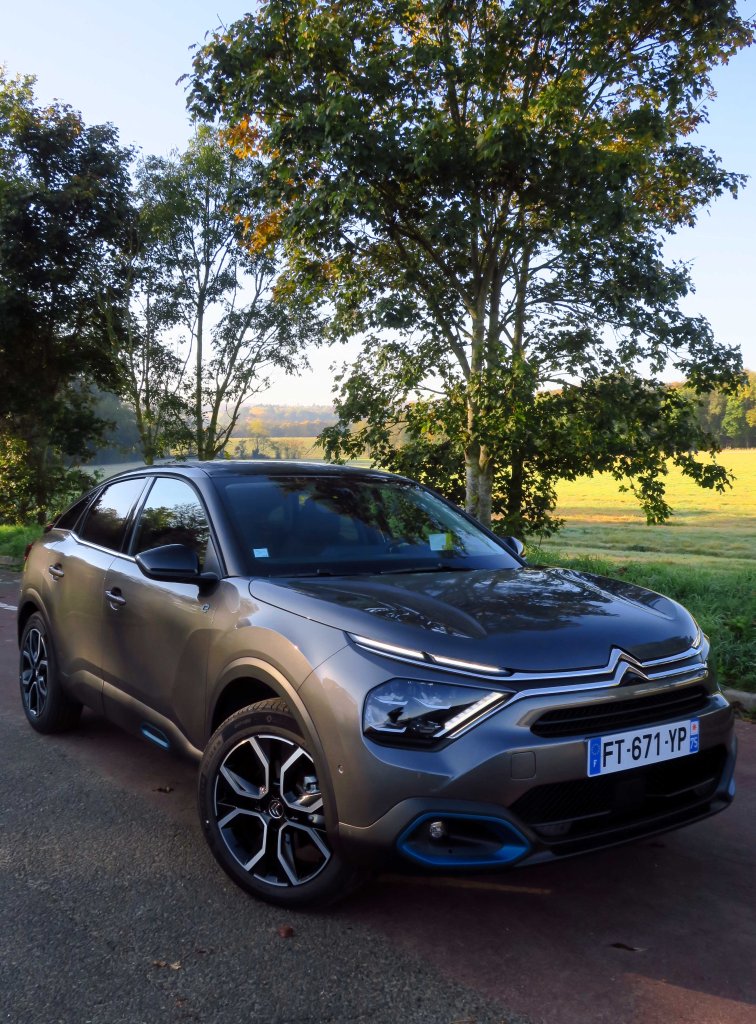
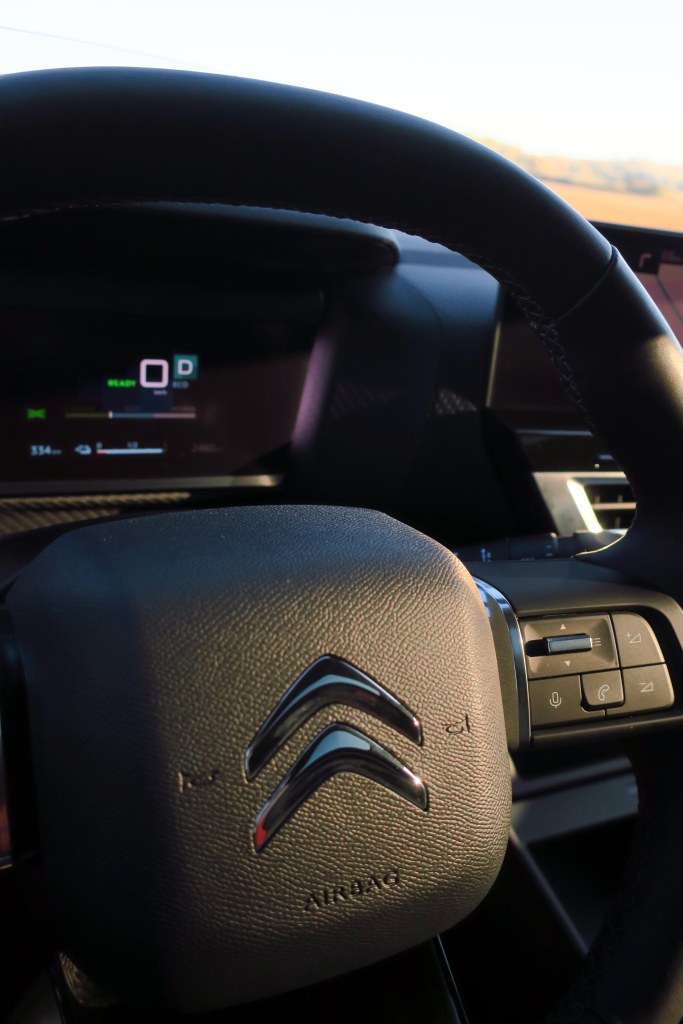
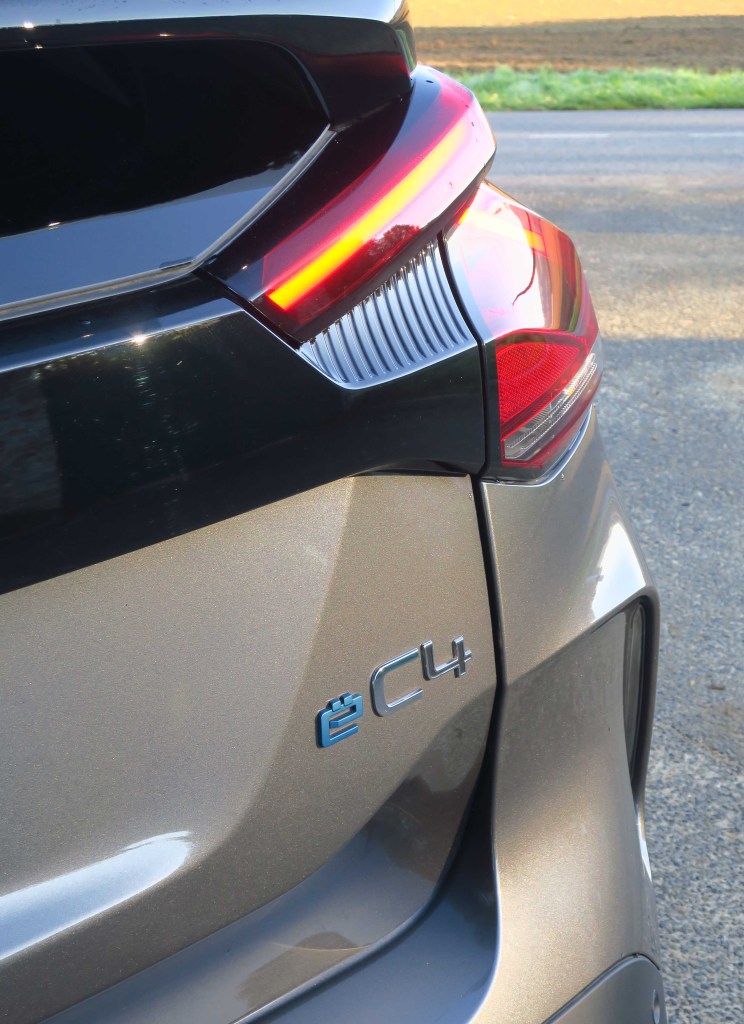
Alongside the E-powered Berlingo, we also had our first drive in the electric version of the C4 in the scenic surroundings of Paris. To tell you right away, with this velvety smooth e-power, the C4 really comes into its own. You get the impression, only after a few kilometers behind the wheel, that this car is actually built for this.
Because, as we told you already in our test of the C4 diesel, this car is all about superb comfort. Add to this the refinement of the electric drive, and subjectively, a sort of noble Rolls Royce feeling invades you.
Indeed, the progressive hydraulic cushions, like we explained, irons out the road ahead for you. Meanwhile, you sink with a smile in the advanced comfort seats. They give you just the right amount of support and comfort to let you almost feel you are in four wheeled superlimousine heaven. The superlight steering still underlines this impression. You can literally steer this C4 with your fingers…
With its 136 HP electric motor, this C4 is indeed meant to let you taste the exquisite joys of just quiet, unhurried motoring. It invites you to do this, but this does not mean that this car is sluggish at all. With 260 Nm of torque always there whenever you need it, it certainly responds eagerly at the slightest movement of your right foot. 0 to 100 km/h is absolved in 9,7 seconds. Top speed is limited wisely to 150 km/h. Add to this the unerring sure footedness of Citroën handling, whatever the road and the weather, and you will agree that it is a very nice experience to be behind the wheel of this car.
We told you here in these columns that due to the heat pump sensor changes and a modified final gearing, the WLTP cycle range is now 357 km.
Charging times are very reasonable indeed; On a 7 kWh wallbox, you can charge the ë-C4 overnight in 7,5 hours. When you are in a hurry, it is good to know that it accepts 100 kW fast charging, and will charge in 30 minutes from 0 to 80 pct charge.
We look forward for a longer test of this smooth goddess of the road soon!
The Formula E racing is taking increasingly centre stage in motor sport, and we will also report more regularly about it.
Here is already some Porsche news. The race-bred brand took some Formula E tests from 29 November to 2 December in Spain…
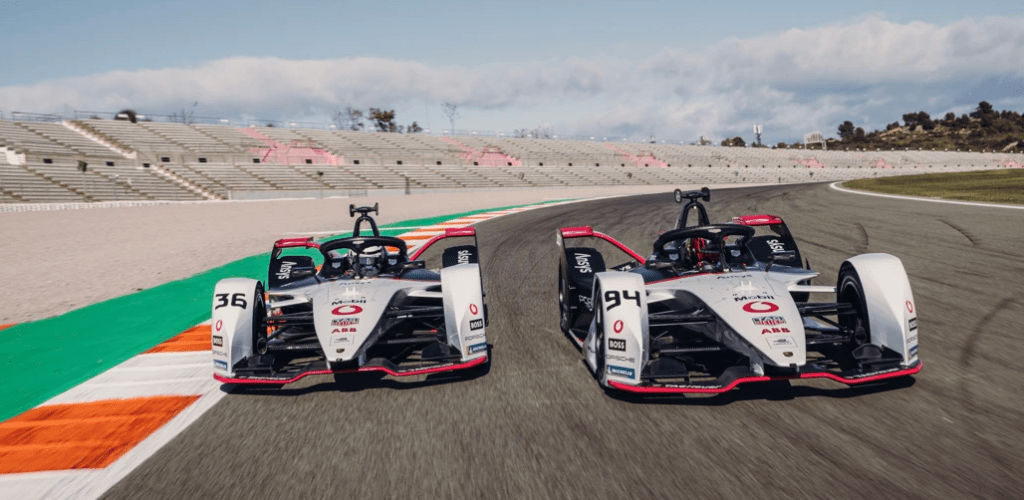
The TAG Heuer Porsche Formula E Team seems well prepared to tackle its third season of the ABB FIA Formula E World Championship. At the official test drives in Valencia, the squad from Weissach received its final polish. With the Porsche 99X Electric, André Lotterer (GER) and Pascal Wehrlein (GER) covered a total of 1.321 kilometres. Season 8 of the ABB FIA Formula E World Championship begins on 28/29 January 2022 with two races in Diriyah, Saudi Arabia.
All eleven teams with their regular drivers took part in the test days. The TAG Heuer Porsche Formula E Team used the five test sessions on the 3.376-kilometre circuit as a final shakedown for the Porsche 99X Electric. Engineers at Weissach updated the software in Porsche’s first electric racing car, while the powertrain remains the same. Due to the pandemic, the FIA decided that, for financial reasons, only one drive system can be homologated for seasons 7 and 8.
At the last test before the season kicks off in Diriyah, André Lotterer clocked up a total of 610 test kilometres in the No. 36 Porsche 99X Electric. His teammate Pascal Wehrlein covered 711 kilometres at the wheel of his car sporting the new No. 94 starting number.
One of the key points in the extensive test programme was to simulate the new qualifying format for season 8. From now on, the 22 drivers will initially head out onto the track in two groups. They have 220 kW of power available and can turn any number of laps in twelve minutes. The four fastest in each group move into the quarter-finals, with the others allocated the grid spots 9 to 22. From the quarter-finals, drivers pit themselves against each other two at a time in a duel-stage knockout. The winner of Group 1 competes against the fourth in Group 2; the second in Group 1 competes against the third in Group 2, and so on. In the semi-finals and the finals, the drivers have 250 kW at their disposal. The winner of the final session starts from pole position and, as in the past, earns three championship points.
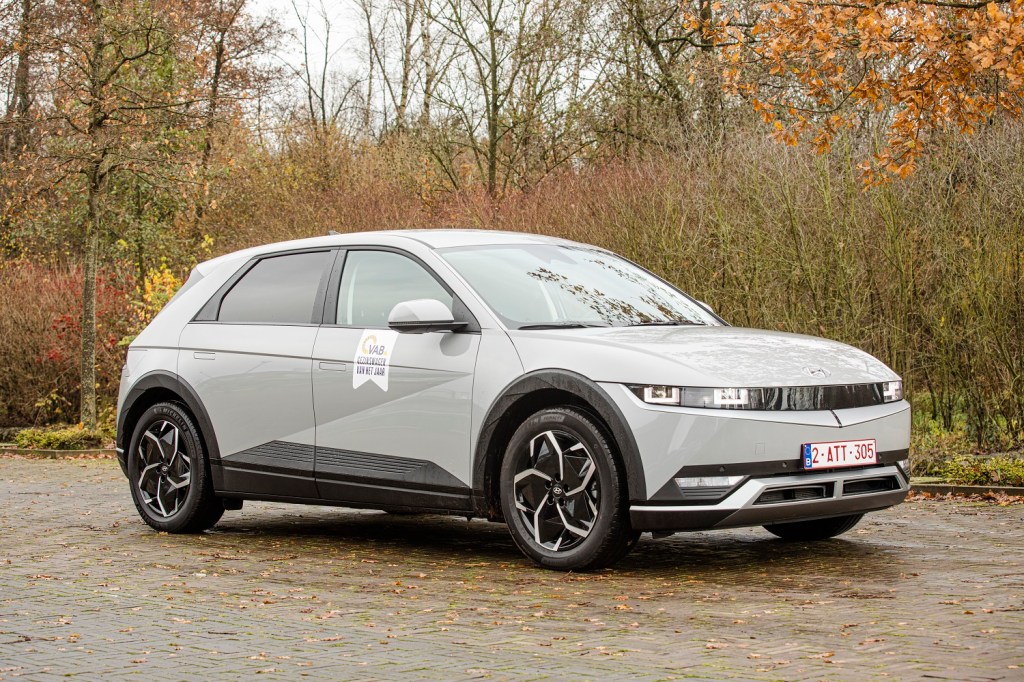
All over Europe, the Hyundai IONIQ 5’s trophy case has grown significantly in recent weeks and months. The 100% electric Hyundai also managed to distinguish itself in the annual and firmly contested election of the VAB Family Car of the Year.
The prestige of this award lies also in the election process. Not only a panel of specialized sector journalists can vote, a large and diverse group of families from the readership of VAB Magazine are also invited to put all nominated cars to a thorough test, and cast their vote…
Needless to say that we are keen to put this IONIQ 5 next year for you through its paces…
After the Dacia Duster ECO-G in 2021, the Dacia SANDERO Stepway ECO-G now wins the title of “VAB Family Car of the Year 2022” in the category up to €22,000.
A jury consisting of families and specialized motoring journalists annually selects the VAB Family Car of the Year, a tradition which has now lasted for 35 years!
Dacia takes the win for the second time in the category up to €22,000, this time with the Sandero Stepway.
As you may know, the Sandero Stepway ECO-G is equipped with the modern ‘bi-fuel’ engine on petrol and LPG, the ECO-G100. This makes the Dacia Sandero Stepway score particularly well in terms of cost per kilometer.
As you can see on the photo, with its increased ground clearance, New SANDERO Stepway presents itself as the more versatile “crossover” adventurer of the DACIA range.
This Stepway is nevertheless an excellent family car: it still offers space for three adults in the rear, a 1/3-2/3 folding rear seat (depending on the chosen version) and a family-sized luggage compartment with a capacity of 328 liters and is optionally available with a movable floor.
SANDERO Stepway is built on the modular CMF platform, and this means extra stiffness and safety.
In addition to the speed limiter fitted as standard equipment, the Sandero boasts also the latest generation ESC system and cruise control. The SANDERO Stepway offers of course also various driver assistance systems: Automatic brake assist system, Blind spot warning, Parking aid and Hill Start Assist.
DACIA offers in its range a bi-fuel solution on petrol and LPG under this ECO-G label. This technology is built and integrated in the factory, adding extra reliability and safety to its ECO-G 100 engine, making it a veyr attractive proposition indeed.
We have not been driving Peugeots and Opels for a (very) long time, and besides bringing you Peugeot and Opel news on a regular basis, we will in the future also test and collect driving impressions of their new models.
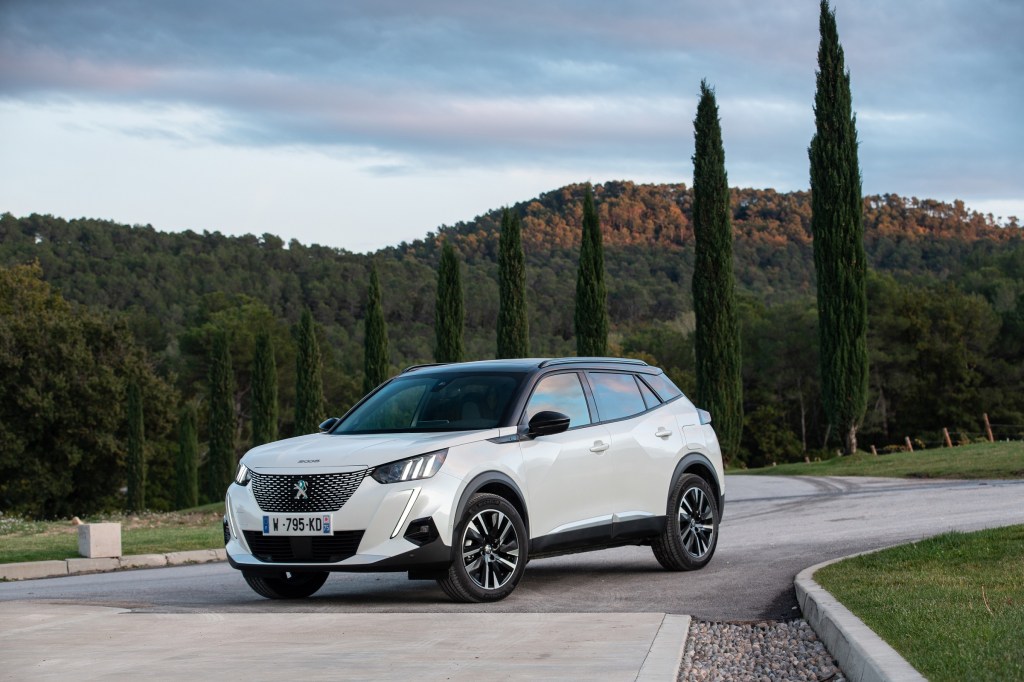
Now to the news: the latest technological developments from early 2022 on the 100% electric versions of the new PEUGEOT 208 and 2008 and Opels will deliver up to 25 km and 8% more range according to the WLTP cycle, and even more in practice.
Based on the eCMP (Common Modular Platform), equipped with a 50 kWh battery, a 100 kW (136 hp) electric motor and a torque of 260 Nm, these models will – like the DS 3 – also receive the latest technological developments to increase their autonomy.
Talking about the platform, did you know that this is a global subcompact platform jointly used and developed by Groupe PSA and state-owned Chinese automaker Dongfeng?
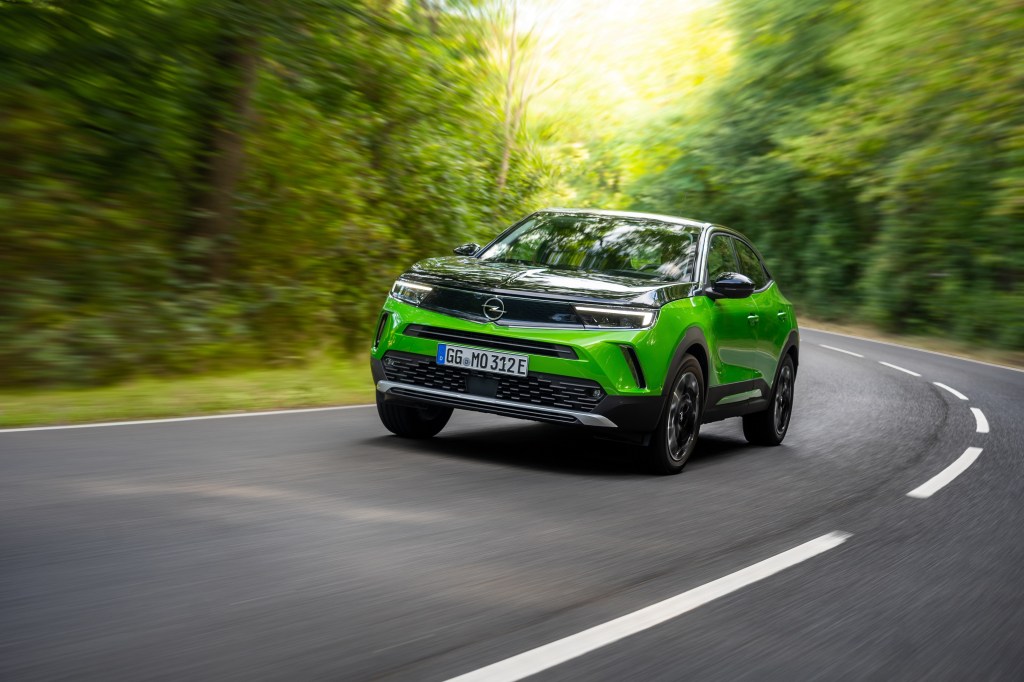
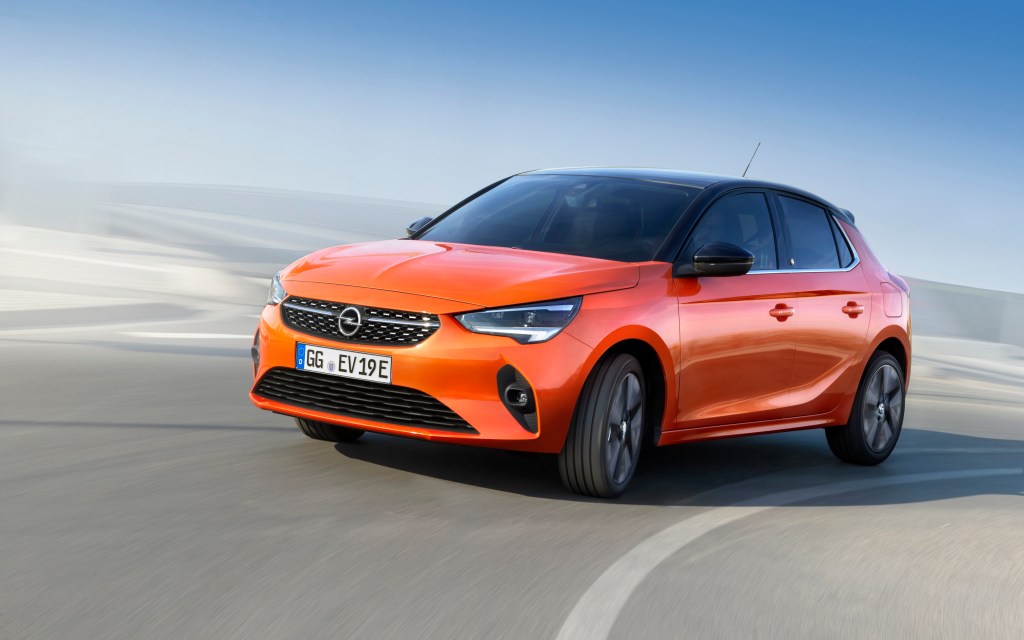
The DS3 also runs on it, as do the latest Citroën DS4 and the ë-DS4. But also the Opel Mokka and Mokka-e and last but not least the Corsa and the Corsa-e.
2020 Opel Mokka-e
The DS3 is built in Poissy, as are the Opel Mokka’s. As with the DS3, for the 208 and 2008, the tires have been optimized and now have a lower rolling resistance. This concerns amongst others the 16 inch wheels for the PEUGEOT e-208 and the 17 inch wheels for the PEUGEOT e-2008.
The Corsa-e is now good for 359 kilometers, the Mokka-e has an improved range of 338 kilometers.
In addition, the Peugeots and Opels have also the new gearbox ratio, which optimizes further the range on the road and on the highway.
2019 Opel Corsa-e
Finally, they have, like the DS3, also received a new heat pump in combination with a humidity sensor at the top of the windscreen optimizes the energy efficiency of heating and air conditioning.
The improved sensor enables a more precise control the air circulation in the passenger compartment, so it costs less energy to heat up and maintain the temperature in the vehicle. This latest development is particularly noticeable at low outside temperatures.
We will be driving the coming month the stylish M4 Coupé, and we are looking forward to it. But in the meantime, we show you here some (very) interesting news from BMW, which is a harbinger of stylish things for the brand to come…
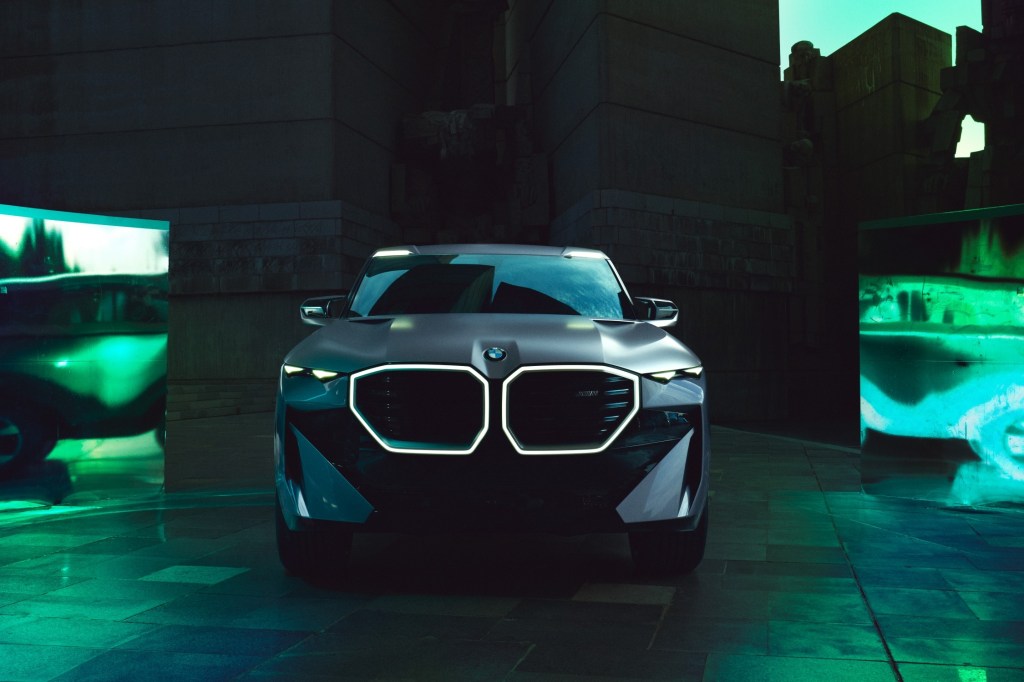
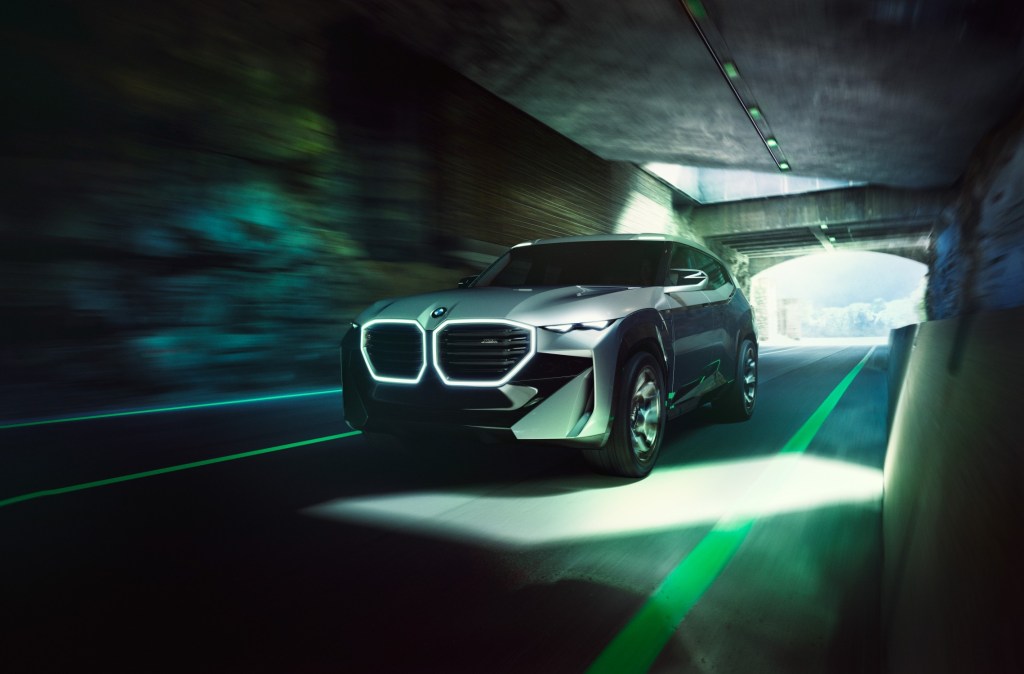
At Art Basel’s 2021 Miami Beach show, BMW M GmbH is presenting an expressive new vehicle concept on the global stage. The BMW Concept XM looks ahead to the most powerful BMW M car ever to go into series production, which is set to begin at the end of next year.
The BMW Concept XM provides a first glimpse of the new front-end design for BMW’s forthcoming luxury-class models. It will also introduce its audience to a highly progressive and distinctive take on BMW X model design and an all-new form of luxury and sense of space for the interior.
The series-production model – the BMW XM – will be built from the end of 2022 at BMW Group Plant Spartanburg in the USA, the most important sales market for the new high-performance car. BMW M will therefore be introducing its first standalone vehicle since the legendary BMW M1 in the year it celebrates its 50th anniversary. The BMW XM will be available in plug-in hybrid form only and exclusively as an M model.
The bold exterior styling of the Concept XM reflects the car’s exceptional performance attributes: dynamism, agility and precision, plus an all-electric range of up to 80 km. The newly developed M Hybrid drive system in the BMW Concept XM brings together a V8 engine and a high-performance electric motor to develop maximum output of 550 kW/750 hp and peak torque of 1,000 Nm (737 lb-ft). The first electrified vehicle from BMW M GmbH in the high-performance segment is therefore pointing the way for the future of the brand.
BMW M goes its own way in the luxury segment…
The BMW Concept XM sees BMW M GmbH forging a distinctive path in the luxury segment. The car’s exterior majors on presence and extrovert appeal. Inside the car, a special take on the driver-focused cockpit typical for the M models meets an all-new rear compartment design: high-comfort seats and an illuminated, sculptural headliner add panache.
“The design of the BMW Concept XM is an extravagant statement by BMW M in the heart of the luxury segment,” says Domagoj Dukec, Head of BMW Design. “It has a unique identity and embodies an expressive lifestyle like no other model in the BMW line-up.”
The front end: progressive design for maximum presence.
The BMW Concept XM debuts the new, progressive front-end design for BMW’s luxury-class models, a version of which will be seen for the first time in 2022 as part of the BMW model offensive in the luxury segment. The headlights have been split into two separate modules. The horizontal kidney grille sits between the headlights and tapers towards the outer edges, producing a near-octagonal outline that emphasises the front end’s character. The black kidney grille elements are enclosed within an intricate surround and appear almost to be floating freely within a High-gloss Black surface. The new XM logo in the kidney grille and the large air intakes hint at the power of the V8 engine, which teams up with the electric motor to form the M Hybrid system.
M-specific details point to compromise-free performance.
The glasshouse of the BMW Concept XM rises up vertically, accentuating the front end’s imposing feel. The colour of the roof contrasts with the black finish of the A-pillars. The windscreen seems to have an even heavier rake as a result, injecting modern dynamism into the front end. Slim LED searchlights have been incorporated into the roof above the A-pillars.
The powerful and heavily contoured proportions of the BMW Concept XM highlight the car’s identity and draw the eye to the coupé-like character of the body. The visually striking front end, long bonnet and stretched, sloping roofline present a characterful two-box design with a distinctive outline.
The two-tone paint finish of the BMW Concept XM further accentuates its lines: the upper section is in matt gold-bronze, while the lower section sports the Space Grey metallic shade. Below the window graphic, a broad, High-gloss Black line – the “black belt” – separates the two exterior colours. The charging flap rearwards of the front-left wheel is a reminder of the M Hybrid drive system at work.
The rear : bold stature
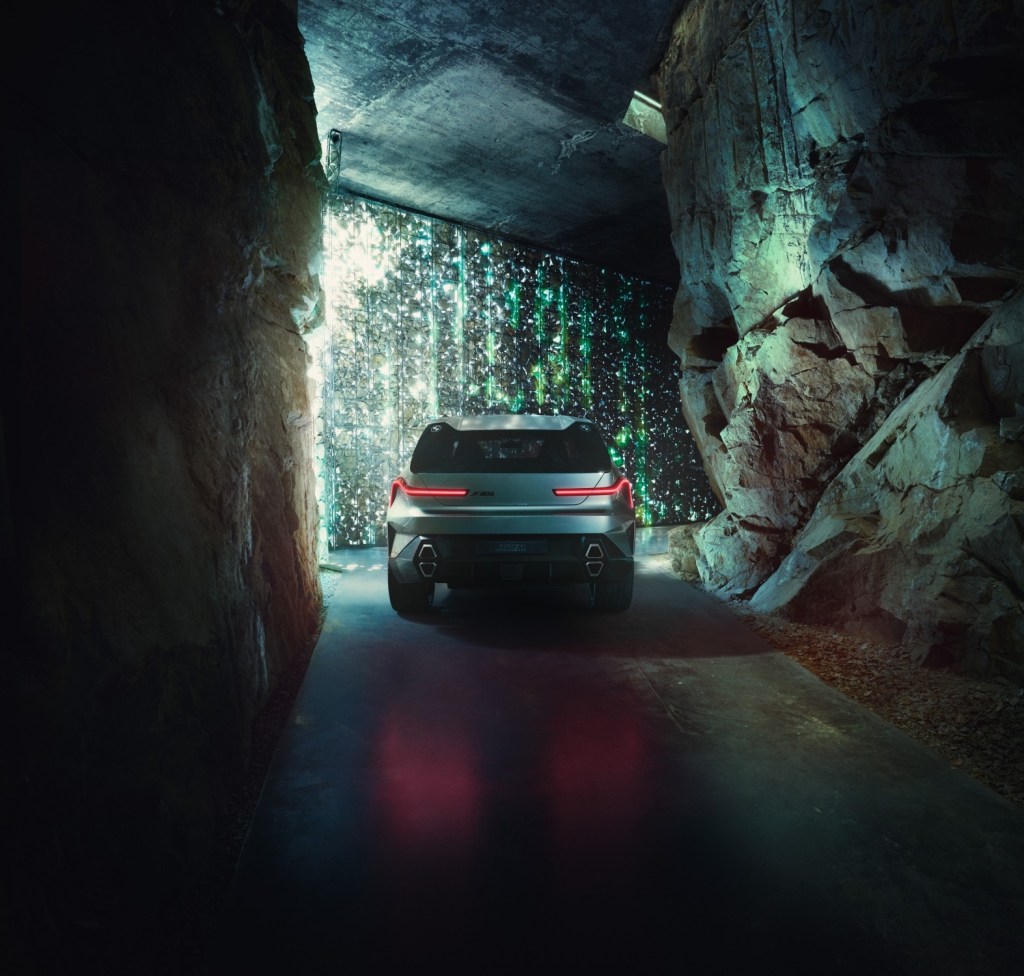
The design of the rear end likewise accentuates the car’s powerful stance, and the BMW Concept XM cuts a low and sporty figure from this angle. The BMW logo is laser-etched into the window below each of the two cant rails. This is a stylistic reference to the BMW M1, to date the only example of a standalone model developed exclusively by BMW M GmbH.
The interior design – high performance and extrovert luxury.
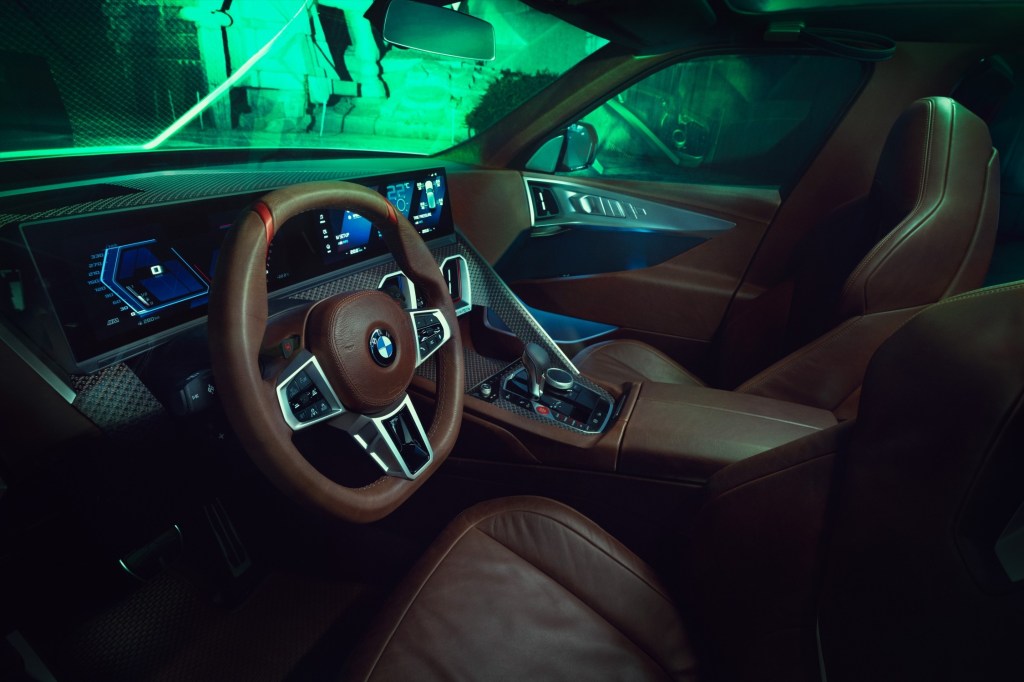
Inside the BMW Concept XM, the driver will find a distinctive M interpretation of driver-focused cockpit design. The lines and surface design of the instrument panel, centre console, door trim and seats give the ambience in the front compartment a progressive feel with their powerful geometry and high-quality materials. Brown, vintage-look leather, copper and carbon fibre create a bridge between luxury and motor sport. A bold trim element provides clear visual separation between the driver’s area and the other sections of the car.
The new BMW Curved Display screen grouping creates a neat balance between traditional driver focus and modern digitality. Red accents on the steering wheel and centre console are M-specific references to the car’s sporting DNA. A trio of vertical elements presented in the three colours of the BMW M brand logo form the heart of the centre console.
Spacious and luxurious: the M Lounge.
The unwavering driver focus of the front compartment contrasts with the extravagant and luxurious lounge-like ambience in the rear of the BMW Concept XM. Special materials, visually powerful surfaces and expressive details turn the rear seats into the unique M Lounge, black-tinted rear side windows underscoring the abiding sense of privacy here. While warm brown leather dominates the cockpit, the rear is decked out in the rich colour shade Petrol. The large rear seat bench with its deep seat recesses forms an inviting space to relax. Only the diamond-shaped area of the head restraints – which provides the supporting function familiar from BMW M Sport seats in other models – is leather-trimmed.
Illuminated and sculptural: the headliner .
The visual highlight of the cabin is its headliner with a three-dimensional prism structure. A combination of indirect and direct lighting produces a relief-like structure. The ambient lighting can be activated in the three BMW M colours.
BMW Curved Display with M-specific user interface.
Based on the latest generation of BMW iDrive, the M-specific version of the control/operation system translates the high-performance character of the BMW Concept XM into the digital world. Showcased in the familiar three M colours, it visualises the modes of the hybrid drive system as well as the pure-electric driving mode with captivating aesthetic appeal.
















 Autoprova - for the Connaisseur