BMW performs last driving tests of its new Z4 before launch…

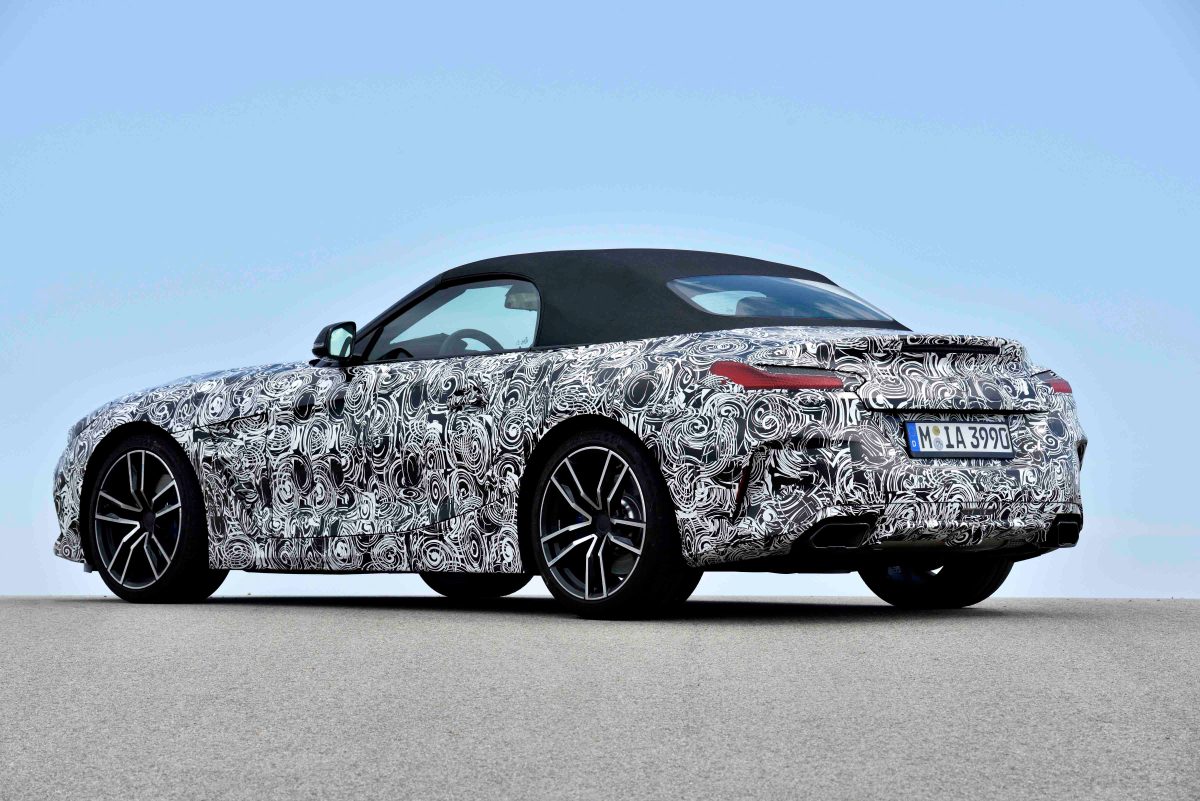
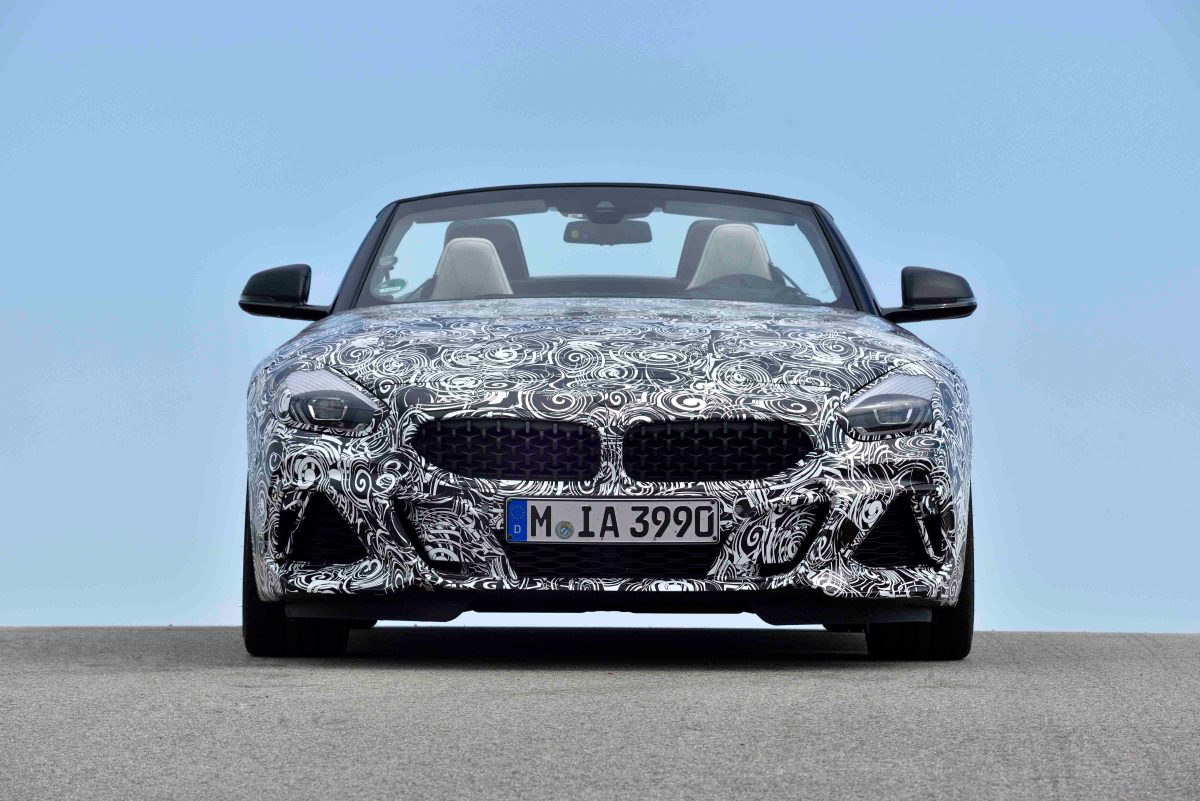
Long bonnet, short overhangs, low centre of gravity, soft top: the new Z4 two-seater doing its laps at the BMW test centre in Miramas in the south of France is instantly recognisable as a purebred roadster.

The new BMW Z4 is currently undergoing another particularly important stage of the process towards serial production maturity, in this case involving driving dynamics testing of a heavily disguised prototype.

Trials at the Autodrome de Miramas are focusing on fine-tuning of all drive and suspension systems.

Some dynamic handling and nimbleness is to be expected from this new Z4. Just look at the BMW Z4 M40i. A new, extremely powerful in-line 6-cylinder engine, a lowered sports suspension with electronically controlled dampers, a newly developed front axle, M light alloy wheels with mixed tyres, an M sports brake system and an electronically controlled lock in the rear axle differential create an overall package that sees this BMW M Performance model setting a benchmark for driving pleasure in the roadster segment.
“The vehicle concept of the new BMW Z4 is geared consistently towards agility and driving dynamics,” explains Jos van As, Head of Application Suspension. “The high level of body stiffness and the very rigid suspension attachment provide the perfect basis for a set-up that guarantees the performance qualities of a genuine sports car in terms of steering precision as well as longitudinal and transverse acceleration.”

Like the Nürburgring-Nordschleife, the Miramas test centre offers perfect conditions for the new BMW Z4 to demonstrate its driving dynamics potential. Used by BMW to develop and test new models for more than 30 years, the centre comprises a long asphalt oval and a motorway ring road for high-speed tests as well as slalom, serpentine and circular tracks and a number of handling courses and circuits featuring highly diverse types of surface.
These are currently being used for detailed analysis and optimization of the roadster’s acceleration, steering and brake response. For example, the final form of the adaptive M suspension as it interacts with the rear axle limited-slip differential is developed on the same circuit as is also used for testing purposes by BMW Motorsport.

The new generation Z4 will give you agile handling, spontaneity and steering precision when changing direction and will allow you to accelerate in dynamic style out of bends – without neglecting creature comfort…

Needless to say that, as an enthusiastic Z3 owner, we are very keen to get behind the wheel of this new Z4!

Hans Knol ten Bensel

BMW expands its battery and “E”-production in China…

The “E” units are installed and assembled…

The BMW Group continues to drive the expansion of electro-mobility as part of its Strategy NUMBER ONE > NEXT.

To achieve this, the company and is adapting its production structures to growing demand for fully and partially electrified vehicles.

Just seven months after opening its battery factory in China, the BMW Brilliance Automotive (BBA) joint venture laid the foundation for a comprehensive expansion of the plant. At the “High-Voltage Battery Centre Phase II”, BBA will produce the new, more powerful batteries of the fifth-generation BMW eDrive technology for the fully-electric BMW iX3. Starting in 2020, the BMW iX3 will be built at the neighbouring BBA plant Dadong.

Production of battery cells… 

One fact which probably you did not know: China is the BMW Group’s largest single market and understandably the pacesetter for e-mobility worldwide. With six electrified models currently available, the BMW Group offers Chinese customers the widest range of options in the premium segment.

In 2017, the BMW Group more than doubled its sales of electrified vehicles in China from the previous year and expects this growth to continue in 2018. Earlier this year, production of the new BMW 5 Series Plug-in Hybrid got underway at the BBA plant Dadong. Expansion of the battery factory underlines the BMW Group’s commitment to China.

Loving care and attention to detail, also in China…

Production of fully-electric cars to be integrated into existing structures…

The BMW Group is indeed pioneering in electromobility. You could see this already in our columns, dear reader, at the interview of Mr. Robert Irlinger. Just type “Irlinger” in the search window, and read on…

The company’s Leipzig plant began building the fully-electric BMW i3 in 2013. Today, the BMW Group produces cars with combustion engines on the same lines as plug-in hybrids at ten locations worldwide.

The mounted battery cells are installed and tested at the end of the production line…

Three battery plants in Germany, the US and China supply local production of electrified vehicles with batteries. In the future, production of fully-electric vehicles will also be integrated into existing manufacturing structures.

In addition, two enhanced flexible vehicle architectures will be suitable for all drive forms, thereby reducing complexity in production. This gives the BMW Group maximum production flexibility and enables it to respond quickly to market and customer demands worldwide. It also ensures optimal utilization of production capacity, avoids high investments and creates job security.

Ii is all happening in CVhina: the BMW Brilliance Automotive (BBA) joint venture

The BBA Brilliance Automotive joint venture was founded in 2003. Over the past 15 years, it has become one of the most successful premium automobile manufacturers in China, encompassing production and sales of BMW automobiles in China, as well as local development tasks.


In 2017, the BBA automotive plants in Tiexi and Dadong produced almost 400,000 vehicles for the Chinese market – an increase of around 30% year-on-year. The maximum capacity of the two plants will reach 520,000 units per year from 2019.

Some more astonishing facts: since 2009, the joint venture has invested more than 52 billion RMB (approx. 6.7 billion euros) in the BBA plants, and employs more than 16,000 people.

In 2014, the BMW Group and Brilliance China Automotive Holdings Ltd. extended their joint venture contract early and laid the foundation for deepening the successful cooperation. The extended contract is valid for ten years (from 2018 to 2028).

The future will hold many further E-surprises…

Hans Knol ten Bensel


Kia unveils upgraded Sportage…

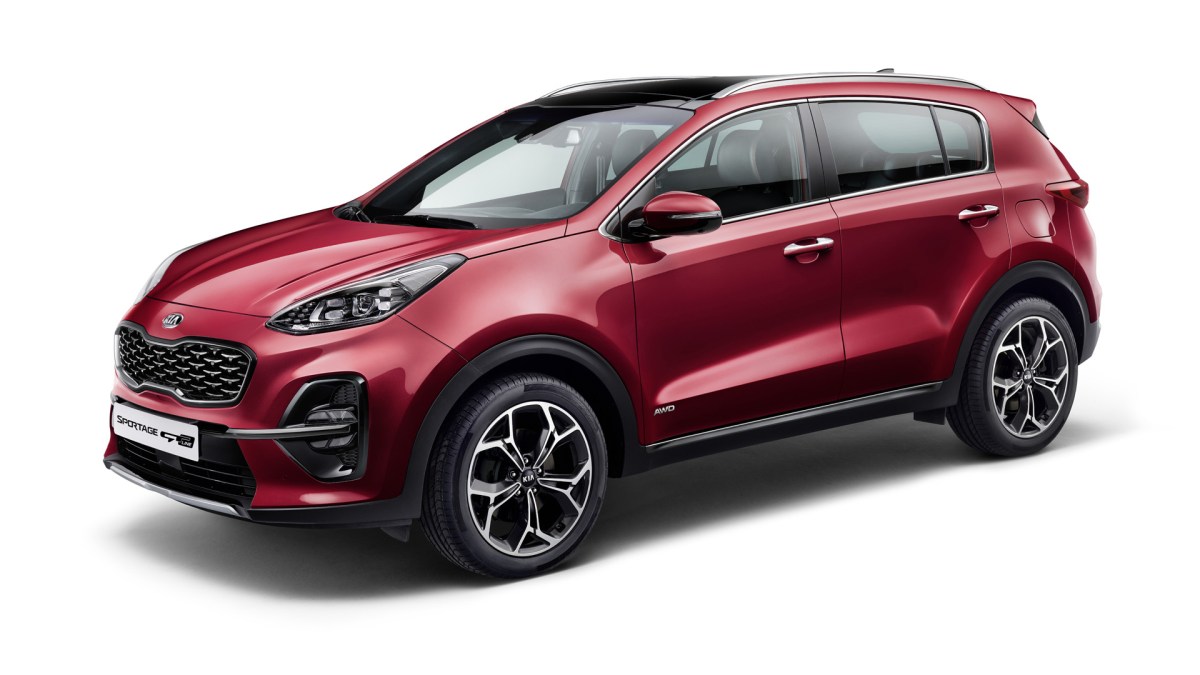
Kia Motors has revealed the upgraded Kia Sportage, introducing a range of enhancements to the brand’s European and global best-seller. Don’t forget, Kia sold more than 131,000 examples of the Sportage in 2017, representing a quarter of the brand’s total European sales. European customer deliveries of the new model will start during Q3 2018.

Improved powertrains and electrification..

The Sportage’s new EcoDynamic+ 48V diesel mild-hybrid powertrain is the first to be launched as part of the brand’s global powertrain electrification strategy. Kia is the first manufacturer to offer hybrid, plug-in hybrid, battery-electric and 48-volt mild-hybrid technology across its full model line-up.

Kia will launch 16 advanced powertrain vehicles by 2025, including five new hybrids, five plug-in hybrids, five battery-electric vehicles and, in 2020, a new fuel-cell electric vehicle.

The Sportage now offers a wider range of engines, including Kia’s new ‘EcoDynamics+’ 2.0-litre ‘R’ diesel mild-hybrid powertrain. EcoDynamics+ supplements acceleration with power from a 48-volt battery, and extends engine ‘off time’ with a new Mild-Hybrid Starter-Generator unit. It can reduce CO2 emissions by up to 4% on the Worldwide harmonized Light vehicles Test Procedure (WLTP).

The Sportage’s existing 1.7-litre CRDi (common-rail direct injection) diesel engine has been replaced with Kia’s efficient new 1.6-litre ‘U3’ CRDi engine, the cleanest diesel engine Kia has ever made. The new 1.6-litre diesel engine produces 115 or 136 ps, with higher-powered models available with all-wheel drive and seven-speed double-clutch transmission.

Improvements to the Sportage’s exterior design include new front and rear bumpers, as well as redesigned front and rear lamps and new 16-, 17- and 19-inch alloy wheel designs. Options include chrome sill trim and metallic skid plates, and five new paint colours.

GT Line models are equipped with a gloss black hot-stamped radiator grille, a gloss black and silver skid plate, and dark chrome inserts on the side sills and rear tailgate

The cabin features a new steering wheel and revised instrument cluster, as well as new black-and-grey two-tone upholstery. GT Line models are available with new black-and-grey two-tone leather seats, or optional black leather with red accents.

Improved infotainment

The upgraded Sportage adopts Kia’s latest advanced driving assistance systems, including Smart Cruise Control with Stop&Go, an Around View Monitor for easier parking manoeuvres, and Driver Attention Warning, to combat fatigue and inattentiveness at the wheel. European customers have a choice of Kia’s new infotainment systems: a 7.0-inch touchscreen, or a new ‘frameless’ 8.0-inch infotainment system.

Hans Knol ten Bensel


Citroën launches European version of New C5 Aircross SUV

Copyright William Crozes @ Continental Productions

Measuring 4.50 m long, looking robust and muscular, the new model has the typical recent Citroën styling language with flowing shapes punctuated with graphic touches such as the Airbump®, large 720 mm-diameter wheels, ground clearance of 230 mm and distinctive roof bars.

Citroen returns with this flagship model to its roots: the new C5 Aircross SUV is quite modular and practical, being also comfortable, as it is equipped with the suspension with Progressive Hydraulic Cushions® and Advanced Comfort seats, offering a typically Citroën travelling experience.

It is modular, reminiscent of the old 2CV tradition where one could take the seats out for a comfortable picknick. This modularity can now also be fully enjoyed with three individual sliding, folding and inclining rear seats and best-in-class boot capacity of 580 l to 720 l. Modern and high-tech, New C5 Aircross SUV is equipped with 20 driver assistance systems, including Highway Driver Assist, a level-two autonomous driving system, and Grip Control with Hill Assist Descent, for adventures off the beaten track.

Copyright William Crozes @ Continental Productions

It also comes with six connectivity technologies, including wireless smartphone charging. Produced in France at the Rennes-La Janais site, it will be launched in Europe and the rest of the world starting in late 2018 and will be the first Citroën vehicle to come in a plug-in hybrid version at the end of 2019.

For the time being, the C5 Aircross SUV is powered by efficient and high-performance petrol and diesel engines ranging from 130 bhp to 180 bhp and the new EAT8 automatic gearbox.

Hans Knol ten Bensel

Ettore Bugatti and his son Jean: two creators of a legend…

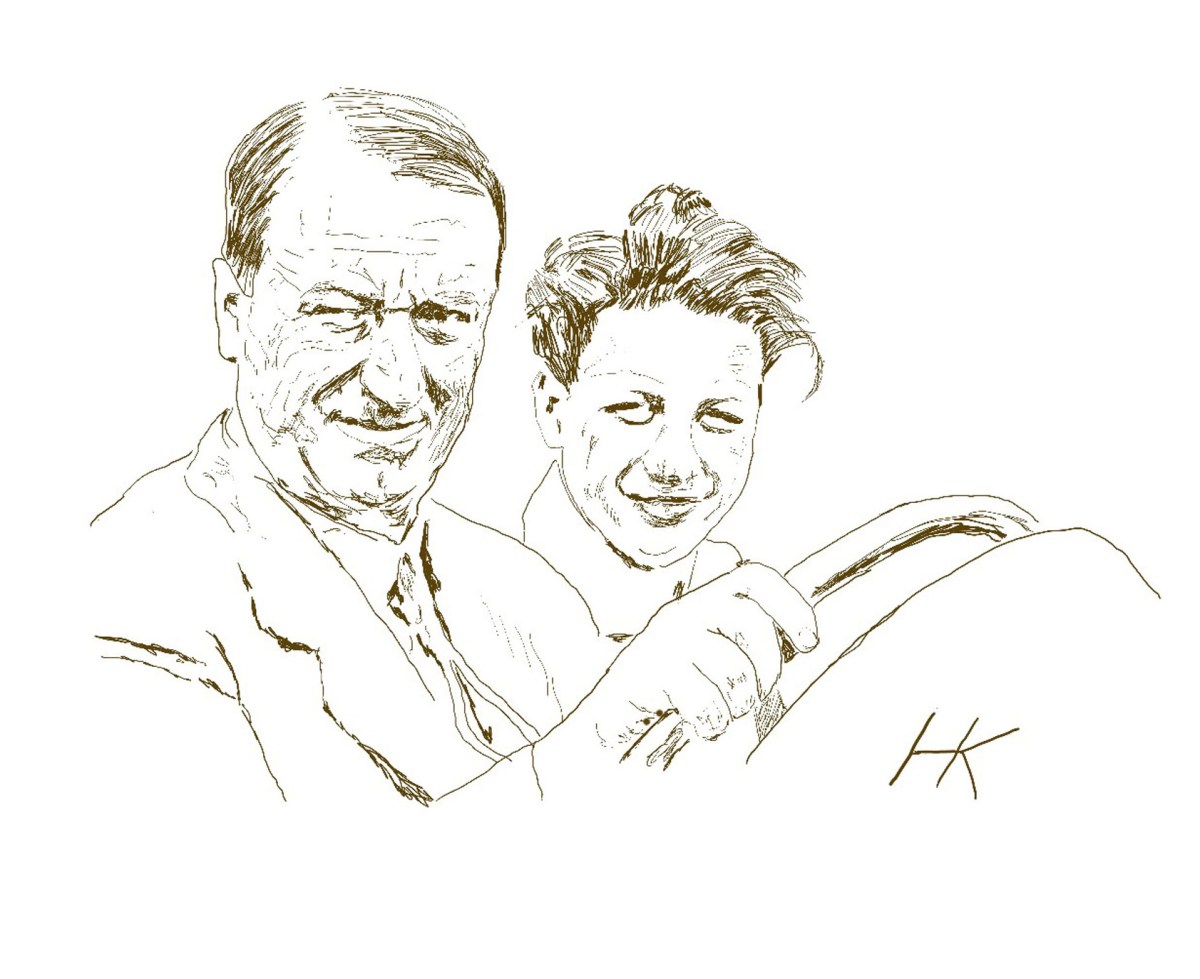
Having drawn the magnificent Bugatti engines, one is of course also fascinated by its creators. So I decided to make some detailed and realistic pen drawings of father and son – Ettore and Jean – on important occasions. The young Jean sits next to his father in 1924 at the Lyon Grand Prix, in a type 35. His father is then 43, and Jean is 15…

Ettore Bugatti was to shape automotive history forever – with his formidable artistic and technical genius. He was born on 15 September 1881 in Milan, into a very artistic family. His father was an important Art Nouveau furniture and jewelry designer, his brother Rembrandt Bugatti a sculptor, his grandfather an architect and sculptor.

Ettore turned his interest to cars. In 1909, his son Jean was born, and in that same year Bugatti established his legendary automobile company, Automobiles E. Bugatti, in 1909 in the then German town of Molsheim in the Alsace region. He had married Barbara Maria Giuseppina Mascherpa. Besides Jean, the marriage produced two daughters, L’Ébé in 1903 and Lidia in 1907, and another son, Roland in 1922.

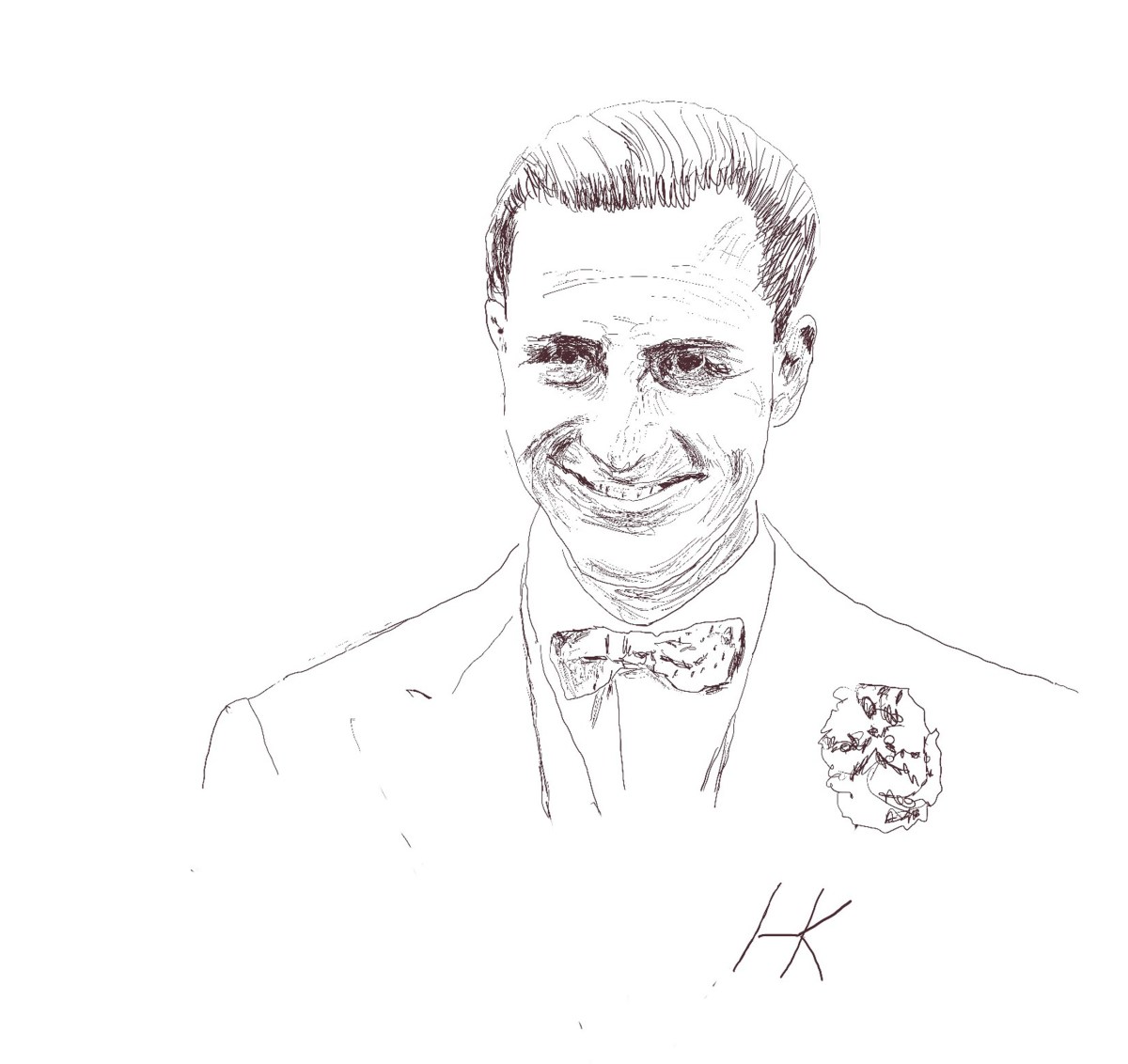
Of course, son Jean was soon to follow in his father’s footsteps. Jean designed in de mould and tradition set by his father the Bugatti’s Type 50 and 51 and the stunning Bugatti 57, with their beautiful twin cam engines. When Jean reached the age of 27, Ettore retires, and leaves the factory and its management to Jean. Unfortunately, the kind and genial Jean kills himself on 11 august 1939 behind the wheel of the 57C which had just won Le Mans,  running at more than 200 km/h against a platan on a country road in Duppingheim.


I drew this charming and very elegant man here when he was 23.

Since then, things went downhill for Ettore and the famous brand. World War II ruined his factory in Molsheim, and his wife Barbara died in 1944. But Ettore Bugatti remarried in 1946, to Geneviève Marguerite Delcuze. This union and marriage had produced already a daughter, Thérèse in 1942 and later a son, Michel in 1945.

Ettore was also a lover of horses and yachts. He had bought a magnificent one after the war, but contracted the flu while visiting it at the wharf.  Having contracted pneumonia, he subsequently went into a deep coma. He was almost certainly unaware of the court decision whereby his property in Alsace, which had been confiscated by the state as retribution caused by his Italian origins, were restored to him on 20 June 1947: Ettore Bugatti died just over two months later, on 21 August without having recovered consciousness.

Hans Knol ten Bensel


Ultimate beauty: the pre-war Bugatti twin cam engines…

Bugatti engines have, like the cars, been wonderfully designed and built since the birth of the “marque”. They are designed like true sculptures, and Ettore Bugatti paid great attention not only to the mechanics itself, but also how they looked from outside. The external surfaces were also buffed especially in a circular pattern, just like the cockpit and dashboard panels.

His son Jean Bugatti continued the tradition of unique panache and style. Not only did he design magnificent factory made bodyworks, he also helped develop magnificent twin cam Bugatti engines which saw light in the thirties.

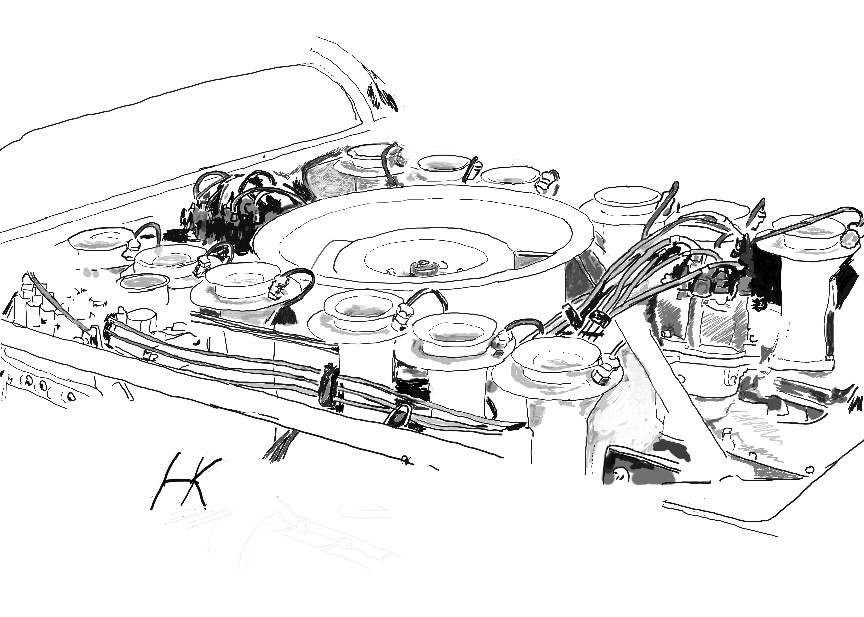
The twin cam version was seen amongst others in the Type 51 Racing car, which made its debut in 1931. This formidable engine, which I drew here in ink, enhancing it with some water color touches, was the 160 hp (119 kW) twin overhead cam evolution of the supercharged 2.3 L (2262 cc/138 cubic inches) single overhead cam straight-8 found in the Type 35B racing car.

This car, contrary to the 35 biposto, was to be very rare indeed: only some 40 examples of the Type 51 and 51A were build.

On my drawing, one clearly sees the compressor, and its small circular waste gate with its …. openings which protruded outwards at the bottom of the louvered right side of the foldable engine bonnet.

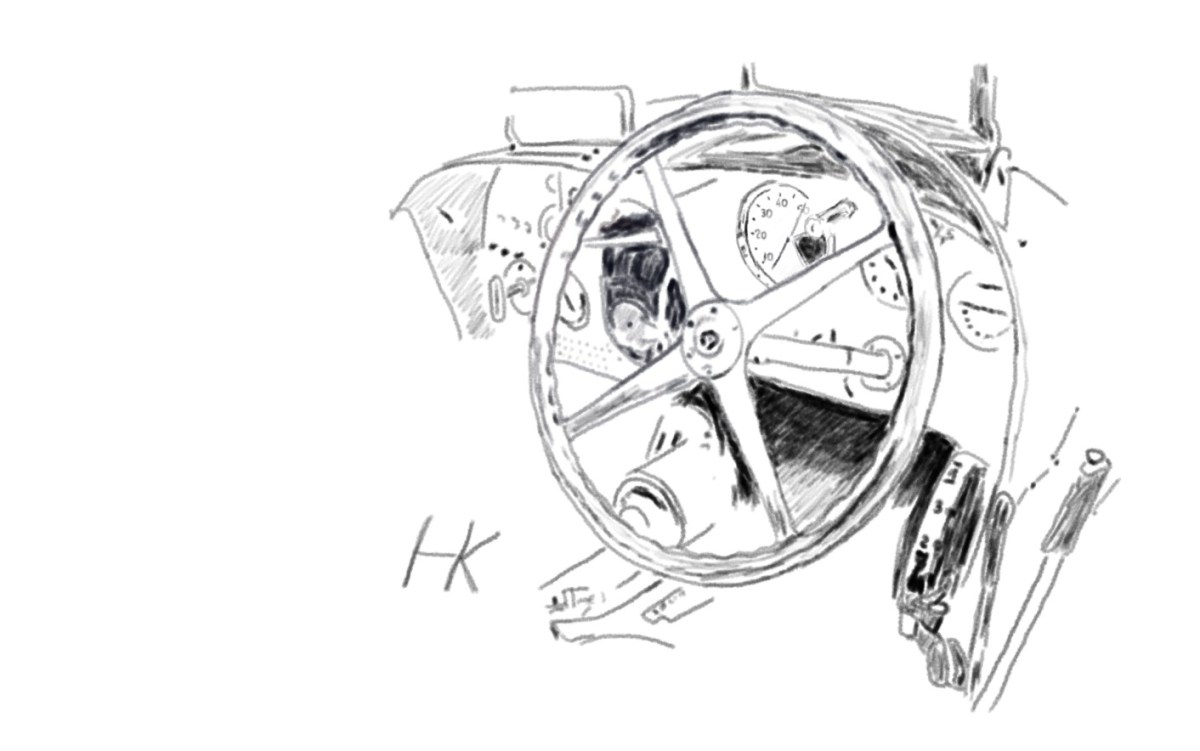
The pencil drawing – I used the 2B grade – shows the cockpit of the 51 “Voiture de Course”, with a very rare Cotal preselector gearbox. This was a manually controlled epicyclic box, as similar construction as the famous Wilson box. The difference is that instead of band brakes, it used electromagnetic clutches. Drivers could preselect the lower or higher gears under braking before or accelerating out of a corner, and it was seen on other French thoroughbred racing cars, like the Talbot Lago 4,5 liter monoposto for instance.

Twin Cam engines are also to be found on the type 57, and later variants (including the famous Atlantic and Atalante) was an entirely new design created by Jean Bugatti.

A lot more can be told about Bugatti’s, the cars and their creators, and as this drawing series is only beginning, you are in for much more in the future… stay tuned!

Hans Knol ten Bensel


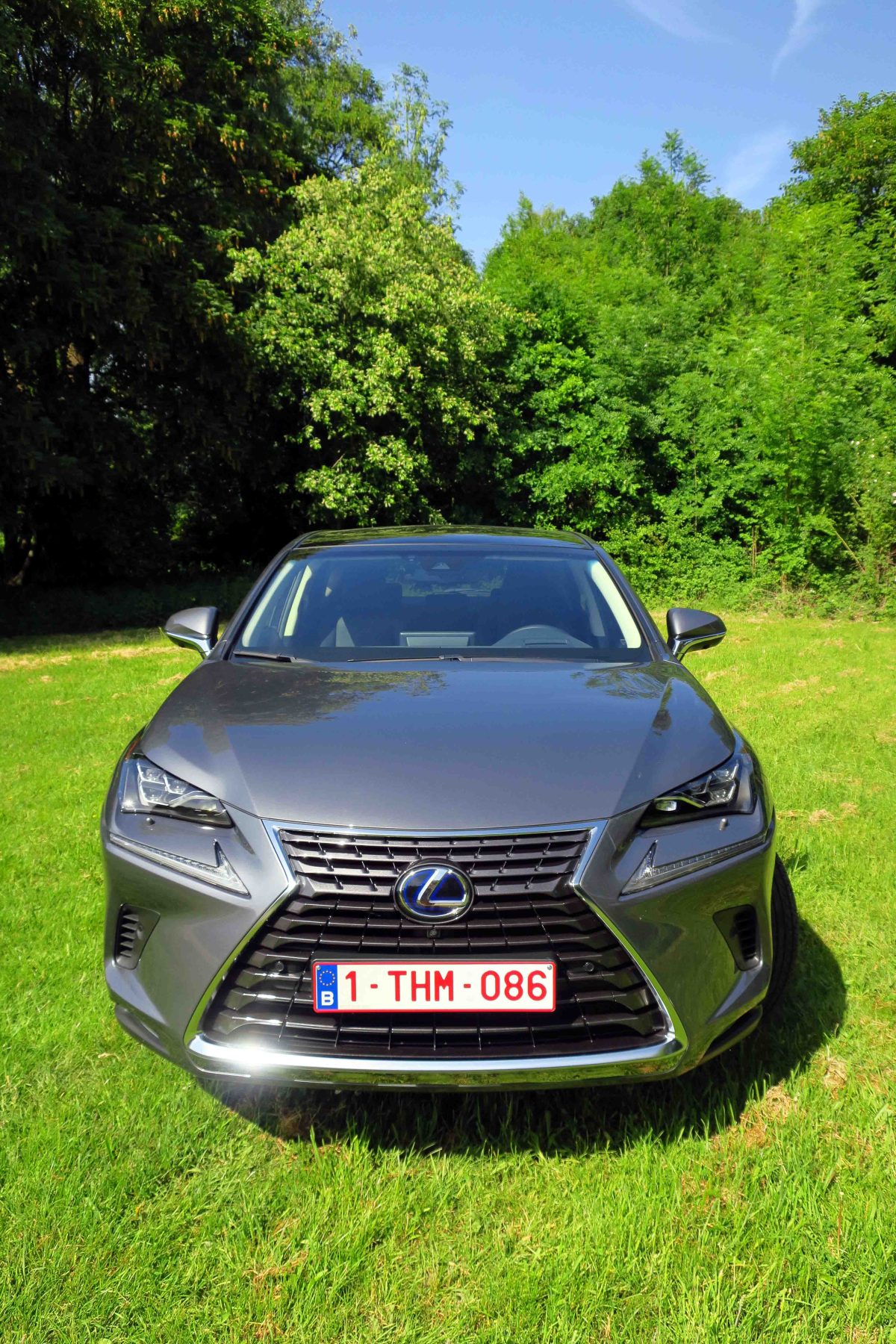
We drove the Lexus NX300h: where bold styling meets ingenuity…

The Lexus NX is quite popular in its segment, and is one of its bestsellers in the European market. It has been facelifted twice now since its introduction in 2014. Its futuristic styling and angular contours make it stand out from its rivals, and for some this is also the reason to buy one. It carries of course the perfected and well honed hybrid technology the Japanese lucury brand has been well known for, and that is one of the more rational reasons to take this car among your favorites…

Hans Knol ten Bensel

Continue reading “We drove the Lexus NX300h: where bold styling meets ingenuity…”

A (very) first glimpse of BMW iNext…

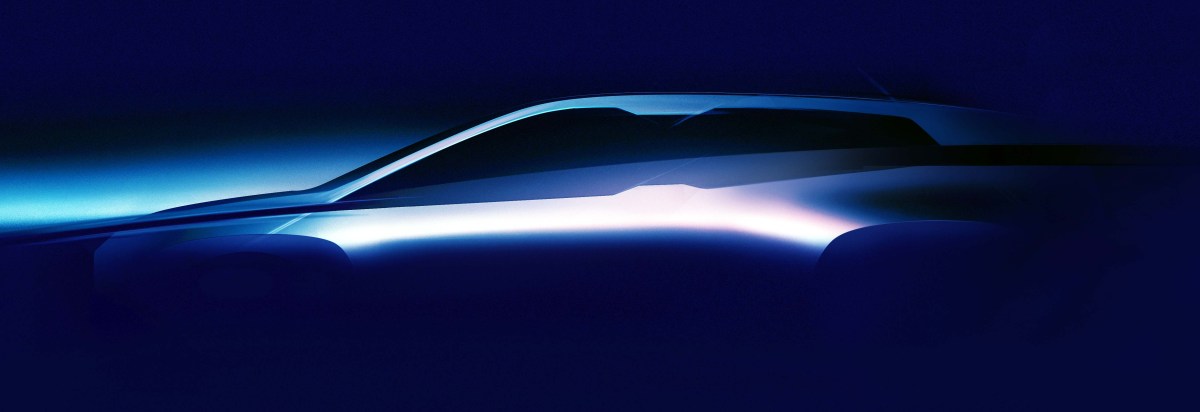
At the Annual General Meeting, Chairman of the Board of Management of BMW AG, Harald Krüger, unveiled an initial design concept for the BMW iNEXT. The pure-electric BMW iNEXT will be built at Plant Dingolfing from 2021. The company’s new technology flagship incorporates all major strategic areas of innovation in a road-ready vehicle. It is not much to go for yet, but nevertheless, a silhouette is a silhouette, but at eleast the shareholders, and you dear reader, got an idea of it.

Harald Krüger, Chairman of the Board of Management of BMW AG, commented: “The iNEXT project is our building kit for the future. It will benefit the entire company and all our brands. For the first time, we are combining all key technologies for future mobility in one vehicle. The iNEXT is fully electric, fully connected and also offers highly automated driving. Later this year, we will be presenting the BMW iNEXT as a Vision Vehicle.”

We are indeed keen to see more of this soon…

Hans Knol ten Bensel

Legendary Porsche engines: the V12 engine of the 917…

In October 1967, the FIA decided to raise the capacity limit for Constructors’ World Championship sports racing cars from 3 to 5 liters for the ‘68 season. Porsche had so far competed successfully with its 3 liter 908. But now things were to change drastically. Ferrari was immediately preparing 5 liter cars, and Porsche had to follow soon.

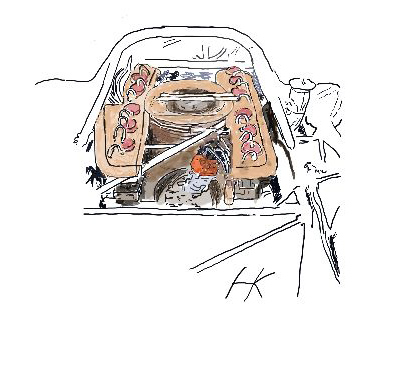
We show you here on my pen drawings the engine in its early 4,5 liter configuration…with both cylinder banks being tucked away in the chassis,  only the induction pipes and cooling turbine are clearly visible.  

The result was the 917. In July 1968, development started. Initially, the capacity was limited to 4,5 liter for a very good reason: one could use the same cylinders, pistons, conrods, valves, cylinder head and combustion chamber dimensions, ignition and injection systems as the well proven 8 cylinder 3 liter racing engine of the 908. A sound basis to start with. The chassis was also mainly based on the 908.02. And so on March 13, 1969, the 917 was unveiled at the Geneva Motor Show. The price of this racing car: a mere 140.000 Mark, and already at the end of April the necessary 25 units for homologation by the CSI commission were built. It is no secret that the whole cost for Porsche of building the 917 and its racing preparation boiled down to 350.000 Mark per car…

The biggest early success was the Le Mans win on 14 June 1970, with Hans Herrmann/Richard Attwood in the 917 short tail painted in the red and white Porsche Salzburg colors.


The engine is air cooled with two flat cylinder banks, four overhead cams and fuel injection. As said, bore and stroke of 85 x 66 mm were identical to the 908. Power was taken from the center of the crankshaft, through a straight cut 31 tooth gear. The engine block was made from magnesium alloy, and the engine was cooled through an axial turbine with 33 cm diameter, able to push through 2700 liters of air per second at max. power rpm of 8400 rpm. Of course, there was a newly developed 12 port injection pump. Maximum power was 460 HP, with a massive 50 mkg torque being available at 6800 rpm.

In April 1970, engine capacity was already enlarged from the initial 4494 cc to 4907 cc, with now 86 mm bore and a lengthened stroke from 66 to 70,4 mm. 600 HP were available at 8400 rpm, torque being also raised to 56 mkg.

Later on, turbo versions were to follow, and the most powerful version of this magnificent engine was the 5374 cc version which made its appearance in 1973 in the Can Am 917/30 Spyder, delivering 1100 HP at 7800 rpm, torque being 112 mkg at 6400 rpm.


Hans Knol ten Bensel

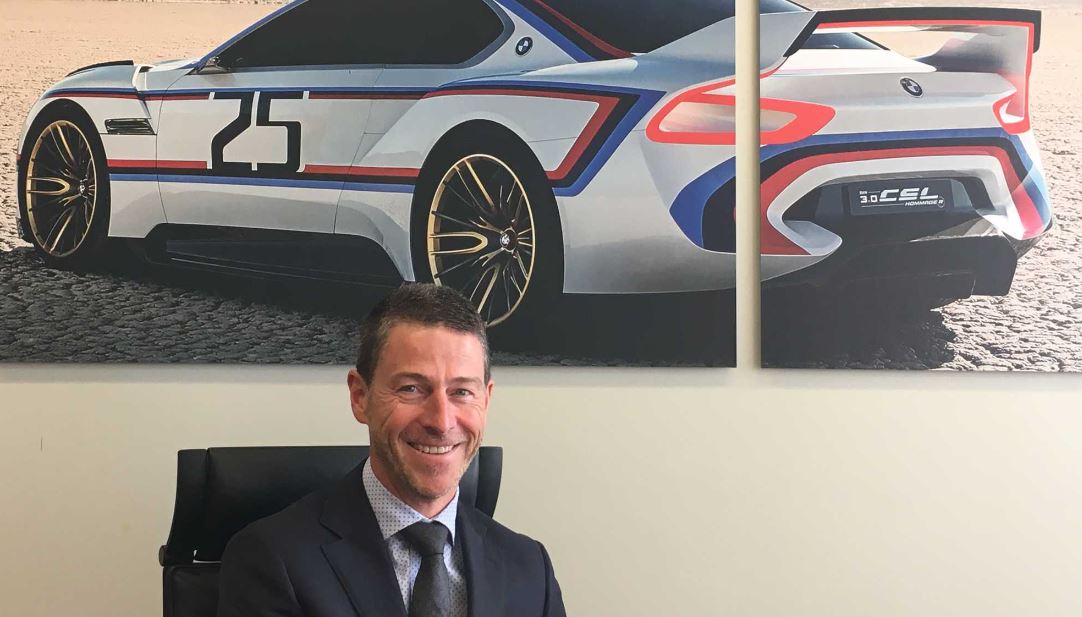
The new BMW Belux Group president is Eddy Haesendonck

Peter Henrich, President and CEO of BMW Group Belux since January 1st 2017 is now with immediate effect Senior Vice-President Product Management at BMW.

The management of BMW AG has appointed Eddy Haesendonck (47) – see photo above – as his successor. He was from 2015 until now Commercial Director at BMW Belux. After his marketing studies he started at BMW Belux in 1997 as responsible for Aftersales of BMW Motorrad Belux. In that period, he launched the very successful BMW Boxer Cup.

In 2002 he was appointed commercial director of MINI Belux, and became regional manager between 2009 and 2012. Eddy Haesendonck then became responsible for MINI in the Asian, South Pacific, South-Africa and import markets for Africa, Caribic, Eastern Europe, Asia and Pacific.

Hans Knol ten Bensel