In these Corona lock-down times, online presence and using social media is vital for car manufacturers to reach out to their customers, and DS automobiles is no exception. What’s more, they show you some stunning behind the scenes footage on Facebook, Instagram, Twitter and LinkedIn and of course, last but not least, Youtube.
Just read on…
Hans Knol ten Bensel
Indeed, DS Automobiles invites you to take a look behind the scenes of the design team through two web series developed by DS DESIGN STUDIO PARIS.
After “CONFIDENCE The art of the senses” that revealed the secrets of the DS DESIGN STUDIO PARIS to the general public, the brand builds on this with two web series created during the lock-down.
In a first series of videos you will meet fifteen people who are involved in the design process, the development and the commercialization of a product.
These experts film themselves while talking about their profession and explaining the challenges this never-before-seen situation entails. From product determination to customer delivery, through design, engineering, production and sales, DS Experts reveal their work in short videos broadcast on DS Automobiles’ social media.
A second series of videos are dubbed the «Did You Know? » Series and for a good reason: it gives anyone interested an opportunity to learn about little-known facts about DS Automobiles products and services.
An interview with Pascal Béziat, headed the development and industrialization of the DS3 Crossback…
At the moment of writing, a number of videos are already online:
Just have a look, and be amazed with us over this very interesting insight into DS Automobiles, a prestigious example of French “savoir faire” in car building …
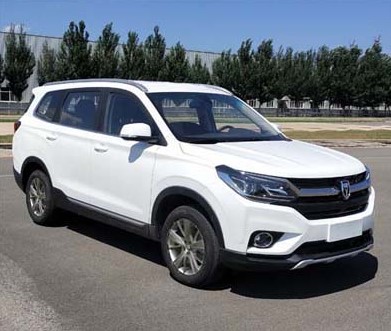
Groupe Renault unveiled its new strategy for China, building on two of its key pillars: Electric Vehicles (EV) and Light Commercial Vehicles (LCV).
For the Internal Combustion engined car market in China, Groupe Renault has entered into a preliminary agreement with Dongfeng Motor Corporation under which Renault transfers its shares to Dongfeng. DRAC (Dongfeng Renault Automotive Company) will stop its Renault brand-related activities.
Of course, Renault will continue to provide after sales service ot its existing customers in this market, and Renault and Dongfeng will continue to cooperate with Nissan on new generation engines like components supply to DRAC and diesel license to Dongfeng Automobile Co., Ltd. Renault and Dongfeng will also engage in innovative cooperation in the field of intelligent connected vehicles.
Booming LCV market…
The LCV market in China reached 3.3 million in 2019 and is forecasted to maintain a steady upwards path. Renault Brilliance Jinbei Automotive Co., Ltd. (RBJAC), launched in December 2017, is Groupe Renault’s sword arm for its LCV business in China. Jinbei is a well-established Brand with 1.5 million customers in China and close to 162,000 sales in 2019.
With Renault expertise and technologies, RBJAC is modernizing Jinbei models and extending the line-up with a total of 5 core models by 2023. The joint venture will also export in the future.
The joint venture operates in Shenyang, Liaoning Province and aims to deliver 150,000 units of upper medium commercial vehicles and new energy commercial vehicles annually by 2022.
The Alliance launched a mid size Jibei SUV…
In addition, the company will roll out a series of new models in local market, including the Renault-branded Trafic, the Master (including BEV version) and the Jinbei-branded F70, the F50 BEV version as well as some LCV (light commercial vehicle) models under the Jinbei brand.
A massive Chinese EV market
With 860,000 electric vehicles sold in China in 2019, China is by far the largest EV market in the world. EV sales are expected to reach 25% of the Chinese market by 2030.
Groupe Renault was a pioneer on EV and has sold close to 270,000 electric vehicles world wide since 2011. It gives a strong competitive advantage in China as shown by the successful launching of Renault City K-ZE, the first joint venture EV car competing in A segment with the best local automakers.
Groupe Renault expect to reinforce its partnership with Nissan and Dongfeng within eGT to make K-ZE a worldwide car. A derivative for Europe based on “Dacia Spring” concept will be sold from 2021.
JMEV is known as an agile and efficient EV player since its creation in 2015. With Renault support in terms of quality and technologies, JMEV will cover 45% of Chinese EV market in 2022 with 4 core models.
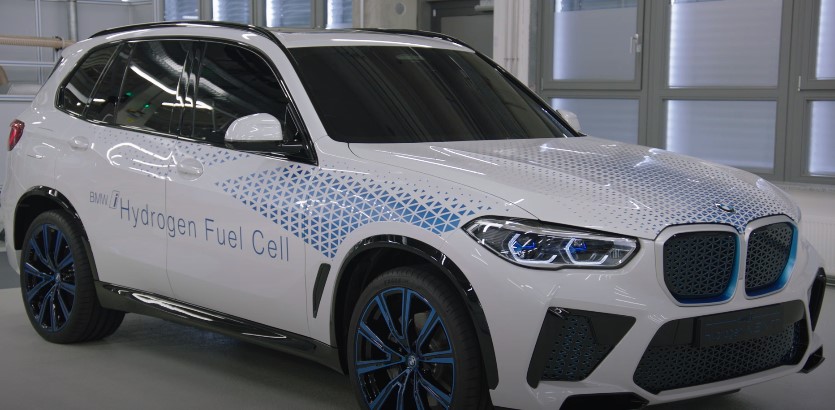
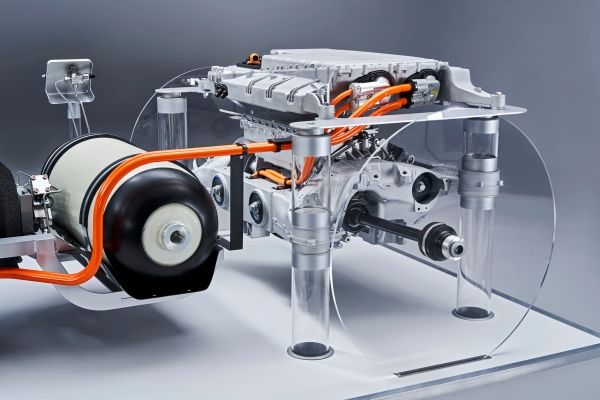
The second generation of the BMW fuel cell powertrain with a total system output of 275 kW will be piloted in the BMW i Hydrogen NEXT from 2022
BMW continues to look at alternative powertrain technologies. Did you know that the BMW Group is teaming up with the Toyota Motor Corporation as part of a successful partnership that dates back to 2013?
The two manufacturers have joined forces to work on fuel cell powertrain systems and scalable, modular components for hydrogen fuel cell vehicles under a product development cooperation agreement.
Fuel cells from the cooperation with Toyota will be deployed in the BMW i Hydrogen NEXT, alongside a fuel cell stack and overall system developed by the BMW Group.
As well as partnering on the development and industrialization of fuel cell technology for the mass market, the two companies are also founding members of the Hydrogen Council. A wealth of other leading companies in the energy, transport and industrial sectors have joined the Hydrogen Council since 2017, swelling its ranks to over 80 members.
According to Klaus Fröhlich, Member of the Board of Management of BMW AG, Research and Development, the hydrogen fuel cell technology could quite feasibly become the fourth pillar of our powertrain portfolio in the long term. The upper-end models in the extremely popular X family would make particularly suitable candidates here.
Not for the immediate future…
A customer offer powered by hydrogen fuel cell technology will be brought to market at the earliest in the second half of this decade. There are many good reasons for this cautious but realistic approach. “In our view, hydrogen as energy carrier must first be produced in sufficient quantities at a competitive price, using green electricity. Hydrogen will then be used primarily in applications that
cannot be directly electrified, such as long-distance heavy duty transport,” said Klaus Fröhlich. The requisite infrastructure, such as an extensive, Europe-wide network of hydrogen filling stations, is also lacking at present.
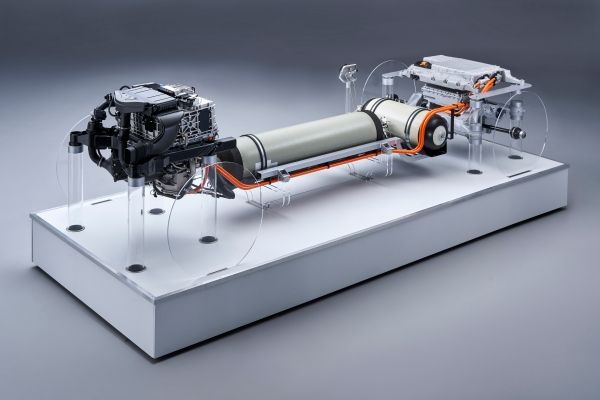
Initial technical details of the powertrain for the BMW i Hydrogen NEXT.
The BMW i Hydrogen NEXT will be propelled by the 5th generation e-machine, which will first be launched in the BMW iX3. The peak power battery located above the e-drive unit can supply boost power for additional dynamics, e. g. when overtaking. The total system output is 275 kW.
“The fuel cell system for the powertrain for the BMW i Hydrogen NEXT generates up to 125 kW (170 hp) of electric energy from the chemical reaction between hydrogen and oxygen from the ambient air,” explains Jürgen Guldner, Vice President of Hydrogen Fuel Cell Technology and Vehicle Projects at the BMW Group.
This means the vehicle emits nothing but water vapour. The electric converter located underneath the fuel cell adapts the voltage level to that of both the electric powertrain and the peak power battery, which is fed by brake energy as well as the energy from the fuel cell.
The vehicle also accommodates a pair of 700 bar tanks that can together hold six kilograms of hydrogen. “This guarantees a long range regardless of the weather conditions,” notes Guldner. “And refuelling only takes three to four minutes.”
The fifth-generation eDrive unit set to make its debut in the BMW iX3 is also fully integrated into the BMW i Hydrogen NEXT.
The peak power battery positioned above the electric motor injects an extra dose of dynamics when overtaking or accelerating. The total system output of 275 kW (374 hp) fuels the typical driving dynamics for which BMW is renowned. This hydrogen fuel cell electric powertrain will be piloted in a small series based on the current BMW X5 that the BMW Group plans to present in 2022.
The BMW i Hydrogen NEXT will be propelled by the 5th generation e-machine, to be seen first in the BMW iX3.
We just let you look at the photos here, giving you a detailed look into the hydrogen future…
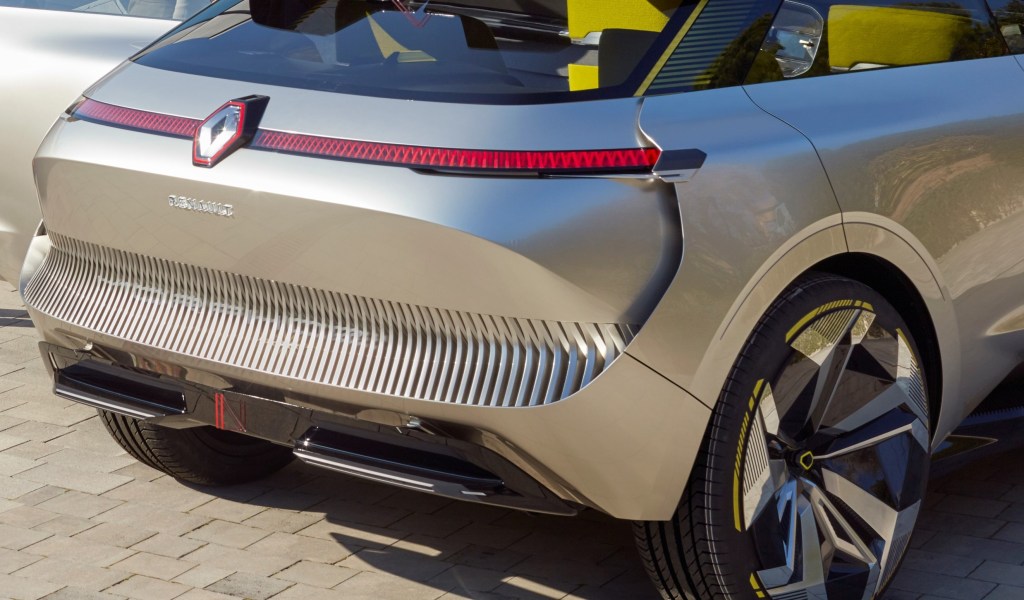
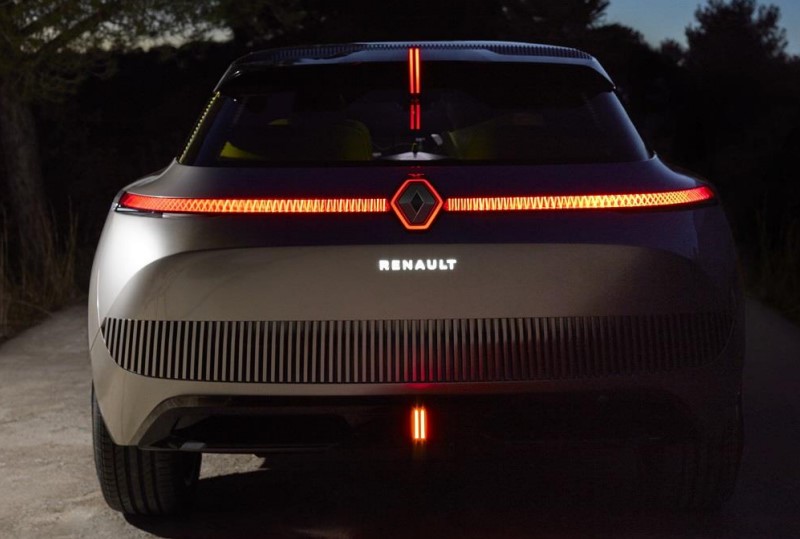
The futuristic car on the photo here embodies Renault’s vision of personal, shareable electric mobility in the years beyond 2025. It’s called the MORPHOZ.
It draws on the Alliance’s new modular CMF-EV electric platform to offer several configurations not only of power, capacity and range, but also of user options and boot space too.
Faithful to the brand’s DNA, the MORPHOZ concept embodies the Family petal of Renault’s ‘Life Flower’ design strategy, which is based around the stages within a person’s life.
However, it is not only just a vision of mobility. In its design, details and interior presentation, this MORPHOZ also heralds a new family of Renault electric models for the coming years.
The Renault MORPHOZ uses a brand new 100% electric modular platform
that we call CMF-EV.
Like the CMF-B platform which was inaugurated last year by the Clio and used on the New Captur, CMF-EV has been developed by the Alliance. It allows us to design, build, adjust and fine-tune electric vehicles more easily than with a platform designed for internal combustion engines (ICE) or for mixed ICE/electric applications.
The platform’s architecture allows a long wheelbase with wheels at the very corners of the vehicle, reduced overhangs and a flat floor. With a streamlined battery, the CMF-EV platform allows to design vehicles that are closer to the ground, with a lower roof and the all-important improvement in aerodynamic performance. The low centre of gravity is also a bonus thanks to the location of the batteries below the rear floor.
MORPHOZ, a personal vehicle that can be tailored to requirements
Renault MORPHOZ is a 100% electric adaptable crossover concept car which charges by induction even as it is being driven.
It is connected and equipped with level 3 autonomous driving functions. Like the SYMBIOZ concept unveiled in 2017, this is a personal vehicle which now boasts specific sharing functions.
2020 – Renault MORPHOZ
The high adaptability of the MORPHOZ concept-car is demonstrated by the physical transformation that occurs between its two versions: the short “City” one and the long “Travel” one.
The vehicle is in fact capable of adapting itself to the way its users live, be it for daily use or, for example, holiday travel. To achieve this, the City version is fitted with just the right battery capacity to meet day-today requirements, while the Travel version can accommodate the extra capacity needed for long distances on motorways, for example.
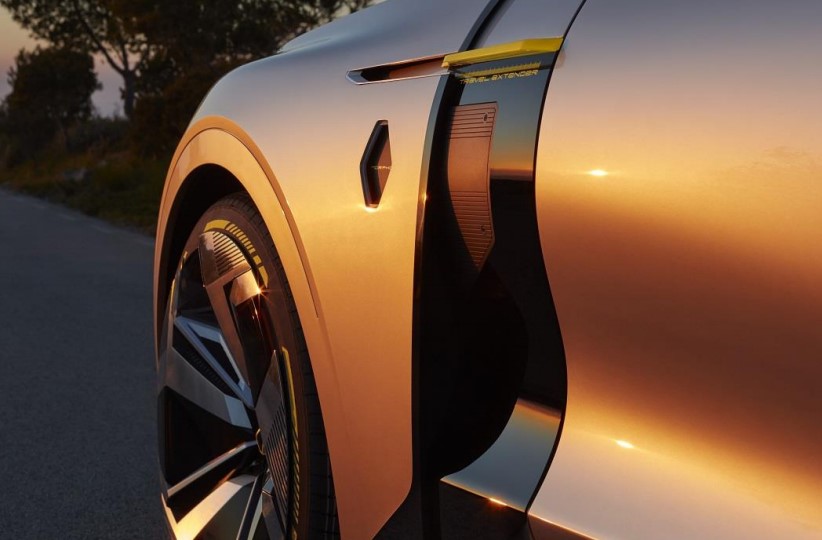
Although it is very slender in the City version, the vertical section of the front wing on the MORPHOZ expands in the Travel version as the vehicle’s bodywork and wheelbase lengthen.
Although its primary role is to display the capacity meter of the onboard batteries, its black and yellow finish also makes it stand out from the rest of the bodywork.
The City version
The short City version of the Renault MORPHOZ is 4.40 metres long. At 2.73 metres, its wheelbase is a record for such a vehicle length,so that it can easily house the 40 kWh of batteries that are fitted as standard.
The long Travel version of the Renault MORPHOZ is 4.80 metres long. Its wheelbase is proportionately longer at 2.93 metres to allow it to accommodate the additional battery capacity and provide a spacious interior. It can thus carry extra batteries that provide 50 kWh of power (total capacity of 90 kWh) and offer more leg room for the passengers, along with enough space for two more suitcases. In addition, this version – which benefits from a specific light identity – has a specific tapered
front-end and profile to improve its aerodynamic performance for long distances.
A very clever car, brimming with further smart solutions for its passengers, more about this in a next report…
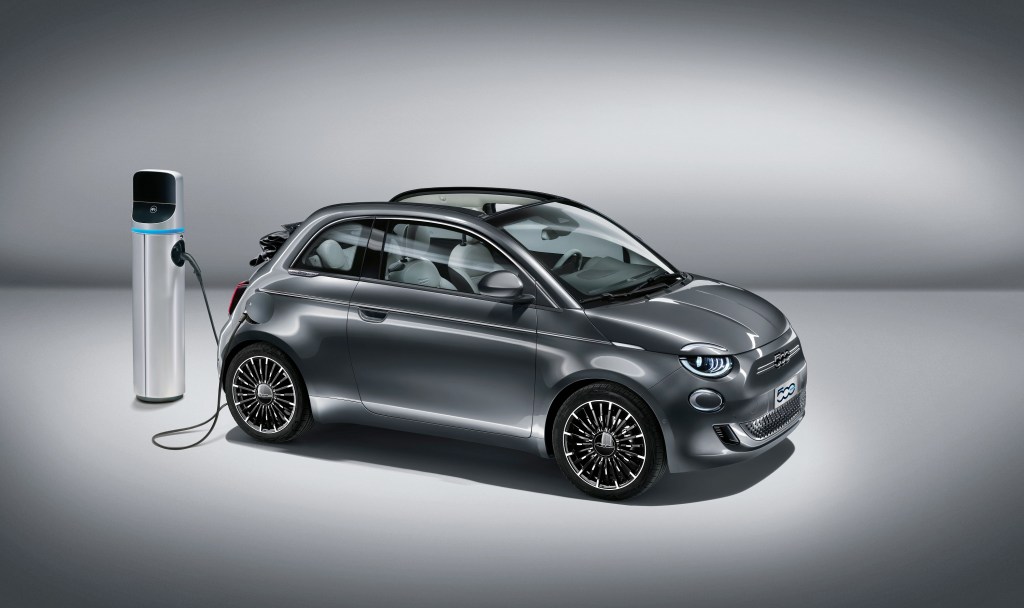
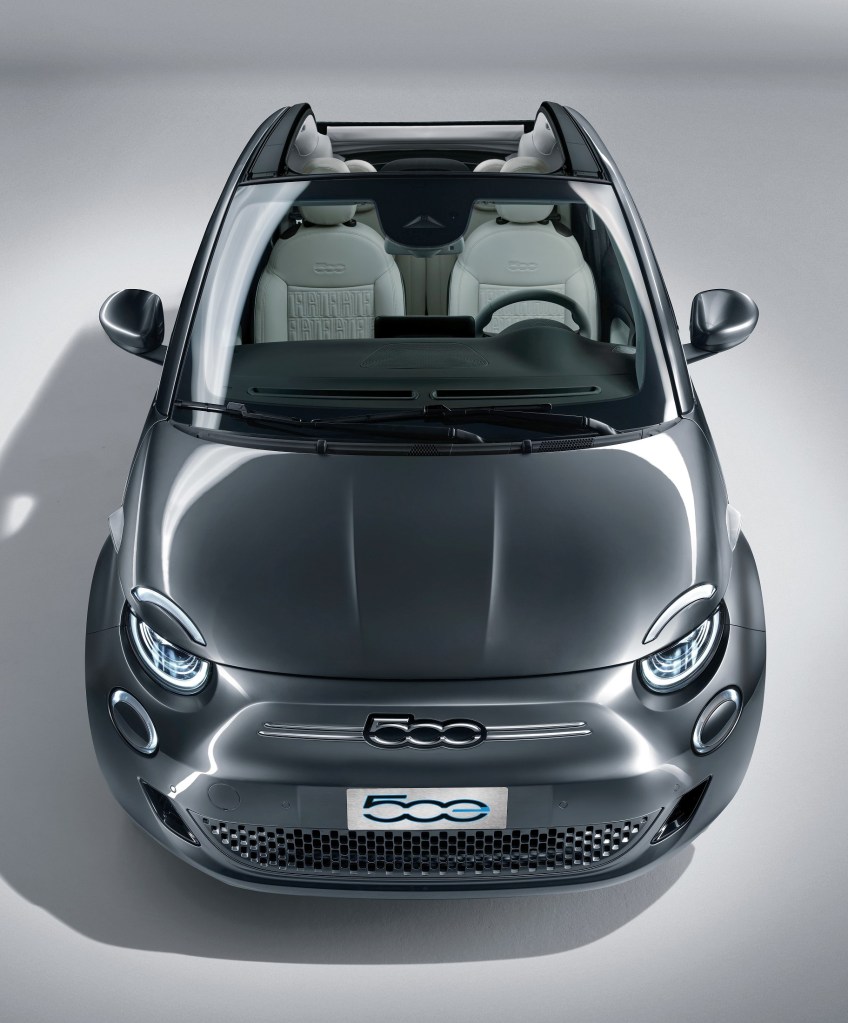
The ever young 500 is now in its third generation, and incarnates as FCA’s fisrt fully electric car. It has more space, top notch E-technology, new styling but remaining a true Cinquecento.
Its range and charging times are what customers nowadays expect. The lithium-ion batteries with a capacity of 42 kWh give the New 500 a range of up to 320 km in the WLTP cycle.
Charging is indeed a breeze: the New 500 is standard equipped with an 85 kW fast charger system to charge the battery very quickly. For example, it takes only 5 minutes to build up a sufficient energy reserve to travel 50 kilometers, more than is needed for average daily use.
The fast charger can also charge the battery to 80% in just 35 minutes. The Combo 2 socket located on the rear right side panel of the car powers the fast charger, for both AC and DC charging.
Home charging solutions are also available. The launch edition of the new 500 includes the Easy Wallbox™, a home charging system that can be connected to a normal home outlet. ENGIE EPS developed this exclusively for FCA, and it will be marketed by Mopar in Europe to coincide with the launch of the model.
It is a simple, accessible “plug-and-charge” solution that can be managed easily via Bluetooth, letting you stabilize your energy load by charging your 500 immediately at home with up to 2.3 kW of charging power, with no need for any intervention by skilled personnel. Moreover, the Easy WallboxTM is ready for a power upgrade to 7.4 kW, providing a full charge at home in just over 6 hours. The model also comes with a Mode 3 cable for charging from the public mains.
A “sherpa” mode gets you home
The New 500 has three driving modes: Normal, Range and Sherpa, which can be selected to match your driving style. In particular, Sherpa mode optimizes the available resources to ensure that you will reach your destination. The “sherpa” mode adjusts various parameters: maximum speed, limited to 80 km/h; accelerator response, in order to reduce energy consumption; and deactivation of the climate control system and heated seats (the driver has the option of activating them at any time).
“Normal” mode is as close as possible to driving a vehicle with a normal combustion engine, while “Range” mode activates the “one-pedal-drive” function. By selecting this driving mode, you can practically drive the New 500 with the accelerator pedal alone.
Lots of (city) zest…
The engine has an output of 87 kW, providing a maximum speed of 150 km/h (self-limited) and acceleration from 0-100 km/h in 9.0 seconds and 0-50 km/h in 3.1 seconds.
Level 2 autonomous driving and connectivity
The car of the future is not just an electric city car, but goes one step further: it literally goes to the next level by being the first car in its segment to offer level 2 autonomous driving, bringing all the associated benefits to urban mobility.
Front-facing camera monitoring technology monitors all areas of the car, both longitudinally and laterally. The intelligent Adaptive Cruise Control (iACC) system brakes or accelerates in response to anything: cars, cyclists, pedestrians. Lane Centering keeps the vehicle in the center of the lane when the markings are correctly identified.
Intelligent Speed Assist reads the speed limits and recommends applying them, while Urban Blind Spot uses ultrasonic sensors to monitor the blind spots and warn of any obstacles with a triangular warning light on the wing mirror. Then there is Attention Assist, which provides warnings on the display, recommending that you stop and take a break when you are tired. Finally, the 360° sensors provide a drone view to avoid any obstacles when parking or performing complex manoeuvres.
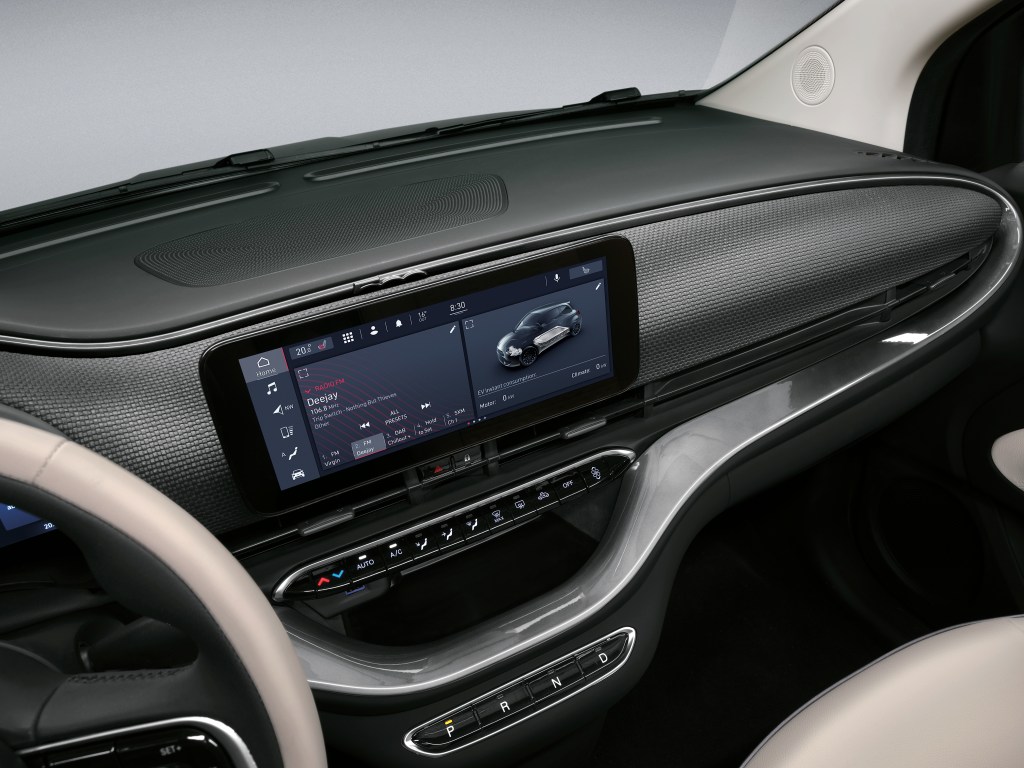
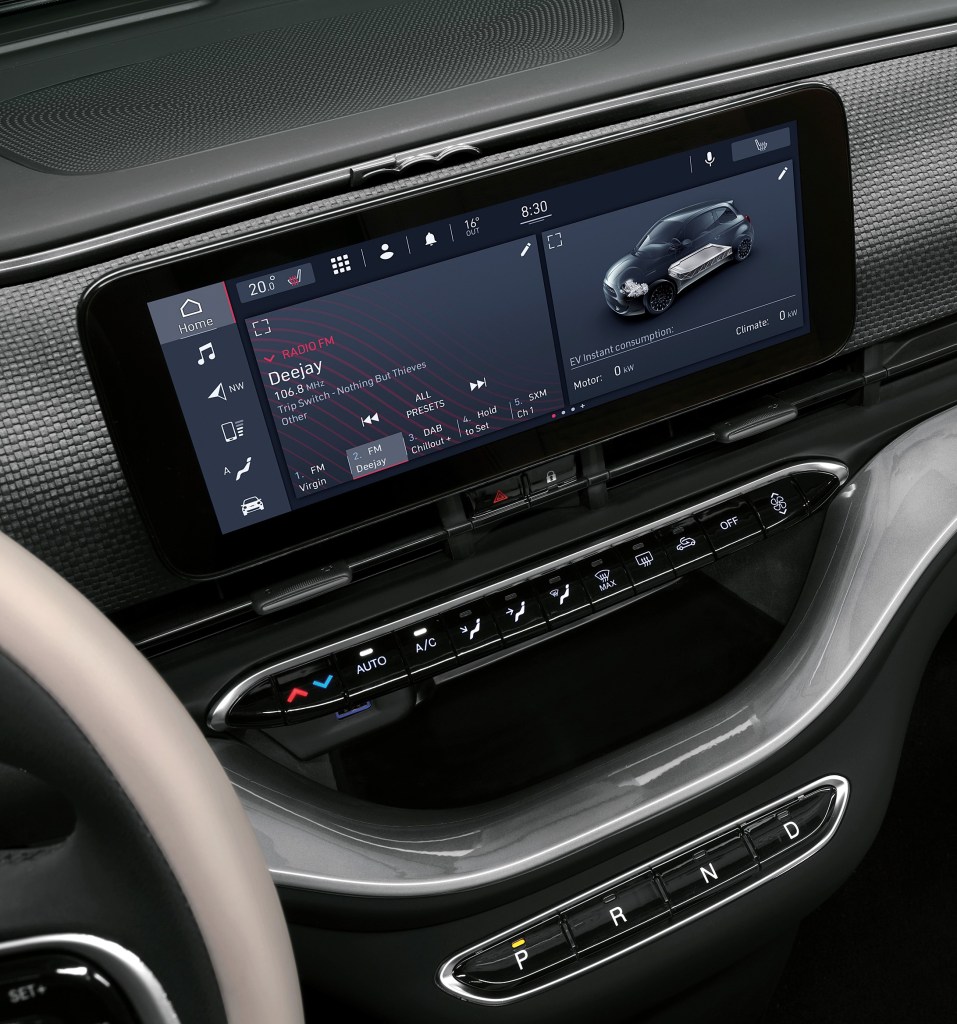
The third-generation 500 is the first FCA car equipped with the new UConnect 5 infotainment system. FCA uses the easy, intuitive and incredibly customizable Android Auto operating system. For example, you can use widgets to configure how functions and apps are displayed. Apple CarPlay is already available wirelessly. The system is also ready to offer the same functionality for Android Auto.
In short, the New 500 offers seamless integration with your smartphone, offering a 10.25” high-definition touchscreen, with a horizontal form factor that fits perfectly into the car dashboard, following its lines.
The launch version also boasts the Natural Language interface system, with advanced voice recognition, so you can talk to the car to control parameters, set the climate control and choose your favorite music.
Style, and then again
The New 500 has all the elements of style, just quieter, cleaner and crisper. The front is vertical as in the 1957 version, making it less elusive, almost facing the road, and the dynamic feel of the profile has been accentuated.
The substance of the new platform has given the third-generation 500 a strong presence: it is 6 cm wider and 6 cm longer, the wheelbase has been extended by 2 cm, and the wheels are larger and further apart, giving it a stronger personality and greater comfort despite its length remaining under four meters.
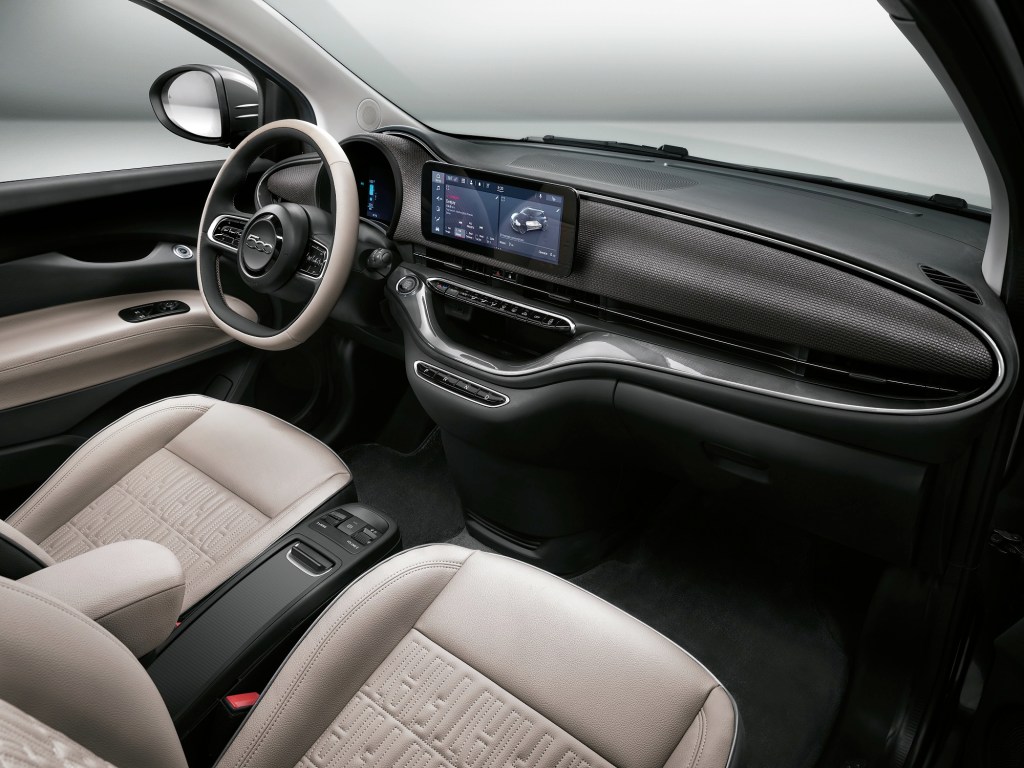
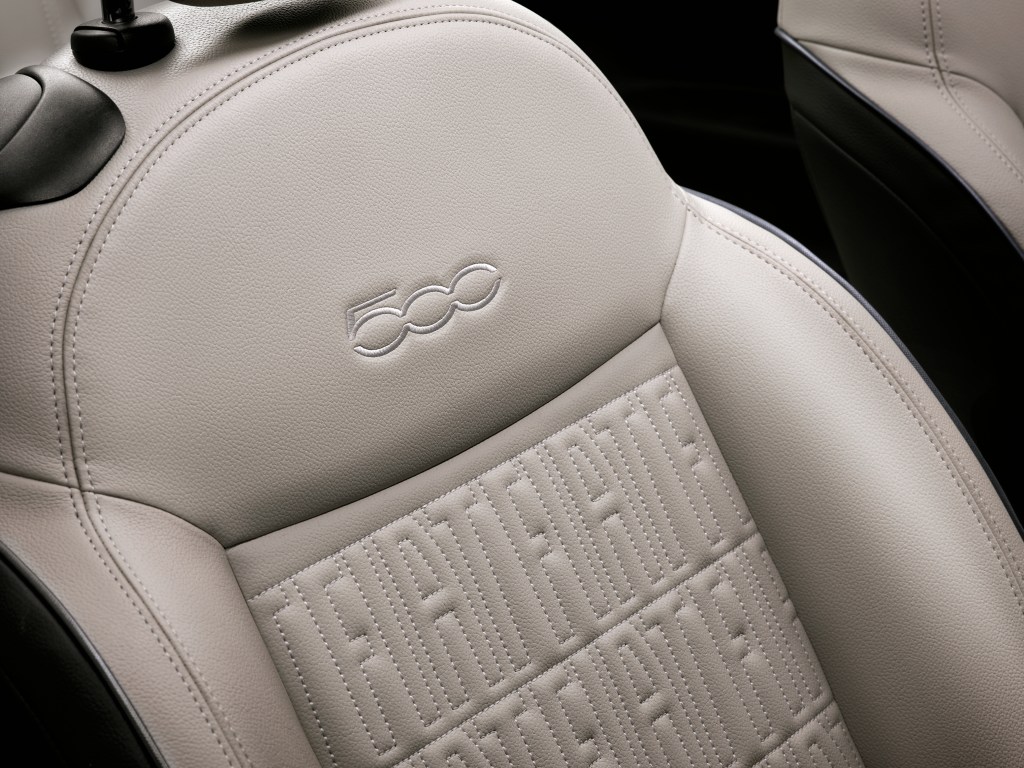
Inside, the electric 500 is completely new and elegant, with clear references to elements of the first generation. As for the Hybrid Fiat 500, including the electric version, some trim levels also have seats made using “Seaqual” yarn, derived from plastic recovered from the sea.
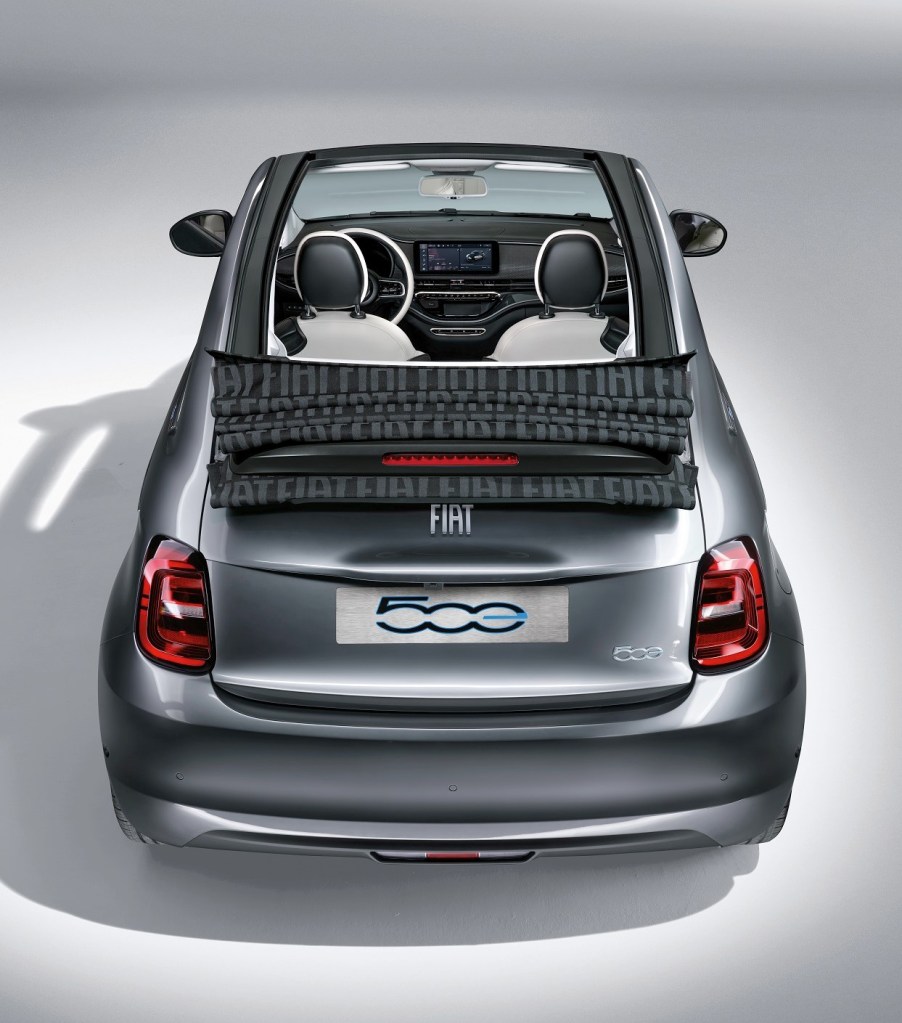
The new 500 debuts in the convertible version: the first open-air four-seater with zero emissions: all open, all electric, all silent. As an icon of La Dolce Vita, it had to be reborn to bring out all the charm of its forms and sounds. And on the subject of sounds, here is another unique feature of the new city car, which will become available later: the Acoustic Vehicle Alert System (AVAS), an acoustic warning for pedestrians that is mandatory at speeds up to 20 km/h; the chosen sound is not a common acoustic signal, but rather the music of Amarcord by Nino Rota, in pure Dolce vita style, an example of the most authentic Italian creativity.
The “la Prima” launch edition is available for pre-booking
A dream is coming true: the “la Prima” launch edition, a limited edition designed for the launch of the New 500, with its own distinct style, exclusivity, technology and connectivity.
From today, March 4, it can be ordered via an online pre-booking system on the http://www.fiat.com* website, by following a simple procedure of just three clicks.
To book the “la Prima” limited edition, simply browse to the http://www.fiat.com* website, and with just three clicks and a deposit of €500, you can become a part of the mobility of the future.
Needless to say that we are keen to get behind the wheel of this New 500, Corona virus protection measures permitting. The date is set, at the digital presentation: the 4th of July…
I will come back on the new 500 with a description of unique one-off versions created by Kartell, Bvlgari and Armani…
Ralf Brandstätter, Chief Operating Officer of the Volkswagen Brand, presents here the ID. CROZZ showcar
We are living in digital times. So even when the Corona virus limits (temporarily, as we all hope) our present mobility, and led to the cancellation of the Geneva Motor Show, we can still see all the automotive news via our PC’s, Phones, Tablets.
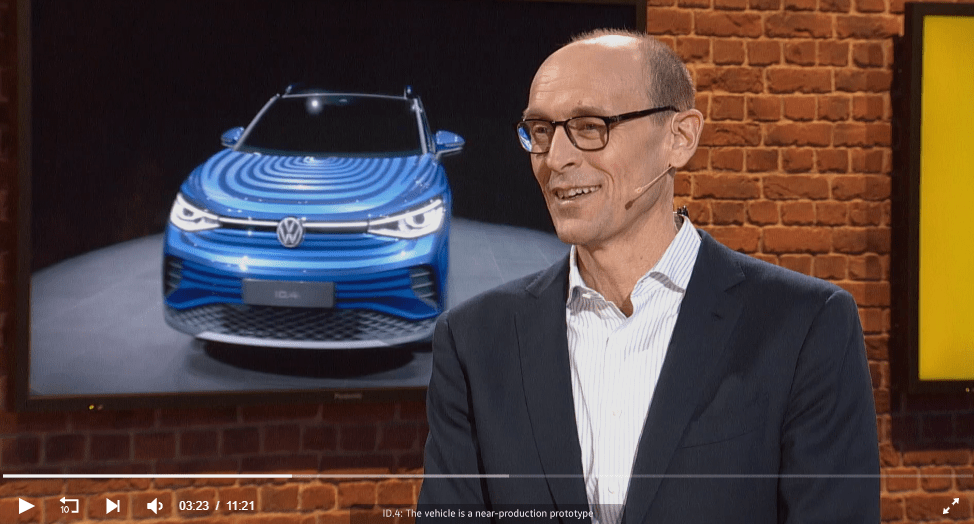
Ralf Brandstätter, Chief Operating Officer of the Volkswagen Brand, presents here the ID. CROZZ showcar, which now evolves into its series production version, the ID.4.
Volkswagen is forging ahead with its electric mobility strategy by providing a detailed insight into the brand’s first all-electric SUV. The new ID.4 will be launched this year. Following in the tracks of the ID.3, the countdown has already begun for the second model based on the new modular electric drive matrix (MEB). “Just like the ID.3, the ID.4 will also come onto the market as a carbon-neutral vehicle”, explains Ralf Brandstätter, Chief Operating Officer of the Volkswagen brand. “We will produce and sell the ID.4 in Europe, China and the U.S..”
Just read on for more VW news…
Hans Knol ten Bensel
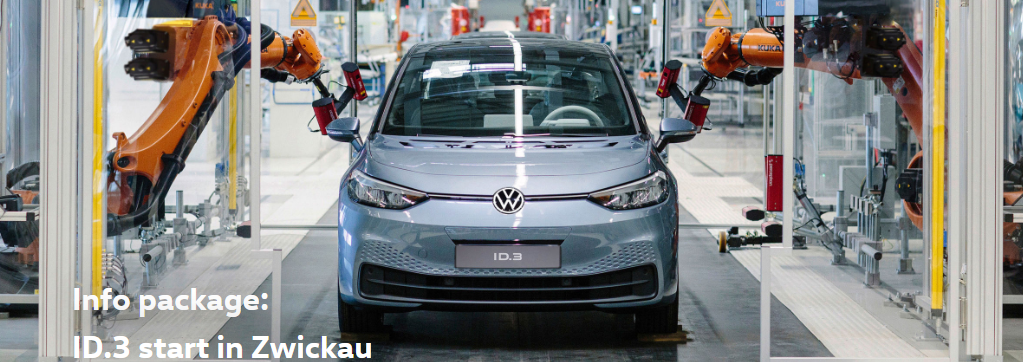
The ID. 3 started production in Zwickau, the ID.4 now follows…
The ID.4 will initially be launched with rear-wheel drive, while an electric all-wheel drive version will be added to the portfolio at a later date. The high-voltage battery is positioned near the center of the underbody to create a low centre of gravity and an optimum in terms of driving dynamics, along with an extremely well-balanced axle load distribution.
Also new mild and plug-in hybrid drives…
For Volkswagen, the ID.4 and ID.3 represent important milestones in the brand’s bid to become entirely carbon-neutral by 2050 – in line with the Paris climate agreement. Plans have been put in place to reduce the Volkswagen fleet’s CO2-emissions by a third by as early as 2025.
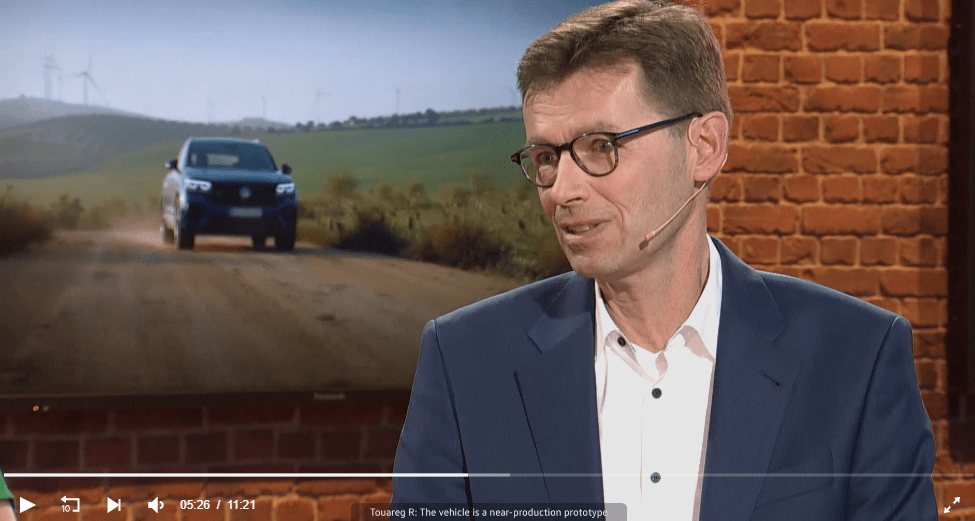
Dr. Frank Welsch, Member of the Board of Management of the Volkswagen Passenger Cars Brand with responsibility for Technical Development, presents in the webcast the new Touareg R
Volkswagen is currently investing one billion euro to electrify its model range while also offering an increasing number of hybrid vehicles. This is based on the fact that, just like electric powertrains, new mild and plug-in hybrid drives in large-scale product lines such as the all-conquering Golf will significantly help to reduce fleet emissions in the future.
New Touareg R
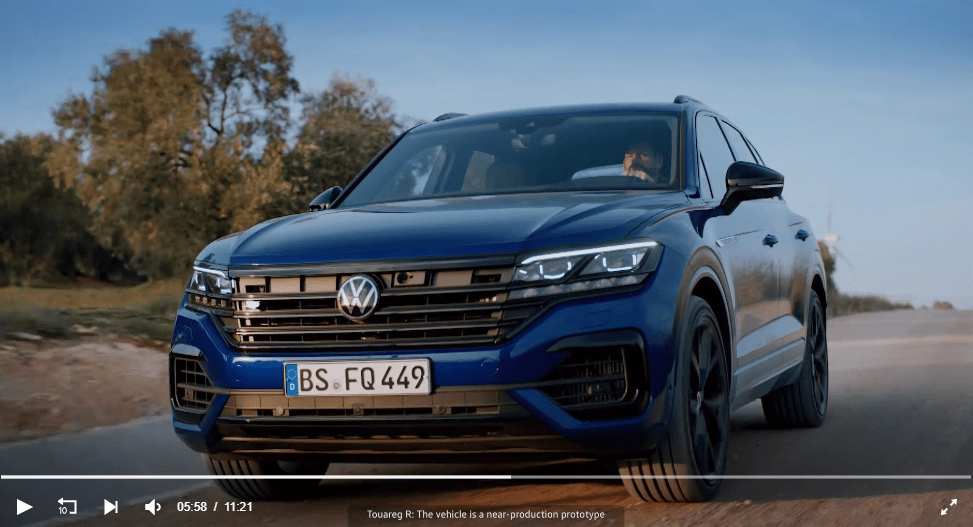
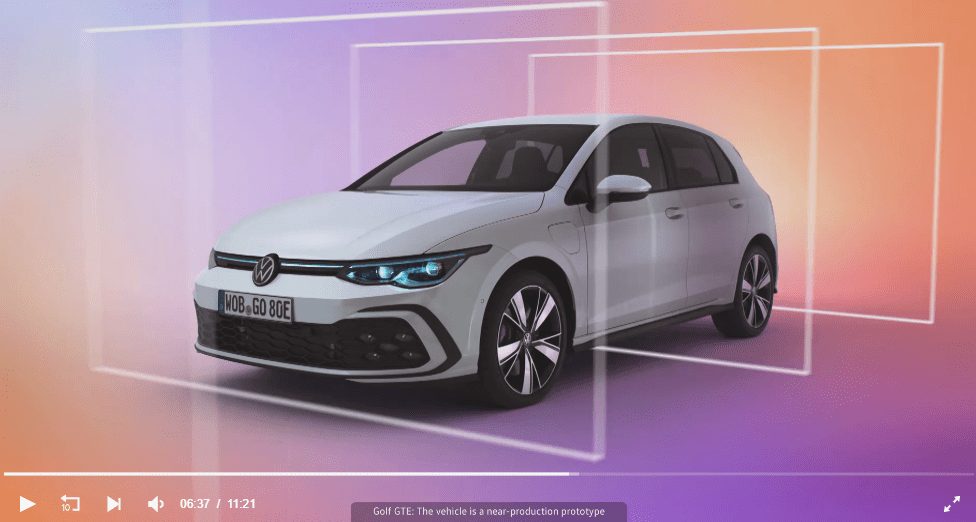
This is why the company’s focus during the webcast is not only on ID. models, but also on new Volkswagen models with hybrid drive. Dr. Frank Welsch, Member of the Board of Management of the Volkswagen Passenger Cars Brand with responsibility for Technical Development, presents in the webcast the new Touareg R with plug-in hybrid technology and the the Golf GTE 2 for the very first time.
The Touareg R,the most powerful Volkswagen model will in future also be powered by an efficient plug-in hybrid system. The alliance between an electric drive motor generating 100 kW (136 PS) and a V6 turbocharged petrol engine (TSI) with an output of 250 kW (340 PS) develops a system output of 340 kW (462 PS). The battery capacity of the Touareg R with a top speed of 140 km/h in all-electric E-MODE has been designed so that most average daily commuting distances can be covered with zero emissions.
Golf GTE with stronger battery…
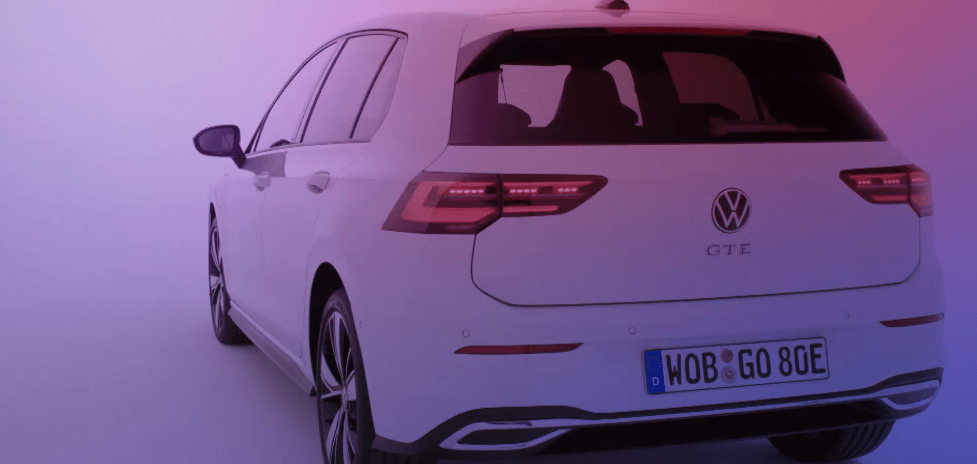
The same applies to the new Golf GTE – its plug-in hybrid drive has been geared towards performance and consists of an electric drive motor with 85 kW (115 PS) and a four-cylinder turbocharged petrol engine (TSI) generating 110 kW (150 PS). As a unit, the electric drive motor and the TSI develop a system output of 180 kW (245 PS). The new Golf GTE’s top speed in all-electric mode is 130 km/h.
Further Volkswagen highlights include the new Golf GTD, which generates significantly lower nitrogen oxide emissions compared with its predecessor thanks to innovative twin dosing technology, plus the eighth generation of the Golf GTI, produced more than 2.3 million times. The most recent version is powered by a 180 kW (245 PS) 2.0-litre turbocharged direct injection engine. The maximum torque is 370 Nm. The four-cylinder engine is coupled with a 6-speed manual gearbox as standard.
Last but not least, the eight generation of the GTI takes the central stage, presented again by Ralf Brandstätter, Chief Operating Officer of the Volkswagen brand. It is a formidable performer, this GTI, and A 7-speed dual clutch gearbox (DSG) is optionally available.
Digital instruments for the GTI for maximum performance…
We include here some screenshots of the webcast, and stay tuned for more!
It was only a matter of time:Renault puts its massive experience in designing and building E-vehicles even more to the wide public with a full electric Dacia model.
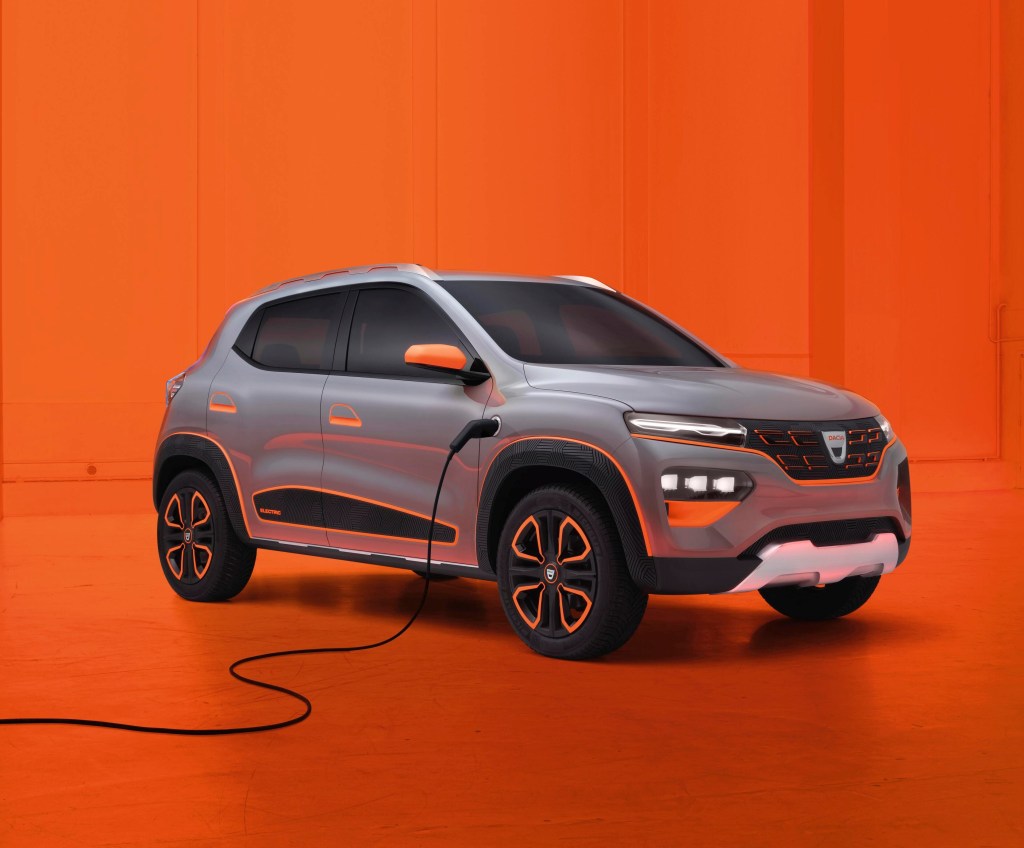
And here it is: the Dacia Spring. It caters for the young at heart with a city car that has a distinctive SUV look and modest dimensions, making it the ideal car for everyday use.
2020 – Dacia SPRING has an appealing light signature…
The light and compact series version of Dacia Spring is aimed at a driving range of approximately 200 kilometers (WLTP).
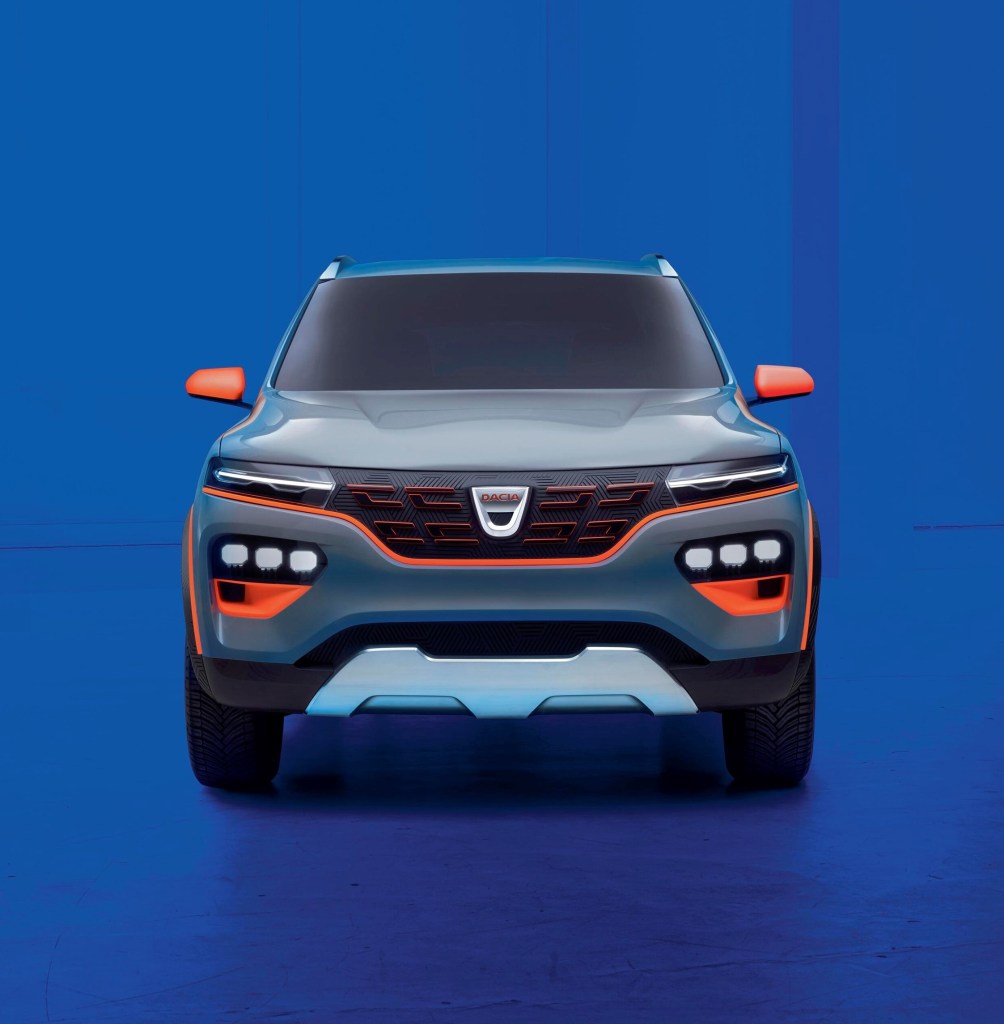
It has also quite appealing looks and colours. What to think of a body in pastel Mouse grey with accents in Matt Fluo Orange, painted in the massive protective strips for the wheel arches, roof bars, and door sills…
The Dacia Spring has an increased ground clearance, integrated base plates in the front and rear bumper, to show its mettle in today’s city jungle…
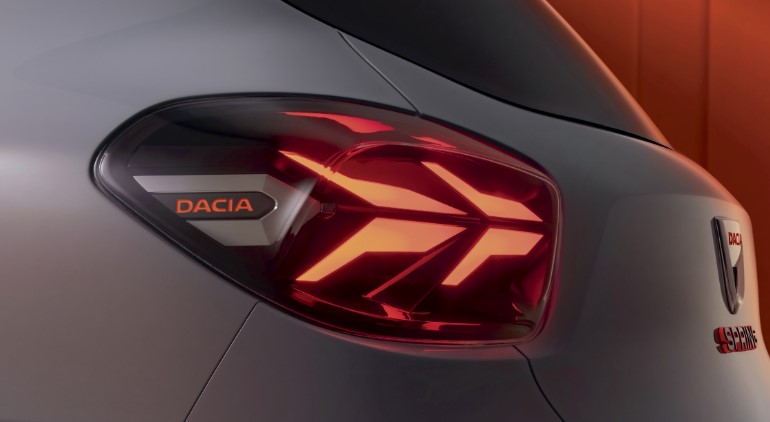
2020 – Dacia SPRING rear lights with typical “Y” signature…
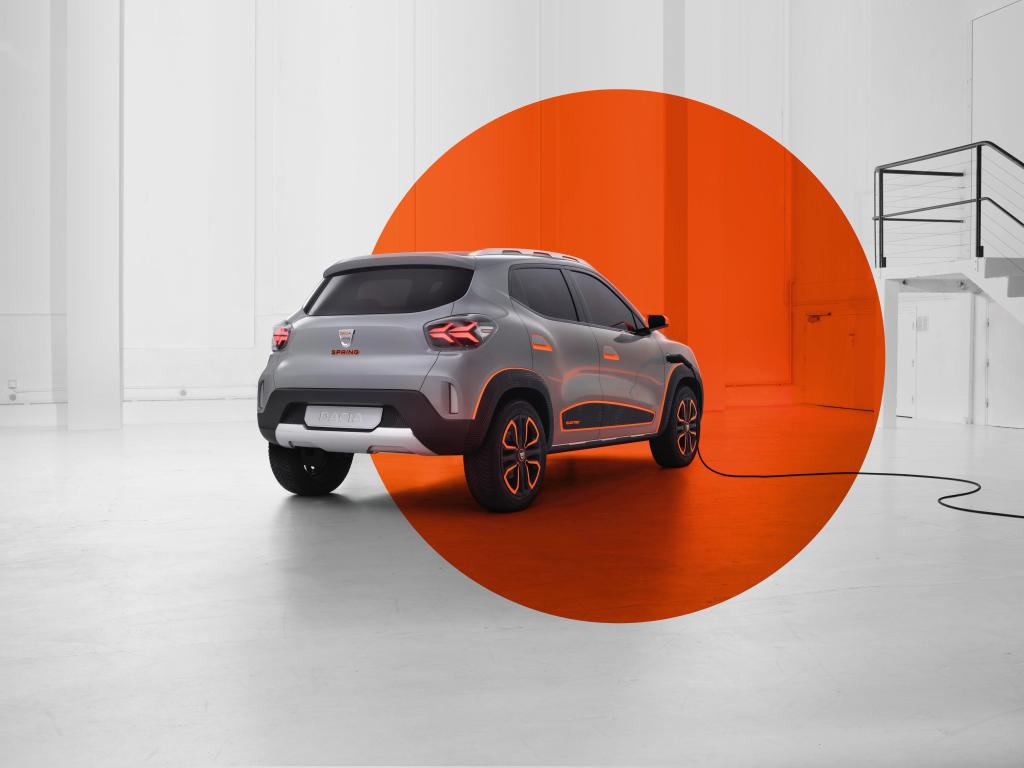
A lot of attention was paid to the lighting functions of the car. At the front the ‘full LED headlamps split into two levels: a horizontal line for the upper part and four graphics elements integrated into the bumper. At the rear, the four “full LED” lights form one double “Y”. These light blocks indicate the future light identity of the Dacia models will look like.
The Dacia Spring series version will be available in 2021. Of course we will be keen to have a closer look “in the flesh” and drive it!
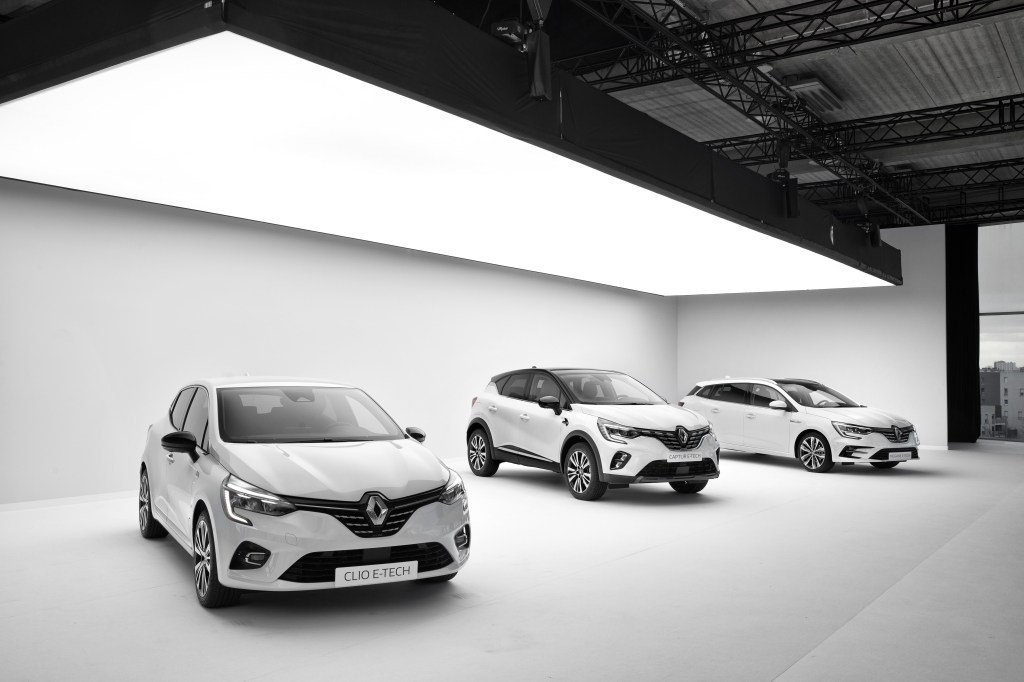
2020 – E-TECH Family: New Clio, Captur and Mégane Estate…
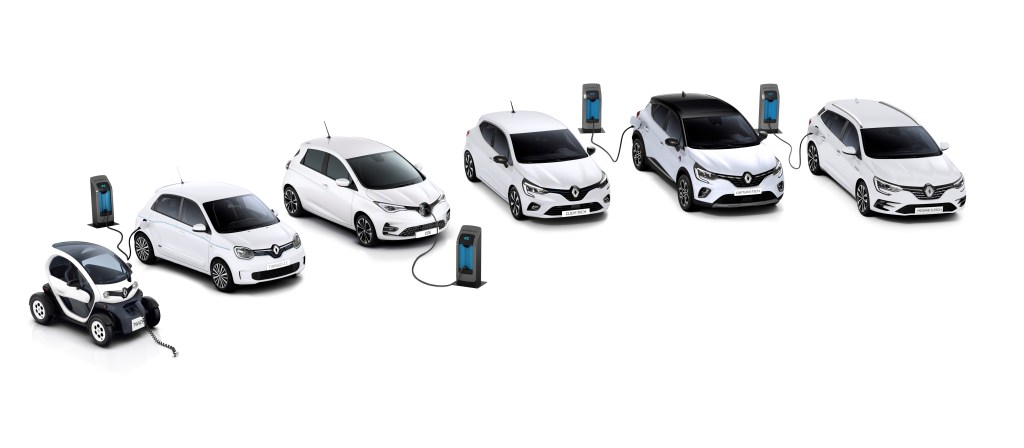
Renault has an ever wider choice of electric and electrified models in store now.
First of all the clever E-TECH, offering hybrid and plug-in hybrid powertrains on the new Clio, new Captur and new Mégane Estate. Renault drew on its vast Formula 1 experience as well as its know how in electrification to develop this E-TECH system. We will explain this very interesting system in a separate report.
2020 – Range E-TECH / Z.E.
There is also the new Twingo Z.E., also becoming 100% electric, and the new ZOE is now also available in a “Riviera” limited series.
Last but not least there is also A MORPHOZ electric concept car, of which more soon in a separate report. Renault announces here that it (re)invents the future of family mobility, with a car which adapts to the changing needs of everyday life and integrated into the electric ecosystem. Stay tuned!
One would indeed create a new “mildful” English word for it: the o so clever way Fiat sees hybrid propulsion as a mild mobility solution for everybody.
Mild for nature, and also gentle for your purse. The Fiat engineers found the simple, straightforward solution of using a Belt-integrated Starter Generator to capture the kinetic energy you want to reduce and give it back the moment you want to build it up again.
Indeed, in urban stop and go traffic, reducing and gaining speed is actually the main thing you do. And this is where Fiat helps you with mild cleverness.
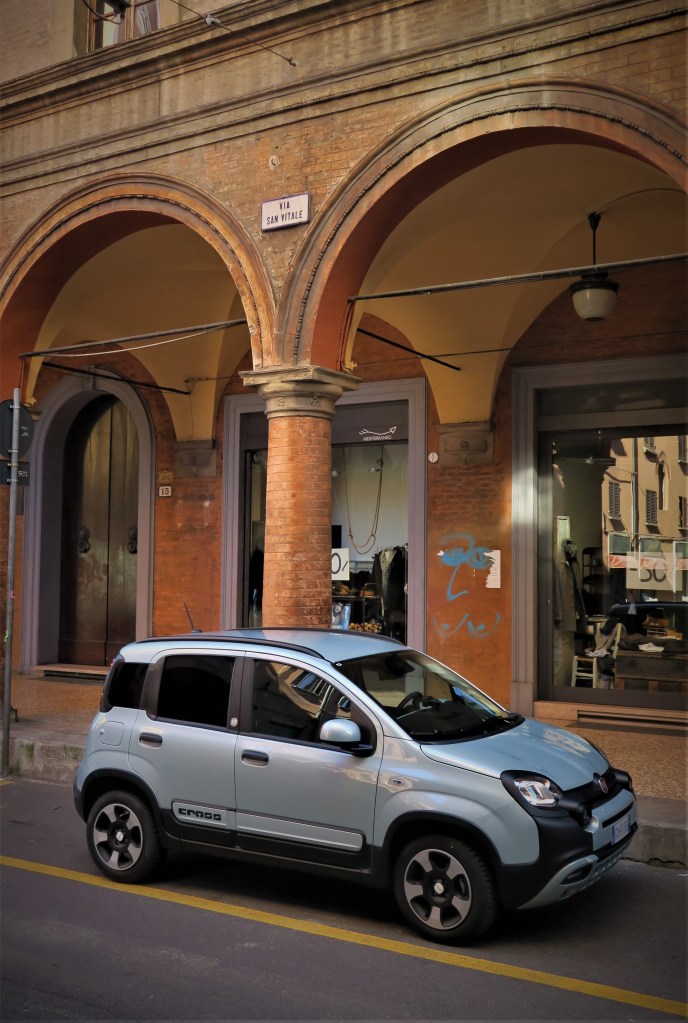
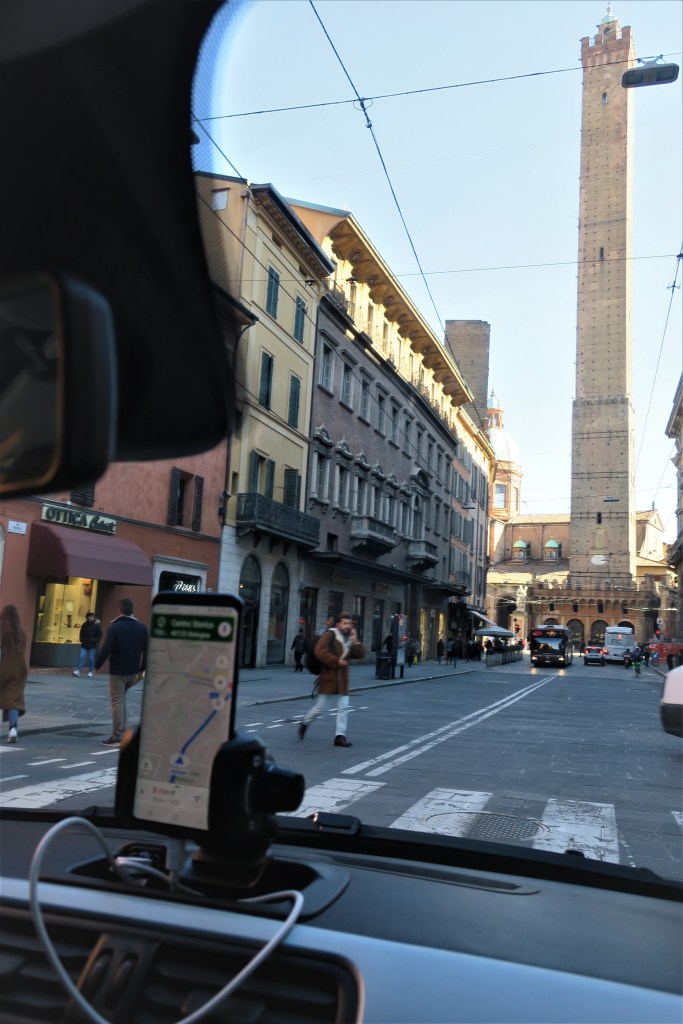
We tested it all for you in the medieval city center of Bologna. And were convinced. Just read on…
Hans Knol ten Bensel
Gentle technology with a touch of genius.
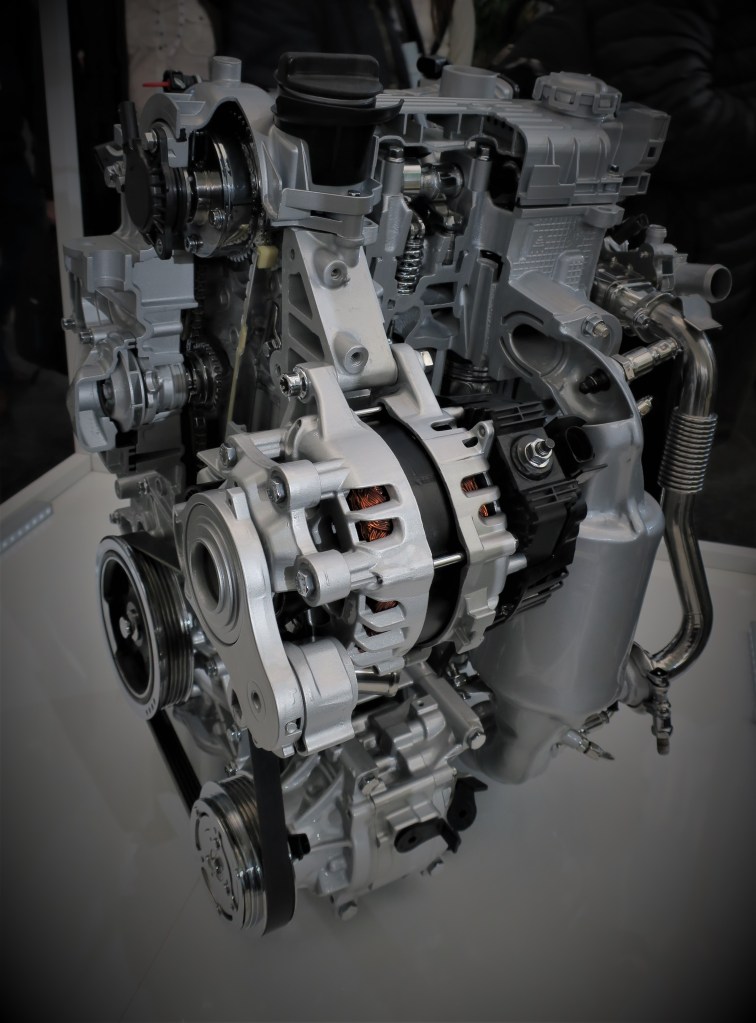
We heard it all at the presentation in Bologna. Carlo de Marino, global engineer of the Firefly Engine Family (see photo above) explained us in detail the merits of this 999 cc three cylinder engine and the hybrid system coupled to it.
First let’s focus on the hybrid system. The BSG (Belt-integrated Starter Generator) system is mounted directly on the engine (see photo above) and is operated by the belt that also drives the auxiliaries. The system recovers energy during braking and deceleration, stores it in a lithium battery with a capacity of 11 Ah, and uses it, at a peak power of 3,6 kW, to restart the engine in Stop&Start mode and to assist it during acceleration.
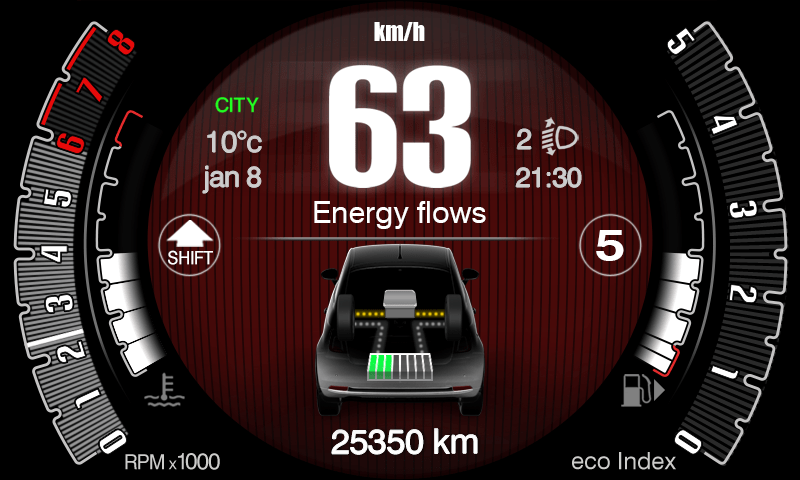
This technology allows the internal combustion engine to switch off, even at speeds below 30 km/h, simply by shifting into neutral (the dashboard, which displays information on the hybrid system, prompts the driver when to do so). In coasting mode, the lithium battery powers all services, ensuring the driver has full control of the vehicle.
The Mild Hybrid propulsion unit is combined with a 6-gear C514 manual transmission “evolution”, which has new low-friction bearings and gaskets, uses a specific high-efficiency lubricant. The gearbox sits 45 mm lower and is better supported, making for supersmooth gearchanges, which we indeed experienced during our drive.
The FireFly engine itself is tuned for utter docility, and develops 70 HP and 92 Nm of torque, the latter at a mild 3500 rpm. But as said, the starter generator helps at low revs when driving away and restarting. We drove the Panda Cross during most our test drive, keen to test out the hybrid system and get good photos of the car in the beautiful Bologna inner city, with a short stint behind the wheel of the Cinquecento.
Indeed, we were impressed by the silence and velvety smoothness of this engine, and the slick gearbox where gearchanges could be done with your fingertips. The whole system also tempts you into adopting a fluent, quiet driving style, with the engine remaining totally vibrationless from 1200 rpm or so. The gearchange indicator also invites you to stay below 1700 rpm or thereabouts, and the driving experience is then one of silent mildness indeed.
When driving gently through city streets and boulevards, with the engine being barely audible both to bystanders and occupants, the instrumentation tells you about the merits of coasting, and indeed, shifting the slick gearchange lever into neutral will stop the engine and let you coast gently along, doing exactly what all the environmentally conscious tell you to do: recuperate kinetic energy by gently rolling to a stop, adopting good anticipation and judicious driving.
If you still have to use the brakes, it is then nice to see how the generator recuperates the energy, and gives it back when starting away again. Of course, this has its good results: Fiat claims a reduction of 30 % in your average fuel consumption, and indeed, it took no effort at all to reach values between 4 and 5 litres/100 km in the Bologna streets. Of course, it takes a fluent driving style at low revs, that goes without saying. The manufacturer quotes 3,9 l/100 km as average consumption , and emissions are as low as 89 g CO2/km.
Performance is more than adequate with a quoted top speed of 155 km/h and 14,7 seconds from 0 to 100 km/h.
Durability and low service costs…
The designers of the FCA Mild Hybrid System not only kept the Hybrid system efficient and simple, also the 3 cylinder “evergreen” FireFly engine underwent some changes to enhance serviceability. The unit has here a single overhead camshaft, two valves per cylinder with continuously variable timing and last but not least chain driven timing.
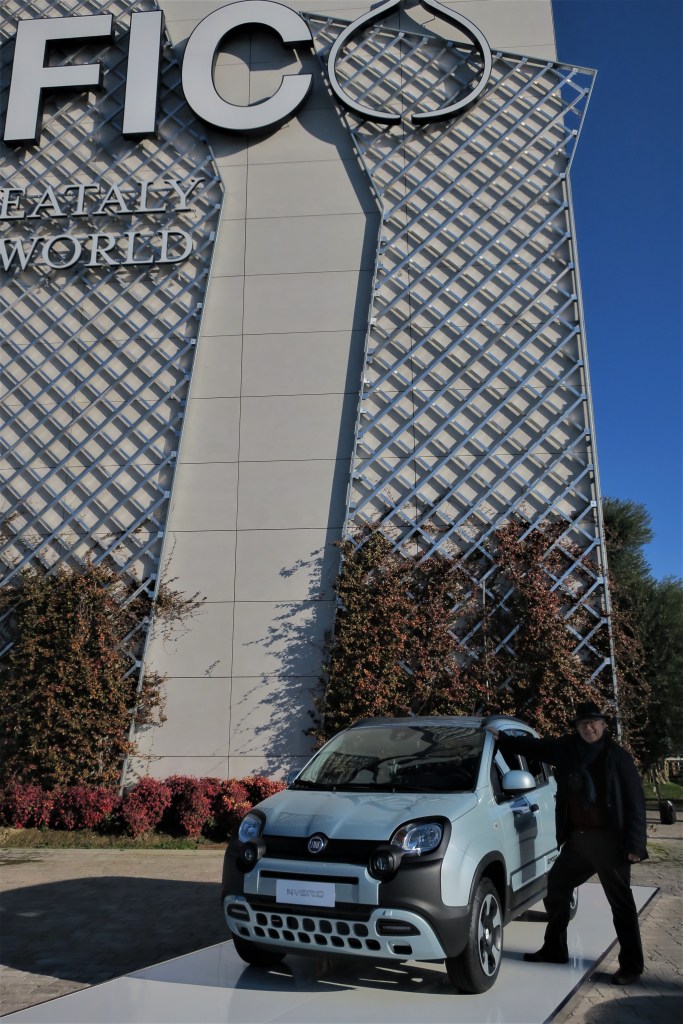
Your servant with the Panda Hybrid in front of the stunning Eataly Fico Food Show Fair…
But also other aspects of running costs are kept low.
Customers also benefit from all the advantages of going hybrid (the car is Euro 6D Final-compliant, for instance), which, depending on local regulations, include freedom of access and movement in city centers, cheaper parking in town centers and tax breaks.
The philosophy of designing and building a Hybrid system for everybody is also reflected in the very moderate extra cost of the Hybrid system compared to the standard layout(s). Indeed, the Panda Mild Hybrid Launch Edition is available in our country for slightly over 13.000 Euros…
A Hybrid Launch Edition with a distinct “green” touch…
The 500 and the Panda are today, for the first time, together in a single special series: the Hybrid Launch Edition.
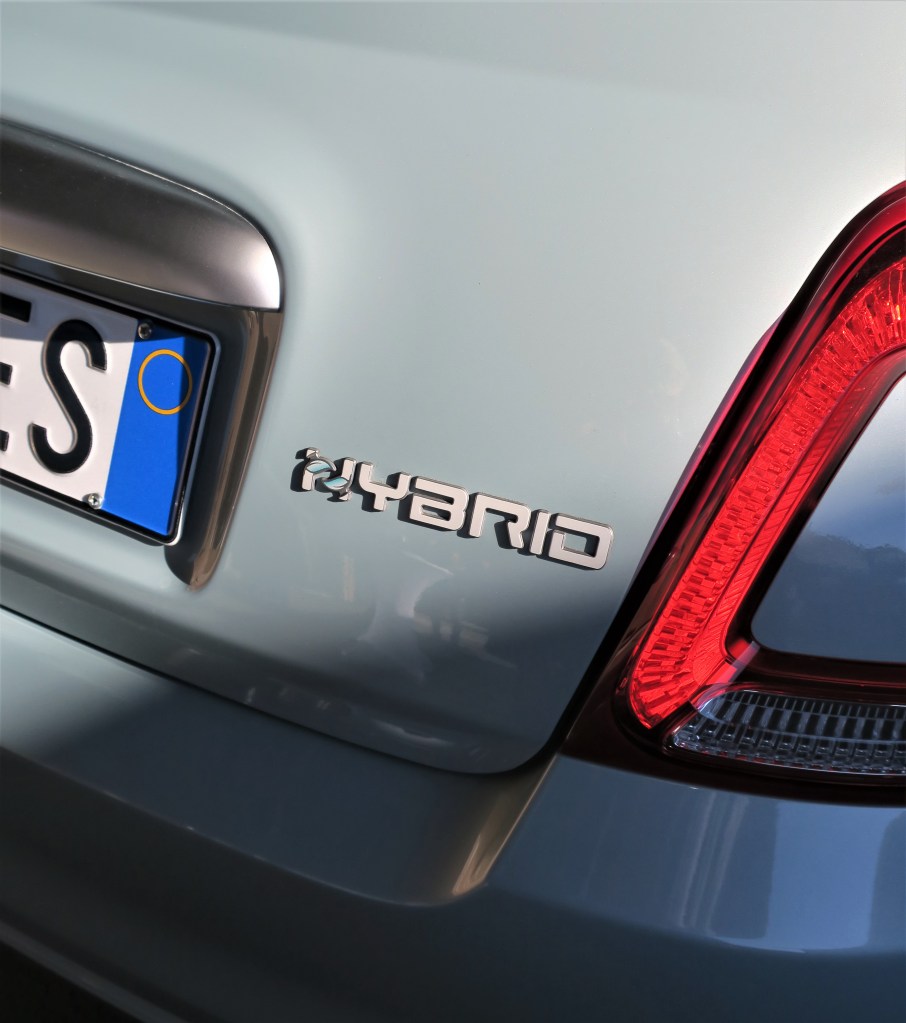
The special series can be recognized by the “Hybrid” sign written on the rear and the exclusive “H” logo, formed by two leafs with dew drops, on the center panel. Dew – the symbol of the light of dawn and therefore of the beginning of a new era – has been used also as inspiration for the “Dewdrop Green” exterior on both cars.
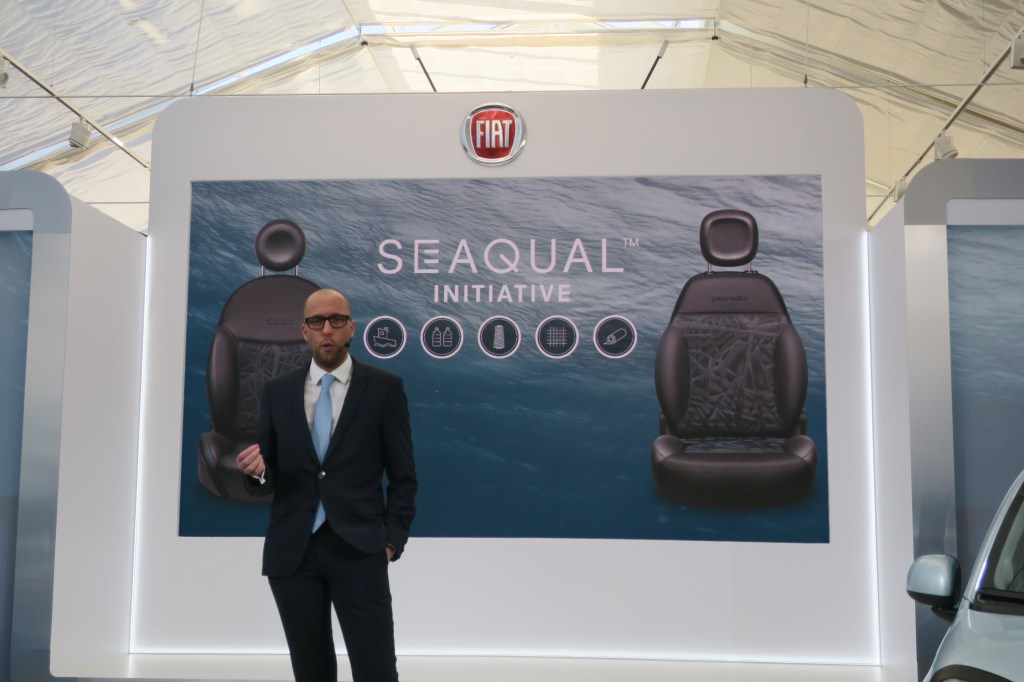
Charles Fuster, EMEA region marketing manager explaining the Seaqual initiative…
On the inside, the seat upholstery is faithful to the sustainable philosophy of the entire project. The Launch Edition seats are the first in the automotive sector to be partly made with SEAQUAL® YARN, the weaving of which produces a special material, certified by SEAQUAL INITIATIVE, derived from recycled plastic: 10% of which originates from the sea and 90% from land.
This SEAQUAL® YARN is produced by transforming plastics collected from the sea into flakes of polyethylene terephthalate. These flakes are then used in the yarn from which the fabrics are made. In the weaving phase, marine polyester is mixed with other environmentally friendly, natural, recycled or recovered fibers. This green process is completed by the application of dyes and environment-friendly finishes based on the saving of water and energy. Fiat is collaborating with SEAQUAL INITIATIVE to support ocean clean-ups to take action against marine litter.
Conclusion
The philosophy of designing this Mild Hybrid System certainly took hold with us. It is clever, effective, smooth and last but not least comes at a very small extra cost. All this completely in line with the unique talent Fiat has well honed over decades: to build small, compact cars which are simply among the best in the world in their class.
They now take this art a “green” step further with these Mild Hybrids, and there is even more to come. Just watch out for the next Geneva Motor Show: it will see the birth of the first “full electric” 500…
The Brussels motor show is always a unique event. Last but not least because this is a true buyers’ show, to be taken in the literary sense: about 30 % of the annual car sales in our country is done on the grounds of the Motor Show!
“Our” show is also unique because all the brands are present here in Brussels. First of all because no car manufacturer wants to miss the sales opportunity, but also because the Brussels show is also an ideal “test” market, it allows brands to assess what global (European) market share they can achieve overall and for their respective models individually, judging by their penetration in the Belgian market, where no national brands can distort the situation in our market place.
We took a walk through some of the stands, and here follows our report, where we focus on the brands we did not yet discuss already in our show preview, starting here with BMW.
Hans Knol ten Bensel
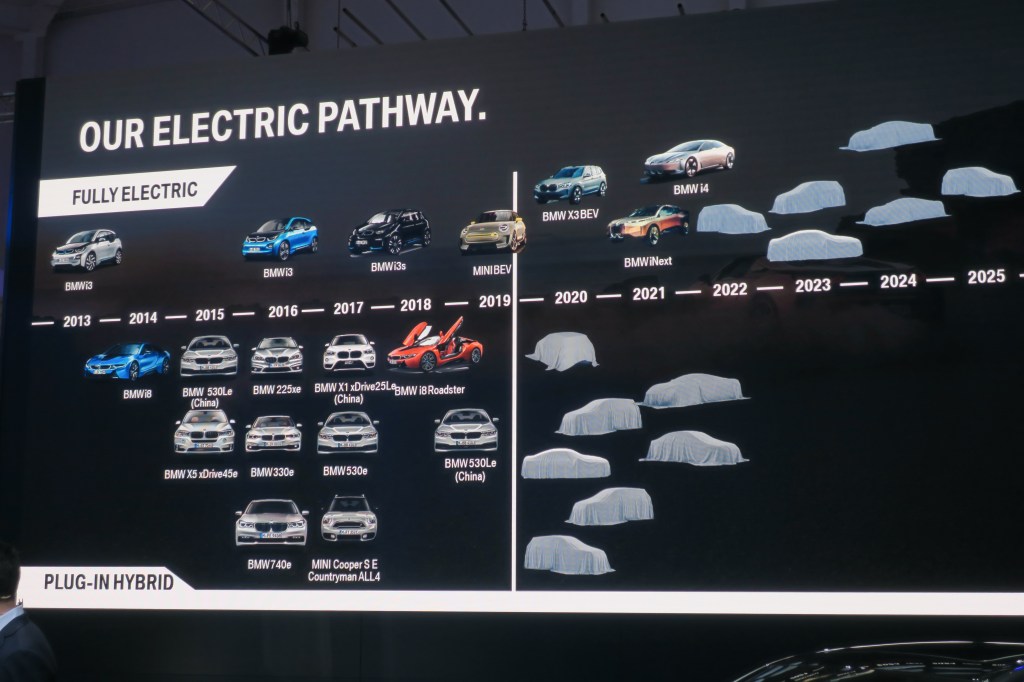
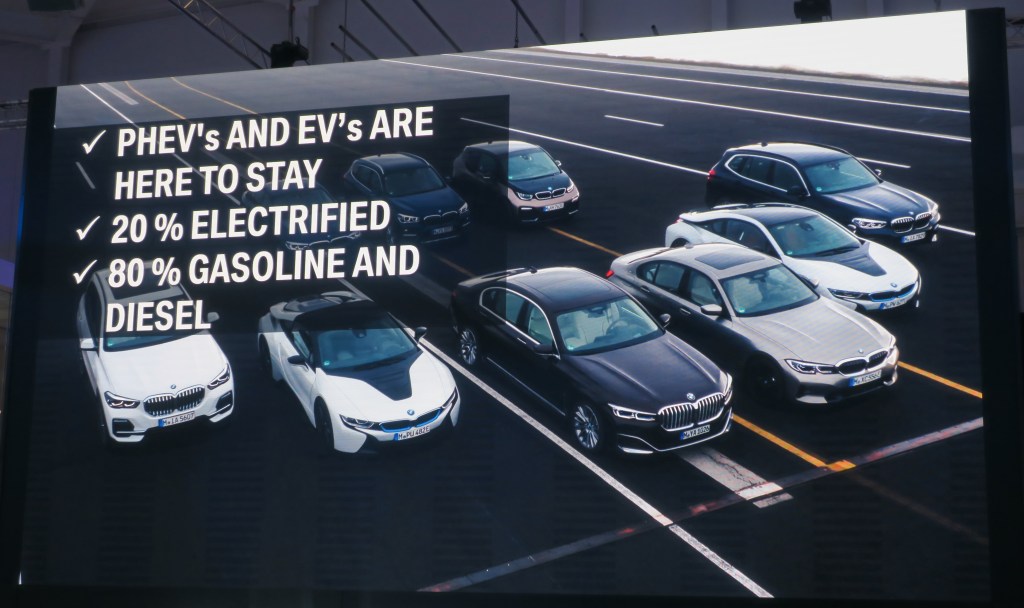
BMW and MINI unveiled two world premieres with respectively the BMW plug in hybrid versions for the X1 and the X2 models, the BMW X1 xDrive25e and the new BMW X2 xDrive25e. BMW is pushing its electrification very hard forward, and on the accompanying photo you can see the table they displayed at the show, showing the further steps they are taking towards an electrified future. An electric drive and a lithium-ion battery enable an electrically powered range of up to 57 kilometres in the two new plug-in hybrid models. In the near future, four BMW X models with plug-in hybrid drive will be available. BMW intends to have more than one million vehicles with electrified drive on the road by the end of 2021.
The plug-in hybrid system of the new BMW X1 xDrive 25e and the new BMW X2 xDrive25e consists of a 1.5 litre 3-cylinder petrol engine with BMW TwinPower Turbo Technology and an electric drive specially developed for this model. It is taken from the eDrive technology modular system of the BMW Group. The petrol engine mobilizes a peak output of 92 kW/125 hp and a maximum torque of 220 Newton meters. It transfers its power to a 6-speed Steptronic transmission and drives the front wheels.
The electric motor generates an output of 70 kW/95 hp and delivers 165 Nm of torque to the rear wheels via a single-speed transmission. This makes for a hybrid specific all-wheel drive…Together the combustion engine and electric motor produce a system output of 162 kW/220 hp. The maximum system torque of both drive units is 385 Nm. The new BMW X1 xDrive25e accelerates from 0 to 100 km/h in 6.9 seconds. The new BMW X2 xDrive25e does the 0 to 100 km/h sprint in 6.8 seconds. The top speed of the new BMW X1 xDrive25e is 193 km/h. Maximum speed of the new BMW X2 xDrive25e is 195 km/h.
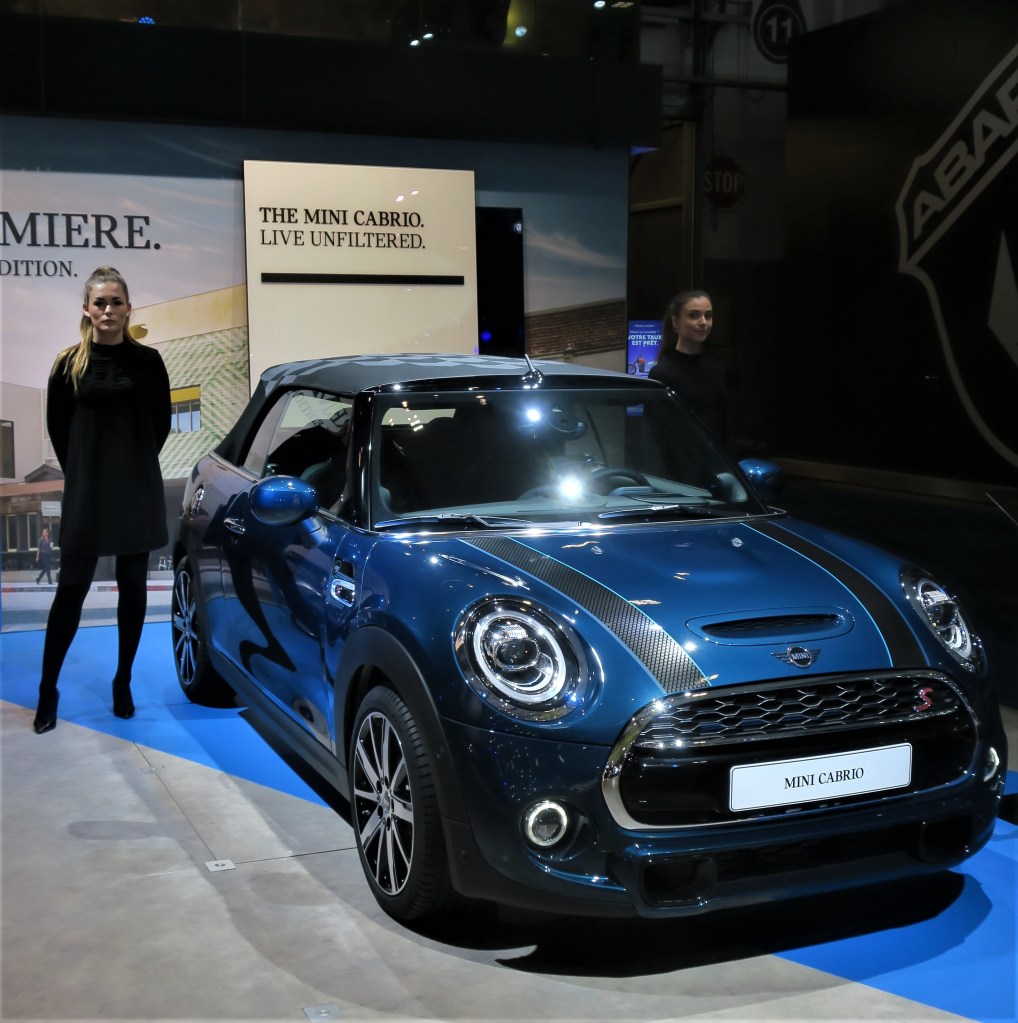
The MINI crowd was also spoiled with a world first of a Sidewalk Edition of the MINI convertible. The MINI is already cute, desirable and truly iconic, and a cabrio version adds to all the pleasure a MINI can offer its driver and occupants. Variants of the exterior paintwork, soft top design, rim styling and interior fittings are developed especially for the edition model. The version of the fully automatic textile soft top, specially designed for the edition model, can be opened or closed electrically and almost silently in 18 seconds. It features an artistically woven-in arrow graphic in the particularly high-quality finish typical of MINI Yours. The 17 inch light-alloy Scissor Spoke 2-tone wheels of the new MINI Convertible Sidewalk are also a model-specific design feature. There are also the side indicator bezels, known as side scuttles, which bear the “Sidewalk” model designation.
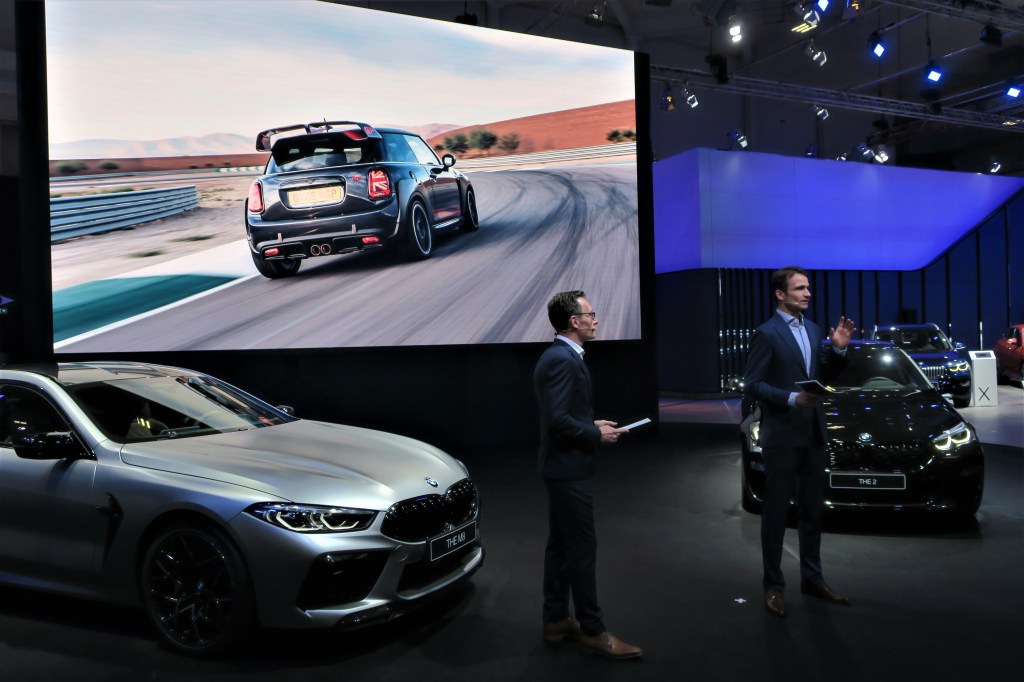
Presenting the MINI John Cooper Works GP and the M8 Gran Coupé
Three engine versions are available, The new MINI One Convertible Sidewalk develops 75 kW/102 hp from the 1.5 litre 3-cylinder engine. The new MINI Cooper Convertible Sidewalk is also powered by a 1.5 litre 3-cylinder engine which produces 100 kW/136 hp. The 141 kW/192 hp 4-cylinder engine of the new MINI Cooper S Convertible Sidewalk provides the sportiest fresh air experience.
European premieres for BMW and MINI
There were also European firsts in Brussels, like the BMW 2 Series Gran Coupé, interesting as it is beautiful, and we are certainly keen to drive one soon to tell you more about it. The same goes for the BMW M8 Competition Gran Coupe. It has a 200 mm longer wheelbase makes extra room for the rear passengers.
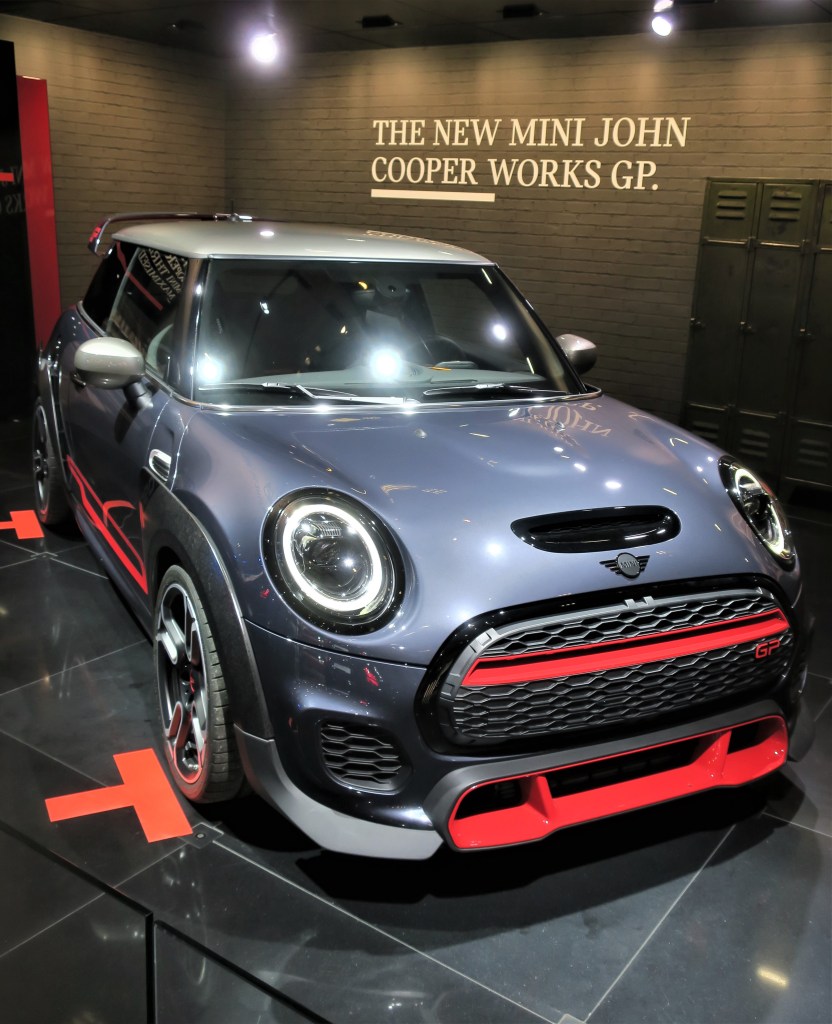
Furthermore there is the insipring MINI John Cooper Works GP, with a 4 cylinder 306 HP engine, catapulting this Mini from 0 to 100 km in merely 5,2 seconds. It is produced in Oxford in 3000 units, and is on sale from March 2020.
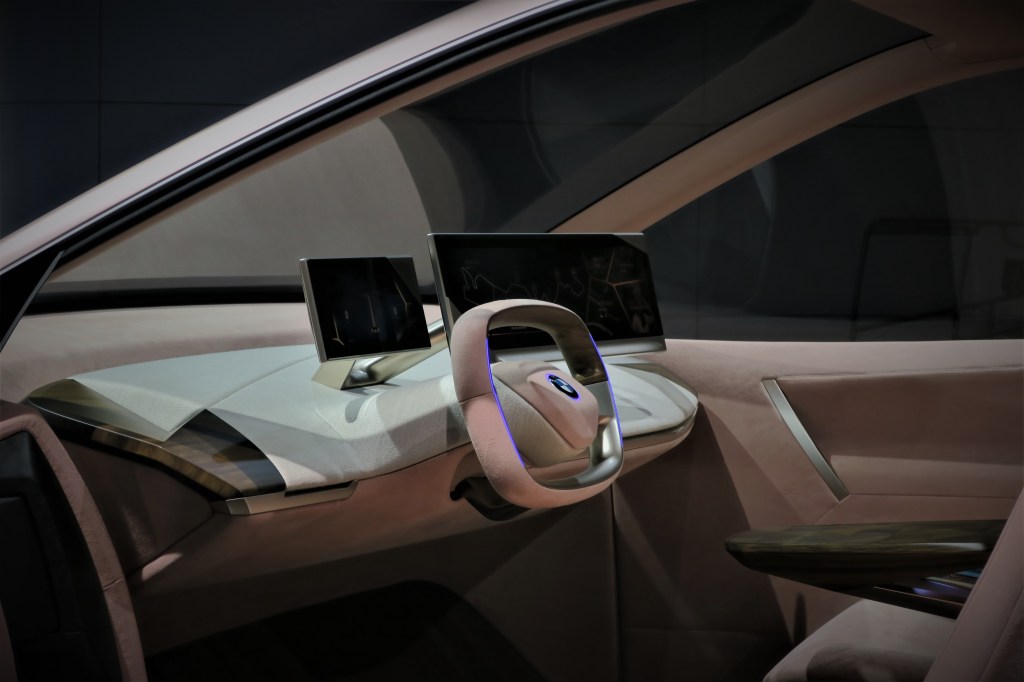
Things to come: The Vision INEXT dashboard…
The BMW BMW X5 M and X6 M have their Belgian premières, the 4,4 litre V8 is good for 625 hp and this formidable engine makes these cars sprint form 0 to 100 in merely 3,8 seconds. Last but not least there is the Belgian first of the MINI electric, or the 3-door MINI Cooper SE.
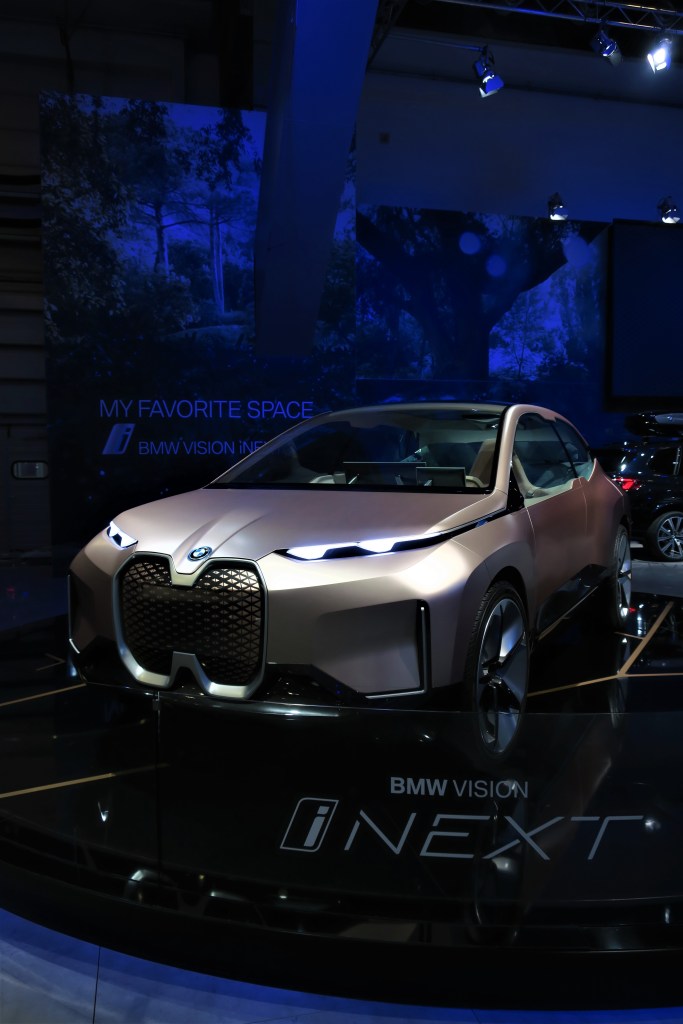
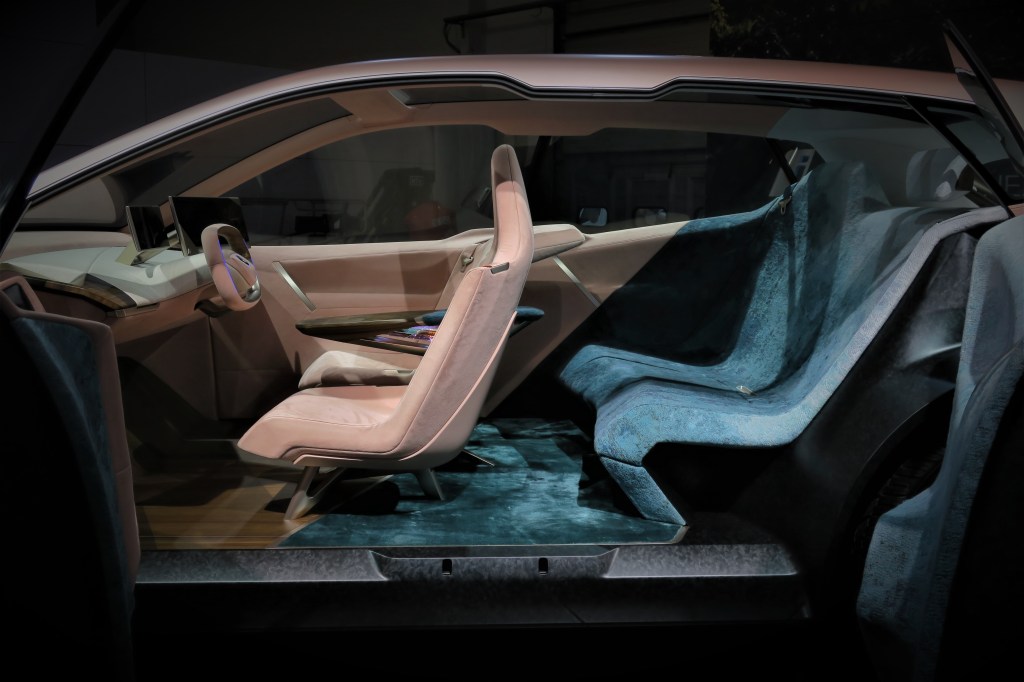
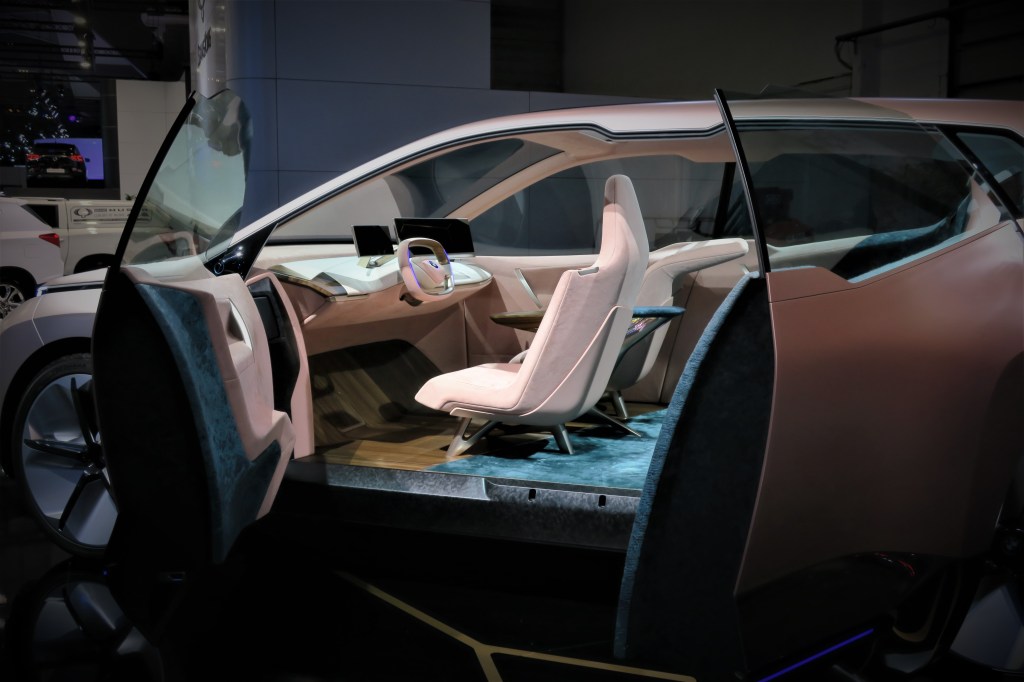
On the stand, we stood also eye to eye with the BMW Vision iNEXT, the optical highlight of the exhibition stand, which also showcases the interior design principle “My Favorite Space” with harmonious, natural surfaces and technology that is kept discreetly out of sight.
Just look at the photos here… which answers the question: “What will cars look like when they no longer have to be driven by a person, but still can be?” The interior can be a place for relaxation, interaction, entertainment, or concentration, as preferred. It is more like a comfortable and fashionably furnished “living space” on wheels – a new “Favorite Space”. A new design principle, referred to as “Shy Tech”, plays an especially important part in this.
To preserve the high-end, yet cozy character of the rear compartment, and place its occupants center-stage, the intelligent technology behind the operating controls is integrated out of sight. It only becomes visible and operable when required by the driver or passengers…
Soon more about other brands and novelties we saw on the Brussels show…