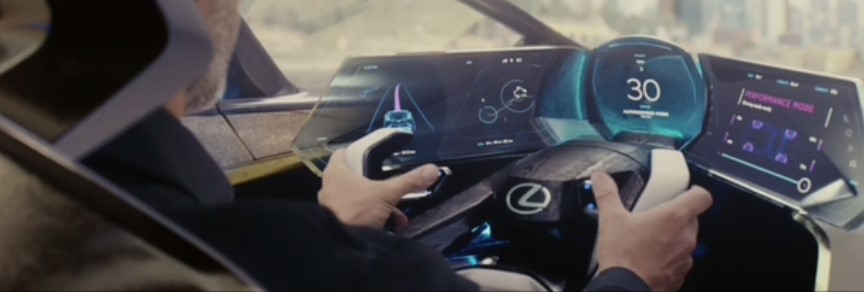
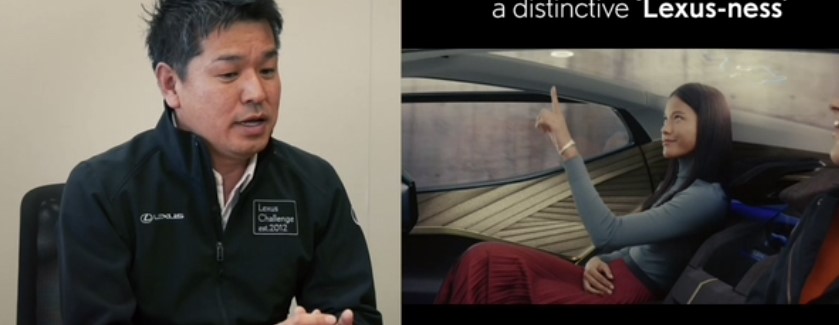
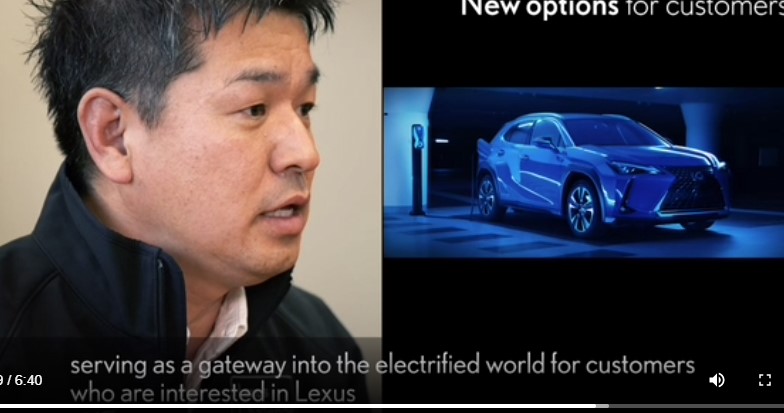
Takashi Watanabe, Chief Engineer at Lexus, reveals what Lexus E-driving is all about…

In an exclusive interview with Lexus Electrified Chief Engineer, Lexus has recently unveiled its vision for an upcoming generation of electrified vehicles, under the banner “Lexus Electrified”.

The interview, which offers very interesting aspects and opens new horizons, can be seen using the following link: https://newsroom.lexus.eu/lexus-electrified-chief-engineer-exclusive-interview/

The “Lexus Electrified” vision targets a fundamental leap in vehicle performance, handling, control and driver enjoyment – even as mobility within our society continues to change with autonomous driving and vehicle electrification.

Evoking the original fun of driving, Lexus intends to use its 15 years of experience in electrification technologies to further evolve driving pleasure, and to fundamentally transform the essence of luxury vehicles of the future – creating a unique Lexus driving signature with exceptional ride comfort, quietness and craftsmanship.

Takashi Watanabe, Chief Engineer at Lexus, takes us through the key aspects of this “Lexus Electrified” strategy in an exclusive interview.

The man behind it all…

Takashi Watanabe started his career with Toyota in 1993 with engine systems development. He has worked on many different types of engines and exhaust systems. Since 2012, he has worked also on the development of several Lexus vehicles and became in 2017 leader of the Lexus Electrified Project.

Just watch and listen, and be transported into the electric future…by Lexus, using their unique “Lexus-ness.”

Hans Knol ten Bensel  

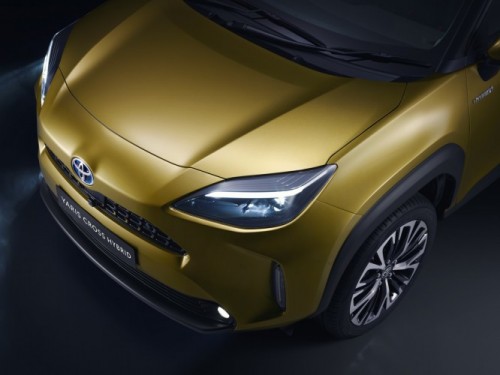
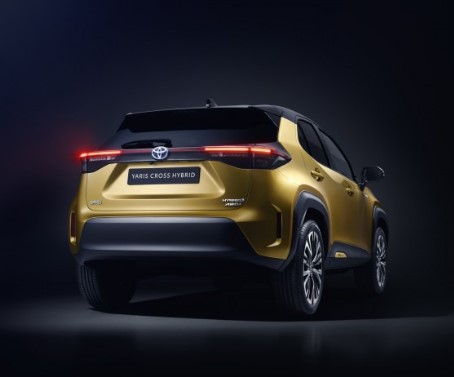
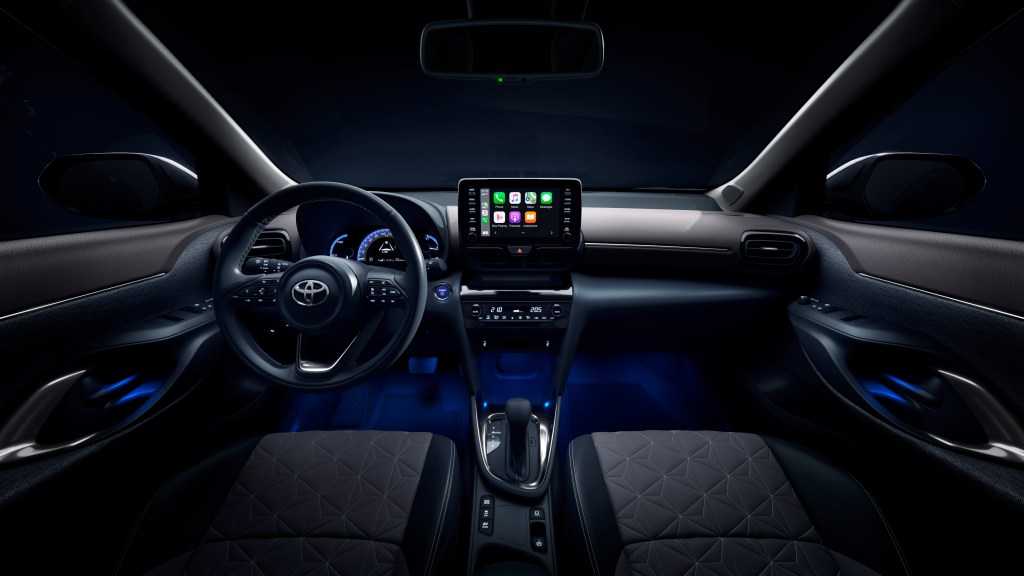
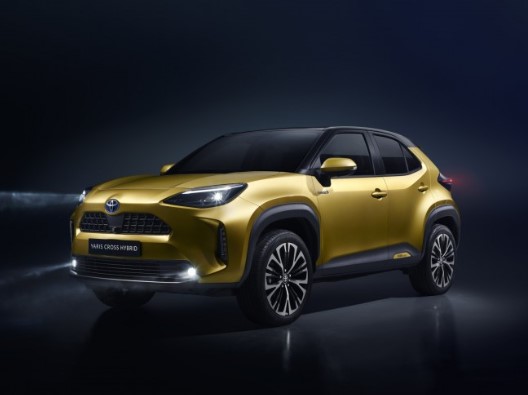
New Toyota Yaris Cross is turning heads…

It is there: the new Yaris is the second model to be based on Toyota’s GA-B platform, has Toyota’s 4th-generation hybrid technology and is designed and developed for Europe.

The car will be produced at Toyota Motor Manufacturing France (TMMF) in the Onnaing factory, near Valenciennes in France, and plans to achieve a B-SUV segment share of more than 8%.

Production is cheduled from 2021 onwards, with annual volume exceeding 150,000 units, alongside the new generation Yaris hatchback.

It now makes its world debut in April 2020, well ahead of European market introduction in 2021. Read on!

Hans Knol ten Bensel

True hybrid, true SUV

Toyota’s first used a hybrid system in a B-segment car with the original Yaris Hybrid in 2012. It now is in its fourth generation…

As a member of the Yaris family, Yaris Cross is built on Toyota’s new GA-B compact car platform. It also shares the “big-small” design and packaging concept that characterized the original Yaris.

Adding Yaris Cross to the line-up will give Toyota an SUV range that spans the B, C and D segments.

New hybrid powertrain

As said, the Yaris Cross benefits from Toyota’s fourth generation hybrid technology.

The Yaris and Yaris Cross are the first models to use Toyota’s latest 1.5 hybrid system, developed directly from the larger 2.0 and 2.5-litre powertrains used by recent new models such as the Corolla, C-HR, RAV4 and Camry.

This now features a new 1.5-litre, three-cylinder Atkinson-cycle petrol engine, precision-engineered to reduce friction and mechanical losses and optimise combustion speed. The result is high torque at low engine speeds and excellent fuel efficiency. The engine’s thermal efficiency is rated at 40%, which is greater than comparable diesel engines and ensures strong fuel economy and low CO2 emissions.

The new hybrid system has a maximum output of 116 DIN hp. Special attention has been given to power delivery, making the system very responsive to drive. In terms of emissions efficiency, the front-wheel drive model starts from below 90 g/km CO2 and the AWD-i version from below 100 g/km*

Compact

The Yaris Cross has the same 2,560 mm wheelbase as the new Yaris hatchback, but is 240 mm longer overall, with 60 mm added to the front overhang and 180 mm to the rear, securing more interior space. The ground clearance is 30 mm higher and the vehicle is taller and wider overall – by 90 and 20 mm respectively.

Practical

There’s a power back door, an adjustable deck height to give the flexibility of either a secure underfloor compartment or increased trunk space for larger loads.

The deck board itself can be split in two, giving customers both increased space and an underfloor storage area. The trunk is also equipped with a new flex belt system to secure items and stop them shifting during driving.

Intelligent all-wheel drive

The so-called AWD-i is an electric system, being more compact and weighting less than mechanical AWD units, helping the Yaris Cross Hybrid AWD-i achieve lower fuel consumption and CO2 emissions than any of its all-wheel drive B-SUV competitors.

The system directs drive torque to the rear axle when pulling away and when accelerating. In normal driving, the Yaris Cross operates with front-wheel drive, but when low-grip conditions are detected, all-wheel drive is engaged automatically.

Advanced Driver Assistance System

With its GA-B platform, it benefits from Toyota Safety Sense active safety systems and advanced driver assistance functions.

Designed in Europe and Japan…

The design process of Yaris Cross brought together a wide team from studios in both Europe and Japan. To describe their ideas and inspiration in more detail, please find below the words of one member of the team – Lance Scott, Design General Manager at Toyota’s EDD studio in Nice, France.

“When we started this process, we understood that whilst style is the number one purchase reason in the B-SUV segment, customers were also keen to have a high level of practicality. Not easy things to reconcile, especially in a compact package.

From the very beginnings of the design concept, we had the European customer in mind, but needed to understand more about them. So we went out and interviewed real customers to understand their lifestyle, what they liked, what their daily activities were and how they enjoyed themselves.

As a team, we came up with the key words ‘Robust’ and ‘Minimalistic’, which we felt would express both compactness and agility, as well as the robustness and strength of an SUV.

When we started to sketch ideas for the exterior, the iconic image of a diamond consistently came to mind. Subsequently we coined the phrase ‘nimble diamond’ to express the hard, strong and premium image of the gemstone combined with the agile and fun to drive personality we felt the car needed to convey.

From the top view, or plan view as we call it, we ‘cut’, or ‘shaved’ the body to give us a diamond shape that allowed us the space to emphasise the fenders. This diamond body shape combined with the 4 bold fenders gave us an energetic shape which was both strong and sophisticated.

Clearly, we want the car to be immediately perceived as a SUV, so we emphasised a higher ground clearance, a strong horizontal axis giving a great balance and poise, big squared wheel arches and of course big wheels … up to 18”!

The face was also a very important aspect for us. We wanted to keep the strong DNA of Toyota’s SUV line-up but at the same time give Yaris Cross an identity of its own.

At the rear, we again focused on giving the car a good stance with the wide fenders illustrating how it looks planted on its wheels. Combining the horizontal rear tail lamps and rear screen clearly shows family identity with Yaris, yet the wider and more squared tailgate hints at the luggage space’s larger flexibility for daily usage.

For the exterior colour, we started to think about something that could express an active and high-quality image that our target customers would really appreciate. Looking at future colour trends we can see that there is a growing tendency for gold and other precious metals, but we wanted to offer something a bit more natural and urban. Adding a subtle hint of green to the gold direction, whilst also de-saturating the colour to emphasis the metal like appearance, gave us this fresh urban yet active appeal that highlighted the surface form of the exterior. The final result is a colour we call Brass Gold”

Interesting all this, we will be keen to see this new B-segment SUV in the flesh soon!

Hans Knol ten Bensel

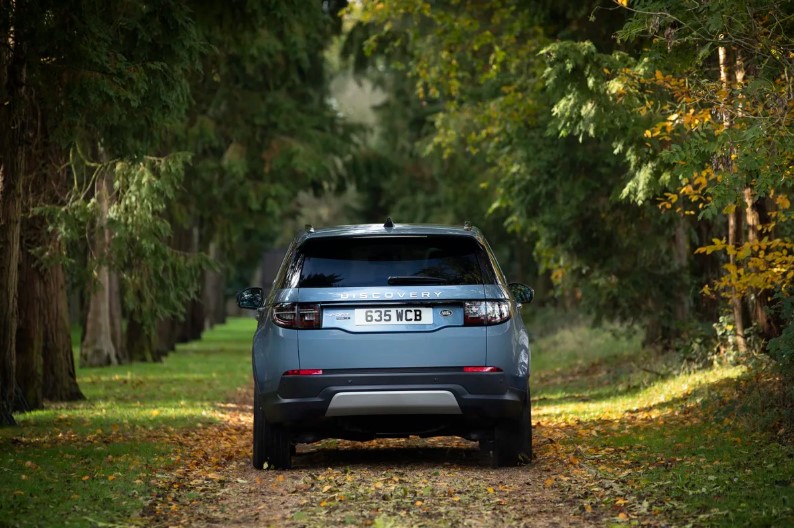
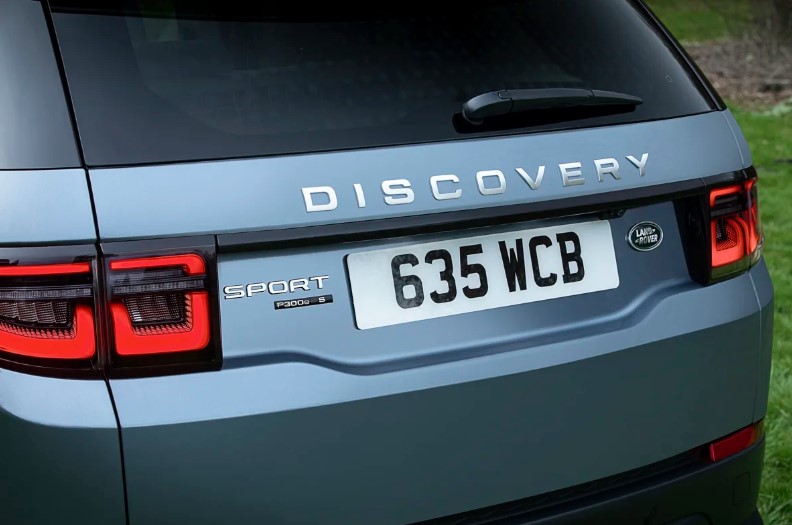
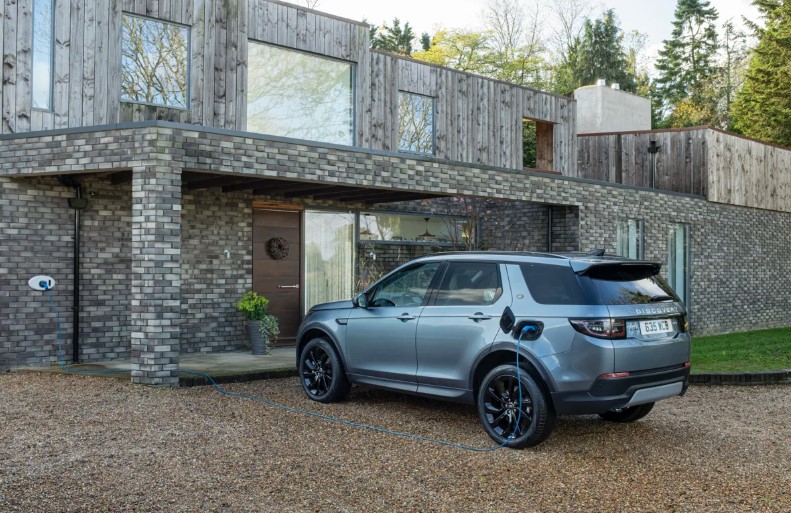
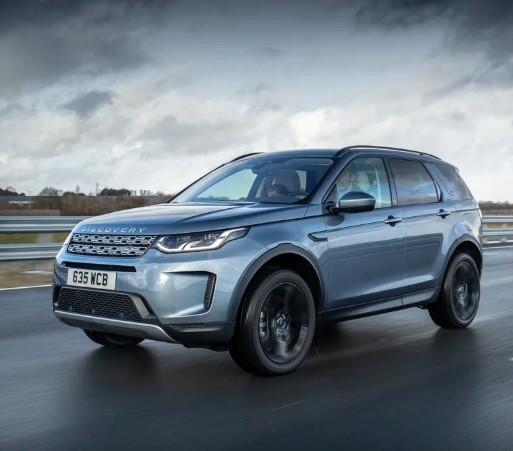
The new Range Rover Evoque and Land Rover Discovery Sport PHEV’s now have E-power for 66 km…

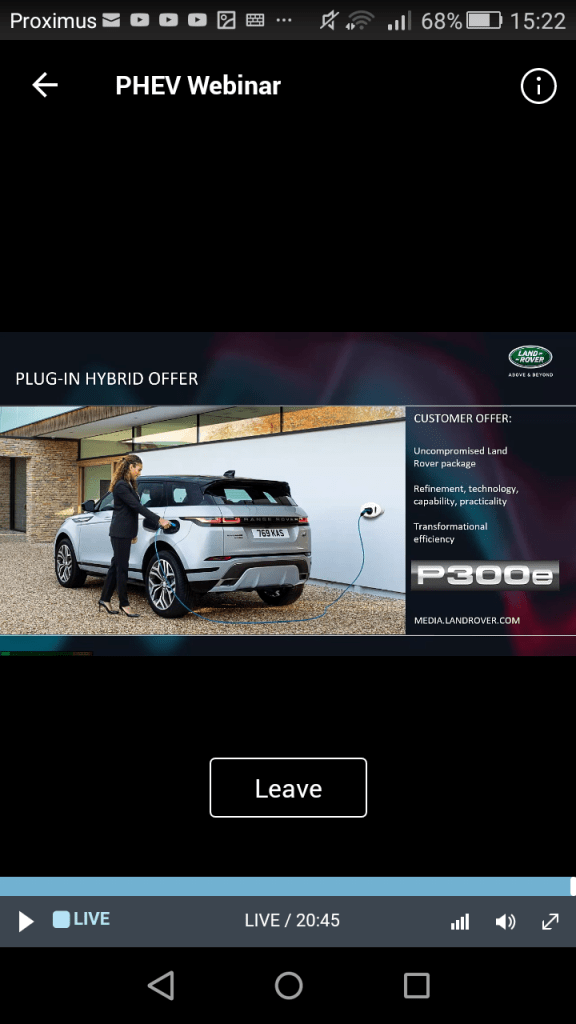
We were invited yesterday by the PR Manager Jaguar Land Rover Belux Annick Van Cauwenberge to attend a webinar to witness the launch of the new PHEV versions of the best selling Range Rover Evoque and Land Rover Discovery Sport.

We were invited yesterday to an exclusive webinar, presenting both PHEV’s…

They are now available as efficient plug-in hybrids with CO2 emissions from only 32g/km and an all-electric range of up to 66km (41 miles) – enough for many to drive the average daily commute distance without recharging.

Just read on…

Hans Knol ten Bensel

Highlights

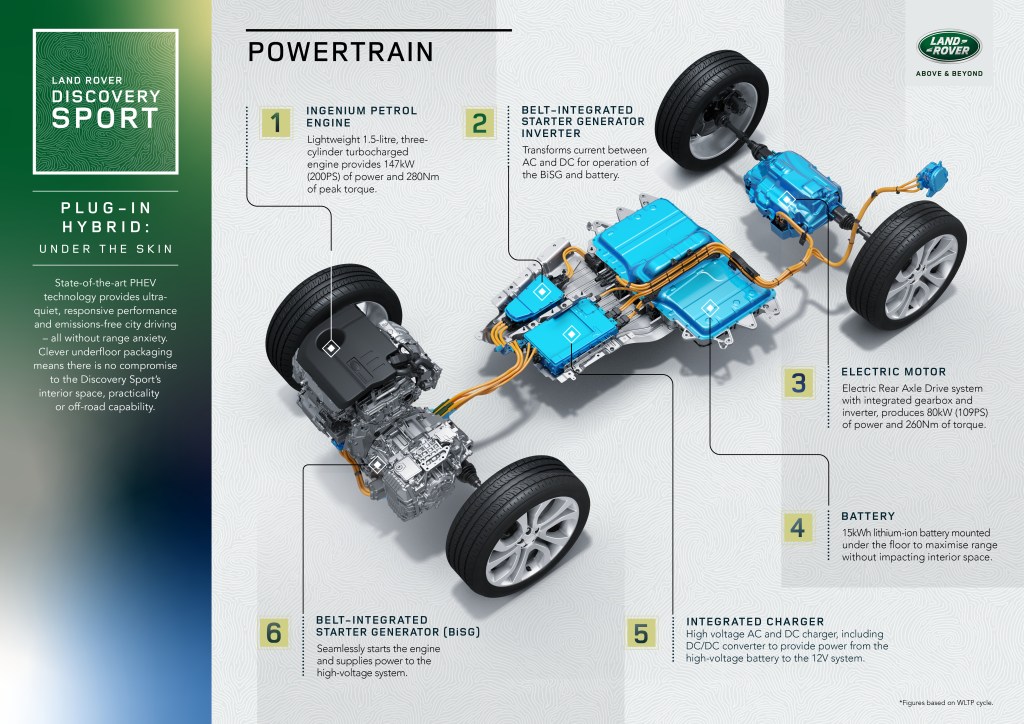
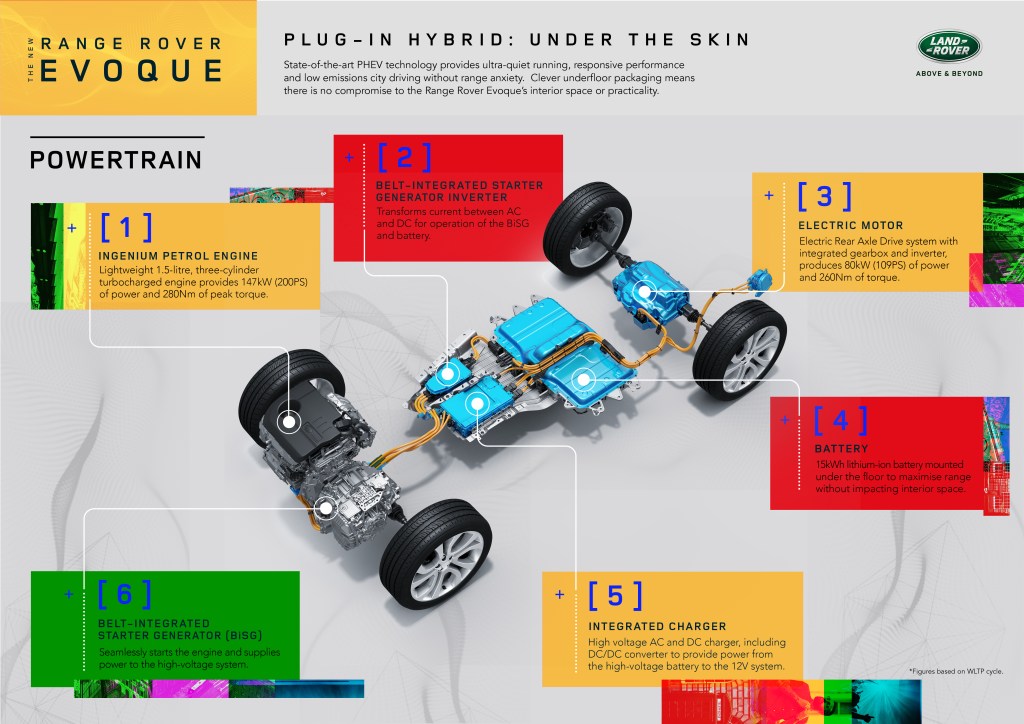
The technical heart of both these cars is a new 200PS three-cylinder 1.5-litre Ingenium petrol engine coupled to an equally new eight-speed automatic transmission, driving the front wheels. But these cars are 4WD SUV’s, so a 109PS Electric Rear Axle Drive motor guarantees Land Rover’s signature all-wheel-drive capability. This motor is powered by a 15kWh lithium-ion battery located below the rear seats.

These new Rovers are also very kind on your wallet, with a fuel consumption being as low as 1.4L/100km. Of course, all this depends on the way you use and integrate E-power in your daily driving, but again, this is frugal indeed. The PHEV system can operate in electric-only mode, combustion engine-only mode, or a combination, using GPS and navigation data to optimize efficiency on every journey.

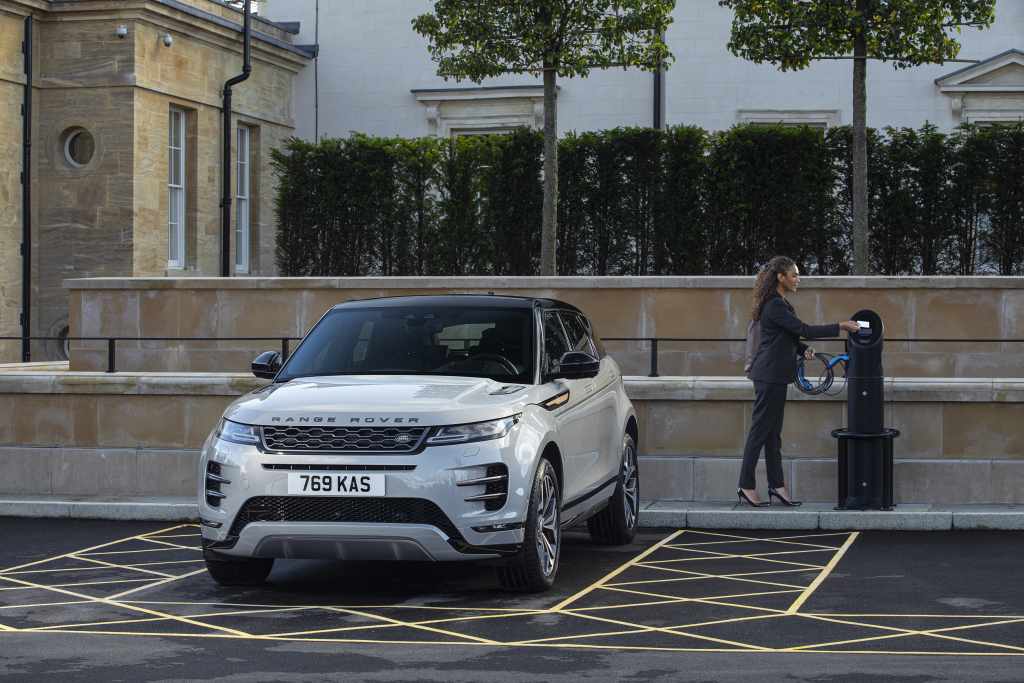
Charging can be fast: 0-80 per cent in as little as 30 minutes using 32kW DC public charging or just 1hr 24mins using a 7kW AC wallbox.

You have a wide choice, as the Range Rover Evoque and Discovery Sport PHEV models, which are badged P300e, are available in S, SE and HSE specifications, each as standard or R-Dynamic, with a range of wheel designs from 18 to 20 inches.

State-of-the-art Premium Transverse architecture

Both the new Range Rover Evoque and Land Rover Discovery Sport plug-in hybrids are based on Land Rover’s , which was designed to support electrification while maintaining Land Rover’s signature off-road capability. The new plug-in hybrid P300e models join the existing 48-volt mild-hybrid SUVs, bringing new levels of efficiency to the premium compact SUV sector.

With total output being 309 PS and offering 540 Nm of torque, the performance is up to scratch, with an acceleration of 0-100km/h in just 6.4 seconds (0-60mph in 6.1 seconds) in the Range Rover Evoque. Meanwhile, the Discovery Sport offers 0-100km/h in 6.6 seconds (0-60mph in 6.2 seconds). Both can reach speeds of up to 135km/h (84mph) using electric power alone.

Driver-selectable modes

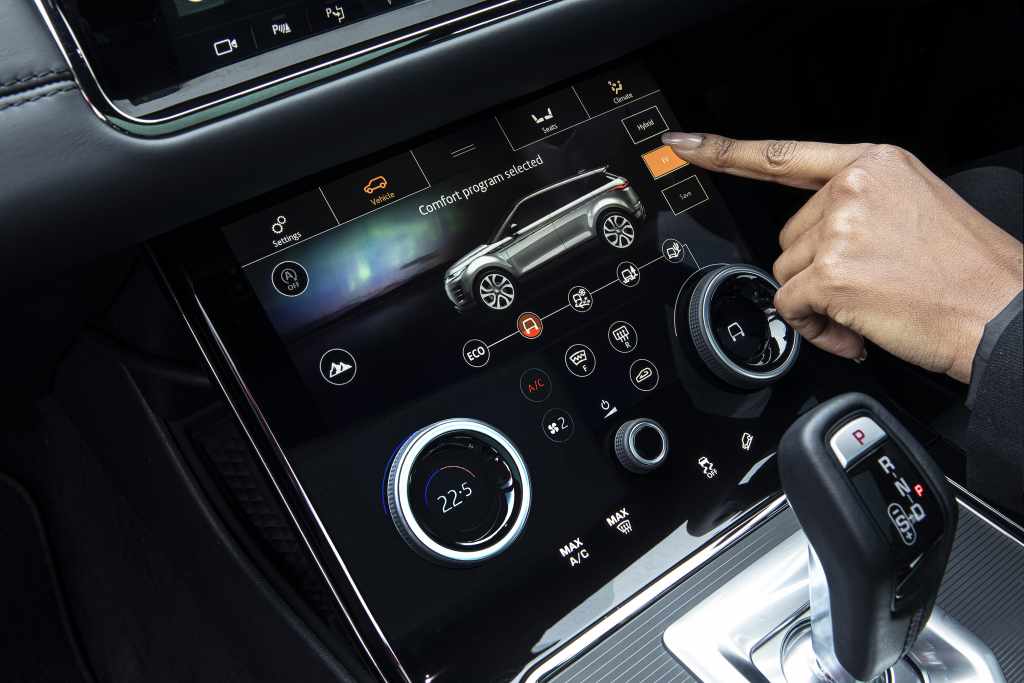
As said, drivers of both models can select from three driving modes. 1.HYBRID mode (the default driving mode) – automatically combines power from the electric motor and petrol engine. The operating strategy adapts to driving conditions and the remaining charge in the battery. Entering a destination in the navigation system enables the Predictive Energy Optimisation (PEO) function to intelligently integrate route and GPS data to maximize efficiency and comfort for the selected journey.

2.EV (Electric Vehicle) mode – enables the vehicle to run solely on the electric motor using the energy stored in the battery, for quiet, zero-tailpipe emission journeys.

3.SAVE mode – prioritizes the combustion engine as its main power source, maintaining battery State of Charge at the chosen level.

PHEV technology

As pointed out, the new compact SUVs are produced using Land Rover’s Premium Transverse Architecture, which was designed from the outset to accommodate plug-in and mild-hybrid technologies. The hardware is cleverly packaged beneath the cabin floor without compromising interior space.

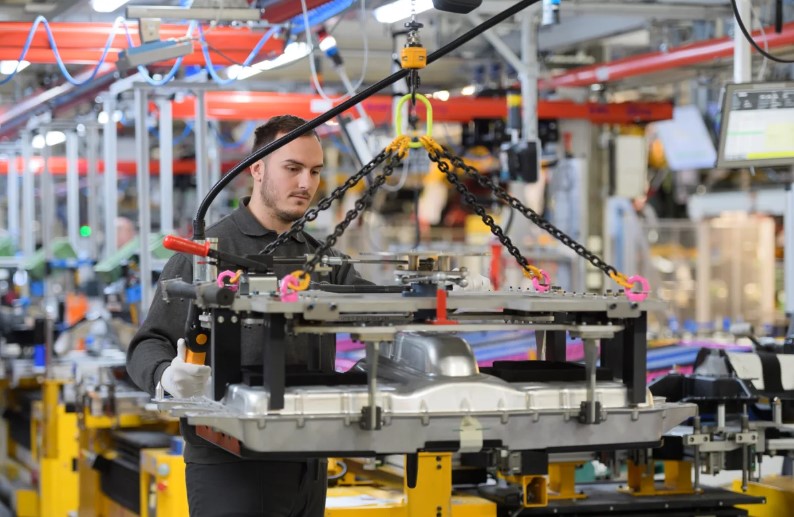
The Electric Rear Axle Drive (ERAD) is powered by a compact 15kWh lithium-ion battery located below the rear seats. The battery is made up of 84 prismatic cells, arranged in seven 50Ah modules of 12, with a 6mm-thick steel undertray that protects the battery without compromising the vehicles’ hallmark all-terrain capability.

The advanced Electric Rear Axle Drive (ERAD) features a light, compact and efficient synchronous permanent magnet motor. To optimize package space, the drive-shafts are concentric with the motor and single-speed transmission, while the inverter is also integrated within the ERAD casing. The ERAD module is neatly integrated within the Integral Link rear suspension system.

At speeds above 135km/h (84mph), the electric motor is decoupled to reduce drag and therefore optimise efficiency, and then seamlessly re-engages when the speed falls below this.

Ctrl + to enlarge…

The compact high-voltage junction box (HVJB) under the front seats is another engineering innovation. This comprises the DC: DC converter (changes high-voltage current from the hybrid battery to low voltage to support the 12-volt network) and the 7kW on-board charger used to charge the hybrid battery when the vehicle is plugged in.

Packaged next to this is the Belt-integrated Starter Generator (BiSG) Inverter which, through intelligent electrical management, can send recuperation energy to the high-voltage battery for storage to use later or for immediate redeployment to support full all-wheel drive capability.

A new brake-by-wire system replaces the traditional brake vacuum servo, and seamlessly blends regenerative and friction braking to provide a consistent and precise pedal feel. The system can deliver up to 0.2g of deceleration under regenerative braking, maximizing energy efficiency by using the vehicles’ kinetic energy to recharge the battery on the overrun.

Intelligently locating the PHEV system throughout the structure improves dynamics, lowering the centre of gravity by six per cent and further optimizing front-rear weight distribution.

A state-of-the-art 1.5-litre three-cylinder petrol engine

This is at the heart of the new PHEVs: the latest member of the modular Ingenium engine family, which now has three-, four- and six-cylinder variants.

The lightweight aluminium engine is 37kg lighter than the four-cylinder.

This small-capacity engine achieves exceptionally low levels of friction, which contribute to its excellent efficiency. The exhaust manifold is integrated into the aluminium cylinder head, contributing to the rapid warm-up times and minimizing the distance from the exhaust ports to the turbocharger’s turbine wheel for improved responsiveness.

The three-cylinder configuration delivers a better flow of exhaust gases, ensuring the turbine wheel delivers boost pressure almost instantaneously. A highly efficient Water cooled Charge Air Cooler means the density of air being drawn into the combustion chambers remains high, further enhancing performance and efficiency across the engine’s operating range.

The three-cylinder – like the four-cylinder mild hybrid models – also features a belt-integrated starter-generator (BISG) unit. This works alongside the ERAD to deliver regenerative braking, recharging the battery on the overrun, and also enables smoother, quieter and faster stop-start operation than a traditional starter motor.

New eight-speed automatic transmission

This matches the power and torque delivery of the three-cylinder engine and work seamlessly with the ERAD. As well as being 5kg lighter than the nine-speed transmission used in the other models, the new eight-speed delivers enhanced refinement and shift feel, and is an integral part of the hybrid system.

Cost of ownership is very low, so no use waiting any longer to order your Range Rover Evoque or Land Rover Discovery now, combining rational economy with the Rover’s unique 4WD SUV qualities…

Hans Knol ten Bensel

DS Automobiles lets you look behind the scenes via your home screen…

In these Corona lock-down times, online presence and using social media is vital for car manufacturers to reach out to their customers, and DS automobiles is no exception. What’s more, they show you some stunning behind the scenes footage on Facebook, Instagram, Twitter and LinkedIn and of course, last but not least, Youtube.  

Just read on…

Hans Knol ten Bensel

Indeed, DS Automobiles invites you to take a look behind the scenes of the design team through two web series developed by DS DESIGN STUDIO PARIS.

After “CONFIDENCE The art of the senses” that revealed the secrets of the DS DESIGN STUDIO PARIS to the general public, the brand builds on this with two web series created during the lock-down.

In a first series of videos you will meet fifteen people who are involved in the design process, the development and the commercialization of a product.

These experts film themselves while talking about their profession and explaining the challenges this never-before-seen situation entails. From product determination to customer delivery, through design, engineering, production and sales, DS Experts reveal their work in short videos broadcast on DS Automobiles’ social media.

A second series of videos are dubbed the «Did You Know? » Series and for a good reason: it gives anyone interested an opportunity to learn about little-known facts about DS Automobiles products and services.

An interview with Pascal Béziat, headed the development and industrialization of the DS3 Crossback…

At the moment of writing, a number of videos are already online:

Facebook: https://www.facebook.com/DSOfficial/

Instagram: https://www.instagram.com/ds_official/

Twitter: https://twitter.com/DS_Official

LinkedIn: https://www.linkedin.com/company/ds-automobiles/

Youtube: https://www.youtube.com/user/DS

Just have a look, and be amazed with us over this very interesting insight into DS Automobiles, a prestigious example of French “savoir faire” in car building …

Hans Knol ten Bensel

The Fiat Panda is now 40 years young…

In iconic black, the original Panda is still very modern…

Your servant remembers it vividly. Back in 1980, photographing a brick stone red Panda in the Galerie de la Reine in Brussels, on an early Saturday morning. Those were the times when you could pull this off, without asking anybody. Of course we had to be quick. To make our presence a bit more official, I asked also some garcons of the nearby restaurant Aux Armes de Bruxelles – who were just putting out the tables in the early morning – to pose for me, putting some of their ornamental flower trays in the opened hatch of our Panda.

My test car’ had the zesty four cylinder 903 cc engine in the front, borrowed from the Fiat 127. It was fast with it. Top speed not less than 140 km/h.

The original Panda had soon also a4WD version…

I just loved the design of this Panda, both inside and out. Its elegant, simple, rectangular shapes, its perfectly balanced proportions still inspire. Just drive it now in chique black with beige interior through our cities.

It still is a beautiful, modern car. The car is also up to this day brimming with practicality and genial storage solutions. Fast, zesty, compact.

The future car within this same lineage of geniality is the Centoventi. We stood eye to eye with the prototype in the Centro Stile last year. More about this car later.

The Centoventi breathes the same practical spirit as the original Panda…

The present day Panda is eminently capable. We recently drove the hybrid version, just read our report… This Panda lives in the heart of many, and is since 2003 the most sold city car in Europe. And has a bright future for many years to come…

Hans Knol ten Bensel
Citroën’s “AMI” brings E-power to all of us…

Citroën changes the world once again, after its post war 2 CV. Now in (and after) Corona times, it launches an E-powered runabout, which will make the world think differently about affordable, urban electric mobility.

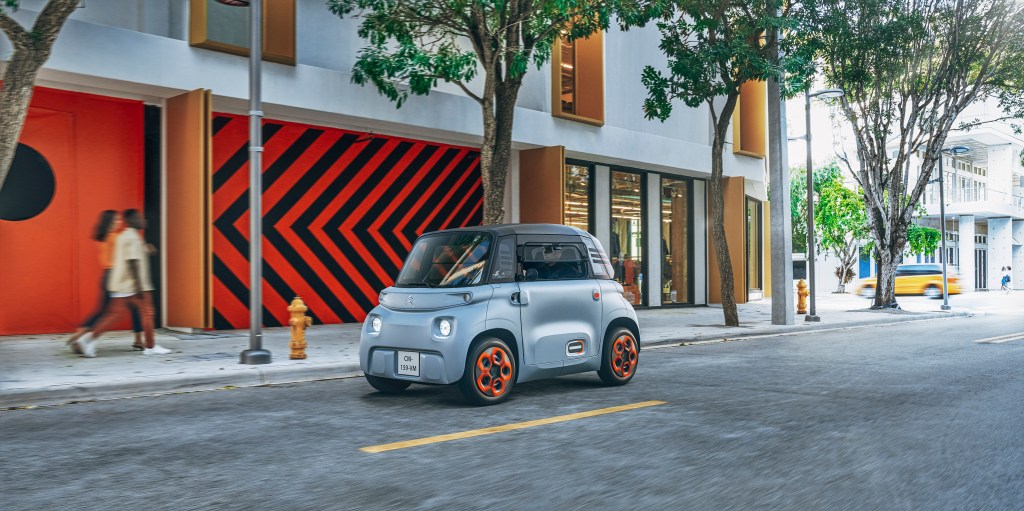
The “AMI”is non-conformist, with 2 seats, 100% electric, comfortable and protective, compact and agile, of course to be customized at will.

As a direct descendant of AMI ONE Concept introduced at the Geneva Motor Show in March 2019 and following the strong interest it generated, Ami has become a reality in barely a year.

Ami is a practical response to new mobility expectations for short journeys: enabling easier access to city centres, finding micro-mobility means for everyone, and presents a real alternative to scooters, bicycles, mopeds, public transportation at reasonable cost.

Nimble and simple, E power for all…

The AMI is ultra-compact: set on its specially designed 14″ wheels located at all four corners for easy handling, Ami is 2.41m long, 1.39m wide and 1.52m high.It has a 7.20m turning diameter.  It is a light quadricycle, which benefits from a smooth clutch-less ride and an instant acceleration from a stand-still , capable of speeds of up to 45km/h. Ideal for multiple short trips in the city – such as going to a meeting, to work, running an errand or going out for the evening – Ami has a range of up to 70 kilometres.

Copyright maison-vignaux @ Continental Productions

Its 5.5 kWh lithium-ion battery, housed flat under the floor, can be charged via the on-board electric cable located in the passenger-side doorway. Once the cable is plugged in, 3 hours are enough for a full charge on a conventional 220 V socket. The use of Ami is as simple as any everyday electric object. Ami – 100% electric can also be charged at a public terminal or Wall Box using a suitable cable.

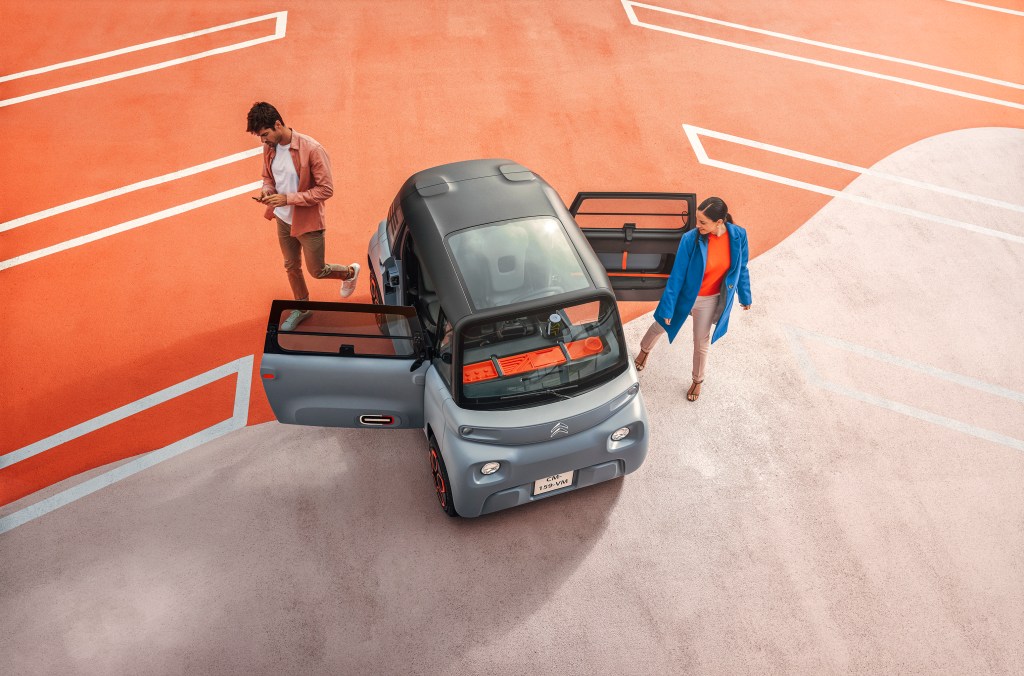
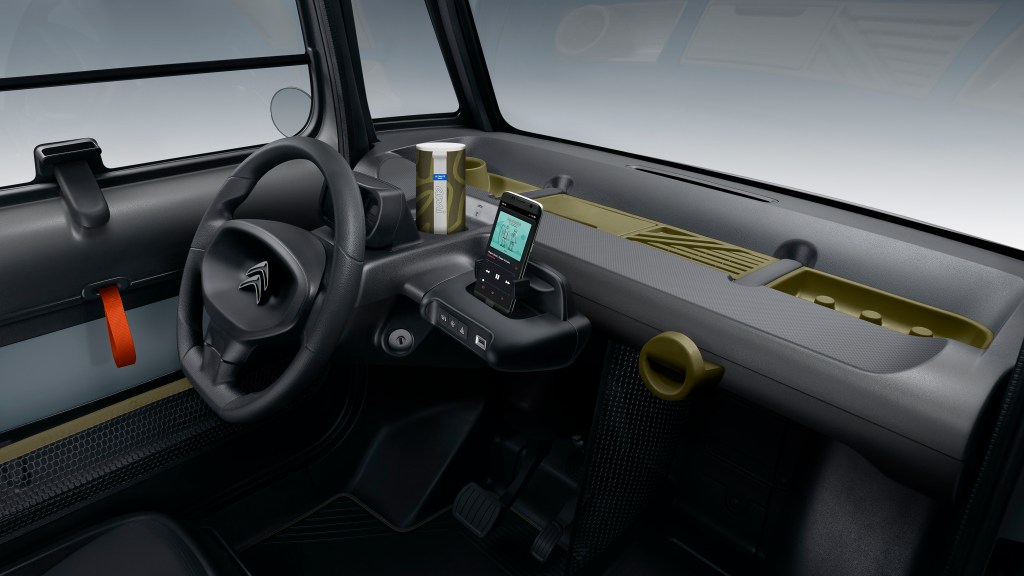
The AMI has a standard panoramic roof. In a nod to Citroën’s history, the side windows open by manually tilting upwards like the 2 CV.6 coloured accessory packs are available. Bright and pleasant, it is symmetrically designed. The wide doors that are completely identical on the right and left and open in the opposite direction: rear-hinged on the driver’s side to benefit from better on-board accessibility and increased comfort, and traditionally front-hinged on the passenger side.

Make your own mark…  

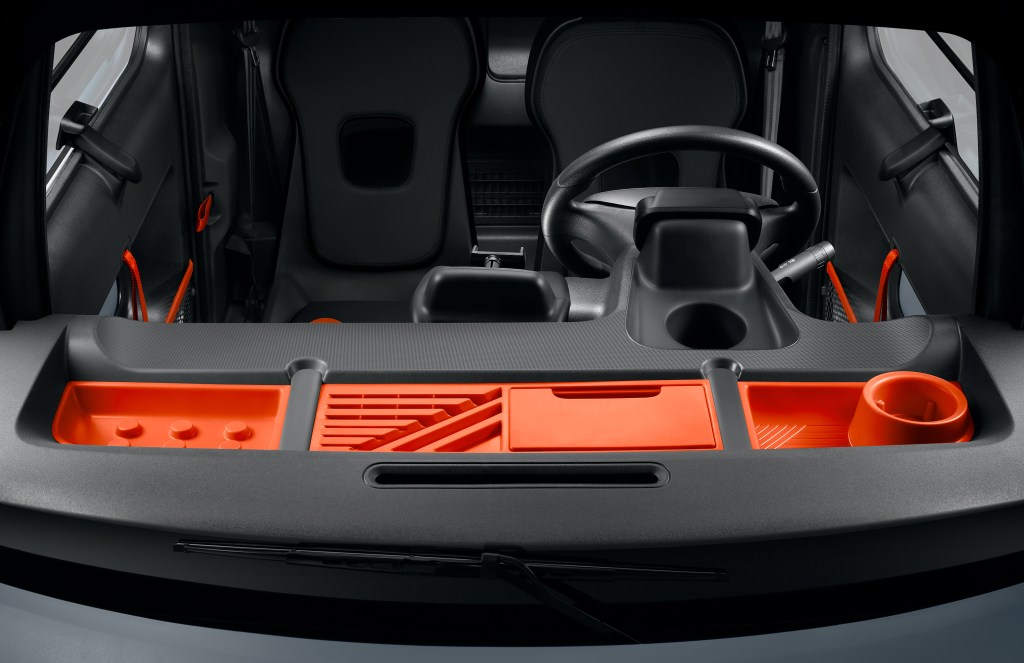
In a “Do It Yourself” fashion, the possibility of creating the object that suits each customer’ tastes through a kit of accessories that can easily be installed yourself. This kit incorporates functional decorative items: a central separation net, a door storage net, mat, storage tray on the top of the dashboard, small hook for a handbag, smartphone clip, DAT@MI box (dongle device) connected to the My Citroën app to retrieve essential information from Ami on the smartphone.

Post-production : Astuce Productions

There is harmony between the interior and the exterior with touches of colour on the wheel trims, quarter-panel stickers or even a capsule at the bottom of the door. 4 main shades are available: MY AMI GREY, MY AMI BLUE, MY AMI ORANGE, and MY AMI KHAKI. This accessory kit allows everyone to create their own mood and tailor the functionalities to their needs.

Post-production : Astuce Productions

Another and even higher level of customisation offers 2 packs combining all the aforementioned decorative elements as well as large stickers that dress up the exterior of Ami giving it a style all of its own:

My Ami POP with the Orange customisation and a fun, young and sporty design, with a rear spoiler

My Ami VIBE with the Grey colour and more upscale, chic and graphic accessories that incorporate roof trims to complement the stickers.

The installation of these higher level customisation packs is entrusted to professionals before delivery.

No driver’s license needed…

Copyright maison-vignaux @ Continental Productions

The AMI is in its home country AM licenced, i.e. for engines under 50 cm3. Any 14 year old can drive it. In most European countries, a 16 year old can do too. Ami also makes life easier for its customers in accessing mobility by offering them several formulas through digital solutions: car sharing, rental or purchase. The rates are very low indeed, will of course vary from country to country. But let it be known that you can purchase an AMI for around 6,000 Euros…  

Post-production : Astuce Productions

Ami is offered in France at a rent of €19.99 including VAT per month with an initial payment of €2,644 including VAT (Ami Ami version; long-term rental of 48 months, ecological bonus of €900 including VAT deducted in France).

Buy it from home…

It is therefore possible to acquire Ami – 100% ëlectric 24 hours a day, 7 days a week. Everything, from discovery to order, can be done from your sofa using your tablet or smartphone in just a few clicks via citroen.fr website, which is the entry point for finding out about Ami, which provides information on the product and on solutions adapted to the needs dictated by each person’s needs.

Digital is present in using Ami – 100% ëlectric with My Citroën mobile app via DAT@MI connected box. The application allows drivers to access essential information about Ami at any time via a smartphone, including: range, charge status and time remaining for a 100% charge, mileage, maintenance alerts and after-sales appointment scheduling. The app also makes it easy to locate nearby public charging stations, a feature offered by Free2Move Services.

More details to come soon, the opening of orders is scheduled for 30 March in France, and a few months later in Spain, Italy, Belgium, Portugal and then Germany. The first deliveries to customers are scheduled for June in France. Car-sharing at Ami’s wheel will start in Spring in Paris with versions bearing the “Free2Move” logo. Of course we are eagerly awaiting to see and drive the AMI “in the flesh”!

Hans Knol ten Bensel
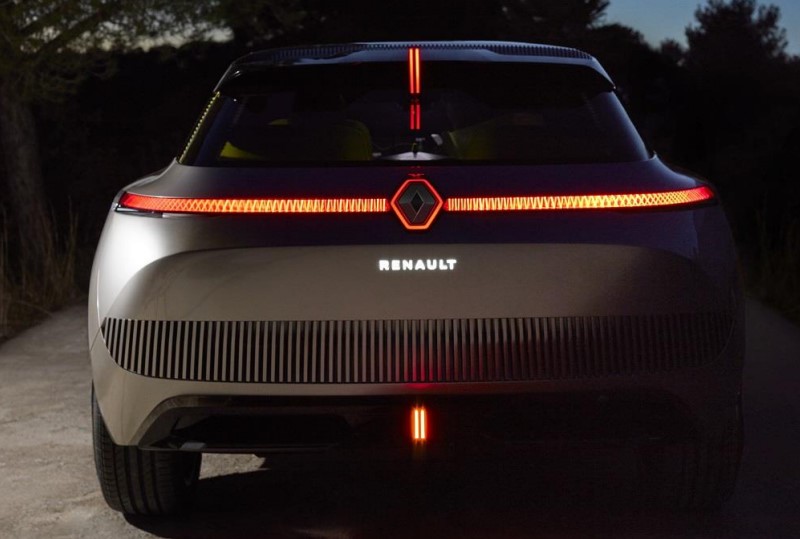
Renault Morphoz: the boldly flexible E future as seen by Renault…

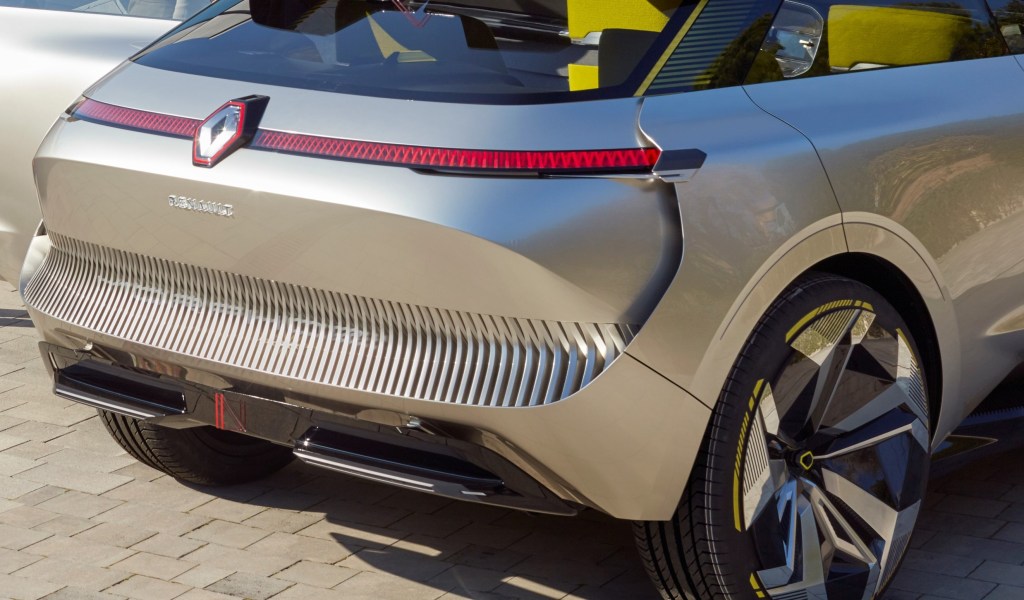
The futuristic car on the photo here embodies Renault’s vision of personal, shareable electric mobility in the years beyond 2025. It’s called the MORPHOZ.

It draws on the Alliance’s new modular CMF-EV electric platform to offer several configurations not only of power, capacity and range, but also of user options and boot space too.

Faithful to the brand’s DNA, the MORPHOZ concept embodies the Family petal of Renault’s ‘Life Flower’ design strategy, which is based around the stages within a person’s life.

However, it is not only just a vision of mobility. In its design, details and interior presentation, this MORPHOZ also heralds a new family of Renault electric models for the coming years. 

The Renault MORPHOZ uses a brand new 100% electric modular platform

that we call CMF-EV.

Like the CMF-B platform which was inaugurated last year by the Clio and used on the New Captur, CMF-EV has been developed by the Alliance. It allows us to design, build, adjust and fine-tune electric vehicles more easily than with a platform designed for internal combustion engines (ICE) or for mixed ICE/electric applications. 

The platform’s architecture allows a long wheelbase with wheels at the very corners of the vehicle, reduced overhangs and a flat floor. With a streamlined battery, the CMF-EV platform allows to design vehicles that are closer to the ground, with a lower roof and the all-important improvement in aerodynamic performance. The low centre of gravity is also a bonus thanks to the location of the batteries below the rear floor.

MORPHOZ, a personal vehicle that can be tailored to requirements

Renault MORPHOZ is a 100% electric adaptable crossover concept car which charges by induction even as it is being driven.

It is connected and equipped with level 3 autonomous driving functions. Like the SYMBIOZ concept unveiled in 2017, this is a personal vehicle which now boasts specific sharing functions.

2020 – Renault MORPHOZ

The high adaptability of the MORPHOZ concept-car is demonstrated by the physical transformation that occurs between its two versions: the short “City” one and the long “Travel” one.

The vehicle is in fact capable of adapting itself to the way its users live, be it for daily use or, for example, holiday travel. To achieve this, the City version is fitted with just the right battery capacity to meet day-today requirements, while the Travel version can accommodate the extra capacity needed for long distances on motorways, for example.

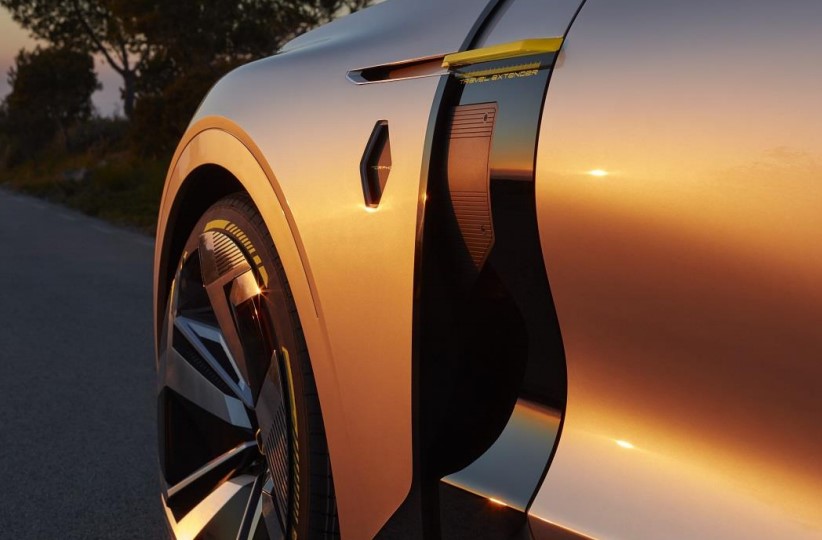
Although it is very slender in the City version, the vertical section of the front wing on the MORPHOZ expands in the Travel version as the vehicle’s bodywork and wheelbase lengthen.

Although its primary role is to display the capacity meter of the onboard batteries, its black and yellow finish also makes it stand out from the rest of the bodywork.

The City version

The short City version of the Renault MORPHOZ is 4.40 metres long. At 2.73 metres, its wheelbase is a record for such a vehicle length,so that it can easily house the 40 kWh of batteries that are fitted as standard.

The long Travel version of the Renault MORPHOZ is 4.80 metres long. Its wheelbase is proportionately longer at 2.93 metres to allow it to accommodate the additional battery capacity and provide a spacious interior. It can thus carry extra batteries that provide 50 kWh of power (total capacity of 90 kWh) and offer more leg room for the passengers, along with enough space for two more suitcases. In addition, this version – which benefits from a specific light identity – has a specific tapered

front-end and profile to improve its aerodynamic performance for long distances.

A very clever car, brimming with further smart solutions for its passengers, more about this in a next report…

Hans Knol ten Bensel
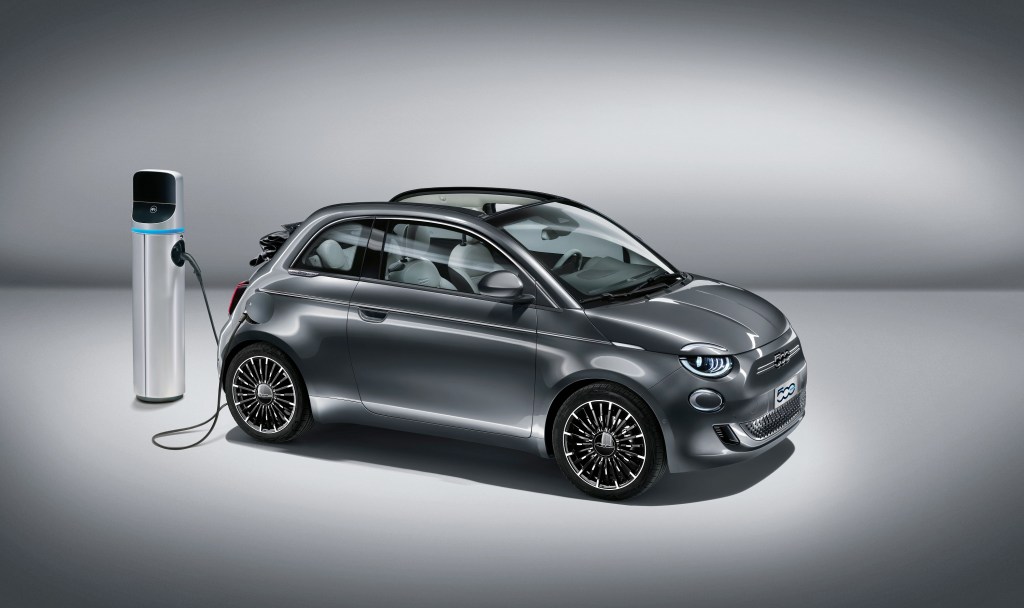
The Fiat Cinquecento enters the electric age…

The ever young 500 is now in its third generation, and incarnates as FCA’s fisrt fully electric car. It has more space, top notch E-technology, new styling but remaining a true Cinquecento.

Its range and charging times are what customers nowadays expect. The lithium-ion batteries with a capacity of 42 kWh give the New 500 a range of up to 320 km in the WLTP cycle.

Charging is indeed a breeze: the New 500 is standard equipped with an 85 kW fast charger system to charge the battery very quickly. For example, it takes only 5 minutes to build up a sufficient energy reserve to travel 50 kilometers, more than is needed for average daily use.

The fast charger can also charge the battery to 80% in just 35 minutes. The Combo 2 socket located on the rear right side panel of the car powers the fast charger, for both AC and DC charging.

Home charging solutions are also available. The launch edition of the new 500 includes the Easy Wallbox™, a home charging system that can be connected to a normal home outlet. ENGIE EPS developed this exclusively for FCA, and it will be marketed by Mopar in Europe to coincide with the launch of the model.

It is a simple, accessible “plug-and-charge” solution that can be managed easily via Bluetooth, letting you stabilize your energy load by charging your 500 immediately at home with up to 2.3 kW of charging power, with no need for any intervention by skilled personnel. Moreover, the Easy WallboxTM is ready for a power upgrade to 7.4 kW, providing a full charge at home in just over 6 hours. The model also comes with a Mode 3 cable for charging from the public mains.

A “sherpa” mode gets you home

The New 500 has three driving modes: Normal, Range and Sherpa, which can be selected to match your driving style. In particular, Sherpa mode optimizes the available resources to ensure that you will reach your destination. The “sherpa” mode adjusts various parameters: maximum speed, limited to 80 km/h; accelerator response, in order to reduce energy consumption; and deactivation of the climate control system and heated seats (the driver has the option of activating them at any time).

“Normal” mode is as close as possible to driving a vehicle with a normal combustion engine, while “Range” mode activates the “one-pedal-drive” function. By selecting this driving mode, you can practically drive the New 500 with the accelerator pedal alone.

Lots of (city) zest…  

The engine has an output of 87 kW, providing a maximum speed of 150 km/h (self-limited) and acceleration from 0-100 km/h in 9.0 seconds and 0-50 km/h in 3.1 seconds.

Level 2 autonomous driving and connectivity

The car of the future is not just an electric city car, but goes one step further: it literally goes to the next level by being the first car in its segment to offer level 2 autonomous driving, bringing all the associated benefits to urban mobility.

Front-facing camera monitoring technology monitors all areas of the car, both longitudinally and laterally. The intelligent Adaptive Cruise Control (iACC) system brakes or accelerates in response to anything: cars, cyclists, pedestrians. Lane Centering keeps the vehicle in the center of the lane when the markings are correctly identified.

Intelligent Speed Assist reads the speed limits and recommends applying them, while Urban Blind Spot uses ultrasonic sensors to monitor the blind spots and warn of any obstacles with a triangular warning light on the wing mirror. Then there is Attention Assist, which provides warnings on the display, recommending that you stop and take a break when you are tired. Finally, the 360° sensors provide a drone view to avoid any obstacles when parking or performing complex manoeuvres.

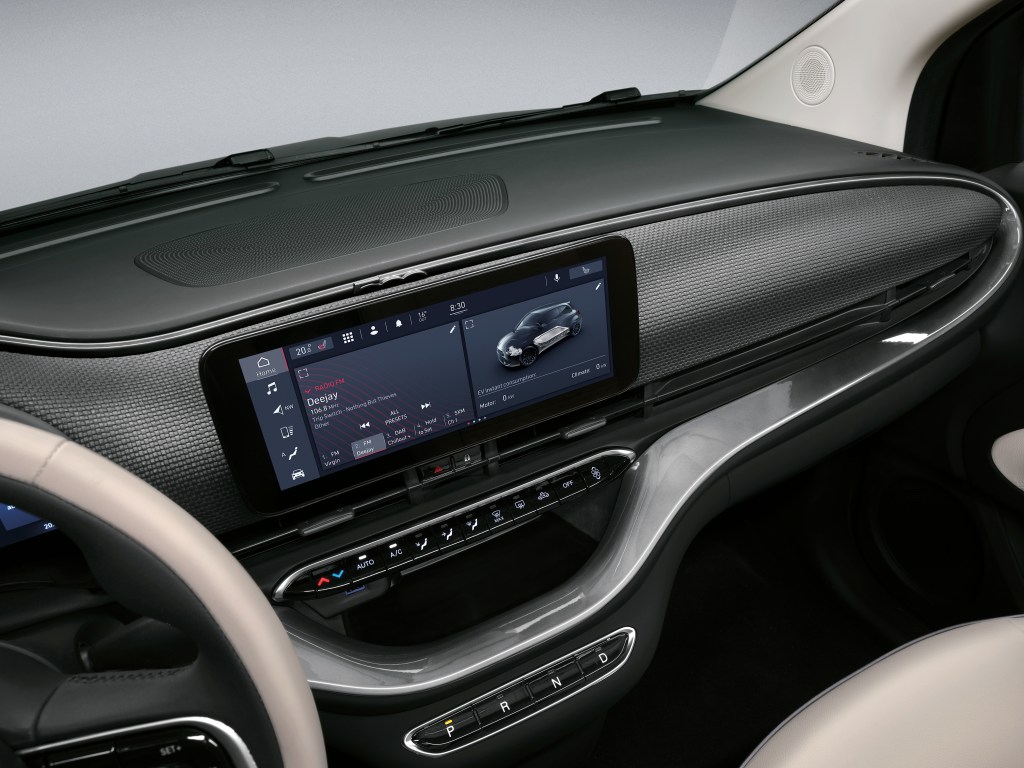
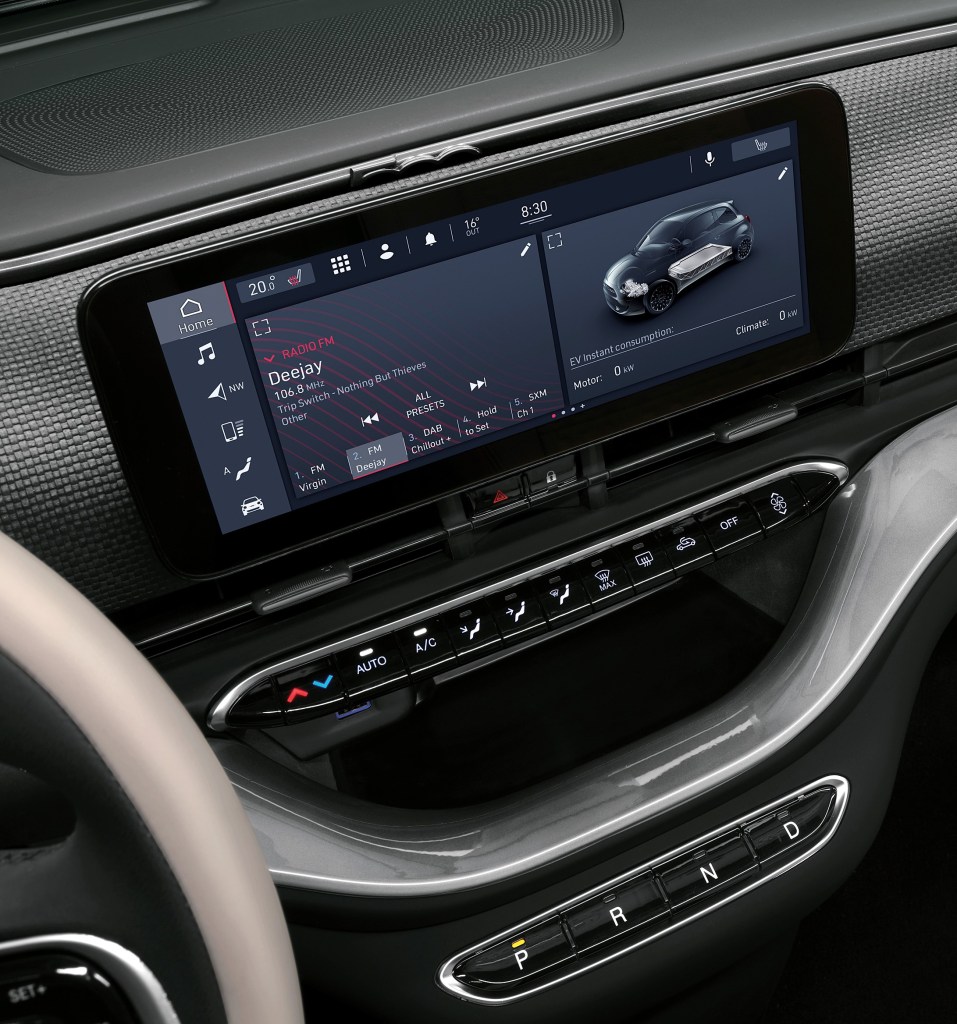
The third-generation 500 is the first FCA car equipped with the new UConnect 5 infotainment system. FCA uses the easy, intuitive and incredibly customizable Android Auto operating system. For example, you can use widgets to configure how functions and apps are displayed. Apple CarPlay is already available wirelessly. The system is also ready to offer the same functionality for Android Auto.

In short, the New 500 offers seamless integration with your smartphone, offering a 10.25” high-definition touchscreen, with a horizontal form factor that fits perfectly into the car dashboard, following its lines.

The launch version also boasts the Natural Language interface system, with advanced voice recognition, so you can talk to the car to control parameters, set the climate control and choose your favorite music.

Style, and then again

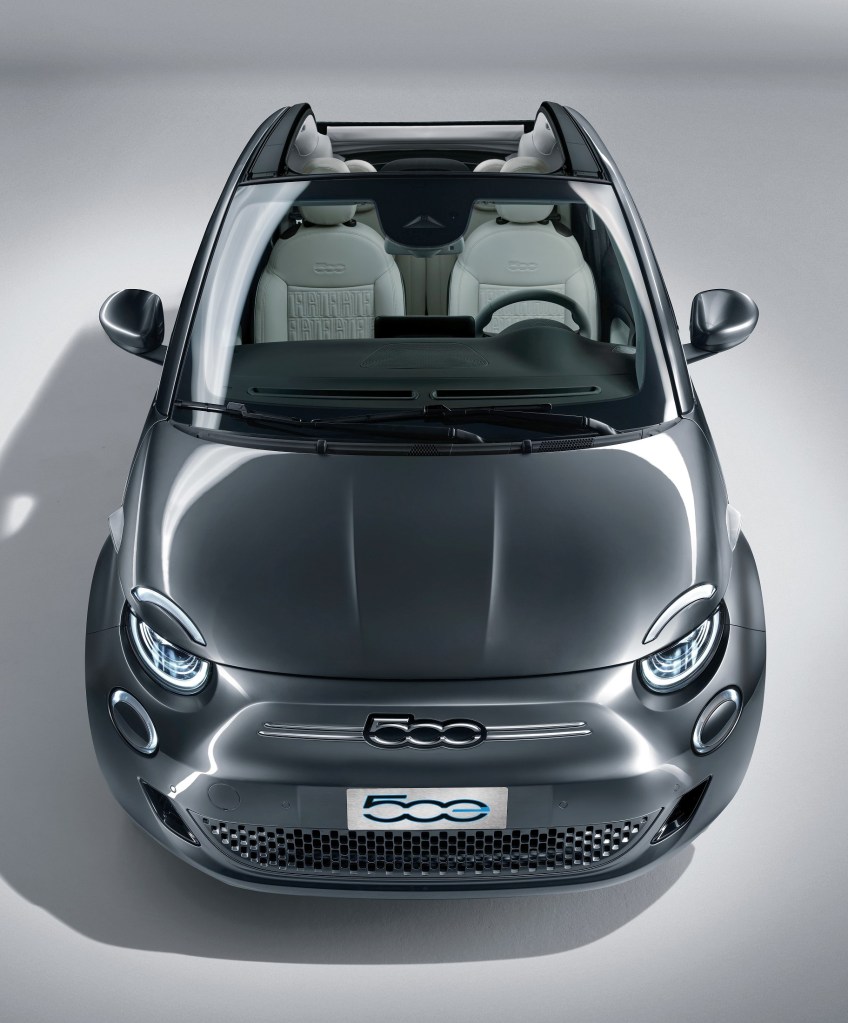
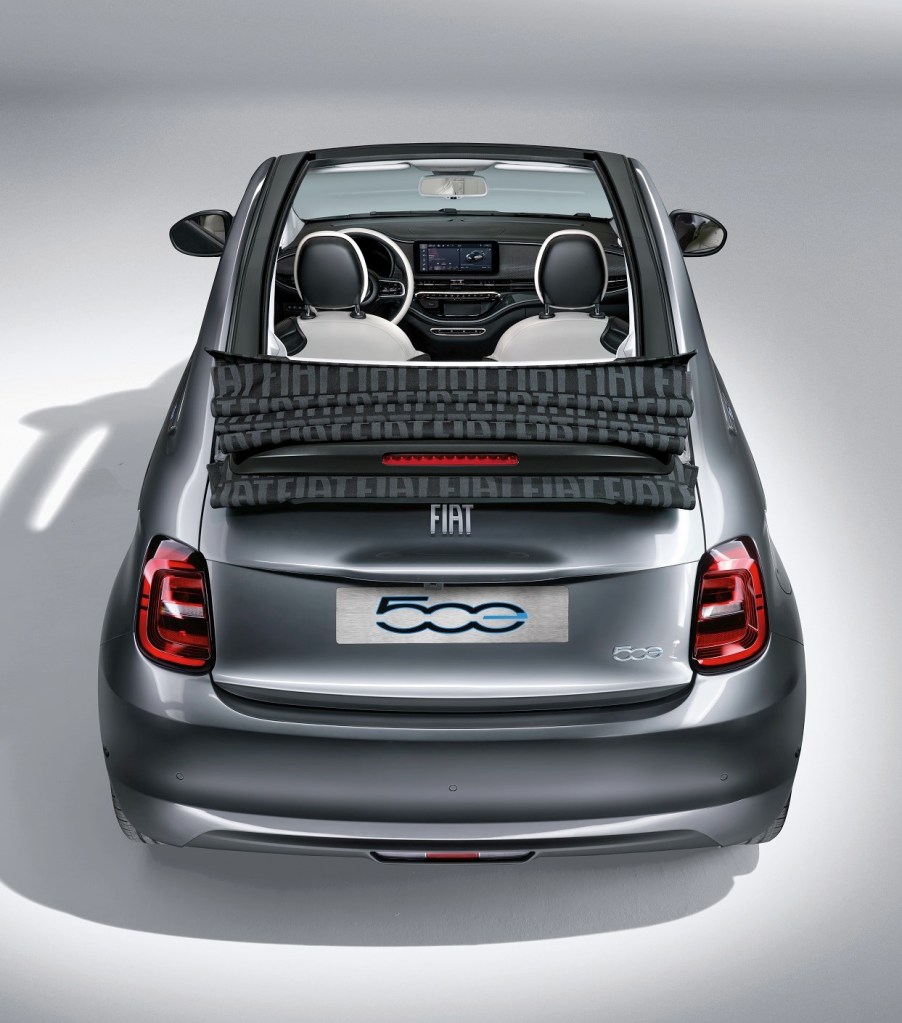
The New 500 has all the elements of style, just quieter, cleaner and crisper. The front is vertical as in the 1957 version, making it less elusive, almost facing the road, and the dynamic feel of the profile has been accentuated.

The substance of the new platform has given the third-generation 500 a strong presence: it is 6 cm wider and 6 cm longer, the wheelbase has been extended by 2 cm, and the wheels are larger and further apart, giving it a stronger personality and greater comfort despite its length remaining under four meters.

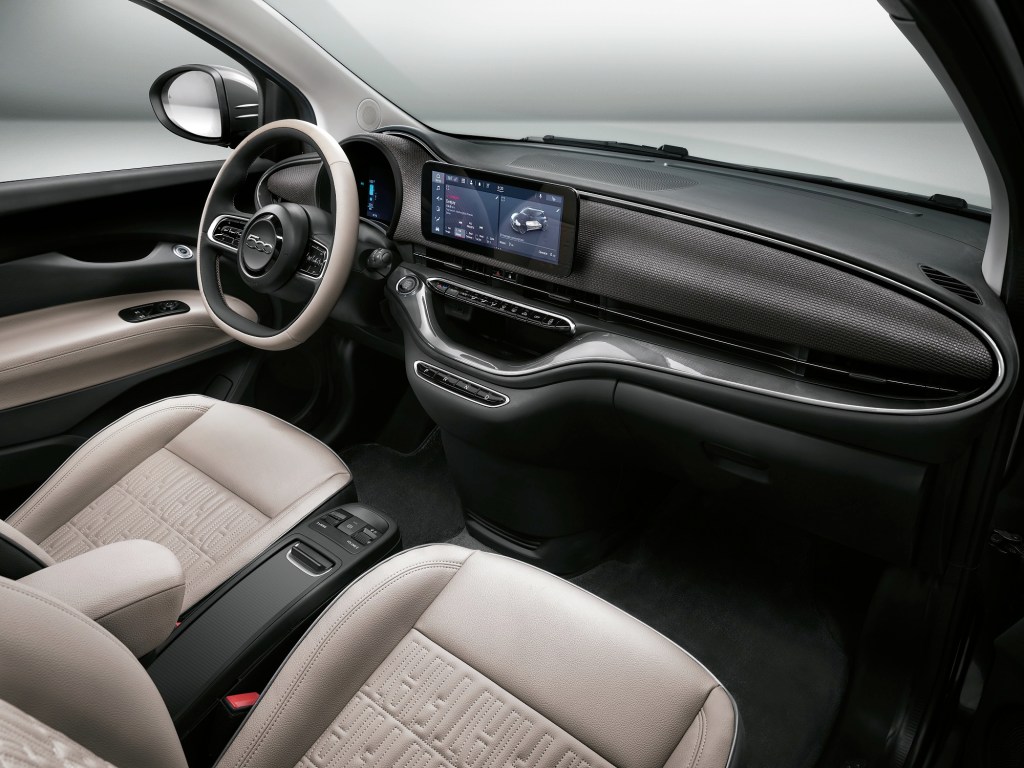
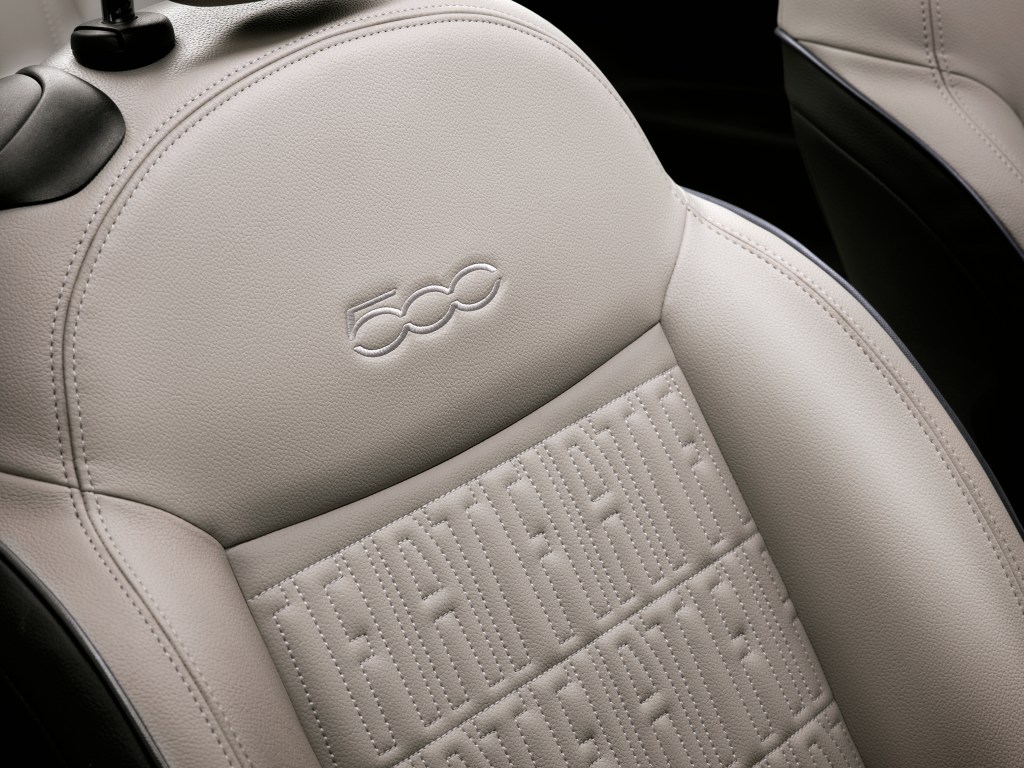
Inside, the electric 500 is completely new and elegant, with clear references to elements of the first generation. As for the Hybrid Fiat 500, including the electric version, some trim levels also have seats made using “Seaqual” yarn, derived from plastic recovered from the sea.

The new 500 debuts in the convertible version: the first open-air four-seater with zero emissions: all open, all electric, all silent. As an icon of La Dolce Vita, it had to be reborn to bring out all the charm of its forms and sounds. And on the subject of sounds, here is another unique feature of the new city car, which will become available later: the Acoustic Vehicle Alert System (AVAS), an acoustic warning for pedestrians that is mandatory at speeds up to 20 km/h; the chosen sound is not a common acoustic signal, but rather the music of Amarcord by Nino Rota, in pure Dolce vita style, an example of the most authentic Italian creativity.

The “la Prima” launch edition is available for pre-booking

A dream is coming true: the “la Prima” launch edition, a limited edition designed for the launch of the New 500, with its own distinct style, exclusivity, technology and connectivity.

From today, March 4, it can be ordered via an online pre-booking system on the http://www.fiat.com* website, by following a simple procedure of just three clicks.

To book the “la Prima” limited edition, simply browse to the http://www.fiat.com* website, and with just three clicks and a deposit of €500, you can become a part of the mobility of the future.

Needless to say that we are keen to get behind the wheel of this New 500, Corona virus protection measures permitting. The date is set, at the digital presentation: the 4th of July…

I will come back on the new 500 with a description of unique one-off versions created by Kartell, Bvlgari and Armani…

Hans Knol ten Bensel   
Volkswagen news to admire via webcast, and not in Geneva…


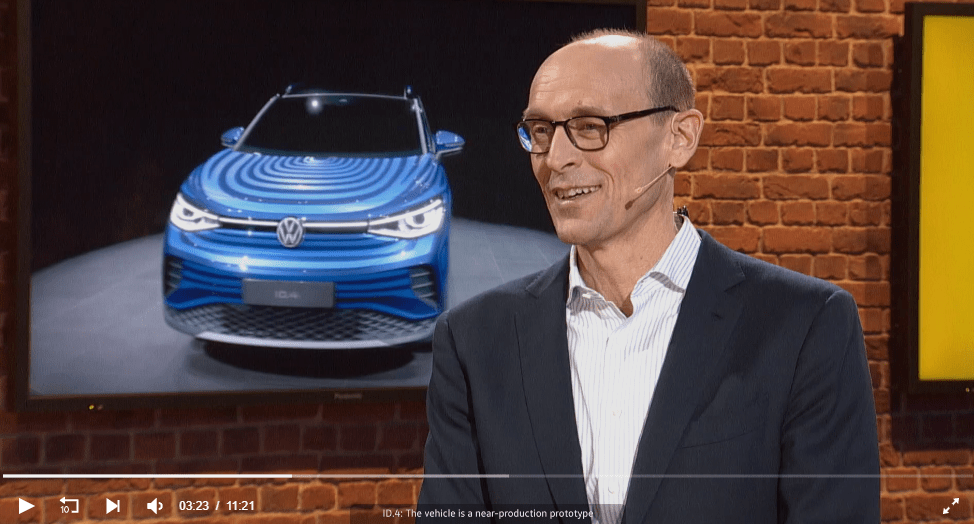
Ralf Brandstätter, Chief Operating Officer of the Volkswagen Brand, presents here the ID. CROZZ showcar

We are living in digital times. So even when the Corona virus limits (temporarily, as we all hope) our present mobility, and led to the cancellation of the Geneva Motor Show, we can still see all the automotive news via our PC’s, Phones, Tablets.

Volkswagen presents therefore its important news on a special webcast, for you to admire via the following link: https://www.volkswagen-newsroom.com/en/live-stream-5455.

Ralf Brandstätter, Chief Operating Officer of the Volkswagen Brand, presents here the ID. CROZZ showcar, which now evolves into its series production version, the ID.4.

Volkswagen is forging ahead with its electric mobility strategy by providing a detailed insight into the brand’s first all-electric SUV. The new ID.4 will be launched this year. Following in the tracks of the ID.3, the countdown has already begun for the second model based on the new modular electric drive matrix (MEB). “Just like the ID.3, the ID.4 will also come onto the market as a carbon-neutral vehicle”, explains Ralf Brandstätter, Chief Operating Officer of the Volkswagen brand. “We will produce and sell the ID.4 in Europe, China and the U.S..”

Just read on for more VW news…

Hans Knol ten Bensel
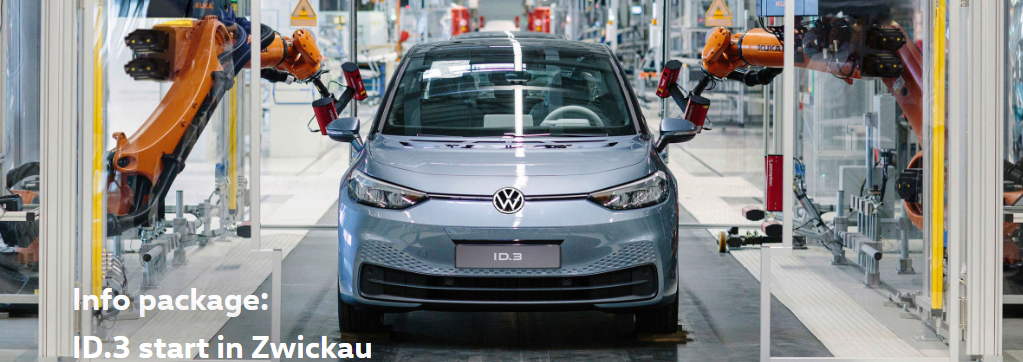
The ID. 3 started production in Zwickau, the ID.4 now follows…

The ID.4 will initially be launched with rear-wheel drive, while an electric all-wheel drive version will be added to the portfolio at a later date. The high-voltage battery is positioned near the center of the underbody to create a low centre of gravity and an optimum in terms of driving dynamics, along with an extremely well-balanced axle load distribution.

Also new mild and plug-in hybrid drives…

For Volkswagen, the ID.4 and ID.3 represent important milestones in the brand’s bid to become entirely carbon-neutral by 2050 – in line with the Paris climate agreement. Plans have been put in place to reduce the Volkswagen fleet’s CO2-emissions by a third by as early as 2025.

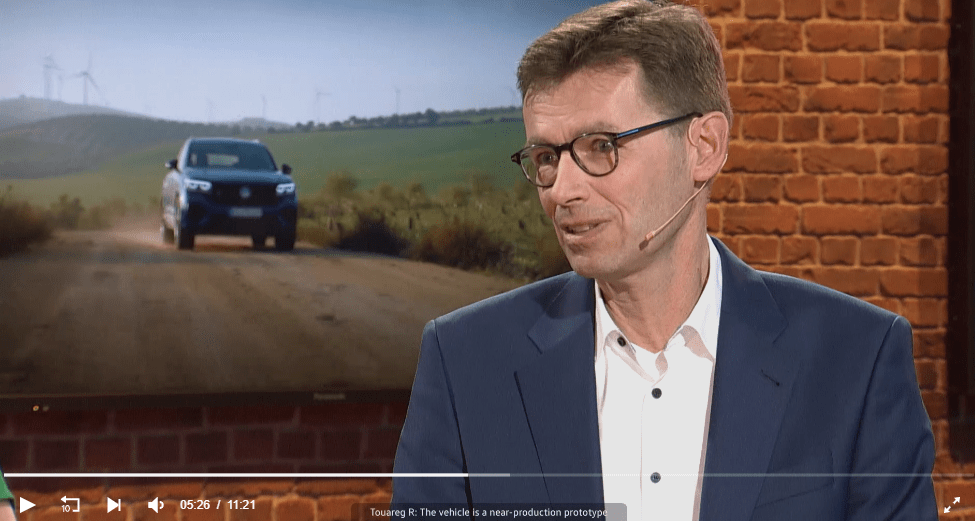
Dr. Frank Welsch, Member of the Board of Management of the Volkswagen Passenger Cars Brand with responsibility for Technical Development, presents in the webcast the new Touareg R

Volkswagen is currently investing one billion euro to electrify its model range while also offering an increasing number of hybrid vehicles. This is based on the fact that, just like electric powertrains, new mild and plug-in hybrid drives in large-scale product lines such as the all-conquering Golf will significantly help to reduce fleet emissions in the future.

New Touareg R

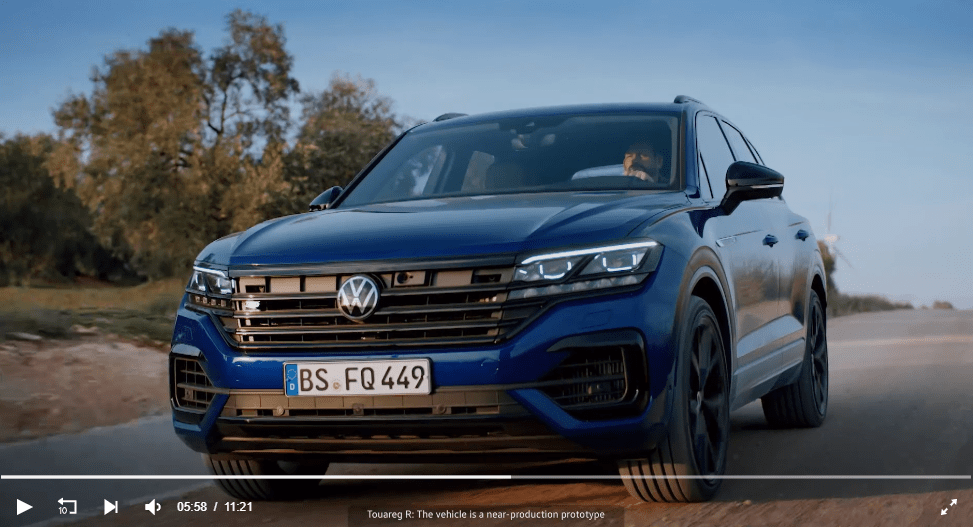
This is why the company’s focus during the webcast is not only on ID. models, but also on new Volkswagen models with hybrid drive. Dr. Frank Welsch, Member of the Board of Management of the Volkswagen Passenger Cars Brand with responsibility for Technical Development, presents in the webcast the new Touareg R with plug-in hybrid technology and the the Golf GTE 2 for the very first time.

The Touareg R,the most powerful Volkswagen model will in future also be powered by an efficient plug-in hybrid system. The alliance between an electric drive motor generating 100 kW (136 PS) and a V6 turbocharged petrol engine (TSI) with an output of 250 kW (340 PS) develops a system output of 340 kW (462 PS). The battery capacity of the Touareg R with a top speed of 140 km/h in all-electric E-MODE has been designed so that most average daily commuting distances can be covered with zero emissions.

Golf GTE with stronger battery…

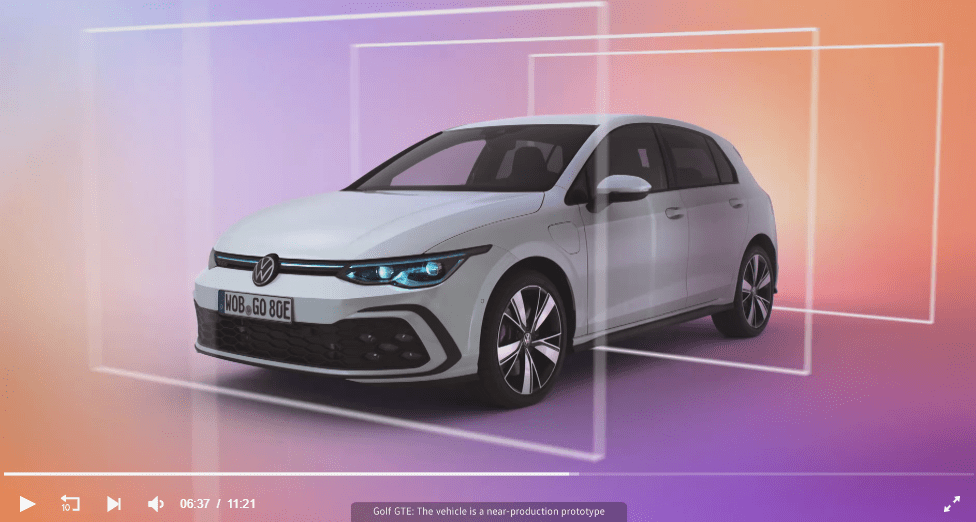
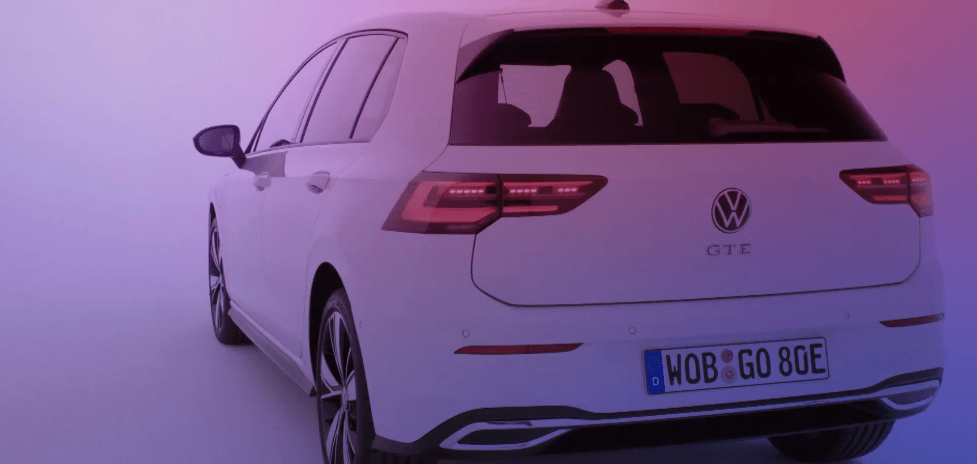
The same applies to the new Golf GTE – its plug-in hybrid drive has been geared towards performance and consists of an electric drive motor with 85 kW (115 PS) and a four-cylinder turbocharged petrol engine (TSI) generating 110 kW (150 PS). As a unit, the electric drive motor and the TSI develop a system output of 180 kW (245 PS). The new Golf GTE’s top speed in all-electric mode is 130 km/h.

Further Volkswagen highlights include the new Golf GTD, which generates significantly lower nitrogen oxide emissions compared with its predecessor thanks to innovative twin dosing technology, plus the eighth generation of the Golf GTI, produced more than 2.3 million times. The most recent version is powered by a 180 kW (245 PS) 2.0-litre turbocharged direct injection engine. The maximum torque is 370 Nm. The four-cylinder engine is coupled with a 6-speed manual gearbox as standard.

Last but not least, the eight generation of the GTI takes the central stage, presented again by Ralf Brandstätter, Chief Operating Officer of the Volkswagen brand. It is a formidable performer, this GTI, and A 7-speed dual clutch gearbox (DSG) is optionally available.

Digital instruments for the GTI for maximum performance…

We include here some screenshots of the webcast, and stay tuned for more!

Hans Knol ten Bensel
Kia reveals first images of next-generation Sorento…

The concept of ‘refined boldness’ inspired Kia’s designers, and they came up with a more confident, mature and desirable exterior design. But that is not all. The cabin is also definitely upscale with premium material quality.

Of course, the new Sorento is crammed with progressive connectivity, driver assist and infotainment technologies. It makes its first public appearance at 2020 Geneva International Motor Show

More to come!

Hans Knol ten Bensel