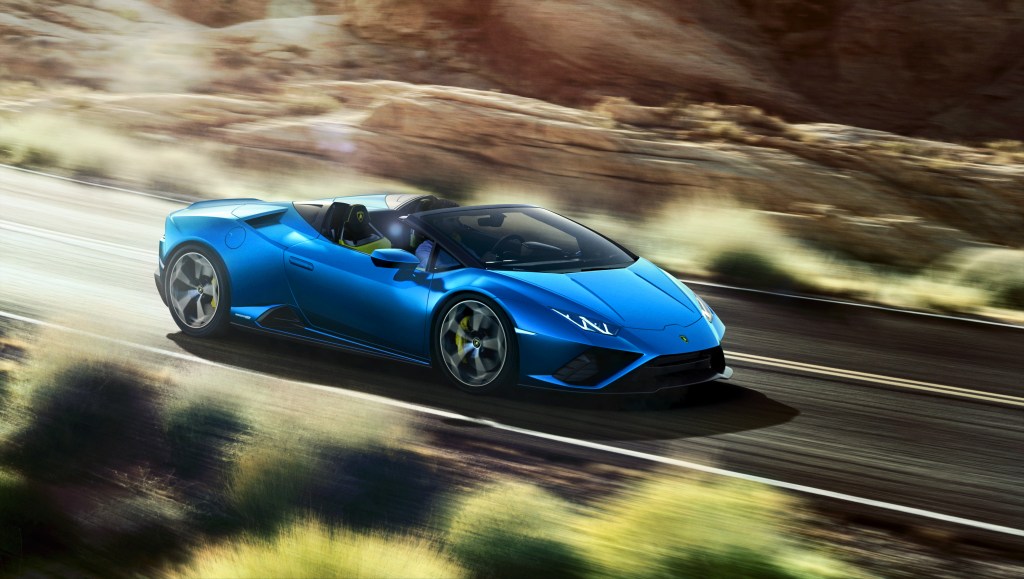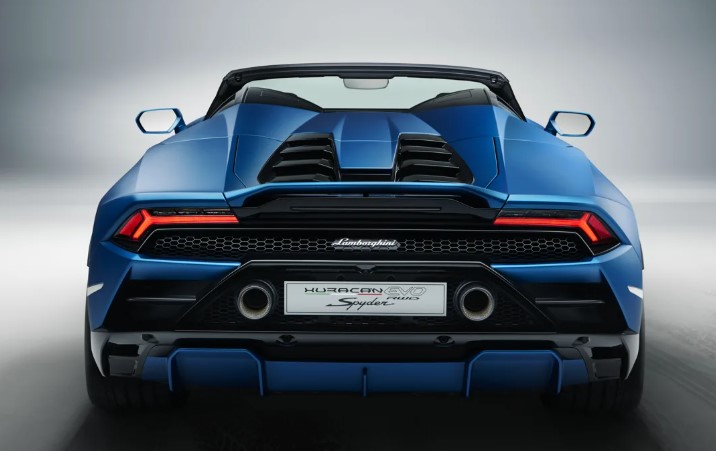
Automobili Lamborghini reveals the new Huracán EVO Rear-Wheel Drive Spyder virtually, using for the first time Augmented Reality (AR) on its official website lamborghini.com.
The new V10 model provides drivers with an open-air celebration of lightweight engineering, with rear-wheel drive and a specially tuned Performance Traction Control System (P-TCS). Roof up or down, daily driving and high-performance fun are accompanied by the inimitable sound of the V10 aspirated power plant, delivering the same 610 hp (449 kW) and 560 Nm of torque as the coupé version.
With a 0-100 km/h acceleration of just 3,5 seconds and a top speed of 324 km/h, like its coupé stablemate the Spyder is an instinctive driver’s car, delivering a fun-to-drive experience via hardware rather than software.
The Huracán EVO RWD Spyder’s design optimizes the integration and function of the extremely lightweight soft top. The Spyder is a true Lamborghini with roof open and closed. The Spyder’s exterior lines ensure drag reduction and the downforce matches that of the coupé without requiring additional aerodynamic appendages, while enhancing the rear-wheel drive car’s balance and dynamism with roof both up and down.
Driving modes…
The Huracán EVO Spyder’s ANIMA button on the steering wheel puts the pilot in control of driving modes, with the P-TCS calibrated to suit.
STRADA provides stability and safety in all conditions by minimizing rear-wheel slippage, and more proactively managing torque delivery on low-adhesion surfaces.
In SPORT mode, the driver enjoys drifting fun, allowing the rear wheels to slide and skate during acceleration, with torque limited when oversteer angles increase rapidly so the driver can stabilize and control the car.
CORSA mode optimizes the car’s traction and agility when exiting a corner in high-performance conditions, maximizing dynamics and speed.
Low weight…
The Huracán EVO RWD Spyder’s aluminum and thermoplastic resin body sits on a lightweight hybrid chassis in aluminum and carbon fiber, with a dry weight of 1,509 kg and a weight-to-power ratio of 2.47 kg/hp.
Front/rear weight distribution of 40/60, with double wishbone suspension with overlapped quadrilaterals and passive shock absorbers, providing optimized driver feedback. Ventilated and cross-drilled steel brakes are fitted to 19” Kari rims with specially-developed Pirelli P Zero tires, with optional 20” rims and carbon ceramic brakes.
One of the most legendary qualities of Citroën cars have been – certainly from the legendary “Traction” and the 2CV onwards – their comfort, which went arm in arm with just as unique roadholding qualities.
No small wonder, as one knows that Citroën had been taken over early 1935 by Michelin, and that since that day the genius of engineer and Pierre-Jules Boulanger was the inspiration behind the revolutionary design of Citroëns. Boulanger was the deputy of Pierre Michelin, who became the chairman of Citroën in 1935.
The long wheelbase version of the “Traction” offered superb comfort…
Pierre-Jules Boulanger became vice-president and chief of the engineering and design departments, and had a strong hand in the development of the 2 CV. He put his engineering know how to work with the revolutionary suspension, introducing the revolutionary concept of combining roadholding with a comfortable, very elastic suspension. They also made the world’s first radial tyres…for the 2 CV.
In the late stages of the life of the Traction, Michelin and the team of Pierre Boulanger also reached a helping hand with developing the revolutionary hydropneumatic suspension for the long wheelbase version of the Traction, which then later was adopted for the “Déesse”. Actually, this long wheelbase Traction served as a test bed for the revolutionary DS. Michelin then was at the basis of the development of the whole hydropneumatic system.
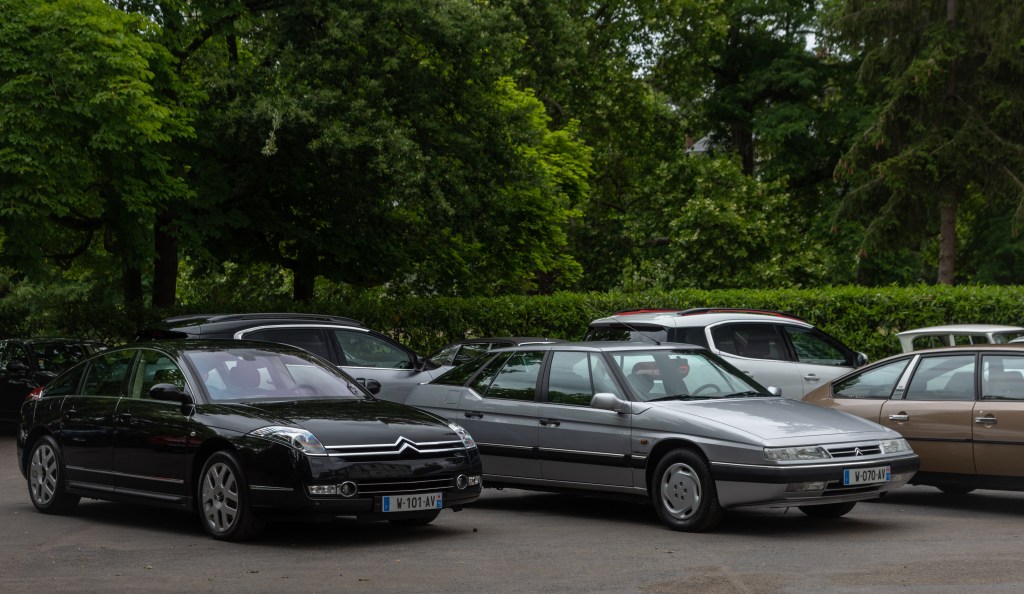
This high-pressure hydraulic system would form the basis of over 9 million Citroëns, spanning from including the DS, SM, GS, CX, BX, XM, Xantia, C5, all through the still so beautiful and iconic C6.
Revolutionary also in developing inboard space…
But of course there are more aspects to just suspension. Citroën has long emphasized the benefits of adaptable seating arrangements and maximum cabin space and storage.
In 1923, the B2Type offered buyers the choice of more seats or greater luggage capacity, with an early attempt at modular cabin design. The C3Type ‘Torpédo’ was a two-seater, yet offered a folding third seat behind the driver, creating more luggage capacity or passenger room as required.
In 1924, a new ‘Trefle’ (three-leaf clover) three-seat configuration was introduced, with a fixed third seat mounted in the middle of the cabin behind the two front seats, with cargo areas either side.
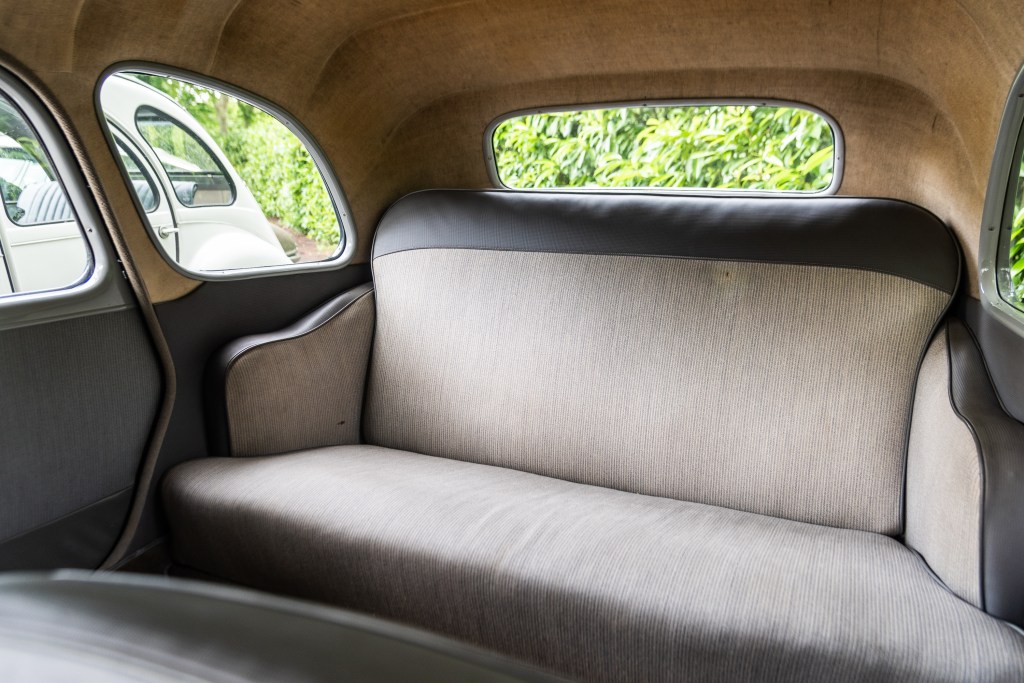
For the 1930s and beyond, the Traction Avant offered various seating layouts. These included a long-wheelbase sevenseat model, and a variant with a wagon-style rear lift-up door – possibly the world’s first production hatchback.
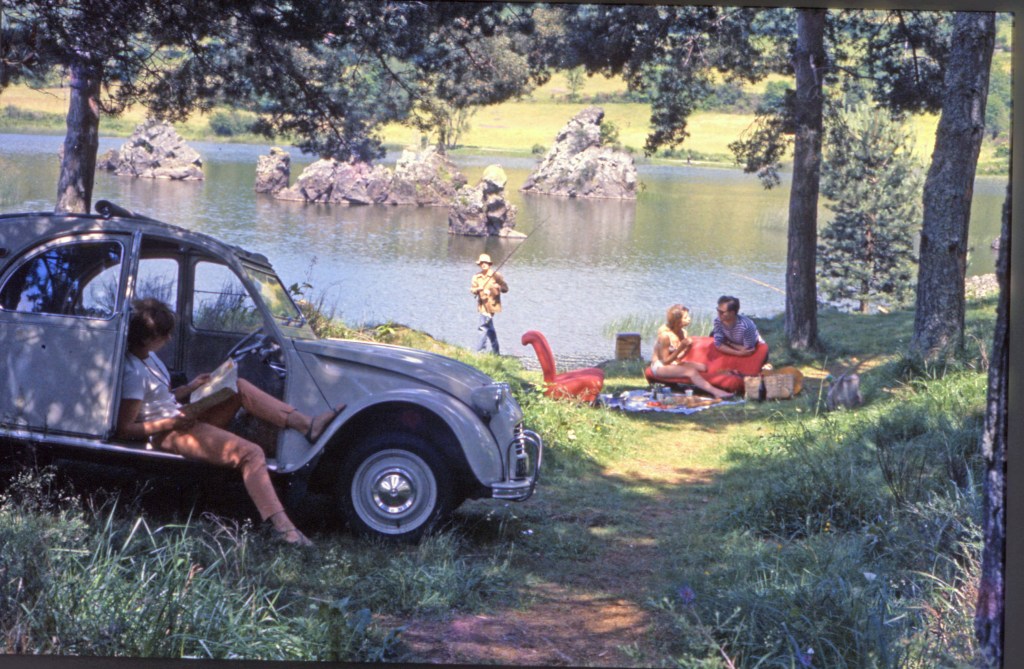
Even the 2CV ahd an adaptable, modular cabin. With removable seats, a convertible roof, wash-down floor, and an extendible cargo area, the 2CV could well be seen as the car that started the trend for functional or technological cabin design – more than half a century ago.
Both the DS and the CX were sold as wagons (or ‘breaks’), offering maximum living comfort with intelligent seating layouts, long before more recent trends for six- or seven-seat cars.
The multi-seat CX Familiale was unique in its market class and it took many years for its competitors to catch up.
Citroën has also produced a series of design concepts as ‘one off’ show cars, with living comfort key to their motor show stand appeal, notably the 1980 Citroën Karin concept. This pyramid-shaped three-seater, built with composite materials, featured new storage ideas, moulded seats, and a stunning control ‘pod’ and steering wheel interface with fingertip controls. Such ideas are now familiar in the company’s production cars.
There is much more to come on Citroëns unique story around creature comfort, so stay tuned on these columns, and enjoy the photos here with us…
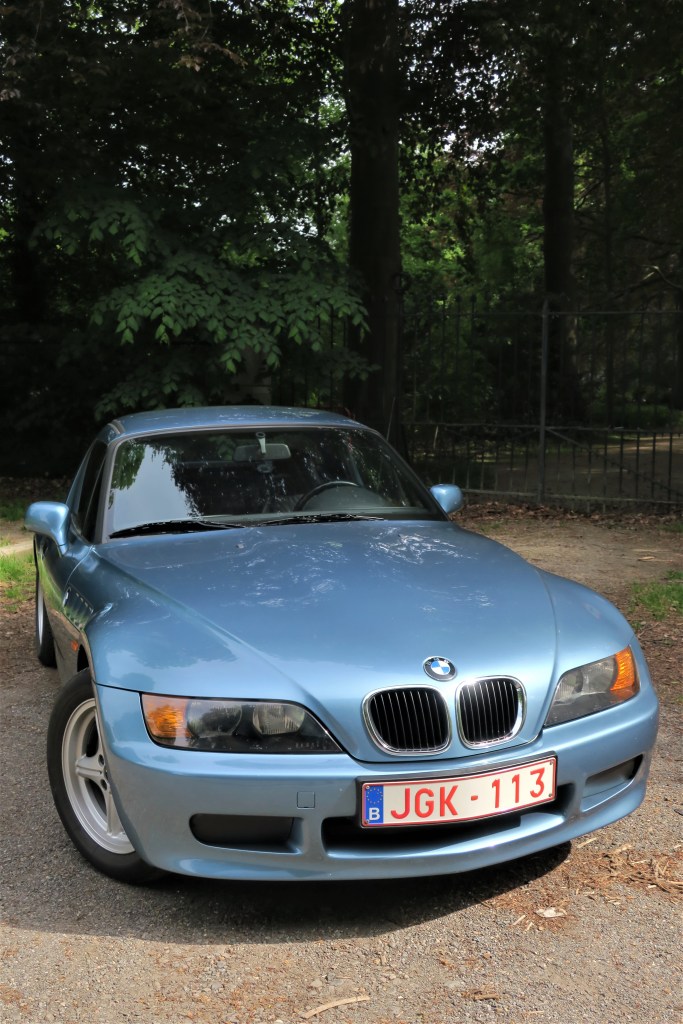
In Corona times, it is a delicious period to pay (loving) attention to our cars. Your servant has tackled even to repair his BMW, something we would never have endeavored in normal times. Our Z3 is in mint condition, its car cover keeps it clean over the months, although the seats in the interior might also benefit from some care and attention. We will come back on this soon. We have the idea here to ask the opinion of Carrosserie Vercruysse, who helped us so beautifully and expertly putting our Lexus CT200h in mint condition.
The other good reason is that the cloth seats of the Lexus are easily soiled as they are light beige, and we need to put some proper maintenance to be done there too, so we will ask them how to tackle this properly.
Cleaning Mercedes seats…
But the delights and pleasures of car detailing came also back to me when I cleaned the white faux leather front seats of my B Class Mercedes. I used lukewarm soapy water, applied it with a soft brush and soaked up gently the excess moisture with sponge and terry cloth.
They are again like new, and I do this regularly every 8 months or so, so the seats are hardly soiled to begin with. The rest of the interior and dashboard get the same gentle clean with a humid terry or microfibre cloth, gently, never scrubbing as the plastic dial covers can be o so easily scratched, as the rest of the dashboard.
Soft brushes are used for vent openings, again never too vigorous as the polished surfaces can also be damaged easily.
When delving into literature about Car cleaning and detailing, we stumbled on an article by Porsche on car detailing.
Really magnificent, as it is car detailer Richard Tipper who explains to get your car looking again as new.
Pores are meticulously cleaned in our B Class Mercedes… here photo taken in daylight…
He has an obsessive approach to cleaning cars, it seems. He has built up a very large clientele of car lovers, from collectors with more than 200 cars to the daily driver who just happens to cherish his mount.
As he also often disassembles interior/exterior elements of a car to make them meticulously clean, he has a keen notion how cars can be designed and built with love and attention to detail. Needless to say that this man is also a Porsche lover, and the proud owner of a Cayman R. He has detailed a Carrera GT more than once, and is impressed with the care Porsche engineers have taken to engineer every little part of this car.
Detailing a car is no small affair. It usually takes Richard a day or two, but when the owner wants also the inner brake linings for example to be cleaned, it involves taking things apart, and then it can take even up to a week. Usually he takes the seats out for example, just to clean everything thoroughly in every nook and cranny of the car floor. But that is a minimum.
You can find him on Instagram under @perfectionvalet, and of course on YouTube.
Wheel cleaning like an expert
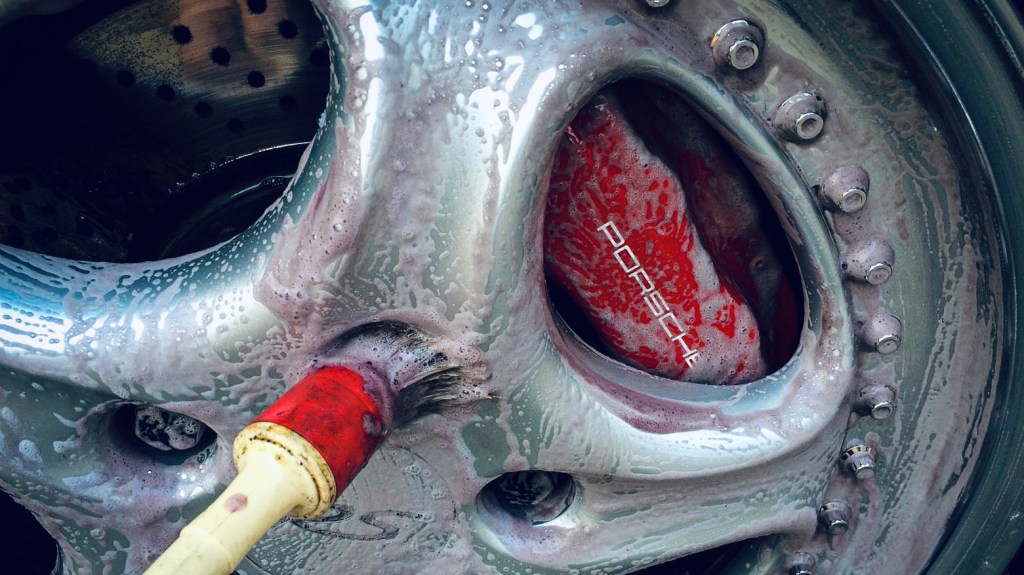
Soft brushes uses for cleaning alloy wheels…
We cite here the tips he gave us about cleaning your very nice alloy wheels.
“It’s best to do the wheels before you wash the rest of the car, as they are often the dirtiest part of the whole vehicle. Use a different bucket for this bit.”
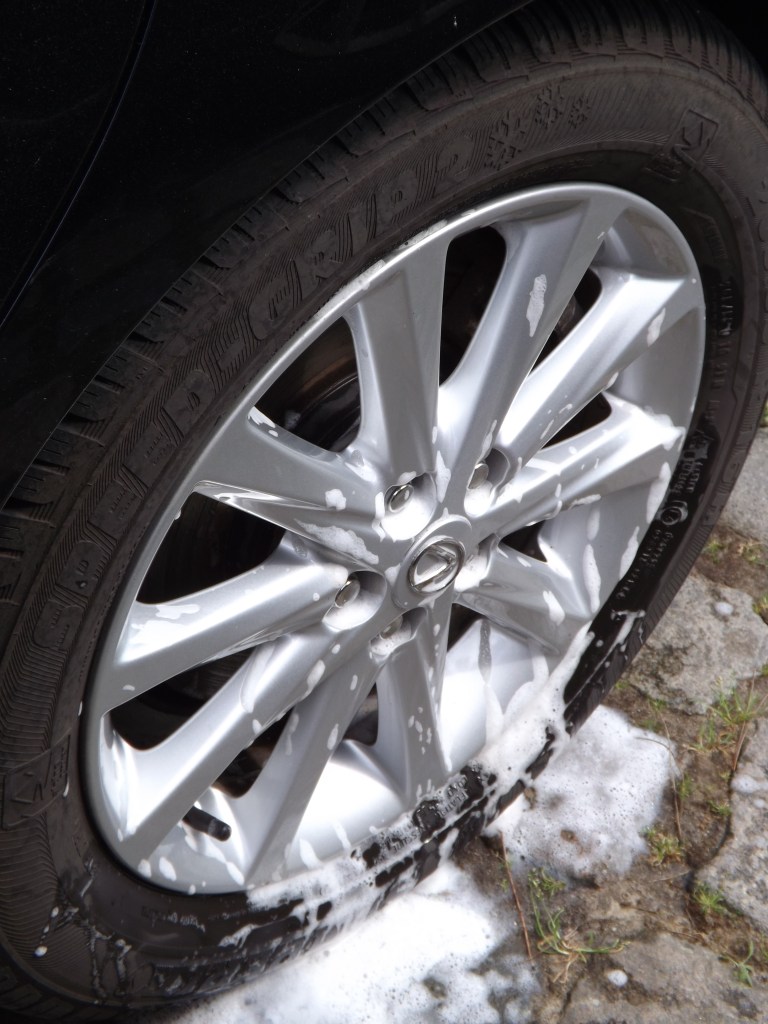
We gave also the alloy wheels of our Lexus a thorough makeover…
He continues:
-Invest in some soft ‘wheel brushes’, which are usually made out of microfibre, not bristles. Choose a set with plastic handles, rather than metal, to help prevent scratching.
-You’ll also need a deioninising decon gel. I never use acidic wheel cleaners, especially on cars with Porsche Carbon Ceramic Brakes (PCCB), as the disc hub is anodized and the acid will damage the surface.
-But the gels work really well (other than stinking like rotten eggs) and have a colour change technology in them so you can tell they’re working. Most will ‘bleed’ purple to show they’re reacting with the iron in the brake dust.
-The best way to clean a wheel is to take it off, but if you can’t do that, spray the decon gel on the cold wheel, trying to avoid getting it on the disc or pads as much as possible.
-Give it a bit of ‘dwelling time’, allowing the product to work its way into the nooks and crannies.
-Next, it’s onto the wheel brushes. These come in various sizes, so use whichever one is best for the area you’re working on. Use them to spread the decon gel around, paying particular attention to the valve and wheel nuts.
-Don’t forget the inside of the wheel to make a really thorough job of it. If you’re lucky enough to own a Carrera GT, you’ll find the caliper sits very near to the back of the wheel so it’s tricky to get a wheel brush in behind the alloy. Rotate the wheel by a quarter of a turn and then you’ll be able to clean that section as well.
-Finally, thoroughly rinse everything off. Please don’t blast the alloys close-up with a pressure washer – just a gentle rinse will do.
-Some people use tire shine as a final flourish, but one warning: avoid it if you leave your car under a cover, as it’ll smear itself all over the inside of the cover.
More to come soon, about a very important bit: how to expertly wash your car…
For the 43rd International Museum Day, the Porsche Museum is throwing open its doors to everyone on 17 May 2020, free of charge.
But that is not all. In line with this year‘s motto “Museums for Equality: Diversity and Inclusion”, digital live tours will be also be available this Sunday on Instagram: just tick in the app “@porsche.museum.”
Porsche has since years expanded its offerings into digital…
“Digital diversity is more important than ever in times like these, where travel is a greater challenge than ever before“, says Achim Stejskal, Head of Heritage and Porsche Museum. “We have been consistently driving forward the expansion of digital offerings over the last years, not only since the Corina crisis. We have committed ourselves to the ’Mission Future Heritage’. We would like to use modern channels to demonstrate the heritage and future of the brand, not just at our site in Zuffenhausen, but beyond the museum as well”.
On International Museum Day, two guides will guide through the exhibition for one hour each in German and English, which currently includes more than 80 cars over 5,600 square metres. They will look at special exhibits and offer an insight into the company history. The digital live tours will include prototypes, small exhibits, racing cars and series production cars. Anyone who is interested can watch the first tour on Instagram which starts in German at 18:30 hrs, or the second one which starts in English at 00:00 hrs (CEST). The times have purposefully been set outside the regular opening times – true to the motto: “The museum for everyone”.
On Sunday, youcan watch everything on Porsche News TV…
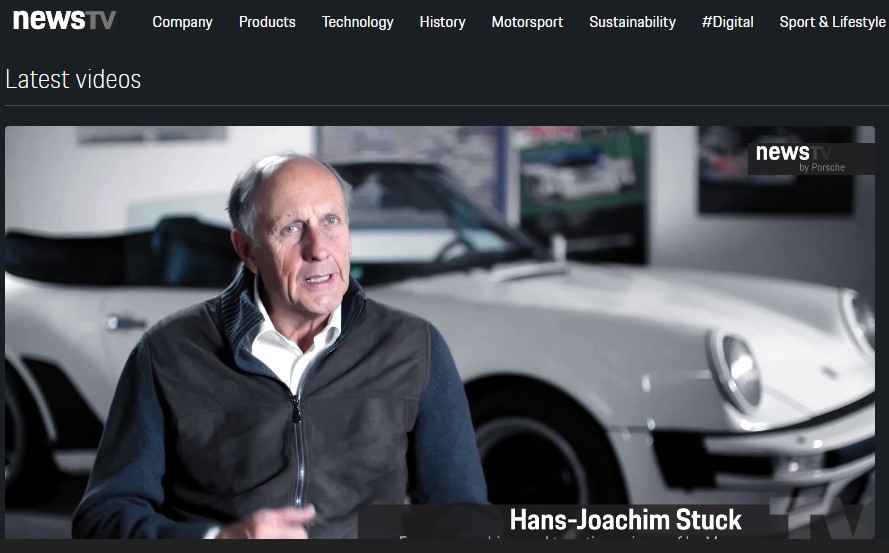
The tours will also be recorded in the following languages and be available on Porsche News TV (https://newstv.porsche.com/en/) from Sunday onwards: Chinese, French, Italian, Japanese, Croatian, Romanian, Spanish, Portuguese and Turkish. “There is a native speaker for each of these languages in the Porsche Museum. We would like to use the videos that have live character to thank our fans around the world and to bring a bit of the Porsche Museum into their homes,” explains Stejskal.
What is the International Museum Day?
The special promotional day is organised annually by the International Council of Museums ICOM to draw attention to the wide range of work museums do and to the thematic diversity of museums around the world. This Sunday, museums throughout Germany will provide special initiatives, exhibits or a glimpse behind the scenes.
Needless to say we will be looking at our Instagram next Friday!
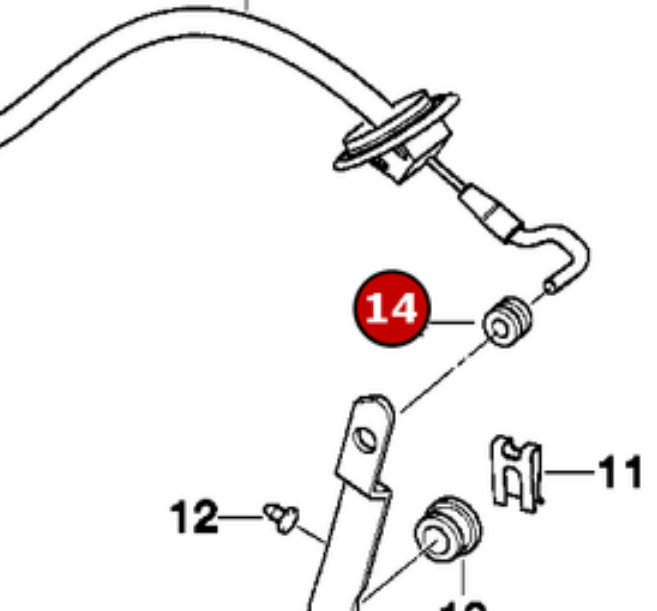
Our BMW is happily running again. When we found out that the rubber backstop which held the hook into the hole of the lever commanded by the throttle pedal was missing, we contacted our local dealer BMW Jorssen to order the part. Of course, in Corona times the dealer was not open to the public at the time, but they were fully prepared to order for us the rubber circular stop.
First Jorssen sent us a mail with an exploded technical drawing to make sure this was the missing part we wanted. It appeared to be part number 35 41 1 152 331 “Rubber tule”, and a few days later it arrived neatly in our mailbox at home.
The service was excellent and punctual. We soon went to our BMW Z3 to install it, which proved to be a breeze. Just push it over the end of the hook. We re-installed the dashboard cover above the pedals, and presto, we were ready for another (test) drive.
But before we started the engine, we took another inspection in the foot-well area and around the throttle pedal whether we wouldn’t find somewhere (a piece) of the old backstop? You would never know! Indeed, after some good and meticulous cleaning around the throttle it appeared: indeed, we found a completely broken half of the original backstop…
So after all, we were completely correct in our diagnosis, and went for a happy, smooth short drive.
Our BMW Z3 is again in top form, but alas, in Corona times, it still has to wait a bit to make these beautiful trips we all dream of now…
We all like the sound of a thoroughbred engine. The characteristic sound of a pur-sang four wheeled beauty. But we also get very nervous about that odd squeaking noise of the passenger seat when its not occupied. Or this annoying rattle somewhere, or the screeching sound of windscreen wipers. So the sound and noises a car makes are so important, determine for us whether we like a car or not.
No small wonder that car manufacturers pay the greatest attention to it. When we received a press message from the Dirk Steyvers, SEAT Press Relations and Content Manager here in Belgium, we took the opportunity to write an article here about it in our columns.
Just read on…
Hans Knol ten Bensel
In Chile’s Atacama Desert, NASA carries out tests as it is comparable to the surface of Mars. In Ushuaia,Argentina, the only sounds you can hear are the flapping of penguins’ wings and the ice sheets cracking. They could be the most silent places on the planet, but not quite. The most quiet are anechoic chambers, a curious and descriptive name for a facility where acoustic conditions close to absolute silence are reproduced.
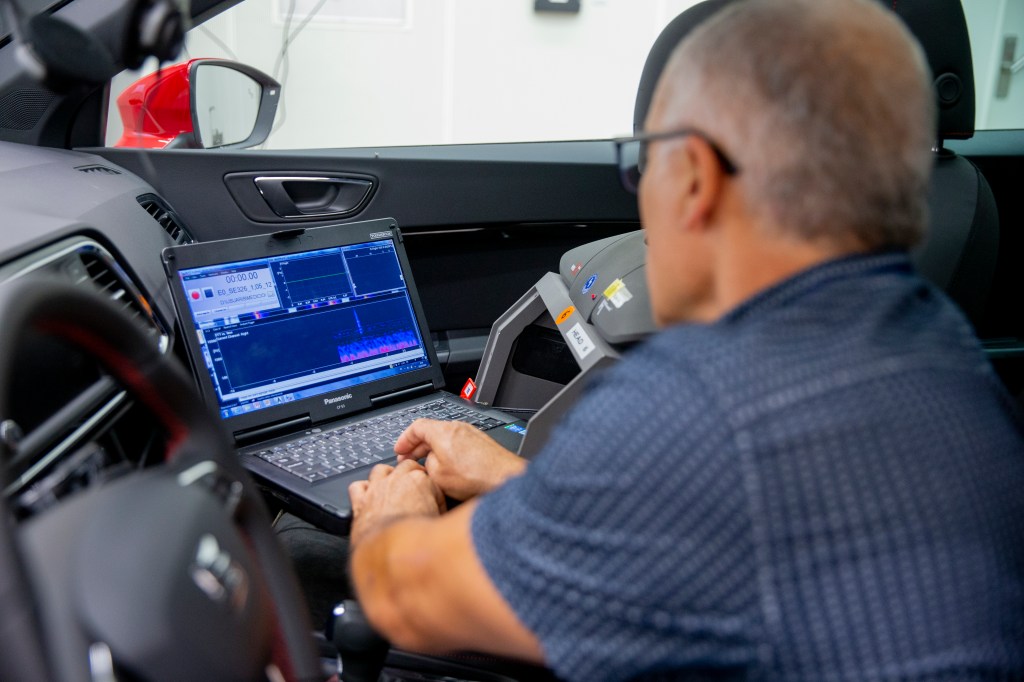
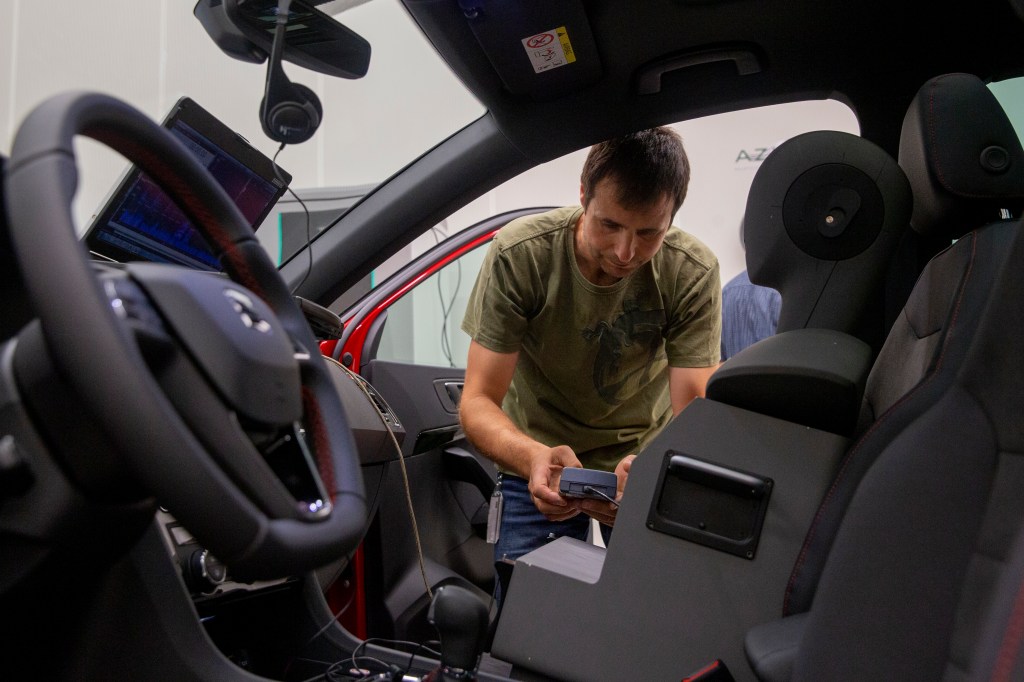
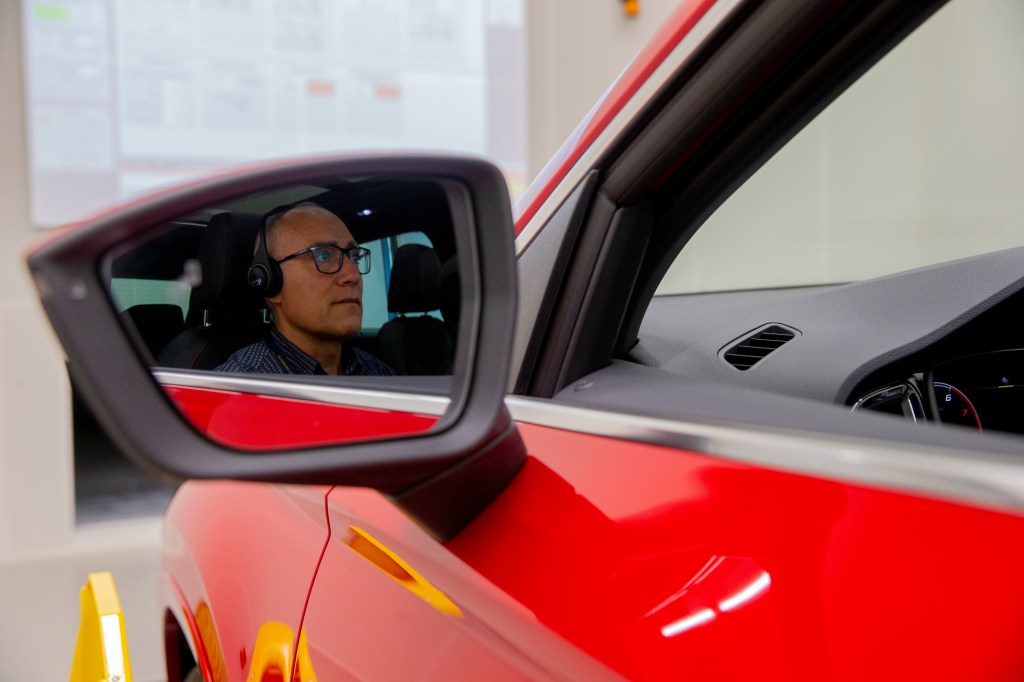
The SEAT Technical Centre in Martorell has one of these chambers, specifically designed to measure the sounds and noises made by a car with the utmost precision and without any interference. This is how it works.
The temple of silence.
It is designed with a system called “Box in box”, and as the name indicates, it features several layers of concrete and steel that isolate it from the exterior. The inside has cladding material that absorbs 95% of sound waves to prevent echoes and reverberations. In some of these temples of silence people can sometimes hear the blood flowing through their veins or the air circulating in their lungs.
One car, more than one thousand sounds. From the engine or the turning wheels to the door closing, the ventilation system and when a seat reclines. The list of noises made by a car is endless, and they are all analyzed in the chamber. “On one hand, we measure the level of unpleasantness of the noises and check that they are reduced to a minimum; and on the other, we make sure that the noises we do want to hear, the ones that refer to the operation of the vehicle, are perfectly defined. Finally, we work on making them harmonious”, explains Ignacio Zabala, Head of the Acoustics department at SEAT.
The voice of a car
Engineers and technicians pay close attention to the engine and the exhaust system, as they give a car its voice. Many of the sounds made by a car convey information, such as the unmistakable clicking of the turn signal indicators, which let us know without checking that they are blinking. But not only do the engine and exhaust noises inform us of when to shift gears or the speed of acceleration, they also give an insight into the character of a model. “We all know what the roar of a sporty engine sounds like, and that’s why we verify that it conveys what we want it to in the an-echoic chamber” says Ignacio.
What does the cold sound like? Inside the room, specialists perform recordings with different highly sensitive microphones. One is bin-aural and features a torso with ear-level microphones to obtain representative recordings of what occupants hear. They place it in different positions to verify that each sound analyzed is heard as it should be from any angle. But they also recreate different conditions, such as temperature, because as Ignacio points out, “a windscreen wiper does not sound the same when it’s hot outside as when the temperature is below zero; the engine when it has just been turned on as when it has been running; or the wheels on different surfaces.”
Hertz, decibels and psycho-acoustics. Engineers and technicians in SEAT’s Acoustics department have several analysis tools at their disposal. The most basic include volume or spectral distribution, to other more technical parameters such as the field of psycho-acoustics, or the subjective perception of sound. “For example, a slight tinkling might make us more nervous and be more unpleasant than a strident sound”, says Ignacio. One of the most important measurements of psycho-acoustics is articulation, which measures the ability of two people maintaining a conversation in a specific setting.
An orchestra on wheels. “It’s no use having a car that is fully insulated from the exterior if the ventilation system sounds too loud. That’s why it’s important to reduce noise and define sounds to achieve a harmonious balance among them” explains Ignacio. He goes on to say that the goal is that the vehicle occupants feel as comfortable as possible, because acoustics “have a direct impact on comfort and are determining factors in the perception of vehicle quality.”
A ranking of silence
1.Anechoic chamber. The Guinness record has been held by the one owned by Microsoft in Washington since 2015, where sound measures -20.16 decibels. The sound made by air molecules bumping off each other measures -24 decibels.
2.Atacama Desert, Chile. The most arid non-polar desert on Earth.
3.Ushuaia, Argentina. The southernmost city in the world.
4.Anza-Borrego Desert State Park, USA. A rocky ecosystem that produces stony silence.
5.The Troll’s Road, Norway. The world’s most sinuous road also stands out for leading to an absolutely quiet place.
Interesting all this, isn’t it? We hope you liked this, we certainly did…
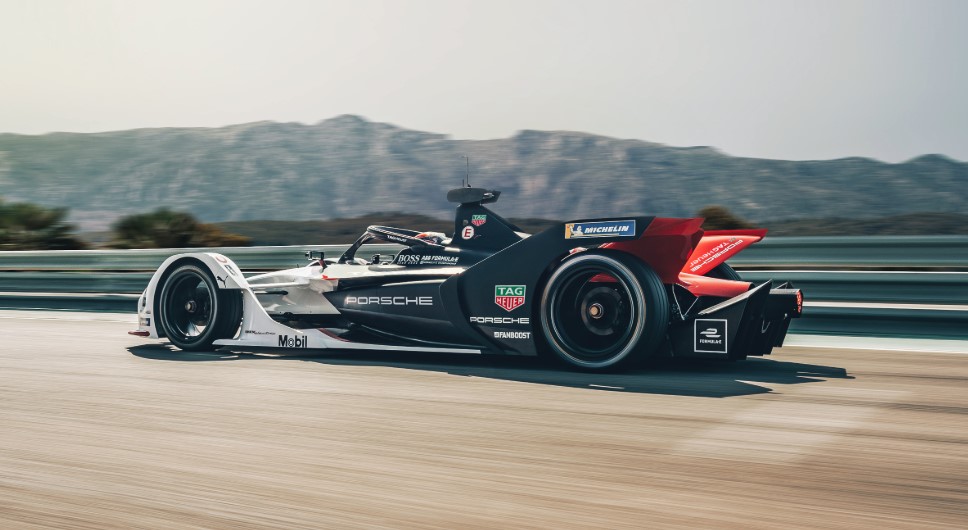
In episode seven of a very interesting series of “Inside E” podcasts, Michael Steiner speaks about changes in the automotive industry, the future of the sports car manufacturer, and technical innovations ranging from motor racing to production development. Michael Steiner is a member of the Executive Board, Research and Development, and is responsible for series production and Porsche Motorsport’s racing projects.
Definitely a podcast to listen to. It is about seeing new opportunities for Porsche in this rapid changing global mobility, where this brand has always embraced technical progress with its core values of quality and sporting agility. The keen interest in electrified mobility dates back now more than a century with Porsche, and the brand remains at the forefront of E-developments. “We see the transformation in the automotive industry as an opportunity. Together with our employees, we are constantly driving this shift, with the clear goal being to link the traditional values of Porsche with the technology of tomorrow,” said Steiner. The first step into the electric future was taken back in 2015, with the “Mission E” project. The manufacturer then definitively heralded a new era with the launch of its first fully-electric sports car, the Porsche Taycan, in September 2019.
Of course Porsche is aware that the future of electric mobility is coupled with sufficient range and the presence of a dense high powered rapid charge infrastructure/network, and is working together with other important manufacturers to build this up.
“With electric cars, it not only comes down to the range of the cars, but also primarily the existing charging infrastructure,” Steiner explained. “For this reason, we are investing in E-mobility, both in our development and in an extensive rapid charging network.”
Motorsport remains important…
Motorsport has always been the driving force behind series production at Porsche – and that remains the case in Formula E. “The experience gained in the LMP1 project had a significant influence on the development of the Porsche Taycan. We expect similar synergies from the Formula E project, as well as inspiration for future sports cars,” said Steiner.
The whole series of these very interesting “Inside E” podcasts is available in English on several platforms, including Apple Podcasts, Spotify and Google Podcasts.
Noblesse Oblige: a Rolls Royce is the car for shopping at Worth Avenue in Palm Beach…
Before Corona hit our shores, we went in February to Florida to soak up the early sun. Undoubtedly this proved to be a wise choice, as at the moment of writing, we are still not allowed to travel. We visited Miami and made a drive to Key West, in a rented Nissan Altima. A very comfortable mount with a well pulling and smooth 2,5 litre 188 HP four cylinder petrol engine coupled to a soave CVT transmission. This CVT performed well, raising the revs gradually following the push of your right foot, and restraining fussy revving even when you accelerate full throttle. Once above 4,000 rpm, it will make crisp upshifts.
With lots of support from the power steering the Altima is very easy to steer, stable and comfortable, and offers lots of room for its occupants. An ideal, and stylish travelling machine, which left little to be desired.
On Florida roads, the usual pickups abound, but there is a lot of room left for supercars and European (noble) brands. Indeed, Florida is the realm of the well to do, and also one of the states with a 56,14 % majority of foreign brands in its total car market. It counted in 2018 some 7,6 million registered vehicles. California is actually the top car state with not less than 14,6 million registered vehicles, and a foreign car market share of 64,9 %.
Go in the posh shopping and hotel areas of Miami beach, and you will see it is the home of Lamborghini’s, Maserati’s, Mercedes, BMW, Porsche, Range Rover, Bentley, Rolls Royce. Many buyers of the noble European brands opt for SUV’s as well as cabrio’s and coupés.
On the road, big SUV’s and pickups from American and Japanese brands abound, with the open Mustangs being frequently seen too, as well as Chevy Camaro’s.
Every now and then an American built classic meets you, as a fifties or sixties open Ford or Thunderbird. Indeed, Cuba is not far away…
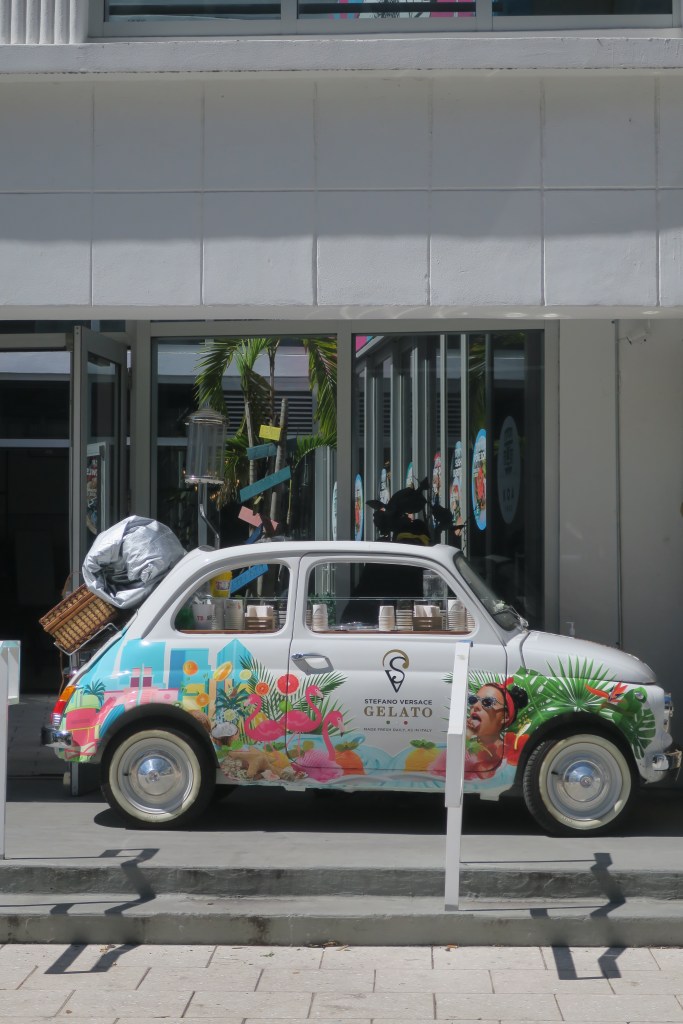
Of course, there are the Cinquecento’s. We saw a new one on Miami Beach, and a vintage or “classic” Cinquecento used by a Sicilian Ice cream vendor…
Also a two decades old SUV was totally sculpted in sand, if there ever was a beach car, this is the one…
We just let you enjoy the photos here, and dream with us of these sunny shores and their nice cars…
Large-scale electric-drive test on the island of Rügen in 1992: Mercedes-Benz contributed ten 190 cars and ten MB 100 D vans.
Electric vehicles have progressed with leaps and bounds over the last few years. Developments in battery technology have helped massively to make E-vehicles now a practical proposition. But this doesn’t mean that our European car manufacturers didn’t focus on it since decades…
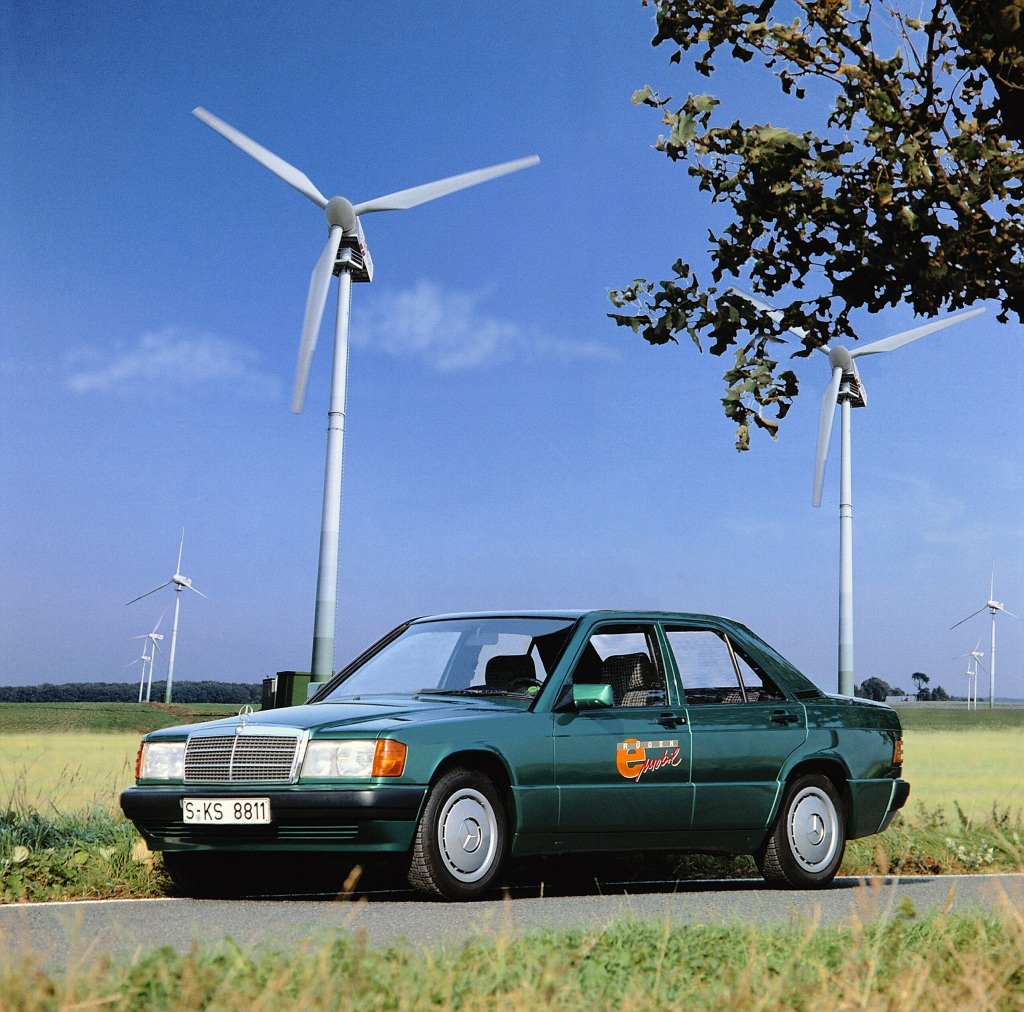
Mercedes is of course no exception. They had a fully fledged, 100 % electrified 190 sedan running around on the German Baltic Coast island of Rüge. Recharged with sustainable wind power. Fully practical. One of the fleet of 10 cars even functioned as a taxi and clocked not less than 100.000 kilometers in one short year. All this almost 3 decades ago…
Just read on!
Hans Knol ten Bensel
Mercedes-Benz 190 model, experimental vehicle (W 201) with electric drive, 1991.
One such story is set in 1990: in May of that year, Mercedes-Benz exhibited a model 190 (W 201) converted to electric drive in the innovation market section at the Hanover Fair.
A (literally) very hot car…
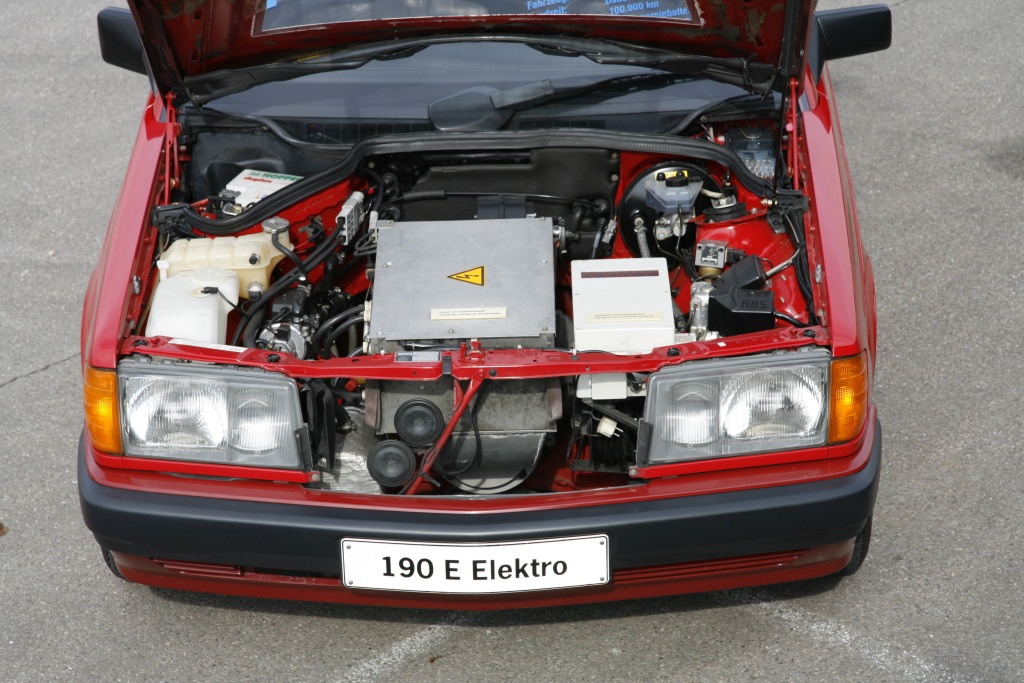
The electric 190s were used to test different drive configurations and battery systems. The energy storage devices tested were mainly sodium-nickel chloride or sodium-sulphur high-energy batteries which had a significantly higher energy density than classic lead batteries.
However, the working temperature of both systems was around 300 degrees Celsius. The group expressing the greatest interest at this industrial fair were representatives of the trades.
Further development went fast…
There was a considerable shift in this just under a year later, when, in March 1991, Mercedes-Benz displayed a more advanced vehicle on the Geneva Motor Show.
Each of the rear wheels of the vehicle presented in Geneva was powered by its own DC motor energized by permanent magnets with a peak power of 16 kW (22 hp) each, so the total power output was 32 kW (44 hp).
Energy was supplied by a sodium-nickel chloride battery, and regenerative braking returned energy to the power pack during braking actions.
A particular advantage of the concept was the elimination of weight-intensive mechanical components, so the additional weight compared to a series-production vehicle with a combustion engine was only 200 kilograms.
The issue of electric cars experienced an upswing at that time as a result of the laws passed in California, for example, to introduce zero emission vehicles.
This led the German government to fund a project to the tune of 60 M DM (now some 30 M Euros), and this led to several manufacturers, including Mercedes-Benz, to participate in a large scale field trial was conducted on the island of Rügen in 1992 and continued through to 1996.
The aim of the exercise was to test electric vehicles and energy systems including their batteries in everyday practice. A total of 60 passenger cars and vans of several brands were involved.
Among other things, Mercedes-Benz sent ten W 201 model series saloon cars, which had previously been fitted by hand with drive components in various electric motor-and-battery combinations in Sindelfingen, to Rügen. Special recharging stations using solar collectors were available during the field test with a view to testing the environmental concept in a consistent manner because only electricity from renewable sources can be considered completely CO2 neutral.
100,000 kilometres in one year with an electric test vehicle
The pioneering 190s were driven by test participants on the island of Rügen: these various individuals, including taxi drivers, used them in normal everyday life. There were hardly any problems – the W 201 cars went about their work completely inconspicuously and reliably. One of the vehicles was used particularly intensively and achieved a peak usage rate of around 100,000 kilometres in one year.
Why did it take so long to adopt E-power for the masses?
The obvious question is why we waited so long to put E-powered cars into practice in larger numbers?
Mercedes-Benz 190 (W 201) test vehicle with an electric drive unit during the large-scale test series on the island of Rügen, 1992 to 1996.
The problems then – and now – were: battery service life, range, recycling, charging infrastructure and vehicle price. Many of the answers to these questions have only become available today, as can be seen by the range of hybrid vehicles offered by Mercedes-Benz and, of course, the EQ electric brand. Projects like the 190 with the electric drive have helped to provide these answers…and it is very interesting to look into them here once again!
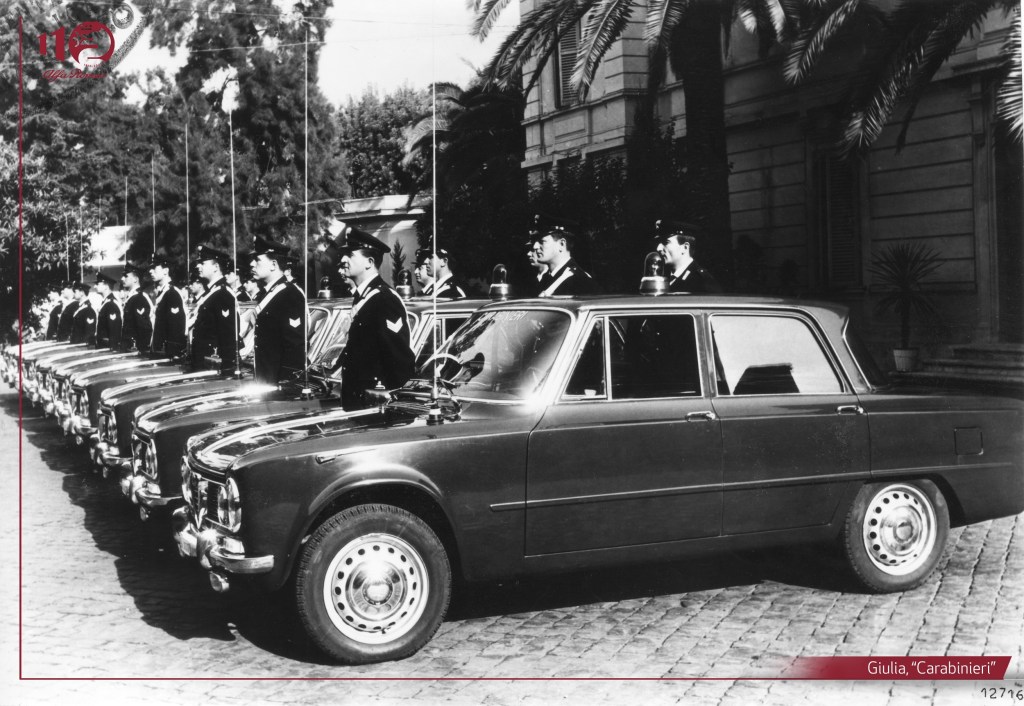
The Alfa GTA was always an iconic thoroughbred for car lovers. We all remember them on the race circuits in the seventies, racing for well deserved victories. In 2020 we are commemorating 110 years of the brand, and the best way to celebrate this is to go back to its origins and resurrect one of the legends of motorsport: the Giulia GTA. Now the Alfa Centro Stile adds a further unique touch…by developing dedicated liveries for the Giulia GTA. Just read on!
Hans Knol ten Bensel
GTA tradition of power and lightness reborn…
From a technical point of view and in terms of concept, the new Giulia GTA is inspired by the Giulia GTA of 1965: the “Gran Turismo Allegerita” developed by Autodelta based on the Giulia Sprint GT that racked up sporting successes worldwide.
The new GTA is based on the Giulia Quadrifoglio and is fitted with a more powerful version of the Alfa Romeo 2.9 V6 Bi-Turbo engine with 540 hp. With its extensive use of ultra-light materials, it is 100 kg lighter than the Giulia Quadrifoglio, achieving a best-in-class weight/power ratio of 2.82 kg/hp.
The 500 Giulia GTA and GTAm, tailor-made
For the 500 lucky owners of the Giulia GTA and GTAm, Alfa Romeo wanted to offer a “project within the project”, making the Giulia GTA not simply a car to buy but an experience to be had.
What could be better than getting into an Alfa Romeo Giulia GTA? Only one thing: to get into the GTA of your dreams, built around you, able to meet to every aesthetic need. That’s why Alfa Romeo has developed a series of ad hoc modifications and customizations to the exterior and interior of the car, offering a unique and authentically tailored experience.
History and creativity available to the customer
The Centro Stile Alfa Romeo’s creative and technical commitment in designing the car included wide-ranging research of the liveries that have been associated with the GTA’s historic pathway and long list of victories. These liveries have been analyzed and appropriately reinterpreted. The front, characterized by the historic white “mask”, is undoubtedly the first element of distinction that, combined with the lateral stripes, immediately brings the heart and mind to racing. The hood incorporates iconographic elements of the Alfa Romeo logo such as the cross, the Biscione and the Italian flag.
Some of the most representative and evocative liveries include those in ocher and white and in red and yellow.
The ocher recalls the 1750 GTAm and the 2000 GTAm, in which Toine Hezemans won the European Touring Car Championship in 1970 and 1971 respectively. Its symbolic features included the Biscione on the bonnet, along with lines on its sides, both specific to the GTA 1300 Junior. The longitudinal stripes, meanwhile, were the aesthetic quirks of individual drivers.
As for the red and yellow livery on the other hand, the choice of painted fronts arose from the need to distinguish the drivers in the same race from each other. While developing the liveries, the Centro Stile Alfa Romeo coherently and creatively drew on the Brand’s diverse history. For example, the painted front of the 1965-1968 Sprint GTA was not symmetrical, although it was in the GTA 1300 Junior. A yellow front end marked out the car that won the 1971 and 1972 European Touring Car Championships, while in certain races in 1971, Gianluigi Picchi drove cars with their lower front end painted yellow. These were all links with the GTA’s most prestigious victories.
Individual customers may request one of these liveries for their car, with an additional option of selecting the side number and a Goodwool car cover in the same livery.
In addition to the Centro Stile’s liveries (limited availability), the Giulia GTA and GTAm will come in GTA Red, Trophy White and Montreal Green, a range of colors that pay tribute to the Italian flag. Another layer of customization lies in the selection of a color for the brake calipers, and in the interior, roll bar, seat belts and stitching.
Starting today, a dedicated online configurator allows the customer to view the various possible combinations on Giulia GTA and GTAm, available at https://gta.alfaromeo.com.
GTA buyers get a unique experience package…
The same exclusivity found in the Giulia GTA and Giulia GTAm will also be found in the dedicated customer experience, designed to treat the 500 lucky owners to a unique interaction, 100% Alfa Romeo.
For those who booked one, there will be a dedicated sales process, with a Brand ambassador product specialist following up each customer from order to delivery.
The purchase also includes a personalized experience package, with a Bell helmet in special GTA livery, a tailor-made Goodwool car cover to keep their GTA or GTAm safe in the garage, and a specific driving course devised by the Alfa Romeo Driving Academy. The GTAm will also ship with full Alpinestars racing apparel (suit, gloves and shoes), available on request with the GTA.
But there’s more! Customers may also request delivery of their GTA or GTAm to one of the Brand’s most iconic locations, the Autodelta workshop in Balocco. Uniqueness and exclusivity are determining factors for every Alfa Romeo fan and for every collector.
Giulia GTA and Giulia GTAm are priced starting from €143,000 and €147,000 pretax respectively throughout Europe.