We all take it into our hands: the history of the steering wheel…

The dynamic PR people of the Mercedes-Benz Museum have recently launched a so-called “33 Extras” exhibit series. These “33 Extras” bring the history of personal mobility and motoring culture to life highlighting details and aspects that are often surprising. Here they focus on the steering wheel, and we found their story interesting enough to present it here to you…

Hans Knol ten Bensel

The world´s first car race from Paris to Rouen, 22 July 1894. Alfred Vacheron´s vehicle with petrol engine. Vacheron was awarded joint 4th place in the contest.

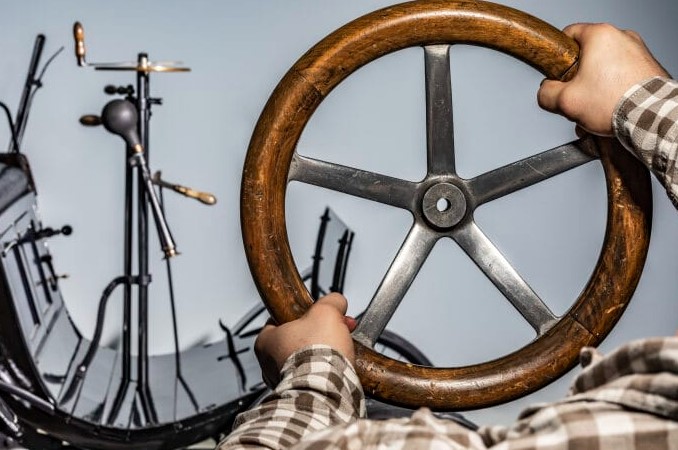
It all started in in 1894: the steering wheel made its debut in the first motorsport competition in history – the race from Paris to Rouen. French engineer Alfred Vacheron equipped his Panhard & Levassor vehicle, powered by a Daimler engine, with a … genuine steering wheel. Compared to the control levers that had been used up to that point, the steering wheel allowed him to steer more accurately – and therefore also to increase his speed. His steering wheel consisted of a circular grip ring connected to the steering column by spokes – a basic principle which is still valid to this day.

Mercedes-Simplex in the Mercedes-Benz Classic Insight Nice-–La Turbie in 2017. The steering wheel was equipped with additional levers for adjusting various engine functions.

The end of the handlebar…

Before the steering wheel became the norm at the turn of the century, there were many solutions, including some that resembled bicycle handlebars. In his three-wheeled Patent Motor Car of 1886, Carl Benz used a rotary crank that transmitted the driver’s steering action to the steering column. Gottlieb Daimler equipped his four-wheeled motor carriage from 1886 with a cross-shaped handle.

In the end, the steering wheel prevailed quite simply because it could be operated intuitively. Along with the pedals and seat, it is the most important interface between the driver and the car. Key advantage: It was possible to determine the exact driving direction much more accurately than with levers because the wheel principle allowed the steering lock to be translated through the gearing into several revolutions.

Additional functions already 120 years ago…

Sectional view of a steering wheel with airbag from 1992. The folded airbag (white) can be seen above the propellant charge.

On the Mercedes-Simplex models, from 1902 on, the steering wheel was equipped with levers that were used to adjust important engine functions ─ in particular, ignition timing and mixture formation. In the 1920s, a steering wheel ring for operating the horn was added – an early implementation of Car-2-X communication, so to speak.

…and now

Today’s steering wheels are used to operate numerous systems, such as the on-board computer, voice control, telecommunications and multimedia. In addition, there are a number of stalks arranged in the immediate vicinity. In the summer of 2020, Mercedes-Benz will be presenting the next generation of the steering wheel as a command centre – the capacitive steering wheel with digital control zones.

Touch, “feel” and emotion…

There are considerable technical demands placed on the steering wheel – and the tactile experience. If the steering wheel is not perceived as pleasant to touch, this can have an effect on the way the vehicle is driven. In addition to the materials, the design also plays an important role.

Steering wheel and instrument cluster from the Mercedes-Benz S-Class, model series 221. Photo from 2005.

Steering wheel ergonomics also includes its position in the vehicle. The Daimler Phoenix racing car from 1900 and the innovative Mercedes 35 hp from 1901 had already proved this point: Their steering columns were inclined much more than before. This made it possible to steer the cars much more effectively and more dynamically. This contributed both to driving safety and also to the overwhelming sporting success of the Mercedes 35 hp in Nice Week in 1901.

Steering wheel from a Formula One Mercedes-AMG Petronas Motorsport racing car. Photograph from 2018.

Size did matter…

The first steering wheels provided a fair guide as to how big and heavy a vehicle was. Trucks and  buses initially needed enormous steering wheels. It was not until the advent of power steering that it became possible to make steering wheels smaller in large vehicles. Power steering was first fitted on the Mercedes-Benz 300 saloon car, in 1958. From the 1960s onwards, Mercedes-Benz commercial vehicles were also equipped to an increasing extent with power-assisted steering.

Passive safety started in 1959

As part of the safety concept implemented in 1959 in the W 111 model series, the “tail fin” or “Heckflosse” saloon was the first to feature a steering wheel with a large, padded impact cushion, which reduced the risk of injury. In 1967, Mercedes-Benz introduced safety steering with a telescopic steering column and impact absorber as standard equipment for all vehicles. Then, in 1981, the driver’s airbag fitted in the steering wheel was introduced. This world-first innovation in production cars was introduced by Mercedes-Benz in the S-Class model series 126.

Im Forschungsfahrzeug Mercedes-Benz F 200 Imagination wird 1996 die Fahrzeugsteuerung über Sidesticks erprobt. The Mercedes-Benz F 200 Imagination concept vehicle from 1996 tested the use of side-mounted joysticks for steering.

Cars without a steering wheel?

Mercedes-Benz has toyed with this scenario at least in test and research vehicles. The F 200 Imagination concept vehicle presented in 1996 was controlled with the aid of side-mounted joysticks. The innovative system worked perfectly. However, the steering wheel remains the preferred option, which applies just as much to production cars as to modern racing cars with their highly complex control systems. Perhaps tomorrow’s autonomous cars will be able to do without a steering wheel completely. Until then, however, the new Mercedes-Benz capacitive steering wheel supports autonomous driving functions more comprehensively than ever before. A brief history of the steering wheel is also given in a press release from Mercedes-Benz Cars.

Hans Knol ten Bensel

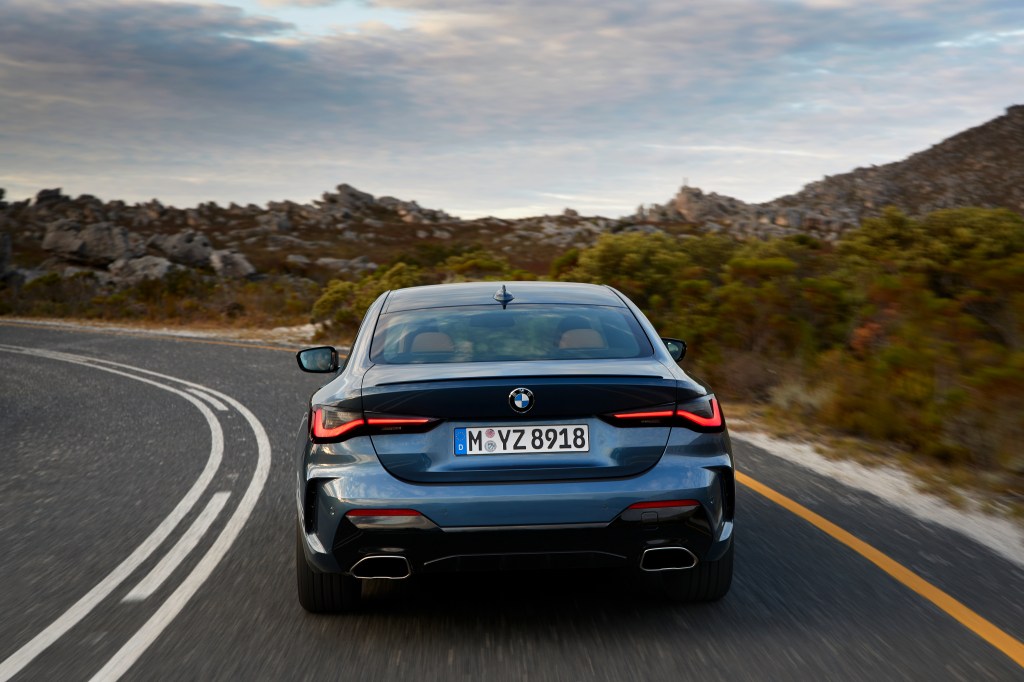
The new BMW 4 series coupé: more style and character than ever…

A beauty…

BMW have again set the example: their new 4 series coupé is setting the benchmark again in style and sportiness. The front end is dramatic, also the roof line has the proportions and lines of a thoroughbred. The prominent, vertical BMW kidney grille follows the tradition of legendary BMW coupés and reflects the engine’s high cooling air requirement. Stretched side window graphic, powerfully sculpted shoulders and flowing roofline exude athleticism and sporting elegance.

There are standard LED headlights with extremely slim contours. Adaptive LED Headlights with BMW Laserlight are available as an option. Stylishly darkened LED rear lights with eye-catching L-shaped light bars.

Improved cabin

The interior is also further improved, in instrumentation as well as seating. New interior design centred on sporty driving experience. Driver-focused cockpit design, new display grouping with up to 10.25-inch Control Display and optional, fully digital 12.3-inch instrument cluster. Control panel with high-quality design on the centre console, new sports leather steering wheel and newly developed sports seats as standard, knee pads on the centre console optional. Two seats in the rear with defined individual-seat character.

Legendary handling further optimized

As a true BMW befits, the impeccable handling is the result of careful engineering and testing.

Bespoke package of bracing elements increases body rigidity. The centre of gravity is 21 millimetres lower, rear-axle track 23 millimetres wider than on the latest BMW 3 Series Sedan. Other chaarcteristics: weight-minimised body and chassis construction. Finely balanced 50 : 50 weight distribution. Targeted optimization of aerodynamics and reduction in lift at the rear axle.

Lift-related dampers with bespoke tuning are fitted as standard. Optional M Sport suspension with even firmer set-up for dampers, mounts and anti-roll bars, plus additional body struts and variable sport steering. Also available as options: Adaptive M suspension with electronically controlled dampers, M Sport brakes with a choice of blue or red brake calipers, M Sport differential with fully variable locking function in the rear differential.

Sales begin with five model variants; the BMW M440i xDrive Coupé (fuel consumption combined 7.1 – 6.8 l/100 km [39.8 – 41.5 mpg imp]; CO2 emissions combined: 163 – 155 g/km) makes its debut at the top of the range. The sporting flagship is powered by a 275 kW/374 hp six-cylinder in-line petrol engine. Range also includes two four-cylinder petrol engines and a four-cylinder diesel unit. Two six-cylinder in-line diesel engines will join the line-up in March 2021.

Mild hybrid technology for the six-cylinder in-line-petrol engine and all diesel engines is also provided. 48V starter-generator boosts the combustion engine with an extra 8 kW/11 hp. All diesel engines now have two-stage turbocharging.

All model variants come now with standard eight-speed Steptronic transmission. Optional eight-speed Steptronic Sport transmission with new Sprint function for instantaneous and dynamic acceleration manoeuvres, for the enthusiasts. BMW xDrive intelligent all-wheel drive is available for two model variants from launch and four variants from March 2021.

We cannot wait to collect some driving experiences with this beautiful four wheeled gem, which proudly bears the BMW logo… Just be patient, and stay tuned!

Hans Knol ten Bensel

Fiat launches on social media a stunning “one shot” film about three unique 500’s …

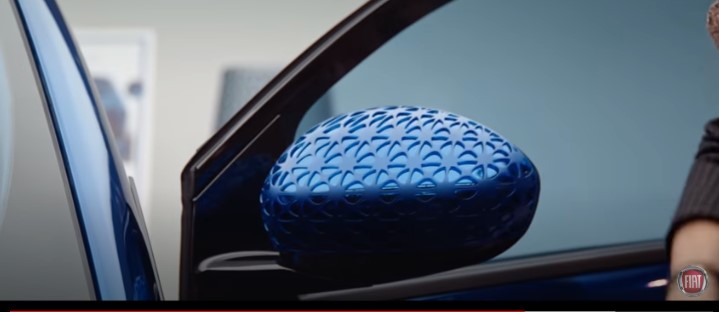
Outstanding design is one of the hallmarks of Fiat cars, with the superbly iconic 500 or “Cinquecento” of course taking centre stage. Indeed, this is further shown by a remarkable docufilm “One-Shot”.

The trailer of this film is now on air, looking “behind the scenes” of the creation of the One-Offs, three exclusive interpretations of the New Fiat 500, by Armani, Bvlgari and Kartell.

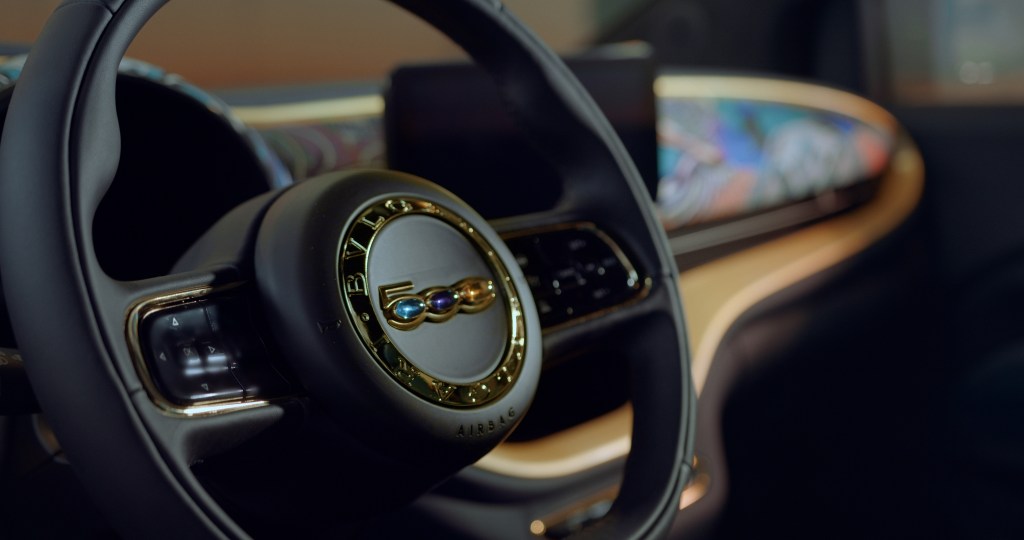
The Bulgari logo on the 500…

The full film can be viewed on Fiat’s social media channels, first of all on YouTube. The link is https://www.youtube.com/watch?v=PGGd7EcnmNI&feature=youtu.be. But you can also see it on FCA’s Facebook and Instagram pages.

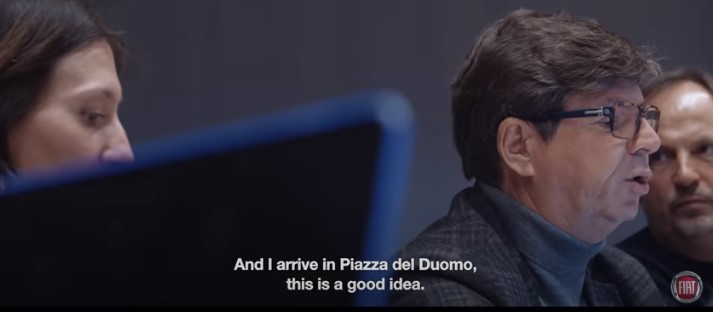
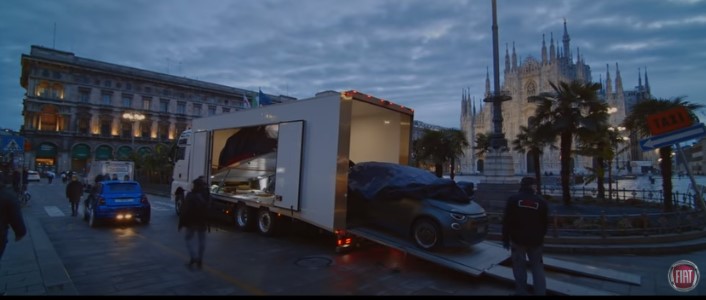
In the film, we see the unfolding of “Plan B” when Geneva Motor Show was canceled, and it was decided to present the “one off” cars in front of the Milan Duomo…

This breathtaking journey, narrated by Olivier François – President, Fiat Brand Global and FCA Chief Marketing Officer, includes interviews with designers, tales of partners, close-ups on the details and selection of materials, where the aim is caring of the environment and its sustainability.

Unloading the cars in the early morning in front of the Duomo…

The short film (15 and a half minutes) presents a relentless succession of meetings and processes that highlight teamwork, the affinity between designers from different fields and the emotions involved in playing an active role in an extraordinary project: the creation of something unique, an interpretation of the New 500 alongside the very best of “Made in Italy”.

Genuine gold flakes adorn the Bulgari 500…

The result is the three One-Offs, embodiment’s of the style, creativity and craftsmanship characteristic of “Made in Italy” and of our partners in the project, in the path and in the vision of the Earth’s future.

The Armani 500 got a special dressing…

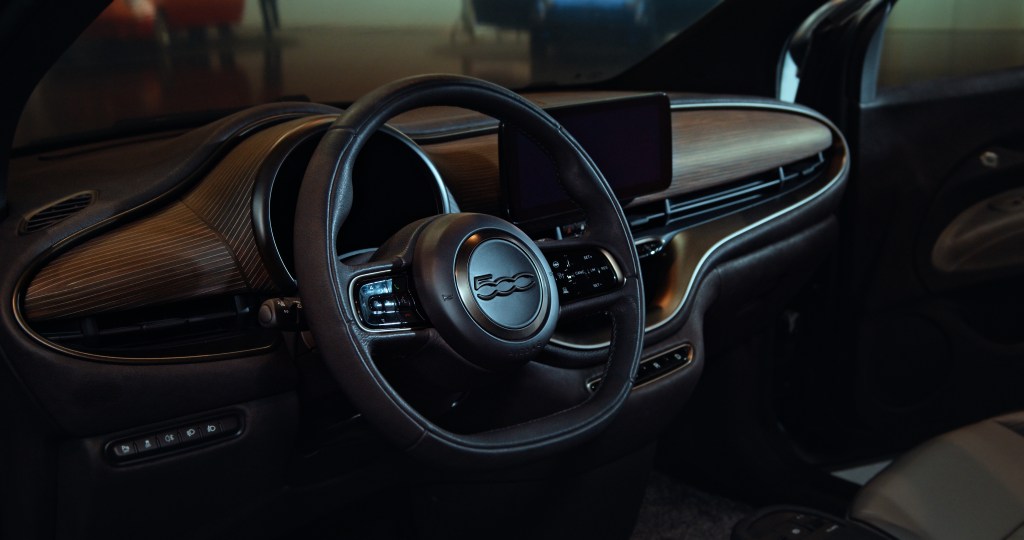
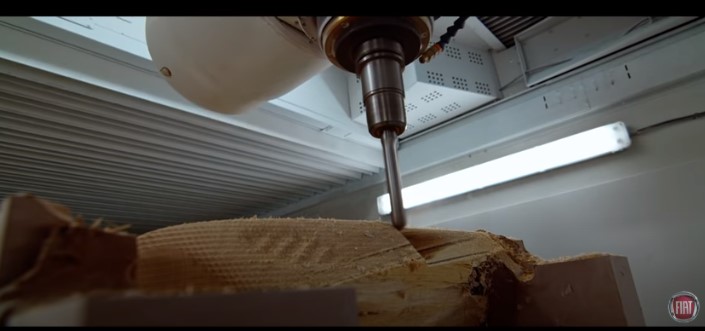
And also a wood sculpted dashboard…

The journey depicted in the film begins in Turin, cradle of the Fiat brand, passing from Rome on the way with its sunsets, colors and lines that symbolize Bvlgari all over the world, to arrive in Milan, the world capital of fashion and design, due in no small part to Armani and Kartell.

…by a special wood cutting machine…

The twist in the tale has Milan as the setting for the entire presentation of the New 500.

A veritable gearshift takes place in the film’s account of the tense time when the Geneva International Motor Show was canceled, and a plan B had to be found and set in motion. The presentation of the New 500 and the One-Offs was completely rewritten to pull up stakes, to Milan.

Bvlgari jewelry in the 500 logo…

The short film is created and produced by VICE Italy, with Rockets at the helm. It uses the language of documentaries to reveal aspects normally concealed from the general public, in an immediate and effective way.

In an authentic, realistic vernacular, the evocative film opens the doors of the Style Center in Turin to the cameras. We get an exclusive peek inside the “Color & Material” department led by Rossella Guasco, halfway between a sophisticated research center and an elegant fashion atelier.

Bvlgari used its foulards…to enhance the dasboard

The footage documents their almost-obsessive attentiveness to every detail, that “know-how” typical of Italian creativity, and dwells on the emotions of the whole team as they experience something truly unique.

Kartell the seats…

The journey continues in an interview with Klaus Busse, Head of Design, explaining what lies beneath the creative process of style and forms, and the role of the 500 in the history of industrial design, even more so in the collective unconscious.

…and elements of the car…

It was the Style Center that took a legend of the 50’s, the fabled “Cinquino”, and reinvented it in 2007 to “color” everyday life and streets all over the world, making it an authentic, unique and salient response to the requirements of international urban mobility.

At the Milan launch of the One-Offs in March, it was even announced that the Fiat 500 has been confirmed as an “Italian Icon and Honorary Member” of Altagamma, the prestigious Foundation that brings together the best of Italy’s companies, to promote the epitomes of the country’s excellence around the world.

Just have a look at the photos here, and also enjoy the film!

Hans Knol ten Bensel

Mercedes-Benz E-Class Coupé and Cabriolet get a fresh look and more…

The styling has a more sporting touch with a fresh look for the front sections. The all-LED headlamps have been given flatter housings, while the interior of the LED tail lights has been reworked.

At the same time the two-door models take on the key upgrade features of the other body variants as part of the facelift. These include electrified, and therefore more efficient, petrol as well as diesel engines with integrated starter-alternator, the next generation of driving assistance systems and the infotainment system MBUX infotainment system (Mercedes-Benz User Experience).

The E-Class Coupé and Cabriolet will be making their debut with sales partners in Europe in autumn 2020.

Hans Knol ten Bensel
In good Mercedes tradition, The E-Class Cabriolet with the classic fabric top offers spaciousness and comfort on long journeys for up to four people. And does so all year round: as an option, the Cabriolet can be fitted with the AIRCAP electric draught-stop system and AIRSCARF neck-level heating. Unrestricted usability all year round is similarly ensured by the acoustic soft top, a standard feature that helps to optimise the level of noise experienced in the interior.

The coupé has pleasing flowing lines, and has its own enthusiastic followers, who like a roomy four seat Gran Turismo with coupé character and panache.

The “A-shape” design of the new diamond radiator grille, which is likewise standard on all versions, adds a particularly dynamic touch. The grille also features chrome-plated dots, a single louvre and the Mercedes star in the centre.

Typical Mercedes comfort

The adaptive driver’s seat adjustment is a particularly intelligent feature: when the height of the body is entered on the media display or via Mercedes me, the seat automatically moves into a position generally suitable for someone of that height, which then only needs to be fine-tuned by the driver.

The integral-look sports seats feature prominent side bolsters and integrated head restraints.

Next-generation driving assistance systems: better assistance in tailbacks and when parking

As standard, the E-Class comes with Active Brake Assist. The system is also able to brake for stationary vehicles and crossing pedestrians at typical city speeds and even to prevent collisions, depending on the situation. As part of the Driving Assistance Package, this is now also possible when turning off across the oncoming lane. A range of further Intelligent Drive functions can optionally be added to the Driving Assistance Package.

A new generation of steering wheels, plus MBUX

The E-Class is fitted with an entirely new, intelligent steering wheel as part of the facelift. This is available as a leather steering wheel and in a super sports variant. The control surfaces sport a high-gloss black finish, while the trim elements and surrounds have a silver shadow finish.

The new E-Class is equipped with the latest generation of the MBUX multimedia system (Mercedes-Benz User Experience). As standard, it includes two large 10.25-inch/26 cm screens arranged side by side for a sublime widescreen look. Two 12.3 inch/31.2 cm screens are optionally available.

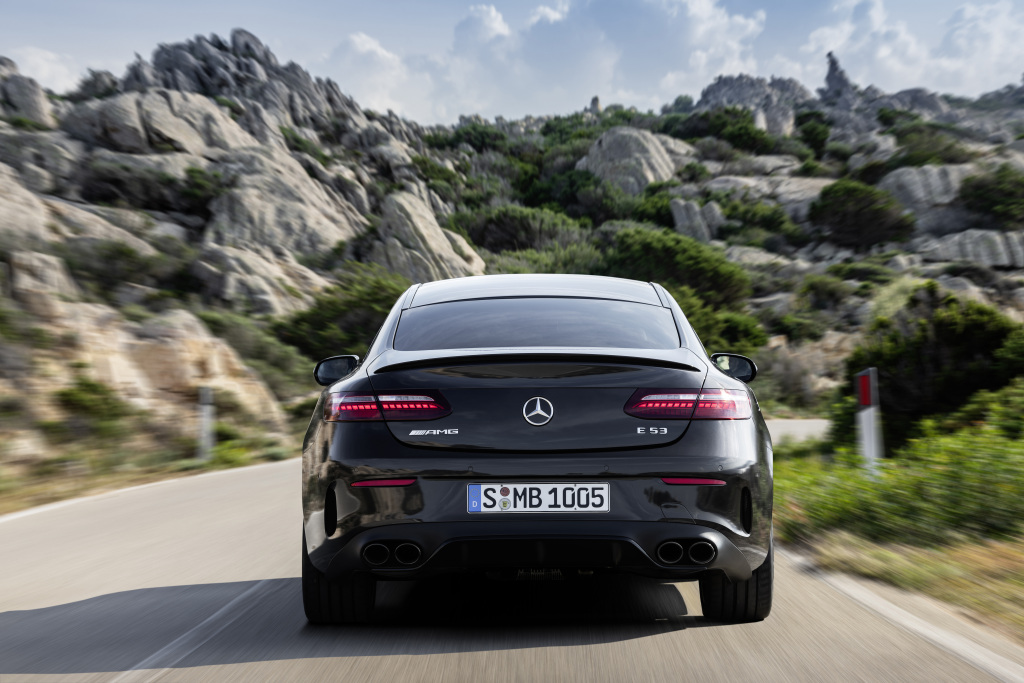
Mercedes-AMG E 53 Coupé (Kraftstoffverbrauch kombiniert: 8,9-8,6 l/100 km, CO2-Emissionen kombiniert: 204-198 g/km), 2020, Outdoor, Vorderansicht, dynamisch, Night Paket, Carbon Paket II, Exterieur: graphitgrau metallic;Kraftstoffverbrauch kombiniert: 8,9-8,6 l/100 km, CO2-Emissionen kombiniert: 204-198 g/km Mercedes-AMG E 53 Coupé (combined fuel consumption: 8,9-8,6 l/100 km, combined CO2 emissions: 204-198 g/km), 2020, Outdoor, front, dynamic, Night package, Carbon package II, exterior: graphitgrey metallic;combined fuel consumption: 8,9-8,6 l/100 km, combined CO2 emissions: 204-198 g/km

New to the E-Class Coupé and Cabriolet is the ENERGIZING COACH. This function is based on an intelligent algorithm and recommends one or other of the programmes depending on the situation and the individual concerned. If a Garmin® wearable is integrated, personal values such as stress level or quality of sleep optimise the accuracy of the recommendation. The aim is to ensure the driver feels well and relaxed even during demanding or monotonous journeys.

Your Mercedes is safe…

In conjunction with Mercedes me, the two packages URBAN GUARD Vehicle Protection and URBAN GUARD Vehicle Protection Plus enable all-round monitoring of the parked vehicle. URBAN GUARD comprises an anti-theft alarm system, tow-away protection with visual and audible warning in the case of a detected change in position, an alarm siren, interior monitoring (triggers in the case of movements in the interior) as well as a pre-installation for theft and parking collision detection. 

Increased electrification of the powertrain…

The electrification of the powertrain takes another major step forward with the facelift of the E-Class. The new two-door models also see the top version of the four-cylinder diesel engine (OM 654 M), rated at 195 kW, fitted for the first time with an integrated starter-alternator (ISG). It therefore has a 48-volt on-board partial electrical system. A recuperation function and the ability to “glide” with the engine switched off make the engine even more efficient.

Clever: integrated into the transmission

Ongoing development work means that the integrated starter-alternator used here is a second-generation unit that is now part of the transmission (rather than of the engine). This means that it can be more easily combined with different engines. The extra boost that is available right from the first turn of the engine, known as EQ Boost, can deliver as much as 15 kW and 180 Nm, thus ensuring that the driving enjoyment offered by both of the sporty two-door models is even more pronounced.

The 48-volt technology with ISG is also a feature of the in-line six-cylinder petrol engine (M 256), now available for the first time in the E-Class. As with the Saloon, Estate and All-Terrain models, this unit has now been added to the engine line-up for the two-door models.

There is also the new Mercedes-AMG E 53 4MATIC+ Coupé and Cabriolet, of which more later in a special report!

Hans Knol ten Bensel

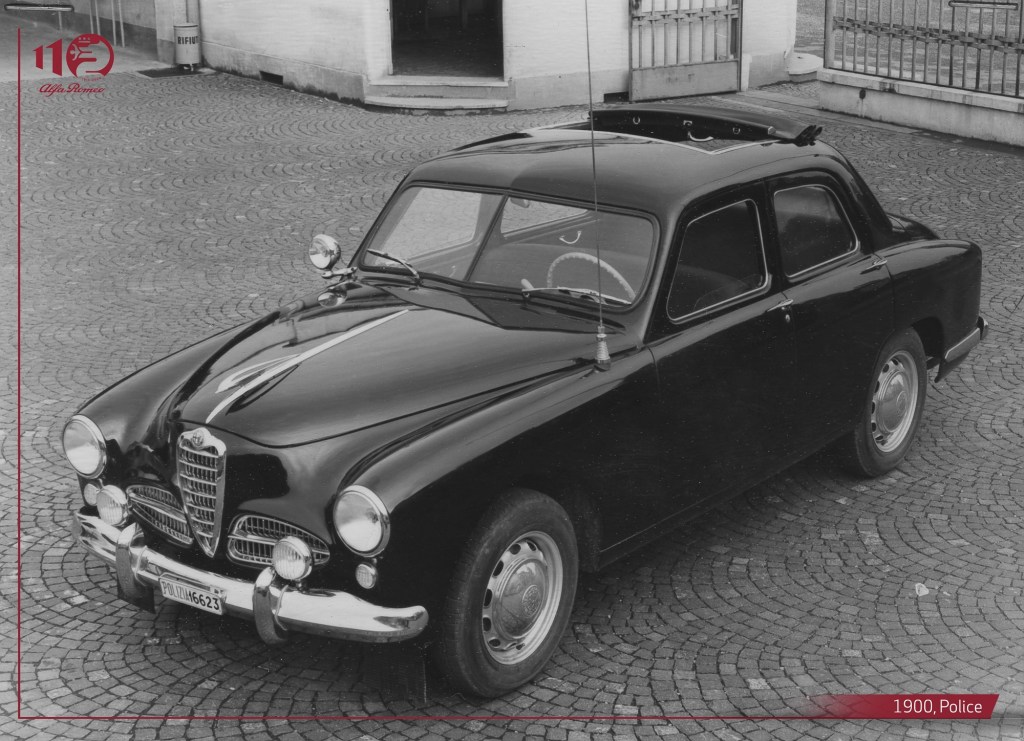
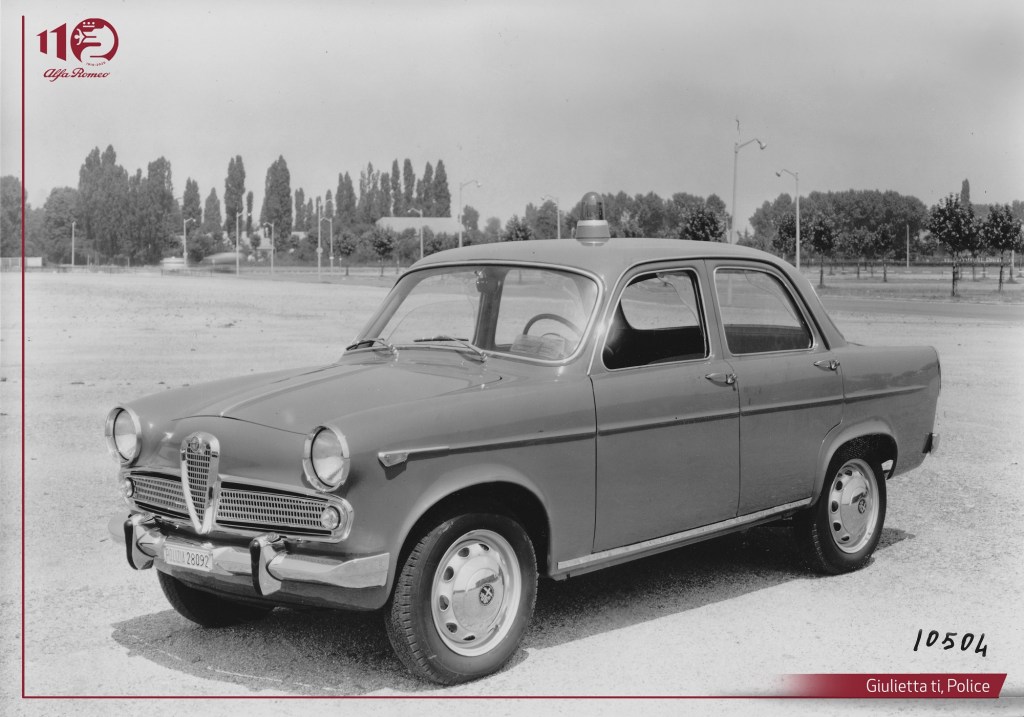
Alfa’s: Italy’s invincible and iconic police cars…

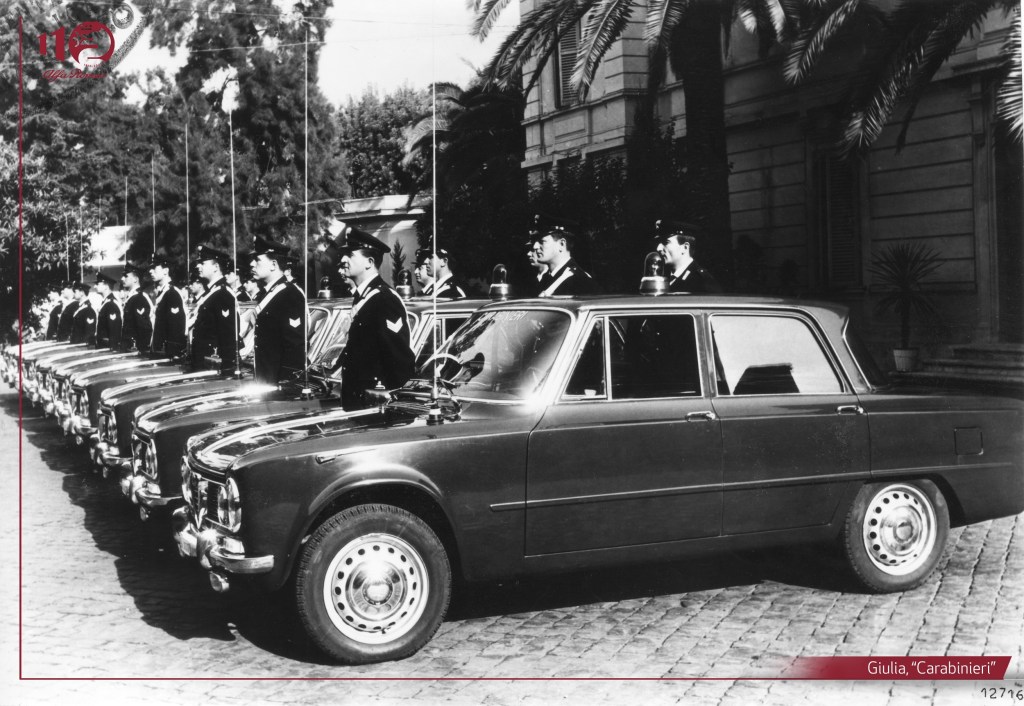
We vividly remember them when I drove in the historic Mille Miglia with my father. The olive green Alfa Giulia Supers of the Carabinieri coached us along the way, watched over crossroads, helped to control traffic along our route, kept overenthusiastic spectators at bay.

The Carabinieri had not only taken out their fifties’uniform complete with riding boots, they also had polished their Giulia Supers. And of course, mechanically, these Alfa’s were in top form. What a delight it was to hear their 1,6 thoroughbred DOHC four cylinder revving up when they joined with panache and screeching Michelins again our fast moving column of Millia Miglia cars. Only to pass us swiftly with the blue police light flashing on the roof, with their engine on full song.

The beautiful Alfa 1900 was in 1952 immediately an iconic intervention car for the Italian Polizia…

Delightful, simply delightful. On the return leg from Roma back to Brescia, on the lunch stop before Siena, me and my father took (too much) time to chat with Stirling Moss, and we forgot our schedule a bit. This meant we were late, and had to do some massive catching up through the field. As there were timed sessions ahead, and we had to be within our time slot again. Easier said than done, with the power of a Mercedes 180 D ponton. Fight your way past birdcage Maserati’s and the like with 40 HP. Also the normal traffic was busy and held us up too much, as it took always time to accelerate for us to our top speed of 120 km/h at best.

The Giulietta was in the mid-fifties the police car par excellence… to be replaced by the Giulia Super.

Then we saw the olive green Giulia Super at a crossroad. We waved frantically and threw our hands in the air, shouting “siamo in ritardi!” We are too late!    

“Okay, Okay”, they shouted back, starting their Giulia, putting swiftly their Alfa in front of us. “Siguici da vicino, follow usse close” they commanded us in their marvelous Italian accent, and so we went as a two wagon speed train through traffic, and passed the field of surprised Mille Migla participants. Lancia Aurelia, BMW 328 and Jaguar XK120 drivers couldn’t believe their eyes. But we got after 30 minutes of frantic speeding again in our slot. We waved at the carabinieri thankfully, and they responded with two signals on their beautiful Fiamm horn.

So when the dynamic PR people of FCA came up with te story about the fast, invincible Alfa’s in the service of the law, our delightful memories came back again, and we had to tell you here this story.    

Of course, the Polizia/Carabinieri Giulia’s were totally iconic and omnipresent in the sixties, but the love affair of the servants of the law with Alfa’s started already in the early fifties with the formidable Alfa 1900. We show you here the photos, and dream on with us…

Hans Knol ten Bensel

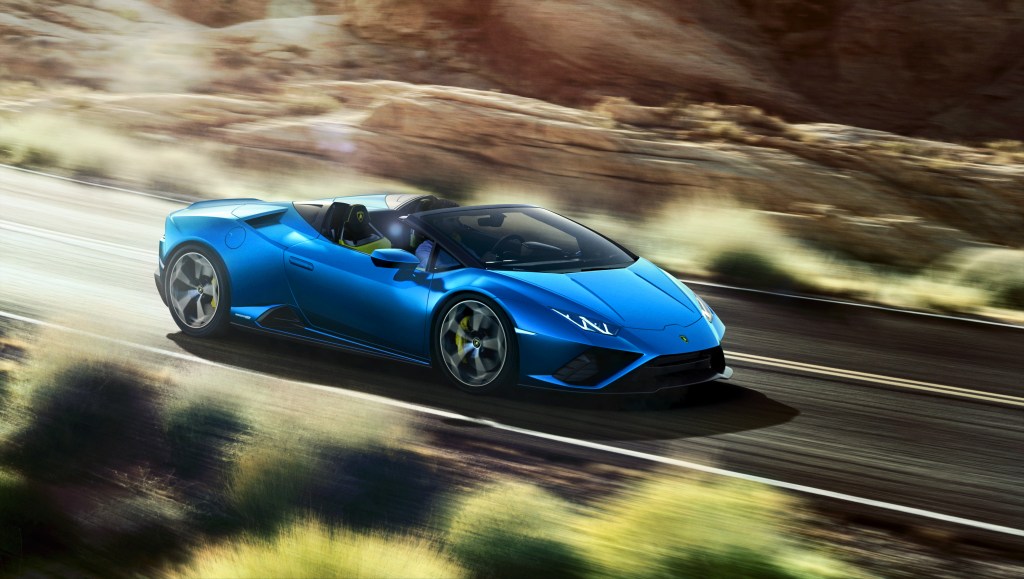
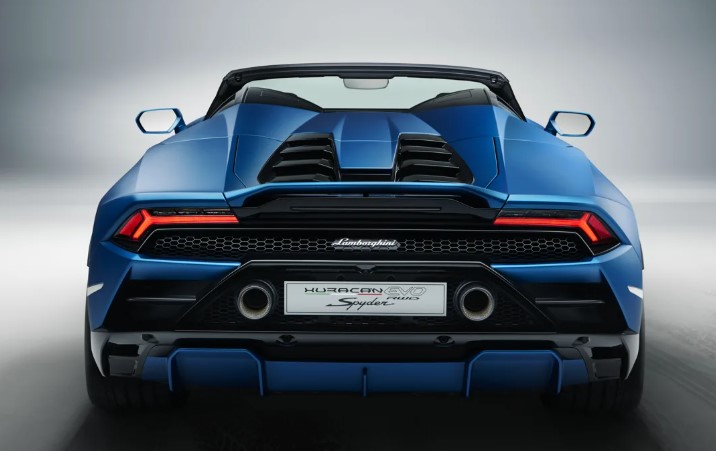
The new Lamborgini Huracán EVO Rear-Wheel Drive Spyder: superb open air pleasure….

Automobili Lamborghini reveals the new Huracán EVO Rear-Wheel Drive Spyder virtually, using for the first time Augmented Reality (AR) on its official website lamborghini.com.

The new V10 model provides drivers with an open-air celebration of lightweight engineering, with rear-wheel drive and a specially tuned Performance Traction Control System (P-TCS). Roof up or down, daily driving and high-performance fun are accompanied by the inimitable sound of the V10 aspirated power plant, delivering the same 610 hp (449 kW) and 560 Nm of torque as the coupé version.

With a 0-100 km/h acceleration of just 3,5 seconds and a top speed of 324 km/h, like its coupé stablemate the Spyder is an instinctive driver’s car, delivering a fun-to-drive experience via hardware rather than software.

The Huracán EVO RWD Spyder’s design optimizes the integration and function of the extremely lightweight soft top. The Spyder is a true Lamborghini with roof open and closed. The Spyder’s exterior lines ensure drag reduction and the downforce matches that of the coupé without requiring additional aerodynamic appendages, while enhancing the rear-wheel drive car’s balance and dynamism with roof both up and down.

Driving modes…

The Huracán EVO Spyder’s ANIMA button on the steering wheel puts the pilot in control of driving modes, with the P-TCS calibrated to suit.

STRADA provides stability and safety in all conditions by minimizing rear-wheel slippage, and more proactively managing torque delivery on low-adhesion surfaces.

In SPORT mode, the driver enjoys drifting fun, allowing the rear wheels to slide and skate during acceleration, with torque limited when oversteer angles increase rapidly so the driver can stabilize and control the car.

CORSA mode optimizes the car’s traction and agility when exiting a corner in high-performance conditions, maximizing dynamics and speed.

Low weight…

The Huracán EVO RWD Spyder’s aluminum and thermoplastic resin body sits on a lightweight hybrid chassis in aluminum and carbon fiber, with a dry weight of 1,509 kg and a weight-to-power ratio of 2.47 kg/hp.

Front/rear weight distribution of 40/60, with double wishbone suspension with overlapped quadrilaterals and passive shock absorbers, providing optimized driver feedback. Ventilated and cross-drilled steel brakes are fitted to 19” Kari rims with specially-developed Pirelli P Zero tires, with optional 20” rims and carbon ceramic brakes.

Just look at the photos and dream with us…

Hans Knol ten Bensel

Citroën looks back on 100 years of creature comfort…

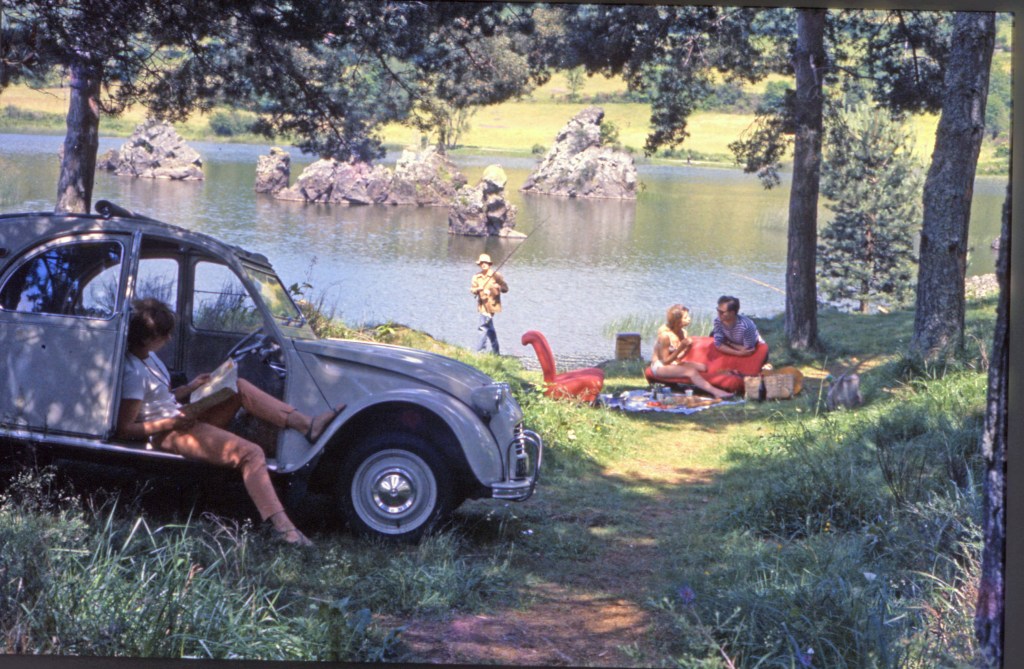
One of the most legendary qualities of Citroën cars have been – certainly from the legendary “Traction” and the 2CV onwards – their comfort, which went arm in arm with just as unique roadholding qualities.

No small wonder, as one knows that Citroën had been taken over early 1935 by Michelin, and that since that day the genius of engineer and Pierre-Jules Boulanger was the inspiration behind the revolutionary design of Citroëns. Boulanger was the deputy of Pierre Michelin, who became the chairman of Citroën in 1935.

The long wheelbase version of the “Traction” offered superb comfort…

Pierre-Jules Boulanger became vice-president and chief of the engineering and design departments, and had a strong hand in the development of the 2 CV. He put his engineering know how to work with the revolutionary suspension, introducing the revolutionary concept of combining roadholding with a comfortable, very elastic suspension. They also made the world’s first radial tyres…for the 2 CV.

In the late stages of the life of the Traction, Michelin and the team of Pierre Boulanger also reached  a helping hand with developing the revolutionary hydropneumatic suspension for the long wheelbase version of the Traction, which then later was adopted for the “Déesse”. Actually, this long wheelbase Traction served as a test bed for the revolutionary DS. Michelin then was at the basis of the development of the whole hydropneumatic system.

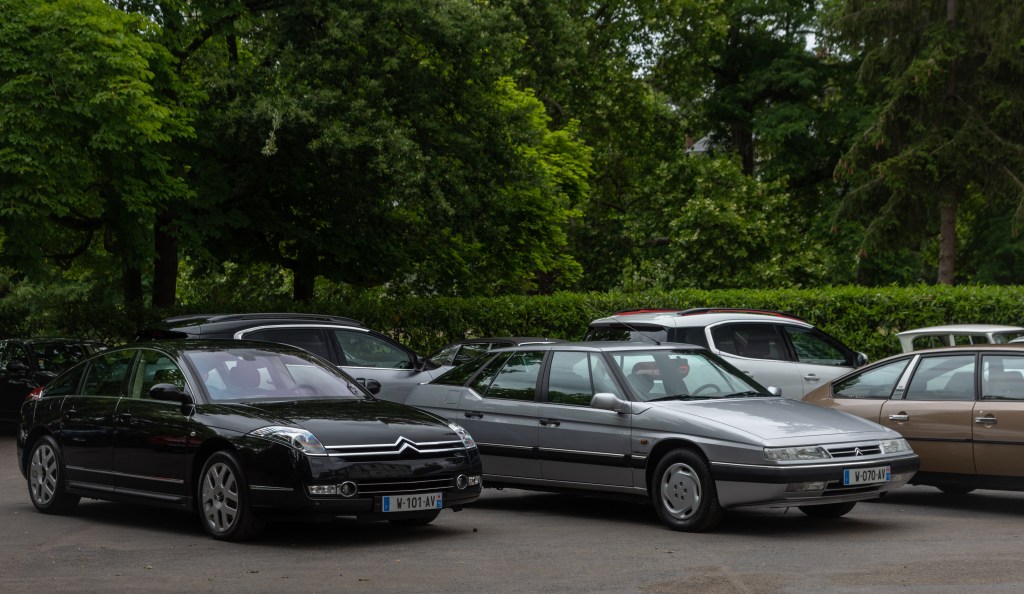
This high-pressure hydraulic system would form the basis of over 9 million Citroëns, spanning from including the DS, SM, GS, CX, BX, XM, Xantia, C5, all through the still so beautiful and iconic C6.

Revolutionary also in developing inboard space…

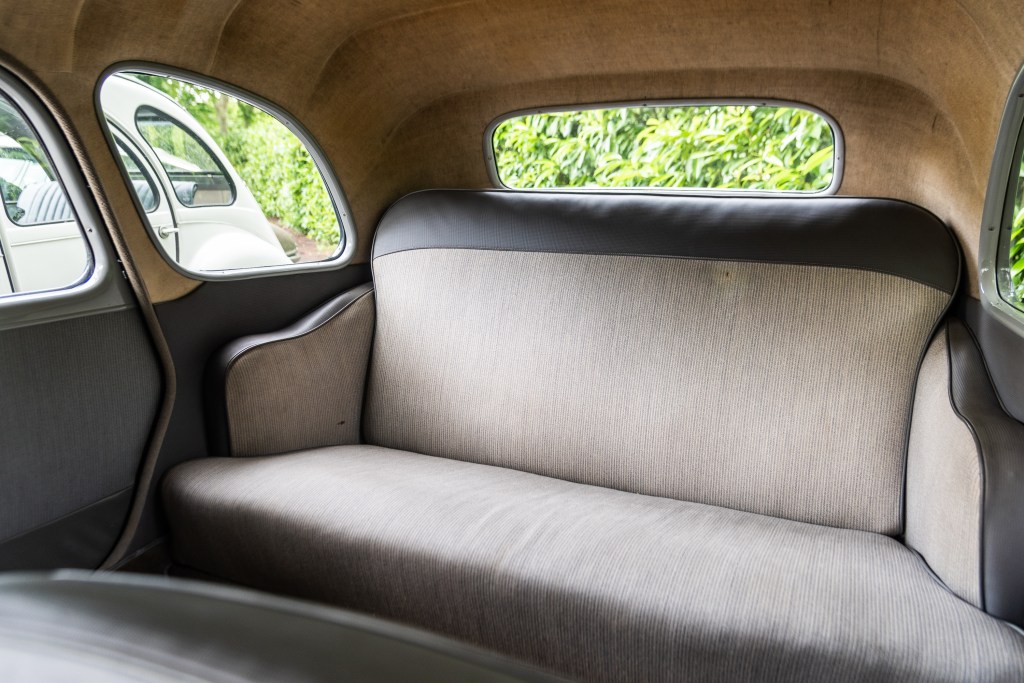
But of course there are more aspects to just suspension. Citroën has long emphasized the benefits of adaptable seating arrangements and maximum cabin space and storage.

In 1923, the B2Type offered buyers the choice of more seats or greater luggage capacity, with an early attempt at modular cabin design. The C3Type ‘Torpédo’ was a two-seater, yet offered a folding third seat behind the driver, creating more luggage capacity or passenger room as required.

In 1924, a new ‘Trefle’ (three-leaf clover) three-seat configuration was introduced, with a fixed third seat mounted in the middle of the cabin behind the two front seats, with cargo areas either side.

For the 1930s and beyond, the Traction Avant offered various seating layouts. These included a long-wheelbase sevenseat model, and a variant with a wagon-style rear lift-up door – possibly the world’s first production hatchback.

Even the 2CV ahd an adaptable, modular cabin. With removable seats, a convertible roof, wash-down floor, and an extendible cargo area, the 2CV could well be seen as the car that started the trend for functional or technological cabin design – more than half a century ago.

Both the DS and the CX were sold as wagons (or ‘breaks’), offering maximum living comfort with intelligent seating layouts, long before more recent trends for six- or seven-seat cars.

The multi-seat CX Familiale was unique in its market class and it took many years for its competitors to catch up.

Citroën has also produced a series of design concepts as ‘one off’ show cars, with living comfort key to their motor show stand appeal, notably the 1980 Citroën Karin concept. This pyramid-shaped three-seater, built with composite materials, featured new storage ideas, moulded seats, and a stunning control ‘pod’ and steering wheel interface with fingertip controls. Such ideas are now familiar in the company’s production cars.

There is much more to come on Citroëns unique story around creature comfort, so stay tuned on these columns, and enjoy the photos here with us…

Hans Knol ten Bensel

The pleasures of car detailing…

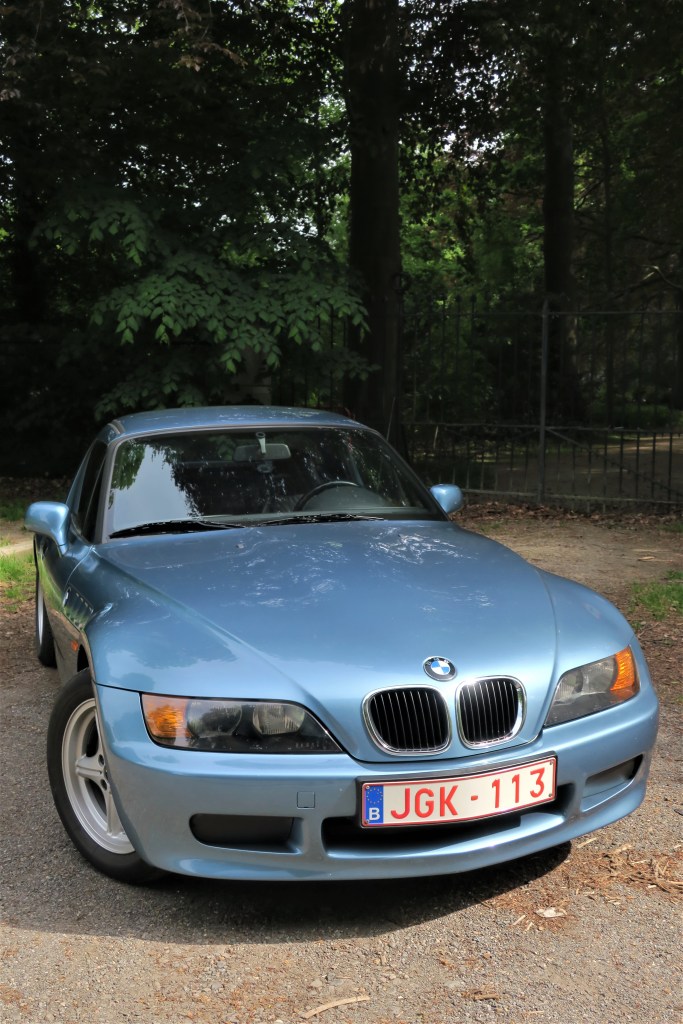
In Corona times, it is a delicious period to pay (loving) attention to our cars. Your servant has tackled even to repair his BMW, something we would never have endeavored in normal times. Our Z3 is in mint condition, its car cover keeps it clean over the months, although the seats in the interior might also benefit from some care and attention. We will come back on this soon. We have the idea here to ask the opinion of Carrosserie Vercruysse, who helped us so beautifully and expertly putting our Lexus CT200h in mint condition.

The other good reason is that the cloth seats of the Lexus are easily soiled as they are light beige, and we need to put some proper maintenance to be done there too, so we will ask them how to tackle this properly.  

Cleaning Mercedes seats…

But the delights and pleasures of car detailing came also back to me when I cleaned the white faux leather front seats of my B Class Mercedes. I used lukewarm soapy water, applied it with a soft brush and soaked up gently the excess moisture with sponge and terry cloth.

They are again like new, and I do this regularly every 8 months or so, so the seats are hardly soiled to begin with. The rest of the interior and dashboard get the same gentle clean with a humid terry or microfibre cloth, gently, never scrubbing as the plastic dial covers can be o so easily scratched, as the rest of the dashboard.

Soft brushes are used for vent openings, again never too vigorous as the polished surfaces can also be damaged easily.

When delving into literature about Car cleaning and detailing, we stumbled on an article by Porsche on car detailing.

Really magnificent, as it is car detailer Richard Tipper who explains to get your car looking again as new.

Pores are meticulously cleaned in our B Class Mercedes… here photo taken in daylight…

He has an obsessive approach to cleaning cars, it seems. He has built up a very large clientele of car lovers, from collectors with more than 200 cars to the daily driver who just happens to cherish his mount.

As he also often disassembles interior/exterior elements of a car to make them meticulously clean, he has a keen notion how cars can be designed and built with love and attention to detail. Needless to say that this man is also a Porsche lover, and the proud owner of a Cayman R. He has detailed a Carrera GT more than once, and is impressed with the care Porsche engineers have taken to engineer every little part of this car.

Detailing a car is no small affair. It usually takes Richard a day or two, but when the owner wants also the inner brake linings for example to be cleaned, it involves taking things apart, and then it can take even up to a week. Usually he takes the seats out for example, just to clean everything thoroughly in every nook and cranny of the car floor. But that is a minimum.

You can find him on Instagram under @perfectionvalet, and of course on YouTube.

Wheel cleaning like an expert

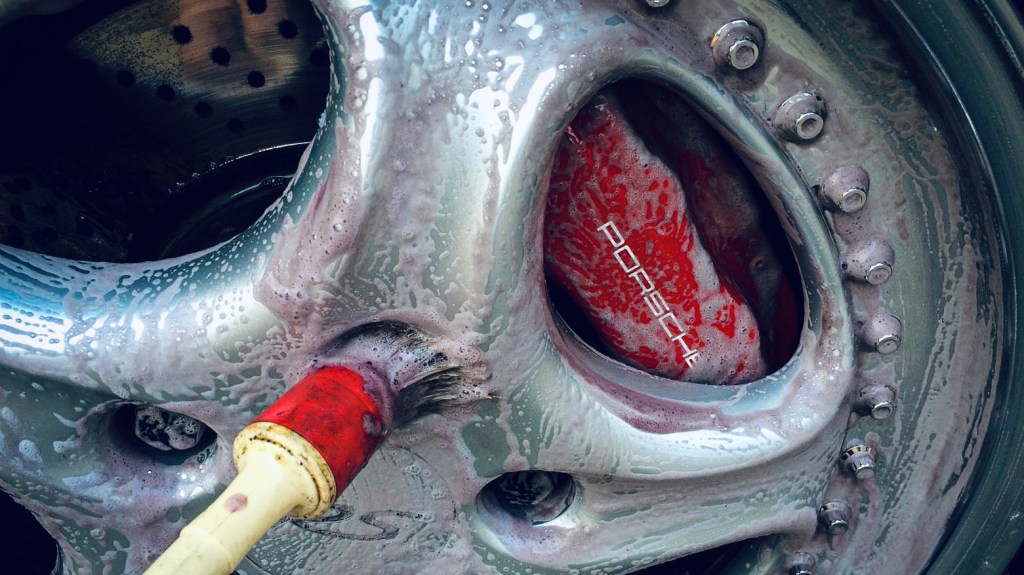
Soft brushes uses for cleaning alloy wheels…

We cite here the tips he gave us about cleaning your very nice alloy wheels.

“It’s best to do the wheels before you wash the rest of the car, as they are often the dirtiest part of the whole vehicle. Use a different bucket for this bit.”

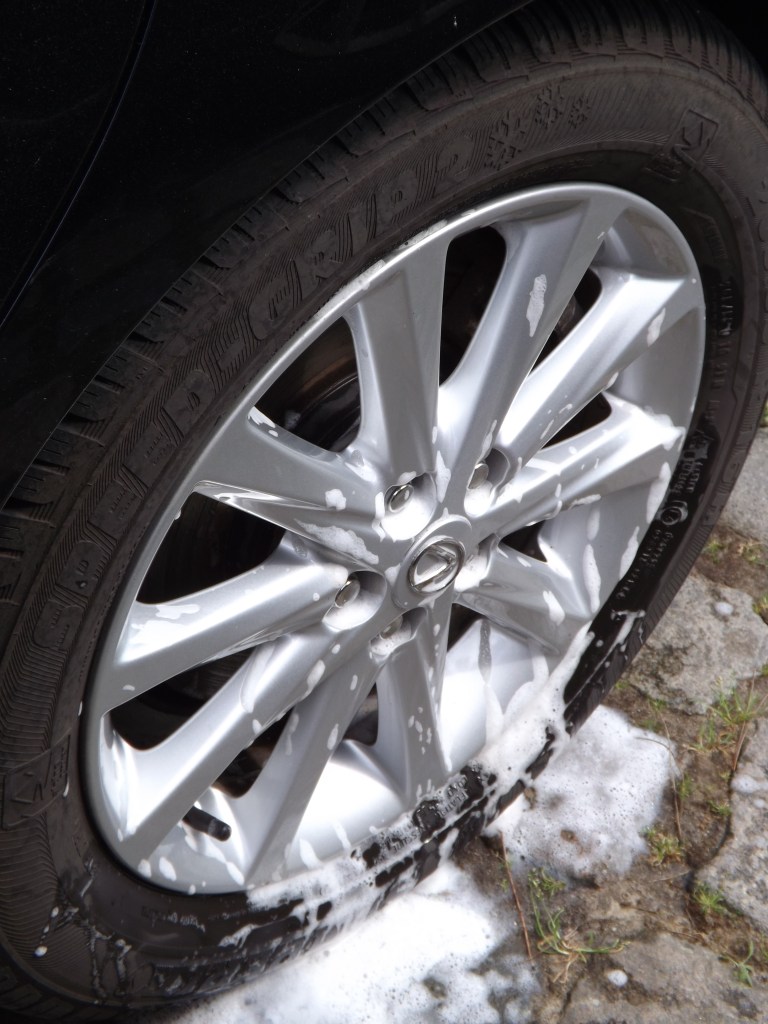
We gave also the alloy wheels of our Lexus a thorough makeover…

He continues:

-Invest in some soft ‘wheel brushes’, which are usually made out of microfibre, not bristles. Choose a set with plastic handles, rather than metal, to help prevent scratching.

-You’ll also need a deioninising decon gel. I never use acidic wheel cleaners, especially on cars with Porsche Carbon Ceramic Brakes (PCCB), as the disc hub is anodized and the acid will damage the surface.

-But the gels work really well (other than stinking like rotten eggs) and have a colour change technology in them so you can tell they’re working. Most will ‘bleed’ purple to show they’re reacting with the iron in the brake dust.

-The best way to clean a wheel is to take it off, but if you can’t do that, spray the decon gel on the cold wheel, trying to avoid getting it on the disc or pads as much as possible.

-Give it a bit of ‘dwelling time’, allowing the product to work its way into the nooks and crannies.

-Next, it’s onto the wheel brushes. These come in various sizes, so use whichever one is best for the area you’re working on. Use them to spread the decon gel around, paying particular attention to the valve and wheel nuts.

-Don’t forget the inside of the wheel to make a really thorough job of it. If you’re lucky enough to own a Carrera GT, you’ll find the caliper sits very near to the back of the wheel so it’s tricky to get a wheel brush in behind the alloy. Rotate the wheel by a quarter of a turn and then you’ll be able to clean that section as well.

-Finally, thoroughly rinse everything off. Please don’t blast the alloys close-up with a pressure washer – just a gentle rinse will do.

-Some people use tire shine as a final flourish, but one warning: avoid it if you leave your car under a cover, as it’ll smear itself all over the inside of the cover.

More to come soon, about a very important bit: how to expertly wash your car…

Just enjoy some photos here already…

Hans Knol ten Bensel

Porsche opens its museum and offers digital live tours on 17 May 2020!

For the 43rd International Museum Day, the Porsche Museum is throwing open its doors to everyone on 17 May 2020, free of charge.

But that is not all. In line with this year‘s motto “Museums for Equality: Diversity and Inclusion”, digital live tours will be also be available this Sunday on Instagram: just tick in the app “@porsche.museum.” 

Porsche has since years expanded its offerings into digital…

“Digital diversity is more important than ever in times like these, where travel is a greater challenge than ever before“, says Achim Stejskal, Head of Heritage and Porsche Museum. “We have been consistently driving forward the expansion of digital offerings over the last years, not only since the Corina crisis. We have committed ourselves to the ’Mission Future Heritage’. We would like to use modern channels to demonstrate the heritage and future of the brand, not just at our site in Zuffenhausen, but beyond the museum as well”.

On International Museum Day, two guides will guide through the exhibition for one hour each in German and English, which currently includes more than 80 cars over 5,600 square metres. They will look at special exhibits and offer an insight into the company history. The digital live tours will include prototypes, small exhibits, racing cars and series production cars. Anyone who is interested can watch the first tour on Instagram which starts in German at 18:30 hrs, or the second one which starts in English at 00:00 hrs (CEST). The times have purposefully been set outside the regular opening times – true to the motto: “The museum for everyone”.

On Sunday, youcan watch everything on Porsche News TV… 

The tours will also be recorded in the following languages and be available on Porsche News TV (https://newstv.porsche.com/en/) from Sunday onwards: Chinese, French, Italian, Japanese, Croatian, Romanian, Spanish, Portuguese and Turkish. “There is a native speaker for each of these languages in the Porsche Museum. We would like to use the videos that have live character to thank our fans around the world and to bring a bit of the Porsche Museum into their homes,” explains Stejskal.

What is the International Museum Day?  

The special promotional day is organised annually by the International Council of Museums ICOM to draw attention to the wide range of work museums do and to the thematic diversity of museums around the world. This Sunday, museums throughout Germany will provide special initiatives, exhibits or a glimpse behind the scenes.   

Needless to say we will be looking at our Instagram next Friday!

Hans Knol ten Bensel

Our BMW Z3 fully repaired…

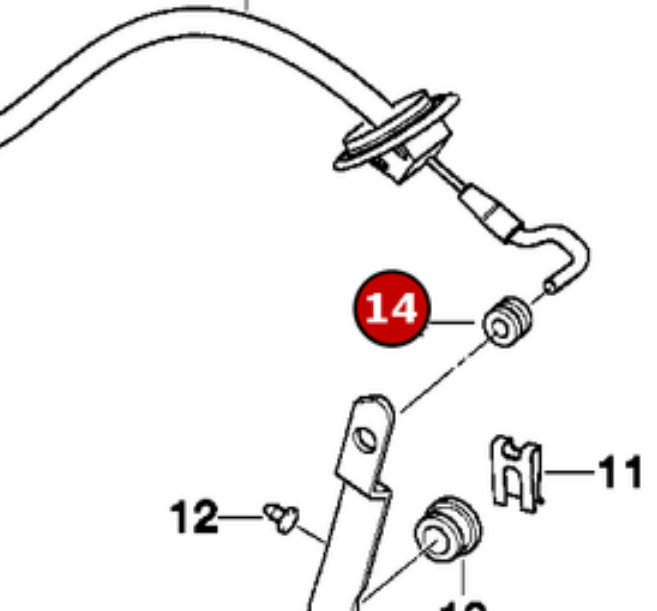
Our BMW is happily running again. When we found out that the rubber backstop which held the hook into the hole of the lever commanded by the throttle pedal was missing, we contacted our local dealer BMW Jorssen to order the part. Of course, in Corona times the dealer was not open to the public at the time, but they were fully prepared to order for us the rubber circular stop.
First Jorssen sent us a mail with an exploded technical drawing to make sure this was the missing part we wanted. It appeared to be part number 35 41 1 152 331 “Rubber tule”, and a few days later it arrived neatly in our mailbox at home.

The service was excellent and punctual. We soon went to our BMW Z3 to install it, which proved to be a breeze. Just push it over the end of the hook. We re-installed the dashboard cover above the pedals, and presto, we were ready for another (test) drive.

But before we started the engine, we took another inspection in the foot-well area and around the throttle pedal whether we wouldn’t find somewhere (a piece) of the old backstop? You would never know! Indeed, after some good and meticulous cleaning around the throttle it appeared: indeed, we found a completely broken half of the original backstop…  


So after all, we were completely correct in our diagnosis, and went for a happy, smooth short drive.

Our BMW Z3 is again in top form, but alas, in Corona times, it still has to wait a bit to make these beautiful trips we all dream of now…

Stay posted for more BMW Z3 stories!

Hans Knol ten Bensel