We drove the Alfa Romeo Tonale Hybrid: smooth Italian (super)power…

I vividly remember my visit to the Centro Stile Alfa Romeo. Indeed, I sat in the prototype mock up bodywork/interior of the Tonale, and had to be very cautious not to touch anything, as it was made of plaster, clay and wood. I was invited at the Centro Stile Alfa Romeo by Chief designer Klaus Busse and his team, when the plaster and wood prototype of the Tonale was just finished. We admired its typical proportions in tune with the higher stance of an SUV, with a horizontal accent line reminiscent of the styling language of the famous ‘Disco Volante’ two seater, created by Carrozzeria Touring back in 2013 and the original Disco Volante 1900 C52 born 1952, also designed by the Milanese coachbuilder Carrozzeria Touring… I just love the the iconic Scudetto grille and certainly the five-hole 20-inch alloys…

Another highlight was the first acquaintance with the plug-in Hybrid version on the Balocco proving ground. See the whole story on these columns, by clicking the following link: https://autoprova.be/2022/11/17/we-drove-the-alfa-romeo-tonale-plug-in-hybrid-q4-in-balocco-the-wonderful-panache-of-todays-efficient-sportiness/ and https://autoprova.be/2022/11/20/the-alfa-romeo-tonale-plug-in-hybrid-q4-the-full-story-of-a-modern-electrified-thoroughbred/

But now read further…

Hans Knol ten Bensel
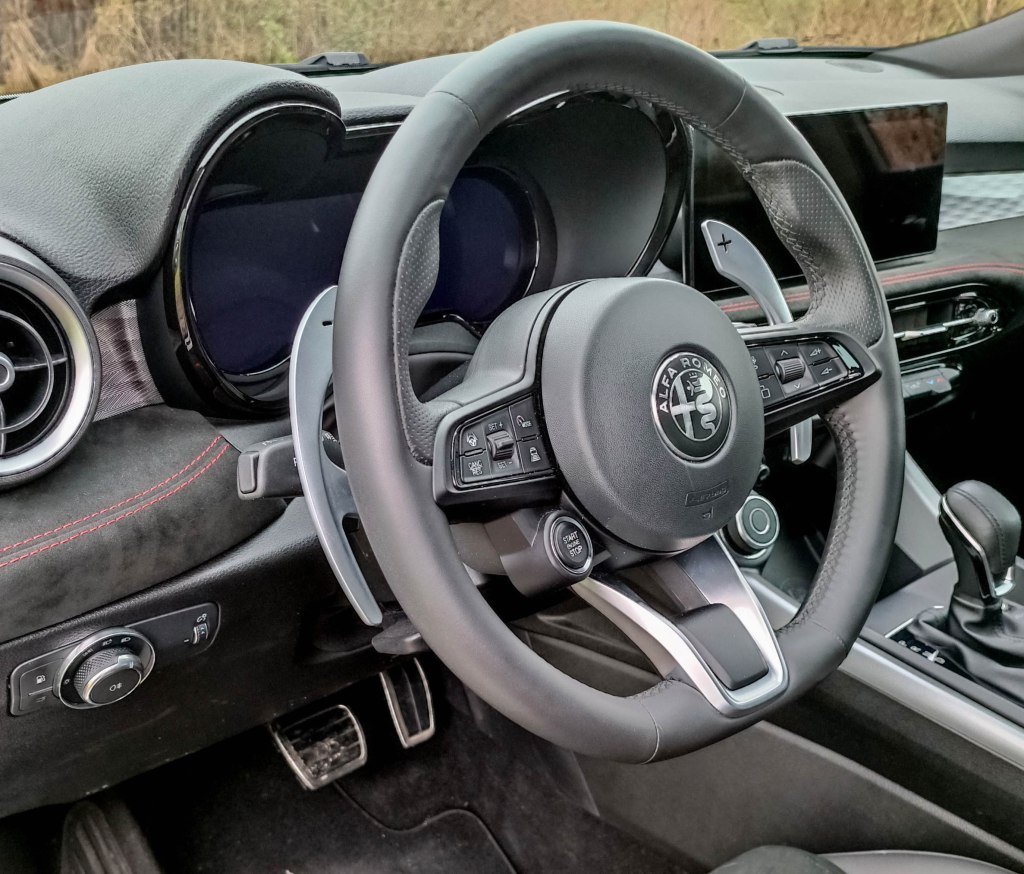
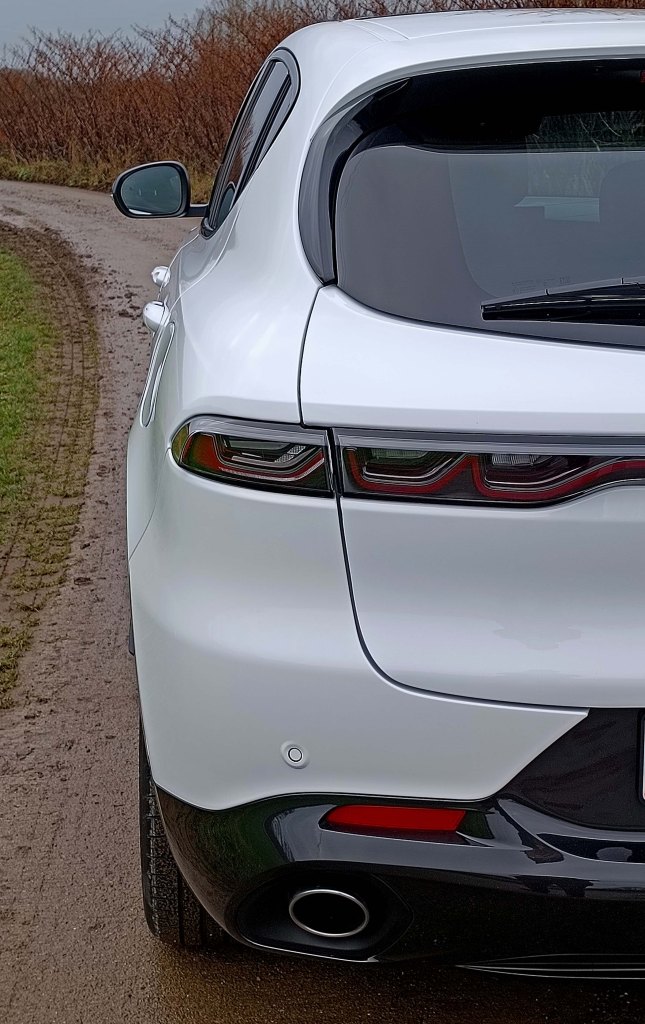
So when we took the wheel of our white Tonale Hybrid test car, the sweet memories came back instantly. The Tonale seduces not only with the right proportions and curves of its bodywork, also in the cabin the iconic Alfa Romeo atmosphere reigns. The round instrument clusters, the big sized gearshift paddles around the classic steering wheel inspire the enthusiast, and it is indeed just how an Alfa Romeo should look. The interior is all black andorned with red stitching on dashboard panels and seats, and this is the only color to choose from for the time being…

A swift turn of the “DNA” drive mode selector lets you choose how you want to drive your Tonale for the day. There are three modes to choose from. Dynamic will reveal all the sporting qualities of this 280 HP Tonale, N means “Naturale” or natural, and then this Alfa will choose for you the right propulsion in each situation, adeptly choosing between engine or E-power. When you want to enjoy more the “Zen” smoothness of battery power, then select the “A” mode, and this Tonale will treat you whenever possible to the delights of electric propulsion. Of course, this happy feeling doesn’t last forever with a 15.5-kWh lithium-ion battery pack, the Tonale has some 60 kilometers in store for you. When the battery is depleted, the Tonale will switch automatically to the “Naturale” mode, and you then can still enjoy the clever smoothness of hybrid propulsion. The battery is recharged fully after some 2,5 hours when connected to your 240 V home charging plug.

Power

The 1.3-liter MultiAir turbo four and the electric motor produce a total of 280 horsepower, of which 121 are derived solely from the 90-kW electric motor mounted in the rear, as we said, fed by a 15.5-kWh battery pack located under the cabin. All this develops beautiful, smooth punch, which we also fondly remember during our high speed laps on the circuit on the Balocco proving ground. A Giulia Quadrifoglio was then our pace car, and we had no trouble at all following this throughbred beauty, which was driving at 9/10 of its capacities, as the Alfa people  told us afterwards. A smooth avalance of power is yours in this Tonale when you put your foot down. 0 to 100 km/h is reached in 6,2 seconds. This tells the whole story… The top speed is reached at 206 km/h. The MultiAir engine itself develops 180 HP at 5750 rpm, giving it a score of not less than 135,1 HP/L. 
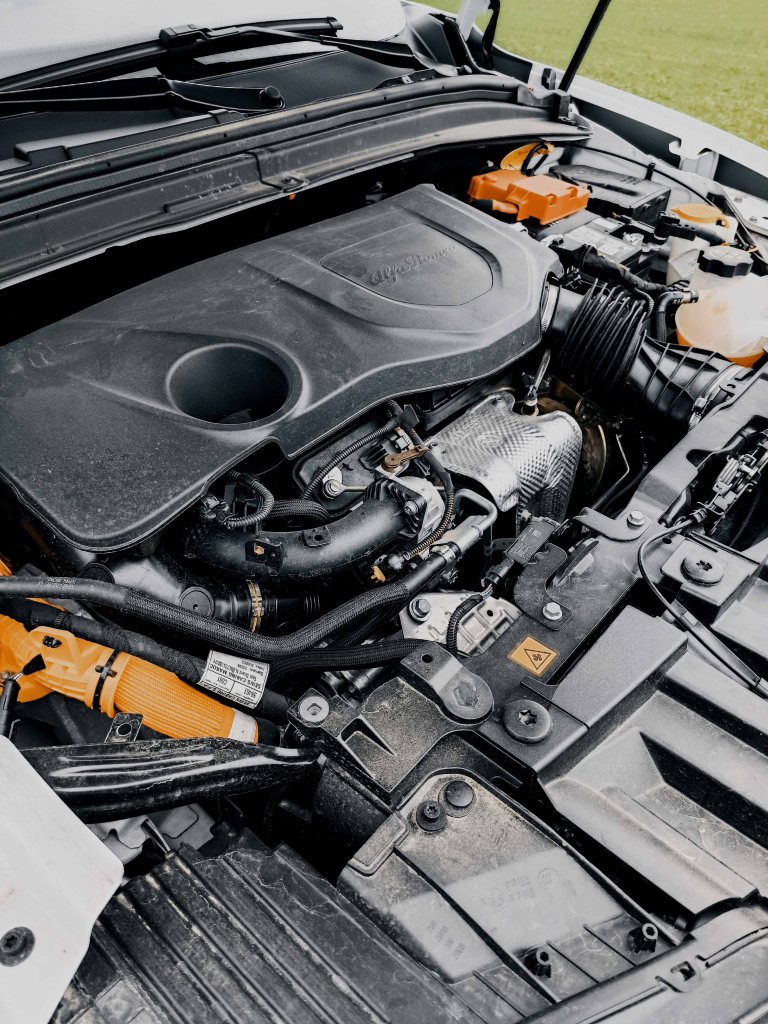
So yes, the Tonale in plug-in Hybrid form is a smooth performer, also thanks to its 6 speed automatic, which reacts nicely to your right foot.  As a bonus, you get four wheel drive thrown in. It is to me a very strong point in favor of this PHEV. When we come to fuel consumption, the official WLTP figure is 1.13-1.48 l/100 km. Let’s say that in pure electric mode, the consumption is stated at 19 kW/100 km, and when you drive solely on petrol, it all depends on your driving style. Anything between 10 and 6 litres/100 km, we would say. Driven with some restraint, an average consumption around 7,3 liters is normally achievable, with some distance driving thrown in, as was proven by our test. Of course, the Tonale scores well on emissions:  CO2 emissions are 26-34 g/km. All these figures are quite remarkable as the Tonale is certainly not a lightweight car with its 1835 kg.
Thoroughbred handling

Despite its all steel underpinnings, the Tonale handles excellent indeed. When you go for the dual-stage valve active suspension, you will find it a smooth companion on pothole filled urban roads. The Tonale feels indeed equally well at home on winding roads when you drive it with abandon, as when you drive it slowly and smoothly in town. The light steering also helps to put a smile on your face, even in tight urban traffic. Stopping power is delivered in the top Veloce version which we tested by Brembo brake calipers, and it is totally beyond reproach.

Infotainment and connectivity

Every Tonale comes standard with a 10.3-inch touchscreen infotainment system. It has the Uconnect 5 software found on other models within the Stellantis group. The home screen can be customized, and you can adapt the interfaces and create not less than five unique user profiles. It has standard Apple CarPlay and Android Auto, as well as of course wireless phone charging. We must say that sometimes we found the touchscreen rather slow and hesitant to react to our finger pressure, certainly awkward when driving and you want just to perform an easy command with one touch of your finger.
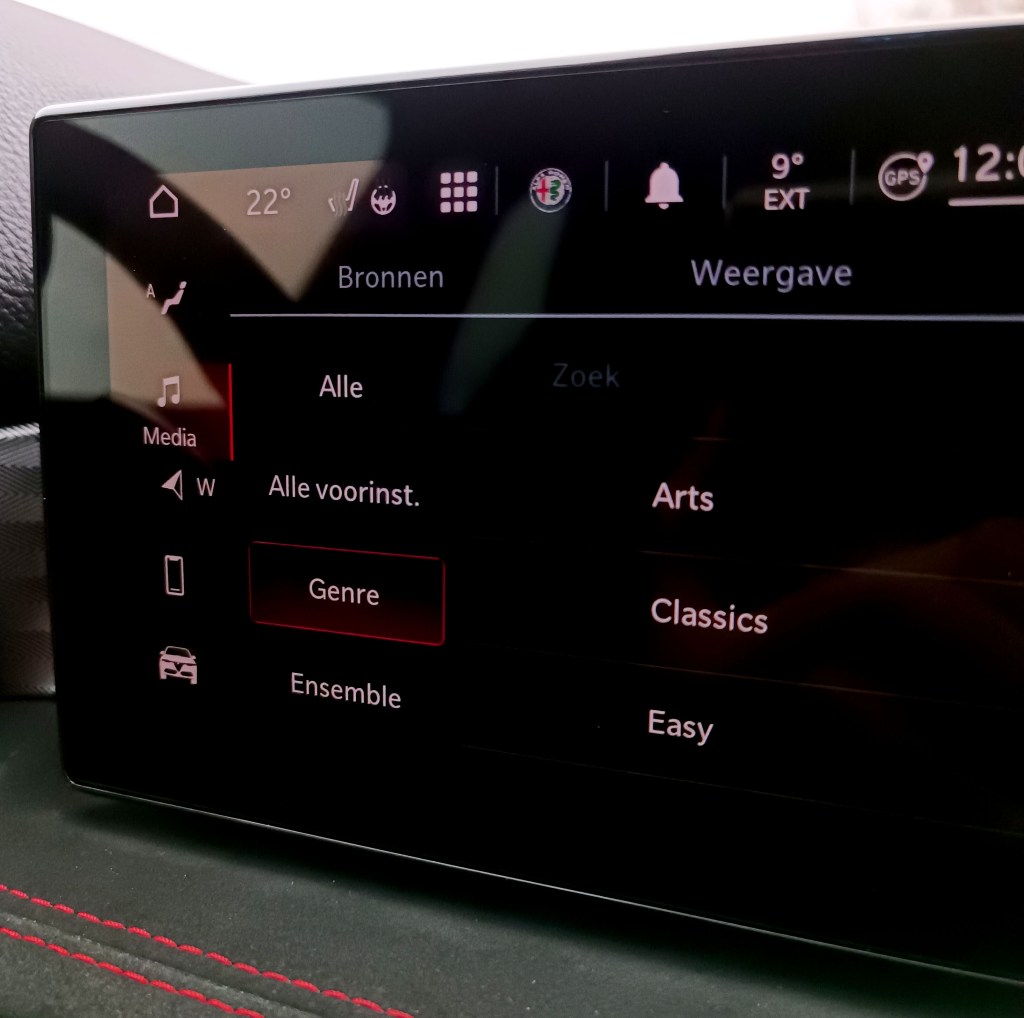
Of course the Tonale offers all the thinkable safety and driver-assist features, like automated emergency braking and a very smooth and subtle adaptive cruise control, which I enjoyed very much. Especially the clever refinement of the adaptive cruise control impressed me. Indeed, enormous progress has been made in this field over the last few years.

Practical

The Tonale offers ample comfort for four, has certainly in the top Veloce version everything you could wish for, and with the entire camera supported driving aids, it is a breeze to drive in town and to park in narrow spaces. Boot space is sufficient, with 385 l with all seats up, and to a maximum of 1430 l with everything flat. You can also use your Tonale as a tow car, and it is good for 1250 kg trailer load with brakes, and 700 kg without.

Conclusion

Stylish, full of panache both inside and out, the plug-in version of the Tonale has a lot to please. Enormous performance, with handling to match, it is a true high-performance Alfa, and thanks to the E-power it delivers this performance effortlessly and smoothly.

When you are in the mood, very decent economy is possible, and in normal everyday driving this leaves you smiling all the way.

All these good qualities DO have a price, but then, beauty in this world is never cheap, is it?

Think about this: the timelessness of the styling, the excellent proportions, the emission values thanks to its hybrid configuration make this Tonale a companion for years, if not decades to come, on all the regions and cities in Europe and beyond, so why not fall in love with this Tonale, and set the right tone for your future mobility…

Hans Knol ten Bensel

Renault unveils a tip of the veil of its cute 5 E-Tech electric ahead of Geneva Show…

Indeed, Renault will enrichen the world with its iconic full electric “Cinq”, reminiscent of its wonderful R5 which stole so many hearts decades ago. With this car, Renault wants to bring EV driving to the masses, affordable and with a distinct link to its glorious past.

The car will be a star on the 26 February at the Geneva International Motor Show, and it now starts gradually unveiling details of the car.

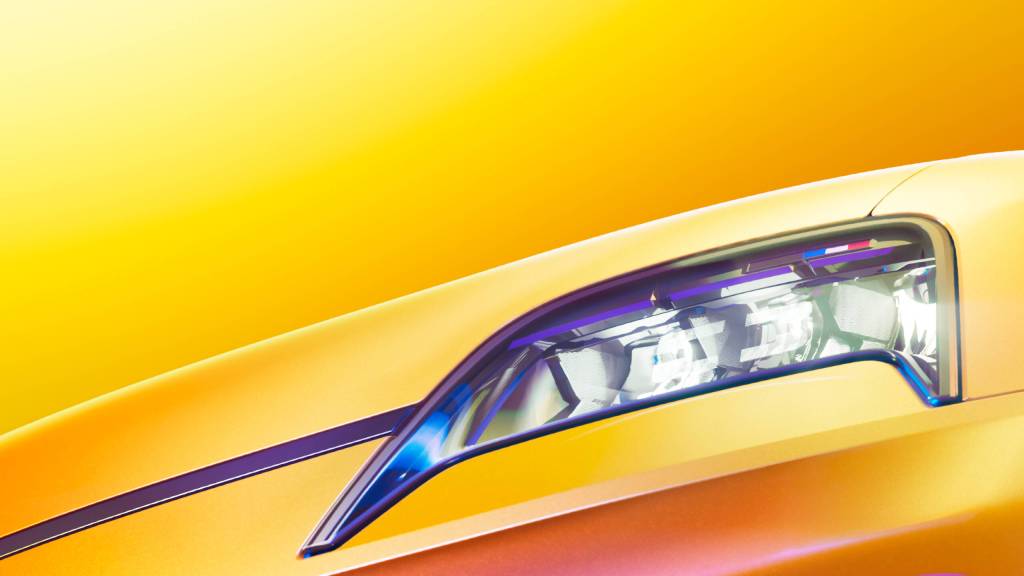
The headlights of R5 are a key design feature, making the front end instantly recognisable. It is not only their shape that sets them apart, but also the mark in the centre of the lens, resembling the pupil of the human eye.  This nod to the 1972 advert featuring “The Adventures of Supercar” gives the modern-day R5 a human-like expression.

At the front end, the air intake present on the bonnet of the historic model has disappeared. Clearly showing that Renault 5 E-Tech electric belongs to the world of electric vehicles, it has been replaced by a charge indicator light forming the iconic number “5” when the vehicle is fully charged.

The wheel arches create a broader stance, giving R5 the look of a compact car with real on-road presence. Their graphic design underlines a unique and instantly recognisable personality, reminiscent of R5 Turbo.

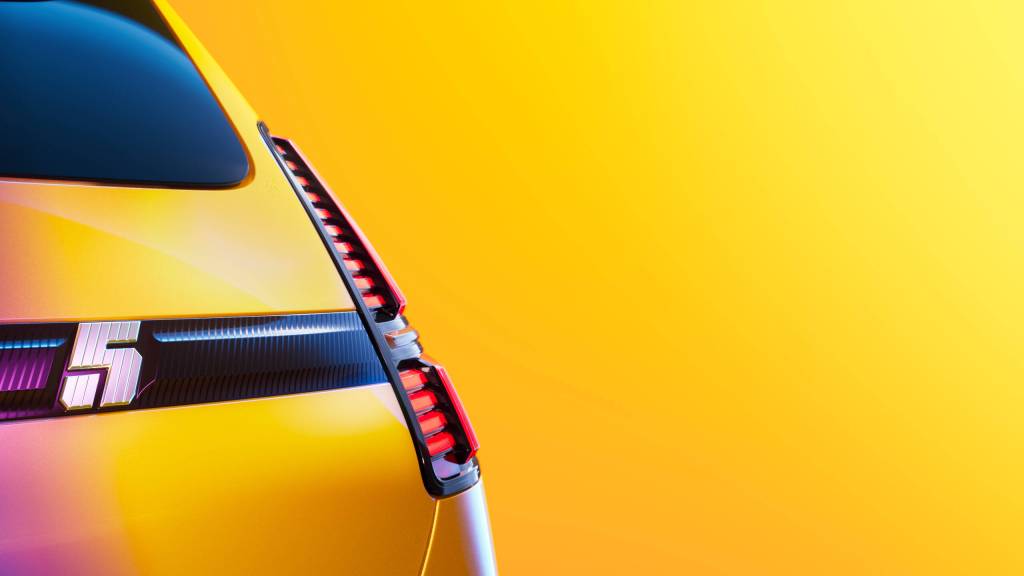
The vertical rear lights were a hallmark of the R5, and here they include a function extending the side panel.

R5 R Pass, a skip-the-line programme for online customers

At the end of last month, Renault is rolled out a unique experience for future customers: the R5 R Pass programme. R5 R Pass holders will be able to order the new iconic all-electric vehicle in the Renault network 10 days before orders open to the general public. Customers placing an order during this special period will be among the lucky first to take delivery of their vehicle from autumn 2024, with the ElectriCity plant in Douai, France, giving priority to their order on the production line. Holders of an R5 R Pass will receive a scale model of Renault 5 E- Tech electric after its reveal and will be the first to access content and events around Renault 5.

Available at a cost of €150, the R5 R Pass will be available from http://www.renault.fr/r5 and in the seven participating countries (France, Germany, Italy, Spain, United Kingdom, Belgium and the Netherlands).

An all-electric city icon…

Just 3.92m long, Renault 5 E-Tech electric is every inch a city car. Ideal for urban driving, this all-electric icon is also fit for the open road with its 52 kWh battery giving it a range of up to 400 km WLTP. This battery will be the first available when orders open. A second 40 kWh battery will become available at a later date.

Renault 5 E-Tech electric will be the first vehicle built on the new AmpR Small platform (formerly CMF-B EV), designed for true driving pleasure. The multi-link rear suspension, usually found only on vehicles further up the market, contributes to the excellent stability and roadholding.

Renault will gradually show more of its new all-electric baby. Stay tuned!

Hans Knol ten Bensel

We spoke with Milosz Tomanek, Premium Cluster Director Belux, about Lancia’s renaissance…

In the magnificent surroundings of the Italian embassy in Brussels, we talked with Milosz Tomanek about Lancia’s return to the Belux market…

At the presentation of the Lancia Pu+Ra HPE and the announcement of the return of Lancia in Belgium, we had an interesting talk with the Director of the Premium Cluster Belux at Stellantis, on the opportunities of the iconic brand on the Belux market…

Hans Knol ten Bensel
Q: The Belgian market has much potential for Lancia, but due to its long absence, the question arises what is now your client base and what is your approach to re-enter our market? We have the Dutch approach, where the market is already very digitised. Both countries have a very large fleet market, and this will also be the challenge for Lancia…

MT: Indeed, the fleet market is with around 70 pct of the total volume very important. For the premium segment, its share is even 80 pct. When we want to re-launch Lancia, we have to establish ourselves in this fleet market too. This is also the reason why we have electrified the new Ypsilon, and are offering a plug-in hybrid version as well as a full electric variant.

When we want to re-launch a brand, we have also to take the right steps to grow. We have to start from a solid base. The B segment is quite large in Belgium with a total volume of not less than 125.000 cars. We also have the private client. His market importance has admittedly diminished over time, but he exists. When a new model is launched by an Italian brand, it is the private client who is the first to show substantial interest.

Driven mostly by family members or acquaintances which had previous ties with the brand. When it was rumoured that Lancia would come back to Belgium, many private clients reacted eagerly to the news. This shows clearly that Lancia still stirs emotions and interest amongst many. Clients which are looking for emotion, design, a sporting touch, elements which are intrinsically part of Lancia. We must certainly not overlook this segment.

Q: I also think that the interest of the private client forms the basis for the subsequent appeal of the brand in the fleet market. Don’t you agree?

MT: Indeed, this is why the private client constitutes the basis of our market approach.

Q: Will you adopt for Lancia a similar service model which Stellantis uses for the other premium brands in the group, like DS for instance? MT: What you are saying now is somewhere the essence of the premium approach, but we have three brands with their own, specific identity. If you put the three brands in a showroom, the clients will invariably go to the niche or corner of their brand. But of course, what DS has established and built over the last few years is valuable. We have to offer a credible and worthy alternative of the German brands. Having said this, we have to offer a client experience which is at least as good as what the German competition is offering. But we don’t have to merely copy their approach. The client has to discover the identity of the brand in his service experience. Therefore we cannot simply copy what DS or Alfa does for its clients, but we take the right elements which are in line with the identity and character of the brand.  Last but not least we have to offer a proper atmosphere of the reception and showrooms of the dealerships.

One of my tasks is to find the synergies, but always with an eye for the specific identity of the brand. We don’t want to be merely a corner within the Alfa showroom, we want to offer a complete client experience, but then of course we will use the best practices learned with DS and Alfa Romeo. One must not forget that despite their iconic and long history, these brands are relatively young for the Belgian market in terms of a substantial market presence. But the brands nourish each other, this is also important for our distribution network.

There will be 10 dealers this year which will have also Alfa or even the three premium brands under one roof, and we see that proven best practices are shared for the three brands, inspiring but not cannibalizing each other in their specific client approach.  

Q: We will see the Ypsilon in a full electric and electrified hybrid version, also to enable a smooth transition for the existing Ypsilon owners to this electric age, which is certainly indicated for senior clients who live in urban areas and apartments…

MT: Indeed, there is a philosophy behind this. We will not dictate what the client has to buy. We will listen to the client, but at the same time we have to project what the client of the future will buy. We notice that the market is getting more mature what full electric purchases is concerned, and political decisions now cause a rapid expansion of this segment. But this switch is slower for clients living in urban areas.  

Thanks to the financial strength of the Stellantis Group, we could carefully work out our renaissance strategy and roll it out judiciously step by step. This consistency has helped me when I started up the team and the retailers were identified. Credibility was already created. One should keep in mind that irrespective of the fact that a brand has been absent of the market for 5 or 10 years, you only have one chance to (re)launch a brand successfully. You have to do it right. I am convinced we are doing it the correct way…

Q: Thank you for this interview.

Hans Knol ten Bensel

Lancia is back…

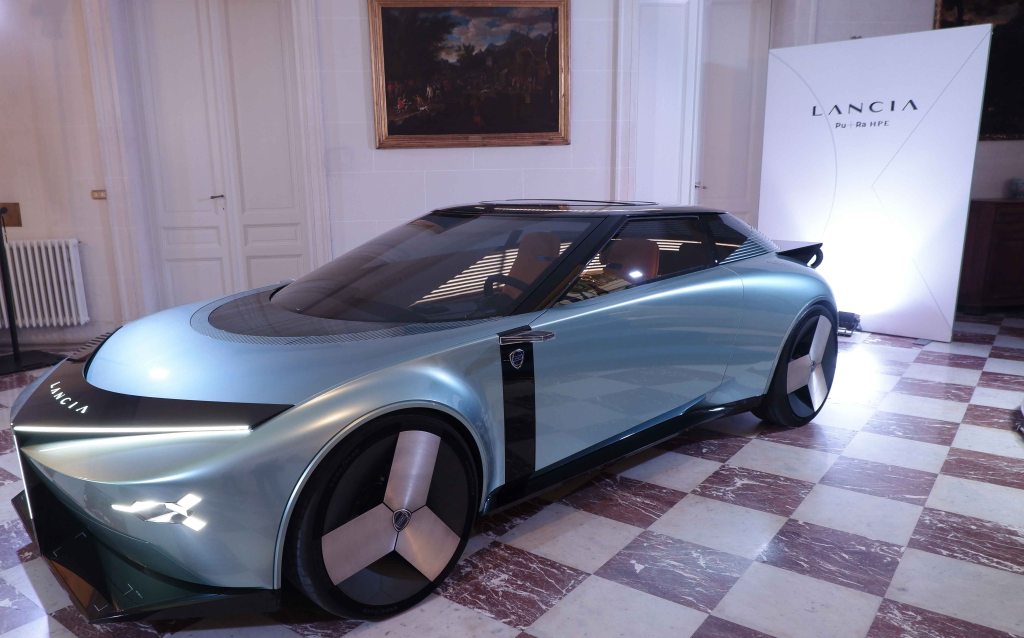
Belgium has always been a country with many Lancia enthusiasts, and the iconic brand returns therefore in its renaissance strategy also to our country and Luxemburg as one of its 6 major European markets. We could witness the presentation at the Italian embassy in Brussels of the beautiful and stunning Lancia Pu+Ra HPE, a concept car which embodies, as Lancia puts it,  “the brand manifesto for the next 10 years in terms of design, interior home feeling, sustainability, electrification and effortless technology.” We will come back in more detail on the styling and innovations incorporated in this car, which will indeed be a harbinger of things to come for the brand.

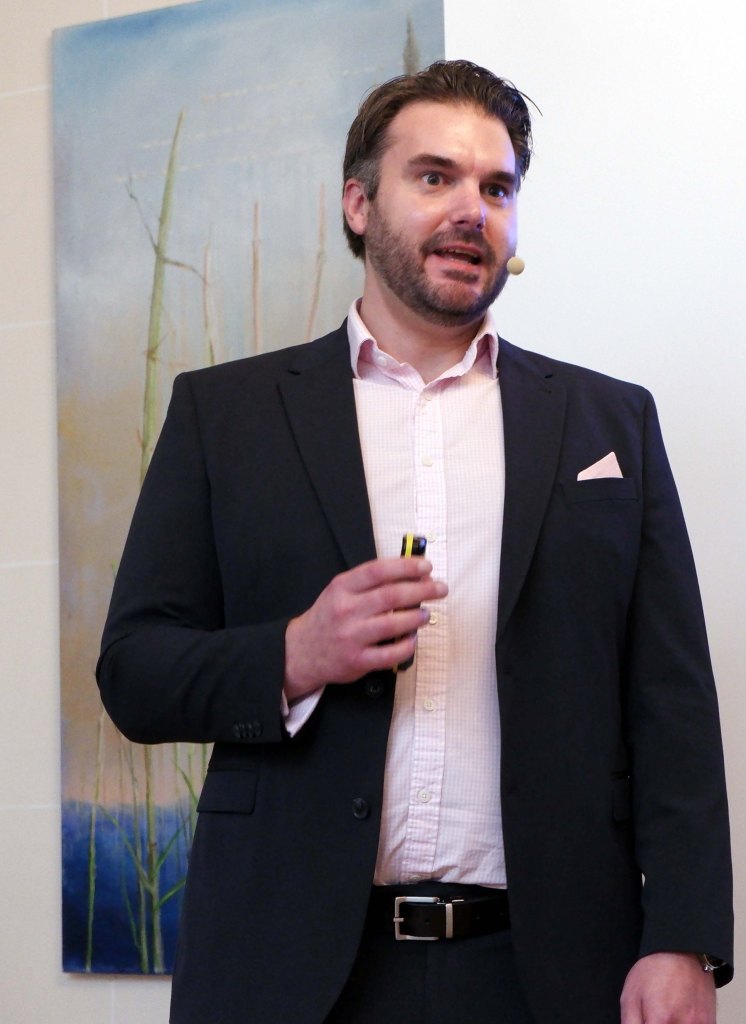
At the press conference, we listened to four speakers, Mr. F. Colonnese Business Development Manager EE (see photo here above) , Mr. C. Louwerse_Premium Cluster Director NL, Mr. Milosz Tomanek_Premium Cluster Director Belux and last but not least Emanuele Tomassorri, Exterior Designer.

We could have an interview with both misters Tomanek and Tomassorri, which you will see further soon in our columns.

Milosz Tomanek, Director of the Stellantis Premium Cluster in Belgium and Luxembourg (photo here above) stated “as soon as we announced Lancia return to Belgium and Luxembourg, we set up a dedicated team to work on and implement the brand Renaissance, making of Lancia the brand that embodies the Italian elegance. For the launch of the new Ypsilon in 2024, we will have 10 retailers and 13 after-sales service points. We are ready to have Lancia back and make of Belgium and Luxembourg two of the main European markets for Lancia.” Lancia will also launch the Gamma in 2026 and last but not least the Delta in 2028. From 2026, Lancia will only be launching 100% electric models and, from 2028, it will only sell 100% electric cars.

Lancia’s Roadmap for Europe

Lancia’s arrival in Belgium and Luxembourg is another step of the brand’s Renaissance towards its internationalization and forms part of a roadmap in line with the Stellantis “Dare Forward 2030” strategic plan.

By the first half of 2024, the brand will have 70 new retailers in 70 major European cities and 100% of the letters of intent have already been signed. The strategy involves, as Lancia puts i officially, a new efficient and innovative distribution model, with a selected number of retailers based on a key concept of Lancia Renaissance: quality.

The new showrooms will provide customers with a totally immersive experience, both online and offline, recreating a “home feeling” atmosphere, thanks to materials, colors and attention to detail, inspired by Italian architecture and design.

As said, more soon with interviews and further separate reports and comments on the design of the Pu+Ra HPE…

we just tell you here that the name Lancia Pu+Ra HPE is based on Pu+Ra, the brand’s new pure and radical design language, whereas HPE stands for ‘High-Performance Electric’…

Hans Knol ten Bensel

We drove the Opel Astra GSe: the Opel lightning shines again…

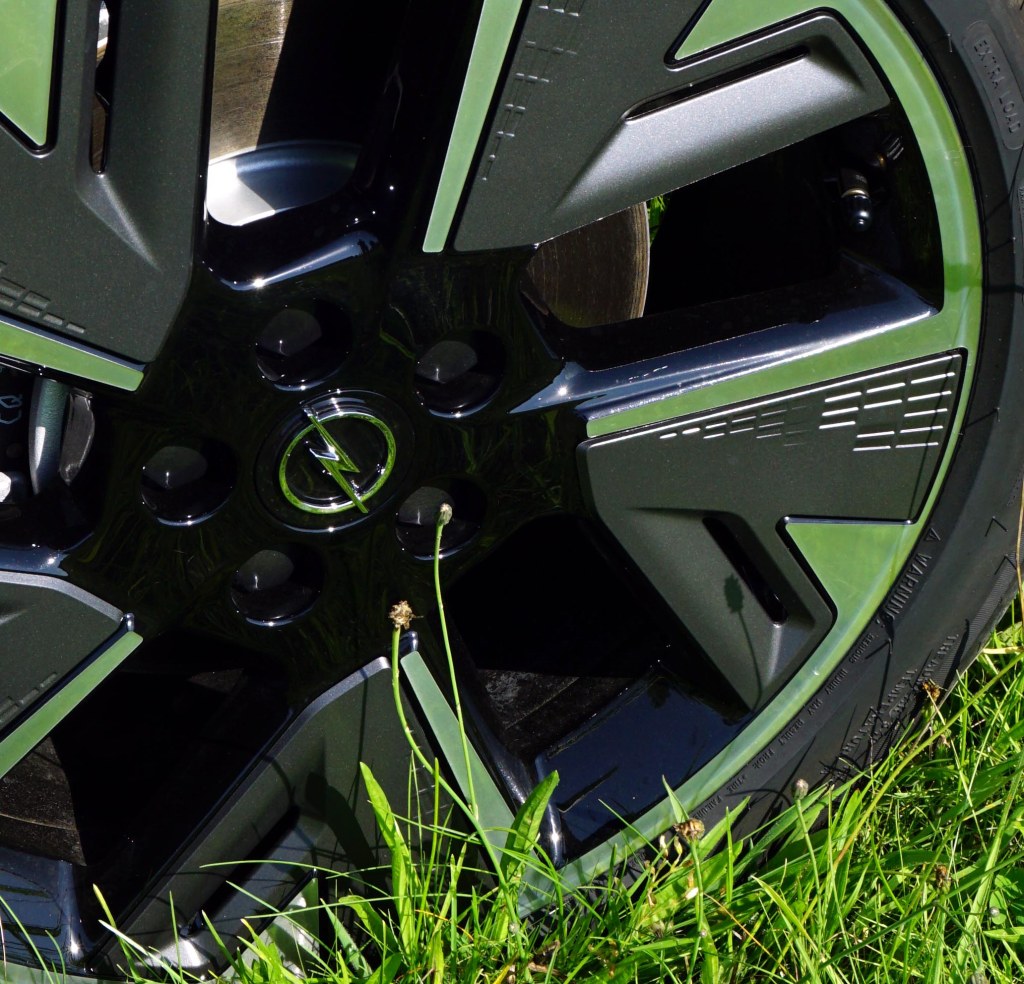
We all know the Opel badge: the image of a lightning boldly striking through the “O”, the first letter of the iconic Opel name. After this extensive test at the wheel of this GSe, we can truly say that this sporting version of the Astra bears tribute to it.

Indeed, this Astra GSe is fast, nimble, with beautiful handling, quiet, stable, steering with precision and offering Gran Turismo comfort to its occupants.

It has style too, and is economical and “green” on top of all this: it’s an efficient hybrid, with sufficient range to bring you around town in a totally emission free manner. Just read further…

Hans Knol ten Bensel

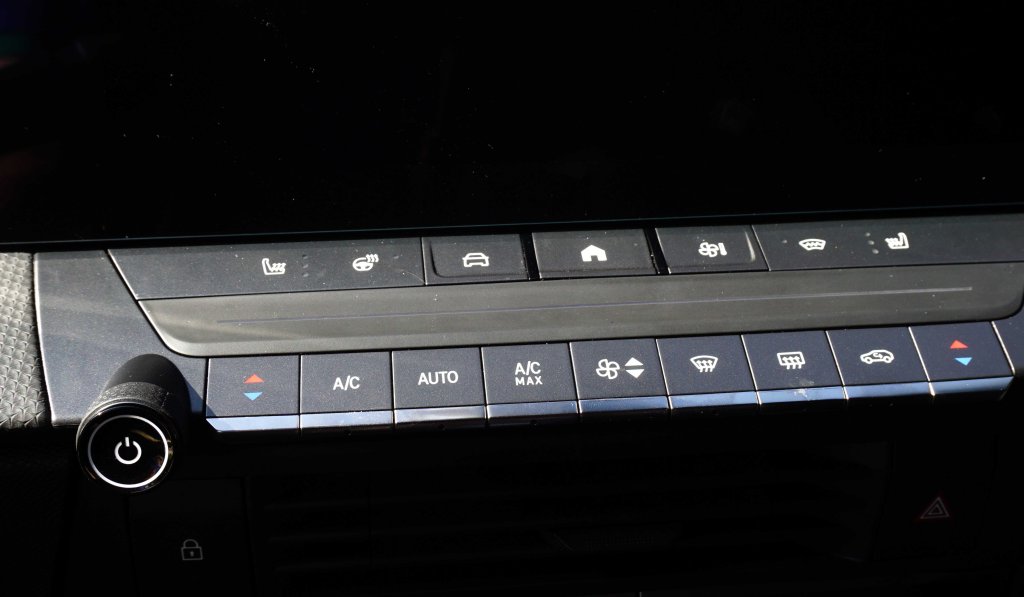
We already applauded the styling and the wonderfully clean interior and dashboard layout of the Astra. Less is more, is the philosophy when it comes to infotainment and ergonomics.

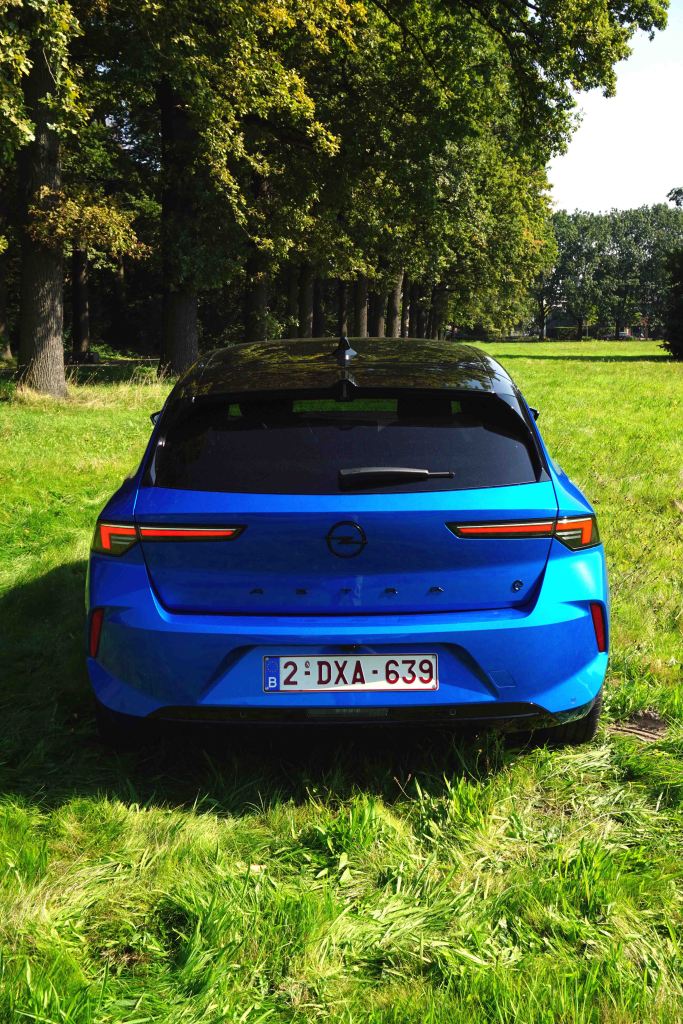
Inside, your eyes admire the GSe-exclusive performance seats. On the outside, one sees clearly that this is an Astra with a sporting touch: it has exclusive 18-inch alloy wheels and the characteristic GSe front bumper.

Driving resuscitates the Opel legend…

Sporting Opels are legendary. The Ascona’s and Manta’s driven by Walter Rohrl for instance. They were efficient, fast, yet still very recognizable as Opels, keeping a very close resemblance to the production series versions. At the wheel of this GSe one feels also this unique punch, the steering precision, the effortless but very impressive performance.

Indeed, this GSe has what it takes. With an impressive system output of 165 kW/225 hp – the 1.6 litre four-cylinder engine delivers 133 kW/180 hp, the electric motor contributes up to 81.2 kW/110 hp – and with a maximum torque of 360 Nm, the Astra GSe with spoil you with an acceleration from 0 to 100 km/h in 7.5 seconds; a top speed of up to 235 km/h is also in the cards. Need we say more? Indeed, this Opel will make you smile.

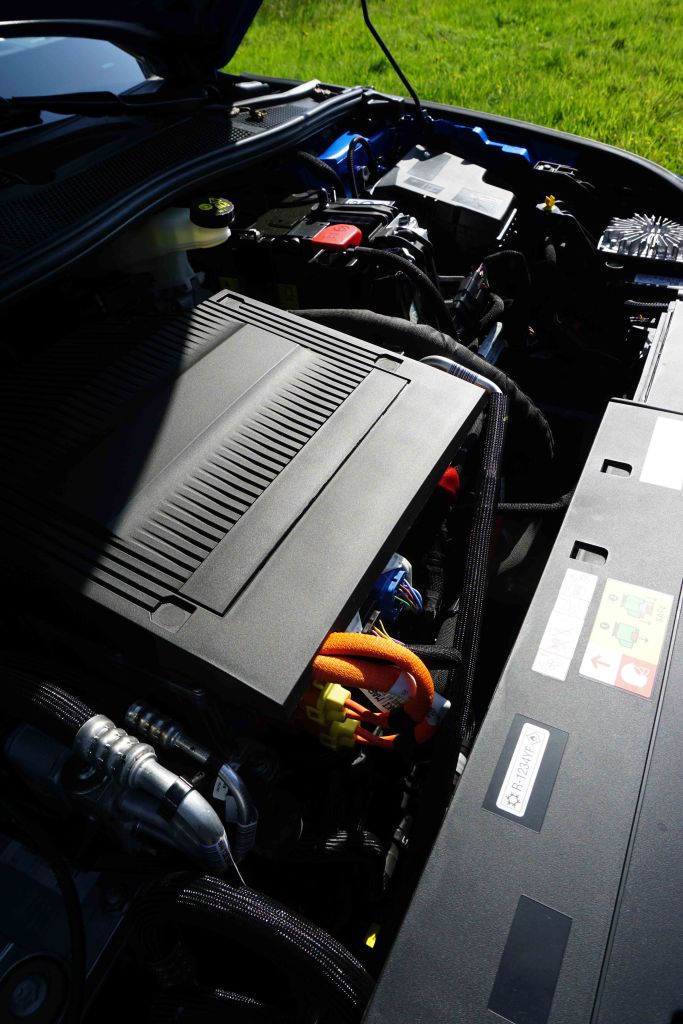
Because it’s a hybrid, it will not spoil the city atmosphere, as with its 12.4 kWh lithium-ion battery, the Astra GSe can cover up to 64 kilometres on e-power according to WLTP2 (EAER City according to WLTP2: 69-73 km).

The fuel consumption is according to WLTP1: 1.2-1.1 l/100 km, CO2 emissions 26-25 g/km; each combined. With a depleted battery, the hybrid mode is of course still very useful, as the system then recuperates the kinetic energy when decelerating. When cruising along at legal maximum speeds on the autobahn, it is easy to consume less than 6 litres/100 km, and with a very disciplined right foot in city traffic and a lot of anticipation, you can achieve anything between 6 and 7 litres/100 km. But it you are tempted by the smooth and abundant power at your disposal, it will inevitably cost you…

Precise and nimble handling

The Opel engineers did some serious homework. It has a dedicated chassis, lowered by 10 millimetres. The sporty calibration of the steering is GSe-specific, while the springs and oil-filled dampers of the front and rear suspension are specially tuned not only for dynamic driving but also for comfortable cruising.

The dampers feature KONI FSD (Frequency Selective Damping) technology, which enables different damping characteristics at high frequencies (suspension control) versus low frequencies (body control).

The ESP settings are also specific for thenGSe, with the activation threshold adjusted upwards to match the dynamic driving behaviour. The result is a comfortable Opel which handles like a dream, displays utmost stability at high speeds and steers with uncanny precision.

State of the art driving aids and infotainment.

The Astra GSe comes with the so-called “Intelli-Drive 1.0” system with forward collision alert and active emergency braking, pedestrian and drowsiness detection, lane departure warning and traffic sign assistant, cross traffic and side blind spot alert and automatic speed assistant with stop function as standard.

The parking pilot for the front and rear and the 360-degree “Intelli-Vision” camera support the driver when maneuvering.

You are well connected with the wireless Apple CarPlay and Android Auto compatible multimedia navigation system including 10-inch colour touchscreen and the 10-inch driver information display. Compatible smartphones can also be easily charged via wireless charging in the centre console.

Conclusion

Opel has built here a very desirable high performance hybrid with excellent manners. Opel says that with this car, it has redefined the performance “Zeitgeist.”

Indeed, it has done so. Just for Opel historians: the Opel “GSe” label was traditionally an abbreviation of “Grand Sport Einspritzung” (Grand Sport Injection) as on the Opel Commodore GS/E and the Opel Monza GSE.  Now GSe stands for “Grand Sport electric”.

We can only say, we were electrified…

Hans Knol ten Bensel
We drove the Mercedes GLC 400e  4MATIC: a plug-in hybrid with the luxury and panache of the good star…

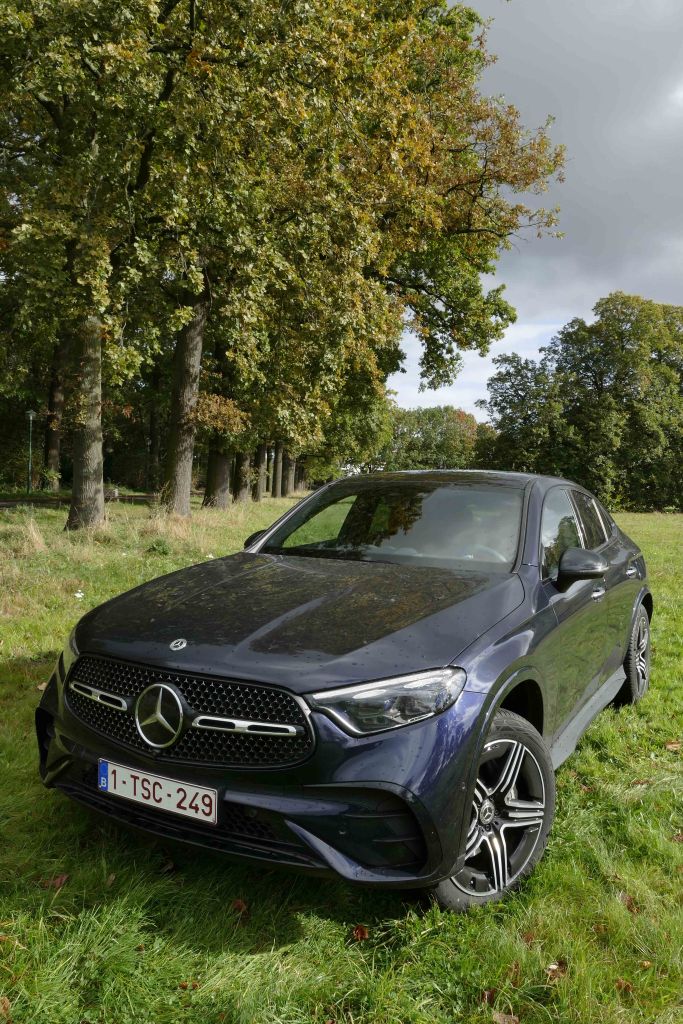
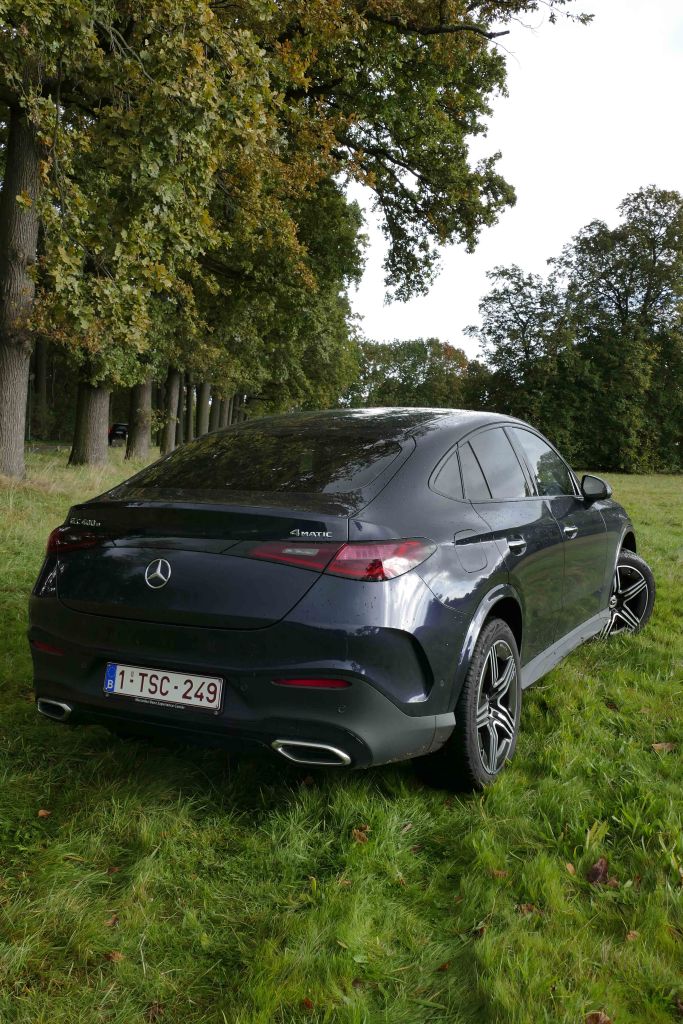
Mercedes is an expert in designing and building premium lifestyle cars, and has with its new GLC Coupé a new and strong contender in this segment. The Coupé version is a more sporty and stylish looking variation on the GLC SUV, which is indeed one of its absolute bestsellers. This Mercedes combines good proportions with stylish surfaces and, certainly in the AMG Line version we tested, a beautiful interior. Mercedes says when stepping into its cars, it feels like coming home. We can only agree. All this is combined with state of the art plug-in technology. Just read further…

Hans Knol ten Bensel

Indeed, the Mercedes GLC looks good, albeit the overall silhouette of these bigger SUV Coupés are a bit chunky. The AMG Line version we drove The AMG Line is available with 19-inch or 20-inch mixed-profile tyres and wheel arch liners in the vehicle color. Also offered as optional extras are easy-entry running boards and last but not least a so-called “Night package.”

The interior is a chapter on its own…

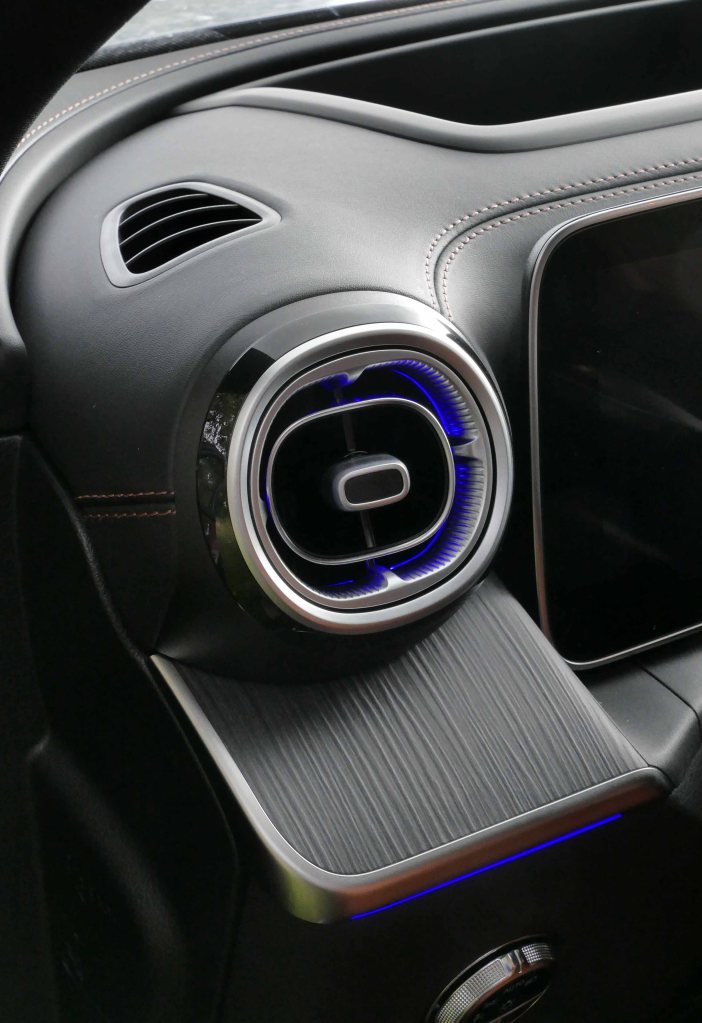
Indeed it is… The color of the seats and upholstered panels was very well matched to the exterior, and indeed the generous trim area flows seamlessly into the curved centre console. Standard for the AMG line is the leather-lined dashboard with nappa-look beltlines, and it is a pleasure to see and touch. Some trim elements have innovative surfaces. In our test car, these included interpretations of open-pored wood veneers in brown, with aluminum inlays.

Of course, we find a further improved MBUX operating system in front of us. . The 12.3-inch (31.2 cm) LCD screen in front of the driver appears to float freely above the trim surface. The 11.9-inch (30.2 cm) portrait format central display rises from the centre console and likewise seems detached from the trim surface. Like the dashboard, the screen surface is slightly angled towards the driver, which makes it a bit awkward for the front passenger to imput commands on the screen and seeing the resulting information…There is a special tactile slider command for the sound volume, which reacts indeed more positively and faithfully to your finger input.

A new feature which we liked aesthetically is the floating control cluster, into which the door opener and seat adjustment controls are integrated.

Driving: enjoying workmanship and efficient performance…

There is something unique about driving a Mercedes. It is the feeling of solidity, absolute workmanship, enhanced by the opulence of the interior and the experience of an ultra solid bodywork and chassis. A Mercedes will never really invite you to throw it around corners but nevertheless lets you feel its sheer power and high performance capability. You feel indeed that it is fully ready to do great things, but it will rather invite you into a sedate and responsible driving style. Of course it has the performance.

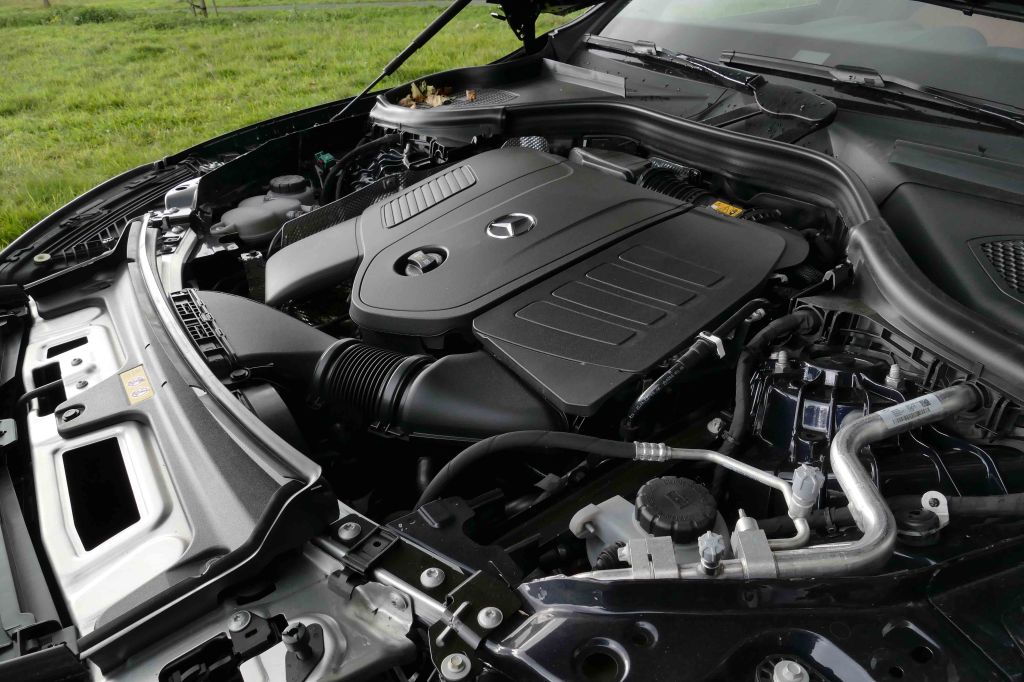
We tested the 400e, which is the plug-in hybrid version with a 2 litre petrol engine, delivering not less than 185 kW/252 hp at 5,800 rpm and 400 Nm of torque between 2,000-3,200 rpm. But that’s not all. It is assisted by a 100 kW electric motor delivering also 440 Nm of torque. You understand that this makes for effortless, instant accelerations. This Mercedes will catapult you from 0 to 100 km/h in 5,6 seconds, and the top speed is also almost in supercar league with a good 239 km/h. Total system power by the way is 280 kW/381 hp, and total system torque not less than 650 Nm.

But don’t expect a nervous supercar when you are driving it in town. The 100 kW electric motor will take most of the honors, and drive you whisper smooth over the city boulevards. If you choose the hybrid driving mode, it will in default configuration (you can select another configuration of course) run on battery first, until it is depleted, and this especially in urban driving conditions.  According to the WLTP test cycle, the electric range varies between 119-131 kilometers. But you can also choose to hold the battery charge constant for later use, and then there is also the obligatory sport mode. You can also choose for instance the electric “all-terrain” mode, the choice is yours…indeed, it is a 4MATIC…  

The battery has a rated capacity of 31.2 kWh, and is an in-house development by Mercedes-Benz. . Starting from empty, a full recharge with the optional 60 kW DC charger is completed in around 30 minutes. The GLC Coupé is equipped as standard with an 11 kW three-phase AC charger.

The full electric power is available up to 140 km/h. It should also be noted that in the new GLC Coupé, Mercedes-Benz uses a so called “electromechanical brake booster”. It automatically  controls the flexible transition between hydraulic braking and recuperation, depending on the driving situation, to ensure optimal energy recovery and braking performance at all times. Indeed, we noticed that even in the “battery hold” position, after we braked almost to a standstill, we then drove for a few hundred meters on battery power when we continued our route, just based on the electric energy we recuperated during the previous braking.

Excellent agility and comfort The GLC Coupé is also surprisingly agile. It has a new four-link front suspension and a multi-link independent rear suspension mounted to a subframe. The hybrids have air suspension and level control at the rear axle as standard too. On request the new GLC Coupé is available with the so-called “Tech Package.” This includes the AIRMATIC air suspension system and active rear-axle steering with a 4.5° steering angle. A very positive handling is the result. The steering has a variable ratio as standard, and this also helps to give you the impression of steering a smaller car. Of course, comfort is paramount in this GLC.

The optional ENERGIZING Plus package brings them to life at the touch of a button or by voice command and bundles them in up to seven comfort programmes. At the same time, the system creates a matching atmosphere in the interior – e.g. invigorating in case of fatigue or relaxing in case of an elevated stress level. The ENERGIZING COACH suggests an appropriate fitness or wellness programme based on vehicle and trip data… need we say more? We can only say that the seats are excellent fore and aft, and that indeed long trips are restful in this Mercedes. Of course the GLC offers excellent stability on motorways and open roads, with very little road or wind noise reaching the cabin.

Another novelty with the GLC Coupé: there is a trailer menu and towing route planner for navigation: In the central display, routes can be planned that are suitable for driving with the previously defined trailer. This takes into account permitted widths and heights along the route, among other aspects.

Efficient

Plug-in hybrids have a varied consumption pattern, largely depending on how you use it. WLTP figures for combined fuel consumption are 0.6-0.5 l/100 km, with weighted combined power consumption being 22.4-20.2 kWh/100 km. We noted that when cruising in the “battery hold” function between 110-120 km on the open road, that the excellent aerodynamics of the GLC resulted in a consumption of… 5,7 l/100 km.

Practical

The GLC has of course all the thinkable infotainment on board, and we also enjoyed the masterful Burmester® surround sound system, offering 15 premium speakers and a total output of 710 watts.  With even more boot volume than before, the GLC Coupé offers 390–1,335 litres in plug-in hybrid form. The EASY-PACK tailgate is standard. This opens or closes at the touch of a button using the ignition key, the switch in the driver’s door or the unlocking handle on the tailgate.

Standard equipment of the new GLC Coupé already includes the AVANTGARDE Line, among other features. This includes large displays, smartphone integration, wireless phone charging and heated seats for drivers and passengers.

The new GLC Coupé has LED High Performance headlamps as standard. DIGITAL LIGHT is available as an optional extra. The light is created by a matrix of LEDs in the headlight unit that can be individually controlled.

Conclusion

This stylish premium SUV in the plug-in hybrid form as we tested here for you marries the best of all worlds. It gives you the pleasant “Zen” feeling of E-driving, with the range and long distance performance of a conventional IC engined supercar. All this in utter quietness and comfort, combined with sleek styling, a cabin which is a pleasure to look at and touch, with an opulent and tasteful interior and instrumentation which makes you indeed feel utterly at home. It offers all the room and space you want, is at home on any road, and even off the road too. Last but not least, it is even a very practical and sturdy towing car. Last but not least, it is future proof with its 140 km E-range… so a car to have and cherish indeed…

Hans Knol ten Bensel
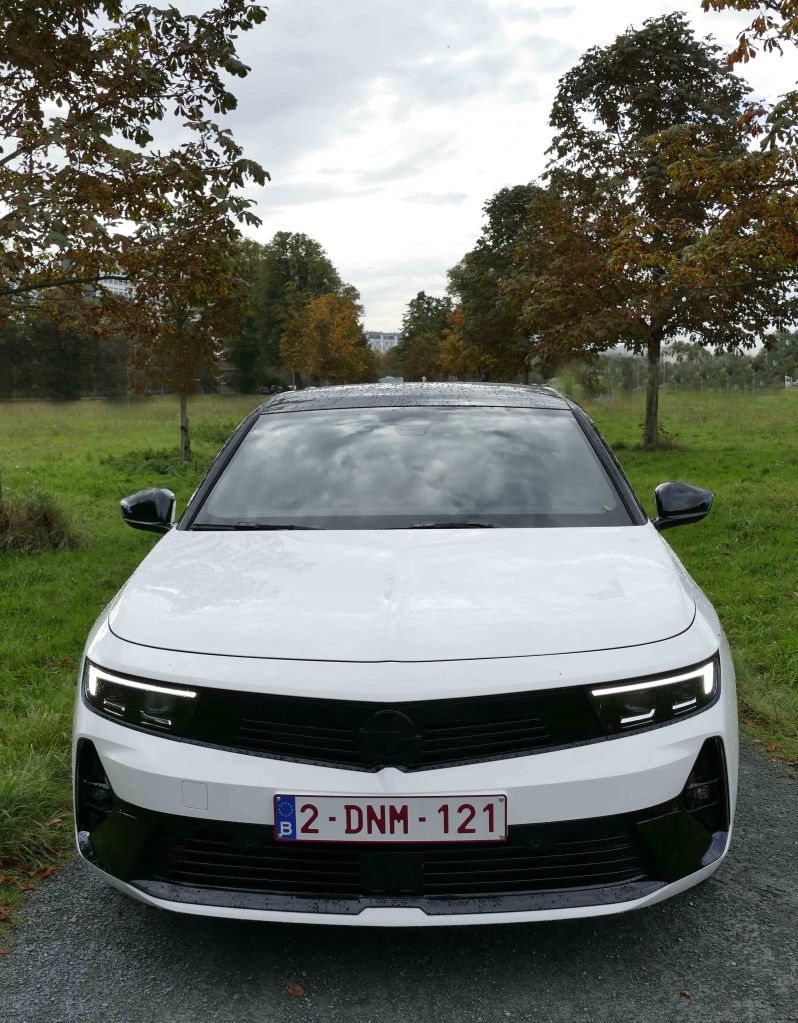
We drove the new Opel Astra Electric: combining pleasure and efficiency with style…

The e-version of the successful Astra was unveiled on the Brussels motor show in January this year, and has recently hit our roads. The dynamic PR department of Stellantis offered us the top equipment version for an extended test drive, and indeed we were very keen to get behind the wheel.

The Astra e seduced us with its refined smoothness and its remarkable efficiency. Driven sedately in dense urban traffic, we used only 12,4 kW/100 km, which is impressive indeed. The Astra is a worthy member of a new generation of compact EV’s with sufficient power, lower weight, reasonable battery sizes and a usable range of some 360-400 kilometers. On top of that, they are agile and a pleasure to drive. Just read further…

Hans Knol ten Bensel

Stellantis is doing fine in the EV field, offering sensibly sized compact models across its range like the DS 3 we tested earlier. Here in the Astra we find the same new electric motor, good for 156 hp and 270 Nm of torque.

This offers zesty performance, which will satisfy virtually all of us in daily life. Indeed, the Astra will sprint with a whisper from standstill to 100 km/h in 9,2 seconds, and has a very creditable top speed of 170 km/h.

You can choose between three driving modes, eco, normal and sport. In the eco mode, engine power is reduced to 108 hp, but in practice this leaves you still with enough oomph thanks to the excellent torque characteristics of the electric motor. It gives you excellent efficiency, like we pointed out earlier. One drawback with the very hot weather we had during our test is the reduced power of the air conditioner in this eco mode. In the normal driving mode, power is set at 136 hp, with 156 hp being reserved for the sport mode. Nevertheless there is a kickdown function which puts the full engine power at your disposal irrespective of the chosen mode when you floor the throttle.

The screen in front of you displays the chosen driving mode, and is a school example of clarity and simplicity. You find all the essential information in a nutshell: battery capacity, range, driven speed and the music you are listening to… of course, it can be configured to suit your personal preferences.

The unique feeling of ’’ZEN’’…

More and more we start to like EV driving, especially in town. There is the uncanny smoothness when parking, maneuvering or driving very slowly in traffic jams. It is so beautifully stress reducing. On top of that, it is silent.  So you discover the merits of a good audio system, and indeed, the beauty of music… it makes spending time in heavy traffic a soothing and restful experience. This can be said more than ever when driving this Astra Electric. The DAB+ radio provides of course crystal clear sound, and with the display right in front of you informing you about the composer, the piece of music and performer, you just sit back and enjoy…

Ideal seating and ergonomics…

At Opel they take good seating very seriously. The driver’s seat is a so-called “active sports” seat, especially designed to give your back the best possible support. It carries the certificate label AGR, which means nothing else than that it is certified by the organisation ’’Aktion Gesunder Rücken”, or Campaign for Healthier Backs. Indeed, they give excellent support. The seat is also eminently adjustable, so sitting behind the wheel of this Astra is an undisturbed pleasure.

This feeling of absolute well-being is further enhanced by the excellent ergonomics of displays and commands in the cabin. Opel designers are convinced that less is more, and they have adopted this philosophy when designing the dashboard and its controls. Indeed, the dashboard layout is a model of simplicity and clever design.

All the controls are clearly labeled and tactile, and you don’t need a manual to get acquainted with all the functions in this Astra. The instruments, or rather the two coupled 10 inch screens are also a school example of clarity and readability. Some will say that everything is rather austere and without stylish drama and panache, but then you come to appreciate it increasingly in daily use.

Lively and agile

The suspension strikes also a very good balance between comfort, steering precision, handling and high speed stability. The Astra steers very pleasant and its overall agility on winding roads totally belies its 1,7 tonne weight, which is quite light anyway for EV standards. As said, the Astra strikes a very good balance between engine power, battery size and vehicle weight.

Just a word about the batteries. It is a 54-kWh lithium-ion battery with  102 battery cells housed in 17 modules. The Astra Electric can cover up to 418 kilometres in accordance with WLTP1.

Charging times are also quite reasonable. It can be charged to 80 pct of its battery capacity in under 30 minutes at a 100 KW charging station. The car is standard equipped with a three-phase 11 kW onboard charger for the wall box at home…

We already told you about the efficiency of the Astra. Thanks to the standard heat pump, this five-door Astra requires just 14.8 kWh of electricity per 100 kilometres (WLTP2 ). A word of praise again here, as in the test of the DS 3, is warranted for the ”B’’ position, where the car will use the regenerative braking to the full. This allows very smooth one pedal driving indeed, with the regenerative braking force being very progressive and smooth.

Practical

The Astra also has an estate version, and soon the Astra Electric will also be available as such. This makes this EV then a very practical proposition indeed. The batteries are housed in the platform floor and beneath the rear and front seats, and take some boot space too. The Astra Electric offers 352 litres of luggage space in the boot – with the seats folded down, the capacity increases to up to 1,268 litres. Sufficient we would say, but the soon to come estate version will offer more…

Electronic driver assistance…

On-board as standard are electronic aids from the front collision warning system with automatic emergency braking to the adaptive cruise control with stop-and-go function and the Intelli-Vision 360-degree camera. In addition, the Intelli-Drive 2.0 system with semi-automatic lane change and intelligent speed adaptation is optionally available for the Astra Electric for the first time. The adaptive Intelli-Lux LED®Pixel Light ensures bright, glare-free illumination of the road at night. We also liked the very clear and readable head up display.

Conclusion

This Opel Astra is now even more endearing to drive in the electric version. It has lost nothing of its agility, the dynamic driving experience is now even better thanks to the smoothness of the drivetrain and the power delivery. Handling is just as good, striking a good balance between comfort and overall handling. The excellent ergonomics, the host of electronic driver assistance systems make daily life with the Astra a further pleasure…and just wait for the estate version!

Hans Knol ten Bensel

We drove the DS 3 E TENSE: French panache and style

The latest generation of the DS3 has truly impressed us. It has gained further in style with a redesigned front end and light units, reworked dashboard controls and better touchscreen, and the E-TENSE version has definitely gained in practicality with a more powerful electric motor and a bigger battery, greatly improving range and driving experience.
Just read further…

Hans Knol ten Bensel


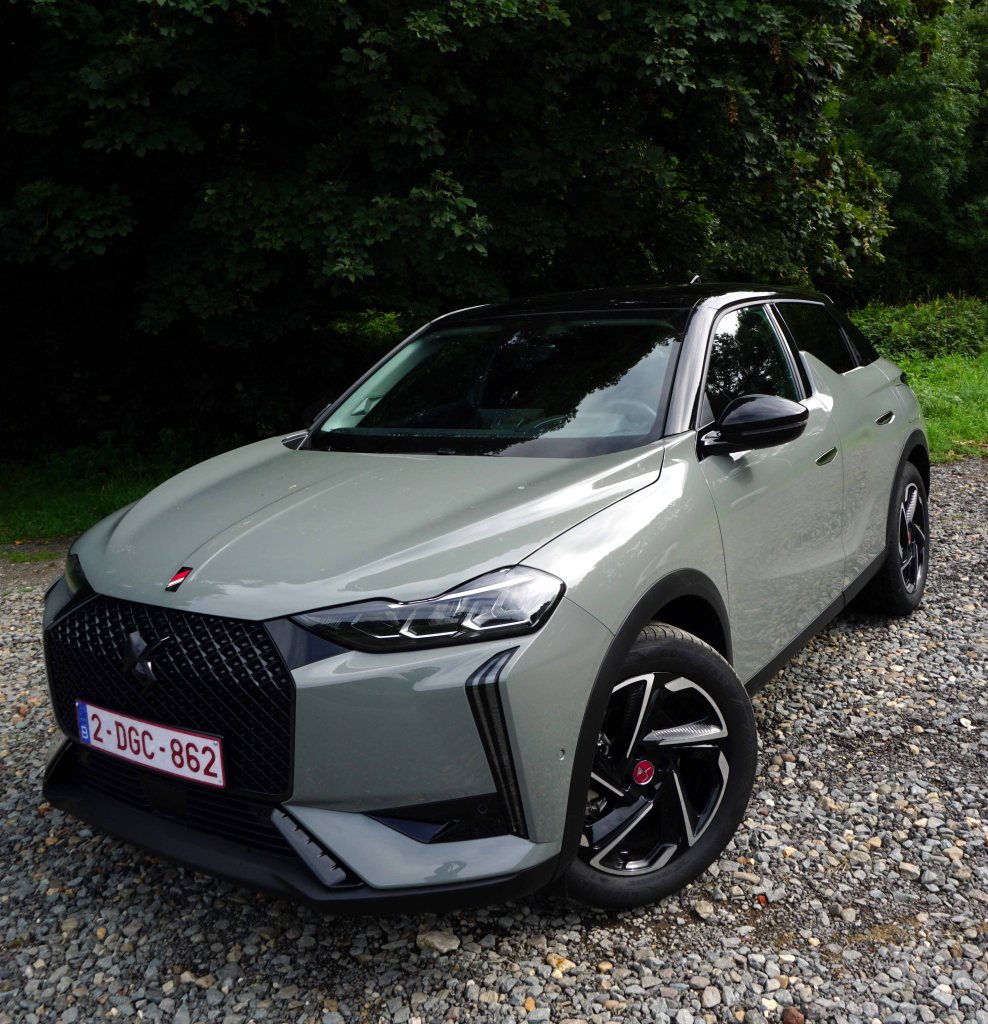
We like the look and styling of the DS automobiles, and the DS3 is no exception. We personally find the DS 3 one of the best looking compact crossovers, and indeed the styling department of DS really does a very good job to let the brand truly stand out within the Stellantis group.


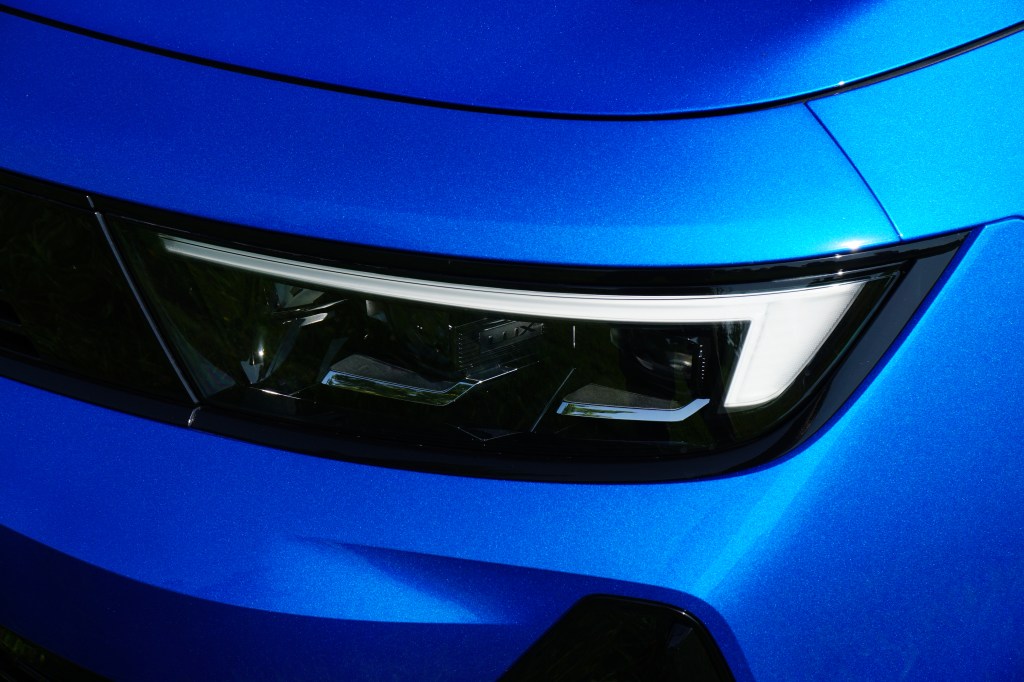
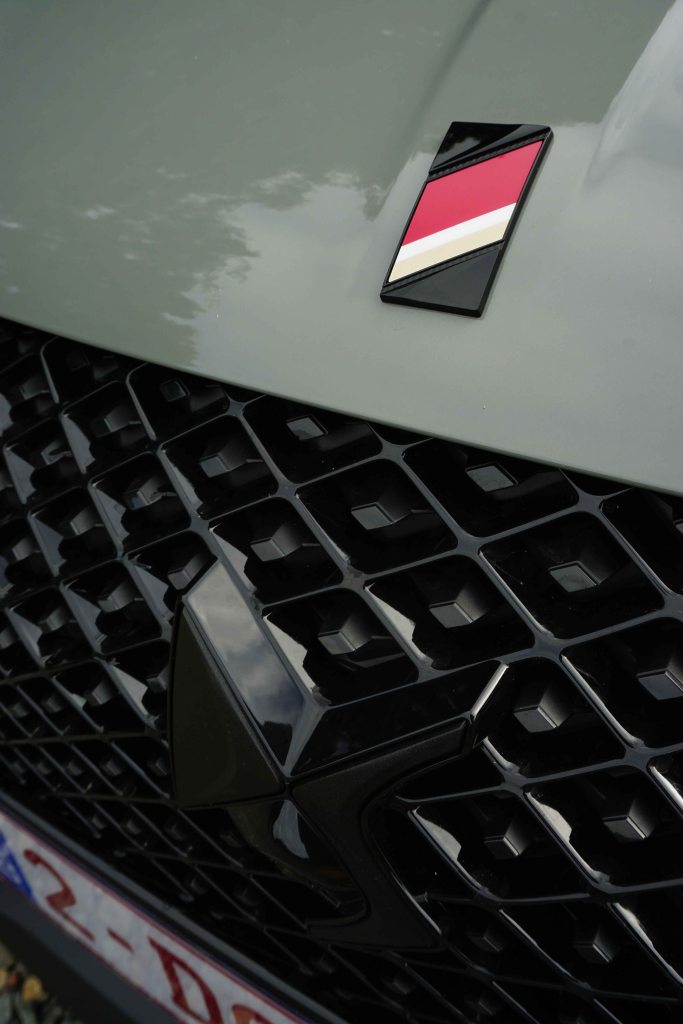
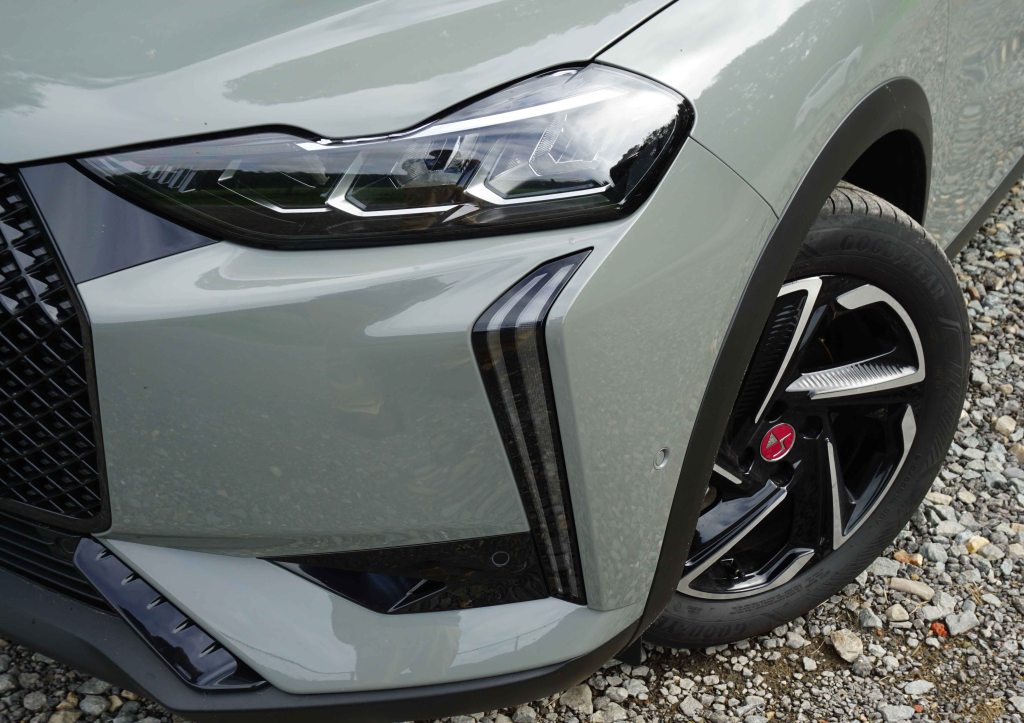
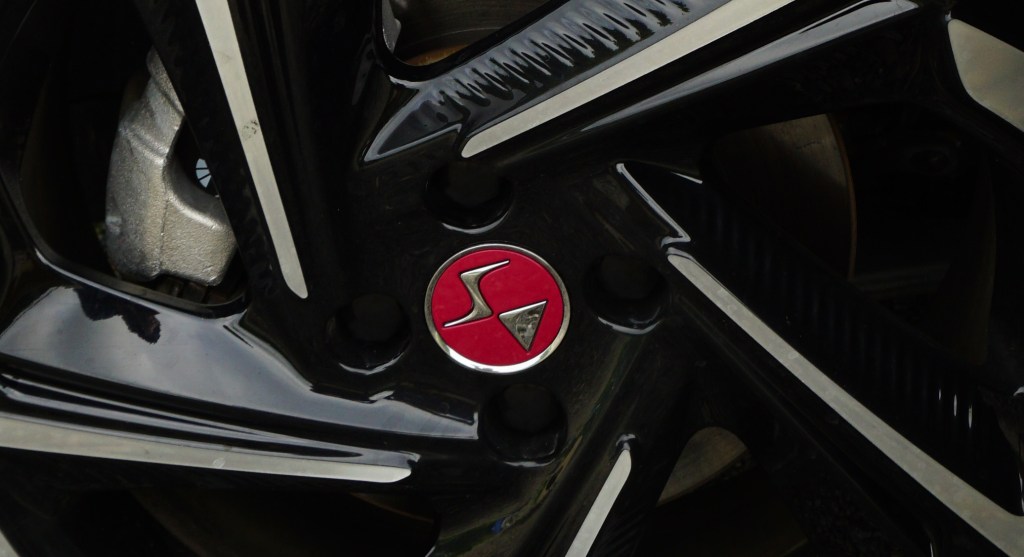
There is a redesigned grille, wider and enhanced with gloss black or chromed diamond tips depending on the model. The distinguishing DS WINGS have been tweaked to subtly join the grille and headlamps. The new LED headlamps – standard across the range – give New DS 3 a sharper look with three feature modules set in satin chrome.

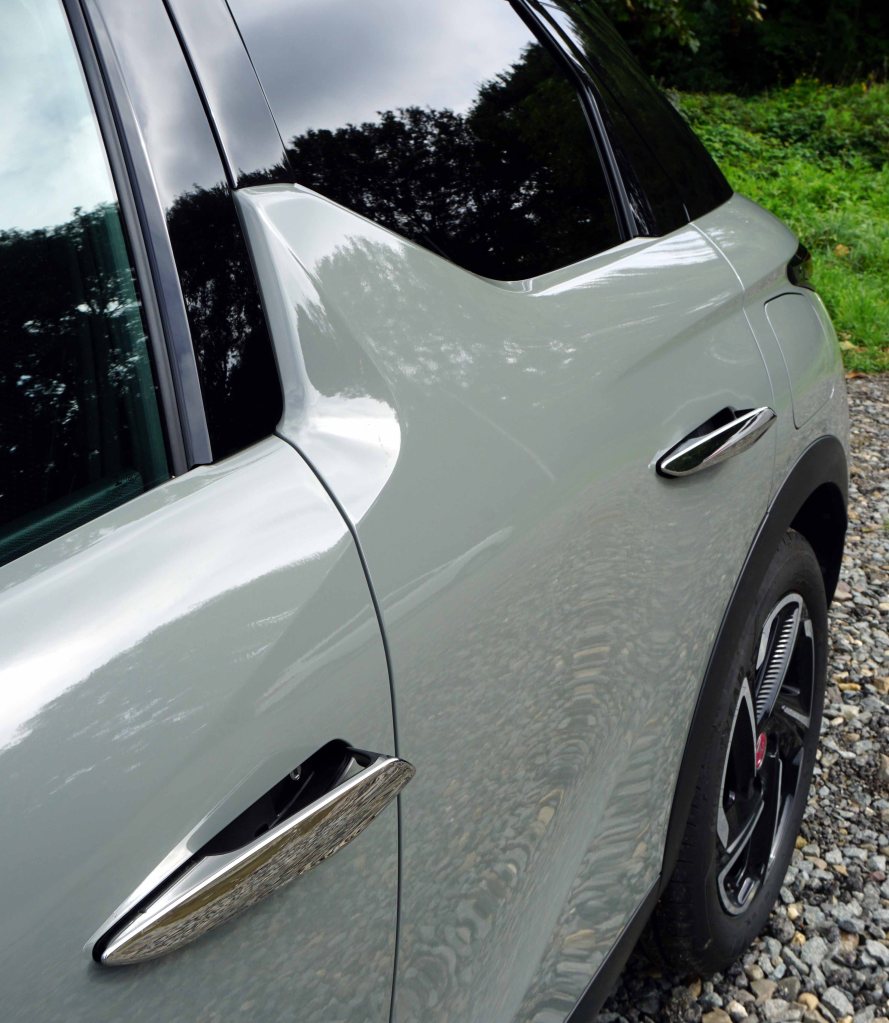
The new daytime running lights feature two LED lines vertically arranged either side of the front for a wider light signature, consistent with the latest DS Automobiles design language. At the sides we find again the the distinctive DS 3 shark’s fin, flush flitting door handles and invisible exterior window seals.

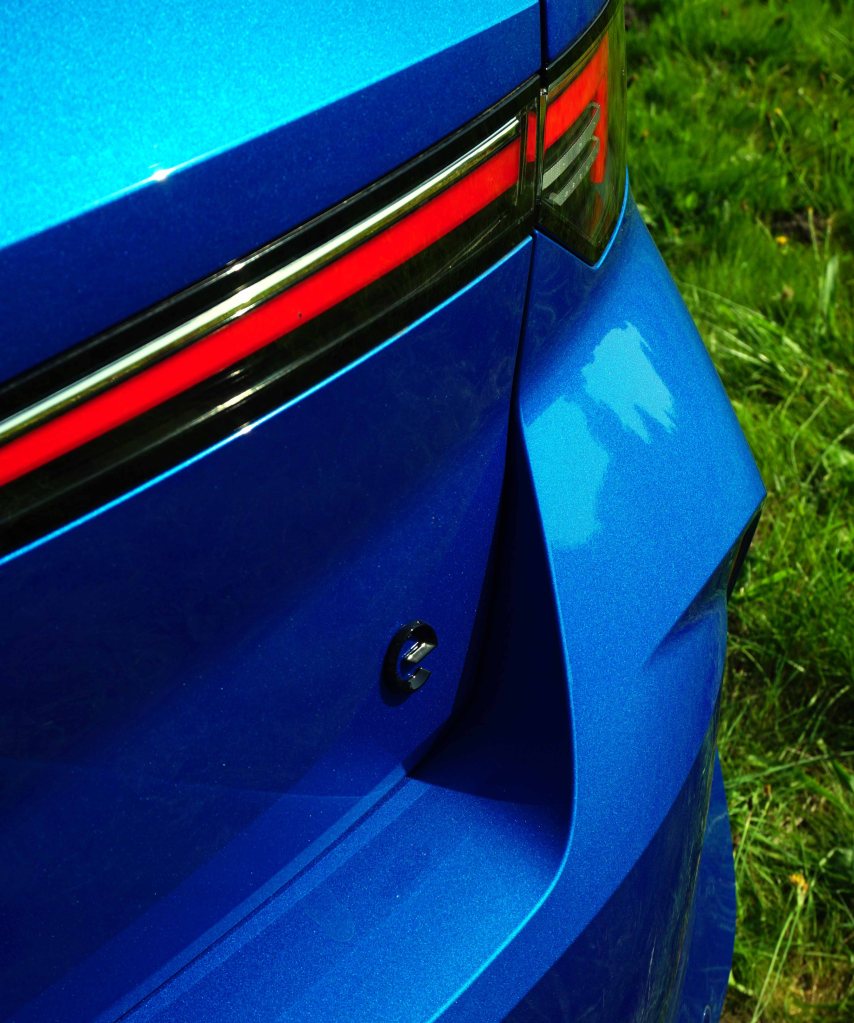
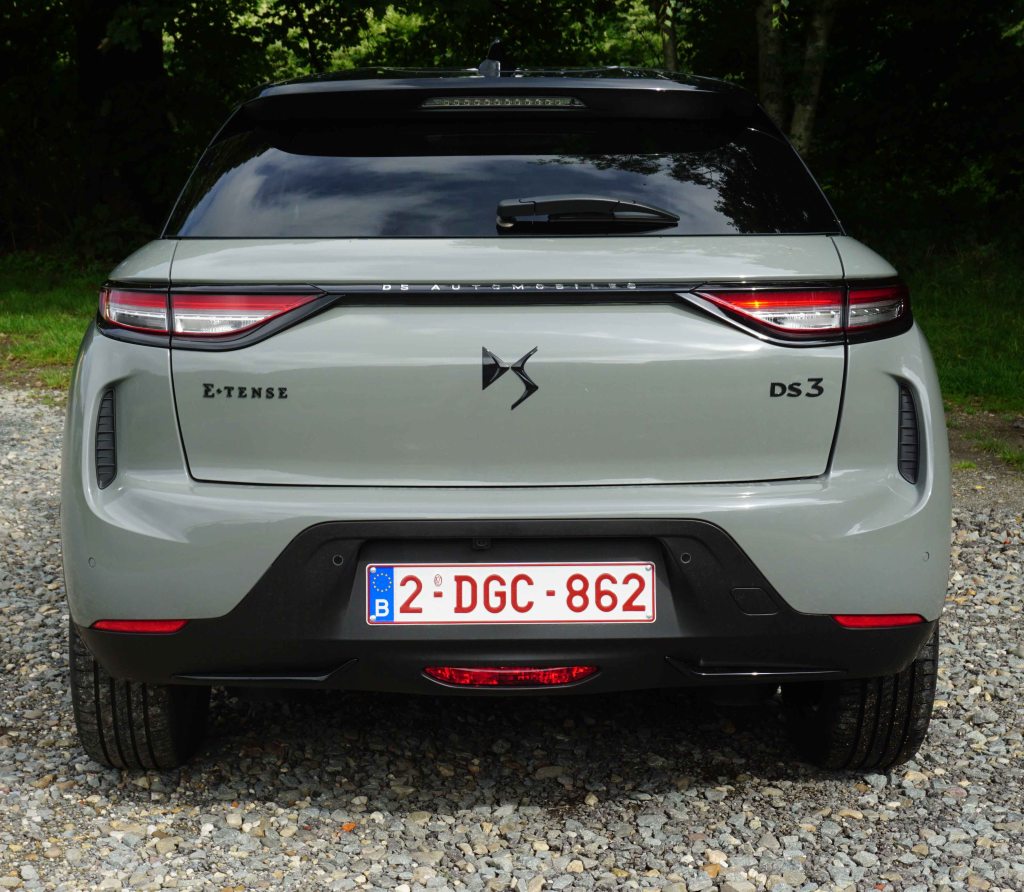
Also the rear has been refined: the lights and the tailgate are  enhanced by a lacquered black strip. This gets the “DS AUTOMOBILES” signature through a unique technology, the letters in polished stainless steel being divided and set one by one in the trim. Very premium, and indeed, reminiscent of what Porsche is doing to their cars.

Cabin gets even more style…

The interior of the DS 3 certainly brings you into the unique atmosphere of the DS world. The finish is excellent, and the form and shape of the controls really stands out. Some might say it is form over function, but I always say that owners drive their cars a lot longer than we journalists test them, so one has to be very careful not to criticize unduly functional idiosyncrasies, as they only will take some getting used to. That being said, reading a manual is rather the exception than the rule these days, so when controls are intuitive, it is certainly an advantage…

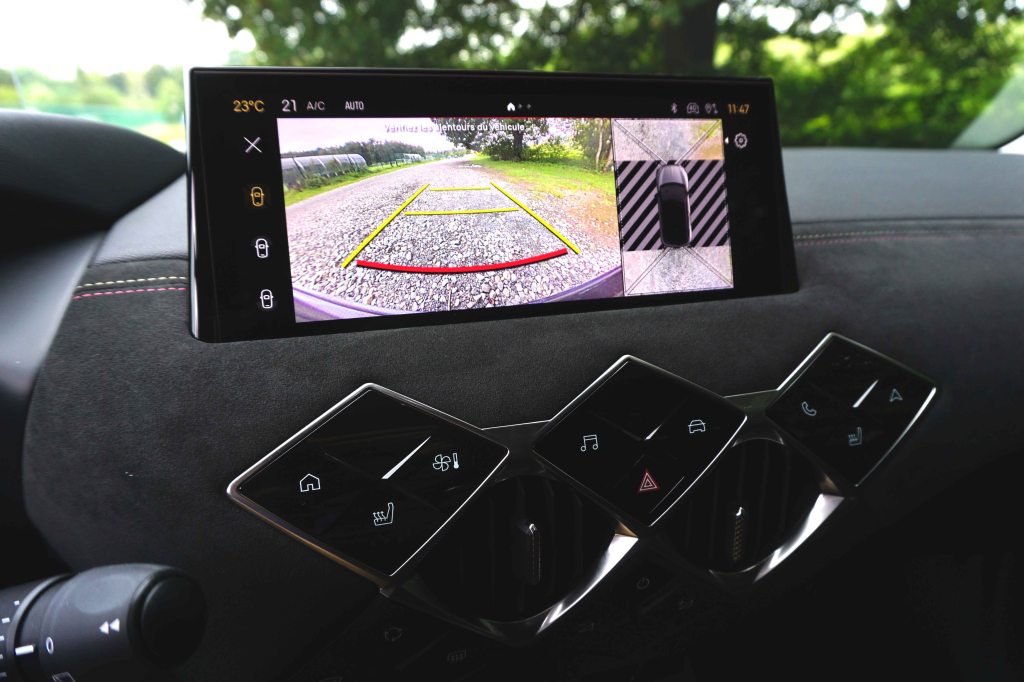
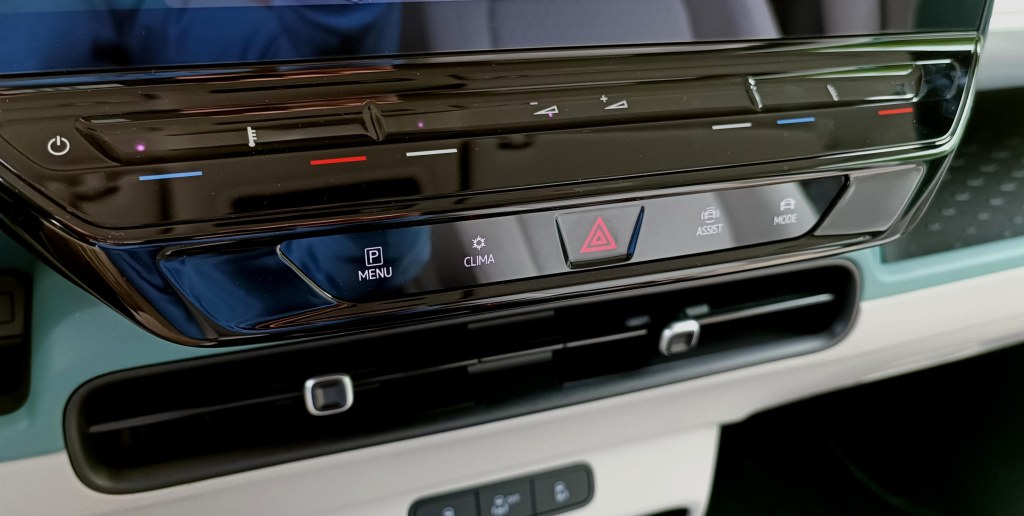
One enjoys the wonderful design of the controls in the centre console and the lozenge shaped tactile controls below the very readable touchscreen. Indeed, a new 10.3-inch high definition central screen is now offered as standard, with the new DS IRIS SYSTEM infotainment system built in. Top notch.

Driving with refinement…

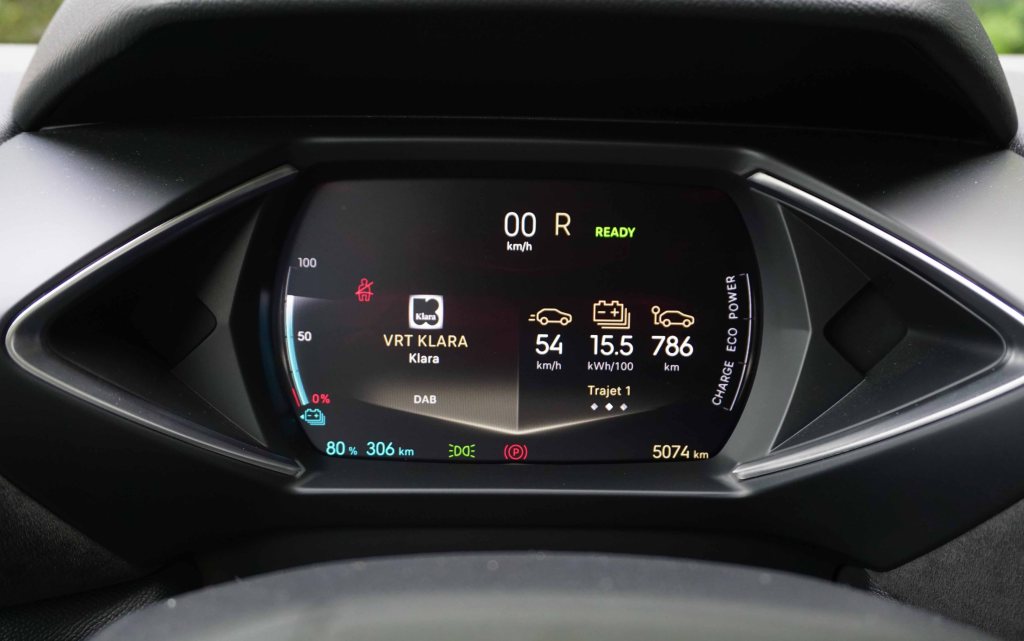
We tested here for you the 100 % electric E-TENSE, and it certainly is an ultra smooth performer. Compared to the previous generation, the new DS3 has a new electric hybrid synchronous motor, offering 115 kW (156 horsepower) of power and 260 Nm of torque at a voltage of 400 volts. The new 54 kWh battery (51 kWh usable) is thermally controlled through liquid circulation and a heat pump that enables rapid charging, better range and increased lifespan. The onboard charger takes 100 kW in direct current (10 to 80% in 30 minutes) and 11 kW in alternating current (0-100% in 5 hours 45 minutes).


Performance is brisk, the E-TENSE will sprint from 0 to 100 km/h in 9 seconds, with top speed being limited to 150 km/h. Of course, for an EV these performance figures are not exactly overwhelming, but the emphasis with the new electric drivetrain lies on increased efficiency. According to DS automobiles, the WLTP range is now 404 kilometers, increasing to 500 km in urban conditions. In practice, we saw that given a cool driving style, a range of some 360 kilometers is quite achievable.

The DS 3 is indeed the proverbial dream to drive in town as well as on the highway, and its nice pulling power will let you also enjoy B roads. In town, one can use the ”B” mode for smooth one pedal driving, and we have to admit that it is one of the smoothest and most natural feeling setups so far. The deceleration when lifting the throttle is very progressive and unobtrusive indeed.


In city driving we very much appreciated the multiple cameras in front and rear combined with a 360 degree view to assist you when maneuvering, it is truly excellent and indeed should be present in any premium car worth its name.

Compact but comfortable

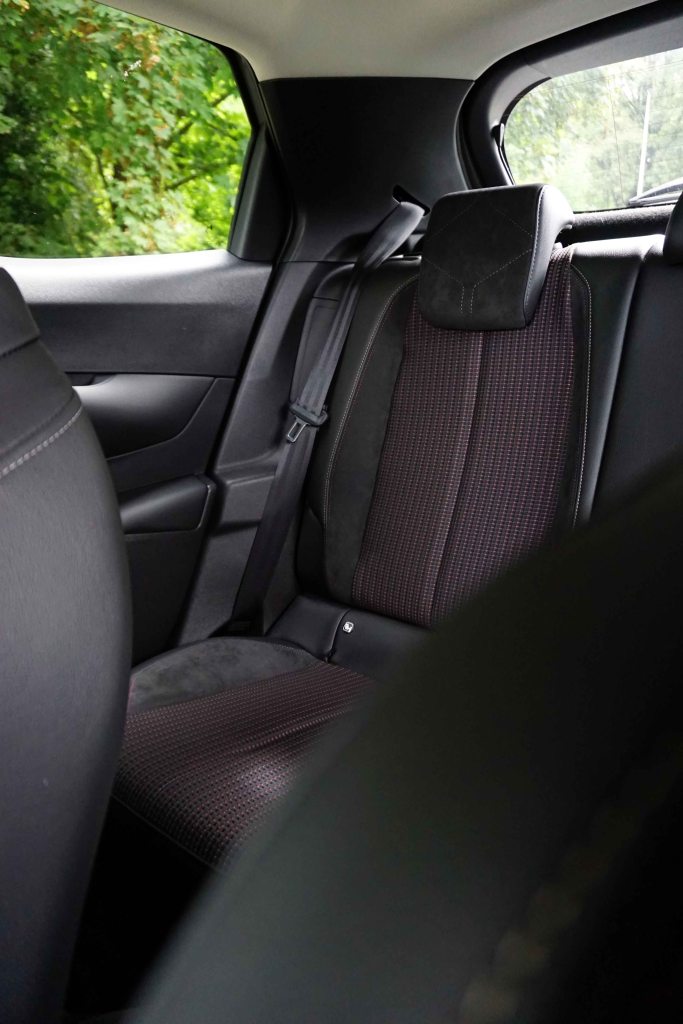
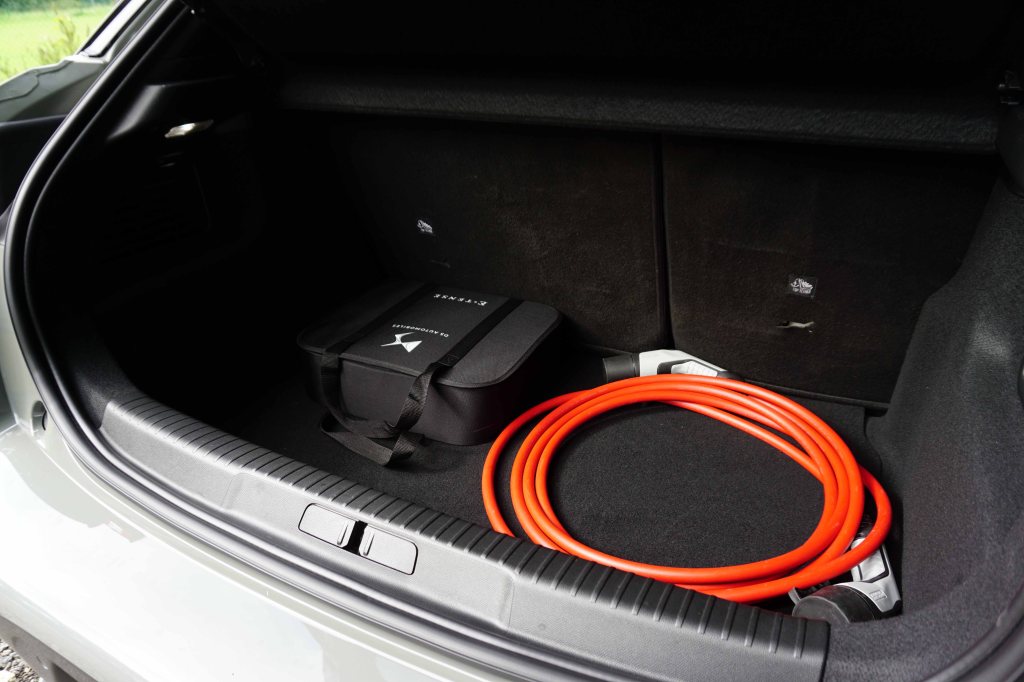
The DS 3 offers plenty of room in the front, somewhat less in the rear. Also boot space is not exactly overwhelming with a good 360 liters or thereabouts, with still some extra room needed for charging cables and stuff.


The suspension is unchanged from the previous generation, and that’s a good thing. The DS 3 is comfortable, with just the right amount of firmness to let you enjoy a spirited driving style. The DS 3 is very stable and precise to steer on winding roads.


Conclusion


The full electric version of the DS 3 is a compact crossover with a unique personality, with a drivetrain which utterly convinces in efficiency and usability. Premium in style and finish, it has timeless elegance too. Compact, it is excellent for effortless city driving, thanks also to its camera vision aids. It certainly doesn’t feel out of place on open roads either, and can be driven on longer distances given its comfortable suspension, reasonable range and rather short recharging times. The price of the E TENSE, starting at slightly above 40.000 Euros for this full EV, is also within reason…
So a closer look at this stylish crossover is certainly warranted!

Hans Knol ten Bensel


We drove the Volkswagen ID.Buzz: the “E”- renaissance of an Icon …

 Volkswagen designers and engineers recreated the iconic “Bulli” and made it fitting for our modern E-Times. Their ID.Buzz is a indeed a car which brings at least the aura and panache of the original VW bus, and is adding even more character to it. It underlines the stylistic hallmarks of the original, and has masterfully translated it to steal the hearts of many of us. But not only that: this ID.Buzz now also brings along the well proven VW E-technology. We drove it for you, just read further…

Hans Knol ten Bensel
Cool functionality…

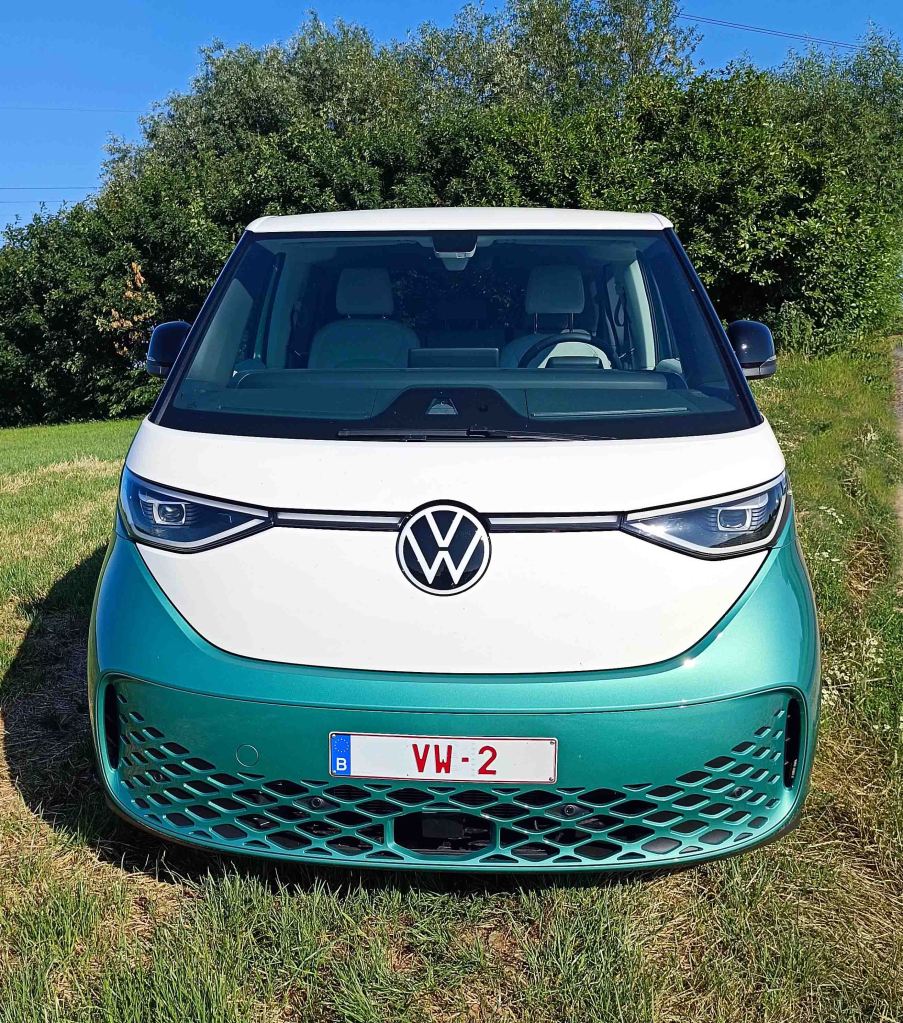
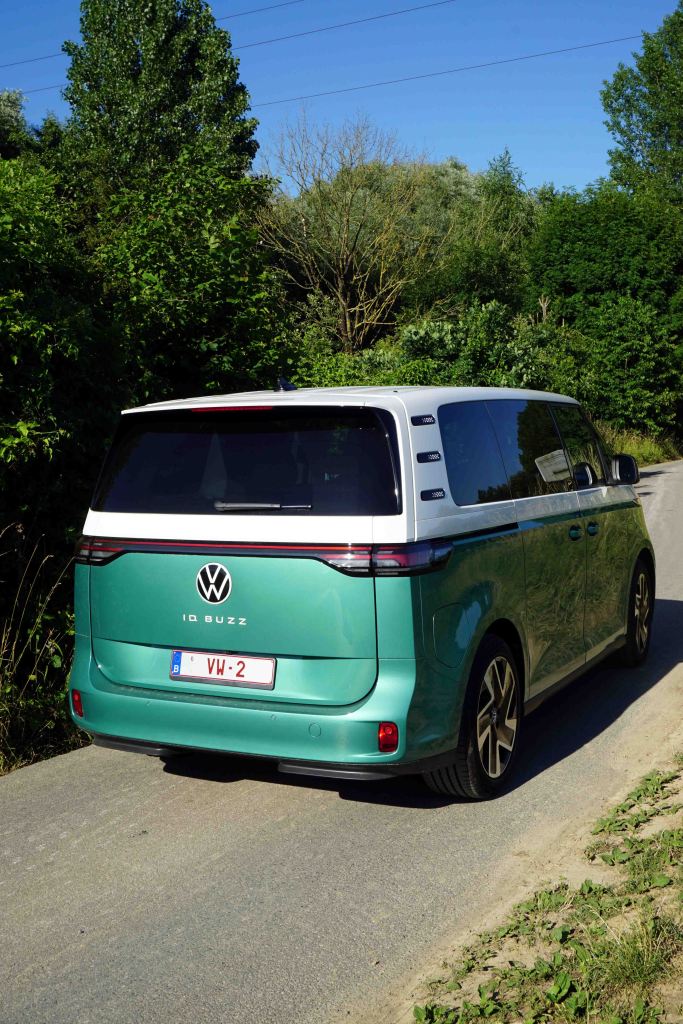
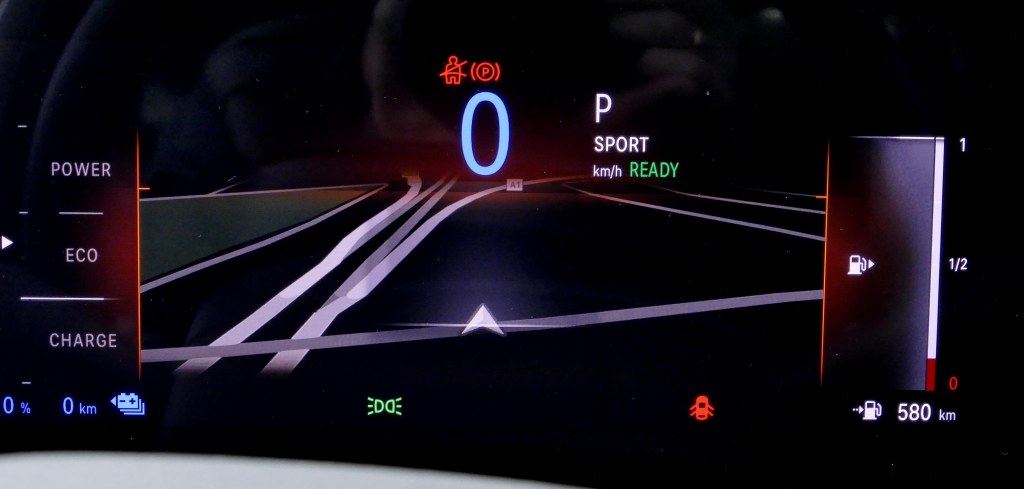
The ID.Buzz has character indeed, and the two tone paintwork of our test car even accentuated its early heritage. The cool character of its predecessor goes even further. Indeed, the original “Bulli” was very functional in its interior, and VW designers have somehow continued this approach in the interior of the Buzz.

Everything is functional, the “less is more” philosophy is applied in every detail.

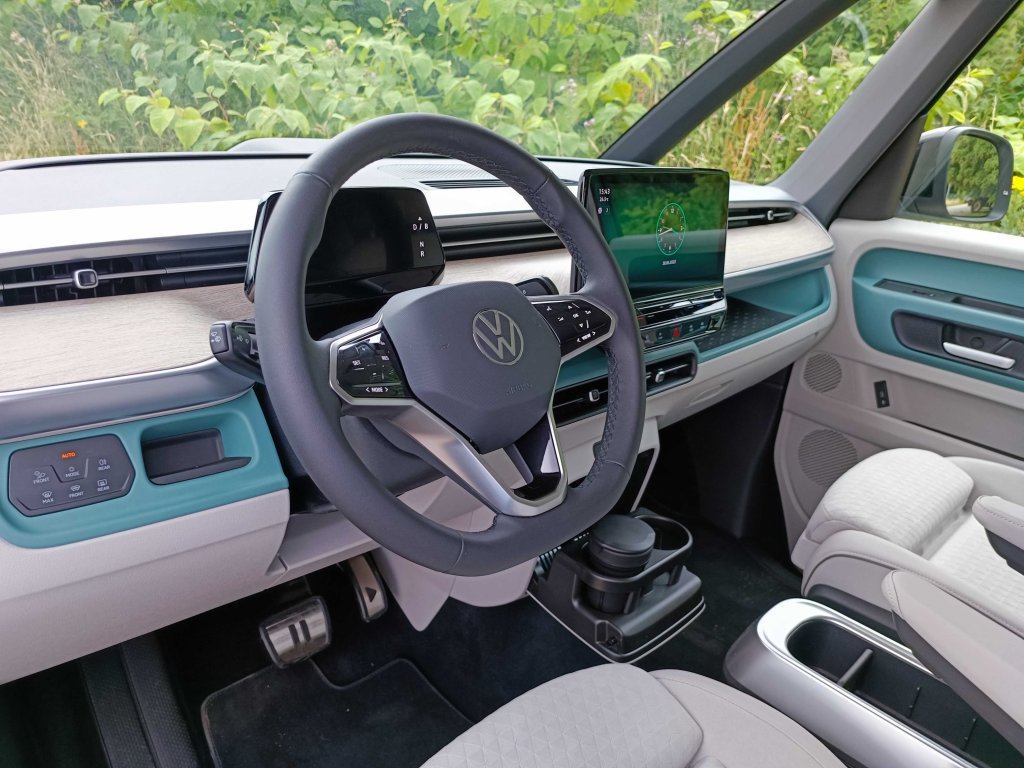
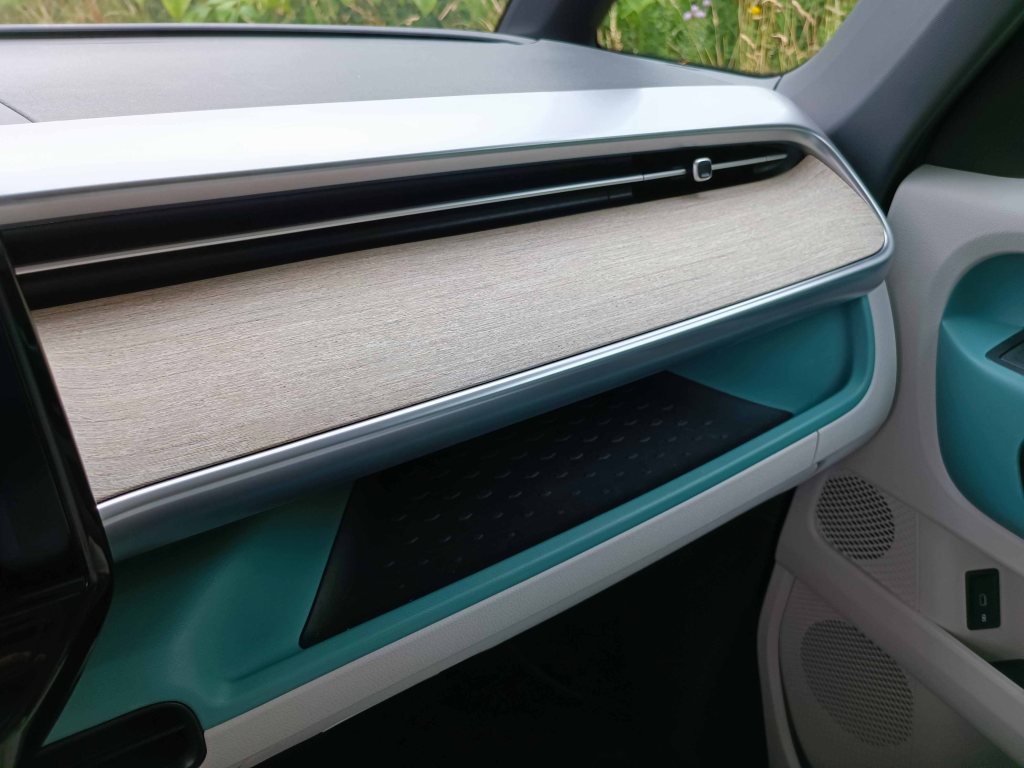
The instrumentation is wonderfully simple, and even the size of the central touchscreen is also kept within reasonable limits. The instruments and screens are put on a wooden finished large dashboard panel, which is set in a large matte aluminum band, running horizontally across the whole width under the windshield.

This certainly looks stylish, but also brings lot of reflections on bright sunlit days, so be sure to wear your sunglasses when you are behind the wheel. A lot has been said about the practical functionality of the “haptic” controls of VW’s ID generation, and indeed it takes a delicate hand to use them with success. But soon, one gets the hang of it.

The finish of the bodywork and interior is of the usual very high VW standards, the upholstery of the seats, certainly in the front, is also quite appealing. There is less padding on the plastic panels in the interior, certainly also in line with the “practicality first” philosophy of the original icon, but then we must not forget that this is a car commanding a price tag of around 75.000 Euros. But we personally think that very few users/buyers would have any objections here, as indeed the unique character of its original icon is preserved and this is what the lovers of the ID.Buzz want to experience and feel.

In terms of connectivity driver and passengers cannot complain. Of course one has DAB+ radio, Apple Play and Android Auto, and enough USB slots for passengers fore and aft. The navigation system with online functions and Live Traffic helps the E-driver wonderfully. It calculates also when and where to recharge the batteries. It will also recalculate them continuously in function of driving style and traffic conditions.

Driving

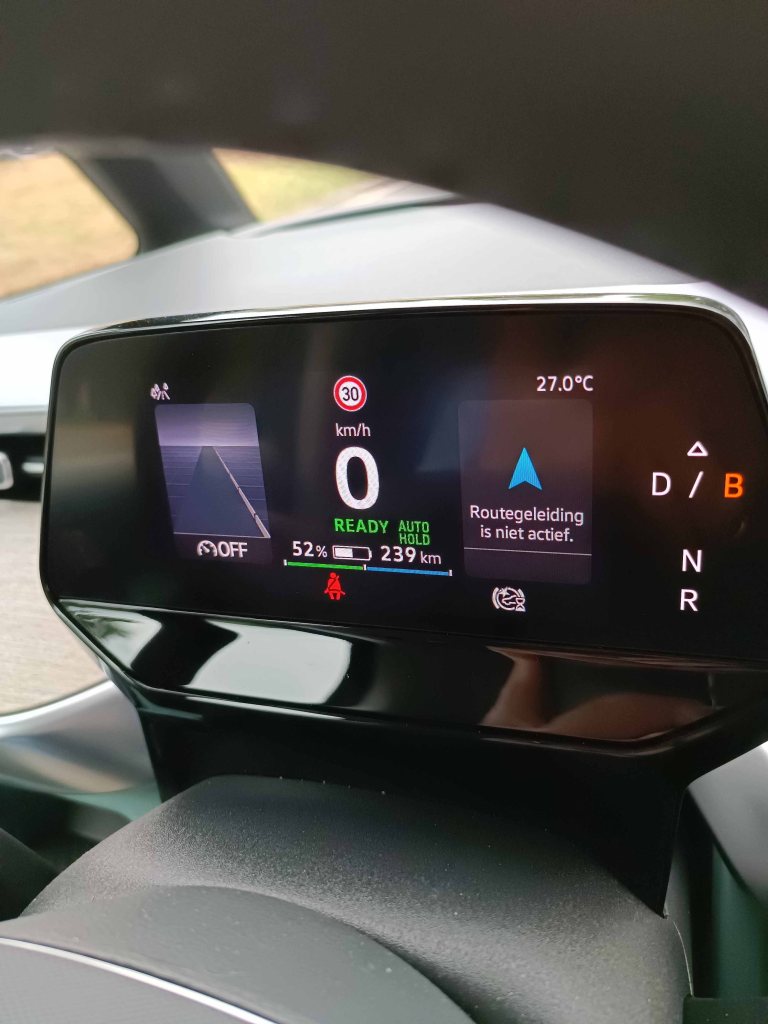
The ID.Buzz has the power, 150 kW of it and not less than 310 Nm of torque, but it has also the weight: 2,4 tons of it. Not that the Buzz is a slow car, far from it: it will accelerate with zest from 0 to 100 km/h in merely 10,2 seconds, and has powerful intermediate accelerations. But it does not invite you to use all this power. It rather suggests a more relaxed driving style, and this is indeed where this ID.Buzz excels. The gear lever can be turned either in “D” or in “B” position, and in the latter it will regenerate the kinetic energy when you lift the throttle. We used it actually all the time, and soon one learns to adopt fully “one pedal” driving with this setting. On motorways and higher cruising speeds, wind resistance of this ID.Buzz takes its toll, and wind and road noise are rather prominent. This will let you intuitively cruise at legal speeds of 120 km or thereabouts, and even slightly lower. The ID. Buzz has by the way an electronically limited top speed of 145 km/h. This makes absolute sense, as kW consumption rises markedly above these legal cruising speeds. Driving with some restraint, we averaged a test consumption in the neigbourhood of 19-20 kW/100 km, and this is very creditable indeed. A driving range around 450 km is achievable indeed.

The ID.Buzz is very stable, with a rather firm, but not uncomfortable suspension. Steering is precise, cornering/handling indeed being very predictable, with a tendency towards understeering. For the moment, the ID.Buzz cannot be had with adaptable suspension, but then the standard setting strikes a very good compromise for most.

Brakes are also OK, and the transition between engine braking and “pure” proper braking is very well balanced. One might be surprised that the Buzz has drum brakes at the rear, but then the electric engine sitting at the rear assists the drum brakes with its regeneration somewhat, so that even under more sporting driving no fading or diminishing efficiency occurs.

What we liked very much was the very small turning circle of merely 10,9 meters, which makes the Buzz a very nice car to drive in urban traffic.

Practical

When it comes to charging, the ID.Buzz has a 77 kW battery, and can be charged with the AC Type 2 plug or the DC type CCS unit. AC charging on a 11 kW wallbox takes some 8 hours, with DC charging one can go clearly much faster. The ID is fit for charging up to not less than 180 kW. So after a short break for a coffee or light meal one is on the road again, with the batteries up to about 80 pct charged…

The ID.Buzz has of course a (very) strong point: it is roomy. Fore and aft, the driver and his passengers have ample head- and legroom, one has to be taller than 2,15 meters to brush the front seats or the roof.

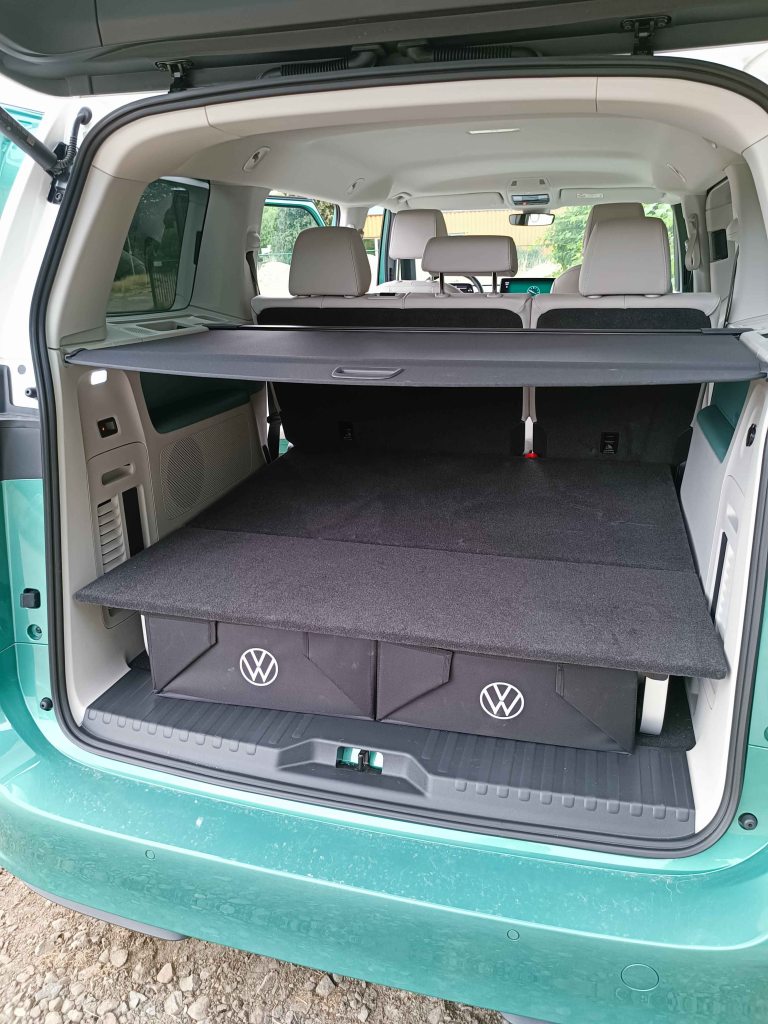
The boot space is also cavernous. Up to the cover, the boot space is 1.160 liters. When you stow things further until the roof, it is 1.760 liters. When you fold everything down, one has a massive 2.835 liters at its disposal.

There is no “Frunk” in front, so be careful that you have your charging cables stowed elsewhere when you load your Buzz fully, and consider also that avoid (parking) situations where you cannot open the rear lid, and cannot reach the cables…

We also liked the armrests on the front seats. Be sure to order the armrests on both sides of the seat, as the armrest in the door is set too high to achieve a comfortable position.

There is a large bin between the front seats, where you can also charge your smartphone, and of course there is storage space for large 1,5 and 1 litre bottles in the doors.

Conclusion

We were very much charmed by this ID.Buzz, and we truly liked it. Indeed, it invites you to take your everyday driving with a “Zen” and restful mindset. Listening to the excellent audio system, looking at the world around you with a smile. The other road users are doing the same by the way when they encounter you. Such is the sympathy of this ID.Buzz. It is also remarkably frugal when you drive it responsibly, to the joy and delight of everyone who drives with you. They find comfort and lots of room…

Add to all this the absolutely timeless character of this ID.Buzz. Its shapes and contours have instant “classic” status, and this will be a desirable car for so many across the years. So keep and cherish it as a family treasure, you will hear a never ending “buzz” of joy from young and old across the generations…

Hans Knol ten Bensel  

We drove the Ford Mustang Mach-E X: a very well-balanced EV…

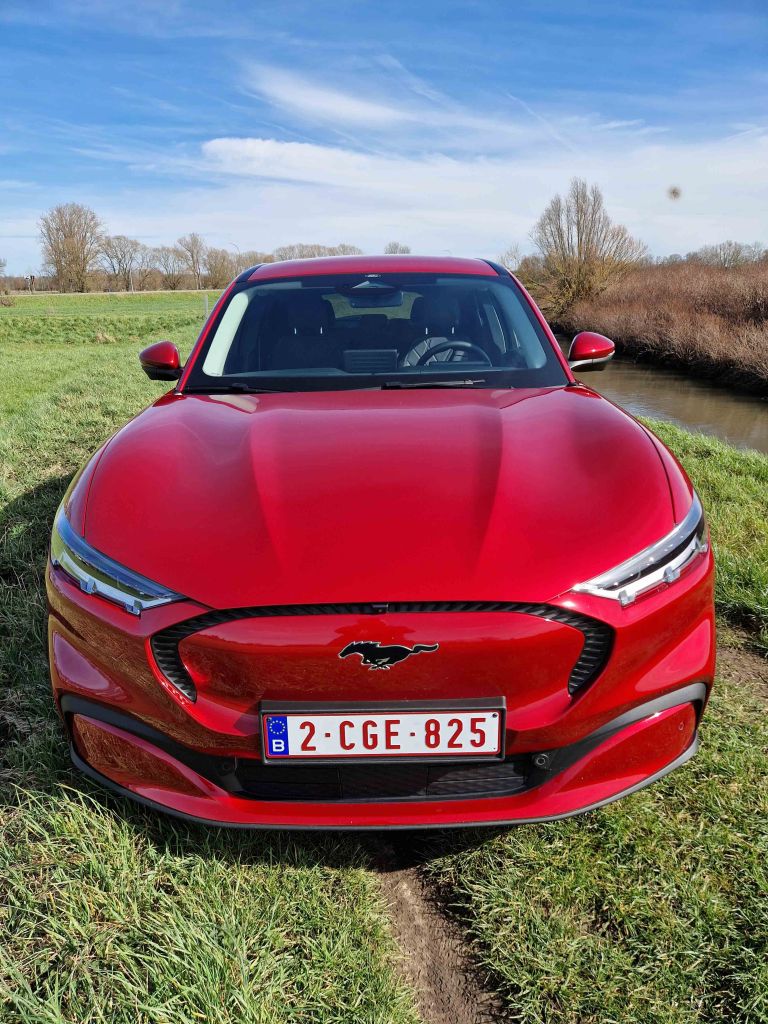
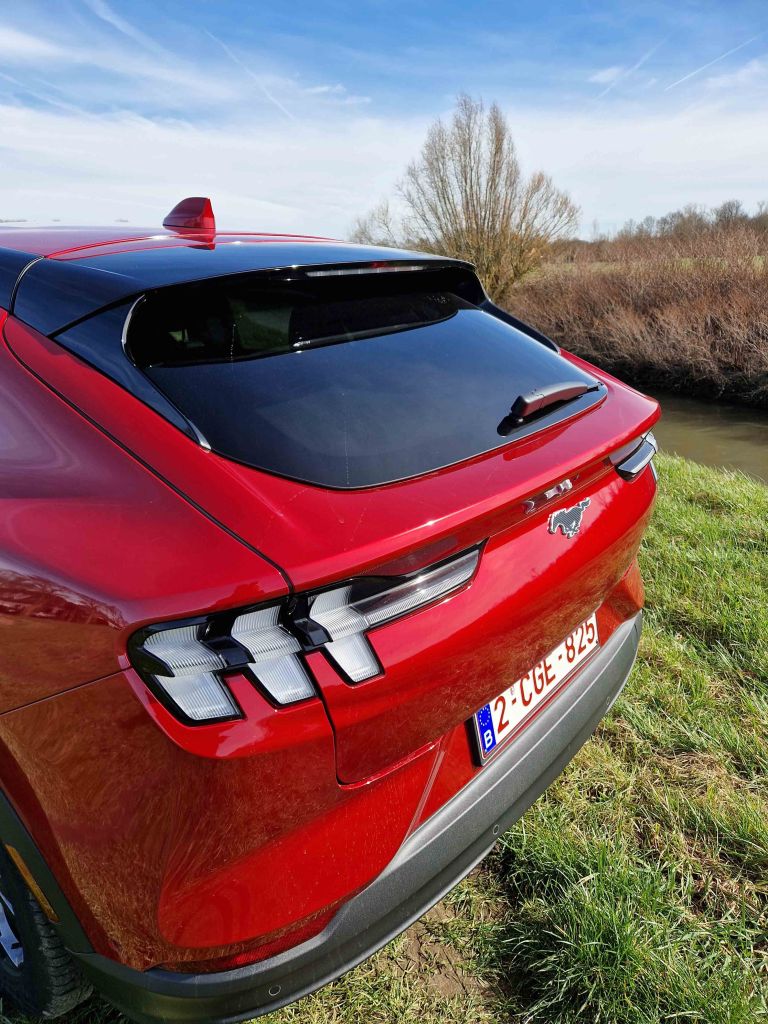
Ford has moved decisively in the electric age with this Mustang. A name which is reminiscent of its illustrious past, but actually the name is the only thing that is left over when you feel how this pleasing SUV actually drives. It is a nice handling and well performing five seater, offering practicality and sufficient range. It shows no weak points whatsoever, is actually quite fun to use and drive. Like Fords always have been, and that’s then again following the good tradition of the brand…

Hans Knol ten Bensel

The Mustang can be had in two battery pack sizes, namely 76 kWh and 99 kWh. You can also choose between one or two electric motors. The entry-level Mustang Mach-E has an electric motor at the rear, delivering 198 kW or 269 HP. Enough to make your driving quite zippy and entertaining, as this means an acceleration from 0 to 100 km/h in 6,1 seconds. Yes, that’s even faster than a Jaguar E-Type, gentlemen. The torque is equally impressive with 430 Nm. Ford quotes a useable range of 440 kilometers. You can choose the bigger battery, and then the range stretches officially to a good 600 kilometers. Of course, your driving style will decide whether you will reach these distances…

With the bigger battery comes also a more powerful motor, this time in this “premium RWD” version, it develops 216 kW and 294 HP, mainly to compensate for the extra weight of the bigger battery. It will accelerate in 6,2 seconds from 0 to 100 km/h. If you choose 4 WD with two motors, one in the front and one in the rear, total system power is then 258 kW and 351 HP respectively, with torque now being 580 Nm. Performance is further enhanced, with an almost supercar league 5,1 seconds to 100 km/h. Range is now somewhat reduced with 400 or 550 kilometers, depending on the battery size chosen. Last but not least there is also a GT version, where total system power is now further beefed up to 358 kW and 487 hp. This results in a 0 to 100 km/h sprint in merely 3,8 seconds. Need we say more? Range with the 99 kWh battery is now officially 490 km. Top speed is here 200 km/h, in all the other versions it is limited to 180 km/h.

As said, the “base” performance is certainly exhilarating enough.

Behind the wheel…

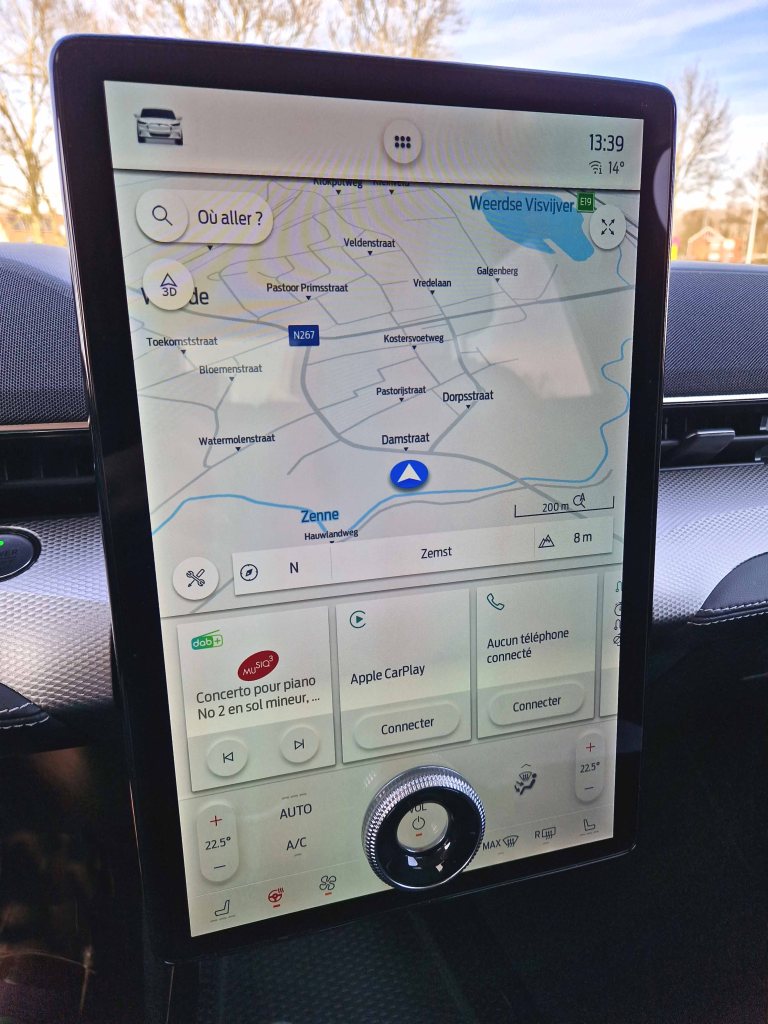
In the car one immediately notices the super large central touchscreen, which is indeed intuitive to use. One is never more than two clicks away from any function you choose. The dashboard is clean and stylish, and its level of finish is also excellent. We also like the round selector knob for selecting gears and driving modes.

Smooth one pedal driving
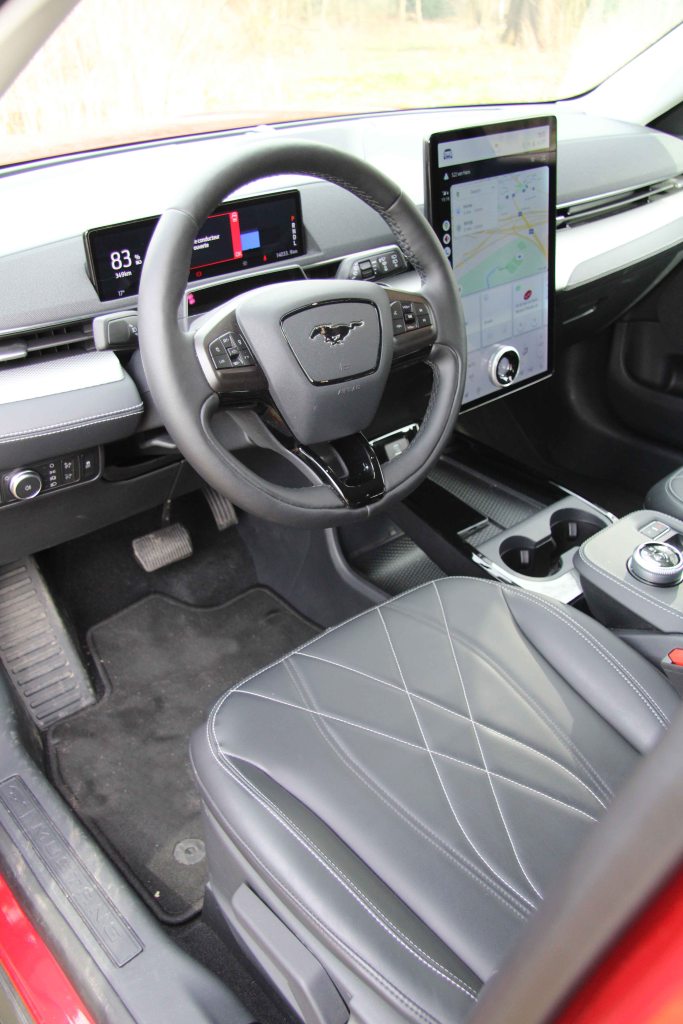
After having enjoyed the formidable performance with a few sprints, it is time to enjoy the smoothness and refined silence of E-driving. When you select one pedal driving in the menu, you can indeed drive it totally intuitively with just using the accelerator pedal. Lifting the throttle will not cause immediate deceleration, the slowing down will set in quite gradually, which adds to the smoothness and lets you drive this Mustang in a totally “zen” manner. Also one can choose between three driving modes, active, whisper and untamed.

The range looks quite reasonable, and given an anticipative and smooth driving style, quite realistic. You can charge on AC with 11 kW, on DC up to 150 kW (if you can find this fast charging point). Experienced users already know that it is of little practical interest to charge the battery to more than 80 pct of its capacity, from then on the charging rate will be much lower, and not exceed 15 kW or thereabouts.

Responsive and agile handling…

Fords are known for their very entertaining and pleasant road manners, and this Mustang is no exception. The Mustang Mach-E is built on the Global Electrified 1 (GE1) platform, which is a heavily reworked version of the C2 platform that is used on the fourth generation Focus and third generation Kuga/fourth generation Escape. It certainly performs well. The suspension in itself is quite comfortable, even on urban cobblestones, and certainly comes into its own on the open road. The low point of gravity and the 50/50 weight distribution does the rest: this Mustang effectively steers on rails. If your corner speed is somewhat too enthusiastic, it will gently understeer, but with the ample torque and pulling power under your right foot, it is very easy to balance the car with the throttle and even induce a smooth oversteer reaction. So yes, sporting driving pleasure is certainly to be had. Steering is precise, but the self centering reaction is quite noticeable, so grabbing the wheel firmly is “de rigueur” when you want to put this Mustang through its paces.

Safety first and lavishly equipped

Of course, this Mustang has the usual raft of driving aid systems and what’s more, you can enjoy over the air updates, so it is future proof too.

The Mustang is loaded with accessories, even in its “base” version. What to think of electric adjustable front seats in 8 directions with memory function? These seats are also heated of course. Then there is the superb B & O sound system, which you can enjoy so much in this silent EV. The 15,5 inch central touchscreen is also standard, as is the panoramic sun roof. Then there is the latest generation Ford Sync, with connected navigation and voice command. The electric boot lid lets you open it “hands free”.  

Practical

The Mustang offers very good passenger room in the back, and has 400 l luggage space in the rear, with a front “frunck” good for an additional 81 liters. Handy to stow away your charging cables. Note also that the Mustang can tow up to 750 kg unbraked, and 1500 kg braked.

Conclusion

 This Mustang is a good looking, well balanced SUV, as we said in the beginning. It has many good qualities, and shows virtually no weaknesses. It is sporting, a pleasure to drive, is well finished, offers lavish equipment, exhilarating performance and is roomy and practical. It is easy to use with its large central screen and intuitive commands. Altogether, it also offers a quite reasonable range and good charging performance. A car to live with?  For sure, and indeed, the iconic Mustang name and badge has lost nothing of its appeal, albeit in a very different (EV) form…

Hans Knol ten Bensel