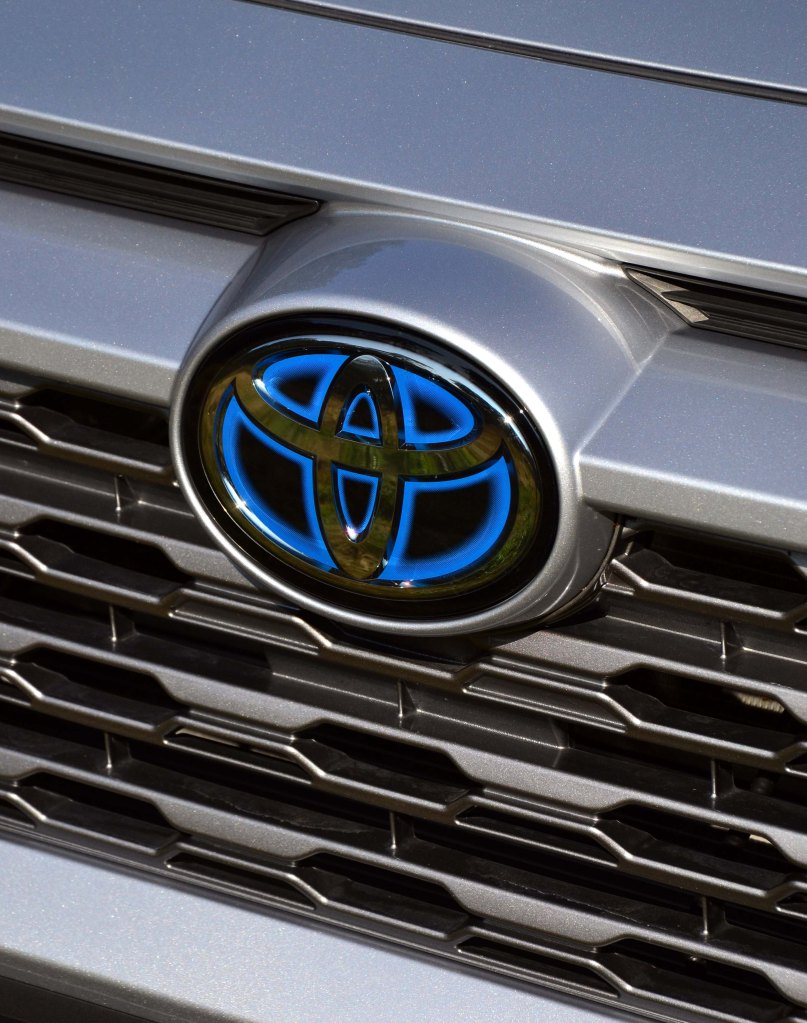
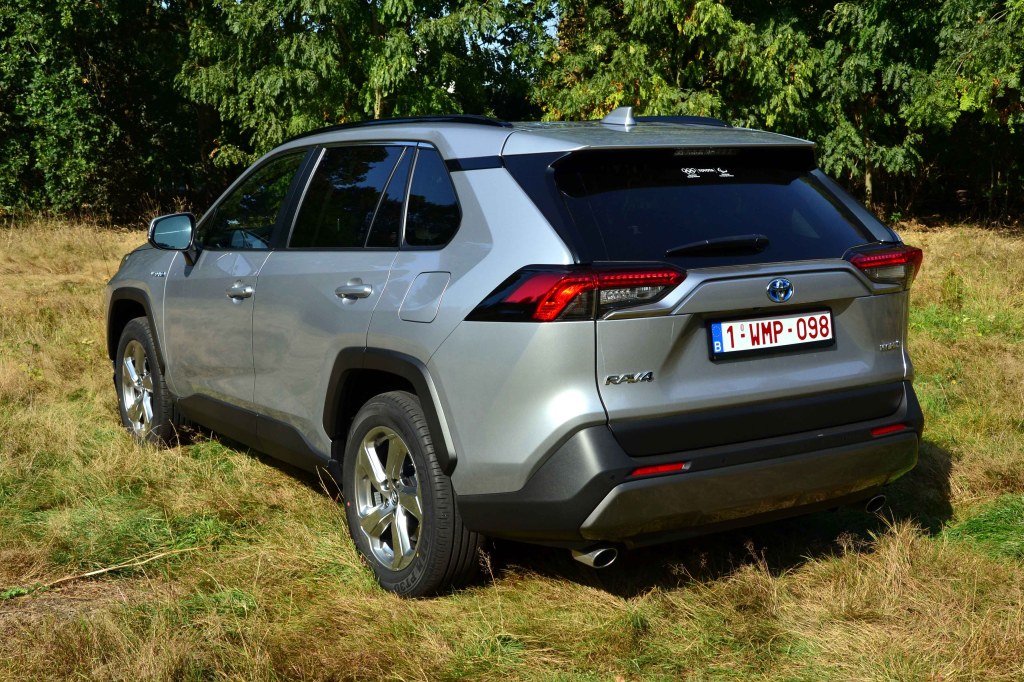
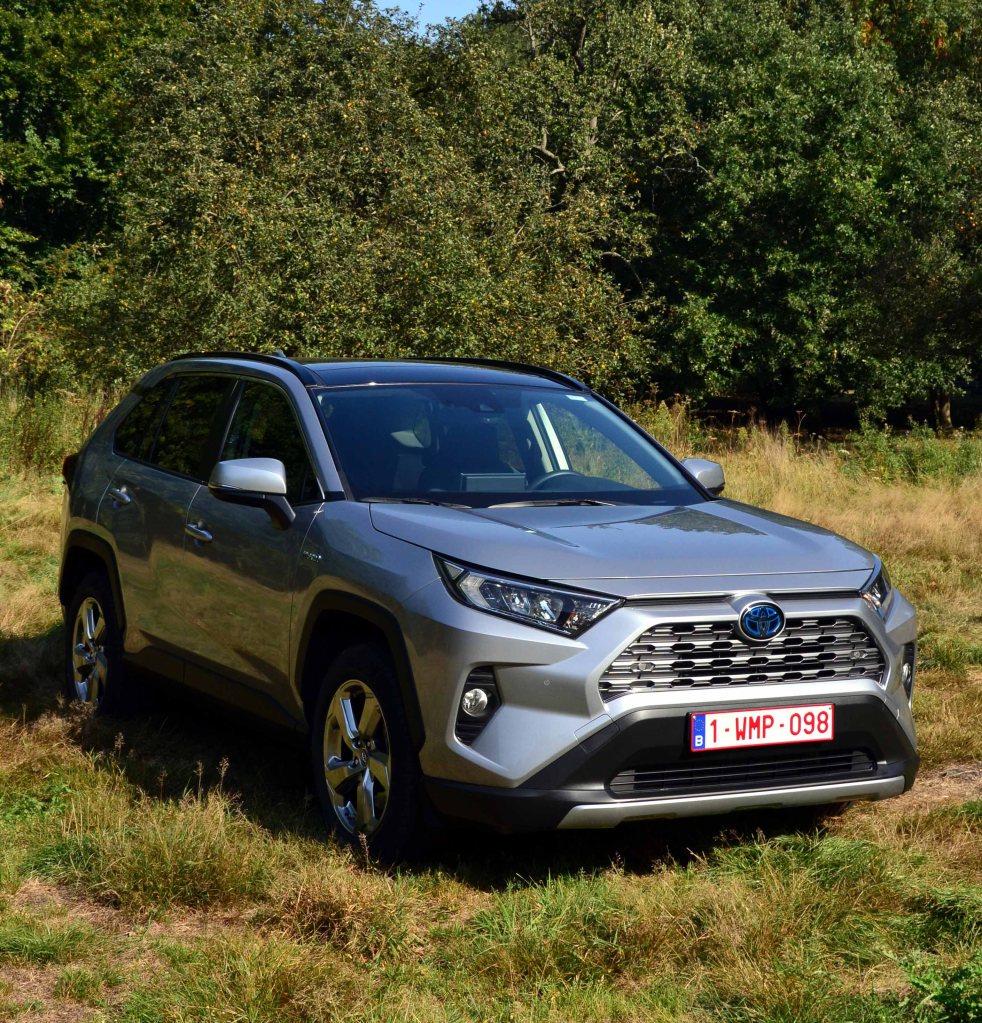
We drove the Toyota RAV4: the car which invented the SUV…

The formidable RAV4 has now some 10 million enthusiast owners, and now enters its fifth generation. It has gained in style, and is as hybrid as ever on our shores: 85 % of the European buyers opt for the self-charging hybrid power drivetrain.

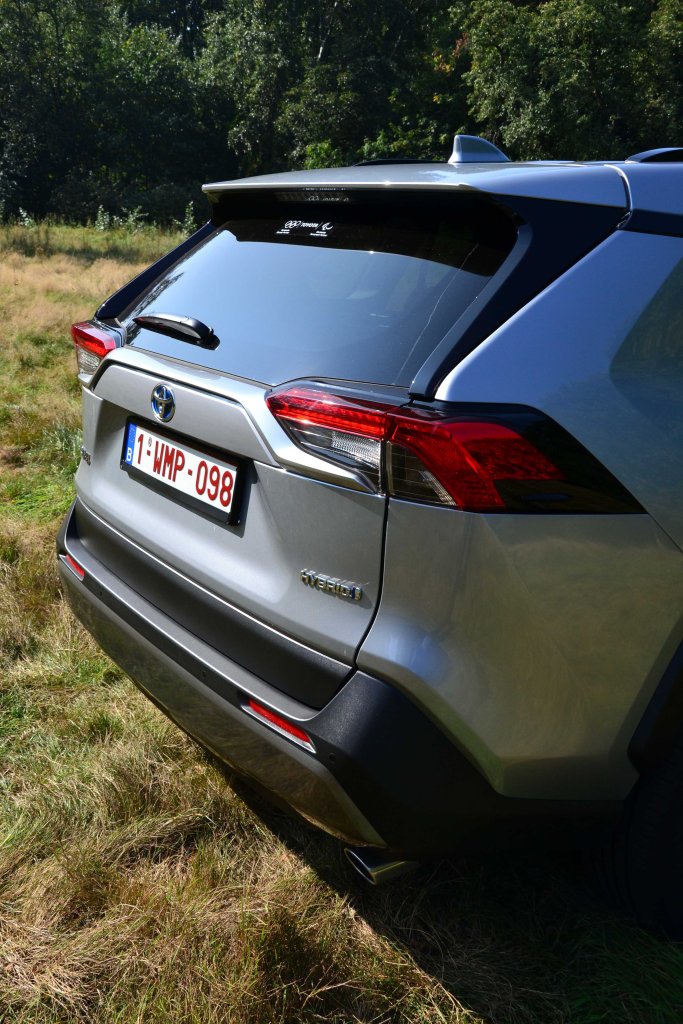
It rolls on the new GA-K platform, allowing the RAV4 to be sleeker with a lower center of gravity and increased body rigidity. This also means both better handling and ride comfort, a more spacious interior, ample load space (580 liters VDA with seats in place) and enhanced styling with lower roof and hood lines in combination with higher ground clearance.

Indeed, the new RAV4 has the looks, and the ride too…Just read on!

Hans Knol ten Bensel

Self-charging hybrid, masterfully engineered…

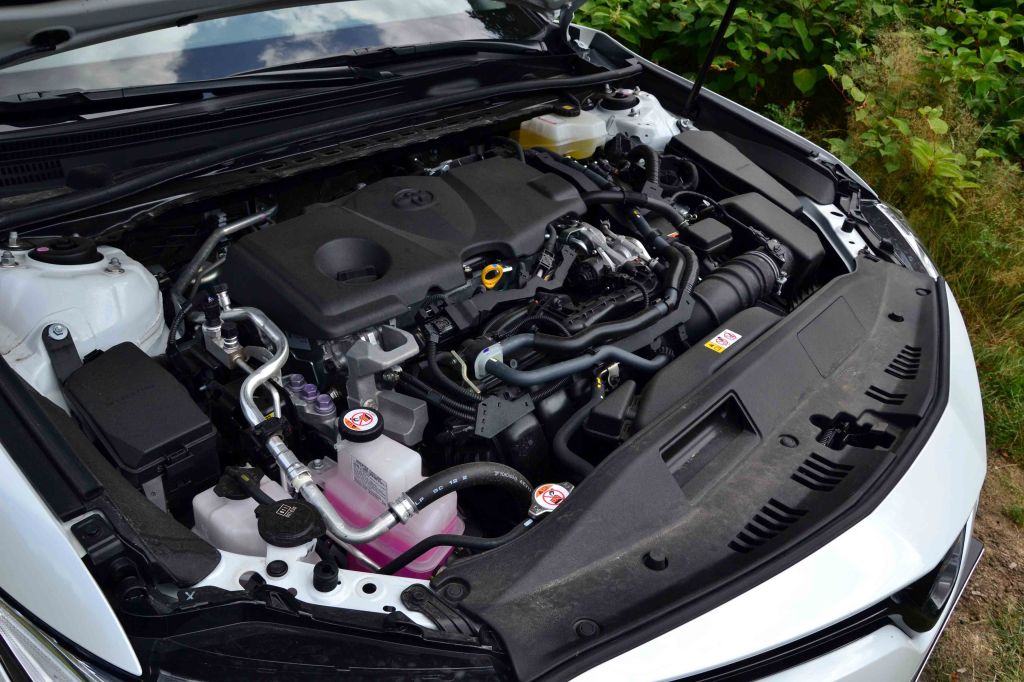
The RAV4 continues the successful Toyota hybrid story. Under the hood purrs a completely newly redesigned 2.5-litre petrol hybrid “Dynamic Force” engine, offering 218 DIN hp in front-wheel drive form. Indeed, this RAV4 is loaded with state-of-the-art top tech.

What to think of the Atkinson cycle technology and a 14.0:1 compression ratio (compared to 12.5:1 for the previous unit). It comes with D-4S direct and indirect (!) fuel injection and intelligent variable valve-timing – electric VVTiE for the intake and hydraulic VVT-i for the exhaust. The valve-timing range for both intake and exhaust has been increased. There are still more clever solutions put in this engine. Be astonished with us…

The cylinder heads are designed to generate high tumble of the fuel/air mixture, with an enlarged valve included angle and laser-cladded valve seats. A variable cooling system with an electric water pump and electric thermostat is used to improve combustion by maintaining the required temperature. There is also a fully variable oil pump for efficient engine oil pressure management.  

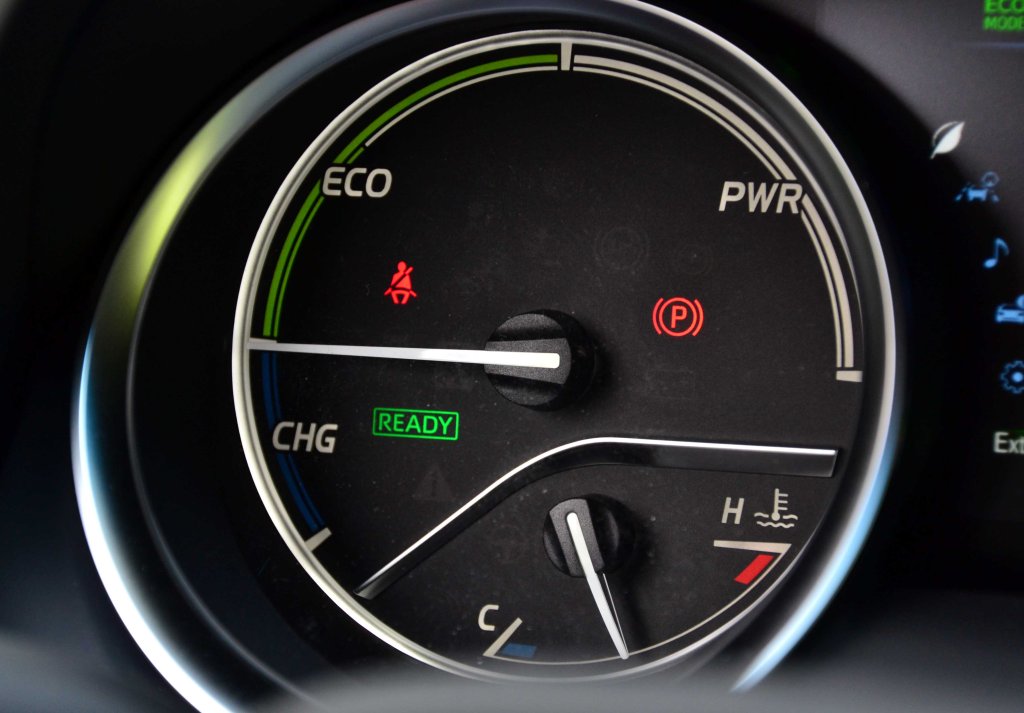
Toyota’s fourth generation self-charging hybrid system makes its debut in the new RAV4, delivering multiple benefits. Key components, including the power control unit (PCU) and the nickel metal-hydride battery are more compact and lighter in weight, and the transaxle and transmission have been engineered to reduce electrical and mechanical losses.

The new battery pack is 11 per cent lighter than before and transmission losses have been reduced by 25 per cent compared to the previous system.

How does all this work in practice? The engine is very docile, and develops 221 Nm between a very large rev range from 3,600 – 5,200 rpm. Admittedly, these are rather high revs, but the low-end pulling power is of course greatly helped by the electric motor, which develops a healthy 202 Nm.

This means that this RAV4 will pull away always with very impressive power, and this we find is the very “zen” beauty of Toyota’s hybrid system. The electric motor alone is good for 88 kW, so you can imagine what happens when you put your foot down.

Acceleration from 0 to 100 km/h is absolved in merely 8,4 seconds. But in the lower speed ranges, the velvety power is overwhelming. The hybrid system carefully manages how both engines participate in the total power delivery, and engine revs are kept especially low at partial throttle openings.

Silk smooth progress is for you to be enjoyed: even at spirited driving the engine hums quietly, and all this contributes to let you relax behind the wheel. What is also pleasant is the total smoothness of the drivetrain, not the slightest jolt or shock will disturb you or your passengers. Not many (super)cars will reach this level of total smoothness.

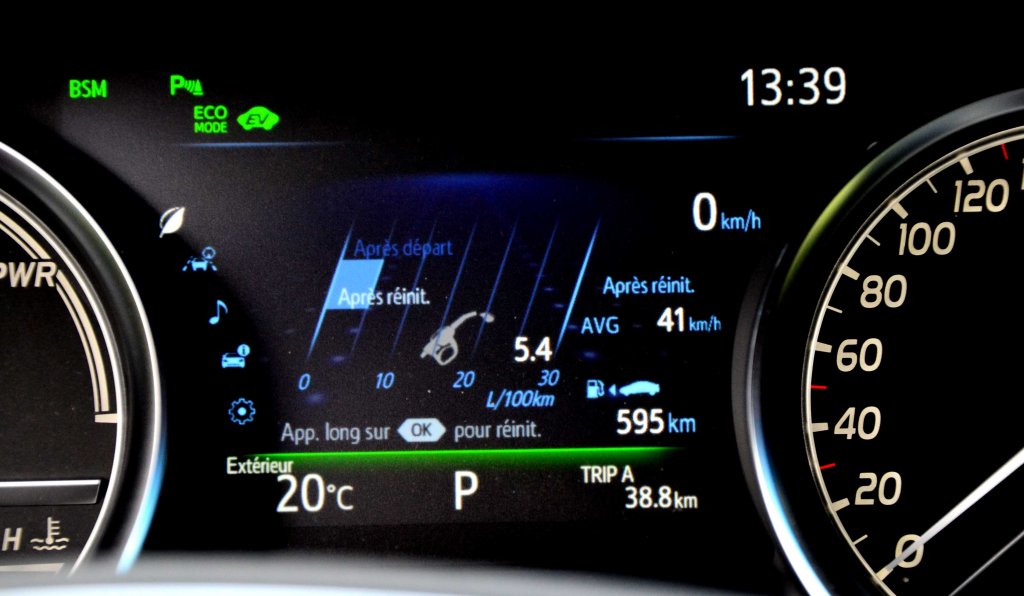
Besides all this smooth power, the hybrid system warrants also excellent economy. The secret is to accelerate and decelerate smoothly, to drive with anticipation. This lets the hybrid system use the recuperation function fully when slowing down, and use the electric motor as much as possible at constant speeds below, say 70 km/h. This results in excellent economy, also and even more so in slow urban driving and stop and go traffic. It proved no effort to reach averages of 6 l/100 km. Toyota quotes 4.5/4.6 l/100 km as average consumption, with CO2 emissions being 102 g/km. Oh yes, the top speed is a good 180 km/h. More than enough for all, we would say.

Driving pleasure…             

The new platform enhances handling stability and precision. The RAV4 has improved the response of the Electric Power Steering by moving the assist motor from the column to the rack, and indeed this RAV4 steers accurately. The handling is neutral and predictable.

The RAV4’s GA-K platform also distinguishes itself in its use of a double wishbone rear suspension system. What’s more, thanks to the low center of gravity and high body rigidity, the suspension does not have to be rendered stiffer to meet dynamic targets. Indeed, we found the RAV4 quite comfortable too! Its suspension travel is wide, and we know of few cars in its class which takes the many potholes and bumps on our Belgion roads with such ease.

A strong point is also the good visibility. The TNGA platform allows the hood to sit 15 mm lower, adding two degrees to the driver’s forward field of vision, and the external mirrors have been moved to a lower position on the front doors. Luggage space is 79 liters more than in the previous, fourth generation RAV4.

Flexibility is designed-in so that the space can easily be adapted to gain more cargo room when required: with the rear seats folded down, the new RAV4 can accommodate a 29-inch mountain bike without any wheels having to be removed.

Well equipped, also for safety…

The new RAV4 offers generous equipment specifications across its range, with all models equipped as standard with the latest iteration of Toyota Safety Sense and an E call emergency contact function. Quite impressive!

The improved system features a single-lens camera and millimeter-wave radar, both with enhanced performance to expand the scope of hazard detection and functionality. The unit has also been made smaller, so driver gains an even wider field of vision. We found this RAV4 delightful with the wide range of safety features.

The Toyota Safety Sense unit includes Pre-Collision System with Pedestrian Detection (PCS w/PD), intelligent Adaptive Cruise Control (iACC), Lane Departure Alert with Steering Assist (LDA w/SA), Road Sign Assist (RSA) and Automatic High Beam (AHB). In addition, it introduces Lane Tracing Assist (LTA), which provides more advanced driving support.

The system can determine collision risks at speeds from zero to 180 km/h. If it calculates an imminent risk of collision, it will alert the driver and prepare the brakes (PreCrash Brake Assist) for maximum stopping force. If the driver fails to act, it will trigger Autonomous Emergency Braking, which can reduce vehicle speed by up to 40 km/h, potentially bringing the car to a stop and avoiding an impact.

The new intelligent Adaptive Cruise Control (iACC) is also able to work in conjunction with the car’s Road Sign Assist system. When the car is travelling at a constant, pre-set speed, iACC can recognise new speed limits on major roads and let the driver adjust the speed to keep within the limit, simply by using switches on the steering wheel.

The intelligent Adaptive Cruise Control and Lane Tracing Assist work together in slow, stop/go traffic, tracking the vehicle ahead within the traffic lane, maintaining a safe distance and speed, bringing the vehicle to a halt when necessary and moving off seamlessly when traffic flow resumes. We found this feature a delight to use and indeed it takes away quite some stress in urban stop and go traffic.

Roomy cabin and creature comfort

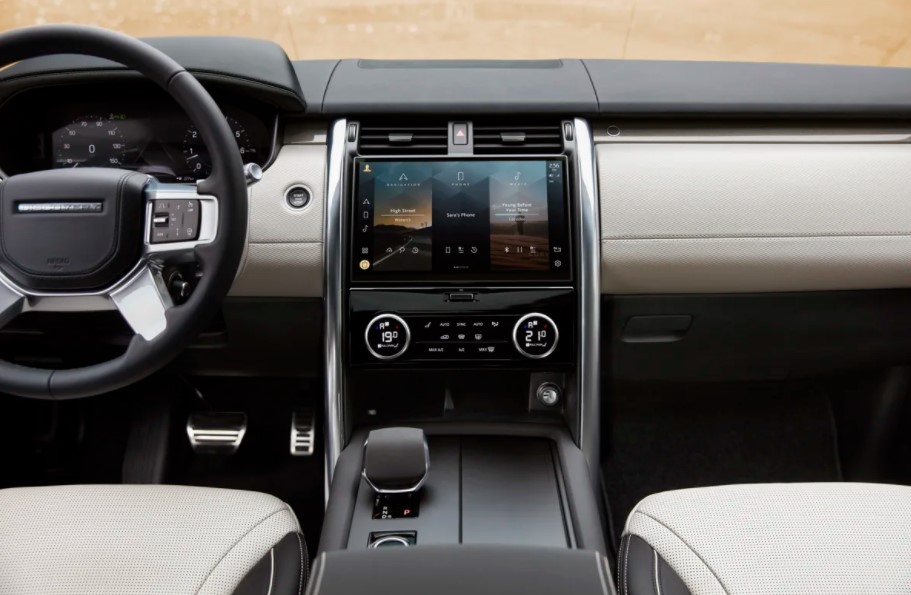
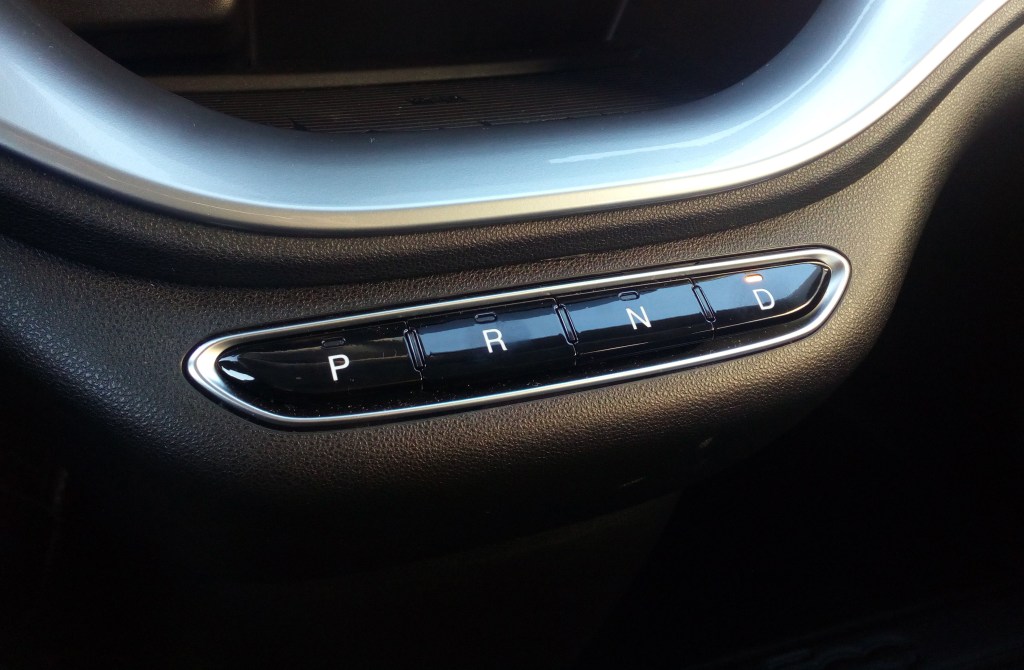
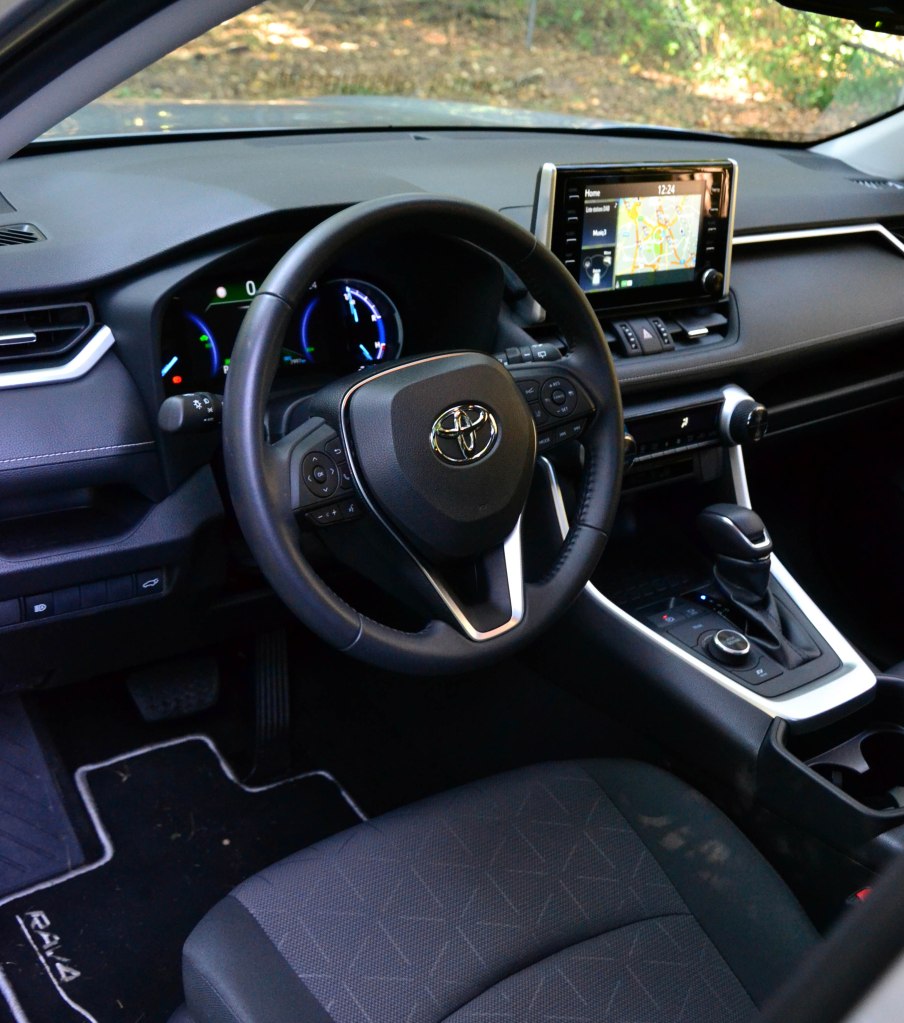
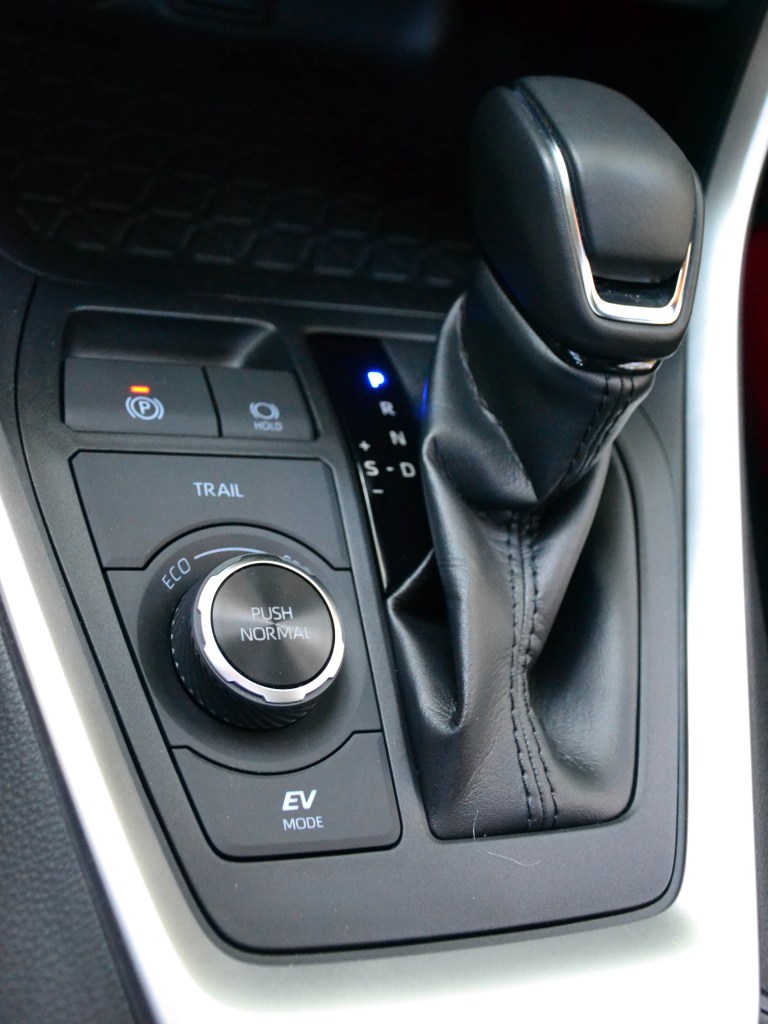
We found the cabin quite practical; it is purpose built with all the knobs and handles in the right places. The gearlever/selector is now totally classical in looks and feel, and this is maybe a good thing for many SUV enthusiasts. Seats are excellent, the lower, more dynamic seating position was appreciated. As said, there is plenty of room inside. Of course, excellent connectivity and an intuitive to use navigation system was appreciated and makes this RAV4 a pleasure in daily use.

Conclusion

A well styled, but above all superbly engineered SUV, which is sturdy, practical, mechanically refined, frugal, and roomy.

It has a very comfortable ride, and the smoothest of drivetrains. This SUV displays lively performance and surprises with excellent economy. Its unique hybrid system makes it truly stand out, and will make it also totally future proof in our ever-greener world. The RAV4 will continue to be a bestseller, and deservedly so…

Hans Knol ten Bensel

We drove the Audi A3 Sedan 35 TFSI: cleverness in elegant motion…

Driving an Audi is always something very special. You are surrounded by German perfection, enjoying the touch of top notch materials and the sight of clean cabin styling and instruments. The steering wheel transmits agility and handling precision into your fingers, the engine responds eagerly to the slightest movement of your right foot. You hear an efficient throb, even if it isn’t the five cylinder anymore. Yes, an Audi. The second generation A3 sedan which was introduced in the spring of this year continues the tradition. It has style, breathes German high-tech panache, feels built to last, and is elegant down to the smallest detail.

Here we drove for you the 35 TFSI 1,5 litre petrol with the 7 speed S tronic, which is assisted a bit with regenerated E-power…

Hans Knol ten Bensel

Slender facelift

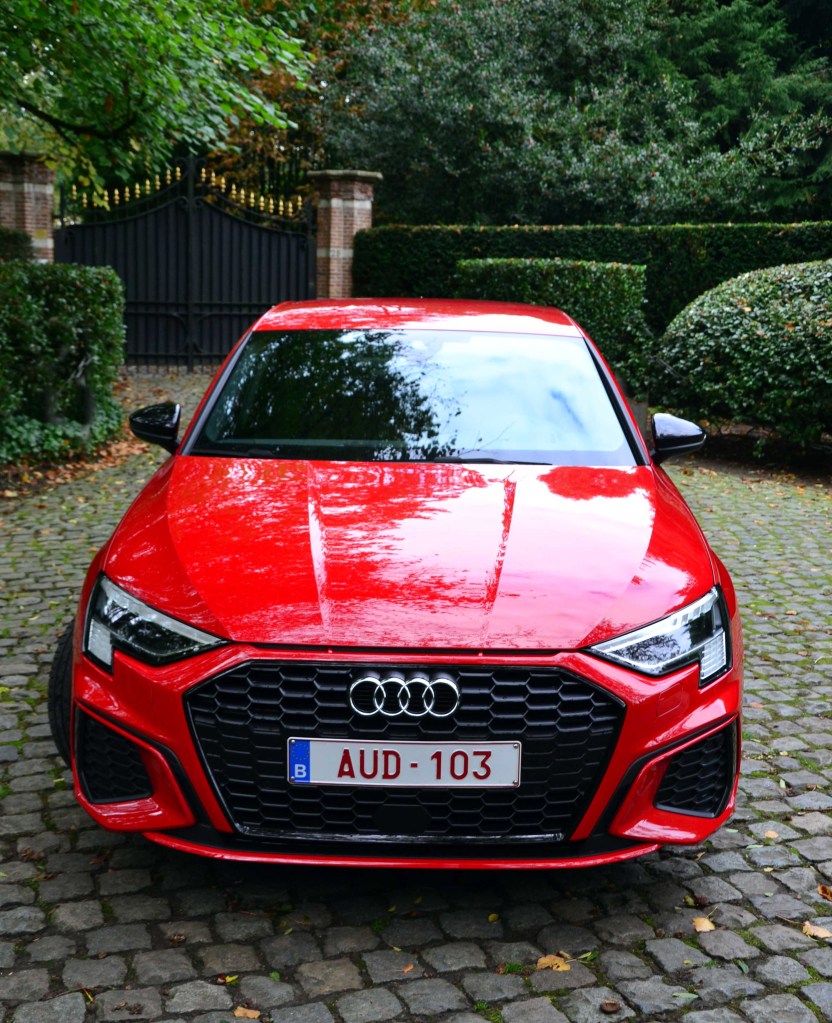
The latest A3 has been upgraded somewhat, remaining however well within the classic Audi styling mold. Its wheelbase remained the same, just the body got now 4 centimeters (1.6 in) longer at 4.50 meters, and it is 2 cm wider. A concave surface under the broad body shoulder make the A3 look more punchy and leaner. The roof line slopes down coupé like from the B- and finishes in a striking spoiler on the tailgate, which is optionally available in carbon.

The new A3 Sedan achieves a Cd value of 0.25 and is therefore 0.04 Cd points better than the first generation. All this thanks to attention to detail: there is a controllable cooling-air inlet with two electrically actuated louver modules behind the Single frame grille…

In the cabin, the instrument panel with the central MMI touch display is inclined slightly toward the driver. It has a 10.1-inch diagonal and includes handwriting detection as well as natural language control that can optionally draw on the capabilities of the cloud. The 10.25-inch instrument cluster behind the steering wheel is digital even in the basic model. Wow! We simply love also the clean instrument styling of these digital displays.

Of course, there is “Audi virtual cockpit plus”. The screen then measures 12.3 inches and offers three different views, including sporty graphics with inclined digits and a particularly dynamic layout. The RPM and speed are shown here as bar diagrams with angular red graphical elements. Upon request, a head-up display is available, we had it on our test car.

Driving the Audi: sharp, alert, precise…

Be inspired behind the wheel. This car responds beautifully when you steer it with verve. The 1.5-liter direct injection engine produces 110 kW (150 PS) between 5 and 6000 rpm, and has plenty of pulling power across the mid rev range. Torque is 250 Nm between 1500 – 3500 rpm. The 7 speed S Tronic makes you a better driver. You hurtle from 0 to 100 km/h in 8,4 seconds, and become a top player on the German Autobahnen: top speed is 232 km/h.

The suspension supports all this sportiness superbly. We left the drive select function in our test car mostly in the “comfort” position, and even then, you steer with precision and uncanny agility. Selecting a dynamic position will influence damper settings, steering and throttle response. But there is also an “eco” setting…

Indeed, with the S Tronic automatic, the car can coast when you lift the throttle. This led the Audi people to adopt here brake regeneration alongside the obvious coasting function. They installed a 48-volt mild hybrid system, which supports the engine with up to 50 Nm (36.9 lb-ft) of torque when driving off and accelerating from low engine speeds. It also allows the A3 Sedan to switch the engine off while coasting. Drive with anticipation, and you will be amazed in how many situations you can put the kinetic energy of your Audi to (very) good use.

We also appreciated the utter smoothness when this Audi switches from shut down coasting to revving engine power. It was not perceptible, and that is no small feat!  We achieved quite creditable consumption figures in sedate town driving, between 6 and 7 liters/100 km. Of course, on the open road, the Audi is efficient, and when driven at legal limits you can achieve anything between 5 and 6 liters/100 km. Audi quotes 4.9 – 4.7 l/100 km and combined CO2-emissions of 113-107 g/km.

You remain highly connected in your Audi…

The top infotainment system in the new A3 Sedan is the MMI Navigation plus, which uses the third-generation modular infotainment platform (MIB 3). The MIB 3 boasts computing power ten times higher than in the predecessor model, connects the car via LTE Advanced speed, and connects the smartphones of the passengers to the Internet via Wi-Fi hotspot. The MMI Navigation plus offers a multitude of Audi connect services as standard, including online traffic information, news, and additional information such as photos, opening times, and user reviews relating to points of interest.

The A3 Sedan is also connected to the smartphone via the Audi smartphone interface, which integrates iOS and Android cell phones with Apple Car Play and Android Auto in the MMI, as well as via Audi phone box. The latter connects the device to the car antenna and can charge it inductively.

Did you know that if the car is switched off, the myAudi app continues navigation from the car on a smartphone? This way, customers reaches their destination directly.

What is more, the A3 Sedan can be locked and unlocked as well as started via an Android smartphone with the Audi connect key. Personalization allows up to six users to store their preferred settings in individual profiles, including those for the seat, climate control and media.

The DAB+ digital radio comes as standard. Options include online radio and the hybrid radio, which automatically switches between FM, DAB, and the online stream depending on a station’s signal strength, thus ensuring optimum reception. We enjoyed the music in this Audi, for sure…

Conclusion

Convincing, if you like superb finish, build quality, clean timeless styling and last but not least an engaging driving experience. This sedan will underline what you stand for, will age (very) well and give you owner and driving pleasure every day you live with it. It doesn’t come very cheap, more so when you delve deeply into the extra’s, but reliability, longevity, high resale value and therefore low depreciation are also things you have to take into account when considering the overall running costs for this quality car. Drive it cleverly in town, and it is there quite frugal too…

Hans Knol ten Bensel

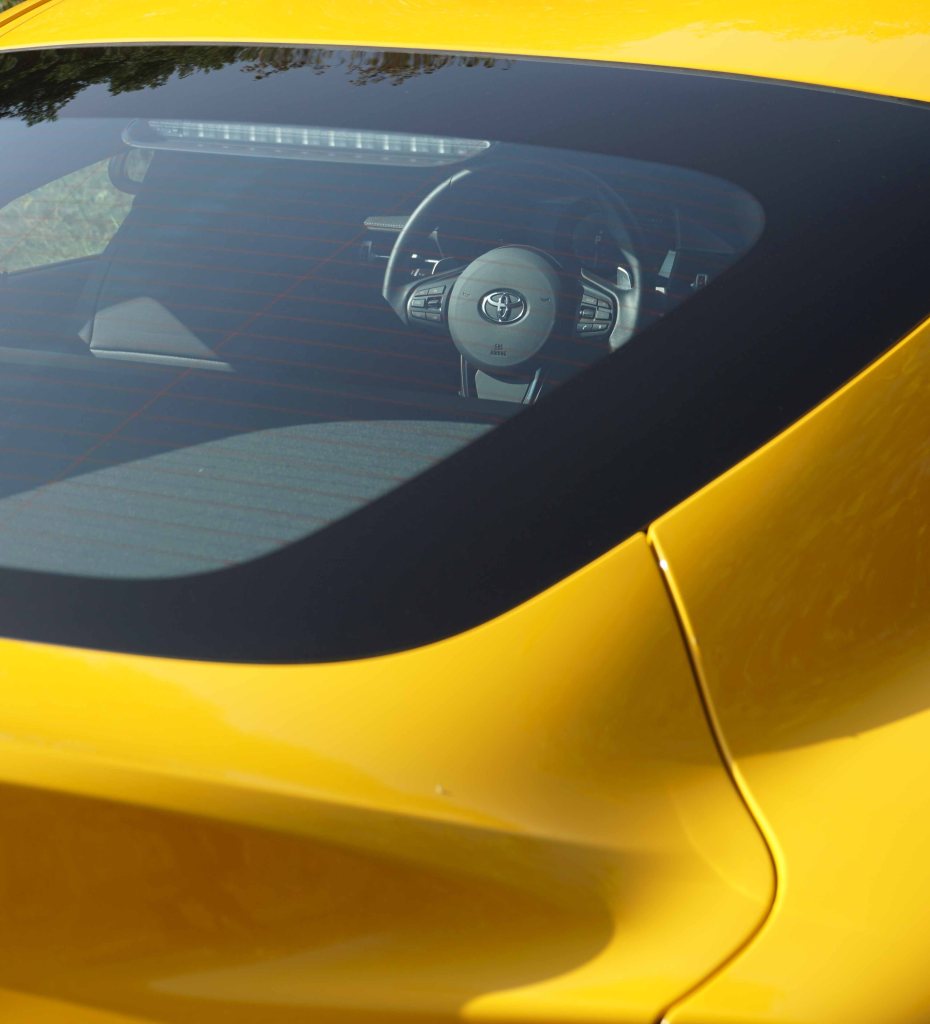
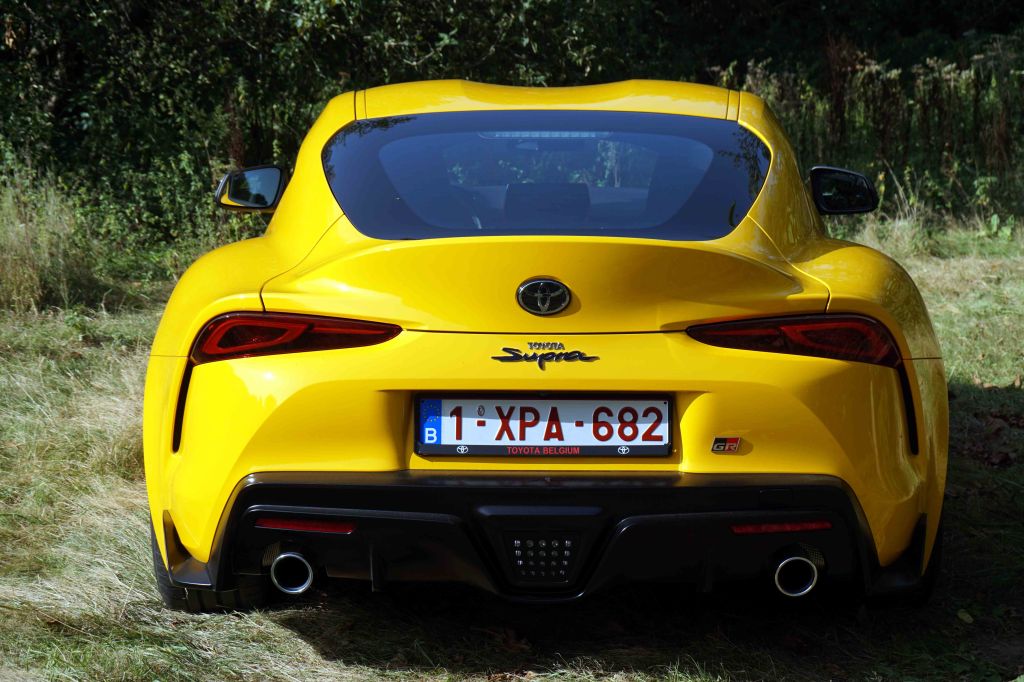
We drove the Toyota GR Supra 2.0L: a thoroughbred sports car gets even more pure…

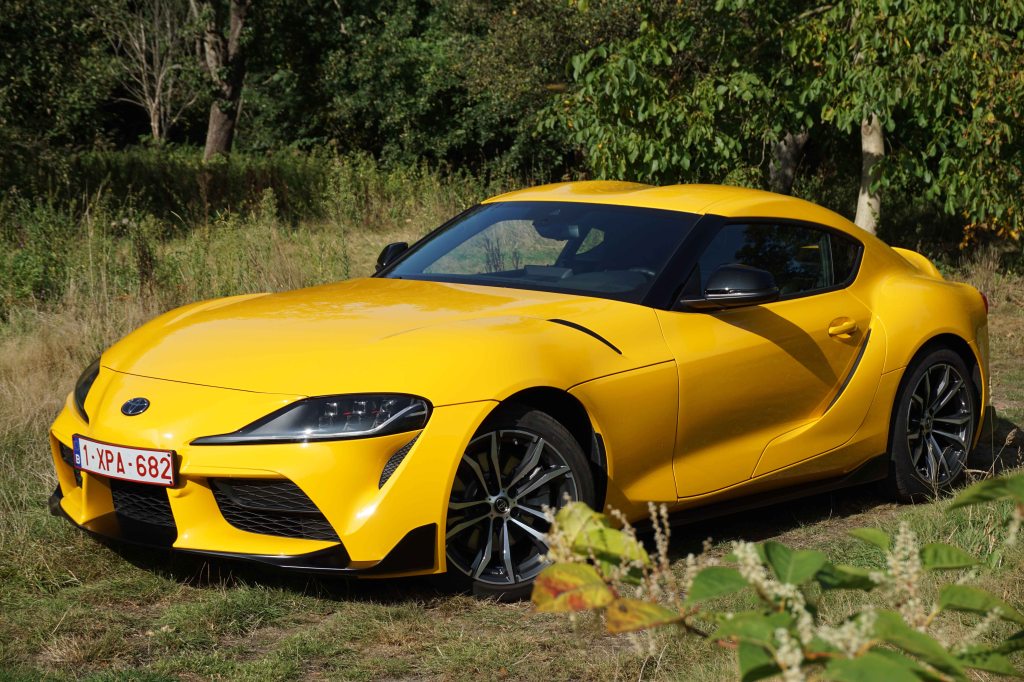
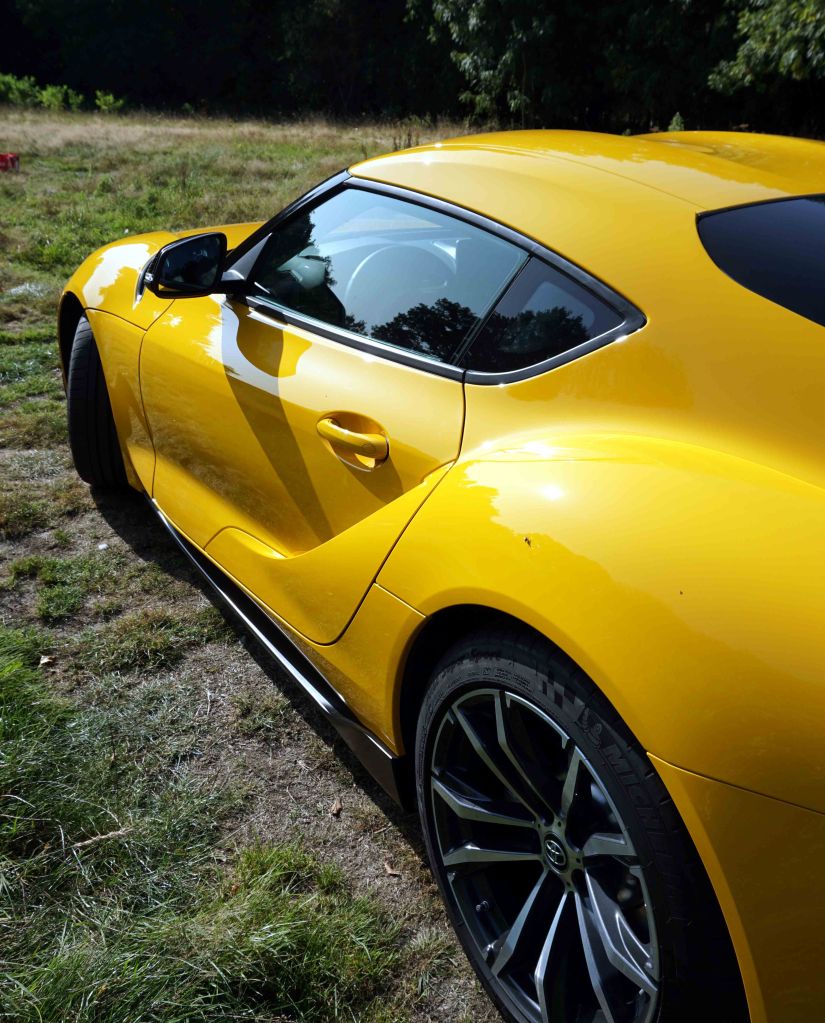
Who doesn’t dream of a two-seater sports car with flowing coupé lines, a racy cabin, long hood, wide stance and a superb styled rear? A sports car with ideal 50/50 weight distribution, handling from the seat of your pants, equipped with a thoroughbred engine?

Such a car is the Toyota GR Supra. Until now, it came with a 3 litre six engine, being the first global model to be developed by TOYOTA GAZOO Racing. Now this same team has engineered another, even more pure version for the sports car aficionados: a Supra with a double overhead cam, 2 litre 16-valve petrol unit with a twin-scroll turbocharger.

This four-cylinder Supra is 100 kg lighter, and the engine’s shorter length means its mass is located closer to the center of the car. A true driver’s delight with stunning performance? You bet! It proved indeed to be one of the nicest 2-seater “pur sang” bolides we have driven lately…

Hans Knol ten Bensel

Already its looks are stunning. Chief Engineer Tetsuya Tada adhered to the classic form of a front-mounted engine driving the rear wheels, building on the heritage of Toyota’s past Supra generations and original 2000GT sports car. Indeed, this latest Supra has much of the compact purity of the legendary 2000 GT, which moves the heart of every car enthusiast.  

When it comes to design a top handling car, its wheelbase and track dimensions are the first things to consider. It is widely recognized that the best balance of agility and stability is obtained with a ratio between wheelbase and track of around 1.5 and 1.6. Achieving the 1.55 “golden ratio” was thus the starting point for the GR Supra development team, the key building block on which everything else has been optimized. (For reference: wheelbase = 2,470 mm; rear track = 1,589 mm).

Superb four-cylinder…

The engine sits indeed in the right place. And it sounds and performs right too. Maximum power is 258 DIN hp/190 kW at 5,000-6,000 rpm, while peak torque of 400 Nm is available across the whole mid rev range, from 1,550 to 4,000 rpm. Performance is indeed at the rendez-vous…

What to say of a 0-100 km/h acceleration in 5.2 seconds, with top speed is electronically limited to 250 km/h… The charm also lies in the totally effortless way this performance is achieved. This sports engine is totally civilized, and while it will respond eagerly to the slightest pressure of your right foot, it is utterly docile and flexible in town traffic, and in the “normal” driving mode, it will happily potter along at 1200 rpm at legal speeds. Choose the sports mode, and the excellent 8 speed ZF automatic will spoil you with alert and lightning speed gear changes, and make you a better driver…

The staccato of the engine revving up under full power is a delight to your ears, and all this pleasure is further enhanced by the excellent handling of this Supra.

Economy is not as dramatic as you would expect from such a high-performance car, as the engine is efficient and the car is not heavy. We clocked with a lot of (very) brisk driving an average consumption of some 8,2 liters/100 km.

State of the art suspension

The Supra steers with precision. The high rigidity of the chassis makes a finely tuned suspension possible. The suspension design comprises double-joint-type MacPherson struts at the front and a five-link system at the rear.

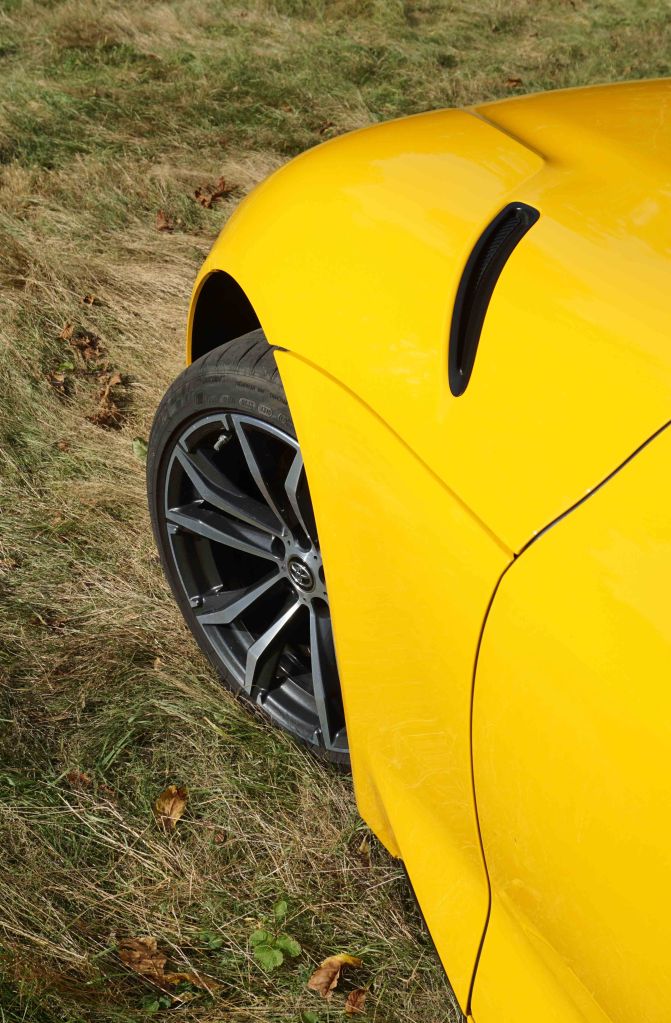
The GR Supra 2.0 is fitted as standard with 18-inch forged alloy wheels. To optimize the balance of front and rear grip, larger wheels and tyres are used at the rear. The specific Michelin Pilot Sport tyres are 255/40 ZR18 front and 275/40 ZR18 rear.

The Supra also corners as on rails thanks to its 50/50 weight distribution, and even novice drivers can drive immediately fast with utter confidence on those winding mountain sections of your Gran Turismo trip.

Do not forget that TOYOTA GAZOO Racing was instrumental in honing the new sports car’s performance, working on the famous Nürburgring Nordschleife and surrounding roads in Germany to achieve the most agile, stable and rewarding handling possible. Further extensive testing was carried out on roads around the world.

The Adaptive Variable Suspension (AVS), available as part of the optional Sport Pack, enhances performance with instant response to changes in the road surface, adjusting the shock absorber force at each wheel to maintain a flat vehicle posture, excellent steering response and supple ride comfort. Sensors constantly monitor the way the car is being driven and the road conditions, controlling the damping force accordingly.

The driver can choose between two AVS modes – NORMAL and SPORT – to suit their mood or the driving conditions. NORMAL mode strikes a high balance between vehicle stability and ride comfort, enabling a sporty drive without sacrificing comfort. SPORT mode delivers a flat vehicle posture, reduced body roll and a more agile steering response.

A cabin to dream (and drive) away in …

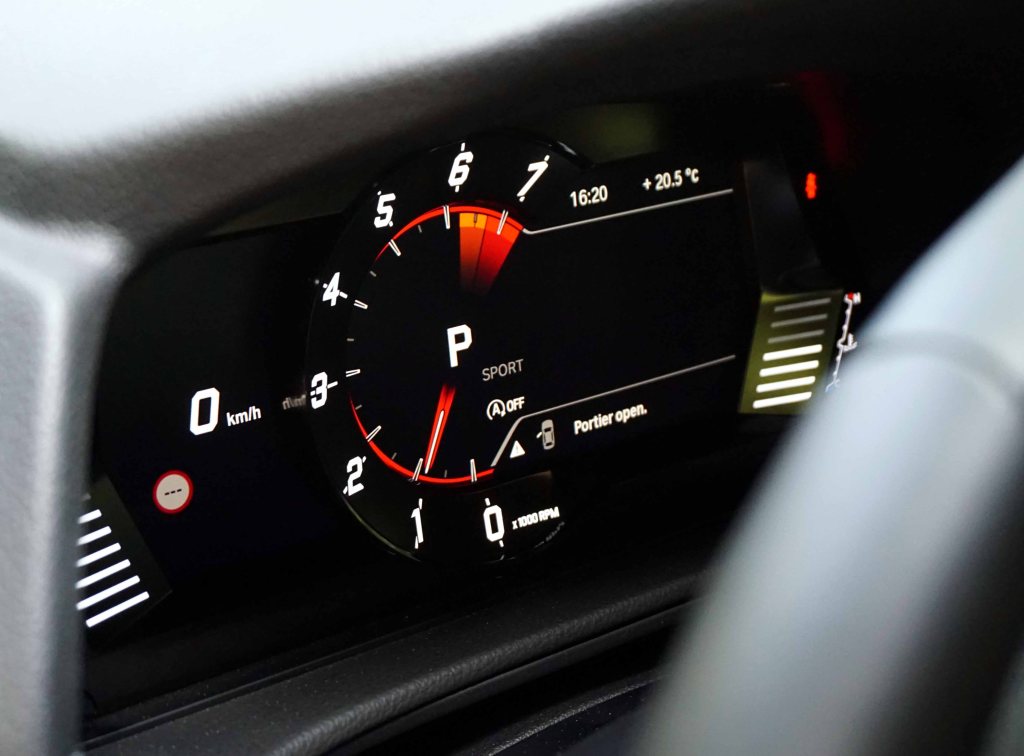
The cabin of this two-seater is a heavenly place for each trip, be it 1 or 1000 kilometers. Soon you have found the ideal driving position behind the wheel, and all the instrumentation is ideally positioned in your line of sight, with the large rev counter of course taking central place.

The low, slim horizontal dashboard maximizes the forward view through the windscreen, and you intuitively keep your eyes on the road.

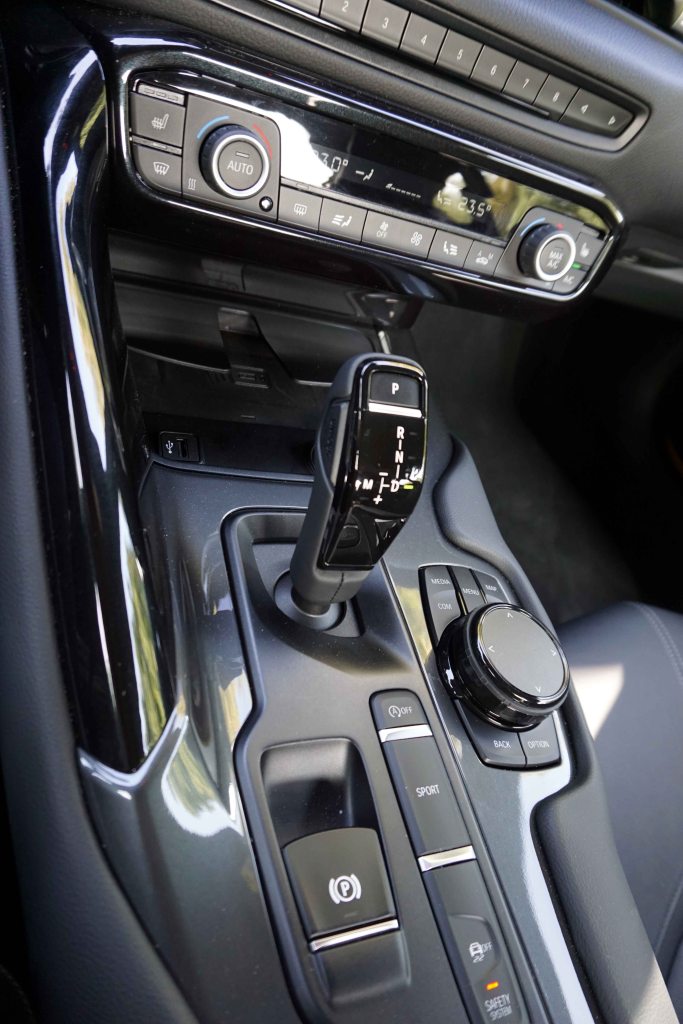
But don’t expect this Supra to be anywhere spartan. The standard multimedia system for the GR Supra 2.0 is controlled via a centrally mounted 8.8-inch high-resolution TFT touchscreen display. This can also be operated using a controller on the center console which has an intuitive touchpad control on its upper surface. It is designed for fingertip control so the driver doesn’t have to change their position at the wheel to operate it.

The package includes a four-speaker audio system with DAB radio reception, Bluetooth, a USB port and wireless smartphone integration using Apple CarPlay.

Conclusion

A formidable sports car, a dream on the track, on the mountain pass, on the motorway, but also well at home in tight and slow daily urban traffic. A stylish companion, which offers you all the practical creature comfort you could wish for, all this makes this Supra a car nice to live with every day. Then also, it’s a Toyota, which means top notch reliability, good economy and reasonable service cost. So enthusiasts, this Supra has all it takes to become an icon, and could be your four-wheeled companion, to cherish for years, if not decades to come…

Hans Knol ten Bensel

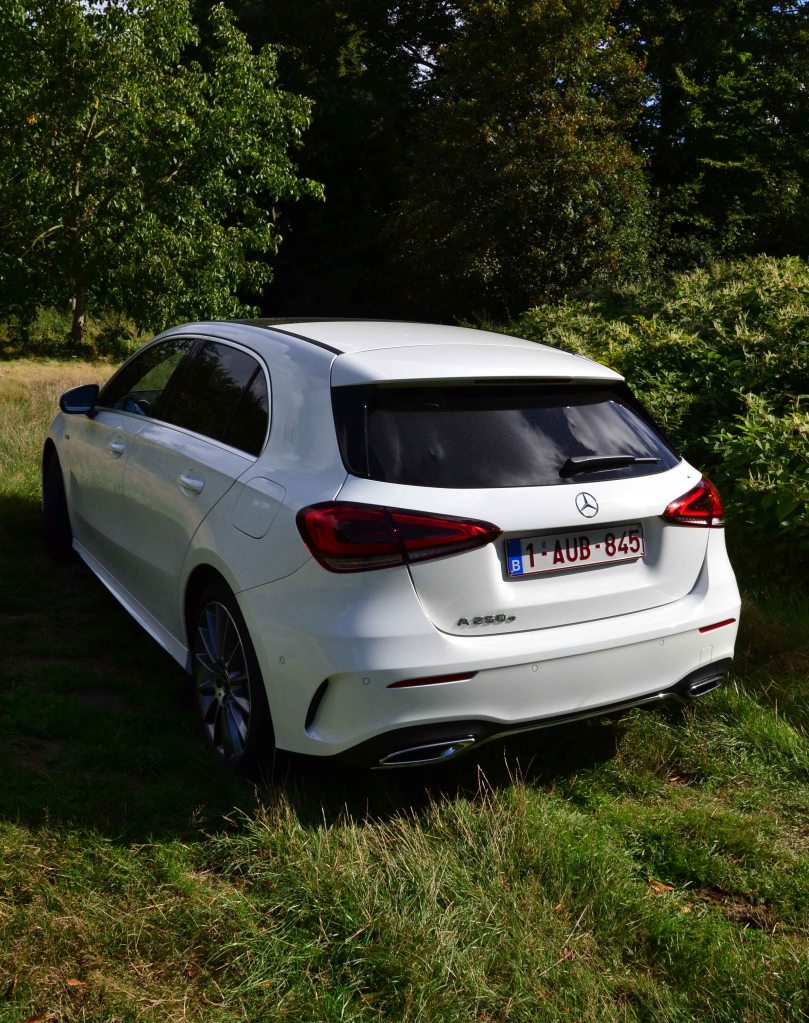
We drove the A Class 250 e: another milestone in plug-in hybrid mobility…

Mercedes is joining the plug-in hybrid trend on the road to zero-emissions driving. It does this with the third generation hybrid drive under its celebrated EQ Power label, with the future-oriented commitment so typical for the brand. Indeed, wonderful times are ahead, so it appears. This A 250 e promises indeed formidable economy and emission values: combined fuel consumption 1.5-1.4 l/100 km, combined CO2 emissions 34-33 g/km, combined electrical consumption 15.0-14.8 kWh/100 km.

All so wonderful, but of course under the condition that you use its plug-in capacity. Otherwise, it is just a zesty petrol engined compact Mercedes with good performance and road qualities… but one which gets you home no matter the distance!

Hans Knol ten Bensel

Electric Charging stations are an absolute must…

Indeed, plug-in hybrids are very much OK if you can charge then every day at home or office. If this is not available, Mercedes helps. Via its “Mercedes me Charge”, you can optionally obtain access to one of the world’s largest charging networks, with over 300 different operators in Europe alone Thanks to its navigation system, Mercedes-Benz drivers can find these stations easily and can gain convenient access to the charging stations via the Mercedes me Charge card, the Mercedes me App or directly from the car.

No separate contracts are necessary for this: apart from simple authentication, customers benefit from an integrated payment function with simple billing after they have registered their payment method once. Each charging procedure is booked automatically. The individual charging processes are clearly listed in a monthly invoice.

The car: top performance…

The A 250 e is fast. We can say, almost superfast. What to think of 6.6 seconds for the sprint from 0 to 100 km/h, and a top speed of 235 km/h? You can drive it in E-power only mode, and even then its electric 75 kW motor will push it to 140 km/h. So with everyday charging, you have a lively E-car under your right foot which is more than powerful enough to give you genuine driving pleasure combined with “zen” electric smoothness.

But if you are faced with an immediate longer trip, with no time to find charging stations for your empty battery, the 1,33 litre four cylinder gets eagerly to work. It smoothens out on the autobahn, otherwise it lets you know it is there, but then with a pleasant touch of sportiness. It develops 118 Kw/160 hp at 5500 rpm, and its 250 Nm torque starts at 1620 rpm, which gives it plenty of punch in the lower and mid rev ranges. Oh yes, total system power is 160 kW/218 hp, and system torque is an impressive 450 Nm.

Charging a breeze…

A lithium-ion high-voltage battery with a total capacity of approx. 15.6 kWh is ingeniously packed in the car. It sits under the rear seat and can be charged with alternating or direct current. A corresponding vehicle socket is located in the right-hand side wall of the vehicles.

This means that the compact plug-in hybrids can be charged at a 7.4 kW Wallbox with alternating current (AC) within 1 h 45 min from 10-100 percent SoC (Status of Charge). For direct-current charging (DC), the battery can be charged from 10 – 80 percent SoC in around 25 minutes.

So if you are a (mostly) urban driver, plenty of charging opportunities!

Driving the A 250 e exclusively on E power in urban situations is the thing to do. If the battery is empty, – it’s useable range is around 55-60 km on a charge – the willing petrol engine gives you plenty of zest, but not the supersmooth progress we have grown accustomed to in our own hybrid Lexus for instance.

Gearchanges by the 8G-DCT dual clutch transmission are noticeable at slow speeds and smaller throttle openings, and economy is in these circumstances what you can expect from a solid Mercedes with a sporting engine. In short urban errands, anything between 8 and 14 litres/100 km could be your sort, but luckily once on the open road the engine gets really into its stride and consumption hovers between 5,5 to 6,1 liters when cruising at legal cruising speeds.

Drive programs to choose from…

But there is more. With the launch of MBUX (Mercedes-Benz User Experience) the previous plug-in operating modes of all EQ Power models have been converted to so-called “drive programs.”

After 52 kilometers, the battery is empty, and the earger 1332 cc four cylinder gets to work… but for better urban driving economy, you are well advised to plug in and prefer e-power!

These new drive programs are “Electric” and “Battery Level”. Maximum e-performance can of course be had in “Electric”. The combustion engine is then only engaged if you floor the throttle. In the “Electric” program, the energy recuperation strength under braking/decelerating can be selected via paddles behind the steering wheel. The paddles on the steering wheel enable the selection of five different recuperation levels (DAUTO, D+, D, D- and D–).

Comfort, ECO and Sport modes are also available.

So you can give priority to electric driving, or choose more dynamic driving in combined drive mode or give preference to the “Battery Level” i.e. the combustion mode to save electric range, for example.

Mercedes remains Mercedes… and more about its future plug-in strategy

When looking at chassis, bodywork, cabin amenities and finish, the good star always tells us a beautiful story. The new A Class scores top marks here. Excellent seating position, ergonomics, MBUX, or Mercedes-Benz User Experience, comfort, handling, looks and practicality, everything is there.

Looking at the future, the new plug-in hybrids of the S-, E- and C-Class with electric ranges of up to 50 km in accordance with NEDC are now more than a year with us. In the C- and E-Class, Mercedes-Benz is the only manufacturer to combine the diesel engine with plug-in technology, offering this set-up in the Saloon and Estate versions of these two model series.

This year, about 20 model variants will have the plug-in layout… so the good star is indeed well plugged in!

Hans Knol ten Bensel

Photographers’ note: All photos were taken with our big Nikon DSLR, which amply shiws in the crispness and balance of the images…

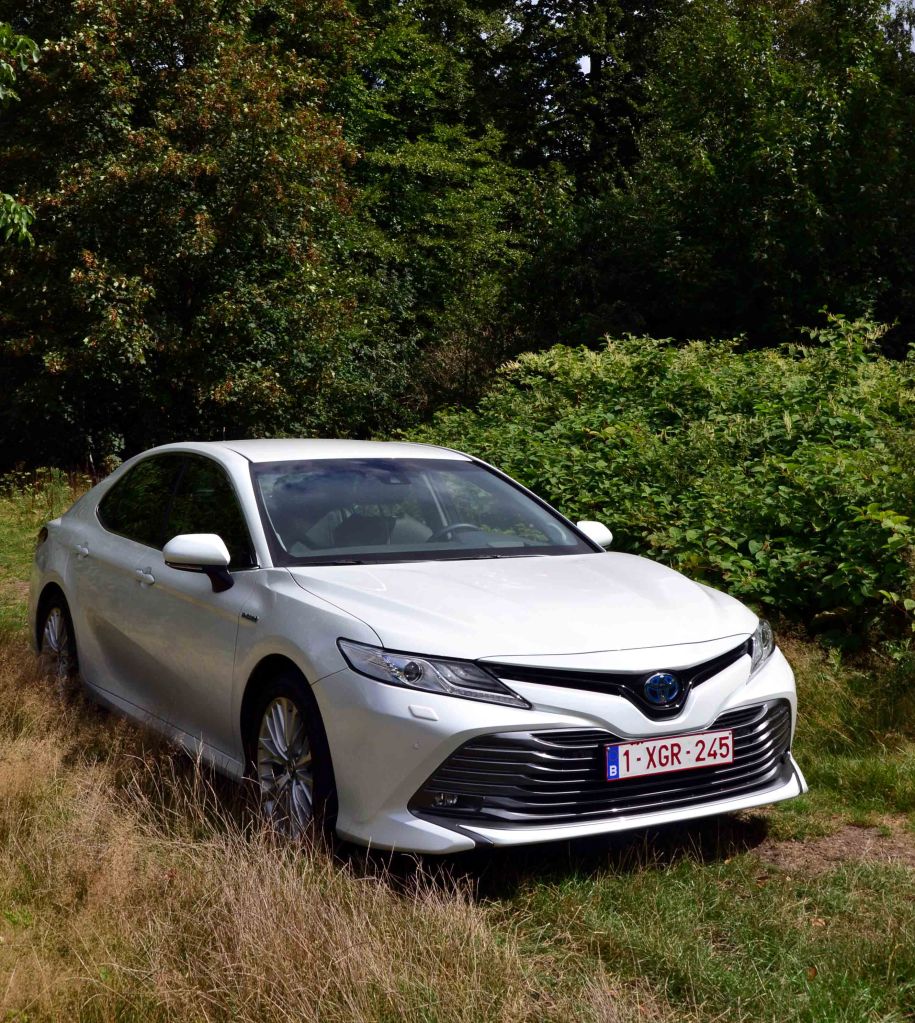
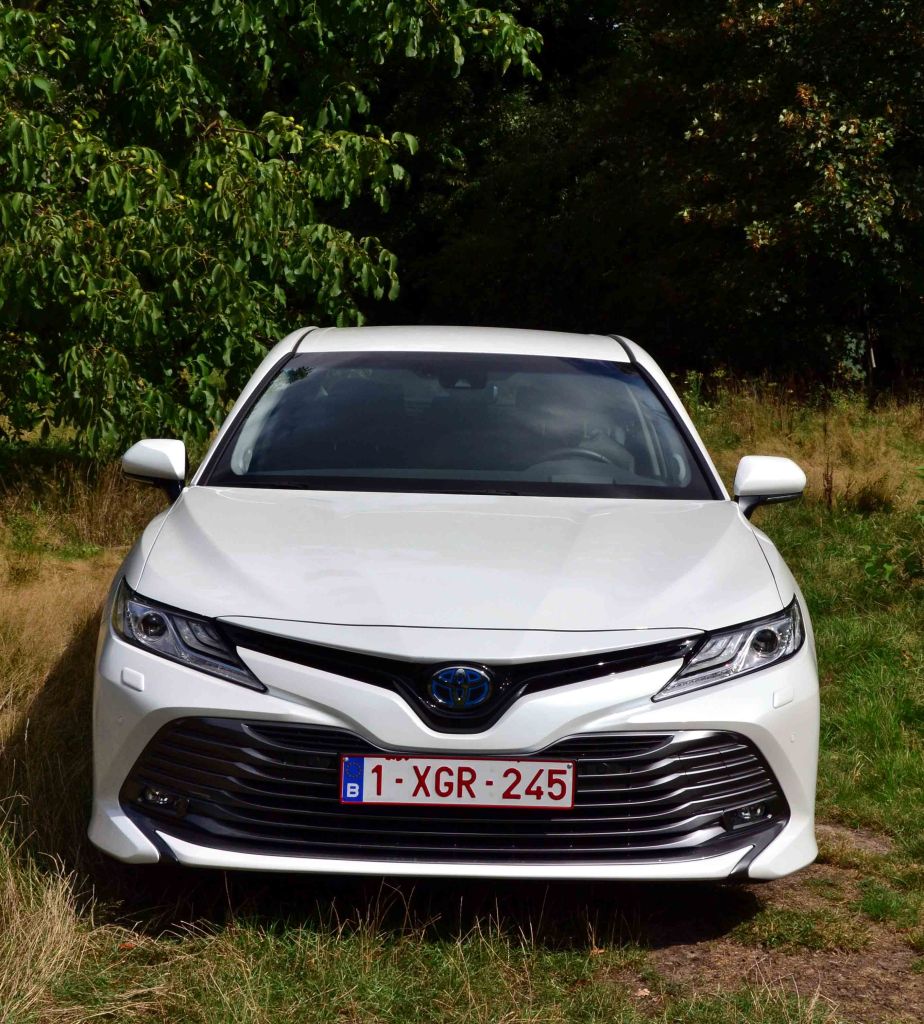
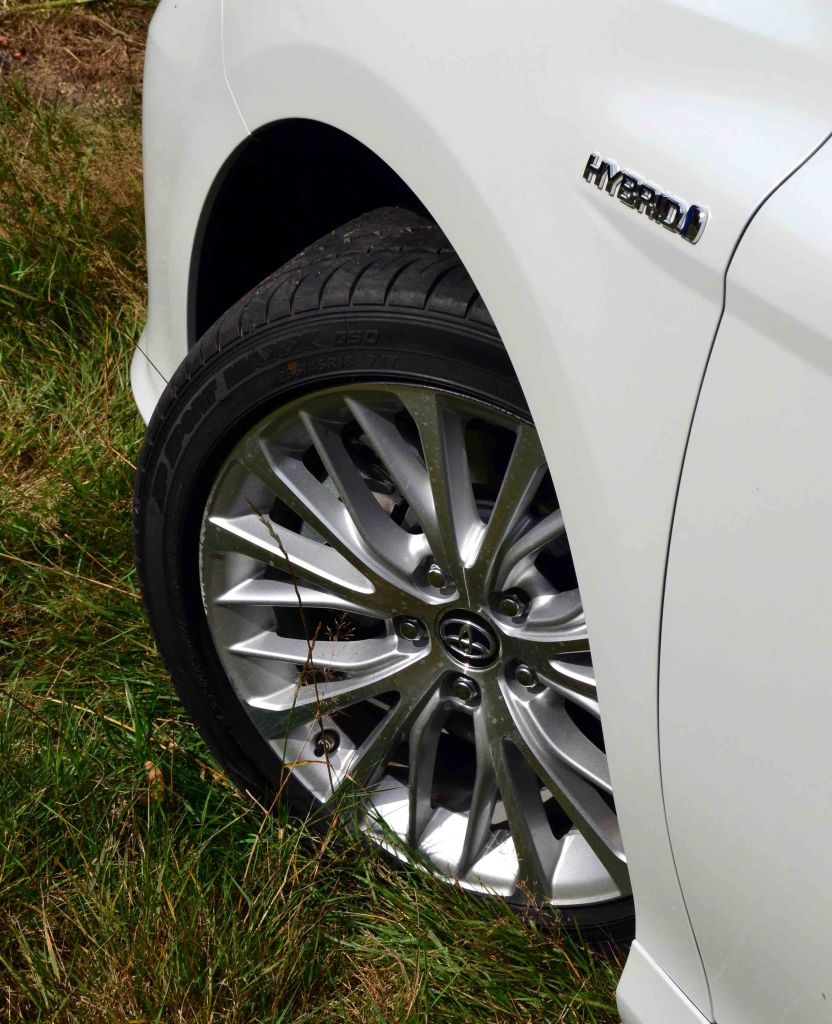
We drove the Toyota Camry Hybrid: practical E-power with comfort and grace…

We just love the hybrid solution Toyota/Lexus is offering us since many years. It delivers superb smoothness, has unlimited range with no recharging hassles and yet gives you the benefits of “zen” E-power when you need it most: in urban driving. All this combined with unequaled economy. The 4,7 liters/100 km we clocked over the last 1,5 years of daily driving with our Lexus CT200h amply proves this point.

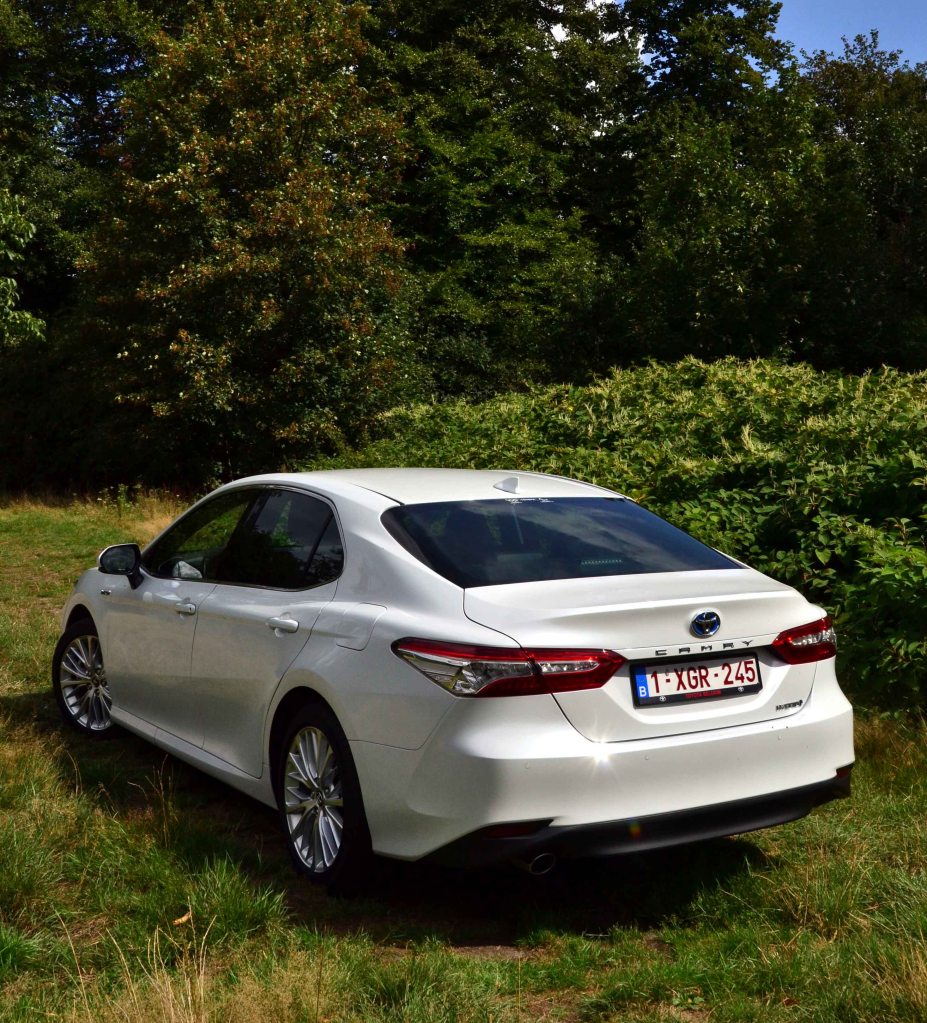
Now Toyota has brought its US bestselling Toyota Camry to our European shores. Did you know that the Camry is the best-selling D/E segment sedan in the world with annual sales of more than 700,000 units?

In Europe it is sold only in hybrid form, and rightly so. The Camry met totally with our expectations, and is in my opinion at present in its hybrid form the only practical solution for all-round E-mobility in Europe, considering the present status of the EU-wide charging infrastructure.

Hans Knol ten Bensel

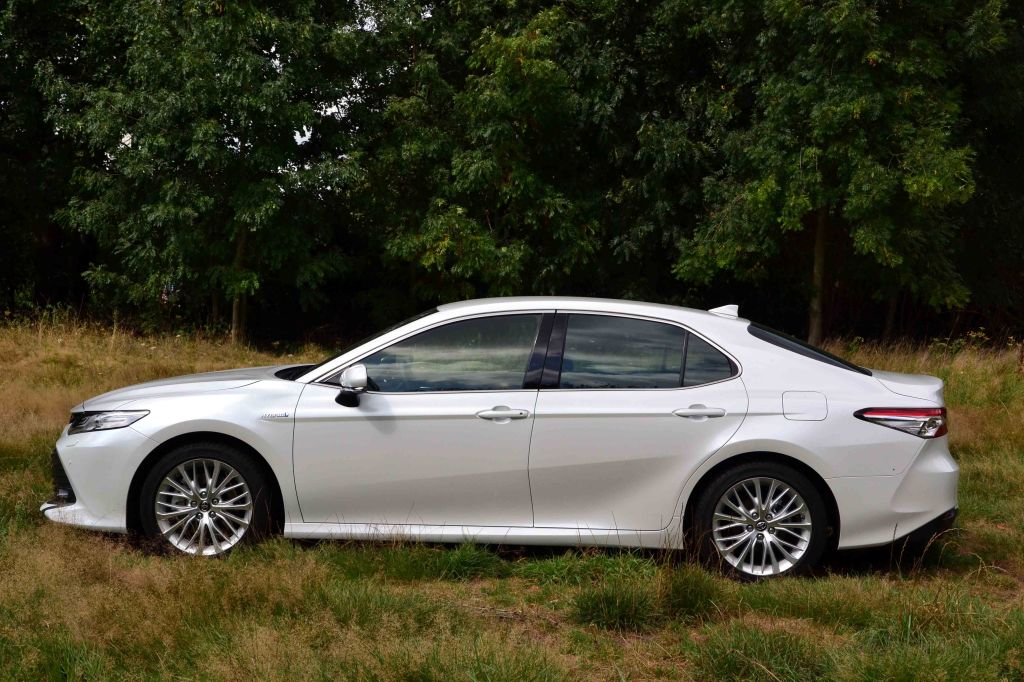
The Camry is a spacious sedan with pleasing proportions, and indeed looks elegant from any angle. It certainly has a premium aura and look, and offers ample room for five and their luggage. The latest generation Camry is a product of the Toyota New Global Architecture (TNGA) design and engineering philosophy. TNGA places enthusiast-oriented ‘fun to drive’ characteristics and alluring styling on an equal footing with excellent build quality, reliability and safety. It surely delivers…

Let’s first have a look at its drivetrain.

Toyota wisely opted for a large(r) 2,5 litre four-cylinder unit, developing enough power (131 kW) and torque to keep revs down even under spirited driving. It has, Toyota says, a world beating maximum thermal efficiency of 41%. Mated to a zesty 120 HP electric motor, total system power is a healthy 160 kW. It develops combined over 400 Nm, which puts it at par with potent Diesels. All this makes the Camry a very brisk performer, offering impressive but silky-smooth punch when accelerating from slow speeds. The all-important 10 to 30 km/h sprint to join safely a moving urban traffic lane takes merely a second, from 60 to 100 km/h – the crucial parameter to join motorway traffic – costs only 4,9 seconds. The sprint from standstill to 100 km/h is absolved in 8,3 seconds. The Camry is a very potent motorway cruiser too, with top speed electronically limited to 180 km/h. More than enough for today’s traffic conditions, we would think.

The charm of the hybrid system lies not only in the ever-present pulling power, it also excels in the totally clever way it switches imperceptibly between E- and combustion power. Improvements to the conversion efficiency of the Power Control Unit (PCU) and the transmission efficiency of the transaxle and motor combine to reduce system energy losses further by some 20% compared to the previous model. In urban traffic, with its ever-changing lower speeds, the drivetrain computer uses the qualities of the electric motor to the full, and its very judicious use reflects itself in unseen low consumption averages.

Toyota claims up to 50% zero emissions driving on the everyday commute, and this is totally realistic. Our own Lexus stays in town easily in the 4,5 liter/100 km range, and this bigger and more powerful Camry not only achieves the same economy, it does even better. All this with a very “zen”-like smoothness and silence, which makes this hybrid drivetrain so endearing. The manufacturer quotes CO2emissions as low as 98 g/km, fuel consumption of only 4.3 l/100 km. Our test consumption boiled down to an average of 5,3 litres/100 km, where the Camry was driven with spirit on the open road.

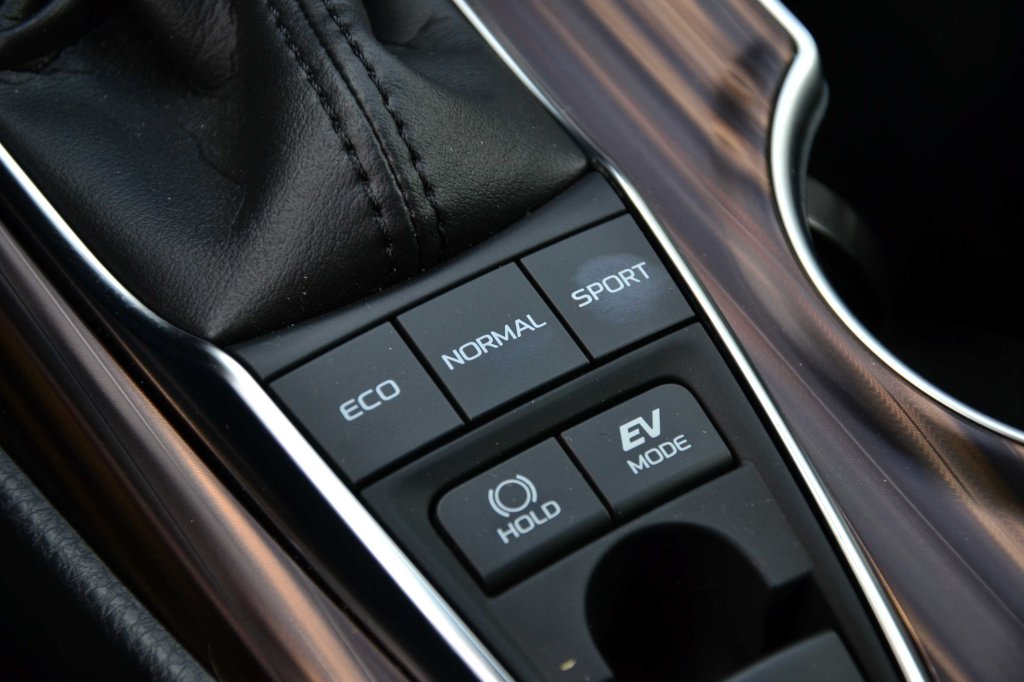
The so-called “ADrive Mode Select” switch enables the driver to select a choice of ECO, NORMAL and SPORT driving modes. All three modes may be used when the vehicle is operating in the separately-switchable EV mode.

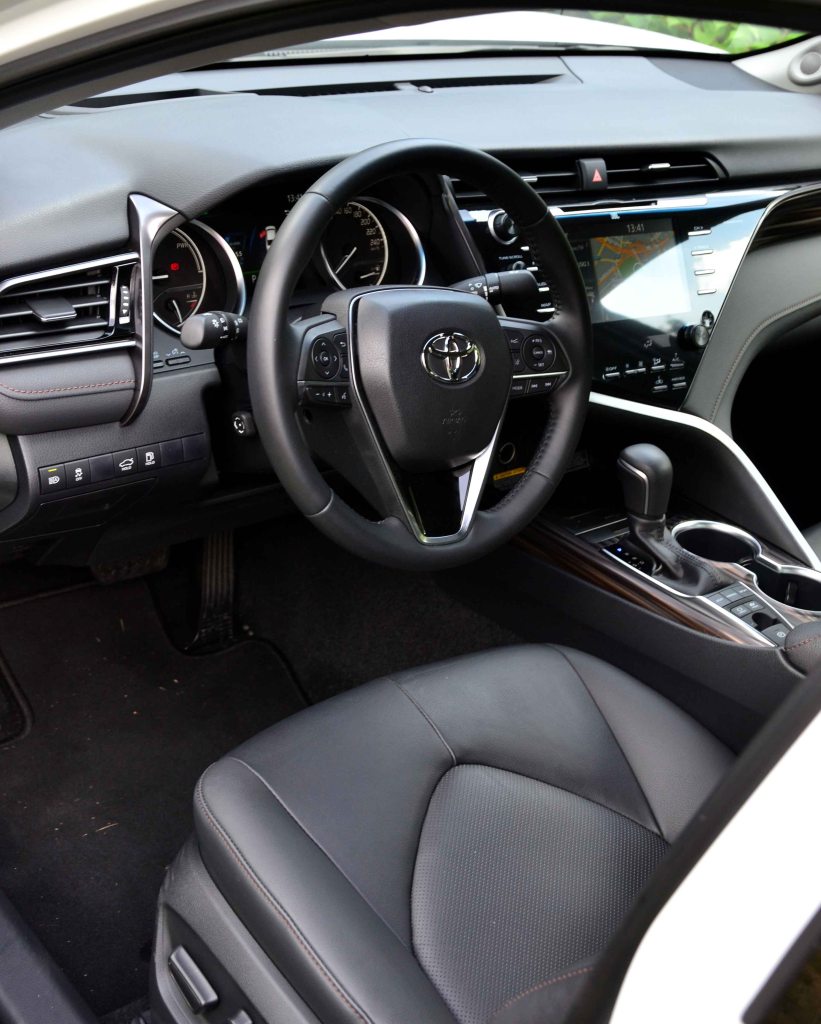
In addition, the enhanced self-charging hybrid system also includes new “Sequential Shiftmatic” technology that allows the driver to ‘shift’ with the console-mounted lever, mimicking a quick-shifting six-speed automatic transmission, for a more dynamic, engaging driving experience.

Finally, a new Auto Glide Control (AGC) function allows the new Camry Hybrid to decelerate more slowly than during normal driving, such as when it is coasting with the accelerator pedal released approaching a stop light. Thus, AGC contributes to improved fuel economy by reducing the need for re-acceleration. We found this very cool…

Silent and stable

When you are somewhat more in a hurry, the noise levels hardly rise, thanks to the good torque characteristics of its bigger engine, which makes high revs hardly necessary under power. You remain also in total command of this Camry. The finely tuned totally new suspension and neutral handling of this sedan takes fast bends very well in its stride.

Besides this totally redesigned suspension, key to the new Camry Hybrid’s enhanced dynamic abilities and ride quality is also an all-new, GA-K platform-based bodyshell. We found the Camry handle precise and very balanced indeed. Comfort and sound insulation are also very good. This is a sedan built to be driven restfully for hours on end, and indeed this Camry displays marvelous Gran Turismo qualities.

Well-equipped interior with all today’s amenities…

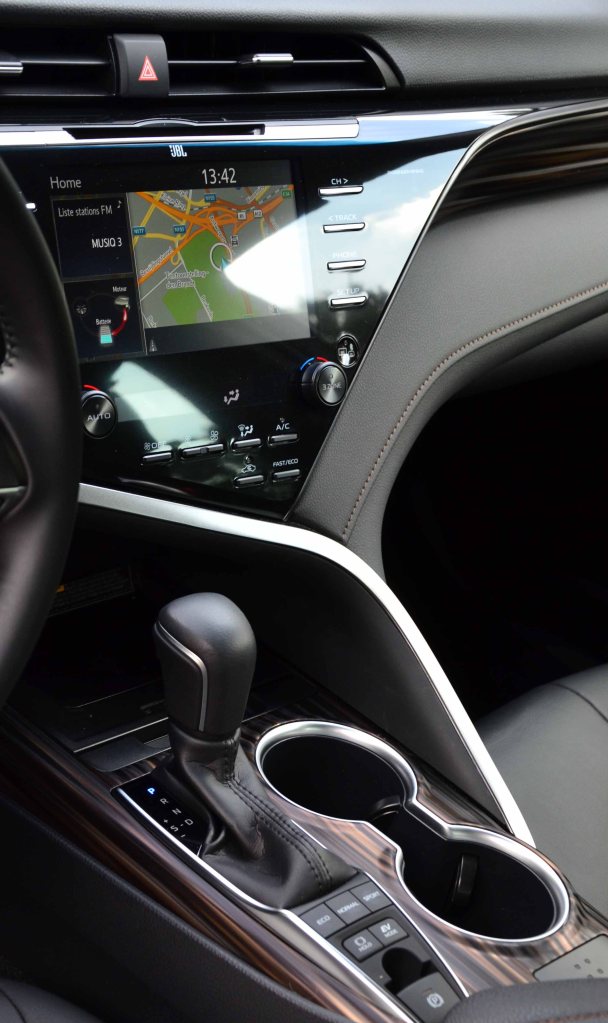
The know-how of Toyota shows clearly one slides behind the wheel. Very readable instrumentation is set in an ideally sculpted dashboard, an array of logical and easy to use accessories, excellent connectivity, effective driver assistance systems, you name it. This car is an effortless pleasure to use, with gearshift and screen command knobs and handles somewhat less idiosyncratic than the (earlier) Prius/Lexus versions, although we have grown to like just that on our Lexus CT200h. But getting a bit closer to the mainstream layout for gearshifts and the like might be the wiser option for people who drive regularly several cars. Safety is paramount too. Toyota “Safety Sense” active safety technologies are fitted as standard on all grades.

Just to mention here Pre-Collision System (PCS) with pedestrian detection, Full Range Adaptive Cruise Control (ACC), Lane Departure Alert (LDA), Automatic High Beam (AHB) and Road Sign Assist (RSA). Followed by Blind Spot Monitor (BSM) with Rear Cross Traffic Alert (RCTA)

Further driver support and safety enhancing systems include a Rear Cross Traffic Brake (RCTB), Drive Start Control (DSC), front and rear Intelligent Clearance Sonar (ICS), a Back Monitor with parking guidelines, and a full suite of brake and traction control systems.

Very readable was the colour, 10″ Head-up Display (HUD).

We also appreciated on our test car the excellent and smoothly reacting adaptive cruise control. The sound system is a chapter in itself. The Camry comes standard with a 6-speaker audio system, but our test car, with the “Executive” equipment level, got the 9-speaker JBL Premium Sound System which has been specifically tuned for installation within the new Toyota sedan.

At the heart of this system is a Class D, eight channel JBL amplifier driving nine JBL speakers which include 25 mm horn tweeters integrated within the A pillars, and a new 265 mm sub-woofer located beneath the load space floor. Need we say more? Well, we do:

The system incorporates ‘Clari-Fi’ technology which supplements the frequencies that are lost on compressed audio files -such as MP3 or streaming audio files- in real time, restoring the sound quality and stereo mix as closely as possible to the original recording… we were just smitten!

Already in its standard version the Camry comes very well equipped. The base price is already competitive, but if you see the wide array of standard equipment, things look even better.

Space

The Camry is a true five seater with luggage space to match. The adoption of a rear double wishbone suspension system reduces shock absorber incursion into the load space, offering a luggage capacity of 500 litres for vehicles equipped with power reclining rear seats, and 524 litres for those with 60:40 split seating. The lighter and smaller newly developed Ni-MH battery has enabled the relocation from the luggage compartment to under the rear seats, not only freeing up additional luggage space, but also lowering the vehicle’s center of gravity and enhancing handling stability.

Conclusion

The Camry Hybrid is a world class bestseller for years now, and its latest generation merits a European (re)discovery. Crammed with state-of-the-art technologies, from the self-charging hybrid electric powertrain to faultless driver assistance systems and infotainment/connectivity, it combines all this with style and practical space.

Hans Knol ten Bensel

We drove the new Compass “Made in Europe” with the brand new 1,3 litre petrol engine…

FCA is going from strength to strength, and it has developed a new generation of state of the art four cylinder petrol engines. We drove both versions of this supersmooth gem, the new four-cylinder 1.3-litre turbo petrol engine made at the FCA plant in Melfi, in the Italian region of Basilicata. It is part of the new FCA Global Small Engine family, launched in mid-2018 on the Jeep Renegade. The two versions are a 130 hp unit paired with a six-speed manual transmission and 150 hp mated to a six-speed Dual Dry Clutch Transmission (DDCT) – both with front-wheel drive.

But not only the engines, also the Jeep Compass itself is now built in Europe, at the same FCA plant in Melfi to serve Italian and European customers. This marks a further step in the implementation of FCA’s 5 billion Euro investment plan for Italy.

Hans Knol ten Bensel

Velvet power…

To admit you right away, we were very impressed. Utterly smooth and flexible, these engines offered silent, totally vibration free and effortless propulsion, and my co-driver, himself a very experienced and knowledgeable car journalist, thought the first 10 kilometers through town and motorway that we were driving…on E-power! He was under the impression we were underway with the celebrated 4xe version. Needless to say that we look forward to have a presentation and drive in this plug-in hybrid version soon…

We just tell you here that the 4xe models (featuring plug-in hybrid electric technology) will be available with an electric motor mated to a choice of either the 190 hp and 240 hp version of the 1.3-litre Global Small Engine. These will arrive in European showrooms in the second half of this year. Both these 4xe versions will be four-wheel drive only.

But as said, the 150 HP with the DDCT transmission is a very smooth companion. Consumption is quite good too: we clocked on the briskly driven test route on winding roads and dense Brussels town traffic an average of 7,2 l/100 km.

This is the first application of an automatic transmission in combination with front-wheel drive on Compass, and will make it more accessible to new customers in the C-SUV segment (sales of 4×2 automatics currently account for 28% of the market in Europe). The new 1-3-litre petrol engine complies with Euro 6D Final standards and features a GPF filter (Gasoline Particulate Filter).

For Compass, the 1.3-litre petrol engine has been updated with specific turbo-matching, which maximizes the engine response at low engine speed and reduces CO2 emissions by up to 27%. The new engine also optimizes fuel consumption by up to 30% (WLTP cycle) compared to the previous petrol 4×4 versions with automatic transmission.

For more sporting souls, it has something special in store: in combination with the new 1.3-litre turbo petrol engine and DDCT automatic transmission, this Compass also features for the first time a ‘Sport’ driving mode that can be selected with the push of a button in the center console. It tightens up the steering, sharpens the throttle response and adjusts the transmission’s behavior through higher upshifts for full horsepower and torque delivery. In addition, in Sport mode, the ’sailing‘ function is blocked and the ’fast-off‘ mode is activated. When the accelerator is released, this prevents switching to a higher gear.

From our lunch destination in downtown Brussels, at the excellent Italian Restaurant Osteria/Pizzeria Fico, we drove back to FCA Motor Village at Meiser in the manual version, and were impressed again by the smoothness, the excellent pulling power and flexibility of this very silent engine, making dense town driving a breeze.

Of course, Diesel enthusiasts are not left in the cold. An updated version of the 120 hp 1.6-litre MultiJet II diesel engine with SCR (Selective Catalytic Reduction) is also on the cards. New features include the new Uconnect Services for improved on-board and off-board connectivity, new styling cues such as six different wheel designs (one specific for each trim and exclusive 19-inch Gloss Black wheels for the Night Eagle model) and a new color palette with five new exterior paints: Ivory Tri-Coat, Colorado Red, Blue Italia, Blue Shade and Techno Green Metallic – all of which can be offered in combination with a black roof. The new tonneau cover is also available on all versions.

The Jeep Compass made in Melfi offers a full line-up of five trim levels – Sport, Longitude, Night Eagle, Limited and S (depending on the market).

This Compass we drove for you here is in the showrooms at the moment of writing, i.e. September 2020.

Hans Knol ten Bensel

Abarth launches two limited series of its iconic 595…

The Abarth Monster Energy Yamaha…

Abarth grabs our car lover’s heart once again this autumn: it presents two new special limited-edition series of the iconic 595 – with only 2,000 units of each to be produced, which embody the duality of its soul: “Style” and “Performance”.

The first is the Abarth 595 Scorpioneoro, featuring elegant black livery embellished with golden details and unique content, making it a genuine “collector’s item”. 

The second one is also adrenaline-packed: it is the Abarth 595 Monster Energy Yamaha, a limited edition to celebrate the partnership between the two brands, which already started in 2015. The livery and interiors are reminiscent of the colors of the YZR-M1 Monster Energy Yamaha MotoGP 2020, complete with the “Monster claw” on the bonnet as a tribute to the new collaboration with the renowned energy drink.

The two special series will be unveiled to the international media on September 18 at a virtual press conference. Read below more about both cars, but stay tuned!

Hans Knol ten Bensel
The Abarth 595 Scorpioneoro pays tribute to the exclusive A112 Abarth “Gold Ring”, better known to fans as the A112 Abarth “Targa Oro”. But instead of the original 70 HP, it has 165 HP “paw the ground”, delivering a power-to-weight ratio of 6.5 kg/HP and acceleration from 0 to 100 km/h in a staggering 7.3 seconds. It is coupled to a mechanical transmission, but the sequential box is also to be had as an option.

The special Abarth 595 Scorpioneoro bears a numbered plate in its cockpit. The new special series features exclusive details. From the outside, it is recognizable by its black scorpion livery – available on request in Podium Blue, Racing White and Record Gray – and the matt black chessboard roof perfectly matches the “tar cold gray” finish of the handles, mirror caps, and the front and rear DAM.

To emphasize its coolness even further, this new special series includes golden details, such as the scorpion on the bonnet, the lining around its bodywork and the 17” “golden” alloy wheels or, on request, 17” “black” alloy wheels with the golden scorpion on the hubcap.

In the interior, the new Abarth “Scorpionflage” sports seats with black leather upholstery and back seat in technical material to better contain the body during the sportiest driving. On the front seat head restraints, embroidered “Scorpioneoro” lettering alongside the Italian flag and Abarth embroidery. The new seats combine with the Scorpion Black dashboard with matt black details, and with the gold plate on the central tunnel and personalized mats.

To top everything off, the Abarth 595 Scorpioneoro offers the best infotainment currently available: the 7″ HD UconnectTM system fitted with Apple CarPlay and Google Android AutoTM* – a fast platform with high definition monitor, GPS and DAB digital radio – as well as the sophisticated BeatsAudio™ system with overall output of 480 W and a 8-channel digital speaker including a cutting-edge equalization algorithm capable of reproducing the full sonic spectrum of a recording studio.

Last but not least, a special limited-edition chronograph watch has been created by Breil, dedicated to the new special Abarth 595 Scorpioneoro series, which includes an incision of the golden Scorpion logo.

The second special Abarth 595 Monster Energy Yamaha series is the perfect expression of the Scorpion and Yamaha brands’ shared values, rooted in performance, racing, technology and fun.

This partnership, started in 2015, is still going strong, based on its ability to overcome sporting and racing barriers by “going down into the streets” with many adrenaline-packed special series: the Abarth 595 Yamaha Factory Racing Edition (2015), the two-seater Abarth 695 biposto Yamaha Factory Racing Edition (2015), and finally, the Limited Edition Abarth 695 XSR Yamaha (2017). Today, the baton is handed to the new Abarth 595 Monster Energy Yamaha series.

Just look at the photos here, and indeed, just as you dear reader, we cannot wait to slide behind the wheel of these four wheeled sporting gems!

Hans Knol ten Bensel

Ideal transport for families: the new Mercedes T-Class…

Mercedes builds excellent vans, and the V-Class has gained mainy followers in the midsize segment. But many families want it to be just a bit smaller. So the people at Mercedes use a small van platform to create a new vehicle which is tailored to the needs of families, whilst also being a suitable companion for active leisure enthusiasts.

So a small van for private customers will be available from the first half of 2022. The class designation of this new model is “T-Class.”

Hans Knol ten Bensel
“With the T-class’s new layout and design we achieve a fusion of functionality and desirability”, says Gorden Wagener, Chief Design Officer Daimler Group. “With our unique design philosophy of Sensual Purity we create an attractive family companion being the T-Class inspiring with its design, proportions and its perceived value.”

A typical Mercedes

The T-Class will be clearly discernible at first glance as a member of the Mercedes-Benz family and will feature unmistakably typical characteristics of the brand with the three-pointed star. Especially in terms of design, value, safety and connectivity, the new vehicle will bear the DNA of Mercedes-Benz.

A new class with a new concept

The private-customer market is the focus of the completely newly developed Mercedes-Benz T-Class. The T-Class will meet the needs of families and leisure-oriented people at an attractive price-value ratio. The letter T stands for efficient room concepts and is thus perfectly suited as a model designation for compact family vans bearing the three-pointed star.

The new Mercedes-Benz T-Class offers a large amount of space and is suited to a range of different uses, including passenger transportation as a reference within sharing services – all while not compromising on comfort. The wide-opening sliding doors on both the left and right-hand sides of the vehicle as an example allow easy and comfortable access to the interior. Alongside conventional drive systems, there will be also a fully electric version.

Cooperation with Renault-Nissan-Mitsubishi…

In August last year, the Vans division announced a successor to the compact urban delivery van, together with a fully-electric variant. Based on this small van platform, two vehicles will be created: while the Mercedes-Benz Citan is a no-compromise vehicle tailored to the requirements of commercial customers, the Mercedes-Benz T-Class is primarily focused towards private customers.

The T-Class and the Citan will be built in cooperation with Renault-Nissan-Mitsubishi.

Hans Knol ten Bensel

We drove the Mercedes GLE 300 d. Your well honed star…

Mercedes brings their cars and drivetrains to rare perfection and maturity. This is noticeable from the first meter you drive them. The iconic diesel powered GLE we tested for you here, proved again this point…

This Mercedes SUV strikes a perfect balance between practicality, performance, economy and mechanical refinement. Add to this the superb build quality and you understand why this car rightfully earns the good star. Since the launch of the first Mercedes in the premium SUV segment back in 1997 with the M series, not less than 2 million customers found their way behind the wheel a Mercedes premium SUV… and it looks that many more will follow.  

Just read on…

Hans Knol ten Bensel
Mercedes has further improved its GLE. It looks even better than its predecessor, whilst retaining its typical Mercedes styling DNA, establishing personality and character. It is larger than its predecessor, now almost 490 cm long, which means an increase by 11 cm. The new GLE is also now 1 cm larger, being in total 195 cm. It is however 2,5 cm lower at 177 cm.

The proportions are very good, and this SUV looks good from any angle. What’s more, aerodynamics have been further improved to a Cd value of a whopping 0,29 and Mercedes is very proud of it.

Dynamic and trusty diesel power…

Our test car came with the well known 2 litre four-cylinder diesel from the OM 654 engine family, here delivering a very healthy 180 kW or 245 HP. This is a well proven, very efficient and frugal unit, which is very smooth and silent at lower revs and when you do not press the throttle too deeply. Asking for more power will produce more noise, but everything remains at a very reasonable level, although a smooth six cylinder would be more appropriate if you drive your GLE often with punch.

This is why Mercedes has also as a next step a beautiful six cylinder diesel in store for you in the 350 d, developing of 200 kW (272 hp) and 600 Nm of torque. But let’s not forget, the four cylinder also develops an impressive 500 Nm of torque, and it is efficient indeed. What to think of a fuel consumption – according to the manufacturer – between 6.4-6.1 l/100 km, with combined CO2 emissions being 169-161 g/km. It proved not trouble at all for us during the test to achieve a figure between 6 and 7 litres/100 km when driving with some restraint. With a fuel tank containing not less than 85 liters you understand that this GLE has a massive range, which is so comforting indeed if you drive a beautiful grand tourer like this one.

Cruising at constant speeds and engaging in average accelerations let you enjoy the utter smoothness of this powertrain, knowing that this diesel is coupled to a marvelous 9 speed 9G-TRONIC automatic transmission, as is the case with all engine variants by the way. With the four cylinder engines, 4MATIC all-wheel drive is realized with a transfer case which transmits the drive torque to the axles in a fixed ratio of 50:50 percent. A transfer case with an electronically controlled multi-disc clutch is used for the other engines, e.g. in the GLE 450 or GLE 400 d. This allows a variable transfer of drive torque from 0-100 percent (torque on demand) between the axles. Also new, and available as an option, is a transfer case specially configured for superior off-road driving characteristics. But during our test, the 4MATIC of our 300d proved superb.

With the good power and torque, performance leaves nothing to be desired. Acceleration from 0 to 100 km takes merely 7,2 seconds, top speed is not less than 225 km/h. Let’s not forget, this is almost as fast as the ‘62 Jaguar 3,8 litre E-type…

Space and comfort

The real vocation of this GLE is to transport you in utter Mercedes comfort, on any road and towards any destination you choose. The suspension, the marvelous seats, all this contributes to an exquisite  driving experience. Going on a grand tour with this Mercedes is just ideal, and also long urban boulevard drives are something you would choose this GLE for.

Handling of this GLE is quite good. It doesn’t invite you actually to throw it around corners, but it will hold its own very well in high speed corners and on winding roads.

E-ACTIVE Body Control: The 48 V suspension

Even better ride comfort and agility plus completely new functions such as rocking mode are provided by the optional E-ACTIVE BODY CONTROL suspension, which is combined with the newly developed AIRMATIC air suspension. This is the only system in the market where the spring and damping forces can be individually controlled at each wheel. This means that it not only counteracts body roll, but also pitching and squat. Together with ROAD SURFACE SCAN and the curve inclination function CURVE, E-ACTIVE BODY CONTROL makes an extraordinary level of comfort possible, and supports the claim of Mercedes-Benz to build the world’s most intelligent SUV suspension.

Cabin space is ample, with boot space being 630 liters, split in two levels. You can also optionally equip your GLE with a third row of seats.

Living with the GLE is simpler than the daunting array of electronic commands and displays at first would suggest. Indeed, the GLE is equipped with the latest generation of the multimedia system MBUX – Mercedes-Benz User Experience. As standard it includes two large 12.3-inch/31.2 cm screens arranged next to each other for a stunning widescreen look. The information of the instrument cluster and media display is easily legible on the large, high-resolution screens.

Pushing intuitively the right knobs and handles let’s you enjoy the right climate and sound, informs you about anything you would like to know about your trip or your car. Also the rear passengers are pampered with individual sound and climate controls.

All this breathes the tradition of the “Grosser Mercedes”, the stately limousines the brand has made for the mighty and wealthy in this world. Indeed, the comfort and well-being this GLE offers you on your (urban) voyage is of a very high level indeed.

Conclusion

A superb SUV, brimming with quality, workmanship, style, top class engineering. It is roomy, comfortable, offers ample performance and also efficiency and economy. It is also well styled, breathing the timeless and iconic Mercedes styling language and DNA.

It comes with state of the art infotainment, and is built for the future with diesel engine(s) well exceeding the present emission requirements. What’s more, plug-in hybrid versions with long(er) E-power ranges will be coming soon. We will certainly present them to you then… stay tuned!

Hans Knol ten Bensel  

Have a stunning sound experience in your Lexus Convertible…

Generating the right sound is the result of state of the art engineering…

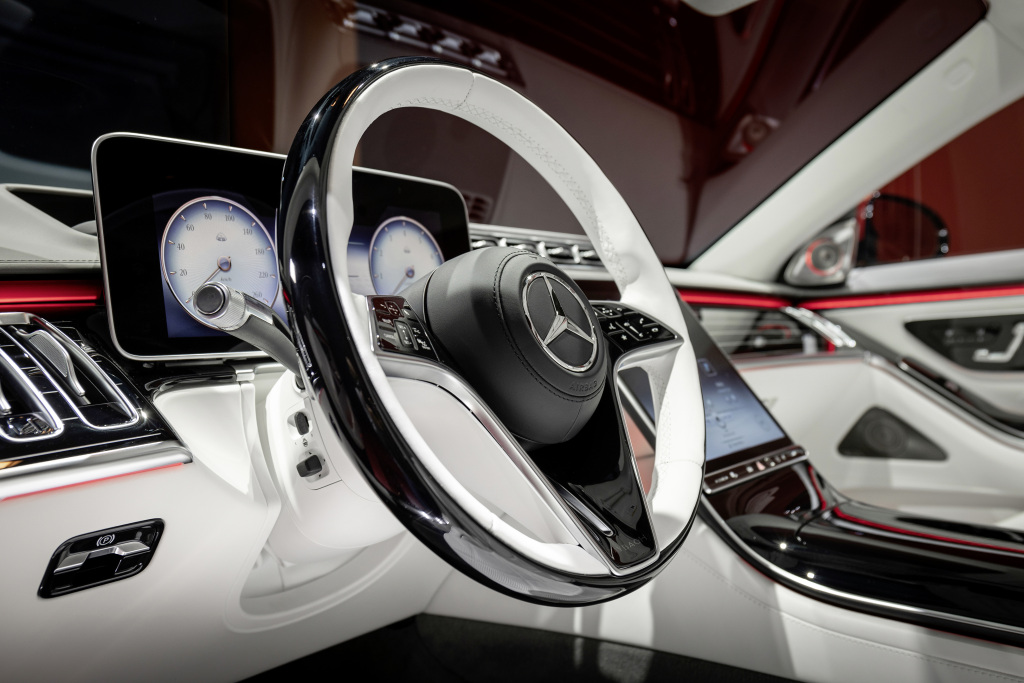
When you step inside the Lexus LC 500 Convertible, we would suggest you lower the roof and blip the throttle. The deep note from its V8 engine tells you immediately that an exhilarating drive is in prospect.

It’s all part of the exceptional sensory quality that Lexus has brought to its first soft-top model: just as much as the styling pleases the eye, the sound of the engine stirs your heart. Generating just the right aural quality was an important goal for the car’s development team, and this required precision engineering to achieve…

Just read on!

Hans Knol ten Bensel

Inspired by the LFA supercar

Lexus’ focus on the importance of the engine sound can be traced back to the LFA, its ultra-exclusive, hand-built supercar. The specialists who worked on its V10 power unit identified the separate qualities that combine to create the ideal sound “atmosphere.”

In the LC concertible, the power of the V8’s engine note had to be balanced with a level of quietness in the cabin that overturns preconceptions about driving in a convertible – an equation Lexus calls a “harmony of opposites.”
To achieve the maximum effect, the sound of the engine changes in line with the rise and fall in rpm, becoming more powerful and urgent in tune with the driver’s use of the accelerator and the sequence of shifts through the rapid-action 10-speed automatic transmission. The exhaust note, too, heightens the effect. By contrast, in gentle cruising, the sound is subdued, so conversation is easy when the roof is down.

Finding that perfect engine sound

A continuous, pulsating sound is characteristic of a large-capacity, naturally aspirated V8 engine like the five-litre unit which powers The LC 500 Convertible. Lexus has used acoustic technologies to combine this with spectral harmony (perfect sound intervals that are pleasing to the ear), stereophonic sound, to create a depth of sound, and so-called “formants” – qualities that stir the senses and generate a feel-good factor.

Active Noise Control is used to “clean” the sound frequencies experienced in the car. This emits anti-pulse sounds through the audio speakers which counteract any unwelcome low frequency booming sound from the engine and drivetrain.

In the LC Coupe, noise inside the cabin is monitored by a microphone in the roof, but for the Convertible, it had to be relocated inside the driver’s headrest. Being closer to the driver’s ear means it can pick up a wider range of frequencies, but a complex algorithm had to be calculated to make sure it works accurately in any seat position.

The silence of a fixed-head coupé…

Even though the LC Convertible has a soft top, Lexus wanted to secure the same kind of cabin quietness as in the LC Coupe. Acoustic simulations were created to find out where dominant noises were entering the space, so that the amount and location of soundproofing and sound-absorbing material could be calculated.

The storage area behind the rear seats for the folding roof presented a particular challenge, as it was a route for tyre and exhaust noise to enter the cabin. There was not enough room for soundproofing material to be added, so the team looked instead at adapting the trim material itself. By allowing air to pass through the structure and using sound-absorbing material on the reverse, the entire surface of the storage space soaks up noise.

As the area is visible and part of the car’s interior, it also had to look good. Lexus assessed many different materials before choosing one usually used for lining the wings around the wheels. This meets safety standards and, being applied with extra density, has just the right appearance.

We are anxious to enjoy the ride in this formidable Convertible, which will be a feast for eyes and ears…

Hans Knol ten Bensel