Alfa Romeo shows its sporting panache at the Lago Di Como

From May 24 to 25, in the extraordinary setting of the Villa Sucota overlooking Lake Como, Alfa Romeo will be the Official Partner of the 2025 edition of FuoriConcorso, and will show its beautiful cars, with its unique sporting design language, a festival of beautiful contours and shapes which are an everlasting delight to the eyes of every car enthusiast.

Just read on and enjoy the photos…

Hans Knol ten Bensel

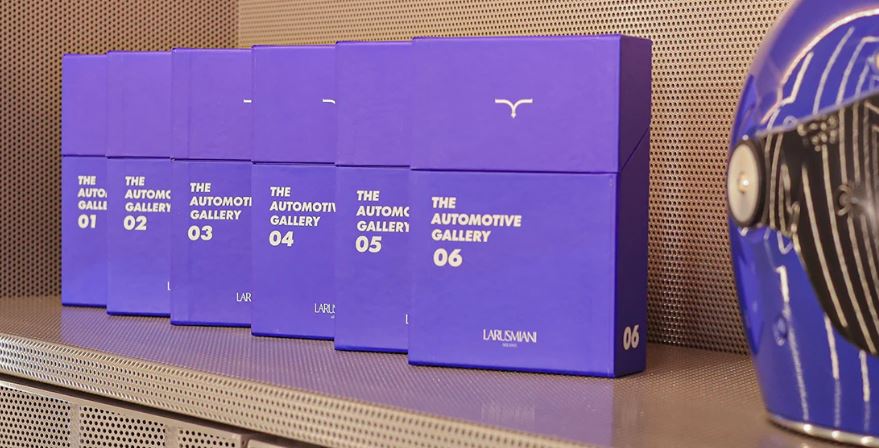
The FuoriConcorso is an event with a well rooted tradition: it was founded in 2019 by Guglielmo Miani, president of Larusmiani, the bespoke menswear and gentleman accessories firm which has been there for gentlemen since 1922. The passion for cars results also in a boutique to create an exclusive collection limited edition. There now you can purchase a collectors box of the Alfa Romeo 6C which contains: the numbered t-shirt with rear print depicting the car and a caption postcard with the history of the car.
But let’s return to the FuoriConcorso. It has grown to an international event that every year attracts thousands of collectors, experts and car enthusiasts from all over the world. The theme selected for this year is – “Velocissimo – Italian Race Cars”, and this means that Alfa Romeo will put its mark on this event. Indeed, the splendid Villa Sucota will become this year the “Casa Alfa Romeo”.

Around 15 extraordinary models will be on show there, some from the Alfa Romeo Museum in Arese and others from private collections.

The Zagato 6C…

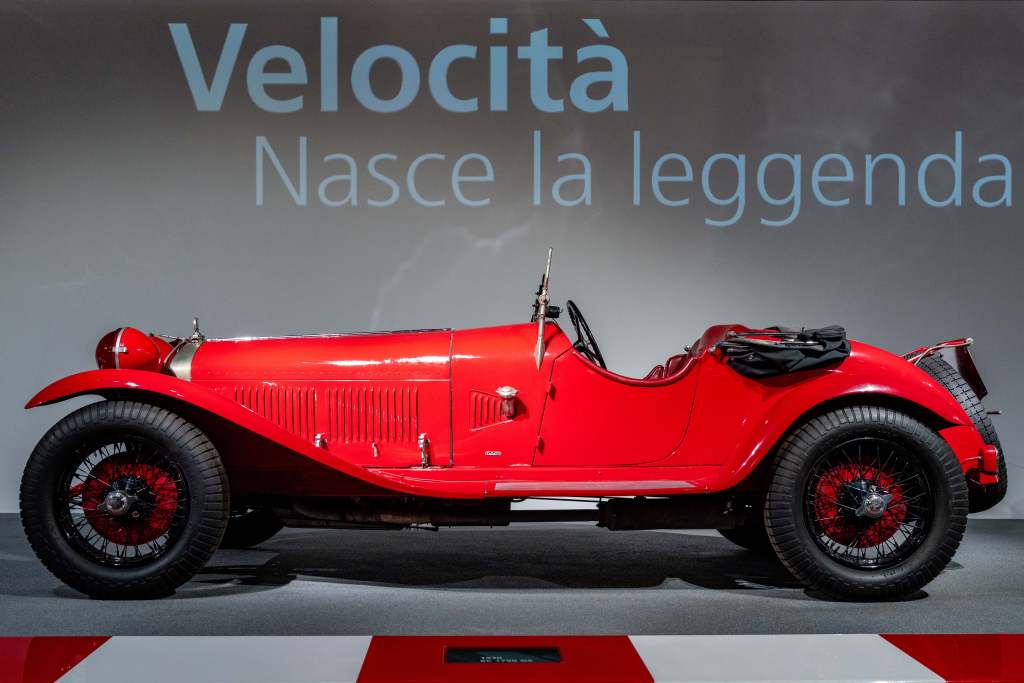
A car which truly stands out is the 1930 6C 1750 Gran Sport, one of the most famous Alfa Romeos for its unmistakable line (Zagato), six-cylinder engine with compressor and its wide-ranging trophy haul in motorsport, spread out between the Mille Miglia, Targa Florio, Tourist Trophy and many other victories in endurance races.

On a model similar to the one on display, the legendary Tazio Nuvolari won the 1930 Mille Miglia, setting an average speed record of 100 km/h across the entire route, in a memorable duel with his teammate, Achille Varzi, also driving a 1750.

The Giulia TZ2…
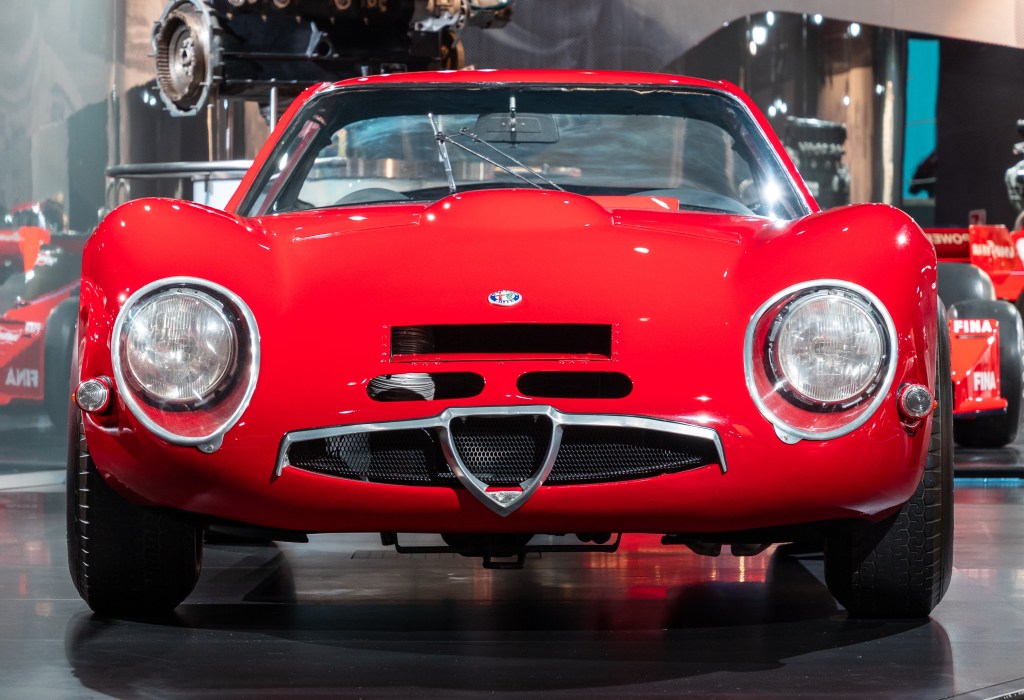
Many aficionados still dream of the golden era of road racing, and the cars which played a prominent part in this. Like the spectacular 1965 Giulia TZ2. An evolution of the previous Giulia TZ, this car is lower, more tapered and aerodynamic, with fiberglass bodywork on a tubular chassis. Designed by Ercole Spada at Zagato, it sports a sleek and muscular line, dominated by the famous truncated tail, which consecrates it as one of the most beautiful racing cars ever.
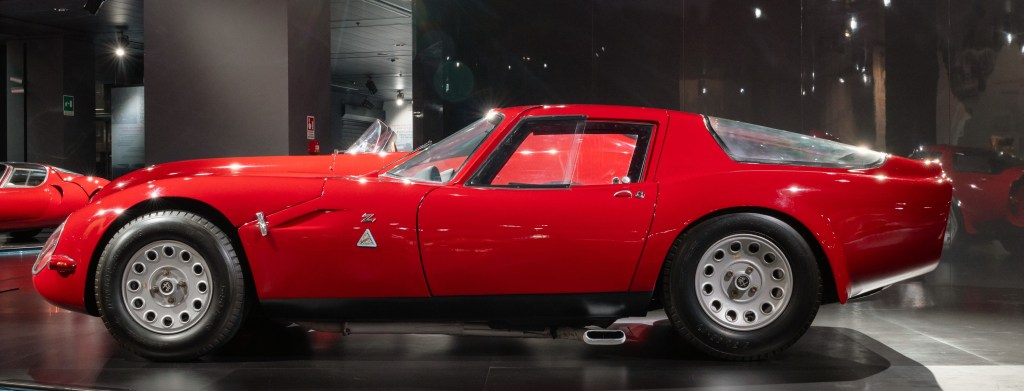
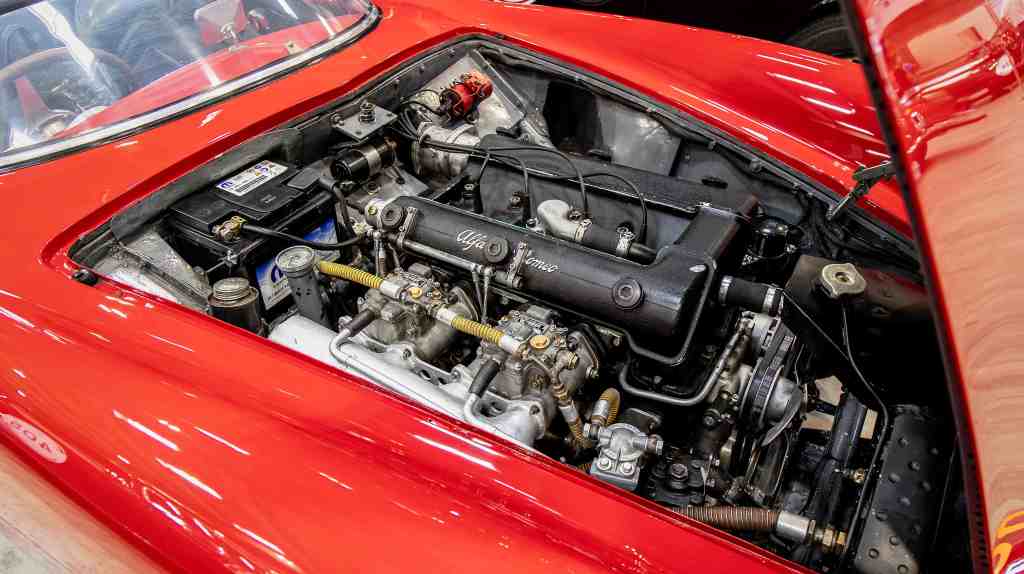
The 1.6 twin-cam engine evolved with double ignition and dry sump, reaching 170 hp and 250 km/h. At its debut in 1965, it won its class at the 1000 km of Monza and went on to take other victories in the same season, including the 12 Hours of Sebring, the Targa Florio and the 1000 km of the Nürburgring. One year later, the TZ2 achieved the same feat at Monza, Sebring, the “Targa” and the “Ring.”

The 33 TT12…

Then there is the 1975 33 TT12. It made its racing debut  on May 5, 1973 at the “1000 km of Spa-Francorchamps,” when the World Championship for Makes was experiencing a period of great popularity and commitment from the most prestigious manufacturers, including Alfa Romeo with the “Tipo 33” family.

The “33” which saw the light in 1967 has now become legendary, where  the letters “TT” stand for Telaio Tubulare (‘tubular chassis’; based on its forerunner the 33 TT3 with a V8 or ’Otto Vu’  engine) and “12” is the `number of cylinders of the new 180° (‘flat’) three-liter V engine that can exceed the threshold of 500 hp. The aesthetics are unmistakable, with its side fins and famous periscope. After a year of development and initial wins in ’74, total domination came in 1975: seven victories out of eight races to win the World Championship for Makes, the fourth overall title in Alfa Romeo history. Legendary drivers such as Merzario, Andretti, Ickx, Vaccarella and many others were behind the wheel to build this immense series of wins.

The legendary F1 compressor Alfetta’s…

When you stroll a few steps away from Villa Sucota, an exclusive area pays homage to the bolides that have made Formula 1 history, starring the 1951 Alfa Romeo GP Tipo 159 “Alfetta,” the veritable ruler of the first two World Championships. An evolution of the legendary 158 of 1938, the 159 triumphed with Fangio after the victory by “Nino” Farina in 1950. After the title – the first of five for Fangio – Alfa Romeo officially withdrew from racing to devote itself to the Giulietta.

Compared to the 158, the 159’s engine was equipped with a two-stage compressor, De Dion rear suspension – the name given to the 1972 Alfetta is based on the adoption of this technical solution – and a more efficient aerodynamic look. The supercharged 1.5-liter inline 8-cylinder engine reaches incredible levels of power: in tests, it even achieved 450 hp, equivalent to 304 hp/liter. This was also made possible by the use of alcohol based special fuels, which had a considerable cooling effect when evaporating, making higher compression rates possible without corresponding high combustion temperatures.

Last but not least, the 33 Stradale…
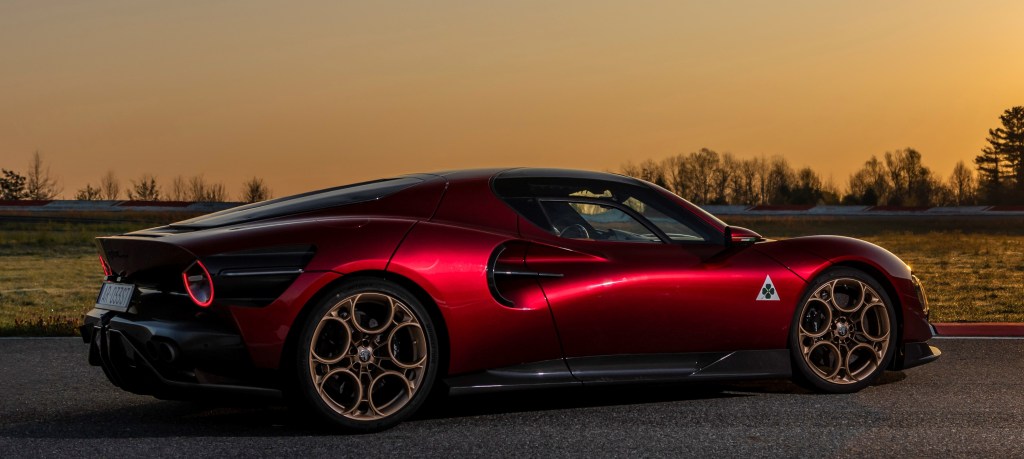
Also on show at Villa Sucota will be the new 33 Stradale, a “custom-built” car approved for road use that ensures outstanding performance on the track.

It was unveiled in 2023 and produced in only 33 models (all of which have already been sold), the car represents the return of the legendary 33 Stradale, an icon of the 1960s, reputed by many to be one of the most beautiful cars of all time, and derived directly from the Tipo 33 – once a big name in world motorsport.

We can only suggest you to take a look at the photos, and spend some delightful ”Alfa” moments…

Hans Knol ten Bensel

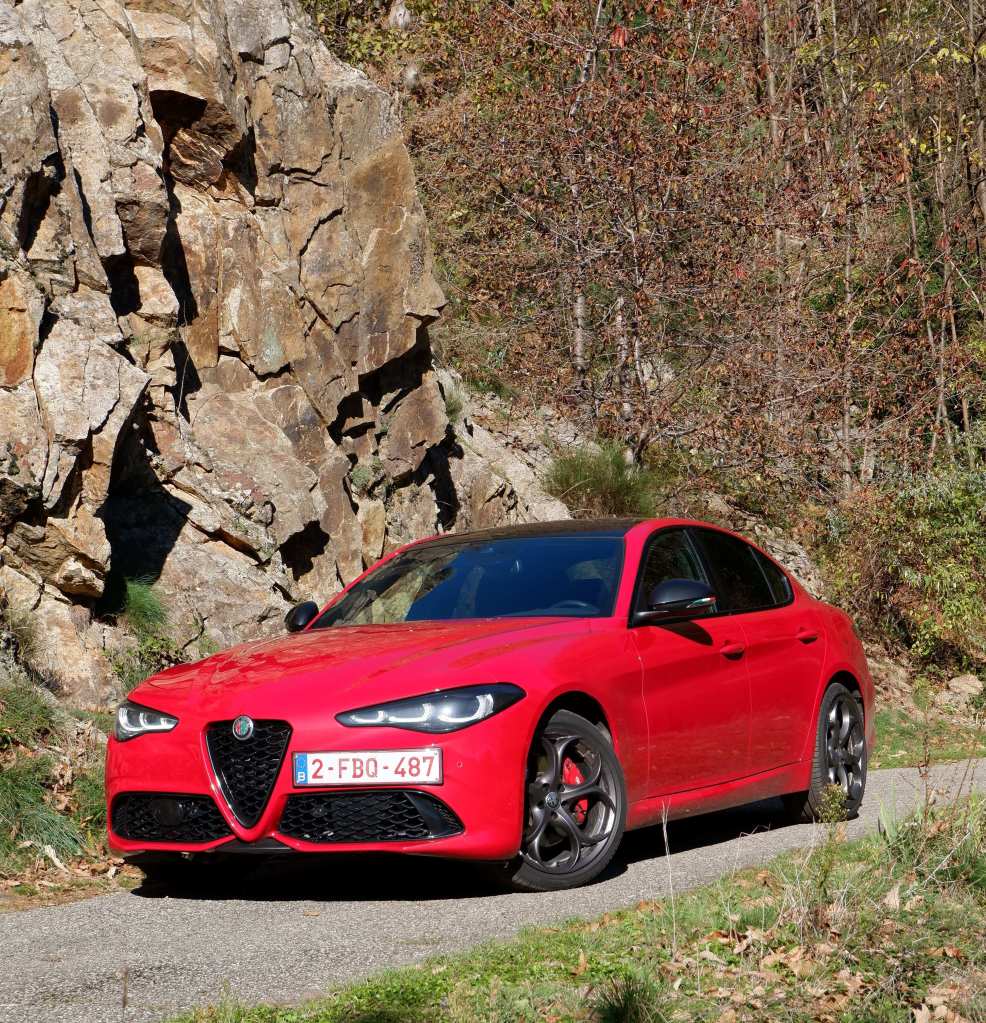
We drove  the Alfa Giulia ’’ Tributo Italiano’’ 280 HP : a true driver’s delight..

There are sporting sedans which are engaging to drive. But then there is the Alfa Romeo Giulia. It sets the absolute standard in its class when it comes to balanced handling and panache. And since its introduction in 2017, this Giulia remains unchallenged in its class until this day. We experienced this again at the wheel of the new ”Tributo Italiano” version, equipped with 4 wheel drive and its legendary 280 HP 2 litre direct injection petrol engine. Read further…

Hans Knol ten Bensel

Thoroughbred looks

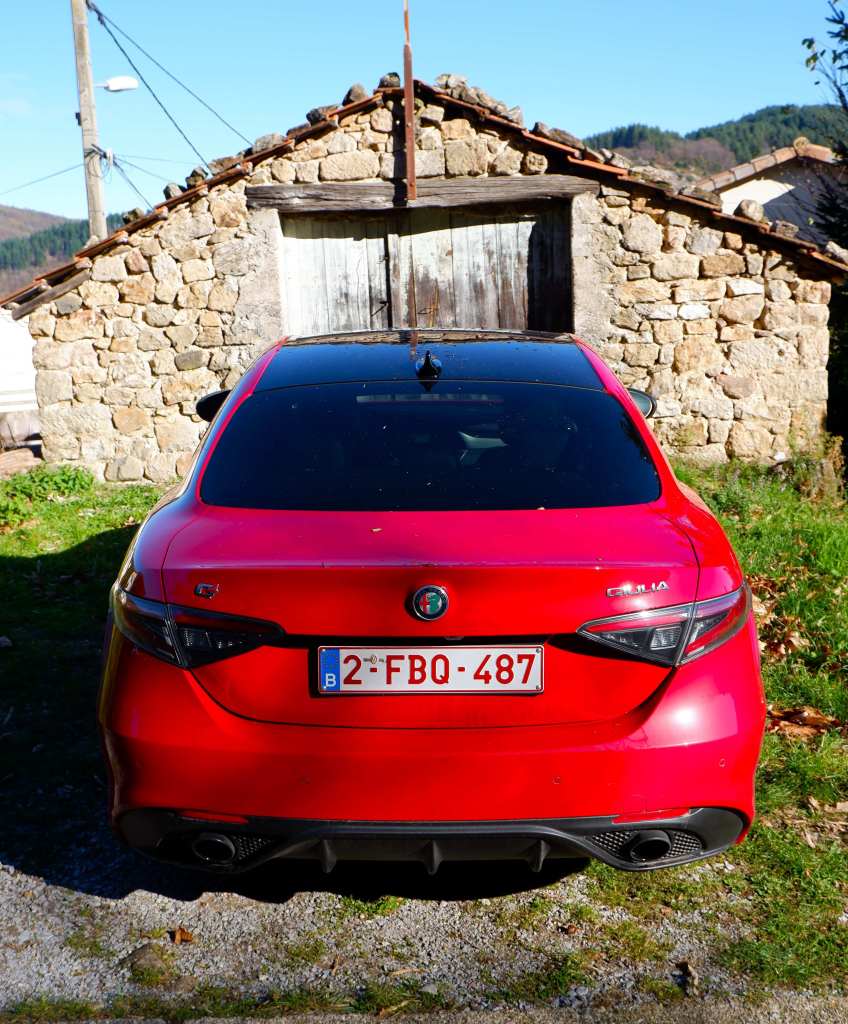
This Tributo Italiano version certainly makes your car loving heart beat faster. The timelessly well proportioned body is painted either in ’’Rosso Alfa”, ’’Verde Montreal’’ or ’’Bianco Alfa.’’ You guessed it, these are the colours of the Italian flag… this Giulia also has wonderful 19 inch black alloys and red painted brake calipers.

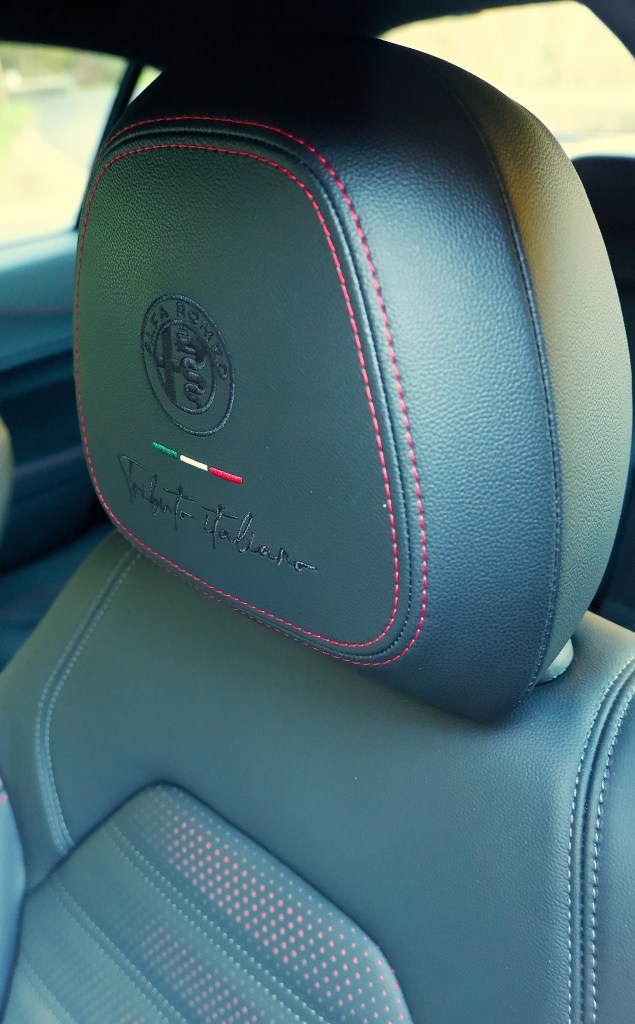
In the cabin the black sports seats are adorned with red stitching, also found in the door panels and the dashboard edges. The front seats are heated and ventilated, your ears are spoiled by a 14-speaker Harman Kardon sound system.

Behind the wheel…

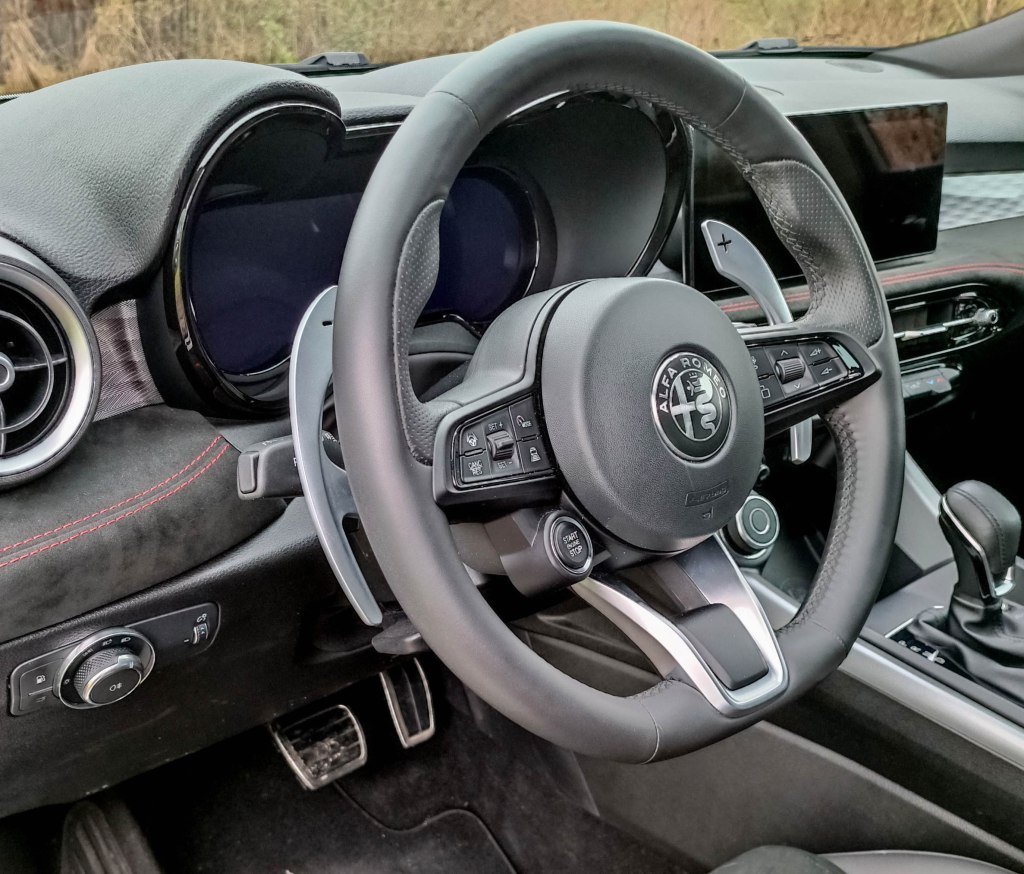
Sitting in the Giulia is low and sporting, with everything beautifully within reach. Certainly the big sized gearchange paddles on the steering wheel, worthy of a supercar, and so easy to reach also when you are making extensive steering movements. Totally Pur Sang, and one asks oneself why not every car with sporting aspirations has this too. The engine starts smoothly by pressing the knob on the steering wheel. A true gem is this 2 litre four cylinder, with ample torque and power. It develops not less than 280 HP, which indeed results in supercar performance.

What to think of a top speed of some 257 km/h, and an acceleration from 0 to 100 km/h in merely 5,5 seconds? Thanks to the ample torque, the pulling power is also quite massive at intermediate speeds, where of course the excellent and alert 8 speed auto box comes also into play. Leaving the lever in ’’D’’, the Giulia sprints from 70 to 120 km/h in just 5,8 seconds.

The Giulia is also reasonably frugal at constant speeds, at a cruising speed of 130 km/h, consumption is around 7,51 liters. In town, with some restraint, one can achieve between 8,7 and 9,5 liters/100 km, cruising at 110 km/h will cost you around 6,4 liters. Our average consumption during a quite extended test resulted in 8,1 liter/100 km.

Beautiful handling

What one feels behind the wheel of this Alfa from the first few meters is its the wonderful balance and handling. It still runs on the Georgio platform, developed long before electrification, and this in collaboration with the chassis engineers from Ferrari and Maserati.  This resulted for instance in a truly ideal weight distribution of 51% at the front and 49 % at the rear.

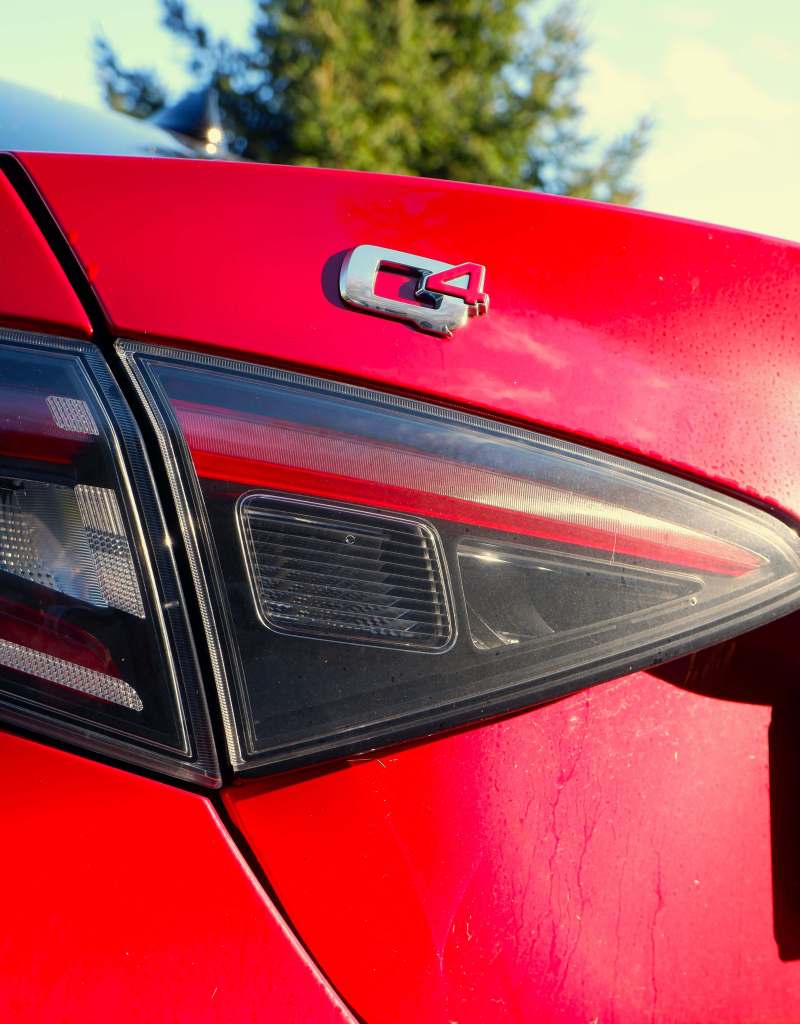
You guessed it, this Giulia has a balance, steering precision and handling which is honed to absolute perfection. Steering this Giulia on winding roads is totally a dream. The suspension set up strikes an ideal compromise between precise handling and comfort, and indeed this Giulia is surprisingly comfortable considering its excellent agility. On top of all that this 280 HP Giulia has 4wd, which sets in when necessary. Normally, the rear wheels are driven.

The engine revs to a beautiful staccato when called for, but this never gets unobtrusive, and also high speed cruising does not unduly raise the noise levels in the cabin, making the Giulia a magnificent Gran Turismo, as we experienced driving it into France.

Practical

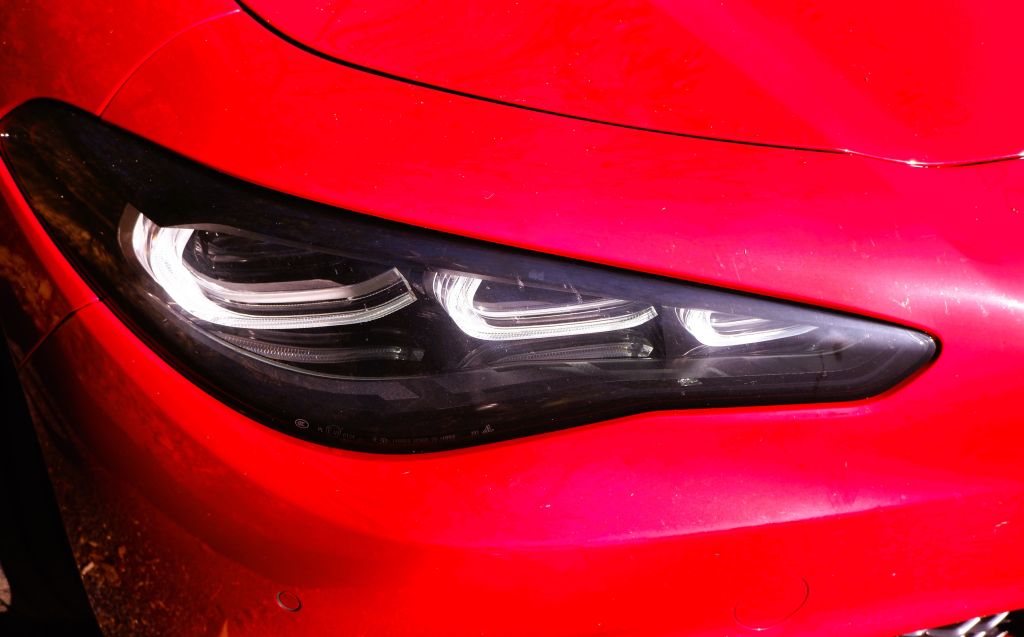
The Giulia offers adequate room in the rear, and luggage space is also quite reasonable with 378 liters. Infotainment is now since the latest facelift where the Giulia also received new LED headlights up to the mark, with of course Apple Carplay and Android Auto connectivity installed. The digitalized instrumentation in the cluster in front of the driver is well executed with an excellent rendering of both speedometer and rev counter, and indeed, instrument buffs as we are, we did not miss the previous beautiful analog instruments. We liked to find again the trusted DNA driving mode selector on the centre console.

Conclusion

This Giulia truly stands out, and is nothing less than a true supercar within the Stellantis portfolio. Its engine is a marvel, and it is therefore with good reason that we will see this formidable unit soon in top of the range Peugeots…
Then there is the Georgio platform, which breathes the aura of ’’Puro Sangue.’’ Precision, agility and wonderful balance between comfort and superb roadholding and stability is the hallmark of this platform, and it has to be experienced behind the wheel to fully appreciate it.

Last but not least there is the overall styling, the ideal proportions and the panache of the Giulia. It is for many the quintessential Alfa, and this is the best compliment we can give this car…

Hans Knol ten Bensel 
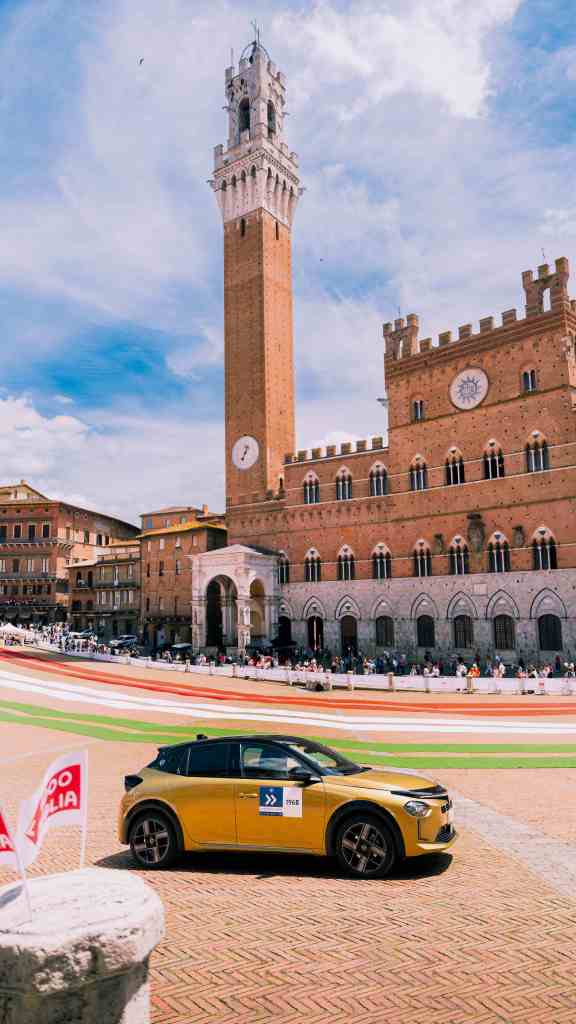
Alfa Romeo victorious again in the 1000 Miglia 2024…

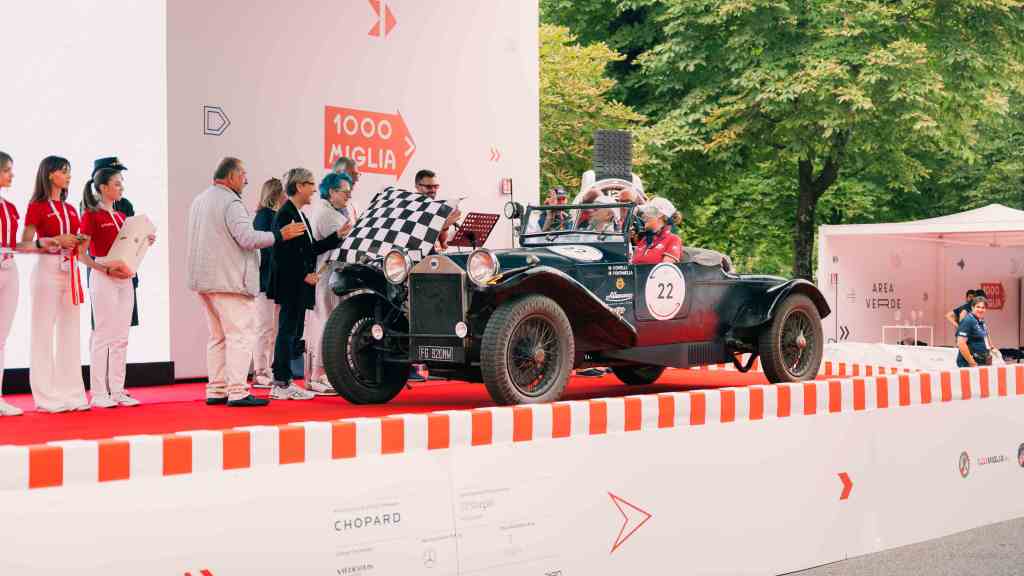
The Villa Trasqua team’s 1929 Alfa Romeo 6C 1750 Super Sport driven by the duo of Vesco and Salvinelli took the top step of the podium

The 42nd edition of the 1000 Miglia has been run beautifully again. The “Mille” is a race which has a very special place in my heart, as I have participated in it forming a team with my father in the official Mercedes Factory team, at the wheel of a works car. In the Mercedes team entry was then also Stirling Moss, and you can imagine that being in the same team, talking to him and wearing the same Mercedes Team racing overall as the celebrated champion was the pinnacle of what we would ever experience in our motoring life. I still have and cherish the Mille Miglia Shopard Watch with our entry number, 147, engraved in the back. 

The Lancia Autrelia’s of the Automobile Club di Brescia were then the car on the winners podium, and now today Alfa Romeo’s undisputed dominance of the 1000 Miglia continues. 

The 1927 Lancia Lambda Casaro VII Serie, crewed by Fontanella and Covelli, won the silver medal.

The route of the Mille Miglia is in itself totally epic…

From Brescia it went for the first time in 76 years also to Turin, then from Genoa and the beaches of Viareggio to Via Veneto in the heart of Rome, then returning north via Siena, Ferrara and Lake Garda, to end with the traditional parade on Viale Venezia in Brescia, where it all began back in 1927.

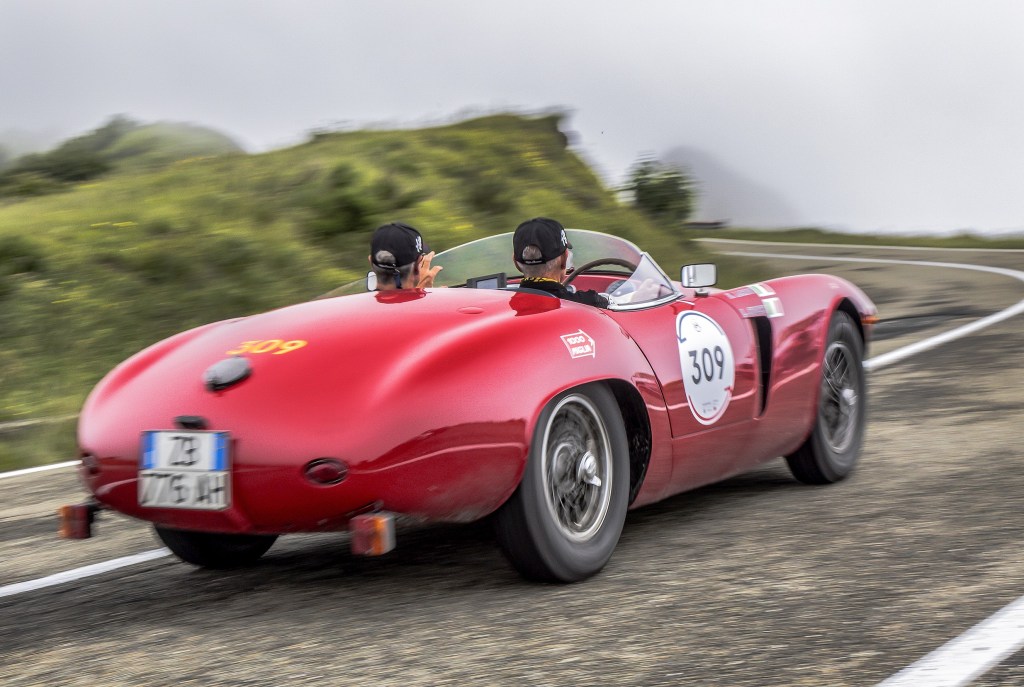
Once again this year, the pass-by of this epic “traveling museum” aroused enthusiasm and curiosity among the throngs of spectators who crowded the route of over 2,000 km. 

Also remarkable was the participation  of the Alfa Romeo Junior, the new compact car that brings Alfa Romeo sportiness back into the largest segment in the European market.

The New Lancia Ypsilon finished at the third position participating for the first time at the 1000 Miglia Green. And this on the very same days the model became available at Italian dealerships! Needless to say that we are keen to drive both cars soon…

As you will recall, I mentioned this already earlier in my columns, I have been a Lancia owner for four years, driving a dark midnight blue Lancia Dedra. It NEVER missed a beat, come what may and accompanied me in many iconic European places and cities. After that, I drove for half a year a Lancia Gamma, which also was fast, reliable and full of panache. 

But back to the Mille Miglia: what a fantastic event, it still moves my heart. 

Hans Knol ten Bensel 

We drove the Alfa Romeo Tonale Hybrid: smooth Italian (super)power…

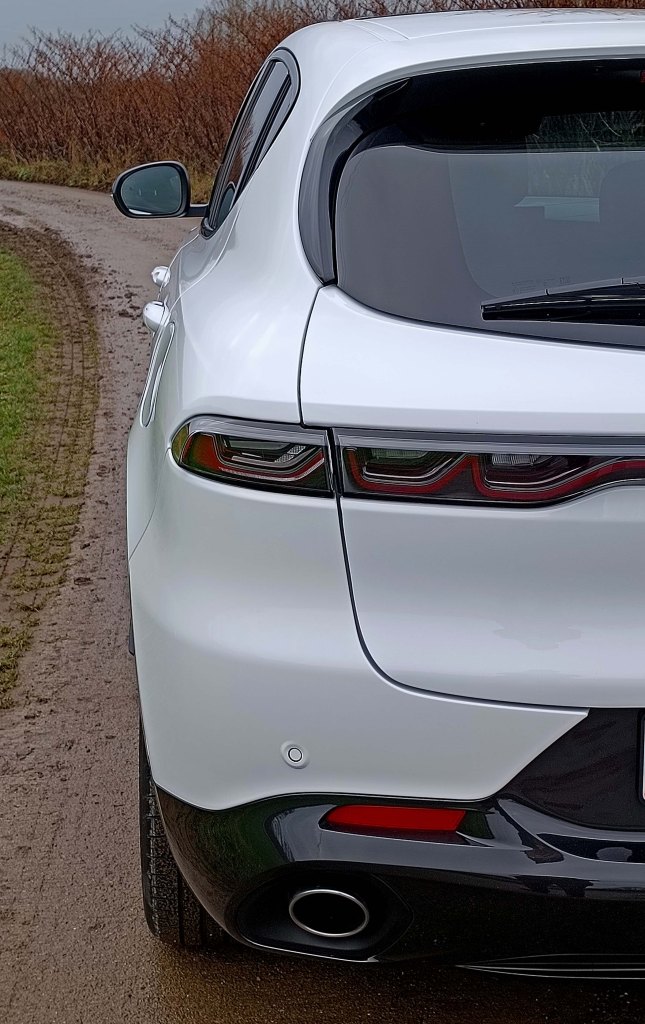
I vividly remember my visit to the Centro Stile Alfa Romeo. Indeed, I sat in the prototype mock up bodywork/interior of the Tonale, and had to be very cautious not to touch anything, as it was made of plaster, clay and wood. I was invited at the Centro Stile Alfa Romeo by Chief designer Klaus Busse and his team, when the plaster and wood prototype of the Tonale was just finished. We admired its typical proportions in tune with the higher stance of an SUV, with a horizontal accent line reminiscent of the styling language of the famous ‘Disco Volante’ two seater, created by Carrozzeria Touring back in 2013 and the original Disco Volante 1900 C52 born 1952, also designed by the Milanese coachbuilder Carrozzeria Touring… I just love the the iconic Scudetto grille and certainly the five-hole 20-inch alloys…

Another highlight was the first acquaintance with the plug-in Hybrid version on the Balocco proving ground. See the whole story on these columns, by clicking the following link: https://autoprova.be/2022/11/17/we-drove-the-alfa-romeo-tonale-plug-in-hybrid-q4-in-balocco-the-wonderful-panache-of-todays-efficient-sportiness/ and https://autoprova.be/2022/11/20/the-alfa-romeo-tonale-plug-in-hybrid-q4-the-full-story-of-a-modern-electrified-thoroughbred/

But now read further…

Hans Knol ten Bensel
So when we took the wheel of our white Tonale Hybrid test car, the sweet memories came back instantly. The Tonale seduces not only with the right proportions and curves of its bodywork, also in the cabin the iconic Alfa Romeo atmosphere reigns. The round instrument clusters, the big sized gearshift paddles around the classic steering wheel inspire the enthusiast, and it is indeed just how an Alfa Romeo should look. The interior is all black andorned with red stitching on dashboard panels and seats, and this is the only color to choose from for the time being…

A swift turn of the “DNA” drive mode selector lets you choose how you want to drive your Tonale for the day. There are three modes to choose from. Dynamic will reveal all the sporting qualities of this 280 HP Tonale, N means “Naturale” or natural, and then this Alfa will choose for you the right propulsion in each situation, adeptly choosing between engine or E-power. When you want to enjoy more the “Zen” smoothness of battery power, then select the “A” mode, and this Tonale will treat you whenever possible to the delights of electric propulsion. Of course, this happy feeling doesn’t last forever with a 15.5-kWh lithium-ion battery pack, the Tonale has some 60 kilometers in store for you. When the battery is depleted, the Tonale will switch automatically to the “Naturale” mode, and you then can still enjoy the clever smoothness of hybrid propulsion. The battery is recharged fully after some 2,5 hours when connected to your 240 V home charging plug.

Power

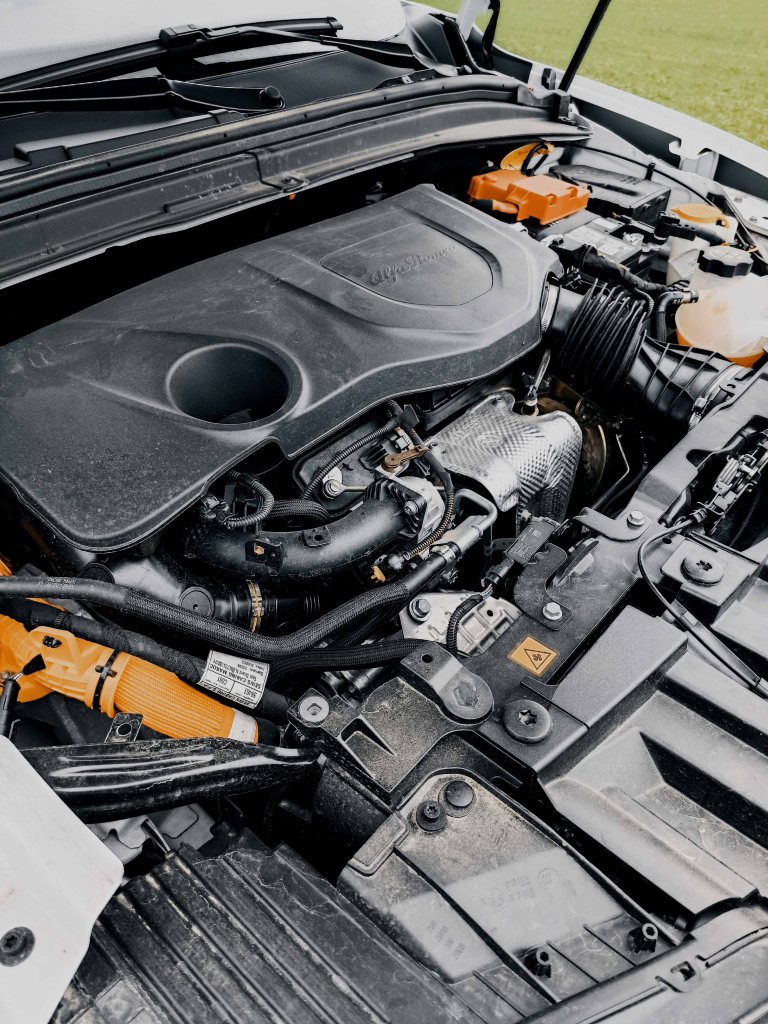
The 1.3-liter MultiAir turbo four and the electric motor produce a total of 280 horsepower, of which 121 are derived solely from the 90-kW electric motor mounted in the rear, as we said, fed by a 15.5-kWh battery pack located under the cabin. All this develops beautiful, smooth punch, which we also fondly remember during our high speed laps on the circuit on the Balocco proving ground. A Giulia Quadrifoglio was then our pace car, and we had no trouble at all following this throughbred beauty, which was driving at 9/10 of its capacities, as the Alfa people  told us afterwards. A smooth avalance of power is yours in this Tonale when you put your foot down. 0 to 100 km/h is reached in 6,2 seconds. This tells the whole story… The top speed is reached at 206 km/h. The MultiAir engine itself develops 180 HP at 5750 rpm, giving it a score of not less than 135,1 HP/L. 

So yes, the Tonale in plug-in Hybrid form is a smooth performer, also thanks to its 6 speed automatic, which reacts nicely to your right foot.  As a bonus, you get four wheel drive thrown in. It is to me a very strong point in favor of this PHEV. When we come to fuel consumption, the official WLTP figure is 1.13-1.48 l/100 km. Let’s say that in pure electric mode, the consumption is stated at 19 kW/100 km, and when you drive solely on petrol, it all depends on your driving style. Anything between 10 and 6 litres/100 km, we would say. Driven with some restraint, an average consumption around 7,3 liters is normally achievable, with some distance driving thrown in, as was proven by our test. Of course, the Tonale scores well on emissions:  CO2 emissions are 26-34 g/km. All these figures are quite remarkable as the Tonale is certainly not a lightweight car with its 1835 kg.

Thoroughbred handling

Despite its all steel underpinnings, the Tonale handles excellent indeed. When you go for the dual-stage valve active suspension, you will find it a smooth companion on pothole filled urban roads. The Tonale feels indeed equally well at home on winding roads when you drive it with abandon, as when you drive it slowly and smoothly in town. The light steering also helps to put a smile on your face, even in tight urban traffic. Stopping power is delivered in the top Veloce version which we tested by Brembo brake calipers, and it is totally beyond reproach.

Infotainment and connectivity

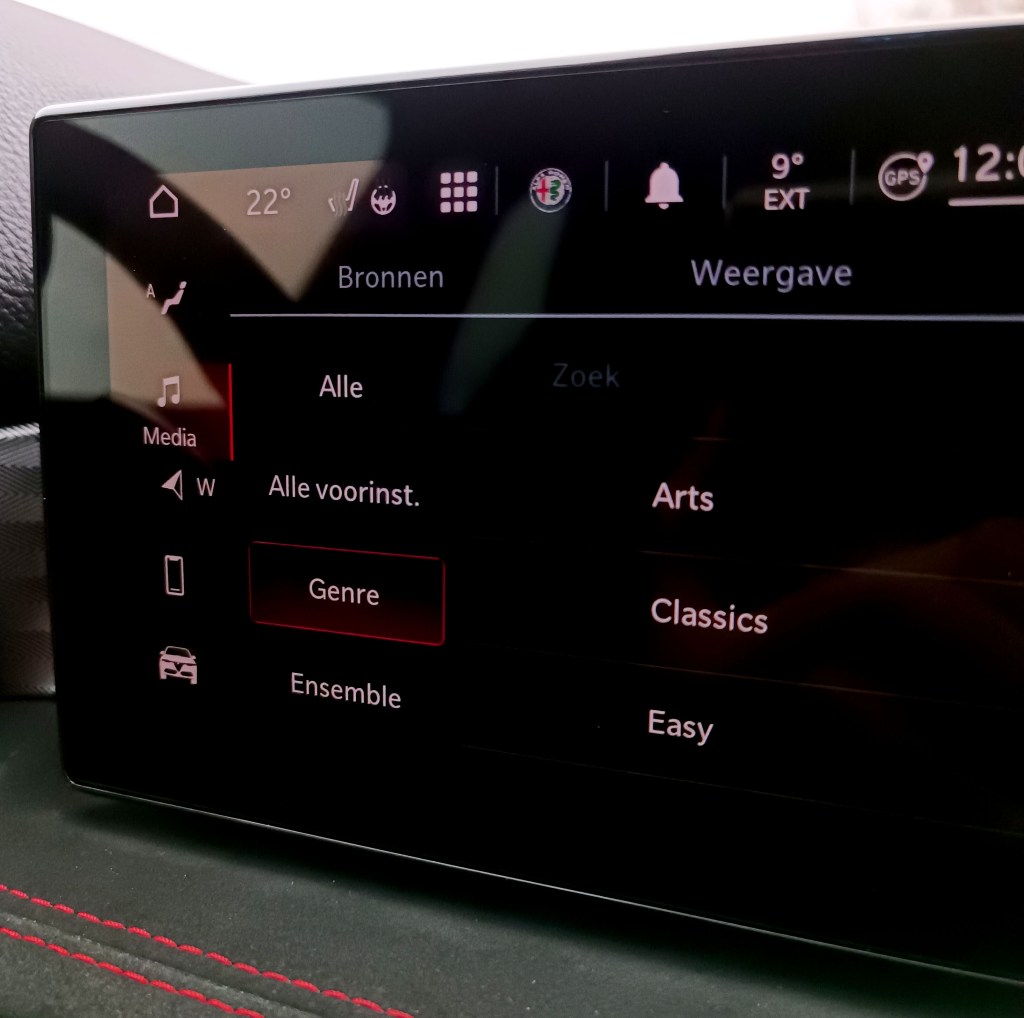
Every Tonale comes standard with a 10.3-inch touchscreen infotainment system. It has the Uconnect 5 software found on other models within the Stellantis group. The home screen can be customized, and you can adapt the interfaces and create not less than five unique user profiles. It has standard Apple CarPlay and Android Auto, as well as of course wireless phone charging. We must say that sometimes we found the touchscreen rather slow and hesitant to react to our finger pressure, certainly awkward when driving and you want just to perform an easy command with one touch of your finger.

Of course the Tonale offers all the thinkable safety and driver-assist features, like automated emergency braking and a very smooth and subtle adaptive cruise control, which I enjoyed very much. Especially the clever refinement of the adaptive cruise control impressed me. Indeed, enormous progress has been made in this field over the last few years.

Practical

The Tonale offers ample comfort for four, has certainly in the top Veloce version everything you could wish for, and with the entire camera supported driving aids, it is a breeze to drive in town and to park in narrow spaces. Boot space is sufficient, with 385 l with all seats up, and to a maximum of 1430 l with everything flat. You can also use your Tonale as a tow car, and it is good for 1250 kg trailer load with brakes, and 700 kg without.

Conclusion

Stylish, full of panache both inside and out, the plug-in version of the Tonale has a lot to please. Enormous performance, with handling to match, it is a true high-performance Alfa, and thanks to the E-power it delivers this performance effortlessly and smoothly.

When you are in the mood, very decent economy is possible, and in normal everyday driving this leaves you smiling all the way.

All these good qualities DO have a price, but then, beauty in this world is never cheap, is it?

Think about this: the timelessness of the styling, the excellent proportions, the emission values thanks to its hybrid configuration make this Tonale a companion for years, if not decades to come, on all the regions and cities in Europe and beyond, so why not fall in love with this Tonale, and set the right tone for your future mobility…

Hans Knol ten Bensel
A double readers award for Alfa Romeo…

We were totally impressed driving the Alfa Giulia and Stelvio MY2020 for you in Bari. You can read about this in our columns, and we will also come back more in depth about our driving experiences. Suffice to say that we were not only delighted with the sheer performance of these thoroughbreds, we also noticed how refined and “mature” the whole drivetrain has become. One can feel clearly the enormous development and further honing which has gone into these marvelous machines. A truly superb driving experience is the result.

Hans Knol ten Bensel

It is therefore no surprise that both these cars are earning high awards among enthusiasts and car lovers.

Alfa Romeo Stelvio Quadrifoglio is “Sportscar of the year”

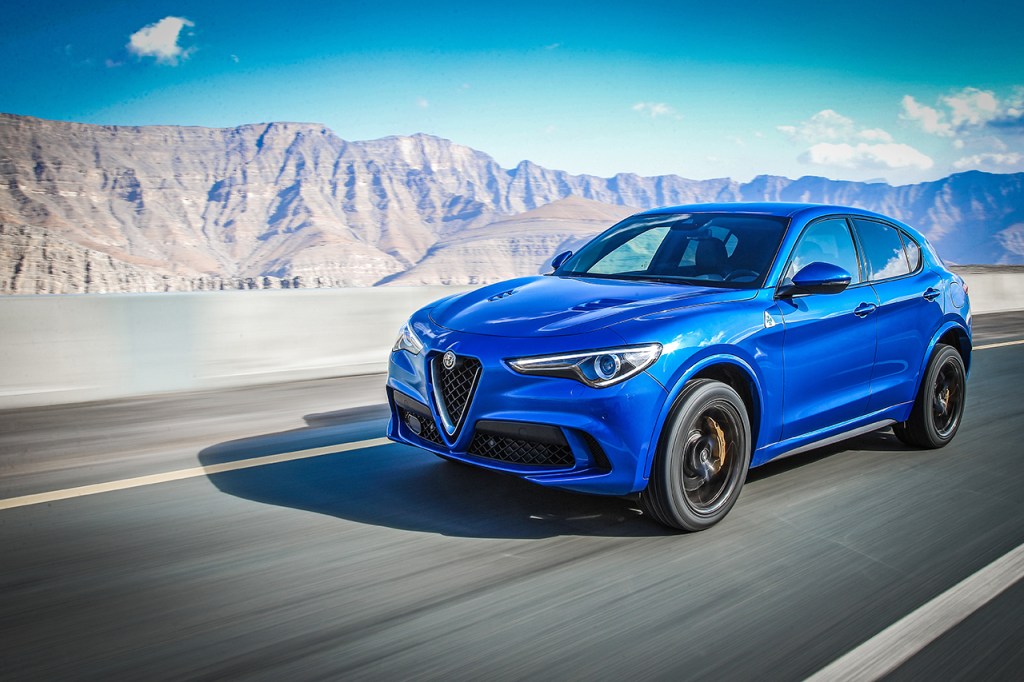
Readers of the magazine AUTO BILD SPORTSCARS chose the 375 kW (510 hp) strong top version of the Alfa Romeo Stelvio as the winner of the category “SUV/Import”. A total of 110 candidates in ten classes participated in the competition

The readers of the magazine AUTO BILD SPORTSCARS are seeing the Stelvio as a true sportscar. They chose the 375 kW (510 hp) strong Alfa Romeo Stelvio Quadrifoglio as the “Sportscar of the Year 2019” (issue 01/20 of 13 December 2019). The top model of this model won the SUV/Import category.

The Alfa Romeo Stelvio Quadrifoglio has indeed what it takes to fall in the sports car league. What to think of a V6 biturbo petrol engine with 2.9 litres capacity, whose power is brought to the road by the four-wheel drive AlfaTM  Q4. The excellent traction provided allows an acceleration from zero to 100 km/h in only 3.8 seconds, the top speed is a whopping 283 km/h. Not suprising that the standard equipment of the Alfa Romeo Stelvio Quadrifoglio also includes the limited slip differential with active torque distribution in the rear axle (AlfaTM Active Torque Vectoring). But that is not all. There is also the AlfaTM Chassis Domain Control, a unique central vehicle “intelligence” created by Alfa Romeo with its own algorithms to handle all the electronic devices that intervene on the car’s behaviour harmoniously and in real time, making driving extremely natural, instinctive and safe.

Double awards also for the Giulia…

Alfa Romeo Giulia is also reaping awards. It finished at the top of the list of the readers from the magazine SPORT AUTO. In the survey for the “SPORT AUTO AWARD 2019”, they chose the stylish Giulia as the winner in two categories.

Now for the third year in a row, as also in 2017 and 2018, the top model Alfa Romeo Giulia Quadrifoglio, powered by a V6 turbo petrol engine with 375 kW (510 hp), won the import rating in the category “standard production limousines/station wagons up to 100,000 Euro”.

In the “series cars limousines/station wagons up to 75,000 Euro” the readers of SPORT AUTO voted the 206 kW (280 hp) strong Alfa Romeo Giulia 2.0 Turbo Veloce as the number one import model.

Hans Knol ten Bensel