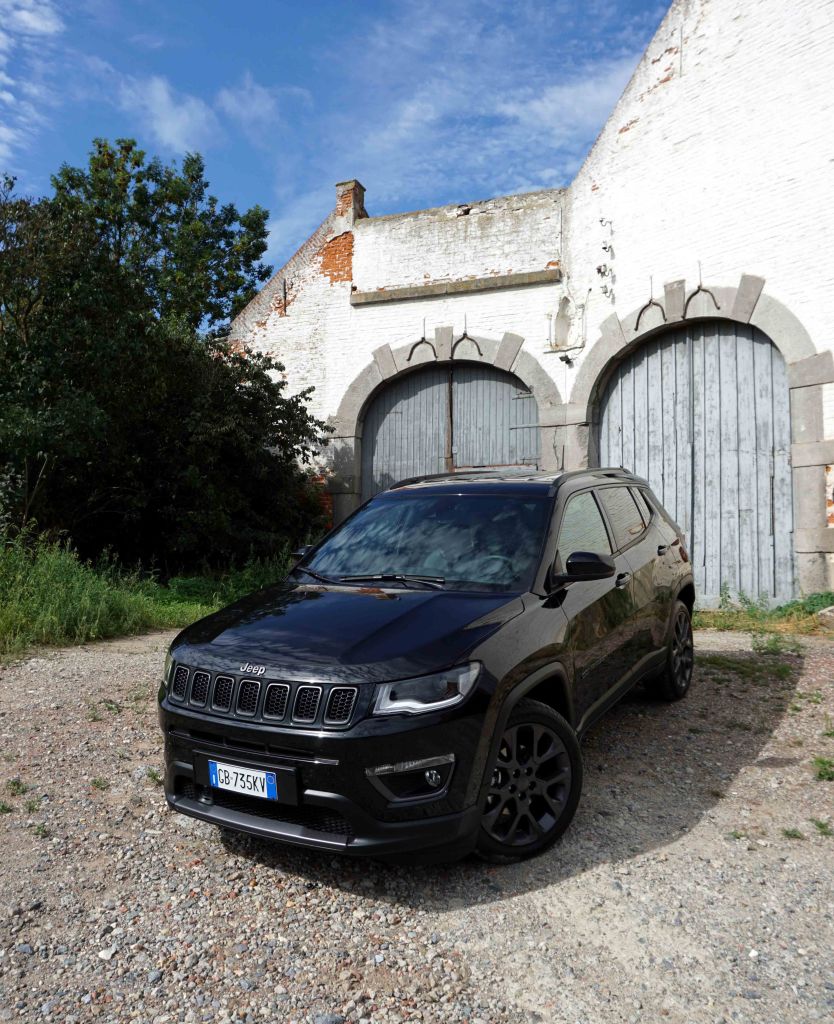
We drove the new Compass “Made in Europe” with the brand new 1,3 litre petrol engine…

FCA is going from strength to strength, and it has developed a new generation of state of the art four cylinder petrol engines. We drove both versions of this supersmooth gem, the new four-cylinder 1.3-litre turbo petrol engine made at the FCA plant in Melfi, in the Italian region of Basilicata. It is part of the new FCA Global Small Engine family, launched in mid-2018 on the Jeep Renegade. The two versions are a 130 hp unit paired with a six-speed manual transmission and 150 hp mated to a six-speed Dual Dry Clutch Transmission (DDCT) – both with front-wheel drive.
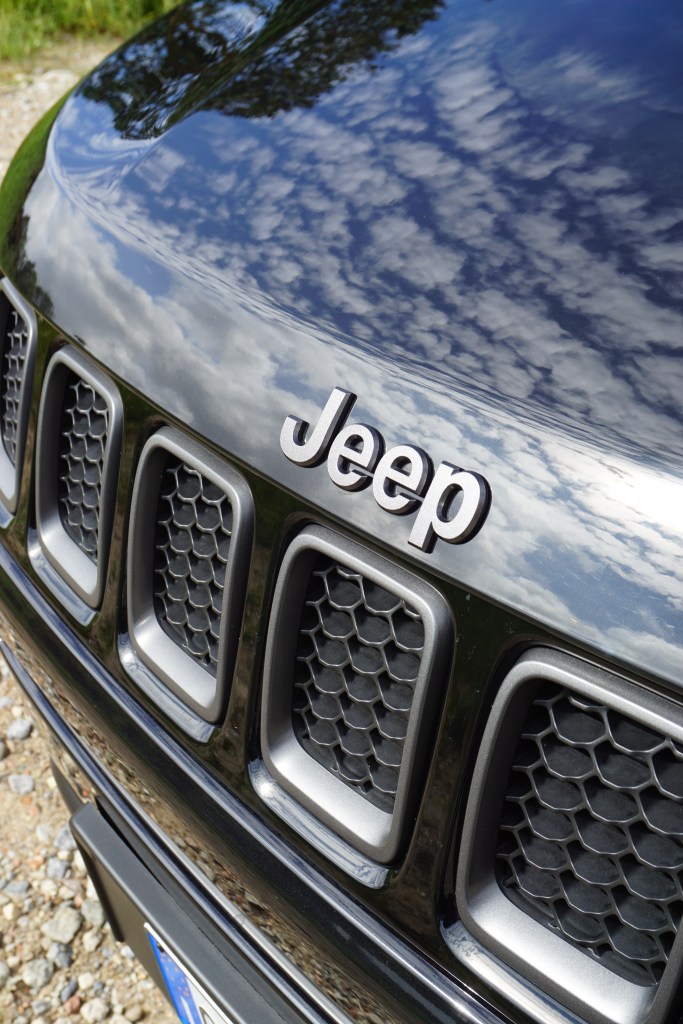
But not only the engines, also the Jeep Compass itself is now built in Europe, at the same FCA plant in Melfi to serve Italian and European customers. This marks a further step in the implementation of FCA’s 5 billion Euro investment plan for Italy.

Hans Knol ten Bensel

Velvet power…

To admit you right away, we were very impressed. Utterly smooth and flexible, these engines offered silent, totally vibration free and effortless propulsion, and my co-driver, himself a very experienced and knowledgeable car journalist, thought the first 10 kilometers through town and motorway that we were driving…on E-power! He was under the impression we were underway with the celebrated 4xe version. Needless to say that we look forward to have a presentation and drive in this plug-in hybrid version soon…

We just tell you here that the 4xe models (featuring plug-in hybrid electric technology) will be available with an electric motor mated to a choice of either the 190 hp and 240 hp version of the 1.3-litre Global Small Engine. These will arrive in European showrooms in the second half of this year. Both these 4xe versions will be four-wheel drive only.

But as said, the 150 HP with the DDCT transmission is a very smooth companion. Consumption is quite good too: we clocked on the briskly driven test route on winding roads and dense Brussels town traffic an average of 7,2 l/100 km.
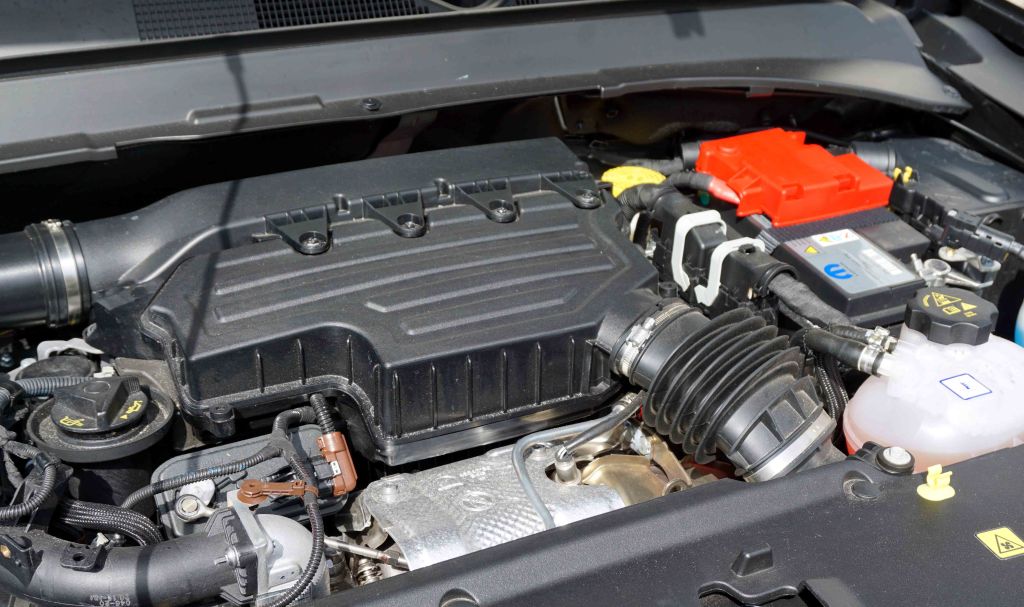
This is the first application of an automatic transmission in combination with front-wheel drive on Compass, and will make it more accessible to new customers in the C-SUV segment (sales of 4×2 automatics currently account for 28% of the market in Europe). The new 1-3-litre petrol engine complies with Euro 6D Final standards and features a GPF filter (Gasoline Particulate Filter).

For Compass, the 1.3-litre petrol engine has been updated with specific turbo-matching, which maximizes the engine response at low engine speed and reduces CO2 emissions by up to 27%. The new engine also optimizes fuel consumption by up to 30% (WLTP cycle) compared to the previous petrol 4×4 versions with automatic transmission.
For more sporting souls, it has something special in store: in combination with the new 1.3-litre turbo petrol engine and DDCT automatic transmission, this Compass also features for the first time a ‘Sport’ driving mode that can be selected with the push of a button in the center console. It tightens up the steering, sharpens the throttle response and adjusts the transmission’s behavior through higher upshifts for full horsepower and torque delivery. In addition, in Sport mode, the ’sailing‘ function is blocked and the ’fast-off‘ mode is activated. When the accelerator is released, this prevents switching to a higher gear.

From our lunch destination in downtown Brussels, at the excellent Italian Restaurant Osteria/Pizzeria Fico, we drove back to FCA Motor Village at Meiser in the manual version, and were impressed again by the smoothness, the excellent pulling power and flexibility of this very silent engine, making dense town driving a breeze.
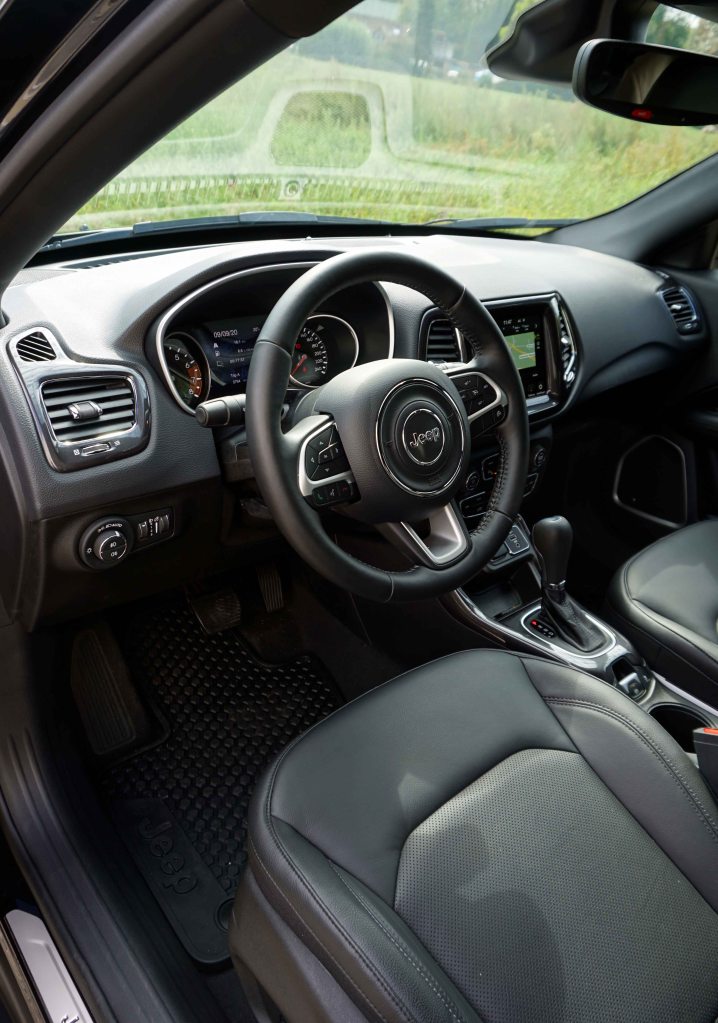
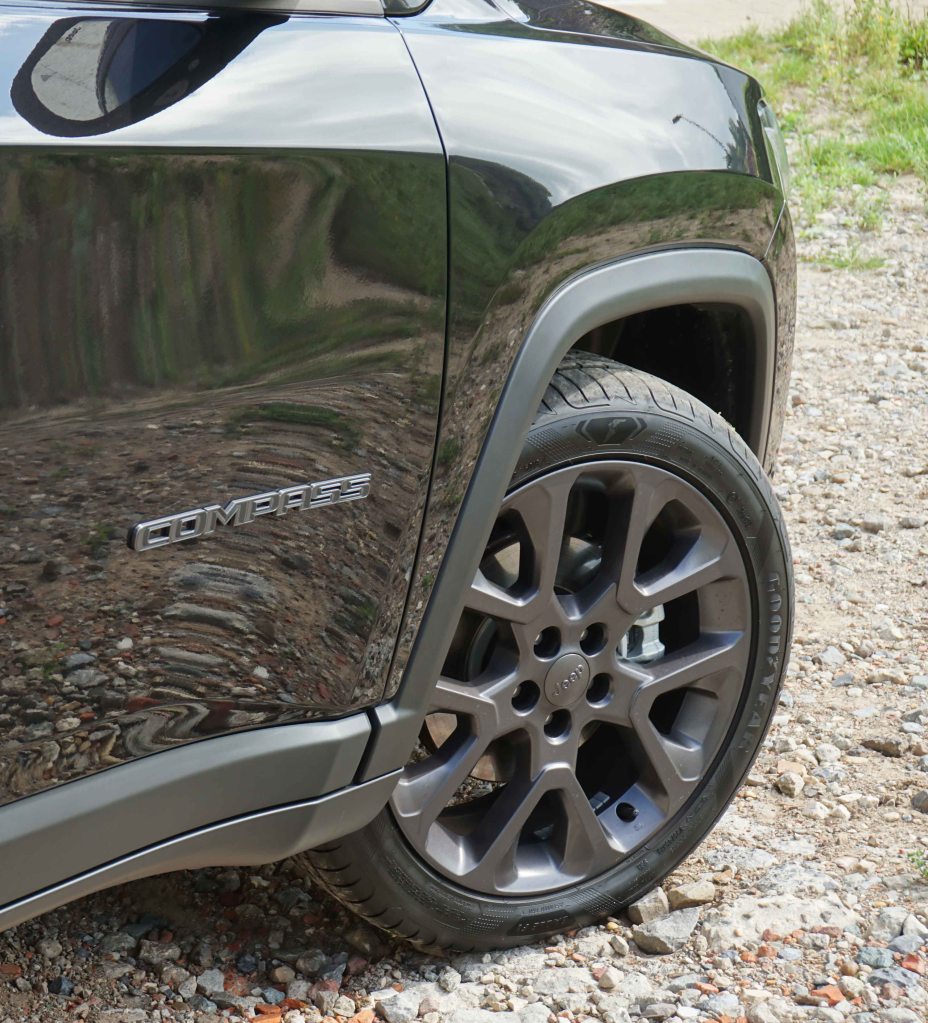
Of course, Diesel enthusiasts are not left in the cold. An updated version of the 120 hp 1.6-litre MultiJet II diesel engine with SCR (Selective Catalytic Reduction) is also on the cards. New features include the new Uconnect Services for improved on-board and off-board connectivity, new styling cues such as six different wheel designs (one specific for each trim and exclusive 19-inch Gloss Black wheels for the Night Eagle model) and a new color palette with five new exterior paints: Ivory Tri-Coat, Colorado Red, Blue Italia, Blue Shade and Techno Green Metallic – all of which can be offered in combination with a black roof. The new tonneau cover is also available on all versions.
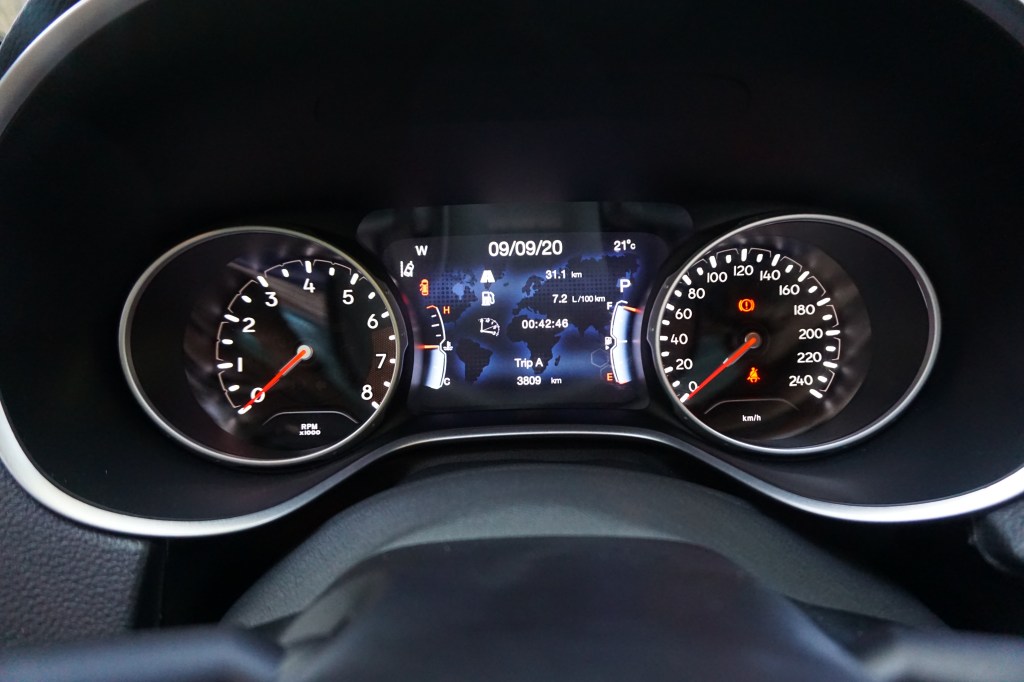
The Jeep Compass made in Melfi offers a full line-up of five trim levels – Sport, Longitude, Night Eagle, Limited and S (depending on the market).
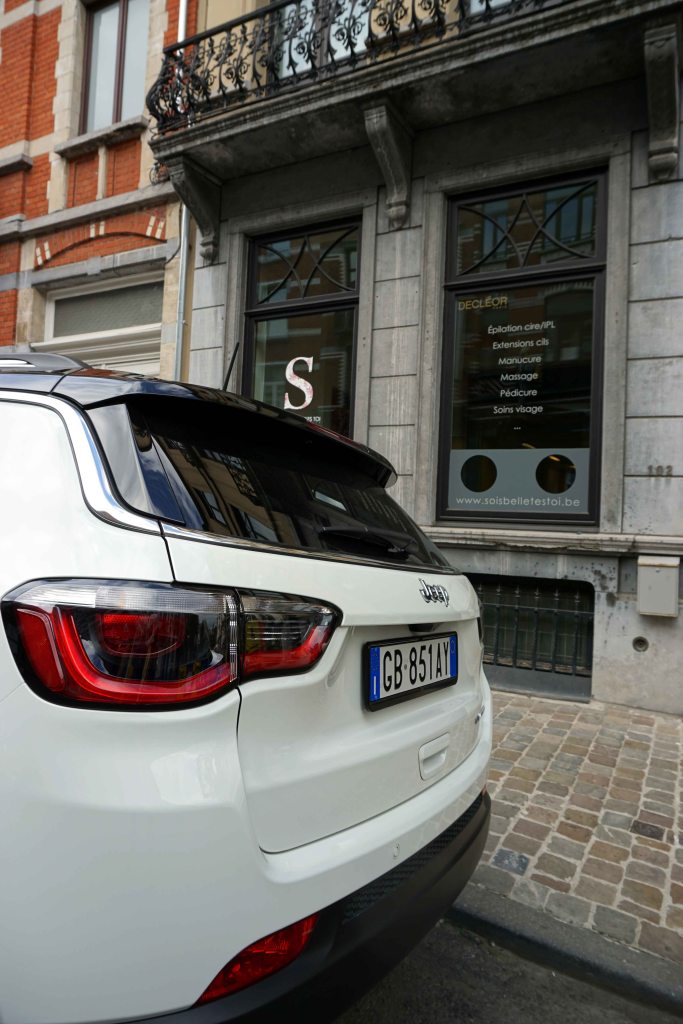
This Compass we drove for you here is in the showrooms at the moment of writing, i.e. September 2020.

Hans Knol ten Bensel

The new Mercedes-Benz S-Class: four wheeled luxury reinvented…

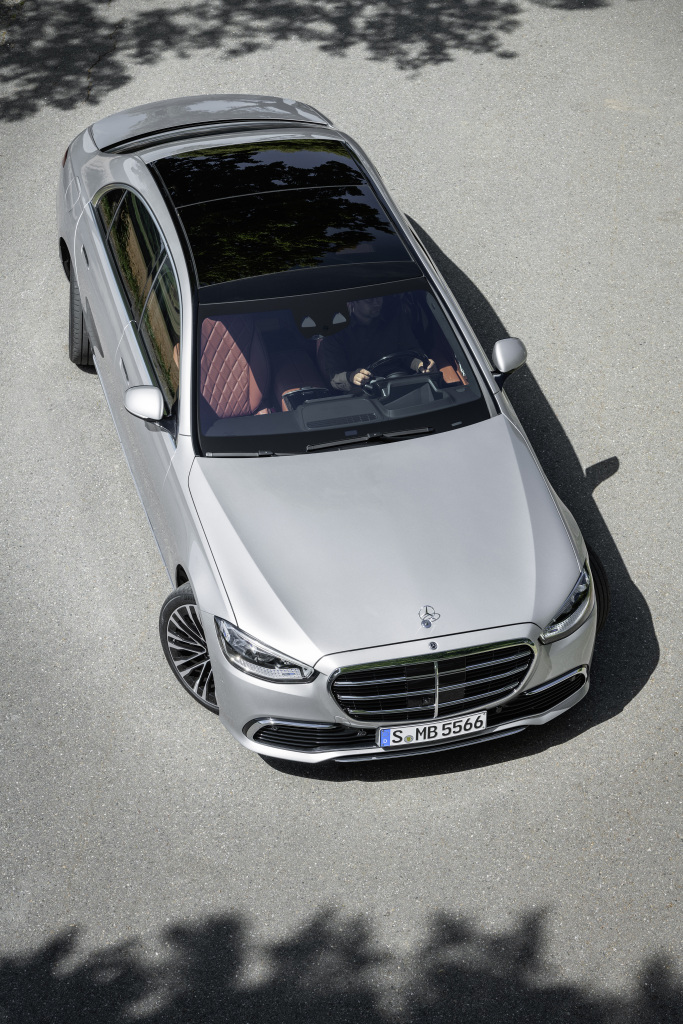
Mercedes-Benz S-Class, in hightech silver

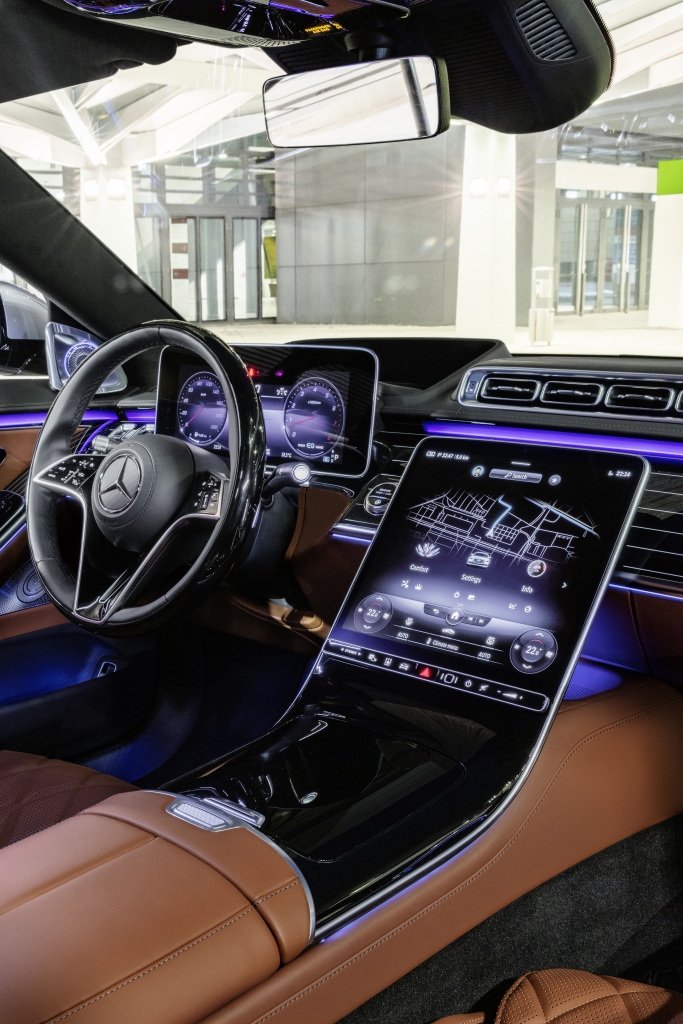
A new S-Class redefines the benchmark of luxurious motoring. This time, the high-tech innovations are centered around driver and passengers. We name a few of them: The second generation of MBUX (Mercedes-Benz User Experience) débuts in the new S-Class. Not less than five(!) screens are installed. New 3D driver display for the first time allows spatial perception of the scene with a real 3D effect thanks to eye-tracking. There is also a very large head-up display with augmented reality content. When navigating, for example, animated turn-off arrows (“fishbones”) are virtually and precisely projected onto the road lane.

Mercedes-Benz S-Class interior: leather siena brown

Using cameras in the overhead control panel and learning algorithms, MBUX Interior Assist recognizes and anticipates the wishes and intentions of the occupants. It does this by interpreting head direction, hand movements and body language, and responds with corresponding vehicle functions. For example, if the driver looks over his/her shoulder towards the rear window, Interior Assist automatically opens the sunblind.

Mercedes-Benz S-Class, interior: leather siena brown

The active ambient lighting with around 250 LEDs is now integrated into the driving assistance systems, and is able to reinforce their warnings visually.

The latest generation of the Driving Assistance Package has new and numerous improved functions. One example is the intelligent compliance with speed limits.

Mercedes-Benz S-Class, exterior: hightech silver

The new S-Class is also easy to manoeuver:  Thanks to rear-axle steering (optional), the S-Class is as manoeuvrable as a compact car in the city. The steering angle at the rear axle is up to ten degrees. The turning circle is reduced by up to two metres.(!)

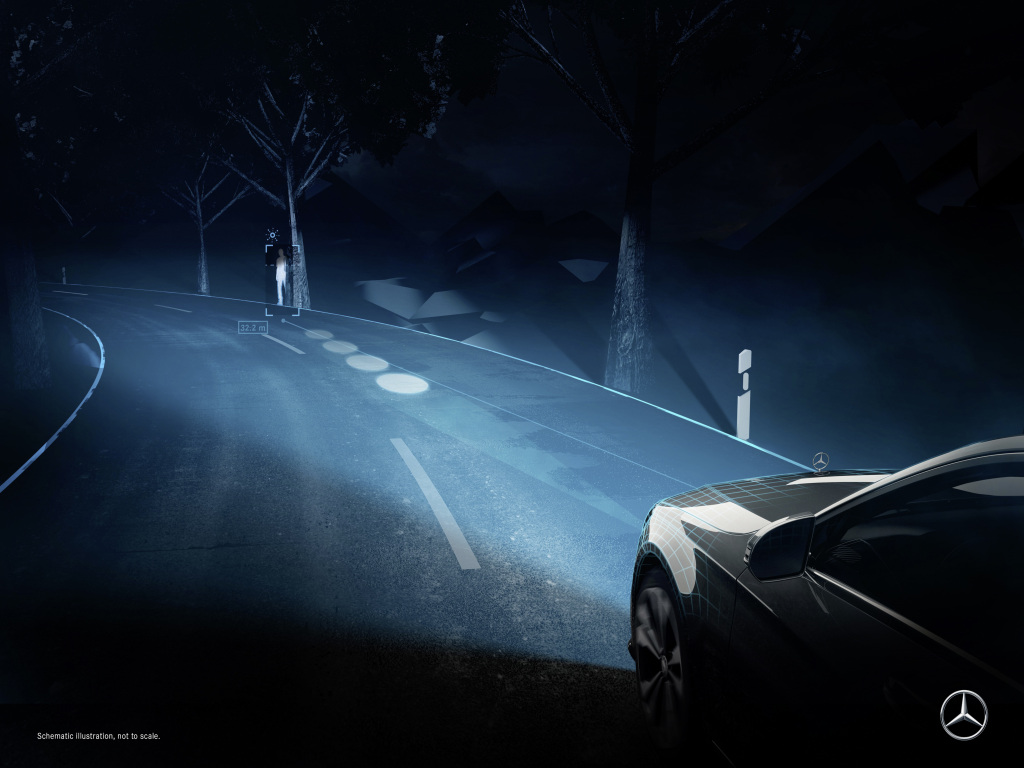
Mercedes-Benz S-Class DIGITAL LIGHT

More than 50 electronic components in the new S-Class can be updated with new software over-the-air (OTA). These include the entire MBUX infotainment system, the driver display, the driving assistance systems and the MULTIBEAM LED and DIGITAL LIGHT lighting systems. You don’t need to visit your dealer for this anymore…

The S-Class is also safer than ever. When a side impact with another vehicle threatens, the vehicle body can be raised by the E-ACTIVE BODY CONTROL suspension (optional) within a few tenths of a second.

Mercedes-Benz S-Class, interior: leather nappa black/carmin red

It is expected that from the second half of 2021 the S-Class will be able to drive in conditionally automated mode with the new DRIVE PILOT (optional extra), in situations where traffic density is high or in tailbacks, on suitable motorway sections …in Germany.

The revolutionary headlamp technology DIGITAL LIGHT (optional extra) allows completely new functions, e.g. the projection of marking aids or warning symbols onto the road ahead. In each headlamp, DIGITAL LIGHT has a light module with three extremely powerful LEDs with light that is refracted and directed by 1.3 million micro-mirrors. The resolution is therefore more than 2.6 million pixels per vehicle.

Mercedes-Benz S-Class, exterior: hightech silver

When the new S-Class is launched, six-cylinder in-line petrol and diesel engines in various output classes will be available, with a V8 engine with integrated starter generator (ISG) and a 48-volt onboard electrical system to follow shortly afterwards. A plug-in hybrid with an all-electric range of around 100 km will follow in 2021.

Of course, books can be written about this new S-Class; We will in the near future, describe some of these new technical and electronic breakthroughs in more detail…

Hans Knol ten Bensel

New Kia Sorento PHEV revealed…

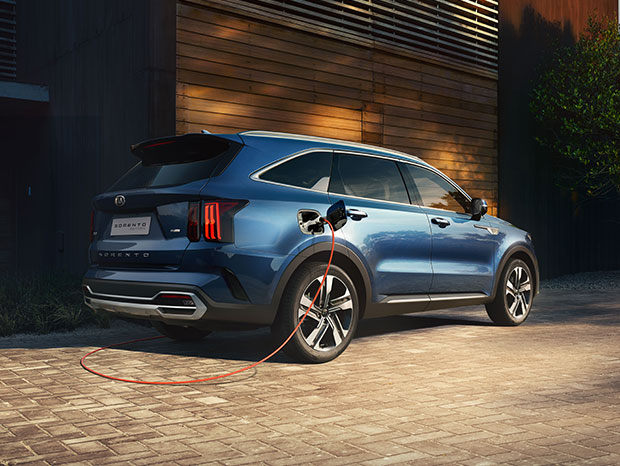
In the premium SUV market, Kia shows its mettle. Alongside the Sorento Hybrid, here comes the plug-in hybrid version, combining the 13.8 kWh battery pack and 66.9 kW electric motor with 1.6-litre T-GDi engine and six-speed automatic. Besides all the power and eco-friendliness, it should be remembered that the fourth-generation Sorento has an innovative platform designed from the outset to accommodate electrified powertrains.

This means generous cabin and luggage space and both five- and seven-seat layouts. These new generation electrifieds are popular: In the first half of 2020, electrified models – including mild-hybrid, parallel hybrid, battery electric and plug-in hybrid vehicles – accounted for around one in four of all Kia vehicles sold in Europe.

Hans Knol ten Bensel
Clean power

The PHEV Sorento boasts the 1.6-litre T-GDi (turbocharged gasoline direct injection) engine, which, on its own, produces up to 180 ps and 265 Nm torque.

The engine is paired with a high-capacity 13.8 kWh lithium-ion polymer battery pack and an electric motor which produces 66.9 kW and 304 Nm torque.

Combined, these powertrain components enable the Sorento Plug-in Hybrid’s powertrain to produce up to 265 ps and 350 Nm torque. More than enough here. Power is sent to all four wheels through a six-speed automatic transmission. The transmission allows the full power of the engine and motor to be transferred in parallel.

The new model represents Kia’s first use of an independent battery pack water-cooling system in a PHEV, ensuring optimal heat management and efficiency for the high-voltage battery pack. For the 66.9 kW electric motor, the rotor benefits from a new two-stage lamination process to reduce noise and vibration levels.

The engine features Kia’s latest ‘Smartstream’ innovations, including Continuously Variable Valve Duration technology, which regulates the duration that the intake valves open and close depending on driving conditions.

Practical

The dedicated platform also offers plenty of cargo space: up to 809 litres (for seven-seat models) or 898 litres (five-seat models) with two rows of seats in place. In seven-seat models, with all seven seats in place, boot space is 175 litres (compared to 179 litres for its Hybrid counterpart).

Visually, Sorento Plug-in Hybrid models retain the same modern exterior design as other variants in the line-up, with ‘eco plug-in’ badges and a charging port on the rear quarters standing out as the only points of differentiation.

Inside, the cabin also remains largely unchanged, although the 12.3-inch fully-digital instrument cluster is redesigned, with new graphics and dials to provide drivers with a clear picture of the powertrain’s status. It enables drivers to keep track of the battery’s state of charge, as well as the flow of electric and gasoline power through the powertrain. The 10.25-inch touchscreen infotainment system also features new functionality to enable drivers to easily locate vehicle charging points on-the-go.

Premium infotainment tech and driving aids…

The touchscreen infotainment system enables full, seamless smartphone integration with Apple CarPlay™ and Android Auto™. A powerful 12-speaker BOSE® surround-sound audio system is also available, delivering a more immersive sound to all passengers, as well as a cabin Mood Lighting system, with up to 64 colours for users to choose from.

The Sorento Plug-in Hybrid offers a range of Kia’s Advanced Driver Assistance Systems (ADAS), such as Forward Collision-Avoidance Assist (FCA) technology with pedestrian, cyclist and vehicle detection and FCA Junction, which detects vehicles at junctions when turning; Blind-Spot View Monitor (BVM); Surround View Monitor (SVM) and Blind-spot Collision-Avoidance Assist (BCA); Intelligent Speed Limit Assist (ISLA); Smart Cruise Control with Stop&Go (SCC) and Navigation-based SCC (NSCC), and so much more. It even helps you with parking in tight spaces…

We are eagerly awaiting a first drive with this new Kia Flagship. In the meantime, here are some photos…

Hans Knol ten Bensel  
Abarth launches two limited series of its iconic 595…

The Abarth Monster Energy Yamaha…

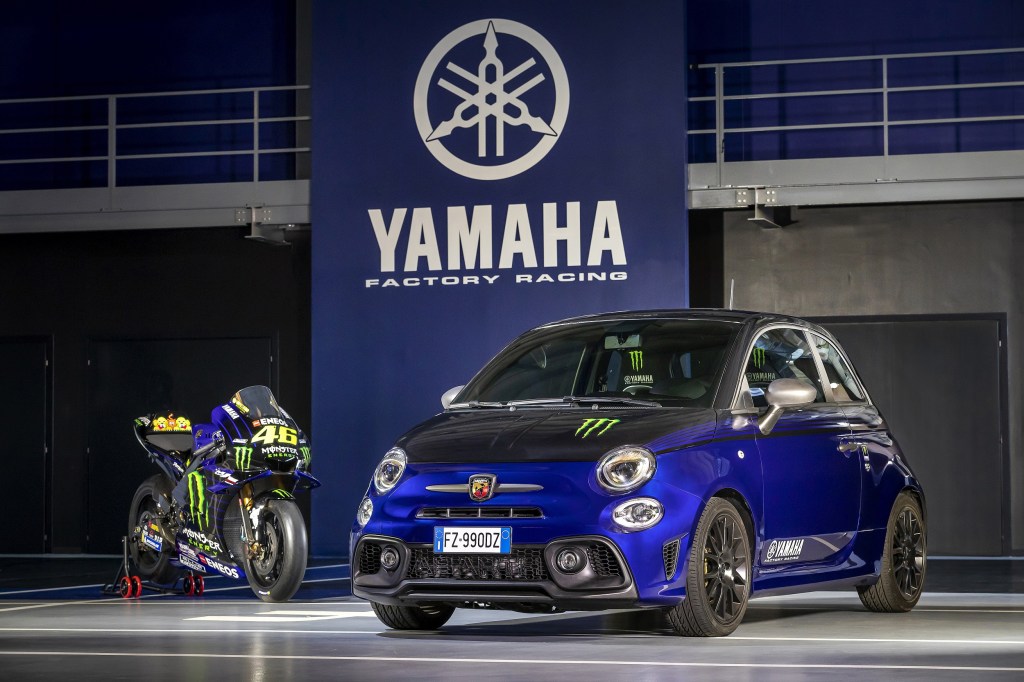
Abarth grabs our car lover’s heart once again this autumn: it presents two new special limited-edition series of the iconic 595 – with only 2,000 units of each to be produced, which embody the duality of its soul: “Style” and “Performance”.

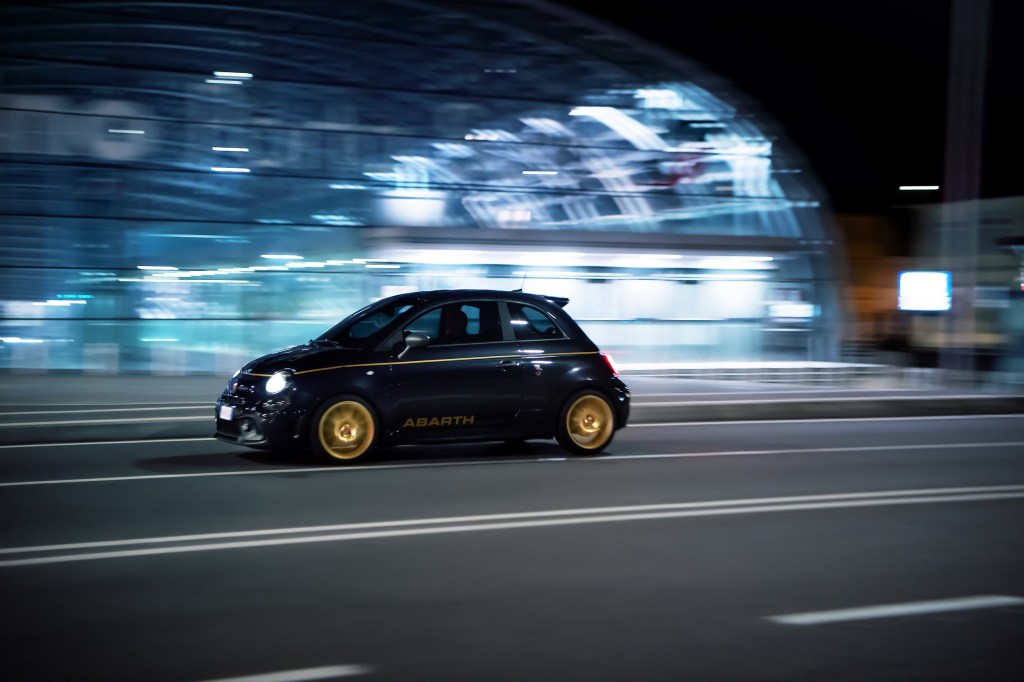
The first is the Abarth 595 Scorpioneoro, featuring elegant black livery embellished with golden details and unique content, making it a genuine “collector’s item”. 

The second one is also adrenaline-packed: it is the Abarth 595 Monster Energy Yamaha, a limited edition to celebrate the partnership between the two brands, which already started in 2015. The livery and interiors are reminiscent of the colors of the YZR-M1 Monster Energy Yamaha MotoGP 2020, complete with the “Monster claw” on the bonnet as a tribute to the new collaboration with the renowned energy drink.

The two special series will be unveiled to the international media on September 18 at a virtual press conference. Read below more about both cars, but stay tuned!

Hans Knol ten Bensel

The Abarth 595 Scorpioneoro pays tribute to the exclusive A112 Abarth “Gold Ring”, better known to fans as the A112 Abarth “Targa Oro”. But instead of the original 70 HP, it has 165 HP “paw the ground”, delivering a power-to-weight ratio of 6.5 kg/HP and acceleration from 0 to 100 km/h in a staggering 7.3 seconds. It is coupled to a mechanical transmission, but the sequential box is also to be had as an option.

The special Abarth 595 Scorpioneoro bears a numbered plate in its cockpit. The new special series features exclusive details. From the outside, it is recognizable by its black scorpion livery – available on request in Podium Blue, Racing White and Record Gray – and the matt black chessboard roof perfectly matches the “tar cold gray” finish of the handles, mirror caps, and the front and rear DAM.

To emphasize its coolness even further, this new special series includes golden details, such as the scorpion on the bonnet, the lining around its bodywork and the 17” “golden” alloy wheels or, on request, 17” “black” alloy wheels with the golden scorpion on the hubcap.

In the interior, the new Abarth “Scorpionflage” sports seats with black leather upholstery and back seat in technical material to better contain the body during the sportiest driving. On the front seat head restraints, embroidered “Scorpioneoro” lettering alongside the Italian flag and Abarth embroidery. The new seats combine with the Scorpion Black dashboard with matt black details, and with the gold plate on the central tunnel and personalized mats.

To top everything off, the Abarth 595 Scorpioneoro offers the best infotainment currently available: the 7″ HD UconnectTM system fitted with Apple CarPlay and Google Android AutoTM* – a fast platform with high definition monitor, GPS and DAB digital radio – as well as the sophisticated BeatsAudio™ system with overall output of 480 W and a 8-channel digital speaker including a cutting-edge equalization algorithm capable of reproducing the full sonic spectrum of a recording studio.

Last but not least, a special limited-edition chronograph watch has been created by Breil, dedicated to the new special Abarth 595 Scorpioneoro series, which includes an incision of the golden Scorpion logo.

The second special Abarth 595 Monster Energy Yamaha series is the perfect expression of the Scorpion and Yamaha brands’ shared values, rooted in performance, racing, technology and fun.

This partnership, started in 2015, is still going strong, based on its ability to overcome sporting and racing barriers by “going down into the streets” with many adrenaline-packed special series: the Abarth 595 Yamaha Factory Racing Edition (2015), the two-seater Abarth 695 biposto Yamaha Factory Racing Edition (2015), and finally, the Limited Edition Abarth 695 XSR Yamaha (2017). Today, the baton is handed to the new Abarth 595 Monster Energy Yamaha series.

Just look at the photos here, and indeed, just as you dear reader, we cannot wait to slide behind the wheel of these four wheeled sporting gems!

Hans Knol ten Bensel

Audi presents new S3 Sportback and Sedan

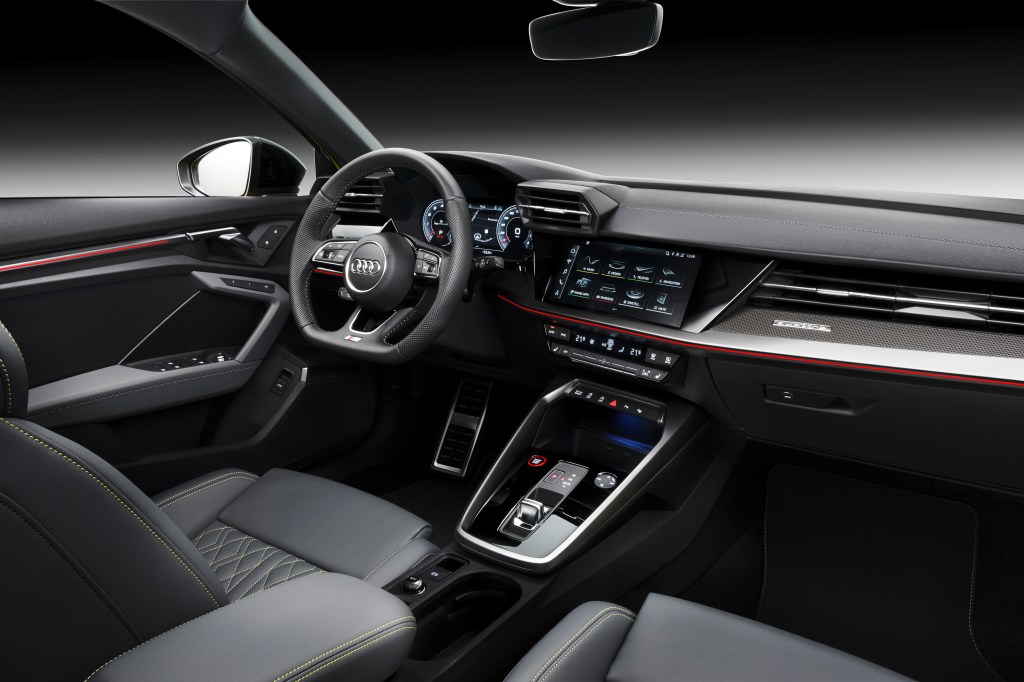
Premium compact cars with sporting characters are a tradition at Audi. For more than 20 years now. It is indeed so long ago already that the first generation of the S3 series was born. Now it comes with ever more style and power. Its 2.0 TFSI engine produces 228 kW (310 PS) and 400 Nm (295.0 lb-ft) of torque. Enough to almost send you to the stars. It will accelerate from 0 to 100 km/h in 4.8 seconds, and that puts it almost in the supercar league. This marvelous four cylinder is coupled to a seven-speed S tronic, and you are a master of the road thanks to the quattro drive with intelligent control. An S-specific sport suspension with optional damper control also enhances your driver’s talent. There are further highlights, just read on…

Hans Knol ten Bensel

The S3 Sedan in python yellow

Indeed, A number of other new features – including the operating concept, infotainment, and assist systems – round off the high-tech character of the S3 models.

Audi has introduced some new specific styling accents. The lower areas on the body sides are now curved inward – placing a stronger emphasis on the wheel arches. Of course, the S3 has now an even more distinct light signature: digital daytime running lights consist of a pixel array made up of 15 LED segments, ten of which form two vertical lines.

Detail Four exhausts to document the sporting note…

Aficionados will also like the large diffuser at the rear end and the four exhaust tailpipes…The new model is also slightly bigger. The Sportback and the Sedan are three centimeters (1.2 in) and four centimeters (1.6 in) longer respectively, while both models are three centimeters (1.2 in) wider. The interior offers greater shoulder room and elbow room. The luggage compartment of the S3 Sportback holds between 325 and 1,145 liters (11.5–40.4 cu ft) depending on the position of the rear bench seat, while the Sedan has a capacity of 370 liters (13.1 cu ft).

High-tech sportiness…

The engine has what it takes, and sports the Audi valvelift system (AVS) – which adjusts the lift of the intake valves when required. Top speed is electronically governed at 250 km/h. Via the Audi drive select system you can make the sound of the powerful four-cylinder turbo engine even crisper…

The hydraulic multi-plate clutch in front of the rear axle is fully variable and moves the power flow between the front and the back at will. It is managed by the modular dynamic handling control – a new system that closely links the quattro drive to the Electronic Stabilization Control (ESC) and the controlled dampers that are available optionally. Then valves control the oil flow in the dampers so that they adapt to the condition of the road, the driving situation, and the driver’s requests, reacting within a few thousandths of a second.

…also found in the cabin

Cockpit

There is a new, compact shifter for the seven-speed S tronic and decorative aluminum or carbon inlays whose design evokes the cut of the headlights. The cockpit is focused on the driver. The distinctive air vents form a single unit with the instrument cover. A 10.25-inch digital display is offered as standard. Alternatively, the Audi virtual cockpit and its “plus” version can be ordered. Both have a 12.3-inch diagonal, with the latter also offering three different screens. In the middle of the instrument panel is a 10.1-inch touch display embedded in a large black panel. It recognizes letters entered by hand and provides acoustic feedback. As an additional operating level, the infotainment can also be voice-controlled using natural language as standard. Audi also supplies a head-up display as an option.

A new generation of infotainment

The MMI operating concept of the new S3 models is powered by the third-generation modular infotainment platform (MIB 3). Its computing power is ten times higher than that of its predecessor, it performs all tasks relating to connectivity with LTE Advanced speed, and it has an integrated Wi-Fi hotspot.

Interior

Navigation offers predictions on the development of the traffic situation, high-resolution satellite images from Google Earth, and information about the traffic flow. Individual settings, such as frequently selected destinations or air conditioning preferences, can be stored in up to six user profiles.

…with clever Car to X features…

The Audi connect online services also include car-to-X services, which help with finding available parking spots on the roadside or allow the driver to surf the green wave by communicating with traffic lights in cities like Düsseldorf and Ingolstadt. Connectivity between the new Audi S3 and the user’s smartphone is free of charge via the myAudi app, as well as via Apple CarPlay, Android Auto, and the Audi phone box – which links the device to the vehicle’s antenna and charges it inductively.

Last but not least the S3 is environmentally conscious with a combined fuel consumption in l/100 km of 7.4 liters and combined CO2 emissions in g/km: 170–169 for the sportback. For the S3 Sedan, the combined fuel consumption in l/100 km is  7.3–7.2 l with CO2 emissions at 166–165 g/km.

So you want a state of the art sporting mount? Then take a close look at this Audi S3, it offers you everything modern day driving can deliver…with tons of driving pleasure!

Hans Knol ten Bensel

Ideal transport for families: the new Mercedes T-Class…

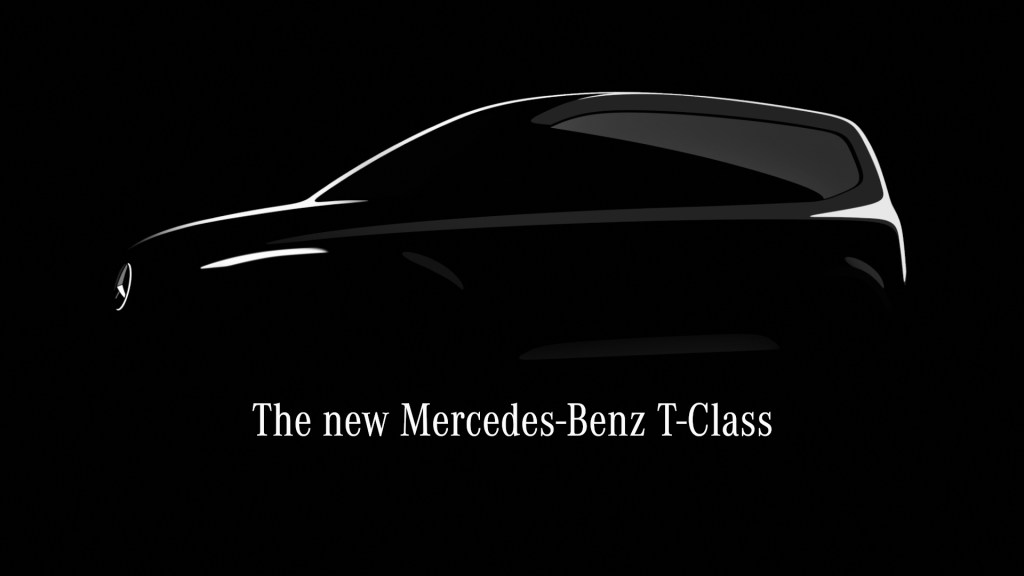
Mercedes builds excellent vans, and the V-Class has gained mainy followers in the midsize segment. But many families want it to be just a bit smaller. So the people at Mercedes use a small van platform to create a new vehicle which is tailored to the needs of families, whilst also being a suitable companion for active leisure enthusiasts.

So a small van for private customers will be available from the first half of 2022. The class designation of this new model is “T-Class.”

Hans Knol ten Bensel

“With the T-class’s new layout and design we achieve a fusion of functionality and desirability”, says Gorden Wagener, Chief Design Officer Daimler Group. “With our unique design philosophy of Sensual Purity we create an attractive family companion being the T-Class inspiring with its design, proportions and its perceived value.”

A typical Mercedes

The T-Class will be clearly discernible at first glance as a member of the Mercedes-Benz family and will feature unmistakably typical characteristics of the brand with the three-pointed star. Especially in terms of design, value, safety and connectivity, the new vehicle will bear the DNA of Mercedes-Benz.

A new class with a new concept

The private-customer market is the focus of the completely newly developed Mercedes-Benz T-Class. The T-Class will meet the needs of families and leisure-oriented people at an attractive price-value ratio. The letter T stands for efficient room concepts and is thus perfectly suited as a model designation for compact family vans bearing the three-pointed star.

The new Mercedes-Benz T-Class offers a large amount of space and is suited to a range of different uses, including passenger transportation as a reference within sharing services – all while not compromising on comfort. The wide-opening sliding doors on both the left and right-hand sides of the vehicle as an example allow easy and comfortable access to the interior. Alongside conventional drive systems, there will be also a fully electric version.

Cooperation with Renault-Nissan-Mitsubishi…

In August last year, the Vans division announced a successor to the compact urban delivery van, together with a fully-electric variant. Based on this small van platform, two vehicles will be created: while the Mercedes-Benz Citan is a no-compromise vehicle tailored to the requirements of commercial customers, the Mercedes-Benz T-Class is primarily focused towards private customers.

The T-Class and the Citan will be built in cooperation with Renault-Nissan-Mitsubishi.

Hans Knol ten Bensel
We drove the Mercedes C 300 e 4Matic: your brightly starred hybrid…

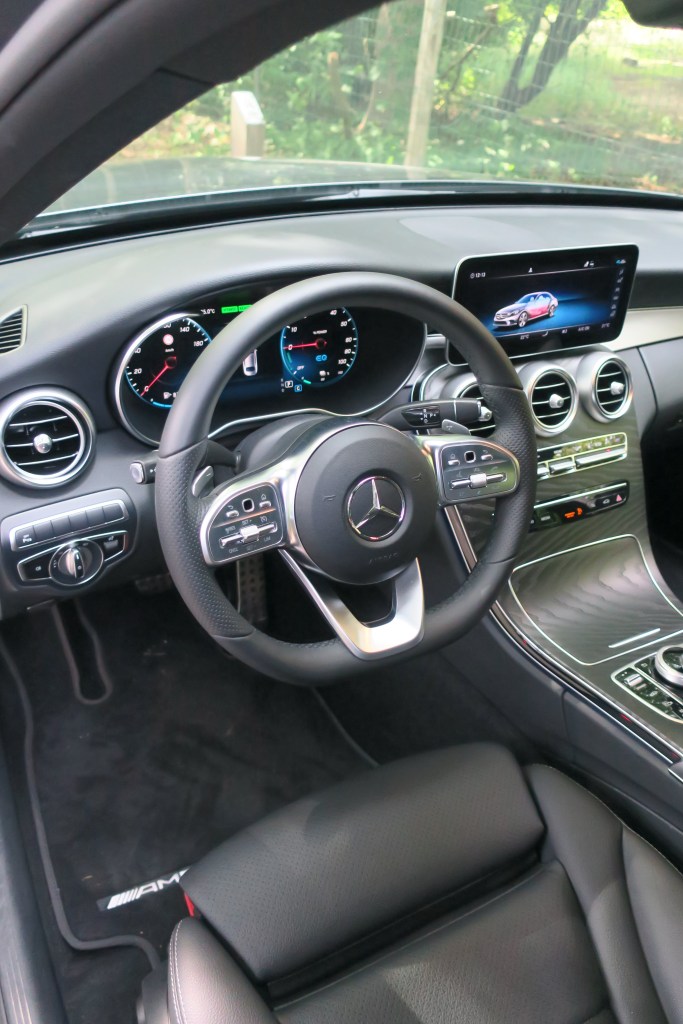
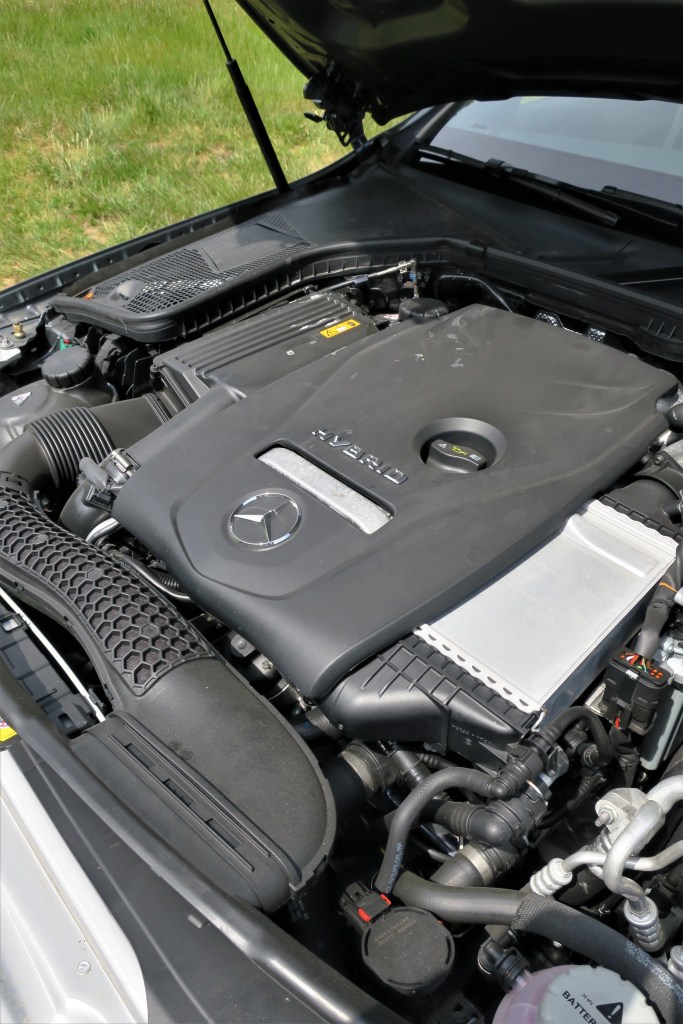
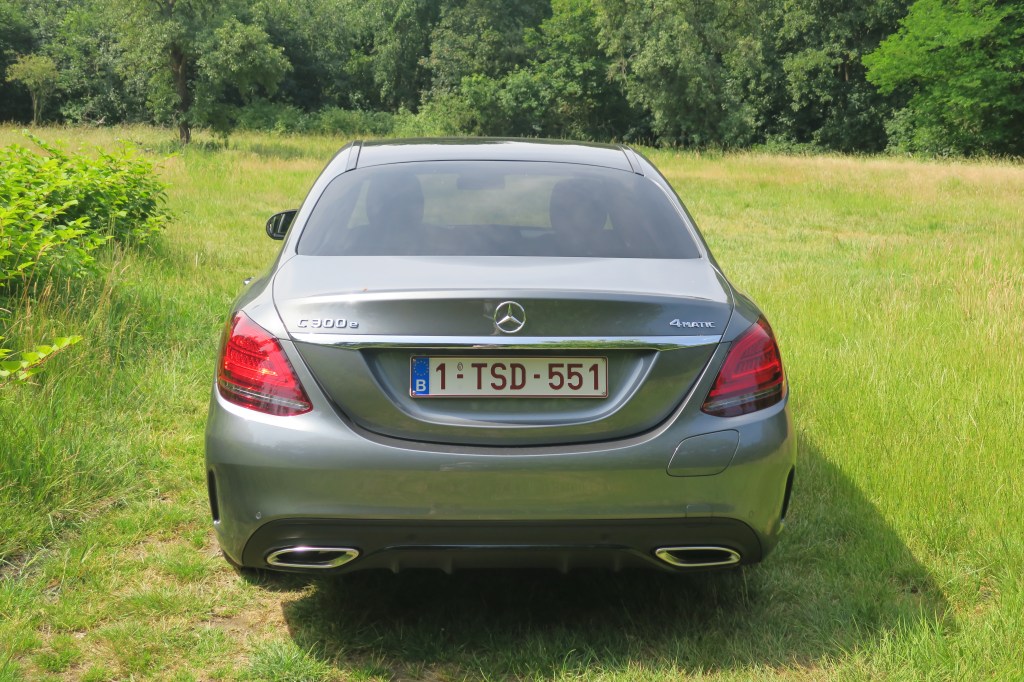
Mercedes is cleverly building up its plug-in hybrid fleet, and does this also for its bestselling C Class range. We drove here for you the C 300 e 4Matic, which receives now the same hybrid drivetrain as the larger E-Class 300e. This means a trusty 2 litre turbopowered petrol engine, good for 211 HP, combined with a 122 HP electric motor. The total system power of 320 HP is boosted by not less than 700 Nm of maximum torque, and you understand that this means almost supercar performance.

The 13,5 Kw/h battery powering the electric motor is the same as in the C300de. All this bodes well for driving pleasure with a green touch… just read on!

Hans Knol ten Bensel

Sliding behind the wheel of this C Class gives you this unique and overwhelming experience of being surrounded by top quality workmanship, style and perfection. Yes, you are sitting behind the wheel of a car with the good star, built by the oldest car manufacturer in the world. A Mercedes. A unique feeling which no other car in the world can give you. All this is valid for any Mercedes model you drive, and this C Class Sedan is no exception.

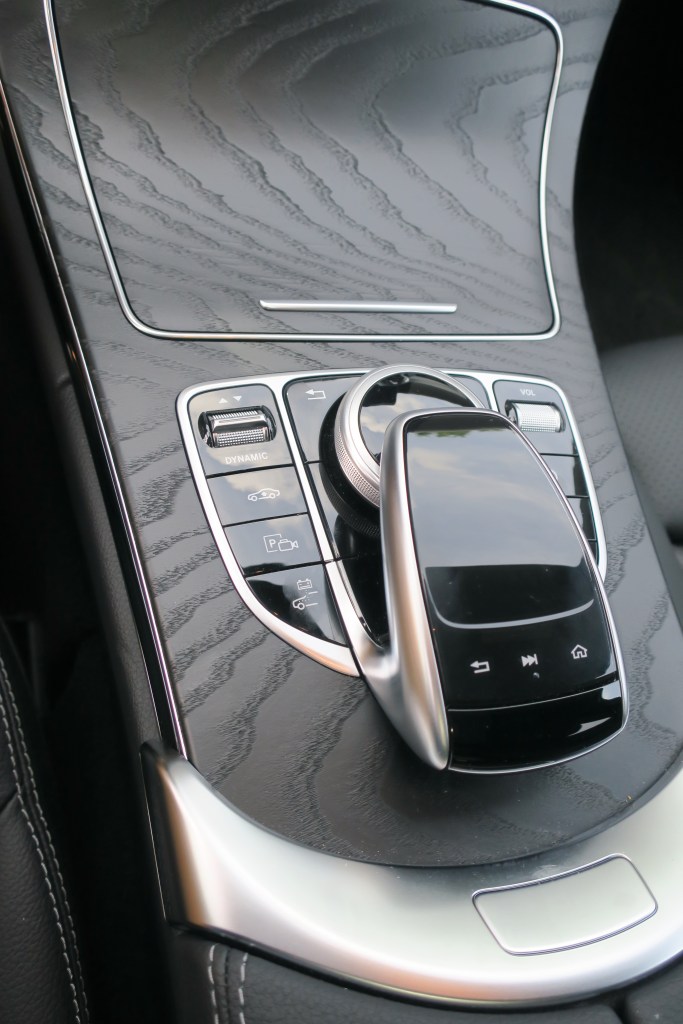
The excellent seats wrap around you, and by touching with the intuitive symbols in the door panel you can adjust everything to you liking in seconds. A push on the starting knob and off you go. You feel the precision of steering and suspension translated in your hands, progress is ultra smooth.

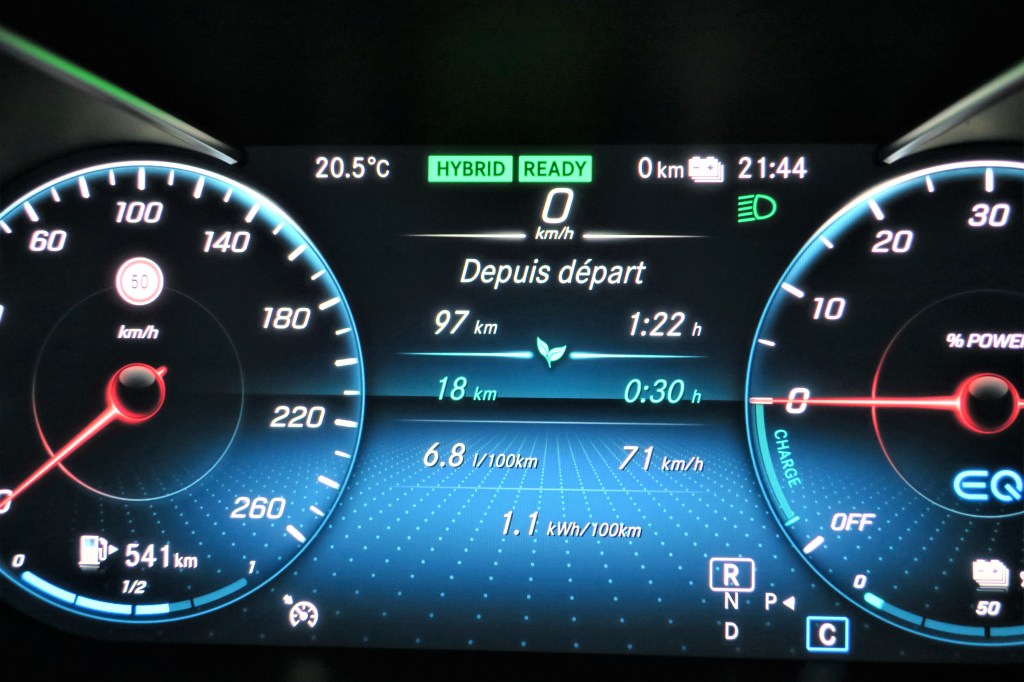
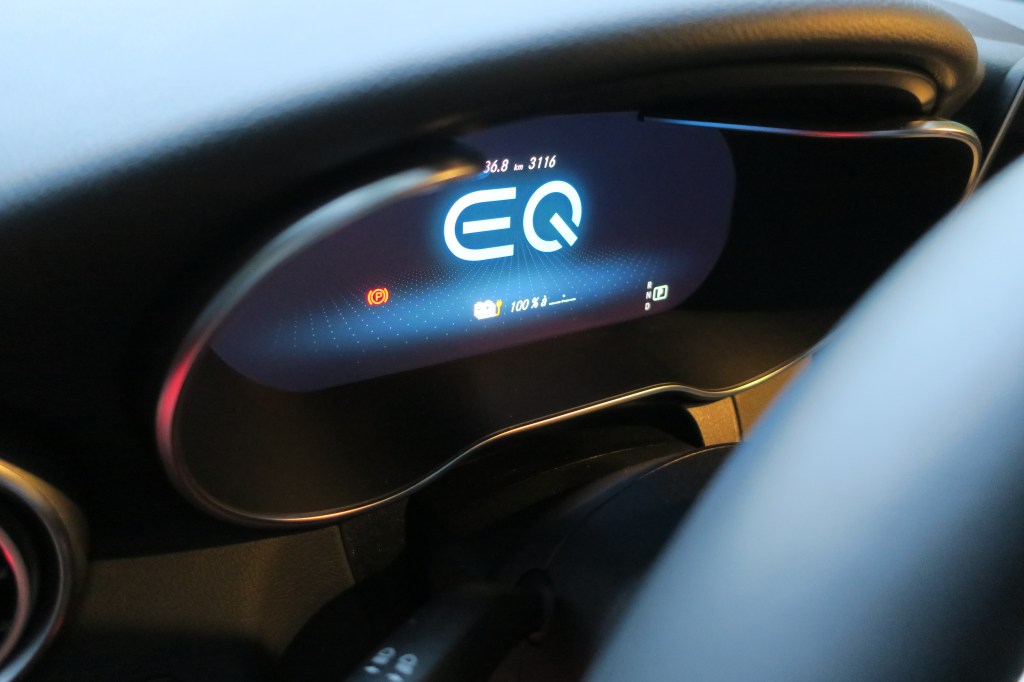
With the batteries fully charged, this C 300e will revert first and foremost to using this available E-power, and your first kilometers will be travelled very “clean” indeed. This is clearly visible for you on the instrument cluster in front of you, where the available battery power quickly dwindles but petrol consumption is virtually nil. A very logical setup, as this hybrid is designed to be used by its owner on the daily work/home commute after a home overnight charge and/or a daytime charge up at the office parking charging terminal. This allows you to absolve your daily commute almost totally on E-power. Of course you can interfere, and keep the batteries charged at a chosen level and even recharge them whilst driving to save this E-power for later, when you will enter urban low emission zones at a distance form your starting point.

What happens when the battery is almost empty? Well, then you still enjoy the clever hybrid/kinetic management system, so to say, which allows you to recuperate kinetic energy when slowing down and/or braking, and the electric motor will assist in moving the car when driving/accelerating at very slow speeds or parking, in short, in all the driving conditions where a combustion engine alone works not very efficient.

All this lets you truly score in the economy department. This powerful sedan will let you consume less than 6 litres/100 km in urban traffic on engine power, and equally so on the open road.

The beauty of a hybrid system is your total range independence, this car is set to go anytime to any destination you could wish, and yet in regular home/office use it scores as “green” as any full E-vehicle.

The bonus of the extra electric motor is abundant torque and extra power. This translates in 0-100 km/h acceleration times which almost belong to the supercar league.

What to think of a sprint from 0 to 100 km/h in merely 5,4 seconds? Top speed is electronically limited to 250 km/h. Another strong point is the effortless manner this performance is deployed. Power is now transmitted through a new 9 speed automatic gearbox – actually this transmission is used throughout the C-class range – and out test car came with the optional 4 matic 4WD.

Excellent chassis and comfort

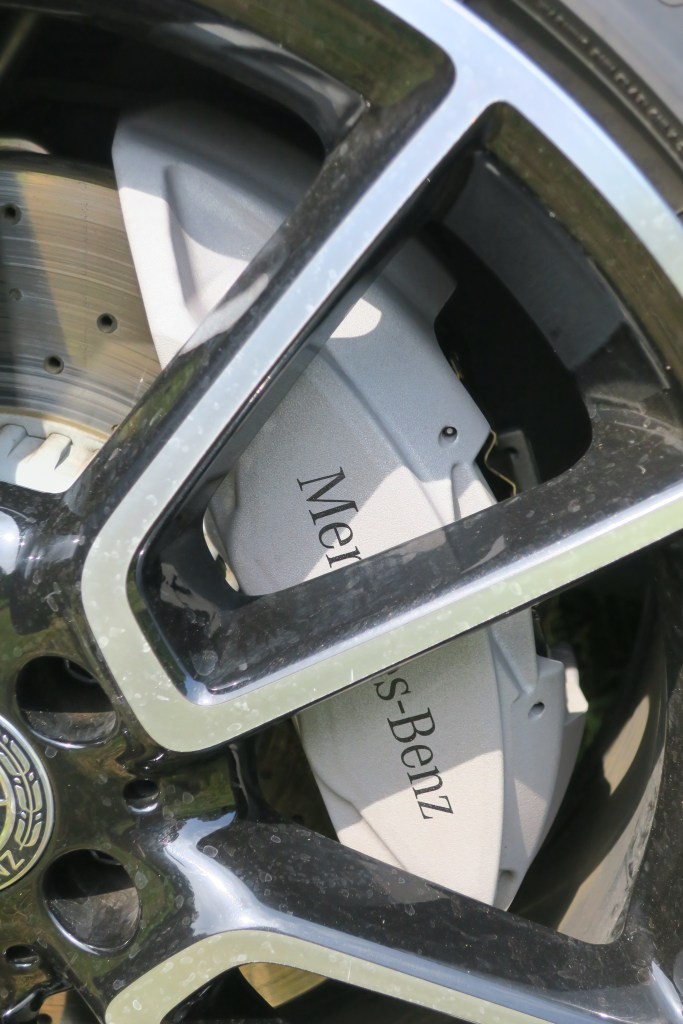
Passive and active safety have always been paramount at Mercedes. The solidity, stiffness and engineering excellence of body, chassis and suspension do not need any further comment. Steering is precise, handling is beyond reproach. A good balance is also struck between road qualities and comfort. Our test car was shod with AMG 19 inch (5-double spoke) alloys, and had also the AIRMATIC driving dynamics package, which made driving this C Class with some verve a pleasant and sporting experience. Combined with all the power, this test car proved a very fast sedan indeed.

All the usual driving assistance functions are present of course, and the fully digital dashboard and clever steering wheel commands are a breeze to use and an example for many. We also liked the instrument graphics is all the three different display modes, and besides their aesthetic qualities they are also eminently readable.

Connectivity is also written large and of course you have wireless charging. Apple Car Play and Android Auto is possible. Life is made comfortable with keyless functions and automatic opening boot lid. Luggage space is somewhat limited as the battery sits above the rear axle and takes up some space in the boot. Available luggage volume is not more than 300 liters.

Conclusion

Plug-in hybrids are presently offering the (very) best of both worlds, and this Mercedes C 300 e 4-Matic proves again how good such a car can be. With an E-power radius of some 50 kilometers it is perfect for (almost) fully electric home/work commuting, and you have always the freedom to travel any distance when and where you want under silk smooth petrol engined power.

Future-proof for all the low-emission zones we will encounter, it still offers you the versatility and practicality of a “real” car, and then we have said nothing about its exhilarating performance…

Hans Knol ten Bensel  
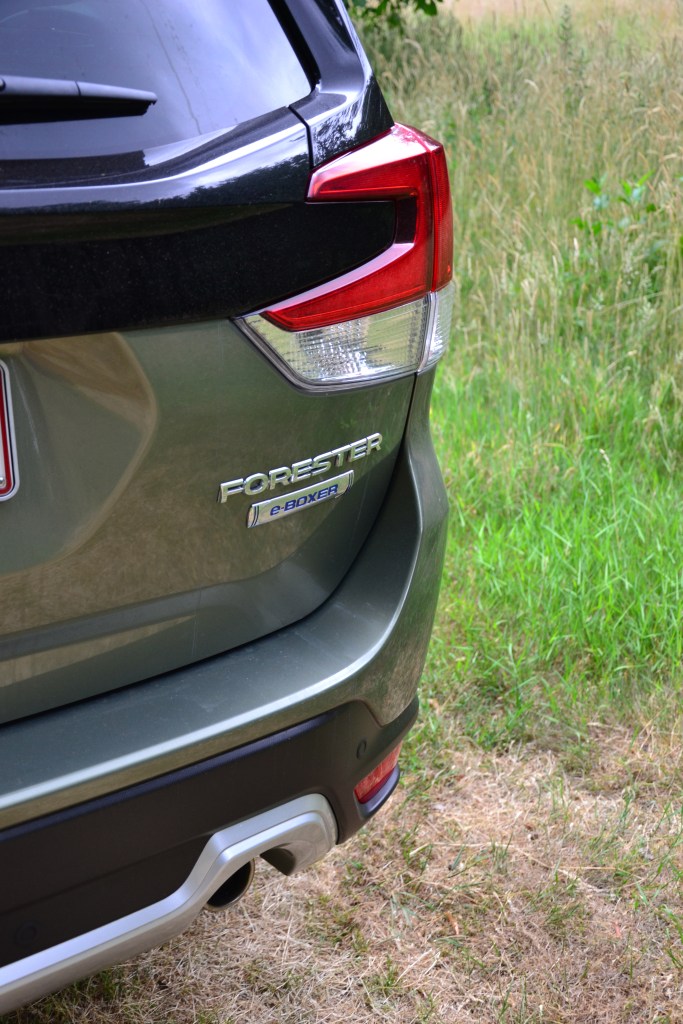
We drove the Subaru Forester e-Boxer: a very sensible hybrid…

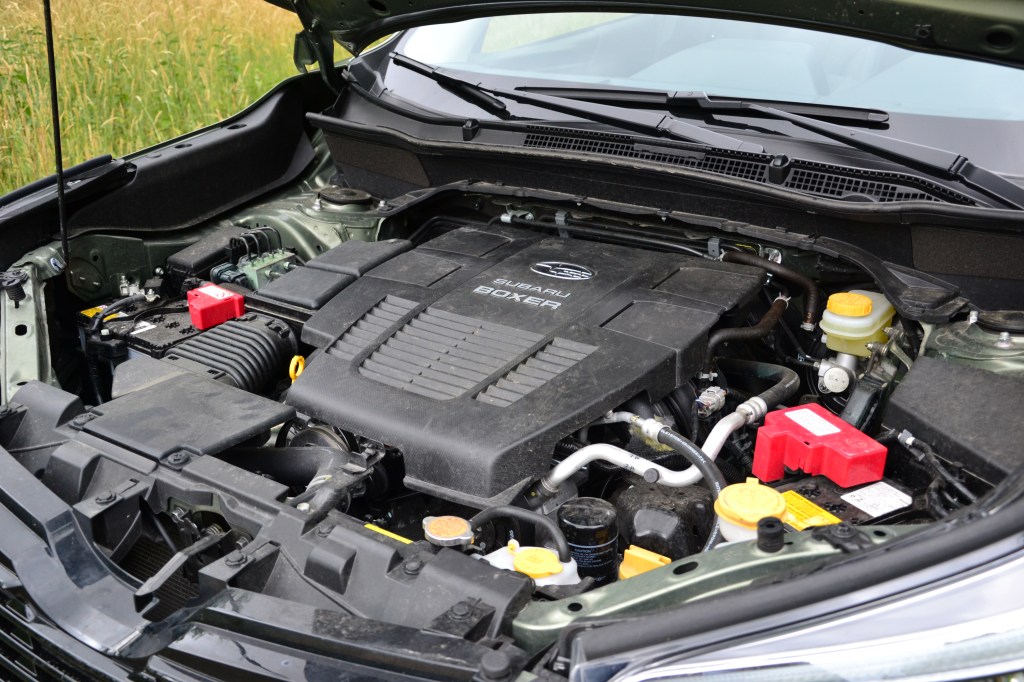
Never (really) change a winning team, the saying goes. This is exactly what the Subaru engineers had in mind when they designed the hybrid drivetrain of the Forester e-Boxer. Indeed, this hybrid Subaru remains very familiar to all Subaru enthusiasts and owners. They will find again the immensely practical and sturdy Forester, which is now roomier than ever, and the familiar sound of the two litre petrol boxer engine will also be music to their ears.

But is has also e-power, albeit rather modest. This has been very cleverly put to use, resulting in a very creditable hybrid. Just read on…

Hans Knol ten Bensel

167 HP at your service…

The e-Boxer Forester has honest punch. The trusty four cylinder boxer puts down not less than 150 HP, and the e-motor a rather subtle 16,7 HP.

This is more than enough to drive this Forester with spirit, helped by the very responsive CVT transmission, which will let the engine rev eagerly when called for power. As soon as one lifts the throttle only slightly, revs immediately go down again, using the good torque characteristics of this trusty boxer. All this goes with the familiar and typical “Subaru Boxer Sound”, we would say.

Indeed, the moments that the engine is silent and this roomy Forester is propelled on pure E-power, are few and far between. Unless you are taking things more gently, because then the hybrid propulsion system really goes to work, and is very effective at it.

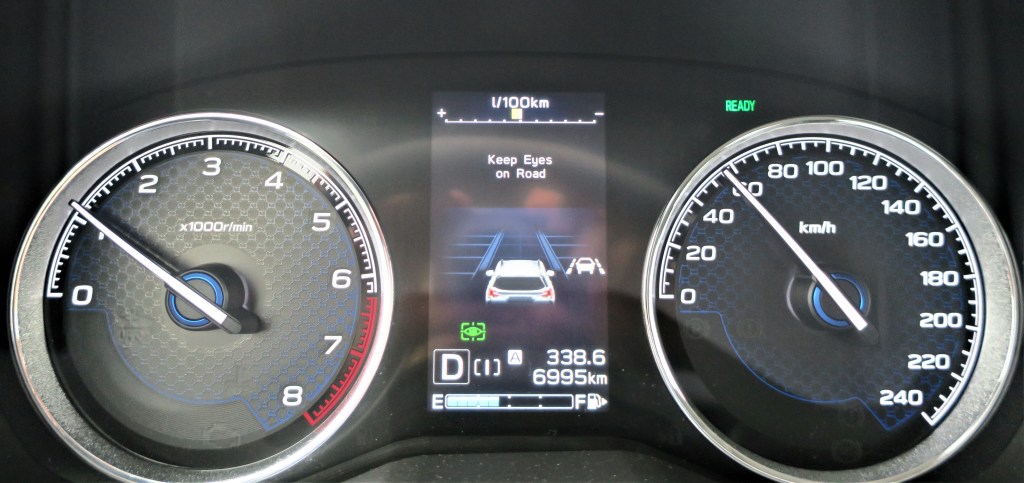
So it all simply boils down to whether you take eco-driving seriously or not. We took things to heart, and drove our test car trough town and on the open road, but with restraint and anticipation, and got rewarded with an average consumption of 6,6 litres/100 km.

This means of course gentle cruising at the 120 km/h speed limit on the open road, avoiding strong accelerations, and also going gently along the traffic stream on urban boulevards, using the kinetic energy of the car as much as possible, and driving gently away from traffic lights. When pulling away or driving at slow speeds in traffic, the battery-powered electric motor alone drives the car in EV Mode. The electric motor power assistance – Motor Assist – is completely automatic. When braking or decelerating, the e-BOXER uses of course regenerative braking to capture energy from the car’s movement to recharge the battery. When you push the accelerator pedal just a bit deeper, the petrol engine sets in too.

In practice, the transition between these two powertrains is never apparent. The Forester e-BOXER’s onboard computers simply work out what’s needed where and distribute the power accordingly.

So it is up to you to keep your Forester in this economical operating range, and achieve these consumption results. There is no EV button, by the way. Subaru believes in the seamless interaction between e-power and engine, to achieve the most efficient progress.

Every bit a true Subaru…

This Forester e-Boxer is and remains the true workhorse you always appreciated. The symmetrical 4WD setup is found here of course, and it is good to know that this new Forester now rolls on Subaru’s new global platform, which allows the stiffness of the body to be increased by not less than 40 pct.

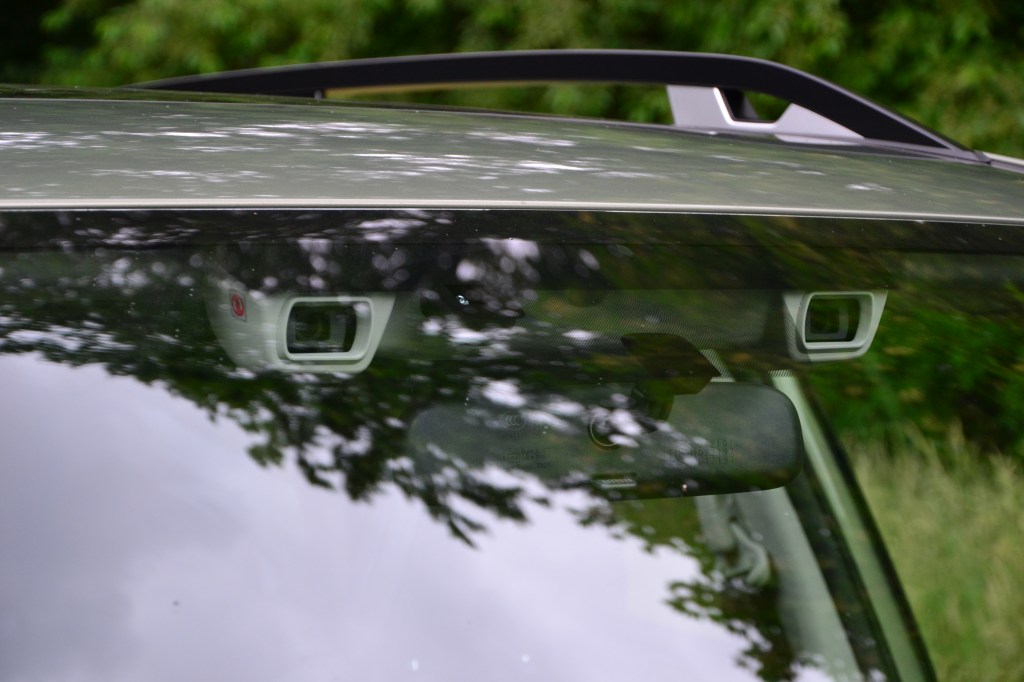
When it comes to safety, it is good to know that a range of passive and active safety technologies are fitted as standard, including: EyeSight Driver Assist Technology (providing Pre-Collision Braking, Adaptive Cruise Control and other functions); Subaru Rear Vehicle Detection (SRVD); Reverse Automatic Braking; Side View Monitor; and Driver Monitoring System, a brand-new facial recognition technology that alerts the driver to re-focus when it detects signs of fatigue or distraction while on the road. We tested it out for you and it really works fine indeed!

This Forester also has been named Euro NCAP’s Best in Class 2019 in the Small Off-Road / MPV class…

Comfort

We were also pleasantly surprised by the comfortable suspension of this Forester. It truly has a very comfortable ride, and also the steering is responsive and precise. It is certainly no punishment to drive this Forester on winding roads. It is also a very comfortable cruiser on motorways. Engine noise and drivetrain vibrations are masterfully filtered out, and all this makes the Forester a brilliant Gran Turismo, with ample head- and legroom for all.

Of course it really comes into its own off the beaten track, thanks to its famous symmetrical AWD system. A prominent X mode dial on the centre console lets you choose between normal, snow/dirt and deep snow/mud modes. On forest roads this Subaru certainly hasn’t stolen its name… This Forester comes of course also with a downhill descent control, and really never lets you down with its comfortable ride height and excellent attack angles fore and aft when you are in heavy terrain.

A pleasant, practical cabin

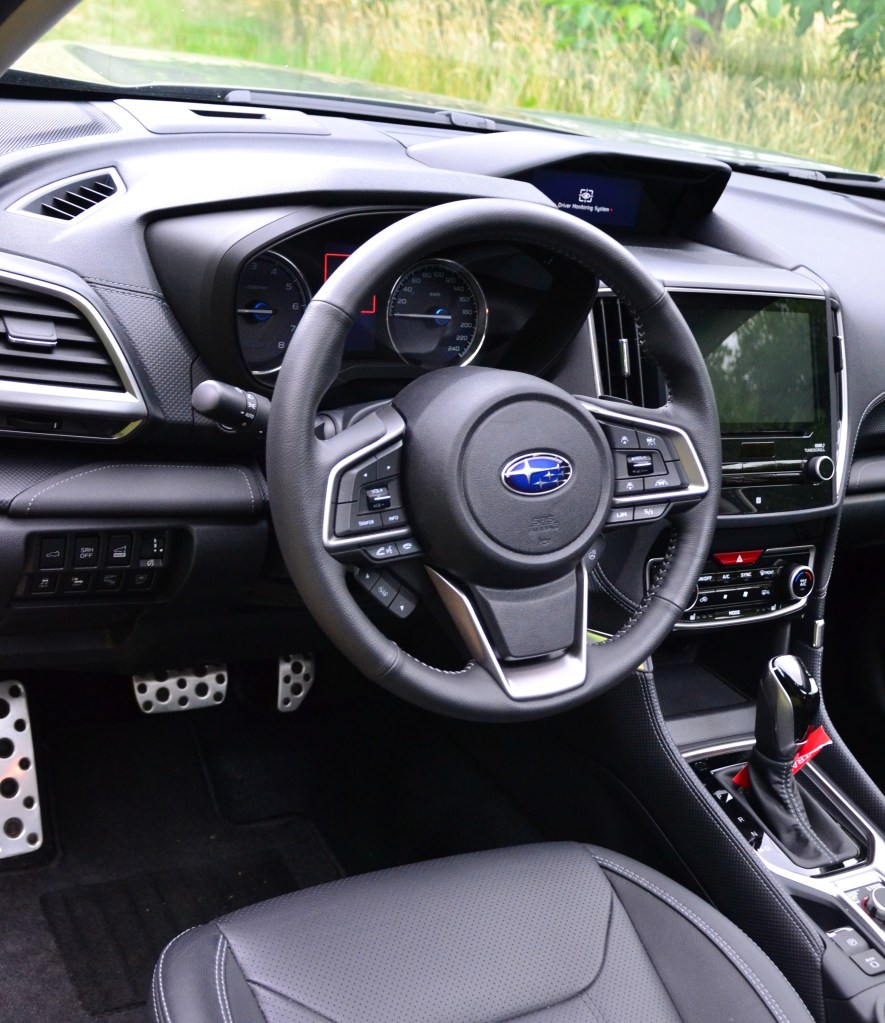
The cabin is very well equipped and practical, and a lot of thought has gone in the lay-out which is a good example of excellent ergonomics. As said, the Forester has an impressive array of driver’ assistance features, and the beauty of it that they are not obtrusive. You will only notice them when they are needed.

Safety is first and foremost in this Forester, and besides the fact that its Driver Monitoring System warns you when you are not looking at the road ahead. But that is not all: it will also remind you to check whether nobody is sitting on the rear seat when you are going to leave the car.  

We also found that all the commands are self-explaining, for instance finding a destination or connecting your phone is the proverbial breeze. Of course all the infotainment is provided, along with Apple play and Google The Forester is also very roomy, with a cavernous boot space and offering also ample room for the rear passengers.      

Conclusion

This Subaru Forester remains for those outdoor lovers and those living in remote non-urban places the real all purpose companion for your daily mobility. Cleverly driven in town, this e-Boxer reveals itself as a very frugal boulevard cruiser, letting you park and move under soothing “zen” e-Power, and enjoy this emission-free form of propulsion in driving situations where combustion-engined cars pollute the most.

In the meantime, you chalk up very impressive consumption figures. But you will meet no hassle with recharging, just enjoy a reliable, ever-ready companion. Well, a Subaru!  

Hans Knol ten Bensel

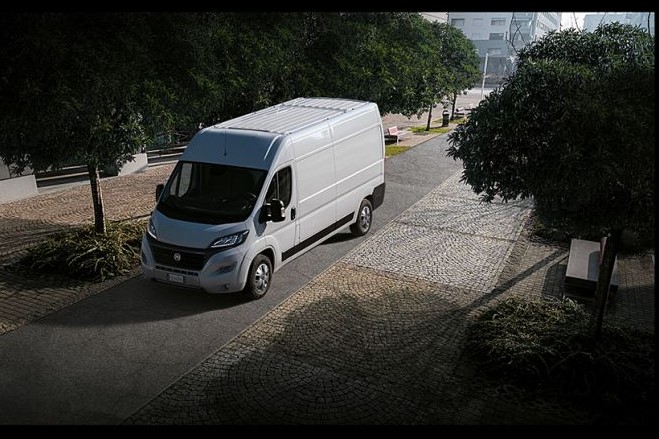
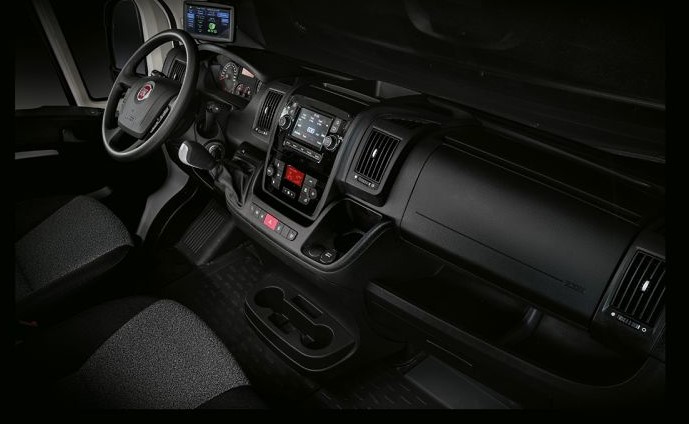
Fiat launches soon its benchmark for 100 % electric delivery: the E-Ducato…

On June 5th, the “World Environment Day” , Fiat focused the attention of the press on its E-Ducato, which was a year ago presented to us as a prototype. Then we met the dynamic people of Fiat Professional, Mr. Domenico Gostoli and Mme Angelica Carapezza amongst others, and faithful readers remember the reports we made then on our pages. We also refer to the interesting interview we made with Mme Carapezza, where she also  commented on her impressive automotive career so far. You can read it again on our columns. Just look at https://autoprova.be/2019/09/15/women-behind-cars-angelica-carapezza/ and https://autoprova.be/2019/07/01/fiat-professional-surprises-the-commercial-vehicle-world-with-an-all-electric-ducato/

Nothwithstanding Corona times, the development of the new Fiat Professional model has been continued using simulation tools.

The E-Ducato is the result of an extended series of measurements and tests, taking into account all the variables of usage by different types of clients, as well as dynamic, load and environmental aspects.

Developed by professionals with the help of client professionals…

The development of the E-Ducato included over one year of on-road measurements to analyze more than 28,000 connected vehicles. The measurements from a client’s perspective were taken by a dedicated team of professionals on vehicles with combustion engines running more than 50 million kilometers, to take into account all the variables of client usage, dynamics, load, and environmental aspects.

The analyses were focused on mileage, model variability for any kind of mission, fuel expenditure, vehicle usage, and temperature. By adopting this approach, Fiat Professional is able to offer comprehensive electric mobility solutions. With an analysis of energy demand as a starting point, these solutions will not only cover every single task, they will also provide answers ranging from the vehicle to infrastructure, not to mention a whole range of the everyday services increasingly required by a new and emerging mobility.

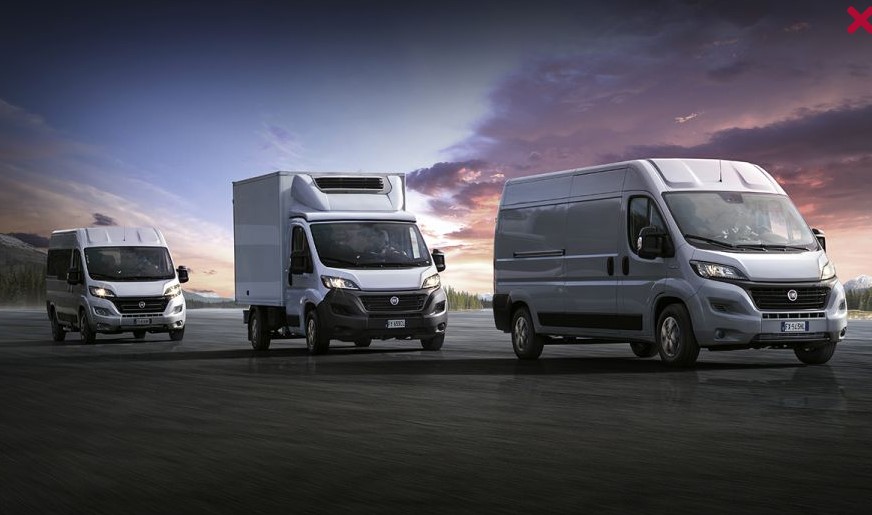
The result is a van available in all body variants with the same load volume as the conventional Ducato, from 10 m3 to 17 m3, and the best payload on the market, up to 1,950 kg.

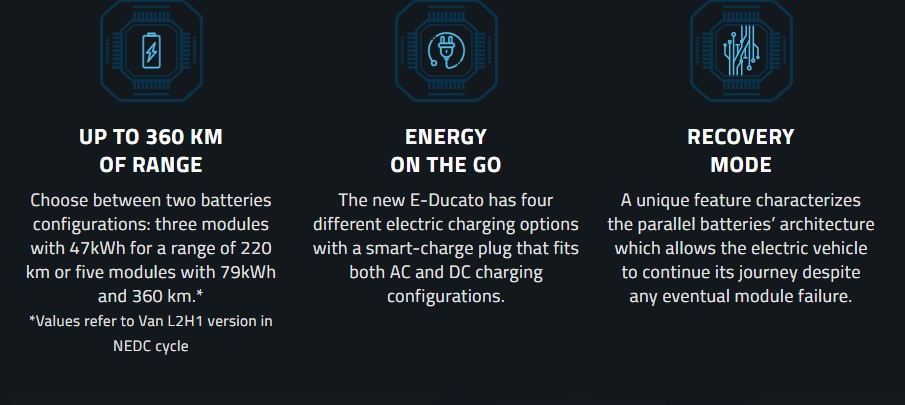
In addition to the many body styles and chassis versions, a choice of battery options will also be available for the E-Ducato, with ranges in a typical urban real delivery cycle from 200 to over 330 km at standard environment conditions, depending by battery pack, and a variety of charging configurations. It also comes with high-potential performance: speed limited to 100 km/h for improved energy absorption, maximum output of 90 kW and maximum torque of 280 Nm.

Last but not least, the FCA styling centre has developed a new logo for the 100% electric Ducato.  The logo itself is made up of two distinct elements: a letter “E” in blue – the color traditionally associated with innovation and sustainability, preceded by a “D” for Ducato in brushed silver above.  

Comprehensive training for a new sales process

So the E-Ducato professional experience can begin even before getting on board, Fiat Professional organized training days in February specifically for the sales force, involving 265 sales agents and managers across 124 dealerships in the main markets. Road tests structured as a journey through a city were also run at the Balocco circuit, with emphasis on the new full electric driving modes. An in-depth look was also taken at the new WLTP homologation procedure and its impact on the world of outfitted vehicles. Presentations were given on some of these, from mobile workshops and refrigeration to people carriers: versatility that has always been one of the strengths of the Fiat Professional Ducato.

Virtual training: from developments in training to business development

Given the current cautious social distancing measures, Fiat Professional continued the training in a virtual format: a development in training, just like the E-Ducato represents a development in the business. Each remote session was focused on the product in depth, in preparation for other activities.

The E-Ducato technical specifications and line-up were discussed in detail, with special consideration given to its innovative aspects. All the Virtual Classrooms were met with resounding success and were diligently attended. For example, there have already been 310 participants from Germany, 120 from Poland and 210 from non-EMEA regions, while online training will soon begin in the remaining European markets, including in Spain, France and the UK.

Actual launch expected within a few months…

To continue its journey into the market, the E-Ducato will soon be subjected to extensive specific field testing by partner clients under normal working conditions of usage. On that basis, the E-Ducato is therefore being prepared for its launch on the market, due to take place in the coming months, with the opening of orders in the main European markets as the first stage.

The brand-new electric vehicle will soon join the methane-driven Ducato Natural Power in the offering of alternative propulsion systems, to take on the market challenge.

We are looking forward to the actual launch, stay tuned in these columns!

Hans Knol ten Bensel
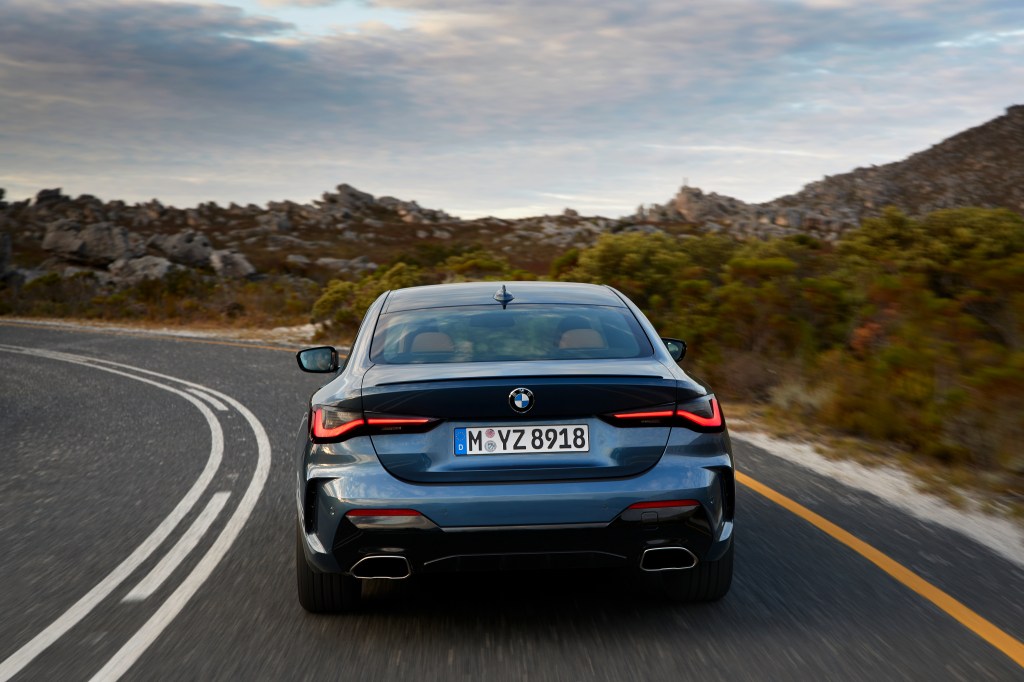
The new BMW 4 series coupé: more style and character than ever…

A beauty…

BMW have again set the example: their new 4 series coupé is setting the benchmark again in style and sportiness. The front end is dramatic, also the roof line has the proportions and lines of a thoroughbred. The prominent, vertical BMW kidney grille follows the tradition of legendary BMW coupés and reflects the engine’s high cooling air requirement. Stretched side window graphic, powerfully sculpted shoulders and flowing roofline exude athleticism and sporting elegance.

There are standard LED headlights with extremely slim contours. Adaptive LED Headlights with BMW Laserlight are available as an option. Stylishly darkened LED rear lights with eye-catching L-shaped light bars.

Improved cabin

The interior is also further improved, in instrumentation as well as seating. New interior design centred on sporty driving experience. Driver-focused cockpit design, new display grouping with up to 10.25-inch Control Display and optional, fully digital 12.3-inch instrument cluster. Control panel with high-quality design on the centre console, new sports leather steering wheel and newly developed sports seats as standard, knee pads on the centre console optional. Two seats in the rear with defined individual-seat character.

Legendary handling further optimized

As a true BMW befits, the impeccable handling is the result of careful engineering and testing.

Bespoke package of bracing elements increases body rigidity. The centre of gravity is 21 millimetres lower, rear-axle track 23 millimetres wider than on the latest BMW 3 Series Sedan. Other chaarcteristics: weight-minimised body and chassis construction. Finely balanced 50 : 50 weight distribution. Targeted optimization of aerodynamics and reduction in lift at the rear axle.

Lift-related dampers with bespoke tuning are fitted as standard. Optional M Sport suspension with even firmer set-up for dampers, mounts and anti-roll bars, plus additional body struts and variable sport steering. Also available as options: Adaptive M suspension with electronically controlled dampers, M Sport brakes with a choice of blue or red brake calipers, M Sport differential with fully variable locking function in the rear differential.

Sales begin with five model variants; the BMW M440i xDrive Coupé (fuel consumption combined 7.1 – 6.8 l/100 km [39.8 – 41.5 mpg imp]; CO2 emissions combined: 163 – 155 g/km) makes its debut at the top of the range. The sporting flagship is powered by a 275 kW/374 hp six-cylinder in-line petrol engine. Range also includes two four-cylinder petrol engines and a four-cylinder diesel unit. Two six-cylinder in-line diesel engines will join the line-up in March 2021.
Mild hybrid technology for the six-cylinder in-line-petrol engine and all diesel engines is also provided. 48V starter-generator boosts the combustion engine with an extra 8 kW/11 hp. All diesel engines now have two-stage turbocharging.

All model variants come now with standard eight-speed Steptronic transmission. Optional eight-speed Steptronic Sport transmission with new Sprint function for instantaneous and dynamic acceleration manoeuvres, for the enthusiasts. BMW xDrive intelligent all-wheel drive is available for two model variants from launch and four variants from March 2021.

We cannot wait to collect some driving experiences with this beautiful four wheeled gem, which proudly bears the BMW logo… Just be patient, and stay tuned!

Hans Knol ten Bensel