BMW’s have always lightened the hearts of the men and women behind their steering wheel. Their agility, responsiveness, the feeling of being “one” with the car, this pervades you every minute you drive a four wheeled product of the brand, and this always has been with every BMW. I can tell, as I am writing the report of this test while waiting in line to pass the yearly MOT test of my beloved BMWZ3, built in 1997. (For photos of this, see my instagram page autoprova.be). The sensation is just unique.
The BMW 218d Active Tourer we tested recently is no exception. It puts a smile on your face too. The car itself has now front wheel drive, and purists might look a bit worried here, but the excellence of the handling, the way the BMW engineers have fine tuned the suspension is nothing short of astonishing. The car steers with much precision, stays neutral until very high corner speeds and goes into a mild and controlled understeer when reaching the adhesion limit. The overall typical BMW agility is beautifully maintained.
Of course, this (compact?) SUV has what it takes to enjoy the family. There is plenty of room for five, and a luggage space which will satisfy almost everybody, more about this later.
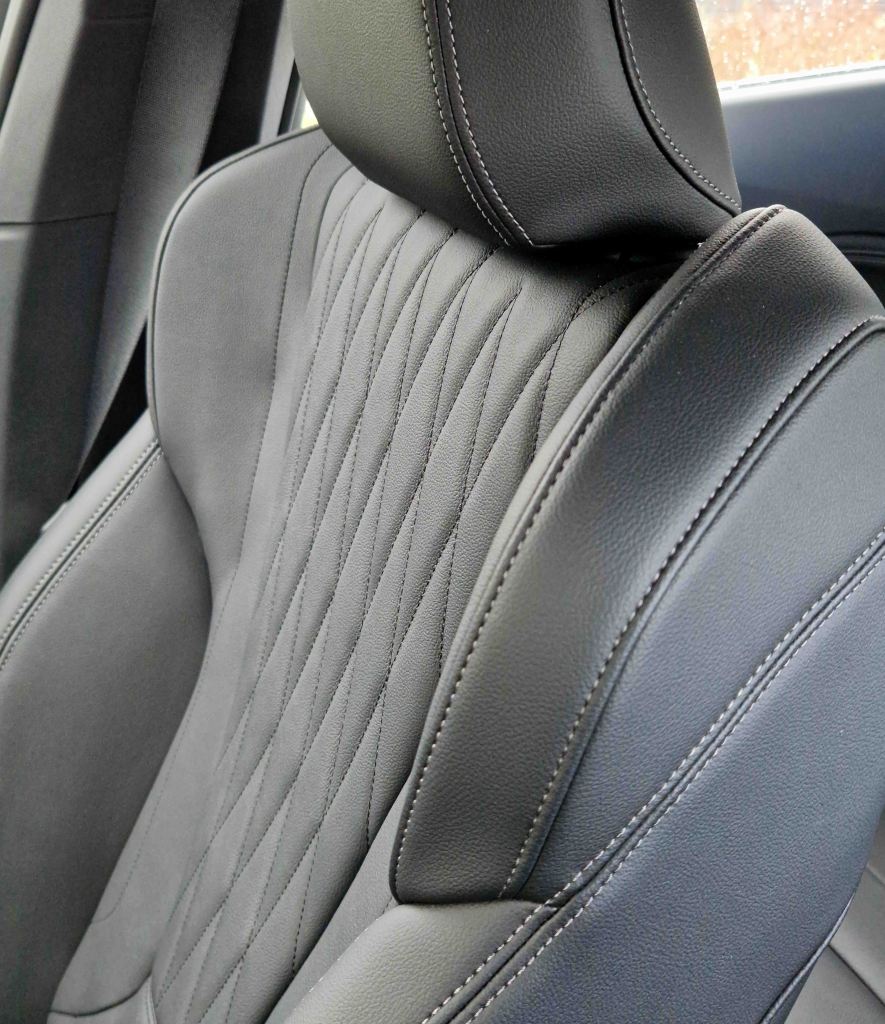
The seats are just wonderful, wrapping you in comfort with a sporting touch.
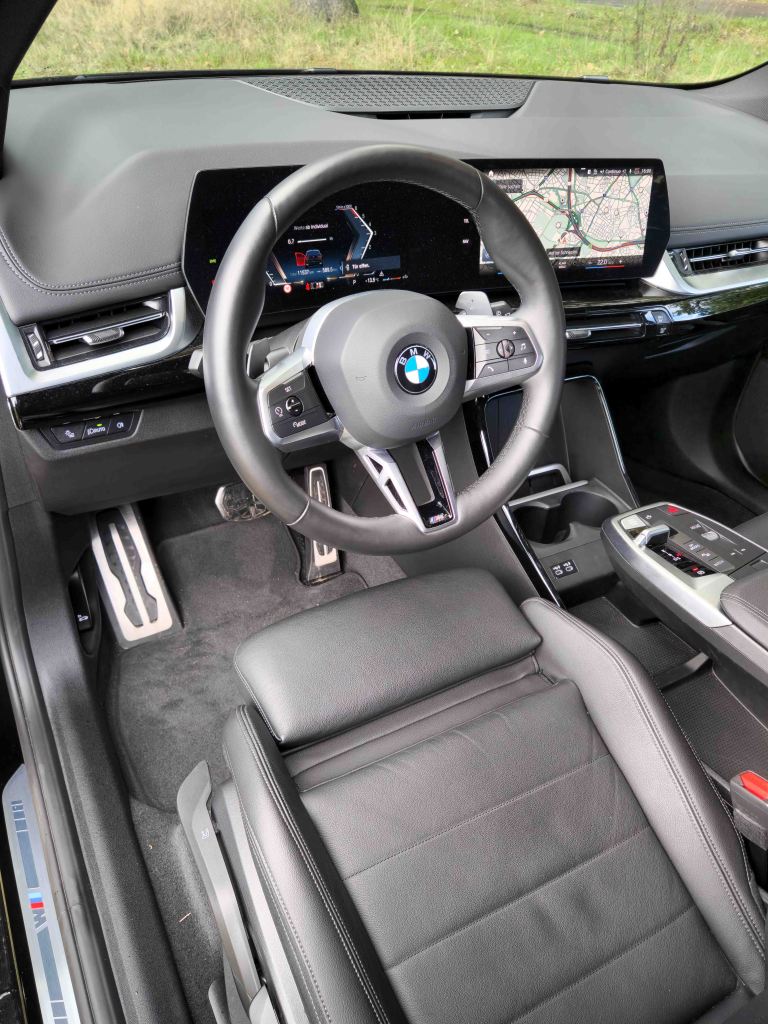
We absolutely love the BMW typical dashboard architecture, and the design and shape of the digital instrumentation, although we still love the iconic BMW styling of the round dials which adorn for example my now 24 year old BMW Z3.
One might regret that the iDrive round control knob in the centre console – which BMW thankfully had pioneered – has disappeared to manage all the functions and settings, and from now on everything has to be selected on the 10.25 inch touchscreen,
but this seems to be the trend of the times, and we have to admit that the functions are very logical and self explaining, albeit sometimes one has to search quite “deep” in the menu.
We very much liked also the gearbox selector neatly placed on a “floating” control pad which leaves space underneath for sunglasses, driving gloves and sundry. It has also a handy rolling control for audio volume, a knob for selecting the different driving modes, parking cameras and auto hold. Of course the start stop button lodges there too. We also liked the charging pad for the phone, which holds the phone upright, and tight so it does not slide around when you indulge yourself in some very spirited driving.
The screen graphics and the screen definition are a joy to behold, and this enhances the high quality feel this BMW gives you. Note that the touchscreen and its functions are the same as you find in the flagship BMW’s… The touch and feel of the upholstery and dashboard surfaces and panels is also top notch.
The magic of Diesel…
We tested the two liter diesel engine version of the Active Tourer, and it proved again masterfully how wonderful modern diesels have become. The four cylinder 1995 cc unit is ultra smooth, coupled to an 8 Steptronic speed automatic, it provided a velvety yet powerful energy flow to the front wheels. It has plenty of power with 110/150 kW/hp, and has ample torque of 350 Nm, which is available over a wide rev range between 1750 – 2500 rpm. You don’t hear it at speed, nor does it emit any vibrations. Performance is excellent we would think, with a 0 to 100 km/h acceleration time of merely 9 seconds. Top speed is a good 213 km/h, and we took our Active Tourer on a trip to Düsseldorf to have a go on the legendary German Autobahnen, and we enjoyed the high speed qualities of the Active Tourer to the full. We have to admit, this is what this (and many other) BMW’s are built for…
A range of 1125 km, makes one dream, isn’t it?
This effortless high speed driving and zesty touring in our cities and highways doesn’t cost you much energy with this marvelous frugal diesel. We clocked an average consumption of merely 5 litres/100 km. According to WLTP norm, the average consumption for the 8 speed Steptronic is quoted at between 5,2-4,9 l/100 km. Need we say more? This means, considering a tank capacity of 51 litres, you have an action radius of a good 1.000 km. This lets you dream, doesn’t it? How we enjoyed this mobility freedom with this diesel…
Good to know that its emission rating is 6D, and still according to WLTP norm it emits between 135-128 g/km of CO2.
Roomy
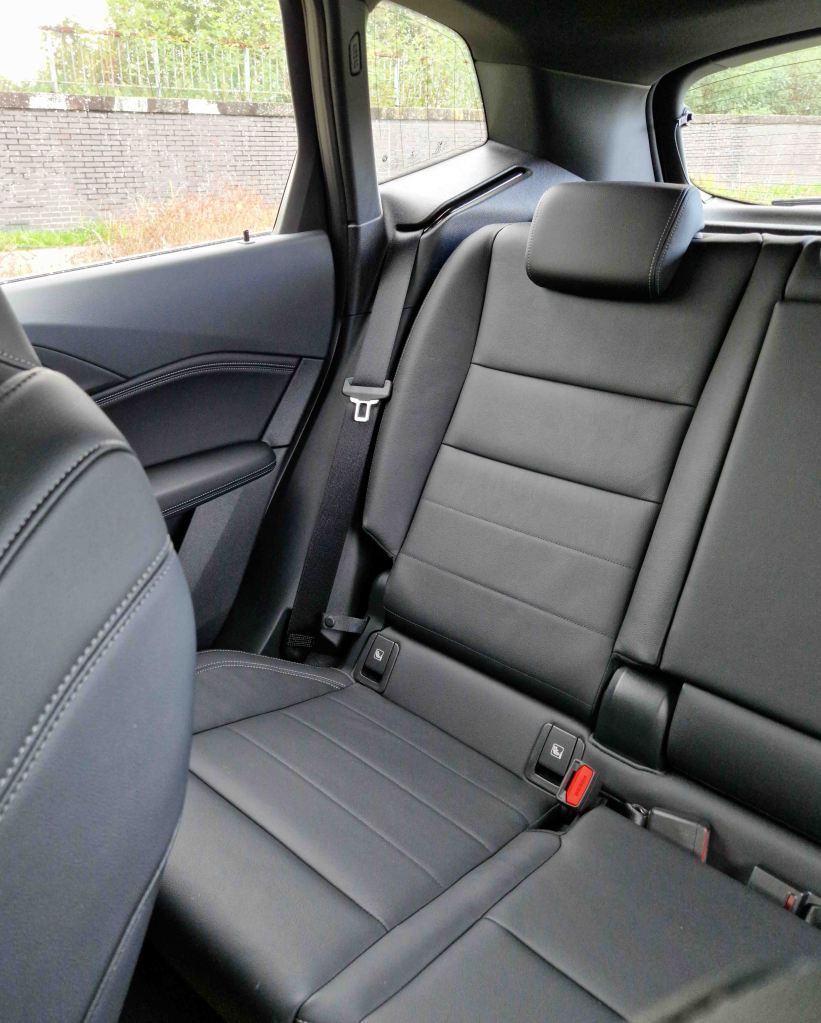
This is a compact SUV, or crossover, and it offers resulting from its body shape plenty of space also in the back seats. It is practical too. The rear seats slide fore and aft easily via manual locking mechanisms, so you can choose between more luggage space or better legroom. One has 470 liters in standard configuration, extendable to 1,455 liters with the rear seat backrests folded down.
Conclusion
A well made car with a stylish interior and excellent and frugal performance, and of course wonderful, care-free mobility in this diesel version. Refined too, with good comfort, excellent handling (certainly for a SUV). It doesn’t come exactly cheap, but as said, it is built for a very, very long service life, and this will reflect itself in overall very little depreciation. Last but not least, there is the emotional factor: it’s a BMW… made to make you smile behind the wheel.
The My Ami Buggy was presented to us at Brussels Tour & Taxis…
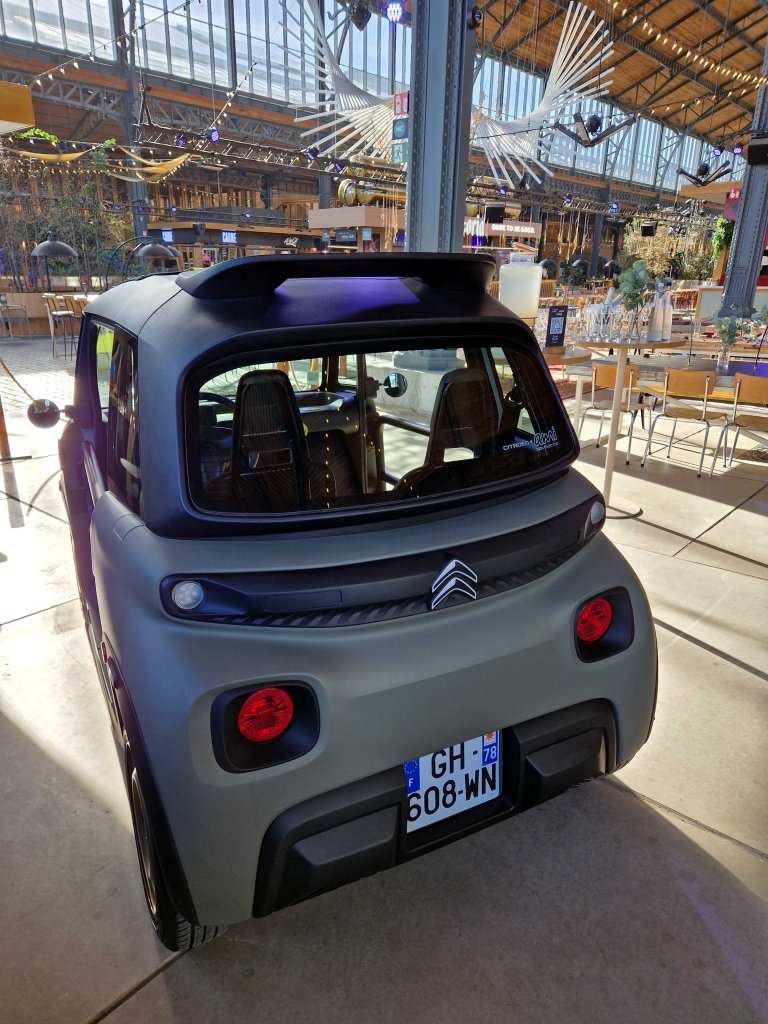
Friday 7 October we stood eye to eye in Tour & Taxis in Brussels with the “Buggy” version of Citroën’s celebrated My Ami. The original “Buggy” concept was presented in December 2021, and met right away with strong public demand. This led Citroën to produce a very small first series of merely 50 units.
It was originally only intended for the French market, and it was launched on June 21 via an online sales site. In 17 minutes 28 seconds, they were all sold out…
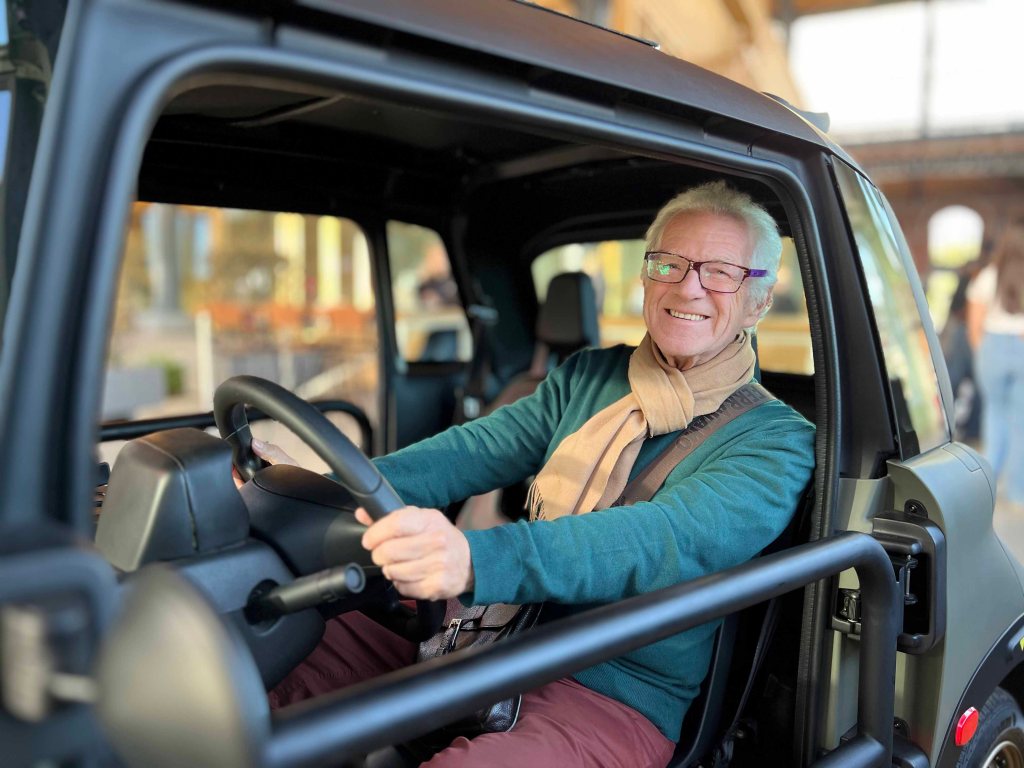
Your servant at the wheel of the Buggy…
We were therefore very pleased when Citroën Belux took the initiative to present this little gem to us at the premises of Tour & Taxis in Brussels,
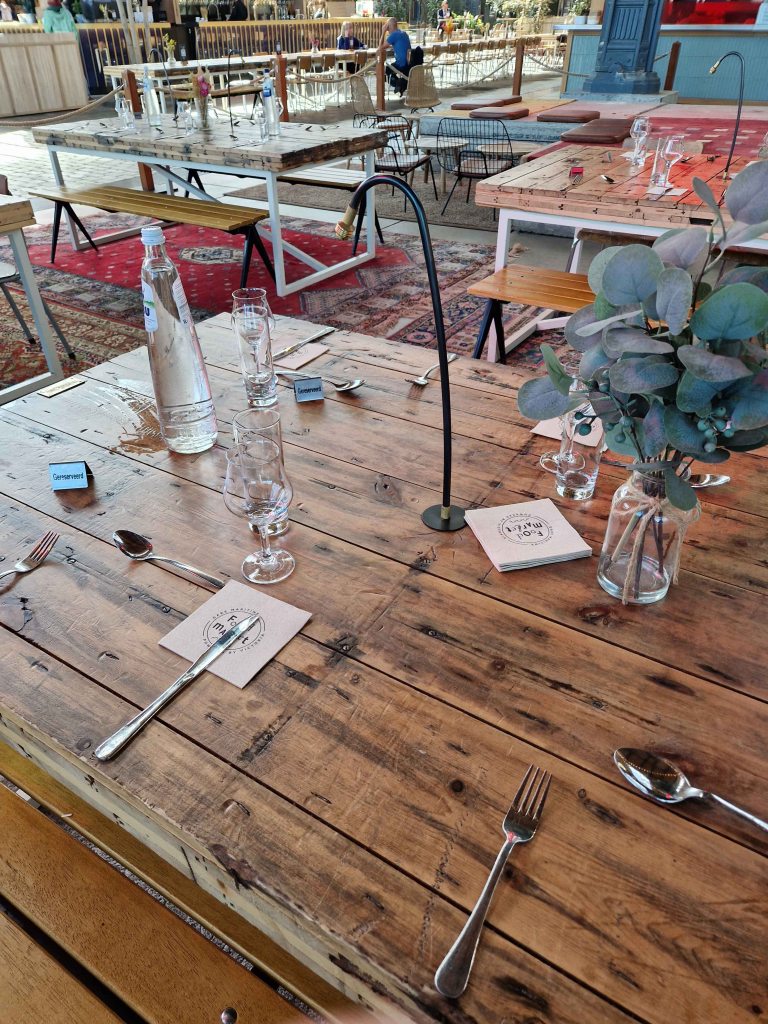
where they also treated us to culinary delights in the Gare Maritime Food Market. Indeed, there you can discover the Belgian terroir with 10 new street food concepts, in market style format, presented by 8 top chefs in an iconic venue with a unique bar experience.
The “sustainable” style tables will carry delicious dishes from star chefs for you to enjoy…
But there is more of the “Buggy” to see in Knokke…
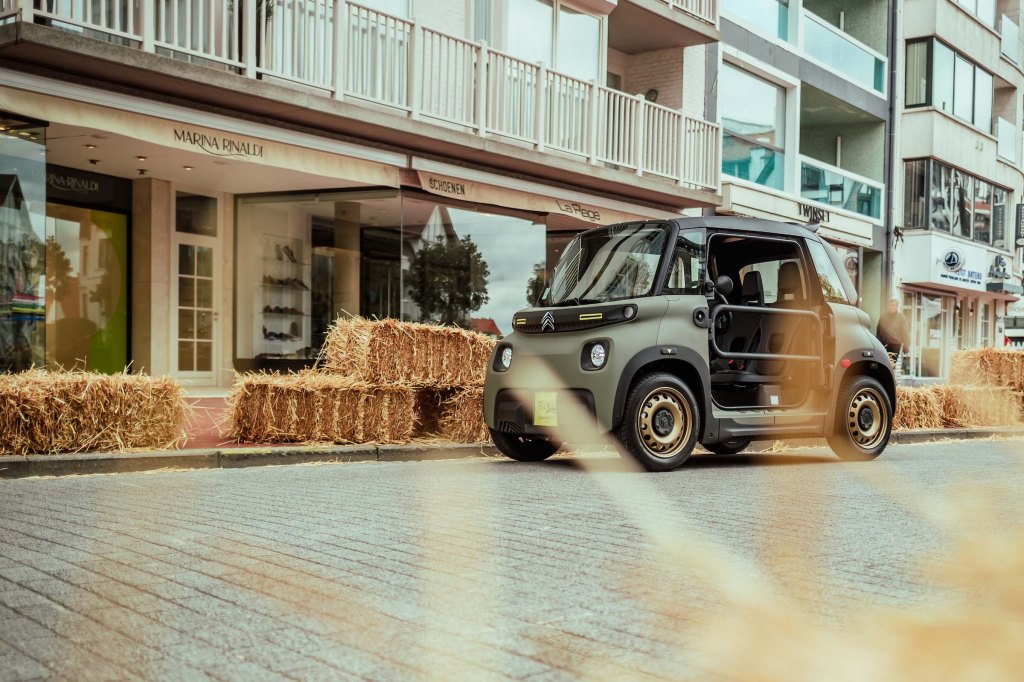
On the sidelines of the activities that will take place this weekend in the fashionable seaside resort of Knokke (Zoute Grand Prix, from October 6 to 9), the exclusive Citroën My Ami Buggy will, after a brief visit to Bruges at the beginning of the week, its first kilometers on our Belgian roads, to the delight of ‘carspotters’ always in search of original images.
My Ami Buggy with its adventurous look embodies the liberty of mobility and the holiday spirit with its totally open interior. The doors are being replaced by tubular metal gates. The roof has also disappeared in favor of a removable canvas to make the most of the great outdoors.
It looks also quite adventurous with its Khaki bodywork, its fender flares, its front and rear bumpers, its golden rims. It’s also hard to resist its yellow accessories as they are so inviting to be used…
So see you this weekend, Saturday October 8, when the My Ami Buggy will make its bold appearance in Knokke…
Right after having unveiled its new brand identity, Citroën stunned the international press last Friday, when it presented its OLI concept car in Paris.
You can judge yourself from the photos I took with my flagship Samsung S22 (I am getting increasingly used to it now) how completely groundbreaking the design and the whole concept of the car is actually.
I decided to bring the news of this concept car in different episodes, as thanks to the excellent PR people, I was able to have interviews with not only the CEO of Citroën, Vincent Cobée, but also with Laurence Hansen, Head of Citroën Product Development and Citroën’s Head of Design, Pierre Leclercq. I will bring this extensively in further reports, together with also a further interview with Laurent Barria, responsible for marketing.
So read on, and you can expect much more soon!
Hans Knol ten Bensel
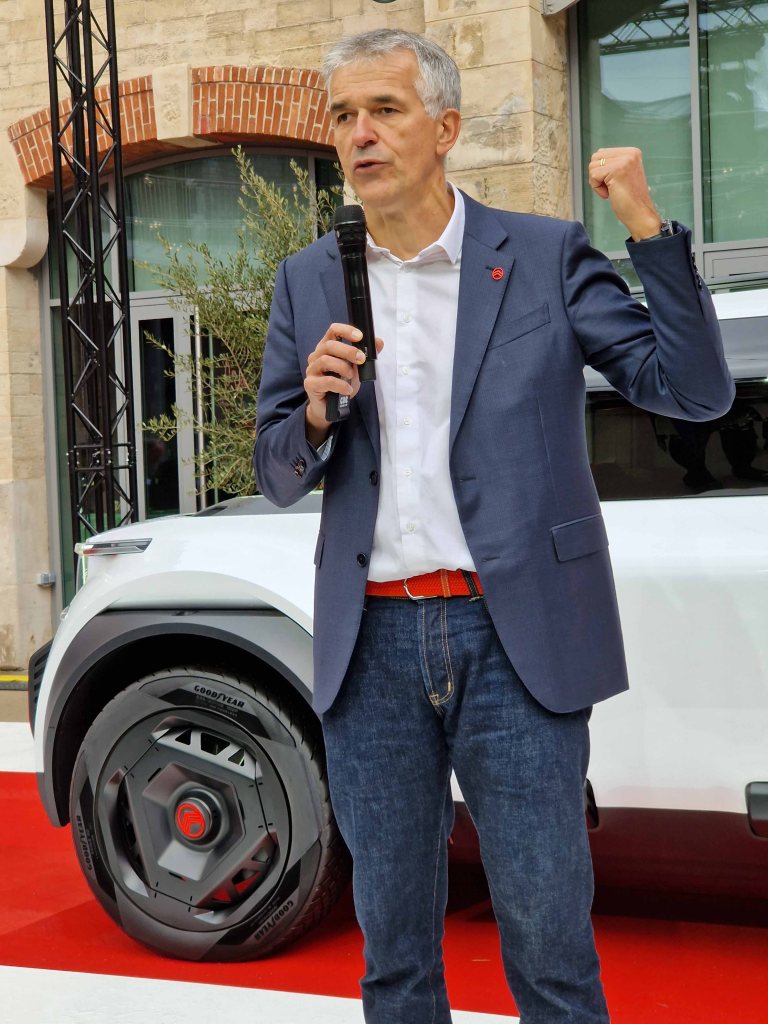
The oli concept car focuses on how more can be achieved with less…says Citroën CEO Vincent Cobée
In the footsteps of the Ami…now for mobility of the whole family.
Citroën already showed with its Ami (in a few days, we will also attend in Brussels the introduction of the Ami Buggy) that it believes strongly in offering affordable mobility, and it builds further on this concept, taking ‘unconventional’ to a new level with this conceptual oli [all-ë].
The Citroën oli concept is designed to do the same for family mobility that Ami achieved for personal urban mobility. Significantly, oli acts as a precursor to the concepts and innovations that will be available in future Citroën electric models.
The oli concept car focuses on how more can be achieved with less, first and foremost with less weight, how the inventive use of responsible materials and a sustainable production process can lead to inexpensive yet desirable zero-emission vehicles that meet multiple lifestyles.
In his introduction speech, CEO Vincent Cobée stated “Three societal conflicts are happening simultaneously – first is the value of and dependence on mobility, second is economic constraints and resource uncertainty, and third is our growing sense of desire for a responsible and optimistic future.”
Then he commented on the trend that cars are becoming bigger, heavier and more complex…
Styling language which is soon to be seen on new Citroën models…
“A typical mid-70s family car weighed around 800kg and was 3.7 m long and 1.6m wide.” He continued. Today’s equivalents have grown to more than 1200kg, are at least 4.3 m long and 1.8m wide. Some even weigh more than 2500kg. Legal and safety requirements have driven some of this, but if the trend continues and we carry on parking these vehicles 95% of each day and driving 80% of journeys with a single occupant, the conflict between the need to protect our planet and the future promise of sustainable, electrified mobility will not easily be resolved.”
He concluded: ““Citroën believes electrification should not mean extortion, and being eco-conscious should not be punitive by restricting our mobility or making vehicles less rewarding to live with. We need to reverse the trends by making them lighter and less expensive and find inventive ways to maximize usage.”
So true we would say, and it is this unerring vision which inspired Citroën to build this concept car.
They focused instead on creating a pure, honest vehicle that is above all lighter, less complicated and truly affordable, as well as inventive and joyful.
With oli, Citroën is raising the stakes for future family mobility by re-thinking every detail to reduce resources and needed materials without compromising on quality or versatility.
A car conceived and built for a (very) long life
Laurence Hansen, Head of Citroën Product Development… now we choose a lifestyle, and the car which responds to it…
Who does not crave for a car which becomes your classic, beloved, (life)long companion? Well, that’s the beauty of it, the oli will be at your side, no matter what or how long. This conceptual multi-activity family vehicle has sustainability at its heart and demonstrates how ‘best-in-class’ Life-Cycle-Assessment (LCA) can be achieved, from conception onwards with restrained, optimal use of lightweight and recycled materials, to sustainable production processes, and from durability for an extended ‘life in service’ to responsible end-of-life recyclability. The front and rear end parts can be easily changed, upgraded, customized, and the oli can within the family be passed from one generation to another…
Thoughtful details…
Clever details are found throughout. The seats, for example, are simply constructed and use 80% less parts than a traditional seat. They are made of recycled materials and clever ‘mesh’ backrest designs enhance the natural light inside the vehicle.
They can also be easily upgraded or personalized to suit the taste of individual owners. It’s indeed the result of a chosen and adopted lifestyle, and the concept car reflects that. Your servant also suggested to Citroën Head of Design Pierre Leclercq that in the aftermarket, a company like Ikea could offer their version of the seats to rejuvenate the interior after many years of use, for instance. Pierre Leclercq liked the idea…
Less weight means less power needed and more range…
The oli offers reasonable, useable performance for many. Through the use of lightweight materials, oli can extend the range of the 40kWh battery on board to up to 248 miles between charges. Citroën has also limited the top speed of the oli to 68mph to maximise efficiency, while rapid charging capability ensures a charge from 20% to 80% takes just 23 minutes.
Extraordinary looks, harbinger of a total revolution…
The reasonable performance – read top speed – gave extra room for the designers to shape the concept car. Striking and clearly making a statement, oli’s unconventional stance and silhouette exude personality, productivity and positivity in a footprint similar to a compact SUV at 4.20m long, 1.65m high and 1.90m wide.
It defies traditional labelling. oli can be whatever it needs to be – family limo, urban explorer, adventure vehicle, workmate, or even an extension to the family home thanks to its ability to power everyday appliances.
The oli was presented in the stunning setting of a caserne de sapeurs pompiers in Paris…
Pierre Leclercq, believes oli embraces purity and geniality for families who don’t care for automotive status and stereotypes. I couldn’t agree more…
In the oli, the aesthetic approach has been deliberately exaggerated to reinforce functionality and versatility. And, like Ami, it is not afraid to show its simple and intuitive approach and distinguishes itself with its playful use of colour highlights, bright trim materials and vivacious patterns that advocate opportunities for personalisation.
Versatile
The oli truly threads new paths here. Oli’s flat bonnet, roof and rear ‘pick-up bed’ panels, as well as driving the vehicle’s unique silhouette, were chosen to meet the objectives for low weight, high strength and maximum durability.
Made from recycled corrugated cardboard formed into a honeycomb sandwich structure between fibreglass reinforcing panels, they have been co-created with partner BASF. They are coated in Elastoflex® Polyurethane resin covered in a protective layer of tough, textured Elastocoat®, which is often used on parking decks or loading ramps, and painted with innovative, waterborne BASF R-M Agilis® paint.
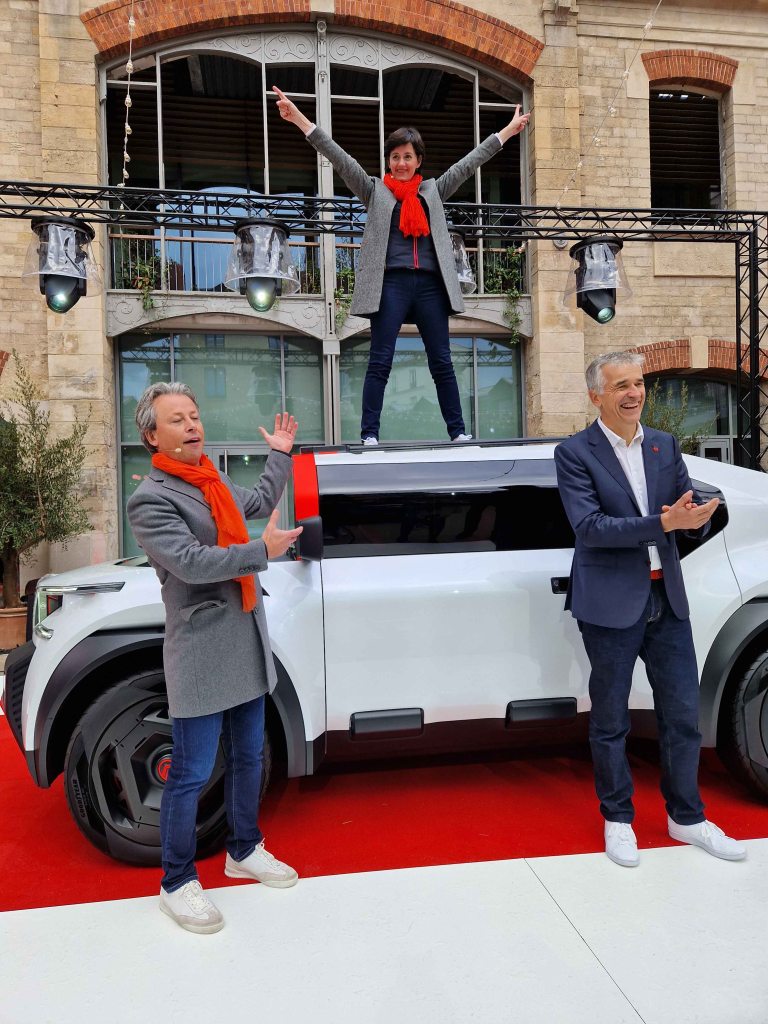
The panels are very rigid, light and strong – so strong that an adult can stand on them – and weight is reduced by 50 per cent when compared to an equivalent steel roof construction.
The roof is quite strong, as is amply demonstrated by Laurence Hansen, with Pierre Leclercq and CEO Vincent Cobée applauding…
Load carrying versatility is not compromised either, as roof rails each side of the roof panel allow owners to attach accessories like bicycle racks and roof boxes for family vacations, while below the bonnet panel are neatly detailed storage areas including compartments for charging cables plus personal and emergency items.
Not afraid to go vertical…
All of the key design elements on oli are perfectly horizontal or vertical, indeed, Citroën is looking for honesty and efficiency in the form language.
The windscreen is vertical because it’s the shortest distance between top and bottom and uses the smallest amount of glass. As well as reducing weight and complexity, the smaller screen is less expensive to produce or replace.
To aid aerodynamic efficiency, oli features an experimental “Aero Duct” system between the front section of the bonnet and the flat top panel which blows air towards the screen, creating a curtain effect to smooth airflow over the roof.
The eye-catching windscreen frame is finished with a bright ‘infra-red’ wrap – a new signature colour Citroën will use in conjunction with its new brand identity.
The contrast between horizontal and vertical is evident in the rationally thought-through side panels and glass.
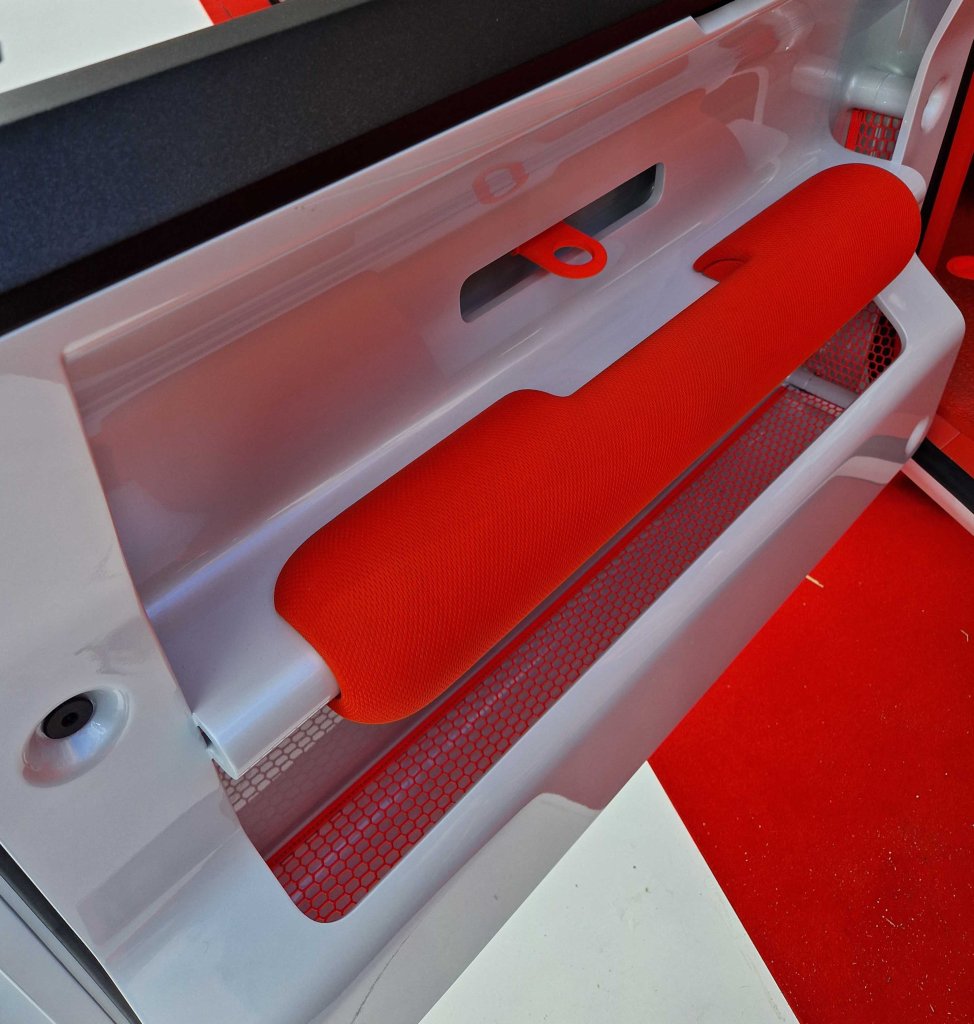
The front doors follow the example set by Ami and are identical on each side, though mounted differently. They are lighter, yet still strong, and much easier to make and assemble.
Reducing complexity and simplifying construction saves 20% in weight per door compared to a typical family hatchback. Half the number of components is required, and around 1.7kg per door is saved by the removal of the loudspeaker, soundproofing material and electrical wiring.
The external door panel is simpler to stamp and is designed to maximize interior storage. Gentle curvatures flow up the sides of the vehicle, and into the top of the side glass as it tumbles home to the roof.
Large, horizontal windows are tilted slightly towards the ground to help to reduce the effects of the sun, and manual, easy-to-operate “flip up” pantograph opening sections, similar to those used on Ami, provide fresh air ventilation.
The narrower rear doors are hinged at the rear of the vehicle and use vertical glass to give rear passengers more light and visibility. The change in form between the front and rear doors also gave an opportunity to add a passive air intake providing ventilation for rear seat passengers.
Access to the spacious cabin is wide, uncluttered and unhindered with both side doors open – ideal for when the driver needs to get straggling family members loaded efficiently.
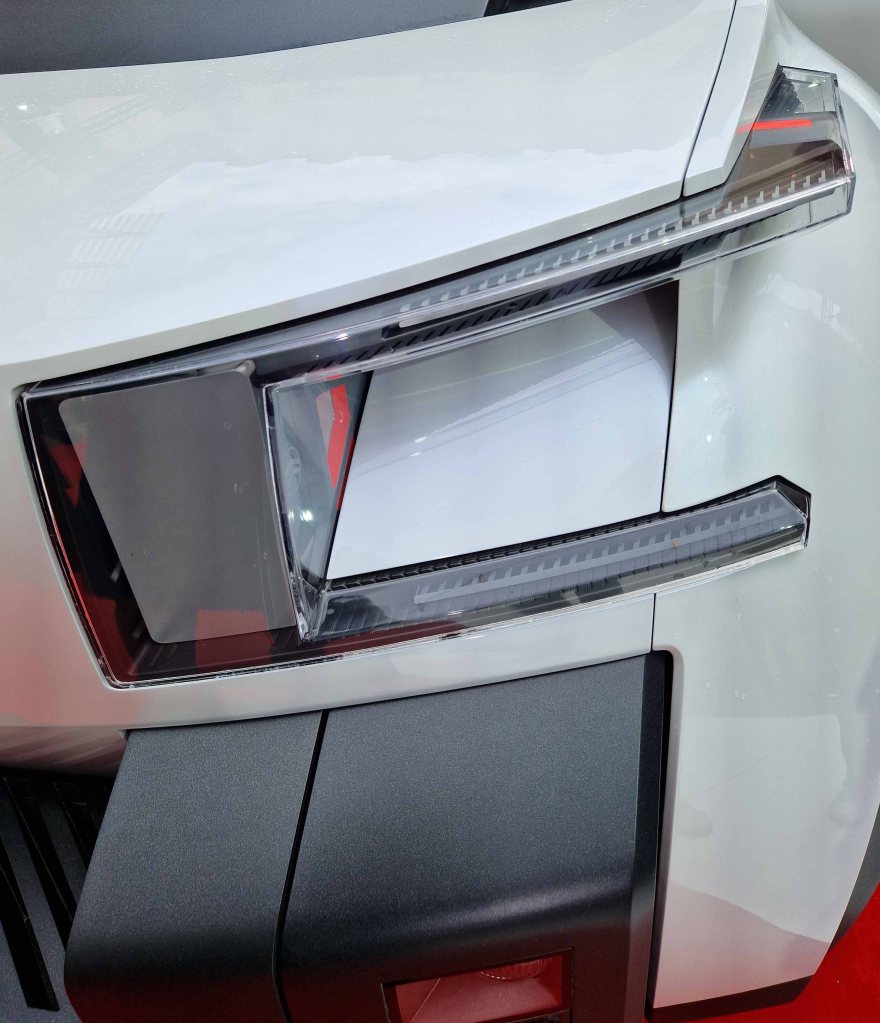
Front and rear lighting modules are, again, uncomplicated but highly distinctive, and also play with the contrast between two horizontal lines and one vertical section. This approach will be evolved further as a distinctive Citroën lighting signature in future production vehicles.
A pick-up (load)bed in the boot…
Instead of a conventional boot, oli features an unexpected, inspired exercise in useful product design, and comes with a pick-up bed inside the boot for added practicality. The independent rear seat headrests pop up into the roof, the rear screen glass opens upwards, with the flat 994mm wide removable load bed expanding in length from 679mm to 1050mm.
The tailgate folds down and with the load bed panel removed there is up to 582 mm height between the vehicle floor and the rear glass. With the panel in place, 330 mm height of useful and secure trunk space is available below. The removable bed panel is light and flat, and made from the same recycled cardboard structure as the bonnet and roof panels.
But there is more, on the bodywork, the interior, the wheels and drivetrain. More soon!
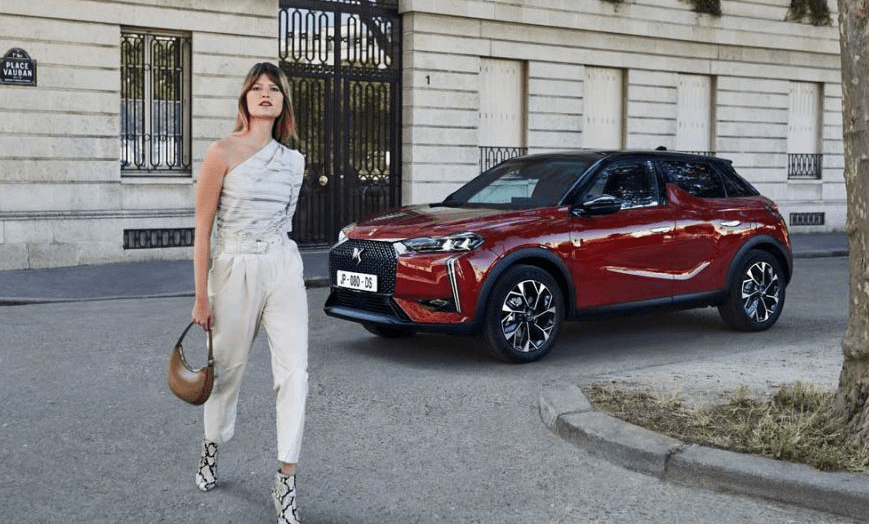
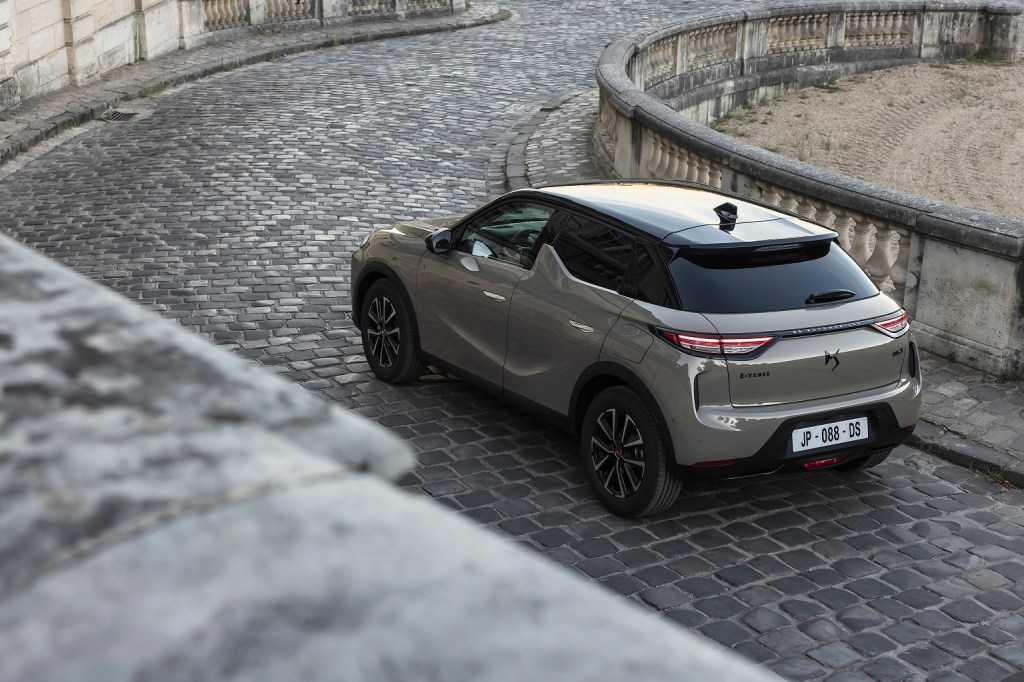
The New DS 3 is the successor to DS 3 CROSSBACK, featuring new design and technology.
The New DS 3 styling developments are most obvious at the front. The design language of the rest of the DS Automobiles range is applied here with a redesigned grille, wider and enhanced with gloss black or chromed diamond tips depending on the model. The identifying DS WINGS have been tweaked to subtly join the grille and headlamps.
The new LED headlamps – standard across the range –give New DS 3 a sharper look with three feature modules emphasized with satin chrome. The DS MATRIX LED VISION, with intelligent control and automatic main beam for maximum comfort and safety are also offered as an option. The new daytime running lights feature two LED lines vertically arranged either side of the front for a distinctive and widening signature, consistent with the latest DS Automobiles design language.
New DS 3 has also evolved stylistically as well as technically. The new spoiler and grille have been totally redesigned to optimise the car’s aerodynamic performance. The aerofoils framing the lower air intake grille demonstrate this new efficiency.
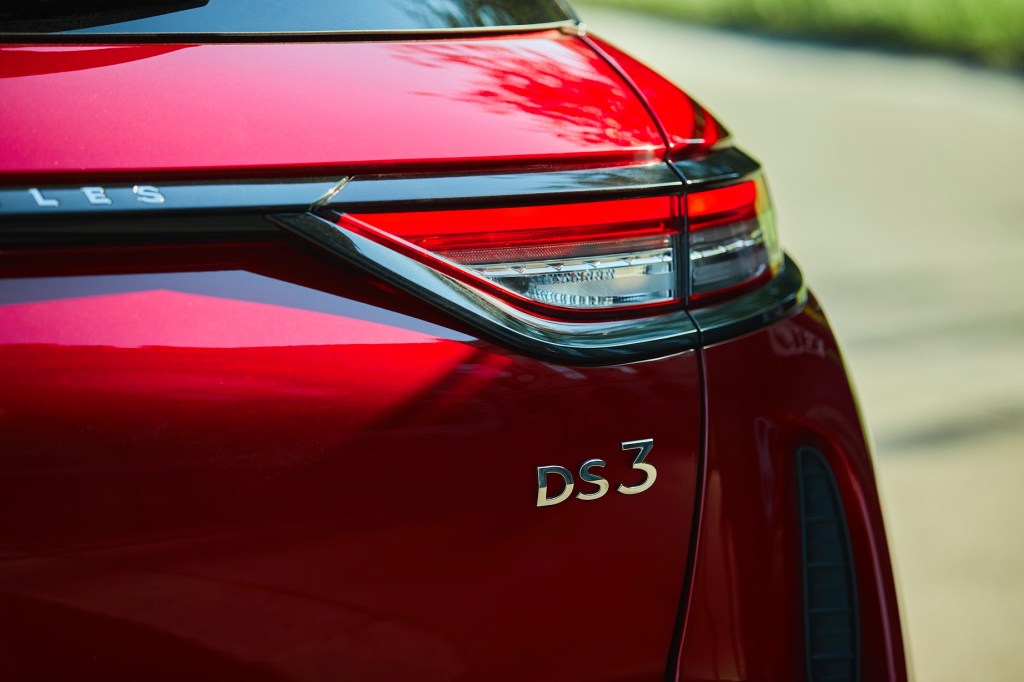
The rear has been refined: the lights and the tailgate are tastefully emphasized with a lacquered black strip. This gets the “DS Automobiles” signature through a unique technology, the letters in polished stainless steel being divided and set one by one in the trim, as on New DS 7.
New DS 3 is offered with seven body colours, opaque, metallic and pearlescent, including two new pearlescent colours: Diva Red, a three-layer colour exclusive to New DS 3, and Lacquered Grey. Crystal Pearl, Platinum Grey, Artense Grey, Perla Nera Black and Polar White complete the offering with the option of creating bi-tone combinations with two variations of roof: Perla Black or the new Carat Grey.
The wheels introduce a completely new design for an increase in efficiency. Available in 17 and 18 inches, they are divided according to different themes and colours. In the 100% electric E-TENSE model, New DS 3 is available with new 18-inch TOULOUSE wheels shod with “Tall & Narrow Class A+” tyres.
AN INTERIOR INSPIRED BY THE BIGGEST NAMES IN FRENCH LUXURY
The leathers, particularly the Nappa Leather upholstery with the weathered Art Leather finish, Alcantara®, and details such as the “pearl” stitching or Clous de Paris embossed inserts show the uniqueness of DS Automobiles cockpits. This attention to detail, firmly rooted in the Brand’s DNA, is inside New DS 3 and represents a major point of difference.
The driving position has changed with the adoption of a new steering wheel, regrouping controls for driver aids and infotainment buttons and combined with gearshift paddles for the automatic gearboxes. A new 10.3-inch high definition central screen is now offered as standard, with the new DS IRIS SYSTEM infotainment system built in.
A RANGE OF MULTI-ENERGY DRIVETRAINS TOPPED BY A NEW 100% ELECTRIC E-TENSE MODEL
New DS 3 E-TENSE gets a completely new electric motor (assembled in Trémery-Metz), a reduction gear (produced in Valenciennes) and a new battery (assembled in Poissy) for increases in power and range.
The new hybrid synchronous motor (HSM) benefits from the expertise acquired in Formula E to demonstrate high efficiency. It offers 115 kW (156 horsepower) of power and 260 Nm of torque at a voltage of 400 Volts. The new 54 kWh battery (50.8 kWh usable) has thermal control through liquid circulation and a heat pump that enables rapid charging, better range and increased lifespan. As standard the onboard charger takes 100 kW in direct current (0 to 80% in 25 minutes) and 11 kW in alternating current (0-100% in 5 hours).
The 100% electric version, New DS 3 E-TENSE has a new 115 kW (156 horsepower) drivetrain and a new 54 kWh battery enabling it to reach a range of up to 402 km on the WLTP combined cycle.
New DS 3 is also being offered with two petrol drivetrains: PureTech 100 with 6-speed manual gearbox and PureTech 130 with 8-speed automatic gearbox. A Diesel BlueHDi 130 with an 8-speed automatic gearbox is also on offer. In these two guises, these engines comply with the most recent anti-pollution standards.
Post-production : Astuce Productions
FULL OF TECHNOLOGY INSIDE
New DS 3 gets a new infotainment system available via a large 10.3-inch high definition central screen with a redesigned gloss black surround. Connected navigation and intelligent voice recognition are offered by DS IRIS SYSTEM. The distinctive characteristic of this system is the ability for the user to personalize the central screen and the 7-inch instrument panel, complete with head up display that projects essential information in the driver’s eye line. The central screen is split into 12 squares and can accommodate varying sized widgets.
ESSENTIAL PARKING AIDS…
We personally find that proper parking aids are a “MUST” in every car with an urban vocation. The DS3 seems to have what it takes: Viewable on the large central screen, VISIO PARK 2 enriches the range of driver aids available on New DS 3 by offering parking help with 360° vision reproduced through new high resolution digital cameras. Well done!
MADE FOR MUSIC BUFFS…
By using the expertise of FOCAL, which is a benchmark in the world of premium audio systems, DS Automobiles has developed a unique system called FOCAL Electra. Twelve speakers including a subwoofer are fitted into the cockpit with great care and feature Bronze Belem colour metal grilles with a special finish. With a dedicated amplifier, this 515W audio system provides high performance acoustics for a rich sound and enormous purity. Sound spatialisation is optimised and consistent within the cockpit. Designed like an auditorium, New DS 3 offers an exceptionally immersive audio experience.
We know that France Musique streams magnificent baroque and classical as well as jazz music…for you to enjoy in the DS3!
A SIMPLIFIED RANGE
The new DS 3 range adopts the principal started by New DS 7. The new OPERA specification becomes the most exclusive. Equipment levels have been reimagined, enabling a smoother climb through the range. The number of options has been reduced, through re-equipping or the creation of option packs to make customer understanding easier. Prices for new DS 3 start from 30,100 euros with the PureTech 100 Manual in BASTILLE specification.
New DS 3 is built only at Poissy, in the Paris region, with, as said before, electric or internal combustion engine (petrol or diesel) versions. The engines as well as the new electric motor and the increased capacity battery are also all assembled in France.
We are of course anxious to lay our hands on this DS3 soon!
Citroën has revealed a fresh corporate brand identity and logo, signalling the start of a bold, exciting and dynamic new era for the 103-year-old brand as it accelerates electric mobility and extends its core DNA for affordability, audacity and customer wellbeing.
The new look reinterprets the original logo first adopted by founder André Citroën, inspired by the success of his first metalworking company producing chevron-shaped ’herringbone’ gear systems. The familiar “deux chevrons” has remained at the heart of Citroën’s identity ever since.
The new emblem signposts the brand’s transition and evolution and will debut at the end of September on a significant Citroën concept. We will travel next Thursday to Paris to see it!
The new logo will then progressively feature on future Citroën production and concept vehicles from mid-2023.
Designer’s comments
Citroën’s Global Brand Designer Alexandre Revert says: “As we look to the future, it was logical for us to close the loop by coming back graphically to André Citroën’s first logo which represented the genuine promise of affordable and innovative mobility for all. Progressively moving to a more prominent and visible brand signature for our future designs is a significant if subtle evolution, where the precision of the technical, functional chevrons are embraced by and contrasted with the warmth and almost human softness of the oval that surrounds them.”
Complementing the new logo is a fresh corporate brand identity programme and new brand signature – “Nothing Moves Us Like Citroën” – which will start to be used in corporate and product communications and activities. The new identity took inspiration from more intimate non-automotive brands, including cosmetics and apparel, to convey a warmer expression of the brand that is easy on the eyes when experienced in different settings.
Particular care has been given to the design to ensure the digital experience meets the expectations of new customers for ergonomics and aesthetics – including providing a ‘dark mode’ option – fully meeting the needs and requirements for online sales.
The new identity extends beyond the vehicles…into the “La Maison Citroën”
In addition, a new animatic language is under development to integrate the new identity in all digital touchpoints, both inside the vehicle through HMI screens and outside in the My Citroën App, providing customers with an enriched and coherent Citroën experience.
The new identity will also extend beyond the digital environment and use of the new logo on and in vehicles to embrace all elements of the company’s corporate identity, from merchandising and documentation to dealerships and corporate building signage.
The comfortable and familiar “La Maison Citroën” retail interior concept will also continue to be enhanced. A fresh, simplified colour palette and new lettering evolved from Citroën’s current fonts will complement the logo and further enhance the new brand identity.
Inspired by an important legacy colour for Citroën which has been used on iconic cars throughout the company’s history including the 2CV and the DS, the Monte Carlo Blue will be making a welcome return to the car portfolio soon, as well as featuring in details of the brand identity palette for corporate and retail applications. This will be joined by a more energetic and distinctive Infra-Red, replacing the currently used red to add balance and dynamic contrast in physical, print and digital applications.
Remarks from the CEO…
Citroën CEO Vincent Cobée said: “As we embark on probably the most exciting chapter in our illustrious 103-year history, the time is right for Citroën to adopt a modern and contemporary new look. Our new identity is an elegant symbol of progress as we move our customers physically in daring, forward-looking vehicles that challenge traditional industry rules, and emotionally by ensuring their entire experience – particularly going electric – is more affordable, comfortable, and enjoyable whatever their wants and needs.
“Our legacy of inspiring consumers with daring and revolutionary vehicles is energising us to adopt a different, more inclusive approach to future family mobility, and we firmly believe that customers past, present and future will agree that nothing moves us like Citroën.”
Embedded in the expertise of Stellantis…
Developed by Citroën’s design team, the new Citroën identity has benefited from the expertise of Stellantis Design Studio, the global brand design agency of Stellantis dedicated to internal and external clients.
On next Thursday, 29 september, we will travel to Paris to meet the Citroën marketing and design people. More Citroën news soon!
Right after having written the report about the C5 AirCross, we were totally charmed by the news that Italian coachbuilder Caselani has harnessed the wave of the vintage trend, which is well-established in the Italian car culture.
Both a Fourgonetta and a passenger car version are available…
Here he made a conversion performed on Berlingo, a reinterpretation that draws on the success of a pioneering van and the success of Berlingo Van itself, a major player on its segment in Europe since its launch in 1996, as all three generations of which have sold more than 1 891 196 units. Did you know that at the end of August 2022, it was the second most successful vehicle in its segment in Europe, with a 17% market share?
Caselani entrusted this restyling exercise for Berlingo to David Obendorfer, renowned for having previously styled the Type H based on Citroën Jumper in 2017 and the new Type HG for Jumpy/SpaceTourer in 2020. This completes Citroën’s range of Caselani-designed vans.
Caselani designer David Obendorfer explains: “The design specifications did not involve simply copying the forms of the old van in the strictest sense. Instead, they involved going back in time and bringing its unique charm to 21st-century vehicle. As a distant descendant, Berlingo was completely designed as a tribute to the Citroën 2CV of the 1950s. It was an exciting challenge because the original van had completely different proportions. It had very short front overhang, nice long bonnet and visually stand-alone load compartment, very different features from those of Berlingo. So I focused more on an overall evocative aspect of the original vehicle rather than straining the individual design elements to make them look like the 2CV Fourgonnette.”
CHARACTERISTIC STYLE ELEMENTS FOR A NEO-RETRO PERSONALITY
The conversion grabs the personality and oara of the original entirely, one would wish it made also the 2 cylinder boxer sound…
The Berlingo 2CV Fourgonnette draws inspiration from the legendary 2CV AU (“U” for “utility”) launched in 1951 – which proved hugely successful in its time with nearly 1,247,000 units sold – and its descendant, the 2CV AZU launched in 1954. The timeless codes of the original van have not been forgotten:
The Berlingo’s front end panel has been completely overhauled, revealing the features that were so characteristic of the old 2CV from days gone by. The grille, bumper and wheel arches have been replaced by new fibreglass components adapted to the frame, which integrates clips and bolts for attaching them. All of these components are assembled at Caselani’s workshops in Lombardy, Northern Italy.
The V-shaped domed bonnet narrows towards the lower section – it “pinches”, to use the designer’s own jargon – just like before. The famous embossed striated coat sit in the centre of the front-end panel, extending over almost the whole of it.
The round headlights are partly detached from the bonnet, fitting into it as they extend back – unlike the original ones which were completely offset. A more modern interpretation with components which fit in with the rest of the vehicle.
The low-relief grooves at the top of the wheel arches featured on the old 2CV and were used to ventilate the engine.
With its concave-cut upper section (or M-shaped, flared towards the top), the grille is attractive and distinctly Citroën, emblematic of the 2CV AU. The large chrome-plated chevrons – the brand’s signature – are highlighted, positioned right in the centre of the grille and overlaid on it, further emphasizing them. The imposing grille is highly arched, integrated into the front end, and forming one with the bonnet as at the time. It extends downwards from the bonnet, giving one the impression that the wheel arches are floating – fitting into this key component. The line above the fog lamps, which stretches over the vehicle’s full width, further amplifies this effect. It gives stability to the front face and widens it, reinforcing its robust character.
Visually, the front bumper is lower than on Berlingo. While the 2CV’s bumper was chrome-plated, this one is painted white, contrasting with the body. This emphasizes the protective nature of the component, while at the same time investing it with a certain modernity.
The sides, rear doors and roof have all been given a second skin, topping off Berlingo’s bodywork. These fibreglass components all pay homage to the 2CV’s highly distinctive corrugated sheeting. But on this vehicle, they are purely decorative. Originally, they had an actual purpose – they were what gave the whole structure its rigidity. These striated components and the reworked – raised – roof – are a deliberate attempt to create a style whereby the vehicle’s passenger compartment section is separated from its cargo section. This was already a feature of the old van.
At the rear of the vehicle, a small vertical window that is rounded at the top and bottom features on each of Berlingo’s rear doors – a further tribute to the 2CV. For a more modern feel, the very thick black seal around the windows has been removed. As for the vehicle’s stop and reversing lights, their perfectly round shape is brought to the attention by their sheer size. They are surrounded by red trim, making them even more visible and giving them a more contemporary feel.
Various key locations on the vehicle are chrome-plated – another nod to the details that the 2CV sported. This applies to the headlights, the bonnet’s central ridge, the grille with its chevrons and contour trim, the original hubcaps (which are still manufactured to date) and the chrome-plated handles on the headlights which were used to open them (for replacing the bulbs). Only the handle for opening the bonnet has not been included in this new version.
We certainly love the styling of this car, being more “Citroën” than ever… more Citroën news soon!
Comfort and panache in the 9th Arrondissment in Paris…
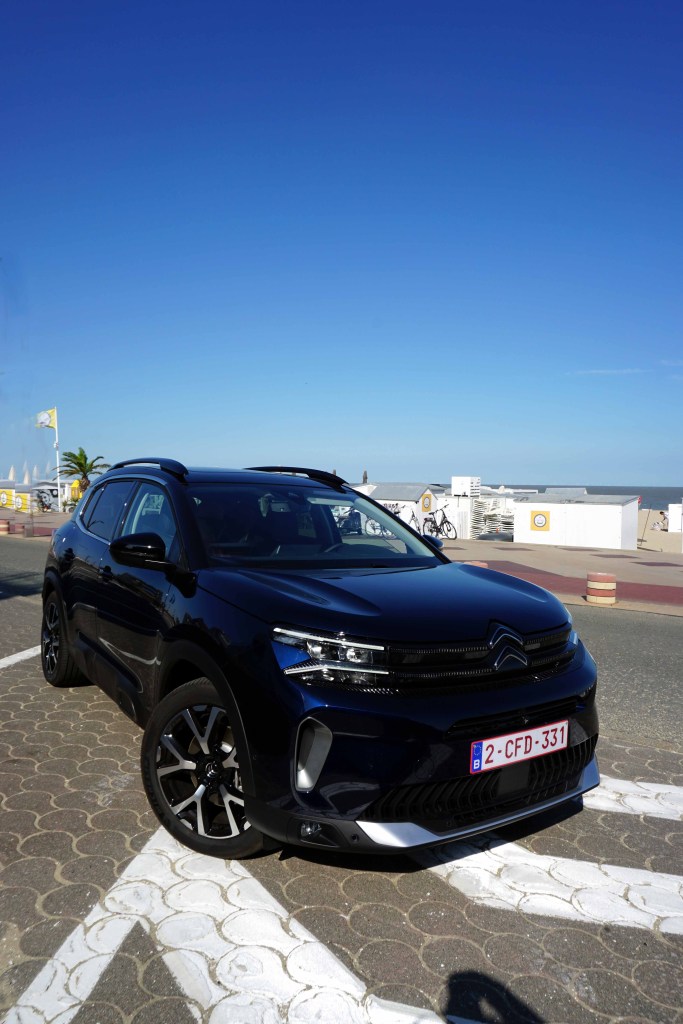
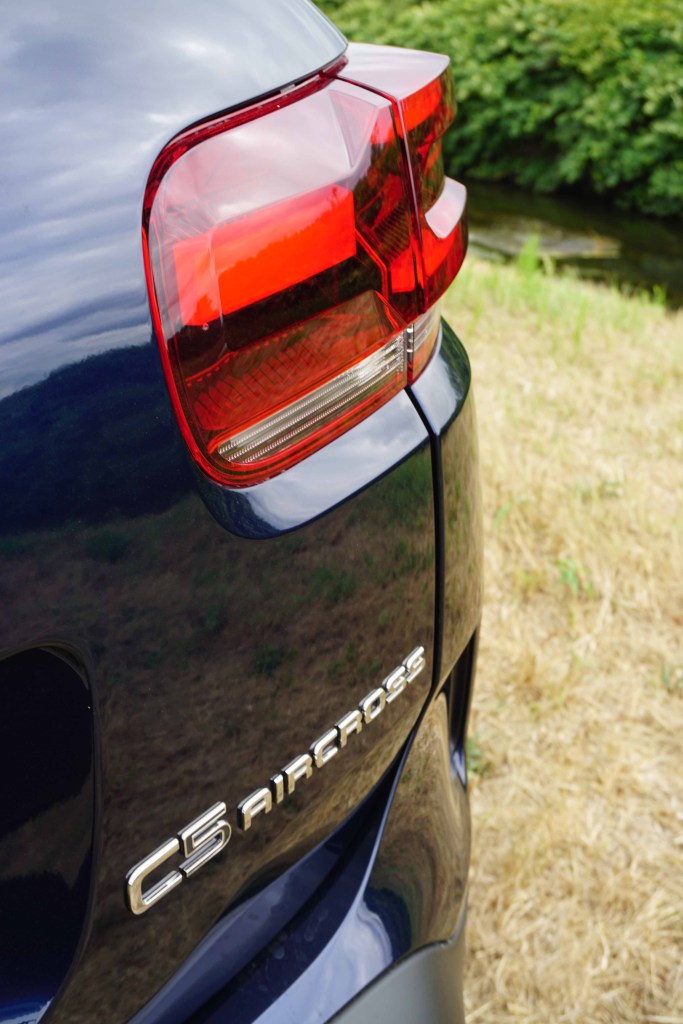
What better way to test the grand touring qualities of the C5 AirCross than to take it on a tour through Belgium with a trip to Paris as an icing on the cake?
This is exactly what many owners of this sleek 225 HP hybrid version would do, so our test includes many “real life” situations.
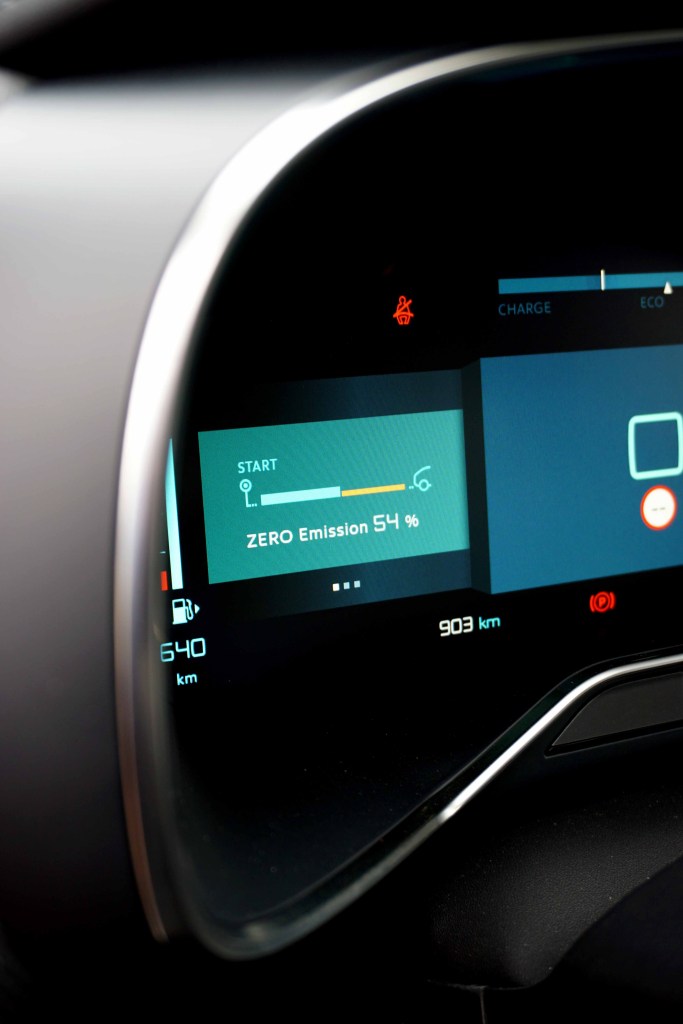
Right from the start of our test we chose the “B” hybrid mode and also selected the “eco” driving setting. Indeed, power is abundant in all driving situations when touring, and power delivery is very smooth indeed under this setting. We also took care to select the “battery save” mode, i.e. keeping the battery charged to drive some 20 km on battery power, just in case.
One has to select this every time one starts the car anew, which is a bit cumbersome, but soon enough one flicks through the menus every morning to select this, and there is also a dedicated button below the touchscreen which lets you land immediately in these energy management modes, so after a while this becomes a breeze to include this in the morning starting routine.
The plug-in hybrid C5 AirCross proved remarkably frugal…
Your servant and its passengers greatly appreciated the superb comfort of the seats, further enhanced by the smooth suspension. Be it on the cobblestones in Damme, Brugge or Liège, or the Parisian streets, everything is beautifully ironed out, and even after hours of driving, one feels utterly relaxed and fit.
Indeed, this is what Citroën driving is all about, and not only does one enjoy the “floating carpet” ride, the impressive sound insulation does the rest. Nor do any vibrations reach the cabin.
The DAB radio and sound system overall add greatly to the driving pleasure and entertainment on longer trips, with the navigation system being also top notch. The map can also be seen in the line of vision of the driver within the instrument cluster, which helps greatly in dense (Parisian) traffic situations.
Seating position, instrument and dashboard layout are all exemplary…
The C5 AirCross is as can be expected an excellent motorway cruiser, in urban situations however, the styling of modern day SUV’s does not give the slightest clue about the edges of the car, and this goes not only for the C5. Of course one has camera’s and warning systems, but we must admit that the camera’s on the C5 lack definition and clarity. We would like to spend a few Euro’s more to have a camera system with better definition.
In Mortsel, Antwerp, we parked the C5 in front of Chateau Cantecroy…
The beautiful alloys are thankfully somewhat protected by the tyre walls and the rims do not protrude, which is a blessing with the many high and razor sharp kerbstones modern day architects are throwing (literally) before our wheels. Nevertheless, the tyre walls stick out only marginally so much caution is still very much advised. We sweat blood and tears in an older narrow Parisian parking building, but thankfully did not harm the alloys (nor the bodywork) at all. Increasingly one notices that modern cars have become bigger and bigger, and it is becoming increasingly difficult to negotiate them through older parking garages. We saw recently at the presentation of the sleek 408 Peugeot that a better tyre protection is designed for its magnificent alloys.
It’s the only SUV in the segment to offer three individual sliding, reclining and retractable rear seats. The boot volume goes from 580 L to 720 L in the petrol and diesel versions and from 460 L to 600 L for the hybrid version. It offered easily enough room for thee large suitcases and further clothing like jackets and hats.
Of course, consumption is very much depending on your driving style, and in the case of a plug-in hybrid, how often you (re)charge it. During our trip, recharging was not very much in the cards, but we nevertheless achieved a consumption between 6 and 6,5 litres, which considering that there was also quite much urban slow (sightseeing) driving involved, is a very good value indeed.
It’s compact, and it has all the works: it throws in all the goodies of the Sony a6000, which means that it has a 24MP CMOS sensor, Bionz X processor, on-chip phase detection covering 92% of the frame and Wi-Fi with NFC. And this tilting LCD, flipping upward 180 degrees.
The camera can record 1080/60p video, supporting the XAVC S codec, allowing for bit rates of 50Mbps. It also has the ability to simultaneously record 720p video while recording at higher resolutions.
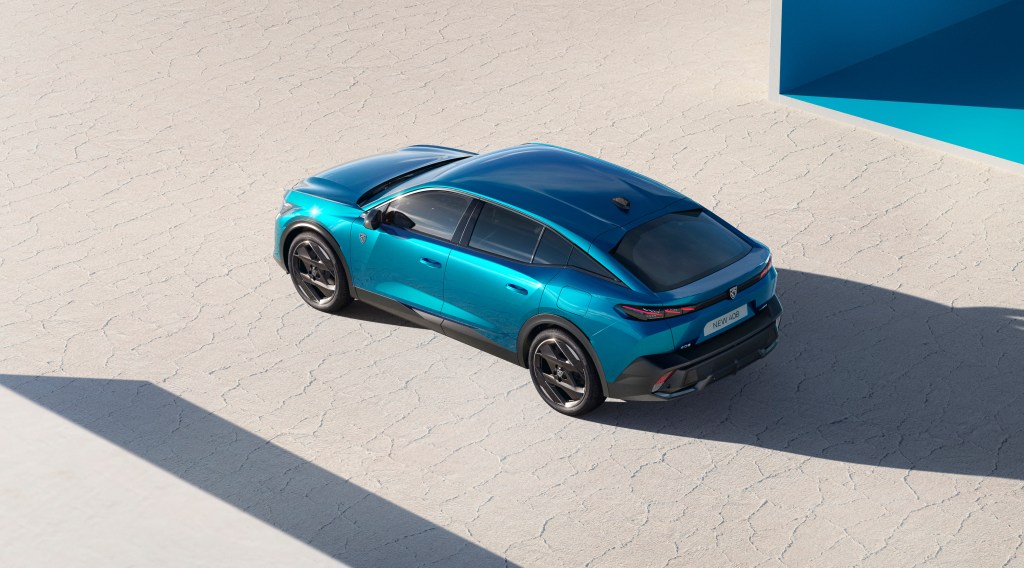
The new PEUGEOT 408 is different. Here PEUGEOT demonstrates the creativity of its teams by offering a new fastback silhouette at the top of the C segment. This new age PEUGEOT offers – this is how the company calls it – allure, as well as engineering excellence focused on efficiency and intelligent electrification. According to Peugeot, it awakens emotions, thanks to the cutting-edge technologies dedicated to driving pleasure and instinctive use.
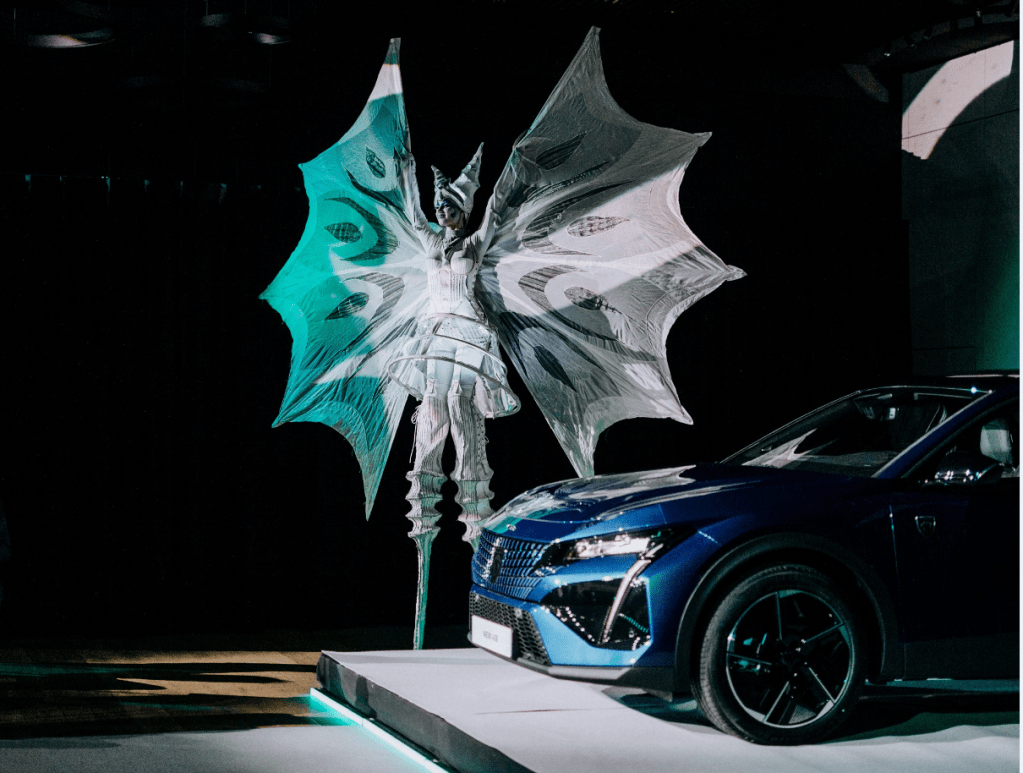
We saw the car for the first time in the flesh, at a stationary presentation held in our country. It certainly has the looks, presented to us in a dramatic setting offered by elegant ladies on stilts and spectacular fairy-like uniforms. See my YouTube short using the following link: https://www.youtube.com/shorts/hZVv01F0OgI
And also read further… Hans Knol ten Bensel
The unveiling was spectacular to say the least…
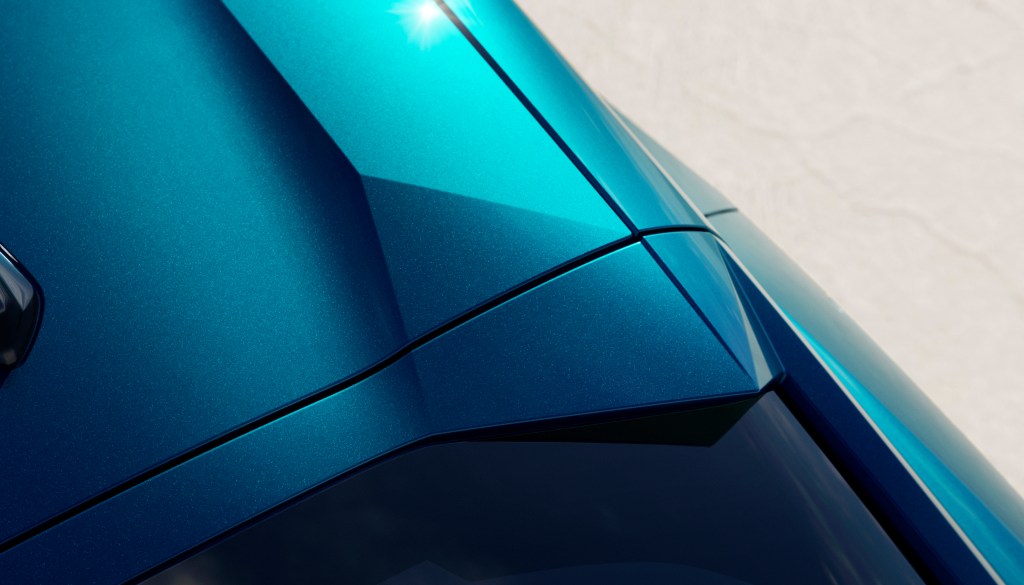
I must admit that the 408 has character, and its angular shapes certainly impress, exuding elegance as well as a bold presence. Peugeot calls it having “allure”.
Its lines are sharp, with remarkable styling details like the inverted cut-out of the rear bumper. We also liked the 20- inch rims feature an interesting geometric design. What I also personally liked was that the tyre rims bulge out over the alloy rims and thus protect them, so you cannot readily damage the beautiful wheels at the first stone kerb you meet, which modern architects now go to utmost lengths to build ever higher, in their foolisch anti-automobile philosophies.
But even the narrow (Parisian) older parkings with their circular trottoir bordered entrées present no menace any more, which is a blessing…
In good Peugeot tradition it is comfortable and offers room. Remember, back in the mid fifties, the 403 ponton was dubbed with good reason “la Mercedes française” and indeed was built to offer comfort and refinement. With a length of 4.69m, based on a long wheelbase of 2.79m, the new PEUGEOT 408 continues the tradition and offers 188mm of legroom in the rear. The boot is also well sized, with a volume of 536 litres, which can be increased to 1.611 litres once the rear seats are folded down.
Emotion and excellence…
Besides “allure”, Peugeot marketing puts forward two other hallmarks of its products: they should provide driver’s emotion and let you enjoy engineering excellence.
Indeed, the PEUGEOT 408 offers the latest generation of the PEUGEOT i-Cockpit®, instantly recognisable by its compact steering wheel dedicated to driving pleasure and controlled agility.
In the cockpit, the emphasis is on quality and connectivity, and the very latest technologies make the driving and travelling experience more intuitive and rewarding.
Powered by 6 cameras and 9 radars, the driver assistance systems provide peace of mind and safety. They include:
Adaptive Cruise Control with Stop and Go function,
Night Vision, which warns of animals, pedestrians or cyclists ahead before they appear in the high beam,
Long-range blind spot monitoring (75 metres),
Rear Traffic Alert, which warns of a potential hazard when reversing.
The typical Peugeot rear lights, representing separate three claws…
Drivetrains: power, smoothness and efficiency…
The range of engines powering the PEUGEOT 408 includes two rechargeable hybrid versions with 180 and 225bhp, and a 130bhp petrol version. All three are paired with an 8-speed EAT8 automatic gearbox. An all-electric version will follow a few months later.
State of the art aerodynamics, like the deflectors at the rear end of the roof…
Efficiency was a key concern for the designers of the PEUGEOT 408, since the combination of efforts in terms of aerodynamics, weight reduction (from 1396kg) and low-emission engines means that the vehicle can now boast remarkably low average energy consumptions (under homologation), both for the hybrids as well as for the 130bhp petrol version.
The new PEUGEOT 408 will arrive on the market at the end of 2022. A car with a global ambition, it will be produced at first in Mulhouse, France, for the European market and then, soon afterwards, in the Chengdu factory in China for the local market.
Just have a look at the photos, and more news about this stylish 408 soon…
Hans Knol ten Bensel
Photographers’ notes: this is the first time we used exclusively a smartphone, actually the flagship Samsung S22. Quite a change for your servant who has been using camera’s for ever, and it was quite a struggle geting used to it. But experience will soon help…
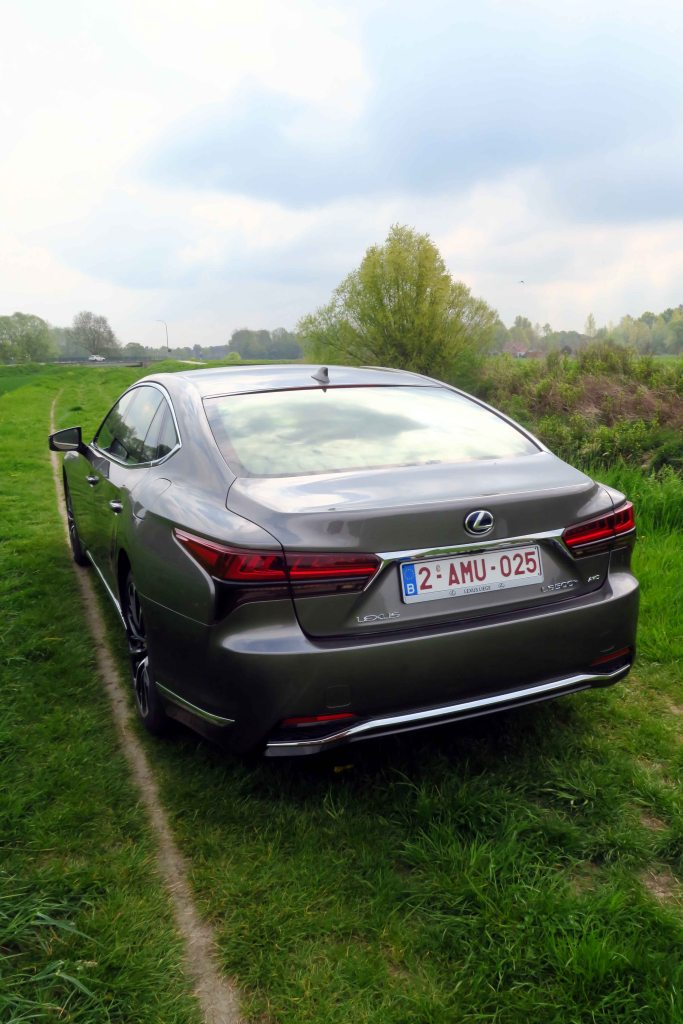
When you like smooth motoring and enjoy a car which is well engineered and built, (as we do) then Lexus has a superb car in store for you: their flagship sedan, the LS. We enjoyed it greatly, and tell you here more about this car which makes an admirable statement about the Lexus philosophy in designing and building automobiles.
Just read on…
Hans Knol ten Bensel
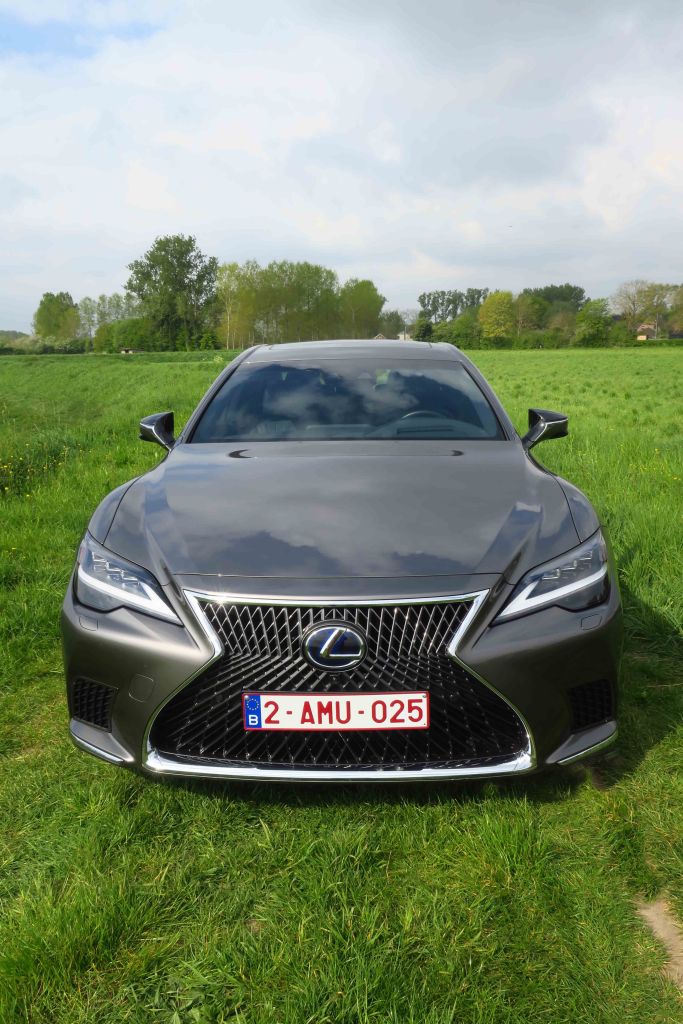
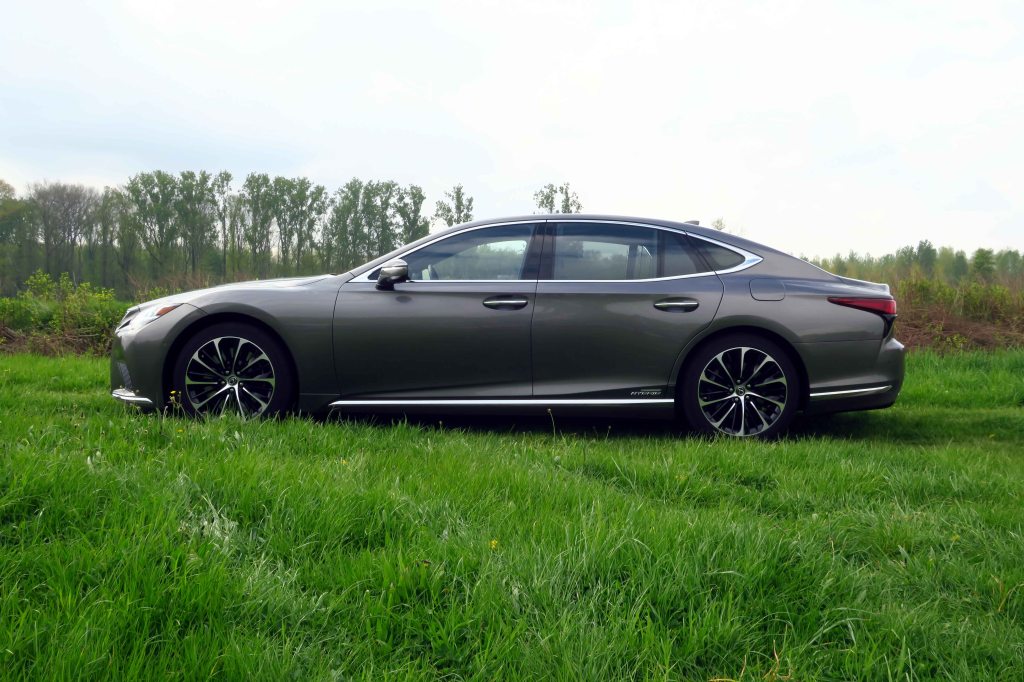
The Lexus LS is styled as a sleek slimousine with coupé-like character.
Of course we are moving fast towards total electrification of our cars, and all the car manufacturers are strategically moving in that direction. Lexus – and also Toyota – have already since decades taken a long term view about environmentally responsible mobility, and have come up with the hybrid Prius and the Lexus 200CT many years ago. They have been sold in millions and made a statement how smoothness, reliability and go anywhere mobility can be combined with unparalleled economy. Your servant clocks an average fuel consumption with his Lexus 200CTh of 4,7 l/100 km, an average over the year, and actually this year in year out.
No small wonder that Lexus has maintained and honed this solution to ensure easy mobility, in these present times when a convenient charging infrastructure for carefree full EV mobility is still a daydream in many countries in this world. It therefore also takes a long hard look at hydrogen as a power source.
In the Lexus LS, one finds this “classic” hybrid technology, now engineered and honed to absolute perfection.
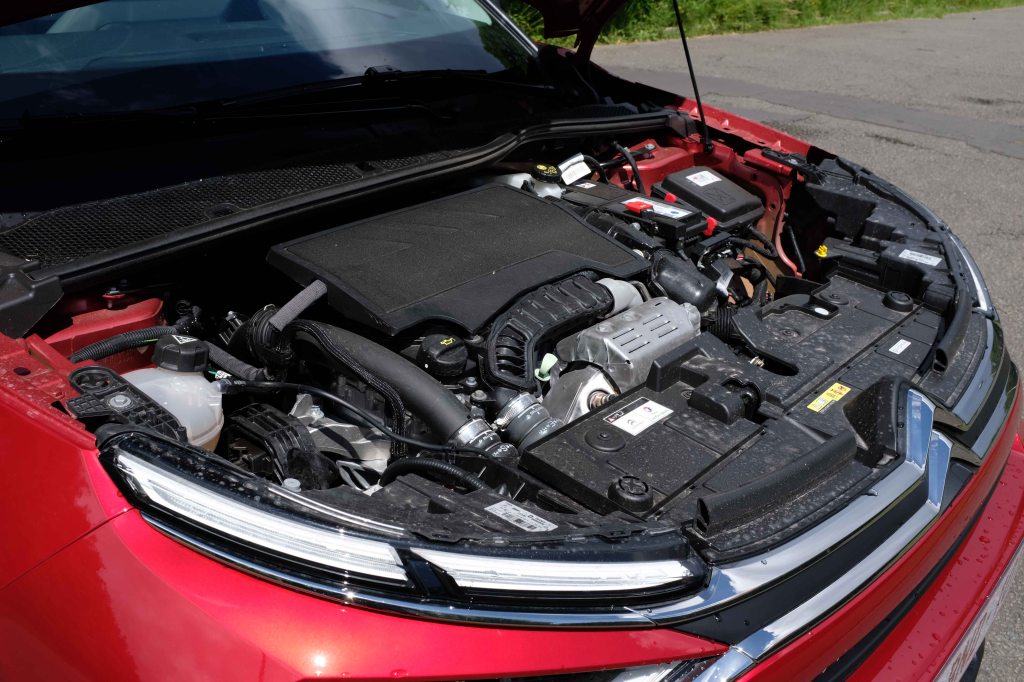
Under the hood purrs a 3,5 litre V8 Atkinson cycle petrol engine, good for 295 HP. It is coupled to a 10 speed CVT, and is assisted by two electric motors, who have a combined power of (only) 60 hp. With a battery having a capacity of 11 kW, you cannot use this LS for extended “pure” EV drives in urban areas. The 4WD is made possible thanks to an integral transmission. The electric power is only used to deliver power in situations where the full use of the petrol engine would not be efficient. So one has the advantage of very reasonable fuel consumption, especially in congested urban traffic, where – given a relaxed and anticipative driving style – averages around 8 litres/100 km are easily reached. These are very good values for a large limousine. The manufacturer quotes 7,1 l/100 km as average consumption.
The other advantage is the utter smoothness of the power delivery, especially from standstill and in stop and go traffic.
This smooth and silent progress is one of the very strong points of this Lexus, and this is in our opinion what the designers had in mind for their flagship sedan. Of course it has the power to deliver: 100 km/h is reached from standstill in merely 5,5 seconds, top speed is 250 km/h.
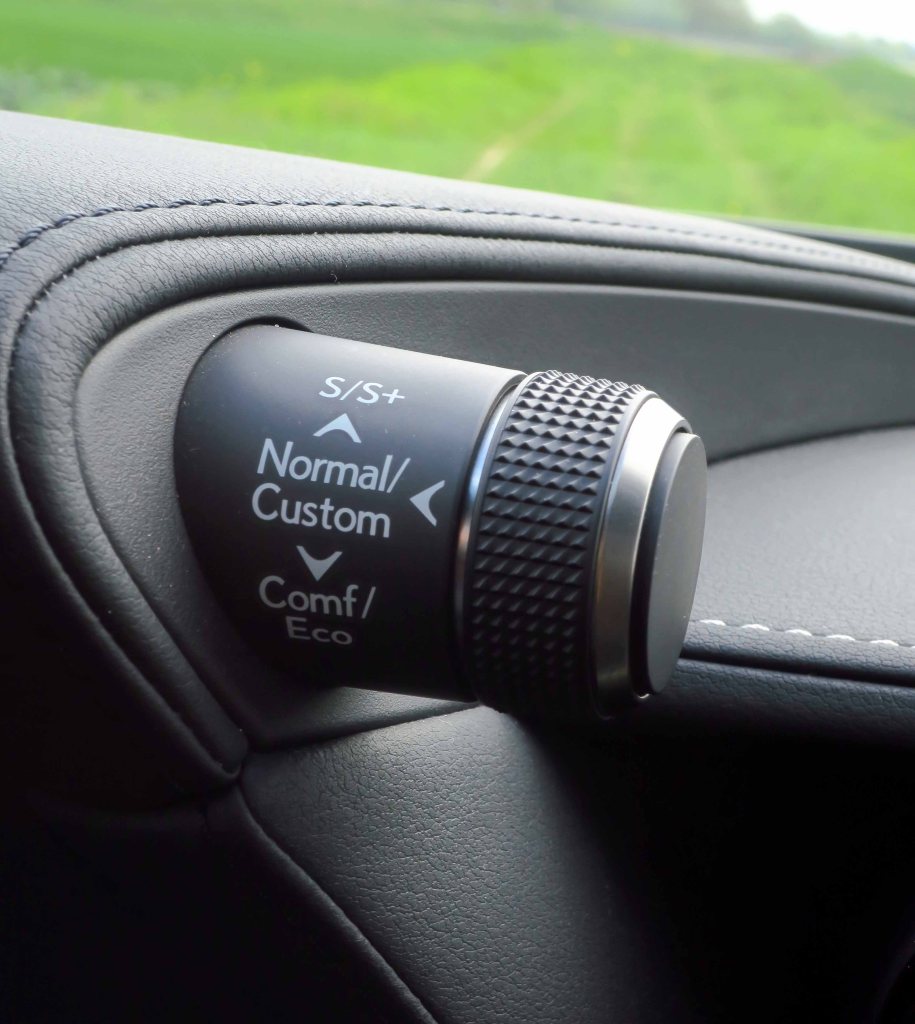
In the wide array of driving modes at your disposal, you can even opt for the “sport” and “sport+” modes. The CVT transmission will then be ultra alert and reactive to any movements of your right foot, the pneumatic suspension will be setting itself a bit firmer and the steering will be more sensitive and direct, but nevertheless the sheer weight – a good 2,425 kg – and size of the car will not invite you to really throw it around each corner. It is a bit out of character for this sleek automobile, primarily designed to move you from A to be in well insulated comfort, and that’s where it excels. By the way, you have the choice between further driving modes, Eco, Normal, Comfort and Custom…you guessed it: we chose between Eco and Comfort all the way through our test.
Impressive and elegant
The Lexus LS is a flamboyant and impressive automobile. It stretches 5,24 metres long and its fluid roof contours which are continued to the boot give it a coupé like character. The grille is uniquely Lexus in its bold styling signature and gives the LS panache and personality.
The Lexus exudes opulence, but also quality and workmanship, as the overall bodywork finish is superb.
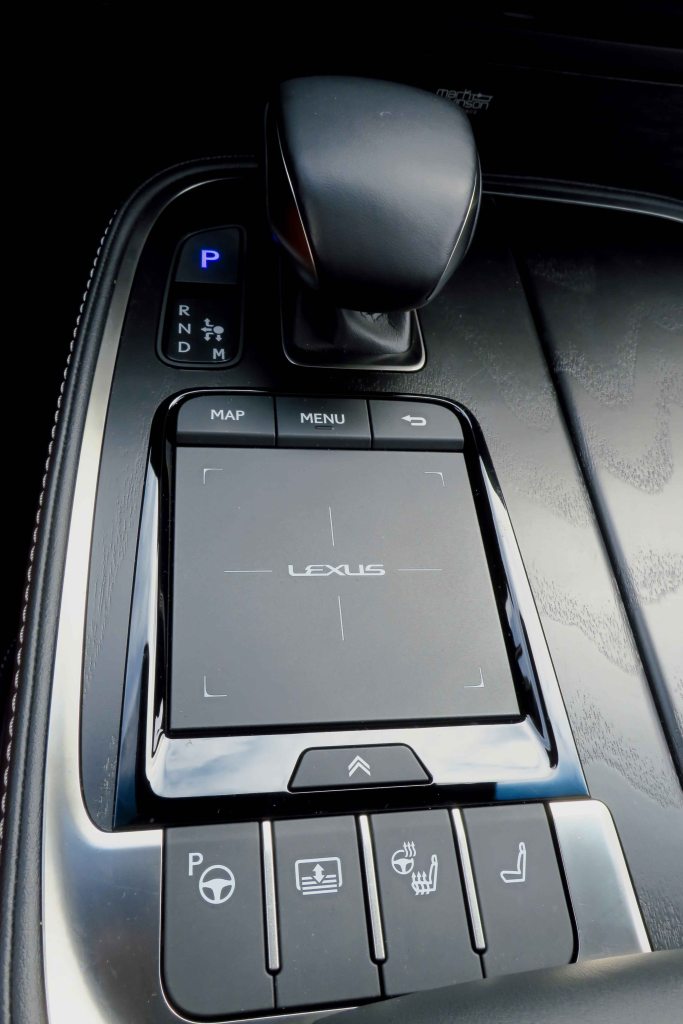
The same can be said for the interior, dashboard and seats. The seats are a chapter on their own, and you can opt for the most exclusive leather finishes, ventilation and massage functions and the like. Six chromed bands stretch across the dashboard, giving it a fluid elegance. In the centre towers a 12,3 inch touchscreen, and there is also a big touchpad next to the gear selector lever, which lets you choose all the screen functions. We like to use this touchpad, as it avoids you touching the screen and getting it muddled with fingerprints. When the car is in motion, it is easier for you to touch the more accessible and ergonomically stable pad anyway.
Of course you can monitor on the display exactly what the hybrid system is doing, besides all the other info functions and layouts. It is worth every minute you spend on reading the instructions to familiarise yourself with the wide array of possibilities, functions and infotainment, as you then will enjoy this flagship car so much more.
We were of course smitten again by the superb quality of the Levinson audio system, which still sports a CD audio player, a tradition applauded by “classic” audiophiles like your servant…
Comfort
The Lexus LS 500 offers you superb comfort, with ample leg- and headroom for all (four) passengers. The subtle pneumatic suspension does the rest. Especially in the Comfort setting, it literally swallows for you all ridges and potholes ancient urban streets have in store for you. Sound insulation is also of paramount importance for the Lexus engineers, as well as total filtration of any vibrations or mechanical noises from the drivetrain. All this adds greatly to the total “zen” experience which going from A to be in this LS entails.
The screen lets you monitor all the hybrid driveline functions…
Sporting aficionados will find maybe that they lack a more direct “feel” of the car and the road conditions, but being cocooned by a soothing behaviour of the car in all driving situations is actually aimed for by the engineers when they set out creating this unique automobile.
Conclusion
The present Lexus LS series is already amongst us since 2017, and got an important facelift in 2011, both visually and technically. It makes a bold statement with its “Zen” philosophy of environmentally responsible smoothness and performance.
This panache is further underlined by a tradition of craftsmanship, resulting in a superb finish and excellence in the quality of the materials used.
If you want to drive an alternative to the German savoir faire in building top class executive sedans, have a drive with this LS series, and enjoy the change…
Hans Knol ten Bensel
Photographers’ notes:
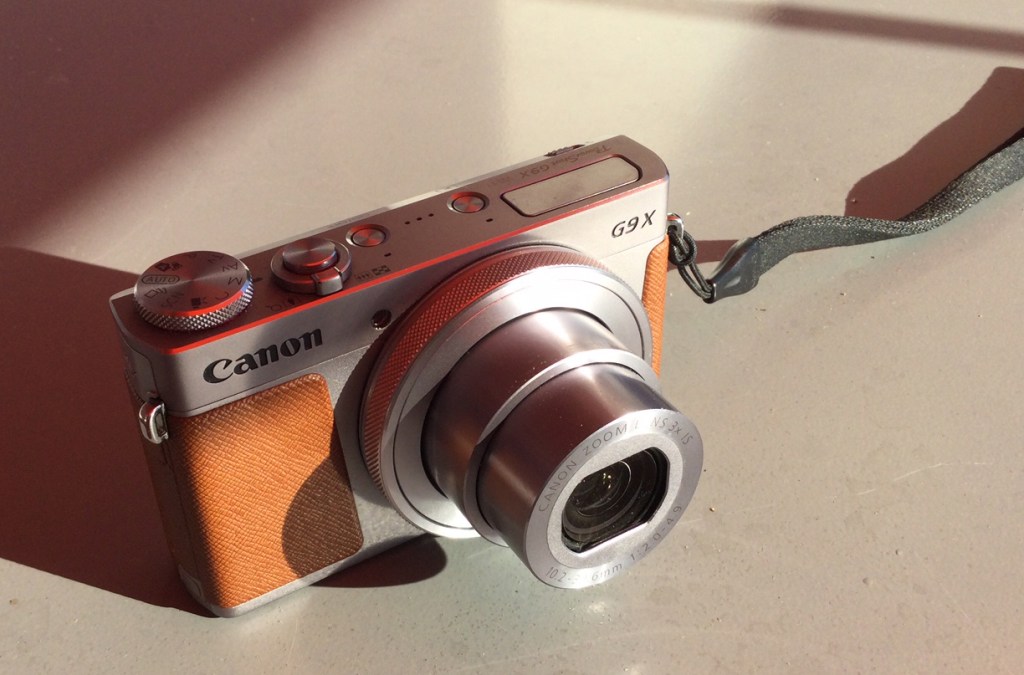
The photos were taken with our faithful Canon G9 X. A 209 g gem which offers a 1″-type 20.2MP CMOS sensor and 28-84mm equivalent F2-4.9 lens encircled by a control dial, as well as a fixed 3″ LCD. It has been our favorite workhorse for years now, and it is still performing very well. We use it mostly on Aperture Priority mode, also for the photos here.
We already told you several times: we love the cars with the double chevron. My love affair started already with the first DS 19.
I was smitten then, as a young boy, tucked away in the rear seats with my aunt at the wheel, driving her French goddess. Then only 75 horsepower pulled her Déesse to cruising speeds above 135 km/h, so you can imagine what we think that now 130 HP will do. Don’t forget, this equals the punch of the DS Pallas 21 injection électronique. We enjoyed one with a five speed manual, which my father and me used for a very fast trip on the French autoroutes from Brussels to the Paris Motor Show, driving it close to 190 km/h almost all the way…
Indeed, when it comes to sheer top speed, the present day C4 even slightly surpasses this iconic DS, reaching exactly the 200 km/h mark.
The C4 we tested continues the tradition in a very impressive fashion: the power is now streaming to the front wheels through a velvety 8 speed automatic, and the suspension is also as smooth as ever, offering the typical Citroën “floating carpet”ride.
It is all packed in a body which is styled following the trend of the times, with a distinct SUV flair, but then without the ride height and the go anywhere capability.
All for the better, as fuel efficiency is now most important.
Besides the smooth automatic, this Citroën also steers feather light and precise, putting a broad smile on your face… so are we smitten again? We would think so… just read further.
Well styled, both inside and out…
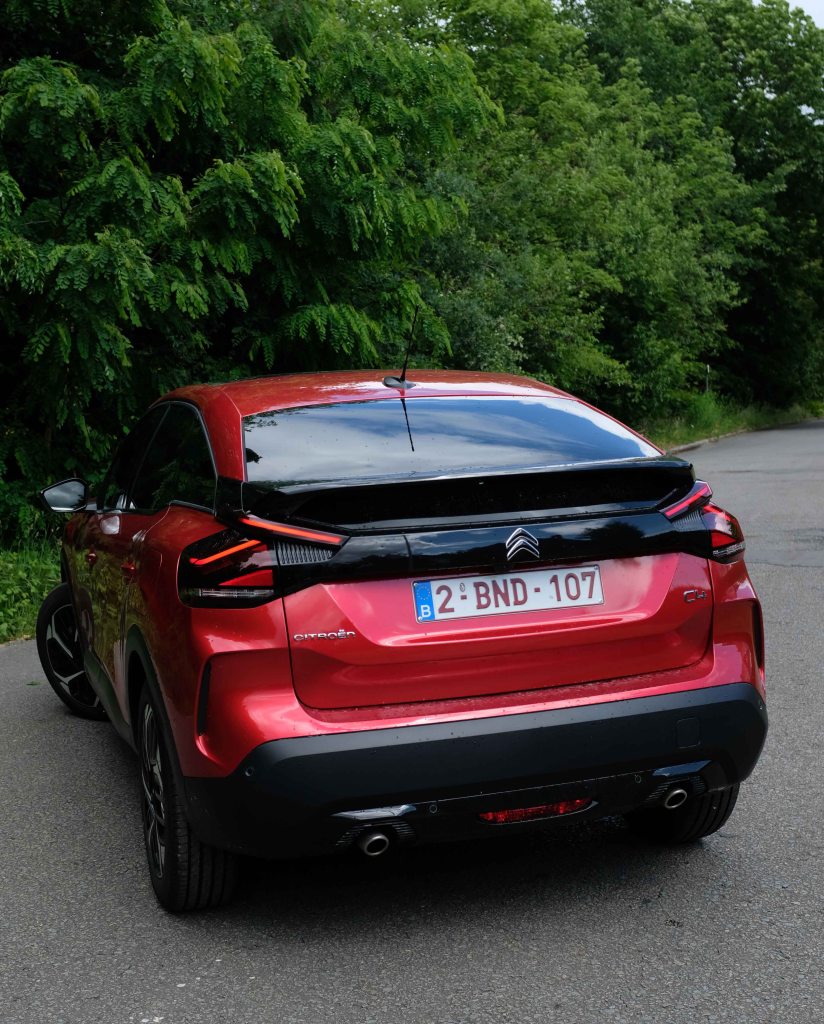
Indeed, the C4 is trendy, but it does not exactly turn heads. It is well proportioned and both the front and rear end bear a distinct family resemblance with the other Citroën’s. The overall finish is of a quite high level with excellent fitting of the bodywork panels.
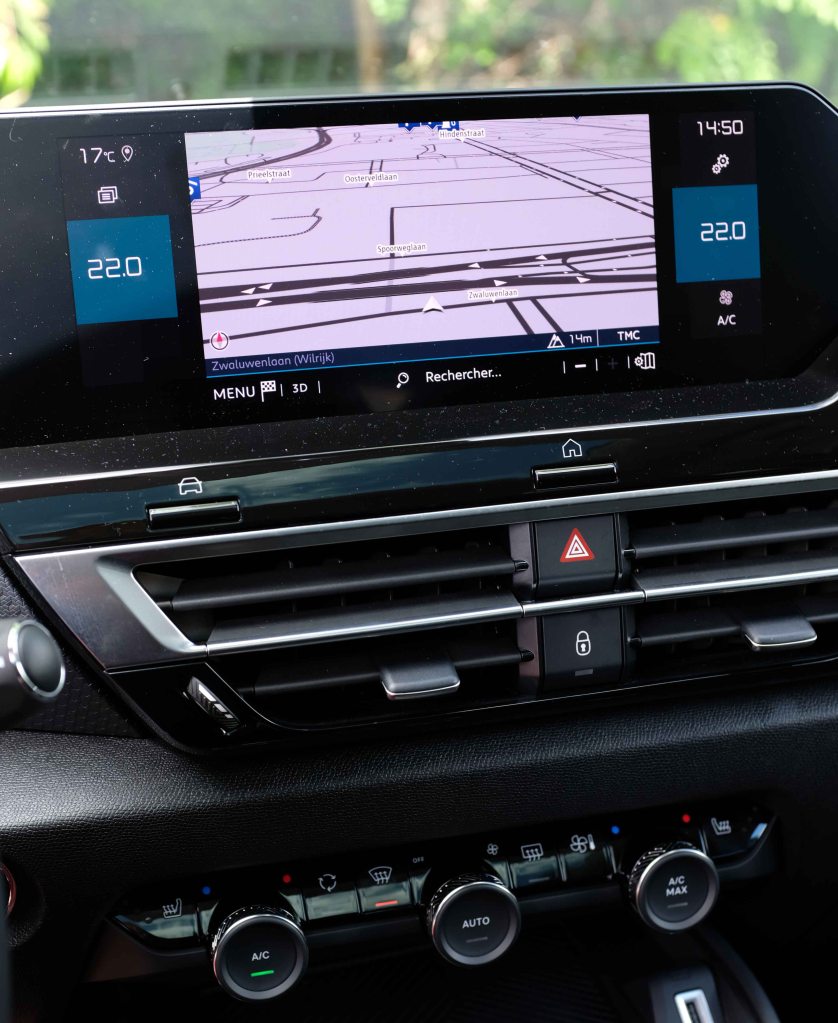
We like the clean styling of the dashboard, the rather high central position of the 10 inch touchscreen, the clutter free instrumentation and the very readable head up display. The designers always had everyday practicality in mind when they decided to make the selection of the driving modes and the adjustment of heating and ventilation manual. Practical is also the round volume knob sitting on the touchscreen, ideal for intuitive sound volume control. There is also an extra tray for a tablet at the glove box compartment, very clever indeed!
Further talking about the interior, we have to mention here the excellent “advanced comfort” seats, providing indeed superb comfort, whilst being pleasantly wide too. You can even opt for four way back support and a massage function as an extra. There is enough legroom in the back, with only the middle seat being too uncomfortable for longer distances.
The C4 has a two zone airco, and also separate air outlets for the rear passengers.
Driving this C4 gives you the unique Citroën feel…
The 3 cylinder engine starts quietly, and remains almost inaudible at low revs. The soft engine mounting transmits some rocking movements, but this remains very well balanced and is never obtrusive. The automatic gearbox is very well tuned to the torque characteristics of this 1199 cc unit. Even under spirited driving conditions, it will keep the engine in the mid rev ranges, and also at high cruising speeds on the Autoroutes it will keep revs down. In the 8th gear, cruising at 130 km/h, the engine runs at 2100 rpm, and is then barely heard. The excellent aerodynamic qualities also come into play, and wind noise remains absent up to very high speeds.
All this makes the C4 is an excellent “routière”. But there is more. The suspension and handling add to the sheer magic of Citroën driving.
The Citroën engineers succeeded in giving a mechanical suspension all the qualities of an adjustable setup. This is done with their so-called “Advanced Comfort” suspension. Integrated in the shock absorbers are two springs which dampen heavy suspension movements smoothly, and indeed, this provides the legendary“floating carpet” ride.
All this doesn’t come at the cost of handling. Road irregularities will never ever throw this Citroën out of its course, and a sudden lifting of the throttle or even braking when entering corners at high speeds will never let it lose its balance.
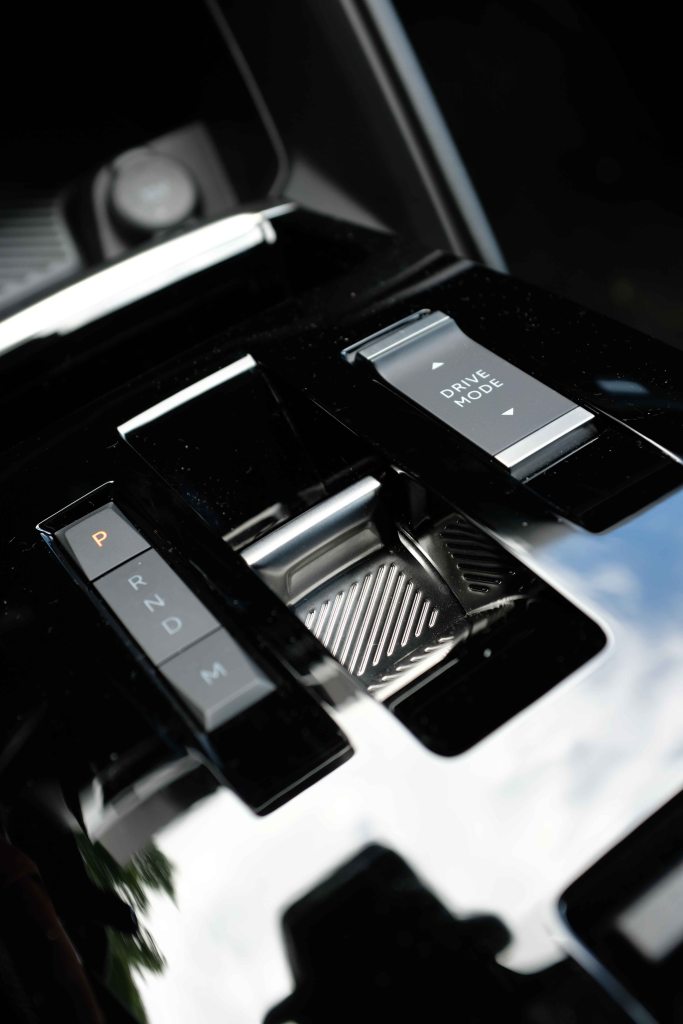
Gear and drive mode selector are conveniently placed…
All this results in this Citroën being a comfortable and also a fast Gran Turismo. We already mentioned the top speed, with acceleration to match. This 130 HP C4 will sprint from 0 to 100 km/h in some 9,9 seconds, and this is indeed more than enough for all the sporty Gran Turismo driving you (and certainly your passengers) will ever want.
Thanks to the good pulling power (maximum torque of 230 Nm at 1750 rpm) the C4 picks up nicely at intermediate speeds.
When it comes to consumption, a lot depends on your driving style – as always – but you can expect decent figures all the way. The manufacturer quotes a 5,4 l average according to WLTP norm, and the consumption we reached during our test was around the 6,3 litre mark for 100 km. Co2 emissions are 122 g/km, also according to WLTP norm. Brakes are progressive and perfect throughour, the turning circle with slightly more than 11 meters is a bit wide.
Practical
French cars are built first of all to live with them daily, so practicality abounds. We already mentioned the extra tray for the Ipad or tablet. You can for instance use it then as a sound centre, or display the route details or highlights or hotel/restaurant addresses you dowloaded before your trip, or descriptions of cities or monuments you encounter on your voyage. So your co-driver is suitably entertained and is also usefully entertaining for you!
There are lots of storage possibilities inside, and the boot volume is with a good 330 l adequate indeed. If you remove the rear cover and fill the boot to window height, you have 420 liters at your disposal, and if you fill it to the roof you can pack 710 liters. There is no electric opening of the boot lid available, but it is easy to open anyway.
The airco and ventilation controls are separate, and have nice, round knobs…
There is no mini spare wheel, and only a flat tyre repair kit will do, and indeed one can live with that. The C4 is quite handy to drive in town with its reasonable external dimensions, and its rather narrow with of 2,04 meters comes in vary handy in ancient city streets and mountain roads.
Conclusion
A true Citroën indeed, a “grande routière” with compact dimensions which makes it delightful to use everyday also in urban life.
It has the unique panache of the brand, with its comfort, its unerring stability, its speed. You should definitely experience it, and we bet that you will be totally convinced, and ask yourself why you did not drive a Citroën earlier in your motoring life…
The automatic version with its smooth 8 speed EAT box also won us over, and we would strongly advise you to take it into your choice when you consider to make this formidable C4 your own.
More Citroën test news soon. At the end of august we will take the C5X through its paces, for an extended test including a drive to Paris. So stay tuned!
Hans Knol ten Bensel
Photographers’ notes:
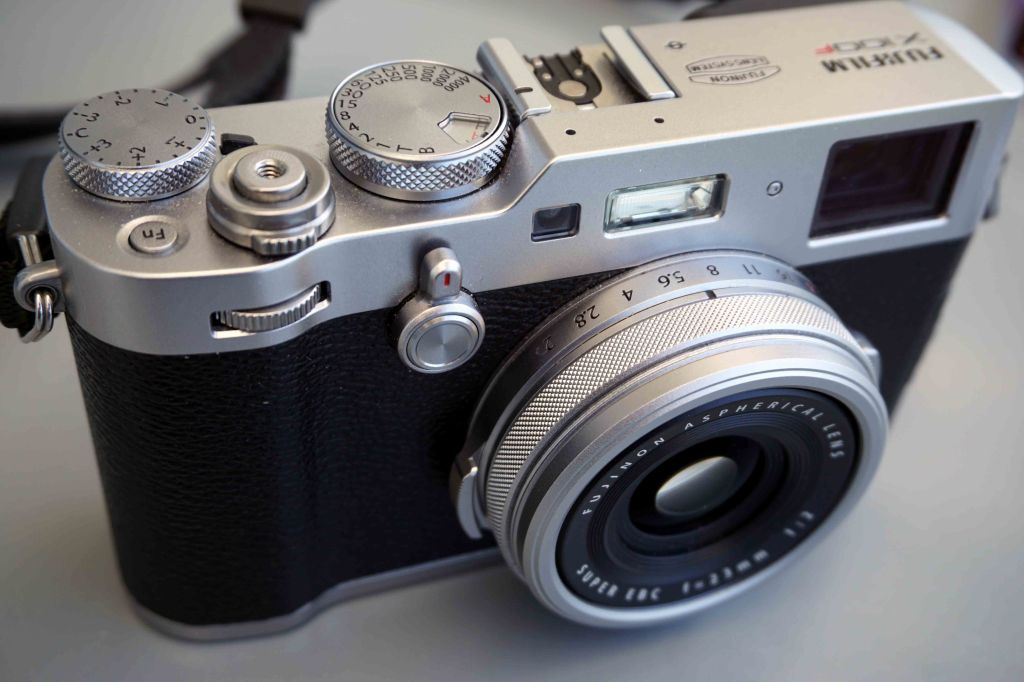
The photos were taken with the Fujifilm X100F, recently added to our stable, under harsh summer light conditions, but the sensor managed the high contrast situations very well. We used an f8 aperture for the shooting, delivering more depth of field.