Factory reproduction of 300 SL body parts: the three starred diva is now immortal…

Ersatzteile für den Mercedes-Benz 300 SL „Gullwing“ (W 198, 1954 bis 1957): Zahlreiche wichtige Teile sind in originaler Werksqualität erhältlich. Foto der Präsentation auf der Techno Classica 2018. Replacement parts for the Mercedes-Benz 300 SL “Gullwing” (W 198, 1954 to 1957): Numerous key parts are available in genuine factory quality. Photo of presentation at Techno Classica 2018.

Replacement parts for the Mercedes-Benz 300 SL “Gullwing” (W 198, 1954 to 1957): Numerous key parts are available in genuine factory quality. Photo of presentation at Techno Classica 2018.

We were browsing for information about the participation of Mercedes in the next Mille Miglia, and we stumbled on other remarkable news, which shows how painstakingly professional Mercedes is caring about its products and notably its classic and historic cars.

Form now on, key body parts for the Mercedes-Benz 300 SL “Gullwing” (W 198) are again available in factory quality. They can be ordered by their part number from any Mercedes-Benz sales partner, just like that!
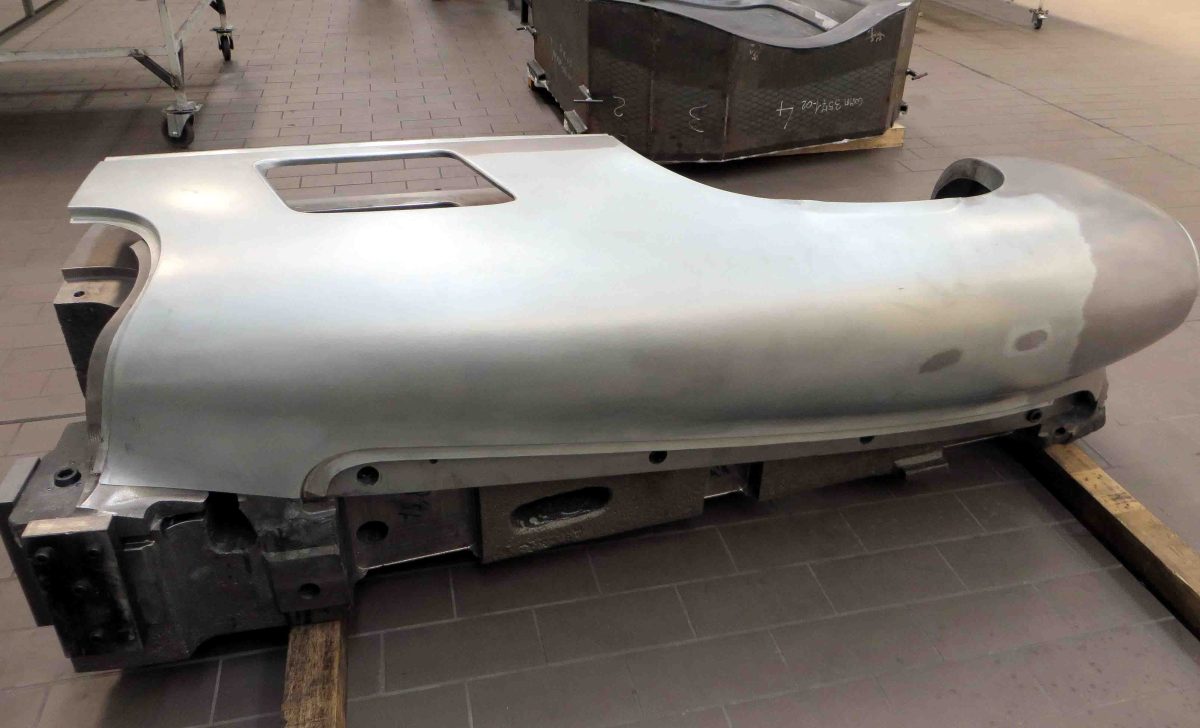
Mercedes-Benz Original-Ersatzteile für den 300 SL „Gullwing“ (W 198, 1954 bis 1957). Nachfertigung von Karosserie-Blechteilen gemäß den hohen Werksstandards der Daimler AG. Das Foto zeigt einen Kotflügel im Presswerkzeug. Mercedes-Benz genuine replacement parts for the 300 SL “Gullwing” (W 198, 1954 to 1957). Reproduction of metal body parts in accordance with the high factory standards of Daimler AG. The photo shows a wing in the pressing tool.

Mercedes-Benz genuine replacement parts for the 300 SL “Gullwing” (W 198, 1954 to 1957). Reproduction of metal body parts in accordance with the high factory standards of Daimler AG. The photo shows a front wing in the pressing tool.

The metal parts are produced for Mercedes-Benz Classic by a certified supplier, whose expertise includes the highly complex construction of tools from optimised 3D data from original bodies. Metal parts produced on these tools are then worked into their final shape by hand using wooden mallets – another special process.

Mercedes-Benz Original-Ersatzteile für den 300 SL „Gullwing“ (W 198, 1954 bis 1957). Nachfertigung von Karosserie-Blechteilen gemäß den hohen Werksstandards der Daimler AG. Das Foto zeigt die Maßprüfung an der Öffnung für den Scheinwerfer. Mercedes-Benz genuine replacement parts for the 300 SL “Gullwing” (W 198, 1954 to 1957). Reproduction of metal body parts in accordance with the high factory standards of Daimler AG. The photo shows the dimensional inspection at the aperture for the headlamp.

Mercedes-Benz genuine replacement parts for the 300 SL “Gullwing” (W 198, 1954 to 1957). Reproduction of metal body parts in accordance with the high factory standards of Daimler AG. The photo shows the dimensional inspection at the aperture for the headlamp.

The precise 3D tool data also provide the basis for quality inspection by means of painstaking false colour comparison. The measuring tool receives the data as a reference and uses false colours to visualise the measured deviations between the desired state and the actual state, thus making it possible for the measurement results to be unambiguously and quickly interpreted.

Mercedes-Benz Original-Ersatzteile für den 300 SL „Gullwing“ (W 198, 1954 bis 1957). Nachfertigung von Karosserie-Blechteilen gemäß den hohen Werksstandards der Daimler AG. Das Foto zeigt die Prüfung der Heckdeckel-Wölbung: Der Mercedes-Stern liegt flächenbündig auf. Mercedes-Benz genuine replacement parts for the 300 SL “Gullwing” (W 198, 1954 to 1957). Reproduction of metal body parts in accordance with the high factory standards of Daimler AG. The photo shows the inspection of the curved section of the boot: the Mercedes star is flush with the surface.

Mercedes-Benz genuine replacement parts for the 300 SL “Gullwing” (W 198, 1954 to 1957). Reproduction of metal body parts in accordance with the high factory standards of Daimler AG. The photo shows the inspection of the curved section of the boot: the Mercedes star is flush with the surface.

The body parts meet the high standards of Daimler AG and can be ordered by their part number from any Mercedes-Benz sales partner. Their surfaces are electrophoretically painted, which assures the highest technical and visual standards. The prices include VAT.

  • Front panelling left (A198 620 03 09 40), 11,900 euros
  • Front panelling right (A198 620 04 09 40), 11,900 euros
  • Rear panelling left (A198 640 01 09 40), 14,875 euros
  • Rear panelling right (A198 640 02 09 40), 14,875 euros
  • Rear-end center section (A198 647 00 09 40), 2,975 euros
  • Rear-end floor (A198 640 00 61 40), 8,925 euros

We let you further have a look at the photos…

Hans Knol ten Bensel

Mille Miglia 2018: the Alfa Romeo legend lives on more than ever…


Alfa-Romeo-Mille-Miglia-1

The 36th edition of the iconic race coincides with the 90th anniversary of the first of the 11 victories Alfa Romeo recorded from 1927 to 1957: a record which will now never be beaten.

This anniversary will be celebrated on 19 May, when the race will pay a visit to Milan and to the Museo Storico Alfa Romeo at Arese, where time trials will be held on the internal circuit. Held for the 36th time this year, the race will be run over the traditional Brescia-Rome-Brescia route and will star Alfa Romeo both as Automotive Sponsor and as “guest of honour”, as this year marks the 90th anniversary of its first victory in the legendary race, held from 1927 to 1957.

Alfa-Romeo-Mille-Miglia-2

From 19 May to December 2018, the Museum will host the “11 volte campione” [11 times champion”] exhibition, which celebrates these sporting exploits, engraved in the memories of fans all over the world.

Inaugurated on 24 June 2015, the fascinating Museo Storico Alfa Romeo – known as “The Time Machine” – is the heart of a real “brand centre”, created by a major upgrading project by architect Benedetto Camerana, which brings together the brand’s past, present and future. As well as the area displaying the key models from the Alfa Romeo historic collection, the site is buzzing and vibrant, with the Archive, the internal circuit, the events spaces, the Alfa Romeo Café and the show-room with delivery area. More on this museum in a special report.

Alfa-Romeo-Mille-Miglia-3

Competing in this year’s race will be several wonderful classic Alfa Romeo cars from the FCA Heritage collection: from the 6C 1500 SS to the 6C 1750 GS, and from the 1900 SS to the 1900 Sport Spider.

On 19 May, drivers Marcus Ericsson and Charles Leclerc from the Alfa Romeo Sauber F1 Team currently taking part in the 2018 Formula 1 championship will also be present. Their participation is a tangible sign of how indelibly the racing world is engraved in the Alfa Romeo DNA… we just let you look here at the photos, and tell you also soon more about other iconic brands participating at the Mille Miglia 2018…

Hans Knol ten Bensel

The formidable V16 Auto Union Type C engine…

+Motor Auto Union V 16sketch

Without any doubt, the powerful rear engine Auto Unions were ahead of their time. Their sheer “Leistung” or power was absolutely legendary. Just tires couldn’t cope, and the sheer chassis dynamics and even more importantly aerodynamics were not fully understood at the time. So the cars had no downforce at racing speeds, and the narrow tires with their still softer construction and not so adhesive compounds did not help.

The V16 engine of this Type C was a Porsche design, and started off in the type A with a displacement of 4360 cc. But it was originally meant to be a 6 litre engine, and this it was in the Type C. The two cylinder banks were angled at 45 degrees, and one central camshaft operated all the 32 valves. That is why the engine has this typical look of 16 pushrods in their gleaming chromed shafts connected with the exhaust valves, while the intake valves were actuated by the camshaft through rocker arms. So we see three valve covers on this beautiful engine.

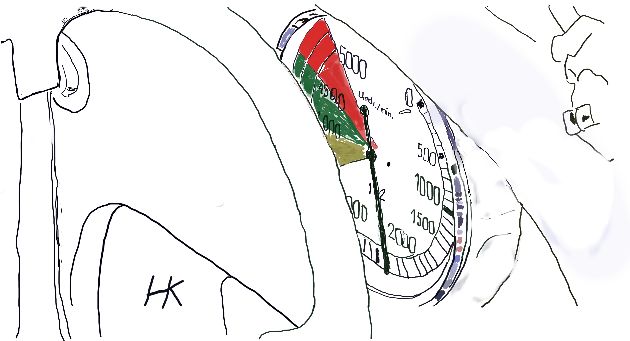
Toerenteller V16 Auto Union tekeningbisbeterter

The engine was laid out to develop massive low end torque, and for a racing engine, it revved quite low, as the rev counter clearly tells.

All this torque, a hefty 853 Nm being available at 2500 rpm, was very difficult to handle for the narrow rear wheel tires, and a limited slip differential was badly needed to stop the inner wheel in narrow corners from spinning fiercely through under full throttle, even in the dry!

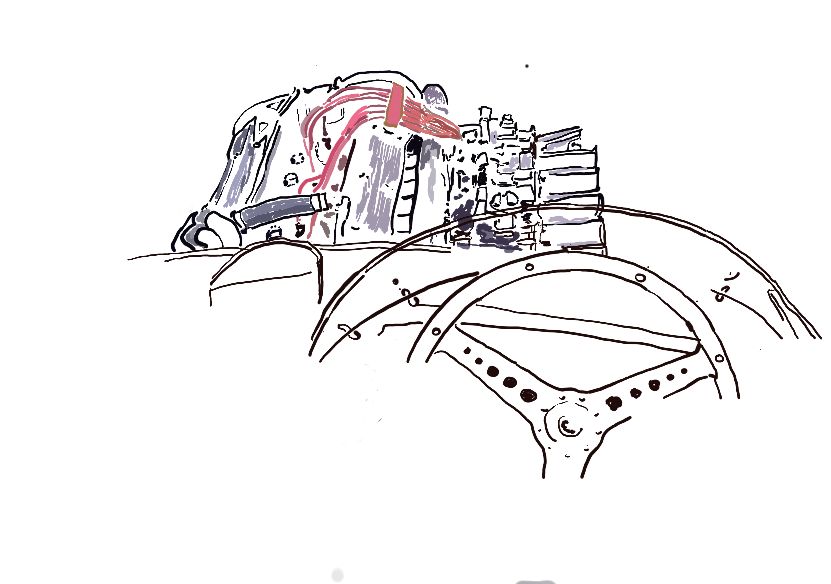
V16 Compressorsketch6bis

The impressive two-stage Roots compressor at the back of the engine, fed by a battery of two carburetors… 

Maximum power ranged from 485 to 520 PS or 357-382 kW during the racing seasons, and whether the race was to be long or short. It was achieved at – at least for a racing engine –a very lowish 5000 rpm. A two stage roots compressor was used, with 0,95 bar pressure.

One last item, which one tends to forget when talking about the sheer performance of this engines, is that the 200 L tank did not contain ordinary fuel. A (secret) mixture using amongst others ethanol and methanol was used. This did allow higher combustion chamber pressures and temperatures, without problems of knocking or lack of cooling. One needs to flush the system after races because the mixture is corrosive.

In our next edition, we will go for the equally stunning Alfa Romeo P2 straight 8 compressor engine…

We just let you look here at our drawings!

Hans Knol ten Bensel

A new series on pen drawings of famous engines… The Jaguar D-type

After having made a pencil drawing of the Jaguar XK engine, we got more and more carried away so to speak, and decided to start with a series of famous racing engines, which made automotive history. Of course, we continued first with the D-type theme, as we felt it deserved further attention.

So here it is…

Jaguar D type motor en cockpit

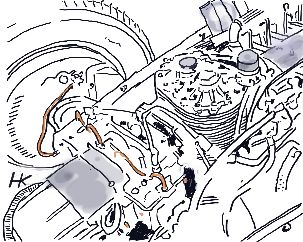
Engine capacity of this XK engine in this racing version is still the original 3442 cc, with also the original bore and stroke dimensions of 83 x 106 mm.

With triple Weber carburetors and a 1:9 compression ratio it developed 253 PS or 186 kW at 6000 rpm. Torque was very impressive for a normally aspirated engine, being 328 Nm at 4000 rpm.

It had dry sump lubrication, as the superb roadholding  of the D-type triggered G forces which would let the engine starve for oil had the original sump been retained. It also allowed a larger oil quantity, lowering oil temperature on the grueling long Mulsanne straight at Le Mans, where the D-type would run at speeds in excess of 170 mph, or 270 km/h. There was also another practical reason, which might have been even more important: the D-type is very low, so to reduce the engine height, a dry sump layout was chosen.

The D-type itself was structurally designed by Jaguar’s William Heynes Technical Director and Chief Engineer. It applied aeronautical technology. The cockpit section was of monocoque construction, mostly comprising sheets of aluminum alloy. It was about five years later that John Cooper started to use the same concept for his Formula 1 cars…

The aerodynamic bodywork was largely the work of Malcolm Sayer, who had joined Jaguar following a stint with the Bristol Aeroplane Company during the Second World War and later worked on the C-Type. The D-Type required a minimal frontal area. To further reduce the XK engine’s height, the engine was canted at 8½° from the vertical, which made the typical offset bonnet bulge necessary.  It might also have been needed, according to Philip Porter, in his book Jaguar Sports Racing Cars, to provide extra space for the ram pipes feeding the three twin-choke Weber carburetors….

You can see clearly in the drawing the rampipes of the Webers, and the fact that the engine is canted…

Just enjoy the drawing. The next one will be the famous Auto Union V16 engine…

Hans Knol ten Bensel


BMW Group Classic and its new Centre…

aP90212631-highRess

Of course, BMW also has a magnificent museum, but here we focus first on their new Centre, which was opened in 2016. We present you here some factory photos; needless to say that we are keen to visit the centre, and bring you then an extensive report with own interviews and images, but in the meantime, we shouldn’t already keep this from you…

aP90226295-highRess

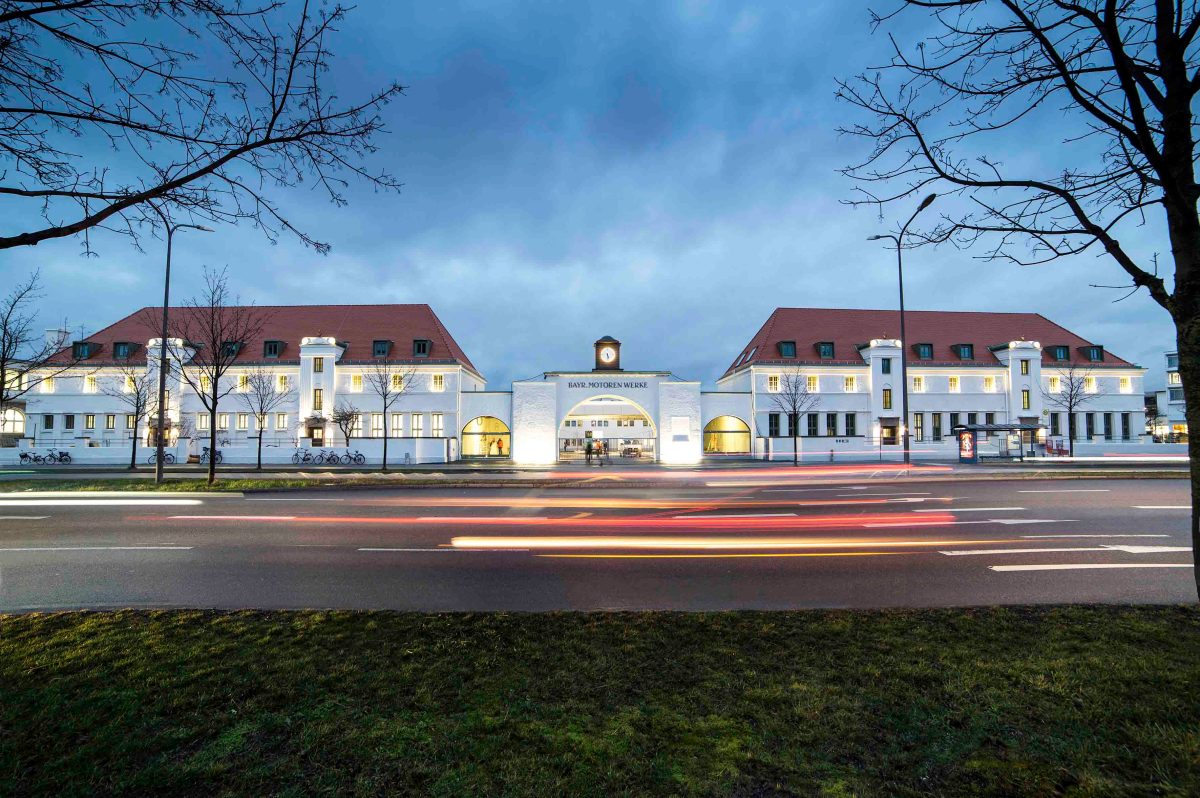
The company archive and the vehicle collection, the workshop and the customer centre together with the parts service for classic automobiles and motorcycles are now located together in an ensemble of buildings in the district of Milbertshofen in Munich.

aP90212631-highResscrop

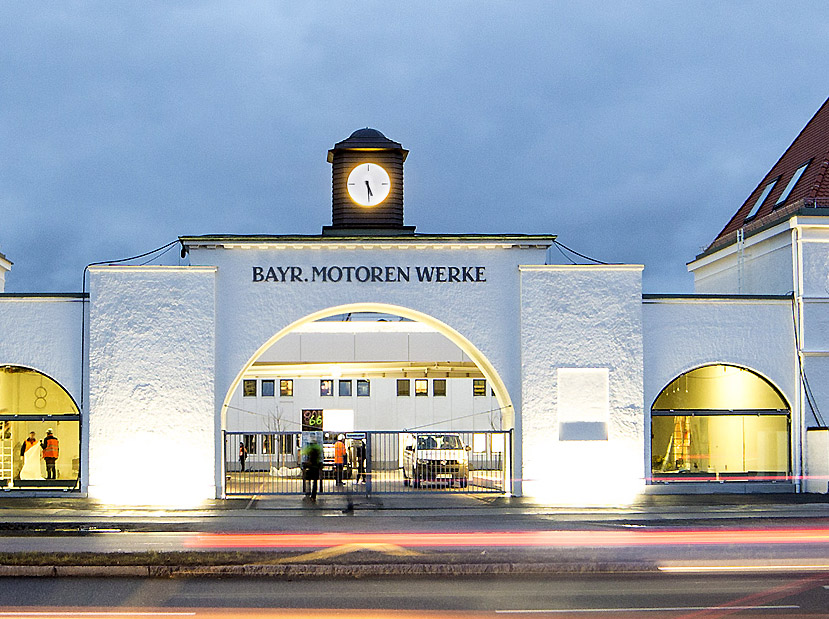
The site at Moosacher Straße 66 measuring around 13,000 square meters includes one of the first production buildings of what was at that time still a fledgling company.

aP90212688-highResscrop

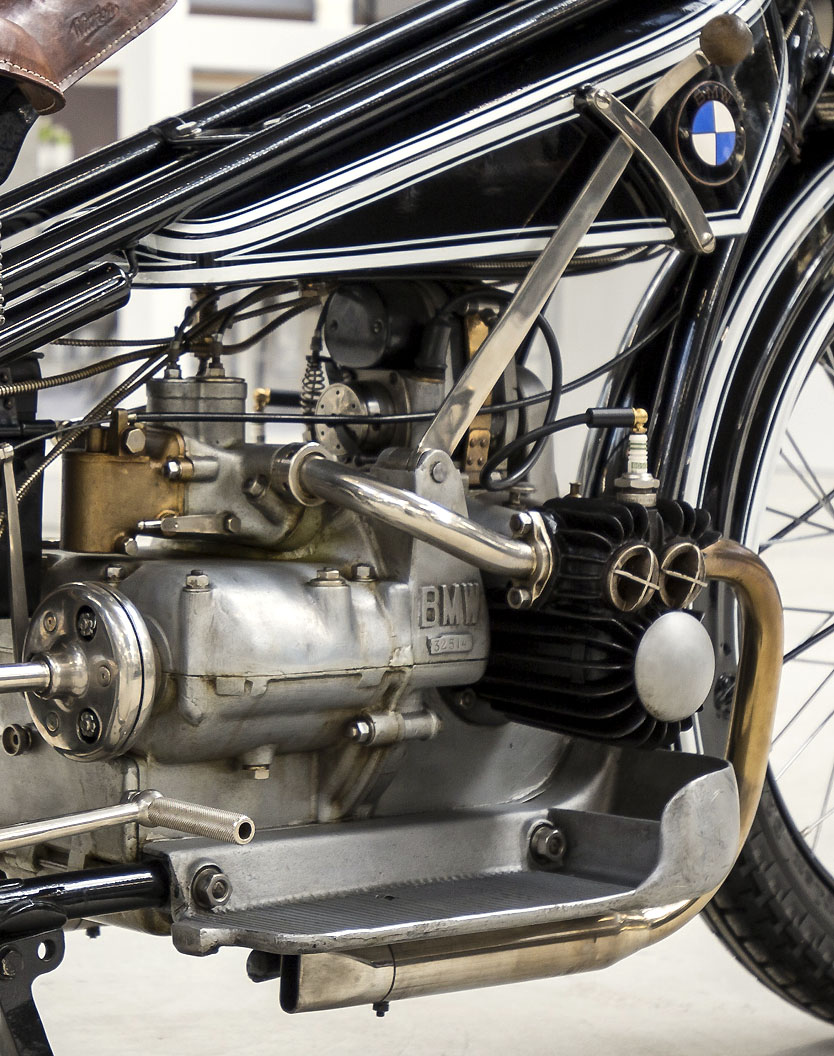
In this building, magnificent BMW motorcycles are also displayed, what to think of this iconic and timeless boxer? 

It was preserved during the restoration work, as was the heritage gatehouse, which is today a listed building, and now forms the entrance to the history of the BMW Group.

aP90226290-highRescrop

The new location for BMW Group Classic also provides a touch point for owners and fans of classic vehicles of the brands BMW, MINI und Rolls-Royce with information and services relating to the preservation and care of their automobiles and motorcycles.

aP90212689-highResscropcrop

Vehicles and numerous other exhibits from the comprehensive collection of BMW Group Classic are presented in the historic production hall, like their fantastic aircraft engines. (see photo above). The facilities and event spaces created there can also be booked for events. Guided tours are offered to give participants an overview of the new venue and provide information about the history of the company.

aP90226291-highResscrop

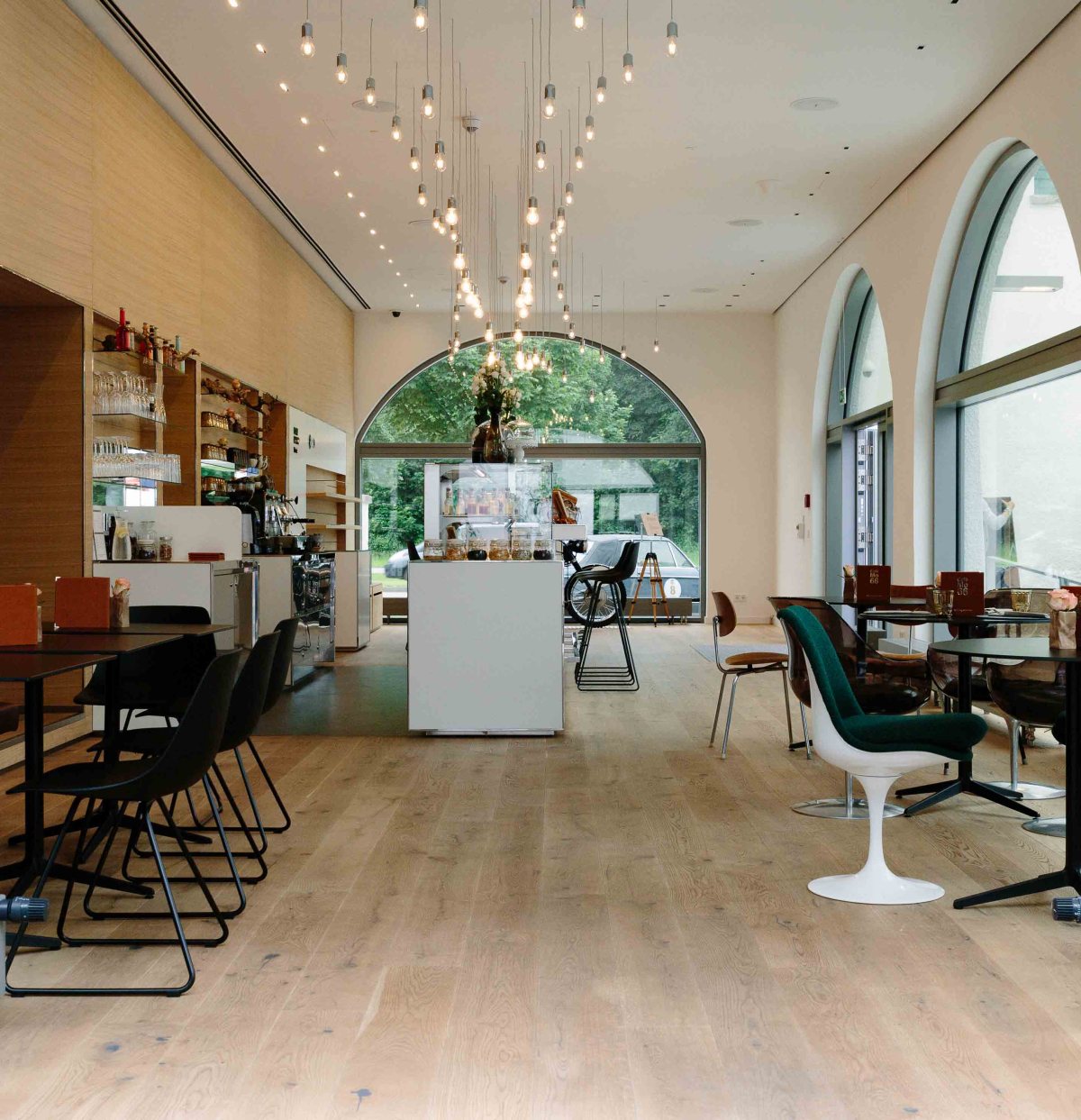
Café “Mo 66” is open to visitors and gives them a vantage point looking directly into the glass covered vehicle workshop of the BMW Group Classic Centre.

aP90212645-highRess

At its new location, BMW Group Classic has now better facilities for staging activities relating to the history of the company and its three brands BMW, MINI and Rolls-Royce. Questions about the history of the company, brands and products are answered by using the vast BMW Group Archives. The teams responsible for communication with the media and for marketing now also carry out their work in the new centre alongside the specialists involved in organizing events and exhibitions.

aP90226293-highResscrop

The staff of the BMW Group Classic Centre have a long track record of experience, expertise and passion. They work on the preservation and restoration of historic automobiles and motorcycles, and offer support for purchasing or selling a classic vehicle. We are keen to meet them and present you then an in depth report about their work. The offering of BMW Group Classic also includes the loan of classic vehicles and the parts shop. The range of parts offered comprises more than 55 000 items and it is continuously growing. Of course, the happy owners of collectables on four wheels and two will benefit from this supply of original spare parts…

Hans Knol ten Bensel

A new series on Car Museums and Classic Heritage Centers…

aDSC_0067sels

Soon we will start here with a new series on the heritage activities of car manufacturers, as the interest in preserving their heritage in historic sites, buildings and cars is ever growing. The same can be said for the increasing love and interest for vintage and classic cars by the greater public, and therefore a comprehensive series on the subject is long overdue.

aDSC_0033sels

Besides the plethora of museums, there are also the services which manufacturers with a keen interest in their mobile heritage are offering to their customers, in the form of Classic Cars Service Centers.

aDSC_0074sels

We will first start off with two main German pioneers in the latter concept, Daimler and BMW. But of course there is more to come, just think of Porsche, and not to forget the British museums and heritage centers

Untitled picture

and their activities like the Land Rover Series I Reborn programme executed in their Classic Works.Indeed, there is Jaguar Land Rover Classic… And a lot more.

Just stay posted!

Hans Knol ten Bensel

Jaguars will race again at the Le Mans Classic 2018…

J_Classic_Challenge_130418_LeMansClassic_05

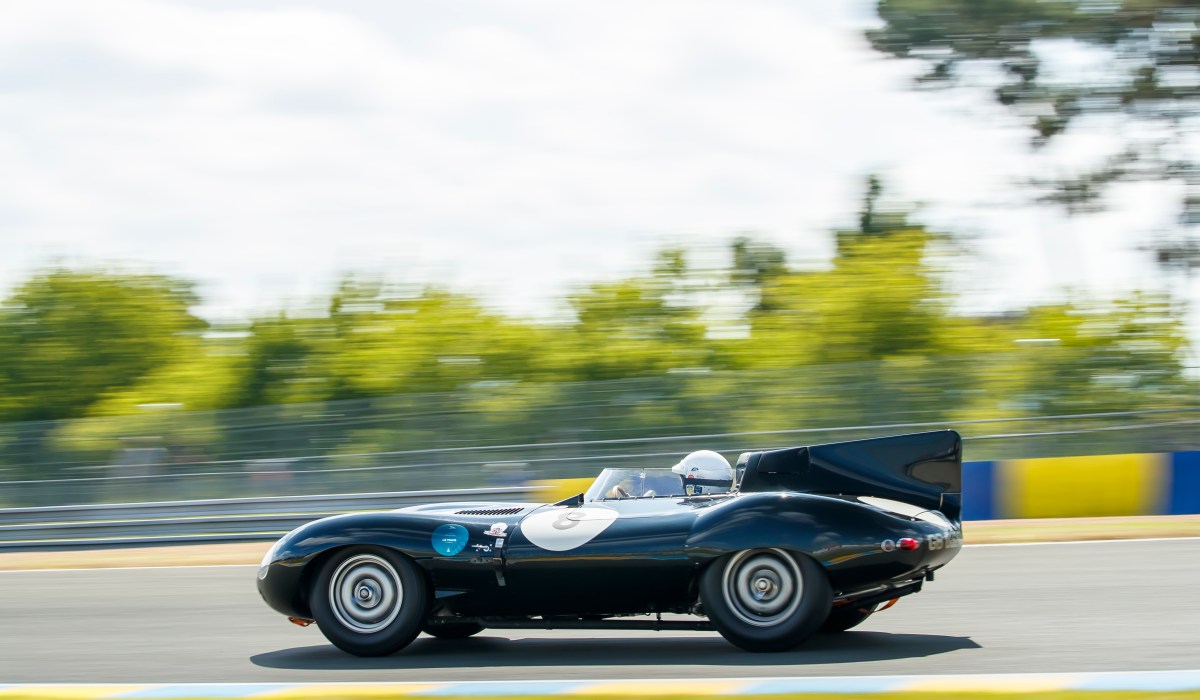
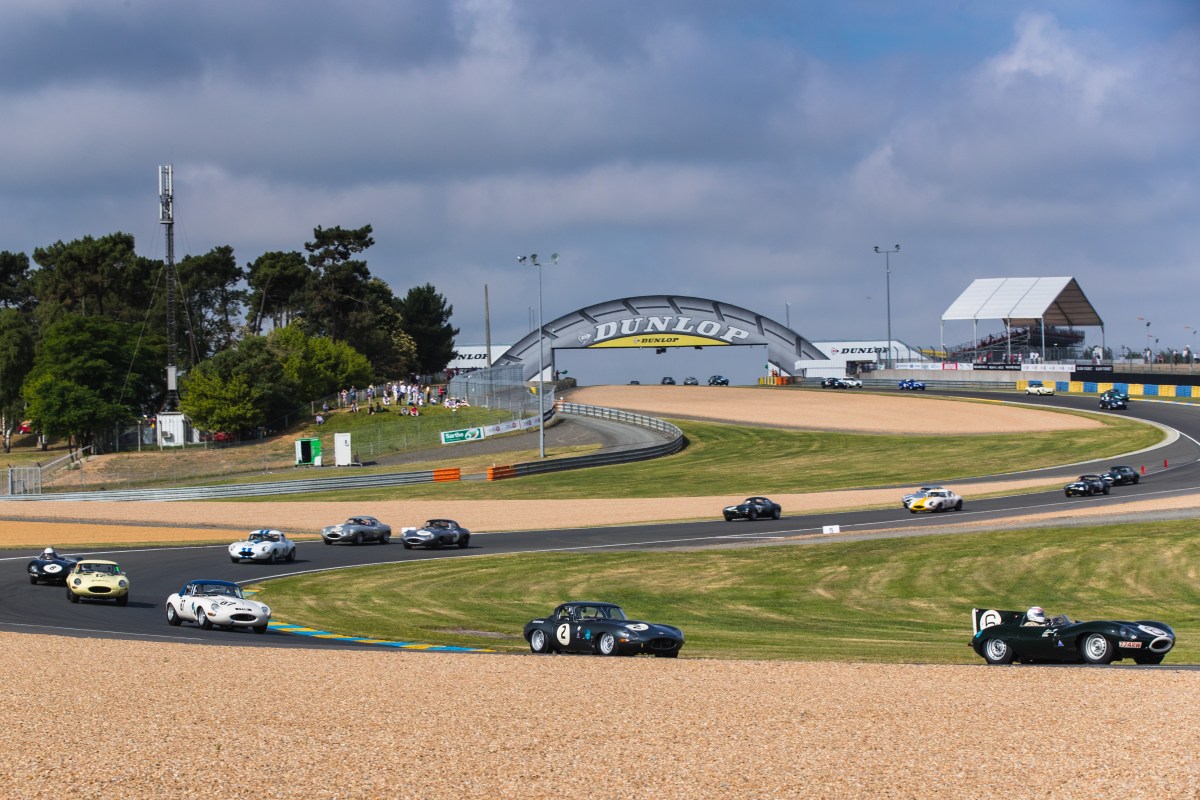
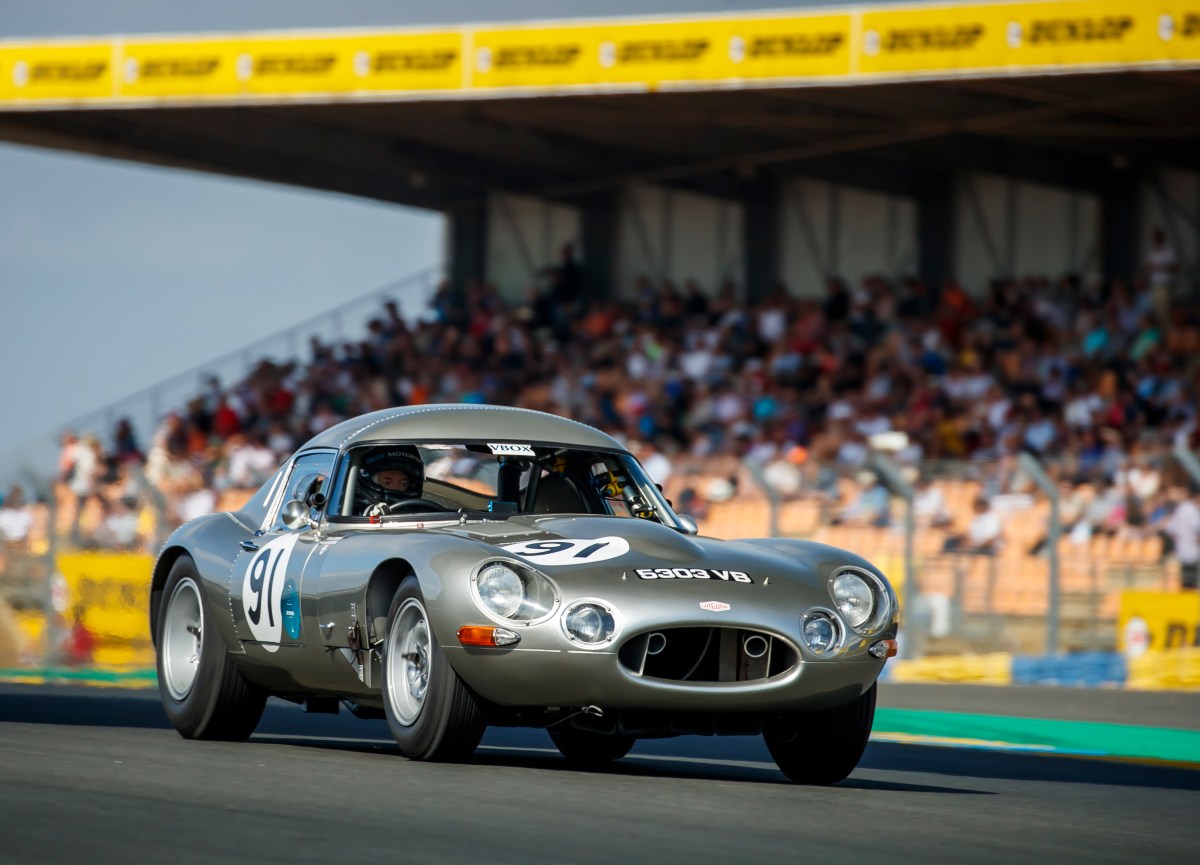
The spectacular Le Mans Classic event features on the international 2018 Jaguar Classic Challenge calendar for pre-1966 Jaguar cars, and that is good news for all the Jag enthusiasts.

This Jaguar Classic Challenge returns for its fourth consecutive season, giving owners of pre-1966 race-prepared Jaguar C-types, D-types, E-types, XKs and saloons the opportunity to compete in five 55-60-minute races at prestigious race weekends across the UK and Europe.

Jaguar Le Mans Classic 2016 7th-10th July 2016 World Copyright: Nick Dungan/Patrick Gosling/Beadyeye Ref: JAGUAR-LEMANS-CLASSIC-2016-PG-1295.CR2
Jaguar Le Mans Classic 2016
7th-10th July 2016

The biennial Le Mans Classic event, held on the iconic Circuit de la Sarthe in France – which is where Jaguar scored seven 24-hour race wins between 1951 and 1990 – joins the calendar for 2018, alongside the UK-based Donington Historic Festival, Silverstone International Trophy and Oulton Park Gold Cup, plus the Spa Six Hours in Belgium.

The return to Le Mans Classic on 6-8 July is especially poignant as 2018 marks the 30th anniversary of the Jaguar XJR-9 LM’s win at the 24-hour race. Current Jaguar Classic Chief Test Driver Andy Wallace took victory in 1988 alongside Jan Lammers and Johnny Dumfries.

J_Classic_Challenge_130418_LeMansClassic_01

A look at the Jaguar Classic Challenge calendar shows the following dates: 4-6 May: Donington Historic Festival, Leicestershire, 16-17 June: HSCC Silverstone International Trophy, Northamptonshire,

J_Classic_Challenge_130418_LeMansClassic_04

6-8 July: Le Mans Classic, Circuit de la Sarthe, France, 25-27 August: The HSCC Oulton Park Gold Cup, Cheshire and last but not least 14-16 September: Spa Six Hours, Spa Francorchamps, Belgium.

Hans Knol ten Bensel

When I fell in love with Jaguar…

aIMG_3899ss

This is where it all began: as a teenager, I stood eye to eye with the Jaguar D Type at the speed trials in Brecht… 

The announcement of this years’ presence again of Jaguar Classic at the Le Mans Classic 2018 – just read soon our following report in these columns – made me think back to the time when I grew fond of these feline cars. As a teenager, I devoured the British car magazines, and read everything about the powerful post war Jaguars with their fantastic XK six cylinder engine. I still adore this classic, double overhead cam six, with hemispheric combustion chambers and of course crossflow cylinder head.

With my father, I attended in those days the flying – or standing – I do not remember exactly anymore – kilometer speed trials in Brecht, near Antwerp. I stood there eye to eye – as the photo shows – with a D Type. Here, the growling XK was fed by a battery of three double Webers and had dry sump lubrication.

The styling, the shape, the curves, the sound, the speed, it was all fantastic to me and I felt this was all “just right”.

Also the road holding and overall handling was just fantastic, and that this car had the latest technical miracle, disk brakes. Looking at the chassis and suspension, this D type was so much ahead of its time, sporting an ideal weight distribution and aerodynamics. But what seduced me also greatly was the fact that the engine, gearbox, the very heart of the car, stemmed from the series production Jaguars, with that XK engine, with its typical beautiful growl, mated with the very same Moss gearbox which was also found in the Jaguar sports and saloon cars of the day, with the typical whine of the long first gear when they accelerated away.

XK Jaguar engine drawing

I added my drawing here of the Jaguar XK engine, seen from the rear and the right hand side, with one of the big SU carburetors just being visible…

That was and is Jaguar to me, and still is for me today, as a happy owner of the Mk II Type S, which has the Jaguar E type independent rear suspension and the rear styling reminiscent of the fantastic Mark 10. This was actually the first car I bought when I started to earn money professionally.

I recently rediscovered the Ektachrome slide which my father took of me with his 2.8 Rolleiflex. At the time when I first fell in love with these cars, and rest assured, I am still bitten today…

Hans Knol ten Bensel

We spoke with Guy Vermant about his “Collection by Vermant” concept: we go for top quality and top service for the classic car owner…

aDSC_0296s

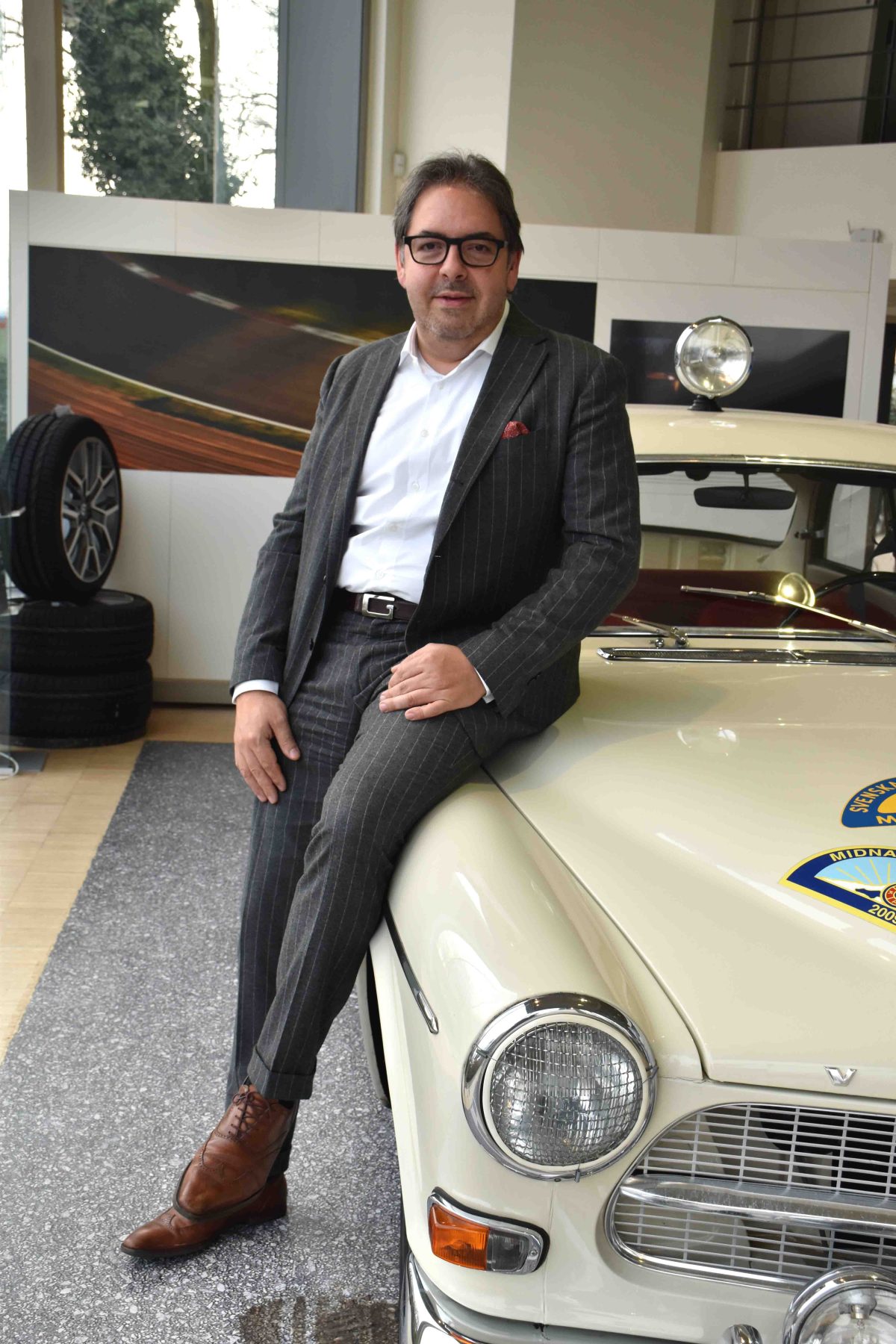
Guy Vermant proudly posing at his Mechelen premises alongside his Volvo 122 S...

Classic cars are becoming ever more popular. Many enthusiasts, old and new, have now their shining treasure standing in their garage. But of course there is more to it. One has to drive it. That is where the problems for many owners begin. Who will service and maintain my car, eventually store it and keep it in running condition at all times so it can be fully enjoyed? This is where Guy Vermant steps in with his new concept, recently presented and launched at the Antwerp Classic Car Salon. We commented about this in our columns already. Just klick the following link: http://www.autoprova.be/2018/03/04/vermant-nv-launches-collection-a-full-service-for-classics/

This was also a good reason to have an in depth interview with Guy Vermant, and about his love and passion for classic cars…

Hans Knol ten Bensel
Continue reading “We spoke with Guy Vermant about his “Collection by Vermant” concept: we go for top quality and top service for the classic car owner…”