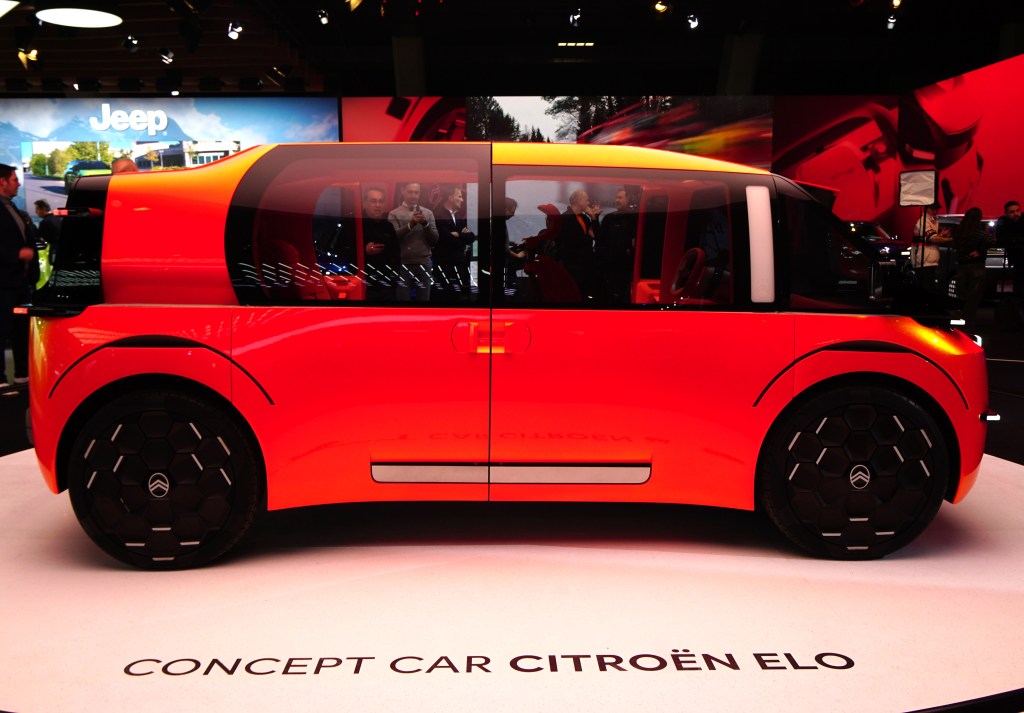
Conceiving the automotive future is always a very challenging task. Some brands have also a future-oriented attitude more than others in their DNA, and one of them is certainly Citroën.
75 years ago, they brought us the 2 CV, a car which embodied nothing less than a four-wheeled French revolution, embodying Liberty, Equality and Fraternity. Indeed, this adagio of the French revolutionists fitted the post-war French “citoyens” admirably, as the 2CV brought them just that. Freedom for all, with low-cost mobility, practicality, and go-anywhere capacity.
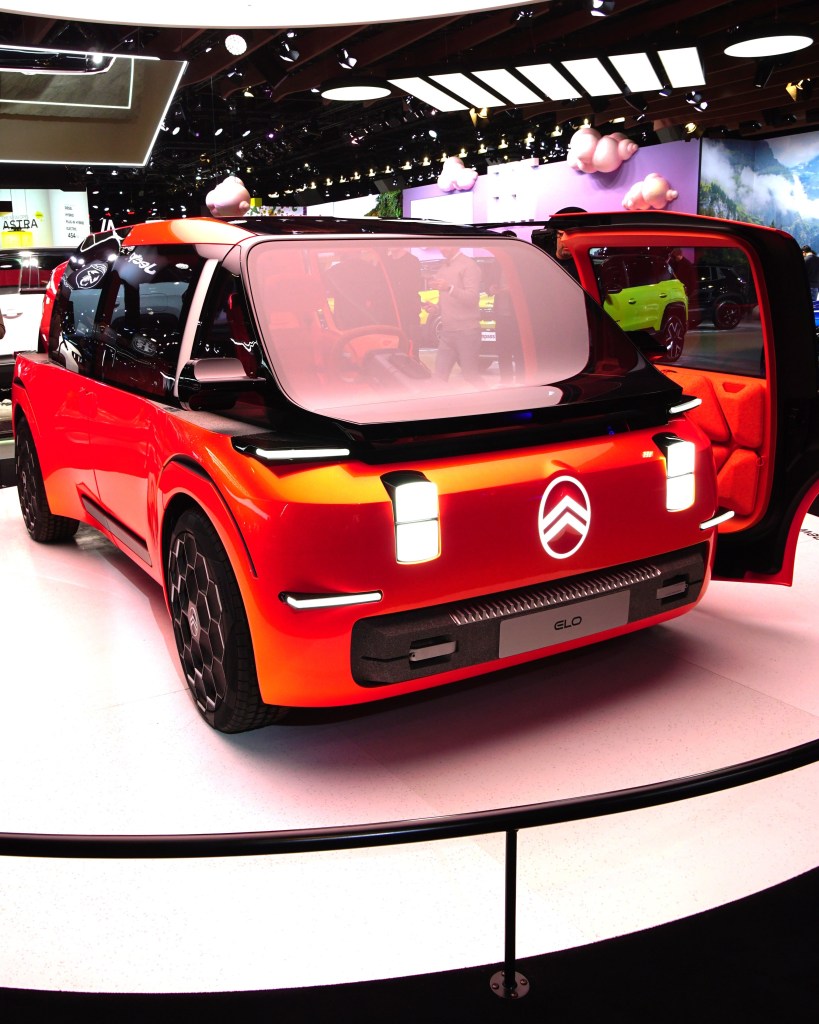
This revolutionary dream of the brand with the double chevron has never died. And Pierre Leclercq, the Belgian born head of design, proved its love for practicality, out of the box progressive “back to authentic basics of automotive mobility” thinking already with its wonderful and stunning OLI.
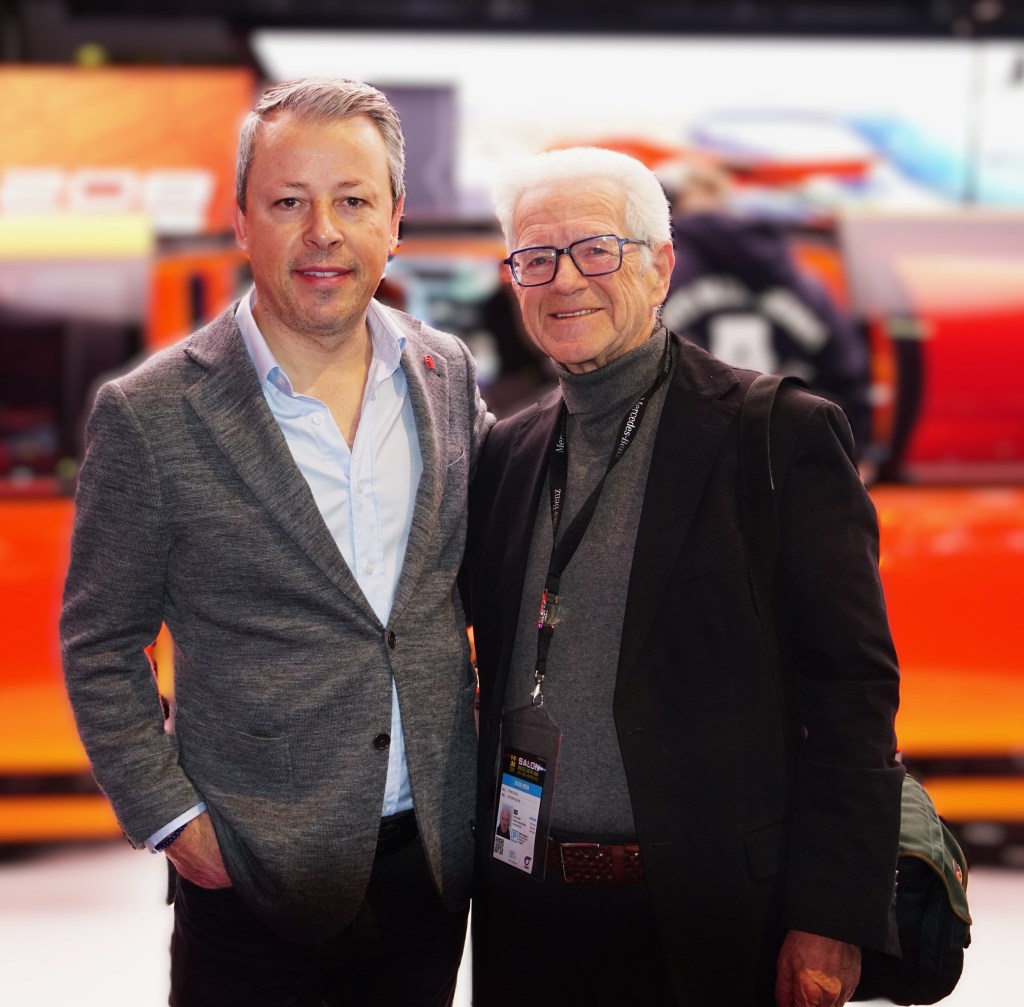
Your servant was at the presentation of this OLI in Paris, and now stood eye to eye with the equally intriguing ELO. On both occasions, he met the designer, Pierre Leclerq. We talked to him again in Brussels…
Hans Knol ten Bensel
A creative career…
Pierre Leclercq started in 1998 at BMW as an intern, he joined the Italian coachbuilder Zagato in 1999, which he left after three months to join Ford Ghia. Here he designed the interior of the Ford Street Ka concept. In 2000 he returned to BMW, where he worked for 13 years. There he notably designed the BMW X5 E70, BMW X6 E71 and the rear of the first Mini Countryman. He also worked on a successor to the BMW M1 based on the BMW i8, but the project was ultimately abandoned.
Pierre Leclercq headed the design studio of Great Wall Motors from 2013 to 2017. He then became design director at Kia, but stayed only one year with the South Korean manufacturer. Needless to say that he acquired a keen understanding of the design philosophy and DNA of both European and Far East manufacturers.
In November 2018, he took over the head of Citroën’s design office, succeeding Alexandre Malval, who had moved to Mercedes-Benz. The first project he led entirely at Citroën was the C4 X, a 4-door version of the third-generation C4.
Three pillars to keep in mind when building this concept car…
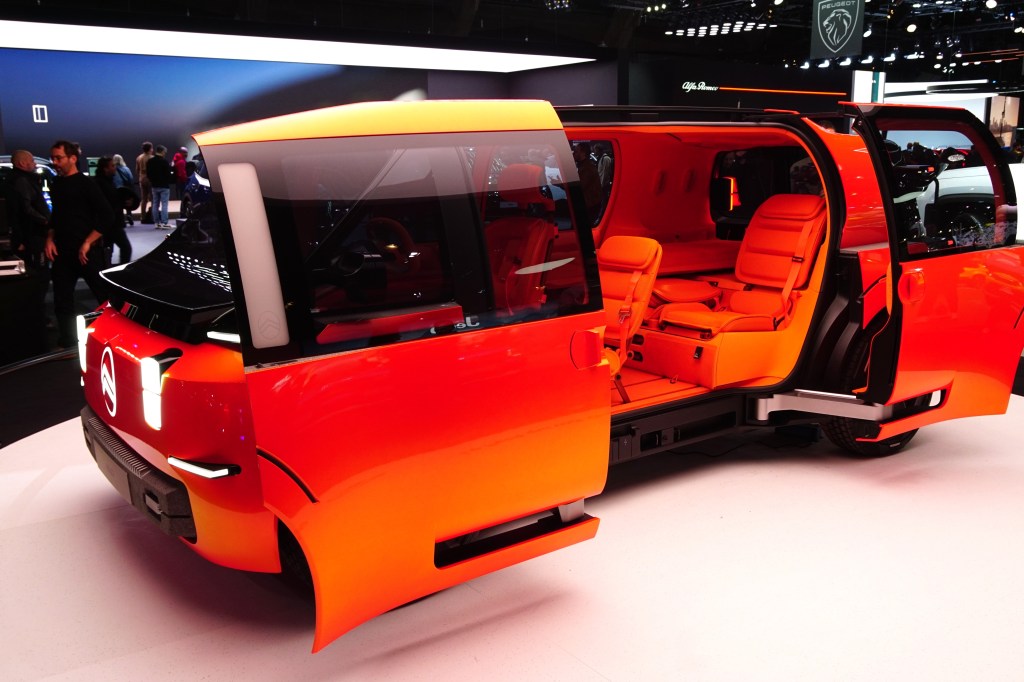
On the Brussels show, at the presentation of the ELO and the subsequent talk we had with him, Pierre stressed that this concept car is first and foremost a laboratory of ideas. He also wants to demonstrate the three pillars of the design philosophy of this car; he told us: “The ELO must become your third place (after home and office – editor’s note) to live in which you must be able to play, work and rest ”
Work…
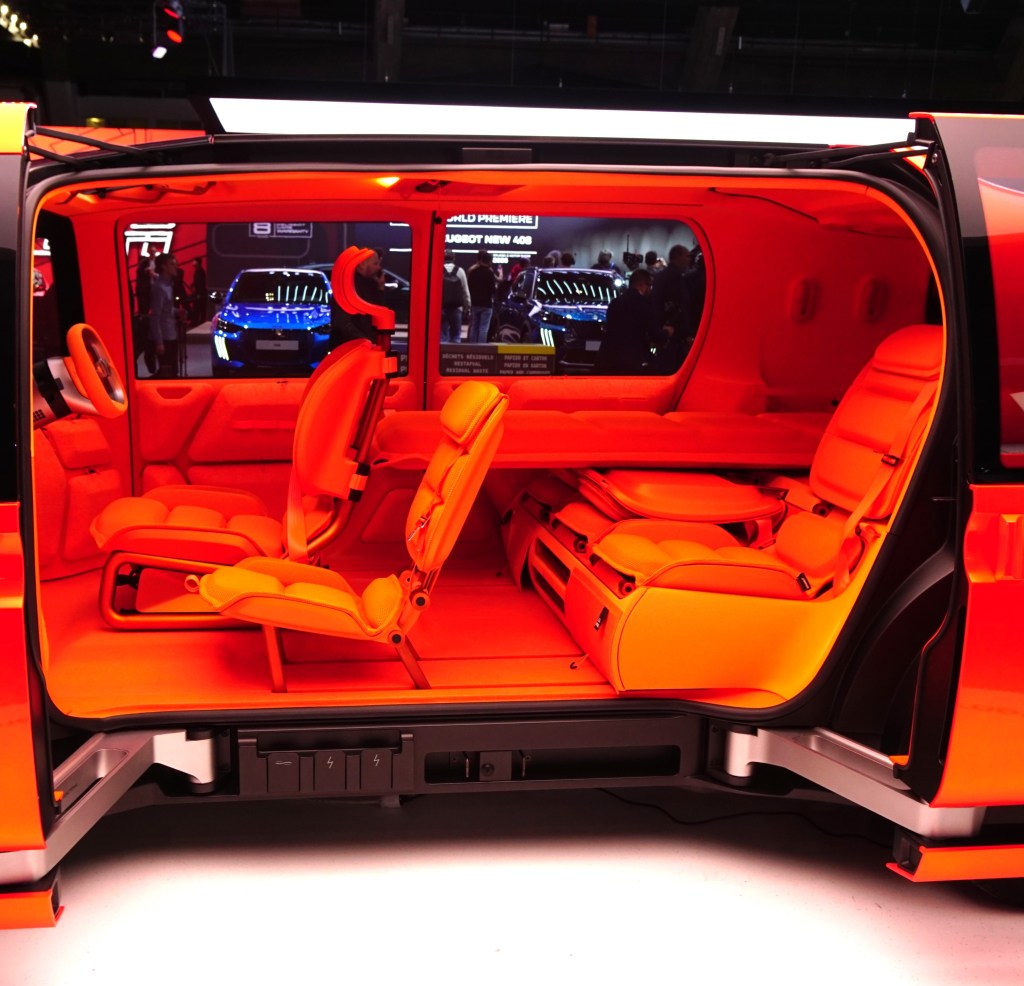
Pierre presented the ELO to us, showing the highlights of its design. “We start with a six seater”, with the driver in the center and two seats on both sides. The second row is made of three other seats.”
“Fold two seats under the rear seats and then you can rotate the driver’s seat 360 degrees, either for a good entry or when you want to work. Ideal for people who want to work – our first pillar – in another place than the office.”
Play…
“I told you the second pillar is play”, he continues. “The cooperation with Decathlon was so inspiring and led to new ideas and applications. We developed an app together with them. You can plan your trip, plan your weekend, so that you don’t forget anything that you need, you have electricity and (compressed) air for your bikes and toys…”
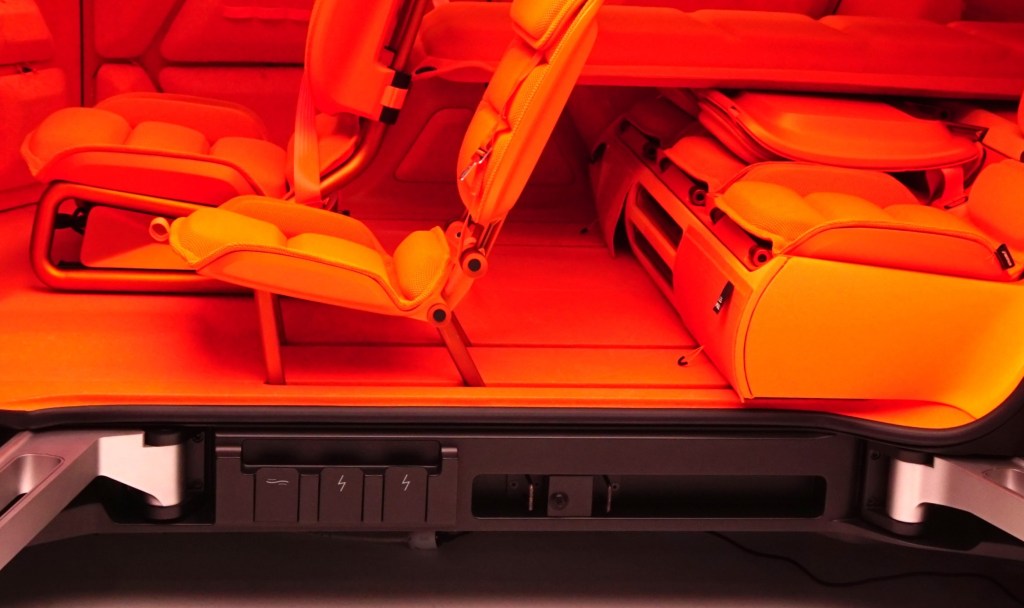
Compressed air and electricity for your E-bikes are provided…
Rest…
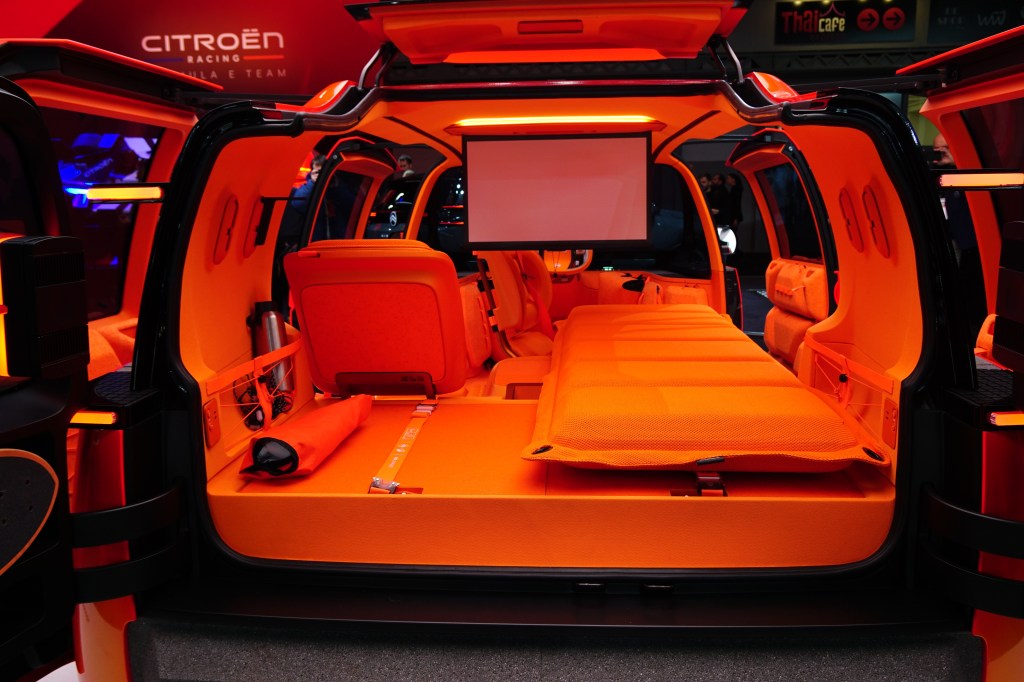
“The third pillar is rest. You fold the seats in the back row, and you have a flat floor. You then use two matresses, again an innovation from Decathlon. You inflate them to have perfect rigidity. We also have a larger screen that can unfold and we have a projector that is on the side of the car, and the little roof opens up at the back of the car to let you look at the stars in the sky.”
We asked him also about the cooperation with Decathlon on this project…
PD: “We liked Decathlon because we carry the same values.” was his answer. “Decathlon is innovating because it makes well designed and well thought products and is not reverting to expensive technologies. We worked together from the beginning to the end on this project, and it was a big learning experience for us.”
What are the futher design hallmarks of the ELO, we asked.
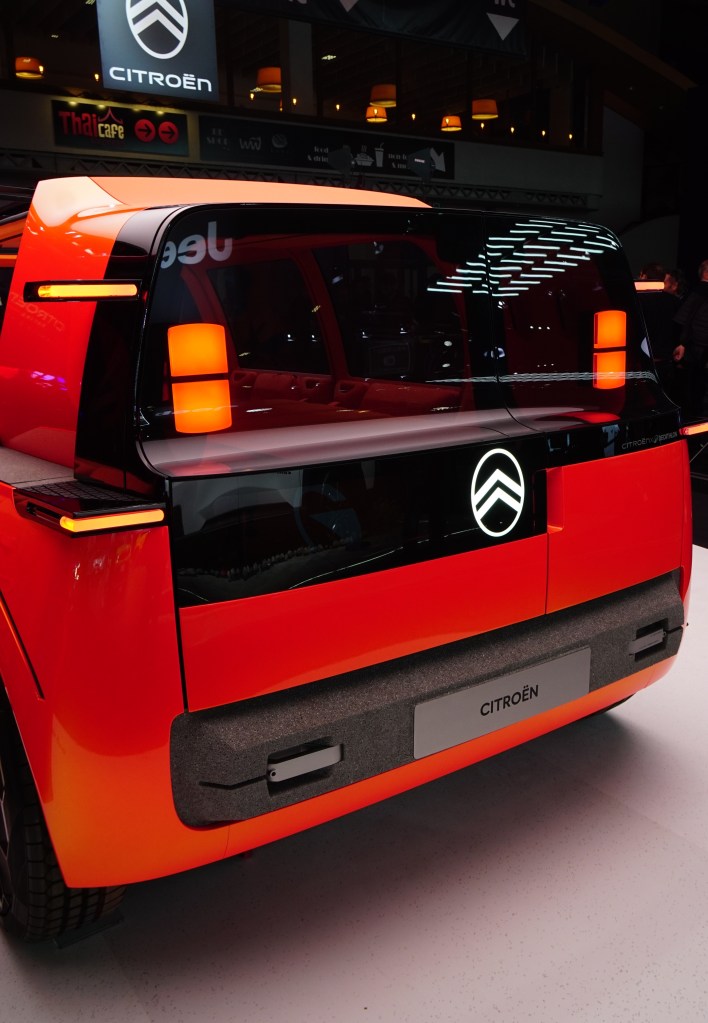
PD: “The car is compact, but has a lot of glass, which is very important both for the driver and people in the back, and more importantly, children.”
Can you tell us more about the materials used, we wanted to know.
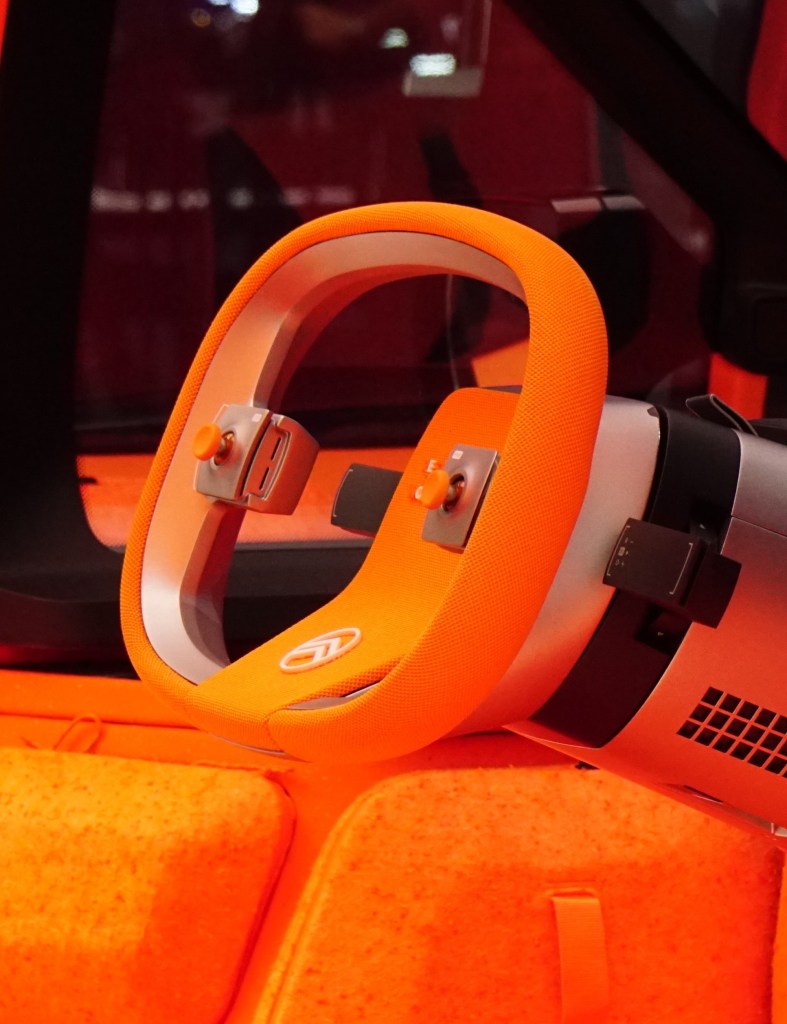
PD: “Many materials are recyclable and we even recycled materials from the OLI for this project. Also the interior panels for example. They are also cheap and easy to replace when scratched due to intensive use…”
You took advantage of the EV architecture, we remarked…
PD: “Indeed, we could maintain very compact dimensions whilst offering much room. We could move driver forward, even putting him in the centre.”
We will see much of these solutions in forthcoming models?
PD: “Yes, this concept car is a laboratory of ideas, there is not one idea which we will not try to put into production. Of course, this is the beauty of our craft, of being a designer, is to make and develop many projects, and to put them on the road, and last but not least to sell them, because these concept cars are not made for us, but for the cliënt.
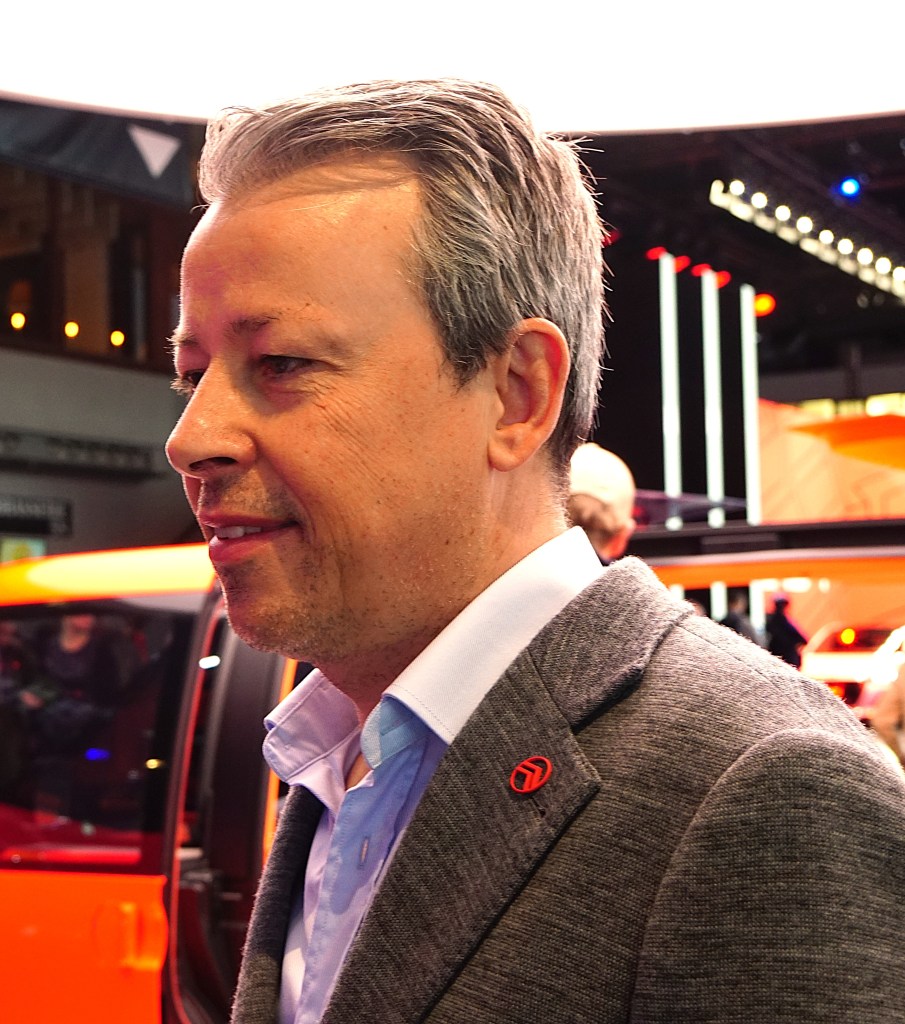
Needless to say it was a big pleasure for us to meet up again with Pierre Declercq, and see and admire his stunning concept car, the ELO.
In the next report on the Brussels Salon we will talk to Robert Lesnik, Director Exterior Design Mercedes-Benz and Oliver Löcher, Vice President Vehicle Engineering and Overall Vehicle Functions Mercedes-Benz Cars. Stay tuned!
Hans Knol ten Bensel
 Autoprova - for the Connaisseur