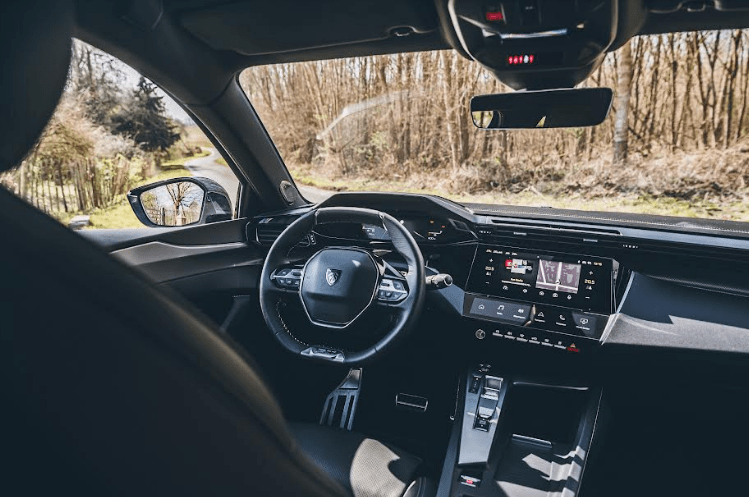
We drove the BMW ix3: the looks, the power and the range…

After the revolutionary and dedicated i3, BMW uses the popular bestseller X3 as a basis for an EV which will inspire many to take the step towards full electric mobility. Does it convince? It certainly does…

The i-version of the X3 saw light in China, where  production began in September 2020 at BMW’s factory in Dadong, China.  

Of course, the EV version doesn’t come exactly cheap, but then its major competitors, the Mercedes EQC, the Audi e-tron and the Jaguar F-pace also need a deeper pocket to call them your own. In Flanders,  these EV’s mostly appeal as business cars, also due to the simple fact that business cars in our country need to be EV’s in order to benefit from the fiscal advantages which make them interesting.

The problem with using EV’s überhaupt at the moment in our country lies with the abysmal charging infrastructure we encounter. Let it be said, this has nothing to do with the car. During our test however, we met further charging problems, which made us use the efficiency of the iX3 to the limit, and indeed we clocked an average EV consumption of 16,4 kWh, which is, considering the weight and size of the car, excellent. It resulted in a range of around 482 km, which is certainly no small feat.
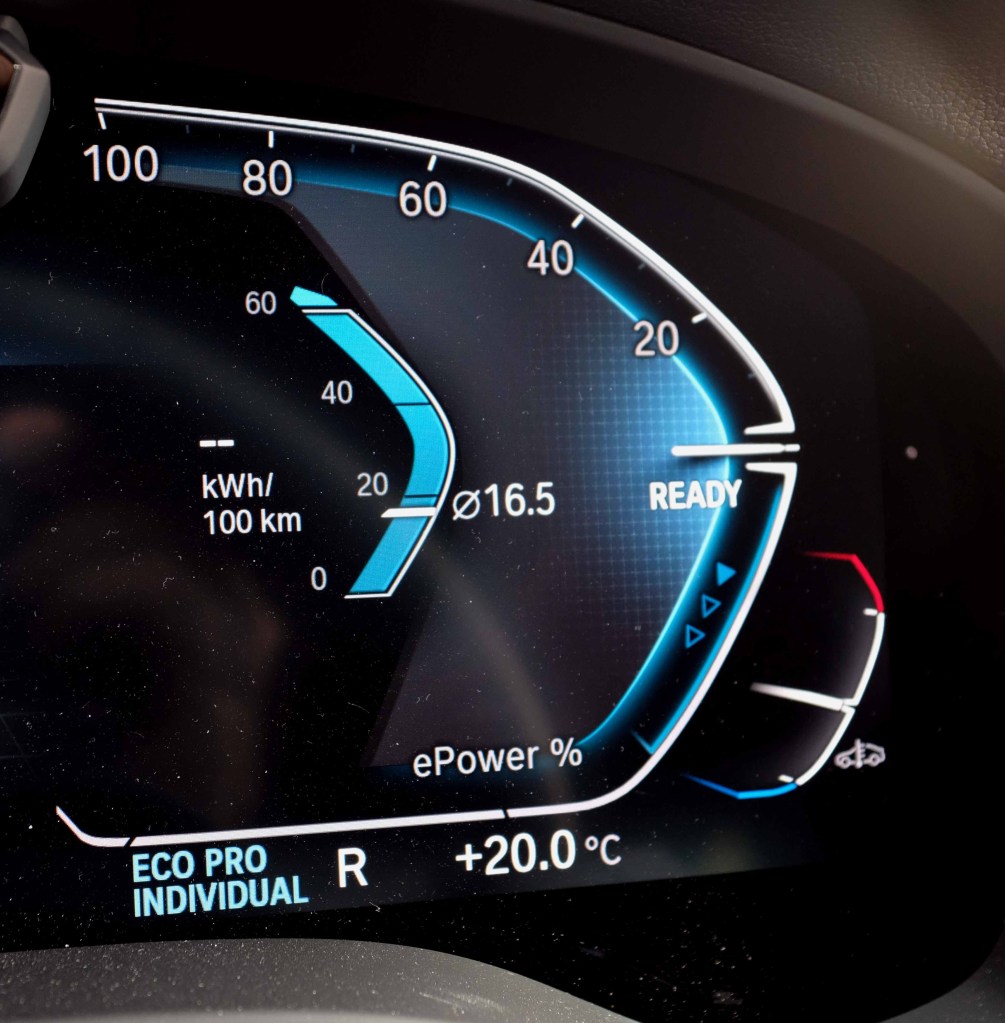
Needless to say that in order to achieve these low consumption levels, one can only use merely 10 % of the available power, and you can imagine that we enjoyed during most of our test the acceleration performance and speed of a heavy truck…But then coasting along with the slower traffic was a very restful experience!

Powerful and “zen”.

Not that the iX3 lacks power. It has not less than 210 kW or 286 HP driving the rear wheels, and even for a 2,2 tonne car this means performance. It will sprint from 0 to 100 km/h in 6,8 seconds, and hurtle smoothly to a top speed of 180 km/h.

But sheer performance does not tell the whole story. The feeling that all this power is immediately available all the time at the slightest movement of your right foot is one of the beauties of EV driving, besides the utter smoothness and silence which adds to this unique “zen” feeling, which pervades you every moment you are behind the wheel, and this certainly so in urban driving conditions.

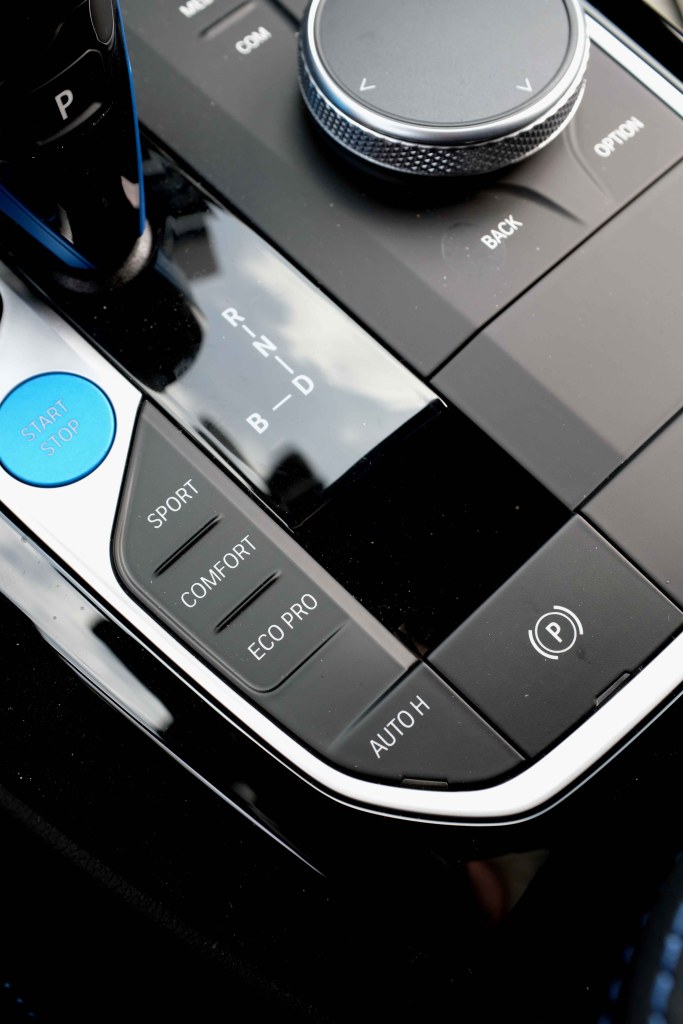
The iX3 driver has three modes at his/her disposal, “sport”, “comfort” and “eco pro”. Needless to say that given our charging situation we used the “eco pro” function virtually all the time.

The electric powertrain is BMW’s fifth-generation scalable electric drivetrain, and has a very compact layout with the electric motor, transmission, and power electrics grouped together in a single component. It does not use any rare-earth materials in its construction. The 80 kW Litrium Ion battery consists of 188 prismatic cells.

This BMW thinks with you…

If you use the navigation function together with the adaptive speed control, an intelligent interaction between the two systems unfolds. Indeed, navigation data and the sensors of the driving systems combine to slow the car at junctions or approaching bends.
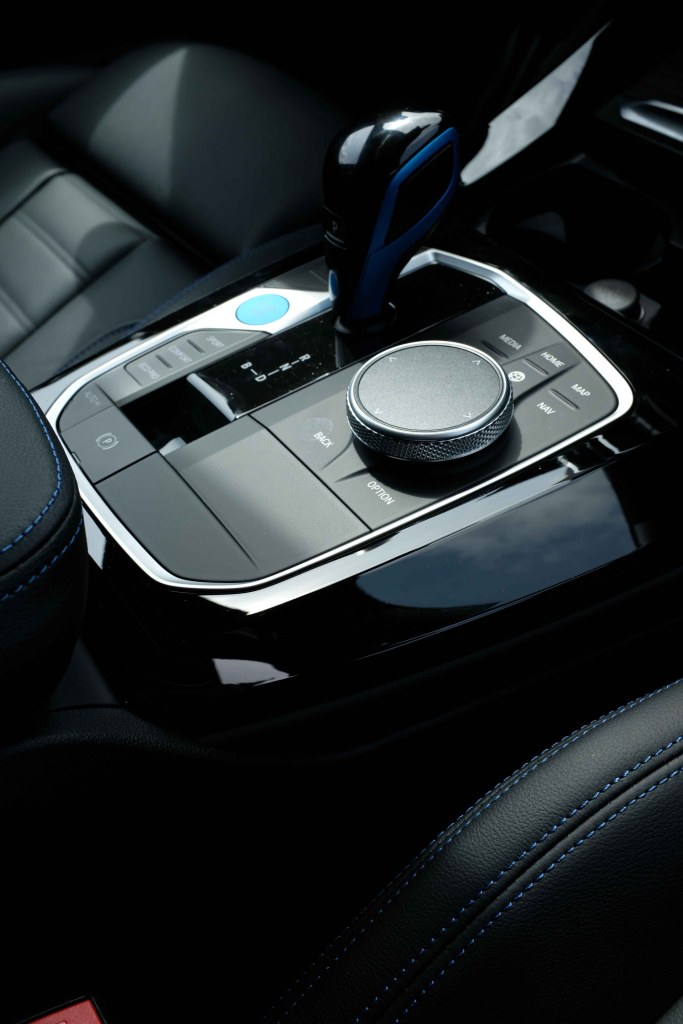
When you are driving at fairly constant speeds with low traffic density, lifting your right foot will cause the car to coast, when you activate the direction indicators, the recuperation mode sets in immediately. Soo clever….

The front camera can even detect whether the traffic light jumps to green, so the recuperation mode is immediately interrupted.

Of course you can set the recuperation mode in three different intensities, to get that pleasant “one pedal” feel. We used it to the max.

A wide array of charging possibilities

The iX3 can be charged in AC mode up to 11 kW, in DC mode up to 150 kW. We had no experience of this as we were due to malfunctions unable to recharge the car during our test. At the maximum 150 kW level, one could recharge the BMW in about 30 minutes to 80 pct of its charge.  You can also enjoy the info of the digital service offered by BMW, dubbed Connected Charging, which helps you find public charging stations. Not of any use for us, as the BMW charge card malfunctions (or otherwise?) prevented us from charging the car during our test, as we said earlier.
By the way, over the last several years I live in the Antwerp (Wilrijk) urban area not one public charging has been added within reasonable walking distance from my home. At the moment, there are only three charging points, which are now almost permanently in use. This makes the regular use of an EV (still) a rather nervous affair with range anxiety setting in the minute you get behind the wheel.

Dynamic handling…

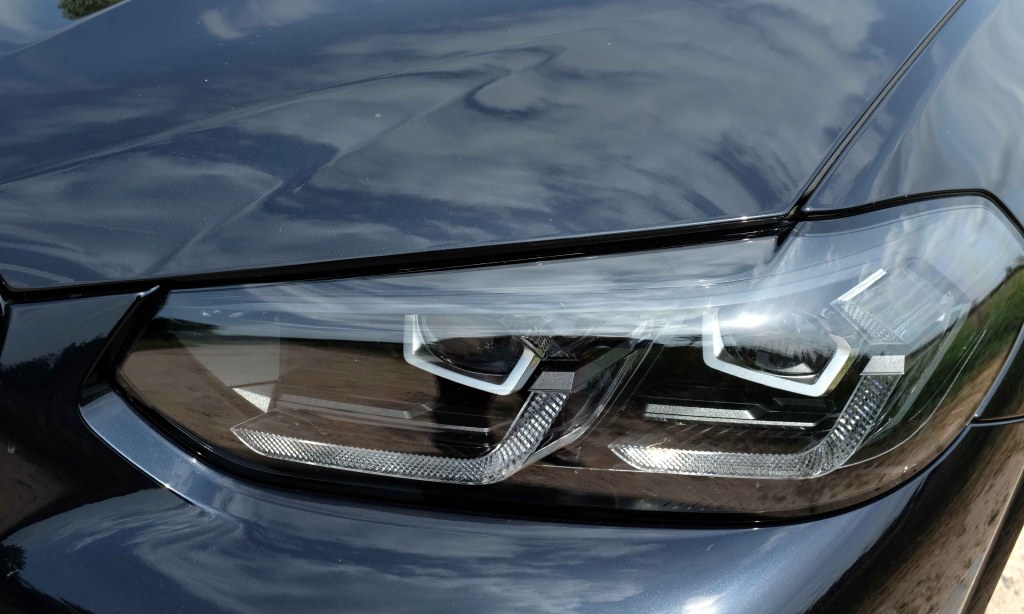
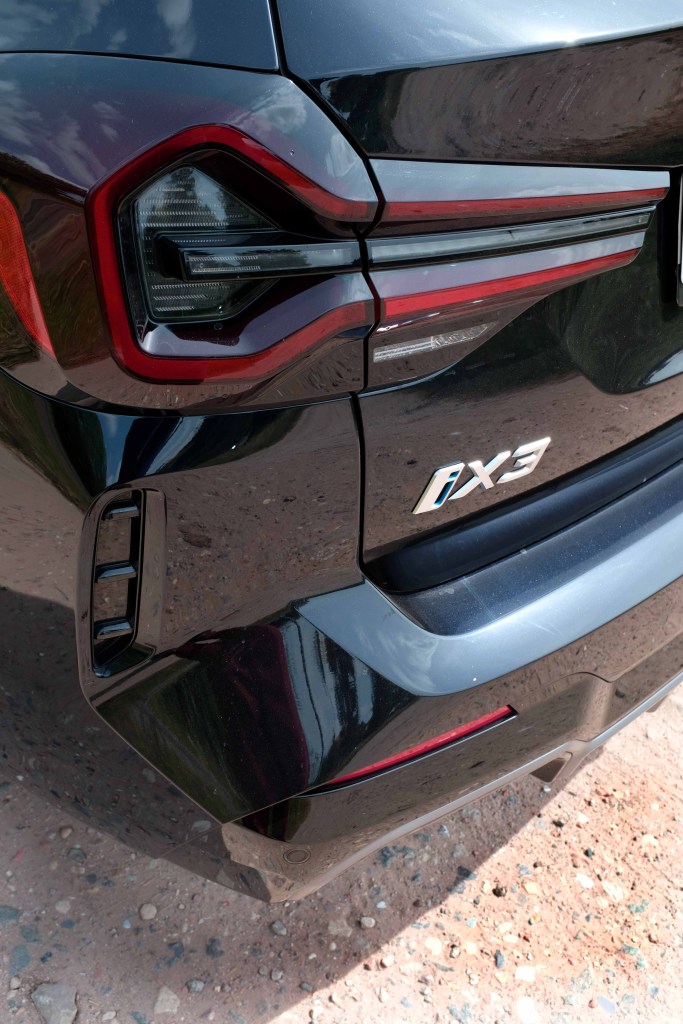
A BMW is and remains a BMW. The iX3 handles very well indeed. Of course, this EV version has standard adaptive damping and its centre of gravity has been lowered by some 7,5 centimetres. Aerodynamics have also been improved with the new closed grille and the special air slippery 19 inch alloys. The front and rear end has been restyled and this iX3 carries also a somewhat bolder light signature.
Revised cabin

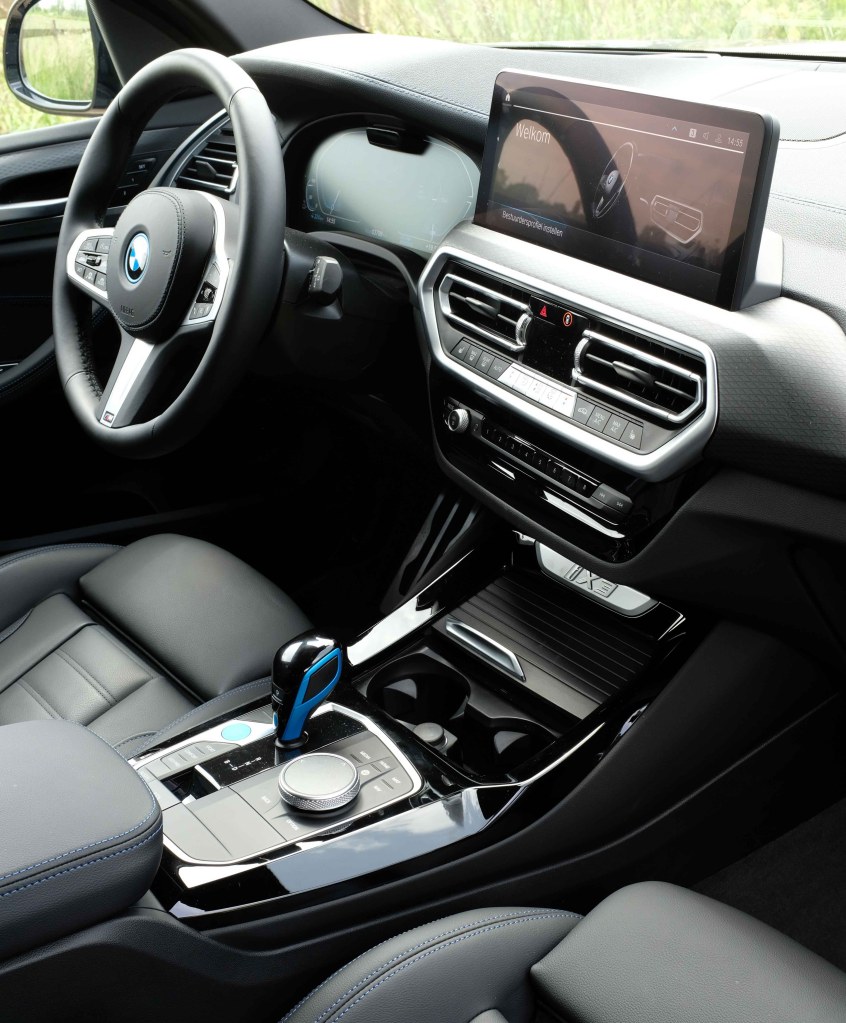
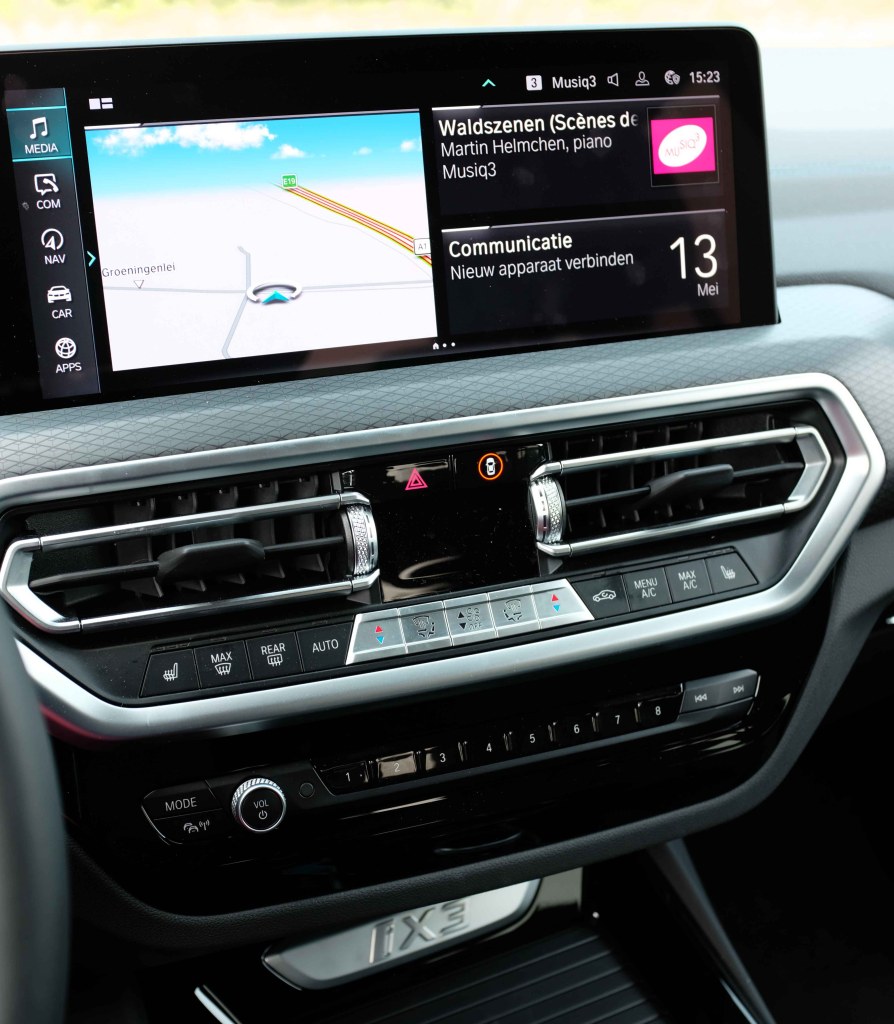
The dashboard has been further modernized, as well as the array of knobs and functions, which all are logical and quite intuitive. We truly love the layout of the audio commands for instance. But there is the big central 12,3 inch control display, combined with the also 12,3 inch large instrument display. Of course, the plethora of available digital information, menus and functions take some good study, but are worth every minute you spend on learning them. By the way, many functions can be steered by voice control, called the BMW Intelligent Personal Assistant.
You are also engulfed at night with blue accent lighting while you enjoy the now standard sports seats in the front.

Assistance systems galore

Safety is also an important issue for BMW. In the iX3, you enjoy the support of their Driver Assistant Professional, with amongst others the active navigation guidance function.

Space

Their is enough space for five, with the three rear seat backrests foldable independently. Total boot volume is 510 litres, with all the backrests folded down, some 1.560 litres.

Two equipment levels
At the moment of writing, the iX3 is offered in two equipment levels, Inspiring and Impressive. The Inspiring level is already very complete with panoramic sunroof, electrically adjustable front seats, metallic paint, smartphone integration and DAB radio. We already applauded the active navigation. The inspiring level now sets you back some 71.000 Euros.

Conclusion

A well thought out EV, in a superb X3 body, inheriting all the good qualities of this model. The facelift is stylish and underlines the EV character of this SUV. It has impressive efficiency and range, combined with more than adequate performance. When you are looking for an EV, this is a very good choice indeed.
EV’s of this stature don’t come cheap, and their longevity and resale value will depend on battery life, the evolution in battery technology, and last but not least the venue of alternatives like Hydrogen. Will this source be practical and available for the masses?

Big oil companies are increasingly looking at the latter possibility, as they are familiar with the manufacturing, transport and storage of liquid molecular sources of energy. They plan on building big solar E-plants to manufacture Hydrogen and then transport and distribute it to the whole wide world. Also for individual cars? This remains to be seen in a more distant “green” future…

Hans Knol ten Bensel

Photographers’ notes

The Fujifilm X100F is the latest addition to our mirrorless digital camera fleet. It has a superb 35mm equiv. F2 lens. Inside, the camera has a new 24.3MP CMOS sensor along with an updated image processor , and it is a true gem. The photo conditions were very difficult here, strong sunlight and a black car, but the camera still managed to produce creditable results. You will see more photos with this camera with a unique precision feel…

We drove the Mazda CX-5: a stylish SUV with a premium feel…
The CX-5 is stylish…

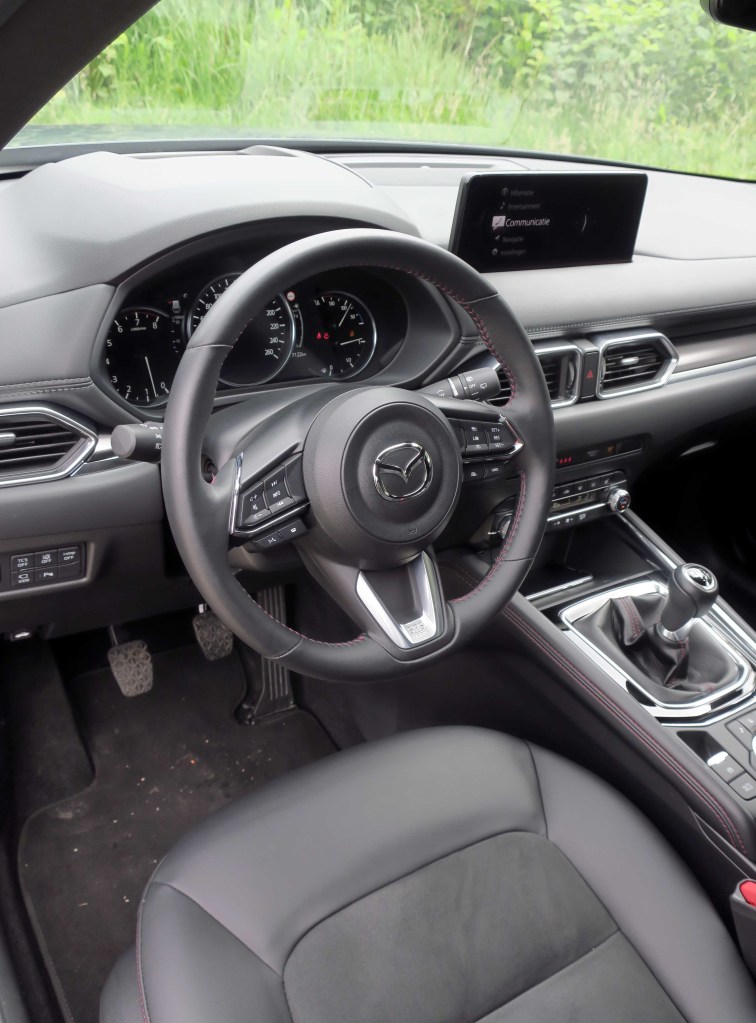
Did you know that the CX-5 is the most popular model in global markets? So Mazda carefully hones its flagship model to superb quality “feel” and looks. Never change (too much) a winning team, the saying goes. And tis is exactly what Mazda does. Of course it has poured right from the beginning a lot of unique Mazda DNA in its SUV. You guessed it, this CX-5 reminds you a bit of the MX-5 in look, feel, responsiveness and handling. You find the nice classic and beautiful round dials in front of you, your hand rests on the lever of the slick and precise changing 6 speed gearbox, the steering wheel also feels familiar to the MX-5 aficionado.

Superb finish and classic, analog instruments…

The platform of the CX-5 is now 10 years old, but it certainly doesn’t show its age. The handling is fine, responsive, inviting to have a go on winding roads. Ah, and then apart from the wide 10,25 inch screen and offering of course Android Auto and Apple Car play, the digital age has not invaded too much in the controls and (beautiful) instrumentation of this CX-5. We just love it.

A control dial for the functions displayed on the screen, proper round knobs to adjust the cabin temperature, how refreshing is this! By the way, the CX-5 now offers inductive phone charging, and a choice of drive modes.

Superb finish

Besides the classic looks there is more what rejoices your heart greatly is indeed the superb finish of this Mazda. Fine tolerances, premium materials abound in the cabin. Premium is what you see and feel. Mazda is also quite ambitious here. It wants to be the leading non European premium brand in 2030. No less…

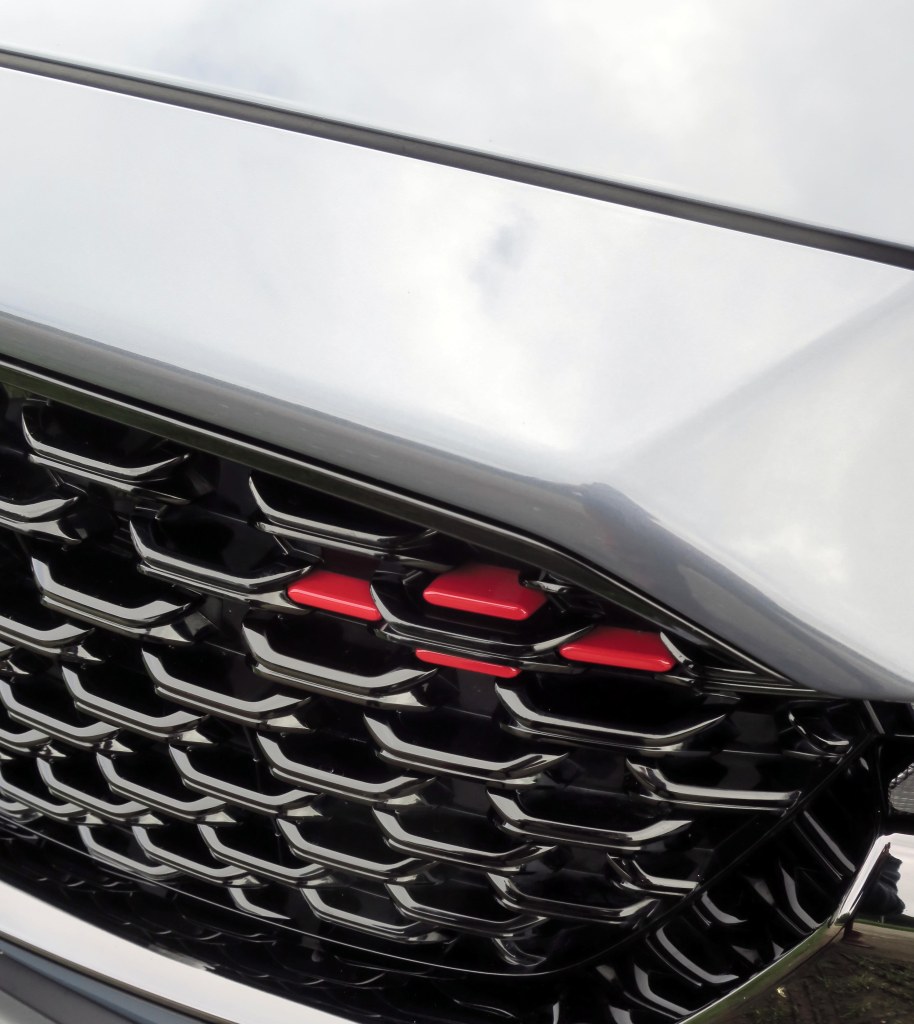
We drove the Homura version, targeted at Mazda drivers who want more sportiness. One recognises it on the red dots on the grille, stitching in seats and steering wheel.

Smooth power

We already said it, the CX-5 runs on a decade old platform, and this leaves no room for any electrification. Mind you, Mazda has many new goodies in store soon, not to mention the CX-60, Mazda’s first plug-in hybrid. An avalanche of new SUV’s will follow, from the CX-50 to the CX-90. But here we have trusty combustion engine power, and this means no range worries at all. The increased occupation of the few available public charging points in one’s neighbourhood in this country is making the use of an EV when one has no home charging possibility indeed a rather desperate affair.

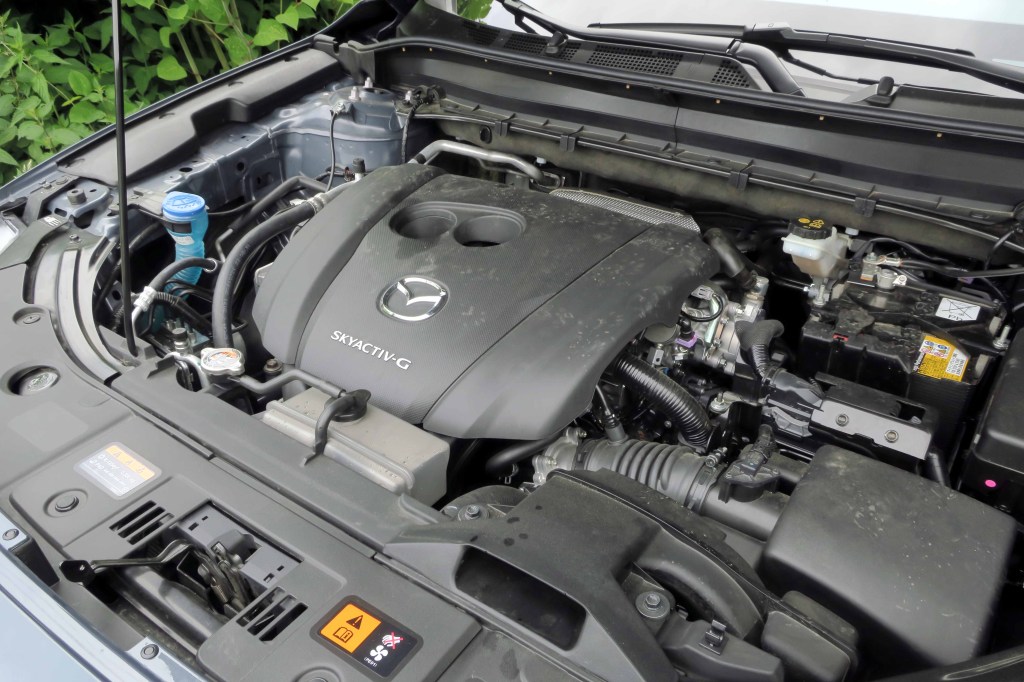
So we enjoyed the wonderful 2 litre 163 HP Skyactiv-G engine coupled to a slick 6 speed manual gearbox. Smooth, revving willingly, offering also plenty of zest at lower revs. Mind you, this is a rather formidable engine, brimming of combustion ingeniosity. The search for economy incited us to hover around 1500-2000 rpm and this meant smooth, almost inaudible power and indeed very, very reasonable fuel consumption. It again shows that your driving style essentially determines how much fuel you use.

We reached an average of 7,3 litres/100 km. Acceleration from 0 to 100 km/h costs slightly more than 10 seconds and top speed is an impressive 200 km/h. So can you have fun at the wheel of a CX-5? Indeed, you can certainly, and family fathers who had to give up their MX-5, don’t have to regret this…

You can also choose a bigger, 2,5 litre Skyactiv engine, combined with an auto box, and 4WD, but it will drive the prices well beyond the 40,000 Euro mark.

A fine balance between handling and comfort.

The CX-5 is not only at home on winding roads, it offers also fine comfort. Any harshness is never felt, also any road surface noise is very well suppressed. It made us enjoy the formidable Bose sound system even better. The CX-5 offers ample room for four, the fifth passenger in the middle of the back seat is a bit hampered by the transmission tunnel. The CX-5 offers adequate cabin space, but do’t expect a wide array of storage bins. The boot space is sufficient with 522 litres.

Well styled…

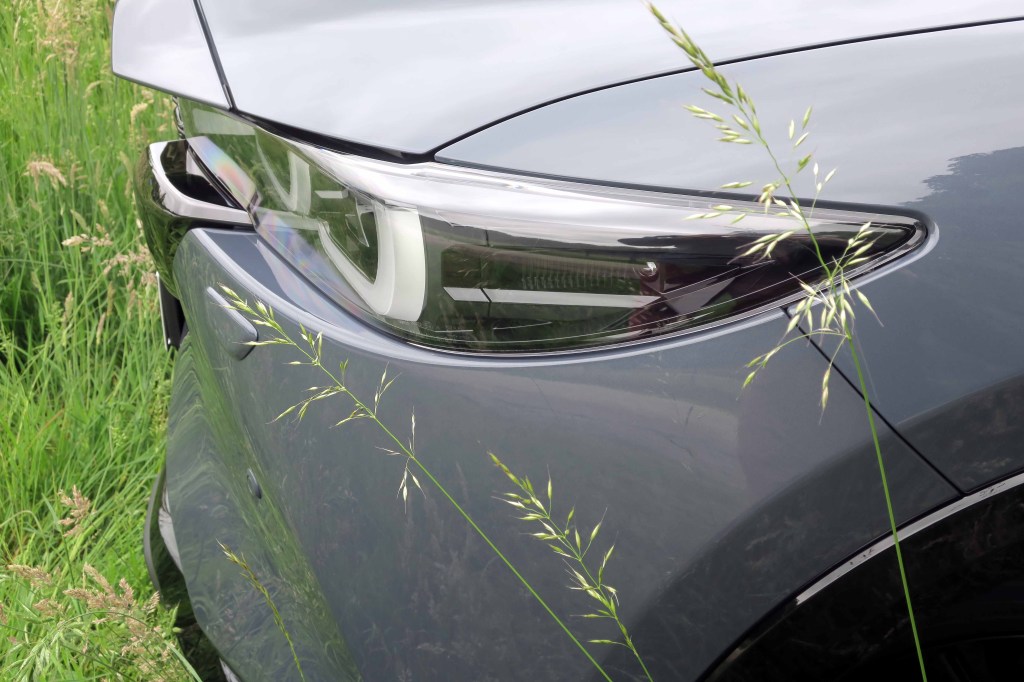
The latest facelift offers new forward and rear lighting, with the LED headlamps now offering 20 LED units.

Again we have also to stress again that the level of finish and the quality of the used materials is truly excellent. According to the equipment levels, Mazda is also offering some dramatic looking and elegant colours. We absolutely love the angular silhouette of the front grille, reminiscent of the 50s racing Lancia Gran Turismo’s, and indeed there are worse examples to follow. It gives the Mazda’s a personality.

Conclusion

For those amongst us who want a premium quality SUV with a wonderful combustion engine, comfortable, easy to use, and don’t see electrification yet as an answer to carefree individual mobility, this is a car for you. The CX-5 has a typical Mazda DNA, reminiscent of the character and panache of the MX-5 and is very stylish indeed. It offers good value for money too, if you are judicious in the choice of drivetrain and equipment level.

Hans Knol ten Bensel

Photographers’ notes:

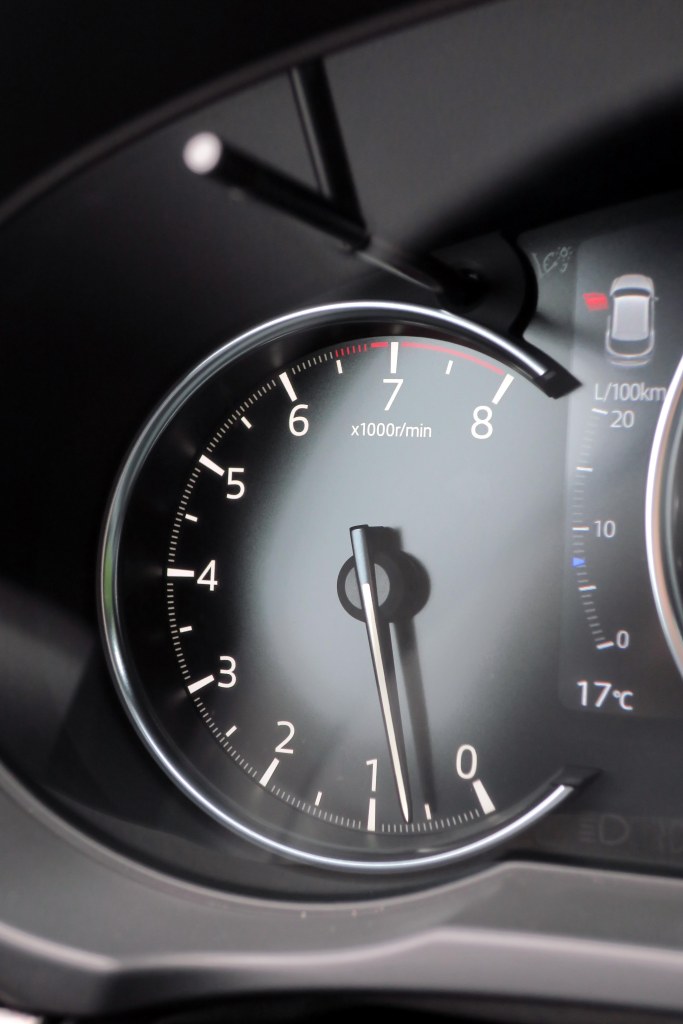
We used here again our Canon Power Shot G9 X. A true compact gem indeed, lightweight – merely some 200 grams – and ultra compact. We selected an f 8 opening for that extra sharpness and more importantly extra depth of field. With the good light conditions, ISO was only 200 or 250. It is also able to shoot at very short distances, as the photo of the instrumentation shows.

We drove the new Citroën C5 Aircross: a SUV with added panache and superb comfort…

We drove the 225 HP plug-in hybrid version in the Alpes Maritimes around Cannes and Nice…

When the brand with the double chevron builds an SUV in the C segment, you can expect something very special. Indeed, after a long drive in the Alpes Maritimes around Grasse, on the immensely scenic Route Napoléon, the  Départementale 6085, we stepped out totally relaxed and surprised. This is a totally harmonious car, with very impressive qualities. First of all, the total comfort, which cars of many times its price (and size) can only mach at best. But that is not all.

There is also the perfect balance of this SUV. Its totally impeccable handling. Its unerring stability and precision, with total lack of body roll when you steer it with high speed in fast corners. Then comes the smooth drivetrain, with a silky stream of power, in the 225 HP Hybrid version we drove. We made this choice, because the plug-in hybrid version currently accounts for 41% of sales. Performance and pulling power galore, and on top of that all this is happening in vibrationless silence, with any road noise also well insulated . When you put the lever in “B”, the kinetic energy regeneration is optimal, and we drove quite long stretches of winding and hilly roads with zero average E- consumption, with the engine shut off!

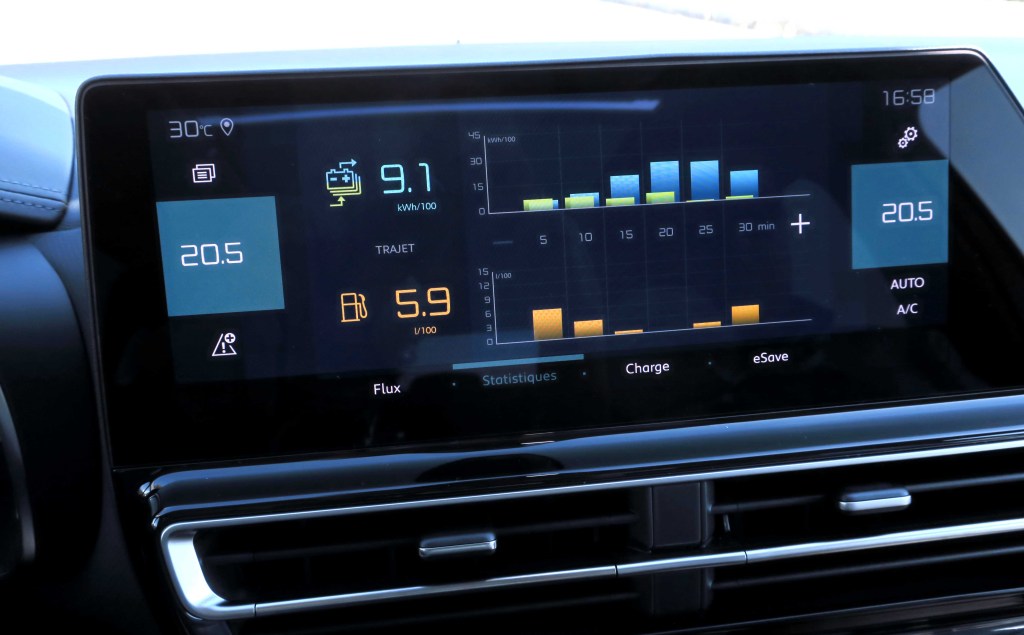
The sedate driving style at the end of our trip resulted in an average total consumption of… 7,4 kW and 4,5 l/100 km.

Actually, in this paragraph, the whole story is told. Let’s now tell you more about the facelift features of this C-Segment SUV, which found since its introduction in 2018 already some 325.000 buyers worldwide…

More modern and imposing front end and announcing colour…

A more imposing front end…

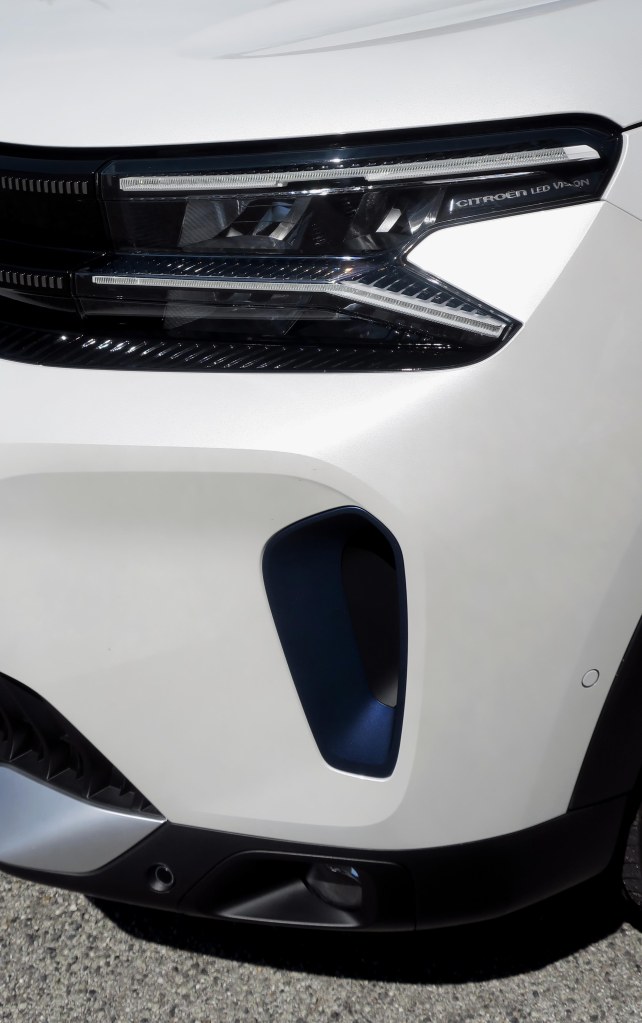
Citroën introduces a new design language to its successful C-Class SUV. Tauter lines and a vertical so-called “stepped construction” contribute to visual widening the front end of C5 Aircross. The Brand logo now detaches itself from the daytime running lights. The chevrons now appear in black lacquer set off in chrome, and we liked it.

They extend visually via a set of increasingly tight chrome and black piano keys that gradually blend into LED daytime running lights, very subtle! Characteristic of the new Citroën identity, the V-shaped day time running lights LED signature carries a piano keys design.

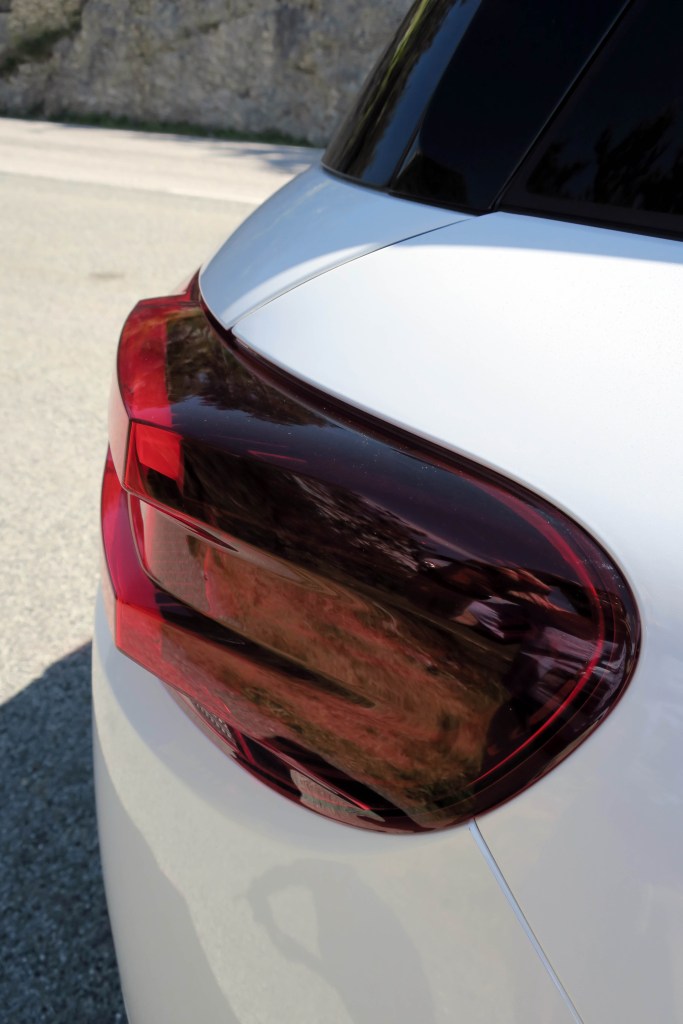
More dynamism is also found at the rear in the new structured headlight lenses. Without changing size, the lamp unit is now fitted with dark and structured glass, highlighting the three LED lighting modules that constitute the light signature. The car also runs on new 18” diamond-cut PULSAR alloy wheels, and also the side panels have more structured lines and accents.

Four new Colour Packs, which allow C5 Aircross to assert its SUV character and its elegance: Glossy Black, Dark Chrome, Anodized Bronze and Energetic Blue. The new colours of the Colour Packs also feature on the front air intakes and the Airbump®.

Stylish and more upmarket cabin

The C5 Aircross gets a new 10” touchscreen that appears to float on the dashboard, more in your line of vision. In addition, the fully customisable 12”3 digital display provides all essential and customisable information directly in the driver’s eye-line: navigation map report, information on active driver-assistance systems, information on the operating status of the hybrid engine, etc. We appreciated the simplicity of it. We noticed also a clever gimmick in the hybrid version we drove: the digital numbers indicating the speed are in blue when you are driving on E-power, and white when the combustion engine is doing the work.

Legendary seats…

Citroën Advanced Comfort® seats already present on C4 and C5 X are making their way also in the C5. They are made of high-density foam in the core of the seat, have an extra 15 mm layer of foam and of course a specific construction… and indeed, they offer a wonderful comfort and support. We already applauded the qualities of the Progressive Hydraulic Cushions® suspension.

Bolder rear lights…

The central console, has been modernised with a black leather-effect-fabric enhanced by chrome design lines. We have a new, e-Toggle gear selector, a new driving mode selection button incorporating the Grip Control function and, on the plug-in-hybrid versions, an intuitive choice of the driving mode (Electric, Hybrid or Sport). The central console also integrates a large storage trail regrouping the connectivity with 2 USB-ports and a wireless charger.

Citroëns have always been practical, and this C5 Aircross makes no exception: it’s the only SUV in the segment to offer three individual sliding, reclining and retractable rear seats. The boot volume goes from 580 L to 720 L in the petrol and diesel versions and from 460 L to 600 L for the hybrid version.

We enjoyed the utter quietness of the car, as we said above, and indeed it was equipped with the optional acoustic laminated front windows.

We ended our test with an even lower consumption of merely 4,5 litres/100 km…

The plug-in-hybrid version allows a driving in electric mode up to 135 km/h, and a  55 km E-range.

Users of the C5 Aircross Plug-In Hybrid also benefit from a range of services to facilitate charging: with management either directly in the vehicle or from their smartphone, as well as the possibility of programming charging times. Charging is fast, with a full charge completed in less than two hours on a Wall-box, says Citroën.

Of course we have 20 benchmark driver-assistance systems in the compact SUV segment. These include Highway Driver Assist, a level 2 autonomous driving system, combining Adaptive Cruise Control with a Stop & Go function and the Active Lane Departure Warning system.

Needless to say, the C5 Aircross impressed us greatly. We are keen to test this car soon, also in the petrol engined 130 HP version. But really, the plug-in version couldn’t be missed…

Hans Knol ten Bensel

Photographers’ notes:

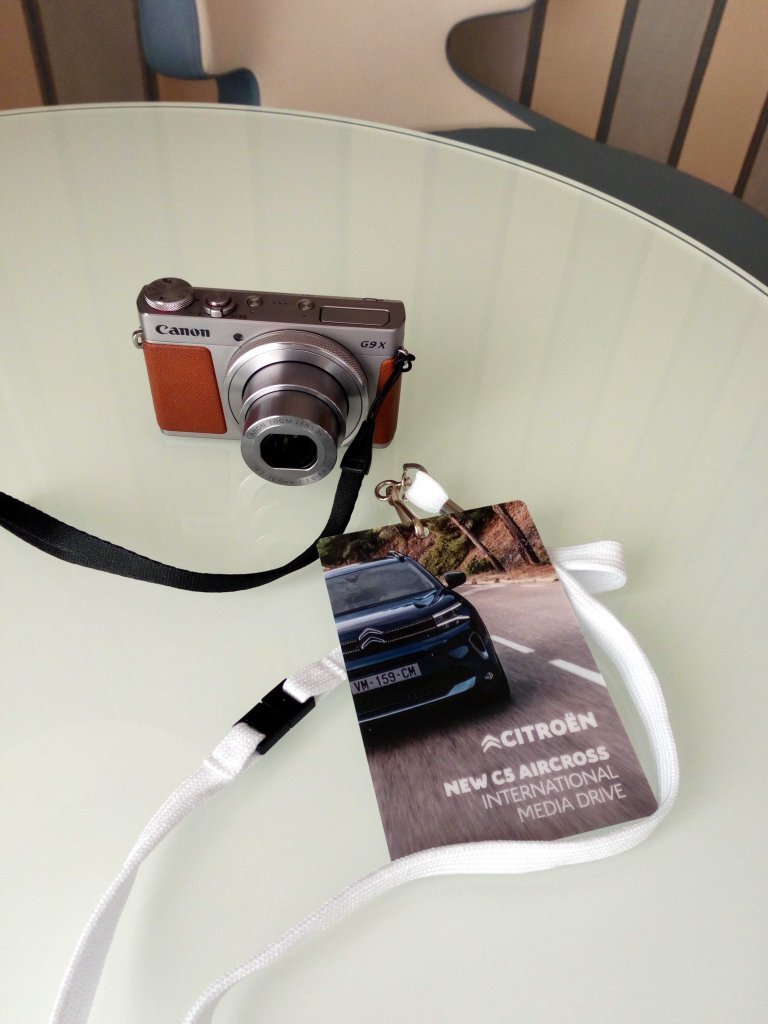
We took our trusty Canon G9 X to  Nice. It’s wonderfully compact, has a cropped 20 megapixel sensor, 1.0 type back-illuminated CMOS, and a well performing 10,2 to 30,6 mm zoom lens, (35 mm equivalent: 28 – 84 mm.). It is of superb construction, with 8 elements in 6 groups (2 double sided aspherical UA lens, 1 single sided aspherical lens). It is fast too, with f/2.0 – f/4.9. We simply love this baby, and it has been for years our favorite. We mostly use it in AV mode (Aperture priority). Mind you, it has a built-in ND filter.

We drove the Lexus UX 300e

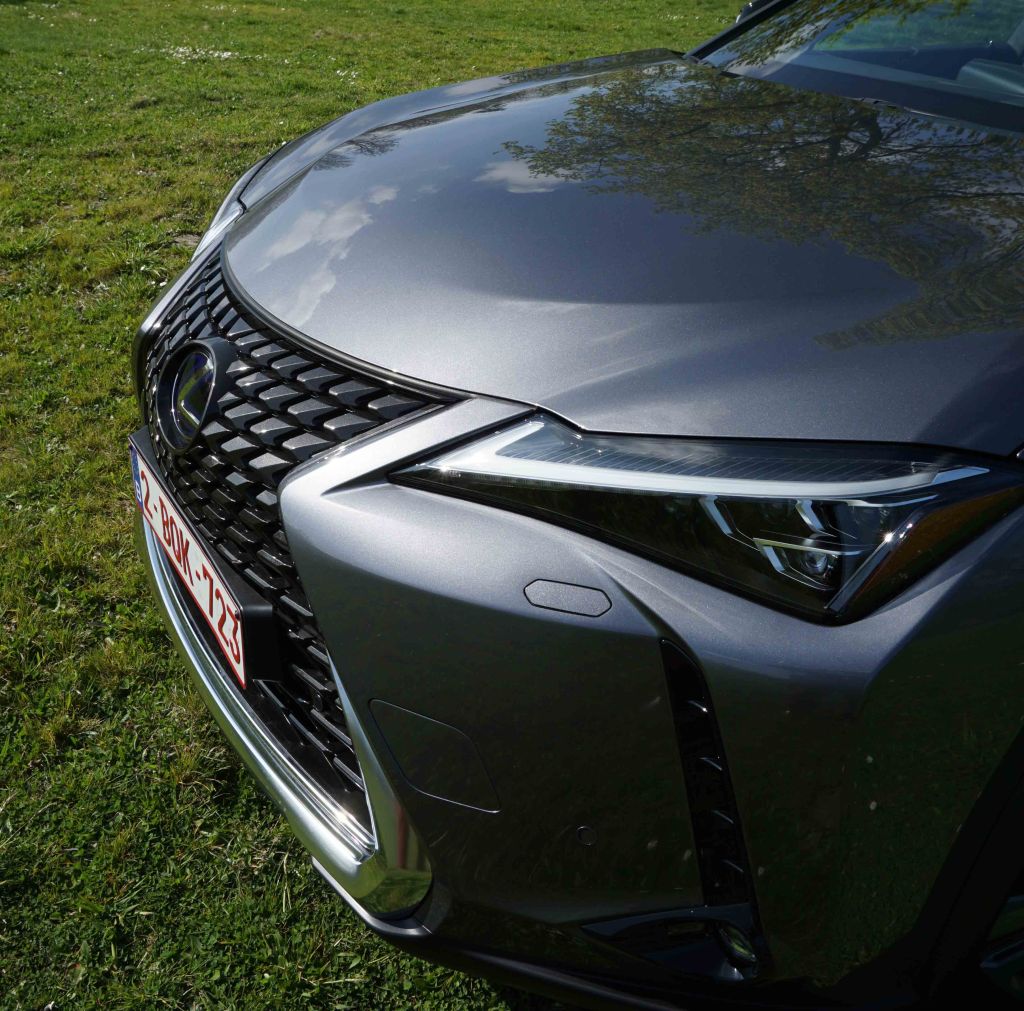
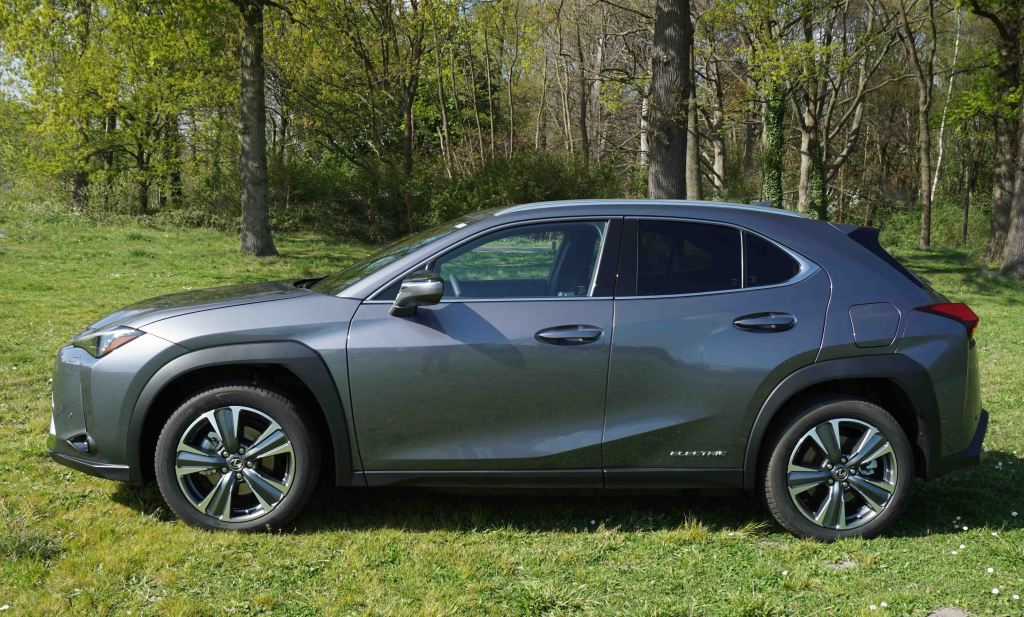
Lexus comes to our shores with an all electric compact SUV, based on the already familiar UX 300. An inevitable step, creating an EV besides the eminently capable hybrid version. It is the trend of the times, and Lexus has to follow suit. Of course, renowned for offering excellent and state of the art technology, expectations about how this Lexus EV will drive and perform are understandably very high indeed.

Well, it didn’t disappoint. The UX runs on an excellent (compact) TGNA platform, and it houses the 150 kW motor driving the front wheels with a healthy 300 Nm of torque. Not only delivers it the wonderful silent, supersmooth propulsion we appreciate so much in EV’s, it also goes like a rocket. It accelerates from 0 to 100 km/h in merely 7,5 seconds, hurtling further to a limited top speed of 160 km/h. Not very impressive on German Autobahnen, but more than enough for the whole rest of the world.

Well balanced, sporty and refined driving pleasure

So the UX is engine-wise totally wonderful to drive in town, on winding roads and on the motorway. The chassis and suspension also show their best side. Its handling can even be called sporty. Beisdes the stiff chassis, this is also the result of the ideal weight distribution, with the 54,3 kW battery with its 388 cells is sitting very low beneath the floor of the passenger cabin ad above the rear seats. Indeed the Lexus UX 300e is a very well balanced car.

This time, it is all electric, with a 204 HP electric motor under the hood…

Driving this EV is very simple. We advise you to put the gearshift right away in “B”, which lets you regenerate kinetic energy when coasting or braking. With the paddles on the steering wheel you can control the amount of regeneration in four stages. After a while you have learned to judge the resulting braking force, and soon you know how to move trough urban traffic without touching the brakes at all.

The instrumentation is clean and self explaining: note the rather limited range, indicated in the center, only 224 km left with battery still over 3/4 charged…

Indeed you need all the regeneration you can get, and you are also well advised to adopt a relaxed and anticipative driving style throughout, as you want the E-consumption to be low. Given a consumption of 16,8 kW, the range is a good 300 kilometers, but in mixed driving conditions, this soon melts significantly below 300 km, and in practice a range of 250-280 km is more realistic.

When you will use your UX 300e more intensively, frequent recharging is your fate, as the range is rather limited. Fortunately this Lexus gives you the possibility of rapid charging, using a second Chademo DC charging socket, allowing you to charge at a rate of up to 50 kW. This would allow you to charge te battery up to 80 pct in a good 50 minutes. The normal AC charging points allow you to charge at a maximum rate of 6,6 kW, so recharging the battery would cost you a good 7-8 hours.

Not only are public charging points in our country scarce and often occupied, their placement also is often awkward to say the least. Here one has to park outside the markings to charge two cars simultaniously, for which the charging point is designed…

With the present charging infrastructure in Belgium, finding an AC charging point in towns like Antwerp or Knokke is already rather difficult. On top,of that, wIth the rising popularity of EV’s your servant finds the available charging points within reasonable distance of his home permanently occupied most of the time. So available range becomes ever more important in a modern EV.

Comfort, handling panache and practicality.

With the batteries stowed away beneath the floor, a boot space of 367 liters is available, and actually there is very little which discerns the e-version from the normal UX 300. We like, even rather love is the better word, its dashboard layout, the placement of its commands, the command pad for the 10,3 inch screen, you name it.

We found the dashboard layout very much to our liking, with commands ideally placed…

We are indeed fiercely in favour of a distance command for the centre screen. It avoids getting muddy fingerprints on it, and when driving on a wobbly road surface its that much easier to pinpoint your finger on a touchpad which is that much closer to you.

Generally speaking, your servant personally also refrains from criticisms on the placement of commands, knobs and the like, as we test drive the car only for a relatively short period, say a day or seven, and the prospective owner will drive this car for months on end at least. So he (she) will get used to the placement and manipulation of all the commands that much better, and will come perfectly to terms with all of them.

We personally just love the touchpad, which avoids smudgy fingerprints on the touchscreen. Media, tuning the radio and adjsuting its volume can also be done discreetly with your right hand…

We like the quality touch and feel of all the knobs and commands in this Lexus, the excellent seats, the wonderful seating position, the wide array of driving assist features offered. Indeed, it is a joy to be behind the wheel of this Lexus. We already appreciated the handling of this UX, add to this the accurate and sensitive steering and the total absence of body roll, and you will see that this Lexus puts a smile on your face when you take it through its paces on winding roads.

On the motorway, you are also cosseted by its stability and overall refinement, the superb Levinson sound system als being a joy for your ears.

Last word about the Lexus guarantees. They can vary form country to country, and in Belgium the factory guarantee is 3 years or 100.000 km. For hybrid components and hybrid batteries, it’s even 5 years. Belgium has also introduced a so-called “Lexus Relax” scheme. When your Lexus is less than 10 years old, or has driven less than 185.000 kilometers, and you service your car at an authorised Lexus dealer, you will get a 1 year/15.000 km guarantee, which can be renewed at every subsequent service…

Conclusion

The Lexus UX is even more refined on e-power, making every trip a very satisfying experience. Its range could be somewhat bigger when you move around a lot. The advantages are that the car weighs only 1,7 tonnes, and this is good for overall handling, performance and e-consumption.

European and Belgian politicians, make the infrastructure more available, the needs of our EV fleet are rapidly expanding, this is something which now becomes very important indeed, if we want to succeed in this transition…

Hans Knol ten Bensel

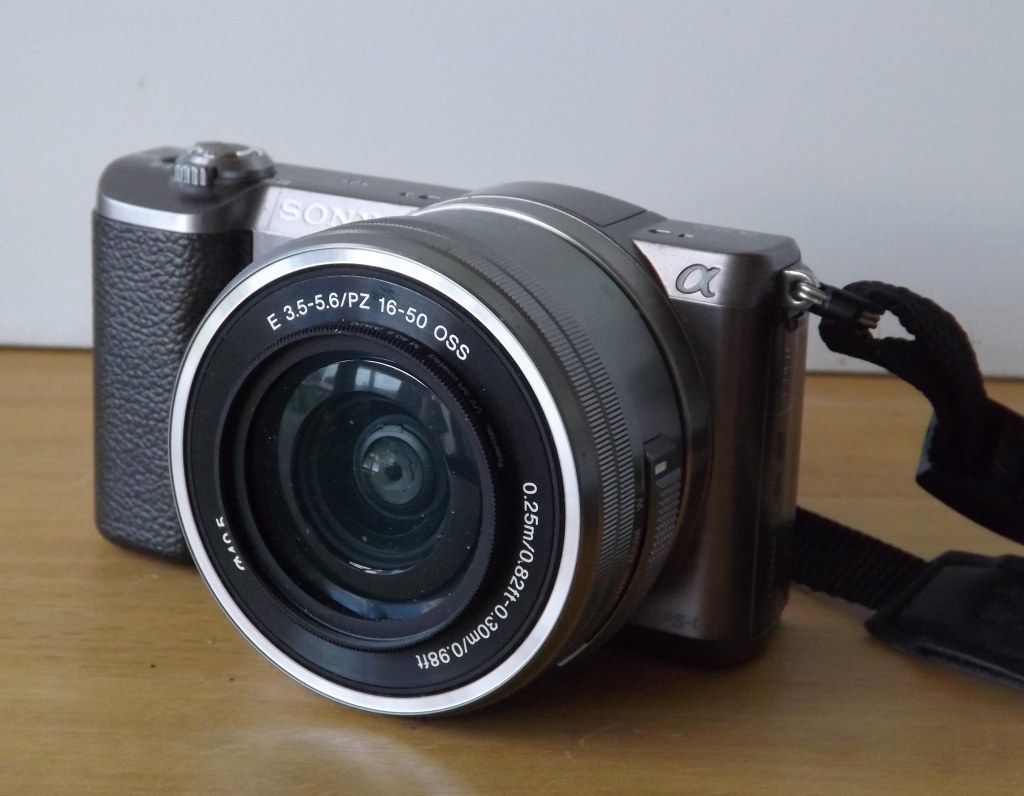
Photographers’ notes: We used for the photos here our mirrorless Sony A 5100. Not only an ideal vlog/video camera, it also performs outstandingly as a photo camera.

The Sony a 5100. For the photos here, we used its standard zoom lens, 16-50 mm, which is about 24-80 for 35 mm equivalent.

It’s compact, has an outstanding 24 megapxel processor, and interchangeable lenses. We recently bought a Metabones adapter ring for it, so I can use my Nikon lenses on this camera. Wait for the results!

Hans Knol ten Bensel

Citroën Belux is the official partner of the 11th edition of the ‘Jeux Internationaux de la Jeunesse’ (YOU),  held in Brussels from May 30 to June 4!

Each year, the Jeux Internationaux de la Jeunesse (‘The International Youth Games’) brings together more than 350 high school students from around the world to honor fundamental values such as excellence, respect, friendship, solidarity and tolerance.

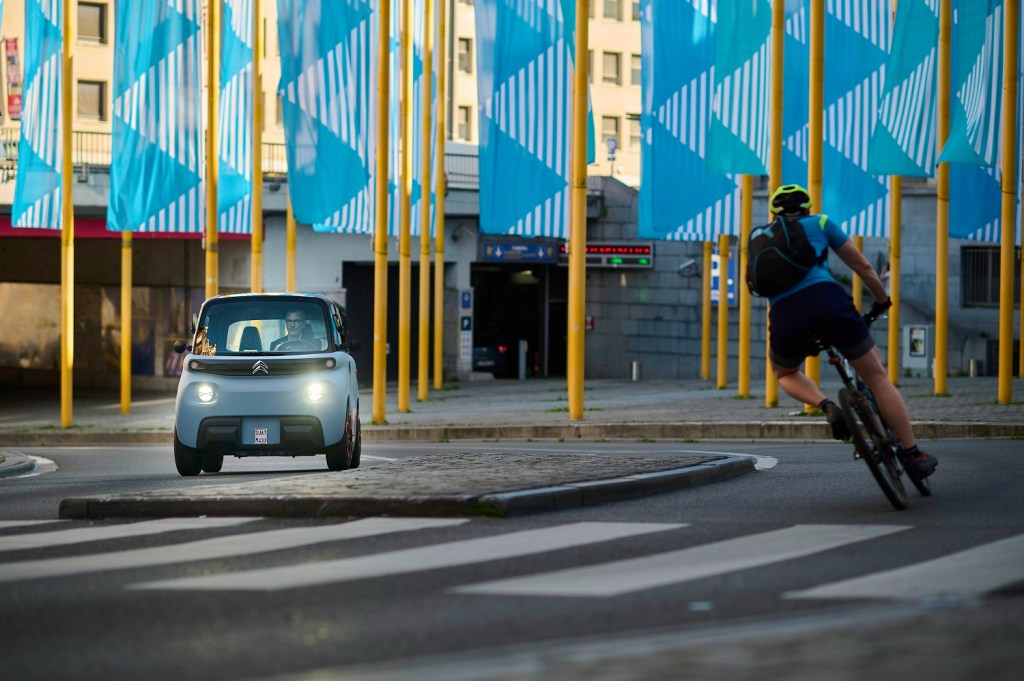
A truly popular phenomenon, the Citroën AMI will be the banner of this edition of the YOU and will be seen at each and every venue of the event.

This global event, whose growing success has not diminished over the past decade, will find a full international resonance thanks to the strength of the powerful network of 552 French secondary schools around the world and the prestigious school sports federation of the French national education system, the UNSS.

More about YOU…

For the past 11 years, YOU have brought together young people from French secondary schools around the world for a week of sporting and cultural activities. This year, and for the first time in its history, the YOU in Belgium will take place at the Lycée Français Jean Monnet in Brussels, in collaboration with the French Embassy in Belgium. Over five days and at various locations in Brussels, no fewer than 400 16 and 17 year olds from 33 countries (including Belgium, France, Ireland, Italy, Luxembourg, Portugal and the United Kingdom) will meet there.

Citroën Belux is one of the official sponsors of this important event and takes the opportunity to highlight the AMI model, a popular mobility phenomenon that is on the rise. The Citroën AMI will be at all the different venues of the events: amongst others at the Lycée Français in Brussels, at the Hotel Dolce La Hulpe where the participants stay, at the Golf D’Hulencourt where the closing ceremony will take place and on the official opening night of the YOU with the presence of some ambassadors from the different participating countries.

AMI: built for Youth…

Already a leader in the quadricycle segment, Citroën AMI is a highly valued mobility solution, especially for young people. With AMI, Citroën is responding to the challenges of urban mobility, which are more than ever at the heart of the concerns and expectations of city dwellers. AMI is an individual mobility solution that makes it possible to travel protected in a closed, 100% electrical object that is accessible to everyone.

More (Youthful) Citroën news soon!

Hans Knol ten Bensel

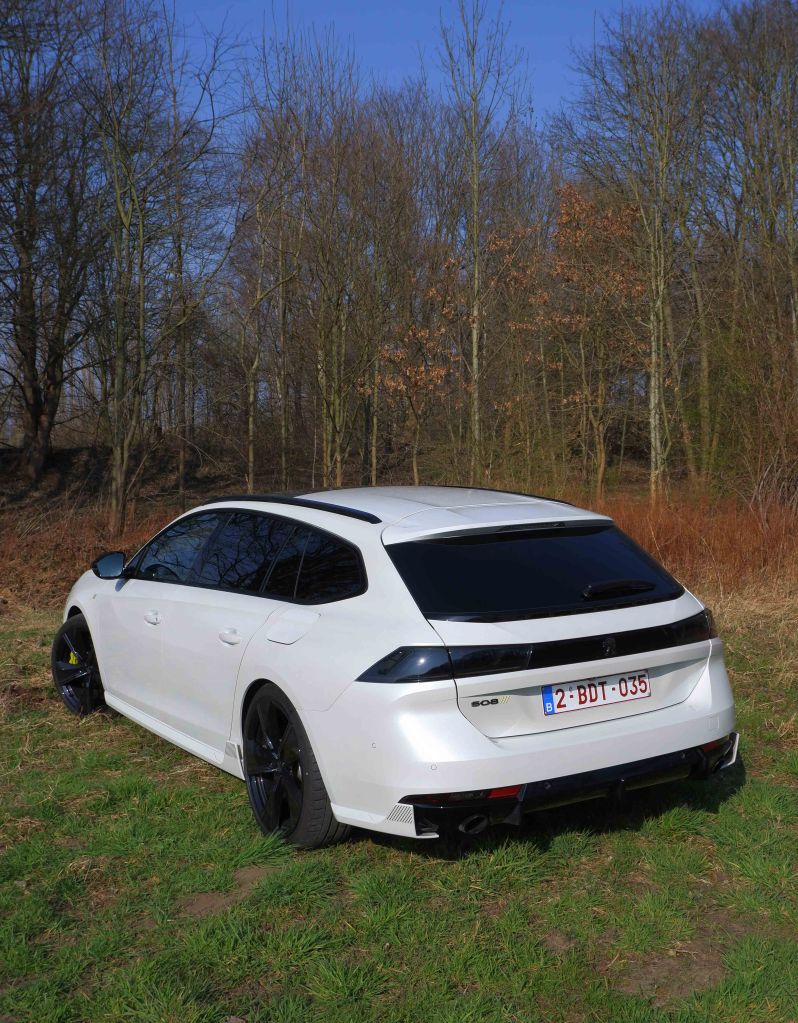
We drove the Peugeot 508 SW Sport Engineered: your passionate Lion…

There are cars which make the life of a car journalist truly wonderful. This time it’s being behind the weel of the “Sport Engineered” Peugeot  508. What is this? You might ask. Well, there is since decades an active high performance division at Peugeot, called PEUGEOT SPORT ENGINEERED. Over recent years, this department has acquired considerable experience in marrying the power and performance of combustion engines with the unique characteristics of e-power. They have proven themselves time and time again: in international competitions such as the WRC (World RallyChampionship), DAKAR, Pikes Peak or the WEC (Word EnduranceChampionship), with the development of the 208 FE concept in 2013 (46 g CO2/km – 0/100in 8.2s) and the 308 R HYbrid in 2015 (500 bhp – 720 Nm – 0/100 in 4.0s).

At the same time as the launch of this SPORT ENGINEERED label, PEUGEOT is announcing its return to the World Endurance Championship (WEC) in the LMH (Le MansHypercar) top category this year.

So the 508 sedan and SW – the version which we tested here – is their first technical showcase and indeed their first chapter in series production under its new label.

With these cars, with a newfound alliance between sportiness and technology, PEUGEOT is – so they say – reinventing the codes for renewed performance, a responsible performance: they call it “Neo-Performance.” The signature of this new line with 3 Kryptonite claws refers to PEUGEOT SPORT’s new identity, to the light signatures of the production models and is drawing inspiration from the brand’s heritage with the rear lights from the iconic PEUGEOT 504 Coupé.

But let’s now have a closer look at this 508. It’s the most powerful production car ever built by PEUGEOT.

The powertrain can reach 360 hp and 520 Nm of torque by combining thermal and electrical energy.  This level of performance is unprecedented for the brand:  0 to 100 km/h in merely 5.2s, 1000 m DA in 24.5s, 80 to 120 km/h in 3s, finally last but not least a maximum speed of 250 km/h (electronically controlled). Need we say more?

Indeed, there are two electric motors besides the 1,6 liter combustion engine, making this 508 also a 4WD. The combustion engine – the well proven 1.6-litre PureTech turbo petrol unit – produces 197bhp, the front motor adds 108bhp, while the rear electric motor is good for 111bhp.

We can tell you, power comes totally unfussy, smooth and plentiful through the 8 speed transmission, and makes this 508 a truly superb car. Of course the gentlemen engineers at Peugeot took also proper care of the handling. These SPORT ENGINEERING series 508’s have an optimized chassis.

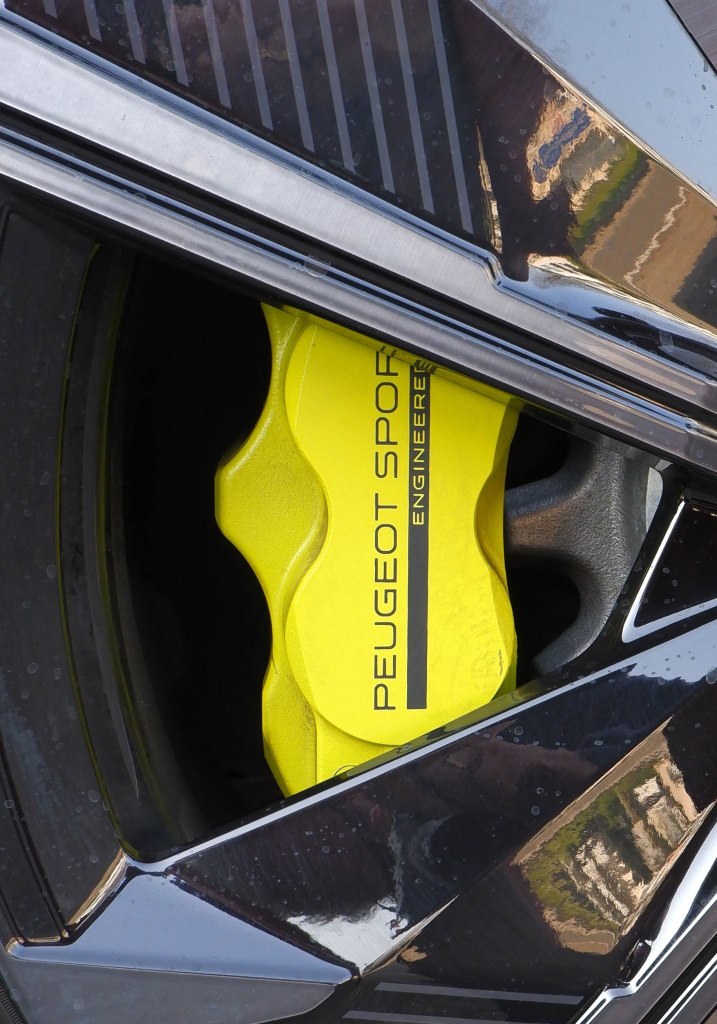
They fine tuned first and for all the variable shock absorber setups (Comfort/Hybrid/Sport), the springs are 50 per cent stiffer compared with the 508 Hybrid. They  widened the tracks by 24 mm at the front and 12 mm at the rear. For extra stopping power, they fitted 380 mm diameter front brake discs and fixed four-piston calipers, the 20-inch diameter alloys are shod with Michelin© Pilot Sport 4S tires.

The result is dynamic, precise, predictable handling. You can really throw this 508 around, and it displays up to the limit uncanny stability. What a wonderful Gran Turismo this car truly is.

Does this car move boundaries when it comes to combining efficiently super performance with docility and refined smoothness? It certainly does. But there is more…

Efficient and versatile…

Indeed, that is not all. It is also very versatile in combining e-power in various ways with the panache of a high performance combustion engine. Just note that the 8-speed automatic transmission controls the engine and the front e-motor.

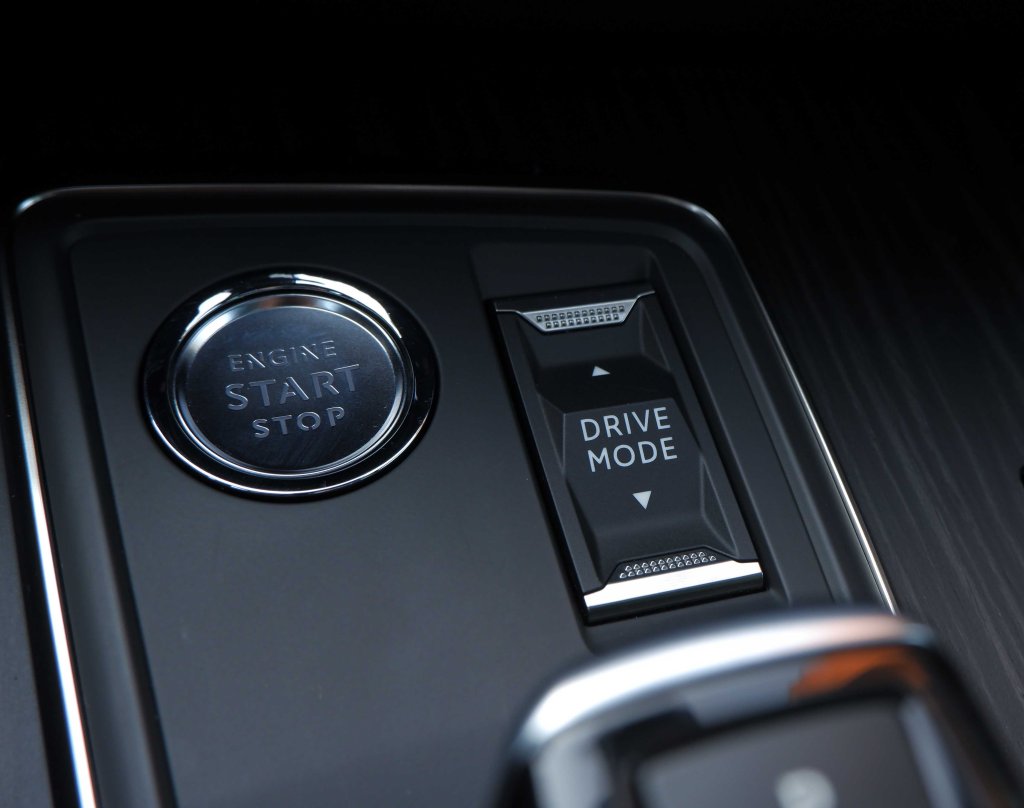
With a mode selector on the centre console, and this lets you choose between 5 driving modes:

Electric: for smooth 100% electric driving in total silence, with a range of 42 km according to WLTP. This makes your 508 future proof, giving you access to the green zones in urban areas. But the sweetness of e-power is well known: it provides instant acceleration thanks to the ample and immediate pulling power of the electric engines fore and aft, and this from 0 km/h to 140 km/h.

Comfort: this is the hybrid mode with softened suspensions for sedate, restful “high comfort”driving.

Hybrid: this mode mode automatically selects combustion or electric power depending on the circumstances with a distinct bias towards optimized consumption.

Sport: maximum power of 360 hp for ultimate driving pleasure! This mode also affects steering, shock absorption, accelerator pedal mapping and adjusts digitally engine responsiveness and torque characteristics. The combustion engine also keeps the battery charged for maximum power at all times.

 4WD: maximum traction for slippery grip situations.

So the 508 ideally suits your driving moods… and is indeed literally very transporting when driven in “sport” mode. It then leaves very little to be desired, and the extra pulling power of the electric motors delivers rather formidable intermediate accelerations. We already mentioned it: you will sprint from 80 to 120 km/h in merely 3 seconds… Ok, your ears are not enjoying the sound of a high revving straight six, but all the performance is there!

Indeed, this 508 SW we drove literally stormed uphill and from one sharp bend to another, well reined by excellent brakes and a responsive suspension and chassis.

In addition to its 4-wheel drive, the 508 SPORT ENGINEERED comes with all the driving aids available within the PEUGEOT 508 range: night vision, adaptive cruise control with Stop & Go function, lane departure warning system, automatic emergency braking.

Sporting accents inside and out

That you are driving a very special 508 should also be noticed, and indeed it does:  the aerodynamic design of the bodywork is further enhanced with a sharp grille, rakish front bumper, scoops and Kryptonite monogram. In the sides of the car you find also the three foils with specific decorative elements, the three claws again on the front wing on the SW.

At the rear you will find electrolytic treated black exhaust outlets, black gloss central diffuser, last but not least 20-inch wheels fitted with MICHELIN© Pilot Sport 4S tires, with yellow painted PEUGEOT SPORT Kryptonite front brake calipers.

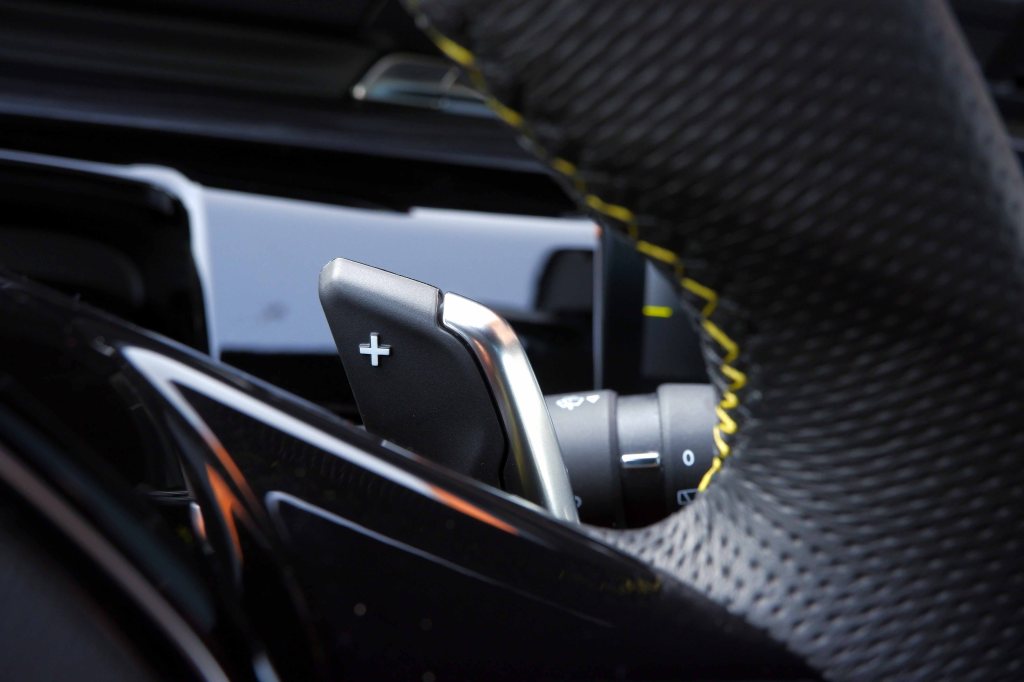
The PEUGEOT i-Cockpit® comes into its own with a compact steering wheel featuring the three Kryptonite claws, and a 100% digital head-up display. We just loved the compact steering wheel, adding greatly to the zest and personality of the car when you are behind the wheel.

The i-Cockpit® graphic animations and the central 10″ HD screen have adopted the label’s signature too.

The upholstery of the “comfort-fit” seats also has a distinctive look we liked very much with a tasteful and photogenic mix of leather, 3D mesh and Alcantara©. The passenger compartment is decorated with double Tramontane grey and Kryptonite stitching. The FOCAL® Hi-Fi audio system, which is certainly a delight to listen to, is also supplied as standard.

Conclusion

An elegant car with loads of panache, yet delivering this almost supercar performance with a hint of understatement. This Peugeot is comfortable and practical too, able also to shine in everyday use. You have good seating comfort and room also at the rear, and 530 litres of luggage space in the standard configuration.

As the graph clearly shows, this high performance estate can also be quite frugal… max 6 l/100 km in relaxed driving conditions!

On top of that this Peugeot goes through daily life as a hybrid, with all the consumption and tax advantages that entails. The Peugeot Sport Engineering also is quite original, and its e-efficiency is a good argument to win you over…

Hans Knol ten Bensel

Touring in central France with the Jeep Compass: enjoying authentic driving pleasure and Gran Turismo comfort…

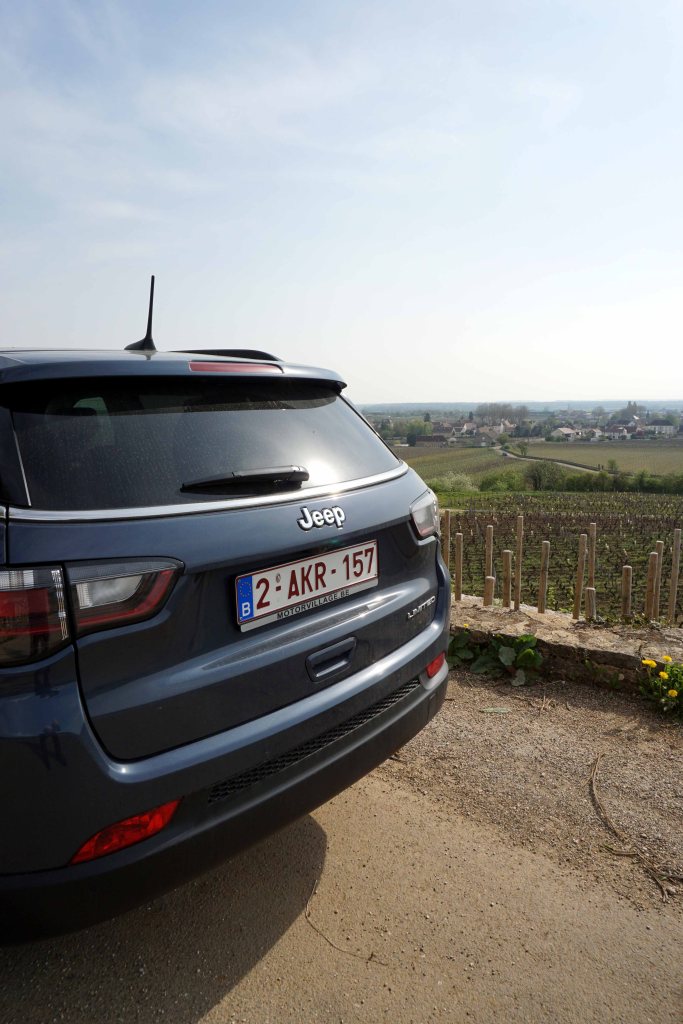
Where do Jeep drivers go in France? Of course to the Château du Clos de Vougeot in the very heart of Burgundy’s vineyards…

The Jeep Compass, launched last year, has been the first new Jeep model since it joined the Stellantis Group, and is one of its most important bestsellers. In Europe, it accounts for 40 % of total Jeep sales.

More than reason enough to put it through its paces: we drove the 96 kW/130 HP petrol engined version with the 6 speed manual transmission, all the way through France, on many autoroutes, routes nationales and départementales, to find out what a modern, petrol engined car in this day and age (still) has to offer. We were truly surprised how refined, powerful and frugal this Compass really is. Just read further…

Hans Knol ten Bensel

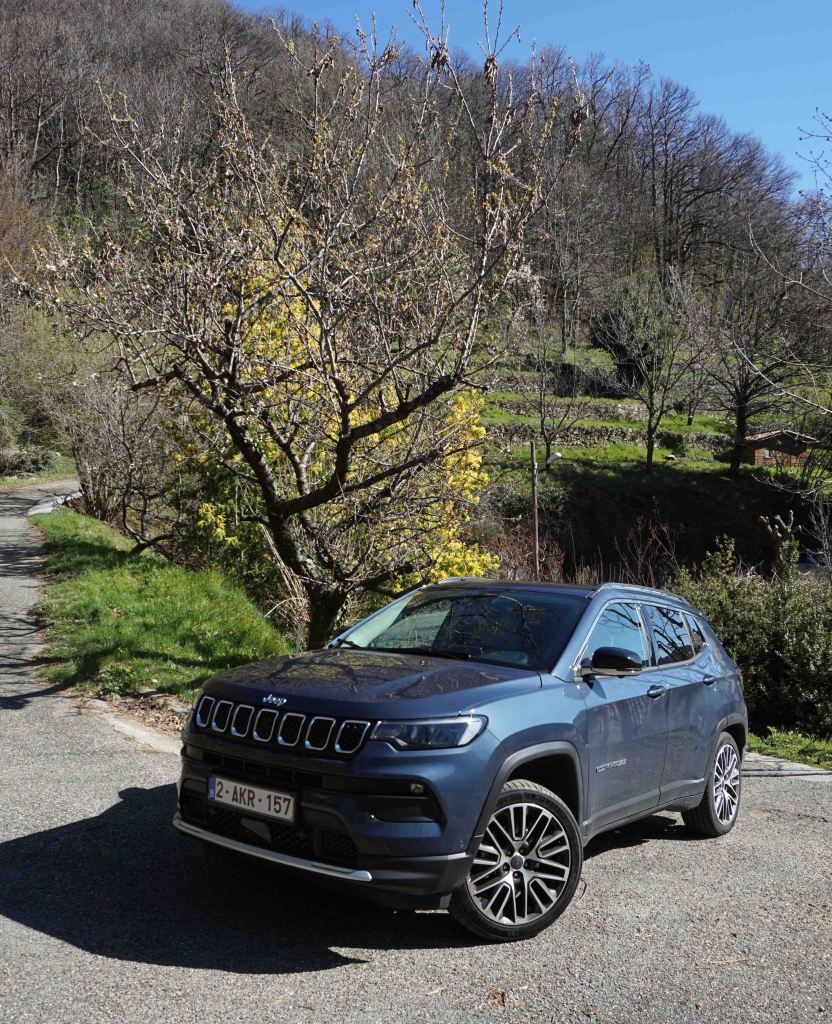
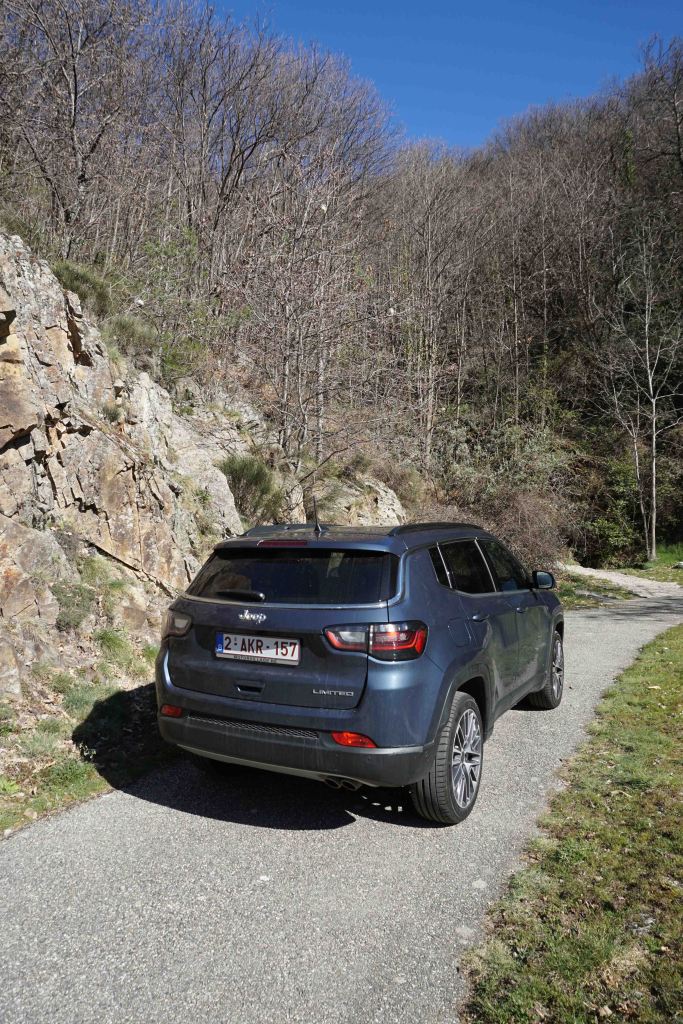
The Jeep is compact enough to feel ideally at home on Cévenne country roads…

Well proportioned …

The new Compass combines the typical Jeep styling cues with well proportioned modernism, and indeed it pleases from any angle. Its dimensions are indeed “just right” for those customers who seek space and comfort, as we found out when we drove it on the narrow mountain and village roads in the Massif Central and Alpes Maritimes. Visibility of the edges of the car is greatly helped by the panoramic camera’s fore and aft, and one needs them indeed when maneuvering in narrow spaces.

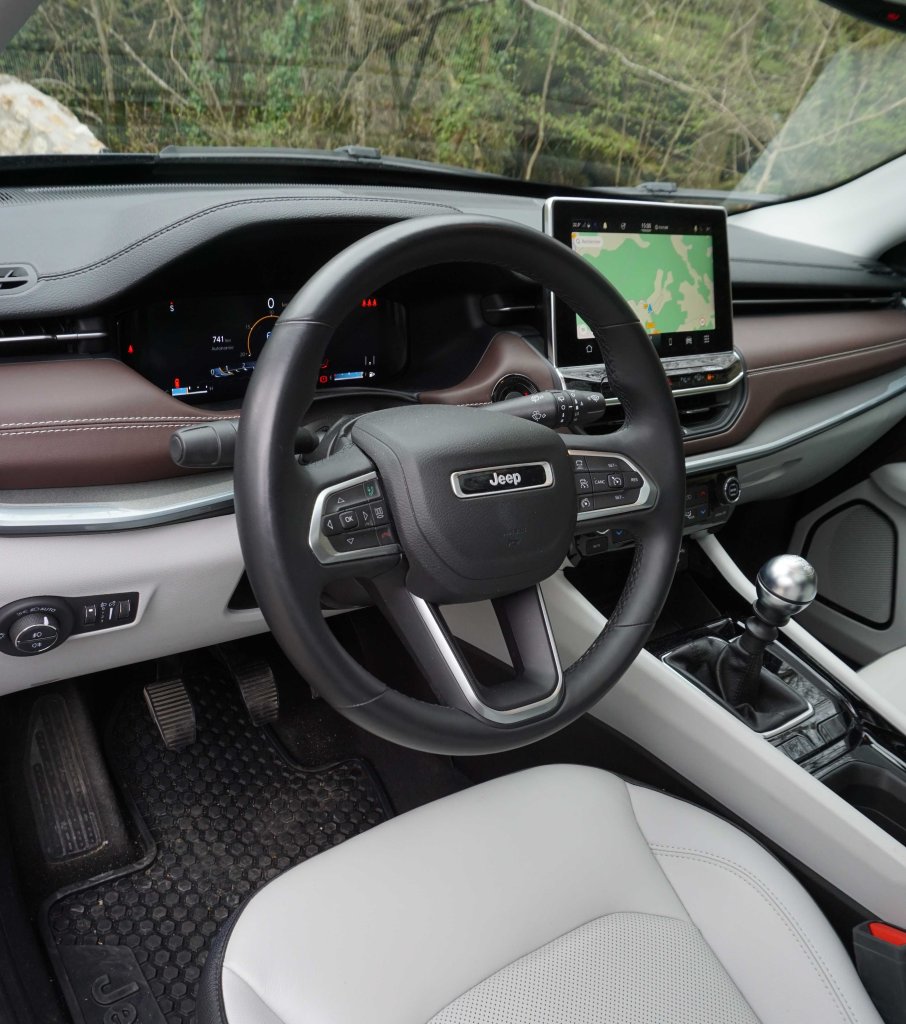
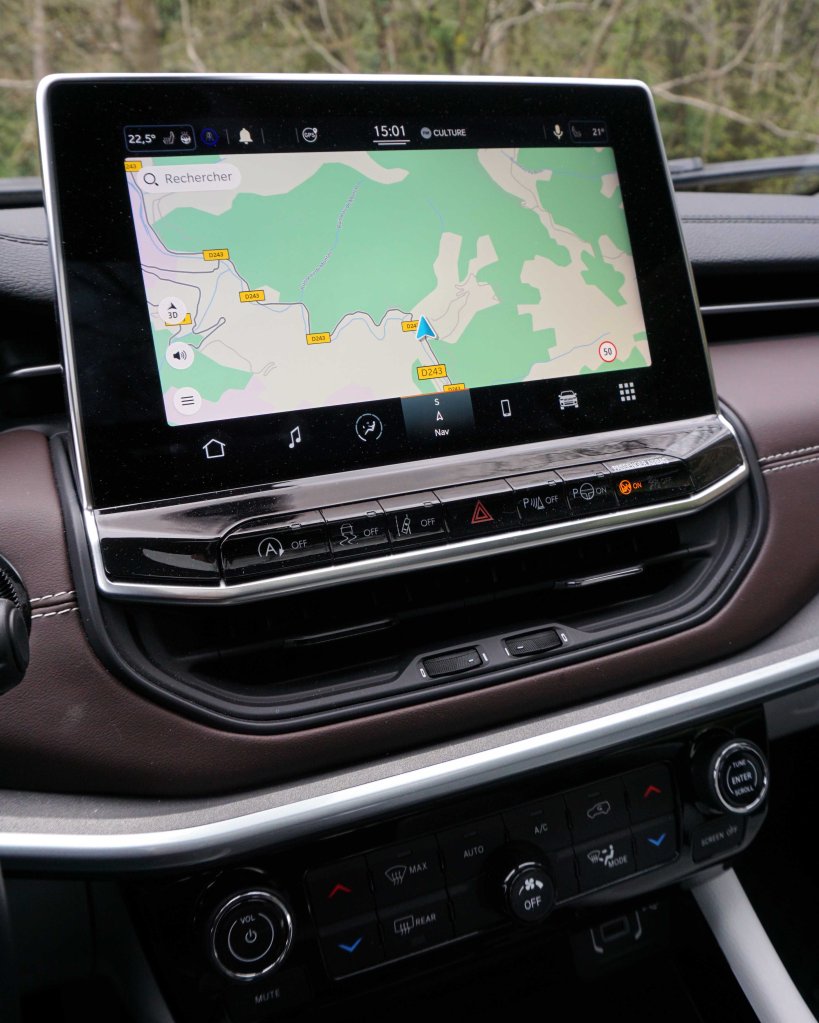
The interior has been completely redesigned. The central horizontal dashboard panel looks elegant, with ultra-slim air intakes that almost disappear into its layered structure. The controls are easy to reach, as is the connectivity touchscreen that dominates the middle of the dashboard, now in a higher and more ergonomic position. We liked this. The fact that this Compass now has the new Uconnect 5 system with a more powerful, higher-performance processor with a five times better responsiveness than the previous generation, made selecting your route or favorite music the proverbial breeze.

By using an Android operating system and 4G connectivity with Over-the-Air (OTA) updates, the Uconnect 5 brings flexibility and the possibility to offer continuously new content, features and services. On longer trips, not only excellent and clear route and map info is important, but also a state-of-the-art sound system. This Compass offered both…

The controls are logical, intuitive, and soon we were cruising happily along…

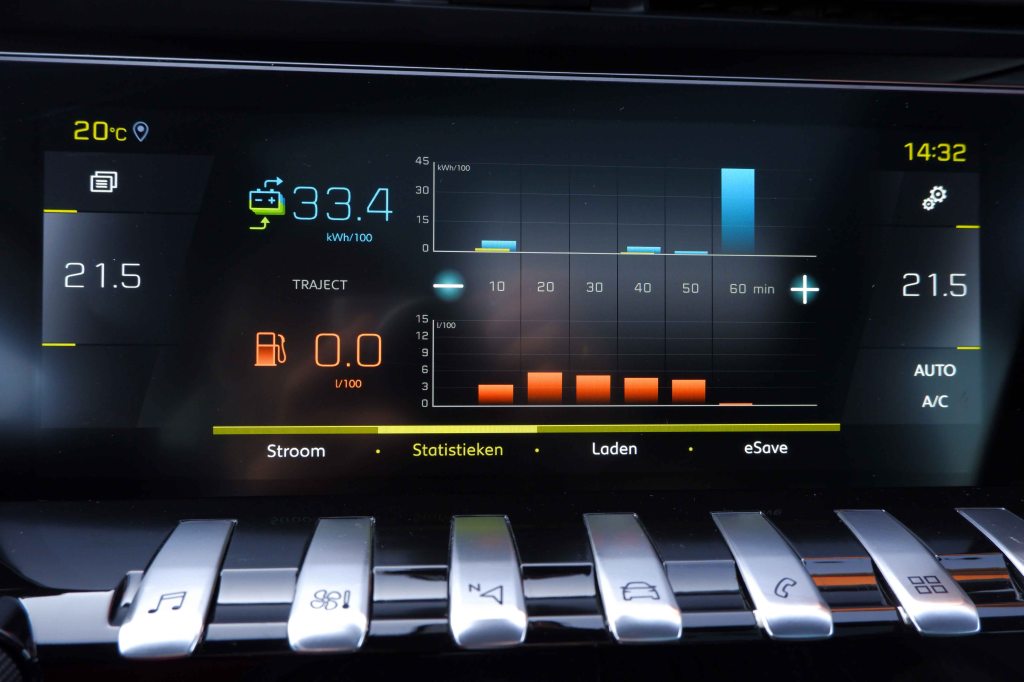
The driving info from the digital instruments is also to the point: we focused on relaxed economical driving, and to monitor our driving exploits, it proved ideal. Indeed, it shows you at a glance your instant consumption, and graphically shows with an illuminated arc how this relates to the average consumption. It also shows you when to change up to achieve most economical driving. Truly excellent! For the rest, it limits itself to rev counter and large digital speed indicator.

Of course you can select on the steering wheel another display which gives you info about the oil and water temperature, oil pressure and battery charge…for the technical buffs amongst us, and the Jeep drivers who really want to KNOW.

For our long French drive, the seats proved very comfortable, and here we also want to put a good word about the excellent sound insulation. Road and tire noise as well as wind noise are almost totally absent, and also the engine is inaudible at cruising speeds. So listening to the conversations and interviews on France Culture is effortless, and you or your passenger can also speak totally normally. A factor which is so important to relaxed driving, but is rarely mentioned…

Engine: zesty, quiet, flexible and willing…

Under the hood purrs a 1332 cc 4 cylinder petrol engine, developing 130 HP (96 kW) @ 4750 rpm, with a very healthy pulling power. Indeed, 270 Nm is available already @ 1560 rpm. Understandable as one knows that this is a long stroke unit with 70 mm bore and 86,5 mm stroke. It is turbo fed and has a Multi Air III GDI – Third Generation Gasoline Direct Injection, is indeed totally docile and will pull readily from 1200 rpm onwards; this excellent torque greatly helped our relaxed and economical driving, and we enjoyed the totally silent, vibration free pulling power in the 1200 to 2000 rpm range, delivering power comfort totally akin to an electrical power unit. So indeed, change up the gears as soon as possible, flow with the traffic and enjoy!

Driveability is somewhat hesitant in bottom gear at smaller throttle openings, so one learns to change into second as soon as possible when one is not in a hurry and want the smoothest getaway. Modern automatic transmissions take care of this beautifully, so, despite our love for manuals, we would prefer the excellent 8 speed auto box here to enjoy your Compass even more in stop and go traffic. This option is however coupled to a 150 HP version of this engine.

Of course, when put through its paces, good performance is there. Acceleration from 0-100 km/h takes 10,3 seconds, top speed is 192 km/h. More than we ever used on our touring trip.

The manufacturer quotes fuel consumption – combined cycle (l/100km) at 6.6 – 6.9 l, we achieved an average of 6,6 liters during our test, which besides Autoroutes  and Nationales  included also many villages, cities and mountain roads and winding  Départementales. CO2 emissions – combined cycle (g/km) lies between 152 – 158.

Of course, with a kerb weight of 1,505 kg including driver, it is very important to conserve kinetic energy as much as possible and certainly in urban driving an anticipative driving style will be rewarded.

The practical advantages of petrol engined propulsion do not have to be further underlined here. A beautiful useable range of over 800 km on a full 55 litre tank, with the plentiful availability of gas stations and of course no recharging times to reckon with. For example at Vougeot, in the midst of the Burgundy vineyards we would be (very) hard pressed to find a recharging station in the village… nearby our hotel, if any! There was just ONE, with 4 charging posts at the hotel Clos de la Vouge, which was about 400 m from our hotel. It was of course occupied by the own hotel guests. It was run by Shell Recharge, and it was – according to internet info – not powered by renewable energy.

On top of that, with an average consumption of 6,6 litres/100 km, the well to wheel figure will compare rather well with a similar EV, which would weigh an additional 500 kg because if its batteries… 

This amply shows that the charging infrastructure in Europe has still a long way to go, to enjoy carefree EV mobility everywhere, and a petrol engined car still remains in the present material circumstances a viable proposition…

If you would ever consider holiday travelling with an EV through France, you MUST have first a look at https://www.electricfelix.com/france. It is interesting and full of very valuable tips! Consulting https://chargemap.com will also put you (literally) on the good path.

Comfortable

We drove the Compass in the Limited edition, and this includes accessories like the motion controlled automatic rear boot lid. It proved indeed a very practical option on any Gran Turismo trip. We mentioned already the total ease of use and practicality of the Compass, and we also should mention that the Uconnect 5 system with a 10.1-inch touchscreen and integrated TomTom navigation also boasts the natural language interface system with advanced voice recognition, so you can talk to the car to control its settings, program the air conditioning and choose your favorite music. This feature is integrated into vehicles with Tom-tom navigation and can be activated hands-free with the wake word “Hey Jeep!”.

Boot space is standard with seats up some 438 litres, with seats folded 1,387 litres.

The suspension gives a good feedback of the road surfaces and is overall quite comfortable. The Compass version we drove has only front wheel drive, but with its ample ground clearance of 198 mm we steered it with utter confidence on unhardened country roads, and enjoyed urban and (mountainous) rural France to the full.

Conclusion

The Jeep Compass proved to be a well-balanced, ideal Gran Turismo car, an absolute joy to take on a long(er) trip.

It also made very clear that a modern petrol engined car still is a very reasonable and above all practical means of transport, with excellent economy combined with smooth and refined performance. On top of that comes the typical panache of Jeep, growing ever more into an iconic brand, with a very fitting styling language. So if you have a heart for (even the slightest) adventure and appreciate motoring which character, take the road of (this) Jeep…

Hans Knol ten Bensel

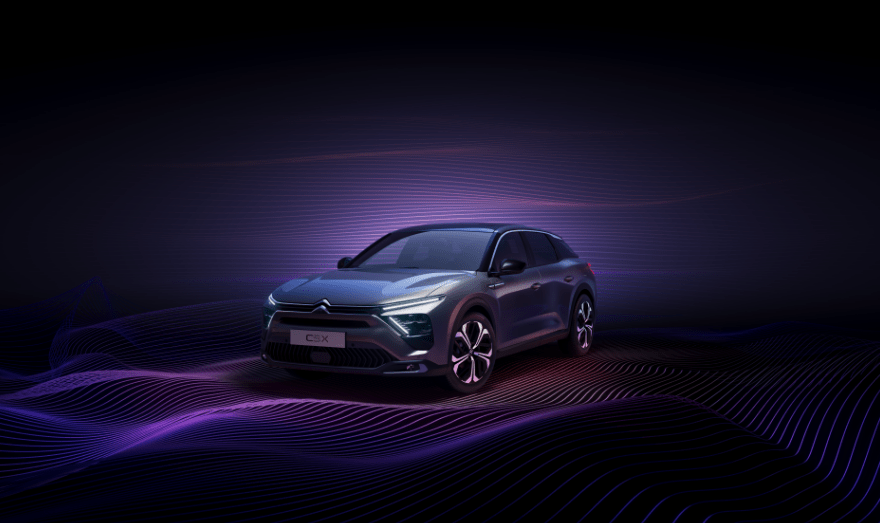
Citroën focuses on comfort and well-being in its launch campaign for its new C5 X.

The C5X is now Citroën’s flagship model. Unveiled in 2021, it brings together all of Citroën’s expertise in comfort, in travel and more broadly in automotive well-being. Inspired by the CXperience concept, Citroën has made no secret of its intention to create a grand tourer, freeing itself from rules so as to create a car that combines the elegance and dynamism of a saloon, the volume and versatility of an estate, together with the posture and driving position of an SUV.

Being at the wheel of Citroën C5 X brings than legendary and unique feeling of floating, so typical of the DS Citroëns. Thanks to the brand-new Citroën Advanced Comfort® active suspension and the Advanced Comfort® seats. Driving C5 X is also an experience that is serene owing to driver assistance technologies and soothing because of the cab’s acoustic insulation and the fully electric mode of the car in its rechargeable hybrid version.

The launch campaign produced with the Traction agency (BETC group) seeks to represent all these sensations in different ways through an advertising film and a range of graphic illustrations.

C5 X advertising film

In the advertising film, we see a driver of C5 X with his family. The driver experiences a feeling of profound serenity. It is an emotional metaphor where we imagine the driver remembering or dreaming of the feeling that an astronaut might have floating in space, contemplating planet Earth, in complete harmony with the world, while he himself is enjoying a moment of tranquility, suspended in time with his family. The physical and mental comfort provided by C5 X makes his driving silent, smooth, and calm. It is the attitude advocated by the brand: humanism and serenity.

“Usually in advertising campaigns, representations of space, rockets and astronauts connote speed, power and performance – concepts which are all highly masculine. Here, we have used weightlessness as a metaphor for the sensations experienced behind the wheel of Citroën C5 X. Sensations of well-being, calm and serenity. It is always thrilling to work with a brand capable of doing things so differently of what is expected!!”  said Stéphane Xiberras, BETC President and Chief Creative Officer.

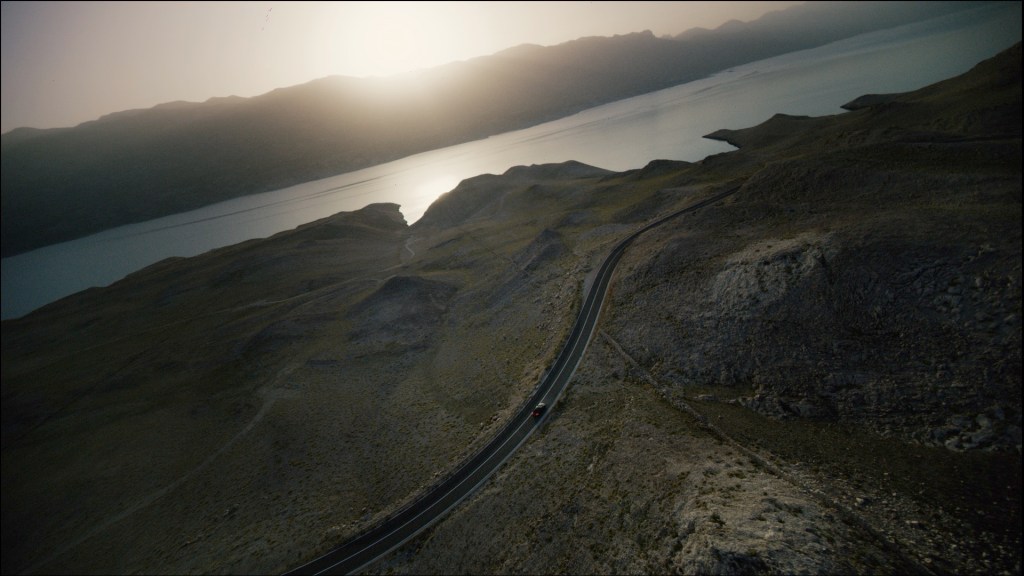
The film was produced by Rune Milton from the production company Phantasm. The studio scenes were filmed in Slovenia and the dynamic scenes, in Croatia on the island of Krk.

The original soundtrack by music production agency Start-Rec, echoes the driver’s feelings of well-being and gently reinforces the weightlessness effect. It was created to bolster the brand’s sound expression territory and embody its new positioning.

By signing this campaign for its flagship model with “An invitation to serenity”, Citroën is banking on people’s desire for a new car being more about wanting to experience calm and well-being rather than about their thirst for performance.

Just cllick on the link to discover the advertising film for C5 X: https://youtu.be/mTxoPbvUnqU

More Citroën news soon!

Hans Knol ten Bensel

We drove the Kia EV6: a top EV car with lots of panache…

Soon after the elegant Ioniq 5, we could take the Kia EV6 for an extended test drive, and as both cars ride on the same E-GMP or Electric-Global Modular Platform, a comparison between the two cars is inevitable. Let it be said, also this EV6 scores very high indeed, and has the same excellent qualities and futuristic aura than its four wheeled sister, albeit altogether a bit sportier.

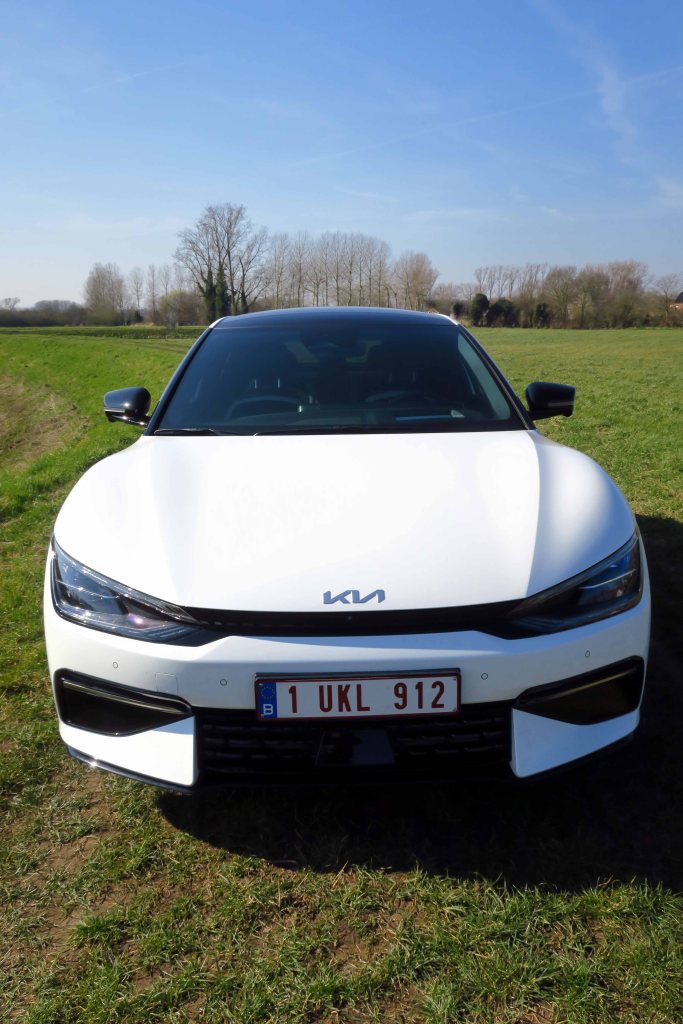
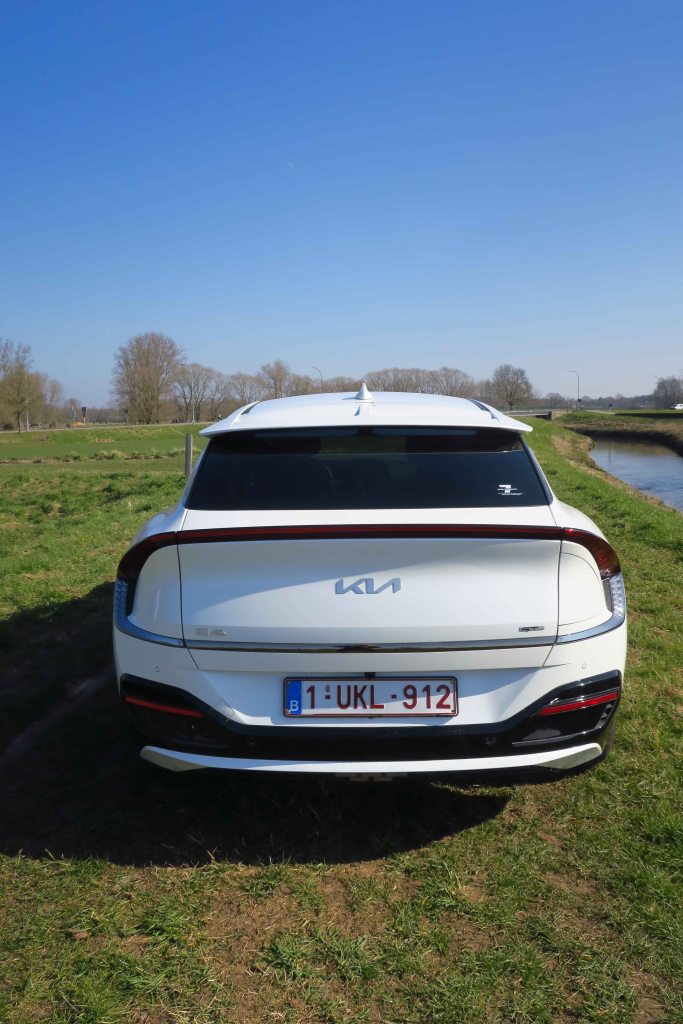
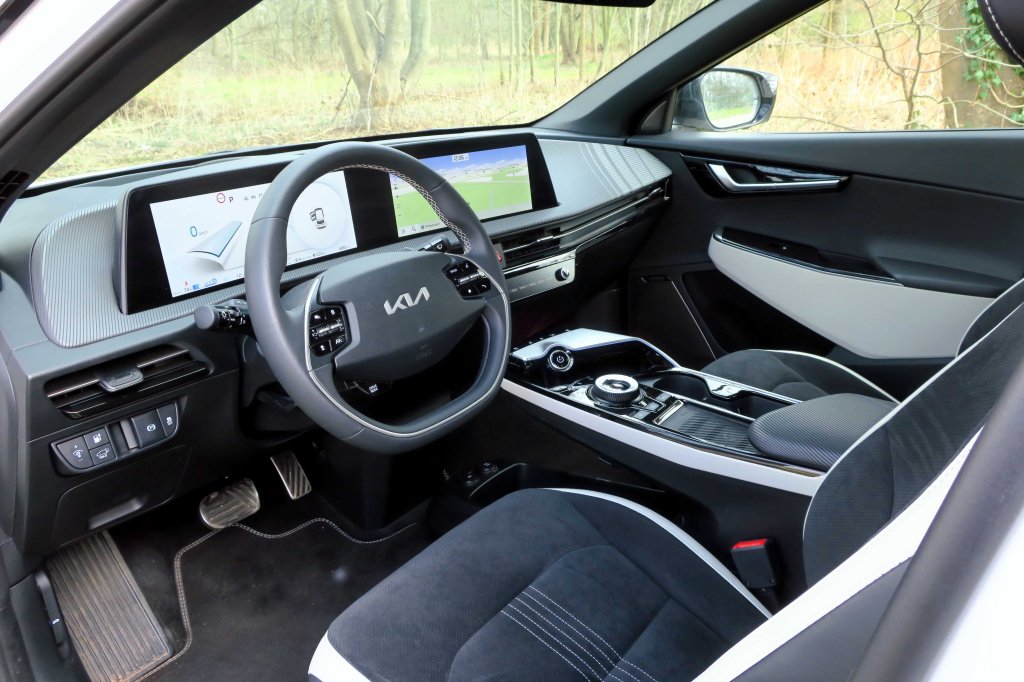
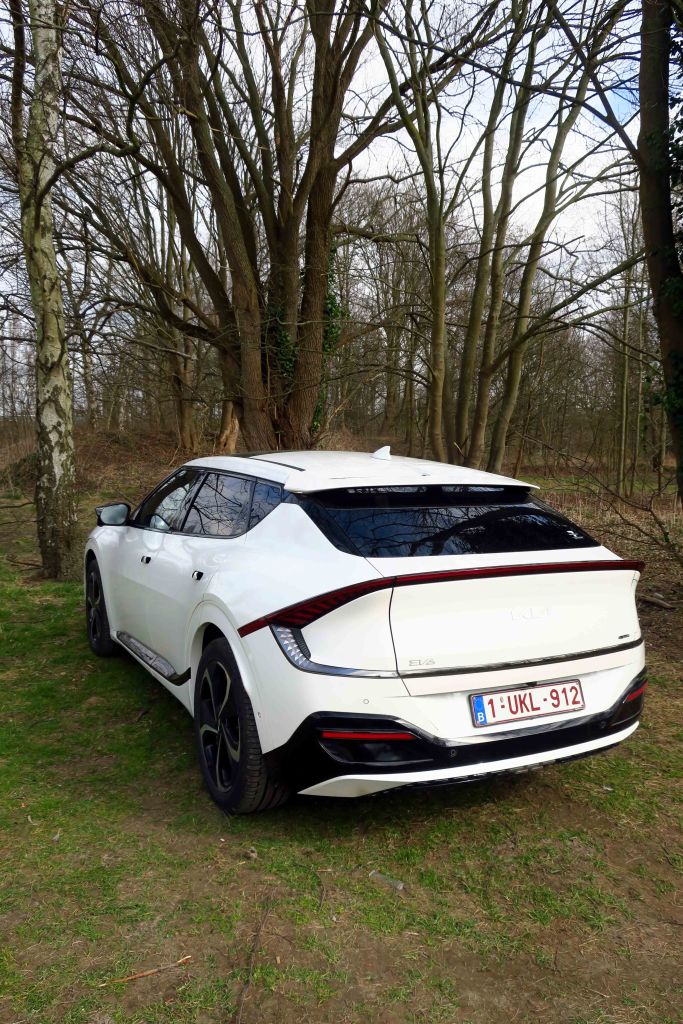
We drove the EV6 GT Line, pleasing the eye with its 20 inch alloys, its snow white pearl paint and black interior with white and aluminum accents and alcantara/leather seats.

Our test car was the rear wheel drive version with 168 kW/229 Hp motor and the 77,4 kWh battery. More than enough for exhilarating performance and an impressive range…

Hans Knol ten Bensel

More rounded, organic styling…

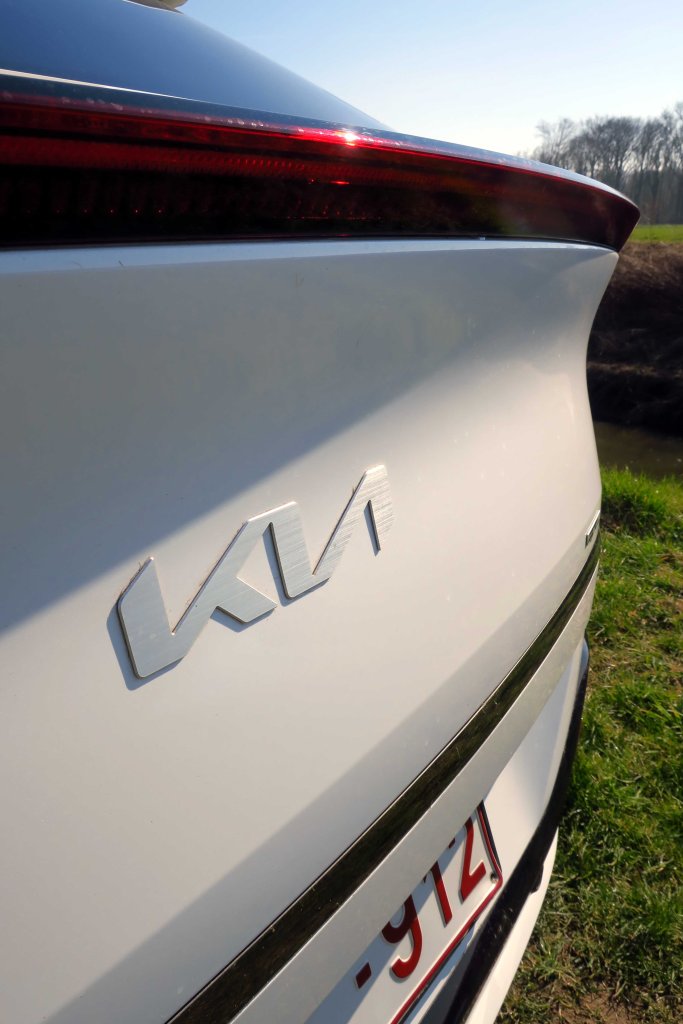
The Kia distinguishes itself from the angular lines of the Ioniq 5 by offering more fluent lines, reminiscent of the last Saab, Jaguar I Pace, and the likes. The rear end with the built in spoiler and the tail light running across the car is reminiscent of Porsches, with the curves of the rear lid shaped as a spoiler being even more outspoken. The panache of the whole car varies with the paint color chosen, and we like the pearl white finish of our car here, although we think the car looks even more stunning in a matte grey finish. A beautiful, well proportioned car it certainly is.

In the interior one has the same two big screens with identical digital instrumentation and infotainment layout, and we enjoyed also the same excellent head up display we found in the Ioniq 5.

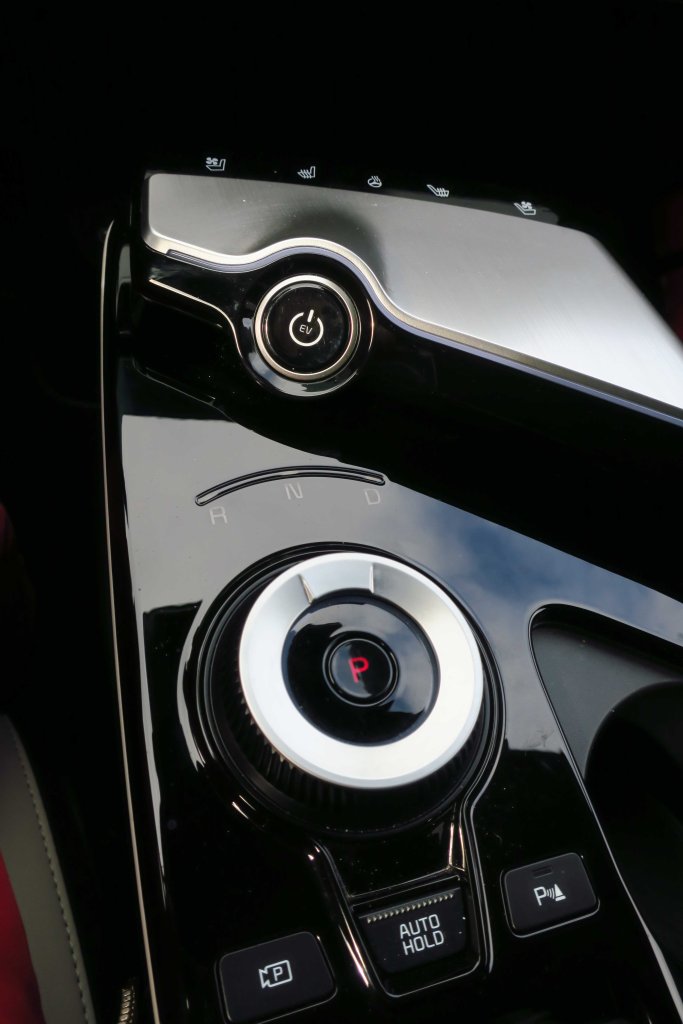
But the shape of the centre console is different, has more curves and is a bit more adventurous. You have lots of space for your drinks, bottles and sundry, and a round selector knob for Drive, Neutral and Reverse instead of the rotating stick in the steering column in the Ioniq 5.

The car and its touch screens is simple and intuitive to use, and typical for Kia is the well designed centre console, where you can toggle between heating/ventilation or audio controls. You find your way in a breeze.

The seats are excellent; the front seats also fully recline as in the Ioniq 5, so you can have a (short) nap when you recharge the car. The rear seat backrests are also adjustable.

With a 2,9 meter wheelbase, there is plenty of legroom both in the front and especially in the rear, with slightly less headroom for the rear passengers than the Ioniq 5, but this is still more than enough if you are less than 1,90 m tall. Standard boot space is 520 litres, extendable to 1300 litres.    

Our test car came with the drive assist pack, which included the autonomous parking aid, the 360 ° camera view and as said the very easy to read head up display. The large and wide EV6 is therefore a pleasure to drive and park in town. The additional cameras are necessary, as the overall visibility of the bodywork is not so good, especially to the rear.  

Impressive performance and handling…

The 229 HP EV6 delivers punchy performance: it sprints from 0 to 100 km/h in merely 7,3 seconds, and quite frankly, who needs more? The top speed is limited to 185 km/h. You have the choice between three driving modes, from “Eco” to “Sport”, and with the paddles on the steering column you can choose the amount of energy recuperation and also opt for automatic braking to standstill.  The brakes are sensitive and progressive.  

The suspension of the EV6 is sportier and firmer than the Ionic 5. The EV6 is slightly less comfortable, but never harsh, and has less body roll when driven with verve on winding roads. The car is neutral with an understeer bias, is very stable in fast corners and has excellent straight line stability up to its top speed.      

You would like even more performance? The EV6 can also be had with an extra motor driving the front wheels, and total power in this 4WD layout is 239 kW/325 PS. If you want nothing less than supercar performance, it is good to know that in autumn, Kia will present a GT version with some 430 kW/585 PS. This results in an acceleration from 0 to 100 km/h in 3,5 seconds, with a top speed of not less than 260 km/h…

With a very big range, up to a good 500 km…

Our test car came also with a heat pump, costing less energy to heat and cool things. The EV6 is remarkably frugal, and it is no effort at all to achieve an average consumption of around 18-19 kWh per 100 km. This means that in practice, this EV6 has indeed a useable range of some 500 km, and that is no small feat! According to the WLTP norm, the distance is 528 km.

The EV6 runs – like the Ioniq 5 – on a 800 V system, and this means not only the possibility of using thinner cables and therefore gaining weight, but it also means larger load capacities and shorter recharging times. Even in less than ideal circumstances, you can recharge your EV6 in about 30 minutes to run another 380 kilometers.

 Like the Ionic 5, the EV6 has also a Vehicle-to-load-Function, which means an extra external plug to power lamps, microwaves, cookers when you are camping out, and you could even charge (with patience) another EV with it! You just need the small adapter which I housed in the front luggage bin, (called “Frunk”) under the engine cover lid, which contains some 52 liters of luggage space.

Conclusion

The EV6 is a top class EV, certainly when one considers its price tag. Our test car in the GT Line equipment level came with the Drive Assist Pack and the Premium pack, which included a 14 speaker Meridian Sound System together with the Head-Up display. It also had a panoramic sunroof, heat pump (1200 Euros extra) and 20-inch alloy wheels. The total price including VAT was 59.990 Euros. On top of that it is roomy, has stunning looks and offers sportiness. Last but not least, the range is superb and thanks to the 800 V system its recharging times are short. Indeed, also this Kia EV6 paves the way to a bright EV future…

Hans Knol ten Bensel

The new Peugeot 308 SW is now on our roads, and the Alfa Tonale also ready for ordering…

At the moment of writing, we are driving the impressive 360 HP Peugeot 508 SW Plug-in Hybrid, and enjoy this superb sporty car to the full. But there is more pleasant news: the new PEUGEOT 308 SW comes to our shores, and has plenty to offer: it offers space with a length of 4.64 meters and wheelbase of 2.73 meters. It has only a Cx value of 0.277 and a SCx value of 0.618 m2, resulting in impressively low CO₂ emissions and fuel consumption.

Of course it is practical with numerous interior storage compartments and a large center console, has  split (40/20/40) folding rear seats with control from the loadspace floor with two height positions and automatic opening and closing tailgate for easy access when the driver’s hands are full.

The luggage compartment is 608 liters to a maximum of 1,634 liters with the rear seats folded.

Like the new PEUGEOT 308, the new PEUGEOT 308 SW offers the new and improved PEUGEOT i-Cockpit®, which we also enjoy in the 508 SW.

This means a new compact steering wheel, equipped with controls and steering wheel heating, eye-level three-dimensional digital headset with a 10-inch digital display, new infotainment system PEUGEOT i-Connect® Advanced with the typical operation and environment of a smartphone.

But that is not all good news from the stellantis front.

Alfa Romeo is pleased to announce that from March 25, orders can be placed for the new Tonale model, in its exclusive launch version “EDIZIONE SPECIALE”.

A very special configuration for the first customers, packed with technology and connectivity, characterized by the typical sportiness of Alfa Romeo.

The Tonale “EDIZIONE SPECIALE” is available in a hybrid configuration with a 1.5 liter 4-cylinder engine producing 130 hp, combined with the new 7-speed dual clutch transmission, with an integrated “P2” electric motor (48 volts, 15 kW , 55 Nm), which can drive the wheels even when the internal combustion engine is turned off.

The Tonal “EDIZIONE SPECIALE” is available through financing by FCA Bank at monthly installments of €279 per month* and at the same price in the main European markets.

Alfa offers also peace of mind for the customer: 5-year warranty throughout Europe and special mobility services through Leasys.

Last but not least, product quality and commercial offering is designed for maximum long-term value retention.

As we said earlier, Alfa offers with its Tonale a new digital customer experience, with the possibility to be one of the first to discover and order Tonale, both at home and at the dealer.

The Tonale is Alfa’s first car with an NFT certificate. Based on blockchain technology and uniquely linked, it certifies the car at the time of purchase and then evolves to archive its use during its lifecycle, with great benefits in terms of residual value protection.

More Peugeot and Alfa news soon!

Hans Knol ten Bensel