ŠKODA’s first electric SUV based on the Volkswagen Group’s Modular Electrification Toolkit (MEB) is to be launched in series production. It is the next of the series of more than ten electric models that will be launched under the ŠKODA iV sub-brand by the end of 2022. It is the brand’s second all-electric vehicle after the ŠKODA CITIGOe iV.
By 2025, ŠKODA expects all-electric vehicles and models with plug-in hybrid drives to account for 25% of sales. By 2021, the car manufacturer will have invested two billion euros in the development of electric models and a holistic, interconnected ecosystem for modern and environmentally friendly mobility solutions.
Of course, a proper name had to be found. With its first all-electric SUV, ŠKODA is establishing a new nomenclature that combines the ‘E’ in reference to electromobility with the ‘Q’ that characterises the final letter of ŠKODA’s successful SUV family.
The name is derived from the Irish name ‘Enya’, meaning ‘source of life’. It will indeed be a new source of mobility for Škoda…
More to come , as we are driving at the moment the impressive ŠKODA Superb Scout and have driven recently also the Kamiq, so test reports will follow soon!
The VW Passat is a giant. More than 30 million times sold, and it is the world’s best-selling mid-class model. When VW brings out a plug-in hybrid version of this icon, you can expect perfection.
So we were very anxious to drive the latest version of this PHEV, face lifted in autumn last year. Indeed, VW builds the GTE already a few years. Thanks to the dynamic PR people of D’Ieteren VW, we had one soon for a test drive.
With this facelift, the battery’s energy capacity has been increased by 31 percent to a total of 13 kWh. Does this mean we can drive it on E-power throughout our cities every day, and it is enough to just plug it in at night?
Also can we achieve those very low consumption values on the open road, when this Passat chooses the ideal power combination between combustion and E-power?
We were keen to find out. Just read further…
Hans Knol ten Bensel
A clever plug-in hybrid system…
The new Passat GTE has the best of both worlds: it has the latest version of the turbocharged stratified injection engine (1.4 TSI) under the hood, and of course an electric motor. This TSI engine is good for 115 kW / 156 PS.
The electric motor is quite powerful, and generates 85kW / 115 PS. The new high-voltage battery sits , like its 9,9 kW predecessor, in the vehicle floor in front of the rear axle, barely taking up luggage space. Total system power is not less than 218 HP, with a 400 Nm of torque.
As a result, performance is brilliant: 0 to 100 km in merely 7,6 seconds, and top speed of not less than 225 km/h. Need we say more?
DSG DQ400 E
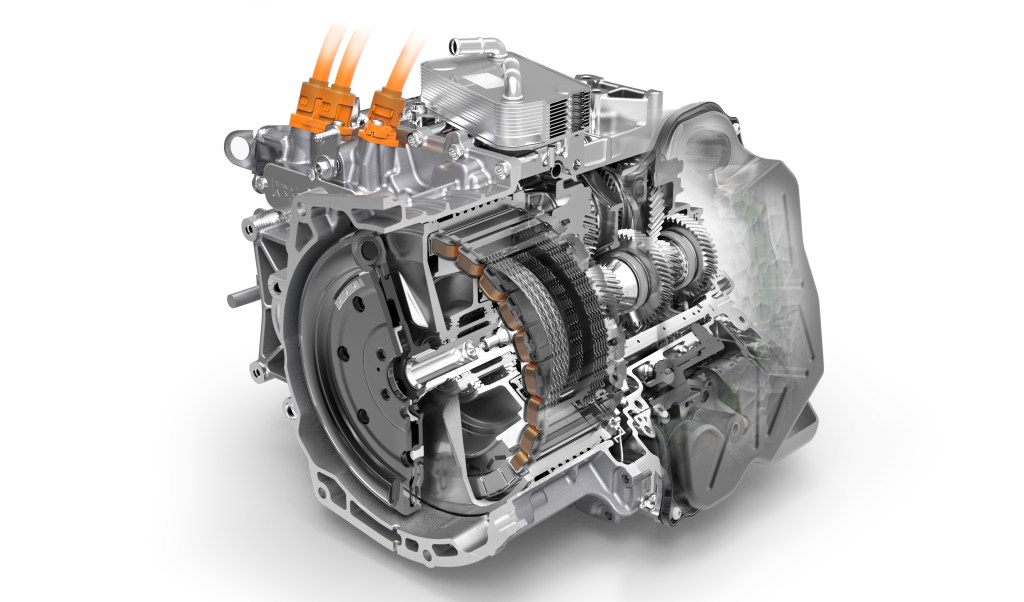
Power is transmitted to the front wheels through a new version of the 6-speed dual-clutch gearbox, dubbed DQ400E, which is adapted to the hybrid layout. Indeed, it has to allow the engine to power also the generator when the driver chooses via the driving modes to maintain or raise the battery charge, of which more later.
Zero emissions in the city?
VW claims that the purely electric range of the predecessor – determined as an NEDC value (New European Driving Cycle) – was 50 km. The new Passat GTE now has a range of around 70 km in this cycle. Under the WLTP cycle, which is considered particularly similar to practical use, this figure reaches up to 56 km.
One can choose to charge or maintain the battery at a certain charge level. This costs fuel however…
We drove this GTE under rather wintry, low temperature conditions, and the purely electric range amounted to some 32 kilometers. Heating the car and sundry takes its toll in winter. No problem however. The driver can select when starting his journey in the Driving Mode menu via the Infotainment system to charge the battery during the journey.
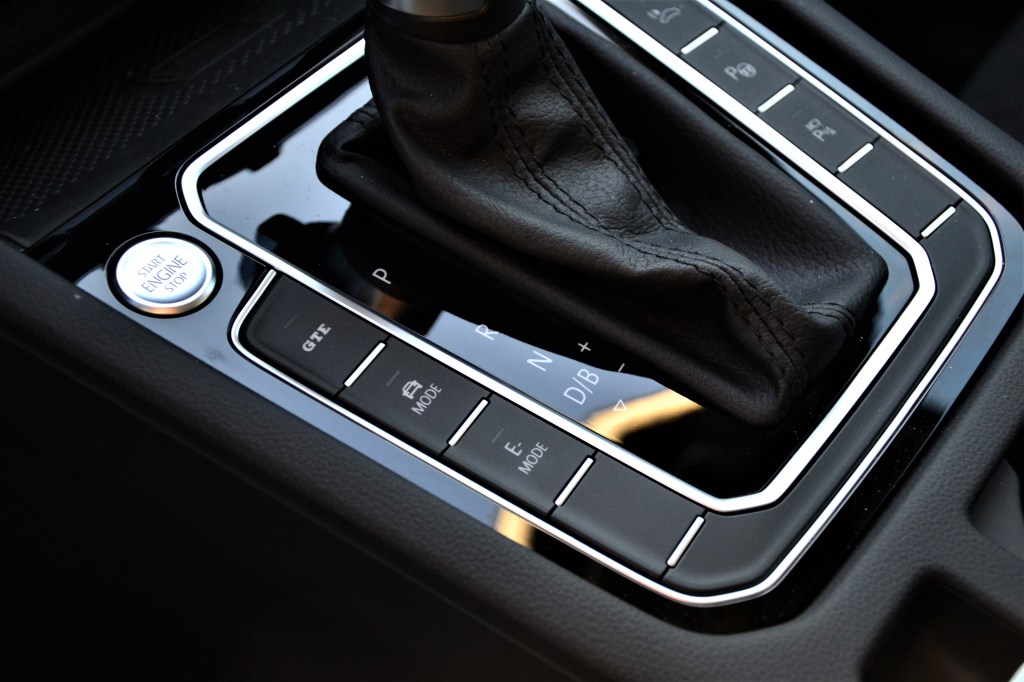
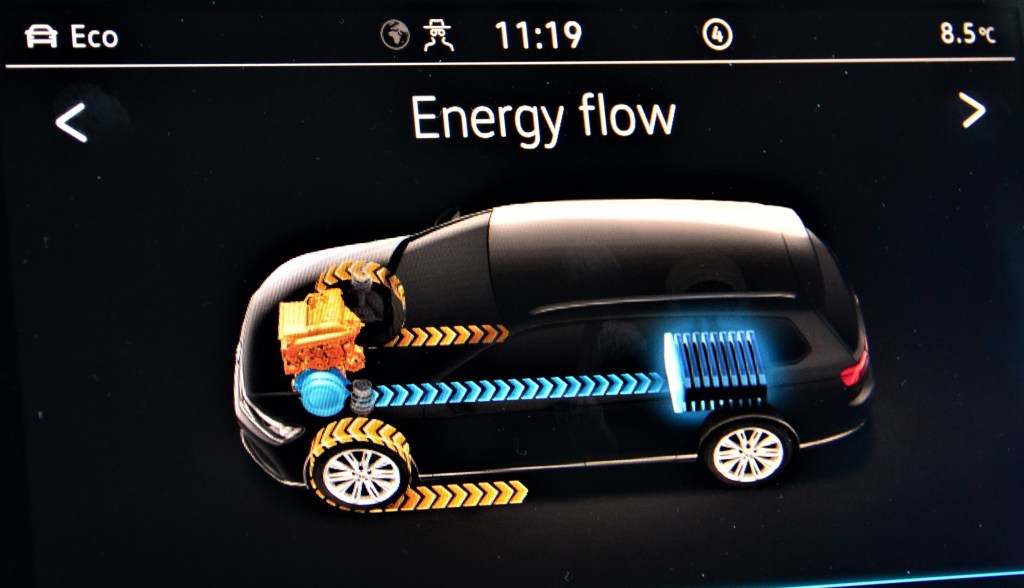
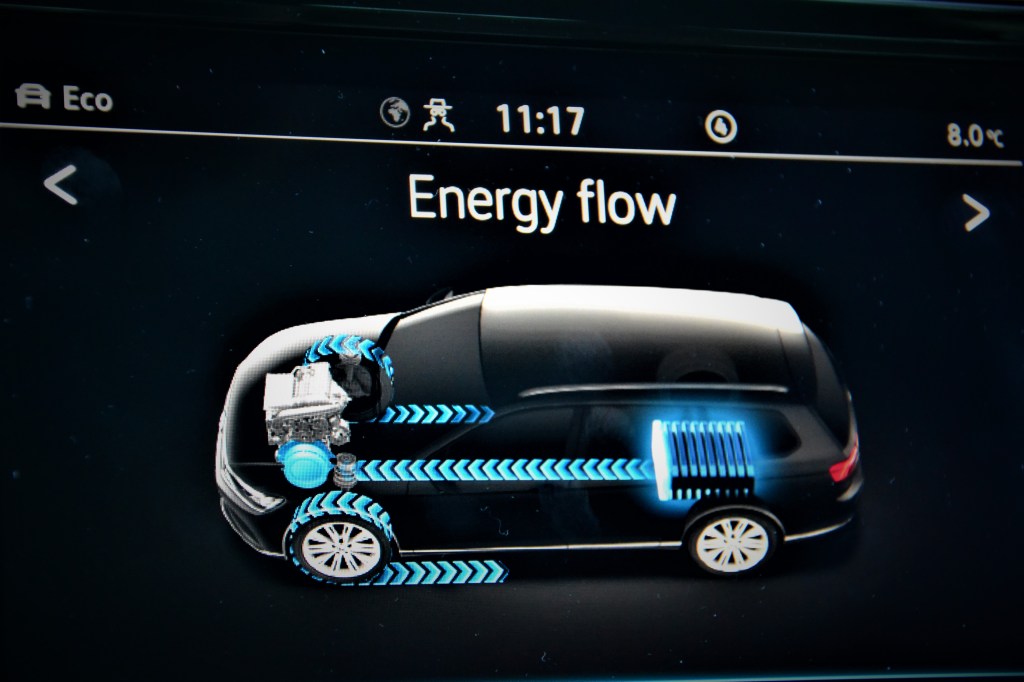
One has namely the choice between the E-MODE and Hybrid modes.(Indicated by a car symbol) In the hybrid mode, a battery with ten compartments lights up on the central screen and you can choose whether you keep the battery fully charged, or deplete or charge it via arrows to a pre-chosen 10-step level, indicated by the battery image on the infotainment screen.
When the battery has enough power, the GTE Passat is of course quite frugal in the chosen Hybrid mode. The digital dial in your line of view shows clearly with its moving arrow when the engine starts working or when the electric motor delivers the power. Driving at higher motorway speeds and/or under stronger acceleration will let the engine work more, and we noted an average of 3,3 liters/100 km.
The engine charges the battery…
Of course, the hybrid consumption advantage almost totally stops when the battery is depleted, and only the recuperation of energy when decelerating gives you some extra battery power later. Even with merely 3,3 litres/100 km in the chosen hybrid mode, one has to take into account the cost of the electric energy necessary to recharge the battery.
You can drive on “pure” E-power…
Town driving under a (very) cautious right foot will still result in some 7,7 liters/100 km, on the open road when driving with anticipation and cruising at legal limits will let the consumption drop to 6,6 liters or thereabouts.
Or you can simply coast and use the kinetic energy to recharge the batteries…
Charging via the electricity grid
The Passat GTE comes with a 3.6 kW battery charger. Connecting to your home 230 volt outlet means your battery will be fully charged in six hours and 15 minutes. The charging time falls to four hours with a wall box or a charging station with 360 volts / 3.6 kW. In Belgium, this would cost then approximately 3,8 Euros.
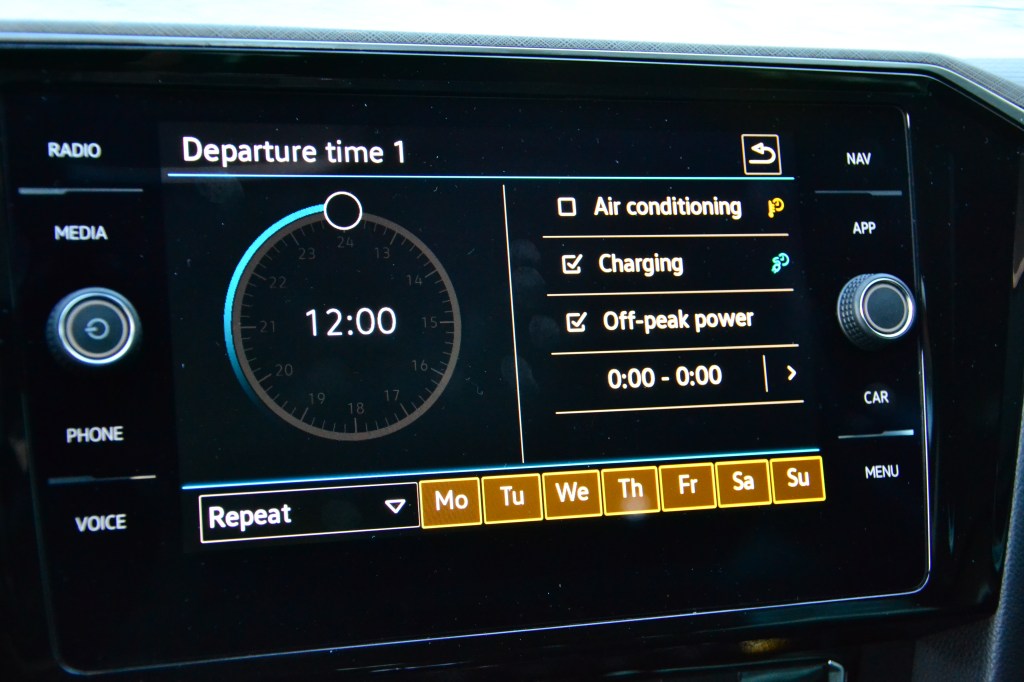
But VW’s hybrid is well thought out: delayed charging is another available option. The time delay can be set using either the Infotainment system or an app. You can activate the charging process directly via the app – in much the same way as a remote control. In addition to the charging process, the temperature inside the vehicle can be raised or lowered – depending on the temperature outside – via the time pre-set function.
Creature comfort
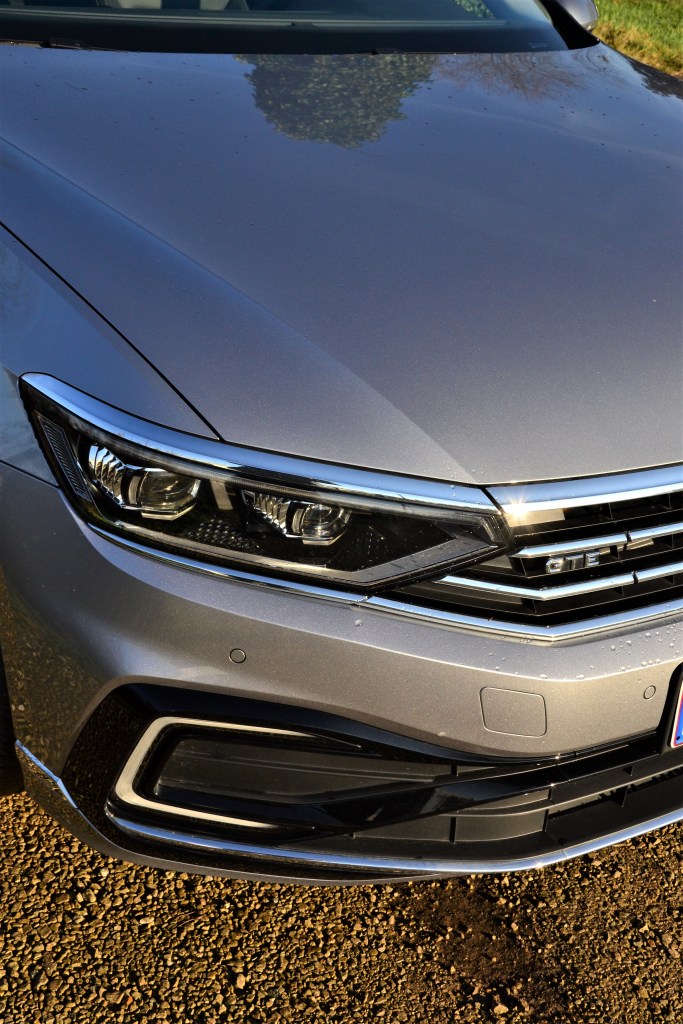
Of course the Passat, and certainly in this Variant version has style and comfort. The car’s appearance is enhanced, and indeed for the better. The front and rear bumpers, the radiator grille and the Passat logo, now located centrally at the rear, have all been redesigned.
In addition, new LED headlights, LED daytime running lights, LED fog lights, and LED tail light clusters make this Passat look the part.
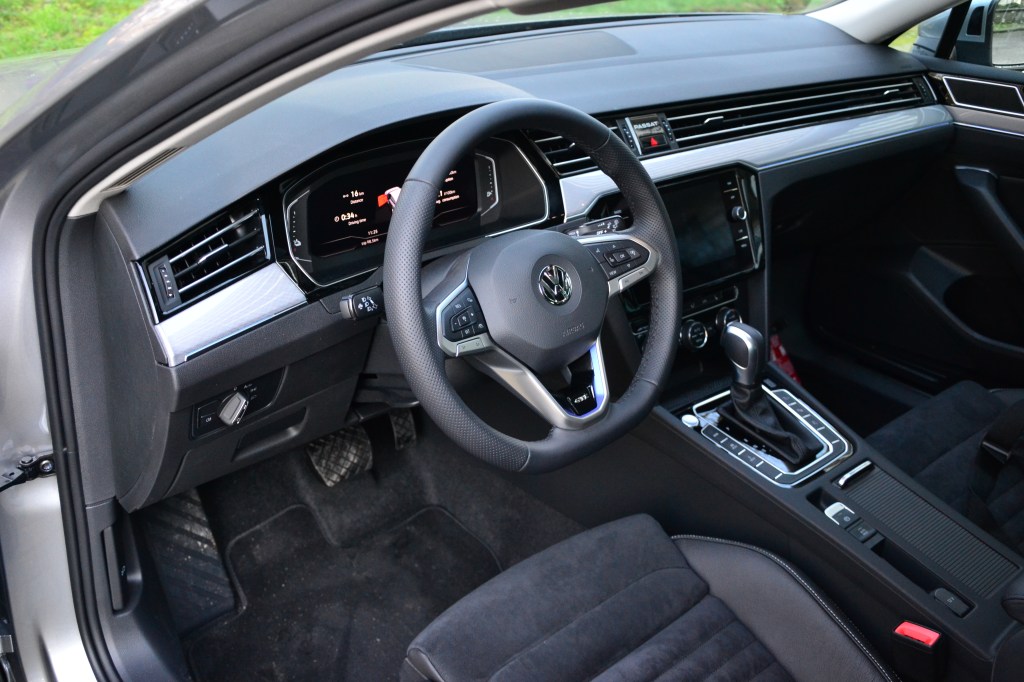
In the cabin the fun continues. The dashboard and digital instrumentation is smart, the finish is impeccable, and the quality of used materials is also beyond reproach. Last but not least, in this Variant edition, there is room. Ample legroom for the rear passengers, and even with the batteries in the back, boot space is 483 l minimum, and can be enlarged to 1613 l.
Driver assist systems galore
IQ.DRIVE is the new umbrella brand for Volkswagen assistance systems. From now on, the technologies involved in autonomous driving will be bundled under the IQ.DRIVE label. An example is the new Travel Assist. The Volkswagen Passat will be the first Volkswagen that is capable of partially automated driving across practically the whole speed range (0 to 210 km/h). Along with its assistance system, the Passat represents the most advanced version of IQ.DRIVE yet seen.
Emergency Steering Assist also sees its début in the Volkswagen Passat. The system improves safety during sudden evasive manoeuvres via braking intervention. In addition, the lane guidance with Lane Assist has been optimised with a new multifunction camera. The new IQ.LIGHT – LED matrix headlights also are a boon.
Impeccable handling
To enjoy full performance, just choose GTE mode and you have the full system power at your disposal…
Needless to say that the Passat state of the art chassis and suspension warrant excellent road manners. It will take a vigorous driving style well in its stride, has superb high speed stability and handling, with stable and progressive braking. An agile and safe companion on any road.
Conclusion
A superbly well made and engineered car, which indeed is a bestseller for all the good reasons. Performance, handling, workmanship, room, style, the Passat has it all, certainly so in the Variant version. This hybrid version gives you on top of all that a “green” ticket to all the European cities, and allows you to travel anywhere and anytime without range anxiety or (re)charging headaches. Of course, fuel economy is in function of the available E-power, miracles just don’t happen. You should also take into account that charging costs money, as we said above.
But the smoothness of its drivetrain, its state of the art superb technology, the passion for quality which is felt throughout this car in daily use, this is what impresses most, together with its “zen” E-power, as an icing on the cake…
One would indeed create a new “mildful” English word for it: the o so clever way Fiat sees hybrid propulsion as a mild mobility solution for everybody.
Mild for nature, and also gentle for your purse. The Fiat engineers found the simple, straightforward solution of using a Belt-integrated Starter Generator to capture the kinetic energy you want to reduce and give it back the moment you want to build it up again.
Indeed, in urban stop and go traffic, reducing and gaining speed is actually the main thing you do. And this is where Fiat helps you with mild cleverness.
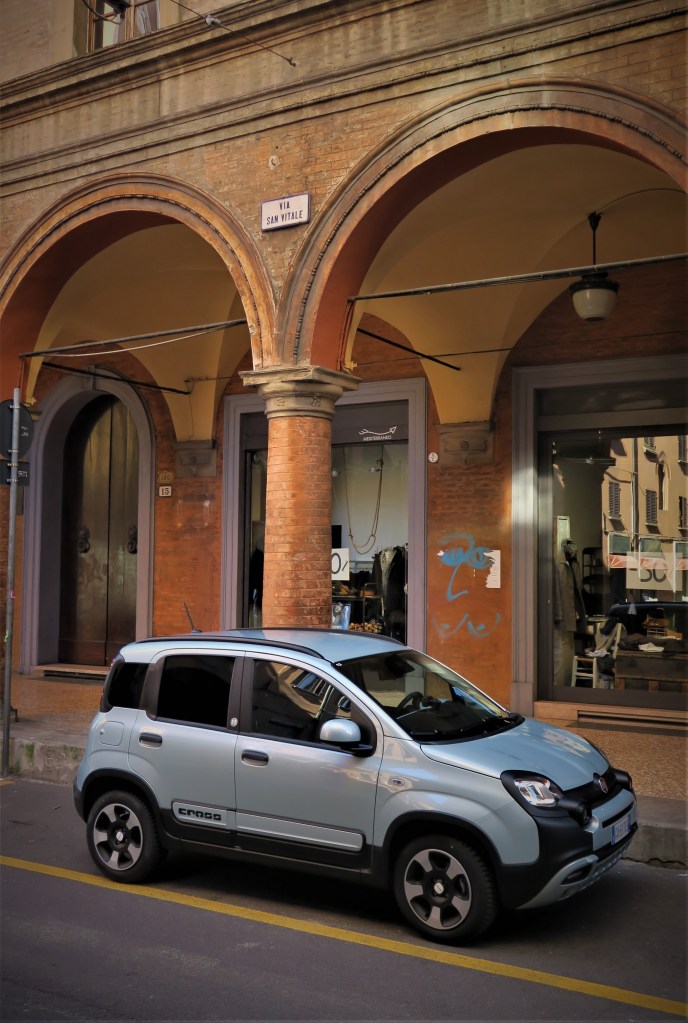
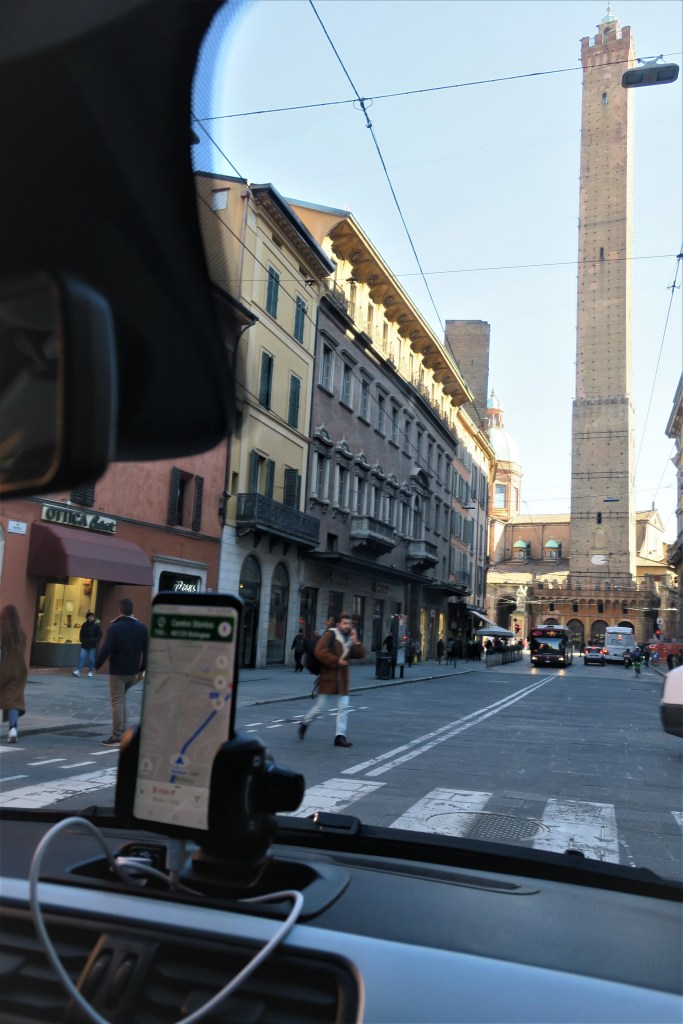
We tested it all for you in the medieval city center of Bologna. And were convinced. Just read on…
Hans Knol ten Bensel
Gentle technology with a touch of genius.
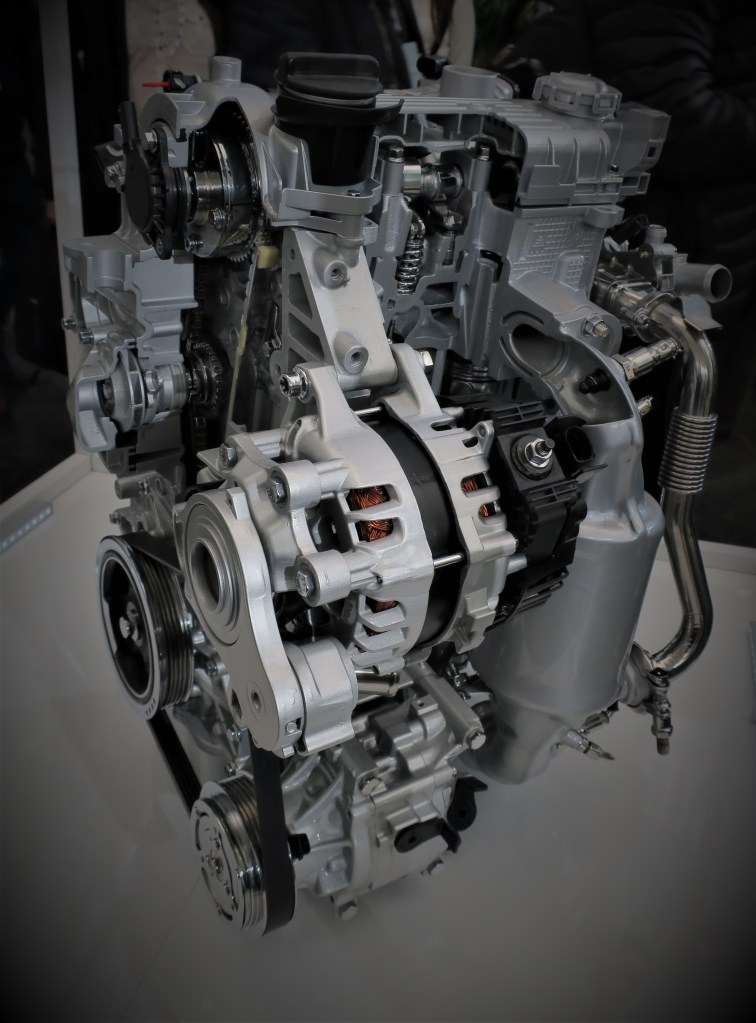
We heard it all at the presentation in Bologna. Carlo de Marino, global engineer of the Firefly Engine Family (see photo above) explained us in detail the merits of this 999 cc three cylinder engine and the hybrid system coupled to it.
First let’s focus on the hybrid system. The BSG (Belt-integrated Starter Generator) system is mounted directly on the engine (see photo above) and is operated by the belt that also drives the auxiliaries. The system recovers energy during braking and deceleration, stores it in a lithium battery with a capacity of 11 Ah, and uses it, at a peak power of 3,6 kW, to restart the engine in Stop&Start mode and to assist it during acceleration.
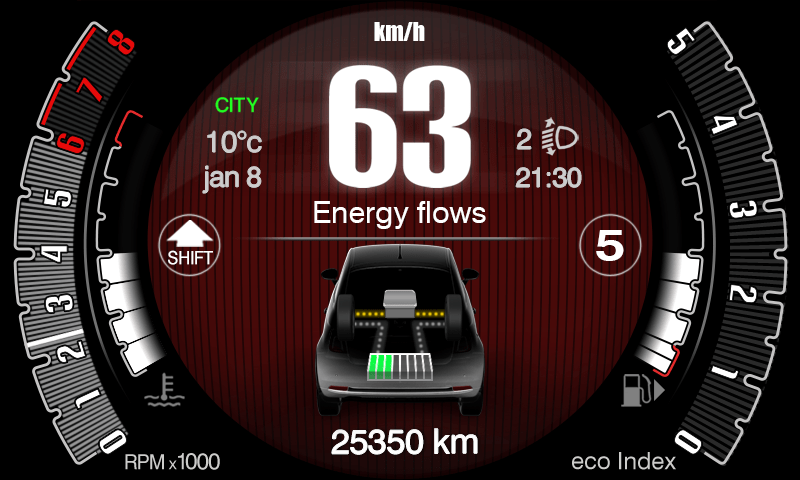
This technology allows the internal combustion engine to switch off, even at speeds below 30 km/h, simply by shifting into neutral (the dashboard, which displays information on the hybrid system, prompts the driver when to do so). In coasting mode, the lithium battery powers all services, ensuring the driver has full control of the vehicle.
The Mild Hybrid propulsion unit is combined with a 6-gear C514 manual transmission “evolution”, which has new low-friction bearings and gaskets, uses a specific high-efficiency lubricant. The gearbox sits 45 mm lower and is better supported, making for supersmooth gearchanges, which we indeed experienced during our drive.
The FireFly engine itself is tuned for utter docility, and develops 70 HP and 92 Nm of torque, the latter at a mild 3500 rpm. But as said, the starter generator helps at low revs when driving away and restarting. We drove the Panda Cross during most our test drive, keen to test out the hybrid system and get good photos of the car in the beautiful Bologna inner city, with a short stint behind the wheel of the Cinquecento.
Indeed, we were impressed by the silence and velvety smoothness of this engine, and the slick gearbox where gearchanges could be done with your fingertips. The whole system also tempts you into adopting a fluent, quiet driving style, with the engine remaining totally vibrationless from 1200 rpm or so. The gearchange indicator also invites you to stay below 1700 rpm or thereabouts, and the driving experience is then one of silent mildness indeed.
When driving gently through city streets and boulevards, with the engine being barely audible both to bystanders and occupants, the instrumentation tells you about the merits of coasting, and indeed, shifting the slick gearchange lever into neutral will stop the engine and let you coast gently along, doing exactly what all the environmentally conscious tell you to do: recuperate kinetic energy by gently rolling to a stop, adopting good anticipation and judicious driving.
If you still have to use the brakes, it is then nice to see how the generator recuperates the energy, and gives it back when starting away again. Of course, this has its good results: Fiat claims a reduction of 30 % in your average fuel consumption, and indeed, it took no effort at all to reach values between 4 and 5 litres/100 km in the Bologna streets. Of course, it takes a fluent driving style at low revs, that goes without saying. The manufacturer quotes 3,9 l/100 km as average consumption , and emissions are as low as 89 g CO2/km.
Performance is more than adequate with a quoted top speed of 155 km/h and 14,7 seconds from 0 to 100 km/h.
Durability and low service costs…
The designers of the FCA Mild Hybrid System not only kept the Hybrid system efficient and simple, also the 3 cylinder “evergreen” FireFly engine underwent some changes to enhance serviceability. The unit has here a single overhead camshaft, two valves per cylinder with continuously variable timing and last but not least chain driven timing.
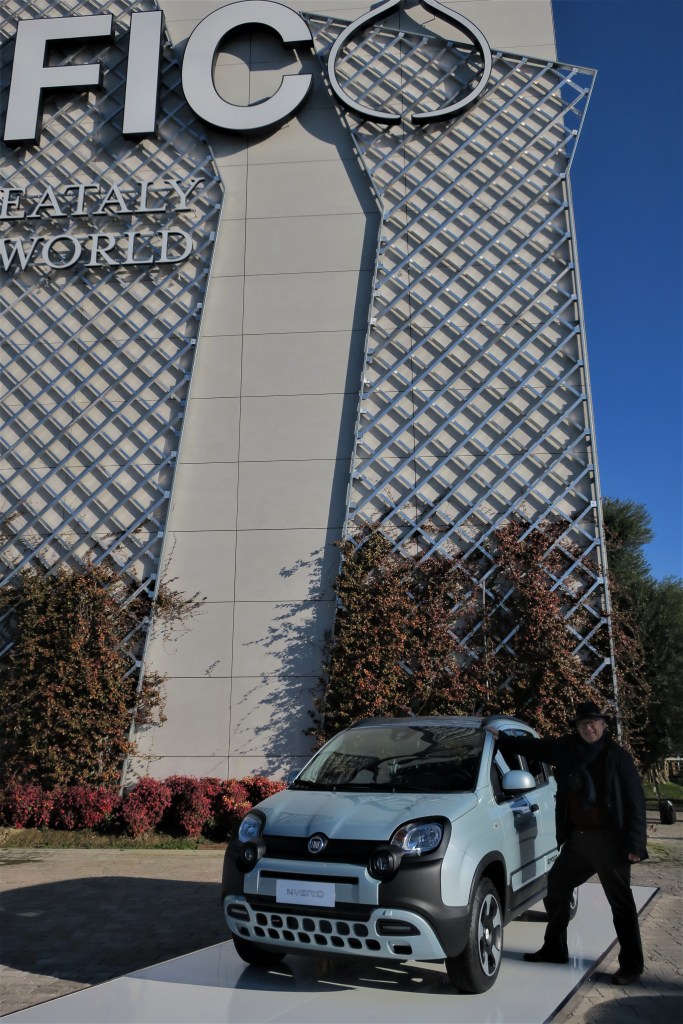
Your servant with the Panda Hybrid in front of the stunning Eataly Fico Food Show Fair…
But also other aspects of running costs are kept low.
Customers also benefit from all the advantages of going hybrid (the car is Euro 6D Final-compliant, for instance), which, depending on local regulations, include freedom of access and movement in city centers, cheaper parking in town centers and tax breaks.
The philosophy of designing and building a Hybrid system for everybody is also reflected in the very moderate extra cost of the Hybrid system compared to the standard layout(s). Indeed, the Panda Mild Hybrid Launch Edition is available in our country for slightly over 13.000 Euros…
A Hybrid Launch Edition with a distinct “green” touch…
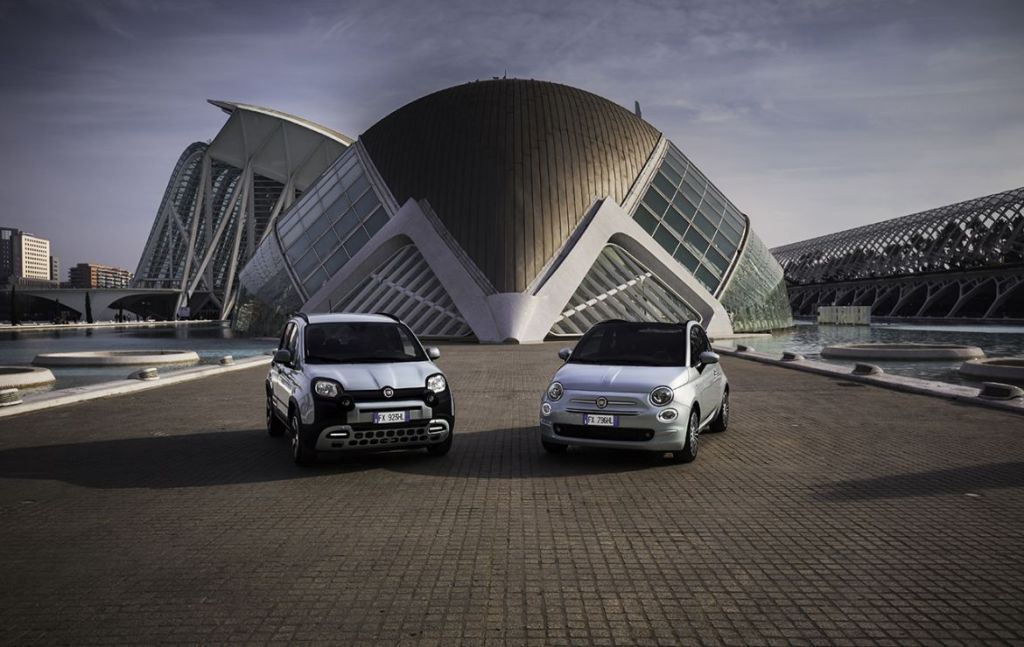
The 500 and the Panda are today, for the first time, together in a single special series: the Hybrid Launch Edition.
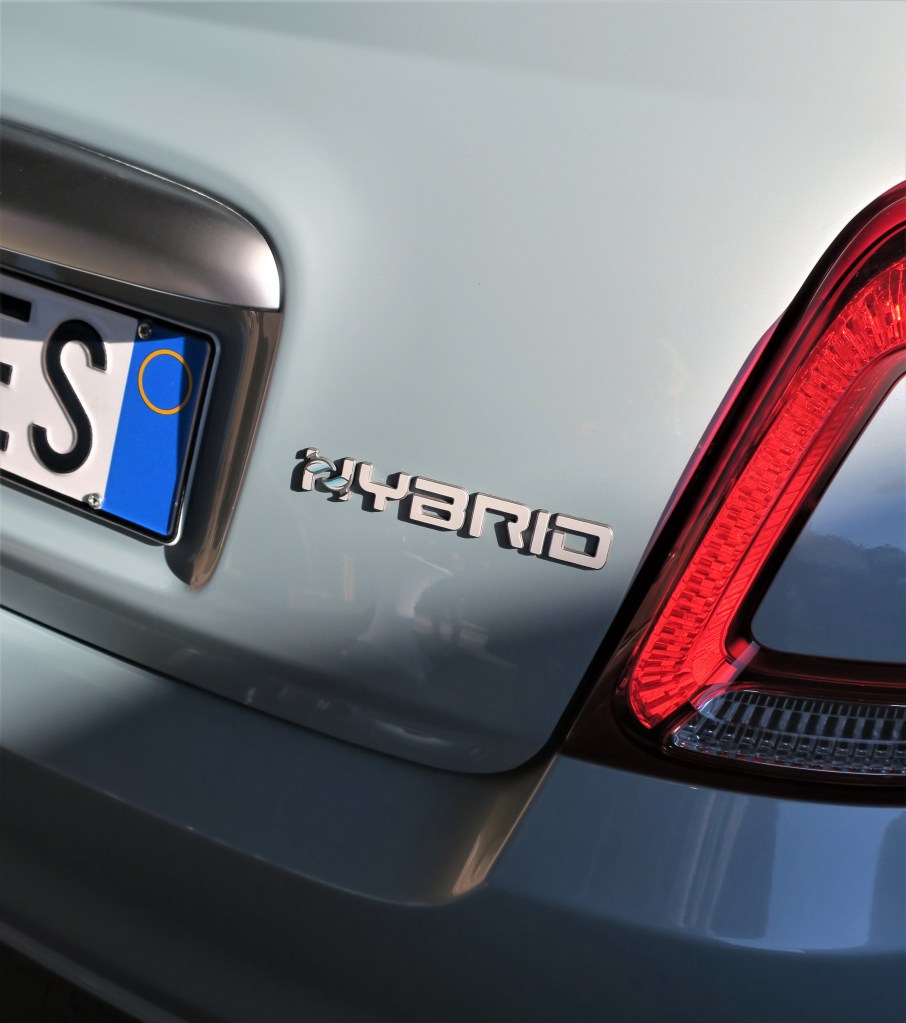
The special series can be recognized by the “Hybrid” sign written on the rear and the exclusive “H” logo, formed by two leafs with dew drops, on the center panel. Dew – the symbol of the light of dawn and therefore of the beginning of a new era – has been used also as inspiration for the “Dewdrop Green” exterior on both cars.
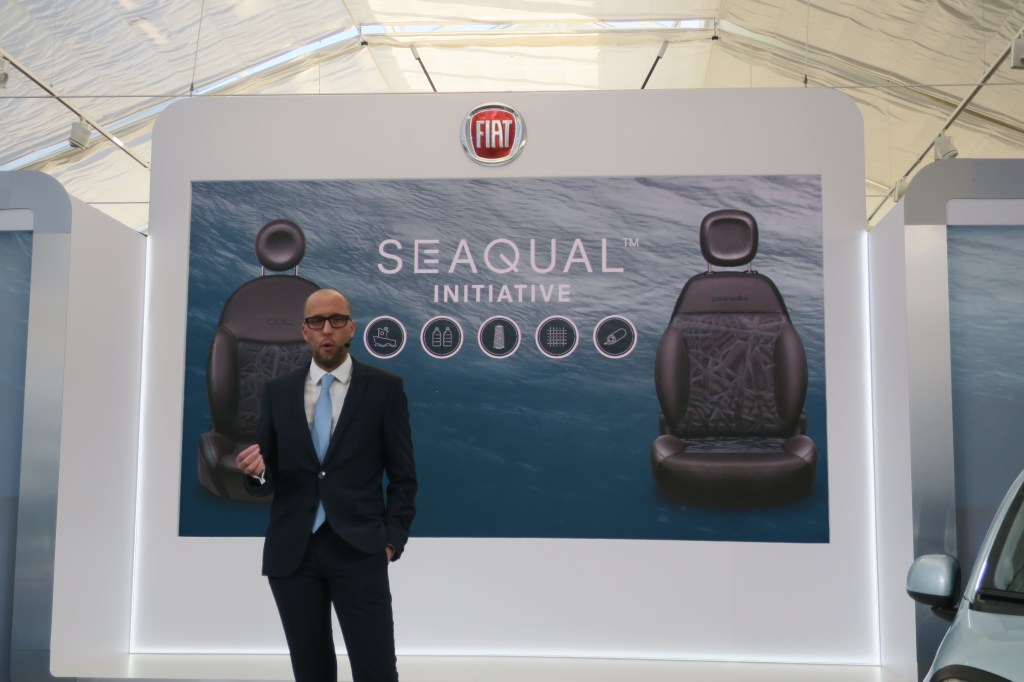
Charles Fuster, EMEA region marketing manager explaining the Seaqual initiative…
On the inside, the seat upholstery is faithful to the sustainable philosophy of the entire project. The Launch Edition seats are the first in the automotive sector to be partly made with SEAQUAL® YARN, the weaving of which produces a special material, certified by SEAQUAL INITIATIVE, derived from recycled plastic: 10% of which originates from the sea and 90% from land.
This SEAQUAL® YARN is produced by transforming plastics collected from the sea into flakes of polyethylene terephthalate. These flakes are then used in the yarn from which the fabrics are made. In the weaving phase, marine polyester is mixed with other environmentally friendly, natural, recycled or recovered fibers. This green process is completed by the application of dyes and environment-friendly finishes based on the saving of water and energy. Fiat is collaborating with SEAQUAL INITIATIVE to support ocean clean-ups to take action against marine litter.
Conclusion
The philosophy of designing this Mild Hybrid System certainly took hold with us. It is clever, effective, smooth and last but not least comes at a very small extra cost. All this completely in line with the unique talent Fiat has well honed over decades: to build small, compact cars which are simply among the best in the world in their class.
They now take this art a “green” step further with these Mild Hybrids, and there is even more to come. Just watch out for the next Geneva Motor Show: it will see the birth of the first “full electric” 500…
It had to come. The electrification of the Fiat brand. The first step is here: The Fiat 500 and Fiat Panda, always European leaders in their segment, are the first FCA city cars fitted with the new gasoline Mild Hybrid technology.
The Hybrids are powered by the new 3-cylinder engines from the FireFly family which will deliver 70 HP, combined with the 3,6 kW BSG (Belt-integrated Starter Generator).
CO2 consumption and emissions are reduced by up to 30% depending on the model, in addition to the tax and traffic benefits of hybrid vehicles in densely populated areas, based on local regulations.
The new 500 and Panda Hybrid will be available from February and March 2020 respectively, are set to become a new European benchmark for electrified urban mobility.
The anchor year 2020 will further continue with the start of production in Turin of the new 500. This model will be 100% electric and therefore will play a key role in the e-Mobility by FCA strategy.
But now the coming days we will set sail to Bologna. Keen to drive these two new hybrids…
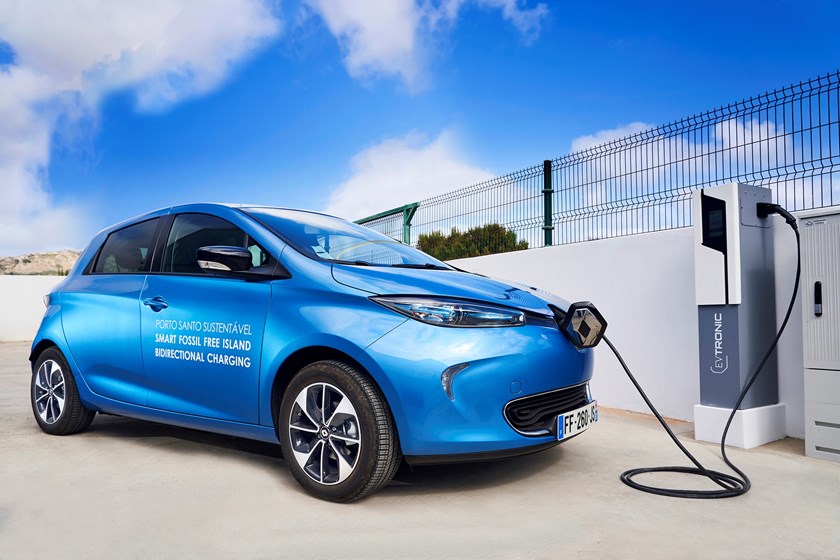
2019 – Porto Santo ecosystem – a bold experiment of insular bi-directional charging already launched by Renault
Together with major industry partners and the help of the European commission through their Horizon 2020 project, Renault takes the (electric) bull by the horns. We all are well aware of the problem: charging infrastructure is still cruelly lacking in many European countries.
The project is called INCIT-EV, and Renault is coordinating it. It aims to encourage the development of electromobility in Europe through field experiments.
7 innovative charging technologies for electric vehicles will be tested in chosen locations in Europe, just read further…
Hans Knol ten Bensel
2019 – Porto Santo ecosystem another project by Renault
The project is worked out in collaboration with 32 partners in Europe. Spanning the 48 months from January 2020 through December 2023, the INCIT-EV project will be broken down into two primary phases:
·Phase 1 will first involve analysing user needs and requirements, followed in April 2020 by an assessment of charging technologies and their integration into infrastructures.
·Phase 2 will focus on 7 tech demonstrations on selected sites and will run from the second half of 2022 to the end of the project. These 7 demonstrations are:
– A dynamic induction charging system for the urban environment in Paris, France;
– High voltage charging systems in the outskirts of Tallinn, Estonia;
– Optimised bidirectional “smart charging” in Amsterdam and Utrecht, the Netherlands;
– A dynamic induction charging system in peri-urban/long-range areas in Versailles, France;
– A charging hub in a car park for car-share vehicles in the outskirts of Turin, Italy;
– Low power bidirectional charging (for two-wheeled vehicles also) and static wireless charging in taxi lanes located at the airport and central station in Zaragoza, Spain.
2019 – Porto Santo ecosystem
·
A pan-european project brought to life by the Renault Group…
To address the needs to test the charging technologies in real-life conditions – such as the Contactless Dynamic Charging technology – and to structure the whole ecosystem, Groupe Renault took the European Commission’s call for new projects as an opportunity to create a consortium. In the capacity of coordinator, Groupe Renault serves as intermediary between the European Commission and the consortium partners, and oversees the technical development, budgeting, and scheduling.
Not less than thirty-two leading industrial companies, universities, institutes, cities, start-ups, and SMEs positively answered the call put out by Renault, with the shared desire to promote electric mobility in Europe by carrying out electric car’s user-centric experiments.
Groupe Renault experiments already on alrge scale with bi-directional charging, here in the Netherlands…
These 33 members of the consortium are based in Estonia, France, Germany, Italy, the Netherlands, Slovenia, Spain, and Turkey.
Needless to say that we will follow up closely on this initiative, as an electric powered car is only so useful as it can be practical in daily (commercial) life.
Having said this, we will in these columns also concentrate in the future more on the professional mobility, i.e. LCV’s and all purpose pick-ups and offroads, a segment which has become eminently important in Europe. We wrote in these columns already about the electric Fiat Ducato for instance and the people behind it. We will soon look more closely at the state of electrification of LCV’s and what it holds for the (near) future.
The Brussels motor show is always a unique event. Last but not least because this is a true buyers’ show, to be taken in the literary sense: about 30 % of the annual car sales in our country is done on the grounds of the Motor Show!
“Our” show is also unique because all the brands are present here in Brussels. First of all because no car manufacturer wants to miss the sales opportunity, but also because the Brussels show is also an ideal “test” market, it allows brands to assess what global (European) market share they can achieve overall and for their respective models individually, judging by their penetration in the Belgian market, where no national brands can distort the situation in our market place.
We took a walk through some of the stands, and here follows our report, where we focus on the brands we did not yet discuss already in our show preview, starting here with BMW.
Hans Knol ten Bensel
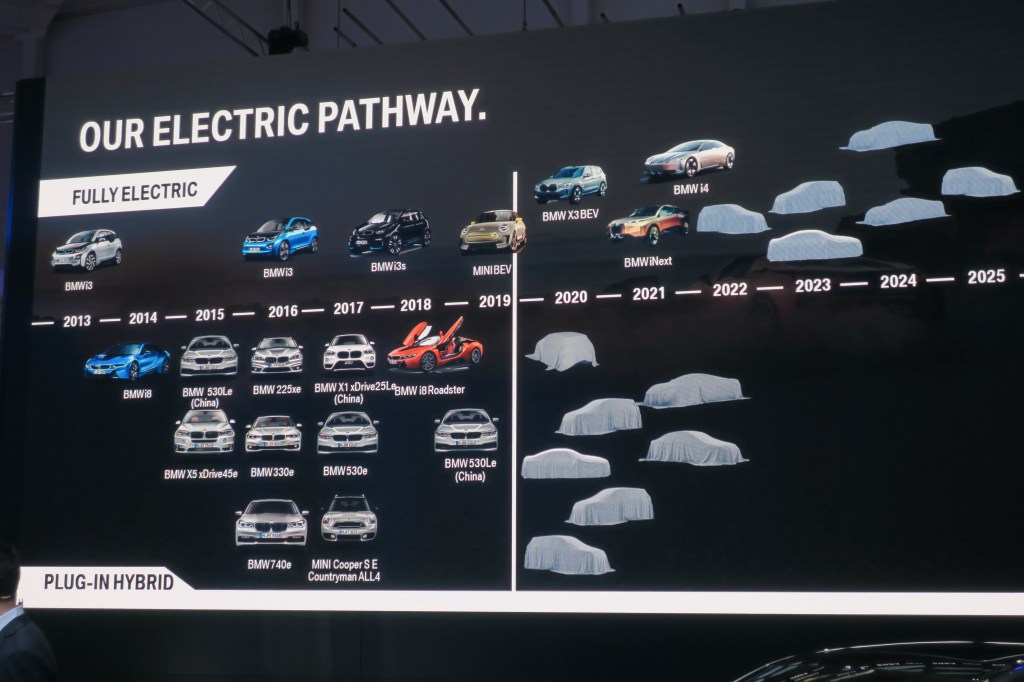
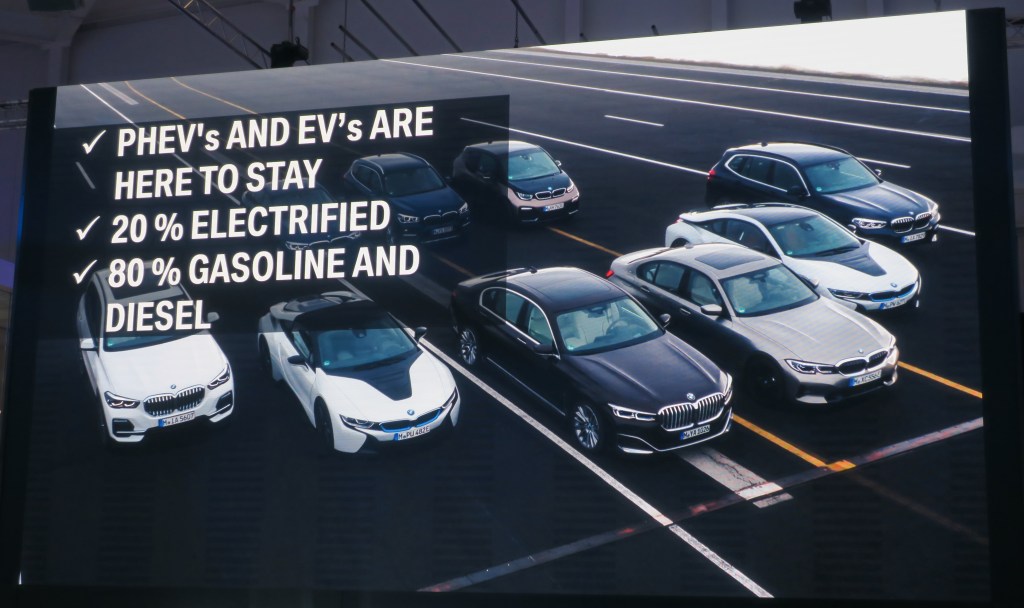
BMW and MINI unveiled two world premieres with respectively the BMW plug in hybrid versions for the X1 and the X2 models, the BMW X1 xDrive25e and the new BMW X2 xDrive25e. BMW is pushing its electrification very hard forward, and on the accompanying photo you can see the table they displayed at the show, showing the further steps they are taking towards an electrified future. An electric drive and a lithium-ion battery enable an electrically powered range of up to 57 kilometres in the two new plug-in hybrid models. In the near future, four BMW X models with plug-in hybrid drive will be available. BMW intends to have more than one million vehicles with electrified drive on the road by the end of 2021.
The plug-in hybrid system of the new BMW X1 xDrive 25e and the new BMW X2 xDrive25e consists of a 1.5 litre 3-cylinder petrol engine with BMW TwinPower Turbo Technology and an electric drive specially developed for this model. It is taken from the eDrive technology modular system of the BMW Group. The petrol engine mobilizes a peak output of 92 kW/125 hp and a maximum torque of 220 Newton meters. It transfers its power to a 6-speed Steptronic transmission and drives the front wheels.
The electric motor generates an output of 70 kW/95 hp and delivers 165 Nm of torque to the rear wheels via a single-speed transmission. This makes for a hybrid specific all-wheel drive…Together the combustion engine and electric motor produce a system output of 162 kW/220 hp. The maximum system torque of both drive units is 385 Nm. The new BMW X1 xDrive25e accelerates from 0 to 100 km/h in 6.9 seconds. The new BMW X2 xDrive25e does the 0 to 100 km/h sprint in 6.8 seconds. The top speed of the new BMW X1 xDrive25e is 193 km/h. Maximum speed of the new BMW X2 xDrive25e is 195 km/h.
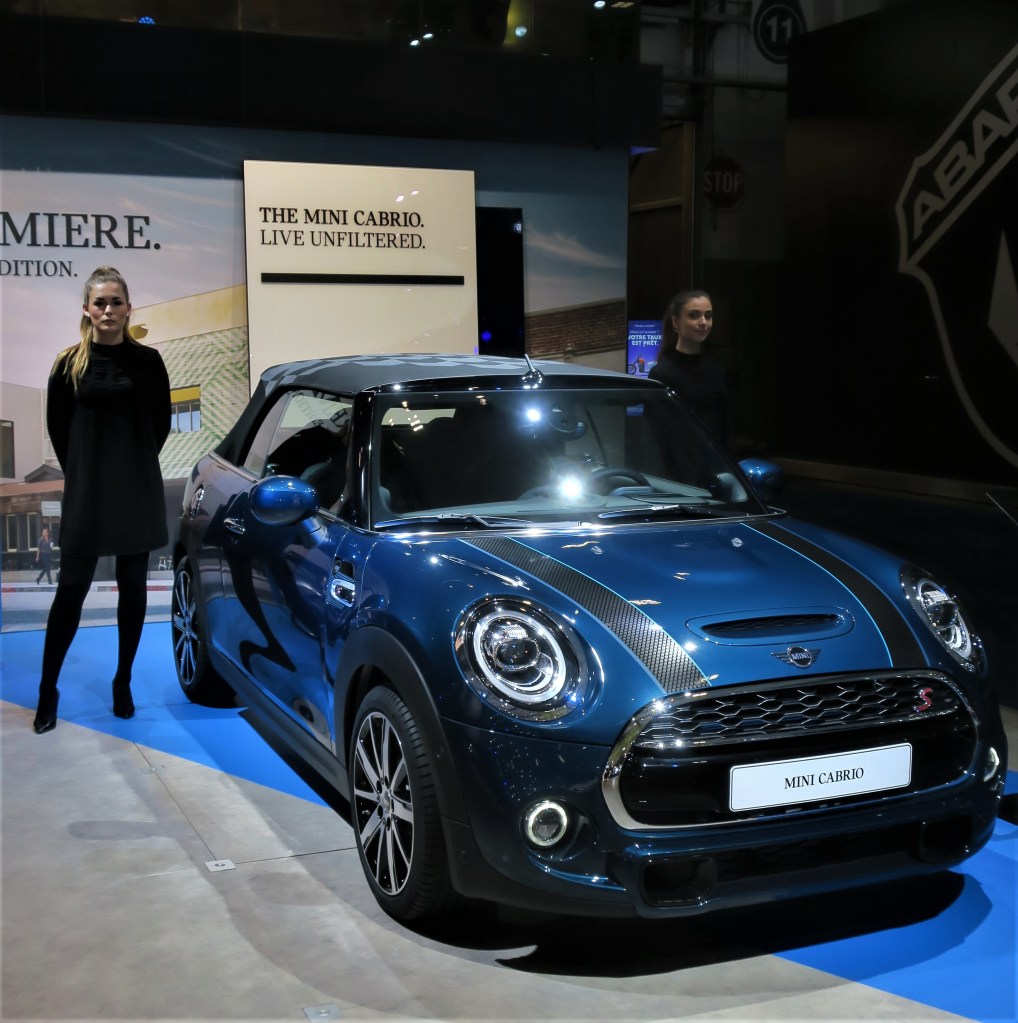
The MINI crowd was also spoiled with a world first of a Sidewalk Edition of the MINI convertible. The MINI is already cute, desirable and truly iconic, and a cabrio version adds to all the pleasure a MINI can offer its driver and occupants. Variants of the exterior paintwork, soft top design, rim styling and interior fittings are developed especially for the edition model. The version of the fully automatic textile soft top, specially designed for the edition model, can be opened or closed electrically and almost silently in 18 seconds. It features an artistically woven-in arrow graphic in the particularly high-quality finish typical of MINI Yours. The 17 inch light-alloy Scissor Spoke 2-tone wheels of the new MINI Convertible Sidewalk are also a model-specific design feature. There are also the side indicator bezels, known as side scuttles, which bear the “Sidewalk” model designation.
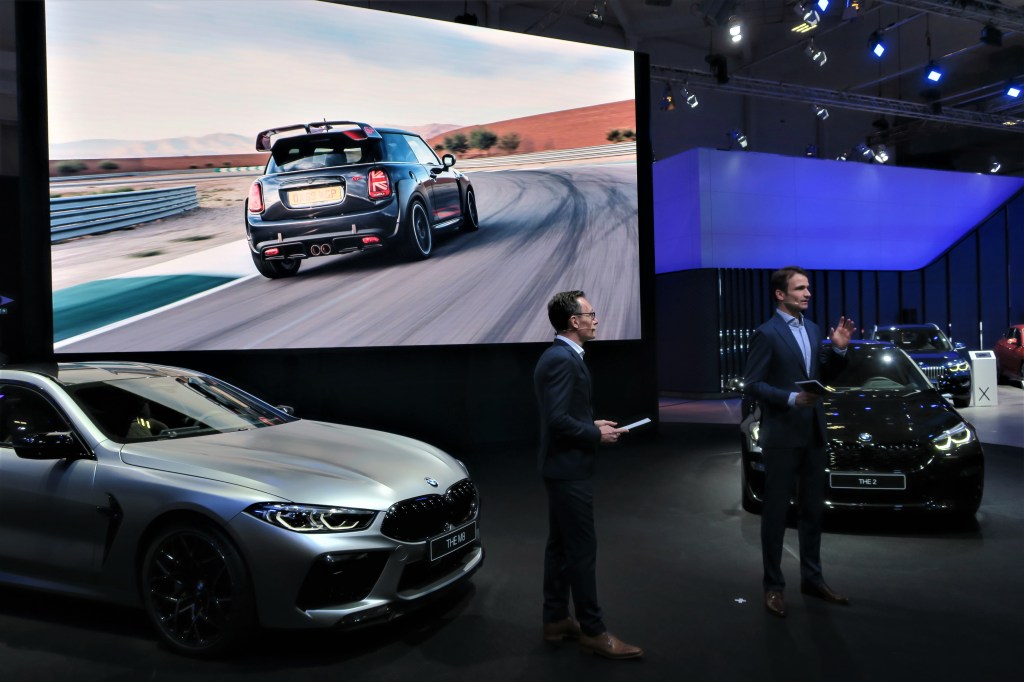
Presenting the MINI John Cooper Works GP and the M8 Gran Coupé
Three engine versions are available, The new MINI One Convertible Sidewalk develops 75 kW/102 hp from the 1.5 litre 3-cylinder engine. The new MINI Cooper Convertible Sidewalk is also powered by a 1.5 litre 3-cylinder engine which produces 100 kW/136 hp. The 141 kW/192 hp 4-cylinder engine of the new MINI Cooper S Convertible Sidewalk provides the sportiest fresh air experience.
European premieres for BMW and MINI
There were also European firsts in Brussels, like the BMW 2 Series Gran Coupé, interesting as it is beautiful, and we are certainly keen to drive one soon to tell you more about it. The same goes for the BMW M8 Competition Gran Coupe. It has a 200 mm longer wheelbase makes extra room for the rear passengers.
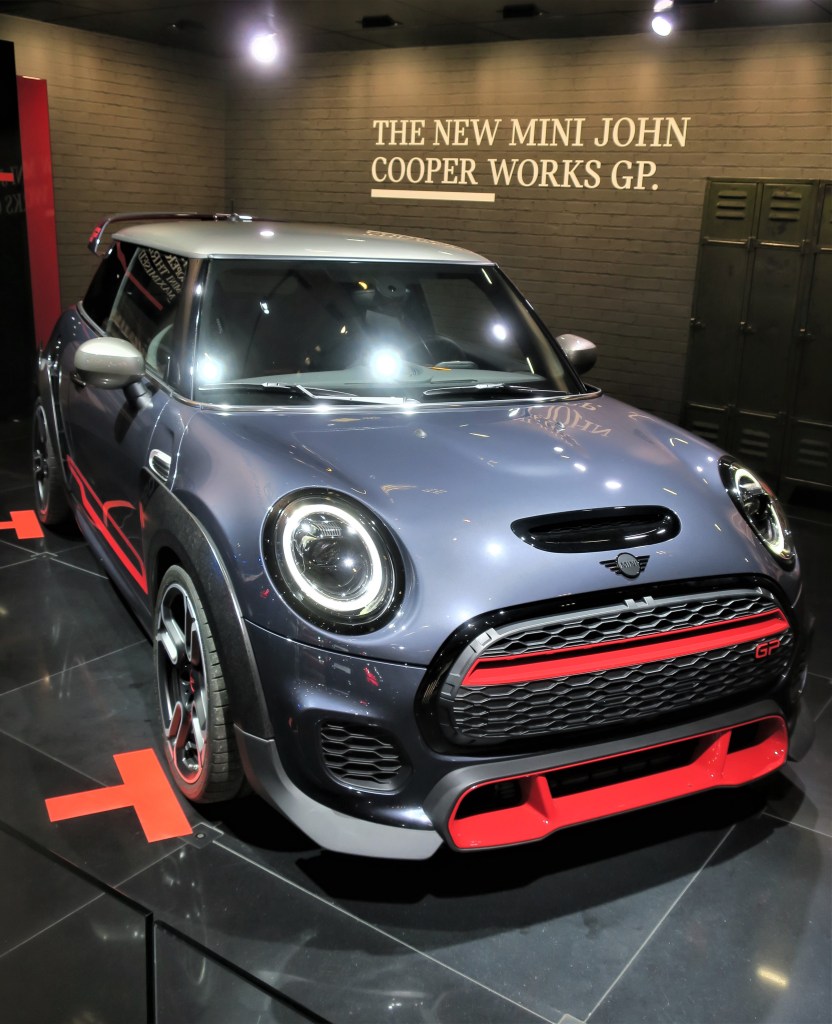
Furthermore there is the insipring MINI John Cooper Works GP, with a 4 cylinder 306 HP engine, catapulting this Mini from 0 to 100 km in merely 5,2 seconds. It is produced in Oxford in 3000 units, and is on sale from March 2020.
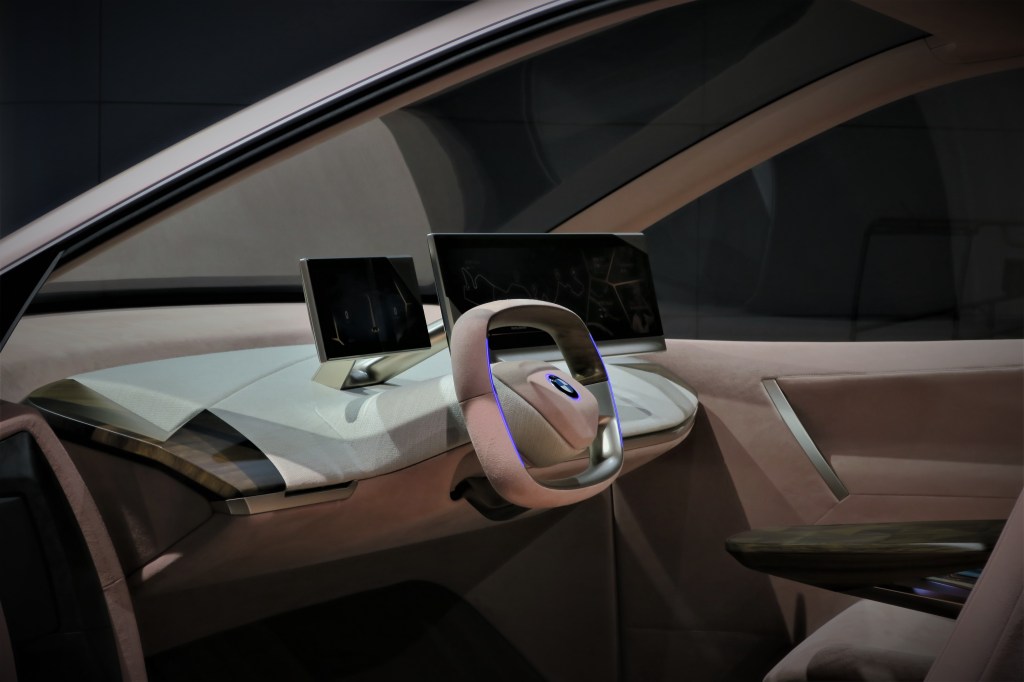
Things to come: The Vision INEXT dashboard…
The BMW BMW X5 M and X6 M have their Belgian premières, the 4,4 litre V8 is good for 625 hp and this formidable engine makes these cars sprint form 0 to 100 in merely 3,8 seconds. Last but not least there is the Belgian first of the MINI electric, or the 3-door MINI Cooper SE.
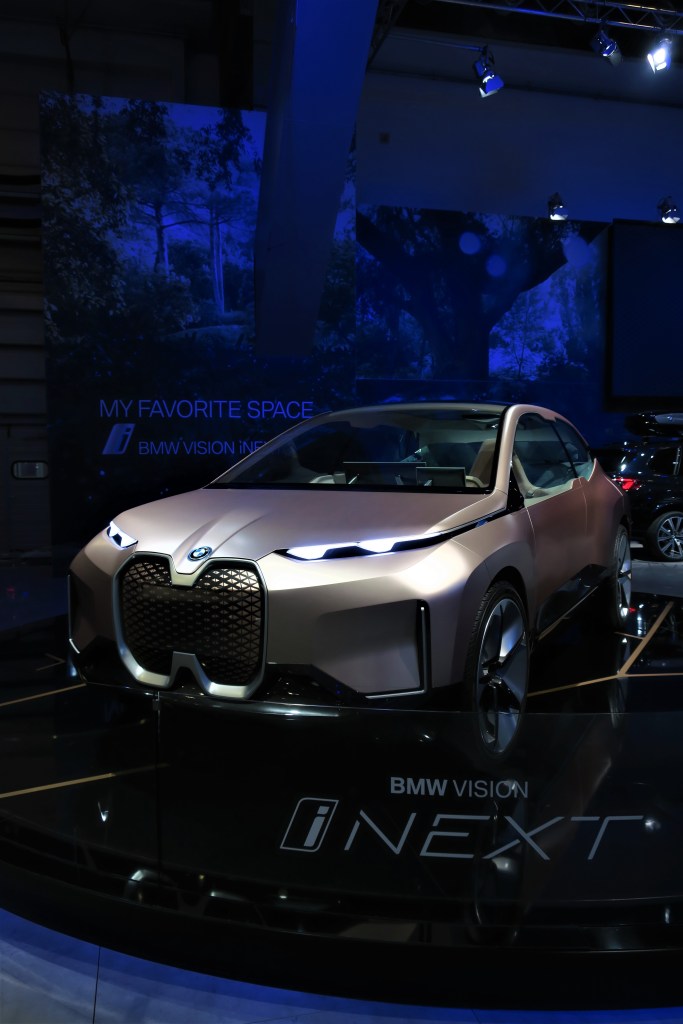
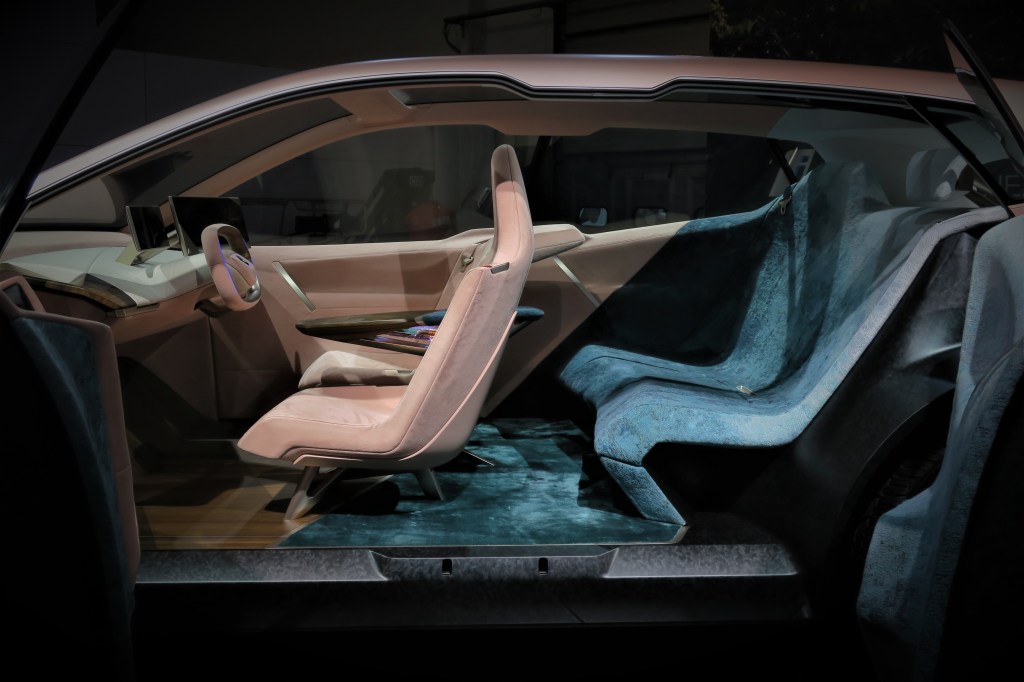
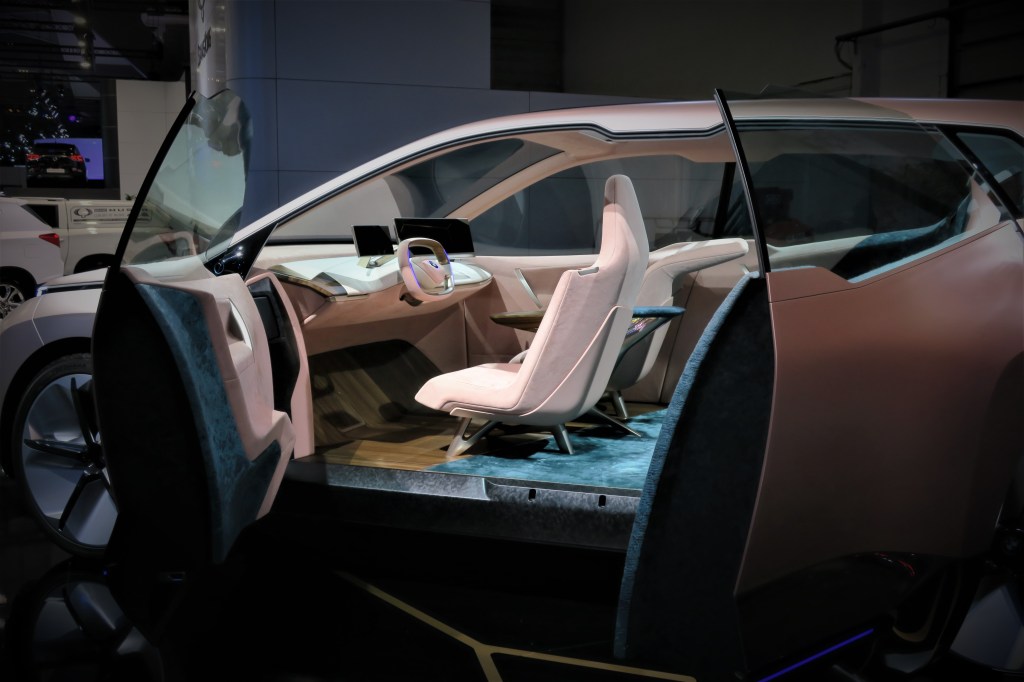
On the stand, we stood also eye to eye with the BMW Vision iNEXT, the optical highlight of the exhibition stand, which also showcases the interior design principle “My Favorite Space” with harmonious, natural surfaces and technology that is kept discreetly out of sight.
Just look at the photos here… which answers the question: “What will cars look like when they no longer have to be driven by a person, but still can be?” The interior can be a place for relaxation, interaction, entertainment, or concentration, as preferred. It is more like a comfortable and fashionably furnished “living space” on wheels – a new “Favorite Space”. A new design principle, referred to as “Shy Tech”, plays an especially important part in this.
To preserve the high-end, yet cozy character of the rear compartment, and place its occupants center-stage, the intelligent technology behind the operating controls is integrated out of sight. It only becomes visible and operable when required by the driver or passengers…
Soon more about other brands and novelties we saw on the Brussels show…
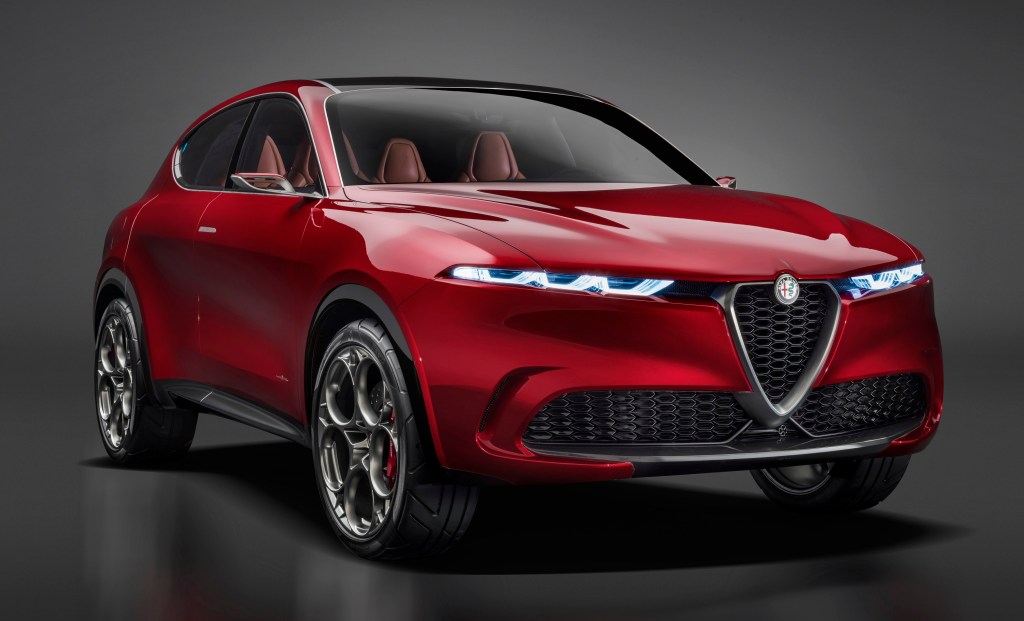
Faithful readers will remember that we stood in the FCA Centro Stile eye to eye with the stunning design concept car, the Alfa Romeo Tonale. For those lucky ones who will be invited to the gala evening and attend the press day on January 9, we have good news : it will be on show on that day in the Hall 7 of the Brussels Salon…
Hans Knol ten Bensel
Indeed, you can admire it for one day in Hall 7 of the Motor Show buildings, and you will see its design language close up. This is rather important, as its shapes will be seen back in the second SUV which will bear the Alfa Romeo badge.
Its expressive design and compact shape bode well for the future styling of Alfa’s, whilst maintaining and even rather enhancing and accentuating further the organic Alfa styling DNA of the past. One only has to look at the formidable 21-inch alloy wheels, which evoke the “telephone dial”, a pure execution of the circular theme of the wheel itself. It was first seen in the 60’s and proudly carried by the Alfa 33 stradale. The wheel design has been further enhanced by special custom-made Pirelli’s…
The lateral profile of the car is reminiscent of the shapes of the Duetto and Disco Volante Spider, and the “Linea GT” profile of the Tonale is a modern day interpretation of the shapes seen on the GT Junior.
The “Trilobo” front end bears proudly the “Scudetto” grille, and the “3 + 3” headlights remember proudly the SZ and the Brera.
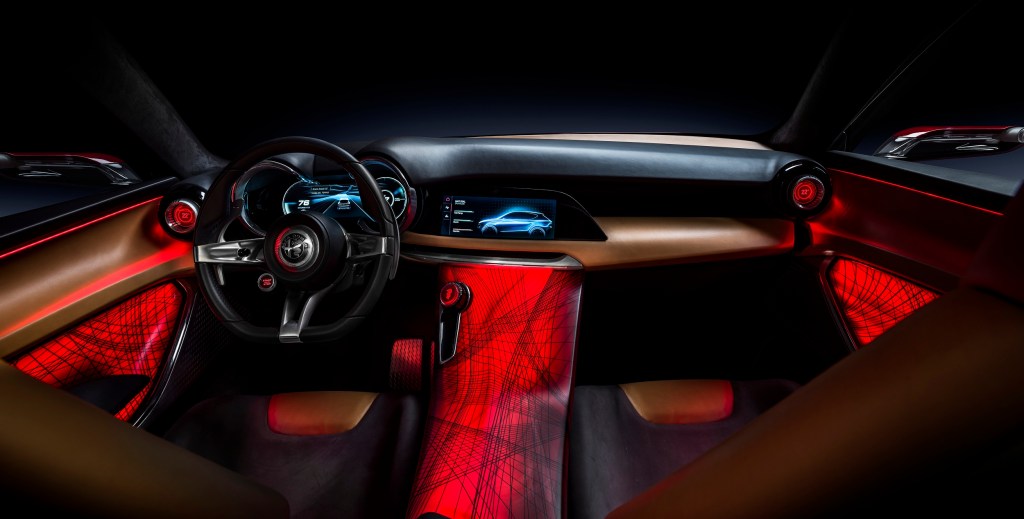
The cabin shapes have a distinct thoroughbred touch, and the materials are rich and inviting, with transparent panels in the centre console, and of course the DNA driving mode elector is a prominent element.
The Tonale is named after the Tonale mountain pass, which lies not far from the iconic Stelvio pass, and is equally breathtaking with eternal snow and water falls. Just come to admire it in Brussels…on the 9th of January. If you missed it, there is always a nice consolation for you: you can admire on the following days instead the new Giulia MY 2020…
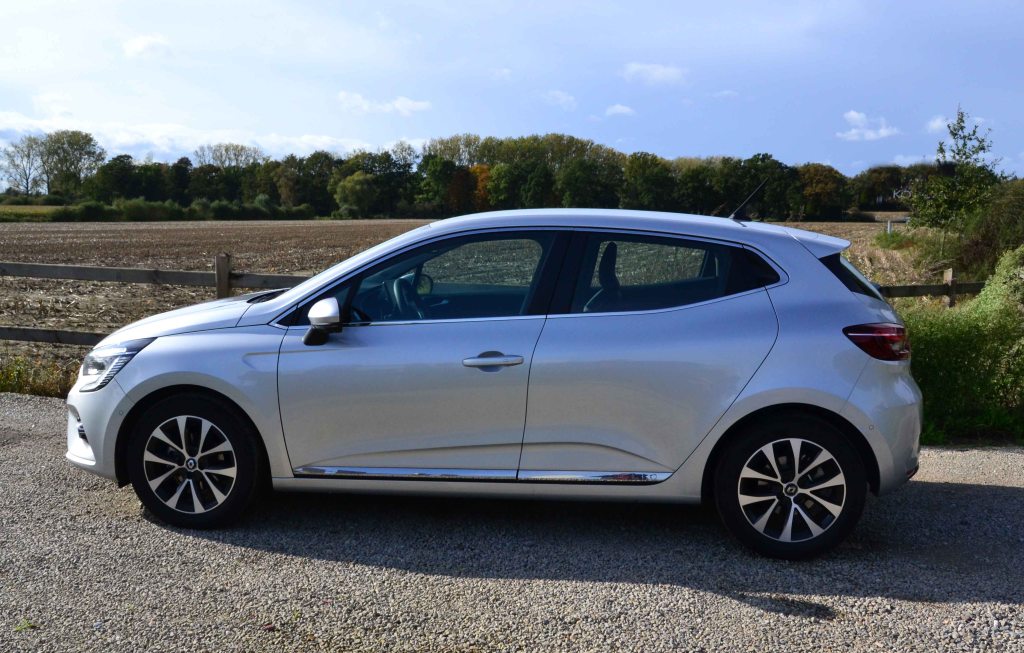
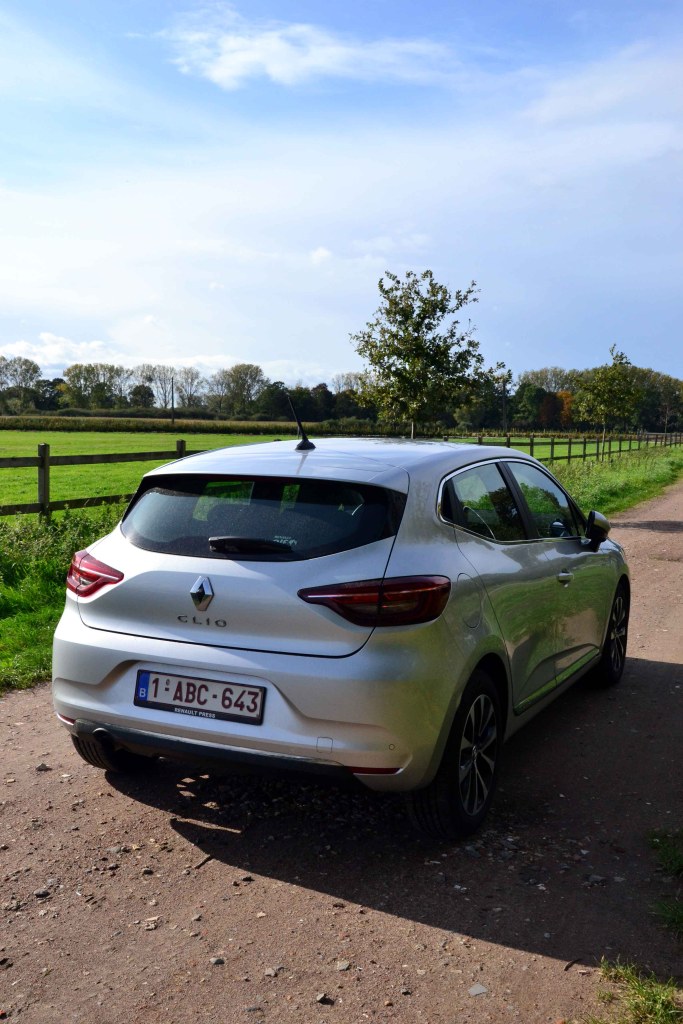
Did you know that the Renault Clio has been the bestselling car in its class in Europe since 2013? Deservedly so, we would think. It has style and panache, both inside and out. It sets new standards in its class, the automotive media world says, and we can only agree. It drives, looks and spoils you with advanced tech. Last but not least it introduces Level Two autonomous driver assistance systems to its sector.
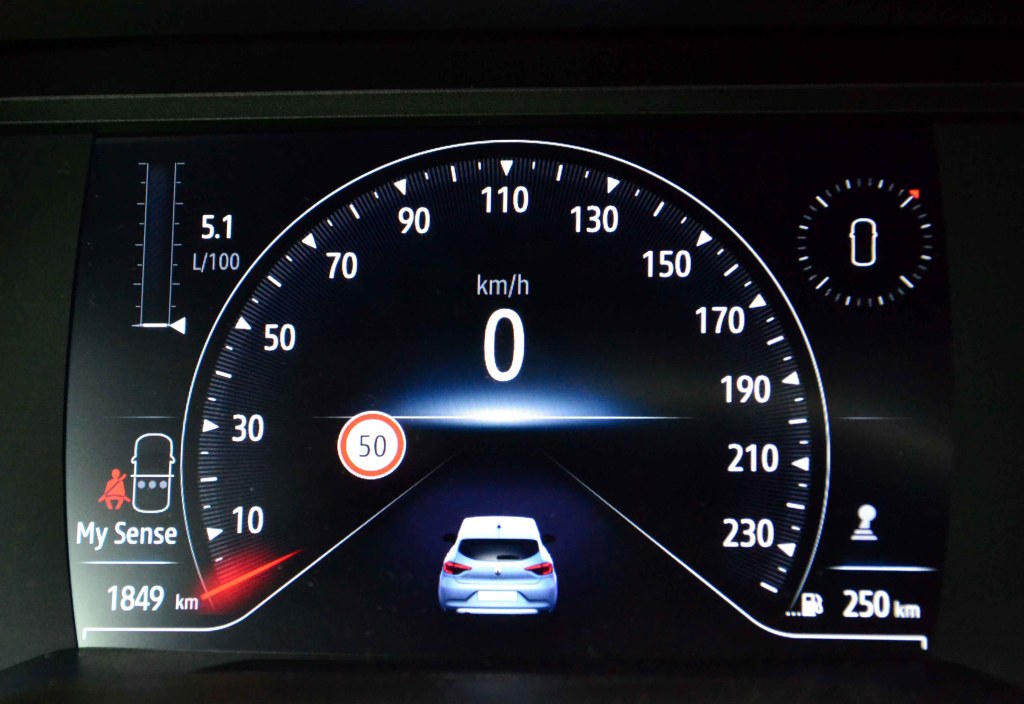
Its interior is another highlight, featuring the option of larger 9.3-inch EASY LINK infotainment screen and a ten-inch TFT instrument cluster. We drove the lively and frugal Tce 100 HP version. Just read further…
Hans Knol ten Bensel
Nice to live in…
The cabin and its infotainment is indeed one of the very strong points of this Clio. Its many features give you the distinct feel and impression you are sitting at the wheel of an upmarket car. The large central screen is a breeze and joy to use, and it spoils you if you want with the new EASY LINK multimedia platform featuring Android AutoTM, Apple CarPlayTM and 4G connectivity.
In our test car we were also spoiled with park assist, regulated air conditioning, keyless entry, reversing camera with 360 ° view, just to name a few.
The used materials on panels and seat upholstery have also definitely a premium look and feel to it. But that is not all. The seats are also comfortable, and there is enough room for four.
All the commands are intuitive, also last but not least thanks to the central touch screen with a myriad of functions effortlessly at your fingertips.
…and to drive
Driving is (again) believing, and also here the Clio truly scores. Setting up a comfortable suspension and marrying it with excellent handling and road manners is not something you have to learn a French car builder. Indeed, here the Clio masterfully excels.
It irons out all the nasty bumps and potholes, still gives you excellent feedback through the steering wheel of the road, and handles smoothly and with precision. The steering has been made more responsive thanks to a reduction in ratio from 15.2 to 14.4, while the electrical assistance has been calibrated to provide more natural feedback.
There’s also a more solid and stable mounting of the front suspension that helps boost steering accuracy. Here is a true compact Gran Turismo which is build to whisk you over hundreds of kilometres or miles in comfort…
Mind you, this Clio is the first Renault to be built on CMF-B platform, and so you are literally driving the future, we can say. Did you know that all versions get features such as Active Emergency Braking System with pedestrian detection, Lane Keep Assist and Lane Departure Warning?
Driving at night is also a breeze, as LED headlamps standard across the range.
Smooth petrol power…
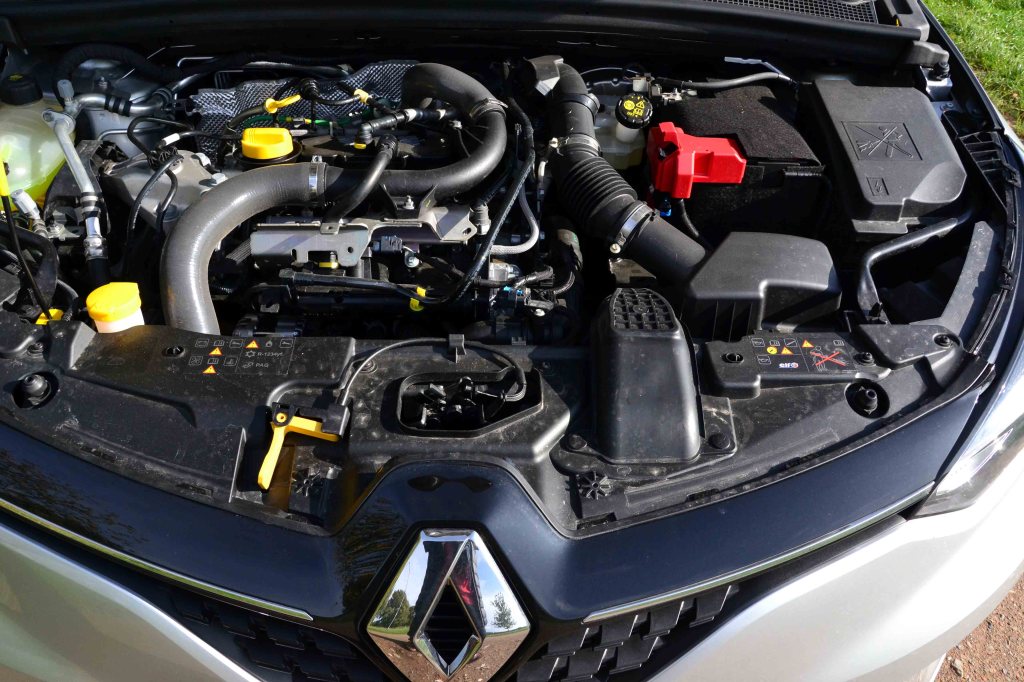
The Clio comes with a choice of five powertrains, comprising three petrols and one diesel, with, as we told you already in these columns, the E-TECH hybrid to come in 2020. We drove the 3-cylinder 1 litre 100 HP version. It is packed with a raft of cutting-edge features, including a turbocharger with an electrically controlled recirculation valve, an exhaust manifold partially integrated into the cylinder head, twin variable intake valve timing and a bore spray coating for reduced friction.
Delivering 100 hp and a muscular 160 Nm of torque at just 2,750rpm, the new-generation engine makes the Clio quite lively, providing an acceleration from 0 to 100 km/h in just 11.8 seconds. Top speed is 187 km/h. It’s clean and frugal too. CO2 emissions are just around 100 g/km, and we clocked throughout the test quite often averages of 5,1 l/100 km. Of course, we know that much depends on your driving style, but it is good to know that these averages can be achieved with the standard 5 speed gearbox, which is slick and smooth, by the way.
Practical
There is quite some handy stowage room in the cabin, to a total of 26 litres, and the boot architecture has been optimised to make load area as square and unencumbered by intrusions as possible, while capacity has been increased to 391 litres, making it in top of its class. We also liked the double-height floor.
Conclusion
“The street is always right”, investment managers and bankers say when they comment about financial markets, interest rates and asset prices, and the same we can say about cars. When the international motoring press awards it and the public across Europe makes it a bestseller, then you know that this Clio has what it takes to win over your heart too… We from our part can say that we rarely found a car which was more satisfying and pleasurable to drive and use than this Renault…
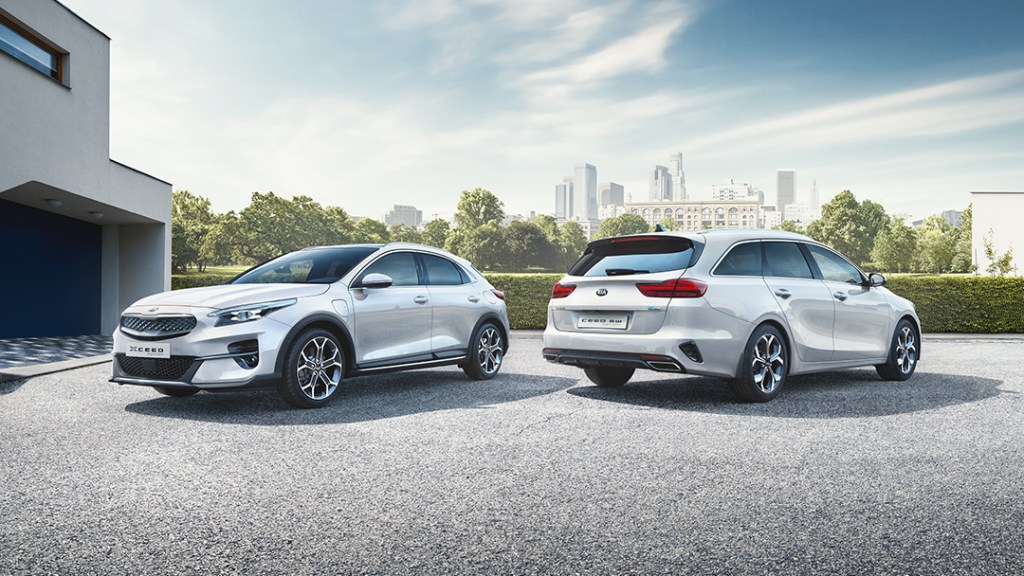
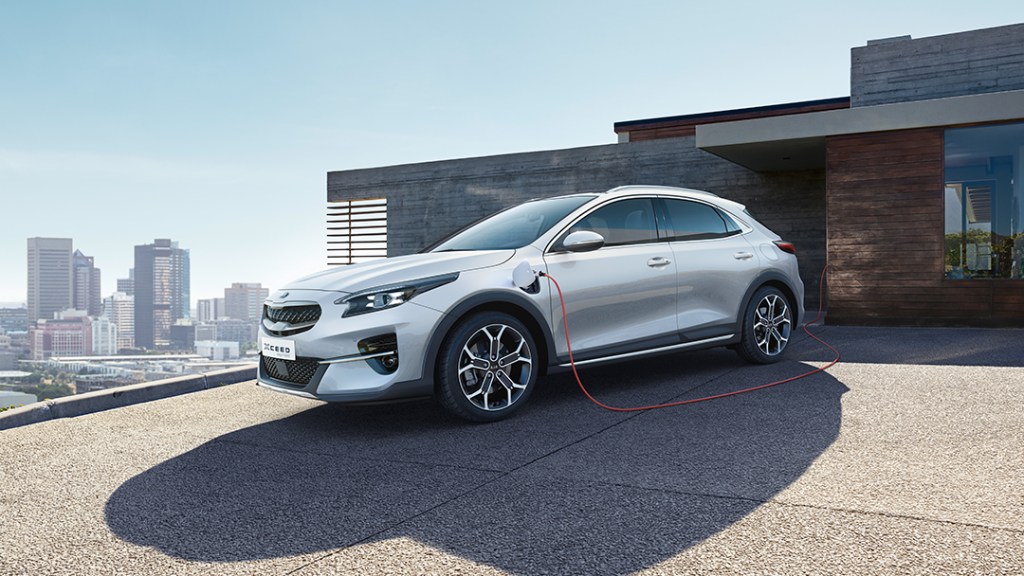
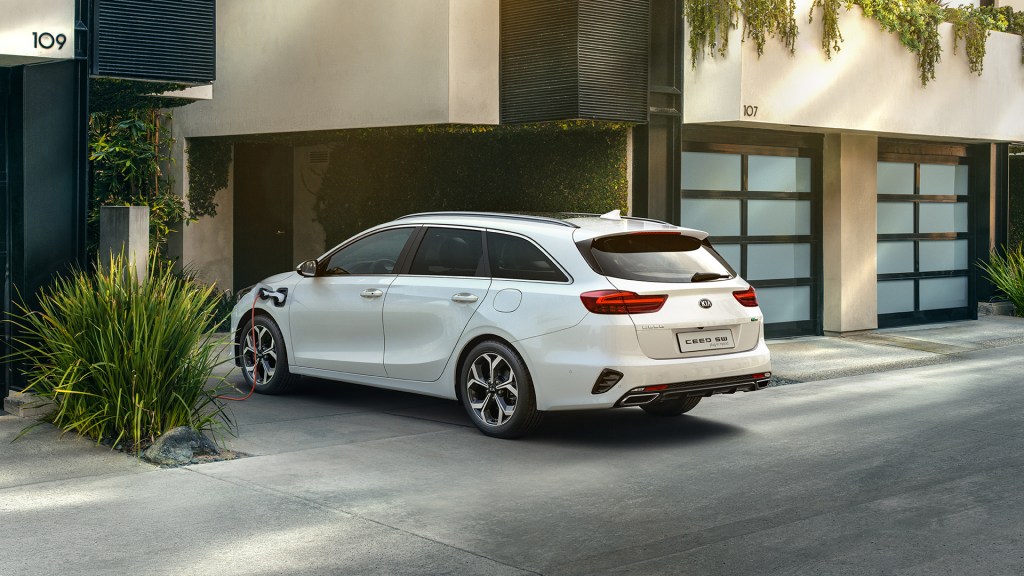
Ceed Sportswagon and XCeed are now also offered as PHEV versions…
Electrification is the name of the game at Kia. In Hall 4 it will show not less than 11 “electrified” cars, ranging from mild hybrid to hybrid and plug in hybrid on to full electric.
In Belgian premieres, we will stand eye to eye with the XCeed PHEV and the Ceed SW PHEV.
Emilio Herrera, Chief Operating Officer at Kia Motors Europe, commented that in the first half of 2019, one in seven of the Kia’s sold in Europe was an electrified model, a trend which is catching up quite fast.
The new drivetrain combines a lithium-polymer battery package of 8,9 kWh, an electric motor of 44,5 kW and an efficient 1,6 litre ‘Kappa’ four cylinder GDI (gasoline direct injection) engine. Total system power is 141 HP and 265 Nm, enough to propel the Ceed Sportswagon in 10,8 seconds and the XCeed in 11 seconds from 0 to 100 km/h.
Regenerative braking is provided for, and both cars have the so-called Virtual Engine Sound System, which is actvated in the EV-mode when driving slowly or backwards.
A charge indicator is of course provided in the instrumentation, and one can monitor the energy flow between engine, battery package and electric motor.
Power transmission of the petrol engine is via a 6 speed DCT, and both engines deliver their power parallel to the front wheels. The 8,9 kWh battery package is situated next to the 37 liter fuel tank under the rear seat.
Clever is also the “driver only” heating/ventilation mode, where the vents closest to the driver are opened, and the blower is cancelled. Just to save energy!
We will soon take the Kia XCeed 1,4 T for a test drive, awaiting this interesting PHEV version…
Electrification is amongst us, and the oldest manufacturer in the world has the panache and experience to come up with a truly stunning vehicle. The EQC 400. An impressive Mercedes in every aspect. Aimed at the higher market segments, and rightly so. It creates first of all an upmarket image for fully electric vehicles, and it targets a well to do clientele which has invariably charging points at home and at the office or workplace, making them less dependent on the public charging infrastructure, which is still seen to be (very) deficient in some EU countries.
A prudent strategy adopted also by other premium car manufacturers, like Audi for instance with their e-tron.
After driving a few days – a full battery charge – with this superb car with the star, we can say that this car sets indeed the standards for what electric driving can be… Just read further!






























 Autoprova - for the Connaisseur