We drove the DS 3 E TENSE: French panache and style

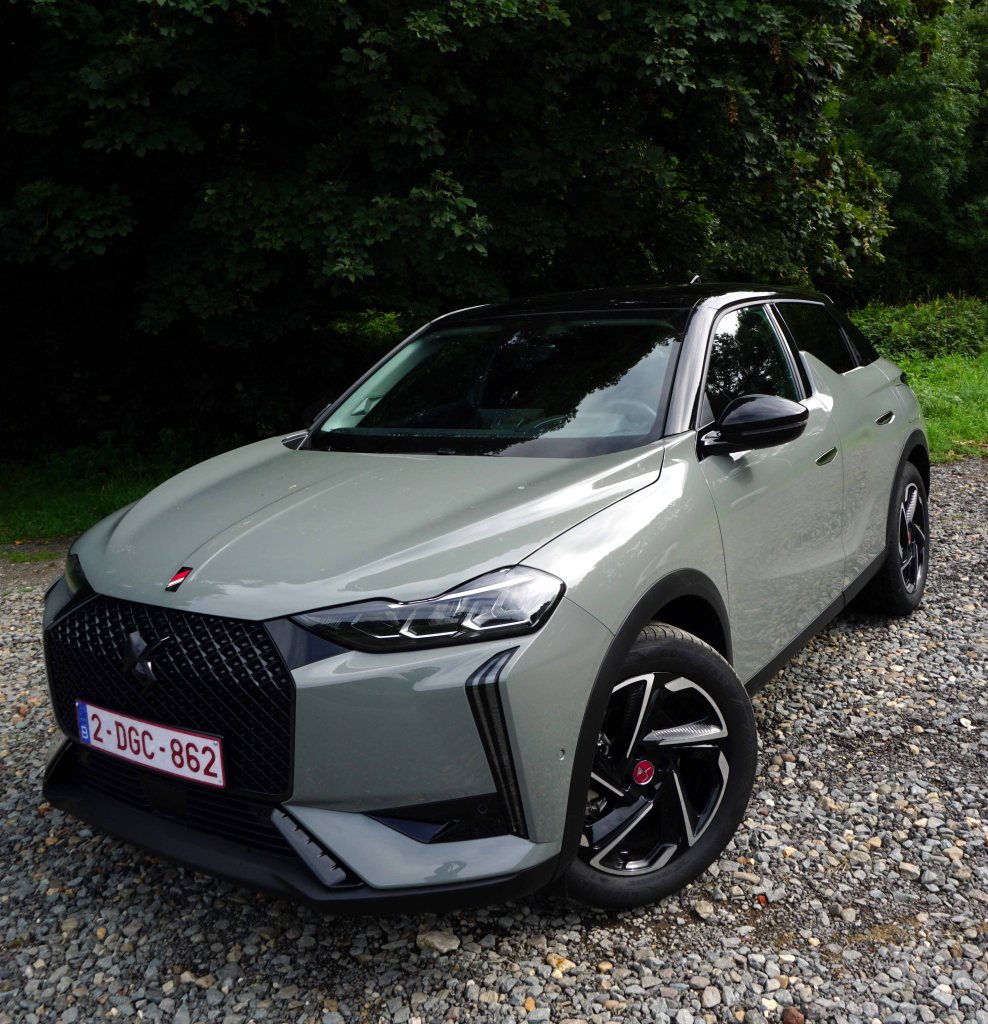
The latest generation of the DS3 has truly impressed us. It has gained further in style with a redesigned front end and light units, reworked dashboard controls and better touchscreen, and the E-TENSE version has definitely gained in practicality with a more powerful electric motor and a bigger battery, greatly improving range and driving experience.
Just read further…

Hans Knol ten Bensel
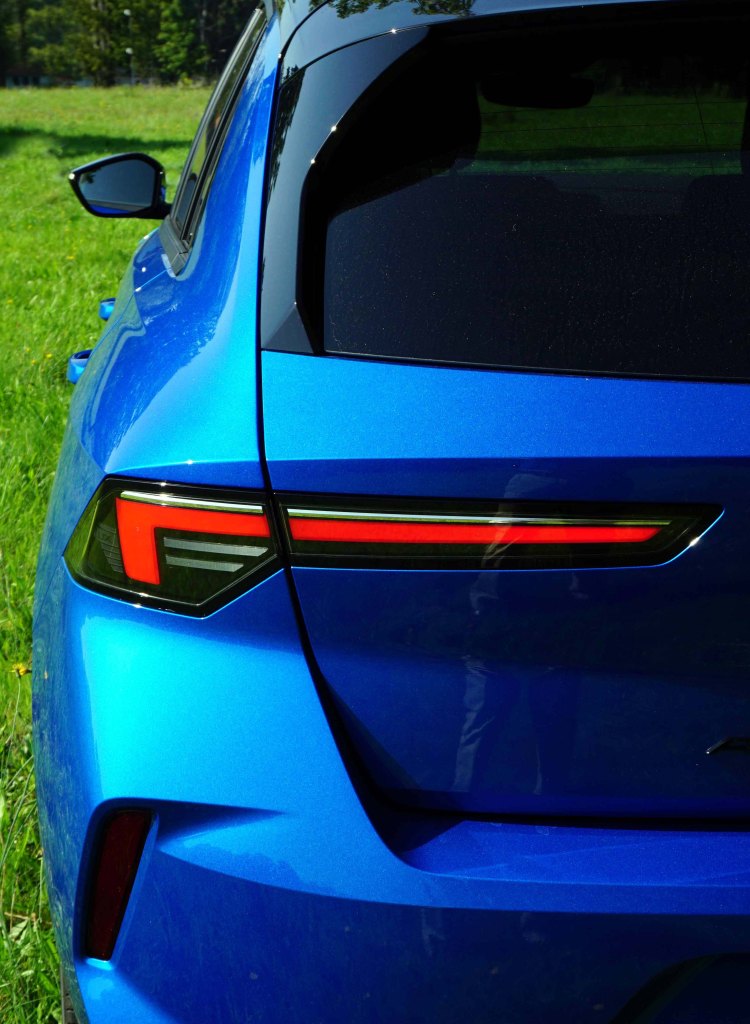

We like the look and styling of the DS automobiles, and the DS3 is no exception. We personally find the DS 3 one of the best looking compact crossovers, and indeed the styling department of DS really does a very good job to let the brand truly stand out within the Stellantis group.


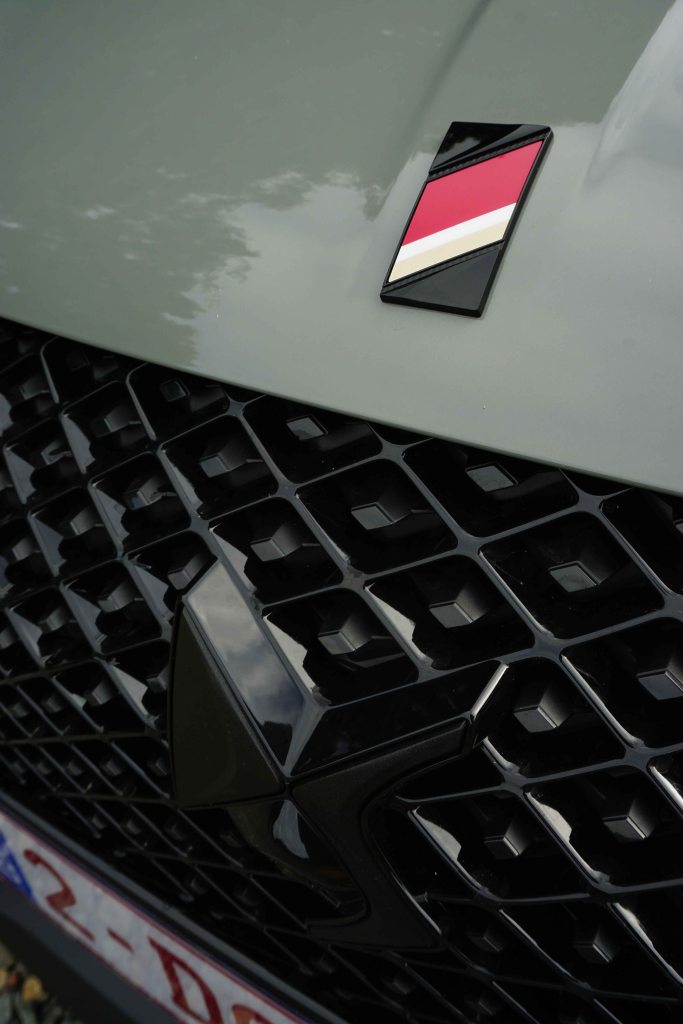
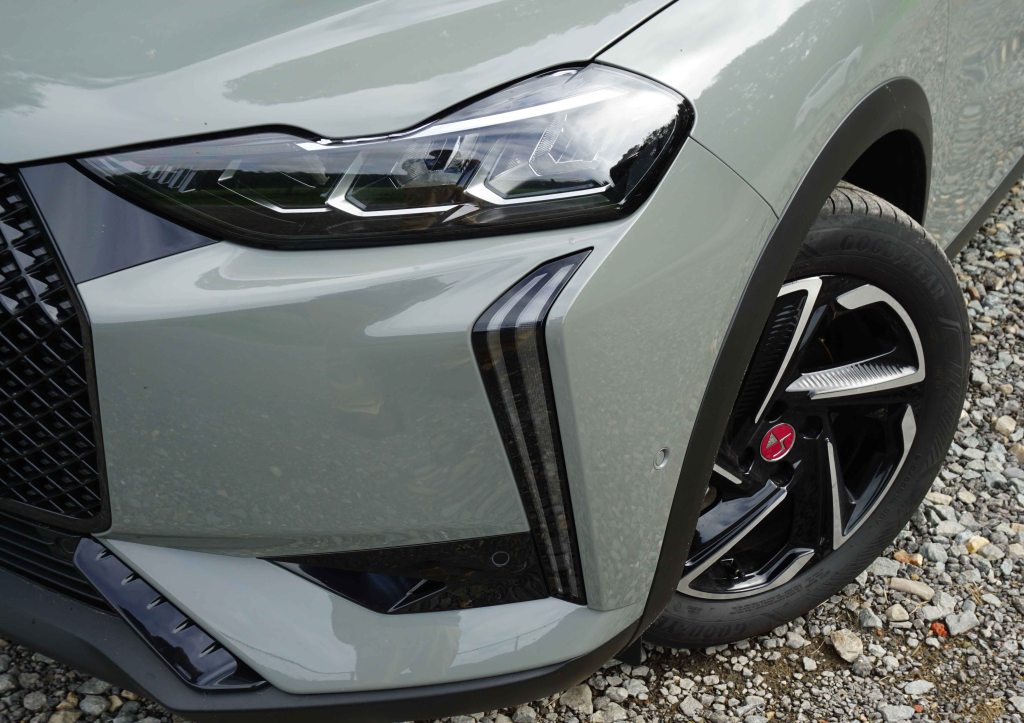
There is a redesigned grille, wider and enhanced with gloss black or chromed diamond tips depending on the model. The distinguishing DS WINGS have been tweaked to subtly join the grille and headlamps. The new LED headlamps – standard across the range – give New DS 3 a sharper look with three feature modules set in satin chrome.

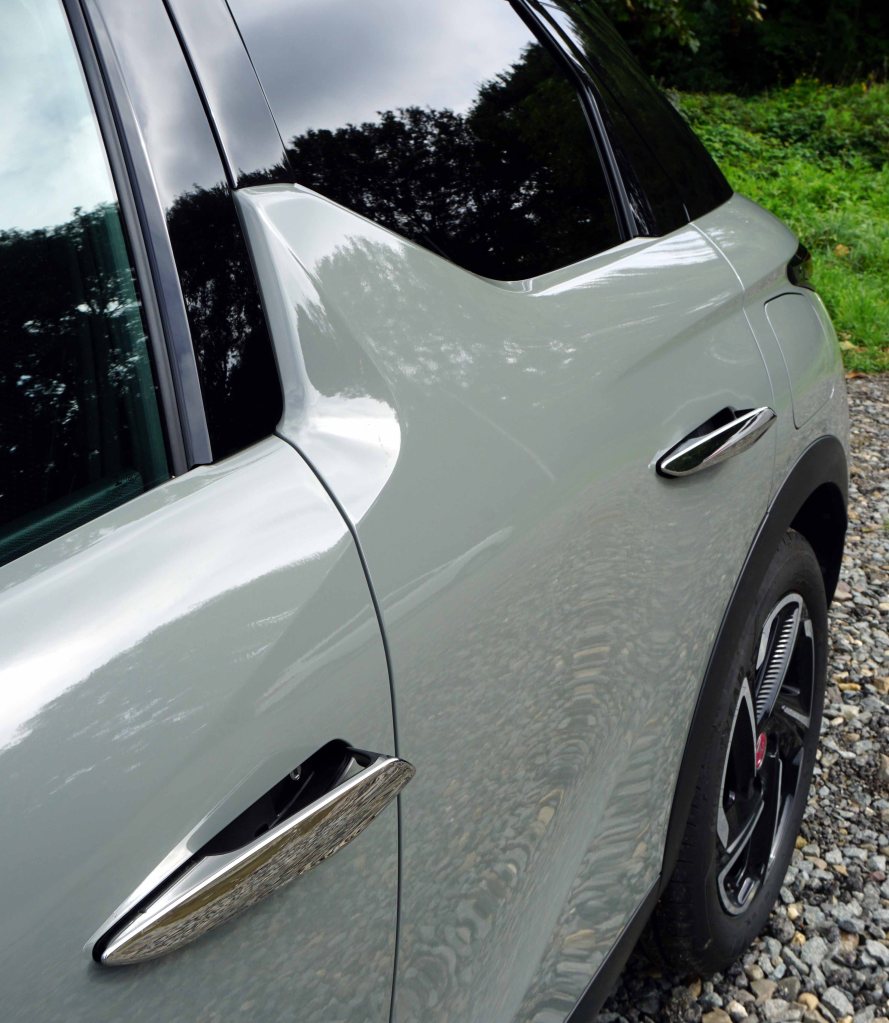
The new daytime running lights feature two LED lines vertically arranged either side of the front for a wider light signature, consistent with the latest DS Automobiles design language. At the sides we find again the the distinctive DS 3 shark’s fin, flush flitting door handles and invisible exterior window seals.

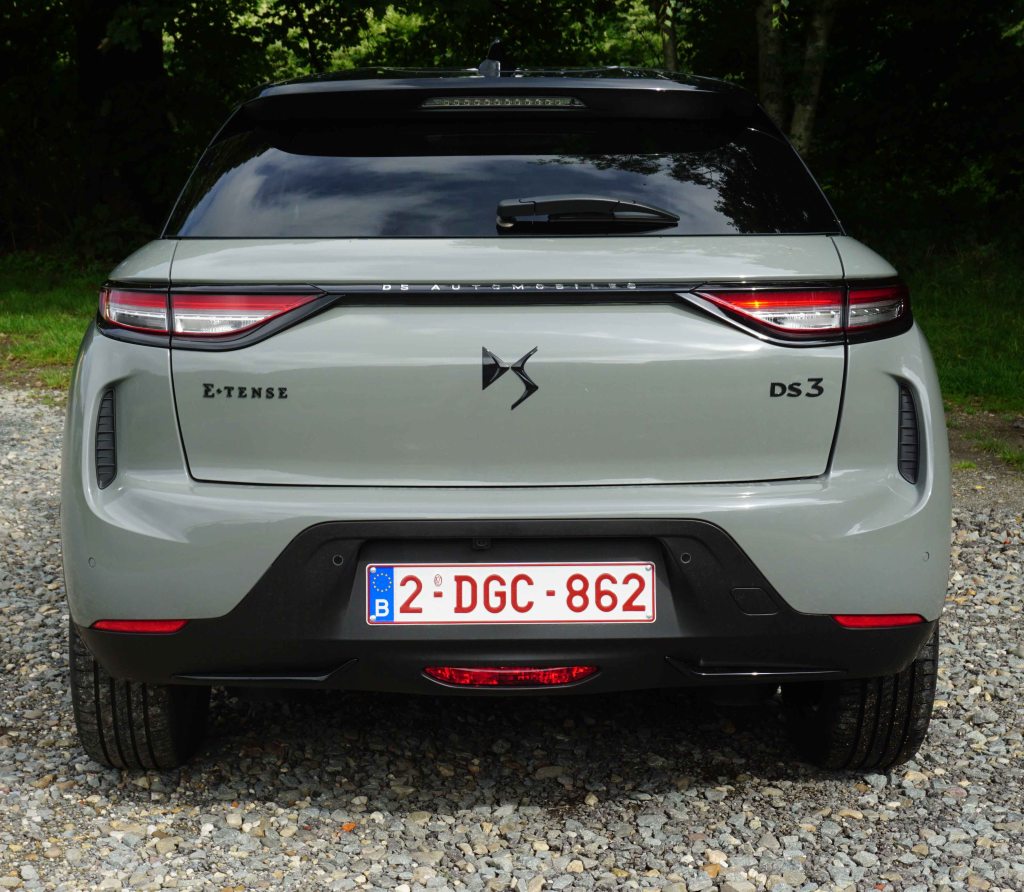
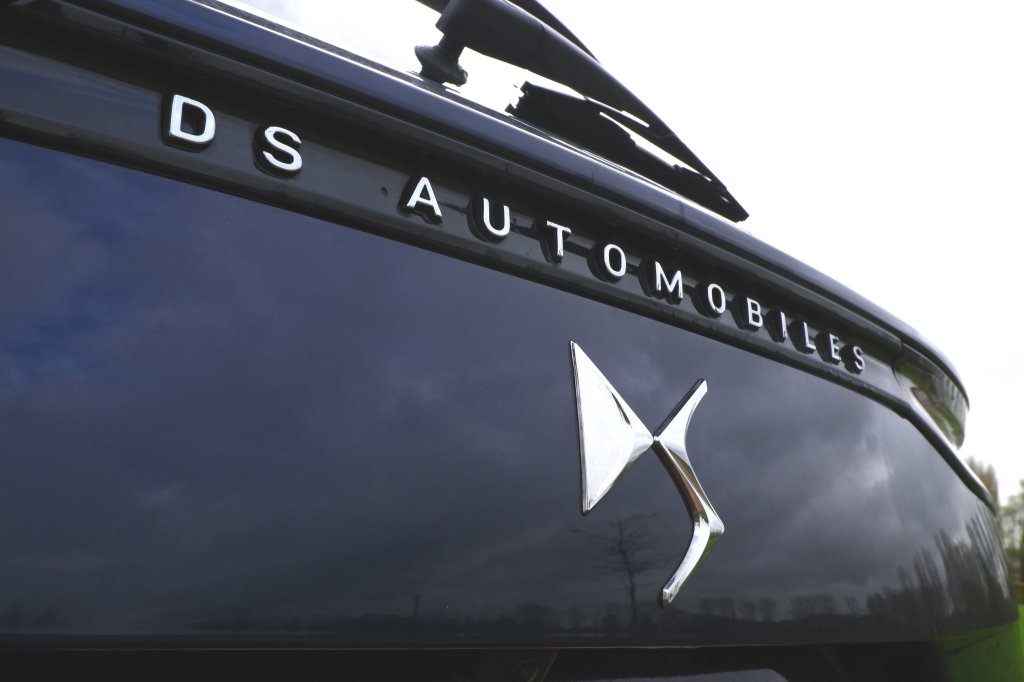
Also the rear has been refined: the lights and the tailgate are  enhanced by a lacquered black strip. This gets the “DS AUTOMOBILES” signature through a unique technology, the letters in polished stainless steel being divided and set one by one in the trim. Very premium, and indeed, reminiscent of what Porsche is doing to their cars.

Cabin gets even more style…

The interior of the DS 3 certainly brings you into the unique atmosphere of the DS world. The finish is excellent, and the form and shape of the controls really stands out. Some might say it is form over function, but I always say that owners drive their cars a lot longer than we journalists test them, so one has to be very careful not to criticize unduly functional idiosyncrasies, as they only will take some getting used to. That being said, reading a manual is rather the exception than the rule these days, so when controls are intuitive, it is certainly an advantage…

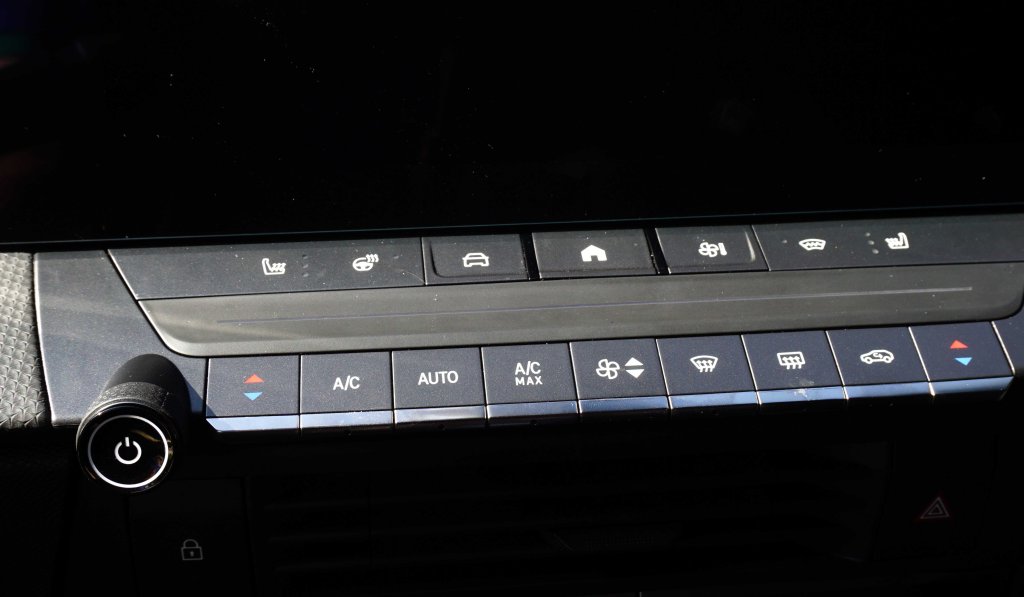
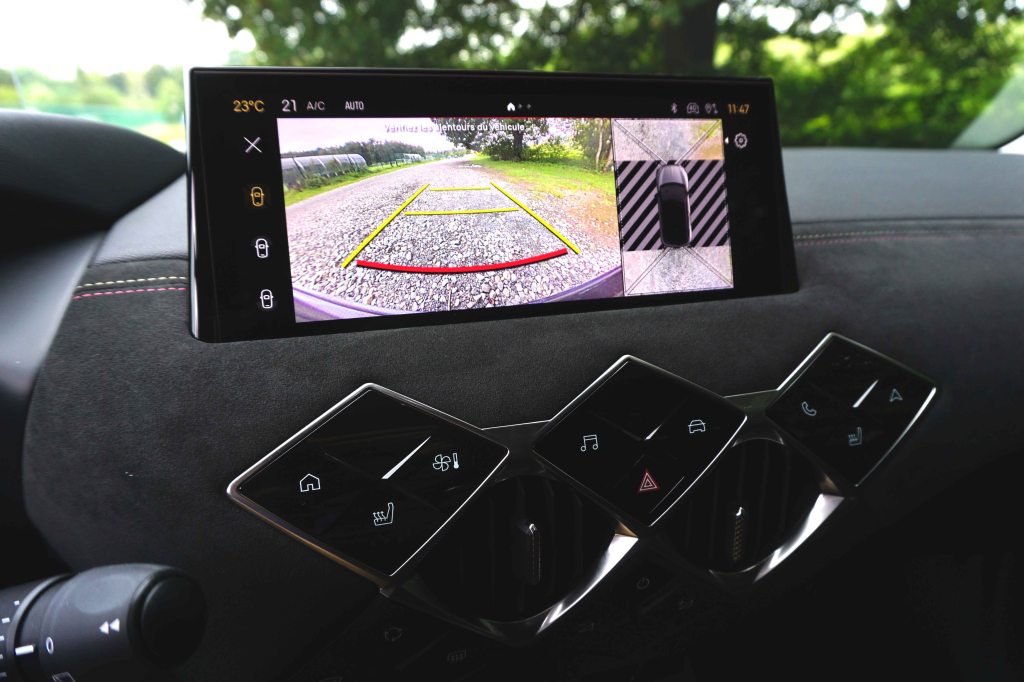
One enjoys the wonderful design of the controls in the centre console and the lozenge shaped tactile controls below the very readable touchscreen. Indeed, a new 10.3-inch high definition central screen is now offered as standard, with the new DS IRIS SYSTEM infotainment system built in. Top notch.

Driving with refinement…

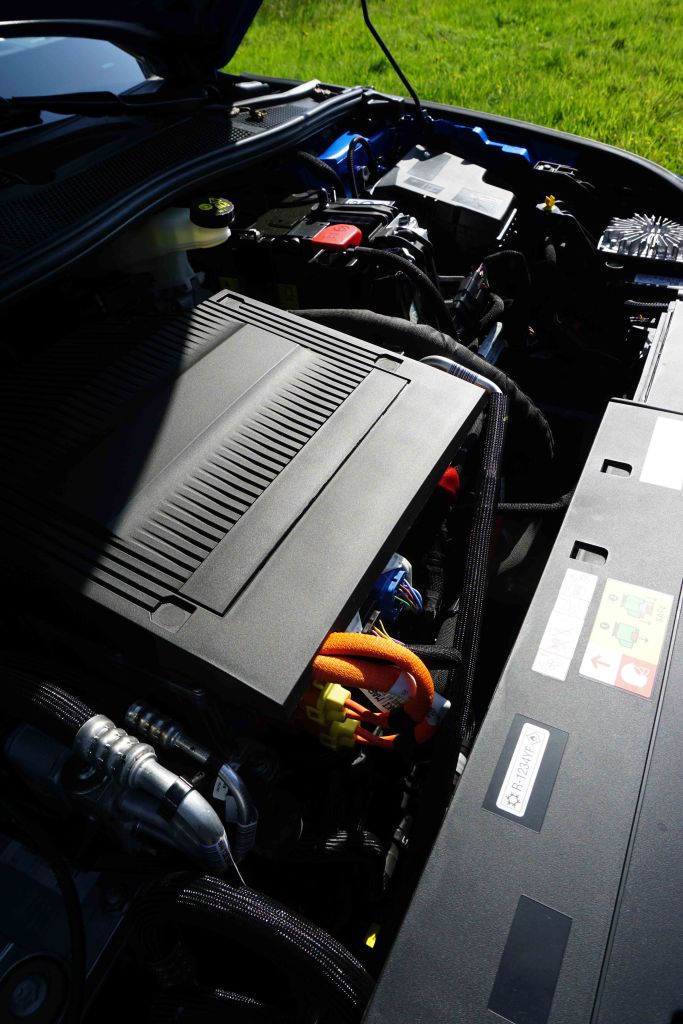
We tested here for you the 100 % electric E-TENSE, and it certainly is an ultra smooth performer. Compared to the previous generation, the new DS3 has a new electric hybrid synchronous motor, offering 115 kW (156 horsepower) of power and 260 Nm of torque at a voltage of 400 volts. The new 54 kWh battery (51 kWh usable) is thermally controlled through liquid circulation and a heat pump that enables rapid charging, better range and increased lifespan. The onboard charger takes 100 kW in direct current (10 to 80% in 30 minutes) and 11 kW in alternating current (0-100% in 5 hours 45 minutes).


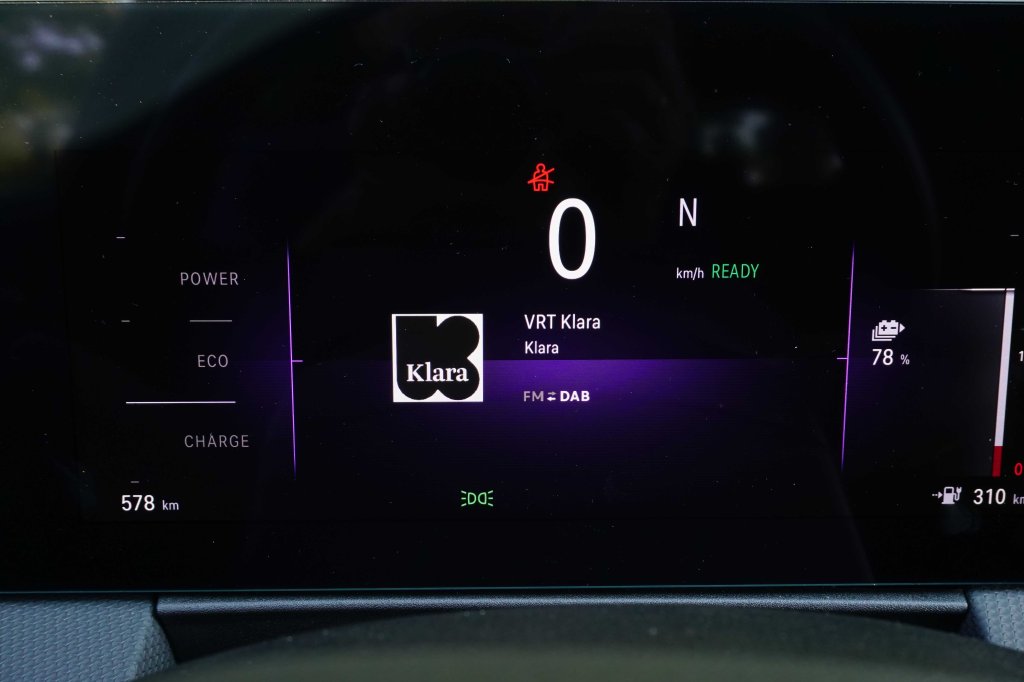
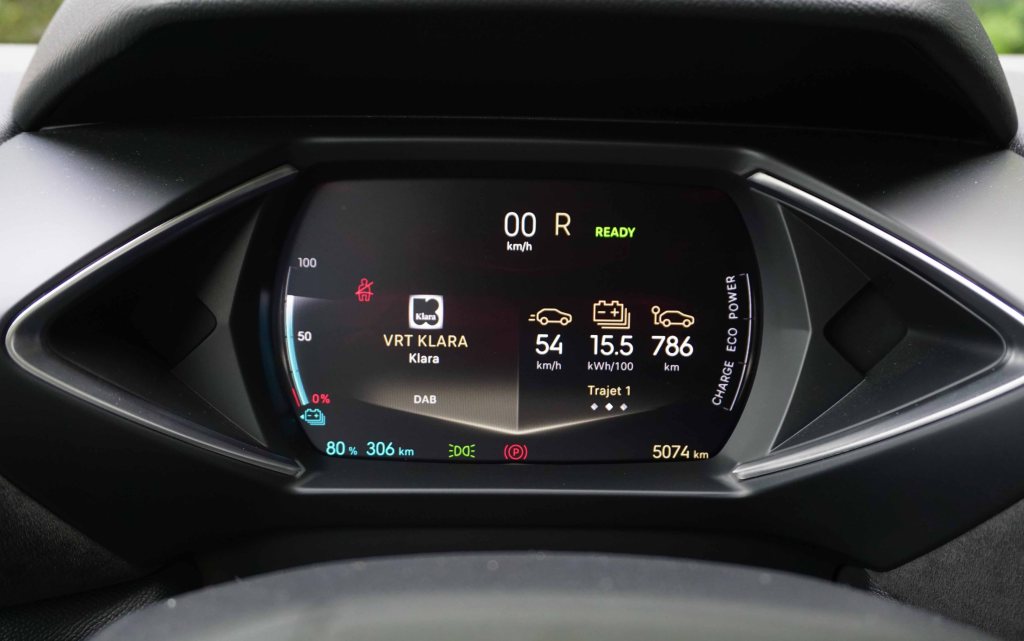
Performance is brisk, the E-TENSE will sprint from 0 to 100 km/h in 9 seconds, with top speed being limited to 150 km/h. Of course, for an EV these performance figures are not exactly overwhelming, but the emphasis with the new electric drivetrain lies on increased efficiency. According to DS automobiles, the WLTP range is now 404 kilometers, increasing to 500 km in urban conditions. In practice, we saw that given a cool driving style, a range of some 360 kilometers is quite achievable.

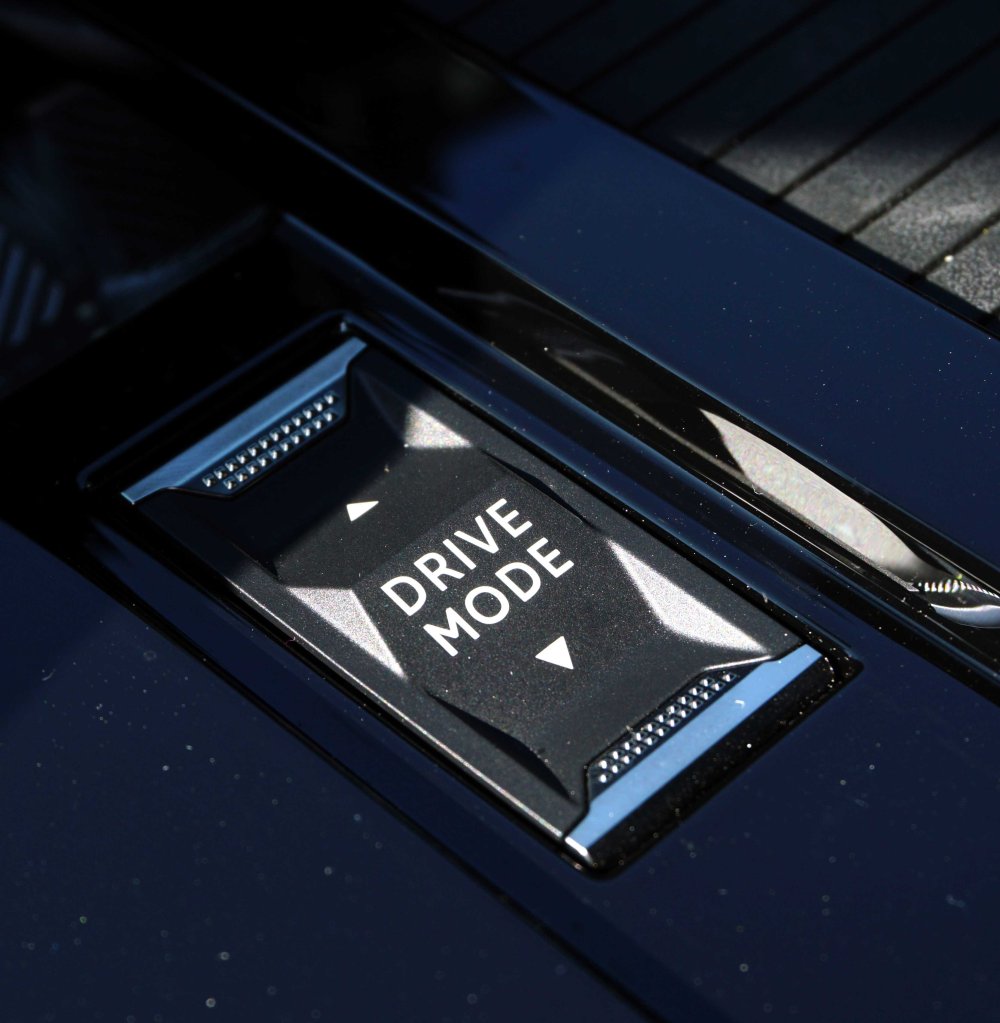
The DS 3 is indeed the proverbial dream to drive in town as well as on the highway, and its nice pulling power will let you also enjoy B roads. In town, one can use the ”B” mode for smooth one pedal driving, and we have to admit that it is one of the smoothest and most natural feeling setups so far. The deceleration when lifting the throttle is very progressive and unobtrusive indeed.


In city driving we very much appreciated the multiple cameras in front and rear combined with a 360 degree view to assist you when maneuvering, it is truly excellent and indeed should be present in any premium car worth its name.

Compact but comfortable

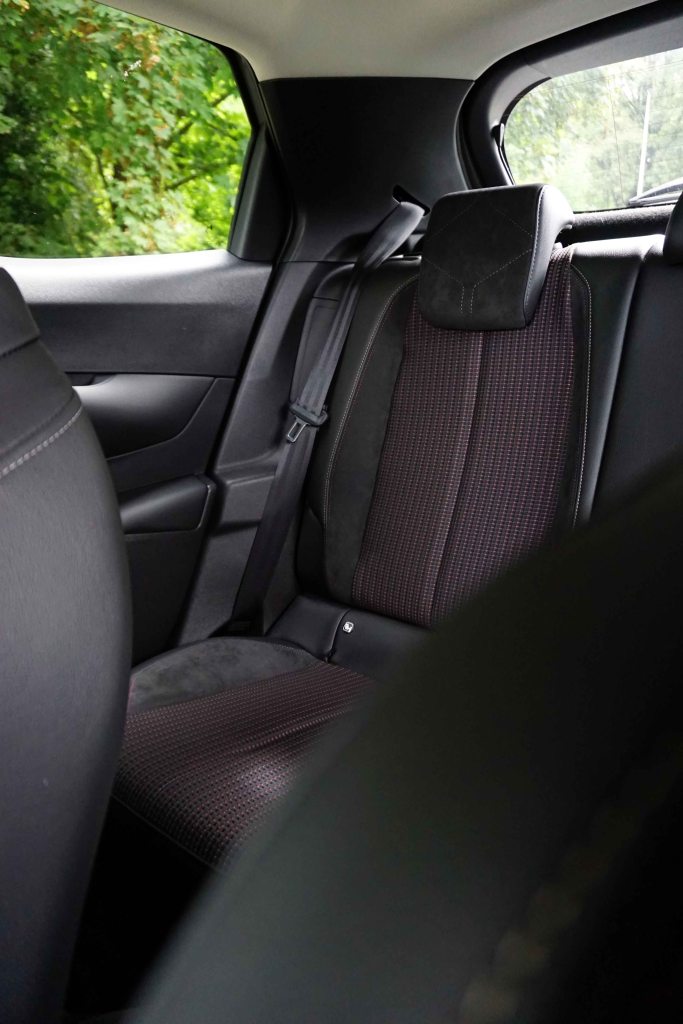
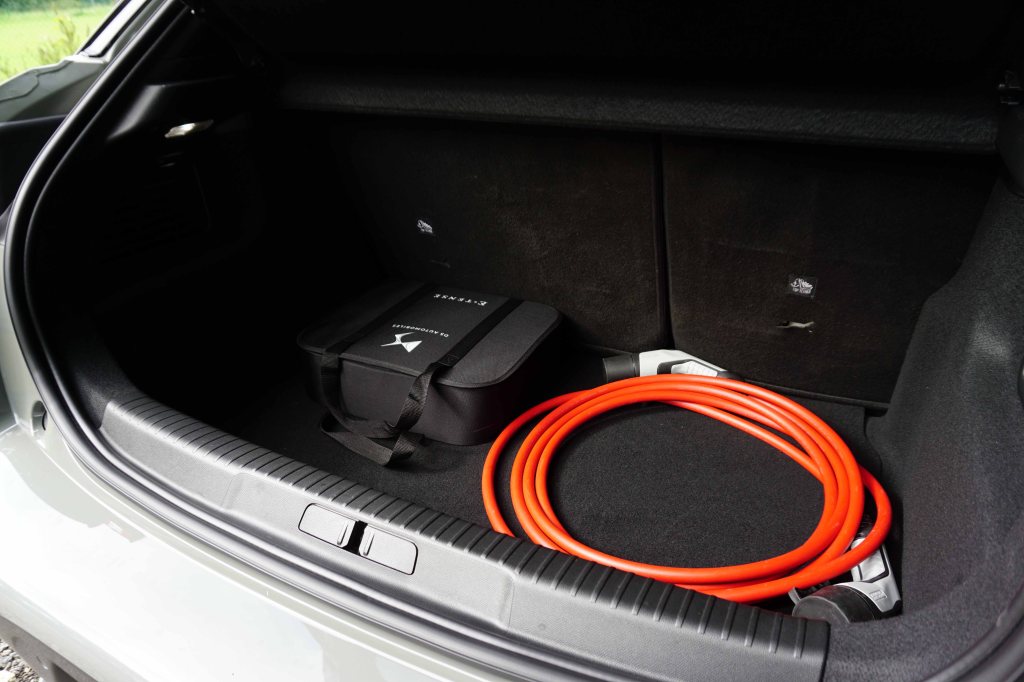
The DS 3 offers plenty of room in the front, somewhat less in the rear. Also boot space is not exactly overwhelming with a good 360 liters or thereabouts, with still some extra room needed for charging cables and stuff.


The suspension is unchanged from the previous generation, and that’s a good thing. The DS 3 is comfortable, with just the right amount of firmness to let you enjoy a spirited driving style. The DS 3 is very stable and precise to steer on winding roads.


Conclusion


The full electric version of the DS 3 is a compact crossover with a unique personality, with a drivetrain which utterly convinces in efficiency and usability. Premium in style and finish, it has timeless elegance too. Compact, it is excellent for effortless city driving, thanks also to its camera vision aids. It certainly doesn’t feel out of place on open roads either, and can be driven on longer distances given its comfortable suspension, reasonable range and rather short recharging times. The price of the E TENSE, starting at slightly above 40.000 Euros for this full EV, is also within reason…
So a closer look at this stylish crossover is certainly warranted!

Hans Knol ten Bensel


We drove the Volkswagen ID.Buzz: the “E”- renaissance of an Icon …

 Volkswagen designers and engineers recreated the iconic “Bulli” and made it fitting for our modern E-Times. Their ID.Buzz is a indeed a car which brings at least the aura and panache of the original VW bus, and is adding even more character to it. It underlines the stylistic hallmarks of the original, and has masterfully translated it to steal the hearts of many of us. But not only that: this ID.Buzz now also brings along the well proven VW E-technology. We drove it for you, just read further…

Hans Knol ten Bensel
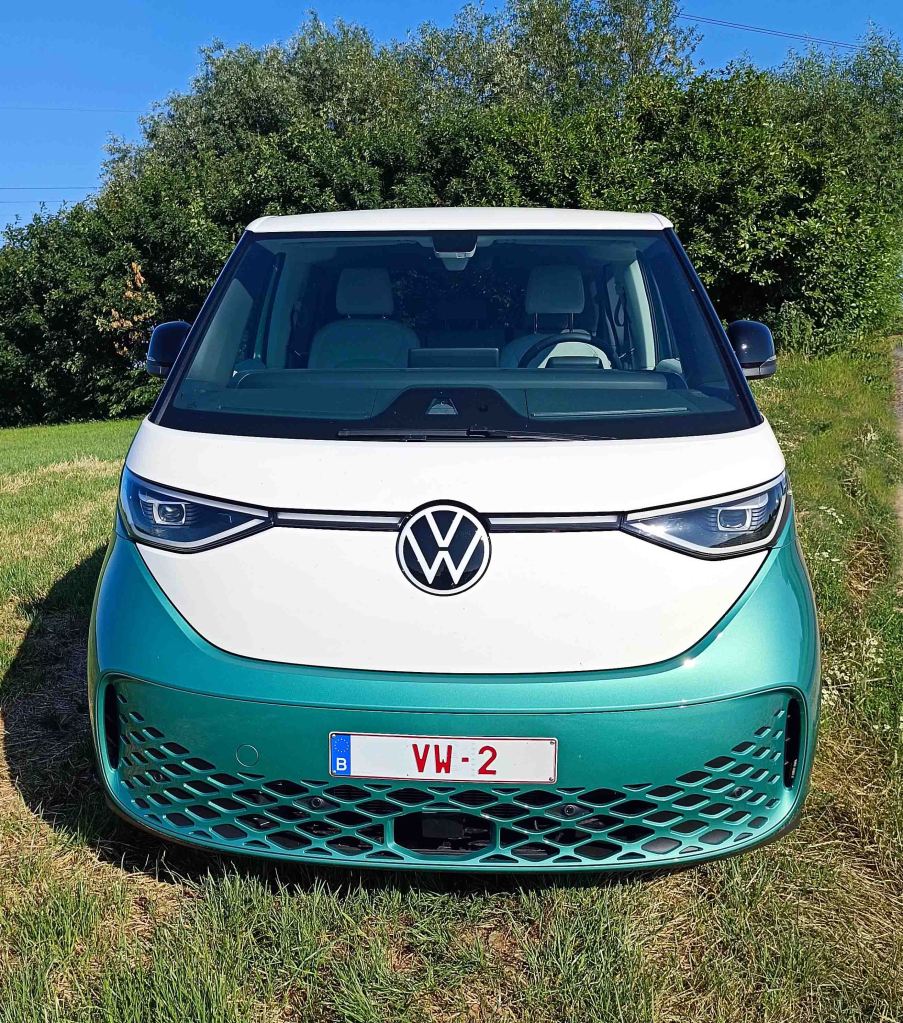
Cool functionality…

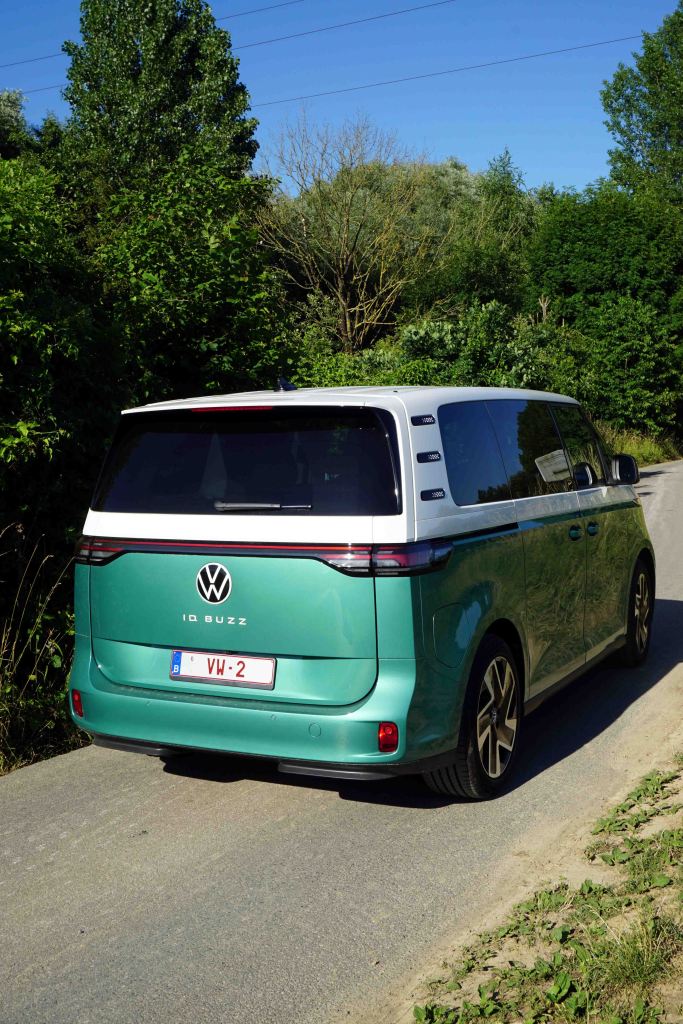
The ID.Buzz has character indeed, and the two tone paintwork of our test car even accentuated its early heritage. The cool character of its predecessor goes even further. Indeed, the original “Bulli” was very functional in its interior, and VW designers have somehow continued this approach in the interior of the Buzz.

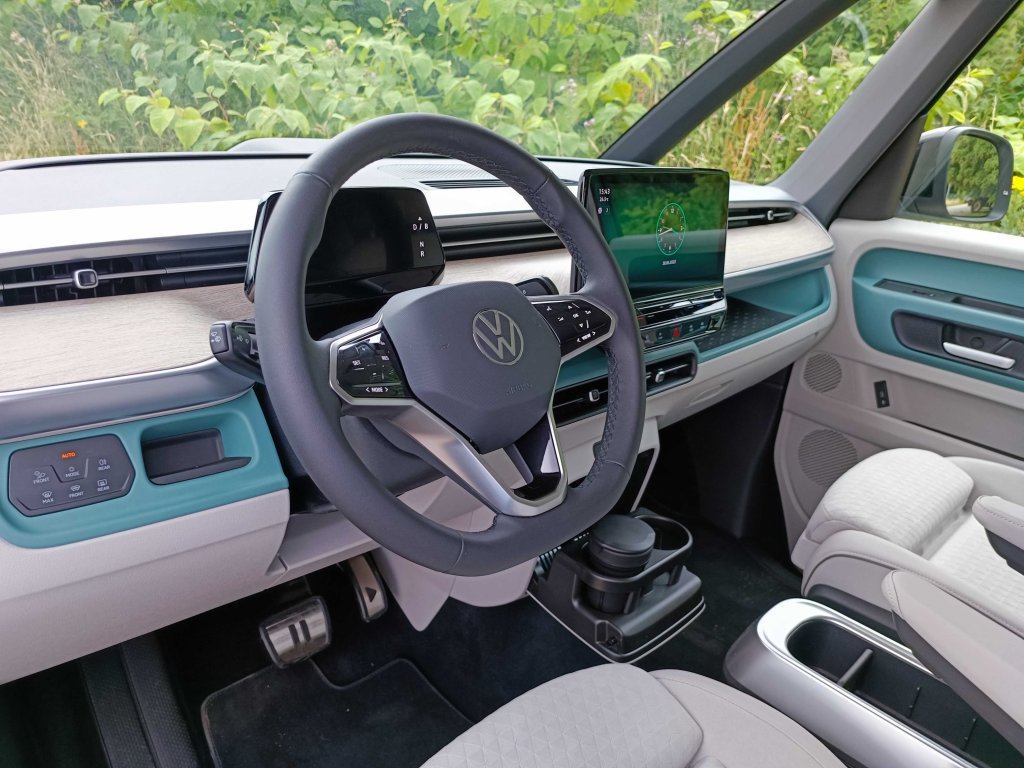
Everything is functional, the “less is more” philosophy is applied in every detail.

The instrumentation is wonderfully simple, and even the size of the central touchscreen is also kept within reasonable limits. The instruments and screens are put on a wooden finished large dashboard panel, which is set in a large matte aluminum band, running horizontally across the whole width under the windshield.

This certainly looks stylish, but also brings lot of reflections on bright sunlit days, so be sure to wear your sunglasses when you are behind the wheel. A lot has been said about the practical functionality of the “haptic” controls of VW’s ID generation, and indeed it takes a delicate hand to use them with success. But soon, one gets the hang of it.

The finish of the bodywork and interior is of the usual very high VW standards, the upholstery of the seats, certainly in the front, is also quite appealing. There is less padding on the plastic panels in the interior, certainly also in line with the “practicality first” philosophy of the original icon, but then we must not forget that this is a car commanding a price tag of around 75.000 Euros. But we personally think that very few users/buyers would have any objections here, as indeed the unique character of its original icon is preserved and this is what the lovers of the ID.Buzz want to experience and feel.

In terms of connectivity driver and passengers cannot complain. Of course one has DAB+ radio, Apple Play and Android Auto, and enough USB slots for passengers fore and aft. The navigation system with online functions and Live Traffic helps the E-driver wonderfully. It calculates also when and where to recharge the batteries. It will also recalculate them continuously in function of driving style and traffic conditions.

Driving

The ID.Buzz has the power, 150 kW of it and not less than 310 Nm of torque, but it has also the weight: 2,4 tons of it. Not that the Buzz is a slow car, far from it: it will accelerate with zest from 0 to 100 km/h in merely 10,2 seconds, and has powerful intermediate accelerations. But it does not invite you to use all this power. It rather suggests a more relaxed driving style, and this is indeed where this ID.Buzz excels. The gear lever can be turned either in “D” or in “B” position, and in the latter it will regenerate the kinetic energy when you lift the throttle. We used it actually all the time, and soon one learns to adopt fully “one pedal” driving with this setting. On motorways and higher cruising speeds, wind resistance of this ID.Buzz takes its toll, and wind and road noise are rather prominent. This will let you intuitively cruise at legal speeds of 120 km or thereabouts, and even slightly lower. The ID. Buzz has by the way an electronically limited top speed of 145 km/h. This makes absolute sense, as kW consumption rises markedly above these legal cruising speeds. Driving with some restraint, we averaged a test consumption in the neigbourhood of 19-20 kW/100 km, and this is very creditable indeed. A driving range around 450 km is achievable indeed.

The ID.Buzz is very stable, with a rather firm, but not uncomfortable suspension. Steering is precise, cornering/handling indeed being very predictable, with a tendency towards understeering. For the moment, the ID.Buzz cannot be had with adaptable suspension, but then the standard setting strikes a very good compromise for most.

Brakes are also OK, and the transition between engine braking and “pure” proper braking is very well balanced. One might be surprised that the Buzz has drum brakes at the rear, but then the electric engine sitting at the rear assists the drum brakes with its regeneration somewhat, so that even under more sporting driving no fading or diminishing efficiency occurs.

What we liked very much was the very small turning circle of merely 10,9 meters, which makes the Buzz a very nice car to drive in urban traffic.

Practical

When it comes to charging, the ID.Buzz has a 77 kW battery, and can be charged with the AC Type 2 plug or the DC type CCS unit. AC charging on a 11 kW wallbox takes some 8 hours, with DC charging one can go clearly much faster. The ID is fit for charging up to not less than 180 kW. So after a short break for a coffee or light meal one is on the road again, with the batteries up to about 80 pct charged…

The ID.Buzz has of course a (very) strong point: it is roomy. Fore and aft, the driver and his passengers have ample head- and legroom, one has to be taller than 2,15 meters to brush the front seats or the roof.

The boot space is also cavernous. Up to the cover, the boot space is 1.160 liters. When you stow things further until the roof, it is 1.760 liters. When you fold everything down, one has a massive 2.835 liters at its disposal.

There is no “Frunk” in front, so be careful that you have your charging cables stowed elsewhere when you load your Buzz fully, and consider also that avoid (parking) situations where you cannot open the rear lid, and cannot reach the cables…

We also liked the armrests on the front seats. Be sure to order the armrests on both sides of the seat, as the armrest in the door is set too high to achieve a comfortable position.

There is a large bin between the front seats, where you can also charge your smartphone, and of course there is storage space for large 1,5 and 1 litre bottles in the doors.

Conclusion

We were very much charmed by this ID.Buzz, and we truly liked it. Indeed, it invites you to take your everyday driving with a “Zen” and restful mindset. Listening to the excellent audio system, looking at the world around you with a smile. The other road users are doing the same by the way when they encounter you. Such is the sympathy of this ID.Buzz. It is also remarkably frugal when you drive it responsibly, to the joy and delight of everyone who drives with you. They find comfort and lots of room…

Add to all this the absolutely timeless character of this ID.Buzz. Its shapes and contours have instant “classic” status, and this will be a desirable car for so many across the years. So keep and cherish it as a family treasure, you will hear a never ending “buzz” of joy from young and old across the generations…

Hans Knol ten Bensel  
We drove the VW Tiguan Allspace R-Line 2,0 TSI 190 HP 4Motion: an all-round bestseller…

Did you know that the Tiguan is the most sold Volkswagen worldwide? There are many good reasons for this popularity: this is an all-round car, ideal for urban shopping, travelling long distances, towing horses, boats or caravans, or just hauling furniture. It occupies of course also the top of the sales hit parade in its homeland, and this since its introduction in 2007.

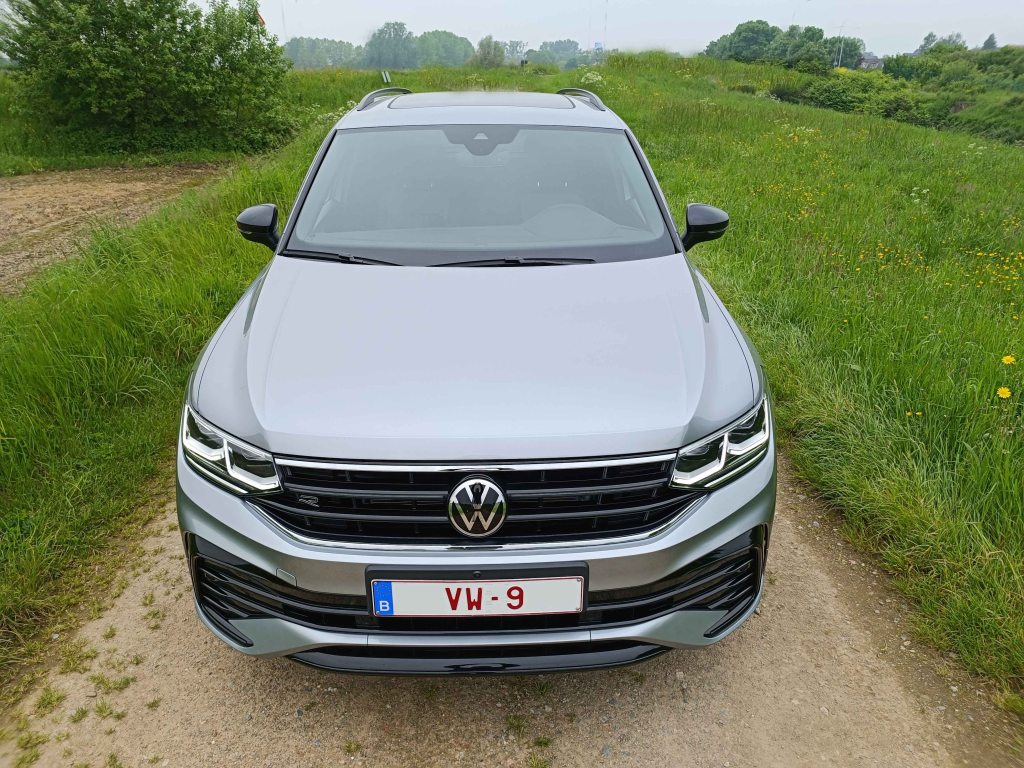
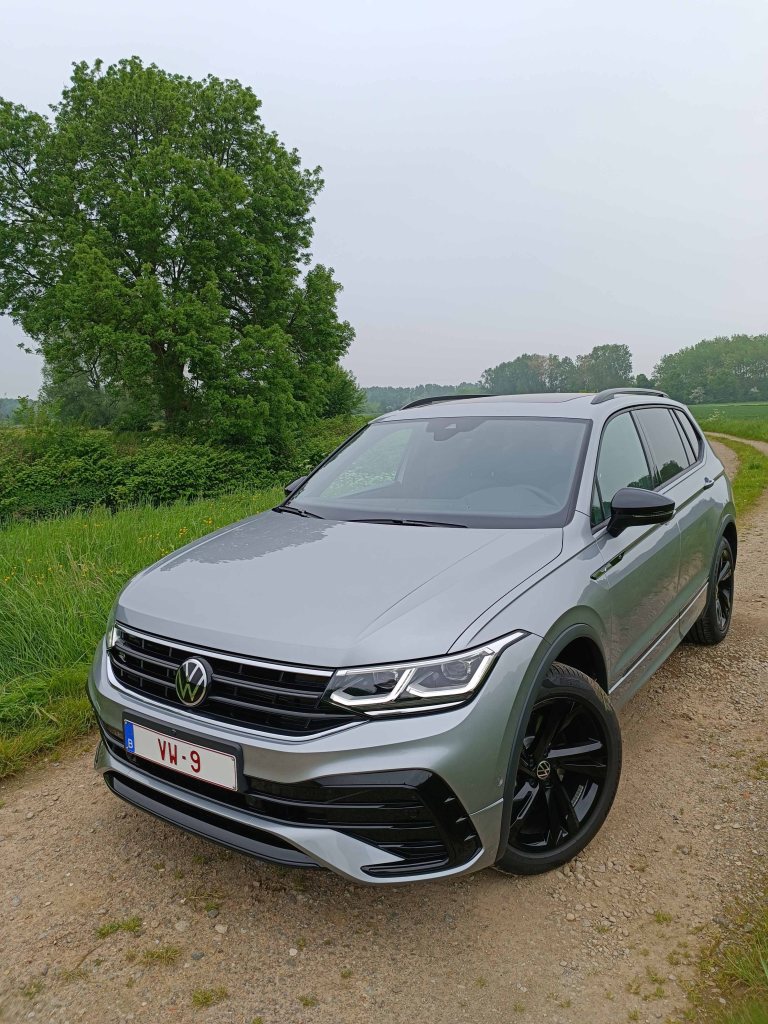
In 2021 the Tiguan got a welcome facelift: the front grille has been reworked to show a family resemblance to the bigger Tuareg. The headlight signature has also been revised somewhat and at the rear the now centrally placed Tiguan scripture distinguishes the latest generation.

VW has also been working on the engines. It is not forgetting the Diesel, which now has two SCR-catalyzers and who succeeds thanks to “twin dosing” to reduce NOx emissions by an impressive 85 pct.

In the course of 2021 a plug-in version also hit the showrooms, with a 1,4 litre 110 kW/150 PS Petrol engine and an electric motor of 85 KW/115 PS. Total system power is 180 kW/245 PS.

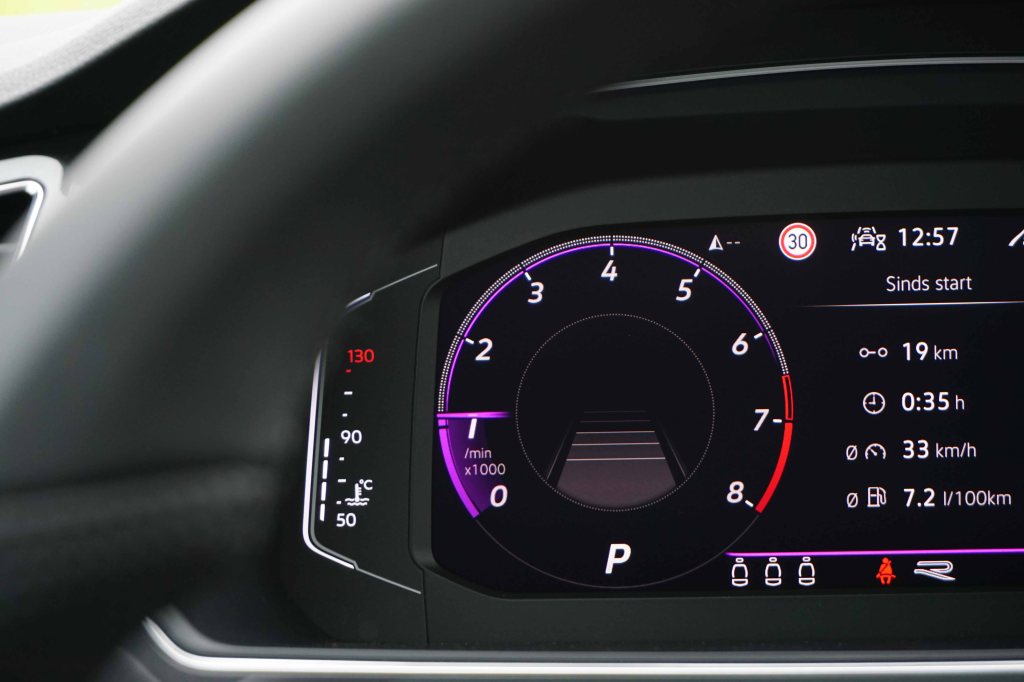
But let’s take a closer look at our test car: it came with the well proven 2 litre TSI petrol engine, coupled to a 7 speed dual clutch transmission. The engine has ample pulling power, with 320 Nm being delivered over a very wide rev range between 1500 and 4100 rpm. This results in good responsiveness and lively accelerations when you put your right foot more down a bit. The Tiguan will sprint from 0 to 100 km in less than 8 seconds, and will reach a top speed of approx. 213 km/h. You couldn’t wish for anything more, we would say.

The engine emits a slight throb when it’s working a bit harder under acceleration, but at constant (high) cruising speeds it remains perfectly inaudible. Of course, with this larger and weightier SUV (1,7 tonnes), the fuel consumption reflects even more how much kinetic energy is generated and lost. Therefore one is well advised to adopt an anticipative driving style in urban traffic. Then consumption stays within reasonable ranges, say around 8-9 litres/100 km or so, but then you have to really pussyfoot around! The WLTP figure for short distances is not less than 10,2 l/100 km. It is the Achilles heel of petrol engined cars, and this explains the popularity of Diesels until now. The stark truth is that only hybrid configurations can save the day for petrol engined cars in urban driving conditions, especially for weightier SUV’s. On the open road, the efficiency of the petrol engine is much better, and consumption will sink considerably. The WLTP figure for driving on country/secondary roads is 7,1 l/100 km, on motorways combined with higher speeds it’s 8,1 l/100 km, which is also the WLTP average. The WLTP combined CO2 value is 183 g/km, which is still on the rather high side. Miracles just don’t happen…Our test car was also equipped with the 4 motion package, and its electronic assistance makes you an instant offroad expert….

Excellent comfort

The Tiguan is quite comfortable indeed. It can be had with damper control, dubbed DCC, where you can choose between Normal, Comfort and Sport. Even in the Sport mode, the suspension is never too harsh and in the Comfort Mode there is not too much leaning in fast cornering. The long suspension travel swallows urban sleeping policemen optimally, and passengers are never jolted about.

This well being is also further enhanced by the ample legroom the 19 cm longer Allspace version offers, we could appreciate this when we drove also the very same Tiguan Allspace version during our recent USA trip on Texas roads, where the long distances were travelled in absolute comfort. The Tiguan steers quite precise, and its responsiveness is also altered in function of the chosen driving modes. The assistance is speed sensitive, making the Tiguan easy to maneuver in all circumstances.

Ever more digital

Of course, the age of digitalization spreads also further in the cockpits of Volkswagens, and the Tiguan is no exception. After the facelift the round knobs for heating/cooling/ventilation for instance are replaced by tactile sliders. It takes getting used to, but soon enough one gets the hang of it. I am personally always rather cautious to condemn “modern” functional idiosyncrasies, as owners have their cars for a much longer time than us journalists, who drive their test cars for much shorter periods. What seems annoying for a short term user isn’t necessarily so for a long term owner. It remains of course necessary that also occasional users find their way in it, and that cars are intuitive to use. Therefore any modification which makes this more difficult is indeed a step back…

The Tiguan has now its own SIM card and is now always online. This makes staying connected so much easier. Apple Car Play and Android Auto now also run over Bluetooth.

Roomy and functional.

The Allspace offers 400 liters boot space until the luggage cover. Also beneath the luggage floor is an extra 50 liter space, maximum luggage space with all seats down is 1920 liters. As we said before, the Allspace offrers ample head- and legroom for all its passengers.  The Tiguan is also a good load carrier: one can add up to 565 kg. Not less than 2,5 tonnes can be towed.

 Conclusion

The Tiguan truly earns its bestseller status. It is an all-round car, with excellent driving characterics combined with lively performance and good looks. Its petrol engines are pretty formidable, smooth, powerful and sufficiently frugal. A car built with excellent quality and workmanship, designed and meant to last for decades. If only our lawmakers let you…

Hans Knol ten Bensel
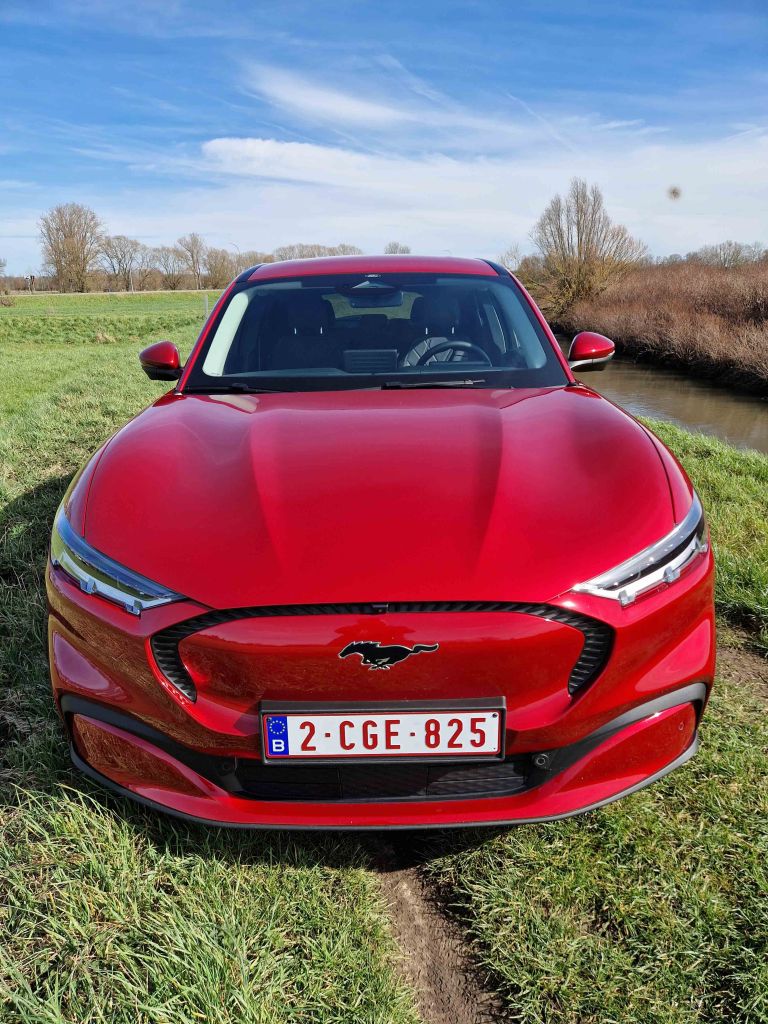
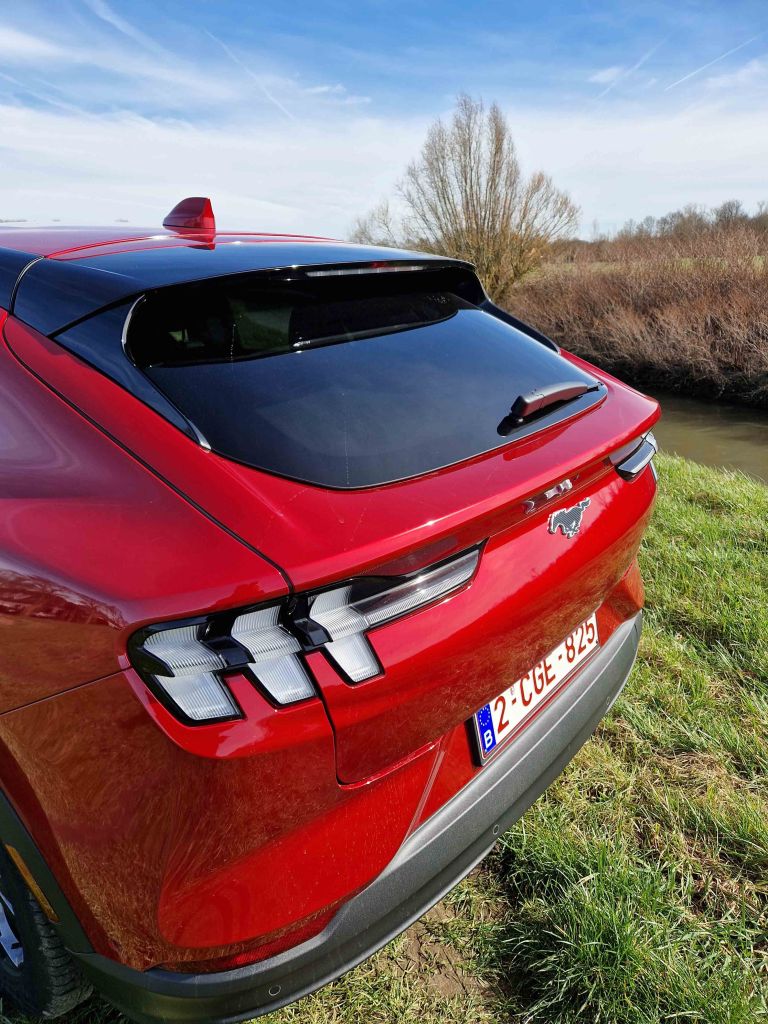
We drove the Ford Mustang Mach-E X: a very well-balanced EV…

Ford has moved decisively in the electric age with this Mustang. A name which is reminiscent of its illustrious past, but actually the name is the only thing that is left over when you feel how this pleasing SUV actually drives. It is a nice handling and well performing five seater, offering practicality and sufficient range. It shows no weak points whatsoever, is actually quite fun to use and drive. Like Fords always have been, and that’s then again following the good tradition of the brand…

Hans Knol ten Bensel
The Mustang can be had in two battery pack sizes, namely 76 kWh and 99 kWh. You can also choose between one or two electric motors. The entry-level Mustang Mach-E has an electric motor at the rear, delivering 198 kW or 269 HP. Enough to make your driving quite zippy and entertaining, as this means an acceleration from 0 to 100 km/h in 6,1 seconds. Yes, that’s even faster than a Jaguar E-Type, gentlemen. The torque is equally impressive with 430 Nm. Ford quotes a useable range of 440 kilometers. You can choose the bigger battery, and then the range stretches officially to a good 600 kilometers. Of course, your driving style will decide whether you will reach these distances…

With the bigger battery comes also a more powerful motor, this time in this “premium RWD” version, it develops 216 kW and 294 HP, mainly to compensate for the extra weight of the bigger battery. It will accelerate in 6,2 seconds from 0 to 100 km/h. If you choose 4 WD with two motors, one in the front and one in the rear, total system power is then 258 kW and 351 HP respectively, with torque now being 580 Nm. Performance is further enhanced, with an almost supercar league 5,1 seconds to 100 km/h. Range is now somewhat reduced with 400 or 550 kilometers, depending on the battery size chosen. Last but not least there is also a GT version, where total system power is now further beefed up to 358 kW and 487 hp. This results in a 0 to 100 km/h sprint in merely 3,8 seconds. Need we say more? Range with the 99 kWh battery is now officially 490 km. Top speed is here 200 km/h, in all the other versions it is limited to 180 km/h.

As said, the “base” performance is certainly exhilarating enough.

Behind the wheel…

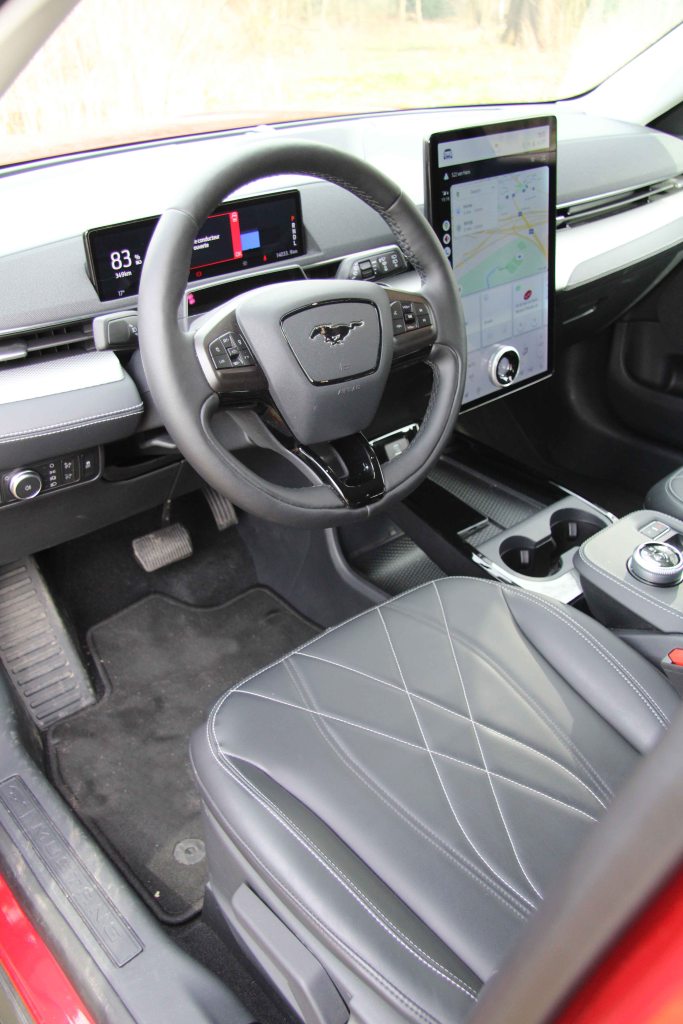
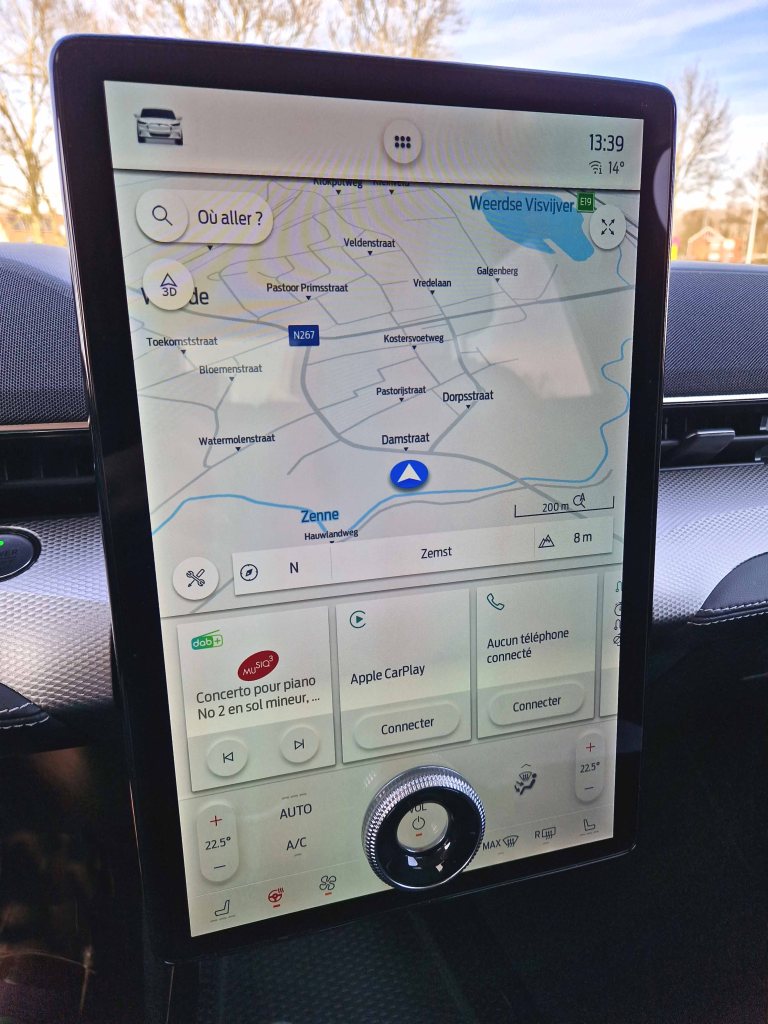
In the car one immediately notices the super large central touchscreen, which is indeed intuitive to use. One is never more than two clicks away from any function you choose. The dashboard is clean and stylish, and its level of finish is also excellent. We also like the round selector knob for selecting gears and driving modes.

Smooth one pedal driving

After having enjoyed the formidable performance with a few sprints, it is time to enjoy the smoothness and refined silence of E-driving. When you select one pedal driving in the menu, you can indeed drive it totally intuitively with just using the accelerator pedal. Lifting the throttle will not cause immediate deceleration, the slowing down will set in quite gradually, which adds to the smoothness and lets you drive this Mustang in a totally “zen” manner. Also one can choose between three driving modes, active, whisper and untamed.

The range looks quite reasonable, and given an anticipative and smooth driving style, quite realistic. You can charge on AC with 11 kW, on DC up to 150 kW (if you can find this fast charging point). Experienced users already know that it is of little practical interest to charge the battery to more than 80 pct of its capacity, from then on the charging rate will be much lower, and not exceed 15 kW or thereabouts.

Responsive and agile handling…

Fords are known for their very entertaining and pleasant road manners, and this Mustang is no exception. The Mustang Mach-E is built on the Global Electrified 1 (GE1) platform, which is a heavily reworked version of the C2 platform that is used on the fourth generation Focus and third generation Kuga/fourth generation Escape. It certainly performs well. The suspension in itself is quite comfortable, even on urban cobblestones, and certainly comes into its own on the open road. The low point of gravity and the 50/50 weight distribution does the rest: this Mustang effectively steers on rails. If your corner speed is somewhat too enthusiastic, it will gently understeer, but with the ample torque and pulling power under your right foot, it is very easy to balance the car with the throttle and even induce a smooth oversteer reaction. So yes, sporting driving pleasure is certainly to be had. Steering is precise, but the self centering reaction is quite noticeable, so grabbing the wheel firmly is “de rigueur” when you want to put this Mustang through its paces.

Safety first and lavishly equipped

Of course, this Mustang has the usual raft of driving aid systems and what’s more, you can enjoy over the air updates, so it is future proof too.

The Mustang is loaded with accessories, even in its “base” version. What to think of electric adjustable front seats in 8 directions with memory function? These seats are also heated of course. Then there is the superb B & O sound system, which you can enjoy so much in this silent EV. The 15,5 inch central touchscreen is also standard, as is the panoramic sun roof. Then there is the latest generation Ford Sync, with connected navigation and voice command. The electric boot lid lets you open it “hands free”.  

Practical

The Mustang offers very good passenger room in the back, and has 400 l luggage space in the rear, with a front “frunck” good for an additional 81 liters. Handy to stow away your charging cables. Note also that the Mustang can tow up to 750 kg unbraked, and 1500 kg braked.

Conclusion

 This Mustang is a good looking, well balanced SUV, as we said in the beginning. It has many good qualities, and shows virtually no weaknesses. It is sporting, a pleasure to drive, is well finished, offers lavish equipment, exhilarating performance and is roomy and practical. It is easy to use with its large central screen and intuitive commands. Altogether, it also offers a quite reasonable range and good charging performance. A car to live with?  For sure, and indeed, the iconic Mustang name and badge has lost nothing of its appeal, albeit in a very different (EV) form…

Hans Knol ten Bensel
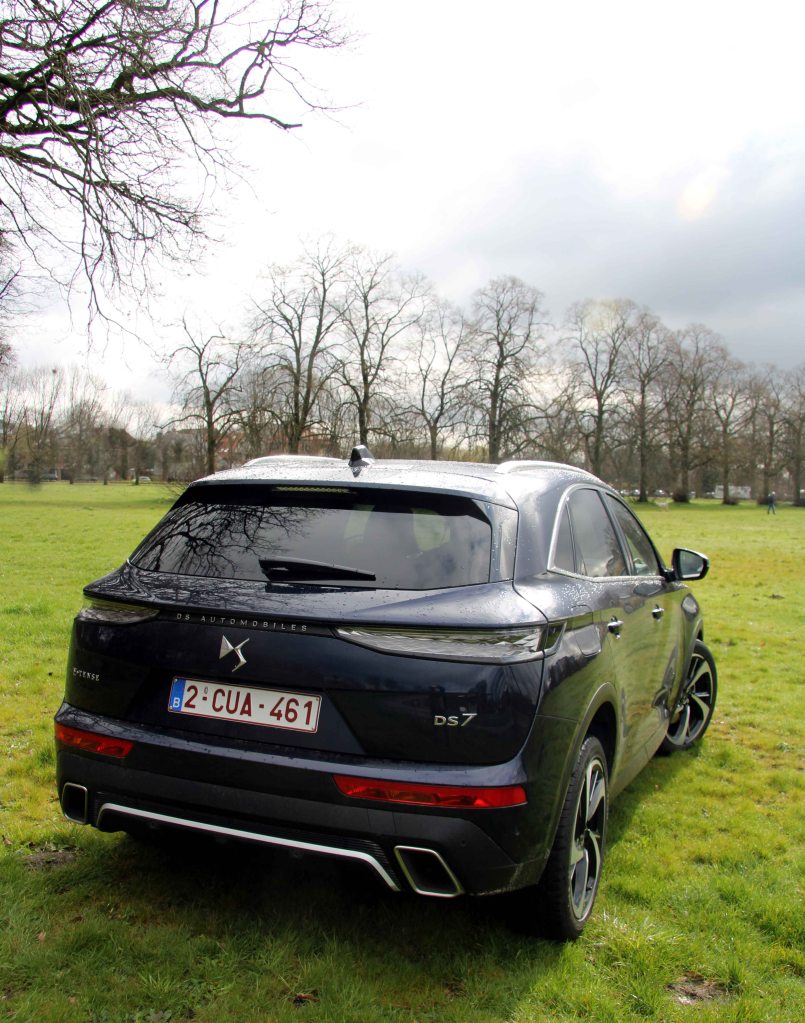
We drove the new DS 7 E-Tense: elegance, comfort and power, the French way…

DS Automobiles is going from strength to strength: it succeeds admirably in making cars with a very distinct character and style, with French “savoir faire” and bold, elegant design of both bodywork and dashboard and interior, creating a unique proposition in today’s car market. They also embarked into electrification: their model range is virtually completely electrified.

The new DS7 shows this again: it is available with not less than three so-called “E-Tense” plug-in hybrid versions, but then also still offered with the well proven BlueHDI 130 Diesel engine… fit for those who drive long distances on a (very) regular basis. We tested here for you the E-tense plug-in version, fit for electrified mobility. Read more about it here below…

The latest version of the DS 7, dubbed the “New” DS 7, has a restyled front with sharper lines, adding indeed further panache and “noblesse” to its stance. The work was carried out in close cooperation between the team of the Paris DS Design Studio and the production team at the Mulhouse factory.

Special attention has been given to refining the light signature. The headlamps – DS calls them DS PIXEL LED VISION 3.0 – are slimmer, and the daytime running lights are also seamlessly integrated. DS calls them LIGHT VEIL, and this consists besides the classic daytime running light also of four vertical luminous bands with not less than 33 LEDs. DS used an innovative process here: the laser-etched polycarbonate surface is only painted on the inner side. This results in a look alternating between light and body coloured parts, and gives the lighting effect of a piece of jewelery. Very refined indeed…

The Pixel Led Vision 3.0 headlamps have pixel modules which optimize the light output. For example the lighting in corners is controlled by the exterior LED’s of the pixel modules, depending on the steering angle. The LED rear lights are slimmer, boot lid and badge have been restyled and the “DS Automobiles” name is now wide lettered on the rear, adding a premium touch…

Our test car, in Opera trim and painted in a very fitting Eclipse Blue, had 20 inch “Tokio” alloys, which suited the car fine.

Interior with panache

We absolutely loved the styling and finish of dashboard and interior. The commands for the windows are neatly lined up on the centre console, are uniquely elegant and at the same time very ergonomic indeed. The central 12 inch instrument panel is intuitive to use and can be totally personalized.

We also loved its graphics, and the sound volume control in its center, a finely chiseled tube which one rolls up and down, marvelously simple and ergonomic. Of course we loved the clock in the centre of the dashboard. All round visibility is also greatly en enhanced by new high-resolution digital cameras. We also loved the comfortable seats, which have also – noblesse oblige – a high quality Nappa leather upholstery inspired by the metal bracelet of a luxury watch.

Also the steering wheel has the unique “feel” which custom made leather stitching offers, and adds to the overall sense of refinement this DS 7 evokes. We also loved the superb Focal Electra sound system.

Comfort

The DS 7 has standard a formidable camera controlled damping system, called DS ACTIVE SCAN SUSPENSION. It has to be experienced to be believed. Electronics make it possible. Indeed, the camera scans the road surface ahead, and then adjusts each wheel independently to deliver this unique “carpet” ride. We just loved it, and it makes this DS 7 really stand out.

We left the drive mode throughout the test mostly in “comfort” mode, and it was a dream to drive the DS 7 like this. This comfortable setup does not impair handling, and indeed you can drive this DS 7 in a spirited manner over winding roads. Stability and surefootedness in the wet is also beyond reproach.

Sound insulation at speed is also top notch, and this makes the DS 7 a true “grande routière”. Wind noise is also absent, and motorway cruising with the DS 7 is literally an undisturbed pleasure. It remains completely smooth and silent at speed, and it is rather easy to surpass the speed limits, so one is well advised to use the cruise control on motorway journeys.

Performance

The DS 7 “E-Tense” we tested was the 225 HP version, which has a 180 HP 1,6 litre petrol engine driving the front wheels through an 8 speed automatic, as well as a 110 HP electric motor. A very smooth combination, with imperceptible transitions from combustion to E-power, offering the delightful feel of E-power in urban traffic, and a smooth power flow of the petrol engine on the open road.

Of course, plug-in hybrids need to be charged frequently to enjoy this (urban) electric propulsion, good for the environment and your car loving heart. The cost of this depends greatly on your charging situation, public charging stations tend to become rather expensive, and this rather sooner than later. The battery is new, with a 14.2 kWh capacity. This means that you can charge it in about 2 hours on a 7.4 kW charger. The range is – according to WLTP AER combined – a good 65 km. Acceleration is of course excellent with all this pulling power. The petrol engine is rather sporting when more power is called for, but otherwise is almost inaudible. The DS 7 accelerates from 0 to 100 km/h is 8,9 seconds, the top speed is an impressive 225 km/h.

Economy

This is the thing with plug-in hybrids. The E-power possibility distorts the consumption figures of course, and they can be seen as largely theoretical, but then again, they form a basis of comparison. The DS 7 225 HP E-tense has officially 28 g/km of CO2 emissions and the fuel consumption is homologated at 1,2 litre/100 km.

 When the battery is flat, then the real life petrol consumption becomes important. Much – if not everything -depends here on how you drive. We achieved a consumption between 7 and 8 litres/100 km, adopting a fluent, anticipative driving style with nevertheless a lot of urban traffic included. One should always keep in mind that this is a 1,7 tonne SUV, and there is no escape from the laws of physics…

Practical

The DS 7 offers a good array of electronic driving assistance systems; of course one can also enjoy Apple Car Play. Our test car was also equipped with DS Drive Assist, an adaptive cruise control with stop and start without driver intervention. The DS 7 has ample room for five, boot space is also adequate with a volume of 555/1712 litres. The petrol tank is rather small with 42 litres, reminding you to recharge the battery of your plug-in Hybrid. The DS 7 is also a fairly good tow car, with 750 kg weight allowed unbraked, and 1275 kg braked.

Conclusion

The DS 7 appeals to customers who are looking for refinement, elegance and individuality when it comes to choosing a car. They also get a good portion of “savoir faire” Français, the Gallic way of doing things, and this makes a DS automobile really stand out. Then there is the fabulous comfort of this DS7, which is also unique in its segment. Performance and economy also tick all the boxes, and the plug-in hybrid layout gives you all the liberty of movement one could wish for in our Europe where the E-energy providers are hardly certain that they can supply enough electricity to cope with a fast transition the coming years towards full EV, and the availability of charging points still needs a massive effort from the EU member states, except the Netherlands…

Hans Knol ten Bensel
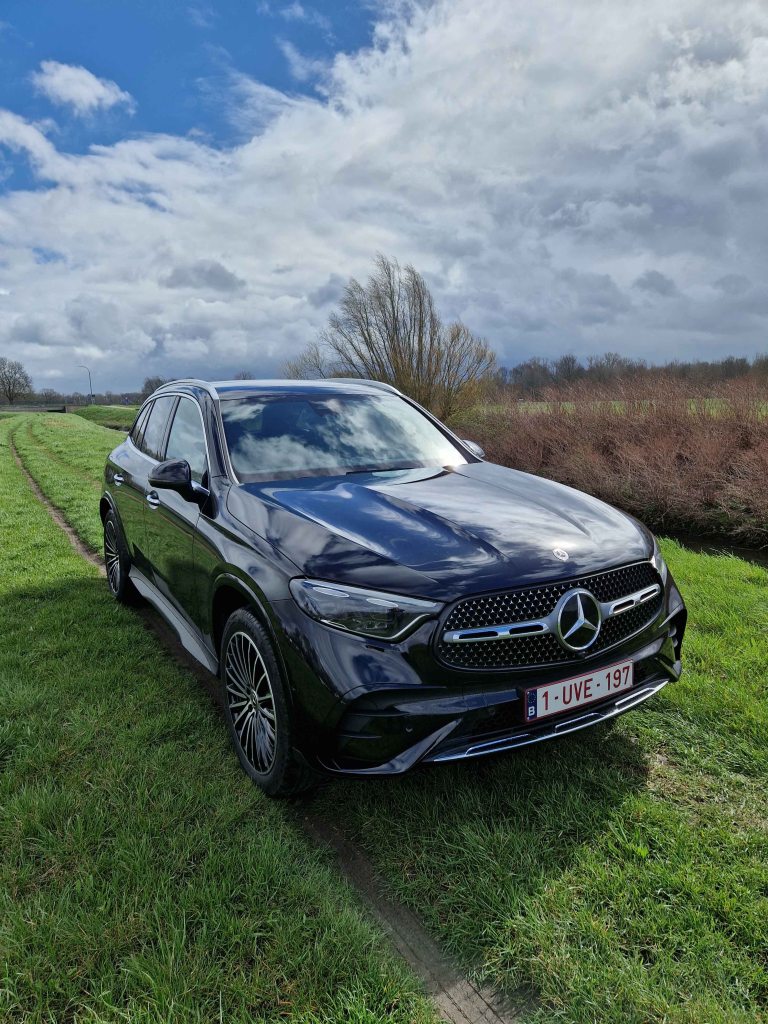
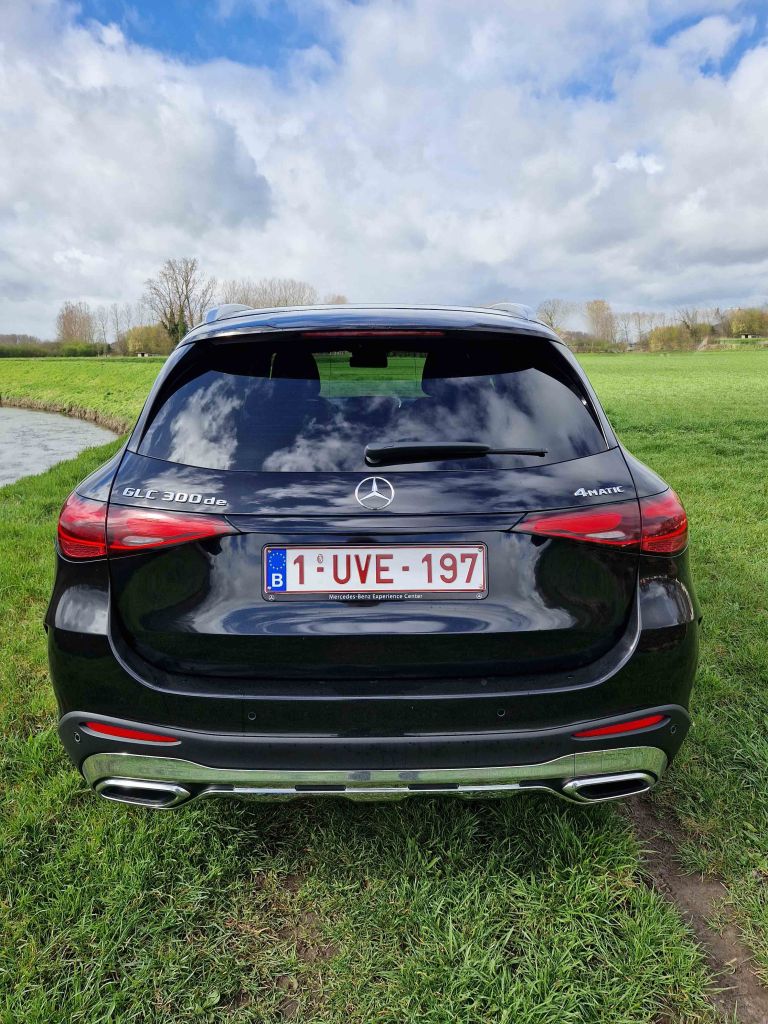
We drove the Mercedes GLC 300 de 4Matic: the perfect star for your mobility…

We are living in fast changing times, full of transition. Car markets have grown massively in China (did you know that the GLC has also been built in Beijing since 2011?) and India, influencing the strategy of European car makers, while the EU commission projects for a greener Europe transform the outlook and the nature of our mobility. Besides all that, the choice of a new car is now also influenced by the fiscal treatment it receives, besides of course the concerns for our environment. What car to choose?

We drove here for you this Mercedes which provides an answer to all the changes which will affect our mobility. It is electrified, lets you drive some 100 km in full EV mode and at the same time gives you unlimited long distance mobility with its diesel engine. It is also fit to carry you to far flung places amidst pure nature: it has four driven wheels assisted by all the clever electronics to make you an experienced unpaved terrain driver. Besides that, it is roomy and is also a good towing car.

Does this Mercedes indeed tick all the boxes? Just read further…

Hans Knol ten Bensel

Impressive, classic looks…

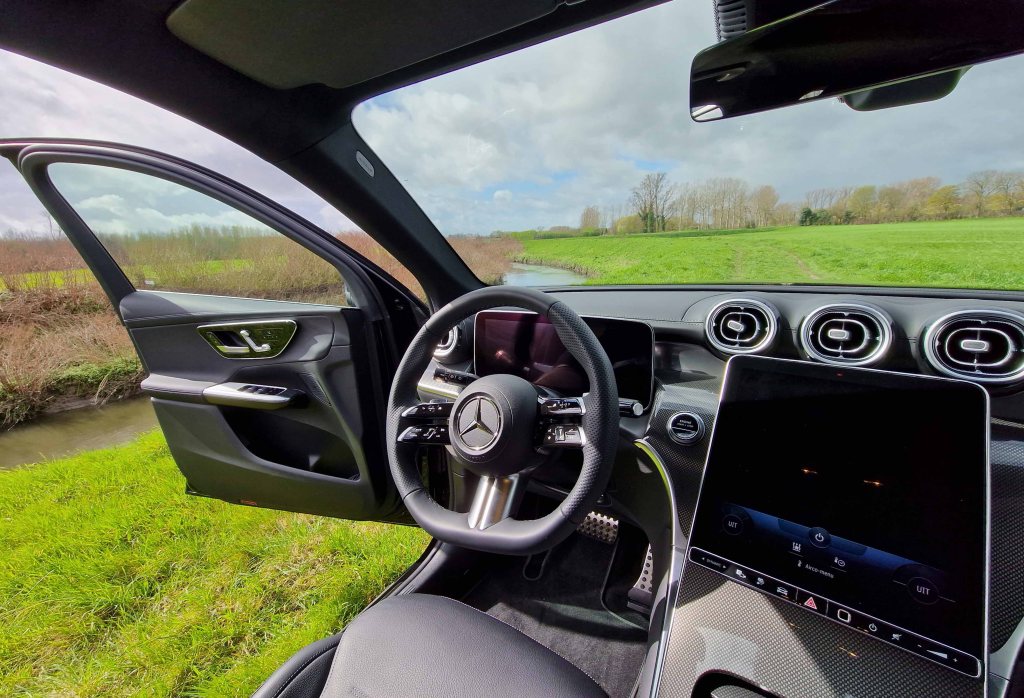
One instantly recognizes a Mercedes by its styling language, and the overall shape and proportions show clearly what the designers meant it to be. This GLC has a solid stance, but has a sporting flair akin to the C Class. Not unpleasing, and unmistakably Mercedes. The front end has been revised and the headlights are more integrated in the 2023 edition. The interior breathes also the philosophy of the brand: big screens in front of the driver and the same on the centre console, where it takes an eminent position. Well curved and upholstered seats, all functions and knobs solid and well finished. German premium brands make very good use of electronics, and also Mercedes has given this aspect much importance and has given it much thought.

Therefore all the functions are well balanced, ergonomic and mostly intuitive. Of course using it demands nevertheless a distinct learning curve for novices, as the many functions can sometimes be overwhelming. You are therefore well advised to read the manuals about the infotainment and screen functions carefully, it will lead to years of happier life with your Mercedes…but as we said, Mercedes has got things right when it comes to functionality of its infotainment.

We liked a bit less the haptic touches on the steering wheel. Sometimes you touch them while driving with sometimes annoying results. One thing: opening and closing the panoramic roof is not intuitive, so read the manual first.

Workmanship and engineering standards truly impress…

In the good tradition of the oldest manufacturer in the world, the level of finish and the quality of the used materials is what truly impresses. You are surrounded by non frivolous, long-lasting luxury… Typical for the brand are also the seat controls in the door panels, letting you adjust your seating position electronically in a breeze. It pays to carefully study the manual and go through the menus. You will discover that on the large central screen you can touch in your height, and the car will find for you automatically the proper driving position. The ideal climate setting is also soon found and off you go, after having pushed the big starting button. Put the small gearchange lever in D and off you go under silent E-power. As this is a plug-in hybrid, Mercedes has developed their now fourth generation (plug-in) hybrid concept even further. It has developed a so called “improved hybrid driving programme”.

This means that Artificial Intelligence electronics think with you: once you have put in your route, the car’s AI will calculate what is the most economical and environment friendly way to make the journey. If the route leads through urban areas, E-power is automatically preferred, when the route includes open roads and motorways, the car will use the diesel engine. The latest GLC hybrid generation now has a 100 kW electric motor. Marvelously smooth, as E-power goes. You can enjoy its 440 Nm of torque too. When you cruise leasurely on the motorway at 100-110 km/h or so and drive smoothly along with the urban traffic flow, the useable E-range is well above 100 km. In EV mode, it is no sluggard either. You can reach a top speed of not less than 140 km/h solely on E-power. Average E-consumption according to WLTP standards is between 27,2 and 24,4 kWh/100 km.

The battery has an enlarged capacity compared with the previous plug-in hybrid GLC generation. It now carries a 31,2 kWh battery, which is an in-house Mercedes-Benz development. The maximum DC charging power of the GLC PHEV is 60 kW. Even with a completely empty battery, full charging is possible in some 30 minutes. This means that the GLC is an eminently useable EV for urban use and shorter hauls with nevertheless an impressive range thanks to the larger battery. Mercedes has indeed created a very clever balanced concept of how a plug-in hybrid should perform. You can drive your plug-in hybrid Merc in different modes, i.e. Hybrid, Electric and Battery Hold. When you choose the electric mode, you feel in the accelerator pedal a haptic pressure point. Push further and the engine starts too.   

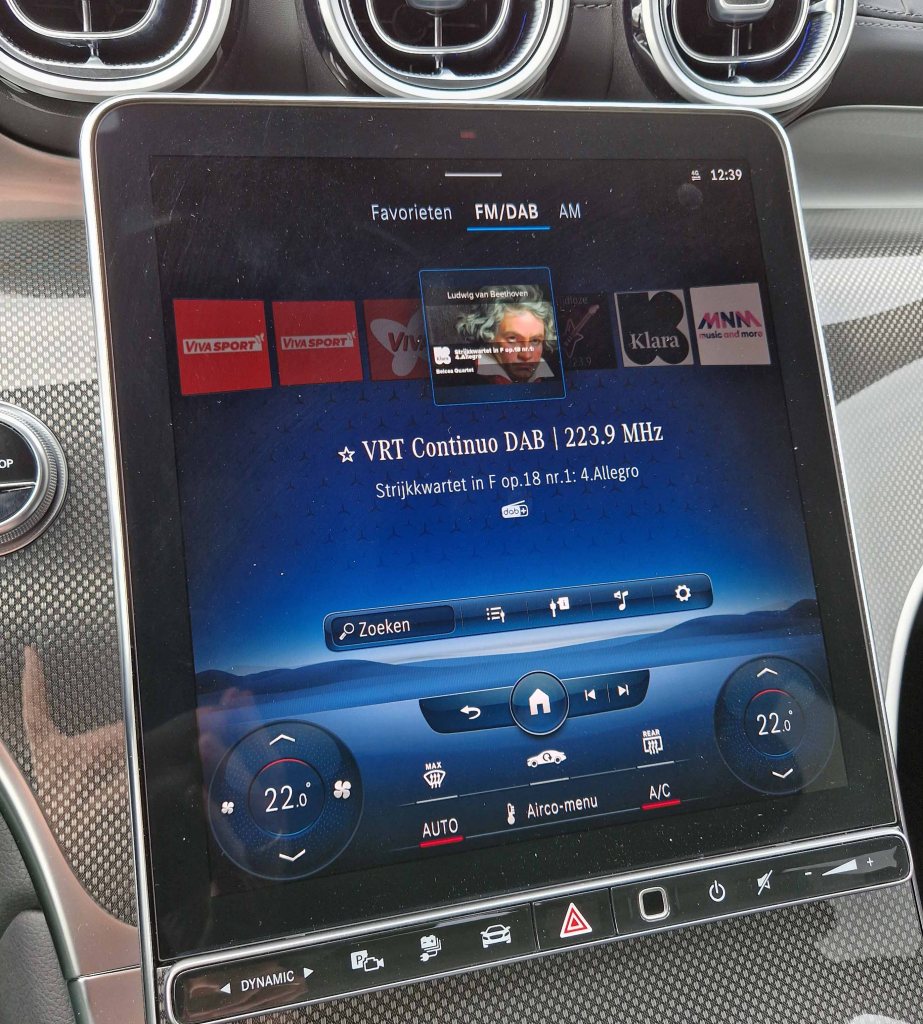
Stability is as you would expect excellent, the suspension is comfortable, wind and road noise are of course well insulated. You can enjoy the sound system, let your eyes wander to the big central touchscreen, and see for example the info of the music which is played over the excellent DAB radio. You are also experiencing how good the seats are, always a strong point of the brand with the good star.

Performance

This plug-in hybrid GLC 300 de is built for those who do not want to sacrifice performance and range in these E-times. Indeed, this Mercedes still feels very much at home on the left lane of the Autobahnen. Top speed is a solid 216 km/h, and it accelerates also like the proverbial bullet, a sprint from 0 to 100 km/h is absolved in merely 6,4 seconds. Mind you, this is the performance of a well tuned Jaguar E-type…

The diesel engine is the well proven double overhead cam 1.993 cc 4 cylinder intercooler turbo common rail unit, developing not less than 145 kW or 200 HP at 3000 rpm. Did you ever believe this was possible with a diesel engine? The ponton 180 D, the first Mercedes my father owned in 1955, had also a four cylinder 1,8 litre long stroke unit, was developing some…38 HP. We were so lucky, my father and me, to drive the factory entered 180 D in the Mille Miglia, invited as a member of the official Mercedes Mille Miglia team, together with Stirling Moss, who drove a 300 S… Mind you, our brave Diesel was still able to be almost as fast on the course as the Lancia Aurelia’s, although this called for some very spirited driving! Of course I covet the Shopard watch I have as a memory of this adventure, with our starting number 147 engraved in the back…

Pulling power of this 300 d is abundant, 440 Nm at merely 1600 rpm. The engine has a slightly longer stroke due to a new crankshaft. Total system power is 245 kW (333 HP) and total torque is 750 Nm, hence the excellent performance figures. Of course, this diesel lets itself heard with an unobtrusive deep throb when pressed hard, but even when you are driving your GLC 300 de in a spirited manner, the enormous torque hardly lets the engine rev higher, and everything is comfortably silent indeed.

The beauty of diesels is of course their frugality, they excel when quite substantial power is required over long periods/distances. So driving this GLC doesn’t cost you a fortune at the pump, even with a totally empty battery, you can achieve with this 2-tonne SUV a consumption between 6 and 8 litres/100 km, depending on your driving style of course, one simply cannot bend the laws of physics. The tank capacity is 62 litres, which gives you a radius of some 800 km on Diesel fuel alone. The WLTP consumption is between 0,7-0,5 l/100 km, CO2 emissions are 17-13g/km. The GLC is equipped with a 9 speed automatic gearbox, which in the PHEV layout guarantees a smooth power flow in all circumstances, as the electric motor with its ample torque steps in when the gearbox has to make up its mind which gear to choose under hectic driving.

Comfort and predictable handling with the good star…

We said it already, seating comfort is excellent. The suspension irons out urban street potholes rather well, and strikes a very good balance between handling and comfort. Choosing the “sport” driving mode shows quite decent handling on winding roads, stable, surefooted, predictable. It offers some driving pleasure, but it does not exactly invite you to adopt a brisk driving style. We already told you about finding the ideal position behind the wheel by simply choosing your height on the central touchscreen. But there is more.

There is a finger print sensor which recognizes who you are, and will engage your preferred sound settings. You can choose not less than 7 settings.(!) One word of praise is justified for the Burmeister sound system. Truly to be enjoyed. There is also a large and very readable head up display, with lots of information. It also shows you which driving mode you are in.

There is also a special offroad driving mode. It not only lets you control the drivetrain ideally, it also steers the cameras. Indeed, when you are driving in terrain, the front camera lets you even see what is underneath the bonnet and front wheels, as it “remembers” what it has seen in front and reproduces that again when you are driving over it…

There is enough leg- and headroom for three grownups in the rear, and the rear passengers even have their own climate controls and USB slots. The doorbins are absolutely massive, so there is more than enough room to store your bottles.

Boot space is sufficient, and you can charge your GLC with not less than 625 kg and tow not less than 2000 kg, so this 4WD will certainly prove its worth when you love horses, camping or boats…

Conclusion

This GLC 300 de 4 Matic has already convinced many buyers in its previous generation, and now thanks to its larger battery is striking an ideal balance between E-power and engine propulsion, electronically managed by its improved hybrid driving programme. This results in a well and truly very useable “pure” EV in many situations, thanks to its generous over 100 km “E” range. It is also well built, powerful, roomy, practical and has panache and style. Due to its versatile hybrid character, this might be your car in these times of transition…

Hans Knol ten Bensel        

We drove the Nissan Ariya : a noble e-beauty

We all know, EV’s offer refinement. Some also offer roominess and the stance of a big SUV. Nissan decided to take things a step further: they also offer pure beauty.

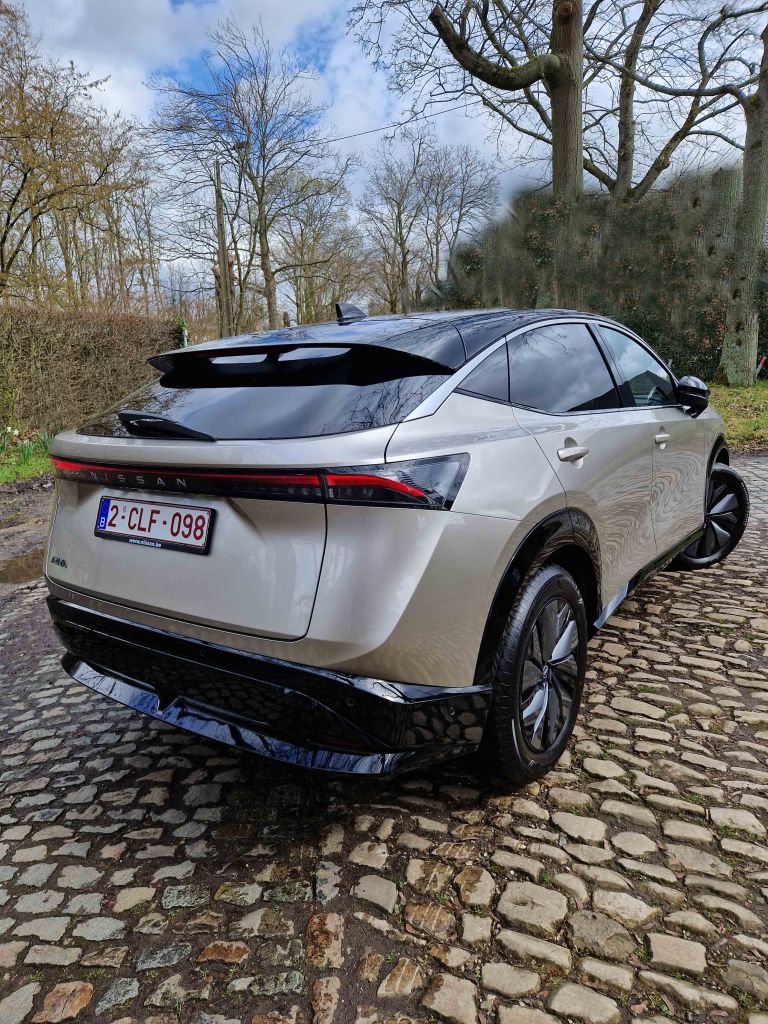
Indeed, the designers of the Ariya surpassed themselves: they transformed the clunky dimensions of a SUv into fluid lines, which are sleek, well proportioned and completely natural. If you look at this car, the volumes, shapes and lines are completely logical, achieving an unsurpassed purity which seduces the viewer at first hand. Nissan calls its design language “Timeless Japanese Futurism”; it certainly is. 

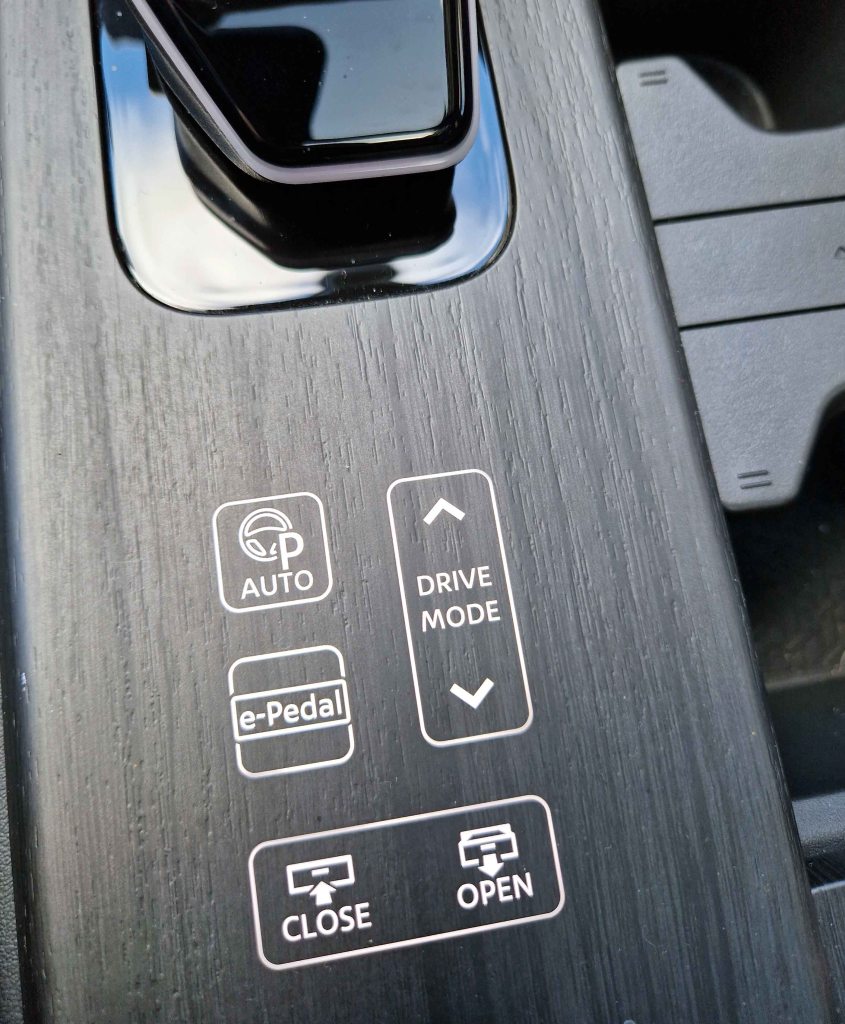
The interior breathes the same logical simplicity, underlined by a judicious choice of noble materials. The climate controls and the drive mode together with other essential functions on the console are – noblesse oblige in these modern times – haptic with a very positive feel. The styling of the dashboard is beautifully clean, the seats and steering wheel are electrically adjustable and soon an ideal seating position is found. One feels immediately totally at home in this Ariya, everything is totally self explaining what the commands are concerned, and a “Zen” feeling pervades you even before you have pressed the starting button.

The instrumentation has different modes and readings, you can have nice round dials if you want, the layout and functions of the touchscreen is top notch, with the “camera” functionality well placed in the top left of the screen, easy to push when you enter a tight garage entry for instance with your big Ariya. In the centre of the dashboard is an electric deploy-able tray, which is opened with one of the haptic buttons on the console.

Driving

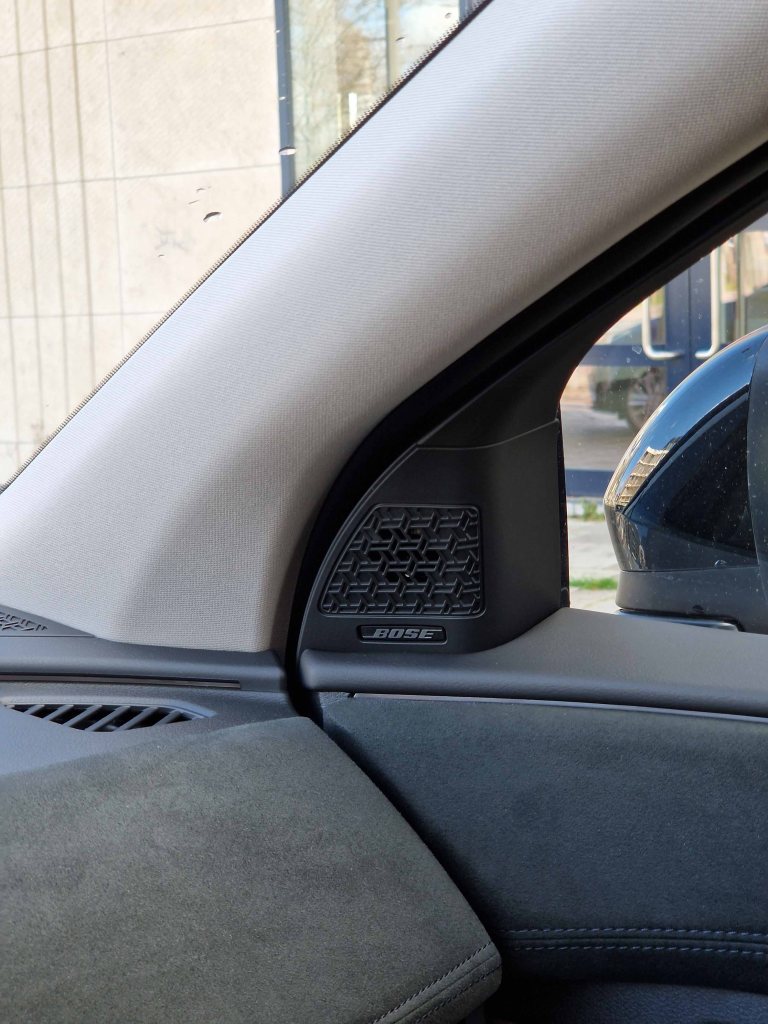
The Ariya is of course completely silent and smooth, and one has the choice between three driving modes, eco, standard and sport. For our test, we left it mostly on standard mode, but we always used the clever e-pedal mode, which lets you, after having learned it a bit, drive with anticipation using almost no brakes. Lifting the throttle puts the electric motor in regeneration mode. You cannot completely stop the Ariya without applying the brakes however, which is actually a good thing, as you can approach the traffic light smoothly, slightly creeping and accelerate immediately again away when it turns green. It adds to driving smoothness, and smooth driving is actually what EV’s are all about. Always remember that you are driving a two tonne car, which needs to be accelerated and stopped, and this is costing much energy indeed. If you want to reach easily the official driving range of your EV, drive it smoothly in town, avoid any brisk accelerations, which disturb the “Zen” feeling of the car anyway and hardly impresses any girl above 10 years of age, just enjoy the music AND the journey. There was a 10 speaker BOSE system in our Ariya, together with a DAB radio. You can imagine how we felt in this Ariya…

It rewards you with consumption figures as low as 9 (yes nine) kWh. This was reached on a urban stretch of 2 km with FOUR traffic lights. (!) Over the test, we reached without effort a driving range of well over 500 kms. We mention here that our test car came with the 87 kWh battery pack. Reaching this range supposes of course you also have to take it easy also on the open road. Settle for a cruising speed of 95-100 km/h, just a bit faster than the trucks. You have a wonderful, silent, relaxing voyage. Yes, we know, the charging situation in our country is still abysmal. So for the time being, be easy on the throttle, and by the way, aren’t we environmentally conscious?

You can charge it up to maximum 130 kW DC. Charging times than dwindle, in 35 minutes you can charge for a distance from 44 to 348 km or let’s say, from 10 to 80 % capacity.

Performance

Let’s first point out that the Ariya is available in three versions (Ariya 2WD 63kWh, Ariya 2WD 87kWh, Ariya e-4ORCE AWD 87kWh). With performance to match… For the 178 kW (242PS) 2WD version, acceleration from 0 to 100 km/h is in 7,6 seconds, top speed being limited at 160 km/h. Largely sufficient for any needs!  

Handling and comfort

The suspension is not too firm, with the suspension being a bit noisy on bumps and ridges, with a responsive and precise steering. Road noise is very well suppressed; the Ariya is very silent at speed. The Arya is quite engaging to drive at speed on winding roads, there is hardly any body roll. So yes, (sporting) driving pleasure is certainly to be had!

Just note here that the the Ariya is built on the all-new Alliance-developed CMF-EV platform that’s optimised to deliver unparalleled performance. Suspension in the front consists of independent MacPherson struts, in the rear there is an independent mulit-link setup.

Let’s talk about visibility. The visibility up front is excellent. The C pillar is a bit wide, so it obstructs the three quarter rear view somewhat. Rear visibility is also further enhanced by the built in camera in the rear view mirror. The camera’s give also an excellent 360° surround view

Practicality

There is good storage space in the Ariya, and indeed, the car comfortably seats five. With enough legroom in the back and no transmission tunnel, the third passenger sits comfortably too. One even gets heated seats in the back and the obvious USB sockets of course. The boot capacity is 466 litres, which is not enormous. There is no front boot space either. But the boot cover can be stored underneath the floor when you need more space and put the rear seats down. If you want to tow things up to 1500 kilos, you need the 4WD version, the Ariya with front wheel drive will only pull a good 750 kilos.

Luxurious

The Ariya is very well equipped. The Evolve version we drove featured a panoramic retracting sunroof, Intelligent Rear View Mirror, head-up display, power-adjustable center console and steering column, Digital Audio Broadcasting (DAB) radio, Bose 10-speaker stereo and temperature-controlled front seats.  We liked the Intelligent Rear View Mirror, indeed, a special camera in the rear view mirror lets you “see through” the third passenger on the back seat… The center console can also be moved fore and aft electrically, which we liked very much and let you really settle in comfortably.

Conclusion

A beauty, which also gives you the ultimate “Zen” driving feeling, with its clean interior, its superb commands, excellent sound insulation, roominess and good comfort. Add to this the good, predictable handling and practicality, leaving the excellent range as a last, very decisive argument too take a good look at this Ariya. It will brighten up your motoring life…

Hans Knol ten Bensel

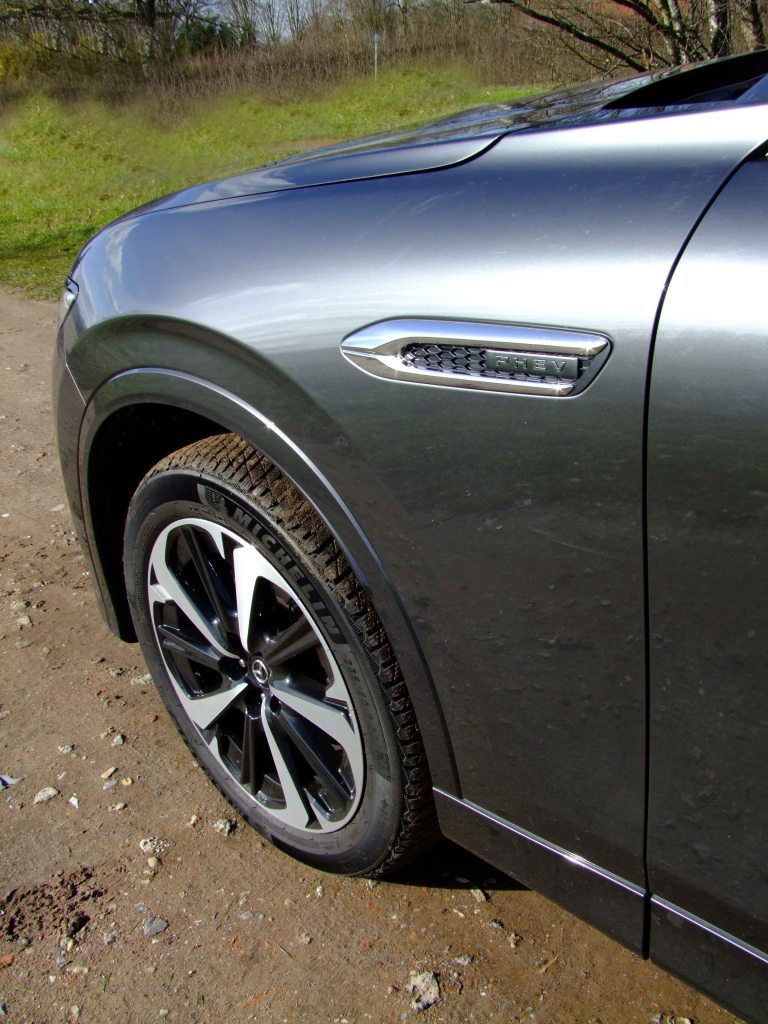
We drove the Mazda CX-60 e SkyActiv PHEV : a flagship SUV the Mazda way…

Mazda has bold ambitions. It wants to be an absolute premium manufacturer within a few years, and it is building up its model range accordingly. Looking at its latest SUV, the CX-60, it is definitely succeeding. This PHEV Mazda impressed us. Read further…

Hans Knol ten Bensel
Mazda elegance and style

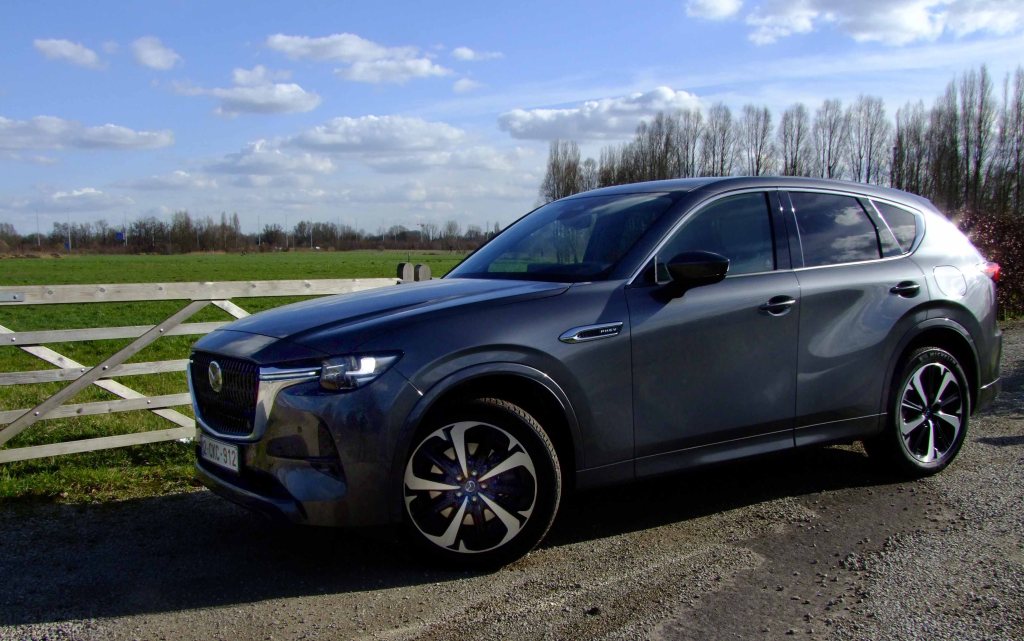
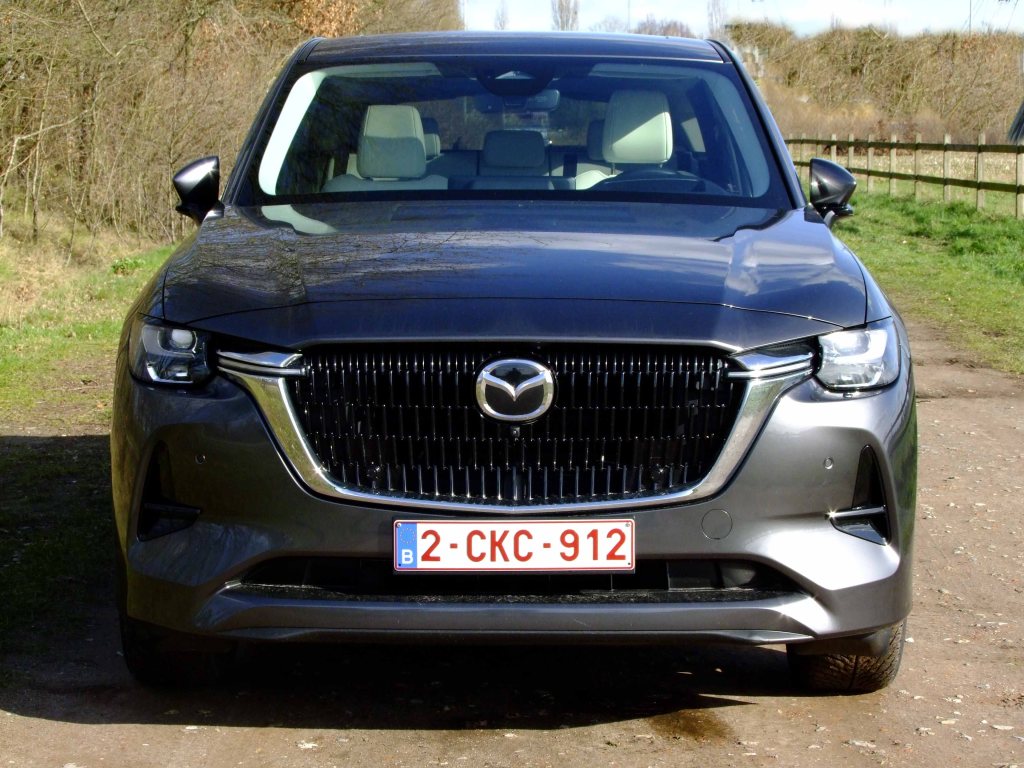
Mazda’s are well proportioned and styled, and have indeed a distinct, proper styling language which makes them stand out from the rest. The lines of this bigger SUV are not too busy, instead they are fluent and exude a distinct sportiness together with a quest for simplicity and elegance. The front end and radiator grille carry also the distinct Mazda DNA, which is now becoming well established and is quite pleasing.

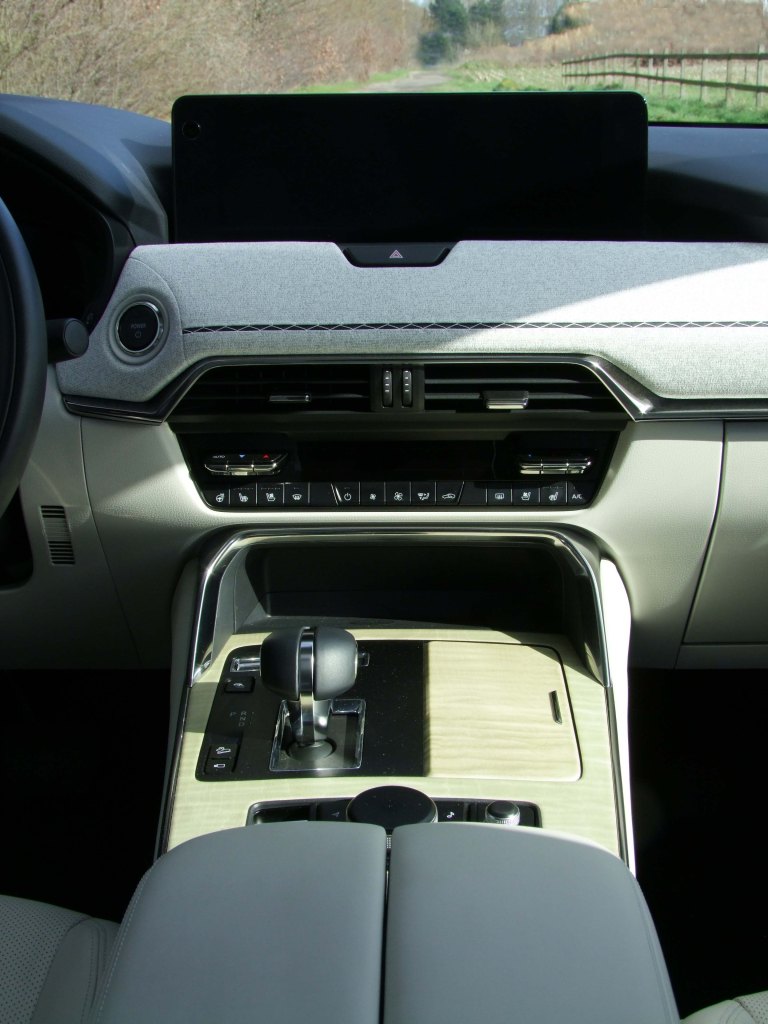
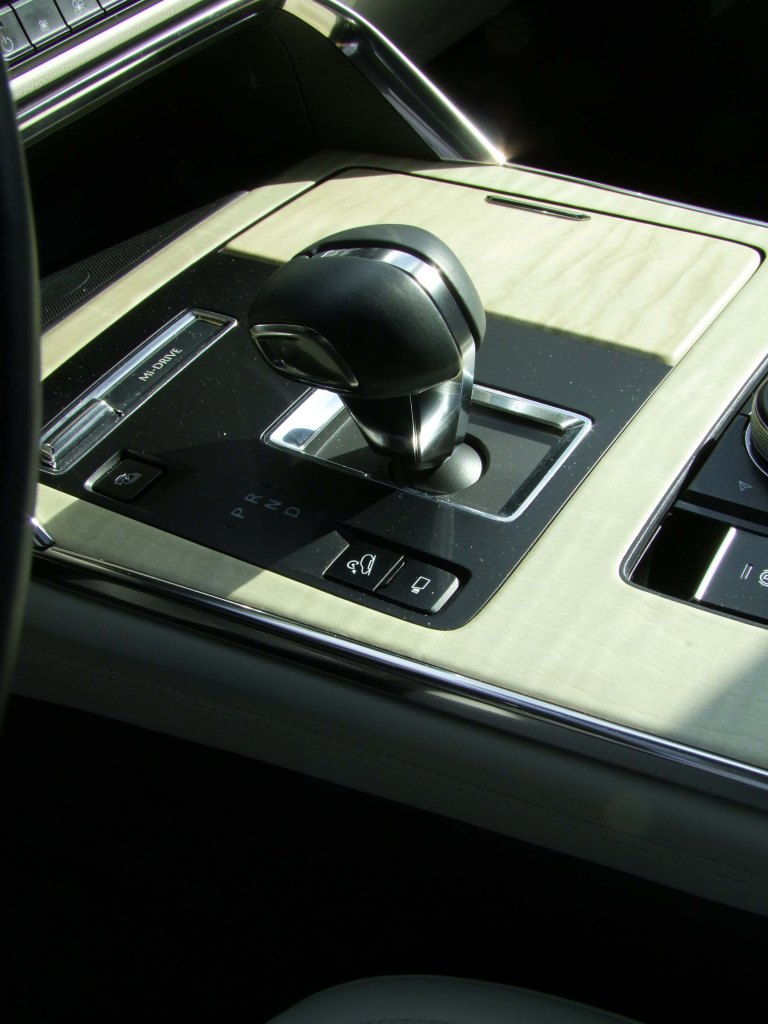
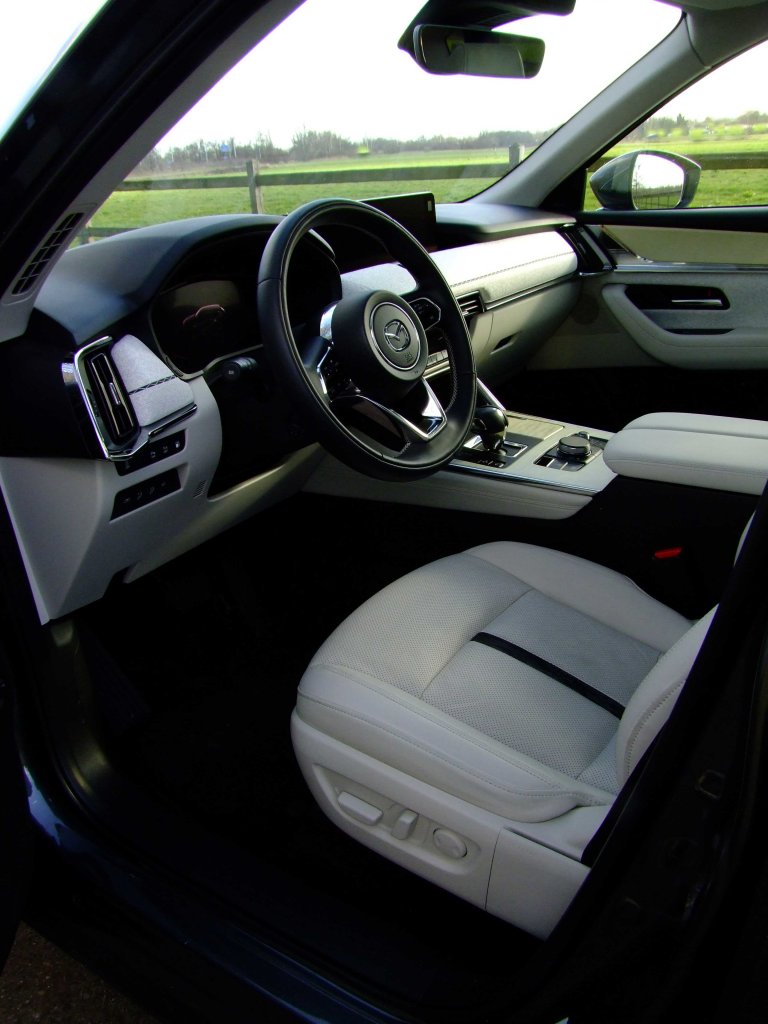
The style and sophistication is also found in the interior. We absolutely loved the white colour of the surface panels, upholstery and seats, and the lavish use of chrome around the edges of the lateral vents. On the wide central console, which is impressive due to the simple fact that a transmission runs through it, one finds even a tropical white wood veneer finish. Very oriental, we would say, and a refreshing departure from the all black colour schemes we so often encounter.

The elegant interior design introduces the ideas of Kaichou – an element of disruption which mixes different materials and textures. With the flagship Takumi grade, which was the top equipment version found in our test car, materials such as maple wood, nappa leather combine with uniquely worked Japanese textiles and chrome details, and Musubu – the art of binding which was the inspiration for a specially detailed instrument panel stitching. We liked that also very much.

The treatment of the maple wood trim reflects the Japanese aesthetic of Hacho – asymmetrical balance, or intentional unevenness. The woven fabrics’ diverse patterns and yarns respond sensitively to changes in light, and a Japanese stitching technique called Kakenui creates ‘hanging stitching’ seams with spaces between the trim fabrics revealing a glimpse of the material beneath. As we said, very elegant indeed…

Very powerful

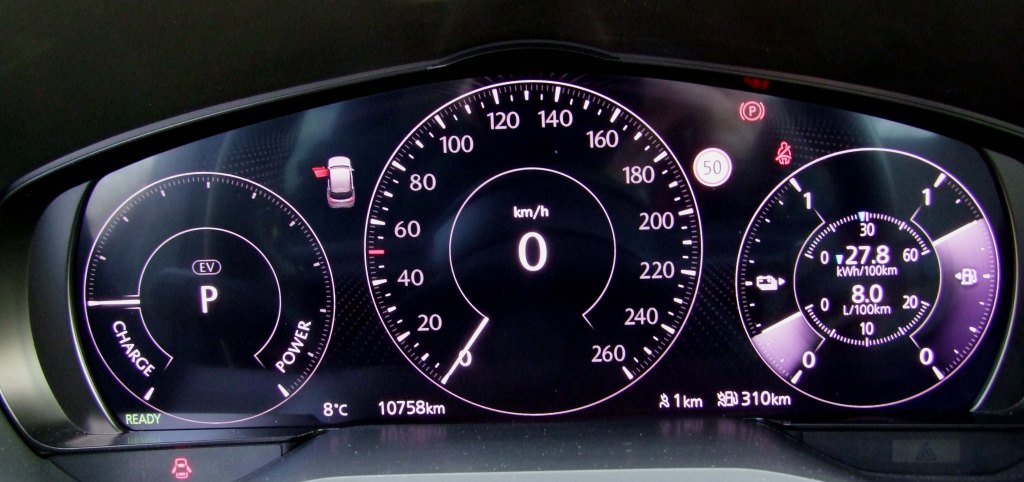
The Mazda CX-60 comes with several engines, and even a six cylinder in line Diesel in world markets, but for the time being, in our country it’s a 2,5 litre four cylinder “Sky Active” petrol engine which is doing part of the work, as the CX-60 is a PHEV. The electric motor sits between the engine and the gearbox, and even has its own clutch, so this Mazda remains a 4WD also when in EV mode. Power galore with this Mazda. What to say of an electric motor which develops already 134 hp, and which is able to propel this two tonne SUV with the inboard 17.8 kWh battery on EV power alone for a range of 62 km.

Indeed, when you have charging possibilities at home and the office, and if your daily commute is rather short, it is totally feasible to use your Mazda as an EV. Just choose with the “I mode” sliding lever on the console the EV mode and you’re ok. You can expect then formidable economy, as the engine then is hardly used. The benchmark and crucial WLTP CO2 emissions value is set 33g/100 km. The WLTP combined fuel consumption is just 1.5l/100 km.

Combined with the petrol engine total power is an impressive 327 PS/241 kW. This makes it the most powerful Mazda ever, having also not less than 500 Nm torque, with performance to match: this SUV sprints in 5,8 seconds from 0 to 100 km/h, and top speed is not less than a limited 200 km/h. For your information, the petrol engine develops a maximum power output of 141 kW at 6000 rpm and 261 Nm of torque. The electric motor delivers 129 kW of power and 270 Nm of torque at 400 rpm.

Does this CX-60 invite you to use all this power? Not quite, where I have to admit that we are a bit economy buffs, and seeing the cleverly designed instant consumption dial hovering fiercely in the red zone, with consumption well above 20 liters/100 km when we press our right foot a bit deeper, we tended intuitively to slow things down a bit.

Add to this that the engine makes itself well heard when called to duty, and you understand that we rather avoided using the “sport” mode. This Mazda will also use its engine rather often when the battery is low, which is understandable since one needs power to move this 2 tonne SUV around. Driving this CX 60 with restraint when the battery is depleted, one achieves an average consumption of some 7,8 litres/100 km as we registered during our test, which is a very good score considering the size and weight of this 4WD CX 60. The efficient 2,5 litre Skyactiv unit is coupled to an all new 8 speed automatic, which doesn’t use a classic hydraulic converter, but a multi-plate clutch as well as an integrated electric motor/generator.

Mazda claims that by replacing the torque converter with a clutch, the torque of the engine and motor is transmitted directly, with fast and rhythmic shifting much like a manual transmission. A little bit of the Mazda MX-5 “Zoom zoom” philosophy is still felt here. Nowadays, Mazda is aiming to become a premium manufacturer more than ever. The larger public should only be more aware of this…

The transmission is indeed very smooth when driving away from standstill, some jerkiness is felt when the transmission changes down when coasting and slowly decelerating. But under power, everything just feels great.

Driving dynamics

Mazda put a great effort in the handling and agility of this big Mazda. It wants it to be nimble, responsive and engaging. Not a small brief for a big SUV. First of all, it should be noted that the CX-60 The new Mazda CX-60 is based on Mazda’s Skyactiv Multi-Solution Scalable Architecture, designed to be compatible with the SUV’s longitudinal front-engine rear-wheel drive mechanical layout.

The Skyactiv Multi-Solution Scalable Architecture features numerous enhancements to improve as Mazda calls it, the Jinba-Ittai driving.

The feeling of Jinba-ittai (oneness between car and driver) that can be experienced when driving the CX-60 in varied day-to-day situations, remains the same even on challenging off-road paths during weekend outdoor activities or on slippery winter roads covered in snow and ice.

The i-Activ AWD and Mazda Intelligent Drive Select (Mi-Drive) allow the car to maintain responsive on-road driving while also offering a safe and secure driving experience even on various off-road surfaces thanks to its high controllability.

The bodyshell rigidity lets you feel the car’s handling and movements without lag. We should also mention here the Mazda-unique vehicle posture control system – Kinematic Posture Control (KPC). This stabilizes vehicle posture when cornering, braking the inside rear wheel to mitigate roll and draw the car body downwards.

How does all this translate in practice? The suspension revealed itself as rather firm, understandably so if you have to balance a 2,1 tonne SUV. Steering is precise, but rather busy. Yes, the CX-60 could indeed be thrown around corners, is up to the job, but it doesn’t exactly invite you to do so. The CX-60 sports double wishbones at the front and a multi-link rear suspension.

Driving aids

This Mazda of course incorporates all the usual driving aids and then some. We greatly appreciated the so-called “see through” function, which enhances even the 360 degrees camera function in this sense that it projects an image on the screen which lets the driver see through the front and rear corners of the car. Advanced Smart City Brake Support uses a front camera to show cars and pedestrians ahead.

Command comfort…

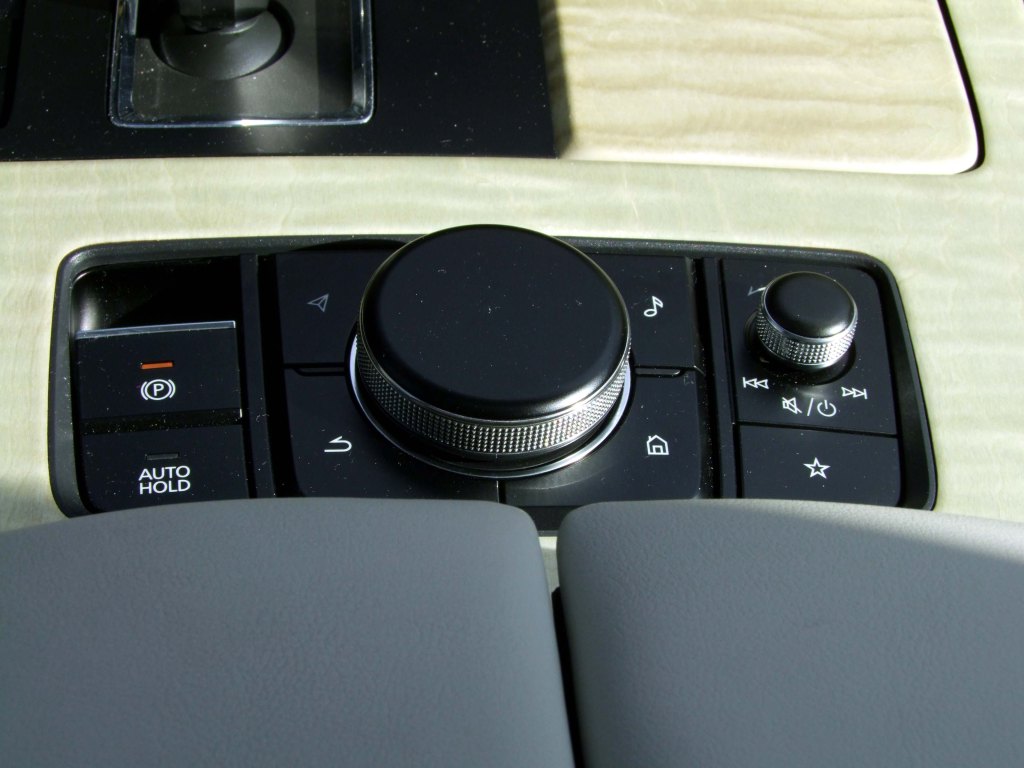
We greatly appreciated also the large central armrest and the command knob to, steer the functions displayed on the screen. Mazda is in my opinion only to, be applauded for maintaining this circular command knob, which is so much easier and stable to use when on the move on bouncy roads and avoids the unhygienic, finger prints on the screen. COVID-19 times made us aware of this ever more…

There is also the so-called Driver Personalisation System, which detects with a camera the eye position of the driver and his physique, then automatically adjusts the seat and steering wheel, Active Driving Display and the door mirrors.

And practicality

The boot space is 570 litres, increasing to 1148 litres with the rear seats folded flat. The load space is equipped with a 12 V 150 watt outlet, which can be raised in the PHEV to 230 V with not less than 1500 watts…

The CX-60 is also excellent for towing, as it can pull a weight of not less than 2500 kg…

Conclusion

Mazda succeeds in making this CX-60 an absolute premium SUV, certainly when it comes to styling, finish and opulent elegance, especially in the interior. As a PHEV, it offers its EV qualities when it can be frequently recharged. On the other hand, when the battery is depleted, it remains reasonably frugal. It certainly handles well, but a fluent, relaxed driving style suits it most.

It is lavishly equipped, and this goes for all the equipment versions you choose. The top version we tested leaves strictly nothing to be desired, with 20 inch alloys and panorama roof included, and this makes the CX-60 also attractive…

Hans Knol ten Bensel

Photographers notes

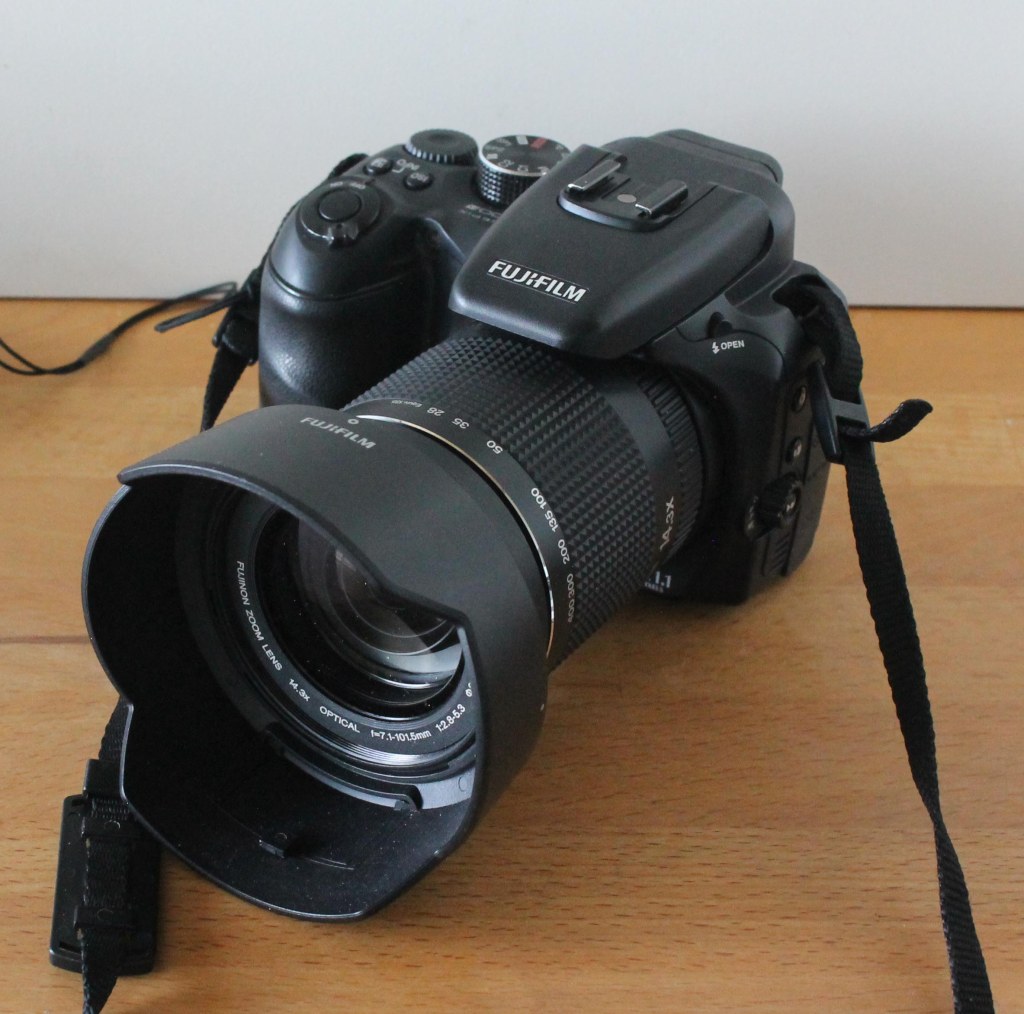
We shot the Mazda here entirely with our Fujifilm Finepix S100 FS , which was bought, as you know, for less than 70 Euros. We erroneously left the Dynamic Range at 100. Given the strong sunlight, we should have set it at least at 200 or 400. But there you are. The results are still pretty decent, considering also that we were also still shooting in JPEG. The sensor produces 11,1 megapixel images, which is plenty for our work. The 28-400 mm zoom lens even has a macro function and an ultra macro function, making close ups a breeze…

Hans Knol ten Bensel

We drove the Alfa Romeo Tonale MHEV: fit for a long love affair…

The Alfa Tonale will always be a car close to my heart. Not least because I stood by its cradle, I have literally seen it born.

I was invited at the Centro Stile Alfa Romeo by Chief designer Klaus Busse and his team when the plaster and wood prototype of the Tonale was just finished. We admired its typical proportions in tune with the higher stance of an SUV, with a horizontal accent line reminiscent of the styling language of the famous ‘Disco Volante’ two seater, created by Carrozzeria Touring back in 2013 and the original Disco Volante 1900 C52 born 1952 also designed by the Milanese coachbuilder Carrozzeria Touring…

In these columns you can also read our driving impressions of the 4WD Tonale Hybrid, which we tested on the Balocco proving ground and its surroundings. This time we took the ‘Mild’ hybrid FWD version for you on a road test through France. Does it offer the unmatched panache of a true Alfa?

Just read on…

Hans Knol ten Bensel

Sliding behind the wheel one is immediately engulfed by the Alfa atmosphere. Behind the classic Alfa three-spoked steering wheel, your fingers meet two very large gearchange paddles, the very same as one finds on other Alfas and Maserati’s. Round dials greet you, embedded in two large clusters. Nice! The starting knob is nestled on the left branch of the steering wheel, the DNA selector sits close to the driver’s side on the centre console. All this befits a true thoroughbred.

Smooth power

Pushing the start button will fire up the 48 V hybrid system, and the first few meters are driven on EV power from the 0.8 kWh battery. From the size of this battery one can really understand this is a (very) mild hybrid. Just to put things in perspective, the battery on my Lexus CT 200h, a model which was launched in 2011, is a 1.3 kWh nickel-metal hydrid (NiMH) one. The Audi Q5 Hybrid – launched back in 2014 – also had a capacity of 1.3 kWh. By the way, the big Mercedes E400 Hybrid, launched back in 2014, had (only) a battery with a capacity of 0,8 kWh, the same as the Tonale.

A smaller capacity battery has of course its advantages is size and weight. The battery here has a volume of about 11 liters and does not affect the size of the trunk because it is installed under the central tunnel, between the front seats. It weighs only 13,5 kg by the way. The “dual voltage” system with DC/DC converter from 48 to 12 Volts manages the interface with the electrical architecture of the Alfa.

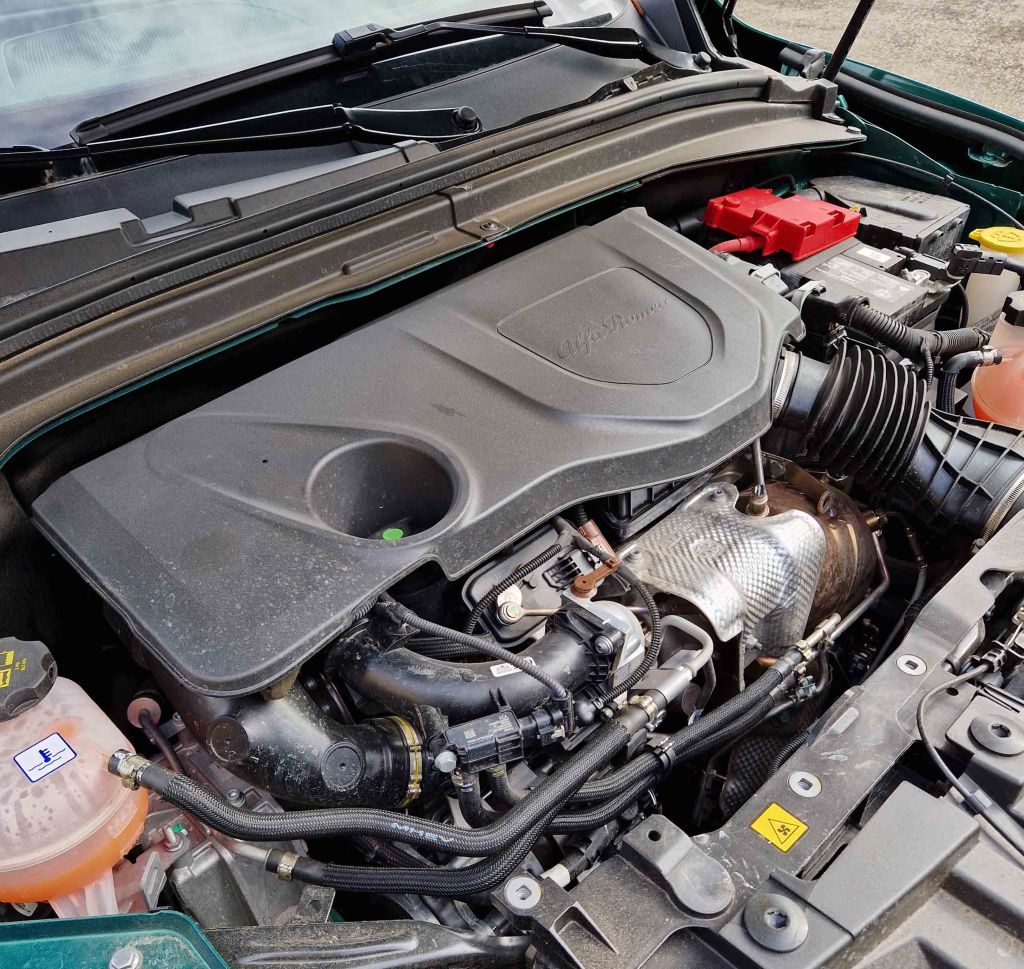
In the Tonale, the battery drives a 48-volt 15-kW and 55-Nm “P2” electric motor. (135 Nm thanks to the 2.5:1 transmission ratio). Indeed, after the initial start, very soon the 1,5 litre four cylinder sets in. The transition from E-power to engine power is very smooth indeed, as the 1.5 liter-gasoline engine with a variable-geometry turbocharger is paired with 7-speed Alfa Romeo TCT dual-clutch transmission as well as the electric motor. In stop start situations at traffic jams, the Tonale is able to drive solely on E-power, but indeed, not for long, due to the limited capacity of the battery. Also as soon as one depresses the throttle a little bit deeper because more traction power is wanted, the engine sets in anyway.

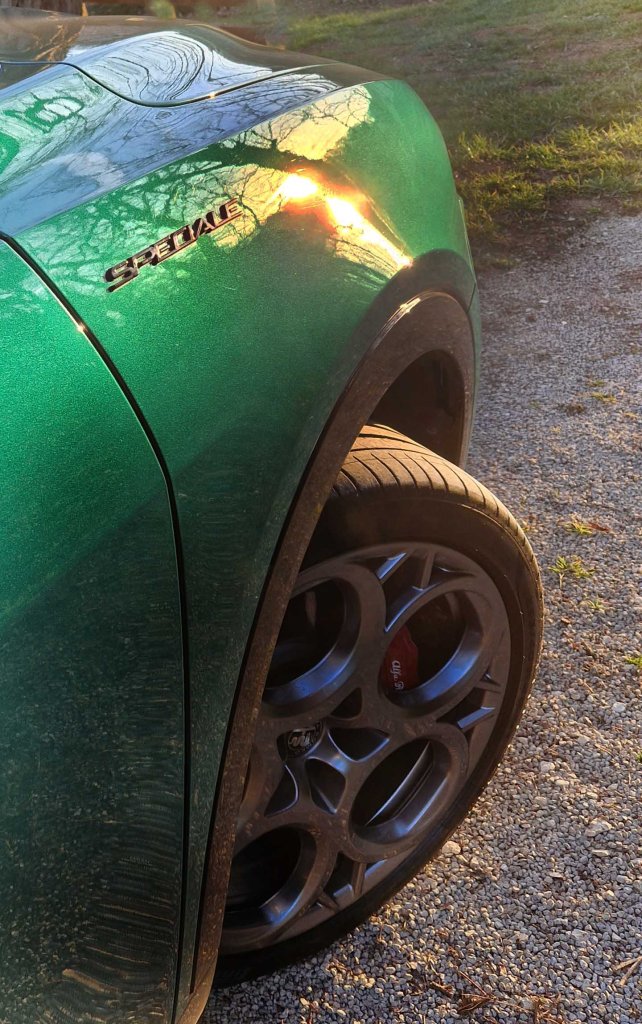
One can choose between two power levels of the engine, either 160 HP or 130 HP. The “edizione Speziale” equipment version of our test car can be had with both power versions. We would think that performance wise, the Tonale leaves nothing to be desired. In the 160 HP version, you will shoot from 0 to 100 km/h in merely 8,8 seconds and reach a top speed of over 210 km/h. With the milder 130 HP version, the Tonale is no sluggard either, as our test car amply showed. The acceleration time from 0 to 100 km/h is 9,9 seconds, and the top speed is a good 195 km/h. The engine sound is marvelous, and very well dampened. It never is obtrusive, on the contrary, it is quite melodious, and will please not only the Alfa aficionados.

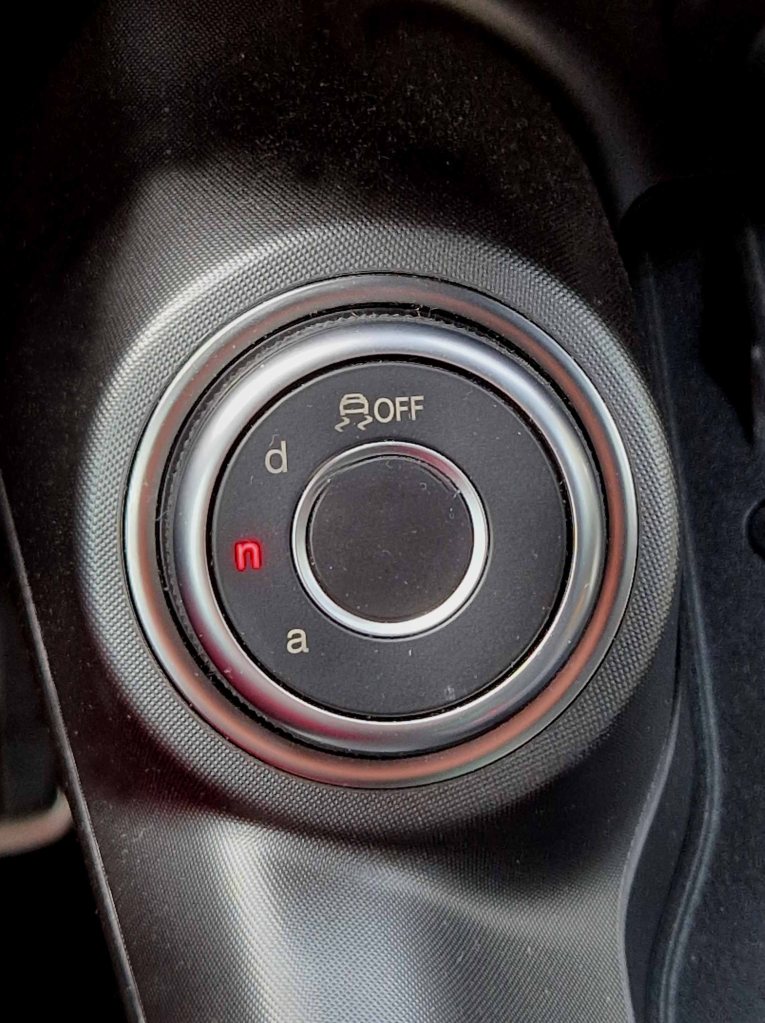
The iconic DNA selector lets you choose between Dynamic, Naturale and the Advanced efficiency modes…

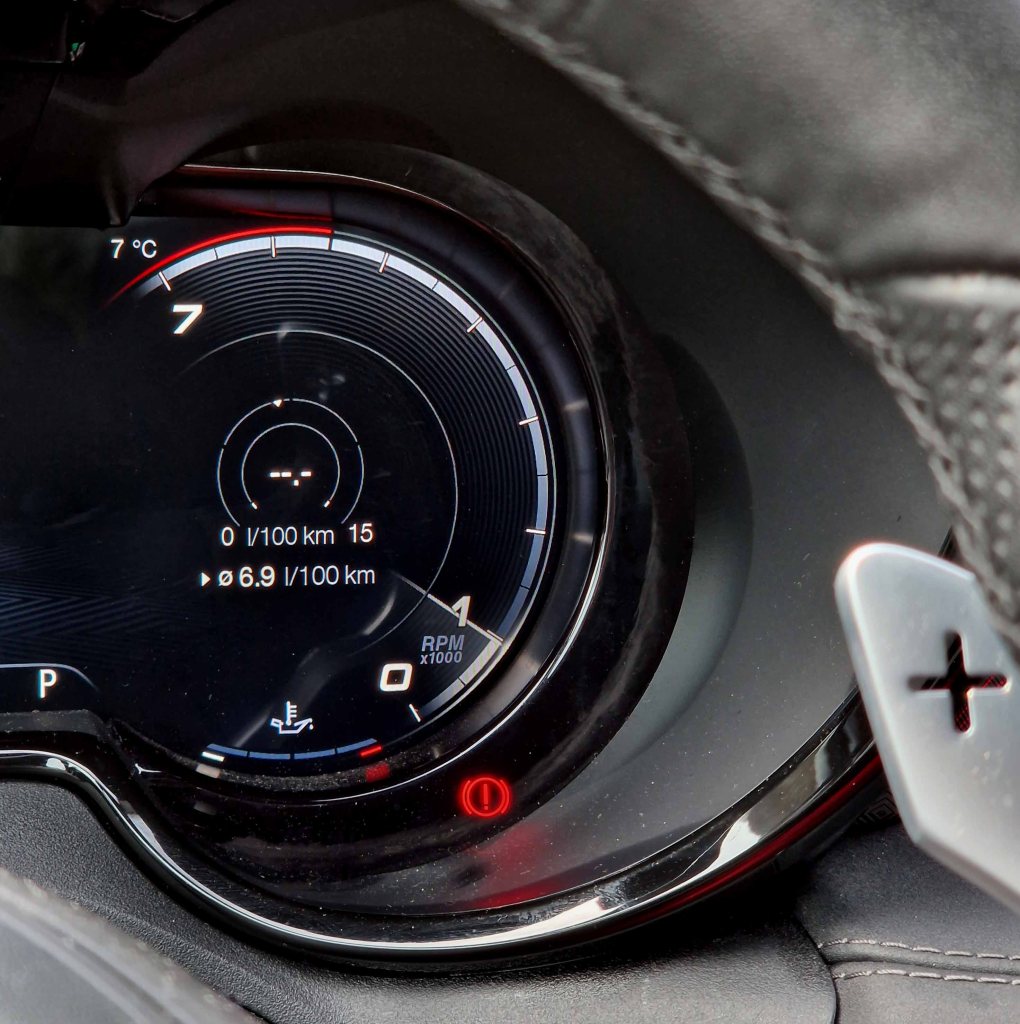
The engine, which redlines at 6500 rpm, is also turbine-like smooth and exempt from any vibrations.  At cruising speeds, it is almost inaudible. Alfa quotes an average WLTP consumption of 5.6 – 6.2 l/100 km. We managed an average consumption of 6,9 liters. Higher (cruising) speeds cost some fuel, and the Tonale invites to it… On secondary roads and slower urban speeds, the consumption hovers with some anticipative and smooth driving easily between 6 and 6,5 liters. We can only repeat ourselves that the driving style greatly influences your fuel consumption…

Acceleration at intermediate speeds is excellent and smooth, with the large gearchange paddles of course inviting you to intervene manually and let the engine “sing” in its ideal rev range when hurtling up and down mountain passes. Pulling power of the engine is quite good, as it develops 240 Nm of torque.

Curve master…

Indeed, on winding roads the Tonale really comes into its own, with its direct steering, (Alfa tells us it’s the most direct steering in its segment with a 13,6:1 ratio) and excellent suspension. The Tonale Hybrid has the Alfa Romeo Dynamic Torque Vectoring and FSD (Frequency Selective Damping) shock absorbers as standard equipment. We drove this Alfa on the mountain roads in the French Massif Central, also on the legendary Col de Burzet and the stretch towards the plateau at Lachamp Rafaël, an iconic stage in the Monte Carlo Rally, and it was a delightful experience. Stable, precise, virtually no body roll and excellent responsiveness, these were the ingredients which put a smile on our face.

Also the brakes earn a word of praise. The Alfa Romeo Tonale adopts the Integrated Brake System (IBS), an electromechanical system that combines stability control with conventional servo brakes. The system guarantees instantaneous brake response thanks to the integration between electronics and mechanics, together with weight optimization, optimal feeling and the total absence of pedal vibrations. In addition, the IBS manages the imperceptible blending between regenerative braking (to maximize energy recovery) and dissipative braking (achieved through the braking system).

What’s more, the Tonale adopts standard fixed calipers by Brembo, with 4 pistons and self-ventilated discs at the front and full discs at the rear.

…with dynamic vectoring

The front-wheel drive Tonale has standard an electronic self-locking differential. The system is built into the DNA selector and exploits the effect of the braking system by simulating a limited mechanical differential. It certainly works beautifully. It brings effective driving dynamics by controlling the vehicle stability, and by redirecting the power to the wheels when accelerating on corners. The system also provides improved greater control on slippery surfaces, as well as greatly reducing understeer, transferring torque from the inner to the outer wheel, ensuring better longitudinal acceleration and consequently better road holding. This Alfa feels truly nimble and can be thrown around corners in total confidence.

 Alexa assists you on (all) the way…

The Tonale has Amazon’s Alexa voice system built in. So you enjoy hands-free, voice-initiated interactions. Infotainment is further of course top notch with a customizable Android operating system and 4G connectivity with Over-the-Air (OTA) updates. This system includes a fully digital 12.3” screen, the main 10.25” touchscreen unit which is totaling 22.5”. The Alfa Romeo Tonale enables Level 2 autonomous driving by combining the “Intelligent Adaptive Cruise Control” (IACC) and “Lane Centering” (LC) systems and the forward-facing camera, which longitudinally and laterally monitors all the car’s surroundings.

We also appreciated the dual-zone air conditioning, pleasant ambient light, sophisticated infotainment system, ventilated and heated front seats, and a formidable 14-speaker sound system by Harman Kardon. The reception of the radio is also quite good, even on FM. We were able to listen to France Musique and France Culture with crystal clear reception in mountainous areas…  The Tonale also has an electric tailgate and a wireless charging pad.

Conclusion

The Mild Hybrid Tonale is every inch a true Alfa, which is an excellent drivers’ car with formidable handling, combined with mechanical sophistication, docility and very good urban manners. It is also reasonably economical, provided you adopt a more sedate driving style. Finish and build quality is up to scratch, and equipment in our tested “speziale” equipment version is lavish to say the least.

Hans Knol ten Bensel

Female automotive journalists voted the Kia Niro BEST CAR OF THE WORLD 2023…

The vote is out: the Kia Niro is the winner…

Before casting their vote, the 63 automotive journalists from 43 countries tested dozens of models and assessed every detail. In the first round of voting the best cars in each category chosen from a total of 59 candidates. In doing so, the Niro was awarded in the ‘Best Urban Car’ category. And also for the 5 other categories the finalists were chosen.

Finally, the final winner was chosen from these 6 finalists and crowned as “World’s Best Car 2023.”

“This year’s election was particularly difficult due to the excellent level of all candidates. Each of the finalists had enough merit to claim the trophy win”, says Marta Garcia, Executive Chairman of WWCOTY.
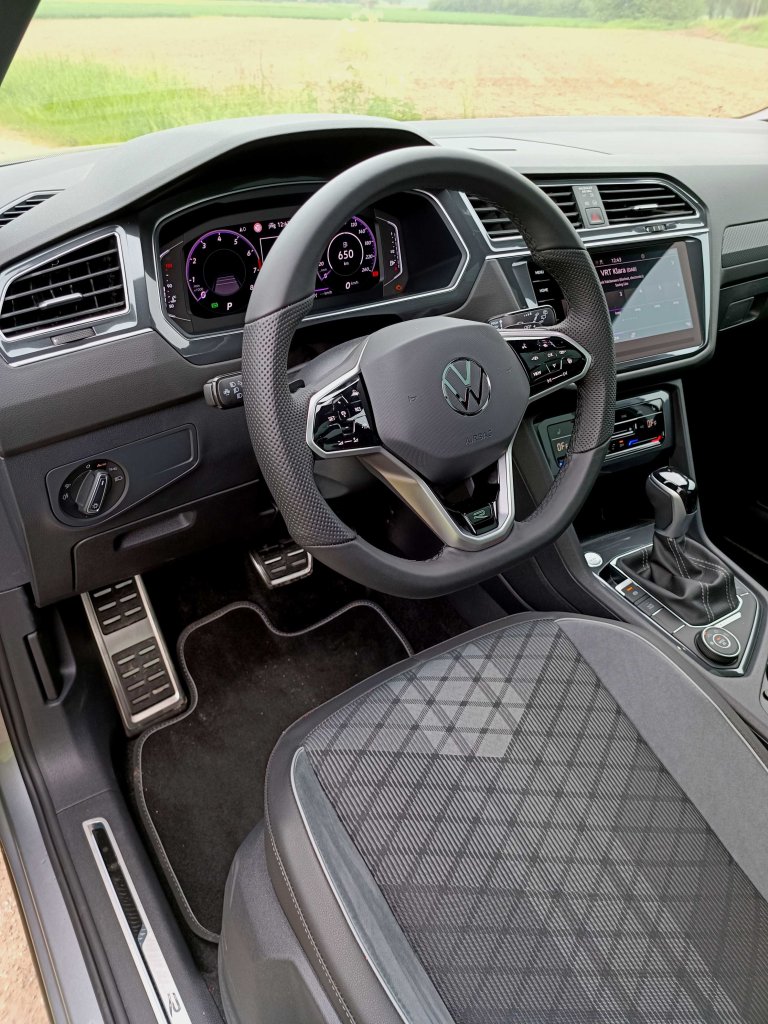
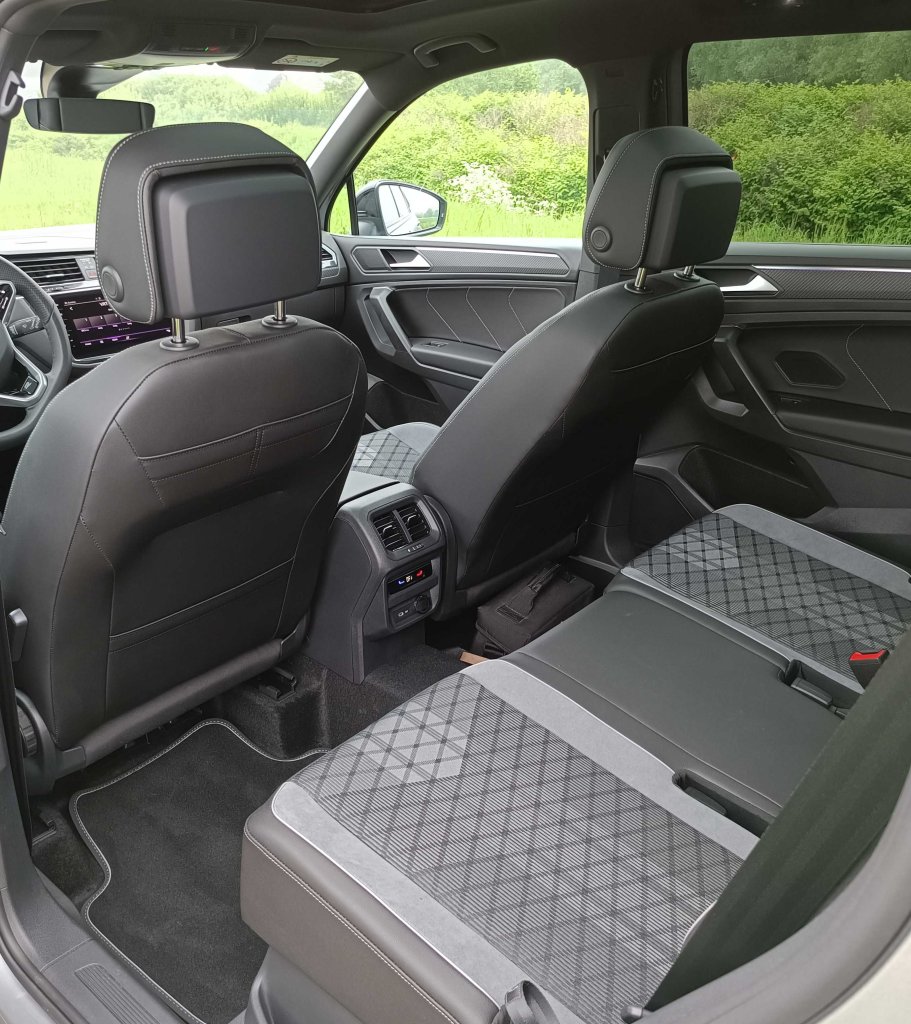
In the end, the scales tipped in favor of the Kia Niro…

We tested the Niro for You in these columns, here we show you a photo of our test. Just look further at https://autoprova.be/2023/01/03/we-drove-the-kia-niro-hybrid-your-smooth-and-stylish-companion/

More Kia news soon!

Hans Knol ten Bensel