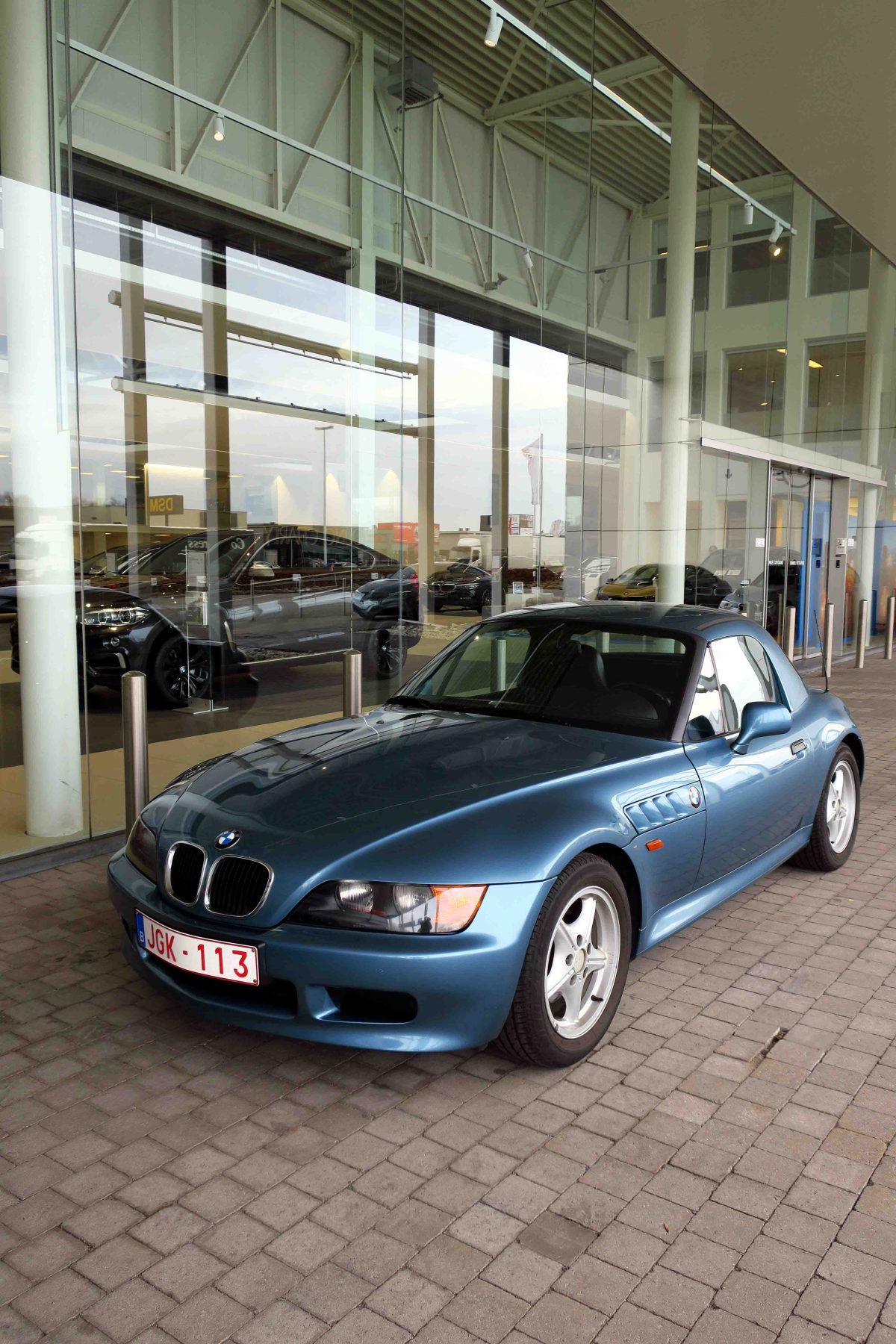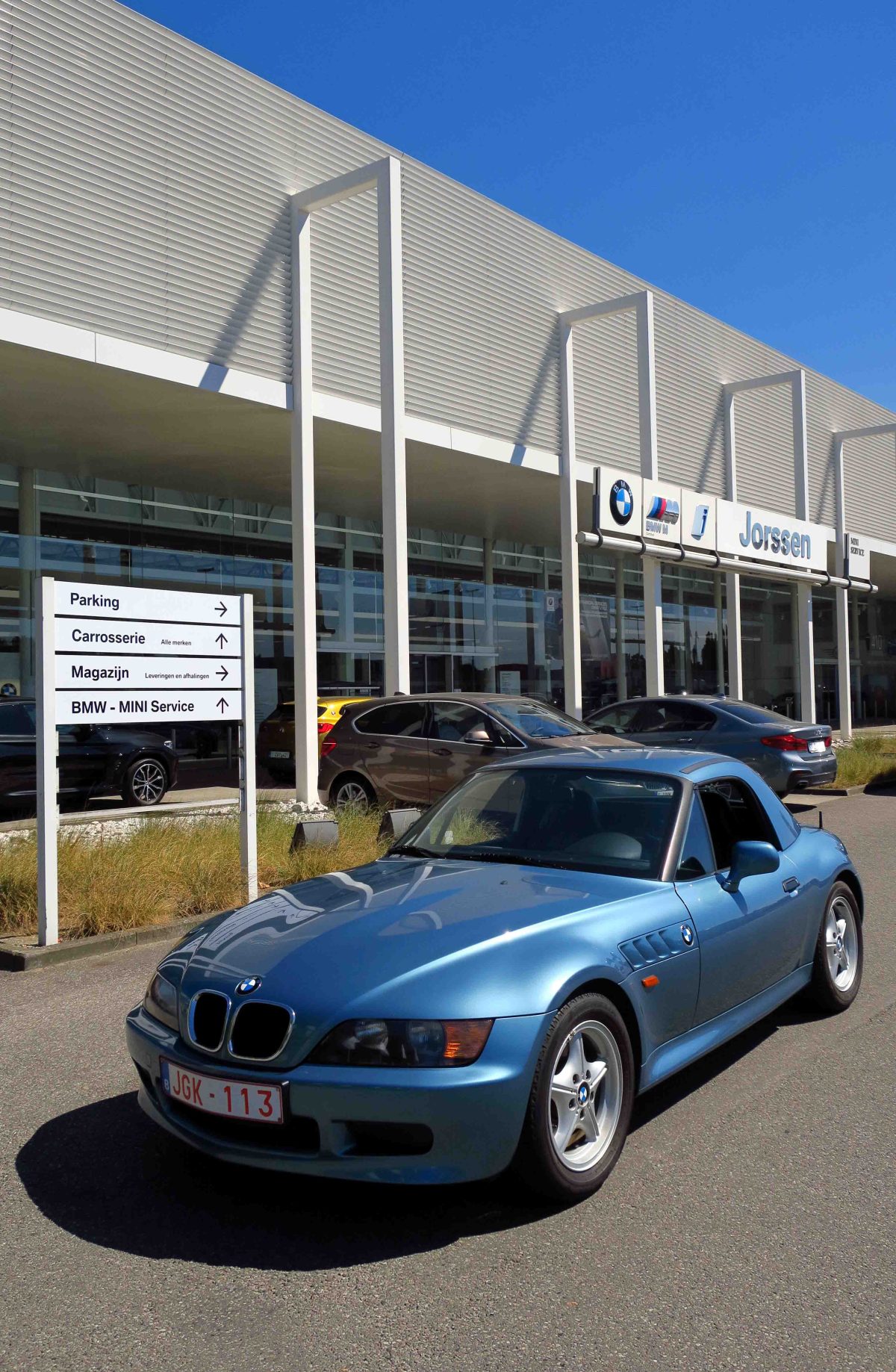
All is well again with our BMW Z3…

Ready again for beautiful drives in summer Sunshine… 

At the moment of writing, the experts at BMW Jorssen made a swift and expert repair and brought again a broad smile on our face: we are enjoying again undisturbed roadster pleasure in this magnificent summer weather we are having presently.

We suspected rightly some troubles with the master and/or slave cylinder, and we were rather optimistic in believing that bleeding of the system might solve the problems, but alas, when all hydraulic pressure is lost in the system, most of the time more serious things are amiss.
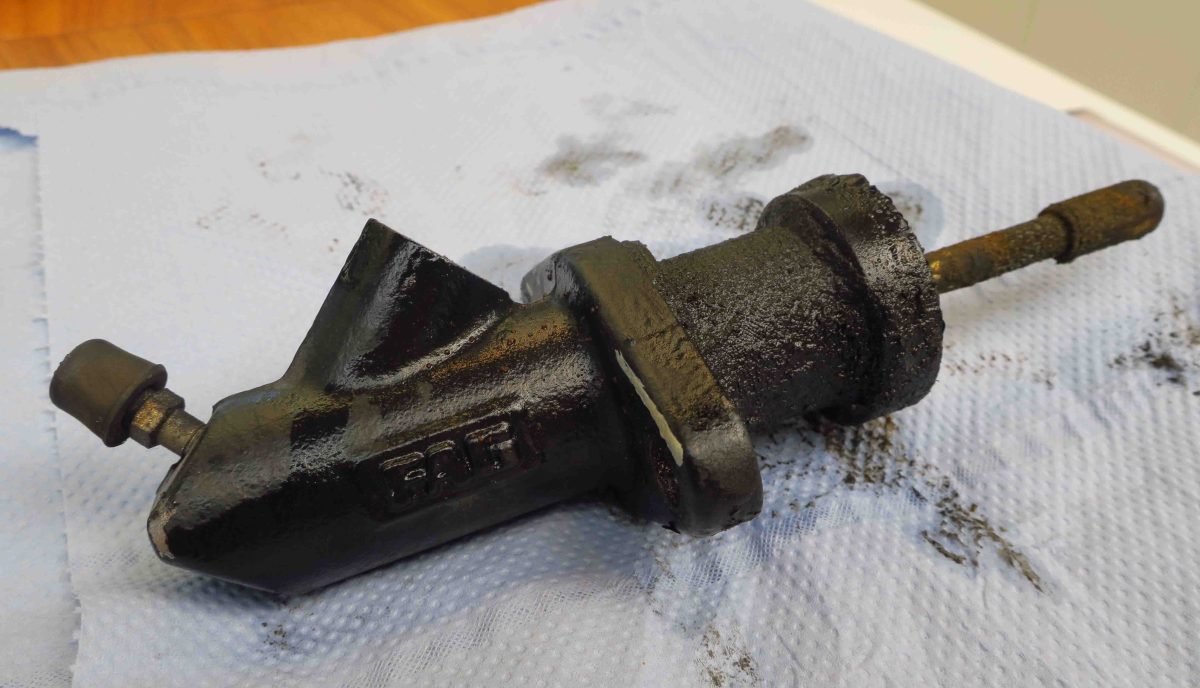
A broken and leaking FAG-made clutch slave cylinder was at fault… 

The experts at Jorssen soon discovered that the clutch slave cylinder was indeed badly leaking and faulty. This slave cylinder is attached with two nuts on the transmission and actuates the clutch. It is manufactured by FAG, which actually belongs to the Schaeffler Group. The FAG brand dates from 1905 and stands for “Fishers Aktien-Gesellschaft.”
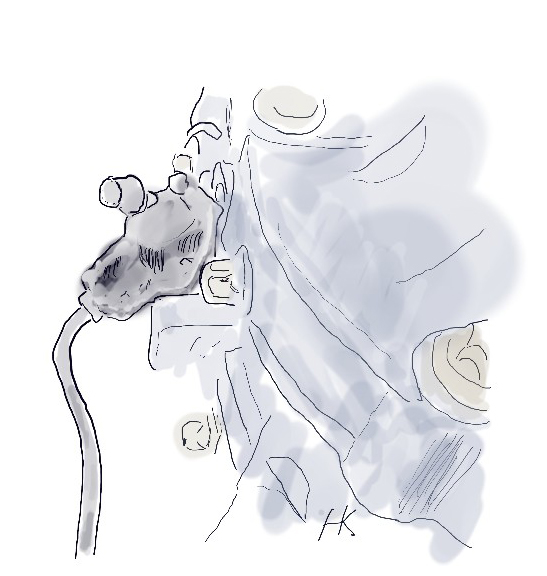
The clutch slave cylinder is bolted with two nuts on the tranmission… 

The two brothers Wilhelm and Georg Schaeffler who founded in 1946 INA in Herzogenaurach, took over FAG in 2002 and their firm now has grown to a worldwide giant – the second largest producer of needle bearings in the world – and manufactures amongst other things precision parts like needle bearings, hydraulic valve lifters, hydraulic variable valve timing systems. Did you know that the London Millennium Wheel (also called the London Eye), runs on two massive frictionless bearings made by FAG?

In 2003 LuK (clutches), INA and FAG form the “Schaeffler Group”. It is actually the largest German company which is still exclusively family owned.

But back to our BMW Z3. Because of the leakage, it was feared that some oil would have leaked on the clutch, but I never noticed anything indicating this, and indeed, fortunately the clutch functions perfectly and very progressively.

When the slave cylinder is removed, (see the two loose bolts) one sees clearly the hole where the cylinder is lodged, and where it pushes the clutch in open position with its pin. When mounting this cylinder, one has to be careful that this pin is perfectly centered

The repair bill was very reasonable indeed, with only 20,8 Euros charged for actually removing the old and mounting the new pump, with most of the work – costing almost 89 Euros – being involved in bleeding the hydraulic clutch system. The FAG slave cylinder itself set us back some 129 Euros. We indicate here that these prices here are ex VAT, so 21 % VAT had to be added.

Of course, the hydraulic brake fluid – DOT4 spec- was replaced, as the hydraulic system of the clutch takes its hydraulic fluid from the brake reservoir, and the people at Jorssen was even were so meticulous to also top up  coolant and windscreen spray fluid reservoirs.

The car was repaired in a day, so needless to say we were very pleased with the very swift service.

We will keep you posted, dear reader, on the further life of our Z3, and in the meantime we plan to contact the press officer in our country of the Schaeffler Group, with some questions about service life and eventual maintenance of their FAG clutch slave cylinders… we are very curious indeed!

Hans Knol ten Bensel


Our cars: clutch problems with our BMW Z3…

Our Z3 was towed to BMW Dealer Jorssen with a non functioning clutch…

A torn muscle prevented us for a while to drive our BMW Z3, and with things now having been cured after a necessary rest, it was now time for driver and car to take an exercise run again and flex our legs…

On another shakedown tour we noticed already that the gear changes were a bit difficult, and we decided to have another test today. Startup and the first kilometers were flawless, but at a roundabout the clutch refused all functions, and the pedal had a light, “dead” feeling, meaning indeed that the clutch did not separate at all anymore and hydraulic pressure was lost in the system, with the result that changing gears proved impossible.

It so happed (luck has it) that we were quite close – at walking distance – to the Jorssen dealer where we had brought the Z3 last time to have rubber items replaced and our glove box lock repaired, and so we went there, to hear that they provided no towing service. Fortunately, we are booked at KBC Bank Assistance Service, and they provided swift, kind and efficient help. They brought the car to BMW Jorssen, where it now awaits repair…

Most probably it will be necessary bo bleed the clutch system, as air in the clutch hydraulics can make the system quite stubborn to function, it at all. Bleeding the slave cylinder might do it, pushing in the piston manually with the bleeder valve open, then close it, let the piston come out again totally, then push again, open the bleeder and watch the hydraulic fluid come out. Repeat this several times, and resistance will increase, (which you will feel in your clutch pedal) until the air is out and the system is bleeded.

We will see what the experts will tell us! Of course, we will keep you posted!

Hans Knol ten Bensel


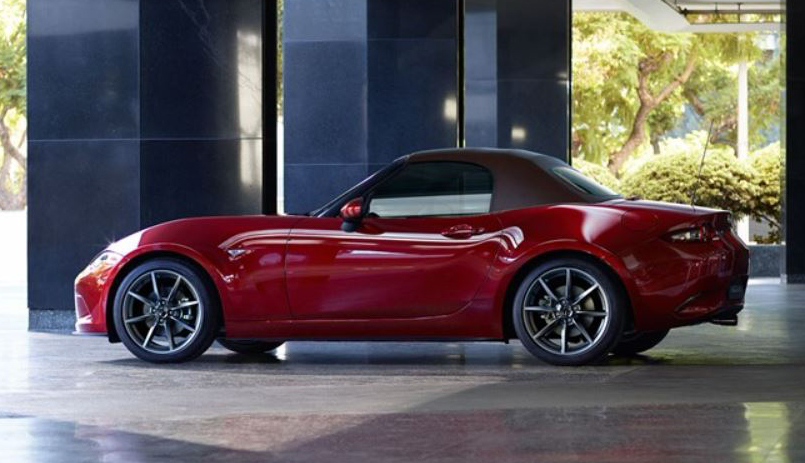
More power and zest for the Mazda MX-5 Roadster…

At the moment of writing we are driving the very entertaining and refined Mazda CX-5, and we hear from the dynamic PR-Manager Peter Gemoets that Mazda is launching an update of its bestselling roadster, enhancing the inimitable thrill of the Jinba Ittai driving experience.

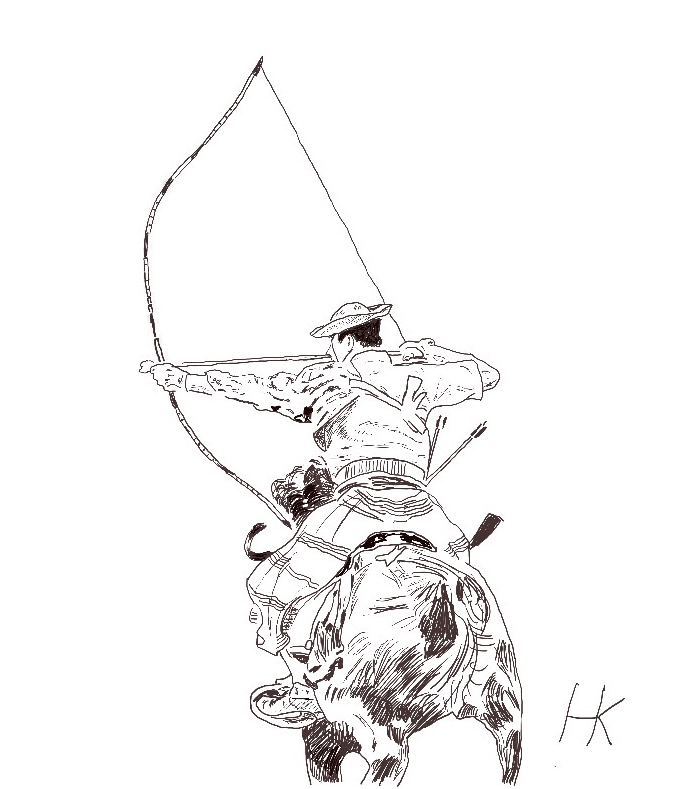
Jinba ittai, or the thrill of perfect unity between the horse and its rider with the arch… 

For those who are not familiar with this concept and do not know what it means, we tell you here that Jinba ittai (人馬一体, “person [and] horse [as] one body”) is a Japanese four-character compound, describing unity of horse and rider which is pertinent to Yabusame, Japanese mounted archery. We could not resist the temptation to make a drawing of one of those valiant warrior/riders with their big arches, galloping on their horses…

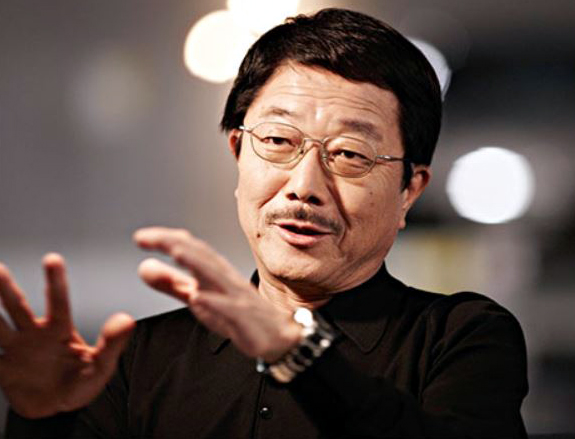
Hirotaka Kanazawa: “it all comes down to the relationship between the car and the driver”

A beautiful symbol, indeed evoking what Mazda is striving to reach with its CX-5, namely the unity between the driver and its four wheeled mount, the MX-5. As we told you already in our test report of the MX-5, it is one of those cars which delivers you tons of driving pleasure. This is also precisely what people like Hirotaka Kanazawa, the managing executive officer of Mazda Japan, and responsible for car development, tells us: “we firmly believe that when we make a fantastic car, it all comes down to the relationship between the car and the driver”. We show you here his photo, and an image taken in the research and development department, where the all important relationship and “feel” is tested between steering wheel and gear lever…

The “feel” of the car with your hands on the wheel and the gearlever… this is what they test at the Mazda development centre… 

The 1.5 and 2.0-litre SKYACTIV-G petrol engines have further improved combustion and greater torque now, and comply with new WLTP/RDE test cycle, meeting Euro 6d Temp emission regulations. Both powertrains benefit from refined acceleration control to minimise lag between throttle applications and vehicle response.

The SKYACTIV-G 2.0 engine is now higher-revving and acoustically further tuned, with maximum engine speed raised from 6,800 to 7,500 rpm, maximum horsepower increased from 160 to 184 PS @ 7,000 rpm, and maximum torque from 200 to 205 Nm @ 4,000 rpm.

Five new i-ACTIVSENSE safety technologies are also introduced: Advanced Smart City Brake Support which detects vehicles and pedestrians ahead and helps avoid collisions, and Smart City Brake Support (Reverse) which detects vehicles and obstacles behind, as well as Driver Attention Alert, a Traffic Sign Recognition System and a Rear View Camera. This we also enjoy now in the new CX-5 we are testing.

The award-winning KODO-Soul of Motion design is further enriched through a darker paint finish for both 16″ and 17″ alloy wheels, and the eye is further seduced with the availability of a new brown canopy colour for soft-top models.

Hans Knol ten Bensel


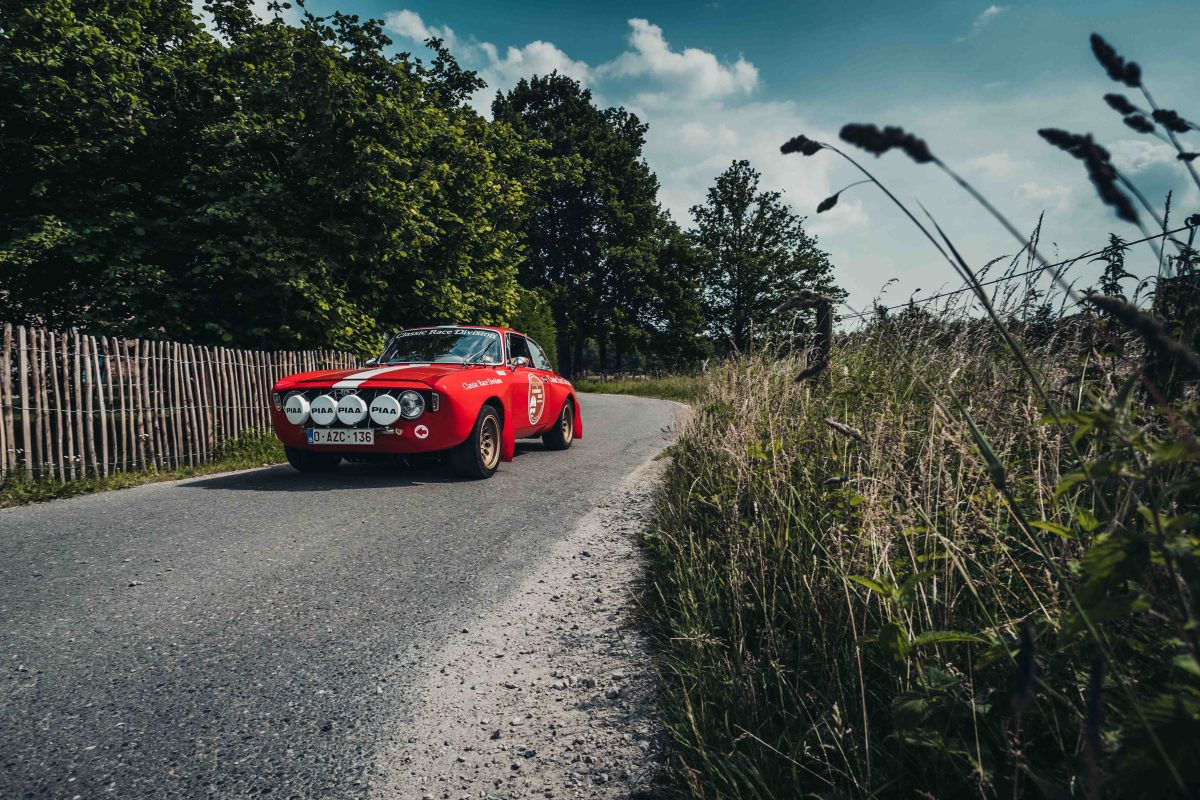
The first ‘Collection By Vermant’ Rally proved a success…

I would have loved to participate with my pristine BMW Z3 youngtimer to this event, but the last sequels of my torn muscle prevented me, alas. Things are now rapidly improving healthwise, and I really can hardly wait to drive my Z3 roadster into the sunshine again, just another few weeks of patience…

In the meantime, this rally proved a success. The route went through the Flemish Limburg fruit region, and was indeed fully subscribed with 50 participants. Undoubtedly, next year the number of participants will be still larger…

The Collection by Vermant concept, which as faithful readers know was launched three months ago at the Antwerp Classic Salon, has literally a flying start.

The workshop under the direction of specialist and operational manager Ruben Bosch is humming along, and the enthusiast with a warm heart for classics can discover now in the brand new showroom at the Generaal De Wittelaan in Malines an exquisite collection of cars for sale.

Bringing together passionate classic car lovers and clients is wat the Collection by Vermant wants to do. Just have a drink at the bar in the showroom and discover what they can do and mean for you…

We show you here the photos of the event, with some interesting cars indeed…

Hans Knol ten Bensel

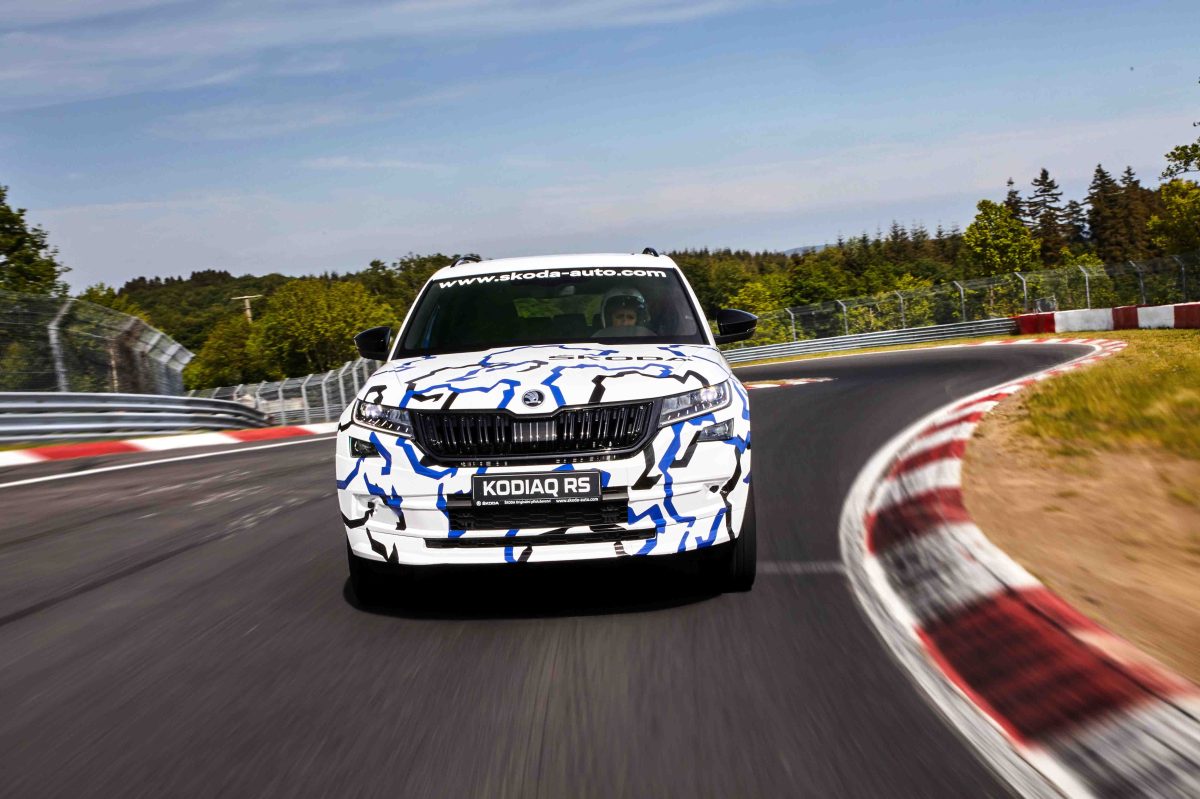
New Skoda Kodiaq RS sets record lap at Nürburgring… and we compare it to racing history!

Sabine Schmitz, a born and bred Nürburgring driver, the daughter of the innkeeper/hotel owner at the famous Eifel circuit, who started driving/racing around the “Green Hell” as a teenager, went behind the wheel of the brand new RS version of Skoda’s big seven seater, and put her unique racing driver talents and Ring experience to work.

There is of course a magnificent You tube film about her 9:29.84 minute drive, of which we give you a link in this column. We decided to put this performance in an historical perspective, and more specifically how does this compare to the performances of the Grand Prix and sports drivers and cars of the fifties?

Read more and be surprised…

Hans Knol ten Bensel

Continue reading “New Skoda Kodiaq RS sets record lap at Nürburgring… and we compare it to racing history!”

Alfa Romeo wins historic Mille Miglia 2018

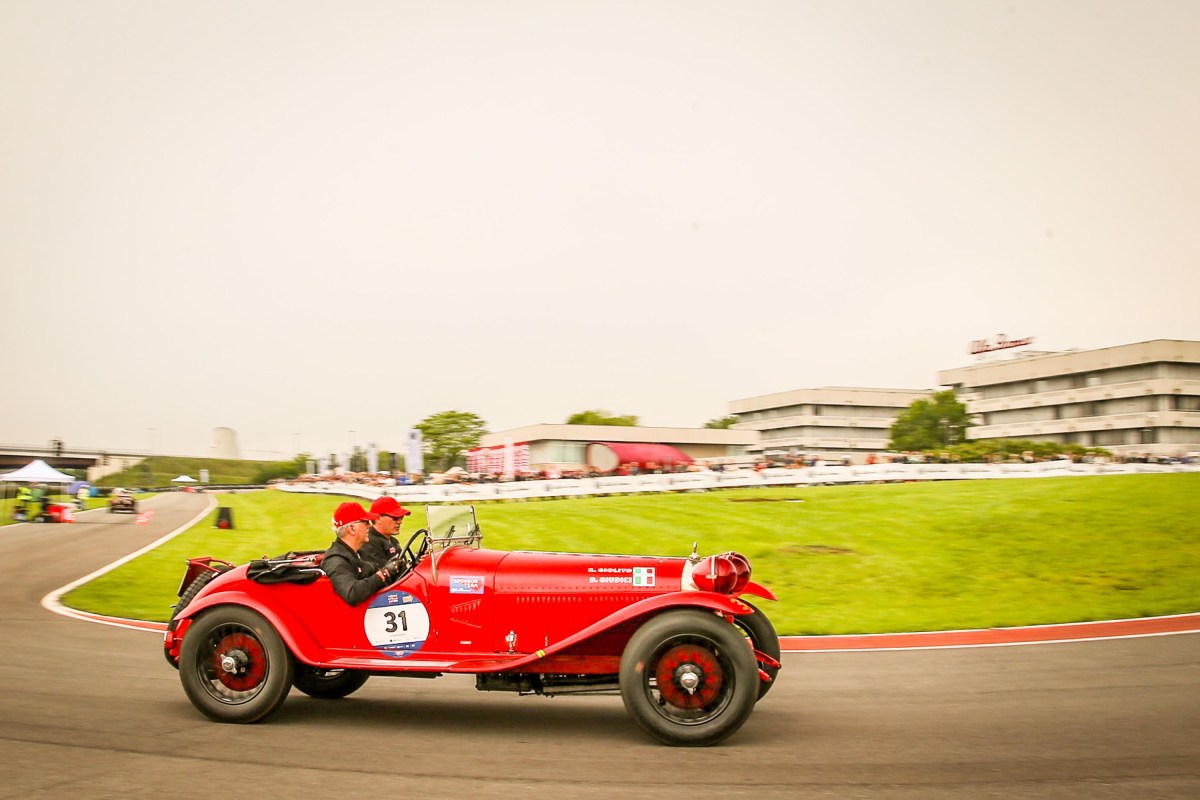
Here you see GIOLITO Roberto and GIUDICI David, Starting number 31, in their 1930 Alfa Romeo 6C 1750 GS… on the grounds of the Museo Storico, during the event.   

As we told your earlier, dear reader, Alfa was present in strength at the latest edition of this beautiful event. The course led even to the Museo Storico grounds, and the Alfa’s which participated were equally breathtaking. Indeed, the race caravan paid a celebratory visit to the Museo Storico Alfa Romeo at Arese, where time trials were held on the internal circuit.

But besides meticulous cars, it also pays of to prepare yourself thoroughly for this regularity event. Know the course and the stages very well, and train yourself in driving to the (hundreds of a )second.

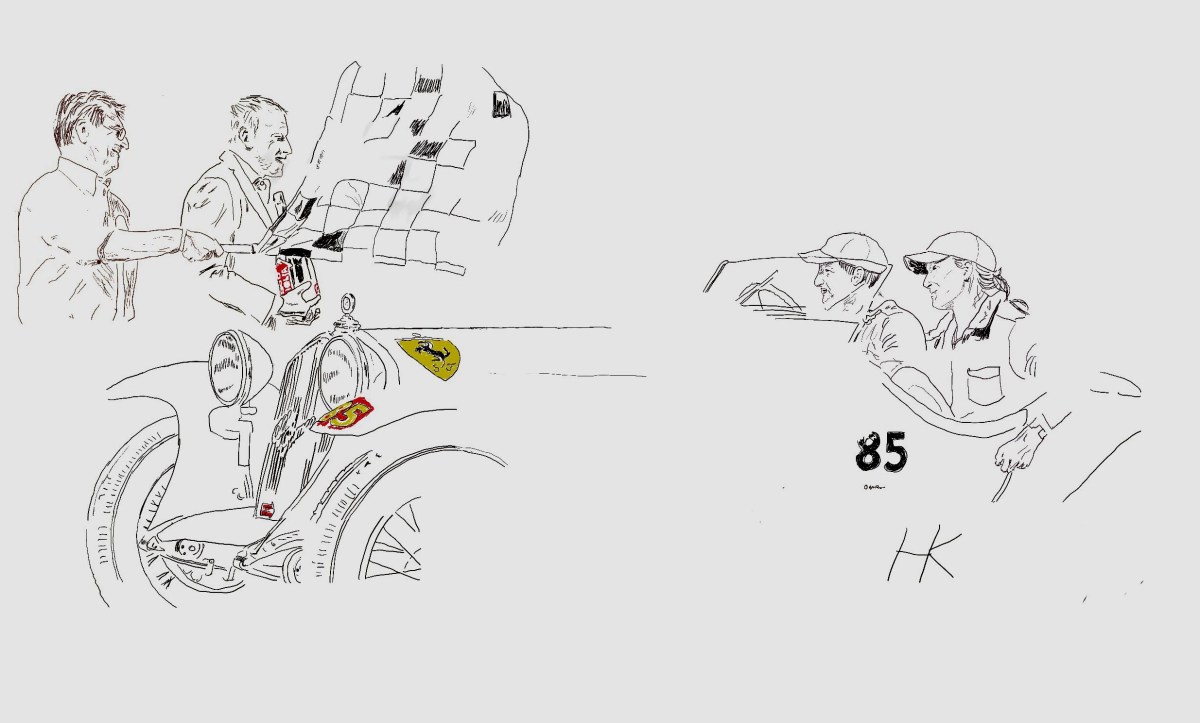
Here you see my drawing of the winners, receiving the chequered flag . For a better view, press ctrl + to or pinch enlarge it… 

This is what the winners did, TONCONOGY Juan and RUFFINI Barbara, in their 1933 ALFA ROMEO 6C 1500 GS “TESTA FISSA”, starting number 85. You see them here on my drawing here joyously receiving the finish flag, with the second official presenting already the coveted champagne bottle. Miss Barbara Ruffini is already holding her left hand on the door to jump out of the car and collect her winner’s prizes.

This was not the only success of the formidable Alfa’s.

In second place, just eight penalty points behind the victor, there was the stunning 6C 1500 Super Sport dating from 1928, with coachwork by Stabilimenti Farina. This was an official car from the FCA Heritage collection, which is normally on display at the Museo Storico Alfa Romeo, driven by Giovanni Moceri with co-driver Daniele Bonetti, with starting number 30. See here the photo above.

In third place, the 1929 Alfa Romeo 6C 1750 SS Zagato of Vesco-Guerini, starting number 39.

It is very touching to see that 50 years after their 1928 victory, an Alfa is again on the winner’s podium in this iconic Mille Miglia.

I couldn’t resist making a drawing of the glorious moment when the winners drove on the podium, and present you also some more photos of the other winners and Alfa’s in the Mille Miglia 2018…

Hans Knol ten Bensel

Ettore Bugatti and his son Jean: two creators of a legend…

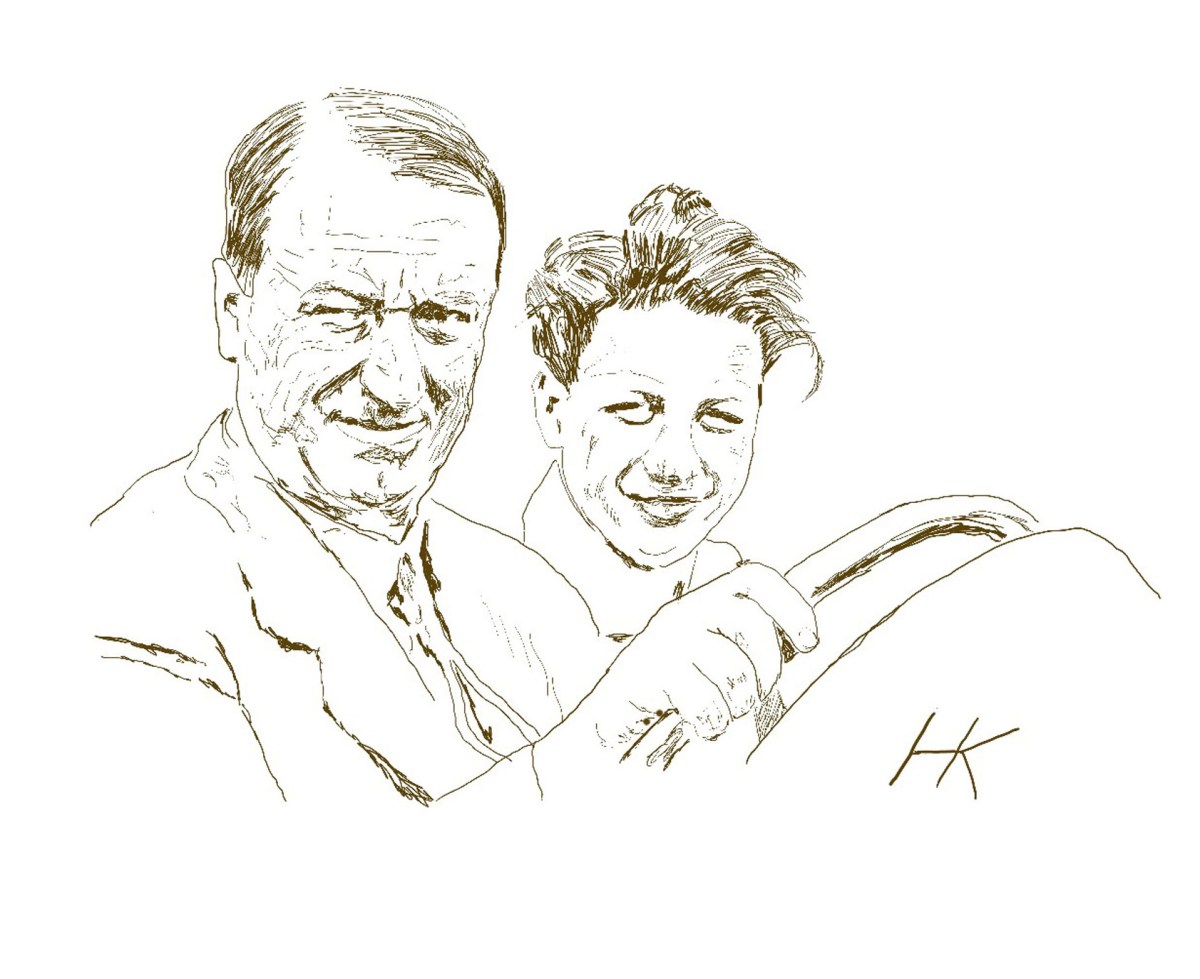
Having drawn the magnificent Bugatti engines, one is of course also fascinated by its creators. So I decided to make some detailed and realistic pen drawings of father and son – Ettore and Jean – on important occasions. The young Jean sits next to his father in 1924 at the Lyon Grand Prix, in a type 35. His father is then 43, and Jean is 15…

Ettore Bugatti was to shape automotive history forever – with his formidable artistic and technical genius. He was born on 15 September 1881 in Milan, into a very artistic family. His father was an important Art Nouveau furniture and jewelry designer, his brother Rembrandt Bugatti a sculptor, his grandfather an architect and sculptor.

Ettore turned his interest to cars. In 1909, his son Jean was born, and in that same year Bugatti established his legendary automobile company, Automobiles E. Bugatti, in 1909 in the then German town of Molsheim in the Alsace region. He had married Barbara Maria Giuseppina Mascherpa. Besides Jean, the marriage produced two daughters, L’Ébé in 1903 and Lidia in 1907, and another son, Roland in 1922.

Of course, son Jean was soon to follow in his father’s footsteps. Jean designed in de mould and tradition set by his father the Bugatti’s Type 50 and 51 and the stunning Bugatti 57, with their beautiful twin cam engines. When Jean reached the age of 27, Ettore retires, and leaves the factory and its management to Jean. Unfortunately, the kind and genial Jean kills himself on 11 august 1939 behind the wheel of the 57C which had just won Le Mans,  running at more than 200 km/h against a platan on a country road in Duppingheim.


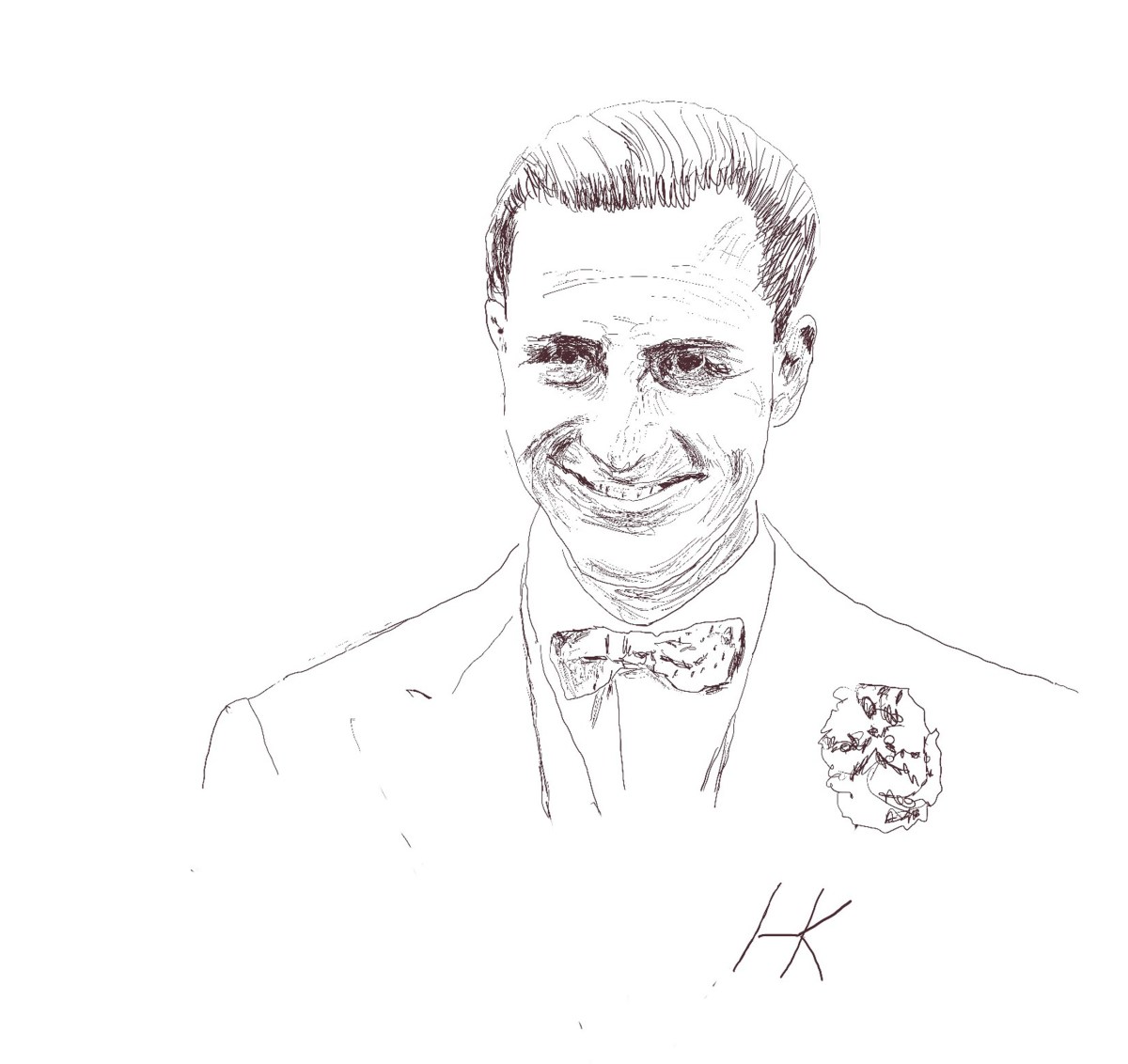
I drew this charming and very elegant man here when he was 23.

Since then, things went downhill for Ettore and the famous brand. World War II ruined his factory in Molsheim, and his wife Barbara died in 1944. But Ettore Bugatti remarried in 1946, to Geneviève Marguerite Delcuze. This union and marriage had produced already a daughter, Thérèse in 1942 and later a son, Michel in 1945.

Ettore was also a lover of horses and yachts. He had bought a magnificent one after the war, but contracted the flu while visiting it at the wharf.  Having contracted pneumonia, he subsequently went into a deep coma. He was almost certainly unaware of the court decision whereby his property in Alsace, which had been confiscated by the state as retribution caused by his Italian origins, were restored to him on 20 June 1947: Ettore Bugatti died just over two months later, on 21 August without having recovered consciousness.

Hans Knol ten Bensel


Ultimate beauty: the pre-war Bugatti twin cam engines…

Bugatti engines have, like the cars, been wonderfully designed and built since the birth of the “marque”. They are designed like true sculptures, and Ettore Bugatti paid great attention not only to the mechanics itself, but also how they looked from outside. The external surfaces were also buffed especially in a circular pattern, just like the cockpit and dashboard panels.

His son Jean Bugatti continued the tradition of unique panache and style. Not only did he design magnificent factory made bodyworks, he also helped develop magnificent twin cam Bugatti engines which saw light in the thirties.

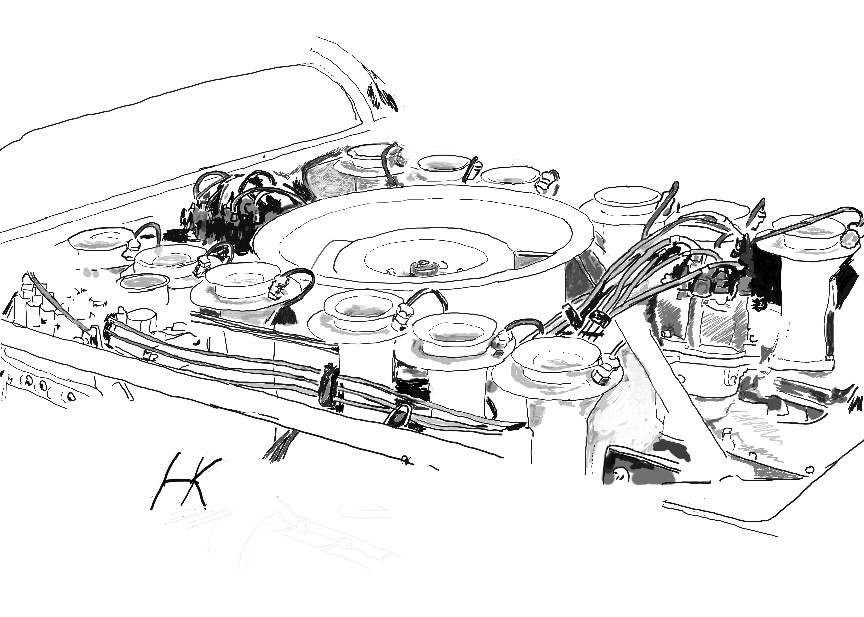
The twin cam version was seen amongst others in the Type 51 Racing car, which made its debut in 1931. This formidable engine, which I drew here in ink, enhancing it with some water color touches, was the 160 hp (119 kW) twin overhead cam evolution of the supercharged 2.3 L (2262 cc/138 cubic inches) single overhead cam straight-8 found in the Type 35B racing car.

This car, contrary to the 35 biposto, was to be very rare indeed: only some 40 examples of the Type 51 and 51A were build.

On my drawing, one clearly sees the compressor, and its small circular waste gate with its …. openings which protruded outwards at the bottom of the louvered right side of the foldable engine bonnet.

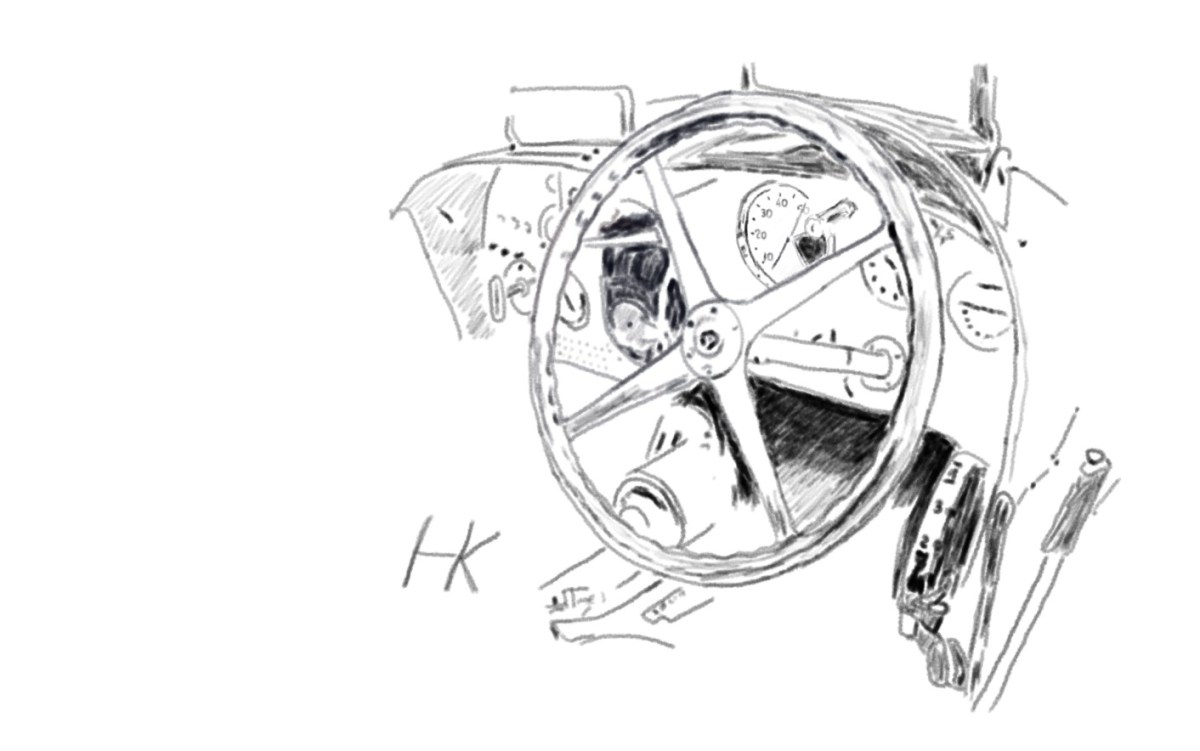
The pencil drawing – I used the 2B grade – shows the cockpit of the 51 “Voiture de Course”, with a very rare Cotal preselector gearbox. This was a manually controlled epicyclic box, as similar construction as the famous Wilson box. The difference is that instead of band brakes, it used electromagnetic clutches. Drivers could preselect the lower or higher gears under braking before or accelerating out of a corner, and it was seen on other French thoroughbred racing cars, like the Talbot Lago 4,5 liter monoposto for instance.

Twin Cam engines are also to be found on the type 57, and later variants (including the famous Atlantic and Atalante) was an entirely new design created by Jean Bugatti.

A lot more can be told about Bugatti’s, the cars and their creators, and as this drawing series is only beginning, you are in for much more in the future… stay tuned!

Hans Knol ten Bensel


Legendary Porsche engines: the V12 engine of the 917…

In October 1967, the FIA decided to raise the capacity limit for Constructors’ World Championship sports racing cars from 3 to 5 liters for the ‘68 season. Porsche had so far competed successfully with its 3 liter 908. But now things were to change drastically. Ferrari was immediately preparing 5 liter cars, and Porsche had to follow soon.

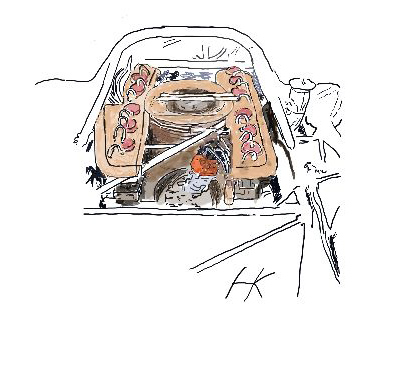
We show you here on my pen drawings the engine in its early 4,5 liter configuration…with both cylinder banks being tucked away in the chassis,  only the induction pipes and cooling turbine are clearly visible.  

The result was the 917. In July 1968, development started. Initially, the capacity was limited to 4,5 liter for a very good reason: one could use the same cylinders, pistons, conrods, valves, cylinder head and combustion chamber dimensions, ignition and injection systems as the well proven 8 cylinder 3 liter racing engine of the 908. A sound basis to start with. The chassis was also mainly based on the 908.02. And so on March 13, 1969, the 917 was unveiled at the Geneva Motor Show. The price of this racing car: a mere 140.000 Mark, and already at the end of April the necessary 25 units for homologation by the CSI commission were built. It is no secret that the whole cost for Porsche of building the 917 and its racing preparation boiled down to 350.000 Mark per car…

The biggest early success was the Le Mans win on 14 June 1970, with Hans Herrmann/Richard Attwood in the 917 short tail painted in the red and white Porsche Salzburg colors.


The engine is air cooled with two flat cylinder banks, four overhead cams and fuel injection. As said, bore and stroke of 85 x 66 mm were identical to the 908. Power was taken from the center of the crankshaft, through a straight cut 31 tooth gear. The engine block was made from magnesium alloy, and the engine was cooled through an axial turbine with 33 cm diameter, able to push through 2700 liters of air per second at max. power rpm of 8400 rpm. Of course, there was a newly developed 12 port injection pump. Maximum power was 460 HP, with a massive 50 mkg torque being available at 6800 rpm.

In April 1970, engine capacity was already enlarged from the initial 4494 cc to 4907 cc, with now 86 mm bore and a lengthened stroke from 66 to 70,4 mm. 600 HP were available at 8400 rpm, torque being also raised to 56 mkg.

Later on, turbo versions were to follow, and the most powerful version of this magnificent engine was the 5374 cc version which made its appearance in 1973 in the Can Am 917/30 Spyder, delivering 1100 HP at 7800 rpm, torque being 112 mkg at 6400 rpm.


Hans Knol ten Bensel
The Mercedes star shines again in the Mille Miglia 2018…

The love affair between the three pointed star and the Mille Miglia is now nine decades old.

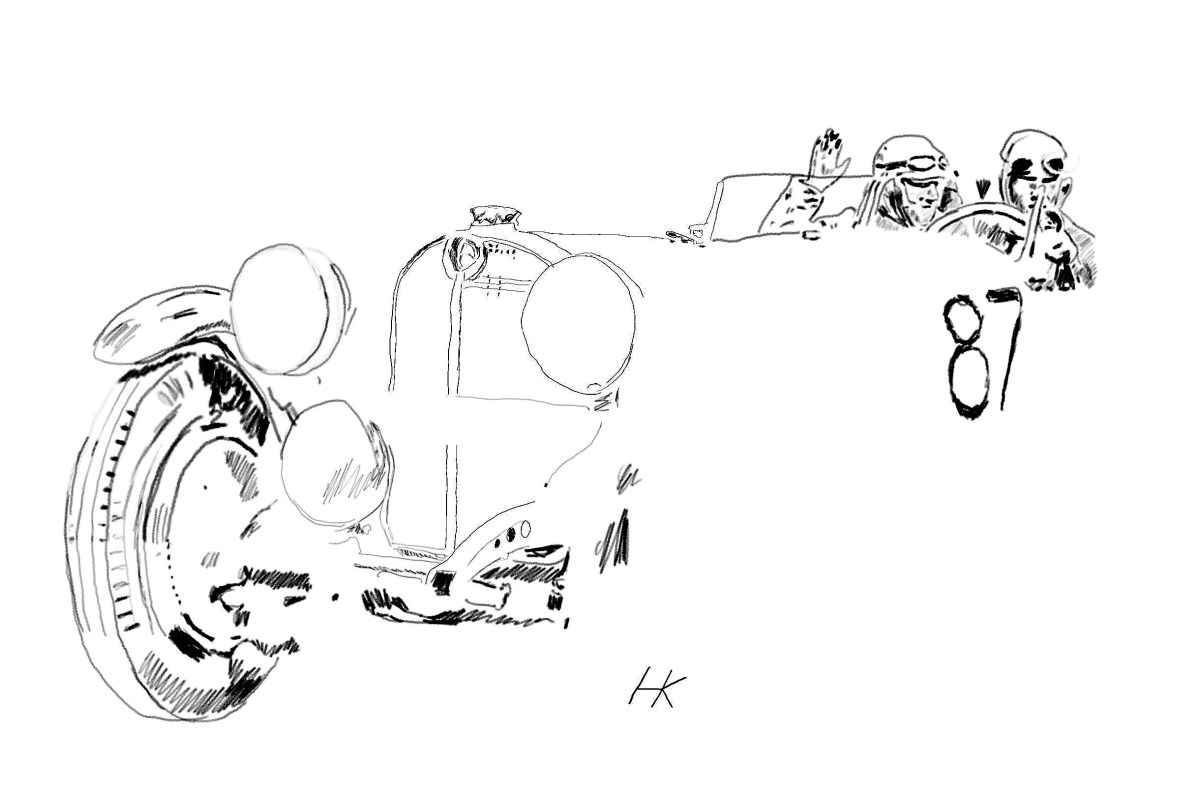
The legendary successes include the victory of Rudolf Caracciola as the first non-Italian driver in 1931, with his co-driver Wilhelm Sebastian in a Mercedes-Benz SSKL (“Super Sport Short Light”). I included here my drawing based on the historical photo taken at the finish, drawn with ink pen and 2B pencil, focusing on the drivers, bringing them more in detail.  

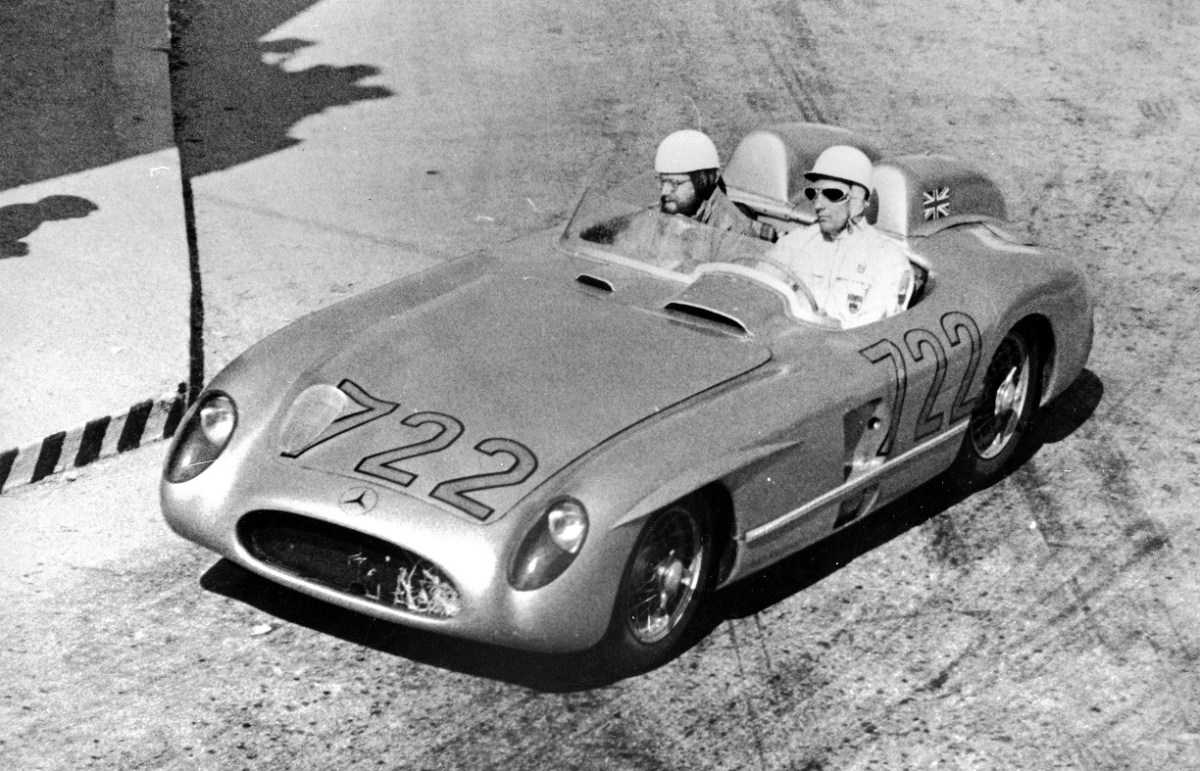
Then there is the sensational success of Stirling Moss and Denis Jenkinson in 1955, with the overall victory and a still unbeaten record time of 10 hours, 7 minutes and 48 seconds. In 1955 Stirling Moss and Denis Jenkinson drove the 300 SLR racing sports car (W 196 S) to overall victory ahead of their team mate Juan Manuel Fangio.


Mille Miglia 1955: Stirling Moss and Denis Jenkinson on the way to overall victory in a Mercedes-Benz 300 SLR racing sports car (W 196 S), with the best time ever achieved in the Mille Miglia, 1 May 1955.

Also triumphant were the 300 SL “Gullwing” sports cars (W 198) in the Gran Turismo class over 1,300 cc displacement, and the 180 D (W 120) won a victory in the diesel class.

In 1956, in addition to several 300 SL “Gullwing” cars and three luxury class saloons of the 220 “Ponton” (W 180) model, a privately entered Mercedes-Benz 190 SL (W 121) also competed successfully in the race.


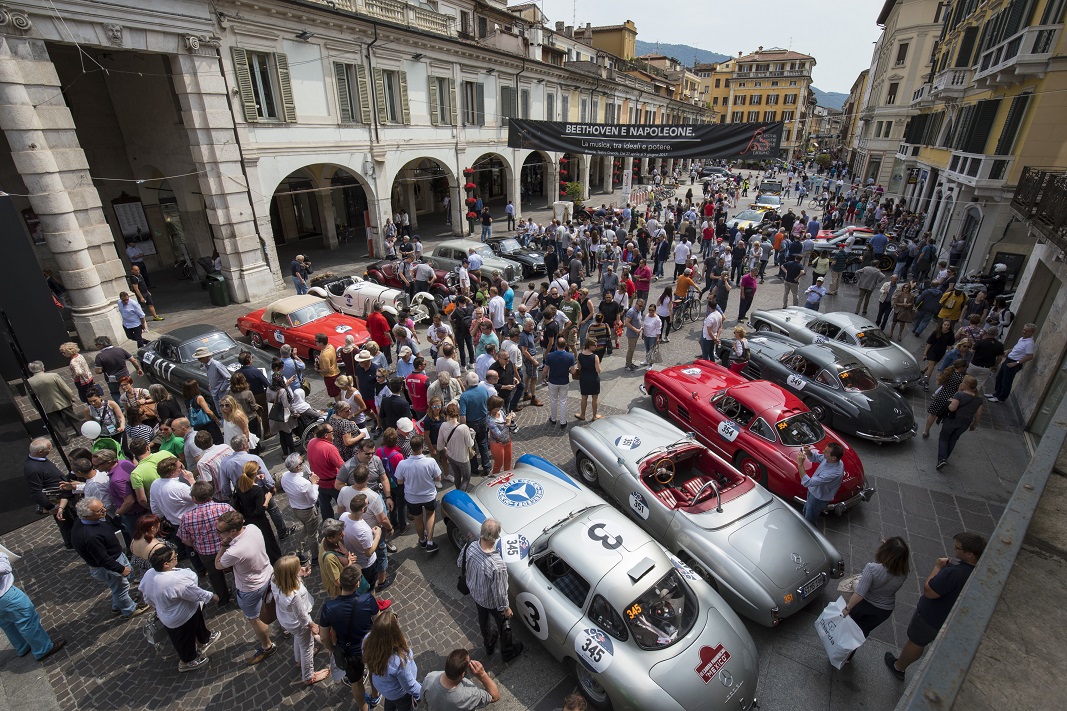
Mille Miglia 2017: Mercedes-Benz Classic cars. Left to right: 300 SL racing sports car (W 194), 190 SL (W 121), 300 SL “Gullwing” Coupés (W 198). Stage from Brescia to Padua, 18 May 2017.

In 2018, a large contingent of the Mercedes-Benz models SSK (W 06), 300 SL “Gullwing” (W 198), 190 SL (W 121) and 220 “Ponton” (W 180) vehicles will be lining up at the start in Brescia. Among others, Mercedes-Benz Classic brand ambassadors Roland Asch, Ellen Lohr, Bernd Mayländer and Bernd Schneider will be at the wheel of the vehicles.


Mercedes-Benz Classic at the Mille Miglia 2017. Ellen Lohr in a 300 SL “Gullwing” (W 198, built from 1954 to 1957).

Today’s version of the “1000 Miglia” is run on a route which closely follows that of the original road race. This year, the first stage (16 May 2018) will lead from Brescia to Cervia-Milano Marittima, and then on to Rome on the second day (17 May). The route to Parma is on the agenda on the third day (18 May), before the rally returns to Brescia on the fourth day (19 May). Entry is restricted to vehicle models that already participated in the famous Italian road race during the period from 1927 to 1957.

Museo Mille Miglia: Public starting ramp with famous racing cars


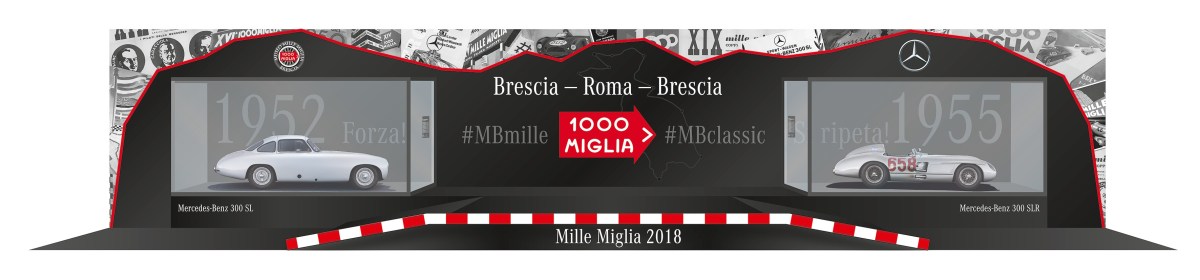
Public starting ramp with famous racing cars: Special exhibition of Mercedes-Benz Classic in the courtyard of the Museo Mille Miglia, Brescia, 10 May to 21 June 2018. Visualisation of the installation. At left, the 300 SL racing sports car (W 194, 2nd and 4th place in the Mille Miglia 1952), at right the 300 SLR (W 196 S, 1st and 2nd place 1955).

The ties between the brand and the racing tradition are also underlined by the cooperation between Mercedes-Benz Classic and the Museo Mille Miglia in the historical monastery complex of Sant’Eufemia della Fonte just outside Brescia.


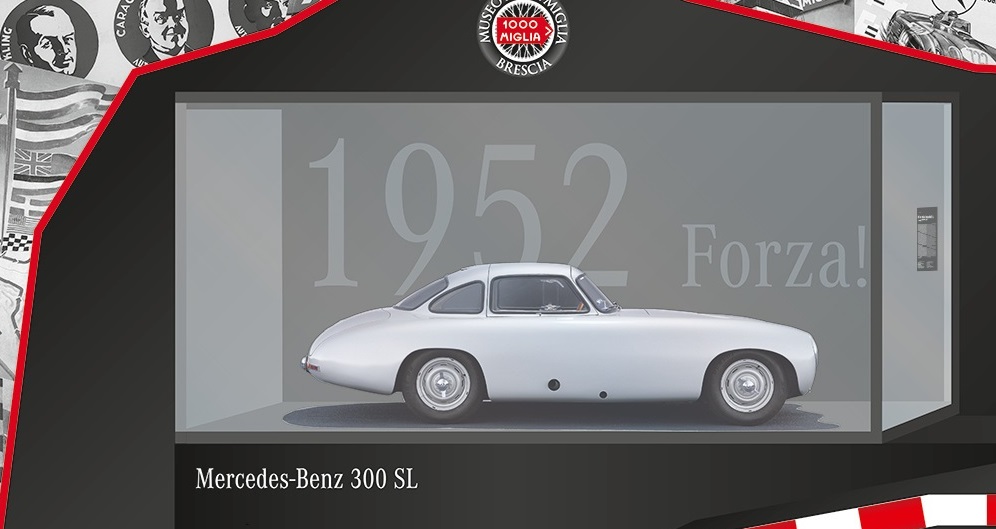
Detail of the left side of the starting ramp, with the 300 SL racing sports car (W 194, 2nd and 4th place in the Mille Miglia 1952).

This year, Mercedes-Benz is putting on an extraordinary special exhibition in the courtyard of the museum: every visitor can drive his vehicle on a starting ramp as is typical for the Mille Miglia. He can position his vehicle for a photo between two famous Mercedes-Benz racing cars which caused a sensation at the Mille Miglia with their successes: the 300 SL racing sports car (W 194) from 1952 (2nd and 4th place) and the 300 SLR (W 196 S) from 1955 (1st and 2nd place).


Mille Miglia 1952: Premiere of the Mercedes-Benz 300 SL racing sports car (W 194). The team Rudolf Caracciola / Peter Kurrle (start number 613) finishes in 4th place, 3/4 May 1952.

This staging can be seen and used from 10 May to 21 June 2018.

Mercedes-Benz “1000 Miglia Challenge 2018”

Apart from the actual competition, this is also down to programme items such as the Mercedes-Benz “1000 Miglia Challenge 2018”.

The participants in the Mercedes-Benz “1000 Miglia Challenge” will drive ahead of the classic cars on the same route and will compete in the same special stages. Vehicles permitted to take part in the Challenge are Mercedes-Benz SL models of various generations and vehicles from Mercedes-AMG plus models of particular historical value from the product history.

Hans Knol ten Bensel