We drove the Opel Mokka Hybrid: the bestseller with lightning style and panache…  

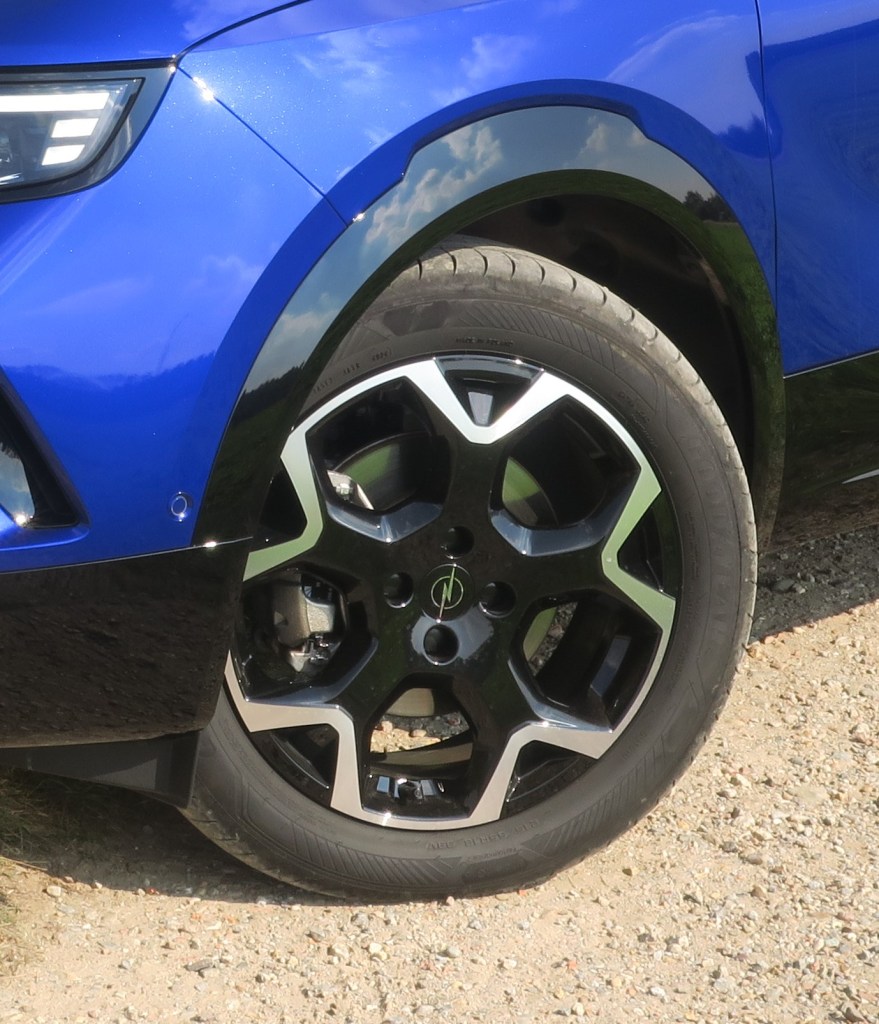
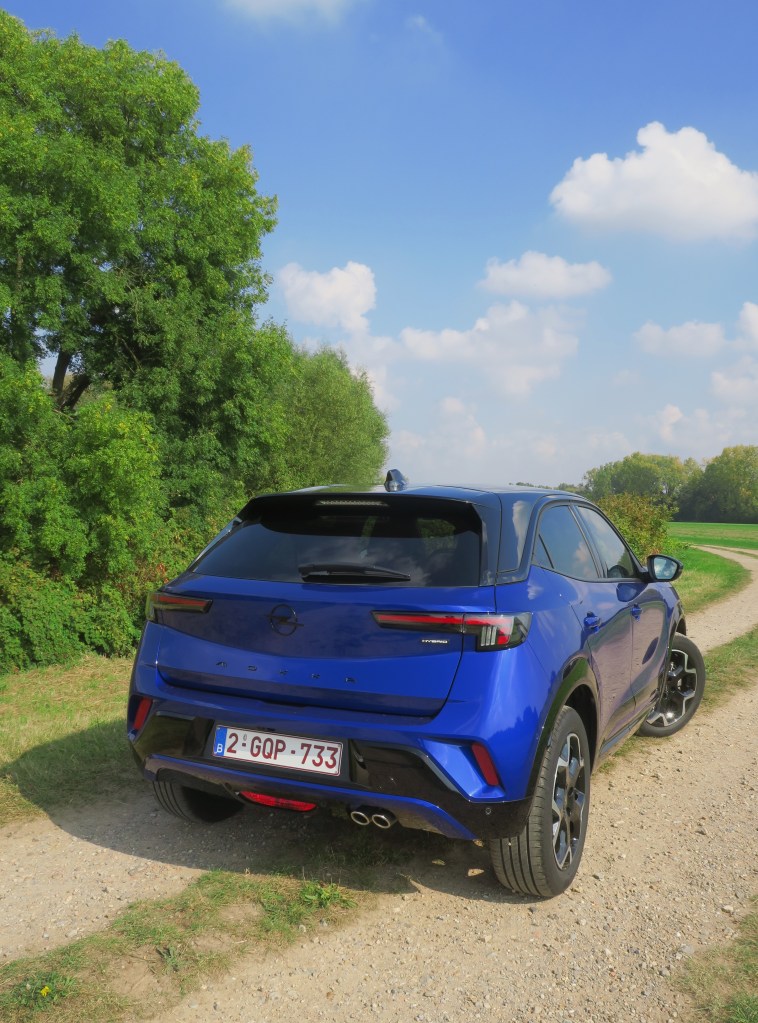
The Opel Mokka, one of the bestsellers in the Opel range, has got a facelift combined with some important technical refinements. More than reason enough to put the hybrid version through its paces for you here.  It was the first Opel to receive the now iconic characteristic brand fascia, the so-called “Opel Vizor”, and now it got even more character: with the facelift the black Vizor visually integrates the new Blitz and the headlights into one element. Black elements are decidedly en vogue: a black design line runs from the bonnet to the rear above the side windows. Black claddings at the front, rear and wheel arches also give a more sporting look.
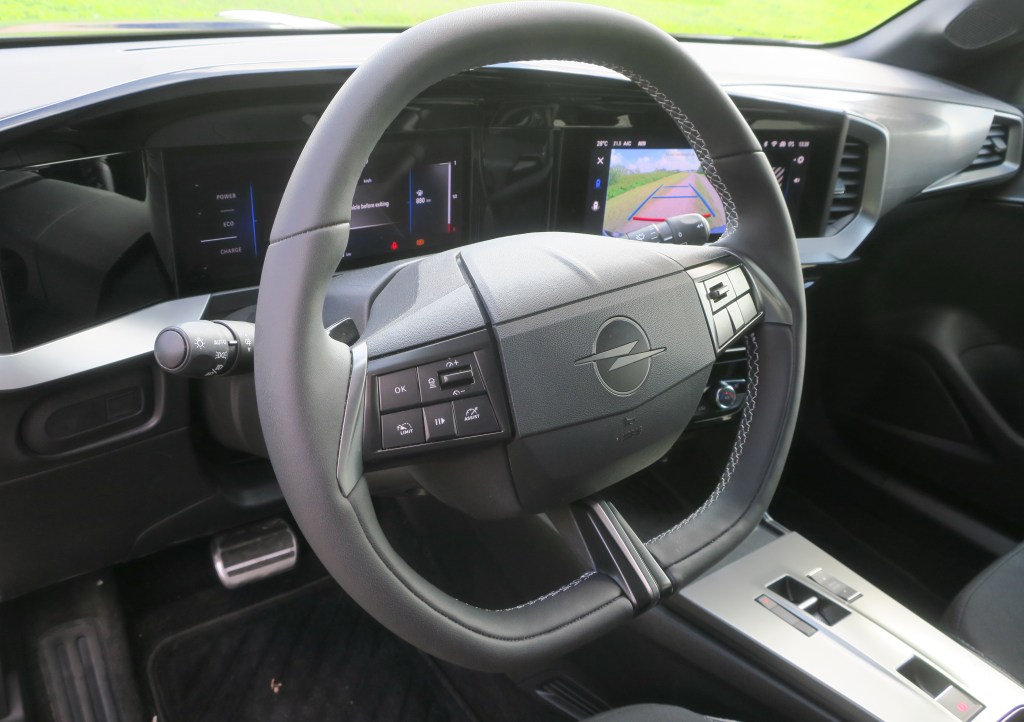
Also in the cabin things have further improved. First of all, there is a new steering wheel, flattened at the top and bottom and made from vegan material, with the new Blitz emblem proudly at the centre.

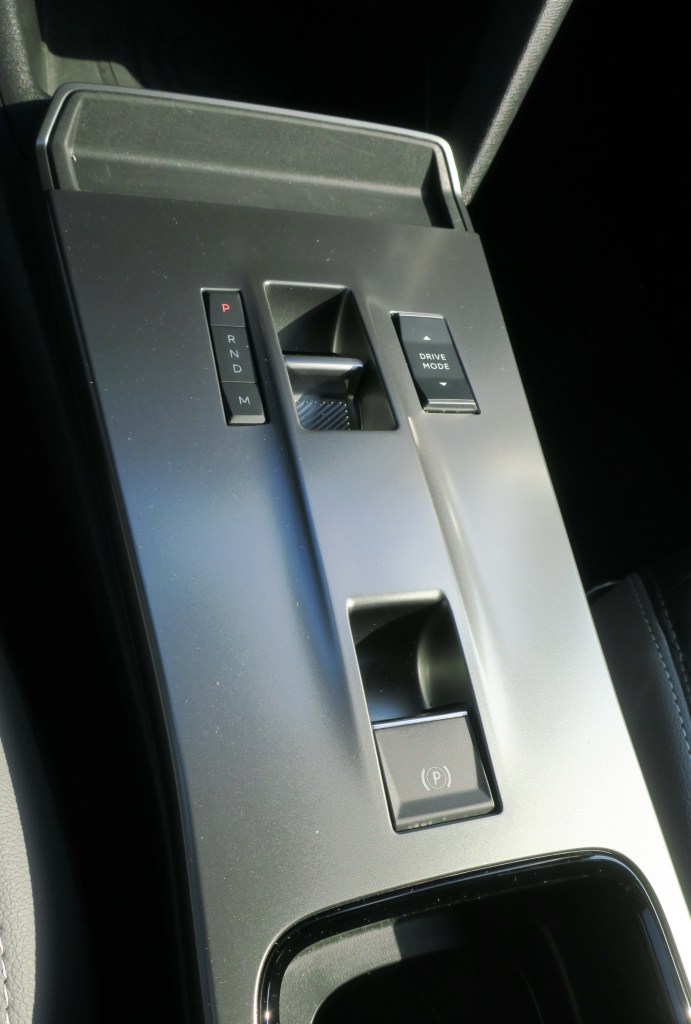
The centre console between the front seats, in a matt silver tone, has a cleaner, upmarket style and the design of the remaining switches for the electric parking brake and the selectable driving modes is identical to the all-new Opel Grandland. The material of the seats consists now of recycled material, but it is good to know that the whole cabin gives now a decidedly more upmarket impression.
A hybrid with 48 Volt technology…

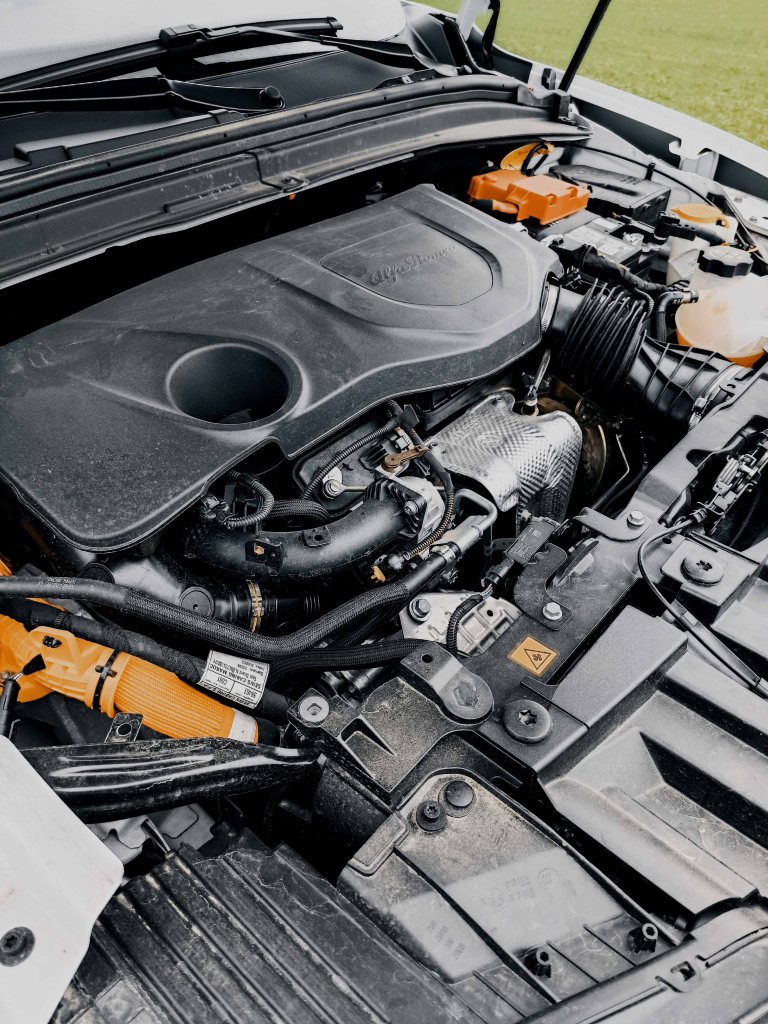
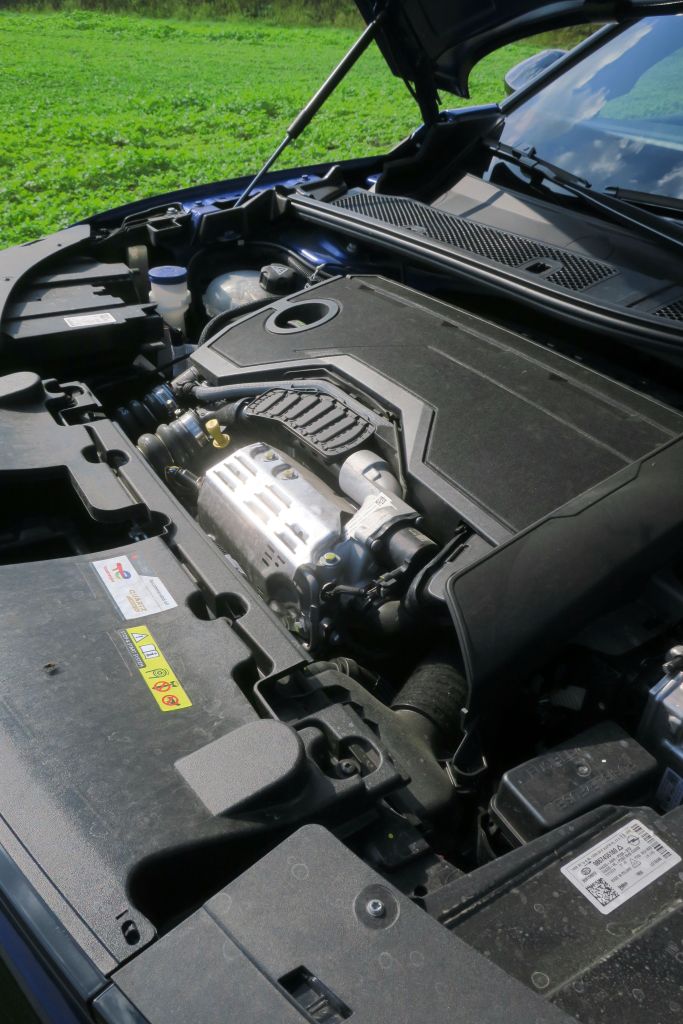
Opel calls it a “modern hybrid”, and it consists of a 100 kW (136 hp) 1.2-litre turbocharged petrol engine with a 21 kW (28 hp) electric motor and an electrified six-speed dual-clutch transmission. The transmission is very smooth, the electric motor assists the engine in accelerations with helpful extra torque and all this results in very pleasant performance combined with excellent efficiency.
When accelerating slowly and driving at moderate constant speeds on city boulevards, the engine will run at very low revs in the highest possible gears, and this without any noticeably noise or vibrations. Pushing the trottle a bit further will cause the E-motor to react immediately and the transmission will intantly choose the correct gear for the engine to step in.

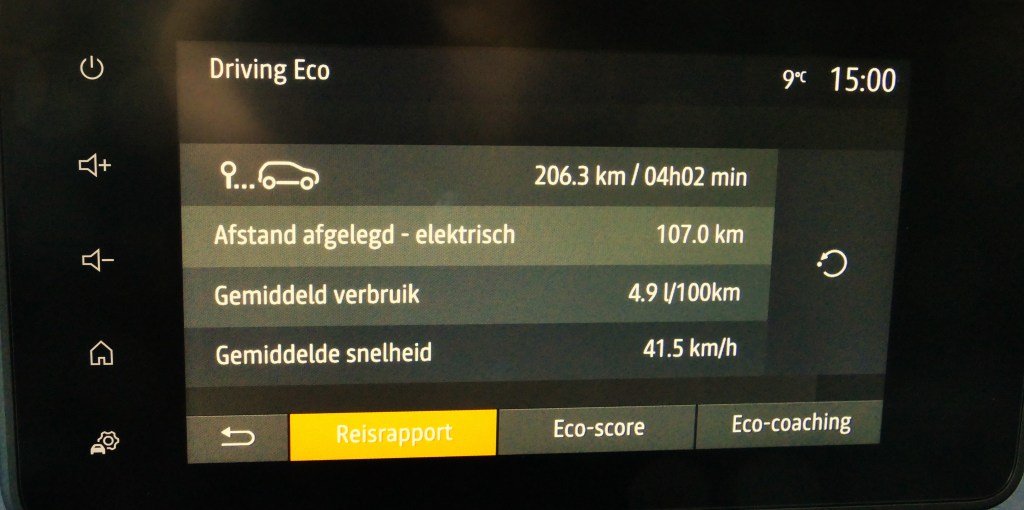
Driven with restraint, you will easily achieve a consumption in city driving at around 6 litres/100 km, and even slightly lower, whereas cruising on the open road will let the consumption drop to around 5,2 litres/100 km. According to WLTP standards, fuel consumption is 4.9 l/100 km, CO2 emissions are 110 g/km; the CO2 label is a C.

The 3 cylinder engine has now a chain driven distribution system, and the Continetal-developed oil lubricated belt has been abandoned, resulting in improved reliability.

A drivers’ car…  

We find Opels always very attractive drivers’ cars, striking a very good balance between comfort, performance and a predictable, engaging handling. The Mokka again proved this wonderfully. It responds admirably to a brisk driving style, but will never let you feel uncomfortable when you decide to drive smoothly and leasurely.
Seating position behind the wheel is also excellent. The knee room for rear passengers is somewhat more restrained, and boot space is not cavernous either, but with 350 litres is still sufficient for most.

Performance is excellent, with the Mokka proving to be an “Autobahn Meister” with a smooth top speed of 207 km/h and an acceleration from 0 to 100 in just above 9 seconds. This Mokka is a fast GT, let this be said. This performance is almost identical to the original Porsche 2 litre 911, don’t forget!  

… with up to scratch infotainment

The facelifted Mokka also is no laggard when it comes to modern infotainment. The cockpit uses Qualcomm Technologies’ next generation Snapdragon Cockpit Platform and Snapdragon Auto Connectivity Platform3 to enable premium in-vehicle experiences, including state-of-the-art graphics, multimedia and enhanced connectivity capabilities such as Wi-Fi, Bluetooth and 4G, says Opel.
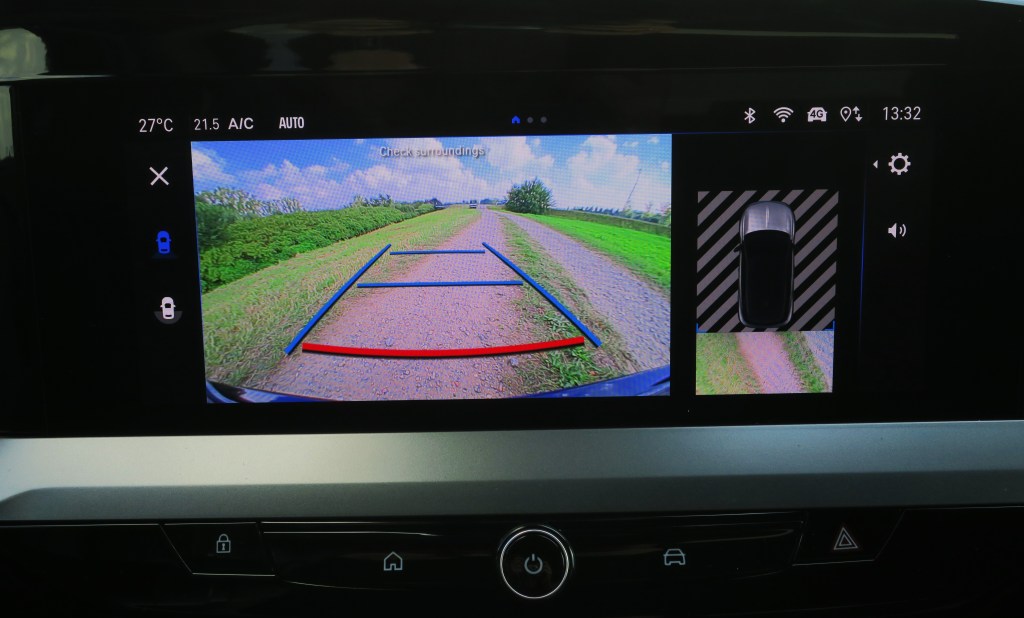
A 10-inch digital driver information display and an equally large colour touchscreen are also standard. The latter can be easily operated via widgets, just like a smartphone – alternatively and in combination with the optional navigation system, a ‘Hey, Opel’ is enough to use the natural voice recognition.
 

Both displays can be personalised. The system recognises the driver’s personal profile on the connected smartphone; the connection is always wireless in the new Mokka. Virtual shortcuts can be set up on the central screen and you can choose between different colour schemes.

When ordered with the integrated navigation system, map updates are made available over-the-air. The system also constantly learns and – based on the habits of the linked driver profile – independently suggests destinations and routes.
The “myOpel” app can also be used to easily send the destination and the corresponding route to your car.  Furthermore, Opel offers ChatGPT4 (available in combination with Connected Navigation) for the new Mokka…

To sum it all up, we liked the Mokka Hybrid very much indeed, having style, performance, offering driving pleasure combined with excellent performance and economy, all this combined with a very reasonable price…

The Citroën C5 Aircross, or the magic of a voyage in total comfort…

The fine art of travel: we drove the C5 Aircross for a stay in Hotel des Indes in The Hague…

Driving between and into the iconic cities of Europe in a Citroën has always a special touch. Our test car indeed added the unique aura of the brand on our tour through Belgium, Holland and Germany. Comfortable, smooth, spacious, frugal and efficient, being last but not least also fast and safe. These are the qualities of this C5 plug in hybrid SUV we appreciated on motorways and narrow inner city roads along Dutch canals and their historic houses. Just read further…

Hans Knol ten Bensel

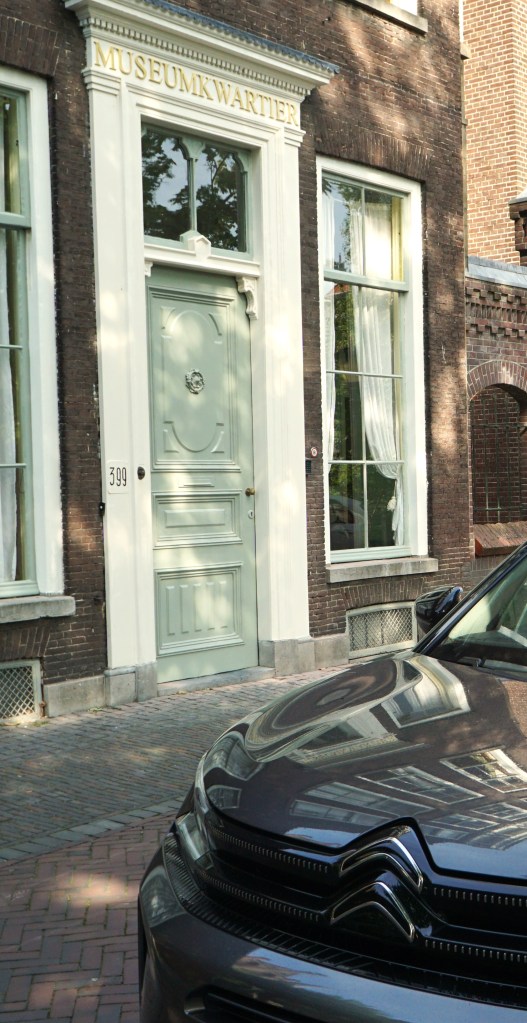
Enjoying Utrecht by staying a few nights in a historic house in the beautiful city centre along the grachten…

The Citroën we tested came with a 180 HP engine, combined with a 81 HP electric motor coupled to a battery pack which gives you close to 60 km range. A wonderful hybrid drivetrain, smooth and pleasantly frugal when you drive it sensibly, of course. This C5 is not unduly heavy, with a kerb weight of 1.825 kg, which indeed makes it future proof when weight coupled road taxes will be imposed increasingly in the coming years.

The iconic city centre of Gouda…

We liked the looks and the typical Citroën styling language with a preference for well-rounded shapes while keeping an eye for boxy room efficiency in its overall proportions. The silver grey paint scheme and the judicious use of chromed accents added a touch of luxury and panache to “our” C5. Since its facelift in 2022, its overall looks have dramatically improved, especially on the front end.

Your spacious travelling companion…

Right away we were very seduced by the excellent luggage capacity and the overall shape of the boot, as it allowed to stow our large suitcases upright on their side which allowed us to take maximum use of the available space of without having to fold down the rear seat backrests at all, leaving the cabin uncluttered and free for passengers. Indeed, the three individual back seats can be moved back and forth over a distance of not less than 15 cm. In the plug in hybrid version we drove, the available space is at least 425 litres. One can enjoy that the luggage load is discreetly stowed away, which makes city visits more safe when on tour between hotels and cities with a fully loaded car. A major practical advantage which is often not fully appreciated…

Superb seating and driving comfort…

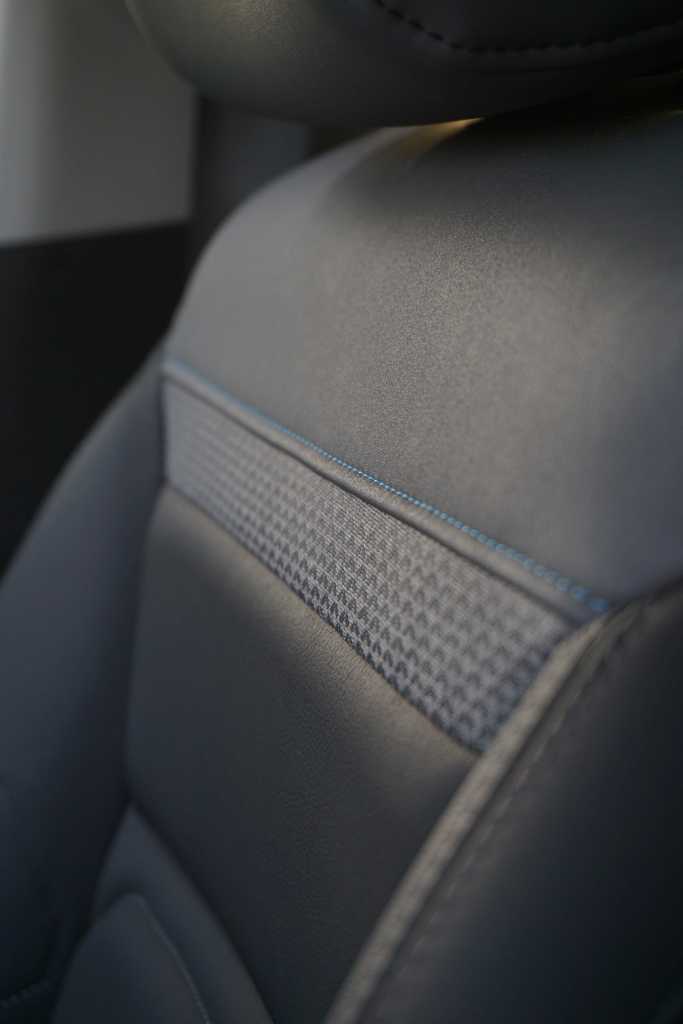
Citroën goes to great lengths in making their seats comfortable, and indeed, they are a class of their own. They provide smooth and restful support, due to the clever use of foam material. Citroën calls them Advanced Comfort, and they are also pleasantly wide.

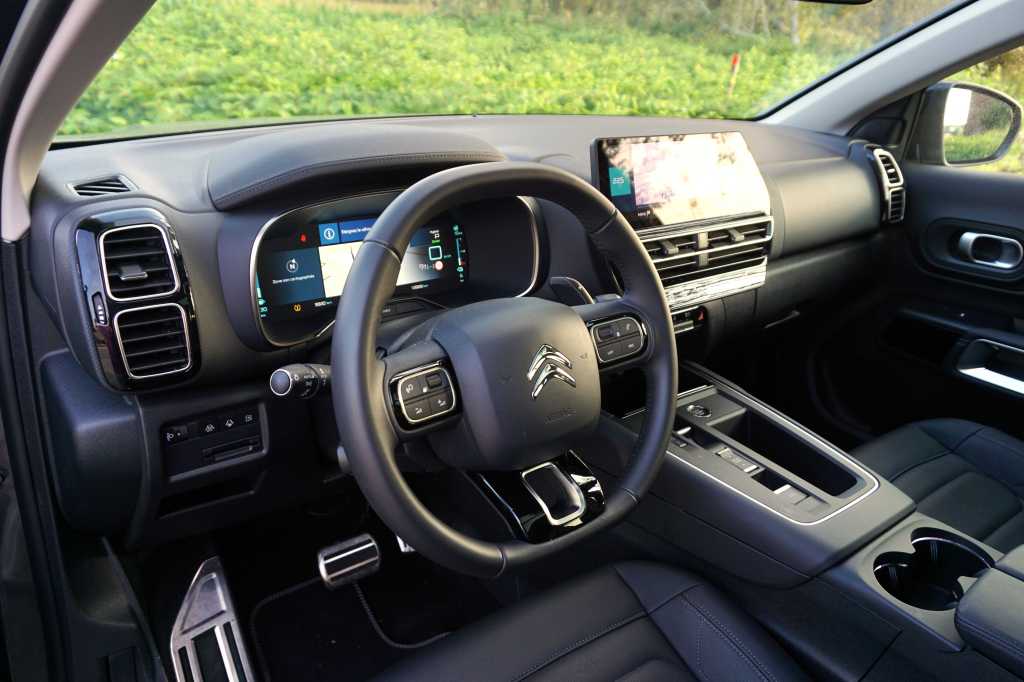
Infotainment is up to scratch, and Android Auto as well as Apple Car play are possible; we liked very much the dual digital clusters, which enabled the navigation map to be displayed both on the central screen as well as in the instrument panel in front of the driver, which is so useful when you have to find your way in unknown iconic city centres.

The suspension of the C5 is also calibrated and set up to combine good handling and surefootedness with excellent comfort, both at high and low speeds. We were also quite impressed by the high speed stability on German Autobahnen, where this hybrid SUV left nothing to desire in terms of fast GT cruising. It just goes to show again how good cars have become nowadays…The C5 is also remarkably silent, even at higher speeds.

Performance and economy

On this voyage we never ever felt the desire for more power, and indeed the C5 Aircross has all what it takes. Its 180 HP engine combined with the 81 HP electric motor develop a total of 224 HP, resulting in an acceleration time from 0 to 100 km/h in under 9 seconds, and a top speed of not less than 225 km/h, as we could enjoy on German Autobahnen, where the Citroën truly impressed with its silent ease at these high speeds.

Economy of this hybrid depends totally on the way you drive and use it. You can recharge it regularly and drive only on E power over its 50 km useful E-range, or choose one of the several ’E-Save’ modes, and drive it as a hybrid. In the E-save modes, one can keep or recharge the battery up to a certain chosen level for later use in emission-restricted zones. Driving in hybrid mode, one can achieve easily values ranging between 7 and 8 litres/100 km. The drivetrain, also thanks to the super smooth Aisin 8 speed auto transmission, is beyond reproach, responsive and refined.

Fit for urban use

The C5 needs some vision aids when driving in town centres, and we appreciated these accessories indeed very much. The C5 is rather wide with its 2,11 meters, but then reasonably compact again with a total length of 4,5 meters. It has distance warnings fore and aft as standard equipment.

Conclusion

The C5 Aircross is a bestseller in the Citroën range, and with voyage we found all the good reasons for it. Last but not least it is good to know that the C5 Aircross is offered with a wide choice of different drivetrains, from the 136 HP petrol engine and a Diesel version with the same power to the (plug in) hybrid versions with respectively 180 and 225 HP system power.

It is marvelously versatile, has genuine GT qualities, is roomy, comfortable, is frugal and fast, has distinct, characteristic looks, and indeed drives like a true Citroën…

Hans Knol ten Bensel 

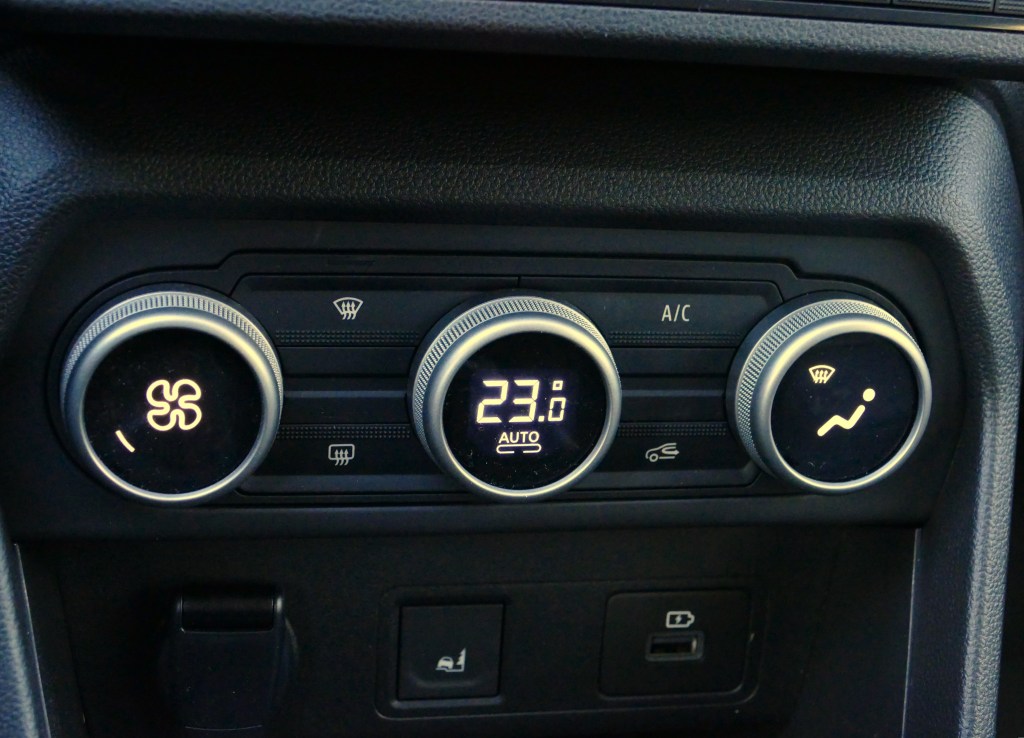
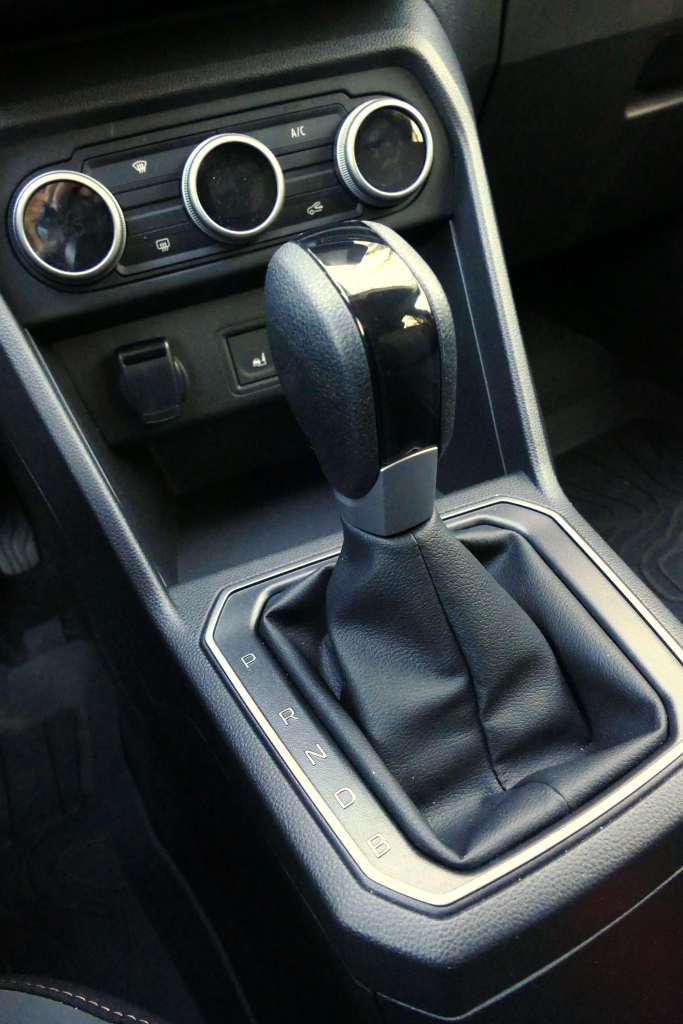
We drove the Dacia Jogger Hybrid 140: your (price) winner…

Hans Knol ten Bensel

We drove the Alfa Romeo Tonale Hybrid: smooth Italian (super)power…

I vividly remember my visit to the Centro Stile Alfa Romeo. Indeed, I sat in the prototype mock up bodywork/interior of the Tonale, and had to be very cautious not to touch anything, as it was made of plaster, clay and wood. I was invited at the Centro Stile Alfa Romeo by Chief designer Klaus Busse and his team, when the plaster and wood prototype of the Tonale was just finished. We admired its typical proportions in tune with the higher stance of an SUV, with a horizontal accent line reminiscent of the styling language of the famous ‘Disco Volante’ two seater, created by Carrozzeria Touring back in 2013 and the original Disco Volante 1900 C52 born 1952, also designed by the Milanese coachbuilder Carrozzeria Touring… I just love the the iconic Scudetto grille and certainly the five-hole 20-inch alloys…

Another highlight was the first acquaintance with the plug-in Hybrid version on the Balocco proving ground. See the whole story on these columns, by clicking the following link: https://autoprova.be/2022/11/17/we-drove-the-alfa-romeo-tonale-plug-in-hybrid-q4-in-balocco-the-wonderful-panache-of-todays-efficient-sportiness/ and https://autoprova.be/2022/11/20/the-alfa-romeo-tonale-plug-in-hybrid-q4-the-full-story-of-a-modern-electrified-thoroughbred/

But now read further…

Hans Knol ten Bensel

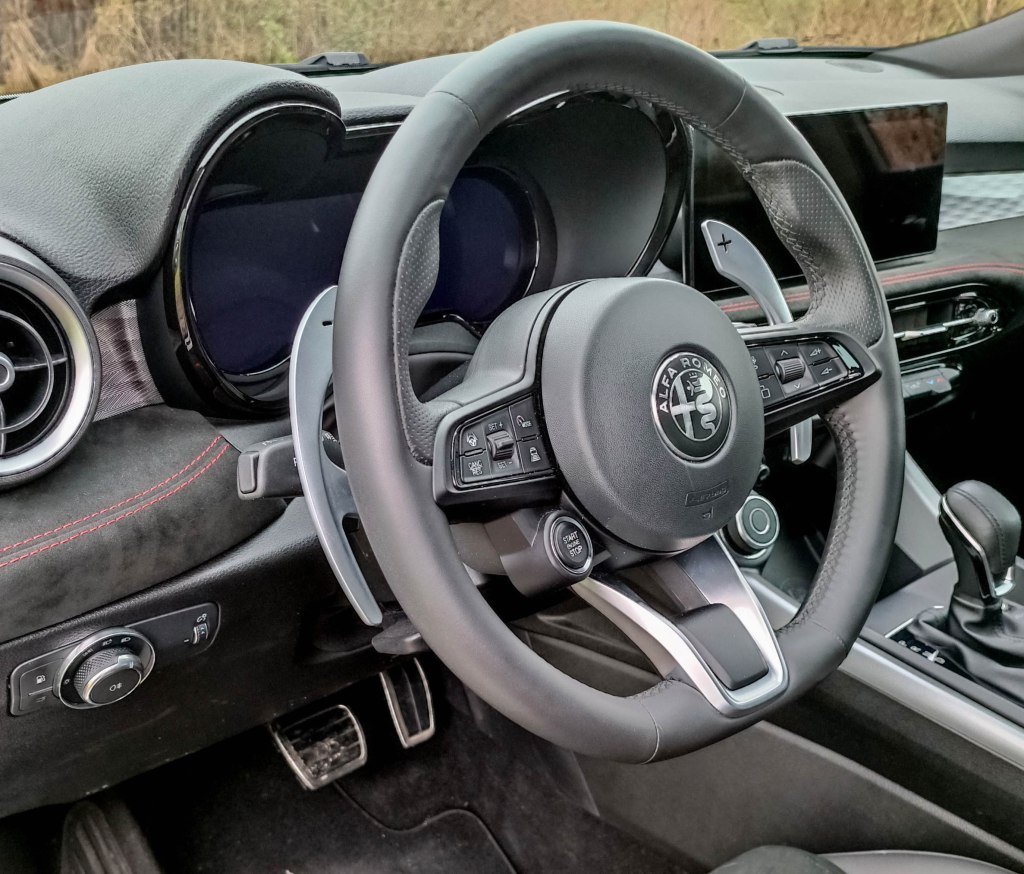
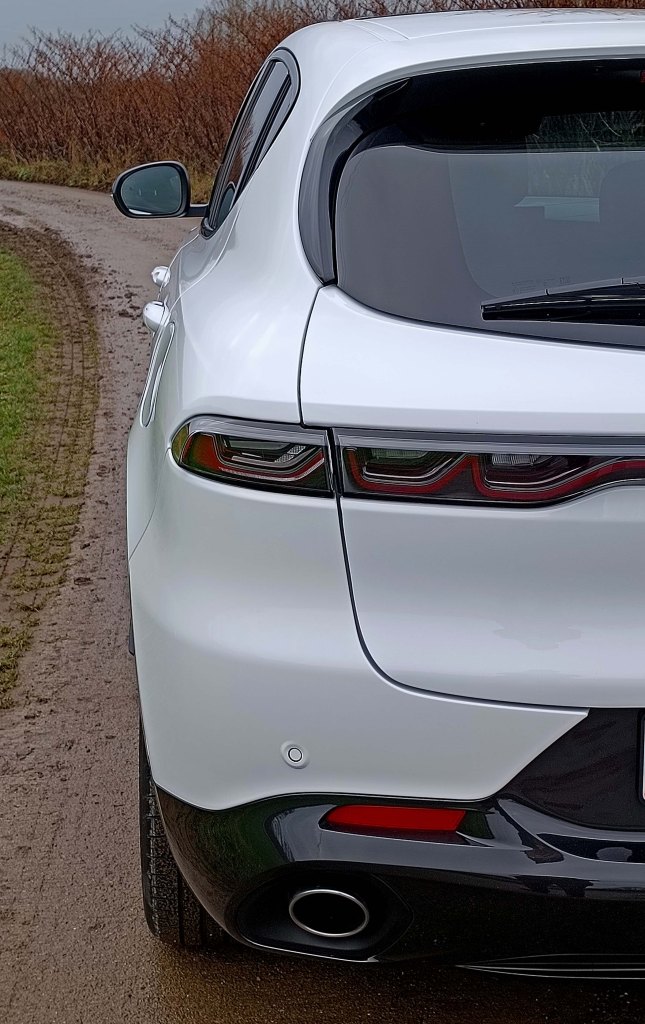
So when we took the wheel of our white Tonale Hybrid test car, the sweet memories came back instantly. The Tonale seduces not only with the right proportions and curves of its bodywork, also in the cabin the iconic Alfa Romeo atmosphere reigns. The round instrument clusters, the big sized gearshift paddles around the classic steering wheel inspire the enthusiast, and it is indeed just how an Alfa Romeo should look. The interior is all black andorned with red stitching on dashboard panels and seats, and this is the only color to choose from for the time being…

A swift turn of the “DNA” drive mode selector lets you choose how you want to drive your Tonale for the day. There are three modes to choose from. Dynamic will reveal all the sporting qualities of this 280 HP Tonale, N means “Naturale” or natural, and then this Alfa will choose for you the right propulsion in each situation, adeptly choosing between engine or E-power. When you want to enjoy more the “Zen” smoothness of battery power, then select the “A” mode, and this Tonale will treat you whenever possible to the delights of electric propulsion. Of course, this happy feeling doesn’t last forever with a 15.5-kWh lithium-ion battery pack, the Tonale has some 60 kilometers in store for you. When the battery is depleted, the Tonale will switch automatically to the “Naturale” mode, and you then can still enjoy the clever smoothness of hybrid propulsion. The battery is recharged fully after some 2,5 hours when connected to your 240 V home charging plug.

Power

The 1.3-liter MultiAir turbo four and the electric motor produce a total of 280 horsepower, of which 121 are derived solely from the 90-kW electric motor mounted in the rear, as we said, fed by a 15.5-kWh battery pack located under the cabin. All this develops beautiful, smooth punch, which we also fondly remember during our high speed laps on the circuit on the Balocco proving ground. A Giulia Quadrifoglio was then our pace car, and we had no trouble at all following this throughbred beauty, which was driving at 9/10 of its capacities, as the Alfa people  told us afterwards. A smooth avalance of power is yours in this Tonale when you put your foot down. 0 to 100 km/h is reached in 6,2 seconds. This tells the whole story… The top speed is reached at 206 km/h. The MultiAir engine itself develops 180 HP at 5750 rpm, giving it a score of not less than 135,1 HP/L. 

So yes, the Tonale in plug-in Hybrid form is a smooth performer, also thanks to its 6 speed automatic, which reacts nicely to your right foot.  As a bonus, you get four wheel drive thrown in. It is to me a very strong point in favor of this PHEV. When we come to fuel consumption, the official WLTP figure is 1.13-1.48 l/100 km. Let’s say that in pure electric mode, the consumption is stated at 19 kW/100 km, and when you drive solely on petrol, it all depends on your driving style. Anything between 10 and 6 litres/100 km, we would say. Driven with some restraint, an average consumption around 7,3 liters is normally achievable, with some distance driving thrown in, as was proven by our test. Of course, the Tonale scores well on emissions:  CO2 emissions are 26-34 g/km. All these figures are quite remarkable as the Tonale is certainly not a lightweight car with its 1835 kg.

Thoroughbred handling

Despite its all steel underpinnings, the Tonale handles excellent indeed. When you go for the dual-stage valve active suspension, you will find it a smooth companion on pothole filled urban roads. The Tonale feels indeed equally well at home on winding roads when you drive it with abandon, as when you drive it slowly and smoothly in town. The light steering also helps to put a smile on your face, even in tight urban traffic. Stopping power is delivered in the top Veloce version which we tested by Brembo brake calipers, and it is totally beyond reproach.

Infotainment and connectivity

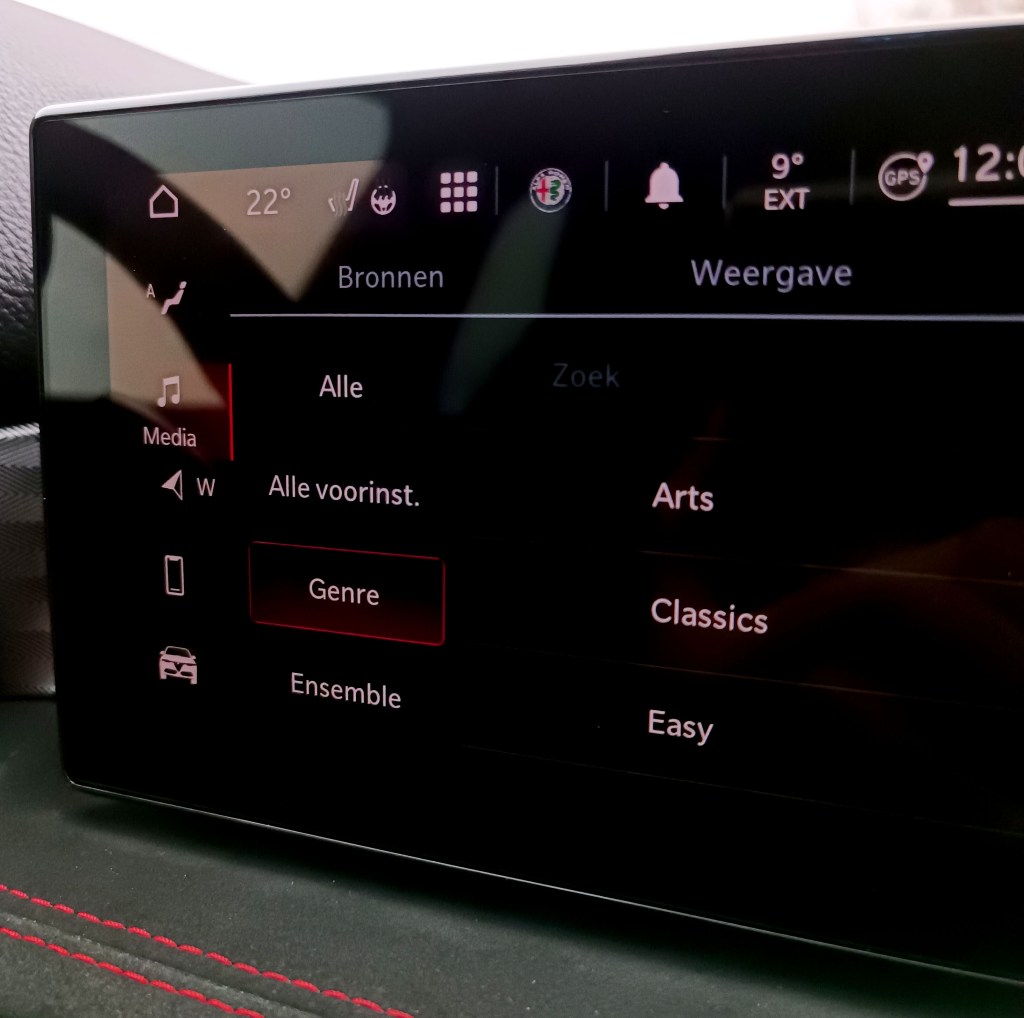
Every Tonale comes standard with a 10.3-inch touchscreen infotainment system. It has the Uconnect 5 software found on other models within the Stellantis group. The home screen can be customized, and you can adapt the interfaces and create not less than five unique user profiles. It has standard Apple CarPlay and Android Auto, as well as of course wireless phone charging. We must say that sometimes we found the touchscreen rather slow and hesitant to react to our finger pressure, certainly awkward when driving and you want just to perform an easy command with one touch of your finger.

Of course the Tonale offers all the thinkable safety and driver-assist features, like automated emergency braking and a very smooth and subtle adaptive cruise control, which I enjoyed very much. Especially the clever refinement of the adaptive cruise control impressed me. Indeed, enormous progress has been made in this field over the last few years.

Practical

The Tonale offers ample comfort for four, has certainly in the top Veloce version everything you could wish for, and with the entire camera supported driving aids, it is a breeze to drive in town and to park in narrow spaces. Boot space is sufficient, with 385 l with all seats up, and to a maximum of 1430 l with everything flat. You can also use your Tonale as a tow car, and it is good for 1250 kg trailer load with brakes, and 700 kg without.

Conclusion

Stylish, full of panache both inside and out, the plug-in version of the Tonale has a lot to please. Enormous performance, with handling to match, it is a true high-performance Alfa, and thanks to the E-power it delivers this performance effortlessly and smoothly.

When you are in the mood, very decent economy is possible, and in normal everyday driving this leaves you smiling all the way.

All these good qualities DO have a price, but then, beauty in this world is never cheap, is it?

Think about this: the timelessness of the styling, the excellent proportions, the emission values thanks to its hybrid configuration make this Tonale a companion for years, if not decades to come, on all the regions and cities in Europe and beyond, so why not fall in love with this Tonale, and set the right tone for your future mobility…

Hans Knol ten Bensel

We will be going to Bologna to test the Fiat 500 and Panda Mild Hybrid…

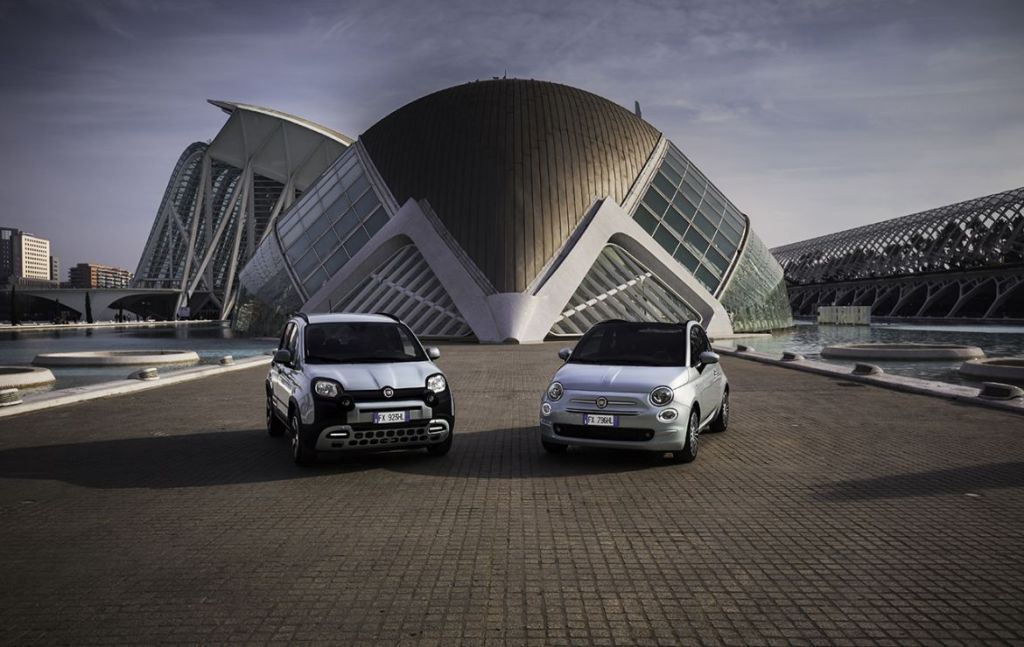
It had to come. The electrification of the Fiat brand. The first step is here: The Fiat 500 and Fiat Panda, always European leaders in their segment, are the first FCA city cars fitted with the new gasoline Mild Hybrid technology.

The Hybrids are powered by the new 3-cylinder engines from the FireFly family which will deliver 70 HP, combined with the 3,6 kW BSG (Belt-integrated Starter Generator).

CO2 consumption and emissions are reduced by up to 30% depending on the model, in addition to the tax and traffic benefits of hybrid vehicles in densely populated areas, based on local regulations.

The new 500 and Panda Hybrid will be available from February and March 2020 respectively, are set to become a new European benchmark for electrified urban mobility.

The anchor year 2020 will further continue with the start of production in Turin of the new 500. This model will be 100% electric and therefore will play a key role in the e-Mobility by FCA strategy.

But now the coming days we will set sail to Bologna. Keen to drive these two new hybrids…

Stay tuned!

Hans Knol ten Bensel