We drove the Fiat Grande Panda Elettrica: EV driving with panache and style…

Italy is the birthplace of style and elegance, and this Grande Panda truly shows it. We personally love it and both the exterior and cabin styling solutions have won our hearts. It truly stands out in character and practicality and shows many competitors how a compact B-segment car can also be designed and built.
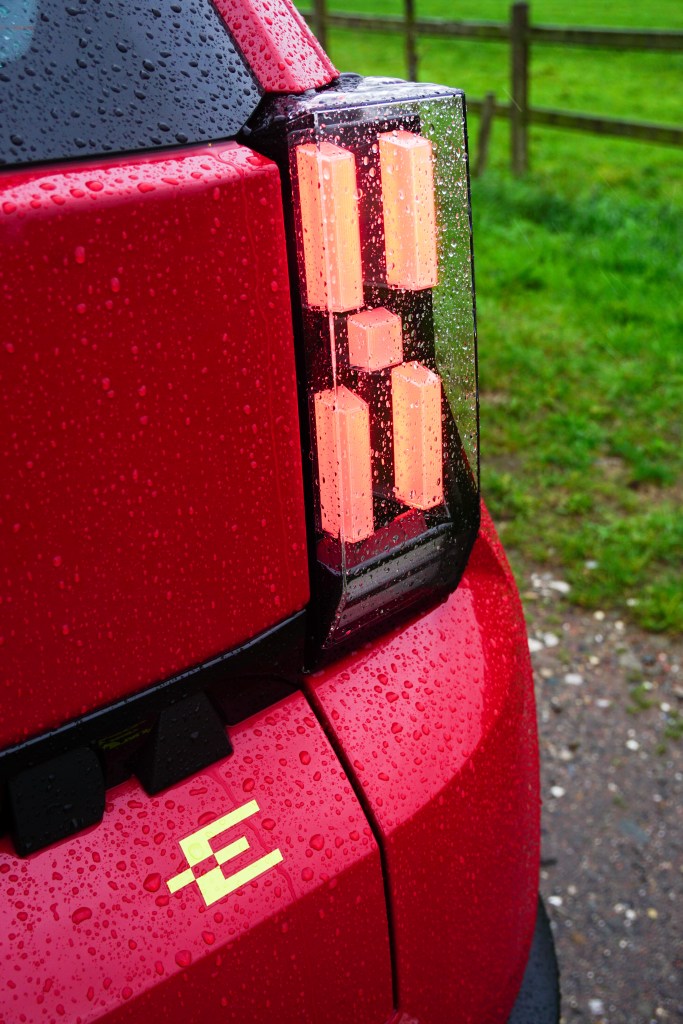
The Grande Panda Elettrica runs on the Stellantis compact EV platform, which it shares with the Citroën C3 (Aircross) and Opel Corsa/Frontera.

It has a 44 kW battery, and a 83 kW/113 HP electric motor. Perfect for town driving, where the less ideal aerodynamic boxy bodywork doesn’t spoil the fun. This means that in town, a practical range of some 300 km is quite realistic.

On the open road and certainly on the motorway, you better have a somewhat lighter foot, as the wind resistance pushes the consumption higher into 18-19 kW/100 km, reducing the range below 220 km.
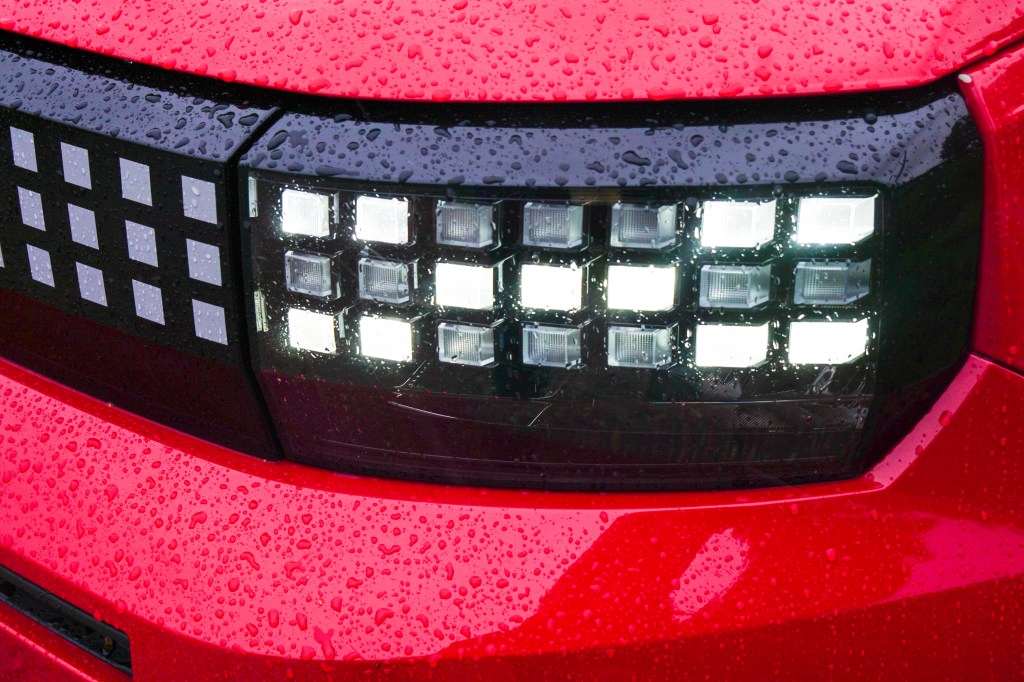
The engineers wisely limited the top speed to some 132 km/h, which is totally reasonable. Cruising around 110 km/h will get you around 250 km useable range. The WLTP consumption is quoted at 16,8 kW/100 km. Charging on an 11 kW charger will cost 4,5 hours from zero to a full battery.

The Grande Panda is very much in its element both in town and on the open road. It steers light and precise, is quite comfortable on city pavés and is also remarkably silent, also at speed.

The electric engine is smooth and inaudible, just a faint whirr is heard when it recuperates energy when slowing down. Wind and tyre roar increase with speed, but it never gets obtrusive.

A model of the original Panda, remembering the banked round curves of the famous “pista” on top of the iconic original Fiat factory in Turin…

Besides the silence and smoothness of the electric engine, one can also enjoy the zest and power offered by the 83 kW motor. It will sprint from 0 to 100 km/h in just over 11 seconds, but actually the intermediate accelerations tell you the whole story: accelerating from 60 to 100 km/h costs slightly over 6 seconds…
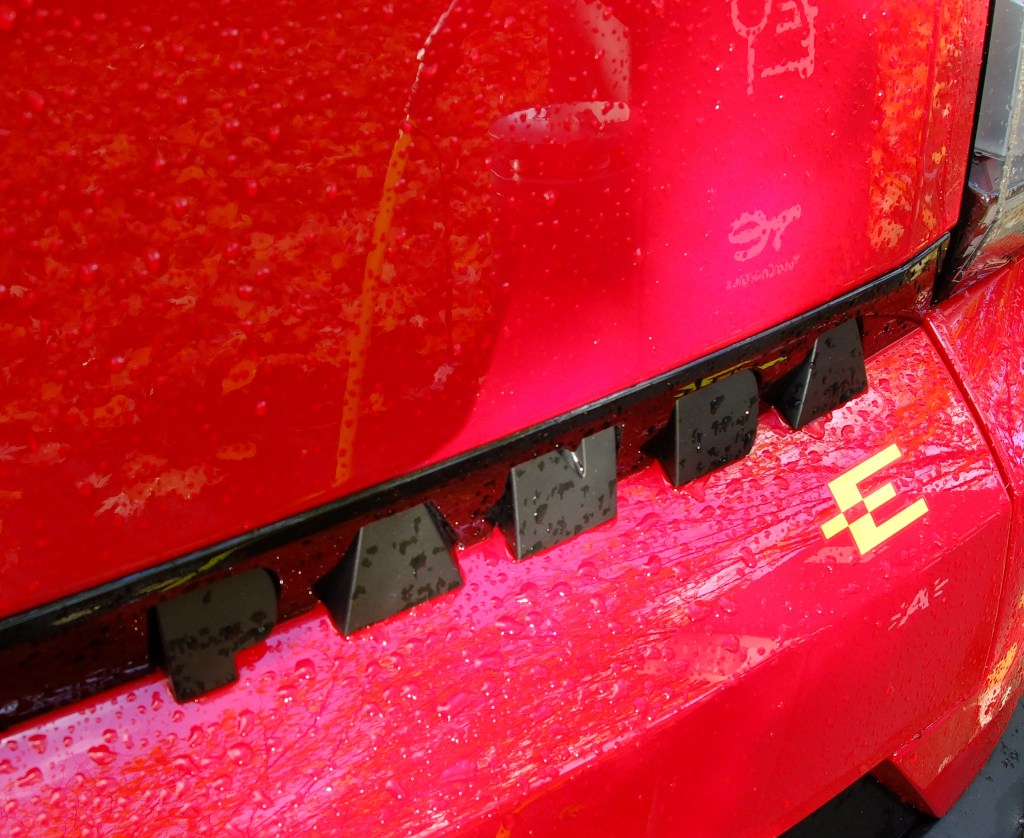
Handling is quite good and predictable. This Panda doesn’t mind to drive with speed on winding roads, with good motorway stability also guaranteed.
 

A pleasant cabin

So much for the driving part. Stepping into the car one enjoys the modern and stylish “ambiance” of the interior. Well done! We liked the styling elements and surface texture of the glove box, the square shaped ventilation openings, the layout of digital dashboard screen and the 10,25 inch centre screen. Everthing is simple, yet there is every information you will ever need.

Of course, no navigation is provided, so the apps on your phone will via Apple Car Play or Android Auto will have do the work. It also pays to have an app on your phone which shows charging stations…

There is plenty of room on the dashboard to put your stuff and the centre console has room for your phone. Two USB C slots are provided in front near the centre console.  

We liked the “Panda”lettering on the seats, and the front seats were pleasantly soft and comfortable. We were further seduced by the evident controls of heating and ventilation: three round knobs, which were a child’s play to use… When the battery is charged more than 30 pct, you can even pre-heat your Panda in the morning.

Also in the rear there is enough room for two rather tall adults.  The luggage space is also more than adequate with 361 liters, with the rear seat down this increases to 1315 liters. The charging cables have no separate space, so they occupy the boot…

Conclusion

If you are looking for a B segment car which stands out in style, then this Grande Panda is the one to look at. It offers enough room for four adults and their luggage, is a dream to drive in town and will let you tour through Europe in comfort.

Its personality will let you enjoy EV motoring, that’s for sure, and last but not least, the price will also make you smile…

Hans Knol ten Bensel

How to photograph your (classic) car…as a professional.

At a three quarter view the car reveals its proper proportions, a wide angle lens and a lower standpoint will make the car look more impressive. An overcast sky combined with a quiet background and natural surroundings are ideal…

Car lovers as we are, we all would like to photograph our car(s). But how do we master the art? Here we give you a few useful tips, which will let you avoid mistakes and lead you right away to achieve impressive results…

Photography is all about light, so indeed choosing the right lighting is very important.

So avoid midday sun, but choose rather, if you can, the “golden hour”, which is at  sunrise or sunset, when the light is warm and soft, enhancing  the contours and reflections of the car.

Overcast days are also good, as it avoids harsh shadows and renders the colors of the car very well.. When you cannot avoid the sun, look for shadow spots, certainly when you are photographing details of the car.

When shooting details, try to evoke the character of the car. This Jaguar D Type is all about speed. When looking at this photo, You hear the straight six roaring down the Mulsanne straight at Le Mans…

Very important also is choosing your best angle. Ideal is kneeling down to the height of the headlamps, but of course this is a matter of taste. Try it out… Three quarter shots will show best the overall design of the car, but profile shots are also a good starting point. When you have photographed front and back of the car, it is time to shoot the details. Your (classic) car has many…

Very useful, and we would say a must, is the use of a polarizing filter. For your smartphone, there are simple clip-on versions available. It avoids reflections of windscreen and painted surfaces. Shooting from an angle can also minimize the reflections of these surfaces.
I tried to catch the atmosphere of rallying with this shot. I took the reflection of the chequered flag in the door window into the composition of the image.

Use your hand to shield the lens from sunlight, or use a lens hood on your camera.

Look for a quiet, non distracting background. That is, choose a quiet country road, foliage, or an empty parking lot (the marks on the ground can be quite disturbing however). Leave enough room around the car. It shows then something about the setting around it. Indeed, it tells a story…

In the composition, look for leading lines, like the road, drawing attention to the car. Just have a look at https://www.masterclass.com/articles/how-to-use-leading-lines-in-photography.

Use also the rule of thirds. The rule of thirds is a fundamental photography guideline suggesting that images are more pleasing when subjects are placed along imaginary lines that divide the frame into thirds, both horizontally and vertically, or at their intersections. Your smartphone has this grid most probably, so put it on. Then position your main subject along these lines or at their 4 intersections (often called “power points”). 

Never forget “human interest” photos. The face of the young woman is at an upper “power point” of the rule of thirds grid, leading your eyes to her face.

If your photo includes a horizon line, position it along the upper or lower third line, rather than dead center, to create a more balanced image. 

You will see how this really works… Just have a look at https://m.youtube.com/watch?v=UrCM4_NRmvA, but there are many YouTube videos to show you.. just practice!

You can also be creative when shooting a moving car: choose the burst mode on your camera or phone. Also try a slow shutter speed, it also gives surprising results…

This photo of the Volvo 122 S evokes the memory of legendary champion Tom Trana, throwing his Volvo along the gravel roads at a Swedish Midsummer rallye…

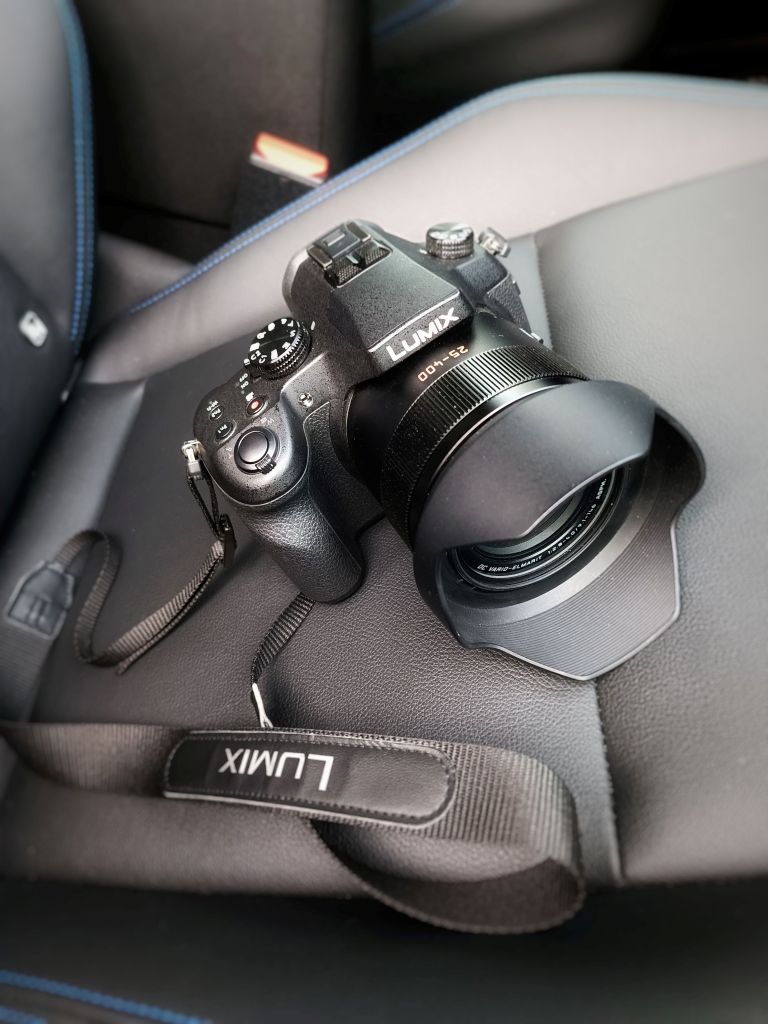
Our modern smartphones offer quite impressive quality, so for many there is no need for a proper camera. But then again, many find the use of a “real” camera more engaging and pleasant, as your servant does. Try a wide angle lens, which gives excellent results, but know that a 35 mm film equivalent lens or a 28-90 film equivalent zoom lens will do everything you would ever want, except of course when you are on the racing circuit taking action photos. That is a completely different matter, and this will be the subject of another article.

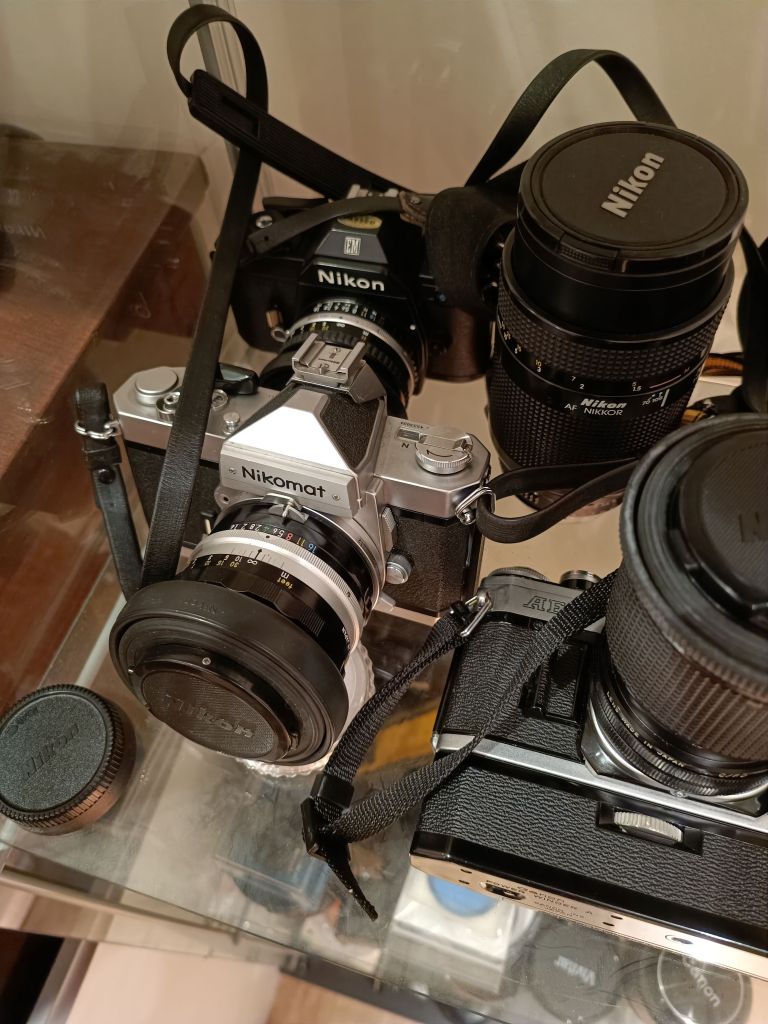
My very first camera, back in 1974: a Japanese bought Nikomat with the 1,4 50 mm Nikon lens, alongside the Canon AE-1 with motor drive.

Mirrorless cameras are more compact, but a good trusted (second hand) DSLR will do everything you would ever want marvelously. It is however rather heavy, so keep this in mind when you carry it along for hours on end. A shoulder harness which would allow to carry without effort even two big DSLRs would then be the thing to wear…

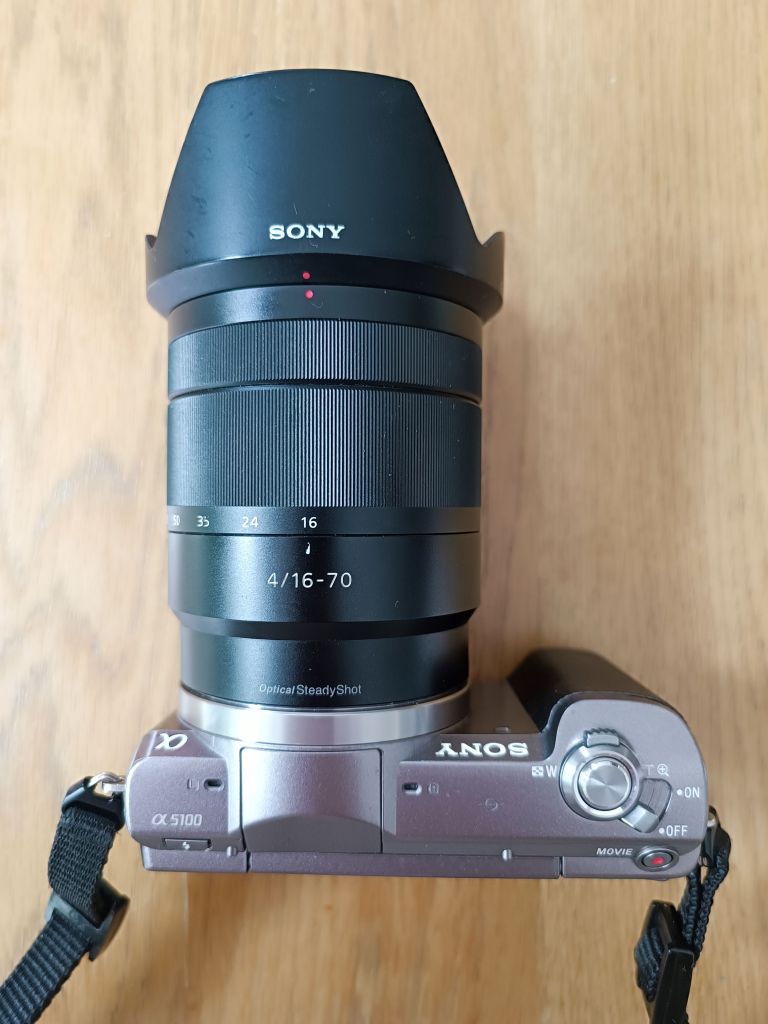
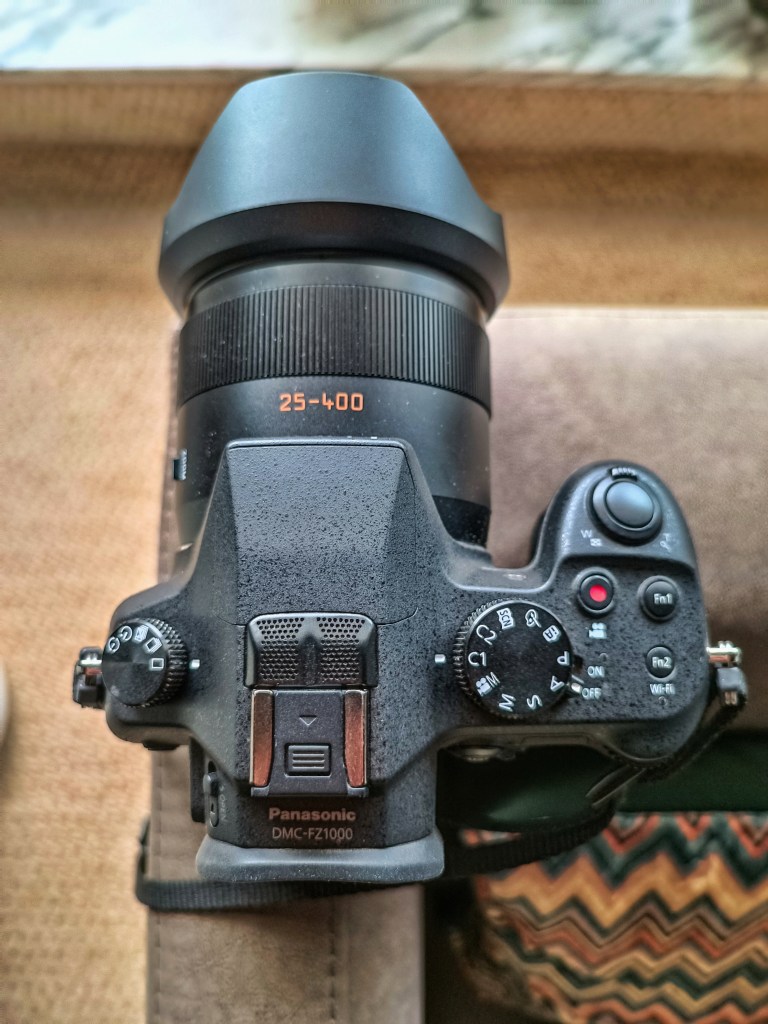
Mirrorless cameras are superb. Light, yet with excellent sensors, offering 24 m pixels here, combined with an F 4 Zeiss Vario-Tessar T E 16-70 mm.

Dashboards always make you dream away. Look for even light conditions, avoid strong contrasts and reflections.

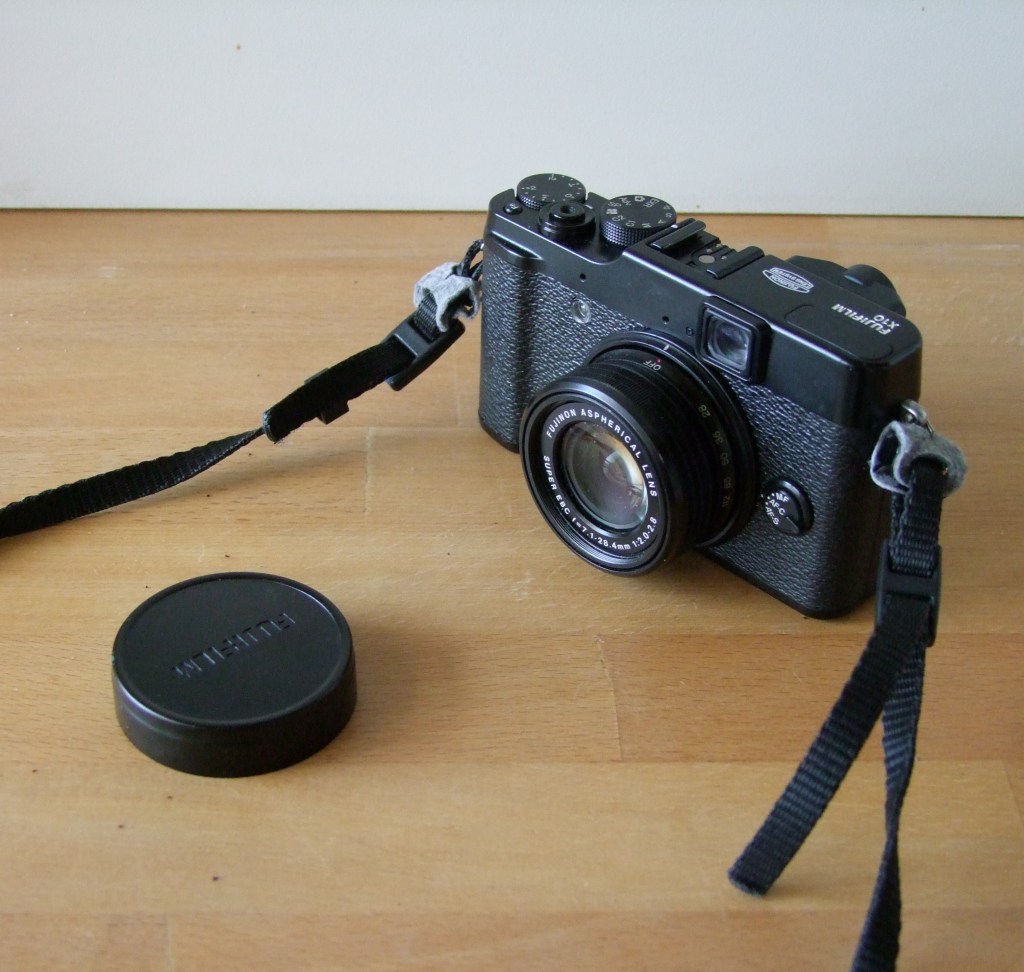
Of course, the now iconic and much wanted compact mirrorless analog vintage look cameras like the Fujifilm X100 which I have been using for years now earn you much sympathy and open many doors for you at events…

Advantages of the camera are, besides the pleasure of using it, the longer battery life when you are taking many photos, for instance at a classic car event or rally.

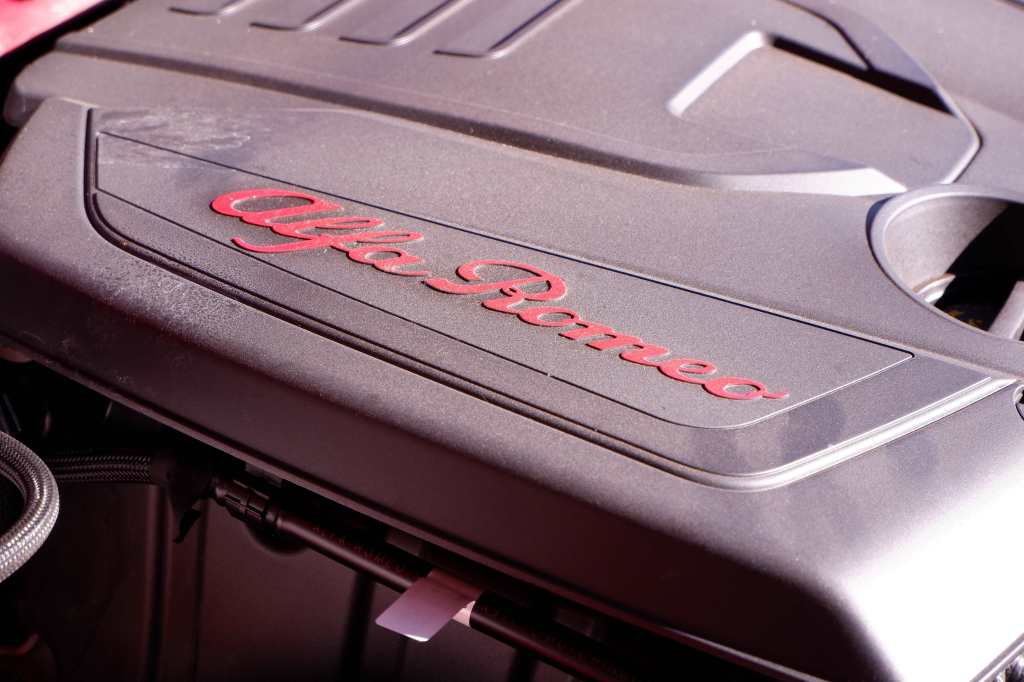
The same can be said about classic engines…

When using your smartphone, make sure to choose highest quality, and RAW format if you have a RAW editor to edit your photos afterwards. Also choose the HDR setting, or high dynamic range. If your smartphone allows you to choose portrait mode, then select it to have a shallow depth-of-field effect.

Photos of car details can tell the whole story: You would like to sit in this seat, driving through the Alps…

Tap the screen for focus and exposure adjustment, and you are all set. Of course you can use the post processing filters your smartphone software offers you, but don’t overdo things. Just work on your style, and keep trying. Even full professional photographers take some two years to perfect their style in post processing.

You are all set, now get behind that lens and shoot!

Hans Knol ten Bensel

We tested the Leapmotor C10: superb space and comfort for your money…

Stellantis made an interesting strategic move to include Chinese EV manufacturing in its portfolio. Besides obvious geopolitical reasons, there are also good technological grounds: Leapmotor has designed its own EV platform and battery technology, and it adopts the so-called “cell to chassis” design method. The battery is part of the platform structure and is not divided into cells, which offers extra rigidity and therefore is  improving handling. It leaves also extra space for the passengers too. It seems to be a good alternative technology, and BYD has adopted it too.

By the way, just as BYD, Leapmotor uses LFP technology for its batteries. Indeed, Lithium-Ion phosphate batteries are safer than Li-ion due to the strong covalent bonds between the iron, phosphorus, and oxygen atoms in the cathode. The bonds make them more stable and less prone to thermal runaway and overheating…But now let’s return to the findings of our test…

Hans Knol ten Bensel

Classic styling…

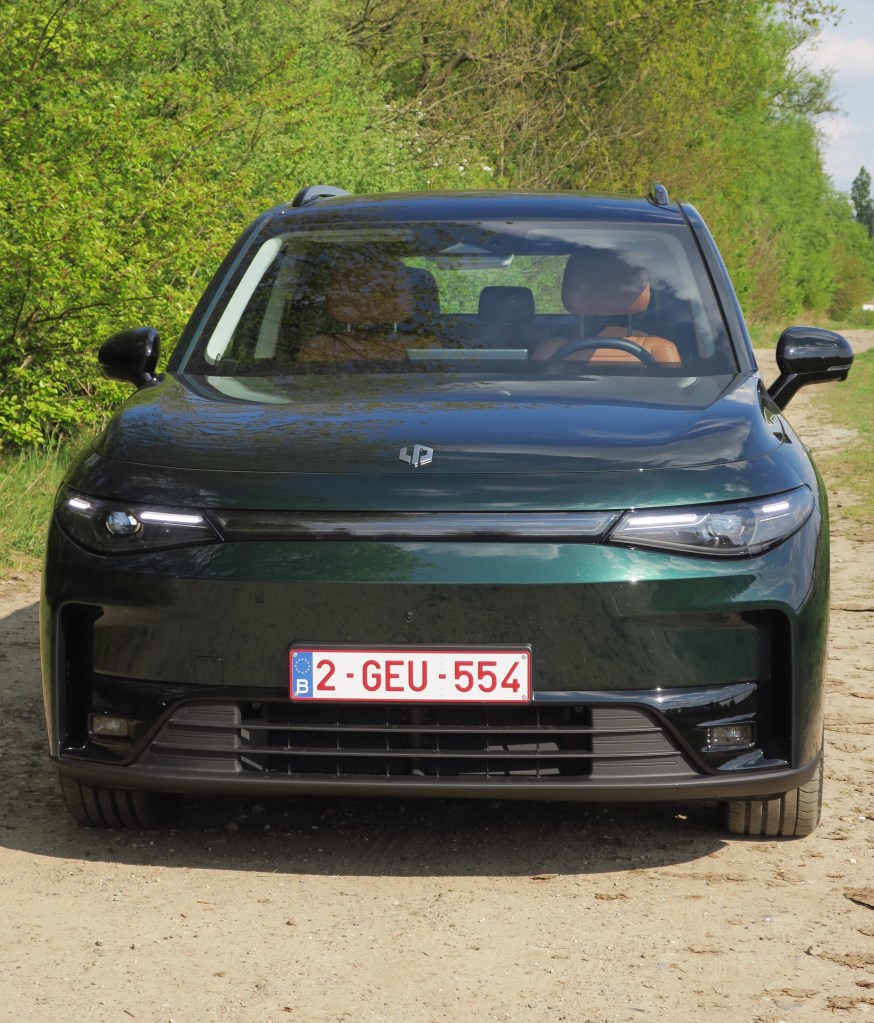
The C10 is a big D segment SUV, and its longer roof line gives it a traditional look, which is altogether rather pleasing. We liked especially the “glazed green” colour of our test car, and we found the C10 also well proportioned.

Impressive interior

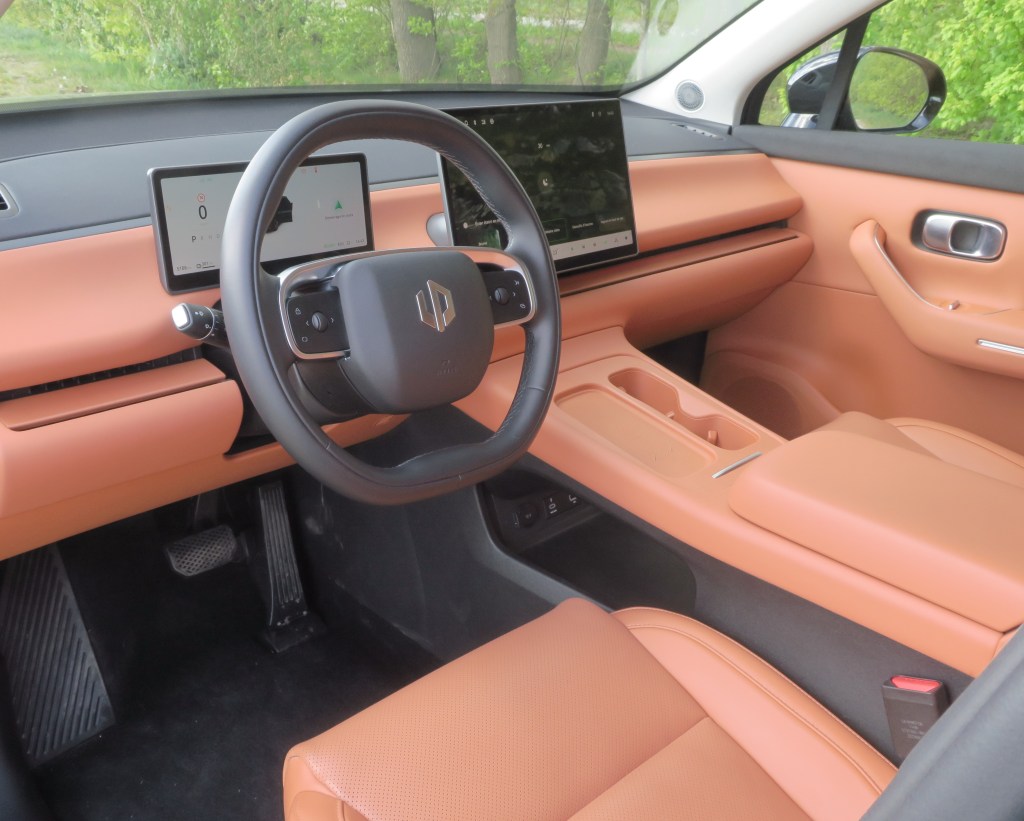
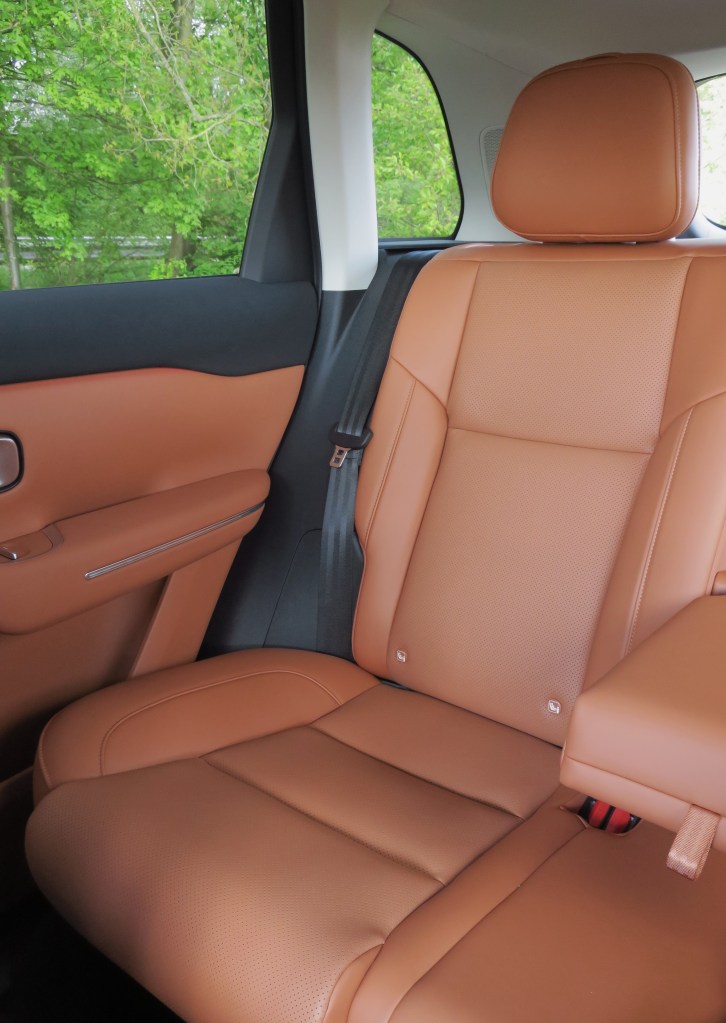
Stepping in the C10, we were surprised by the softness of the comfortable, well cushioned seats, and the clean layout of dashboard and commands, which bear some resemblance with Tesla models. The whole layout is quite clean, and besides two rolling buttons on the steering wheel, for controlling audio and cruise control, everything else is found on the two touchscreens. It takes some studying, but soon you will find your way. The most important functions are easily found and controlled in a self explaining manner. You are also reminded that this is a Chinese EV as Apple Car Play and Android Auto are…absent.

The C10 gives to priority to driver safety, and indeed the driving assistance systems remind you of this during your drive, and if you want to enjoy a truly “Zen” trip, you might want to shut it off.

We found the navigation system quite up to scratch, and appreciated the plethora of functions and amenities the C10 can offer you. Of course, there is a 360° chrystal clear vision available, seat warming and ventilation, heated steering wheel, you name it. Just a credit card type key card will open and start the car, indeed, the C10 is totally user friendly in everyday practical use.

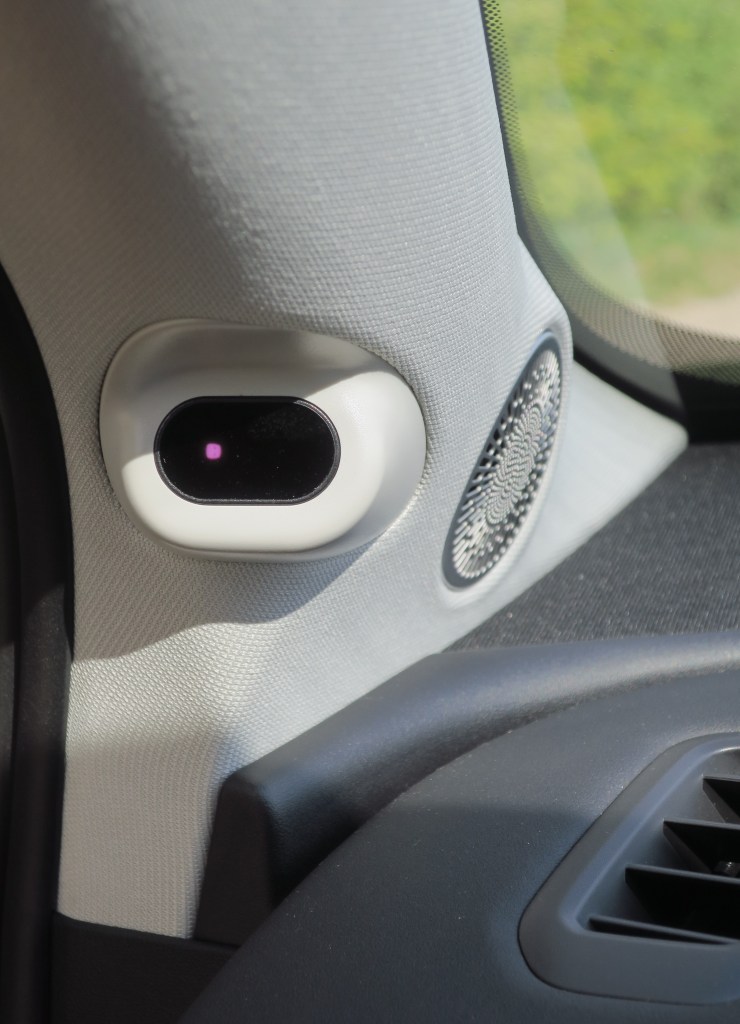
The C10 will also watch over you, for safety’s sake…

Smooth performer

The C10 is meant for ”zen” driving in absolute comfort. The British would call it motoring. At least, this is how we personally ’feel’ this car. It is smooth and very silent. The suspension is softly sprung, and also the seat cushions are soft to the touch and feel. Of course, there are different driving modes to choose from via the touchscreen. We stuck most of the time in the standard mode. You can also select four regeneration modes. Three modes, low standard and high can be engaged while driving. The fourth mode, the one pedal mode, can only be selected from standstill.

The electric motor and its accessories are well tucked away deep under the bonnet…

The permanent magnet synchronous motor develops 215 HP, and this offers excellent performance. 0 to 100 km/h is absolved in merely 7,5 seconds, and top speed is set at some 170 km/h. The battery capacity is 69,9 kWh, and the practical range depends of course on your driving style. In practice, we found a range between 420 and 350 km being quite realistic.

Fast charging is of course possible, up to 84 kW. We noticed again that on “ordinary” public charging points the available charging power can be down to the proverbial trickle, sometimes to merely 2 or 3 kW/h. At one stage, we found that charging the battery from 69 % to full charge would cost… 6 hours!

Charging at a trickle on an ordinary public charging pole…To charge it from 80 % to full takes close to 5 hours!

Steering is light and precise, and has a very “soft” feel. Again, this car is designed for comfortable driving, so we did not mind that your palms are insulated from the  horrors of our Belgian road surfaces.  Via the touchscreen you can however select Comfort, Standard or Sport. In the comfort mode steering is very light and this we found beautiful for parking and slow urban driving.

Plenty of storage space on the centre console…

Of course the C10 will show predictable handling and performance, and it will take long bends with no fuss whatsoever at very high speeds. It is also quite stable at high cruising speeds, but will nevertheless inspire you to take a “Zen” attitude behind the wheel, and we juts loved this car for that, and made it most endearing to us.  

Space and practicality

As said, boot space is very much OK with standard 435 liters, extendable with the rear seat folded down to up to 1410 liters. The boot floor has extra storage space underneath the floor, divided into two spaces, one for the cables and another for the tire inflating kit and sundry.

So remember that when you are packing the car for a holiday trip, to keep the cables at hand…

There is a nice extra space underneath the centre console, and indeed also the door bins are nicely wide, and of course there are plenty of USB slots to charge your phones.

Conclusion

The Leapmotor C10 certainly scores in looks, comfort, standard equipment and last but not least (Family) space. It’s ride is smooth and quiet, and this is indeed just what you need in a large family SUV. Its price is also right too, and it offers more than adequate performance and economy, which translates in a fairly good range between 420 and 350 km. It is sold throughout the vast Stellantis dealership, and this also inspires confidence…

Hans Knol ten Bensel 

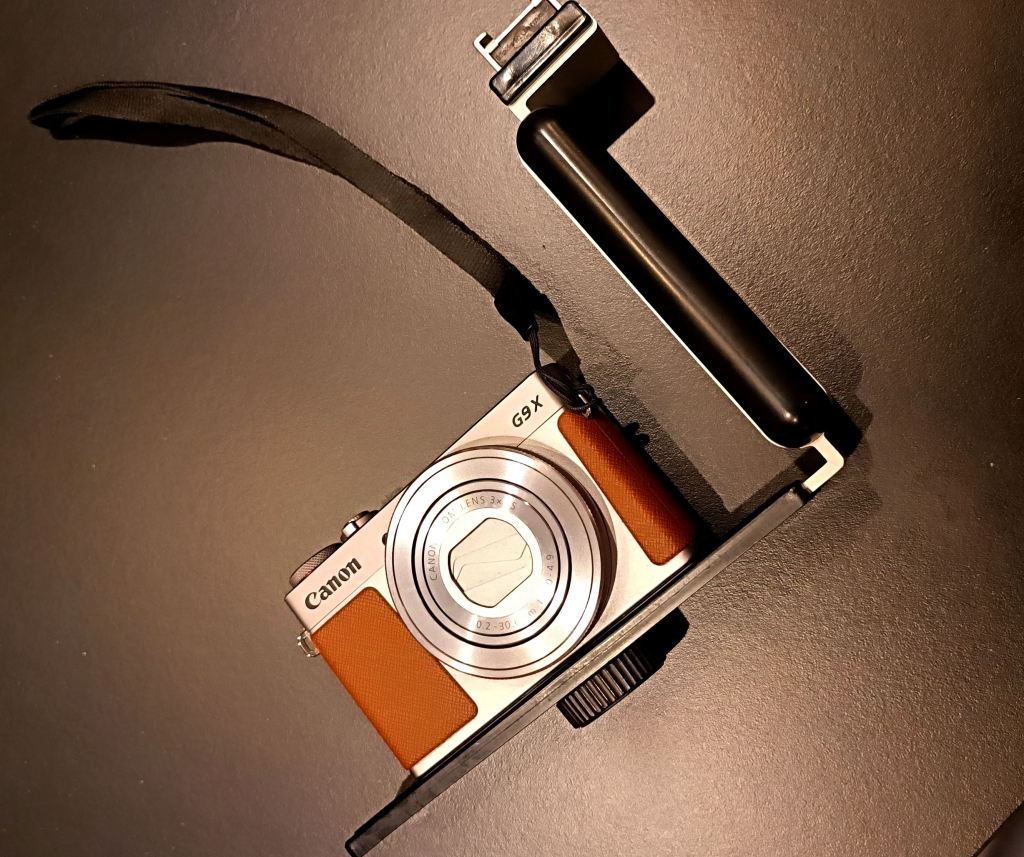
Photgrapher’s notes: we used for the photos here of this test our trusted Canon G9X. The battery lid has broken due to intensive use of this camera, so we have this nice stable bracket…

We drove the Alfa Romeo Junior Ibrida…

The Alfa Romeo Junior series has always been a sporting icon for the Alfa Romeo enthusiast. It stood for pure efficiency, with a somewhat smaller engine and less power, but had the same undiluted sportiness as its faster and bigger brothers in the Alfa range.

So when Stellantis launches today’s Junior again for its Alfa Romeo brand, we expect something special indeed, and we were very keen to drive for you the Alfa Junior Ibrida, which has a 1,2 litre 3 cylinder turbo under the hood and enjoys a 48 volt mild hybrid system. Does this Junoir retain the unmistakable Alfa Romeo thoroughbred qualities with a drivetrain and platform, which it has in common with its many sisters in the Stellantis group?

With this Junior, Stellantis aims also at efficiency and some degree of practicality and comfort, as it wants to attract a wider range of young customers to the iconic Milanese brand. We will find out in this test whether this new Junior fulfills all these high expectations…

Hans Knol ten Bensel.

Sporty looks…

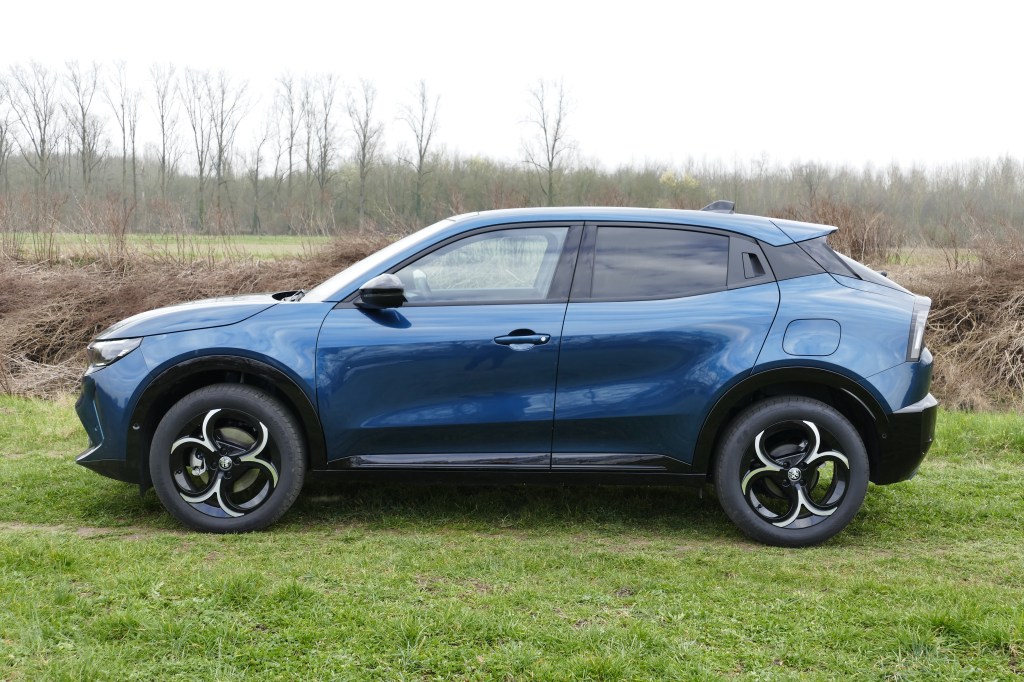
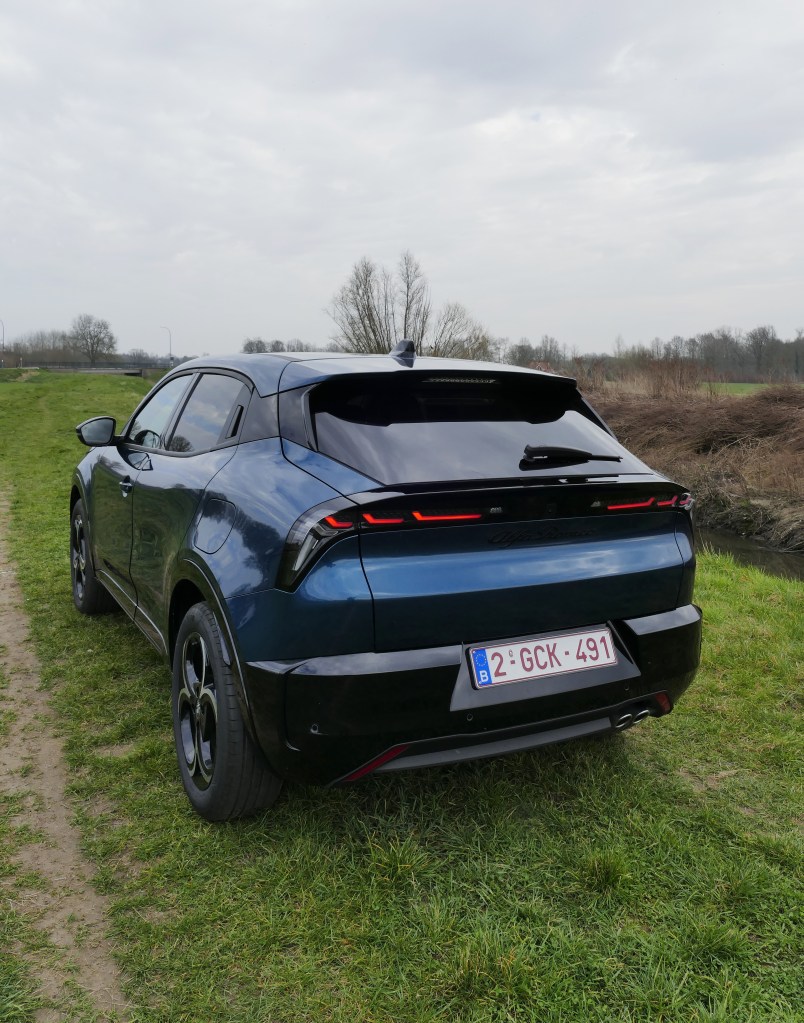
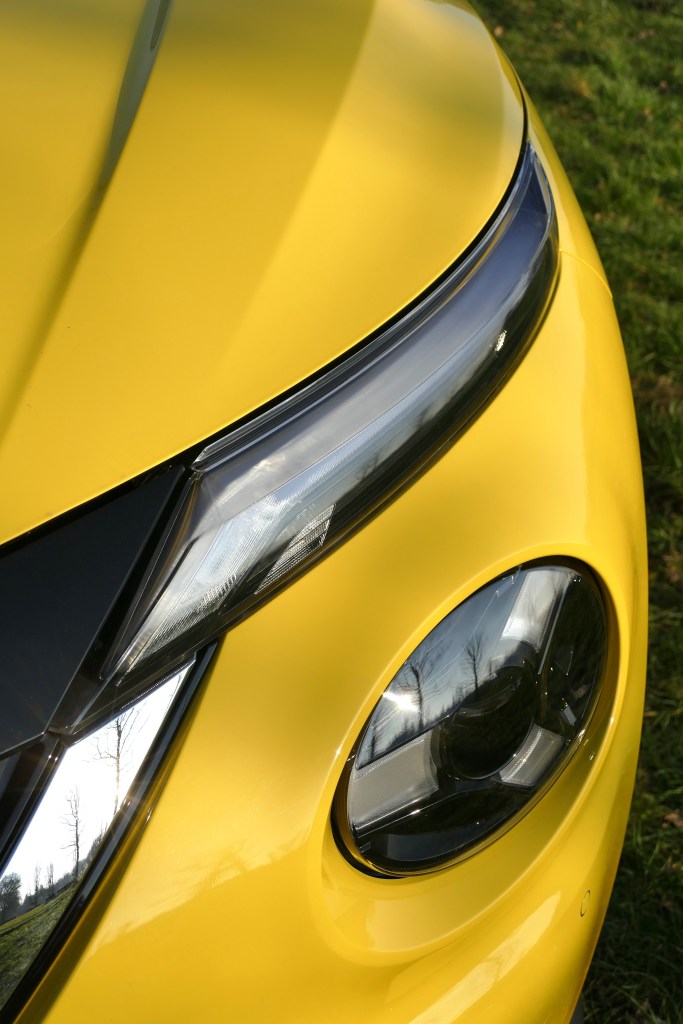
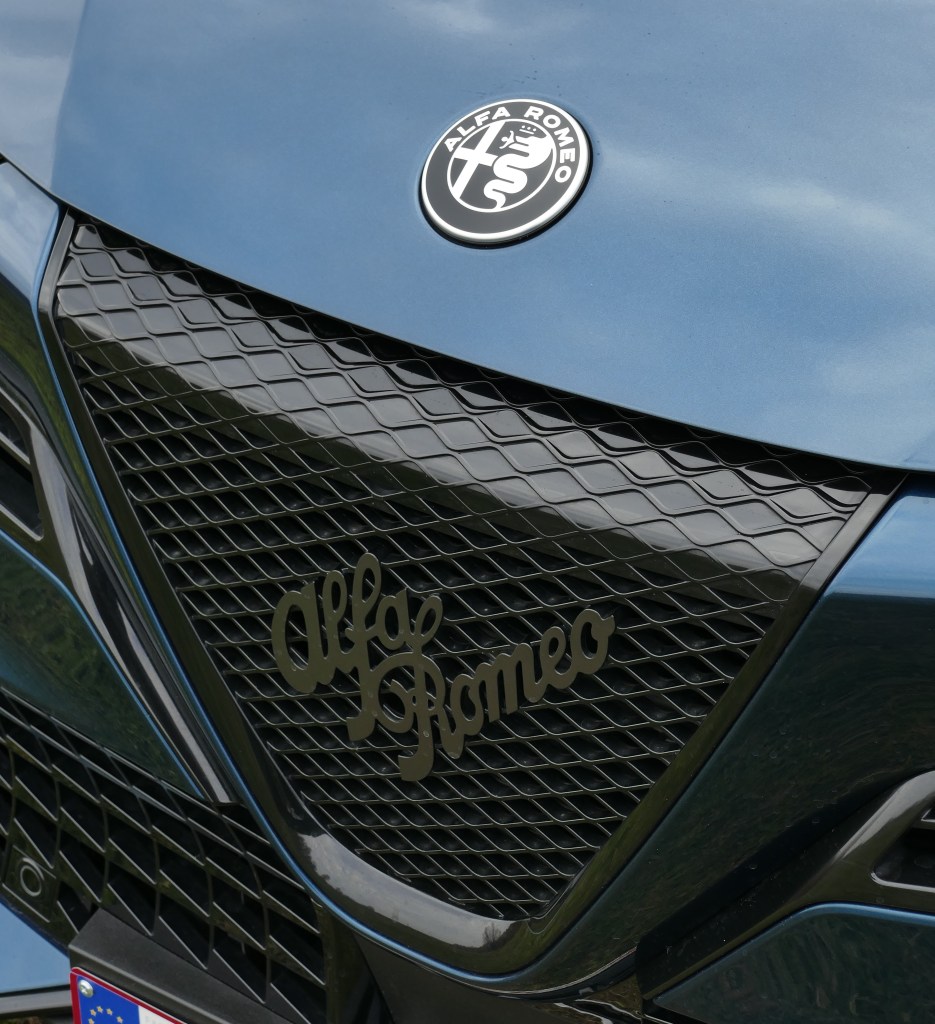
When approaching the new Alfa Junior we are seduced by its good proportions. The front grille has character, the led headlights accentuate things further and the air inlets add an agressive touch. The car looks good from the side, the rear end with its peculiar headlight shapes is somehow a departure from the typical Alfa styling language, and shows us that Alfa is also entering a new era.

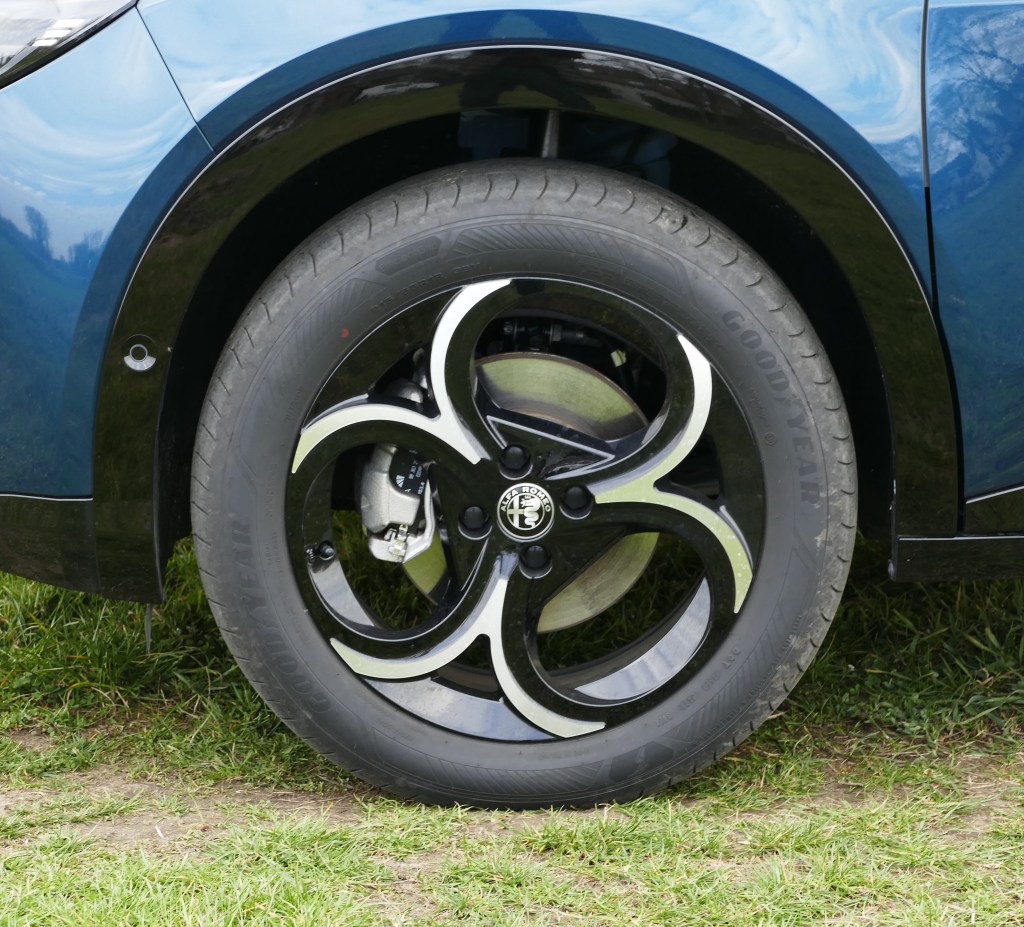
But there are Alfa styling icons which remain, like the wheel alloys with circular spokes, which suit the car very well.

The cockpit has also much Alfa Character, although aficionados will miss the typical large gear-change paddles on both sides of the steering wheel column, but then again, the smaller paddles indicate that this Alfa has somehow a different mission, and indeed this Junior wants also to convince the Alfa driver with somewhat different qualities.

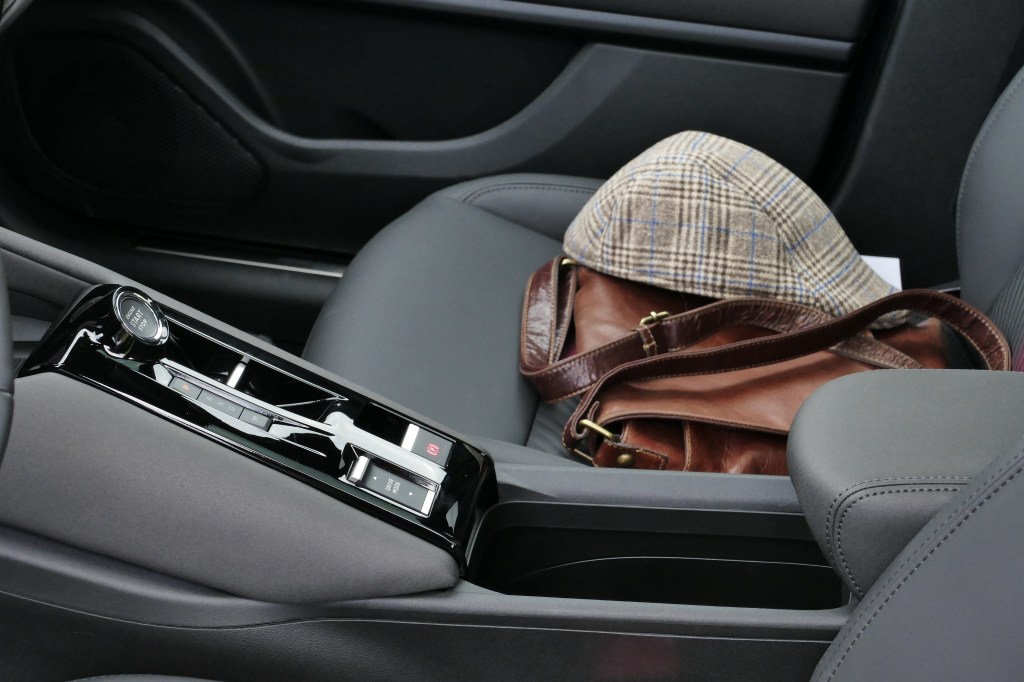
But we liked very much here again the digital instrumentation, the 10 inch large central touchscreen which is set in a stylish cluster directed towards the driver, with below it a leaner centre console, which houses the Stellantis-typical drive selector, contributing to an air of sportiness with a large circular start/stop button towering above it.

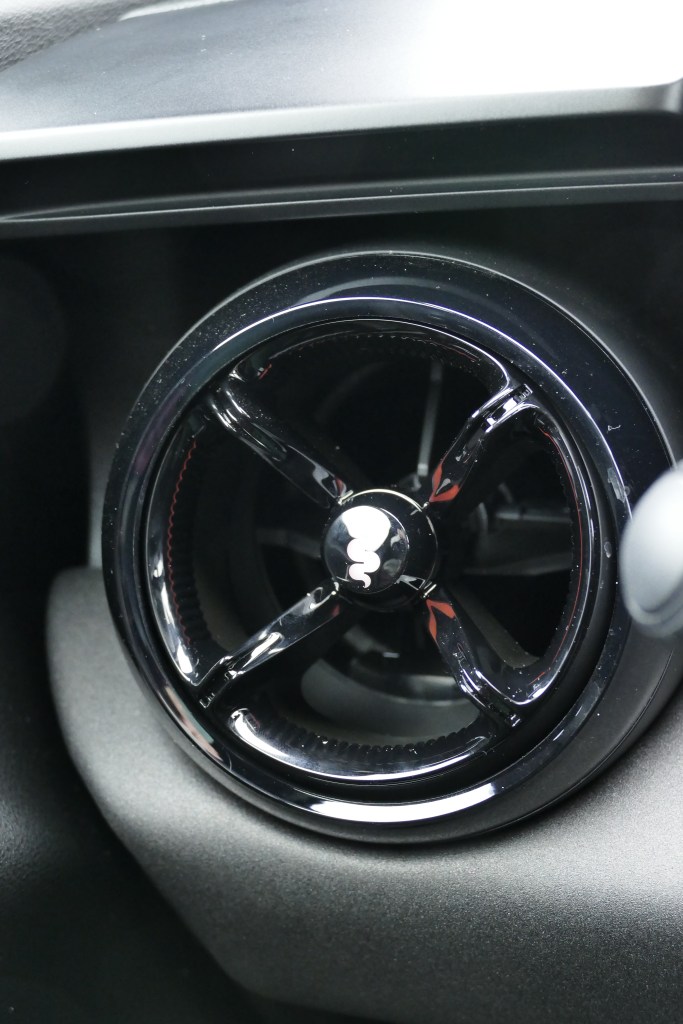
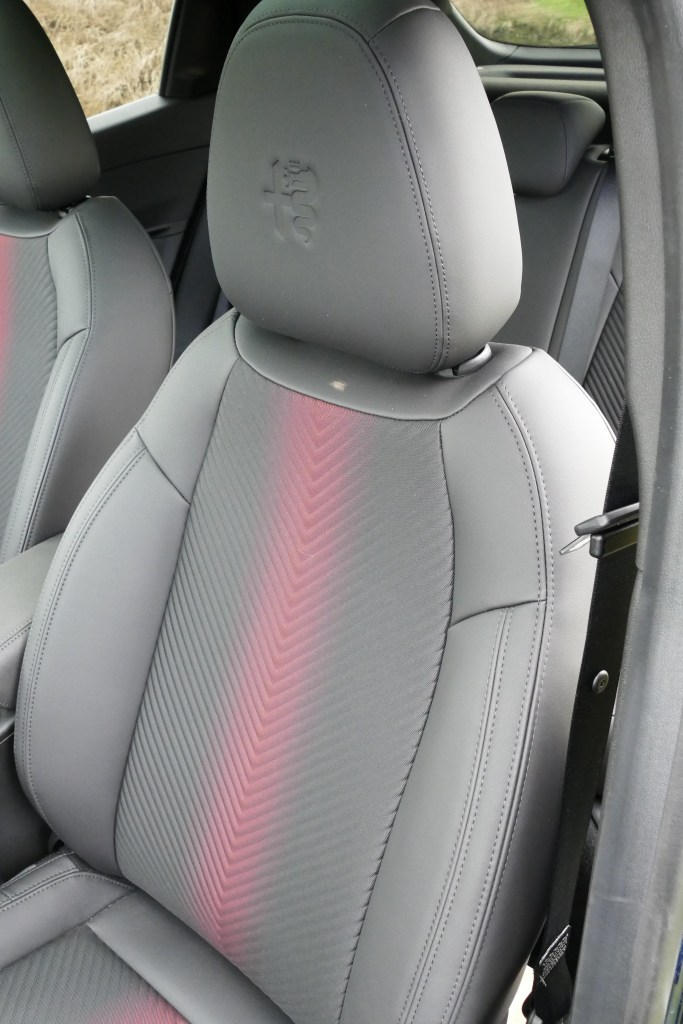
The illuminated ventilation openings adorned with the Alfa symbol also add character. We liked the color pattern of the seats, with a large central red stripe, which gives the distinct optical illusion of a glowing ribbon. The seating position is rather deep, which again accentuates the thoroughbred panache of this Alfa. Note that the seats have heating and massage functions, a distinct plus..

Everything is well finished, some harder plastics are found, but the panel surfaces of the dashboard still exude a distinct premium feeling. The ergonomics are beyond reproach, and below the central touchscreen one finds still a row of “analog” touch buttons for ventilation with, last but not least, the volume control of the radio…


Performance and handling: the DNA of a true Alfa.

The Junior uses a 48V mild-hybrid system that combines a 1.2-litre three-cylinder Miller cycle petrol engine,with variable-geometry turbo and distribution chain for maximum reliability. The electrical component consists of a 48-volt lithium-ion battery and a 21-kW electric motor built into the 6-speed dual-clutch gearbox, which works together with the inverter and transmission control unit to ensure maximum efficiency.  The total power output of the system driving the front wheels is 134bhp, enabling acceleration from 0 to 100km/h in 8.9 seconds.

Indeed, performance leaves nothing to be desired, and thanks to the support of the electric motor the acceleration from standstill is smooth and powerful. The changes of the six-speed dual-clutch automatic transmission are silky smooth under spirited acceleration, and indeed we found the whole drive-train behaving wonderfully when your right foot is somewhat heavier and you engage in a more spirited driving style.

The engineers have worked beautifully to give the 3 cylinder 1,2 litre unit, which is also found in many Stellantis models, this typical Alfa growl, reminiscent of the classic weber carburetted Veloce’s from the sixties and seventies. We just loved it.

So acceleration pleasure is to be had, and this is paired with a low fuel consumption which the classic Alfa’s never had to this extent. Yes, when cruising leasurely and avoiding high revs and (very) brutal accelerations, it is very well possible to achieve average consumptions in the 5-6 litre range, and even less.

The Ibrida is a so-called mild hybrid, this means that the electric motor, which is integrated in the transmission, has 28 HP, and the battery is also rather small with a gross capacity of 0,89 kW/h. But it does the job of giving that extra E-power smoothness and delivering E-propulsion at crawling speeds typical for start/stop situations.

The Ibrida is of course an excellent long distance motorway cruiser, with a top speed of a good 206 km/h. But it is also very much in its element on winding roads, and is both agile and completely predictable in its handling. So is this Junior an Alfa which can be driven with verve? Yes indeed, and it brings joy to motoring…

Practical and well equipped…

The luggage space is standard a good 415 liters, up to a maximum of 1218 liters. Of course Android Auto and Apple Car Play is provided, and the safety features as standard include level 2 autonomous driving, connected navigation, 180° rear camera, a handsfree electric tailgate, and a keyless system with proximity access technology as standard.

Conclusion

Is the Junior offering an attractive proposition for the die-hard aficionados of the brand? Yes it does, for us it breathes the DNA of a true Alfa. On the other hand, it offers ease of driving in town, practical everyday docility and last but not least excellent fuel economy and energy efficiency..

There are still more powerful versions, like the 280 HP Junior 280 Veloce all electric version, which  weighs only 1,590 kg. It emits also a typical “Alfa Sound” during acceleration, it appears. We are very keen to lay a hand on this throughbred EV-bomb in the not too distant future…

Hans Knol ten Bensel

We drove the Nissan Juke Hybrid N-Sport: stylish and frugal…  

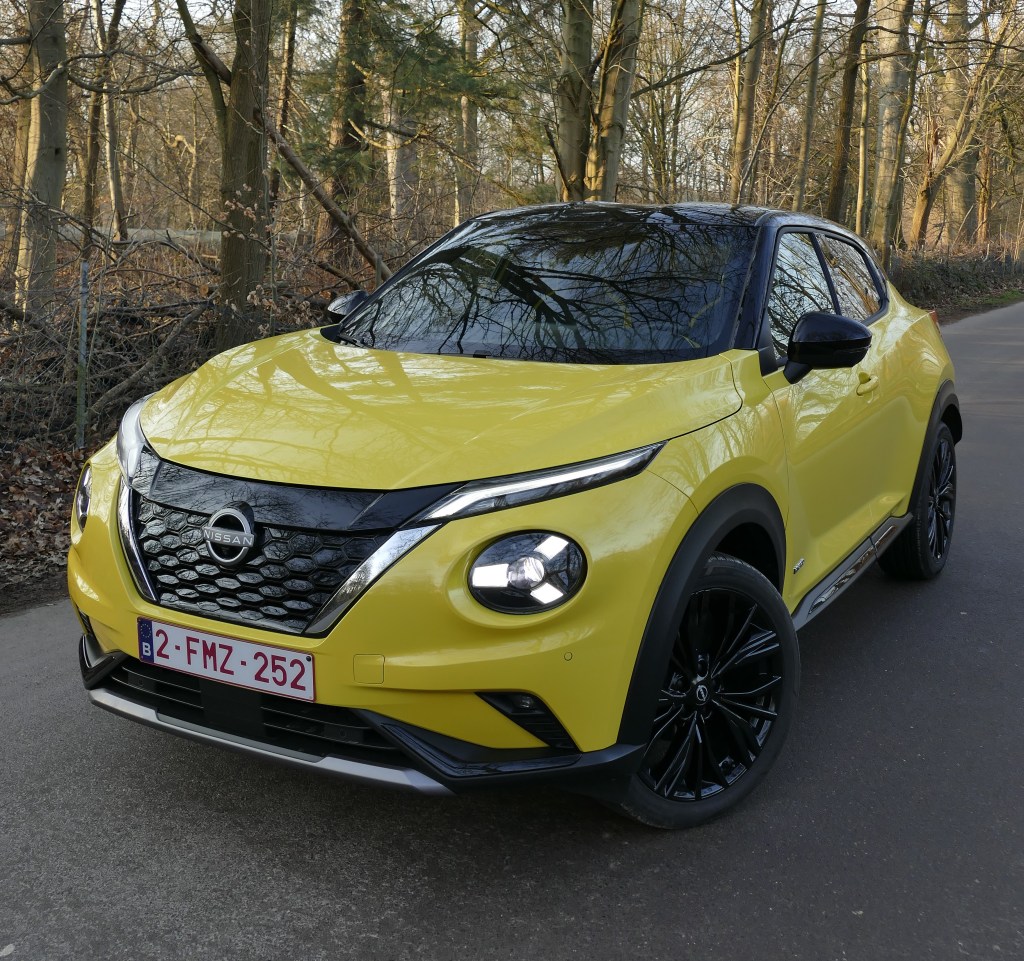
The Nissan Juke pioneered the compact SUV with its very original styling, and has remained an iconic car indeed. Since 2019 the Juke is in its second generation, and has last year received a facelift with minor exterior changes but with a revamped interior and a bolder colour palette. It runs on the same platform as the Renault Captur, but as said, it’s the styling which makes this Juke really stand out.

Since 2022 it is also offered in hybrid version, and as hybrids are gaining in popularity, it is this version we preferred to put here through its paces for you.

Hans Knol ten Bensel

Proven hybrid technology

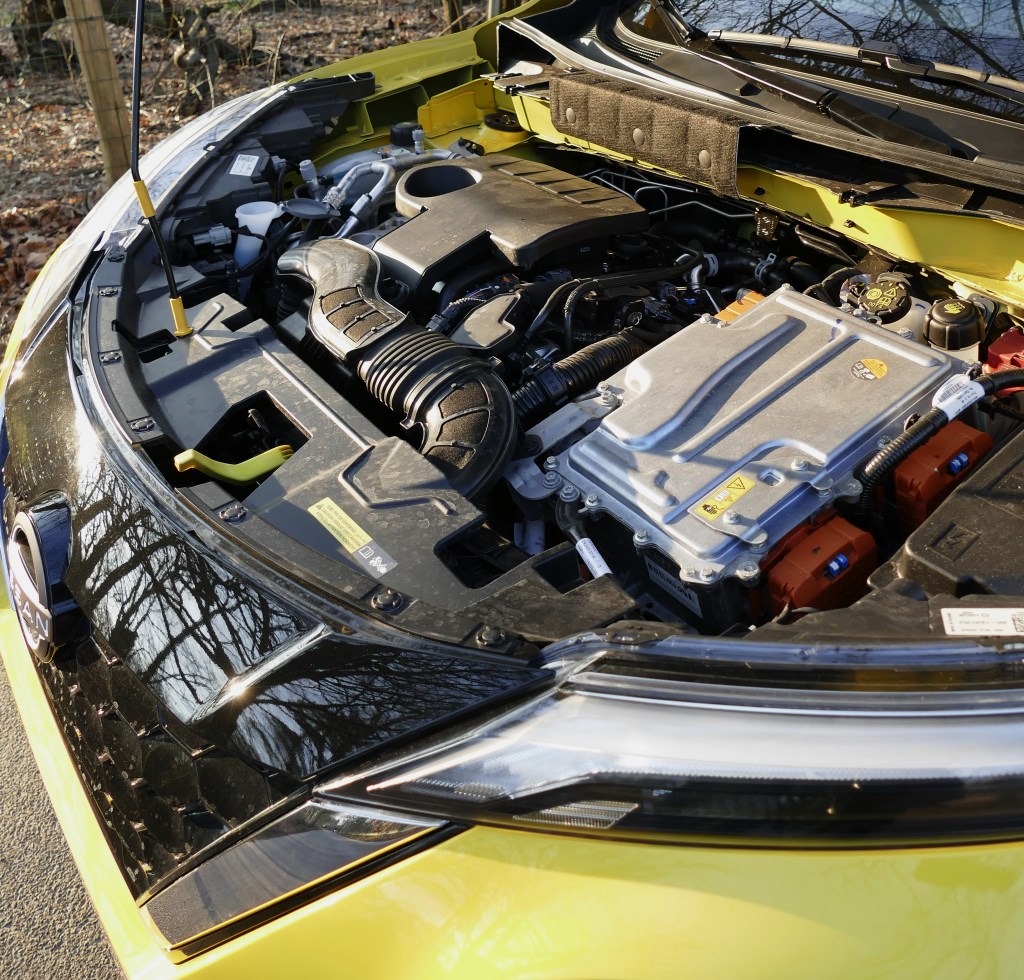
The hybrid version inherits the know how built up in this field by Renault, which is also technically speaking understandable as it shares, as we said, its platform with the Renault Captur. It has a 16 valve 1598 cc four cylinder under the hood, developing 69 kW or 94 HP at 5600 rpm. It has two electric motors, an alternator and a traction motor, bringing total system power to 143 HP/100 kW.

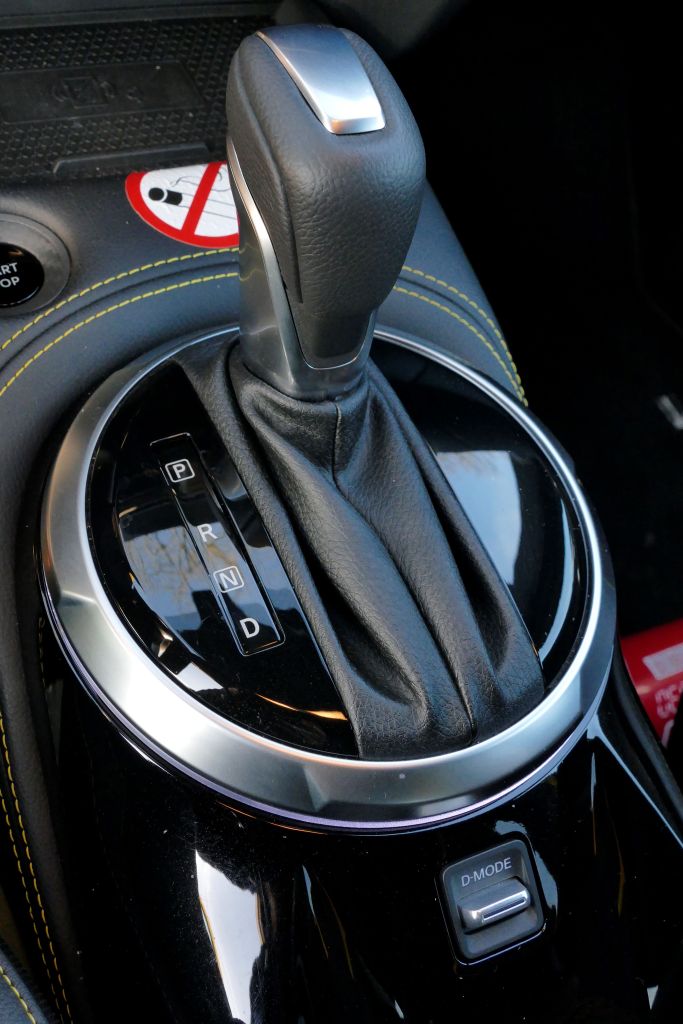
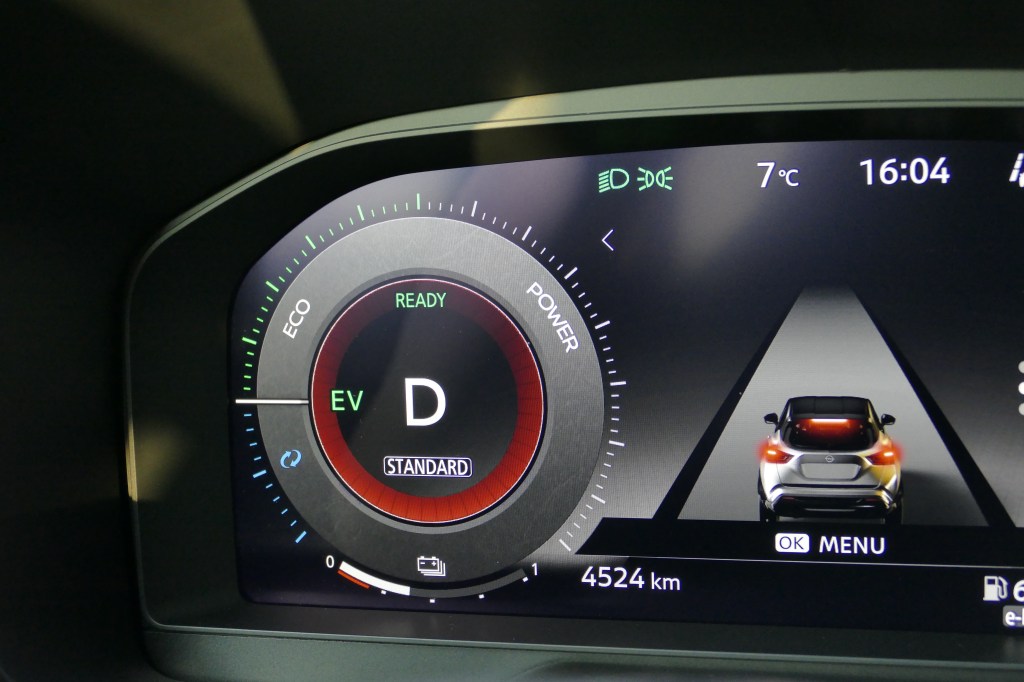
It has the same Renault engineered E-TECH multi-mode automatic gearbox, and it lets you select between three driving modes, standard, ECO and Sport. When starting from standstill, the computer controlling the transmission will select the electric motor and will continue to do so, until more power is asked by your right foot and the combustion engine has to set in.

The power transitions are smooth and virtually imperceptible, resulting in quite stress free and pleasant city driving. The lithium battery is of course not a formidable power source with a capacity of merely 1,2 kW, and this means that the combustion engine has to recharge the battery frequently, which it does preferably when you are driving at a slow (urban) constant speed.

This can result in the combustion engine starting to rev quite significantly when you are cruising quietly at some 35 km/h on a city boulevard, which can initially be quite unsettling, but no alarm, the computer is doing its intelligent job to let you progress as efficiently as possible. The multi-mode transmission chooses not less than 15 gear- and power combinations for you.

All this wizardry results in good (urban) consumption figures of around 5,5-6 liters/100 km. On the open road the Juke is quite efficient too. We clocked on a drive to Amsterdam and back an average of 5,4 liters/100 km.

CO2 emissions are some 107 g/km by the way.

Acceleration performance is pleasantly brisk with 0 to 100 km/h absolved in merely 10,1 seconds. It is the punch at slow speeds which is impressive (and important), with for example going from 15 to 30 km/h in just 1,2 seconds.

Top speed is a reasonable 165 km/h, but indeed, absolute high speed driving is not the forte of this Nissan. Of course it is perfectly capable of cruising effortlessly and comfortable on our motorways at legal speed limits…

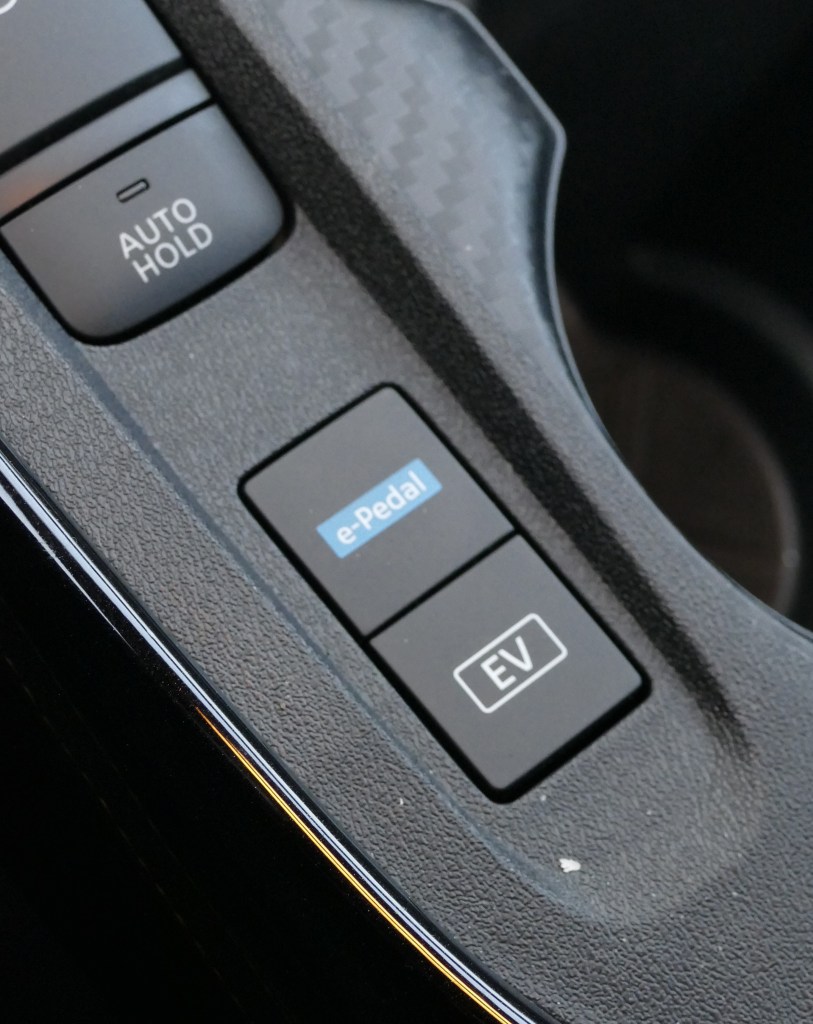
We also liked the “e-pedal”, where the generator motor will use the kinetic energy even more intensely to recharge the battery. You soon learn to use this to the extent that you will hardly need the brakes…

Travelling in style, and oh, that sound…

The SUV character of the Juke makes you sit pleasantly somewhat higher, and getting in and out if the car is also easier. We found the seating position excellent, and everything fell “just right” in our hands.

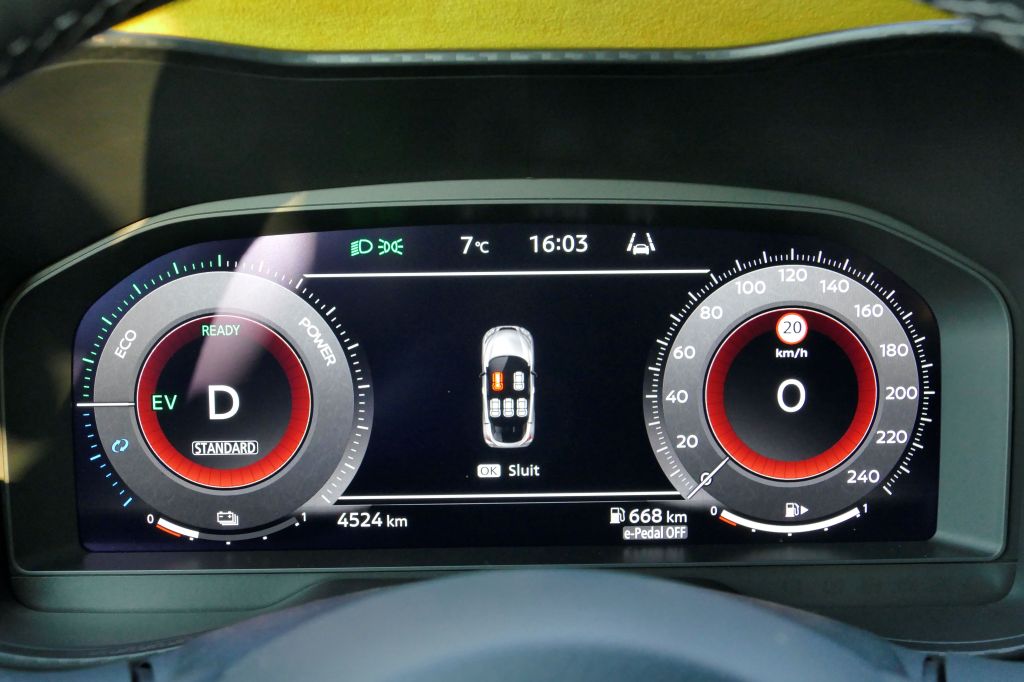
The Juke has now a bigger central touchscreen of 12,3 inches and a revamped digital instrument display with identical 12,3 inch dimensions. Very readable and elegant round dials are displayed in front of the driver, and you can choose to display the navigation function also between the dials. Of course Apple Car Play and Android Auto are installed and voice commands are also reliable and reactive.

We liked the big round knob for the sound system volume and the further touch buttons for audio functions and last but not least the camera. There are also welcome “physical” commands for the ventilation/heating system.

Our test car came with the Bose Plus personal audio system with not less than 10 audio speakers, two of which are also positioned in the headrests, and this offers a very impressive sound experience.

To enjoy classical music however one has to take into account that you are driving a compact SUV, and besides the fact that tire/road noise levels are good for its segment, it can still impair a perfect listening experience.

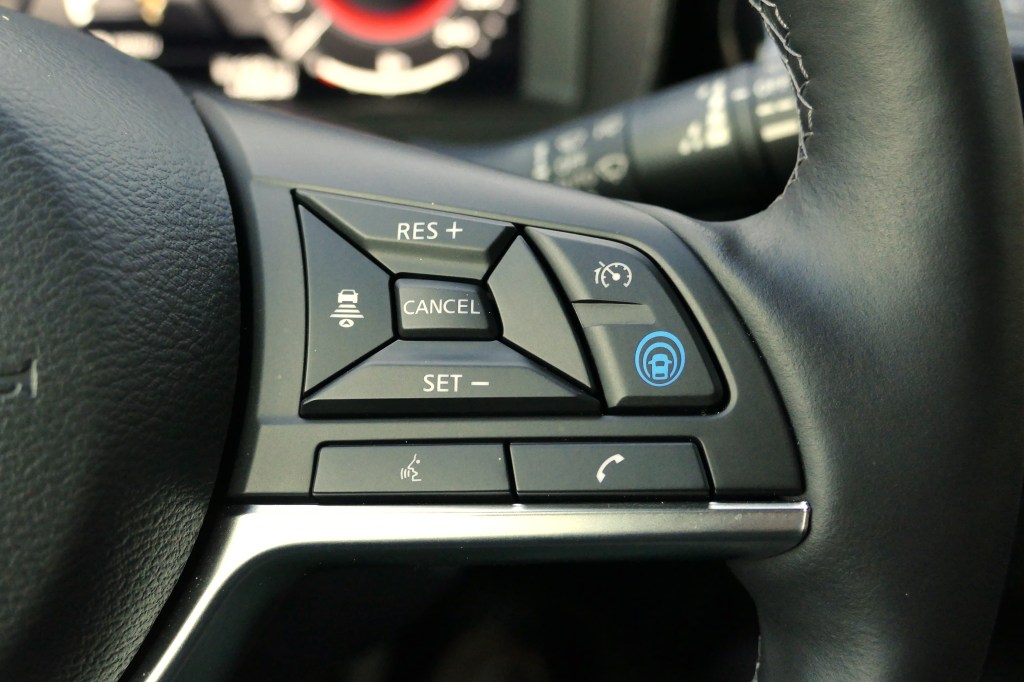
Our test car came also with the so-called “technology package”, and this includes adaptive cruise control, lane change warning and further driving aids like blind spot warning and rear cross traffic alert. It also has the Intelligent Nissan Round View Monitor, which we liked very much, as the visibility towards the rear is rather poor due to the original styling of the Juke.
 

The N-Sport equipment version pleased us optically with its nice black lacquered 19 inch “Akari” alloys, lacquered bumpers, the two-tone paint finish.

More room and comfort

The Juke is comfortable, the suspension is never too harsh and seats are fine. Passenger space at the rear has been improved since 2019 with a lengthened wheel base by some 10 centimeters, resulting in about 6 centimeters more space for your knees in the back. Due to the bold styling of the Juke, the floor of the luggage compartment is rather high. Luggage volume is reasonable, varying between 354 to maximum 1237 liters.

Positive handling

The Juke is stable and has predictable handling, but does not actually invite you to throw it around corners. It steers precise and pleasant however, and is relaxing to drive also on winding roads. It feels very surefooted on motorways, and indeed it is also an excellent companion on long distances.

Conclusion

For those who like to travel in style, enjoying this unique higher stance and feel so typical of an SUV, then the Juke is the choice. It truly convinces in its hybrid configuration, delivering smooth and fast accelerations in town, combining it with excellent economy. Infotainment and driving aids are up to scratch, and will please younger hearts. The Juke inspires confidence due to its finish and workmanship, the cabin is well equipped and pleasant, so enjoy the ride…

Hans Knol ten Bensel  

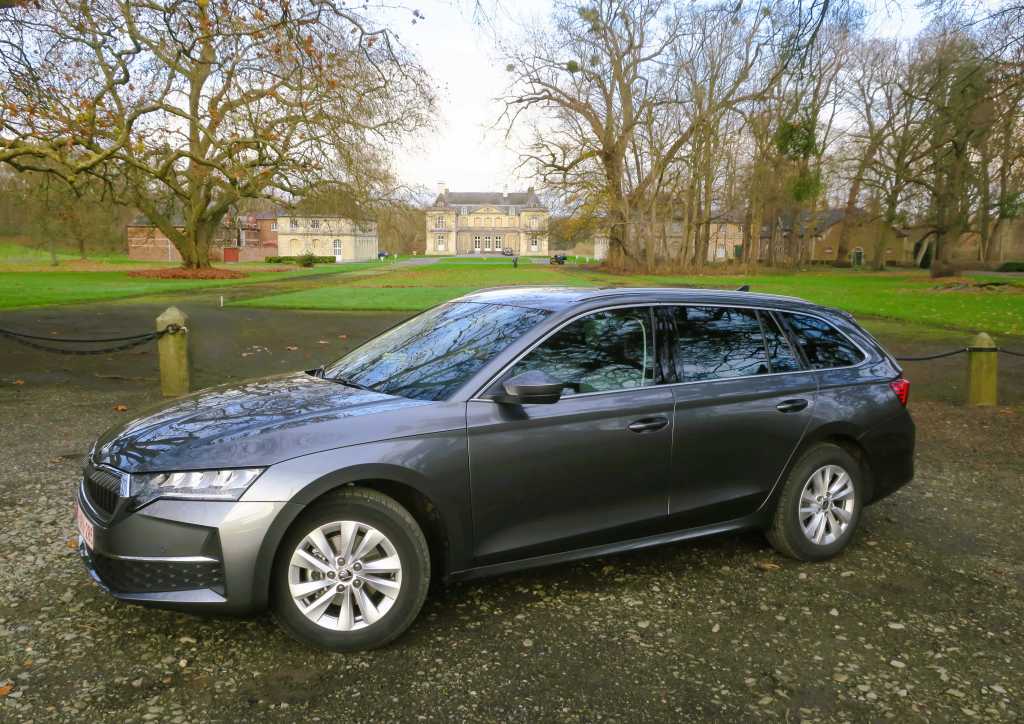
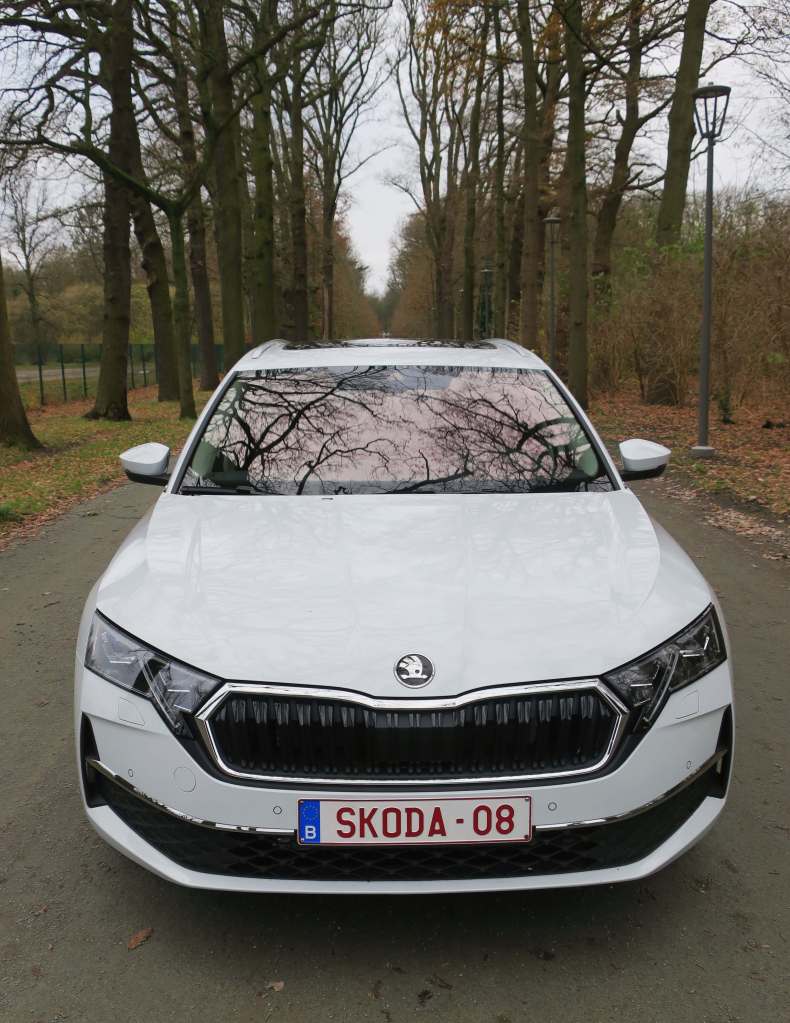
We drove the Skoda Octavia Combi : an all-round (family) bestseller…

Skoda’s are popular family friends, and indeed the Octavia steals the hearts of many. For good reason: Skoda builds on the platform of the Golf (now it is the Golf VIII) an even more roomy and practical version, the Octavia Sedan and Combi. It tops the charts in many (European) countries, as it is well built, stylish, marvelously practical and offers last but not least very good value for money.

We tested for you two versions: the 115 HP 1,5 TSI with the 6 speed manual in “Corporate” trim and the 150 HP 1,5 TSI m-HEV with the 7 speed DSG auto box in the top of the line “Selection” trim.

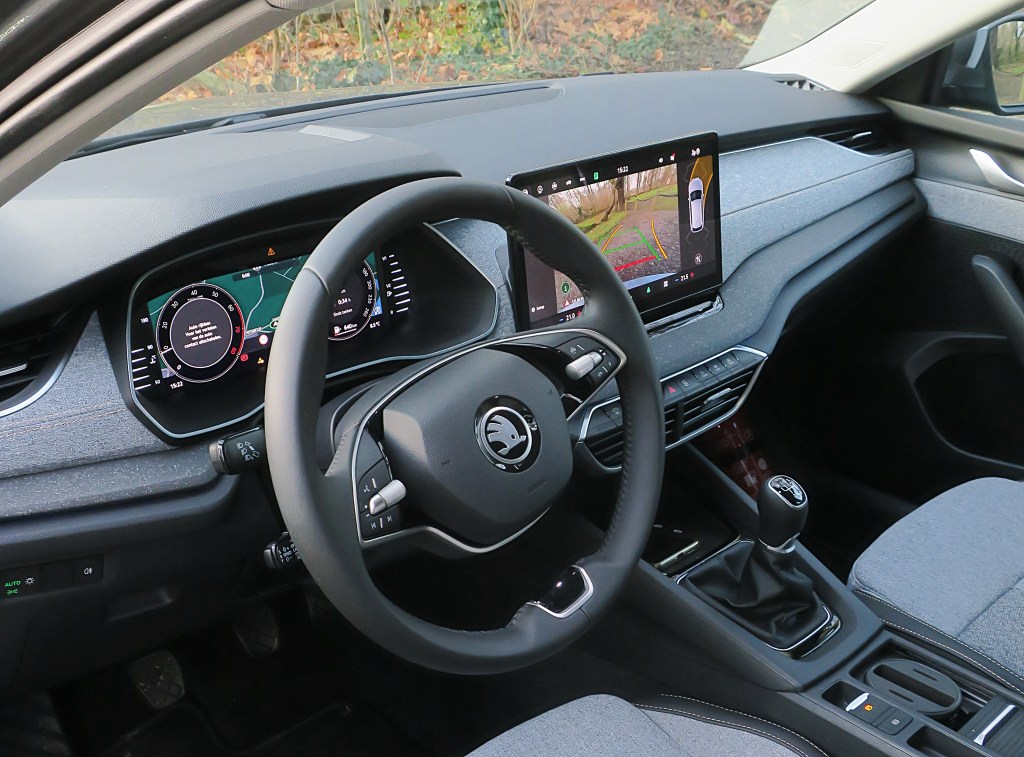
Sliding behind the wheel of the Octavia puts immediately a respectful smile on your face. It’s interior certainly impresses. Roomy, well finished, big instrument and infotainment screens, lavishly  equipped, certainly in the equipment versions we tested.
 

The interior of the 115 HP “Corporate” equipment version. It already has everything you might need…

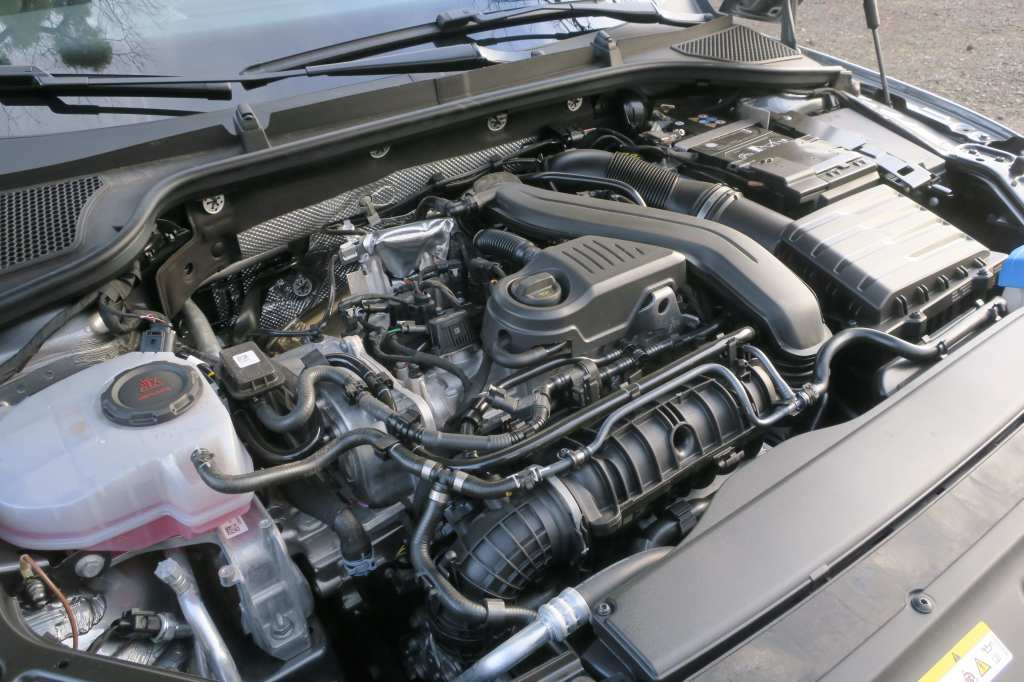
Starting the 1,5 TSI results in a quiet purr, and you move the slick lever into first gear. The gearbox changes are precise and smooth, the engine is flexible and willing. It develops a healthy pulling power with maximum torque of 220 Nm, developed from 1500 to 3500 rpm. This means you can flow along with the traffic in the higher gears, with only a whisper of engine sound, and enjoy urban consumption figures between 7 and 8 litres/100 km. On the open road, adopting the same quiet driving style, you will see consumption soon dropping below 6 litres/100 km. Skoda officially quotes 5,2-5,7 l/100 km, with CO2 emissions given between 118 and 129 g/km, putting it in class D.

This 1,5 TSI engine belongs to the ultra-modern EA211 TSI series,  Thanks to Active Cylinder Management (ACT), two of the four cylinders are switched off as often as possible, and this is almost inperceptible.

Of course, this Octavia can stand its own on long fast trips and Autobahnen. It will sprint in 10,5 seconds to 100 km/h and has a top speed of 203 km/h. It is a beautiful high speed cruiser, along with many other good handling qualities. It has the platform of the Golf VIII, remember, and Skoda knows something about chassis and suspension tuning, just think of the RS versions. The top RS beast has not less than 265 HP, which is identical to the sixties super car, the Jaguar E-Type.

But again, the “base” version with its 115 HP coupled to a 6 speed manual will satisfy most. Since our silver grey test car came second in the contest of the “family car of the year” organized by the Belgian VAB magazine during our test, the car was needed for photo and marketing purposes by the Belgian importer D’Ieteren, so we had the opportunity to test also the 150 HP 1,5 TSI m-HEV, which is the mild hybrid version of the Octavia.

Like the 115 HP engine, the 1.5 TSI with 110 kW (150 PS) delivers its maximum power between 5,000 and 6,000 rpm. This diminishes both consumption and emissions. The maximum torque of the 110 kW engine is 250 Nm and this is also available between 1,500 and 3,500 rpm.

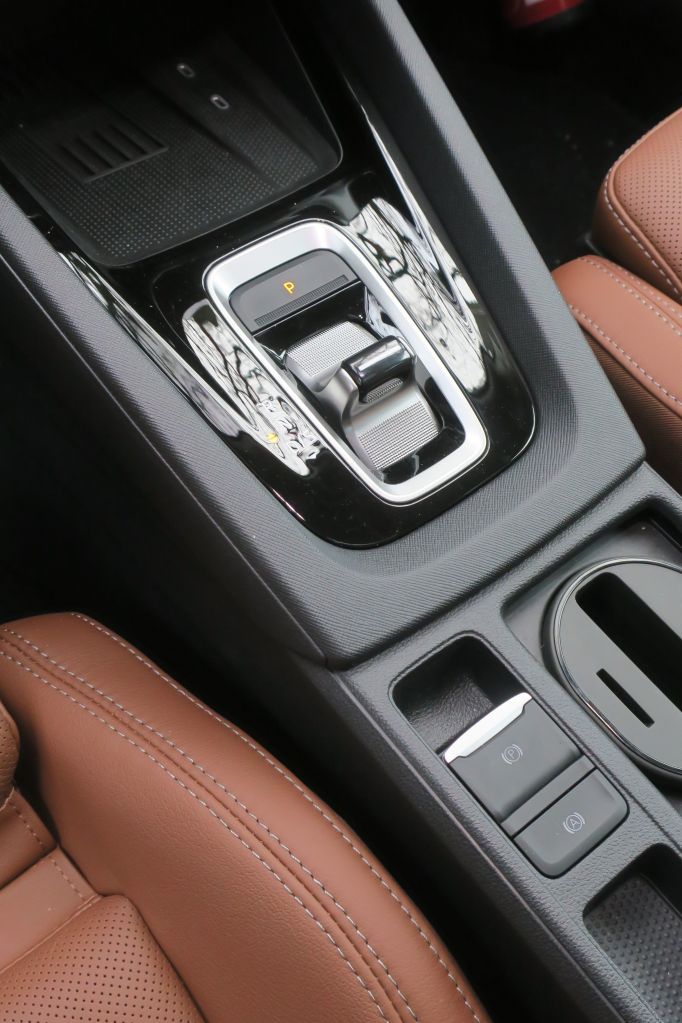
The 150 HP version came with leather seats and leather covered dashboard panel surfaces , giving the interior extra panache and a touch of luxury…

The m-HEV version has a 48 V lithium-ion battery, which supplies the 12 V vehicle electrical system and drives a 48 V belt-driven starter-alternator. This belt-driven starter-alternator takes on the role of the alternator and starter while simultaneously operating as a small, lightweight electric motor that instantly boosts the drive torque when moving off. The output of the generator is transferred by the belt drive. It also starts the combustion engine – which is switched off as much as possible while the vehicle is moving – in a barely perceptible way. In this case, the 48 V battery supplies energy to all the important systems of the car.

Luggage space is absolutely cavernous…

We liked this smooth extra EV power, and the engine switching off really enhances your quiet driving style. It adds greatly to the “zen”feeling when driving in busy traffic. We also liked the coasting function when you lift the throttle at speed. It is astonishing how frequently one can profit from the kinetic energy of the car when you drive it just a bit with anticipation. It certainly results in lower fuel consumption in urban driving situations, where we achieved averages of around 7 liters/100 km in town without any effort. Skoda quotes averages of 5 to 5,8 liters/100 km, and indeed in practice this Skoda was about 0,5 liters more economical than the 115 HP 6 speed version. CO2 emissions are quoted between 114 and 133 g/km.

Coupled to the smooth 7 speed DSG the Octavia really comes into its own, and it is a delightful everyday car.

Our test car had drive mode selection, which added further to driving pleasure and well being behind the wheel. Performance is here truly admirable, with 0 to 100 acceleration in 8,6 seconds and a top speed of not less than 226 km/h.

Put in the proper driving mode, this Octavia can really be moved with zest on winding roads, and has excellent Gran Turismo qualities. Leaving it in the comfort mode makes it a very restful (long distance) car for both driver and passengers.

Roomy and practical

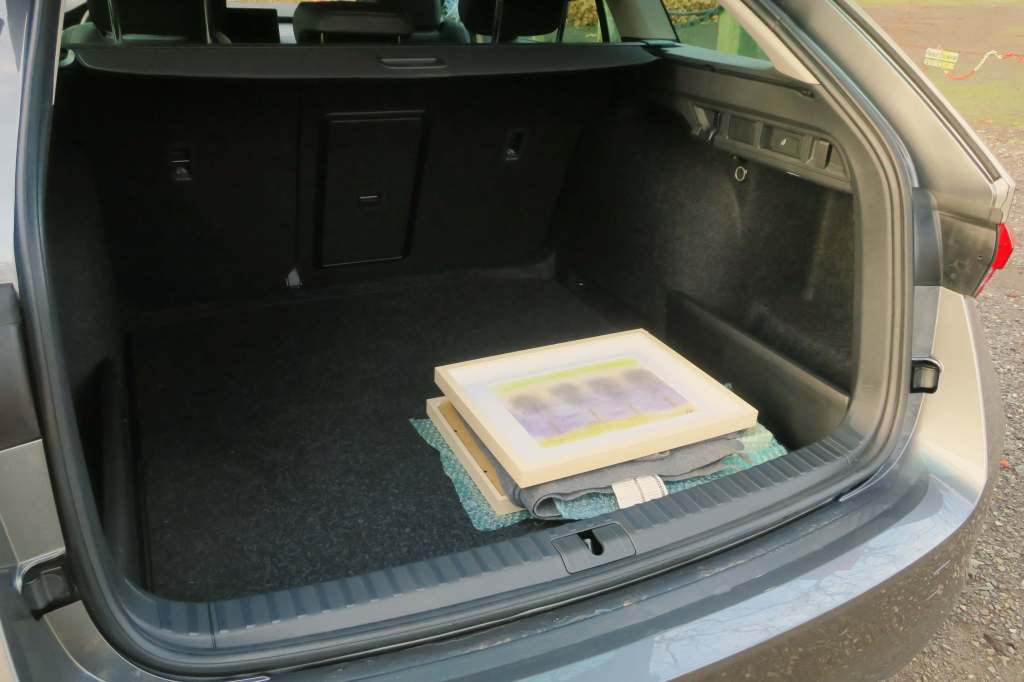
Skoda engineers have a talent to create room on the platforms of the group, and what they have built on the Golf VIII platform is nothing short of astonishing. It is a fully fledged five seater, with luggage space to match. You have 640 liters with the rear seats up, and up to 1700 liters when everything is laid flat.  

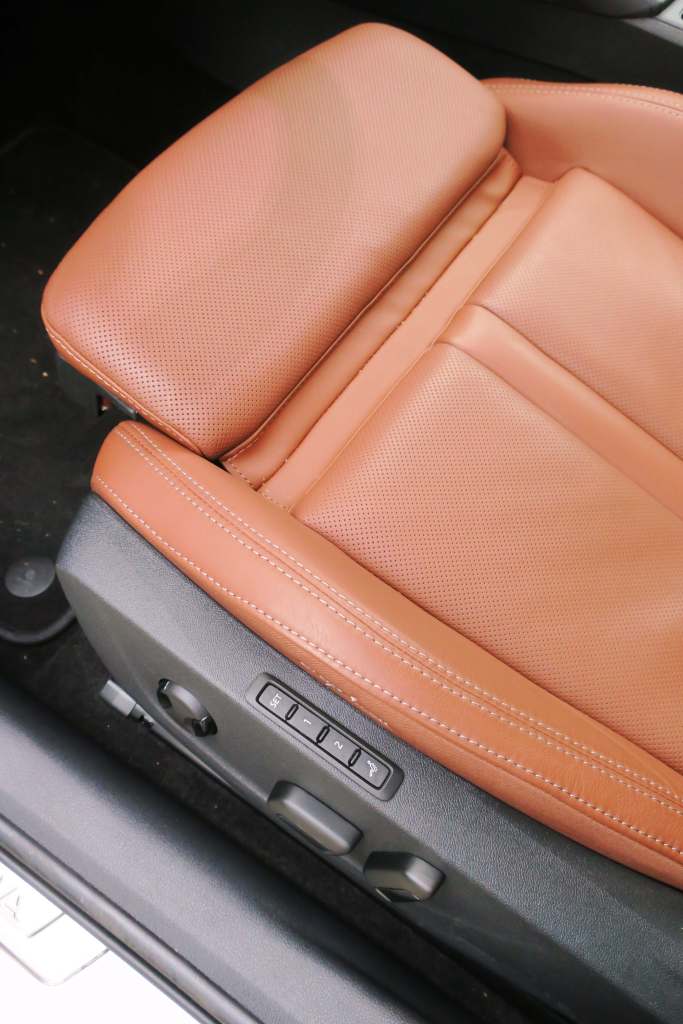
Seating comfort is also one of the strong points of the Octavia. The position behind the wheel is nothing short of ideal, with in the top equipment  version we tested anatomical seats with adjustable seat  functions throughout. The rear passengers enjoy ample legroom and also headroom is more than sufficient. The 150 HP Octavia sported also very aesthetic beige leather seats which added a touch of panache to the interior.

Infotainment

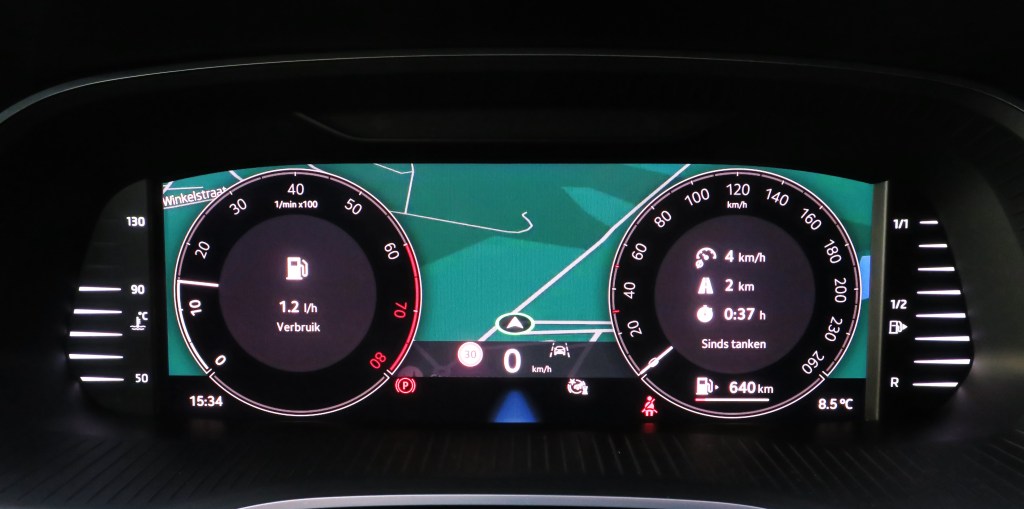
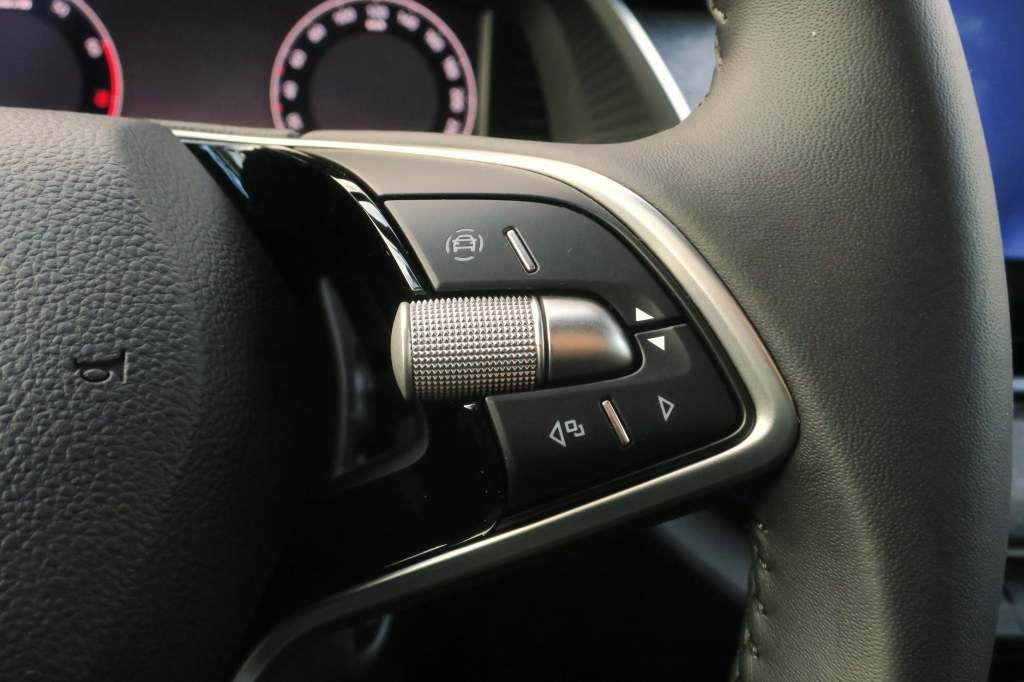
The Octavia comes with a large touchscreen in the centre, combined with a digital instrument cluster in front of the driver. Skoda has increased the functionality of its infotainment functions with artificial intelligence, and it is now possible to have a more efficient dialogue with your car. It just shows how much importance Skoda is giving to stay competitive in its class. Skoda was indeed also quite clever to use touch/roll buttons for the various commands at the steering wheel column, instead of the haptic/touch sliders used in the VW (ID) range.


Conclusion

The more you drive this Skoda Octavia, the better you come to appreciate its qualities. It is indeed an all round practical car which literally ticks all the boxes. It is elegant with no thrills or frills in its overall styling, both inside and out, offers acres of room for passengers and their luggage, is mechanically smooth and well honed.

It offers impressive performance and allows you a ’zen’ driving experience in town. It is quite frugal too, when you adopt a reasonable driving style. So that families just love this Octavia is obvious. Indeed, enduring success is based on solid qualities, and this Octavia continues to have them…

Hans Knol ten Bensel 

We drove  the Alfa Giulia ’’ Tributo Italiano’’ 280 HP : a true driver’s delight..

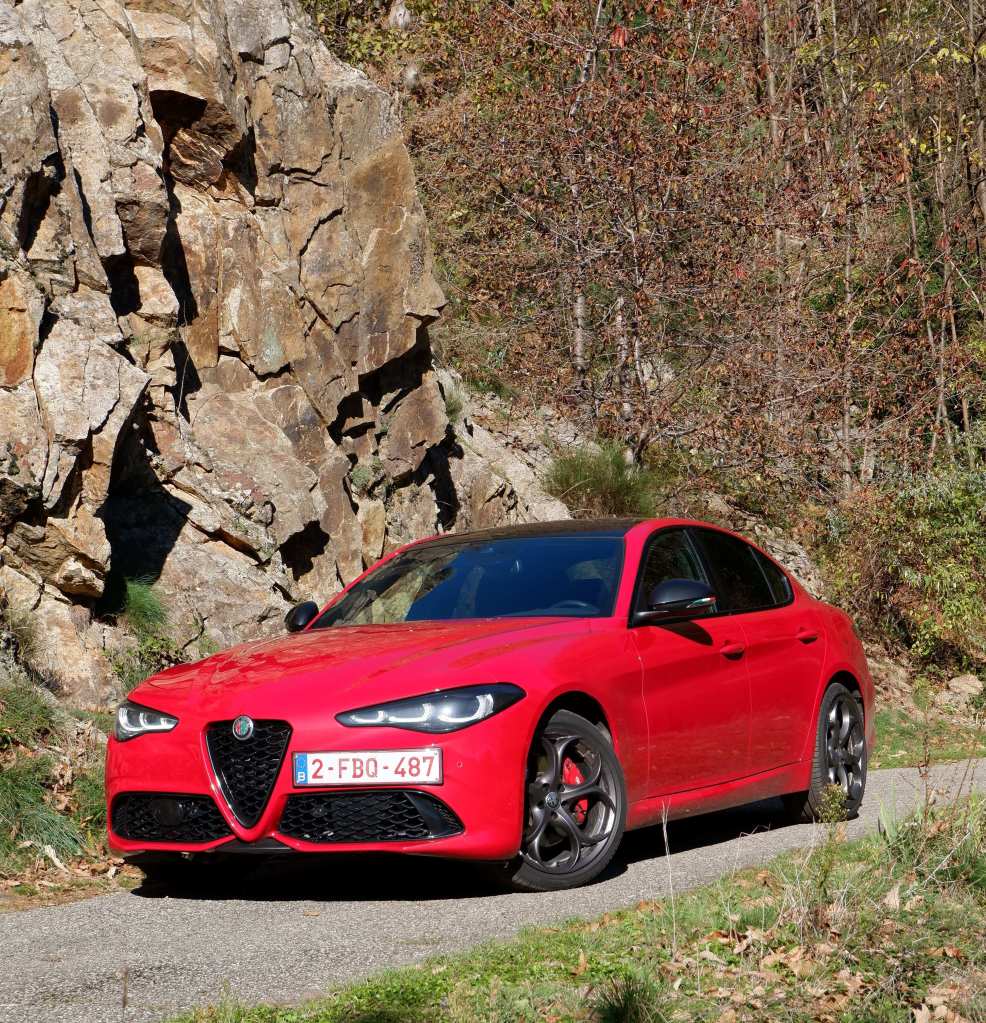
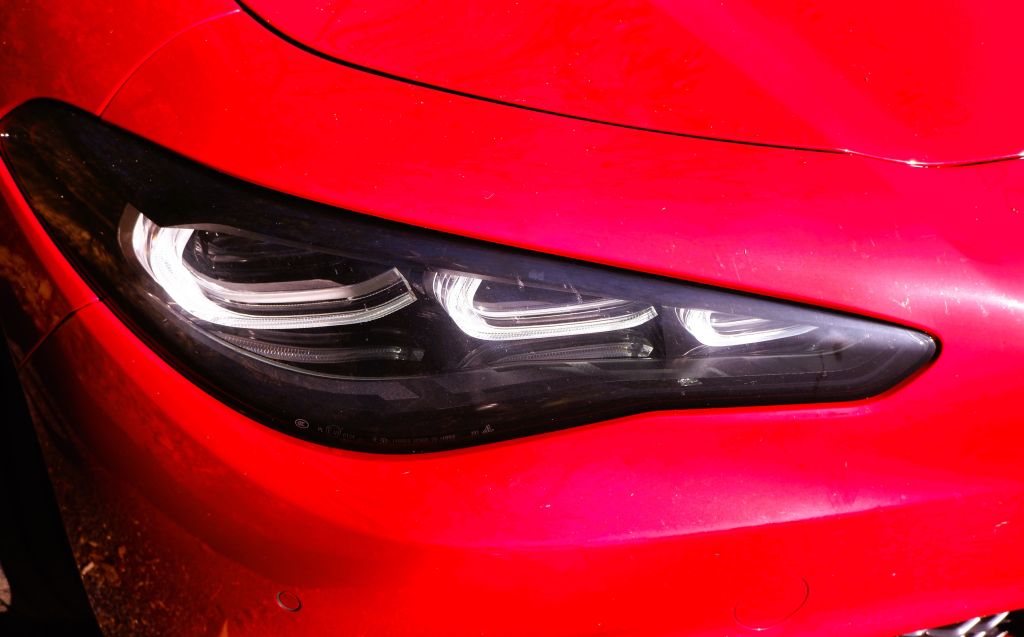
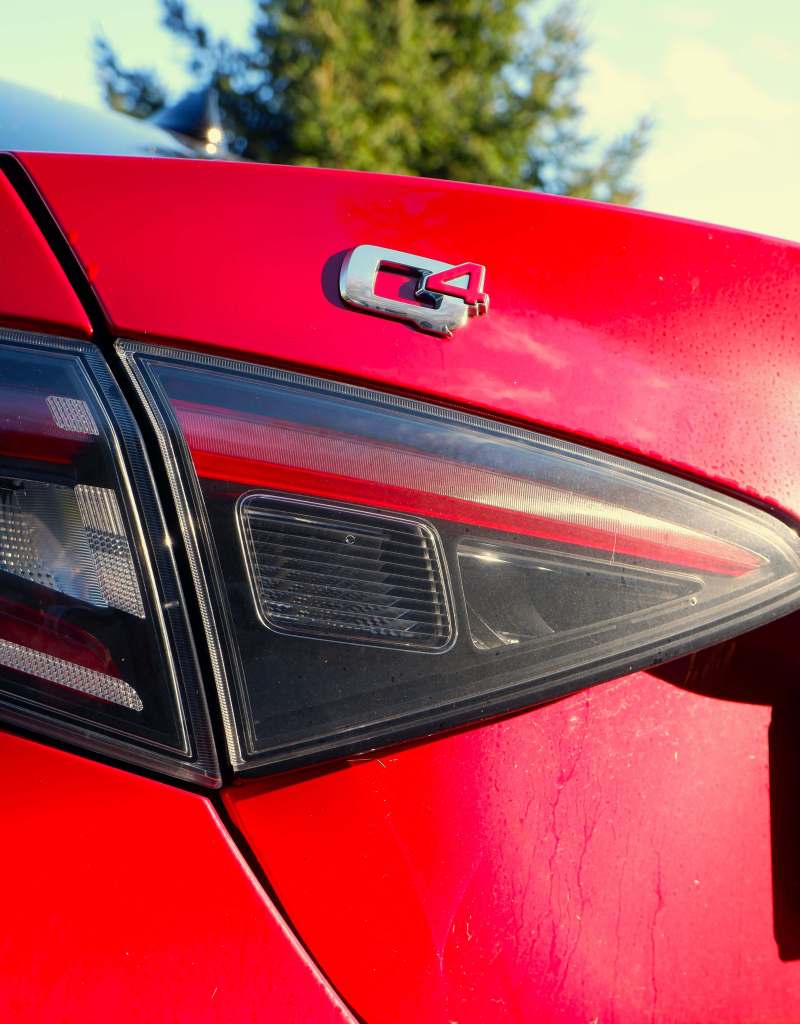
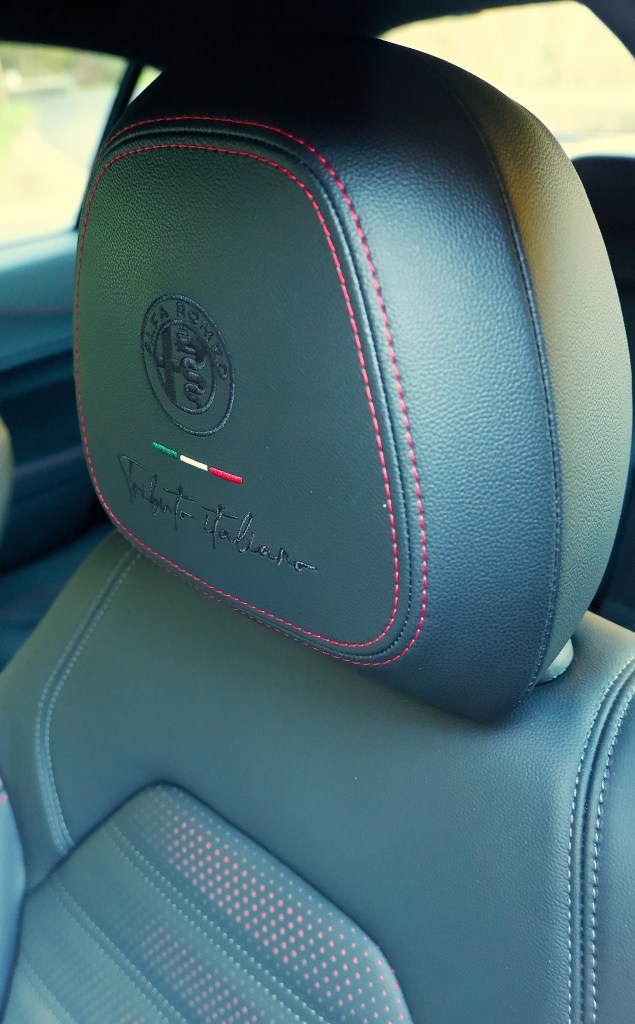
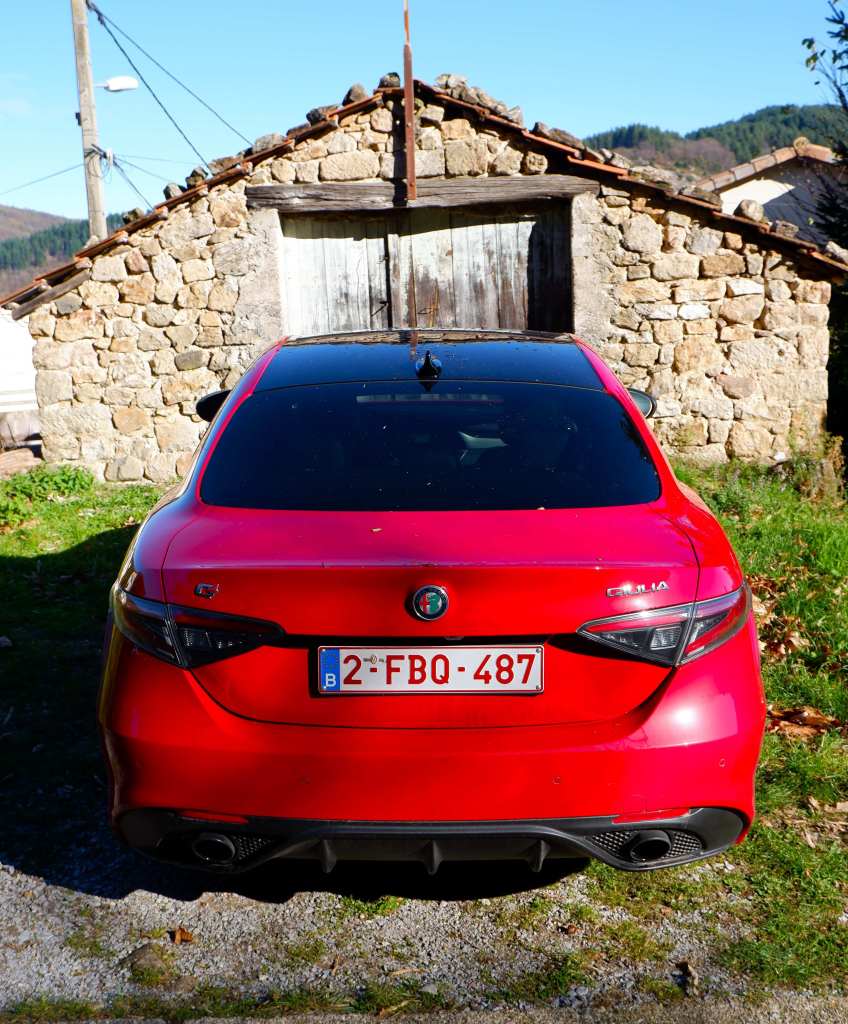
There are sporting sedans which are engaging to drive. But then there is the Alfa Romeo Giulia. It sets the absolute standard in its class when it comes to balanced handling and panache. And since its introduction in 2017, this Giulia remains unchallenged in its class until this day. We experienced this again at the wheel of the new ”Tributo Italiano” version, equipped with 4 wheel drive and its legendary 280 HP 2 litre direct injection petrol engine. Read further…

Hans Knol ten Bensel

Thoroughbred looks

This Tributo Italiano version certainly makes your car loving heart beat faster. The timelessly well proportioned body is painted either in ’’Rosso Alfa”, ’’Verde Montreal’’ or ’’Bianco Alfa.’’ You guessed it, these are the colours of the Italian flag… this Giulia also has wonderful 19 inch black alloys and red painted brake calipers.

In the cabin the black sports seats are adorned with red stitching, also found in the door panels and the dashboard edges. The front seats are heated and ventilated, your ears are spoiled by a 14-speaker Harman Kardon sound system.

Behind the wheel…

Sitting in the Giulia is low and sporting, with everything beautifully within reach. Certainly the big sized gearchange paddles on the steering wheel, worthy of a supercar, and so easy to reach also when you are making extensive steering movements. Totally Pur Sang, and one asks oneself why not every car with sporting aspirations has this too. The engine starts smoothly by pressing the knob on the steering wheel. A true gem is this 2 litre four cylinder, with ample torque and power. It develops not less than 280 HP, which indeed results in supercar performance.

What to think of a top speed of some 257 km/h, and an acceleration from 0 to 100 km/h in merely 5,5 seconds? Thanks to the ample torque, the pulling power is also quite massive at intermediate speeds, where of course the excellent and alert 8 speed auto box comes also into play. Leaving the lever in ’’D’’, the Giulia sprints from 70 to 120 km/h in just 5,8 seconds.

The Giulia is also reasonably frugal at constant speeds, at a cruising speed of 130 km/h, consumption is around 7,51 liters. In town, with some restraint, one can achieve between 8,7 and 9,5 liters/100 km, cruising at 110 km/h will cost you around 6,4 liters. Our average consumption during a quite extended test resulted in 8,1 liter/100 km.

Beautiful handling

What one feels behind the wheel of this Alfa from the first few meters is its the wonderful balance and handling. It still runs on the Georgio platform, developed long before electrification, and this in collaboration with the chassis engineers from Ferrari and Maserati.  This resulted for instance in a truly ideal weight distribution of 51% at the front and 49 % at the rear.

You guessed it, this Giulia has a balance, steering precision and handling which is honed to absolute perfection. Steering this Giulia on winding roads is totally a dream. The suspension set up strikes an ideal compromise between precise handling and comfort, and indeed this Giulia is surprisingly comfortable considering its excellent agility. On top of all that this 280 HP Giulia has 4wd, which sets in when necessary. Normally, the rear wheels are driven.

The engine revs to a beautiful staccato when called for, but this never gets unobtrusive, and also high speed cruising does not unduly raise the noise levels in the cabin, making the Giulia a magnificent Gran Turismo, as we experienced driving it into France.

Practical

The Giulia offers adequate room in the rear, and luggage space is also quite reasonable with 378 liters. Infotainment is now since the latest facelift where the Giulia also received new LED headlights up to the mark, with of course Apple Carplay and Android Auto connectivity installed. The digitalized instrumentation in the cluster in front of the driver is well executed with an excellent rendering of both speedometer and rev counter, and indeed, instrument buffs as we are, we did not miss the previous beautiful analog instruments. We liked to find again the trusted DNA driving mode selector on the centre console.

Conclusion

This Giulia truly stands out, and is nothing less than a true supercar within the Stellantis portfolio. Its engine is a marvel, and it is therefore with good reason that we will see this formidable unit soon in top of the range Peugeots…
Then there is the Georgio platform, which breathes the aura of ’’Puro Sangue.’’ Precision, agility and wonderful balance between comfort and superb roadholding and stability is the hallmark of this platform, and it has to be experienced behind the wheel to fully appreciate it.

Last but not least there is the overall styling, the ideal proportions and the panache of the Giulia. It is for many the quintessential Alfa, and this is the best compliment we can give this car…

Hans Knol ten Bensel 

We drove the Peugeot e-2008: a bestseller goes electric…

The stylish 2008 has already won many car loving hearts in its B-SUV segment over the last three years, and Peugeot now again improved its styling, equipment and last but not least gave it a new electric motor, bigger battery and longer range.

Reason enough for us to have a go for you behind its cute, dynamic and very pleasant small steering wheel, which gives this 2008 the extra panache and feel to brighten up your daily driving. We drove the top notch GT version here, and were spoiled indeed…

Hans Knol ten Bensel

The E-2008 was already quite popular in its earlier  version, with not less than 75,000 units sold. It accounted for 17.4% of sales in 2022, placing it on the podium of European sales of electric SUVs in the B segment.

Even more style…

The 2008 had already an appealing overall design, but now after the new 508 saloon and 508 SW, the 2008 is the second model to adopt the new PEUGEOT signature light. This consists of three vertical light claws which are integrated into the gloss black inserts on the bumper. In the GT versions, the effect of the three claws is extended in the lighting of the full LED headlamps through the use of three light modules. We liked it…see the photo below.


The new LED rear lights on all versions of the new 2008 are redesigned. The emblematic three claws are made up of three superimposed horizontal double slats, giving the 2008 optically a wider stance.

The new 2008 has a new front end, which features the new PEUGEOT emblem, and we liked very much the new Selenium Grey which was chosen as the launch colour. It gives the 2008 a decidedly upmarket appeal.
The wheel design is now in line with those introduced on the PEUGEOT 408. Several models are available, in 16-inch “NOMA” (ACTIVE versions), 17-inch “KARAKOY” (ALLURE and GT) or 18-inch “EVISSA” (optional on GT). All alloy wheels feature a 4-spoke wheel centre, stamped with the PEUGEOT crest…

A pleasant cabin and a new digital instrument cluster

Ideally located at eye level, just above the steering wheel, the new 2008’s instrument cluster is digital on the ALLURE and GT versions. Its 10-inch digital display has a new design and, on GT versions, a 3D display. The colour of the display, the hierarchy and the layout of the information can be fully adjusted to suit the driver’s preferences, and indeed, is quite intuitive to use. We like the Peugeot idea of putting the instruments in your line of vision, just above the upper rim of the small steering wheel, but we would suggest that you test this out for yourself so that you feel comfortable with it.

Of course, the central display will also show your Android Auto connection…

All 2008 models now come with a 10-inch central touchscreen as standard, and on the ALLURE and GT versions, the central screen has improved readability thanks to HD technology. It is indeed a breeze to use, also thanks to the row of piano keys under the central screen, giving quick access to key functions. We also liked very much the big round audio volume control knob, it is always the most intuitive and useful tool for radio listening, no matter what…

The cabin is pleasant, the seats not only look good, but give excellent comfort and support. As icing on the cake, the GT version we tested offers ambient lighting which can be customised in eight different colours, coordinated with those of the central touch screen and even taking into account the selected driving mode (!).

If you plan to take your E-2008 to snowy alps or muddy country roads, it is good to know that the 2008 comes with Grip Control, which provides access to three driving modes: sand, mud and snow. Depending on the country, this grip control offer is combined with ‘3PMSF’ all-season tyres.

A new electric engine and longer range…

Stellantis installs now a more powerful 156 HP electric motor in the 2008, and this engine is also found in the E-208 and E-308. The same goes for the improved battery, now good for 54 kWh. All this results in a longer range – according to WLTP standards – of 406 km.
Everybody now knows that outside temperatures and driving styles greatly influence the possible range of an EV. And it must also be said that for EV driving, the slower is the better, contrary to IC engined cars, which in the top gear have a so called ”sweet” spot for economy driving at some 70-85 km/h. At this speed, an EV is already consuming a LOT MORE kWh than at say 50-60 km/h. Speeds between 30 and 40 km/h are most economic for an EV, this is the reason why it excels in urban traffic, and this is the main reason for adopting hybrid drivetrains to lower overall consumption in frequent urban use.

To achieve decent efficiency at higher speeds and more dynamic use, manufacturers of electrified cars have adopted the so-called ”drive modes” systems, as is of course also found on this E-2008. In this ”Eco” mode, the engine power is harnessed to some 109 HP, which is indeed more than sufficient for everyday driving. The excellent torque characteristics of an electric motor make up for this, and one never has the feeling that the car is underpowered.


What remains is the uncanny and brilliant smoothness of EV driving, and indeed, nothing comes close if you want pleasant (urban) mobility. On the open road, we try to achieve in the milder springtime temperatures a decent range of some 350 kilometers, and this means cruising in the ”Eco” mode at some 100 km/h, which means that you truly can enjoy the jazz or classical music coming from the very melodious sound system.
On the practical recharging level, it is good to know that you can fast charge the 2008 at up to 100 kW. This means that you can recharge this Peugeot in merely 27 minutes from 10 to 80 %.

We also appreciated here the very well dampened rolling noises, making a longer trip a very relaxing and enriching experience.
EV cruising is indeed under these circumstances a marvelous ”Zen” activity, where we are of course grateful that the distances in our rather small country are not by any means large. A word of praise also for the sound system, very important now in an EV.

French car builders have a unique “savoir faire”, when it comes to making suspensions which are both comfortable and well balanced, offering excellent road manners. The small steering wheel inspires you to adopt a more active driving style, and indeed, the 2008 doesn’t miss a beat, on any road and at (almost) any speed…Having said this, this 2008 feels however most at ease when you adopt a zesty, but a still rather relaxed driving style.

With 156 HP the E-2008 offers quite adequate performance, if not sensational. It will sprint from 0 to 100 km/h in 9,1 seconds, top speed being limited to 145 km/h.

Practical

The 2008 scores well in everyday life. Offering good seating comfort fore and aft, luggage space is still very much OK with 434 litres, and you can extend the luggage space by folding the 60:40 split rear seats. When it comes to equipment, there are three levels you can choose, Active, Allure and the Gt version we tested. The Allure version seems the ideal compromise in terms of value for money, as it offers most of the things you get in the GT  version, although we must admit that we liked the extra panache of the GT nevertheless…

Conclusion

The 2008 convinces in styling, above all a fantastic looking interior and dashboard. It is smooth and comfortable, seats four easily, has adequate boot space, and is reasonably e-efficient. It is very well possible to achieve an average consumption of around 15 kW/h given a relaxed driving style.

Hans Knol ten Bensel 

We drove the Cupra Formentor 2.0 TSI 4Drive: punch and style

Faithful Autoprova readers remember the test report of the Cupra Formentor 1.5 TSI, and we liked very much the Cupra’s style, handling and overall behaviour. We found also the performance more than adequate, but the dynamic PR team of the Belgian importer D’Ieteren suggested that we make a test drive with the 2.0 TSI 4Drive version, as it will show even better the superb balance and true grit of the Cupra. So we did, and indeed, we finished this test with a smile on our face…Just read on!

By the way, do you know what “Formentor” actually means? We looked it up for you: Formentor refers to a place or location, and is often associated with scenic or picturesque natural landscapes and can be found in various regions around the world. For example, Formentor is a well-known cape in the island of Mallorca, Spain, renowned for its breathtaking views and beautiful beaches. Now you know!

Hans Knol ten Bensel

Smooth power…

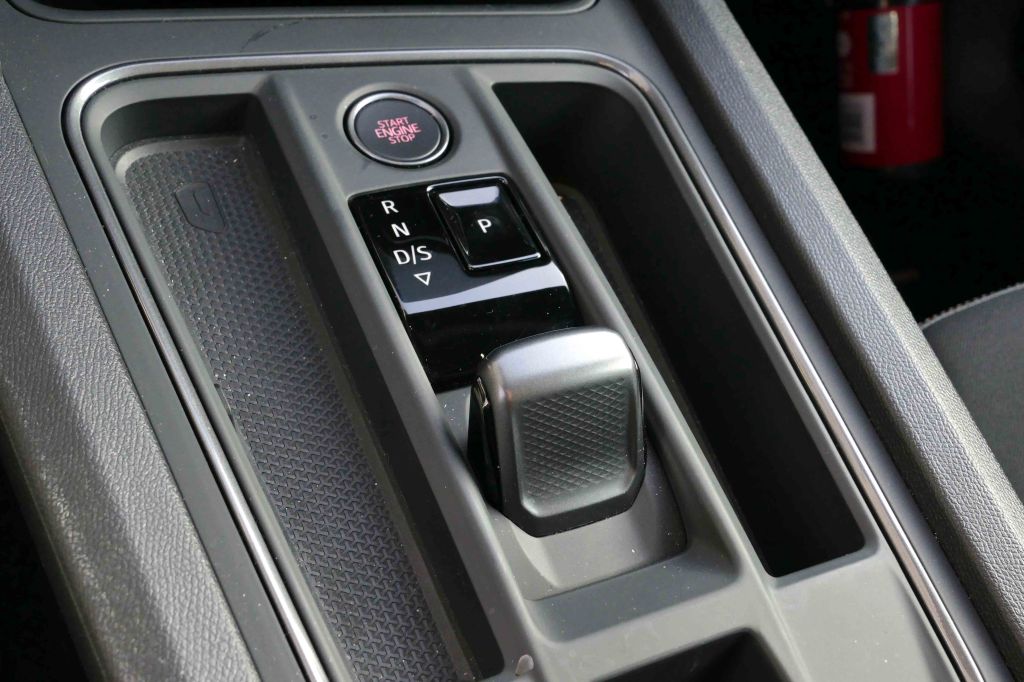
As soon as we push the starting knob and put the 7 speed DSG in “D”, we are impressed by the pulling power of this 2 litre unit, developing not less than 320 Nm of torque over a wide rev range, i.e. between 1500 and 4100 rpm. Not that you need any high revs to get ahead with verve, and indeed this is a nice big pulling engine for your svelte and relatively light Formentor, which only puts some 1521 kg on the scale. This is the Volkswagen Group EA888 series engine, a well proven DOHC unit with DCVV (continuously variable valve timing), developing 140 kW/190 HP between 4200 and 6000 rpm.

The performance leaves nothing to be desired. The acceleration figures speak for themselves: it costs only 7,3 seconds to reach 100 km/h, and the top speed is not less than 220 km/h. Aficionados will say this is more like a Cupra is supposed to be… Intermediate acceleration figures also speak volumes: from 60 to 100 km/h costs only 4 seconds, 80 to 120 km/h only 5,4 seconds.

The engine feels and sounds never stressed, and is silent and smooth. In combination with an alert DSG with fast and imperceptible changes and a variable 4 wheel drive you soon feel light-hearted and start truly enjoying this Formentor.

As revs remain low even with spirited progress, consumption stays very reasonable indeed. We achieved an average of 7,3 liters/100 km, with a fair amount of faster driving involved. We find this an excellent value. Of course, when one uses the performance to the full, well over 8 liters is consumed over 100 km, a figure which is however still quite creditable, given the performance achieved. CO2 emissions are set at 202 g/km.

Excellent handling

The 190 HP Formentor can be had optionally with the DCC variable suspension setup and you can choose between  good comfort up to firm sporting fit for razor sharp, flat cornering with virtually no body roll whatsoever. Combined with the sensitive and precise steering, it is a delightful car for the expert driver or the ordinary mortal who now and then wants to have some sporting pleasure behind the wheel. Motorway stability at (very) high speeds is excellent, and the steering is not too nervous, so this Formentor is totally fit for effortless high speed long distance driving.

During our test, we had a stint of (very) impressive snowy winter weather, so we were able to put the variable 4WD through its paces. It proved very efficient and kept us on the slippery and frozen snowy country roads always on the right path…

Conclusion

The Cupra Formentor really comes into its own with this lively 2 litre engine. The performance levels are excellent. In our country, the fiscal treatment of this version is not too good, and therefore one should – with this in mind – also have a look at the 1.4 litre e-Hybrid version(s), with 150 kW/204 PS and 180 kW/245 PS respectively. Maybe within the foreseeable future we can test one for you…

Stay tuned!

Hans Knol ten Bensel  

We drove the Cupra Formentor 1.5 TSI 150 HP: a sporting beauty…

Creating within the Seat family the Cupra line is a very wise decision. We always found that the quality and panache of the recent Seats merited special place, and with Cupra, they truly found it. We can even say that Cupra will become the main mass market sporty brand for Volkswagen.

The Cupra designers and stylists put on wheels one of the best looking SUV’s in its segment, and for your servant this alone is a very good reason to have a good look at this car and call it your own.

Furthermore, it carries the well proven VW group technology, and with that comes performance, economy and reliability.

Just read further…

Hans Knol ten Bensel

Exquisite

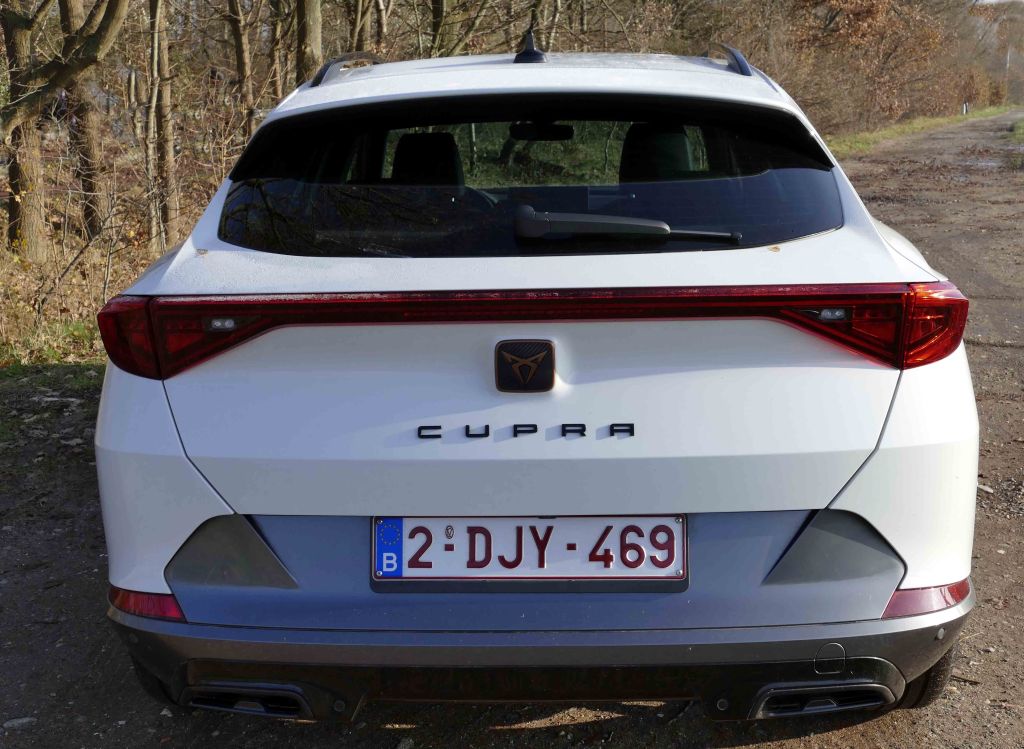
The Formentor certainly is kind for your eyes. Indeed, the car is pleasing to look at from any angle. It seduces with gentle, well balanced curves, well proportioned accent lines, and a very pleasing light signature. At the rear, it is reminiscent of the Lamborghini Urus and displays also a touch of the Panamera. The front end also conveys exactly what the Formentor stands for, and the beautiful alloys complete the picture perfectly. It is a low slung SUV. The manufacturer defines the Formentor as a bespoke SUV Coupé, and deservedly so. Formentor signals its Spanish roots, and actually is the name of a beautiful peninsula in Majorca.

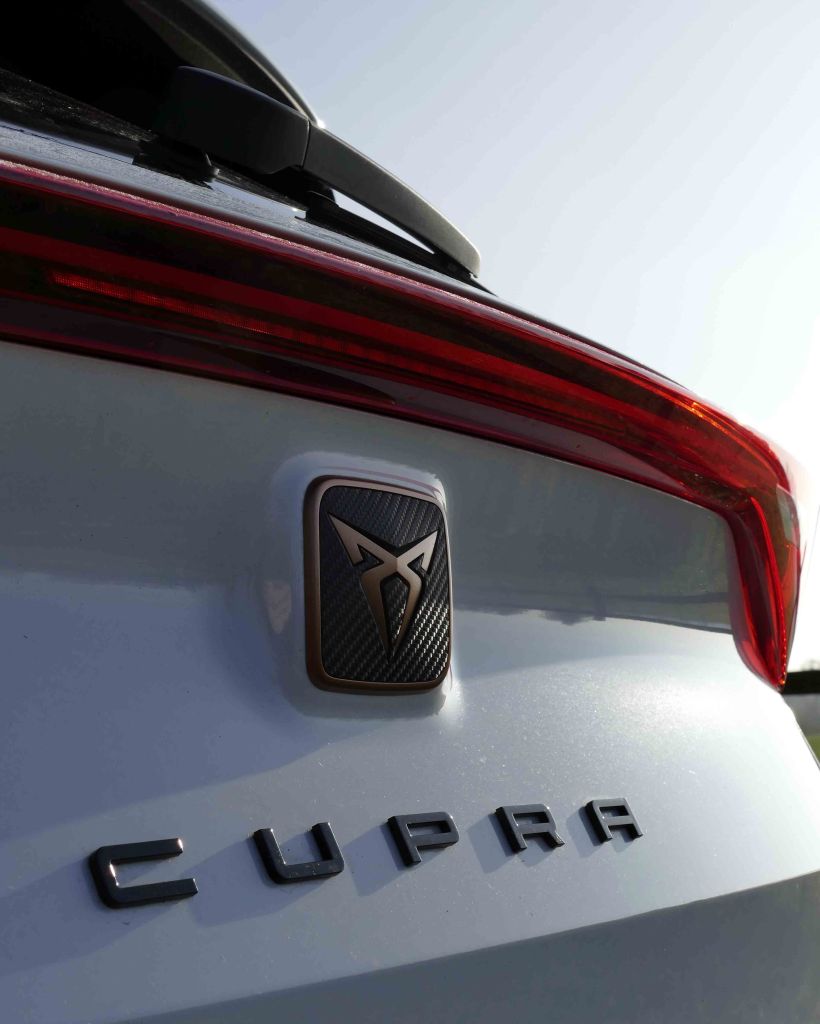
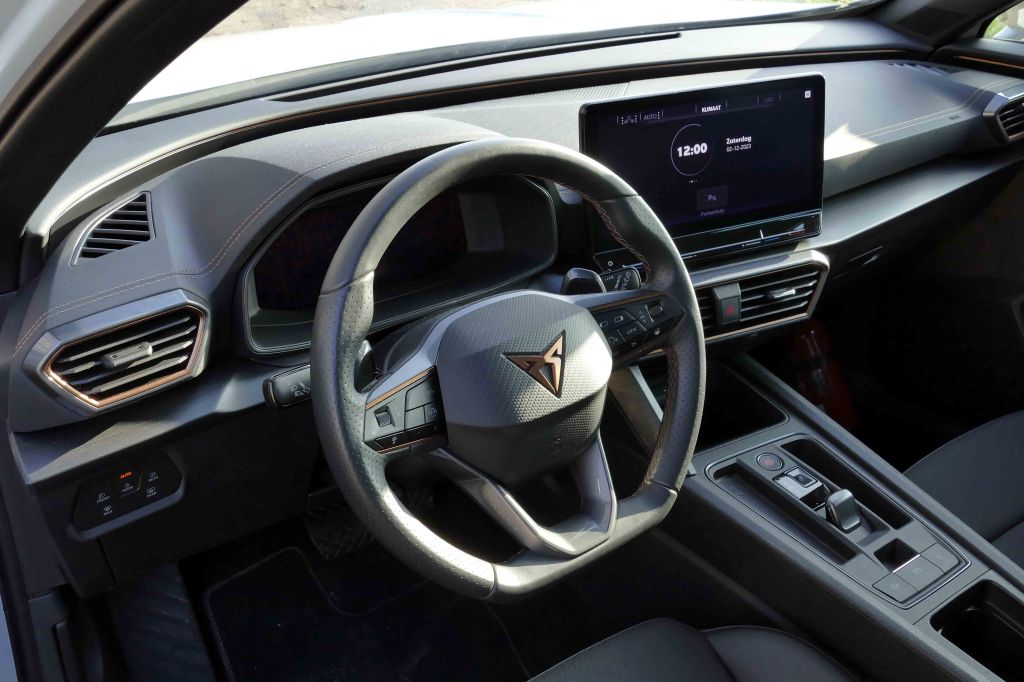
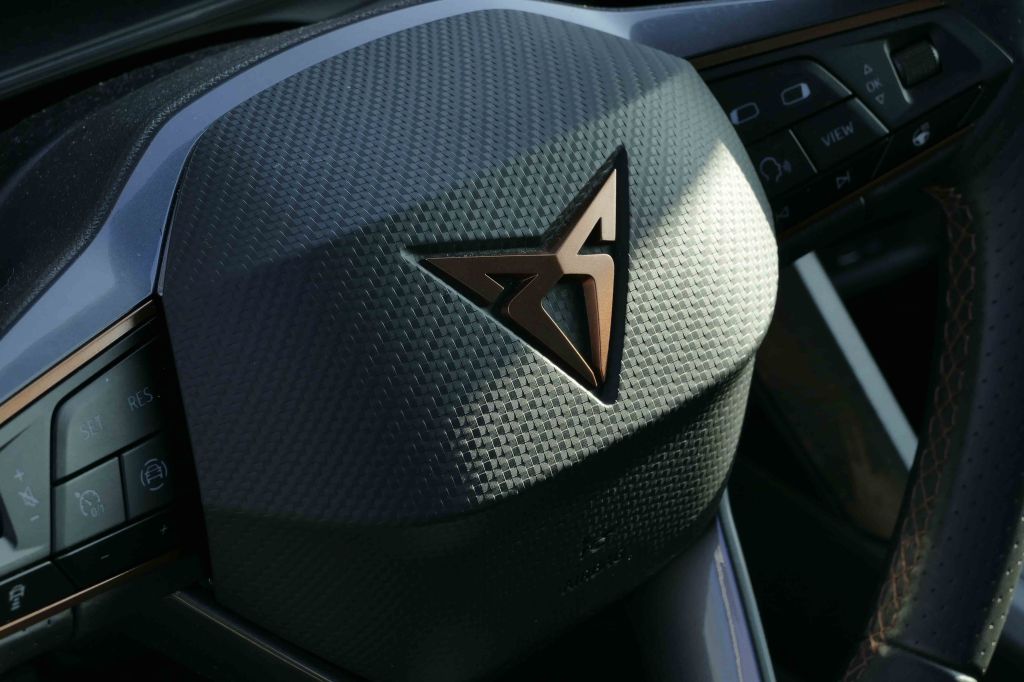
Also in the cabin, the designers have done their homework. One finds copper coloured accents throughout, from the stitching to the copper tinted badge on the steering wheel. The led lighting is also dramatic, with as default hue a copper yellow which runs along the dashboard edge. Note also that this wraparound LED also alerts you to objects in your blind spot (!). Of course, when you step in your Formentor at night, the CUPRA Welcome light projects the CUPRA logo down onto the floor.

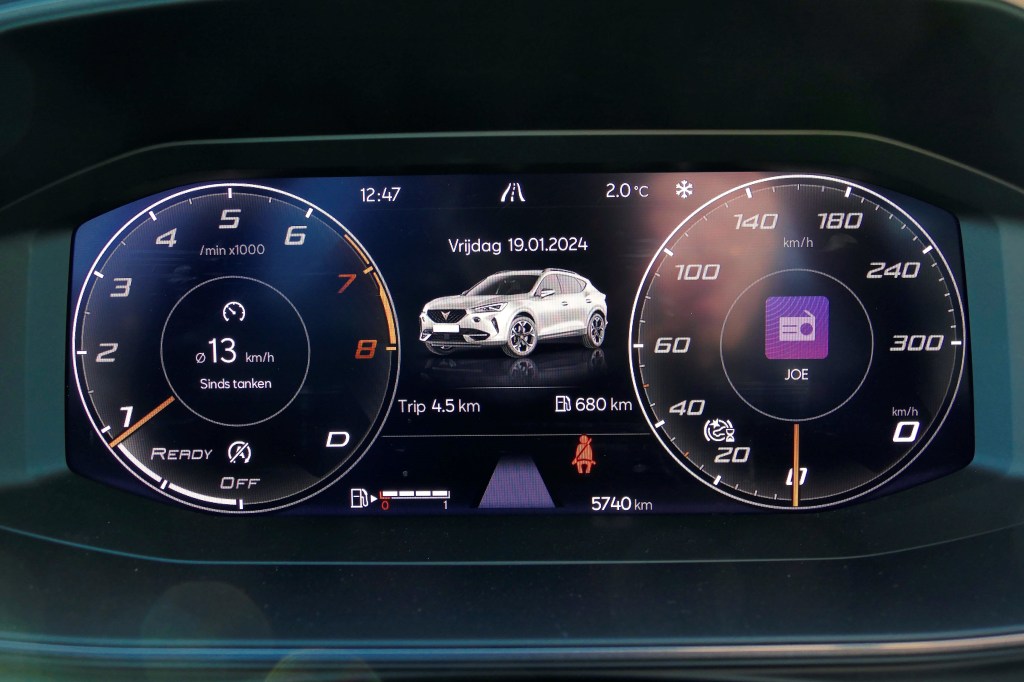
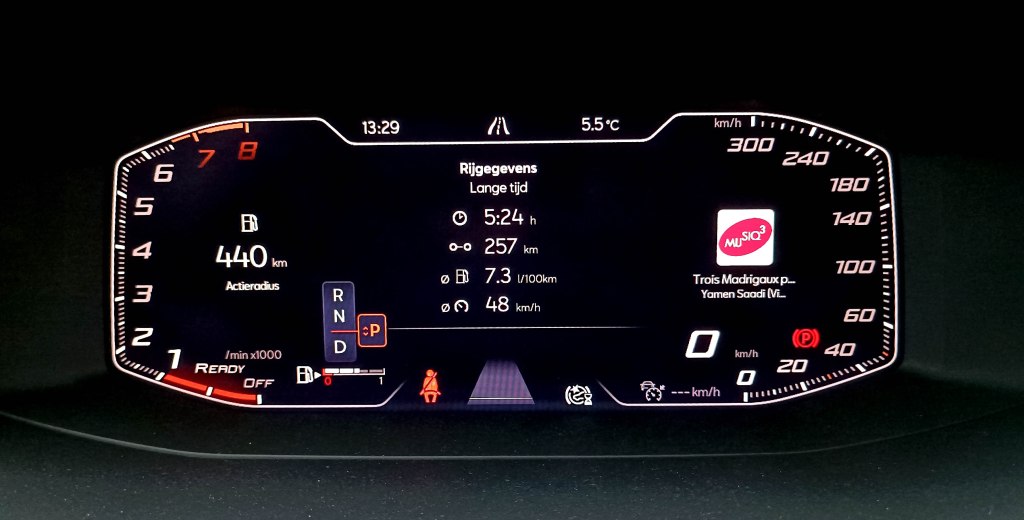
Then we have said nothing about the digital instruments on the panel in front of the driver. You can choose between calm simplicity with some navigation and audio information thrown in or two classic round dials,

and last but not least a large Porsche style central rev counter or as icing on the cake the two square shaped clusters reminiscent of BMW’s.

Of course we preferred most of the time the “Porsche” large rev counter in front of us, as we liked to see what we heard, i.e. the pleasant throb of the efficient 1,5 litre four cylinder at work. This 150 HP/110 kW long stroke unit is coupled to the well proven DSG 7 speed box, and it suits the engine characteristics perfectly. Well honed electronic engine and gearbox management sees to that. The engine develops a healthy 250 Nm of torque between a very wide rev range of 1,500 to 3,500 rpm.  One has the choice between different driving modes, from sport to comfort.

The engine is lively enough and has more than sufficient pulling power to warrant an inspired driving style, so we opted most of the time during our test for the comfort mode. Indeed, it is hardly necessary to put the throttle deeper, the absolute performance figures amply prove the point. Accelerating from 0 to 100 km/h is absolved in 8,9 seconds, with the engine revving with a beautiful staccato. Indeed, this is one of the joys of driving a petrol engined car…Top speed is a good 203 km/h. Mind you, these overall performance figures are the same as the original 911 Porsche!

Of course, fuel consumption varies a lot in function of your driving style. During our test, we averaged some 7,2  liters, with several long motorway stretches thrown in. Driven in a rather spirited manner in urban traffic, consumption rises to a good 10,5 liters/100 km. The manufacturer quotes according to the WLTP cycle for the DSG version a consumption ranging between 6.6-7.2 l/100 km. CO2 emissions are  150-163 g/km.

Superb handling

The Formentor runs on the VW Group MQB platform, with the suspension of course calibrated to its sporting pedigree. It handles and steers with balance and precision, and it is a true joy to drive it with verve on winding roads. Of course, the chassis and suspension are laid out for far more power than this 1,5 litre 150 HP version. The most powerful is the 310 HP variant, so you can understand that the car has a rather easy play with the performance of this one.

All these good road manners are combined with very good comfort. The Formentor is nicely sprung, striking a good balance between low and high speed stability, surefootedness and absence of body movement in sharp corners. The suspension is also not unduly firm on rougher surfaces either. We noticed on some road surfaces somewhat higher wheel roll noises, which force you to turn the audi knob a bit higher than you would like.

Everyday life

The Formentor is very pleasant to live with. We said, one is already spoiled by the aesthetics of the instrumentation and cabin, and on top of that you will find out that you have more than sufficient head and legroom both in front and at the rear. Boot space is also more than sufficient with its standard 450 liters. One good word also about the infotainment system. On the centre console we find the easy to read and manipulate 12 inch touchscreen, with of course all the necessary functions at your fingertips.

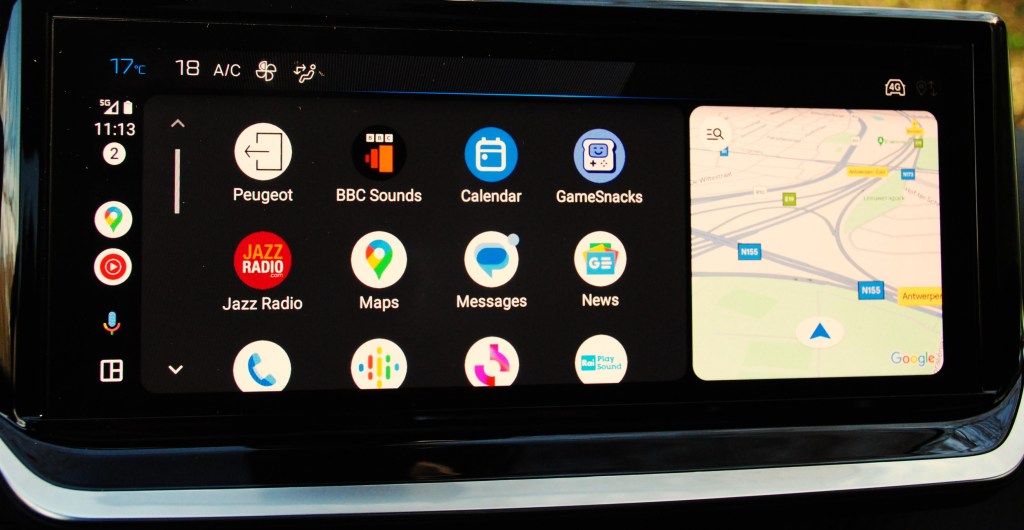
There are lots of pleasant features for your phone. For instance the place your smartphone in the Connectivity Box to amplify signal, charge seamlessly and sync to play music via the premium BeatsAudio™ system. There is also CUPRA CONNECT: you receive real – time traffic updates and directions while seamlessly connecting to your smartphone to utilise apps and listen to music services on the move. Of course there is Wireless Full Link, so your Apple or Android smartphone seamlessly syncs up, so you can display your favourite apps and functions on screen.

Conclusion

The Formentor is a compact SUV with lots of style and character, and it was actually the main reason why we found it so endearing. For more sporting souls, the Formentor has many more cards upon its sleeve, and the dynamic SEAT/Cupra PR department at D’Ieteren promised us also a test with the 2 litre 190 HP version early next year, so indeed we have something very good to look forward to in 2024!

Hans Knol ten Bensel