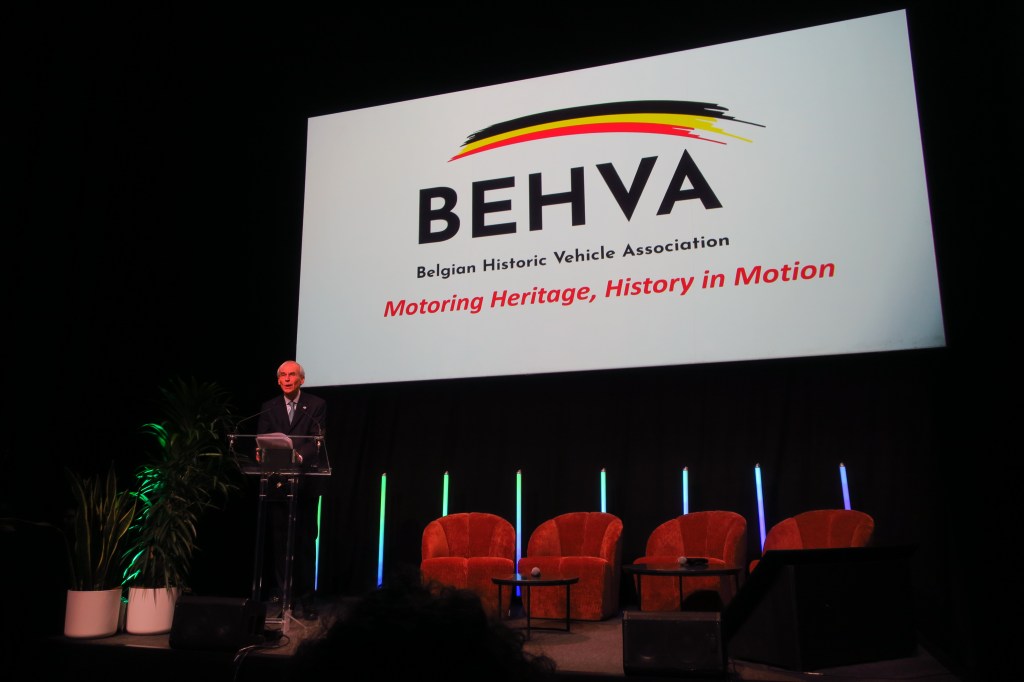
We attended a remarkable conference organized by the Belgian Historic Vehicle Association on the Brussels Salon, moderated by automotive history connoisseur Philippe Casse. The speakers were experts in the field: Loïc de la Roche, General Director of the Aventure Peugeot Citroën DS. He was followed by Thomas Stebbich, head of Audi Tradition and Audi Archives, Audi Museum Mobile and last but not least the August Horch Museum in Zwickau.
The third speaker was Thomas Antoine, honorary ambassador of Belgium and philosopher. Needless to say that he viewed the opened a very original perspective on our historic vehicle world.
Other (introductory) speakers were respectively Philippe Dehennin, President of BEHVA and Peeter Henning, CEO of Behva.
We thought it is useful to go more extensively into depth on what the speakers brought forward, as it was indeed interesting and opened many further perspectives. We therefore split the report in 3 parts.
You read here in this first part the main points put forward by the first respective speakers, offering us much food for thought: just read further…
Hans Knol ten Bensel
Introduction
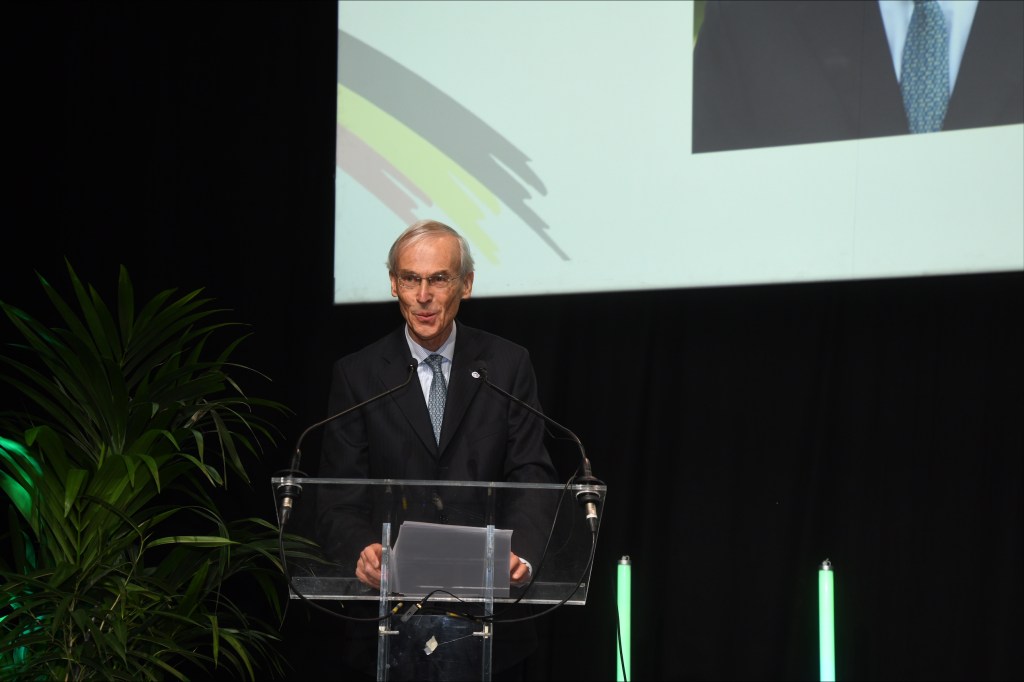
An introductory adress was held by Philippe Dehennin, (see photo here above) who pointed out the explosive growth of historic automotive collections and museums. This automotive heritage forms now an integral and dynamic part of our European identity, and embodies a physical and iconic bridge between our past, present and future.
The crucial role of BEHVA…
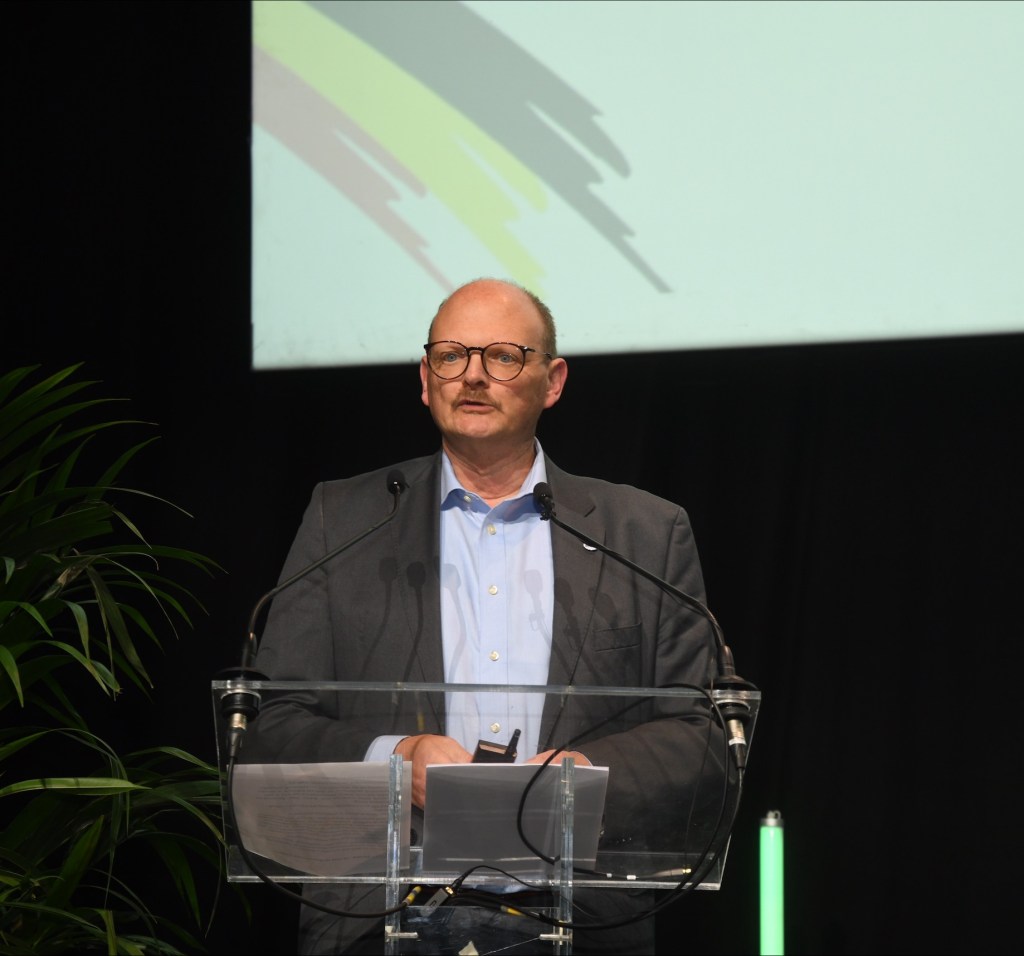
Peeter Henning (see photo below) then presented the role and activities of BEHVA. The title of this conference already summarizes what BEHVA as an organization stands for: preserving a heritage that is not standing in a garage or museum, but which is to be admired and enjoyed on the road. We are all here together because we all believe that mobile heritage is cultural heritage, he pointed out. They bear witness to our technical, social, and cultural history. They celebrate craftsmanship, evoke industrial production and design, and last but not least, individual mobility and freedom.
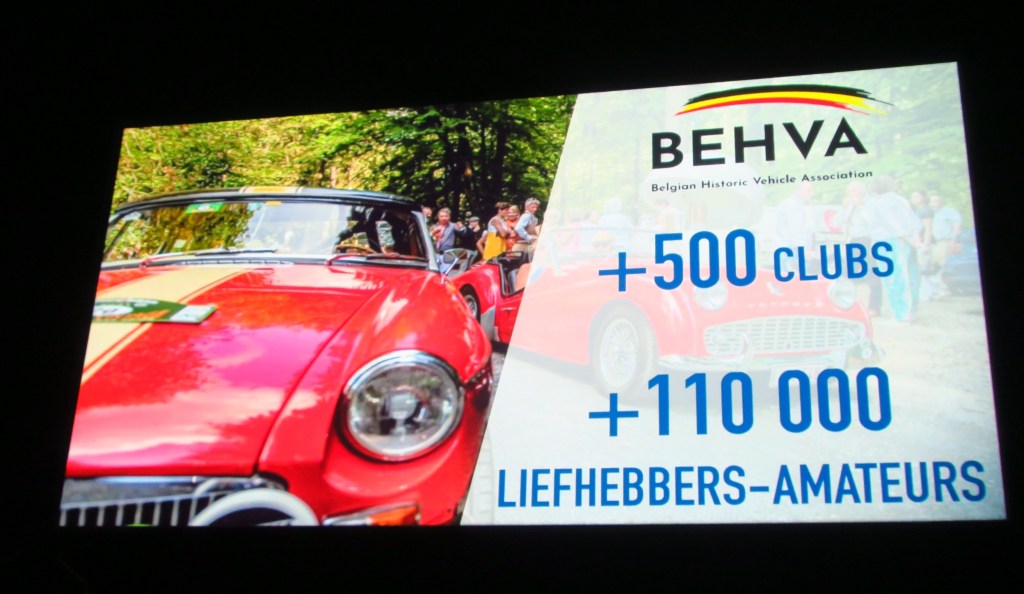
The role of BEHVA is to defend the interests of this heritage. The BEHVA represents in Belgium all the amateurs of historic cars and their clubs. This includes more than 500 clubs and 110.000 members.
But our lawmakers put the existence and use of this heritage under pressure. BEHVA is the spokesperson for all these enthusiasts at the government level and is also the bridgehead toward the automotive sector and the international historic car world. We continuously stress the fact that the mileage of the cars of our members is about the equivalent of one month of an ordinary vehicle, and that lawmakers should take this into account.
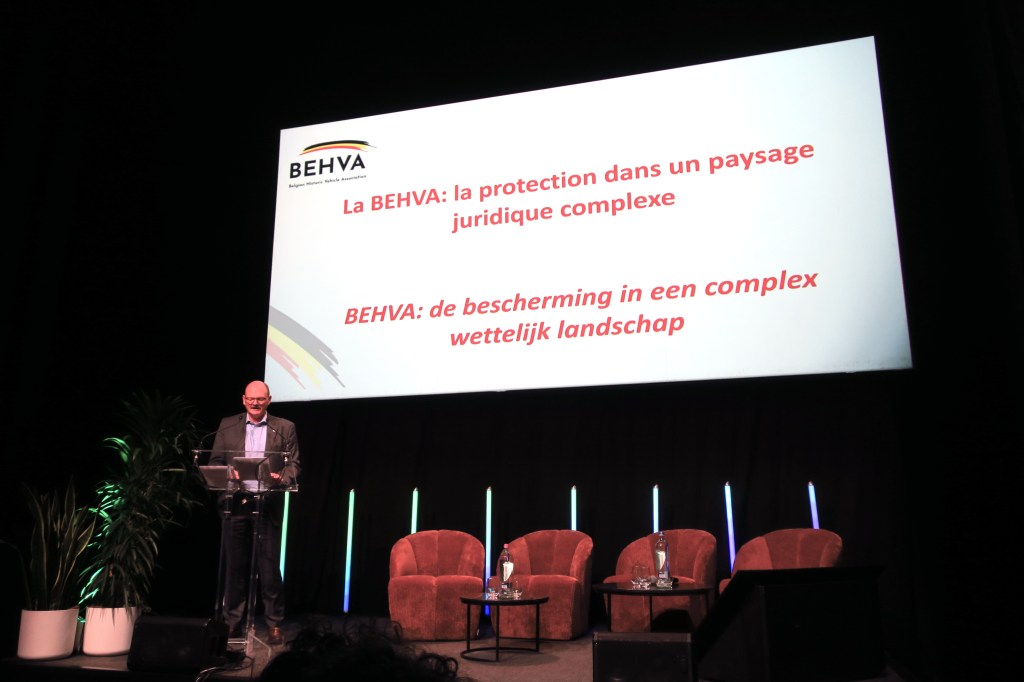
BEHVA also keeps a close contact with all the actors of the automotive world, importers, independent specialists, insurers, education centers and schools. BEHVA Insurance now insures more than 72.000 historic vehicles in Belgium. We are the official representative at FIVA for our country in establishing international standards.
Preserving our heritage needs also the upkeep of technical knowledge, and passing them on to future generations. We have education projects for our youth, in maintenance, restoration and electric, mechanical and bodywork repair. We form a bridge between the professional garage and maintenance sector and schools and education centers, and tie them with the our historic car world.
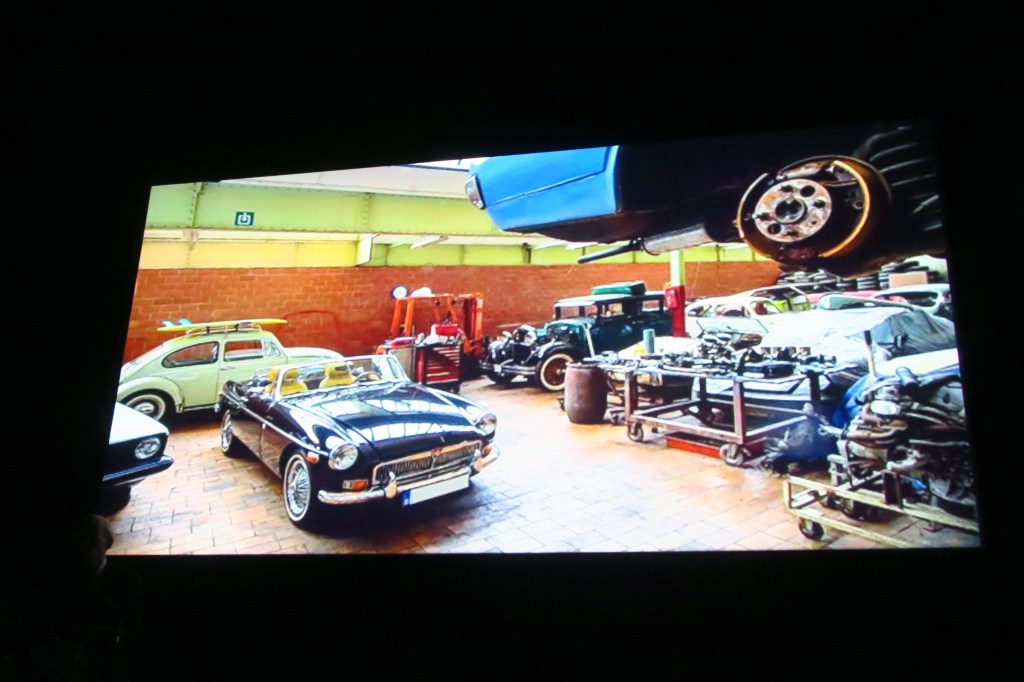
There is a need in the sector for motivated young people and we create learning possibilities for them, as they are in need for a succesful career. Historic cars live in an ecosystem which BEHVA actively supports. Thousands of jobs are connected to this system. It is our mission that this history in motion stays indeed, in motion…
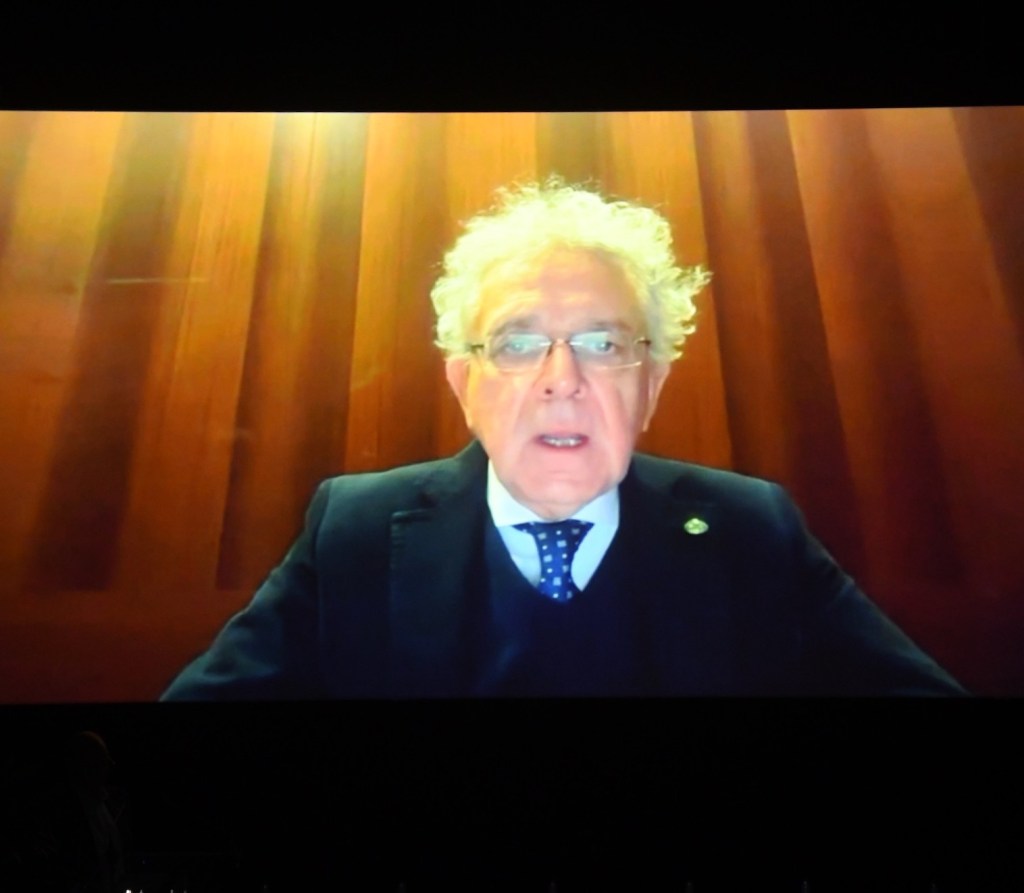
A filmed message was shown of the president of FIVA, Alberto Scuro. He is president of Automotoclub Storico Italiano (ASI) and was elected in november last year as president of FIVA. FIVA was founded in 1966 by an international group of historic vehicle organisations, who felt the time had come for a worldwide body to promote and guide the interests of the historic vehicle movement throughout the world. At present, FIVA comprises member organisations in 71 countries throughout the world, which in turn represent many millions of historic vehicle enthusiasts. We will come back on the role and function of FIVA in a special report soon…
A story of 9000 brands…
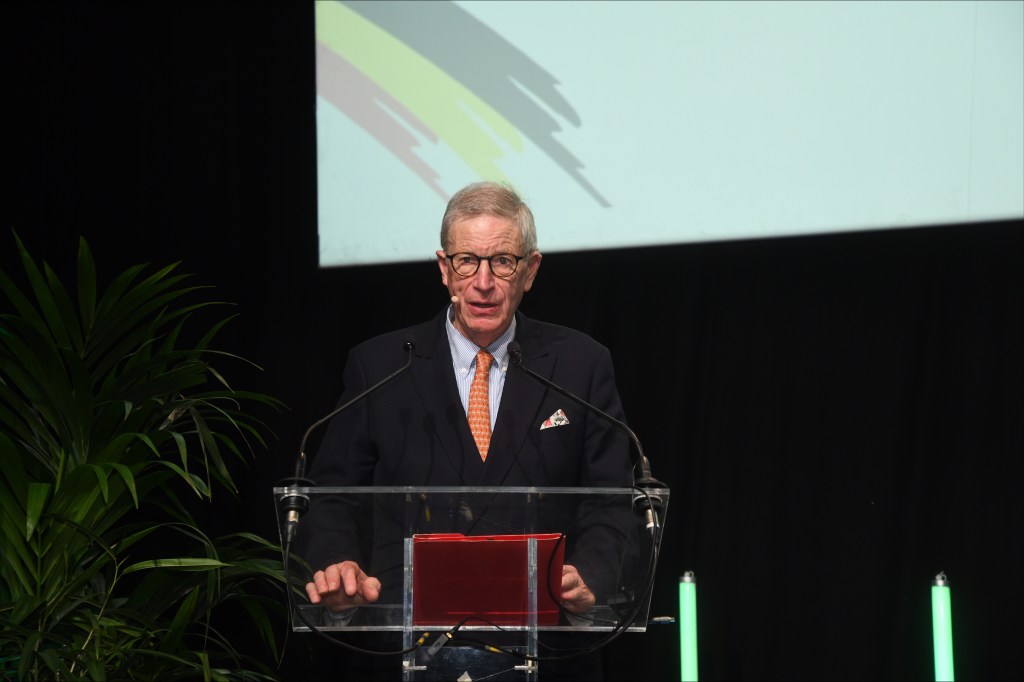
Moderator Philippe Casse discussed the beginnings of automotive history, and pointed out that Aristotle came up first with the idea of a self propelling vehicle, or “auto mobile.” It took another two millenia before Bertha Benz drove on August 5th 1888 at the wheel of her husband’s invention, the Patent Motorwagen, 106 kilometers from Mannheim to Pforzheim. Aristotle had already pointed out, there is no genius without a touch of folly… but it has changed the life of billions.
In 138 years, not less than 9000 different brands, of which 158 were Belgian, saw the light. They all together produced about 3,5 billion cars, of which today some 1,5 billion are every day on the road.
Every brand contributed to this, and therefore merits to be appreciated and preserved, as the collectors and clubs do today. Numerous brands also have museums, archives and collections. There are not less than 1,500 museums worldwide and several hundred thousand collectors.
The speakers today will convince you of the importance to preserve this heritage, this legacy which has triggered fundamental socio economcial changes brought about by the fabulous tool which is the automobile. Indeed, preserving this heritage is of great importance for the future of the automobile, and also to actively appeal to young generations to continue this task.
L’Aventure Peugeot and Citroën DS…
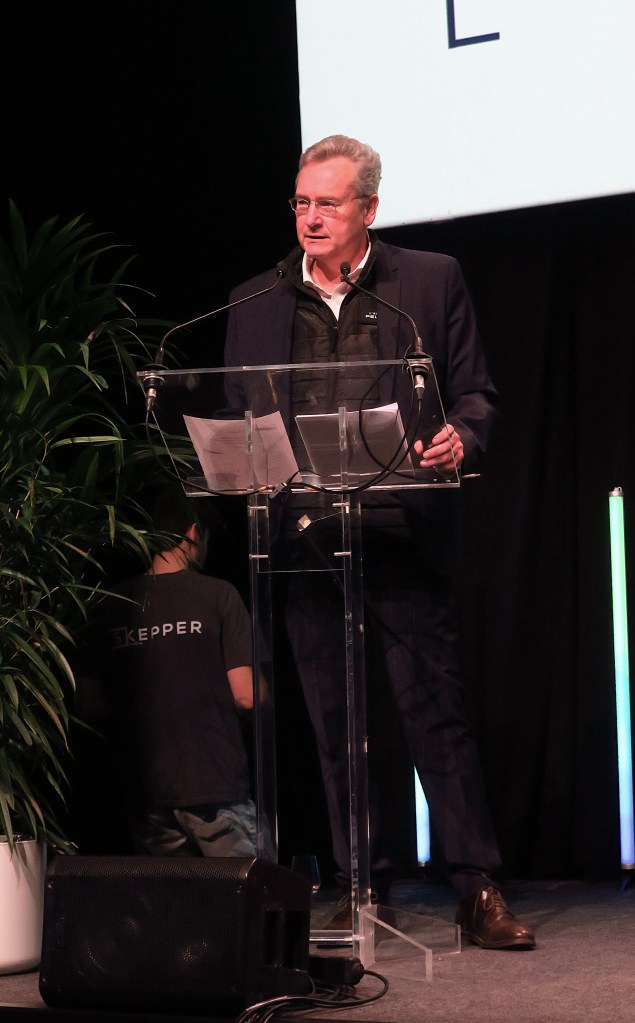
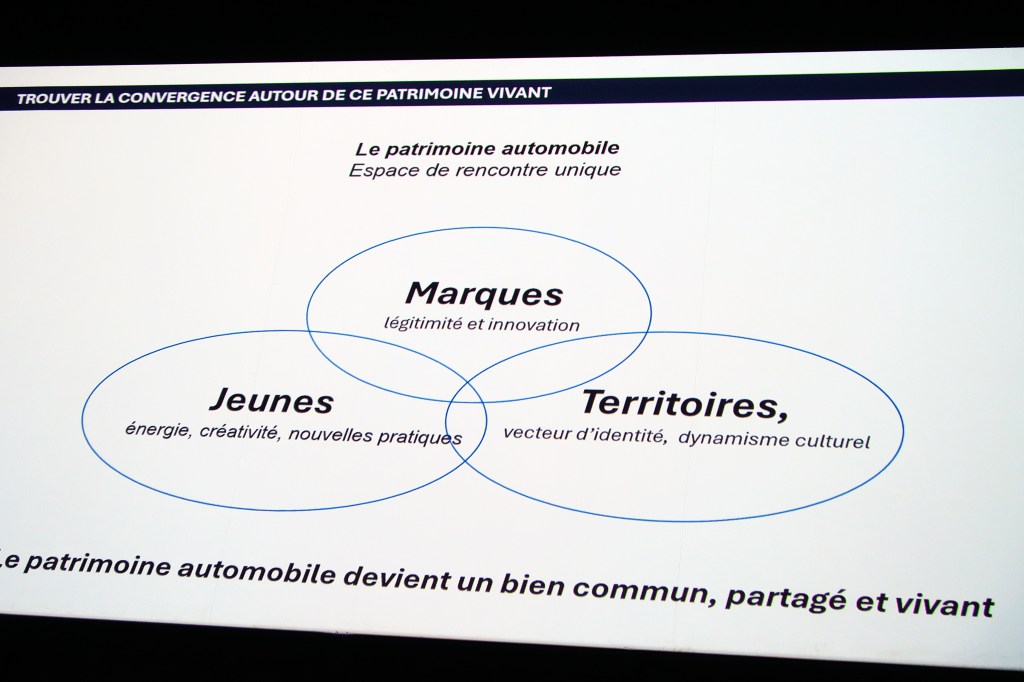
Loïc de la Roche also stressed that the automotive “patrimoine” or heritage is a tangible witness of history; just look at the museum in Sochaux, and it is also something that is essential to transmit to future generations. It also adds to brand value, showing its roots. In his conclusion he presented what we have to remember and which lessons we have to learn from all this.
Loïc stated that it will be a voyage in time, discovering the (historic)passion and emotion(s) around the automobile. It will be about discovering the emotions which the automobile has triggered in us throughout history. Discovering the (historic) automobile, getting to grips with it, drive it, describing the adventurous experience this represents.
He proposed to start with the beginning, the automobile as a witness of social and territorial history. Indeed, the automobile has changed landscapes, our way of life, our mobility but also our collective imagination.
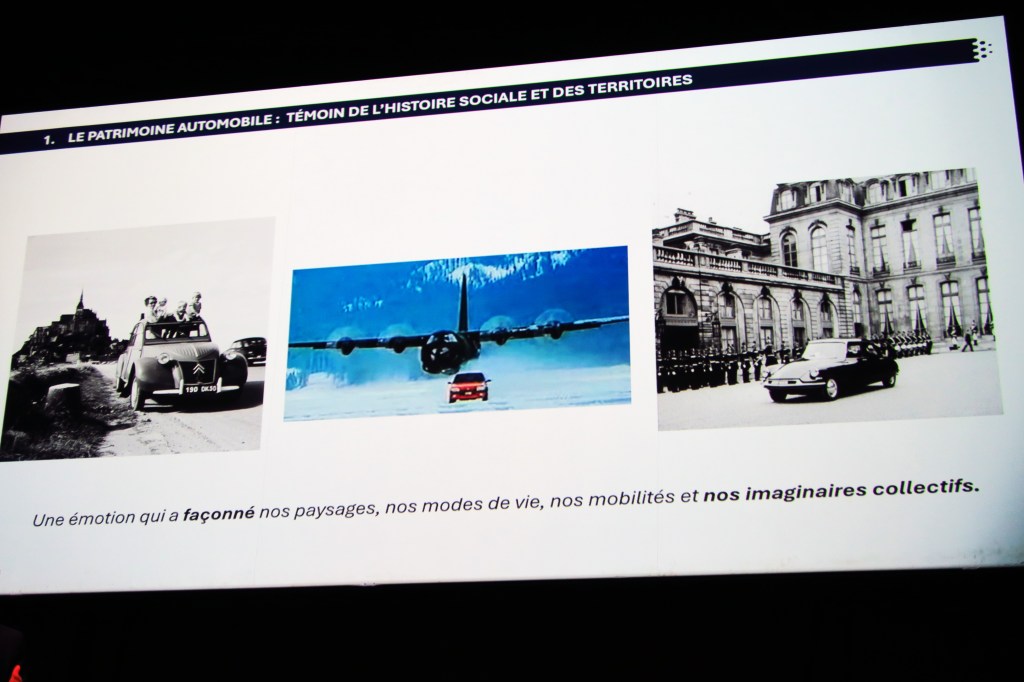
This collective imagination is the story we tell about the cars of our youth, we dream about. Therefore we call it “adventure”, as it moves our imagination and inspires us. It is the present and the future, and this collective imagination is the strength of our brands.
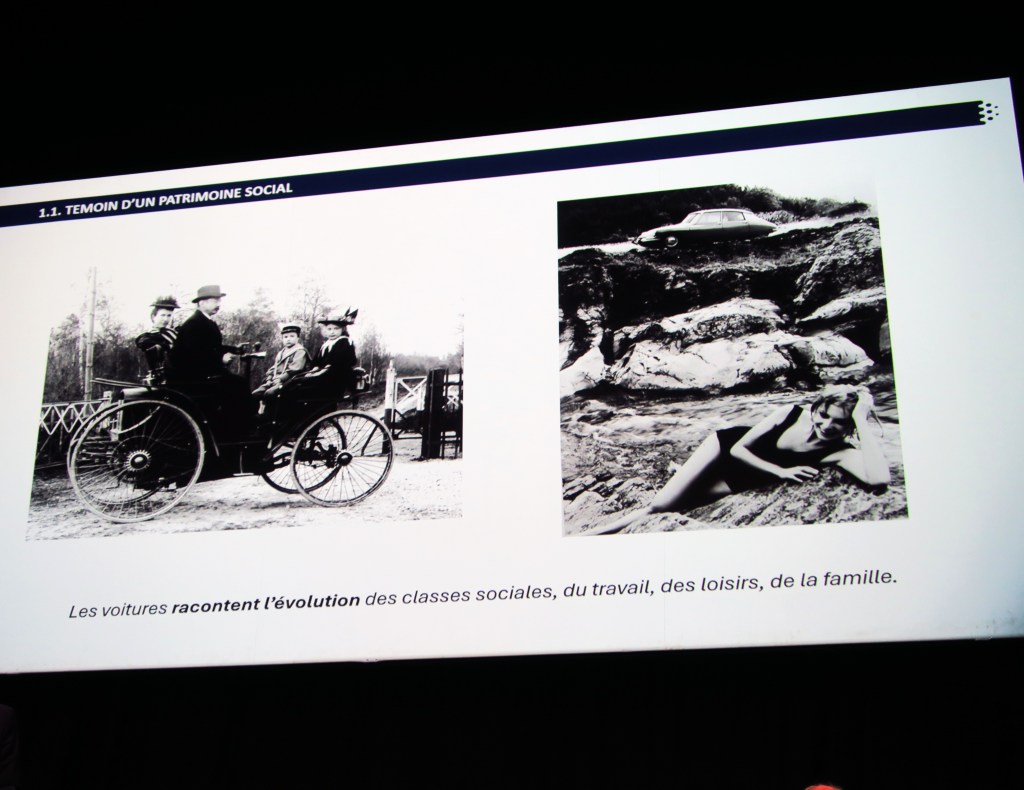
Automotive industry changed societies…
The car also tells us about the evolution of the social classes, work, liberty of society. Our archives are mostly visited by…sociologists. Based on the documents, they reconstruct a period, a social history of people and their territory.
The cars also evoke an epoch, like the 2 CV. The Peugeot 205 (GTI) inspires young generations. They illustrate the cultural mirror which is the automobile. Then comes the importance of power, technology, the new ways to use a car, mobility contracts, etc.
Everything that surrounds the automobile, amongst others the industrial heritage, mass production, mondialisation, energy transition, all this has a heavy impact on people. The factory in Rennes in 1961 had originally 14,000 workers, in 1980 it was slightly below 3,000…
We open our museum to companies organizing B2B events for instance, and we discuss with them about what they want to convey to the participants and people they invite. Some parts of the museum are more suitable for them to convey the message they want to put across.
The automobile has always been a very important factor in triggering innovation, notably in the materials. So one finds always an element in the history of the automobile and in our Peugeot museum in Sochaux which allows the visiting companies to attach their message to it and to convey the values which they want to bring to their invitees.
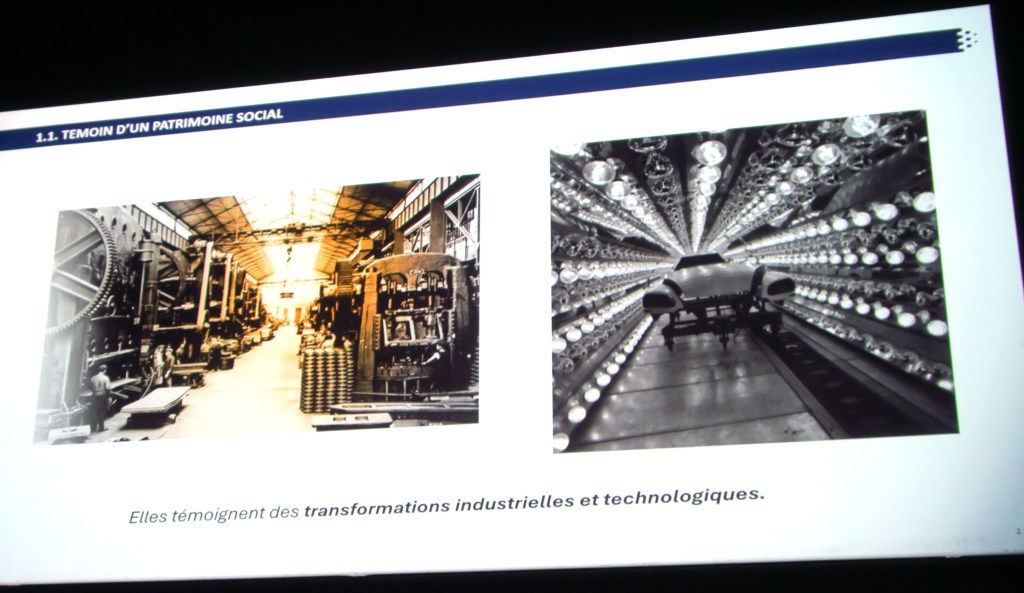
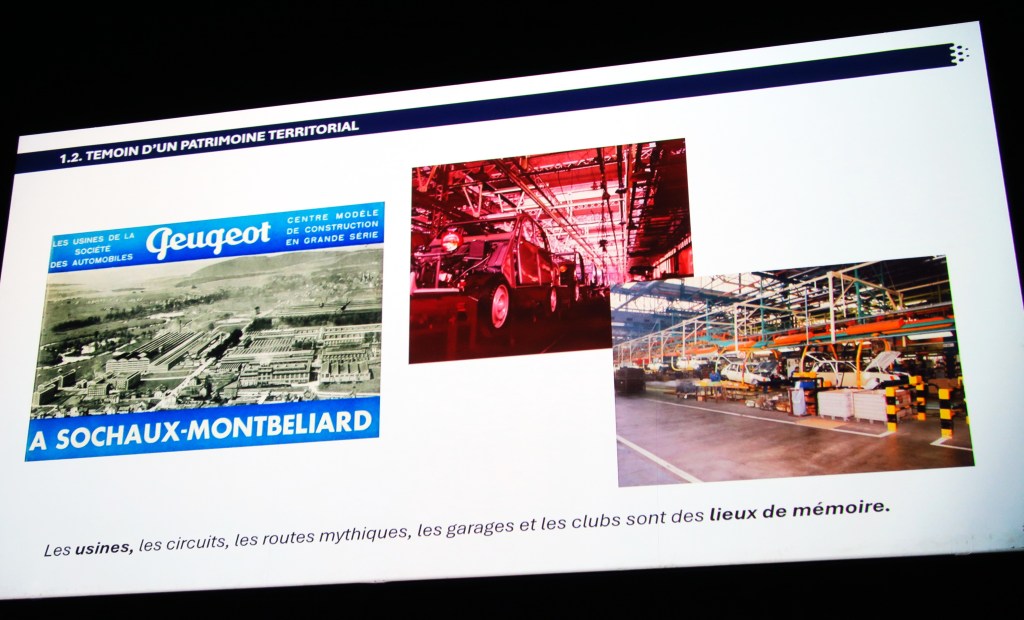
The automotive industry also shaped our regions and landscapes…
As we said, the automobile industry is also a witness to our territorial heritage. We have noticed that the visitors to our museum are not only interested in the cars, but that the visit was for them also an industrial and territorial happening and experience, an adventure so to say. They see how the region has developed and changed due to the presence of industry. The Sochaux factory was 20,000 square meters in 1921, 585 hectars in 1960 and in 2022 we are again concentrated at 150 hectars.
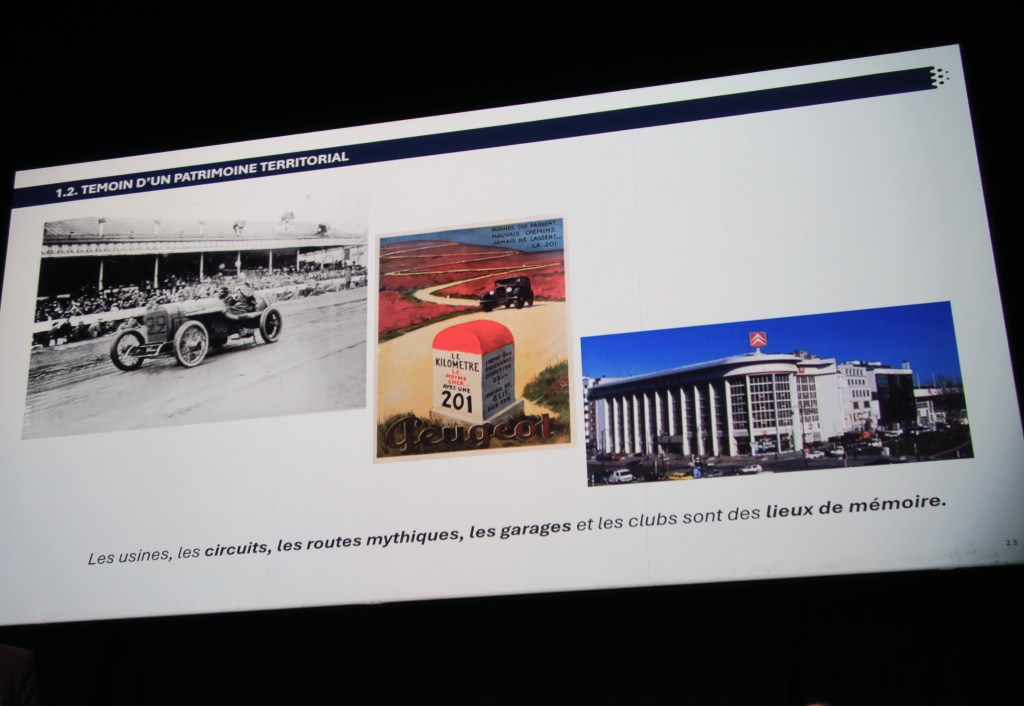
The car racing circuits are also an important witness. Of course, you all know Spa Francorchamps, Monthléry, but there are also iconic roads, like the Nationale 7. You have also mythical dealerships, like the Citroën dealership building at the Place de l’Yser in Brussels, now being converted in an art museum.
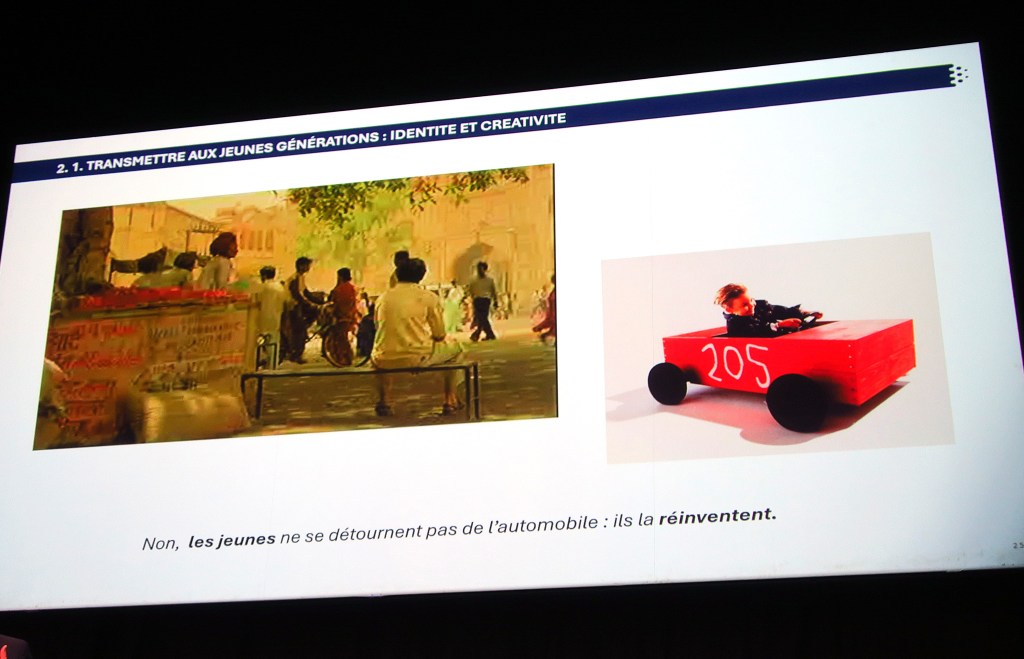
The young generations will also change the way in which they will approach, accept and acquire the historic automobile. They will reinvent it, so to say. Many young people now also enter into the realm of the “aventure Peugeot” and are inspired and seduced. They search authentic experiences, they want to connect with it physically. They also accept that things can break down, in an age where everything works perfectly without a hitch. The Aventure Peugeot has of course connections with schools and education/training centers.
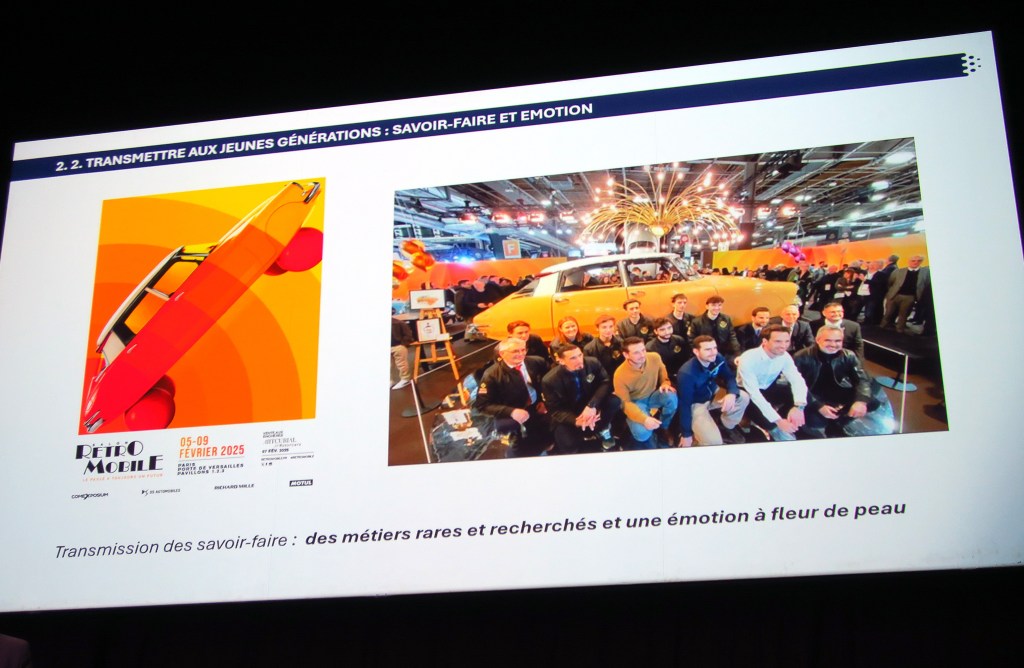
Automobile history also brings emotion…
We also want to transmit emotion. This was particularly true at the happening when celebrating 70 years of DS, notably at Rétromobile. The DS “Ballon” has been meticulously recreated, as the original was…dismantled and sold to a private customer(!) A team of 25 young “compagnons de métiér” did a wonderful job, and the car has been shown throughout 2025 on 16 venues, amongst witch Autoworld in June last year. The car continues its tour…
A museum of national importance…
The director of the MUCEM Museum in Marseille told Loïc de la Roche in a discussion about the Aventure Peugeot and its museum that considering the richness of the message you can transmit about the automobile and its history to the future engineers, it makes it such a such an important subject that you can consider it to be part of the national soverignity. What is better than a museum like ours to inspire young engineers to a career in (automotive) engineering? This indeed, is now an element in our strategy.
Social engagement…
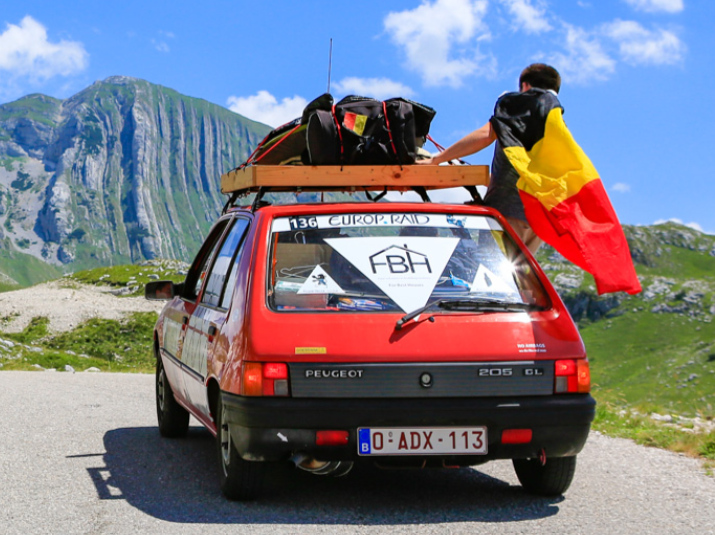
A further element we want to transmit is social engagement. We organise the Europe Raid, through 20 pays, visiting 12 capital cities, 60 UNESCO heritage sites and 220 stages, over the most scenic routes of Europe. One creates strong ties, also between generations, and indeed, the world is moving. Recently a club Citroën C6 has seen the light. The average age of its members is 25 years…
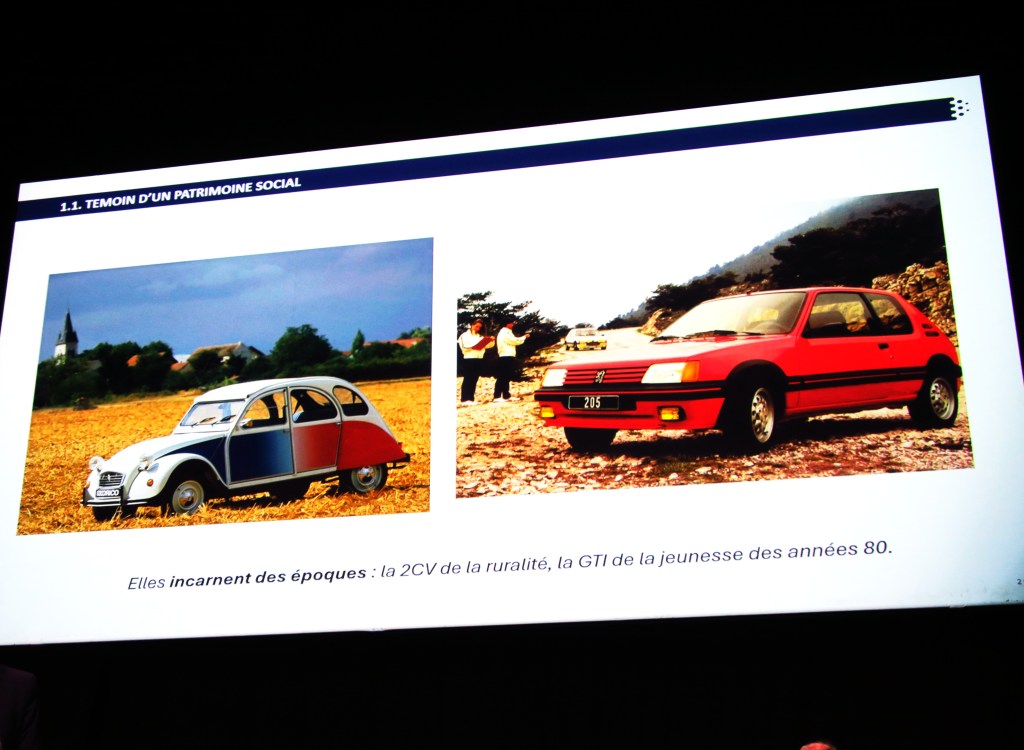
We also look at video games to attract the enthusiasm and engagement of young generations and to awaken the desire to find and preserve our moving heritage, even if it is more recent and consequently inspires them.
An important pillar in the Aventure Peugeot is also to strengthen and enhance our brand image. It is craftmanship, know how, but above all embodying and bringing a promise, strengthening and upholding our values, our identity. In our present automotive market it is important to have a history, a distinct design language and putting this in perspective. This allows us to be different and stand out. Of course we talk about icons and sagas.
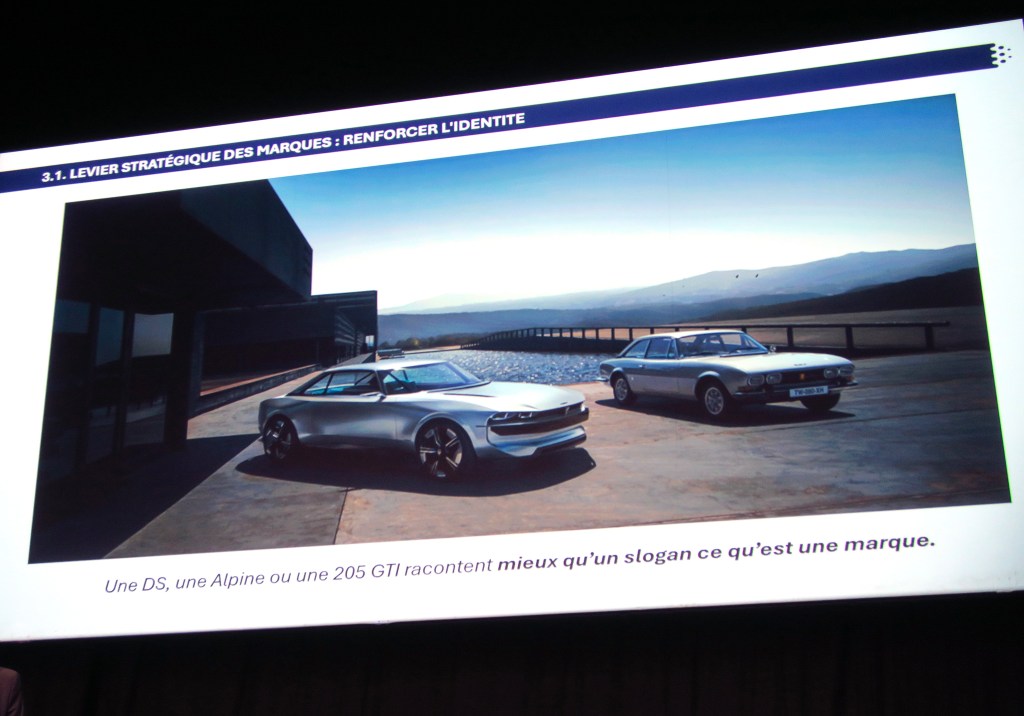
The saga is the 205 and the icon is the GTI. Our present e 205 GTI is a perfect example of this strategy, where we use our history as a future oriented spearhead. Last year before the start of the Le Mans race, Peugeot had invited 50 owners to drive their 205 GTI around the circuit. It is difficult to describe the enormous energy this triggered, spreading across generations. Here we really talk about authentic experiences. Also in our museum we search to enhance these experiences, so we invite the visitors to see also our restoration workshop. We are also entering the aftermarket to rescue and preserve spare parts, and we also support the collectors to keep their cars which are (partially) electronic running reliably. In France, some 30,000 persons are involved in the ecosystem of historic cars, representing a turnover of some 3,5 billion Euros…
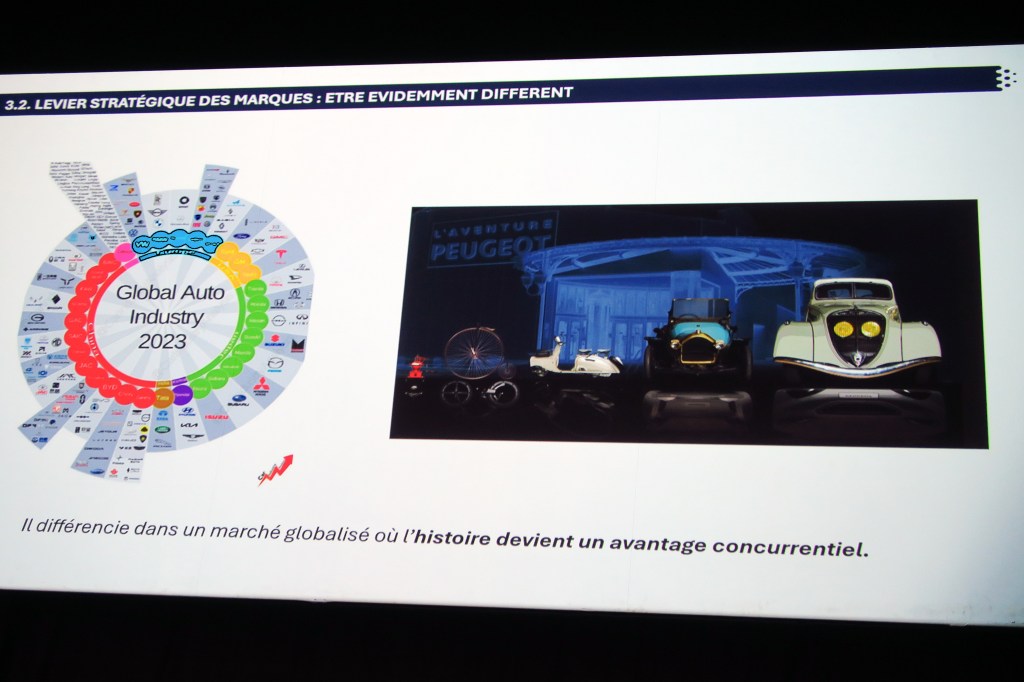
Preserve it for future generations…
With the car history in general and the Adventure Peugeot Citroën, we have here an enormous immaterial asset, which we will keep alive with a coherent history which is preserved also in the future. I will finish with the slogan of the Patek Philippe Watches, which I will turn around a bit: when you have a historic Peugeot or Citroën, you will merely be its keeper, and preserve it to hand it over to future generations…showing that the automobile is a magnificent human adventure.
In the part 2 of our report on this remarkable conference we will present the speech of Thomas Stebbich and Thomas Antoine. In the third and final part we will present the subsequent panel discussion.
Stay tuned!
Hans Knol ten Bensel
 Autoprova - for the Connaisseur