Multibrand oldtimer clubs face a different challenge than marque-specific groups: without a single brand identity to unite members, they must define a broader, more flexible “DNA.”
In today’s context, that DNA is, in my opinion, less about what cars people own and more about why they care.
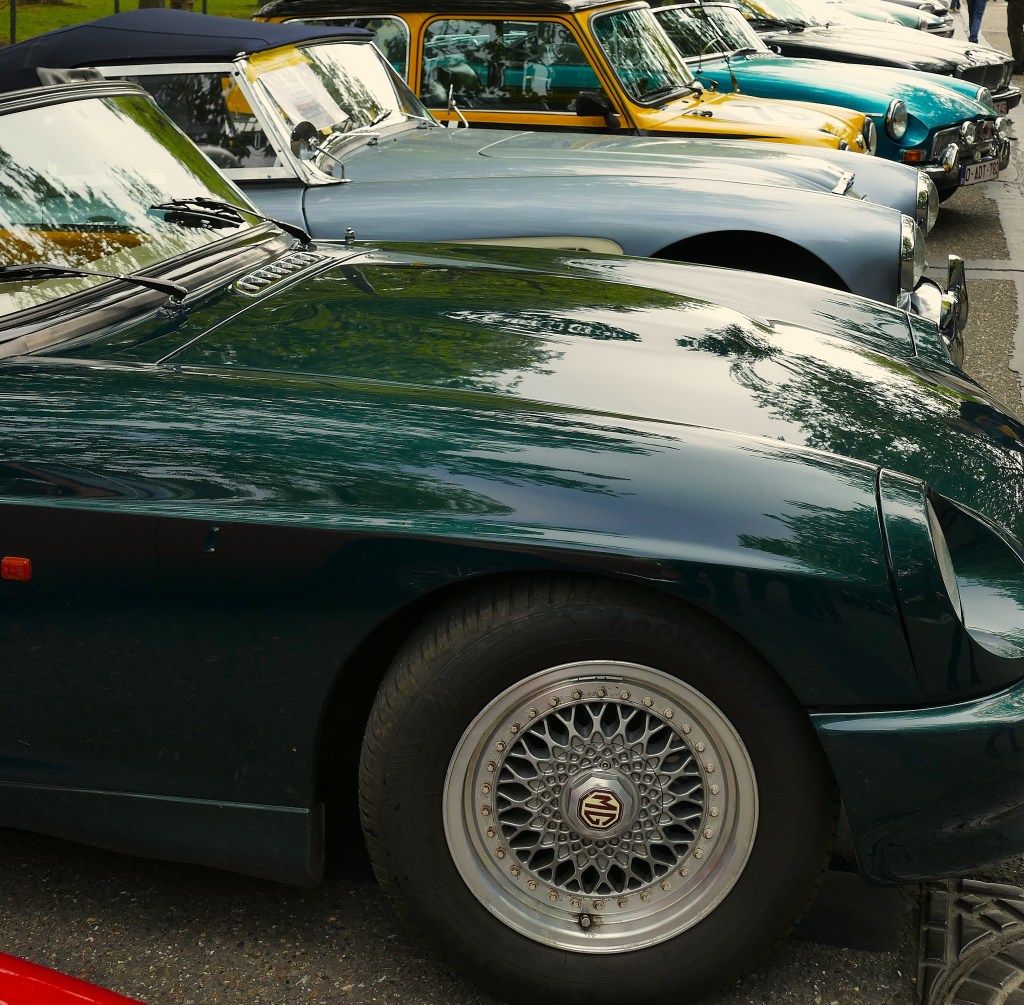
There are quite obviously several possible DNA’s for Multibrand Oldtimer Clubs Today. The emphasis can be on shared passion for older cars over co-called Brand Loyalty. Indeed, unlike single-marque clubs, multibrand communities thrive on diversity.
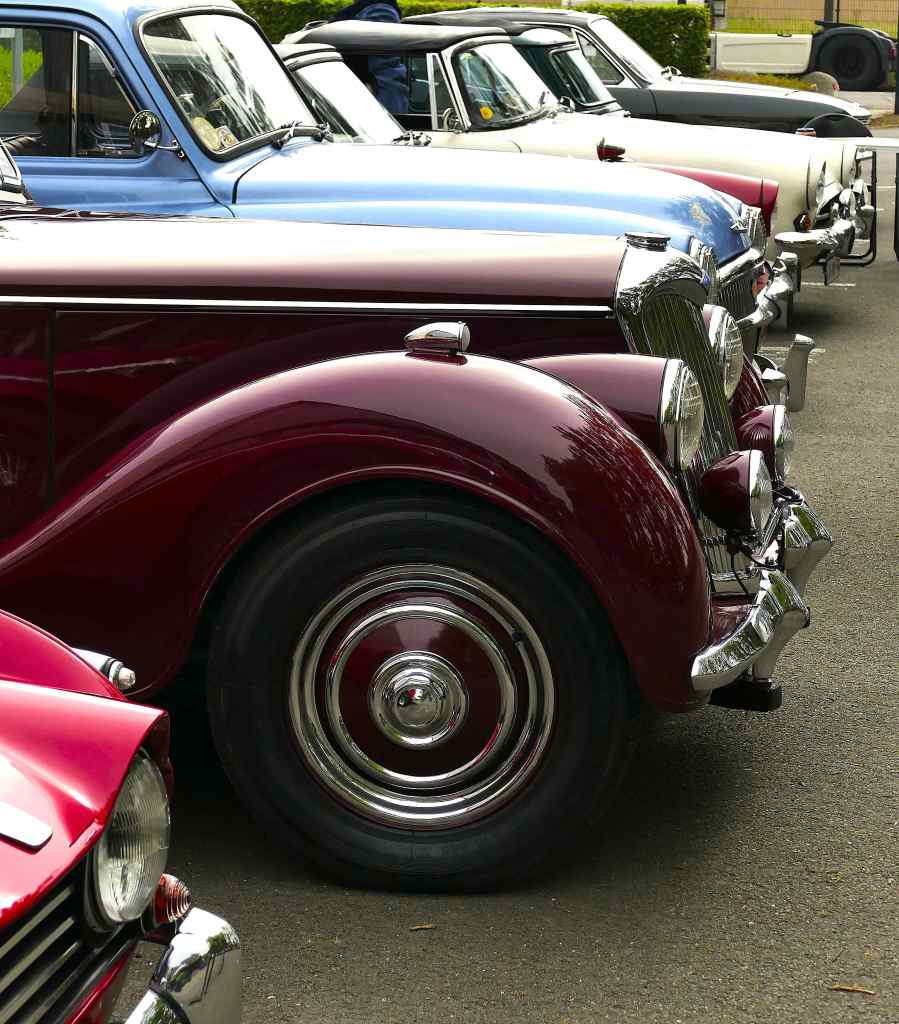
An early post-war Riley parked next to a Hillman or Sunbeam Rapier becomes a conversation starter rather than a dividing line.
The fundamental, core idea is a fundamental interest in older cars and their ingenuity and panache, openness, and mutual respect across styles, eras, and origins.
Automotive Culture as Heritage
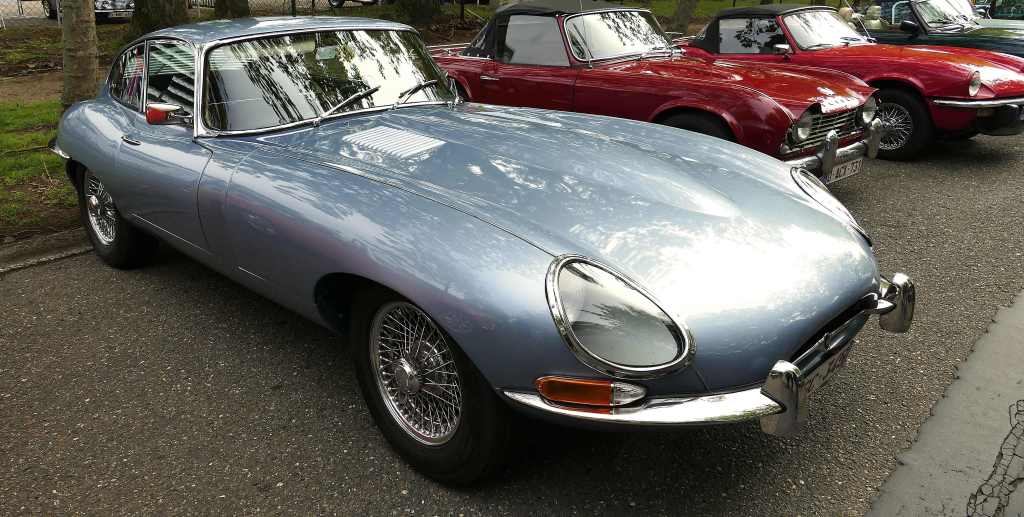
Multibrand clubs are well positioned to frame themselves as custodians of mobility history, not just specific brands. This aligns with broader efforts by organizations like the Fédération Internationale des Véhicules Anciens.
This is a fundamental element in their DNA: considering cars as cultural artifacts. But this not alone, there is much more: there is also a keen interest in so-called “Storytelling” (about design, engineering, social context)
Another element is the importance of inter-generational knowledge transfer
Caring for the club community comes first, cars second.
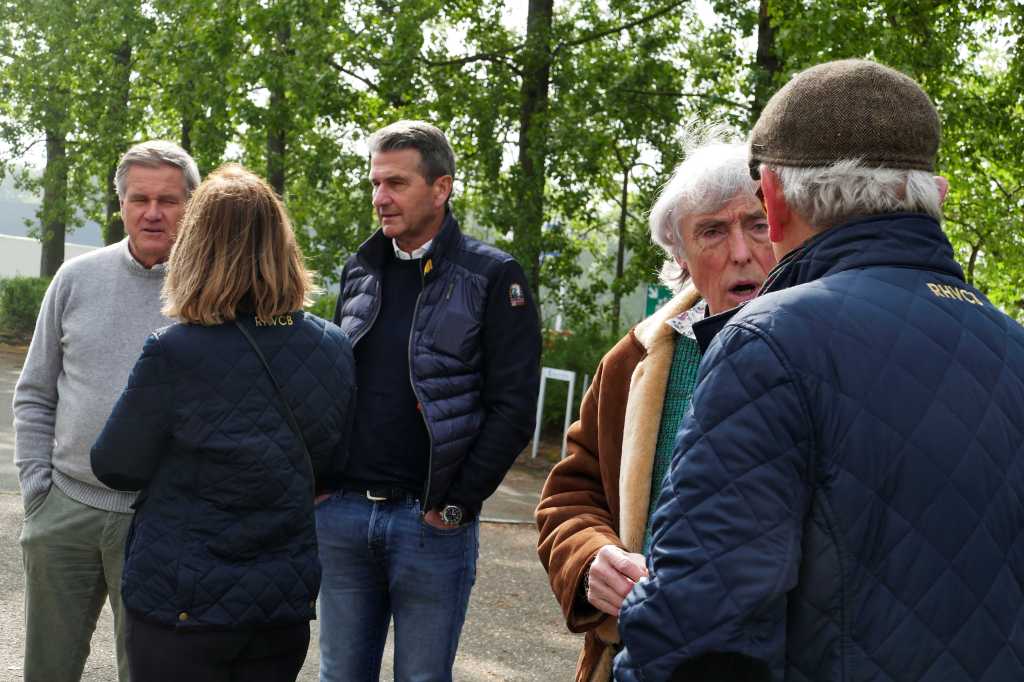
In modern club life, the social aspect is often more important than the technical one. To be successful, a typical club will emphasize inclusive events (not only for experts) and informal formats (road trips where all members are invited to participate). The general environment is clearly family-friendly.
The DNA of a multibrand club shifts from a mostly technical circle towards a true “community platform.”
Larger accessibility for new members?
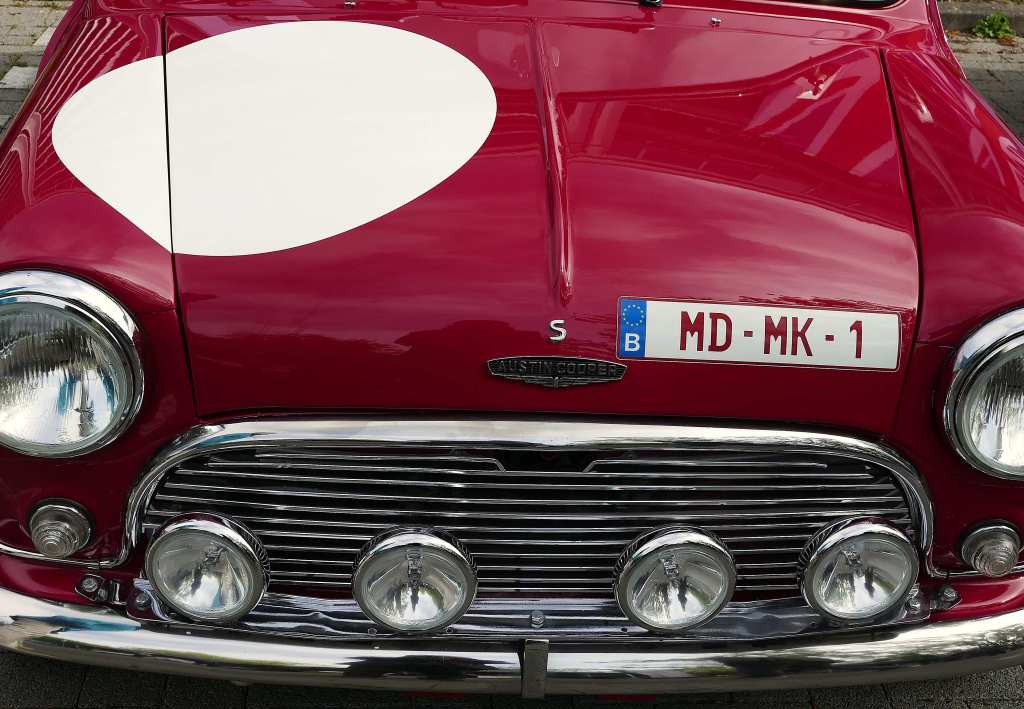
Multibrand clubs can lower barriers by embracing a wider definition of “classic.” This is a very important and sometimes thorny issue. Important decisions have to be made here, taking into account the history and historic DNA of the club.
This would include:
Youngtimers (80s/90s cars) and affordable entry-level classics. The soul-searching question is whether non-perfect, “driver-quality” vehicles would also be allowed. It would make the club more approachable for newcomers who may not yet own a fully restored car. But there might be other possibilities if the club decides to maintain the narrower definition of “classic” combined with mechanical purity. Co-ownership, renting, and inventive financial solutions have to be developed.
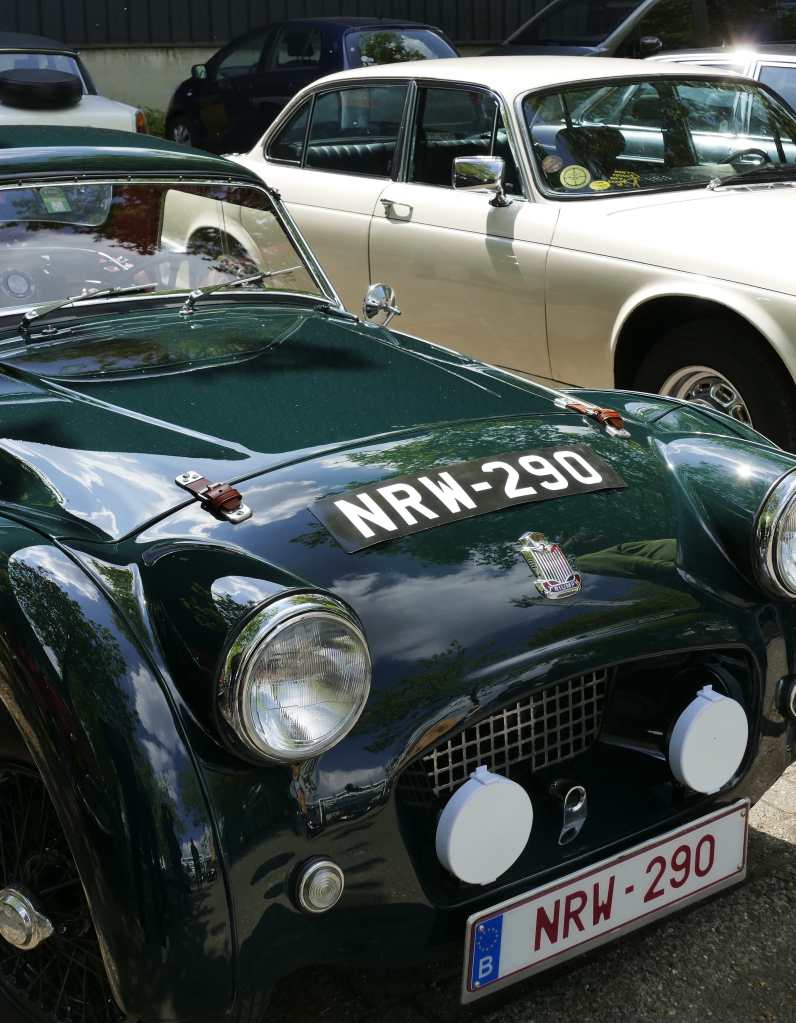
A constructive dialogue with the present…
Clubs that survive don’t position themselves against modern mobility — they engage with it. Topics shaping their identity: Environmental responsibility, synthetic fuels vs. electrification.
The question about urban restrictions and usage.
Indeed, working with institutions such as BEHVA or similar bodies can reinforce legitimacy. The club should be strive towards increased relevance in contemporary mobility debates.
The (external) communication of the club
One should seek a new balance between analog and digital identity. Indeed, today’s club exists both physically and digitally. Whats-app for daily exchanges, social media for visibility and recruitment, digital archives for preservation, a yearly analog publication, ex. Almanach.
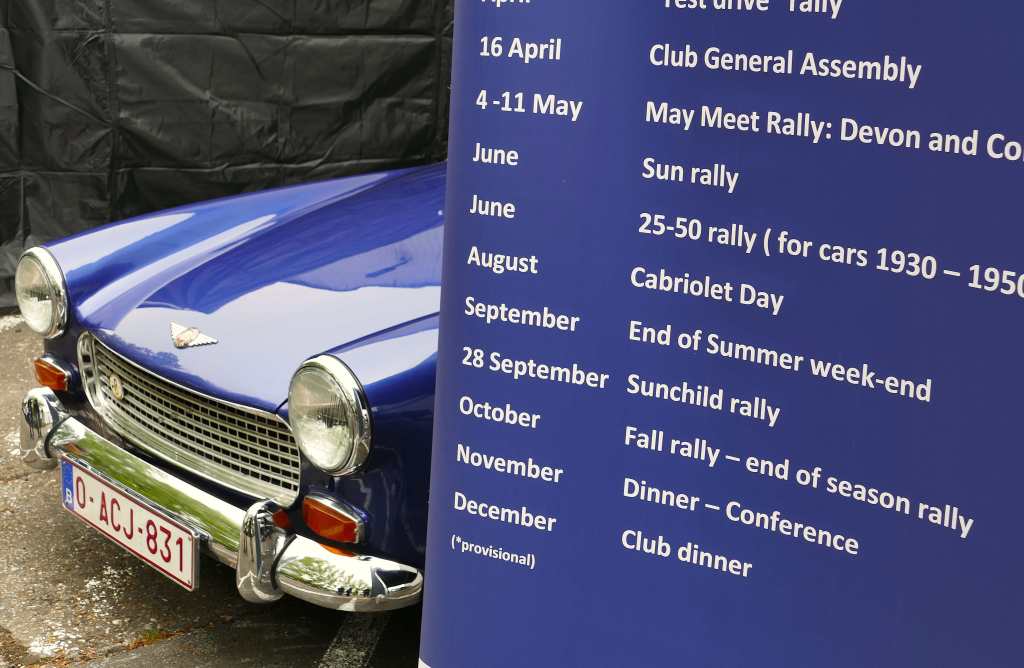
Experience is more important than ownership
This is a subtle but important shift: identity is no longer tied strictly to owning a car. One could welcome enthusiasts without cars, offer shared experiences (rides, events, conferences, storytelling). The focus lies more on participation rather than possession. The other option would be a co-ownership or co-investment in a “classic”, as we told earlier
Conclusion in one sentence…
The modern DNA of multibrand oldtimer clubs is: a diverse, inclusive community built around shared automotive culture, where heritage, experience, and openness matter more than brand loyalty, around a well defined wider or narrower “classic status” of the cars, combined eventually with a well described level of technical purity.
Hans Knol ten Bensel
 Autoprova - for the Connaisseur