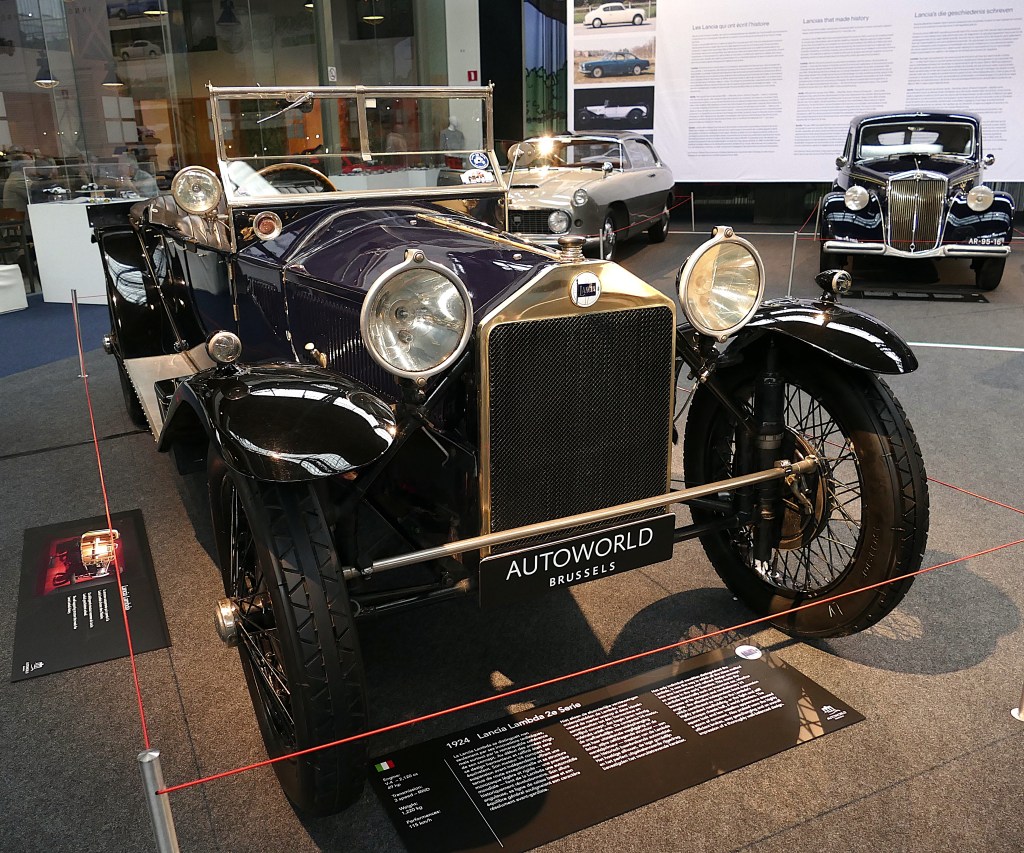
We continue here our report about this stunning exhibition of 12 absolutely iconic Lancias, which we can admire until April 19 at Brussels Autoworld.
A car which set Lancia apart as a brand with a unique enineering excellence is the Lambda. It was intoduced in 1922 and featured not only a revolutionary and compact V4 engine. This V-4 was banked at a tiny 13-degree angle (later 14 degrees), with a flat cylinder-head face and combustion chambers in the block. Nobody had ever seen anything like it.
But there were other surprises: it also had a load-bearing unitary body. Indeed, and here we cite the famous connoisseur Michael Frostick: “its unique unitary construction, in which body and chassis were one, came a good ten years before Mr. Budd succeeded in selling his idea for a monocoque to Andre Citroen.”
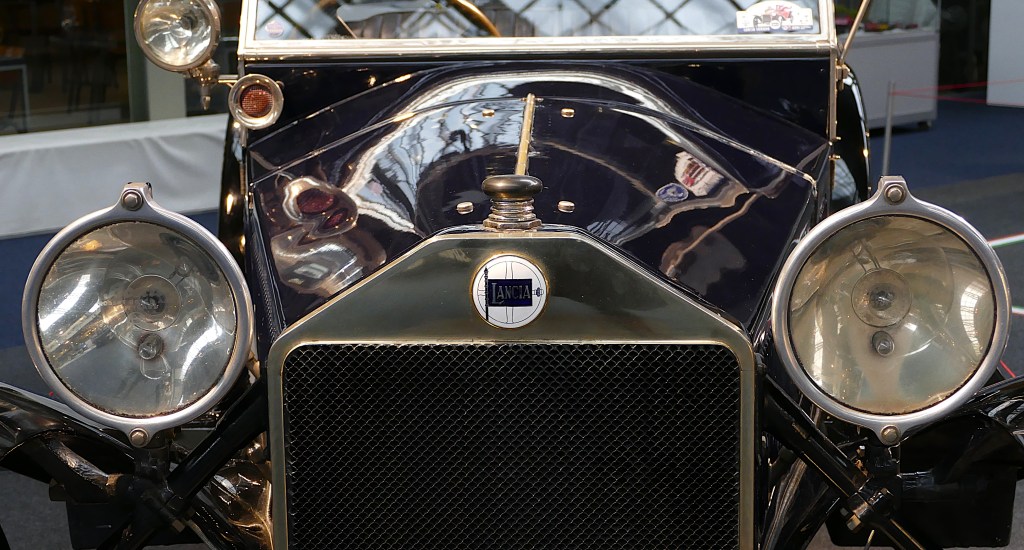
As if this were not enough, it also introduced an independent front suspension. This sliding pillar suspension was a trademark of all subsequent Lancias, used not only for all the cars before the Aurelia, but also for the Appia, up until its replacement in 1963 by the Fulvia. The suspension has an integral spring and shock absorber (all made by Lancia in house) working around a large vertical set pin internal to the assembly.
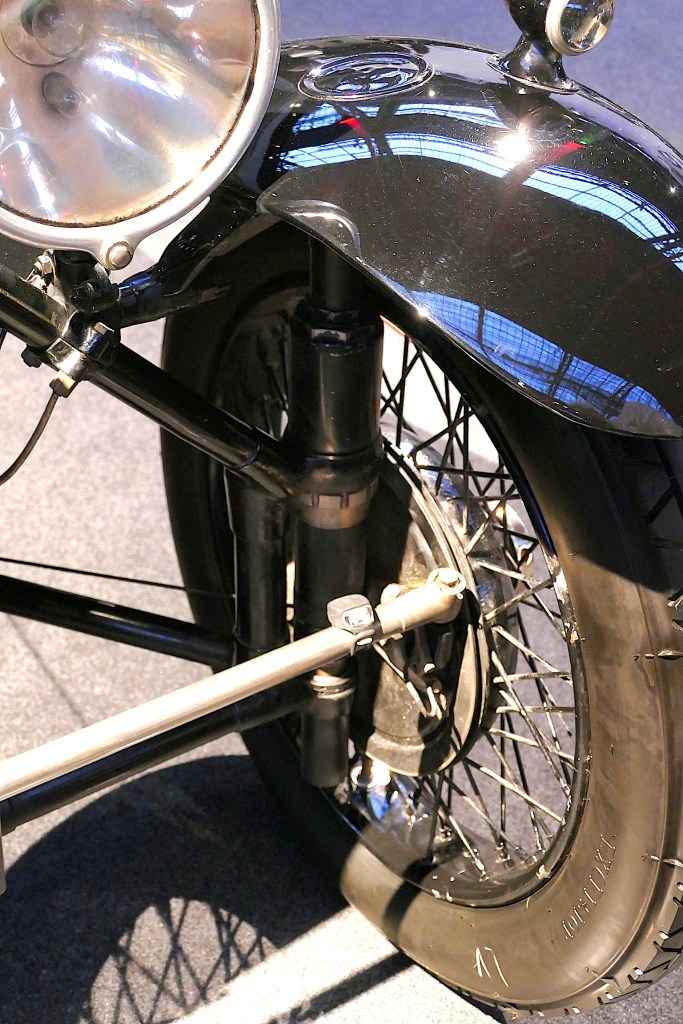
The pin is anchored into a beam axle at a particular angle, and camber and caster are fixed at the factory. The shock setting is easily adjustable by hand at the top of the pillar, and one can change it from soft to hard in a moment, or even (as the Lancia Owner’s Manual suggests) summer/winter. Absolute genius!
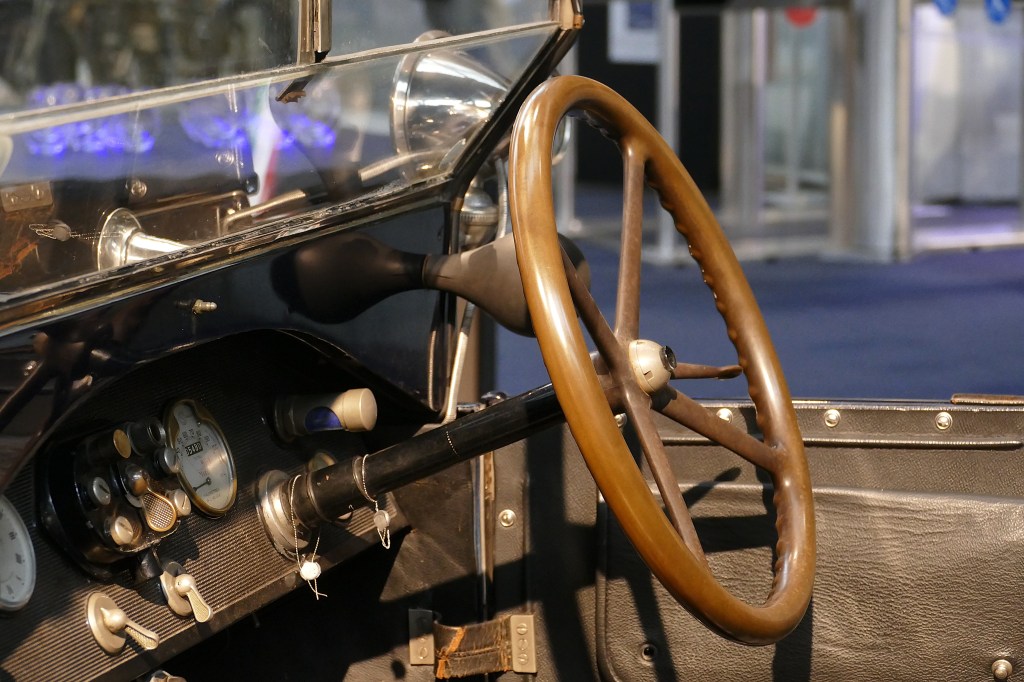
Lancia also introduced powerful four wheel brakes on the Lambda. All this resulted in a car with excellent handling, and indeed the Lambda proved faster over a winding track than anything Lancia had hitherto produced, including the big Tri Kappa, an eight cylinder with twice the horsepower.
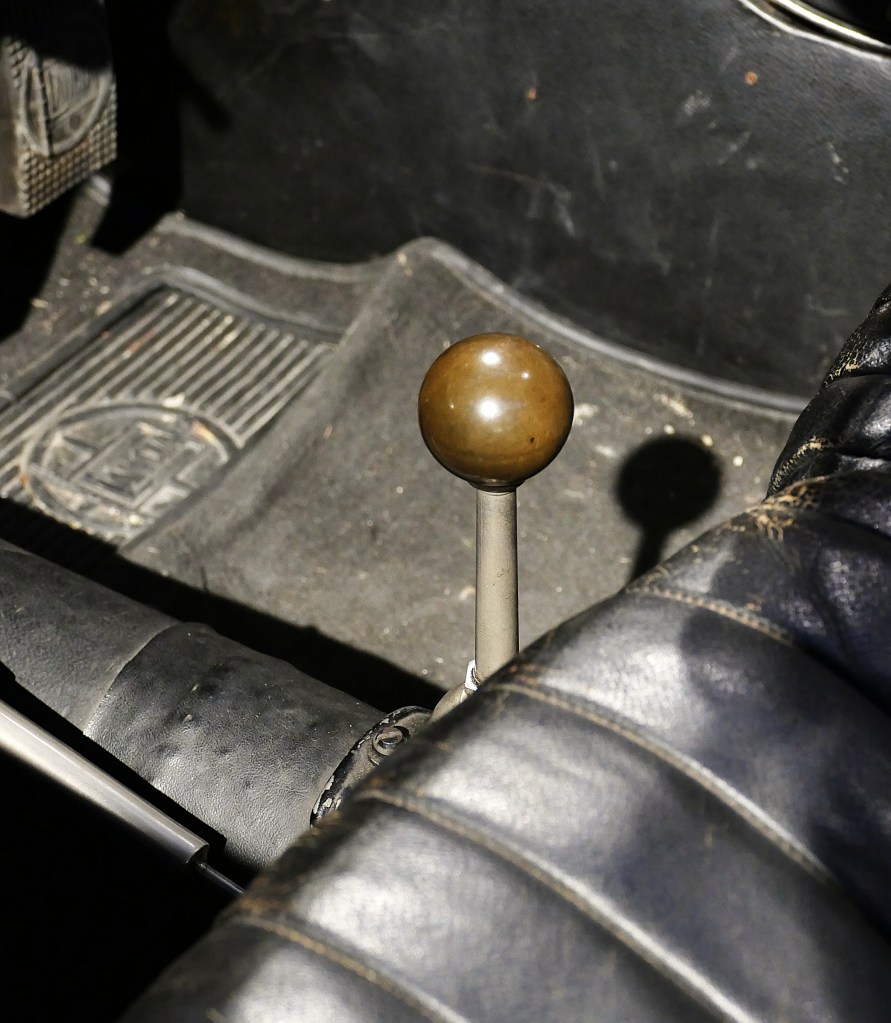
The Lambda became the car to win races with, and in 1927, when Italy’s famous open road race, the Mille Miglia, was first held, a trio of Lambda’s took the first three places overall. Note on the photo above the short, sporting gear lever!
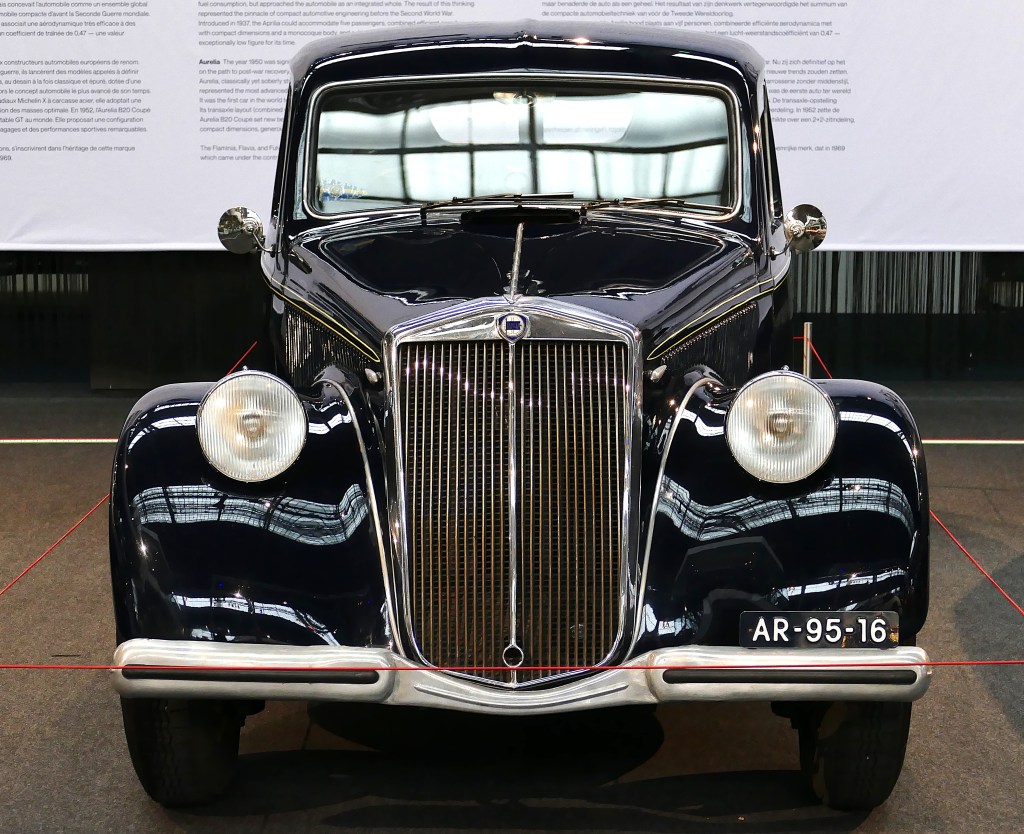
Another pre-war Lancia that won my heart was the Aprilia. Just look at its classic, timeless, compact proportions. It was born in 1936, but the car on the show is a 1947 2nd series example. It was Lancia’s first berlinetta aerodinamica. Indeed, it was one of the first designed using a wind tunnel in collaboration with Battista Farina and Polytechnic University of Turin, achieving for those days a record low drag coefficient of 0.47.
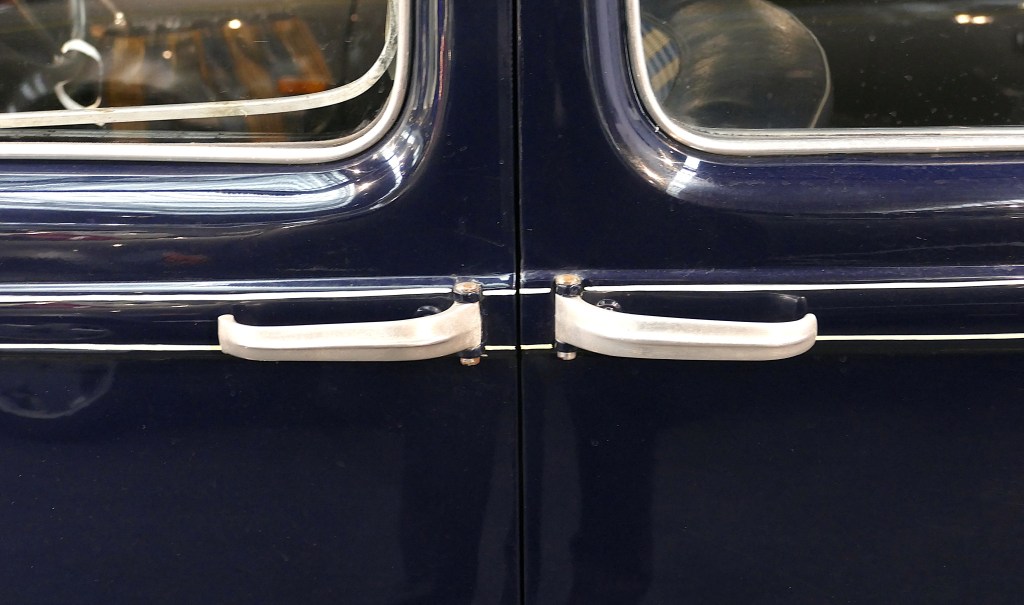
It was to be Vicenzo Lancia’s very last car, as the founder died in 1937, when series production started. It was indeed designed by Vicenzo, and featured four pillarless doors. Just look at the door handles, which are in the same position as in the pillarless 4-door Lancia Florida, which I showed you in part one. The Aprilia also featured an independent rear suspension, with inboard brakes…
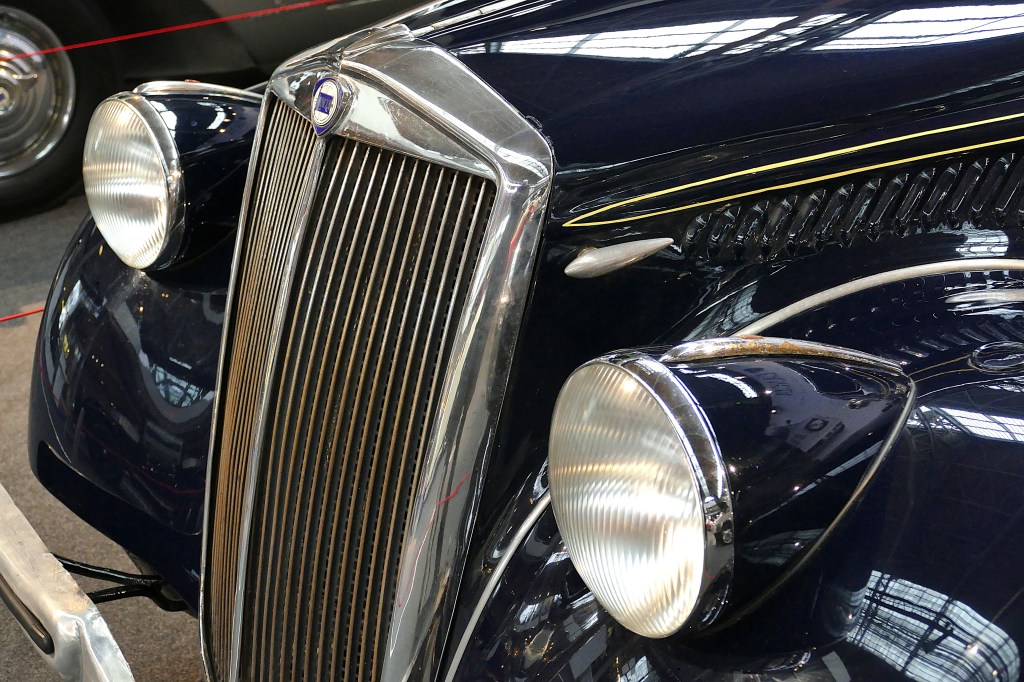
The Lancia story will go further in part 3. We will tell you then more about the Lancia PF200 prototype and the legendary D50 racing car…
Hans Knol ten Bensel
Practical info: The exhibition runs until April 19 at Autoworld, Parc du Cinquantenaire 11
1000 Brussels, Belgium.
Please note, the museum is closed Wednesday 11 March, Thursday 12 March and Monday 16 March 2026.
Opening hours: MONDAY – FRIDAY
10:00 – 17:00
SATURDAY & SUNDAY
10:00 – 18:00
 Autoprova - for the Connaisseur