
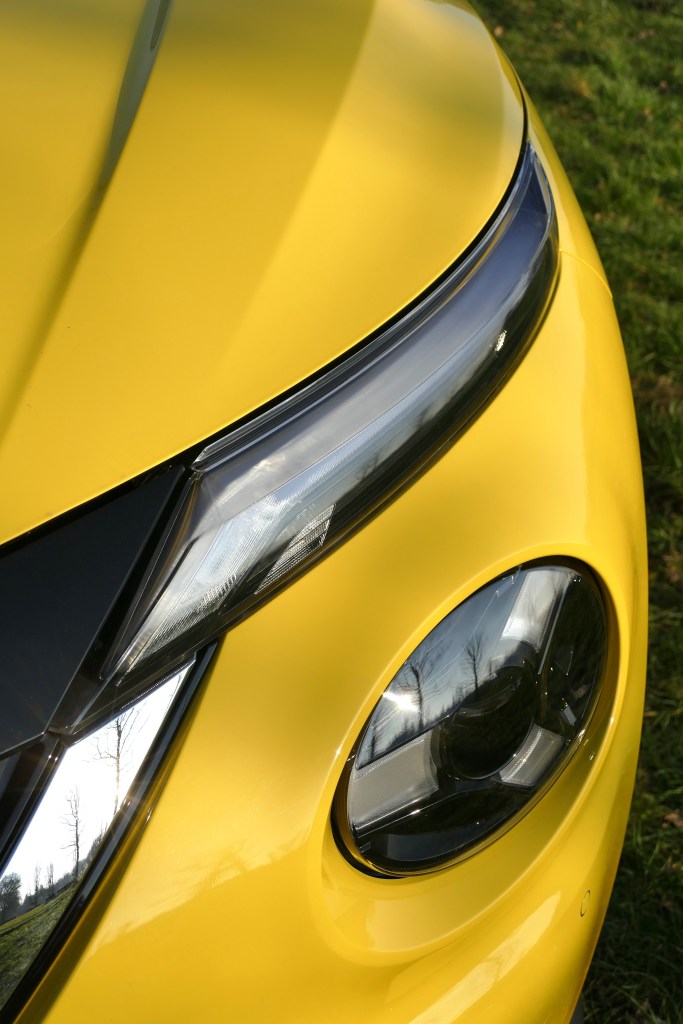
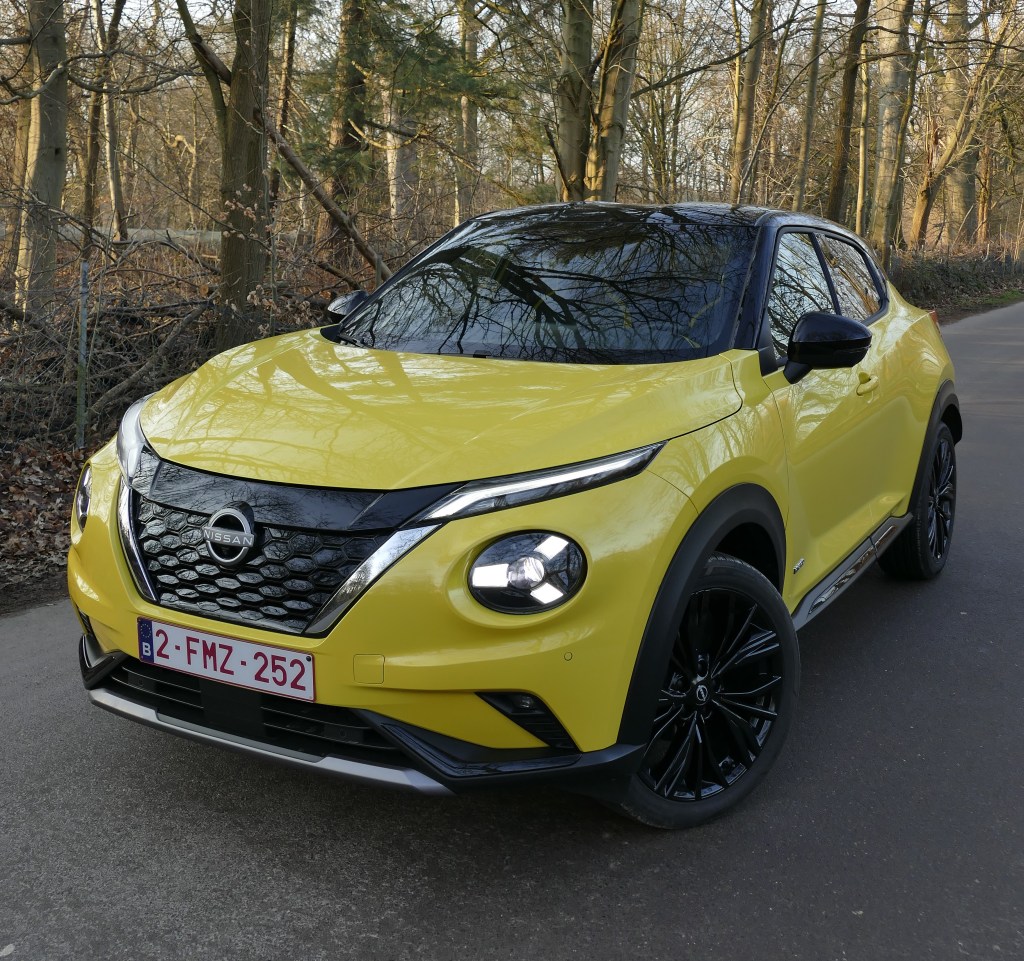
The Nissan Juke pioneered the compact SUV with its very original styling, and has remained an iconic car indeed. Since 2019 the Juke is in its second generation, and has last year received a facelift with minor exterior changes but with a revamped interior and a bolder colour palette. It runs on the same platform as the Renault Captur, but as said, it’s the styling which makes this Juke really stand out.
Since 2022 it is also offered in hybrid version, and as hybrids are gaining in popularity, it is this version we preferred to put here through its paces for you.
Hans Knol ten Bensel
Proven hybrid technology
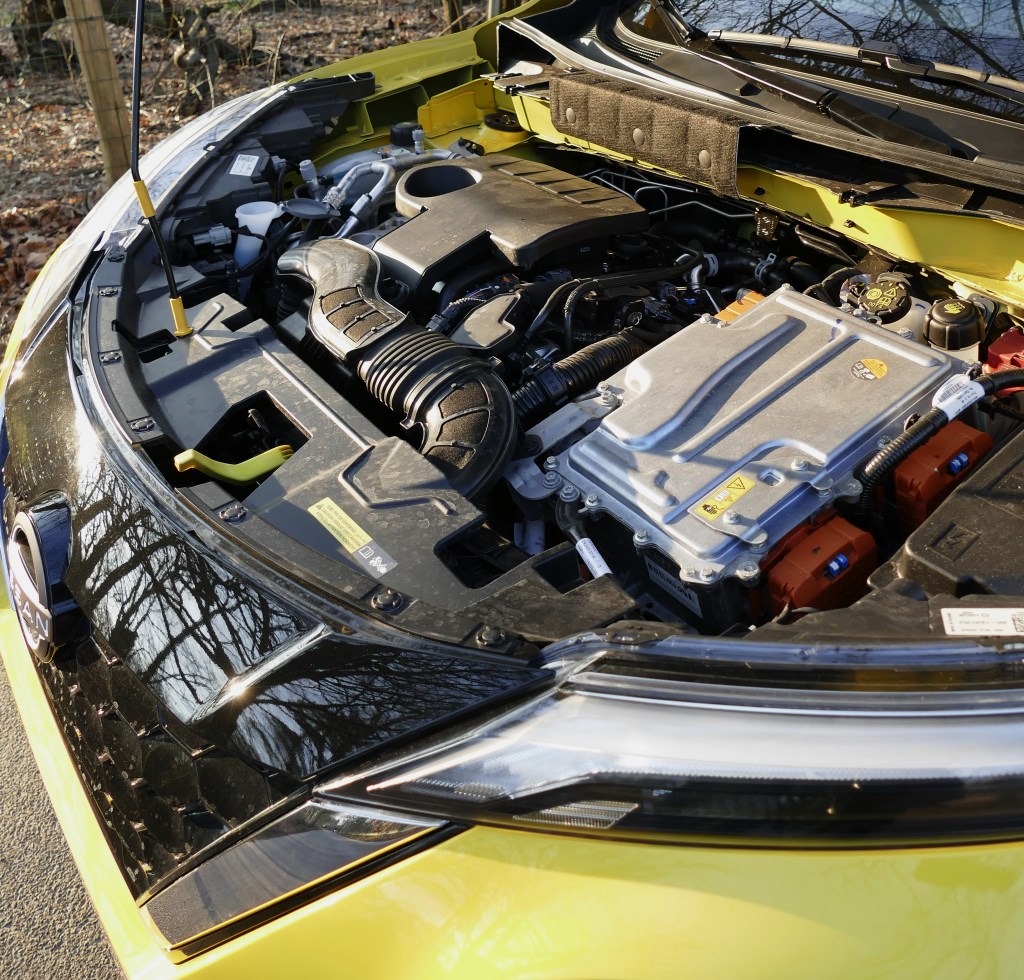
The hybrid version inherits the know how built up in this field by Renault, which is also technically speaking understandable as it shares, as we said, its platform with the Renault Captur. It has a 16 valve 1598 cc four cylinder under the hood, developing 69 kW or 94 HP at 5600 rpm. It has two electric motors, an alternator and a traction motor, bringing total system power to 143 HP/100 kW.
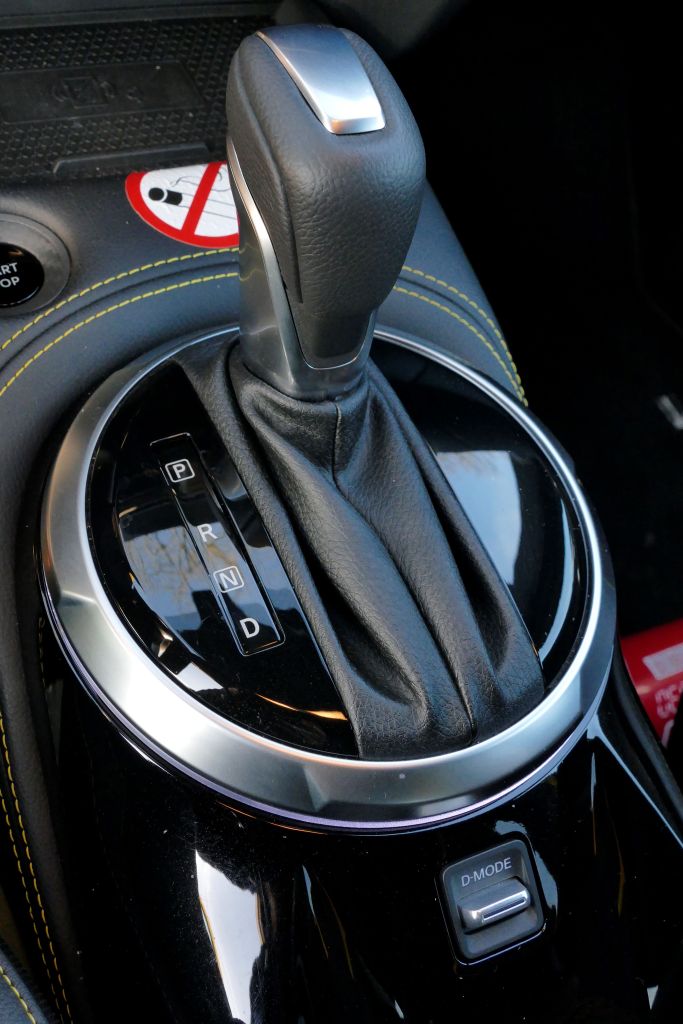
It has the same Renault engineered E-TECH multi-mode automatic gearbox, and it lets you select between three driving modes, standard, ECO and Sport. When starting from standstill, the computer controlling the transmission will select the electric motor and will continue to do so, until more power is asked by your right foot and the combustion engine has to set in.
The power transitions are smooth and virtually imperceptible, resulting in quite stress free and pleasant city driving. The lithium battery is of course not a formidable power source with a capacity of merely 1,2 kW, and this means that the combustion engine has to recharge the battery frequently, which it does preferably when you are driving at a slow (urban) constant speed.

This can result in the combustion engine starting to rev quite significantly when you are cruising quietly at some 35 km/h on a city boulevard, which can initially be quite unsettling, but no alarm, the computer is doing its intelligent job to let you progress as efficiently as possible. The multi-mode transmission chooses not less than 15 gear- and power combinations for you.
All this wizardry results in good (urban) consumption figures of around 5,5-6 liters/100 km. On the open road the Juke is quite efficient too. We clocked on a drive to Amsterdam and back an average of 5,4 liters/100 km.
CO2 emissions are some 107 g/km by the way.
Acceleration performance is pleasantly brisk with 0 to 100 km/h absolved in merely 10,1 seconds. It is the punch at slow speeds which is impressive (and important), with for example going from 15 to 30 km/h in just 1,2 seconds.
Top speed is a reasonable 165 km/h, but indeed, absolute high speed driving is not the forte of this Nissan. Of course it is perfectly capable of cruising effortlessly and comfortable on our motorways at legal speed limits…
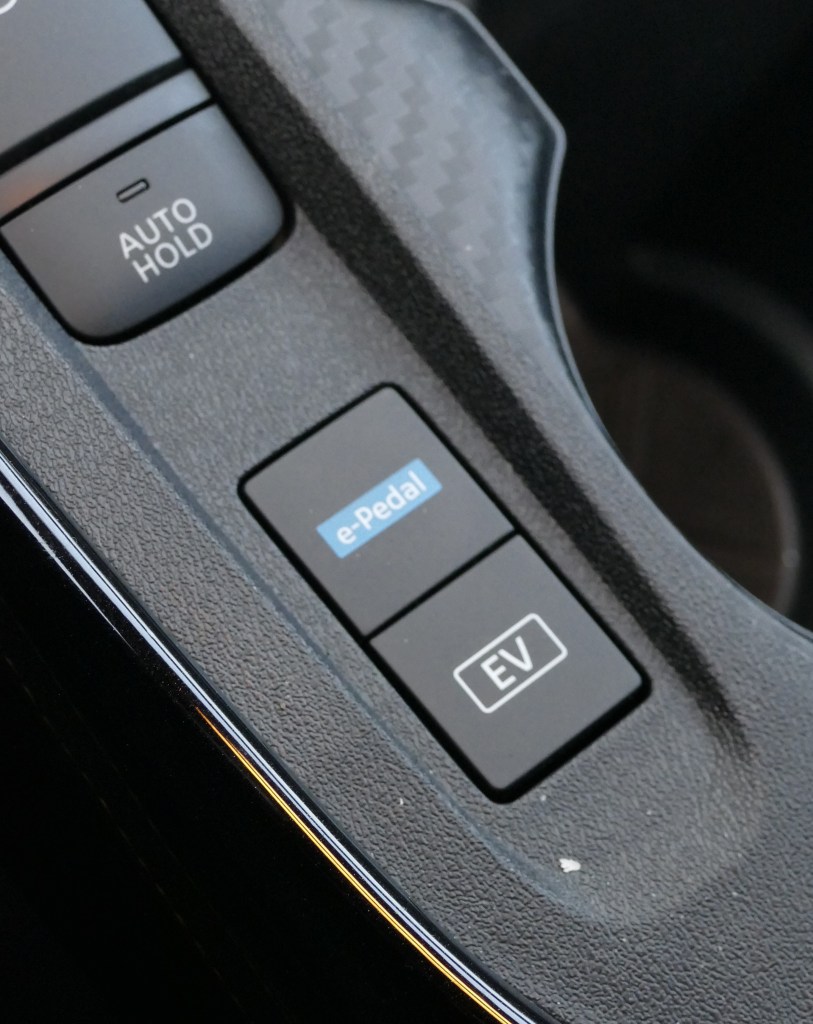
We also liked the “e-pedal”, where the generator motor will use the kinetic energy even more intensely to recharge the battery. You soon learn to use this to the extent that you will hardly need the brakes…
Travelling in style, and oh, that sound…
The SUV character of the Juke makes you sit pleasantly somewhat higher, and getting in and out if the car is also easier. We found the seating position excellent, and everything fell “just right” in our hands.

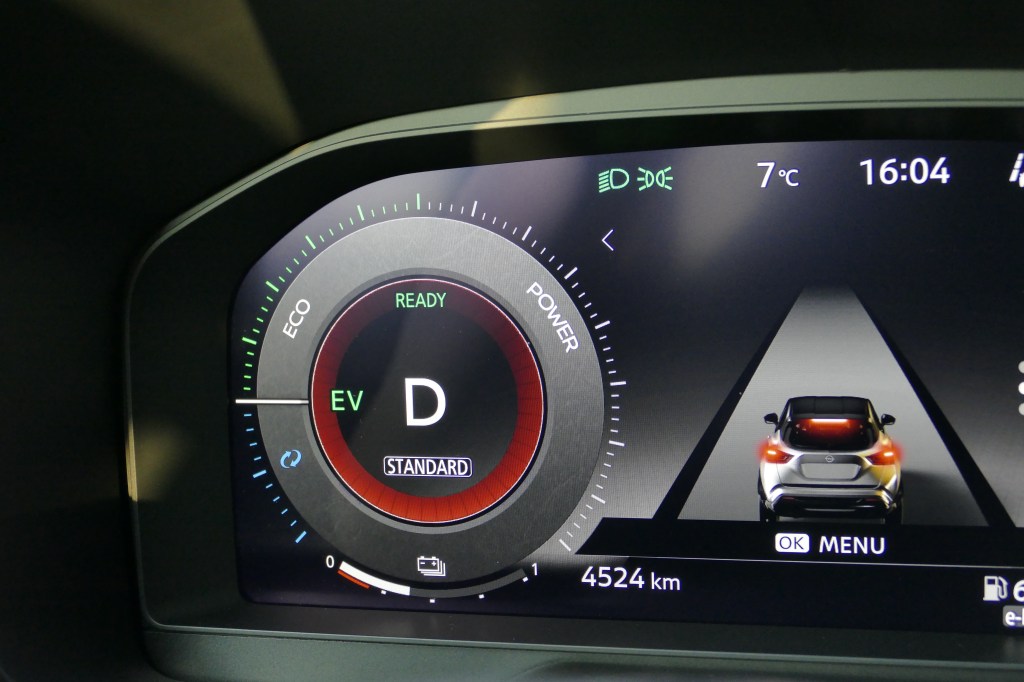
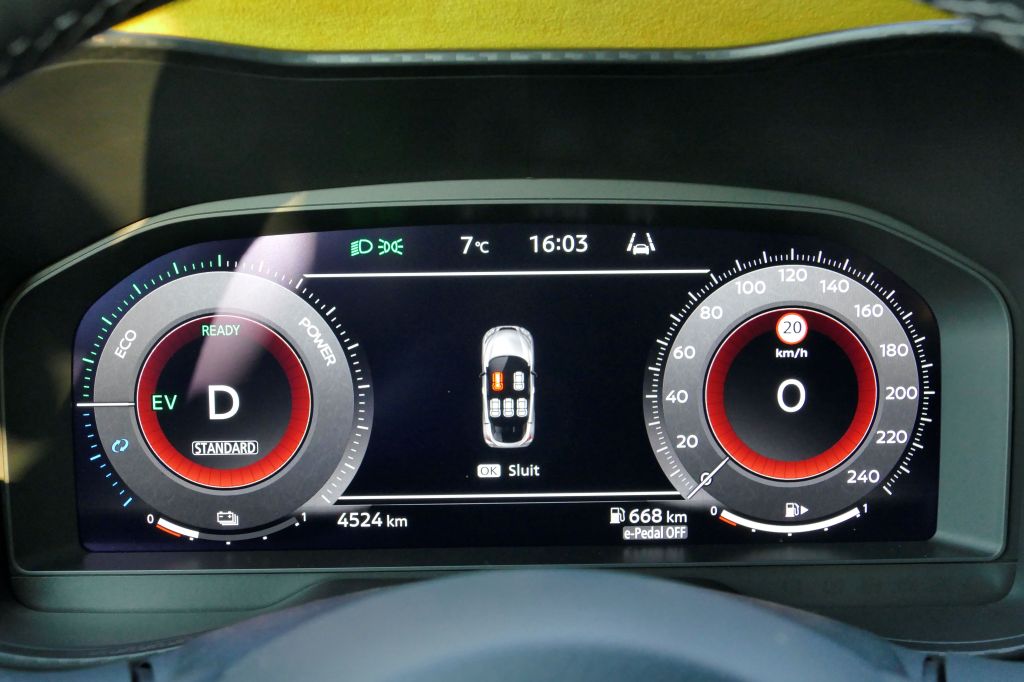
The Juke has now a bigger central touchscreen of 12,3 inches and a revamped digital instrument display with identical 12,3 inch dimensions. Very readable and elegant round dials are displayed in front of the driver, and you can choose to display the navigation function also between the dials. Of course Apple Car Play and Android Auto are installed and voice commands are also reliable and reactive.
We liked the big round knob for the sound system volume and the further touch buttons for audio functions and last but not least the camera. There are also welcome “physical” commands for the ventilation/heating system.

Our test car came with the Bose Plus personal audio system with not less than 10 audio speakers, two of which are also positioned in the headrests, and this offers a very impressive sound experience.
To enjoy classical music however one has to take into account that you are driving a compact SUV, and besides the fact that tire/road noise levels are good for its segment, it can still impair a perfect listening experience.

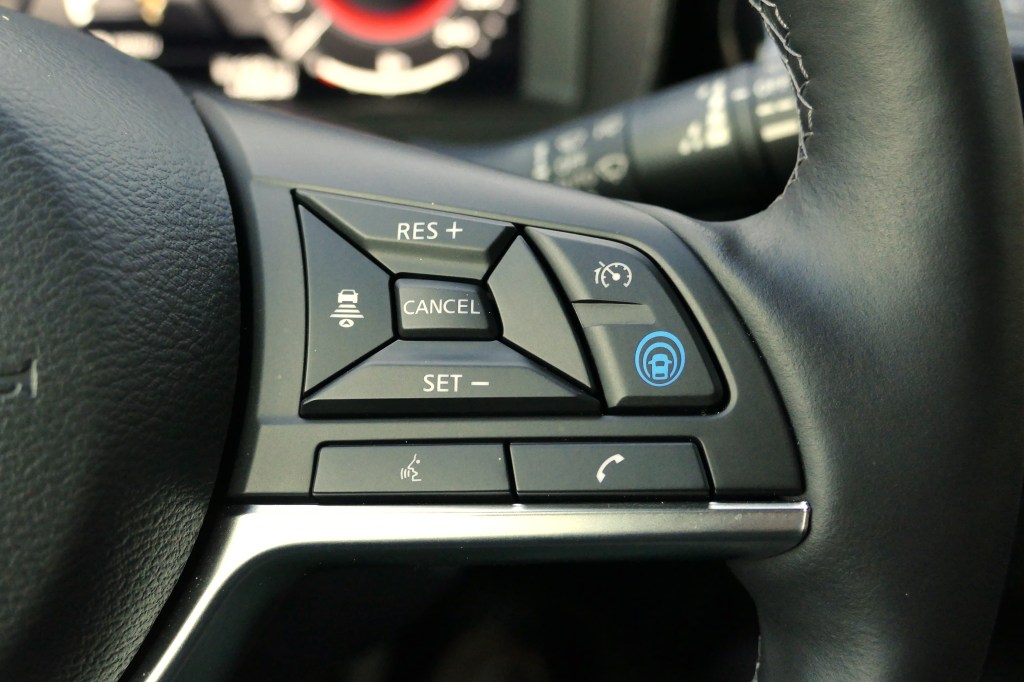
Our test car came also with the so-called “technology package”, and this includes adaptive cruise control, lane change warning and further driving aids like blind spot warning and rear cross traffic alert. It also has the Intelligent Nissan Round View Monitor, which we liked very much, as the visibility towards the rear is rather poor due to the original styling of the Juke.
The N-Sport equipment version pleased us optically with its nice black lacquered 19 inch “Akari” alloys, lacquered bumpers, the two-tone paint finish.
More room and comfort

The Juke is comfortable, the suspension is never too harsh and seats are fine. Passenger space at the rear has been improved since 2019 with a lengthened wheel base by some 10 centimeters, resulting in about 6 centimeters more space for your knees in the back. Due to the bold styling of the Juke, the floor of the luggage compartment is rather high. Luggage volume is reasonable, varying between 354 to maximum 1237 liters.
Positive handling
The Juke is stable and has predictable handling, but does not actually invite you to throw it around corners. It steers precise and pleasant however, and is relaxing to drive also on winding roads. It feels very surefooted on motorways, and indeed it is also an excellent companion on long distances.
Conclusion
For those who like to travel in style, enjoying this unique higher stance and feel so typical of an SUV, then the Juke is the choice. It truly convinces in its hybrid configuration, delivering smooth and fast accelerations in town, combining it with excellent economy. Infotainment and driving aids are up to scratch, and will please younger hearts. The Juke inspires confidence due to its finish and workmanship, the cabin is well equipped and pleasant, so enjoy the ride…
Hans Knol ten Bensel
Photographers’ notes: we used again our Lumix DMC-FZ1000 with its Leica DC Vario-Elmarit 2.8/4.0 25-400 mm (35mm equivalent) lens. Its extended zoom range is very useful for photographing car details and avoiding extensive cropping. In lower light conditions however, the depth of field is of course quite small…

 Autoprova - for the Connaisseur