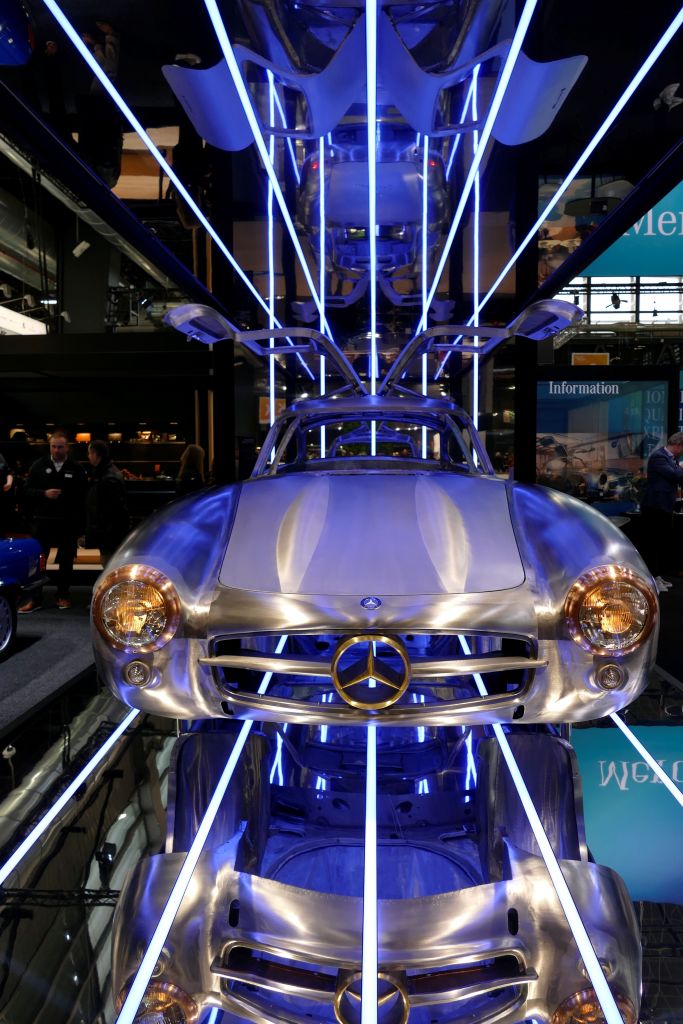
For decades, oldtimer clubs have been guardians of automotive history. What began as small circles of enthusiasts preserving pre-war and post-war vehicles, has evolved into a dynamic scene balancing tradition with modern realities.
Today, classic car clubs stand at a crossroads— challenged by demographic change, environmental debates, and digital transformation, yet energized by new generations and fresh interpretations of “classic.”
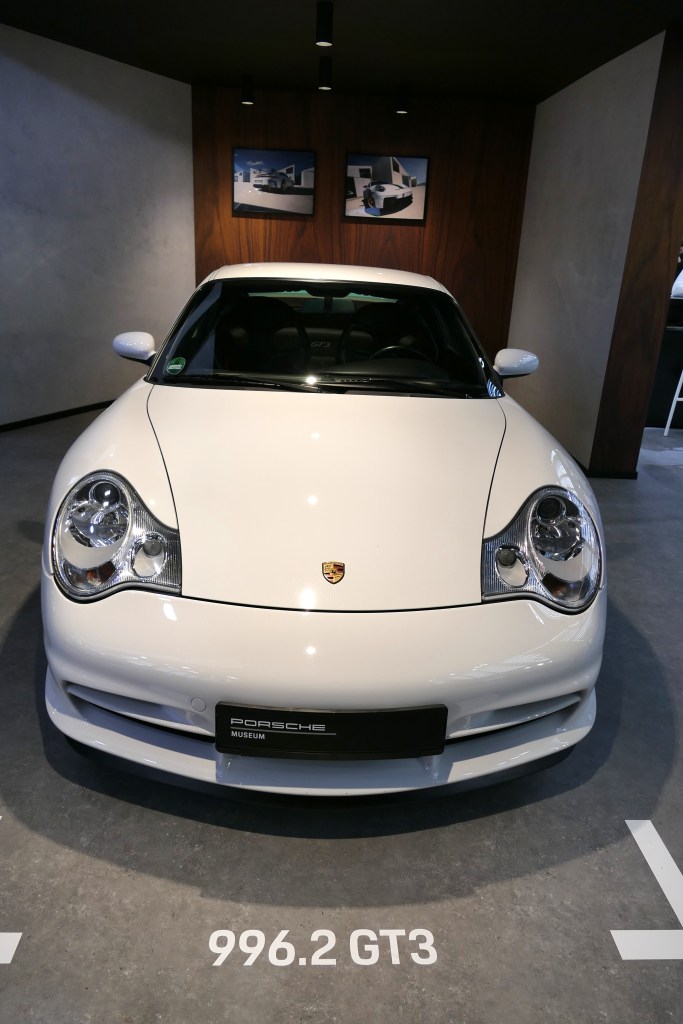
Today, even one brand classic car clubs are turning towards more recent classic cars, and “youngtimers”, serving as a basis for rejuvenated “resto-mods” with everyday practicality and sporting driving appeal to a younger generation of older car lovers…
Historically, oldtimer clubs were built around mechanical expertise.
Members shared restoration knowledge, sourced rare parts, and organized rallies long before online forums existed. Their work contributed significantly to the preservation of automotive heritage.
International organizations such as the FIVA or Fédération Internationale des Véhicules Anciens continue to advocate for the recognition and protection of historic vehicles worldwide.
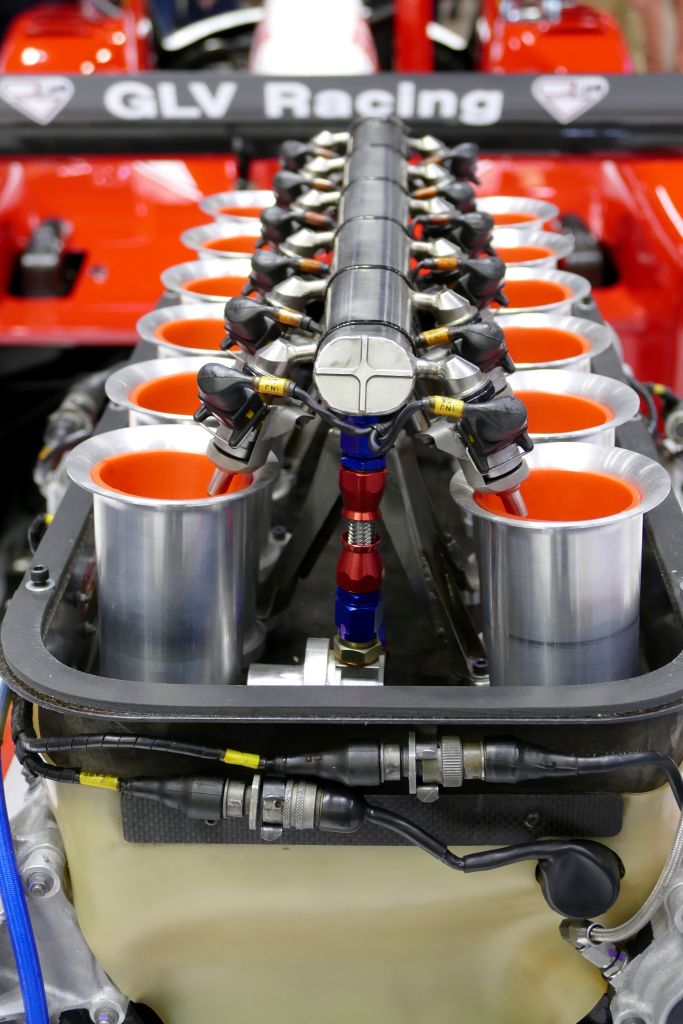
However, many clubs now face an aging membership base. Traditional enthusiasts are often over 60, while younger generations grow up in an era shaped by digital mobility, car-sharing, and, last but not least, electrification.
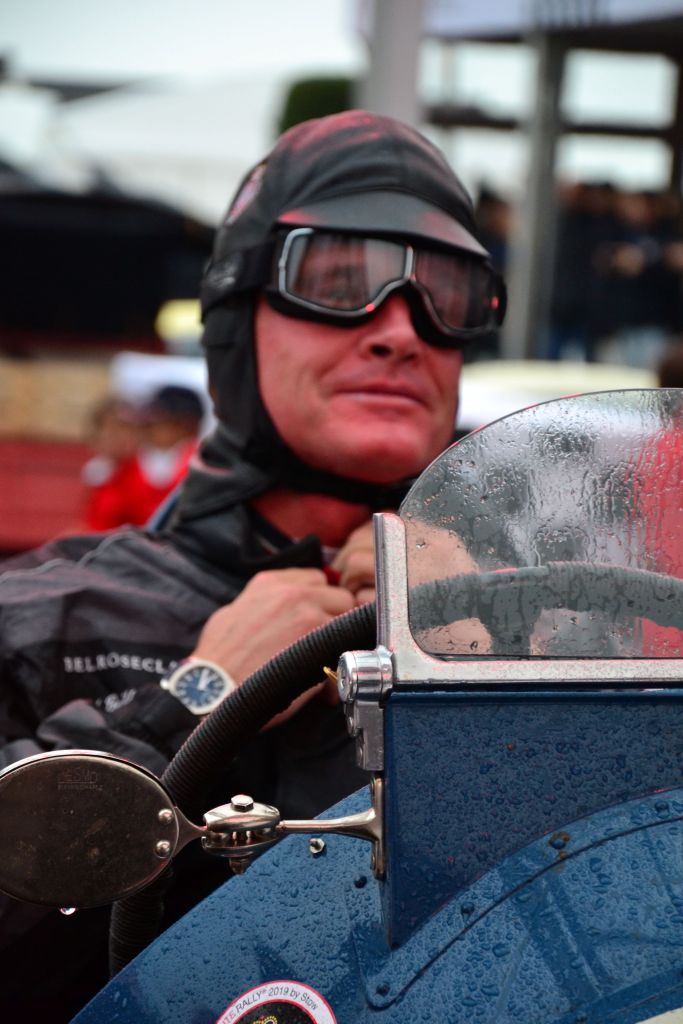

At the same time, urbanization limits garage space and hands-on mechanical experience.
Yet the outlook is not purely pessimistic.
Younger enthusiasts are increasingly drawn to vehicles from the 1980s and 1990s — the so-called “youngtimers.” Models such as the BMW E30 or the Volkswagen Golf GTI have become icons for a new generation, offering both nostalgia and affordability. There is also increasing interest in so-called “resto-mods.” More about this trend in a separate article.At the same time, urbanization limits garage space and hands-on mechanical experience.
Yet the outlook is not purely pessimistic.
Younger enthusiasts are increasingly drawn to vehicles from the 1980s and 1990s — the so-called “youngtimers.” Models such as the BMW E30 or the Volkswagen Golf GTI have become icons for a new generation, offering both nostalgia and affordability. There is also increasing interest in so-called “resto-mods.” More about this trend in a separate article.
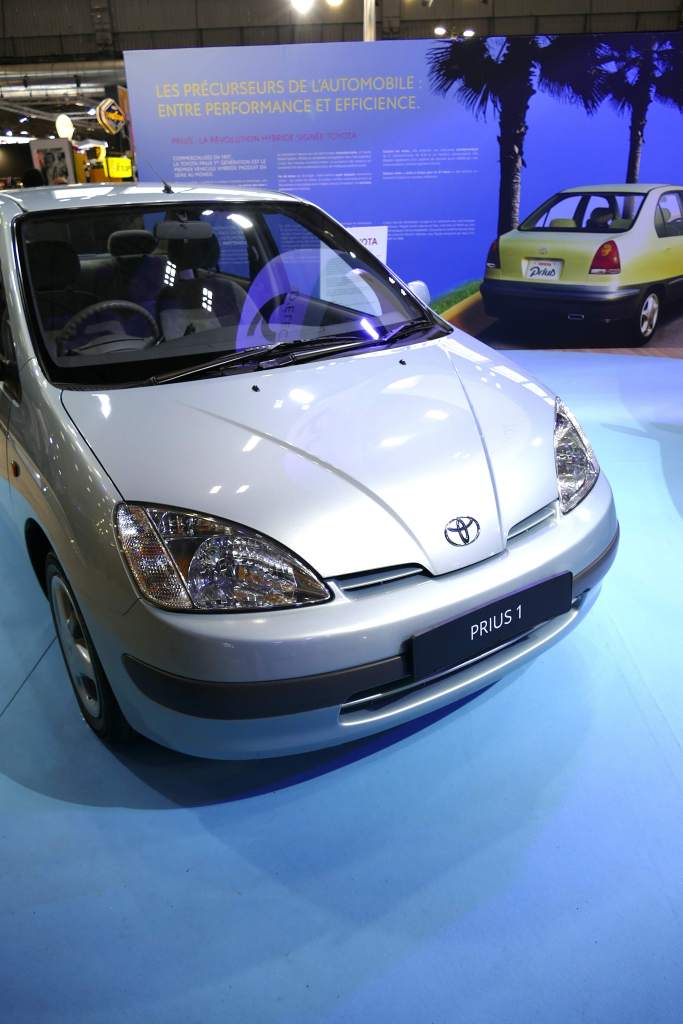
Environmental and political pressures also shape the landscape. Low-emission zones and stricter regulations challenge classic car owners, particularly in urban areas.
Nevertheless, historic vehicles typically represent a very small percentage of total traffic and are driven only occasionally. Automobile associations, such in Belgium the BEHVA, and in Germany the ADAC often collaborates with classic car groups to ensure fair regulatory treatment.
Meanwhile, digital transformation has reshaped club life.
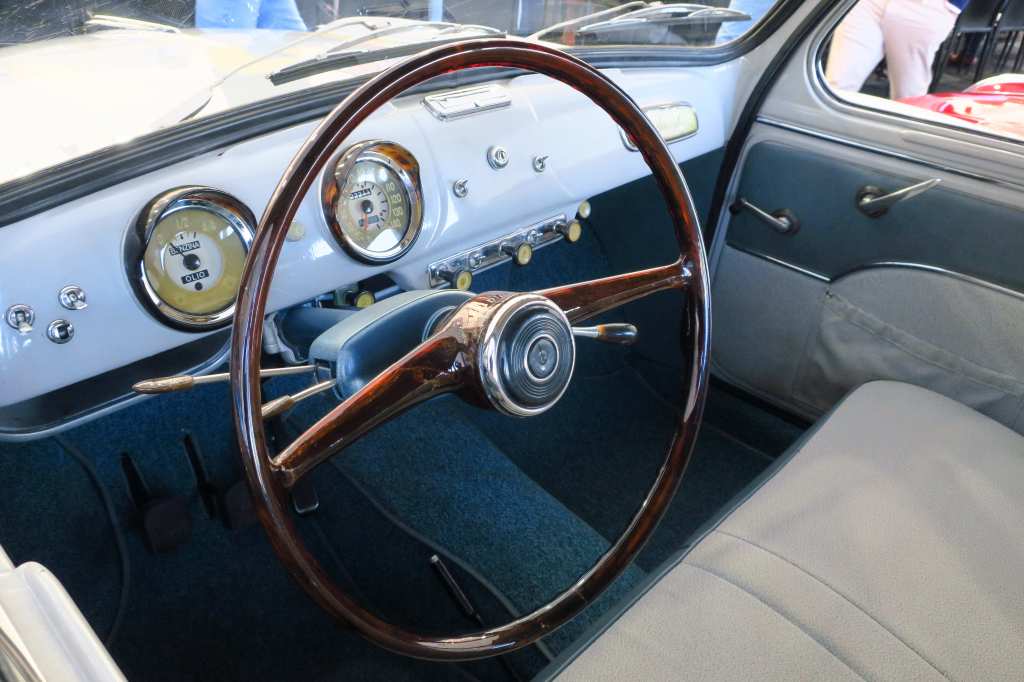
Newsletters have moved to messaging apps, restoration tutorials circulate on YouTube, and events are coordinated via social media. What once depended on local networks now thrives in global communities.
Oldtimer clubs are unlikely to disappear — but they are changing. The future may bring more flexible, event-based communities, greater diversity among members, and perhaps even debates about synthetic fuels and the role of electric classics.
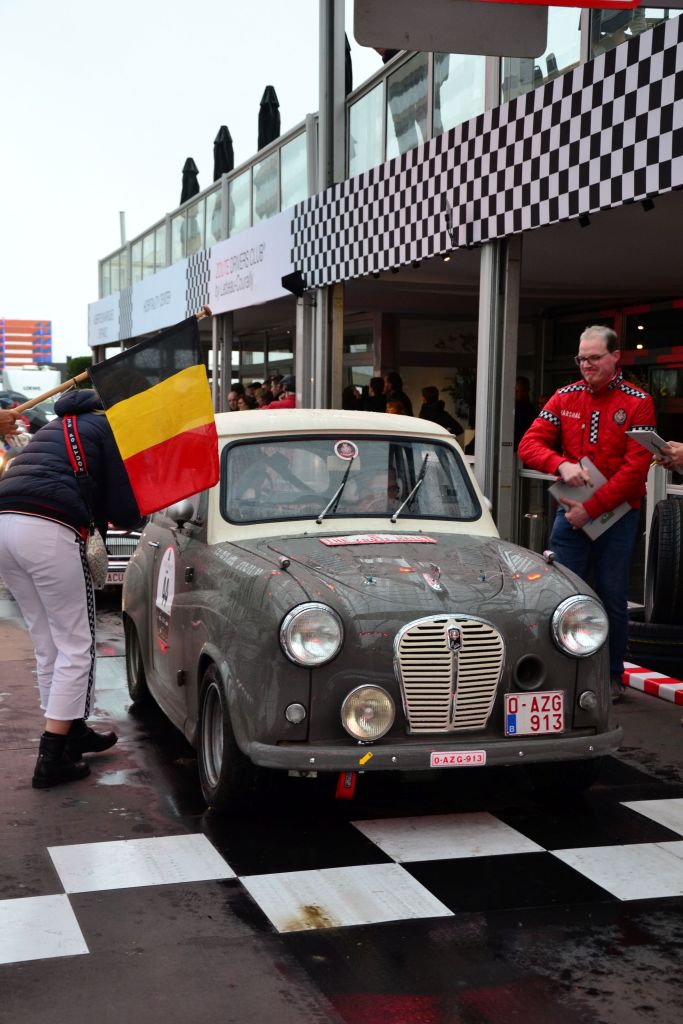
What remains constant however, is the fascination with mechanical authenticity and the emotional connection to “analog” driving. In a rapidly evolving mobility landscape, classic car clubs continue to offer a space where history is not only remembered, but experienced, and young generations are more than ever keen on enjoying regularly and really driving almost the year round their historic and “classic” cars…
Hans Knol ten Bensel
 Autoprova - for the Connaisseur